20 habitudes vestimentaires qui distinguent le bon goût de l’argent

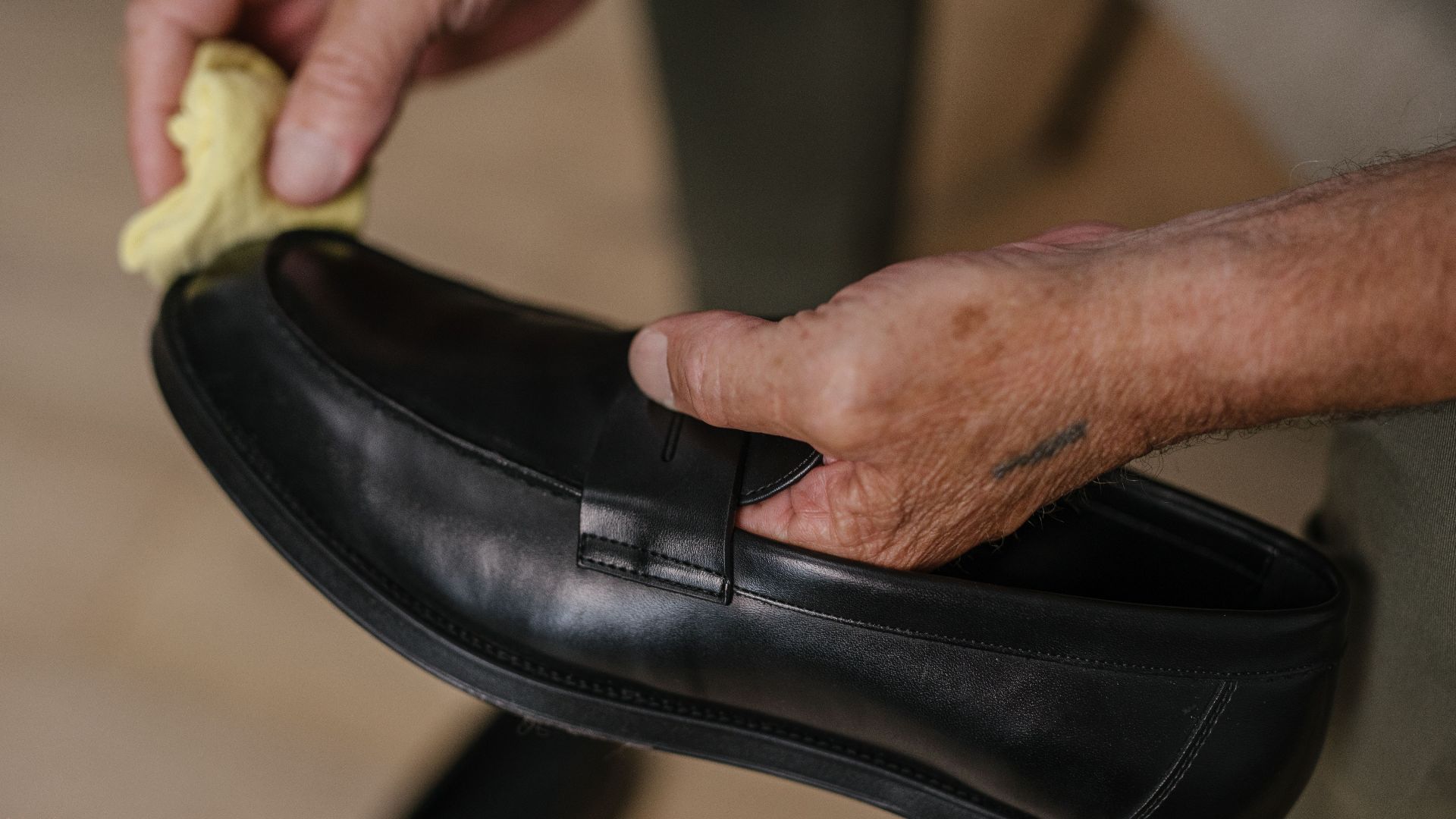
N’importe qui peut entrer dans un magasin et acheter un article coûteux, mais cela n’a jamais été synonyme d’une tenue soignée. Les personnes qui ont toujours fière allure ne dépensent pas forcément plus ; elles prêtent simplement attention à des détails que la plupart des acheteurs négligent complètement. C’est avant tout une question d’habitudes, de petits choix répétés qui n’ont rien à voir avec le prix, mais tout à voir avec le soin apporté à sa tenue. Vous le remarquerez à la façon dont les vêtements tombent, à la manière dont ils sont entretenus, et à la façon dont une personne assemble ses tenues plutôt que de se contenter de collectionner des pièces. Voici 20 habitudes qui distinguent les personnes ayant un vrai goût de celles qui se contentent de dépenser beaucoup d’argent.

Ryan Seacrest is selling his spectacular Napa Valley estate for $18.5 million

Ryan Seacrest is turning a major page in his life by selling his spectacular estate in St. Helena, in the heart of California’s renowned Napa Valley. The host and producer sold this exceptional property for $18.5 million. Built in 2004 by renowned architect Howard Backen, the Tuscan-style residence spans more than 40 acres of lush grounds and offers a perfect balance between rustic elegance and modern comfort.

Featuring five bedrooms, an impressive climate-controlled wine cellar, a guest house, and outdoor amenities worthy of a resort, this home embodies the California lifestyle in all its splendor, set amid exceptional vineyard landscapes.

20 choses que les femmes pensent que les hommes remarquent chez elles… mais qui, en général, leur échappent

Les femmes ont souvent tendance à prêter attention au moindre petit détail avant de sortir de chez elles, et comme si cela ne suffisait pas, on part souvent du principe que tous les hommes dans la rue le remarqueront aussi. Eh bien, nous avons une bonne nouvelle. Les hommes ont généralement tendance à se concentrer d’abord sur l’ensemble : l’assurance, l’aisance, la posture, et le fait que votre look vous corresponde. Cela ne veut pas dire que les petits détails n’ont aucune importance, mais bon nombre de ceux qui vous préoccupent passent pratiquement inaperçus à leurs yeux, et nous sommes là pour les passer en revue !

20 habitudes quotidiennes qui améliorent discrètement votre apparence au fil du temps

Pour être au mieux de sa forme, il n’est généralement pas nécessaire de recourir à des relookings spectaculaires ou à des produits coûteux. Le plus souvent, c’est le résultat de petites habitudes quotidiennes qui, au fil des mois et des années, améliorent progressivement votre peau, votre posture, vos cheveux et votre apparence générale. Si vous les adoptez avec régularité, ces 20 gestes simples vous permettront d’avoir l’air en meilleure santé, plus reposé(e) et naturellement soigné(e).

Catégories
Uncategorized

Doug Ford signe un accord avec des officiels américains et en rencontre de nombreux autres

Doug Ford parvient une nouvelle fois à transformer une période d’incertitude en succès politique. Ford n’a cessé de prouver qu’il donne le meilleur de lui-même lorsqu’il est confronté à un défi. Son gouvernement n’a pas mal géré la crise du COVID-19, affichant des taux de mortalité inférieurs à ceux des provinces voisines, et il a réussi à transformer les menaces anti-canadiennes de Donald Trump en soutien politique. Aujourd’hui, il tente d’exercer une influence personnelle sur la guerre commerciale entre le Canada et les États-Unis en rendant visite à des membres du Congrès et à des responsables d’État.

Le premier ministre a signé un protocole d’accord avec l’Utah le 29 juin en présence du gouverneur Spencer Cox et séjourne actuellement dans cet État pour assister à la réunion annuelle de la Western Governors’ Association. Des représentants de 22 États et territoires américains font partie de cette organisation regroupant les gouverneurs, parmi lesquels figurent des États majeurs comme la Californie et le Texas. Alors que l’accord commercial entre le Canada, les États-Unis et le Mexique doit faire l’objet d’un réexamen obligatoire le 1er juillet, ce n’est pas un hasard si Doug Ford consacre cette semaine du temps à rencontrer d’influents gouverneurs américains.

« Le Canada et les États-Unis sont toujours plus forts lorsque nous travaillons ensemble pour renforcer la coopération, la collaboration et les échanges commerciaux, afin de favoriser la croissance économique des deux côtés de la frontière »,

-Doug Ford

Ford répond à la demande de Carney

Doug Ford mène à bien l’objectif que le Premier ministre Mark Carney a insufflé à ses premiers ministres provinciaux : nouer des relations avec les États-Unis. Il est désormais clair que de nombreux gouverneurs et législateurs d’États ne sont pas favorables aux droits de douane, contrairement à ce que souhaite Donald Trump. Plusieurs États qui dépendent du commerce en franchise de droits avec le Canada ont souffert de la guerre commerciale menée par Trump, et Carney sait que les États détiennent plus de pouvoir que ne le pensent de nombreux Canadiens. L’Accord sur l’AECG devant faire l’objet d’une révision le 1er juillet, le commerce en franchise de droits qui subsiste entre le Canada et les États-Unis est menacé.

Actuellement, seuls 15 % des échanges commerciaux entre le Canada et les États-Unis sont soumis à des droits de douane. Les 85 % restants sont protégés par les garanties de l’AECG. Cet accord garantit le libre-échange entre les deux pays, et même Donald Trump n’a pas pu contourner ses dispositions. Trump n’a cessé de qualifier l’AECG d’accord désastreux pour les États-Unis, alors que c’est lui-même qui l’a créé. Lorsqu’il est arrivé au pouvoir en 2016, Trump a aboli l’ALENA, l’accord commercial entre les pays d’Amérique du Nord. À sa place, il a créé l’AECG. Aujourd’hui, il affirme que l’AECG est un accord encore pire que l’ALENA, et il en impute la responsabilité à la fois à Obama et à Joe Biden.

Protocole d’accord avec l’Utah

Le dernier accord de Ford a été signé avec le gouverneur de l’Utah, Spencer Cox, lors d’une visite à Salt Lake City. Ce protocole d’accord établit un cadre de coopération triennal dans les domaines des minéraux critiques, de l’énergie nucléaire, de l’industrie de défense, de l’intelligence artificielle, des sciences de la vie et de la fabrication de pointe. Il vise à renforcer les chaînes d’approvisionnement, à encourager les investissements et à créer de nouvelles opportunités commerciales entre l’Ontario et l’Utah. Les responsables provinciaux affirment que cet accord s’inscrit dans une démarche plus large visant à diversifier les partenariats économiques de l’Ontario, tout en maintenant des relations commerciales solides avec les États américains qui restent des partenaires commerciaux importants malgré les tensions persistantes entre Ottawa et Washington.

« L’Utah et l’Ontario partagent un engagement fort à construire et à alimenter l’avenir. Cet accord renforce une relation commerciale déjà importante et soutient la création d’emplois de qualité des deux côtés de la frontière »,

– Spencer Cox, gouverneur

Ford tente de sauver sa carrière politique

Doug Ford doit réussir aux États-Unis. Si sa gestion des crises par le passé a renforcé sa popularité, l’absence de crises au cours de l’année écoulée a mis en évidence la médiocrité de sa gestion dans tous les autres domaines. Pas moins de 70 % des Ontariens souhaitent voir Ford quitter Queen’s Park, et ce pour de bonnes raisons. Doug Ford n’a cessé de montrer qu’il se moquait des travailleurs syndiqués, des premiers intervenants, du personnel de santé, des enseignants et des autres fonctionnaires essentiels.

Récemment, il a été hué et chassé de la scène de son propre festival par des centaines d’ouvriers en colère. Enseignants, infirmiers et syndiqués sont tous venus en masse pour humilier publiquement le premier ministre, et celui-ci a finalement dû écourter son discours, car il ne parvenait pas à se faire entendre au milieu de ces huées bien méritées. Cinquante-six pour cent des Ontariens estiment que Doug Ford mène l’Ontario sur la « mauvaise voie », et le soutien dont bénéficient ses conservateurs provinciaux est désormais tombé à 41 %, son plus bas niveau depuis la première victoire électorale de Doug Ford.

Ford à son meilleur aux États-Unis

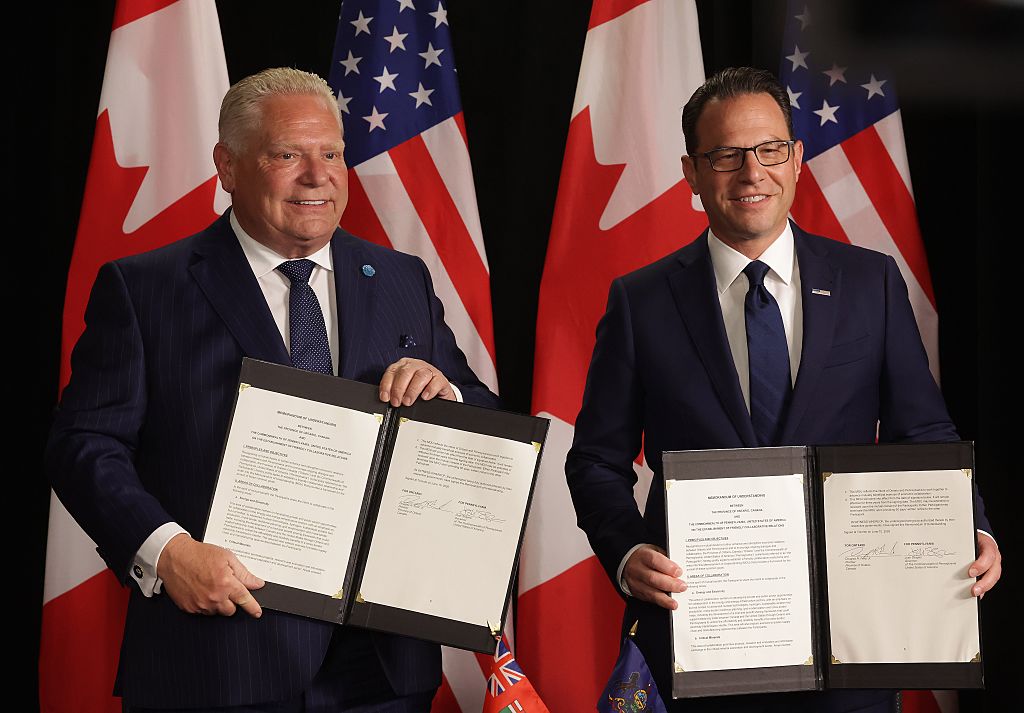
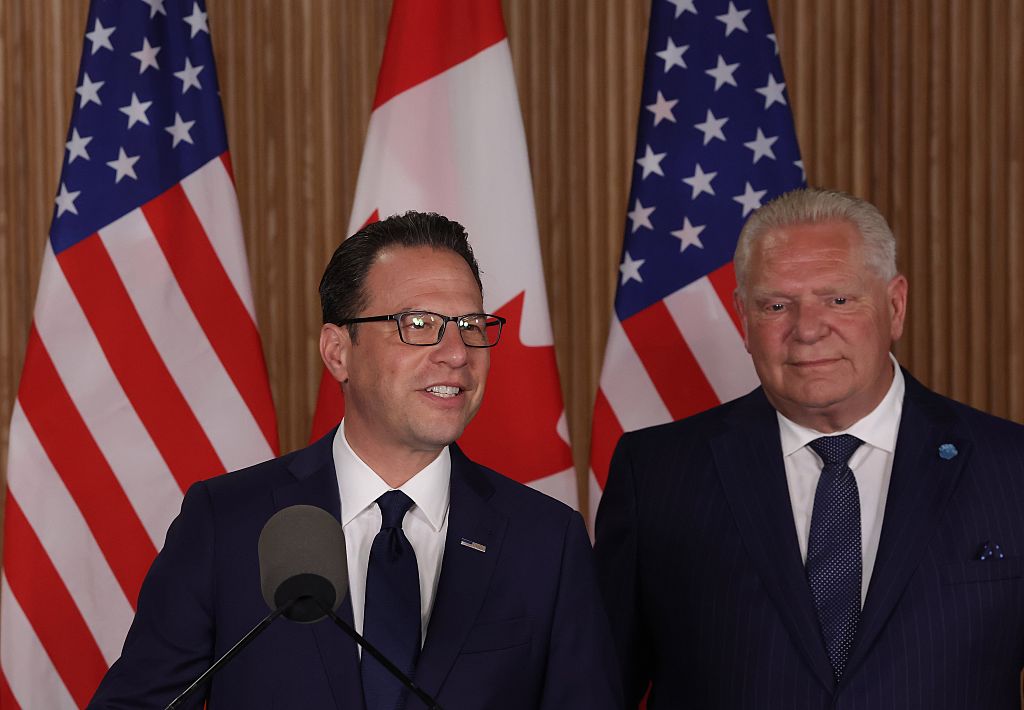
TORONTO, ON – 10 JUIN – Le premier ministre Doug Ford et le gouverneur de Pennsylvanie Josh Shapiro se sont rencontrés à Queen’s Park pour signer un protocole d’accord entre la province et l’État à Toronto. 10 juin 2026. Steve Russell/Toronto Star (Steve Russell/Toronto Star via Getty Images)

Leurs sondages nous indiquent la même chose que les nôtres. S’il met l’accent sur ces sujets, il s’en sort bien. En revanche, lorsqu’il est question de santé, de logement ou du coût de la vie, ce n’est pas le cas.

– David Coletto, président d’Abacus

Le même sondage Abacus qui a révélé la baisse de popularité de Ford a également mis en évidence les domaines dans lesquels les Ontariens font confiance à leur dirigeant. Ford a obtenu de bonnes notes pour sa gestion de la guerre commerciale entre le Canada et les États-Unis, ce qui lui a valu le soutien de ses électeurs. Les Ontariens estiment très majoritairement que Ford a bien géré la situation aux États-Unis, et c’est pourquoi le fait qu’il passe la semaine en Utah est de bon augure. Ford sait où il est le plus à l’aise, et il sait où les Ontariens le soutiennent : lorsqu’il quitte l’Ontario.

Catégories
Uncategorized

Trump Adds $2.2 Billion to His Wealth Since White House Comeback

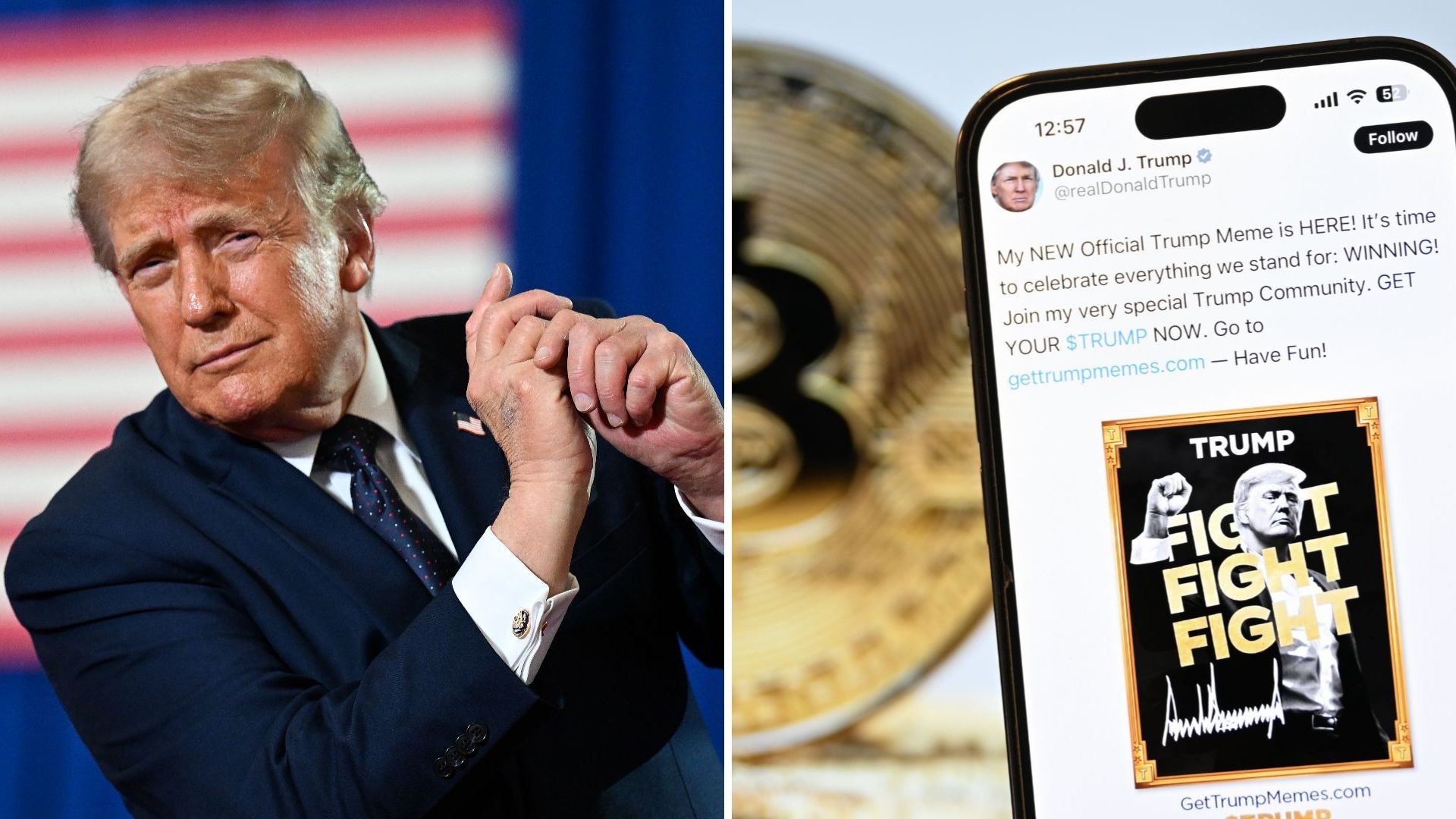
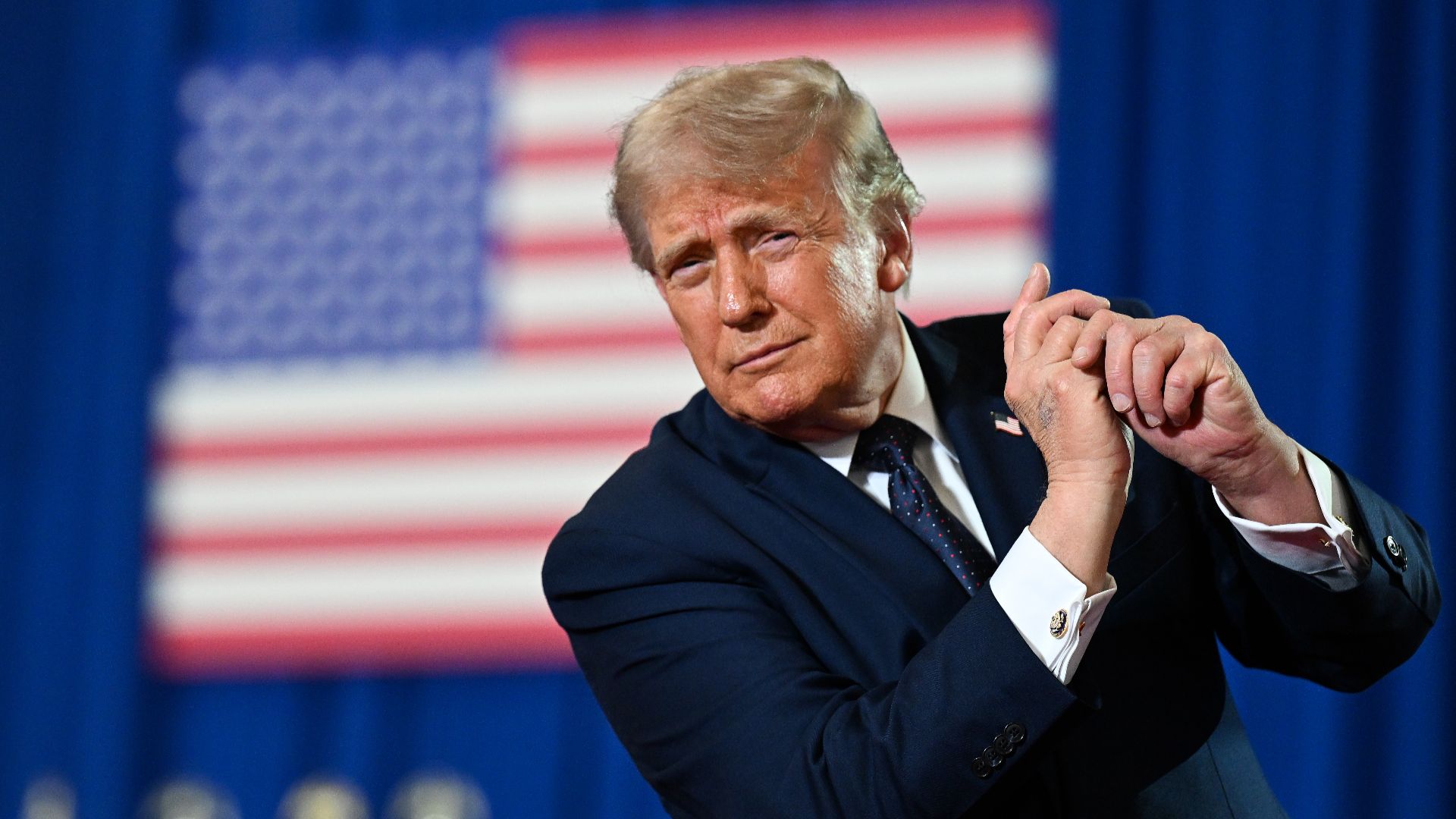
Donald Trump’s personal wealth has increased by billions of dollars since returning to the White House for a second term, fueled by strong gains across several sectors of his business empire. While a significant portion of the increase has come from the rapid expansion of his family’s digital asset ventures, the president’s growing fortune also reflects appreciation in his real estate portfolio, private business holdings and other investments. The surge comes as Trump’s administration pursues policies designed to strengthen financial markets, encourage investment and accelerate emerging industries, placing renewed attention on the unprecedented intersection between presidential policymaking and a vast private business empire that continues to expand while he serves in office.

Recent financial estimates indicate Trump’s net worth has climbed by approximately $2.2 billion since returning to the White House, making him one of the biggest financial beneficiaries of the remarkable rally in digital assets and broader capital markets. Although real estate remains a cornerstone of his business empire through properties including office towers, hotels, golf resorts and licensing agreements around the world, analysts say the largest driver of his recent wealth gains has been the rapid appreciation of ventures connected to blockchain technology and digital finance. Combined with stronger valuations across other Trump-owned assets, the increase has significantly expanded the president’s overall fortune during the opening months of his second administration, drawing renewed scrutiny from ethics experts and political opponents over the relationship between public office and private wealth.

Getty Images

Trump has repeatedly dismissed suggestions that his personal financial gains influence his decisions as president, arguing that his investments are managed independently while emphasizing that millions of Americans have also benefited from rising markets. Defending the increase in his fortune, Trump said, «You know why I’m profiting, because the stock market’s going up, everybody’s profiting.» He also rejected claims that he actively oversees his financial interests while in office, explaining, «I don’t get involved in my personal [finances]. We have funds that run my money… I’ve made a lot of money before I became president. And they invest my money, and I don’t talk to them. I never, I don’t even speak to them… They’re big institutions and they run it.»

«You know why I’m profiting, because the stock market’s going up, everybody’s profiting.»

-U.S. President, Donald Trump

Much of the attention surrounding Trump’s expanding fortune has centered on his family’s digital asset businesses, which have grown rapidly alongside the broader cryptocurrency market. World Liberty Financial has attracted billions of dollars in investments since its launch, while additional ventures tied to digital tokens, blockchain projects and decentralized finance have further increased the value of Trump’s business holdings. At the same time, his traditional assets—including commercial real estate, golf clubs, hospitality properties and licensing agreements—have also benefited from stronger market conditions, reinforcing the diversification of the president’s portfolio. Together, those gains have helped drive the estimated $2.2 billion increase in Trump’s overall wealth since returning to office.

Getty Images

The president’s growing fortune comes as his administration continues advancing policies aimed at positioning the United States as the global leader in digital assets and financial innovation. Since returning to office, Trump has repeatedly promoted a more favorable regulatory environment for cryptocurrencies, artificial intelligence and other emerging technologies while encouraging investment in industries he argues will define the next generation of American economic growth. Supporters contend those policies are strengthening US competitiveness and attracting capital, while critics argue the president’s continued financial interests create unprecedented ethical questions because many of the industries benefiting from regulatory changes are also connected to businesses associated with the Trump family.

«I don’t get involved in my personal [finances]. We have funds that run my money… I’ve made a lot of money before I became president. And they invest my money, and I don’t talk to them. I never, I don’t even speak to them… They’re big institutions and they run it.»

-U.S. President, Donald Trump

Although financial disclosure requirements and ethics laws continue to govern presidential assets, Trump’s expanding wealth is expected to remain under intense political scrutiny as his second term progresses. Supporters point to the performance of financial markets and the appreciation of long-held business assets as evidence that his fortune reflects broader economic trends rather than direct presidential action. Critics, however, continue to call for greater transparency regarding the relationship between public policy and private financial interests. As digital assets, artificial intelligence and real estate increasingly shape the modern economy, Trump’s business empire is likely to remain at the center of a broader national debate over wealth, political power and the evolving boundaries between government and private enterprise.

Getty Images
Catégories
Uncategorized

OpenAI Reportedly Discussing 5% Stake for Trump Administration

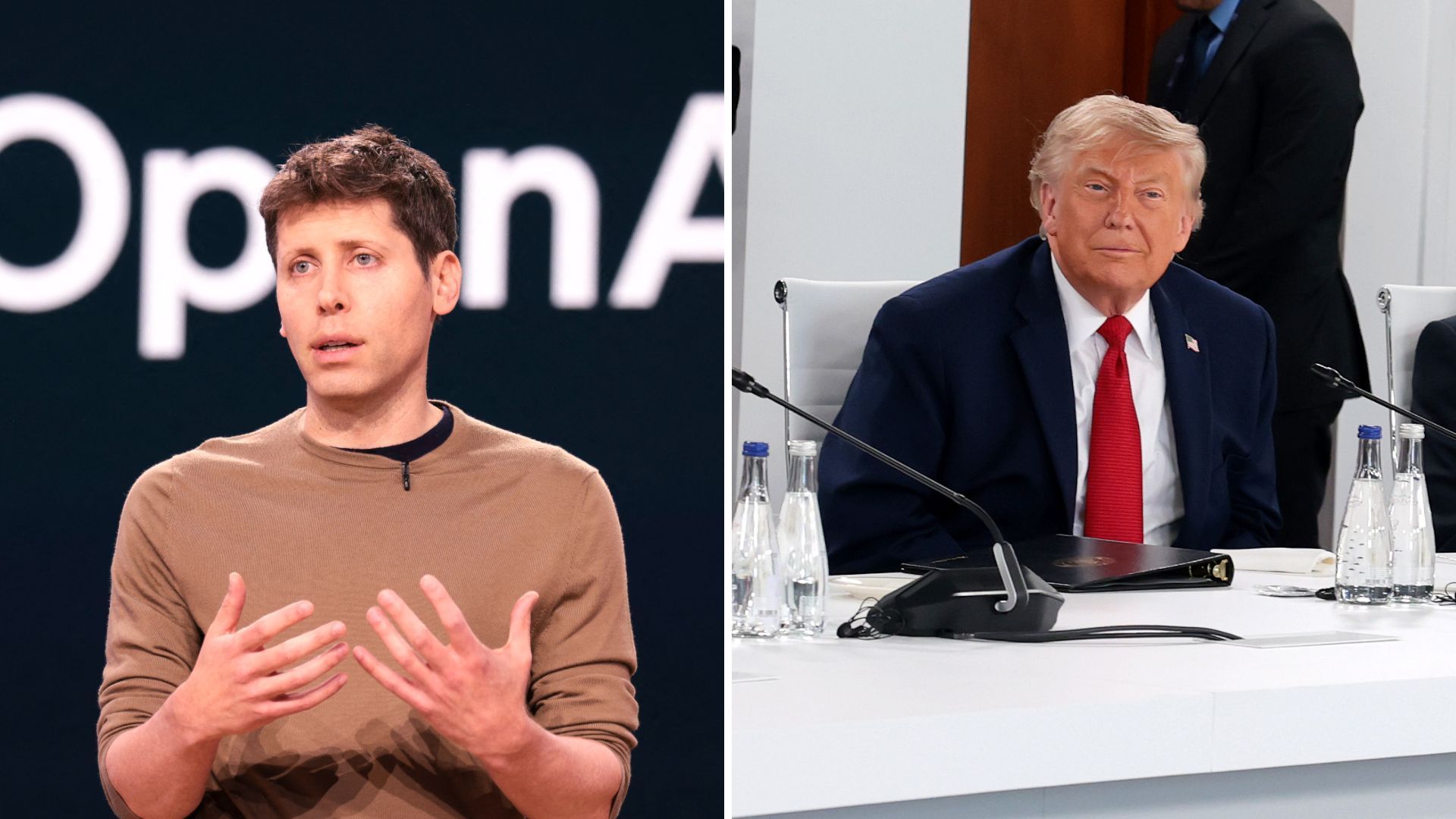
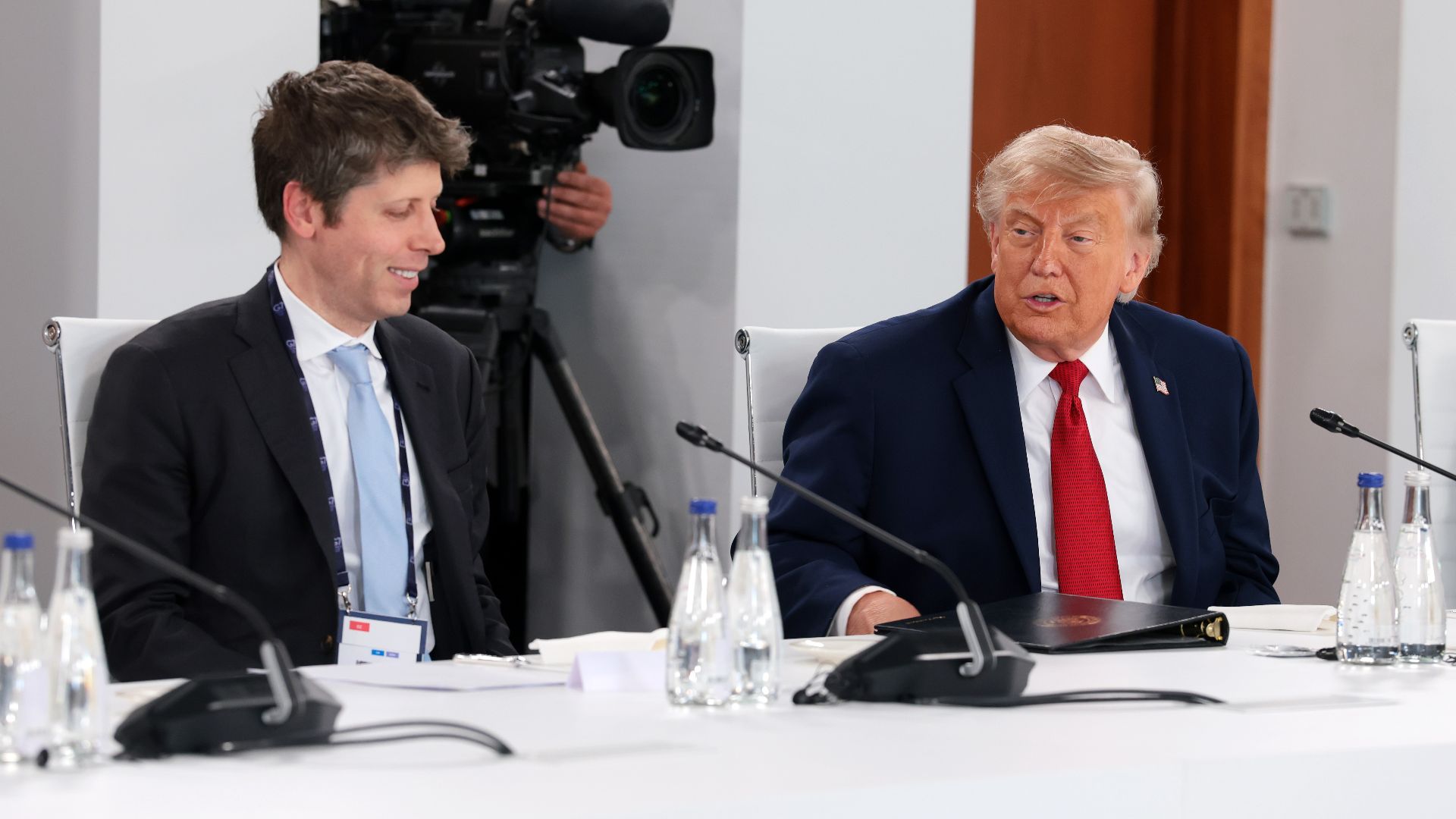
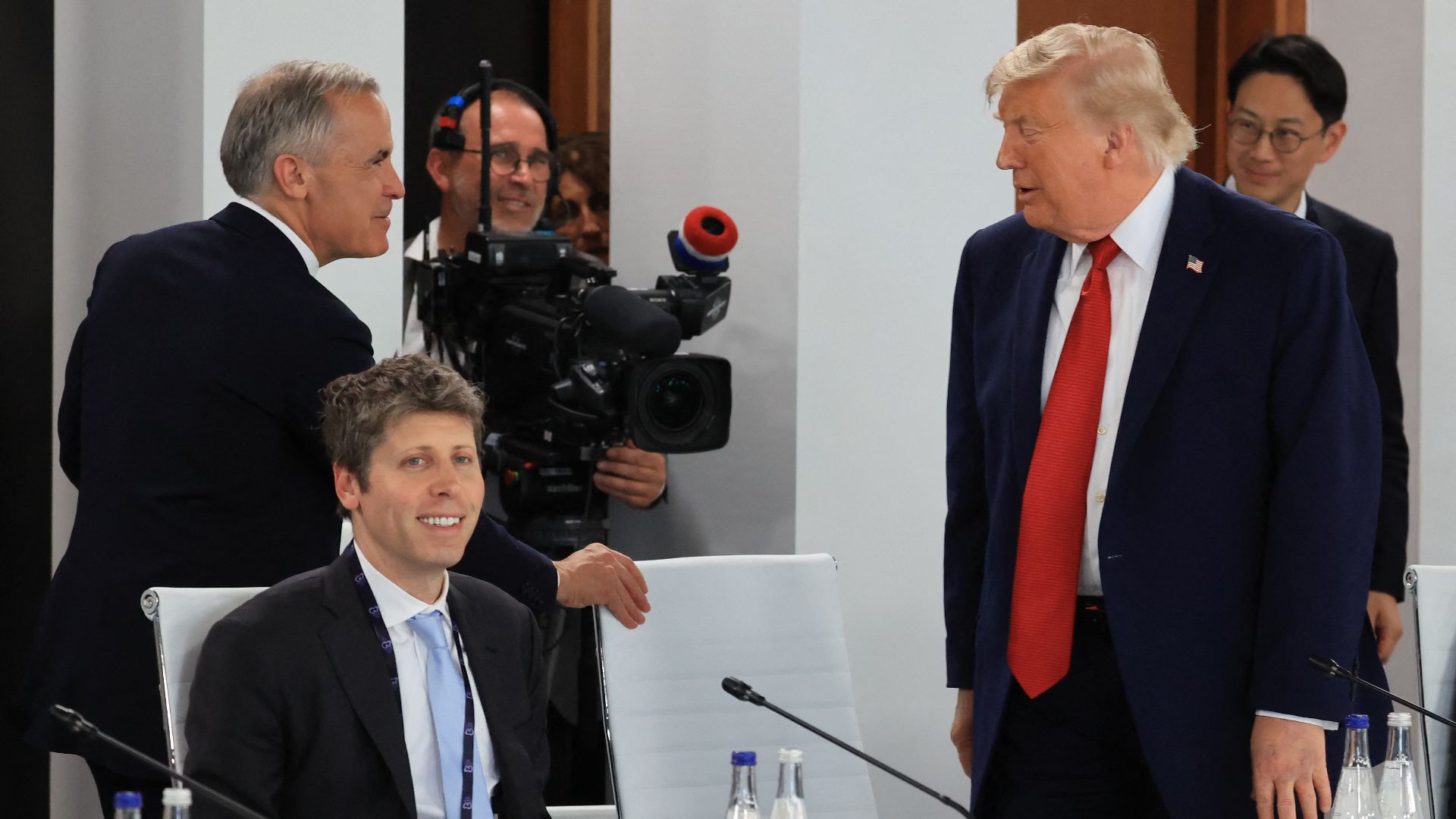
The company behind ChatGPT is reportedly considering an unprecedented partnership with the US government that could reshape the relationship between Silicon Valley and Washington. According to reports from CNN and the Financial Times, OpenAI has discussed a proposal that would see the Trump administration receive a 5% equity stake in the artificial intelligence company as part of a broader framework allowing the American public to benefit from the rapid expansion of AI. Based on OpenAI’s March valuation of approximately $852 billion, such a stake would be worth roughly $42.6 billion, making it one of the largest government-linked equity positions ever contemplated in the private technology sector. While discussions remain in their early stages and no formal agreement has been announced, the proposal reflects how artificial intelligence has evolved beyond a commercial technology into an issue increasingly tied to national security, economic competitiveness and long-term US industrial policy.

The reported discussions come as President Donald Trump continues making American leadership in artificial intelligence a central objective of his administration. Rather than approaching AI solely as an emerging technology requiring regulation, the White House has increasingly described frontier AI as a strategic asset comparable to previous technological revolutions that reshaped global power. Administration officials have focused on expanding domestic semiconductor production, accelerating construction of large-scale data centers, strengthening the electrical grid needed to support next-generation computing and maintaining export restrictions designed to preserve America’s lead over geopolitical rivals, particularly China. At the same time, federal agencies have expanded cooperation with leading AI developers as Washington seeks to ensure that the United States remains at the forefront of the rapidly intensifying global race for advanced artificial intelligence.

«Artificial intelligence will reshape the material conditions of human life on a scale that no technology has accomplished since the harnessing of electricity, and perhaps beyond even that.»

-OpenAI Chief Executive Officer Sam Altman

OpenAI Chief Executive Officer Sam Altman has publicly argued that the benefits created by artificial intelligence should extend beyond private investors and technology companies. In recent public comments, Altman described AI as a transformational force unlike anything seen in generations, writing, «Artificial intelligence will reshape the material conditions of human life on a scale that no technology has accomplished since the harnessing of electricity, and perhaps beyond even that.» He also emphasized the strategic importance of continued American leadership, stating, «Evidence of AI’s economic value, importance to national security and acceleration of scientific discovery is becoming clear.» Looking ahead, Altman projected that the pace of innovation will continue accelerating, adding, «In another year or two, we expect to have built systems with astonishing power, capable of delivering tremendous value to the world.»

Getty Images

The proposal reportedly being discussed would represent a significant departure from the traditional relationship between government and private technology companies. According to reports, OpenAI executives have explored the possibility of allocating a 5% equity stake to a government-backed investment vehicle modeled after the Alaska Permanent Fund, which distributes returns generated from the state’s natural resources for the benefit of residents. Sam Altman has previously advocated for what OpenAI describes as a « public wealth fund, » arguing that artificial intelligence should generate broad economic benefits rather than concentrating wealth among a relatively small number of investors. Such a framework, if ultimately adopted, could allow future AI-driven profits to support public initiatives while reinforcing the government’s role as a long-term stakeholder in one of America’s fastest-growing industries.

Getty Images

The discussions also reflect the rapidly changing geopolitical landscape surrounding artificial intelligence. Competition between the United States and China has transformed AI development into one of the defining strategic priorities of the decade, with both governments investing heavily in computing infrastructure, semiconductor manufacturing and advanced research. Washington has increasingly linked AI leadership to national security, scientific innovation and future economic growth, while expanding partnerships with leading developers including OpenAI and other frontier AI laboratories. At the same time, officials continue working to address one of the industry’s greatest challenges: the enormous energy demands required to train and operate increasingly powerful AI systems. Federal initiatives supporting new nuclear technologies, advanced geothermal projects, grid modernization and expanded data-center capacity have become central pillars of America’s long-term AI strategy.

«Evidence of AI’s economic value, importance to national security and acceleration of scientific discovery is becoming clear.»

-OpenAI Chief Executive Officer Sam Altman

Although no formal agreement has been announced and any proposal involving government ownership would likely face significant political, legal and congressional scrutiny, the reported discussions illustrate how dramatically the AI landscape has evolved in just a few years. What began as a race among private technology companies has increasingly become a national strategic effort involving government, industry and critical infrastructure. Whether or not a 5% public stake ultimately materializes, the conversations themselves underscore the growing belief in Washington that artificial intelligence will shape America’s economic strength, military capabilities and global influence for decades to come. If implemented, the proposal could establish an unprecedented model for public participation in the financial gains generated by frontier AI while reinforcing the United States’ ambition to remain the world’s leading AI superpower.

Getty Images
Catégories
Uncategorized

CSIS Says Russia Is Losing Ground After 1.4 Million Ukraine War Casualties

More than two million military casualties have now been recorded since Russia launched its full-scale invasion of Ukraine in February 2022, according to a new study by the Center for Strategic and International Studies (CSIS), underscoring the staggering human cost of Europe’s largest war since World War II. The Washington-based think tank estimates that Russian forces have suffered approximately 1.4 million battlefield casualties, including between 400,000 and 450,000 killed, while Ukraine has sustained between 525,000 and 625,000 casualties, including an estimated 125,000 to 150,000 fatalities. Although Moscow continues to occupy roughly one-fifth of Ukrainian territory, the report concludes that Russia’s military position has steadily deteriorated during the first half of 2026 as its offensive momentum fades, losses continue to mount, and Ukraine increasingly succeeds in striking military and industrial targets deep inside Russian territory. The findings paint a picture of a conflict that is becoming more costly for both sides while making a decisive battlefield victory increasingly unlikely.

The CSIS assessment argues that Russia’s battlefield strategy has reached a point of diminishing returns after more than four years of attritional warfare. According to the report, Russian monthly casualty rates now exceed the country’s estimated monthly recruitment rate, raising growing concerns about Moscow’s ability to sustain prolonged offensive operations. At the same time, the casualty ratio has shifted dramatically in Ukraine’s favor during the first half of 2026, with Russian forces reportedly suffering nearly eight casualties for every Ukrainian casualty inflicted. Despite continuing assaults across eastern Ukraine, Russian advances around strategically important cities including Kostiantynivka, Pokrovsk and Sloviansk have slowed to between 50 and 90 meters per day, among the slowest rates of advance documented in modern warfare. CSIS concludes that corruption, ineffective battlefield tactics, repeated frontal assaults against fortified defensive positions and increasingly sophisticated Ukrainian defenses have significantly reduced Russia’s ability to translate manpower into meaningful territorial gains.

«Russia’s head is completely refusing to end the war. And although through all possible official and unofficial channels… we have conveyed that the war can and must be ended, and that we in Ukraine are ready for meetings and meaningful negotiations, he sees only further aggression.»

-Ukrainian President, Volodymyr Zelensky

One of the report’s most significant conclusions is that Russia has begun experiencing net territorial losses for the first time since August 2024. During April and May 2026, Ukrainian counteroffensives reportedly recaptured approximately 400 square kilometers of territory, reversing months of incremental Russian gains and demonstrating Kyiv’s ability to exploit weaknesses along parts of the front. While these territorial changes remain relatively modest compared with the overall size of the battlefield, analysts argue they represent an important strategic shift because they indicate that Russian forces are increasingly struggling not only to seize new ground but also to defend positions already captured. According to CSIS, the war has increasingly favored the defender, making large-scale breakthroughs by either military far less likely than earlier in the conflict and reinforcing expectations that any eventual resolution will depend more on political negotiations than on decisive battlefield victories.

Getty Images

The report also highlights Ukraine’s rapidly evolving use of advanced military technology as one of the primary reasons behind Russia’s deteriorating position. Ukrainian forces have dramatically expanded the deployment of AI-enabled drones, autonomous targeting systems and long-range strike capabilities capable of reaching hundreds and even thousands of kilometers behind the front lines. Those attacks have repeatedly targeted Russian ammunition depots, military headquarters, logistics hubs, energy infrastructure, airfields and defense manufacturing facilities, forcing Moscow to divert valuable air-defense assets away from the battlefield. Ukrainian long-range drone operations have also reached Moscow, St. Petersburg and strategic bomber bases deep inside Russia, exposing vulnerabilities in Russia’s air-defense network while disrupting supply chains supporting frontline operations. CSIS concludes that these increasingly sophisticated strikes have complicated Russian logistics and imposed growing economic and military costs beyond the battlefield itself.

«Russia must be placed in a situation where, apart from peace, it has no other option.»

-Ukrainian President, Volodymyr Zelensky

The report’s findings come as Russia continues launching large-scale missile and drone attacks across Ukraine despite repeated international calls for negotiations. Reacting to one of the latest massive aerial bombardments, Ukrainian President Volodymyr Zelensky told CNBC that the Kremlin continues to reject diplomatic efforts despite the mounting casualties suffered by both countries. «Russia’s head is completely refusing to end the war. And although through all possible official and unofficial channels… we have conveyed that the war can and must be ended, and that we in Ukraine are ready for meetings and meaningful negotiations, he sees only further aggression.» Zelensky argued that continued military and economic pressure remains essential to forcing Moscow toward diplomacy, adding, «Russia must be placed in a situation where, apart from peace, it has no other option.» His remarks reflect Kyiv’s longstanding position that negotiations can only succeed if Russia faces increasing military and economic costs for continuing the war.

Getty Images

While Russia still possesses significant manpower, industrial capacity and the ability to conduct long-range strikes, the CSIS report suggests that the broader trajectory of the conflict has become considerably less favorable for Moscow than at any point since the invasion began. Analysts caution that neither side currently appears capable of achieving a decisive military victory in the near future, even as fighting remains intense across multiple sectors of the front. Instead, the combination of mounting casualties, slowing territorial changes, technological innovation and increasing economic pressure is gradually transforming the conflict into a prolonged war of endurance. According to the report, these dynamics substantially increase the likelihood that the war will ultimately conclude through a negotiated ceasefire or broader peace agreement rather than through outright military conquest, even if such negotiations remain politically and diplomatically difficult in the months ahead.

Getty Images

Want to live just a few steps away from Taylor Swift? You can—for $23.5 million!

A spectacular waterfront property located just steps from Taylor Swift’s home could soon set a new real estate record in Watch Hill, Rhode Island. Listed for 23.5 million U.S. dollars, this sumptuous residence—known as Home Port—would become the highest-priced residential sale ever recorded in this prestigious area if it sells at this price.

Set on 2.7 acres of land overlooking Watch Hill Harbor, the estate includes a main residence, a guest house, a tennis court, a swimming pool, a private dock, a floating pontoon, and a boathouse. The entire property is just a ten-minute walk from Taylor Swift’s home.

Catégories
Uncategorized

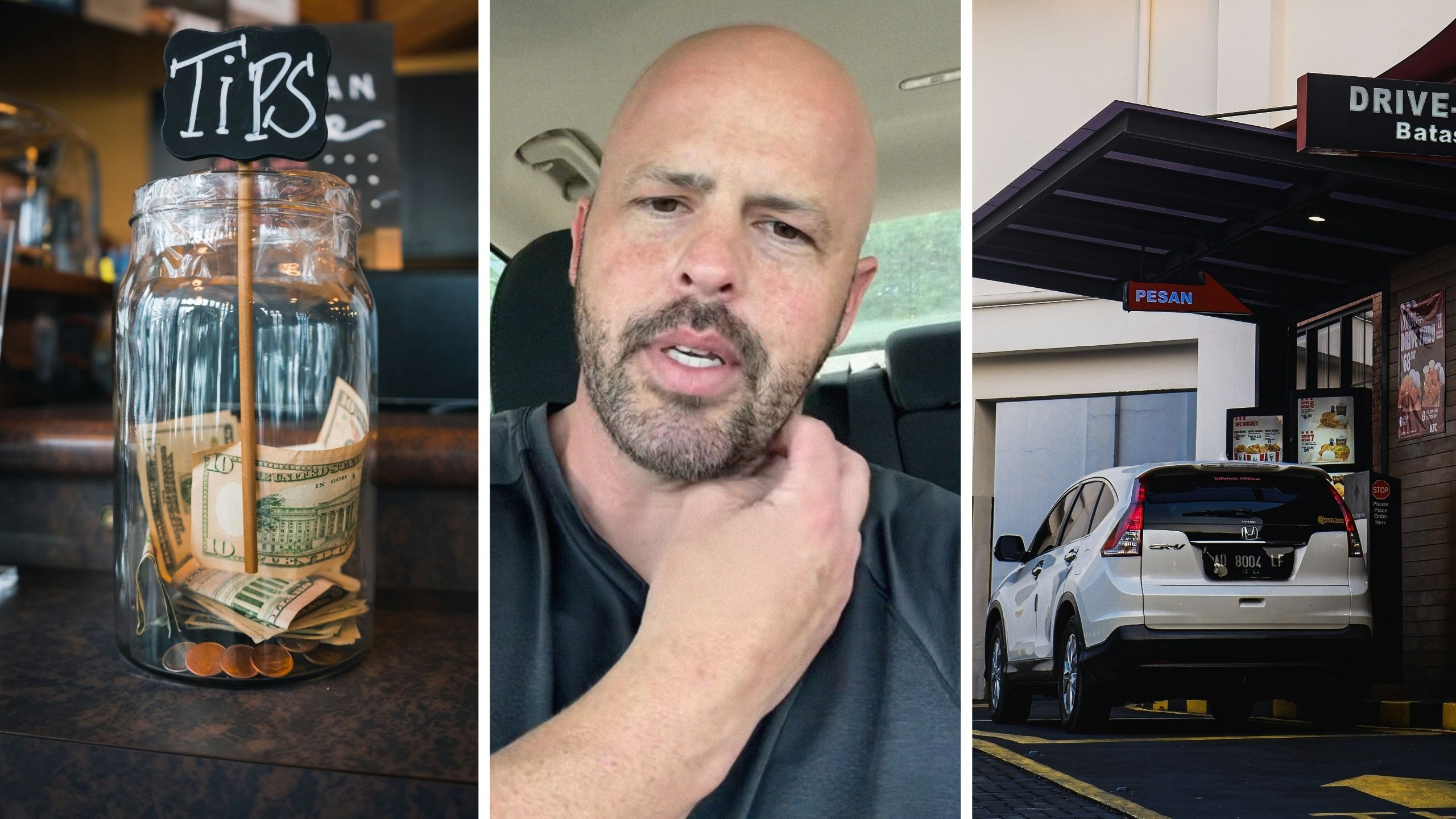
Un homme passe au drive-in. On lui demande de laisser un pourboire: «Je le fais parce que j’ai peur.»

L’expression « la culture du pourboire est hors de contrôle » est un lieu commun. De nombreux consommateurs en ont vraiment assez de devoir laisser un pourboire partout, pour pratiquement n’importe quel service.

Un consommateur fait le buzz pour avoir subi des pressions en matière de pourboire dans un nouveau type d’établissement : les drive.

Les consommateurs devraient-ils laisser un pourboire au drive ?

Le créateur de contenu Carson, connu sous le nom de « The Hear Me Out Guy » (@thehearmeoutguy) sur TikTok, a publié l’une de ses vidéos « hear me out » (écoutez-moi jusqu’au bout) dont il a le secret. Cette fois-ci, il s’est penché sur la norme culturelle américaine consistant à donner un pourboire aux travailleurs touchant le salaire minimum. La vidéo a depuis été visionnée plus de 80 000 fois.

« Depuis quand le fait de venir chercher moi-même mon repas est-il devenu une situation où l’on doit laisser un pourboire ? », a écrit Carson dans le texte superposé à sa vidéo. Dans sa légende, il a ajouté, accompagné d’un emoji rieur : « Ça ne me dérange pas de laisser un pourboire pour un service… J’ai juste besoin que quelqu’un m’explique pourquoi je me laisse un pourboire à moi-même pour être venu chercher mon propre repas. »

Filmant depuis le siège conducteur de sa voiture, Carson a raconté l’incident qui a inspiré sa vidéo.

« Écoute-moi bien, mec », a-t-il déclaré. « J’en ai marre des pourboires, mec. Ça fait trop longtemps que ça ne va plus. Avant, je donnais un pourboire parce que le service était bon. Maintenant, je le fais juste parce que j’ai peur. C’est comme une négociation avec des preneurs d’otages, mec… Je donne un pourboire avant même d’avoir reçu mon repas. »

L’expérience de Carson

Carson a expliqué que tout avait commencé lorsqu’il était passé au drive. Il a insisté sur le mot « drive » en le répétant deux fois, soulignant qu’il n’avait pas mangé à table, mais qu’il avait quand même laissé un pourboire.

« La dame m’a dit : “Oh, on va vous poser quelques questions” », a raconté Carson. « Oh, on va me poser quelques questions ? Mais vous savez très bien quelles sont ces questions ! C’est vous qui avez rédigé ce fichu questionnaire ! Non, je ne vous donnerai pas de pourboire au drive. »

Mais Carson a alors commencé à douter de lui-même. Comme on lui demandait de laisser un pourboire avant même qu’il ne reçoive son repas, il s’est rendu compte que ne pas le faire pourrait avoir des conséquences.

« Mais et si je ne le faisais pas ? », s’est interrogé Carson. « Est-ce que tu vas tripoter ma commande ? Franchement, à ce rythme-là, dans trois ans, les caisses en libre-service vont nous demander un pourboire, mec. »

Carson a conclu sa vidéo en soulignant que non seulement les attentes en matière de pourboire sont devenues omniprésentes, mais que le taux minimum attendu est également très élevé.

« Ça commence tous à… 20, 25, 30 pour cent », a-t-il déclaré. « Mec, où est le bouton sur lequel je pourrais simplement cliquer pour dire : “Je suis venu en voiture et j’ai récupéré mon repas” ? »

En quoi la culture du pourboire suscite-t-elle le débat ?

La culture du pourboire est un sujet brûlant sur les réseaux sociaux comme TikTok depuis des années, et elle fait également l’objet de vifs débats dans la presse. Yahoo News rapporte que « 81 % des [Américains] pensent que les pourboires sont devenus incontrôlables, et 42 % estiment que les États-Unis devraient les interdire purement et simplement ». BBC News affirme même que l’influence des immigrants et des touristes américains a entraîné la « propagation à l’étranger de la culture américaine du pourboire, désormais “hors de contrôle” ».

@thehearmeoutguy

Ça ne me dérange pas de laisser un pourboire pour le service… Mais j’aimerais bien qu’on m’explique pourquoi je me donne un pourboire à moi-même pour avoir pris mon propre repas. 😂

♬ son original – thehearmeoutguy

Qu’en ont dit les téléspectateurs ?

Les téléspectateurs de Carson ont fait écho à la fois à sa frustration et au débat en cours, beaucoup d’entre eux partageant des anecdotes similaires.

« Ça m’est arrivé ce soir », a écrit un spectateur. « Je suis allé chercher un repas à la Cheesecake Factory. Un seul repas pour moi. Et je me suis senti obligé de laisser un pourboire. Mais je ne sais pas trop pour quoi j’ai laissé ce pourboire ! »

« Il y a un magasin de yaourts glacés ici, dans ma ville, qui demande des pourboires… Franchement, j’ai dû mettre ma glace dans le bol, ajouter mes propres garnitures, la peser et trouver la cuillère pour la manger », a commenté un autre. « Et tu veux un pourboire pour quoi ?!?!? »

« Honnêtement, en tant que serveur – la personne pour laquelle le pourboire a été inventé –, tout le monde demande un pourboire maintenant et c’est dingue », a déclaré une troisième personne. « Revenons à l’idée de donner un pourboire aux serveurs et aux coiffeurs. »

Pendant ce temps, d’autres catégories de travailleurs se demandaient pourquoi les attentes en matière de pourboires ne s’appliquaient pas à eux.

« Je suis infirmière, où est mon pourboire pour avoir sauvé la vie de quelqu’un ? », a demandé un internaute. Un autre a renchéri : « Je suis chauffeur routier. Je dois parcourir des milliers de miles par semaine. Où est mon pourboire ? »

D’autres internautes ont répondu en soulignant que « vos salaires compensent largement cela », reprenant ainsi un autre aspect souvent évoqué dans ce débat : le fait que de nombreux employés de la restauration et du secteur des services perçoivent des pourboires inférieurs au salaire minimum, certains serveurs étant payés à peine plus de 2 dollars de l’heure parce que leurs employeurs tiennent compte des pourboires qu’ils reçoivent. Cela a donné lieu à des appels généralisés pour que les employeurs soient tenus responsables en « [supprimant] la culture du pourboire aux États-Unis et [en versant] aux gens un salaire décent ».

« Tous ces établissements sont dirigés par des multimillionnaires et des milliardaires qui ne veulent pas payer leurs employés », a déclaré un internaute.

Buzz News a contacté Carson via un commentaire sur TikTok.