




 BIG Admin




La Russie ferait face à une pénurie de véhicules de transport pour ses troupes en zone de combat.
Pour pallier ce manque, elle recourrait à toutes sortes de moyens inhabituels pour déplacer ses soldats, notamment des Lada, des voiturettes de golf et des autobus scolaires.

En plus de ces moyens de transport inhabituels, on signalerait également l’utilisation de motos, de trottinettes électriques, d’une locomotive et de véhicules antiques des années 1950.
L’ensemble de ces équipements serait utilisé depuis un certain temps déjà, et certains proviendraient de sources extérieures à la Russie, notamment de Chine et du Bélarus.

Dernier ajout à la gamme de véhicules civils réquisitionnés par les forces russes, un autobus scolaire jaune aurait récemment été repéré par un drone ukrainien.
Le véhicule, abandonné dans un champ près de la ligne de front dans l’oblast de Donetsk, à l’est de l’Ukraine, illustre l’improvisation croissante des moyens de transport russes.

Selon Forbes, depuis le début de l’invasion de l’Ukraine, les pertes de véhicules militaires russes seraient estimées à plus de 17 000 unités.

Face à un inventaire au plus bas, la Russie serait contrainte de modifier des véhicules civils pour assurer le déplacement de ses troupes en zone de combat, malgré leur faible capacité à franchir des terrains préparés pour les affrontements, comme les tranchées.

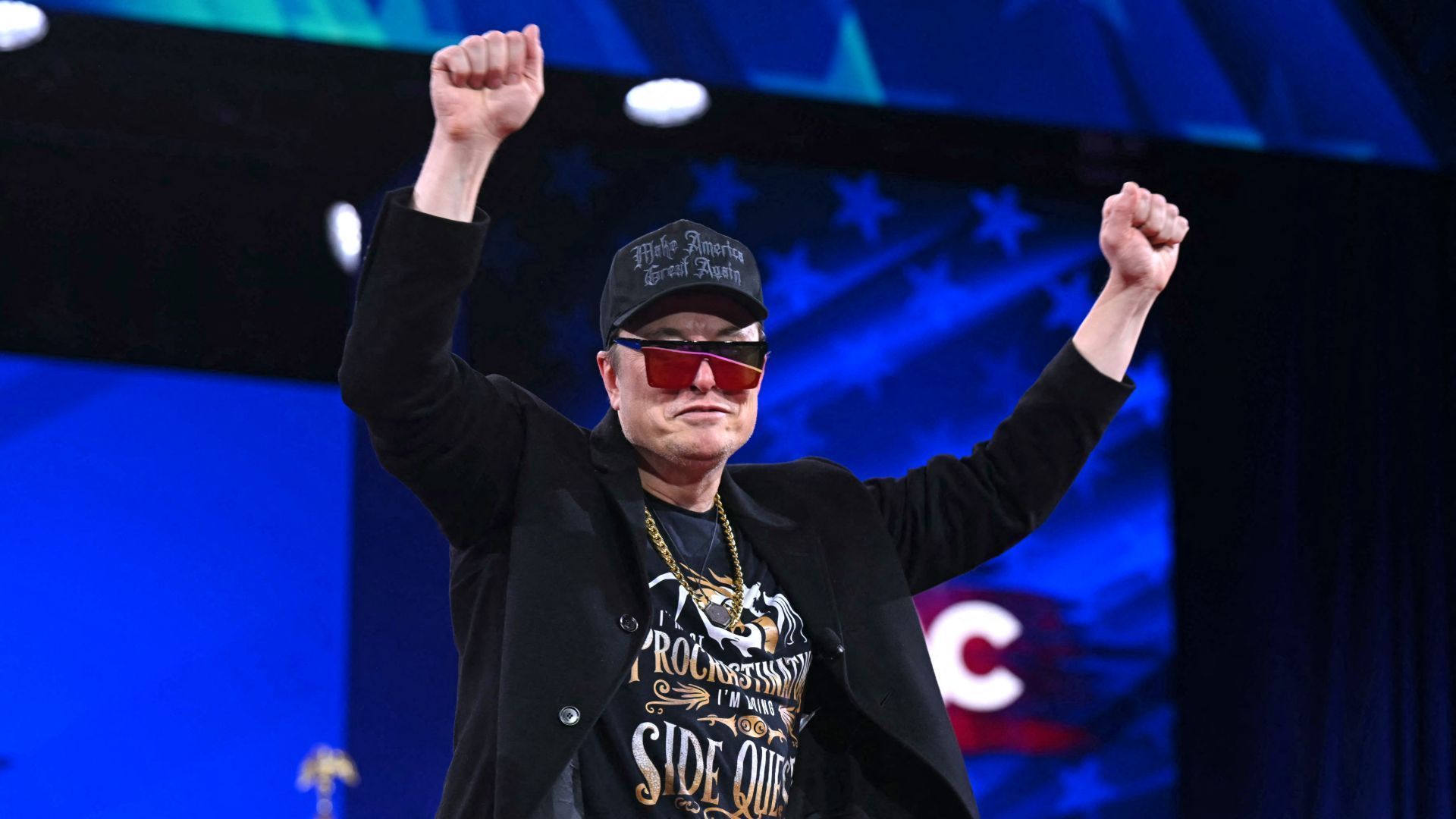
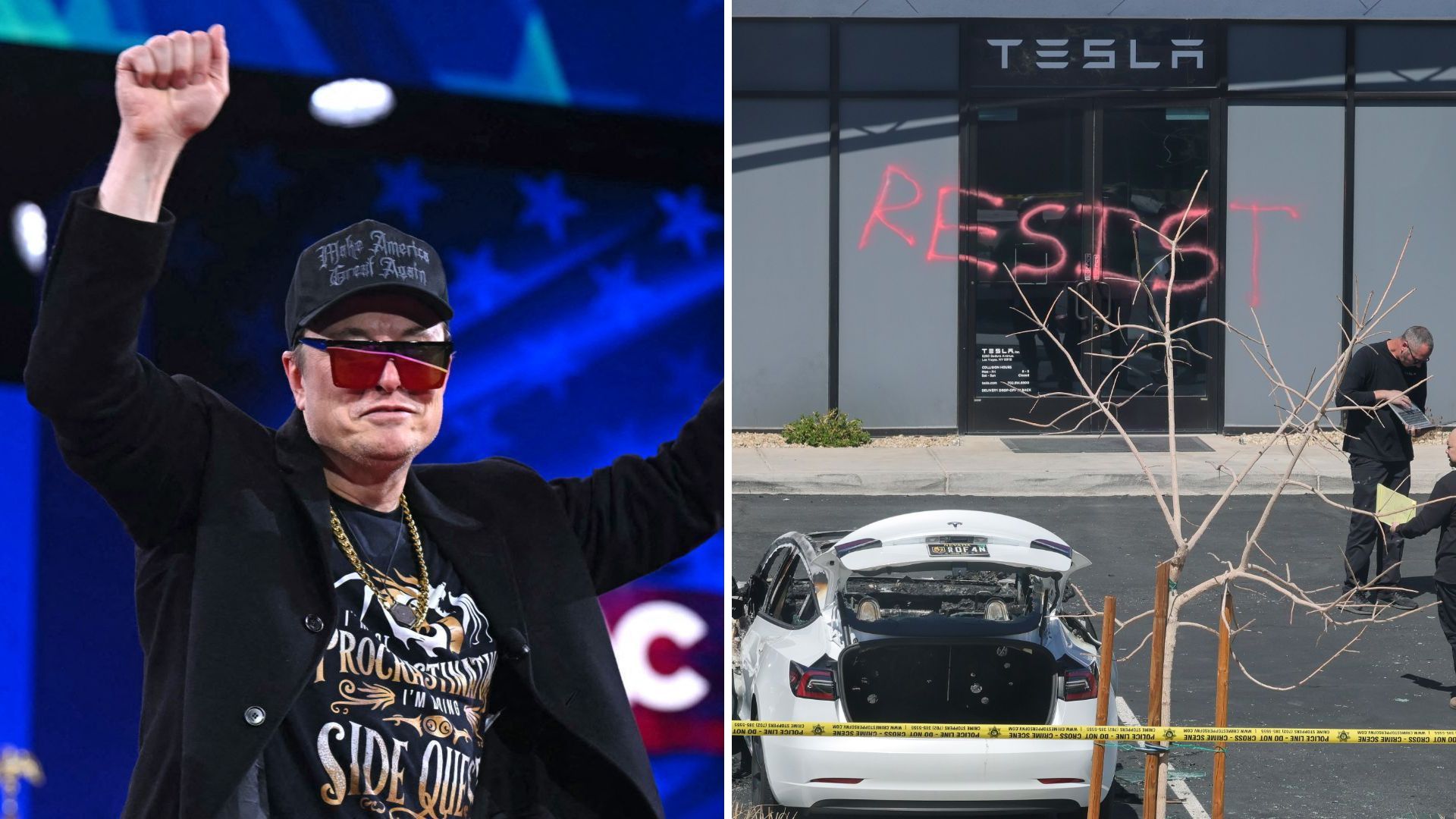
Le conseil d’administration de Tesla a rapidement réfuté un article du Wall Street Journal, assurant qu’Elon Musk conserve la pleine confiance des investisseurs pour diriger l’entreprise et qu’aucune recherche de successeur n’est en cours.
C’est sur X, le réseau social du milliardaire, que les défenseurs d’Elon Musk, dont Robyn Denholm, présidente du conseil d’administration de Tesla, ont dénoncé le reportage erroné du Wall Street Journal.
Selon elle, l’affirmation selon laquelle Tesla aurait mandaté des cabinets de recrutement pour trouver un successeur à Musk est infondée.

Sur X, Robyn Denholm affirme même que le Wall Street Journal avait été informé par le conseil d’administration que ces rumeurs étaient infondées, avant de prendre la décision de publier l’article évoquant des plans pour remplacer Elon Musk.
Rappelons que l’action de Tesla a chuté d’environ 30% depuis le début de l’année.

Ce recul s’explique par la baisse des ventes, une concurrence grandissante, en particulier des constructeurs chinois, ainsi que par les préoccupations liées à l’implication politique controversée d’Elon Musk, qui ont clairement nui à l’image de la marque.
Elon Musk et certains membres de Tesla ont publiquement critiqué le Wall Street Journal à la suite de cette publication, le milliardaire reprochant au journal d’avoir omis d’inclure dans l’article un «déni catégorique» formulé par Tesla.

Rappelons que le Wall Street Journal appartient depuis 2007 à News Corp, le groupe médiatique contrôlé par Rupert Murdoch, également propriétaire de Fox News.
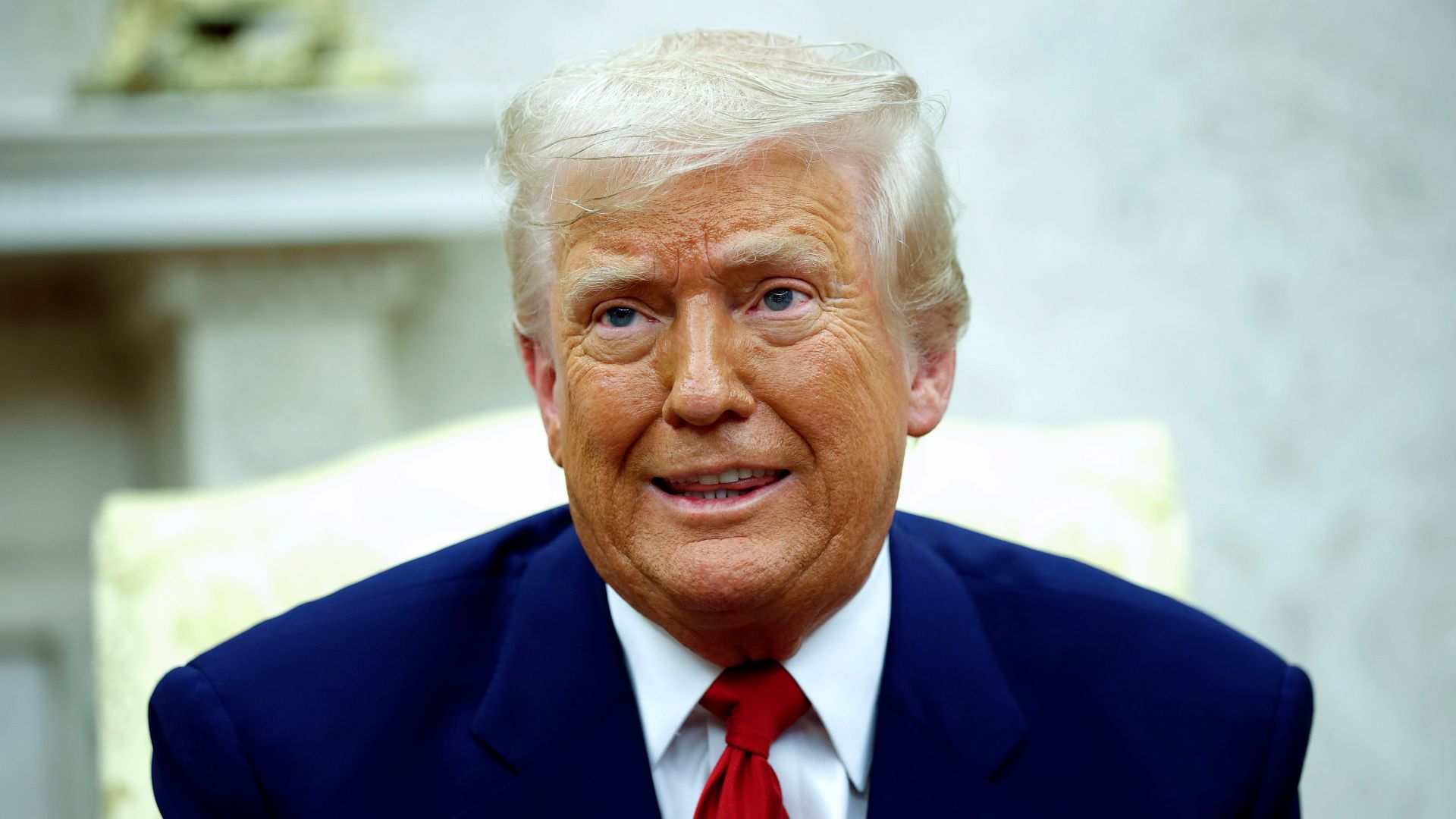









According to Forbes, billionaires suffer the effects of the Trump administration’s economic management in a variety of ways.
The Biggest Billionaire Winners And Losers Of Trump’s First 100 Days
While some are managing to profit for the time being despite the financial hurdles of the tariff war launched by the president, others, including several present at his inauguration in January, have reportedly already lost billions since his return to the White House.
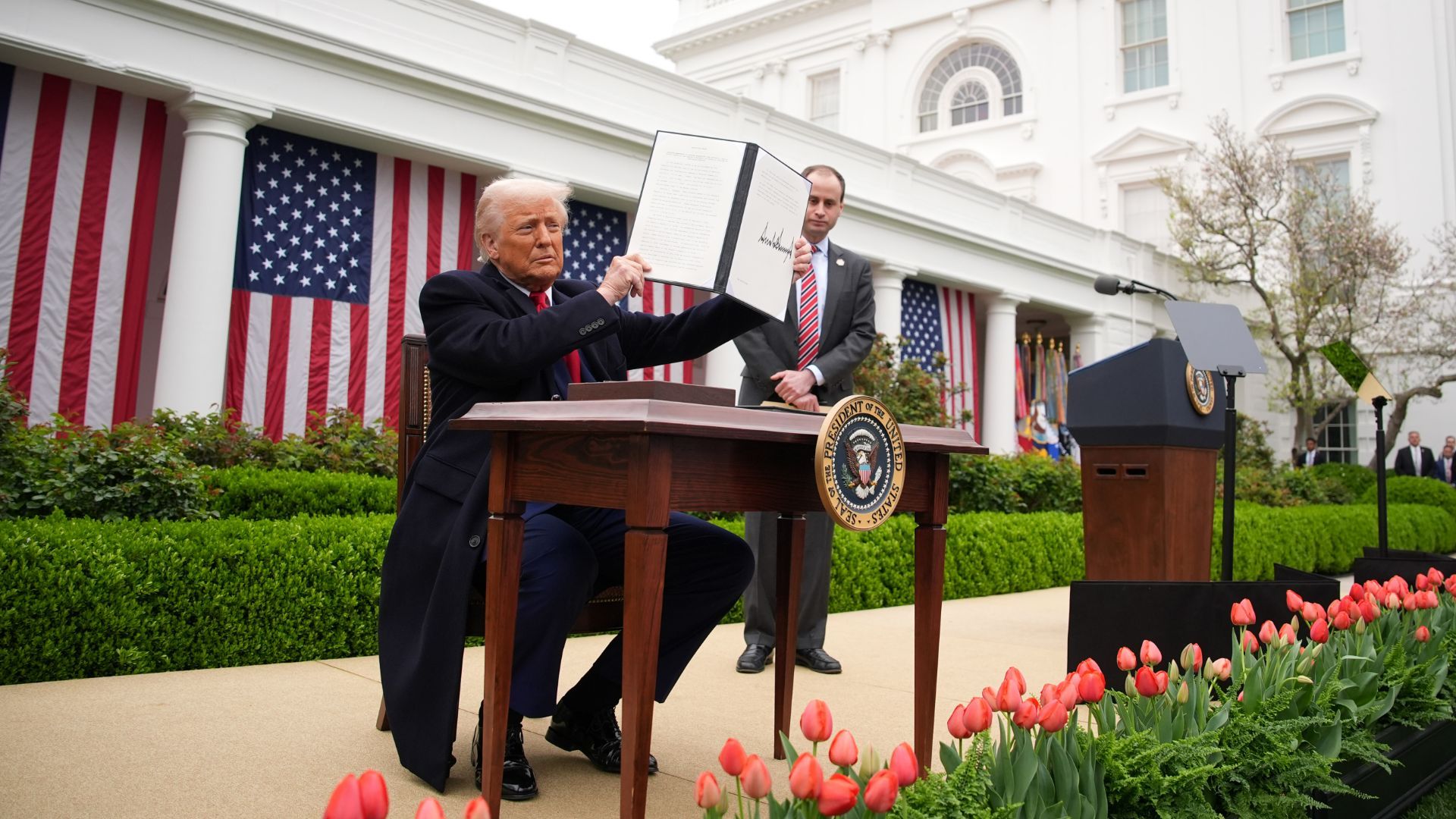
These marked fluctuations in the fortunes of billionaires are detailed in a Forbes article published to mark the first 100 days of Trump’s second term in the White House.
As markets fell sharply, particularly after the chaotic tariff announcement on April 2, on « Liberation Day », some billionaires who publicly supported Trump may already be starting to regret their choice, having lost billions in just a few weeks.

Some billionaires who kept a certain distance in their support for Trump seem to be faring better.
This is the case of Bill Gates, who, while expressing concern about the Trump administration’s budget cuts, particularly to USAID, has reportedly seen his fortune increase by 2.5 billion since the president took office.
Billionaire Warren Buffett, who called Trump’s tariffs an act of war, has seen his fortune rise by nearly 20 billion.
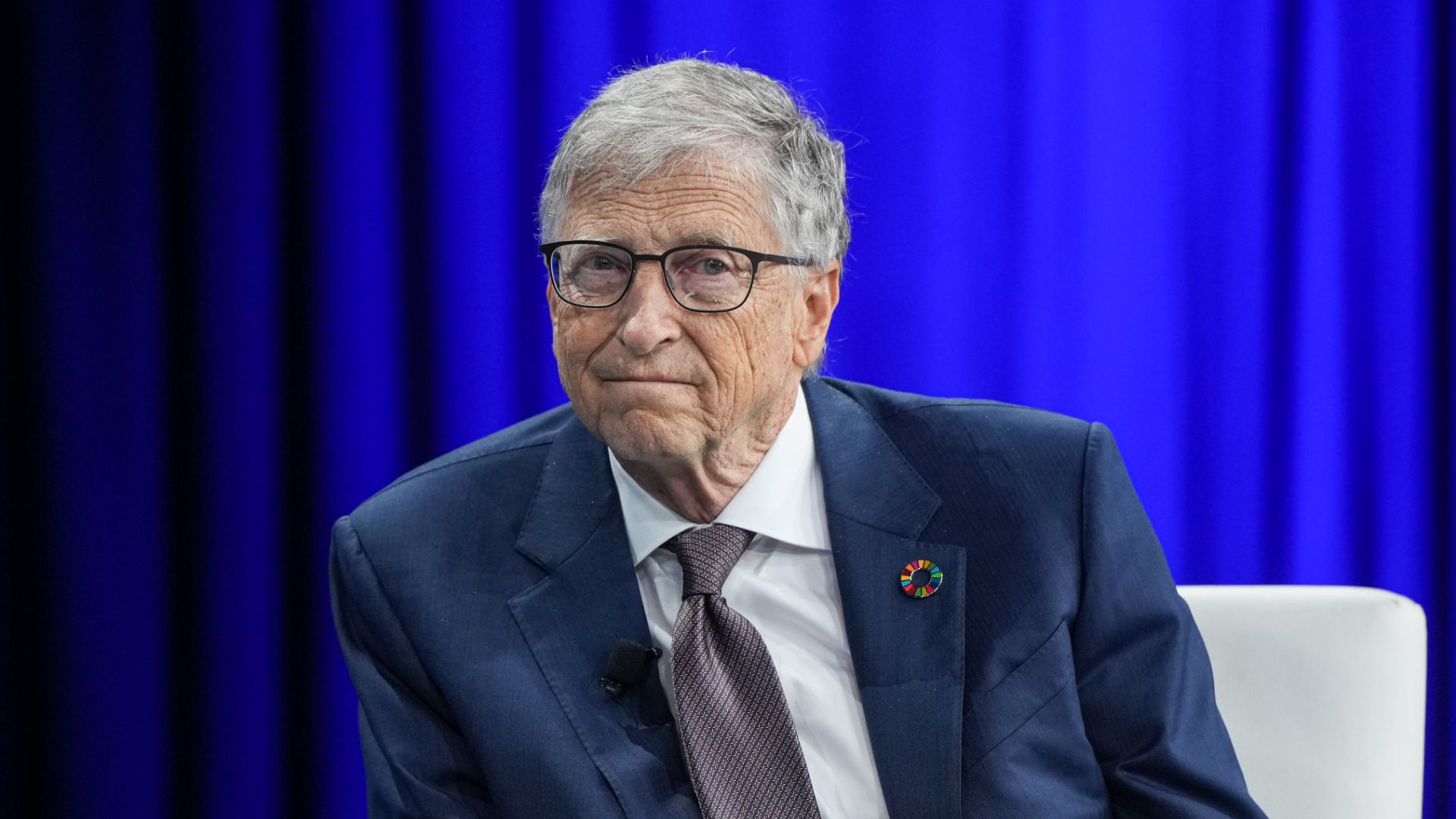
For others, less fortunate, the billions have vanished in just a few months since Trump’s return to the Oval Office, while they proudly attended his inauguration just a few weeks ago.
Meta CEO Mark Zuckerberg has reportedly lost nearly 22 billion, while Amazon founder Jeff Bezos has seen his fortune shrink by around 35 billion.

Oracle’s Larry Ellison reportedly lost over 28 billion, while Google co-founders Larry Page and Sergey Brin saw their fortunes plummet by over 27 and 26 billion respectively.
Nvidia CEO Jensen Huang is estimated to have lost nearly 25 billion.
The biggest loser of this chaotic start to his presidency remains Elon Musk.

His direct involvement in government budget cuts, which triggered major waves of protest, is said to have cost him more than $45 billion.
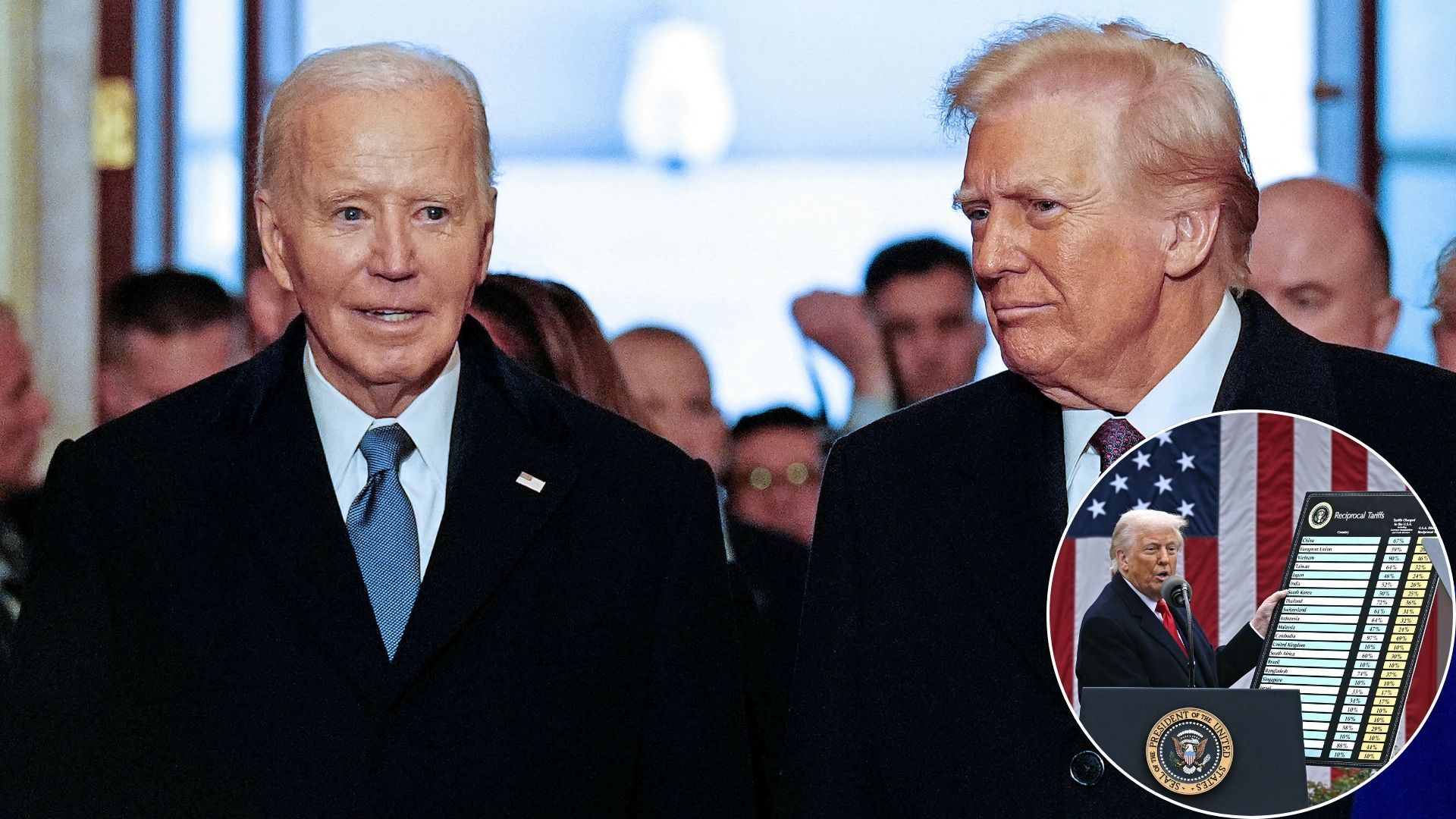
As the balance sheets for the first 100 days of the Trump presidency pile up, largely negative, particularly on the economic front, where his tariffs have caused chaos due to a misjudgment of their consequences, and the economy has contracted by 0.3%, the president is trying to shirk his responsibilities.
JUST IN: The U.S. economy contracted 0.3% in the first quarter of 2025, the first negative reading since the Covid pandemic.
On Truth Social, he has once again found the ideal culprit to point the finger at, posting a message accusing Joe Biden of being responsible for this disaster.

« It’s Biden’s stock market, not Trump’s, » the president wrote on his social network, accusing Joe Biden of being behind the spectacular fall in the markets, including, it seems, the one triggered by his own tariff announcement on April 2, which caused a stock market collapse not seen since the Great Depression.

Recalling that he only took over the presidency on January 20, Trump is trying to reassure that the tariffs « will soon begin to take effect », as he says companies will be moving to the US in record numbers.
Meanwhile, data for the first quarter of 2025 reveals a 0.3% drop in US gross domestic product (GDP), signalling the first economic contraction in nearly three years.

Trump blames Biden, not the tariffs. According to him, this first economic contraction « has NOTHING TO DO WITH TARIFFS », and would only be due to the fact that Biden would have « left some bad numbers behind ».

Remember that under Joe Biden, the post-pandemic US economy grew at an average annual rate of 3.2%, compared with 1.8% under Trump, with 16.2 million jobs created between 2021 and 2024 (+11%).
Unemployment fell from 6.4% to a low of 3.4%, then to 4.1%, and inflation fell from 9.1% to 2.7%.