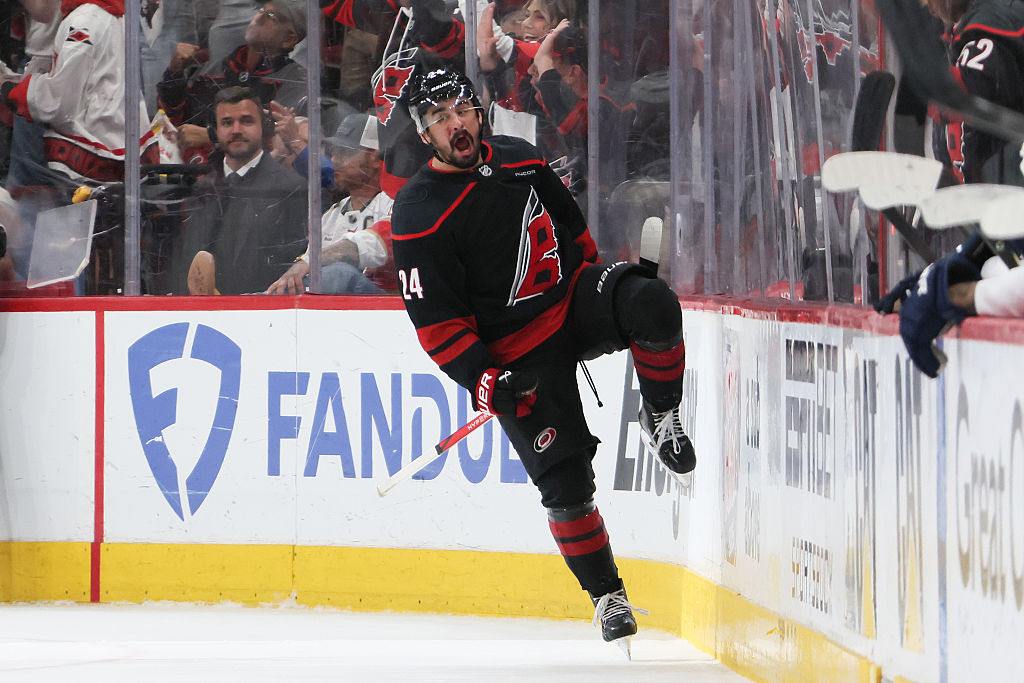
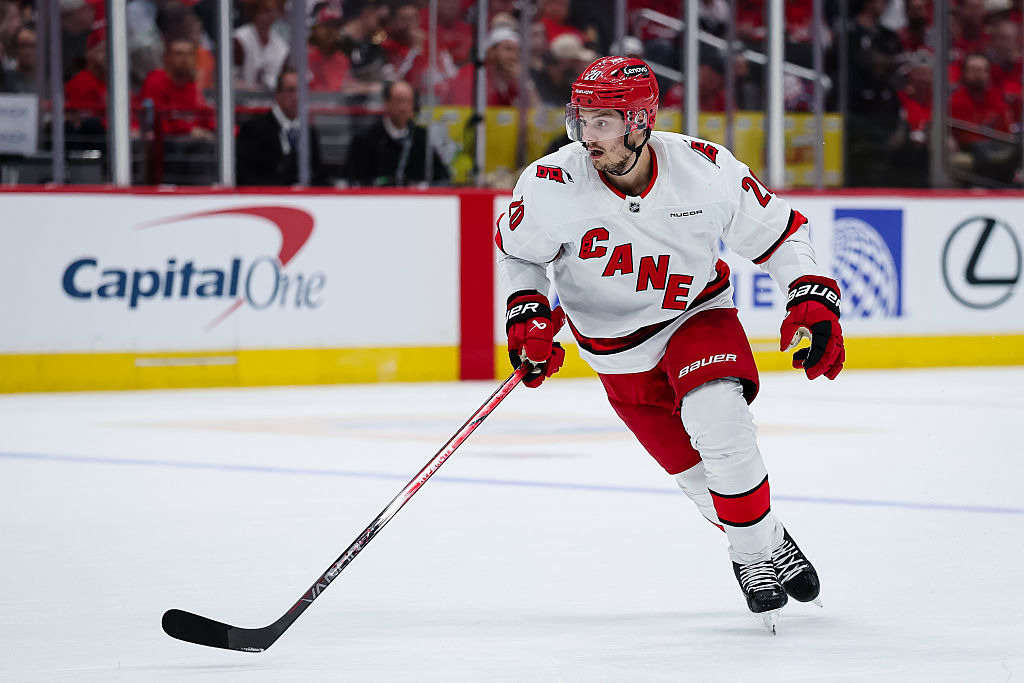
RALEIGH, CAROLINE DU NORD - 28 MAI : Sebastian Aho #20 des Hurricanes de la Caroline célèbre après avoir marqué un but contre les Panthers de la Floride pendant la première période du cinquième match de la finale de la Conférence de l'Est des éliminatoires de la Coupe Stanley 2025 au Lenovo Center le 28 mai 2025 à Raleigh, en Caroline du Nord. (Photo par Jared C. Tilton/Getty Images)
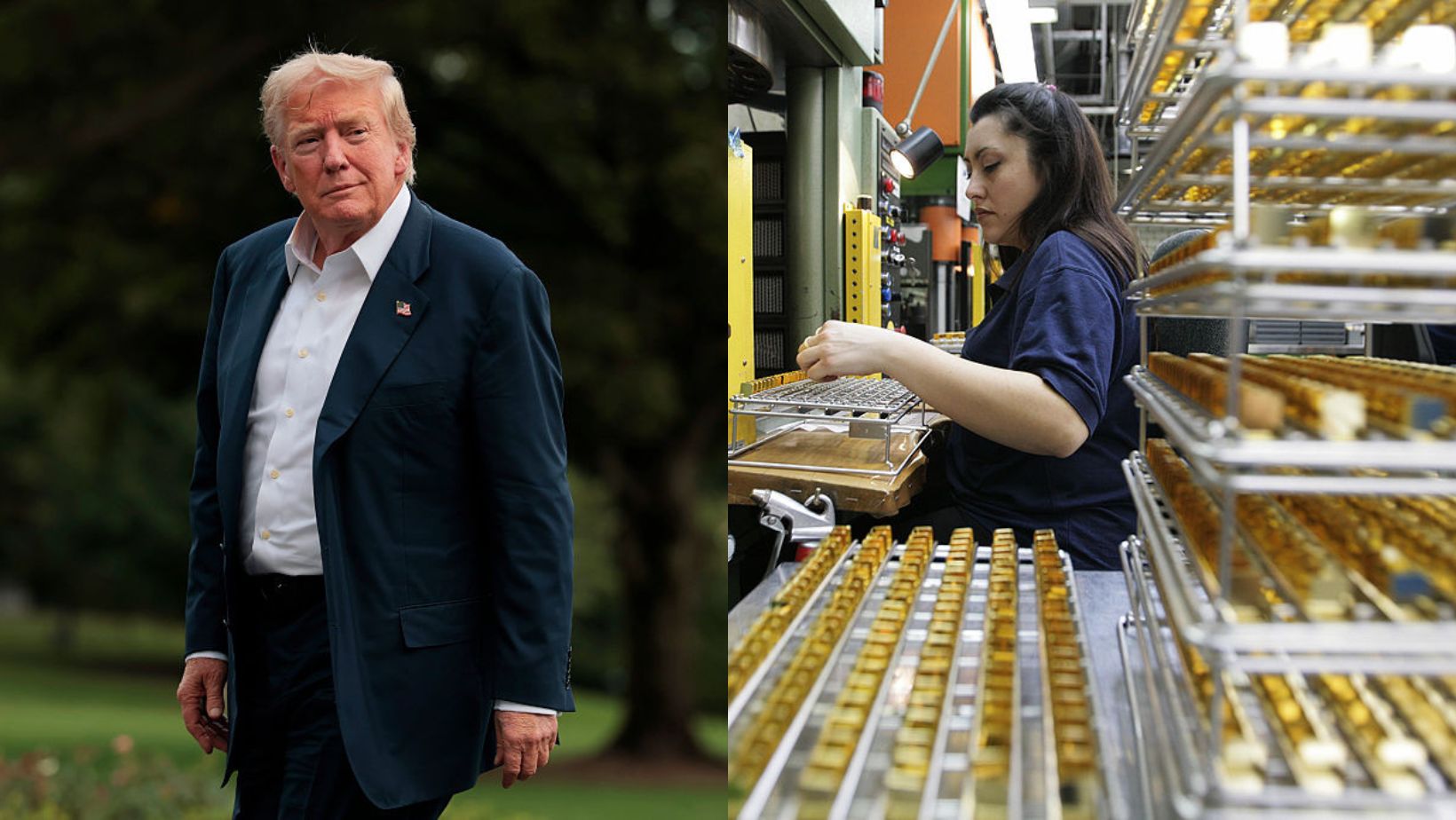
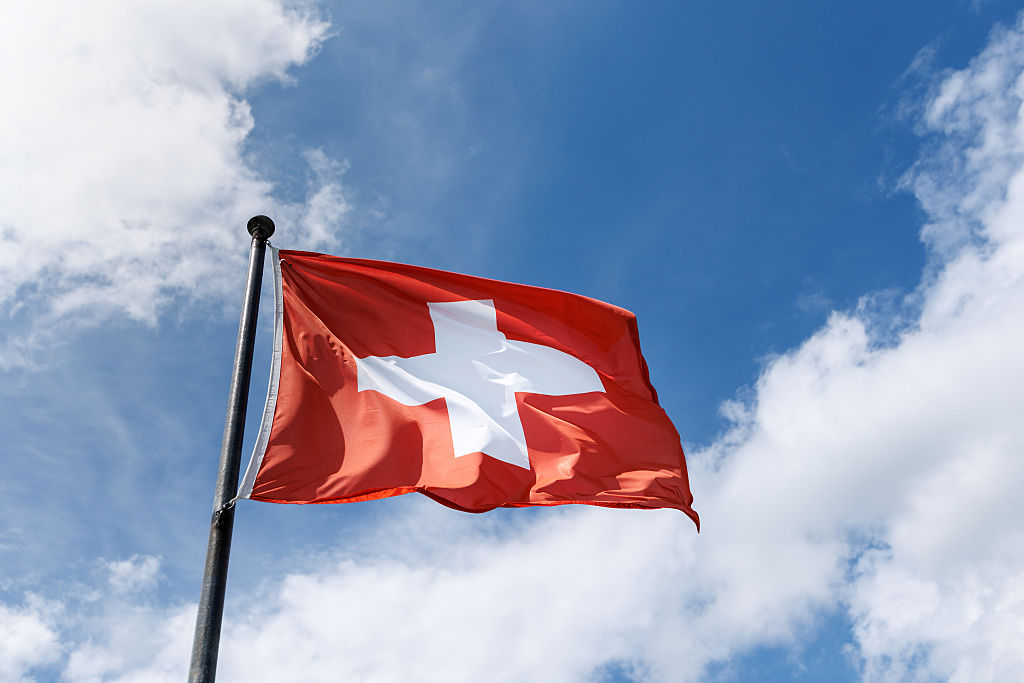
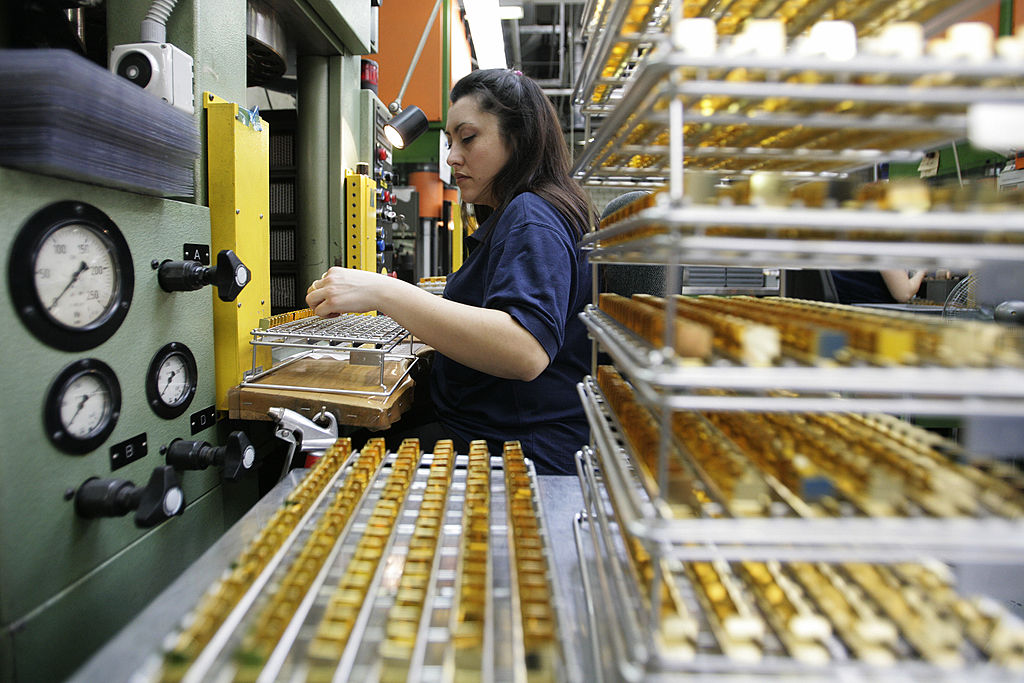
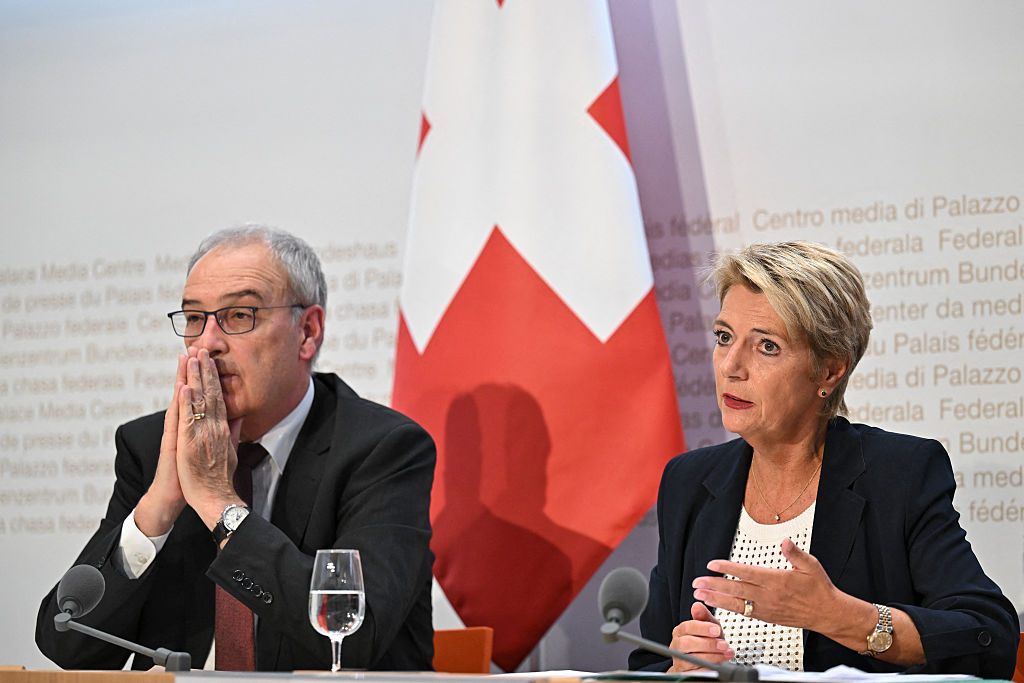
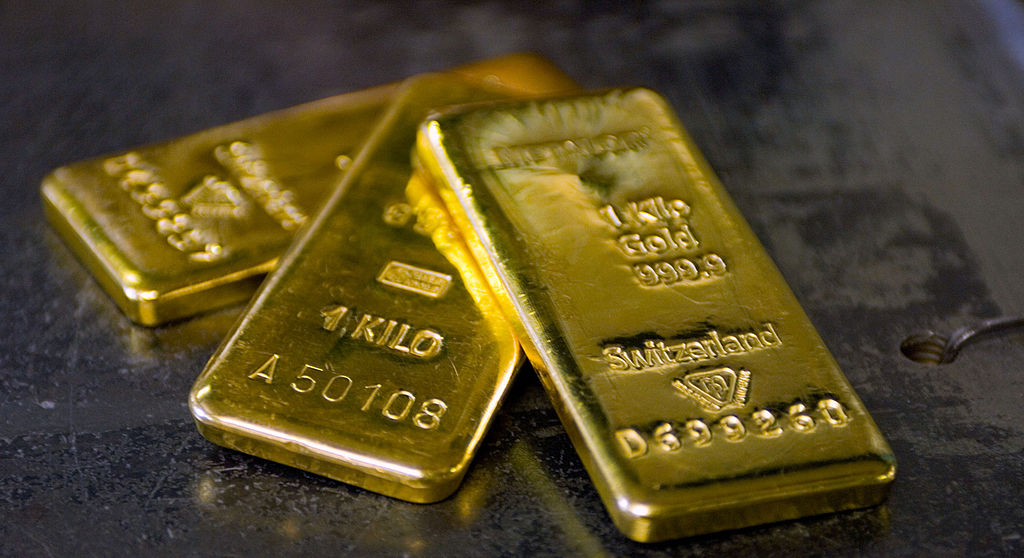
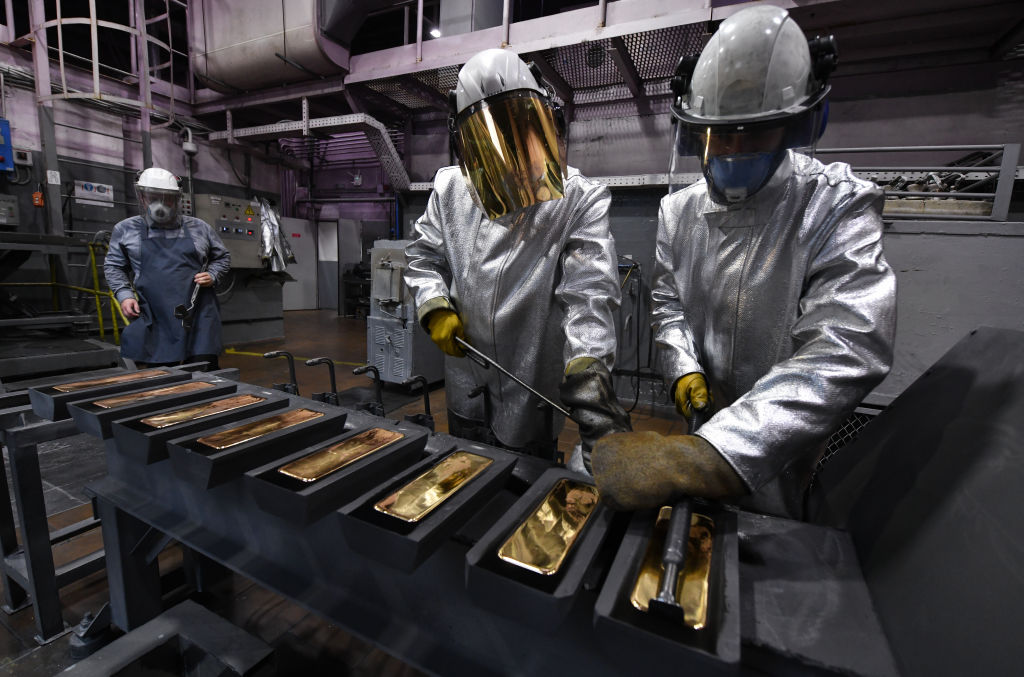
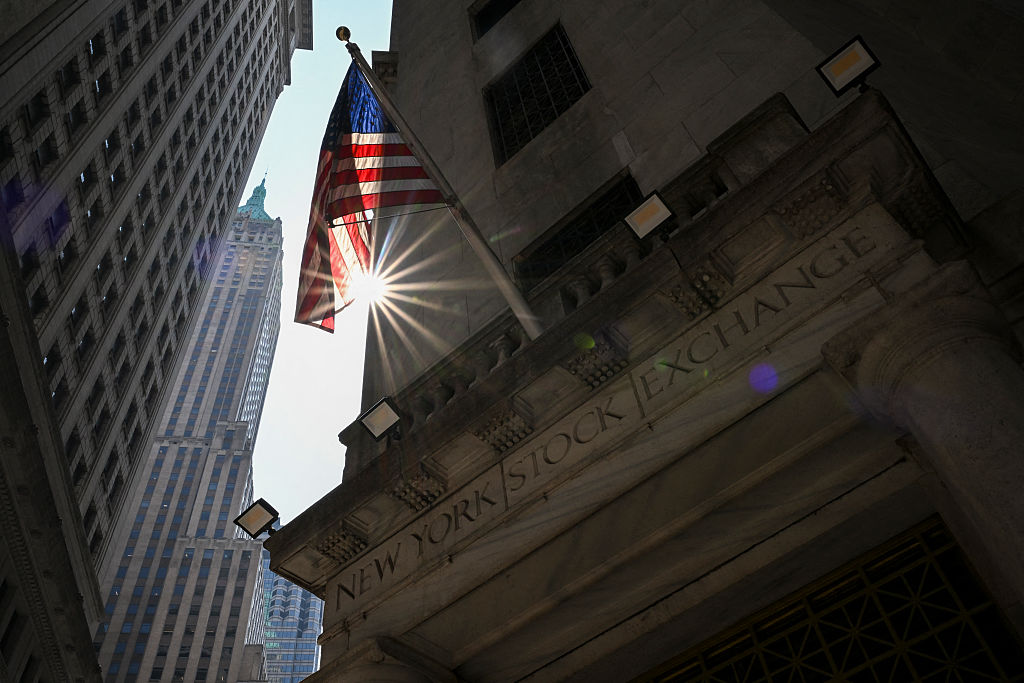
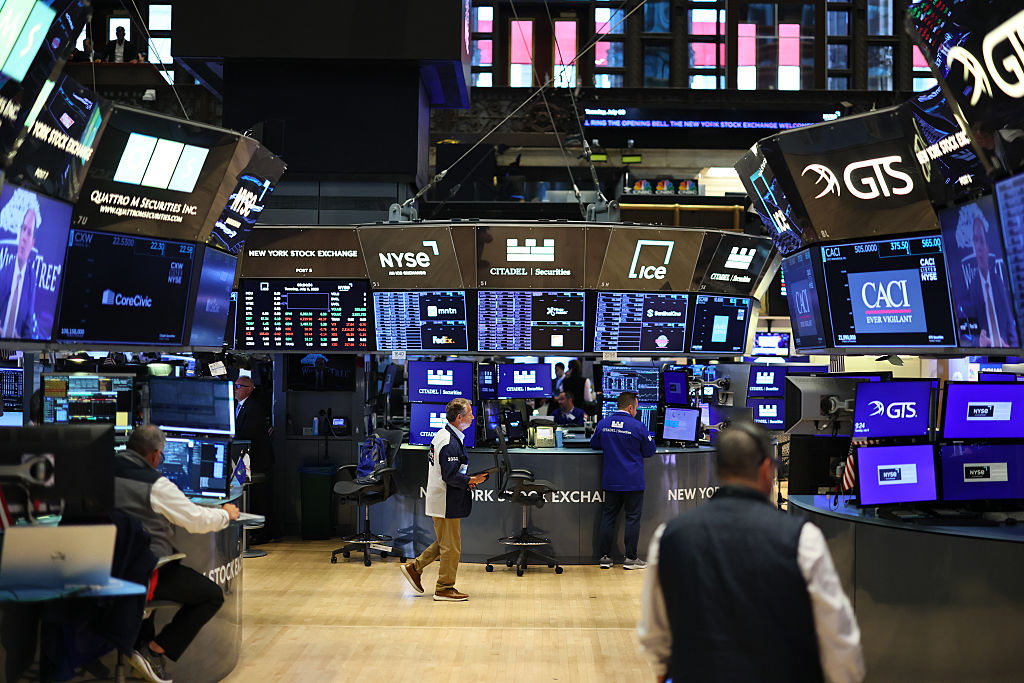
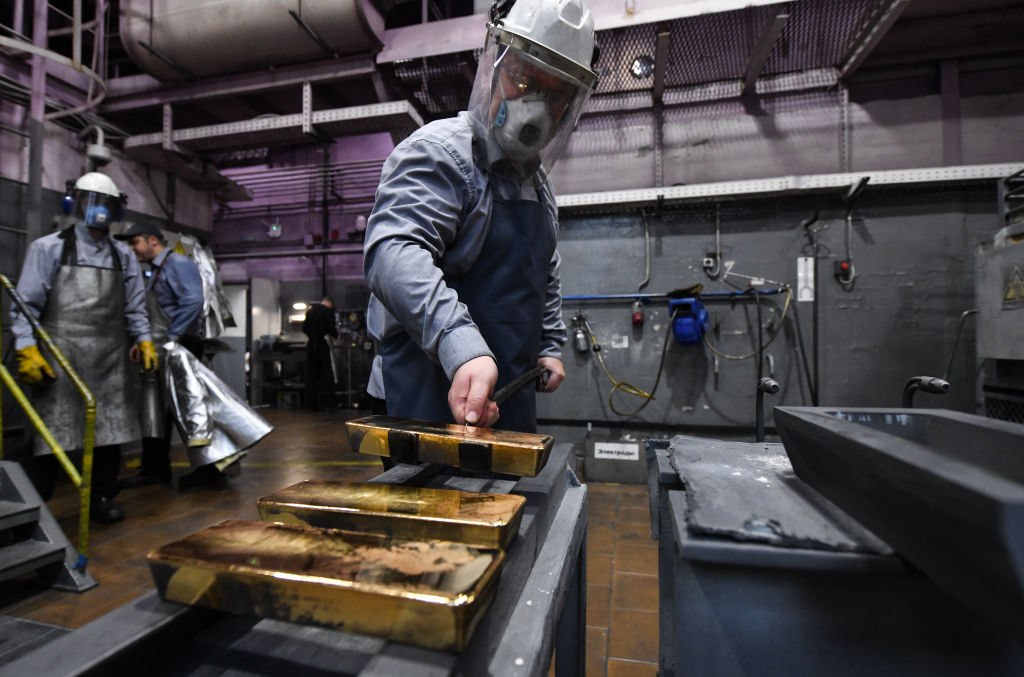
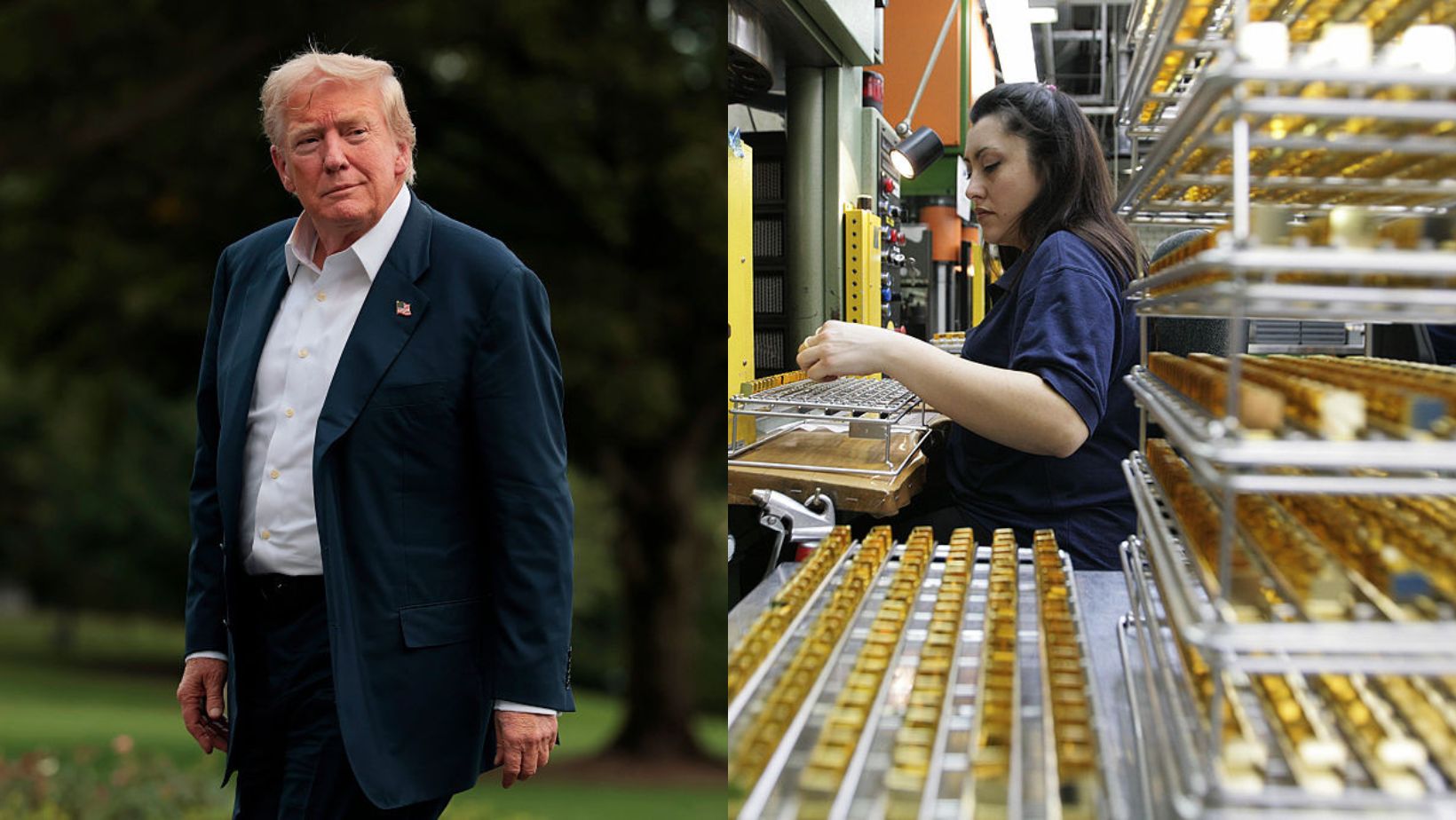
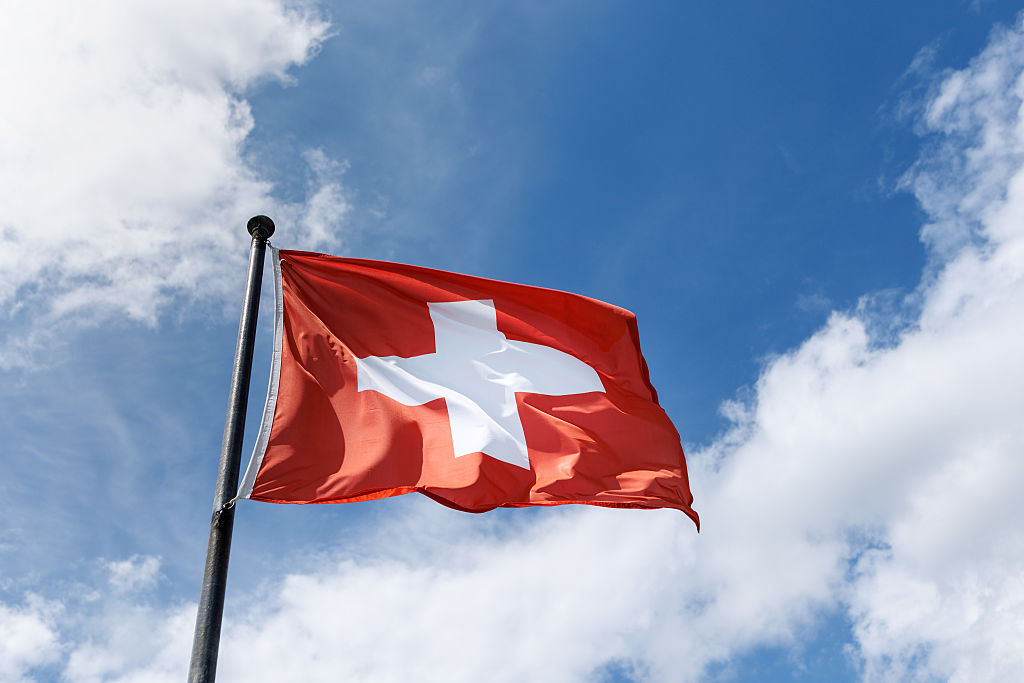
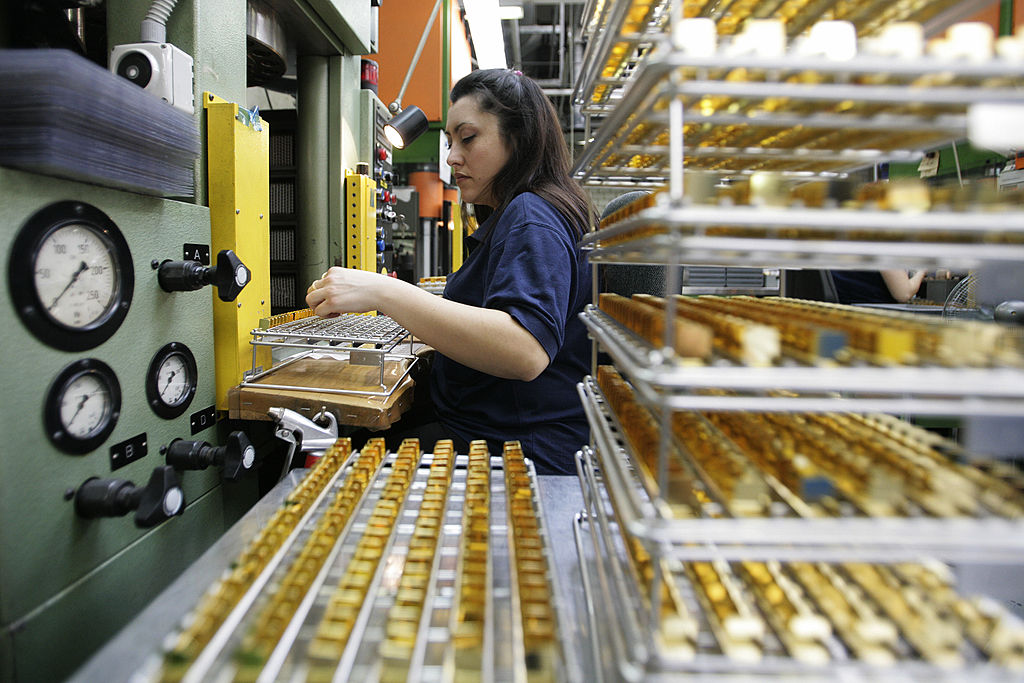
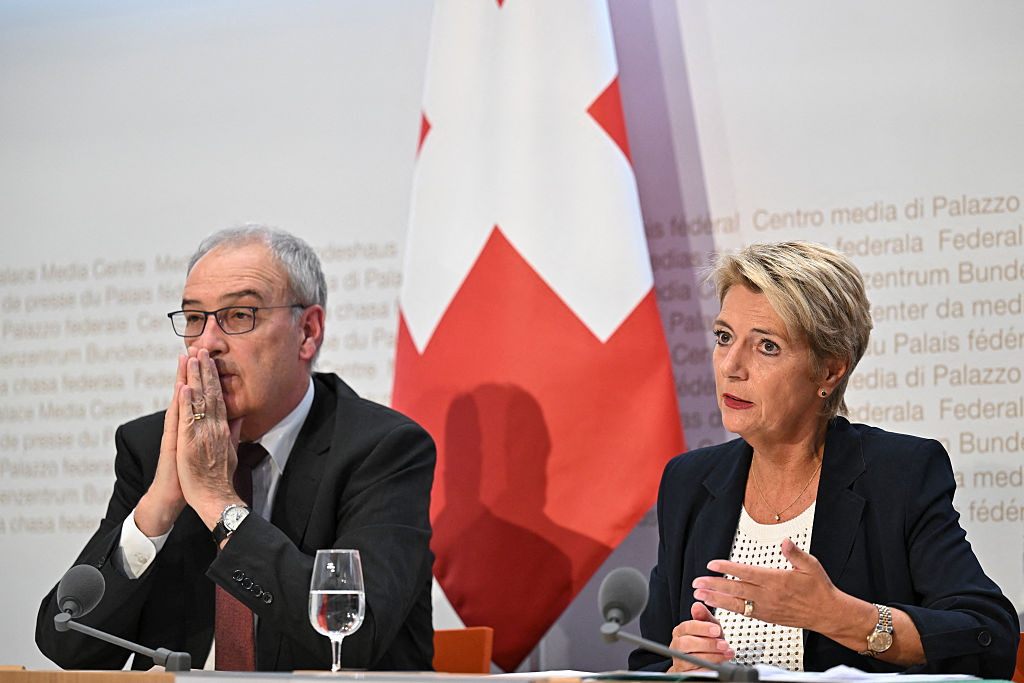
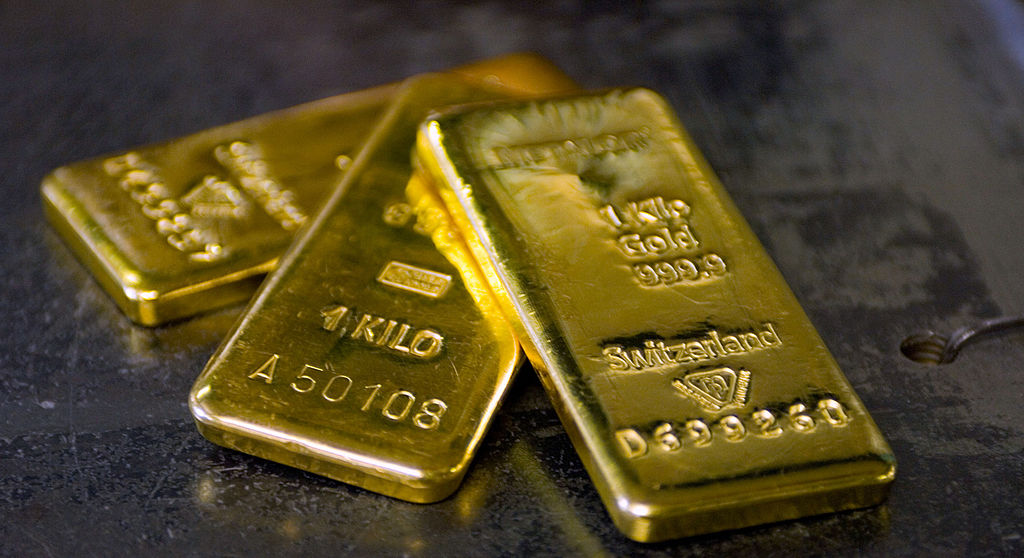
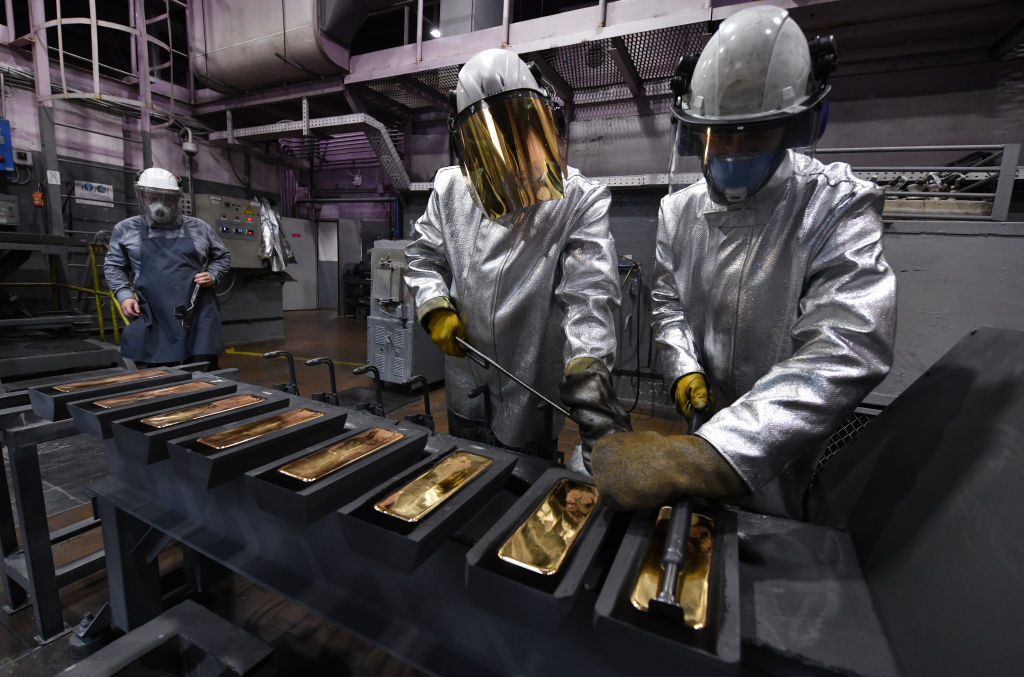
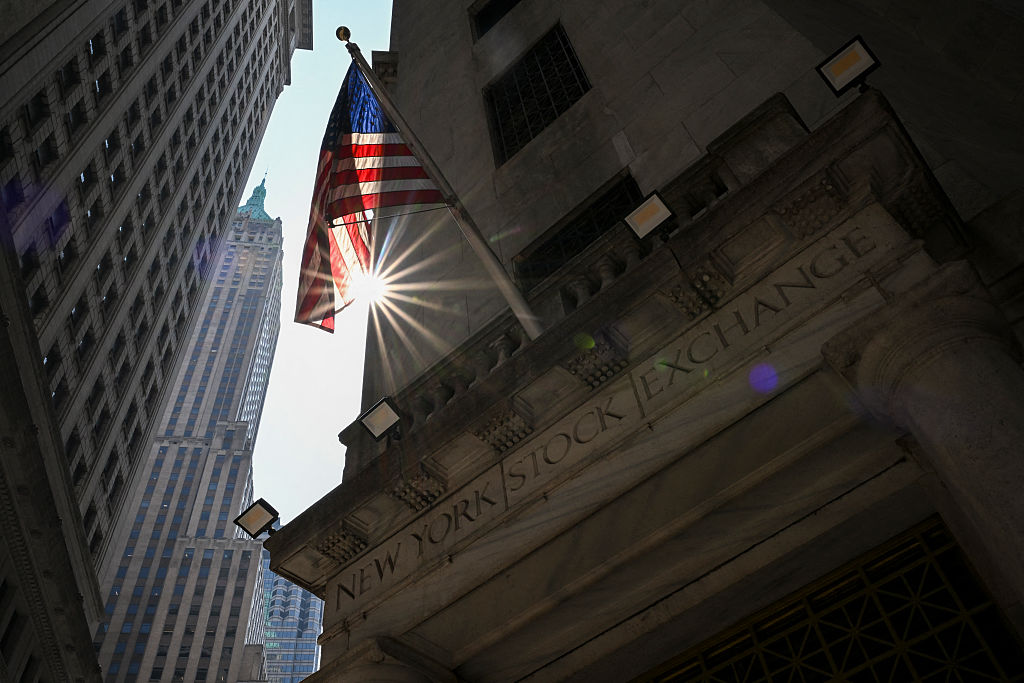
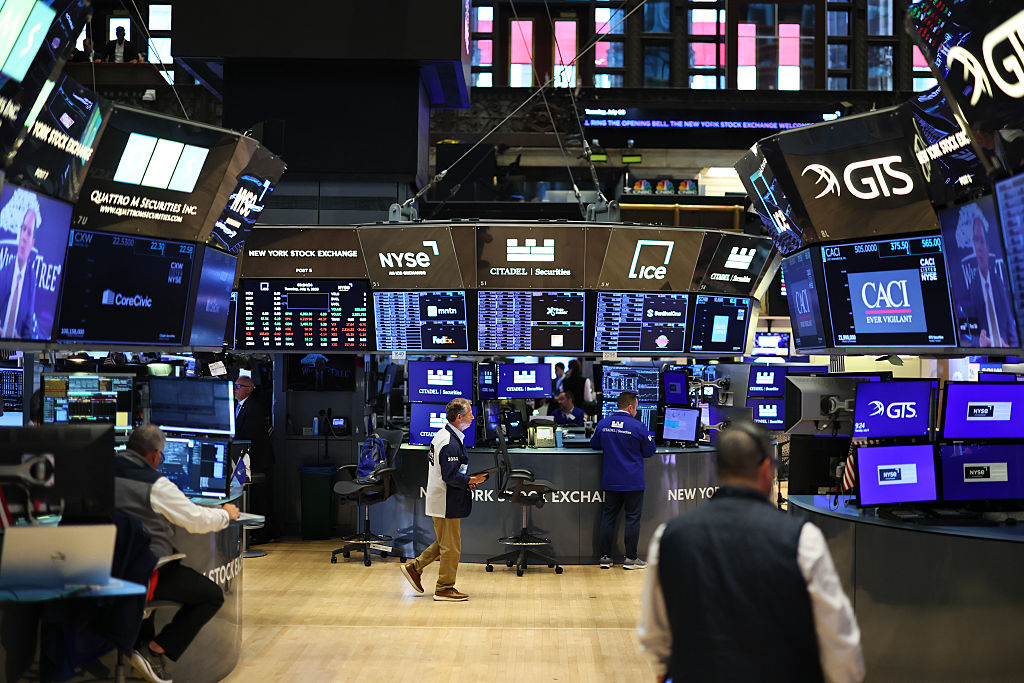
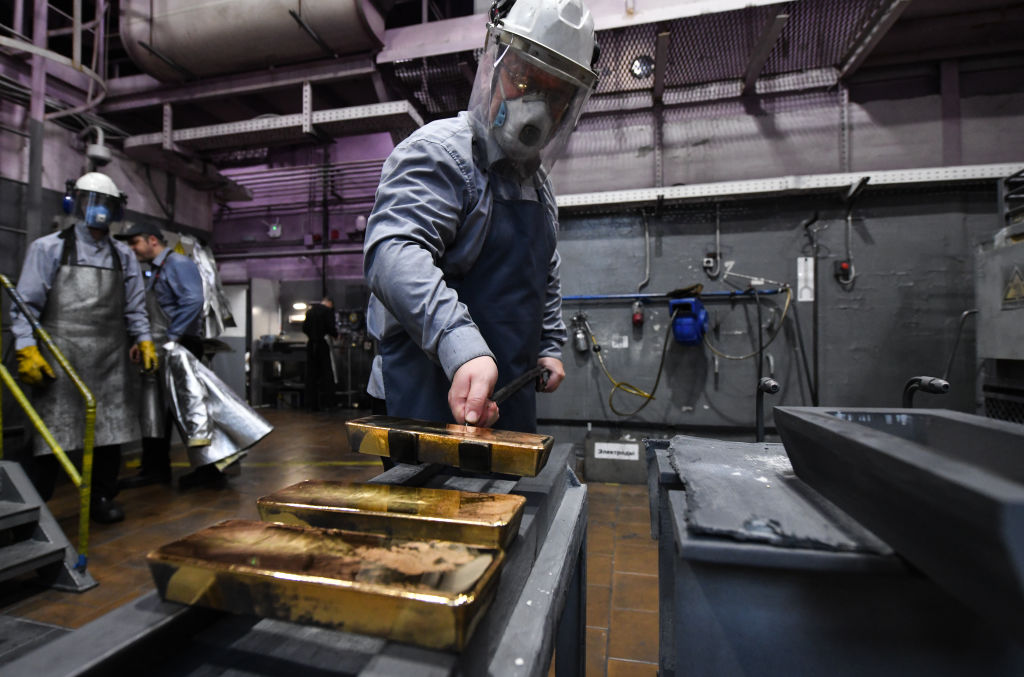
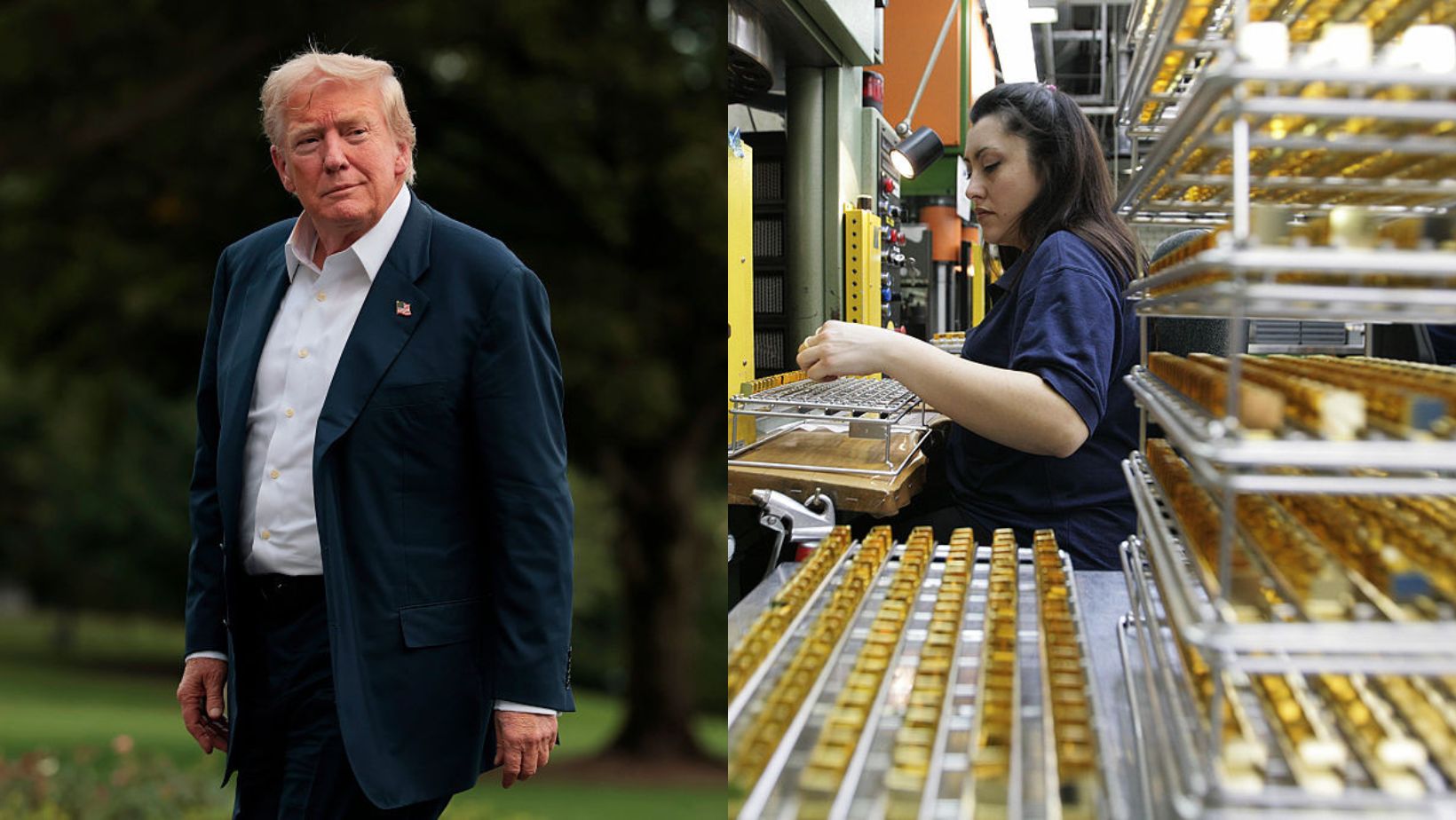
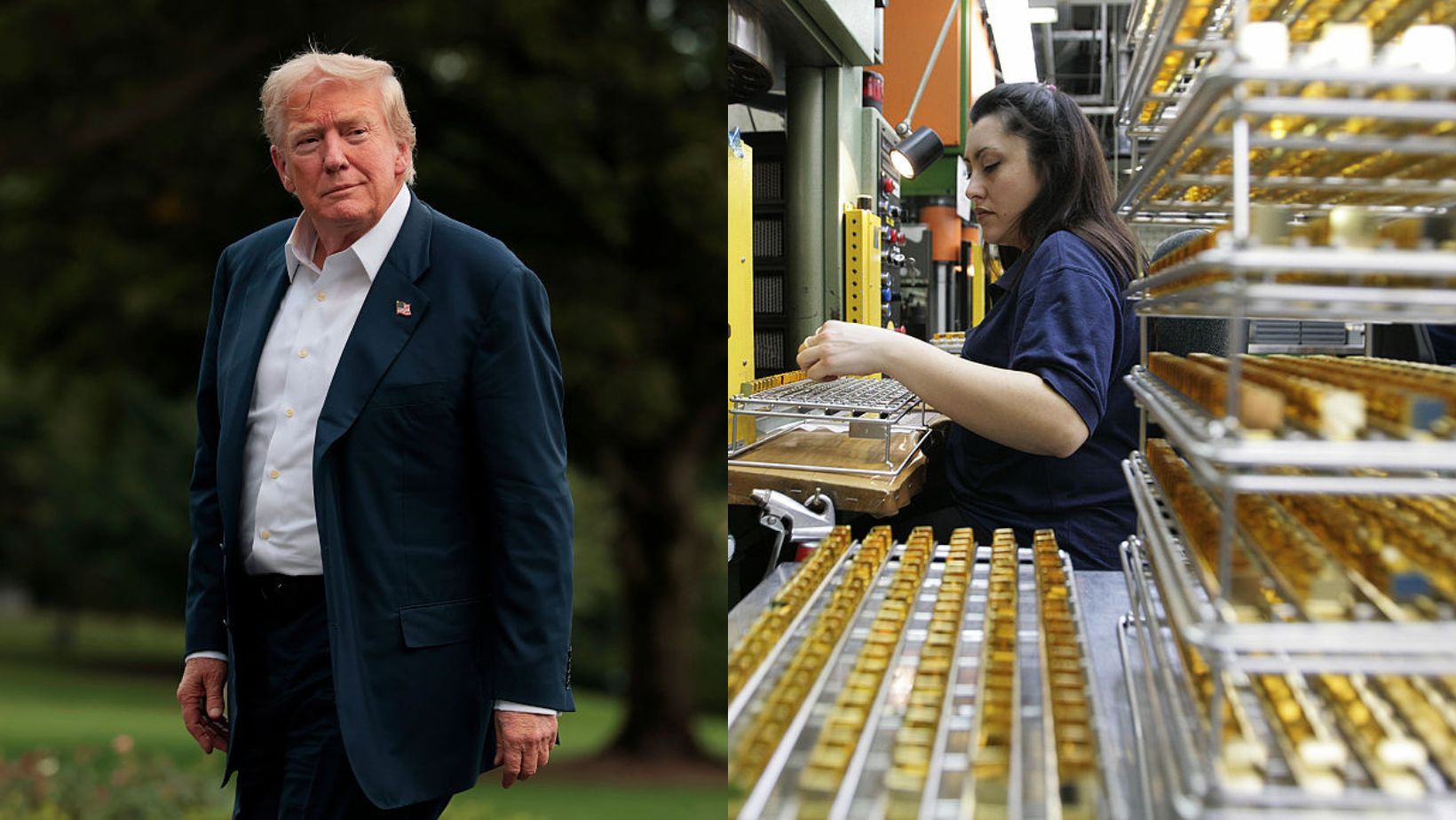
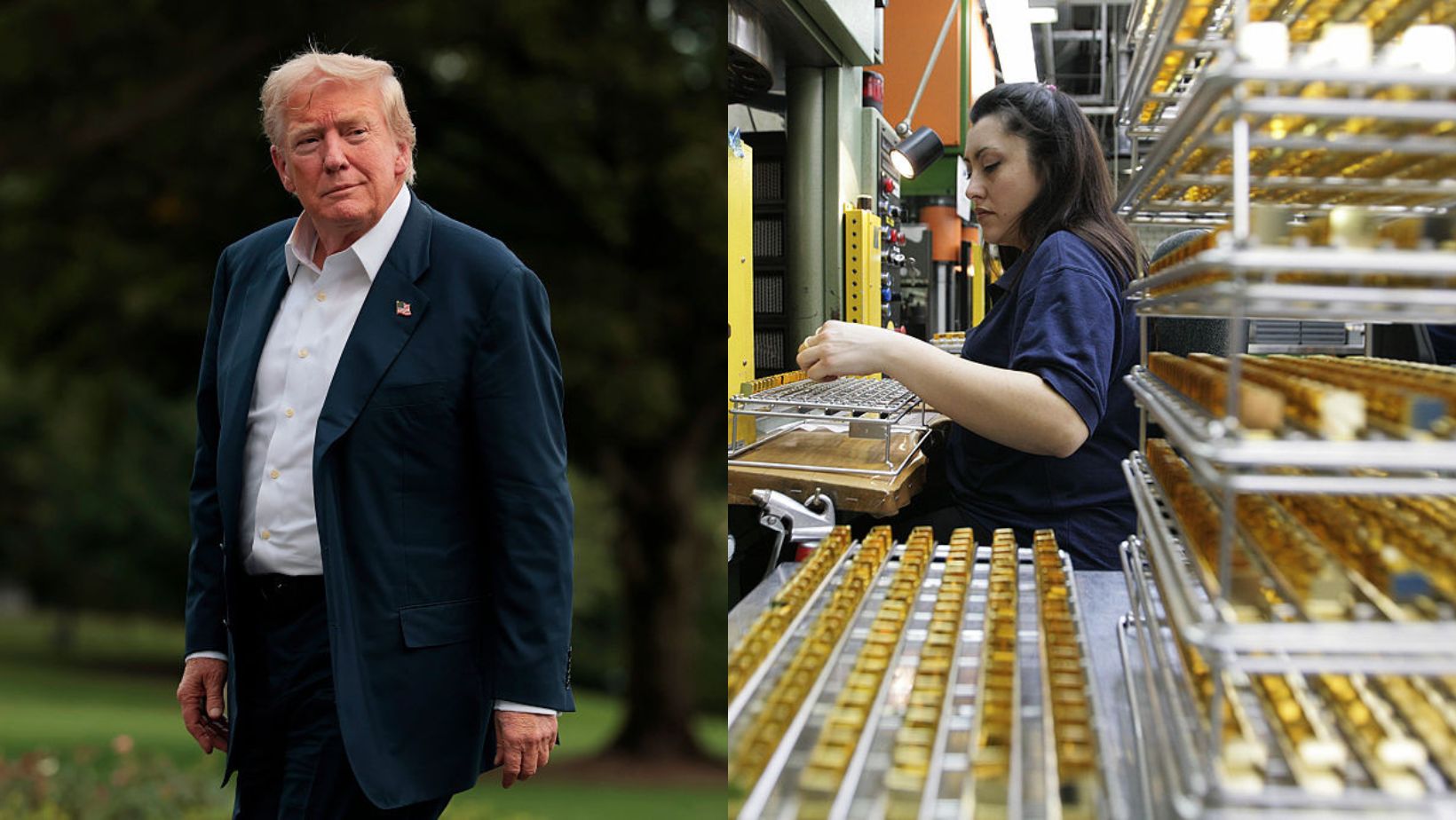
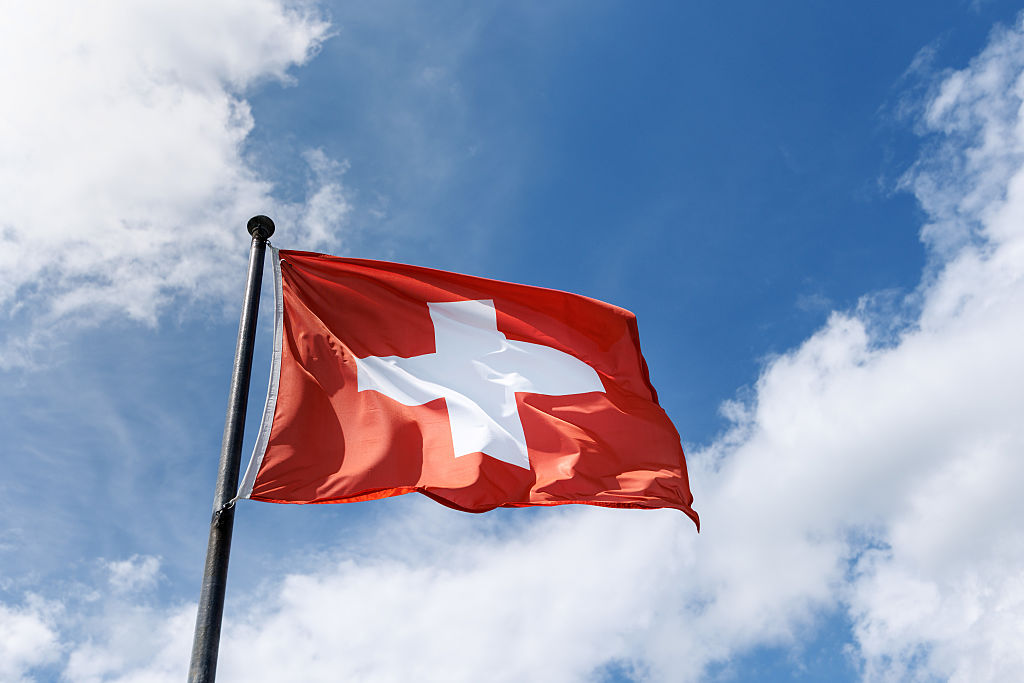
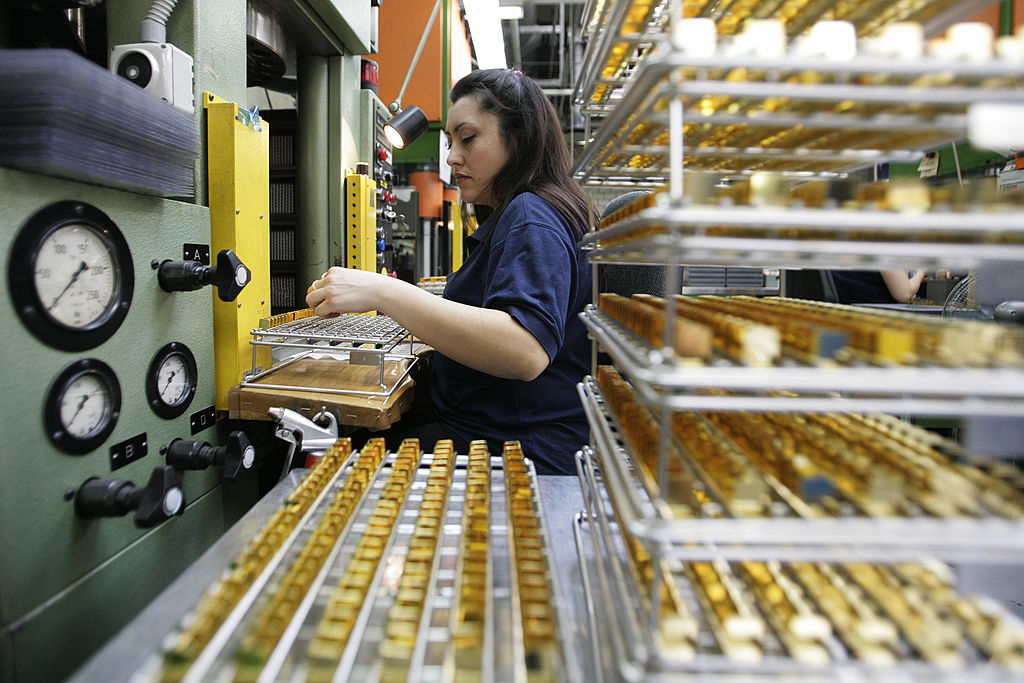
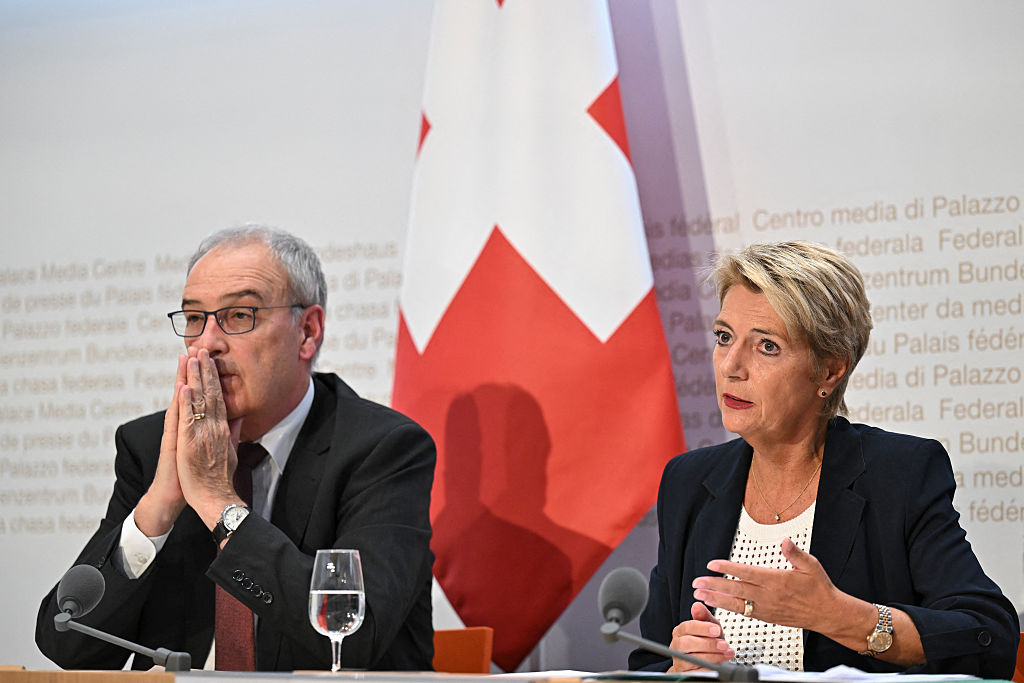
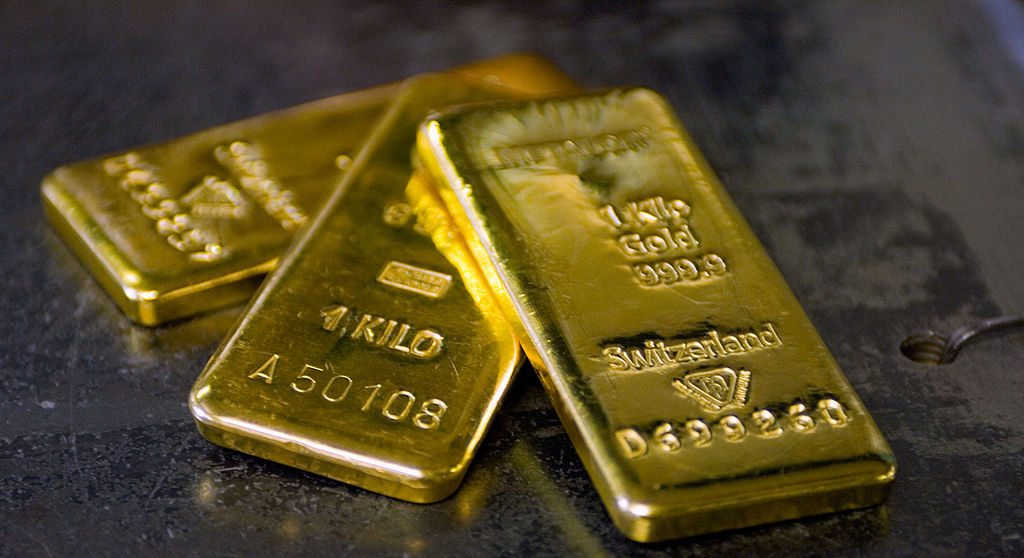
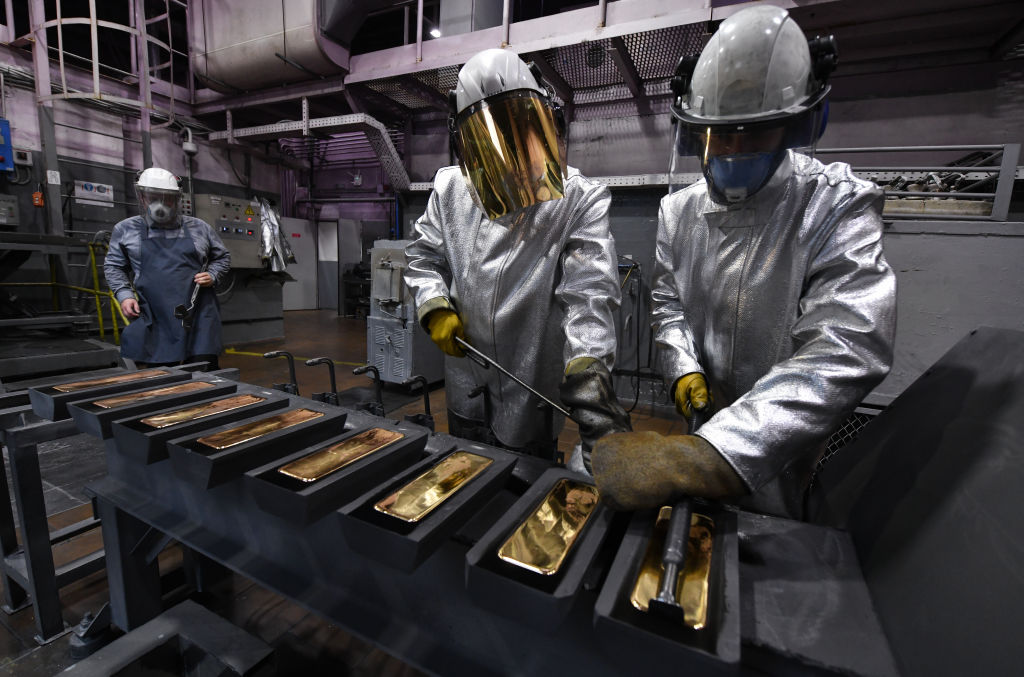
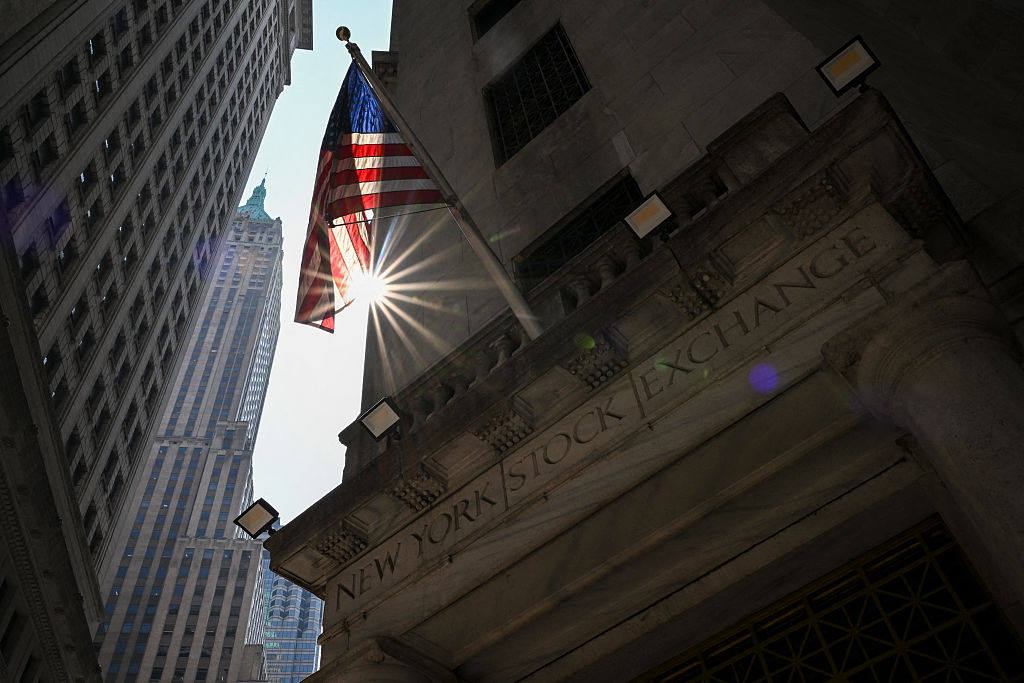
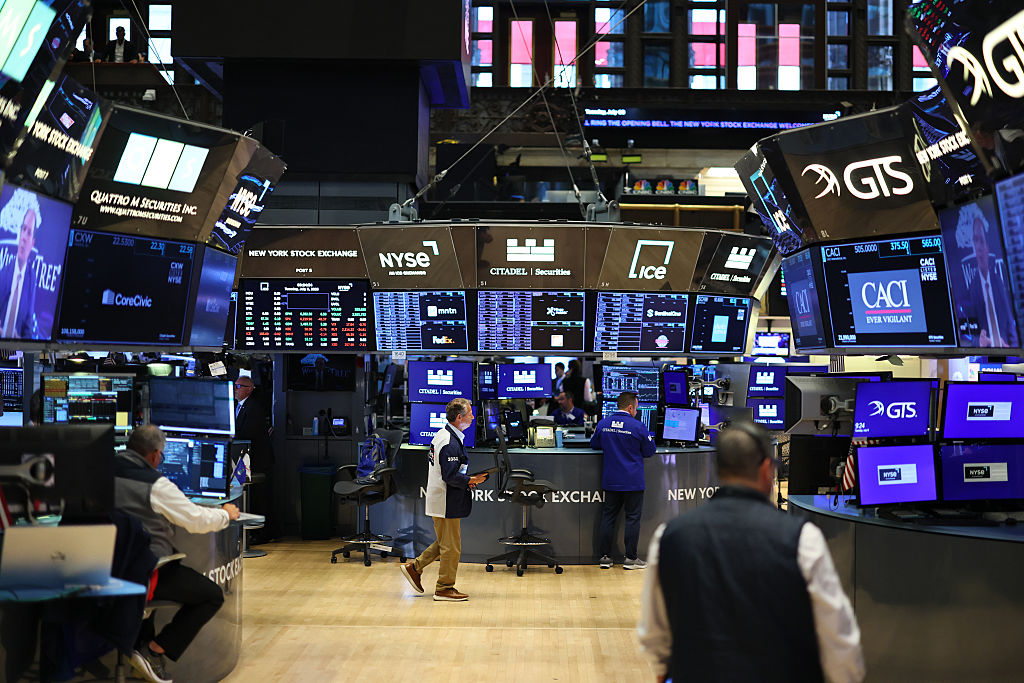
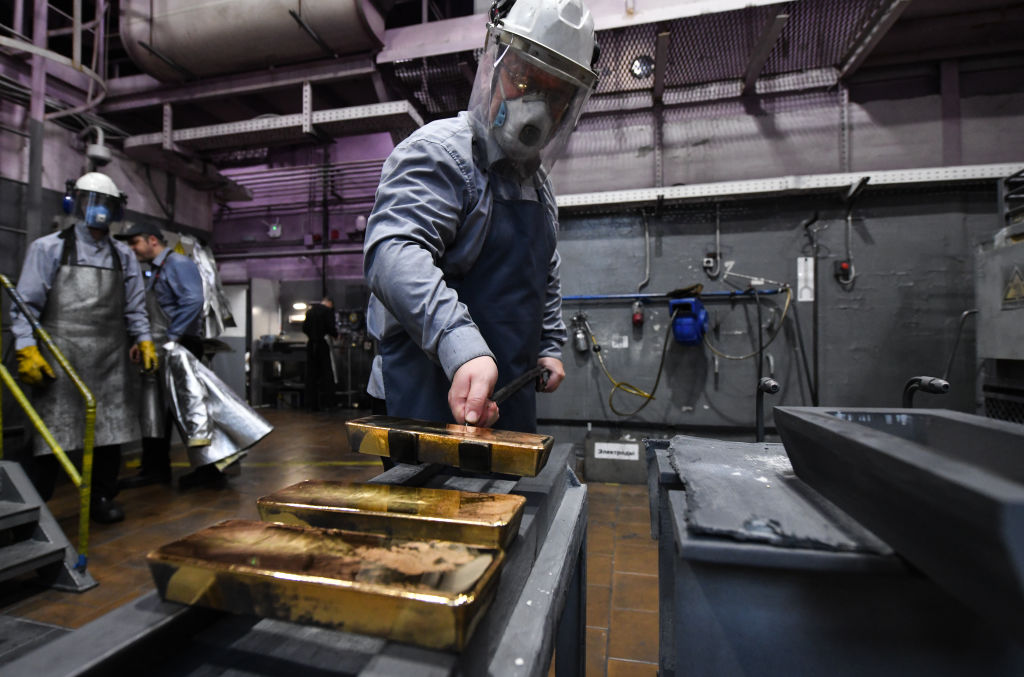
14 July 2025, Switzerland, Schaffhausen: A rectangular flag of Switzerland (Schwiz, Suisse, Helvetia, Swiss Confederation) flies in the wind on a flagpole in Schaffhausen (Canton of Schaffhausen, Switzerland) against the blue sky. Switzerland is a federalist, democratic state in Europe. The Swiss flag shows a white Swiss cross on a red background. Photo: Matthias Balk/dpa (Photo by Matthias Balk/picture alliance via Getty Images)Swiss gold bars are pictured in Paris on February 20, 2020. (Photo by JOEL SAGET / AFP) (Photo by JOEL SAGET/AFP via Getty Images)An employee engraves a golden bars on April 6, 2009 at a plant of gold refiner and bar manufacturer Argor-Heraeus SA in Mendrisio, southern Switzerland. AFP PHOTO / Sebastian Derungs (Photo credit should read SEBASTIAN DERUNGS/AFP via Getty Images)Swiss President Karin Keller-Sutter (R) speaks next to Swiss Economy Minister Guy Parmelin during a press conference following an extraordinary meeting after Swiss government failed to convince the US government not to impose 39 percent tariffs on Swiss goods, in Bern on August 7, 2025. (Photo by Fabrice COFFRINI / AFP) (Photo by FABRICE COFFRINI/AFP via Getty Images)Washington, DC USA; April 7, 2025: U.S. Customs and Border Protection building entranceGENEVA – APRIL 28: 24k gold bars to be alloyed with copper bars and silver balls into a 18k gold bar for the creation of the 62nd Cannes Film Festival Palme d’Or are prepared at the Chopard manufactory on April 28, 2009 in Geneva, Switzerland. (Photo by Harold Cunningham/WireImage) *** Local Caption ***MOSCOW, RUSSIA – JANUARY 31: The process of crafting gold is seen at the Krastsvetmet company, one of the world’s largest producers of precious metals in Moscow, Russia on January 31, 2023. The company produces precious metals in ingots, granules, powders in the form of chemical compounds. Precious metal bars of Krastsvetmet are included in the lists of Good Delivery (high quality of delivery) on international platforms. In 2021, the company produced 203 tons of gold, 484 tons of silver and 102 tons of platinum group metals, which is 59%, 51% and 88% of the total production in Russia, respectively. Jewelry production of Krastsvetmet is a complete technological cycle from the manufacture of alloys to diamond cutting and finishing of products. (Photo by Alexander Manzyuk/Anadolu Agency via Getty Images)An exterior view at the New York Stock Exchange (NYSE) on August 4, 2025, in New York City. (Photo by ANGELA WEISS / AFP) (Photo by ANGELA WEISS/AFP via Getty Images)NEW YORK, NEW YORK – JULY 08: Traders work on the floor of the New York Stock Exchange on July 08, 2025 in New York City. Stocks opened mixed amid the tariff deadline set by U.S. President Donald Trump as his administration awaits for countries willing to negotiate. Trump also set 25% tariffs on goods imported from South Korea and Japan and at least 14 countries are set to face new tariffs. (Photo by Michael M. Santiago/Getty Images)MOSCOW, RUSSIA – JANUARY 31: The process of crafting gold is seen at the Krastsvetmet company, one of the world’s largest producers of precious metals in Moscow, Russia on January 31, 2023. The company produces precious metals in ingots, granules, powders in the form of chemical compounds. Precious metal bars of Krastsvetmet are included in the lists of Good Delivery (high quality of delivery) on international platforms. In 2021, the company produced 203 tons of gold, 484 tons of silver and 102 tons of platinum group metals, which is 59%, 51% and 88% of the total production in Russia, respectively. Jewelry production of Krastsvetmet is a complete technological cycle from the manufacture of alloys to diamond cutting and finishing of products. (Photo by Alexander Manzyuk/Anadolu Agency via Getty Images)

















 BIG Admin