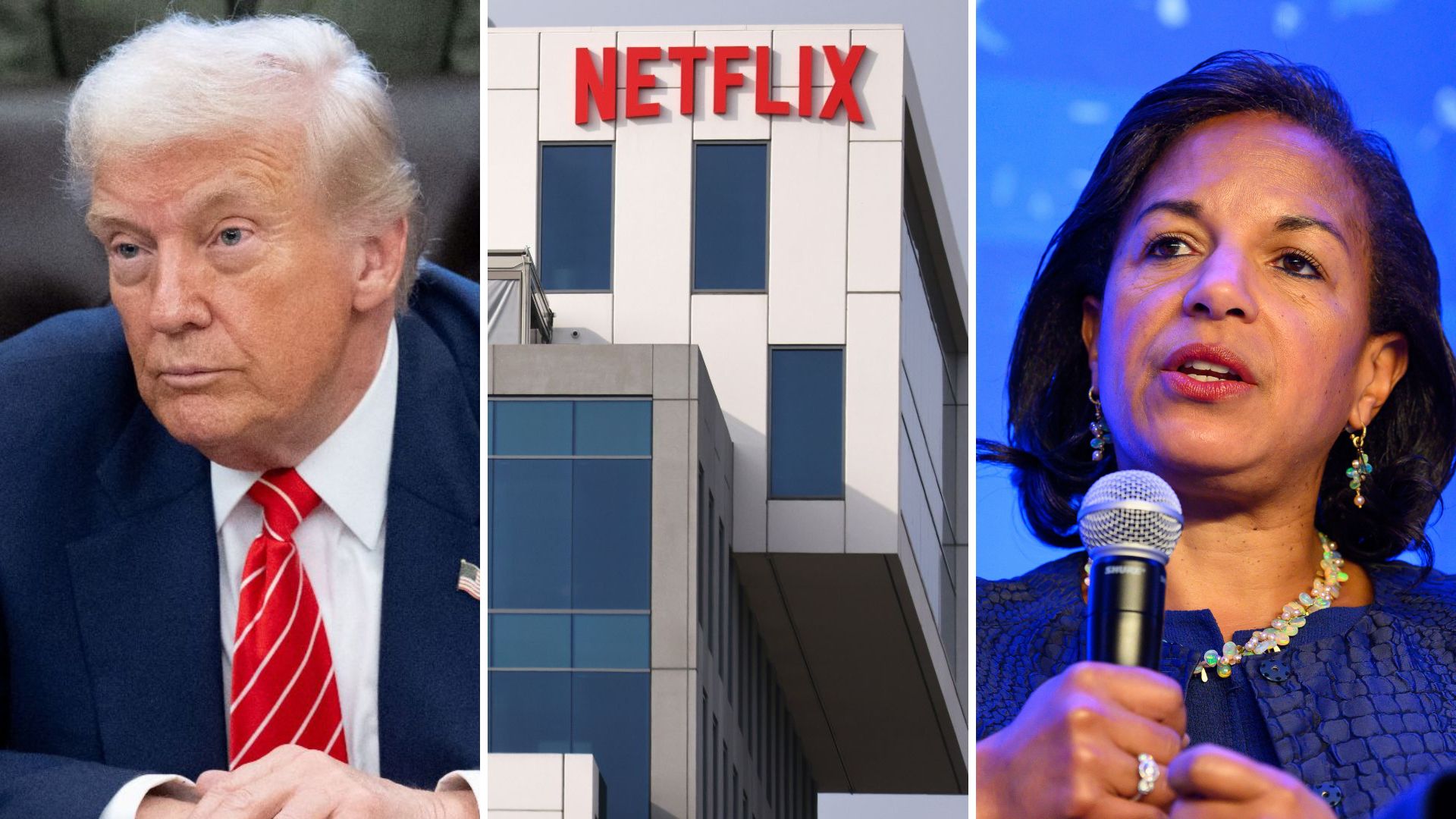
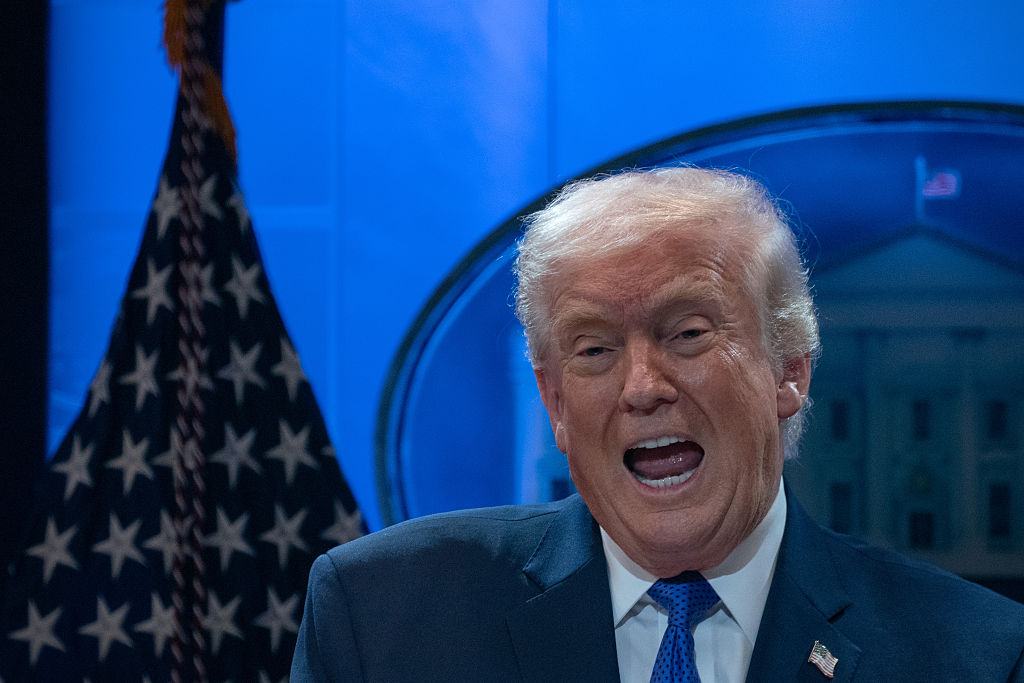
Donald Trump sharply escalated his confrontation with Netflix this week, publicly demanding that the company remove board member Susan Rice as it pursues a high-stakes takeover of Warner Bros Discovery’s studio and HBO assets. Writing on Truth Social in response to a post by conservative activist Laura Loomer, the president issued a direct warning to the streaming giant.
«Netflix should fire racist, Trump Deranged Susan Rice, IMMEDIATELY, or pay the consequences. She’s got no talent or skills – Purely a political hack! HER POWER IS GONE, AND WILL NEVER BE BACK. How much is she being paid, and for what??? Thank you for your attention to this matter. President DJT».
The message immediately injected partisan politics into an already sensitive corporate transaction.
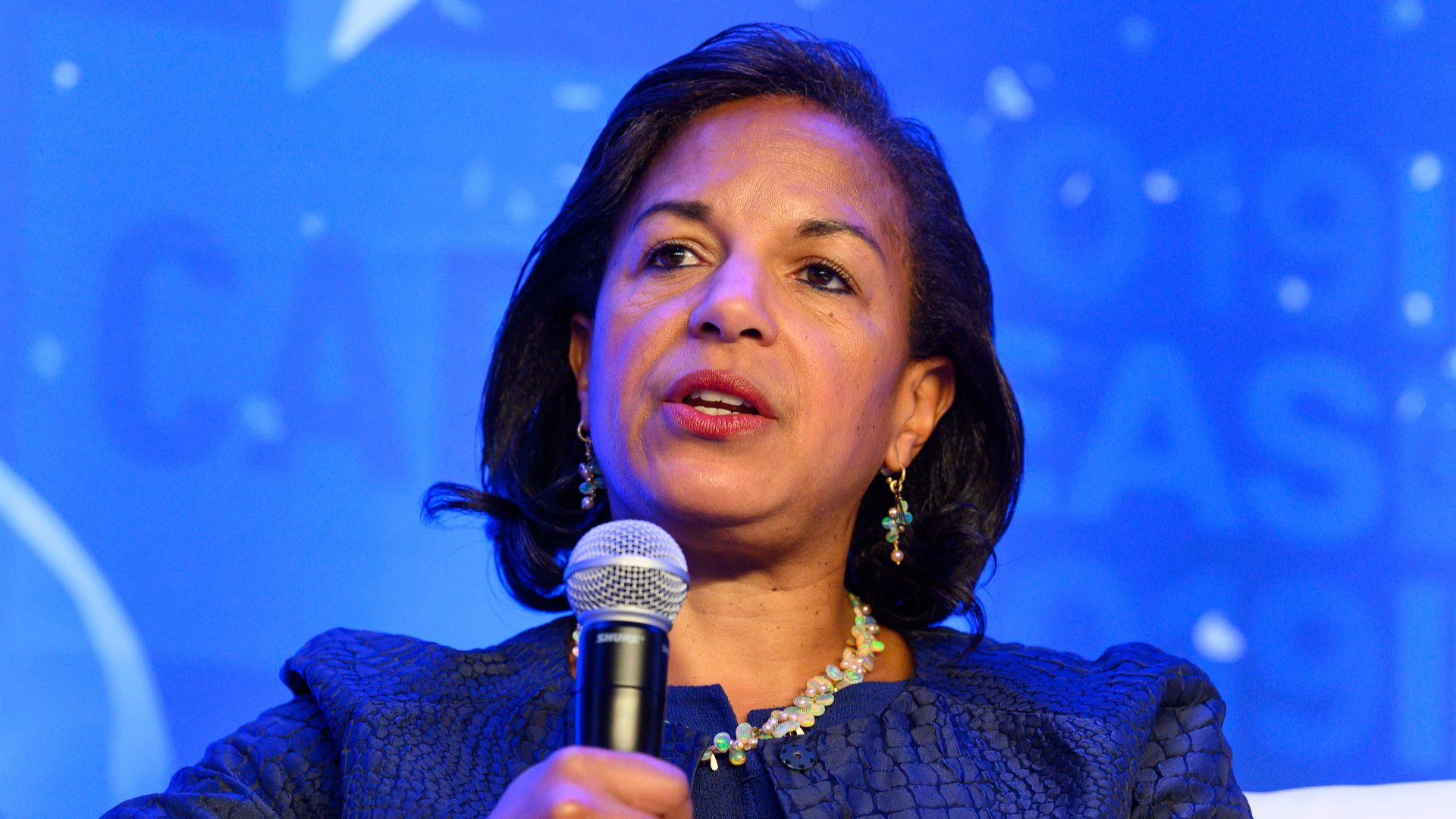
Susan Rice, who served as U.S. ambassador to the United Nations and later as national security adviser under President Barack Obama, joined Netflix’s board in 2023 after previously stepping down to join the Biden administration as director of the Domestic Policy Council. Her return to the company placed a high-profile Democratic foreign policy figure at the center of one of the most powerful media corporations in the world. Rice has long been a target of Republican criticism over her role in Obama-era national security decisions, and her presence on Netflix’s board has drawn renewed scrutiny as the company seeks to expand its influence through a transformative acquisition.
«This is a business deal. It’s not a political deal.»
-Netflix co-CEO, Ted Sarandos
At the center of the dispute is Netflix’s proposed acquisition of major Warner Bros Discovery assets, including the Warner Bros film and television studio and the HBO brand, in a transaction valued at more than $80 billion. The deal, approved by Warner Bros Discovery’s board in December, would combine Netflix’s global streaming dominance with HBO’s premium content pipeline and Warner Bros’ historic production library. Franchises ranging from DC Studios to long-running HBO series would fall under Netflix’s umbrella if regulators grant approval. The scale of the proposed takeover has already prompted questions from antitrust officials and industry analysts about competition, market concentration and consumer impact.
Netflix leadership has sought to frame the transaction strictly as a business matter. Co-CEO Ted Sarandos addressed the controversy in an interview, stating «This is a business deal. It’s not a political deal.»
Sarandos emphasized that regulatory authorities, including the Department of Justice, are responsible for evaluating the merger under antitrust law. The company has not indicated any intention to alter its board composition in response to political pressure. Instead, executives have focused on the strategic rationale behind the acquisition, arguing that integrating Warner Bros’ production capabilities and HBO’s brand would strengthen Netflix’s competitive position in an increasingly crowded global streaming market.
«Netflix should fire racist, Trump Deranged Susan Rice, IMMEDIATELY, or pay the consequences. She’s got no talent or skills – Purely a political hack! HER POWER IS GONE, AND WILL NEVER BE BACK. How much is she being paid, and for what???».
-President, Donald Trump
The political dimension intensified after Laura Loomer urged Trump to intervene and block what she described as a dangerous consolidation of media power. Trump’s reposting of her message and subsequent demand regarding Rice placed him directly into the corporate governance debate. The president’s warning that Netflix should «pay the consequences» if it does not comply has raised broader questions about the boundaries between political authority and private enterprise.
Legal experts note that while presidents can influence regulatory agencies through appointments and policy priorities, corporate board decisions typically remain under the purview of shareholders and directors rather than elected officials.
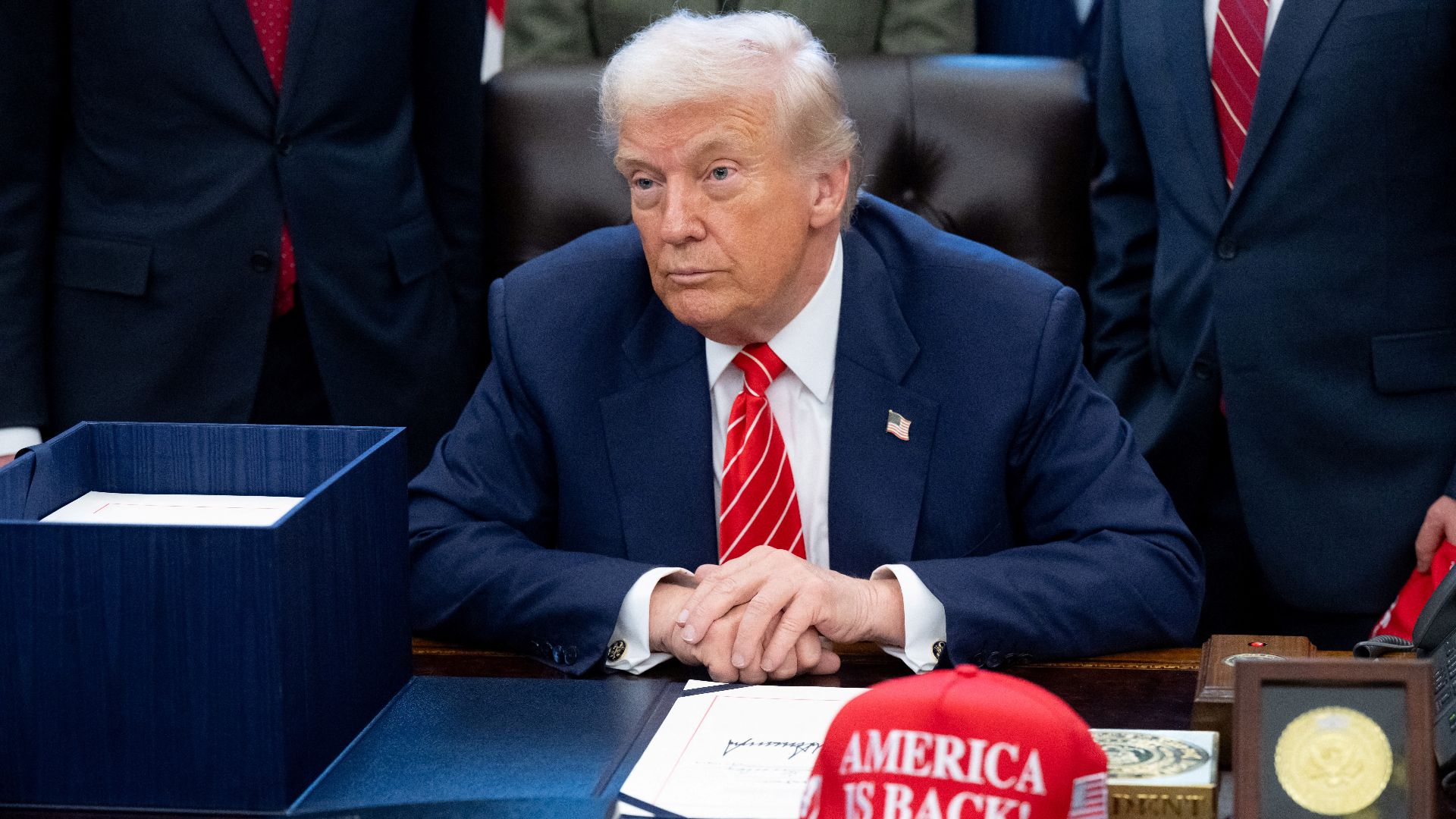
As regulators continue to examine Netflix’s Warner Bros–HBO takeover, the controversy surrounding Susan Rice underscores how cultural and political tensions are increasingly intersecting with corporate strategy. The merger, if approved, would mark one of the largest media consolidations in recent history and reshape the competitive landscape of film, television and streaming. At the same time, Trump’s public intervention highlights the degree to which media companies have become central actors in the nation’s political battles, particularly as he has signaled support for Paramount’s competing bid.
Trump allies have openly encouraged efforts to steer control of Warner Bros and HBO away from Netflix, framing the rival proposal as a preferable alternative in both political and regulatory terms. Whether the pressure campaign alters the boardroom calculus at Netflix or simply intensifies partisan rhetoric remains uncertain, but the confrontation has already elevated the stakes of an already consequential deal.



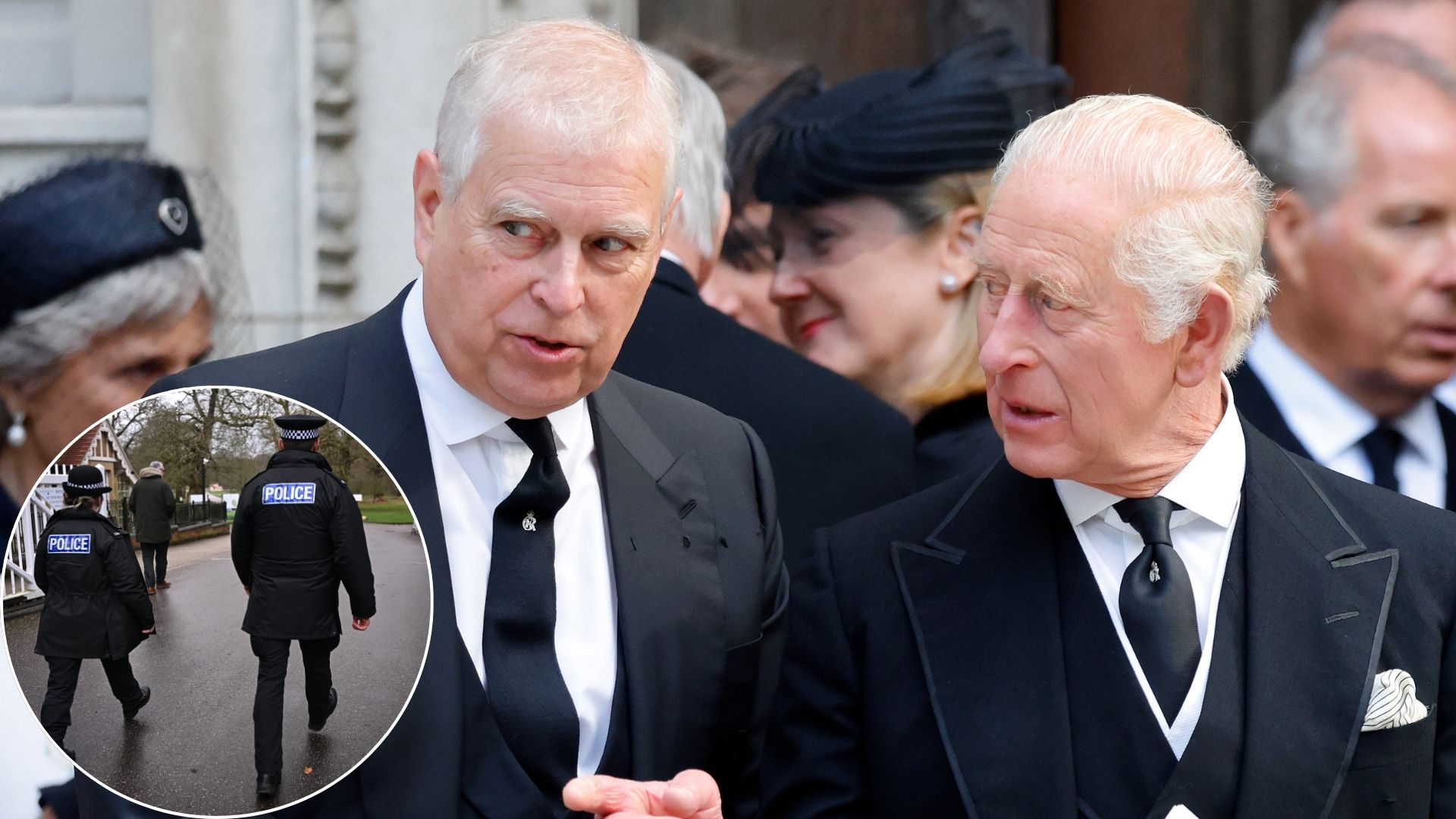
 In his statement, the sovereign chose to maintain institutional distance: he indicated that the palace would not interfere in the investigation and insisted on respect for the judicial institutions. The message is twofold: family compassion and commitment to the independence of the judiciary, in order to protect the credibility of the Crown.
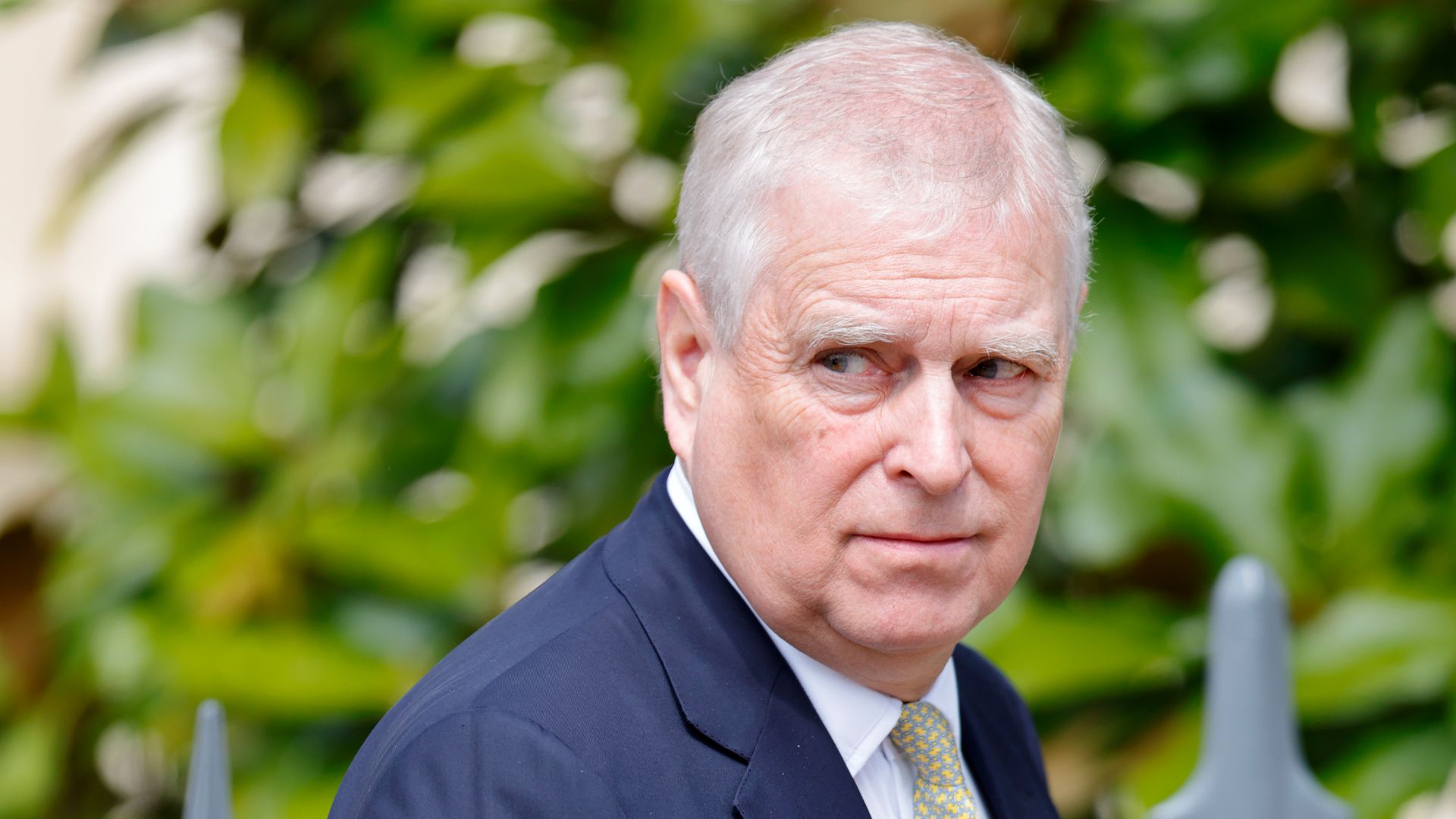 Former Prince Andrew has been publicly associated with Jeffrey Epstein for years, and the case has reached a new stage after repeated accusations, including those made by Virginia Giuffre. Andrew has always denied the allegations against him, and he stepped down from his public duties after the much-discussed 2019 interview with the BBC. Nevertheless, the ongoing investigations and recent arrest show that the scope of these cases may evolve as new evidence comes to light.
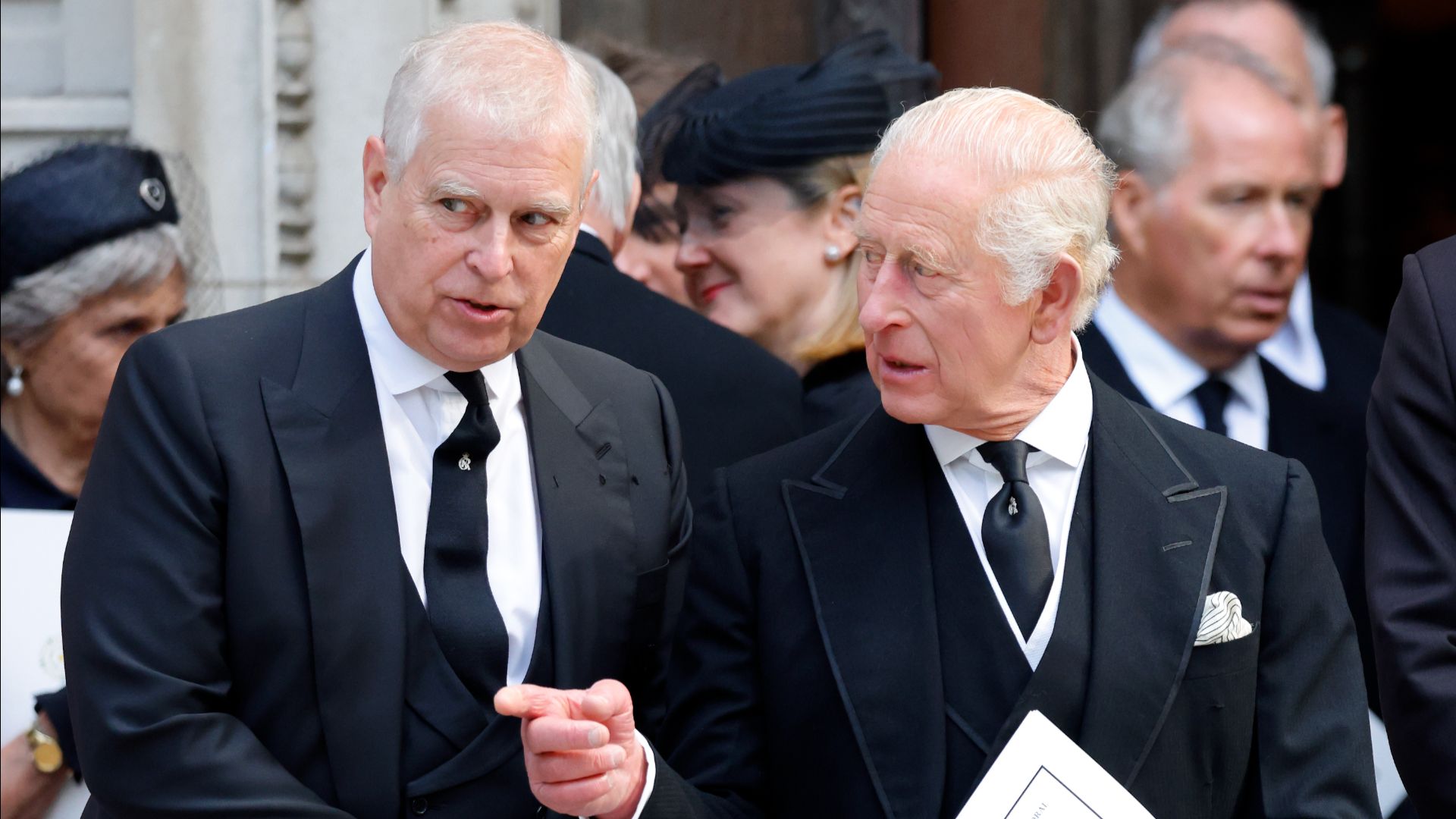
 The royal family finds itself in a delicate position: it must both manage personal relationships and preserve the institution. King Charles has chosen wording that aims to limit the institutional fallout while affirming the principle of presumption of innocence and the need for a fair trial. This stance shows Buckingham Palace’s desire to be transparent without interfering with the work of investigators.
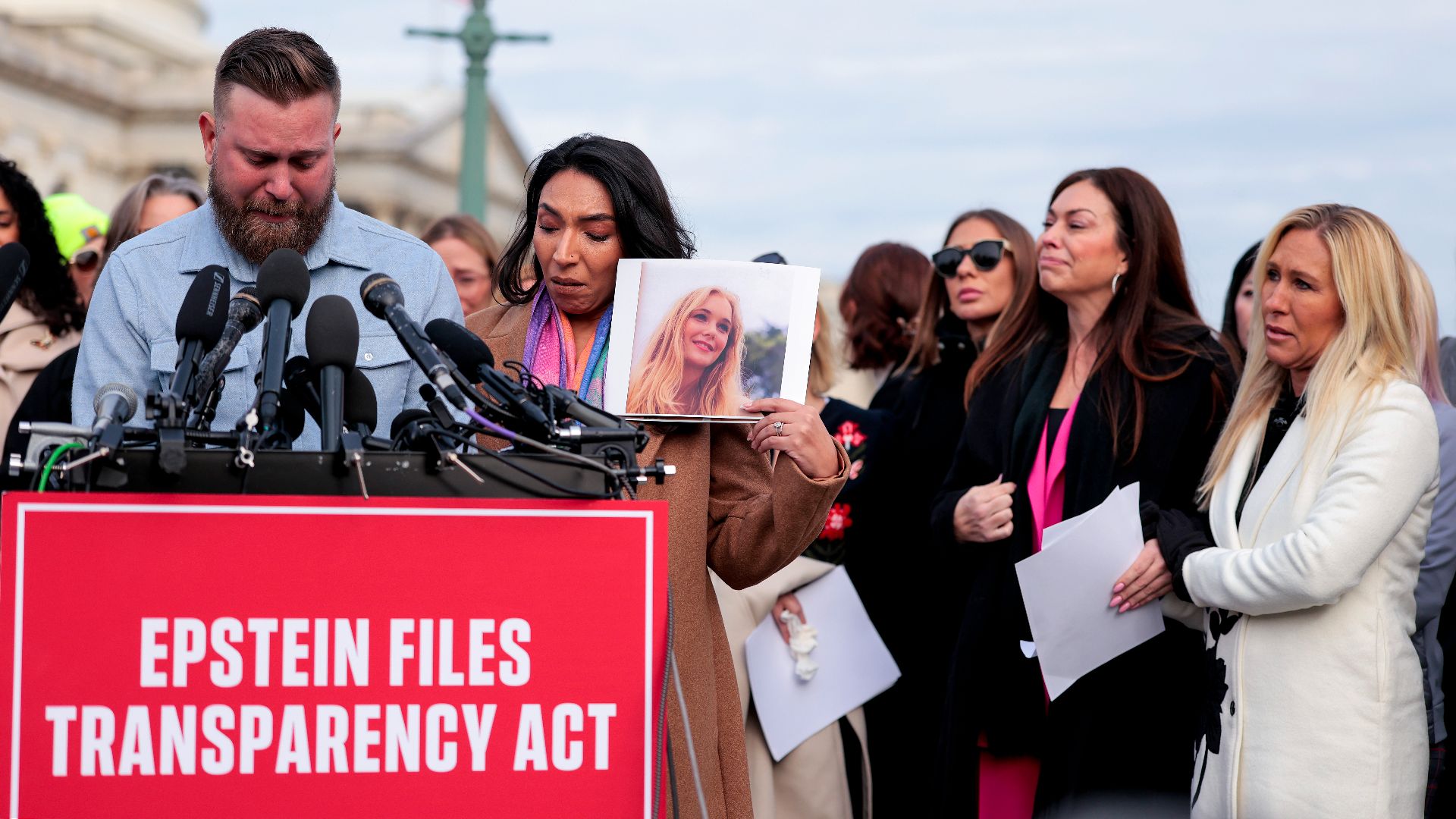
 The international dimension adds another layer: in the United States, where the Epstein case has already had political repercussions, some have linked these new developments to broader debates about the impunity of the powerful. Some politicians have seized the opportunity to call for more thorough investigations, while others have denounced partisan manipulation. In any case, the case now goes beyond the scope of a simple national affair.
 In this climate, it is essential to remember two principles: the presumption of innocence and the need for a rigorous and independent investigation. The justice system must examine the facts and evidence without external pressure, and public communication from the palace tends to frame collective expectations while affirming respect for institutions. Ultimately, this case is more than a painful private episode: it highlights how public institutions handle crises involving historical figures. For now, the next steps will depend on the investigators’ conclusions and, if applicable, the decisions of the public prosecutor’s office. In the meantime, King Charles has sent a clear message: the royal family will follow the process, cooperate, and seek to protect the integrity of the institution while justice takes its course.
 Stay tuned for developments: this case illustrates how transparency, judicial work, and public communication have become essential to maintaining confidence in historic institutions.