Catégories
Uncategorized

Minnesota: Large-scale ICE operation comes to an end—local consequences and national implications

After ten weeks of a highly publicized operation, the federal administration announced a significant withdrawal of Immigration and Customs Enforcement (ICE) agents deployed in the Minneapolis–Saint Paul area. This turning point marks the end of a visible and controversial phase of immigration policy enforcement, but raises many questions about the consequences for local communities, trust between authorities and citizens, and political repercussions at the national level.
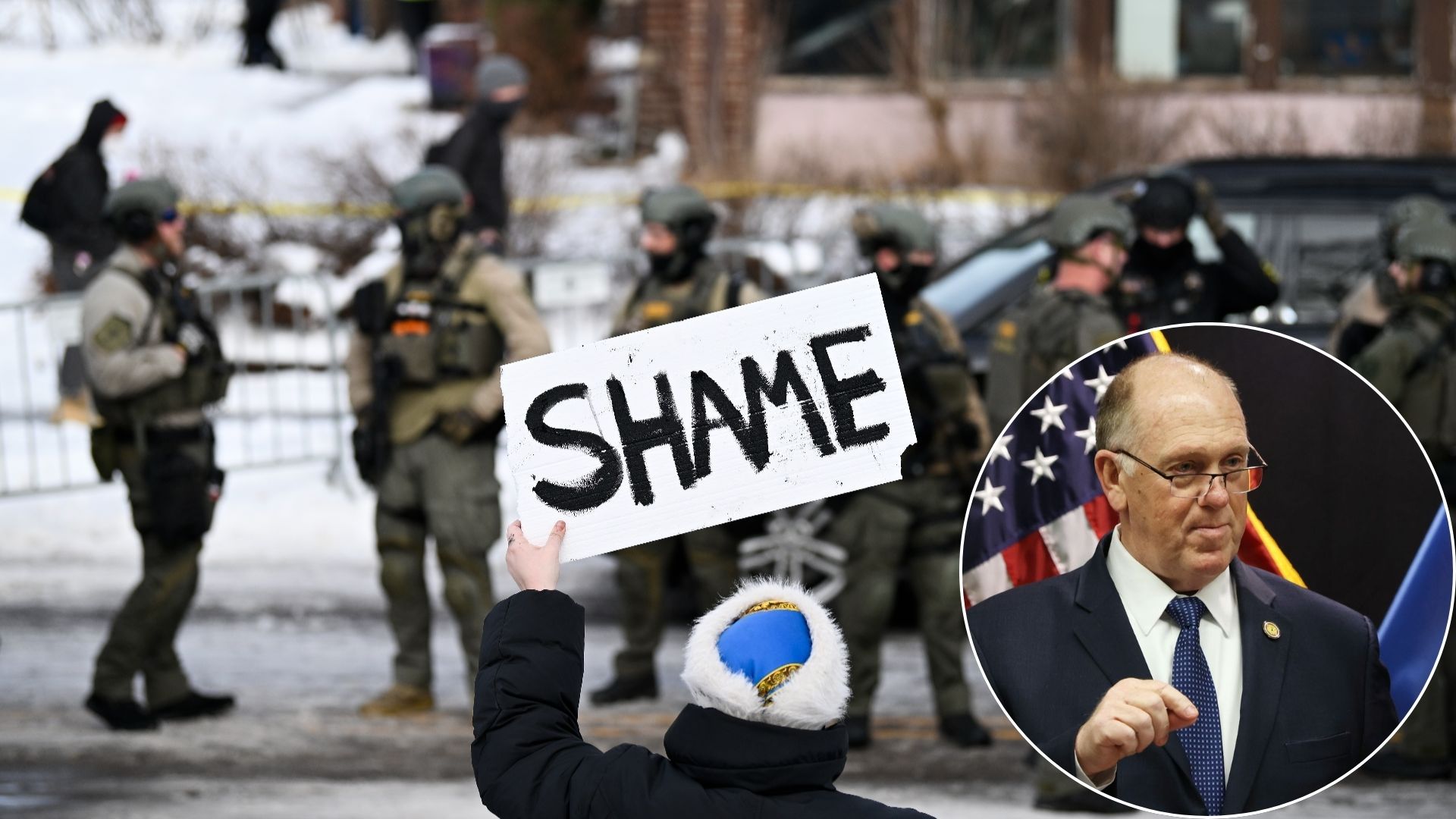
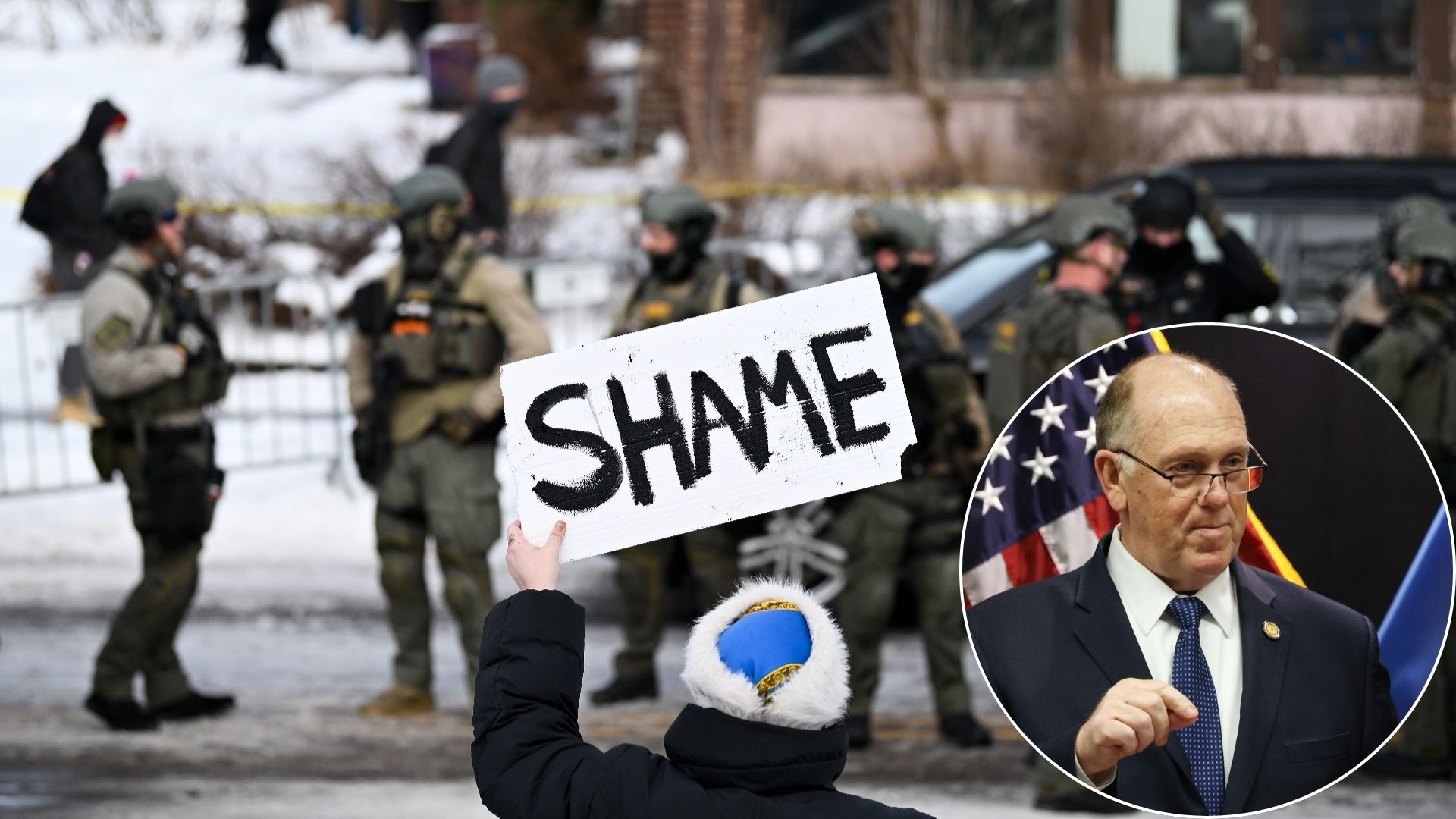
Agents ICE Minnesota

What happened: The operation, dubbed « Metro Surge » by authorities, resulted in more than 4,000 arrests, according to the administration. Sent to oversee the effort, Tom Homan announced a « significant pullback » after weeks of protests, resignations within the local federal prosecutor’s office, and public scrutiny of the methods used. The deployment had been presented as a response to alleged fraud and other criminal activity, particularly in certain Somali immigrant communities.
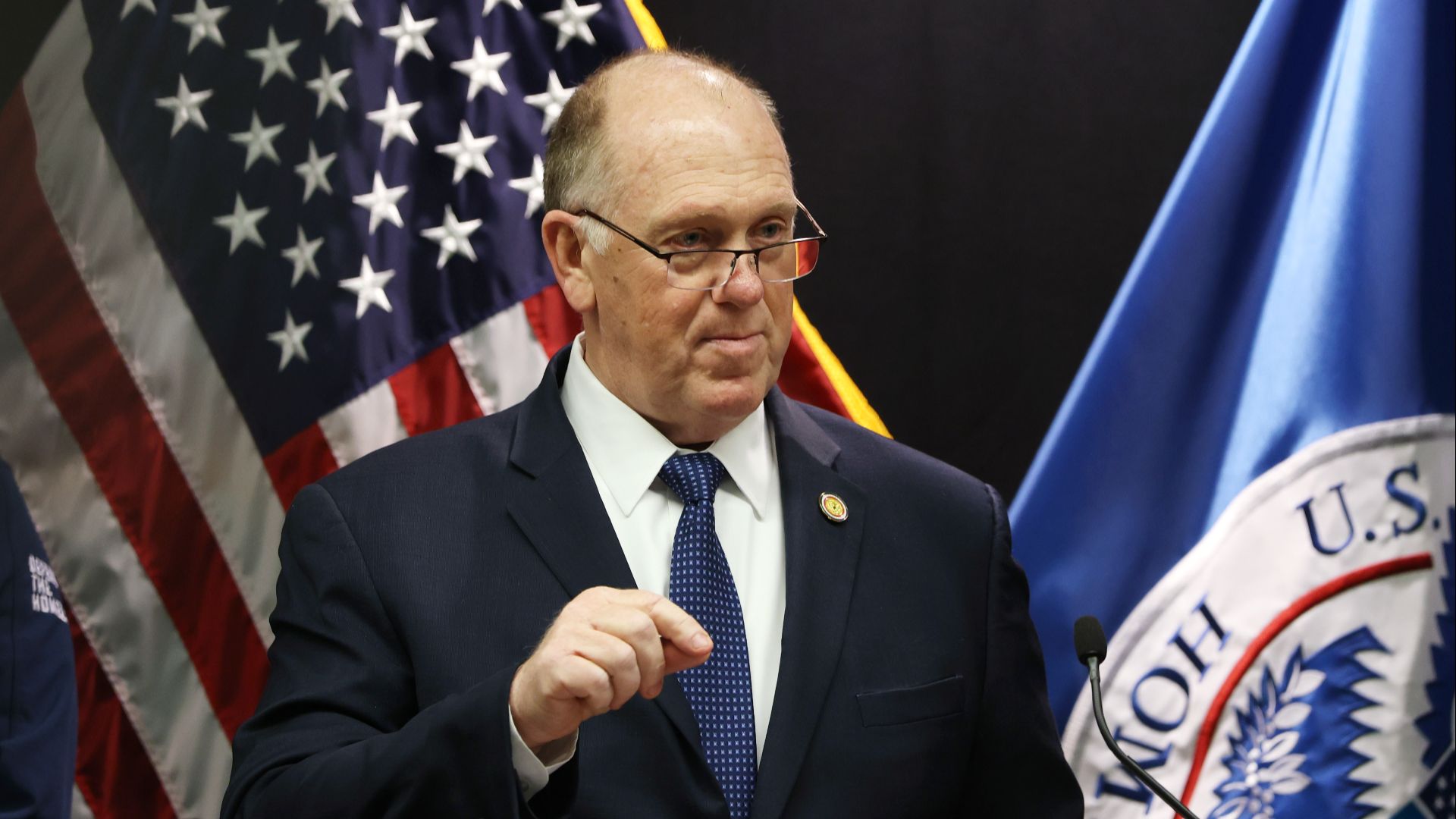
Tom Homan annonce le retrait

Why the protest grew: The campaign quickly generated strong opposition. Videos, civil rights complaints, and accusations of racial profiling amplified the anger of the population and local actors. Above all, two separate shootings involving federal agents that resulted in the deaths of U.S. citizens shifted the political and media balance of the operation, prompting a re-examination of the tactics used.
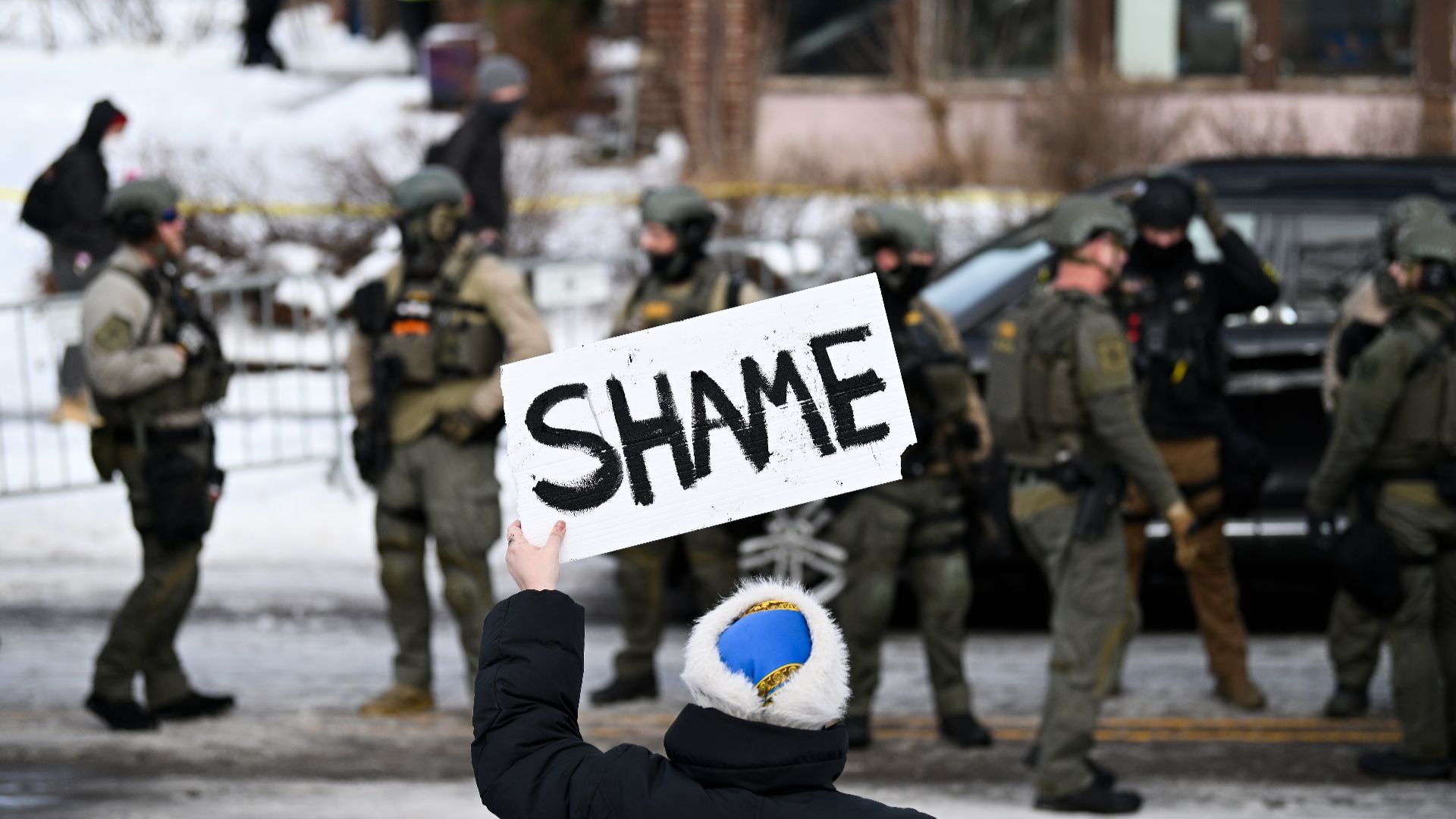
Opération Metro Surge

Federal officials argued that the operation had produced « results » and enabled unprecedented cooperation with local forces. Local leaders, however, denounced what they called an « occupation » and warned of lasting damage: fear in neighborhoods, impacts on schools and businesses, and increased distrust of law enforcement.

What the withdrawal changes: The mass departure of agents puts the emphasis back on a more targeted and coordinated strategy, according to authorities—increased use of local detention centers, enhanced cooperation with prisons, and a less ostentatious street presence. Homan presented this move as a strategic readjustment, while insisting on continued efforts to enforce immigration laws.
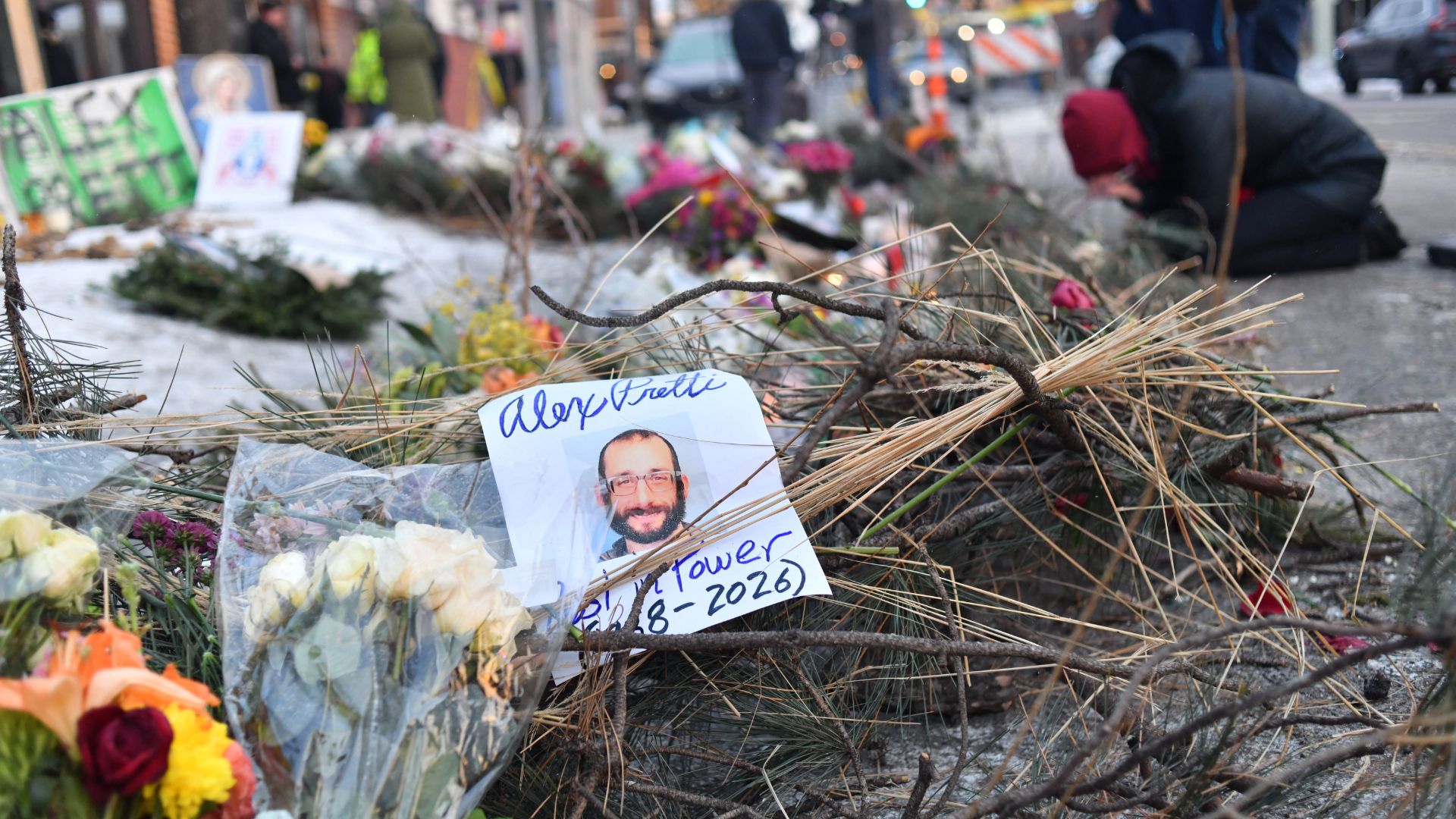
Retrait des agents ICE

Consequences for communities:

  • Loss of trust: Affected families and witnesses have expressed lasting fear that may reduce cooperation with local police and public services.
  • Social and economic impact: Stigmatization and absence can undermine businesses, jobs, and access to education for children of concerned families.
  • Legal risks: Legal challenges and civil rights complaints may result in lengthy and costly proceedings for federal authorities.

Political issues: The decision to reduce the federal presence comes on the eve of important budgetary and political debates. At the national level, the operation fuels the debate on the legitimacy of large-scale federal deployments and the need for better oversight of urban interventions. At the local level, elected officials and leaders are now demanding guarantees on the transparency of investigations and the protection of civil rights.
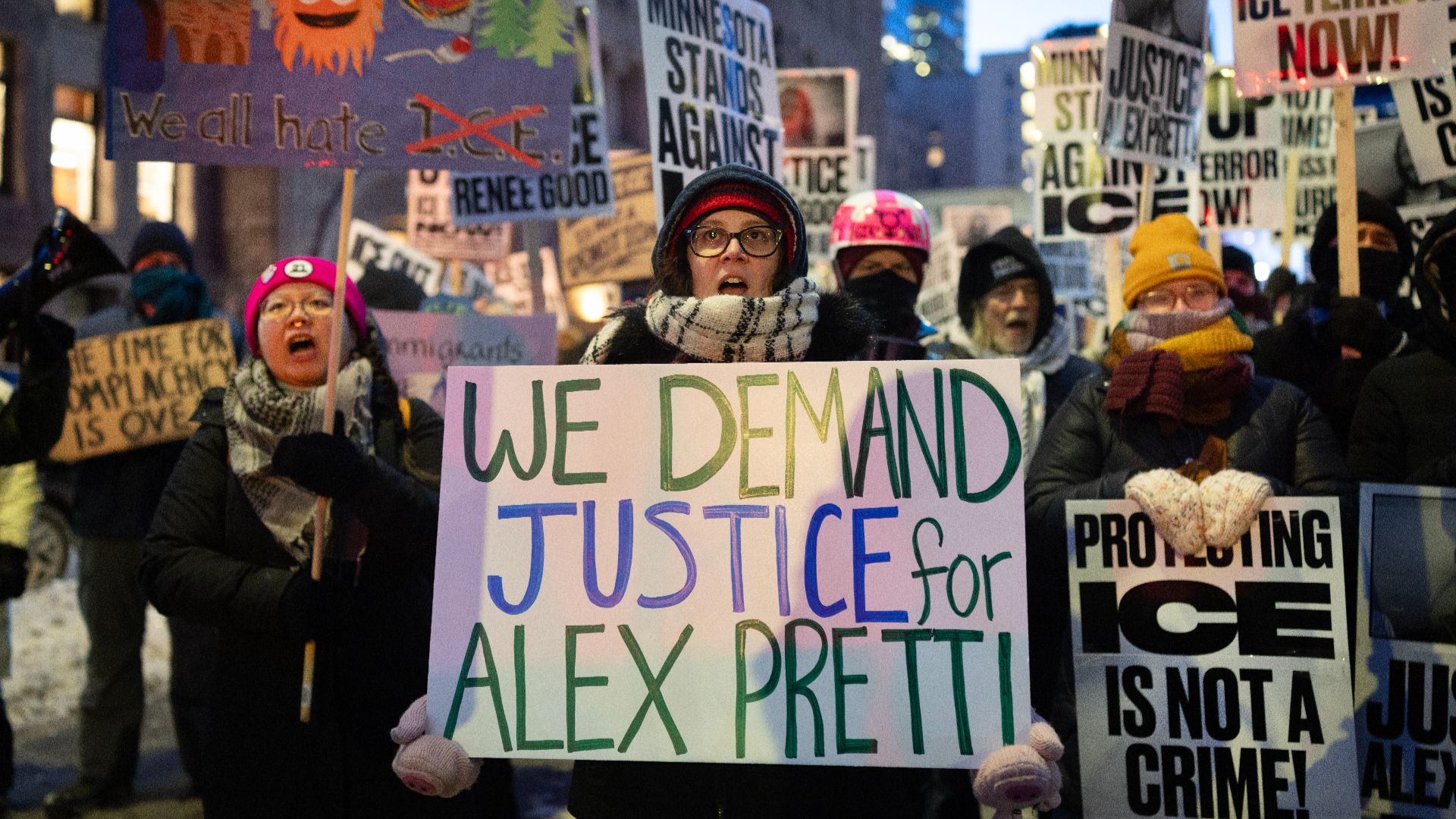
Tactiques agressives ICE

What to watch:

  • Investigations into the shootings and subsequent legal proceedings—these will determine, in part, who is responsible and what recourse is available to the families.
  • How local and federal authorities will coordinate operations going forward—a test of institutional trust and respect for rights.
  • The evolution of the public and legislative debate on the resources allocated to immigration agencies and their democratic controls.

Ultimately, the announced withdrawal in Minnesota brings to a close a highly visible period of immigration policy enforcement, but it does not erase the scars left on communities or the questions raised at the national level. The challenge for the authorities will be to balance law enforcement, public safety, and respect for civil rights, while rebuilding broken trust. The coming months will be crucial in determining whether this withdrawal will lead to a more measured and concerted approach or whether it simply heralds a tactical reorganization without any real new guarantees for the populations affected.
Catégories
Uncategorized

Obama Clarifies Aliens «Are Real» Remark After Going Viral

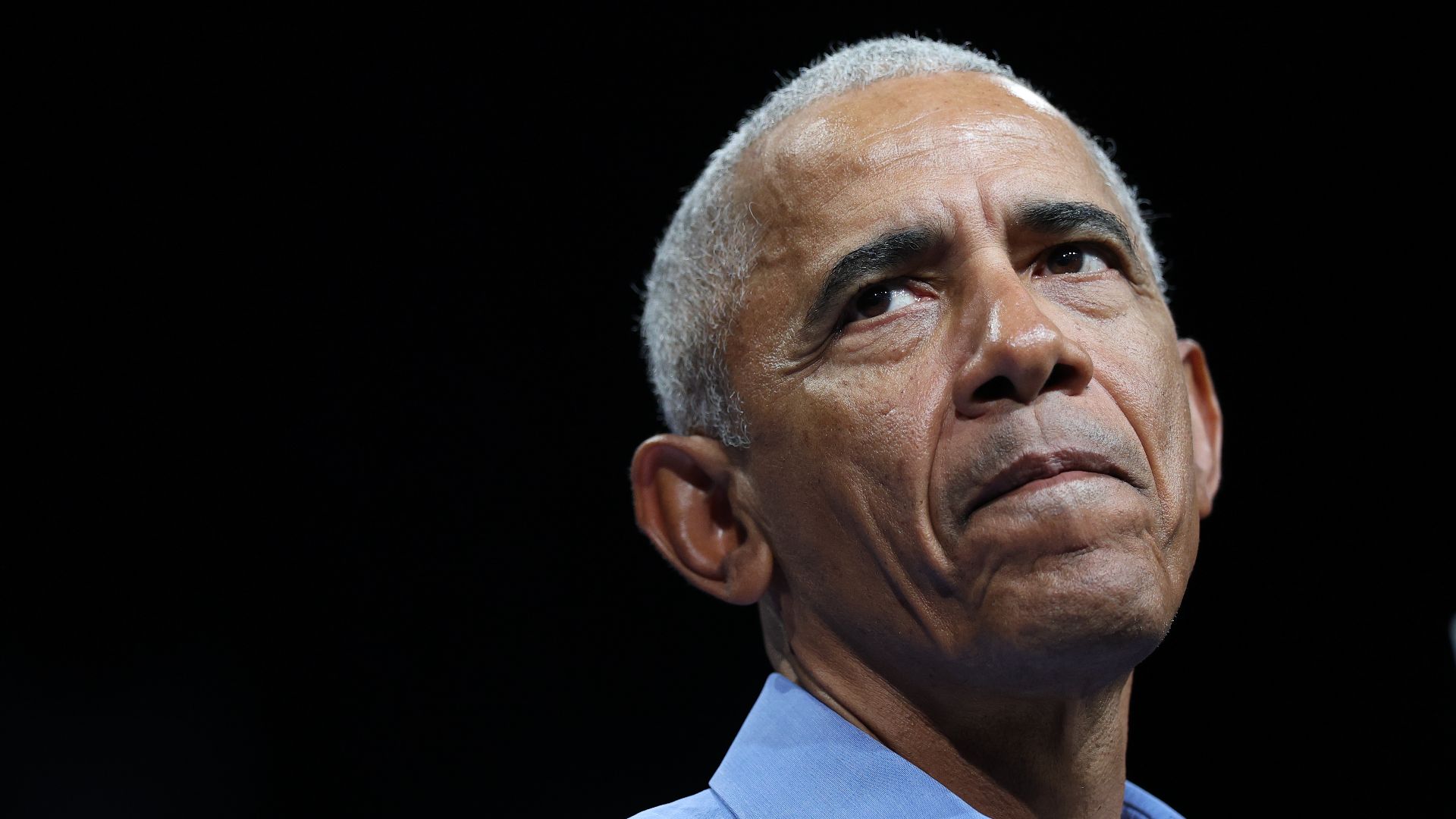
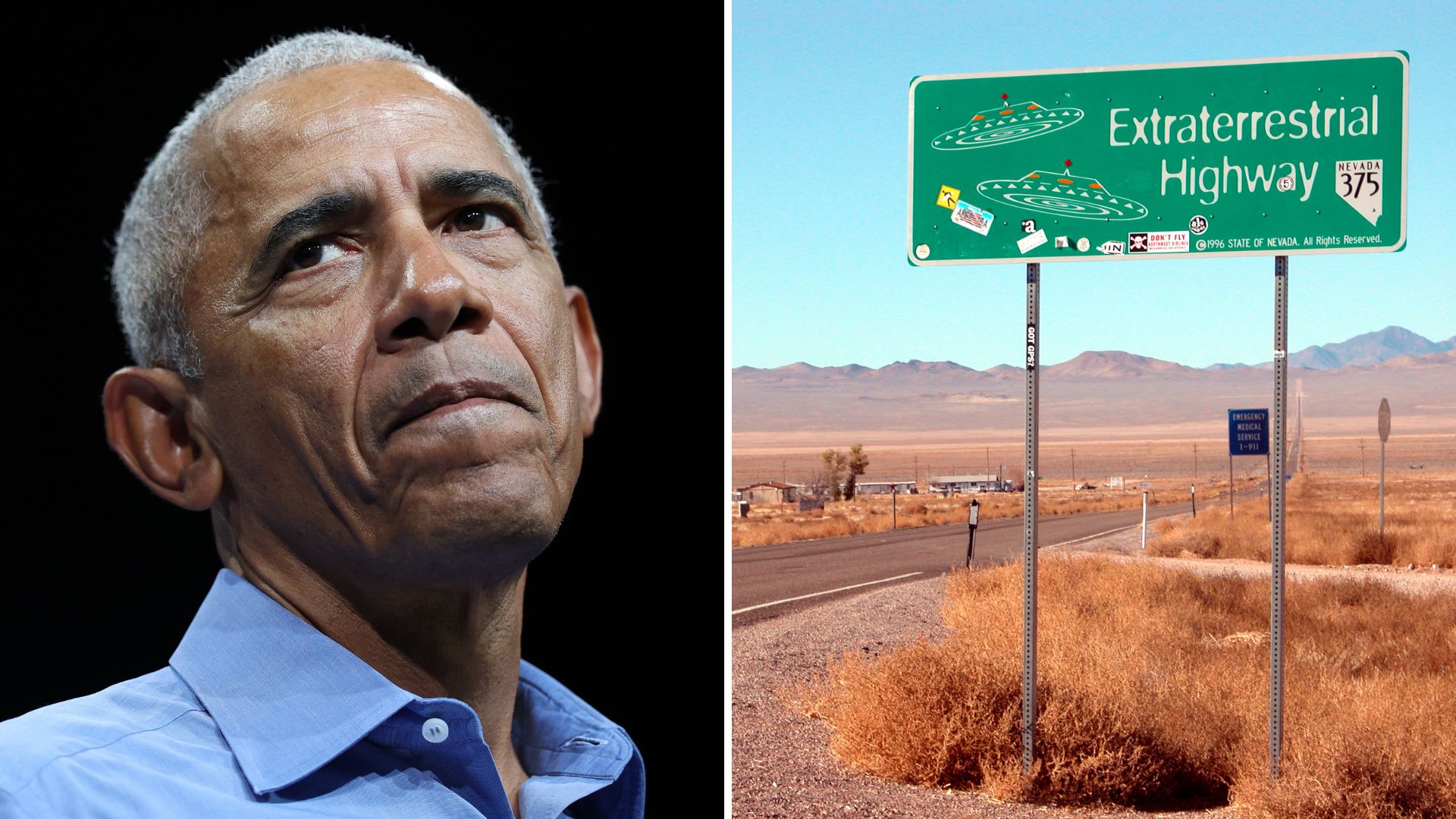
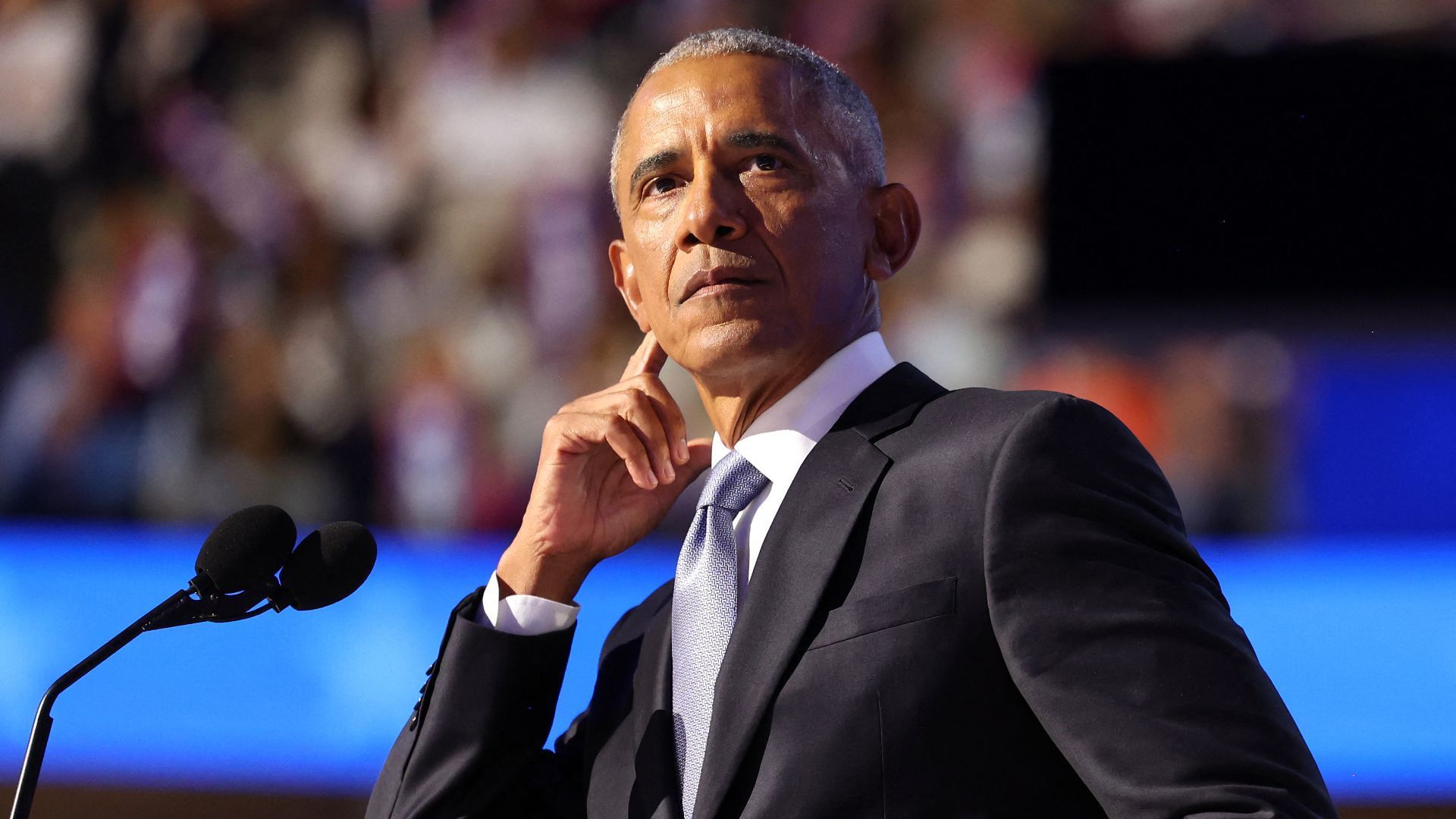
Former President Barack Obama moved quickly to clarify remarks about extraterrestrials after a lighthearted exchange on a podcast spiraled into viral speculation online. During an appearance on the No Lie podcast with Brian Tyler Cohen, Obama was asked directly whether aliens are real.

He responded with a grin: «They’re real, but I haven’t seen them.»

The quip, delivered in a playful tone, was rapidly clipped and shared across social media platforms, where it circulated without full context. Within hours, headlines and trending posts suggested Obama had confirmed the existence of alien life, prompting widespread online debate and renewed fascination with UFO lore.

Getty Images

The moment gained traction precisely because of Obama’s status as a former president with access to classified intelligence. Social media users amplified the short clip, often omitting the broader exchange that followed. In the same conversation, Obama dismissed conspiracy theories surrounding secret government facilities and hidden extraterrestrial evidence.

«They’re not being kept in Area 51. There’s no underground facility unless there’s this enormous conspiracy and they hid it from the president of the United States,» he said, undercutting interpretations that he was revealing new information. Nonetheless, the brevity of the viral clip fueled speculation, memes, and commentary across political and pop-culture circles.

«They’re real, but I haven’t seen them.»

-Former President, Barack Obama

As the online buzz intensified, Obama addressed the uproar directly in a follow-up clarification shared on social media. He emphasized that his comment reflected a scientific probability rather than insider knowledge of alien contact. He noted that the universe is vast and that many scientists consider it statistically plausible that life could exist elsewhere, but he stressed that during his time in office he saw no evidence confirming extraterrestrial visitation. The clarification sought to reframe the viral remark as a philosophical observation about cosmic possibility rather than a disclosure about classified findings.

Getty Images

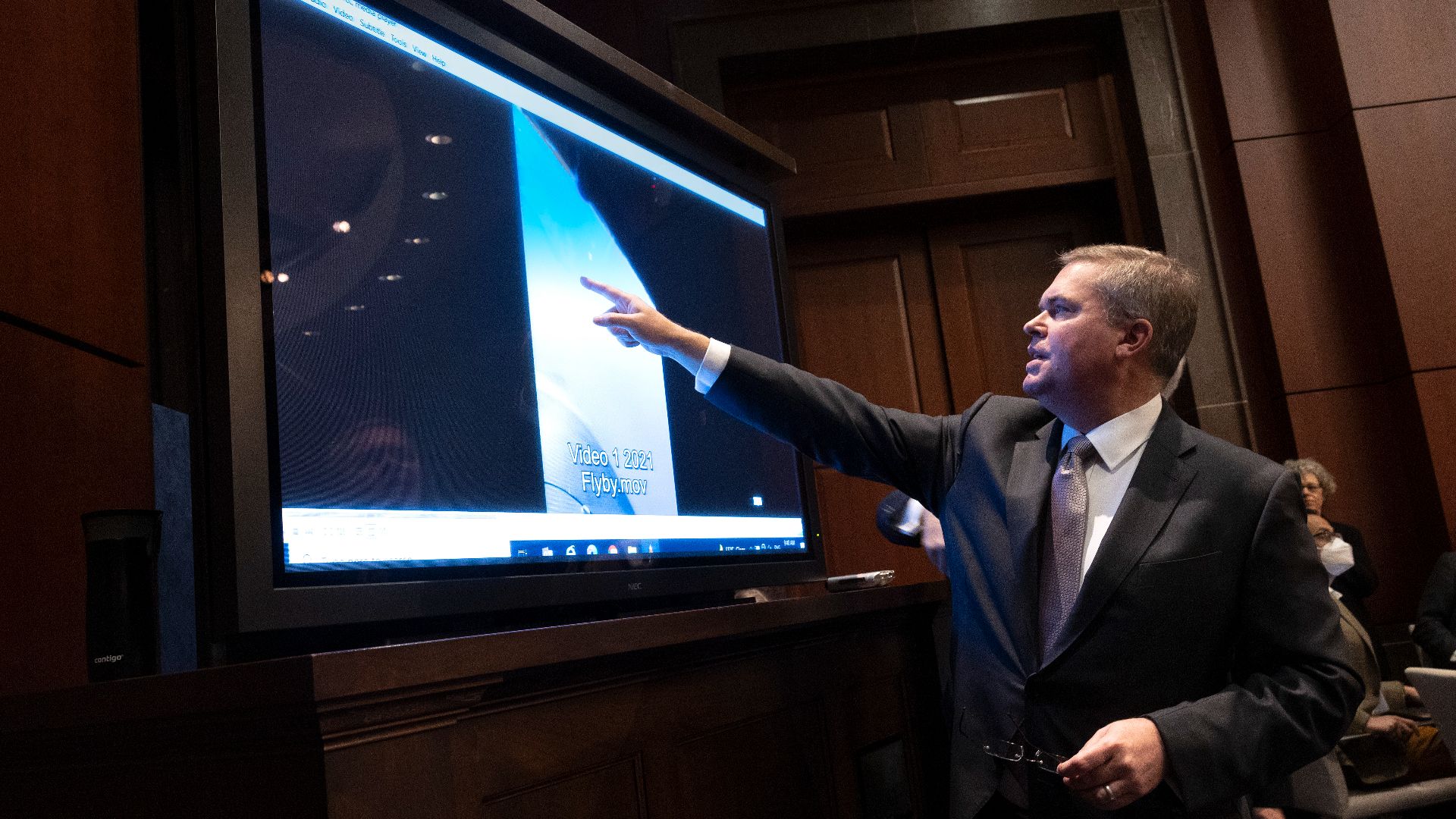
The episode unfolded against a backdrop of sustained public interest in unidentified aerial phenomena, or UAPs, which have been the subject of congressional hearings and declassified Pentagon reports in recent years. Government disclosures acknowledging unexplained sightings have heightened public curiosity, making any statement from a former commander in chief particularly resonant. Obama has previously spoken about UAPs in measured terms, noting that there are objects observed by military personnel that cannot be readily explained, but stopping short of suggesting alien origin. In this instance, the viral reaction illustrated how quickly nuanced comments can be reframed in the digital age.

Getty Images

Political commentators noted that the incident reflects the broader media environment in which soundbites travel faster than full interviews. Clips divorced from context often take on a life of their own, particularly when they involve topics that blur science, mystery, and government secrecy. Obama’s clarification did not dampen the viral momentum immediately, but it redirected the conversation toward the nature of probability and the limits of presidential knowledge. By reiterating that he had seen no evidence of alien life interacting with Earth, he effectively walked back interpretations that suggested a revelation.

«They’re not being kept in Area 51. There’s no underground facility unless there’s this enormous conspiracy and they hid it from the president of the United States.»

-Former President Barack Obama

Ultimately, the episode became less about extraterrestrials and more about the mechanics of modern virality. A single line — «They’re real, but I haven’t seen them» — traveled globally within hours, detached from its humorous delivery and subsequent explanation. Obama’s swift clarification underscored how public figures must navigate an environment where even offhand remarks can ignite worldwide speculation. While no new evidence of alien life emerged from the exchange, the viral cycle surrounding his comment demonstrated once again how quickly curiosity, conspiracy, and celebrity can collide in the digital era.

Getty Images
Catégories
Uncategorized

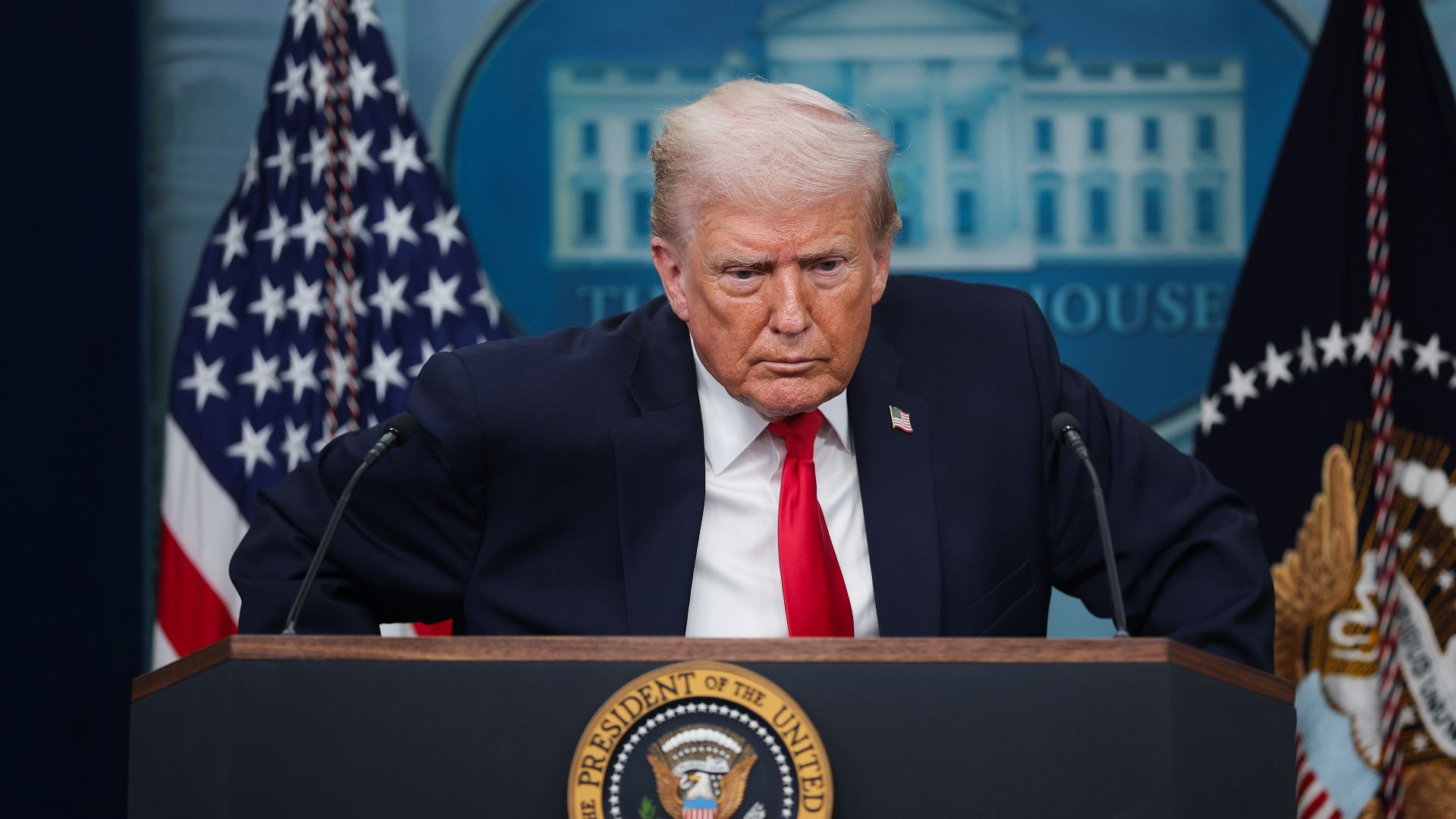
‘Unusual’ FBI Meeting With Election Officials Raises Questions as Trump Seeks to ‘Nationalize the Voting’

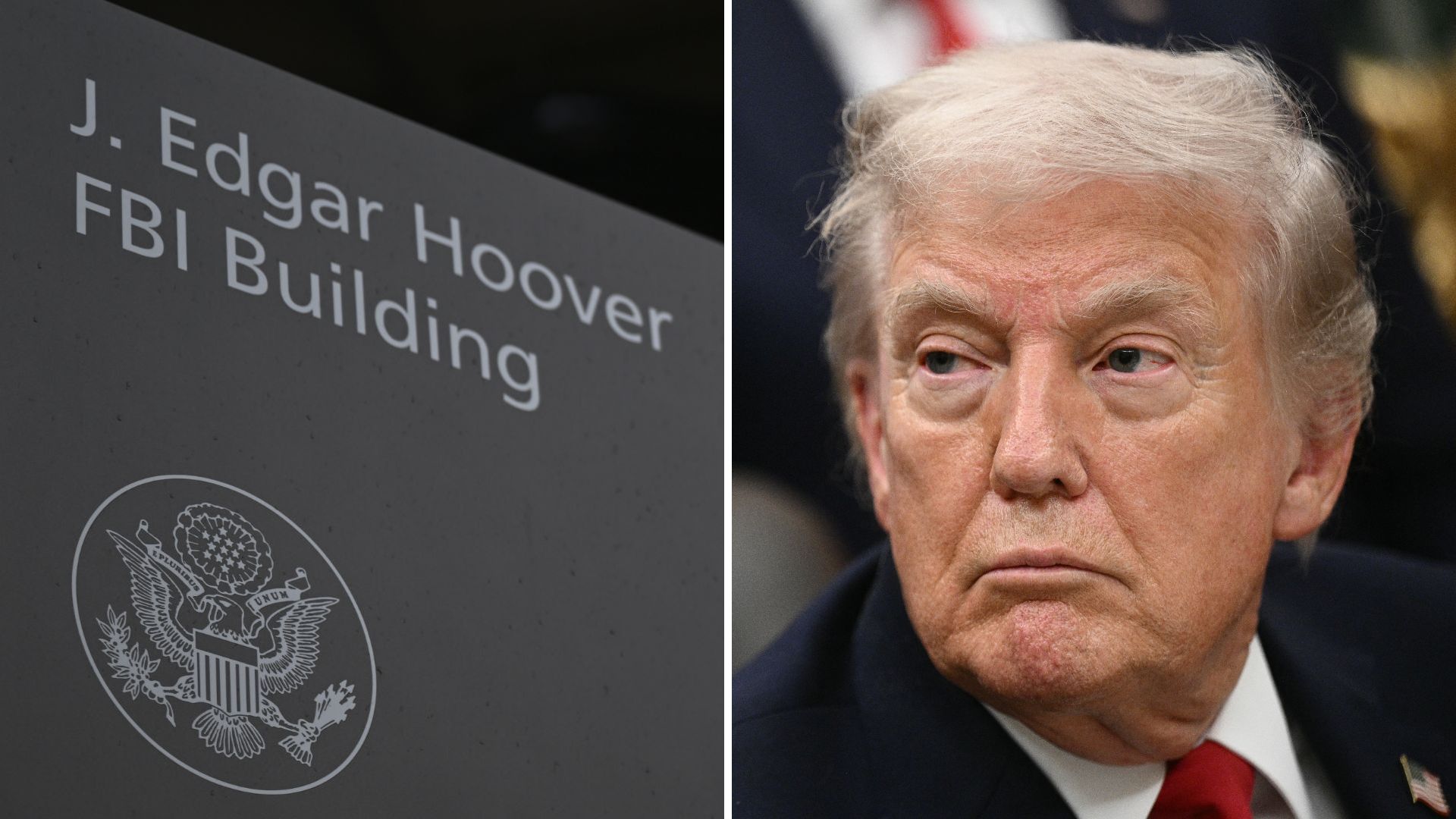
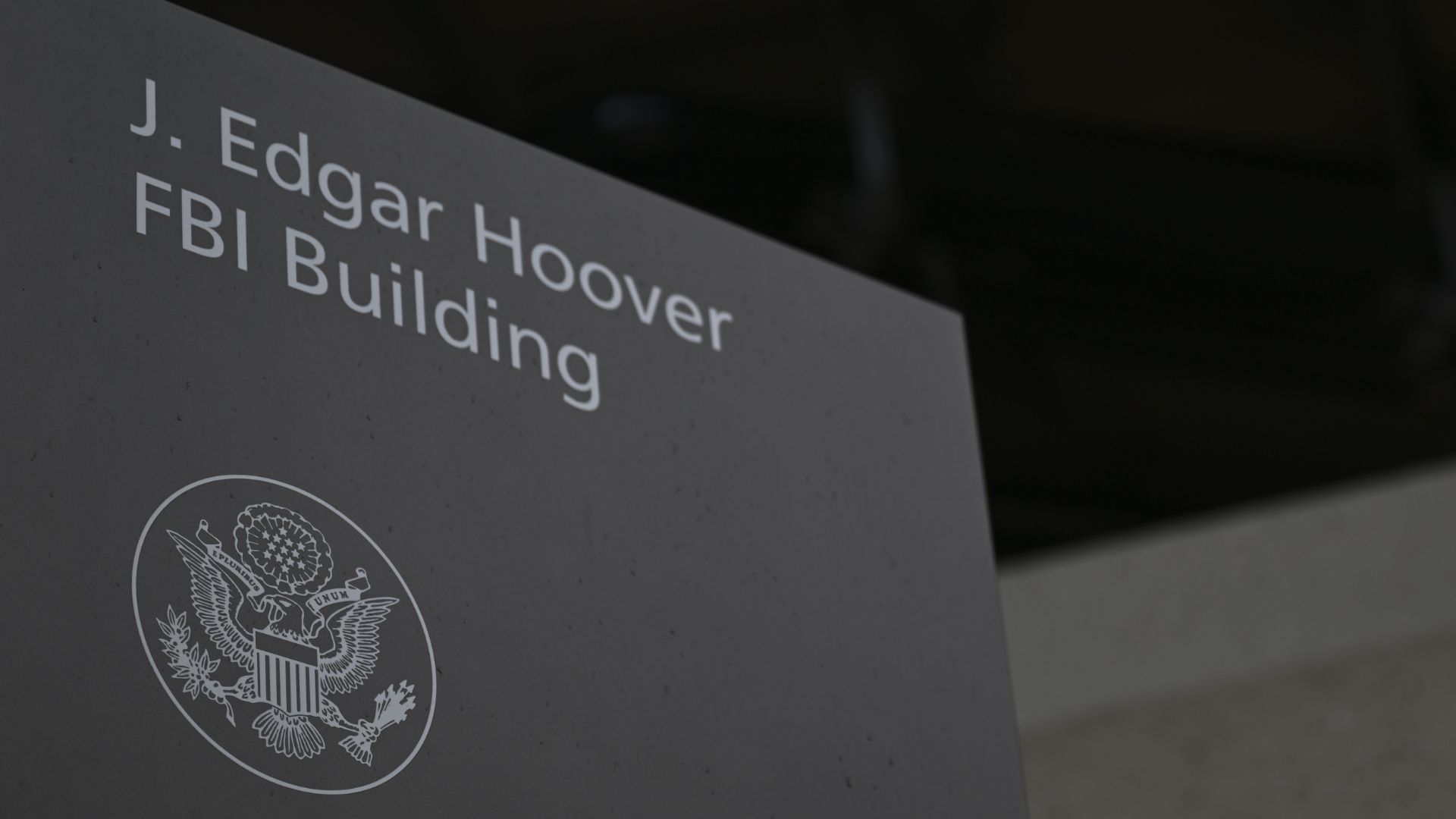
Election officials from across the United States have been invited to an unexpected and “unusual” briefing hosted by the Federal Bureau of Investigation and other federal agencies ahead of the 2026 midterm elections, raising questions about federal engagement in election administration. The invitation, confirmed by state officials who received it, is scheduled for February 25 and includes participation from the FBI, the Department of Justice, the Department of Homeland Security, the U.S. Postal Inspection Service and the Election Assistance Commission. The invitation was signed by Kellie M. Hardiman, identifying herself as an “FBI Election Executive,” a role unfamiliar to many officials. The official who shared the invitation anonymously told reporters it was “unusual and unexpected,” adding that several states wondered about the purpose of the meeting and the authority of the newly titled FBI official.

Getty Images

The meeting comes amid mounting tensions between state election administrators and federal officials over the structure and security of elections. State officials, who are constitutionally responsible for setting and administering the rules of elections, have increasingly pushed back against federal actions they view as overreach. One unnamed election official said, «No one has heard of this person — and we’re all wondering what an ‘FBI Election Executive’ is,» underscoring uncertainty among administrators about federal intentions. The invitation itself stated the briefing would cover “preparations for the cycle, as well as updates and resources we can provide to you and your staff,” a description that has done little to quell speculation about the meeting’s goals.

«He wants to make sure he can steal the midterm elections if his party loses, and no better way to do that than to get election administration out of the hands of pesky officials who insist on doing a fair count.»

-Former U.S. attorney, Joyce Vance

The context for this unusual invitation is a broader political backdrop in which President Donald Trump and some Republican allies have repeatedly expressed support for altering how elections are run.

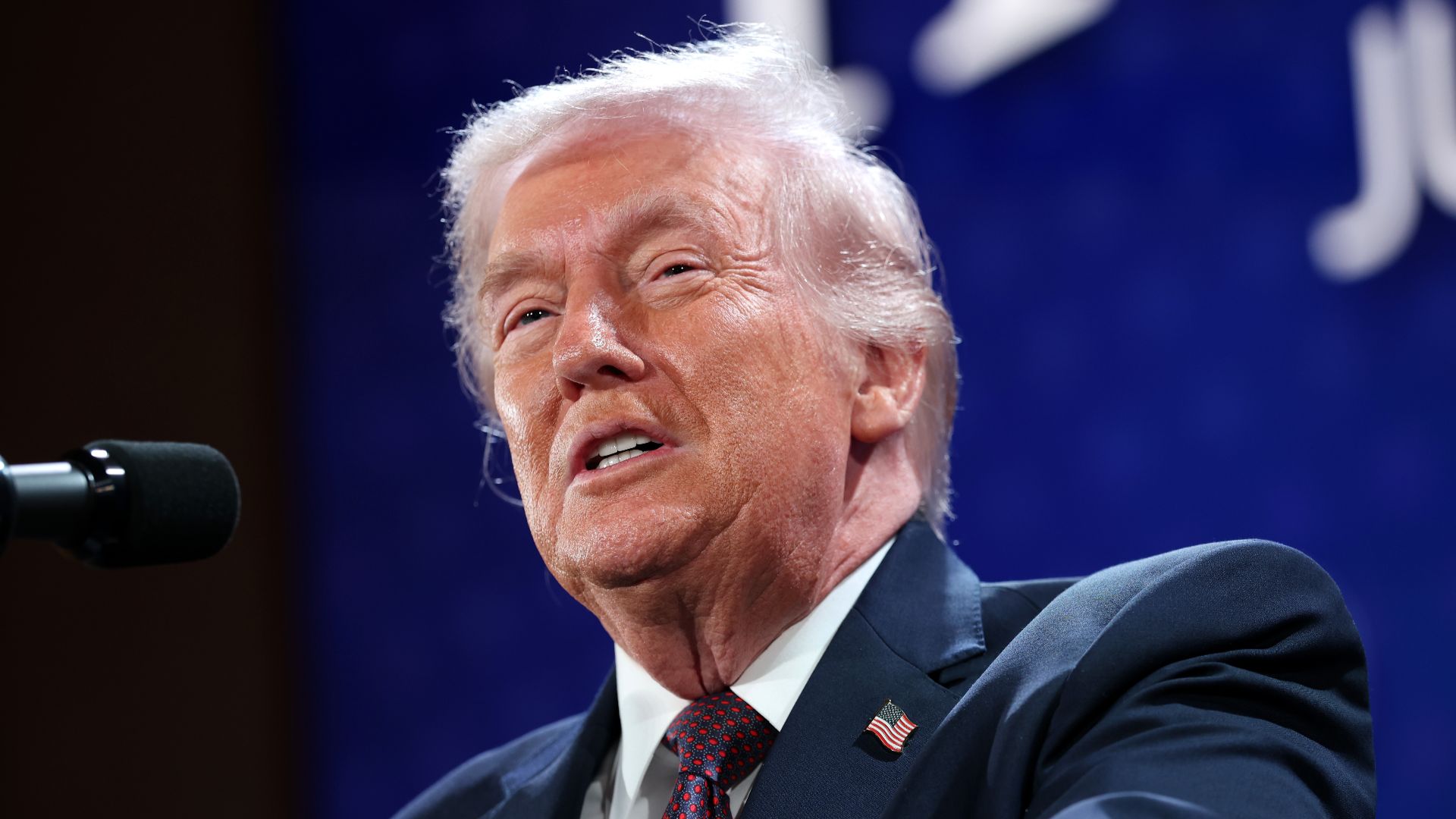
In a recent interview on a conservative podcast, Trump said, «The Republicans should say: ‘We want to take over. We should take over the voting in at least — many, 15 places,’» and added:

«The Republicans ought to nationalize the voting.» Those remarks have alarmed election experts who view state control over elections as a constitutional guarantee. The U.S. Constitution gives states the primary role in administering elections, though Congress can set some regulations, and critics say any push to federalize elections threatens long-standing decentralization designed to safeguard electoral integrity.

Getty Images

Federal law enforcement’s outreach to state officials has precedent, but the role outlined in the invitation appears novel and has generated commentary from legal and electoral experts.

According to Raw Story, Joyce Vance, a former U.S. attorney who served during the Obama administration and has written extensively on election-related legal issues, raised concerns about the “FBI Election Executive” title in a post published on her Substack. Vance suggested the new designation could signal an effort to expand federal influence over election administration ahead of a politically charged midterm cycle. In her commentary, she wrote:

«With Trump, his complaints about others are always projection: He wants to make sure he can steal the midterm elections if his party loses, and no better way to do that than to get election administration out of the hands of pesky officials who insist on doing a fair count.» Her remarks reflected broader unease among critics about the timing and purpose of the federal outreach.

Getty Images

The unusual invitation also follows a tense exchange at a recent gathering of the National Association of Secretaries of State (NASS), where federal and state officials debated election roles.

That meeting underscored deep divisions, with state election directors emphasizing their constitutional authority and federal representatives underscoring their interest in securing election systems against fraud and cyber threats. These divisions have been further inflamed by recent actions such as the Department of Justice’s lawsuit seeking voter roll data from dozens of states, and an FBI raid on a county elections office in Fulton County, Georgia, related to the 2020 election. Together, these developments have heightened sensitivities among election officials about the boundaries of federal involvement.

«The Republicans should say: ‘We want to take over. We should take over the voting in at least — many, 15 places.’»

-President, Donald Trump

As the 2026 midterms approach, the invitation to the federal briefing has become a flashpoint in broader national debates about election integrity, institutional authority and political influence. State officials plan to attend the February 25 meeting, but many said they approach it with caution, seeking clarity on agenda and intent. With President Trump reiterating the need for Republican success in November and urging a federalized approach to voting, the meeting has taken on added significance beyond routine preparations. Whether the discussion will assuage concerns or deepen mistrust among state election administrators remains to be seen, but the event has already sparked a national debate about federal and state roles in American elections.

Getty Images
Catégories
Uncategorized

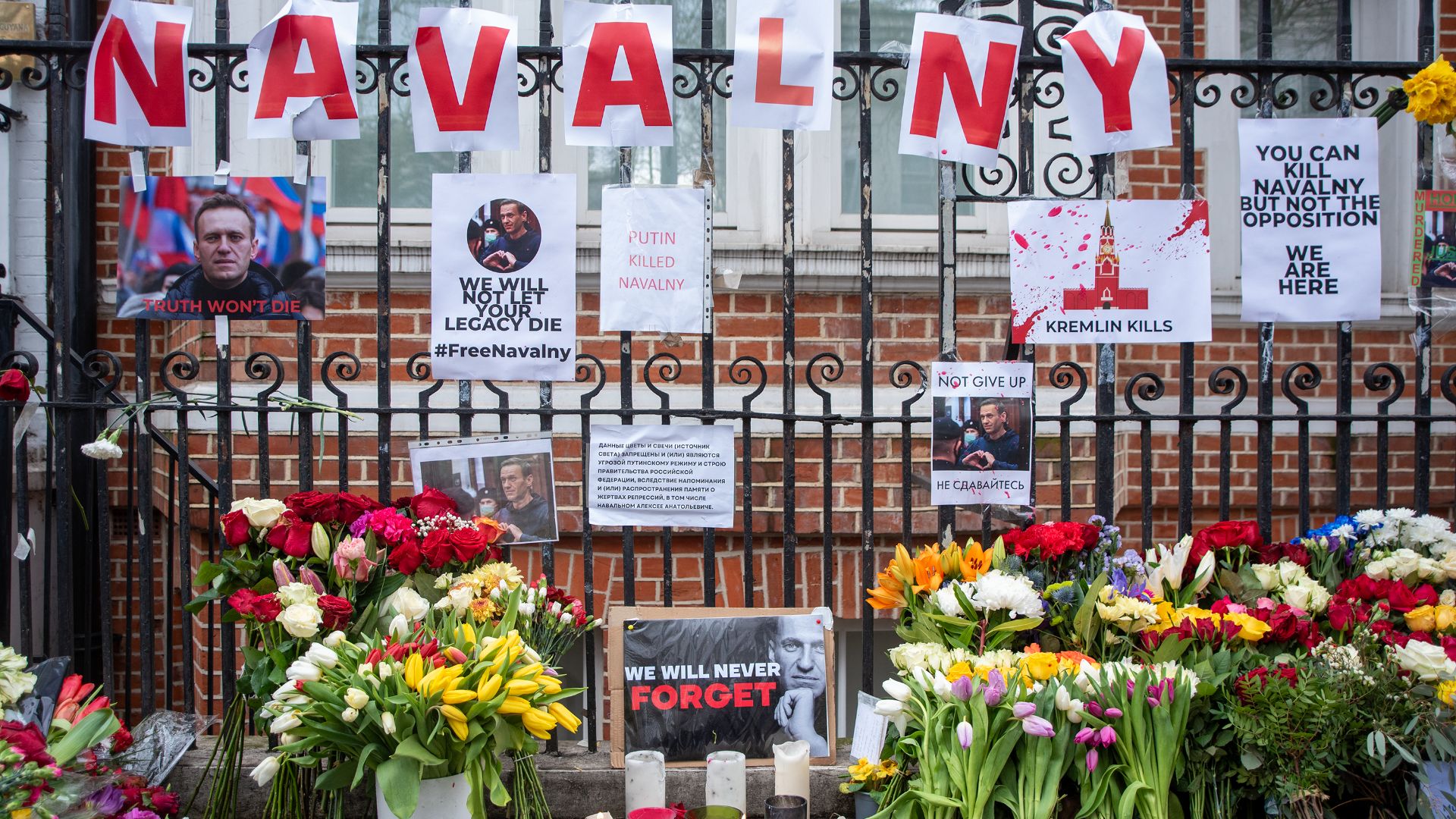
Alexei Navalny Died From Poison Dart Frog Toxin, According To 5 Countries

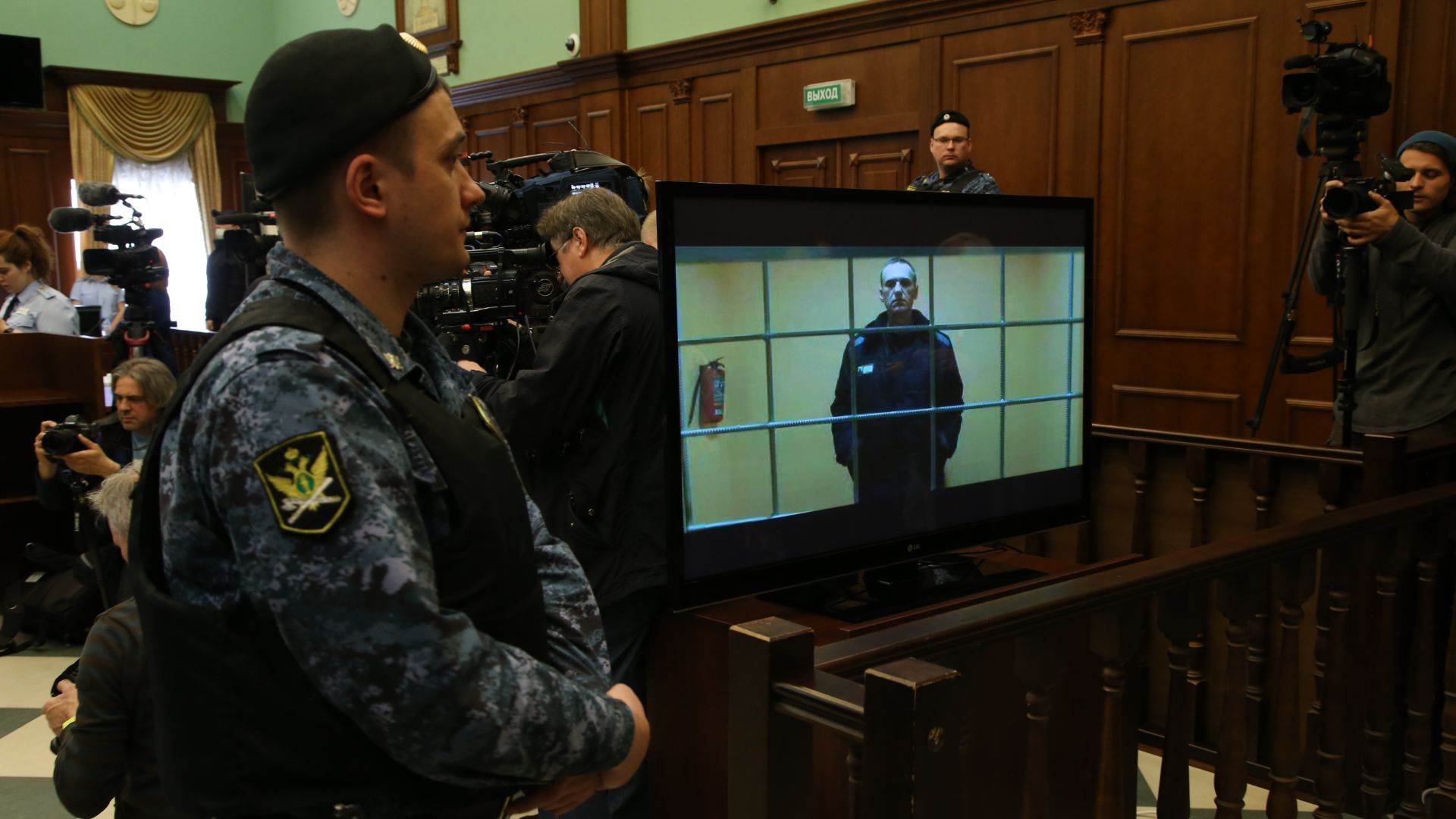
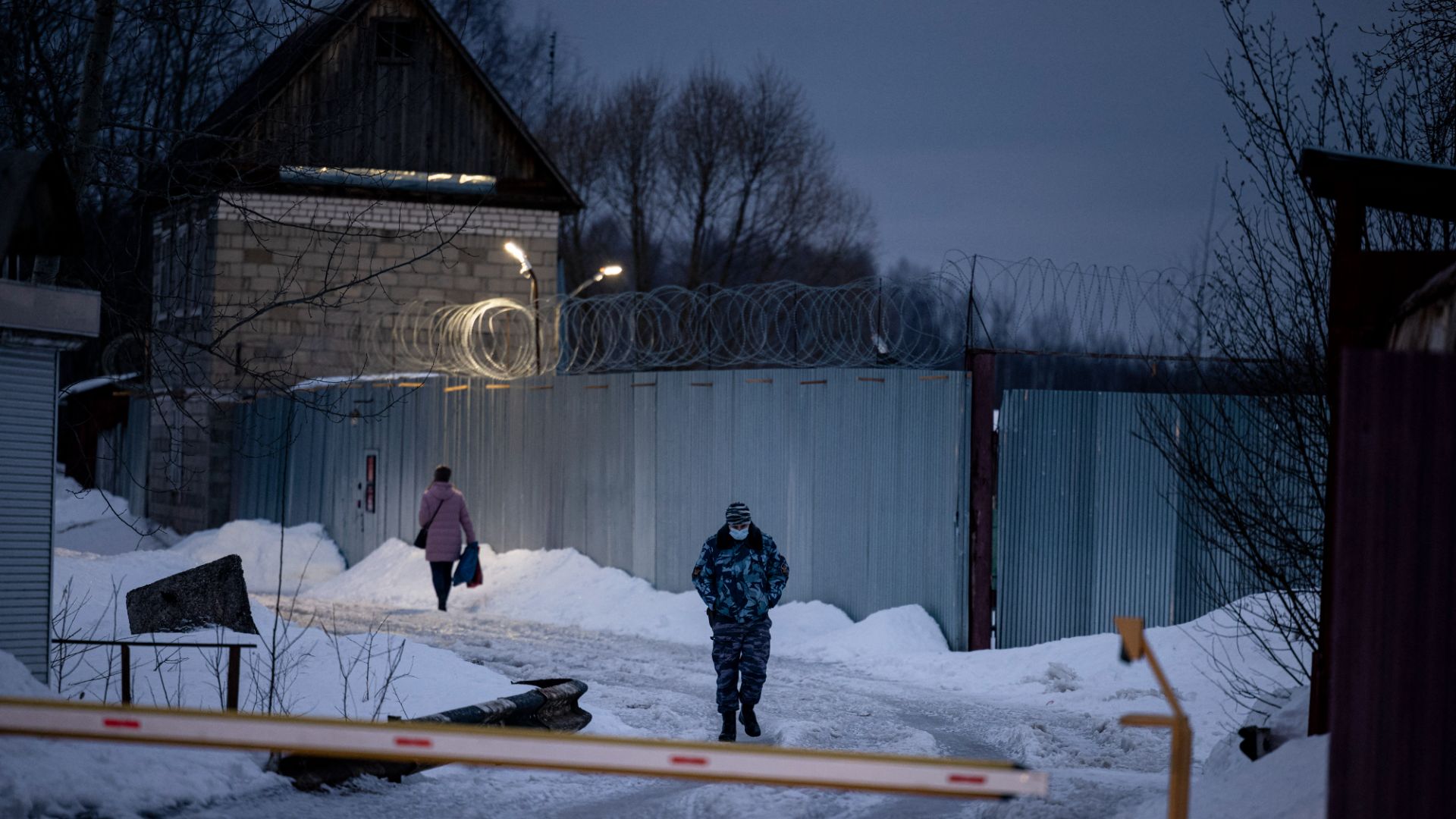
The United Kingdom, France, Germany, Sweden and the Netherlands have issued a joint statement declaring they are confident Russian opposition leader Alexei Navalny was killed by poisoning with a lethal toxin derived from poison dart frogs. The announcement, published on 14 February 2026, represents the strongest coordinated accusation to date by European governments over Navalny’s death in a Russian prison colony in February 2024. The five countries said their conclusion was based on laboratory analyses of samples taken from Navalny, which they said confirmed the presence of epibatidine, a powerful toxin most commonly associated with poison dart frogs in South America. Russia previously claimed Navalny died of natural causes, but European officials said the evidence now points to deliberate poisoning.

Getty Images

In the joint statement, the five governments said the findings were based on toxicology results that left little doubt about what was detected. «This is the conclusion of our Governments based on analyses of samples from Alexei Navalny. These analyses have conclusively confirmed the presence of epibatidine,» the statement said. It described epibatidine as «a toxin found in poison dart frogs in South America» and stressed: «It is not found naturally in Russia.» The governments argued that the official Russian narrative no longer holds up under the scientific evidence. «Russia claimed that Navalny died of natural causes. But given the toxicity of epibatidine and reported symptoms, poisoning was highly likely the cause of his death,» they said, framing the case as a deliberate act committed under state custody.

«He was killed, he was very young — less than 50. He spent his last years in torturous conditions … Putin killed him.»

-Yulia Navalnaya

The statement directly connected the circumstances of Navalny’s imprisonment to the plausibility of the poisoning, pointing to opportunity as well as motive. «Navalny died while held in prison, meaning Russia had the means, motive and opportunity to administer this poison to him,» the five governments said. The document also accused Moscow of continued violations of international law, adding: «Russia’s repeated disregard for international law and the Chemical Weapons Convention is clear.» By naming both the Chemical Weapons Convention and the Biological and Toxin Weapons Convention, European officials signaled they view the alleged poisoning as not only a political killing but also a breach of international arms control agreements. The statement said the findings “underline the need to hold Russia accountable” for repeated violations.

Getty Images

European governments also framed Navalny’s death as part of a longer pattern involving the use of prohibited agents linked to Russia. The statement recalled the international response to Navalny’s poisoning in 2020, when Western governments concluded he had been targeted with Novichok, a nerve agent. «In August 2020 the UK, Sweden, France, Germany, The Netherlands and partners condemned Russia’s use of novichok to poison Alexei Navalny,» the statement said. It also cited the Salisbury poisoning in 2018, adding: «This followed Russia’s use of novichok in Salisbury in 2018, which led to the tragic death of a British woman, Dawn Sturgess.» The governments argued that in both cases, the evidence pointed to Moscow. «In both cases, only the Russian state had the combined means, motive and disregard for international law to carry out the attacks,» the statement said.

«Russia claimed that Navalny died of natural causes. But given the toxicity of epibatidine and reported symptoms, poisoning was highly likely the cause of his death.»

-Joint Statement by the UK, Sweden, France, Germany and The Netherlands

The five countries said they have already escalated the matter through international institutions and warned that the issue could lead to further action. «Our Permanent Representatives to the Organisation for the Prohibition of Chemical Weapons have written today to the Director General to inform him of this Russian breach of the Chemical Weapons Convention,» the statement said. They also raised concerns about whether Russia complied fully with prior disarmament commitments.

«We are further concerned that Russia did not destroy all of its chemical weapons,» they added. The joint statement ended with a clear warning of potential consequences, saying: «We and our partners will make use of all policy levers at our disposal to continue to hold Russia to account.» It was signed off as «Agreed by the Foreign Ministers of France, Germany, The Netherlands, Sweden and the UK.»

Getty Images

The announcement has renewed international attention on Navalny’s death and intensified diplomatic pressure on Moscow, while also bringing a measure of validation to his family. Yulia Navalnaya publicly welcomed the findings, saying the conclusions provided long-sought certainty about how her husband died. «He was killed, he was very young — less than 50. He spent his last years in torturous conditions … Putin killed him,» she said after the European statement was released. She added that she had previously been told it would be “impossible” to determine definitively how he died, and expressed gratitude to the governments involved for establishing what she described as clarity. «That we know now that my husband was killed,» she said, predicting that «one day there will be justice for Vladimir Putin.»

Getty Images
Catégories
Uncategorized

Understanding the brief closure of El Paso airspace: timeline, possible causes, and local impacts

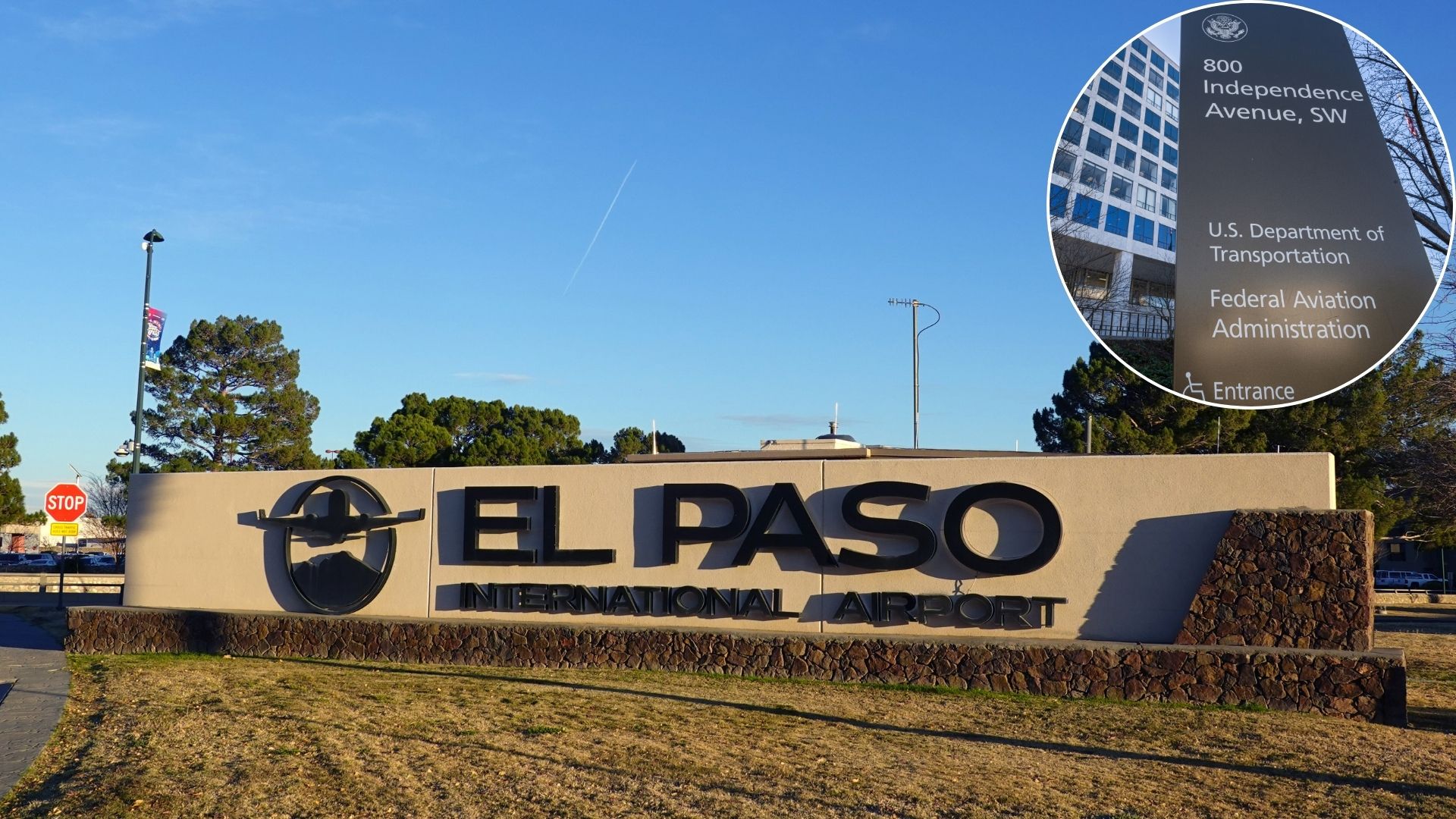
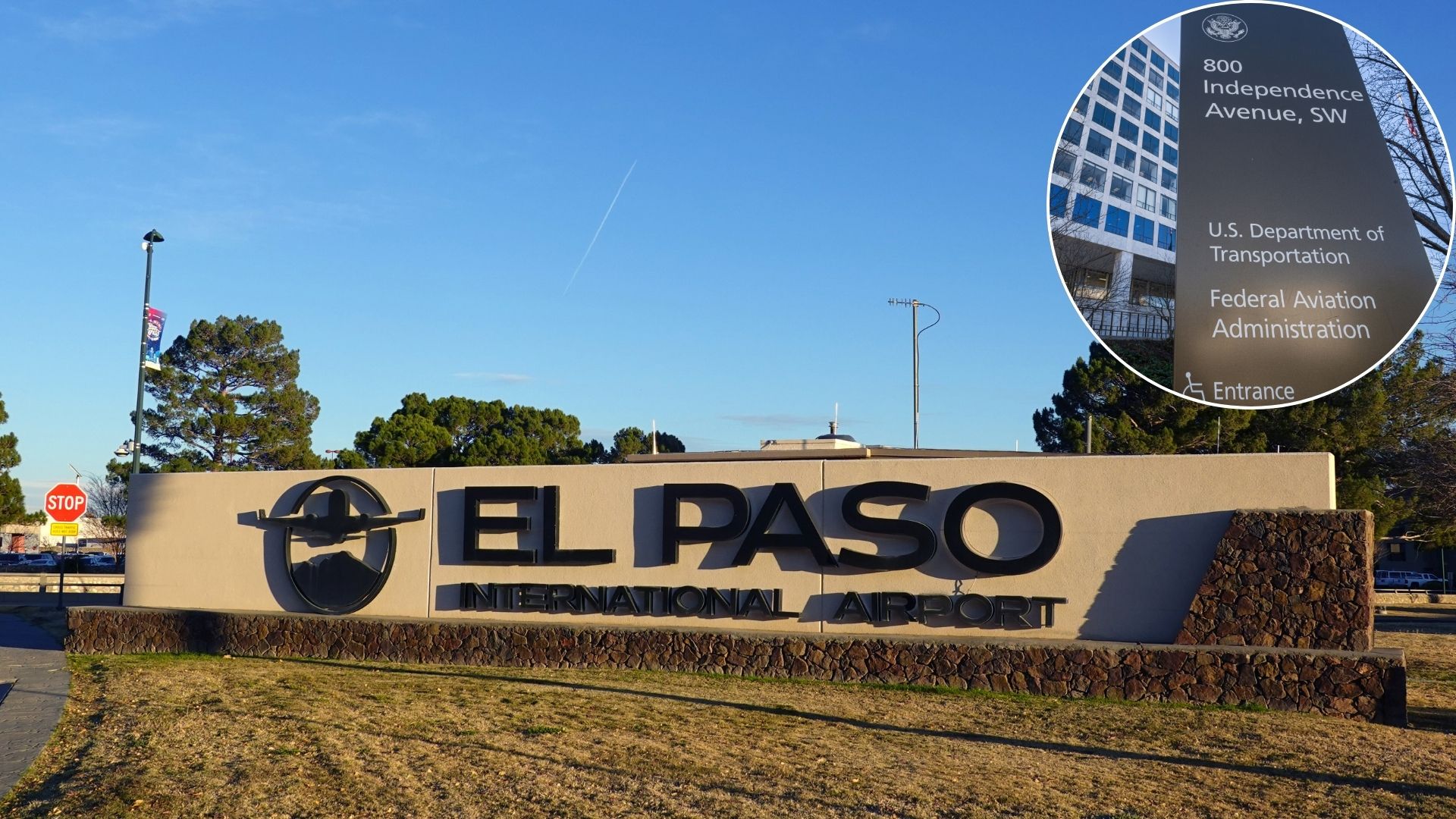
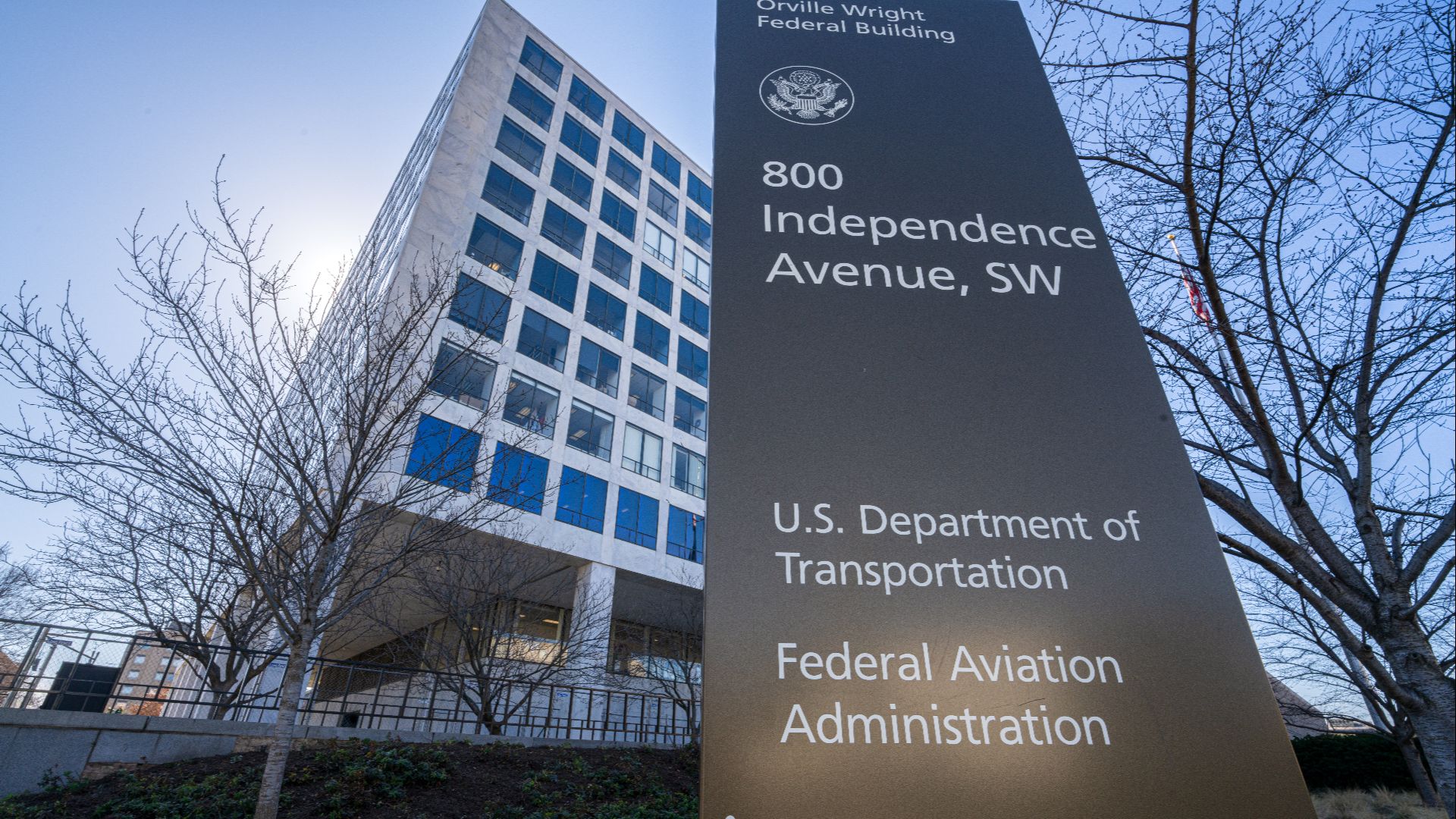
The sudden closure of the airspace above El Paso took travelers, airlines, and local authorities by surprise. During the night, the Federal Aviation Administration (FAA) announced a temporary restriction—initially planned to last ten days—before lifting it a few hours later, stating that « there is no threat to commercial aviation. » But what really happened, and what lessons can be learned from this exceptional interruption?

What happened, in summary: The FAA issued an airspace restriction described as « for special safety reasons, » prohibiting flights above 18,000 feet and indicating that the area was classified as « (national) defense airspace. » Controllers informed aircraft that they were « grounded » for a period of ten days. A few hours later, the restriction was lifted and flights resumed as normal.

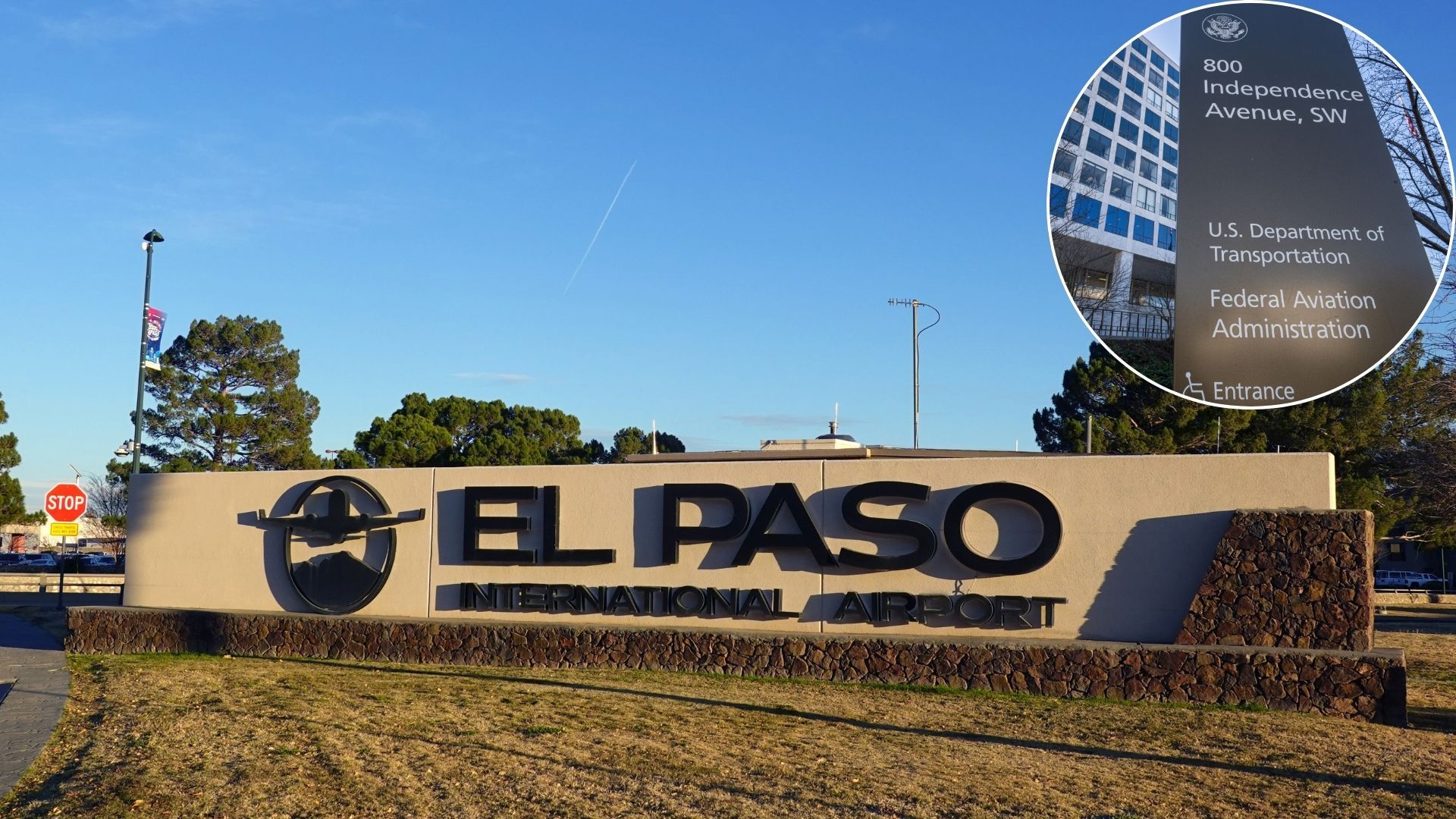
El Paso Airport

Why was this decision made? Initial public explanations were very limited. According to several sources, the maneuver was linked to an uncoordinated deployment of a high-energy anti-drone system planned by the Pentagon near the airport. The stated goal was to neutralize potential drone incursions, particularly those linked to illicit drug trafficking or cartel activities in the border region.

The reported evidence suggests that military officials wanted to move forward with the use of an anti-drone laser, which triggered an immediate precautionary response from the FAA—hence the decision to temporarily ban traffic to avoid any risk of conflict between military use and civil aviation.

Special security reasons

Key events and timeline:

  • Nighttime announcement of a 10-day airspace restriction.
  • Immediate reactions from pilots and controllers recorded by LiveATC.net: surprise and incomprehension.
  • Communications limited to local authorities and elected officials—some, such as Congresswoman Veronica Escobar, said they received no prior notice.
  • Restriction lifted a few hours later with assurance that there was no threat to commercial aviation.

No public explanation

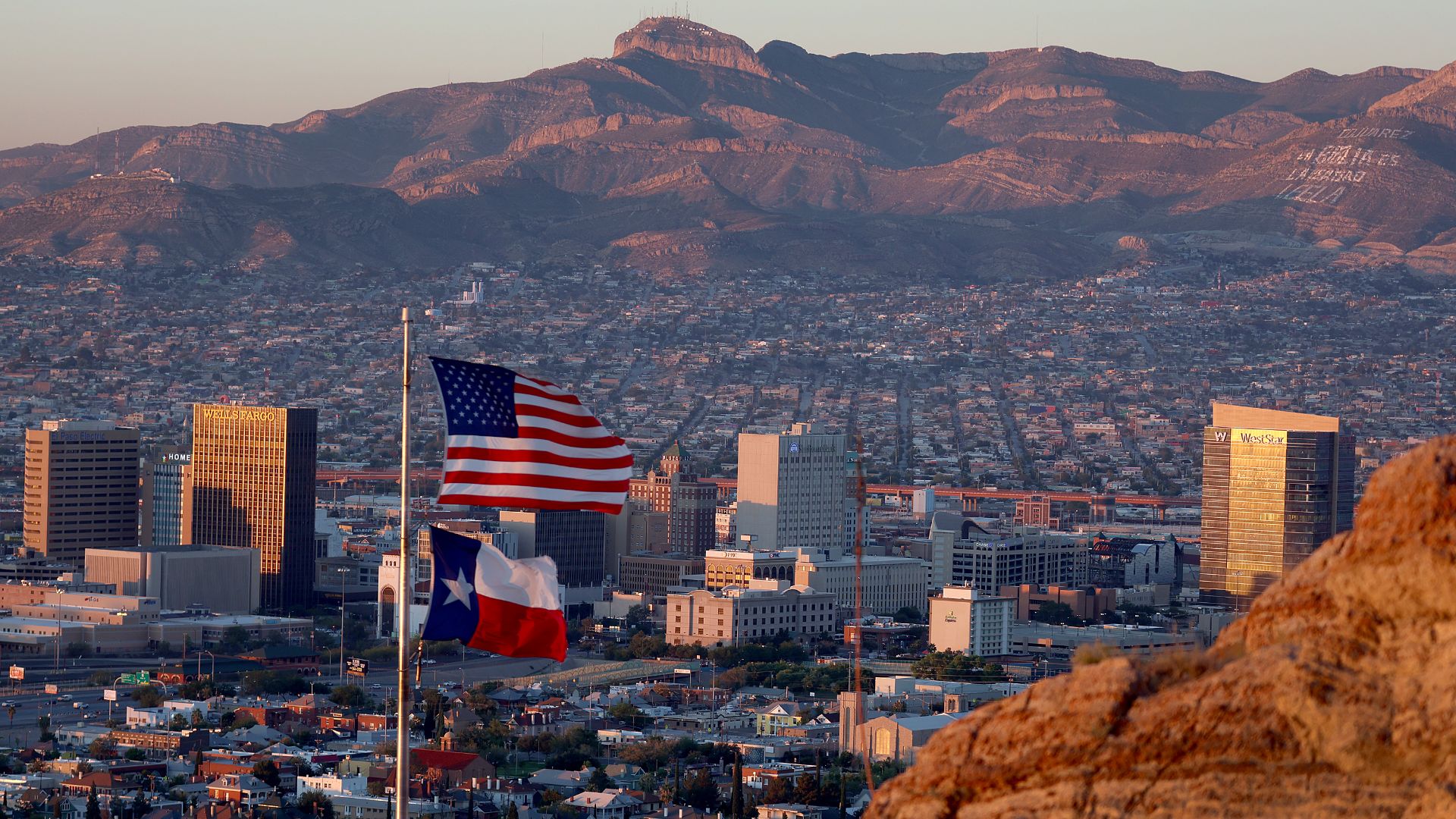
The concrete impacts were immediate: diverted or canceled flights, disruption of cross-border traffic, and stress for passengers and airport staff. El Paso International Airport is a major gateway to West Texas and Northern Mexico; so its closure, even for a short time, has significant economic and social consequences. From an operational standpoint, a restriction of this magnitude—with threats of interception or penalties for noncompliance—is reminiscent of measures taken after major crises and illustrates the potential tension between military priorities and civilian needs.

Air traffic controller and pilots

What do we know about anti-drone devices? High-energy systems, such as anti-drone lasers, are designed to neutralize or destroy small, uncooperative aircraft. However, they pose challenges: possible interference with civilian flight paths, risks of unintended damage, and regulatory issues regarding their use near civilian infrastructure. Close coordination with the FAA is essential, and this incident shows what can happen when such coordination is lacking.

Practical advice for travelers and local stakeholders:

  • If you have a flight scheduled, check communications from your airline or airport before traveling.
  • Local elected officials and infrastructure managers should demand clear coordination procedures between civil and military agencies.
  • Regular travelers should activate flight alerts and allow extra time in sensitive border areas.

Anti-drone intervention

In conclusion, this sudden closure of El Paso’s airspace highlights the importance of transparent communication and operational coordination between civil and military authorities. Although the FAA assured the public that there was no threat to commercial aviation, the incident raises legitimate questions about the management of anti-drone technologies near civilian airports and how to balance national security with the continuity of public services. Stay informed and cautious when traveling: the best defense against disruptions is up-to-date information.

Catégories
Uncategorized

Casque commémoratif et neutralité olympique : ce qui a conduit à la disqualification de Vladyslav Heraskevych

L’affaire du casque porté par le skeletoneur ukrainien Vladyslav Heraskevych à Cortina d’Ampezzo a déclenché une vive controverse internationale et relance la question de la frontière entre hommage personnel et expression politique aux Jeux olympiques. Voici un résumé clair et amical des faits, des règles en jeu et des émotions que cet épisode a soulevées.

Quelques instants avant sa course, Heraskevych s’est présenté avec un casque orné des portraits de 21 athlètes ukrainiens tués lors d’attaques. Il expliquait vouloir rendre hommage à leurs mémoires, et non faire une déclaration politique. Malgré cette intention, les officiels du Comité international olympique (CIO) ont estimé que ce visuel enfreignait l’interdiction de toute expression politique sur le terrain de jeu et l’ont disqualifié de l’épreuve.

Heraskevych avec casque commémoratif

La présidente du CIO, Kirsty Coventry, a rencontré l’athlète en bord de piste avant la compétition. La discussion, rapportée comme émotive, n’a pas abouti à un compromis acceptable pour les deux parties. Le CIO a par la suite expliqué avoir proposé des alternatives, comme le port d’un brassard noir, ou la présentation du casque dans des zones réservées aux médias après la course — propositions que Heraskevych a refusées.

Rencontre avec la présidente du CIO

Pourquoi le CIO a-t-il agi ? Le CIO se fonde sur une règle générale visant à préserver « la neutralité » des compétitions : les manifestations politiques visibles pendant les épreuves sont interdites afin d’éviter que les arènes sportives ne deviennent des plateformes d’expression politique. Le porte-parole du CIO a justifié la décision en expliquant que l’organisation devait protéger « le caractère sacré du terrain de jeu » et prévenir une situation où chaque athlète viendrait avec son propre message visible.

Pour beaucoup — y compris des responsables ukrainiens et des supporters sur place — la mesure paraît dure. Le président ukrainien Volodymyr Zelensky a qualifié le casque d’« hommage » et dénoncé la décision comme injuste, estimant qu’il s’agissait d’un rappel du prix payé pour l’indépendance du pays.

Heraskevych avant la course

Les réactions dans le monde sportif ont été partagées : certains entraîneurs et athlètes ont exprimé leur solidarité, estimant que priver un compétiteur de sa course pour un geste de mémoire relève d’un excès de zèle. D’autres rappellent que des règles existent précisément pour éviter l’escalade et maintenir des conditions comparables pour tous.

  • Ce que le CIO dit : maintenir la neutralité visible dans l’enceinte des compétitions, proposer des alternatives non visibles pendant l’épreuve.
  • Ce que dit l’athlète : il s’agissait d’un hommage à des collègues et amis, non d’une déclaration politique.
  • Ce que disent les observateurs : le contexte de guerre rend la distinction plus sensible et les règles peuvent paraître insensibles face au deuil et à la mémoire.

Au-delà du cas individuel, cet épisode interroge la capacité des règles internationales à s’adapter à des contextes de conflit prolongé. La ligne entre commémoration et message politique n’est pas toujours nette, notamment quand les victimes sont des civils ou des athlètes morts dans un conflit contemporain et largement médiatisé. Les Jeux, qui veulent rester un espace de rencontre et de compétition pacifique, se retrouvent parfois face à des dilemmes moraux qui ne s’effacent pas facilement.

Que retenir ? D’abord, que les règles du CIO cherchent à prévenir l’instrumentalisation politique des compétitions, mais qu’elles peuvent aussi donner l’impression d’ignorer les réalités humaines. Ensuite, que des solutions intermédiaires — clarification des règles, commissions d’examen sensibles au contexte, espaces officiels de commémoration hors compétition — pourraient réduire les conflits de ce type à l’avenir.

Enfin, cet épisode rappelle que le sport n’est jamais complètement séparé du monde qui l’entoure. Même dans un esprit de neutralité, les Jeux sont le théâtre où se croisent émotions, mémoire et géopolitique. La question n’est pas simple, mais la discussion lancée par la disqualification d’Heraskevych montre qu’il faudra peut‑être repenser les modalités d’expression et de commémoration dans les grands événements sportifs.

Supporters réagissant

Catégories
Uncategorized

Comprendre la brève fermeture de l’espace aérien d’El Paso: chronologie, causes possibles et impacts locaux

La fermeture soudaine de l’espace aérien au‑dessus d’El Paso a surpris voyageurs, compagnies aériennes et autorités locales. Dans la nuit, la Federal Aviation Administration (FAA) a annoncé une restriction temporaire — initialement prévue pour dix jours — avant de la lever quelques heures plus tard, affirmant qu’« il n’y a aucune menace pour l’aviation commerciale ». Mais que s’est‑il réellement passé, et quelles leçons tirer de cette interruption exceptionnelle ?

Ce qui s’est passé, en résumé : la FAA a émis une restriction d’espace aérien qualifiée de « pour raisons de sécurité particulières », interdisant les vols à plus de 18 000 pieds et signalant que la zone était classée comme « espace aérien de défense (nationale) ». Les contrôleurs ont informé des avions qu’ils étaient « cloués au sol » pour une période de dix jours. Quelques heures plus tard, la restriction a été levée et les vols ont repris normalement.

Aéroport d'El Paso

Pourquoi cette décision a‑t‑elle été prise ? Les explications publiques initiales étaient très limitées. Selon plusieurs sources, la manœuvre serait liée à un déploiement non coordonné d’un système anti‑drone à haute énergie envisagé par le Pentagone à proximité de l’aéroport. Le but affiché : neutraliser d’éventuelles incursions de drones, notamment celles liées au trafic illicite de stupéfiants ou aux activités des cartels dans la région frontalière.

Les éléments rapportés suggèrent que les responsables militaires ont souhaité avancer l’utilisation d’un laser anti‑drone, ce qui a déclenché une réaction immédiate de la FAA par précaution — d’où la décision d’interdire temporairement le trafic pour éviter tout risque de conflit entre usage militaire et aviation civile.

Raisons spéciales de sécurité

Les faits marquants et la chronologie :

  • Annonce nocturne d’une restriction d’espace aérien annoncée pour 10 jours.
  • Réactions immédiates des pilotes et contrôleurs enregistrées par LiveATC.net : surprise et incompréhension.
  • Communications limitées aux autorités locales et aux élus — certains, comme la députée Veronica Escobar, ont déclaré n’avoir reçu aucun préavis.
  • Levée de la restriction quelques heures plus tard avec la garantie qu’il n’y avait pas de menace pour l’aviation commerciale.

Absence d'explication publique

Les impacts concrets ont été immédiats : vols déroutés ou annulés, perturbation du trafic transfrontalier et stress pour les passagers et le personnel aéroportuaire. L’aéroport international d’El Paso est une porte d’entrée majeure pour l’ouest du Texas et le nord du Mexique ; sa fermeture, même brève, a donc des conséquences économiques et sociales non négligeables.

Du point de vue opérationnel, une restriction de cette ampleur — avec menaces d’interception ou de sanctions pour non‑respect — rappelle les mesures prises après des crises majeures, et illustre la tension potentielle entre priorités militaires et besoins civils.

Contrôleur aérien et pilotes

Que sait‑on du dispositif anti‑drone ? Les systèmes à haute énergie, comme les lasers anti‑drone, sont conçus pour neutraliser ou détruire des petites aéronefs non coopératifs. Ils posent toutefois des défis : interférence possible avec des trajectoires civiles, risques d’endommagement involontaire, et questions réglementaires quant à leur usage à proximité d’infrastructures civiles. La coordination stricte avec la FAA est indispensable, et l’incident montre ce qui peut se produire quand cette coordination fait défaut.

Conseils pratiques pour les voyageurs et les acteurs locaux :

  • Si vous aviez un vol prévu, vérifiez en priorité les communications de votre compagnie aérienne ou de l’aéroport avant de vous déplacer.
  • Les élus locaux et les gestionnaires d’infrastructures doivent exiger des procédures de coordination claires entre agences civiles et militaires.
  • Les voyageurs réguliers devraient activer les alertes de vol et prévoir des marges de temps supplémentaires en zones frontalières sensibles.

Intervention anti-drone

En conclusion, cette fermeture éclair de l’espace aérien d’El Paso met en lumière l’importance d’une communication transparente et d’une coordination opérationnelle entre autorités civiles et militaires. Même si la FAA a assuré qu’il n’y avait pas de menace pour l’aviation commerciale, l’épisode soulève des questions légitimes sur la gestion des technologies anti‑drone près d’aéroports civils et sur la manière de concilier sécurité nationale et continuité des services publics. Restez informés et prudents lors de vos déplacements : la meilleure défense contre les perturbations, c’est l’information à jour.

Catégories
Uncategorized

L’OTAN annonce un plan de défense de l’Arctique, les États-Unis en sont exclus

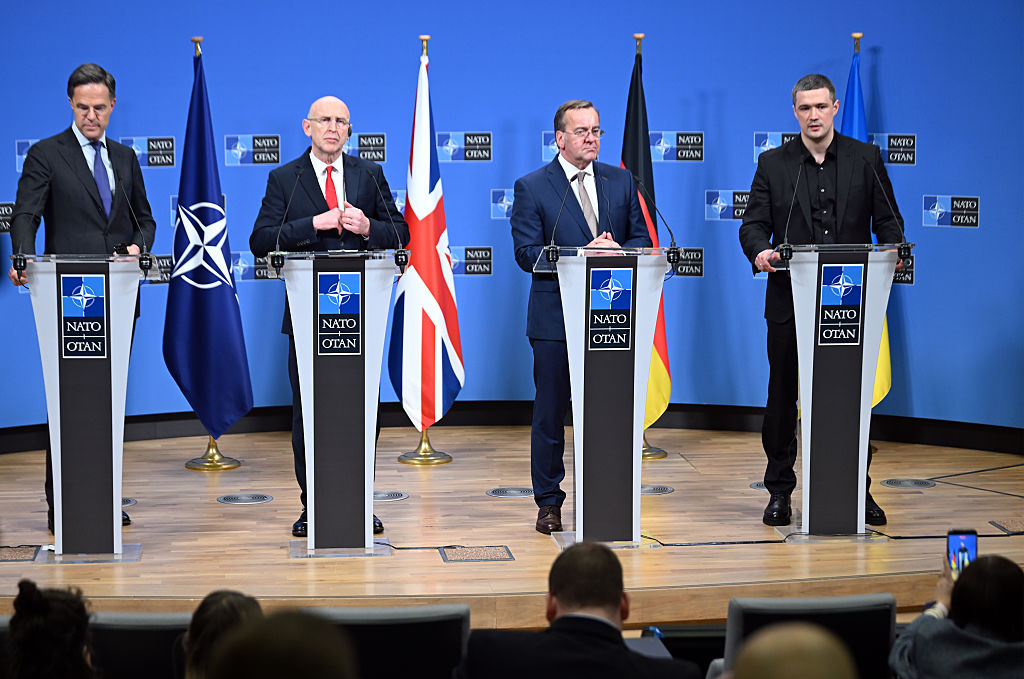
L’OTAN a enfin pris des mesures concrètes en réponse aux menaces répétées de Donald Trump d’envahir le Groenland : une opération militaire baptisée « Arctic Sentry ». Selon un communiqué publié le 11 février 2026, « Arctic Sentry » vise à renforcer la capacité de l’OTAN à défendre la région arctique, y compris le Groenland. « Arctic Sentry » inclura des troupes provenant de plusieurs pays membres de l’OTAN. Les soldats suivront un entraînement spécial afin de se préparer aux conditions arctiques et à la géopolitique spécifique qui les a amenés là-bas. Donald Trump n’a pas directement commenté ce nouveau projet.

L’OTAN cite la Chine et la Russie comme menaces

Le secrétaire général de l’OTAN, Mark Rutte, n’a pas cité les menaces constantes de Donald Trump comme raison d’Arctic Sentry. Il a plutôt pointé du doigt la Chine et la Russie, deux pays qui ont également exprimé leur désir de posséder des terres dans l’Arctique. La Russie tente d’étendre son contrôle sur le Grand Nord depuis 2001, et la Chine cherche à s’étendre dans l’Arctique depuis des années. Pékin continue de promouvoir une « route de la soie polaire » sous le contrôle du gouvernement chinois. Le commandant suprême des forces alliées de l’OTAN en Europe, le général de l’armée de l’air américaine Alexus Grynkewich, a qualifié le Grand Nord de zone parmi les plus importantes au monde, mais aussi l’une des plus uniques sur le plan environnemental.

Réunion d’urgence au Groenland Le 22 janvier, les chefs des 27 États membres de l’Union européenne se sont réunis à Bruxelles pour tenir une réunion d’urgence concernant le Groenland. Cette réunion avait pour but de garantir l’unité autour des principes du droit international et de la souveraineté nationale, ainsi que d’assurer l’unité dans le soutien total et la solidarité avec le Danemark et le Groenland. La réunion aurait été axée sur la recherche d’un moyen d’apaiser les souhaits de Donald Trump tout en garantissant l’autonomie du Groenland et le contrôle du Danemark sur la nation. On ne sait pas si Arctic Sentry a été abordé lors de cette réunion, mais Donald Trump n’était pas présent et semblait ignorer tout de la mission Arctic Sentry.

Trump veut le Groenland

Bien que Trump ait déclaré qu’il ne prendrait pas le Groenland par la force, il a également proféré une série de menaces voilées à l’encontre du Groenland et de l’OTAN au cours des trois derniers mois. Trump a déclaré que si l’OTAN cédait le contrôle du Groenland aux États-Unis, l’Amérique lui en serait très reconnaissante, mais que si l’OTAN refusait de satisfaire ses souhaits, l’Amérique s’en souviendrait. Il a également déclaré que s’il choisissait d’utiliser la force, les États-Unis seraient imparables, mais qu’il ne voulait pas utiliser sa force « imparable ». Trump est obsédé par le Groenland depuis mars 2025, et même s’il a levé le pied après Davos, il est loin d’avoir oublié ce pays. Le désir de Trump de posséder le Groenland est quelque peu déroutant. Il a souvent dévalorisé cette nation, la qualifiant notamment de « bloc de glace ». Dans le même temps, Trump a clairement fait part de son intention d’acquérir le Groenland au cours de son second mandat, et son discours à Davos en janvier a confirmé qu’il n’était pas prêt à abandonner cette question. Trump a annoncé après le Forum économique mondial qu’il avait réussi à faire adopter un accord-cadre sur le Groenland, mais cet accord ne semble pas donner aux États-Unis le contrôle sur le Groenland. L’accord prévoit la collaboration de plusieurs pays afin de protéger l’Arctique contre les menaces extérieures et donnerait à Trump le contrôle sur certaines ressources minérales du Groenland. Au 11 février, aucun accord officiel écrit n’avait été signé. Toutes les informations publiques sur l’accord ont été communiquées aux médias par des représentants de l’OTAN.

Les pays européens montrent la voie

Lors de la réunion de l’OTAN le 12 février, le secrétaire d’État américain Pete Hegseth était manifestement absent. Donald Trump a été assez transparent quant à sa réticence à participer à l’OTAN, et il n’a pas hésité à critiquer ouvertement les alliés de l’OTAN. Trump n’ayant même pas fait de déclaration au sujet d’Arctic Sentry, soit il s’est endormi dans le Bureau ovale, soit il ignore l’OTAN comme un adolescent jaloux. Même si Arctic Sentry ne va pas révolutionner le monde, les États-Unis étaient autrefois fiers de diriger les programmes et projets militaires de l’OTAN.

Plusieurs pays européens ont déjà indiqué comment ils allaient soutenir le projet Arctic Sentry. Le Royaume-Uni a annoncé qu’il s’engageait à doubler le nombre de soldats britanniques en Norvège au cours des trois prochaines années, passant de 1 000 à 2 000. La Suède a déclaré qu’elle enverrait des avions de combat pour surveiller le Grand Nord, en particulier pour patrouiller l’Islande et le Groenland. La France, l’Allemagne et le Danemark ont également annoncé leur participation, mais n’ont pas précisé le nombre de soldats qui seraient impliqués. Le Canada a annoncé qu’il participerait à l’opération Arctic Sentry, mais le Premier ministre Mark Carney n’a pas précisé comment.

Catégories
Uncategorized

NATO announces Arctic defence plan, US excluded

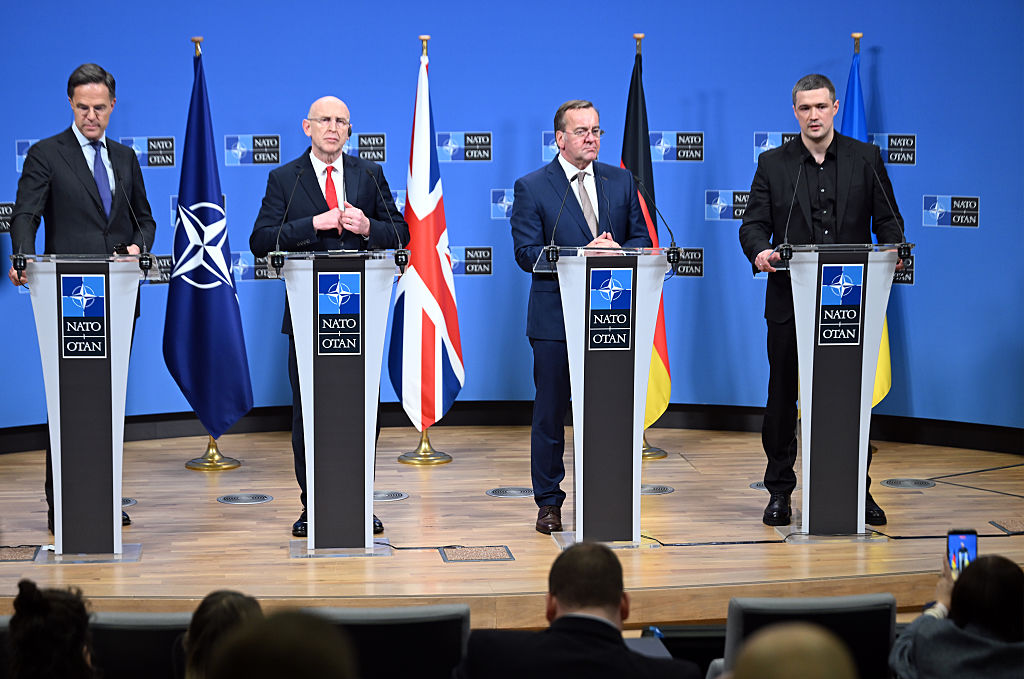
NATO has finally done something tangible in response to Donald Trump’s continued threats to invade Greenland – a military operation called ‘Arctic Sentry’. According to a statement released on February 11, 2026, ‘Arctic Sentry’ aims to enhance NATO’s ability to defend the Arctic region, including Greenland. ‘Arctic Sentry’ will include troops from multiple NATO nations. The troops will undergo special training to prepare for the Arctic conditions and the specific geopolitics that have resulted in the soldiers being there. Donald Trump has not directly commented on the new project.  

NATO cites China, Russia as threats

NATO Secretary General Mark Rutte didn’t cite Donald Trump’s constant threats as the reason for Arctic Sentry. Instead, he pointed the blame at China and Russia, two countries that have also expressed a desire to own land in the Arctic. Russia has been trying to extend its control over the High North since 2001, and China has been looking to expand into the Arctic for years. Beijing is still pushing for a ‘Polar Silk Road’ under Chinese government control. NATO’s Supreme Allied Commander Europe, U.S. Air Force Gen. Alexus Grynkewich, called the High North one of the world’s most significant areas, as well as one of the most environmentally unique.

Emergency meeting in Greenland

On January 22, the heads of all 27 European Union member states gathered in Brussels to hold an emergency meeting regarding Greenland. The meeting was held to ensure unity around the principles of international law and national sovereignty and to secure unity in full support and solidarity with Denmark and Greenland. The meeting was reportedly focused on finding a way to appease Donald Trump’s wishes while securing Greenland’s self-governance and Denmark’s control over the nation. It’s unknown whether Arctic Sentry was a topic of conversation that day, but Donald Trump was not at the meeting, and he was seemingly in the dark about the Arctic Sentry mission.  

Trump wants Greenland

While Trump has claimed he won’t take Greenland by force, he’s also made a slew of veiled threats against Greenland and NATO over the last three months. Trump has claimed that if NATO cedes control of Greenland to the U.S., then America would be very appreciative, but if NATO denies Trump’s wishes, America will remember. He’s also said that if he chooses to use force, the U.S. would be unstoppable, but he doesn’t want to use his ‘unstoppable’ force. Trump has been obsessed with Greenland since March 2025, and even though he has taken his foot off the gas re. Greenland post-Davos, he’s far from forgotten about the country.

Trump’s desire to own Greenland is slightly confusing. He has frequently devalued the nation, calling it ‘a block of ice’ among other slights. At the same time, Trump has made his intentions to acquire Greenland clear during his second term, and his speech at Davos in January confirmed that he is not willing to let the issue go. Trump announced after the WEF that he had successfully argued for a framework for a Greenland deal, but the deal does not appear to give the U.S. control over Greenland. The deal involves multiple countries working together to ensure the Arctic is protected from external threats and reportedly gives Trump control over some Greenlandic minerals. As of February 11, there is no official written deal. All public information on the deal has been released by NATO representatives to the media.

European countries leading the way

During NATO’s meeting on February 12, US Secretary of State Pete Hegseth was glaringly absent. Donald Trump has been fairly transparent about his reluctance to participate in NATO, and he’s been anything but quiet in his criticism of NATO allies. With Trump not even making a statement about Arctic Sentry, Trump has either fallen asleep in the Oval Office again, or he’s giving NATO the silent treatment like a jealous teenager. Even if Arctic Sentry isn’t exactly world-changing, the US once took pride in leading NATO’s military programs and projects.

Multiple European countries have already outlined how they will support Project Arctic Sentry. The UK announced it would commit to doubling the number of British troops in Norway over the next three years, from 1,000 to 2,000. Sweden has said it will send fighter jets to monitor the High North, specifically to patrol Iceland and Greenland. France, Germany and Denmark have said they will also take part but have not said how many troops would be involved. Canada announced it would be taking part in Operation Arctic Sentry, but Prime Minister Mark Carney did not outline how.

Catégories
Uncategorized

Trump advierte: Estados Unidos está dispuesto a intervenir en Irán si Teherán no calma las protestas.

El debate sobre una intervención estadounidense en Irán ha cobrado nuevo impulso tras las recientes declaraciones del presidente Trump. Aunque afirmó que prefería evitar una ofensiva militar, dio a entender que Estados Unidos mantiene abierta esta opción si Teherán no logra gestionar pacíficamente las oleadas de manifestaciones que sacuden el país. Esta postura, a la vez firme y prudente, plantea interrogantes sobre los riesgos, los objetivos y las consecuencias de tal decisión.

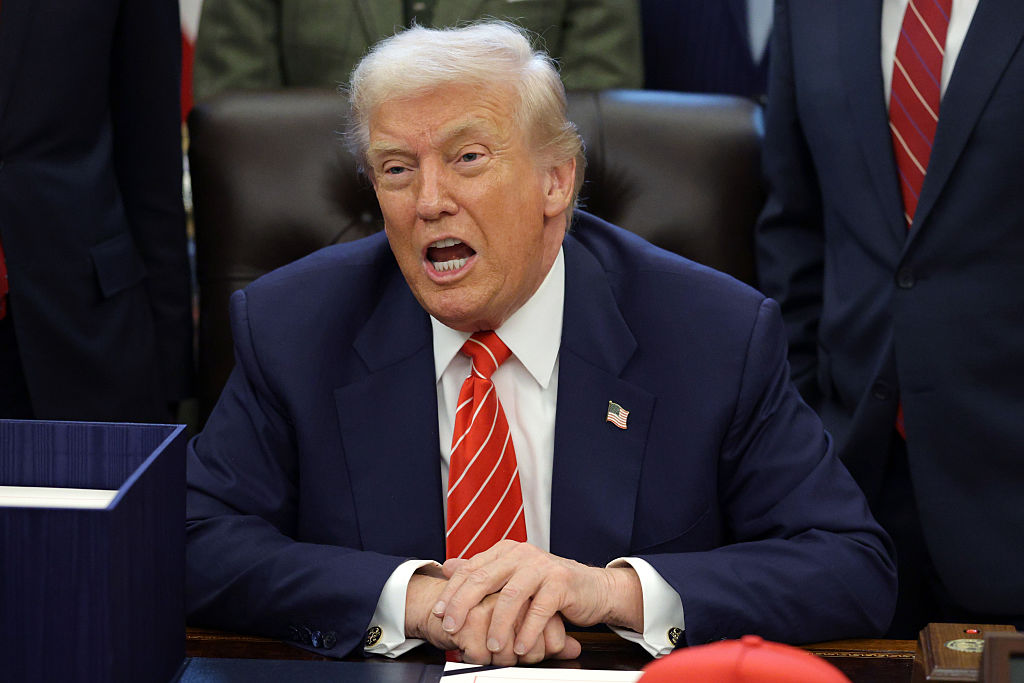
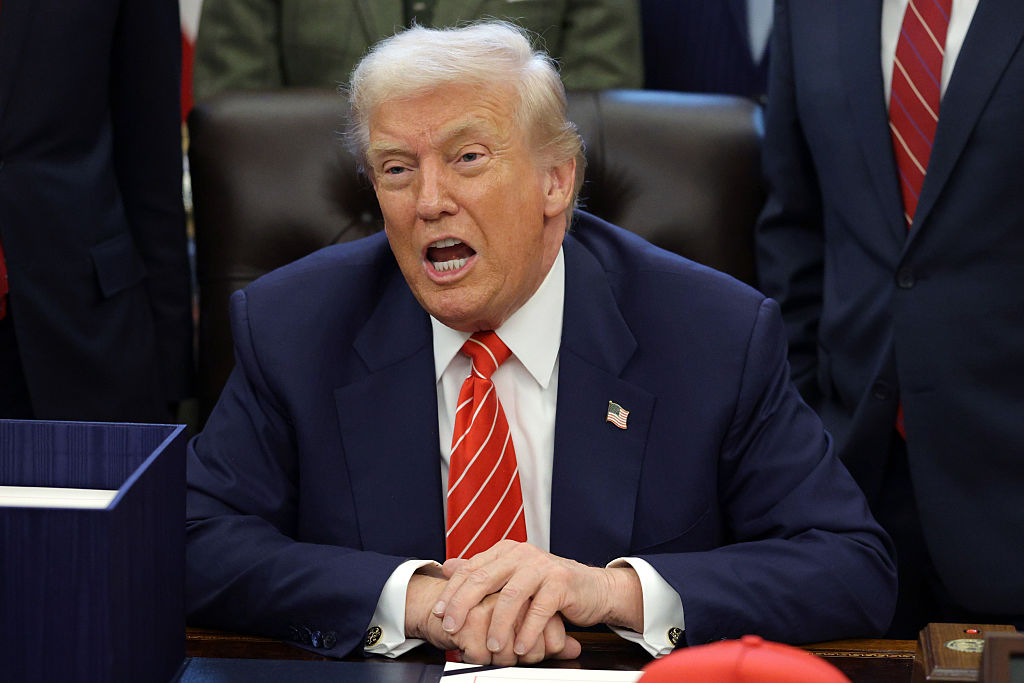
Trump declara que espera que no sea necesaria una intervención en Irán Crédito: Getty Images

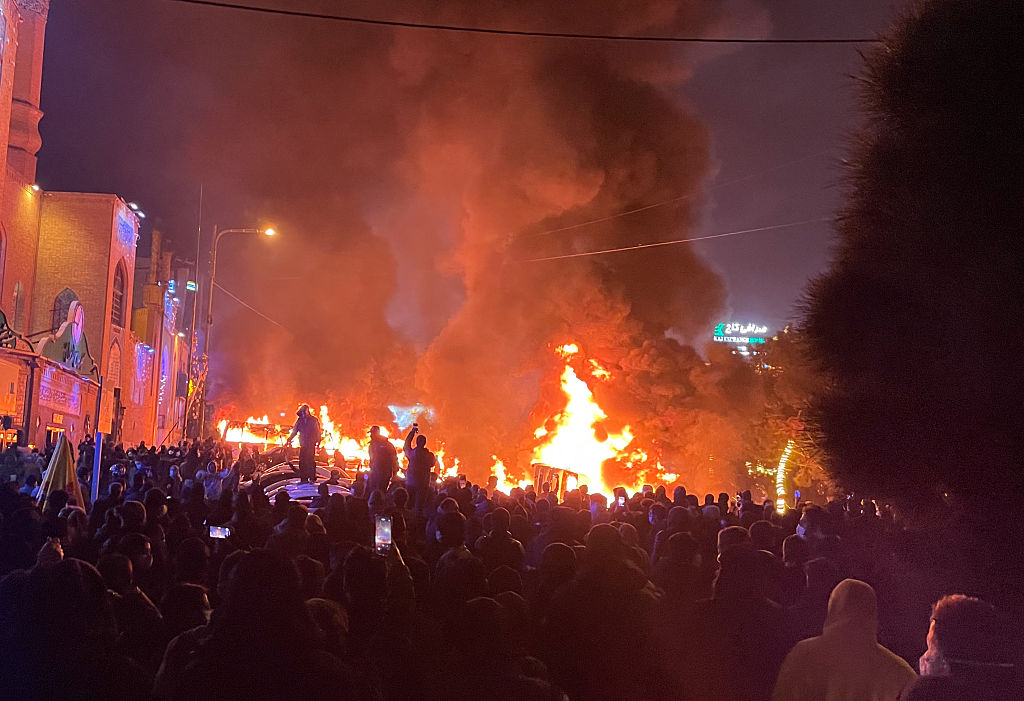
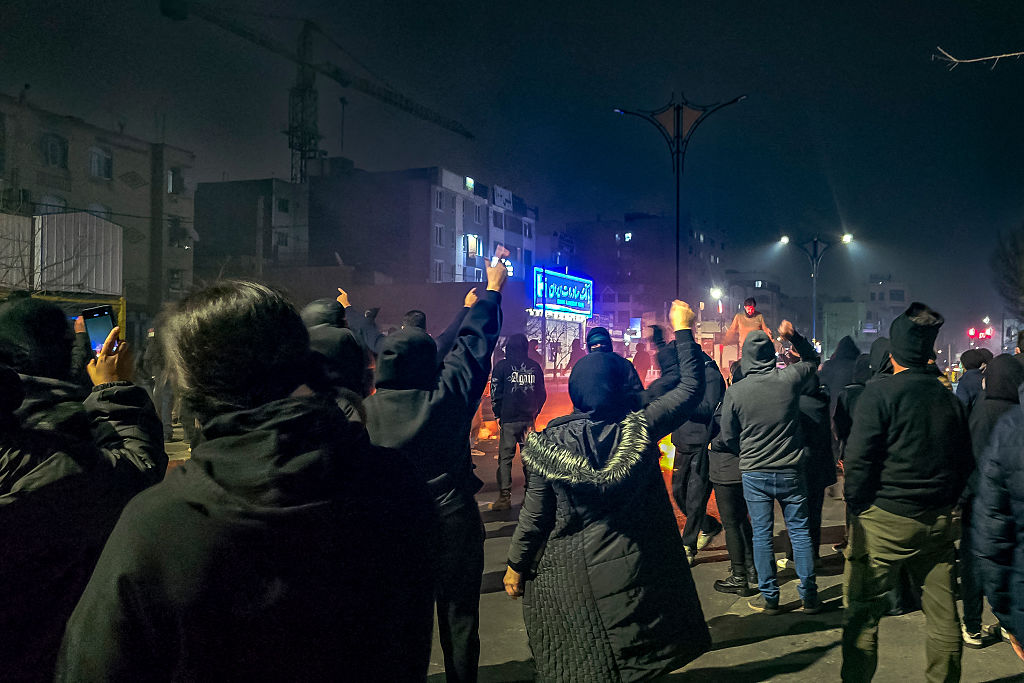
Desde finales de diciembre, Irán es escenario de movimientos masivos desencadenados por un grave deterioro económico y una profunda contestación política. Las autoridades, inicialmente reticentes, recurrieron rápidamente a la represión, lo que provocó un elevado número de víctimas y agravó la ya tensa situación regional. Trump recordó que el tiempo de Teherán se estaba agotando y que Washington seguía de cerca la situación, insistiendo en la importancia de que Irán encontrara una vía pacífica para responder a las reivindicaciones.

Manifestaciones en Irán Crédito: Getty Images

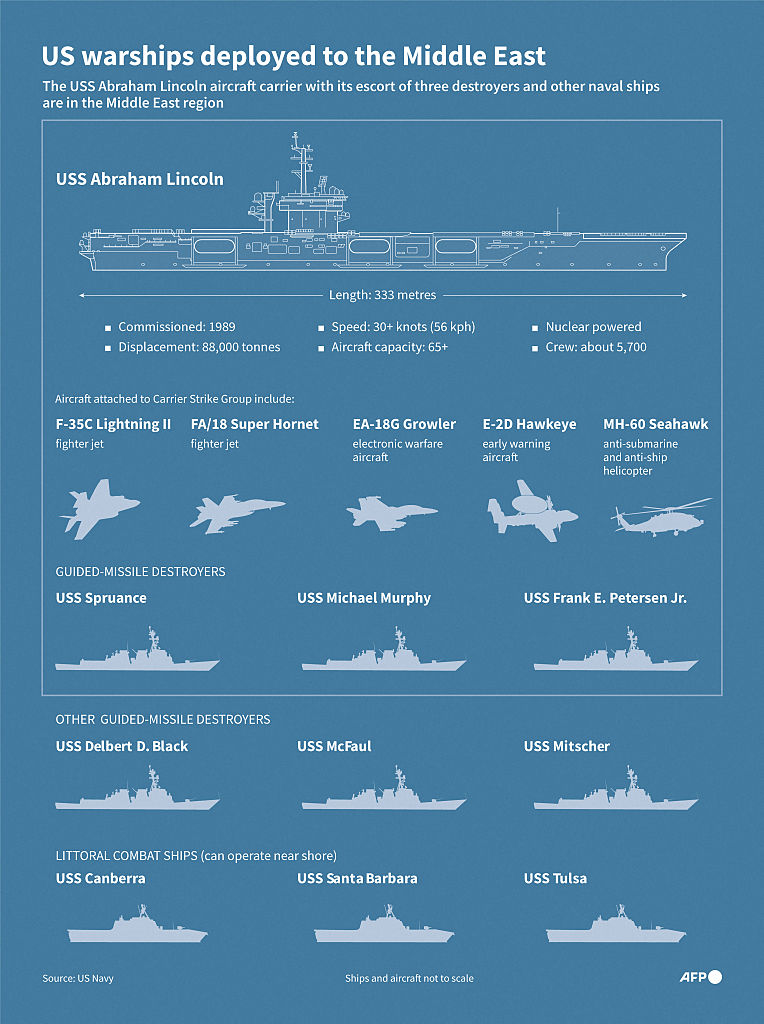
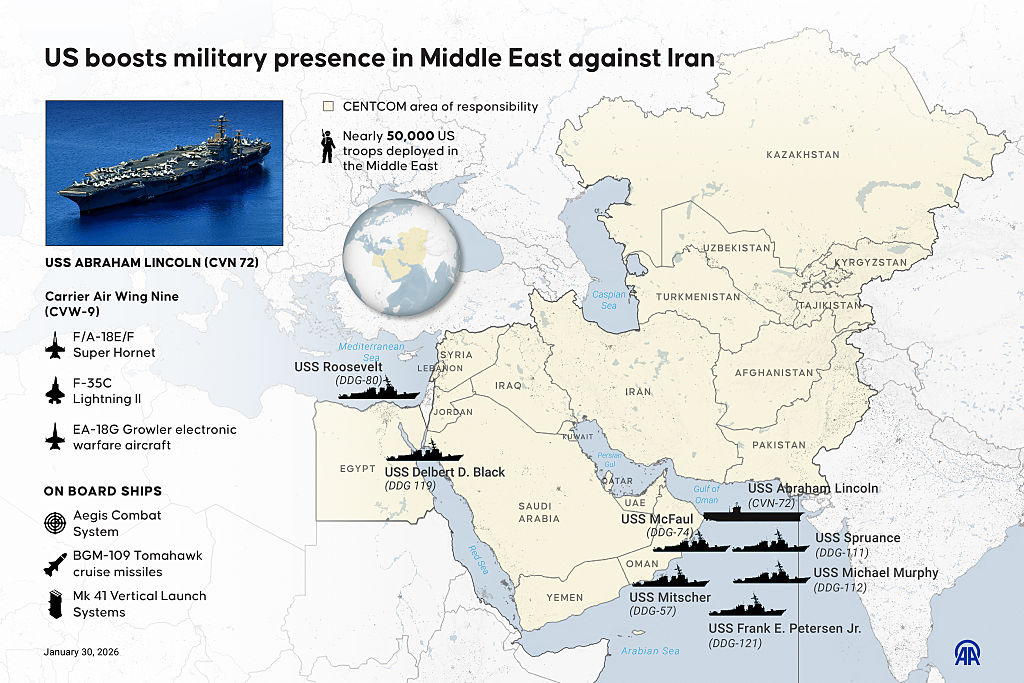
En concreto, la administración estadounidense ha mostrado su determinación desplegando una importante flota naval en la región. Según Trump, la presencia de estos barcos tiene una doble función: disuadir cualquier ataque contra los intereses estadounidenses y enviar una señal a Teherán sobre la gravedad de la situación. Por parte iraní, los responsables han respondido evocando la posibilidad de atacar las bases estadounidenses que se encuentran a su alcance, lo que acentúa el riesgo de un enfrentamiento directo.

Las manifestaciones más mortíferas de 2026 Crédito: Getty Images

A continuación se resume lo que esto significa y lo que hay que vigilar:

  • Riesgo de escalada militar: un incidente localizado podría degenerar rápidamente si una de las partes cometiera un «error de cálculo». Las fuerzas sobre el terreno y la comunicación entre los estados mayores serán decisivas.
  • Impacto humanitario: la población iraní ya soporta las consecuencias de una crisis económica y una violenta represión. Cualquier guerra agravaría una situación ya de por sí dramática.
  • Consecuencias económicas mundiales: un enfrentamiento importante en Oriente Medio haría subir los precios del petróleo y el gas, lo que afectaría directamente al coste de la vida a escala internacional.
  • Presión diplomática: la UE ya ha condenado la represión y ha calificado a algunas unidades iraníes de entidades responsables de la violencia. Los canales de negociación diplomática siguen activos, en particular a través de actores regionales como Qatar.

Trump envía una flota naval Crédito: Getty Images

En el plano político interno, Trump ha expresado su apoyo a los manifestantes, animándoles a «tomar el control de sus instituciones». Este mensaje, publicado en sus plataformas, es percibido por algunos como un apoyo moral a las reivindicaciones prodemocráticas, pero por otros como una provocación adicional en un momento de gran tensión. El presidente también declaró que había cancelado las reuniones bilaterales previstas con responsables iraníes.

Consecuencias de una intervención Crédito: Getty Images

Hay varios escenarios plausibles a corto plazo. Las medidas no militares incluyen sanciones selectivas, apoyo diplomático a las organizaciones de defensa de los derechos humanos y una mayor cooperación con los aliados regionales para aislar a los responsables de la represión. Por el contrario, una opción militar se centraría en instalaciones limitadas o en una operación más amplia, dependiendo de cómo evolucionen los acontecimientos.

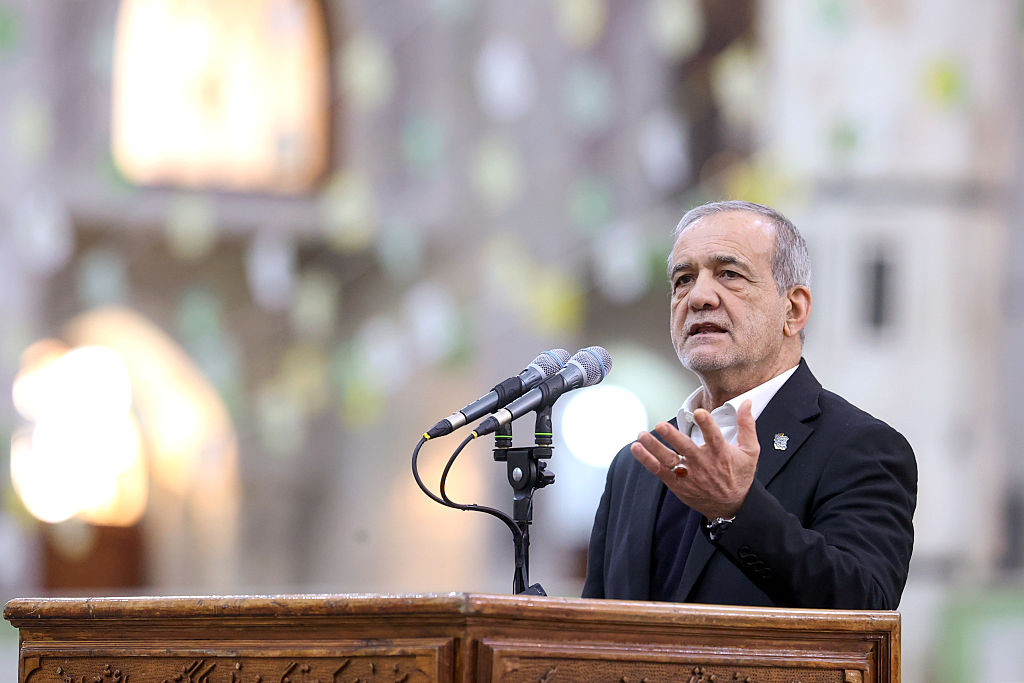
Llamada entre Catar e Irán, respuesta de la UE Crédito: Getty Images

La mejor salida, desde un punto de vista humanitario y estratégico, sigue siendo una distensión negociada: el cese inmediato de la violencia contra la población civil, la apertura de canales humanitarios y un diálogo sostenido entre Teherán y sus interlocutores regionales e internacionales. El papel de intermediarios como Qatar u organizaciones regionales puede ser decisivo para evitar una confrontación abierta.

Trump anima a los manifestantes Crédito: Getty Images

En resumen: Trump afirma que espera evitar una intervención militar, pero mantiene la presión dejando todas las opciones abiertas. El mundo observa con atención: una mala secuencia de acontecimientos podría convertir una crisis interna iraní en un conflicto regional con repercusiones económicas y humanas considerables. Manténganse informados y atentos a los avances diplomáticos y a las declaraciones de los actores implicados, ya que determinarán la trayectoria de los próximos días. Si lo desean, puedo preparar una cronología detallada de los acontecimientos recientes o un análisis de las consecuencias económicas mundiales de un conflicto entre Irán y Estados Unidos.