 BIG Admin

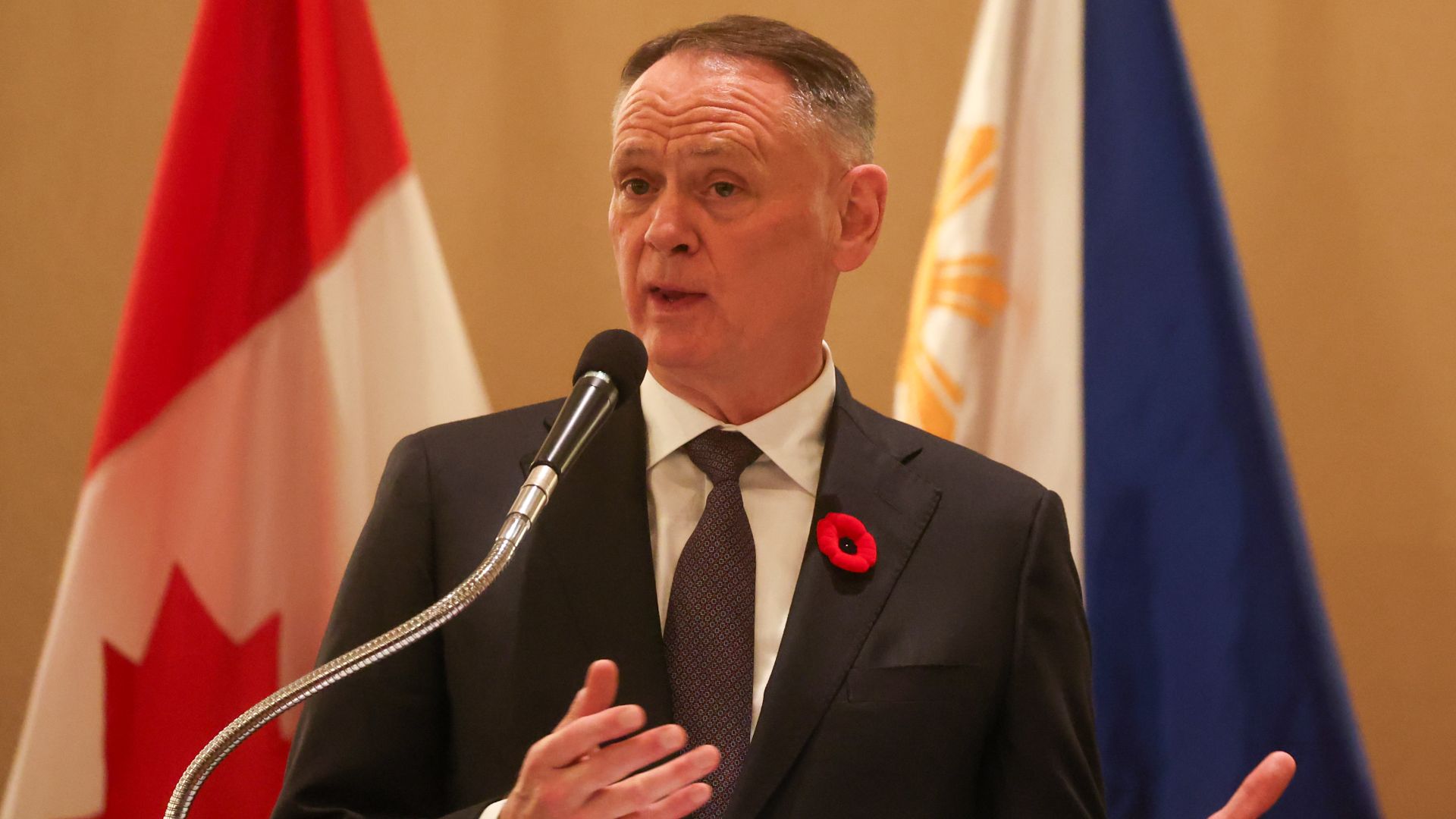
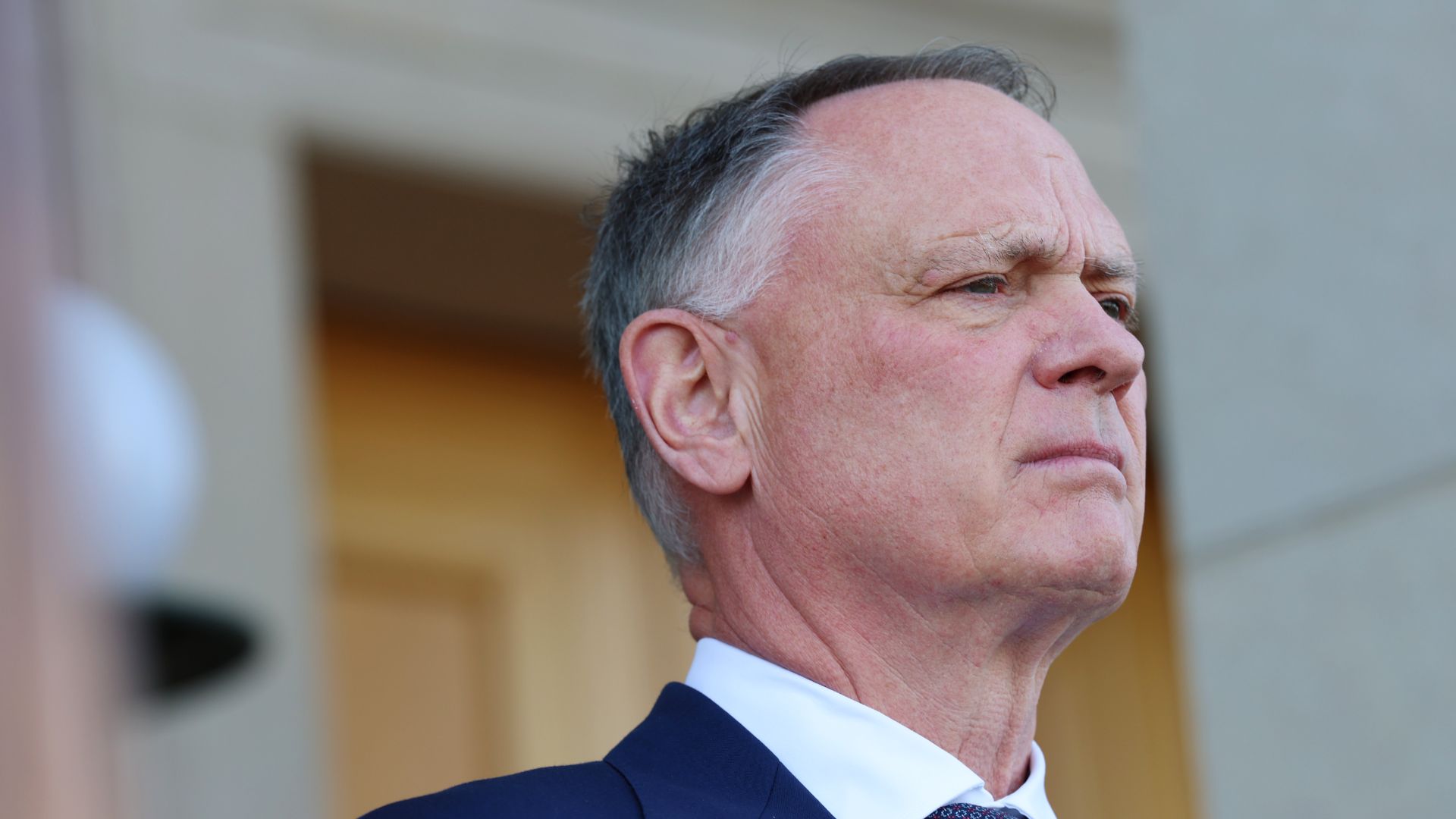
The comment by a former military leader reviving the idea that Canada should not completely rule out the nuclear option has sparked lively public and political debate. First and foremost, it is useful to put this debate into context: we are living in a period of geopolitical uncertainty, with increased tensions between major powers, doubts within alliances, and rapidly evolving security doctrines. That said, moving from strategic thinking to the acquisition of nuclear weapons has profound diplomatic, economic, and moral implications.

Why is this idea resurfacing? Several factors explain it: the increase in perceived threats (notably the nuclear rhetoric of certain states), concerns about the reliability of security guarantees offered by allies, and the desire of some leaders to consider all options to ensure sovereignty and national defense. The former general suggested that total strategic independence could, in the very long term, be difficult to achieve without some form of enhanced deterrence.
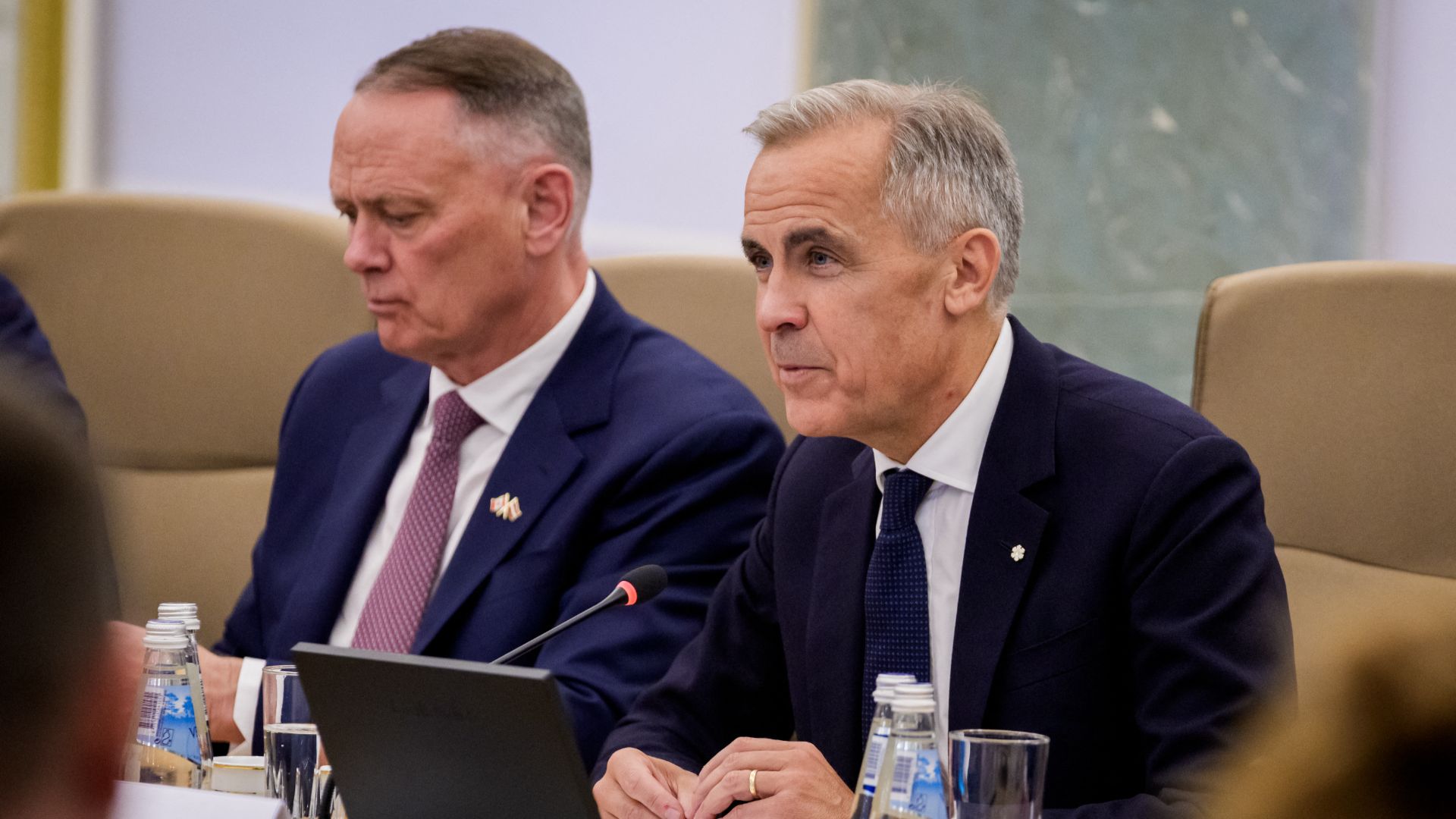
However, the government immediately dismissed the idea, reiterating Canada’s commitment to the Nuclear Non-Proliferation Treaty (NPT) and the importance of focusing resources on strengthening conventional capabilities. The Minister of Defense emphasized that the country has no plans to acquire nuclear weapons and prefers to invest in modernizing the armed forces, protecting the Arctic, and territorial sovereignty.
The arguments for and against
Proponents of open reflection put forward concrete points: nuclear deterrence is seen by some as the ultimate guarantee of security, and continued dependence on the nuclear umbrellas of allies can be perceived as a vulnerability. This is countered by a series of powerful arguments:
Security experts have pointed out that the issue is not only technical, but also strategic: what objectives would be sought? Does deterrence really protect against contemporary threats, or would investments in cyber defense, conventional capabilities, and civil resilience offer better value for money?

Alternative approaches and recommendations
Leaving aside the nuclear option, several pragmatic priorities emerge for strengthening Canada’s security:
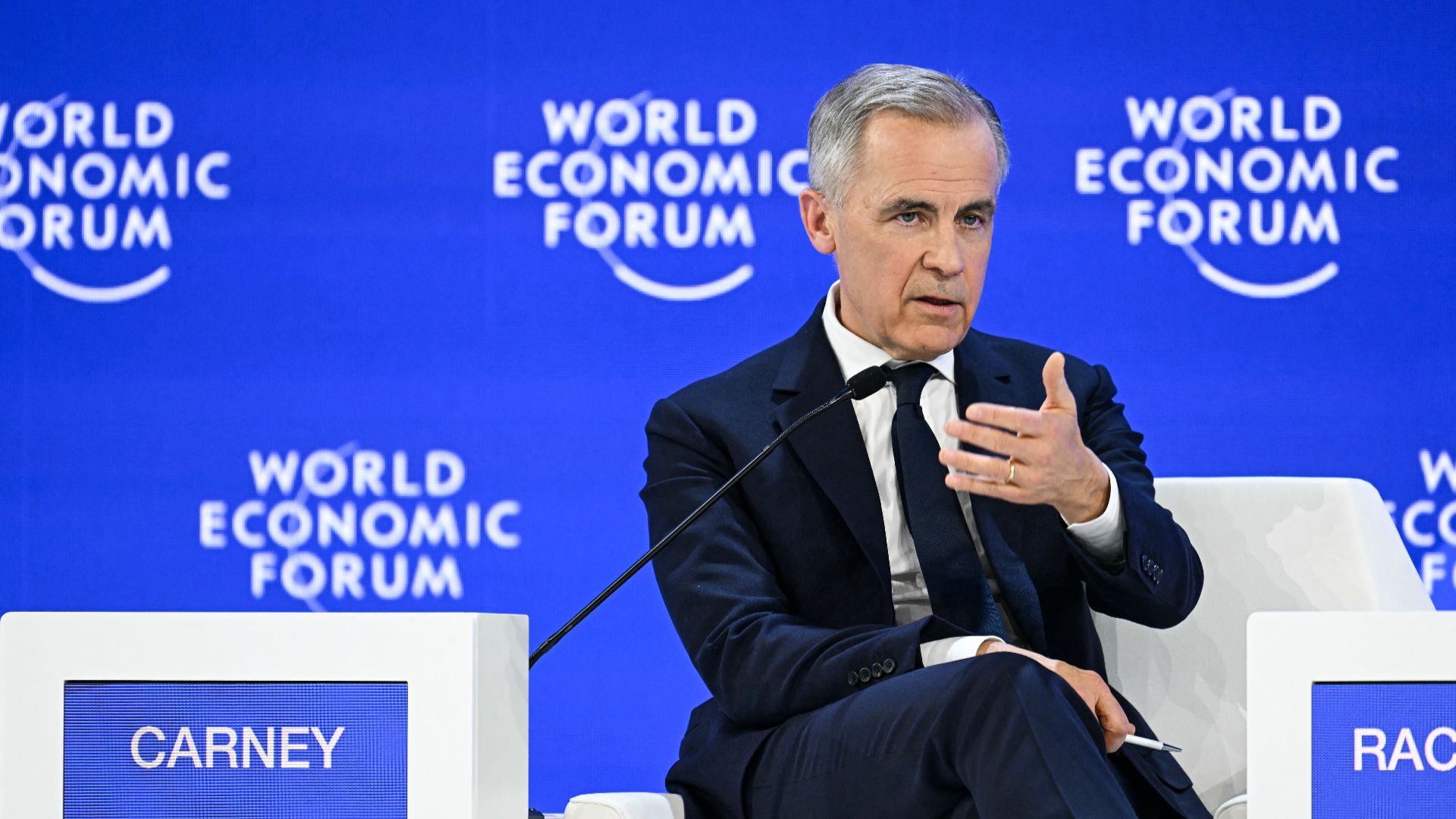
In summary, the debate reignited by a former general is healthy in that it forces us to reflect on vulnerabilities and priorities. But the nuclear path carries major costs and risks that, for now, seem disproportionate to the expected benefits for Canada. The government favors a strategy based on non-proliferation, strengthening conventional capabilities, and international cooperation—an approach consistent with the country’s strategic identity.
If you are following this issue, expect further public debate and expert analysis. The question raised by the former general may resurface whenever international tensions peak, but any decision to make a major change in posture would require in-depth democratic debate, rigorous technical assessments, and international acceptance, which currently seems highly unlikely.
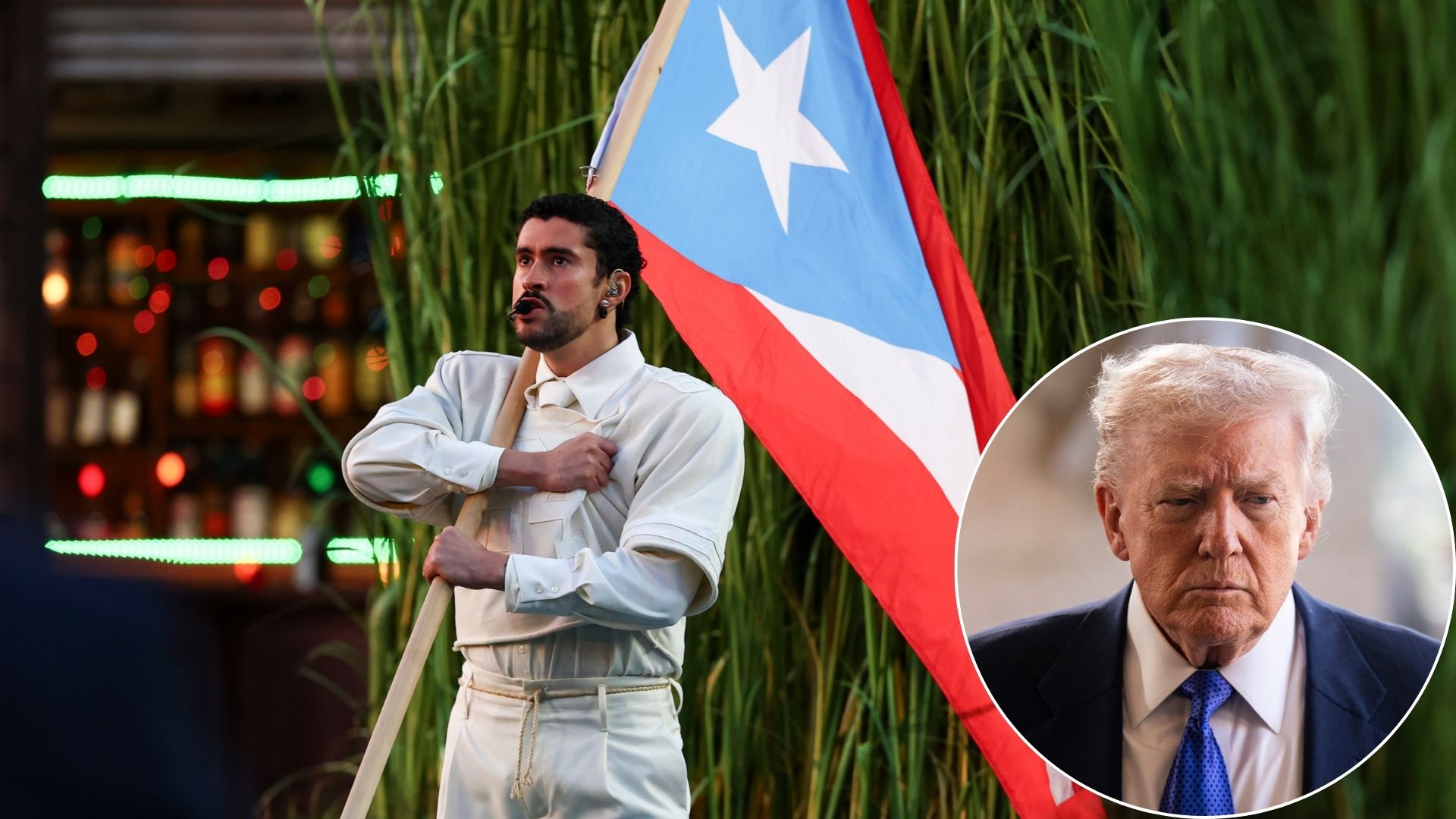
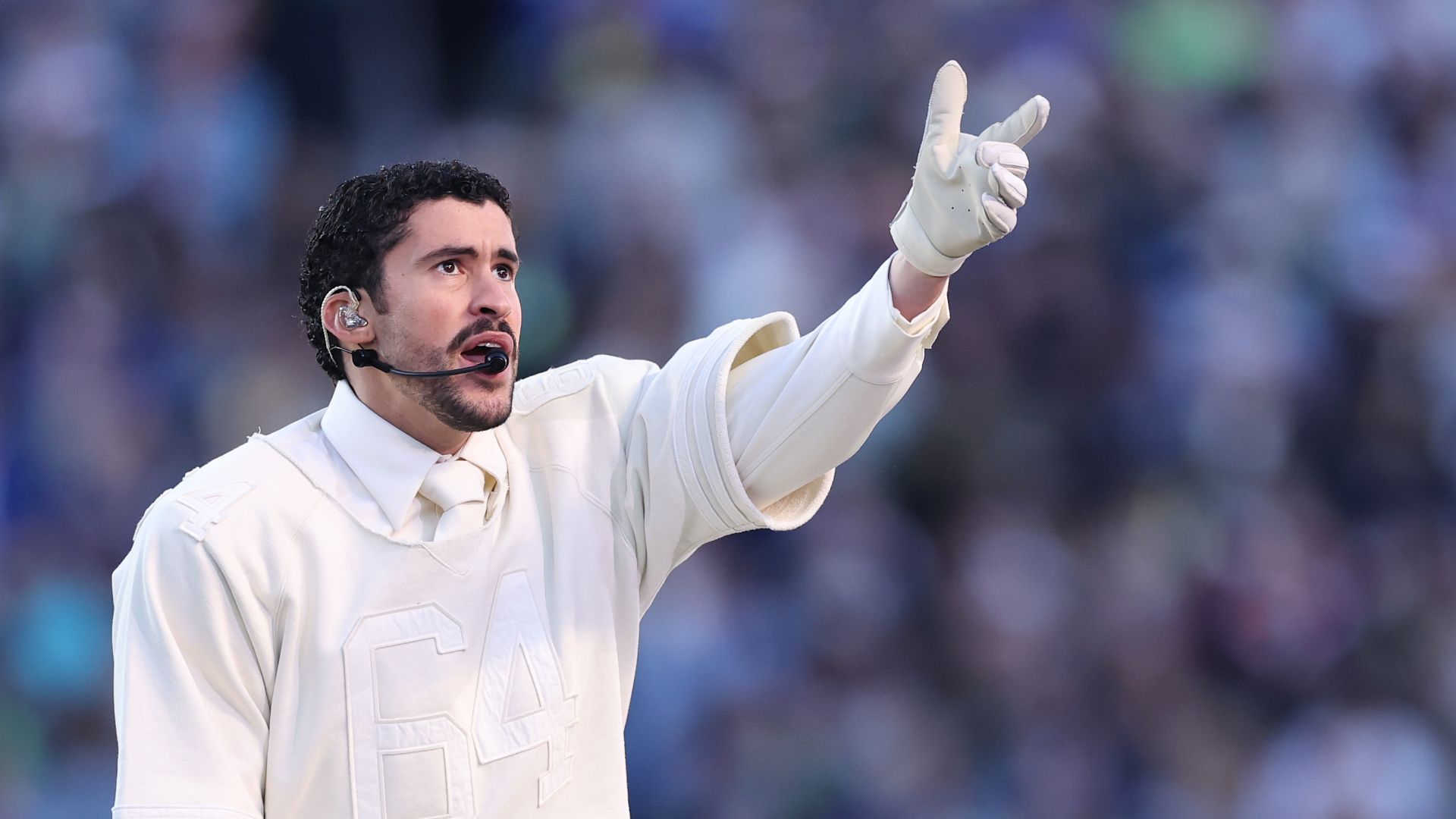
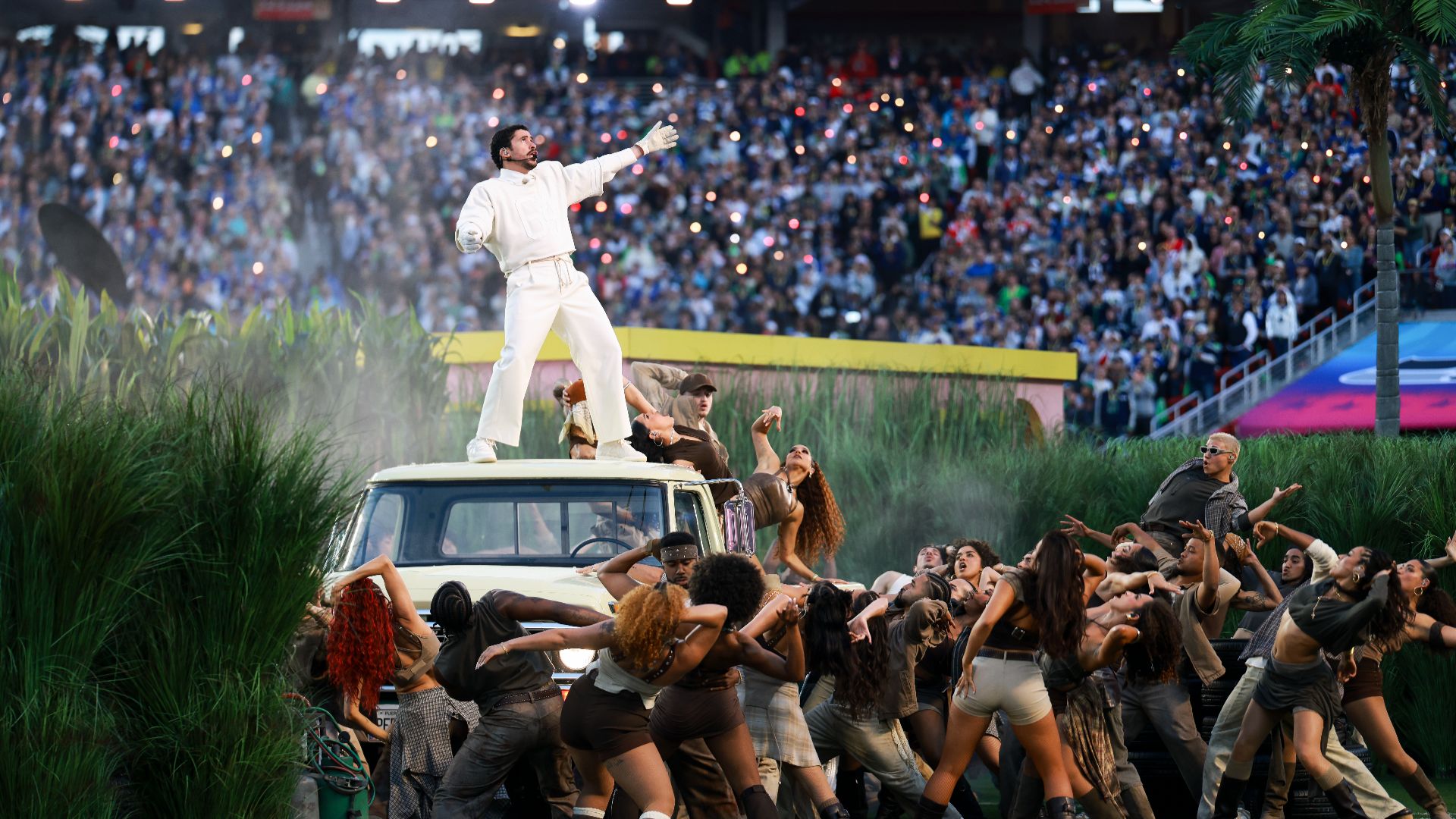
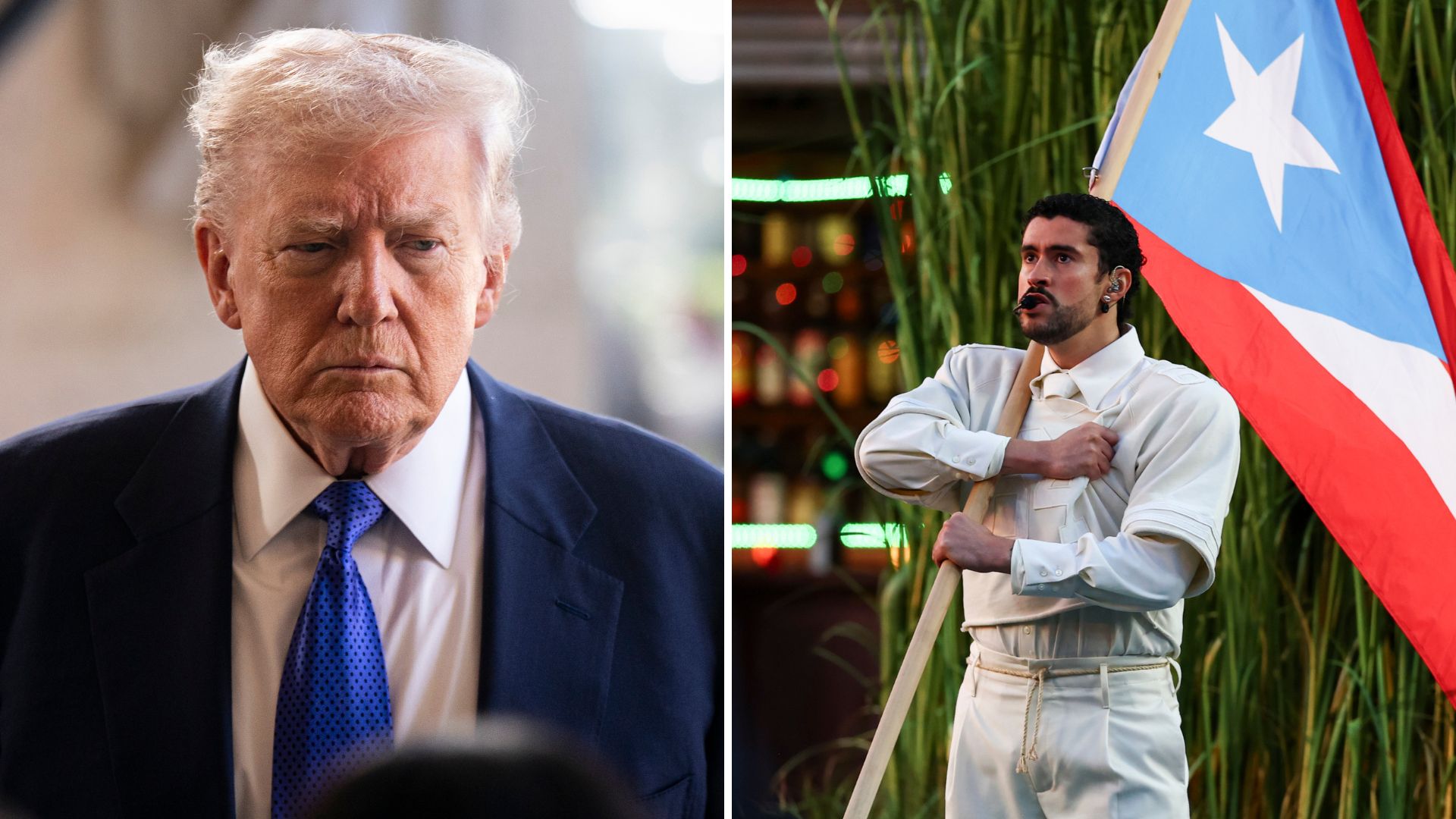
Donald Trump a attaqué le spectacle de Bad Bunny à la mi-temps du Super Bowl LX dans un message furieux publié sur Truth Social, qualifiant la performance d’« absolument terrible », de « l’une des pires de tous les temps » et d’« affront à la grandeur de l’Amérique ». Il a également qualifié le spectacle de « gifle » pour le pays, critiquant les paroles en espagnol et la chorégraphie. La performance de Bad Bunny, mise en scène à Santa Clara, en Californie, a délivré un message d’unité à travers les Amériques, avec la phrase « Ensemble, nous sommes l’Amérique » et le message « La seule chose plus puissante que la haine, c’est l’amour » affiché sur l’écran géant. Malgré les réactions négatives, le spectacle est devenu la performance de mi-temps la plus regardée de l’histoire.
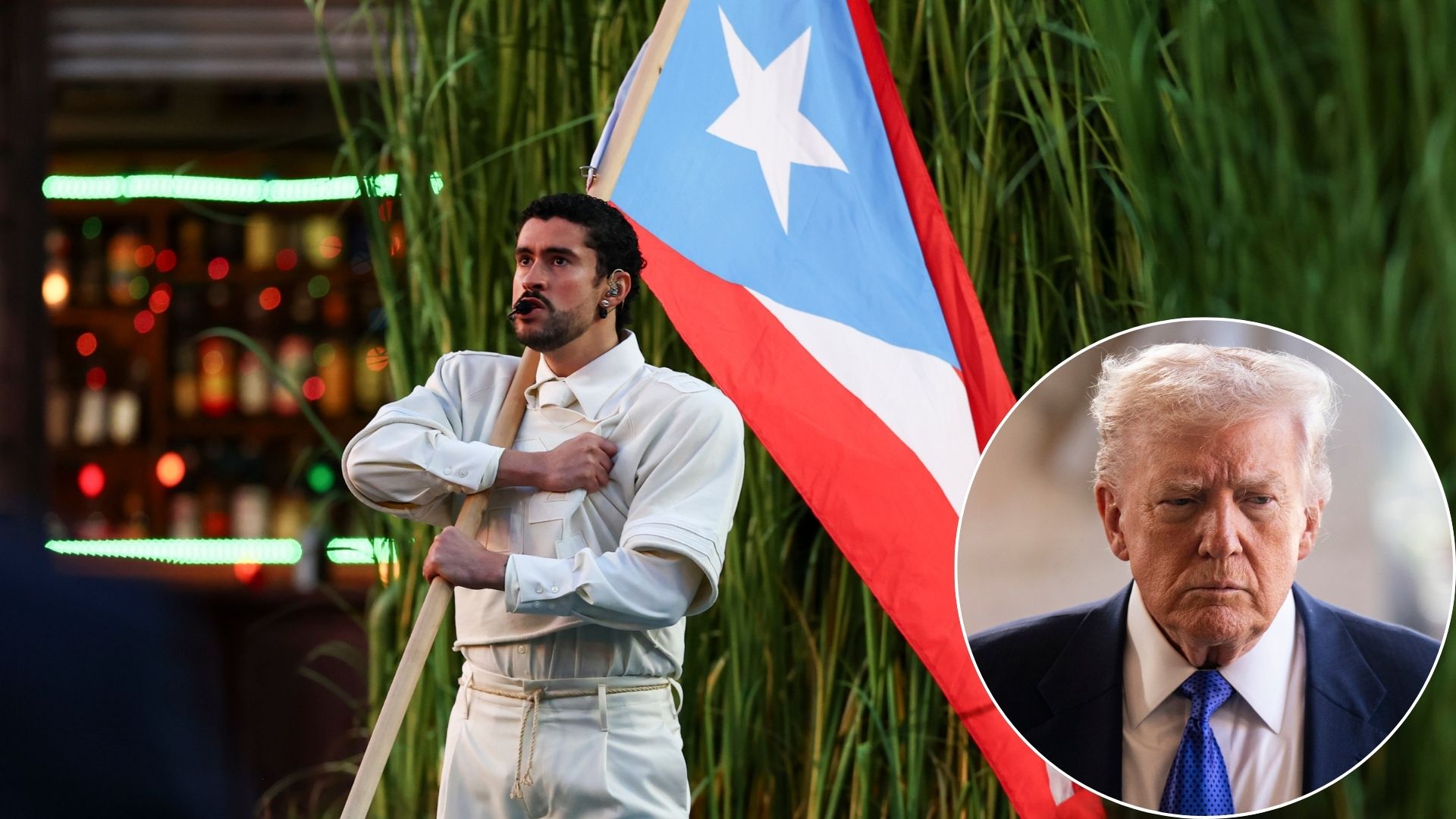
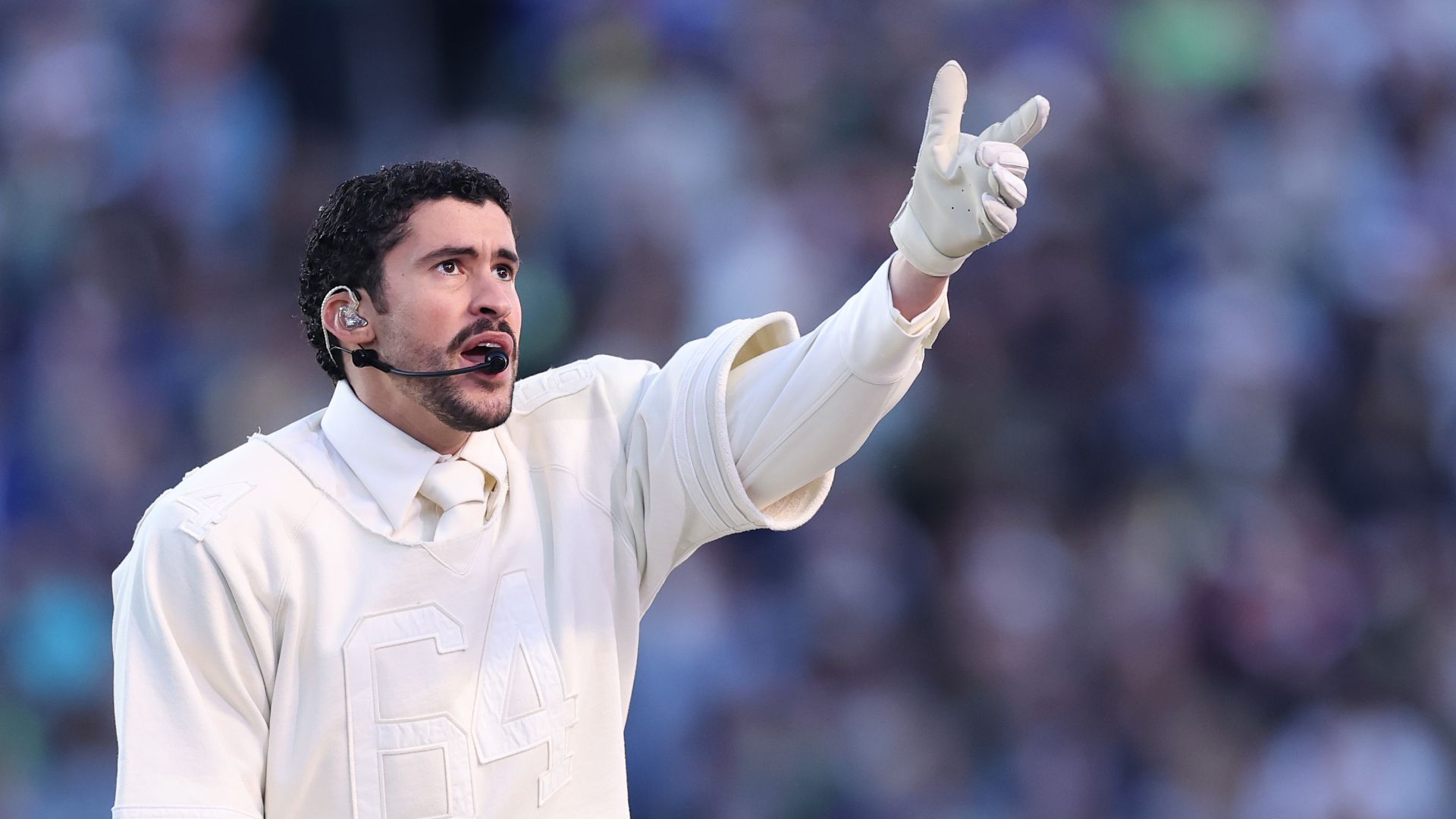
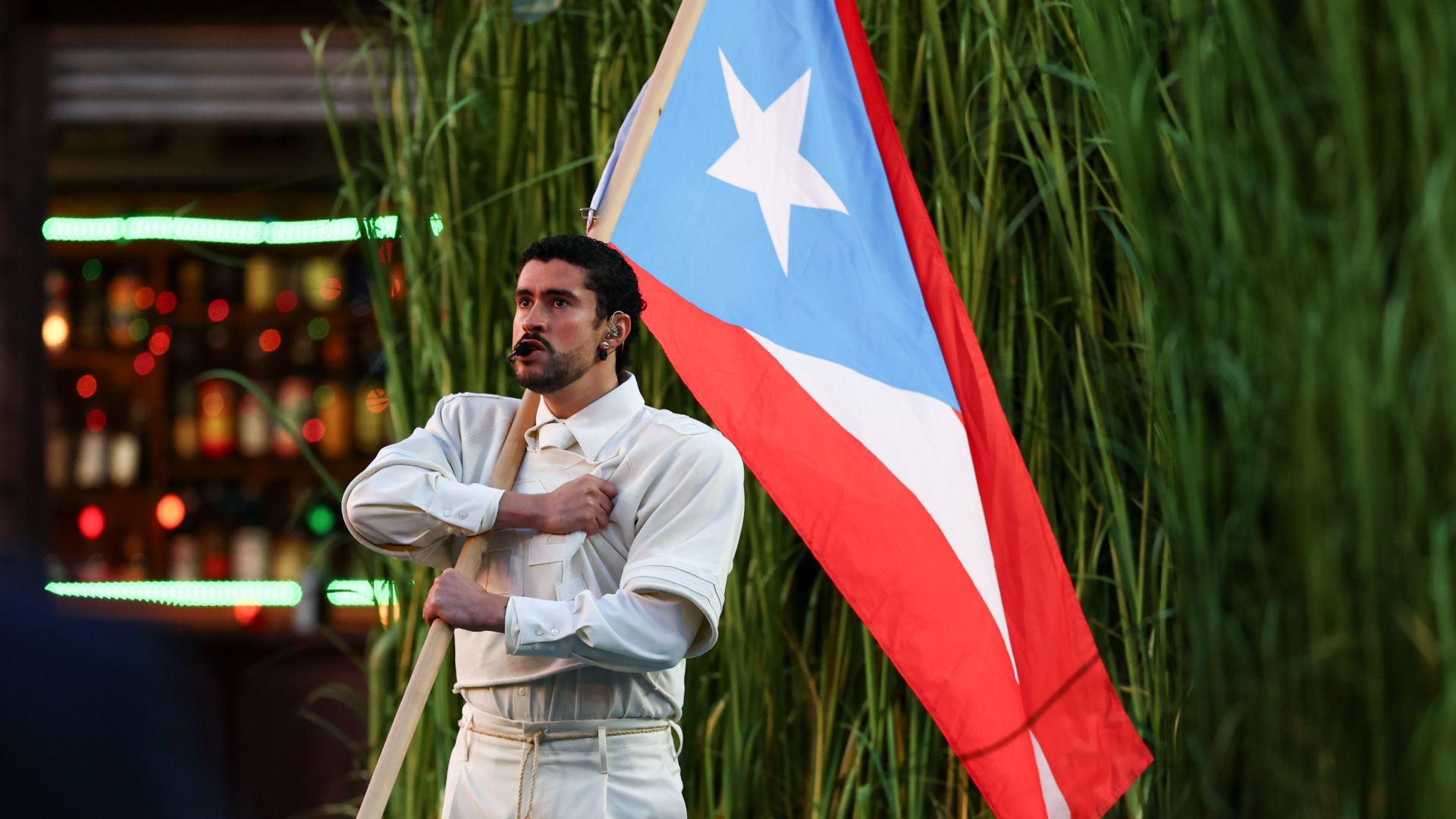
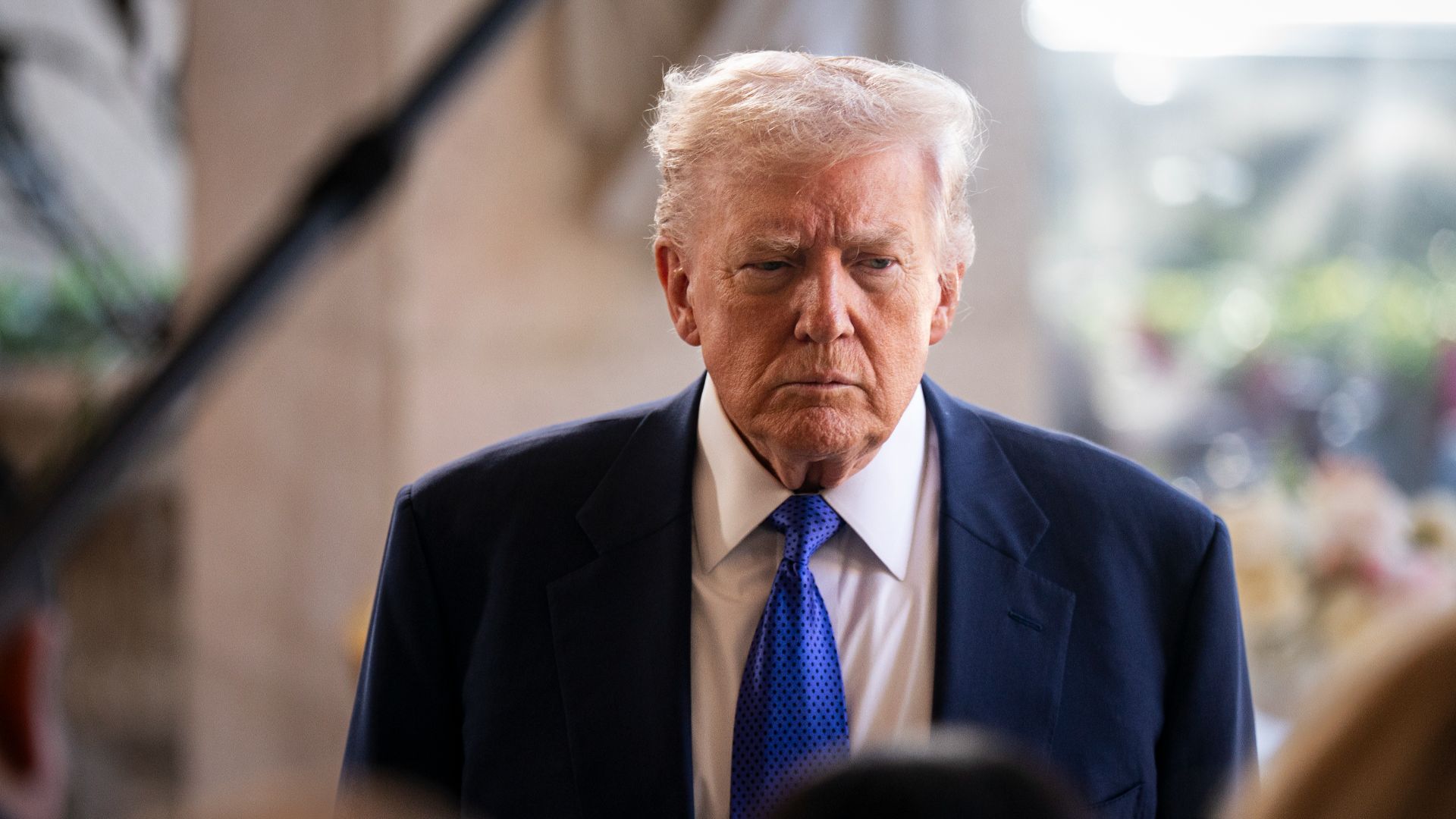
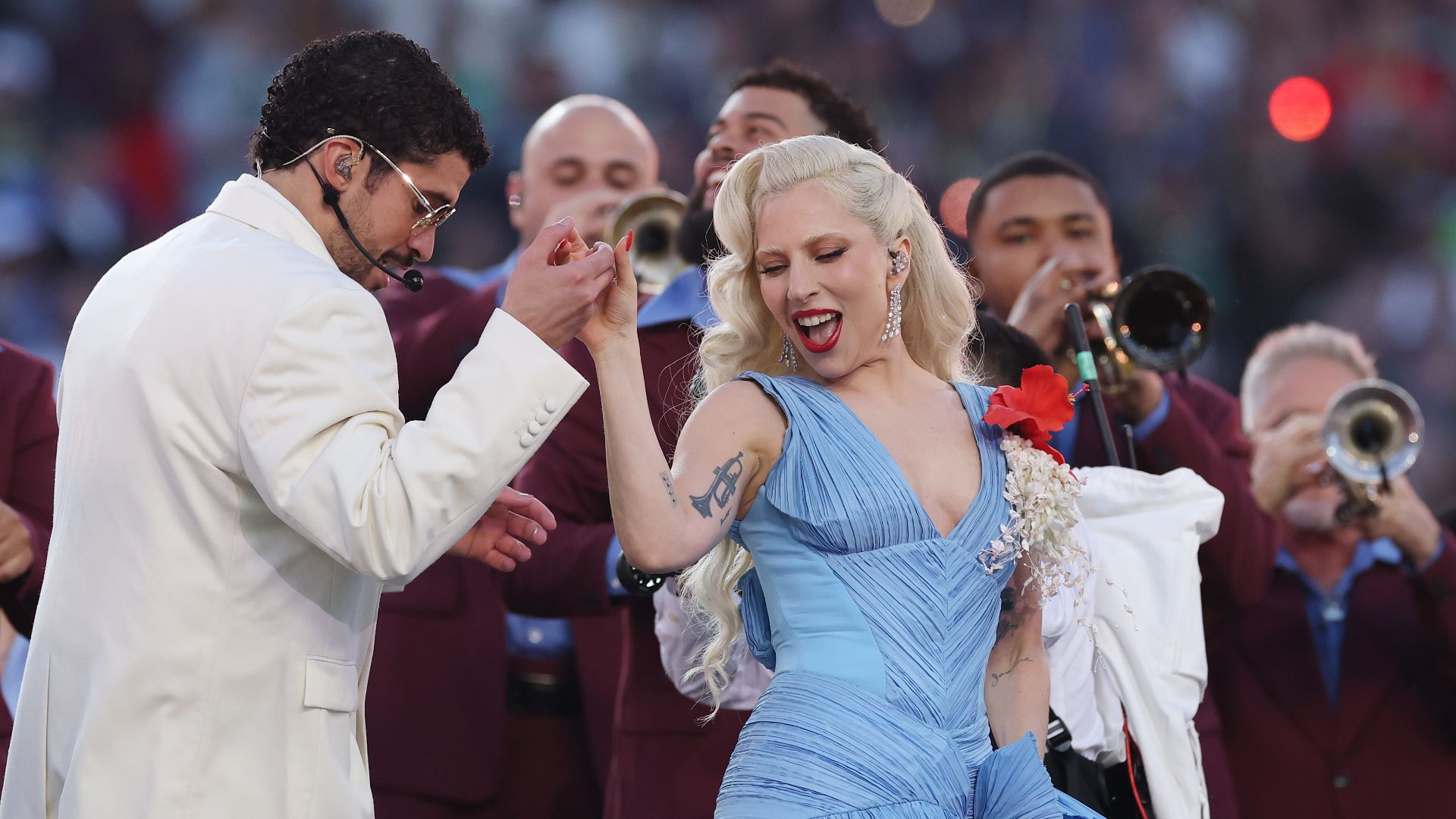
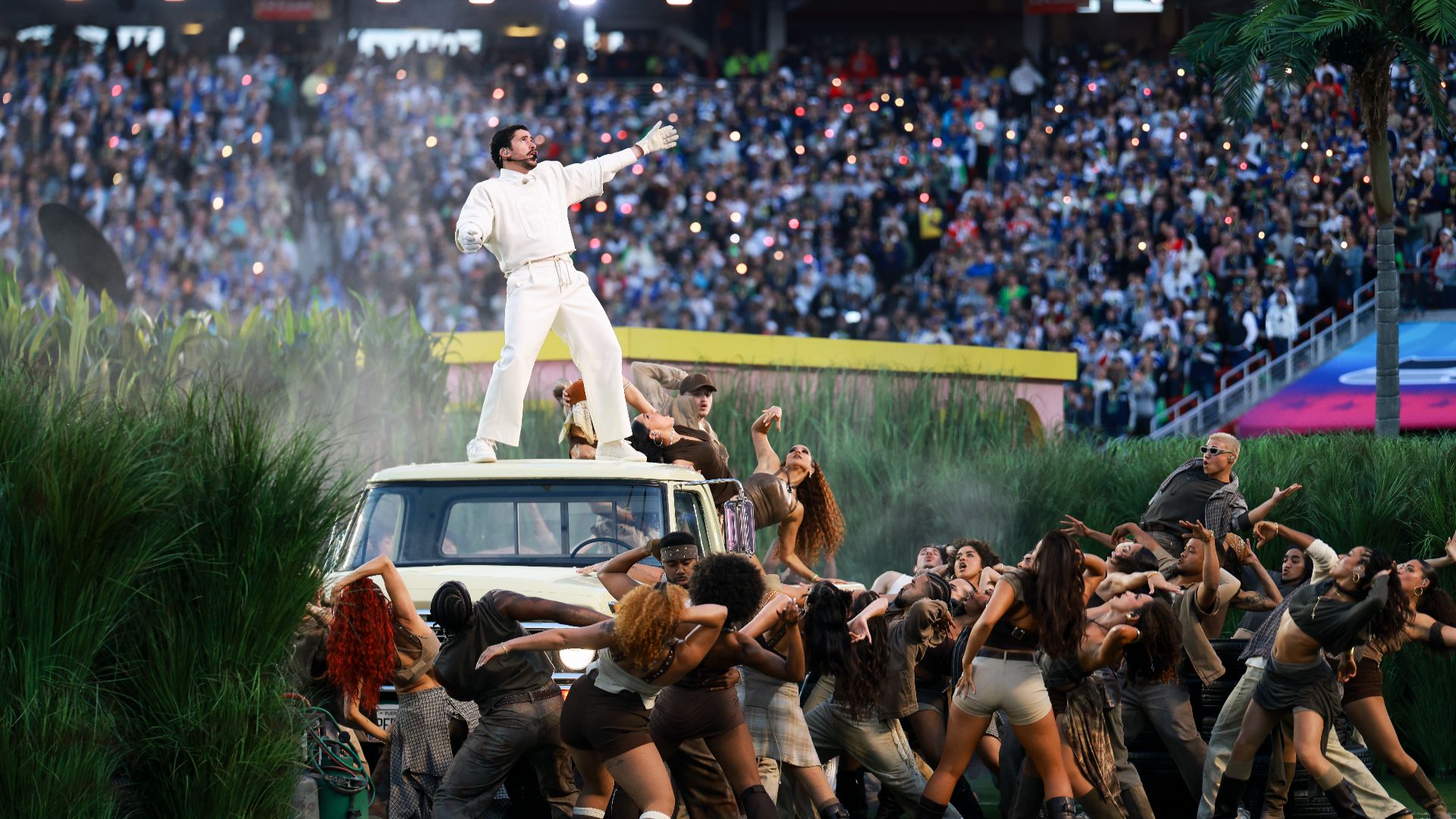
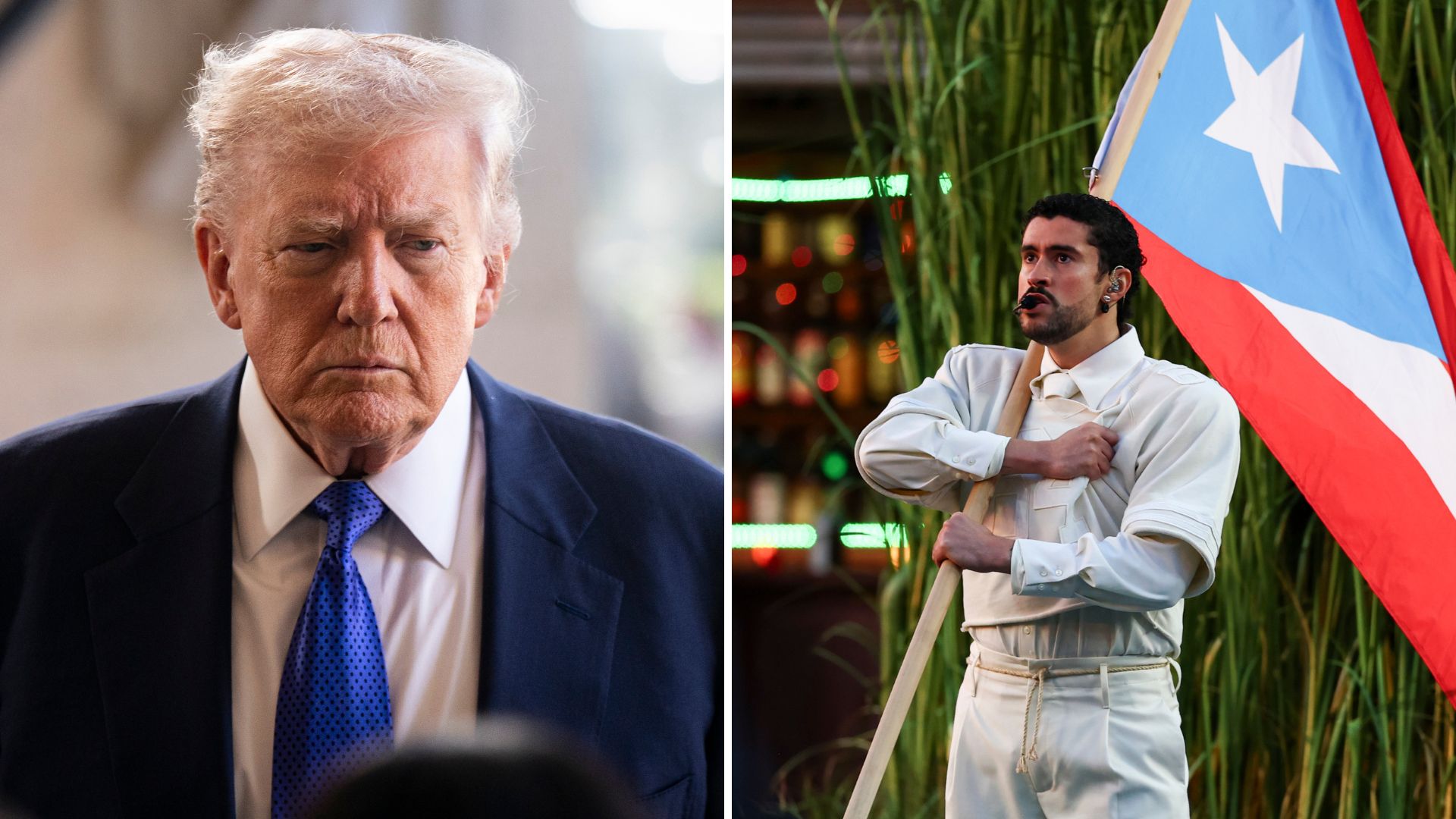
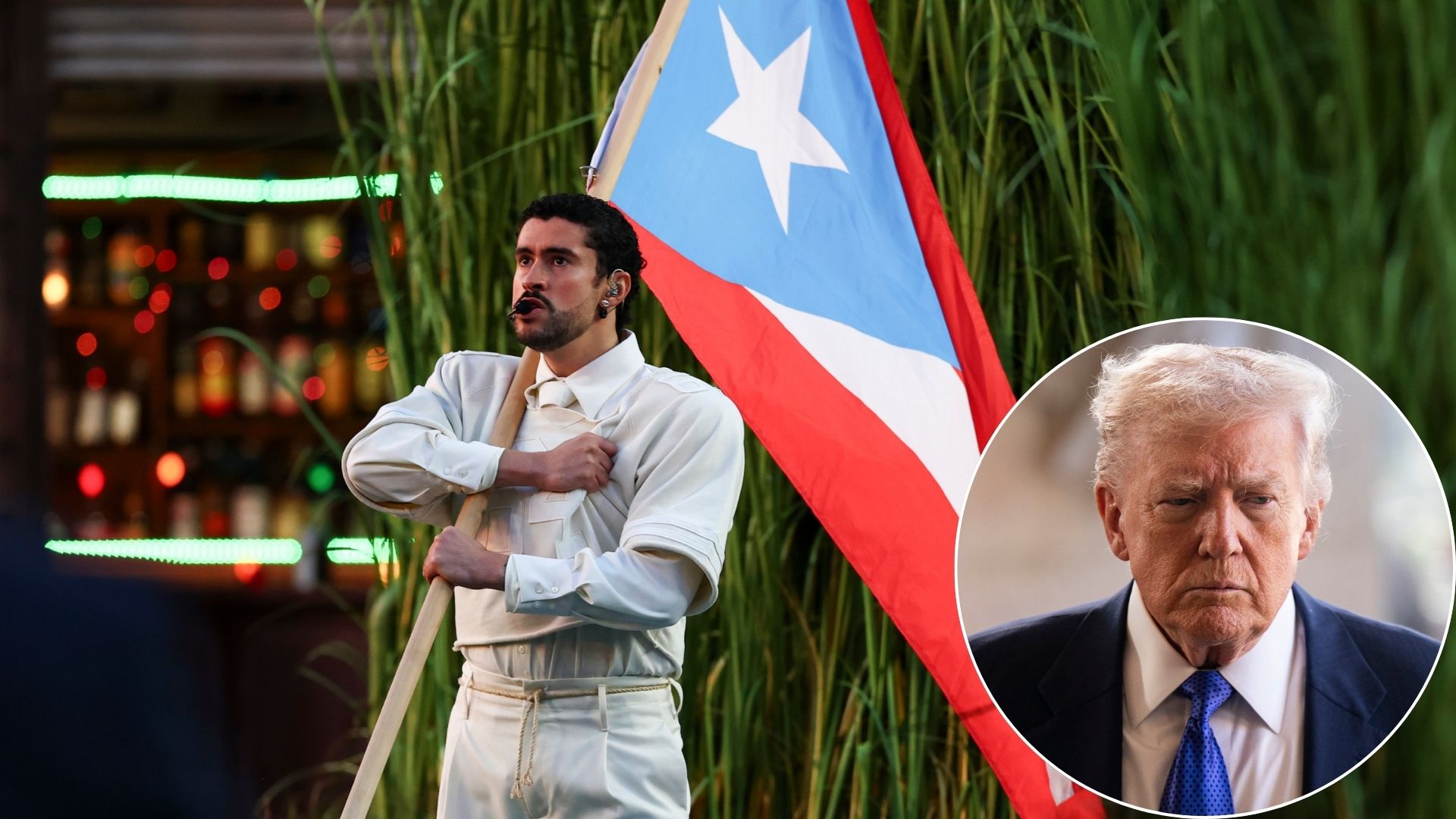
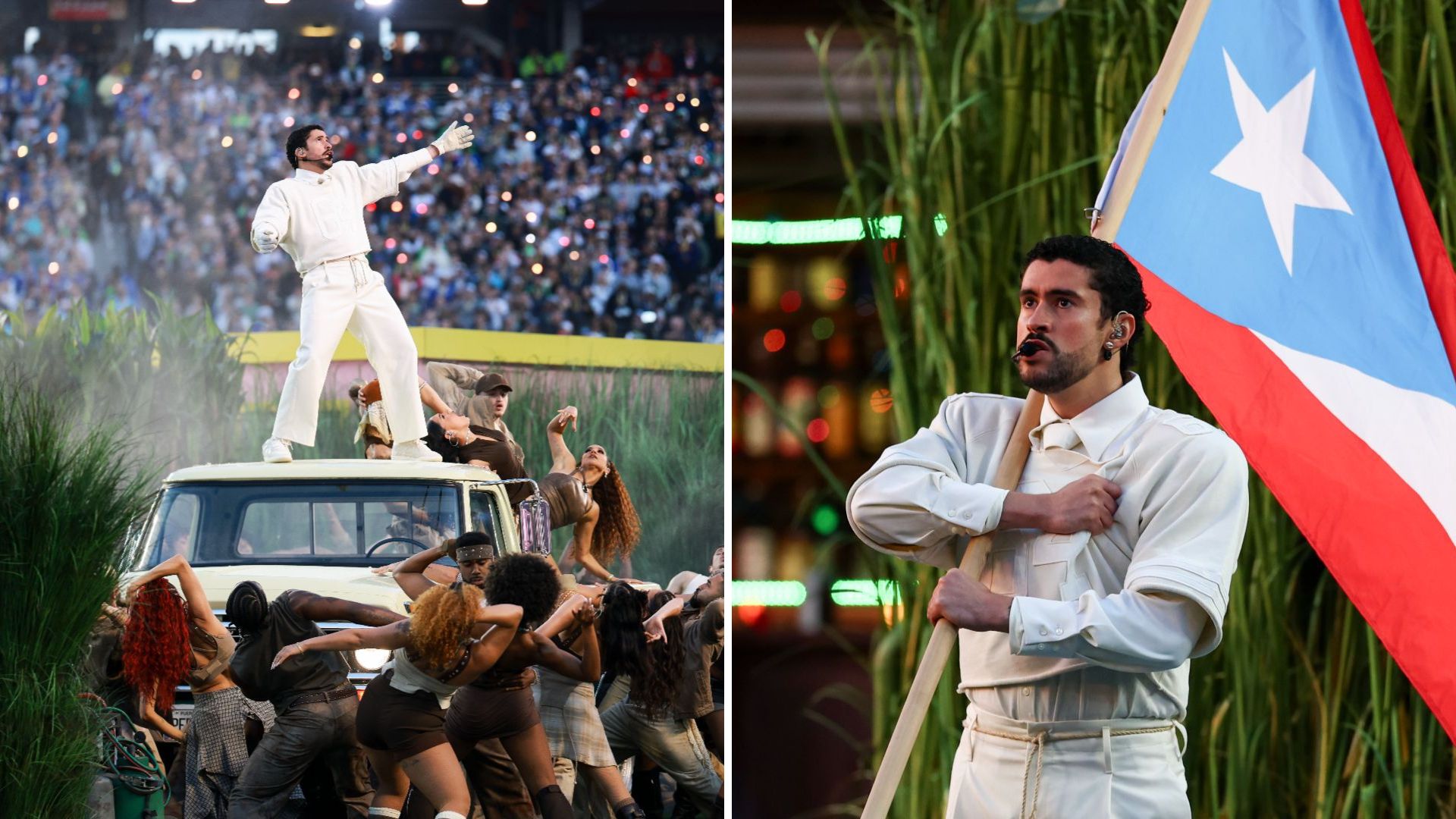
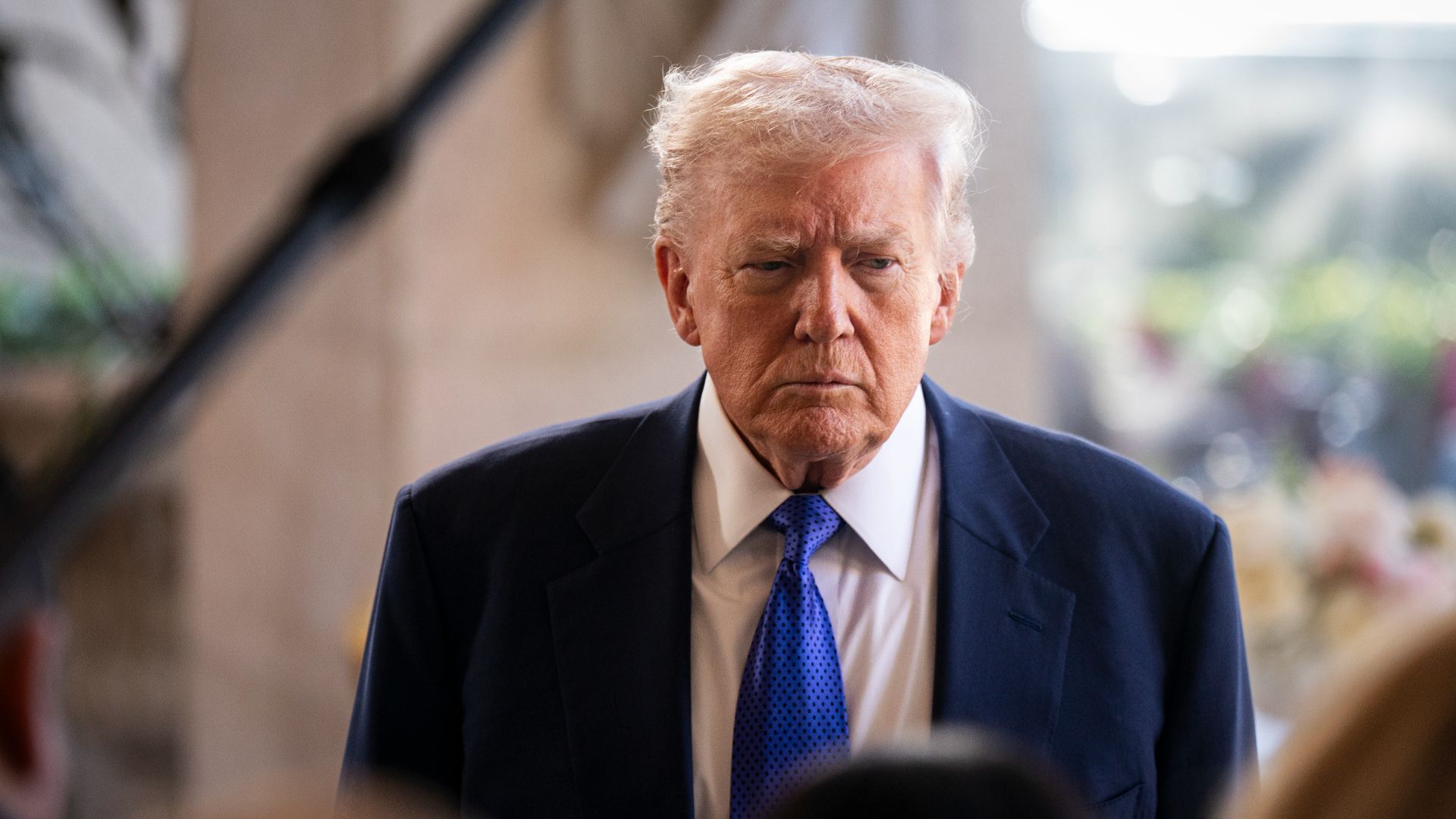
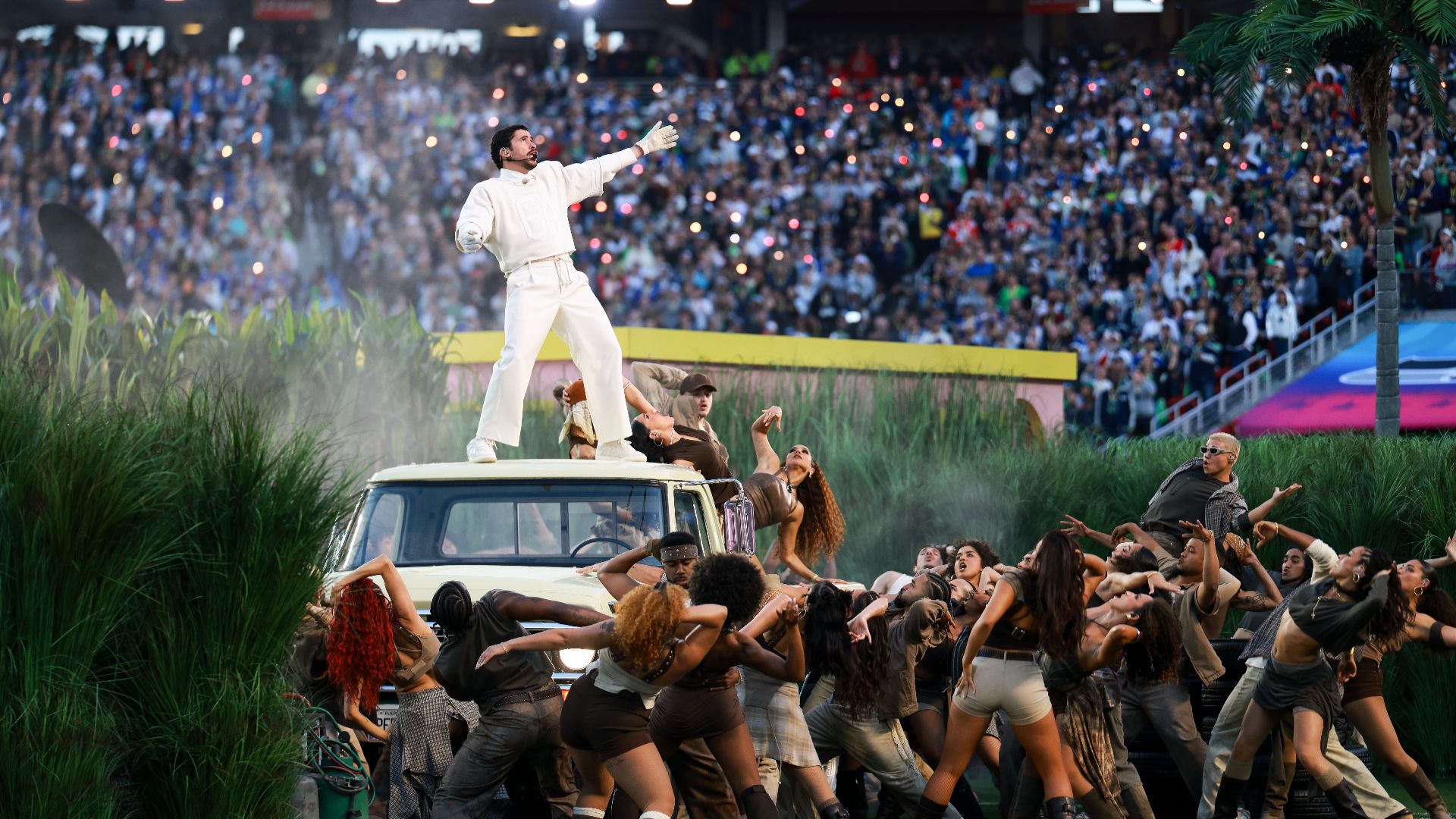
Donald Trump attacked Bad Bunny’s Super Bowl LX halftime show in a furious Truth Social post, calling the performance «absolutely terrible,» «one of the worst, EVER,» and «an affront to the Greatness of America.» He also described the show as «a slap in the face» to the country, criticizing the Spanish-language lyrics and the choreography. Bad Bunny’s performance, staged in Santa Clara, California, delivered a message of unity across the Americas, featuring the phrase «Together we are America» and the jumbotron message «The only thing more powerful than hate is love.» Despite the backlash, the show became the most-watched halftime performance in history.

Vous rêvez d’un coin où la concentration règne et où chaque membre de la famille trouve l’inspiration pour apprendre? Que ce soit pour les devoirs, le télétravail ou l’apprentissage d’une nouvelle langue, l’environnement joue un rôle clé. Selon une étude de l’Université de Salford, un espace bien aménagé peut améliorer la productivité de 16%. Pas besoin de tout casser: quelques astuces suffisent pour transformer un coin ordinaire en un véritable cocon d’apprentissage.
Certains liens présents dans ce contenu sont des liens d’affiliation. Si vous effectuez un achat via ces liens, nous pourrions recevoir une commission.














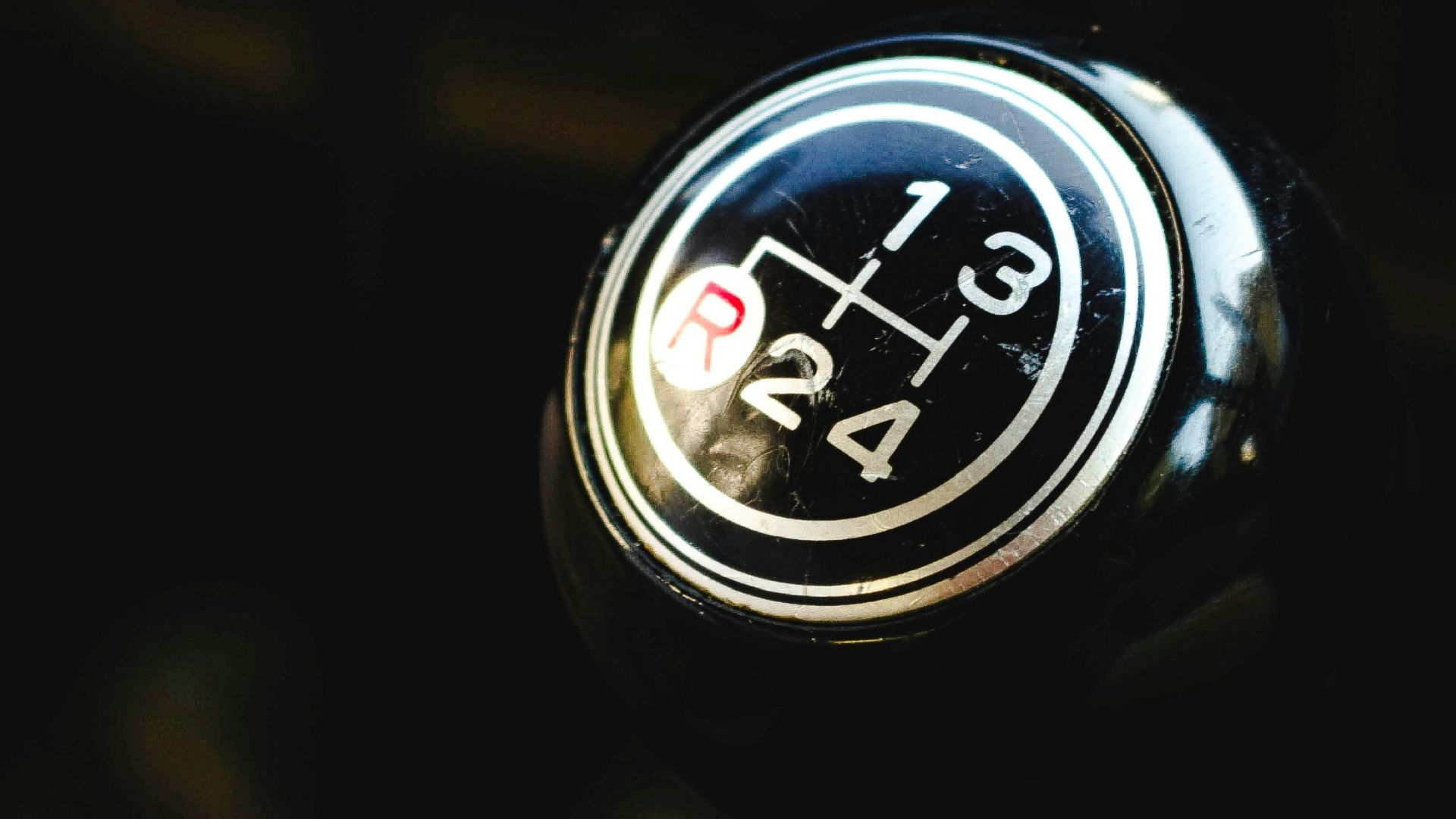
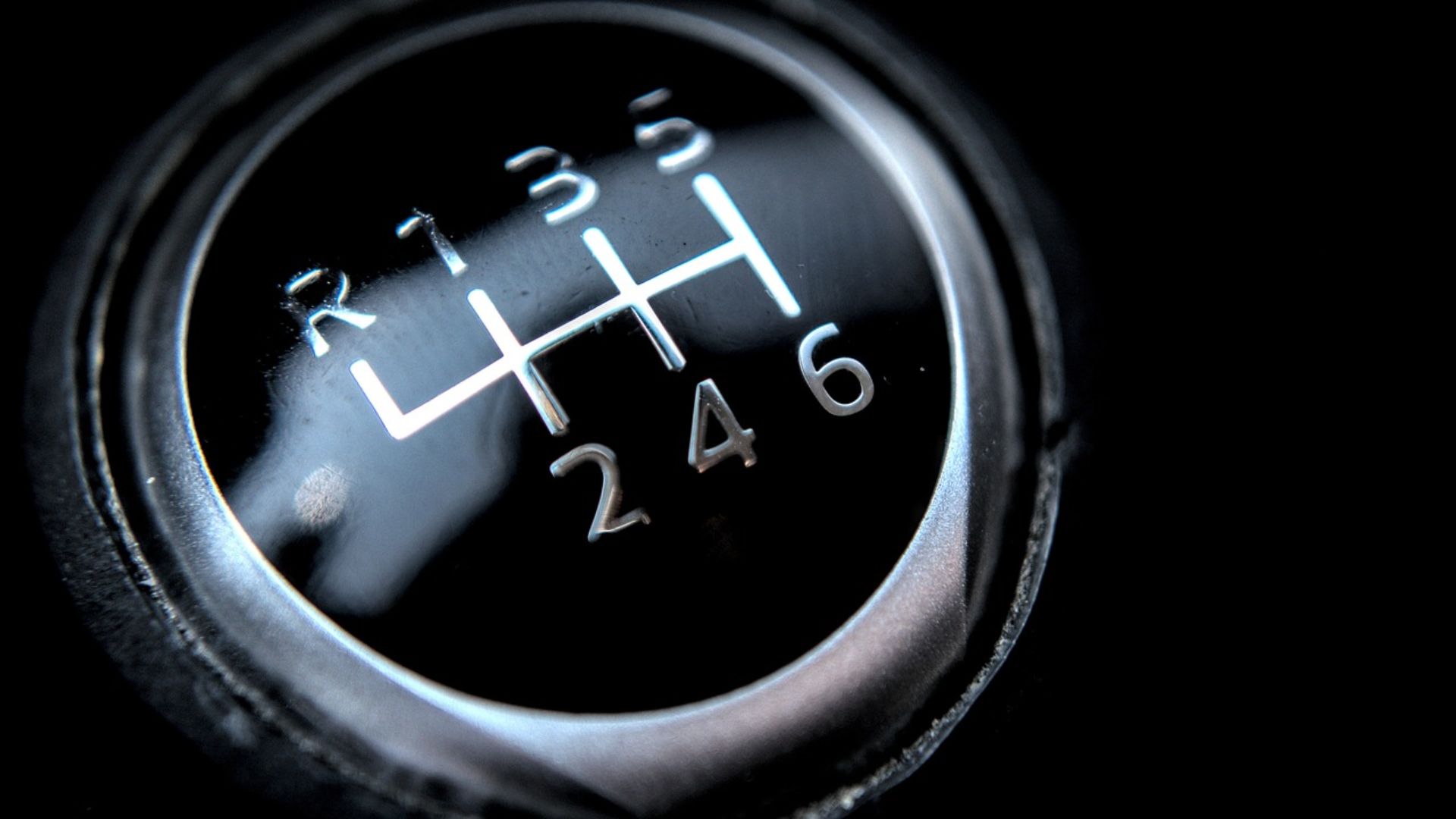
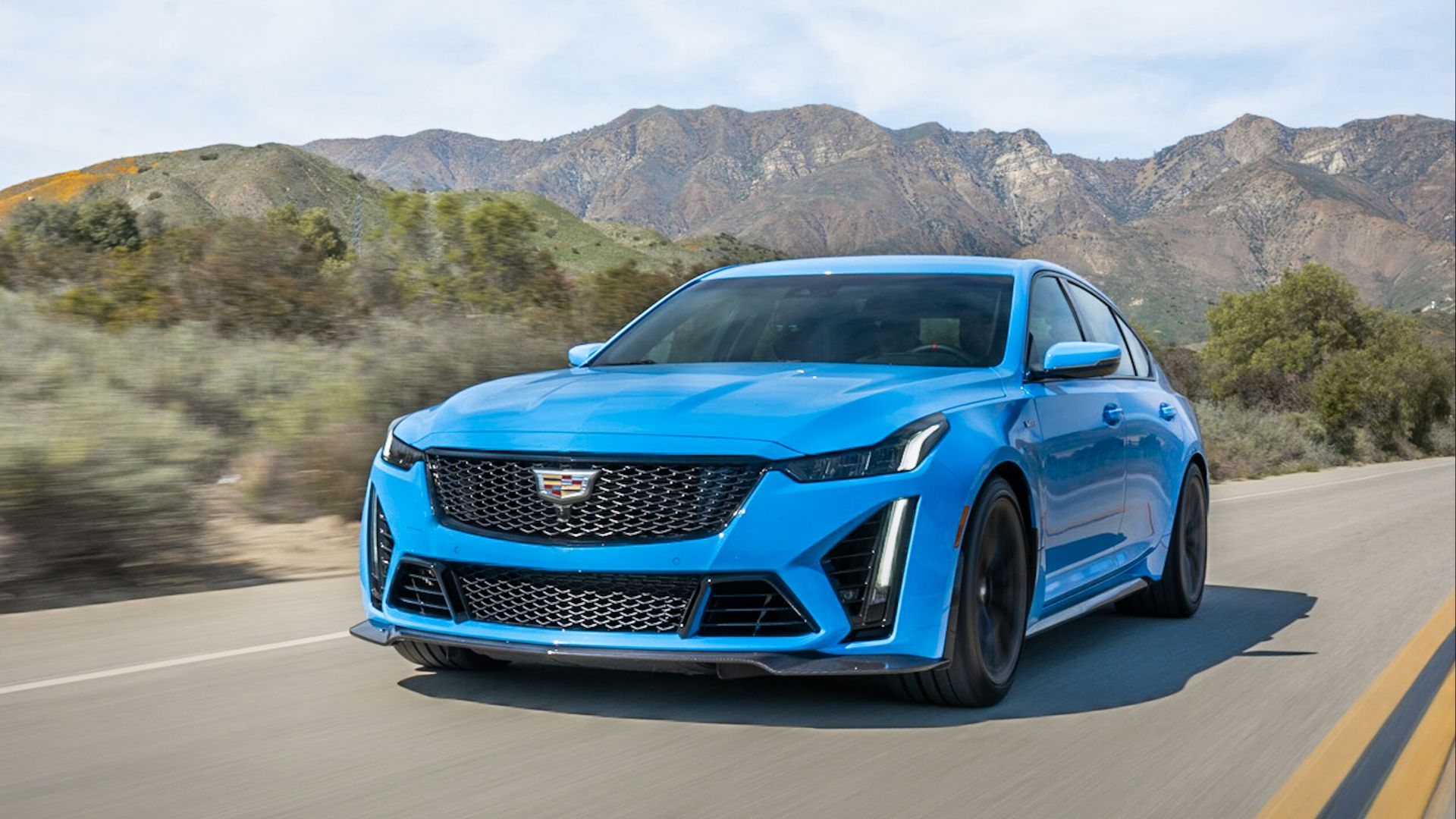
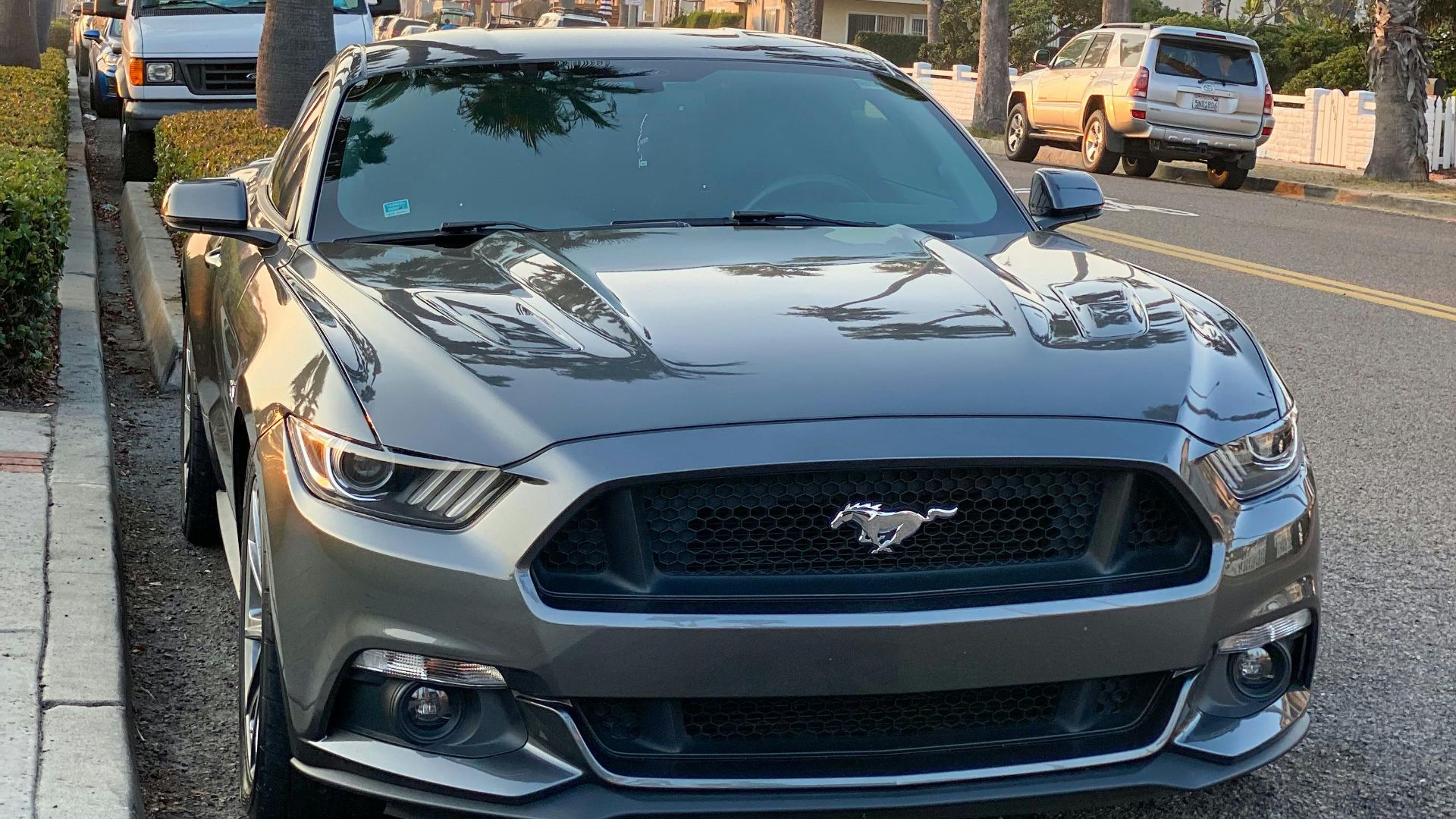
La majorité des conducteurs sur la route possèdent probablement un véhicule à transmission automatique, vous y compris. Et bien qu’il n’y ait rien de mal à conduire une voiture automatique, certains préfèrent encore la transmission manuelle et passent à celle-ci. Nous allons vous donner une raison supplémentaire : voici 10 raisons pour lesquelles la transmission manuelle est meilleure que la transmission automatique et 10 voitures manuelles encore sur le marché que vous pouvez acheter aujourd’hui.







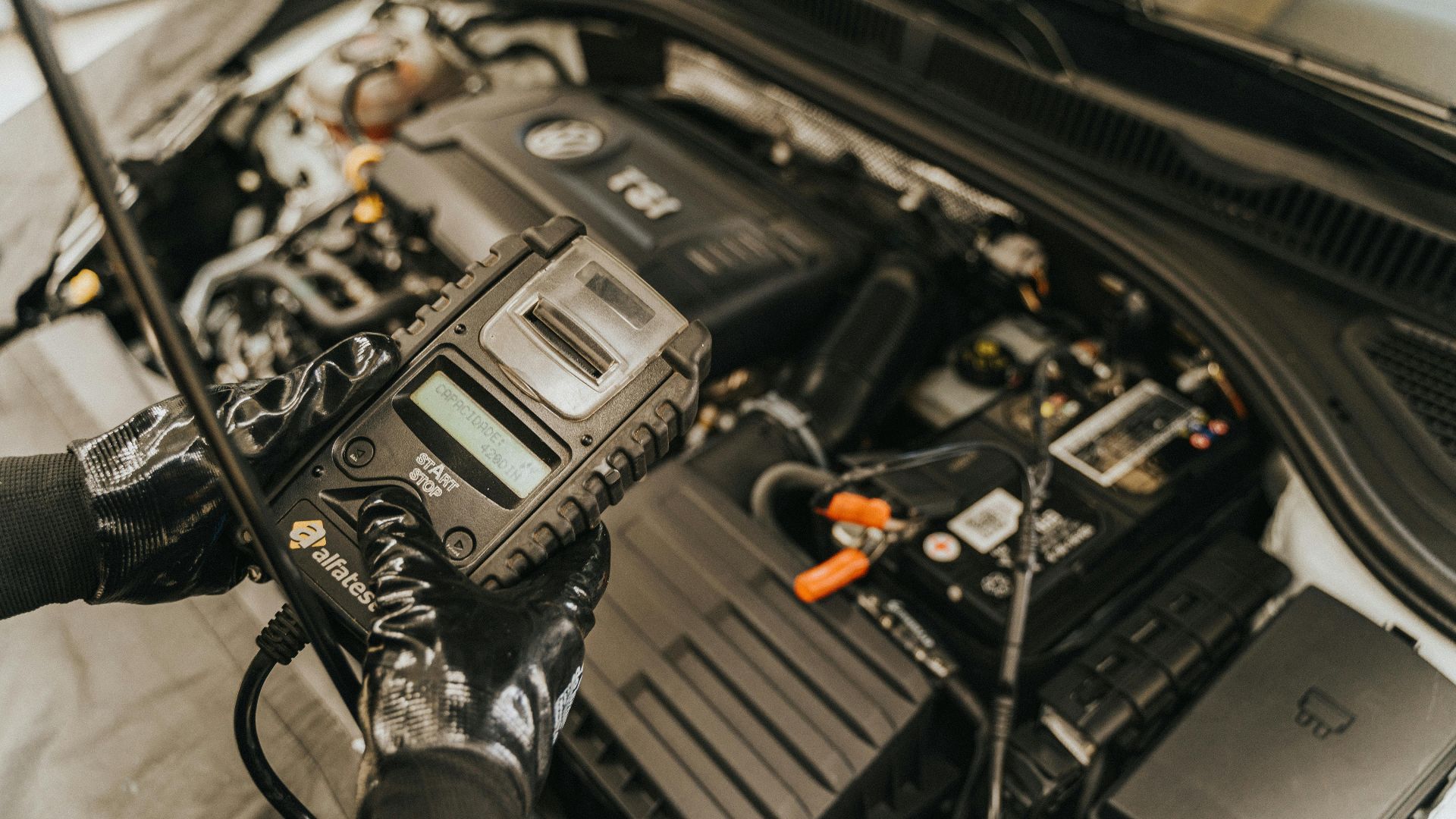



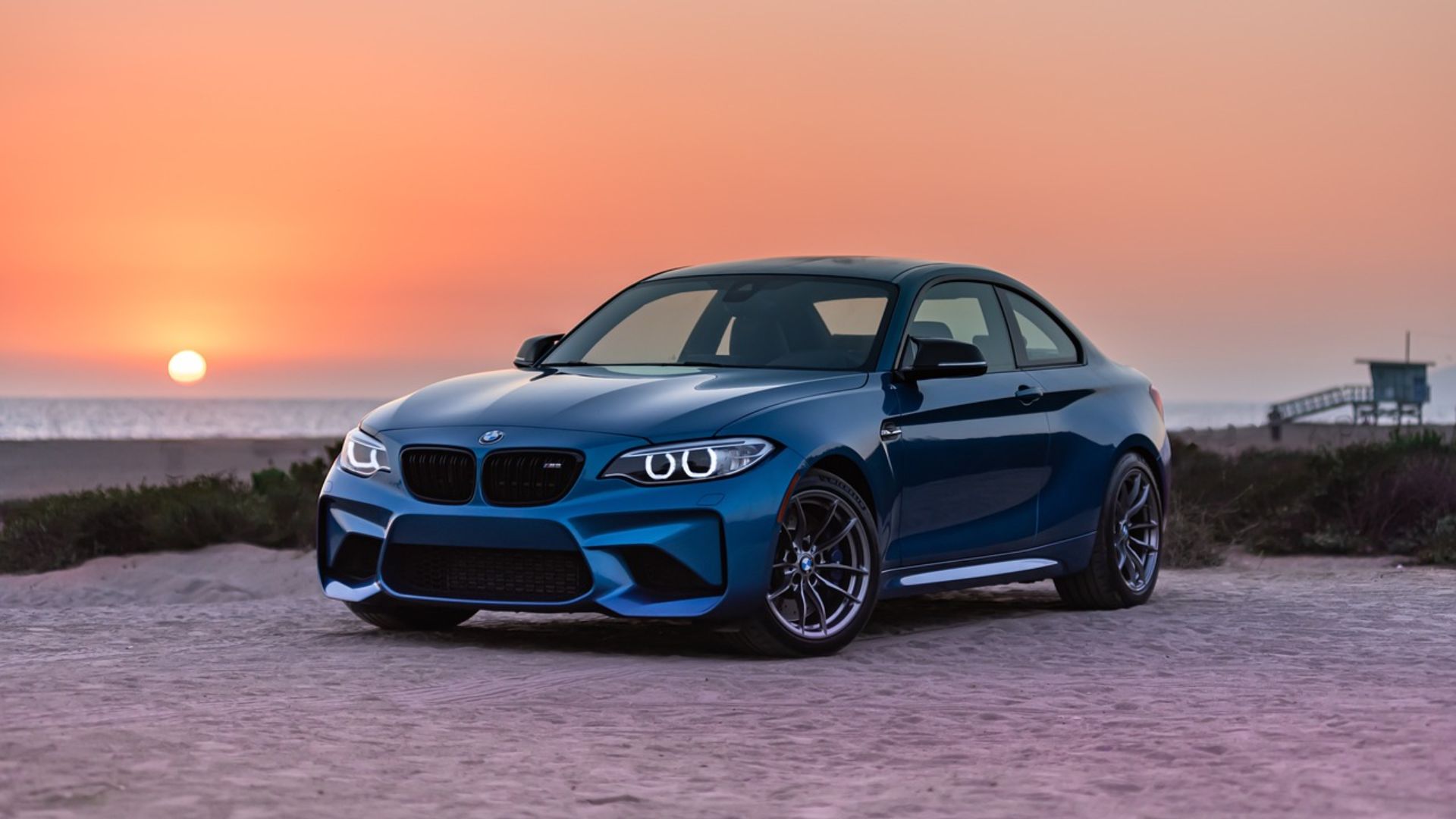





Acheter une voiture d’occasion ne devrait pas ressembler à une partie de pique-assiette. Vous vous rendez chez un concessionnaire dans l’espoir de trouver de la transparence, mais vous tombez parfois sur des vendeurs peu scrupuleux. La différence entre un concessionnaire digne de confiance et un concessionnaire peu fiable réside souvent dans des signes subtils que la plupart des gens négligent. Commençons par examiner quelques signes positifs qui indiquent que vous êtes entre de bonnes mains.




















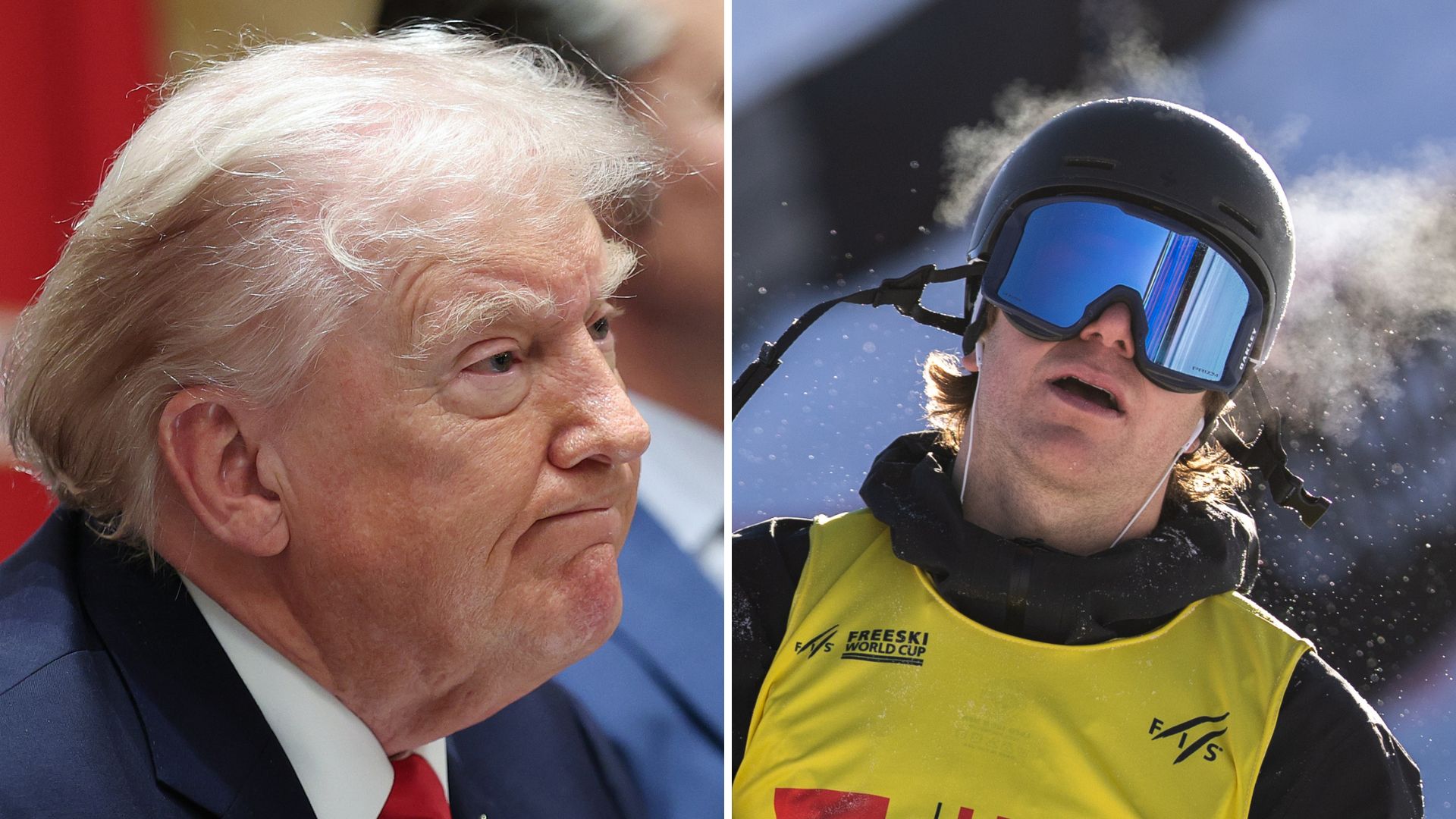
Donald Trump sparked fresh controversy on Sunday after calling US Olympic skier Hunter Hess a «real Loser» in a Truth Social post, attacking the athlete for expressing doubts about representing the country during the Winter Olympic Games. The president’s comments landed as the United States remains politically divided during Trump’s second term, with public tensions rising over immigration enforcement and protest movements. Hess had told reporters he felt “mixed emotions representing the US right now,” framing his Olympic participation as personal rather than political. Trump’s post quickly amplified the debate over patriotism and free speech, turning a routine press availability into a national political flashpoint.
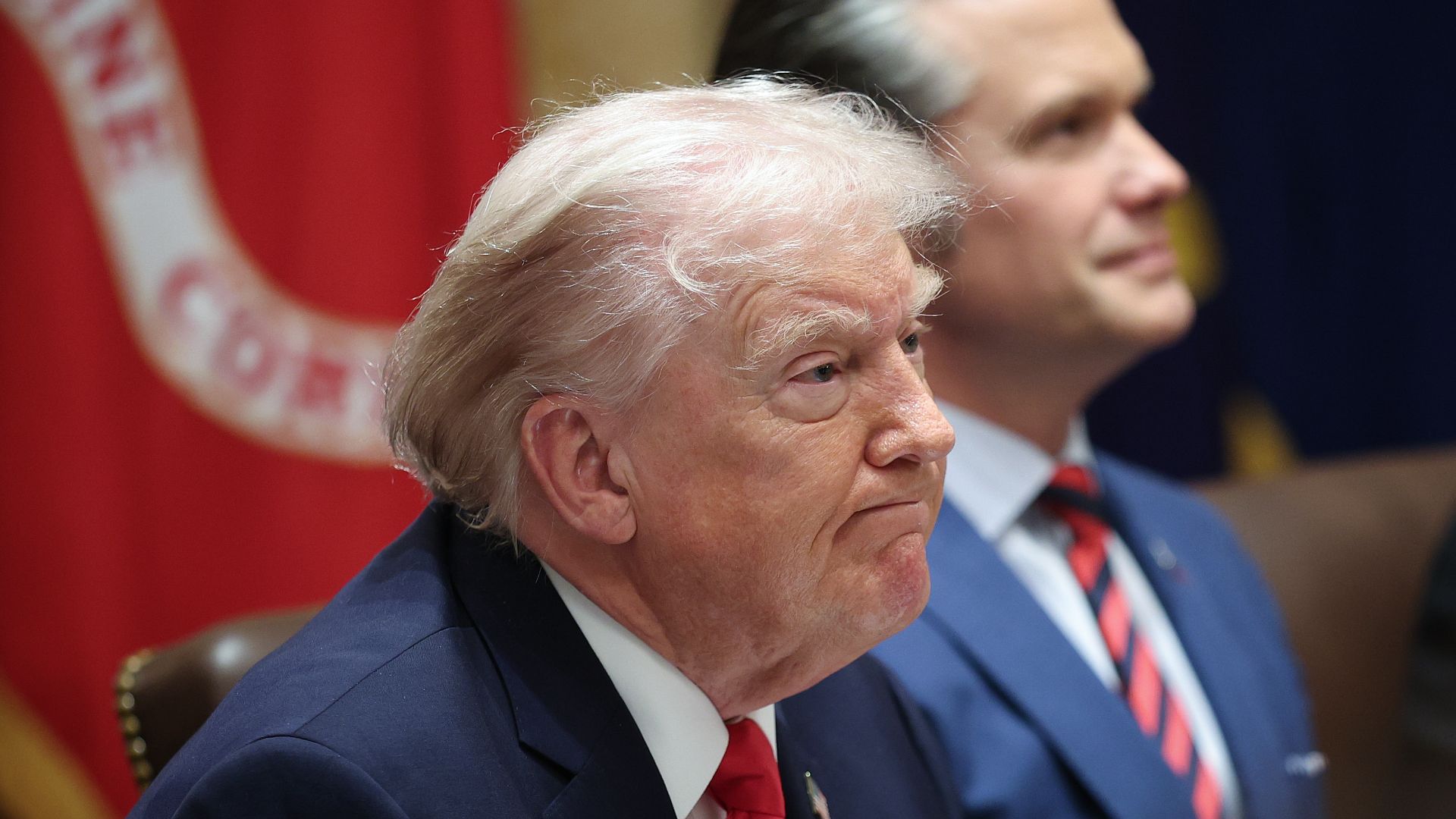
Trump wrote: «U.S. Olympic Skier, Hunter Hess, a real Loser, says he doesn’t represent his Country in the current Winter Olympics. If that’s the case, he shouldn’t have tried out for the Team, and it’s too bad he’s on it. Very hard to root for someone like this. MAKE AMERICA GREAT AGAIN!» The message was posted after Hess spoke openly about the current climate in the United States. The skier, who is from Bend, Oregon, said last week that «just because I’m wearing the flag doesn’t mean I represent everything that’s going on in the US.» His remarks were part of broader media questioning of American athletes about politics, but appeared to strike a nerve with Trump.
«U.S. Olympic Skier, Hunter Hess, a real Loser, says he doesn’t represent his Country in the current Winter Olympics. If that’s the case, he shouldn’t have tried out for the Team, and it’s too bad he’s on it. Very hard to root for someone like this. MAKE AMERICA GREAT AGAIN!»
-President, Donald Trump
Hess explained that his focus remained on the people close to him rather than the administration. «It’s a little hard; there’s obviously a lot going on that I’m not the biggest fan of and I think a lot of people aren’t,» he said. «I think for me, it’s more I’m representing my friends and family back home, the people that represented it before me, all the things that I believe that are good about the US.» After Trump’s criticism went viral, Hess appeared to respond in an Instagram post, emphasizing both pride and dissent. «There is so much that is great about America, but there are always things that could be better,» he wrote.

In the same post, Hess defended his right to speak out while confirming his commitment to Team USA. «One of the many things that makes this country so amazing is that we have the right and the freedom to point that out,» he wrote. «The best part of the Olympics is that it brings people together, and when so many of us are divided we need that more than ever.» He added: «I cannot wait to represent Team USA next week when I compete.» His comments came as multiple US freestyle skiers faced similar questions about representing the country under Trump’s leadership and amid rising political polarization.
«I couldn’t believe the outlandish backlash I’ve received for just supporting people.»
-Team USA Figure skater, Amber Glenn
Other American athletes echoed the same unease. Skier Chris Lillis told reporters: «I feel heartbroken about what’s happening in the United States.» Referring to immigration enforcement and public protests, he added: «I think that as a country, we need to focus on respecting everybody’s rights and making sure that we’re treating our citizens as well as anybody, with love and respect.» Another skier, Quinn Dehlinger, said: «The political divide in the United States is very prevalent, and competition and sports is always a way to bring people together.» The US Olympic and Paralympic Committee said its focus was on Hess’ protection and support.

The issue of political backlash has extended beyond Hess to other Team USA athletes. Figure skater Amber Glenn said she received death threats and an unprecedented wave of online abuse after speaking about it being a “tough time” for the LGBTQ+ community under Donald Trump. Glenn, who helped the United States secure team gold in Milan, said the reaction stunned her. «I couldn’t believe the outlandish backlash I’ve received for just supporting people,» she said, adding that she stepped away from social media because of the volume of harmful messages. The US Olympic and Paralympic Committee said it has seen an increase in abusive behavior toward athletes and stressed that it remains focused on protecting competitors and supporting them throughout the Games.

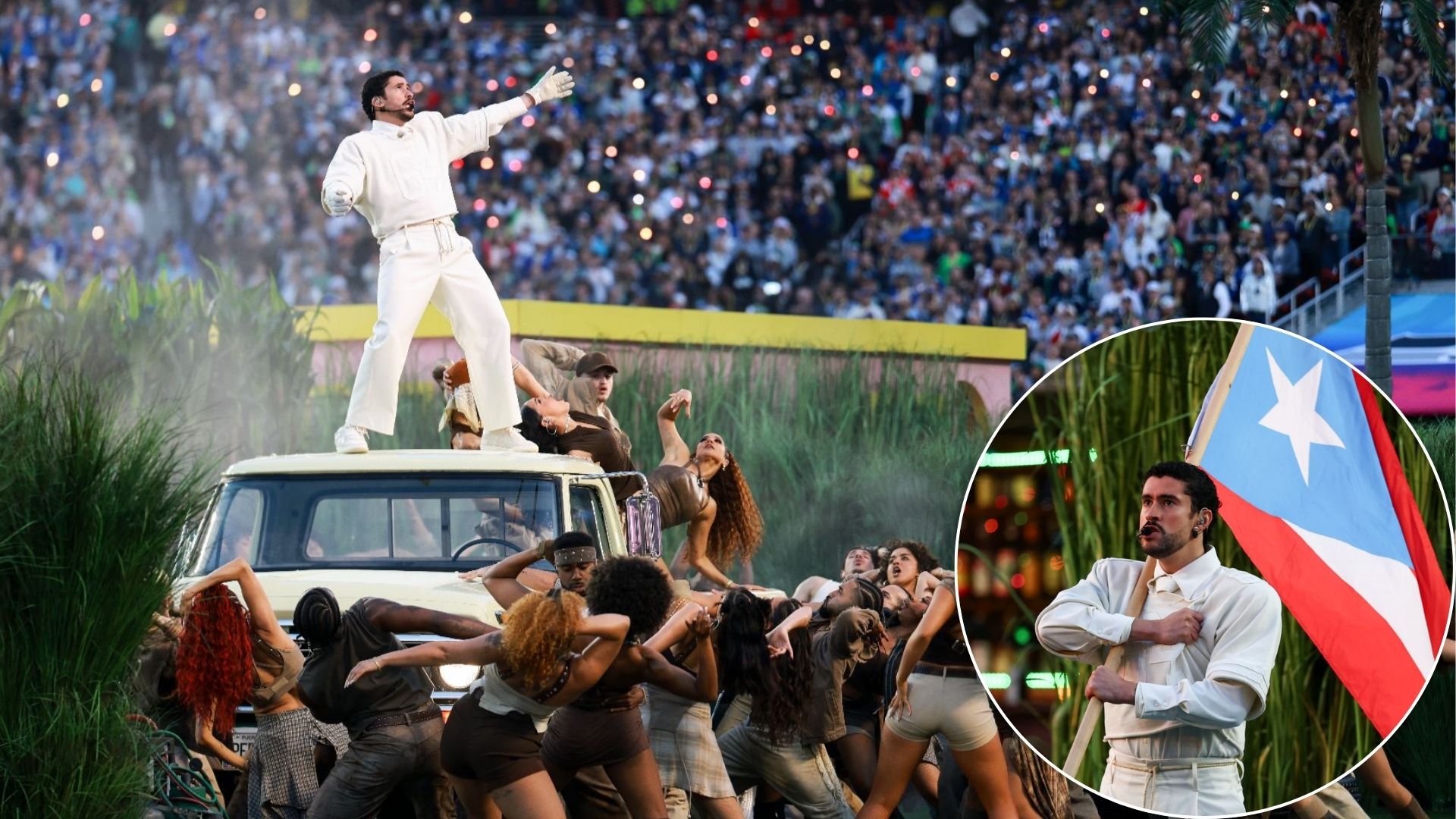
Le spectacle de Bad Bunny à la mi-temps du Super Bowl LX a établi une nouvelle référence dans l’histoire de la télévision. Selon les estimations préliminaires de la principale chaîne de NBC, la performance a attiré environ 135,4 millions de téléspectateurs, ce qui en fait le spectacle de mi-temps le plus regardé de tous les temps. Bien que les chiffres définitifs de Nielsen n’aient pas encore été officiellement communiqués, les premières données indiquent que l’artiste portoricain a dépassé le précédent record détenu par Kendrick Lamar en 2025, qui s’élevait à 133,5 millions de téléspectateurs. L’audience a également dépassé celle du spectacle emblématique de Michael Jackson lors de la mi-temps de 1993, longtemps considéré comme la référence absolue. L’ampleur de l’audience a souligné l’attention mondiale suscitée par l’apparition de Bad Bunny, tant sur le plan musical que politique.
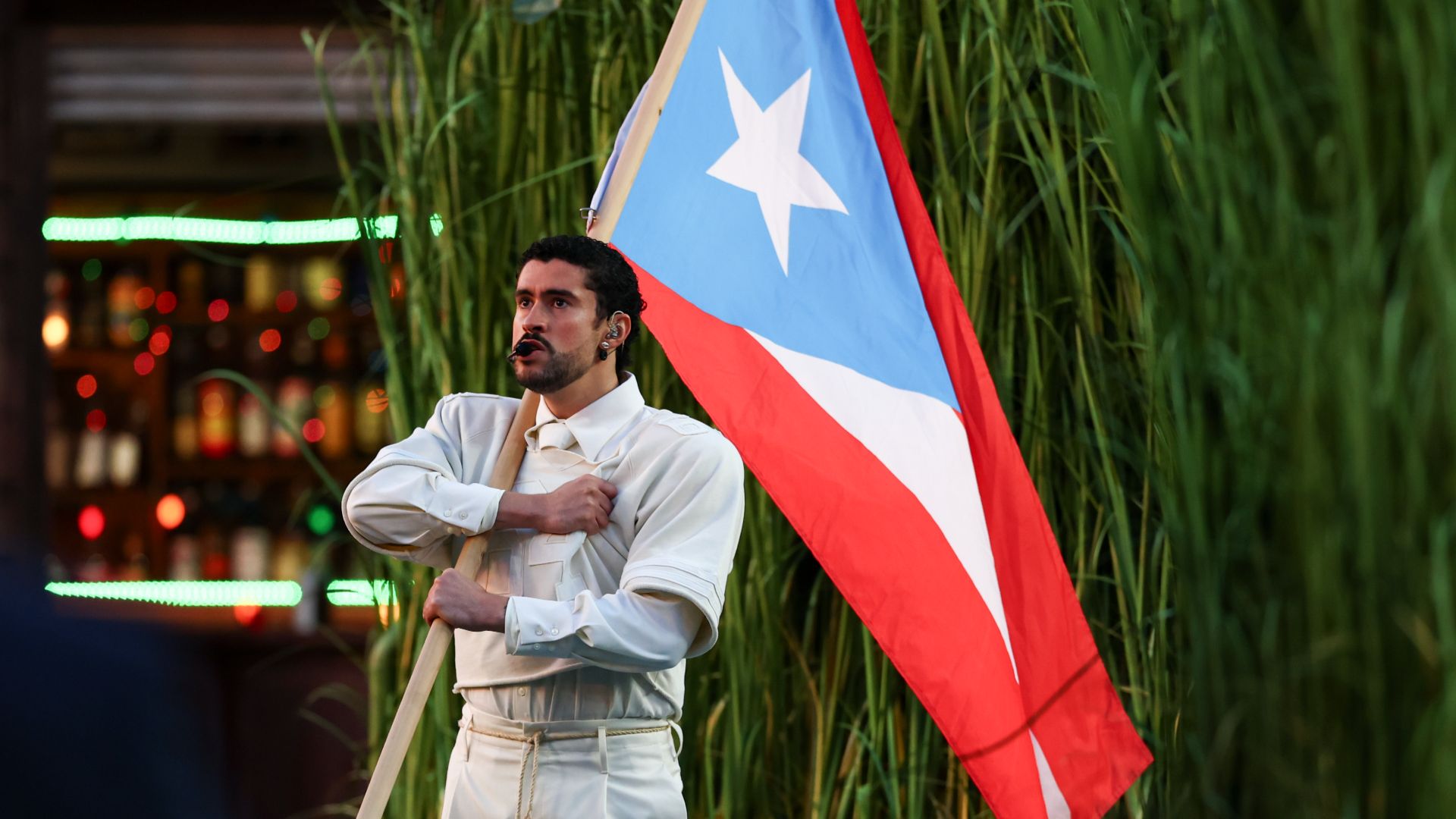
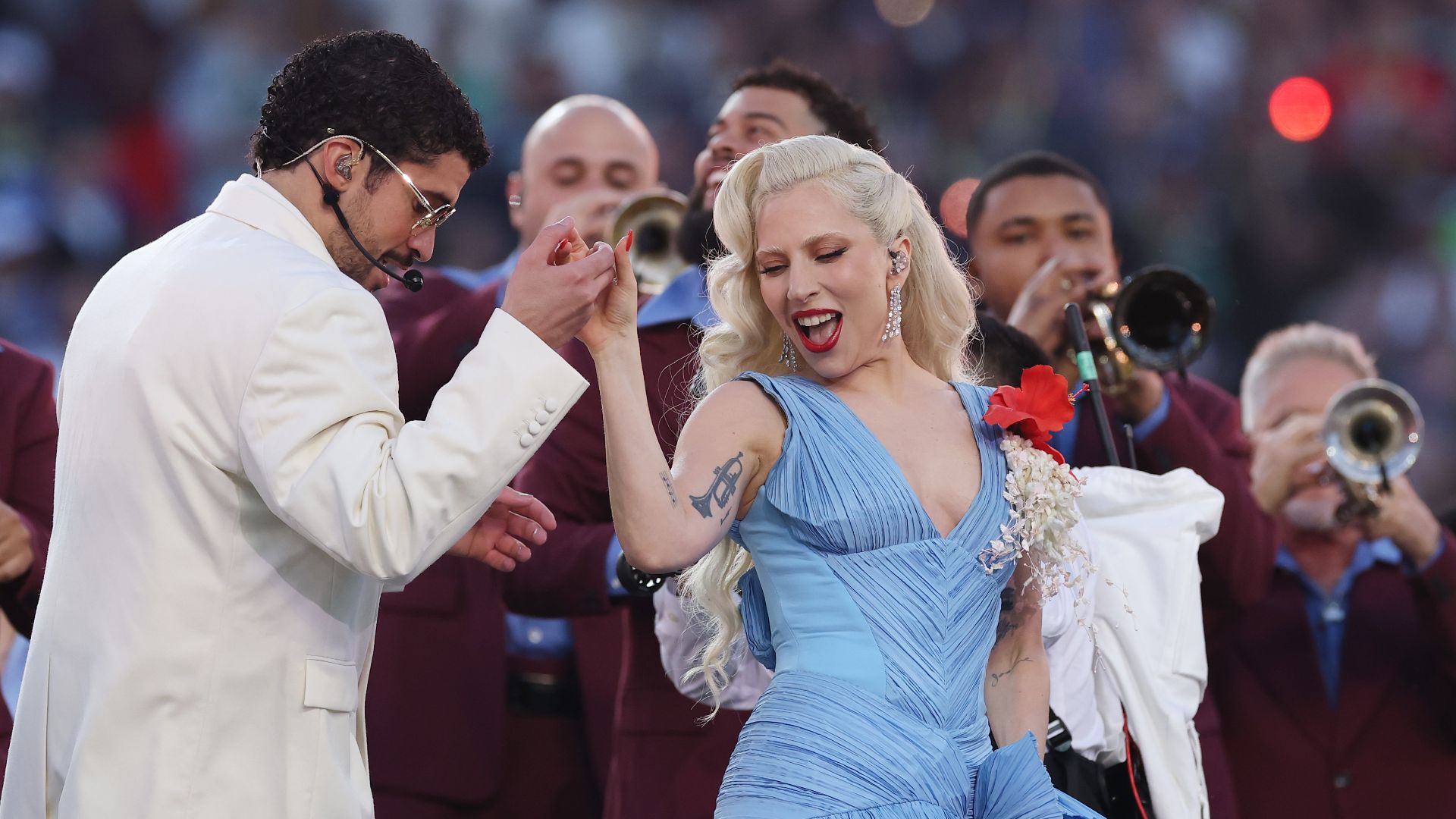
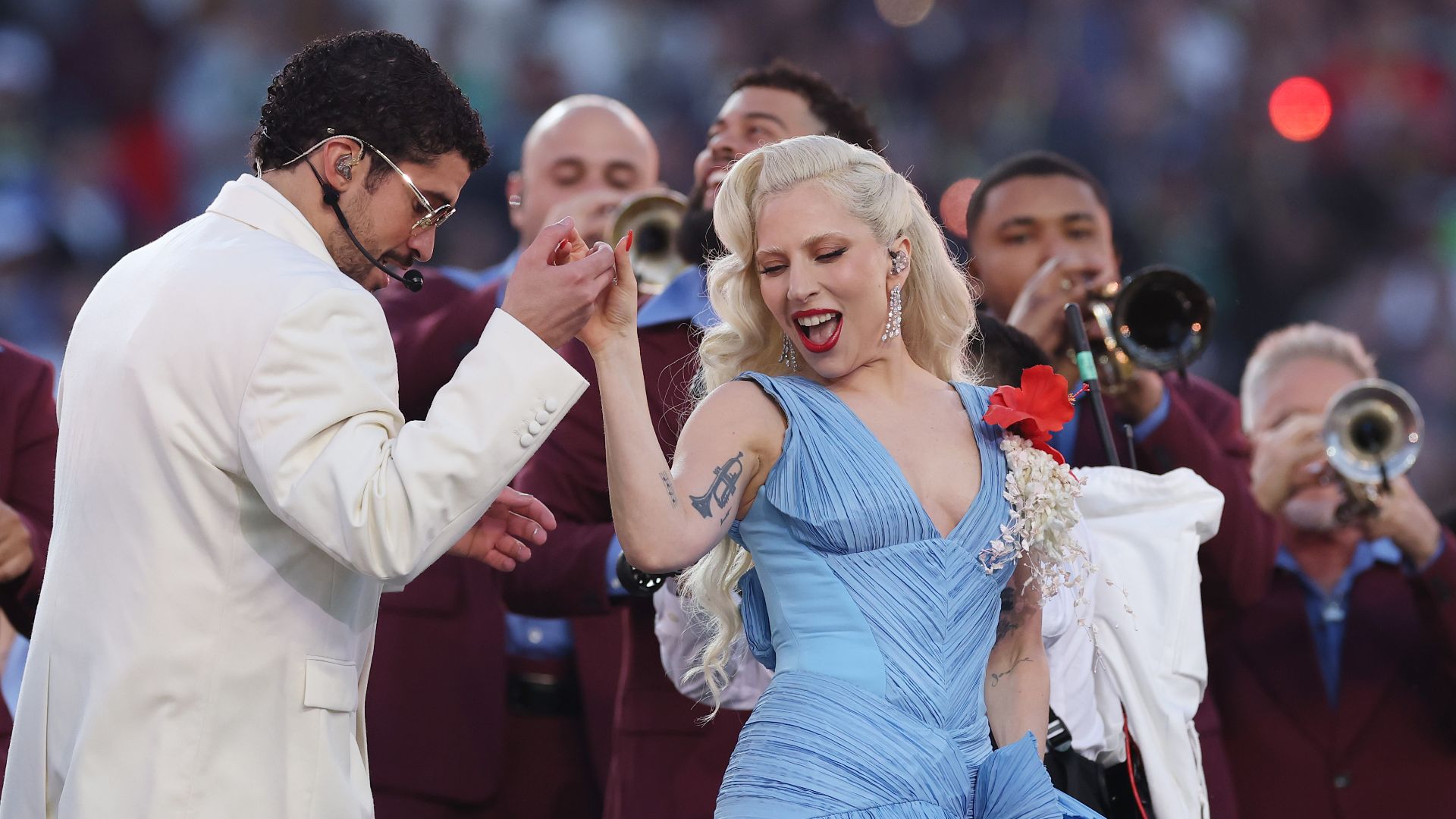
Les premières estimations de NBC suggèrent que la setlist entièrement en espagnol et la production très énergique de Bad Bunny ont joué un rôle clé dans l’augmentation de l’audience. Se produisant sous son surnom de longue date « Conejo Malo », l’artiste a livré un spectacle minutieusement chorégraphié, avec des effets visuels théâtraux et des invités, dont Ricky Martin et Lady Gaga. La performance a été diffusée dans le cadre du spectacle de la mi-temps Apple Music pendant le Super Bowl LX à Santa Clara, en Californie. Les responsables de la chaîne ont indiqué que ces chiffres reflètent l’audience combinée de la télévision linéaire et du streaming, mais les totaux définitifs restent à vérifier. Si ces chiffres sont confirmés, ce serait la première fois qu’un spectacle de mi-temps en espagnol remporte la première place dans l’histoire du Super Bowl.
« Que Dieu bénisse l’Amérique, le Chili, l’Argentine, l’Uruguay, le Paraguay, la Bolivie, le Pérou, l’Équateur, le Brésil, la Colombie, le Venezuela, la Guyane, le Panama, le Costa Rica, le Nicaragua, le Honduras, le Salvador, le Guatemala, le Mexique, Cuba, la République dominicaine, la Jamaïque, Haïti, Antigua, Anguilla, les États-Unis, le Canada. Et ma patrie, mi patria, Porto Rico. Seguimos aquí. »
-Bad Bunny
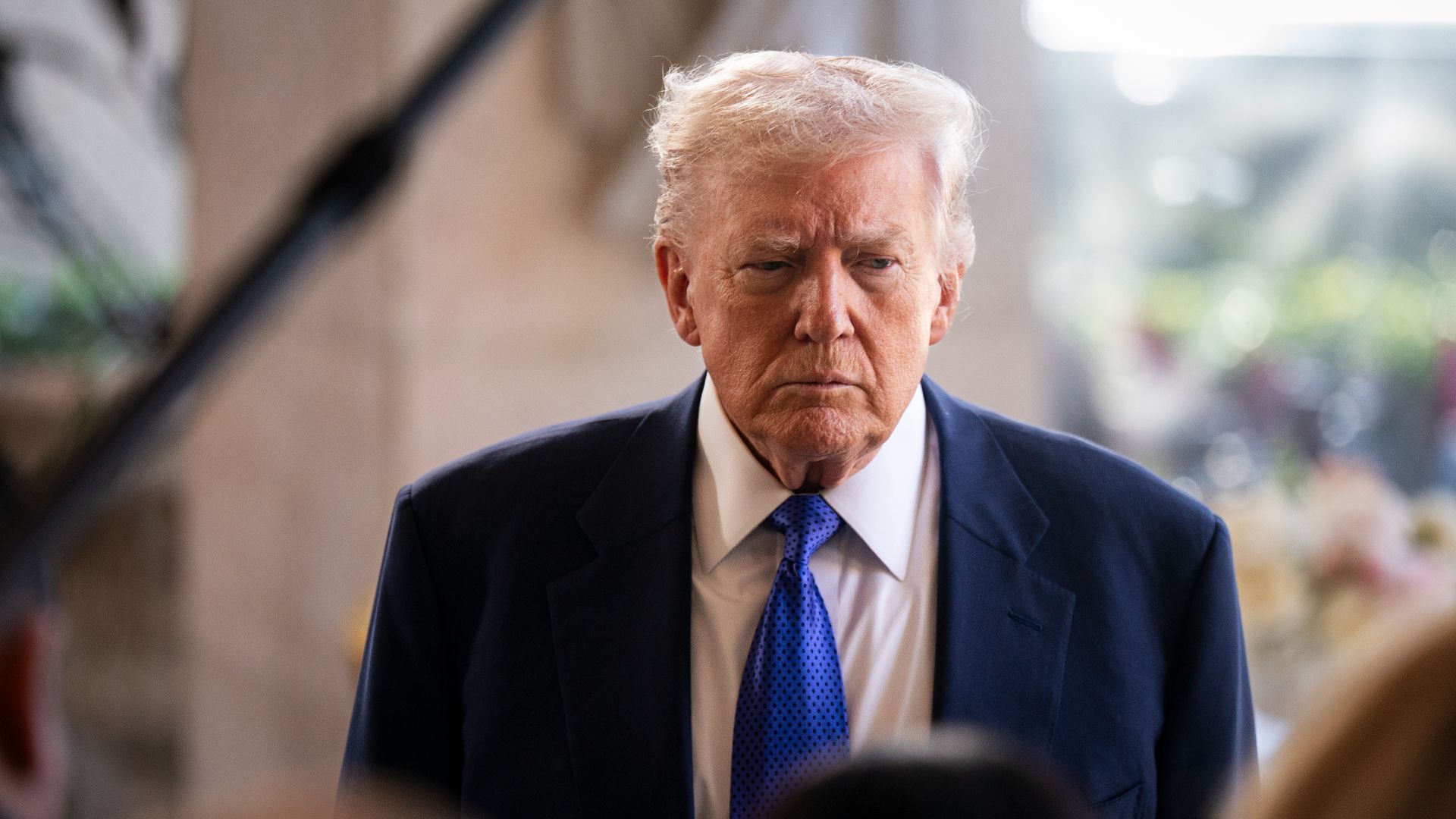
Cette audience record s’est accompagnée d’une vive réaction politique. Donald Trump a réagi à la performance dans un long message publié sur Truth Social, la qualifiant d’« absolument terrible » et de « l’une des pires de tous les temps ».
Il a écrit : « Le spectacle de la mi-temps du Super Bowl est absolument terrible, l’un des pires de tous les temps ! Il n’a aucun sens, il est un affront à la grandeur de l’Amérique et ne représente pas nos normes de réussite, de créativité ou d’excellence. »
Trump a également critiqué le langage et la chorégraphie, déclarant : « Personne ne comprend un mot de ce que dit ce type », et a qualifié la danse de « dégoûtante », en particulier pour les enfants qui regardent aux États-Unis et à l’étranger.
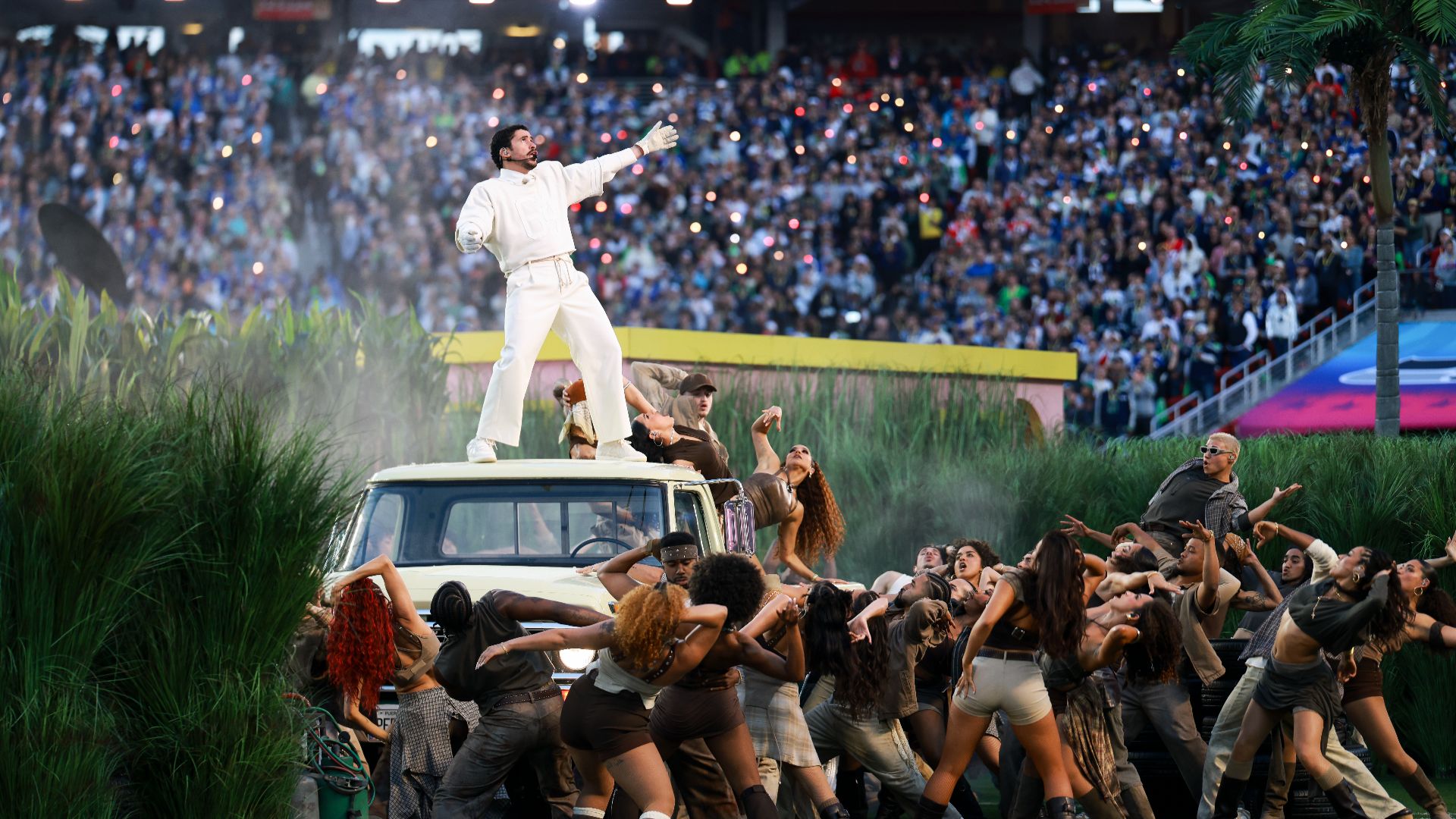
Trump a en outre qualifié la performance d’insulte symbolique au pays. « Ce « spectacle » n’est qu’une « gifle » à notre pays », a-t-il écrit, tout en accusant les médias d’être déconnectés de la réalité. Les commentateurs conservateurs alignés sur le mouvement MAGA ont repris ces critiques, certains remettant en question la place de Bad Bunny sur la plus grande scène américaine et affirmant qu’il n’était « pas américain », bien que l’artiste soit né à Porto Rico, un territoire américain. Trump avait précédemment qualifié Bad Bunny de « choix terrible » pour le spectacle de la mi-temps, sa réaction étant donc cohérente avec l’opposition qu’il avait exprimée lorsque la sélection avait été annoncée.
« Le spectacle de la mi-temps du Super Bowl est absolument terrible, l’un des pires de tous les temps ! Il n’a aucun sens, il est un affront à la grandeur de l’Amérique et ne représente pas nos normes de réussite, de créativité ou d’excellence. »
– Le président Donald Trump
La controverse a également donné lieu à une contre-programmation organisée. L’organisation conservatrice à but non lucratif Turning Point USA a promu un événement alternatif baptisé « The All-American Halftime Show », avec en tête d’affiche Kid Rock et d’autres artistes soutenant l’administration Trump. Cet événement a été présenté comme une réponse à ce que les organisateurs ont décrit comme l’orientation culturelle de la NFL. Malgré ces efforts, l’engagement sur les réseaux sociaux et les chiffres d’audience ont montré que la performance de Bad Bunny a dominé l’attention du public, avec des soirées organisées à travers Porto Rico, la Californie et plusieurs villes américaines tout au long de la nuit.
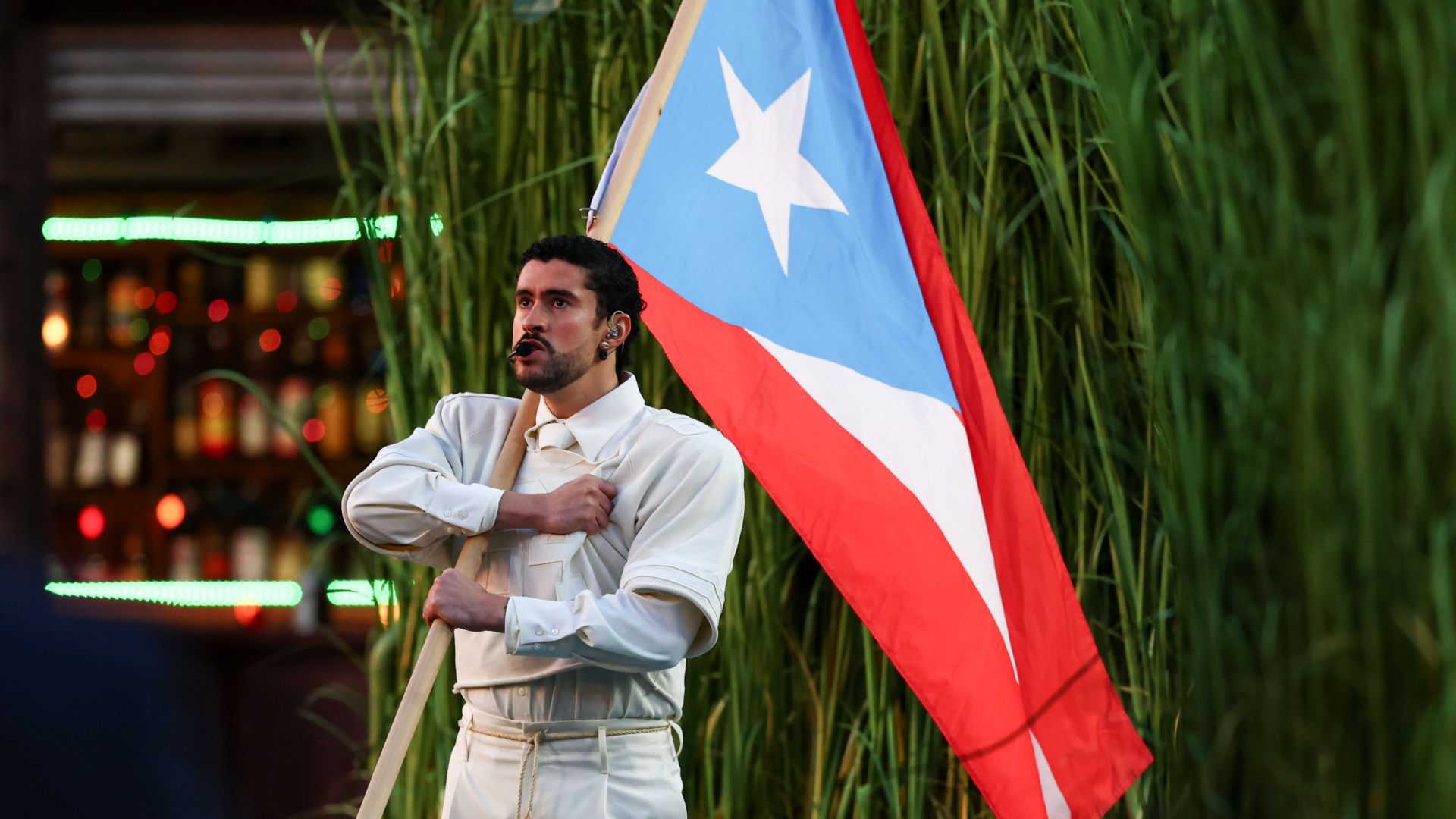
Pendant le spectacle de la mi-temps, Bad Bunny a délivré un message clair d’unité et de résistance. Un ballon de football affichait la phrase « Ensemble, nous sommes l’Amérique », tandis que l’écran géant du stade affichait « La seule chose plus puissante que la haine, c’est l’amour ». Debout à côté des drapeaux américain et portoricain, Bad Bunny a élargi la signification du patriotisme pour inclure l’ensemble des Amériques.
Il a conclu sa performance en déclarant : « Que Dieu bénisse l’Amérique, le Chili, l’Argentine, l’Uruguay, le Paraguay, la Bolivie, le Pérou, l’Équateur, le Brésil, la Colombie, le Venezuela, la Guyane, le Panama, le Costa Rica, le Nicaragua, le Honduras, le Salvador, le Guatemala, le Mexique, Cuba, la République dominicaine, la Jamaïque, Haïti, Antigua, Anguilla, les États-Unis, le Canada. Et ma patrie, mi patria, Porto Rico. Seguimos aquí. » Ce moment a eu un large écho, comme en témoigne l’audience record, positionnant Bad Bunny non seulement comme une star mondiale de la musique, mais aussi comme une figure culturelle de plus en plus considérée comme un symbole de défiance contre la rhétorique de l’ère Trump.
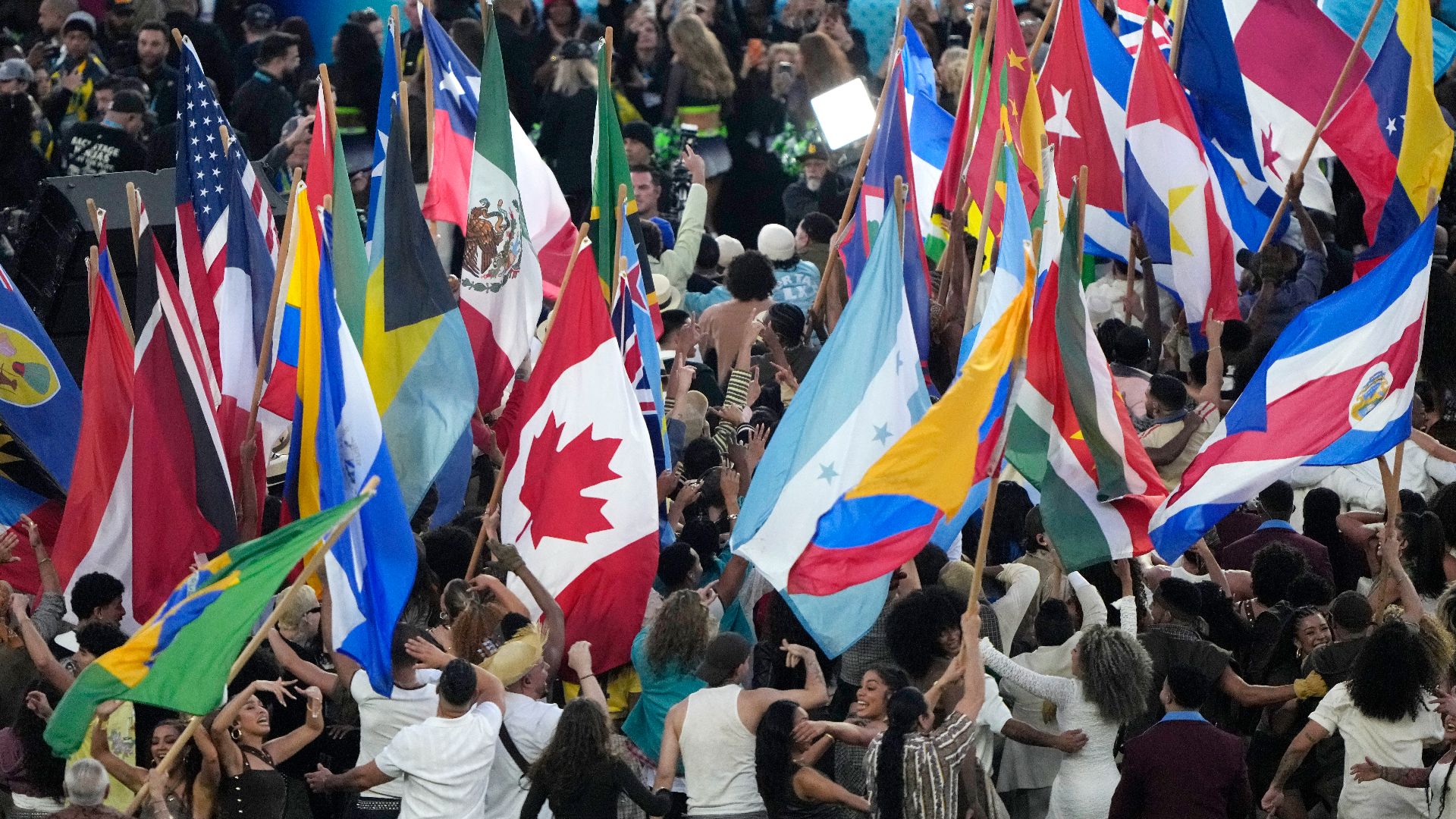
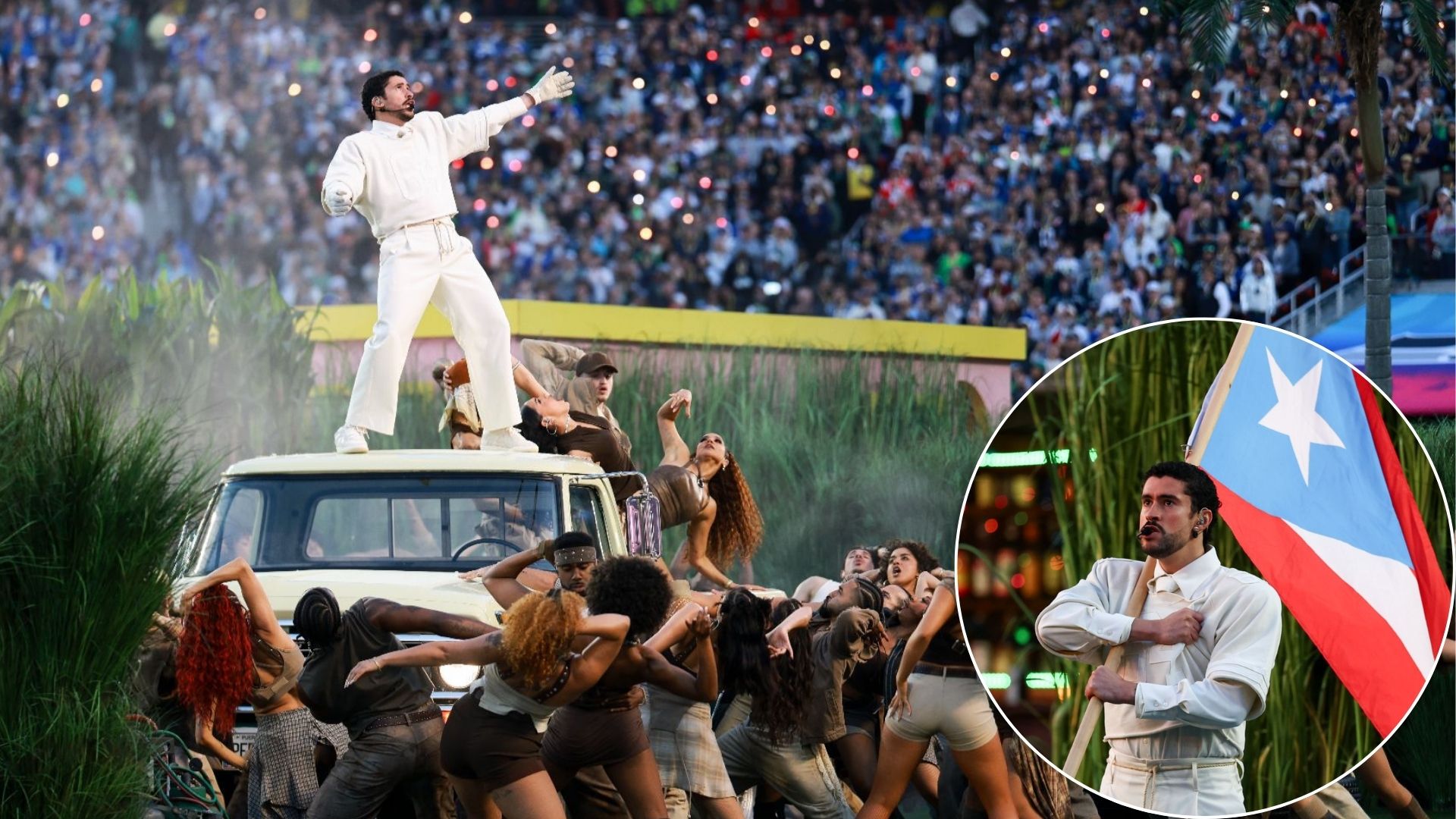
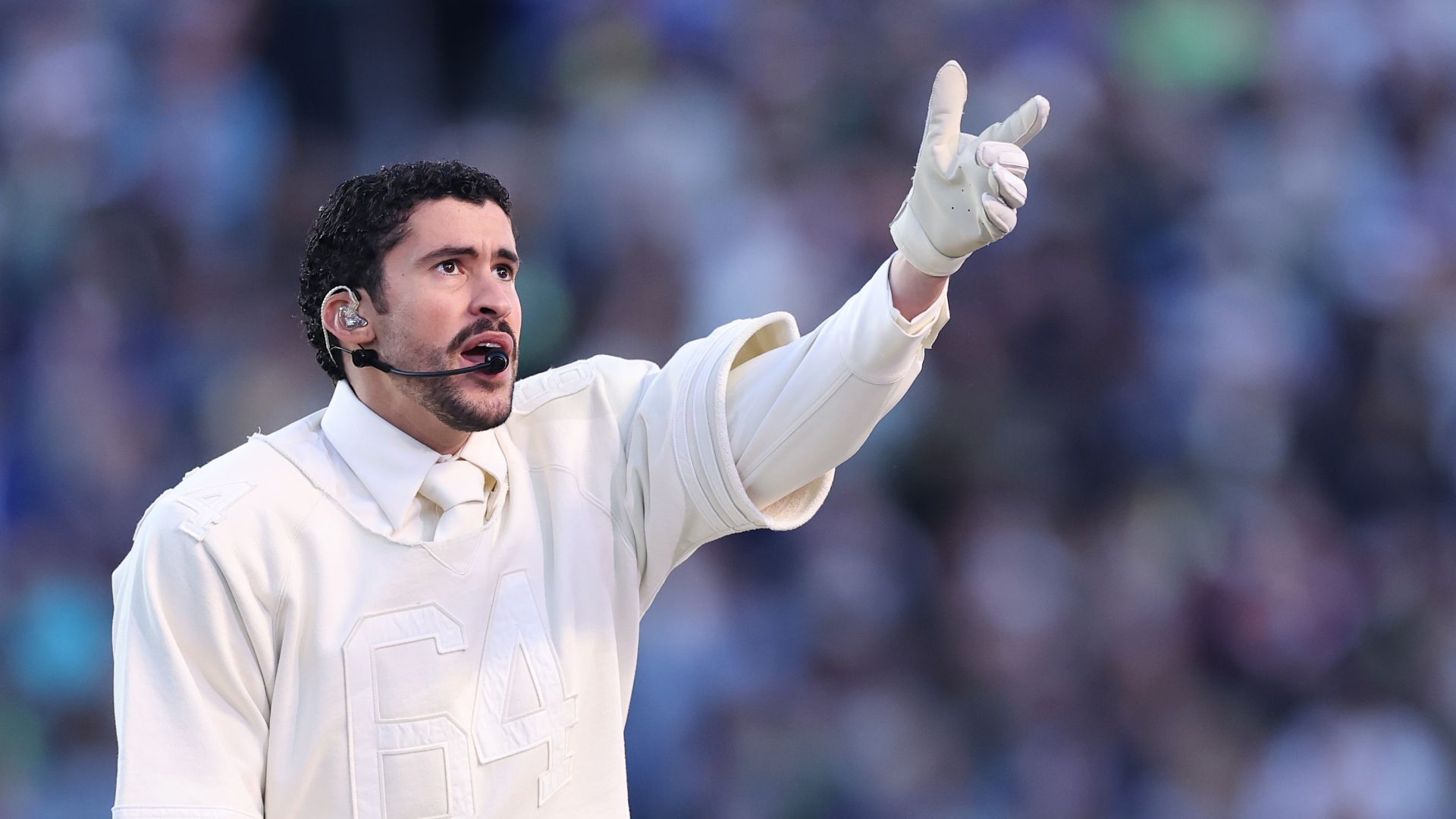
Bad Bunny’s Super Bowl LX halftime show has set a new benchmark in television history. According to preliminary estimates from NBC’s primary telecast, the performance drew approximately 135.4 million viewers, making it the most-watched halftime show ever. While final Nielsen numbers are still pending an official statement, early data indicates that the Puerto Rican artist has surpassed the previous record held by Kendrick Lamar in 2025, which stood at 133.5 million viewers. The audience size also exceeded Michael Jackson’s iconic 1993 halftime show, long considered the gold standard. The scale of viewership underscored the global attention surrounding Bad Bunny’s appearance, both musically and politically.
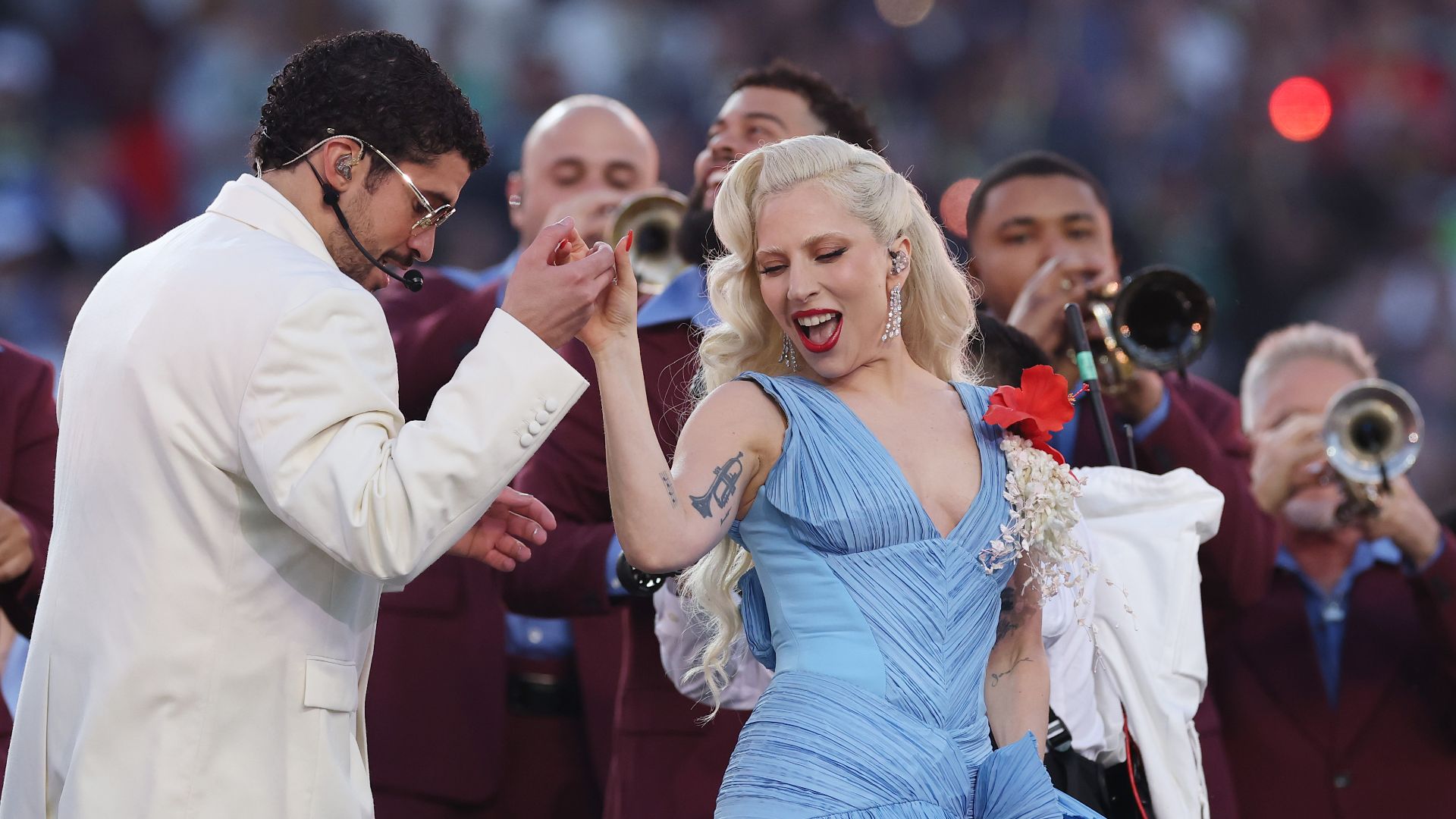
NBC’s early estimates suggest that Bad Bunny’s all-Spanish setlist and high-energy production played a key role in driving viewership. Performing under his longtime nickname “Conejo Malo,” the artist delivered a tightly choreographed show featuring theatrical visuals and guest appearances, including Ricky Martin and Lady Gaga. The performance aired as part of the Apple Music halftime show during Super Bowl LX in Santa Clara, California. Network executives indicated that the numbers reflect combined linear and streaming audiences, though final totals remain subject to verification. If confirmed, the figure would mark the first time a Spanish-language halftime show has claimed the top spot in Super Bowl history.
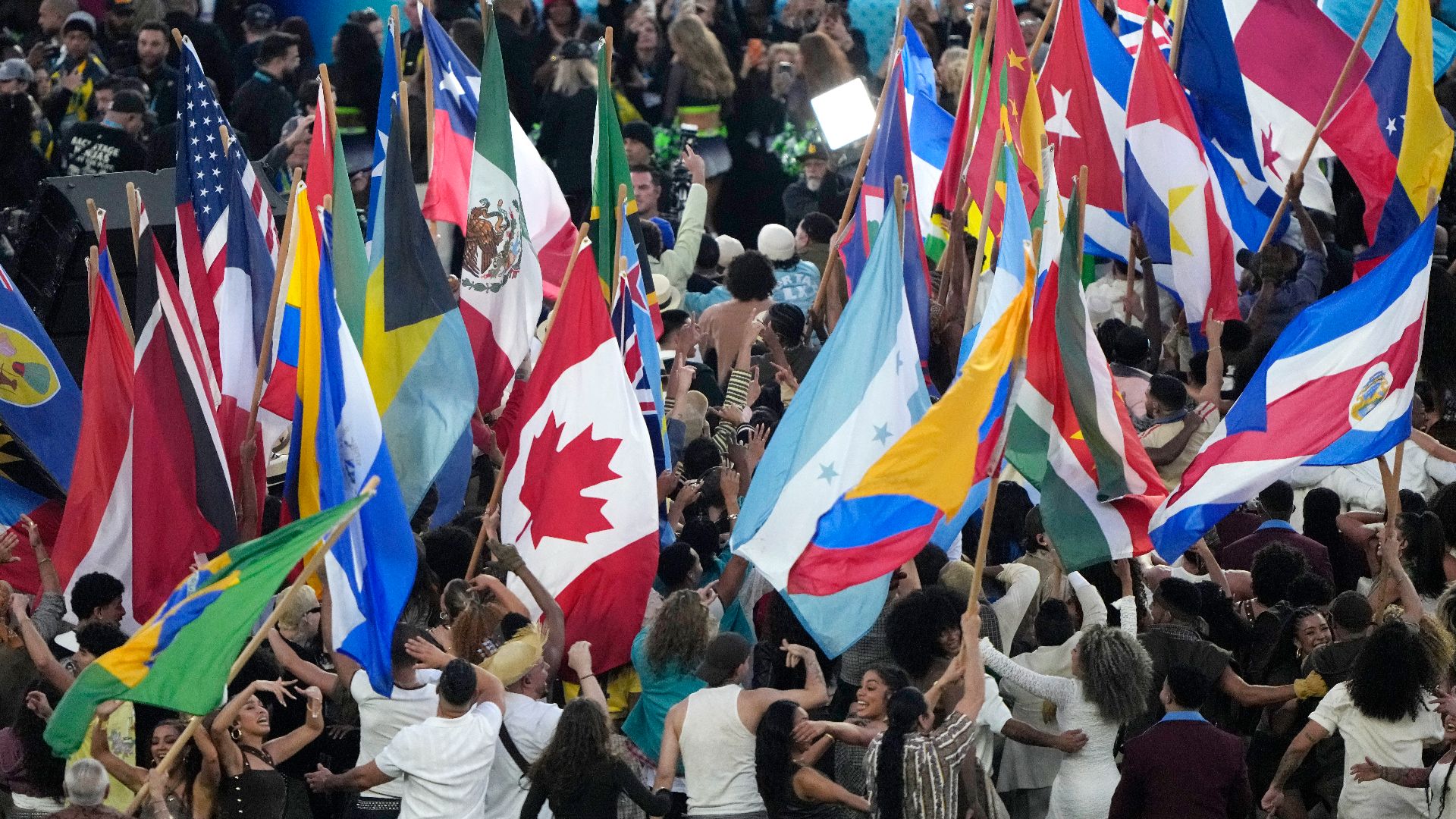
«God Bless América, sea Chile, Argentina, Uruguay, Paraguay, Bolivia, Perú, Ecuador, Brasil, Colombia, Venezuela, Guyana, Panamá, Costa Rica, Nicaragua, Honduras, El Salvador, Guatemala, México, Cuba, República Dominicana, Jamaica, Haití, Antigua, Anguila, Estados Unidos, Canadá. And my motherland, mi patria, Puerto Rico. Seguimos aquí.»
-Bad Bunny
The record-setting audience came amid sharp political backlash. Donald Trump reacted to the performance in a lengthy Truth Social post, calling it «absolutely terrible» and «one of the worst, EVER.» He wrote: «The Super Bowl Halftime Show is absolutely terrible, one of the worst, EVER! It makes no sense, is an affront to the Greatness of America, and doesn’t represent our standards of Success, Creativity, or Excellence.» Trump also attacked the language and choreography, stating: «Nobody understands a word this guy is saying,» and described the dancing as «disgusting,» particularly for children watching in the United States and abroad.
Trump further framed the performance as a symbolic insult to the country. «This “Show” is just a “slap in the face” to our Country,» he wrote, while accusing media outlets of being out of touch. Conservative commentators aligned with the MAGA movement echoed the criticism, with some questioning Bad Bunny’s place on America’s biggest stage and claiming he was “not American,” despite the artist being born in Puerto Rico, a US territory. Trump had previously called Bad Bunny a «terrible choice» for the halftime show, making his reaction consistent with earlier opposition expressed when the selection was announced.
«The Super Bowl Halftime Show is absolutely terrible, one of the worst, EVER! It makes no sense, is an affront to the Greatness of America, and doesn’t represent our standards of Success, Creativity, or Excellence.»
-President, Donald Trump
The backlash also included organized counter-programming. Conservative non-profit Turning Point USA promoted an alternative event dubbed “The All-American Halftime Show,” headlined by Kid Rock and other artists supportive of the Trump administration. The event was marketed as a response to what organizers described as the NFL’s cultural direction. Despite those efforts, social media engagement and viewership metrics indicated that Bad Bunny’s performance dominated public attention, with watch parties forming across Puerto Rico, California, and multiple US cities throughout the night.
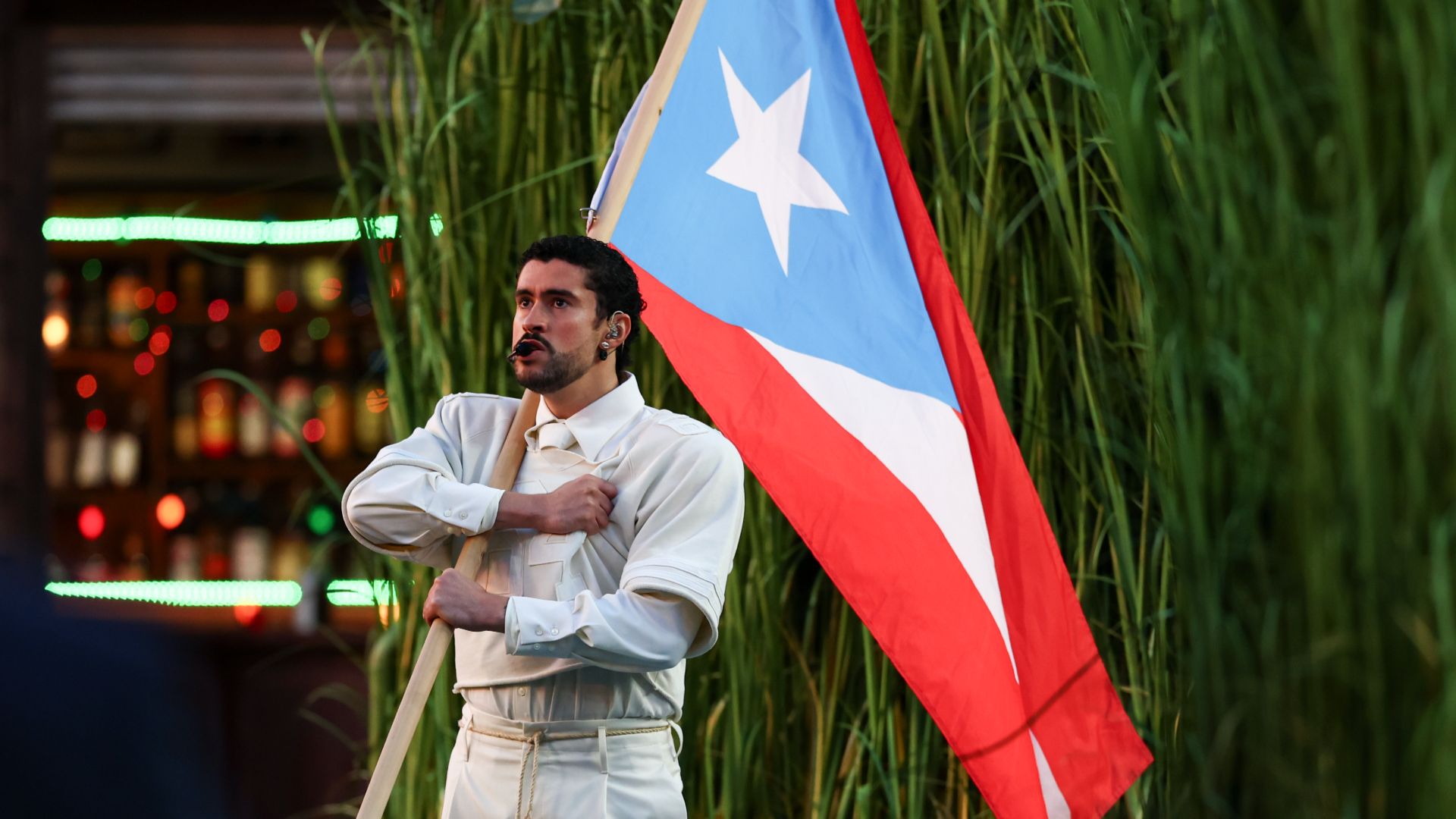
During the halftime show itself, Bad Bunny delivered a clear message of unity and resistance. A football displayed the phrase «Together we are America,» while the stadium jumbotron showed «The only thing more powerful than hate is love.» Standing beside the US flag and the Puerto Rican flag, Bad Bunny expanded the meaning of patriotism to include the Americas as a whole. He closed the performance by saying: «God Bless América, sea Chile, Argentina, Uruguay, Paraguay, Bolivia, Perú, Ecuador, Brasil, Colombia, Venezuela, Guyana, Panamá, Costa Rica, Nicaragua, Honduras, El Salvador, Guatemala, México, Cuba, República Dominicana, Jamaica, Haití, Antigua, Anguila, Estados Unidos, Canadá. And my motherland, mi patria, Puerto Rico. Seguimos aquí.» The moment resonated widely, as evidenced by the record-breaking audience, positioning Bad Bunny not only as a global music star, but also as a cultural figure increasingly seen as a symbol of defiance against Trump-era rhetoric.