Catégories
Uncategorized

Trump dit «espérer» ne pas intervenir en Iran

Le président américain Donald Trump a fait une déclaration assurant qu’il ne souhaitait pas mener d’offensive militaire en Iran. Cette déclaration fait suite à la menace de l’Iran de frapper des bases militaires américaines en janvier, après l’envoi d’une importante flotte navale américaine dans le pays. Trump a déclaré que le temps de Téhéran était compté et que si l’Iran ne trouvait pas le moyen de gérer pacifiquement les manifestations, les États-Unis interviendraient. Bien que Trump ait déclaré qu’il espérait éviter toute intervention militaire, les États-Unis gardent cette possibilité ouverte.

Manifestations en Iran

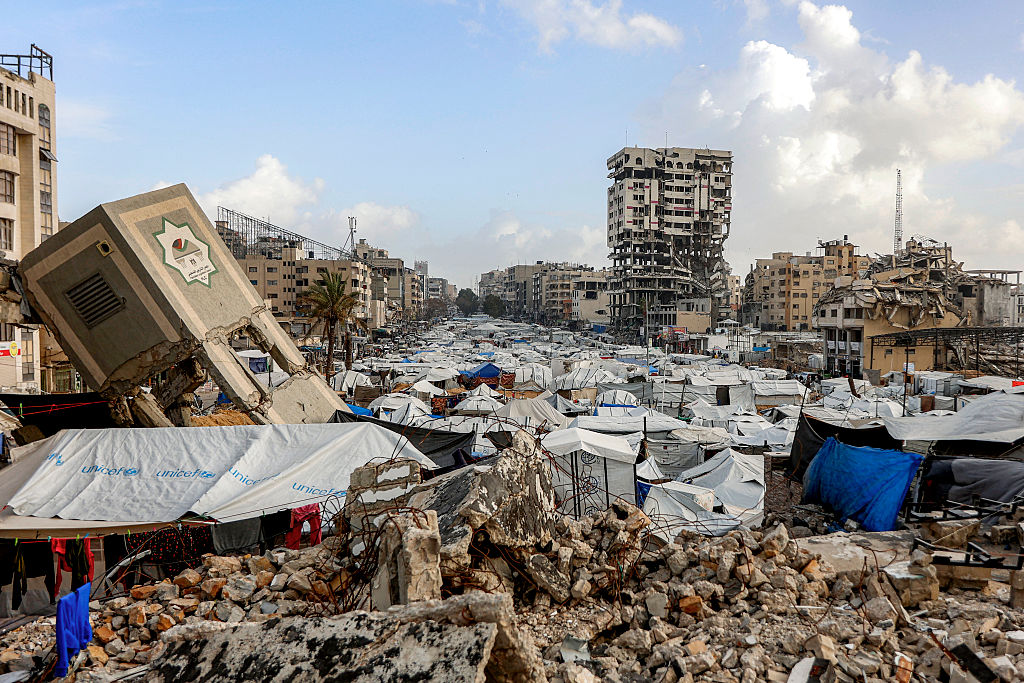
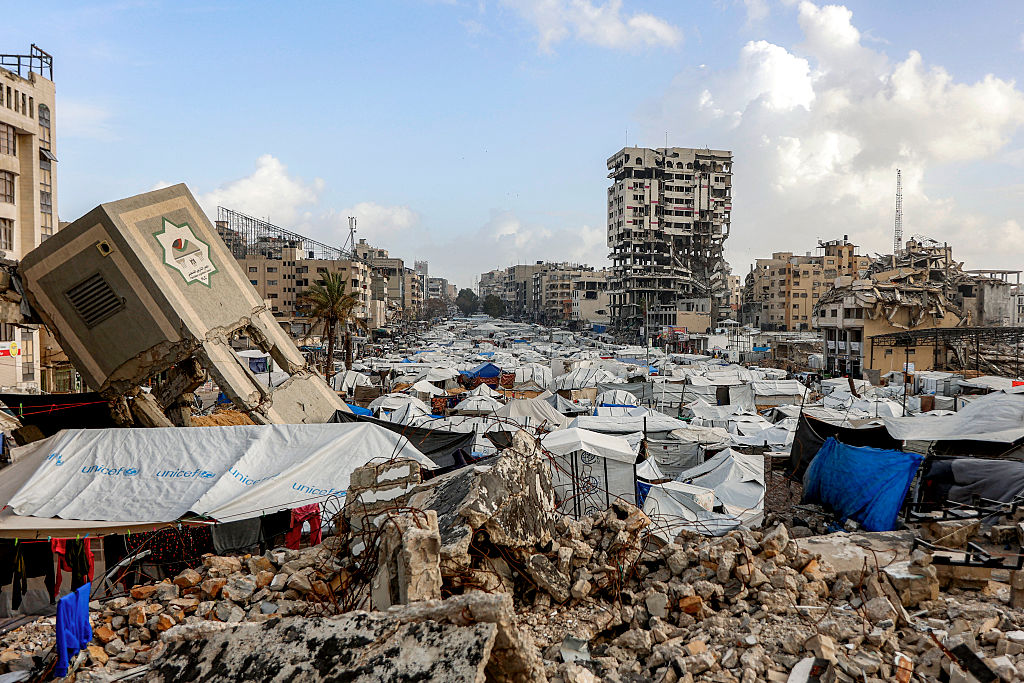
Les manifestations en Iran ont éclaté pour une multitude de raisons : une économie en difficulté, un gouvernement et un dirigeant corrompus, ainsi que l’incapacité à financer correctement les services publics ont conduit à ces manifestations qui ont débuté le 28 décembre. Ce jour-là, des dizaines de milliers de personnes sont descendues dans les rues de Téhéran, la capitale iranienne. Si, au départ, le gouvernement n’a pas réagi avec violence, après plus d’une semaine de manifestations, les forces de sécurité iraniennes ont commencé à riposter par des tirs, tuant, selon certaines sources, plus de 2 000 personnes en moins d’une semaine. Les hôpitaux iraniens sont débordés et ces violences ont provoqué une onde de choc dans le monde entier. L’agence de presse américaine Human Rights Activists News Agency (HRANA) a déclaré avoir confirmé la mort de 6 479 personnes lors des manifestations.

Ces meurtres font des manifestations en Iran les plus meurtrières de 2026 à ce jour, et l’une des plus meurtrières de l’histoire du pays. Les manifestations interviennent également alors que les relations entre l’Iran et Israël, ainsi qu’avec les États-Unis, sont devenues tendues, les États-Unis et Israël ayant mené des opérations militaires contre l’Iran en 2025 sous prétexte de lutter contre le terrorisme. Le gouvernement iranien a également coupé l’accès à Internet dans tout le pays, une stratégie couramment utilisée par les autorités iraniennes en période de troubles publics. Ces manifestations, déclenchées par la chute brutale de la monnaie iranienne le 28 décembre, marquent l’aboutissement de plusieurs années de frustration publique.

Trump envoie une flotte navale

Le 29 janvier, Trump a envoyé une importante flotte navale en Iran. Bien que Trump affirme ne pas vouloir l’utiliser, il a clairement indiqué le 30 janvier que la flotte était envoyée parce que les États-Unis étaient prêts à l’utiliser.

L’Iran n’a pas reculé devant le défi, déclarant aux chaînes de télévision américaines que plusieurs bases militaires américaines se trouvaient à portée de frappe et que la flotte navale de Trump présentait de « graves vulnérabilités ». Selon le brigadier général Mohammad Akraminia, si les États-Unis commettent une « erreur de calcul », l’Iran n’hésitera pas à mener une « opération rapide ».

Akraminia a déclaré que si un conflit éclatait entre les États-Unis et l’Iran, le Moyen-Orient serait plongé dans le chaos et les prix du pétrole et du gaz monteraient en flèche. Au moins, Akraminia a commencé à parler le langage de l’Amérique, celui du pétrole. Akraminia a tout à fait raison lorsqu’il affirme qu’une guerre entre les États-Unis et l’Iran plongerait le marché mondial du pétrole dans le chaos, ce qui pourrait entraîner une pénurie de carburant dans plusieurs pays et aurait certainement un impact négatif sur tous les citoyens américains à la pompe. Une guerre entre les États-Unis et l’Iran ferait monter en flèche les prix du pétrole et endommagerait les routes pétrolières établies de longue date.

Appel entre le Qatar et l’Iran, réponse de l’UE

Le dirigeant du Qatar, Cheikh Tamim bin Hamad Al Thani, et le président iranien, Masoud Pezeshkian, se sont entretenus par téléphone pour discuter de la stabilisation de la situation en Iran et de l’apaisement des tensions entre l’Iran et les États-Unis. L’UE a également réagi aux meurtres incessants de manifestants, qualifiant le Corps des gardiens de la révolution islamique iranienne d’organisation terroriste pour ce qu’elle décrit comme des massacres de manifestants.

La présidente de l’UE, Ursula von der Leyen, a déclaré que l’Iran « réprimait les manifestations dans le sang ». L’armée iranienne a dénoncé cette action, la qualifiant d’illogique, d’irresponsable et de malveillante.

Trump encourage les manifestants

Le 14 janvier, Trump a fait une déclaration encourageant les manifestants en Iran à poursuivre leurs efforts face aux actions violentes du gouvernement iranien à leur encontre. Trump a affirmé que de l’aide était en route pour l’Iran, provenant vraisemblablement des États-Unis. Dans un message publié sur Truth Social, Trump a exhorté les Iraniens à se révolter, en disant à la population de « prendre le contrôle de vos institutions ». Trump a poursuivi sa déclaration en affirmant qu’il avait annulé toutes ses réunions avec les responsables iraniens et qu’il s’opposait totalement à ce qu’il qualifie de meurtres insensés.

Catégories
Uncategorized

Trump threatens Canada with tariffs on aircraft – Bombardier stock tanks

Donald Trump has announced that he is willing to slap Canada with a 50% tariff on planes sold to the U.S. by Canadian manufacturers, namely Bombardier. Trump claimed that Canada was refusing to certify a slew of Gulfstream aircraft, and in return,  Trump would decertify their Bombardier Global Expresses and all aircraft made in Canada. Trump claimed he would enact the tariffs until Canada recertifies the airplanes. After Trump’s announcement, Bombardier’s stock crashed by nearly 10%, sending the company into shock.
Truth Social post

According to Trump’s social media post, Canada has refused to certify the Gulfstream 500, 600, 700, and 800 Jets for sale in Canada – a line of private business jets. The G700 and G800 are new jets from Gulfstream, with the G800 only starting sales in 2021. Trump’s post is the only proof that Canada has not certified these jets. There has been no formal statement from the Canadian transportation ministry, nor from Bombardier and Gulfstream. U.S. Transportation Secretary Sean Duffy reposted an image of the post on Twitter, but only added an American flag and two plane emojis.

Consequences of decertification

Decertification of an aircraft by a national regulator like the FAA would make it unable to legally fly in that country. In this case, if the FAA deregulates Canadian-made aircraft, they would be unable to fly in the U.S. There are currently thousands of Canadian-made aircraft flying in the U.S. Bombardier Challenger series of aircraft are heavily used in the U.S., and the Airbus A220 is used regularly by Delta and JetBlue. There are also hundreds of Bombardier’s LearJet series being used as personal aircraft in the U.S. – jets that will also be at risk of being decertified.

When the stock market opened on January 30, Bombardier’s stock price had dropped 5%. Over the course of the day, it dropped all the way to 9% before seeing a bounce-back before markets closed, closing with a 6% difference from its opening price. Bombardier’s 6% dip represents a possible $1bn USD in losses. Bombardier reported just under $9bn USD revenues in 2024. The company is worth an estimated $22bn USD.

Impact on America

If all Canadian-made aircraft are decertified, multiple American airline chains would suffer. Both JetBlue and Delta Airways heavily rely on Bombardier aircraft for National flights. The White House made a comment to Reuters on January 30, claiming that the decertification would not affect aircraft currently in use, but it’s unclear how the FAA would decertify planes for sale that are currently in use. In order to decertify the aircraft, there would need to be a reason cited (past political maneuvering) to deem them unsafe. Aircraft and aerospace parts have largely escaped the brunt of Trump’s U.S.-led trade war, with Canadian-made planes continuing to be exported south of the border.

Comments from Canada

The Canadian Ministry of Transportation did not explicitly say how they planned on handling the situation; most likely, they were waiting for Trump’s tantrum to end before attempting negotiations. Canadian Minister of Transport Steve MacKinnon made a post on Twitter stating that he has been in contact with Bombardier’s CEO and senior leaders at General Dynamics, which owns Gulfstream. According to MacKinnon, the government of Canada will be staying in close contact with both Bombardier and Gulfstream.

Mark Carney made comments on January 25, encouraging global leaders to pull away from U.S. pressures. This came after Donald Trump threatened Canada with more tariffs if Canada refused to enter into a trade deal with China. Carney has refused to enter into the trade agreement, stating that Canada would not enter into an agreement of the sort with China or any other nonmarket economy. Carney has inked multiple deals with China over the last two months, a project that he says is attempting to rectify some of the issues the two nations have developed over the last few years.

Catégories
Uncategorized

Trump says ‘hopefully’ no need for intervention in Iran

U.S. President Donald Trump made a statement ensuring that he does not want to make military advancements in Iran. The statement came after Iran threatened to strike U.S. military bases in January after the U.S. sent a large naval fleet to the nation. Trump has said that Tehran’s time is running out, and if Iran doesn’t figure out how to peacefully deal with protesters, then the U.S. will interfere. While Trump said that he is hoping to avoid any military involvement, the U.S. is keeping the possibility open.

Protests in Iran

The protests in Iran began for a litany of reasons: a struggling economy, a corrupt government and leader, and a failure to properly fund public services all led to the demonstrations beginning on December 28. On that day, tens of thousands took to the streets in Iran’s capital city, Tehran. While initially, the government did not respond with violence, after more than a week of protests, Iranian security forces began responding to protesters with gunfire, reportedly killing more than 2,000 people in less than a week. Iranian hospitals are overwhelmed, and the violent actions have sent shockwaves across the world. U.S.-based Human Rights Activists News Agency (HRANA) said it has confirmed 6,479 people have been killed in the protests.

The killings make the protests in Iran the most deadly protests of 2026 so far, and one of the deadliest in the country’s history. The protests also come as relations between Iran and Israel, as well as the U.S., have become tense, with both the U.S. and Israel conducting military operations against Iran in 2025 under the guise of fighting terrorism. The government of Iran has also cut the internet country-wide, a common strategy used by Iranian officials during times of public unrest. The protests, which were triggered by Iran’s currency falling drastically on December 28, mark years of public frustration finally boiling over.

Trump sends naval fleet

On January 29, Trump sent a large naval fleet to Iran. While Trump claims that he does not want to use it, he made it abundantly clear on January 30 that the fleet is being sent because the U.S. is willing to use it. Iran did not back down from the challenge, telling U.S. television channels that multiple U.S. military bases are within striking distance and Trump’s naval fleet has ‘serious vulnerabilities’. According to Brigadier General Mohammad Akraminia, if the U.S. makes a ‘miscalculation’, then Iran will not hesitate to carry out a ‘quick operation’.

 Akraminia stated that if there is conflict between America and Iran, the Middle East would be brought into chaos, and oil and gas prices would skyrocket. At least Akraminia has started speaking the language of America, oil. Akraminia is absolutely correct in stating that a war between the U.S. and Iran would throw the global oil exchange into chaos, potentially causing fuel insecurities across multiple nations and certainly negatively impacting every American citizen at the pump. A war between the U.S. and Iran would send oil prices skyrocketing, and damage longstanding oil routes.

Call between Qatar and Iran, EU response

Qatar’s leader, Sheikh Tamim bin Hamad Al Thani, and Iran’s President, Masoud Pezeshkian, held a call to discuss establishing stability in Iran and de-escalating tensions between Iran and the U.S. The EU also responded to the continued killings of protesters, labelling Iran’s Islamic Revolutionary Guard Corps a terrorist organization for what it describes as the mass killings of protesters. EU chief Ursula von der Leyen stated Iran was ‘crushing protests in blood’. Iran’s military denounced the action, calling it illogical, irresponsible, and spiteful.

Trump encourages protesters

Trump made a statement on January 14, encouraging protesters in Iran to continue their efforts in the face of the Iranian government’s violent actions against protesters. Trump claimed that help is on the way for Iran, presumably coming from the U.S. In a post on Truth Social, Trump urged Iranians to commit an insurrection, telling the population to “Take over your institutions”. Trump went on in the statement to say that he has cancelled all his meetings with Iranian officials and is completely opposed to what he calls senseless killing.  

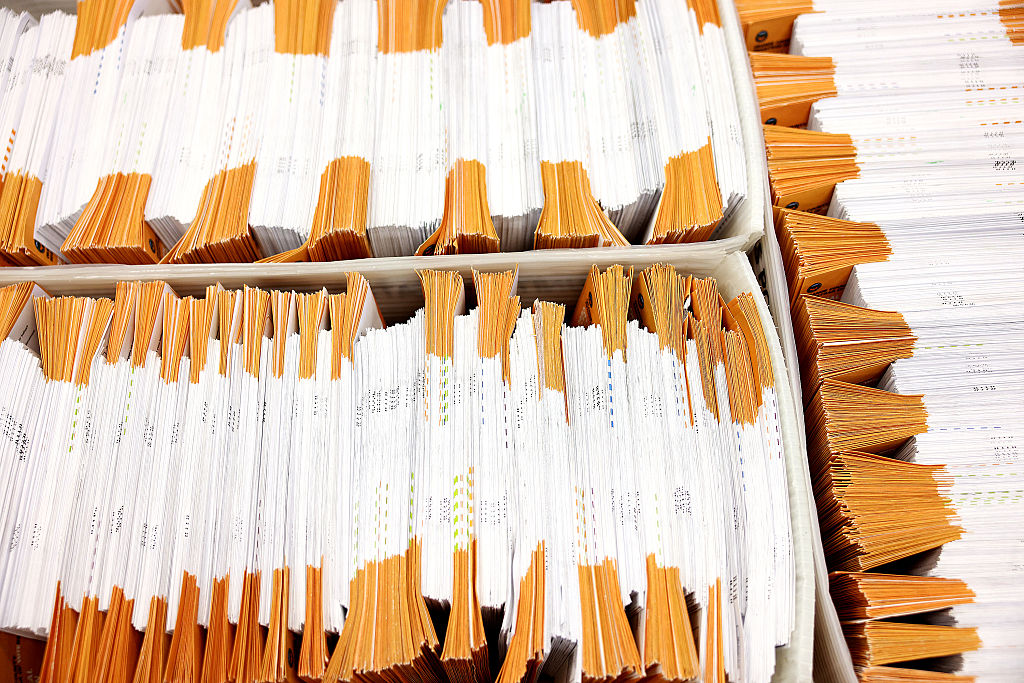
Trump still obsessed with the 2020 election, FBI raids key election office

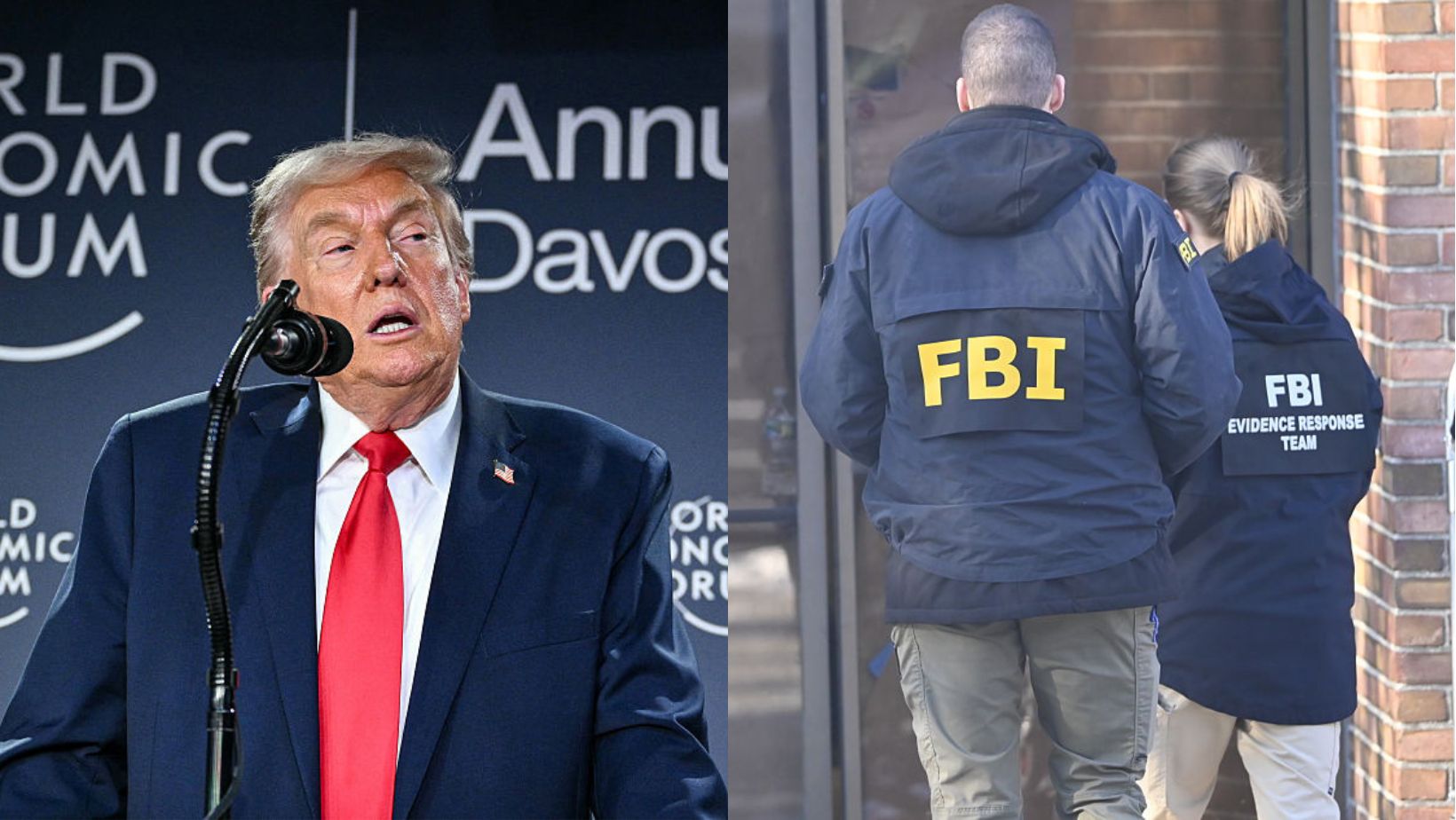
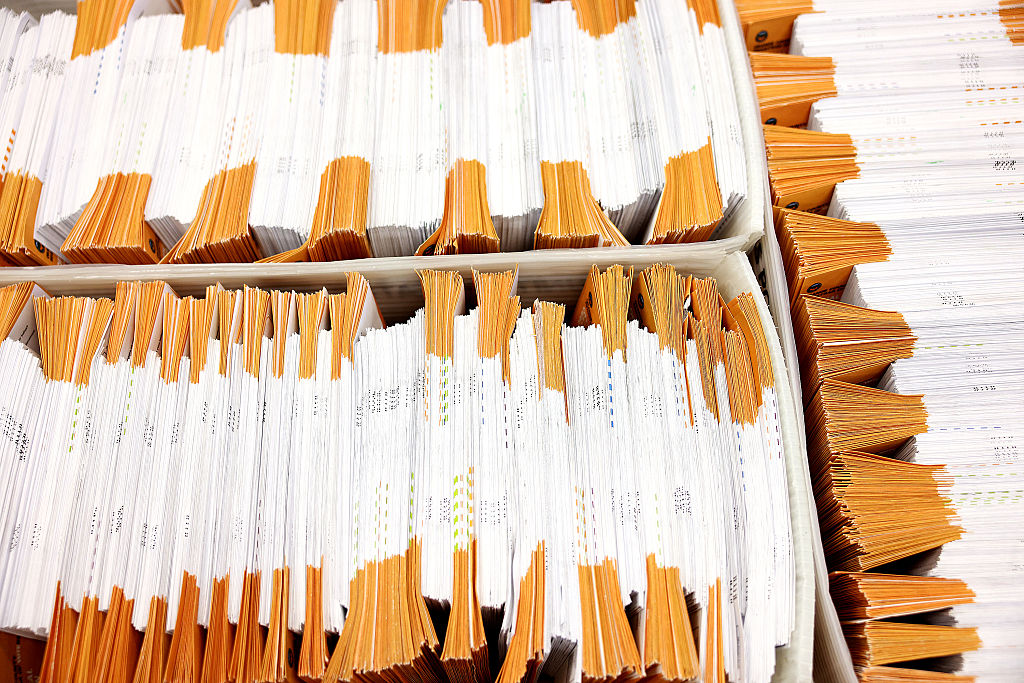
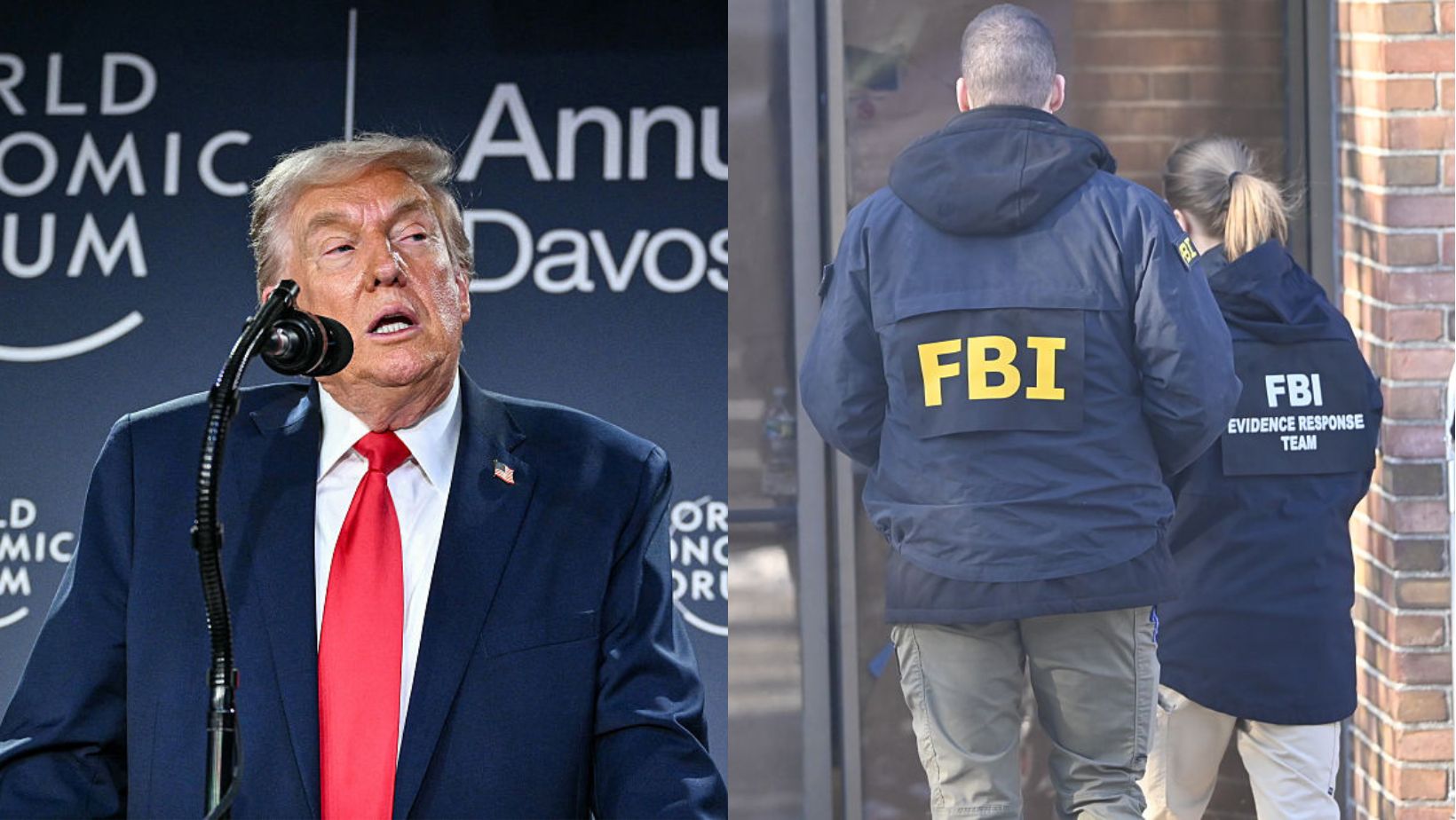
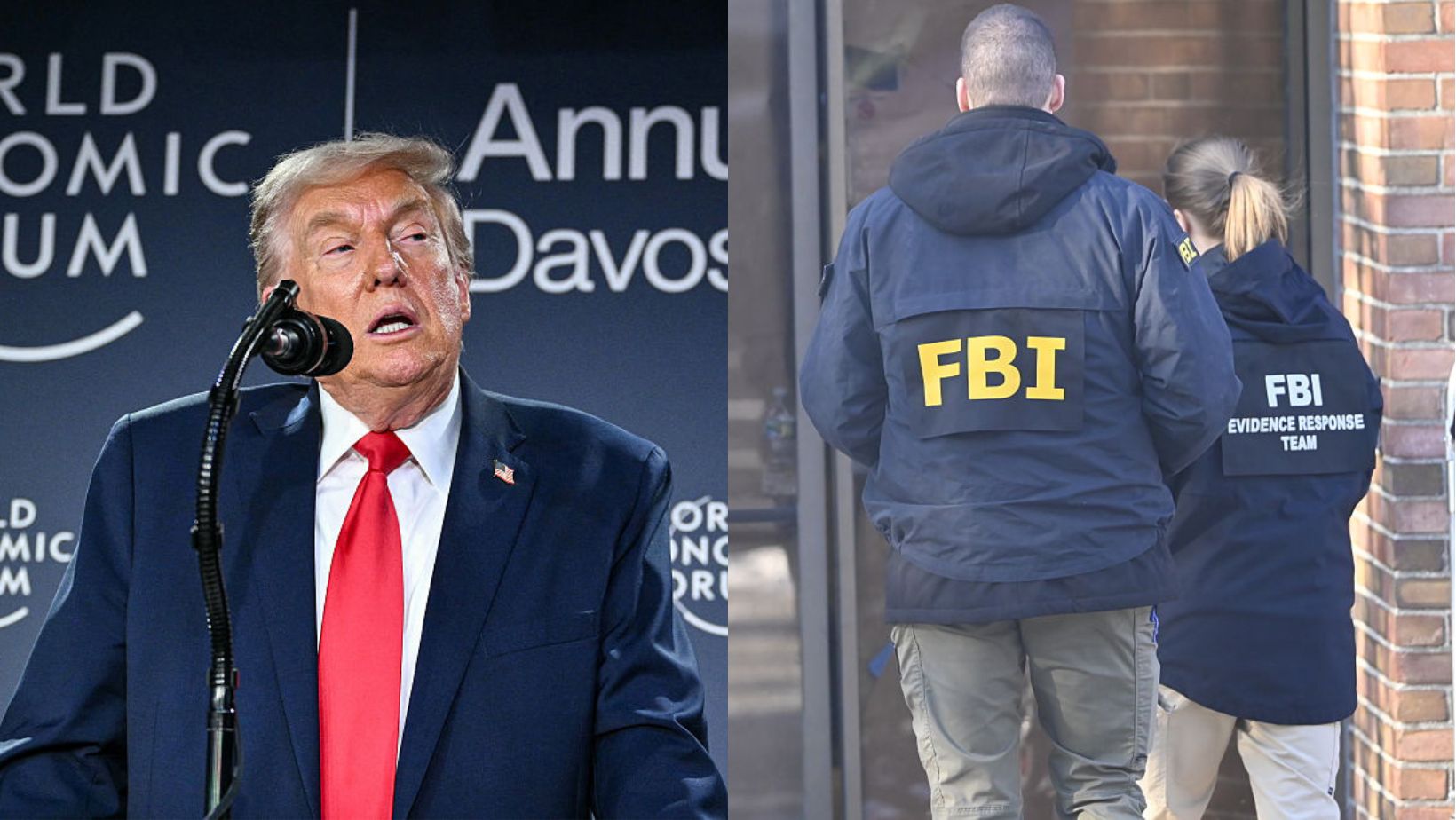
The FBI searched 700 boxes of documents at an election center in Fulton County, Atlanta, the capital of Georgia.

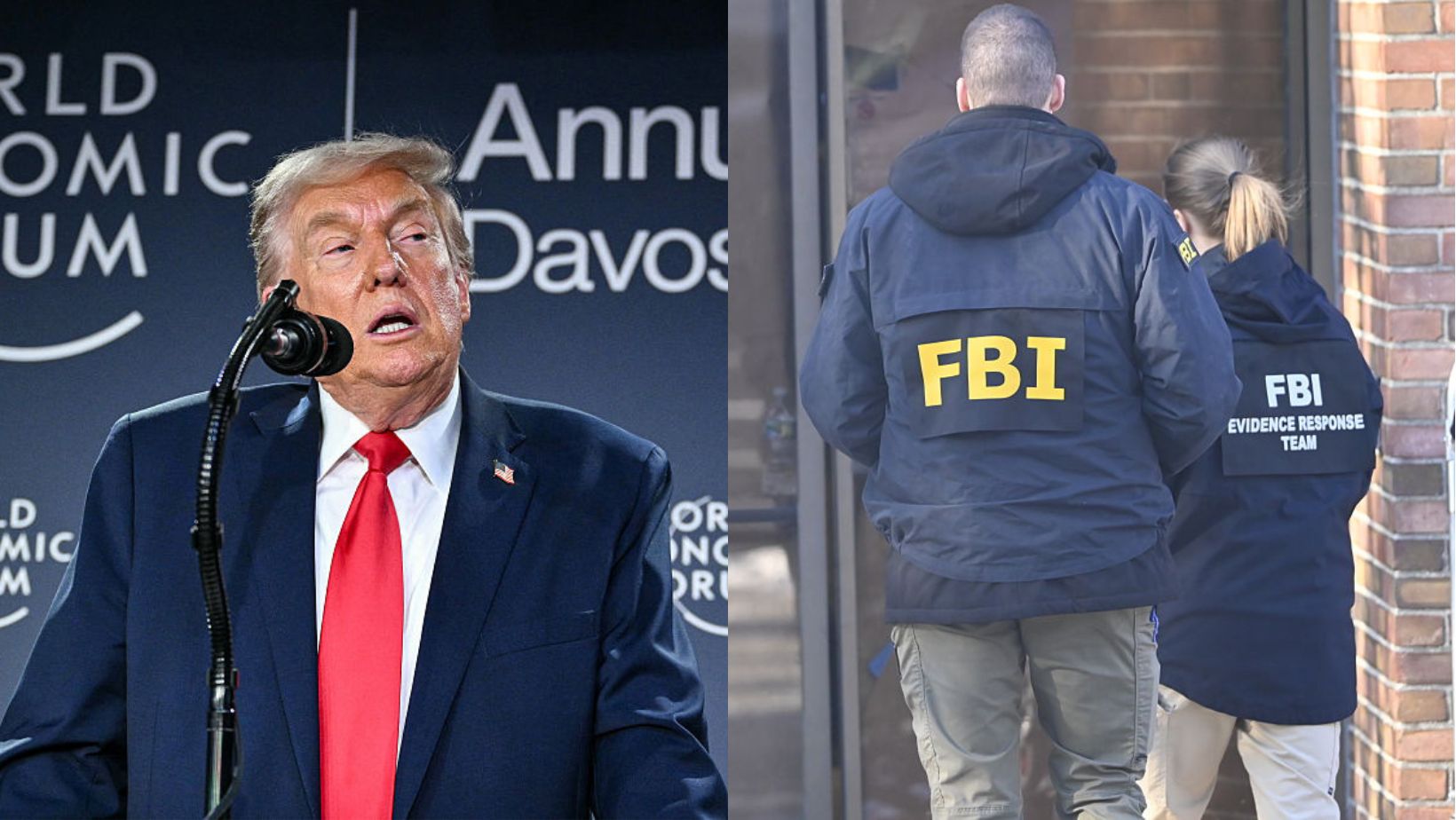
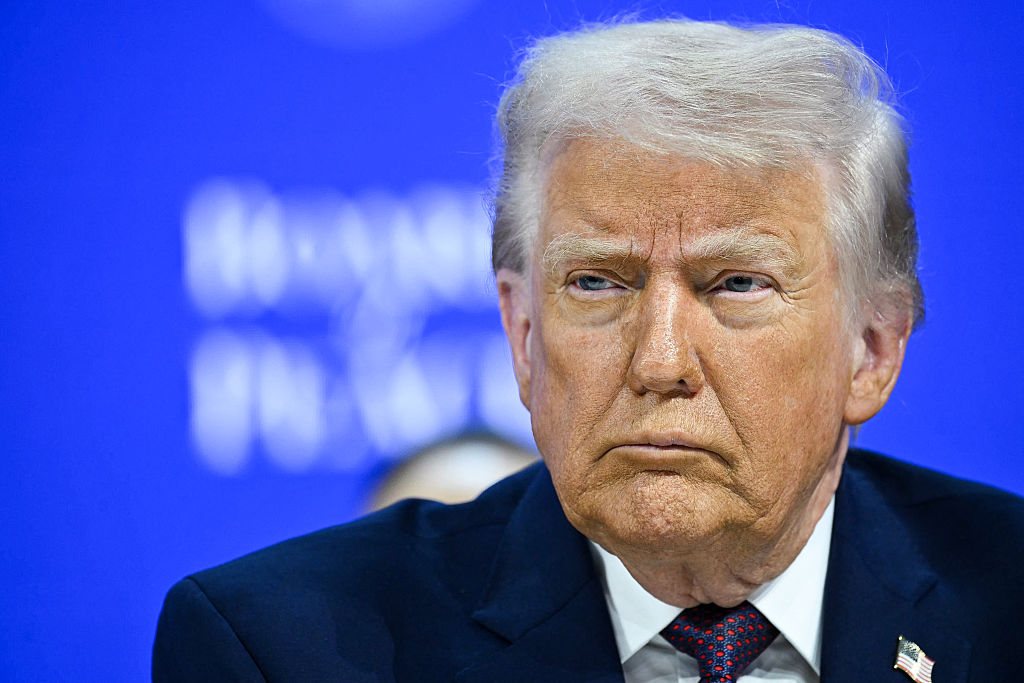
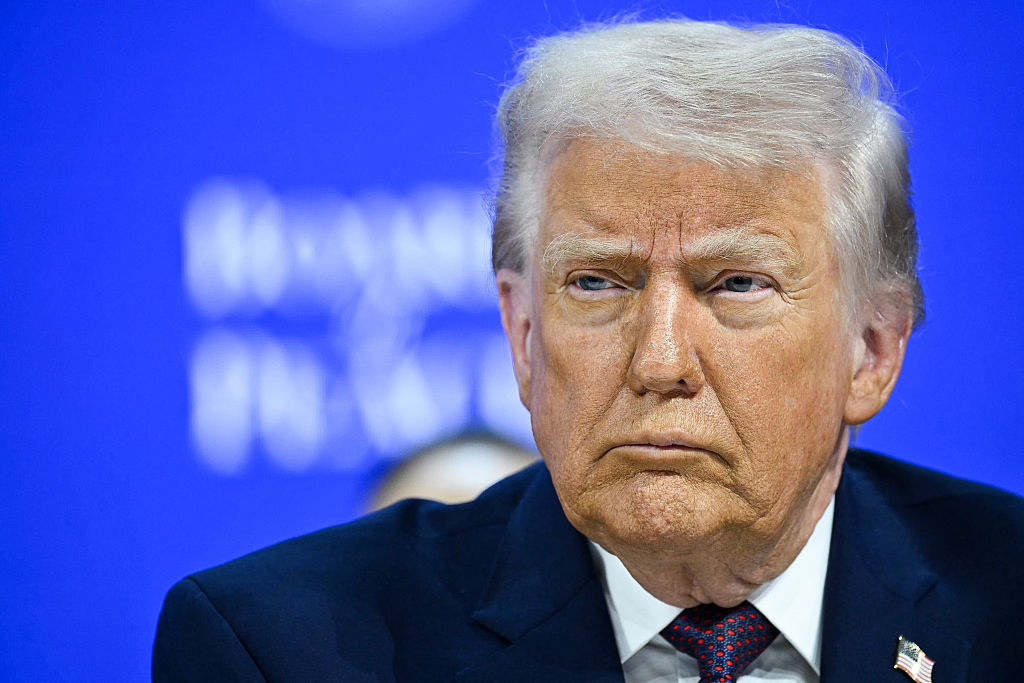
This polling station is at the heart of Donald Trump’s baseless allegations of fraud in the 2020 presidential election. The FBI operation comes a week after the US president made threats last week at the World Economic Forum in Davos, where he said: « The 2020 election was a rigged election, everyone knows that. People will soon be charged for what they did. »

Trump encore obsédé par l’élection de 2020, le FBI perquisitionne un bureau électoral clé

Le FBI a perquisitionné 700 caisses de documents dans un centre électoral du comté de Fulton, à Atlanta, capitale de la Géorgie.

Ce bureau de vote est au cœur des accusations infondées de fraude lors de la présidentielle de 2020 que martèle Donald Trump. L’opération du FBI survient une semaine après les menaces qu’a lancées le président américain la semaine dernière, lors Forum économique mondial de Davos, où il a déclaré : «L’élection de 2020 était une élection truquée, tout le monde le sait. Des gens seront bientôt inculpés pour ce qu’ils ont fait».

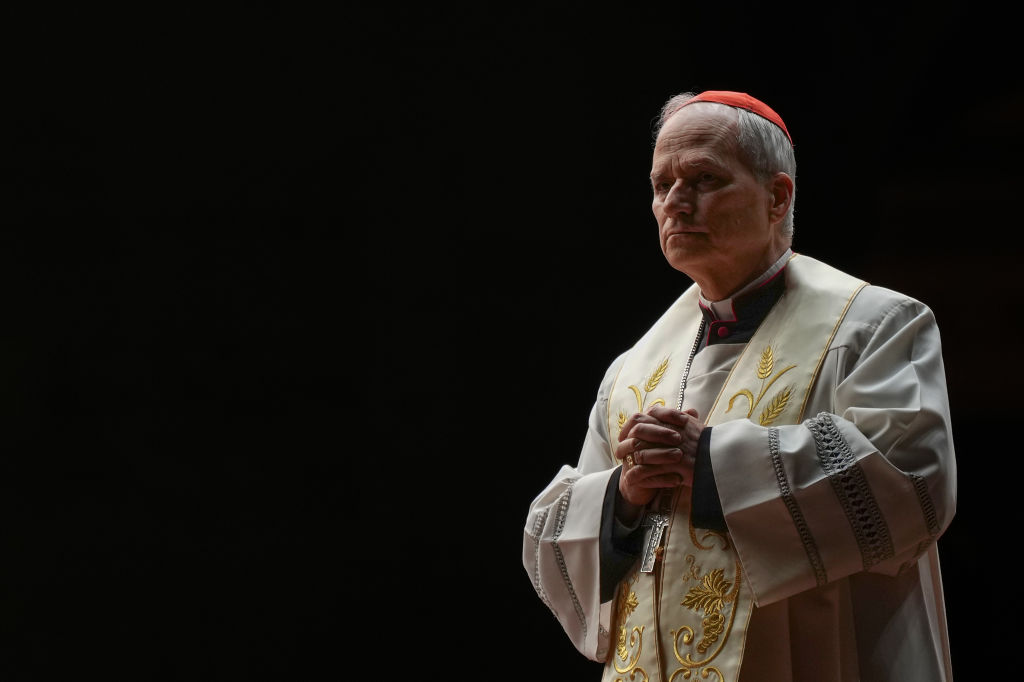
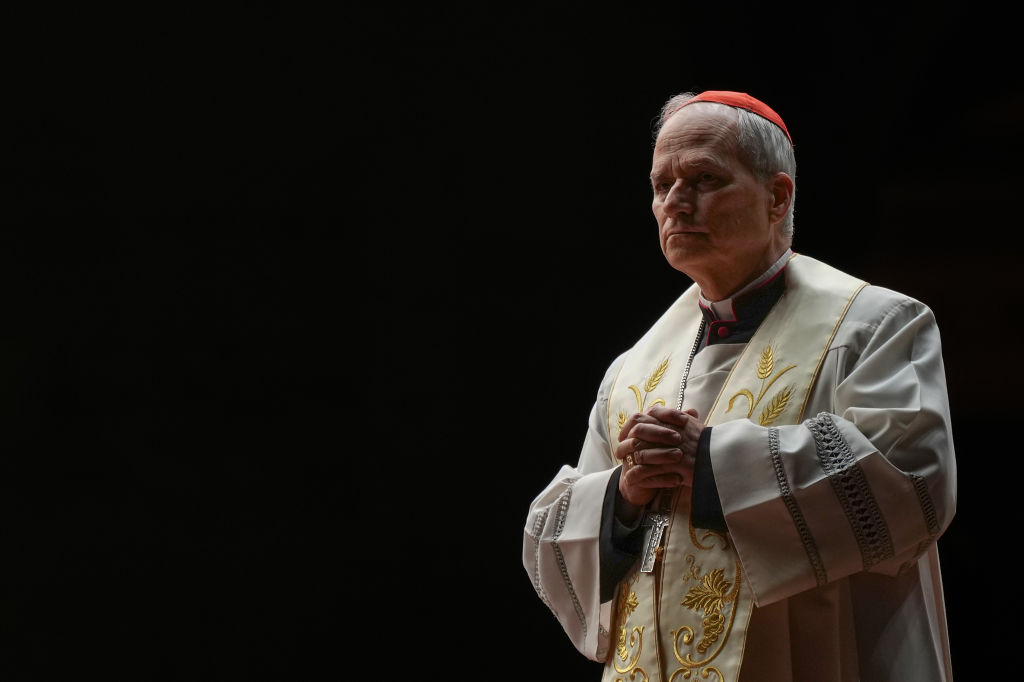
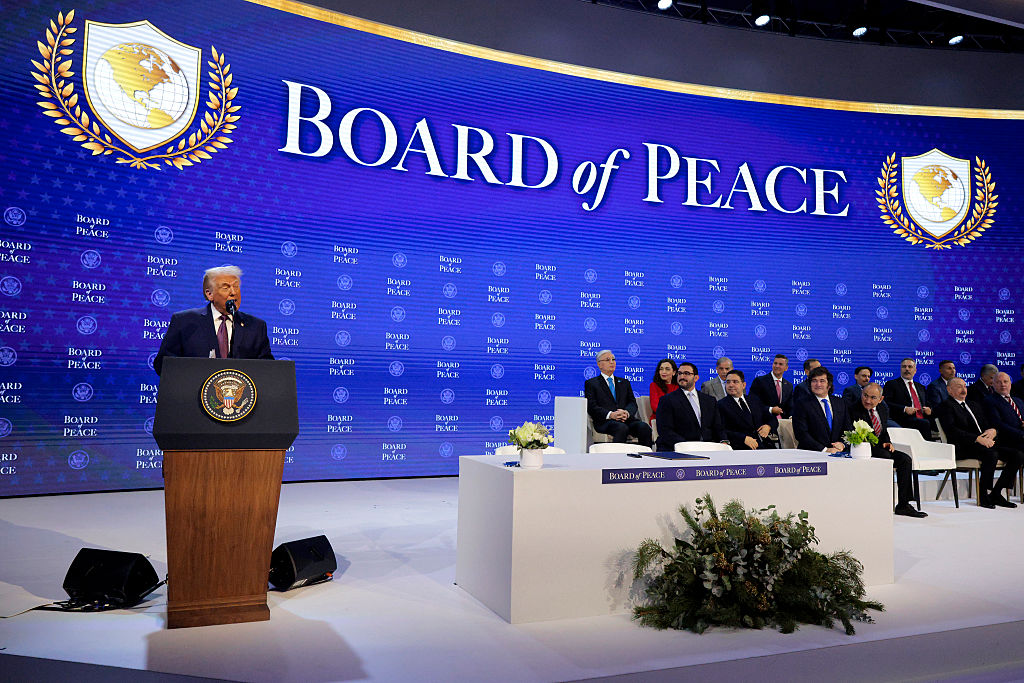
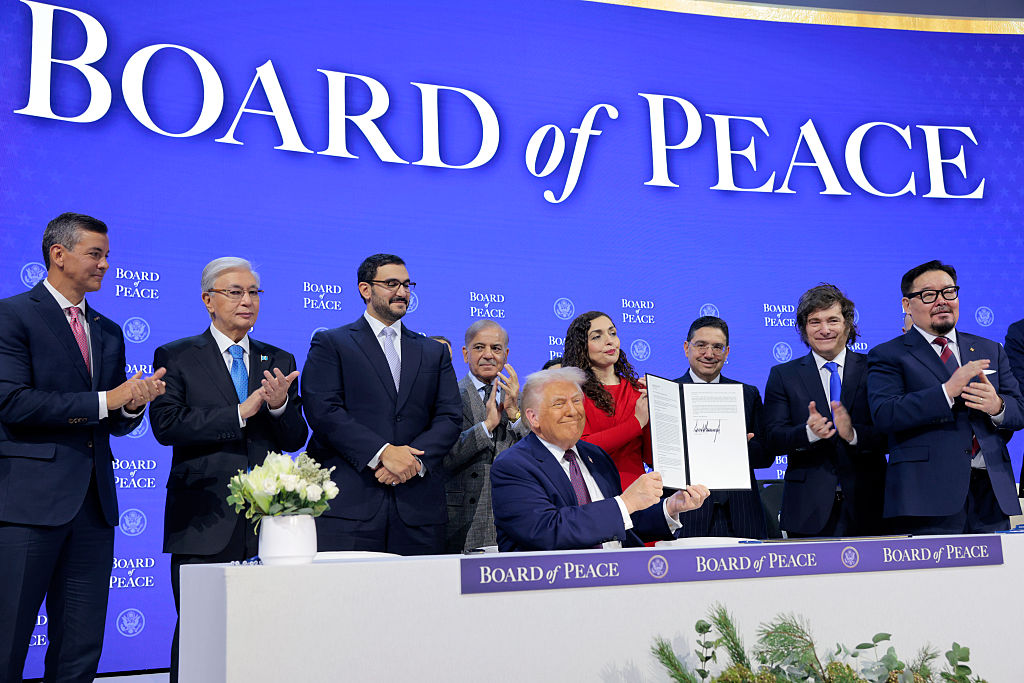
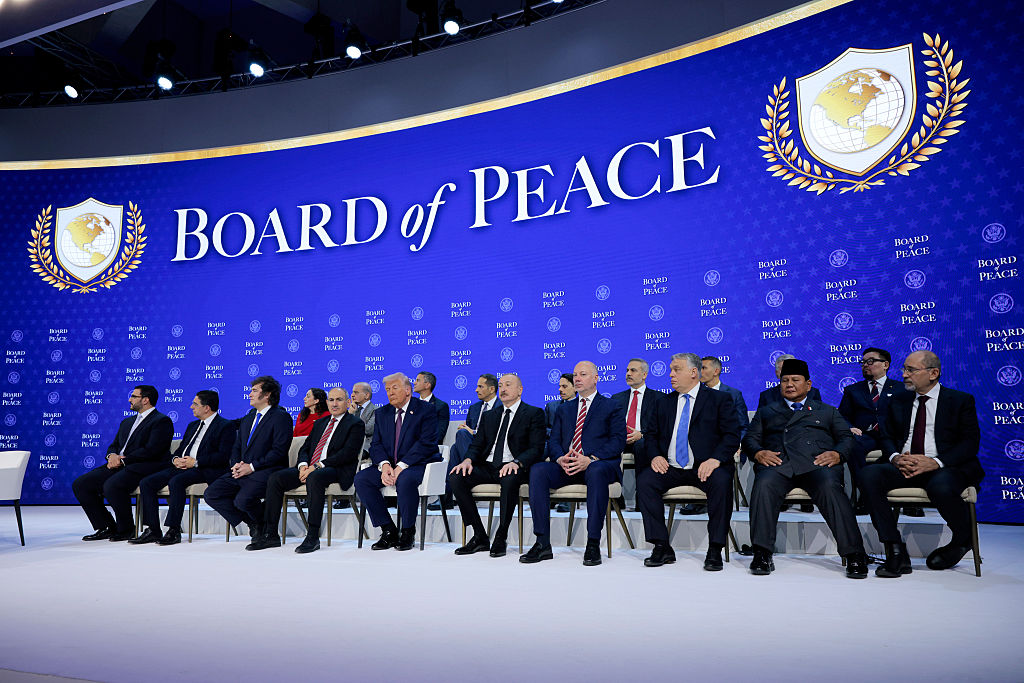
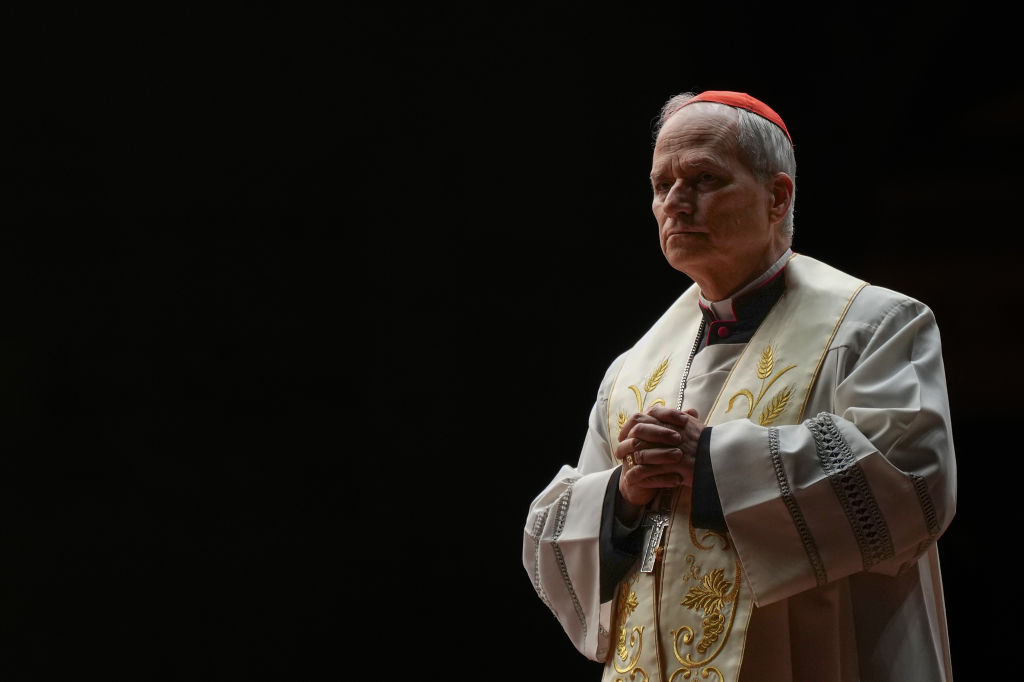
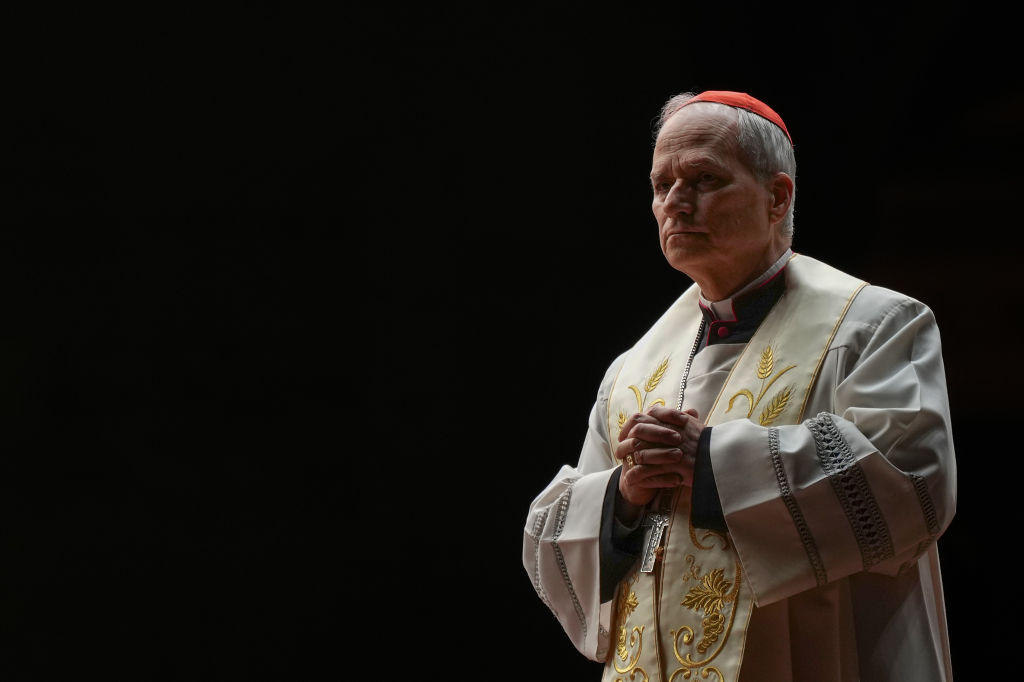
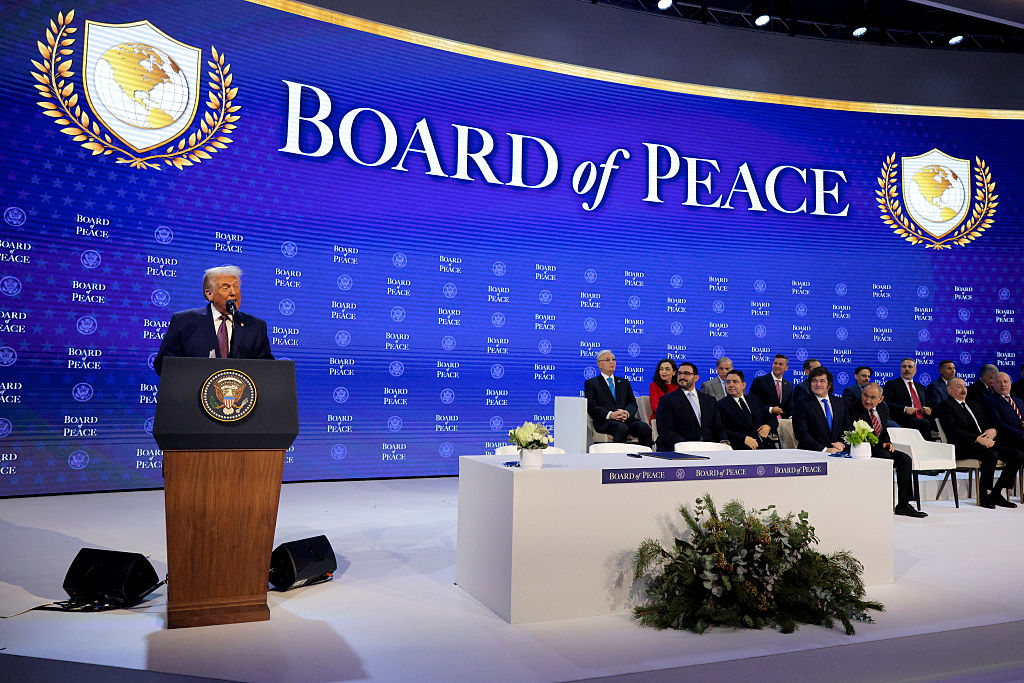
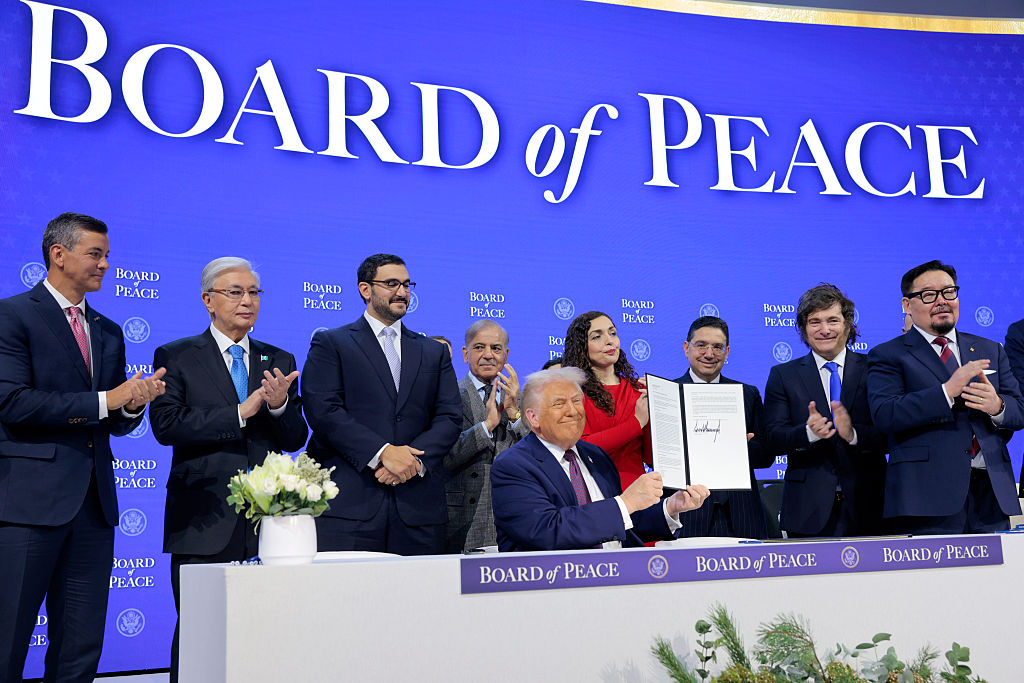
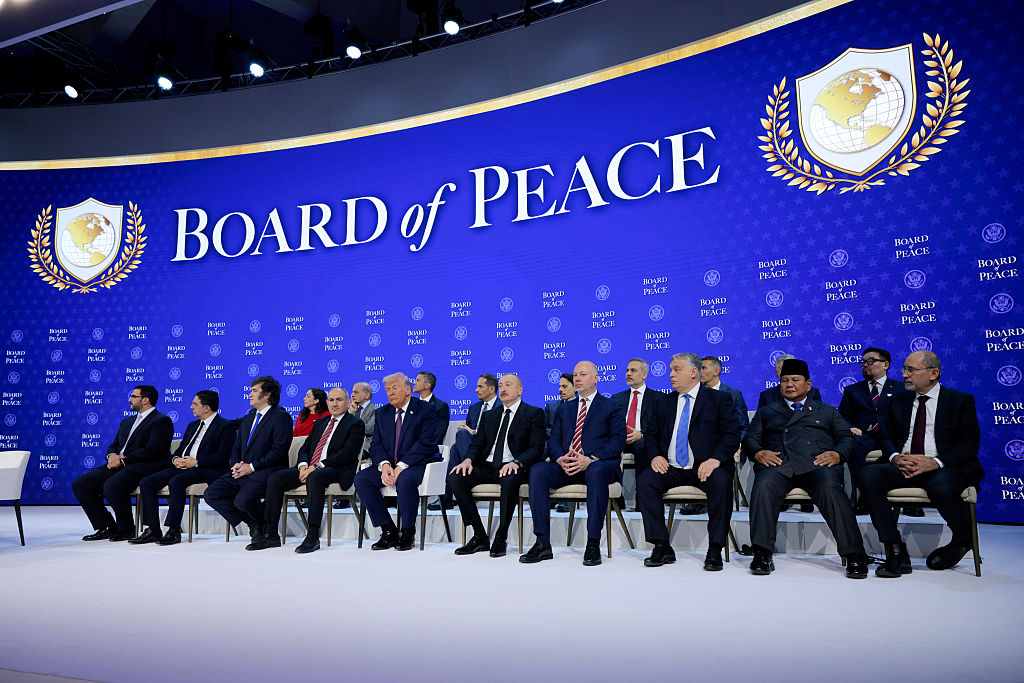
Trump a invité le pape à son «Conseil de la paix»

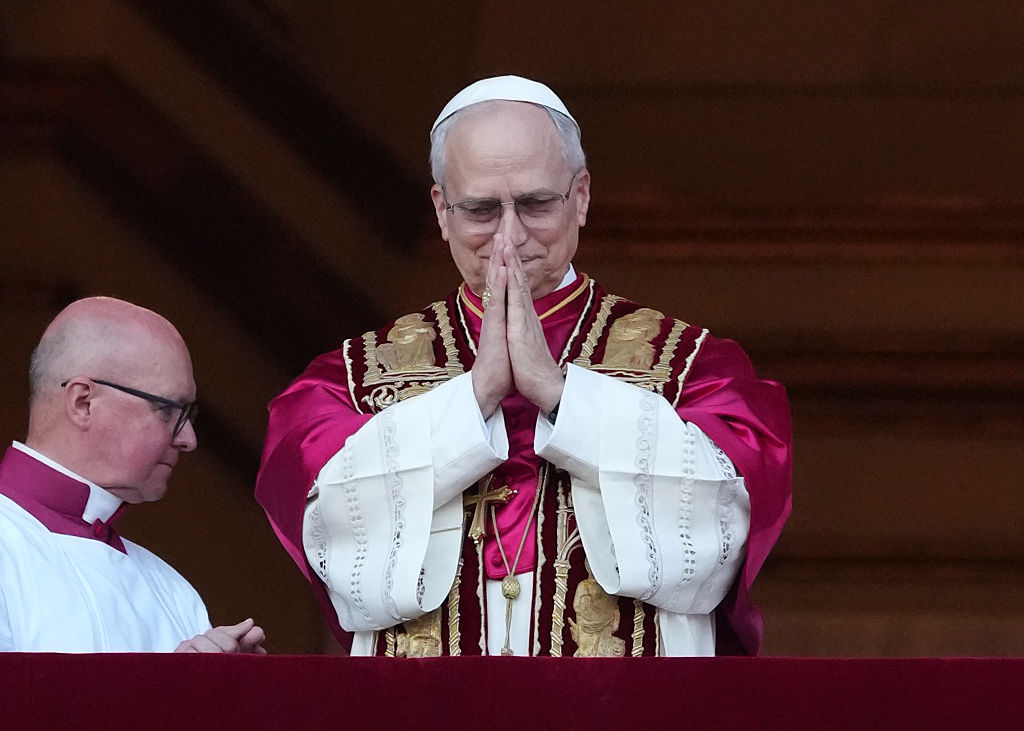
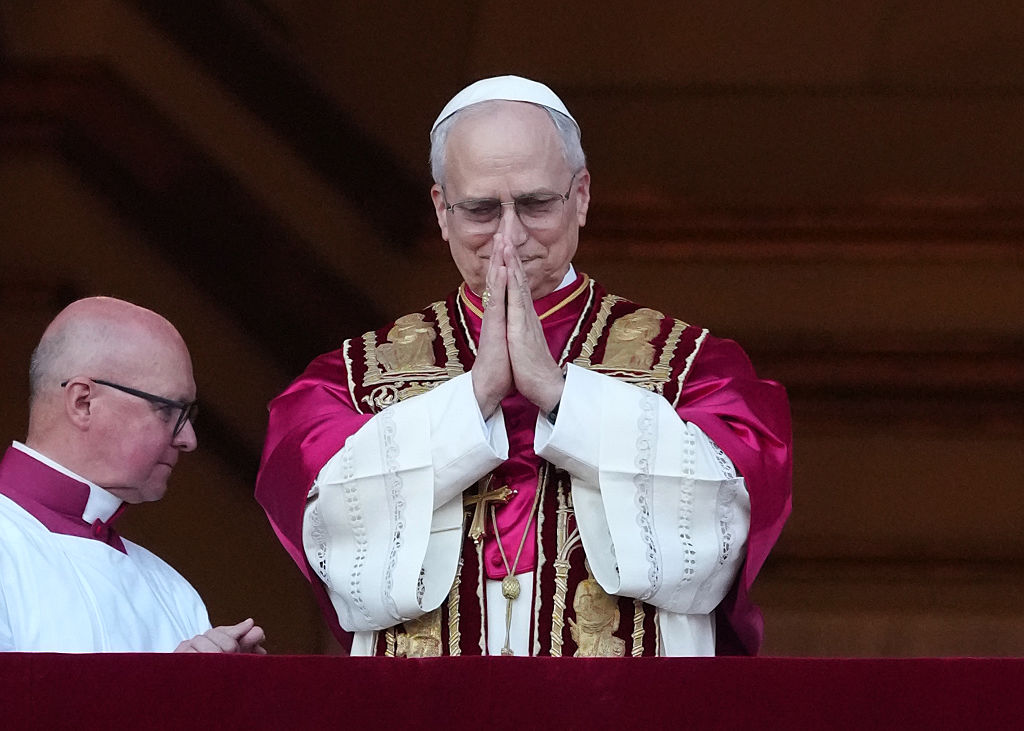
Parmi les dirigeants mondiaux figurant sur sa liste figurait le pape Léon XIV, chef de l’Église catholique. Selon certaines informations, le pape Léon serait toujours en train d’étudier l’offre, tout comme de nombreux autres pays. Beaucoup de pays ont déjà rejeté l’offre de Trump pour diverses raisons, mais surtout parce qu’ils doutent des motivations de Donald Trump.

Trump invited the Pope to the ‘Board of peace’

Amongst the world leaders included in his list was Pope Leo XIV, head of the Catholic church. Reportedly, Pope Leo is still considering the offer, along with a litany of other countries. Many countries have already turned down Trump’s offer for a variety of reasons, but especially citing doubt in Donald Trump’s motivations.

Le camp Trump est divisé depuis la mort d’Alex Pretti

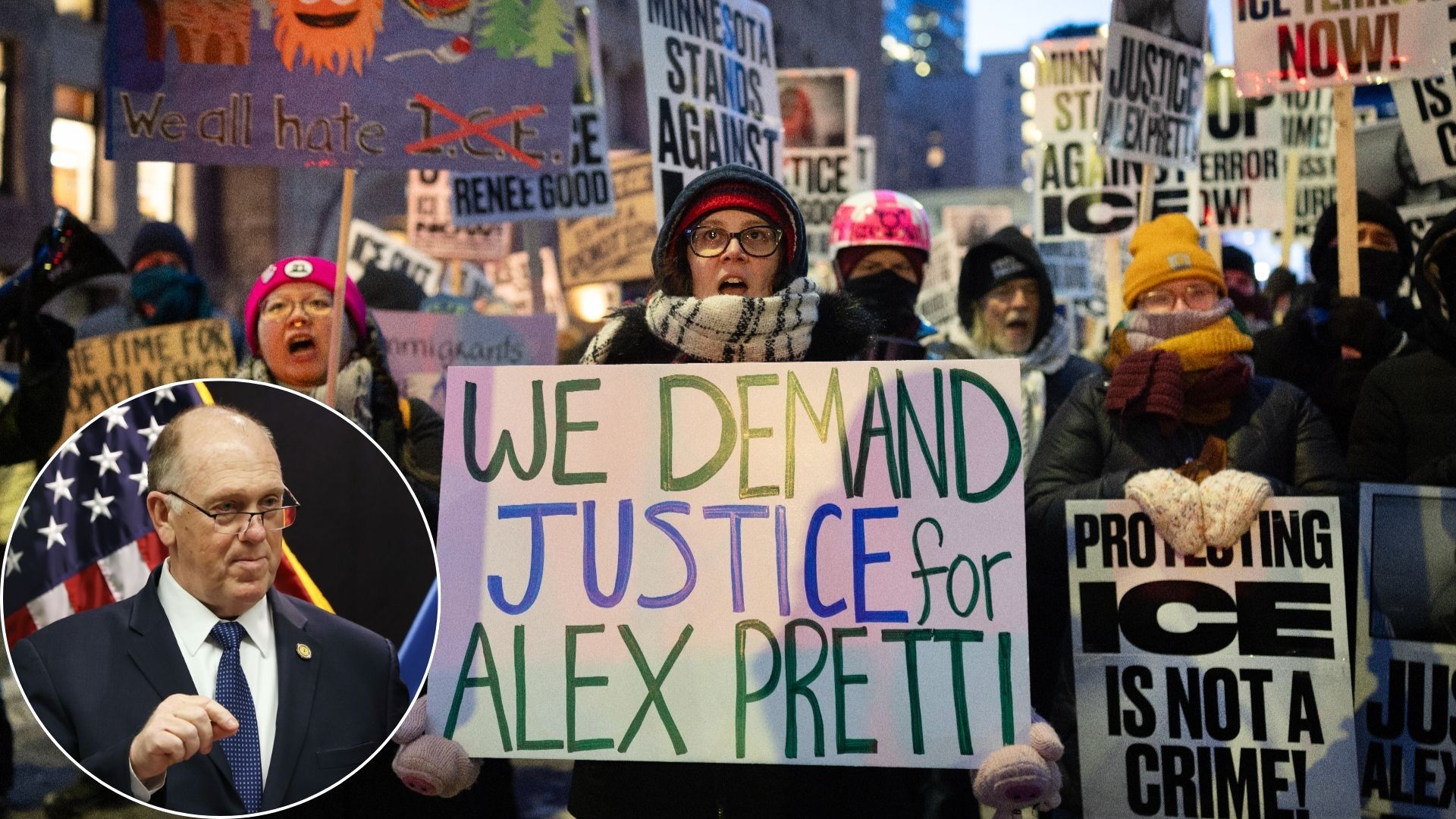
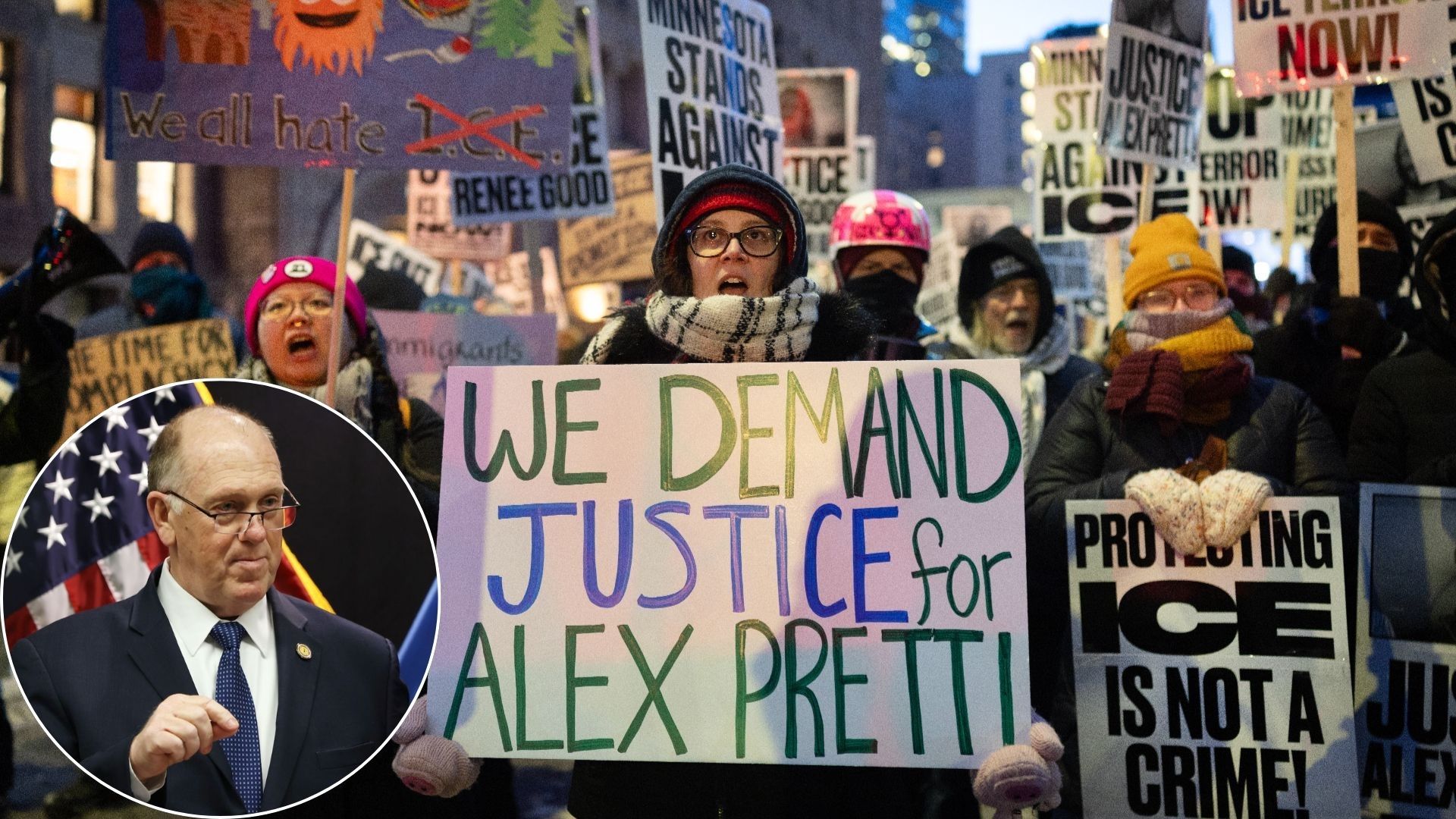
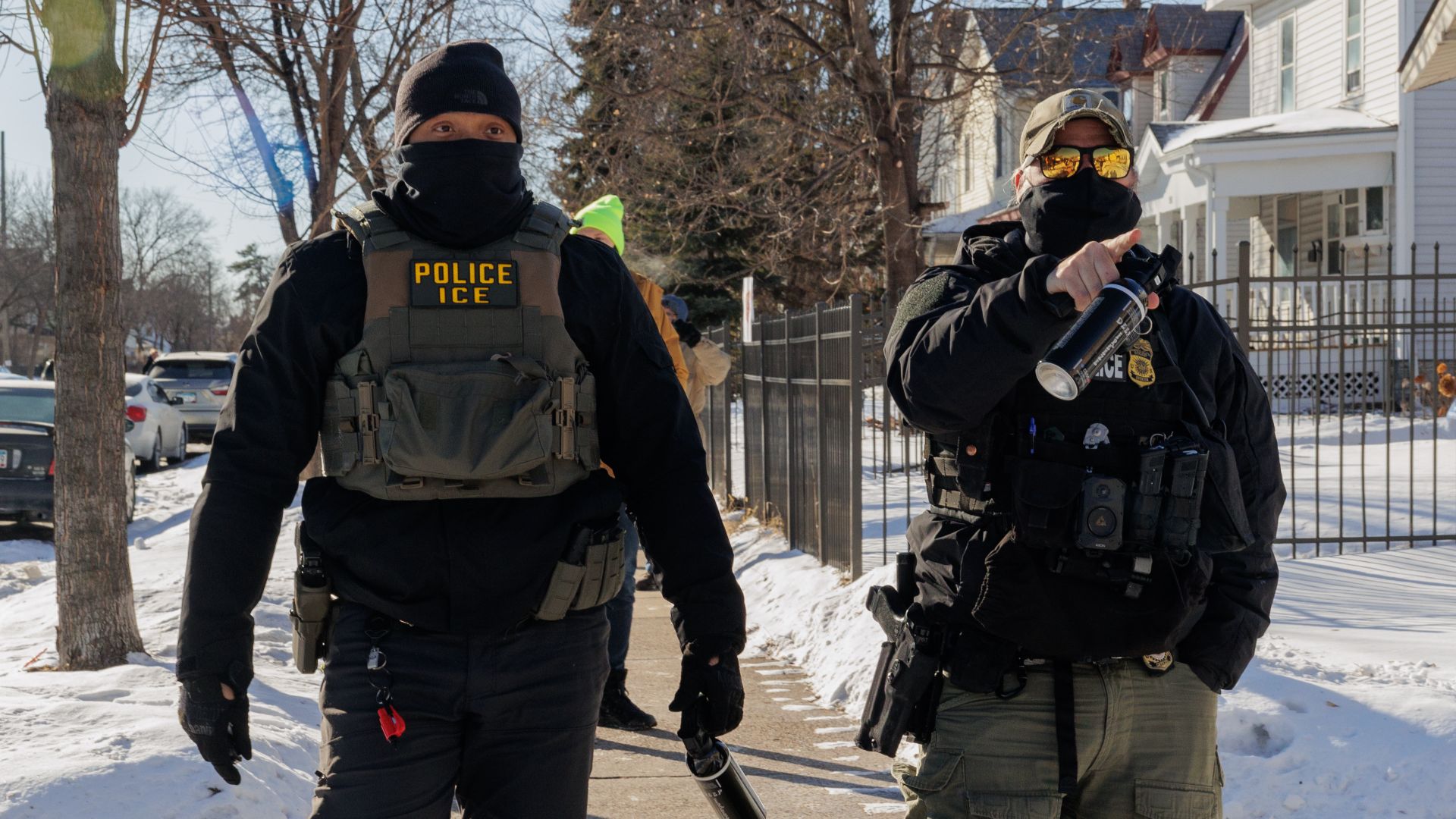
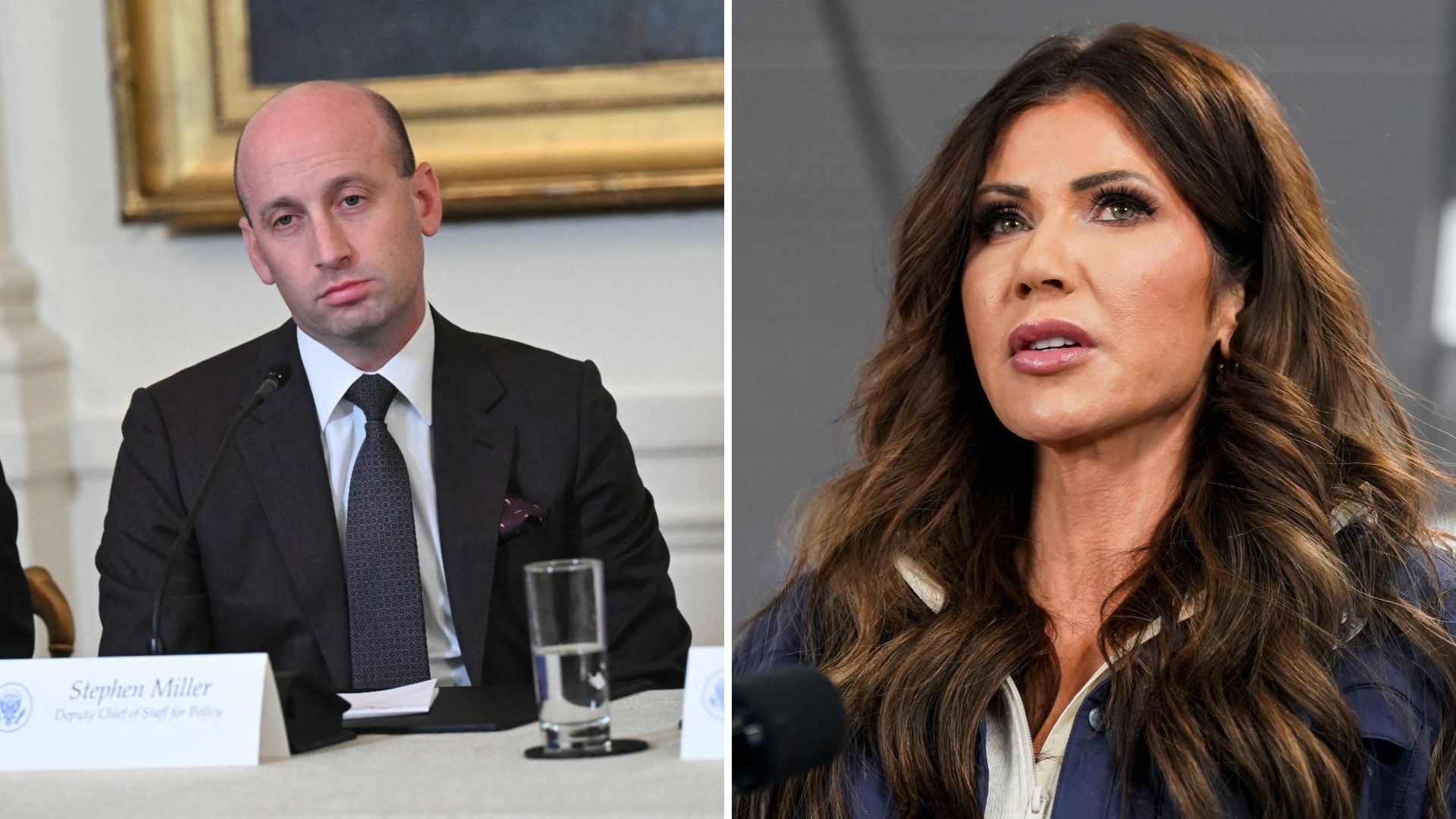
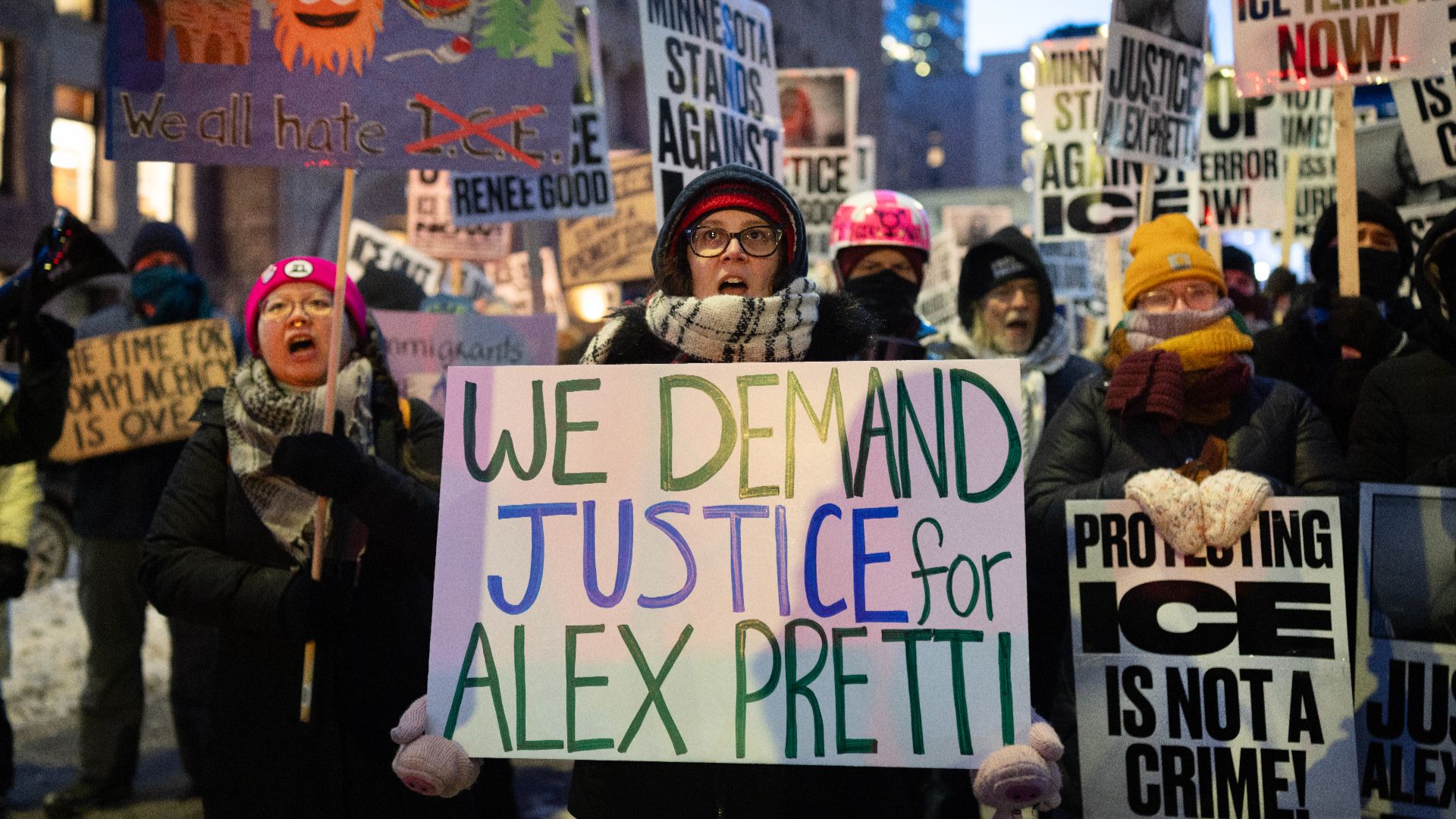
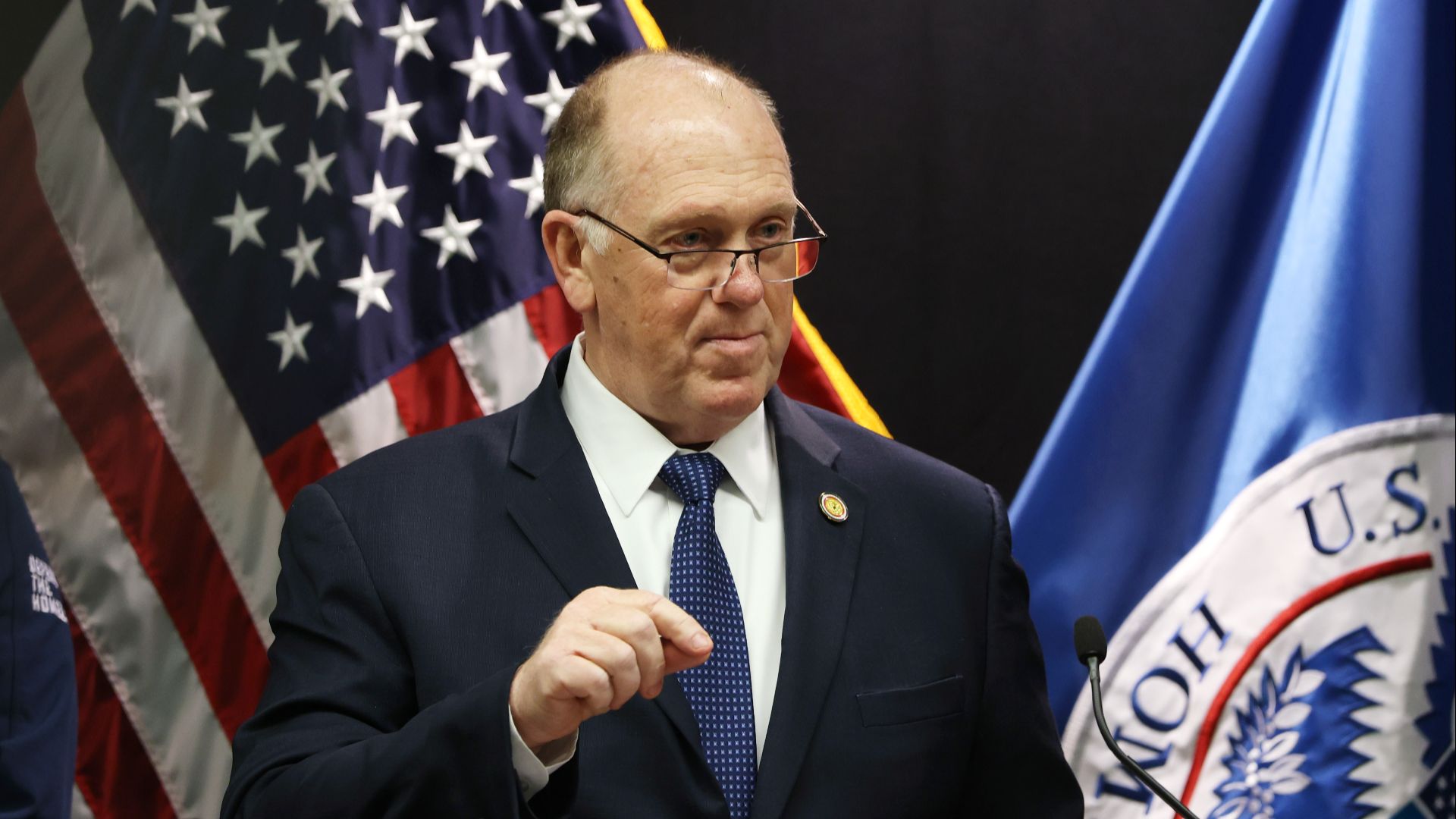
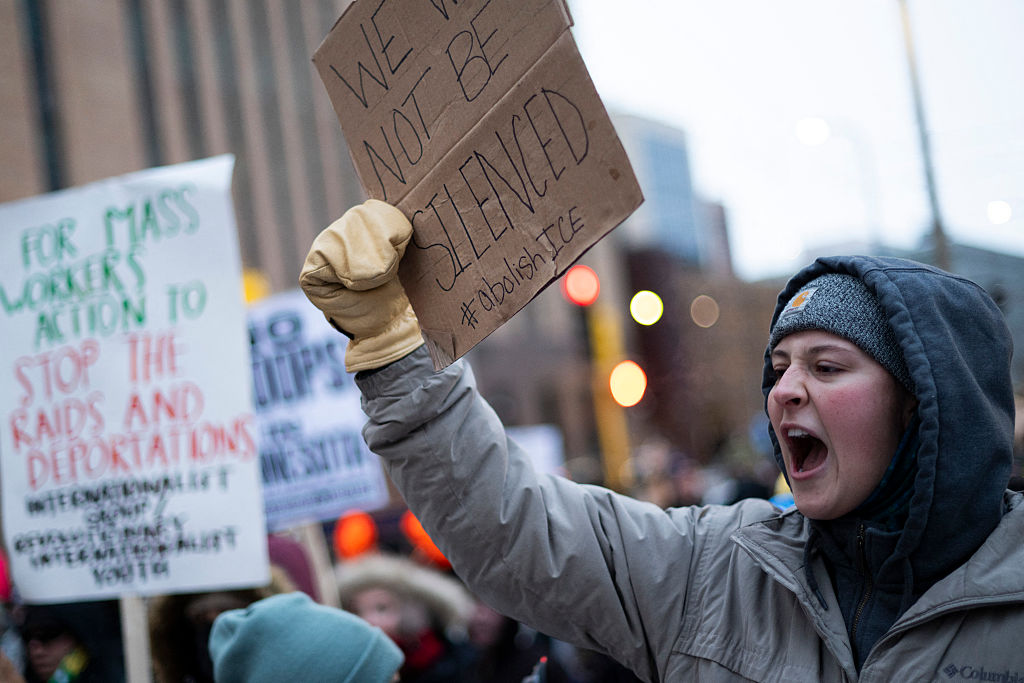
La mort par balle de l’infirmier Alex Pretti, victime d’agents fédéraux de l’immigration, a déclenché une crise en cascade pour l’administration Trump, transformant l’opération Metro Surge en un point chaud de la politique nationale. Des manifestations, des poursuites judiciaires et des demandes de retrait fédéral ont rapidement suivi, tandis qu’une guerre interne des responsabilités a révélé de profondes fractures en matière de renseignement, de communication et de responsabilité. Les responsables de la Maison-Blanche ont pointé du doigt les douanes et la protection des frontières, Stephen Miller et la secrétaire à la Sécurité intérieure Kristi Noem pour avoir propagé une allégation non fondée de « massacre ». Alors que la pression montait, le président Trump a écarté les dirigeants de la police des frontières et envoyé Tom Homan prendre les commandes. Homan a déclaré « Je resterai jusqu’à ce que le problème soit résolu », promettant une surveillance plus stricte dans un contexte d’examen minutieux accru.

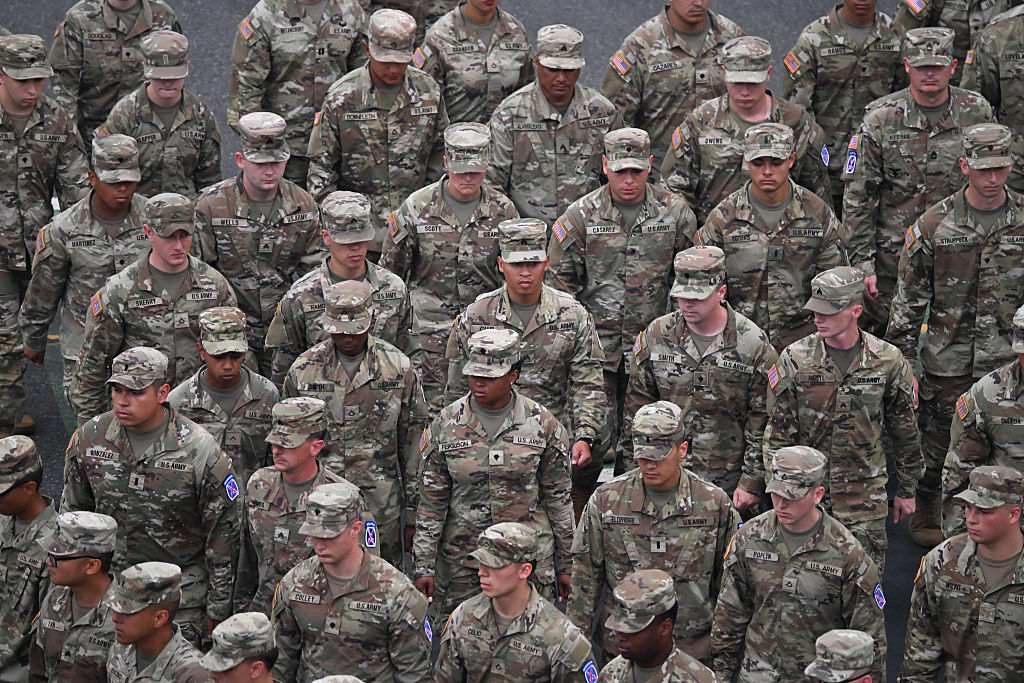
Trump avait préparé 1 500 soldats à se rendre au Minnesota

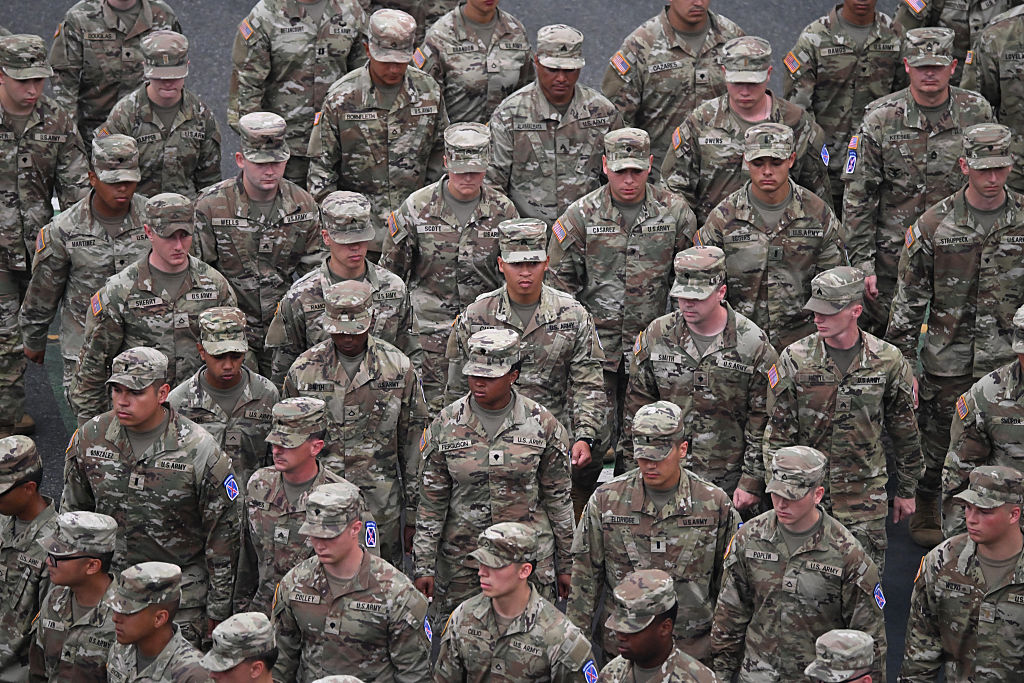
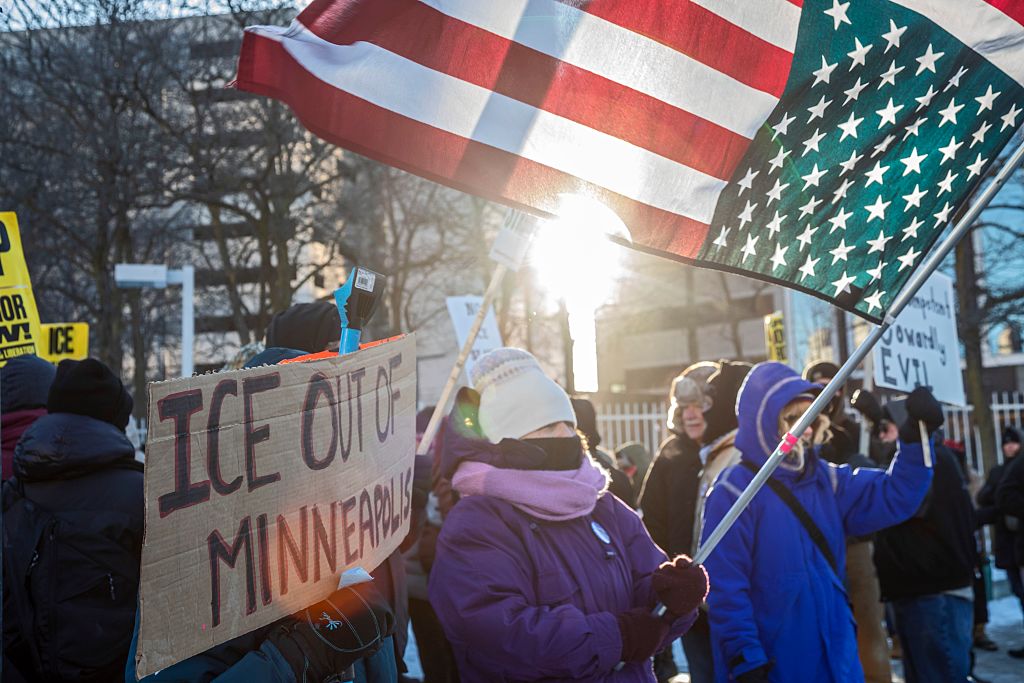
Le Pentagone avait ordonné à 1 500 soldats en service actif de se tenir prêts à se rendre dans le Minnesota si nécessaire, alors que les manifestations antigouvernementales attirent des milliers de personnes dans les rues des villes jumelles.

L’armée américaine a placé les unités en état d’alerte au cas où les manifestations dégénéreraient en violences et où les forces de sécurité de l’État seraient débordées. Les autorités n’ont pas donné de calendrier, mais Donald Trump a menacé de recourir à la loi sur l’insurrection pour déployer des forces militaires si les autorités de l’État ne mettaient pas fin aux attaques des manifestants contre les agents de l’immigration.

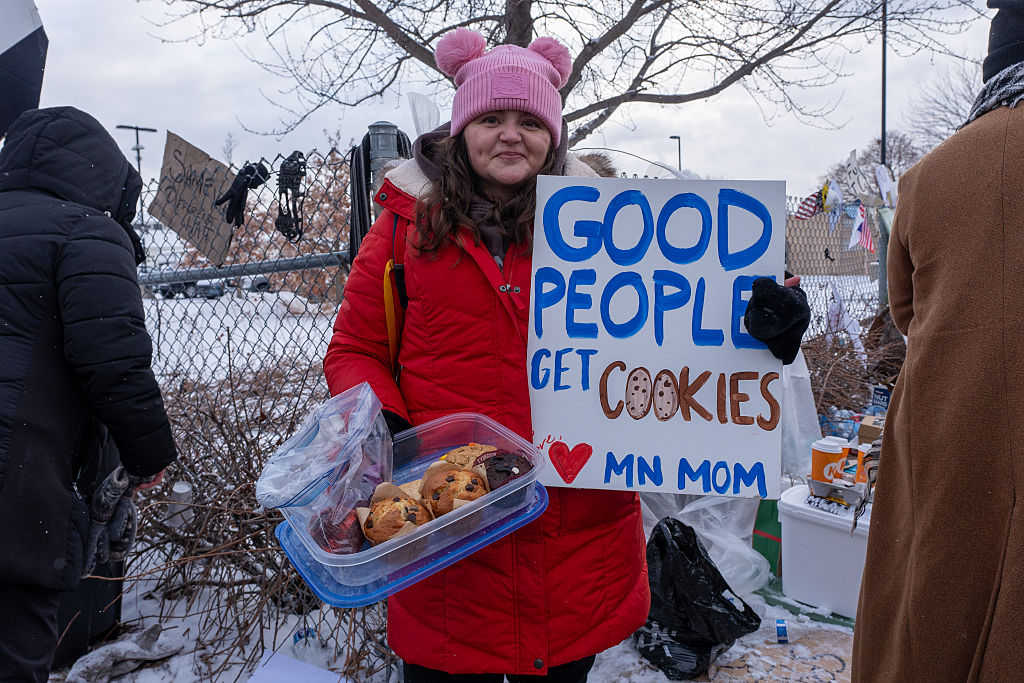
Ces manifestations font suite à la mort de deux personnes tuées par des agents de l’ICE en l’espace de quelques jours.

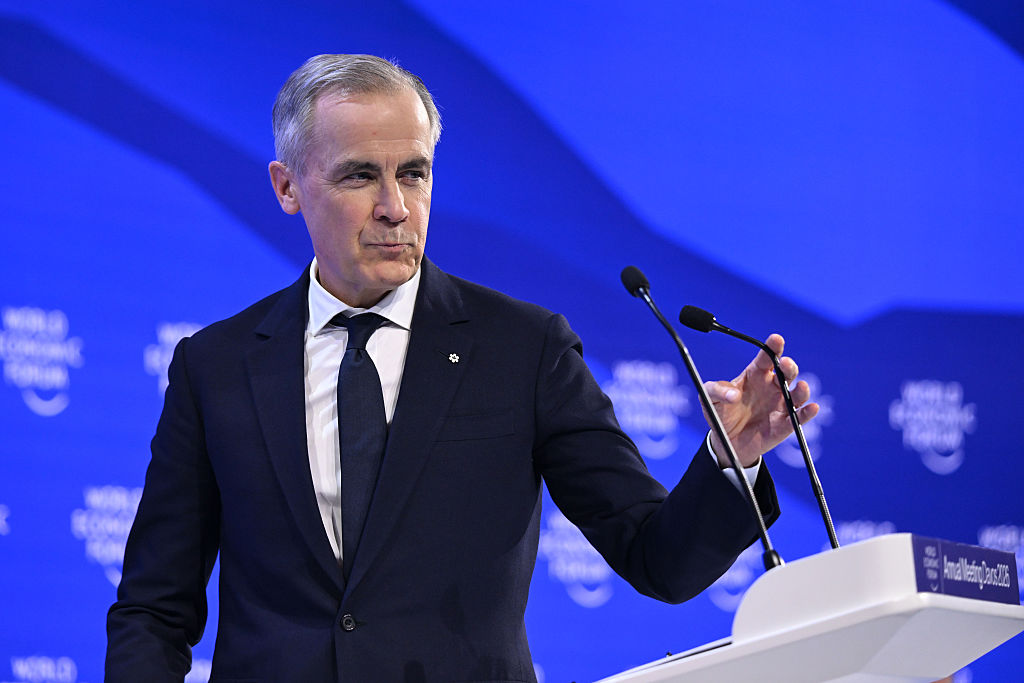
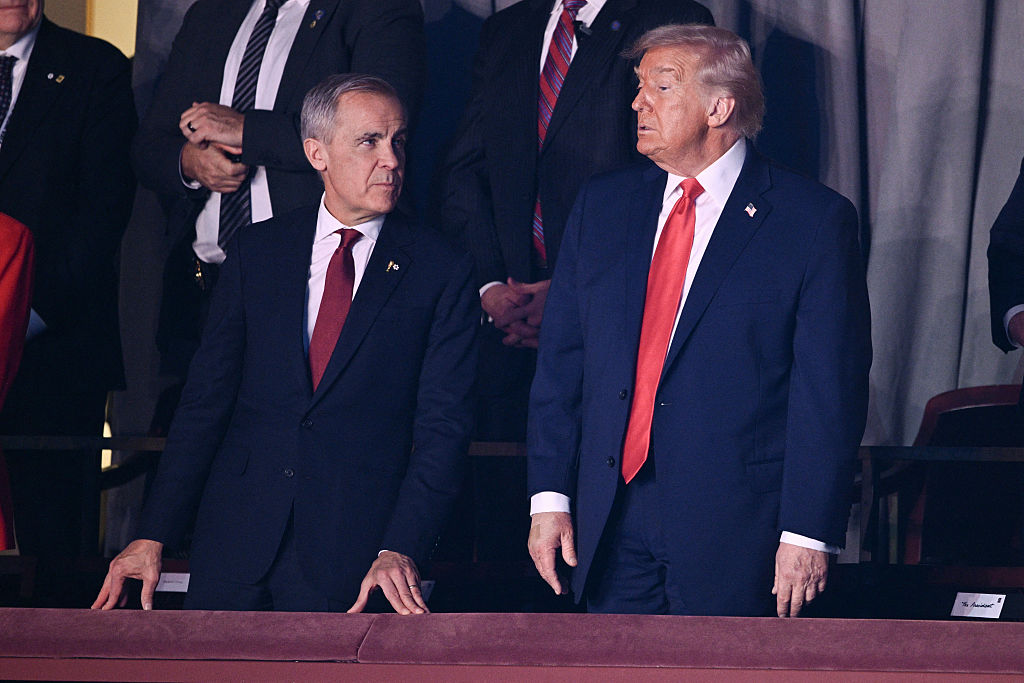
Retour sur la rivalité entre Trump et Carney qui a débuté au Forum économique mondial

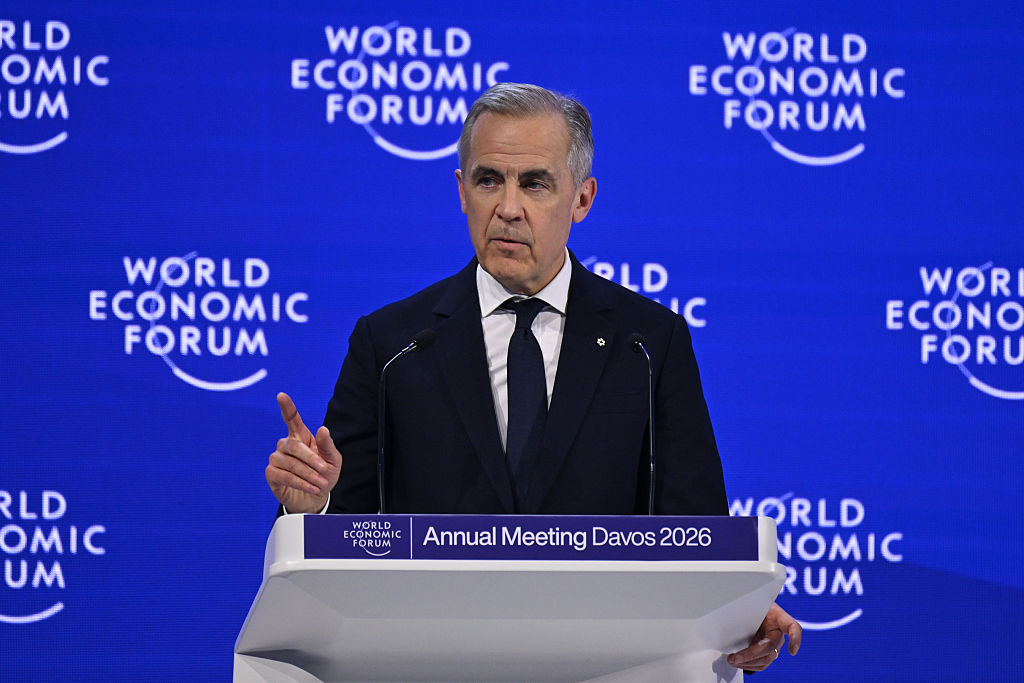
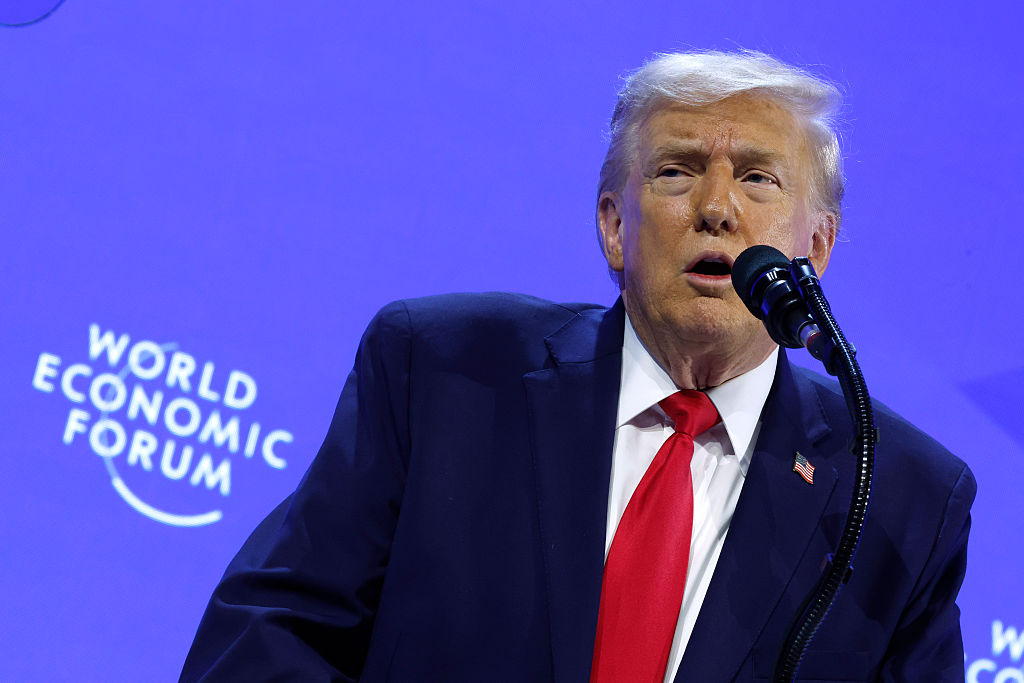
Donald Trump a critiqué Mark Carney et le Canada après les commentaires du premier ministre lors du Forum économique mondial de Davos. Dans un discours dérangé, Trump a menacé le Canada et plus particulièrement Mark Carney, lui demandant de surveiller ses propos lorsqu’il parle des États-Unis. Selon Trump, le Canada vit aux dépens des États-Unis, et Carney ferait bien de s’en souvenir la prochaine fois qu’il prendra la parole. Si le discours de Trump à Davos n’était pas aussi absurde qu’il aurait pu l’être, il contenait néanmoins une série de menaces vagues à l’encontre d’un certain nombre de nations. Trump a également mentionné son Dôme doré et promis de ne pas attaquer le Groenland dans son discours d’une heure.