Catégories
Uncategorized

Un autre enfant de Brad Pitt et Angelina Jolie veut enlever «Pitt» de son nom

  • TMZ rapporte que Maddox veut retirer «Pitt» de son nom.
  • Il est crédité comme «Maddox Jolie» dans le film Couture.
  • Il est le premier enfant adopté par Angelina Jolie, puis adopté par Brad Pitt en 2005.
  • Plusieurs enfants du couple auraient aussi abandonné le nom « Pitt ».

Selon une nouvelle rapportée par TMZ, Maddox Jolie-Pitt, le fils de Brad Pitt et Angelina Jolie, aurait lui aussi décidé d’abandonner le nom de famille de son père. Toujours d’après ces informations, il aurait déposé des documents juridiques afin de modifier officiellement son identité, demandant le retrait du nom «Pitt» pour adopter plutôt celui de «Maddox Chivan Jolie».

Sur le plan professionnel, Maddox a déjà été crédité sous une version simplifiée de son nom. Il est en effet apparu comme «Maddox Jolie» dans le récent film d’Angelina Jolie, Couture, où il a travaillé en tant qu’assistant réalisateur. Cette apparition dans les crédits du film laisse croire qu’il utilise déjà cette identité dans un cadre professionnel, en cohérence avec la démarche rapportée dans les documents légaux.

Brad Pitt et Angelina Jolie ont construit leur famille progressivement, d’abord par l’adoption de trois enfants, avant d’accueillir ensuite trois enfants biologiques.

Maddox est le premier enfant adopté par Angelina Jolie, qu’elle a accueilli du Cambodge en 2002, à une période où elle n’était pas encore en couple avec Brad Pitt. Ce dernier, après le début de sa relation avec Angelina Jolie en 2005, a également adopté Maddox la même année, officialisant ainsi son rôle de père au sein de la famille Jolie-Pitt.

La demande de changement de nom déposée par Maddox n’a pas encore été approuvée, mais une décision officielle devrait vraisemblablement être rendue prochainement.

(Photo by STEFANI REYNOLDS/AFP via Getty Images)

Suivre la vague

Cette situation familiale complexe s’inscrit aujourd’hui dans un contexte plus large où plusieurs des enfants auraient choisi de modifier ou d’adapter leur nom de famille, que ce soit de manière officielle ou dans un cadre plus personnel.

Maddox semble ainsi suivre une tendance déjà observée chez certains de ses frères et sœurs, qui ont également pris leurs distances avec le nom «Pitt». En effet, Shiloh aurait procédé à un changement de nom officiel, tandis que Zahara aurait décidé de ne plus l’utiliser de façon informelle dans certains contextes. De son côté, Vivienne aurait aussi retiré ce nom du programme d’une production de Broadway à laquelle elle a participé.

Ces différentes décisions, bien que distinctes, s’inscrivent dans un même mouvement général où les enfants de Bad Pitt semblent se dissocier de lui.

(Photo by Tolga Akmen / AFP) (Photo by TOLGA AKMEN/AFP via Getty Images)

Accusations et divorce

La relation amoureuse entre Brad Pitt et Angelina Jolie, suivie de leur séparation, a été marquée par un long et difficile parcours pour les deux parties. Selon TMZ, leur divorce aurait finalement été réglé après plus de huit ans de procédures et de négociations, mettant ainsi fin à une bataille juridique particulièrement complexe.

Peu après la demande de divorce, Angelina Jolie avait accusé Brad Pitt de comportements violents envers au moins un de leurs enfants. L’acteur a toujours nié ces allégations et a ensuite été innocenté par les autorités compétentes à la suite des enquêtes menées. Malgré cela, Angelina Jolie a poursuivi certaines démarches juridiques pendant plusieurs années, maintenant le dossier ouvert sur différents aspects du litige.

Par ailleurs, leur séparation ne se limite pas à cet épisode. Les deux anciens conjoints sont également engagés dans un autre conflit judiciaire important concernant leur domaine viticole situé en France, un dossier qui a lui aussi alimenté de nombreuses tensions entre eux au fil du temps.


(Photo by Mustafa Yalcin/Anadolu via Getty Images)
Catégories
Uncategorized

Las Vegas dancer dates customer. Then she cuts it off—then her boss tells her to drop the protective order or she’ll get fired: ‘I went into hiding’

Every job comes with its hazards. Sometimes, however, those hazards can cross into the territory of true danger. One woman is going viral on TikTok for sharing her “terrifying” experience with one hazardous customer who claimed he was in the Mafia.

‘I remember just feeling like pure terror’

Dancer Bejules (@bejuless_ on TikTok) shared “the scariest thing that [she] went through” while working in the industry. Self-identifying as a “midnight ballerina,” the TikToker said her situation happened while she was living in Las Vegas. Her video has more than 37,000 views.

“I met a gentleman and he was a very wealthy man,” Bejules said in her video. “This man used to own a gentleman’s club, so he understood the lifestyle and I liked that about him. I started dating him and we eventually had a falling out. I didn’t want to hook up with him anymore mainly, because I wasn’t comfortable not using protection.”

Bejules said this man actually showed up to her Vegas club and threatened her after she refused to engage in unprotected intimacy. She said he had also intimated a violent past, so she went to her superiors at the club for support.

“They told me that the only way that they could protect me and help me if I got a protective order,” she said. “I did not want to get a protective order, [as] I was worried about being seen as a snitch… I was worried he was going to harm my family, especially my dad who was sick at the time.”

Bejules said her bosses “pressured” her to get the protective order, so she “went against [her] instincts.” She tried to get the protective order. Then she begged her managers to ban the man from the club.

“The reason I was terrified of this guy is because … I know a lot of guys say things … I don’t know if it’s true but he claimed to be part of the mafia,” she said. “He told me some stories of things that he’s done to people that have wronged him… That really freaked me out.”

She drops the protective order

Bejules’ managers did not follow through on their promise to prioritize her safety after getting the protective order. Instead, they told her to drop the protective order, or they’d terminate her employment.

“I remember just feeling like pure terror when this manager told me this… I literally was like, ‘I didn’t even want to get this protective order,’” Bejules said. “‘You guys told me yesterday that you would not help me unless I got this protective order’ … Long story short, I started working for a dispensary, and I went into hiding … I went by a different name.”

Bejules said she couldn’t name the club, as she feared they would sue her. She added that the fear of the man finding her lingered long after she “went dark.”

“I knew that there was no one to protect me,” she said. “What if this guy really is part of the mafia? Like, what is he going to do to my family?”

Does the mafia really still exist?

The TikToker wondered whether the man she dated really was in the mafia. But is “the Mob” still active?

In short: Yes. An October 2025 NBA gambling scandal brought the mafia back “on full display” in the public eye, according to the New York Times. The publication reported that local and federal officials busted NBA coaches and stars for an illegal gambling operation. That made it clear that at least four of the “Five Families” of the mafia “oversaw a complex scheme to rig illegal poker games that raked in millions of dollars.”

“While the mob’s outright stranglehold on a host of industries … is a thing of the past, organized crime remains alive and well, if less visible,” the New York Times wrote. “The Italian Mafia, known as La Cosa Nostra, ‘is still alive and well in the New York City area, they just changed some of their methods in the way they operate,’ said F.B.I. supervisor Mike Mullahy … ‘Being brazen and up front in how they operate has not always worked out well for them … so they have changed their methods and modes of operation.’”

And while experts believe the Mafia’s “presence is perhaps most vibrant in the New York City metropolitan area,” the same doesn’t seem to be true in Las Vegas, according to the Las Vegas Review-Journal.

“[Mob Museum vice president Geoff Schumacher] said it’s not likely there is a crime family based in Las Vegas today, at least not in the traditional sense,” the Las Vegas Review-Journal reported. “But Vegas can still be a target for cyber criminals, drug cartels and other organized crime groups from Asia and Eastern Europe.”

Buzz News has reached out to Bejules via TikTok comment.

@bejuless_ Part 1 #midnightballerina #stripper #exoticdancer #part1 #truestory ♬ original sound – bejules
Catégories
Uncategorized

Une danseuse de Vegas sort avec un client, rompt avec lui et son patron lui ordonne alors quelque chose: «J’ai dû me cacher»

Chaque métier comporte ses risques. Parfois, cependant, ces risques peuvent prendre une tournure véritablement dangereuse. Une femme fait le buzz sur TikTok après avoir partagé son expérience « terrifiante » avec un client dangereux qui affirmait appartenir à la mafia.

« Je me souviens avoir ressenti une terreur absolue »

La danseuse Bejules (@bejuless_ sur TikTok) a partagé « la chose la plus effrayante qu’[elle] ait vécue » alors qu’elle travaillait dans ce milieu. Se décrivant comme une « ballerine de minuit », la TikTokeuse a raconté que cette situation s’était produite alors qu’elle vivait à Las Vegas. Sa vidéo a été visionnée plus de 37 000 fois.

« J’ai rencontré un homme, un homme très riche », a déclaré Bejules dans sa vidéo. « Cet homme avait été propriétaire d’un club pour gentlemen, il comprenait donc ce mode de vie et c’est ce qui me plaisait chez lui. J’ai commencé à sortir avec lui, mais nous avons fini par nous disputer. Je ne voulais plus coucher avec lui, principalement parce que je ne me sentais pas à l’aise à l’idée de ne pas utiliser de protection. »

Bejules a déclaré que cet homme s’était en fait présenté à son club de Vegas et l’avait menacée après qu’elle eut refusé d’avoir des relations sexuelles non protégées. Elle a ajouté qu’il avait également laissé entendre qu’il avait un passé violent, elle s’est donc tournée vers ses supérieurs au club pour obtenir de l’aide.

« Ils m’ont dit que la seule façon dont ils pourraient me protéger et m’aider serait que j’obtienne une ordonnance de protection », a-t-elle déclaré. « Je ne voulais pas demander d’ordonnance de protection, [car] j’avais peur d’être considérée comme une balance… J’avais peur qu’il s’en prenne à ma famille, en particulier à mon père qui était malade à l’époque. »

Bejules a déclaré que ses patrons l’avaient « poussée » à demander l’ordonnance de protection, alors elle a « agi contre [son] instinct ». Elle a tenté d’obtenir l’ordonnance de protection. Puis elle a supplié ses responsables d’interdire l’accès au club à cet homme.

« La raison pour laquelle j’étais terrifiée par ce type, c’est que… je sais que beaucoup d’hommes racontent des choses… Je ne sais pas si c’est vrai, mais il prétendait faire partie de la mafia », a-t-elle déclaré. « Il m’a raconté des histoires sur ce qu’il avait fait à des gens qui lui avaient fait du tort… Ça m’a vraiment fait flipper. »

Elle renonce à l’ordonnance de protection

Les responsables de Bejules n’ont pas tenu leur promesse de donner la priorité à sa sécurité après l’obtention de l’ordonnance de protection. Au lieu de cela, ils lui ont dit d’abandonner l’ordonnance de protection, sinon ils la licencieraient.

« Je me souviens avoir ressenti une terreur absolue quand ce responsable m’a dit ça… Je me suis littéralement dit : “Je ne voulais même pas obtenir cette ordonnance de protection” », a déclaré Bejules. « “Vous m’avez dit hier que vous ne m’aideriez pas à moins que j’obtienne cette ordonnance de protection”… Pour faire court, j’ai commencé à travailler dans un dispensaire et je me suis cachée… J’ai pris un autre nom. »

Bejules a déclaré qu’elle ne pouvait pas nommer le club, car elle craignait qu’ils ne la poursuivent en justice. Elle a ajouté que la peur que cet homme la retrouve l’avait hantée longtemps après qu’elle se soit « fait discrète ».

« Je savais que personne ne pouvait me protéger », a-t-elle déclaré. « Et si ce type faisait vraiment partie de la mafia ? Qu’est-ce qu’il va faire à ma famille ? »

La mafia existe-t-elle vraiment encore ?

La TikTokeuse se demandait si l’homme avec qui elle était sortie faisait vraiment partie de la mafia. Mais « la Mafia » est-elle toujours active ?

En bref : oui. Un scandale de paris illégaux sur la NBA en octobre 2025 a remis la mafia « sous les feux de la rampe » aux yeux du public, selon le New York Times. Le journal a rapporté que des autorités locales et fédérales avaient arrêté des entraîneurs et des stars de la NBA pour une opération de paris illégaux. Cela a clairement montré qu’au moins quatre des « cinq familles » de la mafia « supervisaient un stratagème complexe visant à truquer des parties de poker illégales qui rapportaient des millions de dollars ».

« Si l’emprise totale de la mafia sur toute une série de secteurs […] appartient désormais au passé, le crime organisé reste bien vivant, même s’il est moins visible », a écrit le New York Times. « La mafia italienne, connue sous le nom de La Cosa Nostra, “est toujours bien vivante dans la région de New York, elle a simplement modifié certaines de ses méthodes d’opération”, a déclaré Mike Mullahy, superviseur du FBI… “Le fait d’agir de manière effrontée et au grand jour ne leur a pas toujours réussi… ils ont donc changé leurs méthodes et leurs modes d’opération.” »

Et si les experts estiment que la « présence de la mafia est peut-être la plus forte dans la région métropolitaine de New York », il n’en va pas de même à Las Vegas, selon le Las Vegas Review-Journal.

« [Geoff Schumacher, vice-président du Mob Museum] a déclaré qu’il était peu probable qu’il existe aujourd’hui une famille mafieuse basée à Las Vegas, du moins pas au sens traditionnel du terme », a rapporté le Las Vegas Review-Journal. « Mais Vegas peut toujours être une cible pour les cybercriminels, les cartels de la drogue et d’autres groupes criminels organisés d’Asie et d’Europe de l’Est. »

Buzz News a contacté Bejules via un commentaire sur TikTok.

@bejuless_ Partie 1 #midnightballerina #stripper #exoticdancer #partie1 #histoirevraie ♬ son original – bejules
Catégories
Uncategorized

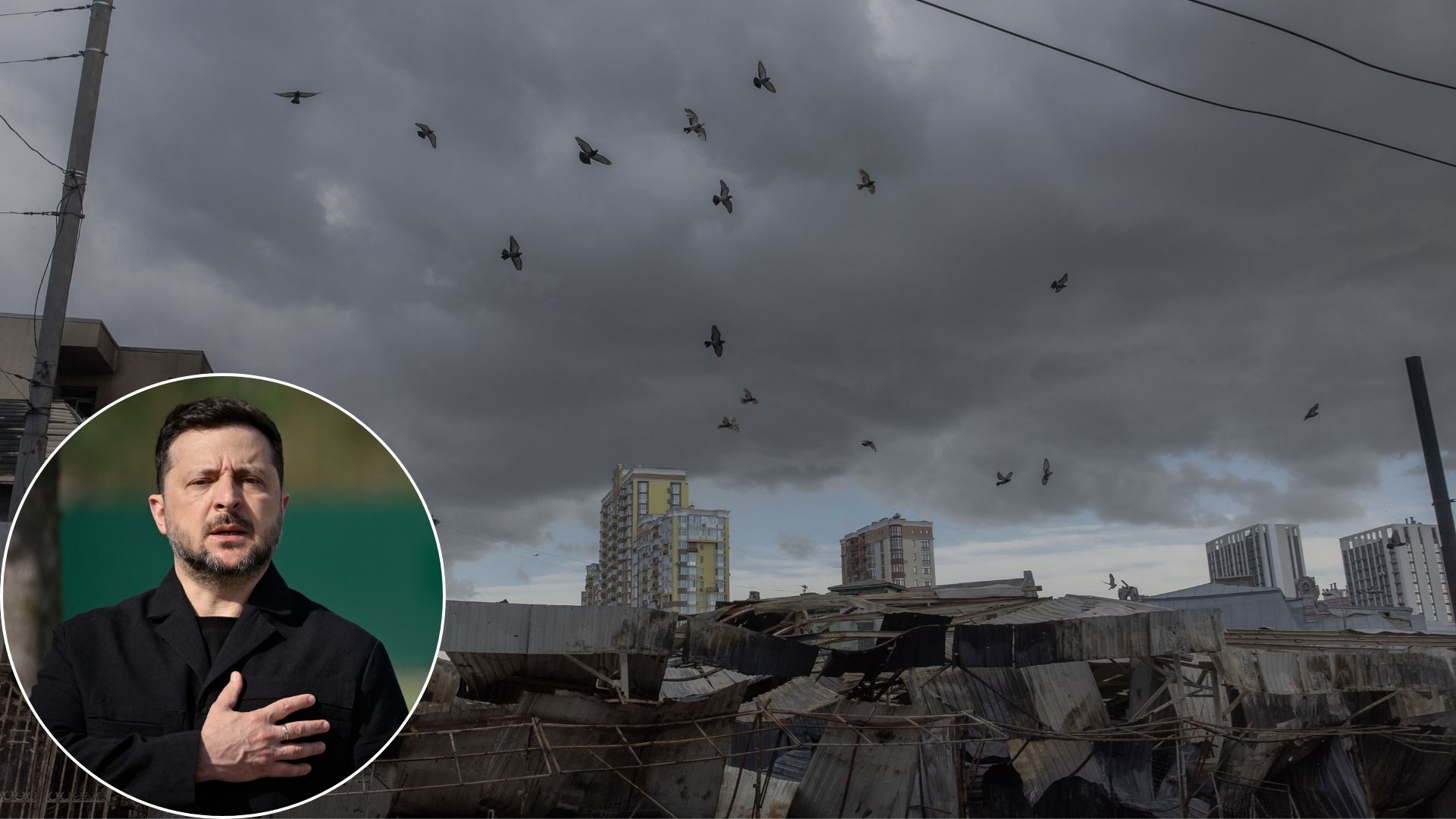
L’Ukraine gagnerait du terrain, la Russie serait en difficulté

L’Ukraine a renversé la tendance sur plusieurs fronts de la guerre, reprenant environ 590 kilomètres carrés de territoire aux forces russes depuis le début de l’année et enregistrant ses plus importantes avancées sur le champ de bataille depuis 2023. Ces avancées marquent un tournant significatif dans un conflit qui s’était largement enlisé dans une impasse coûteuse après des années de combats d’usure. Les responsables ukrainiens affirment que le territoire reconquis comprend des positions importantes dans l’est et le sud-est de l’Ukraine, tandis que les opérations récentes ont également contrecarré les efforts russes visant à établir des zones tampons le long de certaines parties de la frontière. Ces avancées interviennent alors que Moscou continue d’intensifier sa campagne de missiles et de drones contre les villes ukrainiennes, soulignant le contraste entre la pression aérienne russe et les performances en amélioration de l’Ukraine sur le champ de bataille.

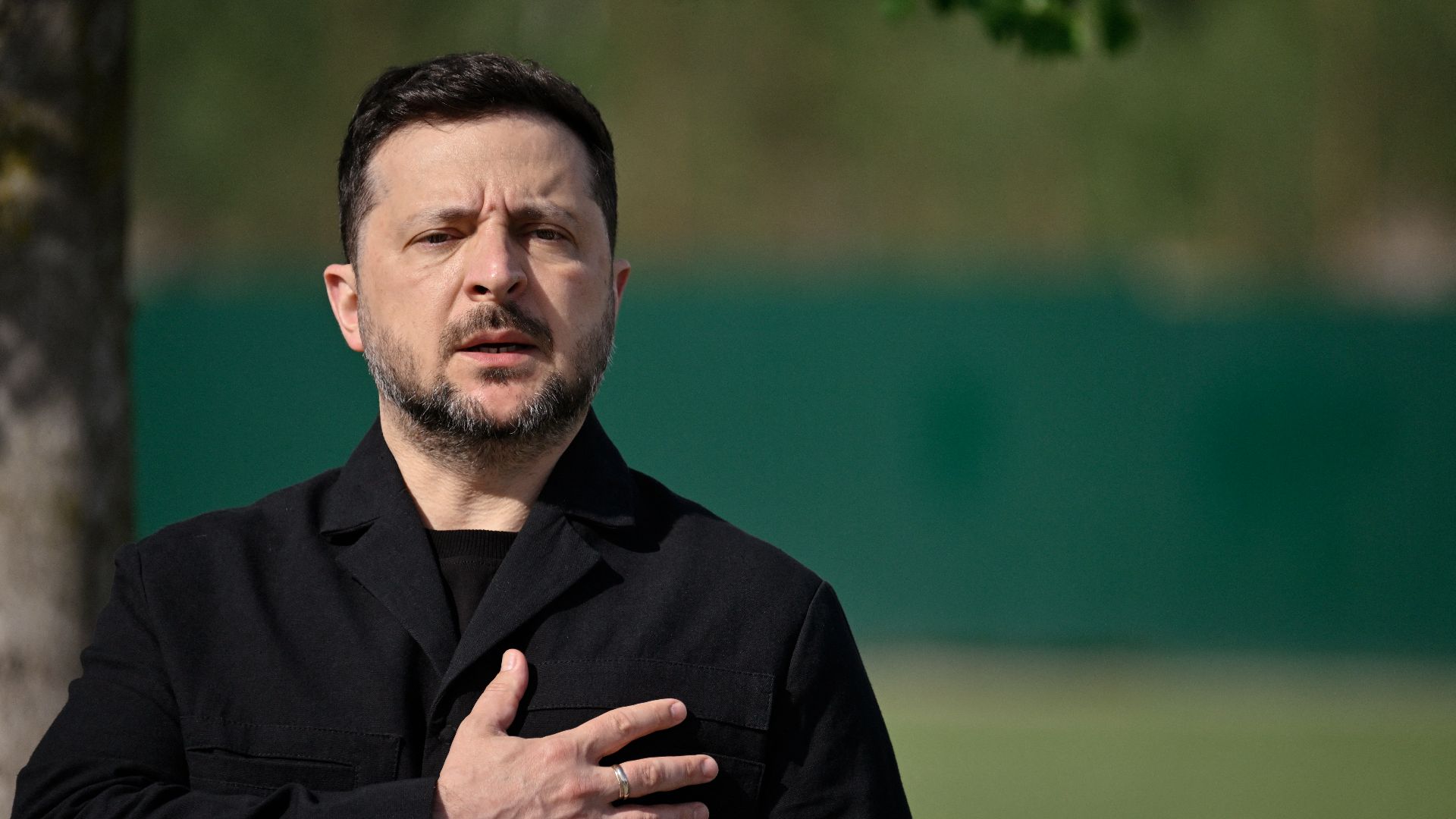
Le président Volodymyr Zelensky a présenté ces dernières avancées comme la preuve que l’Ukraine a retrouvé son élan après des mois de combats difficiles. Évoquant la situation sur le champ de bataille, Zelensky a déclaré : « En effet, les positions de l’Ukraine sont désormais plus solides qu’au cours des années précédentes. Depuis le début de l’année, 590 kilomètres carrés de notre territoire ont été libérés et placés sous notre contrôle. La tendance n’est certainement pas en faveur de l’occupant. » Selon les responsables ukrainiens, ces gains comprennent l’expulsion totale des forces russes de la région de Dnipropetrovsk, leur repoussement au nord de Kupiansk et le renversement de l’avancée russe dans les zones frontalières où Moscou espérait établir des zones tampons défensives. Les analystes notent que ces avancées marquent les premiers gains territoriaux durables de Kiev depuis 2023 et représentent un rare revers stratégique pour les forces russes.

Getty Images

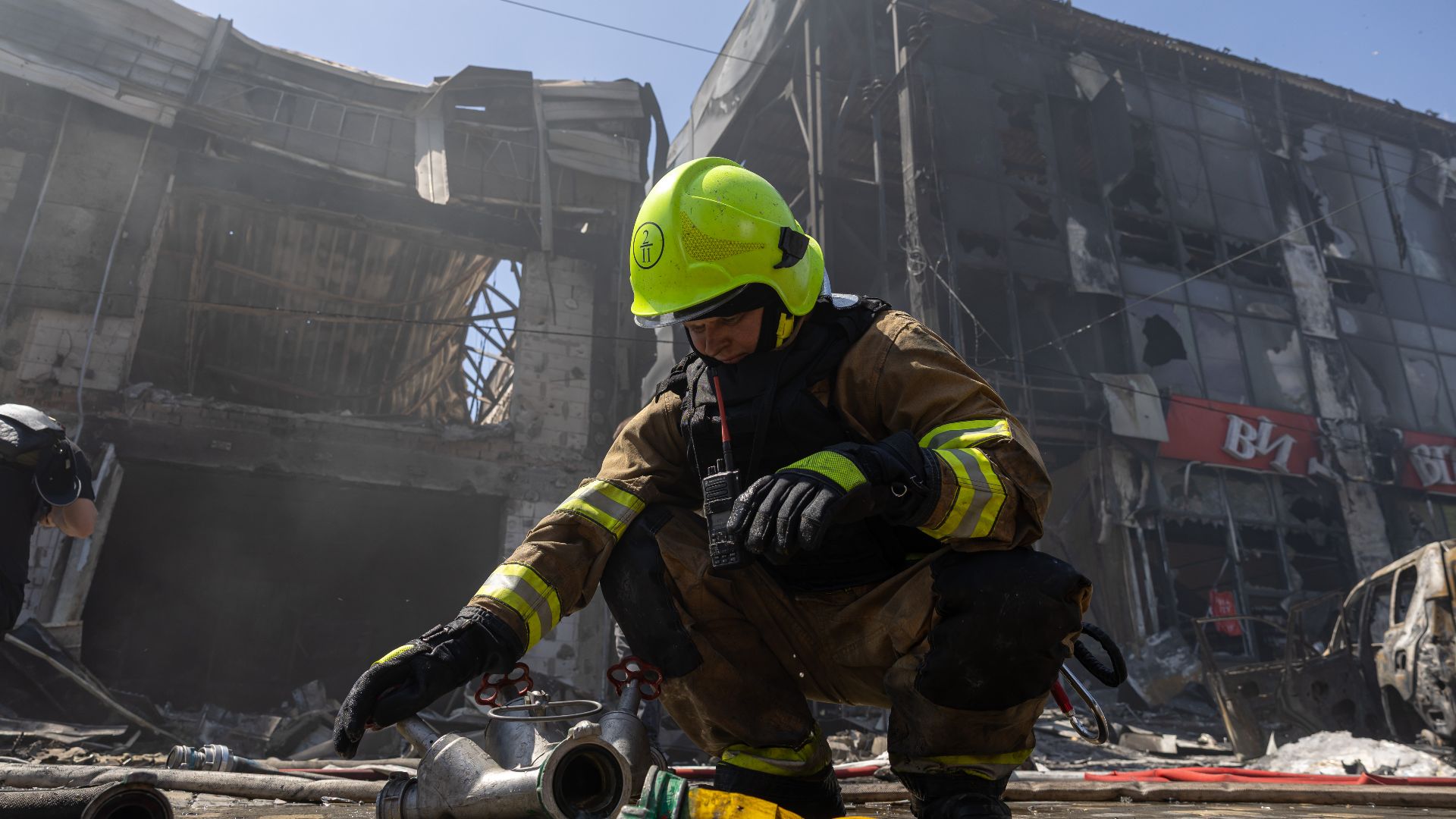
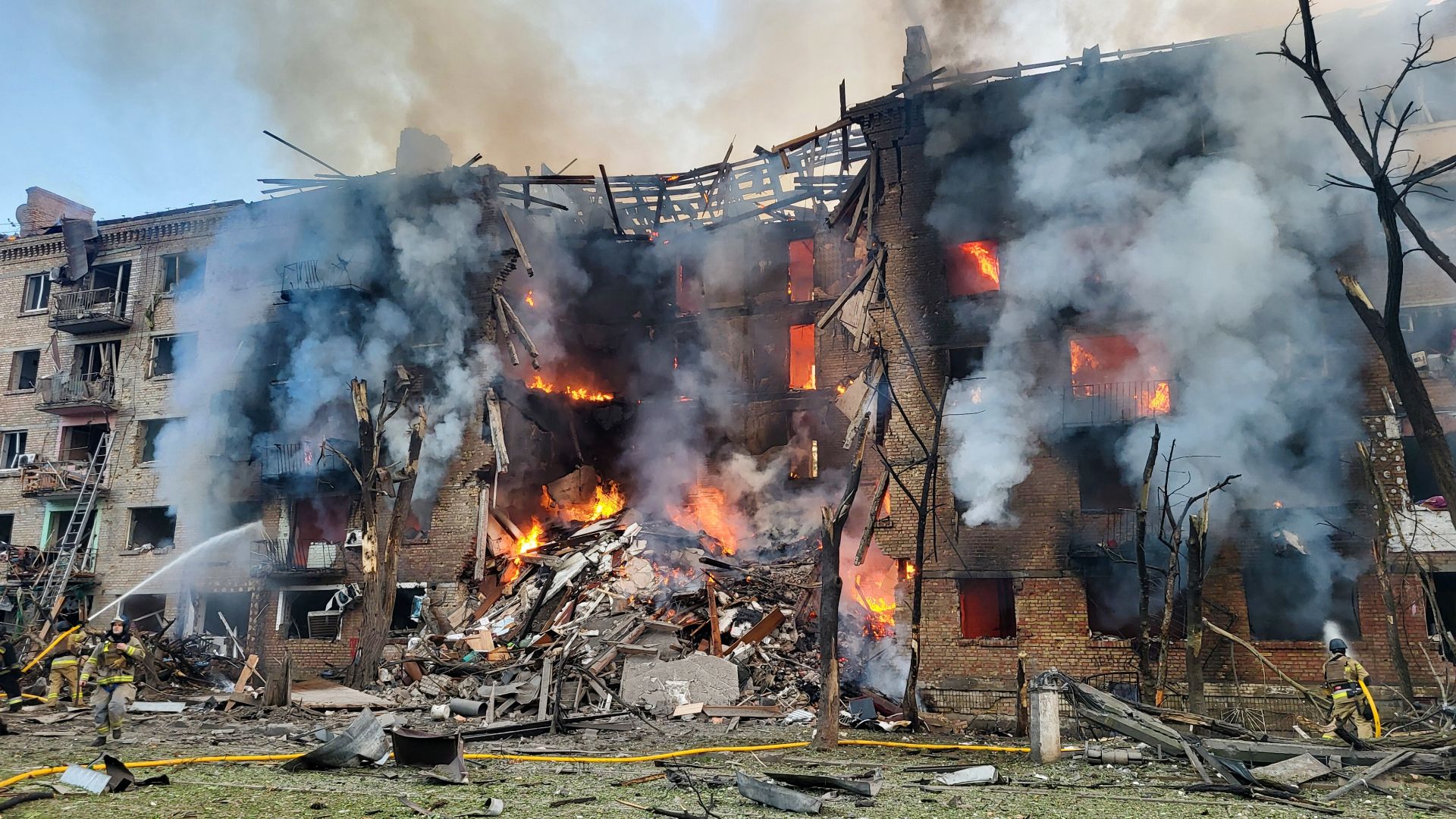
Les récentes attaques russes contre l’Ukraine reflètent à quel point le conflit a évolué de manière spectaculaire depuis les premiers mois de l’invasion. Les manœuvres blindées rapides qui définissaient autrefois le champ de bataille ont progressivement cédé la place à une guerre d’usure acharnée marquée par des drones, des barrages d’artillerie et des attaques de missiles à grande échelle visant les villes et les infrastructures énergétiques. Confrontés à des années de pertes de matériel, à une usure importante, à une pénurie de véhicules blindés et à un nombre croissant de victimes, les commandants russes ont de plus en plus recouru à des assauts d’infanterie coûteux pour obtenir des gains territoriaux limités. Dans le même temps, Moscou a intensifié ses campagnes de frappes en profondeur, déployant des vagues record de drones et de missiles hypersoniques visant à affaiblir l’économie et les infrastructures civiles ukrainiennes. Malgré cette pression, les forces ukrainiennes ont fait preuve de résilience, non seulement en conservant des positions défensives clés, mais aussi en lançant des contre-attaques réussies dans plusieurs secteurs.

Getty Images

Un facteur majeur à l’origine des récentes avancées ukrainiennes a été une opération de répression qui a perturbé les communications russes sur le champ de bataille. Selon les évaluations des services de renseignement américains, des milliers de terminaux satellites Starlink illicites utilisés par les troupes russes en première ligne ont été mis hors service dans le cadre d’un effort international plus large visant les accès non autorisés au réseau. La perte de ces terminaux aurait dégradé la coordination des drones russes, les communications sur le champ de bataille et les capacités de commandement et de contrôle dans de multiples secteurs. Les forces ukrainiennes ont rapidement exploité cette perturbation, lançant des opérations qui leur ont permis de reprendre des territoires précédemment occupés par les troupes russes. Les responsables et les analystes militaires estiment que ce revers en matière de communications a joué un rôle clé dans l’accélération des gains territoriaux récents de l’Ukraine, en particulier dans les zones contestées où la reconnaissance par drone et la coordination rapide sur le champ de bataille sont devenues essentielles aux opérations de combat modernes.

«En effet, les positions de l’Ukraine sont désormais plus solides qu’au cours des années précédentes. Depuis le début de l’année, 590 kilomètres carrés de notre territoire ont été libérés et placés sous notre contrôle. La tendance n’est certainement pas en faveur de l’occupant.»

– Volodymyr Zelensky, président de l’Ukraine

La guerre reste néanmoins extrêmement coûteuse pour les deux camps. Selon les dernières estimations publiées par les forces armées ukrainiennes le 29 mai, la Russie a subi plus de 1,36 million de pertes en effectifs depuis le début de l’invasion à grande échelle, dont 960 signalées au cours des dernières 24 heures. Les responsables militaires ukrainiens estiment en outre que les forces russes ont perdu 11 958 chars, 24 636 véhicules blindés de combat, 42 860 systèmes d’artillerie et 1 808 lance-roquettes multiples. Ces chiffres incluent également 316 652 drones, 100 230 véhicules militaires et citernes de carburant, 4 687 missiles de croisière et 1 397 systèmes de défense aérienne. Dans les airs et en mer, l’Ukraine affirme que la Russie a perdu 436 avions, 353 hélicoptères, 33 navires de guerre et bateaux, ainsi que deux sous-marins. Bien que ces chiffres ne puissent être vérifiés de manière indépendante et dépassent certaines estimations des services de renseignement occidentaux, ils illustrent l’ampleur considérable des pertes que la Russie aurait subies après plus de trois ans de guerre.
Getty Images

Les avancées de l’Ukraine ont également compromis l’un des principaux objectifs de Moscou pour l’année : la création de zones tampons le long des frontières de Kharkiv et de Soumy, destinées à repousser les forces ukrainiennes plus loin du territoire russe. Au contraire, les unités ukrainiennes ont réussi à démanteler bon nombre de ces positions tout en forçant les troupes russes à se retirer de plusieurs zones frontalières. Pourtant, le conflit est loin d’être résolu. De vastes portions de la ligne de front, en particulier dans la région de Zaporijia, continuent de fonctionner comme des « zones grises » très disputées où une guerre acharnée menée par des drones rend le contrôle territorial instable et difficile à évaluer. Malgré tout, la reconquête par l’Ukraine de 590 kilomètres carrés a modifié la donne sur le champ de bataille pour la première fois depuis des années. Alors que les deux armées se préparent à la prochaine phase du conflit, les dernières avancées suggèrent que l’élan offensif de la Russie pourrait s’essouffler tandis que l’Ukraine reprend l’initiative sur des secteurs clés du front.

Getty Images
Catégories
Uncategorized

Ukraine Scores Major Battlefield Gains, Russia Stalls

Ukraine has turned the tide on several fronts of the war, recapturing approximately 590 square kilometers of territory from Russian forces since the beginning of the year and celebrating its largest battlefield gains since 2023. The advances represent a significant shift in a conflict that had largely settled into a costly stalemate after years of attritional fighting. Ukrainian officials say the recaptured territory includes important positions in eastern and southeastern Ukraine, while recent operations have also thwarted Russian efforts to establish buffer zones along parts of the border. The gains come at a time when Moscow continues to intensify its missile and drone campaign against Ukrainian cities, highlighting the contrast between Russia’s aerial pressure and Ukraine’s improving performance on the battlefield.

President Volodymyr Zelensky has presented the latest advances as evidence that Ukraine has regained momentum after months of difficult fighting. Speaking about the battlefield situation, Zelensky said: «Indeed, Ukraine’s positions are stronger now than in previous years. Since the beginning of the year, 590 square kilometers of our territory have been liberated and brought under our control. The trend is certainly not in the occupier’s favor.» According to Ukrainian officials, the gains include driving Russian forces completely out of the Dnipropetrovsk region, pushing them north of Kupiansk and reversing Russian progress in border areas where Moscow had hoped to establish defensive buffer zones. Analysts note that the advances mark Kyiv’s first sustained territorial gains since 2023 and represent a rare strategic setback for Russian forces.

Getty Images

Russia’s recent attacks on Ukraine reflect how dramatically the conflict has evolved since the opening months of the invasion. The rapid armored maneuvers that once defined the battlefield have increasingly given way to a grinding war of attrition marked by drones, artillery barrages and large-scale missile attacks targeting cities and energy infrastructure. Facing years of equipment losses, severe wear and tear, armored vehicle shortages and mounting casualties, Russian commanders have increasingly relied on costly infantry assaults to secure limited territorial gains. At the same time, Moscow has escalated deep-strike campaigns involving record waves of drones and hypersonic missiles aimed at weakening Ukraine’s economy and civilian infrastructure. Despite that pressure, Ukrainian forces have demonstrated resilience by not only holding key defensive positions but also launching successful counterattacks across several sectors.

Getty Images

A major factor behind the recent Ukrainian advances was a crackdown that disrupted Russian battlefield communications. According to U.S. intelligence assessments, thousands of illicit Starlink satellite terminals used by Russian frontline troops were disabled as part of a broader international effort targeting unauthorized access to the network. The loss of those terminals reportedly degraded Russian drone coordination, battlefield communications and command-and-control capabilities across multiple sectors. Ukrainian forces quickly exploited the disruption, launching operations that reclaimed territory previously occupied by Russian troops. Officials and military analysts believe the communications setback played a key role in accelerating Ukraine’s recent territorial gains, particularly in contested areas where drone reconnaissance and rapid battlefield coordination have become essential to modern combat operations.

«Indeed, Ukraine’s positions are stronger now than in previous years. Since the beginning of the year, 590 square kilometers of our territory have been liberated and brought under our control. The trend is certainly not in the occupier’s favor.»

-Ukraine President, Volodymyr Zelensky

The war nevertheless remains extraordinarily costly for both sides. According to the latest estimates released by Ukraine’s Armed Forces on May 29, Russia has suffered more than 1.36 million troop losses since the start of the full-scale invasion, including 960 reported during the previous 24 hours. Ukrainian military officials further estimate that Russian forces have lost 11,958 tanks, 24,636 armored fighting vehicles, 42,860 artillery systems and 1,808 multiple launch rocket systems. The figures also include 316,652 drones, 100,230 military vehicles and fuel tanks, 4,687 cruise missiles and 1,397 air-defense systems. In the air and at sea, Ukraine claims Russia has lost 436 aircraft, 353 helicopters, 33 warships and boats, and two submarines. While the figures cannot be independently verified and exceed some Western intelligence estimates, they illustrate the immense scale of losses Russia has reportedly sustained after more than three years of war.

Getty Images

Ukraine’s gains have also undermined one of Moscow’s key objectives for the year: the creation of buffer zones along the Kharkiv and Sumy borders intended to push Ukrainian forces farther from Russian territory. Instead, Ukrainian units have succeeded in dismantling many of those positions while forcing Russian troops to retreat from several border areas. Yet the conflict remains far from resolved. Large stretches of the front line, particularly in the Zaporizhzhia region, continue to function as highly contested “grey zones” where relentless drone warfare makes territorial control fluid and difficult to measure. Even so, Ukraine’s recapture of 590 square kilometers has altered the battlefield narrative for the first time in years. As both armies prepare for the next phase of the conflict, the latest advances suggest that Russia’s offensive momentum may be slowing while Ukraine regains the initiative across key sectors of the front.

Getty Images

10 déclencheurs émotionnels qui nous touchent de plein fouet

L’internet regorge de contenus stimulants et d’activités uniques conçus pour stimuler vos émotions. Tout cela dans le but de gagner plus de clics. Si cette expérience peut parfois être un véritable plaisir, il arrive aussi que nous ayons l’impression d’être l’objet d’expériences menées par une équipe sophistiquée d’ingénieurs sociaux. Des choses apparemment anodines peuvent parfois susciter une grande émotion chez nous, et les magnats des médias sociaux ont perfectionné l’art de cultiver les réactions émotionnelles.

15 symboles de pouvoir à travers les siècles

Catégories
Uncategorized

Ukraine Scores Major Battlefield Gains as Russian Advances Stall

Ukraine has turned the tide on several fronts of the war, recapturing approximately 590 square kilometers of territory from Russian forces since the beginning of the year and celebrating its largest battlefield gains since 2023. The advances represent a significant shift in a conflict that had largely settled into a costly stalemate after years of attritional fighting. Ukrainian officials say the recaptured territory includes important positions in eastern and southeastern Ukraine, while recent operations have also thwarted Russian efforts to establish buffer zones along parts of the border. The gains come at a time when Moscow continues to intensify its missile and drone campaign against Ukrainian cities, highlighting the contrast between Russia’s aerial pressure and Ukraine’s improving performance on the battlefield.

President Volodymyr Zelensky has presented the latest advances as evidence that Ukraine has regained momentum after months of difficult fighting. Speaking about the battlefield situation, Zelensky said: «Indeed, Ukraine’s positions are stronger now than in previous years. Since the beginning of the year, 590 square kilometers of our territory have been liberated and brought under our control. The trend is certainly not in the occupier’s favor.» According to Ukrainian officials, the gains include driving Russian forces completely out of the Dnipropetrovsk region, pushing them north of Kupiansk and reversing Russian progress in border areas where Moscow had hoped to establish defensive buffer zones. Analysts note that the advances mark Kyiv’s first sustained territorial gains since 2023 and represent a rare strategic setback for Russian forces.

Getty Images

Russia’s recent attacks on Ukraine reflect how dramatically the conflict has evolved since the opening months of the invasion. The rapid armored maneuvers that once defined the battlefield have increasingly given way to a grinding war of attrition marked by drones, artillery barrages and large-scale missile attacks targeting cities and energy infrastructure. Facing years of equipment losses, severe wear and tear, armored vehicle shortages and mounting casualties, Russian commanders have increasingly relied on costly infantry assaults to secure limited territorial gains. At the same time, Moscow has escalated deep-strike campaigns involving record waves of drones and hypersonic missiles aimed at weakening Ukraine’s economy and civilian infrastructure. Despite that pressure, Ukrainian forces have demonstrated resilience by not only holding key defensive positions but also launching successful counterattacks across several sectors.

Getty Images

A major factor behind the recent Ukrainian advances was a crackdown that disrupted Russian battlefield communications. According to U.S. intelligence assessments, thousands of illicit Starlink satellite terminals used by Russian frontline troops were disabled as part of a broader international effort targeting unauthorized access to the network. The loss of those terminals reportedly degraded Russian drone coordination, battlefield communications and command-and-control capabilities across multiple sectors. Ukrainian forces quickly exploited the disruption, launching operations that reclaimed territory previously occupied by Russian troops. Officials and military analysts believe the communications setback played a key role in accelerating Ukraine’s recent territorial gains, particularly in contested areas where drone reconnaissance and rapid battlefield coordination have become essential to modern combat operations.

«Indeed, Ukraine’s positions are stronger now than in previous years. Since the beginning of the year, 590 square kilometers of our territory have been liberated and brought under our control. The trend is certainly not in the occupier’s favor.»

-Ukraine President, Volodymyr Zelensky

The war nevertheless remains extraordinarily costly for both sides. According to the latest estimates released by Ukraine’s Armed Forces on May 29, Russia has suffered more than 1.36 million troop losses since the start of the full-scale invasion, including 960 reported during the previous 24 hours. Ukrainian military officials further estimate that Russian forces have lost 11,958 tanks, 24,636 armored fighting vehicles, 42,860 artillery systems and 1,808 multiple launch rocket systems. The figures also include 316,652 drones, 100,230 military vehicles and fuel tanks, 4,687 cruise missiles and 1,397 air-defense systems. In the air and at sea, Ukraine claims Russia has lost 436 aircraft, 353 helicopters, 33 warships and boats, and two submarines. While the figures cannot be independently verified and exceed some Western intelligence estimates, they illustrate the immense scale of losses Russia has reportedly sustained after more than three years of war.

Getty Images

Ukraine’s gains have also undermined one of Moscow’s key objectives for the year: the creation of buffer zones along the Kharkiv and Sumy borders intended to push Ukrainian forces farther from Russian territory. Instead, Ukrainian units have succeeded in dismantling many of those positions while forcing Russian troops to retreat from several border areas. Yet the conflict remains far from resolved. Large stretches of the front line, particularly in the Zaporizhzhia region, continue to function as highly contested “grey zones” where relentless drone warfare makes territorial control fluid and difficult to measure. Even so, Ukraine’s recapture of 590 square kilometers has altered the battlefield narrative for the first time in years. As both armies prepare for the next phase of the conflict, the latest advances suggest that Russia’s offensive momentum may be slowing while Ukraine regains the initiative across key sectors of the front.

Getty Images
Catégories
Uncategorized

Anthropic Surpasses OpenAI as AI Industry’s Most Valuable Startup

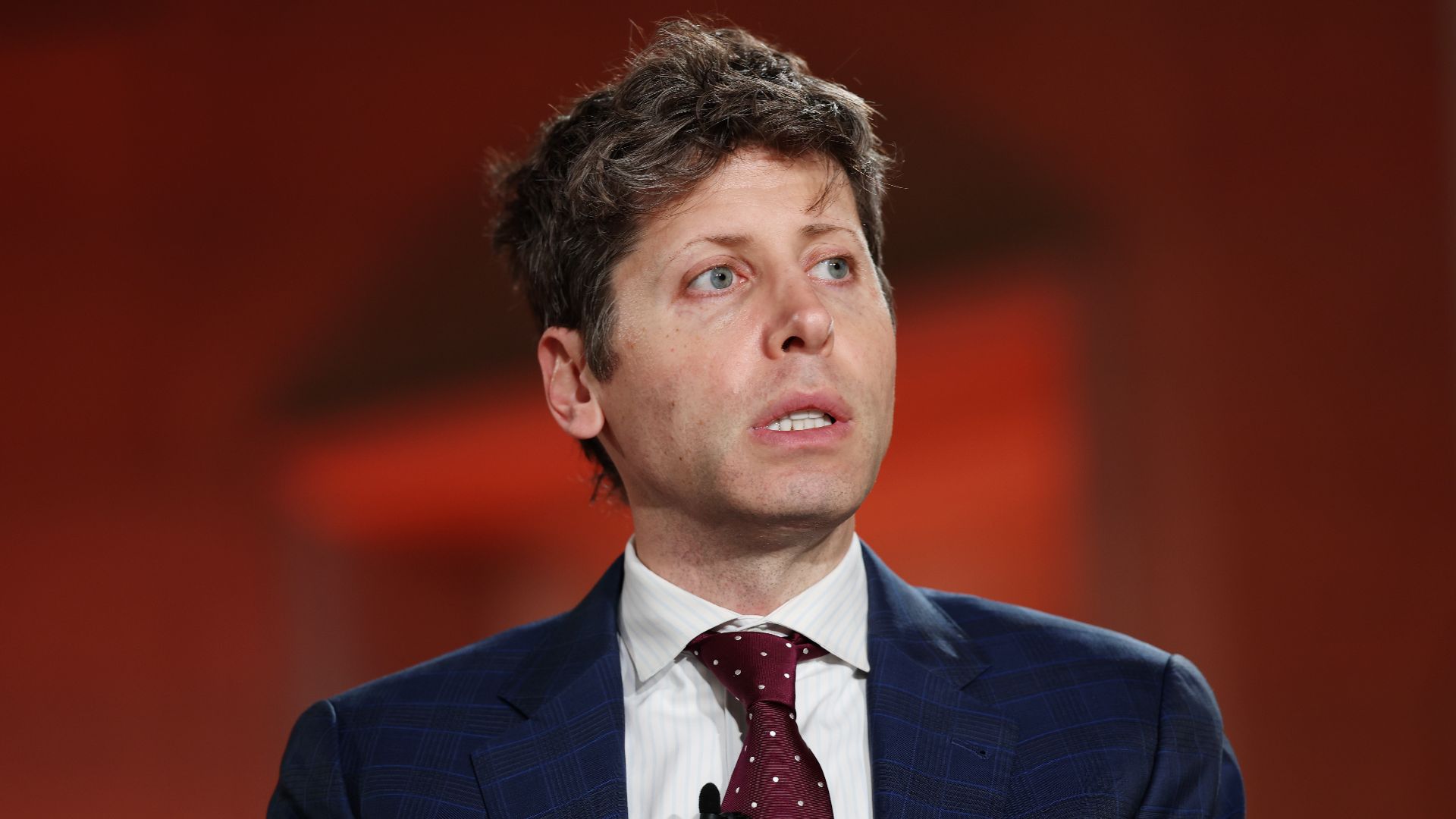
OpenAI is no longer the undisputed leader of the artificial intelligence industry after rival Anthropic announced a massive new funding round that pushed its valuation above every other private AI company in the world. Anthropic revealed it had secured $65 billion in fresh financing, a deal that values the company at approximately $900 billion before the inclusion of the new capital and nearly $965 billion on a post-money basis. The milestone places the Claude developer ahead of OpenAI, whose most recent valuation stood at roughly $852 billion. The announcement marks one of the most dramatic shifts in the AI race since the emergence of generative artificial intelligence and highlights the growing battle among a handful of companies competing to dominate what many investors see as the next major technological revolution.

Anthropic attributed the surge in its valuation to explosive growth among enterprise customers adopting Claude across software development, customer service, research and business operations. In its announcement, the company stated: «Global enterprises across industries are deploying Claude in their core operations… our run-rate revenue crossed $47 billion earlier this month.» Anthropic said demand for its products has accelerated sharply since its previous funding round only months ago, helping transform the company from a fast-growing startup into one of the most valuable private businesses in the world. Investors backing the financing include Altimeter Capital, Dragoneer, Greenoaks and Sequoia Capital, alongside major infrastructure partners such as Amazon, Samsung, Micron and SK Hynix that continue supplying the computing resources required to train increasingly powerful AI systems.

Getty Images

The funding announcement coincided with a wave of major product launches designed to strengthen Anthropic’s position against OpenAI, Google and xAI. Among the most significant releases is Claude Opus 4.8, the company’s latest flagship model focused on coding, reasoning and enterprise workflows. Anthropic introduced a new “effort control” feature allowing users to manually adjust the amount of reasoning power devoted to a task, giving businesses greater control over costs and performance. Developers also gained access to expanded Claude Code capabilities that allow hundreds of parallel sub-agents to work simultaneously on complex software projects. The company is additionally preparing broader access to its highly anticipated Mythos cybersecurity models, which have attracted significant attention because of their advanced vulnerability detection capabilities.

«Global enterprises across industries are deploying Claude in their core operations… our run-rate revenue crossed $47 billion earlier this month.»

-A official press announcement from Anthropic

The valuation surge has dramatically reshaped the hierarchy of the AI industry. While Alphabet remains the largest AI-related company overall with a market capitalization measured in the trillions and deep integration of Gemini across its products, the private sector race has increasingly become a contest between Anthropic, OpenAI and Elon Musk’s xAI. Anthropic’s nearly $965 billion valuation now places it ahead of OpenAI’s approximately $852 billion private valuation, while xAI remains significantly smaller despite reaching roughly $250 billion following its merger with SpaceX. Analysts view the shift as evidence that enterprise demand for AI coding assistants and autonomous software agents is becoming one of the most lucrative sectors in technology. Anthropic’s rapid growth has also intensified expectations that both Anthropic and OpenAI could pursue public offerings in the near future.

Getty Images

The rapid expansion of the industry has unfolded during a period of aggressive AI investment and deregulation in the United States. The Trump administration has largely embraced a light-touch approach aimed at accelerating infrastructure development, expanding data center construction and preventing states from imposing stricter AI regulations. Supporters argue the strategy is necessary to maintain American leadership over China in advanced artificial intelligence. However, the broader AI boom has also generated mounting criticism. Researchers, consumer advocates and some policymakers have raised concerns about increasing energy consumption, pressure on local power grids and the growing spread of AI-generated misinformation. Universities and scientific institutions have also reported rising problems involving fabricated citations and unreliable AI-generated research appearing in academic work, adding to concerns about the technology’s long-term impact.

Getty Images

Anthropic’s rise comes at a moment when public scrutiny of artificial intelligence is intensifying alongside unprecedented investor enthusiasm. While companies continue racing to release more capable models and secure larger funding rounds, concerns surrounding safety, reliability and psychological impacts remain unresolved. Several high-profile lawsuits involving chatbot interactions have amplified debate about the risks of emotionally persuasive AI systems, while experts continue warning about hallucinations and inaccurate outputs generated by large language models. Anthropic has attempted to differentiate itself from some competitors through its focus on AI safety and interpretability, though it has also faced controversy over cybersecurity risks linked to advanced models such as Mythos. As billions of dollars continue pouring into the sector, Anthropic’s ascent above OpenAI represents not only a financial milestone but also a powerful signal that the competition to define the future of artificial intelligence is accelerating faster than ever.

Getty Images
Catégories
Uncategorized

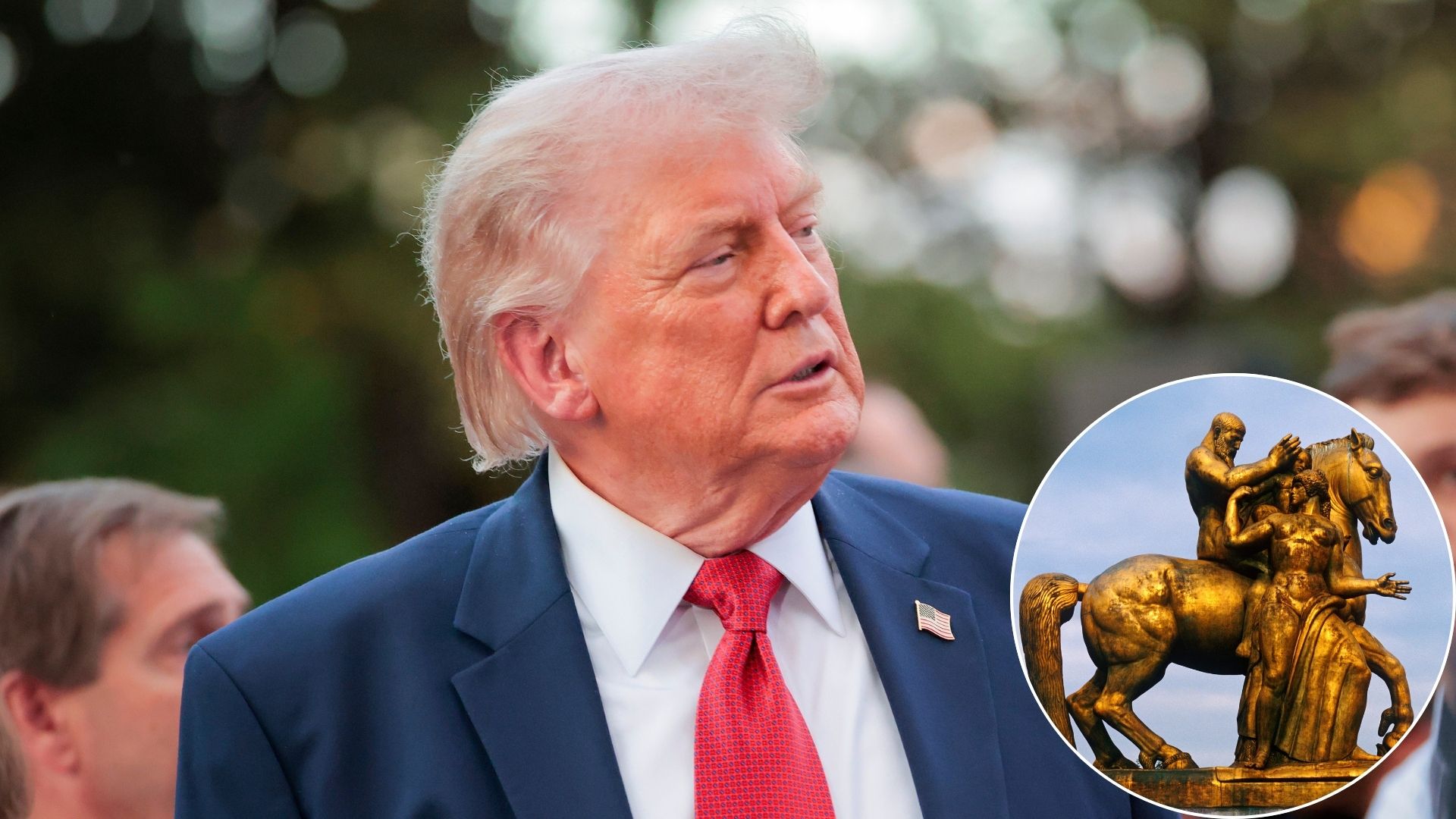
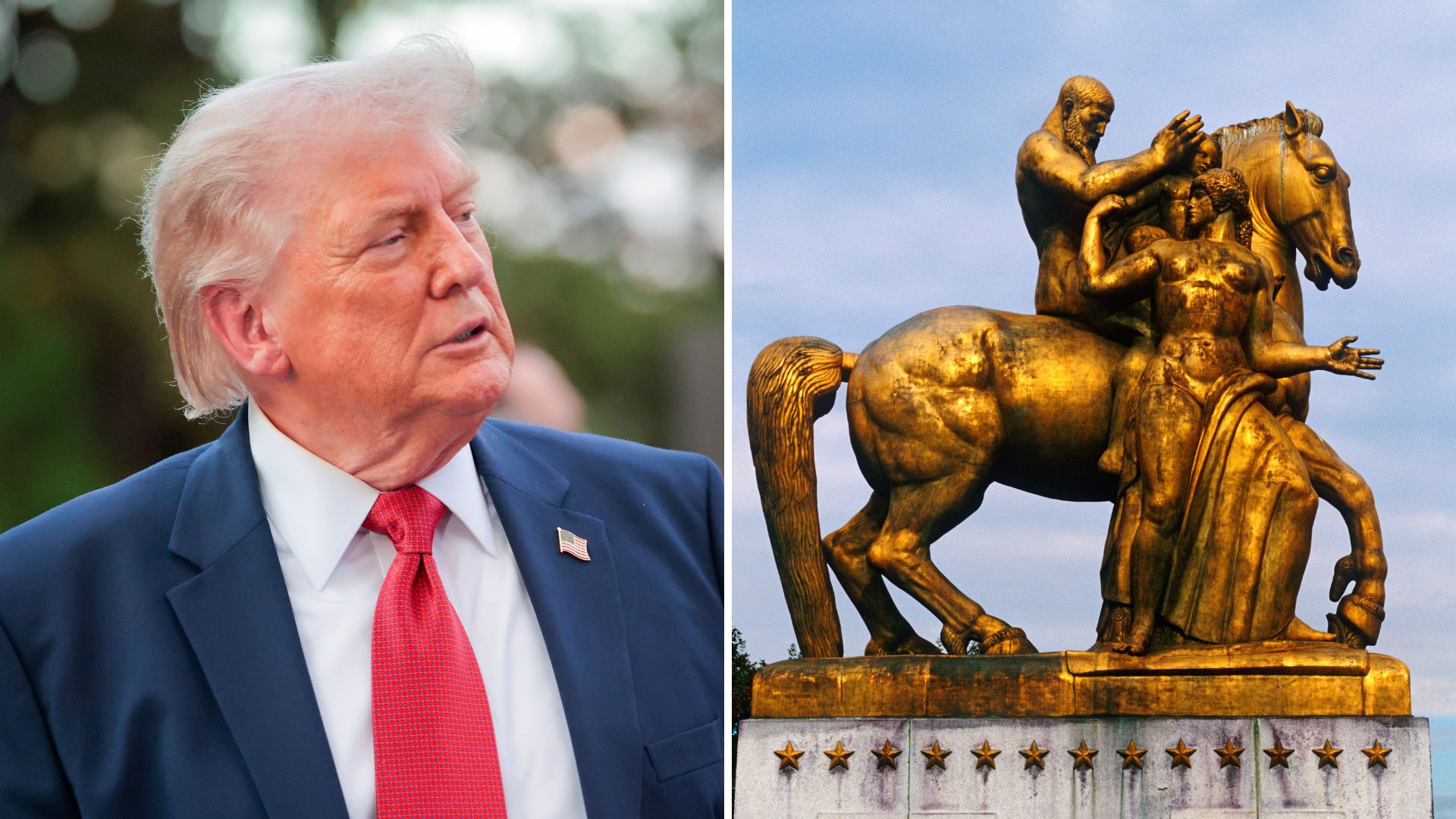
Four Washington Bronze Statues Set for $5 Million Gold Transformation Under Trump

Donald Trump’s ambitious makeover of Washington continues to expand as his administration moves forward with a $5 million project to regild four historic bronze statues near Arlington Memorial Bridge. The effort is the latest addition to what critics describe as an increasingly expensive campaign to reshape the appearance of the nation’s capital through large-scale monument restorations, new construction projects and cosmetic upgrades. The gilding project comes as the administration seeks billions of dollars in additional funding for Washington beautification efforts ahead of America’s 250th anniversary celebrations. Supporters view the initiative as a long-overdue investment in iconic landmarks, while opponents question the growing costs at a time when federal spending remains under intense scrutiny.

The latest project focuses on the towering Arts of War statues, a collection of four monumental bronze sculptures that stand at the eastern entrance of Arlington Memorial Bridge. The statues include Valor and Sacrifice, created by sculptor Leo Friedlander, and Music and Harvest along with Aspiration and Literature, created by James Earle Fraser. Commissioned in 1929, the Art Deco monuments faced years of delays caused by the Great Depression and were ultimately cast in Florence, Italy, before being presented to the United States by the Italian government and installed in 1951. Standing approximately 19 feet tall, the sculptures have become some of the most recognizable yet often overlooked monuments in the capital, serving as symbolic gateways between Washington and Arlington National Cemetery.

Getty Images

According to the Department of the Interior, the statues are currently undergoing a complete regilding process for the first time in half a century. Responding to questions about the project, an Interior Department spokesperson said: «The Arts of War statues are currently being regilded ahead of our nation’s 250. This is the first time in 50 years these statues have been regilded.» Federal preservation records indicate the monuments have required repeated intervention because of the unique characteristics of the porous Italian bronze used in their construction. A major emergency restoration effort was conducted between 1971 and 1974 to address severe deterioration and corrosion, followed by additional preservation work in 1984. Officials argue that the current restoration is necessary to preserve the statues for future generations while ensuring they remain a centerpiece of the America 250 celebrations.

Getty images

The regilding project forms part of Trump’s broader “Make D.C. Safe and Beautiful Initiative,” a rapidly expanding program that has already generated nearly $95 million in monument and beautification spending while serving as the foundation for a congressional funding request approaching $2 billion. Several major projects are already underway or under review. Among them is a $13.1 million renovation of the Lincoln Memorial Reflecting Pool, significantly higher than the $2 million to $3 million estimate Trump initially discussed publicly. The administration is also advancing a proposal for a 250-foot-tall “Independence Arch” inspired by Paris’ Arc de Triomphe, a project carrying an estimated cost of $100 million. Additional initiatives include a $3.6 million rehabilitation of Logan Circle and more than $5 million in improvements surrounding the Simón Bolívar statue near the National Mall.

«The Arts of War statues are currently being regilded ahead of our nation’s 250. This is the first time in 50 years these statues have been regilded.»

– Statement from an Interior Department spokesperson

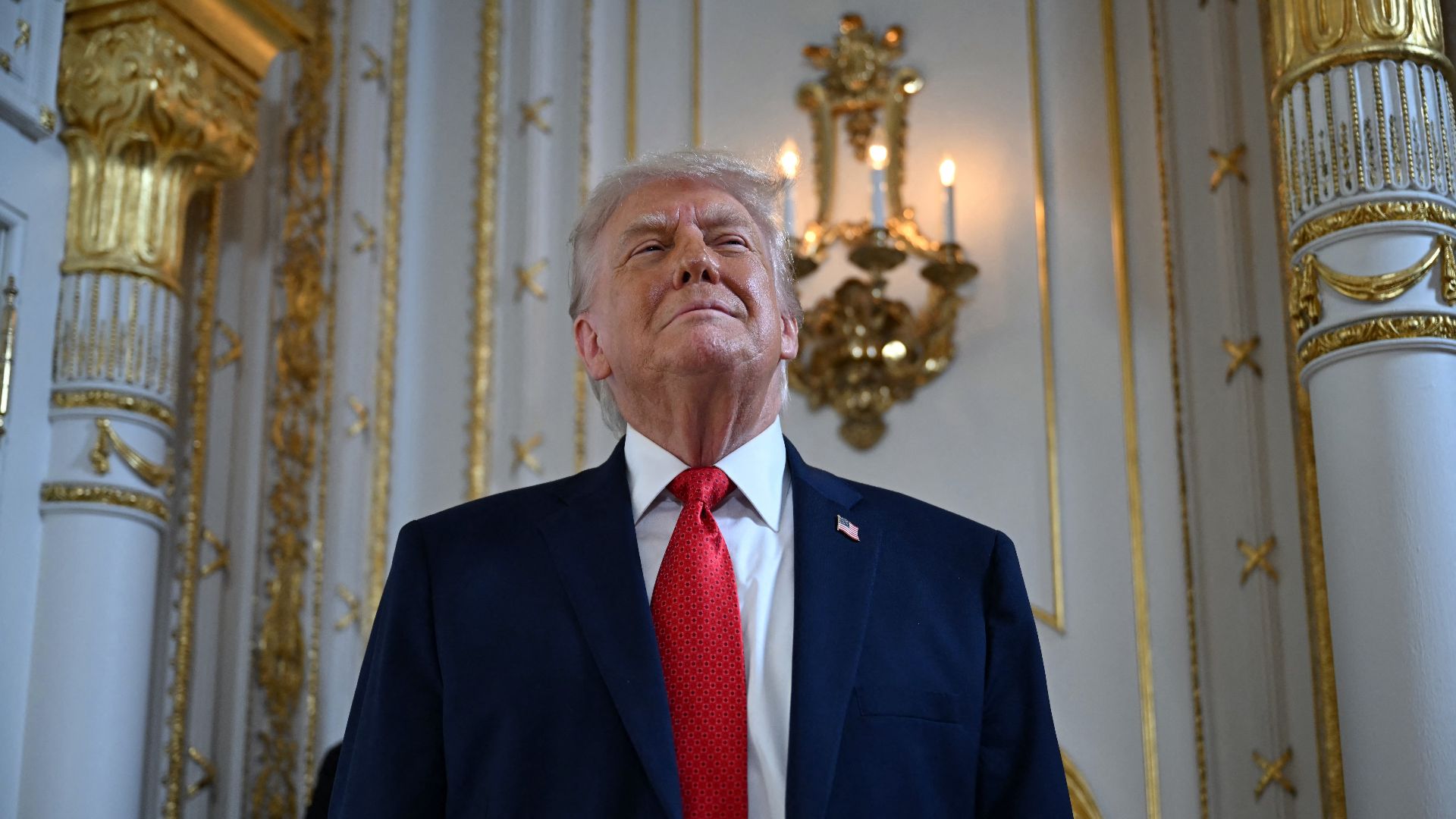
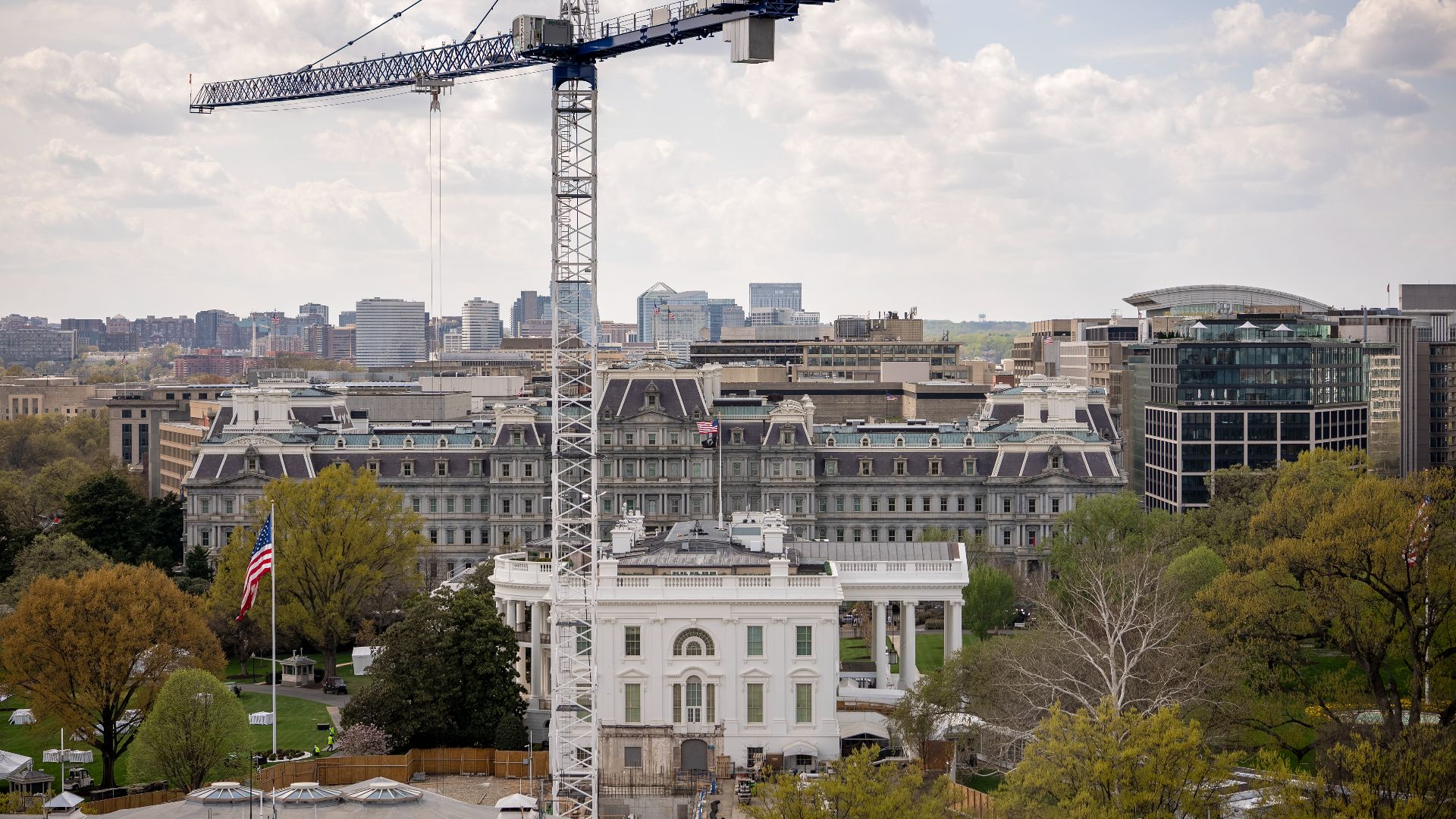
The transformation extends well beyond Washington’s monuments and public spaces. At the White House, Trump has championed a series of highly visible construction and renovation projects that have fueled debate among preservationists. The centerpiece is a proposed 90,000-square-foot East Wing State Ballroom that was initially estimated to cost approximately $200 million but has since grown substantially in projected cost. Trump has recently acknowledged the project could approach $400 million and is now seeking as much as $1 billion in public funding. Other changes include a controversial $2 million redesign of the Rose Garden using white limestone, the installation of towering new flagpoles on both lawns and extensive interior renovations featuring marble finishes and gold decorative elements. The administration has also proposed a permanent South Lawn helipad designed to accommodate the military’s next-generation Marine One fleet.

Getty Images

While supporters argue the investments will leave a lasting legacy and help prepare the capital for the nation’s semiquincentennial celebrations, critics contend the administration is prioritizing expensive aesthetic projects over other federal needs. The debate surrounding the Arts of War restoration reflects that broader divide. Advocates see the $5 million regilding effort as a necessary preservation project for nationally significant works of art that have suffered decades of weather-related deterioration. Opponents, however, view it as another example of an administration pursuing increasingly costly visual upgrades while requesting billions more from Congress. As crews continue work on the statues and additional projects move through the approval process, Trump’s vision for a transformed Washington is rapidly becoming one of the defining architectural and political stories of his second term.

Getty Images