Catégories
Uncategorized

LaGuardia Crash: Survivors Say Pilots Are «Heroes»

Passengers aboard the Air Canada flight involved in the deadly incident at New York’s LaGuardia Airport have begun sharing detailed accounts of the moments leading up to the crash, consistently pointing to the actions of the two pilots as decisive in saving lives. Survivors described a sudden shift in the aircraft’s movement just before impact, suggesting an attempt to reduce speed and control the situation. One passenger stated:

«I wouldn’t be here had it not been for the pilot acting quickly.»

The testimony has quickly shaped the narrative surrounding the tragedy, with many describing the pilots’ final actions as heroic under extreme pressure.

«I fully believe that these two pilots, who unfortunately lost their lives, did everything in their power to stop the plane and slow it down at the very last minute.»

-A passenger aboard Air Canada Express Flight 8646

The incident unfolded late on March 22 as Air Canada Express Flight 8646, a CRJ-900 operated by Jazz Aviation, was completing its descent into LaGuardia after departing from Montréal. According to preliminary reports, the aircraft was cleared to land while a Port Authority vehicle was simultaneously authorized to cross the same runway. In the final seconds, air traffic control attempted to halt the vehicle, but the timing proved insufficient. The aircraft struck the vehicle upon landing, triggering a violent collision that caused significant structural damage to the front of the plane and immediate chaos inside the cabin.

Getty Images

Survivors have described a sequence of rapid actions from the cockpit as the situation became critical. One passenger explained «I fully believe that these two pilots, who unfortunately lost their lives, did everything in their power to stop the plane and slow it down at the very last minute,» adding:

«They deserve all the credit for being heroes that day.»

Aviation specialists note that such last-second maneuvers, including braking and thrust adjustments, can significantly influence the severity of an impact, supporting the accounts provided by those on board who felt a noticeable deceleration before the crash.

Getty Images

Additional testimonies have reinforced the belief that the pilots attempted every possible measure to avoid a more catastrophic outcome.

«Someone did say the pilot tried to reverse thrust at the last second. Honestly, they likely saved our lives,» another traveler said on social media Reddit.

«I wish I could tell their families how thankful I am. They are heroes,» he added.

These comments have circulated widely online, contributing to a growing consensus that the crew’s response, though ultimately unable to prevent the crash, played a crucial role in limiting the loss of life among passengers and cabin crew.

Getty Images

The crash resulted in the deaths of both pilots, while dozens of passengers sustained injuries ranging from minor to severe. Emergency services responded within minutes, evacuating survivors and securing the wreckage as authorities shut down portions of the airport. Investigators have since begun analyzing air traffic communications, runway procedures and aircraft data to determine how two separate clearances were issued simultaneously. The focus remains on identifying systemic failures, as early indications suggest that the sequence of events involved multiple breakdowns rather than a single point of error.

«I wish I could tell their families how thankful I am. They are heroes.»

-A passenger aboard Air Canada Express Flight 8646

Political leaders reacted swiftly to the tragedy, acknowledging both the scale of the incident and the actions of the flight crew.

Donald Trump described the crash as «terrible» and stated «It’s a dangerous business,» while Canadian Prime Minister Mark Carney called the event «deeply saddening» and extended condolences to the victims’ families. As the investigation continues, the accounts from passengers have placed the pilots at the center of the story, with many insisting their final decisions prevented a far greater disaster and ensured that dozens of people survived what could have been a far deadlier accident.


Getty Images

‘Superman’ star Valerie Perrine dead at 82

The year 2026 was marked by the passing of many personalities who left a lasting mark on our society. Artists, creators, public figures, thinkers, and athletes—each and every one contributed in their own way to shaping our era and our collective imagination. This In Memoriam project pays tribute to those who left us during the year. Through these memories, we take a moment to remember their influence, celebrate their contributions, and honor lives that will continue to resonate long after their passing.

Catégories
Uncategorized

Suspicious Timing of Oil Bets Triggers Insider Trading Allegations Before Trump Iran Talks Post

Suspicious trading in oil futures is drawing renewed scrutiny after a cluster of unusually timed bets hit the market shortly before Donald Trump abruptly shifted course on Iran. After days of escalating threats and market anxiety, Trump published a lengthy message on Truth Social announcing a pause in planned U.S. strikes, writing, (in caps):

«I AM PLEASED TO REPORT THAT THE UNITED STATES OF AMERICA, AND THE COUNTRY OF IRAN, HAVE HAD, OVER THE LAST TWO DAYS, VERY GOOD AND PRODUCTIVE CONVERSATIONS REGARDING A COMPLETE AND TOTAL RESOLUTION OF OUR HOSTILITIES IN THE MIDDLE EAST. BASED ON THE TENOR AND TONE OF THESE IN DEPTH, DETAILED, AND CONSTRUCTIVE CONVERSATIONS, WHICH WILL CONTINUE THROUGHOUT THE WEEK, I HAVE INSTRUCTED THE DEPARTMENT OF WAR TO POSTPONE ANY AND ALL MILITARY STRIKES AGAINST IRANIAN POWER PLANTS AND ENERGY INFRASTRUCTURE FOR A FIVE DAY PERIOD, SUBJECT TO THE SUCCESS OF THE ONGOING MEETINGS AND DISCUSSIONS. THANK YOU FOR YOUR ATTENTION TO THIS MATTER! PRESIDENT DONALD J. TRUMP». The announcement came minutes after a surge of oil trades that many observers now consider highly unusual. Within moments of the post, oil prices reversed sharply, raising questions about whether some traders had positioned themselves in advance of a major geopolitical development.

Getty Images

The broader context was shaped by a rapid escalation in tensions. Trump had warned that Iran had 48 hours to reopen the Strait of Hormuz, a strategic passage through which roughly 20% of global oil and gas flows, or face severe military consequences. He threatened to «hit and obliterate» Iranian power plants if the strait remained closed. Iran responded by vowing retaliation «with zero restraint» and reiterated its intention to block «enemy ships». These exchanges heightened fears across global markets, with oil prices climbing and stocks declining as investors priced in the risk of a wider conflict. The sudden diplomatic tone struck in Trump’s later message stood in stark contrast to that earlier rhetoric.

«THIS IS A GREAT TIME TO BUY!!! DJT.»

-U.S. President, Donald Trump on Truth Social

Market activity in the minutes leading up to Trump’s post has since become the focal point of multiple media investigations. At 6:49 Eastern Time, traders placed 734 bets on West Texas Intermediate crude oil contracts. One minute later, that number surged to 2,168, representing approximately $170 million in value. A similar pattern appeared in Brent crude trading, where volumes jumped from just 20 contracts to more than 1,650 within a two-minute window, equivalent to roughly $150 million. Historical data suggests that trading volumes at that hour are typically far lower, making the sudden spike stand out as an anomaly that has fueled suspicions of possible prior knowledge.

Getty Images

When Trump’s message was published at 7:04 Eastern Time, the market reaction was immediate and dramatic. Oil prices dropped sharply, falling by as much as 14% within minutes as traders reassessed the likelihood of imminent military conflict. At the same time, equity markets rebounded after earlier declines tied to geopolitical fears. The scale and speed of the move meant that traders who had bet on a sudden de-escalation stood to make substantial profits. While such positioning can occur in volatile markets, the proximity between the surge in trading activity and the announcement has led analysts and observers to question whether the trades were purely speculative or informed by non-public information.

«I AM PLEASED TO REPORT THAT THE UNITED STATES OF AMERICA, AND THE COUNTRY OF IRAN, HAVE HAD, OVER THE LAST TWO DAYS, VERY GOOD AND PRODUCTIVE CONVERSATIONS REGARDING A COMPLETE AND TOTAL RESOLUTION OF OUR HOSTILITIES IN THE MIDDLE EAST.»

-U.S. President, Donald Trump on Truth Social

This episode echoes earlier concerns about market-moving statements from Trump since his return to the White House. In April 2025, he posted «THIS IS A GREAT TIME TO BUY!!! DJT» on Truth Social hours before announcing a pause on major tariffs, a move that triggered a sharp rally in stock markets. The timing prompted immediate reactions from lawmakers, with several calling for investigations into potential insider trading or market manipulation. Questions centered on whether individuals close to the administration may have had advance knowledge of policy decisions capable of significantly influencing financial markets.

Getty Images

To date, no public findings or charges have confirmed wrongdoing in those earlier cases, but the pattern of sudden policy shifts accompanied by sharp market reactions has continued to attract scrutiny. Legal experts have noted that proving insider trading in such contexts can be complex, particularly when public statements themselves move markets. However, the recurrence of unusually timed trades ahead of major announcements has reinforced calls for transparency and oversight. In the current oil market case, attention is now focused on identifying who placed the trades, whether any connections to decision-makers exist, and whether regulators will take further steps to examine the sequence of events.

Getty Images

‘Supernatural’ star Carrie Anne Fleming dead at 51

The year 2026 was marked by the passing of many personalities who left a lasting mark on our society. Artists, creators, public figures, thinkers, and athletes—each and every one contributed in their own way to shaping our era and our collective imagination. This In Memoriam project pays tribute to those who left us during the year. Through these memories, we take a moment to remember their influence, celebrate their contributions, and honor lives that will continue to resonate long after their passing.

Catégories
Uncategorized

Breaking down Iranian strikes on Gulf countries: update

Twenty days after Donald Trump and Benjamin Netanyahu attacked Iran, killing Iranian Supreme Leader Ali Khamenei, both America and Israel continue to strike the nation, and Iran continues to retaliate with strikes along the Gulf coast. Iran has been targeting US and Israeli military installations, transportation infrastructure, and oil sands and refineries. Since February 28, Iran has struck nine different countries in the Gulf region. Bahrain, Iraq, Jordan, Kuwait, Oman, Qatar, Saudi Arabia and the UAE have all been struck by either Iranian missiles or drones. Iran’s Islamic Revolutionary Guard Corps (IRGC) announced that it has deployed attacks on at least 27 different military bases where US soldiers are stationed.

Iranian strikes on March 18

Saudi Arabia

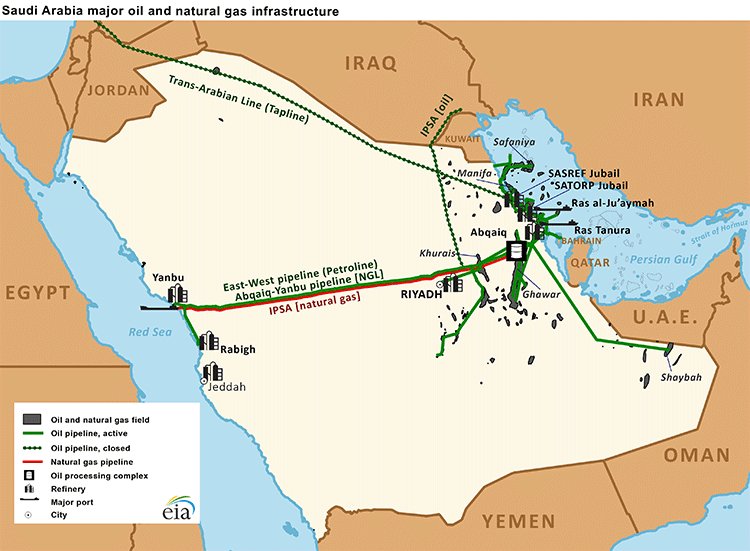
On March 18, Iran continued to target the Saudi Arabian capital Riyadh. Iran also continued to target Al-Karj and other Eastern Provinces. Iran is only targeting the Eastern side of Saudi Arabia, framed by the Persian Gulf. Iran has not struck any part of Western Saudi Arabia or locations on the Red Sea coastline. Iran is only targeting Eastern Saudi Arabia, where all of the nation’s oil fields are located.

On March 18, Saudi Arabia sustained more than 20 waves of attacks stemming from drones or missiles. Riyadh’s air defences intercepted eight missiles and six drones across four different attacks on the city’s diplomatic quarter and residential areas. Shrapnel from one missile damaged the city, and more debris fell on an oil refinery south of the capital. In the Eastern Provinces, Saudi air defences intercepted at least 12 separate attacks. The country intercepted 36 drones and three ballistic missiles. All of the attacks were focused on Saudi oil infrastructure.

UAE and Bahrain

In the United Arab Emirates, an Iranian missile successfully struck a road near Al Minhad Air Base. The air base is approximately 15 miles south of the UAE capital, Dubai, and houses American, British, and Australian troops. UAE officials reported that the strike damaged the air base and sparked a fire, but no fatalities were reported. The UAE reportedly intercepted 27 drones and 13 ballistic missiles in a single wave on March 18, and confirmed that it had successfully intercepted another wave as well, but failed to give specifics. In Bahrain, the Bahrain Defence Force reported that it had successfully intercepted one drone and four ballistic missiles. Officials did not say where the attacks were targeted.

Qatar and Kuwait

In Kuwait, the army announced that on March 18, the country shot down 20 drones and four ballistic missiles. Iran has been targeting Kuwait’s oil refineries, including the Mina Al-Ahmadi oil refinery, a site with a petroleum production capacity of 730,000 barrels per day. Parts of the Mina Al-Ahmadi refinery have been shut down since Iran’s attacks on the site. The Kuwaiti National Guard released a separate report from the army’s, claiming it had shot down an additional seven drones and reported that three more drones had fallen in uninhabited areas. In Qatar, a ballistic missile struck Ras Laffan Industrial City, causing a fire in the major liquefied natural gas hub. Qatar reported intercepting six more missiles targeting Ras Laffan, as well as one missile targeting an unidentified site. 

Iraq and Iraqi Kurdistan

Iraq also reported a slew of missile attacks targeting the country’s infrastructure. One drone was intercepted en route to Baghdad International Airport. Iraq reported two successful strikes on the country. An Iranian drone struck the US Embassy complex in Baghdad, sparking a fire, and an attack struck Kirkuk Air Base, causing a fire and damage. No casualties were reported in either attack. In Iraqi Kurdistan, drone attacks punctuated the night and continued through the morning. In Erbil, a number of drones were intercepted in the early hours of March 18. Peshmerga forces reported that drones struck their bases in Erbil and Sulaymaniyah provinces, injuring three fighters between the two locations.

Iranian strikes on March 19

TEHRAN, IRAN – MARCH 8: Fire breaks out at the Shahran oil depot after US and Israeli attacks, leaving numerous fuel tankers and vehicles in the area unusable in Tehran, Iran on March 8, 2026. (Photo by Hassan Ghaedi/Anadolu via Getty Images)

Saudi Arabia

On March 19, Iran focused on the Eastern Provinces of Saudi Arabia. Saudi officials reported intercepting continuous waves of drone attacks on the Eastern Coast. At least 11 waves of drones and missiles were launched, with 25 drones and two ballistic missiles being intercepted by defence forces. In a change of strategy, Iran struck the Red Sea coast in Saudi Arabia. A drone struck the SAMREF oil refinery in Yanbu, while Saudi forces intercepted a ballistic missile targeting the Port of Yanbu. These were the first attacks on Saudi Arabia’s Western Provinces, and show a shift in Iranian strategy. Right now, Saudi Arabia is managing to bypass the Bab al-Mandab Strait by using its massive East-West Abqaiq-Yanbu pipeline, lessening Iran’s impact on the oil process. Iran is now targeting the Port of Yanbu, where the Abqaiq-Yanbu pipeline ends.

Kuwait and Bahrain

On March 19, Iran expanded its attacks on Kuwait, targeting more energy infrastructure. One drone struck the Mina al Ahmadi refinery. The drone struck an operational unit, igniting a small fire and halting production for multiple hours. No casualties were reported from Mina al Ahmadi. The Mina al Abdullah refinery was also struck, igniting a fire with no reported casualties. The Kuwaiti army reported that it intercepted 13 drones as well as a missile barrage on March 19. In Bahrain, Iran launched only one wave of attacks, with the Bahrain Defence Forces intercepting two missiles and four drones.

UAE

In the United Arab Emirates, Iranian attacks focused on energy infrastructure. Emirati authorities reported dozens of missiles being intercepted targeting the Habshan gas facility and the Bab oil field. Both sites were forced to shut down due to damage from fallen debris. UAE officials also announced a slew of interceptions later in the day, claiming that Iran had sent a single wave of seven ballistic missiles and 15 drones. UAE authorities also claimed that more waves continued into the evening, all of which were intercepted by defence forces.

Iraq and Iraqi Kurdistan

In Iraq, clashes between the Iraqi army and Iranian-backed militia forces defined the day, with skirmishes breaking out across several provinces. Iran also sent multiple waves of drone attacks to Iraq, striking the towns of Al Khalis and Al Ibrahimiyah. Neither drone strike caused casualties or major damage. In Basra, two drones struck the radar system at Umm Qasr naval base, though details on casualties and damage were not provided. In Iraqi Kurdistan, attacks were concentrated on Iranian-Kurdish opposition groups. Four drones targeted the headquarters of an Iranian-Kurdish opposition party in Erbil province. The drone strikes caused fires across the site, and multiple injuries were reported. Two more facilities were attacked on March 19, but no casualties were reported.

Cost of war

As of March 20th, preliminary figures show harrowing victim counts across the Middle East. In Iran, more than 1,400 people have been killed by US and Israeli strikes. US forces have struck more than 7,000 locations in Iran, and alongside the 1,444 killed, another 18,500 Iranians have been injured, and more than 3 million people have been displaced. A US strike targeting an all-girls elementary school killed 168 children last week. In Lebanon, more than 1,000 people have been killed by Israeli strikes, with another 2,500 injured and more than 1 million civilians displaced. Thirteen US service members have been killed, and 18 people have been killed in Israel. Eighty-five people have been killed by Iranian strikes across Gulf Countries.

Catégories
Uncategorized

Choosing the Perfect Countertop: Materials, Uses, and Care Tips

A countertop is more than just a surface: it’s where the kitchen comes to life, where functionality, aesthetics, and lifestyle blend together. In this user-friendly guide, I’ll explain how to choose the right material for your needs, what trade-offs to consider, and what maintenance tips to follow to extend the life of your countertop.

Start by asking yourself the right questions: do you use your countertop extensively for cooking? Do you have children? Do you want a bold aesthetic or a neutral backdrop? The answer will guide your choice between hard materials (stone, granite), engineered surfaces (quartz, Corian), warm options (wood, laminate), or industrial finishes (stainless steel, polished concrete).

Some visual references for inspiration:

Quartz blanc pur

Inox brossé

Béton ciré lissé

Strengths and limitations of the main materials

  • Quartz: durable, low-porosity, easy to maintain, and available in many colors—ideal for families. Limitation: may be susceptible to severe impacts.
  • Natural stone (marble, granite): elegant and sophisticated. Granite is very durable; marble is more fragile and sensitive to acids. Maintenance: regular sealing recommended.
  • Stainless steel: hygienic and professional, perfect for heavy use. Limitation: cold appearance; watch out for fine scratches and water marks.
  • Polished concrete: contemporary look, highly customizable. Maintenance: protective treatment and preventive care to avoid stains.
  • Wood and wood-effect laminate: warm and inviting. Solid wood requires more maintenance (oils, occasional sanding); laminate offers the aesthetic appeal without the hassle.
  • Fenix and Corian: composite surfaces, ideal for clean lines and easy cleaning. Be mindful of resistance to very hot objects and deep scratches.
  • Expressive surfaces (terrazzo, exotic inlays): they bring a space to life and add a strong personality, provided the overall decor is well balanced.

Practical tips for making the right choice:

  • First, define the primary use (intensive food prep, dining surface, or multipurpose surface).
  • Assess your budget: certain natural stones or exotic granites can be expensive, while laminate or engineered quartz offer more affordable alternatives.
  • Consider long-term maintenance: a low-maintenance material can save you time and preserve the aesthetic appeal over the years.
  • Experiment with combinations: the same countertop can look radically different depending on the cabinet fronts, flooring, and lighting you choose.

Corian blanc thermoformé

Quartz effet terrazzo coloré

Daily care — simple steps:

  • Regular cleaning: warm water and mild soap for most surfaces.
  • Prevention: use cutting boards and trivets, and avoid exposing surfaces to prolonged direct heat.
  • Protection: Regular sealing for natural stone; oil or wax for certain woods, following the manufacturer’s recommendations.
  • Repairs: composite surfaces like Corian or Fenix can often be repaired locally; for stone, call in a professional in case of significant damage.

In summary: there is no “best” universal countertop, but rather a material that’s ideal for your lifestyle. Quartz combines practicality and aesthetics, natural stone adds character, wood brings warmth, and engineered materials (stainless steel, Fenix, Corian) offer hygiene and contemporary lines. Take the time to envision your daily life, test samples in your kitchen’s natural light, and choose based on both function and style. That way, your countertop will not only be beautiful but also perfectly suited to your everyday life.

Photos: Courtesy

Catégories
Uncategorized

A Complete Guide to Better Sleep: Routines to Adopt, Mistakes to Avoid, and Practical Tips

Sleep is central to our physical and mental health. When we don’t get enough sleep or our sleep is fragmented, our energy, mood, and cognitive abilities suffer. This practical guide brings together effective evening routines, common mistakes to avoid, and simple tips for creating an environment conducive to rest. The goal: to give you concrete steps to improve the quality of your sleep without turning your whole life upside down.

1. Create calming rituals
Evening rituals help signal to the brain that it’s time to slow down. Among the most effective: taking a warm bath, reading a few pages of an enjoyable book, listening to a soothing playlist, meditating briefly, or journaling to clear your mind. These simple actions, repeated regularly, condition the body to relax. For example, a warm bath followed by 10 minutes of reading and a short five-minute meditation can make for a very soothing sequence.
Warm bath
2. Adapt your environment
Your bedroom should become a sanctuary: dim lighting, a cool temperature (ideally 18–19°C), a comfortable bed, and minimal clutter. Turn off screens at least an hour before bedtime; the blue light they emit delays melatonin production and keeps the brain in an alert state. Opt for warm, soft lighting, and avoid disruptive noise sources. A tidy, prepared room sends clear signals of safety and calm.
Preparing your bedroom
3. Be mindful of your diet and stimulants
What you eat and drink at the end of the day affects your sleep. Avoid meals that are too fatty or heavy, as they take a long time to digest. Limit caffeine and theine several hours before bedtime; alcohol, while it may help you fall asleep, subsequently reduces the quality of your sleep. Opt for light meals and, if possible, foods rich in tryptophan (such as certain fish or milk) or fruits like kiwi, which can help improve the quality of your rest.
Evening meal
4. Get some exercise, but not too late
Regular physical activity promotes deep sleep, but it’s best to avoid intense workouts in the hours before bedtime. Intense exercise raises body temperature and stimulates the nervous system. If you like to exercise in the evening, opt for gentle activities (yoga, stretching, slow walking) or schedule intense workouts for early evening or the afternoon.
Physical activity
5. Maintain a consistent schedule
Going to bed and waking up at similar times every day is undoubtedly one of the most powerful habits. Consistency synchronizes your internal clock and makes it easier to fall asleep naturally. Significant deviations on weekends (long lie-ins) often disrupt the cycle and make waking up more difficult during the week. If you need to recharge, a short nap of 20 to 30 minutes is often more helpful than a morning spent in bed.

6. Manage stress and intrusive thoughts
Keeping a journal, practicing meditation or breathwork, and organizing your tasks before the end of the day can reduce nighttime rumination. Writing down what’s on your mind helps create a symbolic separation between the day’s concerns and bedtime. These techniques are particularly helpful for people who say they “can’t seem to switch off” in the evening.
7. When to seek help?
If your difficulties persist despite these adjustments (prolonged insomnia, significant daytime sleepiness, frequent awakenings), consult a healthcare professional. Sleep disorders may be linked to medical, psychological, or environmental factors that require specific treatment. A specialist (sleep doctor, psychiatrist, psychologist) can guide you toward appropriate treatments.

In summary, improving your sleep involves a combination of gentle habits, a suitable environment, and a certain degree of consistency. Start by choosing two or three areas for improvement, try them out for a few weeks, and adjust based on how you feel. Sleep is often the result of a series of small, regular efforts rather than a miracle solution. Try, adapt, and let time do its work.
Wind-down before bed

Catégories
Uncategorized

Debunking Fashion Myths (and Regaining Your Confidence)

Fashion has long been governed by unspoken rules: what to wear based on age, body type, season, or occasion. These guidelines, often inherited from different eras, have ended up restricting rather than inspiring. Yet dressing is, above all, a personal and creative act. This practical guide aims to debunk fifteen common misconceptions and offer concrete ways to rethink your relationship with clothing, prioritizing comfort, fit, and enjoyment.
Why do these myths persist? Because they simplify complex issues and offer reassurance. But simplification isn’t synonymous with truth: a garment cannot be reduced to a generic rule. What works for one person may be unsuitable for another. Here are a few simple principles to help you make informed choices:

Prioritize cut and proportion: a well-fitted garment always flatters more than a supposedly “slimming” color on a poorly cut piece.
Play with textures: mixing materials and finishes can reinvent a classic color combination.
Experiment rather than rule things out: try, observe, adapt. The mirror is a better judge than a general rule.

15 fashion myths
Among common misconceptions, some concern colors: the famous rule against pairing black with navy blue, the belief that white is reserved for summer, or that gold and silver don’t mix. These rules date back to a time when color palettes and combinations were less explored. Today, contemporary fashion encourages freedom: mixing metals, playing with monochromatic palettes, and pairing white with other colors in winter is not only accepted but often very successful if you choose the right fabrics.
Stripes
Other myths are based on body type stereotypes: “horizontal stripes make you look bigger,” “tight-fitting clothes only look good on thin people,” “short people can’t wear long skirts.” These claims ignore the crucial importance of the cut, the size, and how the fabric drapes. For example, a well-proportioned high-waisted long skirt can elongate a petite figure, while a perfectly fitted form-fitting piece will flatter any body type. It’s about learning how a garment interacts with your silhouette rather than following a one-size-fits-all rule.
Jeans
Jeans are another example of a shift in usage: once a symbol of casual wear, they have risen to the status of a versatile staple. High-quality denim paired with a structured blazer instantly becomes a credible outfit for many formal settings. The key lies in the clean cut, the condition of the fabric, and how well it harmonizes with other pieces.

Some practical tips:

Invest in well-tailored basics: they’re the foundation for experimentation.
Try out combinations at home before dismissing them outright: sometimes, a surprising pairing works better than you’d think.
Play with accessories: they’re often what transforms an outfit into a statement piece.

Dress and sneakers
Ultimately, the key question isn’t whether a piece of clothing “fits” according to external standards, but whether it makes you feel good. Self-confidence is the most important accessory. Wearing a piece with confidence radically changes how it’s perceived—both by you and by others. By debunking these myths, you empower yourself to create a style that is more personal, more joyful, and above all, more sustainable because it reflects who you are. Remember: fashion is a playground for experimentation. Keep an open mind, keep your closet doors open, and stay willing to try what truly appeals to you.By exploring these fifteen myths, the goal is to give you the tools to be bold, make adjustments, and above all, get back to the basics: comfort, consistency, and the joy of dressing.

Photos: Courtesy

Catégories
Uncategorized

Wood: Uses, Properties, and Selection — A Comprehensive Guide for Flooring, Furniture, and Structures

Wood is a fascinating material: it combines strength, aesthetic warmth, and technical versatility. Whether we’re talking about furniture that lasts for generations, floors that can be refinished, or monumental roof structures, wood possesses qualities that explain its longevity and its ubiquity in construction and design. In this article, I offer a comprehensive overview of the main uses of wood, the technologies that enhance it, and tips for choosing the right type based on its intended use.

1. The Intrinsic Qualities of Wood

Wood possesses excellent mechanical strength relative to its mass, natural thermal insulation properties, and resilience against mechanical stress. Depending on the species—oak, ash, birch, spruce, etc.—these properties vary: density, elasticity, and resistance to moisture and fire. The choice of wood species therefore depends on the intended use: a floor, a roof structure, and a musical instrument do not have the same requirements.

2. From Traditional Furniture to Designer Furniture

Antique furniture made of solid wood remains the gold standard for durability. Its success stems not only from the wood species used but also from traditional joinery techniques (mortise and tenon, dowels) that facilitate repair and ensure longevity. Conversely, modern Scandinavian furniture favors clean lines and solid wood for its stability and warm appearance. These two approaches demonstrate that wood, when well-crafted, meets both aesthetic requirements and longevity criteria.

Mobilier scandinave

3. Wood Flooring: Why Choose Solid Wood?

Solid wood floors, particularly oak, are valued for their durability and ability to be refinished. A solid wood floor can be sanded multiple times, repaired, and oiled to restore its original luster—an ecological and economic advantage in the long term. Solid wood also offers pleasant thermal inertia and excellent resistance to foot traffic, making it a preferred choice for high-quality interiors.

Plancher en chêne

4. Roof Frames and Structures: The Old and the New

Traditional oak roof trusses have proven their ability to last for centuries. Today, techniques such as glued-laminated timber further expand the possibilities: long-span constructions, curved forms, bridges, and public structures. Glued-laminated timber combines the natural beauty of wood with high structural performance, while remaining lighter than many alternative materials.

Bois lamellé-collé

5. Exposed Beams and Siding: Aesthetics in the Service of Function

Exposed beams remain an excellent way to showcase the structure while taking advantage of wood’s strength. When it comes to facades, wood siding offers effective weather protection and a warm aesthetic. When properly ventilated and treated, siding can last for many decades and contribute to the building’s overall insulation.

6. Making an informed choice: sustainability and maintenance

To choose the right wood, you must consider its origin (forestry certifications), intended use, and necessary treatments. Sustainably managed and locally sourced wood reduces the carbon footprint. Maintenance (cleaning, oiling, inspections) significantly extends the life of wooden elements. Finally, opting for wood species suited to the intended use limits the need for chemical treatments.

Construction à ossature bois

Conclusion

Whether it’s an antique piece of furniture, an oak floor, a monumental roof structure, or a modern timber-frame building, wood consistently proves its relevance. It combines performance, aesthetics, and restoration potential, meeting contemporary needs for sustainability. By choosing suitable wood species, prioritizing responsible practices, and properly maintaining the elements, wood can be made into a sustainable and attractive solution for many projects.

Photos: Courtesy

Catégories
Uncategorized

Iran Calls Trump’s «Very Good» Talks Claim False, Says «No Discussions»

Iran has publicly rejected Donald Trump’s recent claim that Washington and Tehran had engaged in «very good and productive conversations» aimed at resolving tensions in the Middle East, directly contradicting the narrative presented by the U.S. president. In a statement carried by Iran’s IRGC-affiliated Tasnim news agency, a senior security official said «No negotiations have taken place and none are underway,» pushing back against Trump’s assertion that talks had occurred «regarding a complete and total resolution of our hostilities in the Middle East.» The denial highlights a widening gap between public messaging from both sides as the conflict continues.

Getty Images

The Iranian official further emphasized that «no direct or indirect contact» had taken place between the two countries, directly challenging the credibility of Trump’s announcement. According to Tasnim, Iranian authorities instead view the situation as a shift in U.S. posture rather than a diplomatic breakthrough. The report suggests that it was Trump who stepped back from recent threats following Iran’s warnings of retaliation, framing the pause in military action as a response to pressure rather than the result of successful negotiations.

«No negotiations have taken place and none are underway.»

-Iran senior security official

Trump had earlier presented a sharply different version of events, announcing what he described as meaningful progress in talks between the two countries. He stated «I AM PLEASED TO REPORT THAT THE UNITED STATES OF AMERICA, AND THE COUNTRY OF IRAN, HAVE HAD, OVER THE LAST TWO DAYS, VERY GOOD AND PRODUCTIVE CONVERSATIONS,» adding that the discussions were focused on «A COMPLETE AND TOTAL RESOLUTION OF OUR HOSTILITIES IN THE MIDDLE EAST.» He also indicated that planned military strikes would be delayed, saying «I HAVE INSTRUCTED THE DEPARTMENT OF WAR TO POSTPONE ANY AND ALL MILITARY STRIKES AGAINST IRANIAN POWER PLANTS AND ENERGY INFRASTRUCTURE FOR A FIVE DAY PERIOD.»

Getty Images

Iranian officials, however, have framed the situation in starkly different terms, portraying the U.S. decision as a retreat under pressure rather than a diplomatic opening. Tehran had previously warned that any attack on its infrastructure would trigger a wide-ranging response, stating that Iran would target «all power plants in West Asia» if U.S. strikes were carried out. The country has also reiterated its broader defensive posture, declaring that it will defend itself «until the necessary level of deterrence is achieved,» signaling that it does not view the current moment as a step toward de-escalation.


Getty Images

The conflict itself has escalated significantly since the beginning of the military operation, with U.S. and Israeli forces conducting repeated strikes on Iranian military positions and key infrastructure. In response, Iran has launched missile and drone attacks across the region and moved to restrict access to the Strait of Hormuz, a critical global shipping route for oil and gas. The move has been widely interpreted as a countermeasure designed to increase economic pressure, contributing to volatility in energy markets and raising concerns about the stability of global supply chains.

«I AM PLEASED TO REPORT THAT THE UNITED STATES OF AMERICA, AND THE COUNTRY OF IRAN, HAVE HAD, OVER THE LAST TWO DAYS, VERY GOOD AND PRODUCTIVE CONVERSATIONS.»

-U.S. President, Donald Trump on Truth Social

Taken together, the conflicting accounts underscore the fragile and uncertain state of the situation. While Trump has presented the pause in military action as the result of constructive dialogue, Iran’s response suggests that no such diplomatic channel currently exists. Instead, both sides continue to exchange threats while maintaining military pressure, leaving little indication that the conflict, which began with coordinated U.S. and Israeli strikes, is nearing resolution.

Getty Images