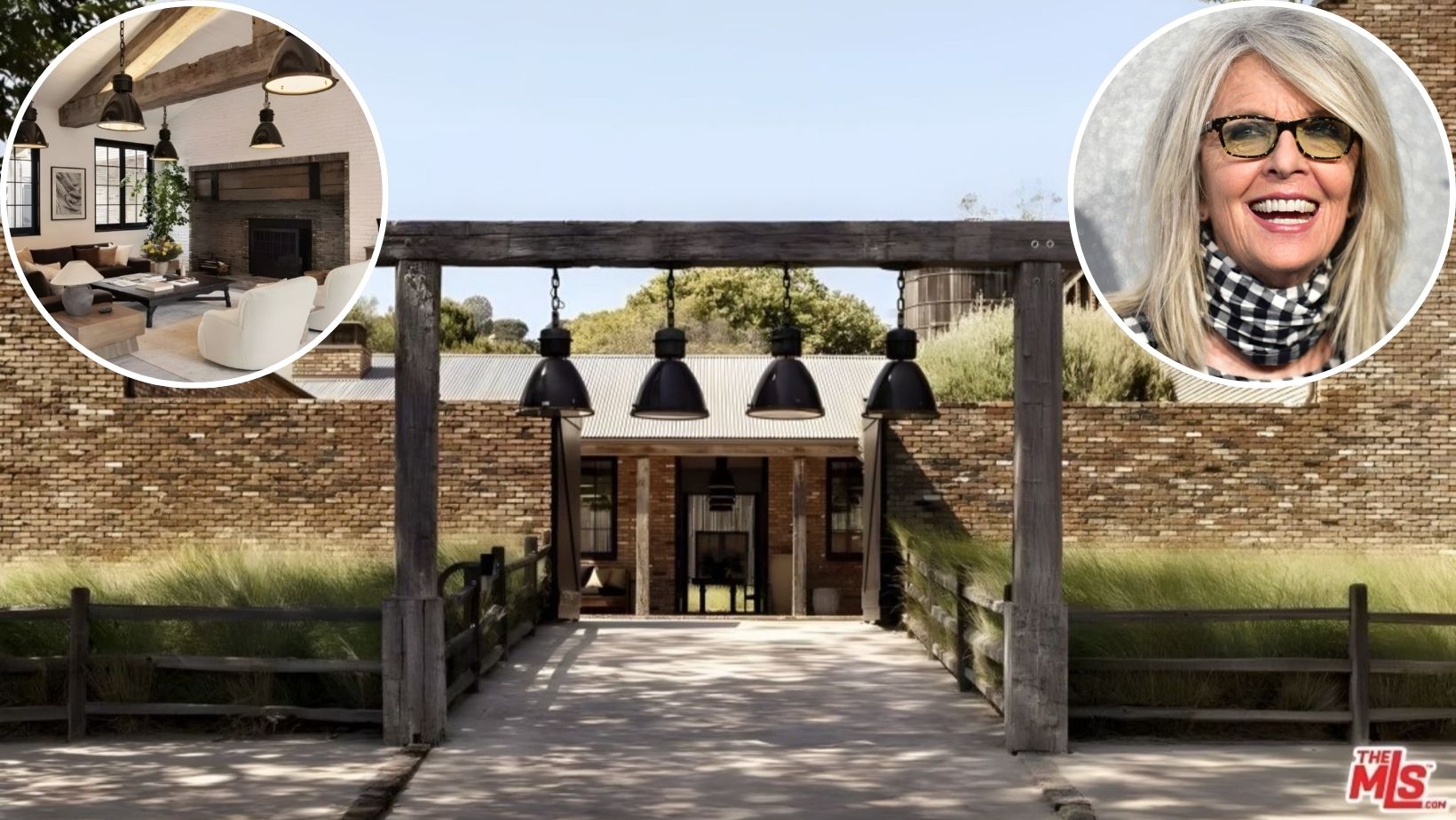
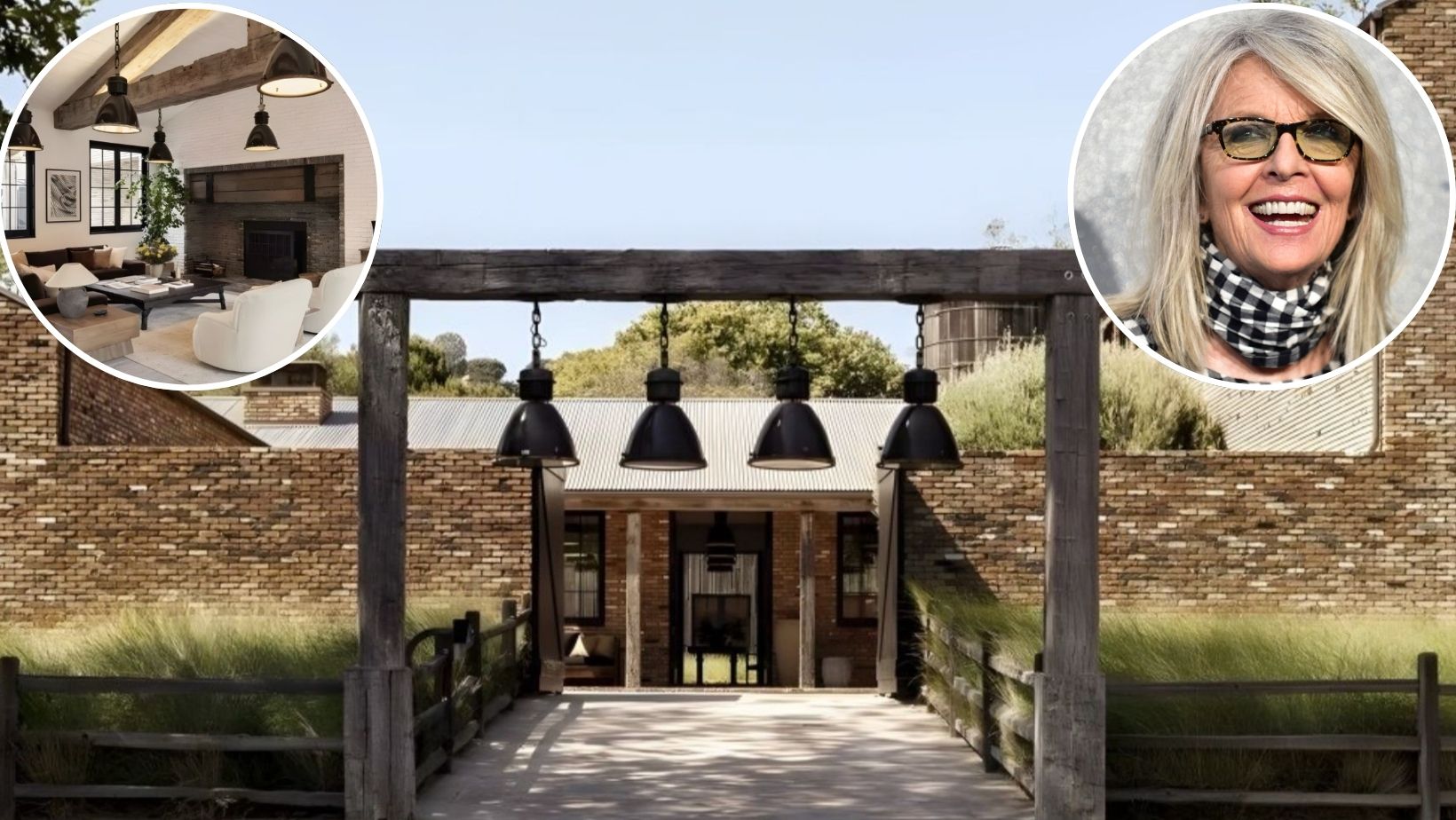
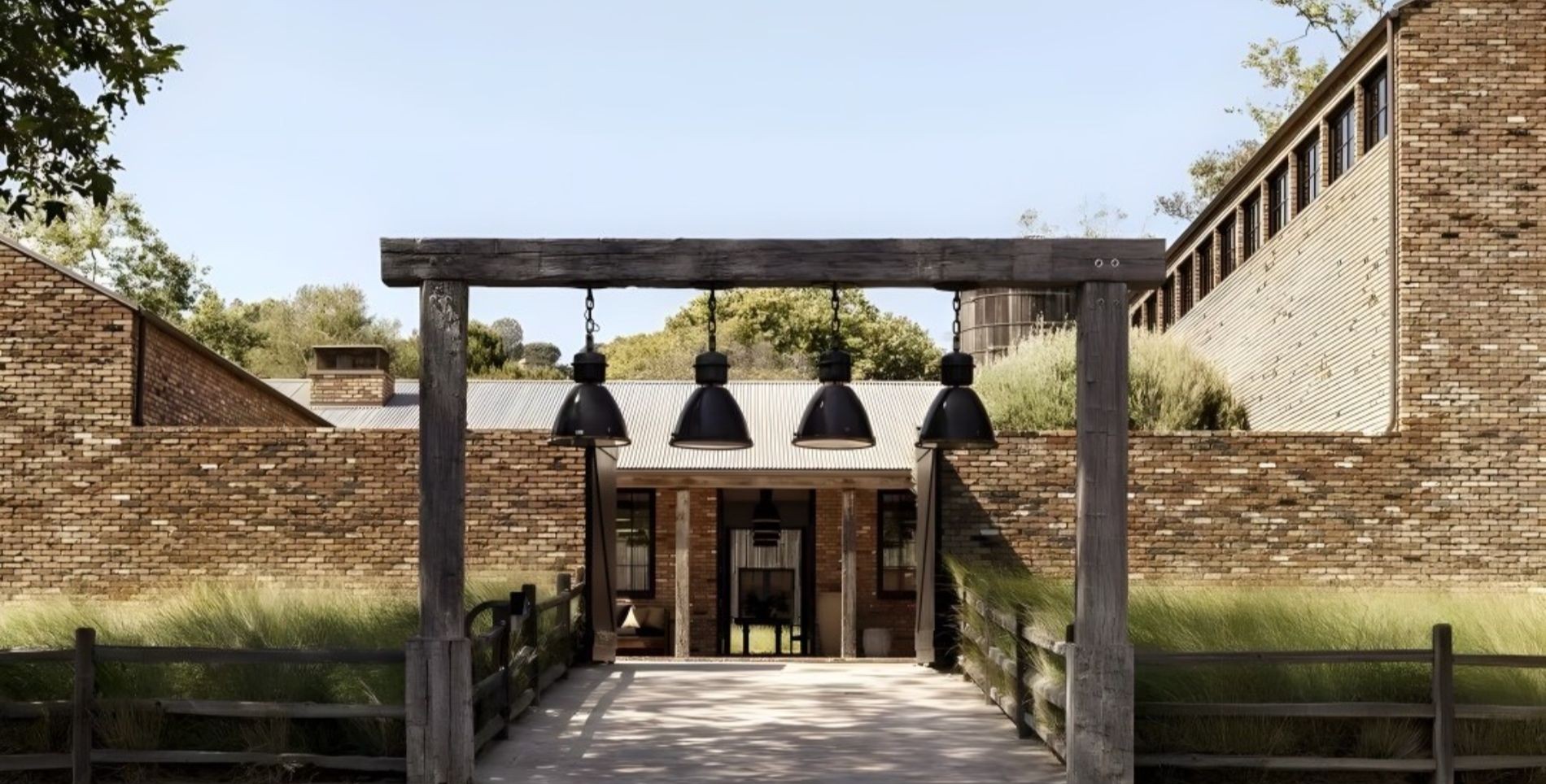
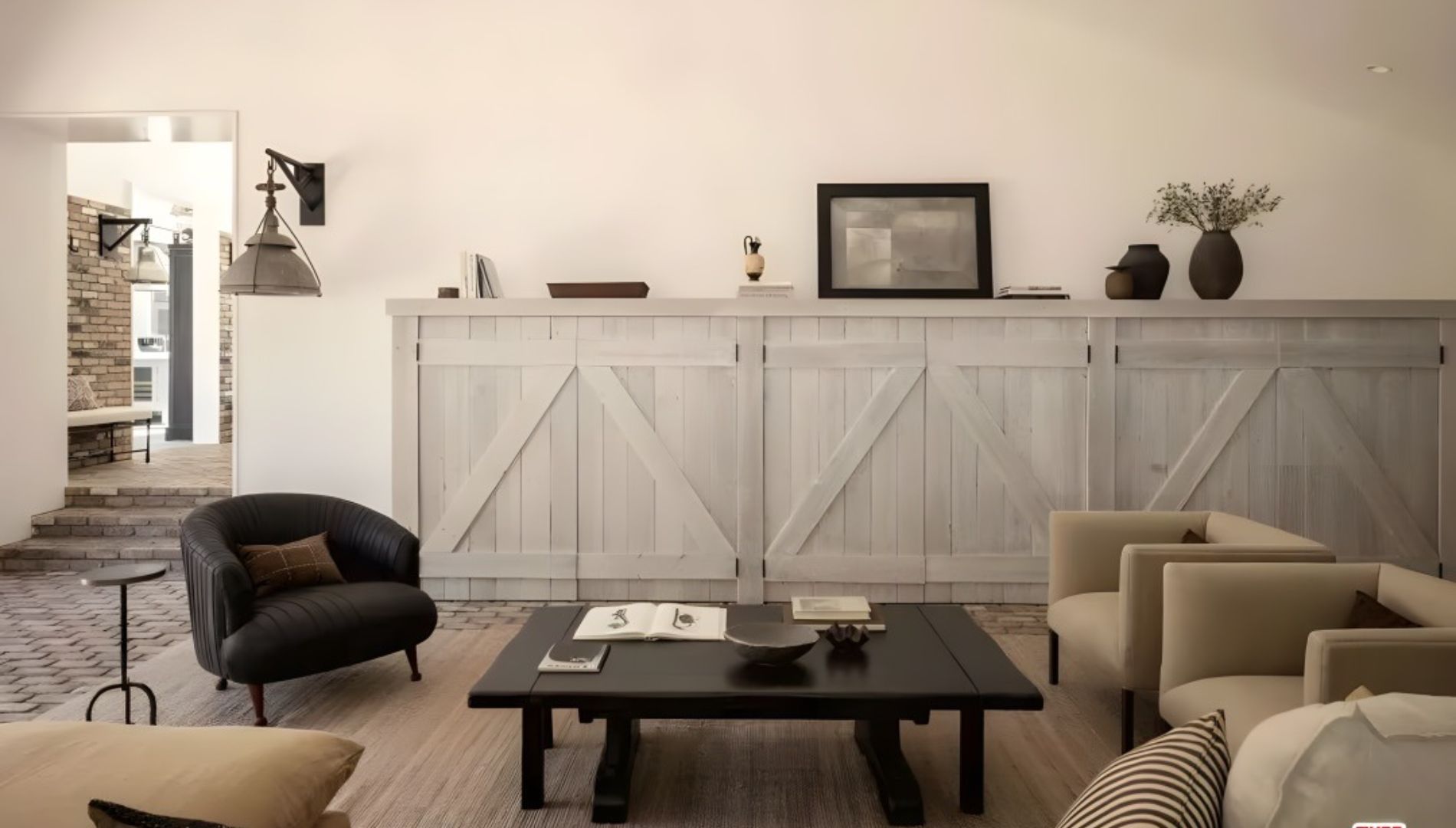
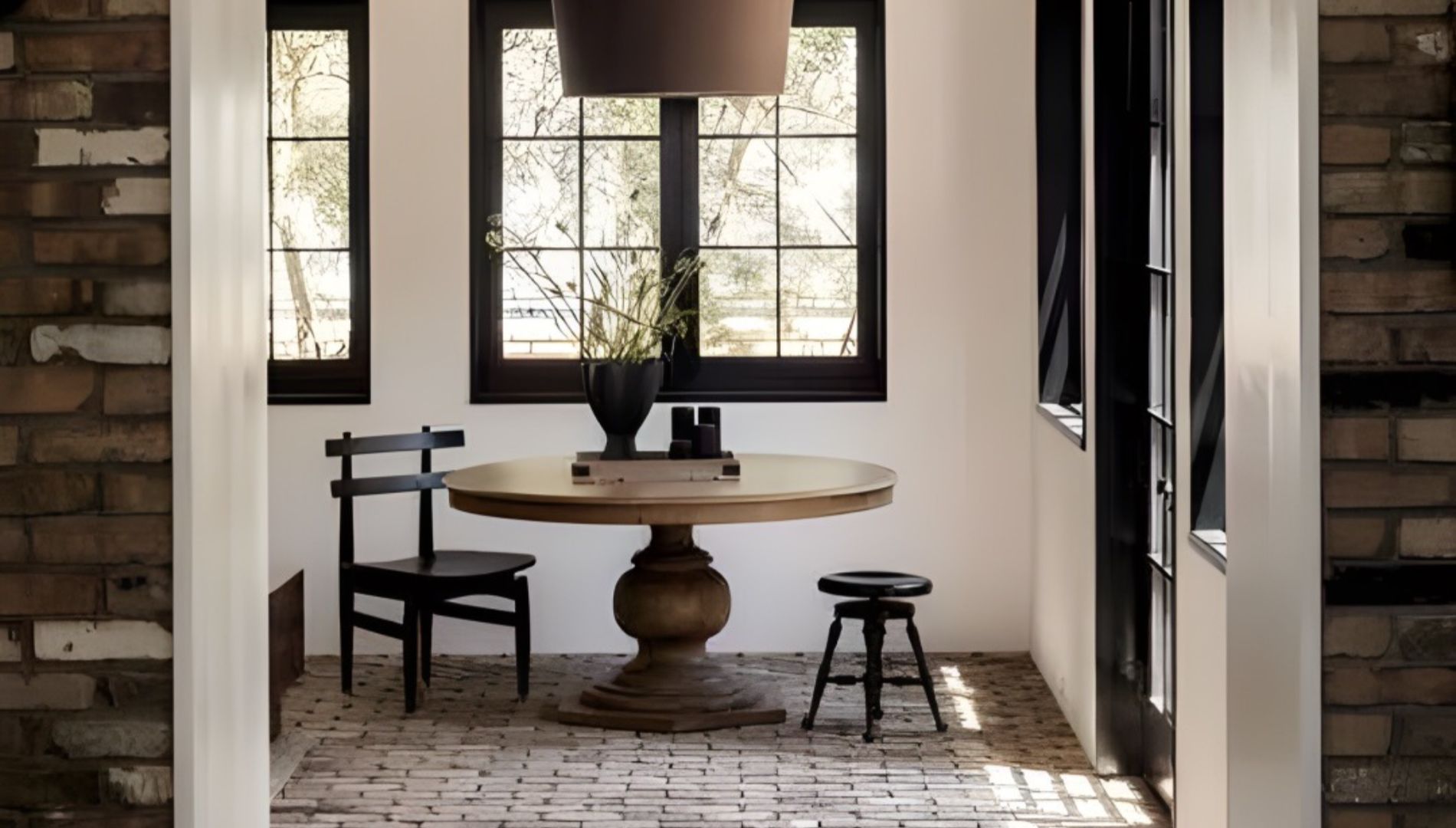
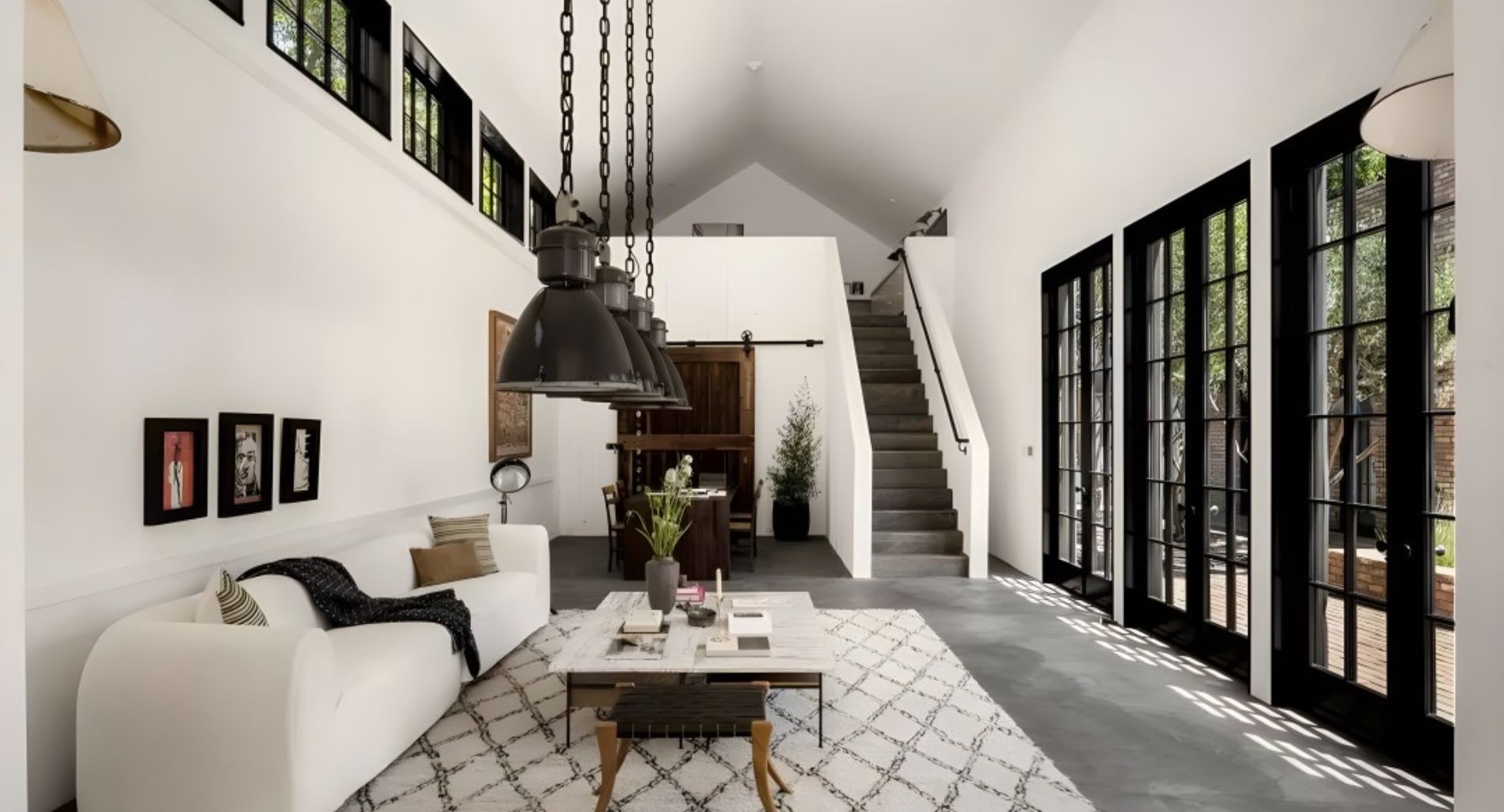
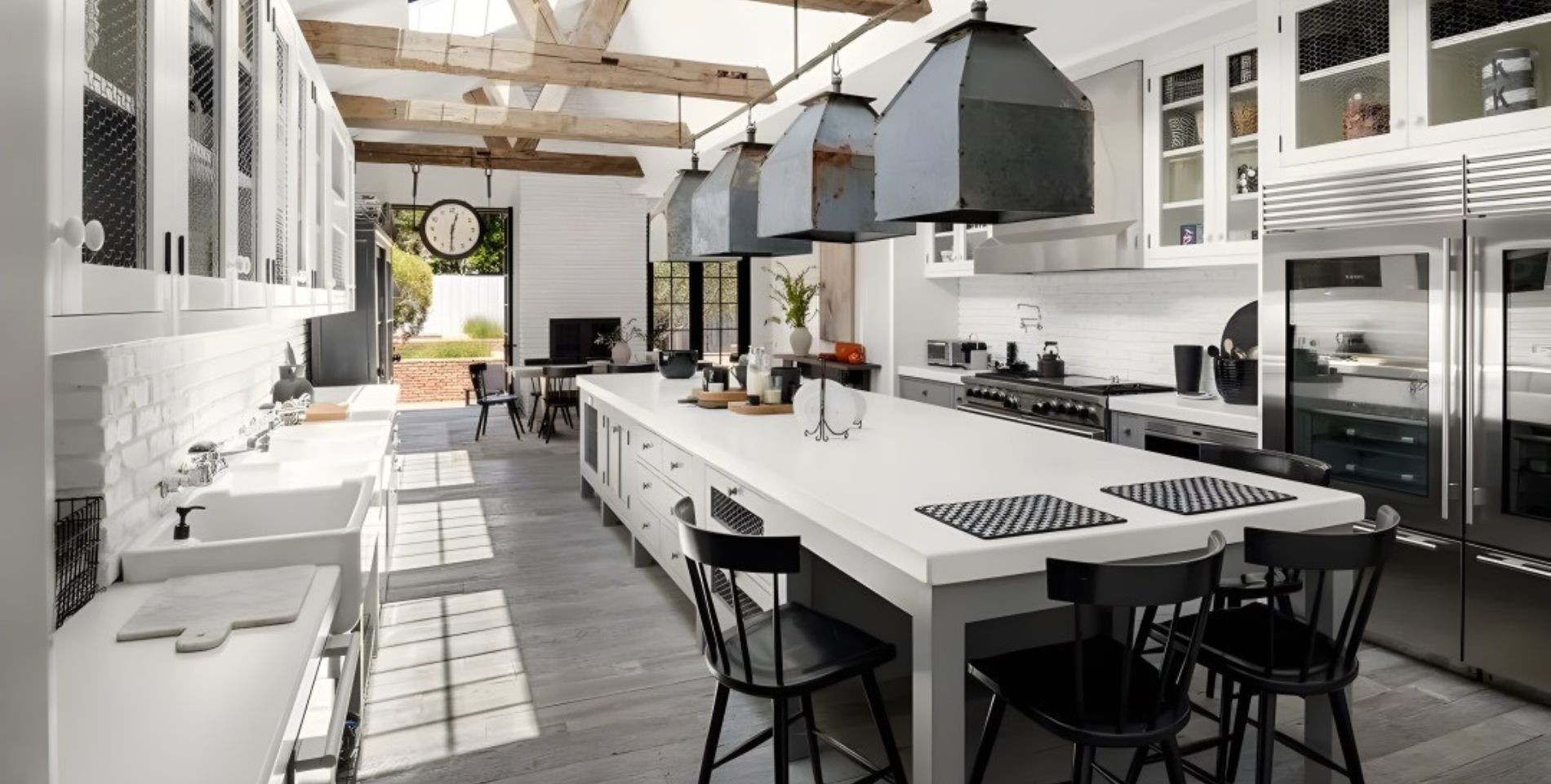
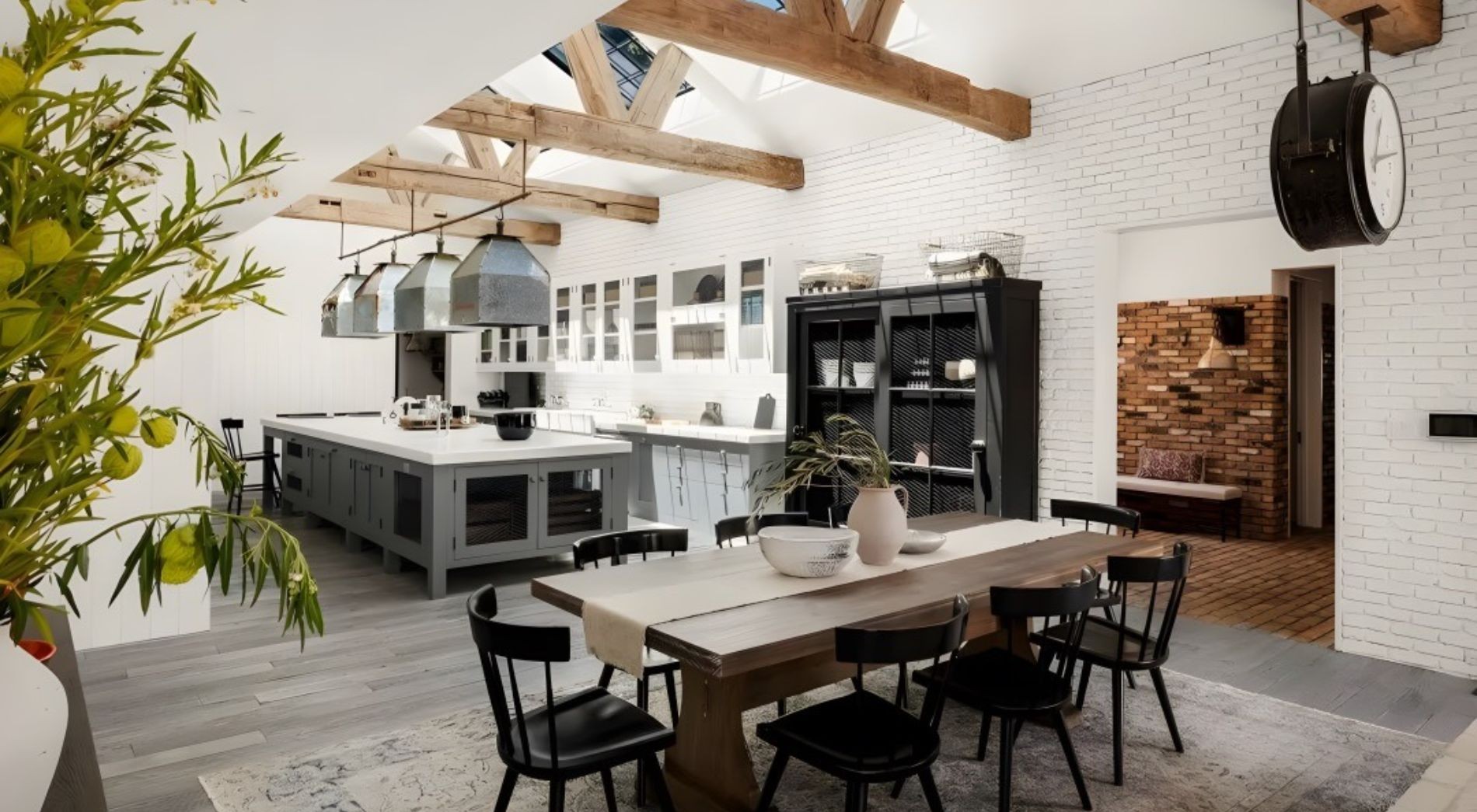
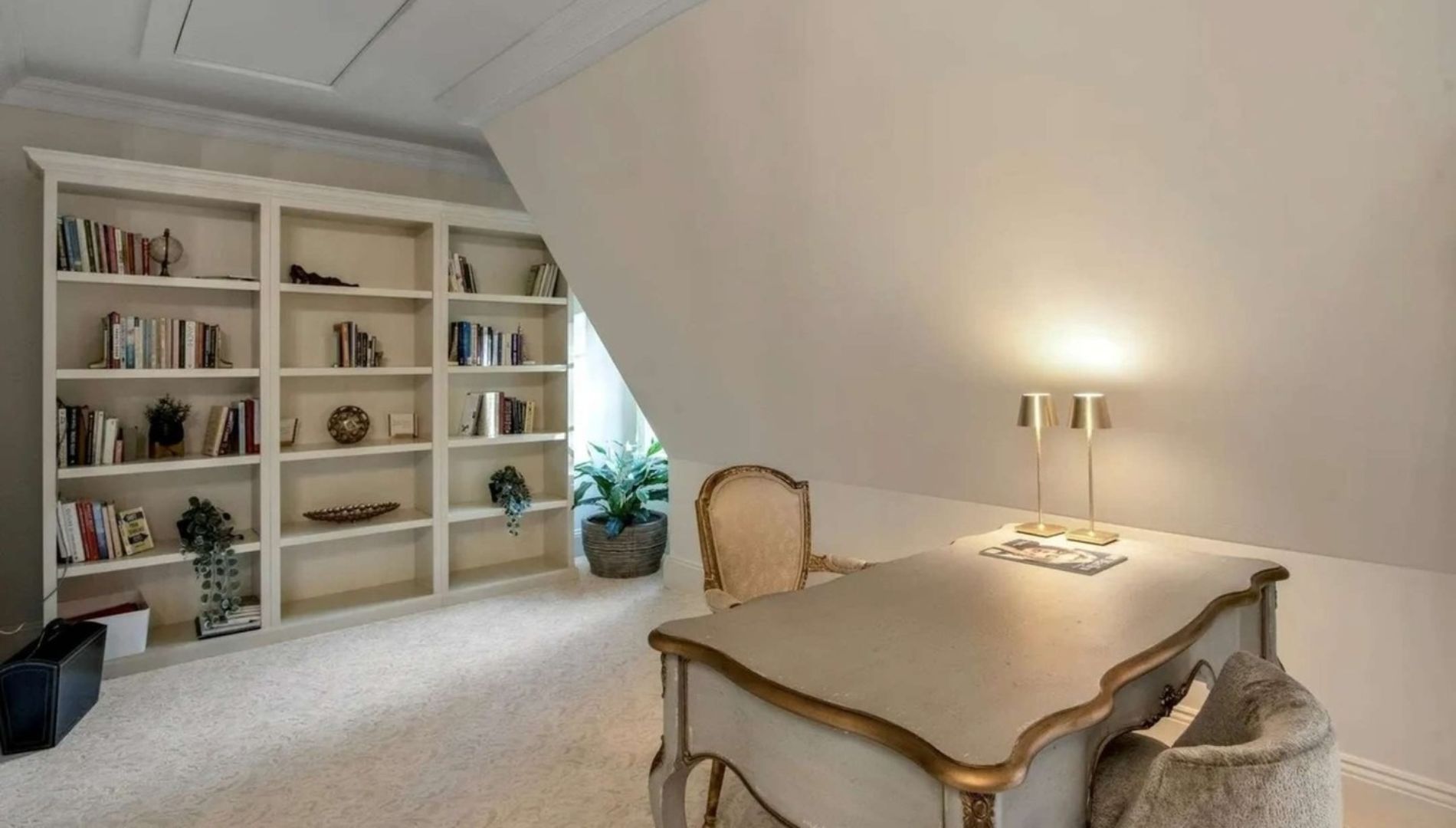
In Los Angeles, the famous home designed by actress and architecture enthusiast Diane Keaton is once again making headlines. Made famous in her 2017 book The House That Pinterest Built, this spectacular 9,200-square-foot contemporary farmhouse perfectly embodies her design vision, where weathered brick, industrial steel, and reclaimed wood come together in striking harmony.
Behind its timeless aesthetic lie five bedrooms, eight bathrooms, and expansive living areas bathed in natural light. The large living room with exposed beams opens onto a brick terrace through majestic French doors, while the kitchen, illuminated by skylights, exudes an authentic character. Complete with a guest house and a swimming pool, this property reflects the understated, magazine-worthy elegance for which Diane Keaton is renowned. It is on the market for 22.9 million U.S. dollars. Here are some photos!
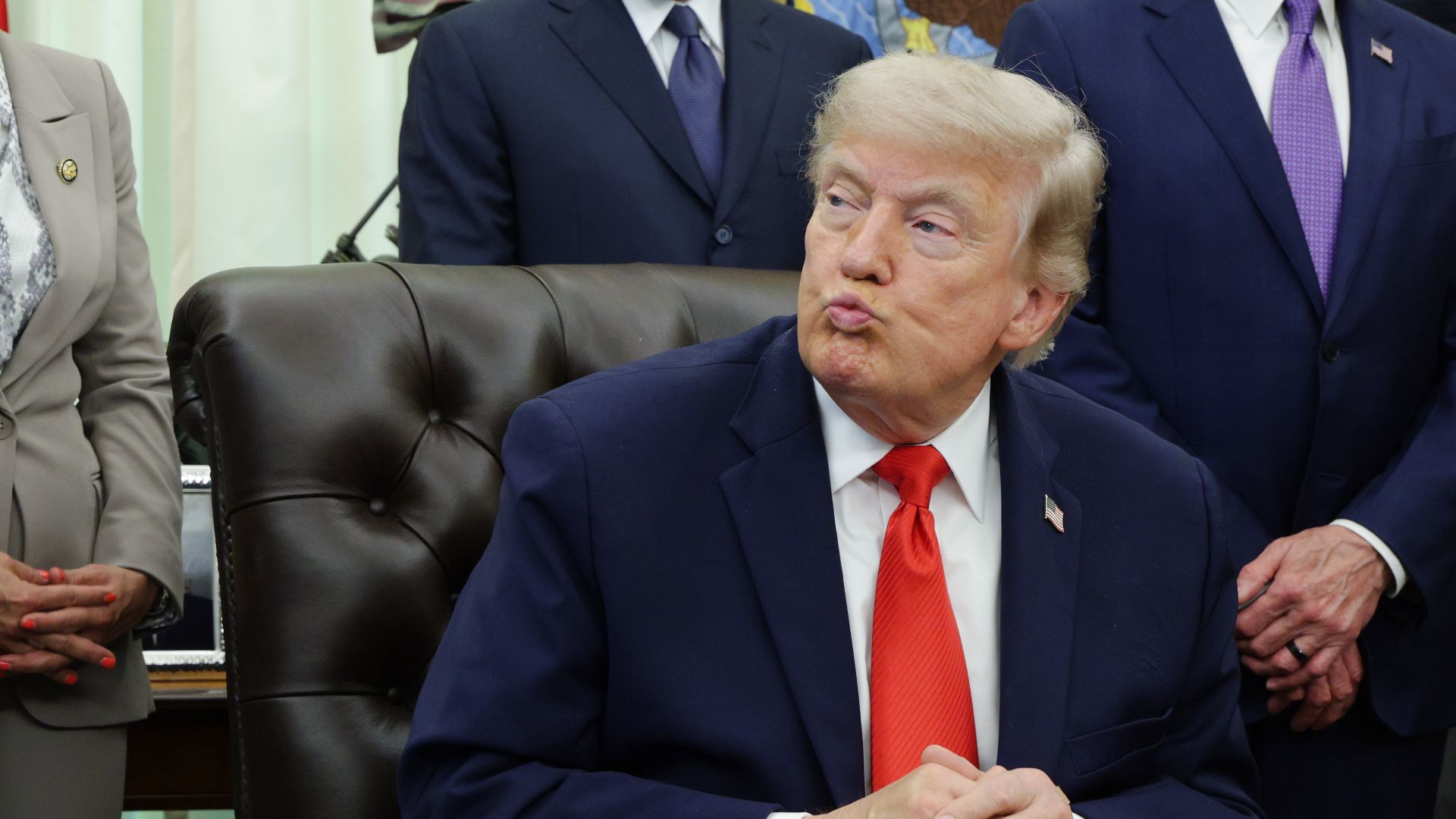
Donald Trump’s latest use of artificial intelligence has sparked backlash in Japan after a video shared on Truth Social depicted the U.S. president as Naruto Uzumaki, the iconic hero of one of the country’s most successful manga and anime franchises. The AI-generated clip, created as part of a campaign music video celebrating Trump, quickly spread across social media and drew criticism from fans who argued that the character was being pulled into partisan politics without permission. The controversy also revived concerns over copyright, artificial intelligence and the repeated use of popular entertainment properties in political messaging, prompting renewed scrutiny from fans, rights holders and cultural observers.
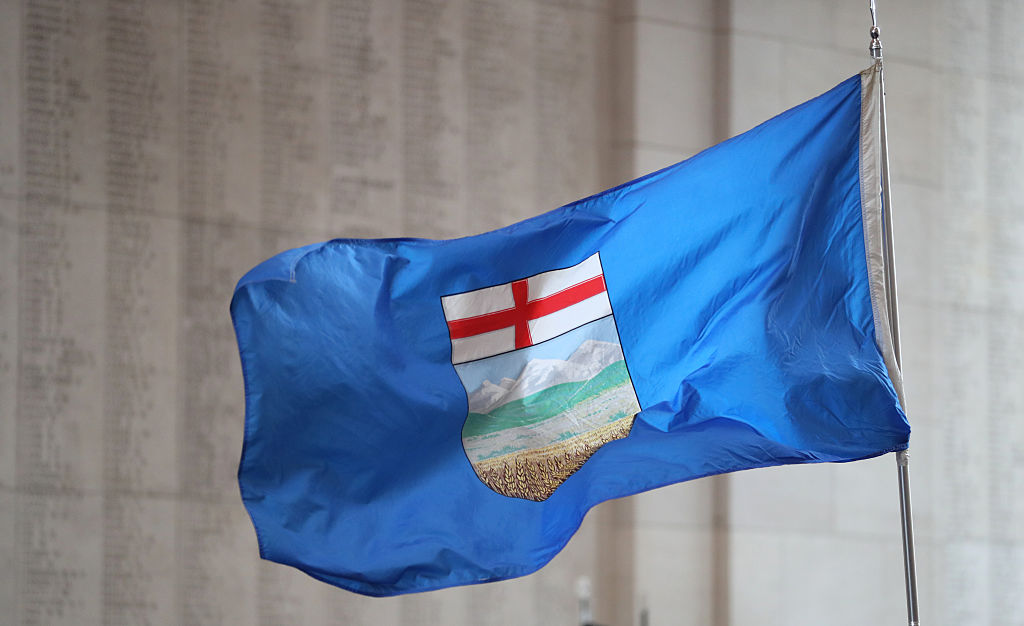
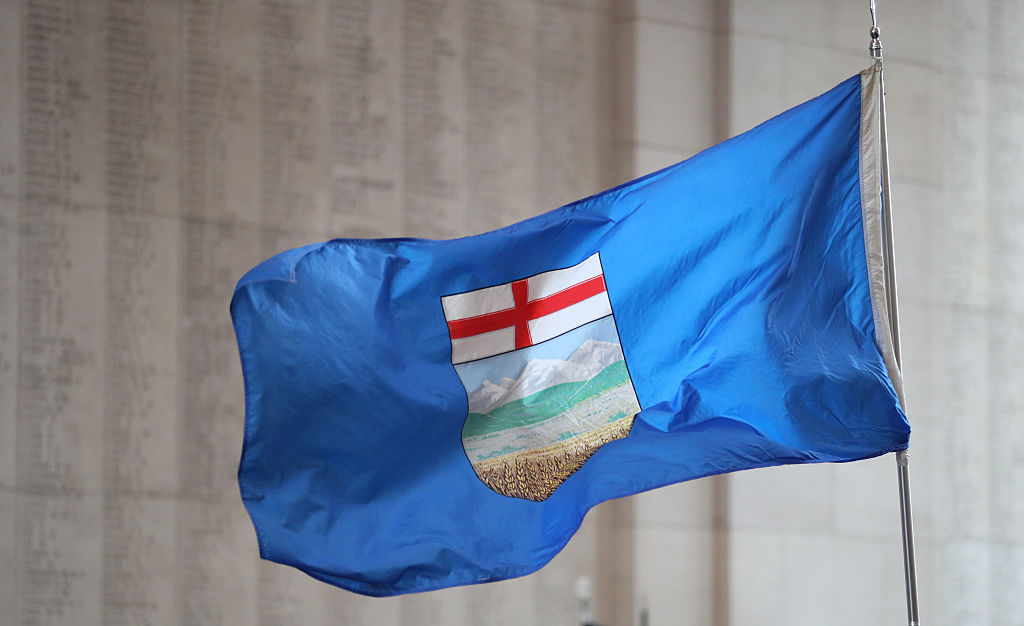
The Alberta flag is flown by members of the Red Deer Royals Marching band inside the Menin Gate in Ypres, ahead of events in Belgium to mark 100 years since the start of the Battle of Passchendaele. (Photo by Andrew Matthews/PA Images via Getty Images)
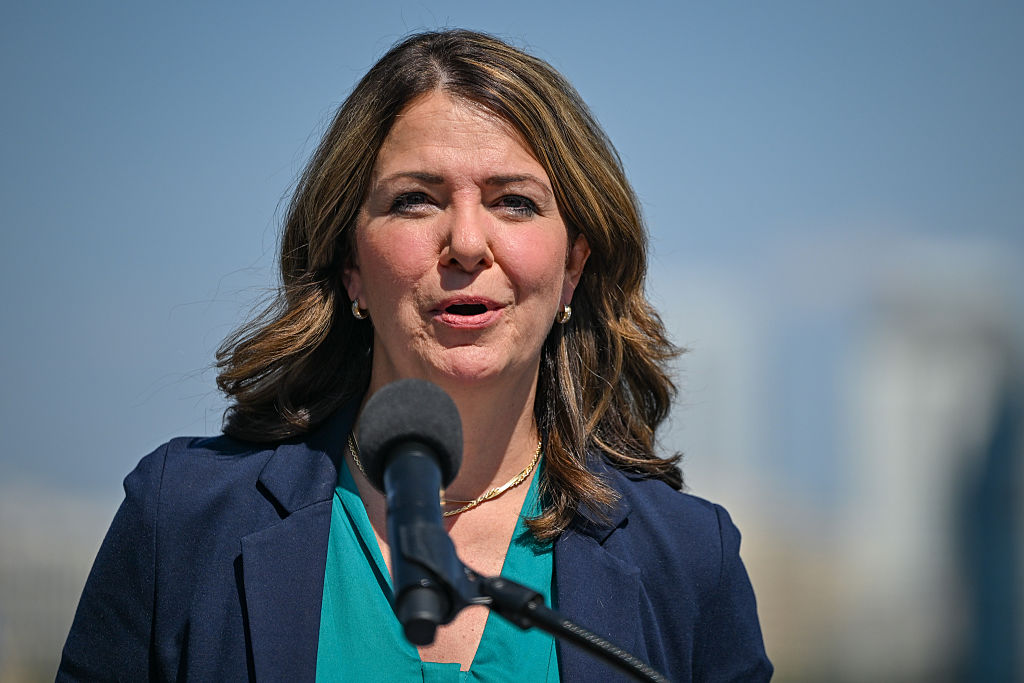
As a new referendum looms large in Alberta politics, due to be voted on in October, a new poll has been released by the Angus Reid Institute that claims most Albertans actually want to remain in Canada. Contrary to what the separatist movement has claimed over the past few weeks, Angus Reid’s poll claims that more than 60 per cent of Albertans actually want to remain a part of Canada. On June 1, the Angus Reid Institute, the premier polling company in Canada, released a detailed poll claiming that three in five Albertans wish to remain in Canada. The poll also claimed that more than half of Albertans think that Premier Danielle Smith has done a poor job of handling the issue as a whole.
The Alberta flag is flown by members of the Red Deer Royals Marching band inside the Menin Gate in Ypres, ahead of events in Belgium to mark 100 years since the start of the Battle of Passchendaele. (Photo by Andrew Matthews/PA Images via Getty Images)EDMONTON, CANADA MAY 15:
Hundreds of First Nations members and allies gather outside the Alberta Legislature to protest Alberta’s proposed separation and Bill 54 on May 15, 2025, in Edmonton, Alberta, Canada. The demonstration, featuring drumming, smudging, and speeches, showed First Nations unity as Treaty 6, 7, and 8 chiefs stood together to oppose the bill and affirm that separation without Indigenous consent violates treaty agreements. (Photo by Artur Widak/NurPhoto via Getty Images)EDMONTON, CANADA JULY 18, 2025:
Alberta Premier Danielle Smith addresses the media during a press conference announcing a record-setting $2.8-billion contribution to the Alberta Heritage Savings Trust Fund in Edmonton, Alberta, Canada, on July 18, 2025.
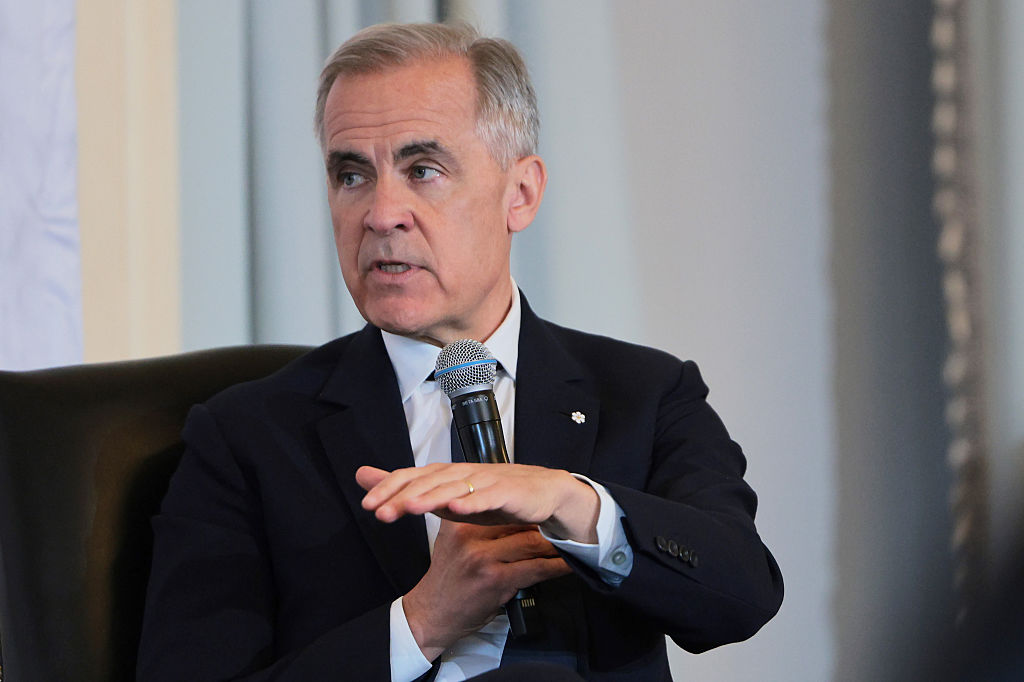
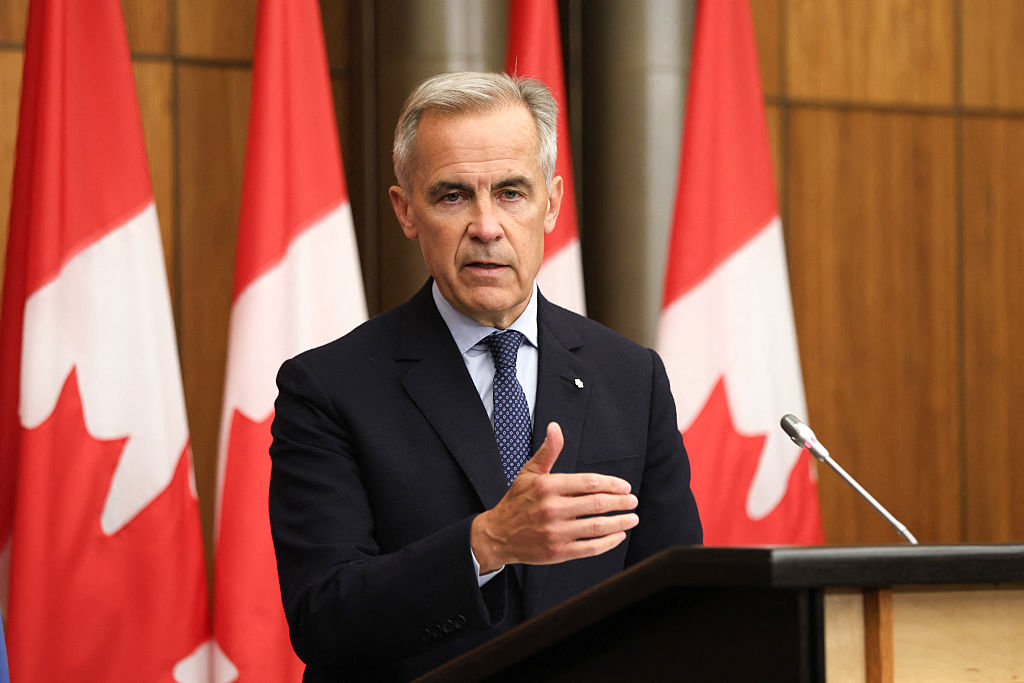
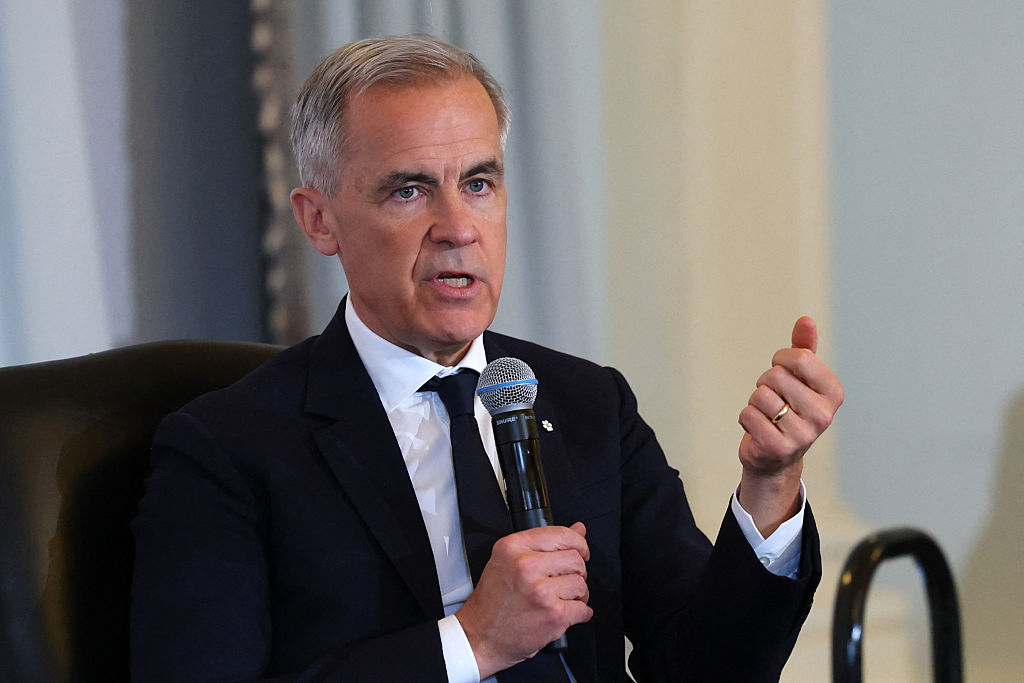
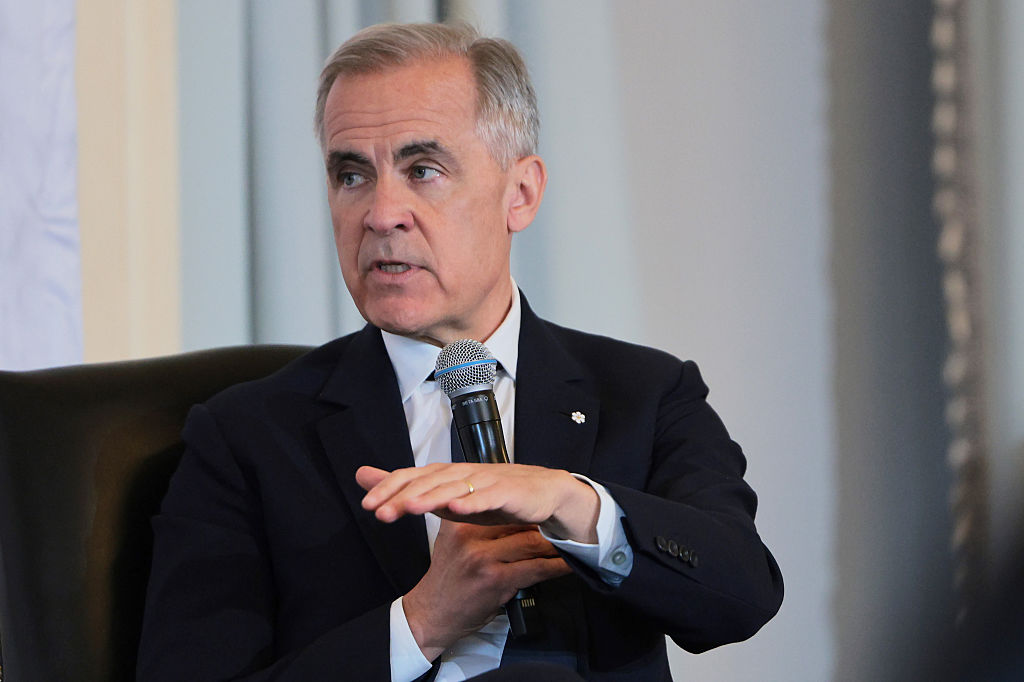
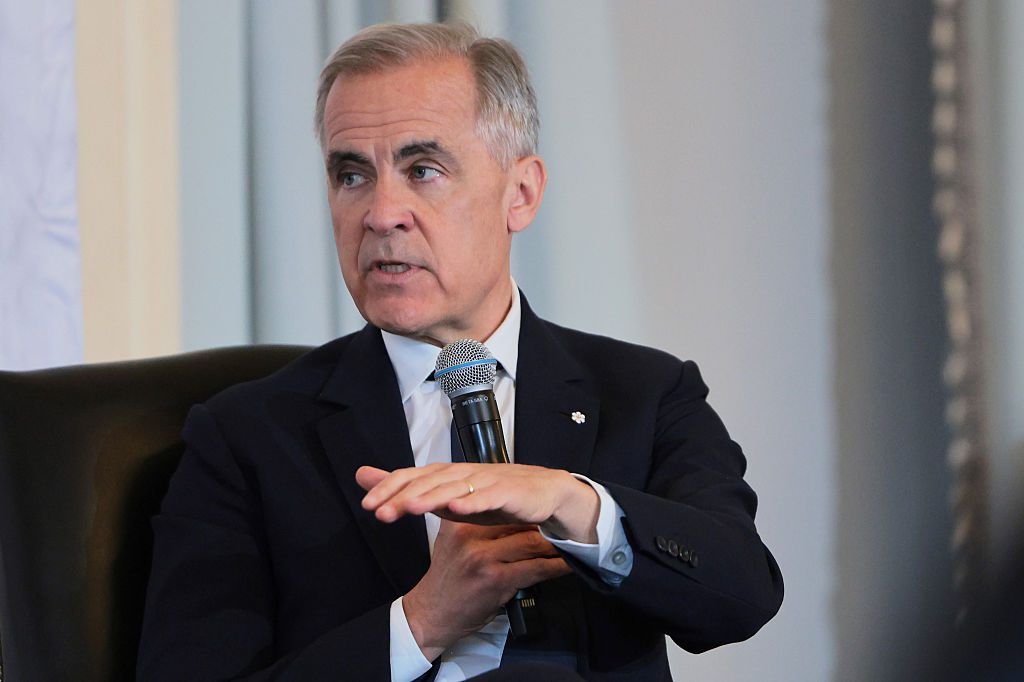
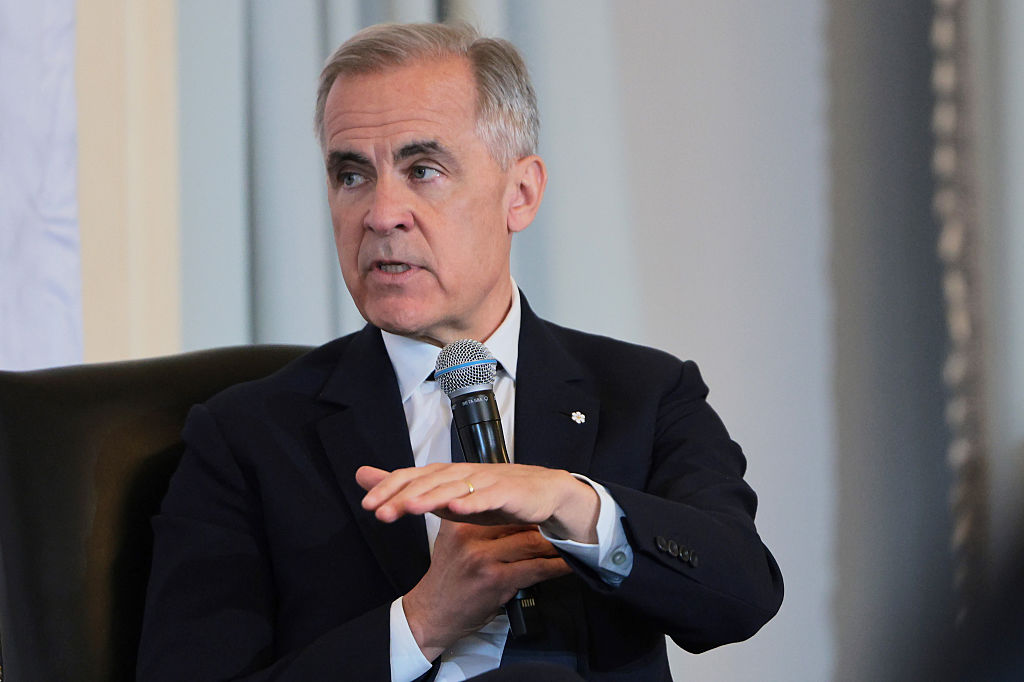
The boost brings the fund to a record $30 billion as the province aims to grow it to $250 billion by 2050 to support health care, education, infrastructure, and maintain low taxes, with strong governance and global investments led by the Heritage Fund Opportunities Corporation. (Photo by Artur Widak/NurPhoto via Getty Images)NEW YORK, NEW YORK – MAY 28: Canadian Prime Minister Mark Carney speaks at the Economic Club Of New York luncheon on May 28, 2026 in New York City. Carney spoke about Canada’s economic strategy and the progress it has made and about strengthening the country’s international partnerships. (Photo by Michael M. Santiago/Getty Images)Canadian Prime Minister Mark Carney speaks during a press conference after a Cabinet meeting to discuss both trade negotiations with the US and the situation in the Middle East, at the National Press Theatre in Ottawa, Ontario, Canada on July 30, 2025. Canada « intends » to recognize a Palestinian state at the UN General Assembly in September, Prime Minister Mark Carney said Wednesday, a dramatic policy shift he said was necessary to preserve hopes of a two-state solution. (Photo by Dave CHAN / AFP) (Photo by DAVE CHAN/AFP via Getty Images)SHERWOOD PARK, CANADA MARCH 18: The book ‘Alberta – Separatism Then And Now’ by Michael Wagner, on display during the Help Us Make Sovereignty for Alberta Happen event, organized by the Alberta Prosperity Project in Sherwood Park, Strathcona County, Alberta, Canada, on March 16, 2025. (Photo by Artur Widak/NurPhoto via Getty Images)
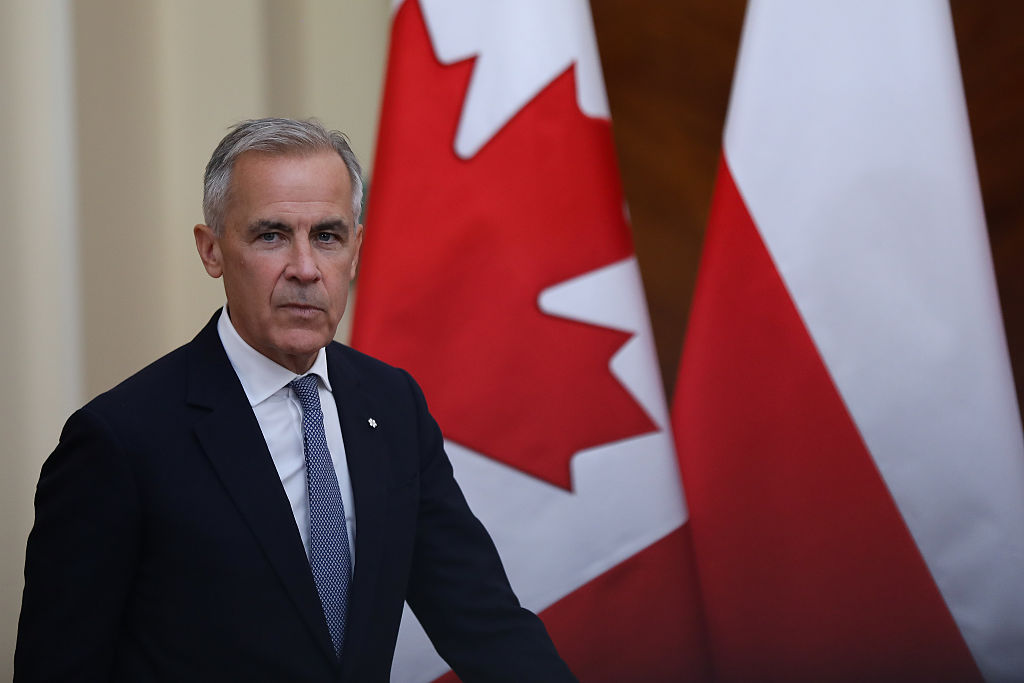
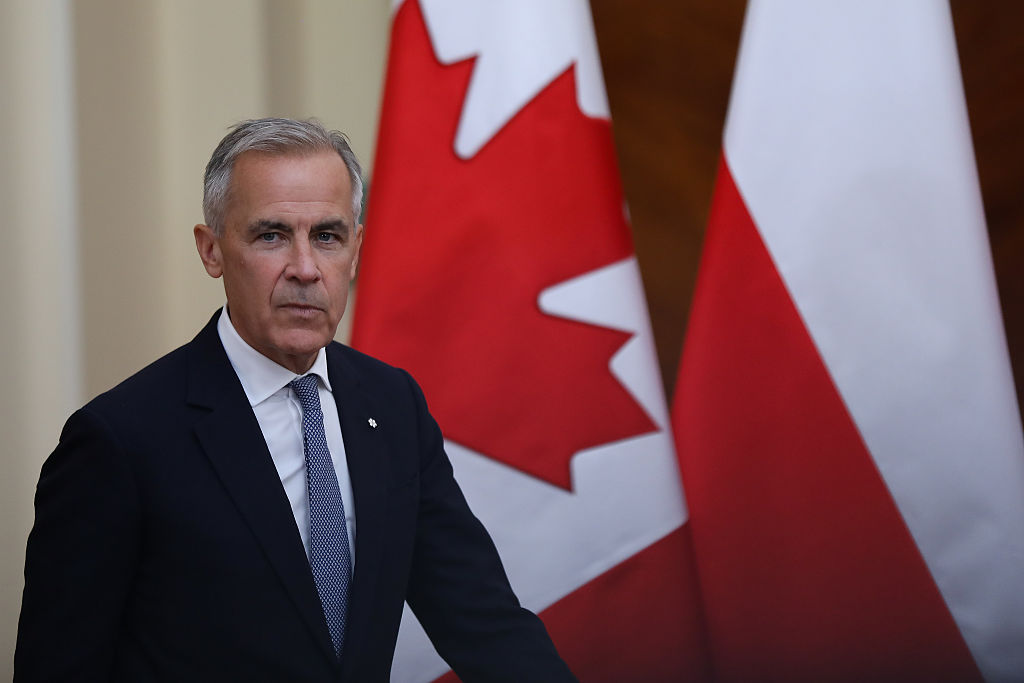
In Warsaw, Poland, on August 25, 2025, Mark Carney, Prime Minister of Canada, meets with Donald Tusk, Prime Minister of Poland, at the Chancellery of the Prime Minister. Poland is Canada's largest trading partner in Central and Eastern Europe. The talks focus on Poland-Canada relations and security issues in the context of the current international situation. The Polish Prime Minister announces that he does not intend to send Polish troops to Ukraine. (Photo by Klaudia Radecka/NurPhoto via Getty Images)
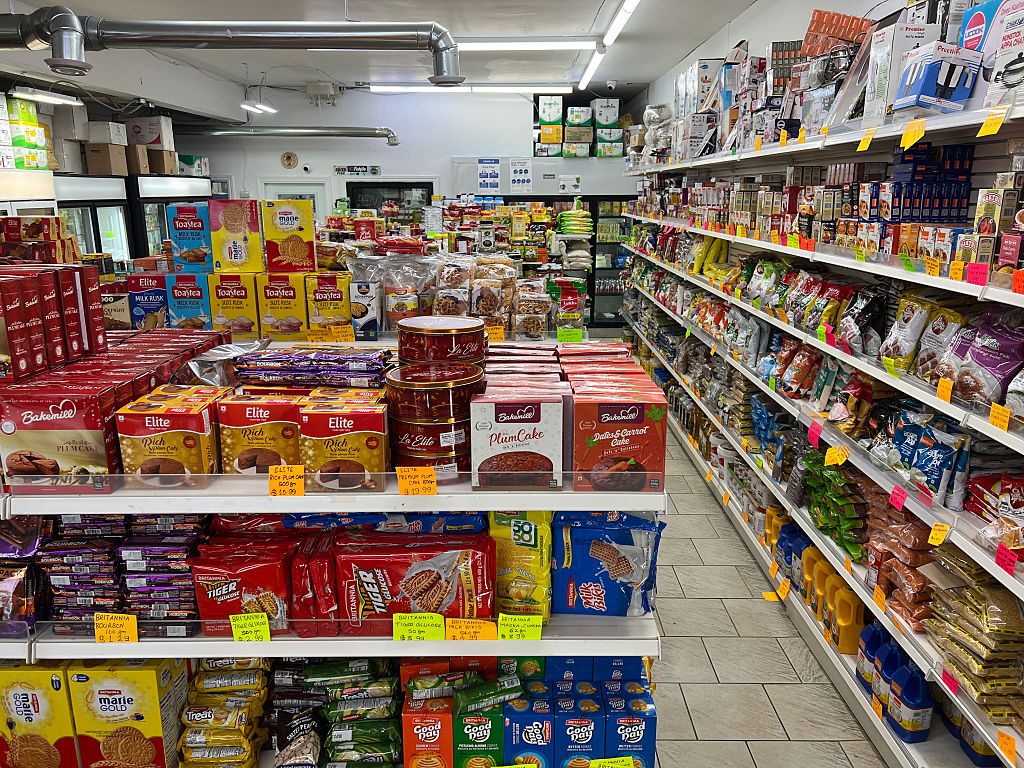
Millions of Canadians will begin receiving enhanced federal grocery support payments as the government announced a new Canada Groceries and Essentials Benefit. According to the Canadian government, the program is designed to help lower- and middle-income households cope with rising food and household costs. The benefit, announced by the government earlier in 2026, provides direct payments to eligible Canadians through the Canada Revenue Agency and is intended to supplement existing affordability measures as food prices remain elevated despite slowing inflation.
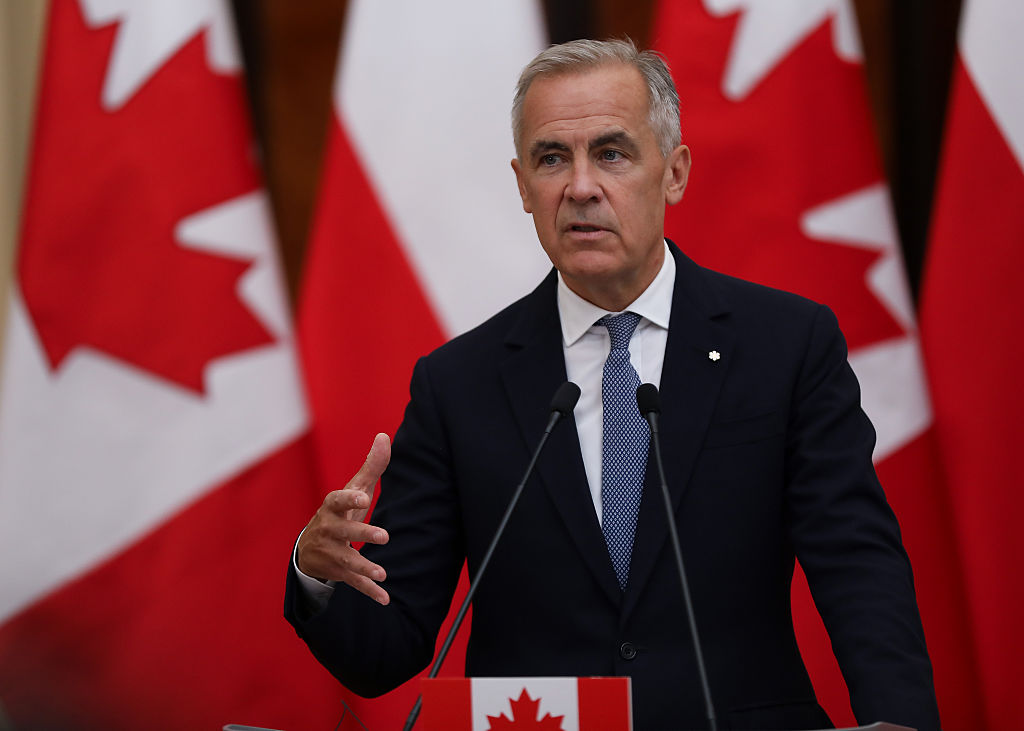
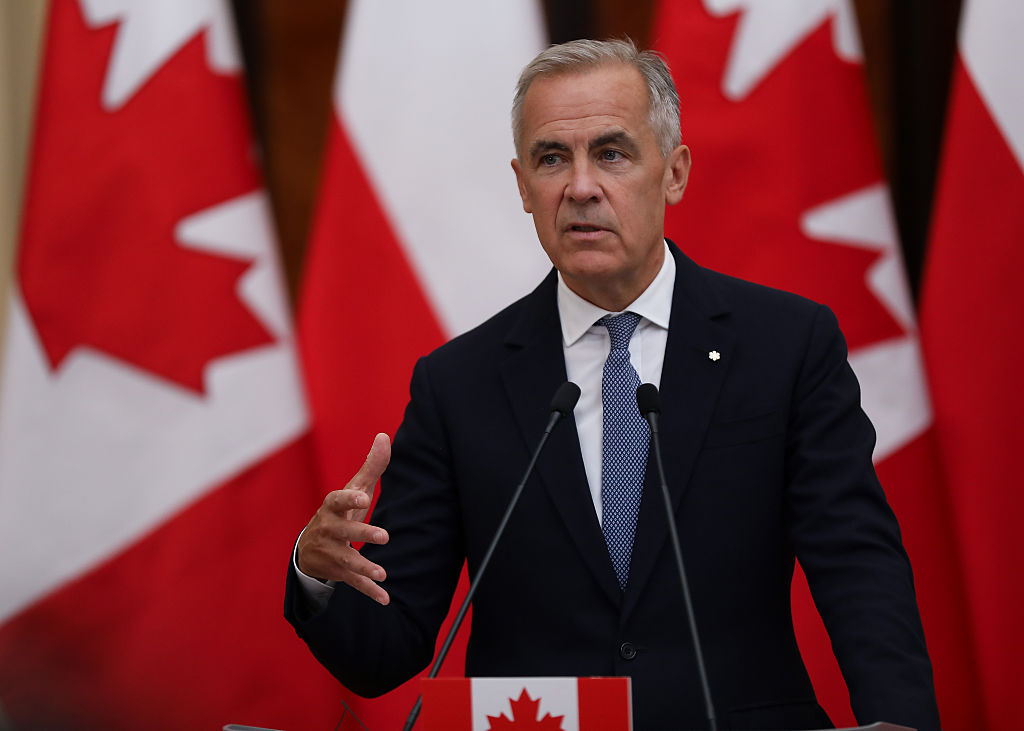
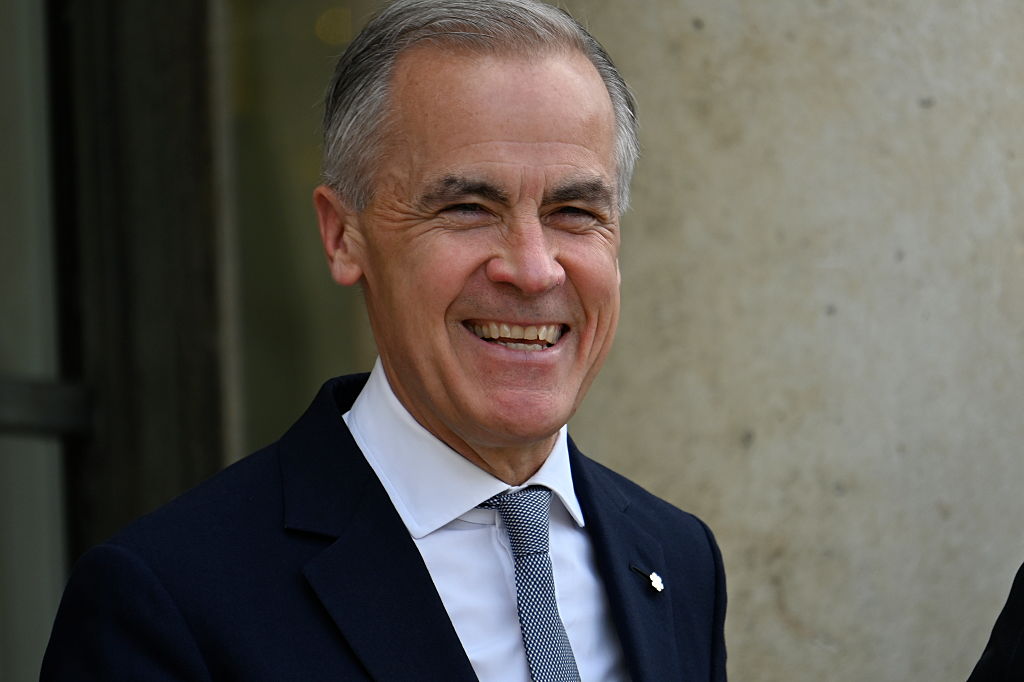
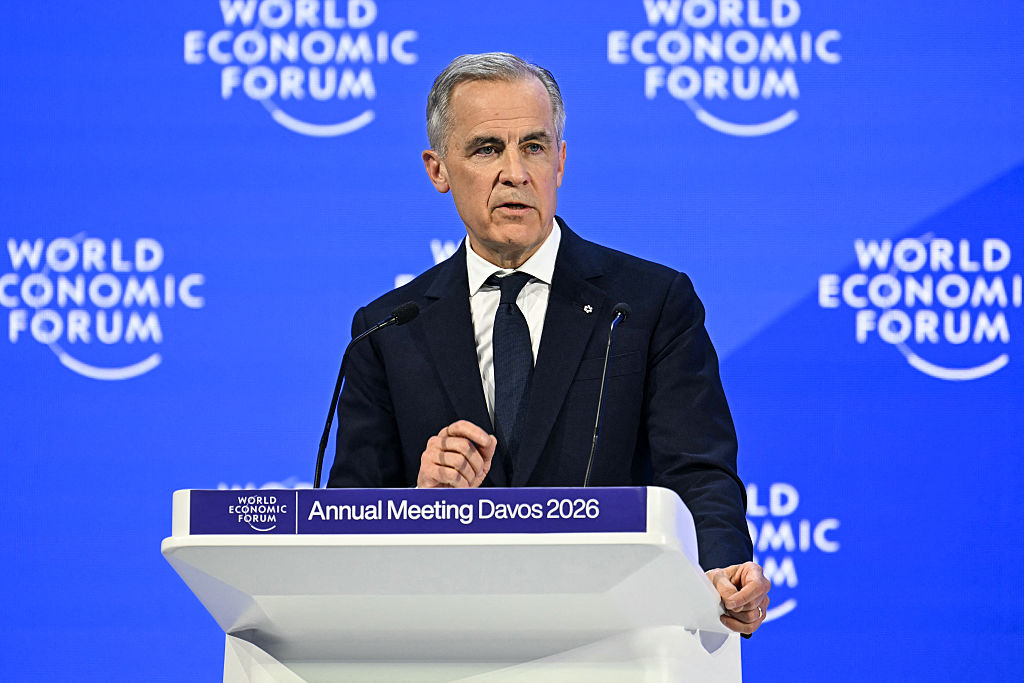
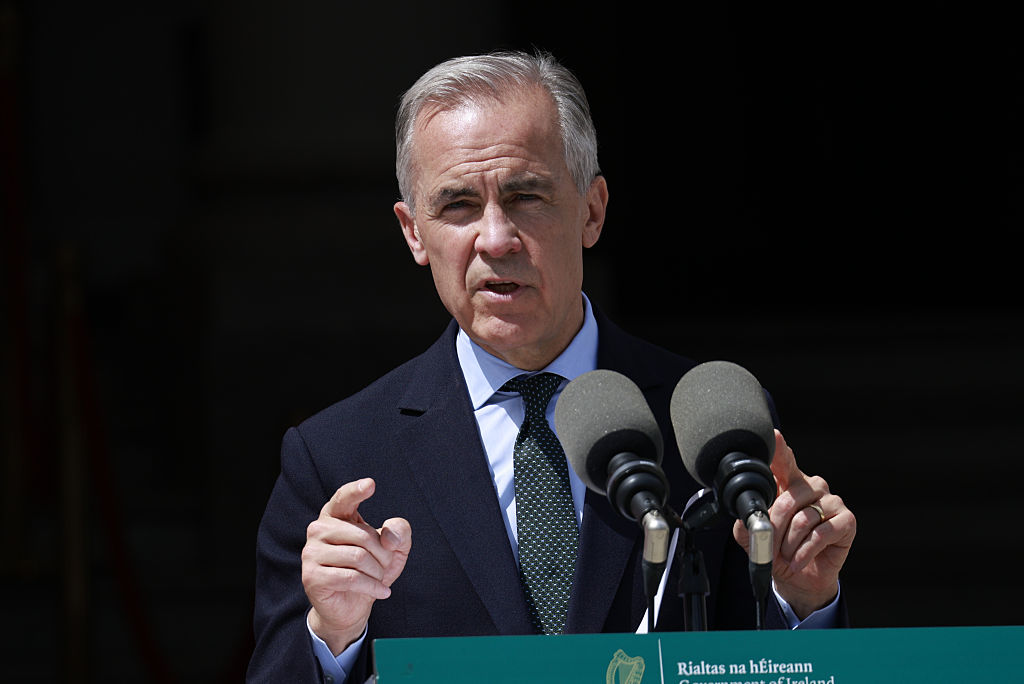
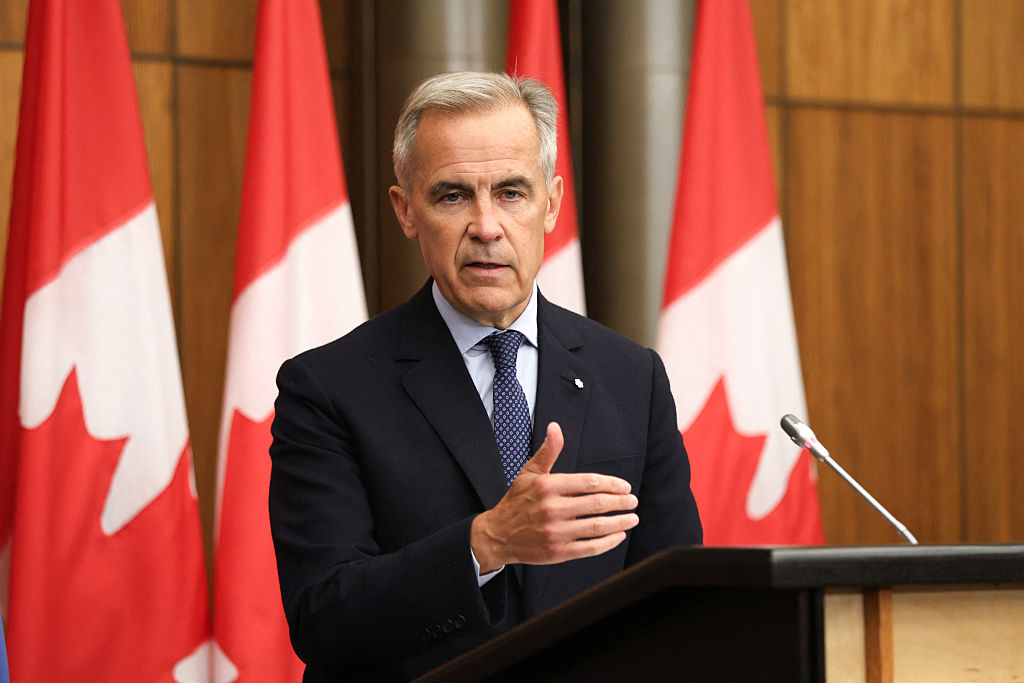
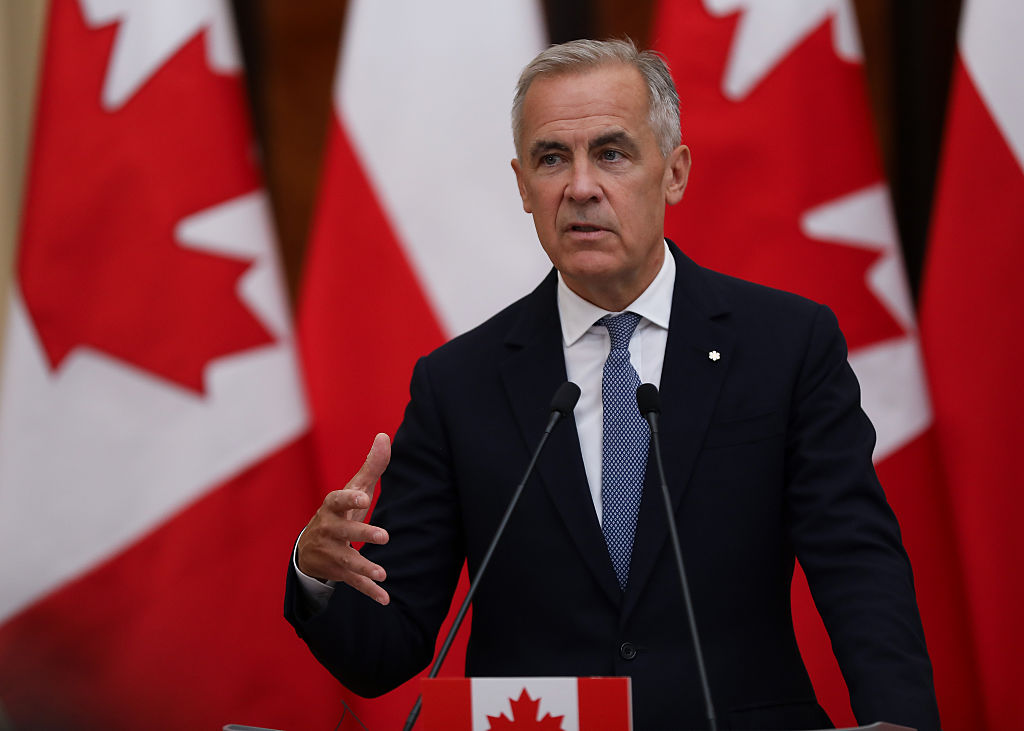
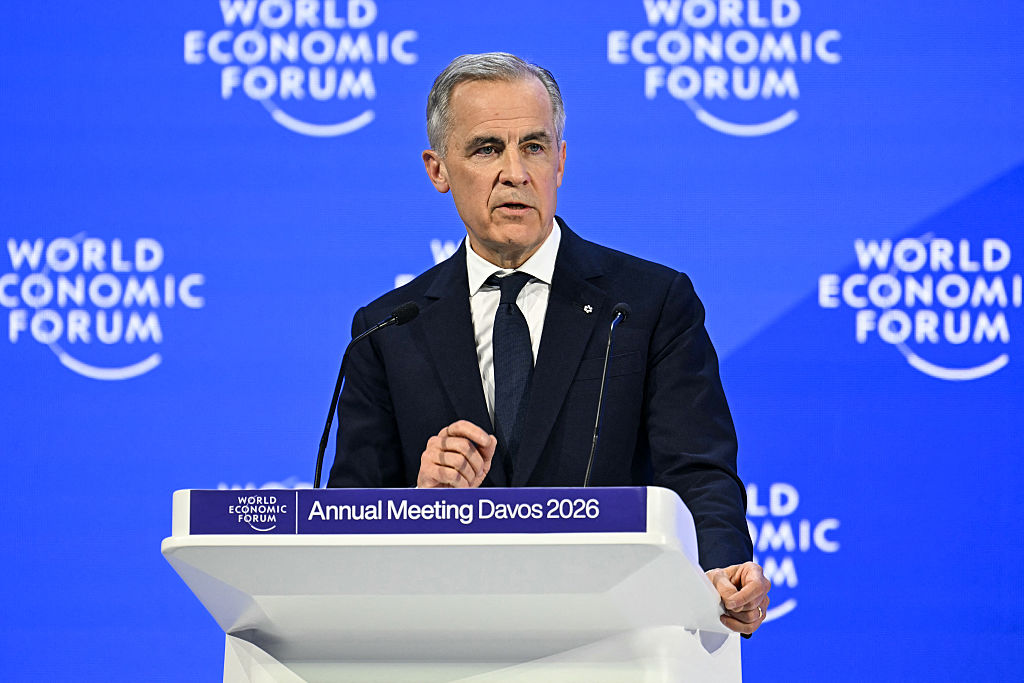
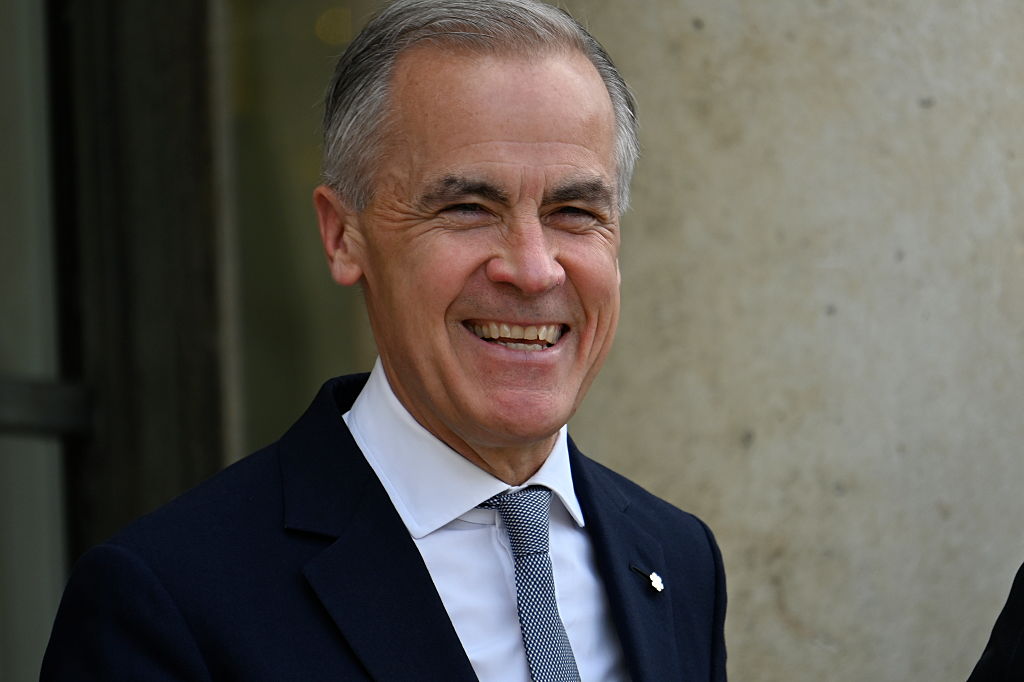
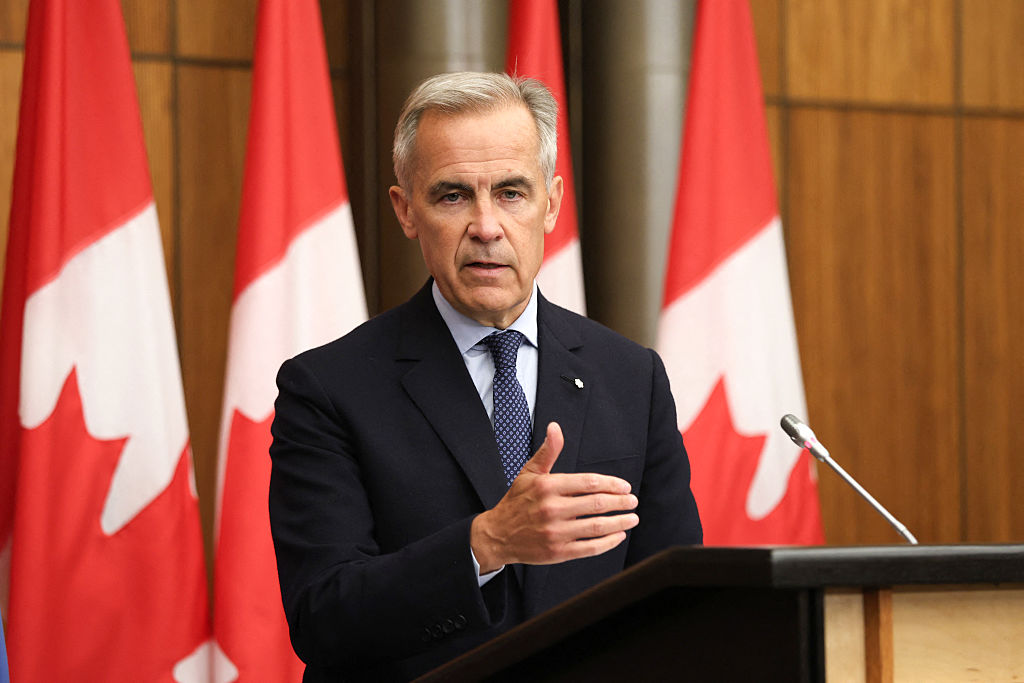
In Warsaw, Poland, on August 25, 2025, Mark Carney, Prime Minister of Canada, meets with Donald Tusk, Prime Minister of Poland, at the Chancellery of the Prime Minister. Poland is Canada’s largest trading partner in Central and Eastern Europe. The talks focus on Poland-Canada relations and security issues in the context of the current international situation. The Polish Prime Minister announces that he does not intend to send Polish troops to Ukraine. (Photo by Klaudia Radecka/NurPhoto via Getty Images)Canadian Prime Minister Mark Carney speaks at the Economic Club in New York on May 28, 2026. (Photo by ANGELA WEISS / AFP via Getty Images)In Warsaw, Poland, on August 25, 2025, Mark Carney, Prime Minister of Canada, meets with Donald Tusk, Prime Minister of Poland, at the Chancellery of the Prime Minister. Poland is Canada’s largest trading partner in Central and Eastern Europe. The talks focus on Poland-Canada relations and security issues in the context of the current international situation. The Polish Prime Minister announces that he does not intend to send Polish troops to Ukraine. (Photo by Klaudia Radecka/NurPhoto via Getty Images)NEW YORK, NEW YORK – MAY 28: Canadian Prime Minister Mark Carney speaks at the Economic Club Of New York luncheon on May 28, 2026 in New York City. Carney spoke about Canada’s economic strategy and the progress it has made and about strengthening the country’s international partnerships. (Photo by Michael M. Santiago/Getty Images)Prime Minister of Canada Mark Carney arrives for a meeting at the Presidential Elysee Palace in Paris, France, on June 12, 2026. (Photo by Daniel Pier/NurPhoto via Getty Images)Canada’s Prime Minister Mark Carney arrives to attend the G7 summit, in Evian, eastern France, on June 15, 2026. A G7 summit is set to take place June 15 to 17 in the French town of Evian-les-Bains near Switzerland and it will be attended by country leaders as well as the EU’s foreign policy chief and ministers from Brazil, Canada, the United Arab Emirates and Turkey. (Photo by Ludovic MARIN / AFP via Getty Images)TOPSHOT – Canada’s Prime Minister Mark Carney delivers a speech during the World Economic Forum (WEF) annual meeting in Davos on January 20, 2026. The World Economic Forum takes place in Davos from January 19 to January 23, 2026. (Photo by Fabrice COFFRINI / AFP via Getty Images)Canadian Prime Minister Mark Carney speaks during a press conference, following a visit to Government Buildings in Dublin, as part of his visit to Ireland. Picture date: Saturday June 13, 2026. (Photo by Conor O Mearain/PA Images via Getty Images)Canadian Prime Minister Mark Carney speaks during a press conference after a Cabinet meeting to discuss both trade negotiations with the US and the situation in the Middle East, at the National Press Theatre in Ottawa, Ontario, Canada on July 30, 2025. Canada « intends » to recognize a Palestinian state at the UN General Assembly in September, Prime Minister Mark Carney said Wednesday, a dramatic policy shift he said was necessary to preserve hopes of a two-state solution. (Photo by Dave CHAN / AFP) (Photo by DAVE CHAN/AFP via Getty Images)
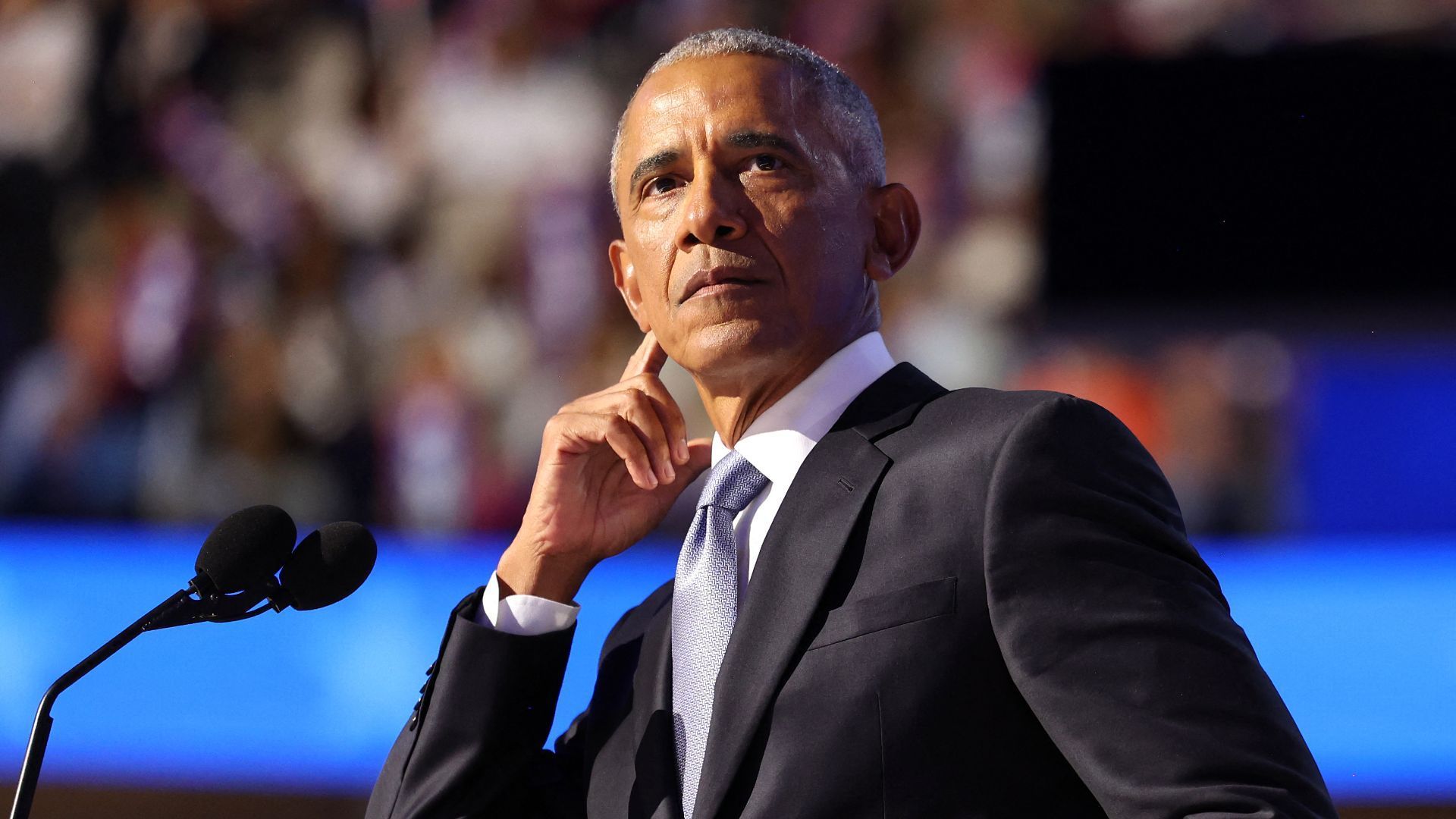
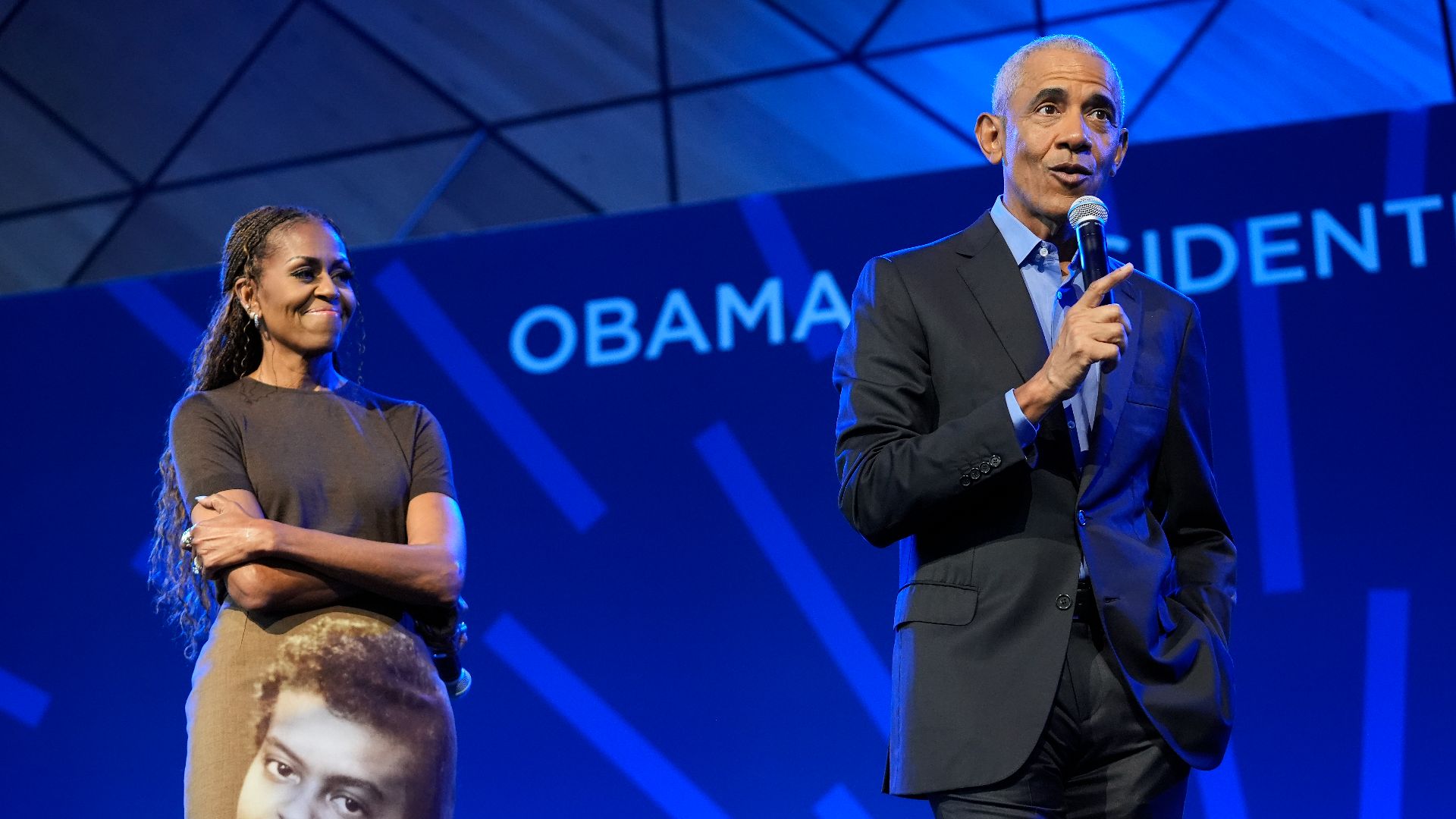
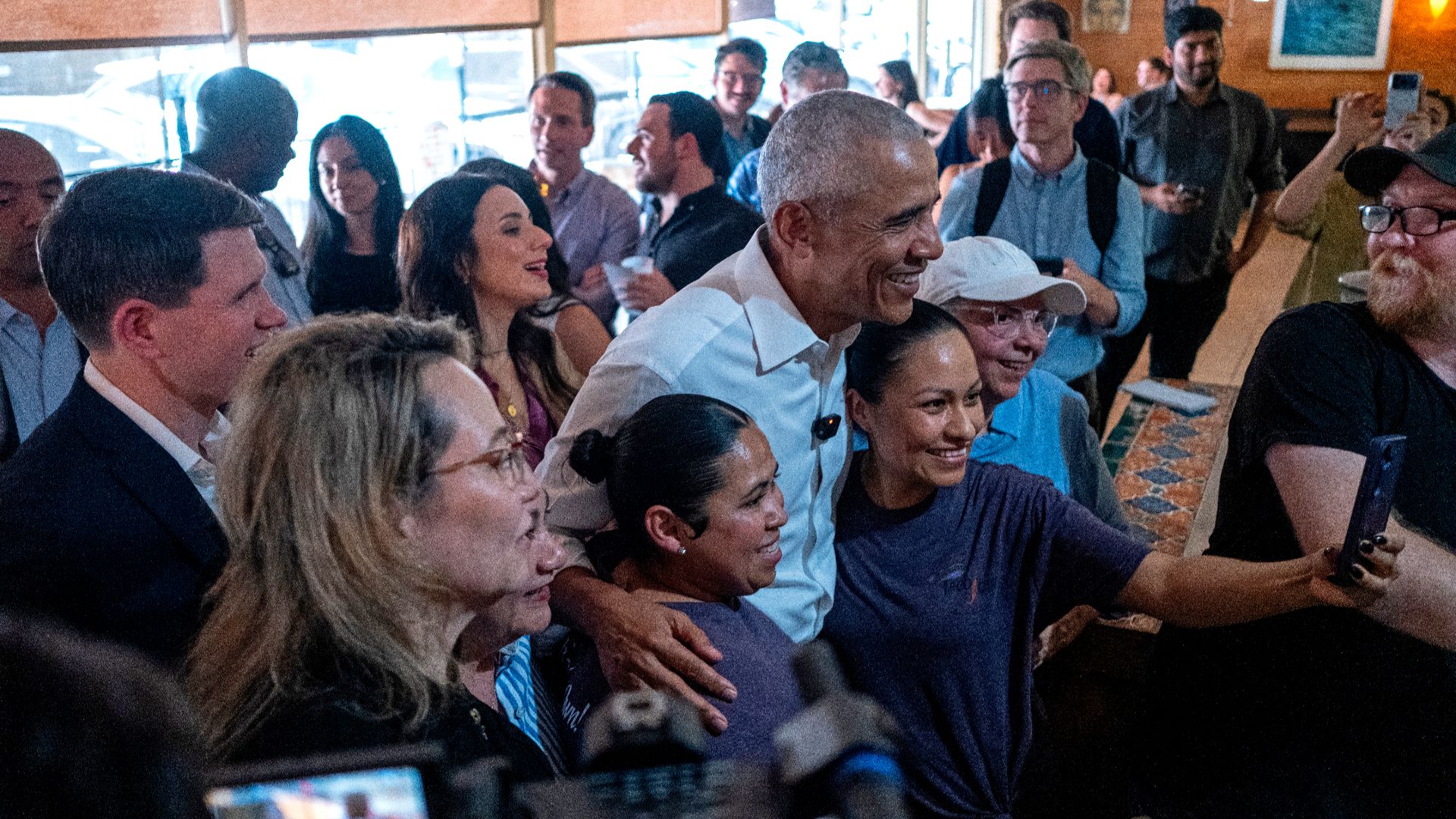
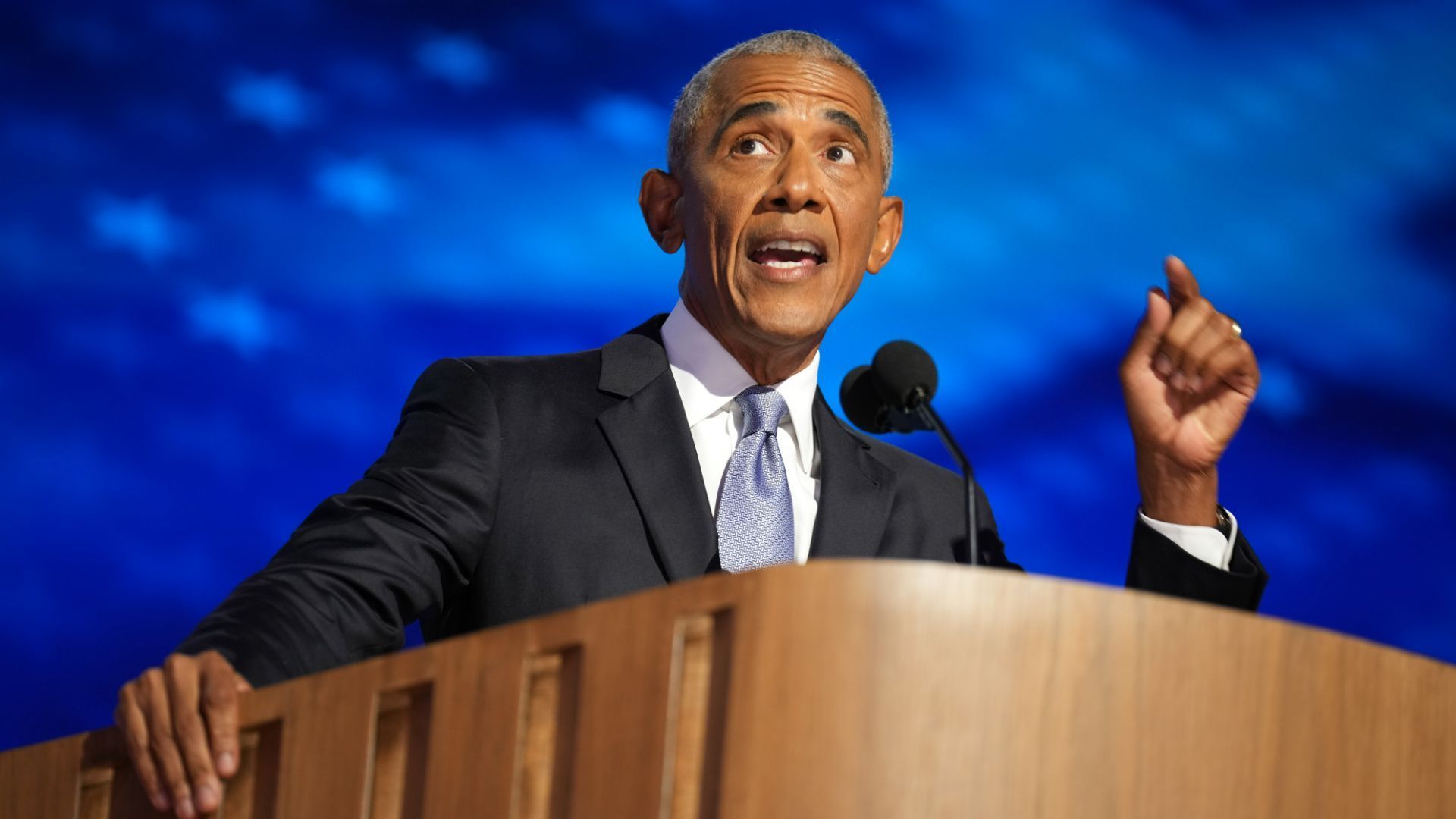
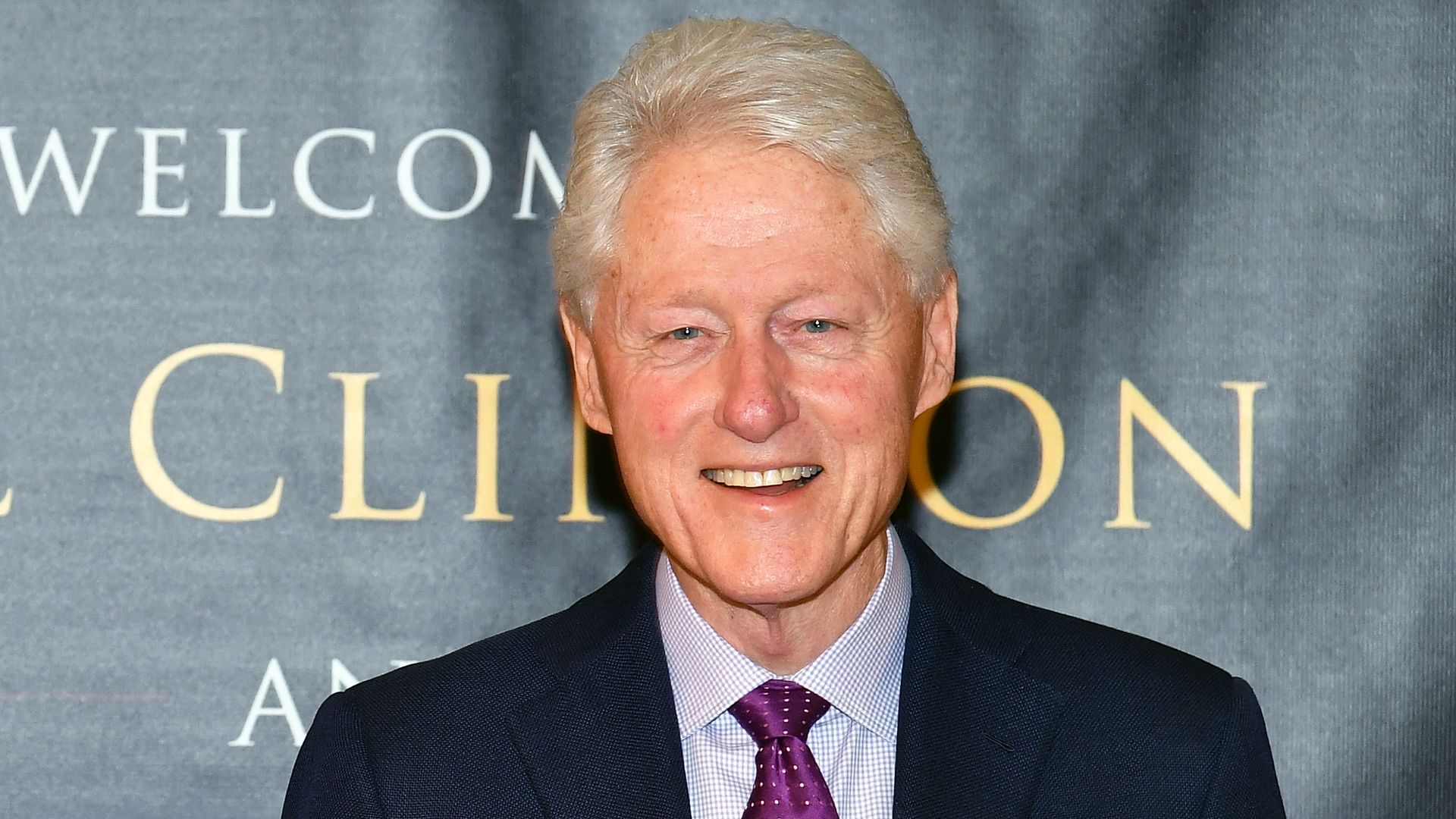
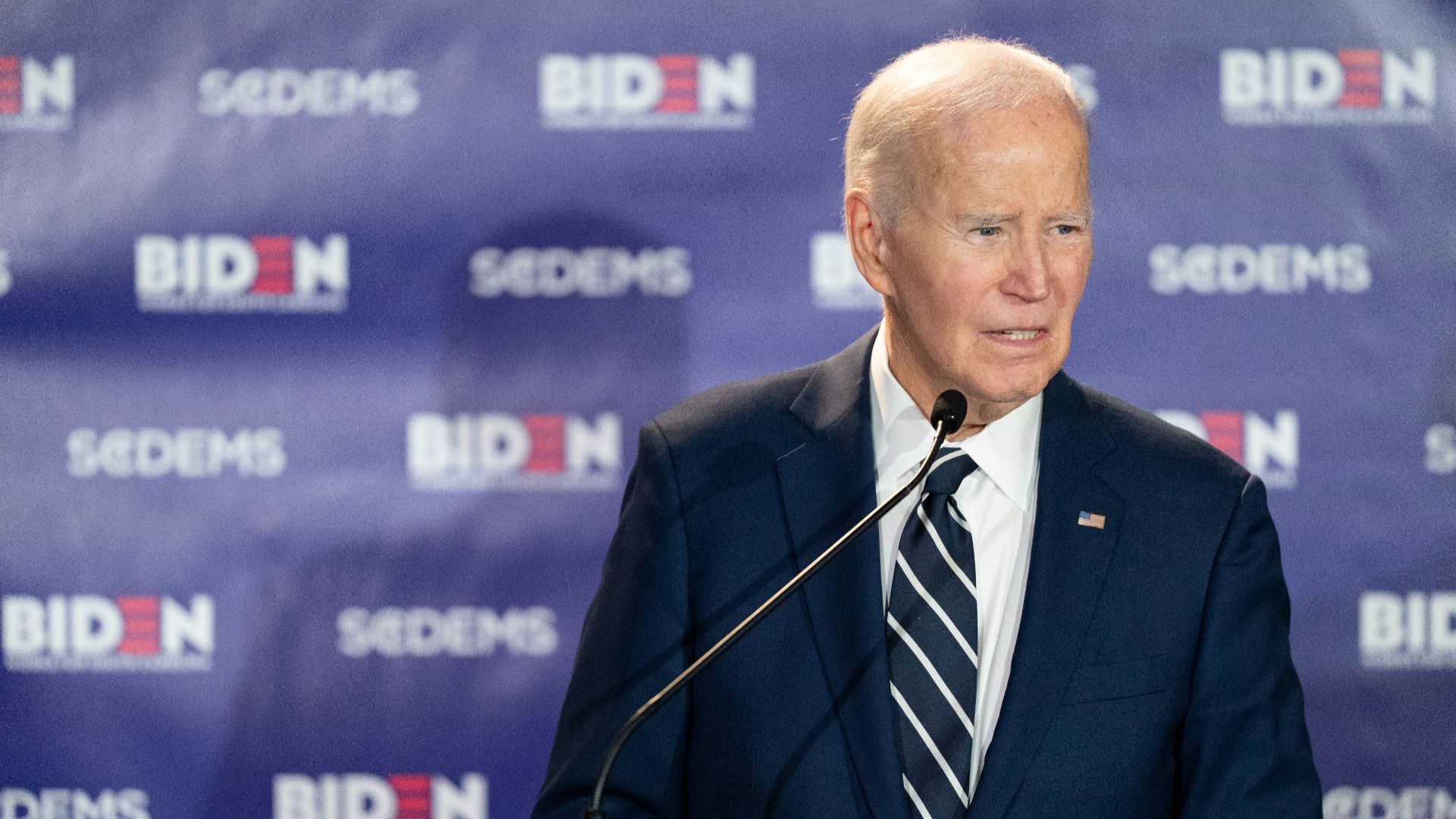
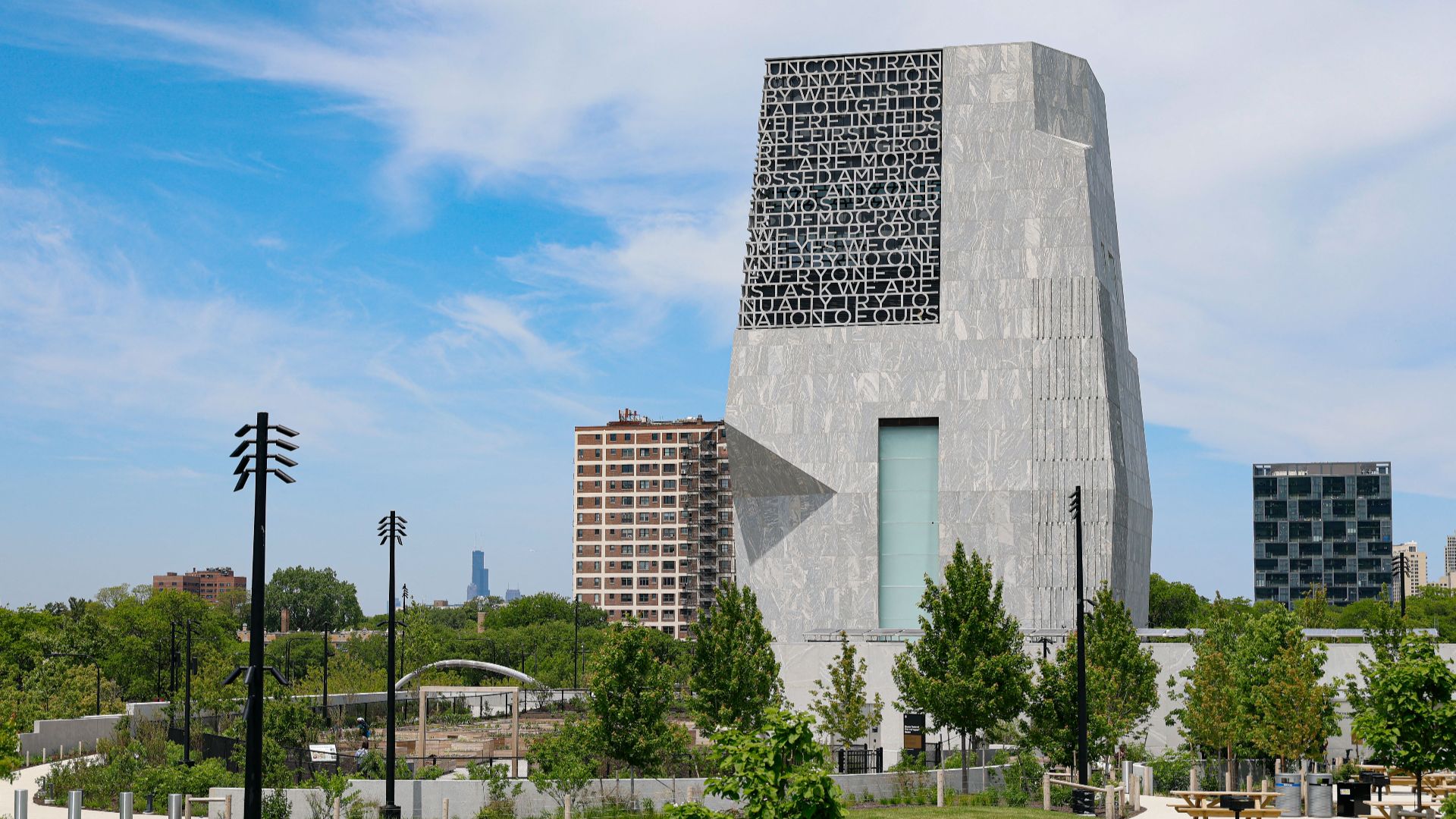
As Barack Obama opens the doors of his long-awaited Presidential Center in Chicago, a new CNN poll suggests the former president remains uniquely popular with the American public. Nearly a decade after leaving office, Obama tops the list of living U.S. presidents in favorability, outperforming Donald Trump, George W. Bush, Bill Clinton and Joe Biden. The survey found strong support not only among Democrats but also among independents and a notable share of Republican voters. The results provide a fresh measure of Obama’s enduring influence at a moment when his legacy is once again in the spotlight through a major new institution dedicated to his presidency and public service.
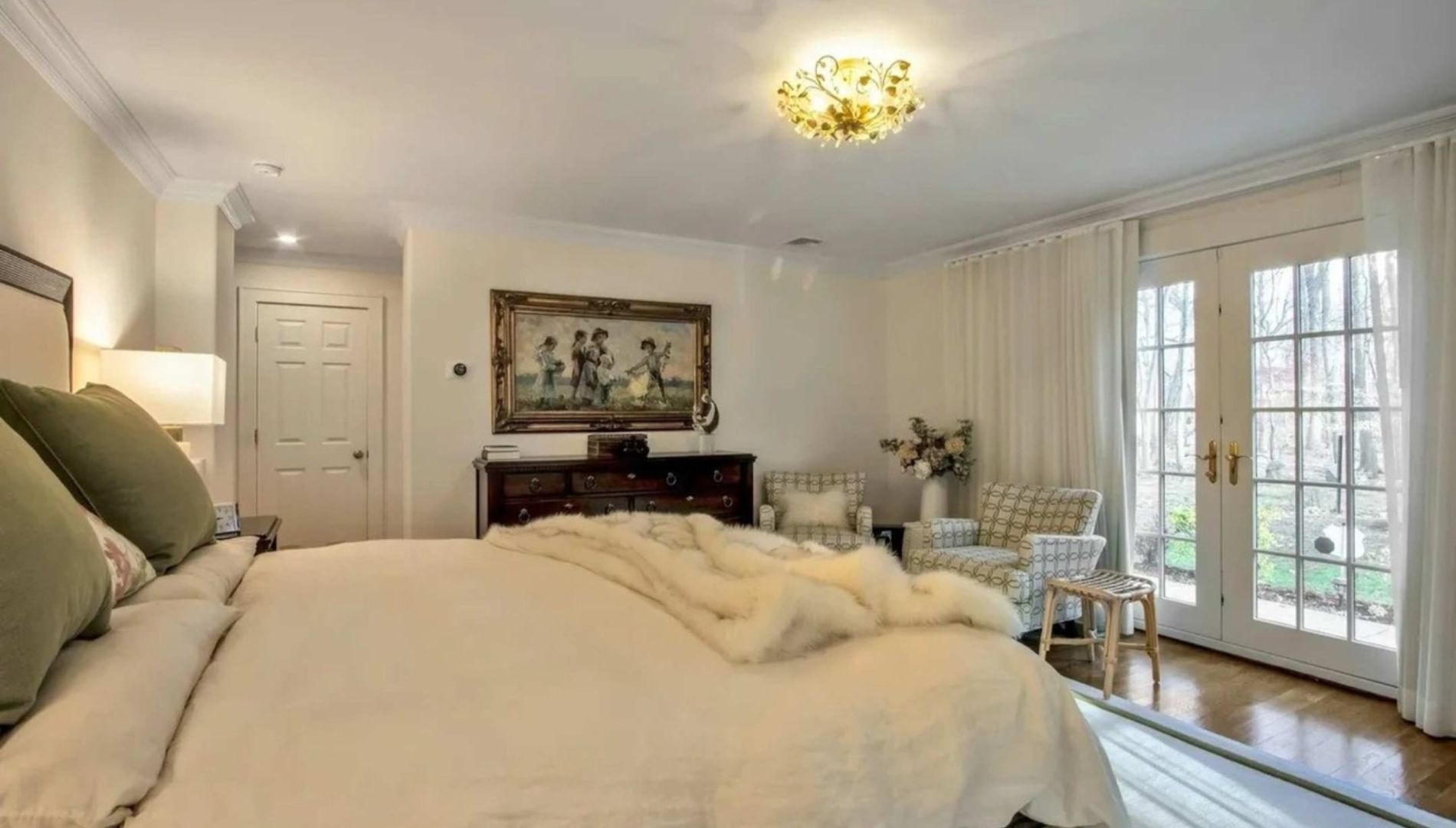
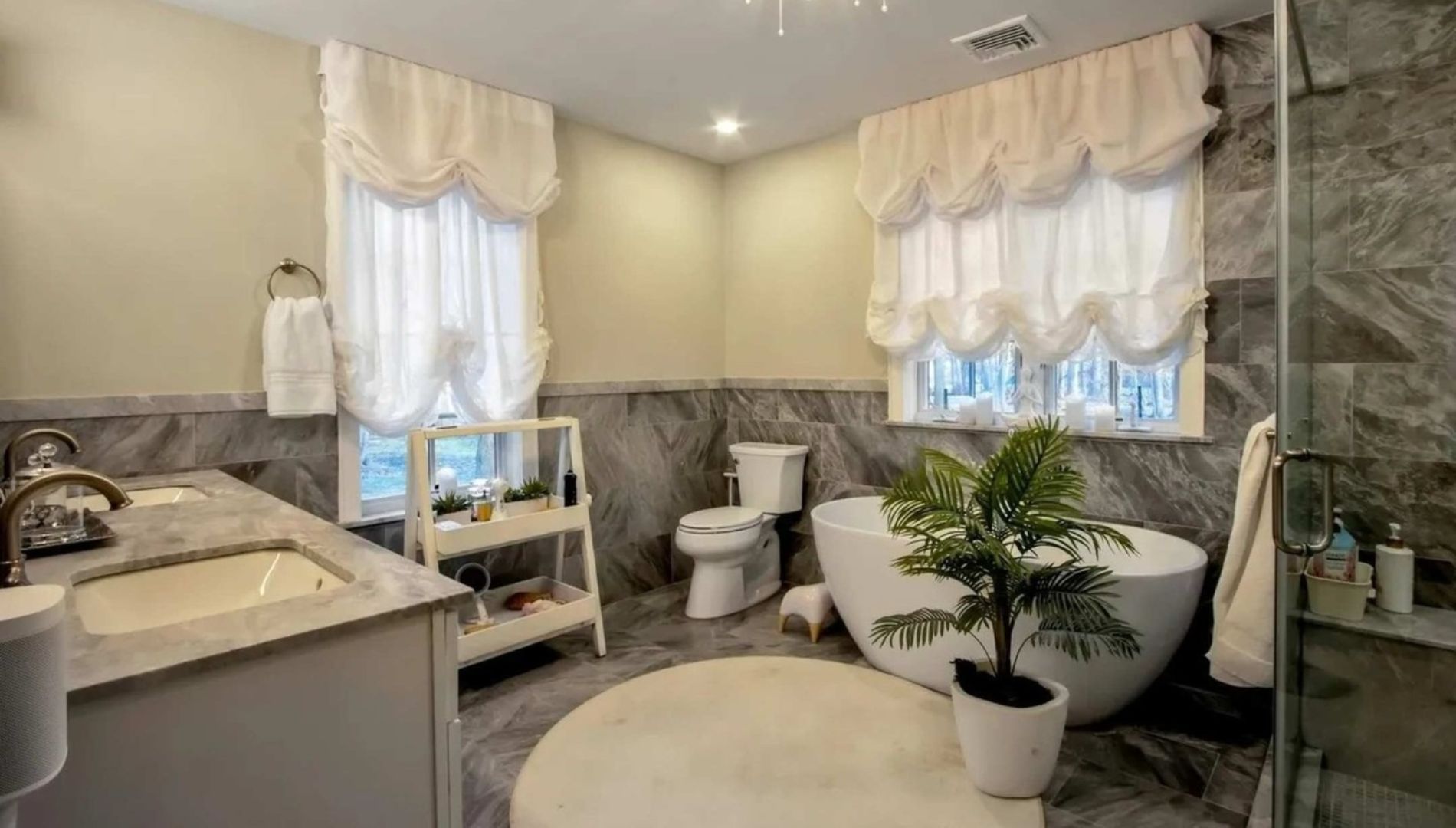
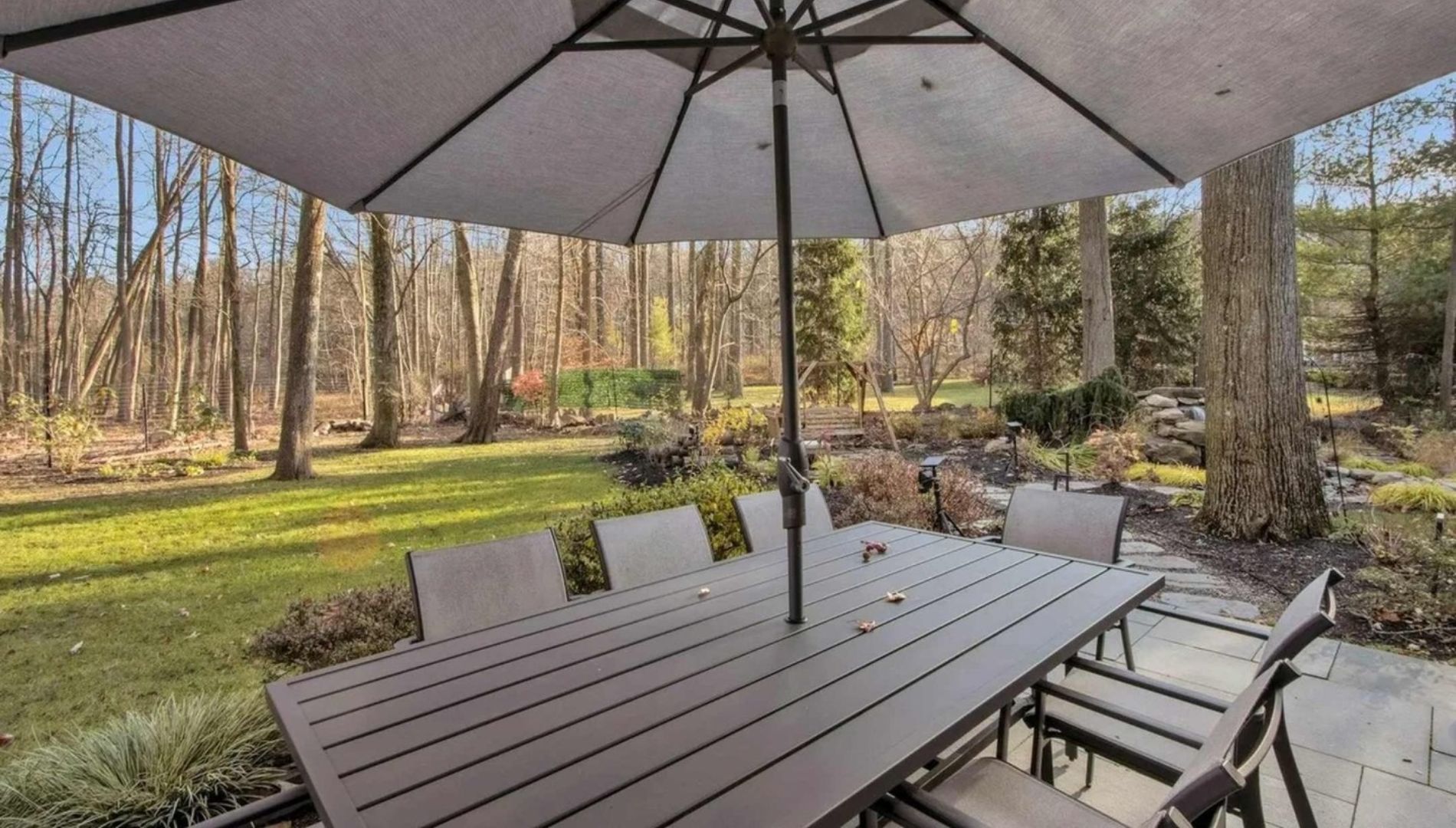
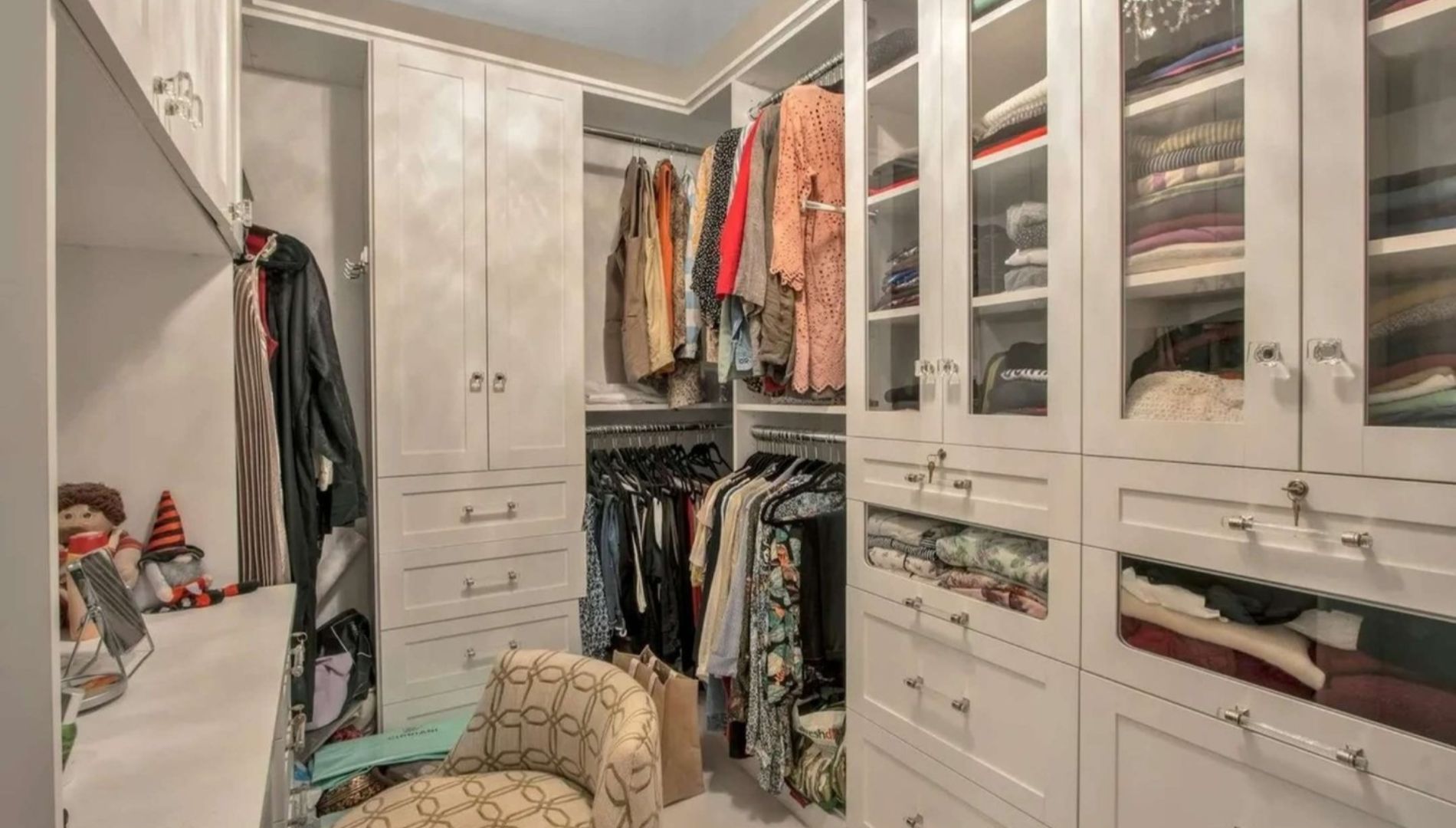
The former home where actress Hayden Panettiere spent her childhood has just been relisted on the real estate market in Palisades, New York, for $3.6 million. Located in the coveted enclave of Snedens Landing—known for its peaceful atmosphere and for counting artistic figures among its residents—this elegant European-style property holds a special place in the history of the star of “Nashville.”
Just a few weeks after the publication of her memoir, in which she reflects on the difficult experiences of her childhood, this home, steeped in memories, has been given a fresh new look. Completely renovated, it features four bedrooms, high-end finishes, carefully designed gardens, and a charming setting just 25 minutes from New York City.
NEW YORK, NEW YORK - MAY 28: Canadian Prime Minister Mark Carney speaks at the Economic Club Of New York luncheon on May 28, 2026 in New York City. Carney spoke about Canada's economic strategy and the progress it has made and about strengthening the country's international partnerships. (Photo by Michael M. Santiago/Getty Images)
Prime Minister Mark Carney unveiled a new national food security strategy on June 11 that will invest $3.2 billion over the next decade to increase domestic food production, strengthen supply chains and make groceries more affordable for Canadians. The plan comes as many households continue struggling with food prices that surged during and after the COVID-19 pandemic. While recent grocery rebates have provided some temporary relief, the federal government says the new strategy aims to address the structural issues driving food costs higher. Carney announced the initiative at the Ontario Food Terminal, one of Canada’s largest food distribution centres, located in Toronto.
NEW YORK, NEW YORK – MAY 28: Canadian Prime Minister Mark Carney speaks at the Economic Club Of New York luncheon on May 28, 2026 in New York City. Carney spoke about Canada’s economic strategy and the progress it has made and about strengthening the country’s international partnerships. (Photo by Michael M. Santiago/Getty Images)In Warsaw, Poland, on August 25, 2025, Mark Carney, Prime Minister of Canada, meets with Donald Tusk, Prime Minister of Poland, at the Chancellery of the Prime Minister. Poland is Canada’s largest trading partner in Central and Eastern Europe. The talks focus on Poland-Canada relations and security issues in the context of the current international situation. The Polish Prime Minister announces that he does not intend to send Polish troops to Ukraine. (Photo by Klaudia Radecka/NurPhoto via Getty Images)In Warsaw, Poland, on August 25, 2025, Mark Carney, Prime Minister of Canada, meets with Donald Tusk, Prime Minister of Poland, at the Chancellery of the Prime Minister. Poland is Canada’s largest trading partner in Central and Eastern Europe. The talks focus on Poland-Canada relations and security issues in the context of the current international situation. The Polish Prime Minister announces that he does not intend to send Polish troops to Ukraine. (Photo by Klaudia Radecka/NurPhoto via Getty Images)TOPSHOT – Canada’s Prime Minister Mark Carney delivers a speech during the World Economic Forum (WEF) annual meeting in Davos on January 20, 2026. The World Economic Forum takes place in Davos from January 19 to January 23, 2026. (Photo by Fabrice COFFRINI / AFP via Getty Images)A shopper at a grocery store in Toronto, Ontario, Canada, on March 19, 2026. Concerns about food inflation in Canada and globally have increased as experts indicate that Canadian families could face higher food costs by early spring due to the ongoing conflict in the Middle East. (Photo by Creative Touch Imaging Ltd./NurPhoto via Getty Images)A grocery store in Toronto, Ontario, Canada, on March 19, 2026. Concerns about food inflation in Canada and globally have increased due to the conflict in the Middle East, with experts indicating that Canadian families may face higher food costs by early spring. (Photo by Creative Touch Imaging Ltd./NurPhoto via Getty Images)Canada’s Prime Minister Mark Carney arrives to attend the G7 summit, in Evian, eastern France, on June 15, 2026. A G7 summit is set to take place June 15 to 17 in the French town of Evian-les-Bains near Switzerland and it will be attended by country leaders as well as the EU’s foreign policy chief and ministers from Brazil, Canada, the United Arab Emirates and Turkey. (Photo by Ludovic MARIN / AFP via Getty Images)Prime Minister of Canada Mark Carney arrives for a meeting at the Presidential Elysee Palace in Paris, France, on June 12, 2026. (Photo by Daniel Pier/NurPhoto via Getty Images)Canadian Prime Minister Mark Carney speaks during a press conference after a Cabinet meeting to discuss both trade negotiations with the US and the situation in the Middle East, at the National Press Theatre in Ottawa, Ontario, Canada on July 30, 2025. Canada « intends » to recognize a Palestinian state at the UN General Assembly in September, Prime Minister Mark Carney said Wednesday, a dramatic policy shift he said was necessary to preserve hopes of a two-state solution. (Photo by Dave CHAN / AFP) (Photo by DAVE CHAN/AFP via Getty Images)
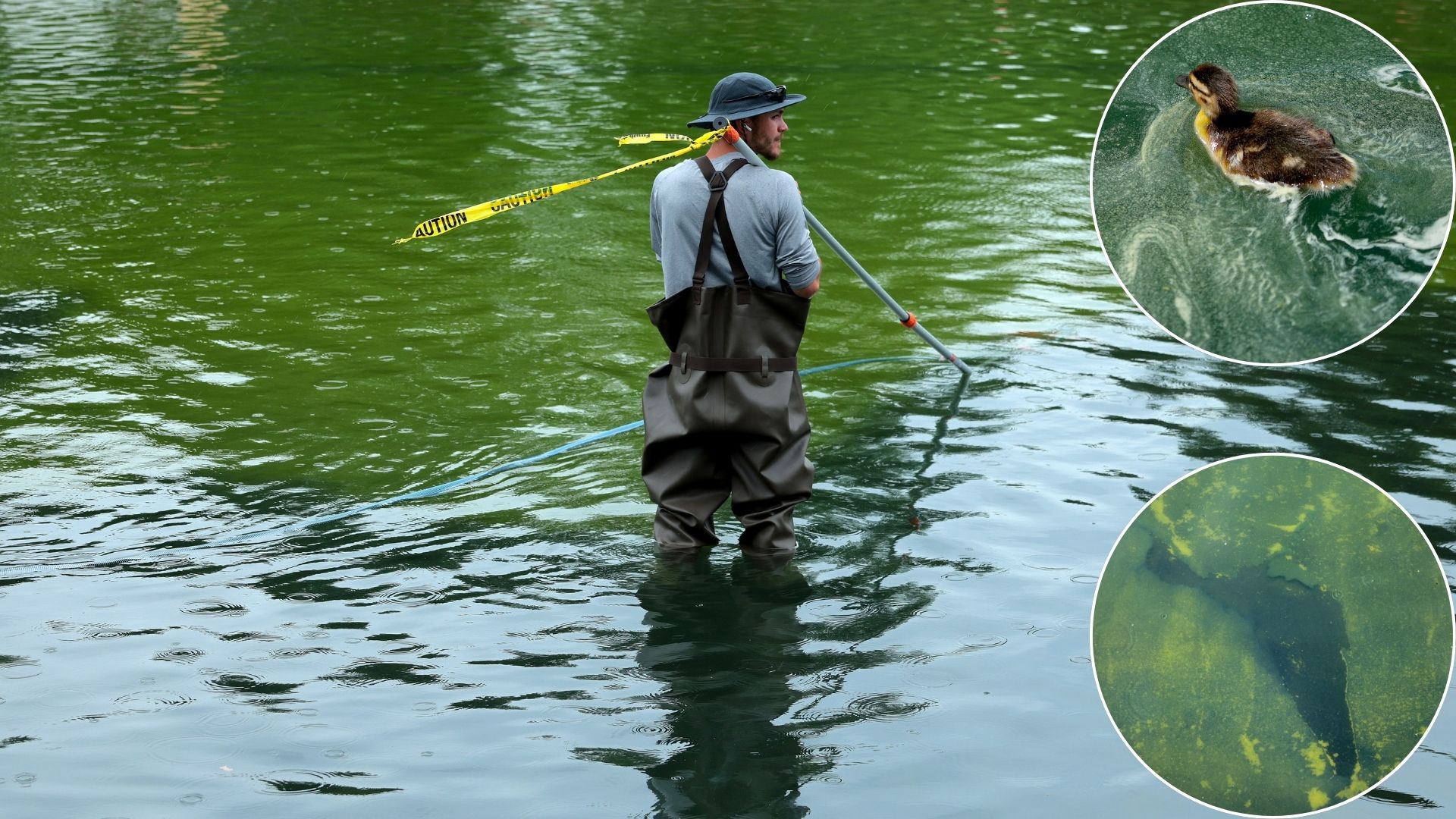
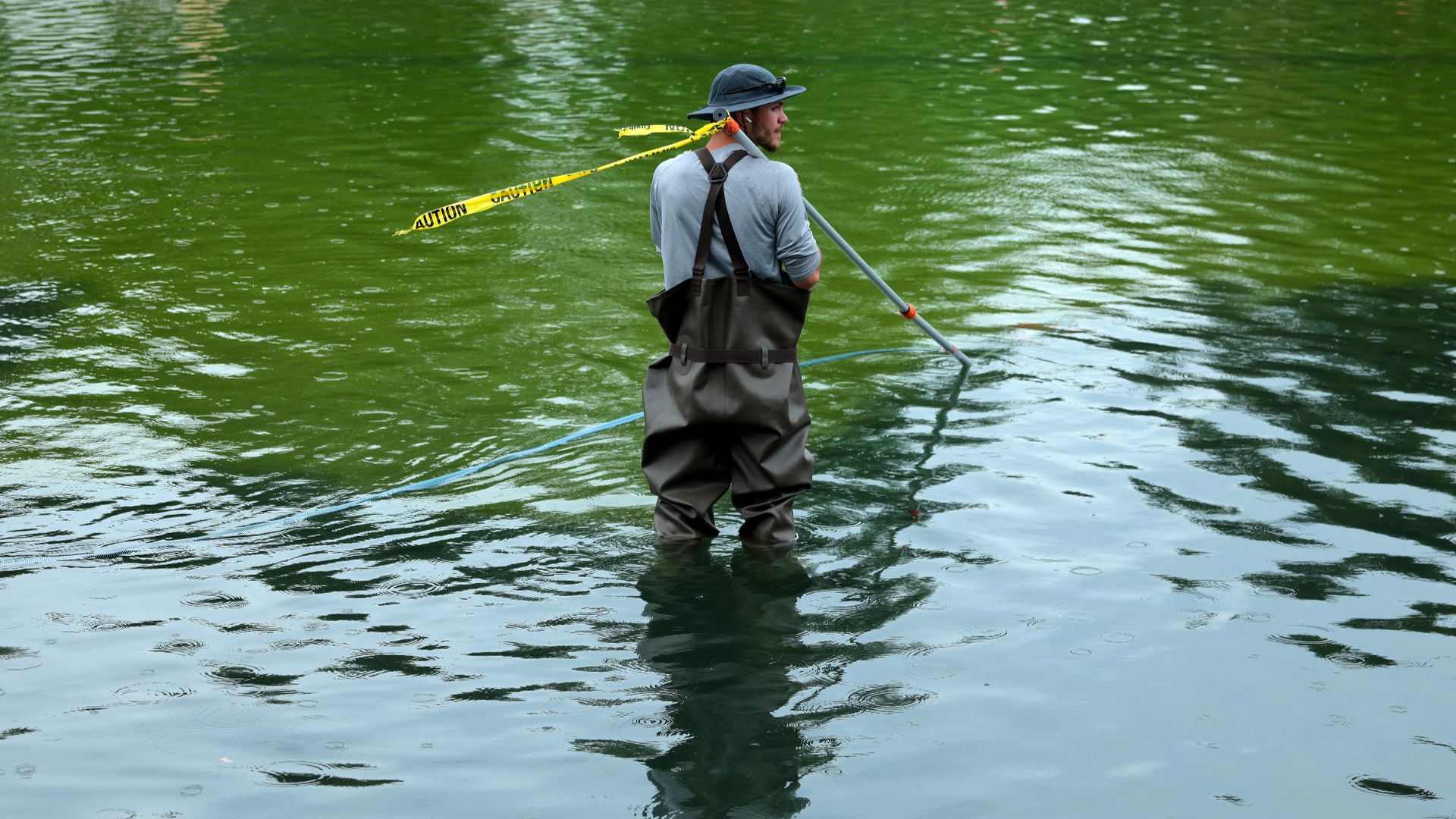
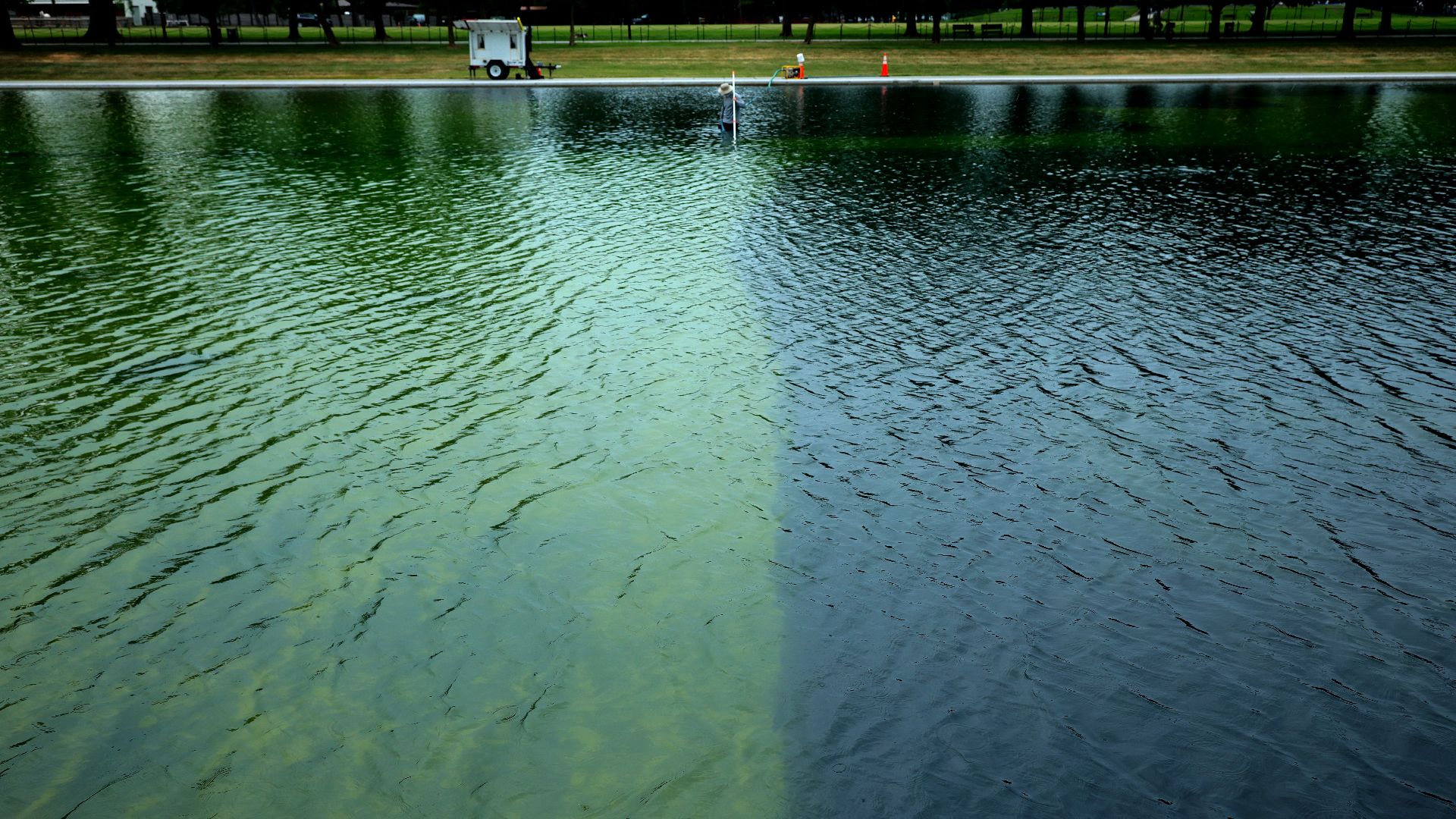
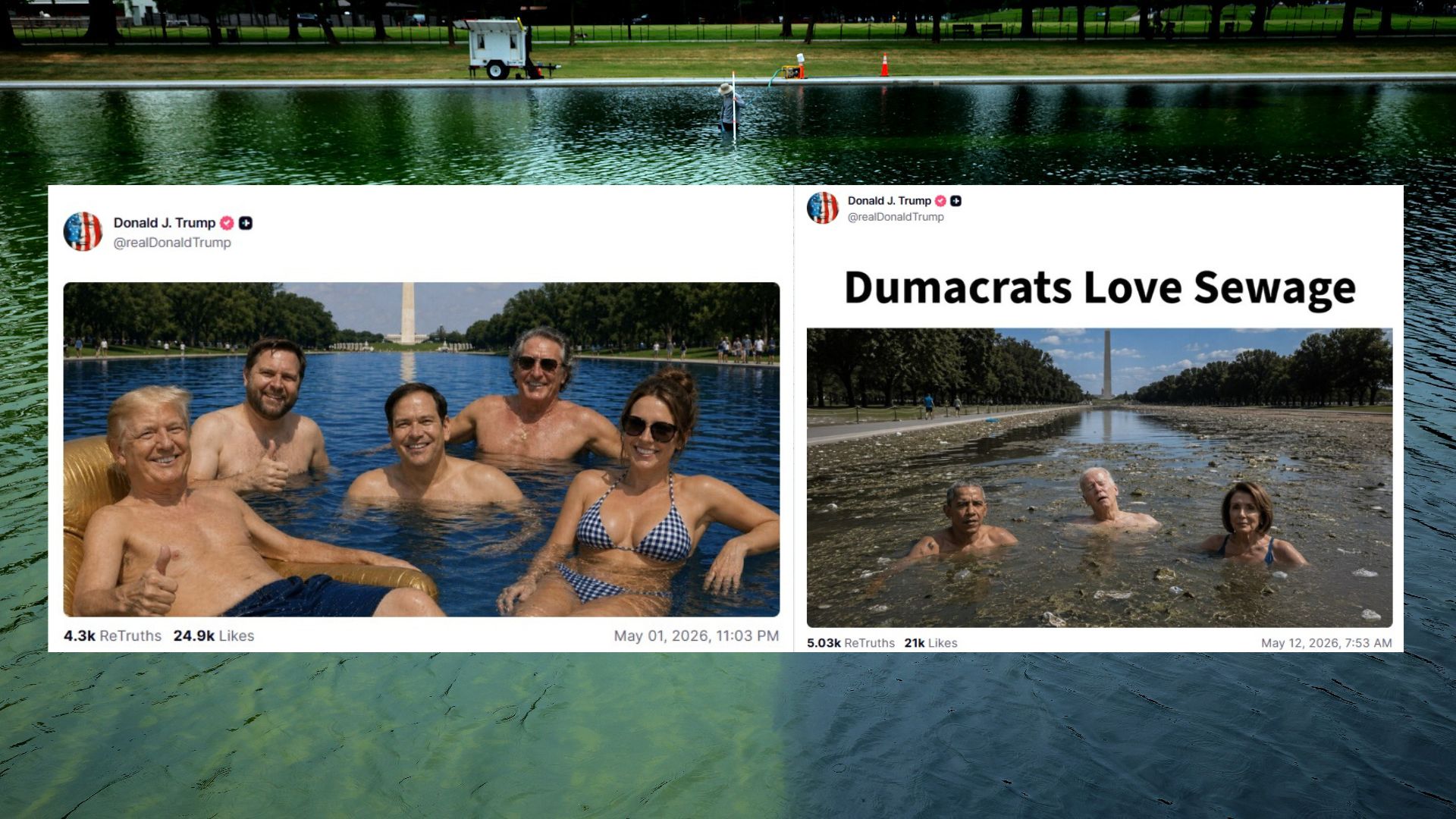
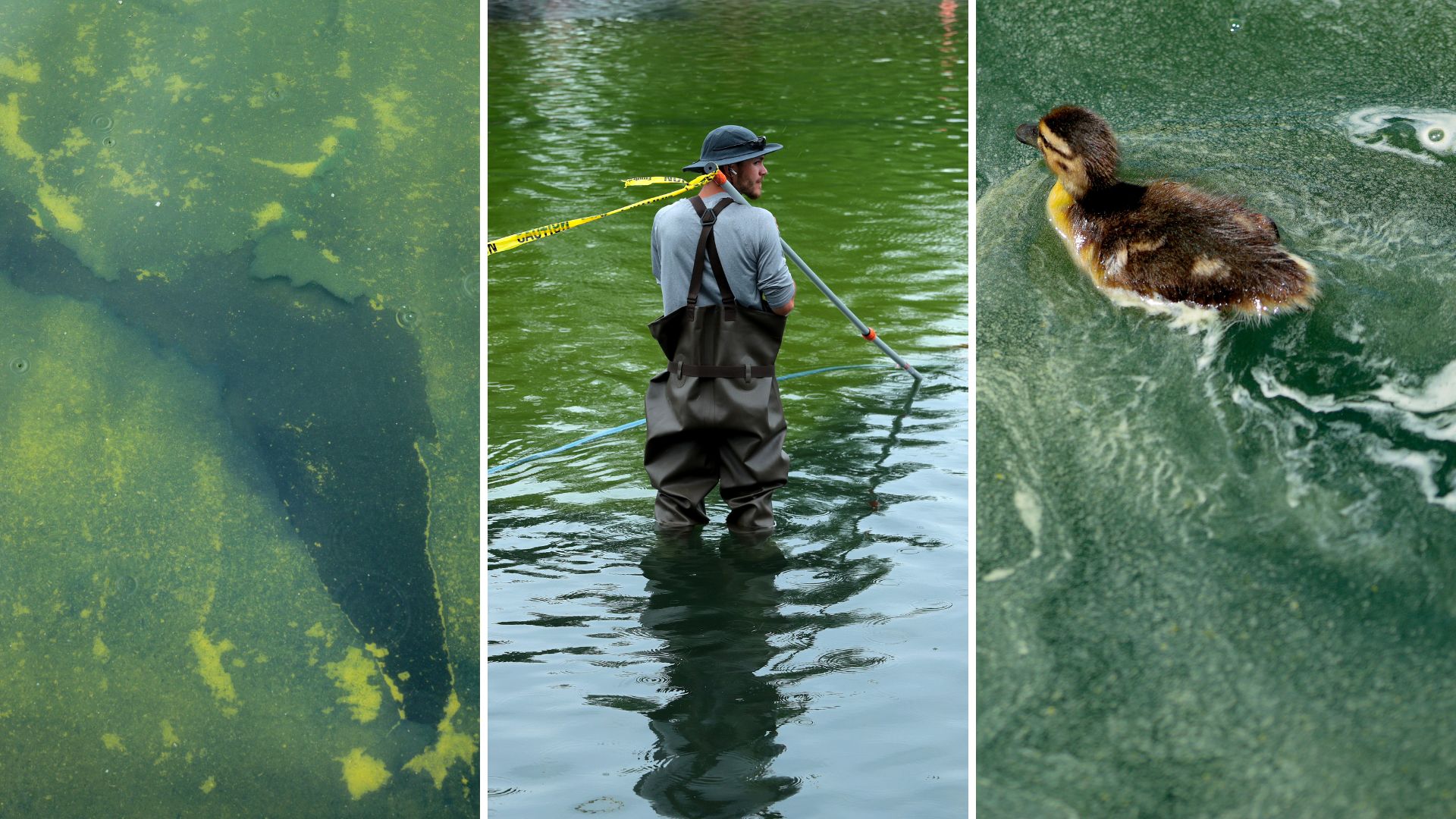
Controversy is growing around the Lincoln Memorial Reflecting Pool restoration after two Trump-connected contractors received roughly $16.4 million in federal contracts tied to the project. What was promoted as a long-awaited transformation of one of Washington’s most iconic landmarks quickly became the subject of public scrutiny when green algae spread across the water just days after the renovation was completed. At the same time, fragments of the newly applied «American Flag Blue» coating began peeling from the basin floor and floating to the surface. The developments have fueled questions about the no-bid contracts, the companies involved, and whether taxpayers received the results they were promised.
Page Six has revealed a new key detail about their friendship
A Long-Standing Friendship
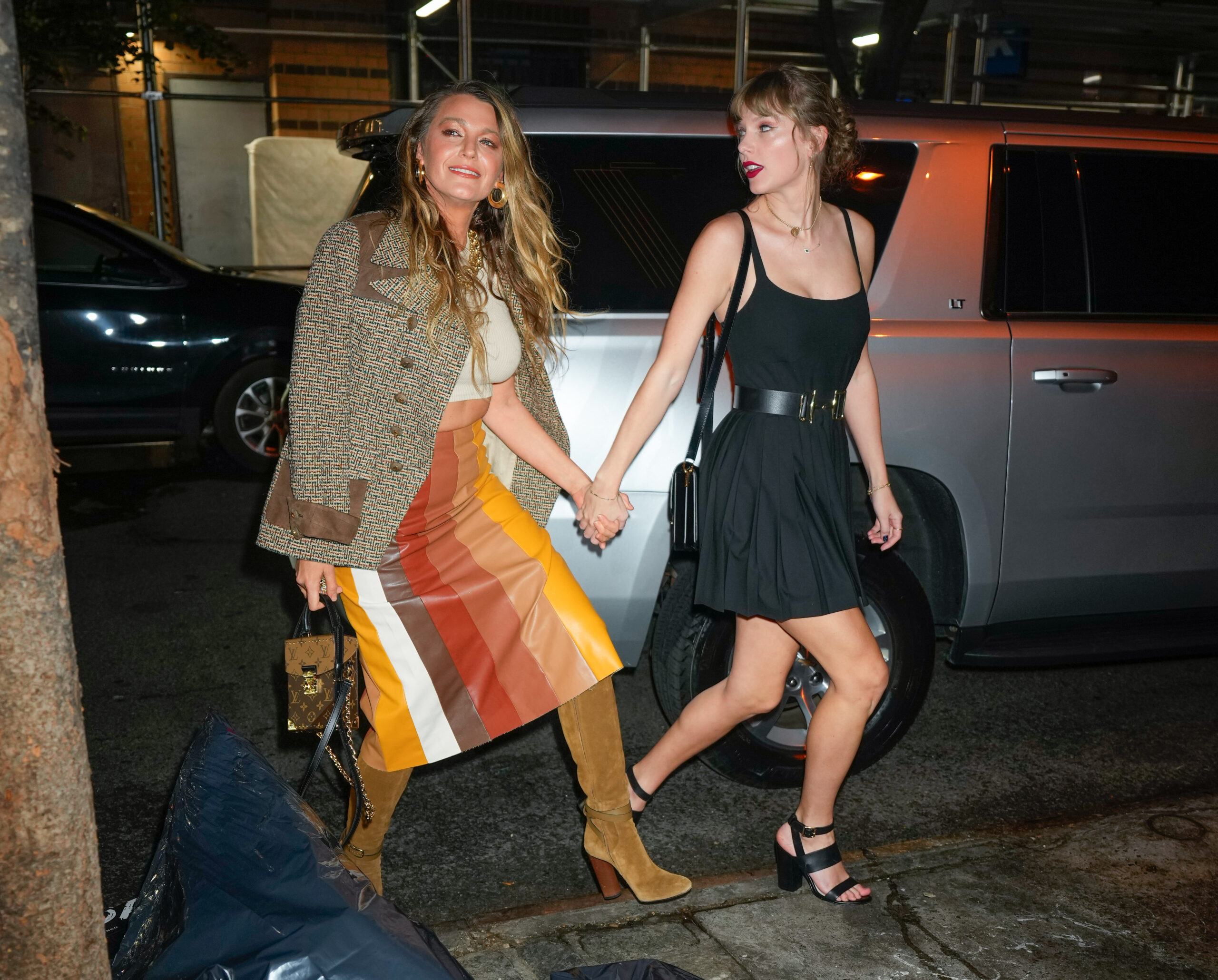
Once known for their highly publicized friendship and close bond over the years, Taylor Swift and Blake Lively are currently making headlines. For some time now, rumors have been circulating about a possible rift between the two stars, fueling discussions among fans.
According to reports from Page Six, Blake Lively was reportedly not invited to the upcoming celebrations surrounding Taylor Swift and Travis Kelce’s wedding. Neither of the women involved has publicly confirmed this information, but this possibility has quickly reignited speculation about the true state of their relationship.
This situation reportedly follows tensions that allegedly arose in connection with the legal case involving Blake Lively and Justin Baldoni. As reported by TMZ, Taylor Swift found herself indirectly linked to the dispute after receiving a subpoena to appear in the case. That subpoena was reportedly withdrawn later.
According to sources cited by TMZ, the singer was reportedly upset to see her name tied to a legal battle in which she claimed to have played no direct role.
For now, it’s important to note that there has been no official confirmation of a rift in the friendship between Taylor Swift and Blake Lively. One thing remains certain: their friendship continues to generate a great deal of interest, and the coming months may shed more light on the situation.
To learn more about the history of their long-standing friendship, keep reading.
(Photo by Ezra Shaw/Getty Images)
A Long-Standing Friendship
For over a decade, Taylor Swift and Blake Lively have often been seen as one of Hollywood’s most iconic friendships. Their relationship, which dates back to 2015, has grown over the years through close public appearances, outings as friends, shared family moments, and even a few artistic nods that have sparked reactions from their fans.
Their closeness extended far beyond red carpets and social media posts. Taylor played an important role in the family life of Blake Lively and Ryan Reynolds, so much so that she was named godmother to several of their children. The name Betty—one of Blake’s daughters—even found its way into the singer’s musical world, creating an additional symbolic bond between their two families.
As the celebrations surrounding Taylor Swift’s wedding approach, many fans are still hoping that a reconciliation might be possible. After so many years of shared memories, memorable moments, and family bonds forged over time, many are eager to see these two friends reunite and rekindle the close friendship that has long been a source of inspiration for their fans.
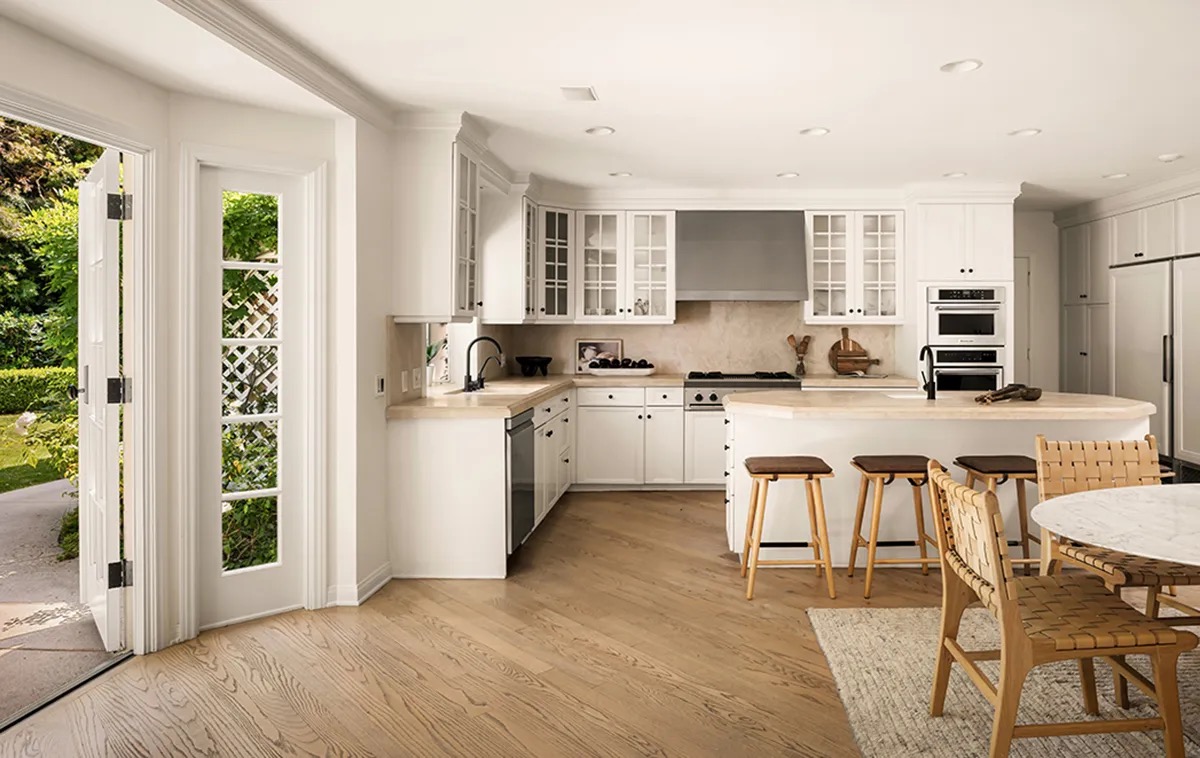
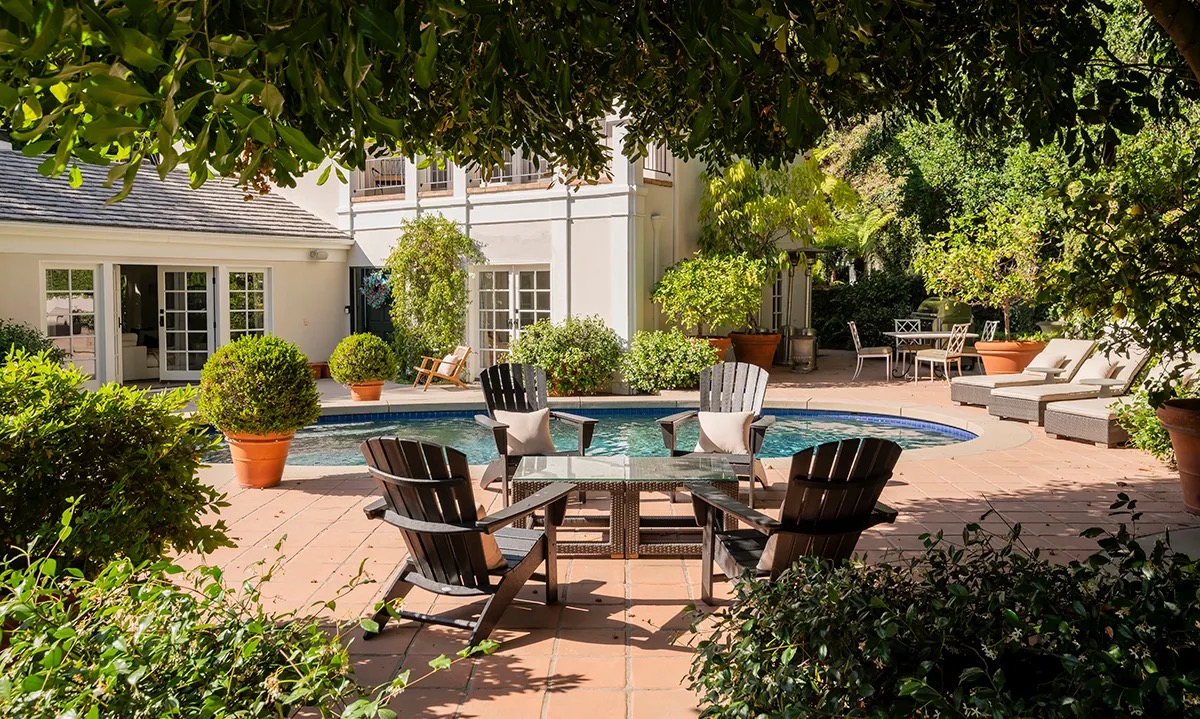
Discover the former property linked to Katy Perry, which has just been listed for sale in Beverly Hills for thehome impressive sum of $8.5 million. Located in the prestigious Hidden Valley area—one of the most exclusive neighborhoods within the famous 90210 zip code—this residence has recently undergone extensive renovations that give it a style that is both elegant and timeless.
The home captivates with its bright spaces, numerous refined rooms, and amenities designed for comfort. With its inviting living rooms, luxurious bedrooms, private pool, and magnificent outdoor spaces, this property has everything you could dream of. Take a look at the photos below to discover the most beautiful corners of this impressive California residence.