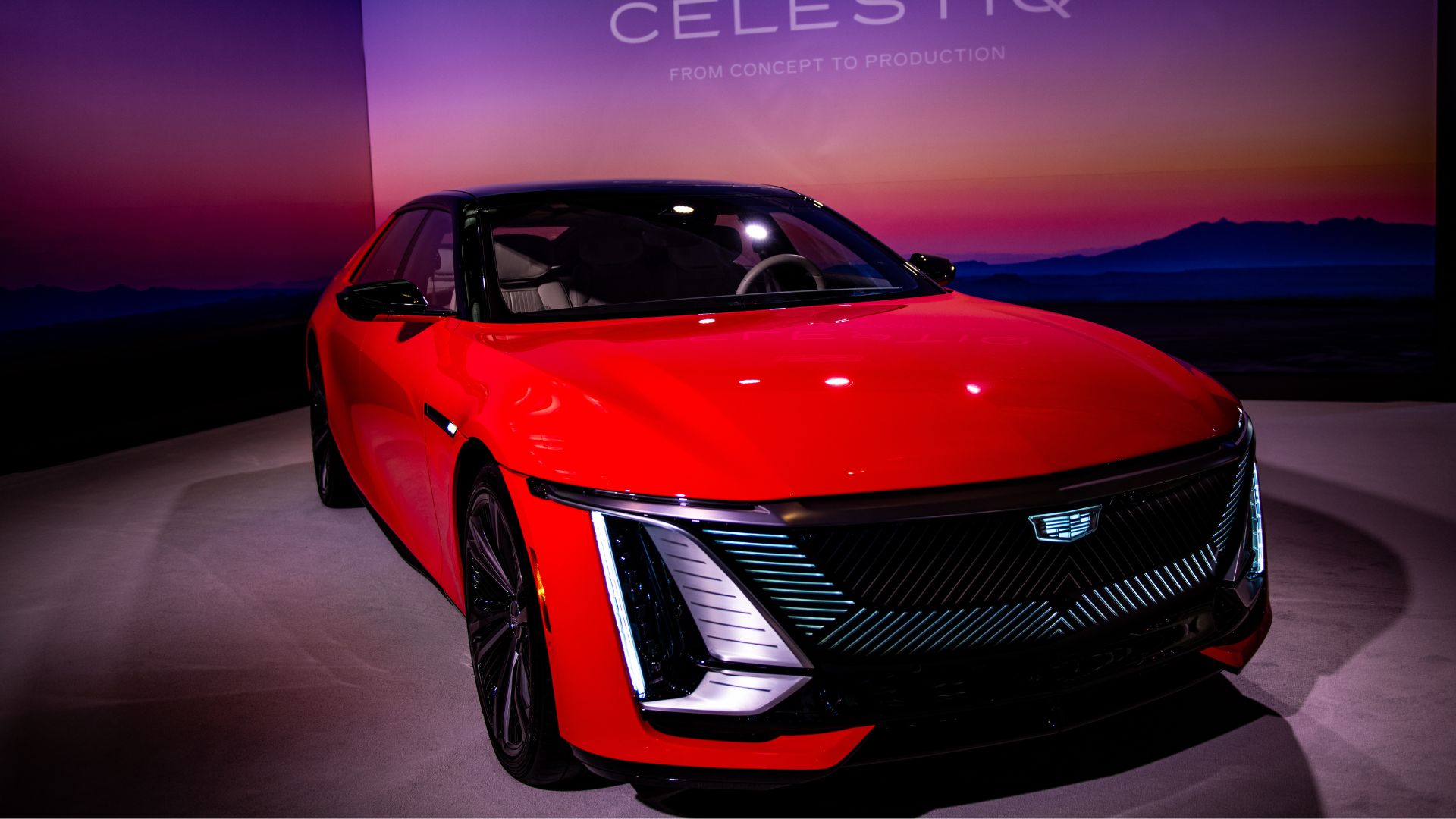
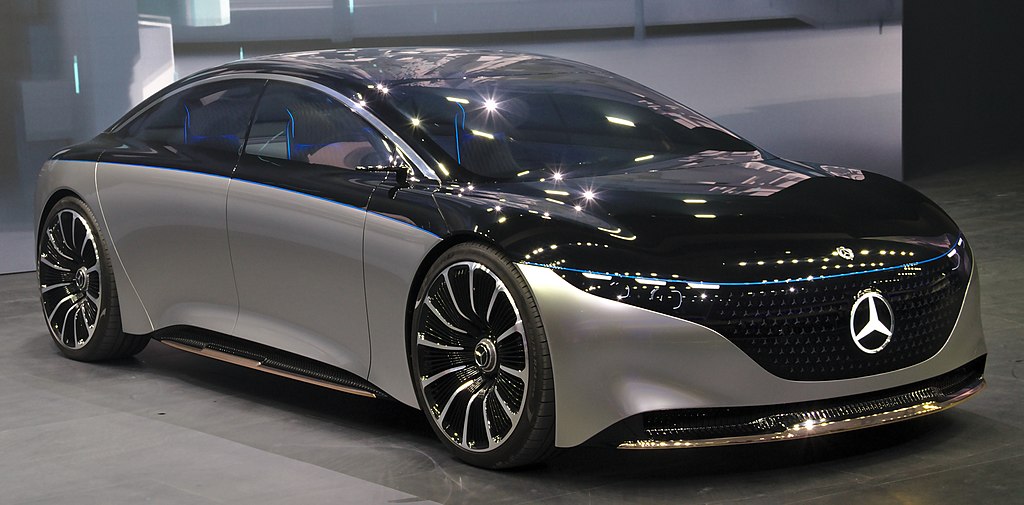
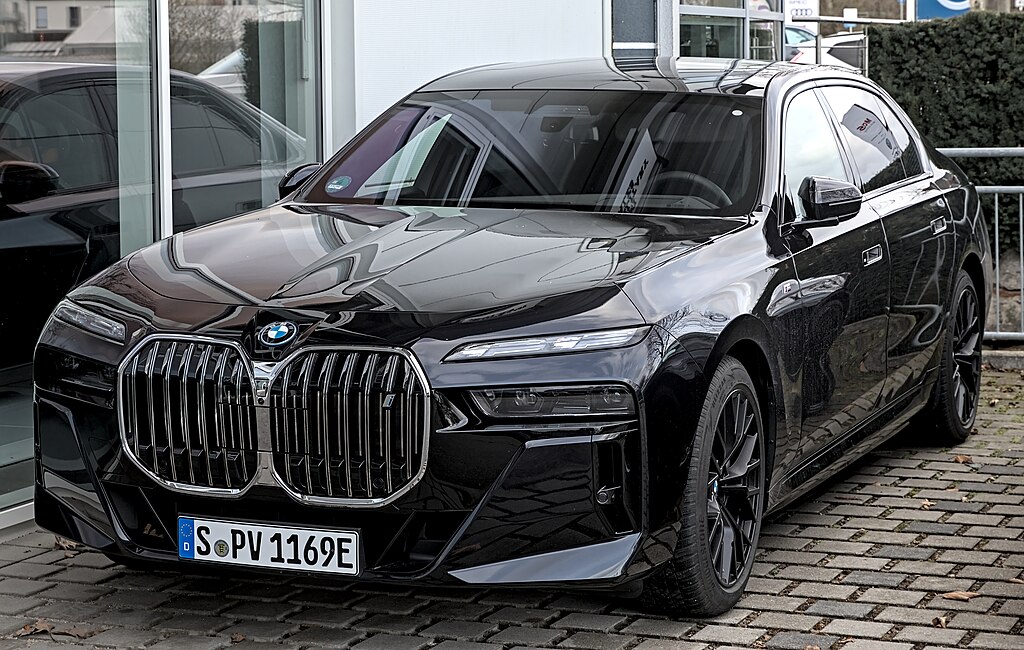
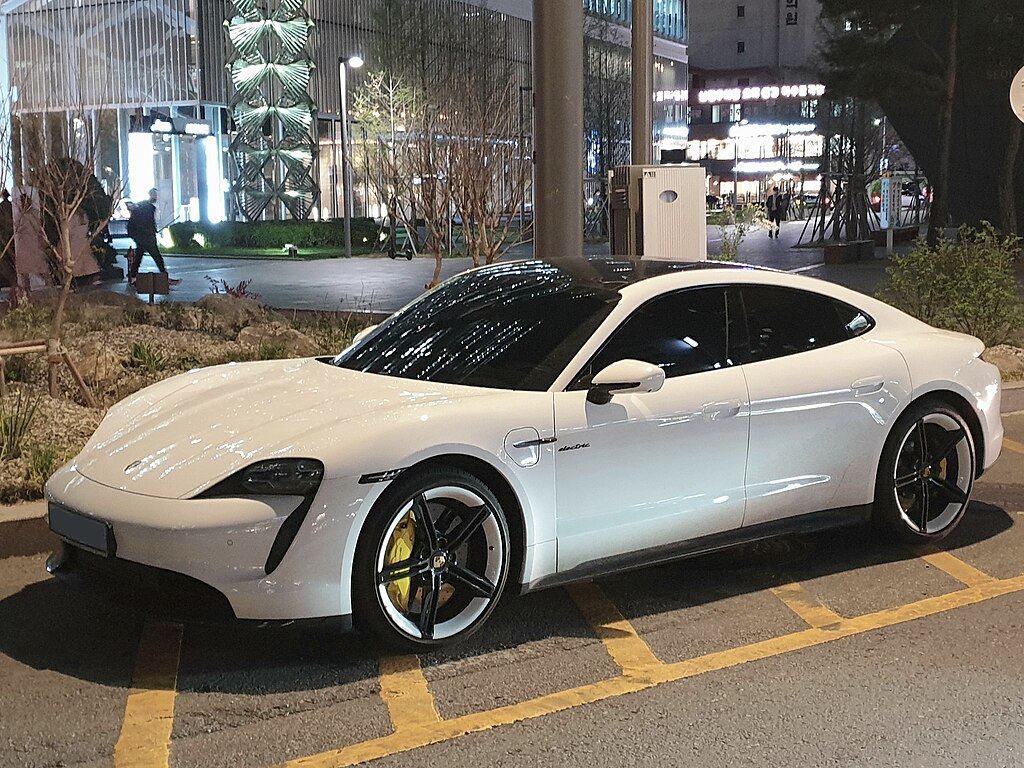
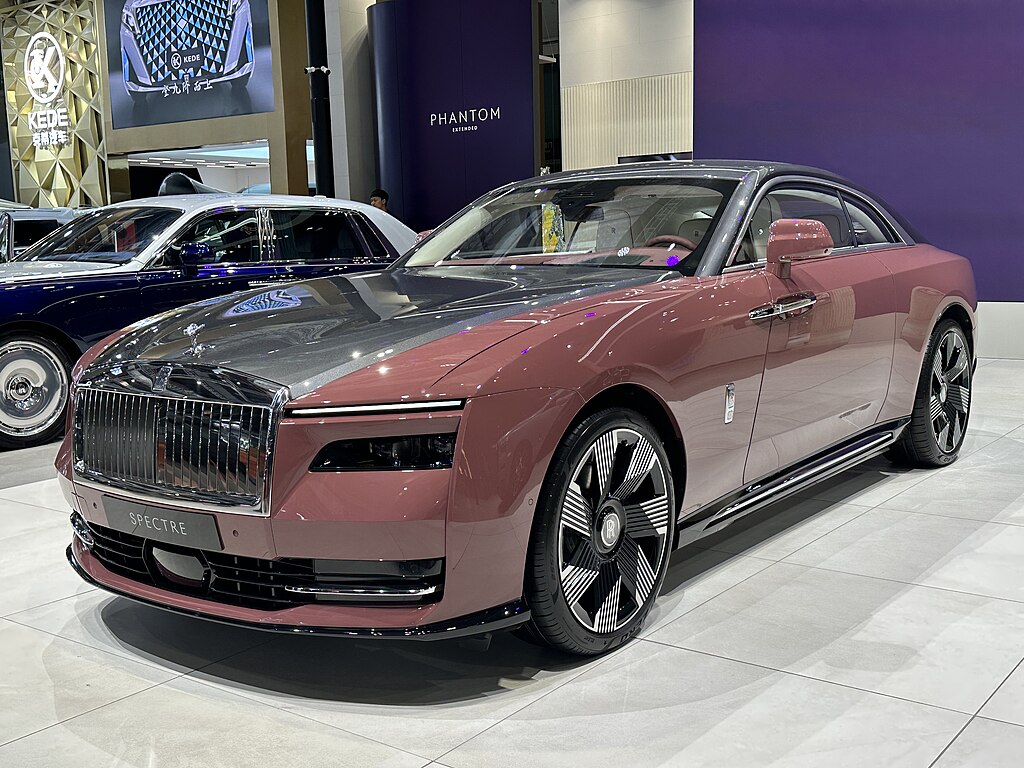
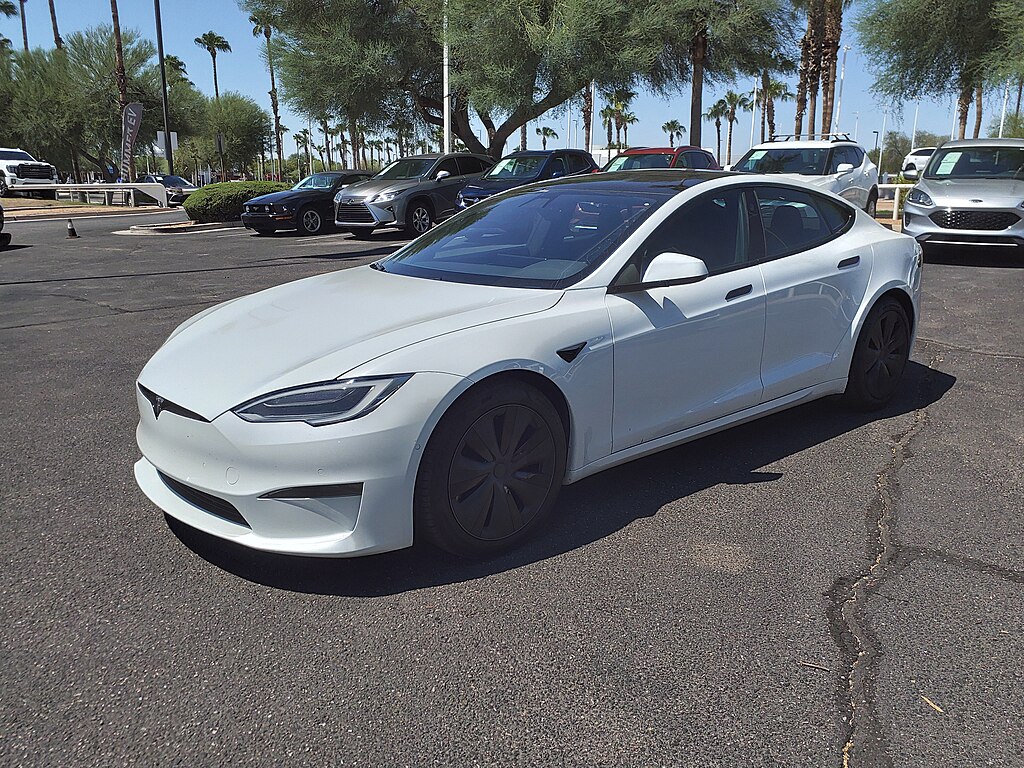
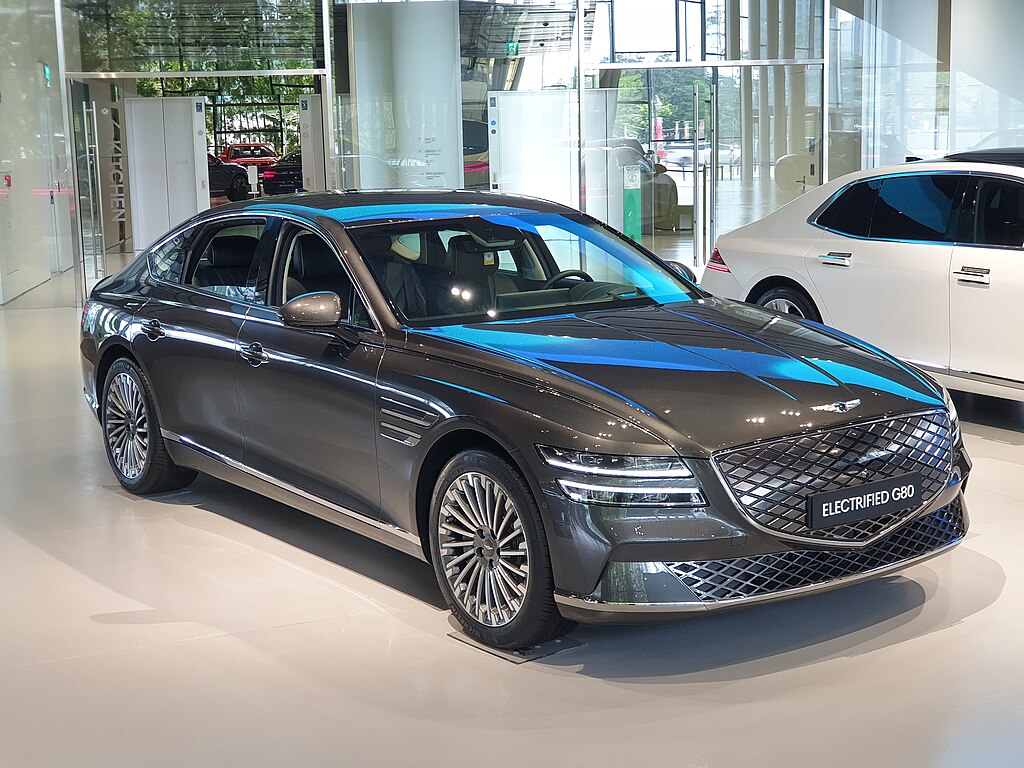
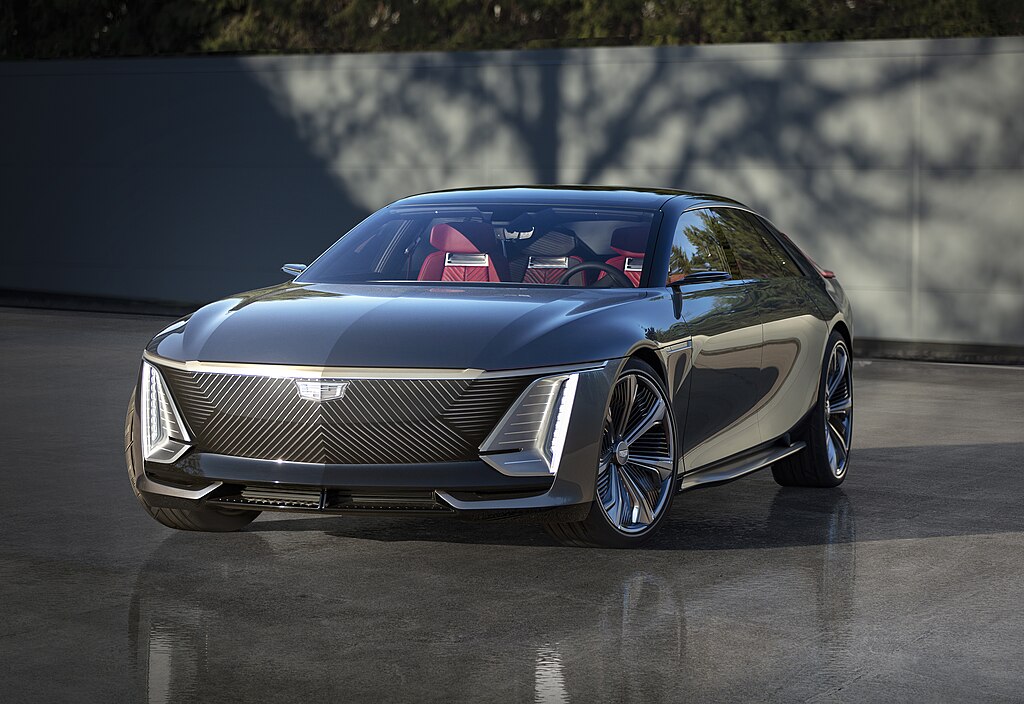
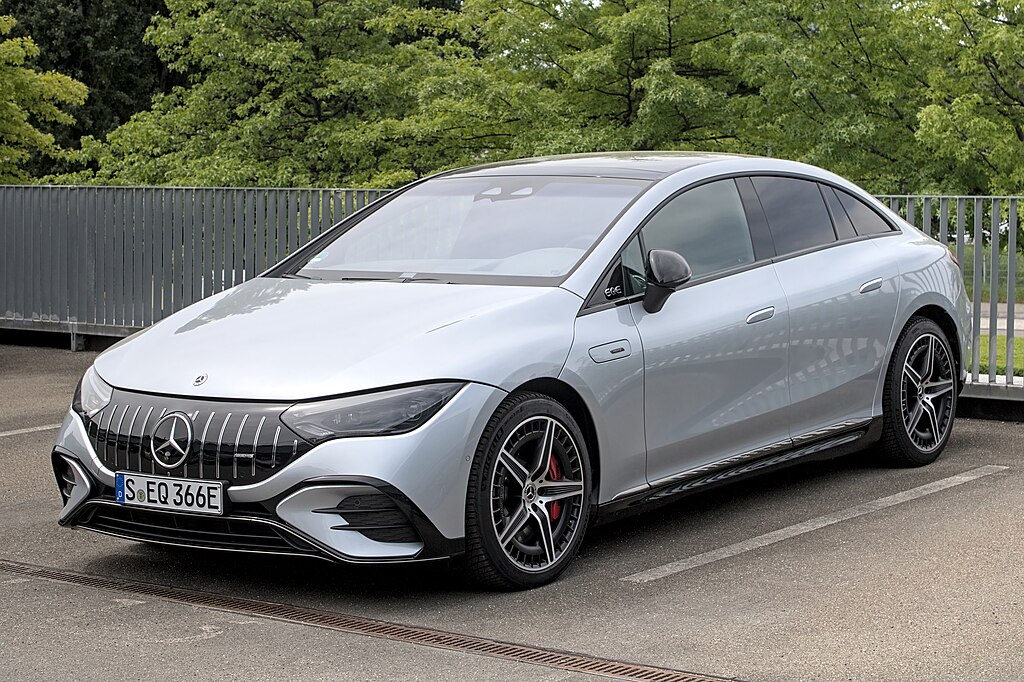
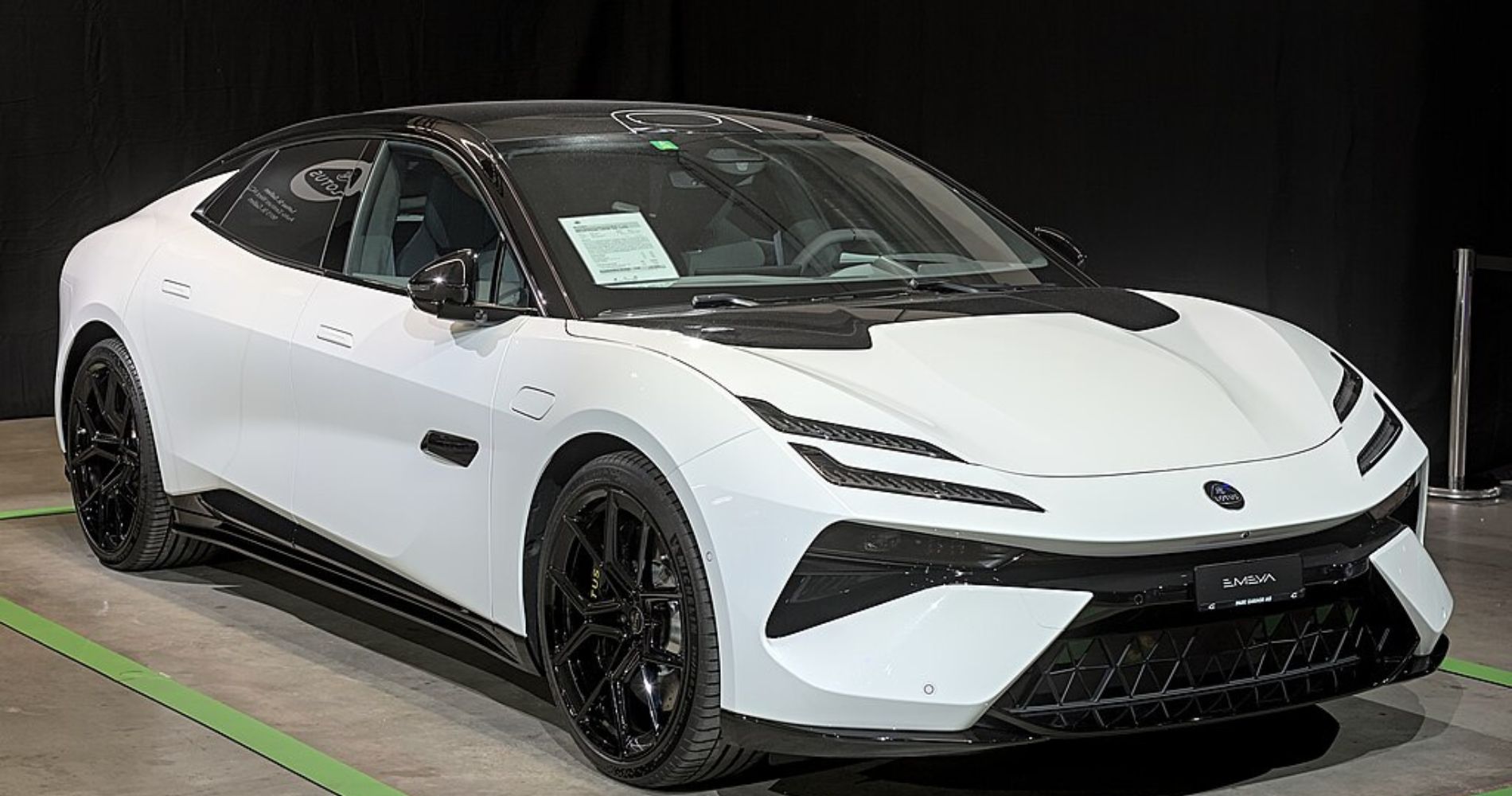
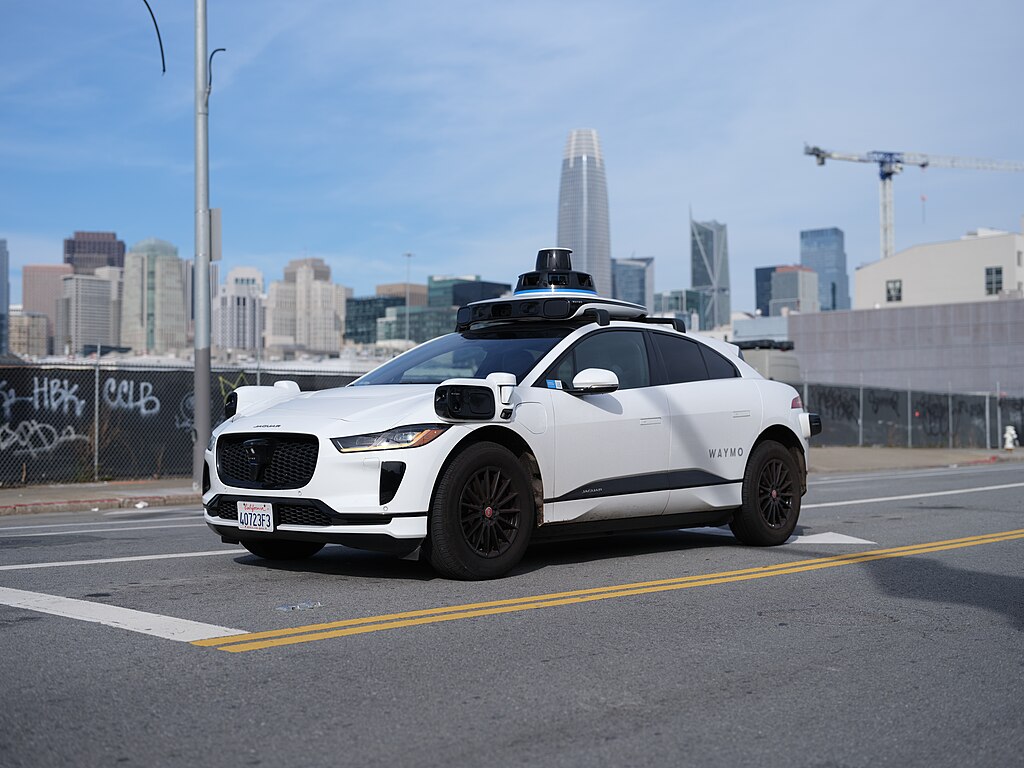
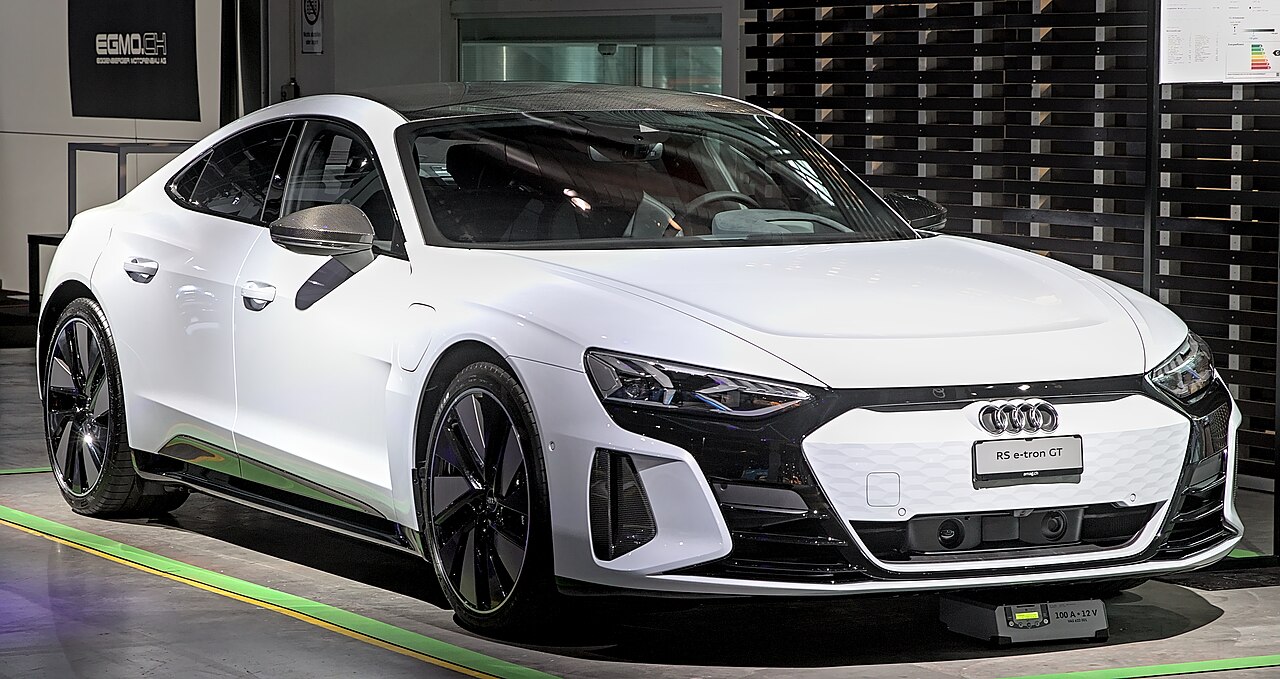
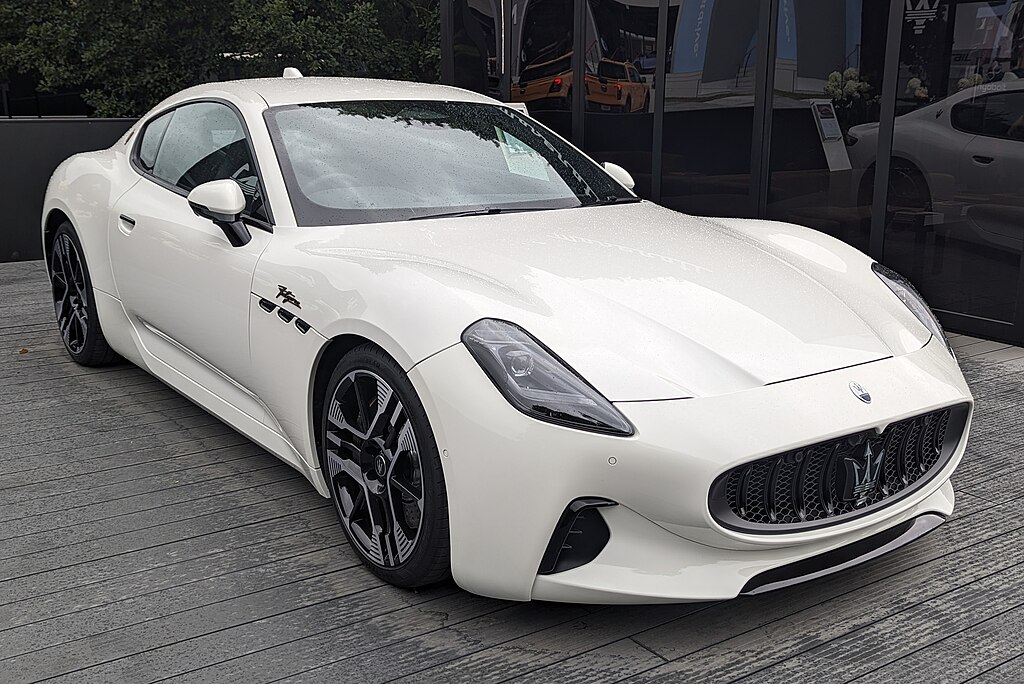
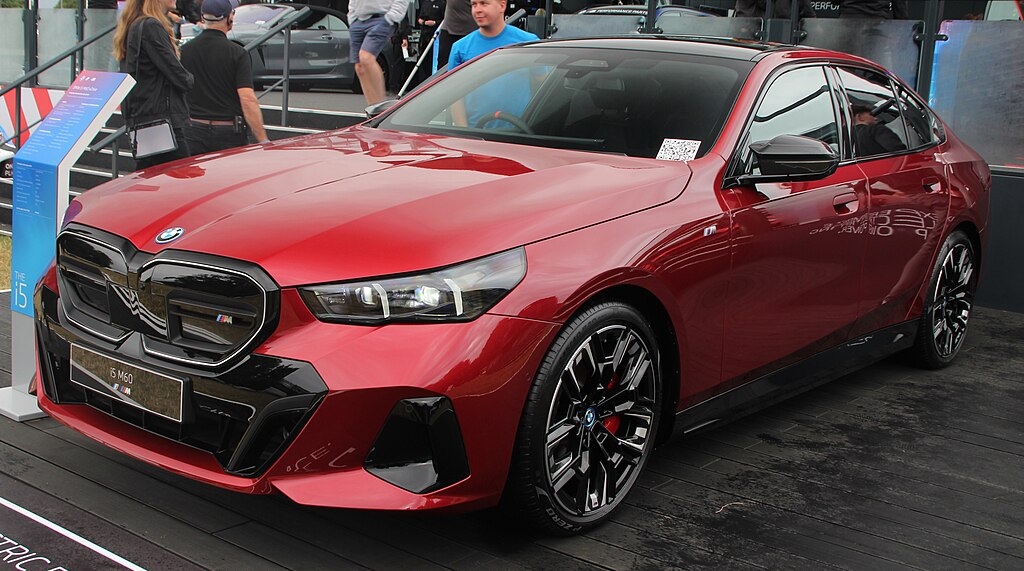
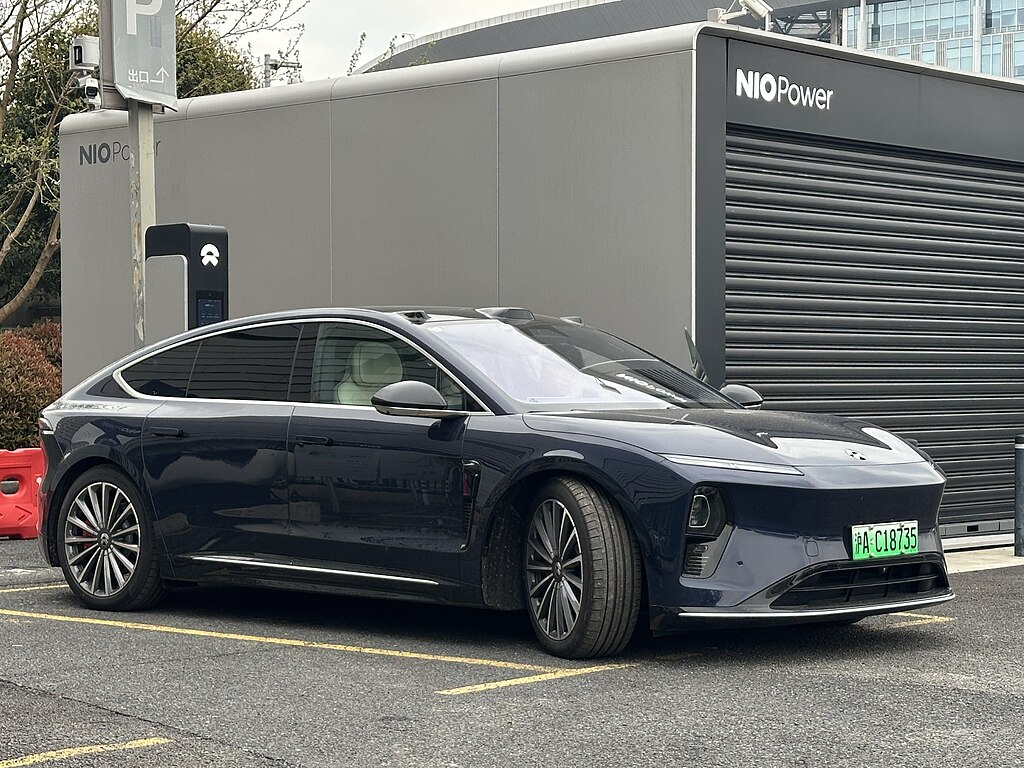
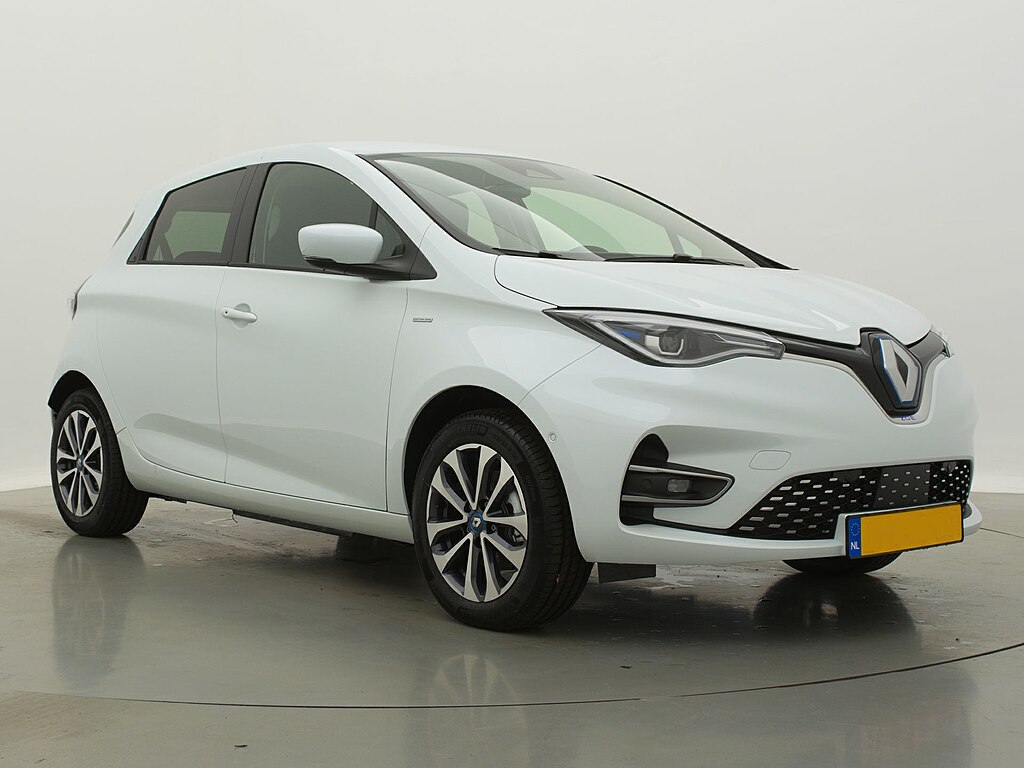
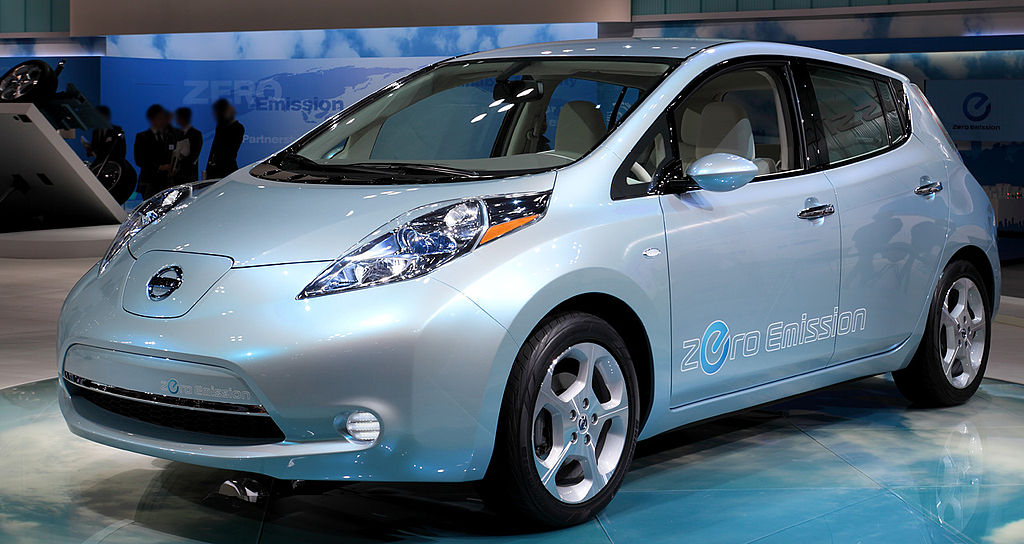
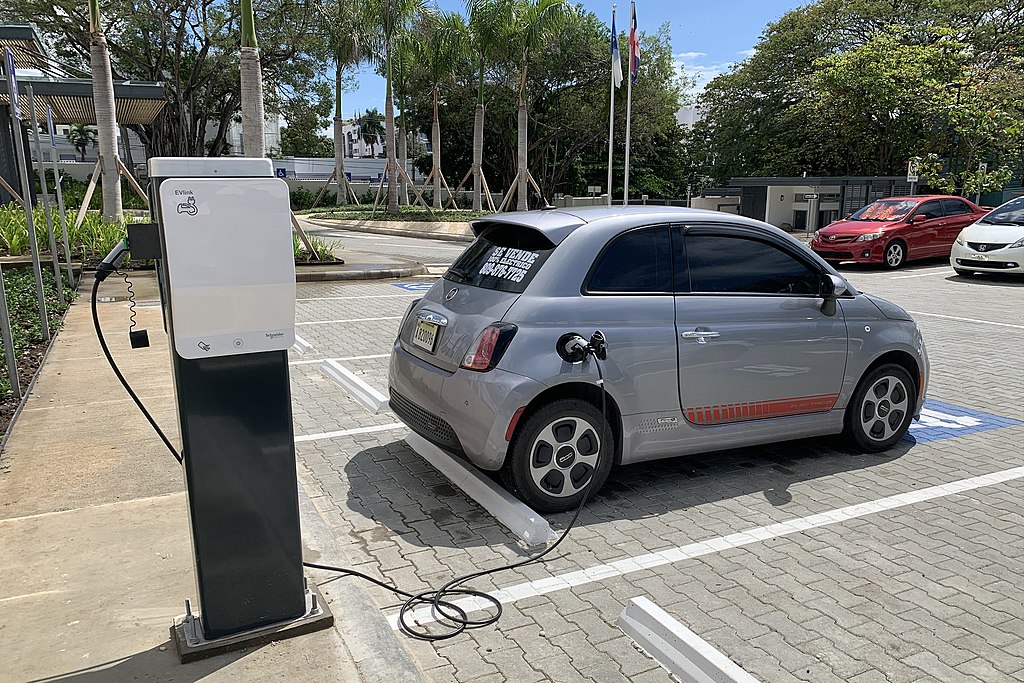
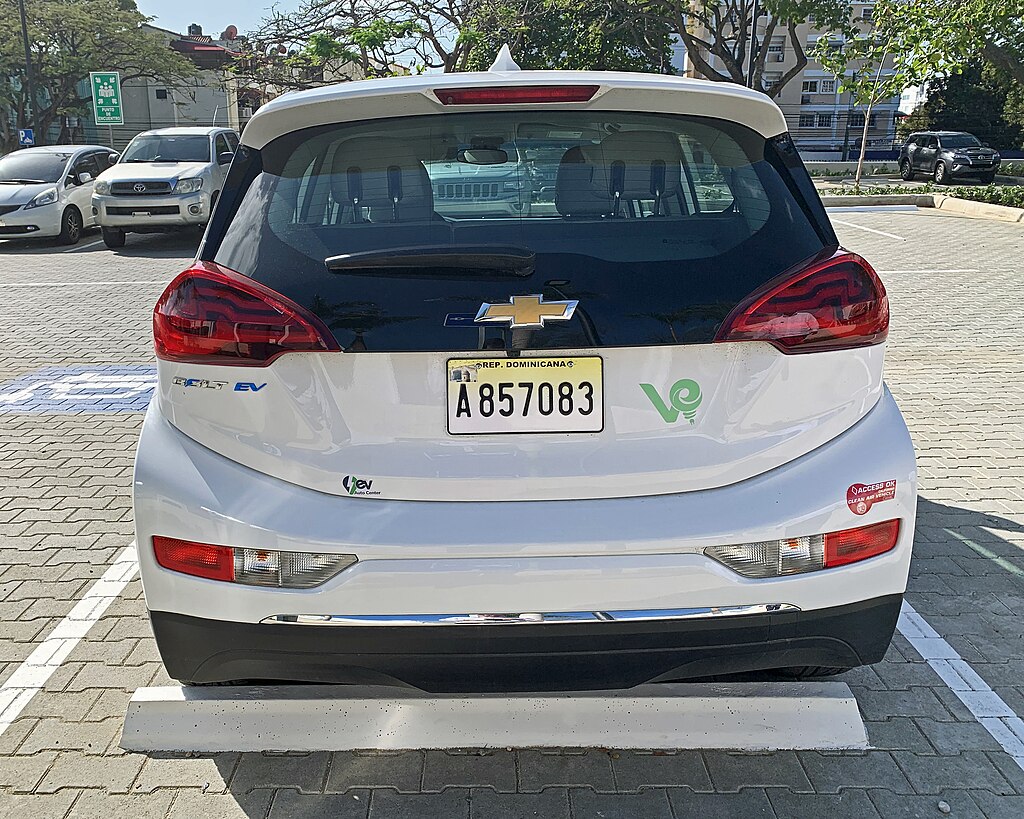
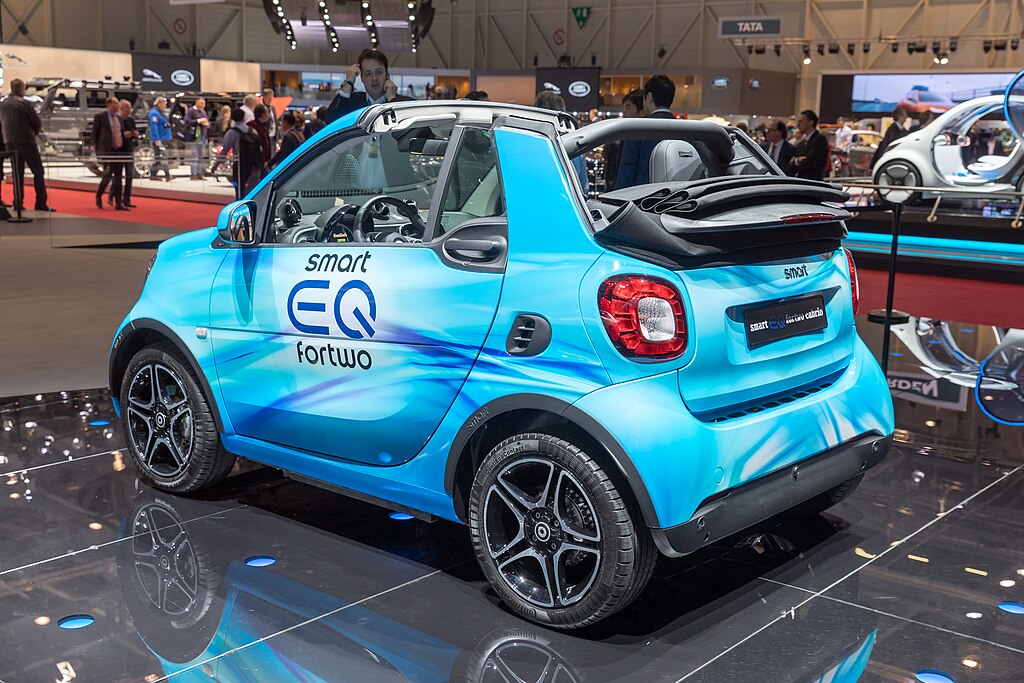
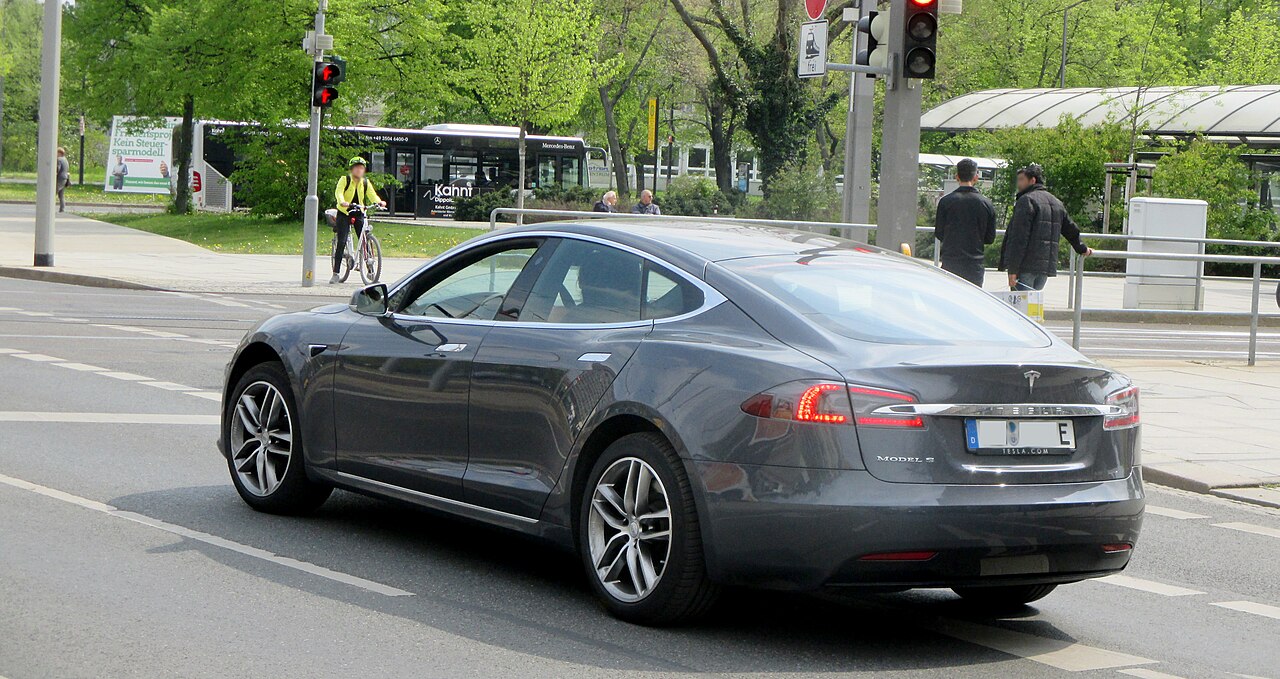
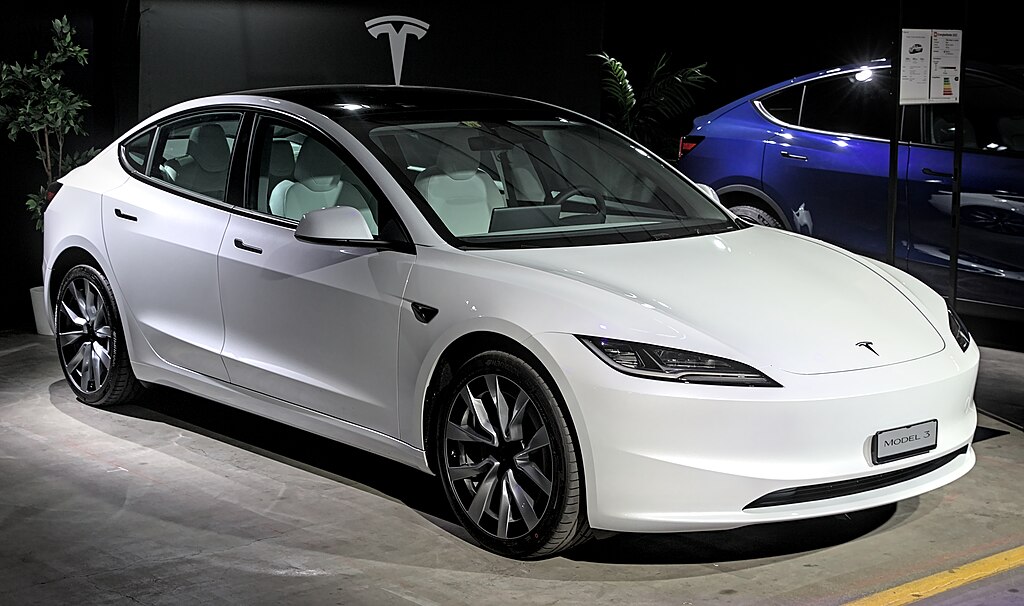
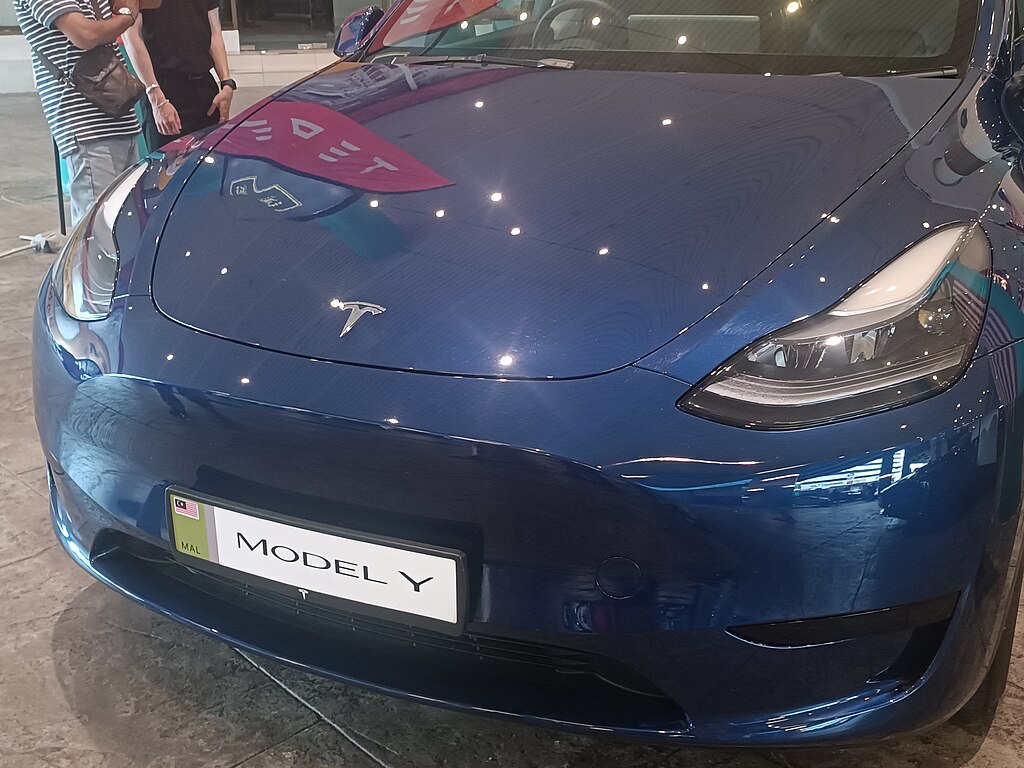
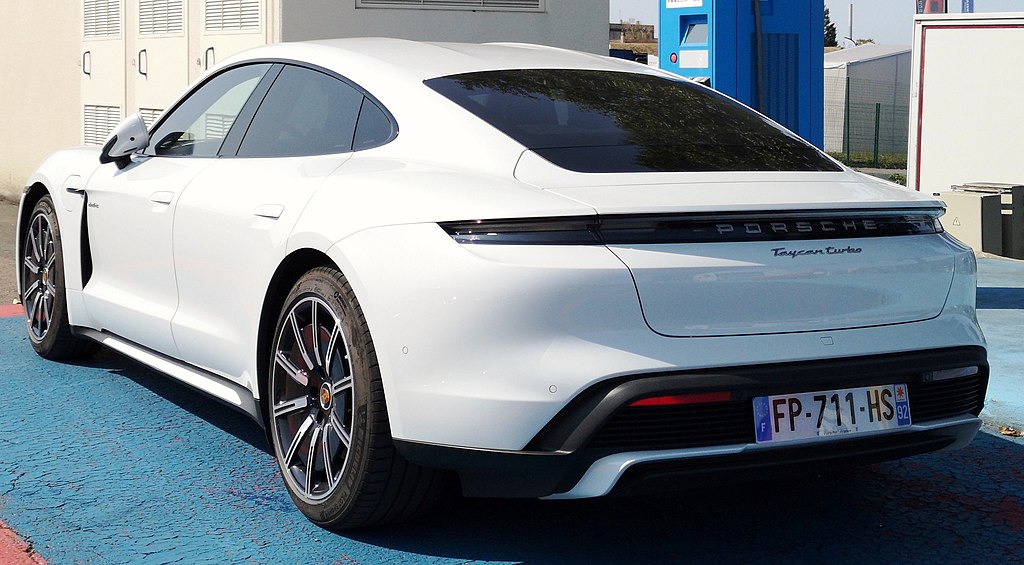
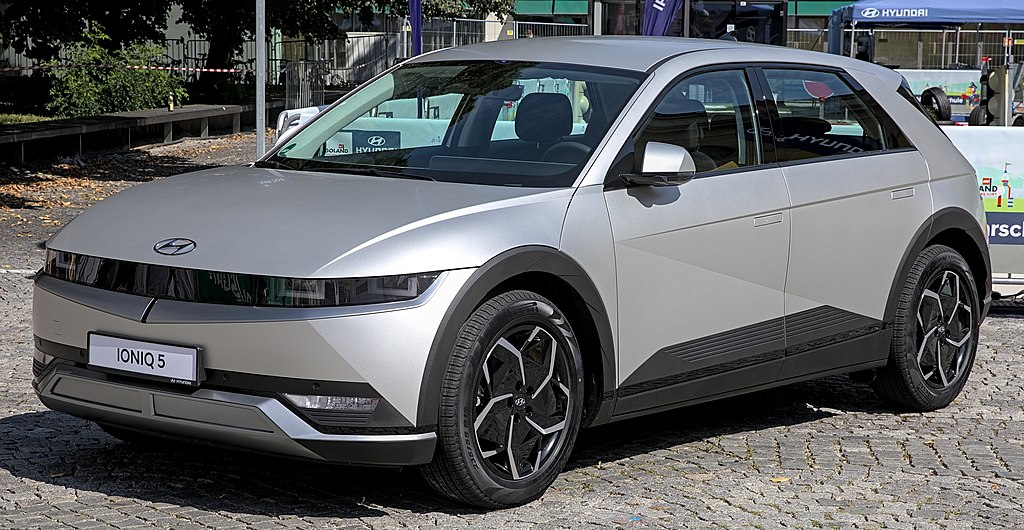
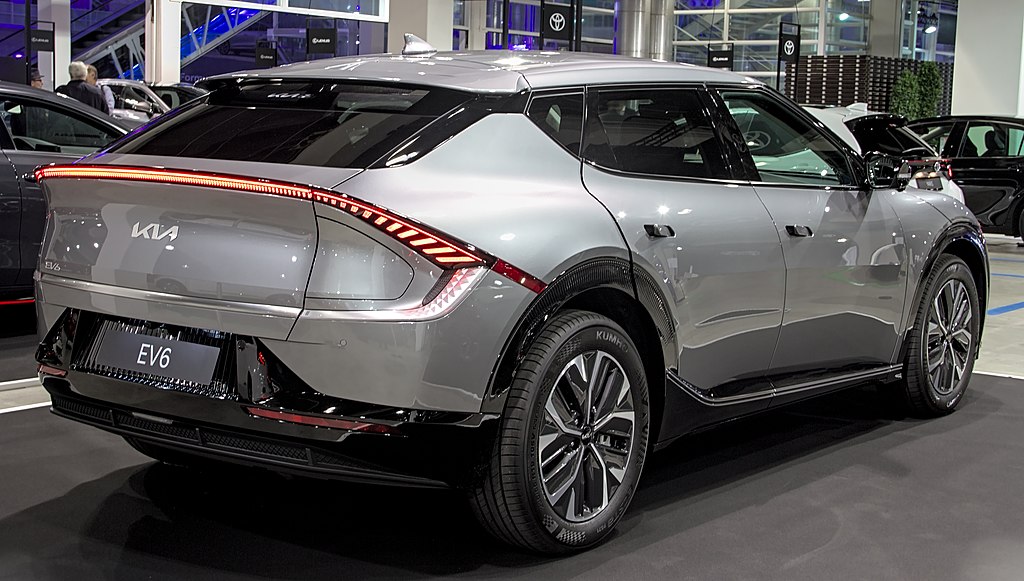
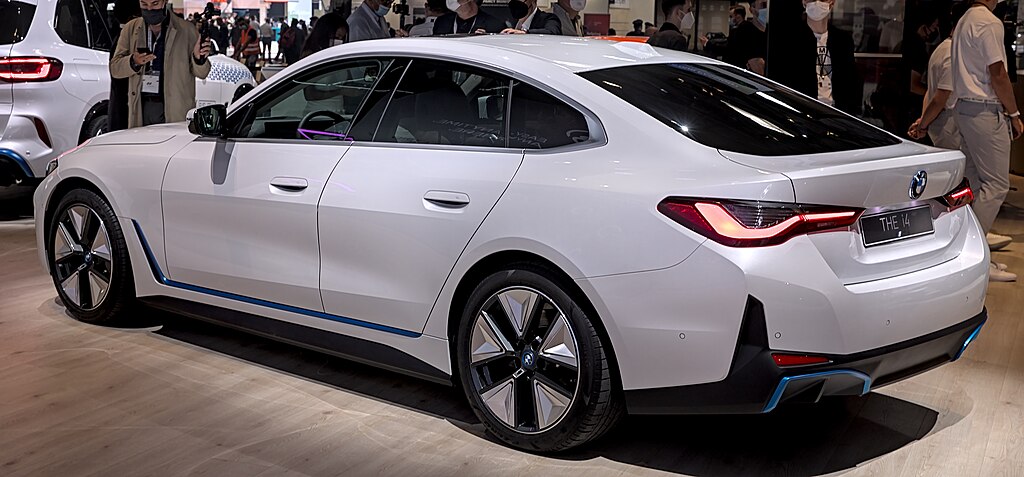
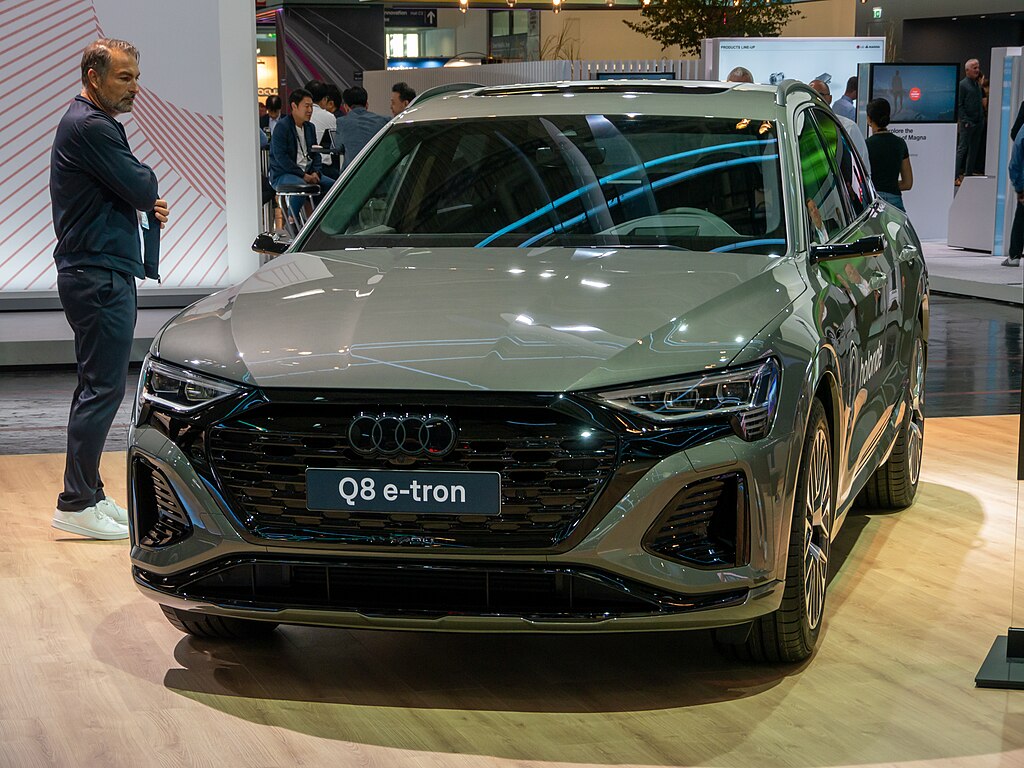
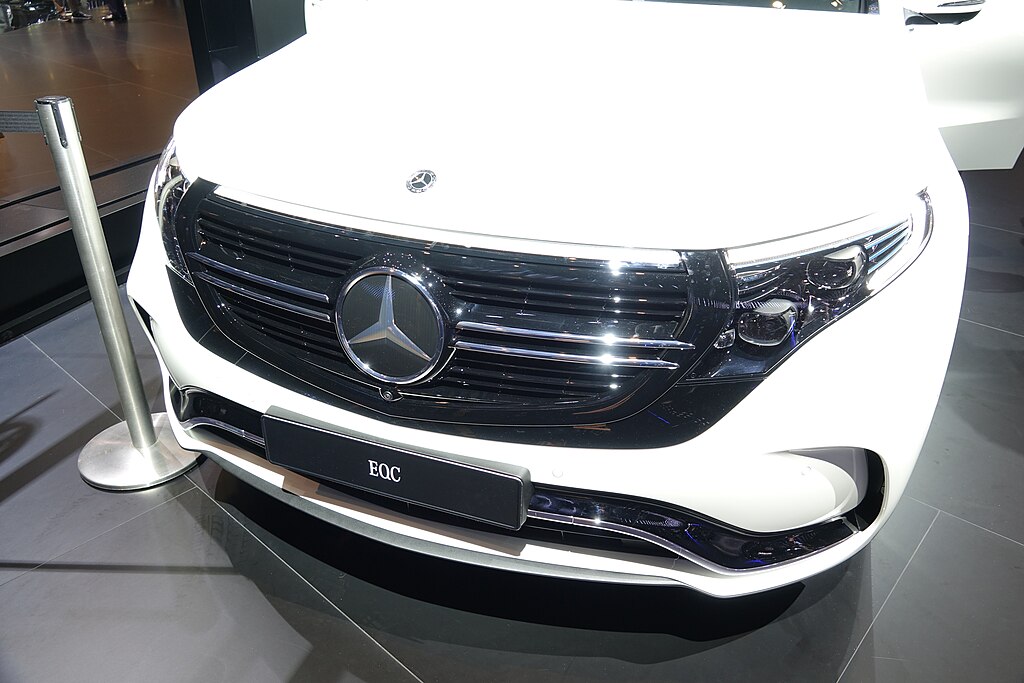
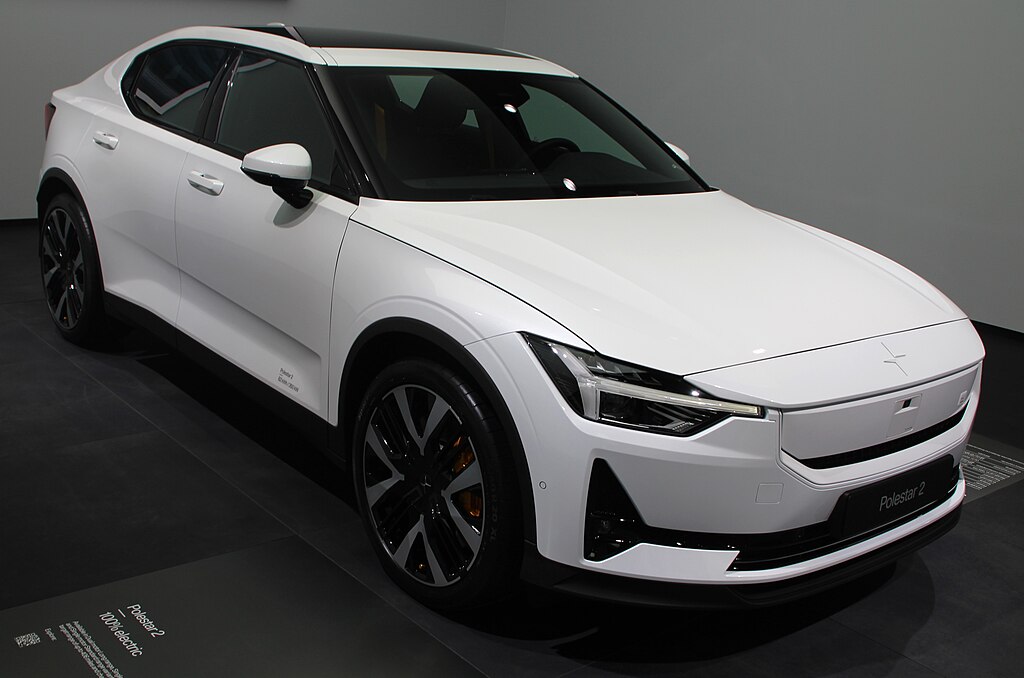
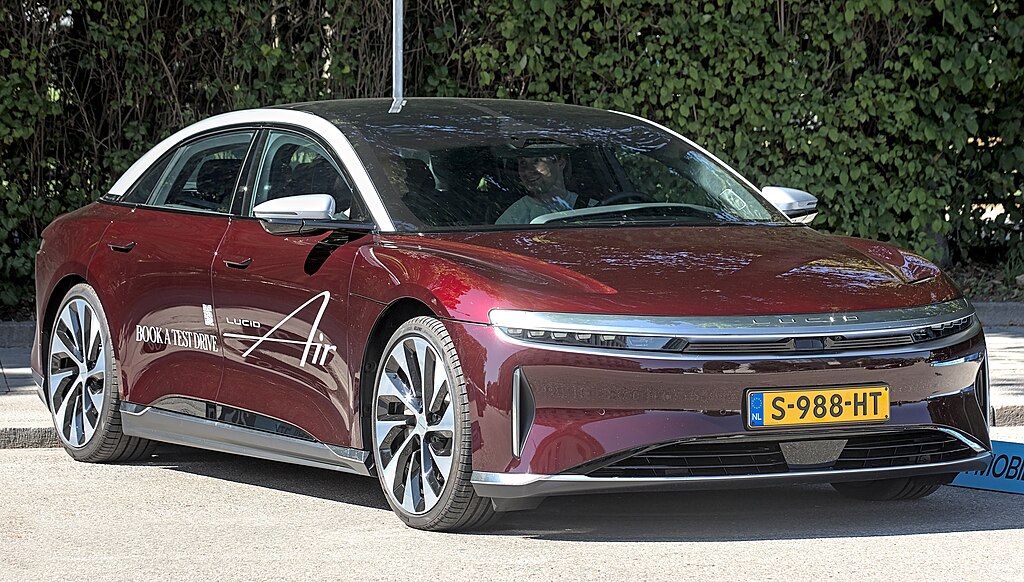
Electric cars weren’t always part of the luxury conversation. Once viewed as niche, utilitarian machines, they lacked the prestige and polish that defined the segment. But that era is over. As technology grew more capable and expectations followed, electric cars stopped following and started leading the way. Instead of chasing tradition, they introduced something new—smooth acceleration and cabins that feel more like cozy sanctuaries than machines. Some brands focused on performance, while others emphasized comfort. But all of them helped reshape what luxury on wheels can look and feel like. So, how did EVs go from being the sensible option to the stylish one? These 15 models tell that story better than any spec sheet ever could.
As a future buyer, you want to understand the depreciation of electric cars (EVs). This is all the more important as the EV market is evolving at a breathtaking pace, and the value of a vehicle is falling rapidly. Factors such as the age of the model, technological advances and competition have a strong influence on used car prices.
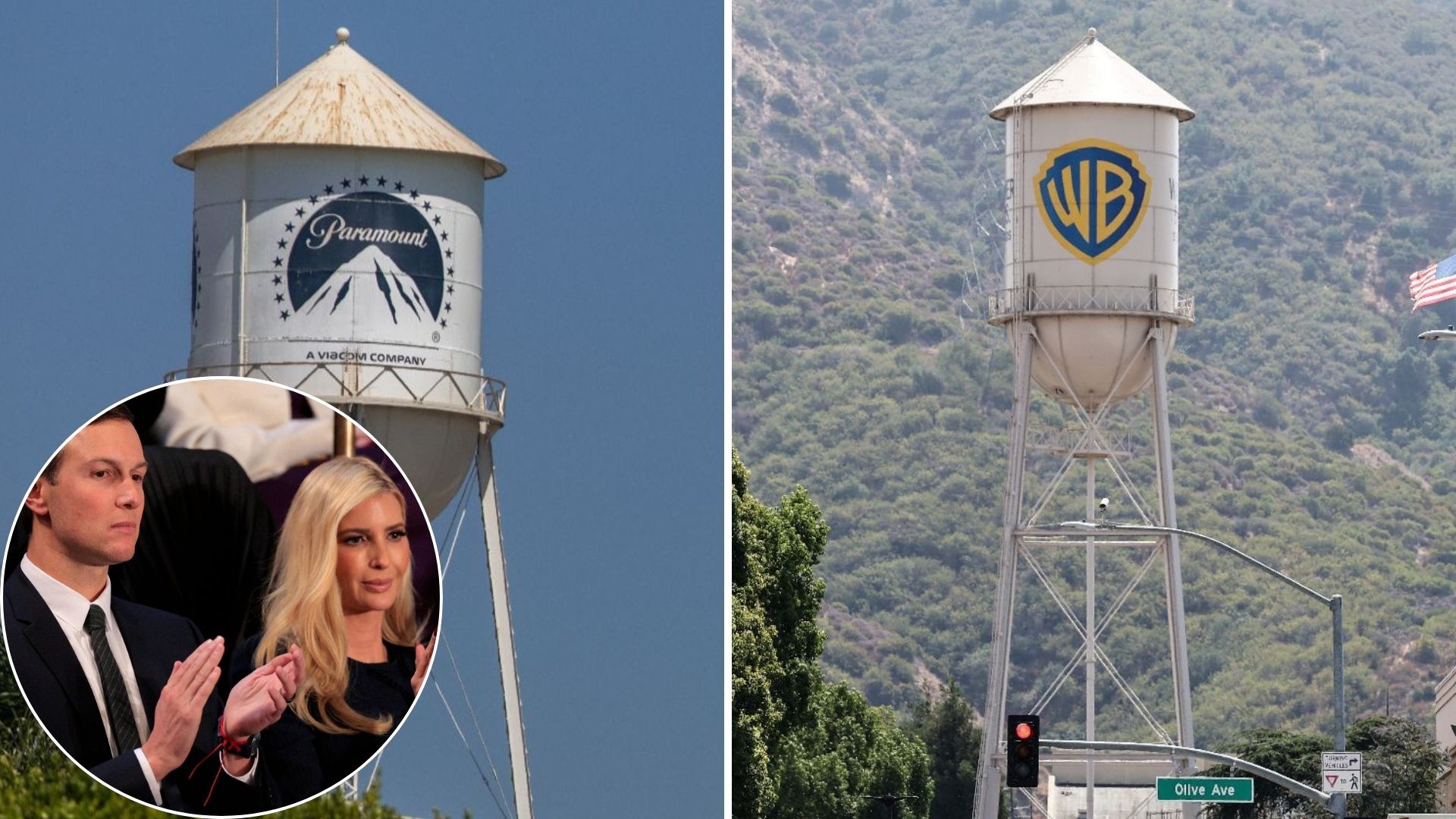
A few hours after Paramount unveiled its hostile bid to take over Warner Bros. Discovery — itself coming just days after Netflix’s surprise announcement that it intended to buy Warner Bros. and HBO — a new twist emerged: Jared Kushner, the son-in-law of Donald Trump, is involved in Paramount’s effort to seize control of Warner Bros., HBO and also CNN, a network frequently criticized by Trump. According to the New York Times, Kushner’s private equity firm, Affinity Partners, is among the investors supporting Paramount’s offer, adding an unexpected political dimension to an already high-stakes corporate battle.
Getty Images
Paramount returned to the table with its hostile bid only after its first offer for Warner Bros. Discovery had been rejected as too low, and it was able to raise its price thanks to a wave of external financing. In regulatory filings, the company said that Larry Ellison, the father of chief executive David Ellison, together with the private equity firm RedBird Capital Partners, had committed to backstop the 40 billion dollars in cash needed for the new offer. Paramount also lined up a group of additional investors to offload part of that commitment, including Jared Kushner’s private equity firm Affinity Partners, as well as sovereign wealth funds from Saudi Arabia, Qatar and Abu Dhabi, whose money would help fund the takeover of Warner Bros. Discovery and its crown jewels, from HBO to CNN.
Getty Images
On 5 December, Netflix announced a 72 billion dollar deal to buy Warner Bros. Discovery’s film and TV studios and its HBO Max streaming service, a takeover that would fold some of Hollywood’s most valuable assets into the Netflix empire. Trump quickly cast doubt on the transaction, warning that the merger «could be a problem» because of Netflix’s market share, saying he would be «involved» in the review and signalling that his administration viewed the deal with «heavy skepticism» on antitrust grounds. A few days later, Paramount escalated the fight: after an initial bid of around 60 billion dollars, at just under 24 dollars per share, had been rejected by Warner Bros. Discovery as too low, the company returned with a hostile all-cash offer worth 108.4 billion dollars, or 30 dollars per share, for the entire group, including CNN and the traditional TV networks. That new proposal is roughly 48.4 billion dollars higher than Paramount’s first approach and about 36.4 billion more than Netflix’s 72 billion dollar bid.
Conservative-leaning moguls
People close to Trump are now circling not just legacy TV brands but also the biggest social platform of the moment. With Jared Kushner’s Affinity Partners helping to finance Paramount’s hostile bid for Warner Bros. Discovery, a Trump family vehicle could end up with a stake in Warner Bros., HBO and CNN, a network the president routinely attacks. At the same time, Trump has said he is lining up a «very wealthy» group of buyers to take over TikTok’s US operations, and has publicly name-checked conservative-leaning moguls such as Rupert and Lachlan Murdoch, Michael Dell and Larry Ellison among the potential investors. Taken together, these moves mean that some of the most coveted news and entertainment assets in the country — from cable channels to a dominant short-video app — are being targeted by financiers and tech billionaires who are either directly tied to the Trump family or closely aligned with the president politically.
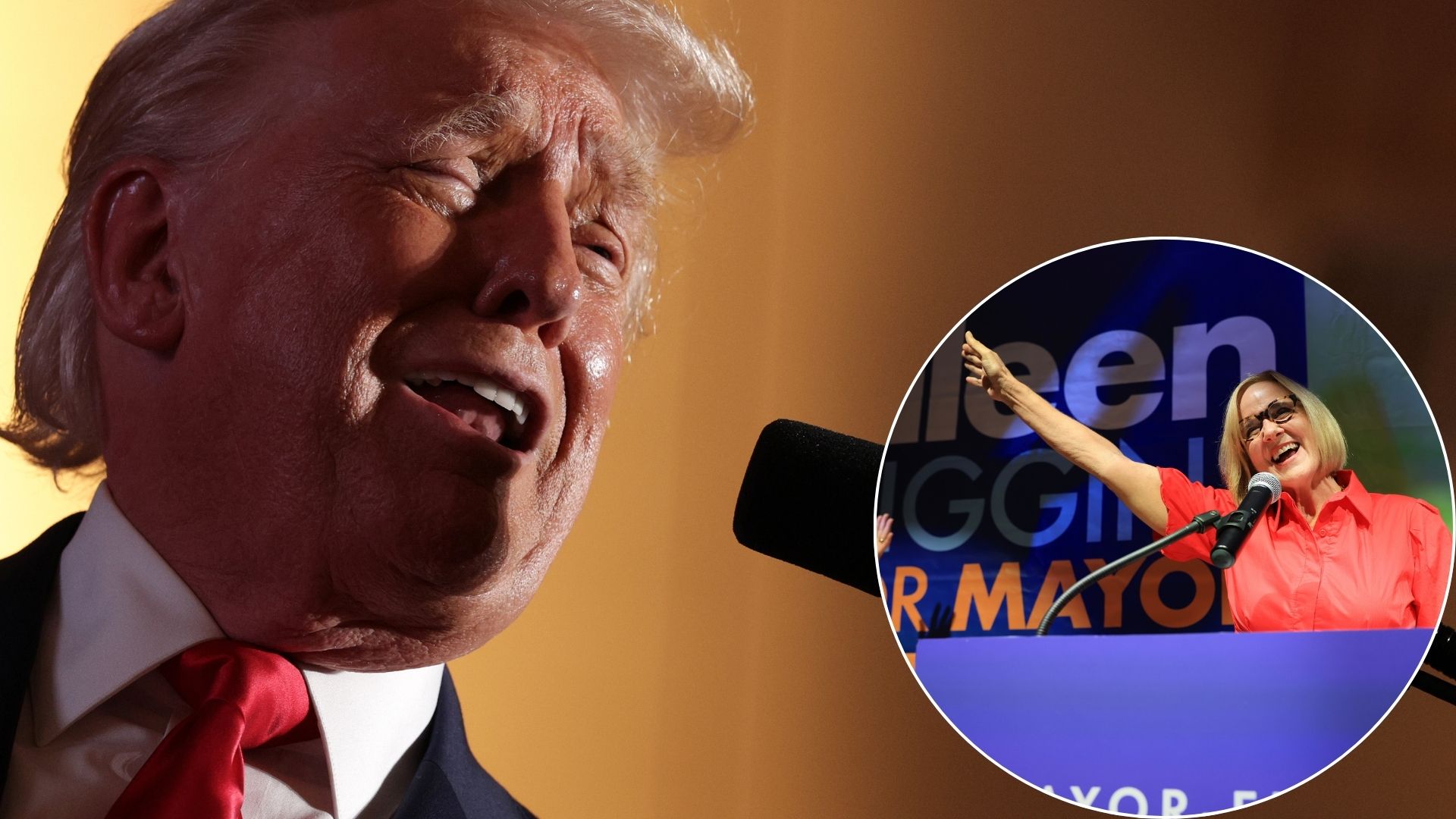
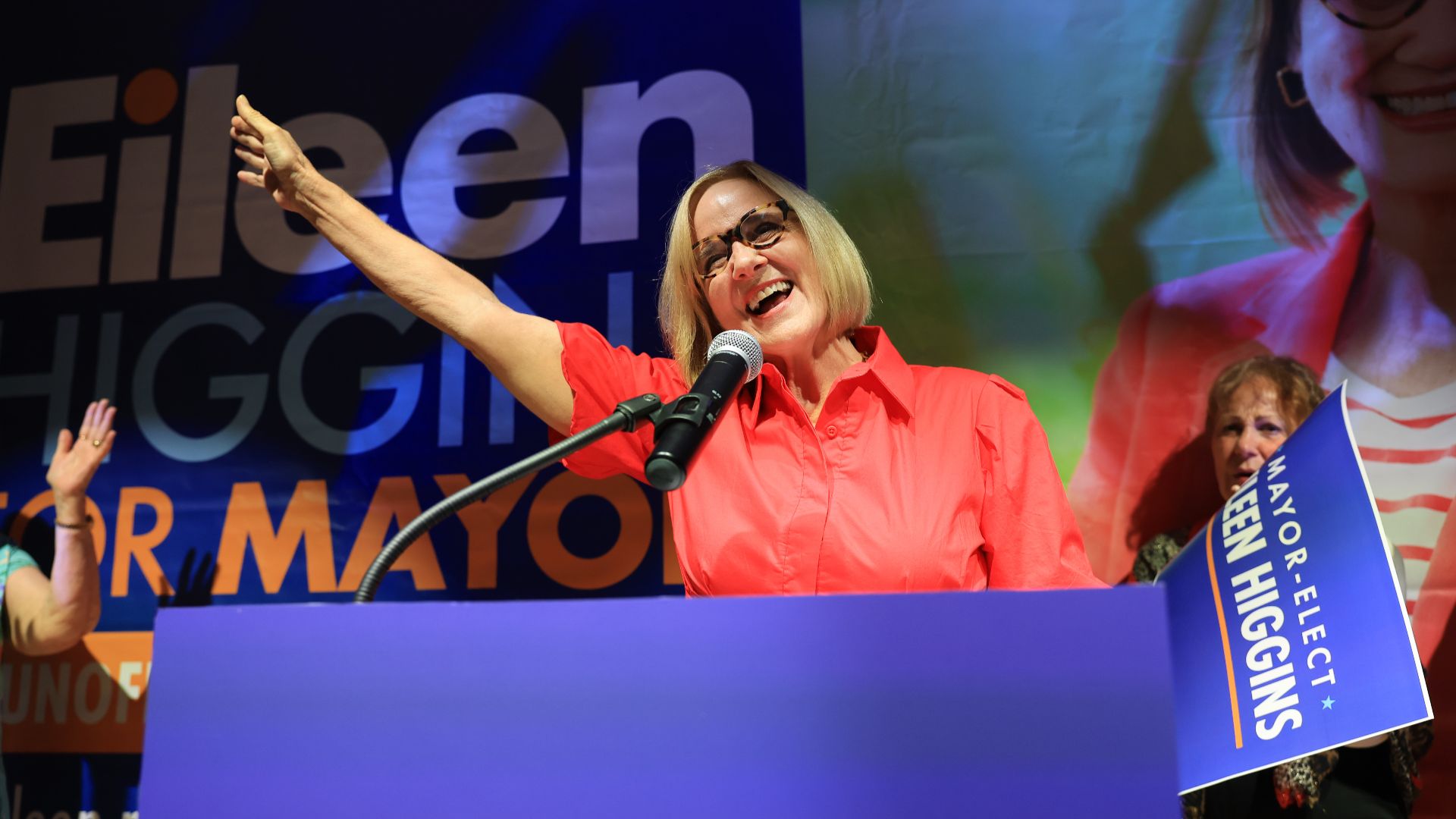
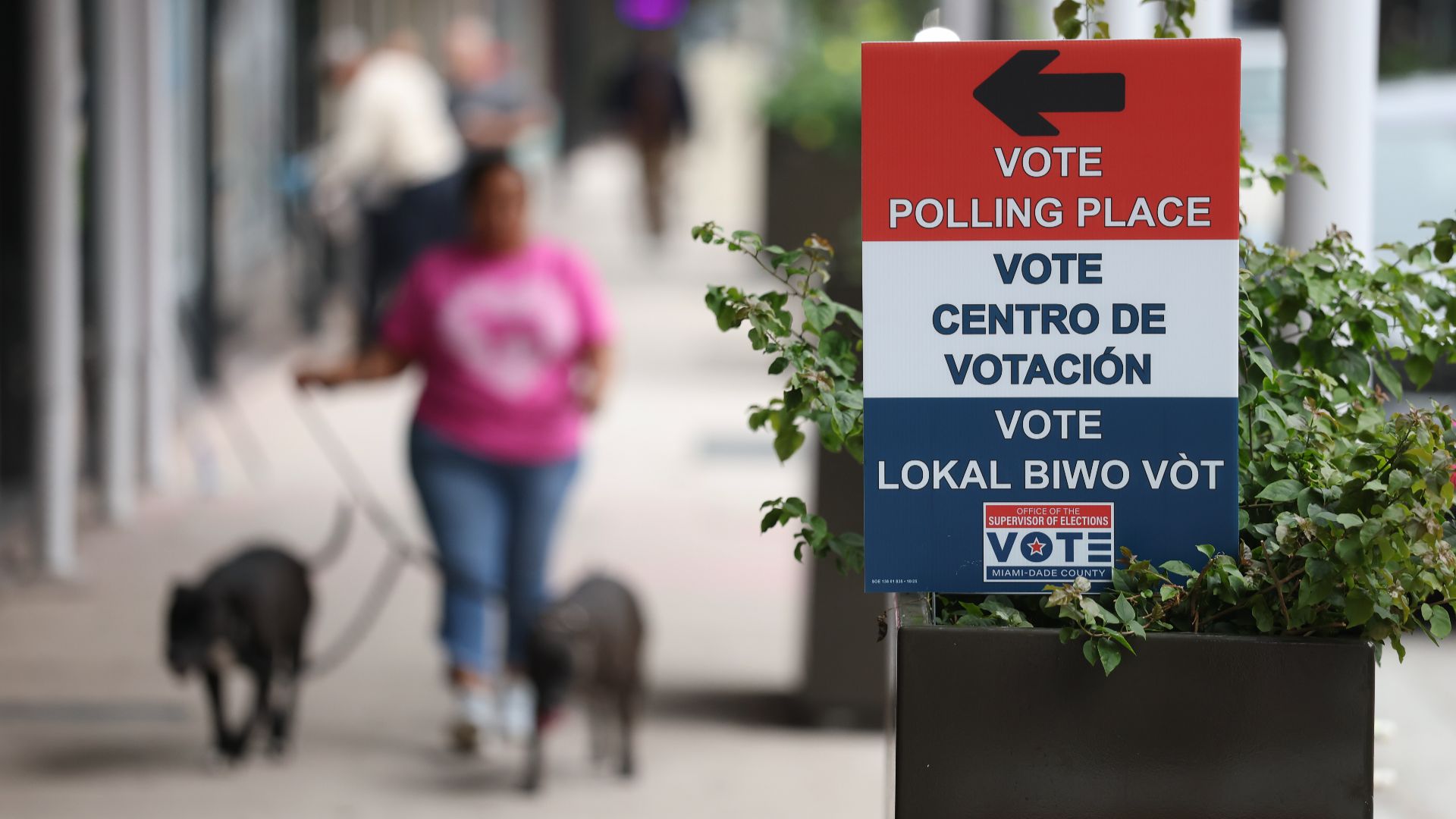
Democrat Eileen Higgins, a former county commissioner, defeated Republican Emilio González in the Miami mayor’s race, flipping a city widely viewed as deep Trump country blue for the first time in 28 years, a shift that breaks with nearly three decades of Republican control at City Hall and highlights how local dynamics can diverge from national narratives about South Florida. Higgins won about 60% of the vote, a decisive margin that left little doubt about the result and handed a clear and public defeat to Trump-backed candidate Emilio González, whose campaign had leaned heavily on his Republican credentials and support among conservative voters. The scale of Higgins’s victory shows that a Democrat can still build a broad coalition in Miami, bringing together longtime residents, younger voters and independents who were ready to turn the page on the city’s recent political direction, and it firmly plants a blue marker in a place that, until now, had been regarded as safe territory for Republicans.
Getty Images
In the final weeks before Miami went to the polls, national Republicans closed ranks around Emilio González, turning a normally sleepy mayor’s race into a showcase for the right’s biggest stars and an explicit test of the movement’s strength in a city often described as deep Trump country. Trump, DeSantis and JD Vance all lined up behind the Republican, but it was Trump who put the most emphasis on the contest, using his megaphone on Truth Social to fire off a message that began with a blunt reminder to his followers: «Miami’s Mayor Race is Tuesday.» Trump immediately raised the stakes, insisting that this local contest carried national weight with the line: «It is a big and important race!!!». Then Trump tell his supporters exactly what he wanted from them: «Vote for Republican Gonzalez.» To seal the endorsement, he added a splash of his trademark hype — «He is FANTASTIC!» — before nudging his audience to turn that enthusiasm into action right away with: «You can also vote today.» And, as always, he closed by folding the Miami mayoral race into his broader political project, signing off with his familiar rallying cry: «MAKE AMERICA GREAT AGAIN!».
A new direction
Higgins gave her victory speech at the Miami Woman’s Club, celebrating what she called a turning point for a city that had been pulled for years into the gravitational field of national Republican politics, and when she told the room «Miami chose a new direction», the crowd erupted, hearing in that line not just a celebration of her win but also a pointed contrast with what many in Miami see as the Trump administration’s habitual disorder, improvisation and lack of basic competency. A little later in the speech, she sharpened that contrast even more with a line that summed up her pitch to voters from the start of the campaign: «You chose competence over chaos, results over excuses and a city government that finally works for you.». She wove those ideas through the rest of her remarks, framing the result as a declaration of independence from outside political pressures and a reassurance that the city’s priorities would be anchored once more in local needs rather than national theatrics, and her message landed not only with supporters in the room but also with strategists across Florida who immediately began reading the result as a sobering signal for upcoming contests, because this loss — delivered despite Trump, DeSantis and JD Vance throwing their full weight behind González — suggests that Trump’s brand is no longer a guaranteed turnout engine in every Latino-heavy, previously friendly corner of South Florida, and that the political map in the region may be more fluid than Republicans have assumed for the past decade.
Getty Images
In last November’s off-year elections, Democrats were already building the wave that would later hit Miami: in New York City, Zohran Mamdani took City Hall with just over 50% of the vote, beating Andrew Cuomo by a little under ten points while Republican Curtis Sliwa was left in single digits, a narrow but clear majority in a huge, polarized city. That same night, Abigail Spanberger flipped Virginia’s governorship, defeating Republican Winsome Earle-Sears by about 58% to 42% — a margin of more than fifteen points and the strongest Democratic showing in a Virginia governor’s race since the early 1960s. In New Jersey, Mikie Sherrill didn’t just hang on for Democrats, she blew past expectations in what was supposed to be a nail-biter, turning a race many analysts rated as a toss-up into roughly a fourteen-point win over Jack Ciattarelli, the biggest Democratic margin in the state in decades. Taken together with Mamdani’s under-ten-point but symbolically huge victory in New York and a series of Democratic overperformances in specials earlier in the year, those November results looked less like isolated blue pockets and more like the early shape of a trend, giving Democrats a sense of real momentum as the 2026 midterm elections draw closer.
Democrat Eileen Higgins, a former county commissioner, defeated Republican Emilio González in the Miami mayor’s race, flipping a city widely viewed as deep Trump country blue for the first time in 28 years, a shift that breaks with nearly three decades of Republican control at City Hall and highlights how local dynamics can diverge from national narratives about South Florida. Higgins won about 60% of the vote, a decisive margin that left little doubt about the result and handed a clear and public defeat to Trump-backed candidate Emilio González, whose campaign had leaned heavily on his Republican credentials and support among conservative voters. The scale of Higgins’s victory shows that a Democrat can still build a broad coalition in Miami, bringing together longtime residents, younger voters and independents who were ready to turn the page on the city’s recent political direction, and it firmly plants a blue marker in a place that, until now, had been regarded as safe territory for Republicans.
Getty Images
In the final weeks before Miami went to the polls, national Republicans closed ranks around Emilio González, turning a normally sleepy mayor’s race into a showcase for the right’s biggest stars and an explicit test of the movement’s strength in a city often described as deep Trump country. Trump, DeSantis and JD Vance all lined up behind the Republican, but it was Trump who put the most emphasis on the contest, using his megaphone on Truth Social to fire off a message that began with a blunt reminder to his followers: «Miami’s Mayor Race is Tuesday.» Trump immediately raised the stakes, insisting that this local contest carried national weight with the line: «It is a big and important race!!!». Then Trump tell his supporters exactly what he wanted from them: «Vote for Republican Gonzalez.» To seal the endorsement, he added a splash of his trademark hype — «He is FANTASTIC!» — before nudging his audience to turn that enthusiasm into action right away with: «You can also vote today.» And, as always, he closed by folding the Miami mayoral race into his broader political project, signing off with his familiar rallying cry: «MAKE AMERICA GREAT AGAIN!».
A new direction
Higgins gave her victory speech at the Miami Woman’s Club, celebrating what she called a turning point for a city that had been pulled for years into the gravitational field of national Republican politics, and when she told the room «Miami chose a new direction», the crowd erupted, hearing in that line not just a celebration of her win but also a pointed contrast with what many in Miami see as the Trump administration’s habitual disorder, improvisation and lack of basic competency. A little later in the speech, she sharpened that contrast even more with a line that summed up her pitch to voters from the start of the campaign: «You chose competence over chaos, results over excuses and a city government that finally works for you.». She wove those ideas through the rest of her remarks, framing the result as a declaration of independence from outside political pressures and a reassurance that the city’s priorities would be anchored once more in local needs rather than national theatrics, and her message landed not only with supporters in the room but also with strategists across Florida who immediately began reading the result as a sobering signal for upcoming contests, because this loss — delivered despite Trump, DeSantis and JD Vance throwing their full weight behind González — suggests that Trump’s brand is no longer a guaranteed turnout engine in every Latino-heavy, previously friendly corner of South Florida, and that the political map in the region may be more fluid than Republicans have assumed for the past decade.
Getty Images
In last November’s off-year elections, Democrats were already building the wave that would later hit Miami: in New York City, Zohran Mamdani took City Hall with just over 50% of the vote, beating Andrew Cuomo by a little under ten points while Republican Curtis Sliwa was left in single digits, a narrow but clear majority in a huge, polarized city. That same night, Abigail Spanberger flipped Virginia’s governorship, defeating Republican Winsome Earle-Sears by about 58% to 42% — a margin of more than fifteen points and the strongest Democratic showing in a Virginia governor’s race since the early 1960s. In New Jersey, Mikie Sherrill didn’t just hang on for Democrats, she blew past expectations in what was supposed to be a nail-biter, turning a race many analysts rated as a toss-up into roughly a fourteen-point win over Jack Ciattarelli, the biggest Democratic margin in the state in decades. Taken together with Mamdani’s under-ten-point but symbolically huge victory in New York and a series of Democratic overperformances in specials earlier in the year, those November results looked less like isolated blue pockets and more like the early shape of a trend, giving Democrats a sense of real momentum as the 2026 midterm elections draw closer.
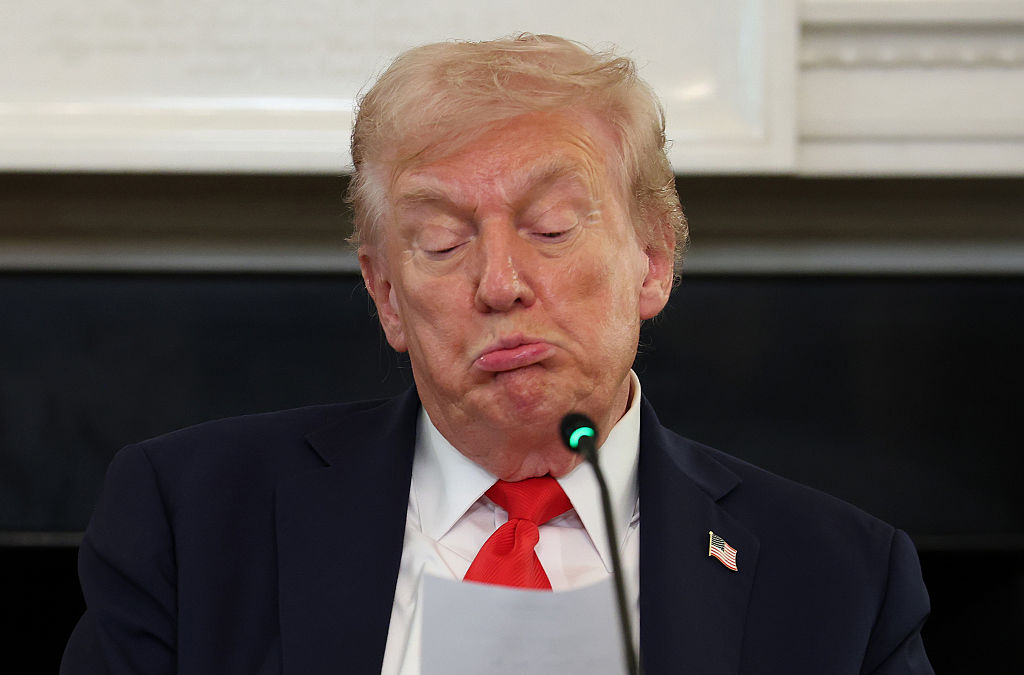
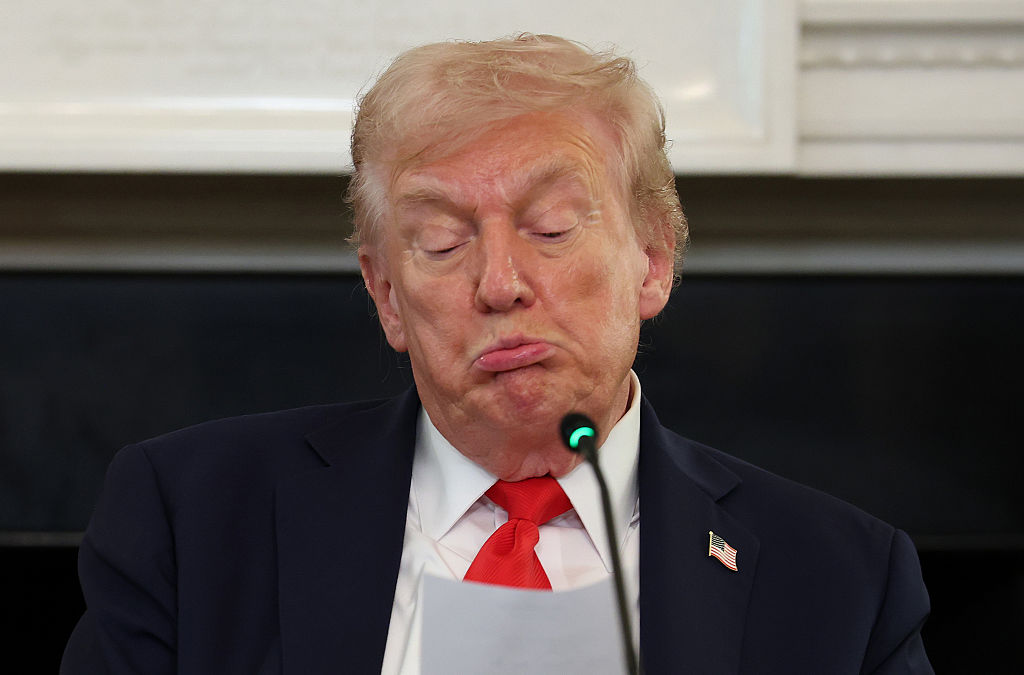
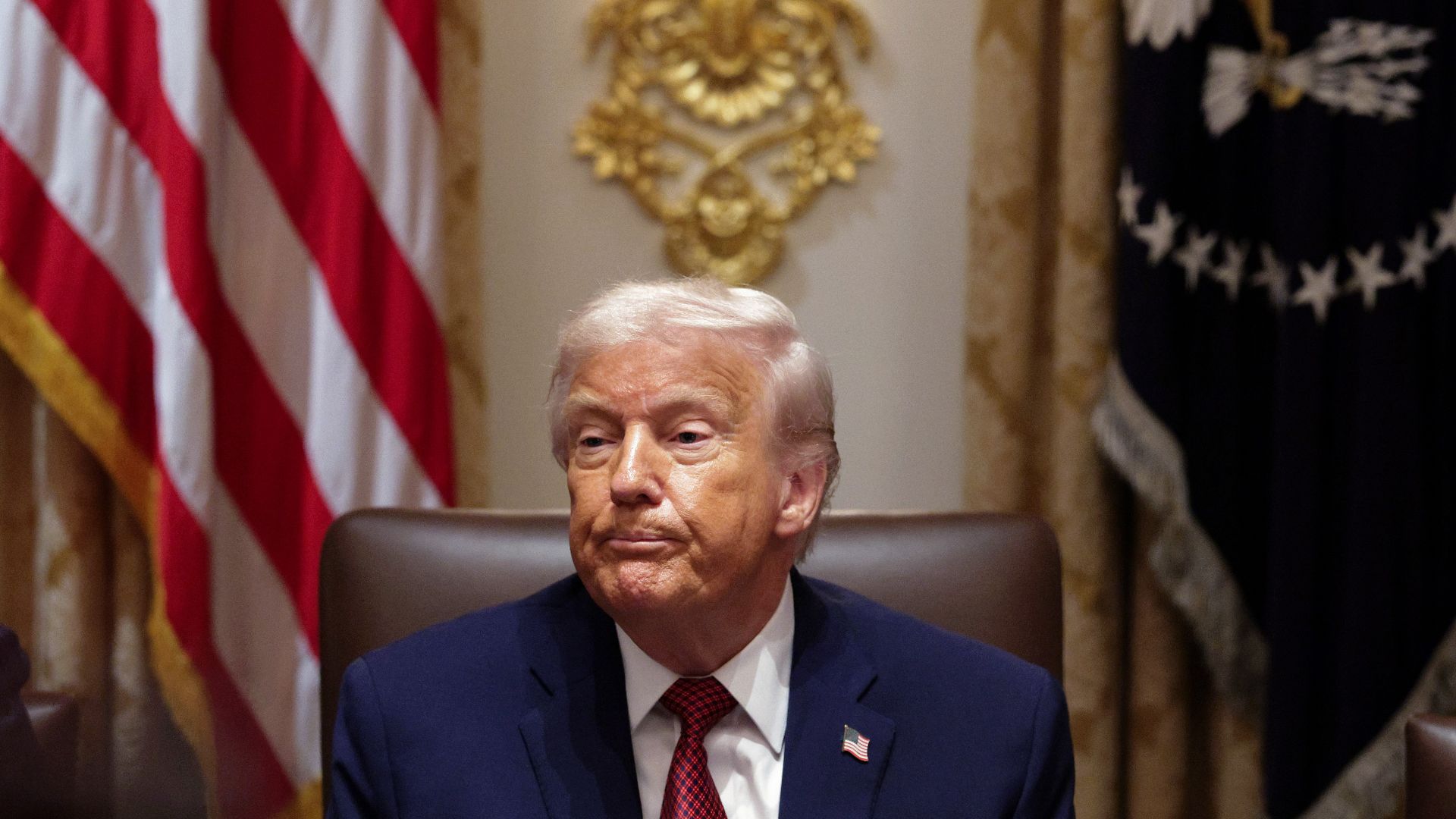
WASHINGTON, DC - OCTOBER 08: (EDITOR'S NOTE: Alternate crop) U.S. President Donald Trump reads a note handed to him by U.S. Secretary of State Marco Rubio he said was regarding Middle East peace talks during a roundtable discussion in the State Dining Room of the White House on October 08, 2025 in Washington, DC. Trump’s administration held the roundtable to discuss the anti-fascist Antifa movement after signing an executive order designating it as a “domestic terrorist organization”. (Photo by Anna Moneymaker/Getty Images)
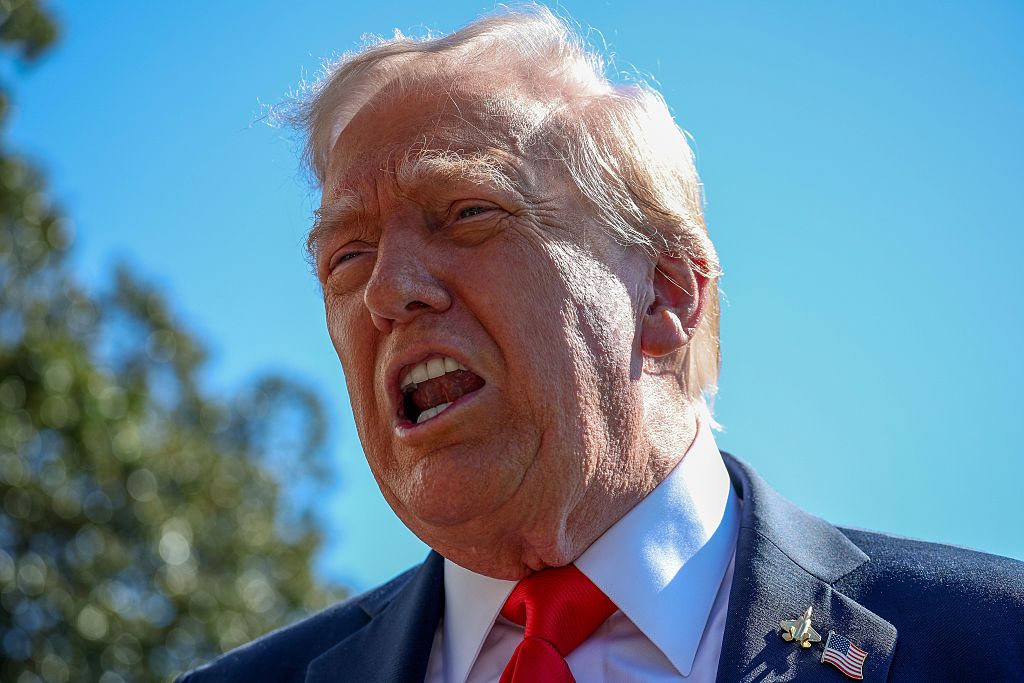
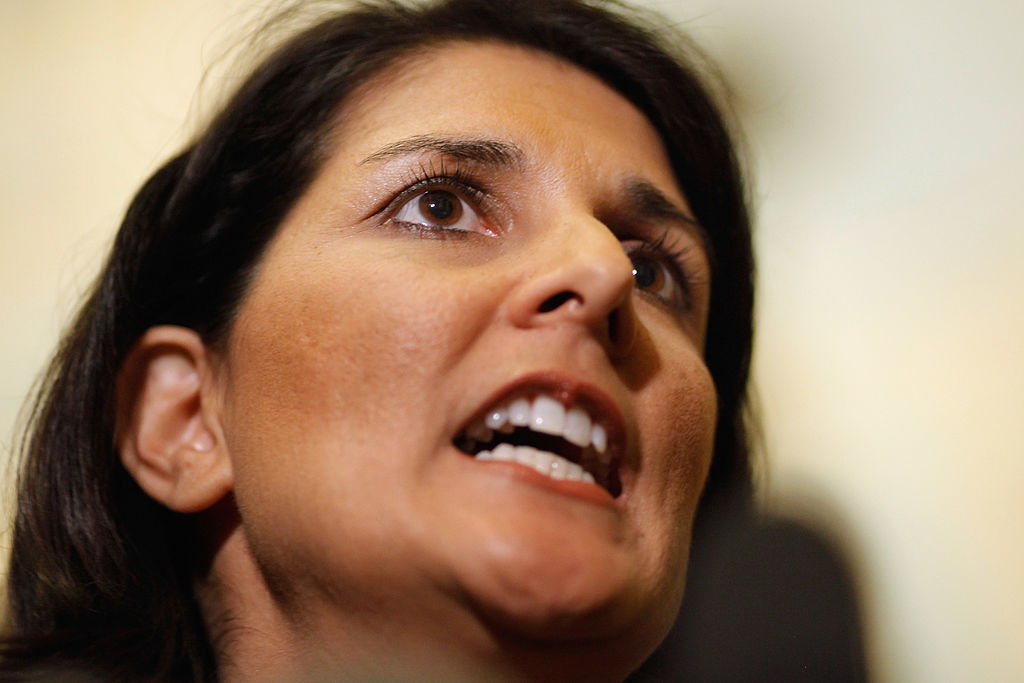
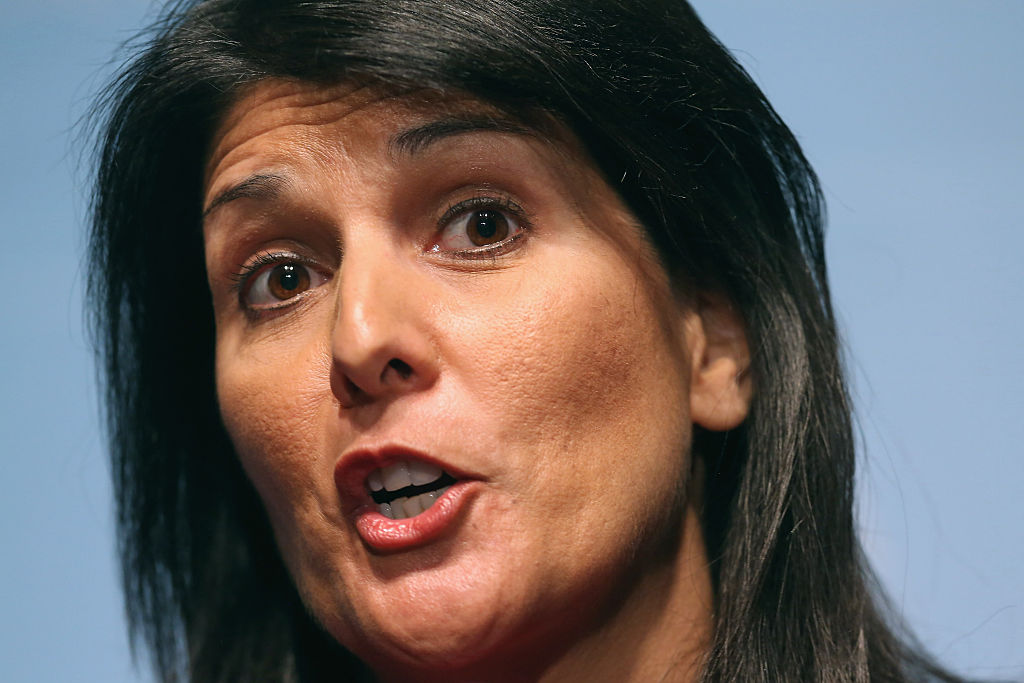
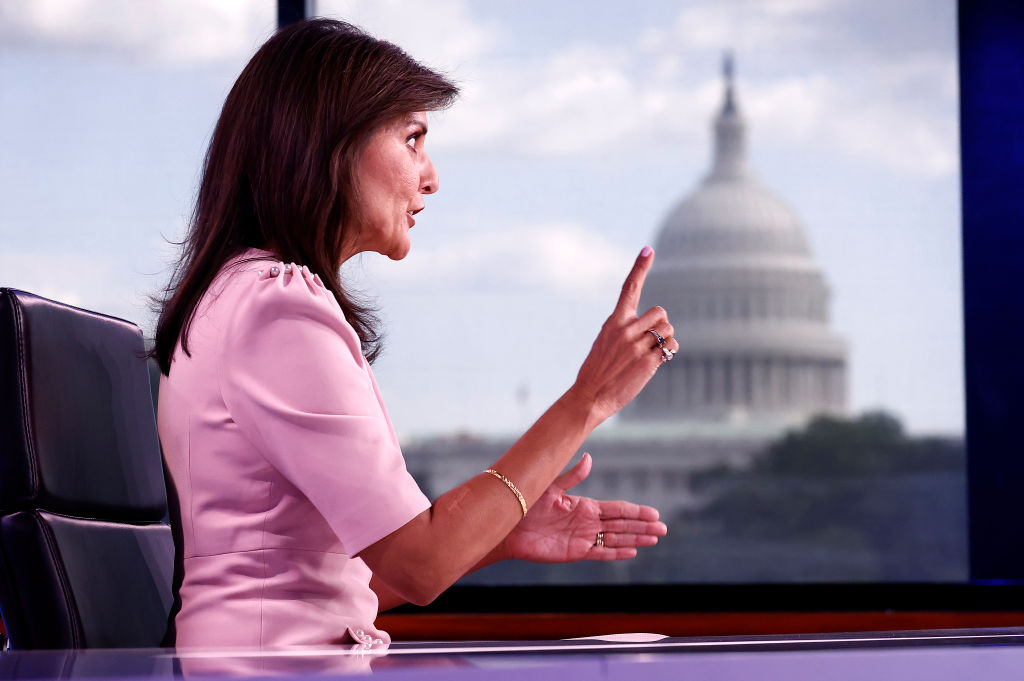
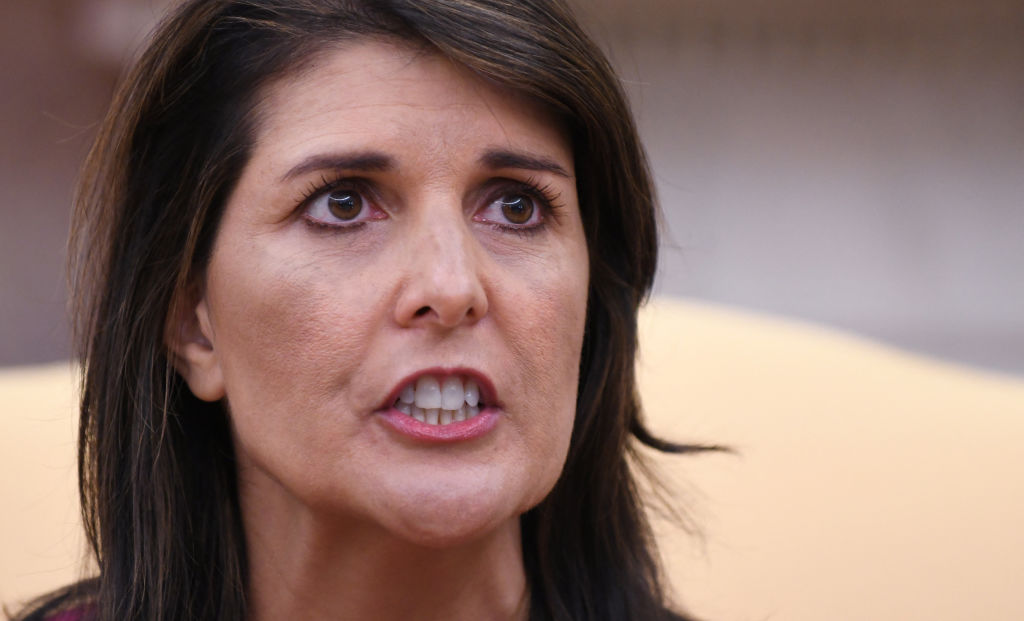
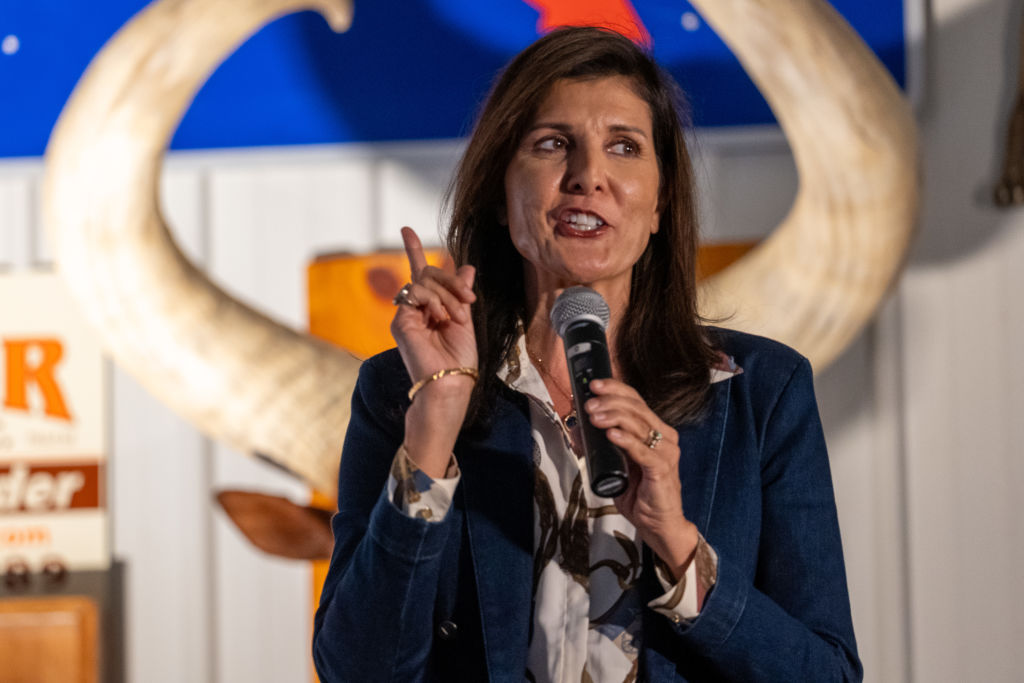
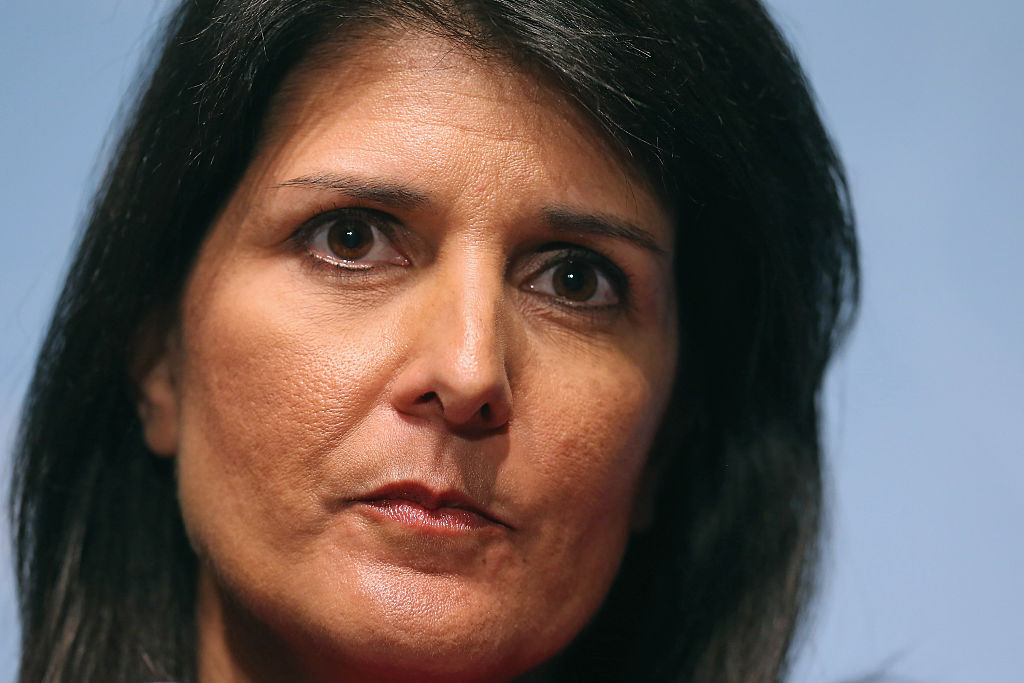
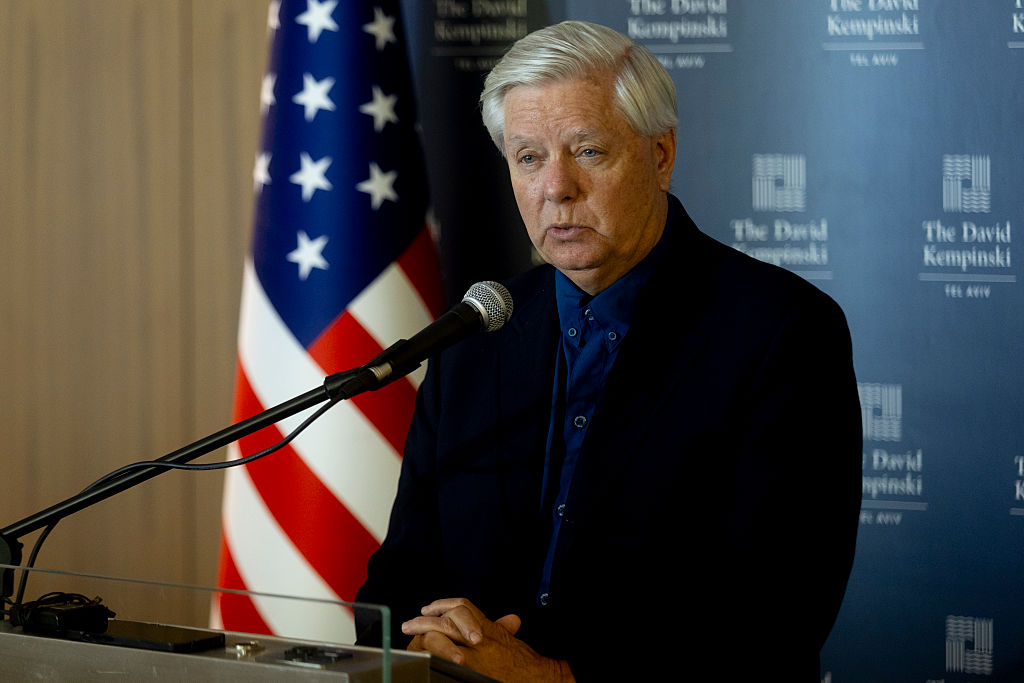
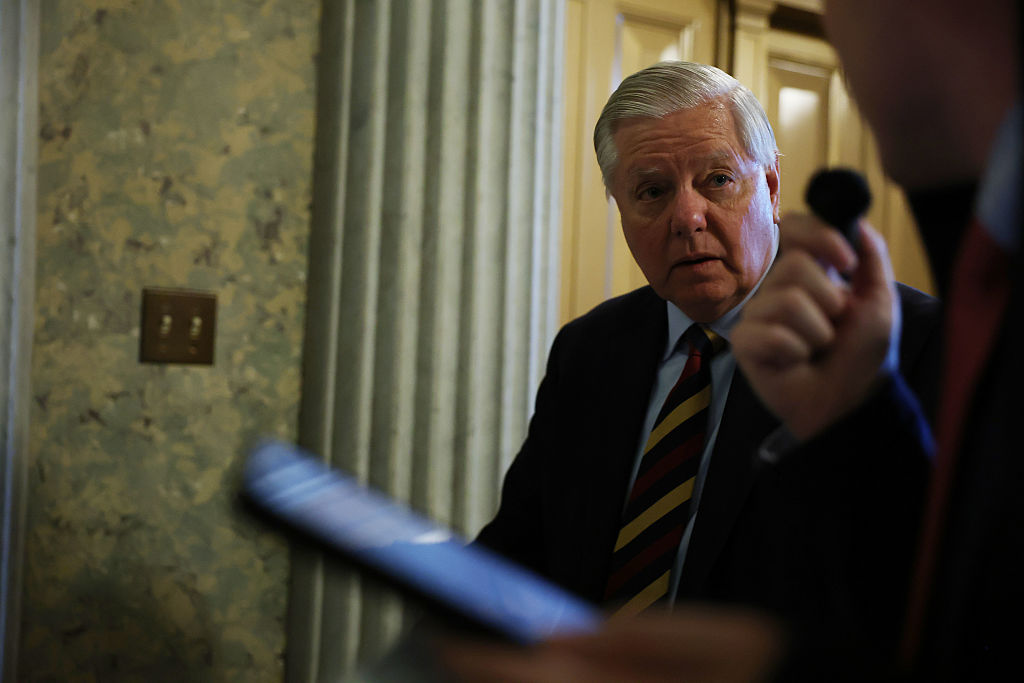
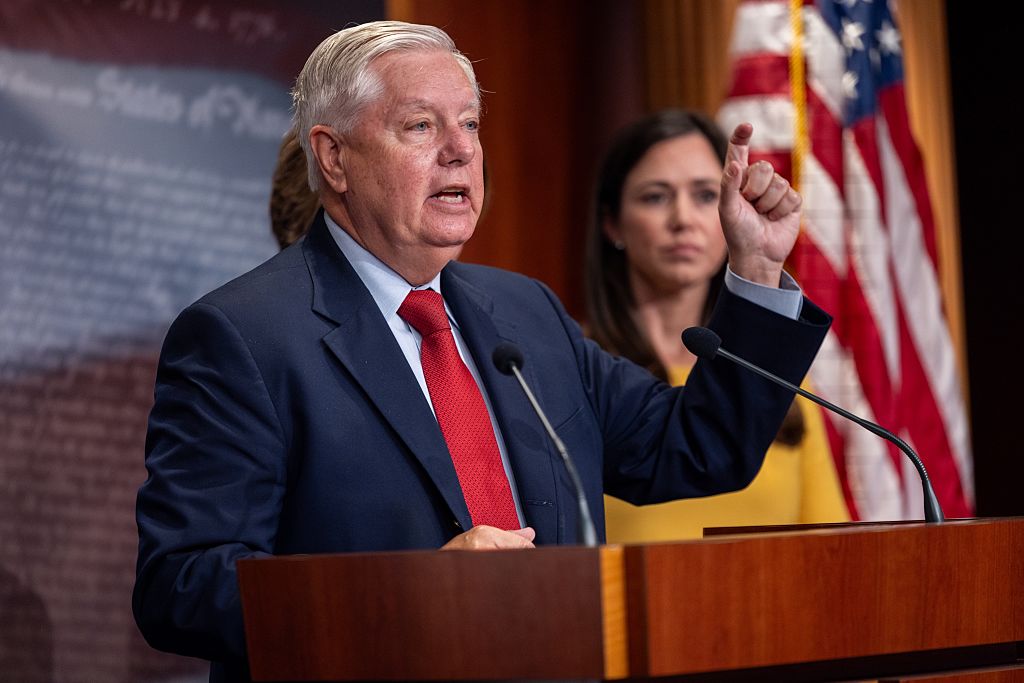
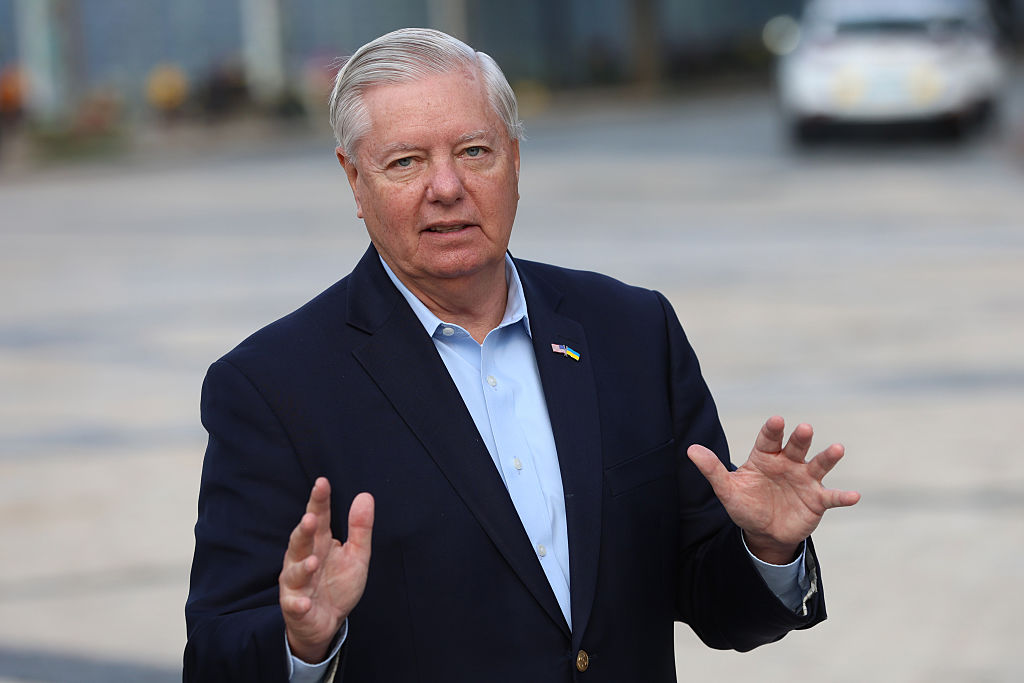
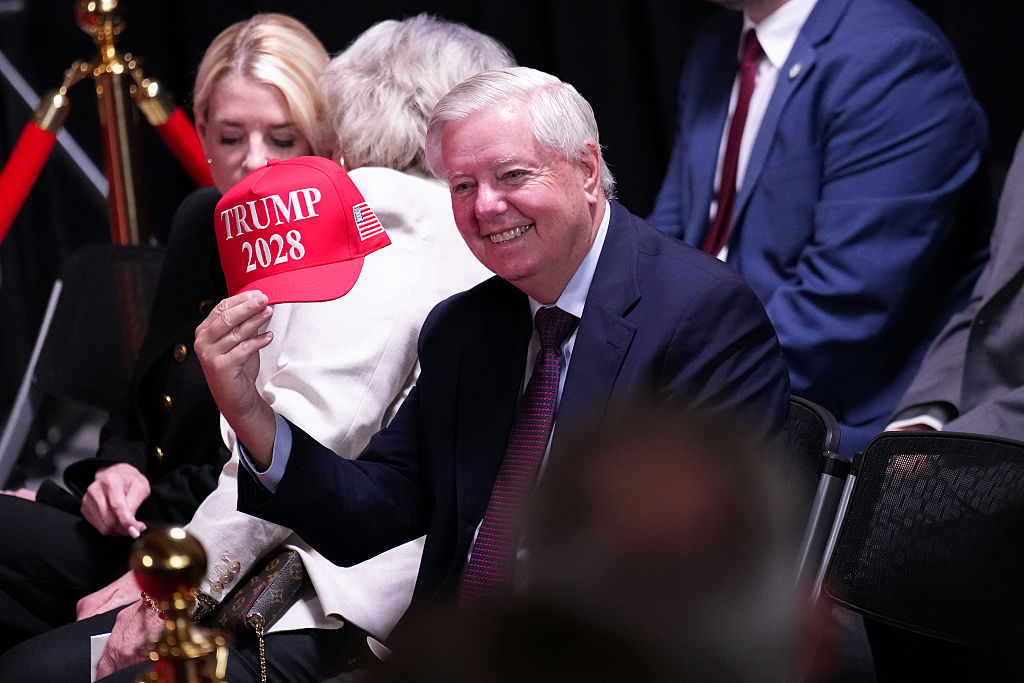
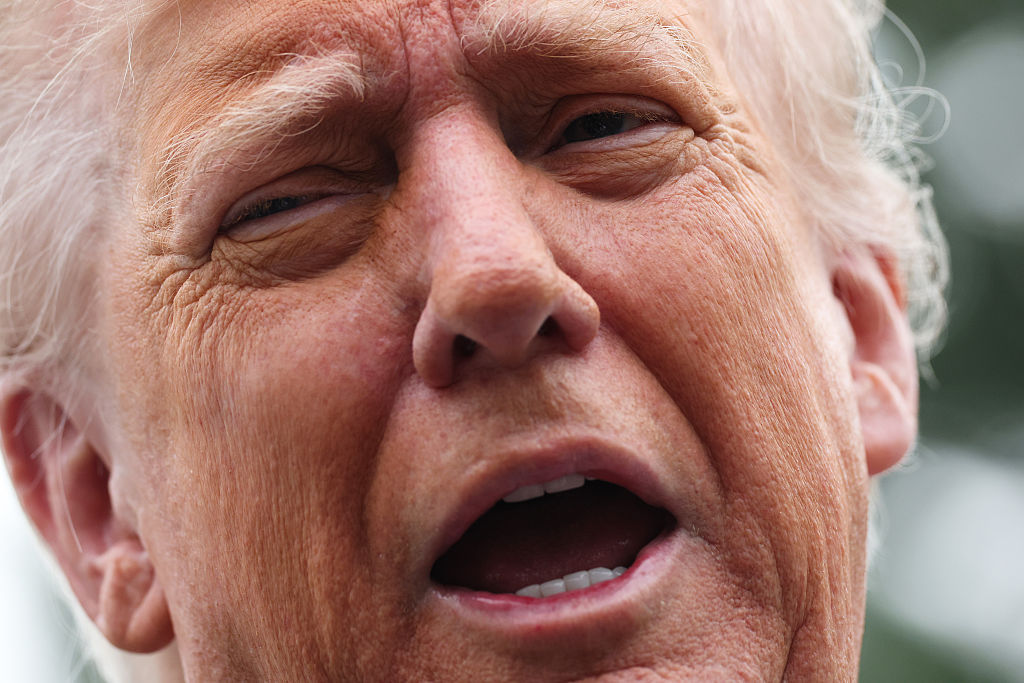
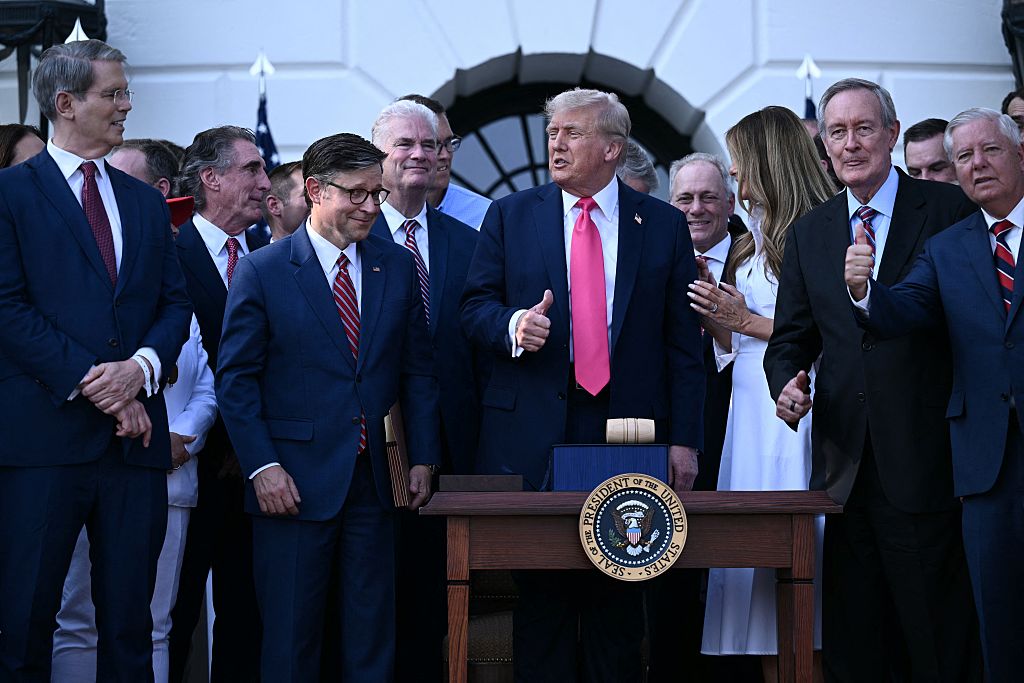
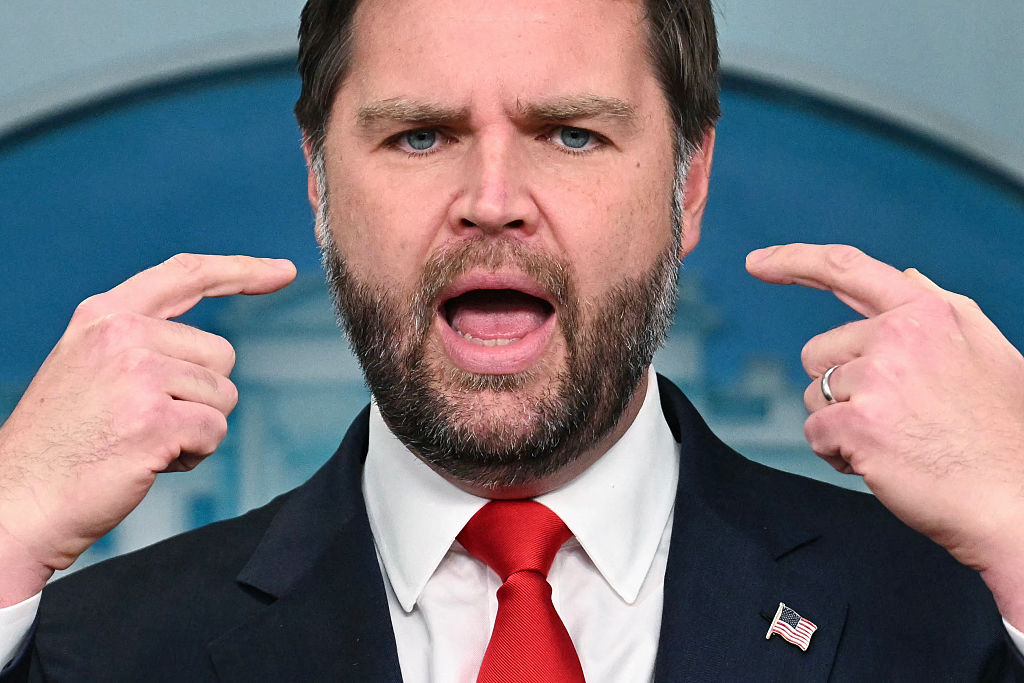
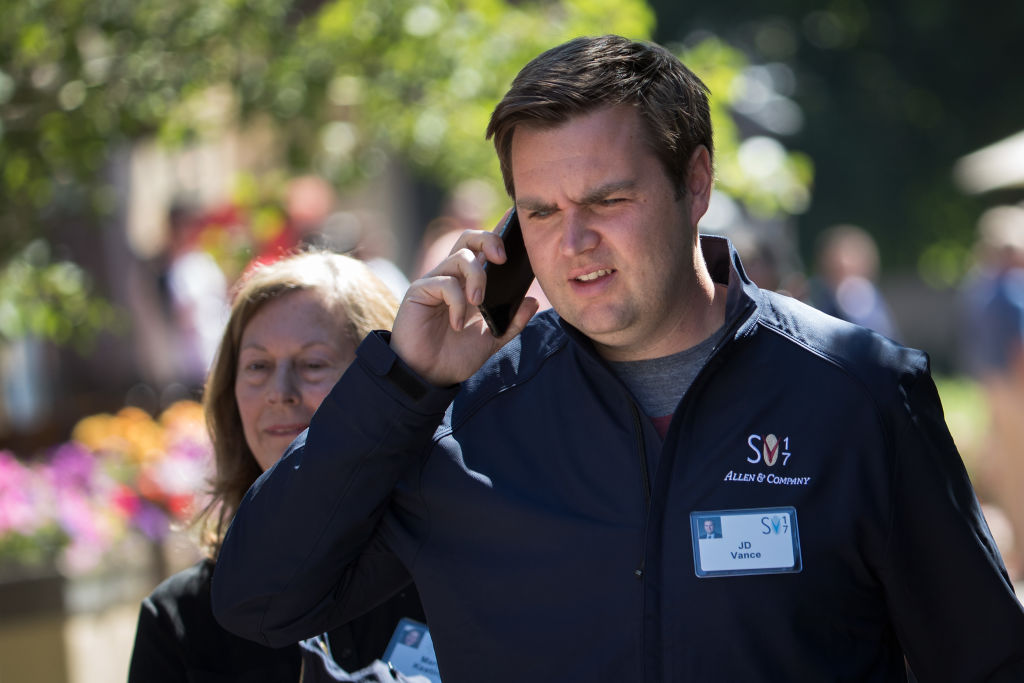
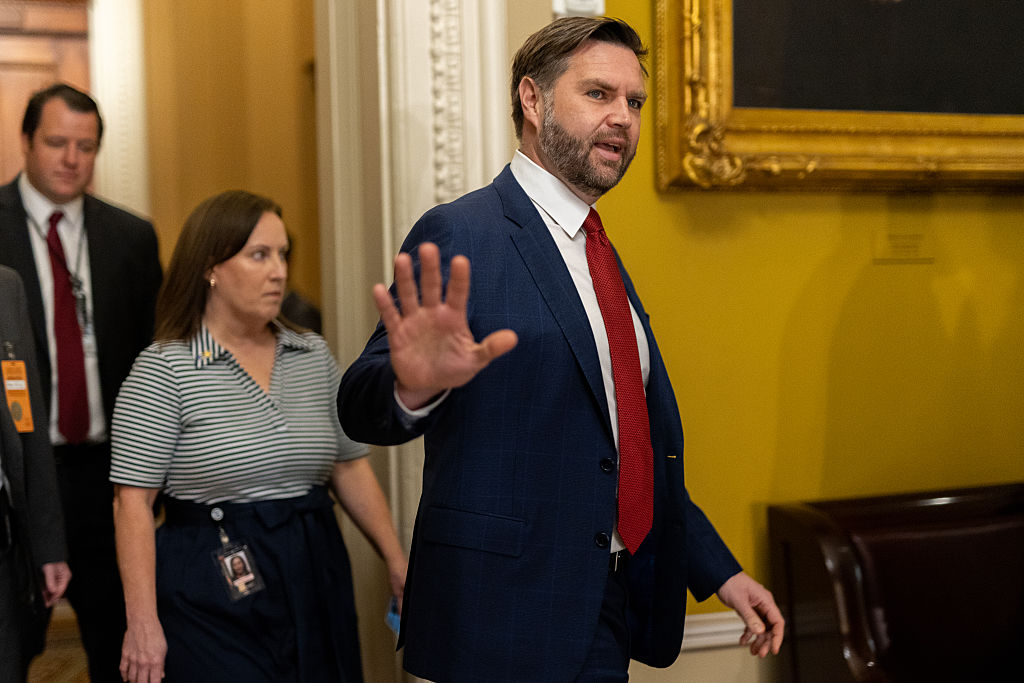
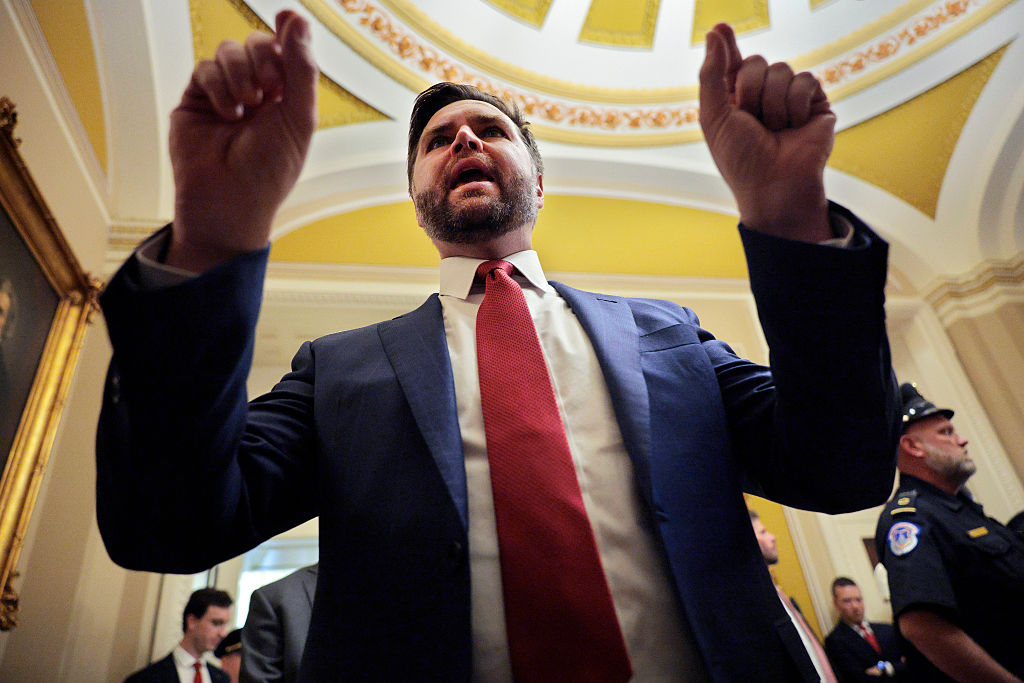
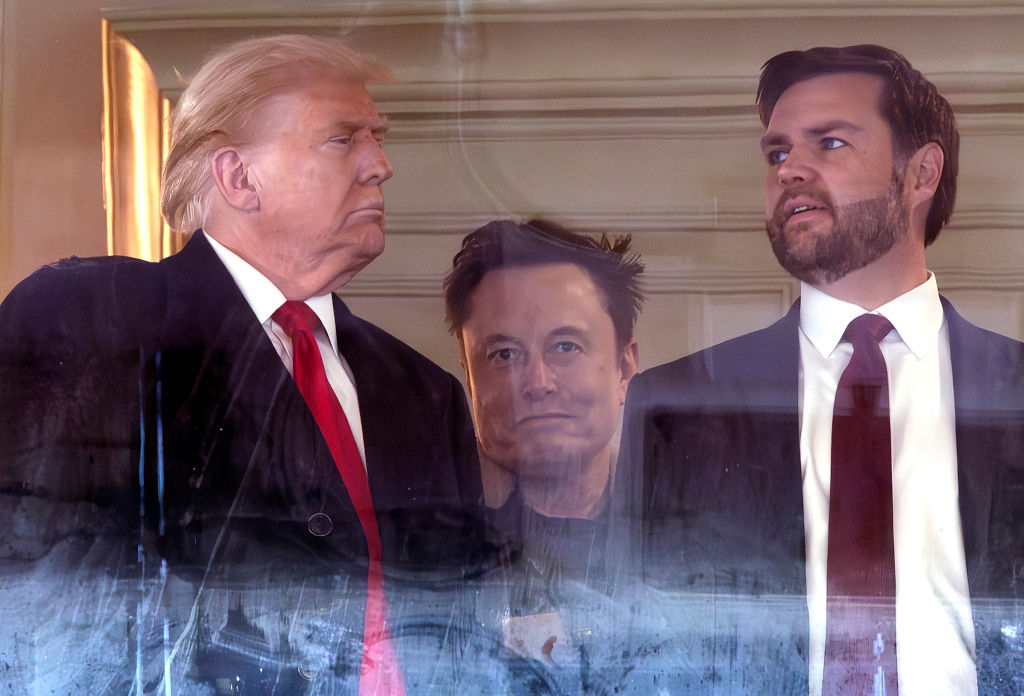
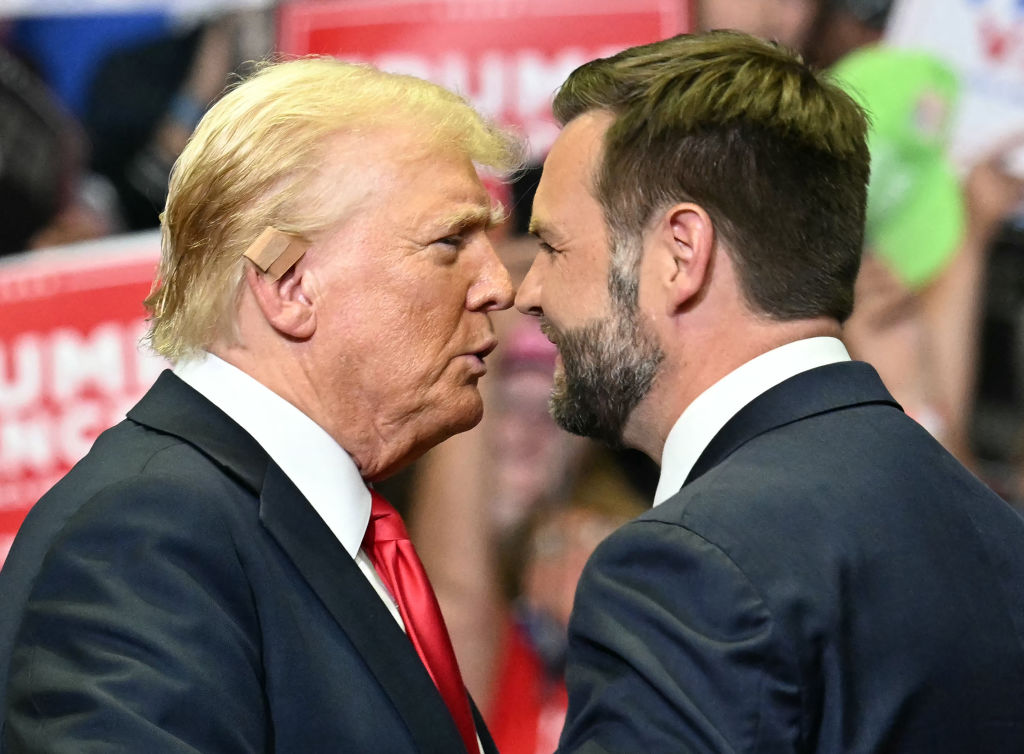
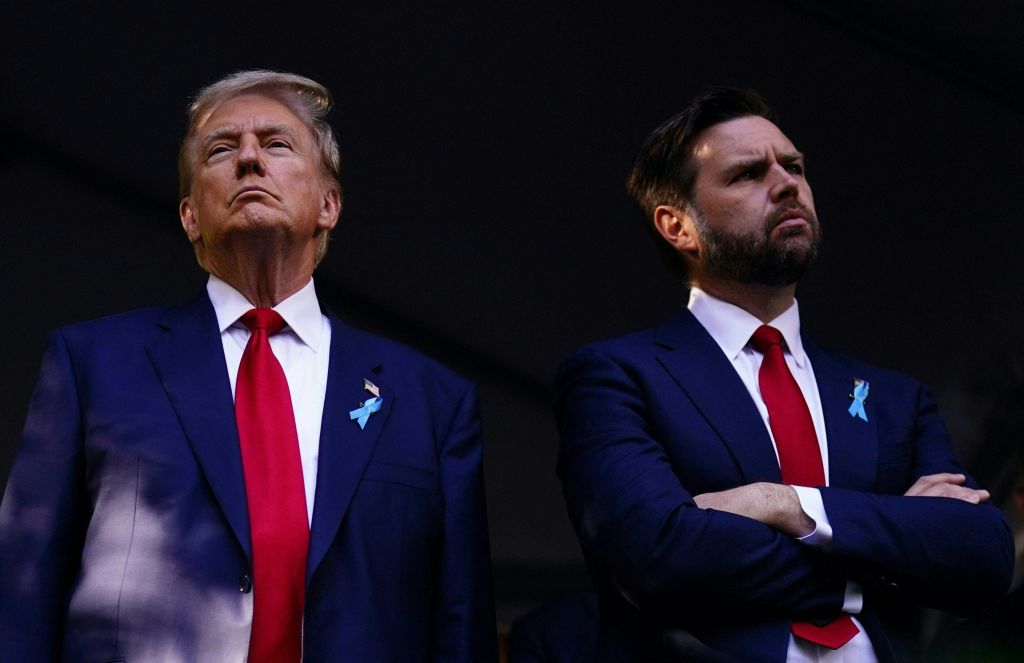
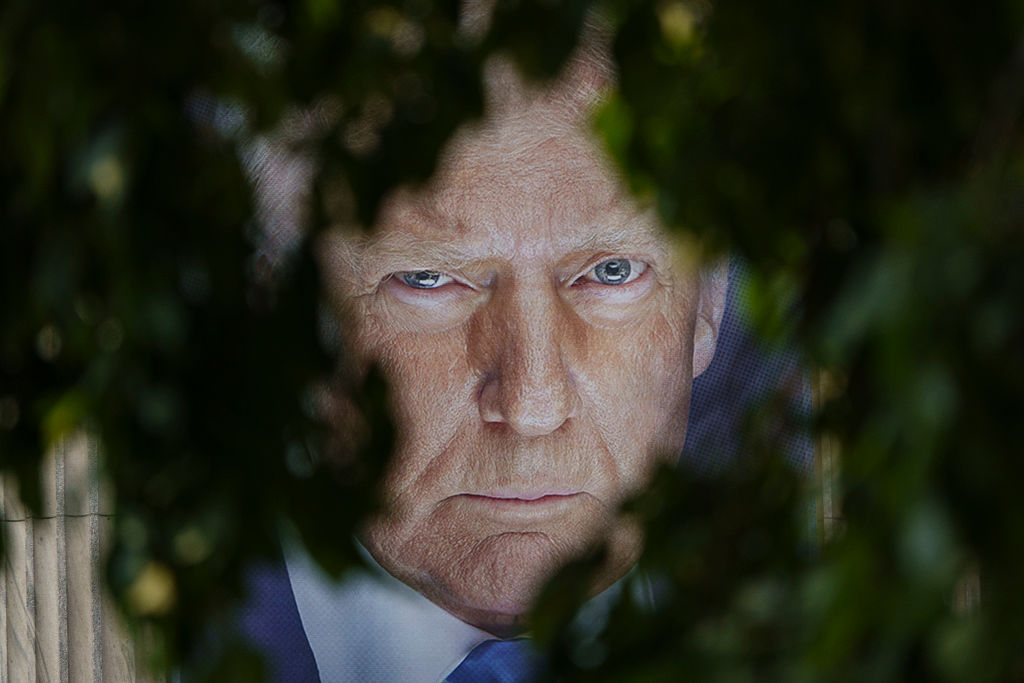
WASHINGTON, DC – OCTOBER 05: U.S. President Donald Trump talks to the media before heading to Marine One on the south lawn of the White House on October 05, 2025 in Washington, DC. The Trumps are heading to Norfolk, Virginia this afternoon to celebrate the Navy’s 250th birthday. (Photo by Tasos Katopodis/Getty Images)WASHINGTON, DC – DECEMBER 01: South Carolina Governor-elect Kikki Haley (C) talks to reporters after meeting with House Minority Leader John Boehner (R-OH) and Senate Minority Leader Mitch McConnell (R-KY) and fellow Republican governors-elect at the U.S. Capitol December 1, 2010 in Washington, DC. The GOP leaders talked about ways to create jobs, cut spending and ways to repeal the health care law. (Photo by Chip Somodevilla/Getty Images)WASHINGTON, DC – FEBRUARY 23: South Carolina Governor Nikki Haley holds a news conference with fellow members of the Republican Governors Association at the U.S. Chamber of Commerce February 23, 2015 in Washington, DC. Republican and Democratic governors met with U.S. President Barack Obama at the White House Monday during the last day of the National Governors Association winter meeting. (Photo by Chip Somodevilla/Getty Images)WASHINGTON, DC – AUGUST 13: Former Republican presidential candidate Nikki Haley visits « Special Report with Bret Baier » at FOX News D.C. Bureau on August 13, 2024 in Washington, DC. (Photo by Paul Morigi/Getty Images)Nikki Haley, the United States Ambassador to the United Nations speaks during a meeting with US President Donald Trump speaks in the Oval office of the White House October 9, 2018 in Washington, DC. – Nikki Haley resigned Tuesday as the US ambassador to the United Nations, in the latest departure from President Donald Trump’s national security team. Meeting Haley in the Oval Office, Trump said that Haley had done a « fantastic job » and would leave at the end of the year. (Photo by Olivier Douliery / AFP) (Photo by OLIVIER DOULIERY/AFP via Getty Images)WASHINGTON, DC – FEBRUARY 23: South Carolina Governor Nikki Haley holds a news conference with fellow members of the Republican Governors Association at the U.S. Chamber of Commerce February 23, 2015 in Washington, DC. Republican and Democratic governors met with U.S. President Barack Obama at the White House Monday during the last day of the National Governors Association winter meeting. (Photo by Chip Somodevilla/Getty Images)CHARLESTON, SOUTH CAROLINA – FEBRUARY 24: People hold signs for Republican presidential candidate former U.N. Ambassador Nikki Haley, as CNN declares former President Donald Trump the winner of the South Carolina Republican presidential primary on February 24, 2024 in Charleston, South Carolina. Haley was defeated in her home state’s primary by Republican challenger, former U.S. President Donald Trump. (Photo by Sean Rayford/Getty Images)WASHINGTON, DC – JUNE 3: Chairman Sen. Ted Cruz (R-Tex.) makes his opening statements during a Senate Committee on the Judiciary – Subcommittee on Constitution and Subcommittee on Federal Courts, Oversight, Agency Action, and Federal Rights Joint hearings to examine District Judges v. Trump at the U.S. Capitol on June 3, 2025 in Washington, D.C. (Photo by Ricky Carioti/The Washington Post via Getty Images)UNITED STATES – OCTOBER 23: Sen. Ted Cruz, R-Texas, is seen during votes in the U.S. Capitol on Thursday, October 23, 2025. (Tom Williams/CQ-Roll Call, Inc via Getty Images)UNITED STATES – OCTOBER 21: Sen. Ted Cruz, R-Texas, leaves the Senate floor after a vote in the U.S. Capitol on Tuesday, October 21, 2025. (Bill Clark/CQ-Roll Call, Inc via Getty Images)WASHINGTON, DC – OCTOBER 27: Sen. Lindsey Graham (R-SC) speaks to reporters during a vote at the U.S. Capitol Building on October 27, 2025 in Washington, DC. The federal government shutdown has entered its 27th day. (Photo by Anna Moneymaker/Getty Images)WASHINGTON, DC – SEPTEMBER 11: Senator Lindsey Graham (R-SC) speaks at a press conference supporting legislation to designate Russia as a state sponsor of terrorism, alongside other Senators, in Washington, DC on September 11, 2025. (Photo by Nathan Posner/Anadolu via Getty Images)KYIV, UKRAINE – MAY 30: U.S. Senator Lindsey Graham speaks during a press conference on Saint Michael’s Square in the city center on May 30, 2025 in Kyiv, Ukraine. A bipartisan delegation from the USA, including Democratic Senator Richard Blumenthal and Republican Senator Lindsey Graham, arrived in Kyiv for a visit. During their visit, the senators outlined how US Senate could hit the Russian economy by imposing a 500 percent tariff on anyone buying Russian oil, gas or petrochemicals. This bill received the support of more than 80 out of 100 senators and aims to isolate Russia if Putin does not agree to serious peace talks to end the war in Ukraine. (Photo by Viktor Kovalchuk/Global Images Ukraine via Getty Images)WASHINGTON, DC – AUGUST 13: U.S. Sen. Lindsey Graham (R-SC) holds up a hat that reads « Trump 2028 » during an event at the Kennedy Center on August 13, 2025 in Washington, DC. U.S. President Donald Trump announced the first nominees of the annual Kennedy Center Honors since taking control of the center’s board earlier this year. (Photo by Kevin Dietsch/Getty Images)WASHINGTON, DC – SEPTEMBER 30: U.S. President Donald Trump speaks to the media as he departs the White House on September 30, 2025 in Washington, DC. President Trump is traveling to Marine Corps Base Quantico to deliver remarks to senior military leaders. (Photo by Win McNamee/Getty Images)US President Donald Trump (C) poses with Treasury Secretary Scott Bessent (L), Interior Secretary Doug Burgum (2nd L), House Speaker Mike Johnson (3rd L), First Lady Melania Trump (3rd R) and Senator Lindsey Graham (R), Republican of South Carolina, after Trump signed the « Big Beautiful Bill Act » at the White House in Washington, DC, on July 4, 2025. US President Donald Trump signed his flagship tax and spending bill on July 4 in a pomp-laden Independence Day ceremony featuring fireworks and a flypast by the type of stealth bomber that bombed Iran. Trump pushed Republican lawmakers to get his unpopular « One Big Beautiful Bill » through a reluctant Congress in time for him to sign it into law on the US national holiday — and they did so with a day to spare Thursday. (Photo by Brendan SMIALOWSKI / AFP) (Photo by BRENDAN SMIALOWSKI/AFP via Getty Images)SUN VALLEY, ID – JULY 12: JD Vance, venture capitalist and author of ‘Hillbilly Elegy,’ attends the second day of the annual Allen & Company Sun Valley Conference, July 12, 2017 in Sun Valley, Idaho. Every July, some of the world’s most wealthy and powerful businesspeople from the media, finance, technology and political spheres converge at the Sun Valley Resort for the exclusive weeklong conference. (Photo by Drew Angerer/Getty Images)US Vice President JD Vance speaks with reporters upon his arrival to Joint Base Andrews, Maryland, on October 19, 2025. Vice President Vance and his family were in Southern California to attend the 250th anniversary celebration of the Marine Corps at Camp Pendleton, near San Diego. (Photo by Oliver Contreras / POOL / AFP) (Photo by OLIVER CONTRERAS/POOL/AFP via Getty Images)WASHINGTON, DC – OCTOBER 28: Vice President J.D. Vance arrives at a Senate Republican policy luncheon in Washington, DC on October 28, 2025. (Photo by Nathan Posner/Anadolu via Getty Images)WASHINGTON, DC – OCTOBER 28: U.S. Vice President JD Vance talks with reporters after attending the weekly Senate Republican policy luncheon on the 28th day of the federal government shutdown at the U.S. Capitol on October 28, 2025 in Washington, DC. The House of Representatives remains out of session, with members in their districts, as Republican and Democratic leaders continue to blame each other for the continued federal government shutdown. (Photo by Chip Somodevilla/Getty Images)LANDOVER, MARYLAND – DECEMBER 14: (L-R) U.S. President-elect Donald Trump, Tesla CEO Elon Musk and Vice President-elect JD Vance attend the 125th Army-Navy football game at Northwest Stadium on December 14, 2024 in Landover, Maryland. Trump is attending the game with lawmakers and Cabinet nominees including, Vice President-elect JD Vance, Speaker of the House Mike Johnson (R-LA), Defense Secretary nominee Pete Hegseth, incoming Senate Majority Leader John Thune (R-SD) and others. (Photo by Kevin Dietsch/Getty Images)TOPSHOT – Former US President and 2024 presidential nominee Donald Trump (L) greets US Senator and vice presidential nominee J.D. Vance as they attend their first campaign rally together at Van Andel Arena in Grand Rapids, Michigan, on July 20, 2024. (Photo by Jim WATSON / AFP) / ALTERNATE CROP (Photo by JIM WATSON/AFP via Getty Images)TOPSHOT – Former US President and Republican presidential candidate Donald Trump (L) and US Senator from Ohio and Republican vice presidential candidate J.D. Vance attend a remembrance ceremony on the 23rd anniversary of the September 11 terror attack on the World Trade Center at Ground Zero, in New York City on September 11, 2024. (Photo by Adam GRAY / AFP) (Photo by ADAM GRAY/AFP via Getty Images)WASHINGTON, DC – JUNE 3: A banner showing a picture of U.S. President Donald Trump is displayed outside of the U.S. Department of Agriculture (USDA) building is seen through trees on the National Mall on June 3, 2025 in Washington, DC. (Photo by Kevin Carter/Getty Images)
BASEL, SWITZERLAND - MAY 11: Yuval Raphael representing Israel attends the Turquoise Carpet of the 69th Eurovision Song Contest Opening Ceremony at Messe Basel on May 11, 2025 in Basel, Switzerland. (Photo by Harold Cunningham/Getty Images)
Four countries have now pulled out of Eurovision in protest of Israel’s inclusion in the competition. Spain, the Netherlands, Ireland, and Slovenia have all announced that they will not attend Eurovision 2026 if Israel is allowed to compete. The pullouts came after the European Broadcasting Union (EBU) — the group of public broadcasters from 56 countries that runs the event — said there would not be a vote on whether to exclude Israel, despite calls from some countries to do so. So far, just the four public broadcasters mentioned have pulled out, but some expect other countries to follow suit.
Israeli President Isaac Herzog said on X that he was « pleased » Israel will again take part, and hoped « the competition will remain one that champions culture, music, friendship between nations, and cross-border cultural understanding. » Host nation Austria reportedly supports Israel’s participation, as does Germany.
Israel deserves to be represented on every stage around the world, a cause to which I am fully and actively committed. I am pleased that Israel will once again participate in the Eurovision Song Contest, and I hope that the competition will remain one that champions culture,…
Israel’s violent war on Gaza has taken center stage over the last two years after pro-Palestinian protesters demonstrated against Israel outside the last two Eurovision contests in Basel, Switzerland, in May and Malmö, Sweden, in 2024. Russia was expelled from Eurovision in 2022 for its attack on Ukraine, sparking criticism of a double standard. Nearly every international human rights group has deemed Israel’s war on Gaza to be a genocide, but not Russia’s war on Ukraine.
Israel has committed genocide against Palestinians in the Gaza Strip, the UN Independent International Commission of Inquiry on the Occupied Palestinian Territory, including East Jerusalem, and Israel
United Nations
Public broadcasters comment
Public broadcasters from all four boycotting nations have made statements, with Spain’s broadcaster stating ““The situation in Gaza, despite the ceasefire and the approval of the peace process, and the use of the contest for political goals by Israel, make it increasingly difficult to keep Eurovision a neutral cultural event,” Irelands national broadcasting service, RTE stated that allowing Israel to compete « remains unconscionable given the appalling loss of lives in Gaza ». Dutch broadcaster Avrotros said that Israel’s participation in the competition « is no longer compatible with the responsibility we bear as a public broadcaster. » A final list of participating countries will be announced by Christmas.
The boycott risks damaging Eurovision’s reputation as a competition that acts outside of politics, but like the Olympics, countries are questioning whether inclusion in Eurovision should be a right or a privilege that can be lost. There is also the financial prospect – Eurovision is incredibly profitable for public broadcasters, at a time when public broadcasters are struggling across the globe. A boycott by some European countries will have implications for viewership for the boycotting countries at a time when many broadcasters are under financial pressure from government funding cuts and the advent of social media. Additionally, if Eurovision becomes politicized, the viewers could begin to boycott the competition, damaging profits for all broadcasters involved.
The Spain and Ireland boycott will be especially noticeable and should impact viewer ratings globally. Spain is one of the ‘Big Five’ – the five largest countries that contribute to the content, and Ireland shares the record for most Eurovision wins with seven. Eurovision 2026, the 70th instalment of the competition, is slated to run from May 12 to 16 in Vienna, Austria. It is unclear how many countries will be participating. Overshadowed by Israel’s controversial inclusion, Eurovision 2026 will also see the return of three countries – Bulgaria, Moldova and Romania after their brief absence due to financial or artistic reasons.