Catégories
Uncategorized

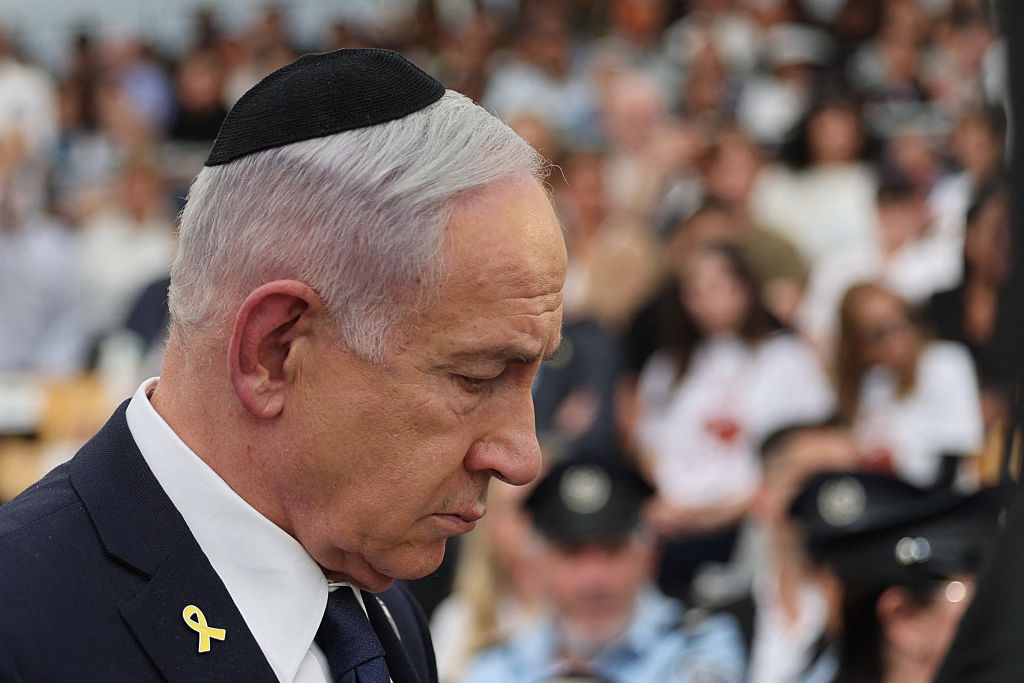
Netanyahu asks Israeli President for pardon amid corruption trial

Benjamin Netanyahu is asking his President for mercy, something Bibi has held in very little regard over the last three years.  

Netanyahu is asking to be pardoned for his bribery and fraud charges, and unsurprisingly, Donald Trump is loyally backing him. The Israeli PM has been under investigation for almost five years but argues that ending the trial is in “national interest”. Netanyahu has continually played the victim, even though there is mounting evidence supporting the Israeli prosecution’s case.  

Corruption investigation
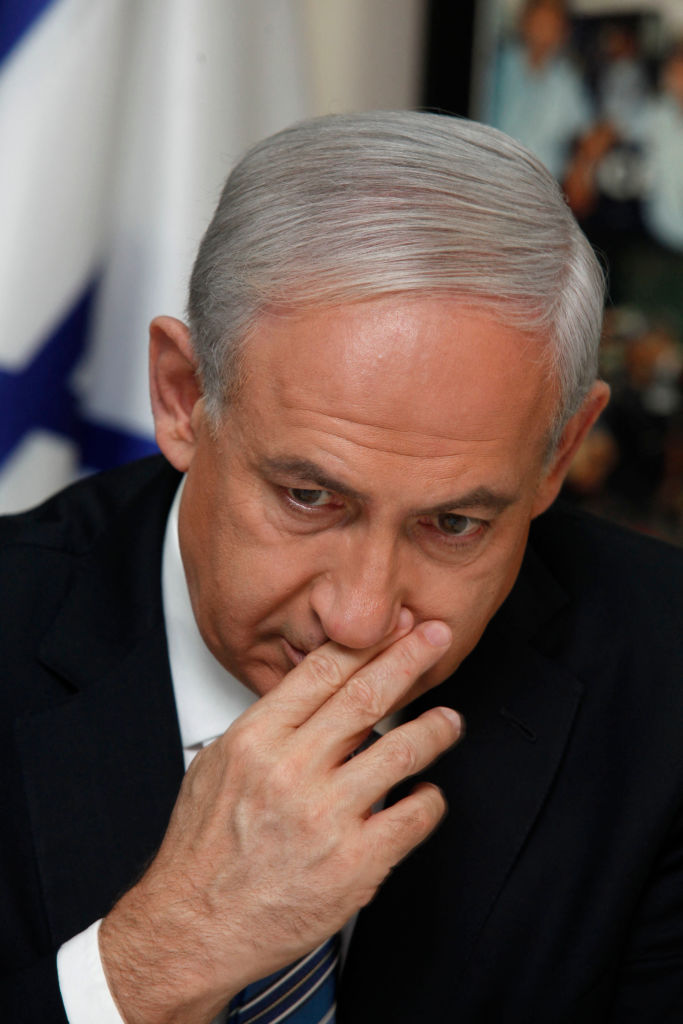
Israeli Prime Minister Benjamin Netanyahu gestures as he speaks during a visit to the national police headquarters in Jerusalem on November 22, 2012. As the ceasefire took hold on November 21, in and around Gaza after a week of cross-border violence between Israel and Palestinian militants, twelve rockets fired from the Gaza Strip hit Israel in the hours that followed the agreement, a police spokesman told AFP. AFP PHOTO/GALI TIBBON/POOL (Photo by GALI TIBBON / AFP) (Photo by GALI TIBBON/AFP via Getty Images)

Benjamin Netanyahu has been investigated for corruption, bribery, and fraud five separate times since 2016, and was charged for three of these investigations in 2020.

Netanyahu was charged in three of the cases. Case 1000 claims Netanyahu had a conflict of interest while he was the Minister of Communications, accepting $200,000 USD over the span of five years from businessman Arnon Milchan and his associates.

Case 2000 is a criminal investigation that concerns the relationship between Netanyahu and the publisher and controlling owner of Yedioth Ahronoth, a prominent English-language Israeli paper. Mozes reportedly offered Netanyahu kinder coverage in Yedioth Ahronoth for him and his family, and harsher coverage for his political opponents. In exchange, Netanyahu was charged with using his influence to promote legislation that would impose restrictions on Israel Hayom, a competing publication, to benefit Mozes and his business associates financially.

Case 4000 accuses Netanyahu of promising regulatory changes that would be favourable to the business interests of Shaul Elovitch, the owner of Bezeq, an Israeli telecommunications company. Netanyahu was charged with fraud, breach of trust, and bribery in this case, as was Elovitch.

Trump and Netanyahu beg

Earlier this month, on November 17, Donald Trump wrote to Israeli President Isaac Herzog, asking him to pardon Netanyahu for his crimes.

« As the Great State of Israel and the amazing Jewish People move past the terribly difficult times of the last three years, I hereby call on you to fully pardon Benjamin Netanyahu, who has been a formidable and decisive War Time Prime Minister, and is now leading Israel into a time of peace. »

In the letter, Trump claimed that Netanyahu was experiencing « a political, unjustified prosecution ».

« While I absolutely respect the independence of the Israeli Justice System, and its requirements, I believe that this ‘case’ against Bibi [Netanyahu], who has fought alongside me for a long time, including against the very tough adversary of Israel, Iran, is a political, unjustified prosecution. »

Herzog thanked Trump for the letter but said that anyone seeking a pardon had to submit a formal request.

« [Israel] holds President Trump in the highest regard and continues to express his deep appreciation for President Trump’s unwavering support for Israel ».

Benjamin Netanyahu also thanked Trump in a post on Twitter.

According to Israeli law, the President « has the power to pardon criminals and reduce or transmute their sentence, » but Presidential pardons before conviction are extremely uncommon in Israel, with one notable exception from 1986.

Netanyahu is the first sitting President to be only a sitting prime minister in Israeli history to stand trial for crimes of this nature.

The details of Netanyahu’s request have not been released, but he has consistently portrayed himself as the victim of a “deep state” conspiracy trying to upend his political career.

Herzog’s response

The President’s office didn’t publicly shut down the request, but acknowledged its historical nature.

“The Office of the President is aware that this is an extraordinary request which carries with it significant implications. After receiving all of the relevant opinions, the president will responsibly and sincerely consider the request.”

Netanyahu’s critics have been vocal, encouraging the President not to cede the request, not without an admission of guilt, a lifetime ban from politics, or a trial beforehand.

Catégories
Uncategorized

Toronto city councillors travel to Israel

Toronto city councillors James Pasternak (York Centre) and Mike Colle (Eglinton-Lawrence) travelled to Israel this week to receive a briefing from Deputy Minister of Foreign Affairs, Sharren Haskel.

Haskel posted a photo to her Twitter on Tuesday, November 25, posing with a delegation of Canadian politicians and media members.

Alongside Pasternak and Colle, former Toronto MPs Kevin Vuong and Don Stewart, former Toronto-area MPP David Zimmer, as well as former Green Party leader Annamie Paul and former Montreal mayor Denis Coderre. Journalist Steve Paikin and radio personality Ben Mulroney were also recognizable figures in the photo.

The moral position

The photo has sparked confusion amongst Torontonians, with many wondering what purpose a municipal-level politician could serve by visiting a foreign state.

There is also the added layer of Israel’s war on Gaza, which has killed at least 70,000 civilians. In October, Canadian Prime Minister Mark Carney announced that Israeli Prime Minister Benjamin Netanyahu would be arrested if he set foot on Canadian soil and charged with the war crimes his army is committing in occupied Palestine.

The Canadian Prime Minister also recognized Palestine as an independent state, something Israel is strongly against.

So, how does visiting Israel benefit Torontonians?

The briefing

Haskel’s tweet doesn’t allude to any particulars, but covers a few talking points peddled by the Israeli government.

“Recognizing a Palestinian state while Hamas still holds hostages only strengthens the terrorists. It sends completely the wrong message.”

She also cited rampant antisemitism in Canada, claiming that “Jews [are] afraid to wear a Star of David in public.”

There has been no evidence of Jewish Canadians being attacked for wearing the Star of David.

A report released by York University found that hate crimes against Muslims in the Toronto area grew by as much as 1,800%, with at least 500 instances of Islamophobic behaviour.

Statista calculated a 71% increase in police reports citing antisemitism, and a 94% increase in police reports citing Islamophobia.

Israel’s war in Gaza has created a dangerous atmosphere for both Jews and Muslims in Canada.

Who are Pasternak and Colle

James Pasternak is the councillor for Toronto’s York region. He has served on the city council since 2010 and is the Chair of the North York Community Council.

James Pasternak has been working to get pro-Palestinian protests deemed non-Charter protected activities, calling them “mobs”.

Councillor Mike Colle is the representative of Eglinton-Lawrence and the Deputy Mayor of North York. Colle spearheaded the movement to get the month of May designated as Jewish Heritage Month in Ontario.

Mike Colle is also the vice-chair of the North York Nominating Panel for Corporations, meaning he influences the decision on which corporations are awarded government contracts.  

The city councillors’ role on the Nominating Panel has sparked questions about a potential conflict of interest.

Former politicians

There were four noteworthy former politicians in Israel last week; this is who they are.

Kevin Vuong served as the MP for Spadina—Fort York from 2021 to 2025 as an independent. Vuong was dropped by the Liberal party two days before the 2021 election over his failure to disclose a 2019 charge for sexual assault, but was still elected due to advance polling.

He sponsored only two bills in his four years in Parliament: one to weaken the Criminal Code and Human Rights Act’s reaction to hate crimes, and a bill attempting to increase the speed of student loan collection.  

Don Stewert only served in the House of Commons for ten months before being voted out by his constituents. He did not sponsor a single bill in his time in Parliament.

David Zimmer served the Liberal Party as an MPP from 2003 to 2018. He was the Minister of Indigenous Relations and Reconciliation from 2013 to 2018.

Annamie Paul led the Green Party from 2020 to 2021. She was the first Black Canadian and first Jewish woman to be elected leader of a federal party in Canada.

Her time with the Green Party began to end after her views on Israel and antisemitism differed from those of voting and elected party members.

She has called for a de-escalation of the violence in Israel.

Denis Coderre served as the Mayor of Montreal from 2013 to 2017, while aligned with the Liberal Party in Federal politics. Coderre served as an MP from 1997 to 2013.

Coderre sponsored five bills during his time in Parliament, none of which got past the second reading at the House of Commons.

His most prominent achievement as Mayor of Montreal was his authorization of the dumping of 8 billion litres of untreated sewage into the Saint Lawrence River. The action received more than 50,000 signatures opposing it.

He also imposed a bylaw banning pit bulls in the City of Montreal that was suspended just days later by a judge.

Reports recently released claim Coderre owed more than $130,000 in provincial taxes and more than $266,000 to the Canada Revenue Agency as of February 2025.

Journalist and radio personality

Alongside the Councilmembers and the former politicians, journalist Steve Paikin and radio personality Ben Mulroney were also present.

Steve Paikin is the host of TVOntario’s headline politics show, The Agenda. He has been criticized for his biased coverage of Israel’s War in Gaza.

Ben Mulroney is the host of the nationally syndicated show, The Ben Mulroney Show, on Global News. Mulroney is the son of former Canadian Prime Minister Brian Mulroney, who was an outspoken opponent of the apartheid system in South Africa. Brian Mulroney was a longtime supporter of Israel.

Ten of the most reputable human rights groups in the world have called Israel’s war on Gaza a genocide, and both Doctors Without Borders and the United Nations have said that Israel is targeting civilian aid stations. Sharren Haskel has countered those claims, maintaining that Israel is the most moral army.

“No other army in the world—not the British, not the French, not the Canadians—has reached the standard Israel has in trying to avoid civilian casualties.”

It is estimated that 80% of the victims killed in Palestine were civilians, not members of Hamas. Seventy percent of the victims were women and children.

More than 250 aid workers (UN, DWB,  and at least 248 journalists have been killed in Palestine by Israel since October 7, making it the most deadly conflict for peace workers and journalists in human history.

Catégories
Uncategorized

Hegseth defends illegal boat strikes, claims Trump can use force ‘as he sees fit’

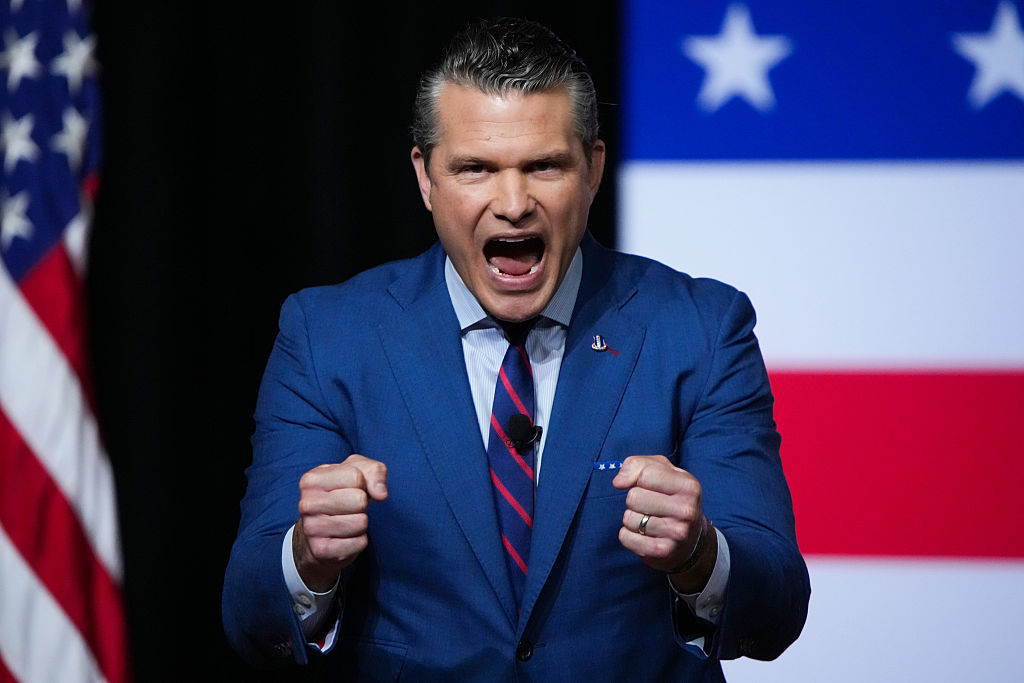
During a speech Saturday at the Ronald Reagan Presidential Library, Secretary of War Pete Hegseth claimed that Donald Trump could use force “as he sees fit” in regards to the deadly airstrikes on ‘cartel’ vessels. The strikes have killed at least 80 people over the last four months, and have faced international scrutiny, with experts calling them ‘illegal’. Ben Saul, the United Nations special rapporteur on counterterrorism and human rights, claimed that he was “utterly shocked that the United States would do this [the strikes],”.

“It shows that the Trump administration has no respect for international law or conventions around the use of force… This has to stop from within the US itself.”

Hegseth comments

US Secretary of War Pete Hegseth, who was narrowly voted into the role after strong support from Donald Trump, made comments on Saturday, claiming, “If you’re working for a designated terrorist organization and you bring drugs to this country in a boat, we will find you and we will sink you. Let there be no doubt about it. President Trump can and will take decisive military action as he sees fit to defend our nation’s interests. Let no country on earth doubt that for a moment.”

The statements, which read like veiled threats directed at every nation on the globe, are attempting to dismiss valid criticism about the deadly air strikes on sea vessels in Latin America. Hegseth compared the ‘cartel vessels’ to Al-Qaeda units, using the deadly terrorist attacks of September 11, 2001, to justify a response to a completely different issue. Hegseth also mentioned China and Russia during the speech, repeating Trump’s vow to ramp up nuclear weapons testing to match that of the two controversial nations. China and Russia have no conducted explosive nuclear tests in decades, but the Kremlin confirmed it would restart said testing if the US goes ahead with its own tests.

Hegseth gave the speech at the Reagan National Defense Forum at the Ronald Reagan Presidential Foundation and Institute in California, an event that brings top national security experts from around the country together. Hegseth argued that Trump is Ronald Reagan’s “true and rightful heir” when it comes to muscular foreign policy. He said all of this while criticizing republicans from the last ten years, claiming their strategy of ‘democracy building’ didn’t work.

“The war department will not be distracted by democracy building, interventionism, undefined wars, regime change, climate change, woke moralizing and feckless nation building,”

Four months of airstraikes

The US began initiating airstrikes on Venezuelan ships in the Caribbean Sea in September, under the guise of fighting narco-terrorism. Donald Trump, backed by Hegseth, outlined his mission to battle ‘maritime drug trafficking’ in Latin America after the first strike. That first strike came on September 2, when an American military vessel sank a 39-foot speedboat filled with “a considerable amount of cargo.” This initial strike was one of the more legitimate, with the vessel hailing from a known trafficking centre, and multiple sources supporting the US’s accusations of it being a criminal vessel. 11 people were killed in the first strike, according to Trump, all of them members of the gang Tren de Aragua.

Over the next six weeks, Trump carried out another four strikes, killing 16. There were drugs recovered in only one of the strikes. Venezuela has claimed that at least one of the boats attacked was a fishing vessel. Additionally, at least two of the victims have been confirmed as Colombian citizens without any attachment to the country of Venezuela, nor its organized crime groups. “These cartels are the Al Qaeda of the Western Hemisphere, using violence, murder and terrorism to impose their will, threaten our national security and poison our people,” Hegseth wrote. Now, at least 87 people have been killed by American airstrikes since the initial attack on September 2.

Are the strikes legal?

Experts are split on whether these attacks are lawful or not. On the one hand, Donald Trump is not technically breaking American law. As president, he is designated “Commander in Chief” of the army, meaning he has the power to order attacks against military targets. Even if Trump isn’t violating National law, he’s certainly breaking international law. Prof Luke Moffett of Queen’s University Belfast, a human rights expert, claims that the attacks must be « reasonable and necessary in self-defence where there is an immediate threat of serious injury or loss of life to enforcement officials, » to count as self-defence. He claims the attacks are « unlawful under the law of the sea, » as the vessels were in international waters and posed no immediate violent threat to the US.

Prof Michael Becker of Trinity College Dublin, another human rights expert, says that the US is “stretching the meaning of the term [self-defense] beyond it’s breaking point,” and that “Labelling everyone a terrorist does not make them a lawful target and enables states to side-step international law. » Whether Trump is directly violating international law is irrelevant (we’ll direct your attention to international crimes committed in Palestine, Sudan, and Congo, all gone unenforced by the UN). What is relevant is the fact that innocent people are being killed. It’s been confirmed that at least three of the vessels sunk were ships being used by drug cartels, but at least three of them were not.

Catégories
Uncategorized

Putins zunehmend unberechenbare Drohungen

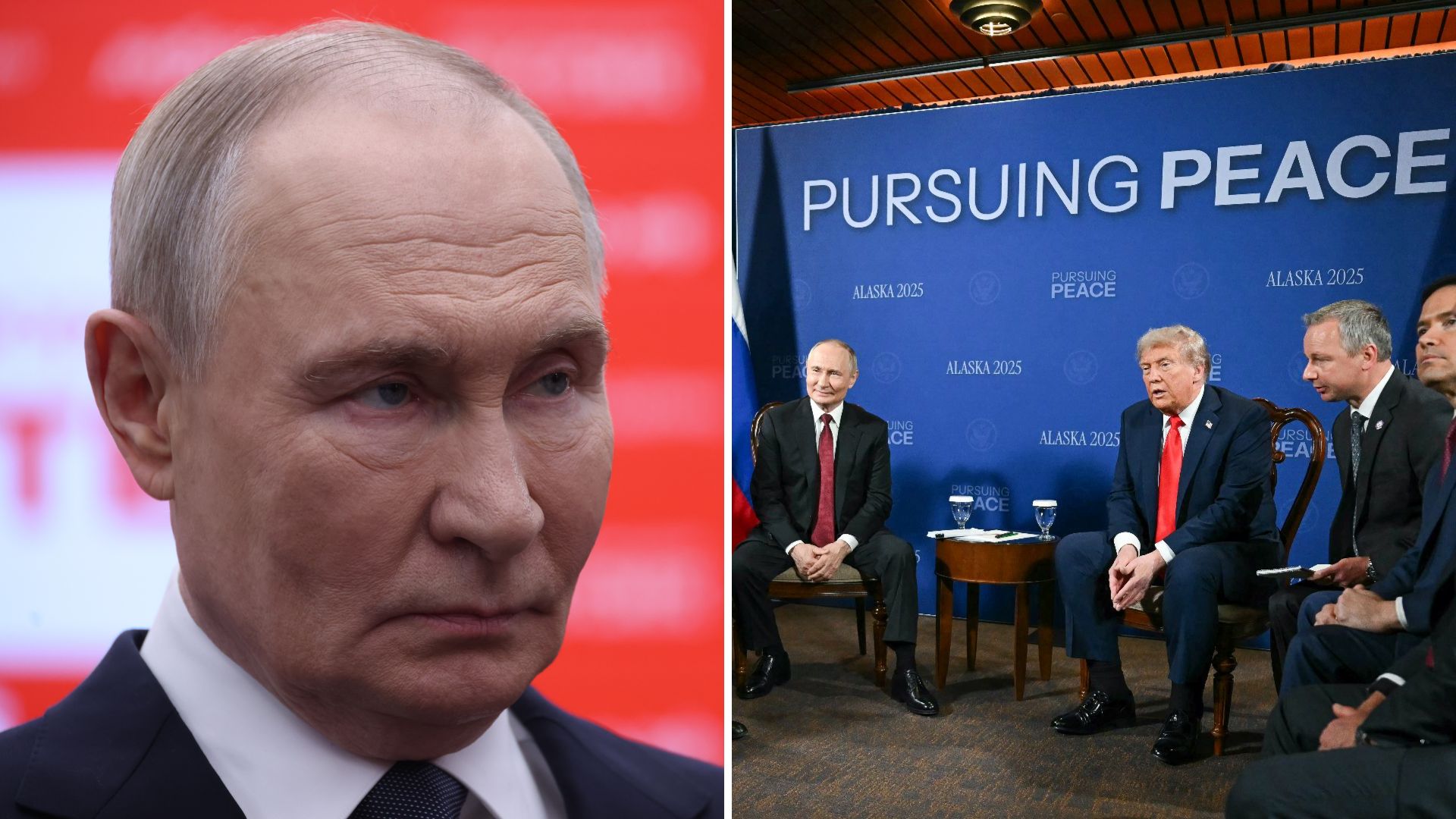
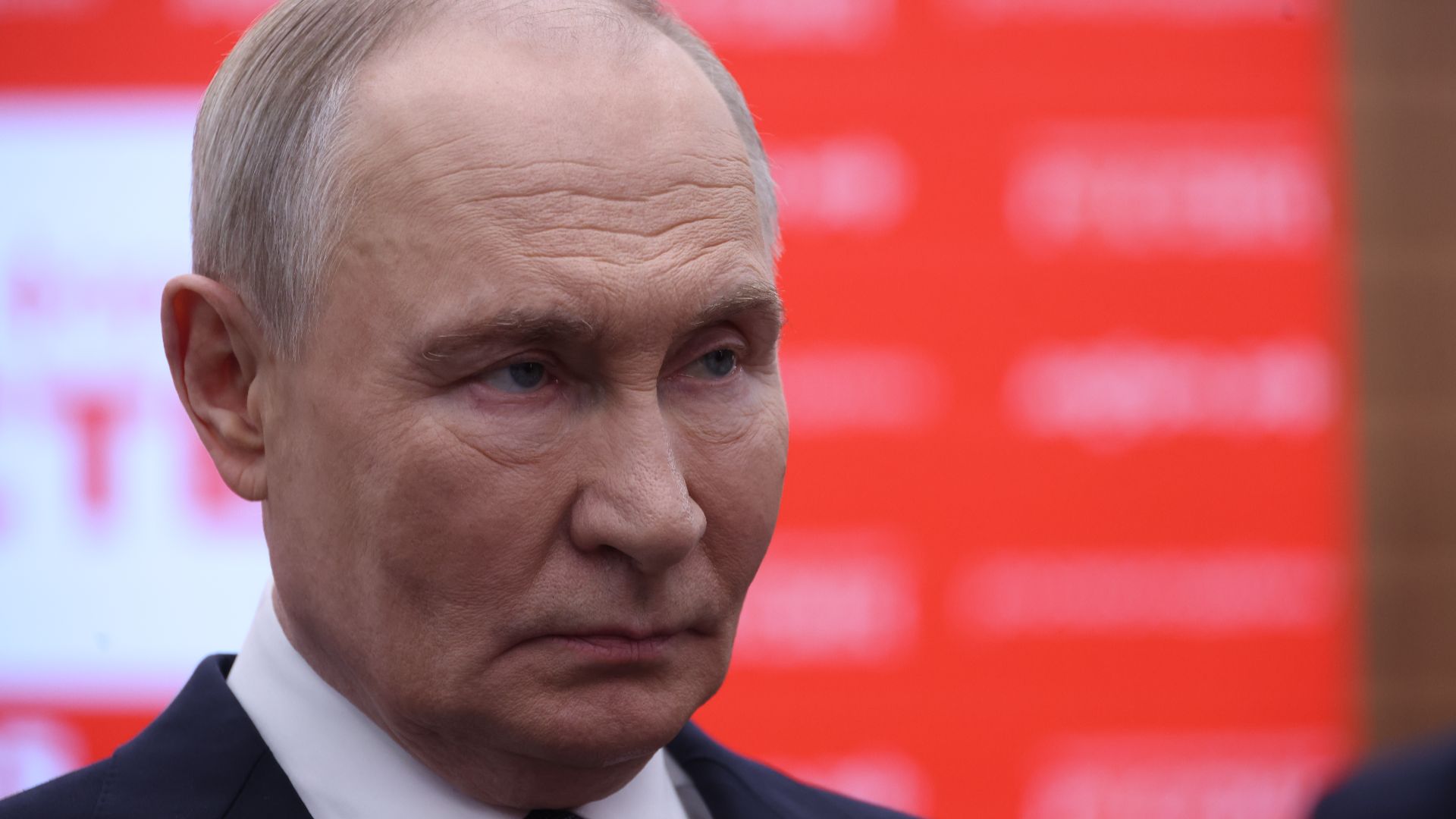
Stunden vor einer neuen Runde amerikanisch-russischer Kontakte zur Auslotung eines möglichen Friedensrahmens gab Wladimir Putin eine seiner konfrontativsten Erklärungen seit Monaten ab. Er schwor, dass Russland die gesamte Donbass-Region einnehmen werde, und warnte, dass Europa einen Krieg riskiere, wenn es sich Moskau widersetze. Diese Äußerungen, die kurz vor der Ankunft von US-Vertretern zu Vorgesprächen in Moskau gemacht wurden, verdeutlichten die wachsende Kluft zwischen den diplomatischen Bemühungen und der zunehmend sprunghaften Rhetorik des Kremls. Indem er darauf bestand, dass Donezk und Luhansk « militärisch oder anderweitig » fallen würden, während er gleichzeitig Europa warnte, dass Russland zu einem Konflikt « bereit » sei, gab Putin einen angespannten Ton an, der jeden Verhandlungsversuch in den Schatten zu stellen drohte.

In seinen im Fernsehen übertragenen Äußerungen zur Lage auf dem Schlachtfeld verschärfte Putin Russlands Position zum Donbass, indem er das Schicksal der Region als nicht verhandelbar darstellte und Kiew ein unverblümtes Ultimatum stellte. Er erklärte, dass es das Ziel Russlands sei, die vollständige Kontrolle über Donezk und Luhansk zu erlangen, und bezeichnete dies als eine Frage der Zeit und nicht der Wahl. Entweder wir befreien diese Gebiete mit Waffengewalt, oder die ukrainischen Truppen verlassen diese Gebiete », sagte er Mit dieser harten Formulierung schloss er jeden Kompromiss über den Status des Donbass aus und deutete an, dass Moskau bereit sei, eine lange und kostspielige Kampagne zu unterstützen. Putin ging noch weiter, indem er darauf bestand, dass Russland diese Gebiete « militärisch oder auf andere Weise » sichern würde – eine Formulierung, die die Tür für andere Druckmittel offen lässt, von politischem Zwang bis hin zu wirtschaftlichem Druck, und gleichzeitig den Eindruck verstärkt, dass seiner Ansicht nach der Endzustand feststeht und für den Kreml nur noch die Methode in Frage steht.

Getty ImagesAls ersich

Europa zuwandte, wurde Putins Rhetorik noch konfrontativer und ging von territorialen Ansprüchen in der Ukraine zu einer direkten Warnung an die westlichen Hauptstädte über. Mit Blick auf eine mögliche stärkere Rolle Europas in dem Konflikt verkündete er unverblümt, dass Russland voll und ganz auf eine umfassendere Konfrontation vorbereitet sei. « Wenn Europa plötzlich mit uns kämpfen will und damit anfängt, sind wir sofort bereit », erklärte er und präsentierte Moskau als selbstbewusst in Bezug auf seine militärische Stärke und ohne Angst vor einer Eskalation. Dann fügte er einen abschreckenden Satz über die Folgen einer solchen Konfrontation hinzu: « Es gäbe niemanden mehr, mit dem man in Europa verhandeln könnte » Zusammengenommen laufen diese Äußerungen auf die Drohung hinaus, dass jede Aktion der europäischen Staaten, Russland direkter herauszufordern, ein Ausmaß an Zerstörung auslösen könnte, das genau die Partner vernichten würde, die Washington in einen Friedensrahmen einzubinden versucht, was die diplomatischen Bemühungen untergraben und die Besorgnis darüber verstärken würde, wie unkontrolliert und sprunghaft die Botschaften des Kremls geworden sind.

Die Ukraine will « echten Frieden, keine Beschwichtigung

Die Ukraine reagierte umgehend auf Putins jüngste Äußerungen. Präsident Wolodymyr Zelenski und hochrangige Beamte wiesen jede Andeutung zurück, dass Kiew sich aus dem Donbass zurückziehen oder Moskaus territoriale Forderungen als Preis für den Frieden akzeptieren könnte. Zelensky und sein Team betonten wiederholt, dass die Ukraine weder ihre Truppen aus den von ihr noch immer kontrollierten Gebieten in Donezk und Luhansk abziehen noch Russlands Ansprüche auf gewaltsam erobertes Land legitimieren werde. Sie betrachteten Putins Ultimatum als Fortsetzung derselben Zwangstaktik, die mit der Annexion der Krim im Jahr 2014 begann. Ukrainische Diplomaten betonten, dass die Friedensgespräche nicht zu einer neuen Version der Beschwichtigung werden dürfen. Außenminister Andrii Sybiha betonte, die Ukraine wolle « echten Frieden und keine Beschwichtigungspolitik » und warnte davor, die historischen Fehler der belohnten Aggression zu wiederholen. Kiew wetterte auch gegen die umfassendere Bedrohung Europas und argumentierte, Putins Warnung, dass « es in Europa niemanden gäbe, mit dem man verhandeln könnte », beweise nur, dass die EU und die NATO geschlossen hinter der Ukraine stehen, Sanktionen und militärische Unterstützung aufrechterhalten und jedes Abkommen ablehnen müssten, das die russische Kontrolle über die besetzten Gebiete festigen würde.

Getty ImagesDie europäischen Staats- und Regierungschefshaben

auf Putins jüngste Drohungen mit einer Mischung aus öffentlicher Verurteilung und konkreten Maßnahmen zur Stärkung der Verteidigung des Kontinents reagiert und seine Äußerungen als Beweis dafür gewertet, dass Russland nach wie vor eine direkte, langfristige Gefahr für die europäische Sicherheit darstellt und kein Kompromisspartner ist. In Brüssel und anderen wichtigen Hauptstädten betonten Beamte, dass die Warnung, dass Europa zerstört werden könnte, wenn es sich Moskau entgegenstellt, das Bündnis nicht spalten würde, sondern stattdessen die Dringlichkeit verstärken würde, geschlossen hinter der Ukraine zu stehen und sich jedem Friedensabkommen zu widersetzen, das auf territorialen Zugeständnissen beruht. Die europäischen Institutionen haben Sanktionen und finanzielle Unterstützung aufrechterhalten, während sie die Möglichkeit prüfen, eingefrorene russische Guthaben zur Finanzierung von Kiews Kriegsanstrengungen zu verwenden, und der neue NATO-Generalsekretär hat betont, dass das Bündnis « bereit und willens » sei, sich gegen jeden Angriff von vorne zu verteidigen, und damit ausdrücklich auf Putins kriegerische Rhetorik reagiert. Gleichzeitig treibt die EU ihre Verteidigungsinitiative « Readiness 2030 » voran, die darauf abzielt, die gemeinsamen Ausgaben für Luft- und Raketenabwehr, Artillerie, Drohnen und andere wichtige Fähigkeiten massiv zu erhöhen und damit einen strategischen Wandel hin zu einem militärisch selbstbewussteren Europa zu markieren, der genau darauf abzielt, die Art von Eskalation, mit der Putin heute offen droht, zu verhindern.

Ein Netzwerk aus einflussreichen amerikanischen Geschäftsleuten und russischen Oligarchen

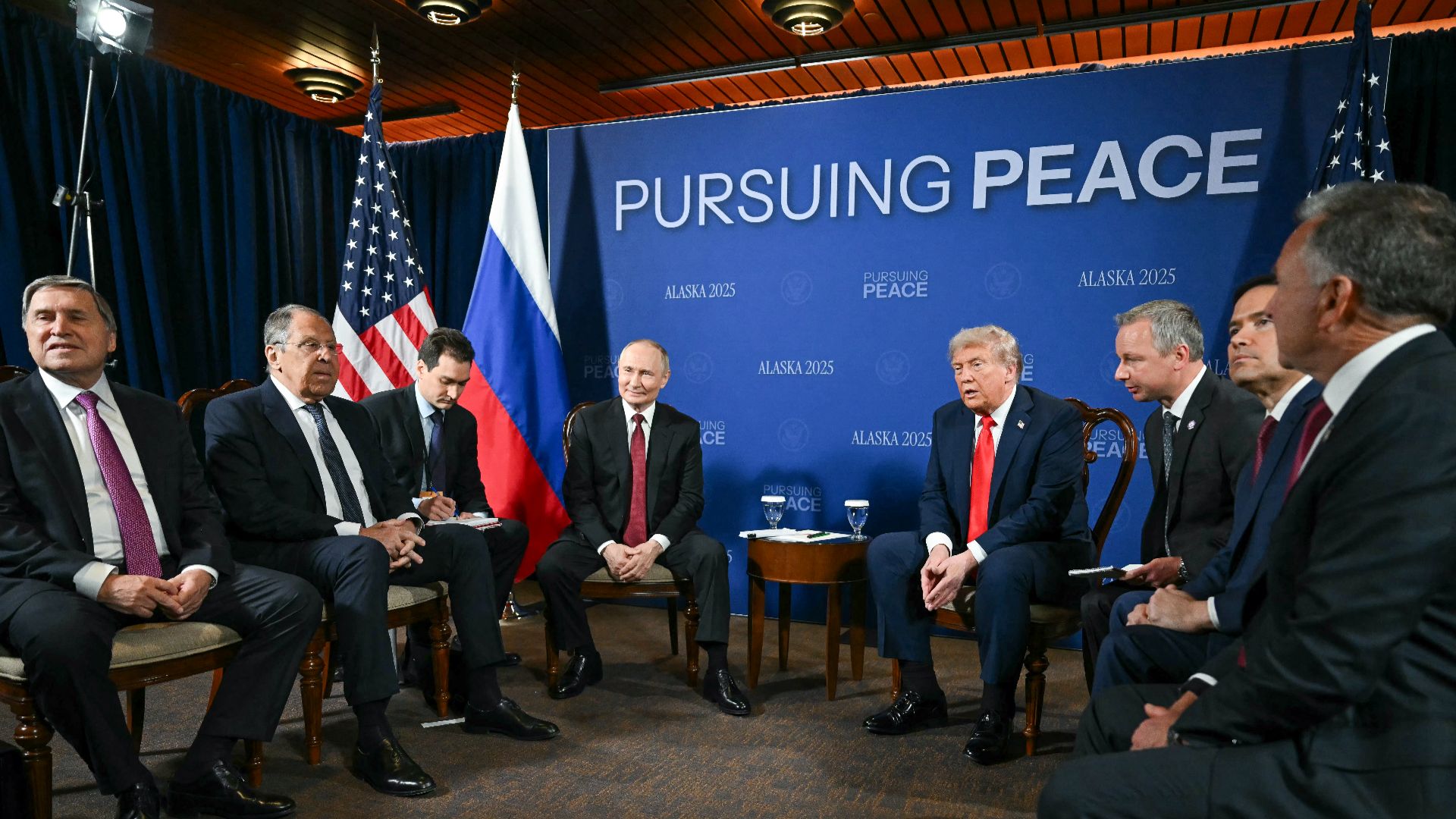
Die derzeitigen Bemühungen der USA, einen Friedensplan für die Ukraine auszuhandeln, konzentrieren sich zunehmend auf direkte, oft diskrete Gespräche zwischen US-Gesandten und dem Kreml. Persönlichkeiten wie Steve Witkoff und Jared Kushner haben mit Wladimir Putin eingehende Gespräche über einen 28-Punkte-Rahmen geführt, der nach Ansicht von Kritikern viele der russischen Forderungen widerspiegelt und gleichzeitig Kiew ausgrenzt.

Berichten zufolge erkundete die US-Delegation Optionen, die eine teilweise Aufhebung der Sanktionen oder wirtschaftliche Anreize für Moskau als Teil eines möglichen Waffenstillstands vorsehen, was in der Ukraine und in Europa die Besorgnis auslöste, dass Washington möglicherweise geopolitischen Erwägungen Vorrang vor der ukrainischen Souveränität einräumt. Um die Kontroverse noch zu verstärken, haben investigative Medien berichtet, dass ein Netzwerk einflussreicher amerikanischer Geschäftsleute und russischer Oligarchen die Verhandlungen als Möglichkeit für künftige Energie-, Infrastruktur- und Investitionsgeschäfte sieht. Dies nährt den Verdacht, dass der vorgeschlagene Friedensplan die Gefahr birgt, diplomatische Zugeständnisse mit lukrativen privaten Interessen zu vermischen, anstatt einen transparenten, auf die Ukraine konzentrierten Prozess zu gewährleisten. https://twitter.com/WSJ/status/1996040691932082398

Catégories
Uncategorized

Israel wants to open Rafah (so that Palestinians can leave)

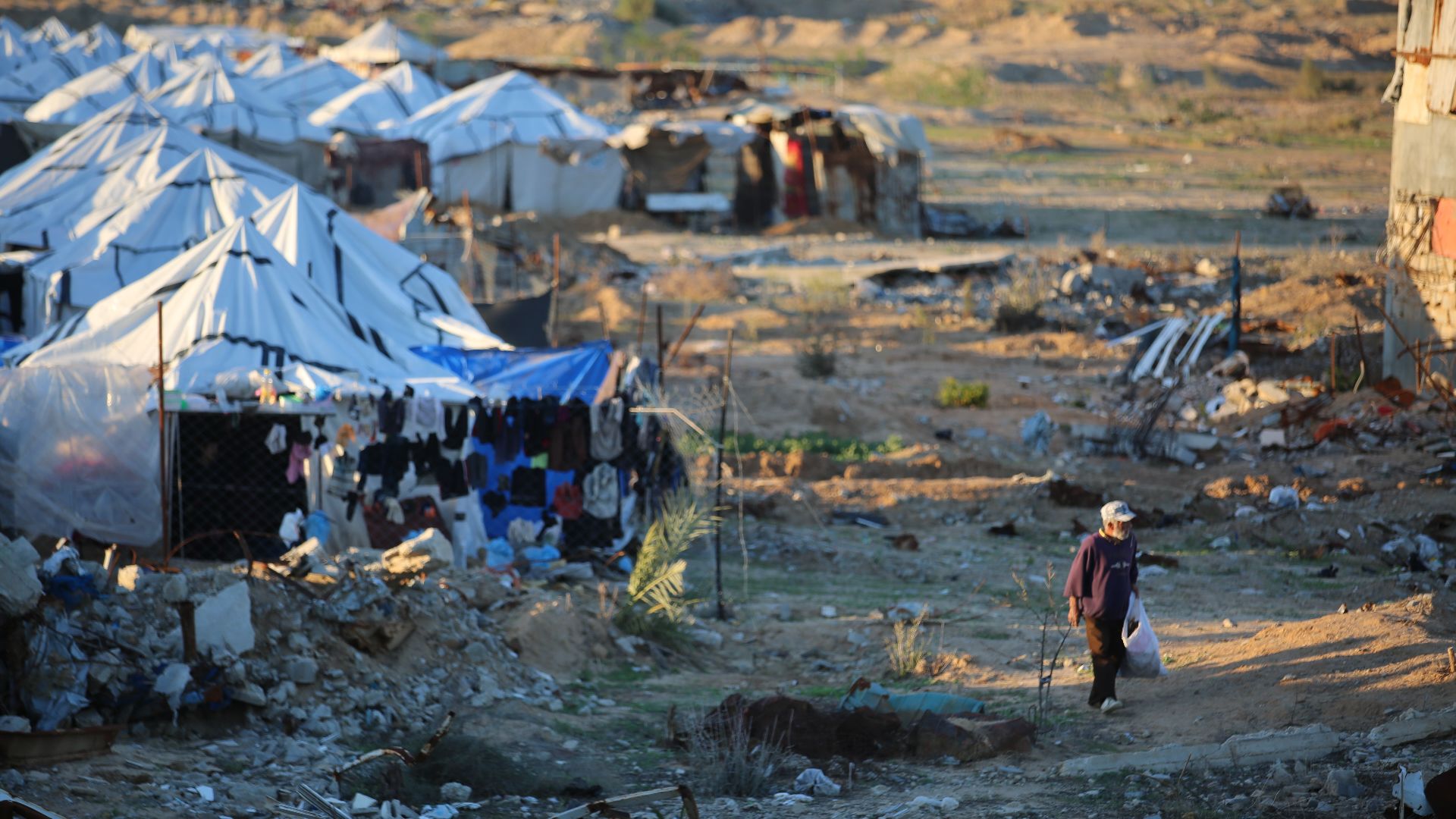
Israel says it will start allowing Palestinians to leave the Gaza Strip « in the next few days, » but this is far from a full reopening of the Rafah border crossing. According to Israeli officials, only a small group of people—mainly the wounded, urgent medical cases, and others on restricted humanitarian lists—will be allowed out. The announcement caused confusion among residents hoping for broader assistance, while Israel and Egypt made it clear that normal cross-border movements remained excluded for the time being. Instead of a return to pre-war operations, the opening will function more as a tightly controlled humanitarian corridor, leaving the vast majority of Gazans unable to leave despite the title of « reopening »

Israeli officials presented the measure as part of ceasefire agreements around Gaza, claiming that the Rafah crossing will be used to facilitate humanitarian cases in coordination with Egypt and international partners. Cairo, for its part, has indicated that it will cooperate in the evacuation of the wounded and seriously ill, but continues to reject any arrangement that would make Sinai a long-term destination for displaced Gazans. Humanitarian organizations and UN agencies point out that tens of thousands of people in Gaza are in need of urgent medical treatment or evacuation, far beyond the limited number who could be approved under the current mechanism. For them, Israel’s promise to let some Palestinians leave Gaza « in the next few days » underlines the extent to which such exits will remain tightly controlled and exceptional, rather than marking a real restoration of freedom of movement.

Getty ImagesEgypt’s

response undermined Israel’s argument almost immediately. While COGAT publicly stated that Rafah would reopen « in the next few days » to allow Palestinians to exit Gaza into Egypt under the joint supervision of Cairo and the European Union, the Egyptian government categorically denied that any such coordination was underway. In a statement issued on Wednesday, the Egyptian State Information Service said it was not currently working with Israel to reopen the crossing and reminded all parties that, under the terms of the October ceasefire, Rafah is supposed to operate in both directions, not just as a one-way exit point for people leaving Gaza. This public rejection highlighted a significant gap between Israeli announcements and Egyptian policy, and cast further doubt on how, when, and under what conditions the crossing could actually operate again.

No long-term solution

In recent months, the situation between Israel and Gaza has been defined by cycles of intense fighting, shifting ceasefires, and growing humanitarian collapse inside the enclave. Following Israel’s expanded military operations earlier this year, large areas of Gaza were severely damaged and the population faced shortages of food, water, medical supplies, and electricity. Ceasefire negotiations, supported at various times by the US, Egypt, Qatar, and later the Trump administration, produced temporary pauses but no long-term resolution, as disputes over hostages, border control, and post-war governance repeatedly blocked progress. Israeli forces maintained strict restrictions on movement in and out of Gaza, while humanitarian agencies warned that the enclave’s health system was close to collapse and that tens of thousands of civilians needed urgent evacuation or medical attention. In this context, the question of reopening the main crossings—particularly Rafah—has become a central bone of contention, reflecting both the fragile nature of the current ceasefire and the unresolved political struggle over Gaza’s future.

Getty Images
Catégories
Uncategorized

Canadian satire site fools TIME Magazine with ‘made up quote’

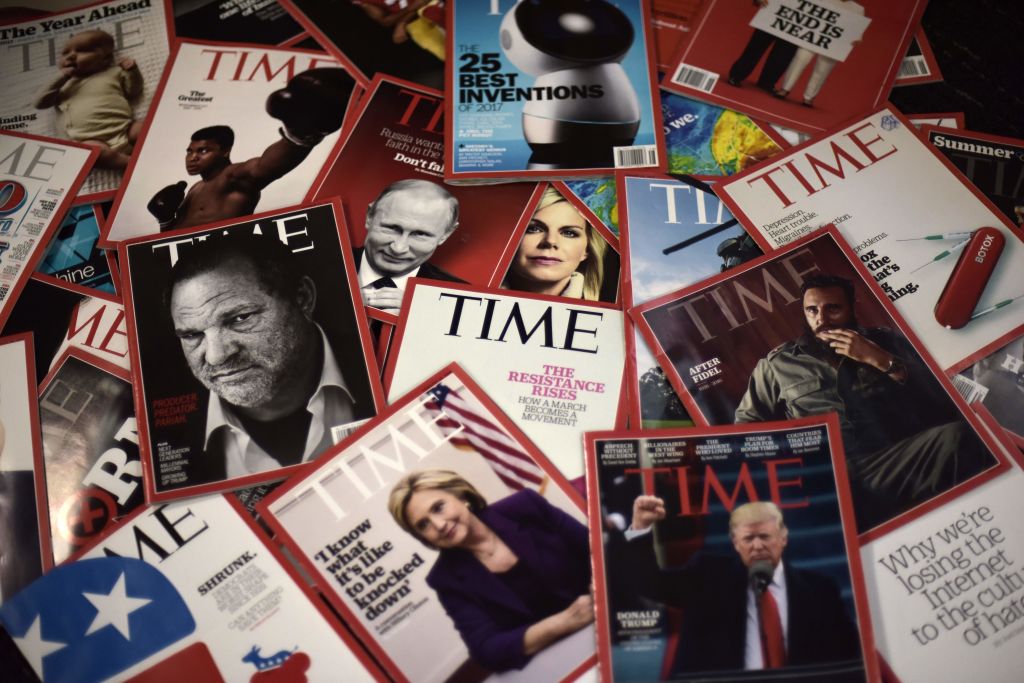
TIME Magazine was fooled by the Canadian version of ‘The Onion,’ ‘The Beaverton, ’ in a recent article entitled “What Trump doesn’t understand about alliances”.

Here’s how it happened.

The Beaverton article

On September 19, 2025, The Beaverton, the biggest satirical publication in Canada, published the article “US Ambassador threatens to tariff, annex, and bomb Canada if anti-American sentiment doesn’t improve,” where they attribute a few funny quotes to U.S. Ambassador Pete Hoekstra.

The article came after Hoekstra gave a real-life interview where he said he was “disappointed” in the “anti-American sentiments” in Canada.

« I’m disappointed that I came to Canada, a Canada that it is very, very difficult to find Canadians who are passionate about the American-Canadian relationship. »

Pete Hoekstra, September 18 in Halifax

Beaverton journalist Ian Macintyre took the ball and ran. In his article, he wrote:

“I’m disappointed that I came to Canada. A Canada that it would be very easy to target with 500% steel tariffs, or one patriot missile aimed at Parliament Hill, I might add.”

And,

“We need to take the tone and tenor of the debate down, and by ‘we’ I mean ‘entirely Canada’ because you are all weak losers who would be better off as the 51st State.”

The article then described how Hoekstra proceeded to “[pour] out a bottle of Labatt Blue while spitting on a photo of Terry Fox”.

Hilarious, right? And very obviously satire. Clearly not.

Now we come to October 1, and TIME’s piece.

TIME of confusion

TIME’s piece: “What Trump Doesn’t Understand About Alliances,” attributed the quotes that were made up by The Beaverton to Hoekstra, and the kicker? Nobody noticed.

The Beaverton itself didn’t seem to notice until their Facebook post on November 27, commenting, “When your ambassador is SO deranged that TIME Magazine says, ‘Yeah, that quote sounds real. ‘”

How many people read that post in between October 1 and November 27, when The Beaverton finally clued in?

According to TIME magazine itself, the publication reached 120 million people globally in 2025 (as of November 20).

How could this happen?

The elephant in the room is obviously the question ‘how could this happen’. In an article that features gems like:

“When I was Trump’s ambassador to the Netherlands, which is also a complete s**t hole, I had a lot of success illegally fundraising for radical right political groups,” Hoekstra recalled while whipping Tim Horton’s doughnuts at the crowd.

And,

Hoekstra then ended his speech by urinating on a stack of vintage Anne Murray records.

It’s hard to imagine that anyone who read it, even if they don’t know The Beaverton specifically, could believe it was real.

But the article sat unedited for more than a month before someone finally realized.

When your ambassador is SO deranged that Time Magazine says, ‘Yeah, that quote sounds real. ‘

When Hoekstra’s office was asked about the comments, it confirmed they were false.

The statement attributed to Ambassador Hoekstra by Time Magazine is a fabrication.  The ambassador did not make this statement.

The Beavertons Ian MacIntyre also confirmed they were false.

That’s absolutely a made-up quote… I heightened a bunch of them to absurd levels,

Absurd is absolutely the correct word to describe the made-up quotes and this story.

The Beaverton is the most prominent satire publication in Canada, and has never claimed to be anything other than satire meant for entertainment. The publication regularly invents humorous false quotes.

We’re not trying to make fake news or hoodwink people, and it’s always baffling when anyone thinks we’re real, let alone a guy that was an important journalist,

-Ian MacIntyre

Certainly a baffling story from one of the biggest magazines on the planet.

Ce que cachent vraiment les garanties prolongées

Au moment de payer votre nouvel appareil électronique ou électroménager, le vendeur vous propose d’ajouter une garantie prolongée, avec son plus beau sourire confiant. Il vous explique que vous seriez couvert en cas de problème, à l’abri des mauvaises surprises. C’est un coût supplémentaire, mais la promesse de tranquillité est tentante.

Catégories
Uncategorized

Chernobyl Shield No Longer Containing Radiation After Drone Strike Blamed on Russia

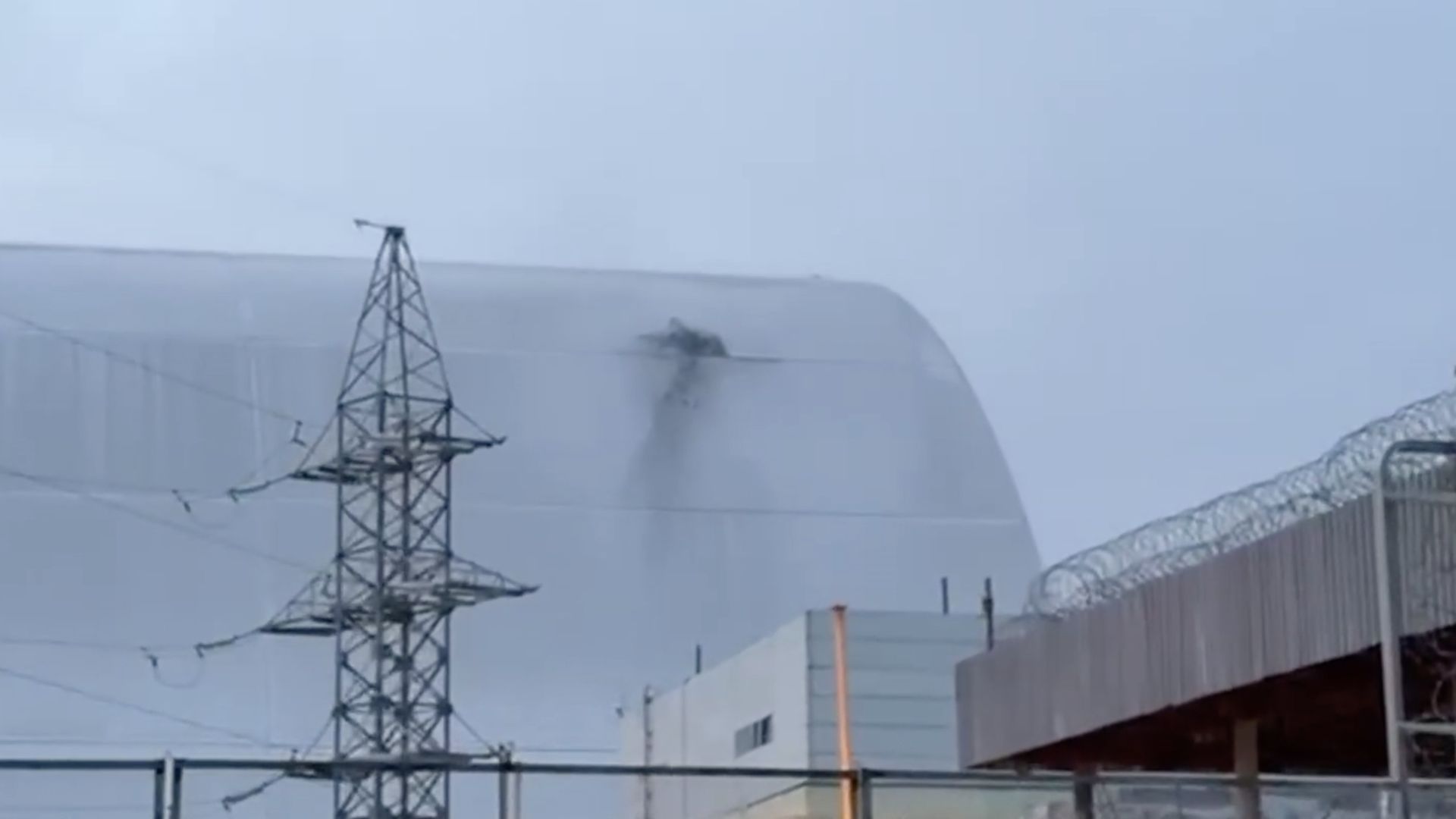
The massive multilayered confinement structure built by European partners and completed in 2019 was engineered to seal in the radiation produced by the melted-down nuclear fuel at Chernobyl, restoring long-term safety after the collapse of the plant’s original sarcophagus. According to the International Atomic Energy Agency:

«The inspection mission confirmed that the [protective structure] had lost its primary safety functions, including the confinement capability,» a stark conclusion that underscores how severely the February drone strike has undermined the New Safe Confinement’s role in containing radiation at Chernobyl and in protecting the wider region.

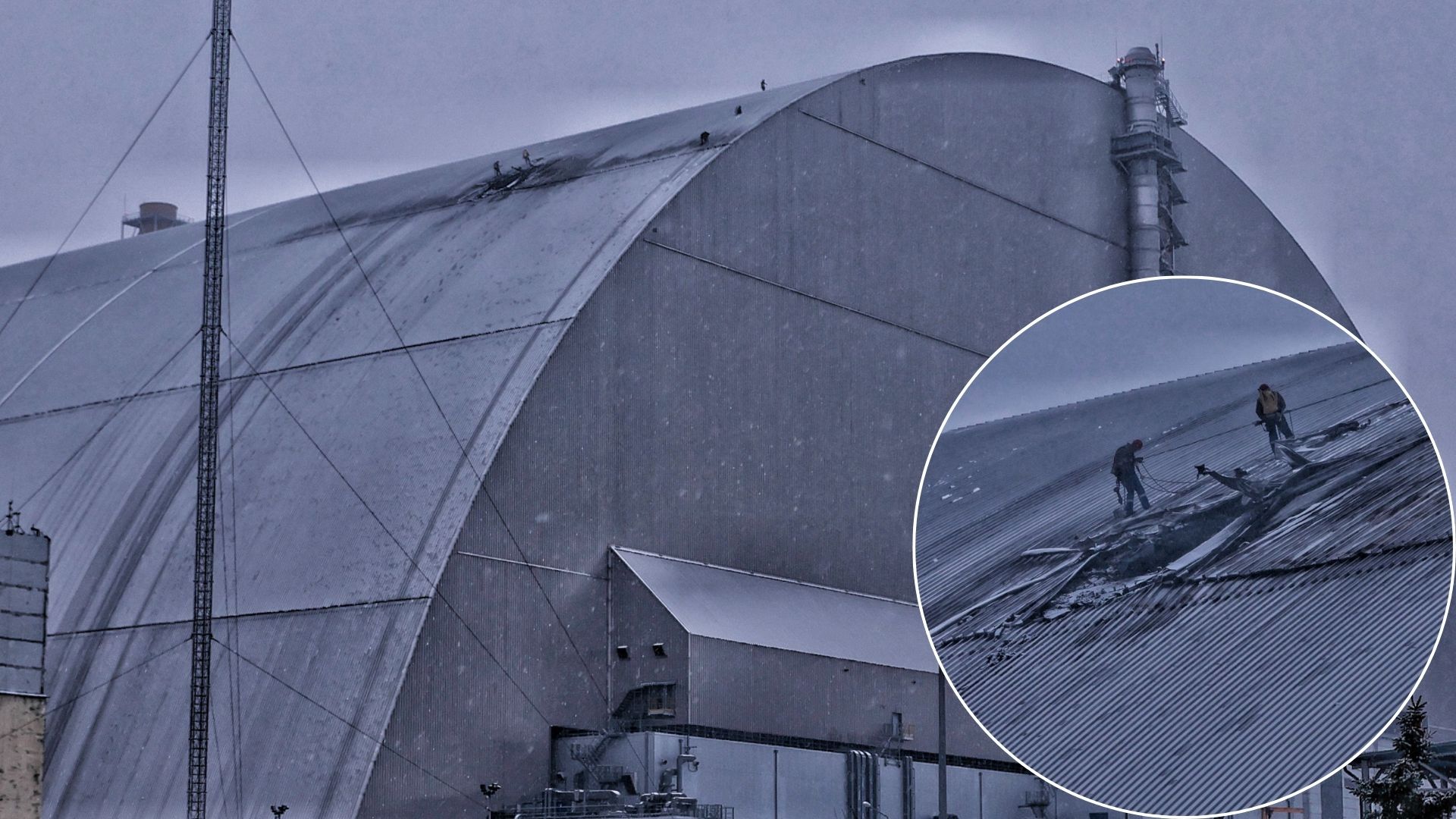
In the early hours of February 14, a combat drone struck the New Safe Confinement arch over Chernobyl’s ruined Reactor 4, hitting the roof of the steel shelter some 80 metres above the ground and triggering an explosion and fire in the outer cladding of the structure. Ukrainian officials said the attacking UAV was a Shahed-type drone carrying a «high-explosive warhead» and blamed Russia for deliberately targeting the site, an accusation Moscow has denied. IAEA staff already stationed at Chernobyl reported hearing the blast and later confirmed that firefighters spent days tackling smouldering insulation and other flammable material trapped between the shield’s inner and outer shells, after a hole estimated at tens of square metres was ripped in the protective skin. Initial monitoring showed no spike in radiation levels outside the plant and inspectors stressed that the main load-bearing structures remained intact, but experts warned from the outset that the strike had compromised key systems and could force costly, complex repairs to restore full containment. Months later, the UN nuclear watchdog and outlets such as CNN and Reuters are now tying that February attack directly to the loss of the shield’s primary safety function, underlining how a single drone strike has evolved from an alarming incident into a major, long-term nuclear-safety problem at the site.

Getty Images

Since the start of Russia’s full-scale invasion of Ukraine in February 2022, the IAEA has repeatedly highlighted that its staff at Chernobyl and other Ukrainian nuclear sites face limited access, intermittent data feeds, and periods of high alert caused by nearby military activity, turning what should be routine safety monitoring into a constant exercise in risk management and improvisation. The February drone strike sharply intensified these constraints: equipment required for structural assessment, radiation mapping, and roof inspection became harder and more dangerous to deploy, while inspectors had to work under the threat of renewed attacks and with damaged infrastructure. This entrenched uncertainty creates a situation where international experts must rely on partial, sometimes delayed information, making it far more difficult both to reassure the public and neighbouring countries and to accurately forecast the evolving risks associated with the compromised shelter over Chernobyl’s destroyed reactor.

The worst nuclear disasters in history

Although radiation levels have not spiked, the psychological and geopolitical impact of the Chernobyl strike is significant, because it revives memories of one of the worst nuclear disasters in history and shows that even a site meant to be sealed and stabilized for the long term can become part of a modern battlefield. The idea that a nuclear disaster site can be struck by a drone — intentionally or accidentally — has triggered debate within NATO, the EU, and the UN about whether existing rules are sufficient and about the need for new norms or demilitarised protective zones around nuclear facilities and radioactive waste sites in conflict areas, so that they are kept off-limits regardless of how the front lines shift or who controls the territory. The February strike could therefore become a reference case in future international law discussions on wartime conduct, critical-infrastructure protection and state responsibility, shaping how the world defines unacceptable behaviour around nuclear sites and how it responds when those red lines are crossed.

Getty Images
Catégories
Uncategorized

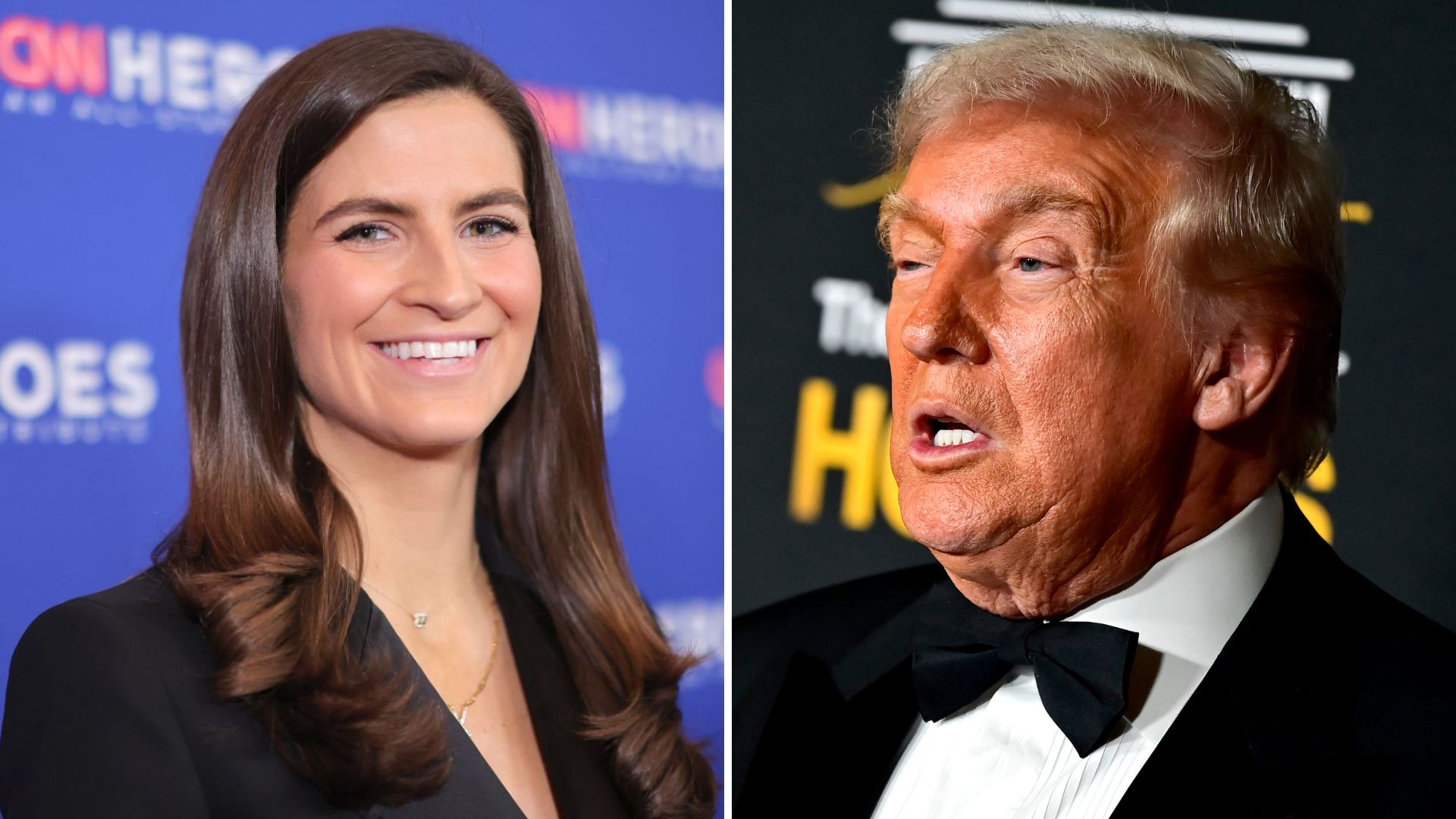
Trump Lashes Out at CNN’s Kaitlin Collins, Calls Her «Stupid and Nasty» Over Ballroom Question

Trump Melts Down Over Ballroom Question, Denounces CNN’s Caitlin Collins as «Stupid and Nasty»: In a new outburst on Truth Social, Trump blasted CNN journalist Caitlin Collins after she asked him why the construction of his new ballroom was costing more than initially projected. He opened his post with the attack line: «Caitlin Collin’s of Fake News CNN, always Stupid and Nasty,» before recounting the exchange that triggered his anger. Trump insisted that Collins’ question was designed to embarrass him rather than inform the public, framing her inquiry as an example of what he routinely calls biased and antagonistic coverage. His reaction quickly shifted from the original topic of project costs to a familiar denunciation of the press, escalating a minor construction question into a full-scale political grievance.

Trump then defended the project by offering his own explanation for the higher cost, saying: «I said because it is going to be double the size, and the quality of finishes and interiors has been brought to the highest level. Also, the column SPAN has been substantially increased for purposes of viewing.» He went on to assure his supporters that the ballroom was «actually under budget and ahead of schedule, as my jobs always are,» describing it as «much bigger and more beautiful than originally planned.» Through this narrative, Trump positioned himself as a master builder whose projects exceed expectations, while portraying Collins’ question as both uninformed and malicious. The post framed the ballroom not just as a physical space but as another symbol in his ongoing battle with the media.

Getty Images

Trump also responded directly to public speculation about financing, insisting that the ballroom was not a burden on taxpayers. He wrote: «Interestingly, and seldom reported, there are no taxpayer dollars involved. It is being fully paid for by private donations.» That line allowed him to cast himself as transparent and unfairly maligned, suggesting that critics — including Collins — intentionally overlook facts that portray him positively. After asserting the legitimacy of the funding, he pivoted back to his media attacks, claiming that CNN operates dishonestly and that the leadership overseeing the network is «one of the worst in the business.»

The worst in the business

Trump capped his Truth Social tirade with a direct attack on the network itself and its ownership, shifting from personal insults toward Caitlin Collins to a broader assault on CNN’s legitimacy. He wrote: «FAKE NEWS CNN, and the guy who runs the whole corrupt operation that owns it, is one of the worst in the business. Their ratings are so low that they’re not even counted or relevant anymore.» By ending on that line, Trump turned a question about construction costs into a referendum on the media, using ratings as his preferred metric of worth and relevance while painting CNN as both corrupt and powerless. The closing flourish made clear that, in his framing, Collins is only a symptom of a bigger enemy: a news organization he wants his supporters to see as dishonest, collapsing and fundamentally hostile to him, reinforcing the idea that any scrutiny of his projects or finances is not journalism but partisan warfare.

Catégories
Uncategorized

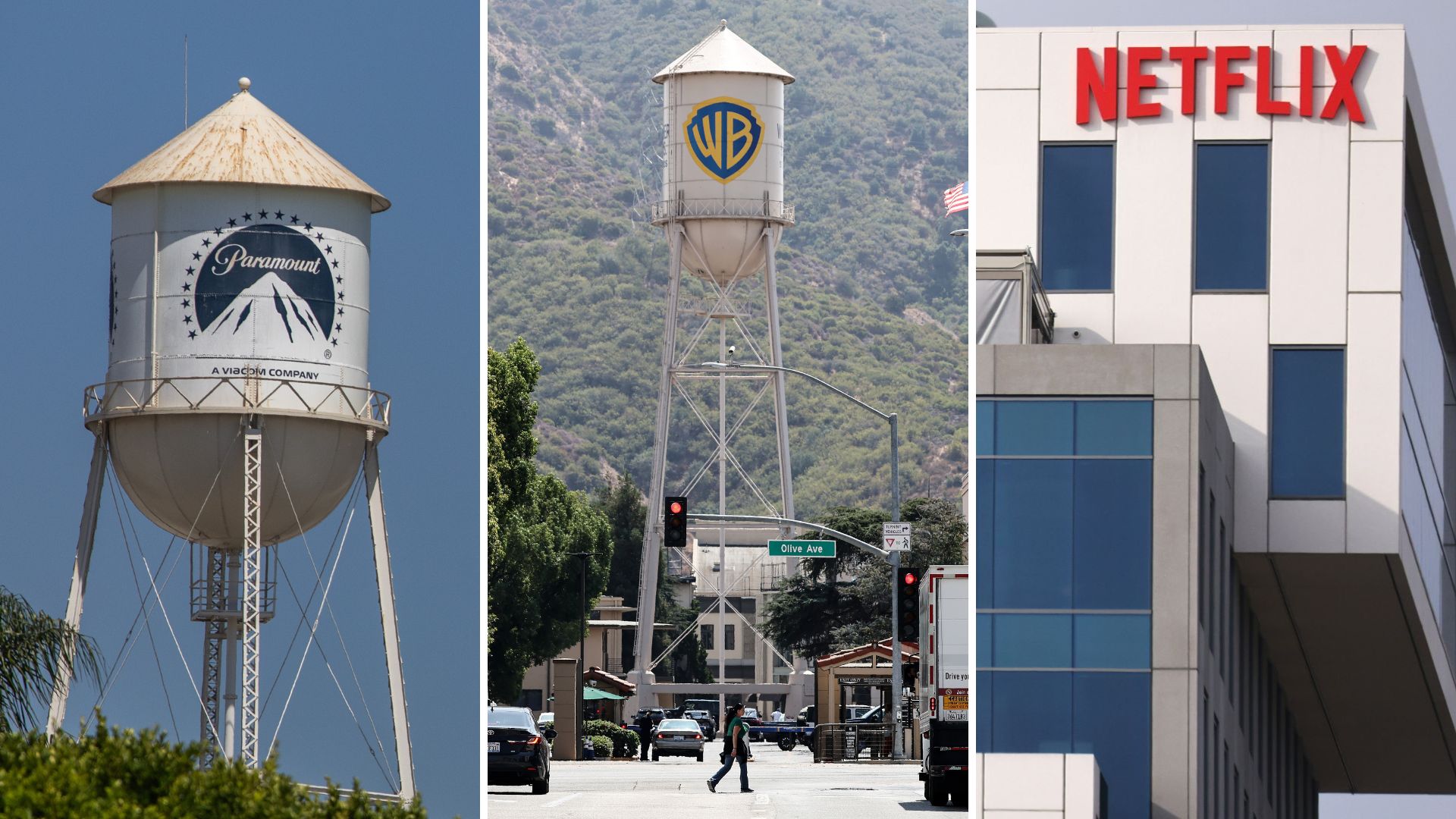
Netflix-WBD mis en échec par une offre hostile de 108G$

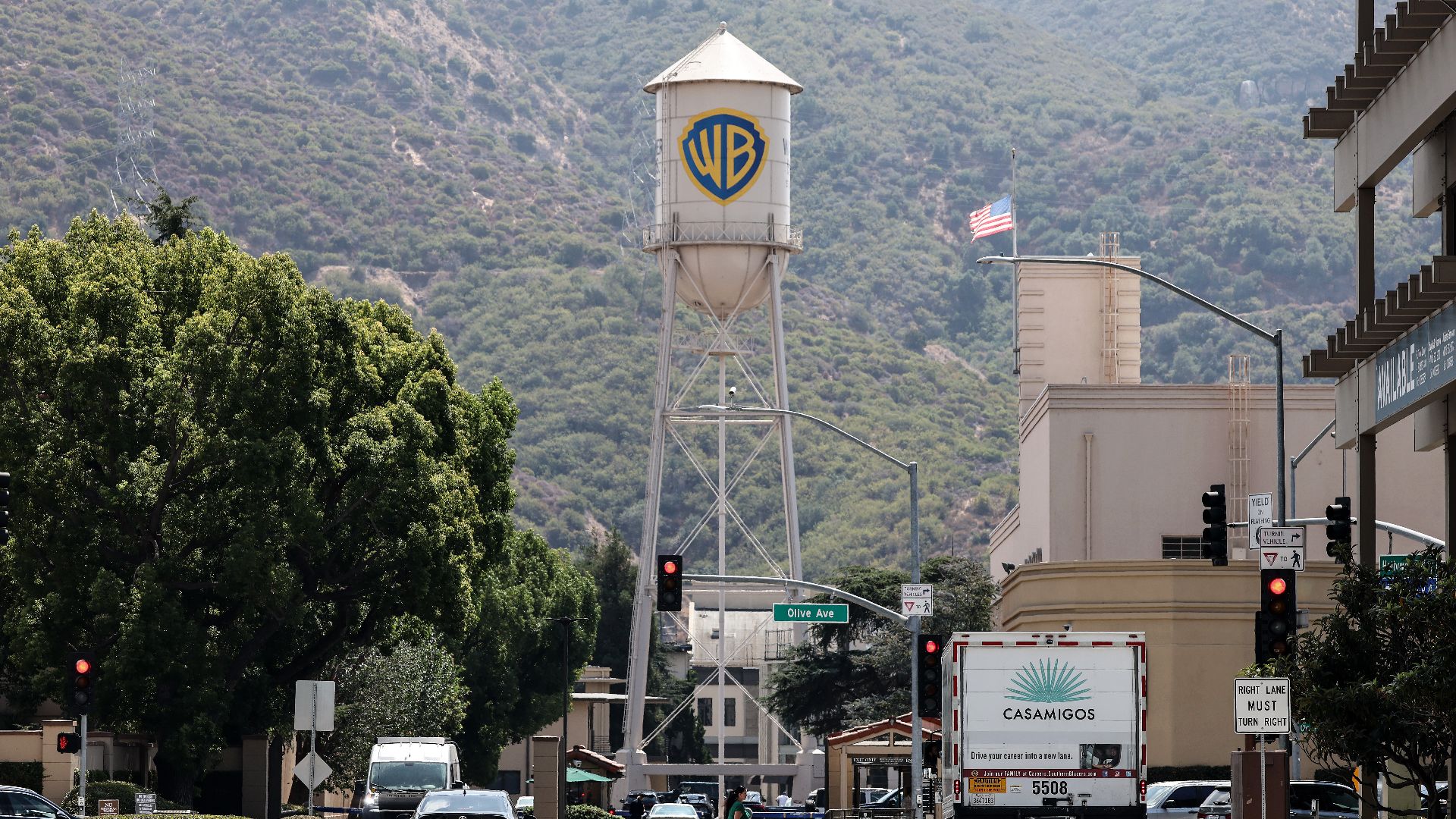
La décision de Paramount de lancer une offre hostile de 108,4 milliards de dollars pour faire échouer le projet de rachat de Warner Bros et de HBO par Netflix a provoqué une onde de choc dans les sphères du divertissement et de la politique, non seulement en raison de l’ampleur de l’offre, mais aussi parce qu’elle s’est déroulée au moment précis où Trump a annoncé son intention de s’impliquer personnellement dans l’autorisation de la vente par son administration. La coïncidence de ces événements ajoute une couche d’incertitude à un scénario de méga-fusion déjà volatile, transformant ce qui devait être une bataille conventionnelle entre géants du streaming en une confrontation aux enjeux élevés, façonnée autant par la stratégie de l’entreprise que par l’intervention politique.

Paramount Skydance launched a $108.4 billion deal for Warner Bros Discovery, throwing a wrench into the $72 billion deal with Netflix in a last-ditch effort to create a media powerhouse that would challenge the dominance of the streaming giant reut.rs/4a40lwj

Reuters (@reuters.com) 2025-12-08T14:24:21.465Z

L’offre hostile de Paramount a été officiellement lancée le 8 décembre, quelques jours seulement après que Netflix ait conclu un accord de prise de participation pour les actifs de Warner Bros Discovery dans les domaines de la télévision, des studios de cinéma et de la diffusion en continu, recadrant instantanément la bataille pour le contrôle de l’entreprise. Paramount Skydance a mis 108,4 milliards de dollars sur la table pour l’ensemble de Warner Bros Discovery, une offre ancrée à 30 dollars par action et conçue pour porter le combat directement devant les actionnaires après des semaines de négociations privées. Contrairement à l’accord de Netflix, qui ne vise que certains actifs et mélange liquidités et actions, la proposition de Paramount couvre l’ensemble du groupe et est présentée comme une alternative plus propre et de plus grande valeur, destinée à créer une puissance médiatique capable de contester la domination de Netflix tout en offrant un paiement plus immédiat et plus substantiel aux investisseurs de Warner Bros Discovery.

Trump a réagi à l’accord initial entre Netflix et Warner Bros/HBO avec un mélange de scepticisme public et d’avertissement clair qu’il avait l’intention de peser personnellement sur son sort, signalant que le risque réglementaire serait loin d’être routinier. S’adressant aux journalistes sur le tapis rouge du Kennedy Center Honors à Washington, il a présenté le processus d’approbation comme ouvert et incertain:

«Cette phrase a immédiatement rappelé aux investisseurs que la Maison-Blanche elle-même pourrait intervenir. Il a ensuite évoqué la taille de Netflix dans le domaine du streaming, mettant en garde contre l’impact de la fusion sur la concurrence:

«Ils ont une très grosse part de marché», a déclaré Trump à propos de Netflix.

«Quand ils auront Warner Bros, cette part augmentera considérablement.»

Ces remarques ont cristallisé les craintes de Wall Street, qui redoute que l’opération ne se heurte à de fortes turbulences politiques et antitrust bien avant la date de clôture.

Une bataille d’acquisition aux enjeux considérables

Warner Bros Discovery avait déjà refusé Paramount avant que l’offre hostile ne soit rendue publique. En octobre, la société a rejeté une première approche de Paramount évaluée à environ 20 dollars par action, concluant que la proposition sous-évaluait l’entreprise et ne répondait pas à ses normes fiduciaires. À l’époque, WBD a souligné que son conseil d’administration agissait «avec le plus grand soin» dans l’évaluation des options stratégiques, mais il a clairement indiqué que l’offre de Paramount était insuffisante et ne correspondait pas à l’évaluation que la société estimait mériter. Ce premier refus a préparé le terrain pour l’offre beaucoup plus agressive de 108,4 milliards de dollars que Paramount a ensuite présentée directement aux actionnaires, transformant une négociation privée en une bataille de prise de contrôle aux enjeux considérables.