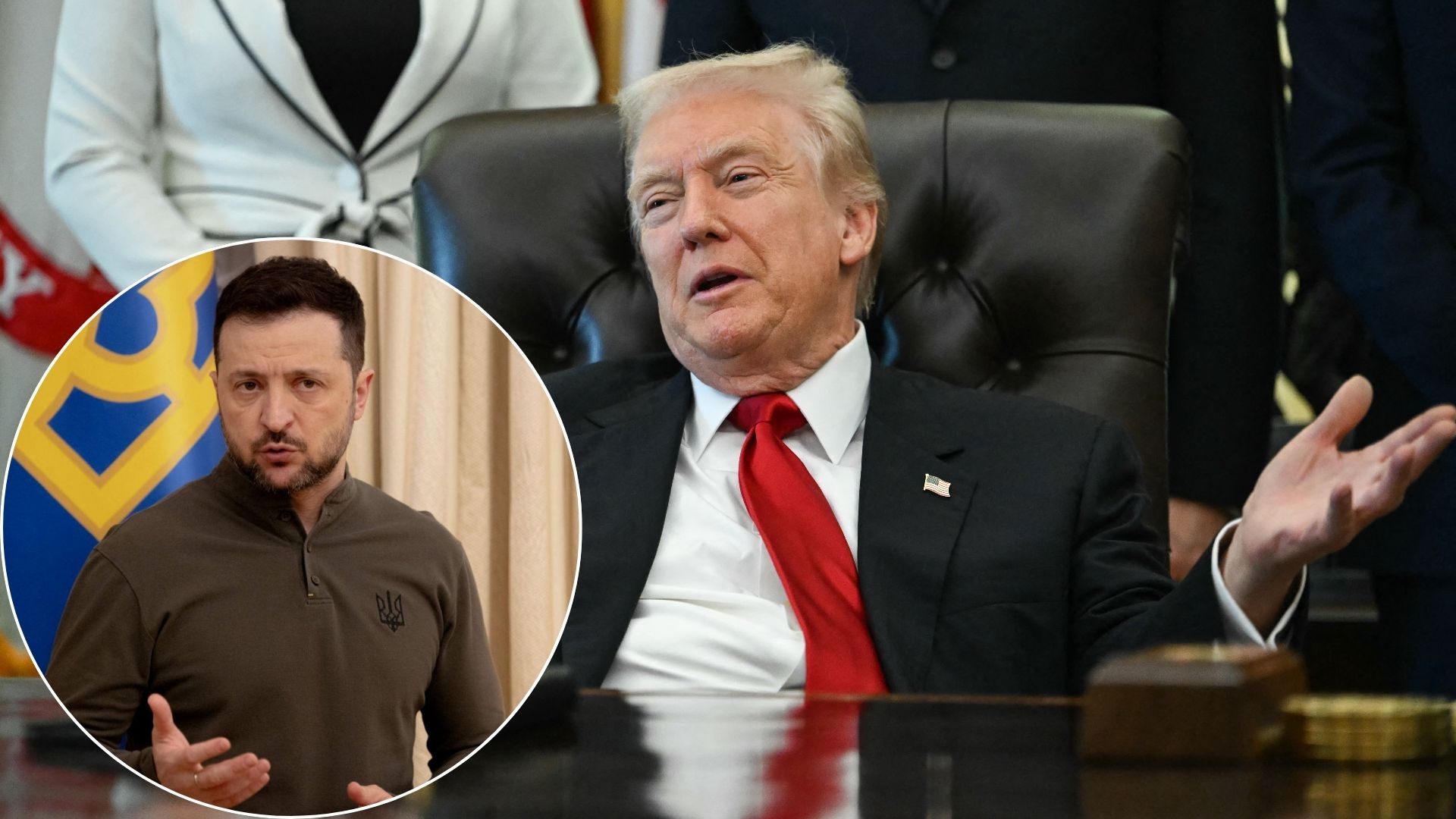
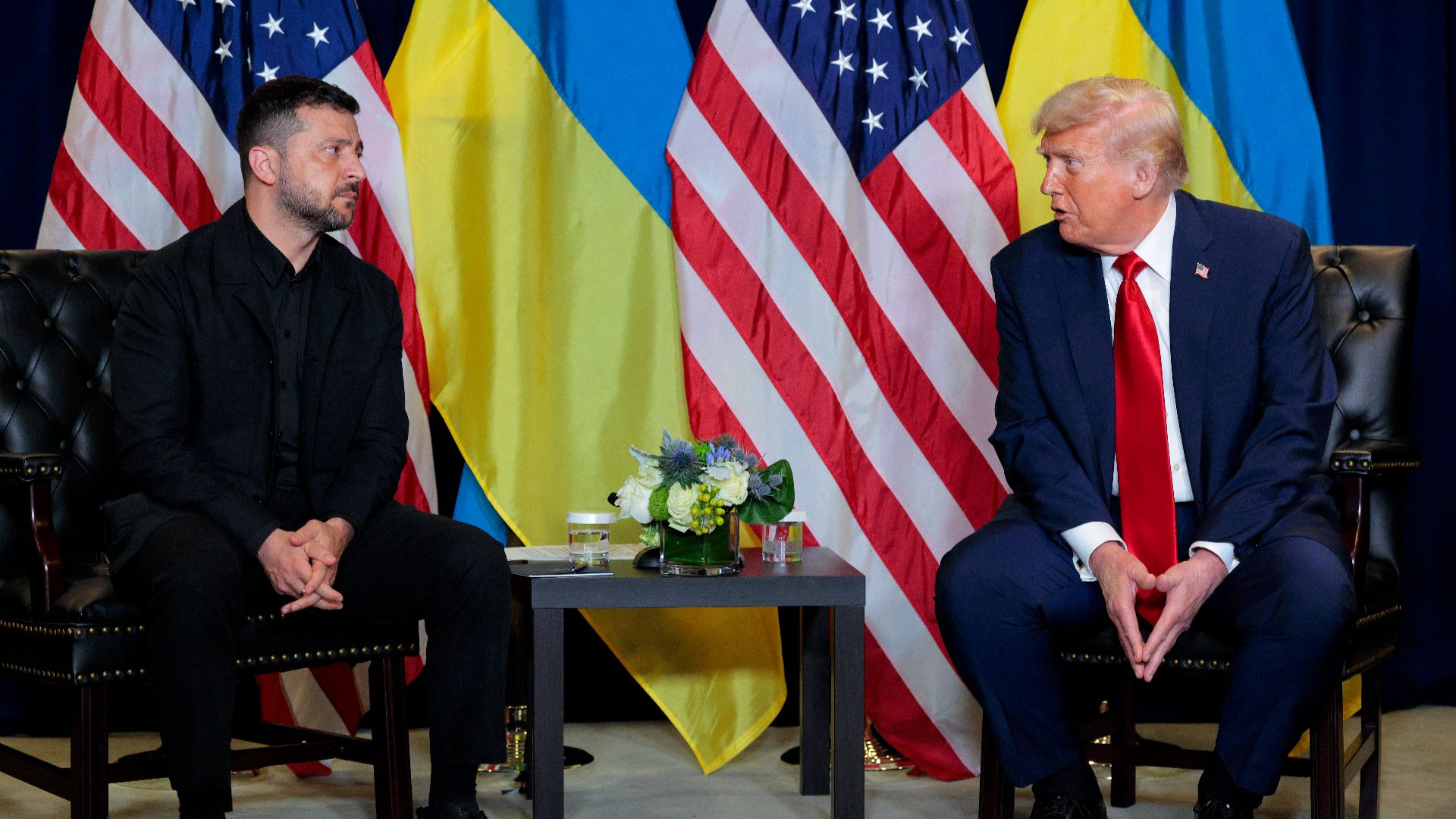
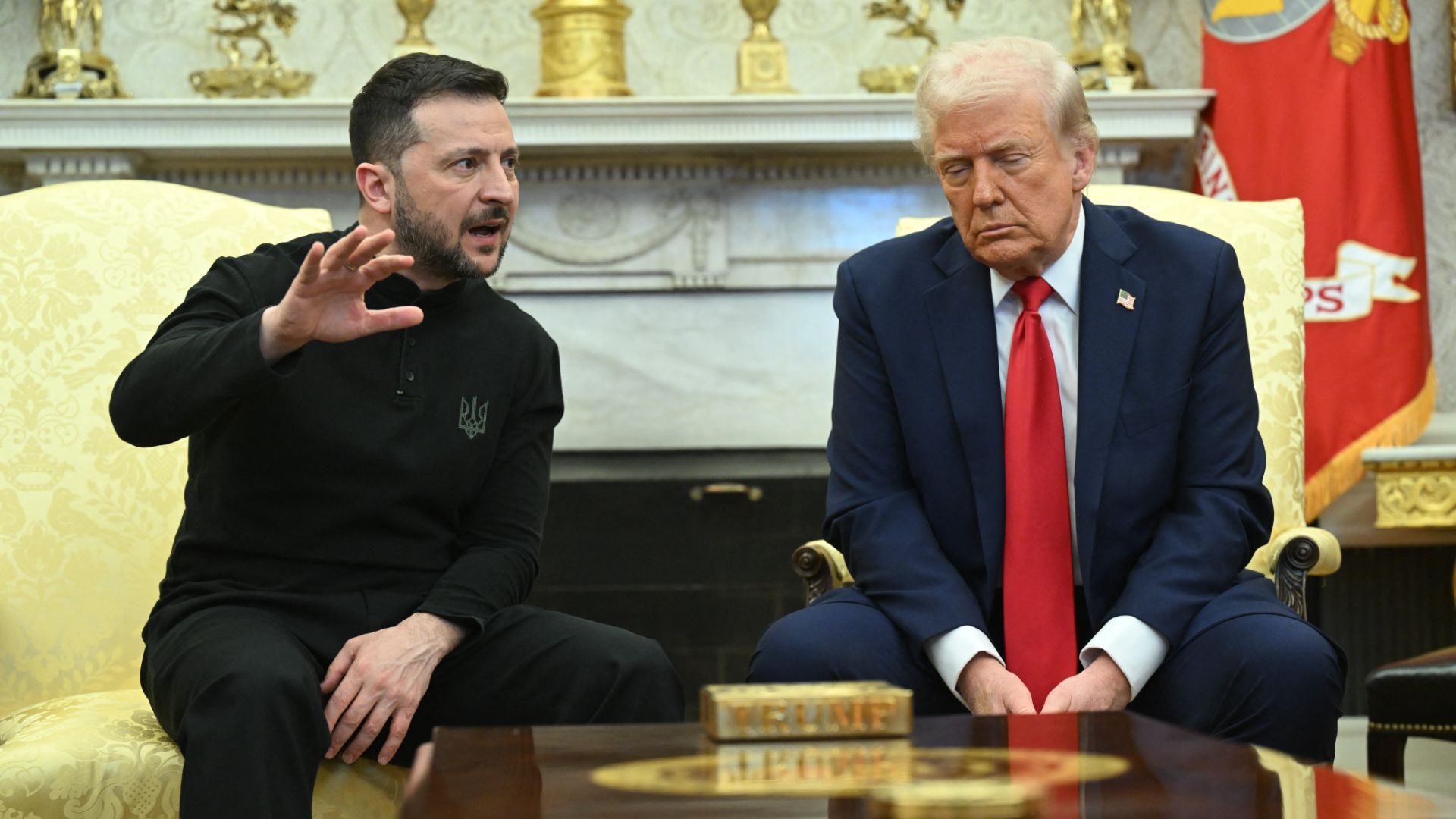
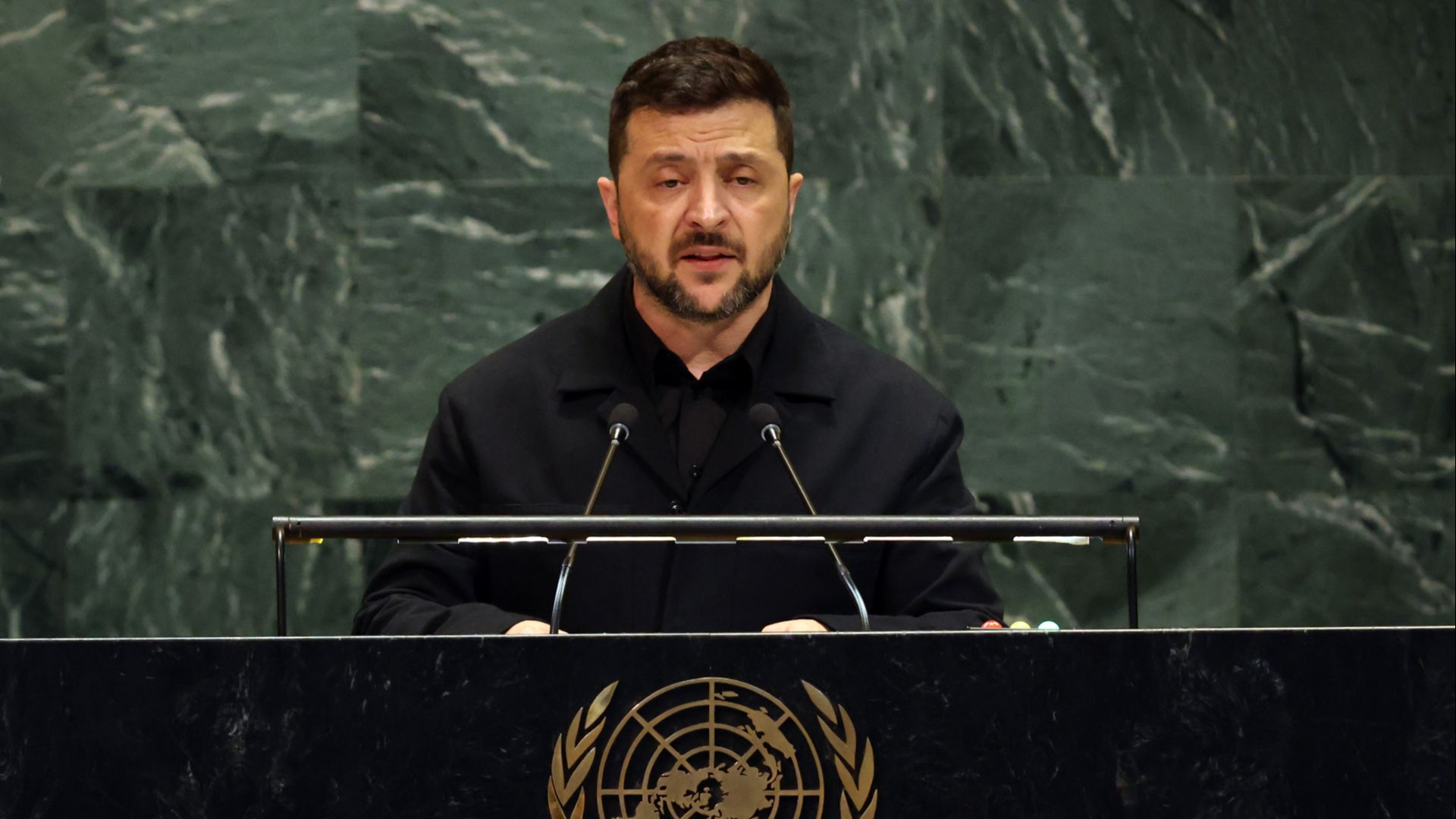
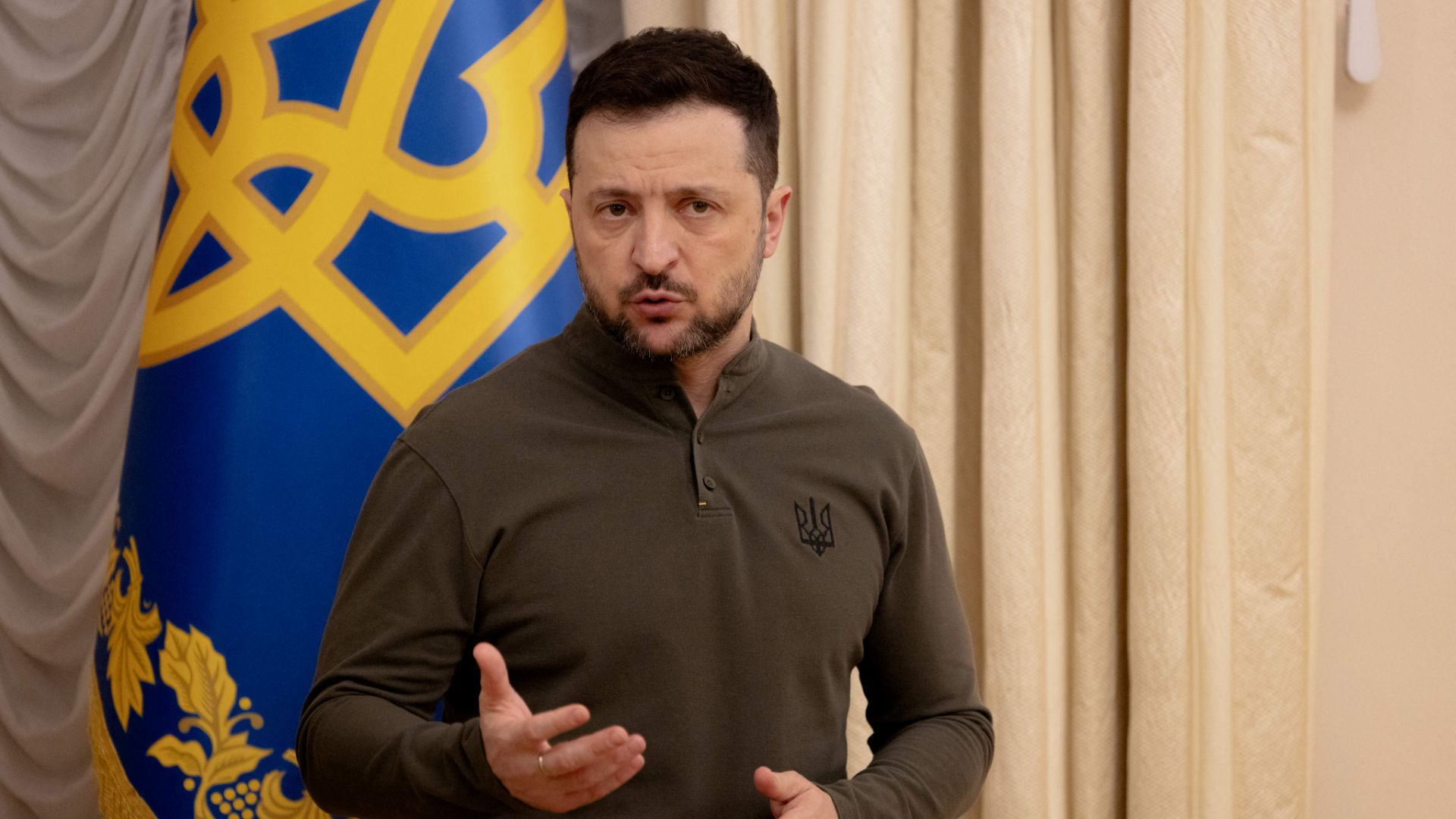
The United States has turned to Ukraine for help countering Iranian drones, seeking battlefield-tested technology it declined to pursue only months earlier. As Iranian-made Shahed drones increasingly threaten American forces and allies in the Middle East, Washington is now looking to Kyiv’s experience defending its skies during the war with Russia.
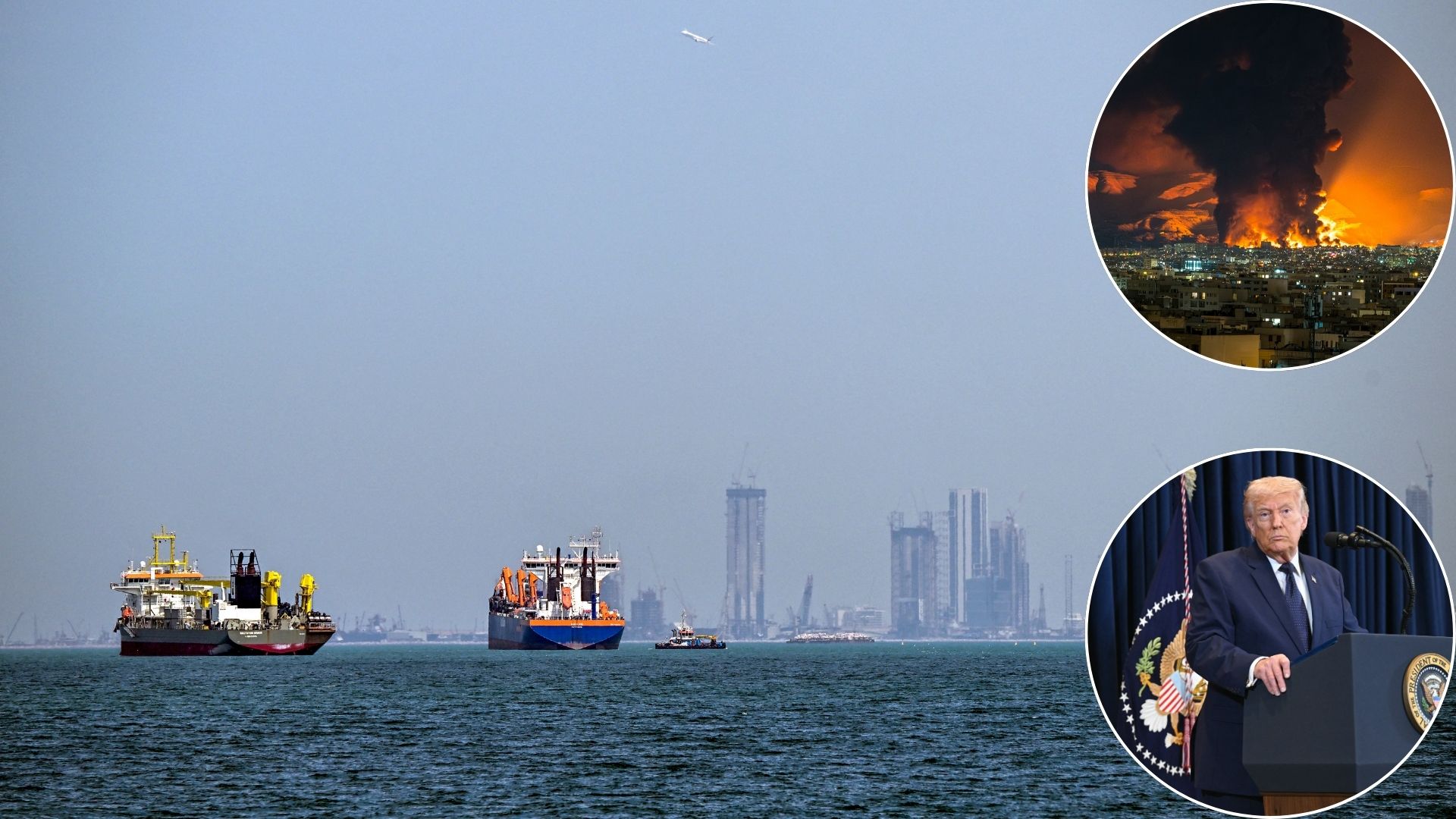
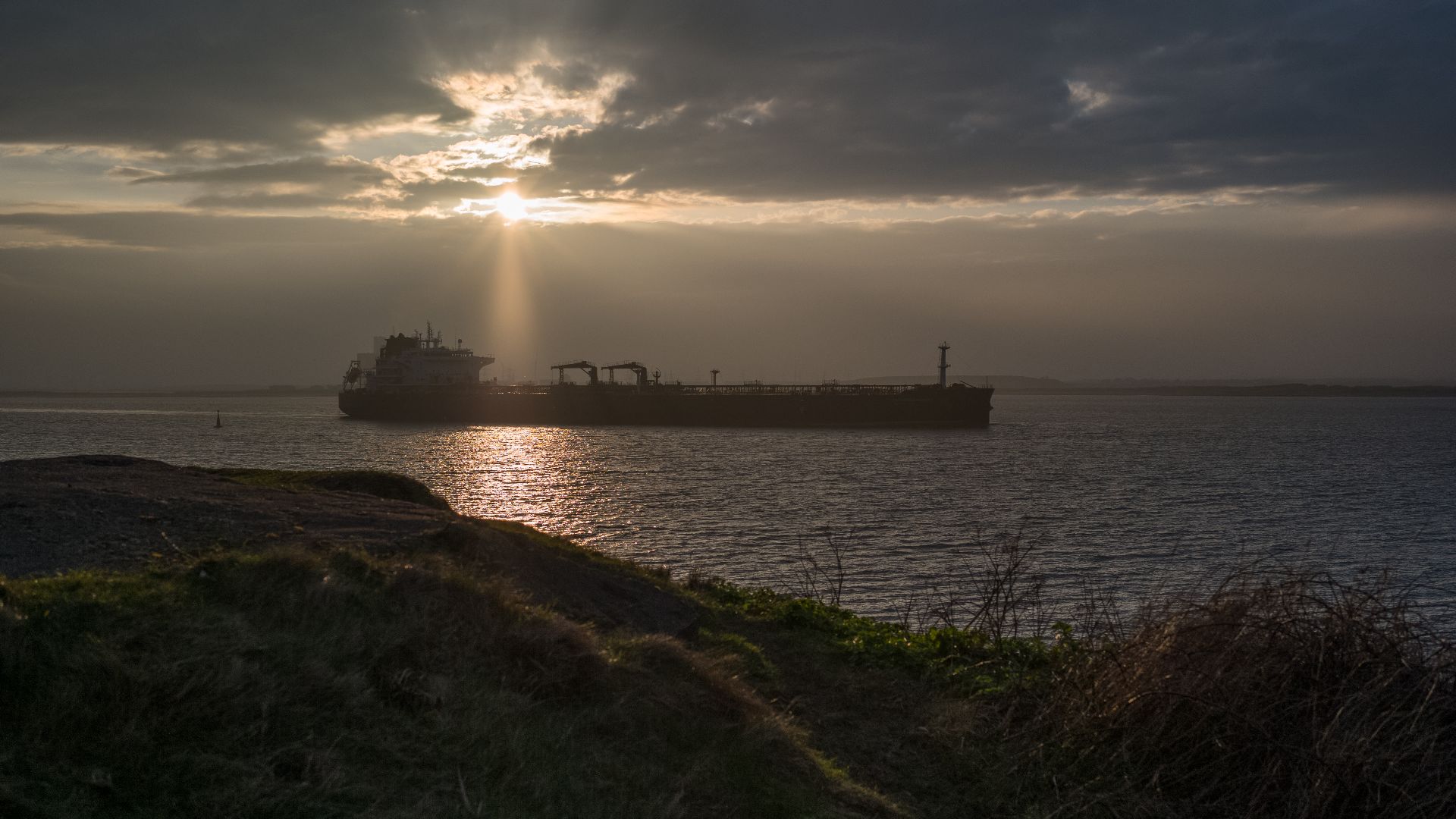
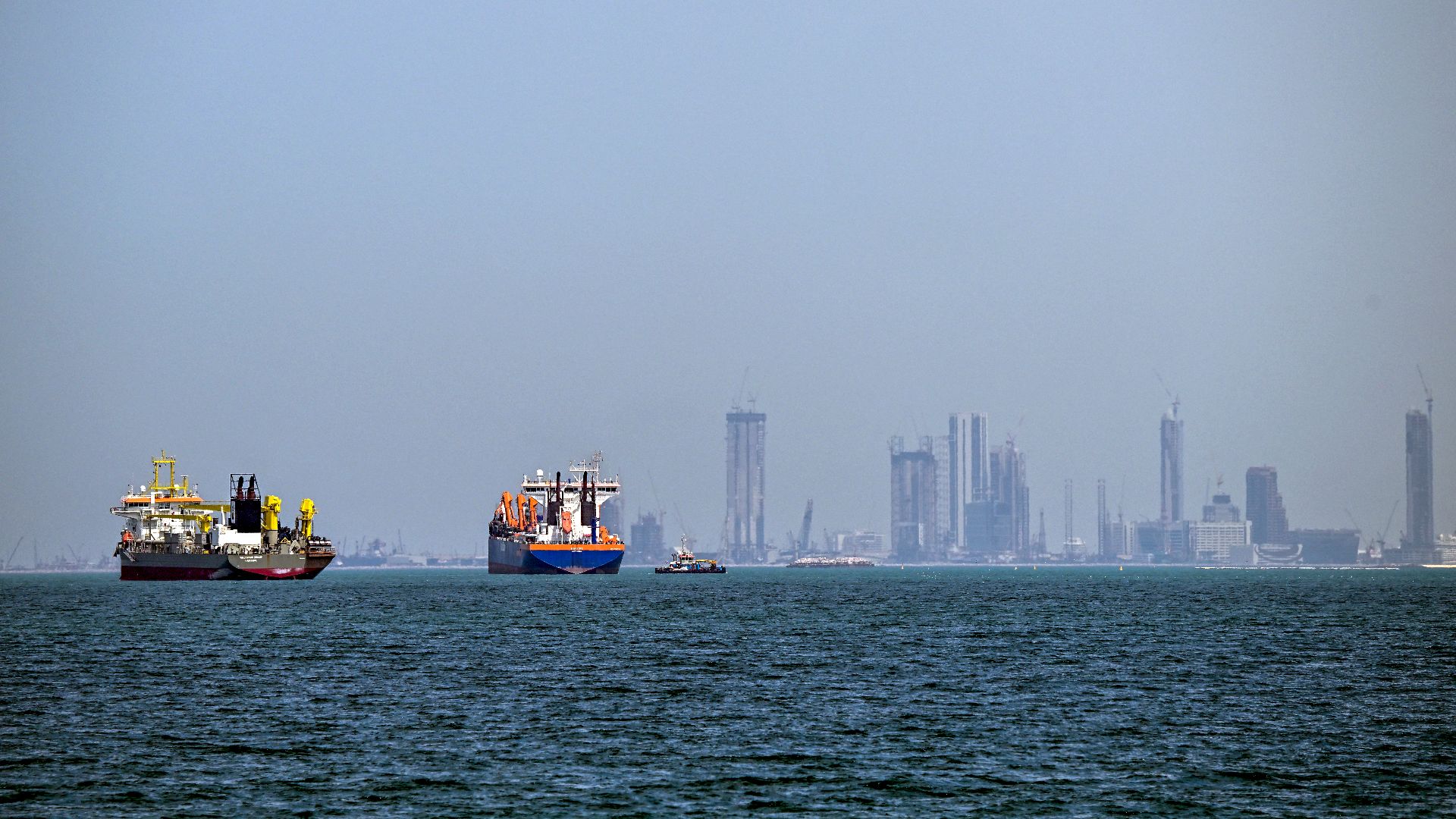
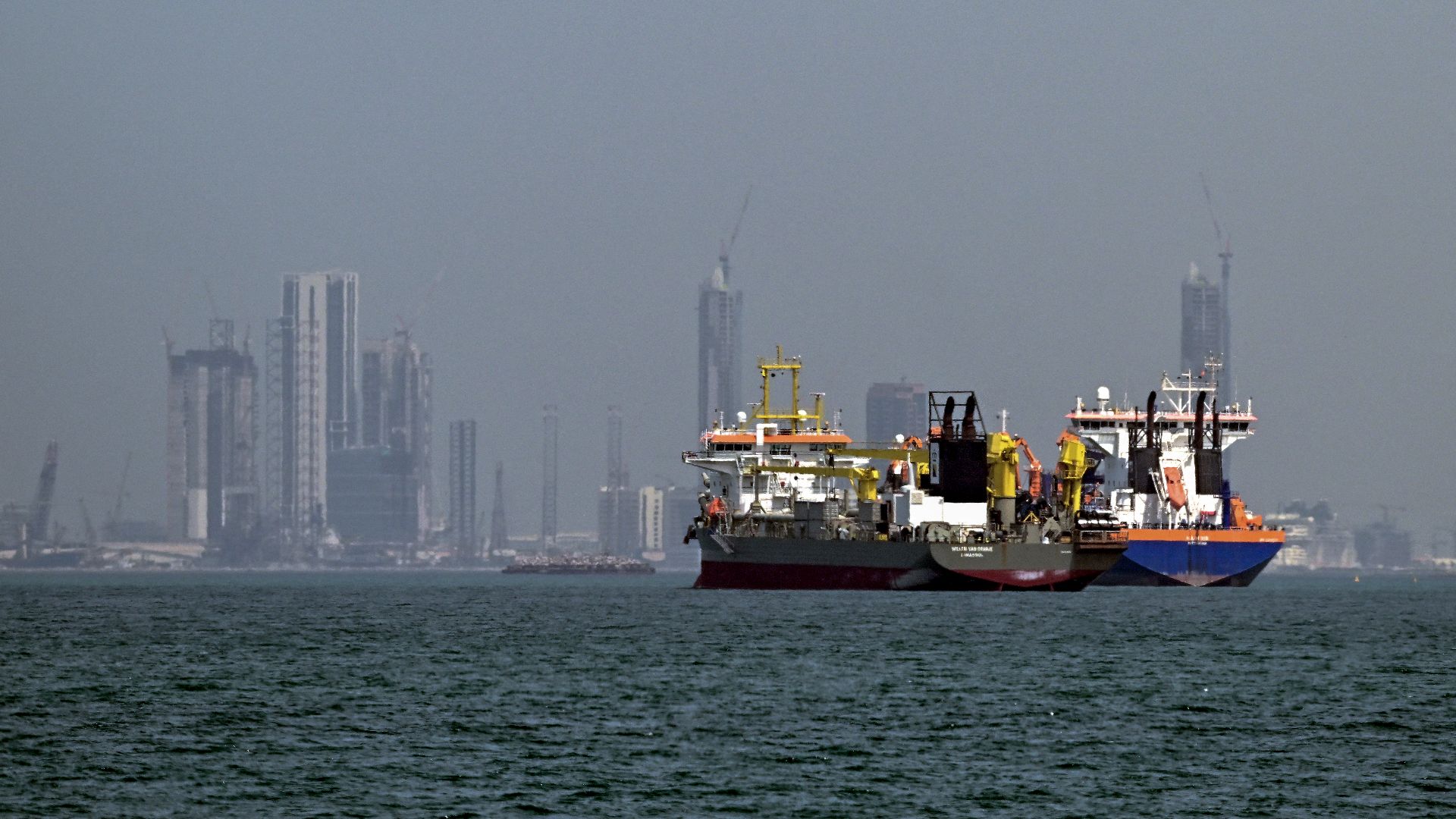
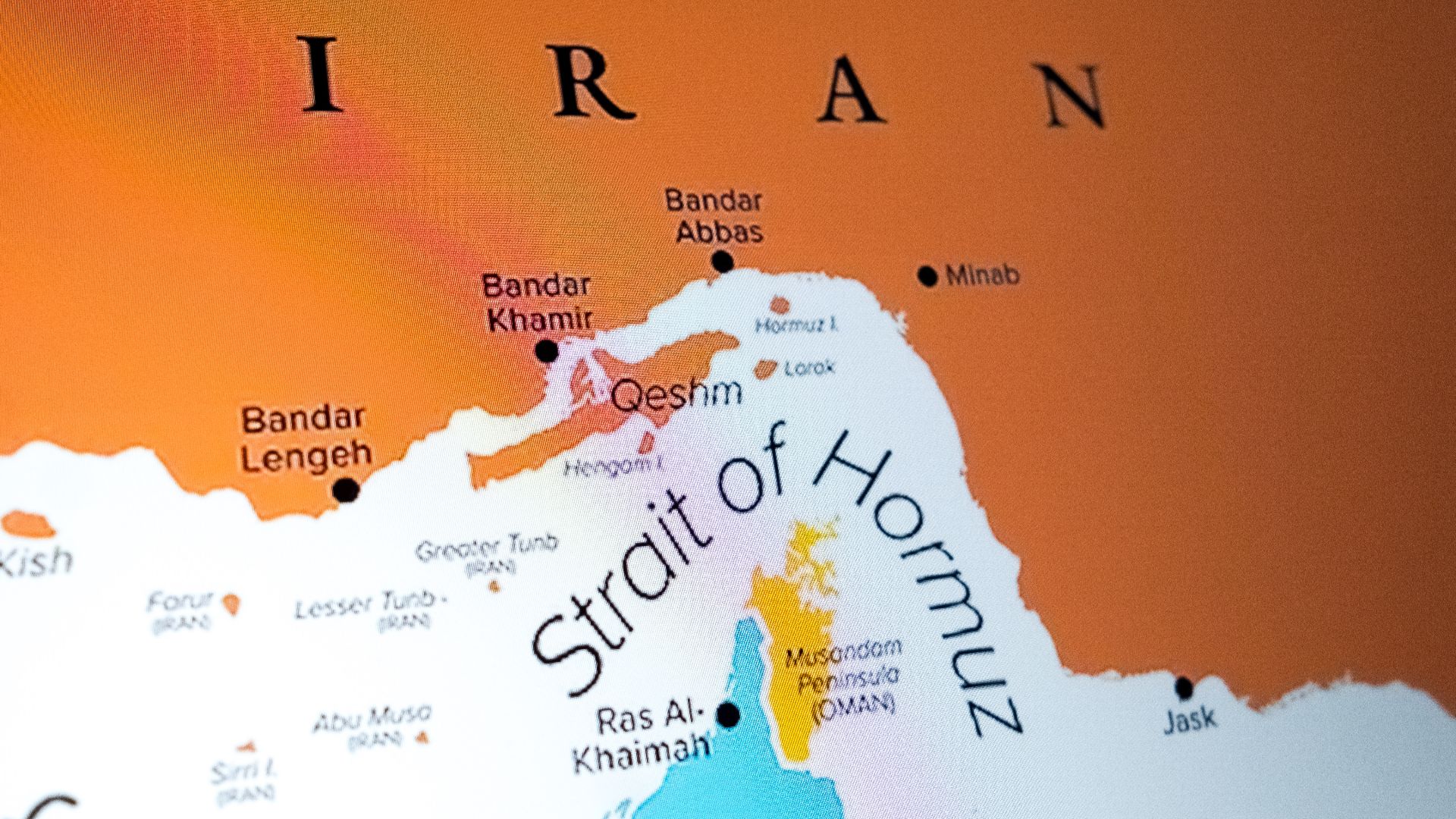
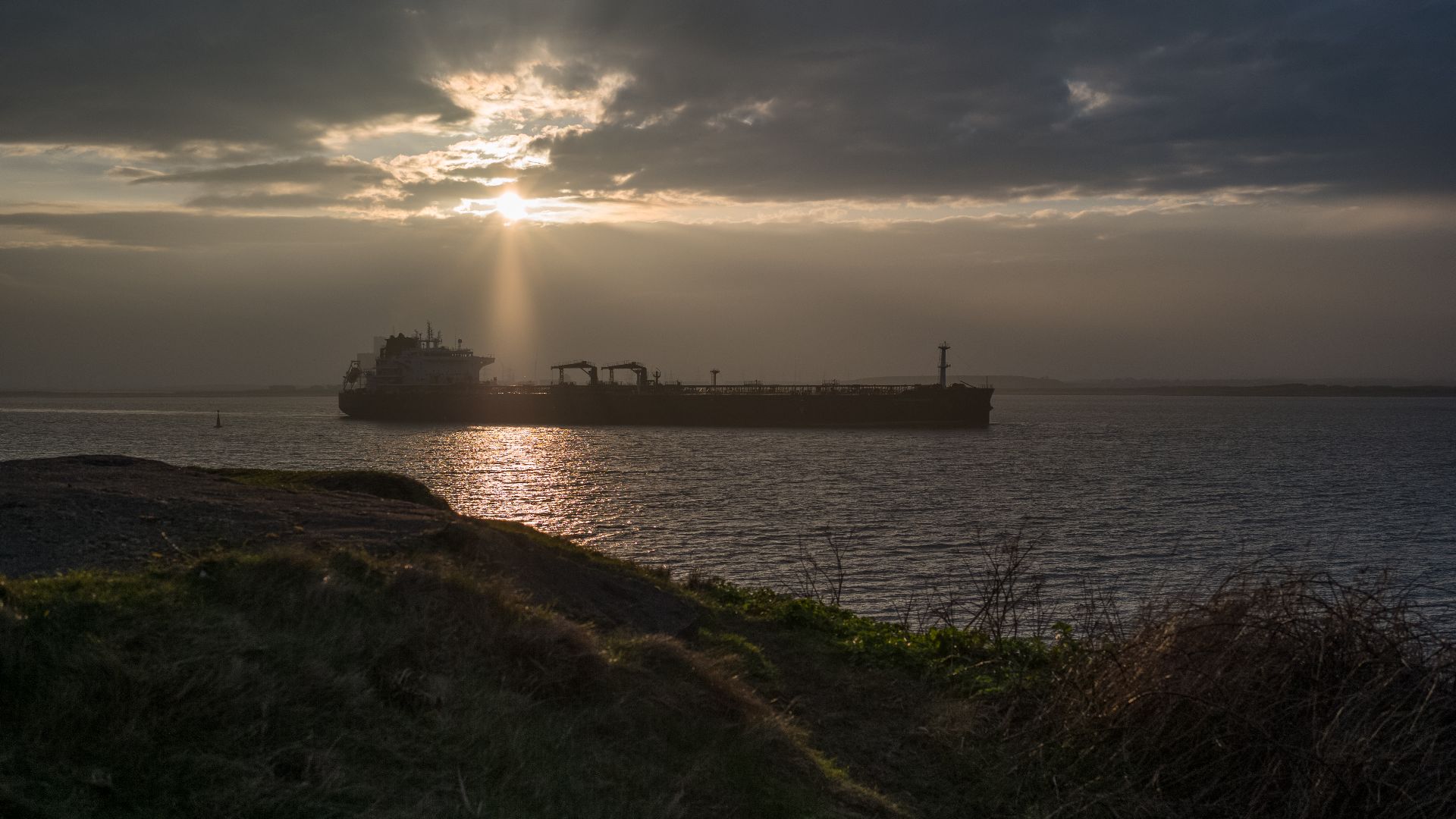
Tensions in the Strait of Hormuz escalated sharply after at least three commercial vessels were struck in separate incidents across the strategic waterway, one of the most important routes for global oil shipments. The attacks came as Iran issued a direct warning to ships linked to the United States, Israel and their allies, declaring that such vessels would be considered «legitimate targets» during the escalating conflict. The threats and strikes have intensified fears that the Iran war could disrupt global energy supplies, as the narrow maritime corridor carries roughly a fifth of the world’s oil exports. Governments and shipping companies are now reassessing risks as military activity and security concerns grow across the Gulf region.
Which series are coming to an end or being cancelled in 2026? Is your favorite returning for a new season? Between expected renewals, surprise cancellations, and series bowing out after several years, 2026 promises to be a pivotal year for many productions. From streaming platforms to major American networks, announcements are multiplying and reshaping the television landscape. Some series are continuing their success with new seasons, while others are closing the curtain for good. Discover in our complete recap all the series renewed, canceled, or ending in 2026, with essential information to remember so you don’t miss any of the upcoming releases.
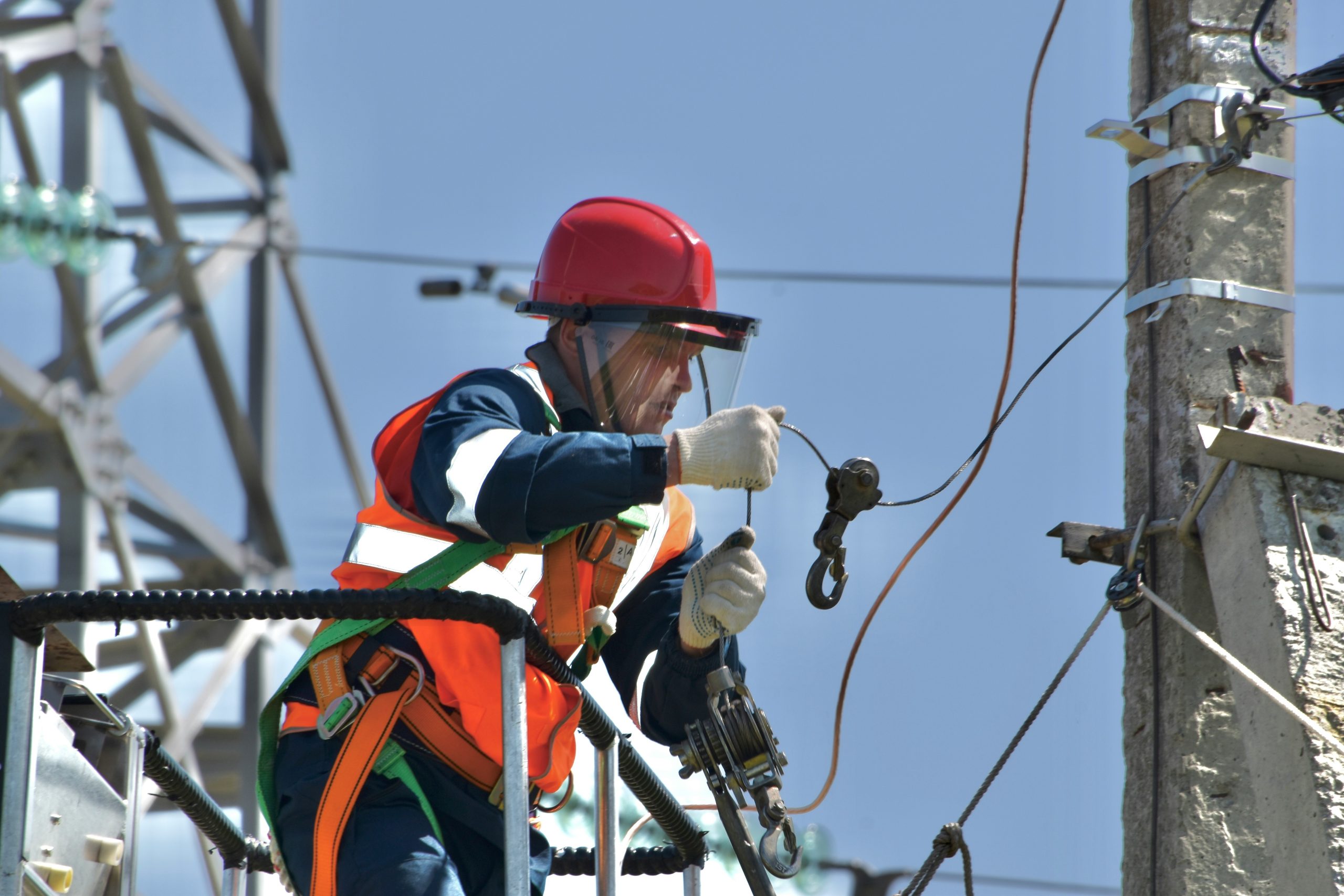
With the advent of mainstream artificial intelligence, we’ve all said to ourselves one day that our job will soon be replaced by an AI. While some occupations involving repetitive tasks are well and truly under threat, there are several that are not likely to disappear any time soon. These include jobs that require a case-by-case approach, as well as others that require direct human intervention or decision-making. There are also jobs that are directly related to AI, and which AI cannot do without. Here’s a list of 15 jobs that will stand up to Artificial Intelligence.
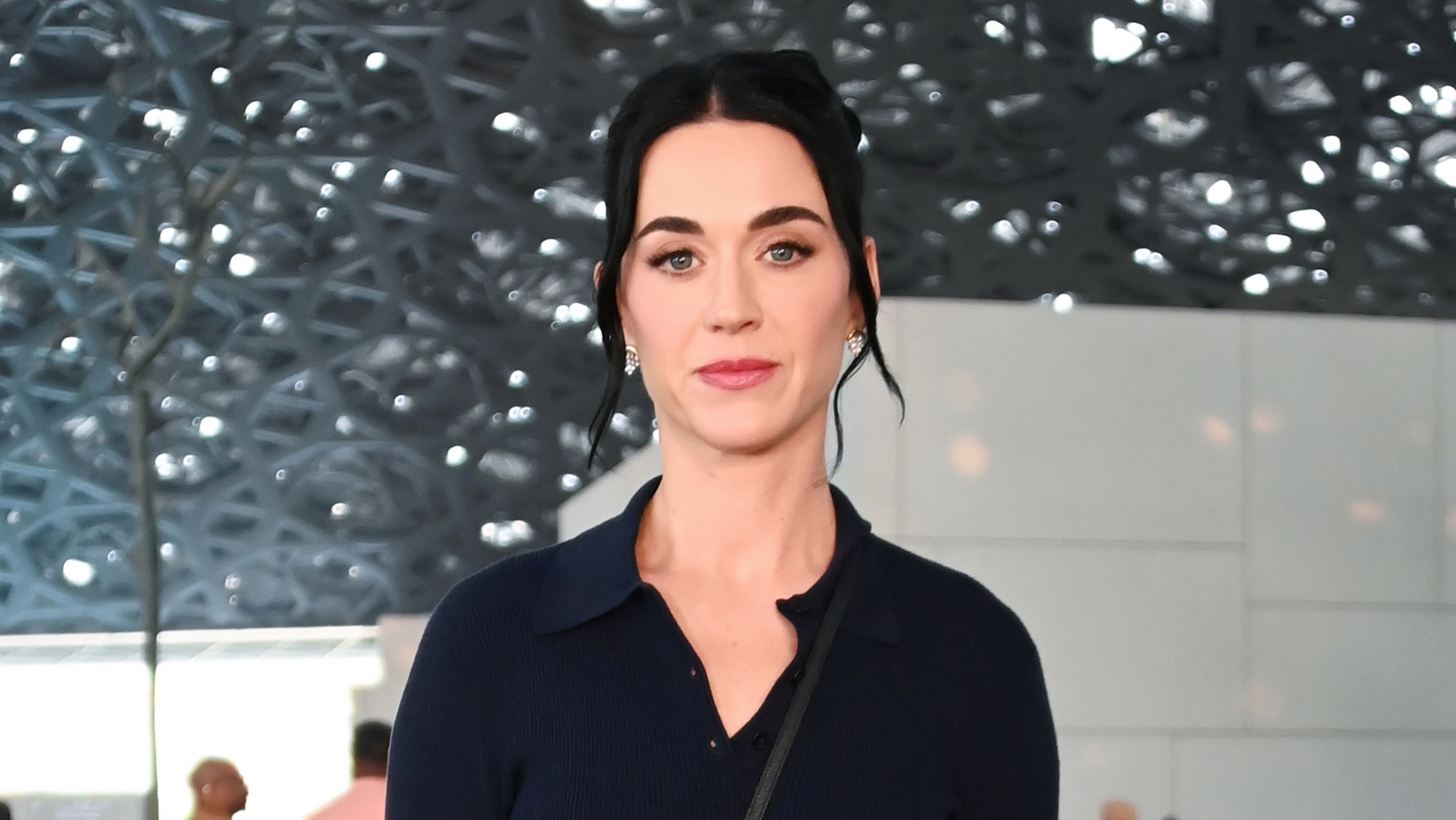
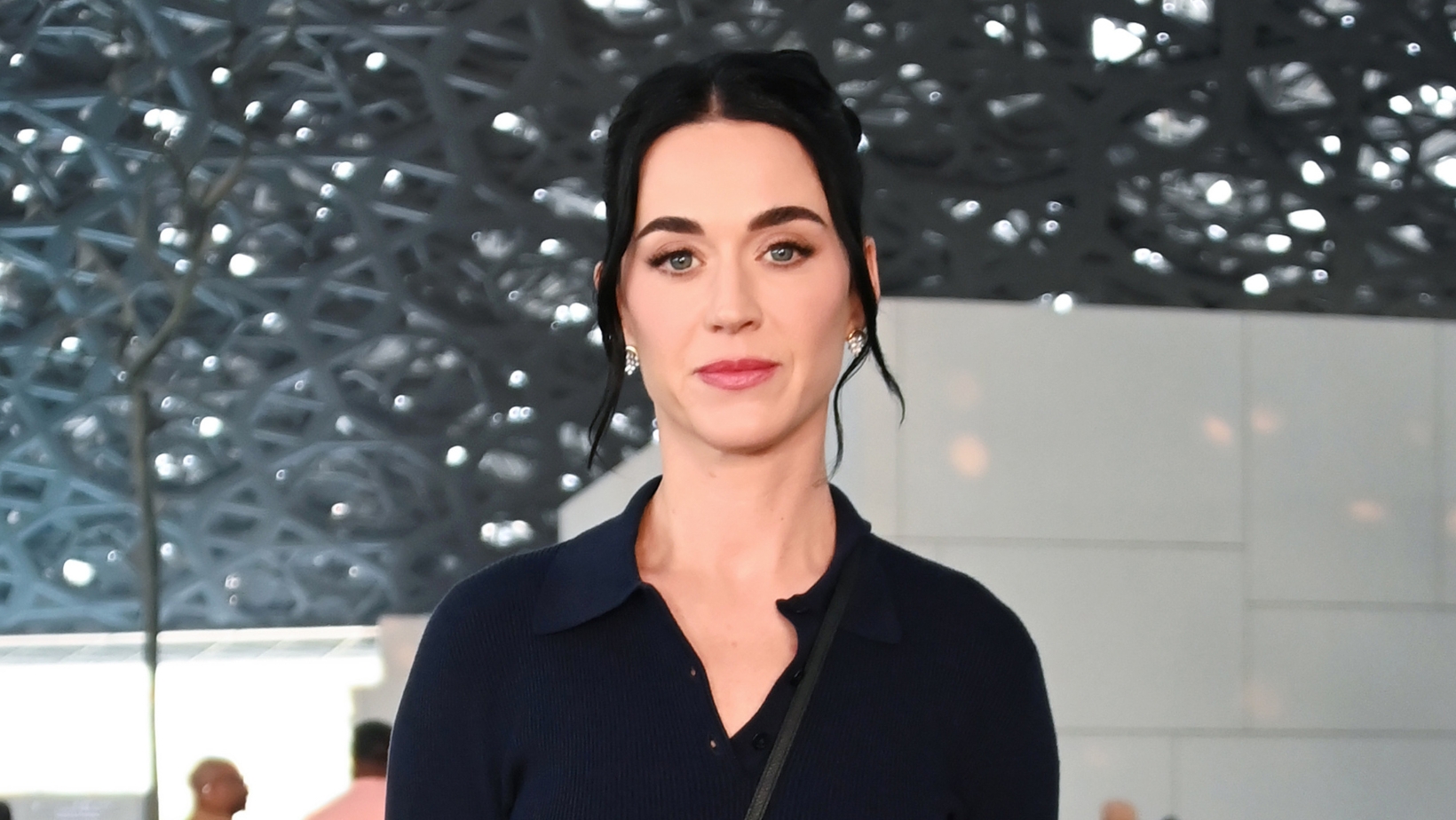
After a long legal battle, Katy Perry has finally lost her case against an Australian designer with the same name.
It should be noted that Australian designer Katie Perry, who used her real name for her business, accused the singer of trademark infringement. She also claimed that the artist had attempted to oppose the registration of her trademark even before achieving international fame.
Standing up for what’s right…
For her part, the singer of several hit songs, including I Kissed a Girl, California Gurls, and Firework, claimed that her music career was already hugely successful when the designer began selling her clothes in around 2008.
In 2024, an Australian court ruled in favor of the singer, the girlfriend of Justin Trudeau, whose real name is Katheryn Hudson, ruling against the maintenance of the trademark.
Katie Perry
A final decision and a word from the designer
However, the Australian High Court ultimately overturned this decision in 2026, ruling that any risk of « confusion » with the singer was unlikely.
A spokesperson for the singer also told AFP that Katy Perry had « never sought to shut down » the business of Australian designer Katie Perry.
« This decision shows that even small Australian businesses can stand up for their rights, » Katie said on her official website. « This case was never just about a name. It was about protecting small businesses in Australia, standing up for what is right, and showing that every one of us matters, » she added.
Getty Images
A look back at another legal battle involving the singer
Katy Perry has also been involved in a major real estate legal battle over a mansion in Montecito, California. The singer and her former partner Orlando Bloom agreed to purchase the property in 2020, but the transaction was contested by the seller, triggering several years of court proceedings. After a lengthy legal battle, the courts finally ruled in favor of the pop star. The courts confirmed that Katy Perry legally retained ownership of the mansion. In addition to keeping the residence, the singer was awarded approximately $1.8 million in compensation, including for financial losses and lost rental income while the dispute blocked the use of the property.
This decision marks the conclusion of a legal battle that lasted several years over this luxurious California property.
The idea of going to church might seem old-fashioned to some, but it keeps drawing people in for reasons that feel surprisingly fresh. It’s not about ceremonies or rules but about finding a space where time slows down just enough to catch your breath. In church, stories mix with silence, and strangers become part of a larger conversation without needing many words. People often discover unexpected comfort and meaning in these moments, creating connections that last beyond the service. This feeling of belonging and calm helps many handle life’s challenges-a reason enough to make this place worth visiting. Beyond that, there are plenty of other reasons people keep coming back to church time and again. Read on to find out.
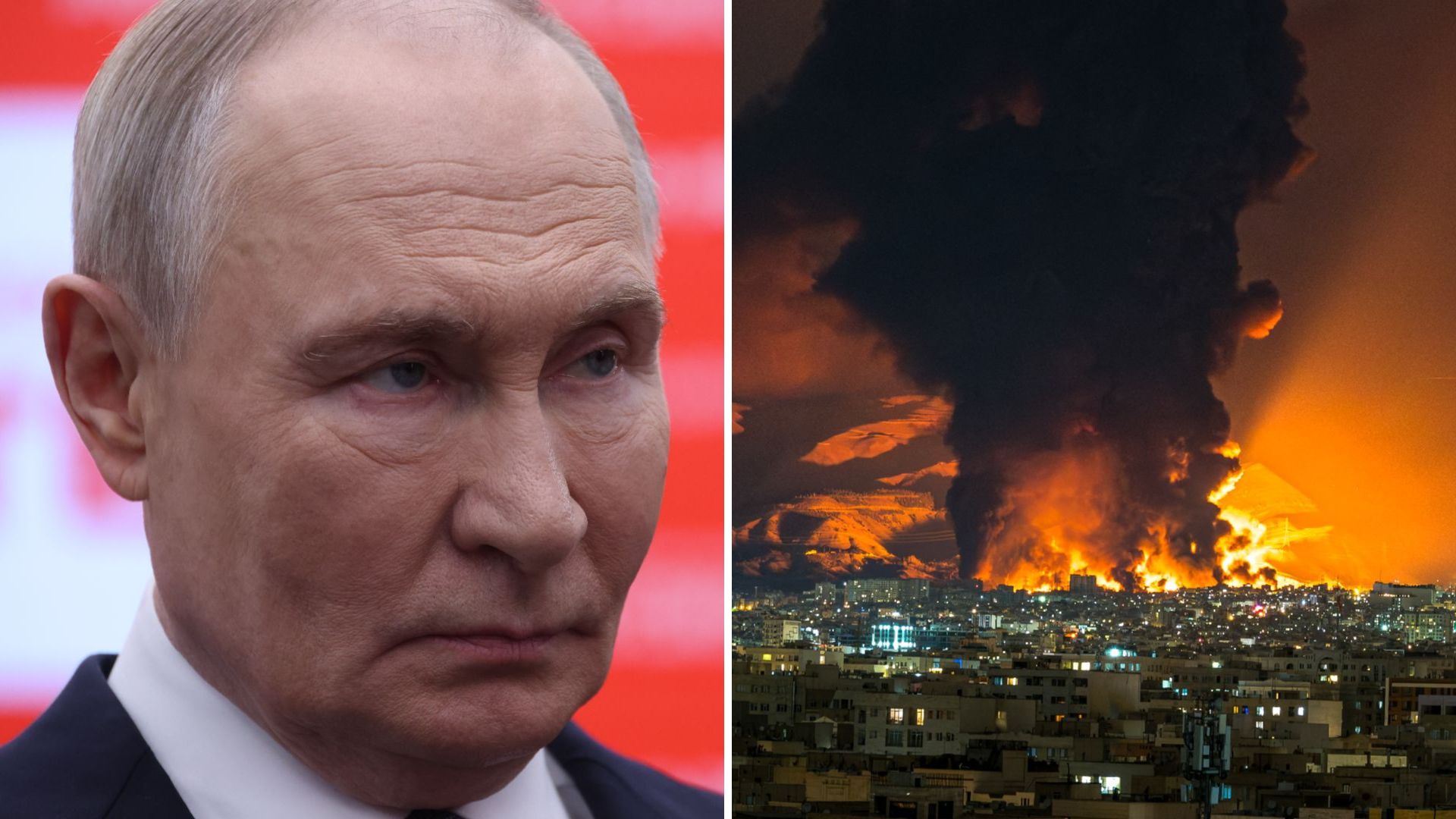
Russia is facing accusations of quietly assisting Iran during the escalating war involving Tehran, Israel and the United States, according to reporting by CNN citing Western officials familiar with intelligence assessments. The allegations emerged after U.S. and Israeli strikes on Iranian targets triggered retaliation across the region and raised fears that outside powers could deepen their involvement in the conflict. Western officials told CNN that Moscow has been providing Tehran with intelligence and strategic advice related to drone operations and targeting. The assistance, they said, reflects growing military cooperation between the two countries as tensions across the Middle East continue to intensify following the outbreak of hostilities.
Getty Images
According to information obtained by CNN from multiple Western intelligence officials, Russia has shared insights drawn from its experience using drones during the war in Ukraine. Officials said Moscow has advised Iranian military planners on tactics designed to make drone attacks more effective against air defenses and military infrastructure. One Western official told CNN that Russia had been providing guidance to Tehran on how to improve operational planning and strike coordination. The official said the support focused particularly on lessons learned from Russia’s extensive use of drones during the conflict in Ukraine, where unmanned aerial systems have become a central component of modern battlefield strategy.
Getty Images
The intelligence shared by Moscow reportedly includes analysis of how drone swarms can overwhelm defensive systems and how to coordinate waves of attacks against military installations. Western officials told CNN that Russia’s advice may help Iranian forces refine tactics used in drone and missile attacks targeting U.S. bases and Israeli infrastructure. The officials said the cooperation is part of a broader strategic relationship that has grown closer since the beginning of Russia’s invasion of Ukraine, when Iran began supplying Moscow with large numbers of drones used in strikes against Ukrainian cities and energy infrastructure.
«We can take them at their word.»
-Trump’s special envoy, Steve Witkoff
Officials familiar with the intelligence assessments said the information being shared by Russia does not necessarily involve direct participation in Iranian military operations but rather technical guidance and operational advice. According to the sources cited by CNN, the exchanges illustrate how the two countries have increasingly supported each other’s military capabilities in different conflicts. Analysts say the partnership reflects a deeper geopolitical alignment between Moscow and Tehran as both governments confront Western pressure and sanctions while seeking to counter the influence of the United States and its allies.
Getty Images
The accusations come as the broader conflict in the Middle East continues to expand following U.S. and Israeli strikes on Iranian military facilities. Washington has warned that it is prepared to respond to attacks targeting American forces or allied infrastructure, while Iran has threatened retaliation against what it calls hostile powers operating in the region. The involvement of Russia, even indirectly through intelligence and tactical advice, raises concerns among Western officials that the war could widen further if major global powers become more deeply involved in supporting opposing sides in the conflict.
Getty Images
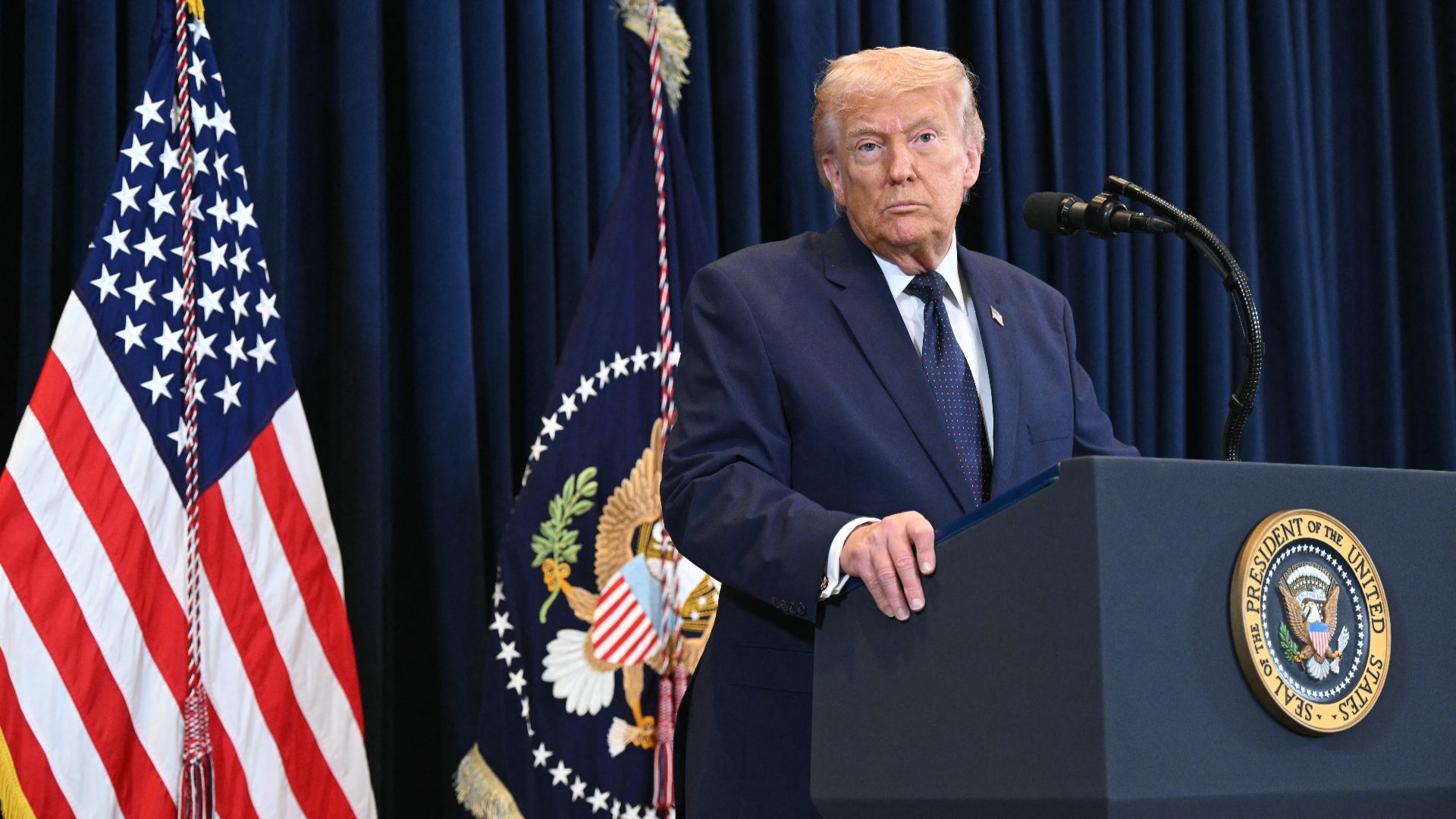
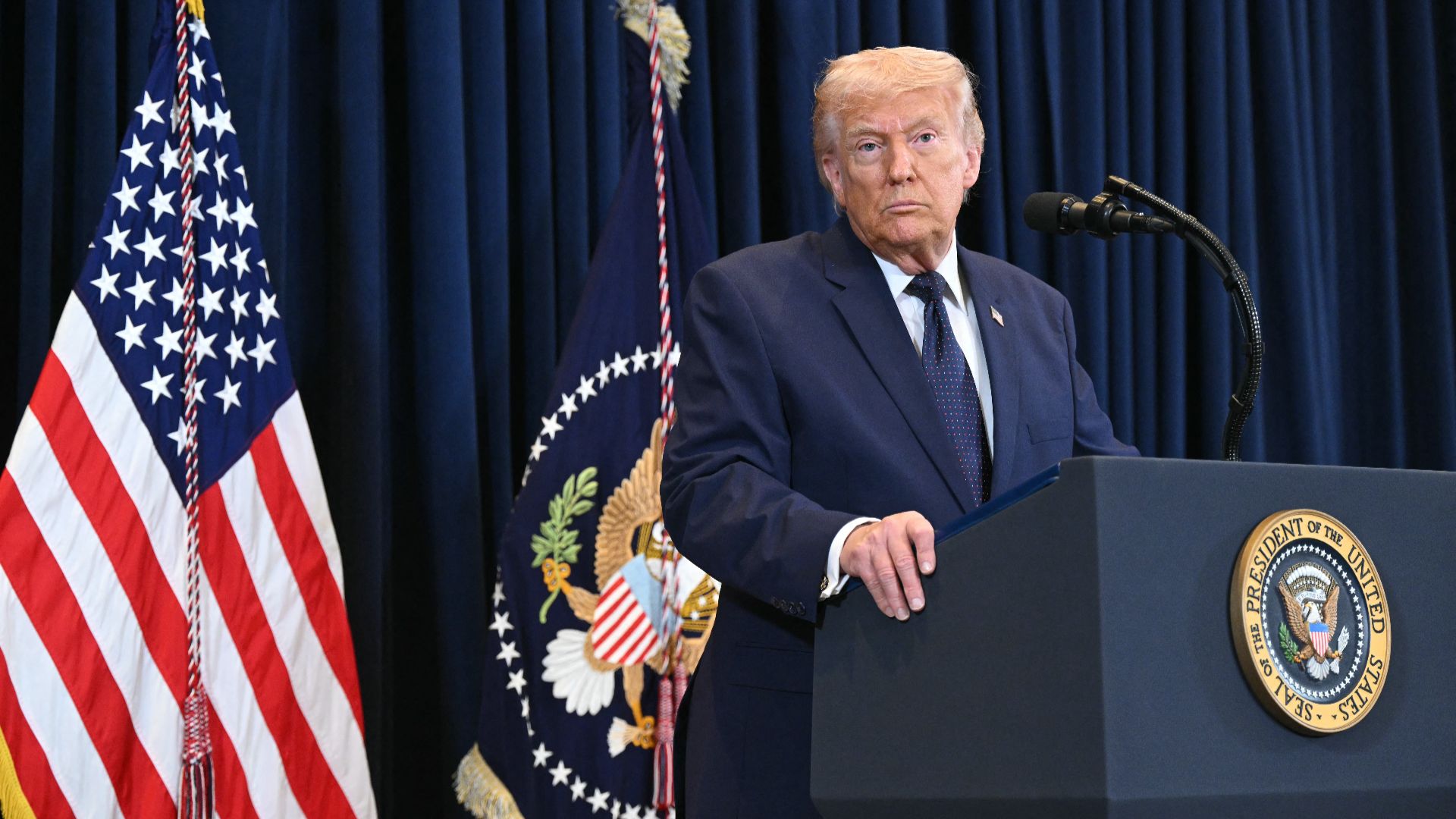
The accusations about Russian assistance have also drawn responses from the Trump administration, which has publicly downplayed the claims. President Trump said he has seen no confirmation that Moscow is providing targeting intelligence to Tehran, adding that even if such information were being shared it had not significantly changed the battlefield situation. Steve Witkoff, Trump’s special envoy, said he had raised the issue with Russian officials and was told Moscow had not shared intelligence with Tehran. «We can take them at their word», Witkoff said when asked about the assurances given to the president.
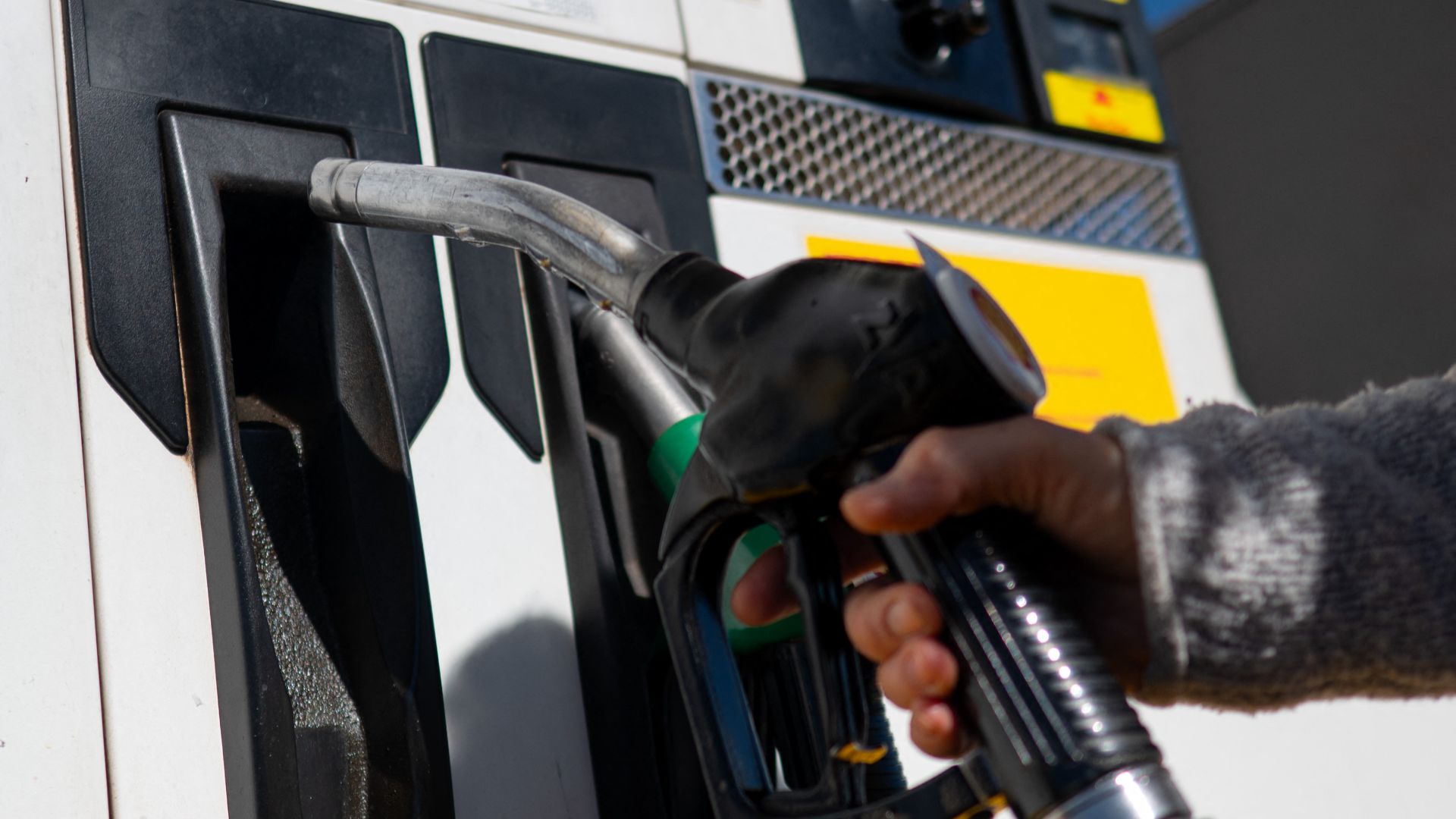
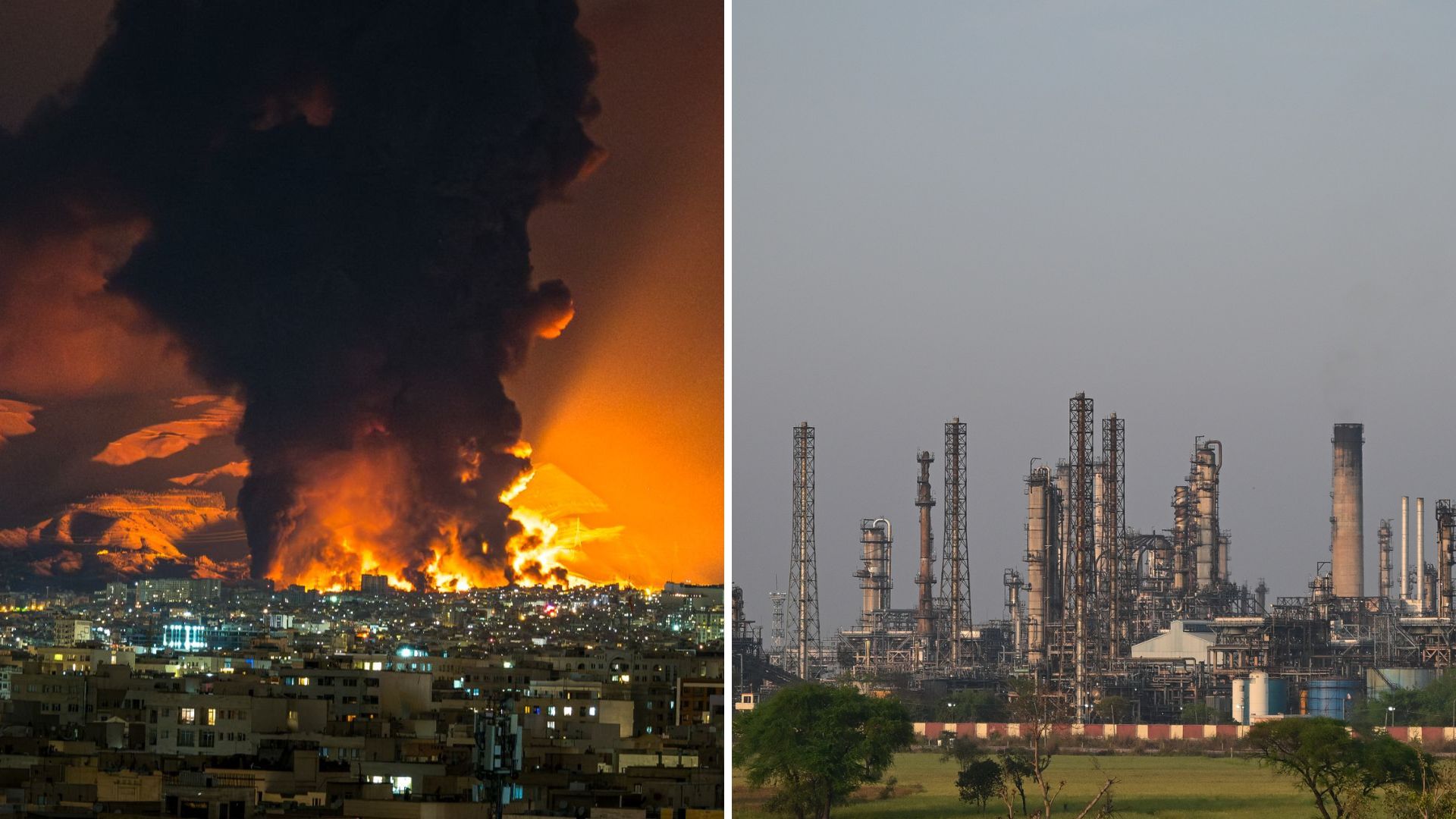
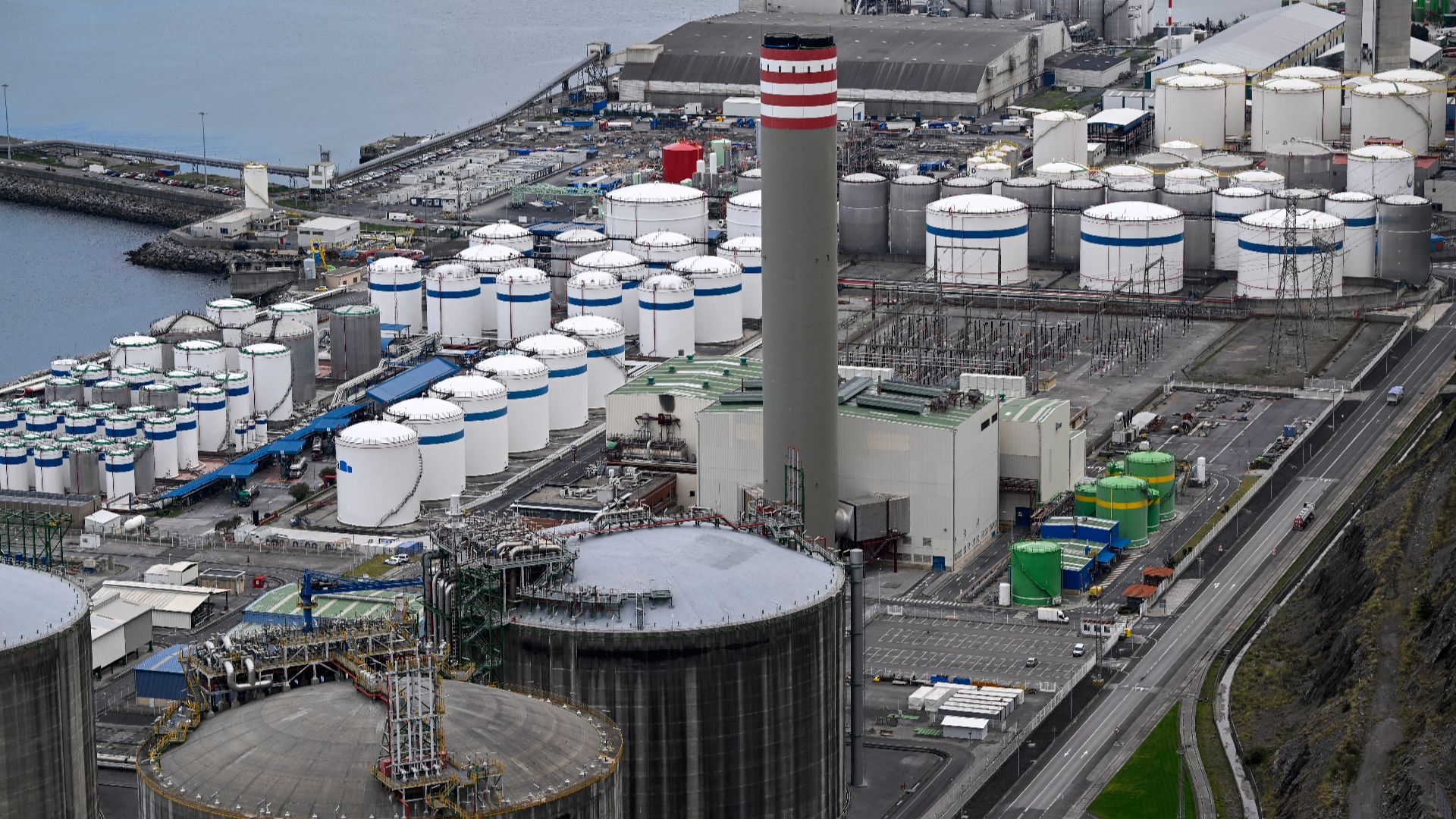
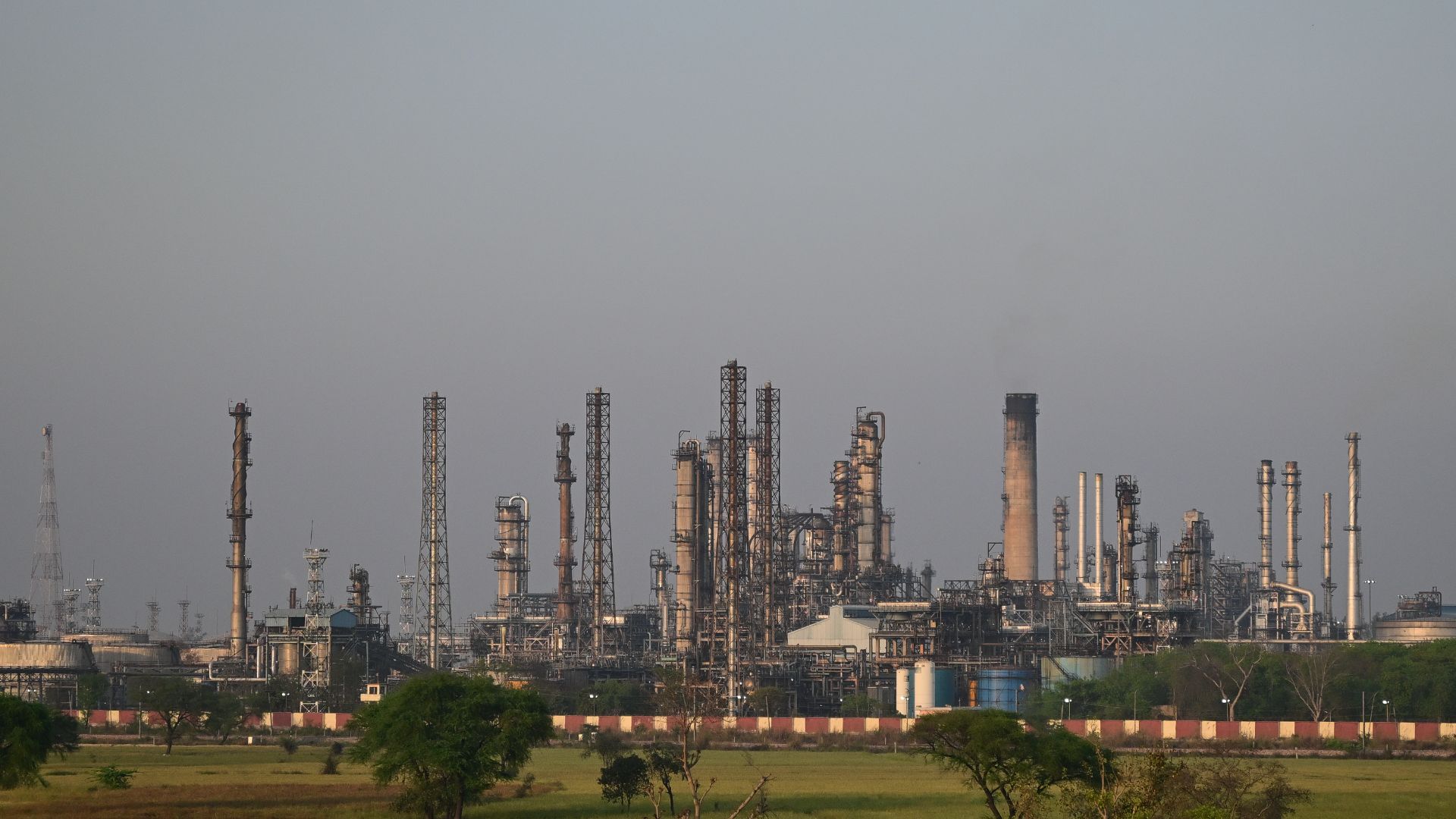
Global energy markets were jolted after governments announced the largest coordinated emergency oil release in history, a move aimed at stabilizing prices and preventing a wider economic shock triggered by the escalating war involving Iran, the United States and Israel. Energy ministers from countries participating in the International Energy Agency agreed to release hundreds of millions of barrels from strategic petroleum reserves as crude prices surged amid fears that supplies from the Persian Gulf could be disrupted. The unprecedented decision reflects growing concerns that the conflict in the Middle East could rapidly escalate into a global energy crisis if shipping routes and oil production across the region are severely affected.
Getty Images
The announcement followed days of sharp volatility in global oil markets as traders reacted to military developments across the Middle East. Energy officials said the coordinated release would involve roughly 400 million barrels from strategic stockpiles held by major consuming nations. International Energy Agency Executive Director Fatih Birol described the decision as a necessary step to stabilize markets during a period of extreme geopolitical tension. «We are acting decisively and collectively to ensure oil markets remain adequately supplied», Birol said when announcing the coordinated action designed to calm investors and prevent further price spikes.
«Any vessel whose oil cargo or the vessel itself belongs to the United States, the Zionist regime or their hostile allies will be considered legitimate targets.»
-Iran central operational command, Khatam Al-Anbiya
The crisis stems from a rapid escalation in hostilities after the United States and Israel launched strikes on Iranian military facilities, triggering retaliation across the region. Iranian forces responded with missile and drone attacks targeting U.S. installations and Israeli infrastructure, while warning that Western-linked shipping and energy infrastructure could be targeted if the conflict continues. The military confrontation has expanded beyond the initial strikes, drawing in naval forces and raising fears that the fighting could spread throughout the Persian Gulf, where several of the world’s largest oil exporters operate critical production and shipping facilities.
Getty images
Oil markets have been particularly sensitive to developments in the Strait of Hormuz, a narrow maritime corridor connecting the Persian Gulf to global energy markets. Roughly one fifth of the world’s oil passes through the waterway each day, making it one of the most strategically important shipping routes in the global economy. Iranian officials have warned that the strait could become a battleground if attacks on Iranian territory continue. In a statement carried by Iranian state television, the military’s central operational command Khatam Al-Anbiya said: «Any vessel whose oil cargo or the vessel itself belongs to the United States, the Zionist regime or their hostile allies will be considered legitimate targets».
Getty Images
The Trump administration has defended the military campaign while acknowledging the economic consequences now rippling through global markets. Officials in Washington said protecting international shipping and preventing Iran from threatening energy supplies remains a priority for U.S. forces operating in the region. At the same time, the White House has supported the release of strategic oil reserves to limit the economic fallout from the conflict. Energy officials said the coordinated action with international partners is designed to ensure global supply remains stable while the military situation continues to evolve.
«We are acting decisively and collectively to ensure oil markets remain adequately supplied.»
-International Energy Agency Executive Director, Fatih Birol
Allies of the United States have also backed the emergency measures, warning that the energy shock could spread beyond oil markets if the conflict continues to escalate. European and Asian governments have expressed concern about supply disruptions and rising insurance costs for tankers operating in the Persian Gulf. Analysts say the scale of the emergency release underscores the seriousness of the crisis and the potential for prolonged instability in global energy markets. As military tensions continue to rise around Iran and the Strait of Hormuz, the unprecedented deployment of strategic oil reserves highlights how closely the global economy remains tied to the security of the Middle East’s energy infrastructure.
Le magazine Forbes a récemment publié une mise à jour de son célèbre classement des personnes les plus riches au monde. Parmi ces immenses fortunes, certaines proviennent du monde du divertissement.
Au fil des années, plusieurs artistes, acteurs, producteurs et entrepreneurs ont réussi à transformer leur succès en véritables empires financiers. Grâce à leurs carrières impressionnantes, leurs entreprises et leurs investissements, ces personnalités ont accumulé des fortunes qui dépassent parfois le milliard de dollars.
De la musique au cinéma, en passant par la télévision et les affaires, ces vedettes dominent aujourd’hui l’industrie du divertissement. Voici donc 16 des stars les plus fortunées de la planète, selon les données publiées par Forbes.
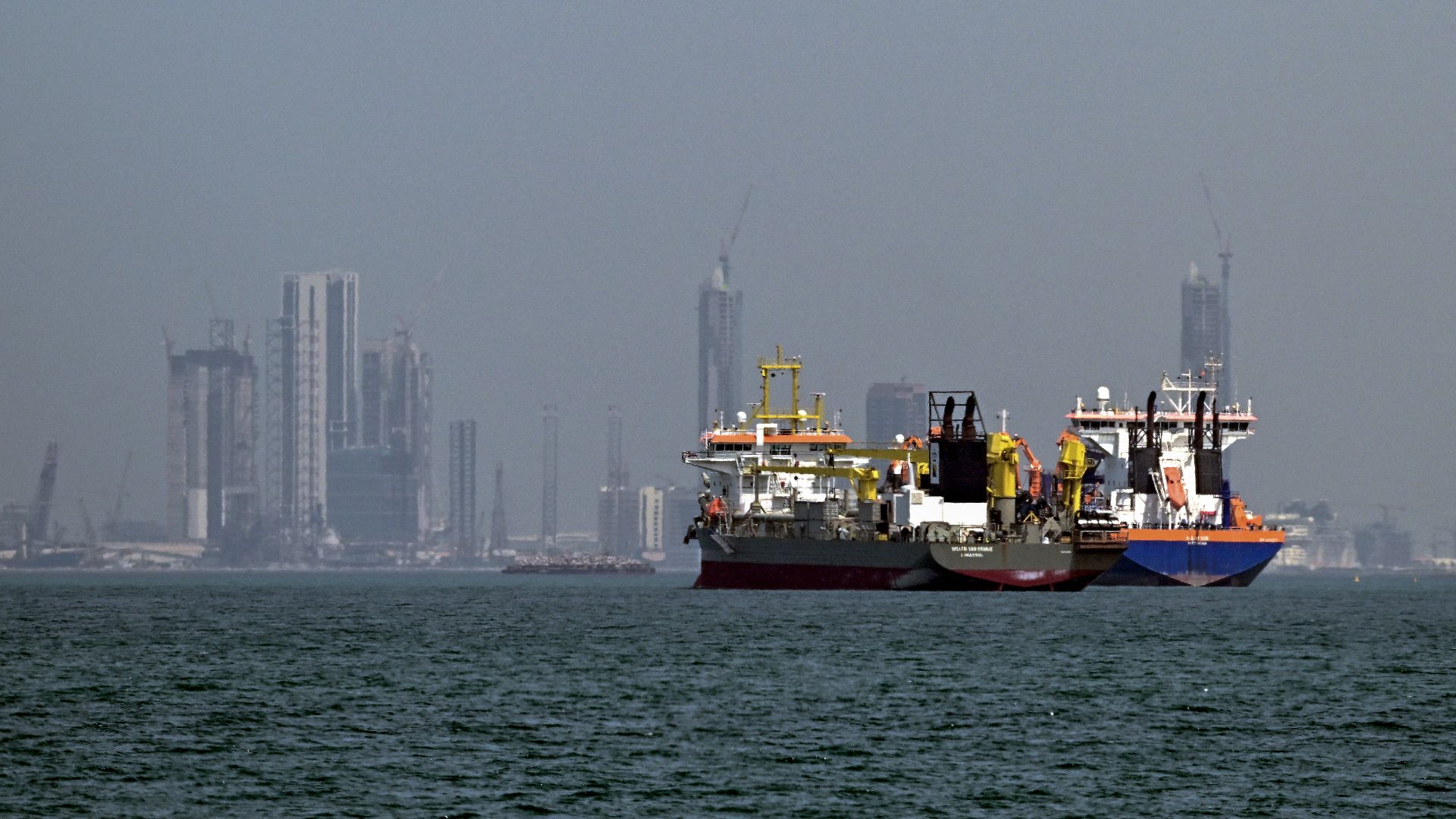
Tensions in the Strait of Hormuz intensified after at least three commercial vessels were struck by projectiles in and around the critical maritime corridor, raising fears that the Iran war is expanding to global shipping routes. Maritime security agencies reported that a cargo vessel near Oman, a bulk carrier north of Dubai and a container ship near Ras al-Khaimah were hit in separate incidents. The attacks occurred as hostilities between Iran, the United States and Israel continue to escalate following U.S. and Israeli strikes on Iranian targets. Shipping companies have begun diverting vessels away from the narrow waterway as the threat environment worsens and the risk of further attacks grows.
Getty Images
Iran’s military leadership issued a direct warning to international shipping shortly before the incidents. In a statement carried by Iranian state television, the armed forces’ central operational command Khatam Al-Anbiya declared: «Any vessel whose oil cargo or the vessel itself belongs to the United States, the Zionist regime or their hostile allies will be considered legitimate targets». The statement also warned that Iran’s armed forces «will not allow a single litre of oil to transit» through the strait while the conflict continues. The announcement marked one of the clearest threats yet that Tehran could target energy shipments moving through the strategic channel linking the Persian Gulf to the global market.
Getty Images
The Strait of Hormuz is one of the world’s most critical maritime choke points, carrying roughly a fifth of global oil shipments each day and connecting major Gulf exporters to international markets. In normal conditions, around 20 million barrels of crude pass through the narrow corridor daily, making it a vital artery for the global energy system. Even small disruptions in the strait can rapidly ripple through financial markets and global supply chains. Since the war began, oil prices have surged and shipping companies have begun rerouting vessels, with insurers raising premiums or withdrawing coverage entirely for ships entering the region.
«Any vessel whose oil cargo or the vessel itself belongs to the United States, the Zionist regime or their hostile allies will be considered legitimate targets».
-Iran central operational command, Khatam Al-Anbiya
The crisis erupted after the United States and Israel launched large-scale strikes on Iranian military infrastructure, triggering retaliation across the Middle East. Iranian forces responded with missile and drone attacks targeting U.S. military installations, Israeli territory and infrastructure in several Gulf states. Washington has also intensified its naval operations in the region as tensions rose in the Gulf. U.S. officials say the military presence aims to deter further attacks on international shipping and maintain open passage through the waterway as the conflict continues to widen.
Getty Images
The Trump administration has warned that it will continue military operations to keep the strategic shipping lane open. U.S. officials say protecting freedom of navigation through the strait remains a priority for American forces deployed in the region. At the same time, Washington has moved to stabilize global energy markets after oil prices surged in response to the attacks and threats against shipping. Officials said the United States and its partners are prepared to release oil from strategic petroleum reserves if necessary to offset supply disruptions and limit price spikes triggered by the escalating war.
Getty Images
Allies of the United States have expressed concern about the economic consequences of the confrontation and the possibility that commercial traffic could be severely disrupted. Governments in Europe and Asia have urged shipping companies to exercise caution when operating near the strait as the security situation deteriorates. Analysts warn that any prolonged disruption in the corridor could have major consequences for global energy markets and trade flows. With several vessels already damaged and insurance costs rising sharply, the crisis in the Strait of Hormuz is now threatening one of the most important energy routes in the world.