Catégories
Uncategorized

Tucker Carlson admits misleading viewers about Trump, says he is «tormented by it»

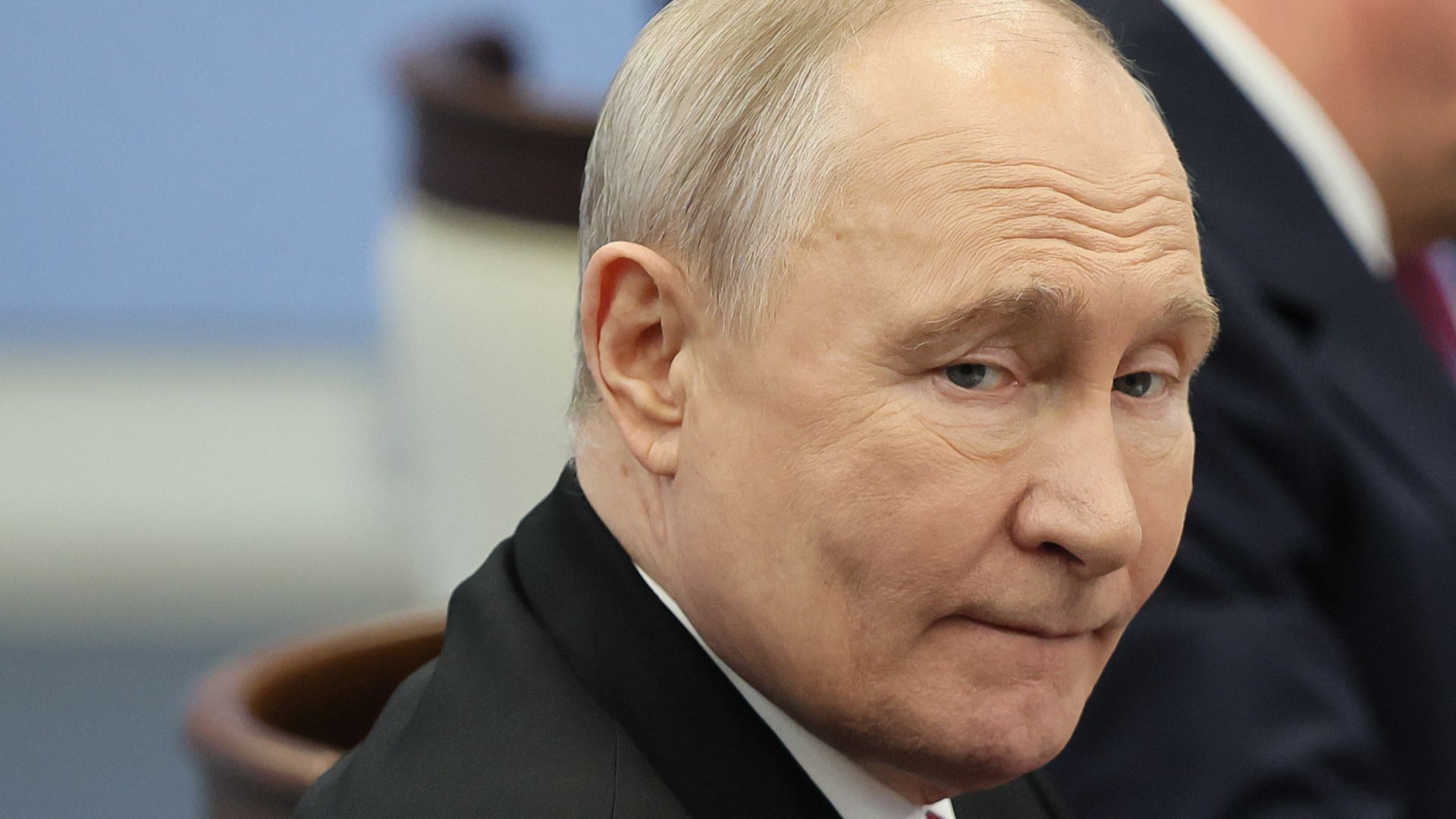
Former Fox News prime-time host Tucker Carlson, once one of Donald Trump’s most influential media allies, is now publicly breaking with the president in a reversal that has shaken parts of the conservative media landscape. Carlson, who spent years amplifying Trump’s political messaging and casting doubt on the 2020 election during his nightly broadcasts, said in a recent podcast that he now regrets his role in shaping public opinion. Speaking in a personal conversation, he acknowledged that his past influence had consequences that continue to weigh on him, describing a sense of responsibility for what followed and admitting his actions would stay with him long-term.

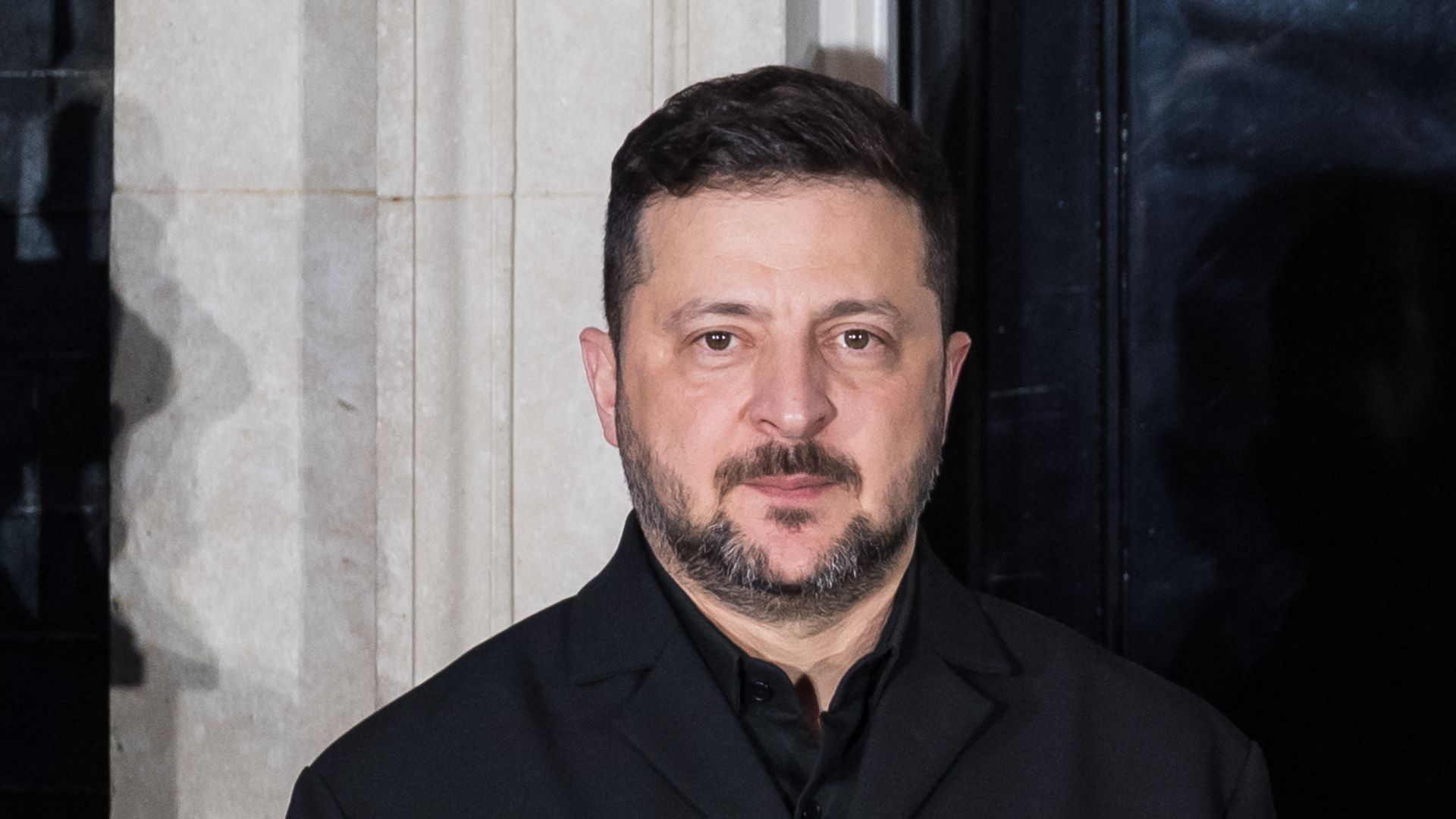
Getty Images

The shift comes after growing tensions between Carlson and Trump, particularly following Trump’s decisions regarding the war with Iran, which Carlson openly criticized. During his podcast, Carlson described those actions as «vile on every level», marking one of his strongest public condemnations of Trump’s leadership. The remarks signaled a clear break from years of alignment, during which Carlson had been seen as a key figure in promoting Trump’s worldview to a large television audience. The criticism also placed him at odds with other figures within the MAGA movement who have continued to support the president’s foreign policy decisions.

«Well, I changed my mind. Oh, this is bad.»

-Former Fox New Host, Tucker Carlson

Trump responded forcefully to Carlson’s comments in a post on Truth Social, targeting not only Carlson but several former allies who have distanced themselves from him in recent months. «Hand Flailing Fools like Tucker Carlson, who couldn’t even finish College, he was a broken man when he got fired from Fox, and he’s never been the same — Perhaps he should see a good psychiatrist!» Trump wrote, grouping Carlson with other conservative personalities including Alex Jones, Megyn Kelly, Candace Owens and Marjorie Taylor Greene. The response reflected an escalating pattern in which Trump has publicly attacked former supporters who challenge his decisions or messaging.

Getty Images

Carlson’s most direct admission came during a podcast conversation with his brother, where he addressed his past role in supporting Trump and influencing voters. «You know, we’ll be tormented by it for a long time. I will be.» he said. He followed with a rare apology directed at his audience, stating, «And I want to say I’m sorry for misleading people. It was not intentional, that’s all I’ll say.» The comments marked a significant departure from Carlson’s previous tone, as he acknowledged both the scale of his platform and the potential impact of his messaging during key political moments.

Getty Images

He went further by placing himself among those responsible for Trump’s continued political power, framing it as a collective outcome rather than an isolated mistake. «In very small ways, but in real ways, you and me and millions of people like us are the reason this is happening right now.» Carlson said. «We’re implicated in this for sure.» he added, speaking directly to his brother. Carlson also referenced his direct involvement in Trump’s rise, saying, «You and I and everyone else who supported him – you wrote speeches for him, I campaigned for him.» The remarks pointed to a deeper reflection on the role of media figures and political allies in shaping electoral outcomes.

«You know, we’ll be tormented by it for a long time. I will be.»

-Former Fox New Host, Tucker Carlson

Carlson concluded his remarks by making clear that his position had fundamentally changed, drawing a line between his past support and his current stance. «Well, I changed my mind. Oh, this is bad.» he said, before adding a definitive break: «I’m out,» The statement underscored a broader shift in his public posture, as he moves away from Trump after years of close alignment. The fallout between the two men, once central figures in the same political ecosystem, now highlights growing fractures within conservative media and the broader MAGA movement as debates over foreign policy, leadership and responsibility continue to unfold.

Getty Images

Are Energy-Saving Appliances A Smart Buy For Your Home?

Shopping for appliances feels like stepping into a game show where every button flashes “energy-efficient.” Refrigerators, washers, ovens—all promising to cut bills and shrink your carbon footprint. The sales pitch sounds great, but it also makes you wonder if the savings are real or just smart marketing.

Catégories
Uncategorized

Mark Carney: Canada’s ties to U.S. are «weaknesses»

Mark Carney used a nationally released video message on April 19 to place Canada’s relationship with the United States at the center of a wider argument about trade pressure, sovereignty and international instability. Speaking as Donald Trump continues to threaten Canada with tariffs and suggest the country should become a «51st state», Carney presented the moment as one that requires preparation rather than reassurance. He began by grounding his message in his own economic crisis experience, saying, «I know from experience that outside forces can sometimes seem overwhelming. In my previous jobs at the Bank of Canada and the Bank of England, part of my duties was to make regular public reports on what we were doing to manage the economy.

And I remember during the financial crisis, when there was a real risk of panic, I developed a practice called Forward Guidance. It was designed to assure people that, however difficult the situation seemed on any given day, that we were acting, and importantly, that we would continue to act with overwhelming force against our problems until they were solved. And that’s the spirit I’m talking to you about today.» The address came as Canadian officials were once again confronting a U.S. administration willing to combine economic pressure with open political provocation.

Getty Images

Carney’s language quickly shifted from reassurance to warning, with the Canadian prime minister presenting the threats facing the country as real, immediate and impossible to soften for political comfort. «Security can’t be achieved by ignoring the obvious or downplaying the very real threats that we Canadians face.» he said.

He then added, «I promise you, I will never sugarcoat our challenges. Instead, I will talk with you directly and regularly about our plan, why we’re doing what we’re doing, What’s working, what isn’t. And what we’re going to do next.» Those lines landed as Washington’s posture toward allies has hardened and as the broader international climate has become more volatile. At the same time, the crisis involving Iran has remained unresolved, with a fragile ceasefire under pressure, diplomatic efforts faltering and renewed uncertainty surrounding the Strait of Hormuz, a chokepoint with immediate implications for shipping, oil and the world economy. In Carney’s framing, the pressures on Canada are not separate events but part of the same dangerous external environment.

«Many of our former strengths, based on our close ties to America, have become our weaknesses, weaknesses that we must correct.»

-Prime Minister of Canada, Mark Carney

From there, Carney made trade the clearest example of the shift in the bilateral relationship, casting U.S. policy not as a temporary dispute but as evidence of a deeper rupture. «So here’s the current situation. The world, as I said earlier, is more dangerous and divided. The U.S. has fundamentally changed its approach to trade, raising its tariffs to levels last seen during the Great Depression.» he said.

He followed with the line that gave the speech its political core: «Many of our former strengths, based on our close ties to America, have become our weaknesses, weaknesses that we must correct.» The statement was aimed directly at a new American posture that has included tariffs on key Canadian sectors and repeated suggestions from Trump that Canada would be better off as part of the United States. Carney’s remarks described a country no longer speaking about mutual dependence as a strength, but about exposure as a liability that now has to be reduced.

Getty Images

He then turned the consequences into something more concrete, tying Washington’s actions to jobs, business hesitation and the mood inside the Canadian economy. «Workers in our industries most affected by U.S. tariffs in autos, steel and lumber are under threat.» Carney said. «Businesses are holding back investments restrained by the pall of uncertainty that’s hanging over all of us.» He reduced the broader point to a blunt diagnosis with another short line: «The U.S. has changed and we must respond.» The speech was delivered as Ottawa continued to prepare for difficult trade discussions and as Canadian leaders weighed how to respond to repeated economic pressure from the White House. Carney’s choice of words placed the stress not only on tariffs already affecting autos, steel and lumber, but on the idea that uncertainty itself has become part of the damage. In that telling, the harm is already visible before any final settlement is reached, because companies, workers and governments are being pushed to plan around a less reliable neighbor.

Getty Images

The answer Carney offered was a program of economic redirection built around domestic production, new markets and a firmer language of control. «Canada Strong is our plan to build Canada by Canadians, for Canadians. We will attract new investment so we can build more for ourselves. Striking new partnerships abroad so we can sell into new markets.» he said. He then added, «It’s about taking back control of our security, our borders and our future.» Carney also used the speech to reject the idea that Canada should simply wait for the political climate in Washington to change, saying, «There are some who say there’s no need for a comprehensive plan. They believe we should wait it out in the hope that the United States will return to normal. That the good old days will come back. But hope isn’t the plan and nostalgia is not the strategy.» Those lines turned the address into a clear argument against passivity, with Carney presenting diversification not as a long-term preference but as an urgent response to American pressure.

«There are some who say there’s no need for a comprehensive plan. They believe we should wait it out in the hope that the United States will return to normal. That the good old days will come back. But hope isn’t the plan and nostalgia is not the strategy.»

-Prime Minister of Canada, Mark Carney

In the closing part of this section of his remarks, Carney widened the scope again, placing the current confrontation with Washington inside a longer sequence of shocks that he said has shaped an entire generation of Canadians. «And the days that young Canadians have known all their lives haven’t been that good. Their lifetimes have been marked by a series of shocks and crises abroad. The Iraq war, the global financial crisis, Covid and now this.» he said. He continued, «We have to take care of ourselves because we can’t rely on one foreign partner. We can’t control the disruption coming from our neighbors. We can’t bet our future on the hope that it will suddenly stop. But we can control what happens here. We can build a stronger country that withstand disruptions abroad. That creates good jobs here at home. That’s a leader in this new world with a vast network of reliable allies.» Carney paired that message with a promise to catalyze massive investment and invoked Isaac Brock and the War of 1812, giving the speech the tone of a sovereignty appeal as much as an economic one. Against Trump’s tariff threats, Iran-related instability and his suggestion that Canada should become a «51st state», the address was built as a call for Canada to detach its future from American unpredictability.

Catégories
Uncategorized

MAGA pushes theory Trump assassination attempt was staged

The MAGA political sphere has been shaken by a new wave of conspiracy theories, as some right-wing figures now claim that the assassination attempt targeting Donald Trump in Butler, Pennsylvania, was staged and is being deliberately covered up. The shooting, which took place during a campaign rally in July 2024, had initially triggered widespread condemnation and unity across political lines. However, months later, segments of Trump’s own political base have begun circulating alternative narratives online, questioning the official version of events and suggesting that key details surrounding the attack remain hidden from the public.

«Did he actually act alone? If not, who is behind him and who helped him? Why the cover up??»

-Former Congresswoman, Marjorie Taylor Greene

Among those amplifying doubts is former congresswoman Marjorie Taylor Greene, a prominent figure within the MAGA movement, who addressed the controversy directly following backlash from Trump supporters. «I’m not calling the Butler assassination a hoax.» she wrote in a recent post, attempting to distance herself from the most extreme claims while still raising concerns. «But there are a lot of questions that deserve public answers.» Greene’s remarks came as debates intensified within conservative circles, with some accusing her of fueling distrust while others echoed her call for further clarification.

Getty Images

Greene went further by questioning the lack of publicly available information about the alleged shooter, identified as Matthew Crooks. «I’m asking why won’t Trump release the information about Matthew Crooks?» she wrote, before adding, «Did he actually act alone? If not, who is behind him and who helped him?»

She concluded her remarks with a broader accusation, asking, «Why the cover up??» The statements quickly circulated across social media platforms, drawing both support and criticism, as users debated the legitimacy of the concerns and the implications of such claims within Trump’s political base.

Getty Images

Online, several unverified theories have emerged attempting to connect the shooter to broader networks or hidden actors. Some users pointed to an account allegedly named «Willy Tepes», suggesting without evidence that it may have directed or influenced the attacker.

Others focused on the details of Trump’s injury, questioning how he sustained a wound to the ear and later appeared publicly with minimal visible damage. These claims have spread across forums and social platforms, despite the absence of credible evidence supporting them, reflecting a broader pattern of speculation following high-profile violent incidents.

Getty Images

The Butler rally shooting itself marked one of the most significant security incidents involving a presidential candidate in recent history. Trump was rushed off stage after gunfire erupted, with one attendee killed and others injured. Law enforcement agencies, including the FBI, opened an investigation shortly after the attack, identifying the shooter and examining his background. Officials have consistently stated that there is no indication of a broader conspiracy, though details about the attacker’s motivations have remained limited, contributing to ongoing speculation.

«I’m not calling the Butler assassination a hoax. But there are a lot of questions that deserve public answers.»

-Former Congresswoman, Marjorie Taylor Greene

Conspiracy theories surrounding the assassination attempt first began to circulate shortly after the incident, particularly among fringe groups and some voices on the political left. However, their recent adoption by figures within the right and MAGA movement marks a notable shift, bringing these narratives into more mainstream conservative discourse. As divisions deepen within Trump’s base, the spread of such claims highlights ongoing tensions over trust, transparency, and the handling of information related to one of the most dramatic moments of the 2024 campaign.

Getty Images
Catégories
Uncategorized

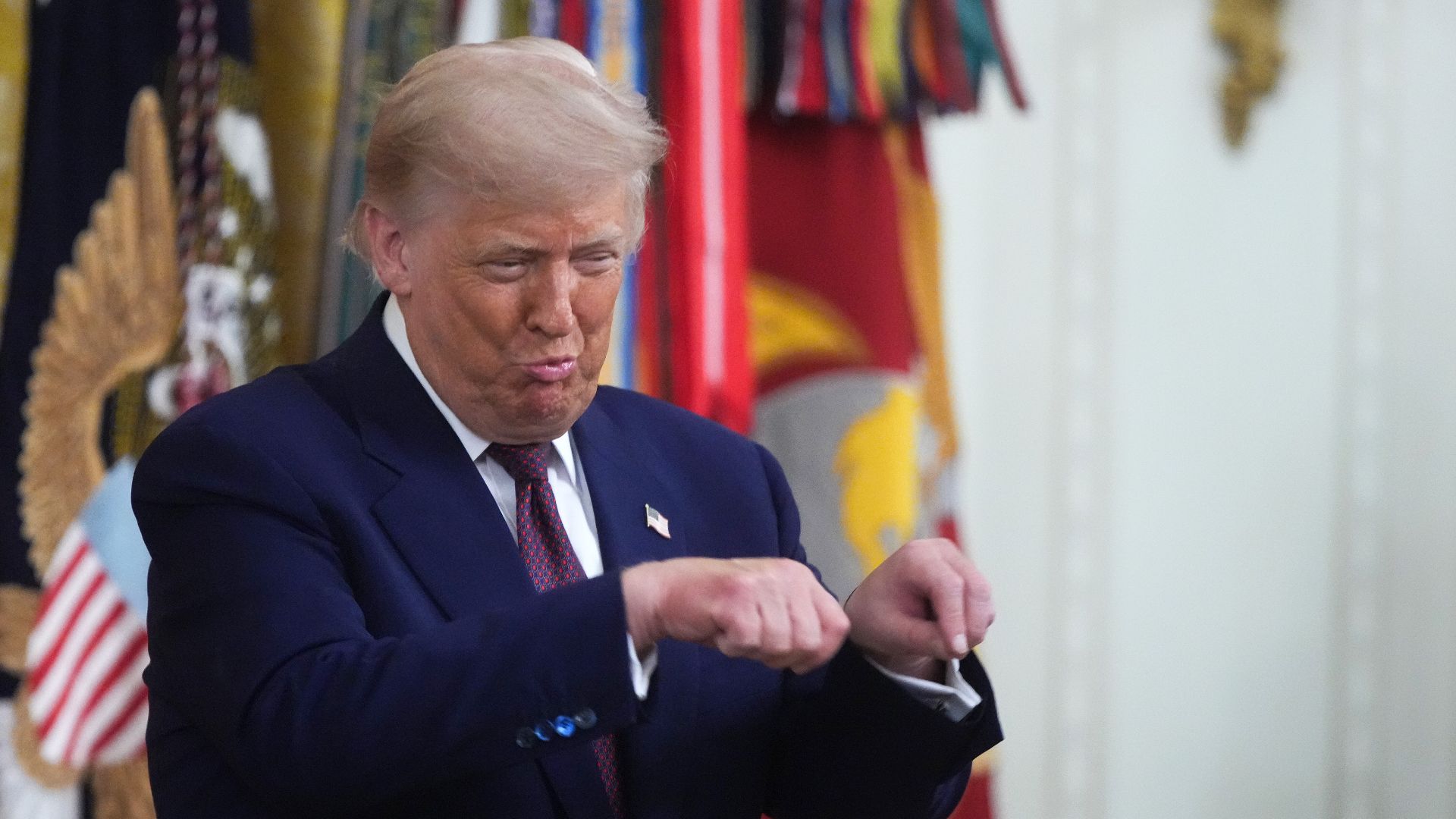
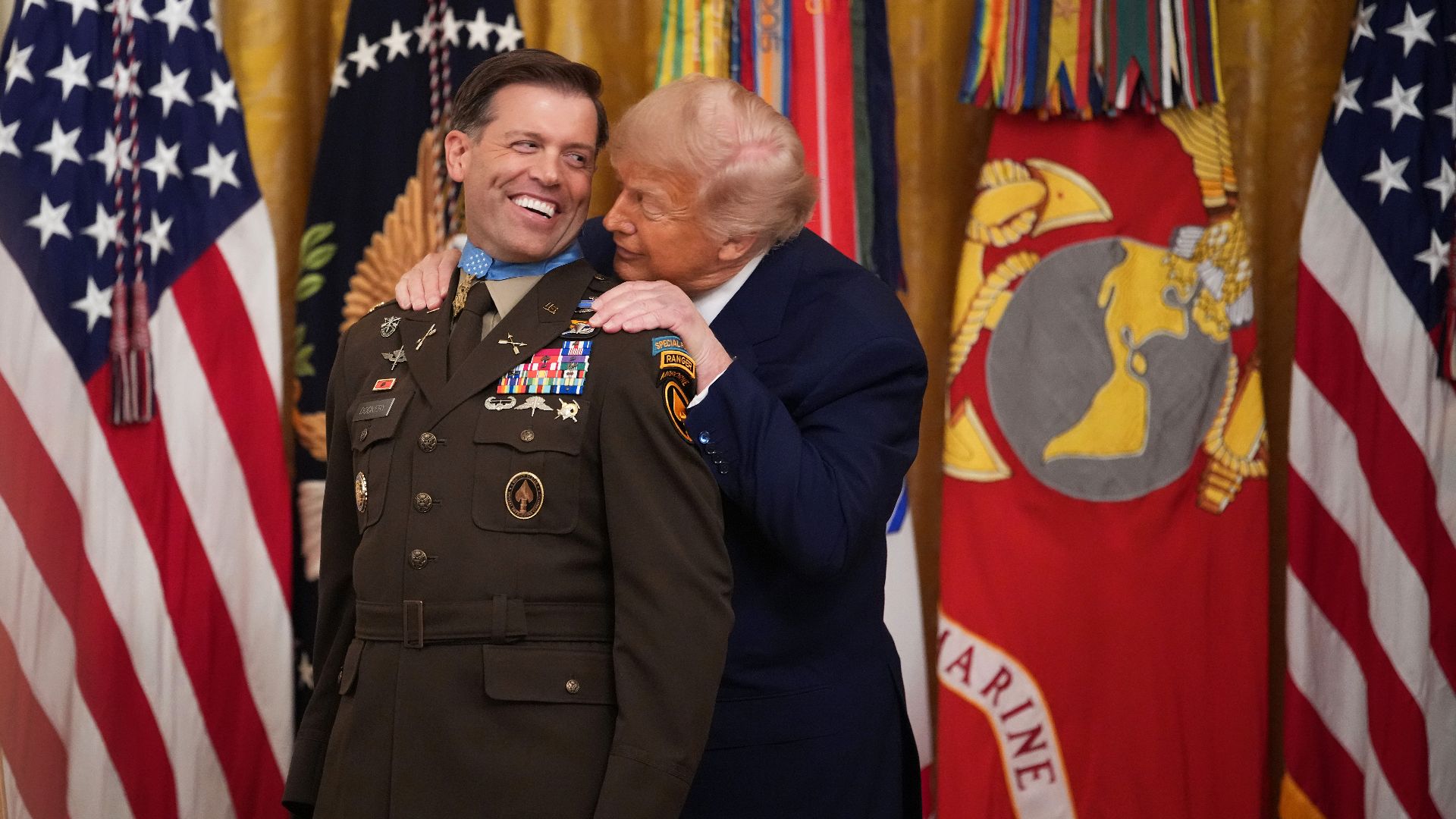
Trump claim he would have won the Vietnam War «very quickly»

In an weird and unhinged 30-minute phone interview with CNBC, one comment by Donald Trump quickly drew attention as he moved across a wide range of topics. While discussing foreign policy and attempting to justify and praise what he described as his own success in Iran, Trump claimed that he would have won the Vietnam War «very quickly» if he had been president at the time. The remark emerged as the conflict with Iran continues to evolve, with the war now stretching over several weeks and raising questions about its trajectory, its cost, and its broader geopolitical consequences. The statement immediately triggered reactions across political and military circles.

«I would have won Vietnam very quickly. I would have, if I were president.»

-U.S. President, Donald Trump

During the exchange, Trump sought to compare major historical conflicts to frame his argument about leadership and the duration of wars. «I just looked at a little chart. World War One: four years and three months. World War Two: six years. Korean War: Three years. Vietnam: 19 years. Iraq: eight years.» he told CNBC, presenting the figures as evidence of prolonged military engagements. He then turned to the current conflict involving Iran, emphasizing the timeline of his own military campaign by stating, «I’m five months.» The comparison came as the war continues without a clear resolution, despite repeated claims from the administration that progress is being made.


Getty Images

Trump then shifted directly to Vietnam, delivering the remark that would dominate the reaction to the interview. «I would have won Vietnam very quickly. I would have, if I were president.» he said. The Vietnam War remains one of the most complex conflicts in U.S. history, lasting nearly two decades and involving shifting political strategies, extensive military escalation, and widespread domestic opposition. More than 58,000 American service members were killed during the war, and the outcome has long been viewed as shaped by a combination of geopolitical constraints and strategic limitations rather than a single leadership decision.

Getty Images

The comments quickly reignited scrutiny over Trump’s own history during the Vietnam era, particularly his multiple draft deferments, including a diagnosis of «bone spurs» that has been widely questioned over the years. Critics and veterans have repeatedly pointed to that history when assessing Trump’s statements about military service and wartime leadership. The reaction to his latest remarks was immediate, with many arguing that the comment minimized the complexity and human cost of the conflict, while others framed it as part of a broader pattern of rhetorical claims about past and present wars.
Getty Images

The interview also took place against the backdrop of ongoing developments in the Iran conflict, where efforts toward a ceasefire have struggled to produce lasting results. Negotiations have been described as fragile, with officials signaling that talks could resume again this week despite previous setbacks. Trump has repeatedly suggested that the war could be nearing an end, saying it was «very close to being over» in recent remarks, even as military operations and tensions in the region continue. The situation remains fluid, with uncertainty surrounding both diplomatic progress and military objectives.

«I just looked at a little chart. World War One: four years and three months. World War Two: six years. Korean War: Three years. Vietnam: 19 years. Iraq: eight years. I’m five months.»

-U.S. President, Donald Trump

At the center of the crisis is the Strait of Hormuz, a critical global shipping route that has faced repeated disruptions since the conflict began. The waterway has seen periods of closure and restriction, contributing to rising concerns about global energy supply and the potential for broader economic consequences. The war, which began in late February, has already impacted oil markets and raised fears of sustained instability if the situation continues without resolution. As discussions of a second round of peace talks emerge, the trajectory of the conflict remains uncertain, while Trump’s remarks continue to fuel debate both domestically and internationally.

Getty Images
Catégories
Uncategorized

Sen. Murphy’s warning: ‘Trump is dismantling our democracy’

On April 11, U.S. Senator Chris Murphy (D-Conn.) spoke on the US Senate floor and attempted to warn American Senators that Donald Trump is attempting to dismantle America’s democratic process. According to Murphy, Trump is slowly but surely weakening America’s institutional systems that hold people in power accountable, and that Trump’s goal is to create a system that resembles democracy, but is inherently corrupt. During the 20-minute address, Murphy said many of the things that Democrats have been scared to do. Murphy pointed out fascist practices from Trump’s administration, and painted a picture of how Donald Trump could turn the US into one of the corrupt democracies it’s famous for inserting itself in.

Painting a picture of the future

Murphy began his speech by fighting against some of the hopes that Americans have. Many Americans are waiting for Donald Trump to cross a clear legal line before he goes ‘too far’: whether it be a Supreme Court decision, or an international crime. Murphy claims that Trump will not cross a line like that until he can do so without risk. According to Murphy, there is no ‘singular moment’ that will signal Trump’s advance on America’s democracy, and instead, Trump has already begun maneuvering America’s political system away from a fair democracy. Murphy said that Democracies die slowly and gradually and that Trump has already begun to make irreversible change.

“Democracies die when, gradually, often quietly and methodically over time, the structures that hold the executive accountable for corruption, thievery, wrongdoing, are dismantled.”

-Sen. Chris Murphy

Murphy painted a picture of an America where elections still happen, and appear normal, but are actually rigged, with one party winning.

Fascism targets four industries

US Democrat Senator Chris Murphy delivers a speech during the Global Progressive Mobilisation forum in Barcelona on April 18, 2026. Spain’s Prime Minister Pedro Sanchez and Brazil’s President Luiz Inacio Lula da Silva are spearheading the gathering of global leftist leaders which aims to promote a common response to the rising ‘reactionary wave’ worldwide. (Photo by Oscar DEL POZO / AFP via Getty Images)

Murph provided further proof that Trump is attempting to take fascist control of the country by comparing his actions to those of past and current dictators. When democracy is under threat by an executive in power, four industries are always targeted: journalism, law, universities, and the business community. Trump has attacked all four of these industries in a plethora of ways, all following in the footsteps of tyrannical leaders of the past.
Trump vs the media

In countries controlled by a dictator, journalists are often jailed for reporting on protests, government corruption, or anything that goes against the regime’s talking points. The US has already begun to engage in the suppression of journalism. Well-known journalists are being arrested, international wire services are being denied entry to the White House, exclusive interviews are being given to extremist fringe news organizations, and the government is actively censoring TV programs that criticize Donald Trump. Murphy claims that those are all historical signs of fascism, and history agrees. Murphy also highlighted how Donald Trump has been attacking the idea of ‘truth’ since his initial campaign in 2016.


How do you destroy Truth?

Trump has been attacking the idea of truth for a decade, and his impact on America’s trust in the media has been detrimental. Sen. Murphy asked the floor a simple question How do you destroy truth?’, and listed a series of examples. How do you destroy truth? By lying about it. Lying like Pete Hegseth did when he looked into the camera and told America that “the text messages that everybody read, filled with classified information and war plans, did not include classified information and war plans”. Murphy claimed that the regime wants Americans to stop believing what they see and only believe what they’re told.

“The White House wants you to believe that one plus one does not equal two any longer. That you should doubt even the clear things you see with our eyes, that nothing is real, that nothing is true.”

-Sen. Chris Murphy

Trump vs education

Murphy continued to break down how Trump has followed the fascist playbook in America, revealing how Trump has strong-armed some of America’s most powerful Universities, and why he’s had to do so. Murphy correctly pointed out that political revolution (nearly) always begins with young, educated university students. He cited the protest at Tiananmen Square, which was organized by students, and then told stories of fascist regimes hamstringing post-secondary institutions. Murphy explained how Trump’s crackdown on ‘anti-Semitism’ by banning pro-Middle East protests is a larger message telling Universities that their funding will be cut if they protest Trump’s policy again.

Columbia University was recently forced into signing a deal that strips away its students’ right to free speech and peaceful protest, effectively forcing the campus into fascist control. Columbia has to agree to allow campus police to arrest peaceful protesters, and to allow Donald Trump to take direct control over departments that house professors who have been critical of Trump. Murphy likened the agreement to “Federal receivership over an academic department”. Murphy explained that Trump will not have to impose the rules on every University in the country, but after he had gotten a handful of significant players on board, the rest of the industry would roll over pre-emptively.

“The President of the United States got to pick the person who will oversee the Columbia department on the Middle East, South Asia, and African studies, as well as the center for Palestine studies”.

-Sen. Chris Murphy

Trump vs the law

Sen. Murphy, a lawyer by trade before becoming an elected official, also broke down how Trump has been attacking large-scale law firms to discourage them from fighting any of his policies. Murphy explained that Trump must go after lawyers in order to remove processes of accountability. He explained that lawyers are bound to their oath to uphold the Constitution, thus posing a potential threat to Trump’s vigilante antics. Murphy claimed that Trump has undertaken a shameless campaign of extortion against any major law firm that fights one of his policies. According to Murphy, Donald Trump has been going to law firms actively fighting his policies, and told them that unless they stop, he will stop offering Federal work to all of their clients. With these firms on retainer for major American corporations that rely on Federal contracts, Trump is trying to create industrial pariahs in the legal world, forcing corporations to abandon firms that are fighting Trump. According to Murphy, the strategy has already begun to work as law firms bend the knee to Trump.

“No doubt every single major law firm will think twice before bringing on an action against an illegal or corrupt action of the President, in fear of Trump retaliating against their business. That’s the point, the point is to crush dissent”.

-Sen. Chris Murphy

Trump vs business

Sen. Murphy only had one example to prove Trump is purposefully impeding the business sector: tariffs. He began by admitting that he has no idea what Trump’s tariff policy is right now – and neither does anybody else. Trump has changed his tariffs seemingly every 48 hours, targeting different industries and countries, all seemingly at random. According to Murphy, though, it’s far from random. Murphy claimed that by applying specific, short-term pressure on certain industries, Trump can influence them to do his bidding. Trump’s bi-polar tariffs have forced nearly every major industry to bend the knee to his wishes and take a ‘loyalty pledge’.

“[The] loyalty pledge could be anything. The purchase of some Trump crypto coin, public support for Trump’s economic policies, donations to his political campaign.”

-Sen. Chris Murphy

“We are a fake democracy”

Murphy ended his address by doubling down on the core message: don’t wait for a big battle between the President and the Supreme Court, watch for the small, consistent historical markers. Democracy doesn’t die overnight; it’s slowly snuffed out from under a population’s noses. When Universities adapt their in-class product to appease a regime, when journalists are afraid of reporting the truth, or even covering it, and lawyers are being strong-armed away from cases they are bound to fight, democracy dies. According to Murphy, America’s democracy is already dying, but it’s not dead yet. Senator Chris Murphy tried giving his colleagues a wakeup call, but the silence on the floor during his speech probably means it fell on deaf ears.

“The good news is the rules have not been fully rigged yet. There is still time. Not loads of it, but there is still time for this body to set a tone that causes the kind of massive public outrage necessary to stop this campaign of destruction.”

-Sen. Chris Murphy
Catégories
Uncategorized

US seizes Iranian vessel in Strait of Hormuz

According to a video released by the US government and a social media post by Donald Trump, the US has seized an Iranian vessel as part of its new blockade imposed on the Strait of Hormuz. According to Trump, the 900-foot vessel Touska, weighing nearly as much as an aircraft carrier, attempted to bypass the US military’s blockade on April 19th. The US military warned the vessel to stop, and after the Iranian crew refused, US forces blew a hole in its engine room before taking possession of the vessel. A video was released by the US military, showing a US vessel firing a gun at another ship in the distance. The video also showed helicopters surrounding the vessel and US troops boarding the cargo ship.

Strait of Hormuz standoff

As of April 20, the US and Iran are engaging in a large-scale Western standoff surrounding the Strait of Hormuz. The small waterway that transports a fifth of the world’s oil has been a key pillar of Trump’s war on Iran. Earlier in April, Iran had created a blockade in the strait, firing on vessels attempting to pass through in hopes of affecting oil prices in the Western hemisphere. The US responded by creating a blockade of its own with fleets of ships targeting vessels leaving Iranian ports. Iran announced that it would lift its blockade on April 17, but reversed its decision on April 19, firing on multiple vessels passing through the waterway.

Now, both the US and Iran have a blockade affecting traffic through the Strait, and oil prices will continue to suffer. Since the start of the war, the price of global crude has risen nearly 50 per cent, with American gas prices rising $1.30/gallon, and Canadian gas prices rising 30 cents a litre. Americans are feeling the effects of Trump’s war, and the ripples are creating waves in any country that relies on oil imports. Now, electric vehicle sales are skyrocketing in European markets, and with Canada and the US committing to EV factories, Trump’s war on Iran is beginning to define the auto industry as a whole.

Iran-US ceasefire

On April 8, the US government announced a two-week ceasefire had been agreed upon with Iran, avoiding a potential US ground invasion. Leading up to the ceasefire agreement, President Trump had promised Iran that ‘a whole civilization will die tonight’ during a speech on April 7, directly threatening Iranian civilians with the comment. Iranian officials signed a ceasefire agreement just hours later. The two-week ceasefire, which was mediated by Pakistan, was reluctantly signed by Iran. Iranian officials were pushing for a more permanent peace agreement, but the US and Pakistan would not concede, instead forcing Iran to settle for a temporary ceasefire. Unfortunately, neither country (nor Israel) has complied with the written agreements in the ceasefire.

Broken ceasefire

Just hours after the ceasefire was signed, Israel struck Lebanon with a flurry of airstrikes, breaking the ceasefire immediately. Israel hit Lebanon with 100 rockets in just ten minutes, sending ten rockets a minute to Beirut’s southern suburbs. Both the US and Israel claimed that Lebanon was not a part of the ceasefire, but the mediating Pakistan said it was absolutely included in the agreement. With Israel breaking the ceasefire to target civilians, just hours after it was signed, the agreement was marred with violations from the beginning. In the following hours, Israel continued to break the international treaty, striking Iran twice and continuing to target Lebanon. On April 9, Israel invaded the town of Bint Jbeil in southern Lebanon, creating an all-out battle for the city.

After Israel’s attacks on Lebanon, Gulf countries reported drone attacks from Iran, with an Iranian official confirming the strikes and citing Israel’s continued barrage on Lebanon. Iran’s promise to leave the Strait of Hormuz alone during the ceasefire was quickly broken as well, with few ships successfully passing through the waterway. Experts confirmed that on April 9, the Strait was still effectively closed to cargo vessels. On April 13, the US imposed its own blockade on the Strait, furthering the ceasefire’s irrelevance to the conflict. Now, the US has seized an Iranian-flagged cargo ship in the Gulf of Oman, an action that certainly goes against the ceasefire agreement.

War on Iran

On February 28, 2026, the US government and Israel undertook a joint operation in Iran, with the US subsequently declaring it was at war with the country. The attacks triggered retaliatory strikes from Iran, targeting US and Israeli military bases across the Middle East. According to Donald Trump, there is no timeline for this war, and the US will continue its operations in the country until it sees a significant regime change, as well as an end to Iran’s supposed nuclear program.

US and Israeli strikes killed Iran’s Supreme Leader, Ali Khamenei, on Day One of the war, completing Trump’s supposed goal. Khamenei has been using deadly violence against civilian protesters in Tehran, and his killing has been the only positive piece of Donald Trump’s illegal intervention.

Donald Trump changed his reasoning for attacking Iran after Khamenei’s death, instead claiming he attacked Iran because he had certain information that Iran was going to attack Israel and the United States. Israel calls the strategy ‘forward defence’. Now, after 51 days of war, both Iran and the US continue to posture and are engaging in a standoff surrounding the Strait of Hormuz. Donald Trump needs to alleviate pressure on oil markets in order to further commit financially to the War, and Iran is trying to balance its own exports while putting pressure on the West.

The result has been overwhelmingly negative for all civilians involved.

Trump–Pope Clash Escalates After Bomb Threat at Pope’s Brother’s Chicago Home

A political and religious confrontation between Donald Trump and Pope Leo XIV has taken an alarming turn, extending far beyond rhetoric into a real-world security incident in the United States. What began as sharp exchanges over the war in Iran has escalated into a situation with direct consequences for those close to the pontiff. A bomb threat targeting the Chicago-area home of the Pope’s brother has intensified concerns about the impact of increasingly hostile discourse between global leaders. While no devices were found, the incident underscores how rapidly tensions at the highest levels can spill over, raising questions about accountability, safety, and the broader implications of political conflict.

Pope Leo Fires Warning After Trump Rant, Denounces «tyrant» Using God for Gain

Trump Doubles Down on Jesus-Themed Post After Widespread Backlash

Donald Trump has reignited controversy after doubling down on a religious-themed social media post just hours after deleting a previous one that sparked widespread backlash. The rapid sequence of events has drawn renewed attention, as the former president moved from removing an AI-generated image depicting himself in a Christ-like role to sharing another post with similar religious imagery. The episode has fueled criticism across the political spectrum, including from some of his own supporters, highlighting growing tensions within his base. As reactions continue to unfold, the situation underscores how quickly provocative online content can escalate into a broader political and cultural debate.