Are Energy-Saving Appliances A Smart Buy For Your Home?
Shopping for appliances feels like stepping into a game show where every button flashes “energy-efficient.” Refrigerators, washers, ovens—all promising to cut bills and shrink your carbon footprint. The sales pitch sounds great, but it also makes you wonder if the savings are real or just smart marketing.
Shopping for appliances feels like stepping into a game show where every button flashes “energy-efficient.” Refrigerators, washers, ovens—all promising to cut bills and shrink your carbon footprint. The sales pitch sounds great, but it also makes you wonder if the savings are real or just smart marketing.
The truth is, upgrading to energy-saving models usually comes with a higher price tag. You pay more upfront and hope the lower monthly bills will make up the difference. That’s the part most people get stuck on: are you really saving money, or just paying extra for a fancy label?
So, before you get swept up in promises of a smarter, leaner household, it’s worth digging into what energy-saving appliances can actually deliver. To help you figure it out, here are ten key things to know before purchasing those energy-saving appliances.
Upfront Costs Pay Back

Paying a little more at the store can feel like a stretch, but energy-efficient appliances are designed to return that extra cost. While their price tag is usually higher, the savings they generate make them a long-term investment, rewarding owners with ongoing savings that outlast the initial purchase.
Boosts Resale Value
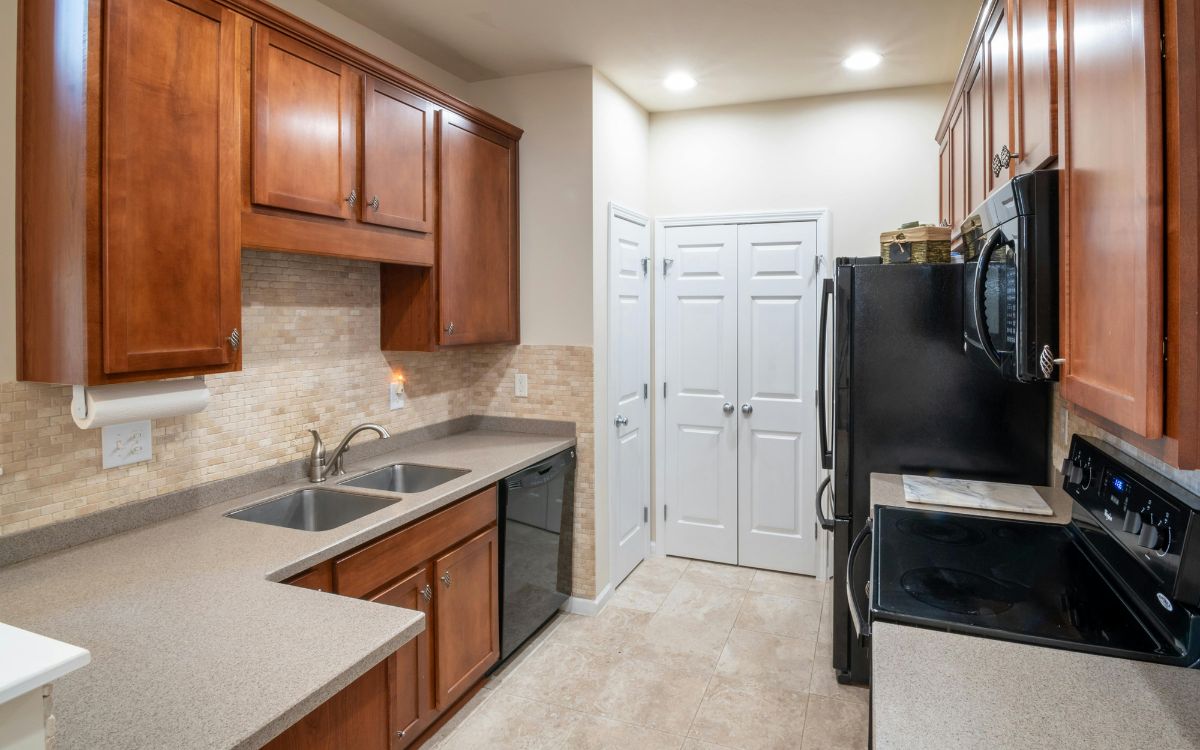
Energy-efficient appliances don’t just work quietly in your favor while you live in the home—they also add weight when it’s time to sell. Buyers see them as a mark of modernity, often making the property feel move-in ready. Even for less eco-focused buyers, the greener image and lower running costs enhance the home’s overall appeal.
Cuts Carbon Emissions

Every time an energy-efficient appliance runs, it quietly trims back the demand placed on power plants. That smaller draw means fewer emissions being released into the atmosphere, which directly supports cleaner air in communities. Beyond the neighborhood, these choices line up with broader sustainability goals.
Incentives Add Savings

Many regions encourage sustainable upgrades by offering rebates right at the point of purchase, while utility companies frequently add their own discounts to lighten the load. Tax benefits take savings even further, rewarding households for greener choices. Together, these perks give buyers an immediate financial break.
Reduces Household Water Use

Efficient appliances don’t just cut electricity use—they’re smart about water, too. For instance, modern dishwashers are designed to complete a full cycle with far less water than older models, and washing machines now adjust water levels automatically to match each load. The best part is that the savings and sustainability happen without requiring extra effort.
Smarter Energy Use

Smarter energy use has become a built-in feature of today’s efficient appliances. With advanced sensors, they detect when less power is needed and adjust automatically, ensuring nothing goes to waste. These innovations reduce waste without requiring users to intervene, striking a balance between everyday comfort and responsible conservation.
Longer Product Lifespan

Built with longevity in mind, modern designs minimize strain on internal components, allowing them to operate smoothly for longer. This reduced wear means fewer breakdowns and extended years of reliable use. Owners benefit by avoiding the hassle and cost of frequent replacements, which keeps more money in their pockets.
Quieter Home Operation

Modern appliance designs are engineered to minimize noise, with smoother-running motors that replace the clunky hum of older models. Less vibration means fewer disturbances, especially in open living spaces. The result is a quieter backdrop where conversations, relaxation, and family activities aren’t interrupted.
Improves Indoor Air Quality
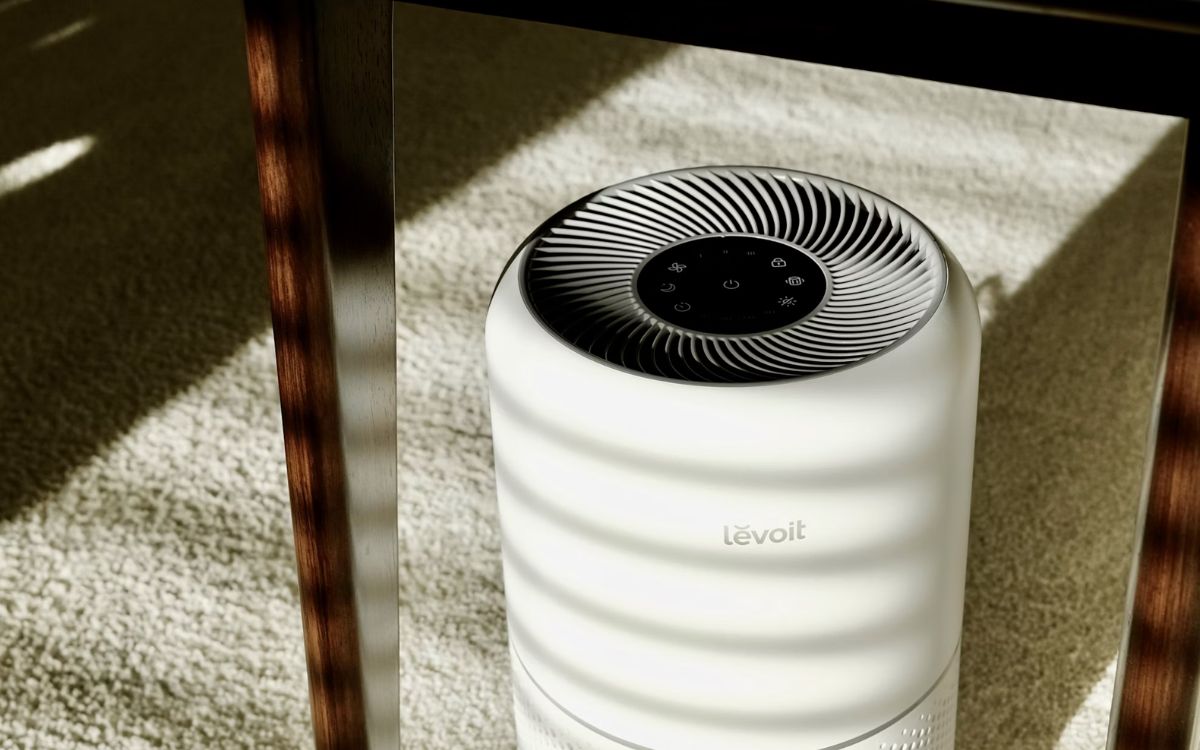
Efficient appliances also contribute to a healthier home environment, as many are designed to release fewer pollutants, keeping harmful particles out of living spaces. Better ventilation systems circulate cleaner air, while modern filters capture dust and allergens effectively. Because less energy is wasted, issues like excess heat and lingering odors are reduced.
Adapts To Modern Smart Homes
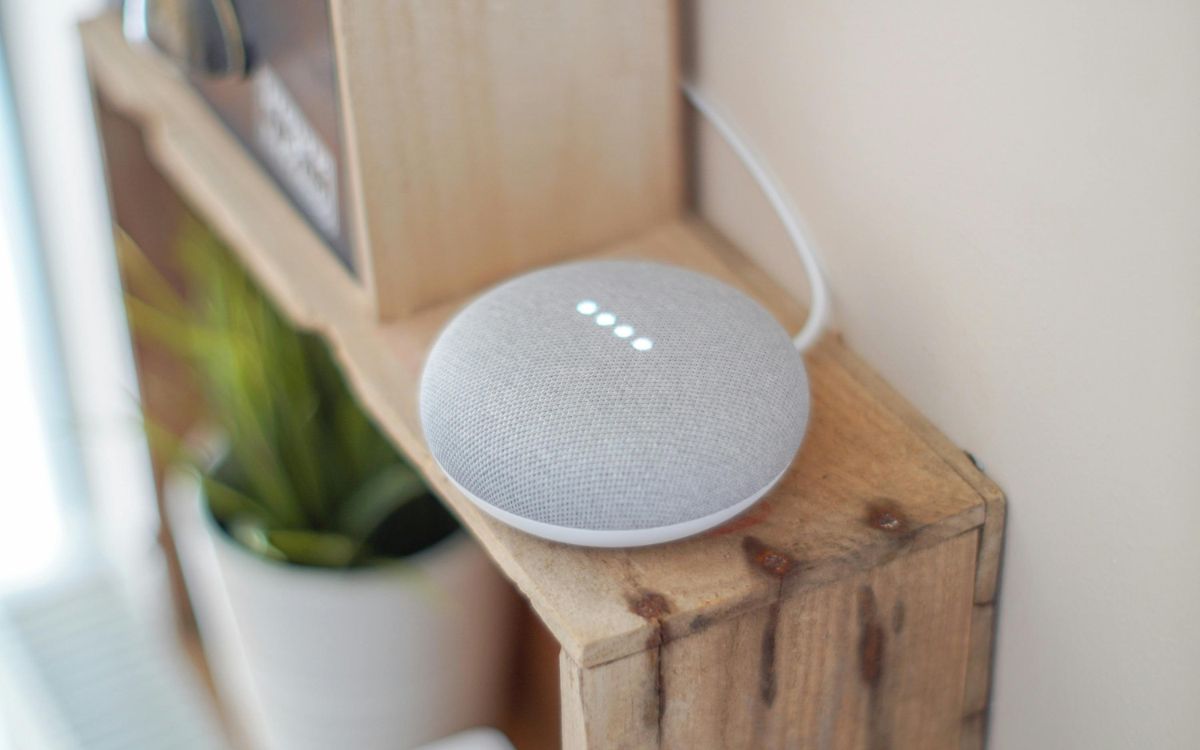
Many models connect directly with smart systems, giving users the ability to control and monitor them from anywhere. Energy dashboards go a step further, as they offer clear insight into usage patterns. In short, the appliances adjust their operation to match lifestyle habits, creating a home that runs on both convenience and efficiency.