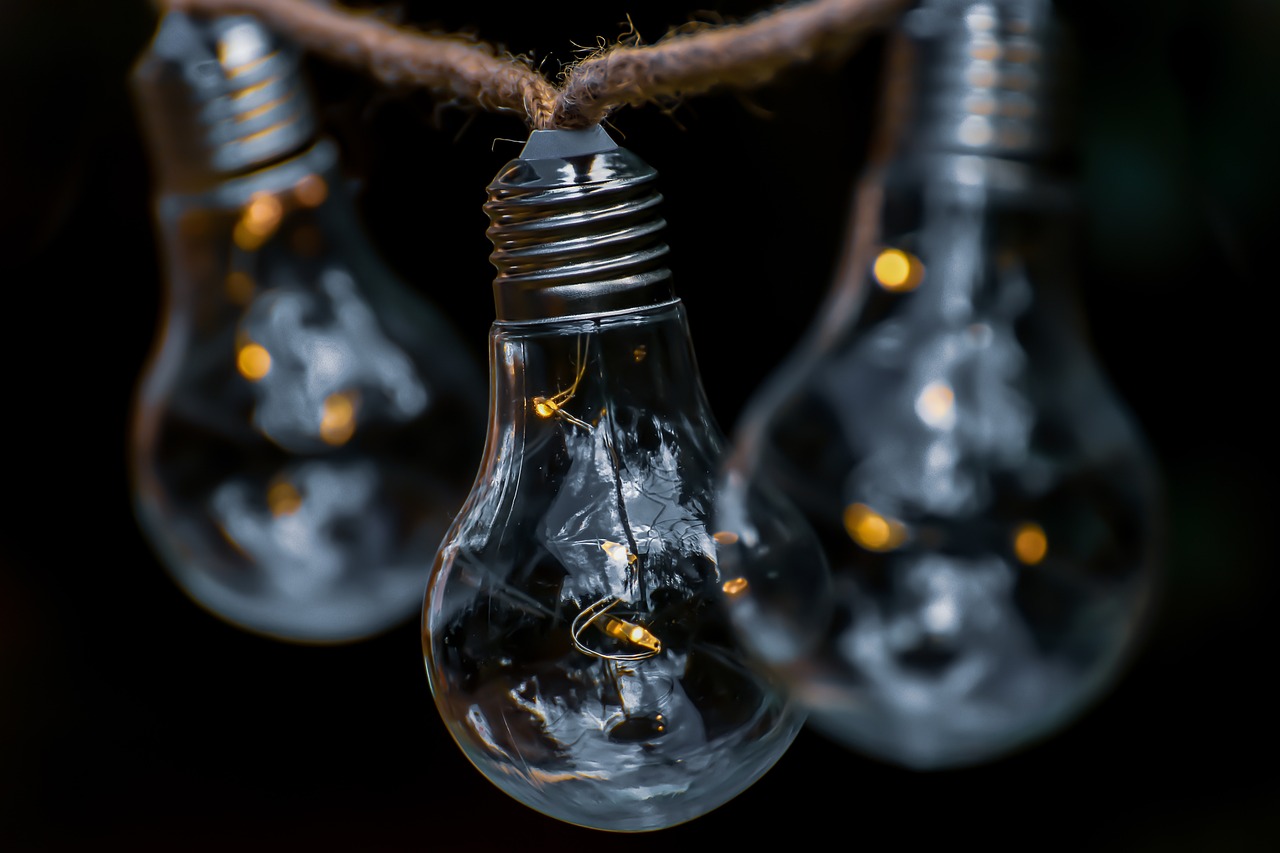
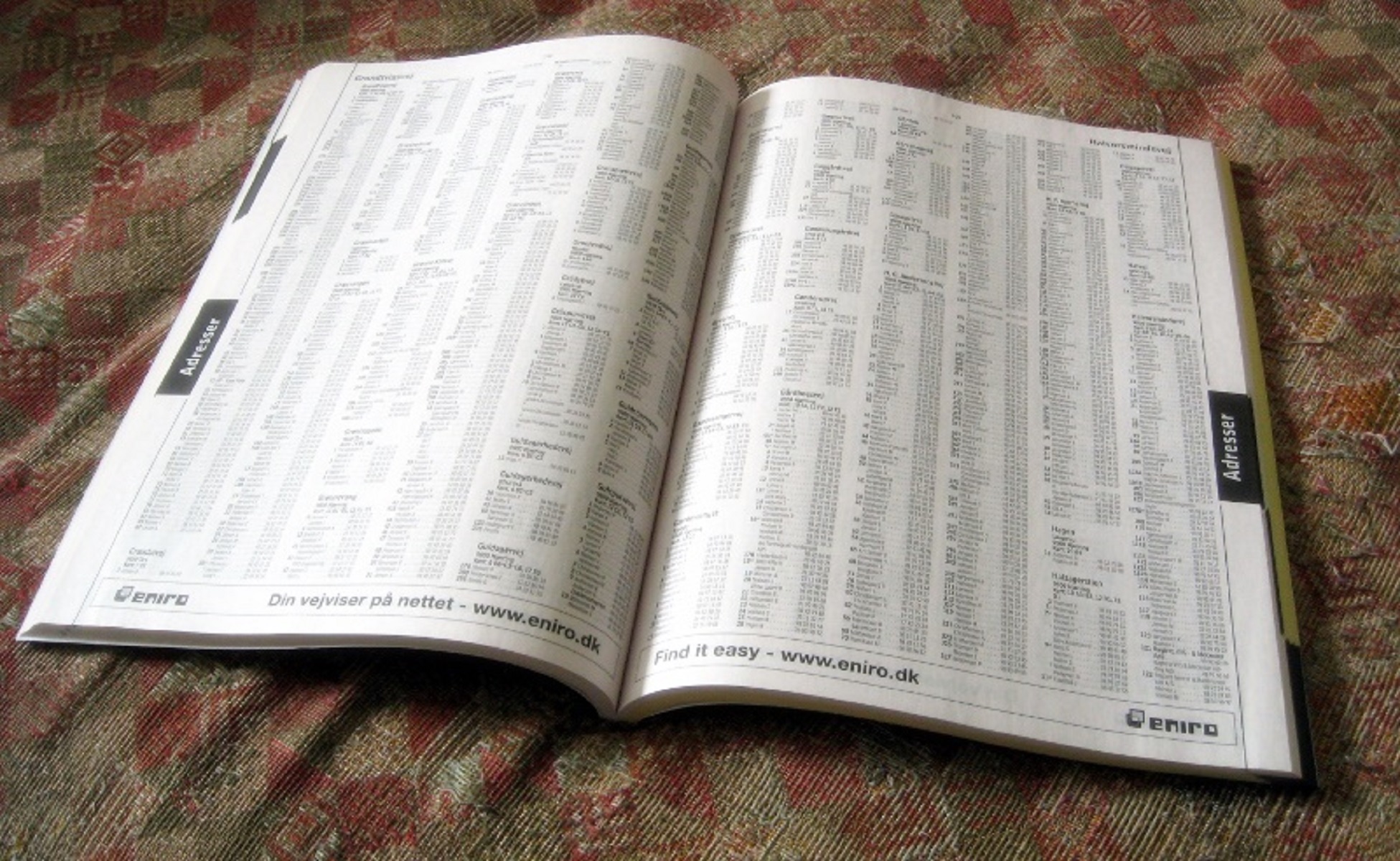
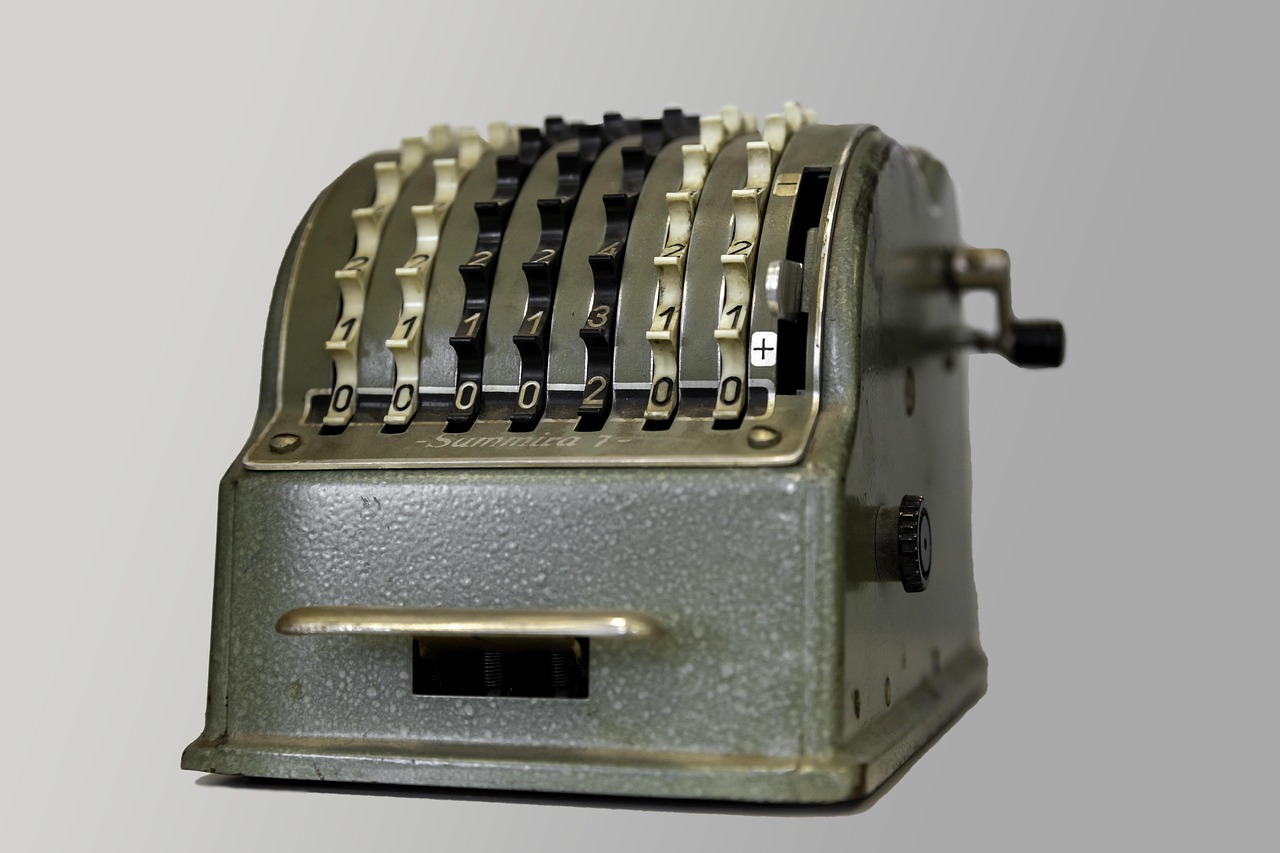
All inventions cause the world to react in one way or another. In many cases, discoveries push the boundaries of human output and unlock unforeseen possibilities for the species. Of course, for every ultra-successful invention that has a profound impact on humanity, several novel ideas come and go without leaving a lasting mark. These misfit inventions still have cool things to teach us, but sometimes it just makes sense to move on to a better alternative that comes along.
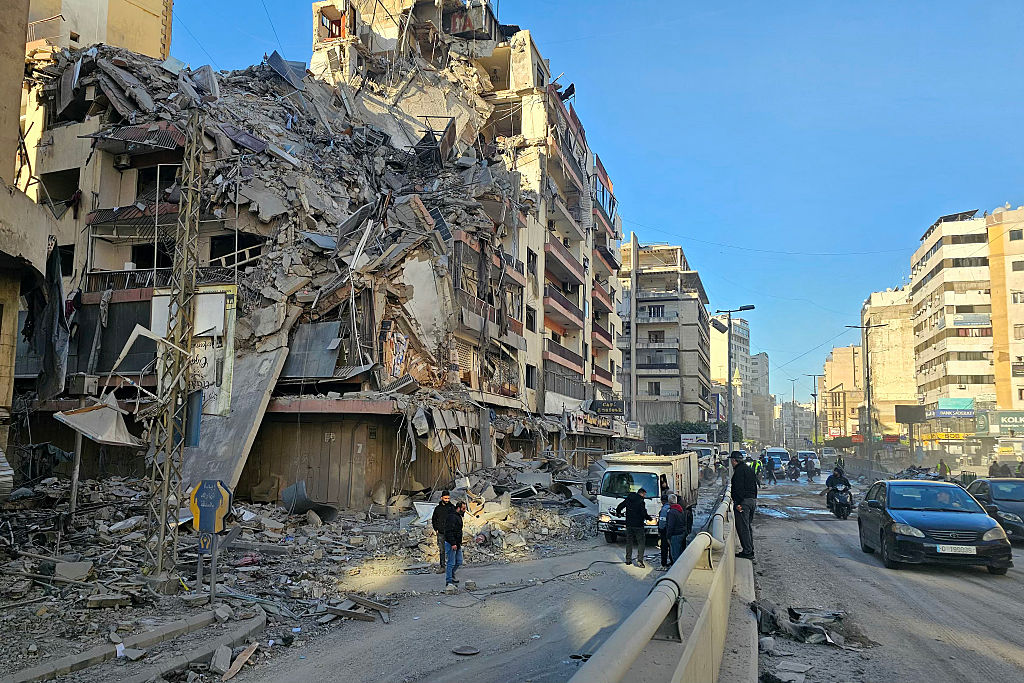
People gather amid the debris of a destroyed building following airstrikes in Beirut's southern suburbs of Ghobeiry neighborhood, on March 5, 2026. Israel said it carried out strikes on Beirut targeting Iran-backed militant group Hezbollah on March 5, while Lebanese state media reported an Israeli drone strike killed a Hamas official. (Photo by AFP via Getty Images)
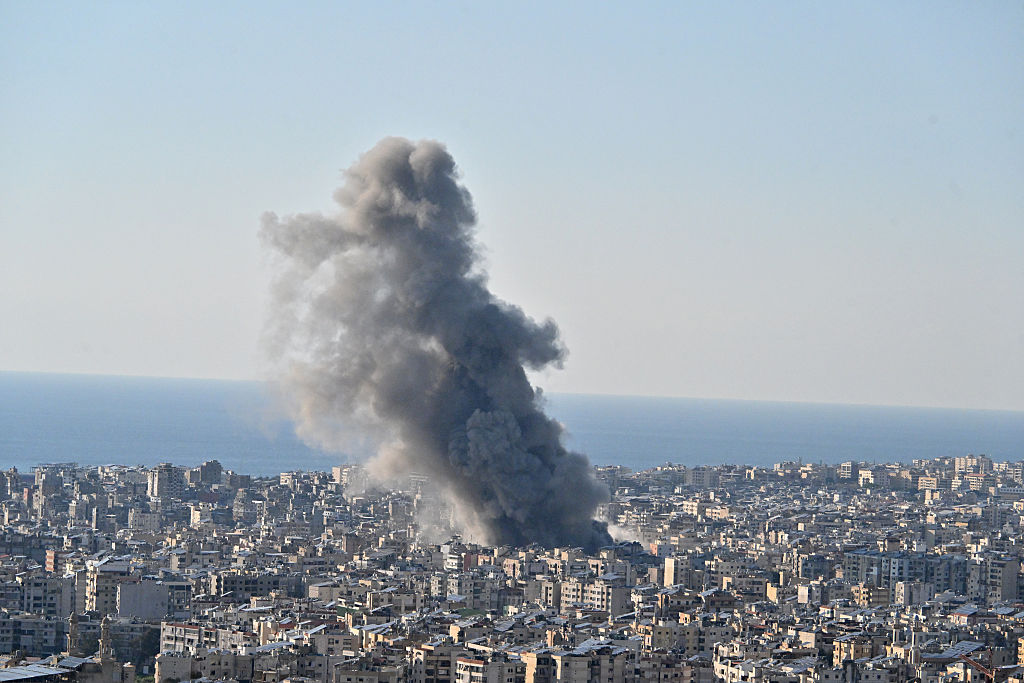
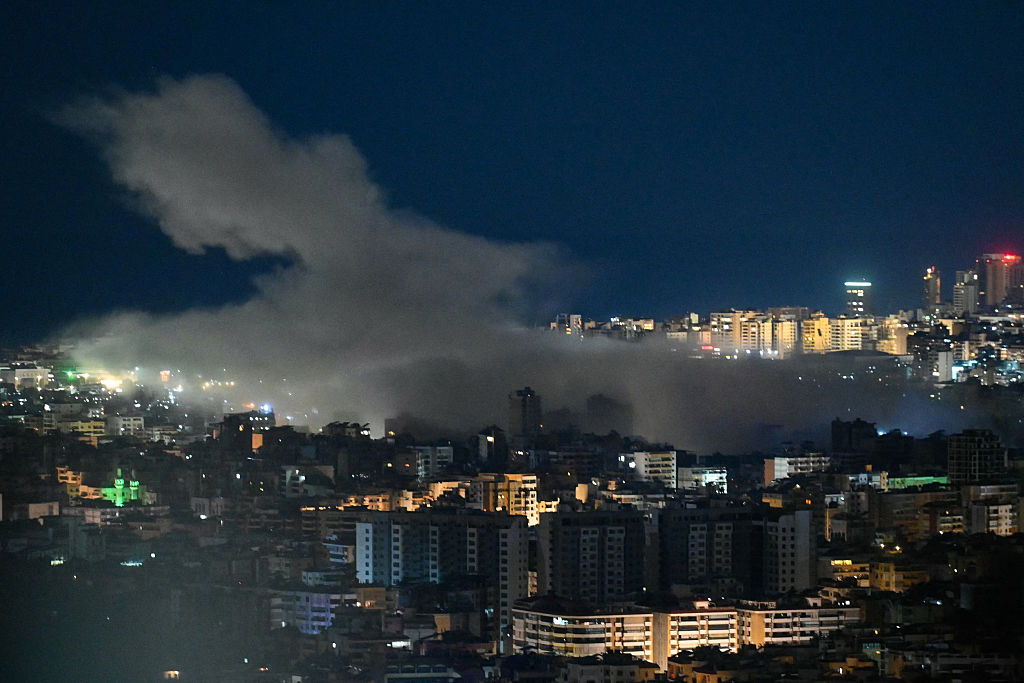
After two days of constant barrage from Israel and the United States, more than 30,000 people have been displaced in Lebanon as of March 3, 2026. Israel is continuing to undertake military actions against Hezbollah, an Iranian-funded militant group based in Lebanon. The group receives funding, weapons, and training from Iran and has long acted as a foreign, paramilitary organization supporting former Iranian Supreme Leader Ali Khamenei. Hezbollah launched rockets at Israel on March 1, and Lebanon is paying the consequences, with Israel battering the country with non-stop rockets since.
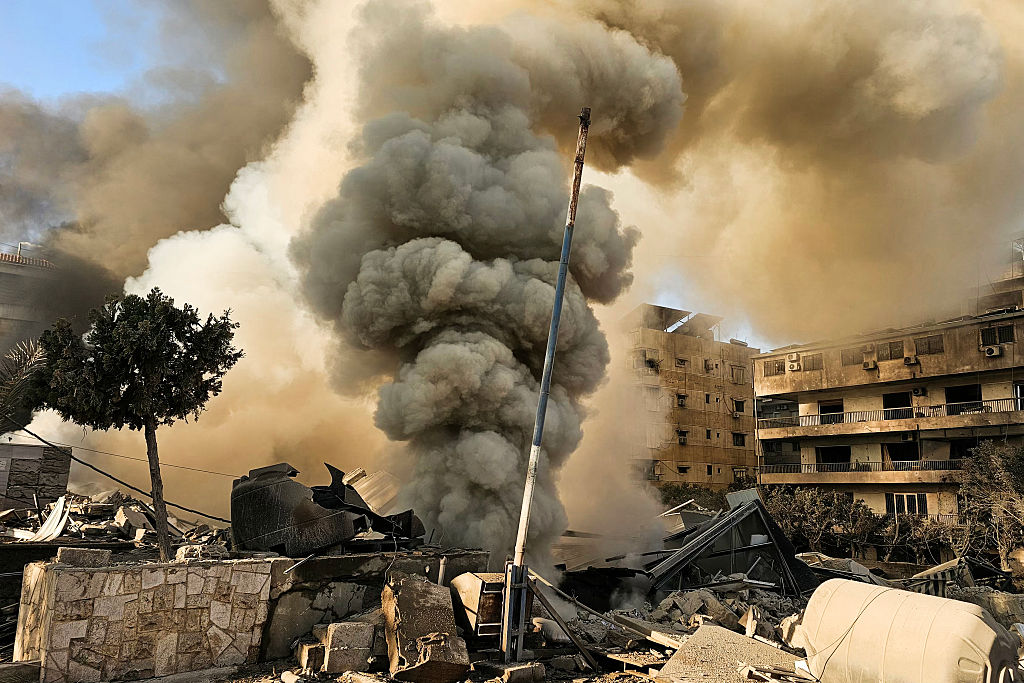
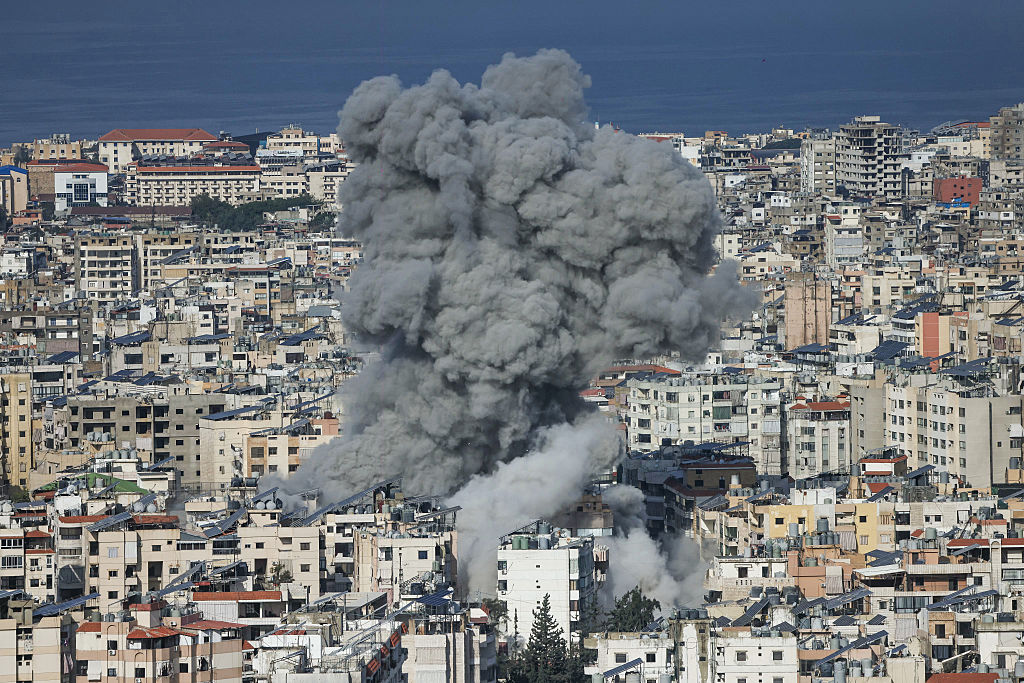
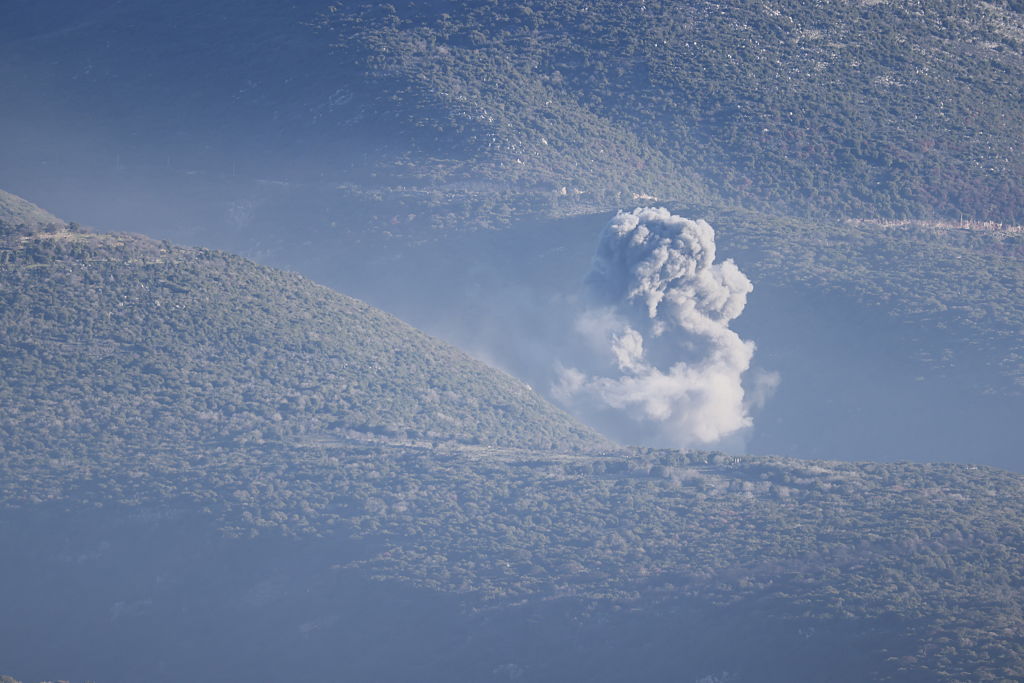
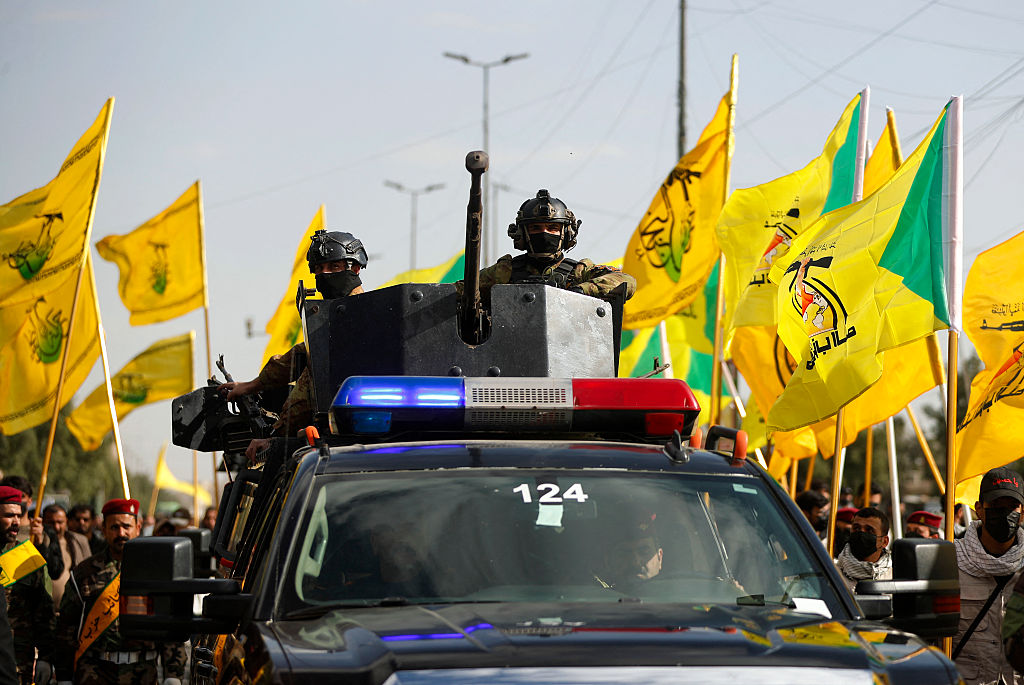
TOPSHOT – Smoke rises from the site of an Israeli airstrike on the southern suburbs of Beirut on March 3, 2026. The Israeli military issued new evacuation orders for dozens of locations in Lebanon on March 3, including warning residents in two southern Beirut neighbourhoods to stay away from several buildings ahead of an imminent operation. (Photo by AFP via Getty Images)A plume of smoke rises from the site of an Israeli airstrike in the southern suburbs of Beirut’s Haret Hreik neighborhood on March 4, 2026. Israel launched fresh strikes on Iran and Lebanon, where state media reported a residential building was hit on March 4, as Iran’s Guards said they had sealed off one of the world’s most vital shipping routes for energy. (Photo by IBRAHIM AMRO / AFP via Getty Images)LEBANON – FEBRUARY 28: Smoke rises as the Israeli army carries out airstrikes on multiple locations in southern Lebanon on February 28, 2026. (Photo by Ramiz Dallah/Anadolu via Getty Images)BEIRUT, LEBANON – MARCH 02: Smoke rises over buildings following intense Israeli airstrikes targeting the Burj al-Barajneh area in southern Beirut, Lebanon, on March 02, 2026. (Photo by Houssam Shbaro/Anadolu via Getty Images)Smoke rises from the site of an Israeli airstrike that targeted an area in Beirut’s southern neighborhood on March 5, 2026. An air strike hit the Hezbollah stronghold of south Beirut early on March 5, AFPTV images showed, shortly after Israel issued a warning ahead of an attack. Israel’s military earlier told residents to leave a Beirut suburb, warning it was about to strike targets it said were linked to Hezbollah. (Photo by FADEL itani / AFP via Getty Images)People gather amid the debris of a destroyed building following airstrikes in Beirut’s southern suburbs of Ghobeiry neighborhood, on March 5, 2026. Israel said it carried out strikes on Beirut targeting Iran-backed militant group Hezbollah on March 5, while Lebanese state media reported an Israeli drone strike killed a Hamas official. (Photo by AFP via Getty Images)Iraqi security forces stand guard on March 5, 2026, during the funeral procession of members of Iraq’s pro-Iran paramilitary group Hezbollah Brigades (Kataeb Hezbollah) who were killed in a strike the previous day in Baghdad. The Tehran-backed Iraqi group Kataeb Hezbollah said on March 5 that one of its commanders was killed in a strike in southern Iraq the previous day. Two sources from the faction told AFP on March 4 that a strike hit a vehicle near the group’s main base in southern Iraq, killing two fighters. (Photo by AHMAD AL-RUBAYE / AFP via Getty Images)
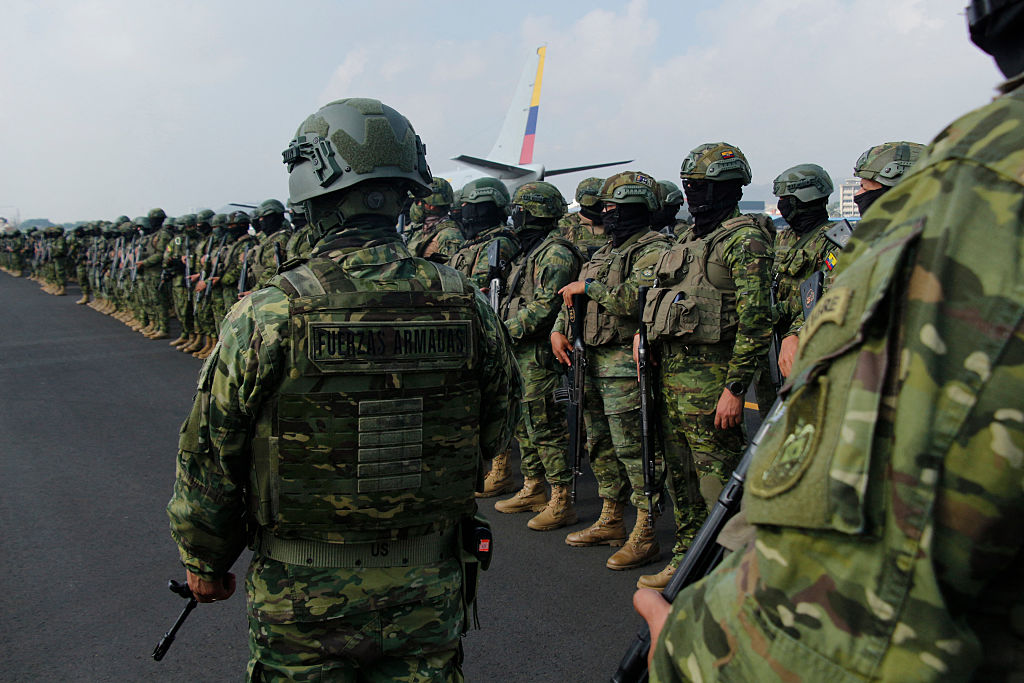
Ecuadorian soldiers stand in formation upon arrival at the Simon Bolivar Airbase in Guayaquil, Ecuador, on January 16, 2026, during a strategic deployment of 8,000 military personnel to the provinces of Guayas, Manabi, and Los Rios. (Photo by Gerardo MENOSCAL / AFP via Getty Images)
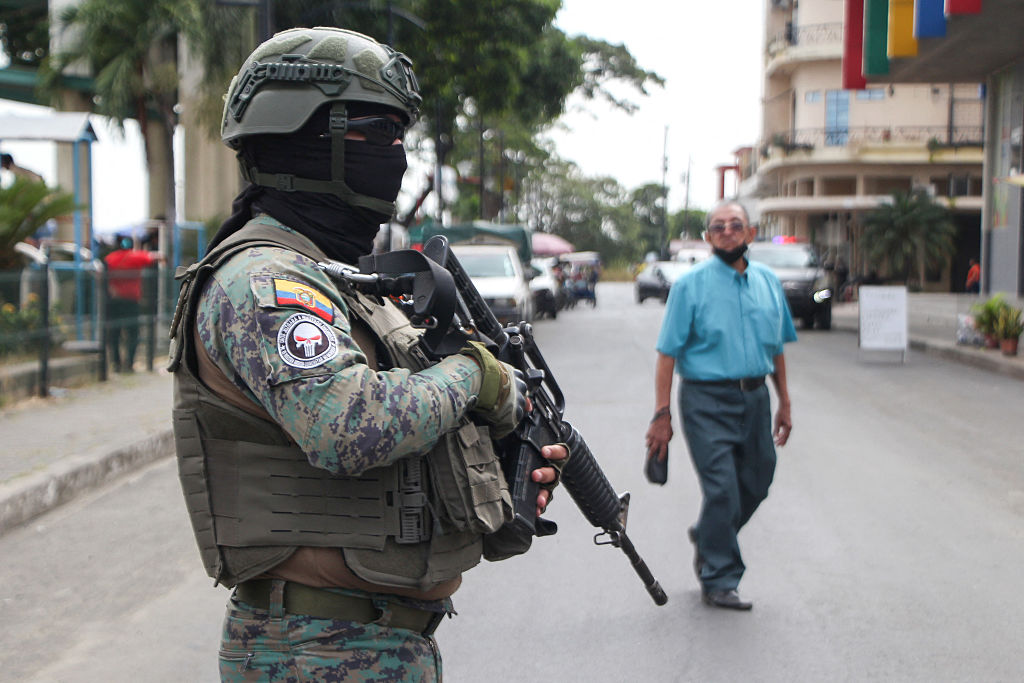
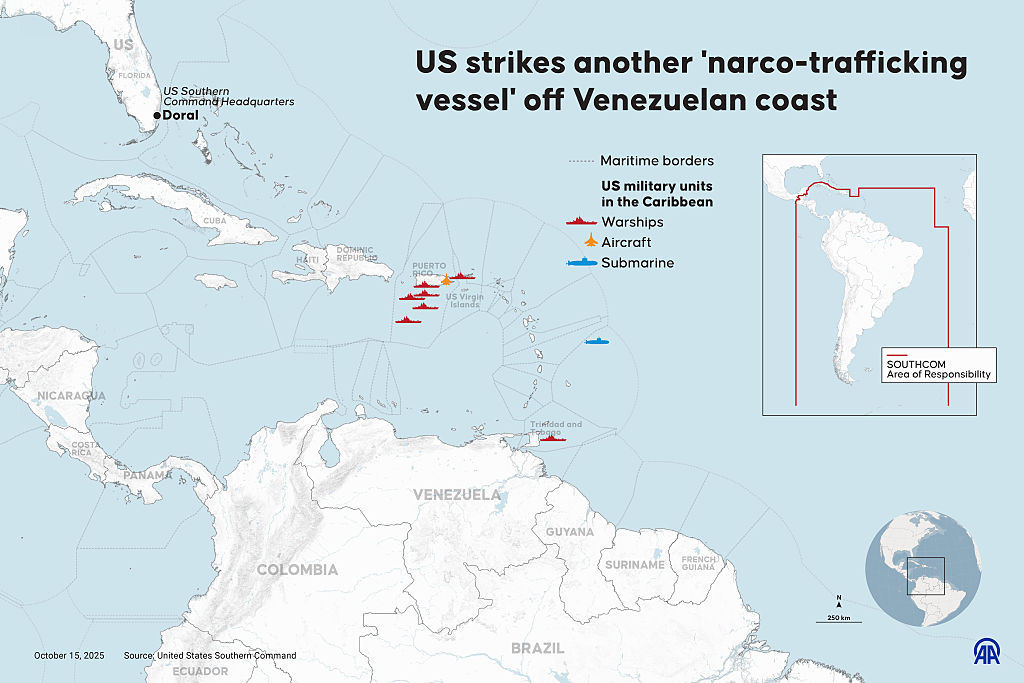
In an expansion of Donald Trump’s ‘war on narcoterrorism’, the US has undergone a joint operation with the Ecuadorian government against what the US calls ‘designated terrorist organizations’. The attacks came on March 3, and according to US officials, no American servicemember participated in the attack, but helped Ecuadorian forces prepare and execute the operation. Donald Trump has been conducting air strikes on vessels in the Caribbean Sea since September 2025, and conducted a military operation in Venezuela in January 2026, capturing Venezuelan President Nicolas Maduro. All of the actions have been conducted under the guise of fighting narcoterrorism, and legal experts have deemed them illegal under international law.
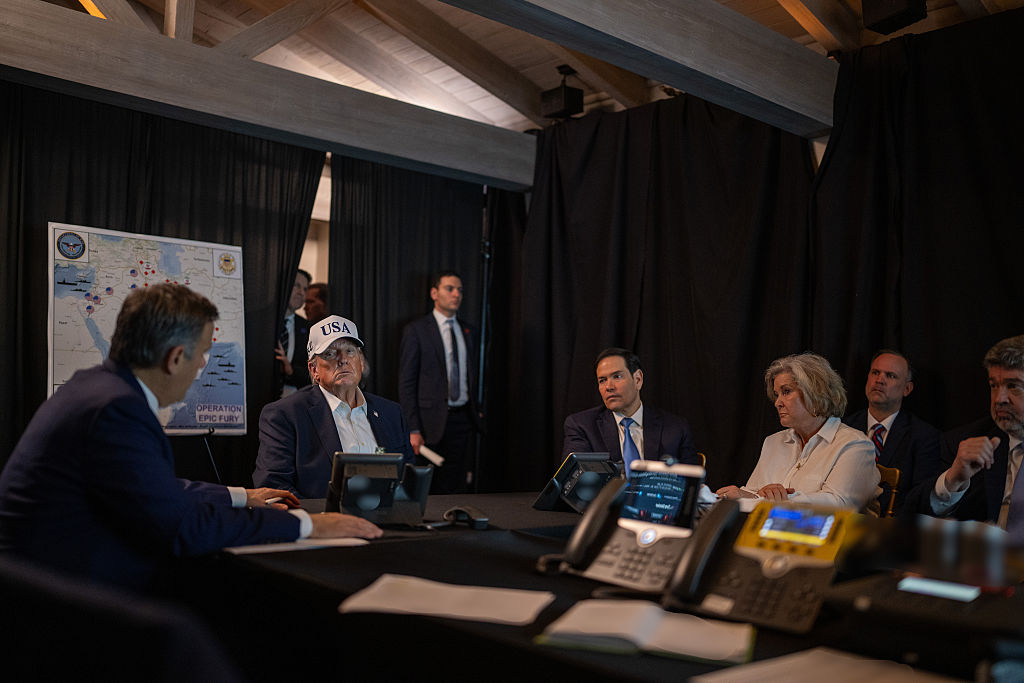
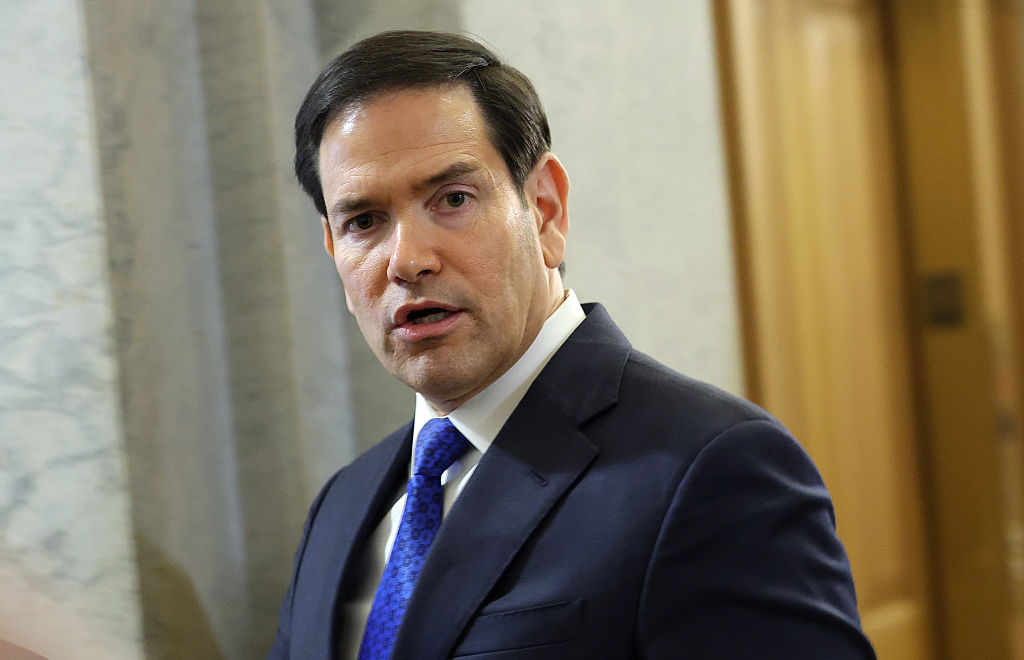
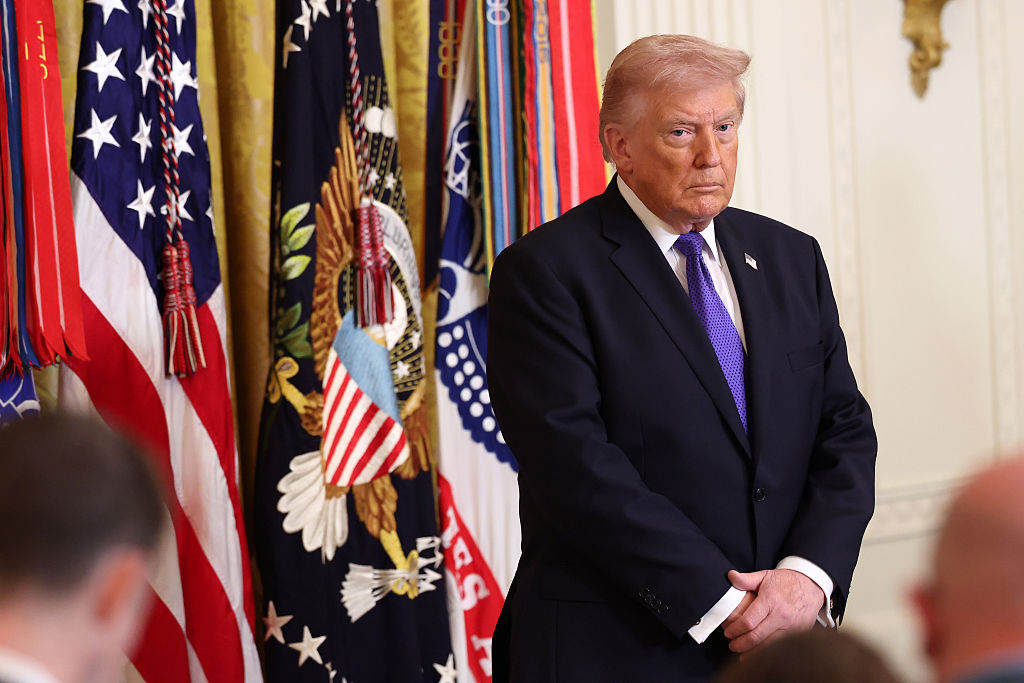
Ecuadorian soldiers stand in formation upon arrival at the Simon Bolivar Airbase in Guayaquil, Ecuador, on January 16, 2026, during a strategic deployment of 8,000 military personnel to the provinces of Guayas, Manabi, and Los Rios. (Photo by Gerardo MENOSCAL / AFP via Getty Images)A member of the Ecuadorian Army guards a street during an activity to denounce the criminal in Duran, Ecuador, on June 13, 2025, as part of an initiative financially supported by the United States Southern Command to combat crime. (Photo by Gerardo MENOSCAL / AFP) (Photo by GERARDO MENOSCAL/AFP via Getty Images)PALM BEACH, FLORIDA – FEBRUARY 28: (EDITOR’S NOTE: This handout image was provided by a third-party organization and may not adhere to Getty Images’ editorial policy) U.S. President Donald Trump (C) oversees « Operation Epic Fury » with (L-R) Central Intelligence Agency Director John Ratcliffe, U.S. Secretary of State Marco Rubio and White House Chief of Staff Susie Wiles at Mar-a-Lago on February 28, 2026 in Palm Beach, Florida. President Trump announced today that the United States and Israel had launched strikes on Iran targeting political and military leaders, as well as Iran’s ballistic missile and nuclear programs. (Photo by Daniel Torok/White House via Getty Images)ANKARA, TURKIYE – OCTOBER 15: An infographic titled « US strikes another ‘narco-trafficking vessel’ off Venezuelan coast » created in Ankara, Turkiye on October 15, 2025. US President Donald Trump said the US carried out another strike Tuesday on ‘a narco-trafficking vessel’ off the coast of Venezuela. (Photo by Yasin Demirci/Anadolu via Getty Images)WASHINGTON, DC – MARCH 03: U.S. Secretary of State Marco Rubio arrives to deliver Congressional briefings on Iran at the U.S. Capitol on March 3, 2026 in Washington, DC. Trump administration Cabinet officials will be briefing all lawmakers in the House and Senate on U.S. and Israeli attacks on Iran. (Photo by Kevin Dietsch/Getty Images)WASHINGTON, DC – MARCH 02: U.S. President Donald Trump arrives for a Medal of Honor Ceremony in the East Room of the White House on March 02, 2026 in Washington, DC. Trump awarded three soldiers the highest military decoration; Master Sgt. Roddie Edmonds, who died in 1985, for shielding Jewish prisoners from Nazi guards during World War II; then-Staff Sgt. Terry Richardson for saving 85 lives of fellow soldiers during the Vietnam War; and Staff Sgt. Michael Ollis who died in the Afghanistan War when he shielded another soldier from a suicide bomber. (Photo by Win McNamee/Getty Images)
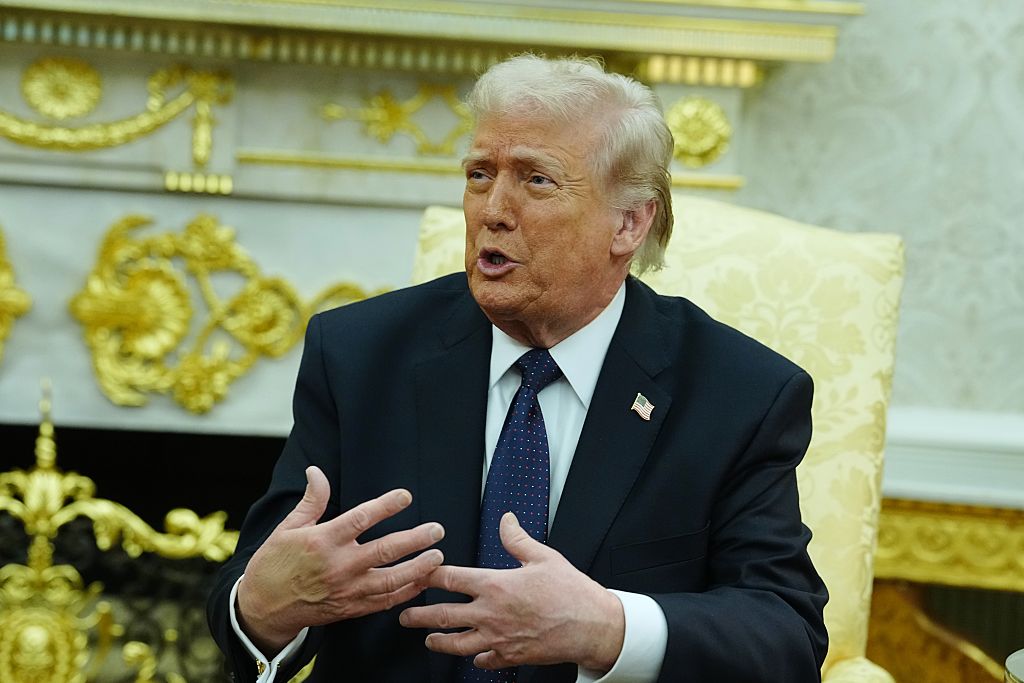
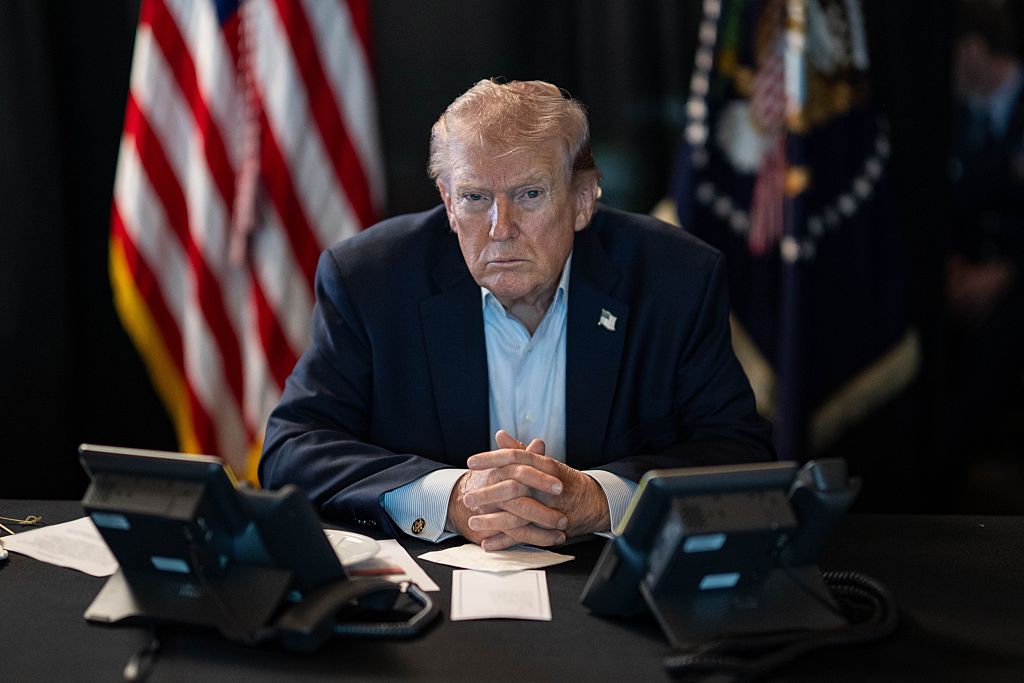
03 March 2026, USA, Washington: US President Donald Trump speaks during a meeting with Chancellor Merz (CDU) at the White House. Topics include the war in Iran, the tariff dispute between the EU and the USA, the Russian war of aggression against Ukraine and China policy. Photo: Kay Nietfeld/dpa (Photo by Kay Nietfeld/picture alliance via Getty Images)
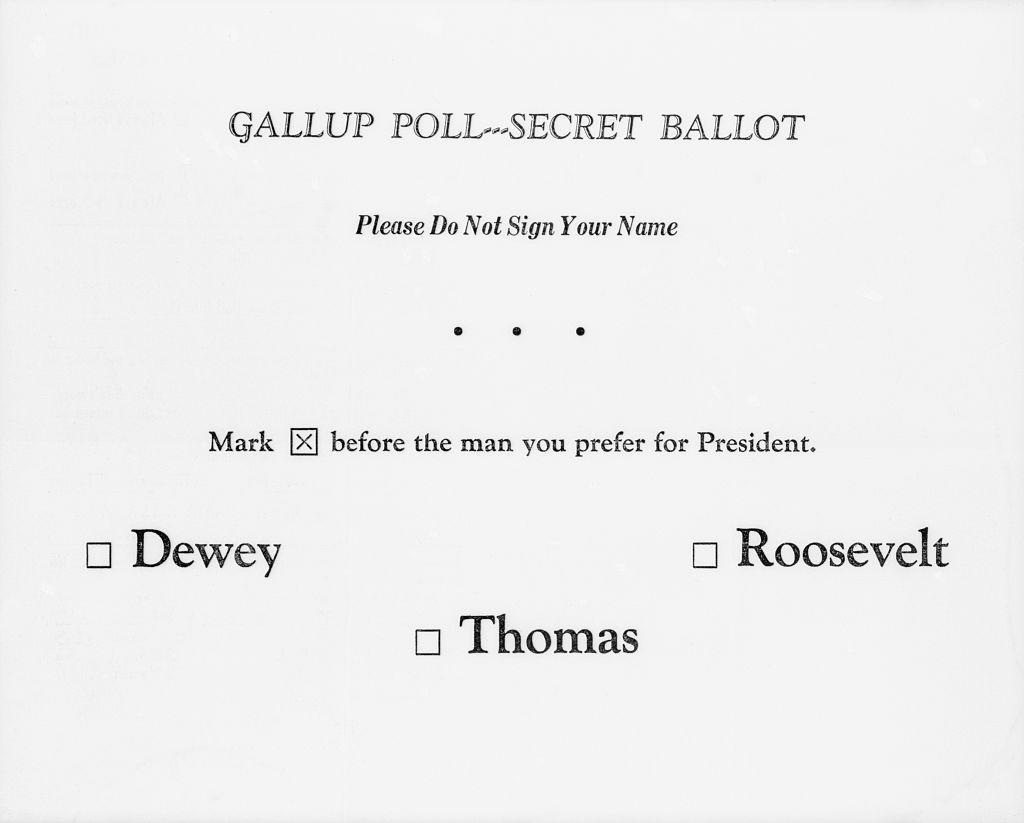
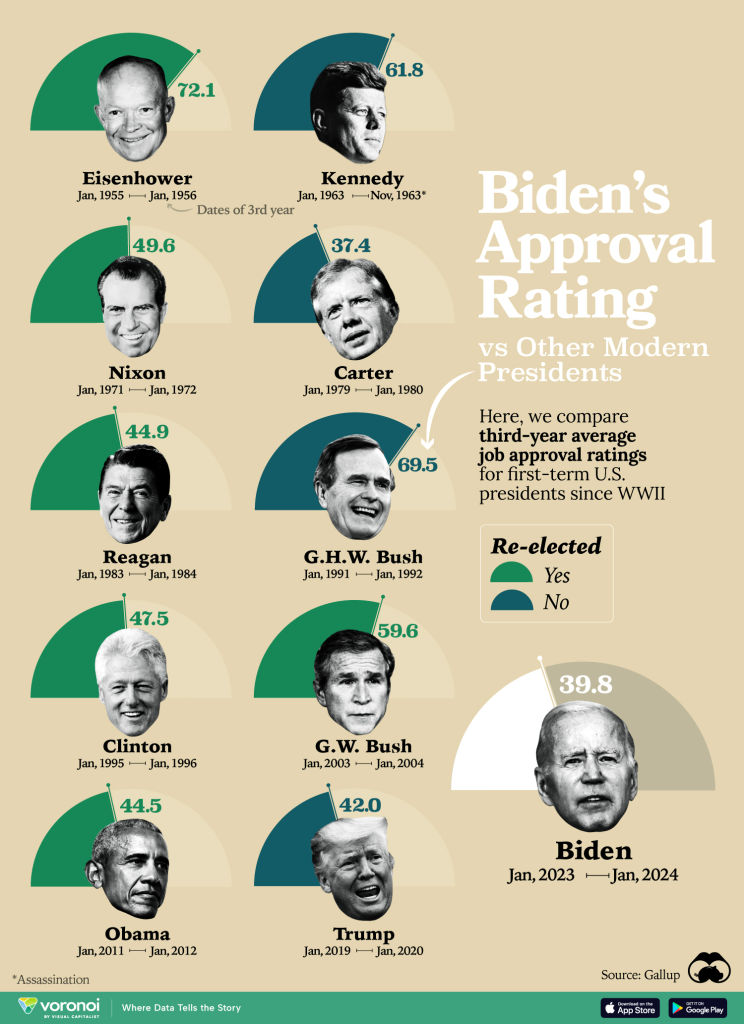
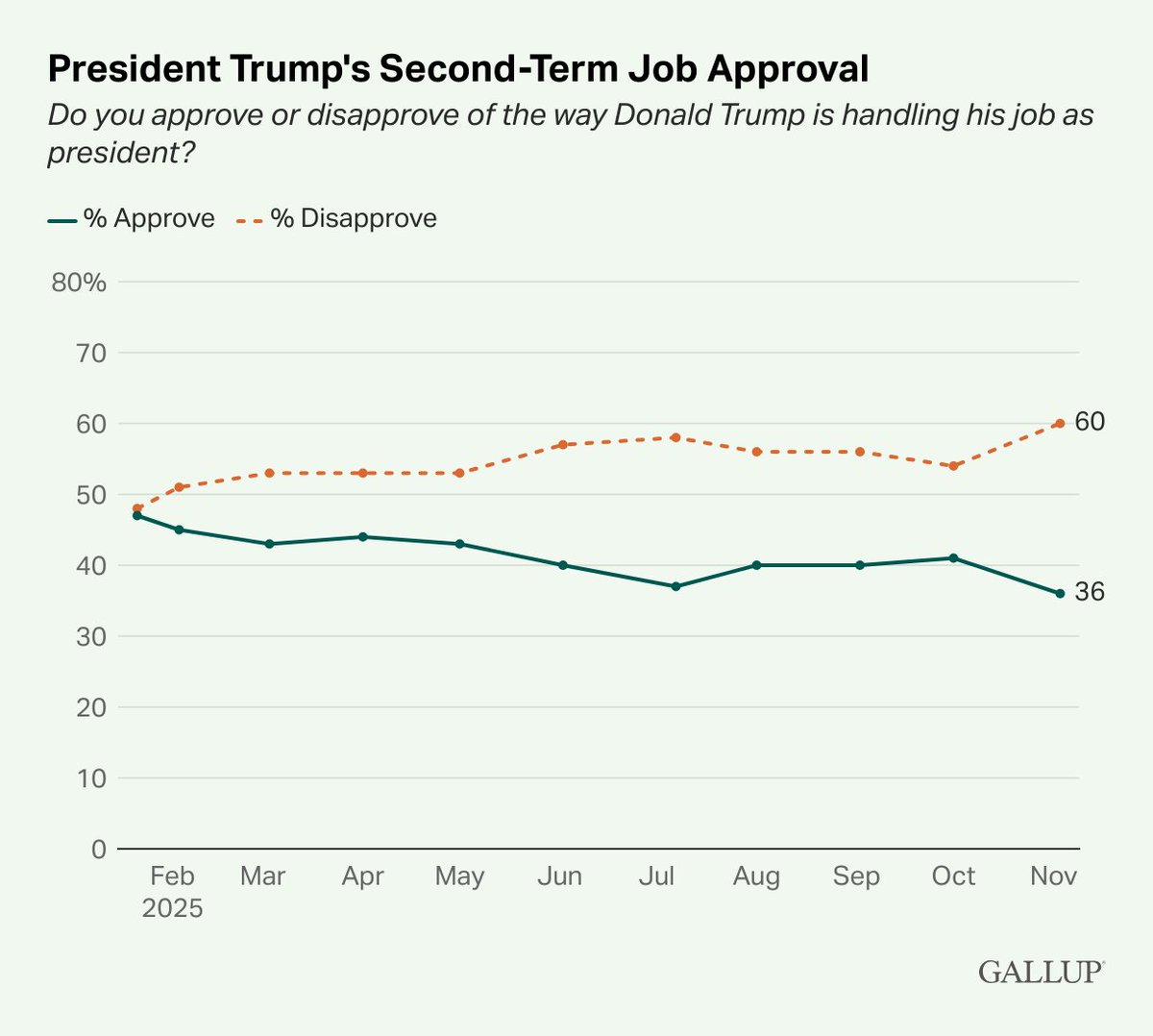
One of the most noteworthy and renowned analytics organizations, Gallup, announced that it would stop running its presidential approval rating poll after 88 years of informing American voters. While Gallup has shown Donald Trump’s approval rating crater over the last 12 months, the company claims that the president has nothing to do with the decision, and that the change is part of a broader effort to align Gallup’s work with its new mission. Gallup was founded in 1935; is headquartered in Washington, D.C. and has been tracking presidential approval ratings since 1935.
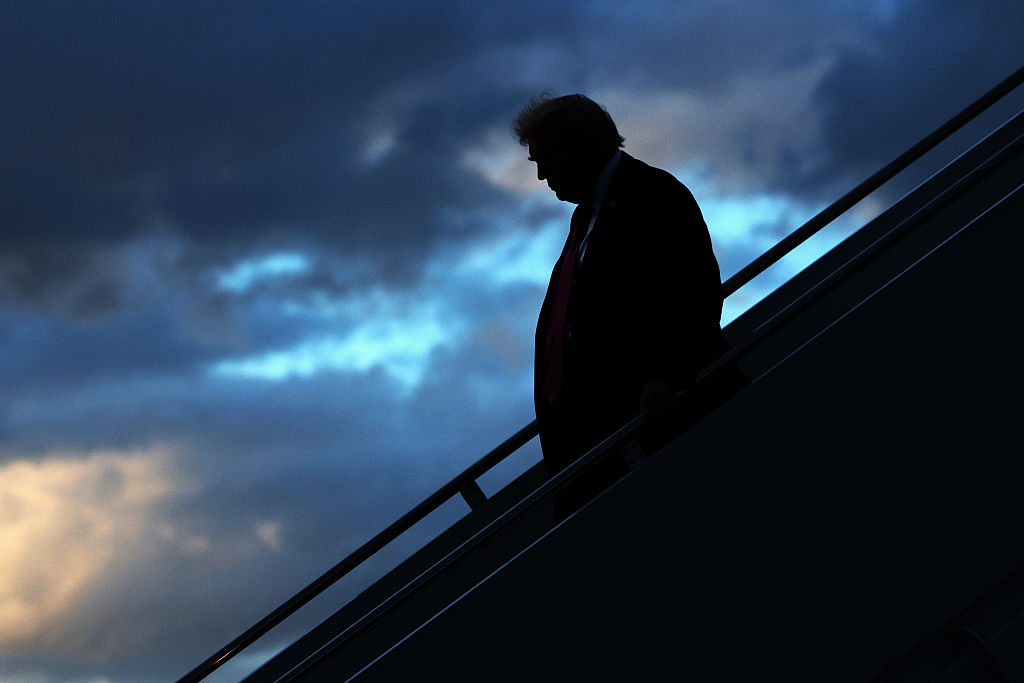
(Original Caption) The Gallup Poll…and here is a photographic copy of the Gallup Poll on which a few thousand persons would show the trend of the election for President. Beside which name will the most X’s be marked? Watch your daily newspaper!US President Donald Trump speaks to the press before boarding Marine One as he departs from the South Lawn of the White House for Texas in Washington, DC, on February 27, 2026. President Trump is traveling to Corpus Christi, Texas, to deliver remarks on energy. (Photo by ANDREW CABALLERO-REYNOLDS / AFP via Getty Images)How does Biden’s approval rating stack up against other presidents? This graphic compares presidents across modern history. Data source: Gallup. (Graphic by Visual Capitalist via Getty Images)WEST PALM BEACH, FLORIDA – OCTOBER 17: U. S. President Donald Trump walks down the steps of Air Force One after he landed at West Palm Beach International Airport on October 17, 2025 in West Palm Beach, Florida. President Trump is spending his weekend at Mar-a-Lago in Palm Beach, Florida. (Photo by Alex Wong/Getty Images)
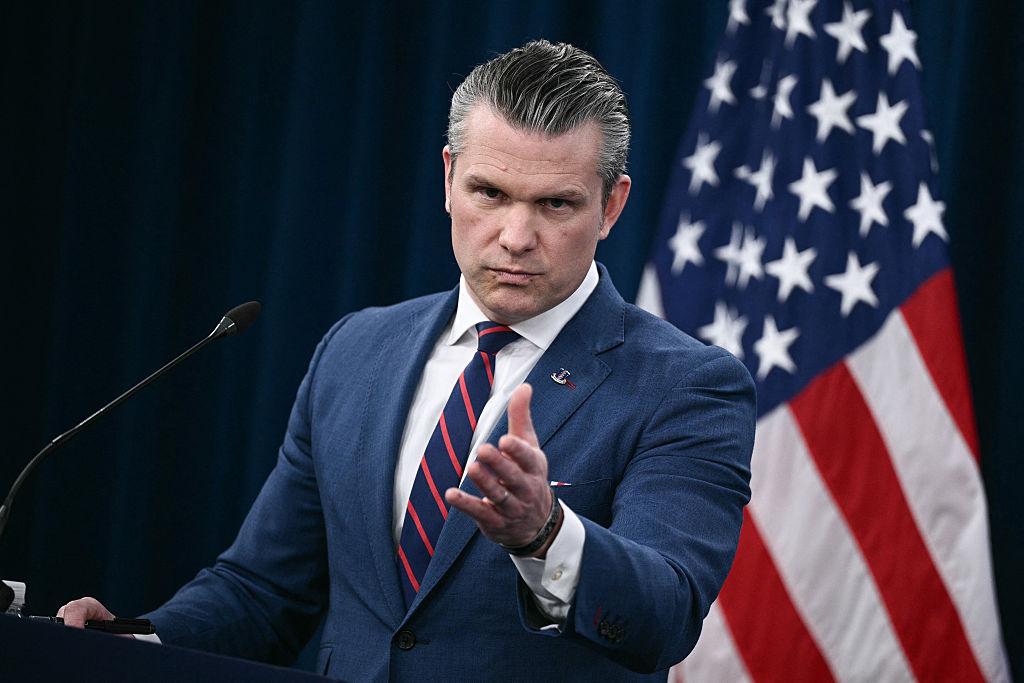
US Defense Secretary Pete Hegseth speaks during a press conference on US military action in Iran, at the Pentagon in Washington, DC, on March 2, 2026. The United States hit hundreds of targets across Iran, and Israel expanded its bombing to Lebanon on Monday as President Donald Trump vowed to avenge the first US deaths in the war he launched to topple Tehran's ruling clerics. Iranian forces fired missiles and drones across the Middle East, killing people in Israel and the United Arab Emirates, in retaliation for the conflict that began February 28 with the death of Iran's supreme leader, Ayatollah Ali Khamenei. (Photo by Brendan SMIALOWSKI / AFP via Getty Images)
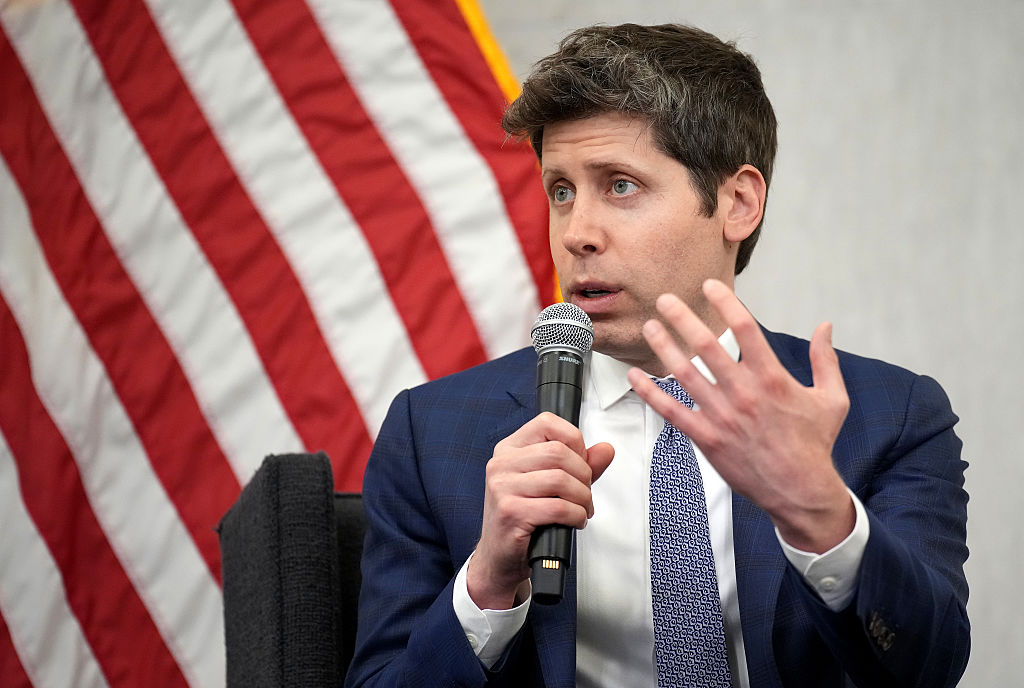
In the biggest story in the AI world right now, Pete Hegseth’s Department of War has been pressuring AI companies to allow the United States government and military to have unfettered access to the programs for security purposes. AI superpower Anthropic has resisted Hegseth’s pressure, but Sam Altman’s OpenAI has signed on the dotted line without hesitation. Hegseth is using a variety of strategies to force the hand of these tech companies, and one by one, they’re folding. Now, Donald Trump has ordered the US government to stop using all Anthropic products, and is ‘encouraging’ a shift to OpenAI software.
Threatening tech giants
Pete Hegseth and the US government are using a variety of strategies to strong-arm these AI giants, not the least of which includes banning them from operating in the United States. Currently, Anthropic has ironclad restrictions that prohibit its AI models from being used for mass surveillance or incorporated into lethal autonomous weapons, so that they can make decisions to attack without human intervention. These are the restrictions the US wants removed. Hegseth began by threatening to cancel the $200 million contract with the Department of War, and then took things up a notch.
(Photo by Brendan SMIALOWSKI / AFP via Getty Images)
Hegseth threatened that if Anthropic does not remove the restrictions by February 28 (a deadline that has since passed), he will label the company a ‘supply-chain risk’. If the label is placed on Anthropic, no company doing business with the Department of War would be allowed to use Anthropic’s software. The threat would effectively end Anthropic’s meteoric growth over the last 18 months. Anthropic is valued at just under $400 billion and owns the Claude AI model.
What is Anthropic AI
Anthropic AI was founded in 2021 by a number of ex-OpenAI employees. With a team of just seven, Anthropic built its AI model Claude in just a year, and Claude 1 was released in March 2023. After an initial investment of $1 billion from Google in 2021, Anthropic has built unimaginable wealth in less than five years, latching on and benefitting from the AI boom in 2025. In 2024, Databricks announced that Claude would be integrated into its software, marking a serious achievement for Anthropic. Two years later, Anthropic is valued at nearly three times what Databricks is, a company nearly 10 years its senior.
OpenAI folds to pressure, Altman comments
OpenAI, the creator of ChatGPT, faced the same conditions as Anthropic but chose to cave to government pressure. Sam Altman described being ‘rushed’ into the deal on February 28, and penned an explanation on X. Altman claimed that he ‘shouldn’t have rushed’ into signing the DoW’s contract, and that the whole experience was ‘a learning experience’ for the billionaire CEO. Sam Altman is worth nearly $4 billion. According to Altman, he was trying to avoid a ‘much worse outcome,’ and when his attempts to de-escalate discussions failed, he chose to sign a dangerous contract instead of risking financial consequences for his stockholders.
Getty Images
Altman called the situation ‘super complicated’ and also outlined the details of his contract with Hegseth’s DoW. According to Altman, it includes prohibiting the AI system from being intentionally used for domestic surveillance of US persons and nationals. Altman also claimed that agreement also restricts the deliberate tracking or monitoring of individuals, including through commercially acquired personal information, and confirmed that it will not be used by DoW intelligence agencies. Whether the DoW will follow the contract is unknown, but the contract at least includes some restrictions.
Altman received immediate backlash for folding to government pressure, but defended himself in another statement. Altman claims that ‘unelected officials’ should not decide how technology should be used by the government. Altman also said he doesn’t want OpenAI to decide what to do in the event of an emergency in the US, specifically a nuclear attack. Altman believes that AI experts are unequipped to make decisions about their own software, instead trusting the US government. The US government echoed the same argument against Anthropic, but to no avail.
If Hegseth commits and labels Anthropic a supply chain risk, it would be the first time an American company has been given the designation, and it would create a dangerous precedent of US government overreach into the private sector.
(Photo Illustration by Algi Febri Sugita/SOPA Images/LightRocket via Getty Images)
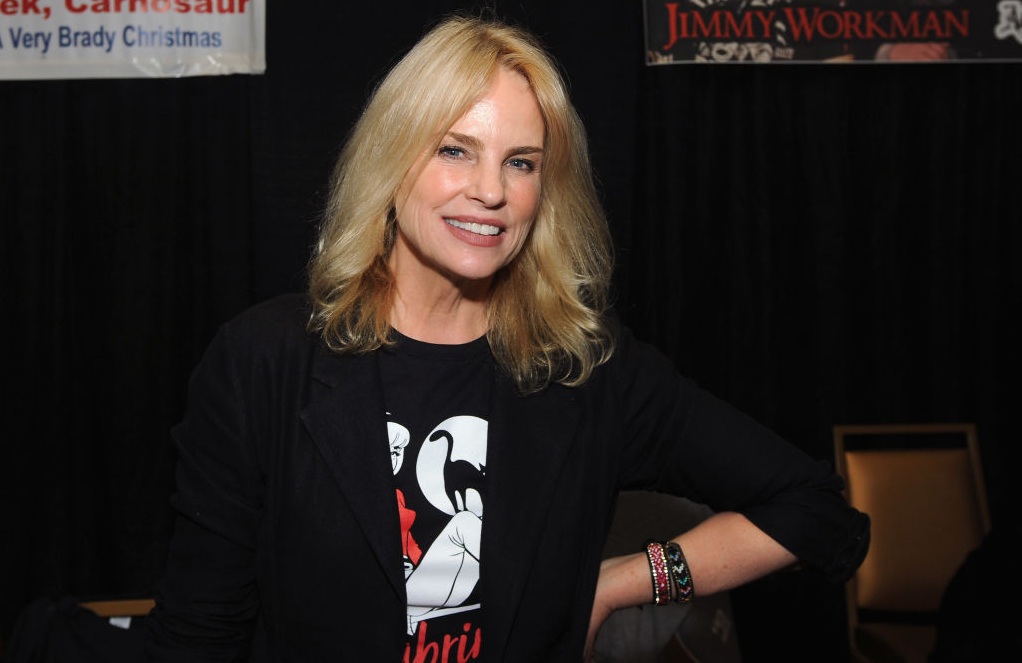
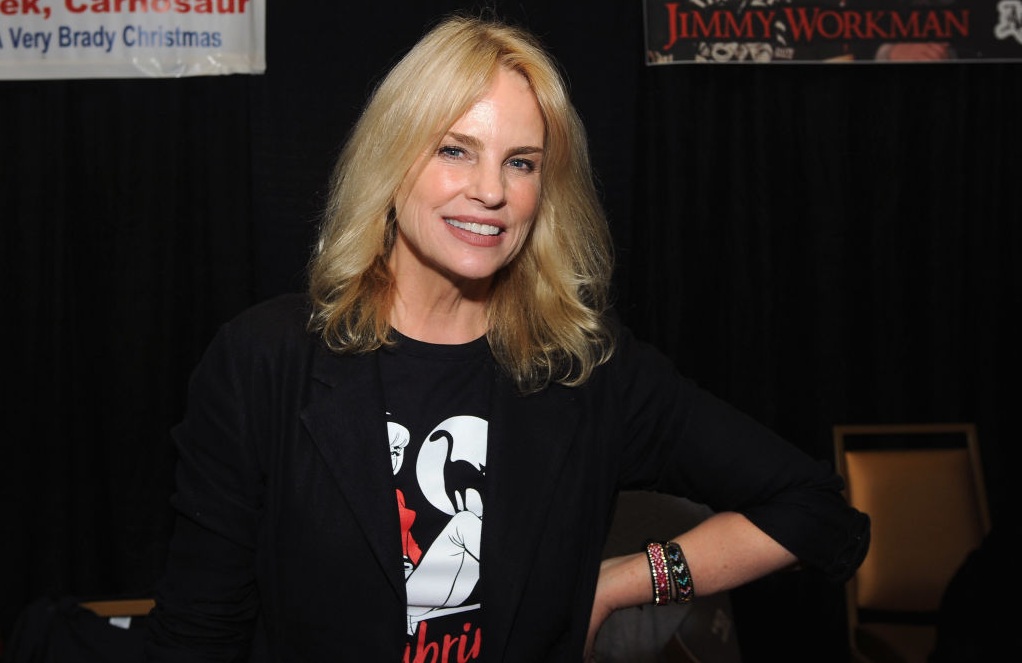
ATLANTIC CITY, NJ - MARCH 30: Jennifer Runyon attends the 2019 New Jersey Horror Con And Film Festival at Showboat Atlantic City on March 30, 2019 in Atlantic City, New Jersey. (Photo by Bobby Bank/Getty Images)
The year 2026 was marked by the passing of many personalities who left a lasting mark on our society. Artists, creators, public figures, thinkers, and athletes—each and every one contributed in their own way to shaping our era and our collective imagination. This In Memoriam project pays tribute to those who left us during the year. Through these memories, we take a moment to remember their influence, celebrate their contributions, and honor lives that will continue to resonate long after their passing.
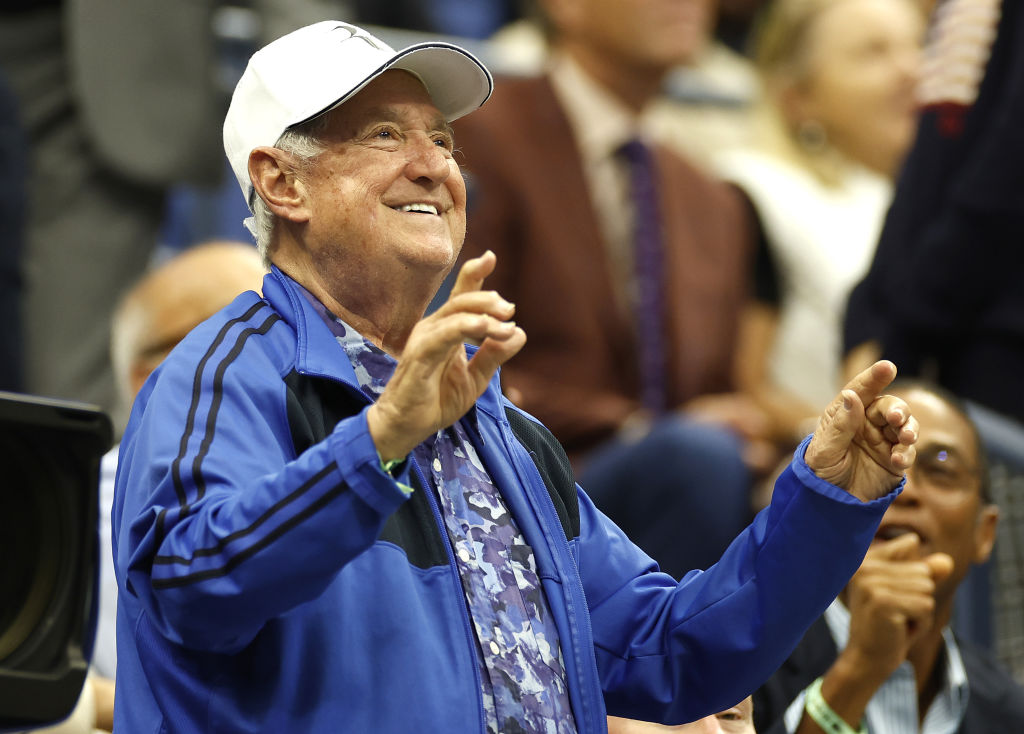
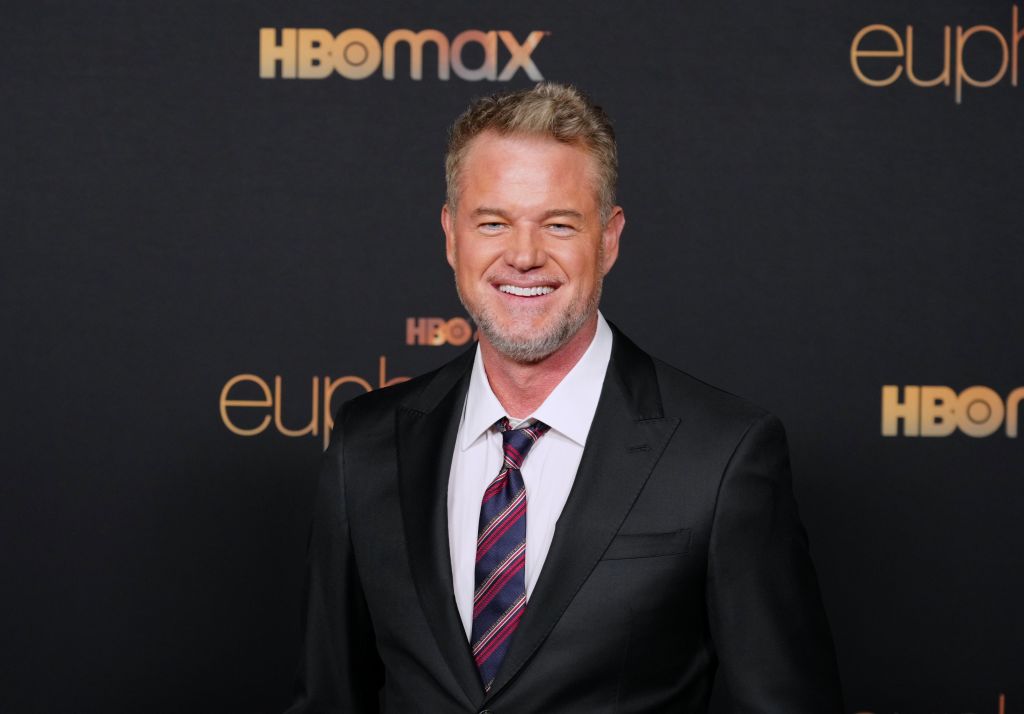
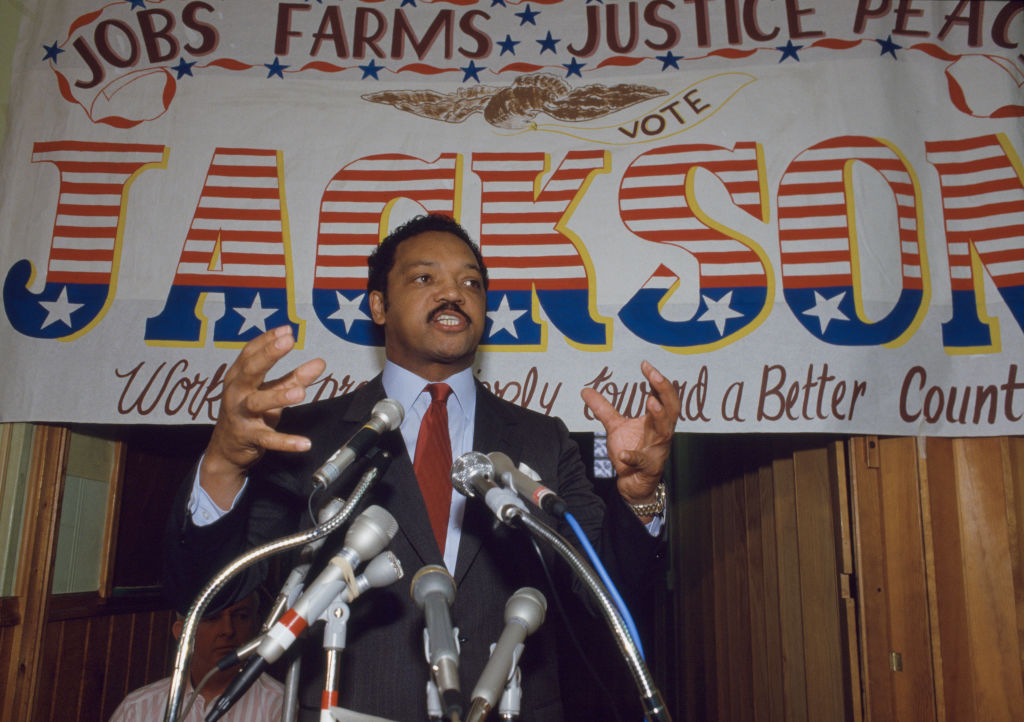
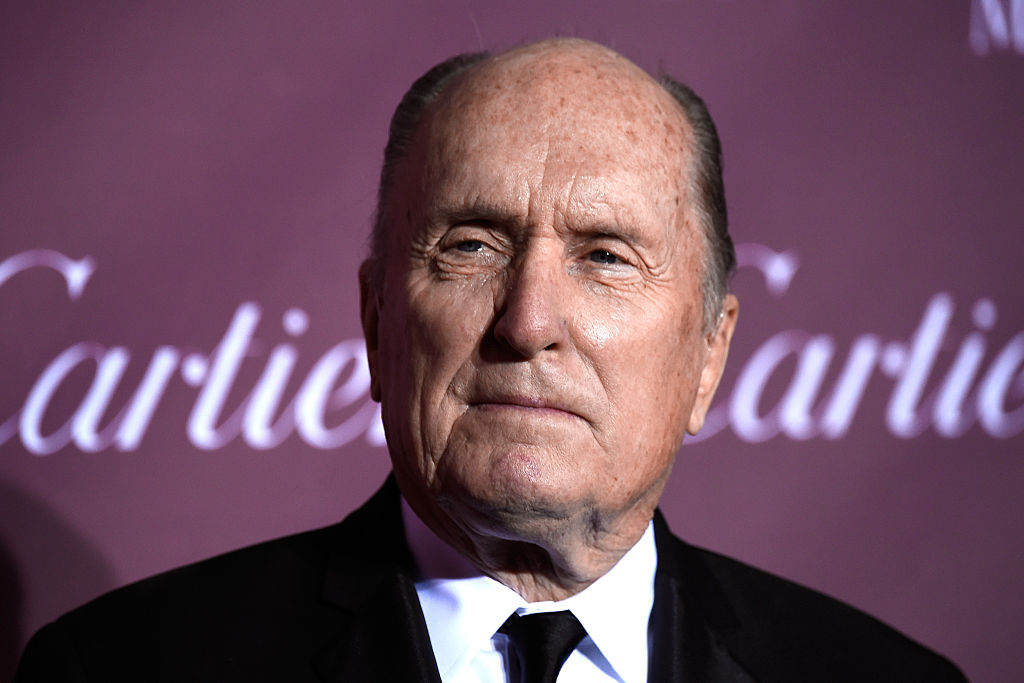
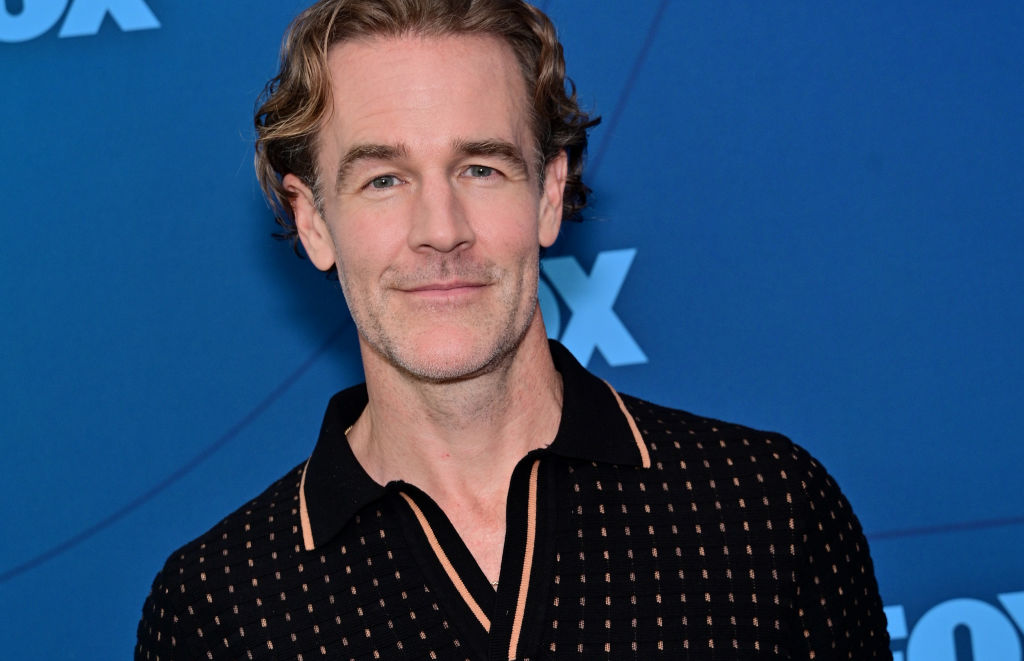
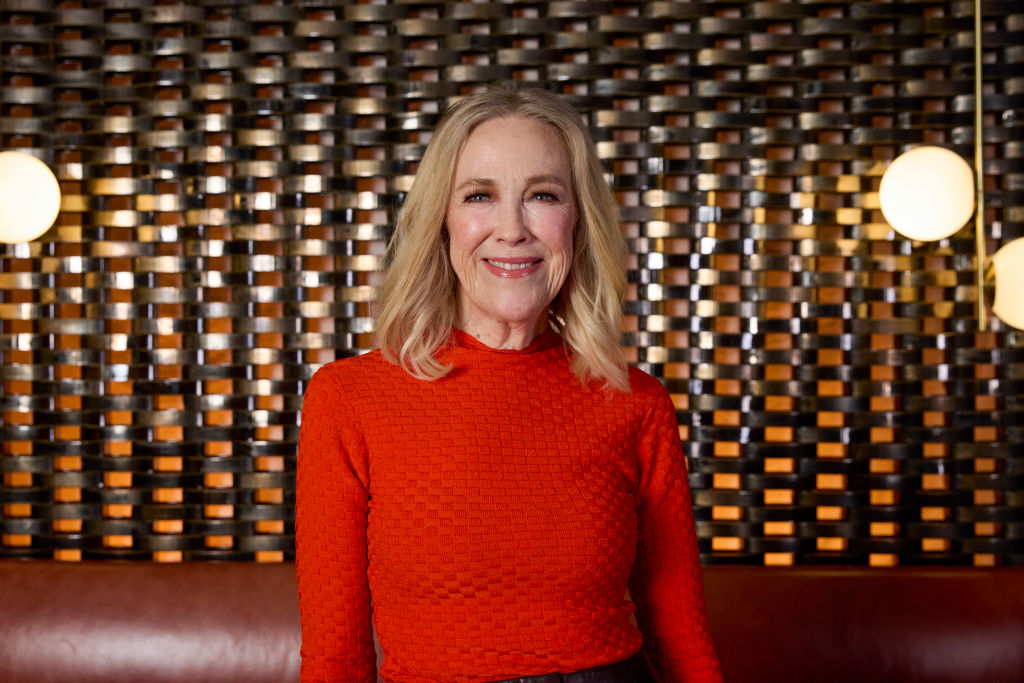
ATLANTIC CITY, NJ – MARCH 30: Jennifer Runyon attends the 2019 New Jersey Horror Con And Film Festival at Showboat Atlantic City on March 30, 2019 in Atlantic City, New Jersey. (Photo by Bobby Bank/Getty Images)NEW YORK, NEW YORK – SEPTEMBER 07: Neil Sedaka waves to the crowd during the Men’s Singles Quarterfinal match between Andrey Rublev and Frances Tiafoe of the United States on Day Ten of the 2022 US Open at USTA Billie Jean King National Tennis Center on September 07, 2022 in the Flushing neighborhood of the Queens borough of New York City. (Photo by Sarah Stier/Getty Images)NEW YORK, NY – NOVEMBER 9: Oliver « Power » Grant and Marcus Callender attend The RZA Presents The 36 Chambers 30th Anniversary Celebration After Party at Mr. Purple on November 9, 2023 in New York. (Photo by Paul Bruinooge/Patrick McMullan via Getty Images)LAS VEGAS – FEBRUARY 18: Detroit Shock team member Kara Braxton attends the 2007 NBA All-Star Game « Diddy » After Party at the Rain Nightclub in the Palms Hotel and Casino on February 18, 2007 in Las Vegas, Nevada. (Photo by Ray Tamarra/Getty Images)Robert Carradine (Photo by L. Cohen/WireImage) *** Local Caption ***GLENDALE, AZ – OCTOBER 09: Rondale Moore #4 of the Arizona Cardinals runs out during introductions against the Philadelphia Eagles at State Farm Stadium on October 9, 2022 in Glendale, Arizona. (Photo by Cooper Neill/Getty Images)LOS ANGELES, CALIFORNIA – JANUARY 05: Eric Dane attends HBO’s « Euphoria » Season 2 Photo Call at Goya Studios on January 05, 2022 in Los Angeles, California. (Photo by Jeff Kravitz/FilmMagic for HBO)ATLANTA, GEORGIA – DECEMBER 5: Rapper Lil Poppa performs during Rod Wave – Last Lap Tour at State Farm Arena on December 5, 2024 in Atlanta, Georgia. (Photo by Prince Williams/WireImage)Le révérend Jesse Jackson en campagne électorale à Winterset dans l’Iowa, le 3 février 1988.(Photo by jean-Louis Atlan/Sygma via Getty Images)PALM SPRINGS, CA – JANUARY 03: Actor Robert Duvall attends the 26th Annual Palm Springs International Film Festival Awards Gala at Parker Palm Springs on January 3, 2015 in Palm Springs, California. (Photo by Frazer Harrison/Getty Images)American actor Bud Cort, wearing a black suit with a white shirt, and American actress Patti D’Arbanville, who wears a black off-shoulder outfit, attend the 2nd Annual American Cinematheque Award Salute, held at the Hollywood Palladium in the Hollywood neighbourhood of Los Angeles, California, 21st February 1987. The ceremony honoured American actress and singer Bette Midler. (Photo by Vinnie Zuffante/Getty Images)LOS ANGELES, CALIFORNIA – NOVEMBER 18: James Van Der Beek attends 2024 FOX Winter Press Day at Fox Studio Lot on November 18, 2024 in Los Angeles, California. (Photo by Andrew Toth/Getty Images)NEW YORK, NEW YORK – MAY 26: Singer Brad Arnold of 3 Doors Down performs at 2023 FOX & Friends’ Summer Concert Series on May 26, 2023 in New York City. (Photo by Slaven Vlasic/Getty Images)BEVERLY HILLS, CA – JULY 14: Musician Chuck Negron, former singer of the classic rock band Three Dog Night, performs onstage during the Happy Together tour at Saban Theatre on July 14, 2018 in Beverly Hills, California. (Photo by Scott Dudelson/Getty Images)Catherine O’Hara of « The Wild Robot » at the Deadline Studio held at the Bisha Hotel during the Toronto International Film Festival 2024 on September 9, 2024 in Toronto, Canada. (Photo by KC Armstrong/Deadline via Getty Images)
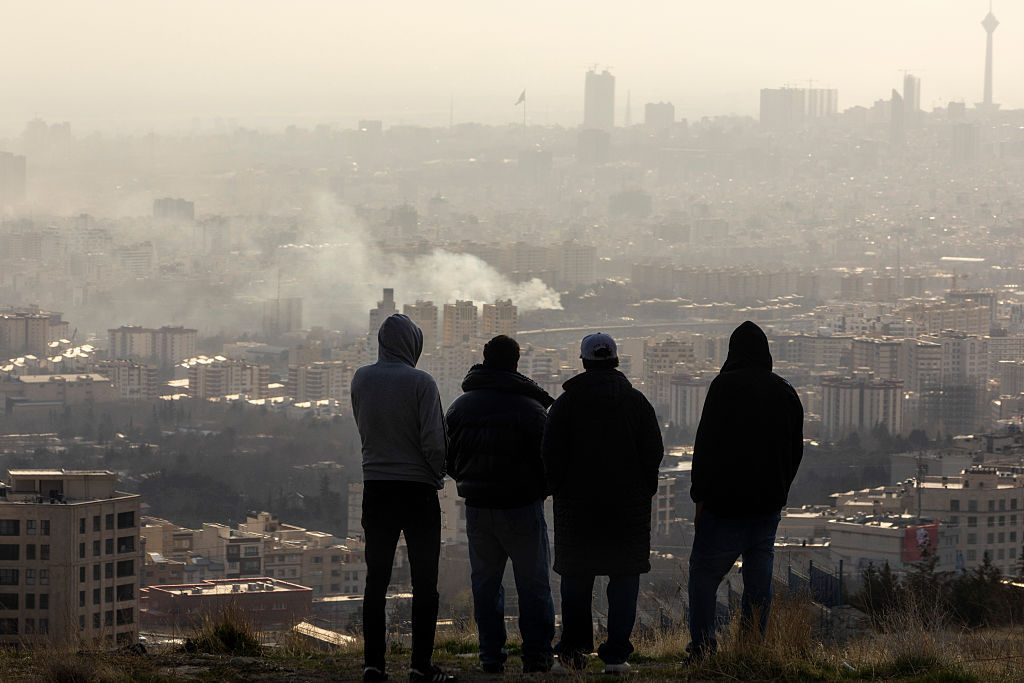
TEHRAN, IRAN - MARCH 2: Men watch from a hillside as a plume of smoke rises after an explosion on March 2, 2026 in Tehran, Iran. The United States and Israel continued their joint attacks that erupted on February 28. Iran retaliated by firing waves of missiles and drones at Israel, and targeting U.S. allies in the region. (Photo by Majid Saeedi/Getty Images)
On February 28, 2026, the US government and Israel undertook a joint operation in Iran, with the US subsequently declaring it was at war with the country. The attacks triggered retaliatory strikes from Iran, targeting US and Israeli military bases across the Middle East. According to Donald Trump, there is no timeline for this war, and the US will continue its operations in the country until it sees a significant regime change, as well as an end to Iran’s supposed nuclear program. After killing Iran’s Supreme Leader Ali Khamenei on Day One of the war, Trump changed his tune, then claiming that he was forced to attack Iran because the country was ‘certainly going’ to attack Israel.
Now Lebanon and the rest of the Gulf countries have been sucked into the conflict. Iran has struck US infrastructure in nine different nations, and the Lebanese-based, Iranian-funded group Hezbollah has announced it’s ready for open war with Israel. Iran has sent thousands of drones and missiles to nine different Gulf countries, targeting US military installations. Some civilian infrastructure has also been destroyed, specifically airports and runways. Between February 28 and March 2, 2026, Iran attacked nine different countries and 27 different military installations across the Gulf coast.
(Photo by IBRAHIM AMRO / AFP via Getty Images)
Strikes on March 3
Neither the United States nor Israel have ceased their constant attacks on Iran, and in return, Iran has been conducting nearly continuous attacks on America’s allies in the Gulf states. On March 3, Iran escalated the scope of its strikes, targeting US diplomatic missions instead of military infrastructure. In Saudi Arabia, two Iranian drones successfully targeted the United States embassy in Riyadh. The strikes caused structural damage to the embassy, and photos showed smoke billowing from within the embassy’s fence. Saudi officials also confirmed that eight Iranian drones were intercepted over Riyadh and Al Kharj. According to Saudi sources, some of the strikes were targeting Prince Sultan Air Base. The United States issued a security alert warning Americans to avoid the US Consulate in Dhahran.
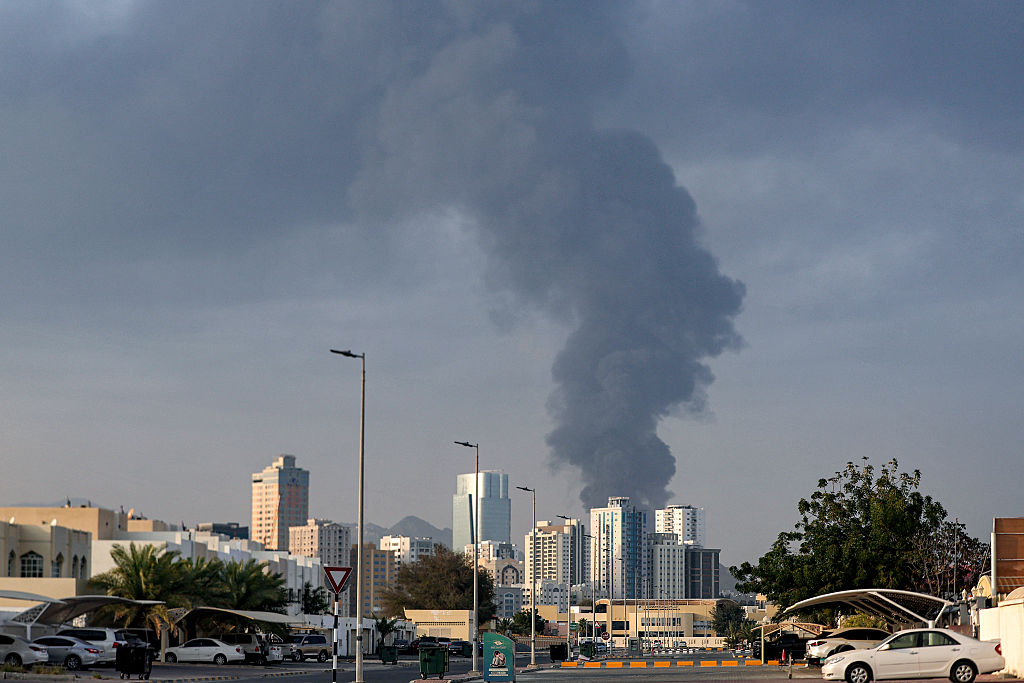
Iranian drones also struck the US Consulate in Dubai, United Arab Emirates. Video showed drone strikes starting a small fire in the compound, but the consulate received limited damage. At Fujairah Port, debris from an intercepted missile fell in the area and ignited a fire. Iran struck Oman on March 3 as well, targeting key maritime infrastructure. Multiple Iranian drones were intercepted by defence forces, but at least one drone struck fuel tanks in Duqm Port. Jordan, Bahrain, and Qatar all reported intercepting Iranian missiles on March 3.
(Photo by Fadel SENNA / AFP via Getty Images)
Strikes on March 4
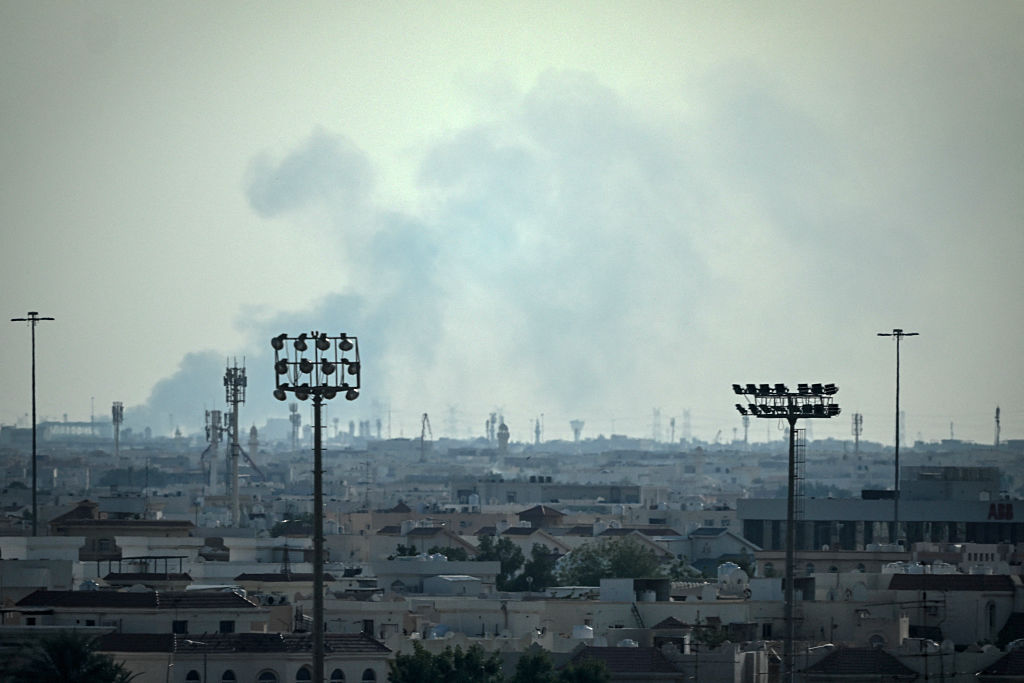
On March 4, Iran continued its campaign in the Gulf after a full night of strikes by Israel and the US, striking the capital, Tehran. Iran targeted Saudi Arabia, Bahrain, Qatar, Kuwait, and the United Arab Emirates on March 4, launching a barrage of missiles and drones. Iran targeted Aramco Oil’s refinery in Ras Tanura, Saudi Arabia. Officials reported the drones had successfully reached the facility but had not caused any damage. Saudi officials stated the country’s defence systems had intercepted nine drones attempting to enter the country’s airspace.
Iran also targeted Al Udeid Air Base near Doha, Qatar, firing two ballistic missiles. One was intercepted by defence forces, but one struck the air base. In a separate statement, Qatar’s official confirmed that the country had intercepted six drones and two cruise missiles attempting to enter the airspace. Kuwait also intercepted missiles and drones, but one Iranian kamikaze drone struck a residential area, killing a young girl. The UAE Ministry of Defence reported that Iranian forces launched 129 drones and three ballistic missiles towards Emirati territory. UAE defences intercepted 121 drones and reported that the other eight failed to strike targets.
People gather amid the debris of a destroyed building following airstrikes in Beirut’s southern suburbs of Ghobeiry neighborhood, on March 5, 2026. Israel said it carried out strikes on Beirut targeting Iran-backed militant group Hezbollah on March 5, while Lebanese state media reported an Israeli drone strike killed a Hamas official. (Photo by AFP via Getty Images)
Strikes on March 5
On March 5, Iran continued its missile and drone campaign against Gulf states, launching attacks across Bahrain, Qatar, Saudi Arabia, Kuwait, and the United Arab Emirates. Iran targeted a Bapco oil refinery in Bahrain, sparking a fire at the facility. Bahrain’s defence forces intercepted two additional cruise missiles. Qatar announced that it had intercepted 13 missiles – the largest salvo sent by Iran to Qatar so far. Saudi Arabia and the UAE also announced they had intercepted missiles. Saudi air defences downed three drones east of Al Kharj and one drone east of Al Jawf. In the UAE, an attack on Al Dafrah Air Base caused debris to fall in the adjacent ICAD II industrial zone, injuring six foreign workers.
In total, as of March 5, the United Arab Emirates reported that 1,072 drones and 204 missiles had targeted its territory. Bahrain reported approximately 70 missiles and 59 drones targeting the kingdom. Kuwait announced that 178 missiles and 384 drones targeted the country, most of which were intercepted by air defences. Qatar reported that 120 missiles and 53 drones were launched toward the country, with Qatari air defences intercepting the majority of incoming projectiles.
A room can be full of beautiful things and still feel off, and most of the time, it’s the lighting. Too cold, and the walls feel distant. Too harsh, and every surface looks on edge. When lighting works, you don’t even notice it. It settles into the background, shaping how people feel, move, and talk in a space. Bad lighting, though, calls attention to itself in the worst ways. There’s a quiet skill to creating the right atmosphere using nothing but a few bulbs and switches. This article first explores the kinds of lighting that make spaces feel good and then the ones that throw everything off.
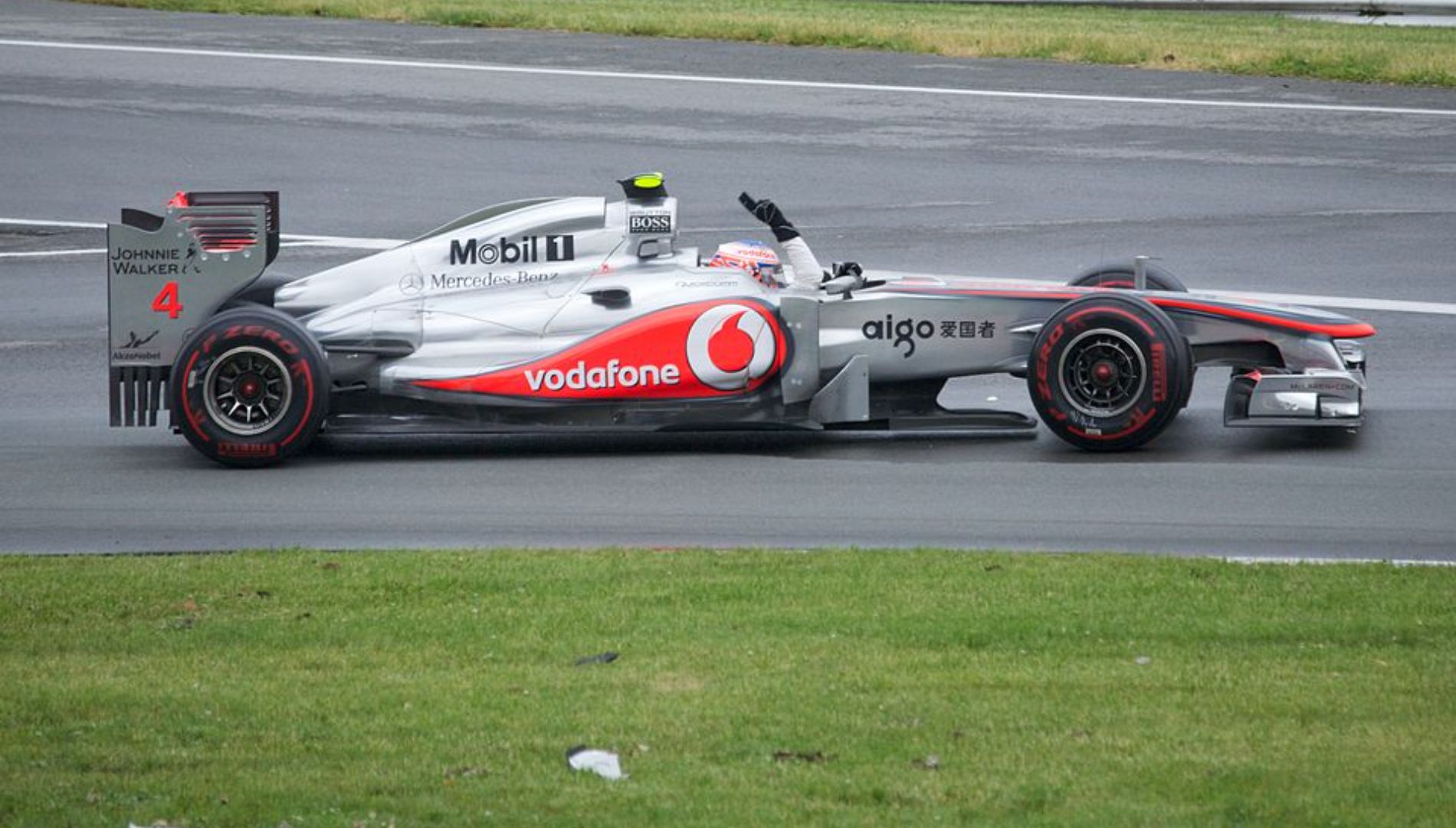
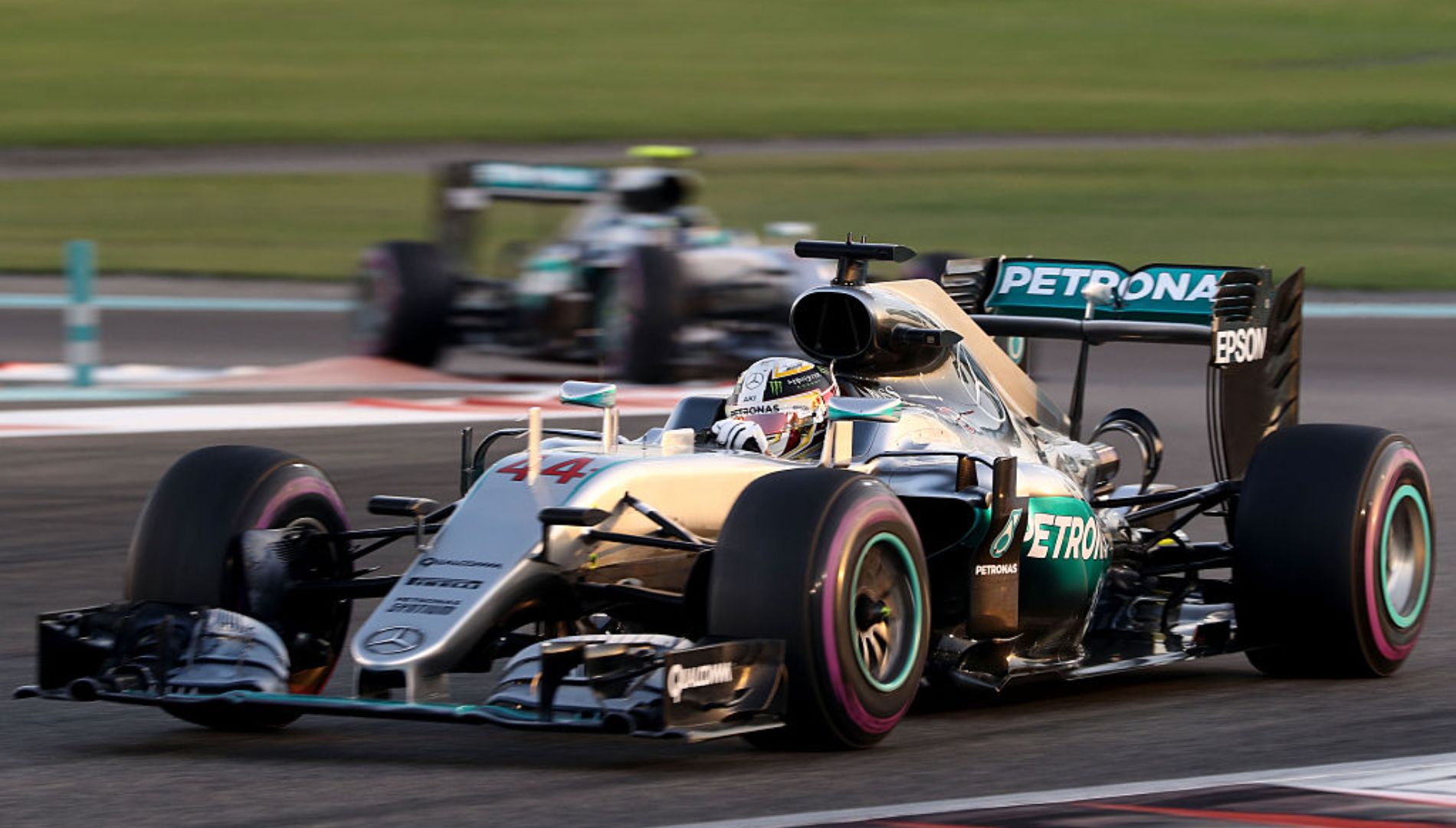
There’s something about Formula 1 races that makes you drop everything and pay attention. Could it be the speed or the constant drama? Whatever it is, F1 delivers some of the most jaw-dropping moments in sports history. Imagine a race where the world’s best drivers are all neck-and-neck, fighting for the finish line. Now, throw in fierce rivalries, ever-shifting track conditions, and strategies that flip instantly, and you’ve got a recipe for unforgettable racing. Like a high-speed chase down the final lap or a comeback that nobody sees coming, there are moments that stay with you long after the race is over. That’s the magic of F1. It’s not just about speed; it’s about the story unfolding in real-time, sometimes with twists so wild they make your heart race just thinking about them. And, while you watch, you find yourself rooting for drivers, questioning their next move, and hoping for the underdog to pull off something unexpected. These are the races you’ll talk about for years, recounting every detail with kin or fellow fans. These moments are first about winning; then, they’re about creating a legacy in the sport. At its best, Formula 1 delivers pure emotion and the kind of raw excitement that lives on long after the checkered flag falls. Folks, it’s lights out and away we go!
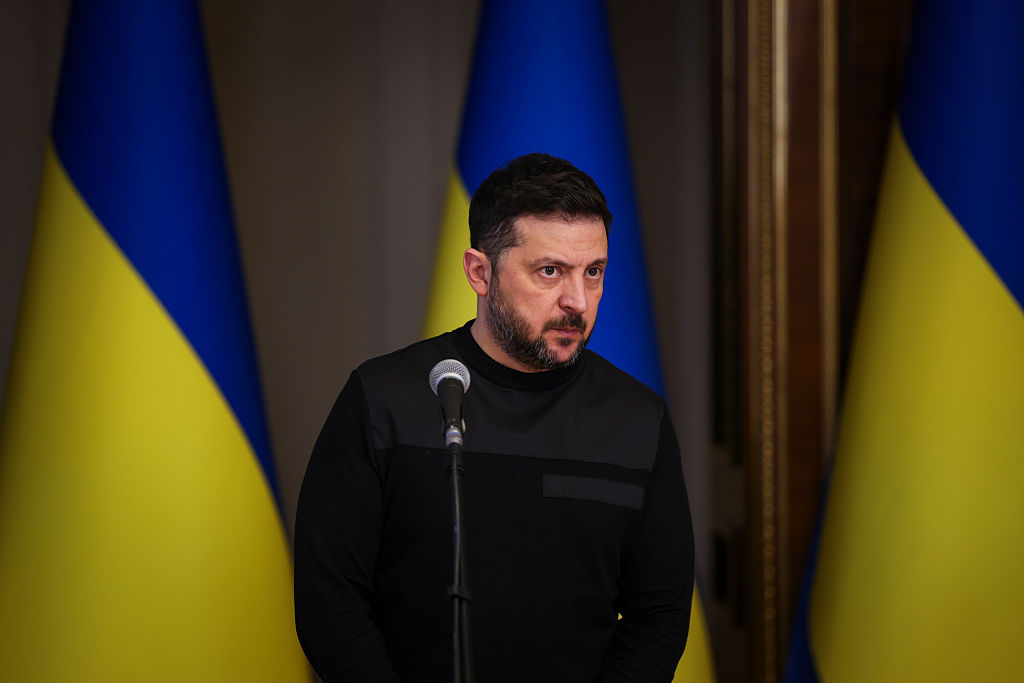
KYIV, UKRAINE - MARCH 3: President of Ukraine Volodymyr Zelenskyy attends a meeting of the National Security and Defense Council of Ukraine, held with a focus on the "Comprehensive Resilience Plans for Ukrainian Cities and Regions", on March 3, 2026 in Kyiv, Ukraine. The session was attended by the President of Ukraine, the Prime Minister of Ukraine, heads of local state administrations from the majority of the country's regions, and other senior officials. Participants discussed security issues, infrastructure recovery, ensuring energy resilience, and preparations for the upcoming winter. (Photo by Maksym Kishka/Frontliner/Getty Images)
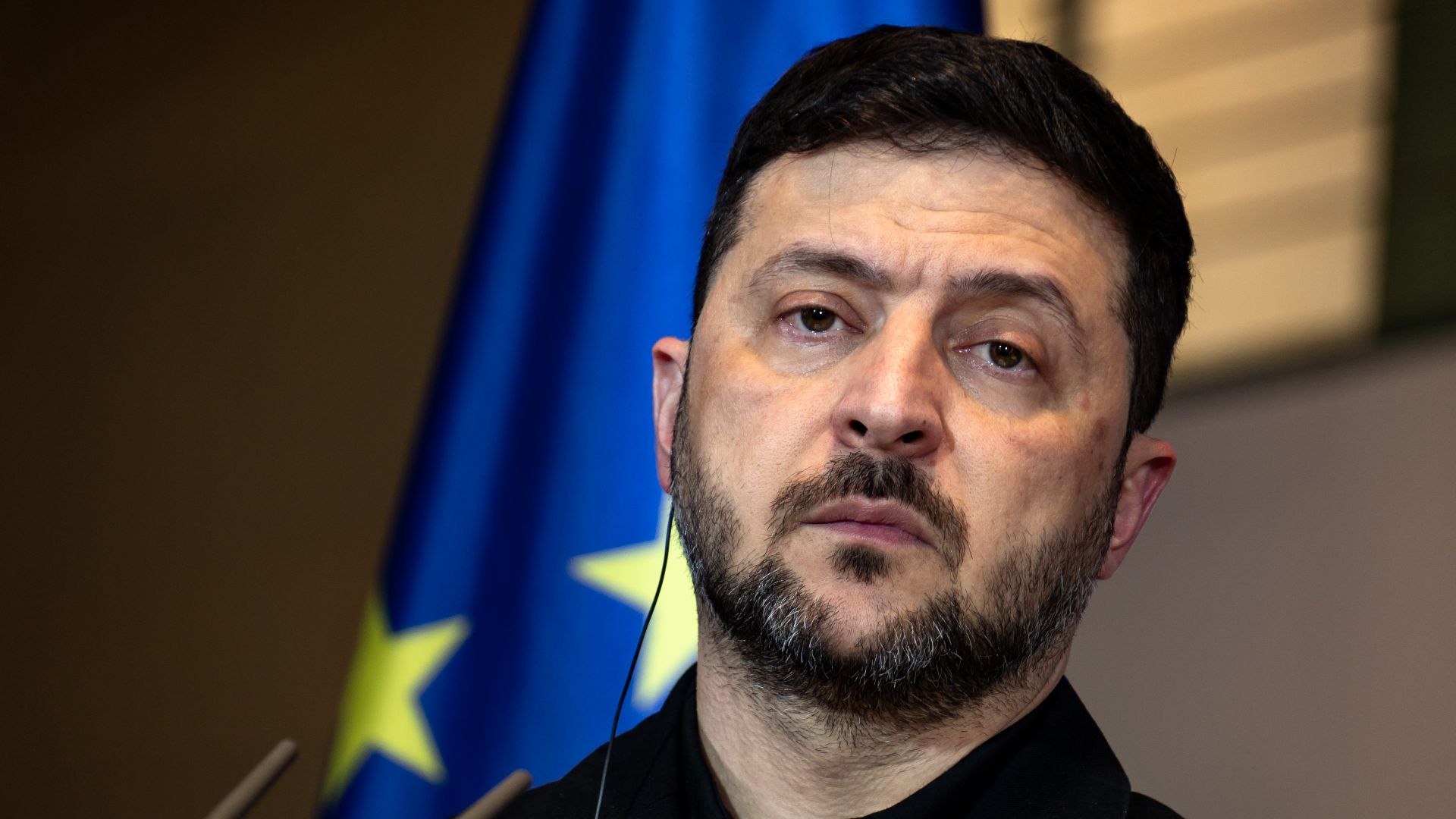
According to the Ukrainian Volodymyr Zelenskyy, US President Donald Trump has been reaching out with requests that Ukraine aid the US in combating Iranian kamikaze drones. The US asked for help in defending its Gulf allies from Iranian strikes that have dramatically escalated the conflict. Zelenskyy claimed in comments on March 5 that US officials had instructed him to provide Ukrainian specialists who can guarantee the safety of American allies. On Trump’s part, he said he would he’d take ‘any assistance’ he can get from Ukraine.
A change of tune
After years of insulting Volodymyr Zelenskyy and Ukraine as a power, Donald Trump is switching his tune and asking the country for assistance. According to Zelenskyy, Ukraine is willing to help the US in exchange for diplomatic gains against Russia. Russian President Vladimir Putin has been a staunch critic of Donald Trump’s war on Iran, and after years of Donald Trump supporting Putin’s invasion of Ukraine, Kyiv see’s an opportunity to gain the United States’ favour. Donald Trump has previously called Zelenskyy a dictator, encouraged Ukraine to cede land to Russia, and claimed that the country is already ‘obliterated’.
Zelenskyy willing to play ball
Volodymyr Zelenskyy has made it clear that he’s willing to aid the US, given a series of conditions. Ukraine is willing to aid the US as long as it doesn’t weaken the country’s own defence, and benefits its standing in its defence against Russia. Zelenskyy suggested in particular that Ukraine would be willing to exchange Ukrainian interceptor drones for more US Patriot air defences to protect against Russian ballistic missiles. There have been rumours circulating about Ukraine’s dwindling supply of interceptor missiles, but Zelenskyy acknowledged the risks of Ukraine’s current defence situation, but maintained that he is keen to leverage global affairs for strategic advantages.
Zelenskyy speaks with Gulf countries
Ukrainian President Volodymyr Zelenskyy has reportedly had conversations with a number of Gulf countries attacked by Iran. Zelenskyy spoke with the United Arab Emirates, Kuwait, Qatar, Bahrain, and Jordan in the last two days. Zelenskyy reportedly promised ‘concrete steps’ to help defend their military installations and civilian infrastructure from Iranian attacks. As of March 5, the UAE reported that 1,072 drones and 204 missiles had targeted its territory. Bahrain reported approximately 70 missiles and 59 drones targeting the kingdom. Kuwait announced that 178 missiles and 384 drones targeted the country, most of which were intercepted by Kuwaiti air defences. Qatar reported that 120 missiles and 53 drones were launched toward its territory, with Qatari air defences intercepting the majority of incoming projectiles.
Donald Trump’s war on Iran
On February 28, 2026, the US government and Israel undertook a joint operation in Iran, with the US subsequently declaring it was at war with the country. The attacks triggered retaliatory strikes from Iran, targeting US and Israeli military bases across the Middle East. According to Donald Trump, there is no timeline for this war, and the US will continue its operations in the country until it sees a significant regime change, as well as an end to Iran’s supposed nuclear program.
US and Israeli strikes killed Iran’s Supreme Leader, Ali Khamenei, on Day One of the war, completing Trump’s supposed goal. Khamenei has been using deadly violence against civilian protesters in Tehran, and his killing has been the only positive piece of Donald Trump’s illegal intervention. Donald Trump changed his reasoning for attacking Iran after Khamenei’s death, instead claiming he attacked Iran because he had certain information that Iran was going to attack Israel and the United States. Israel calls the strategy ‘forward defence’.
Now Lebanon and the rest of the Gulf countries have been sucked into the conflict. Iran has struck US infrastructure in nine different nations, and the Lebanese-based, Iranian-funded group Hezbollah has announced it’s ready for open war with Israel. Donald Trump’s war on Iran has threatened global trade routes and sunk the global stock markets, as important Middle Eastern energy hubs are threatened. Wall Street has opened to lethargic prices every day since the war began, and even though it has recovered every day, it’s impossible to deny the impact of Trump and Israel’s war on Iran.
(Photo by The White House via X Account/Anadolu via Getty Images)