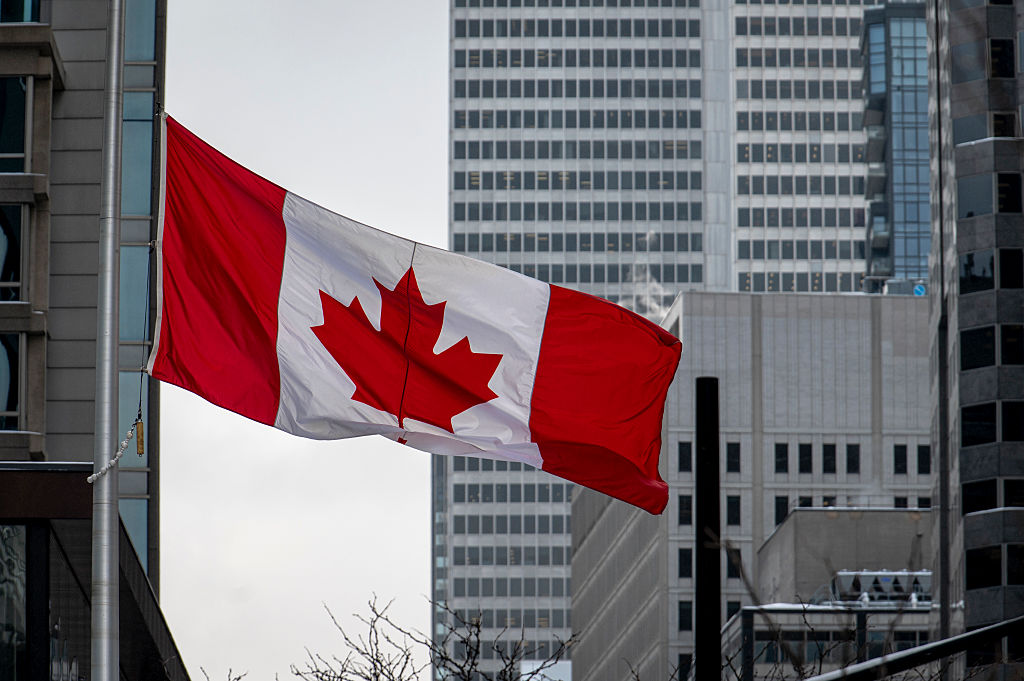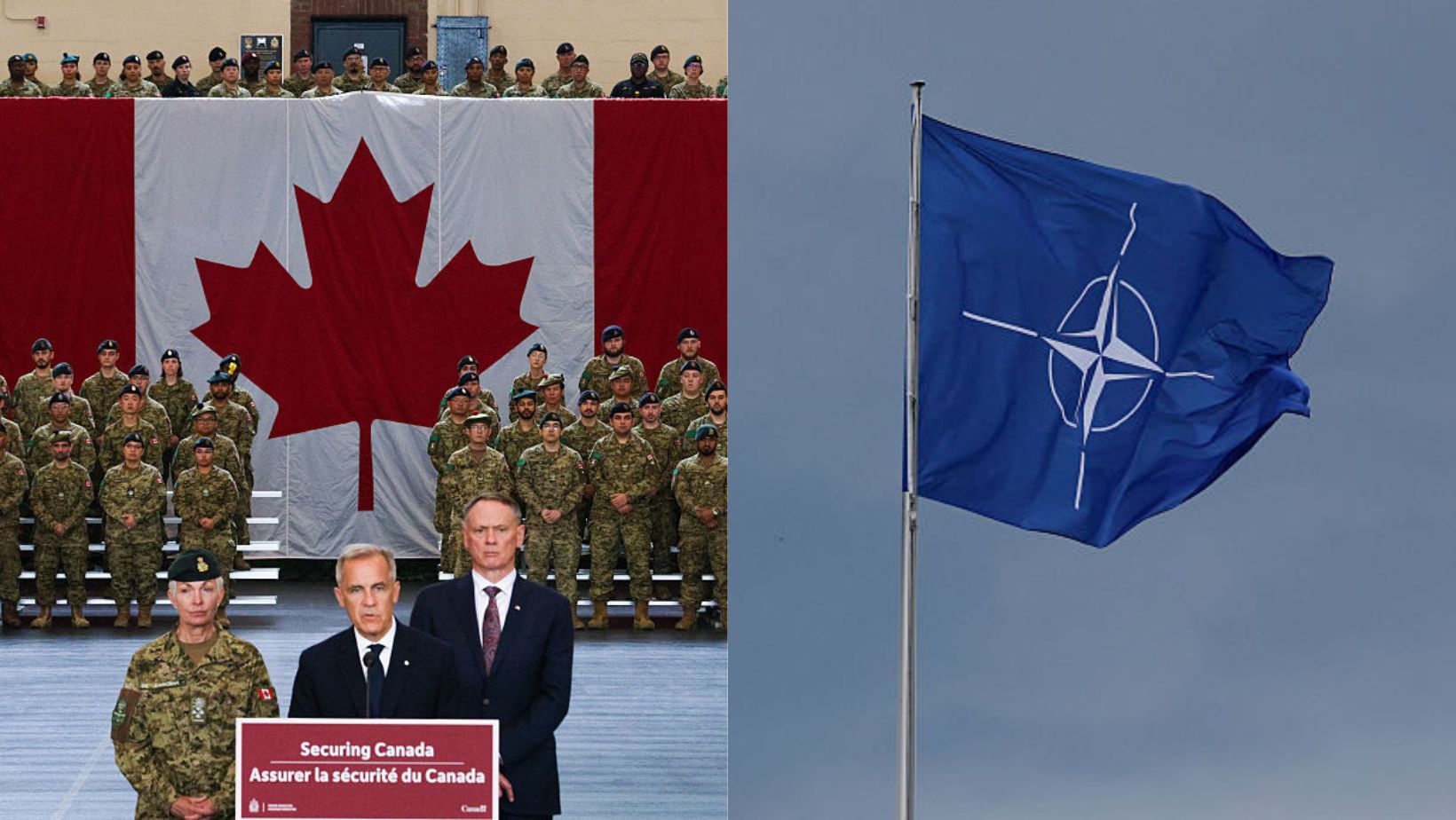
Context — In early February, the Parliamentary Budget Officer (PBO) published a quantitative analysis of the budgetary implications of Prime Minister Mark Carney’s plan to increase defense spending to the equivalent of 5% of GDP by 2035. According to the report, this effort would result in an increase in the federal deficit of approximately C$63 billion by 2035 (or ~1.4 percentage points of GDP).
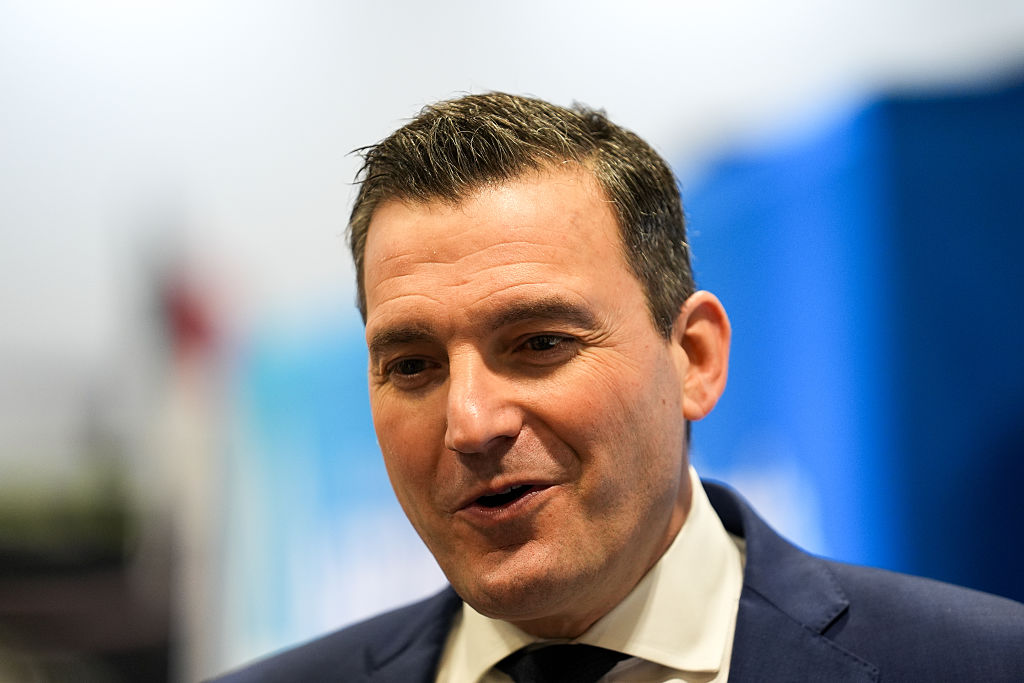
The OMB, led by Jason Jacques, points out that the increase in military spending—to reach the 5% target—would represent an average of nearly $33.5 billion more per year over the adjustment period. Starting in fiscal year 2026–2027, the additional spending could increase the annual budget deficit by approximately $3 billion (≈0.1 percentage point of GDP), then gradually increase to reach the cumulative figure mentioned above.
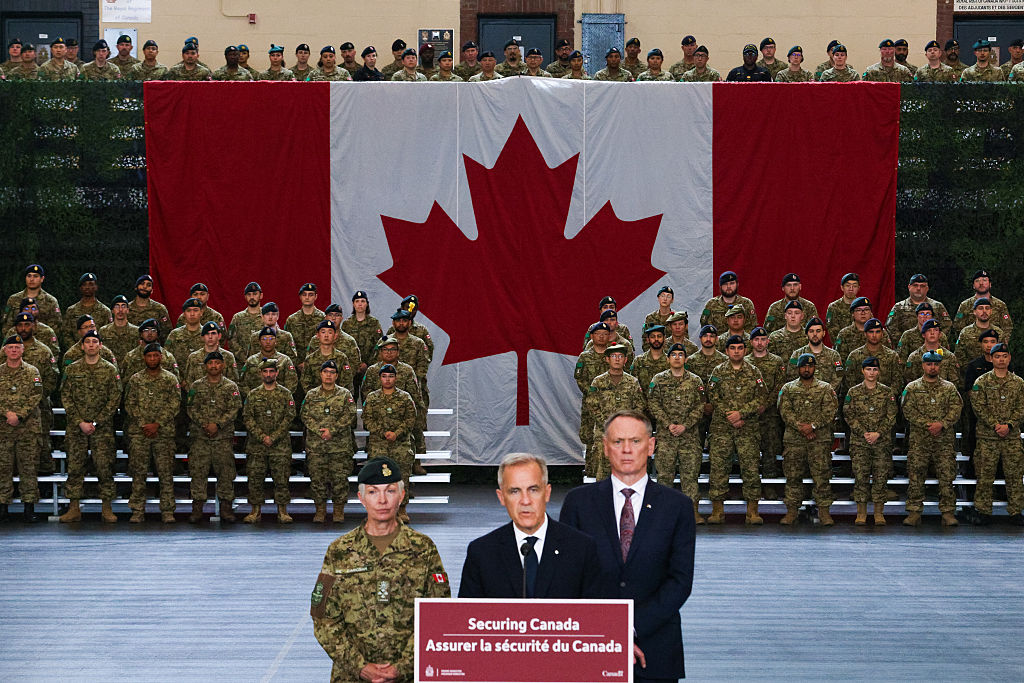
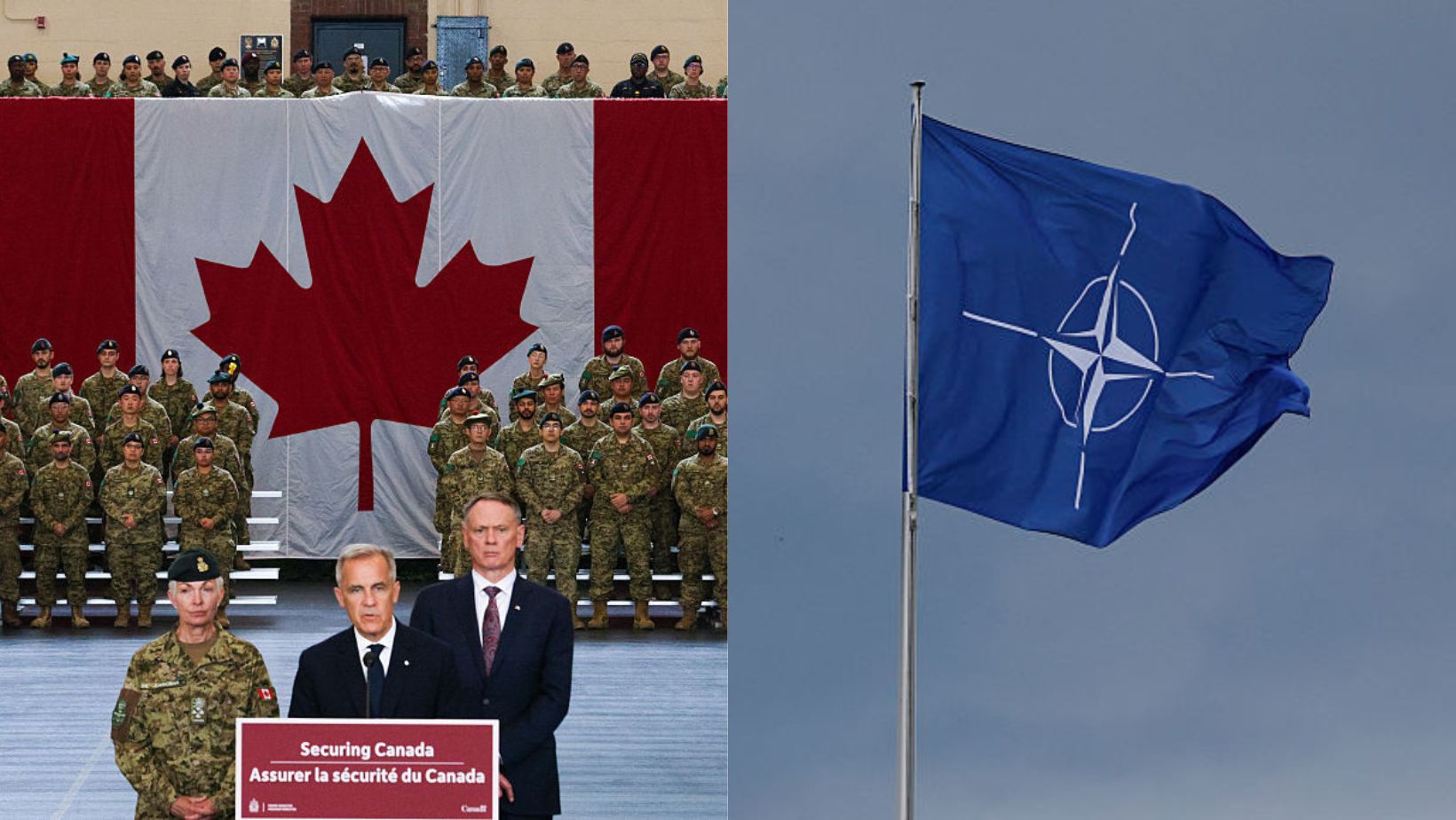
Why 5% of GDP? This target comes from a goal set within NATO, driven by pressure from certain allies. The idea is to substantially increase national capabilities, but the methods vary: the plan announced by Ottawa is structured in two parts.
Impact on debt and the debt-to-GDP ratio — The PBO anticipates that the impact on the federal debt-to-GDP ratio would increase modestly at first (≈0.1 percentage points in 2026-2027), then could reach several percentage points: the forecast shows an increase of up to 6.3 points in 2035-2036 if funding is based primarily on borrowing rather than budgetary adjustments elsewhere.
Risks and open questions:
- The government has not produced detailed documents quantifying how the additional $33.5 billion per year will be allocated: timing, phasing of purchases, industrial contracts, and long-term operating costs remain unclear.
- The lack of a published defense industrial strategy to date (a promise not kept for Christmas 2025) limits visibility on job creation, the national supply chain, and the potential for domestic economic benefits.
- Massively increasing military spending poses a dilemma: should priority be given to immediate operational equipment or to structural investments (infrastructure, cyber, training) that pay off in the long term?
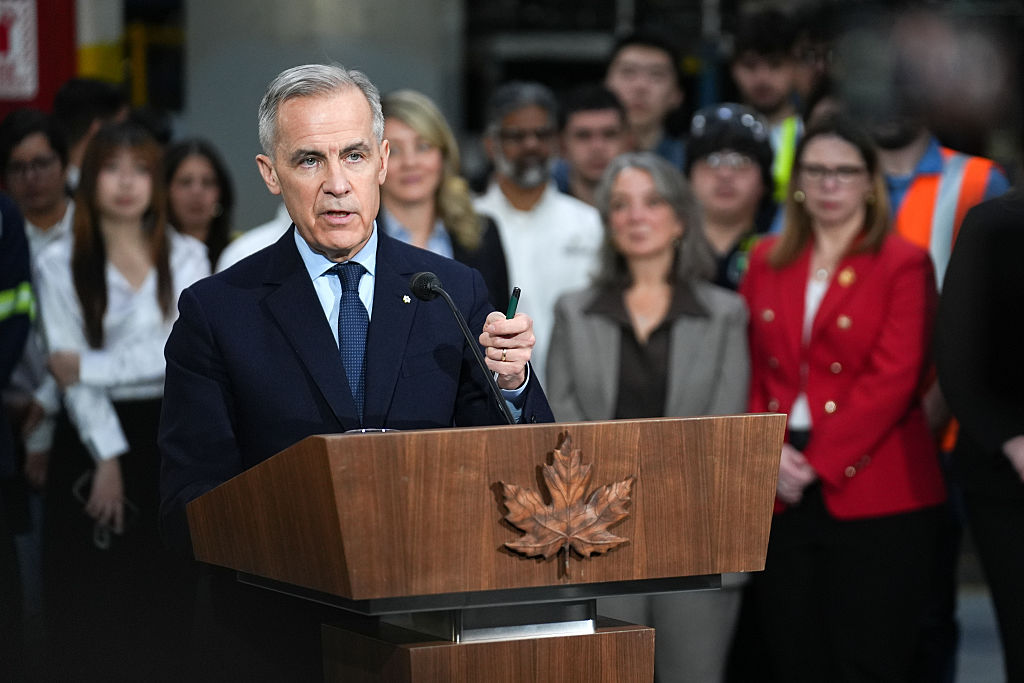
Financing options and trade-offs — Several paths are possible to limit the impact on the deficit:
- Reallocation of existing spending: politically and socially difficult if it affects health, education, or provincial transfers.
- Increasing tax revenues: raising taxes or closing tax loopholes, which requires political and economic trade-offs.
- More gradual phasing: spreading increases over a longer period to smooth the budgetary impact.
- Public-private partnerships and local industrialization: could reduce costs in the long term if the industrial strategy is well thought out and executed.
Political issues — The issue is doubly sensitive: it affects national security as well as public finances. For the Carney government, meeting the NATO target strengthens international ties, but public opinion must be convinced that the effort is sustainable and will bring tangible benefits to the country.
Conclusion — What to watch for:
- The expected publication of the defense industrial strategy: it must detail the procurement chain, economic spinoffs, and spending schedule.
- Future budget documents: check how Ottawa plans to finance the effort (taxes, borrowing, cuts) and the impact on the debt-to-GDP ratio.
- Operational implementation: contracts, domestic production capacity, and recurring operating costs.
In short, the commitment to devote 5% of GDP to defense is a decision with far-reaching consequences. The figures published by the PBO offer a clear initial estimate: an additional cumulative deficit of approximately $63 billion by 2035 and substantial annual costs. The upcoming public debate will focus on how to finance this effort, the priority between immediate capabilities and structural investments, and the promise of a credible and transparent industrial strategy.