Catégories
Uncategorized

Ukraine Scores Major Battlefield Gains as Russian Advances Stall

Ukraine has turned the tide on several fronts of the war, recapturing approximately 590 square kilometers of territory from Russian forces since the beginning of the year and celebrating its largest battlefield gains since 2023. The advances represent a significant shift in a conflict that had largely settled into a costly stalemate after years of attritional fighting. Ukrainian officials say the recaptured territory includes important positions in eastern and southeastern Ukraine, while recent operations have also thwarted Russian efforts to establish buffer zones along parts of the border. The gains come at a time when Moscow continues to intensify its missile and drone campaign against Ukrainian cities, highlighting the contrast between Russia’s aerial pressure and Ukraine’s improving performance on the battlefield.

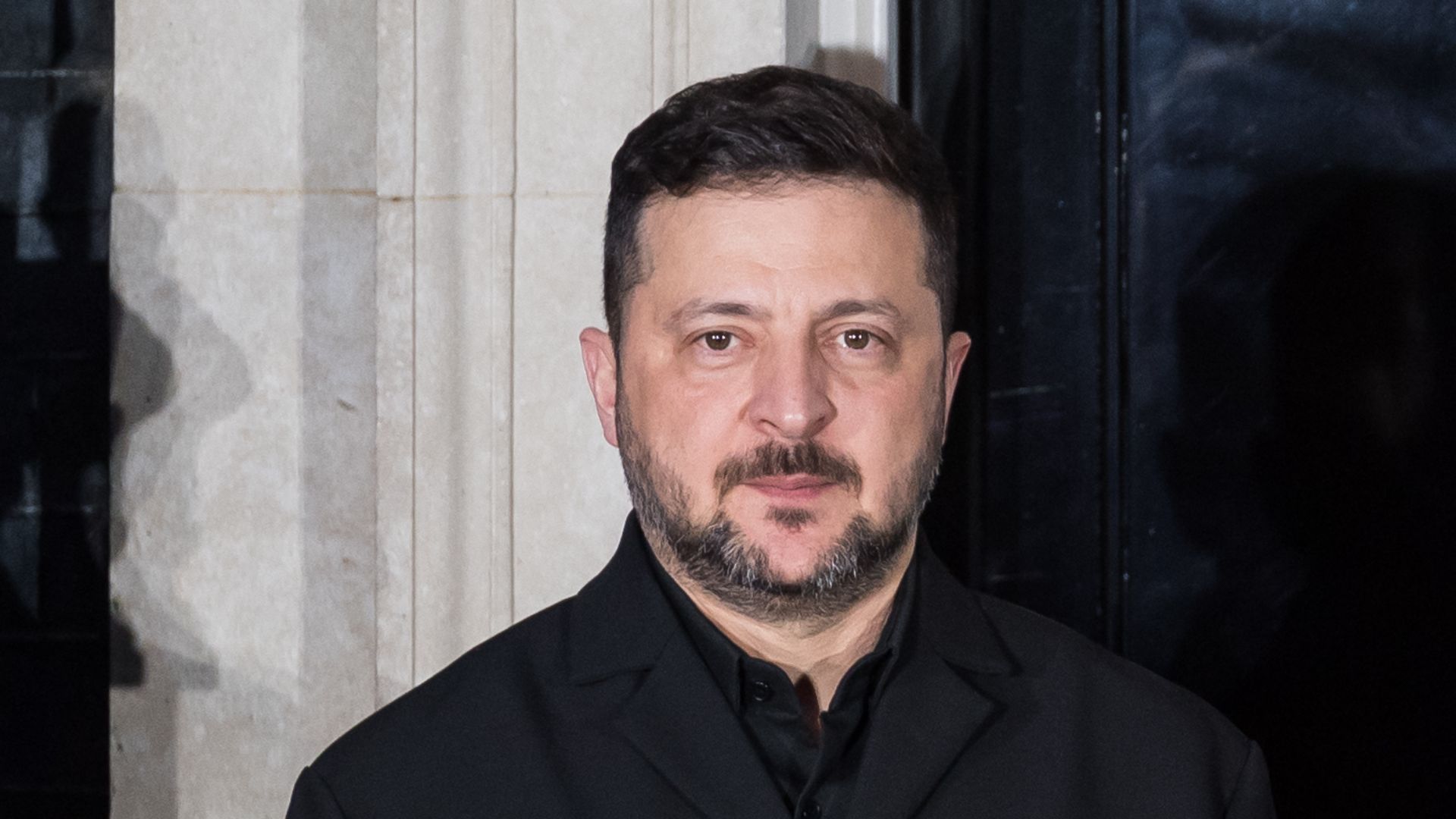
President Volodymyr Zelensky has presented the latest advances as evidence that Ukraine has regained momentum after months of difficult fighting. Speaking about the battlefield situation, Zelensky said: «Indeed, Ukraine’s positions are stronger now than in previous years. Since the beginning of the year, 590 square kilometers of our territory have been liberated and brought under our control. The trend is certainly not in the occupier’s favor.» According to Ukrainian officials, the gains include driving Russian forces completely out of the Dnipropetrovsk region, pushing them north of Kupiansk and reversing Russian progress in border areas where Moscow had hoped to establish defensive buffer zones. Analysts note that the advances mark Kyiv’s first sustained territorial gains since 2023 and represent a rare strategic setback for Russian forces.

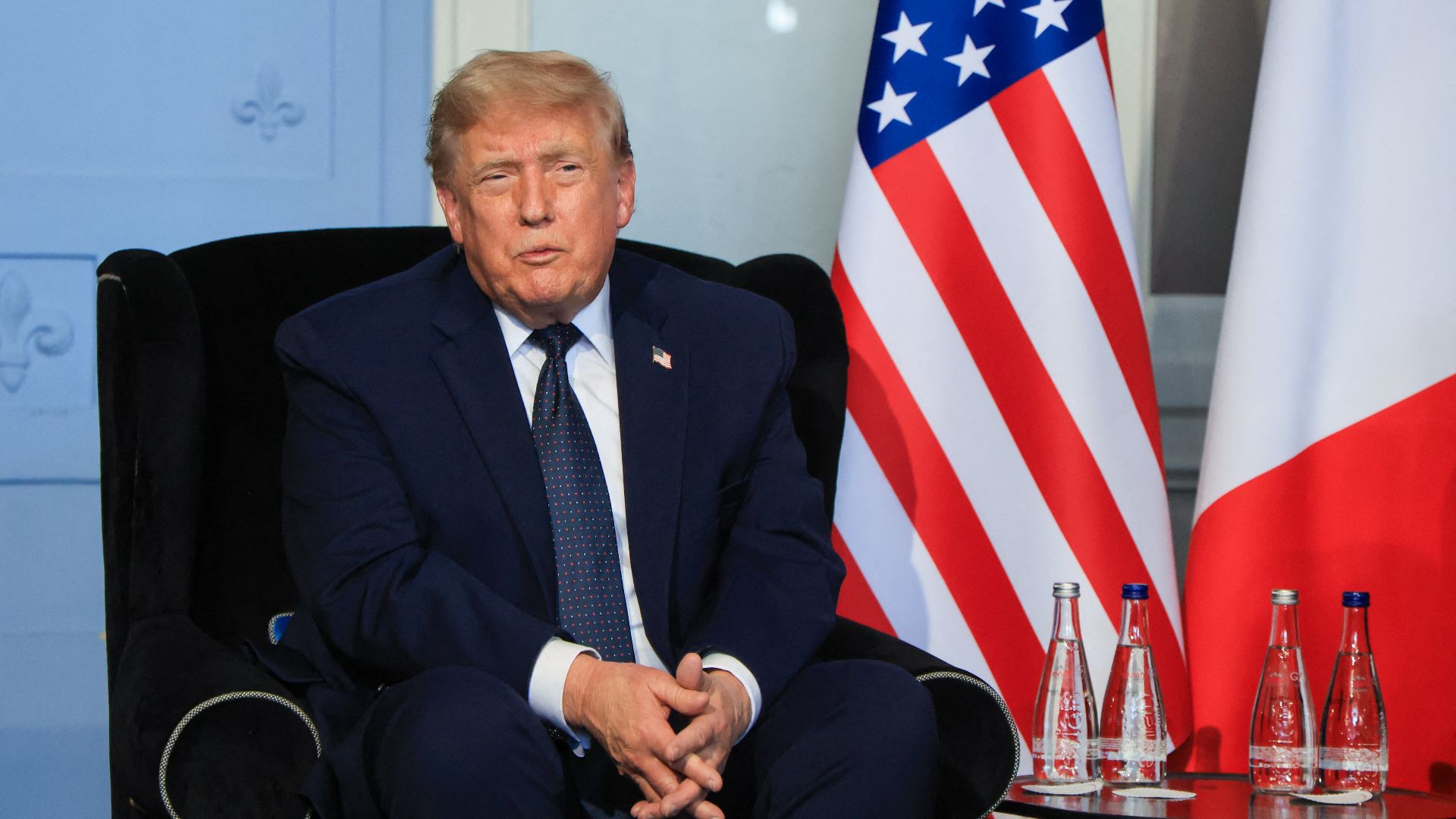
Getty Images

Russia’s recent attacks on Ukraine reflect how dramatically the conflict has evolved since the opening months of the invasion. The rapid armored maneuvers that once defined the battlefield have increasingly given way to a grinding war of attrition marked by drones, artillery barrages and large-scale missile attacks targeting cities and energy infrastructure. Facing years of equipment losses, severe wear and tear, armored vehicle shortages and mounting casualties, Russian commanders have increasingly relied on costly infantry assaults to secure limited territorial gains. At the same time, Moscow has escalated deep-strike campaigns involving record waves of drones and hypersonic missiles aimed at weakening Ukraine’s economy and civilian infrastructure. Despite that pressure, Ukrainian forces have demonstrated resilience by not only holding key defensive positions but also launching successful counterattacks across several sectors.

Getty Images

A major factor behind the recent Ukrainian advances was a crackdown that disrupted Russian battlefield communications. According to U.S. intelligence assessments, thousands of illicit Starlink satellite terminals used by Russian frontline troops were disabled as part of a broader international effort targeting unauthorized access to the network. The loss of those terminals reportedly degraded Russian drone coordination, battlefield communications and command-and-control capabilities across multiple sectors. Ukrainian forces quickly exploited the disruption, launching operations that reclaimed territory previously occupied by Russian troops. Officials and military analysts believe the communications setback played a key role in accelerating Ukraine’s recent territorial gains, particularly in contested areas where drone reconnaissance and rapid battlefield coordination have become essential to modern combat operations.

«Indeed, Ukraine’s positions are stronger now than in previous years. Since the beginning of the year, 590 square kilometers of our territory have been liberated and brought under our control. The trend is certainly not in the occupier’s favor.»

-Ukraine President, Volodymyr Zelensky

The war nevertheless remains extraordinarily costly for both sides. According to the latest estimates released by Ukraine’s Armed Forces on May 29, Russia has suffered more than 1.36 million troop losses since the start of the full-scale invasion, including 960 reported during the previous 24 hours. Ukrainian military officials further estimate that Russian forces have lost 11,958 tanks, 24,636 armored fighting vehicles, 42,860 artillery systems and 1,808 multiple launch rocket systems. The figures also include 316,652 drones, 100,230 military vehicles and fuel tanks, 4,687 cruise missiles and 1,397 air-defense systems. In the air and at sea, Ukraine claims Russia has lost 436 aircraft, 353 helicopters, 33 warships and boats, and two submarines. While the figures cannot be independently verified and exceed some Western intelligence estimates, they illustrate the immense scale of losses Russia has reportedly sustained after more than three years of war.

Getty Images

Ukraine’s gains have also undermined one of Moscow’s key objectives for the year: the creation of buffer zones along the Kharkiv and Sumy borders intended to push Ukrainian forces farther from Russian territory. Instead, Ukrainian units have succeeded in dismantling many of those positions while forcing Russian troops to retreat from several border areas. Yet the conflict remains far from resolved. Large stretches of the front line, particularly in the Zaporizhzhia region, continue to function as highly contested “grey zones” where relentless drone warfare makes territorial control fluid and difficult to measure. Even so, Ukraine’s recapture of 590 square kilometers has altered the battlefield narrative for the first time in years. As both armies prepare for the next phase of the conflict, the latest advances suggest that Russia’s offensive momentum may be slowing while Ukraine regains the initiative across key sectors of the front.

Getty Images
Catégories
Uncategorized

Anthropic Surpasses OpenAI as AI Industry’s Most Valuable Startup

OpenAI is no longer the undisputed leader of the artificial intelligence industry after rival Anthropic announced a massive new funding round that pushed its valuation above every other private AI company in the world. Anthropic revealed it had secured $65 billion in fresh financing, a deal that values the company at approximately $900 billion before the inclusion of the new capital and nearly $965 billion on a post-money basis. The milestone places the Claude developer ahead of OpenAI, whose most recent valuation stood at roughly $852 billion. The announcement marks one of the most dramatic shifts in the AI race since the emergence of generative artificial intelligence and highlights the growing battle among a handful of companies competing to dominate what many investors see as the next major technological revolution.

Anthropic attributed the surge in its valuation to explosive growth among enterprise customers adopting Claude across software development, customer service, research and business operations. In its announcement, the company stated: «Global enterprises across industries are deploying Claude in their core operations… our run-rate revenue crossed $47 billion earlier this month.» Anthropic said demand for its products has accelerated sharply since its previous funding round only months ago, helping transform the company from a fast-growing startup into one of the most valuable private businesses in the world. Investors backing the financing include Altimeter Capital, Dragoneer, Greenoaks and Sequoia Capital, alongside major infrastructure partners such as Amazon, Samsung, Micron and SK Hynix that continue supplying the computing resources required to train increasingly powerful AI systems.

Getty Images

The funding announcement coincided with a wave of major product launches designed to strengthen Anthropic’s position against OpenAI, Google and xAI. Among the most significant releases is Claude Opus 4.8, the company’s latest flagship model focused on coding, reasoning and enterprise workflows. Anthropic introduced a new “effort control” feature allowing users to manually adjust the amount of reasoning power devoted to a task, giving businesses greater control over costs and performance. Developers also gained access to expanded Claude Code capabilities that allow hundreds of parallel sub-agents to work simultaneously on complex software projects. The company is additionally preparing broader access to its highly anticipated Mythos cybersecurity models, which have attracted significant attention because of their advanced vulnerability detection capabilities.

«Global enterprises across industries are deploying Claude in their core operations… our run-rate revenue crossed $47 billion earlier this month.»

-A official press announcement from Anthropic

The valuation surge has dramatically reshaped the hierarchy of the AI industry. While Alphabet remains the largest AI-related company overall with a market capitalization measured in the trillions and deep integration of Gemini across its products, the private sector race has increasingly become a contest between Anthropic, OpenAI and Elon Musk’s xAI. Anthropic’s nearly $965 billion valuation now places it ahead of OpenAI’s approximately $852 billion private valuation, while xAI remains significantly smaller despite reaching roughly $250 billion following its merger with SpaceX. Analysts view the shift as evidence that enterprise demand for AI coding assistants and autonomous software agents is becoming one of the most lucrative sectors in technology. Anthropic’s rapid growth has also intensified expectations that both Anthropic and OpenAI could pursue public offerings in the near future.

Getty Images

The rapid expansion of the industry has unfolded during a period of aggressive AI investment and deregulation in the United States. The Trump administration has largely embraced a light-touch approach aimed at accelerating infrastructure development, expanding data center construction and preventing states from imposing stricter AI regulations. Supporters argue the strategy is necessary to maintain American leadership over China in advanced artificial intelligence. However, the broader AI boom has also generated mounting criticism. Researchers, consumer advocates and some policymakers have raised concerns about increasing energy consumption, pressure on local power grids and the growing spread of AI-generated misinformation. Universities and scientific institutions have also reported rising problems involving fabricated citations and unreliable AI-generated research appearing in academic work, adding to concerns about the technology’s long-term impact.

Getty Images

Anthropic’s rise comes at a moment when public scrutiny of artificial intelligence is intensifying alongside unprecedented investor enthusiasm. While companies continue racing to release more capable models and secure larger funding rounds, concerns surrounding safety, reliability and psychological impacts remain unresolved. Several high-profile lawsuits involving chatbot interactions have amplified debate about the risks of emotionally persuasive AI systems, while experts continue warning about hallucinations and inaccurate outputs generated by large language models. Anthropic has attempted to differentiate itself from some competitors through its focus on AI safety and interpretability, though it has also faced controversy over cybersecurity risks linked to advanced models such as Mythos. As billions of dollars continue pouring into the sector, Anthropic’s ascent above OpenAI represents not only a financial milestone but also a powerful signal that the competition to define the future of artificial intelligence is accelerating faster than ever.

Getty Images
Catégories
Uncategorized

Four Washington Bronze Statues Set for $5 Million Gold Transformation Under Trump

Donald Trump’s ambitious makeover of Washington continues to expand as his administration moves forward with a $5 million project to regild four historic bronze statues near Arlington Memorial Bridge. The effort is the latest addition to what critics describe as an increasingly expensive campaign to reshape the appearance of the nation’s capital through large-scale monument restorations, new construction projects and cosmetic upgrades. The gilding project comes as the administration seeks billions of dollars in additional funding for Washington beautification efforts ahead of America’s 250th anniversary celebrations. Supporters view the initiative as a long-overdue investment in iconic landmarks, while opponents question the growing costs at a time when federal spending remains under intense scrutiny.

The latest project focuses on the towering Arts of War statues, a collection of four monumental bronze sculptures that stand at the eastern entrance of Arlington Memorial Bridge. The statues include Valor and Sacrifice, created by sculptor Leo Friedlander, and Music and Harvest along with Aspiration and Literature, created by James Earle Fraser. Commissioned in 1929, the Art Deco monuments faced years of delays caused by the Great Depression and were ultimately cast in Florence, Italy, before being presented to the United States by the Italian government and installed in 1951. Standing approximately 19 feet tall, the sculptures have become some of the most recognizable yet often overlooked monuments in the capital, serving as symbolic gateways between Washington and Arlington National Cemetery.

Getty Images

According to the Department of the Interior, the statues are currently undergoing a complete regilding process for the first time in half a century. Responding to questions about the project, an Interior Department spokesperson said: «The Arts of War statues are currently being regilded ahead of our nation’s 250. This is the first time in 50 years these statues have been regilded.» Federal preservation records indicate the monuments have required repeated intervention because of the unique characteristics of the porous Italian bronze used in their construction. A major emergency restoration effort was conducted between 1971 and 1974 to address severe deterioration and corrosion, followed by additional preservation work in 1984. Officials argue that the current restoration is necessary to preserve the statues for future generations while ensuring they remain a centerpiece of the America 250 celebrations.

Getty images

The regilding project forms part of Trump’s broader “Make D.C. Safe and Beautiful Initiative,” a rapidly expanding program that has already generated nearly $95 million in monument and beautification spending while serving as the foundation for a congressional funding request approaching $2 billion. Several major projects are already underway or under review. Among them is a $13.1 million renovation of the Lincoln Memorial Reflecting Pool, significantly higher than the $2 million to $3 million estimate Trump initially discussed publicly. The administration is also advancing a proposal for a 250-foot-tall “Independence Arch” inspired by Paris’ Arc de Triomphe, a project carrying an estimated cost of $100 million. Additional initiatives include a $3.6 million rehabilitation of Logan Circle and more than $5 million in improvements surrounding the Simón Bolívar statue near the National Mall.

«The Arts of War statues are currently being regilded ahead of our nation’s 250. This is the first time in 50 years these statues have been regilded.»

– Statement from an Interior Department spokesperson

The transformation extends well beyond Washington’s monuments and public spaces. At the White House, Trump has championed a series of highly visible construction and renovation projects that have fueled debate among preservationists. The centerpiece is a proposed 90,000-square-foot East Wing State Ballroom that was initially estimated to cost approximately $200 million but has since grown substantially in projected cost. Trump has recently acknowledged the project could approach $400 million and is now seeking as much as $1 billion in public funding. Other changes include a controversial $2 million redesign of the Rose Garden using white limestone, the installation of towering new flagpoles on both lawns and extensive interior renovations featuring marble finishes and gold decorative elements. The administration has also proposed a permanent South Lawn helipad designed to accommodate the military’s next-generation Marine One fleet.

Getty Images

While supporters argue the investments will leave a lasting legacy and help prepare the capital for the nation’s semiquincentennial celebrations, critics contend the administration is prioritizing expensive aesthetic projects over other federal needs. The debate surrounding the Arts of War restoration reflects that broader divide. Advocates see the $5 million regilding effort as a necessary preservation project for nationally significant works of art that have suffered decades of weather-related deterioration. Opponents, however, view it as another example of an administration pursuing increasingly costly visual upgrades while requesting billions more from Congress. As crews continue work on the statues and additional projects move through the approval process, Trump’s vision for a transformed Washington is rapidly becoming one of the defining architectural and political stories of his second term.

Getty Images
Catégories
Uncategorized

Heatwave in Europe: A "harsh reminder" of climate change, says the UN Climate Change

France, Spain, the United Kingdom, and Ireland: the heat wave continues across the Old Continent. It serves as a “harsh reminder” of the consequences of climate change and the need to transition to clean energy, the UN climate chief said on Wednesday.

“This latest heatwave in Europe is a stark reminder of the spiraling consequences of the climate crisis, both human and economic. The main culprit is the world’s dependence on burning coal, oil, and gas, as well as the destruction of forests,” said UN official Simon Stiell in a statement sent to AFP.

“Many other regions of the world are also being hit hard, such as India and other parts of Asia. The science is clear: human-caused climate change is making these heat waves more frequent and more extreme,” he explained.

Unprecedented temperatures

Due to a persistent “heat dome,” France has experienced unprecedented temperatures for this time of year. On Tuesday, Météo-France recorded a new monthly temperature record nationwide, with a consolidated national heat index of 24.9°C.

Getty Images

Temperatures also soared in the United Kingdom. The mercury rose to 34.8°C on Monday at Kew Gardens, a botanical garden located in southwest London. This marks a record for the highest temperature ever recorded in May and the highest ever recorded during meteorological spring, which runs from March to May, reports Courrier international. That said, “this new record didn’t last long, as temperatures climbed to 35.1°C by Tuesday.”

“Farmers are under intense pressure due to the current heatwave, which follows a dry spring,” notes the London-based newspaper The Guardian. Many crops are at risk of reduced yields, as temperatures exceed their tolerance thresholds. Livestock are also suffering from heat stress, and the risk of wildfires is increasing. Economic losses are expected to amount to several hundred million pounds.”

Getty Images

According to the British media outlet, due to inflation and the consequences of the war in Iran, experts are even predicting that the United Kingdom is “silently heading toward a food crisis.”

UN official Simon Stiell, too, points to the war in the Middle East, which he says illustrates “the exorbitant costs of dependence on fossil fuel imports […] The solutions are just as clear: a faster transition to clean energy.”

In another article, The Guardian draws on reports from its correspondents in Dublin and Berlin, demonstrating that the phenomenon is not sparing the northern part of the continent.

European meteorologists are observing temperatures several degrees above seasonal norms across all of Northwestern Europe, a direct consequence of the same high-pressure system affecting the southern part of the continent.

Southern countries, such as Italy and Spain, are also affected by the heat dome, although these regions are more accustomed to high temperatures.

Getty Images

In Italy, several major cities have been placed on red alert by the Ministry of Health. Rome, Florence, Bologna, and Turin are now classified at Level 3, the highest health alert level. Temperatures have already reached levels unusual for late May: up to 33°C in Turin, 32°C in Florence and Bologna, and 31°C in Rome, with the heat index higher in several urban areas.

In Spain, temperatures have already exceeded 38°C in several regions in the south of the country, and locally, temperatures are expected to reach up to 40°C in the Andalusian valleys. According to the national meteorological agency, the city of Badajoz reached 38°C, a first in 71 years of records for this time of year.

Catégories
Uncategorized

Steven Guilbeault a quitté ses fonctions en raison de divergences d’opinion avec Mark Carney sur les questions climatiques

L’ancien ministre fédéral Steven Guilbeault a annoncé qu’il démissionnerait de son poste de député plus tard cet été, mettant ainsi un terme à une longue carrière politique qui l’a imposé comme l’une des figures les plus influentes de la cause environnementale dans la politique canadienne moderne. Guilbeault a confirmé cette décision jeudi lors d’une interview accordée à CTV News, indiquant qu’il comptait se retirer de la politique fédérale après avoir occupé pendant près de sept ans le poste de député libéral de Laurier—Sainte-Marie, à Montréal. Son départ intervient alors que le Premier ministre canadien Mark Carney s’est orienté vers une politique conservatrice et que l’environnementaliste a été relégué au second plan au profit des décisions économiques.

Qui est Steven Guilbeault ?

Steven Guilbeault est devenu l’une des figures les plus reconnaissables du gouvernement de Justin Trudeau après avoir été nommé ministre de l’Environnement en 2021, poste dans lequel il a supervisé certaines des politiques climatiques les plus ambitieuses de l’histoire du Canada. Ancien militant de Greenpeace connu pour avoir escaladé la Tour CN de Toronto en 2001 lors d’une manifestation environnementale, Guilbeault a passé des décennies à militer pour les questions climatiques avant d’entrer en politique fédérale en 2019. Ses partisans le considéraient comme l’un des défenseurs de l’environnement les plus engagés au sein du gouvernement canadien, tandis que ses détracteurs (notamment en Alberta et en Saskatchewan) l’accusaient de mener une guerre contre l’industrie pétrolière et gazière canadienne par le biais de plafonds d’émissions et de réglementations environnementales.

« J’ai donné tout ce que j’avais au service public et à la lutte contre le changement climatique. »

-Steven Guilbeault

Au cours de son mandat au sein du cabinet, Guilbeault a joué un rôle central dans l’élaboration du programme de réduction des émissions du Canada. Guilbeault a été le fer de lance des obligations en matière de véhicules électriques, des plafonds d’émissions pour le pétrole et le gaz, des réglementations sur l’électricité propre et des politiques de tarification du carbone. Il est devenu le visage public de la politique climatique libérale lors d’intenses batailles politiques avec les premiers ministres conservateurs et les groupes industriels. La première ministre de l’Alberta, Danielle Smith, a accusé à plusieurs reprises Guilbeault de cibler le secteur énergétique de l’Alberta et de porter atteinte à l’autonomie provinciale, tandis que les politiciens conservateurs l’utilisaient souvent comme symbole de ce qu’ils décrivaient comme une ingérence fédérale excessive dans les questions climatiques.

Malgré les critiques, Guilbeault est resté l’un des plus fervents défenseurs d’une action climatique ambitieuse au sein du gouvernement libéral. Il a fait valoir que le Canada ne pourrait pas respecter ses obligations internationales en matière de climat sans une réduction significative des émissions de l’industrie lourde et des transports. Sous sa direction, le Canada a finalisé une réglementation exigeant que tous les véhicules de tourisme neufs vendus d’ici 2035 soient à zéro émission et a présenté pour la première fois des plans visant à plafonner les émissions du secteur pétrolier et gazier. Les organisations environnementales ont salué bon nombre de ces mesures comme historiques, même si certains militants ont estimé que le gouvernement agissait encore trop lentement pour atteindre ses objectifs climatiques.

En dehors de la politique, Guilbeault a passé des décennies à militer pour l’environnement avant de devenir député. Il a occupé des fonctions de haut niveau au sein de Greenpeace Canada et d’Équiterre, contribuant à l’organisation de campagnes et de manifestations climatiques très médiatisées tout au long des années 1990 et 2000. Son militantisme a fait de lui l’un des rares ministres de haut rang de l’histoire du Canada à être passé directement des mouvements de protestation environnementaux à des fonctions gouvernementales de haut niveau. Ses détracteurs ont souvent évoqué son passé de militant pour affirmer qu’il était idéologiquement opposé à l’exploitation des ressources, tandis que ses partisans ont vu dans sa nomination au cabinet la preuve que les questions climatiques étaient enfin prises au sérieux au plus haut niveau du gouvernement.

Que signifie son départ ?

Le ministre canadien de l’Environnement, Steven Guilbeault, s’exprime lors de la conférence de presse de clôture du G7 sur le climat, l’énergie et l’environnement à Venaria Reale, près de Turin, le 30 avril 2024. (Photo de Marco BERTORELLO / AFP) (Photo de MARCO BERTORELLO/AFP via Getty Images)

Le départ de Steven Guilbeault reflète les changements politiques plus larges en cours au sein du Parti libéral fédéral, suite au retrait de M. Trudeau de la vie politique et à l’arrivée au pouvoir de Carney. Si Mark Carney a continué à défendre l’action climatique, son gouvernement a réorienté le message politique des libéraux en matière d’énergie et de politique industrielle, dans un contexte d’inquiétudes économiques croissantes et de critiques au Canada. Selon les analystes, le départ de Guilbeault pourrait marquer un tournant, passant de la politique environnementale plus conflictuelle de l’ère Trudeau à une approche davantage axée sur l’économie sous Carney.

Guilbeault n’a pas annoncé de projets précis pour l’avenir, bien qu’il ait indiqué son intention de rester impliqué dans les questions environnementales et de politique publique après avoir quitté le Parlement. Certains analystes ont émis l’hypothèse qu’il pourrait éventuellement revenir à la défense de l’environnement, au monde universitaire ou à des organisations internationales de lutte contre le changement climatique. D’autres ont suggéré que son expérience à la fois en tant que militant et ministre de haut rang pourrait faire de lui une voix influente dans les discussions sur la politique climatique mondiale en dehors de la politique élective. Guilbeault s’est contenté de déclarer qu’il estimait que c’était « le bon moment » pour se retirer après des années de batailles politiques autour de la politique climatique et de la réglementation environnementale. Il a évoqué l’intérêt soudain de Carney pour la construction de nouveaux pipelines avec l’Alberta, affirmant que cela s’éloignait des promesses électorales de Carney.



Je n’étais pas opposé à l’idée de signer un protocole d’accord avec l’Alberta, mais nous ne devrions pas le faire au détriment de notre plan de lutte contre le changement climatique,

Steven Guilbeault

Alors que Guilbeault quitte un siège sûr à Montréal à la fin de l’été, les spéculations vont déjà bon train quant à son remplaçant. Guilbeault occupe son siège depuis 2019, et ses partisans se font entendre haut et fort sur les questions environnementales au Canada. Le départ de Guilbeault est un autre signe que Mark Carney ne cherche pas à être un « libéral typique », mais qu’il regarde au-delà des clivages partisans pour diriger le pays. Cela se reflète également dans le nombre de députés du Parti conservateur du Canada (PCC) qui ont changé de camp pour rejoindre le Parti libéral et Mark Carney.

Catégories
Uncategorized

Mark Carney at the EPC: $270 million for Ukraine, European meetings, and domestic political issues

  • Carney spoke at a European summit.
  • He is representing Canada.
  • New financial support for Ukraine.
  • Strengthening ties with Europe.
  • Political criticism in Canada.

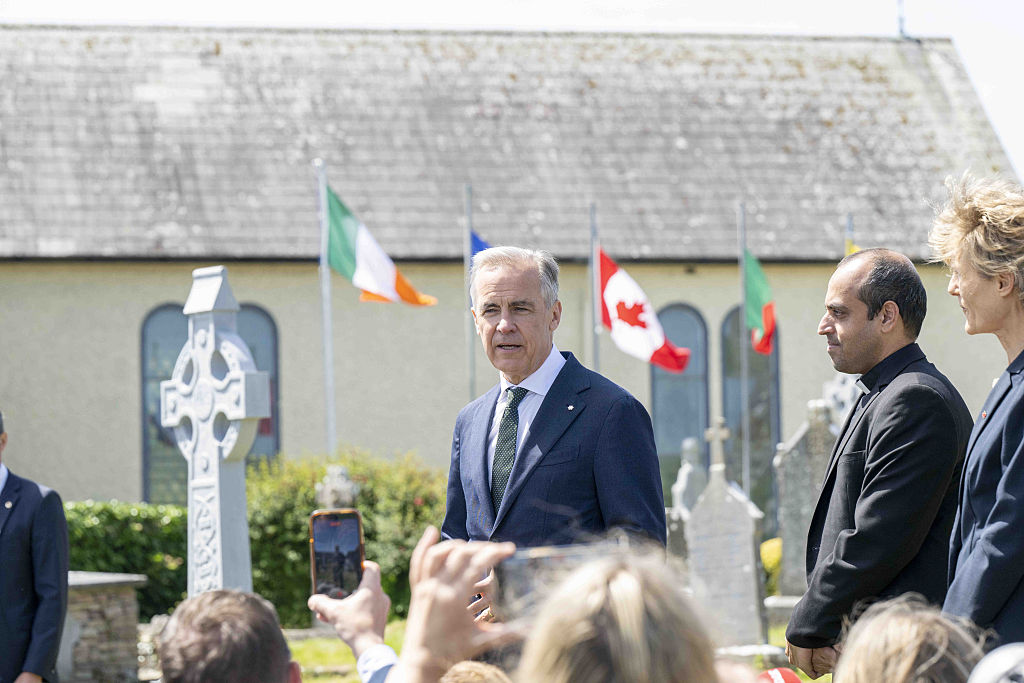
At the biannual EPC summit in Armenia, Mark Carney made a lasting impression by becoming the first non-European representative to address the assembly. His speech, brief but substantive, covered several topics: the announcement of a $270 million financial commitment to Ukraine, the strengthening of Canada–Europe relations, and a series of bilateral meetings aimed at consolidating partnerships on energy, supply chains, and critical minerals.

Targeted financial support:

Carney confirmed that Canada would provide $270 million to Ukraine, specifying that these funds would be directed toward the purchase of weapons and ammunition, primarily from U.S. suppliers. This announcement is part of a much broader Canadian commitment: since 2022, Ottawa has reportedly committed over $25 billion in support of Ukraine, according to figures presented at the summit. This total amount is fueling a significant public debate in Canada regarding the hierarchy of budget priorities and the nature of military versus humanitarian aid.

Carney annonce l'aide à l'Ukraine
Getty Images

Why Europe?

Carney described Canada as “the most European of non-European countries,” highlighting elements of cultural and institutional proximity: strong European immigration, bilingualism, and sustained economic ties. Beyond the image, his objective was clear: to establish Canada as a reliable and strategic partner for the EU and European countries, particularly on issues of security, energy, and critical technologies.

During his visit, he held numerous high-level meetings: from discussions with Ursula von der Leyen and Antonio Costa to bilateral talks with Giorgia Meloni and Pedro Sánchez. These discussions focused on securing supply chains, cooperation on critical minerals, and investment prospects in joint energy projects.

Rencontres avec des dirigeants européens
Getty Images

Ambitions and Limits:

While Carney extols the role of “middle powers”—countries with strong economic sovereignty but without superpower status—he did not shy away from acknowledging their constraints. He cautioned against nostalgic analyses of the global economy, advocating for strategic realism in the face of risks posed by actors such as Russia and political turbulence in the United States. He also highlighted Canada’s position as a major energy producer, while omitting to mention certain controversial sectors, such as uranium reserves.

Carney au sommet de l'EPC
Getty Images

Reactions and Political Friction:

Back in Canada, the announcement and Carney’s active presence on the international stage have fueled controversy. Conservative Party leader Pierre Poilievre criticized the trip and public spending, calling certain commitments a waste of money. Criticism focuses as much on the amount invested in Ukraine as on the frequency of diplomatic trips: Armenia was the 21st country Carney had visited since taking office, according to his critics.

These debates point to a broader question: how can international ambition be reconciled with domestic expectations? Opponents point out that campaign promises focused on housing or infrastructure were perceived as lower priorities compared to outward-looking diplomacy.

Non-binding but symbolic agreements:

Carney has signed several memorandums of understanding (MOUs) which, although not legally binding, serve as a tool to formalize intentions to cooperate. These MOUs cover energy projects, oil pipelines, and technology partnerships with European governments and companies. Critics point out the legal limitations of these documents, but supporters see them as a strong signal sent to markets and international partners.

Rencontres et discussions lors du sommet
Getty Images

What are the implications for the future?

  • For Canada: strengthening ties with Europe can open markets and secure supply chains, but this requires clear communication to the public to justify the costs.
  • For Europe: the inclusion of a non-European partner as a guest at the EPC summit signals a desire to expand strategic coalitions around security and the economy.
  • For Ukraine: targeted contributions, even if they remain controversial within donor countries, remain crucial for short-term defense capabilities.

In short, Mark Carney’s move to the EPC exemplifies an ambitious diplomatic strategy that combines financial commitments, political signals, and network-building. It remains to be seen whether, domestically, this strategy will garner majority support or whether it will fuel ongoing debates over national priorities.

Catégories
Uncategorized

Pourquoi les anciens téléphones portables nous manquent: autonomie, simplicité et petites habitudes

  • Les anciens téléphones étaient simples.
  • Leur batterie durait longtemps.
  • Ils étaient moins stressants.
  • Ils faisaient peu de choses.
  • Ils restent très nostalgiques.

Un regard affectueux sur la technologie d’avant

Les téléphones portables d’autrefois n’étaient pas des centrales multitâches: ils appelaient, envoyaient des SMS, et parfois servaient de radio ou de lecteur MP3. Pourtant, ces appareils restent gravés dans nos mémoires. Au-delà de la nostalgie esthétique, ce sont surtout certaines qualités pratiques: autonomie, robustesse, simplicité d’utilisation, qui nous manquent aujourd’hui. Revenir sur ces éléments, ce n’est pas fuir le progrès, mais reconnaître ce qui fonctionnait très bien et qui a disparu en chemin.

Ce qui nous manque de l
Isaac Smith sur Unsplash

Autonomie et tranquillité

L’un des souvenirs les plus constants concerne la batterie. Les anciens portables pouvaient tenir des jours, voire une semaine, sans recharge grâce à des composants moins énergivores et des écrans modestes. Cette autonomie changeait radicalement la manière dont on utilisait l’appareil: on était moins anxieux, moins accroché à une prise, et plus libre de l’ignorer. À l’ère du smartphone, la quête quotidienne d’une prise est devenue une norme que beaucoup trouvent fatigante.

Longue autonomie de la batterie
Steve Johnson sur Unsplash

Simplicité fonctionnelle

Les anciens téléphones avaient des menus courts, des fonctions immédiates et une courbe d’apprentissage très faible. Pas d’applications à choisir, pas de notifications infinies, juste l’essentiel: appeler, écrire, jouer parfois. Cette simplicité favorisait la concentration et réduisait le sentiment d’être submergé. Le design des interfaces visait souvent l’efficacité plutôt que l’extension permanente des possibilités.

Rituels et gestes tactiles

Des petits gestes comme claquer un clapet pour raccrocher ou appuyer physiquement sur une touche pour sélectionner une option restent profondément ancrés dans notre mémoire. Ces interactions physiques donnaient un retour instantané, sonore et mécanique, qui rassurait. La disparition de ces gestes a parfois laissé une sensation d’autorité affadie dans l’expérience d’usage.

Jouer à Snake
Toteemipaalu sur Wikimedia

Les petits plaisirs d’antan

  • Les jeux intégrés (Snake, Bejeweled) offraient une distraction sans tracas.
  • Les sonneries reconnaissables servaient d’empreinte sonore personnelle.
  • Les batteries amovibles laissaient la possibilité d’une réparation ou d’une astuce maison.

Tous ces aspects rendaient l’expérience simple, directe et souvent moins coûteuse à entretenir. La durabilité physique des appareils, leur capacité à résister aux chutes, et la disponibilité d’accessoires de remplacement faisaient aussi partie du charme pragmatique de l’époque.

Ce que la nostalgie nous dit

Ce n’est pas un rejet du progrès : les smartphones ont apporté des avantages indéniables: navigation, caméra de qualité, connectivité, mais la nostalgie souligne des compromis. Elle nous invite à repenser l’équilibre entre complexité et utilité, entre connexion permanente et autonomie personnelle. Certains fabricants commencent d’ailleurs à répondre à ces attentes: modèles plus durables, options plus simples, batteries plus longues. Peut-être apprendrons-nous à combiner la richesse fonctionnelle moderne avec la tranquillité et la robustesse d’antan.

En attendant, ces souvenirs restent précieux: ils racontent notre rapport changeant à la technologie et nous rappellent que l’évolution apporte des gains, mais aussi quelques pertes affectives. Et parfois, remettre la main sur un vieux portable, appuyer sur ses touches et entendre sa sonnerie suffit pour retrouver un peu de cette quiétude perdue.

Catégories
Uncategorized

Dell Lands $10 Billion Contract Weeks After Trump’s $1 Million-to-$5 Million Stock Purchase

A massive Pentagon technology contract awarded to Dell Technologies has sparked controversy after it emerged that President Donald Trump recently acquired between $1 million and $5 million worth of the company’s stock before the deal was announced. The Department of Defense, which the administration now refers to as the Department of War, confirmed that Dell Federal Systems received a contract worth approximately $9.69 billion to support software procurement across the military, intelligence agencies and the U.S. Coast Guard. The award quickly drew scrutiny because it came only weeks after Trump disclosed the investment and publicly praised the company. Critics have questioned whether the timing creates at least the appearance of a conflict of interest, even as administration officials insist the contract was awarded through standard procurement procedures.

The Dell investment was only one of thousands of trades disclosed by Trump earlier this year. Financial records show the president reported more than 3,600 transactions involving a wide range of companies, many of them among the largest technology firms in the United States. Several of those businesses either hold major federal contracts or stand to benefit from government spending initiatives. Ethics watchdogs argue that such extensive trading activity creates concerns when the president oversees an administration responsible for awarding contracts and shaping policies that can affect corporate valuations. The Dell transaction has attracted particular attention because it was followed by both a major federal award and public comments from Trump praising the company, creating a sequence of events that critics say warrants closer examination.

Getty Images

The White House has firmly rejected accusations that the president’s personal investments influence government decisions. Administration officials maintain that all procurement processes follow established rules and that career officials, rather than political appointees, oversee major contract awards. Responding to criticism surrounding Trump’s financial disclosures, White House spokeswoman Anna Kelly stated: «There are no conflicts of interest.» Kelly also said the president is acting «in the best interests of the American public.» Supporters of the administration argue that critics are attempting to politicize routine government contracting decisions and point out that Dell has been one of the federal government’s largest technology suppliers for years. They contend the company’s selection reflects its capabilities and existing relationships with federal agencies rather than any personal investment held by the president.

«So go out and buy a Dell. They’re great.»

-U.S. President, Donald Trump

Questions persist, however, because Trump’s assets are currently held in a trust managed by his children rather than a traditional blind trust. The administration frequently cites that arrangement as evidence that safeguards are in place to separate the president from day-to-day management of his holdings. Ethics experts critical of the structure argue that it differs significantly from blind trusts used by some previous presidents because Trump remains aware of many of the investments held on his behalf. Those concerns have intensified as the Trump family’s business interests continue expanding into industries closely connected to federal policy and spending priorities. Since returning to the White House, the family’s investment activities have included cryptocurrency ventures, prediction markets and companies operating in defense-related sectors, some of which have also benefited from government contracts.

The Pentagon agreement itself represents one of the largest technology contracts awarded this year. According to information released by the Department of Defense, Dell Federal Systems will provide Microsoft software licenses, cloud subscriptions and software assurance services under a single-award blanket purchase agreement. The contract is intended to streamline software acquisition across the Department of Defense, the Intelligence Community and the Coast Guard. Managed by the Naval Information Warfare Center Pacific, the effort is designed to support the military’s continued reliance on Microsoft products while expanding secure hybrid cloud capabilities. The agreement also includes specialized “Disconnected No Cloud Access” licenses for highly restricted environments and support for workloads migrating to the Joint Warfighting Cloud Capability, a key component of the military’s broader modernization strategy.

«There are no conflicts of interest.»

-White House spokeswoman, Anna Kelly

Supporters of the administration argue Dell’s selection reflects the company’s long-established role as a major federal contractor rather than any political favoritism. Yet critics maintain that the combination of Trump’s personal investment and the company’s increasingly close ties to the White House creates an appearance problem that cannot be ignored. Those concerns were amplified by events that unfolded only months before the Pentagon award. In December 2025, Dell Technologies founder and CEO Michael Dell and his wife, Susan Dell, pledged $6.25 billion to support the administration’s “Trump Accounts” initiative, a program designed to provide tax-deferred savings accounts for millions of American children. Standing alongside the Dells during a White House event, Trump later publicly endorsed the company, declaring: «So go out and buy a Dell. They’re great.» Dell shares surged more than 14 percent following the remarks, reaching a record high of $263.99. Combined with Trump’s disclosure that he had purchased between $1 million and $5 million in Dell stock before the Pentagon announced its $9.69 billion contract, the sequence of events has fueled renewed calls for stricter presidential ethics rules and mandatory blind trusts. As scrutiny over Trump’s business connections continues to grow, the Dell deal is rapidly becoming one of the most closely watched examples of how politics, personal finances and government spending intersect during his second presidency.

Getty Images
Catégories
Uncategorized

Steven Guilbeault left amid climate disagreements with Mark Carney

Former federal cabinet minister Steven Guilbeault says he will resign as a Member of Parliament later this summer, ending a long political career that cemented him as one of the most influential environmental figures in modern Canadian politics. Guilbeault confirmed the decision Thursday in an interview with CTV News, saying he plans to step down from federal politics after serving nearly seven years as the Liberal MP for Laurier—Sainte-Marie in Montreal. His departure comes as Canadian Prime Minister Mark Carney has leaned into conservative politics, and environmentalism has taken a backseat to economic decisions.

Who is Steven Guilbeault?

Steven Guilbeault became one of the most recognizable figures in Justin Trudeau’s government after being appointed environment minister in 2021, where he oversaw some of the most aggressive climate policies in Canadian history. A former Greenpeace activist known for scaling Toronto’s CN Tower in 2001 during an environmental protest, Guilbeault spent decades campaigning on climate issues before entering federal politics in 2019. Supporters viewed him as one of Canada’s most committed environmental advocates inside government, while critics  (particularly in Alberta and Saskatchewan) accused him of waging war against Canada’s oil and gas industry through emissions caps and environmental regulations.

“I’ve given everything I had to public service and to the fight against climate change.”

-Steven Guilbeault

During his time in cabinet, Guilbeault played a central role in shaping Canada’s emissions reduction agenda. Guilbeault headlined electric vehicle mandates, oil and gas emissions caps, clean electricity regulations and carbon pricing policies. He became the public face of Liberal climate policy during intense political battles with conservative premiers and industry groups. Alberta Premier Danielle Smith repeatedly accused Guilbeault of targeting Alberta’s energy sector and undermining provincial autonomy, while conservative politicians often used him as a symbol of what they described as federal overreach on climate issues.

Despite the criticism, Guilbeault remained one of the Liberal government’s strongest defenders of aggressive climate action. He argued Canada could not meet its international climate obligations without significant emissions reductions from heavy industry and transportation. Under his leadership, Canada finalized regulations requiring all new passenger vehicles sold by 2035 to be zero-emission and introduced plans to cap emissions from the oil and gas sector for the first time. Environmental organizations praised many of the measures as historic, though some activists argued the government still moved too slowly to meet its climate targets.

Outside politics, Guilbeault spent decades working as an environmental activist before becoming an MP. He served as a senior figure within Greenpeace Canada and Équiterre, helping organize high-profile climate campaigns and protests throughout the 1990s and 2000s. His activism made him one of the few senior cabinet ministers in Canadian history to transition directly from environmental protest movements into high-level government. Critics frequently referenced his activist background while arguing he was ideologically opposed to resource development, while supporters viewed his appointment to cabinet as evidence climate issues were finally being taken seriously at the highest levels of government.

What does his departure mean?

Canada’s Environment Minister Steven Guilbeault speaks during the final press conference of the G7 Climate, energy and environment at Venaria Reale, near Turin, on April 30, 2024. (Photo by Marco BERTORELLO / AFP) (Photo by MARCO BERTORELLO/AFP via Getty Images)

Guilbeault’s departure reflects broader political changes underway within the federal Liberal Party following Trudeau’s exit from politics and Carney’s rise to power. While Carney has continued defending climate action, his government has recalibrated the Liberals’ political messaging on energy and industrial policy amidst rising economic anxiety and Canadian criticism. Analysts say Guilbeault’s exit may signal a shift away from the Trudeau era’s more confrontational environmental politics toward a more economically focused approach under Carney.

Guilbeault did not announce specific future plans, though he indicated he intends to remain involved in environmental and public policy issues after leaving Parliament. Some analysts speculated he could eventually return to environmental advocacy, academia, or international climate organizations. Others suggested his experience as both an activist and senior cabinet minister could make him an influential voice in global climate policy discussions outside elected politics. Guilbeault himself said only that he felt it was “the right moment” to step away after years of political battles surrounding climate policy and environmental regulation. He cited Carney’s sudden focus on building new pipelines with Alberta, claiming that it’s a step away from Carney’s election promises.

I wasn’t opposed to the idea of signing a memorandum of understanding with Alberta, but we shouldn’t do so at the expense of our plan to fight climate change,

Steven Guilbeault

With Guilbeault leaving a safe seat in Montreal at the end of the summer, speculation has already begun about who will replace him. Guilbeault has held his seat since 2019, and his supporters are extremely vocal regarding environmental issues in Canada. Guilbeault’s departure is another signal that Mark Carney is not focused on being a ‘typical Liberal’, but instead looks beyond parties to lead the country. This is also reflected in how many CPC MP’s have crossed the aisle to join the Liberal party and Mark Carney.

Brendan Fraser on the red carpet with his family at the premiere of Pressure

Brendan Fraser stole the show at the premiere of the film Pressure, appearing alongside his family for a rare and highly publicized public appearance. The Oscar-winning actor, known for his discretion regarding his private life, flashed a broad smile alongside his loved ones on the red carpet, sharing a warm moment that quickly caught the attention of photographers and fans.