DOW plummets 1,000 points as markets react to war on Iran

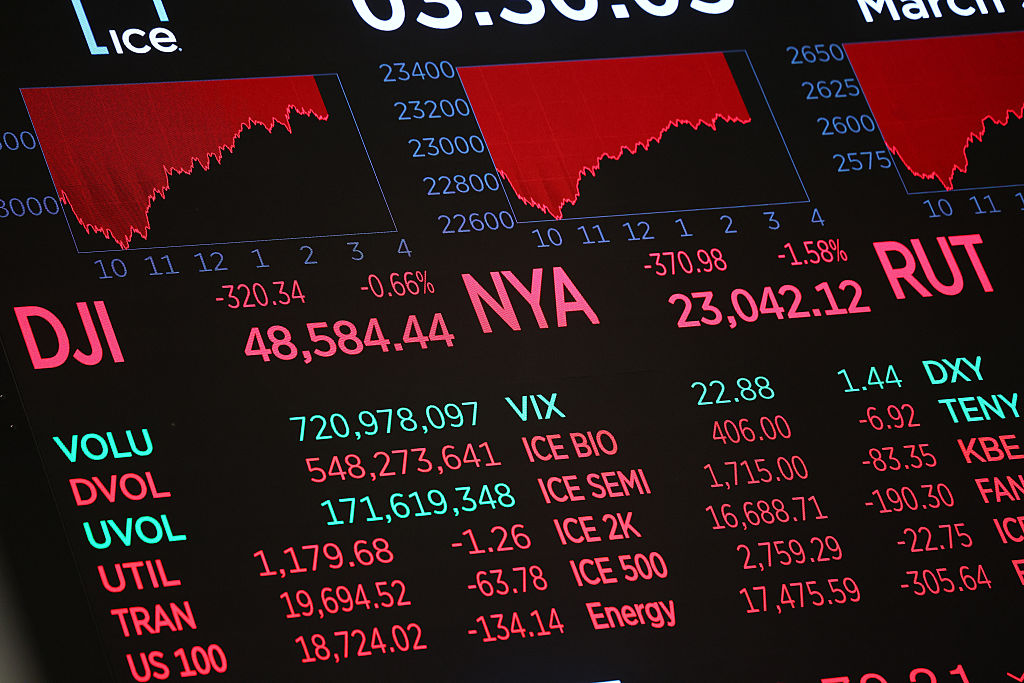
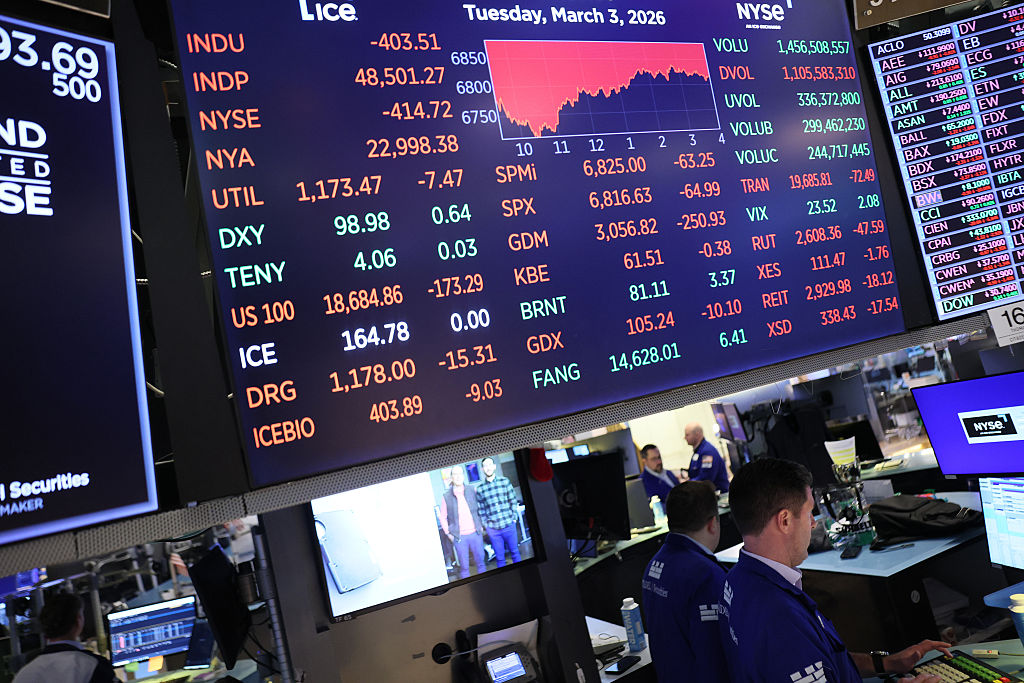
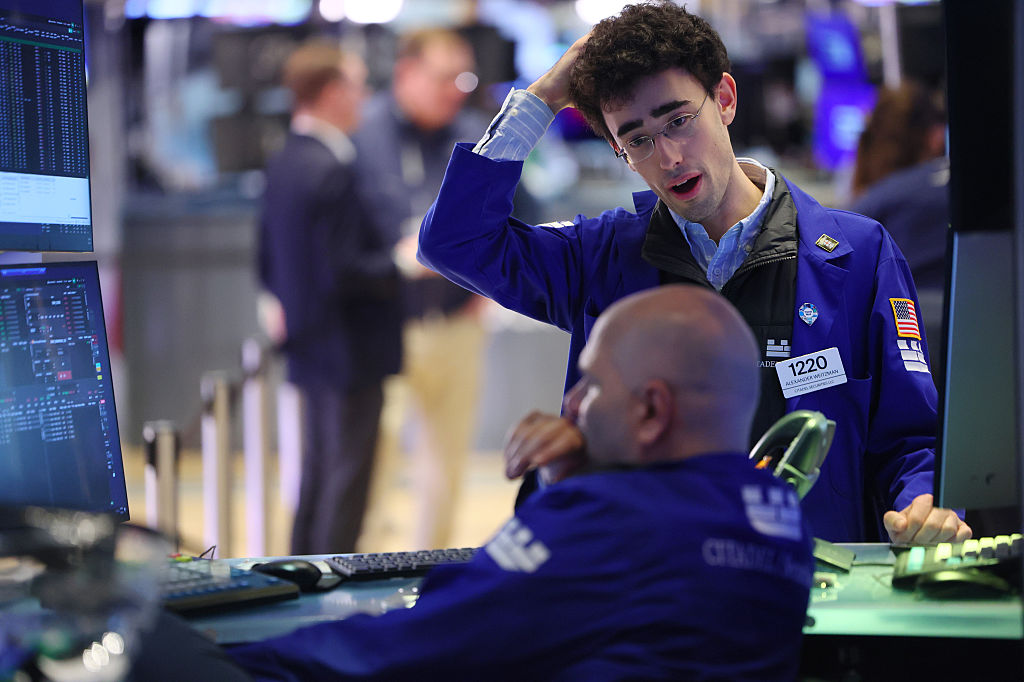
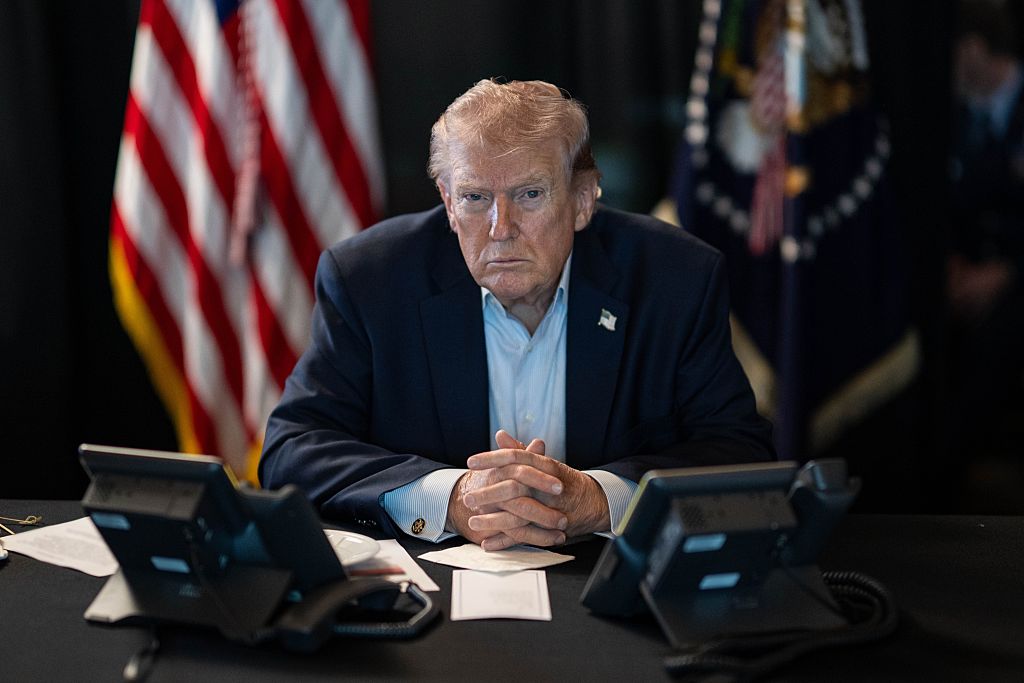
A global flash sale is happening on Wall Street after Donald Trump and Benjamin Netanyahu’s attacks on Iran threaten a slate of global markets. On March 3, Wall Street opened to a worldwide sell-off as stocks fell as US interference in the Middle East caused multiple global markets to panic. Gas prices in the US shot up 11 cents overnight, and barrels of crude have jumped to nearly detrimental prices. Financial experts say the jump in oil prices will worsen inflation for American consumers and businesses.

Catégories
Uncategorized

US begins military operations in Ecuador: US-Caribbean update

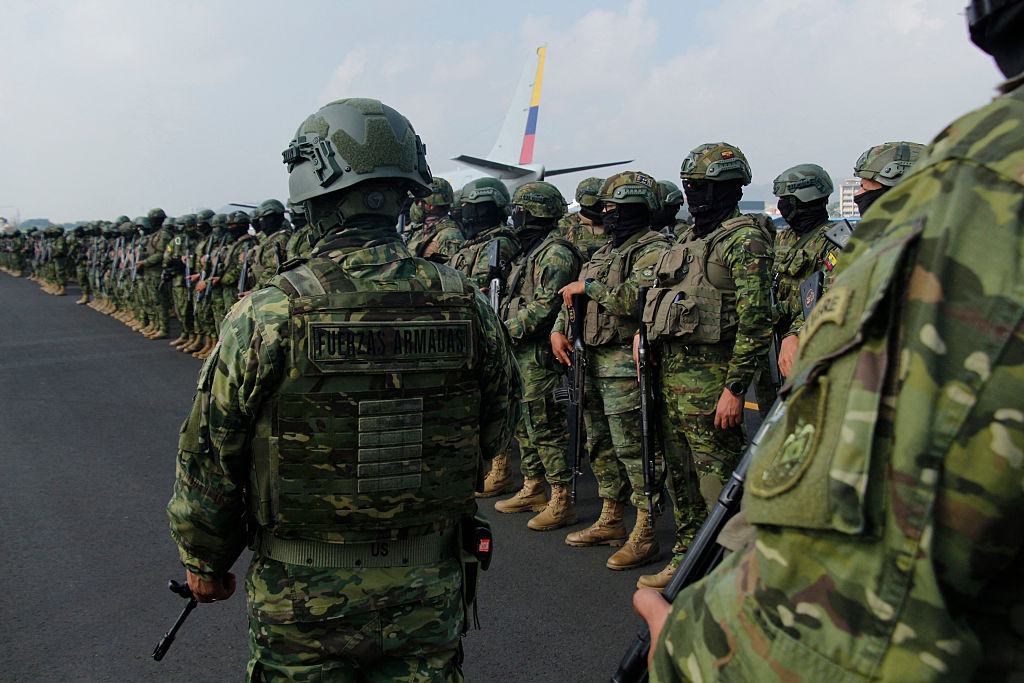
In an expansion of Donald Trump’s ‘war on narcoterrorism’, the US has undergone a joint operation with the Ecuadorian government against what the US calls ‘designated terrorist organizations’. The attacks came on March 3, and according to US officials, no American servicemember participated in the attack, but helped Ecuadorian forces prepare and execute the operation. Donald Trump has been conducting air strikes on vessels in the Caribbean Sea since September 2025, and conducted a military operation in Venezuela in January 2026, capturing Venezuelan President Nicolas Maduro. All of the actions have been conducted under the guise of fighting narcoterrorism, and legal experts have deemed them illegal under international law.

Military actions in Ecuador

US Southern Command released a video on X, showing a helicopter taking off and then picking up a dozen soldiers. Neither US officials nor the Ecuadorian government have confirmed the details of the military action, but the US and Ecuador have been planning joint operations since at least 2025. In September 2025, US Secretary of State Marco Rubio and Homeland Security Secretary Kristi Noem visited Ecuador and met with Ecuadorian President Daniel Noboa to discuss shared efforts to curb illegal mass immigration. They also discussed narcoterrorism, with Rubio strongly hinting that the countries would be conducting joint strikes in the future.

President Noboa confirmed on March 2 that Ecuador would be working with the United States. Noboa claimed that during March, Ecuador would be conducting joint operations with the US. Noboa called America a ‘regional ally’ and claimed that his first priority was the safety and security of Ecuadorian citizens. Ecuador has been a firm ally of Donald Trump’s since his inauguration in 2025, and has supported his illegal airstrikes since they began. President Noboa has centred his Presidency on fighting drug-related gang violence. During the Ecuadorian Presidential election in 2023, Noboa claimed he would be willing to use military force against drug gangs, and he’s now fulfilling his promise with the help of Donald Trump.

US airstrikes

The US began initiating airstrikes on Venezuelan ships in the Caribbean Sea in September, under the guise of fighting narco-terrorism. Donald Trump, backed by Hegseth, outlined his mission to battle ‘maritime drug trafficking’ in Latin America after the first strike.

That first strike came on September 2, when an American military vessel sank a 39-foot speedboat filled with “a considerable amount of cargo.” This initial strike was one of the more legitimate, with the vessel hailing from a known trafficking centre, and multiple sources supporting the US’s accusations of it being a criminal vessel. 11 people were killed in the first strike, according to Trump, all of them members of the gang Tren de Aragua.

Over the next six weeks, Trump carried out another four strikes, killing 16. There were drugs recovered in only one of the strikes. Venezuela has claimed that at least one of the boats attacked was a fishing vessel. Additionally, at least two of the victims have been confirmed as Colombian citizens without any attachment to the country of Venezuela, nor its organized crime groups. “These cartels are the Al Qaeda of the Western Hemisphere, using violence, murder and terrorism to impose their will, threaten our national security and poison our people,” Hegseth wrote.


In total, the US has killed at least 150 people in 44 confirmed strikes on vessels in the Caribbean Sea.

US officials comment

Multiple US military officials have commented on the reported attack, praising Ecuadorian forces. US Southern Command released a statement calling the attack a ‘powerful example’ of the commitment of America’s partners in Latin America. Gen. Francis L. Donovan, head of Southern Command, posted a statement on March 3 praising Ecuadorian armed forces. Gen. Donovan stated that Ecuadorian forces are committed and resolved to fighting narcoterrorism across Latin America. Drug gangs in Latin America have become more violent over the last three years, vying for the highly touted cocaine market in the United States.

What’s next?

With Ecuador confirming that it will be continuing to conduct military operations alongside the US during the month of March, it’s a safe bet that the area will see a return to the state it experienced in late 2025. Since abducting Maduro in January, Trump has taken his foot off the gas regarding his airstrikes in the Caribbean. Now, with US military resources focusing on Iran, it’s unsurprising that Trump has convinced Ecuador to use its resources instead. With the US guiding the Ecuadorian military, it will essentially be acting as an extension of Donald Trump’s will, and the month of relative security in the Caribbean Sea has ended.

‘Deadliest Catch’ star dead at sea at 25

The year 2026 was marked by the passing of many personalities who left a lasting mark on our society. Artists, creators, public figures, thinkers, and athletes—each and every one contributed in their own way to shaping our era and our collective imagination. This In Memoriam project pays tribute to those who left us during the year. Through these memories, we take a moment to remember their influence, celebrate their contributions, and honor lives that will continue to resonate long after their passing.

Billy Joel finally sells his spectacular estate for $29 million

Billy Joel’s estate has finally found a buyer after several price changes. This exceptional property has just been purchased for $29 million, confirming the continuing appeal of residences with unique character.

The house impresses with its English manor-style appearance. Built in red brick, it adopts a refined neo-Tudor style, with multiple gables, tall stone chimneys, and perfectly symmetrical casement windows. The entrance opens onto a large paved courtyard, featuring a central fountain and meticulous landscaping. The imposing volumes, varied rooflines, and architectural details evoke a classic, almost aristocratic elegance. A majestic residence that combines European tradition with contemporary luxury.

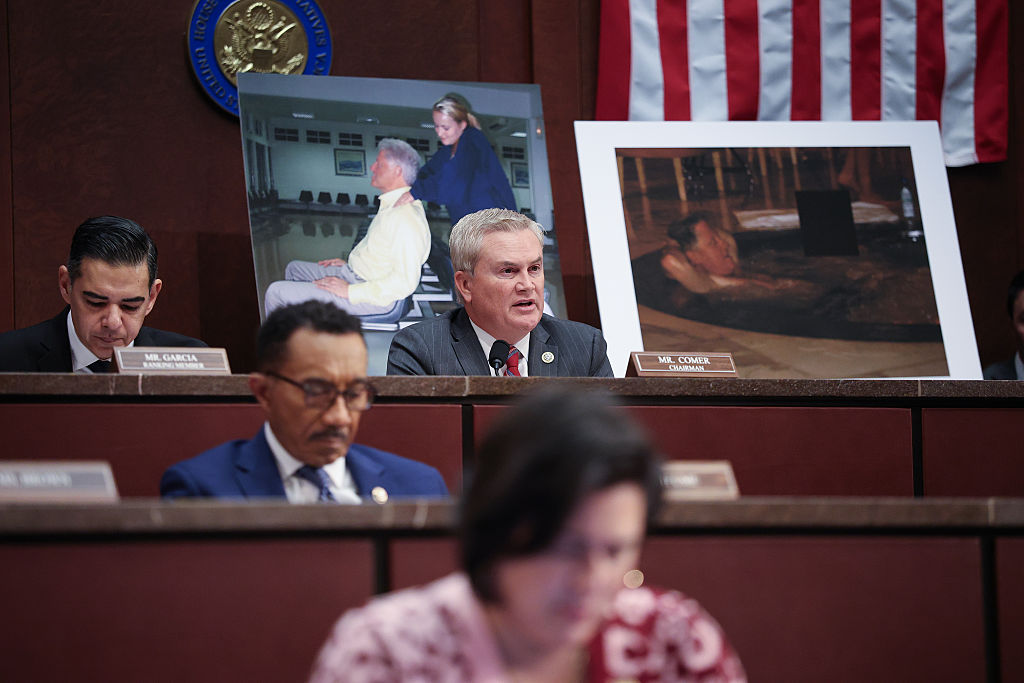
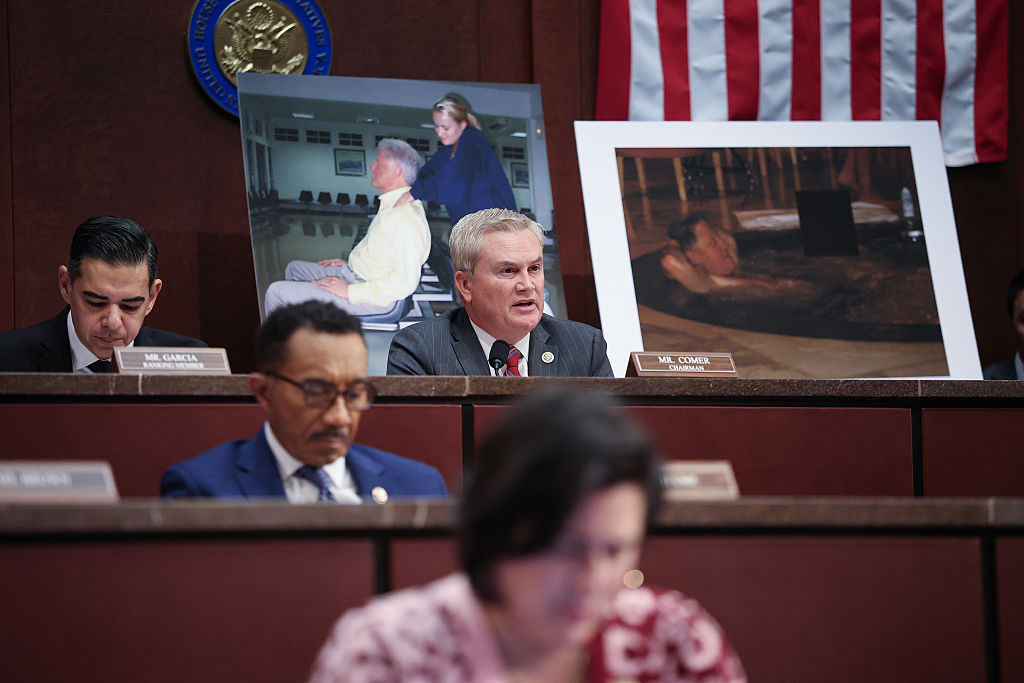
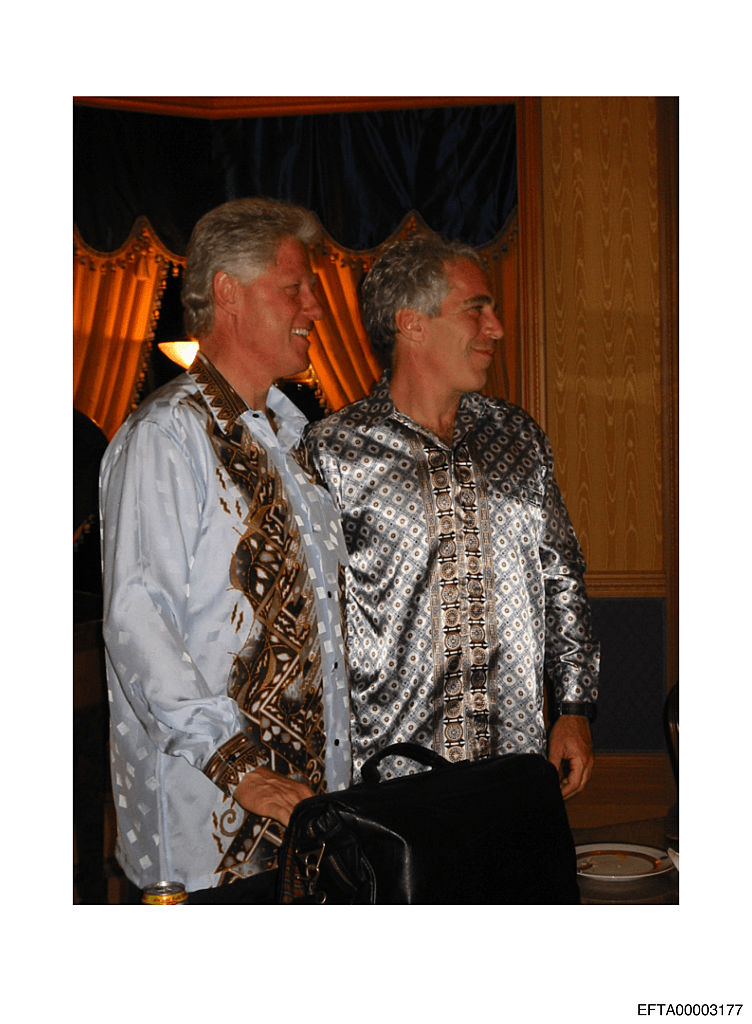
Bill Clinton peppered with awkward questions during Epstein deposition: ‘I did nothing wrong’

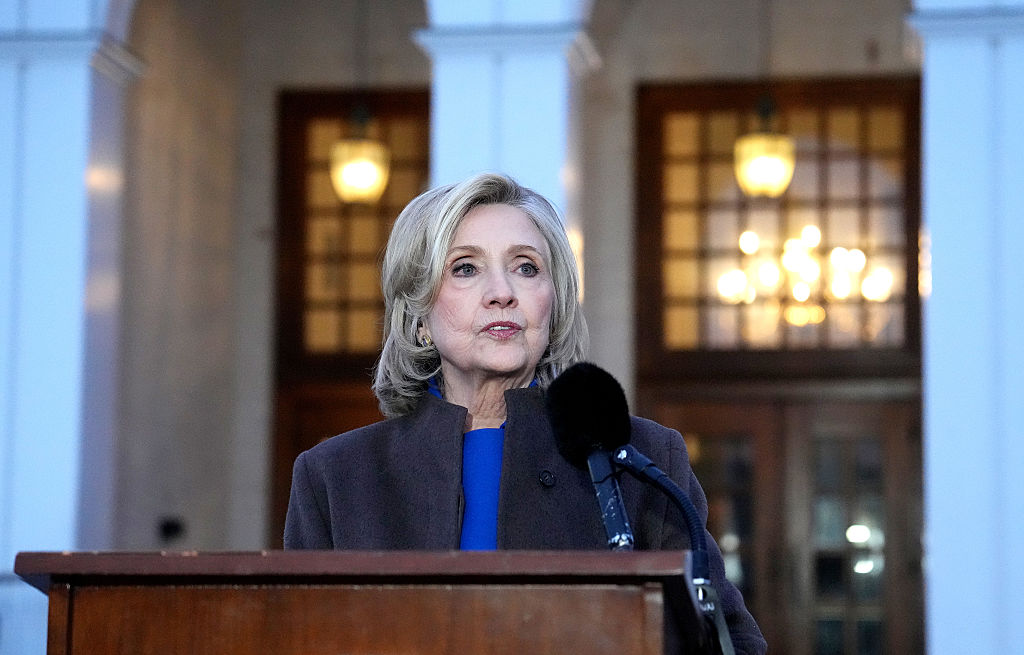
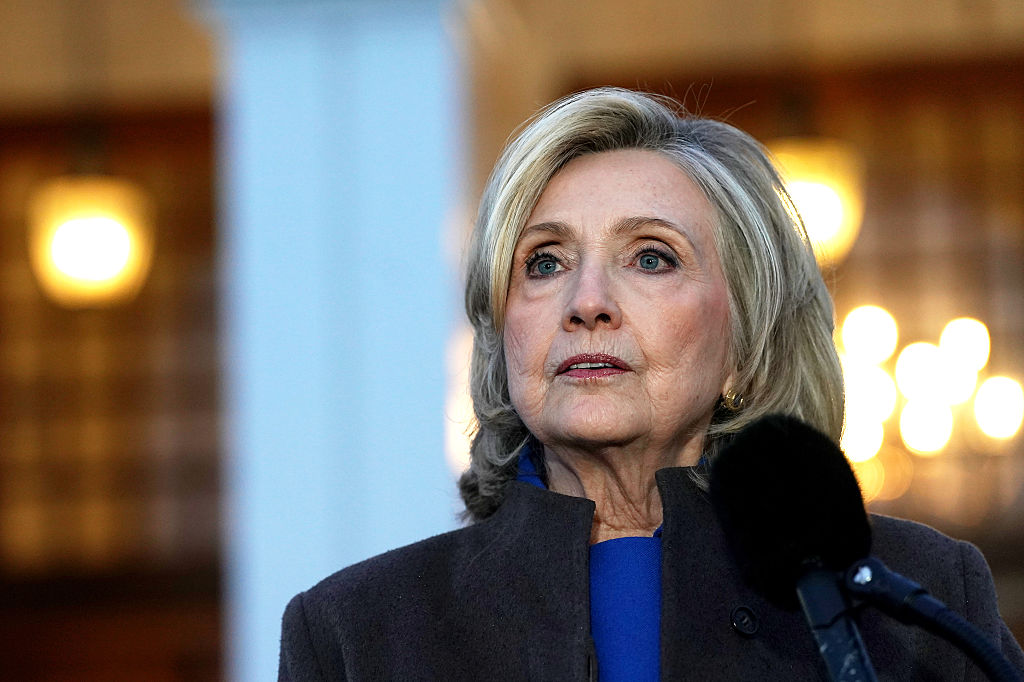
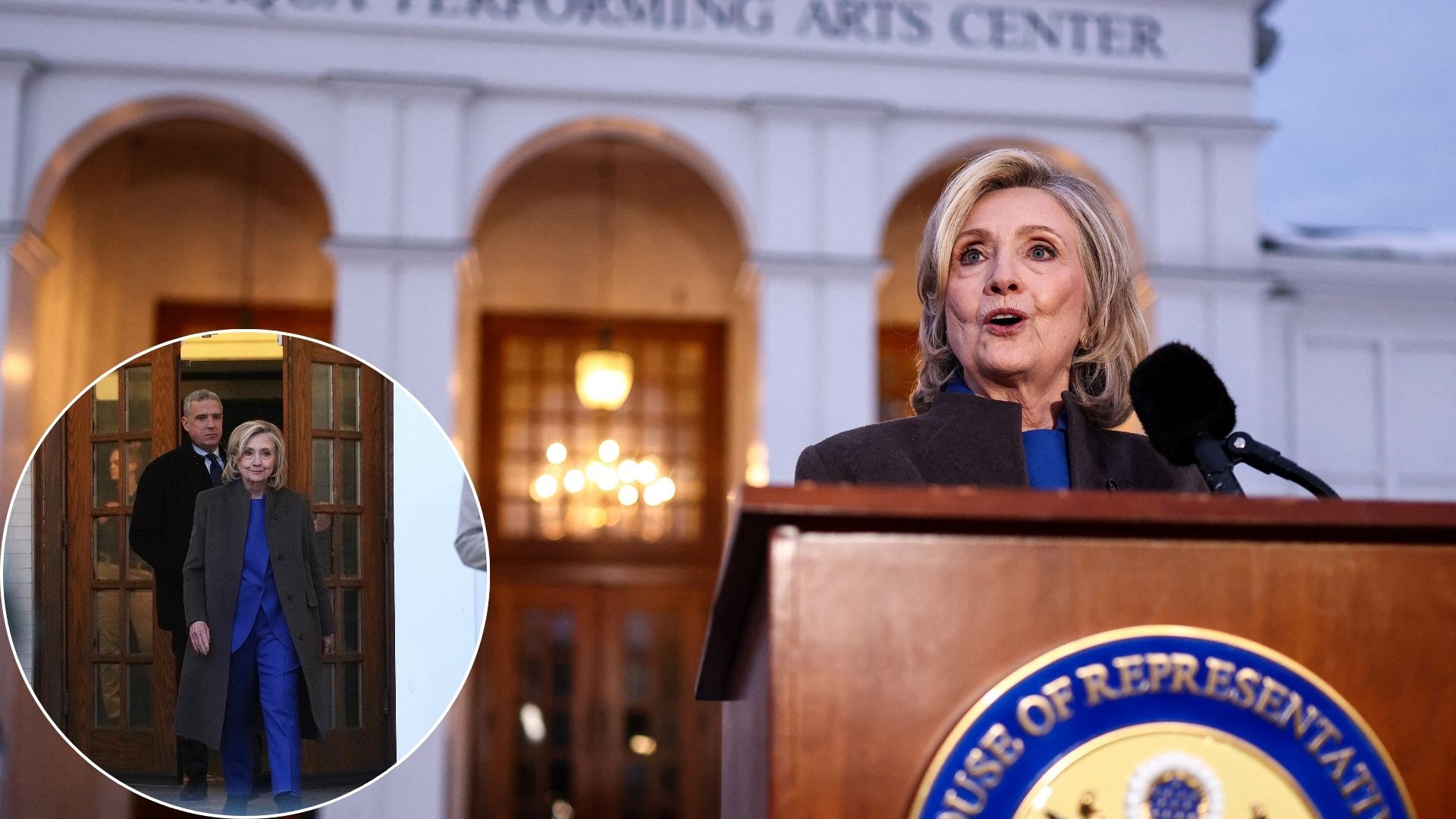
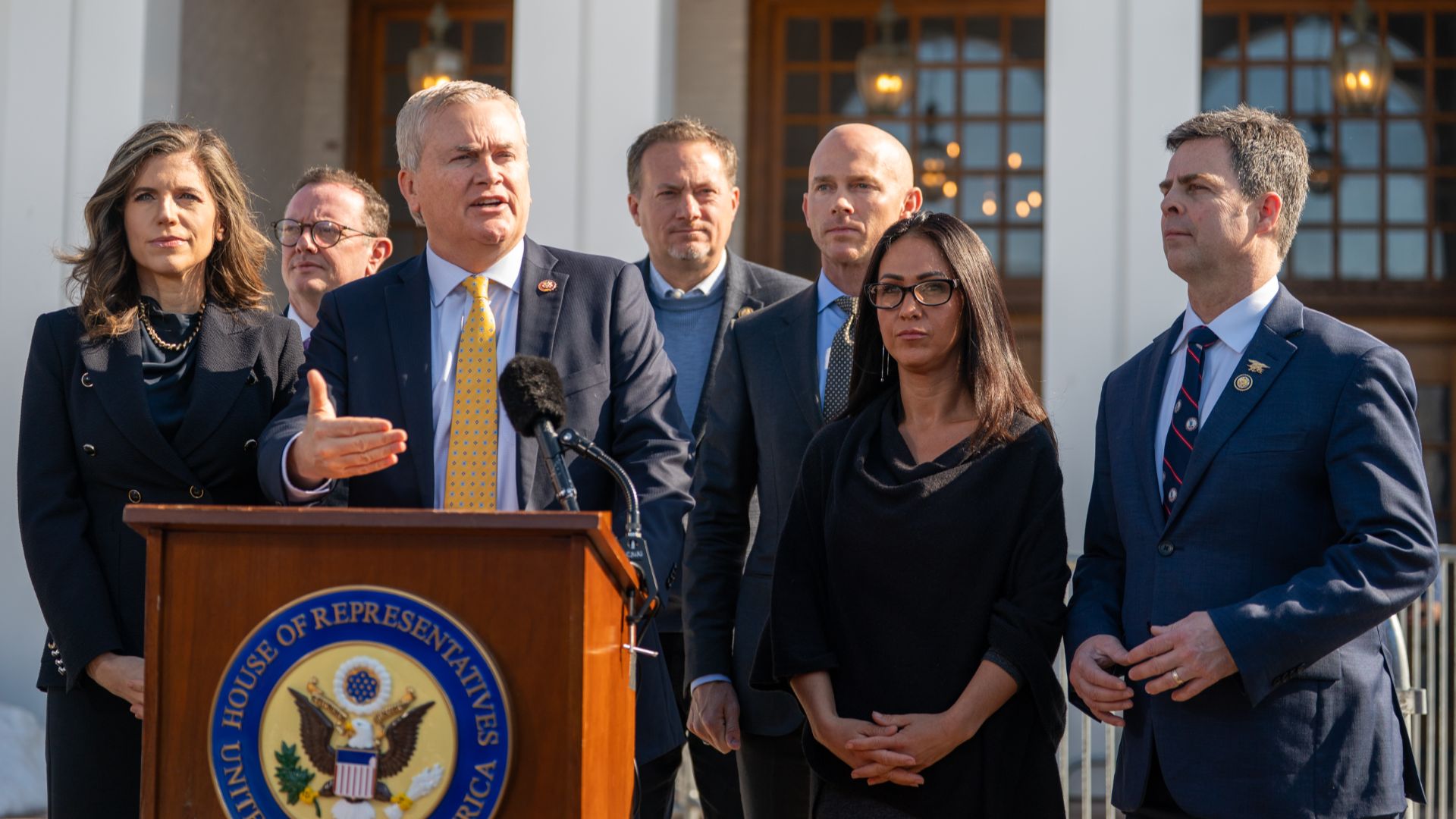
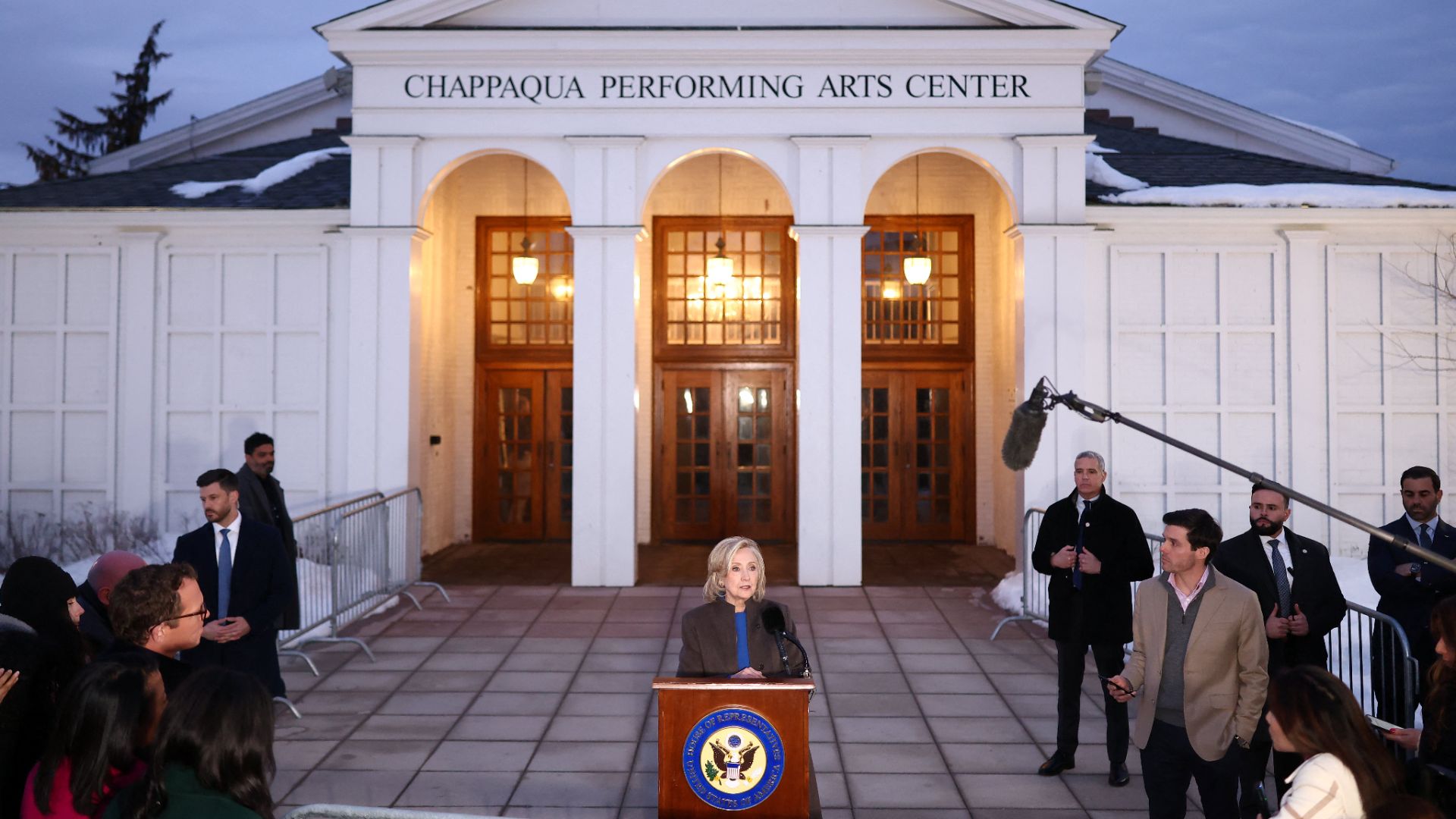
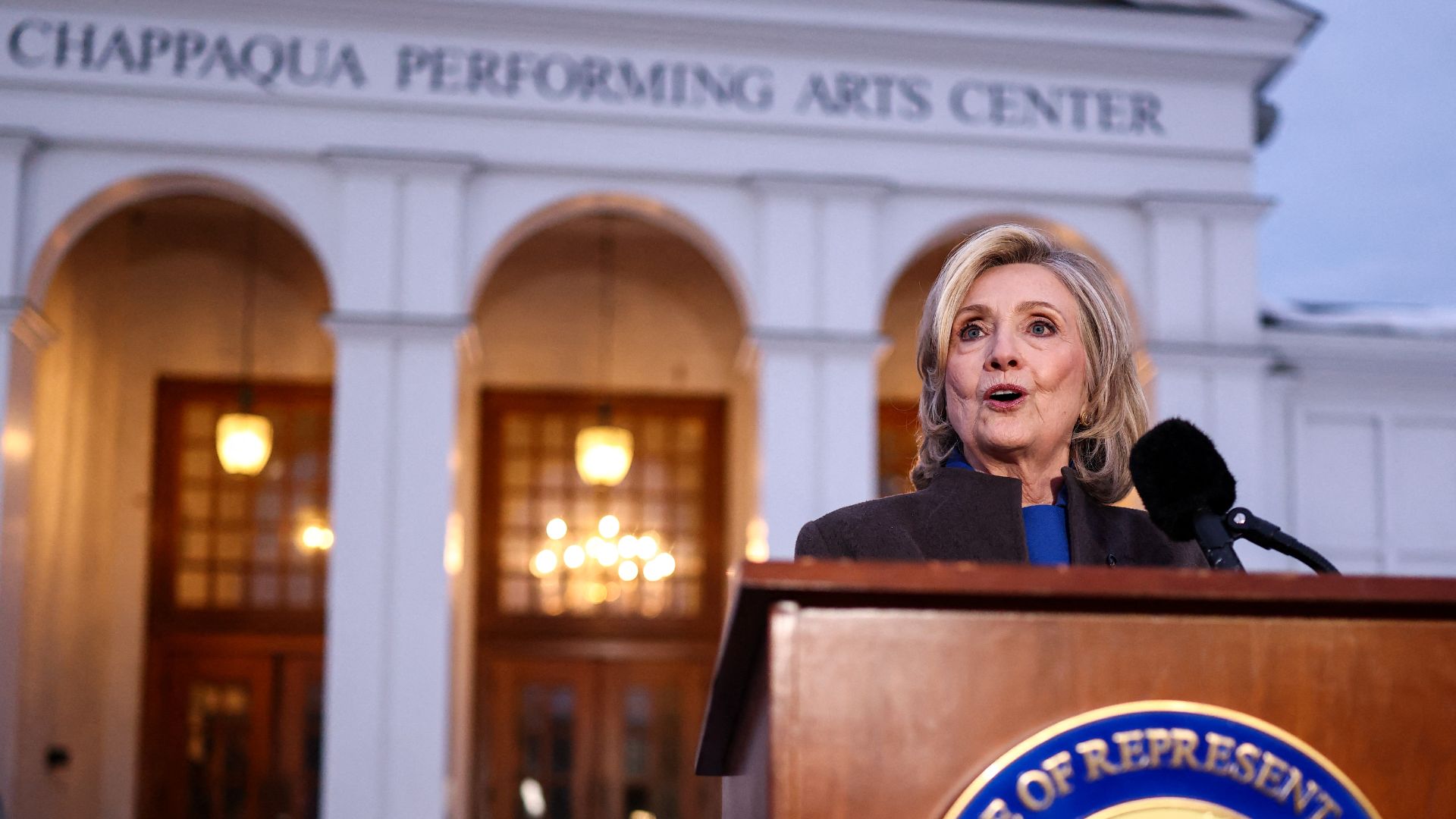
Hillary Clinton Slams «UFOs» and «Pizzagate» Questions in Epstein Probe

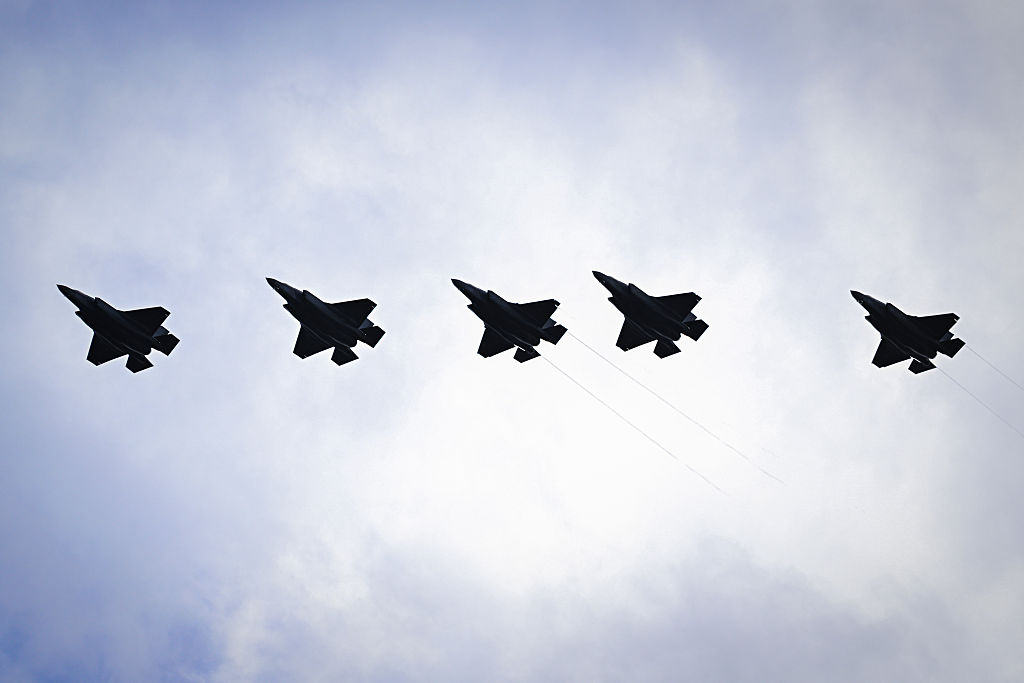
3 American fighter jets shot down by friendly fire

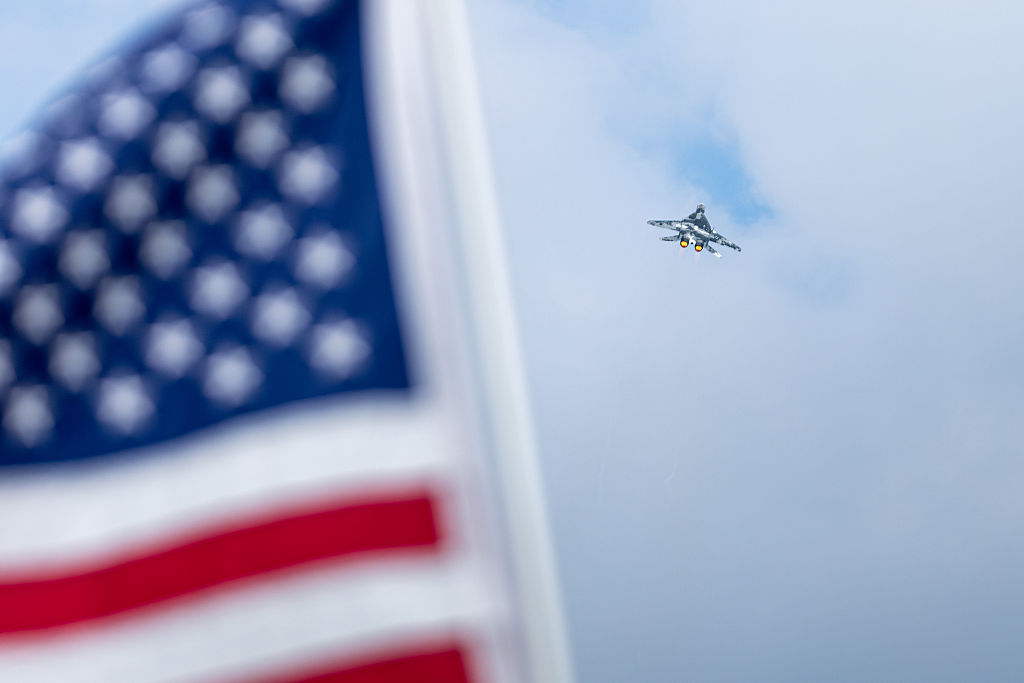
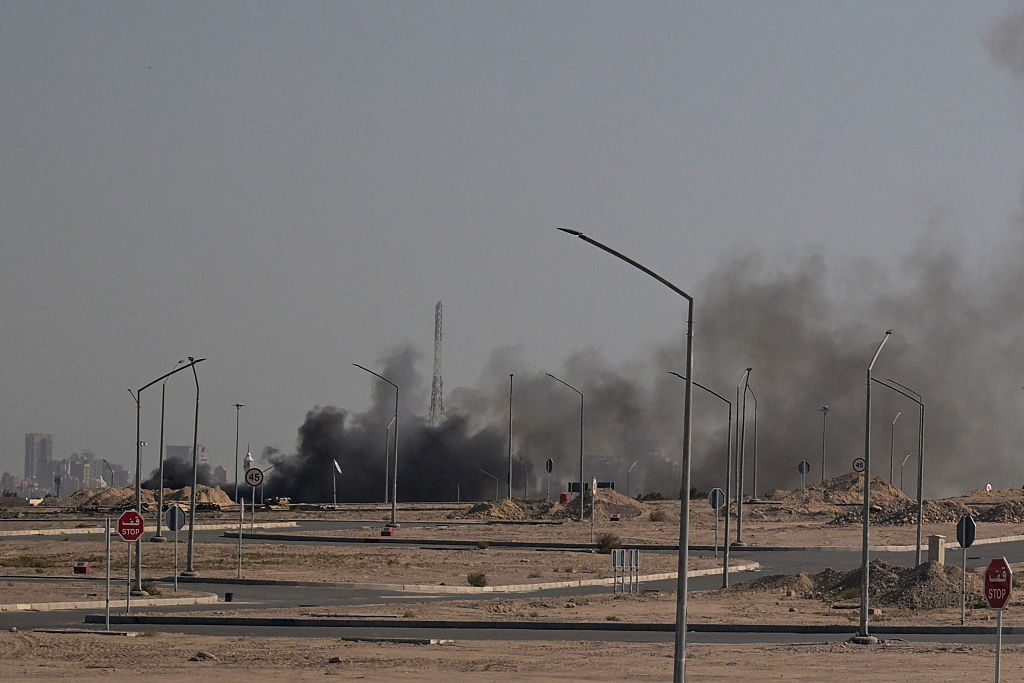
Three US fighter jets crashed in Kuwait on March 1, 2026, due to apparent friendly fire from Kuwaiti defence forces. According to US Central Command, all six servicemen ejected safely and are being tended to with non-life-threatening injuries. According to the US government, the jets were shot down during active combat that involved Iranian aircraft, missiles, and drones. Kuwaiti Col. Said Al-Atwan claimed that Kuwait was in direct coordination with US authorities.

Catégories
Uncategorized

More than 30,000 civilians displaced in Lebanon as war rages on

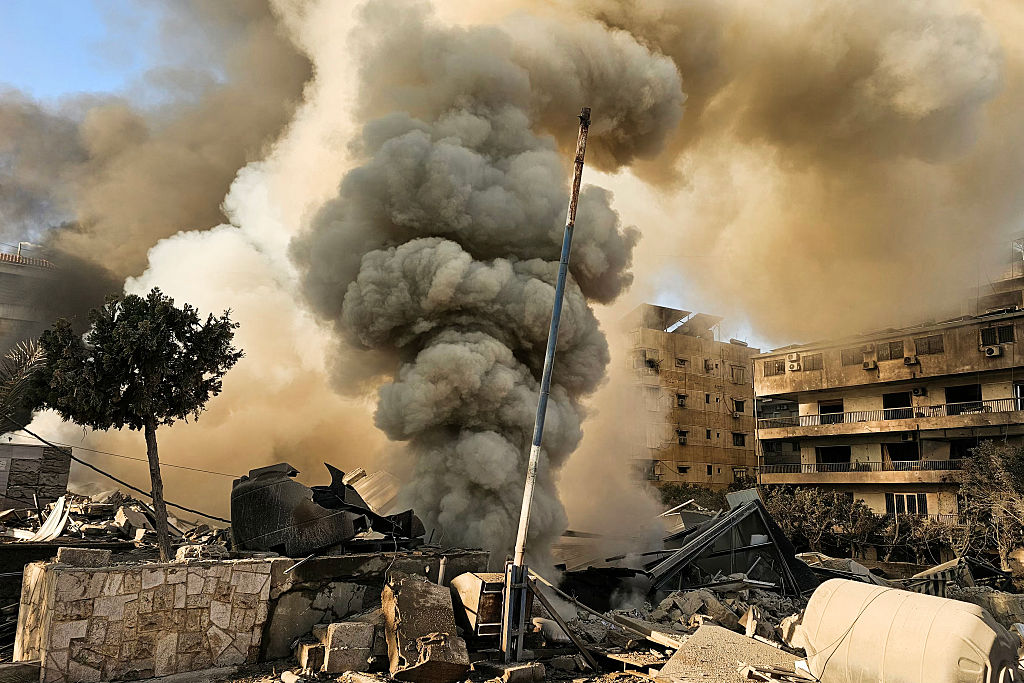
After two days of constant barrage from Israel and the United States, more than 30,000 people have been displaced in Lebanon as of March 3, 2026. Israel is continuing to undertake military actions against Hezbollah, an Iranian-funded militant group based in Lebanon. The group receives funding, weapons, and training from Iran and has long acted as a foreign, paramilitary organization supporting former Iranian Supreme Leader Ali Khamenei. Hezbollah launched rockets at Israel on March 1, and Lebanon is paying the consequences, with Israel battering the country with non-stop rockets since.

30,000 Lebanese civilians displaced

With Lebanon being dragged into yet another violent war by the unpopular Hezbollah, civilians are once again paying the price. Israel is battering the southern end of the country, and the Muslim-populated areas of the capital, Beirut, and more than 30,000 civilians have been displaced from their homes. Israel has also begun to move more troops to Lebanon’s southern border – a move that the UN called a violation of the (now long broken) 2024 ceasefire when Israel did it initially in December 2025. Disarming Hezbollah has long been a priority of both the Lebanese government and the Israeli government. The militant group operates outside of the control of the Lebanese government and receives the vast majority of its funding from Iran.

Nonstop attacks in Lebanon

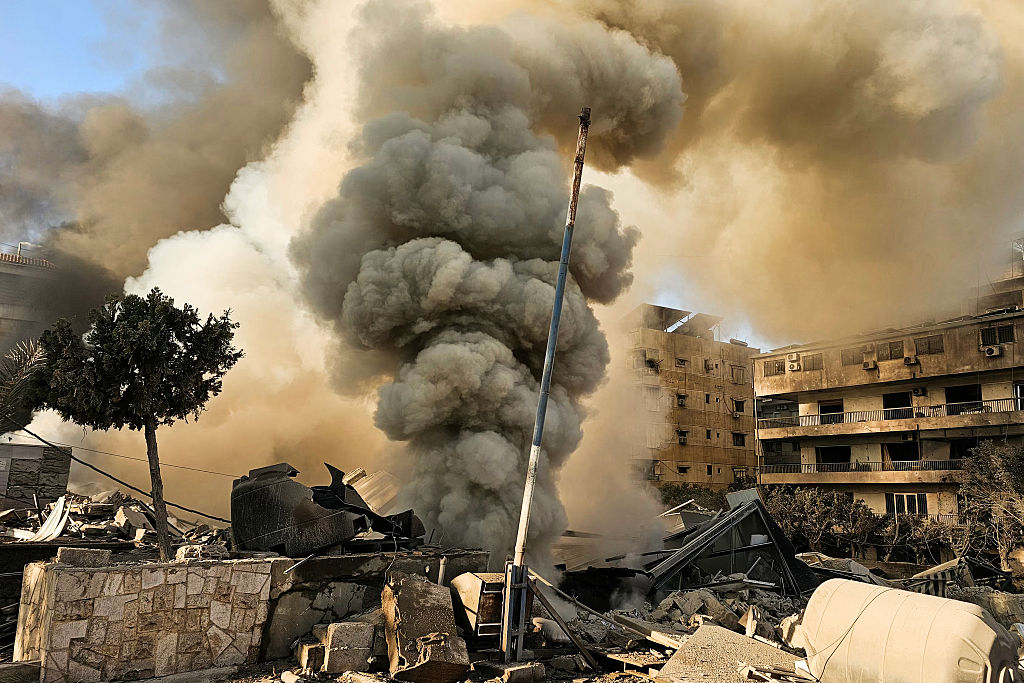
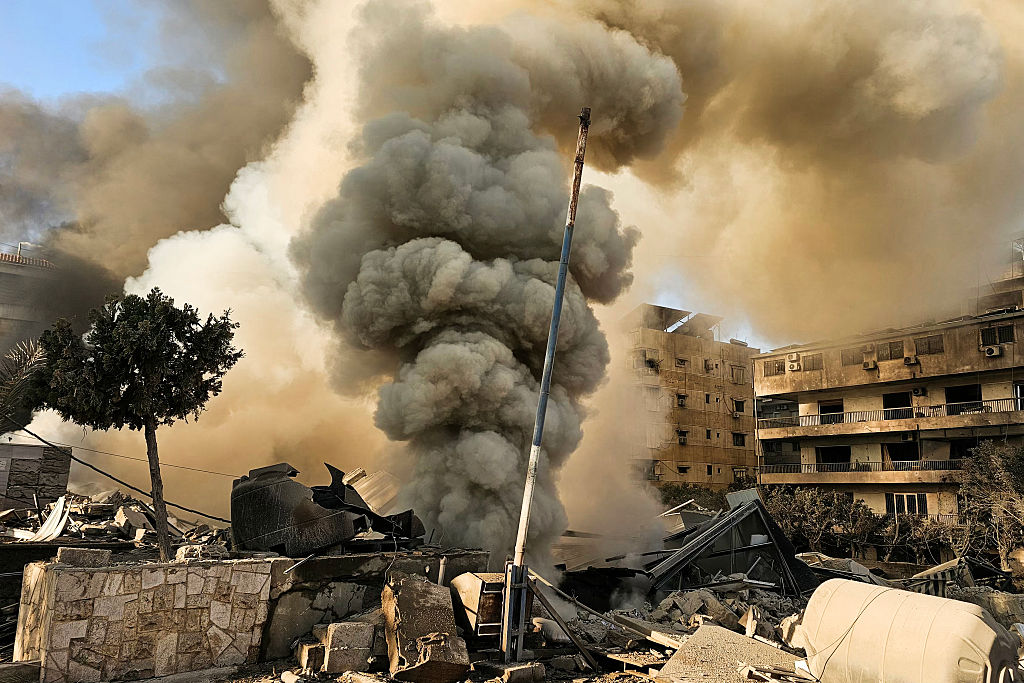
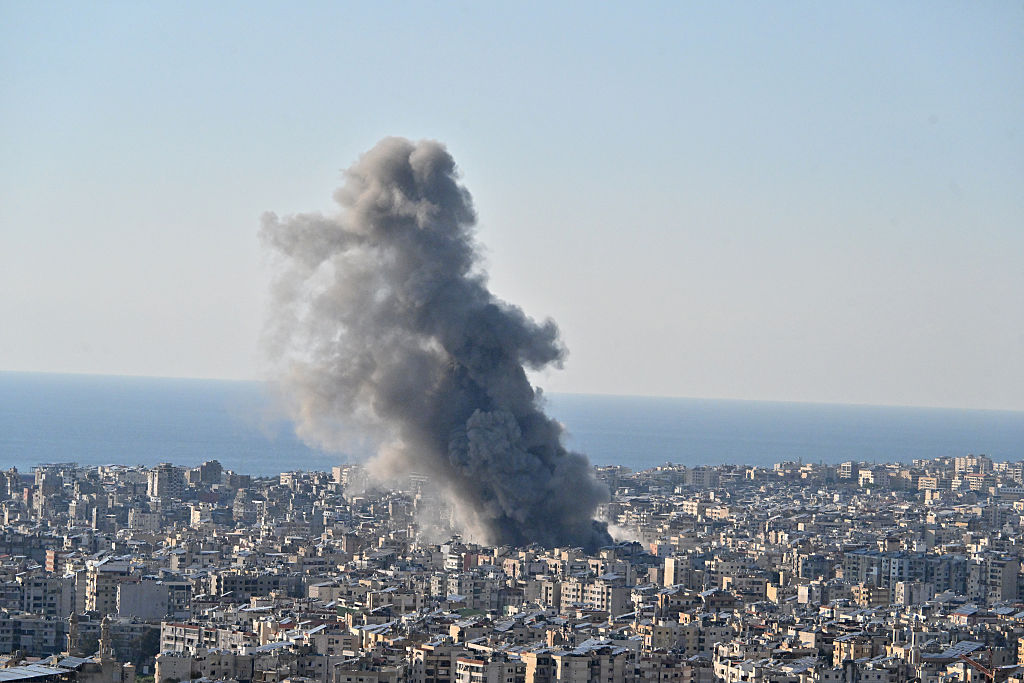
In Lebanon, more than 90 people have been killed by Israeli airstrikes in just 48 hours of bombing. With the vast majority of fatalities coming in Beirut’s southern districts, Israel claims to be targeting Hezbollah commanders. The southern districts of Beirut are predominantly Muslim, while the eastern coastal districts are more affluent and demographically Christian. Israel has instructed more than 80 villages scattered throughout Southern Lebanon to evacuate as well, with Israel claiming it is gearing up for an ‘open war’.

UN’s refugee agency said on March 3 that more than 30,000 Lebanese civilians had gathered in collective shelters across the country, with thousands more staying in their cars overnight. The Lebanese government confirmed that, along with the 52 killed on March 2 and the 40 killed on March 3, more than 240 people had been wounded by Israeli military operations. Israeli troops have also gathered at Lebanon’s southern border, with journalists and civilians reporting IDF personnel moving in and out of Lebanon. According to sources in Lebanon, Israeli troops have been entering Lebanon, going on ‘forays’ and returning to Israel.

Israeli spokesman Avichay Adraee claimed the troops were entering Lebanon in order to bolster Israel’s ‘forward defence’ systems and create an extra layer of security. Israel’s infamous tactic of ‘forward defence’ involves making military action in preparation for a potential threat. The Lebanese military confirmed that Israeli troops were entering through the southern border of the country, and said the Lebanese army was “repositioning” in the area. The military official remained anonymous, but the UN peacekeeping force in southern Lebanon, known as UNIFIL, confirmed that Israeli troops are entering Lebanon. Lebanon’s health ministry confirmed that Israel had killed 397 people after the ceasefire took effect, and before February 28.

Syrians fleeing Lebanon

Since March 1, thousands of Syrians have fled Lebanon back into Syria. Many of the Syrians fleeing Lebanon initially fled Syria, and are now being forced back into the country for fear of safety. The United Nations High Commissioner for Refugees (UNHCR) confirmed that the number of people crossing from Lebanon into Syria jumped on March 2. Normally, fewer than 5,000 people cross the Lebanese-Syrian border into Syria. On March 2, more than 10,000 people entered Syria from Lebanon. Satellite imagery showed hundreds of cars filling the streets at major border crossings.

Hezbollah ready for open war

Hezbollah has claimed that it has no choice but to fight Israel, calling Netanyahu’s government a ‘Zionist enemy’. Israel, on its part, has never had problems bombing Lebanon, and reacted within an hour to the first salvo of rockets sent by Hezbollah. Israel has since damaged Hezbollah-controlled TV broadcast stations and radio broadcasters. Israel also struck Beirut’s southern suburbs, claiming it had attacked a Hezbollah command centre. Lebanese President Joseph Aoun told the ambassadors of Saudi Arabia, Qatar, the United States, France and Egypt on Tuesday that Hezbollah has been firing rockets from areas north of the Litani River. Lebanon has been attempting to disarm Hezbollah since the 2024 ceasefire agreement.

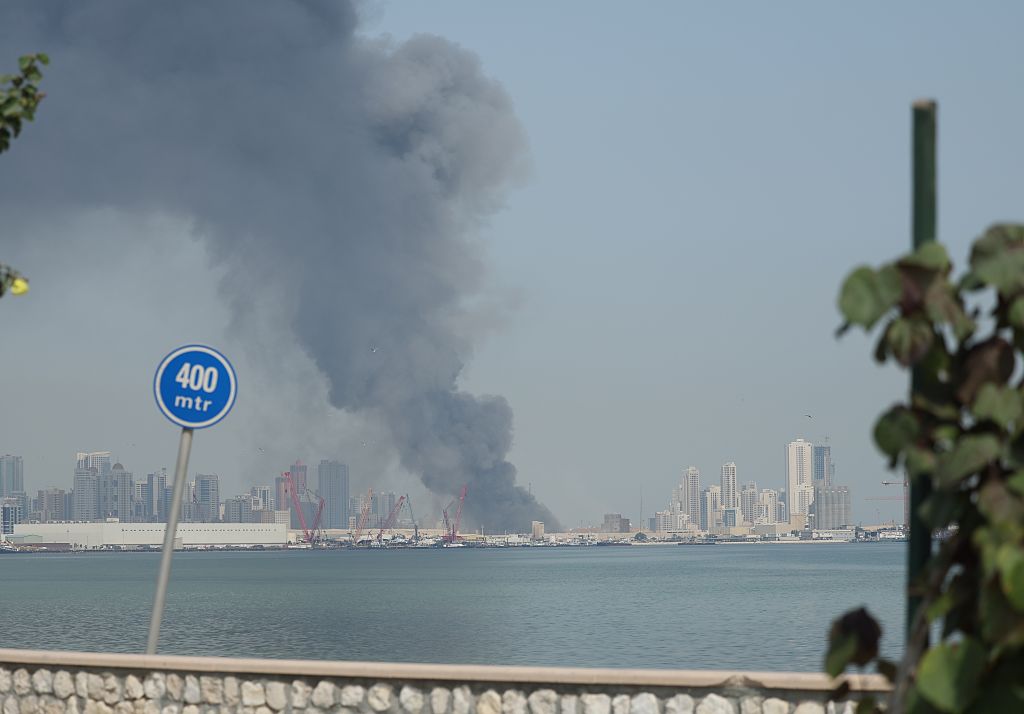
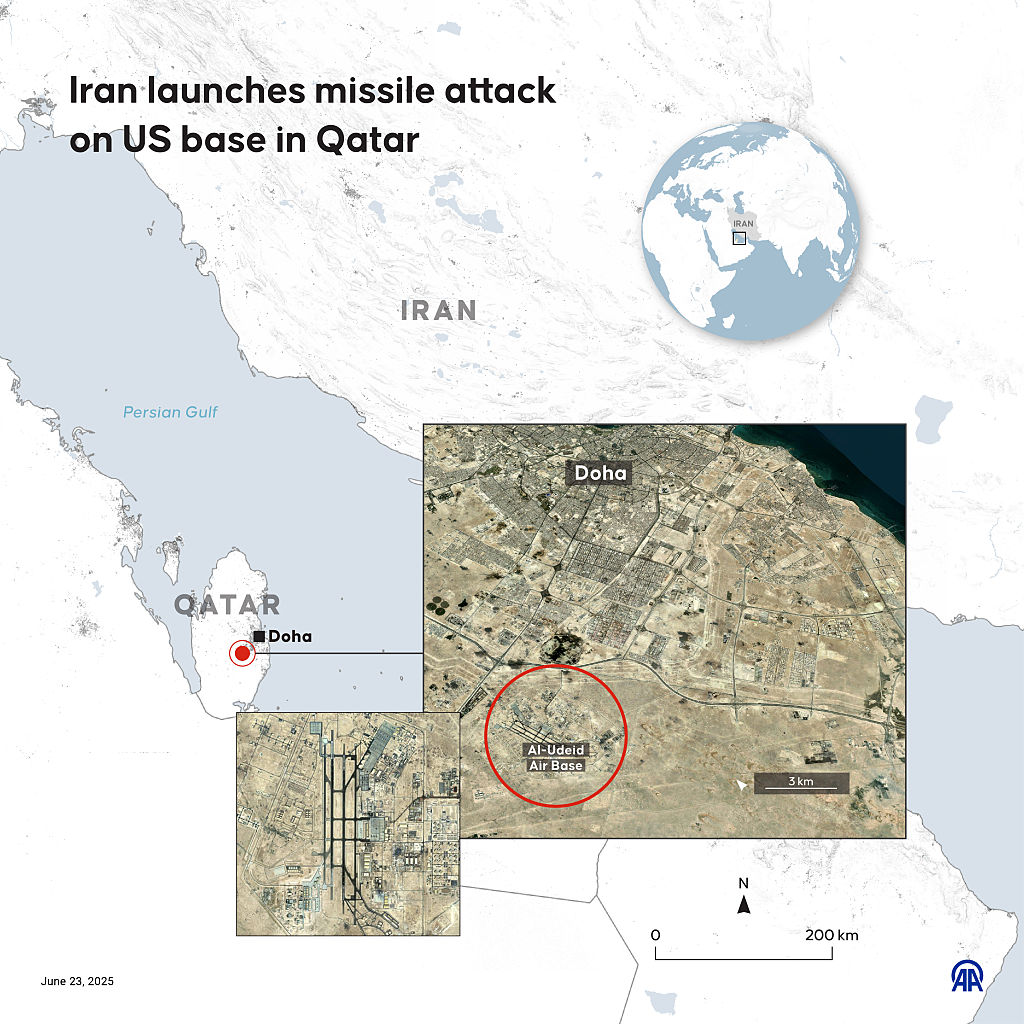
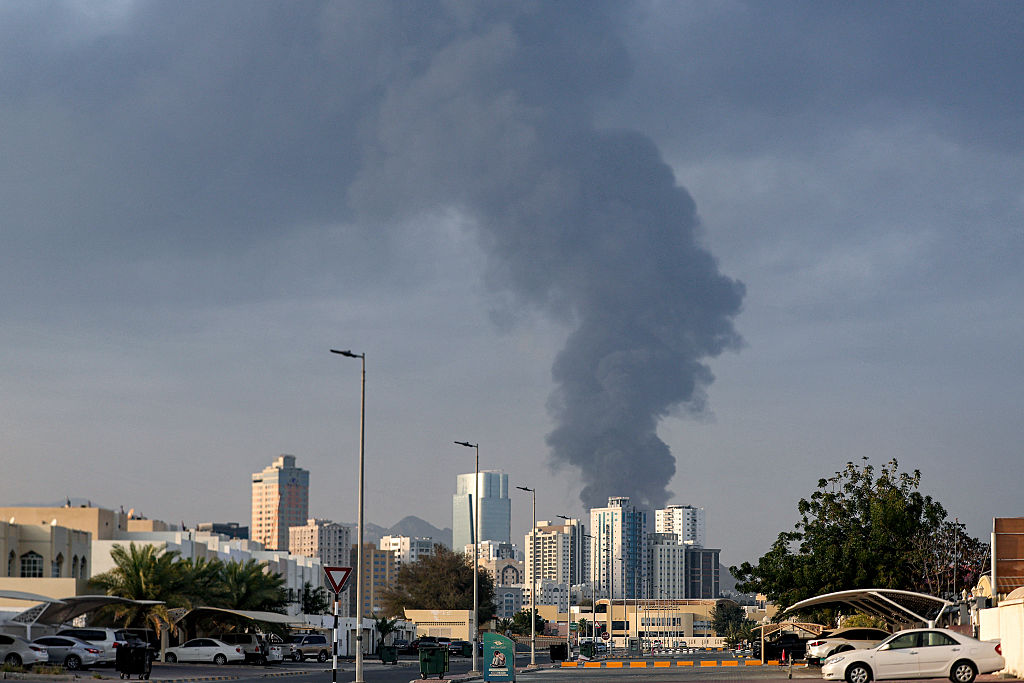
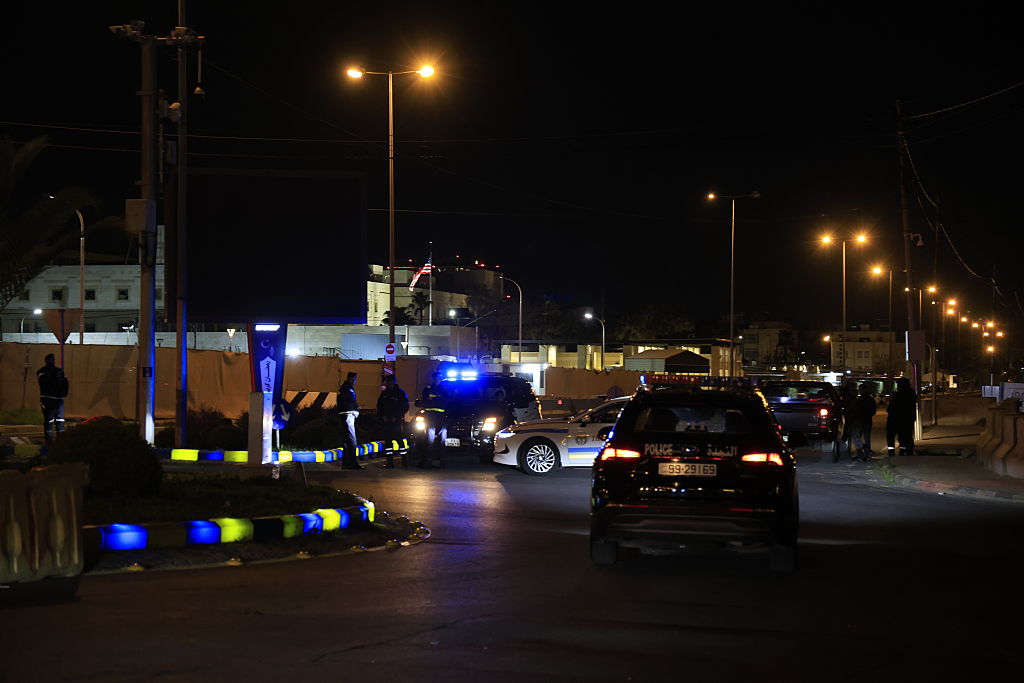
Iran retaliates against US, attacks bases across the Middle East

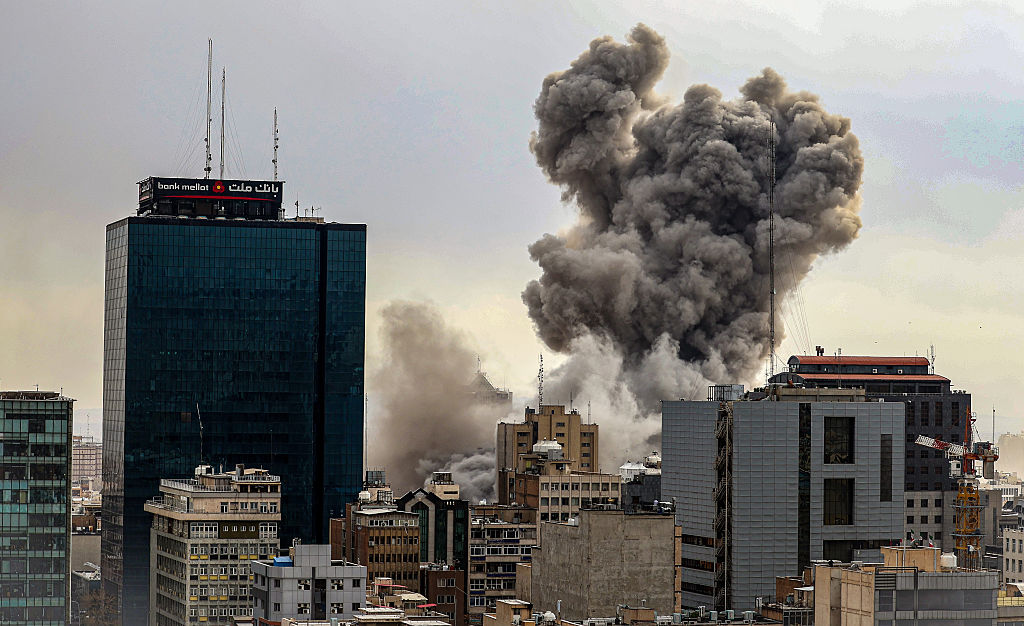
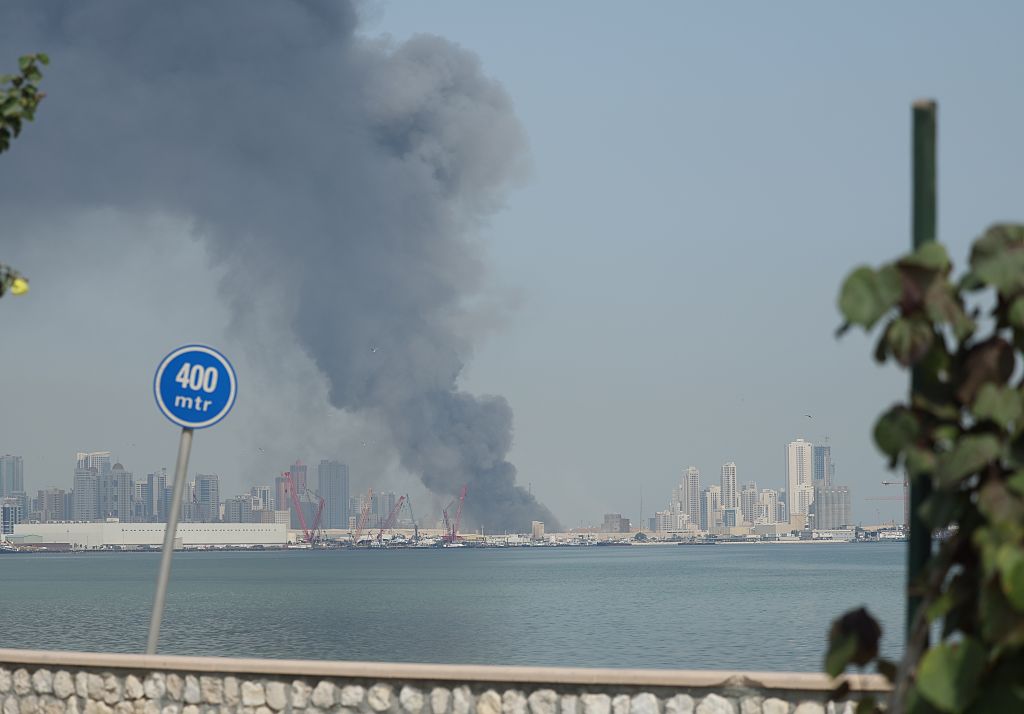
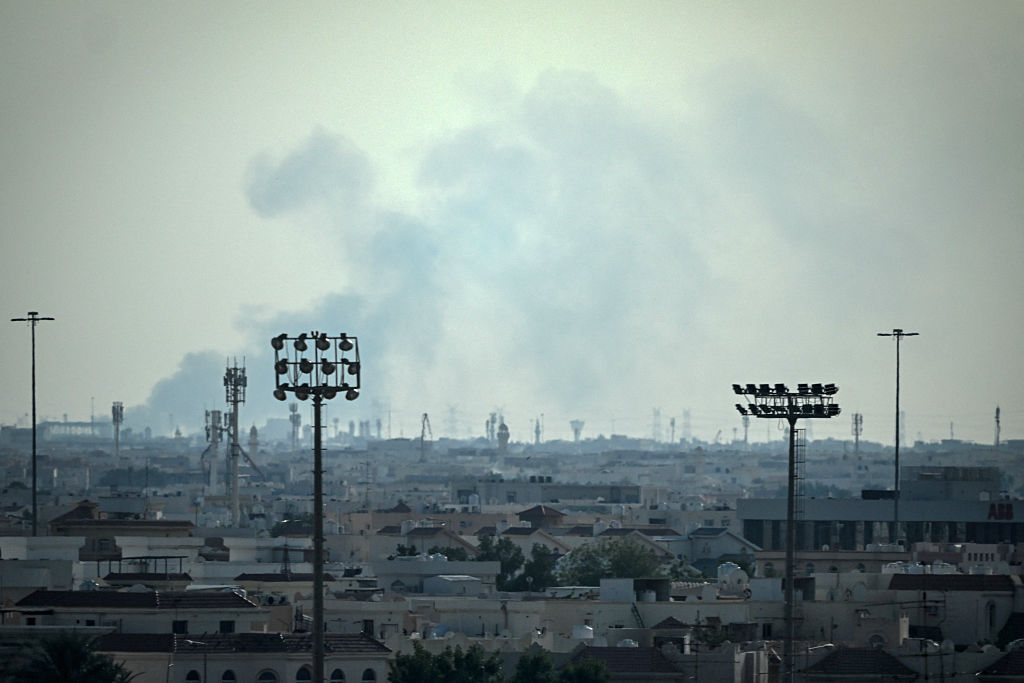
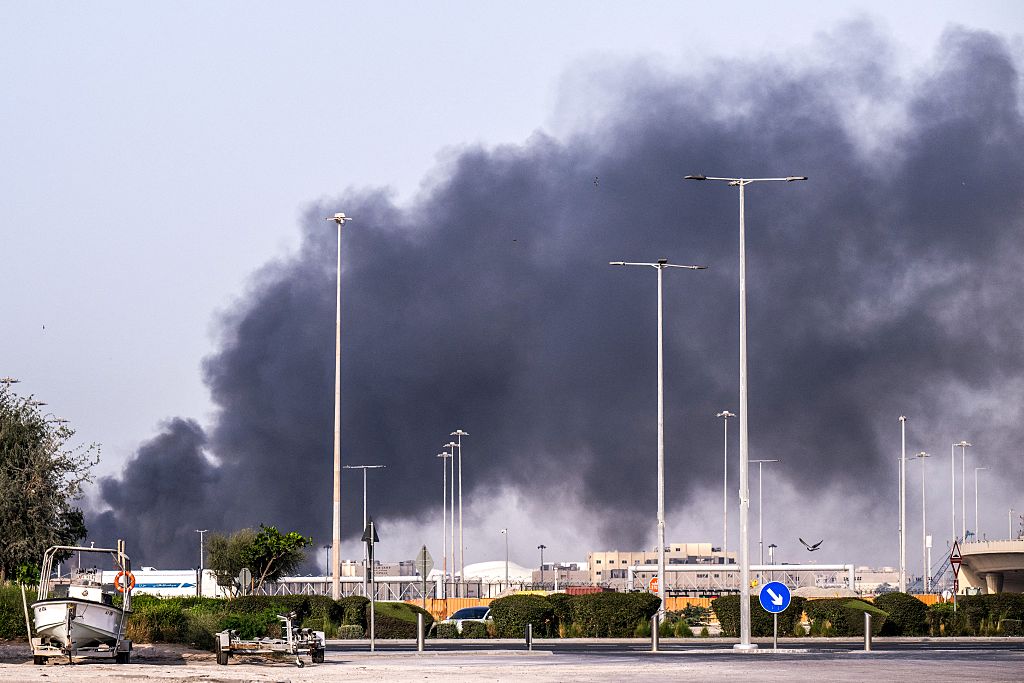
After the US and Israel conducted a series of airstrikes on Iran on February 28, 2026, Iran responded with a slew of attacks on American military installations across the Middle East. In total, Iran has struck nine different countries and 27 military installations. US and Israeli strikes killed Iran’s Supreme Leader, Ali Khamenei, who has been using deadly violence against civilian protesters in Tehran. According to Trump, his war on Iran has no timeline, and the US will continue to strike the nation until it sees regime change, and the end of Iran’s nuclear program, and is certain that Iran will no longer pose an ‘immediate threat’.

Catégories
Uncategorized

DOW plummets 1,000 points as US, Israel’s war on Iran tanks markets

A global flash sale is happening on Wall Street after Donald Trump and Benjamin Netanyahu’s attacks on Iran threaten a slate of global markets. On March 3, Wall Street opened to a worldwide sell-off as stocks fell as US interference in the Middle East caused multiple global markets to panic. Gas prices in the US shot up 11 cents overnight, and barrels of crude have jumped to nearly detrimental prices. Financial experts say the jump in oil prices will worsen inflation for American consumers and businesses.

S&P and DOW drop

Within a half hour of markets opening on March 3, the Dow Jones Industrial Average had dropped 1,048 points, or 2.1%. The S&P dropped 2% when markets opened, and the Nasdaq had sunk 2.1% as well. On March 2, markets opened to losses across the board, but the US economy managed to recover, and the DOW, S&P, and Nasdaq all finished with slight gains. Global markets have fared worse, with Korea’s Kospi stock index plunging 7.2%, and Japan’s Nikkei 225 dropping 3.1%. Countries that rely on energy from the United Arab Emirates and Kuwait have seen markets fall more severely.

Price of oil

When markets opened on March 2, the first day after the US and Israel struck Iran, oil prices rose but stayed comfortably below the ‘panic line’ of $100USD per barrel. On March 3, prices got closer to that line. Brent crude, the international standard for oil prices, rose to $83.58, while a barrel of benchmark U.S. crude rose to $76.64. The largest factor in the rising price of crude is Iran’s strikes on Saudi Arabia, and with Iran striking the US embassy in Riyadh on March 2, the stable energy hub is being threatened. Americans are paying for the rise of crude at the pumps, with gas prices rising 11 cents overnight on March 2. Experts also worry about the safety of the Strait of Hormuz, a narrow strait off the coast of Iran that transports nearly a fifth of all the world’s oil.

Winners on the day, US Treasury worries

Wall Street saw very few winners on March 3, but among the short list was US grocer Target, which rose 3.3% after surprising fourth-quarter profits. Yields on US Treasury bonds continue to worry experts as inflation rises, though. The yield on the 10-year Treasury jumped to 4.09% from 4.05 per cent late March 2, and from just 3.97 per cent on February 27, before the war on Iran. Higher Treasury yields mean more expensive loans for both US consumers and businesses. The rise will impact loans across all sectors, from mortgages to bond insurance. When Treasury yields rise, it also undercuts the price of gold, which fell a shocking 4.9% when markets opened on March 3. Gold had been experiencing a consistent run, retaining value above $ 5,300 USD, but the price fell to $5,053.30 on March 3.  

Interest rates affected

With inflation rising at a concerning rate, the hike could end up hamstringing the Federal Reserve, preventing it from cutting interest rates like Donald Trump promised. The Federal Reserve has managed to cut interest rates marginally several times in 2025, and had indicated more cuts were to come in 2026, but with inflation and Treasury yields rising, cuts could worsen inflation even more. Instead of projecting spring cuts, financial experts are now pushing expectations back until summertime. Trump wants the Federal Reserve to cut interest rates anyway, but the Fed is stalling, not wanting to risk hurting the economy any more than Trump has already. It’s expected that, at the very least, rates will remain where they are until Trump’s war on Iran has ended.

US and Israel attack Iran

On February 28, 2026, the US government and Israel undertook a joint operation in Iran, with the US subsequently declaring it was at war with the country. The attacks triggered retaliatory strikes from Iran, targeting US and Israeli military bases across the Middle East. According to Donald Trump, there is no timeline for this war, and the US will continue its operations in the country until it sees a significant regime change, as well as an end to Iran’s supposed nuclear program.

US and Israeli strikes killed Iran’s Supreme Leader, Ali Khamenei, on Day One of the war. Khamenei has been using deadly violence against civilian protesters in Tehran, and his killing has been the only positive piece of Donald Trump’s illegal intervention. Much like Maduro in Venezuela, Ali Khamenei was a vicious and unpopular leader, with the majority of the country wanting him ousted.

According to Trump, his war on Iran has no timeline, and the US will continue to strike the nation until it sees regime change, the end of Iran’s nuclear program, and is certain that Iran will no longer pose an ‘immediate threat’. Iran has been in turmoil for the better part of a year, with civilians protesting against the country’s administration, and the administration responding with violence against civilians.