Catégories
Uncategorized

A return to the stage for Céline Dion?

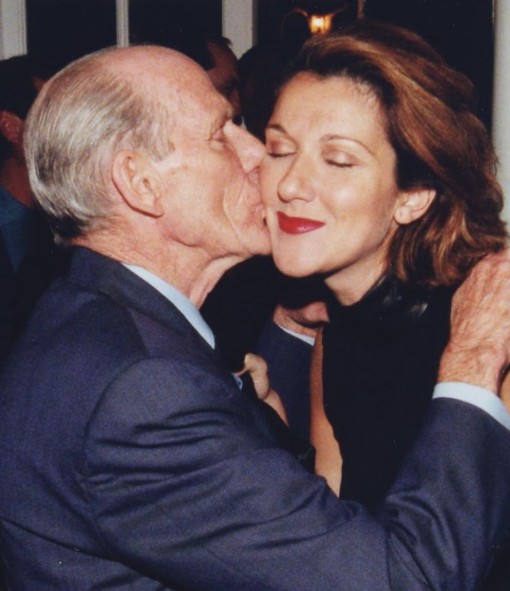
Celine Dion recently shared a touching post in which she addresses her father. In this moving message, she confides how much she thinks about him, but also talks about a possible  return to the stage.

Instagram @celinedion

A journey supported by her loved ones

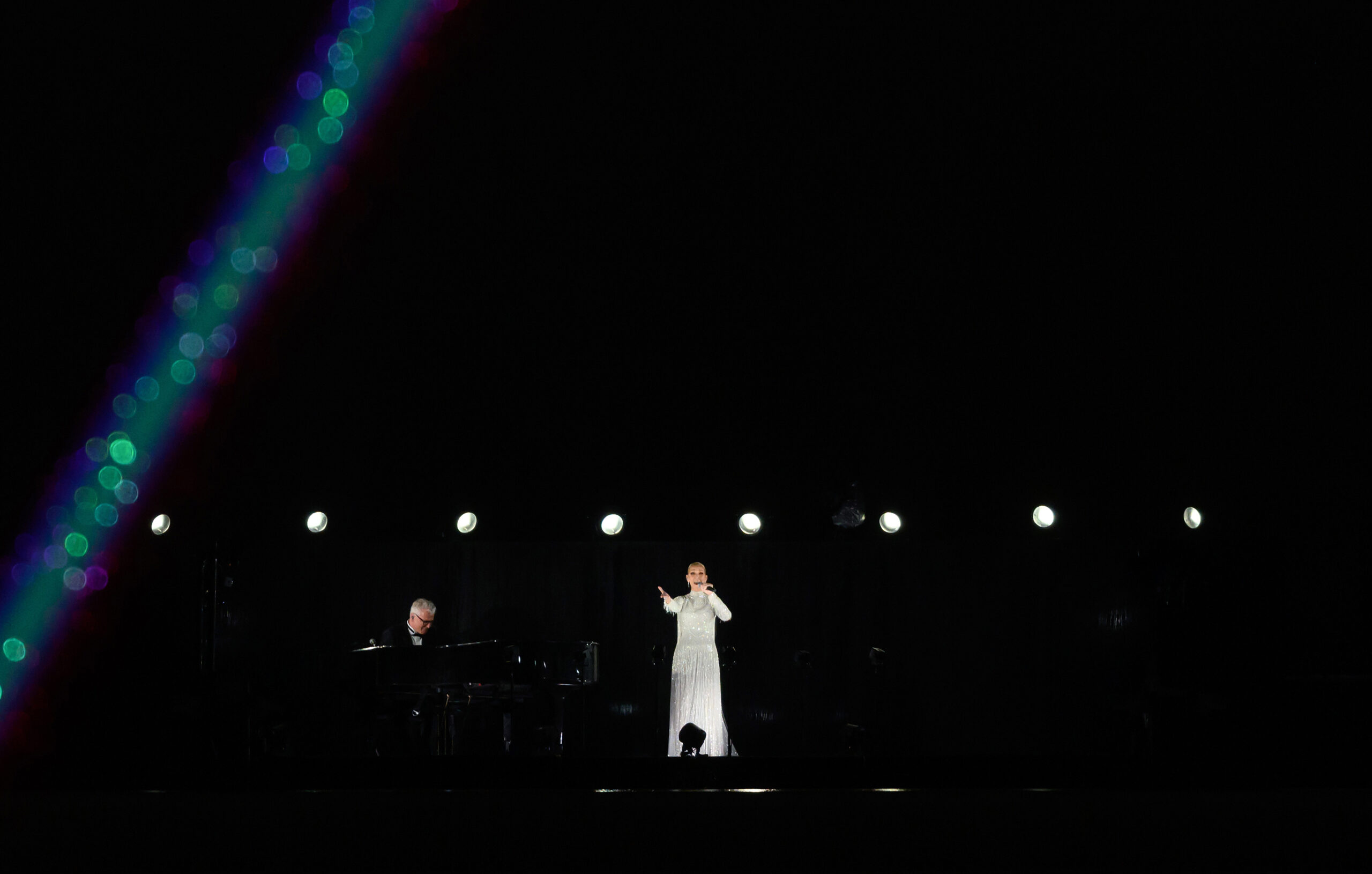
These words, written by Céline Dion, are deeply moving in their sincerity and emotion. They remind us of the irreplaceable place her father, Adhémar Dion, held in her life. Adhémar, who passed away on November 23, 2003, had always been a steadfast support for his daughter, attending each of her early performances and encouraging her to pursue her dreams. Even today, Céline feels his presence through her family and every smile she shares with her children. The stage has always been a place where Céline feels close to him. Before her iconic performance at the opening ceremony of the Paris Olympic Games on July 26, 2024, she had not sung in front of an audience since March 8, 2020, at the Prudential Center in Newark, USA, for the last date of her Courage Tour. For her, these moments on stage are bridges between the past and the present, between the memory of her father and the joy of living her passion.

Getty Images

Love still exists!

Through this letter, Céline reminds us that love is eternal. Her song « L’amour existe encore » takes on its full meaning here: despite her father’s physical absence, love remains present, vibrant, protective. It is this bond that will give her the strength to return to the stage and continue sharing her music with the world.

As Céline prepares to return to the stage after these difficult years, we wish her all the courage she needs. She will never be alone: her father, now her guardian angel, will be there with every note, every breath, every emotion. His love guides her steps and continues to light her way. To Céline Dion, we offer our admiration and support for her return to the stage, knowing that family love, the memory of her father Adhémar Dion, and her determination will continue to accompany her every step and every song.

Getty Images
Catégories
Uncategorized

New wave of attacks strikes Iran, US claims IRGC is ‘gone’

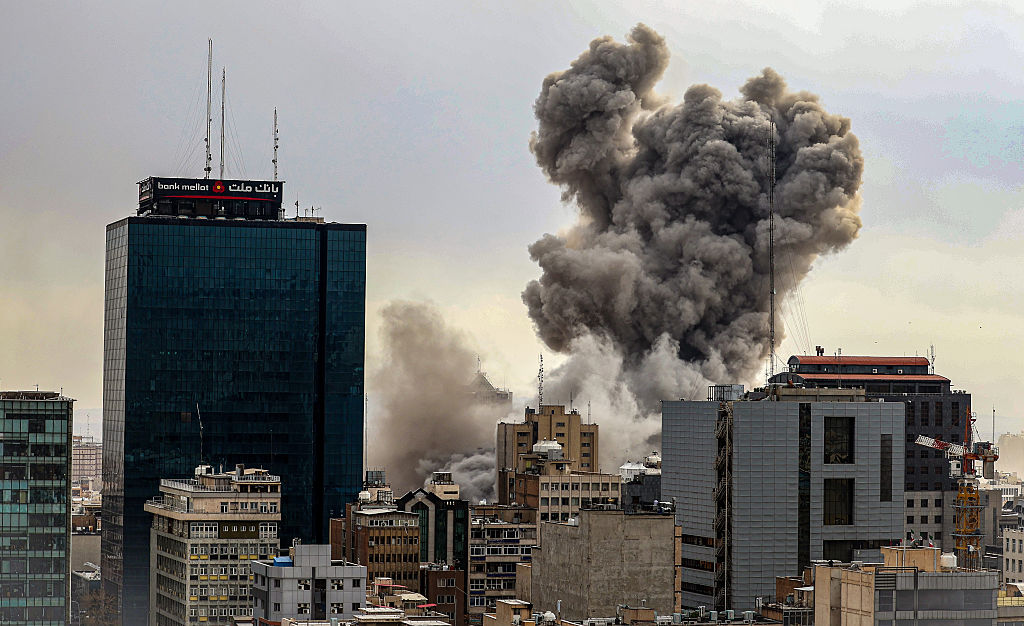
After US President Donald Trump and Israeli leader Benjamin Netanyahu started their war on Iran on February 28, constant strikes have shaken the country. Now, on March 3, the US has switched its focus to the Iranian-funded group Hezbollah, based in Lebanon. Overnight on March 3, the US and Israel conducted dozens of airstrikes on Iran and Lebanon, with Israel moving additional troops to the southern Lebanese border. Even with hundreds killed in Iran’s capital, Tehran, according to sources on the ground, Iranians are ‘simply living their lives’.

Additional strikes on Iran

On March 3, Donald Trump announced that the US military had completely crippled Iran’s IRGC. According to Trump, Iran’s navy and other military forces have been ‘knocked out’. Trump claimed the US eliminated Iran’s air detection, and that Iran now has ‘no detection facilities at all’. Trump also claimed that US strikes early on March 3 had killed Iran’s new (and unannounced) leader. Trump claimed that the US had killed Iran’s brand-new administration, and after they eliminate the third administration, the US might ‘not know them at all’. After the comment, Trump alluded to the US supporting ‘someone from within’ Iran to take over as Supreme Leader. Unfortunately, Trump also said that the US has no idea who it will choose to lead Iran.

Meeting with German Chancellor

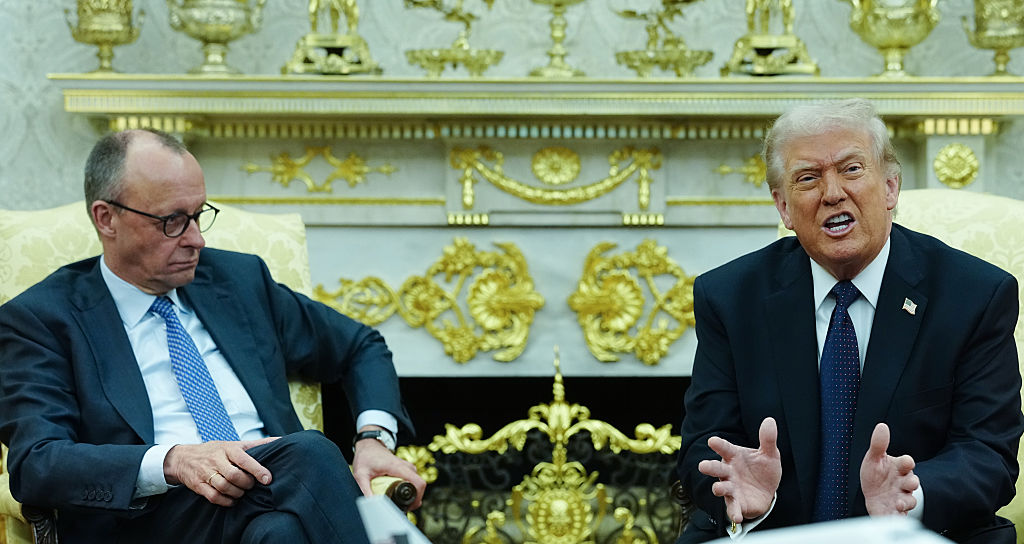
In a meeting with the German Chancellor on March 3, Donald Trump gave updates to the public on US actions in Iran. According to the President, the US and Israel have ‘knocked out’ Iran’s navy, air force, air defences, and military as a whole. Trump praised the US military, calling it ‘amazing’ and lauding the speed at which it has reportedly completely crippled Iran’s military. Trump also finally gave a clear answer as to why he attacked Iran. After the initial attacks on February 28, Trump gave four different reasons for starting the war, and top US officials gave another two. Now, Trump has decided on a single answer: he believed Iran was going to attack Israel, then the United States.  

Trump also went on a few tangents during the forty-minute meeting. Trump criticized both Spain and the United Kingdom for refusing to let American forces operate out of airbases. Trump claimed that he will cut off all trade and dealings with Spain in response, and he could do so as early as March 3. Trump repeatedly criticized the UK, claiming that ‘this is not Winston Churchill’s England’.

Reasons for strikes

Initially, Donald Trump gave four reasons for his attack on Iran. First was the nuclear excuse. Trump claimed that Iran was just days away from assembling a usable nuclear warhead (a claim the US and Israel have been making since 1995). Trump used the same reason as justification for operation Midnight Hammer in June 2025, which saw the US strike Iranian ‘nuclear’ facilities across the country. Trump also claimed on February 28 that the US needed to attack Iran in order to destroy the country’s missile capabilities and annihilate its navy program. Trump also cited his desire to end Iran’s funding of global terrorist organizations like Hezbollah.

Now, Donald Trump has found an answer he likes better: US protection. According to Trump, he forced Israel’s hand to attack Iran. Trump was asked whether Israeli PM Benjamin Netanyahu forced the US’s hand to join the conflict, and Trump vehemently refuted the theory, instead claiming that he forced Netanyahu’s hand to start the war. According to Trump, he believed wholeheartedly that Iran was either going to attack the US and Israel or attempt to take his life in the coming week. Trump has claimed that Iran has made two attempts on his life already. A senior White House executive stated that Trump’s fear of assassination was ‘just one’ of the reasons he needed to eliminate Supreme Leader Ayatollah Khamenei.

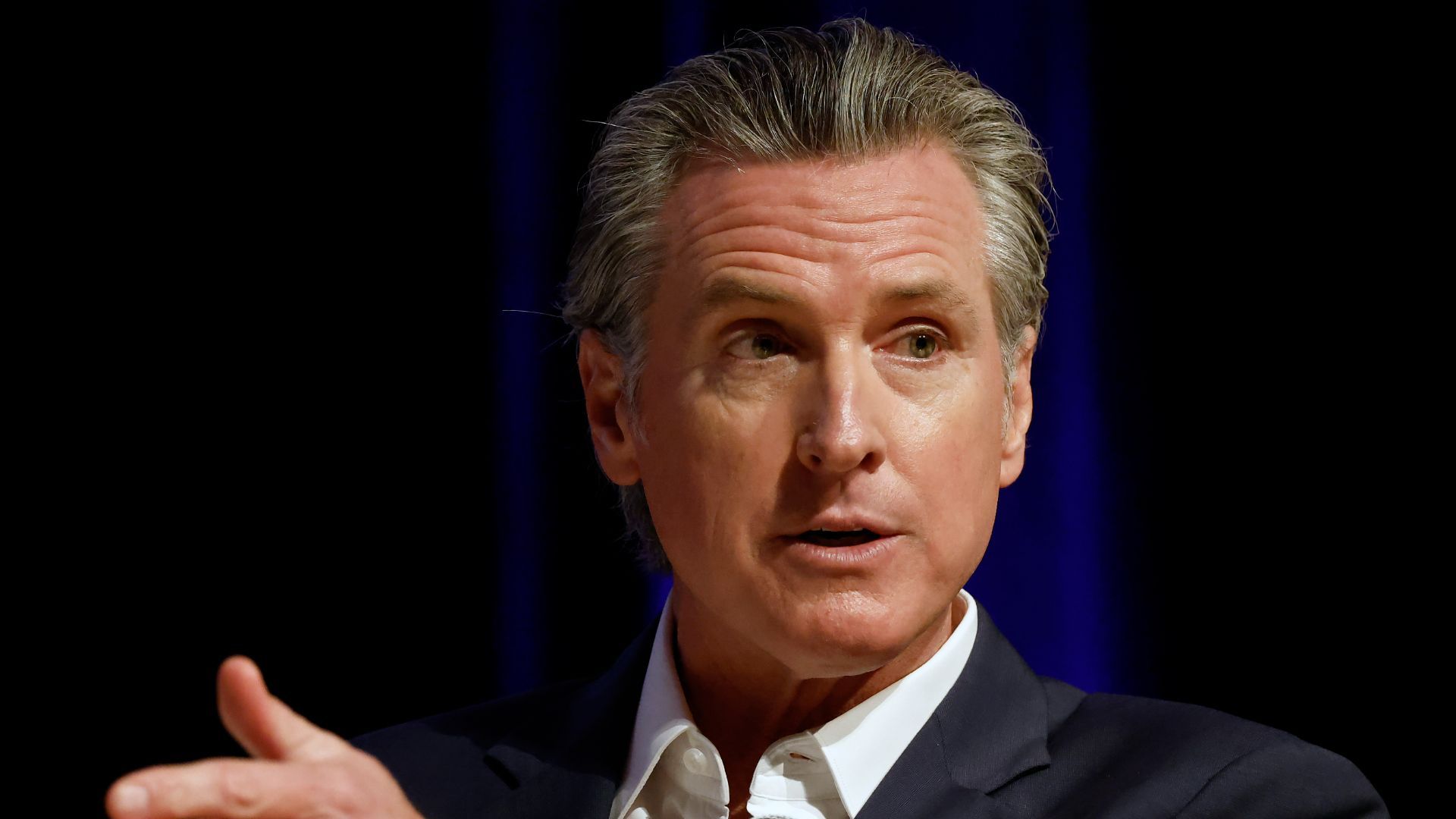
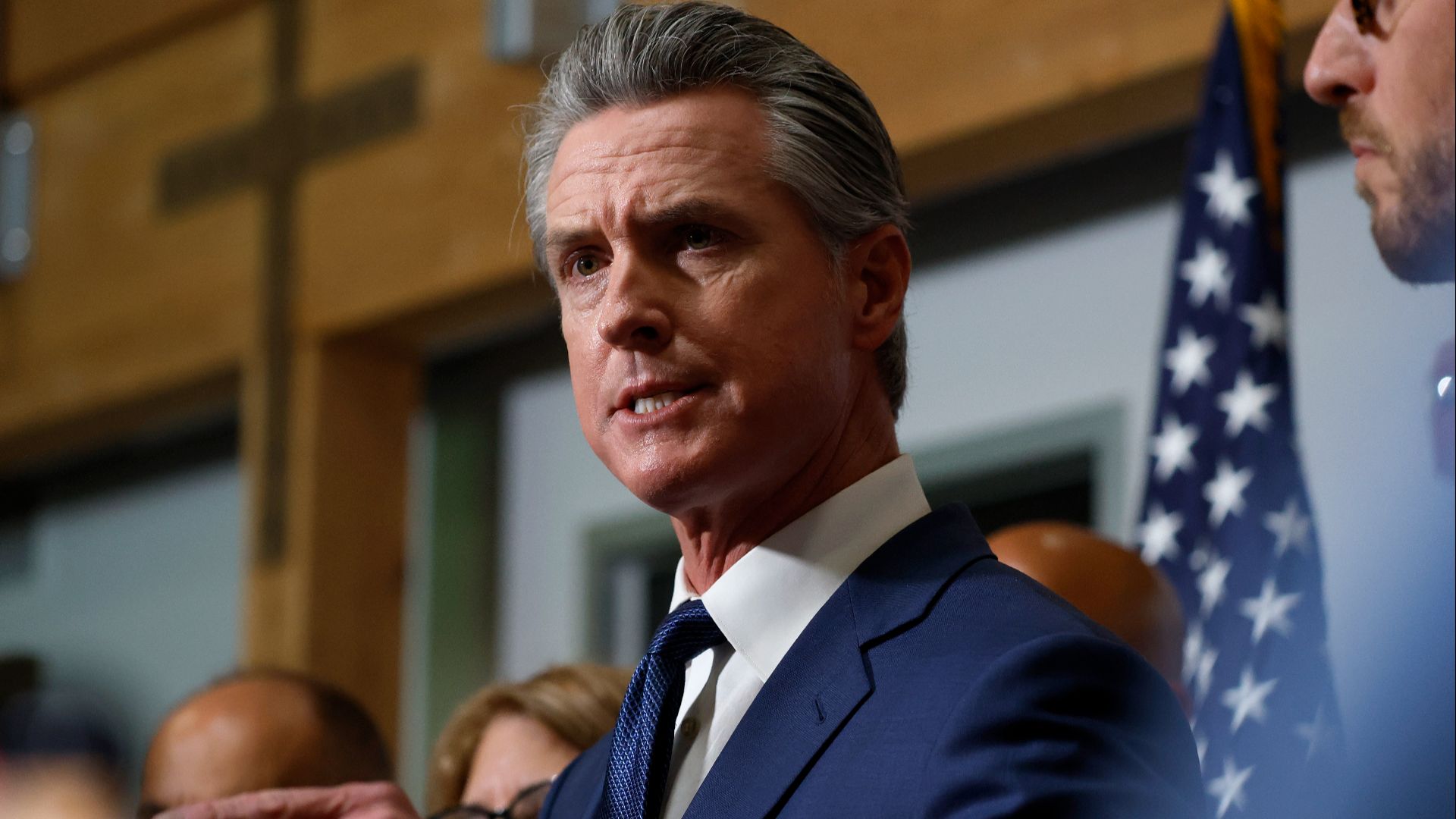
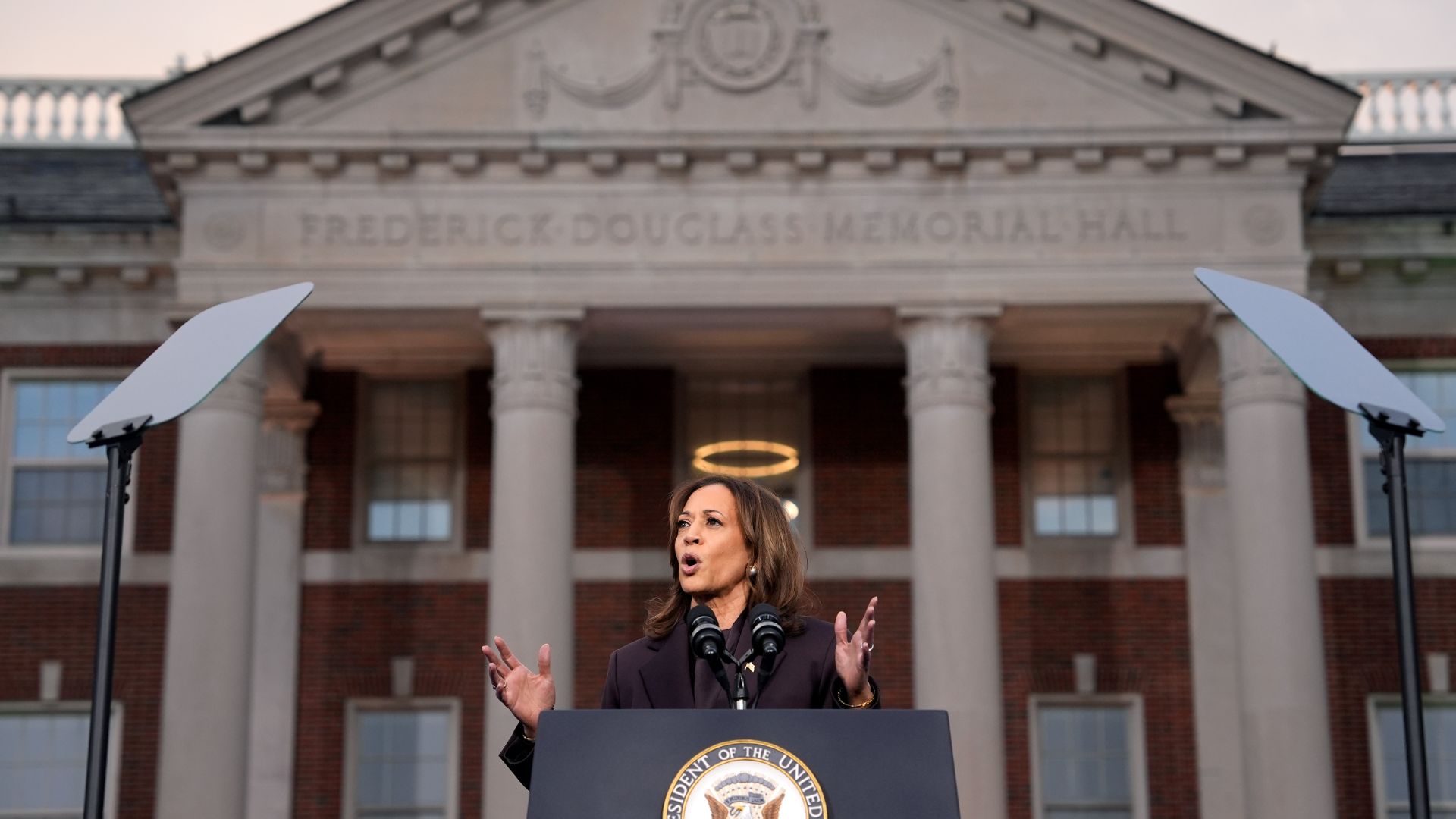
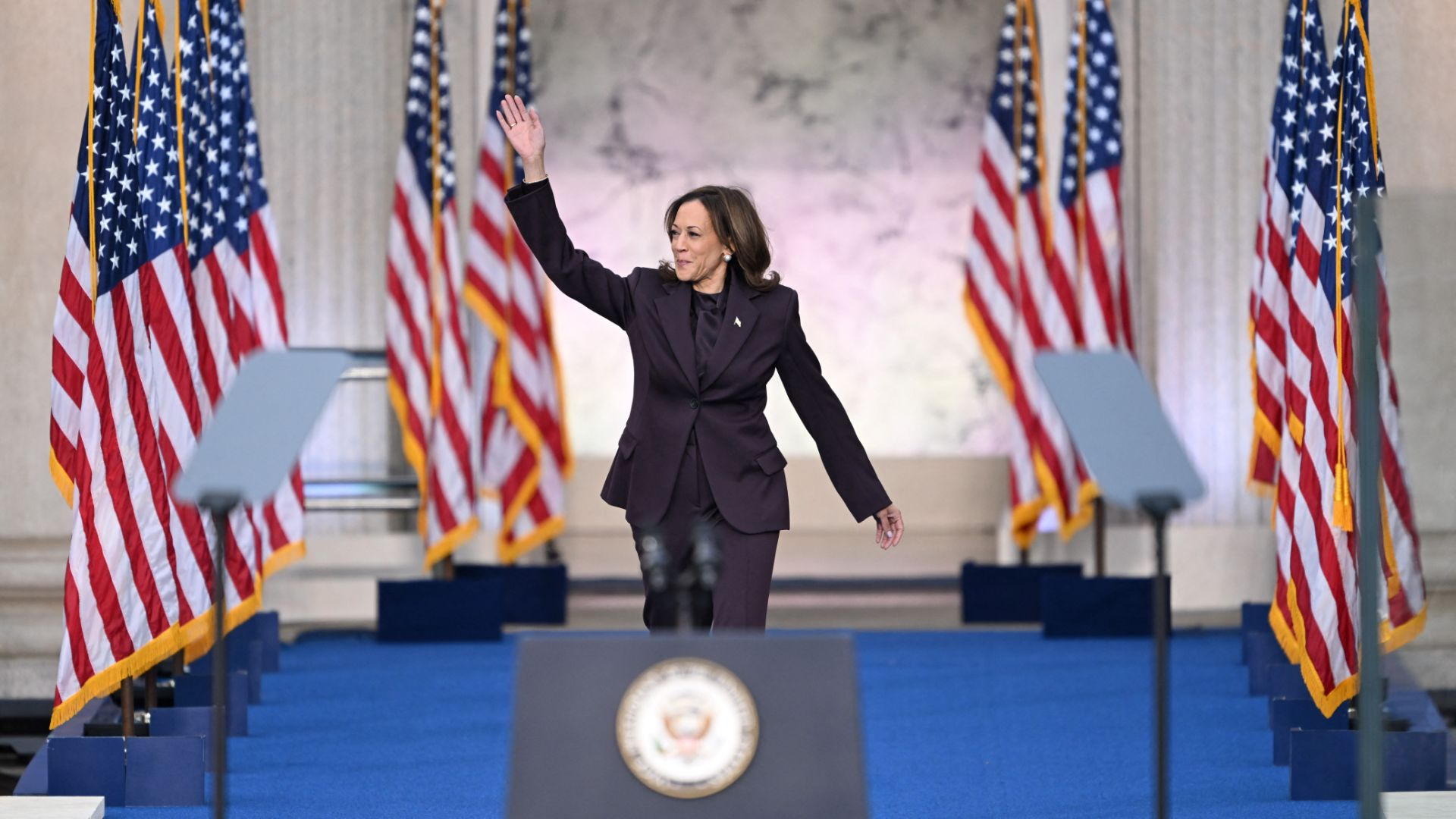
Gavin Newsom Says Kamala Harris Showdown Would Be «Fate»

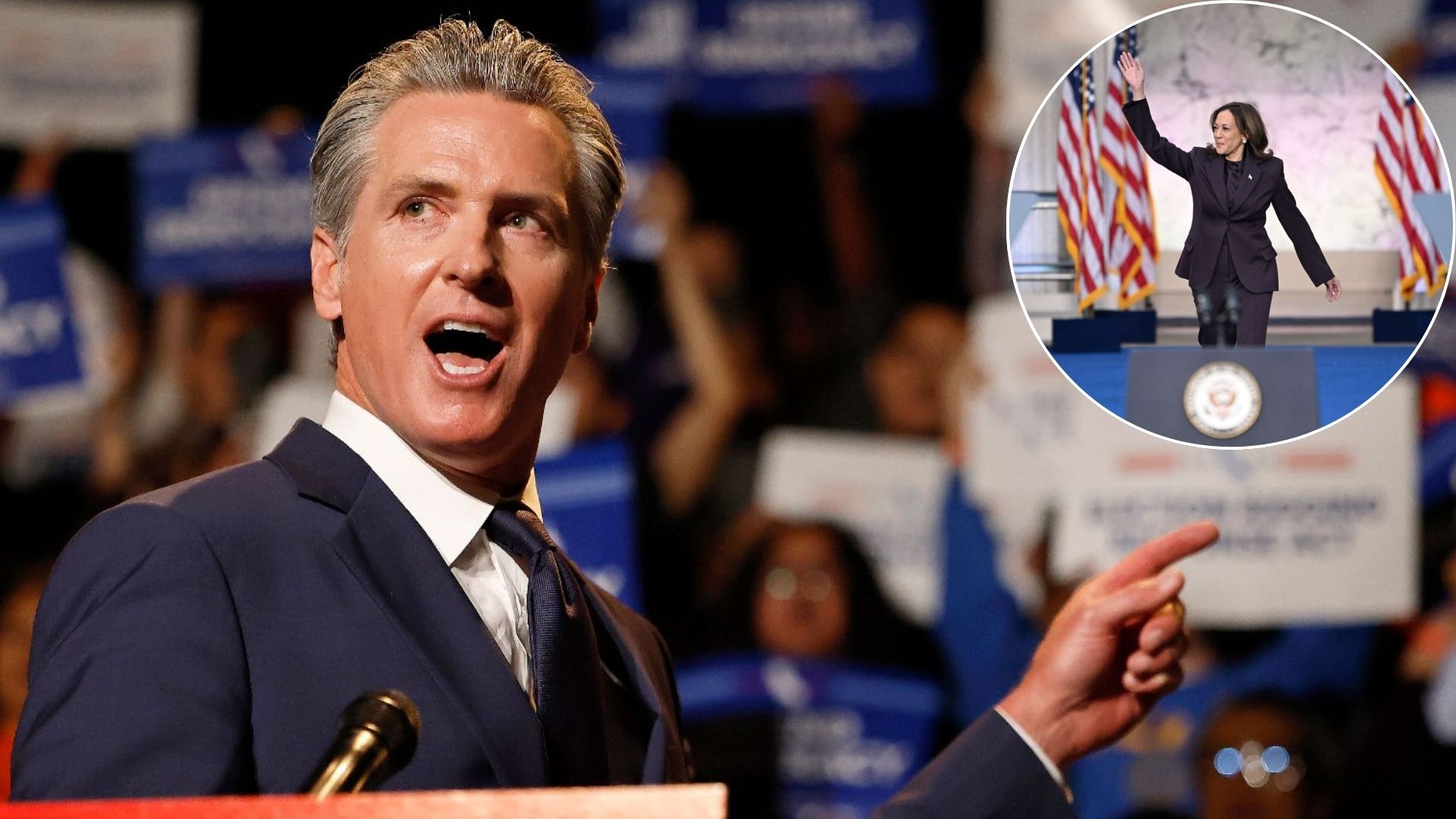
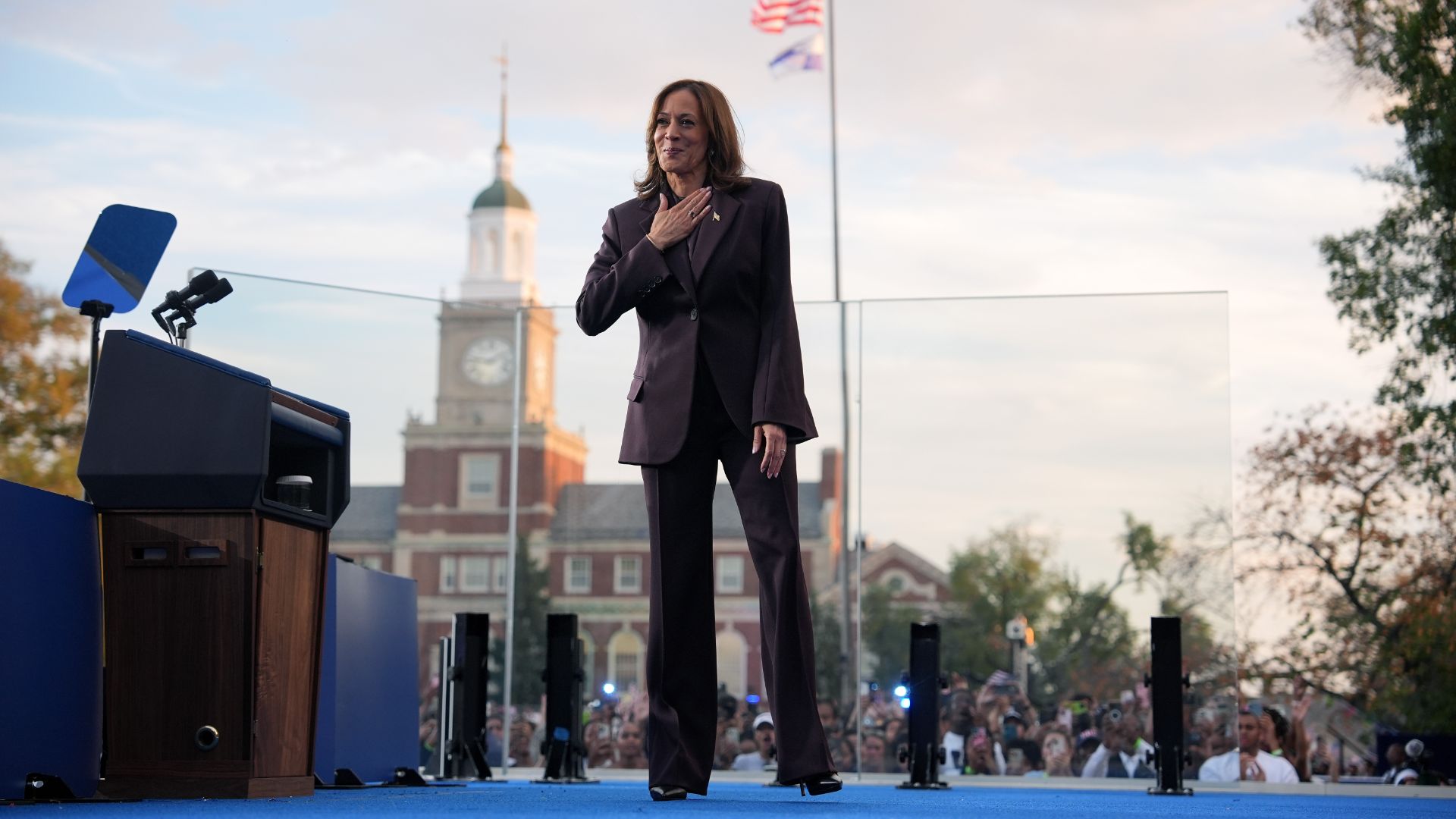
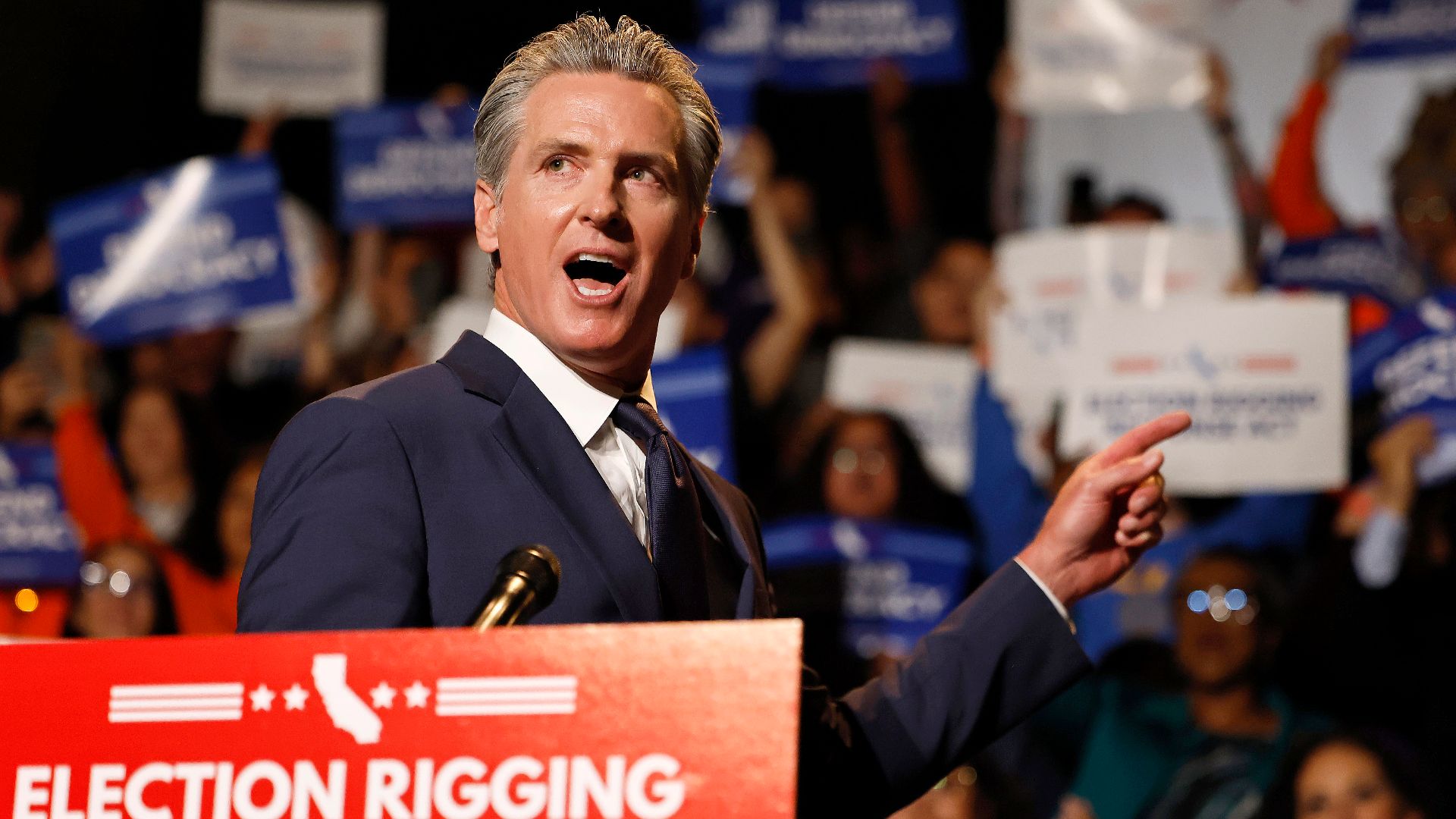
As Democrats begin quietly maneuvering for 2028, California Gov. Gavin Newsom is openly acknowledging that his path to the White House could collide with that of former Vice President Kamala Harris. In an exclusive interview with CNN’s Dana Bash, Newsom framed the possibility of a primary showdown as a matter of «fate,» even as Harris leaves the door open to another presidential bid, declaring «I am not done.» With early polling placing both figures near the top of a potential Democratic field, the prospect of a California-versus-California contest is no longer theoretical — it is emerging as one of the defining questions of the party’s post-2024 future.

Demi Lovato’s former villa is on the market for $11 million

Demi Lovato’s former home, located at 8080 Laurel View Dr in Los Angeles, is now up for sale. Nestled at the end of a quiet street, just above the famous Chateau Marmont, this private and secure property offers spectacular viewsstretching from the downtown skyscrapers to the sparkling Pacific Ocean. Covering more than 4,000 square meters, the residence combines light, proportion, and indoor-outdoor living. The double-height living room opens onto the city through large bay windows and Fleetwood sliding doors. The high-end kitchen and bright living spaces extend to the garden with an infinity pool, terraces, and fitness pavilion. The master suite with fireplace, panoramic balcony, and spa bathroom enhances the comfort. A lounge, bar, and panoramic terrace complete this exceptional home in the Hollywood Hills.

Catégories
Uncategorized

Bill Clinton peppered with awkward questions during Epstein deposition

In a closed-door deposition with members of the Republican and Democratic parties on February 27, 2026, Bill Clinton was leaned on for six hours regarding his relationship with Jeffrey Epstein, and the mounting evidence of Clinton’s knowledge of Epstein’s pedophilia. Clinton’s deposition was an opportunity for the ex-President to comment on Donald Trump’s involvement with Epstein, and his connection to the Epstein files released by the FBI. Republicans claim Clinton’s comment exonerates Trump, Democrats claim they only raise more questions, and Donald Trump has started a war in Iran to help everyone forget about it.

Clinton pressed on Epstein during deposition

If Clinton thought his six-hour deposition was going to be easy, he was sorely mistaken. In the closed-door deposition in New York City, Clinton was specifically asked about his involvement with persons he’s pictured with in the files, as well as Donald Trump’s connection to Epstein. Clinton claimed that in all the years of his friendship with Jeffrey Epstein, he never saw anything that gave him pause. Epstein, the world’s most infamous child sex-trafficker, ran his criminal enterprise through his island.

According to Republicans, Clinton was extremely helpful during the deposition. According to Rep. Nancy Mace (SC), Clinton attempted to respond to every question, even after his attorneys advised him to stay silent. Video of the six-hour proceeding is expected to be released soon.

‘I did nothing wrong’

Clinton claimed his innocence in his opening statements. The former President claimed he knew nothing of Epstein’s crimes until the financier’s guilty plea in 2008. Clinton claimed he never witnessed any wrongdoing at Jeffrey Epstein’s island, on his plane, or at his New York residence – all three of which Clinton frequented. Epstein, who ran his criminal pedophile ring out of his island, employed dozens of teenage girls as staff members. Still, Clinton claimed, ‘I had no idea of the crimes Epstein was committing,’ to lawmakers on February 27.

Devaluing photographs

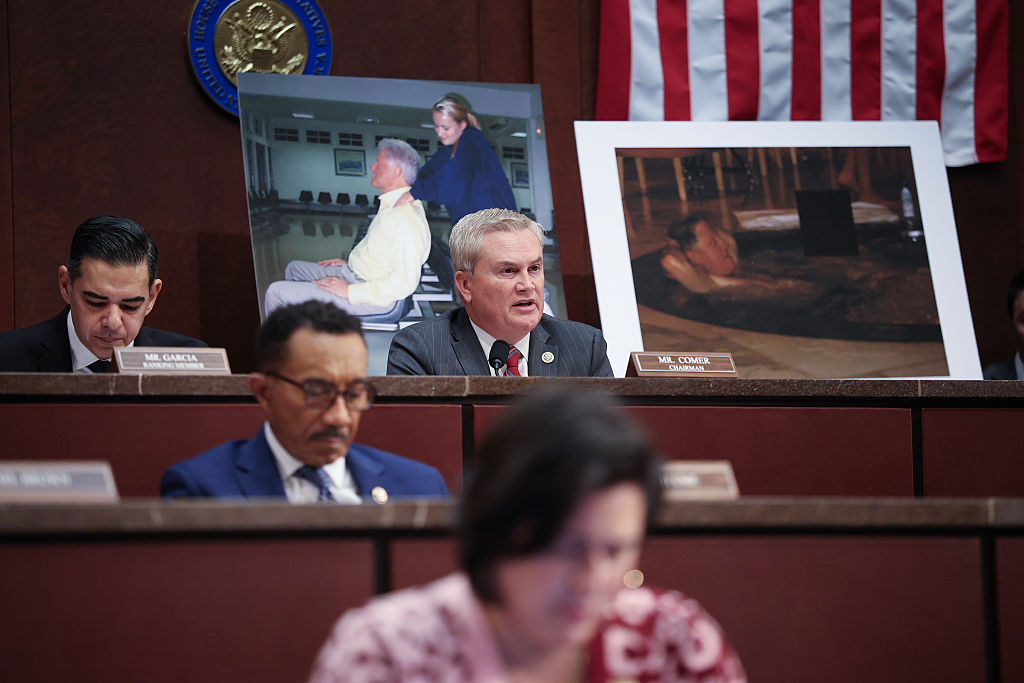
Former President Clinton spent enough time devaluing the validity of the photographs in which he’s pictured. In the Epstein files, there are photos of Clinton with multiple young women.

According to Clinton, the public should just forget about the photographs. Clinton stated that no matter how many photos they showed him, it would not change the fact that he knew nothing and saw nothing of Jeffrey Epstein’s global child sex-trafficking ring.

Bill Clinton was also shown a photo of himself reclining in a jacuzzi with a woman. Clinton was asked whether he ever had sex with the woman, to which he said no, before following the statement with a disclaimer about his memory potentially impacting the truth of his statements. The former President claimed that if he had ever known about Jeffrey Epstein’s crimes, and if he had, he would have turned him over to the police himself.

Clinton criticizes lawmakers

Former President Clinton also criticized lawmakers in his opening statements, specifically regarding their choice to interview Hillary Clinton. Hillary, who has consistently claimed that she did not know Epstein and had never flown on his jet nor attended his residencies, was forced to sit for a six-hour deposition like her husband. Clinton slammed lawmakers for forcing Hillary to sit through the deposition, claiming that she had no memory of even meeting Epstein, much less having witnessed crimes on his island.

Democrats also criticized Republicans for deposing Hillary Clinton, calling the move a political show. During her deposition, Clinton was quizzed on a litany of issues, not limited to Jeffrey Epstein. Clinton was quizzically asked about UFO’s, January 6th conspiracy theories, and her personal opinions on a slate of issues entirely unrelated to Jeffrey Epstein. After the deposition, Rep. Nancy Mace accused Clinton of “screaming” and being “unhinged” during her deposition, to which a representative of Clinton’s called her « full of s***.’

What’s next

While Democrats claim these depositions are meant to find out more information on Donald Trump’s connection to Jeffrey Epstein, Republicans are using them as a strategy to clear the entangled President’s name. With Democrats and Republicans trying to leverage the debates for entirely opposite reasons, it’s nearly certain that these depositions will continue to be a waste of government time and money.

Catégories
Uncategorized

Three US fighter jets shot down over Kuwait

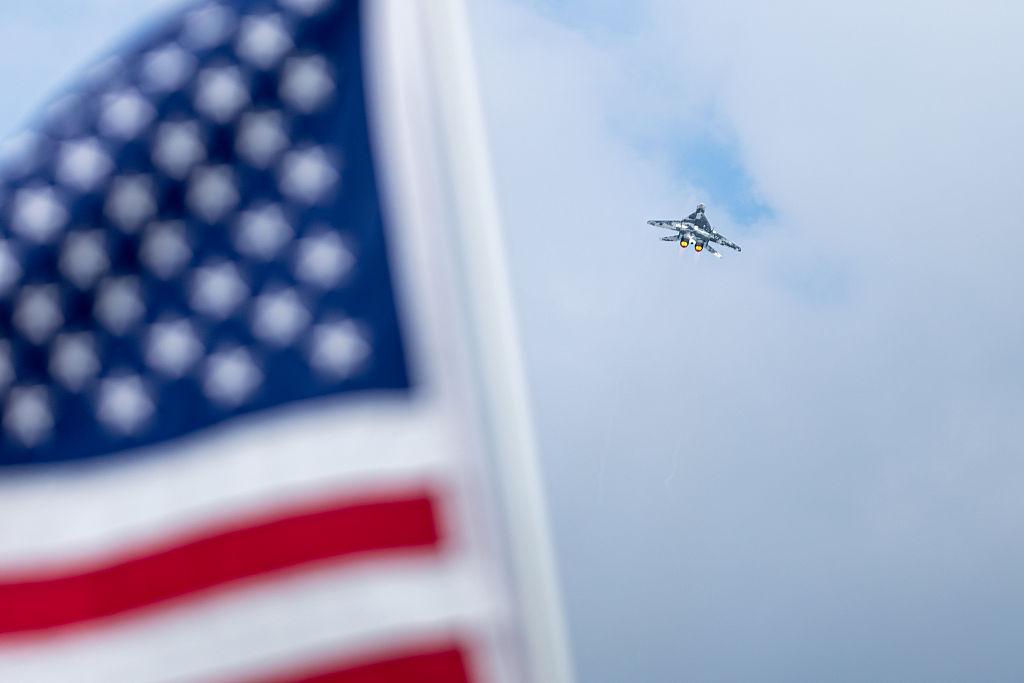
Three US fighter jets crashed in Kuwait on March 1, 2026, due to apparent friendly fire from Kuwaiti defence forces. According to US Central Command, all six servicemen ejected safely and are being tended to with non-life-threatening injuries. According to the US government, the jets were shot down during active combat that involved Iranian aircraft, missiles, and drones. Kuwaiti Col. Said Al-Atwan claimed that Kuwait was in direct coordination with US authorities.

Friendly fire?

According to American reports, all three jets were shot down by allied Kuwait defences, mistaking the American jets for threats. Multiple videos have been released and confirmed by media outlets to be valid. The video shows multiple US aircraft spiralling to the ground, and pilots parachuting to safety. One video was geolocated less than ten kilometres away from the US Ali Al Salem base in Kuwait. A second video was geolocated to 30 kilometres from the Ali Al Salem base. Kuwait has been on edge since Iran began attacks on US installations in the country. Kuwait has remained a relatively stable energy hub over the last ten years, and constant attacks from Iran on American bases are threatening the country’s economy.

US embassy attacked

An explosion was reported near the US embassy in Kuwait, with photos and videos showing smoke surrounding the area. Since the US and Israel’s attacks on February 28, Iran has struck nine different countries and 27 military installations in response. Iran has been staying away from civilian targets, instead focusing on US and Israeli bases and installations across the Gulf countries. Iran did attack Kuwait International Airport, with the strikes severely damaging Kuwait International. Multiple airport personnel were injured in the blast, and the airport’s main terminal was severely damaged, with footage showing blown-out windows and a semi-collapsed ceiling. The government of Kuwait announced the airport would be closed for the foreseeable future, and that emergency measures are being implemented return operations to normal.

US and Israel attack Iran

On February 28, 2026, the US government and Israel undertook a joint operation in Iran, with the US subsequently declaring it was at war with the country. The attacks triggered retaliatory strikes from Iran, targeting US and Israeli military bases across the Middle East. According to Donald Trump, there is no timeline for this war, and the US will continue its operations in the country until it sees a significant regime change, as well as an end to Iran’s supposed nuclear program.

US and Israeli strikes killed Iran’s Supreme Leader, Ali Khamenei, on Day One of the war. Khamenei has been using deadly violence against civilian protesters in Tehran, and his killing has been the only positive piece of Donald Trump’s illegal intervention. Much like Maduro in Venezuela, Ali Khamenei was a vicious and unpopular leader, with the majority of the country wanting him ousted. That being said, being unpopular does not justify illegal international overreach.

According to Trump, his war on Iran has no timeline, and the US will continue to strike the nation until it sees regime change, the end of Iran’s nuclear program, and is certain that Iran will no longer pose an ‘immediate threat’. Iran has been in turmoil for the better part of a year, with civilians protesting against the country’s administration, and the administration responding with violence against civilians.

More than a thousand targets struck

US Central Command announced that by March 1, more than 1,000 targets had been struck by American and Israeli forces. According to US officials, the military is focusing on military targets like command and control centers, Iranian Navy ships and submarines, and Islamic Revolutionary Guard Corps headquarters. Reports from Iran have differed, though. At least 180 of the 600 dead in Iran are children. On March 1, Israel struck and destroyed an all-girls’ school in Minab, killing nearly 200 children and injuring dozens more. Israel is also striking the Lebanese capital of Beirut, where the Iranian-funded group Hezbollah operates.

More than 50 people in Lebanon have been killed since February 28.

Catégories
Uncategorized

Legendary analytics firm Gallup to stop tracking presidential approval ratings after nine decades of service

One of the most noteworthy and renowned analytics organizations, Gallup, announced on February 11 that it would stop running its presidential approval rating poll after 88 years of informing American voters. While Gallup has shown Donald Trump’s approval rating crater over the last 12 months, the company claims that the president has nothing to do with the decision, and that the change is part of a broader effort to align Gallup’s work with its new mission. Gallup was founded in 1935; is headquartered in Washington, D.C. and has been tracking presidential approval ratings since 1935.

Why cut the rating?

Gallup has released multiple reasons why it cancelled the legendary service, but all of the answers align with its overall messaging. A statement from Gallup claimed the quality of the ratings had deteriorated, and that they were now widely produced, aggregated, and interpreted. According to Gallup, the ratings are no longer an area where it can make its “most distinctive contribution. » Gallup claims its commitment lies in “long-term, methodologically sound research on issues and conditions that shape people’s lives. » Whether Gallup believed the public was misinterpreting Donald Trump’s abysmal approval rating, or it believed the results had become skewed, media outlets are pointing to the change in practice as another example of Donald Trump’s strong-arming.

Pushing propaganda

It’s no secret that Donald Trump is extremely focused on convincing the world he’s the greatest president in American history. Trump has claimed time and time again to be America’s saviour. Trump claims he’s saved the border, the economy, the housing market, violent crime, and America’s foreign trade policy; when in reality, all have suffered under his reign. Trump is actively censoring media outlets promoting democratic candidates, and dominating cable ad space with pro-Trump messaging (massaging might be a better word). Multiple news outlets have theorized that Gallup is cancelling the approval ratings poll because of perceived or direct pressure from the Trump administration.

Sinking approval rating

With an approval rating of just 37% as of February 2026, Donald Trump’s single-year approval rating is historically low. His average approval rating throughout his second term is the lowest in American history. The runner-up? Trump 1.0, 2016-2020. Joe Biden’s average approval rating was also among the lowest in American Presidential history. Trump refuses to answer questions about his approval rating, but he has denied the data showing across multiple polls, claiming ‘I’m popular’ amid countless data proving otherwise. Trump also claimed in the same interview that he thinks he has the greatest economy “actually ever in history”.

Trump’s approval rating has been steadily falling since his inauguration in 2025. In February 2025, Trump’s approval rating was nearly 10% higher than the measly 38% it sits at now. It seems as though a fifth of Trump’s voter base now has buyer’s remorse, regretting their decision to elect Donald Trump. Unfortunately, you can’t return fascism once you’ve brought it home. America let Donald Trump stay on her couch, and now he’s claiming squatter’s rights; provoking Democrats with talks of an infinite presidency, and posturing America’s military strength across the world by threatening to annex longtime allies and militarily neutral countries. If Trump’s money wasn’t tied into Switzerland, he’d probably be threatening to annex them too.

What’s next for Gallup?

While Gallup may be cancelling its most famous poll, the presidential approval rating is no longer the company’s focus. For the last three years, Gallup has been aggressively expanding into the business analytics and consultation market, using its data-collection skills to create data for corporations – specifically focusing on employee satisfaction metrics. Gallup also conducts research outside of politics and individual markets. Gallup collects data on the public’s views on the spread of AI and other global indicators of public trust and happiness with major institutions.

Trump’s erratic interview

In an interview with FOX’s Larry Kudlow in early February 2026, Trump both claimed he was popular and made a series of melodramatic statements about his success. According to Trump, he inherited a country that was ‘going to die’ and that he alone has saved America. He blamed the ‘fake news’ for painting him as a failure and claimed that he loves doing interviews so he can overstate highlight his administration’s success.

As of now, YouGov/The Economist have Trump’s approval rating at 37%, Gallup at 38%, and Silver Bulletin says his disapproval rating is -13.7.

And that was before the Iran war.

Catégories
Uncategorized

Iran retaliates against US bases across the Middle East

After the US and Israel conducted a series of airstrikes on Iran on February 28, 2026, Iran responded with a slew of attacks on American military installations across the Middle East. In total, Iran has struck nine different countries and 27 military installations. US and Israeli strikes killed Iran’s Supreme Leader, Ali Khamenei, who has been using deadly violence against civilian protesters in Tehran. According to Trump, his war on Iran has no timeline, and the US will continue to strike the nation until it sees regime change, and the end of Iran’s nuclear program, and is certain that Iran will no longer pose an ‘immediate threat’.

Iran retaliatory strikes: timeline

In total, Iran has attacked nine different countries and 27 different military installations since it was attacked on February 28. The first retaliations came just an hour after the US struck Iran, and Iran continued to strike US military bases over the next two days, as Us and Israeli forces continue to barrage Tehran.

February 28, 2026, 1:30 am ET (10:00 am in Tehran): Within an hour of the initial strikes from the US and Israel, Iran responded with a series of attacks of its own. Iran targeted US and Israeli military bases across the Middle East, focusing on ballistic missile launch complexes, drone bases, and coastal missile batteries. Iran struck four countries housing US and Israeli military forces. In Qatar, Iran sent multiple waves of missile strikes targeting the Al Udeid Air Base, the largest US base in the Middle East. Qatar reported the attacks were intercepted. In Bahrain, Iran targeted the US’s Naval Support Activity Bahrain / 5th Fleet HQ. Bahrain confirmed the attack as successful, and satellite imagery showed a fleet of ships fleeing from the base.

February 28, 2026, 2:30 am ET (11:00 am in Tehran): Along with Qatar and Bahrain, Iran targeted US installations in Kuwait and the UAE. In Kuwait, the IRGC attacked the Ali Al Salem base and Camp Arifjan, with both bases continuing to assess damages. About 13,500 US service members and support personnel are stationed in Kuwait. The country has been a stable energy hub for decades, and Iran’s actions in the country have sent shockwaves across the Gulf and in Kuwait.

In the United Arab Emirates (UAE), the area around the Al Dhafra Air Base, with satellite imaging showing smoke rising near the base. UAE forces announced that multiple missiles were intercepted, but there was at least one fatality from the strike, and shrapnel continues to fall from high-rise buildings south of Abu Dhabi.

February 28, 2026, 6:40 am ET (2:50 pm in Tehran): Iran sends rockets to Jordan, striking the Muwaffaq Salti airbase. Footage filmed by civilians on the ground showed Jordanian missile defence systems jump into action, sending dozens of rockets to intercept Iran’s attack. At least one Iranian missile struck the area near the airbase, with video showing smoke billowing from inside the concrete walls of Muwaffaq Salti. Nearly 4,000 American troops are stationed at Muwaffaq Salti airbase. The U.S. has sent dozens of attack aircraft to Muwaffaq Salti in recent weeks, making it a key hub for American airpower in the Middle East.

February 28, 2026, 9:00 am ET (5:30 p.m. in Tehran): Later in the evening, more Iranian strikes hit Kuwait. Ali Al Salem air base was targeted once again, as well as the Kuwait International Airport. The strikes severely damaged Kuwait International, and multiple airport personnel were injured in the blast. The airport’s main terminal was severely damaged, with footage showing blown-out windows and a semi-collapsed ceiling. The government of Kuwait announced the airport would be closed for the foreseeable future, and that emergency measures are being implemented return operations to normal.

February 28, 2026, overnight: Strikes on Iran and retaliatory strikes on US infrastructure continued throughout the night, with at least one strike happening every hour. Iran sent a flurry of missiles into Israel, the majority of which were intercepted by Israel’s Iron Dome. The rockets that managed to penetrate Israel’s state-of-the-art defence system struck open ground in the country. Overnight on February 28, multiple Gulf countries received missile alerts due to Iranian military action.

March 1, 2026, 6:00 am ET (2:30 PM in Tehran): In what represents one of the largest simultaneous attacks from Iran, multiple missiles were fired at Israel and Bahrain on March 1. Once again, Israel’s Iron Dome intercepted the majority of the rockets, and the missile that got through struck open fields. In Bahrain, sirens sounded after a series of missiles were fired from Iran.

Iran also fired missiles at Abu Dhabi, and Doha, the capital of Qatar. In Dubai, two back-to-back blasts were heard downtown, and in Doha, 16 people were injured from falling debris after an Iranian missile struck a high-rise building. Kuwait also reported more missiles entering its airspace, but claimed its defence systems intercepted the threats.

Strikes in Iran, Lebanon

It’s important to note that all of Iran’s strikes have been retaliatory against the US and Israel. Air strikes have been continuous in Iran since February 28 and show no signs of stopping as hospitals in Tehran hit capacity and the city scrambles to set up shelters and safe sites for displaced civilians. So far, nearly 600 people have been killed by the US and Israel in Iran, with another 2,000 injured. At least 200 of the 600 dead are children after Israel destroyed an all-girls’ school in Minab on Sunday. Israel is also striking the Lebanese capital of Beirut, where the Iranian-funded group Hezbollah operates. More than 50 people in Lebanon have been killed since February 28.

In total, more than 700 people have been killed in 72 hours of conflict, with 90% of the victims coming from Iran. Israel has had at least nine people killed, three US service members were killed, and seven people were killed across Gulf countries in Iranian strikes. Lebanon has an estimated death toll of 50 after a day of Israeli strikes.

Trump plans in Iran

With Donald Trump claiming that he is willing to deploy US troops on the ground, and the US already having succeeded in its supposed mission, there is no end in sight to this conflict. Donald Trump’s goal was regime change, and he succeeded in killing Iran’s Supreme Leader on Day One of the war. A regime change has begun, but Donald Trump shows no signs of stopping his violent war on Iran. Trump ran on a platform of ‘no new wars,’ something Republicans supported.

Now, he’s started the most significant war since Iraq in 2003, and he did so without an event like 9/11 spurring the moment.

Catégories
Uncategorized

The Timeline Of The US-Israel Attack On Iran

On February 28, 2026, the US government and Israel undertook a joint operation in Iran, with the US subsequently declaring it was at war with the country. The attacks triggered retaliatory strikes from Iran, targeting US and Israeli military bases across the Middle East. According to Donald Trump, there is no timeline for this war, and the US will continue its operations in the country until it sees a significant regime change, as well as an end to Iran’s supposed nuclear program. Iran has been in turmoil for the better part of a year, with civilians protesting against the country’s administration, and the administration responding with violence against civilians.


Timeline of US and Israeli strikes, February 28

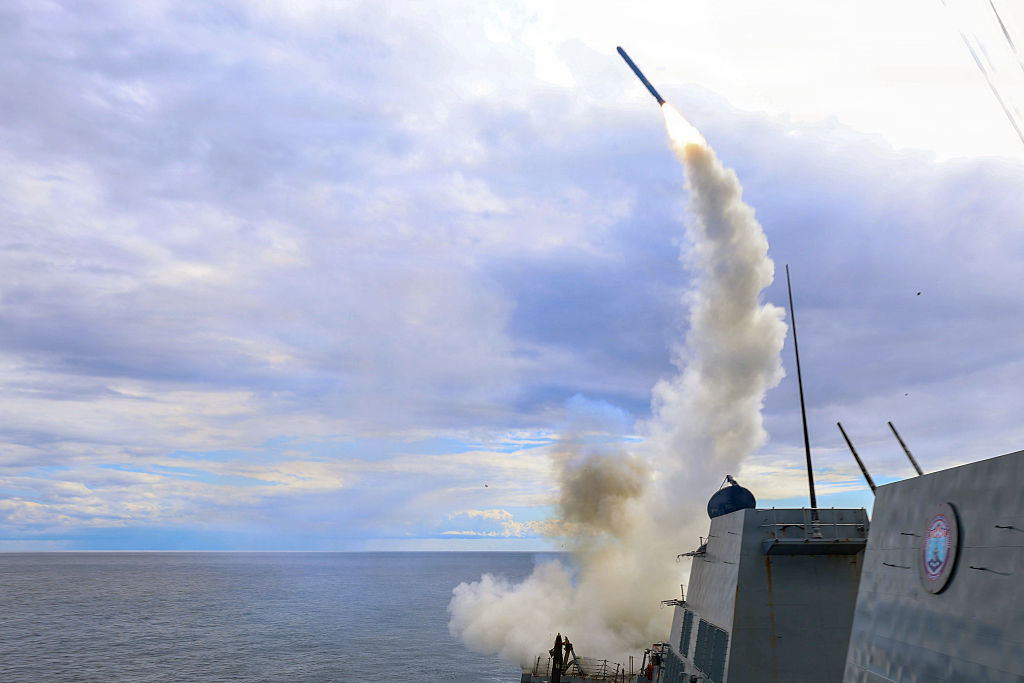
February 28, 1:15 am ET: At 1:15 am EST, or 9:45 am in Tehran, the US and Israel began a coordinated military strike entitled ‘Operation Epic Fury’. The first strikes were simultaneously launched from air, sea, and land, striking Iran’s capital, Tehran, and a series of other locations across the country. US naval vessels launched Tomahawk missiles into the capital, while Israeli fighter jets entered Iranian airspace.

The initial wave included stealth aircraft, cruise missiles, long-range precision weapons, and, for the first time in American history, armed ‘kamikaze’ drones. This is the first time the USA has used armed drones in a military operation, mimicking technology created by Iran.

February 28, military targets: the initial wave of attacks from the US and Israel focused on Iranian military installations. US missiles destroyed Missile bases, drone launch sites, military airfields, radar installations, and Islamic Revolutionary Guard Corps (IRGC) command posts.

Multiple initial strikes targeted Iranian leadership in the capital, Tehran. US missiles struck the Pasteur district of Tehran, which houses the presidential complex, National Security Council facilities, and the residence of Supreme Leader Ali Khamenei. Donald Trump announced shortly after the attacks that the Supreme Leader Khamenei was killed in an airstrike. Iranian sources confirmed that his wife, daughter, grandchild, daughter-in-law and son-in-law were also killed in the strike.

By the end of the day on February 28, more than 200 Iranians had been killed by US and Israeli military operations, and nearly 800 more civilians were injured.

Iran responds: timeline

February 28, 2026, 1:30 am ET (10:00 am in Tehran): Within an hour of the initial strikes from the US and Israel, Iran responded with a series of attacks of its own. Iran targeted US and Israeli military bases across the Middle East, focusing on ballistic missile launch complexes, drone bases, and coastal missile batteries. Iran struck four countries housing US and Israeli military forces. In Qatar, Iran sent multiple waves of missile strikes targeting the Al Udeid Air Base, the largest US base in the Middle East. Qatar reported the attacks were intercepted. In Bahrain, Iran targeted the US’s Naval Support Activity Bahrain / 5th Fleet HQ. Bahrain confirmed the attack as successful, and satellite imagery showed a fleet of ships fleeing from the base.

February 28, 2026, 2:30 am ET (11:00 am in Tehran): Along with Qatar and Bahrain, Iran targeted US installations in Kuwait and the UAE. In Kuwait, the IRGC attacked the Ali Al Salem base and Camp Arifjan, with both bases continuing to assess damages. About 13,500 US service members and support personnel are stationed in Kuwait. The country has been a stable energy hub for decades, and Iran’s actions in the country have sent shockwaves across the Gulf and in Kuwait.

In the United Arab Emirates (UAE), the area around the Al Dhafra Air Base, with satellite imaging showing smoke rising near the base. UAE forces announced that multiple missiles were intercepted, but there was at least one fatality from the strike, and shrapnel continues to fall from high-rise buildings south of Abu Dhabi.

Why the attack

U.S. President Donald Trump has given a laundry list of reasons for the attack, none of which hold ground individually. Trump gave the decades-old excuse of shutting down Iran’s nuclear program, an invisible threat the US has been fighting since 2001. Trump also cited Iran’s violent treatment of anti-government protesters as an excuse for the attack. According to Donald Trump, the US aims to ‘free’ Iran from the constraints of its supreme leader. After killing Supreme Leader Ali Khamenei, Donald Trump announced he would not stop the attacks, drawing questions about how he is planning on ‘freeing’ Iran.

Besides the two reasons that Donald Trump has been touting for months, he also gave a slew of ancillary reasons. Trump claimed that the US’s actions were preparatory for retaliation against Israel. This means, according to Trump, the US has attacked Iran out of fear of Iran attacking Israel. Trump claimed that his talks with Iran have stalled over the last two months (remember Iran has been destabilized due to protests), and that he has been convinced Iran poses an ‘immediate threat’.

This is the largest US military operation in the Middle East since the buildup to the Iraq war in 2002.

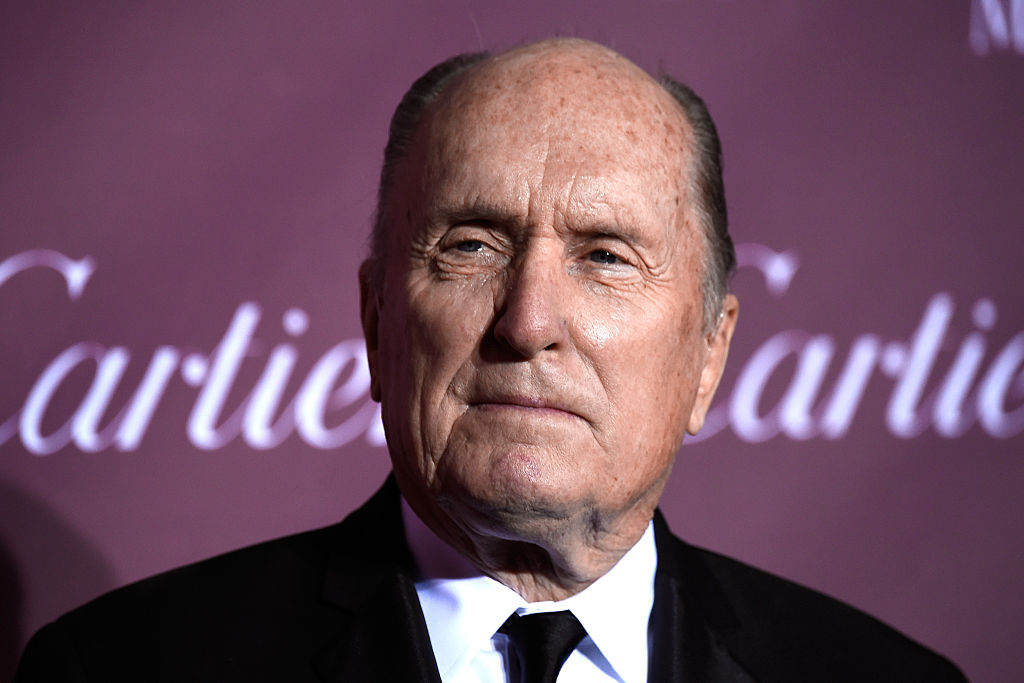
Neil Sedaka Dead At 86, See All The Personalities We Lost in 2026

The year 2026 was marked by the passing of many personalities who left a lasting mark on our society. Artists, creators, public figures, thinkers, and athletes—each and every one contributed in their own way to shaping our era and our collective imagination. This In Memoriam project pays tribute to those who left us during the year. Through these memories, we take a moment to remember their influence, celebrate their contributions, and honor lives that will continue to resonate long after their passing.