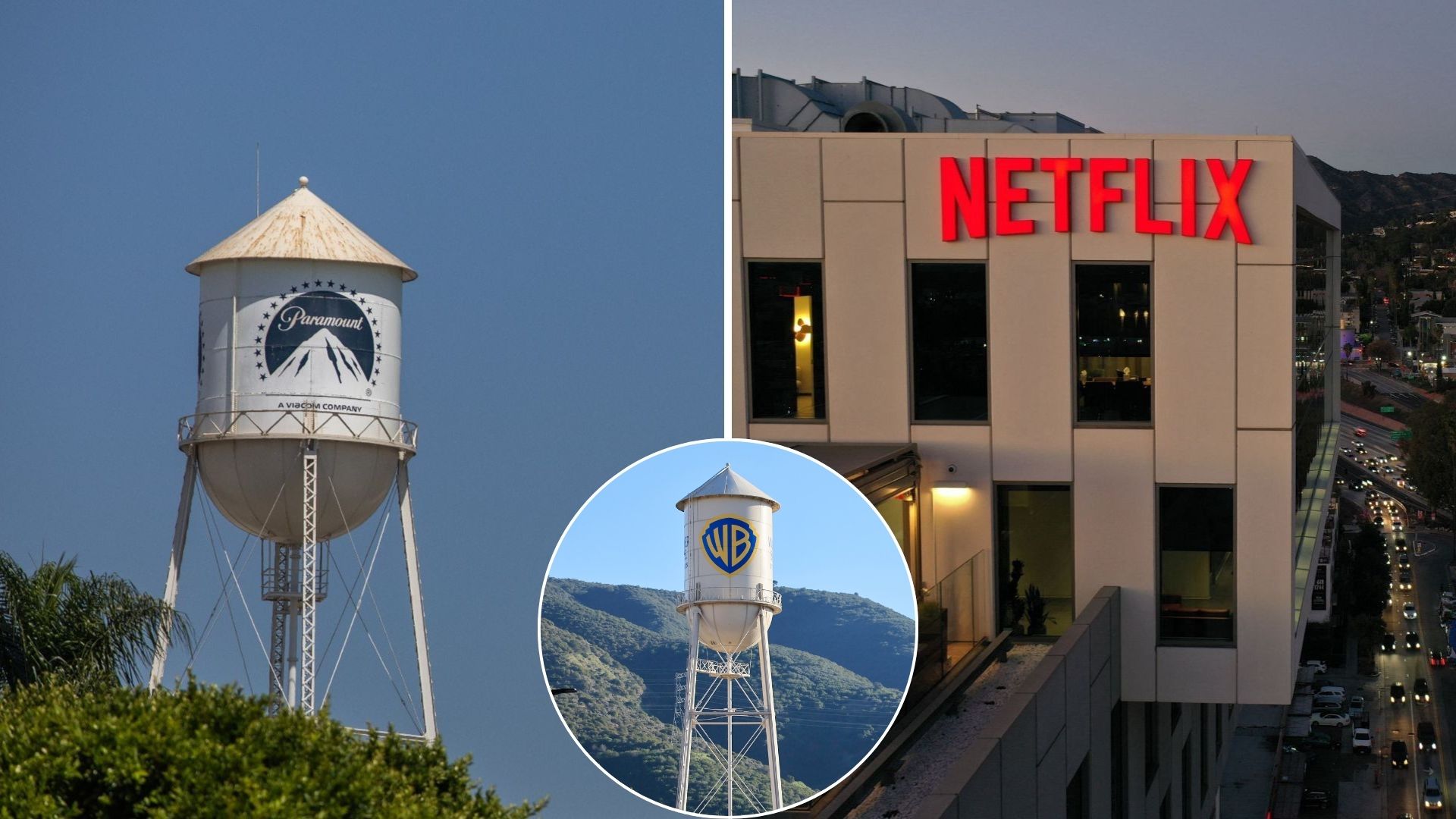
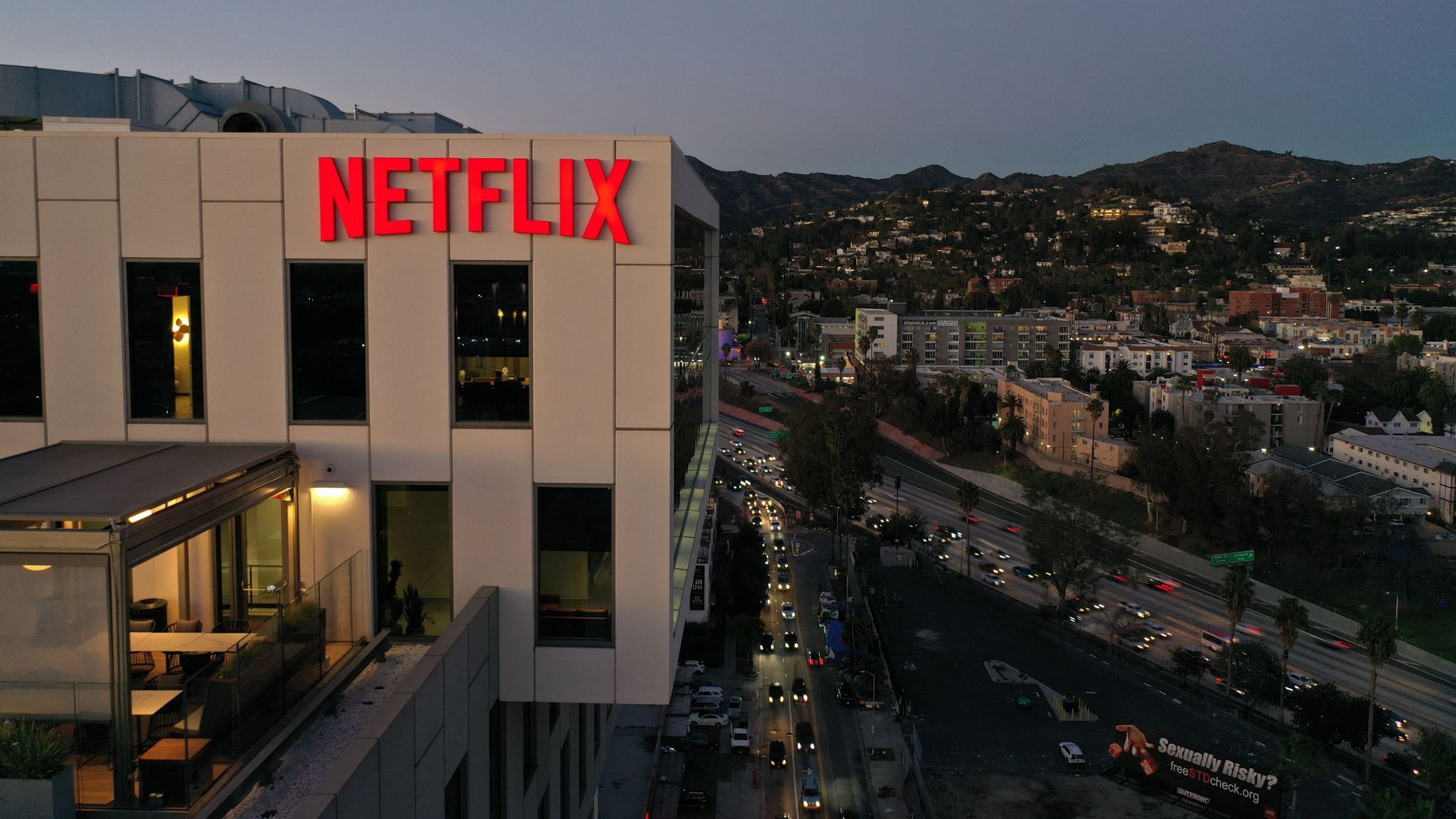
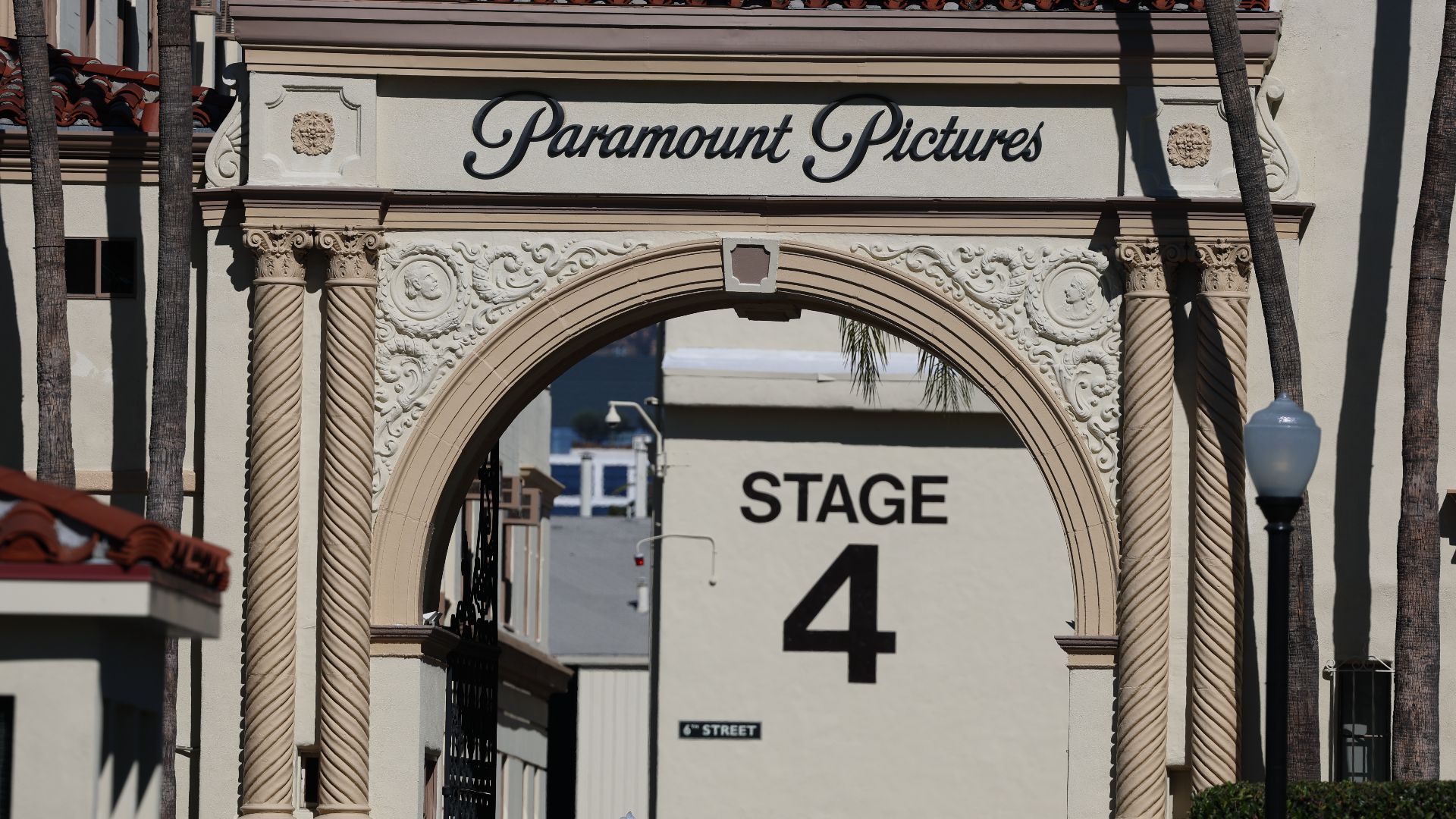
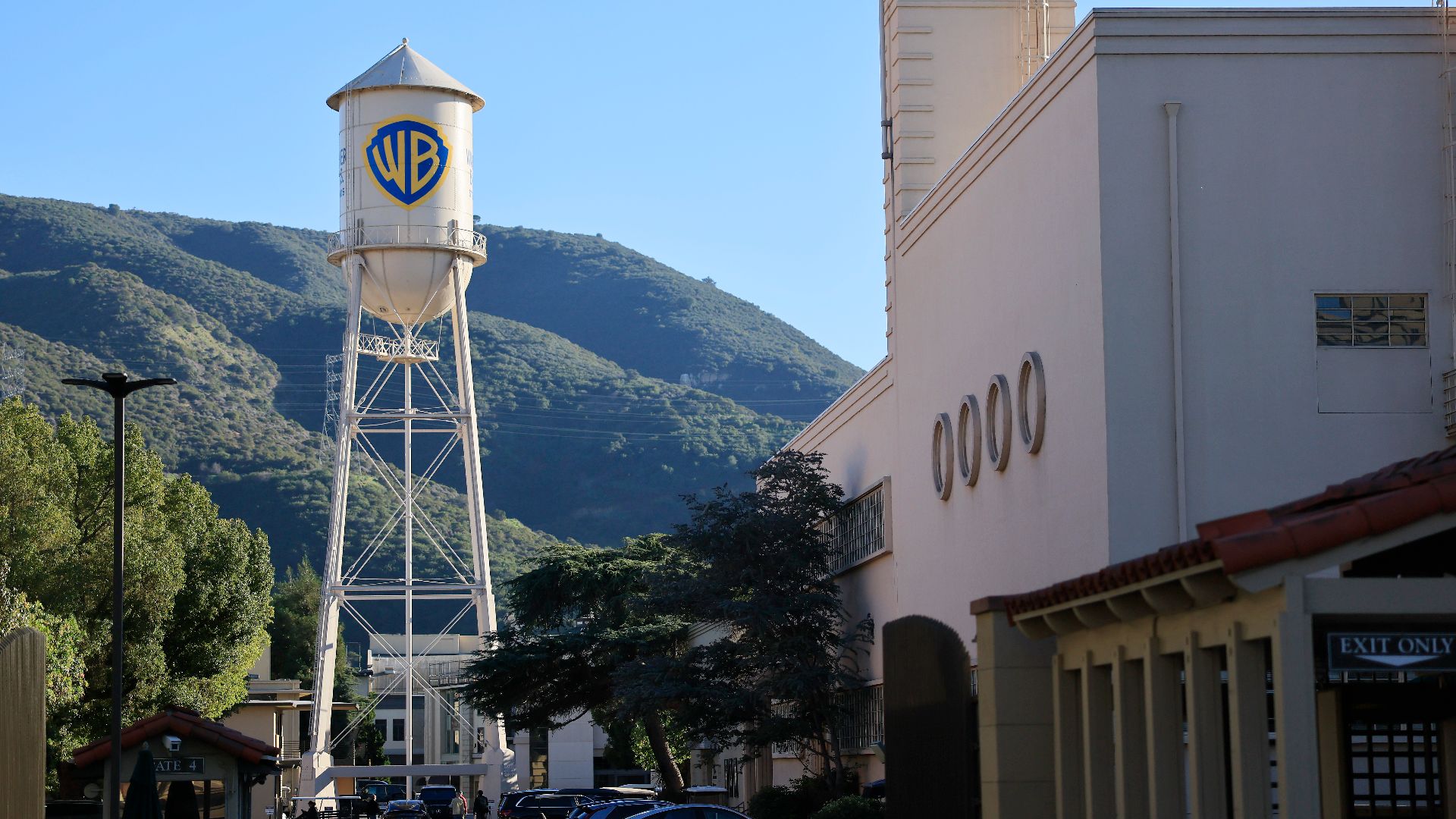
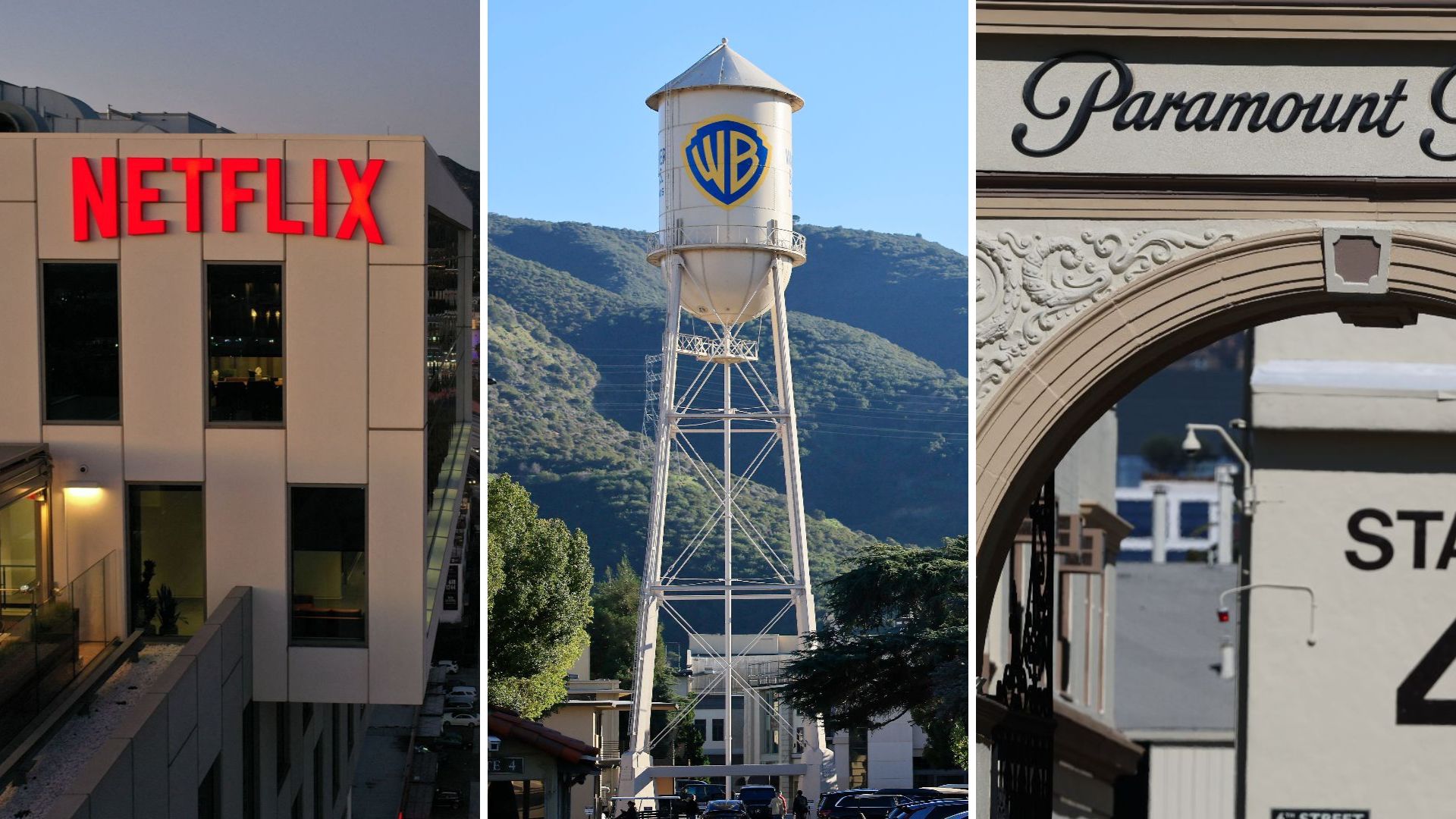
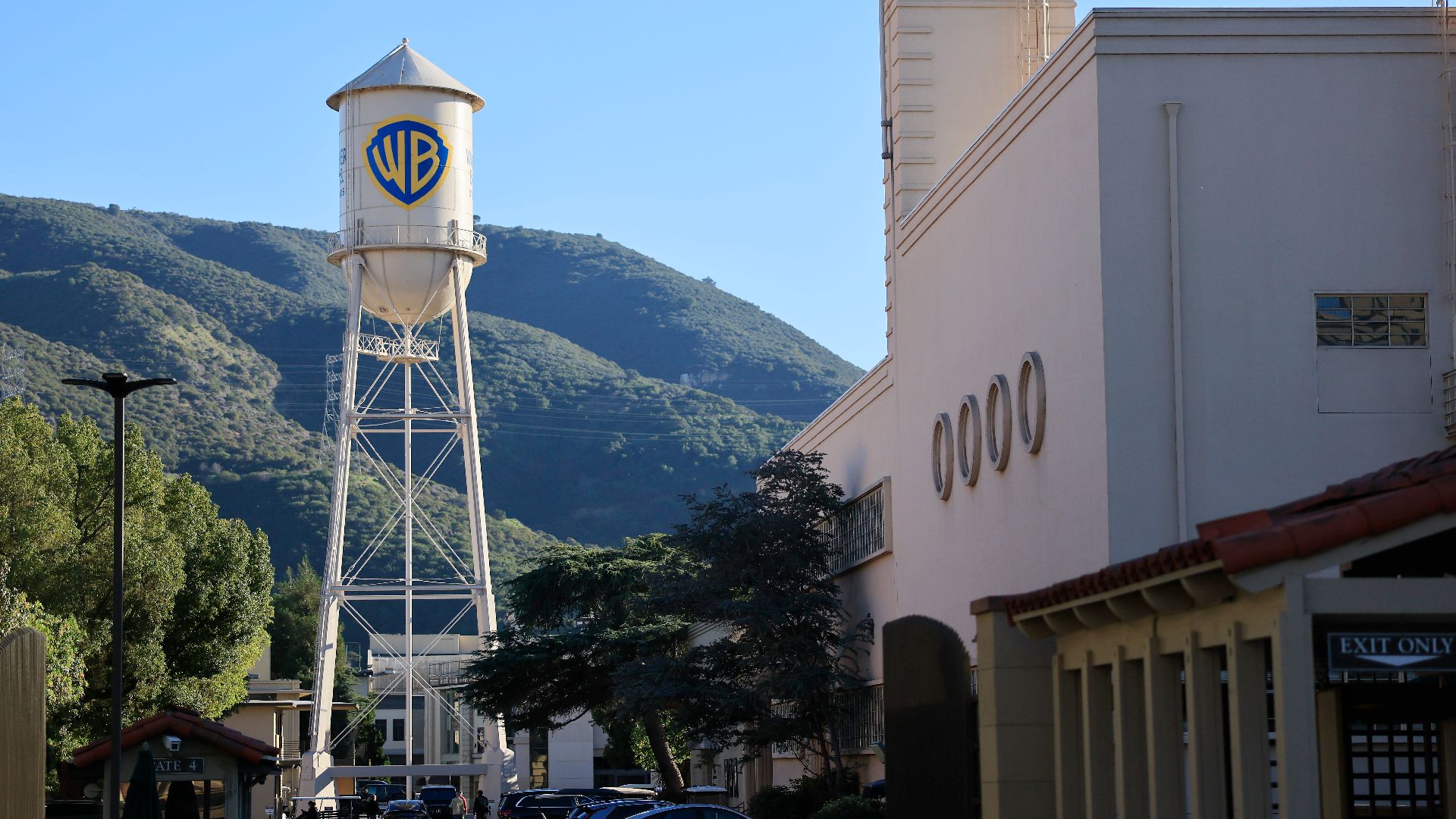
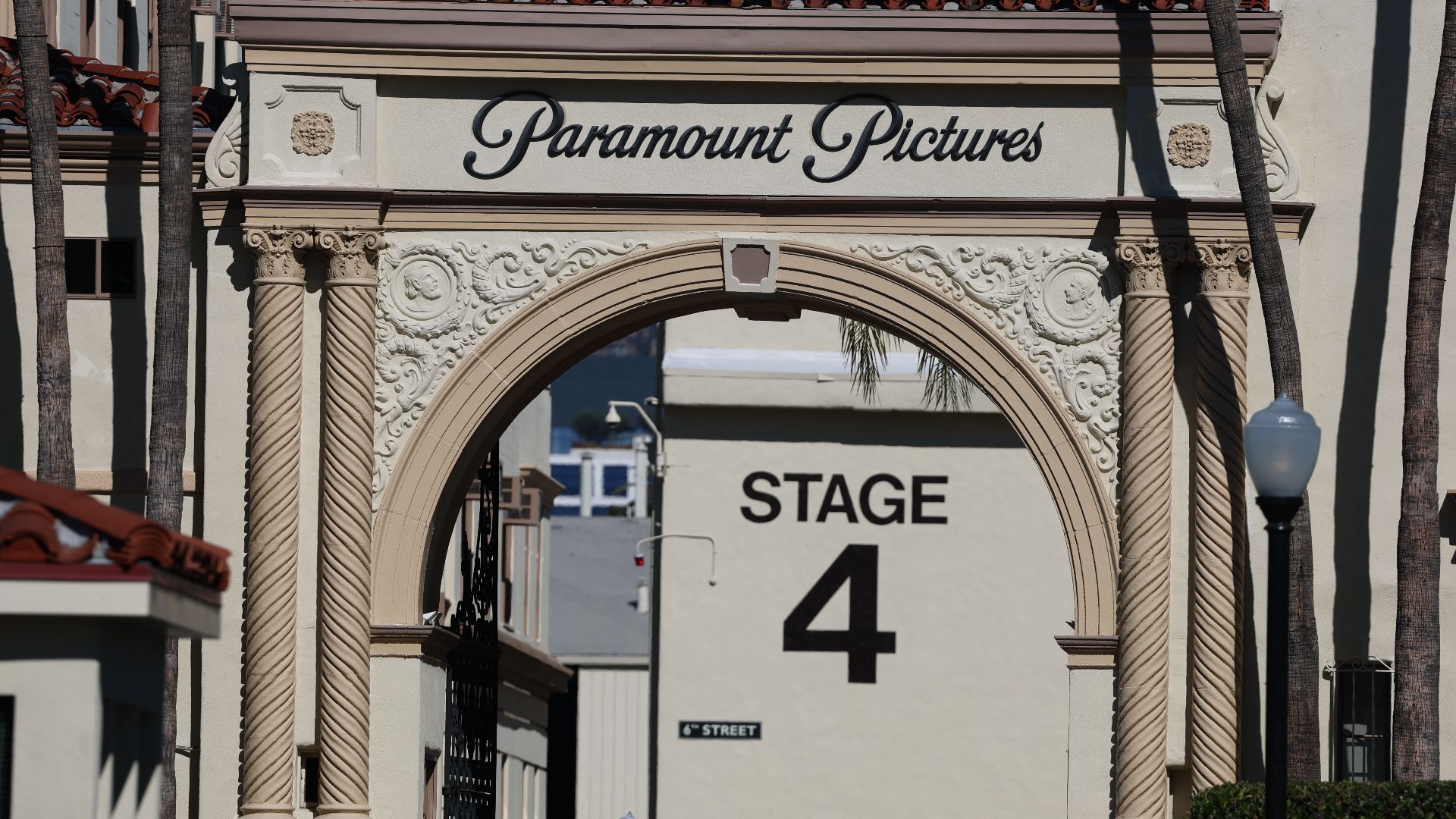
Paramount has basically won the battle for control of Warner Bros. Discovery with a $31-per-share offer that surpasses Netflix’s previously announced bid, setting the stage for a high-stakes showdown over HBO, CNN and one of Hollywood’s most valuable content libraries. The revised proposal introduces a clear financial premium and forces Warner’s board to reassess its existing agreement with Netflix.
The takeover contest has also drawn political attention following comments from Donald Trump, while Netflix co-CEO Ted Sarandos has insisted the transaction is strictly commercial, declaring «This is a business deal. It’s not a political deal.»
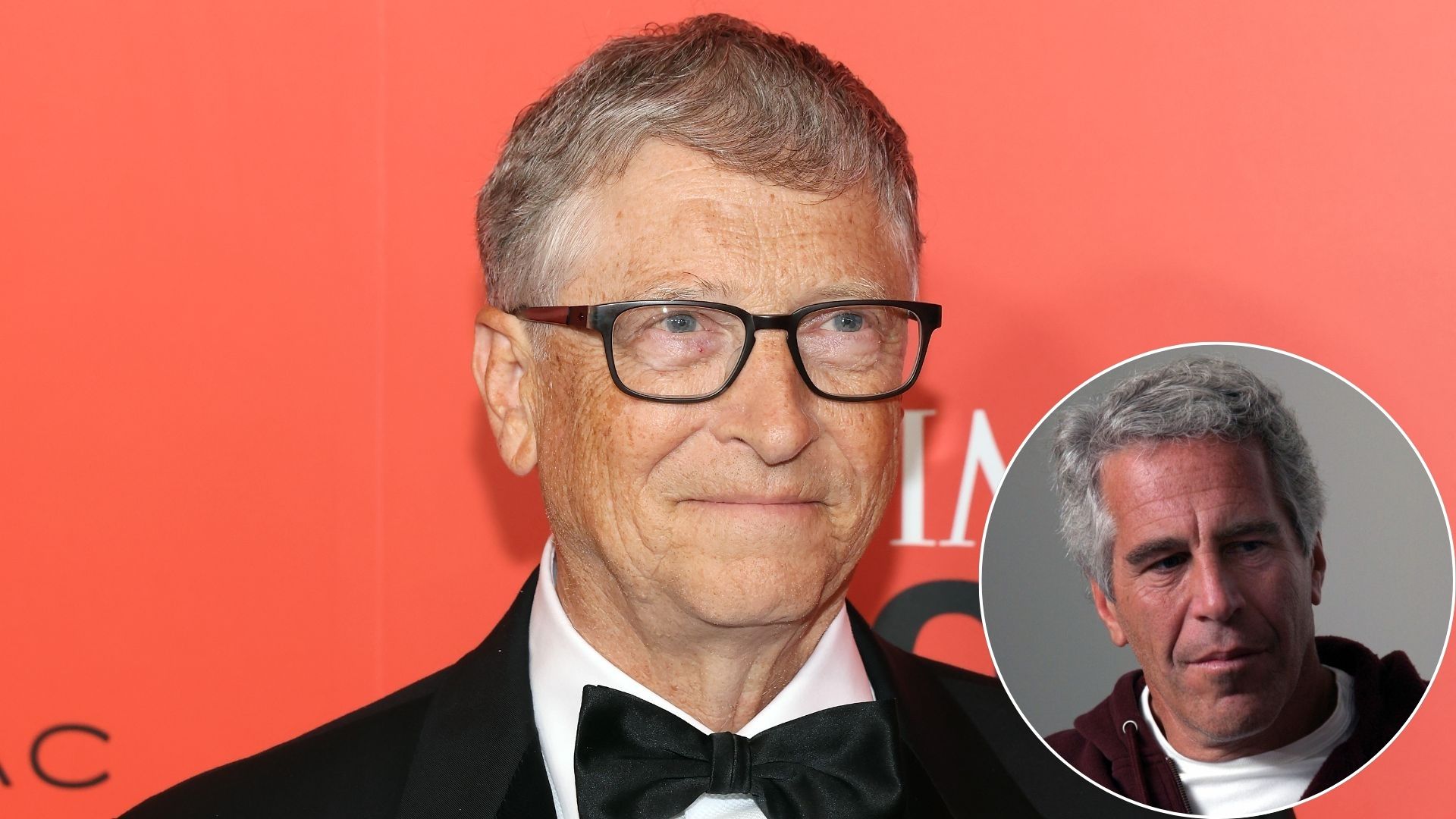
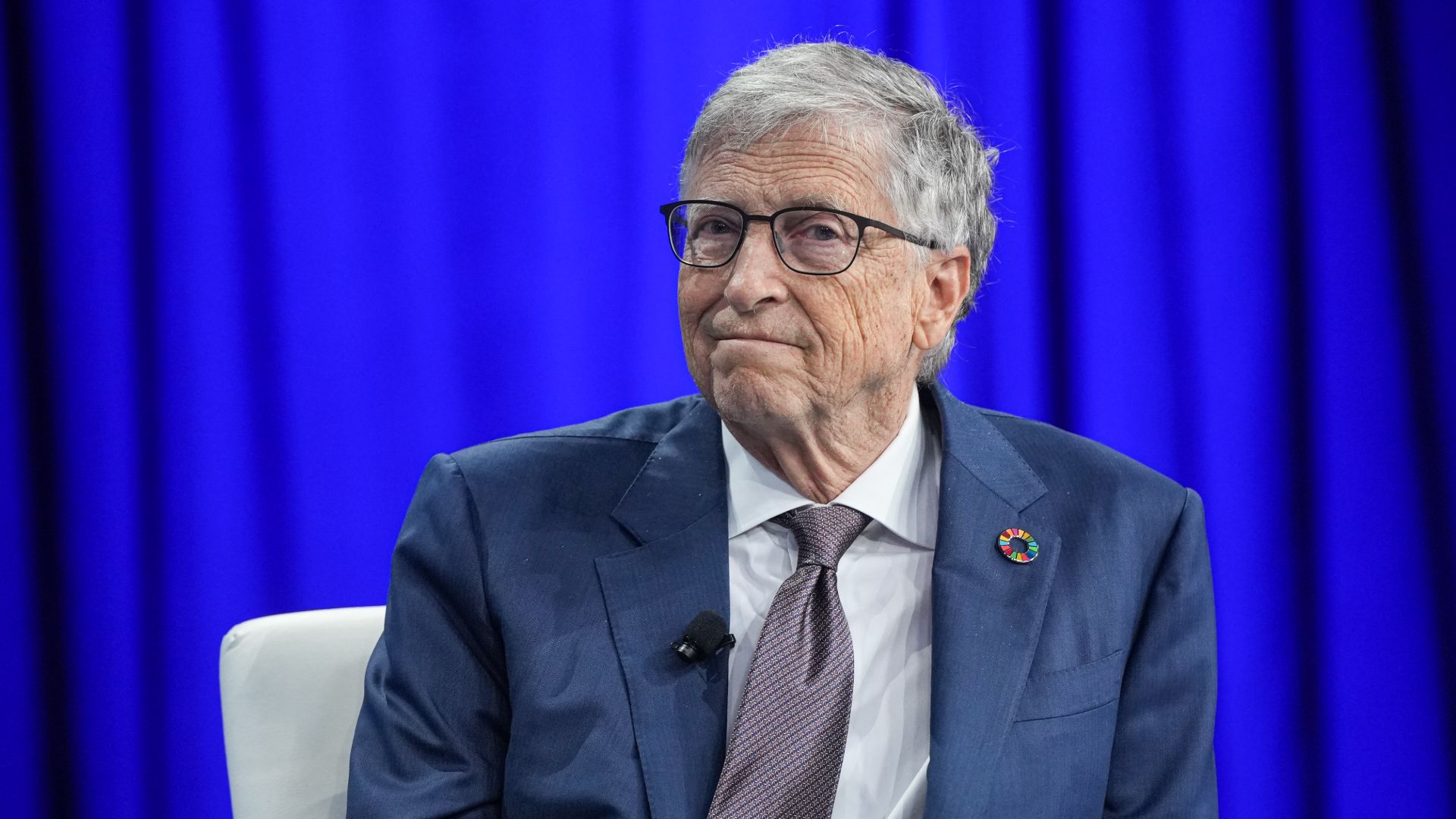
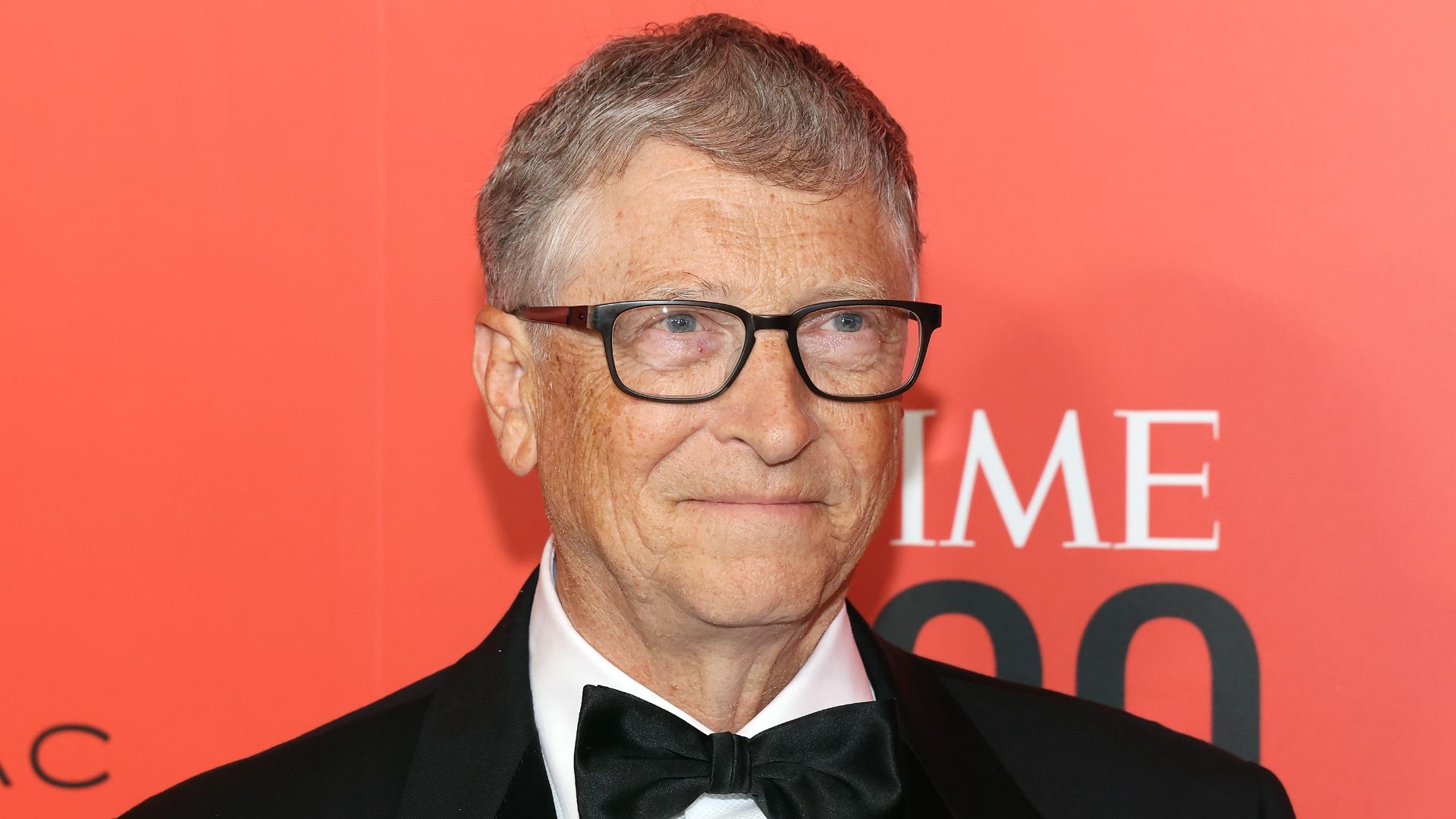
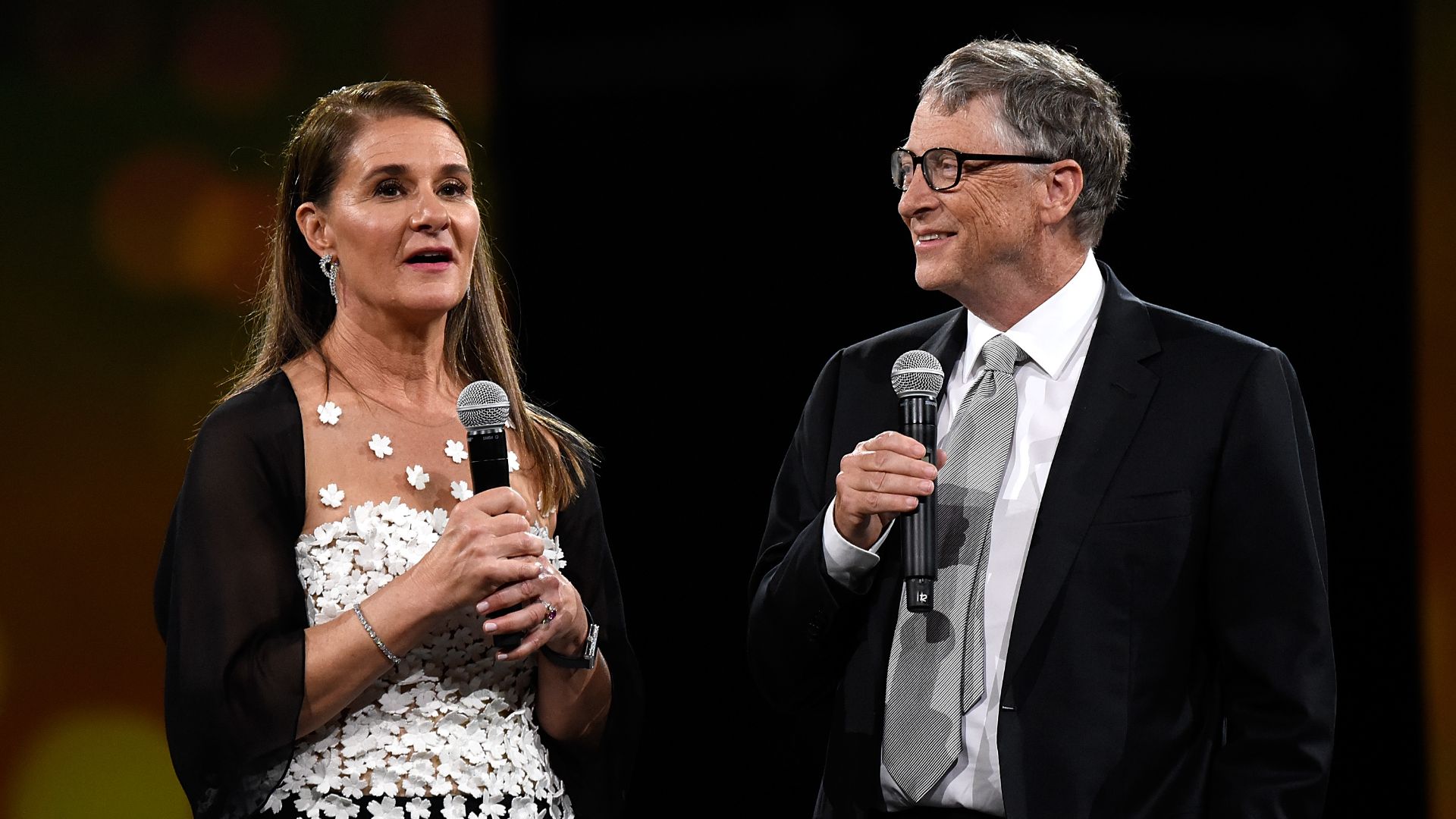
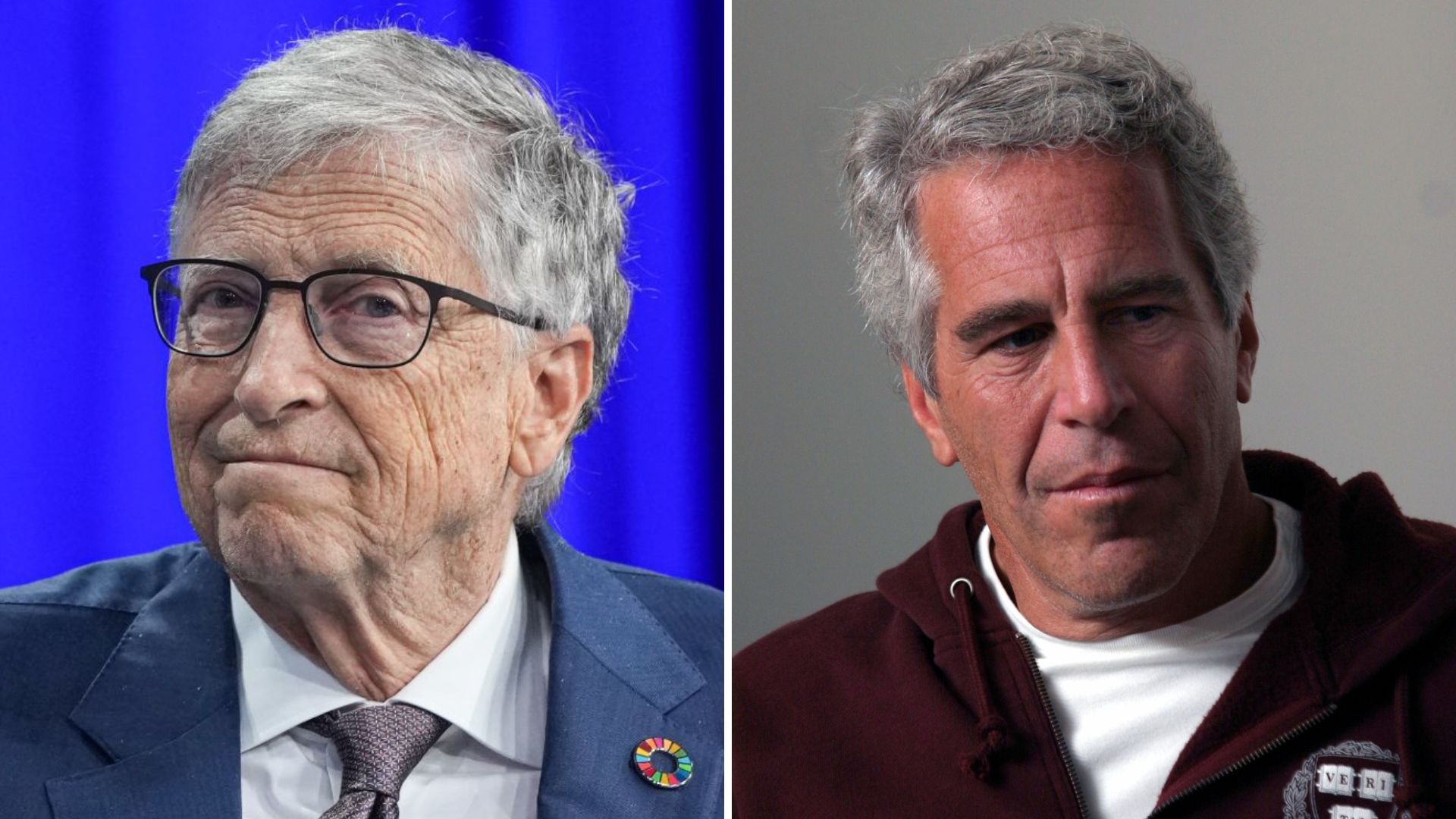
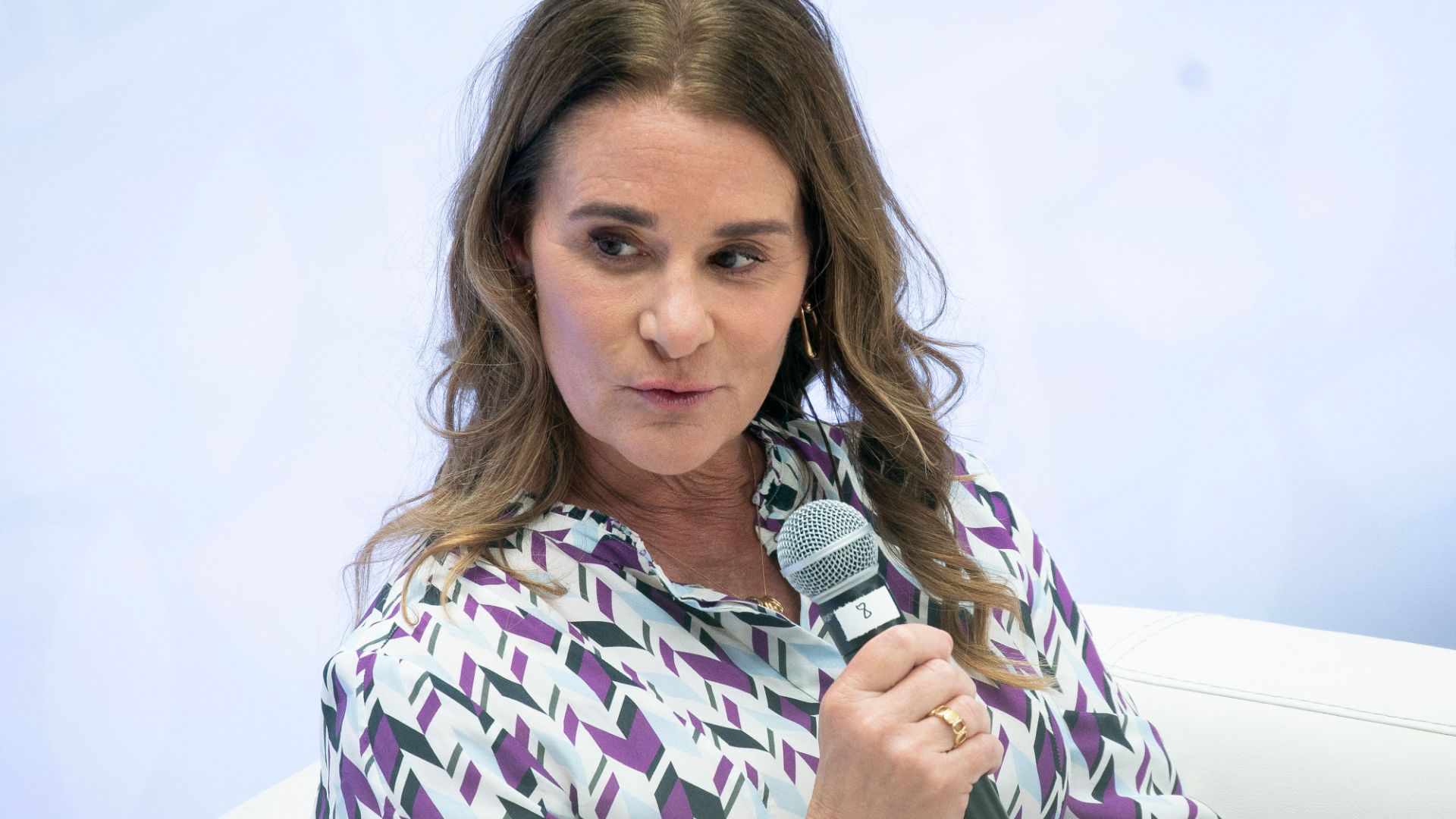
Bill Gates publicly acknowledged having had affairs with two Russian women and apologized for his past association with Jeffrey Epstein during a Gates Foundation town hall on February 24, as renewed scrutiny intensifies over documents released in the Justice Department’s investigation. The Microsoft co-founder defended himself against allegations of wrongdoing, telling staff «I did nothing illicit. I saw nothing illicit,» while admitting it was a «huge mistake» to maintain contact with Epstein after his 2008 conviction. The remarks come days after Gates abruptly canceled a keynote speech in India, underscoring the growing pressure surrounding his name in the Epstein files.
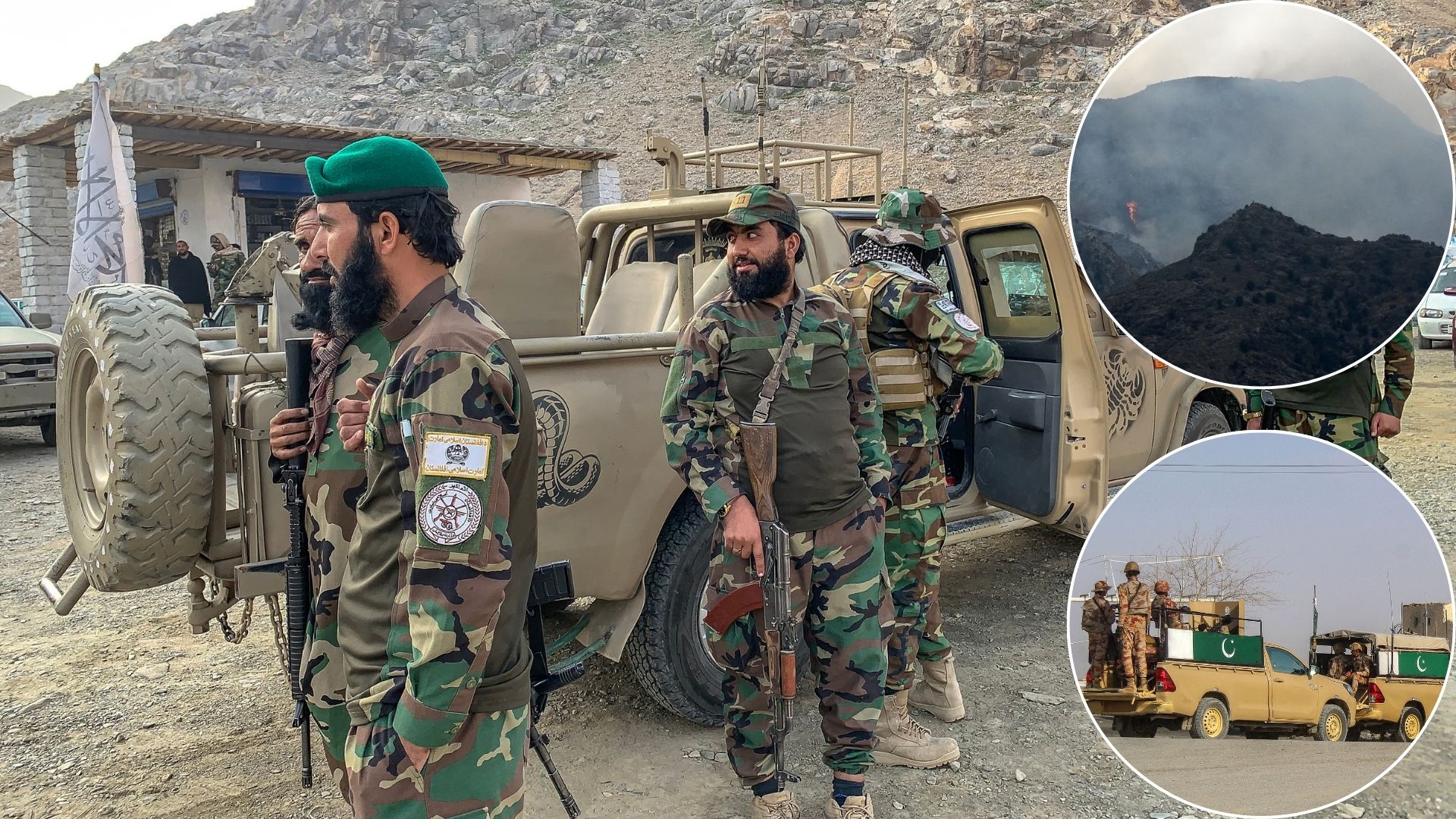
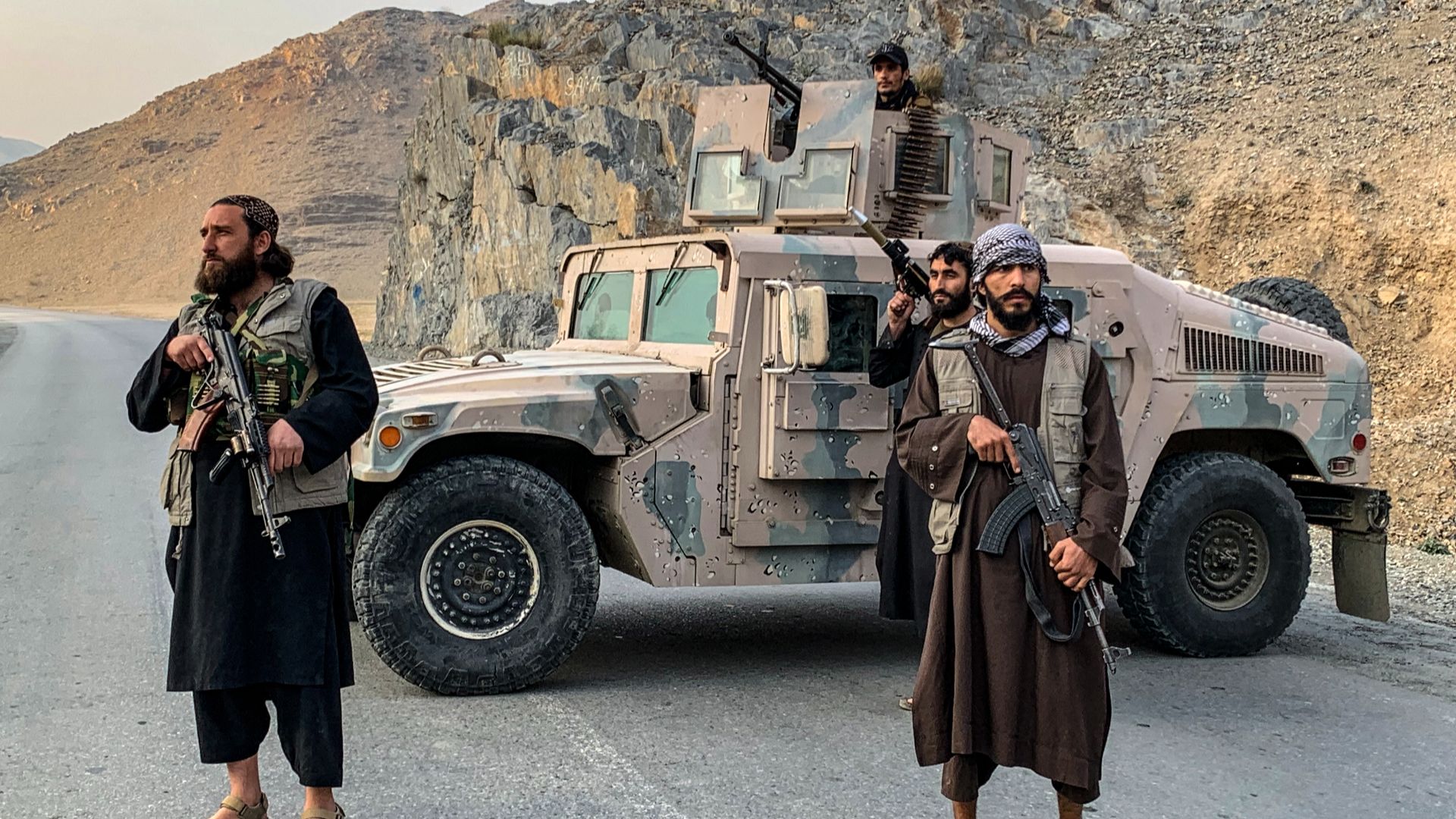
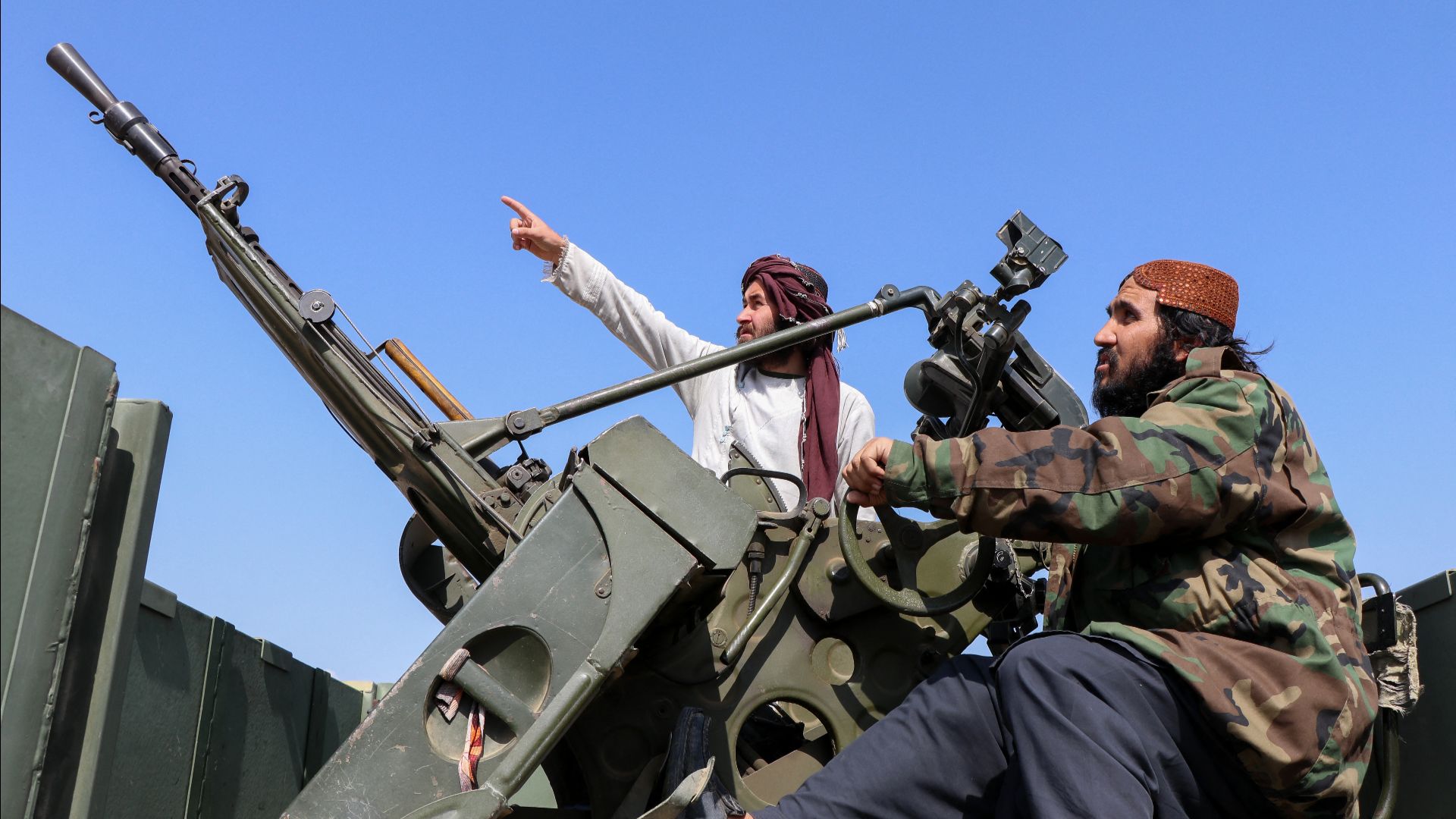
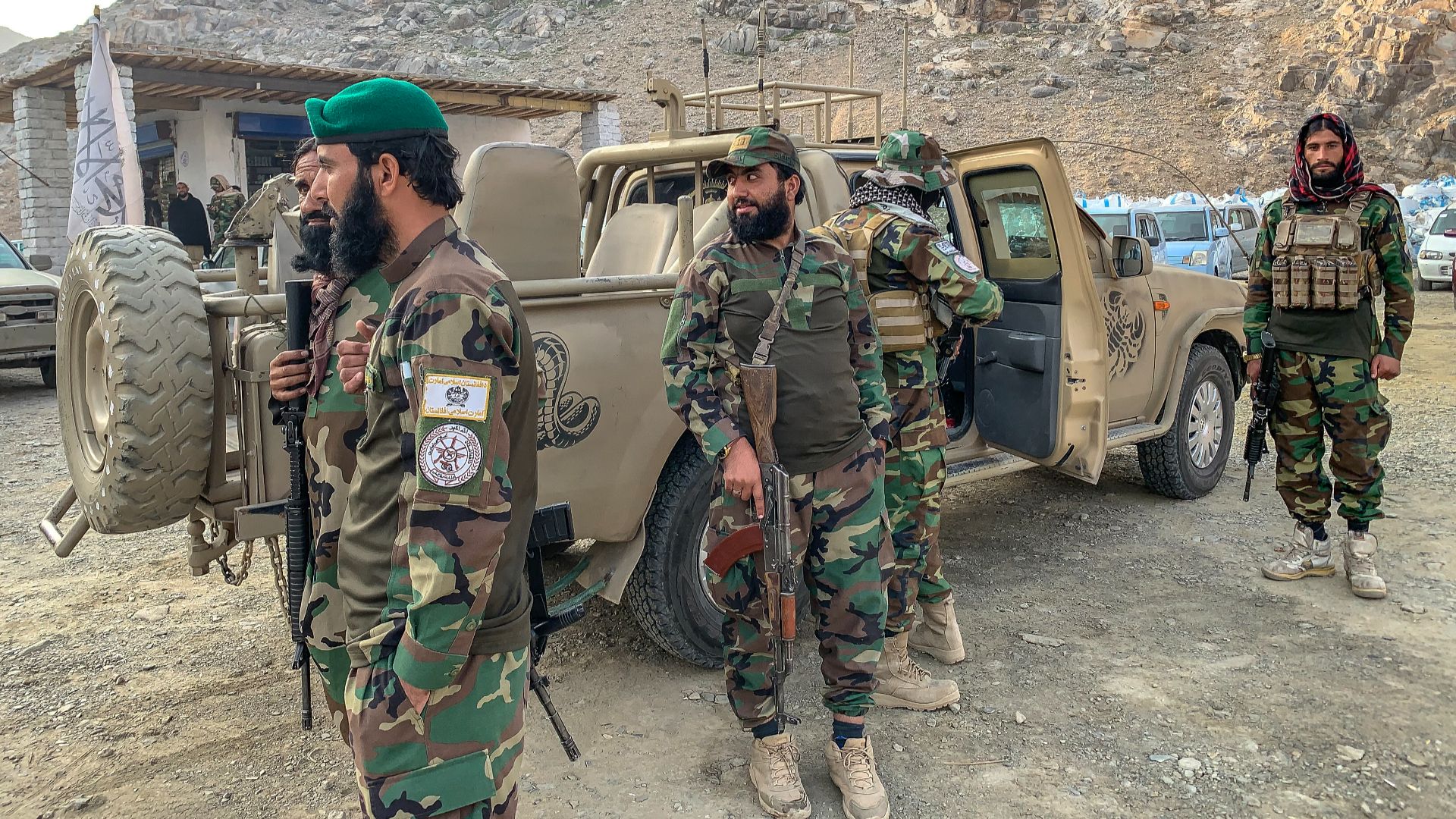
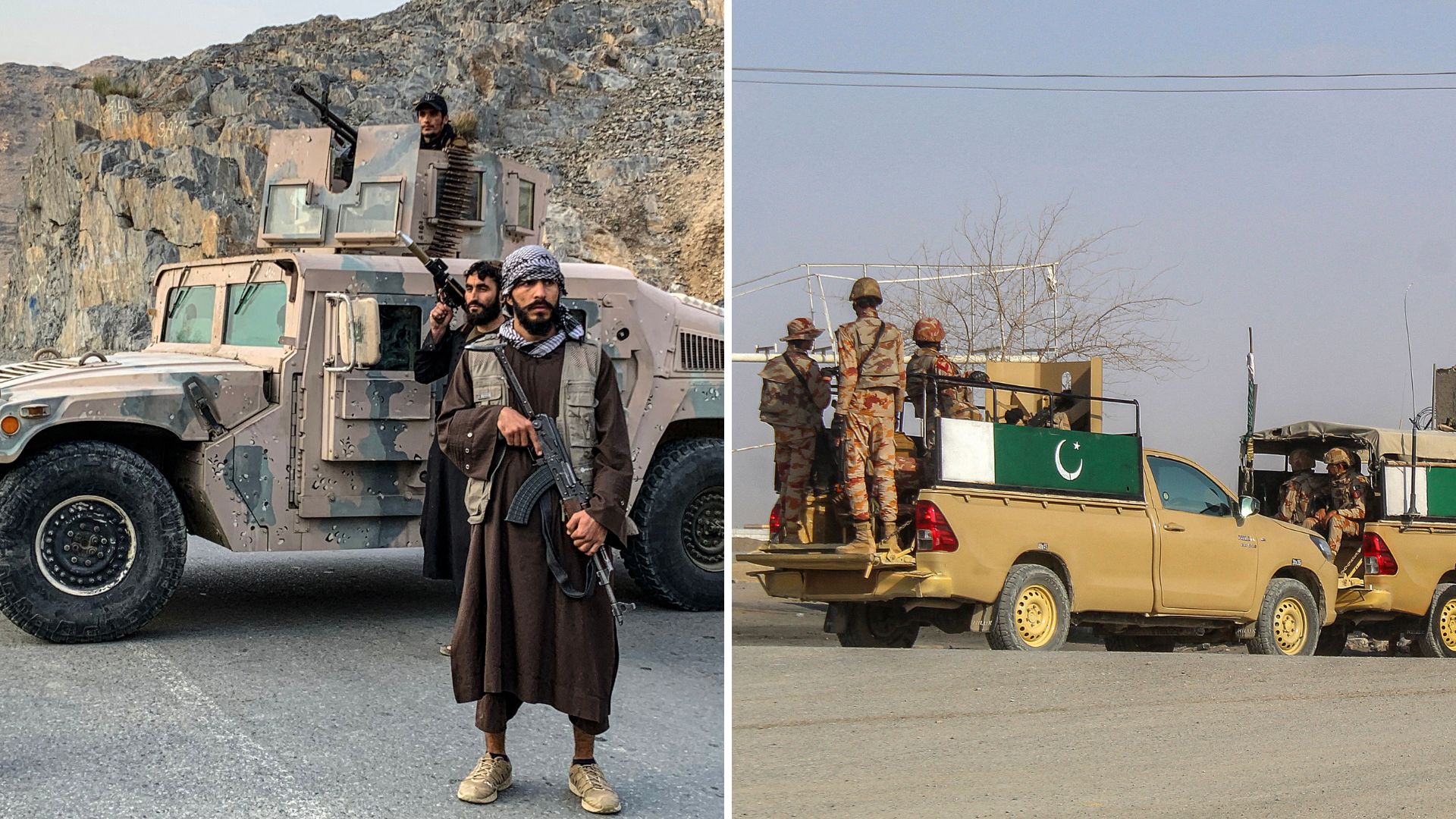
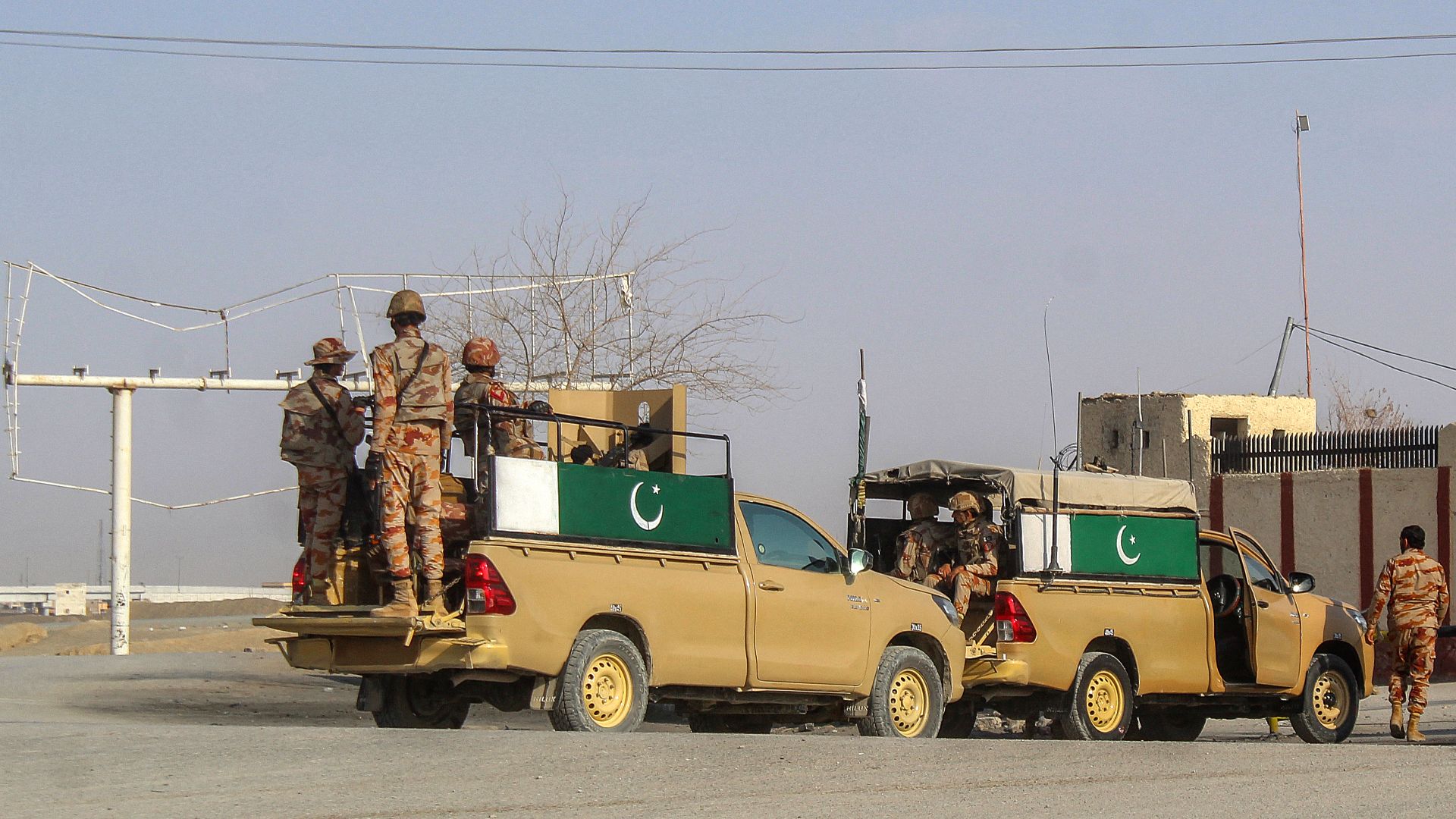
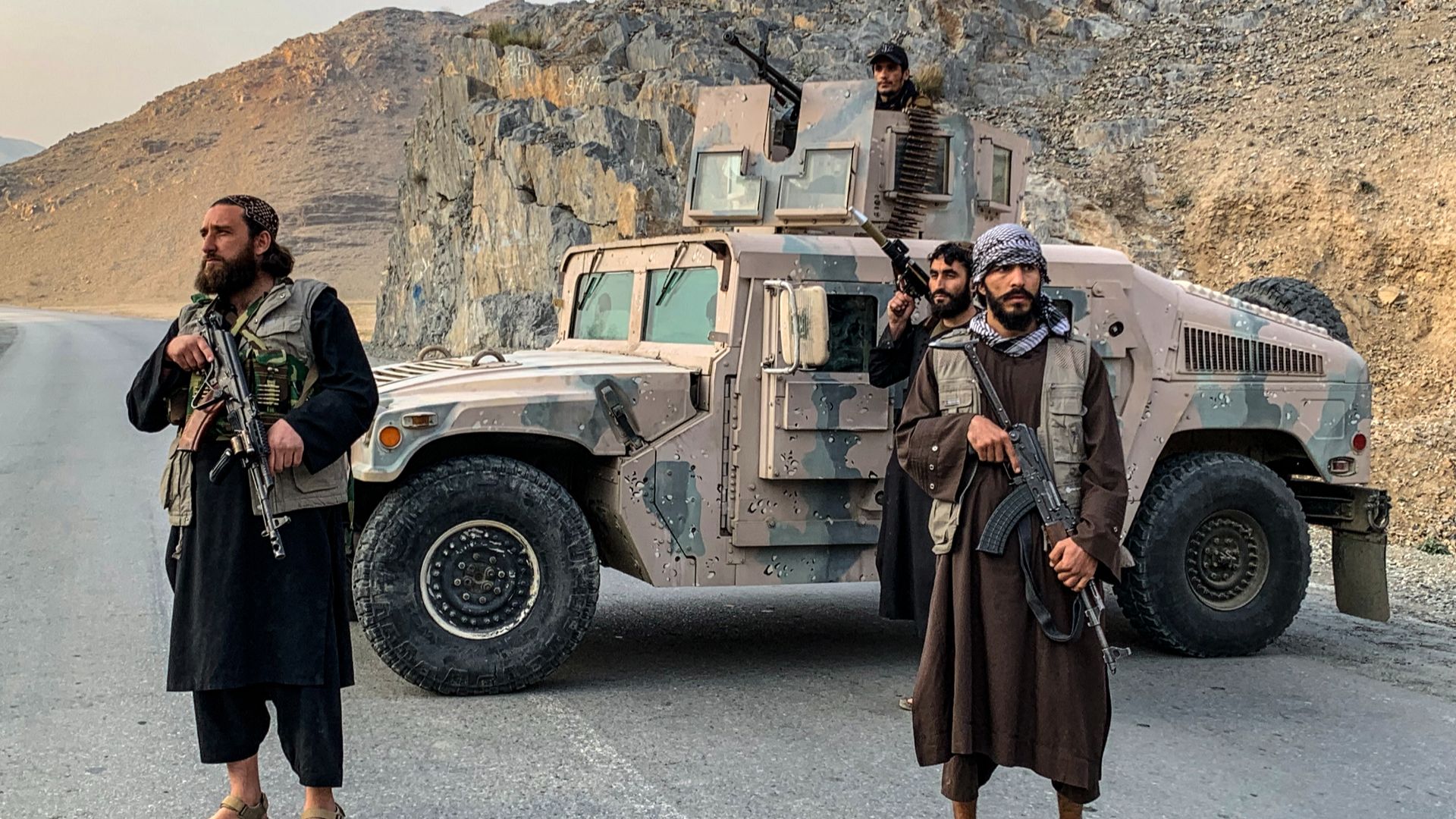
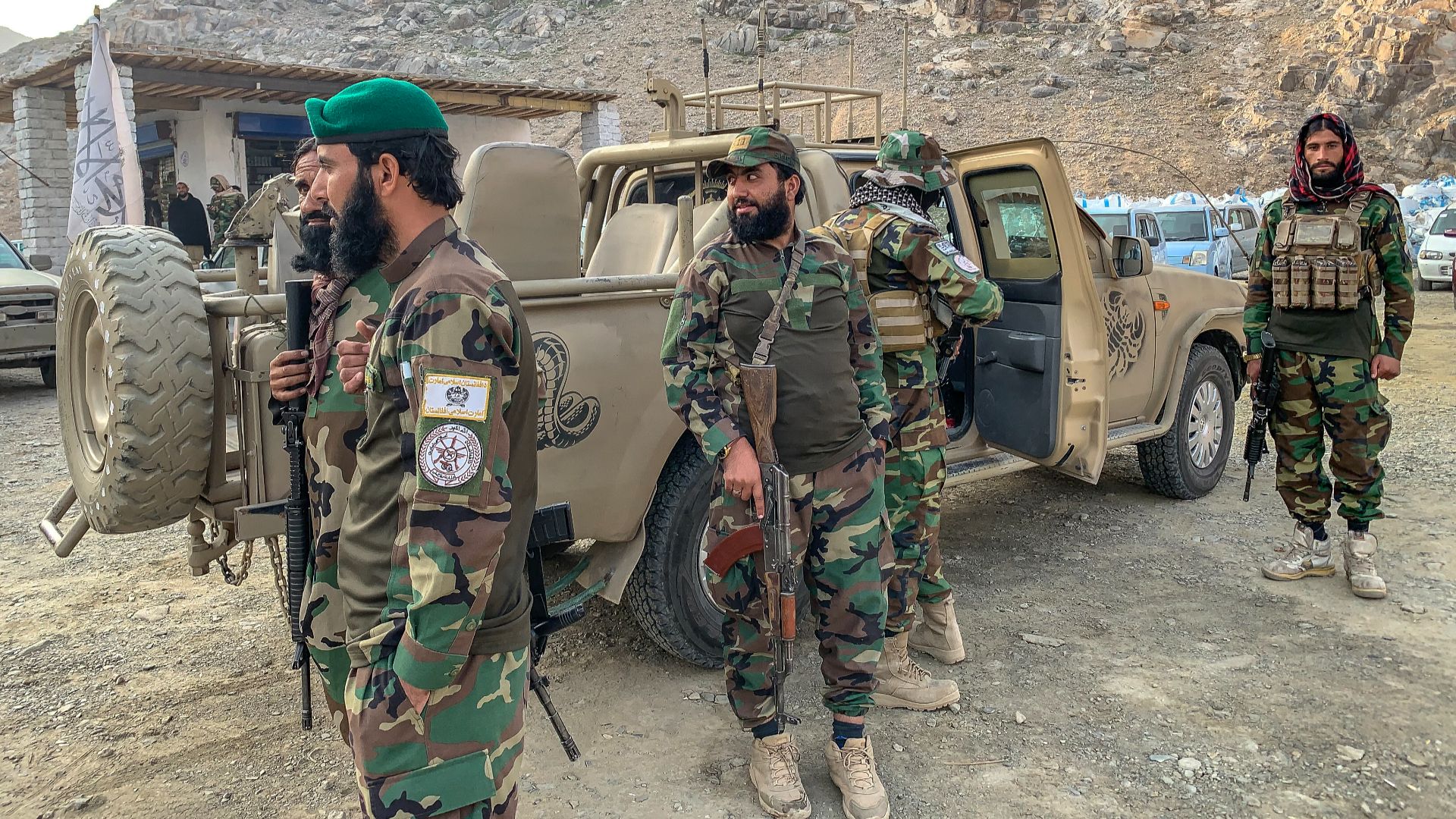
Pakistan and Afghanistan have entered their most dangerous phase of confrontation in years after Islamabad launched airstrikes inside Afghan territory and declared what it described as «open war.» Pakistani officials say the strikes targeted militant infrastructure following cross-border attacks, while Afghan authorities accuse Pakistan of violating sovereignty and endangering civilians.
The escalation follows months of rising tension along the border, failed negotiations and repeated accusations that armed groups are operating from Afghan soil. With both governments trading casualty claims and issuing threats of further retaliation, the conflict risks destabilizing an already fragile region and drawing in broader geopolitical consequences.
Which series are coming to an end or being cancelled in 2026? Is your favorite returning for a new season? Between expected renewals, surprise cancellations, and series bowing out after several years, 2026 promises to be a pivotal year for many productions. From streaming platforms to major American networks, announcements are multiplying and reshaping the television landscape. Some series are continuing their success with new seasons, while others are closing the curtain for good. Discover in our complete recap all the series renewed, canceled, or ending in 2026, with essential information to remember so you don’t miss any of the upcoming releases.
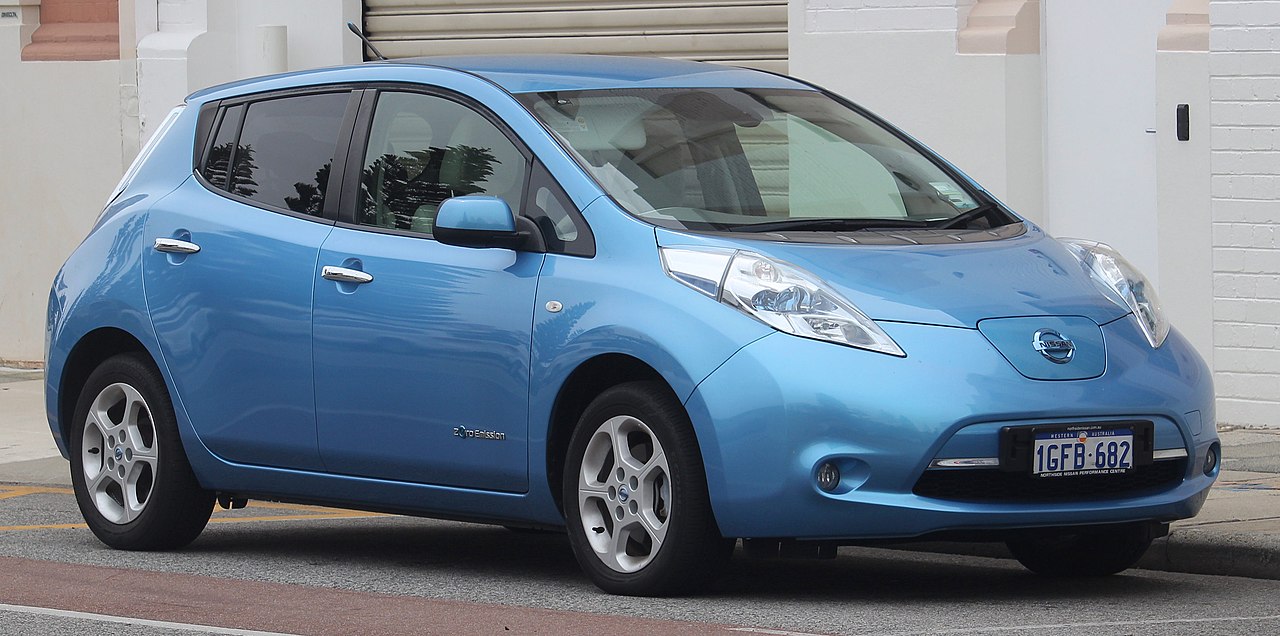
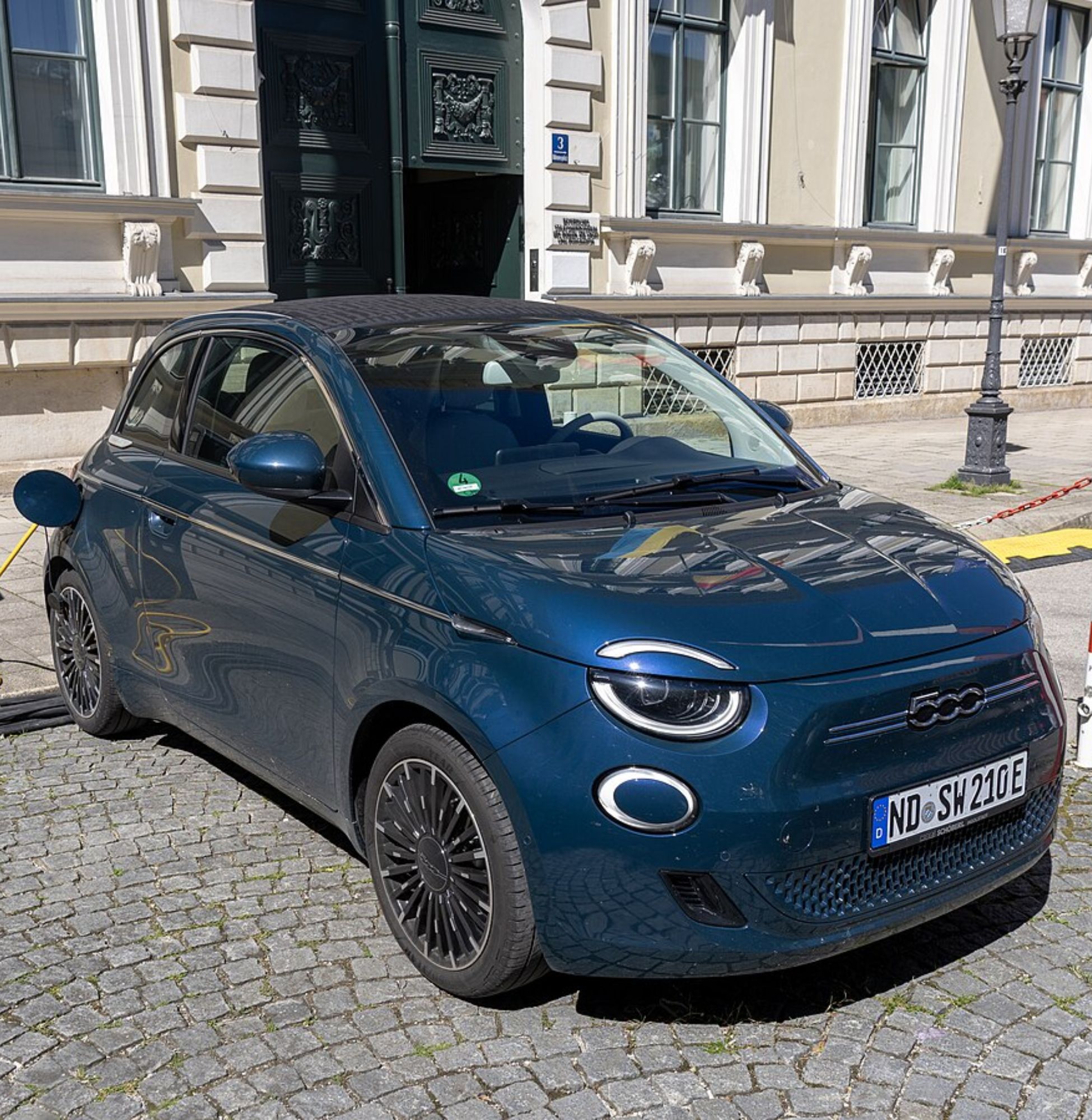
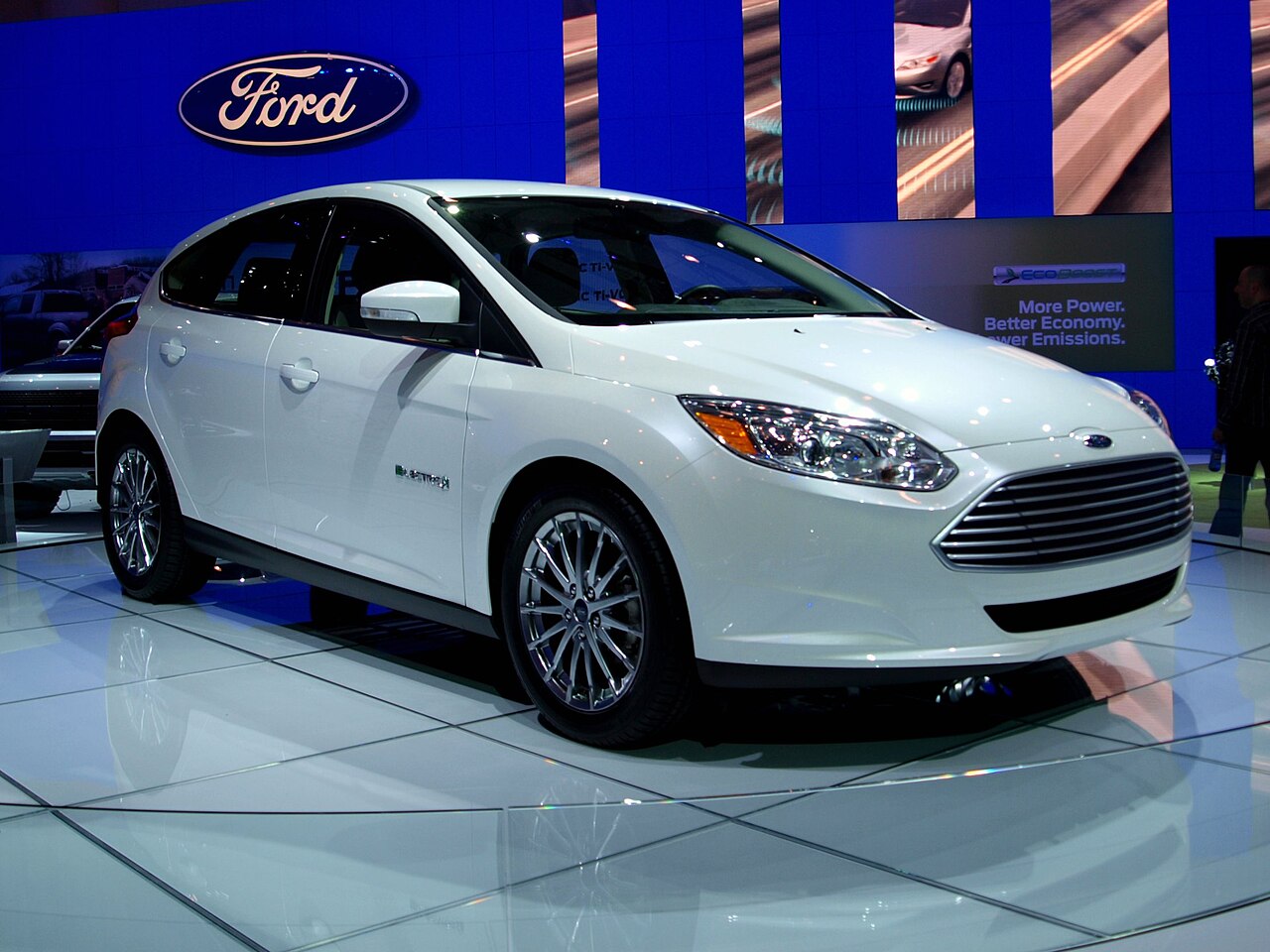
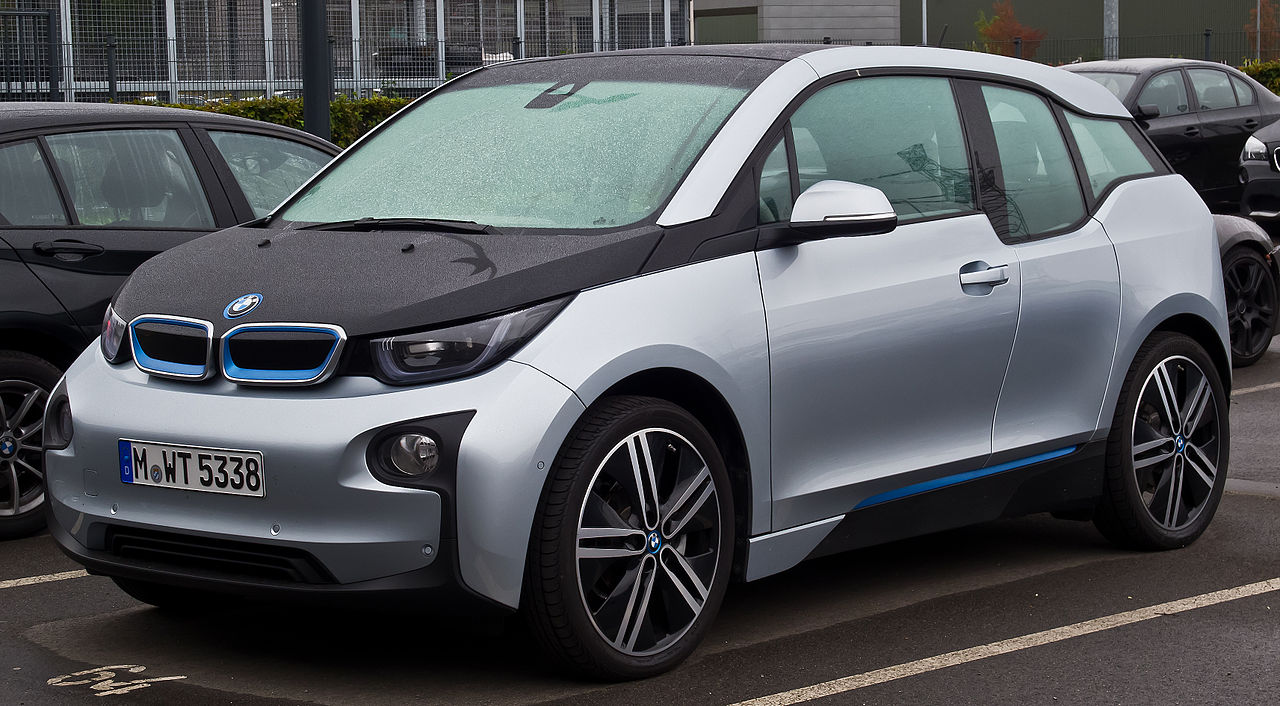
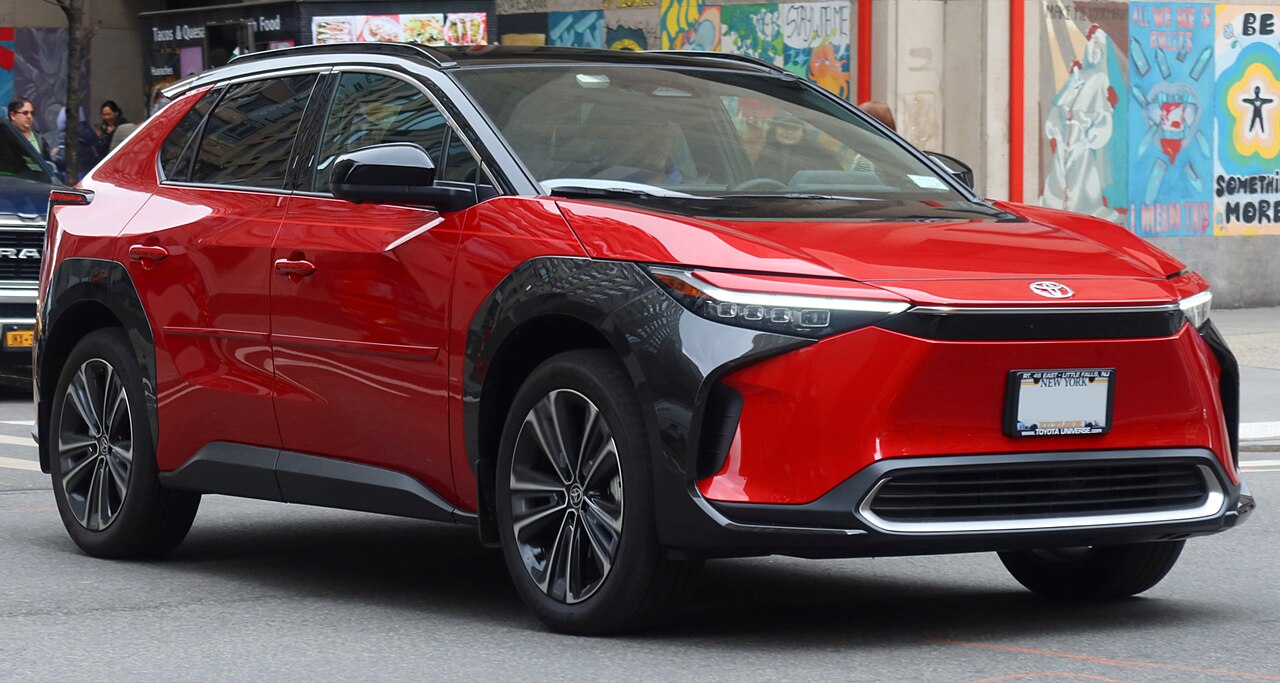
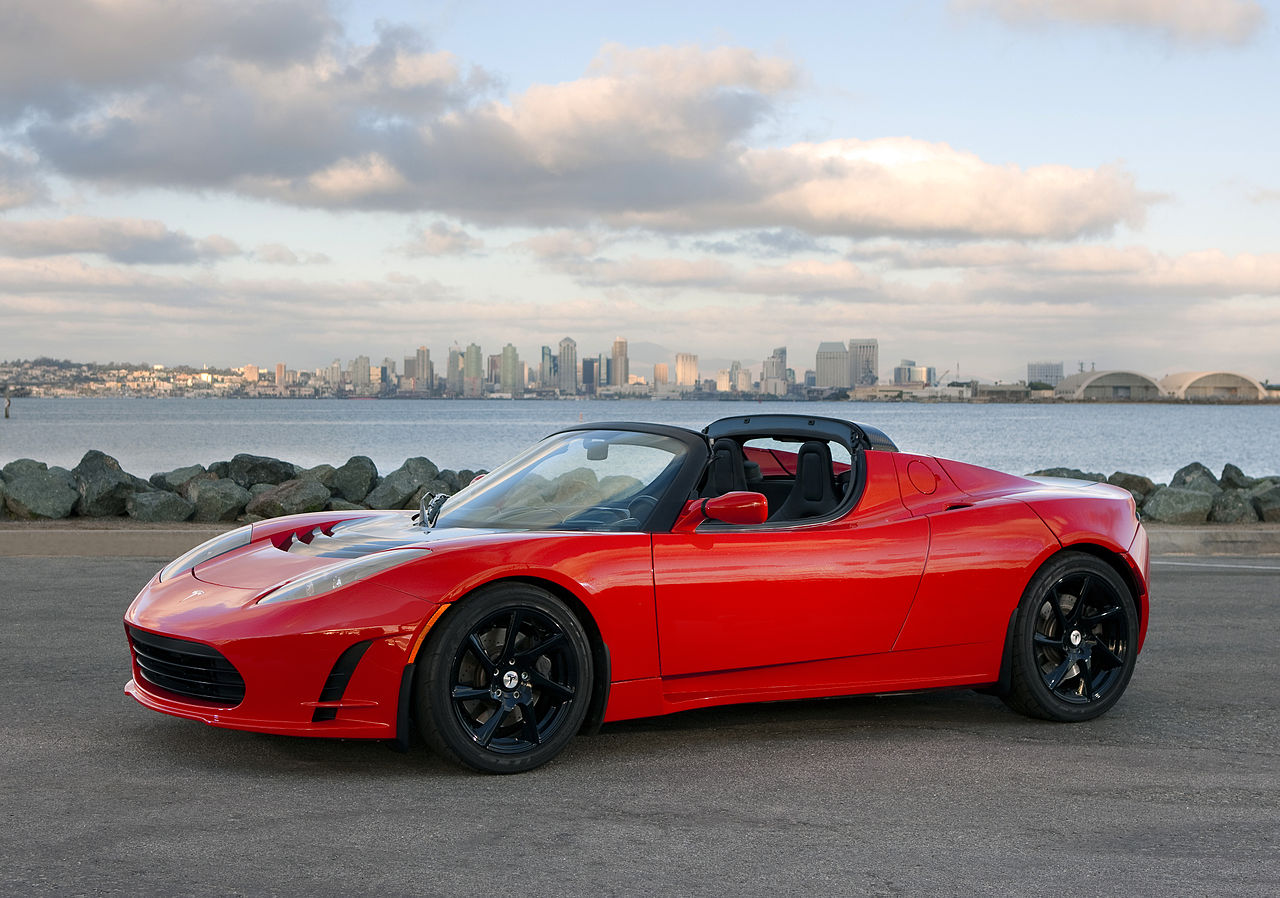
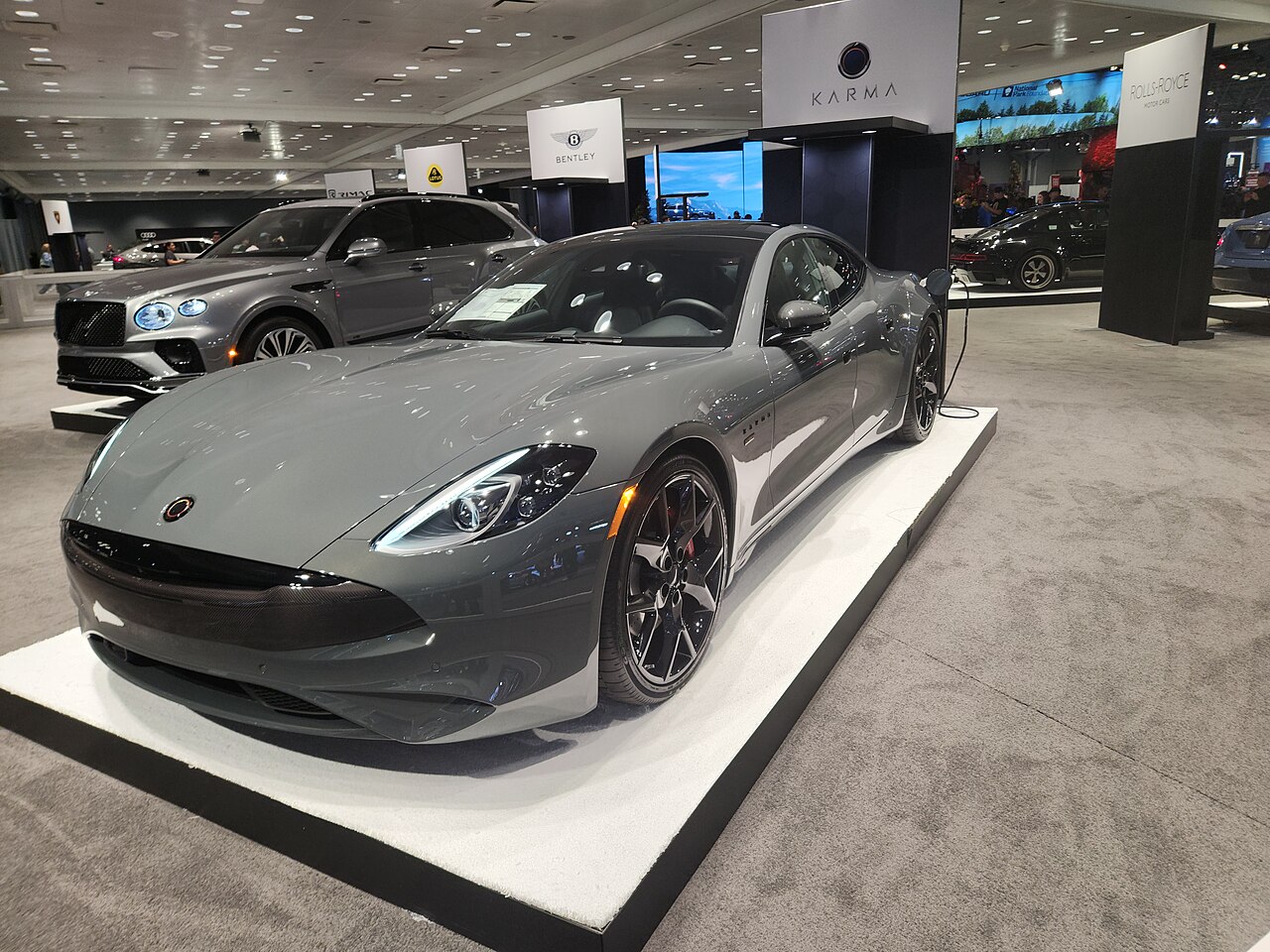
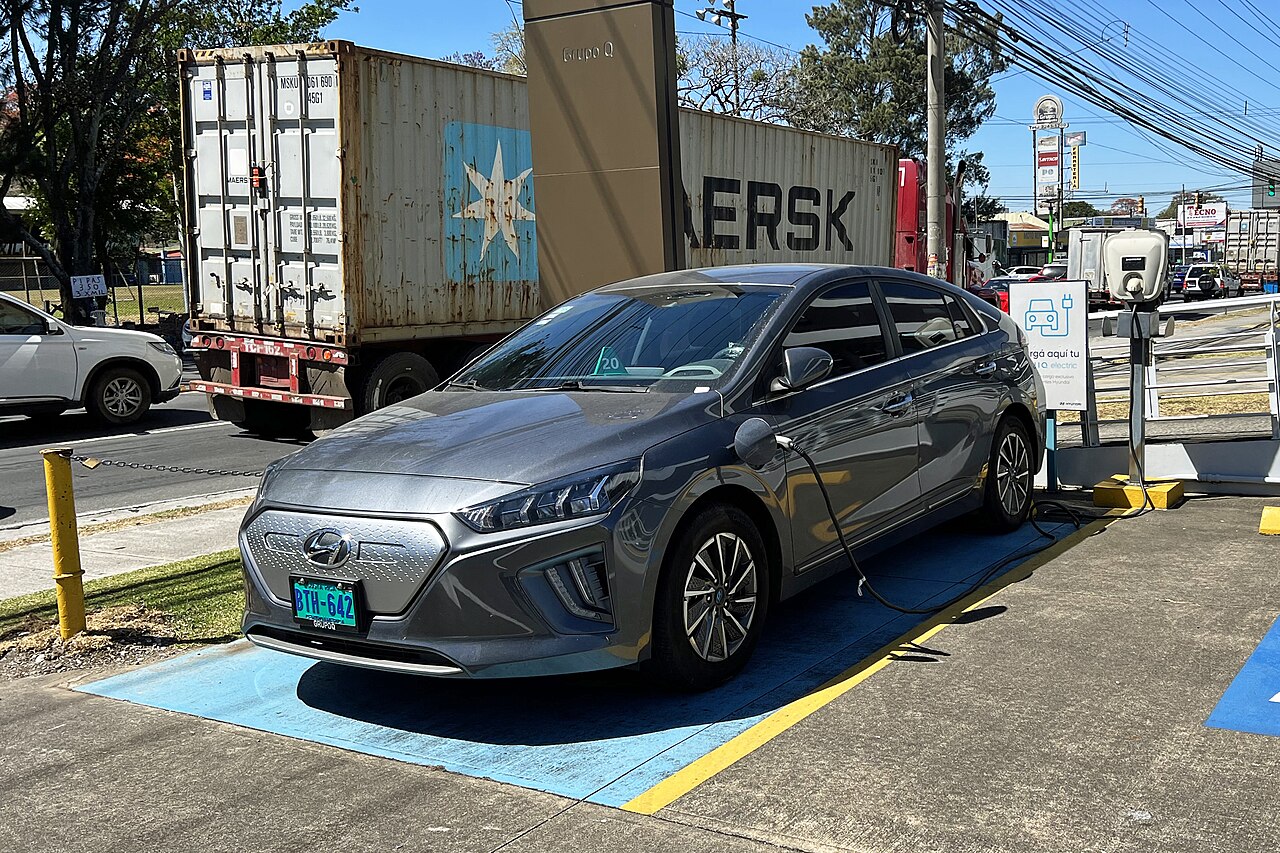
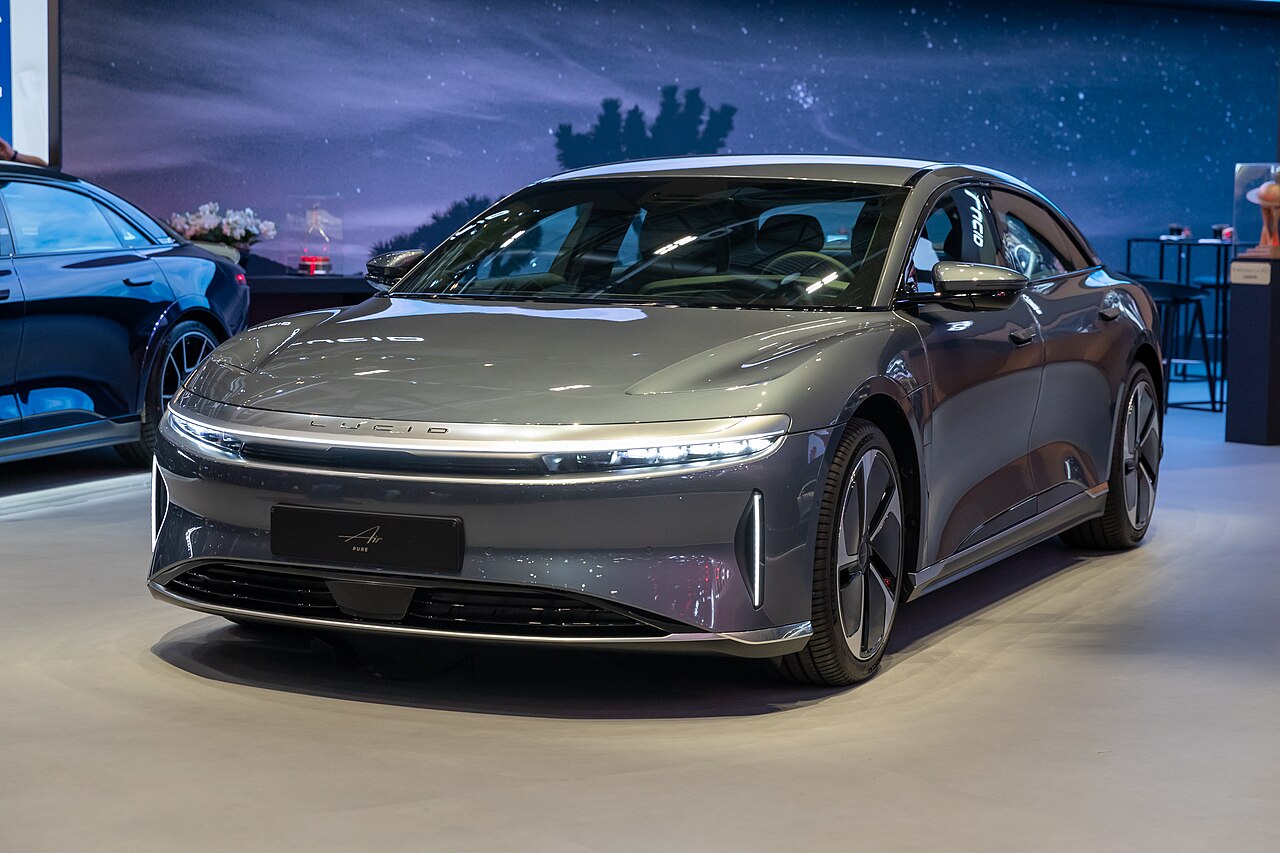
You know how some things just don’t land? Like a joke that falls flat or a recipe that looks better on Instagram. That’s kind of what happened with these electric cars. Big hopes, lots of buzz, and then…well, reality showed up. These EVs had potential-some even looked the part-but quirks, bad timing, or just plain poor decisions held them back. These aren’t your average flops. They’re the kind that makes you wonder how the ball got dropped so hard.
If you’re into EVs or just curious where things went sideways, this list lays out the cars that totally missed their shot.
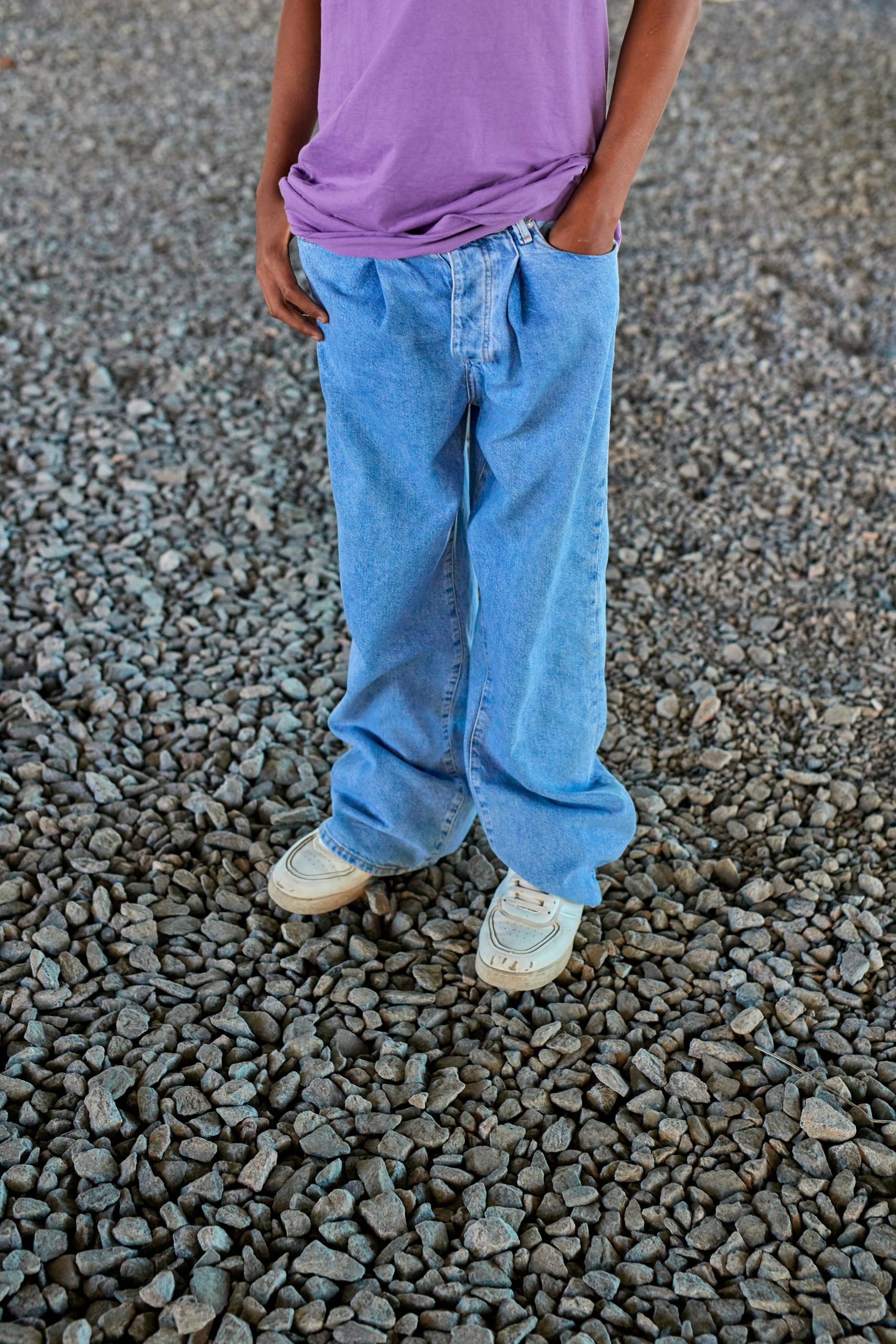
The 2000s is the art of mixing and matching clothes while maintaining an impeccable look. From low-rise or flared pants to leggings under mid-length dresses and salmon-colored tracksuits, the 2000s were the real spearhead of an era when you could dare anything. Ridiculed and sometimes rejected, 2000s fashion has never ceased to make a name for itself. Summer dresses that hid widened jeans or the superimposition of a short-sleeved T-shirt over a long-sleeved shirt were a real source of inspiration for contemporary designers keen to restore this style to its former glory. Here’s a look back at a period that was both reviled and embraced.
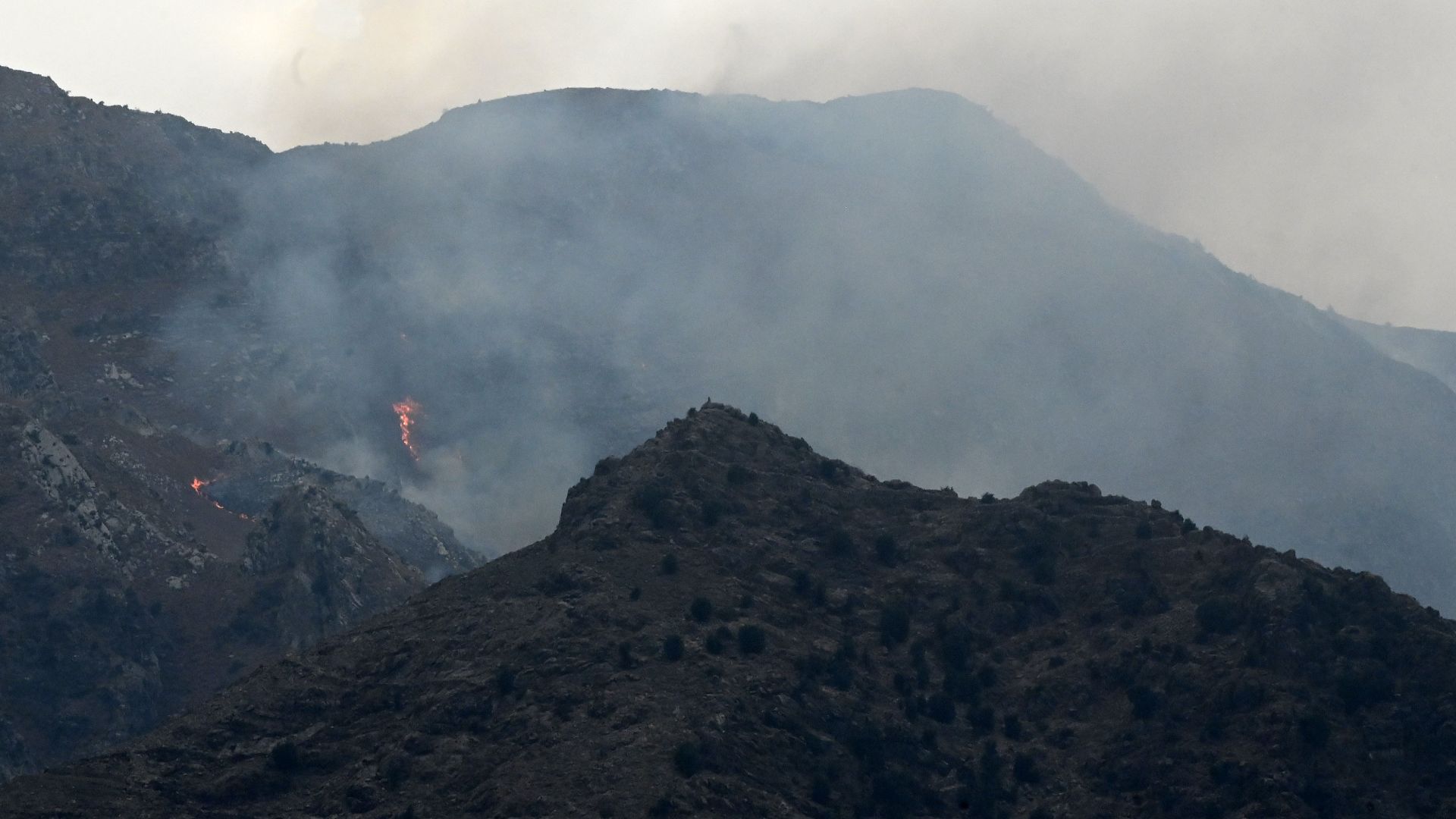
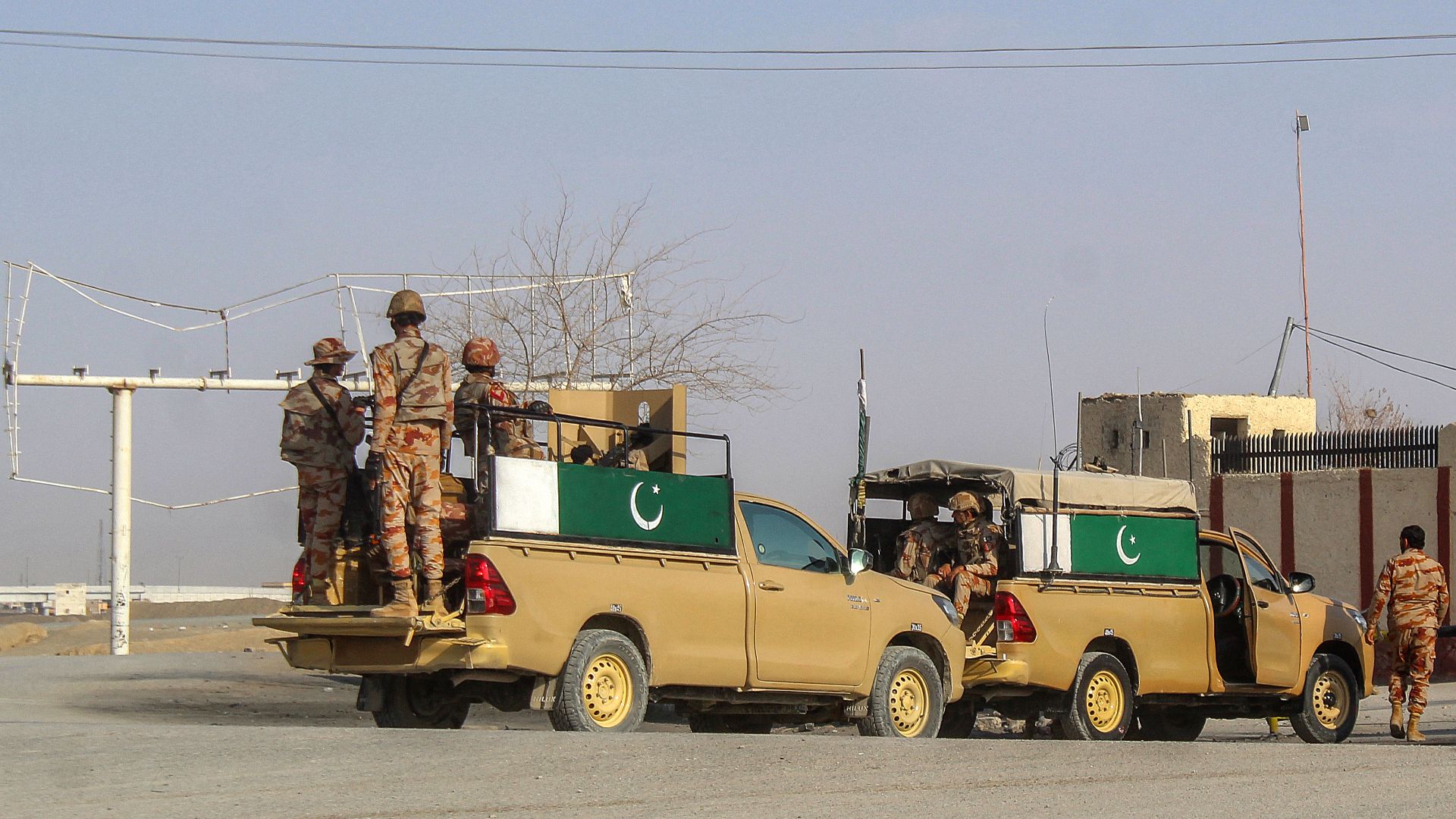
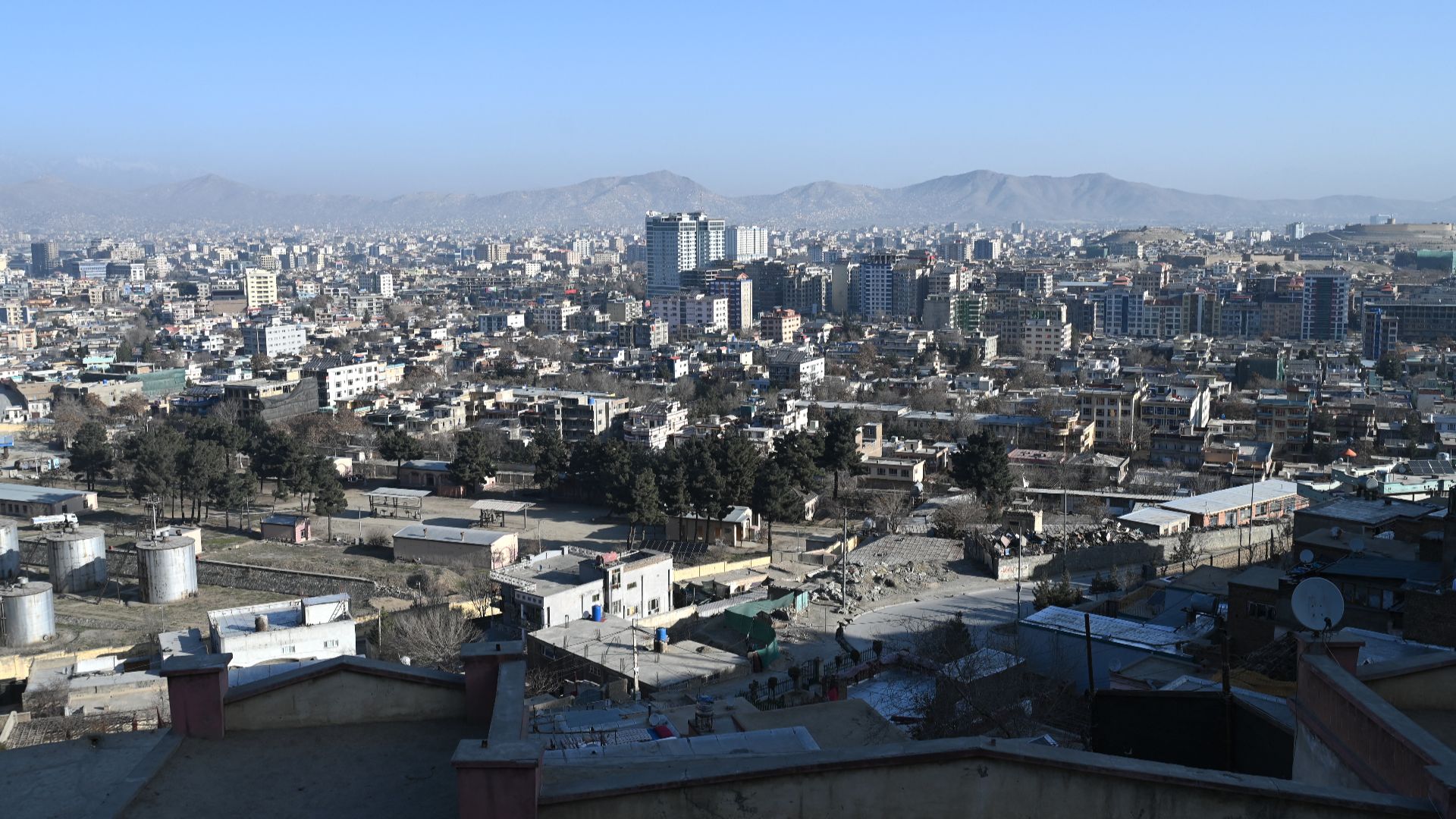
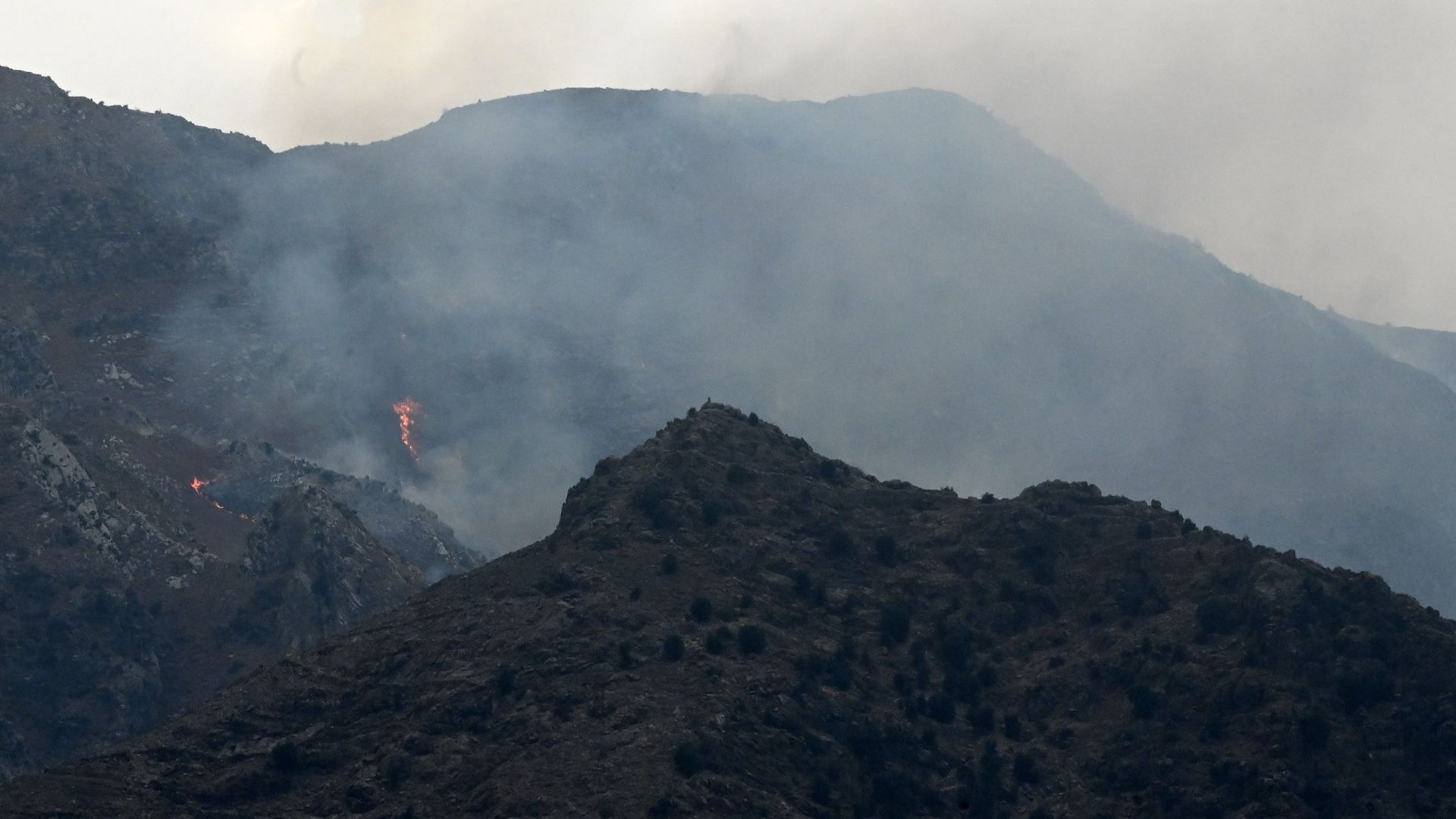
Pakistan escalated its confrontation with Afghanistan overnight, launching airstrikes that officials said hit areas in and around Kabul, Kandahar, and the eastern border province of Paktia, before senior leaders declared the two neighbors had entered what they called an “open war.” Pakistan’s government presented the strikes as a retaliatory response to cross-border attacks and a broader campaign against militancy, while Afghan officials described them as an attack on their territory that endangered civilians and demanded an immediate end to what they called aggression. The strikes marked a major intensification in a conflict that had largely been fought through intermittent border fire and limited operations, bringing warfare closer to Afghanistan’s major population centers and raising fears of a wider and more sustained fight along the Durand Line.
«Our patience has now run out. Now it is open war between us.»
-Pakistan’s Defense Minister, Khawaja Mohammad Asif
The immediate trigger, according to both governments’ public accounts, was a rapid tit-for-tat sequence in the last week. Afghanistan said it launched a cross-border attack late Thursday in retaliation for Pakistani airstrikes on Afghan border areas on Sunday. Pakistan’s position is that it has been responding to militant violence originating from Afghan territory and that the Taliban have failed to curb groups Islamabad says are attacking Pakistan. After Thursday night’s Afghan strikes, Pakistan responded early Friday with airstrikes deeper inside Afghanistan, while Islamabad’s defense leadership publicly concluded that the crisis had crossed a threshold. Pakistan’s Defense Minister Khawaja Mohammad Asif wrote: «Our patience has now run out. Now it is open war between us.»
Getty Images
Pakistani officials framed the conflict as a fight against militancy and what they describe as Kabul’s complicity, while Afghan authorities cast their actions as a response to repeated violations of sovereignty. In televised comments from Kandahar, Afghan government spokesman Zabiullah Mujahid said: «We have targeted important military targets in Pakistan, sending a message that our hands can reach their throats and that we will respond to every evil act of Pakistan.»
He added: «Pakistan has never sought to resolve problems through dialogue.» Pakistan, for its part, has repeatedly accused the Taliban-led government of harboring armed groups that carry out attacks inside Pakistan, including the Pakistani Taliban, and has also claimed Afghanistan’s leadership has grown closer to India in ways Islamabad considers destabilizing.
Getty Images
The current escalation follows months of mounting tension and failed diplomacy. Border clashes in October killed soldiers, civilians, and suspected militants, prompting emergency mediation efforts and a ceasefire that reduced but did not end hostilities. Subsequent talks, including negotiations hosted outside the region, did not produce a lasting agreement on border security, militant sanctuaries, or rules of engagement.
Pakistan argues it has been warning for months that continued cross-border attacks would bring a harsher response, while Afghan officials insist Pakistan has used the militancy issue to justify strikes that hit Afghan territory and, at times, civilian areas. As fighting resumed, reports from both sides described continued exchanges of fire in border zones, including areas near crossings and refugee communities.
«We have targeted important military targets in Pakistan, sending a message that our hands can reach their throats and that we will respond to every evil act of Pakistan.»
-Afghan government spokesman, Zabiullah Mujahid
Both governments issued sharply conflicting claims about casualties and battlefield results. Pakistan’s army spokesman, Lt. Gen. Ahmed Sharif Chaudhry, said Pakistani air and ground operations killed at least 274 members of Afghan forces and affiliated militants and wounded more than 400, while 12 Pakistani soldiers were killed and 27 wounded, with one missing.
Mujahid rejected Pakistan’s claims as false and said 55 Pakistani soldiers were killed, that bodies were taken into Afghanistan, and that «many» Pakistani soldiers were captured, while he reported 13 Afghan soldiers killed, 22 wounded, and 13 civilians wounded. Independent verification of these numbers has not been possible, and the competing figures have intensified the propaganda battle as much as the military one, with each side portraying the other as the aggressor.
Getty Images
Pakistan’s government also pointed to new security incidents inside its own territory as evidence the conflict is widening beyond the border. Pakistan’s Information Minister Attaullah Tarar said there were drone attacks in Abbottabad, Swabi, and Nowshera and that there was «no damage to life.» Islamabad blamed militant networks it says operate from Afghan soil and used the episode to reinforce its claim that Pakistan’s internal security is being threatened from across the border. Pakistan’s Foreign Ministry issued a warning that signaled further escalation remains on the table, stating: «Any further provocations by the Taliban regime, or attempts by any terrorist group to undermine the security and welfare of the people of Pakistan, will be met with a measured, decisive and befitting response.»
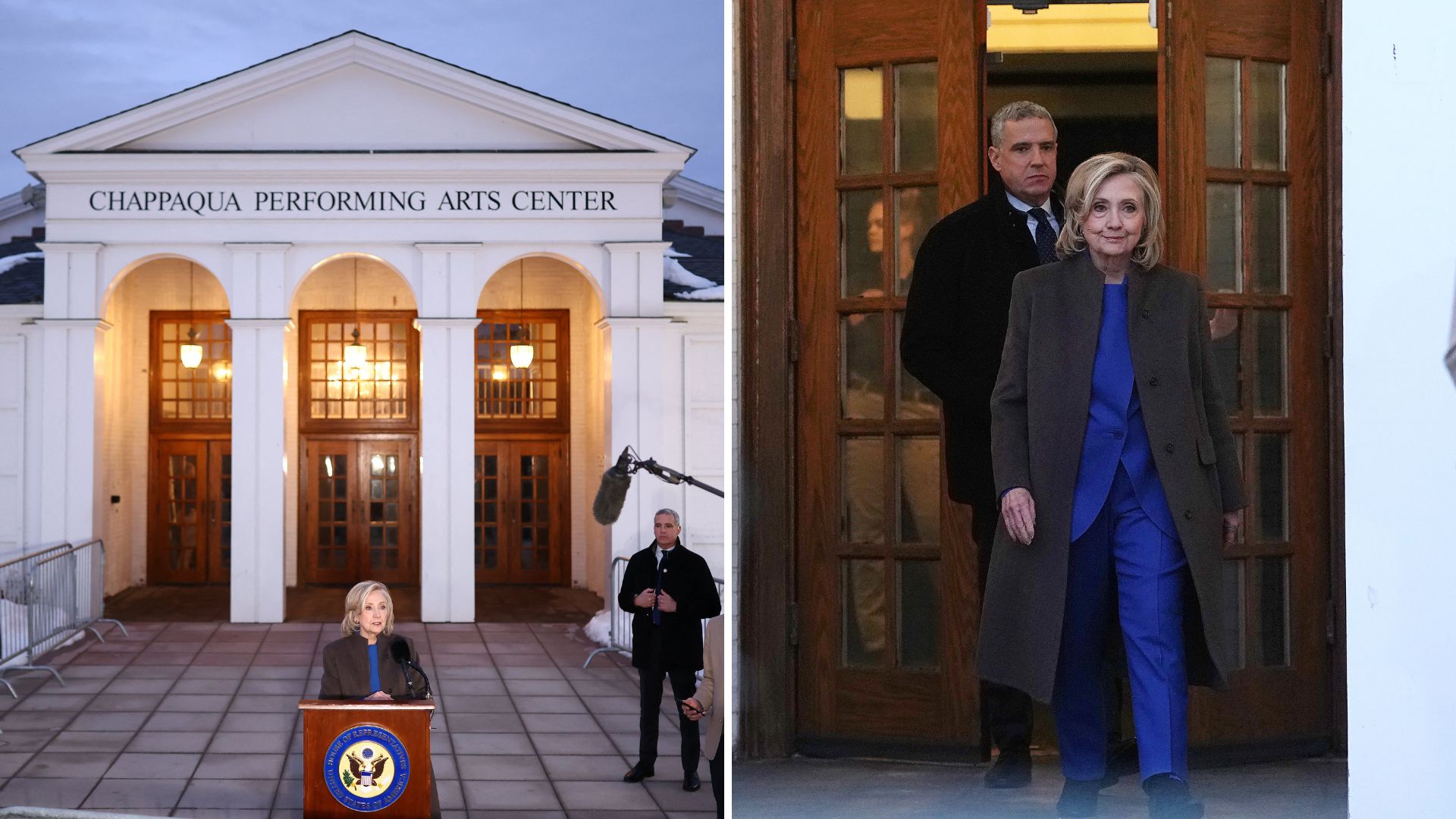
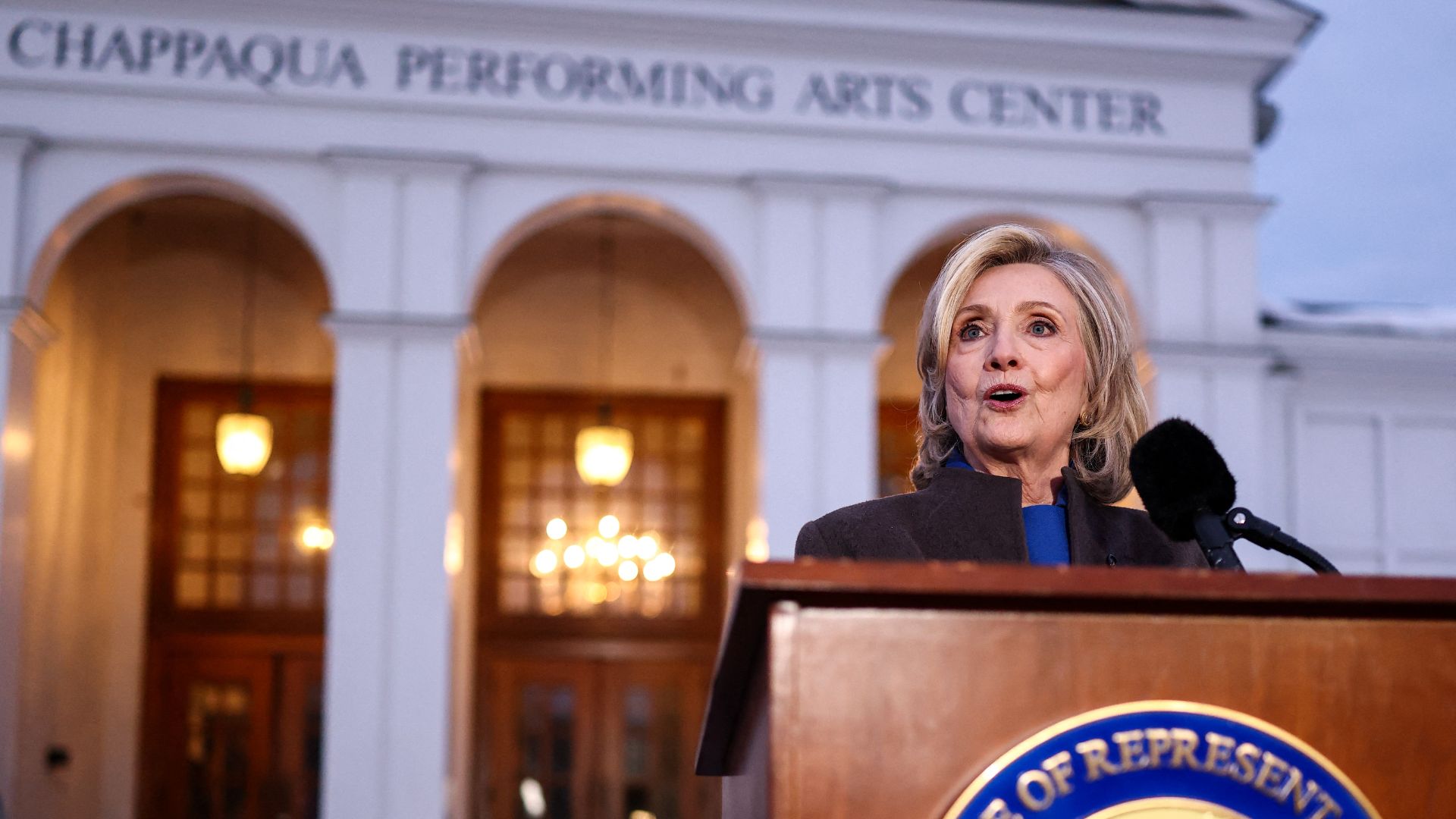
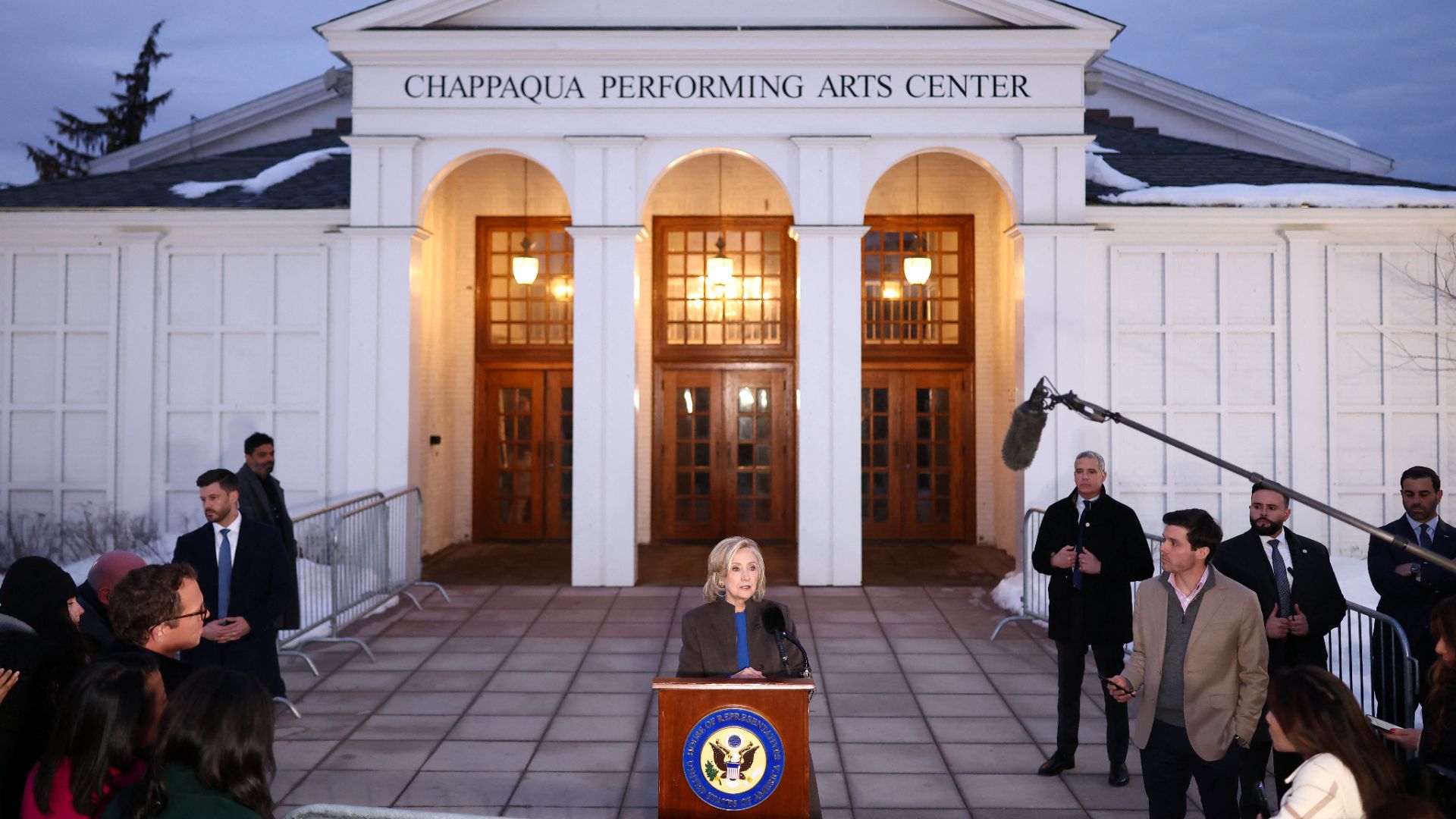
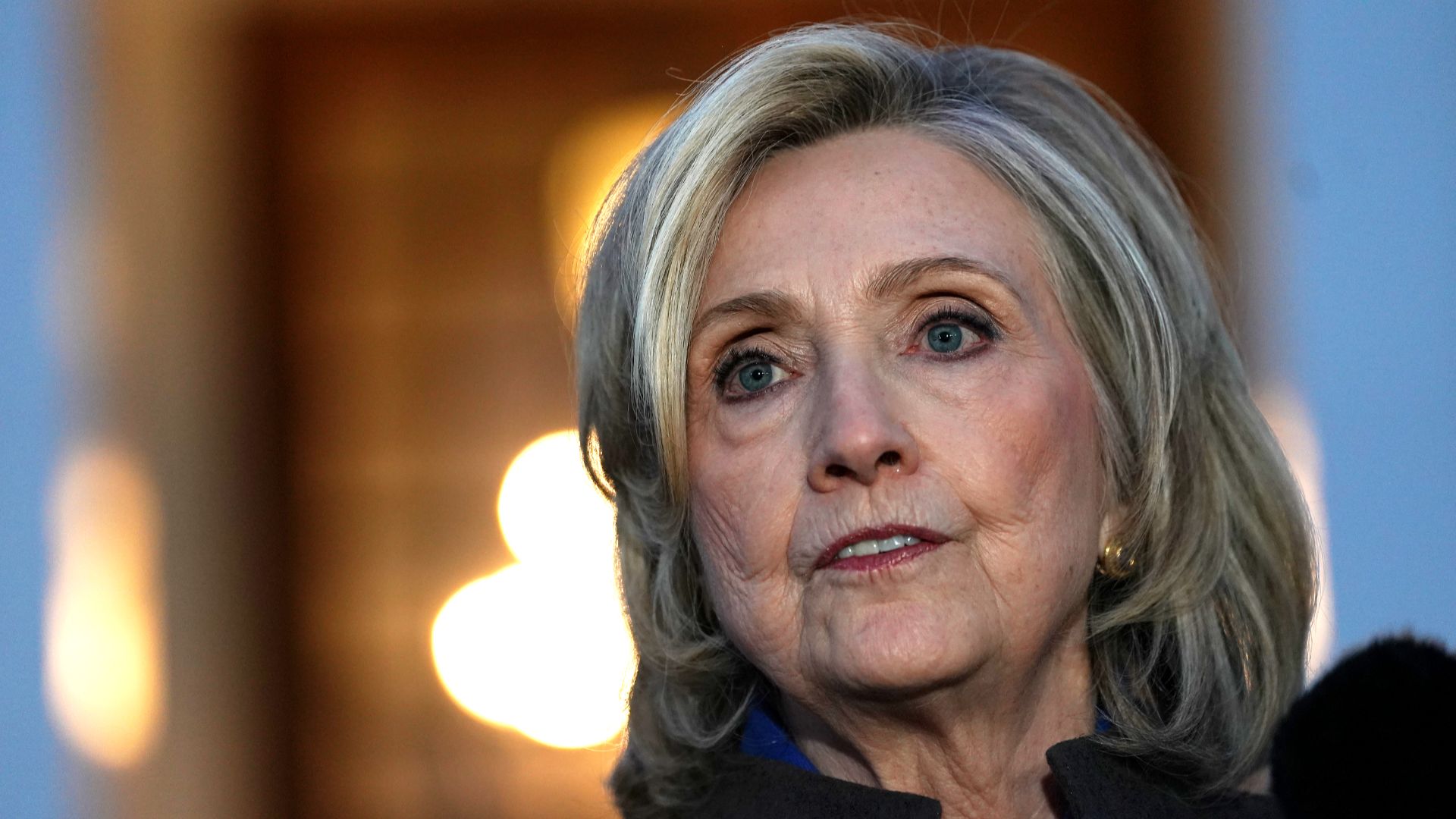
Hillary Clinton emerged from a closed-door deposition with the House Committee on Oversight and Government Reform in Chappaqua and delivered a blunt assessment of what she said became a spectacle rather than a focused inquiry into Jeffrey Epstein’s trafficking crimes.
Clinton said she repeatedly told investigators she had no relationship with Epstein, then watched the questioning drift into topics she described as irrelevant. She told reporters: «I don’t know how many times I had to say I did not know Jeffrey Epstein,» adding: «I never went to his island. I never went to his homes, I never went to his offices.»
Clinton said the session moved beyond the stated subject, portraying the most sensational lines of questioning as distractions that did not advance the committee’s stated goal of fact-finding.
Getty Images
Her appearance came only after months of resistance to subpoenas and a rising threat of contempt. The committee’s leadership said the subpoenas were approved on a bipartisan basis and formally issued in early August 2025, then followed by prolonged negotiations as the Clintons challenged the process and sought conditions, including a public hearing.
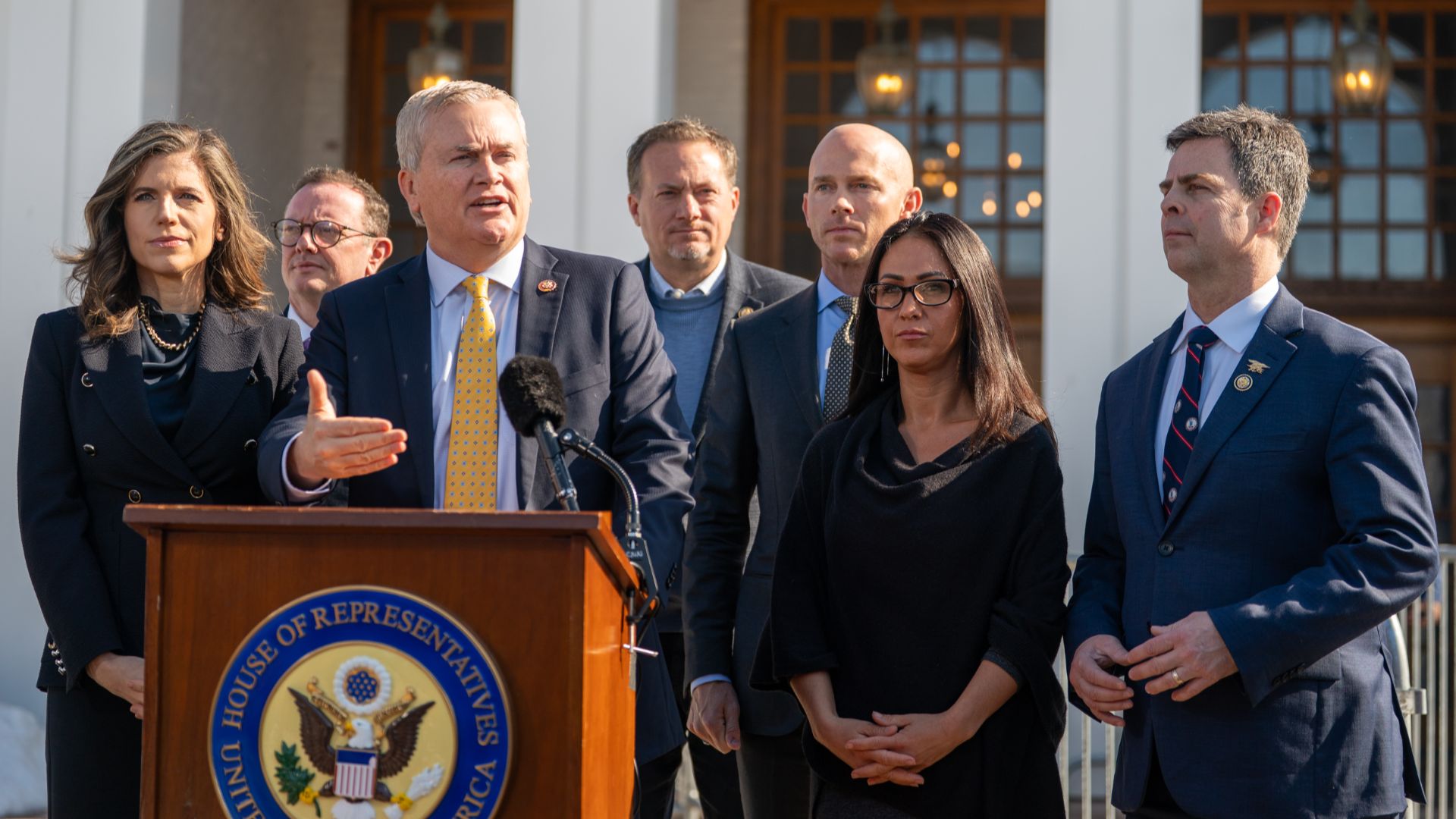
In early February, Oversight Chairman James Comer announced the pair would sit for transcribed, filmed depositions after the committee moved toward contempt proceedings over noncompliance. Clinton’s deposition was scheduled for Feb. 26, with Bill Clinton set to appear the next day. The contempt threat was not abstract: the committee had advanced resolutions and publicly signaled it was prepared to escalate if the Clintons did not show up in person.
«I started being asked about UFOs and a series of questions about Pizzagate, one of the most vile, bogus conspiracy theories that was propagated on the internet».
-Former Secretary of State, Hillary Clinton
In her prepared remarks, Clinton delivered a categorical denial of having information that could meaningfully assist the committee’s investigation. She said: «The Committee justified its subpoena to me based on its assumption that I have information regarding the investigations into the criminal activities of Jeffrey Epstein and Ghislaine Maxwell.
Let me be as clear as I can. I do not.» She continued:
«As I stated in my sworn declaration on January 13, I had no idea about their criminal activities. I do not recall ever encountering Mr. Epstein. I never flew on his plane or visited his island, homes, or offices. I have nothing to add to that.»
Clinton also acknowledged she had encountered Ghislaine Maxwell in social settings, but insisted that did not translate into knowledge of criminal wrongdoing.
Getty Images
Clinton said the questioning veered into conspiracy terrain, including topics that have circulated for years online with no relevance to the Epstein case. In one of her most pointed comments after leaving the session, she described the line of inquiry as a sign the deposition had lost focus.
Clinton told reporters it became «quite unusual, because I started being asked about UFOs and a series of questions about Pizzagate, one of the most vile, bogus conspiracy theories that was propagated on the internet». Her remarks landed in a political environment where Epstein-related disclosures have fueled a flood of speculation, with lawmakers and commentators disputing what has been released publicly, what remains sealed, and whether the government’s document disclosures have been complete.
Clinton framed her testimony as an example of how that climate can encourage performative questioning.
Getty Images
The closed-door format itself became part of the fight. Clinton and her advisers argued the committee’s public posture on transparency clashed with its insistence on private questioning, and she repeatedly called for a public hearing. Ahead of her deposition, she posted: «So let’s stop the games. If you want this fight, let’s have it — in public.
You love to talk about transparency. There’s nothing more transparent than a public hearing, cameras on. We will be there,» while the committee maintained it would release video and a transcript after lawyers had a chance to review it. The deposition was also briefly disrupted after a photograph from inside the room circulated online, triggering objections about ground rules and reinforcing Clinton’s argument that the process was being treated as political theater.
«As I stated in my sworn declaration on January 13, I had no idea about their criminal activities. I do not recall ever encountering Mr. Epstein. I never flew on his plane or visited his island, homes, or offices. I have nothing to add to that.»
-Former Secretary of State, Hillary Clinton
The committee’s next major step is Bill Clinton’s scheduled deposition, which is expected to draw sharper attention because of his documented contacts with Epstein, including travel on Epstein’s plane years before Epstein’s final federal arrest. Hillary Clinton, by contrast, has emphasized that she had no direct relationship with Epstein and no firsthand knowledge to share beyond denying claims and describing limited social encounters involving Maxwell.
The committee has argued that the Clintons’ testimony is necessary to map how Epstein operated around powerful institutions, while Democrats have questioned whether the inquiry is being used selectively and sensationally. For now, Clinton is leaning into a single claim: that the most prominent moments of the deposition were the ones she says never belonged there at all.
Netflix has confirmed it will not raise its offer for Warner Bros. Discovery after Paramount submitted a higher all-cash bid, effectively ending Netflix’s pursuit of the media giant. The streaming company informed Warner Bros. Discovery’s board that it would not engage in a bidding war beyond its latest proposal, signaling that the economics of the deal no longer aligned with its strategic priorities. The development marks a dramatic shift in what had become one of the most closely watched takeover battles in the entertainment industry, as control of major assets including Warner Bros. Pictures, HBO, and CNN hangs in the balance pending Warner Bros. Discovery’s final decision on Paramount’s offer.
Getty Images
Netflix’s most recent proposal reportedly valued parts of Warner Bros. Discovery at a lower per-share price than Paramount’s revised all-cash offer, which is said to reach approximately $31 per share and cover the entirety of the company’s assets, including its television networks and streaming operations.
Netflix had structured its bid primarily around acquiring the studio and streaming divisions, arguing that such a configuration would streamline regulatory approval while preserving production capacity. However, Paramount’s willingness to acquire the full corporate structure, including linear cable holdings such as CNN, significantly altered the competitive landscape and increased the overall valuation available to shareholders.
«Our proposal provides superior value and a clear path to completion, delivering immediate and certain cash consideration to Warner Bros. Discovery shareholders.»
-Paramount’s executive leadership team
In a public statement explaining its decision, Netflix leadership said: «We believe we would have been great stewards of Warner Bros.’ iconic brands and that our deal would have strengthened the entertainment industry and preserved and created more production jobs in the United States. But this transaction has always been a nice-to-have at the right price, not a must-have at any price.» The statement underscored that while Netflix viewed Warner Bros. Discovery’s intellectual property library as strategically valuable, it would not stretch beyond financial discipline to secure the acquisition. The company emphasized its continued focus on organic growth, international expansion, and investment in original programming.
Getty images
Warner Bros. Discovery’s board has acknowledged receipt of Paramount’s revised proposal and is currently evaluating whether it constitutes a superior offer under the terms of its existing agreement with Netflix.
The board had previously recommended that shareholders reject an earlier Paramount bid, but the improved financial terms and all-cash structure have intensified deliberations. Paramount executives have argued that their proposal delivers greater certainty of closing and stronger immediate value to shareholders. In a statement regarding the offer, Paramount leadership said:
«Our proposal provides superior value and a clear path to completion, delivering immediate and certain cash consideration to Warner Bros. Discovery shareholders.»
Getty Images
The potential acquisition carries significant political and regulatory implications, particularly because it includes CNN, one of the most influential news networks in the United States. Lawmakers and media analysts have already begun speculating about potential editorial and structural changes should Paramount gain control. The consolidation would reshape the competitive landscape across streaming, film production, cable news, and advertising markets, likely drawing scrutiny from federal antitrust authorities.
President Donald Trump, who has frequently criticized CNN’s coverage, has previously said: «CNN is a disaster. Nobody watches it.» While Trump has not formally commented on the pending deal, observers note that any ownership transition involving CNN could quickly take on political overtones.
«We believe we would have been great stewards of Warner Bros.’ iconic brands and that our deal would have strengthened the entertainment industry and preserved and created more production jobs in the United States. But this transaction has always been a nice-to-have at the right price, not a must-have at any price.»
-Netflix co-CEO Ted Sarandos and Greg Peters
As the industry awaits Warner Bros. Discovery’s final determination, the outcome of the bidding battle could redefine the balance of power in global media. For Netflix, the decision to step aside reflects a disciplined approach after years of aggressive expansion. For Paramount, the acquisition would dramatically expand its footprint, combining film studios, streaming platforms, and cable news under one umbrella.
The coming weeks will determine whether Warner Bros. Discovery accepts the higher offer and how regulators respond to a consolidation that could alter the trajectory of the American media industry for years to come.
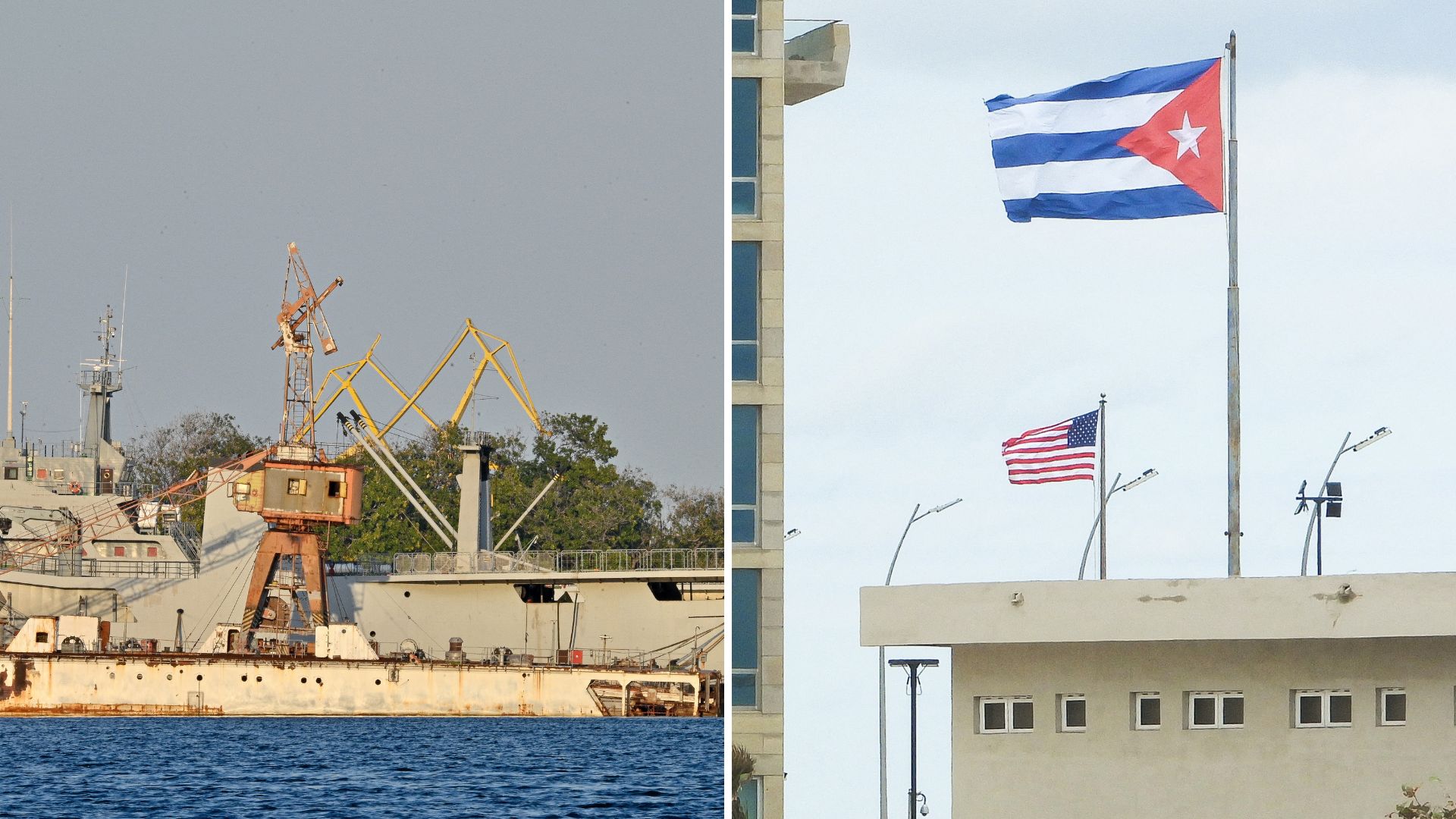
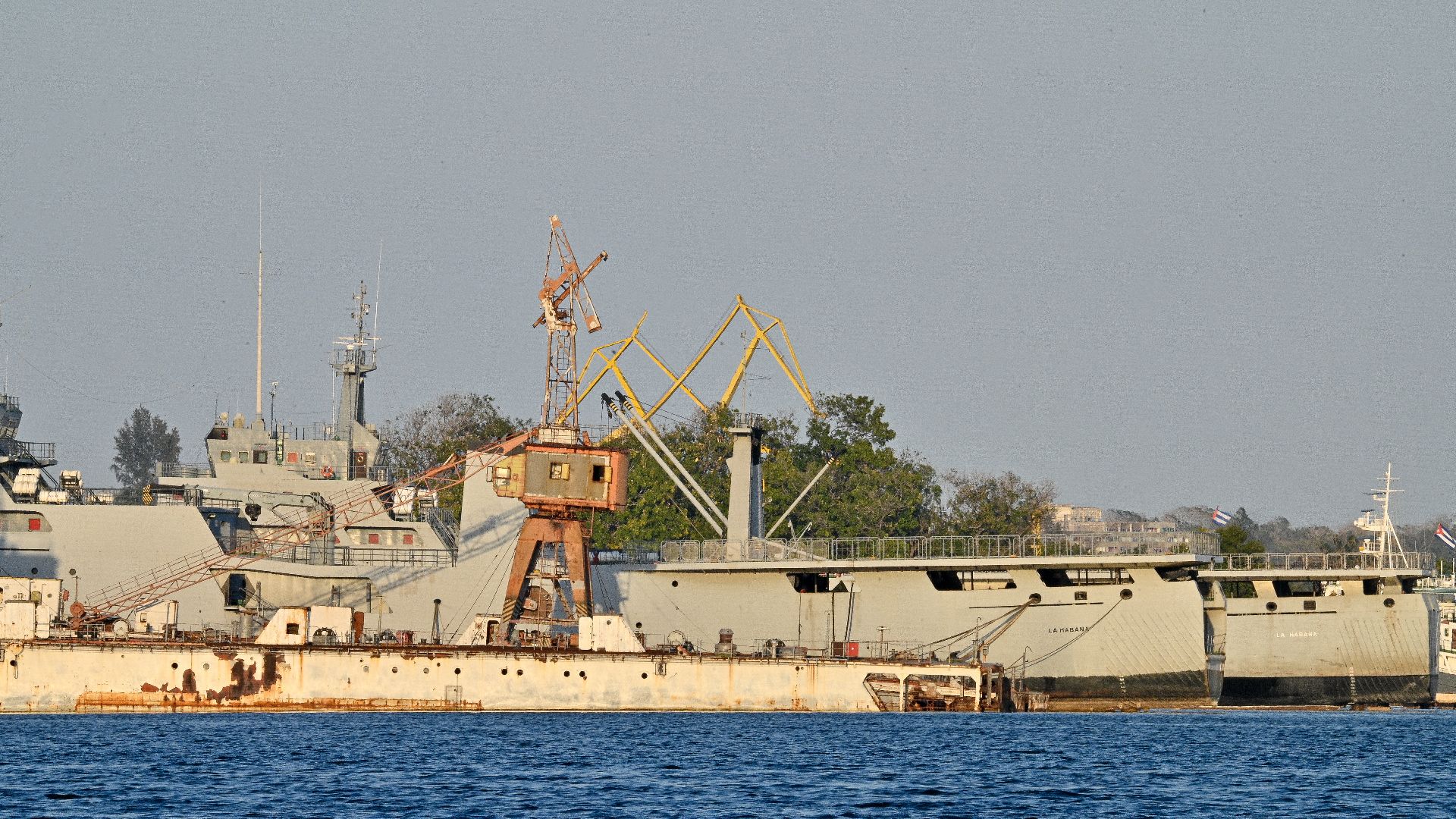
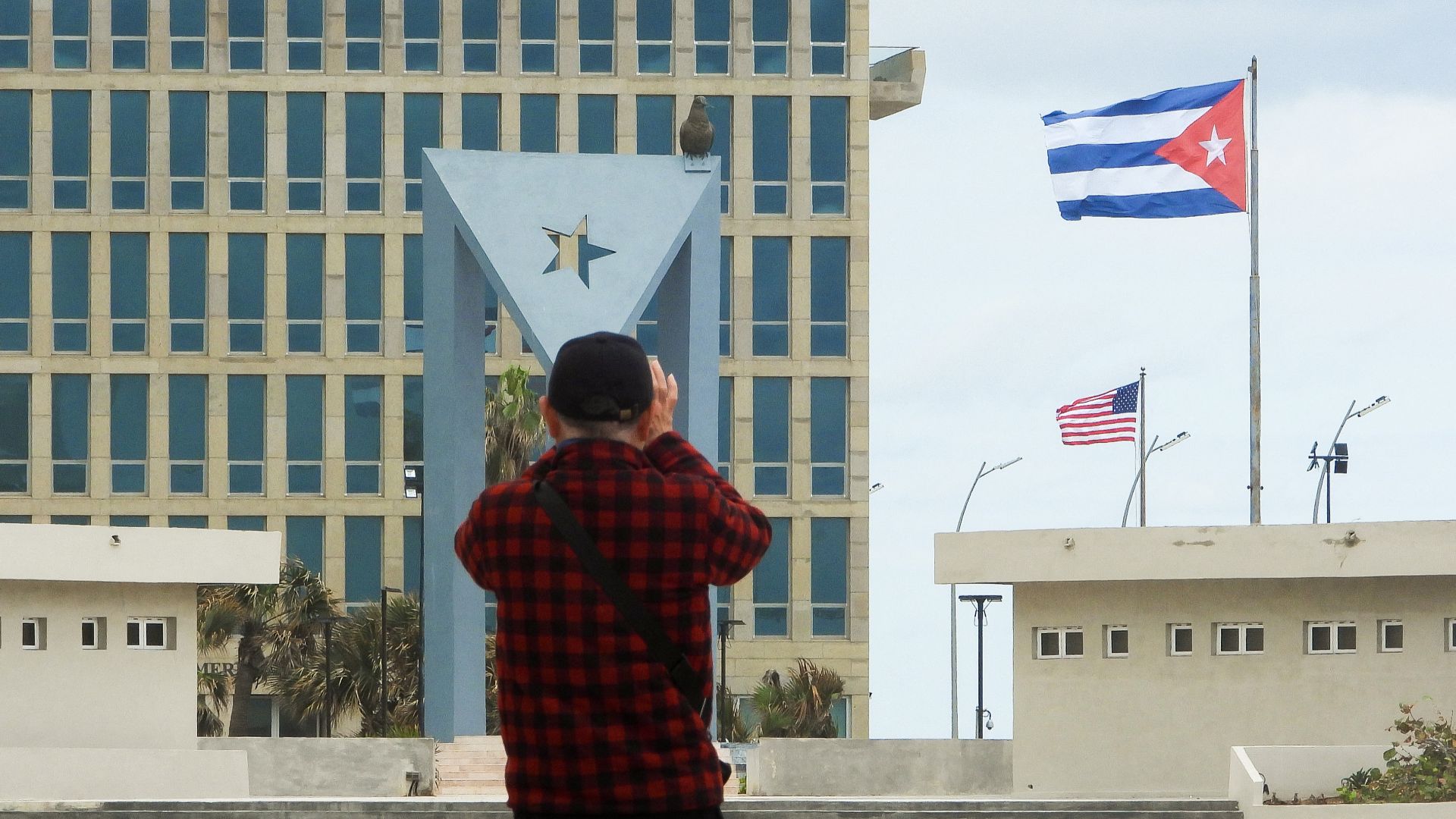
Cuba says a confrontation off its northern coast left four people dead and six wounded after Cuban border forces opened fire on a Florida-registered speedboat that Havana alleges entered Cuban waters and initiated gunfire. According to Cuba’s Interior Ministry, the incident occurred Wednesday morning near Cayo Falcones, roughly one nautical mile northeast of the El Pino canal, when Cuban Border Guard troops approached the vessel for identification. Authorities said those aboard the speedboat «opened fire», injuring the commander of the Cuban patrol craft, prompting Cuban forces to return fire.
The ministry stated that the wounded were transported for medical treatment while six survivors were detained. The unusually deadly maritime clash immediately heightened tensions in the Florida Straits and triggered diplomatic alarm.
Getty Images
Cuban officials quickly framed the episode as more than a border confrontation, describing it as an organized armed incursion. In its official statement, the Interior Ministry said the 10 people aboard were «Cuban residents of the United States» who were armed and «intended to carry out an infiltration for terrorist purposes.»
Authorities reported seizing assault rifles, handguns, Molotov cocktails, bulletproof vests, telescopic sights and camouflage uniforms from the vessel. The government added that most of the individuals «have a known history of criminal and violent activity.» In the same communication, Havana declared:
«In the face of current challenges, Cuba reaffirms its determination to protect its territorial waters, based on the principle that national defense is a fundamental pillar of the Cuban State in safeguarding its sovereignty and ensuring stability in the region.»
«The 10 people aboard were Cuban residents of the United States who were armed and intended to carry out an infiltration for terrorist purposes.»
-Cuba Interior Ministry
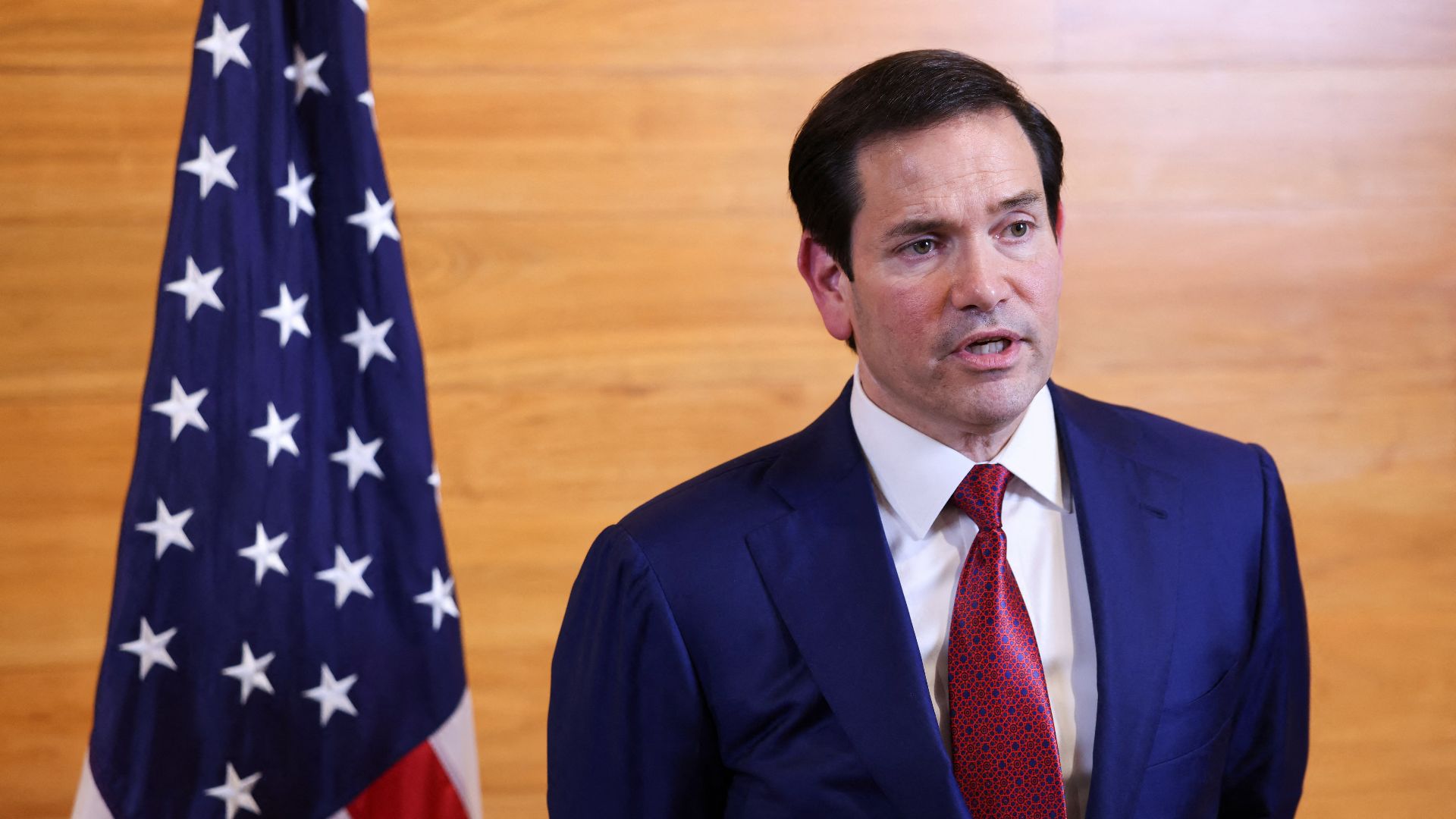
U.S. officials have rejected any suggestion that the incident was a U.S. government operation and said they are independently assessing the situation. Secretary of State Marco Rubio stated that no U.S. government personnel were involved and cautioned against accepting Havana’s narrative without verification. «We’re not going to base our conclusions on what they’ve told us, and I’m very, very confident that we will know the full story of what happened here,» Rubio said. He added:
«As we gather more information, then we’ll be prepared to respond accordingly.» Emphasizing the rarity of such an event, Rubio remarked: «Suffice to say it is highly unusual to see shootouts in open sea like that.» Vice President JD Vance said the administration was closely monitoring developments.
Getty Images
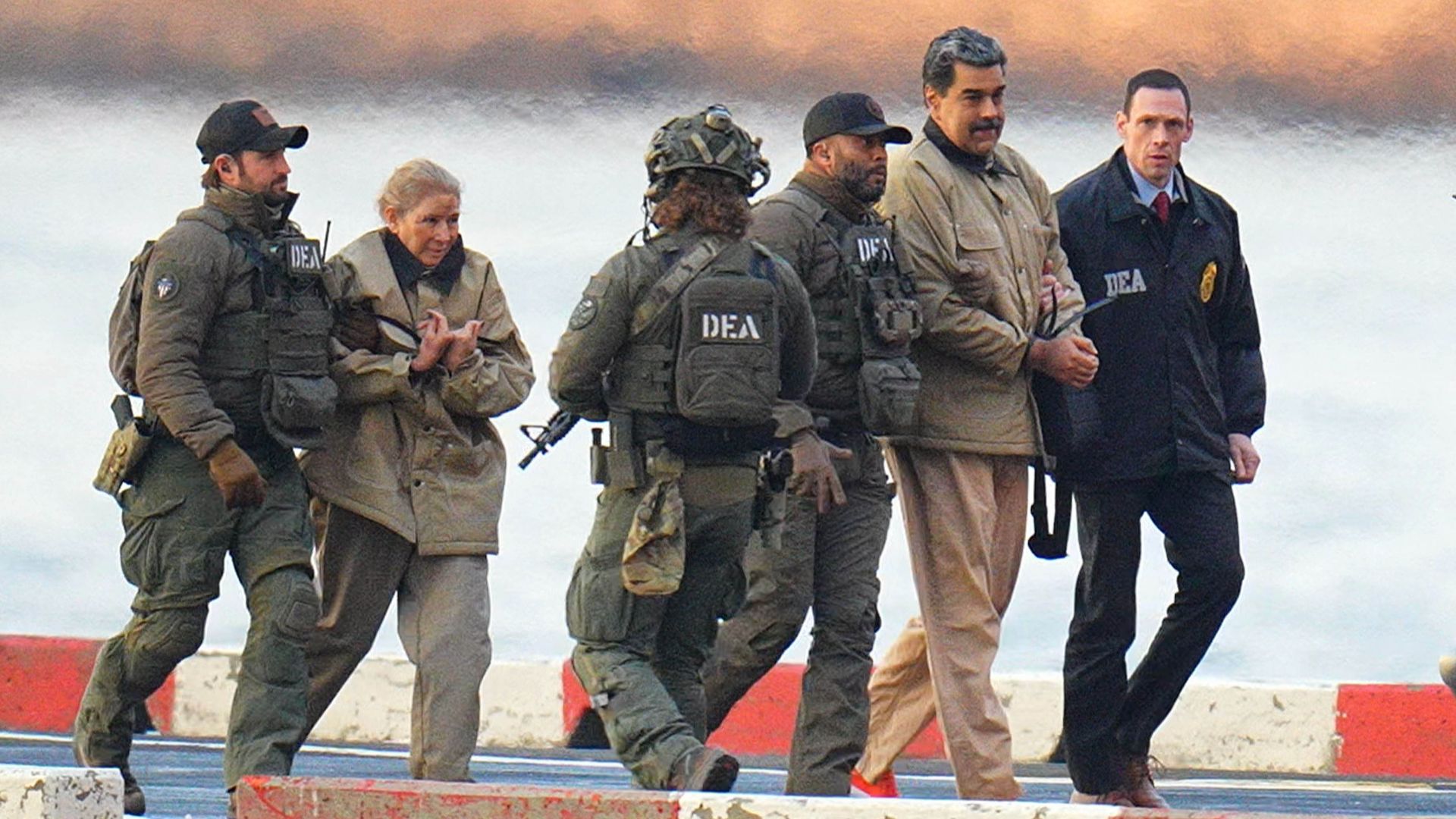
The speedboat shooting comes amid heightened regional tensions following the U.S. military operation that led to the capture of Venezuelan President Nicolás Maduro on January 3, 2026. U.S. forces detained Maduro in Caracas and transferred him to the United States to face federal charges related to narcoterrorism and drug trafficking. The operation followed months of expanded U.S. naval deployments and enforcement actions targeting Venezuelan oil exports. After Maduro’s removal, Vice President Delcy Rodríguez assumed power on an interim basis, pledging institutional stability while facing internal and international pressure.
The Trump administration has framed the operation as a law enforcement and national security action, further escalating diplomatic strain across the Caribbean, including with Cuba, which has historically depended on Venezuelan oil shipments.
Getty Images
The diplomatic fallout has intensified political rhetoric on both sides. Florida Attorney General James Uthmeier criticized Havana’s account, stating: «The Cuban government cannot be trusted, and we will do everything in our power to hold these communists accountable.» Cuban authorities, meanwhile, maintain that the confrontation began only after the vessel entered Cuban waters and fired upon Cuban forces. Officials in Havana have characterized the incident as a defensive response to an armed threat. The competing narratives hinge on details that have not yet been publicly released, including potential ballistic evidence, radar tracking data and testimony from the detained survivors.
«We’re not going to base our conclusions on what they’ve told us, and I’m very, very confident that we will know the full story of what happened here.»
-U.S. Secretary of State Marco Rubio
As investigations continue, the episode threatens to deepen an already fragile relationship between Washington and Havana. Cuba’s repeated use of the phrase «infiltration for terrorist purposes» underscores its attempt to frame the shooting as a national security response rather than an immigration or smuggling matter. The Trump administration, while disputing the Cuban account, has signaled it will respond once more facts are established. Rubio’s remark that «it is highly unusual to see shootouts in open sea like that» reflects the seriousness with which U.S. officials are treating the incident. With sanctions enforcement intensifying across the region and maritime tensions rising, the deadly encounter risks becoming a significant diplomatic flashpoint.