Catégories
Uncategorized

Alexei Navalny Died From Poison Dart Frog Toxin, According To 5 Countries

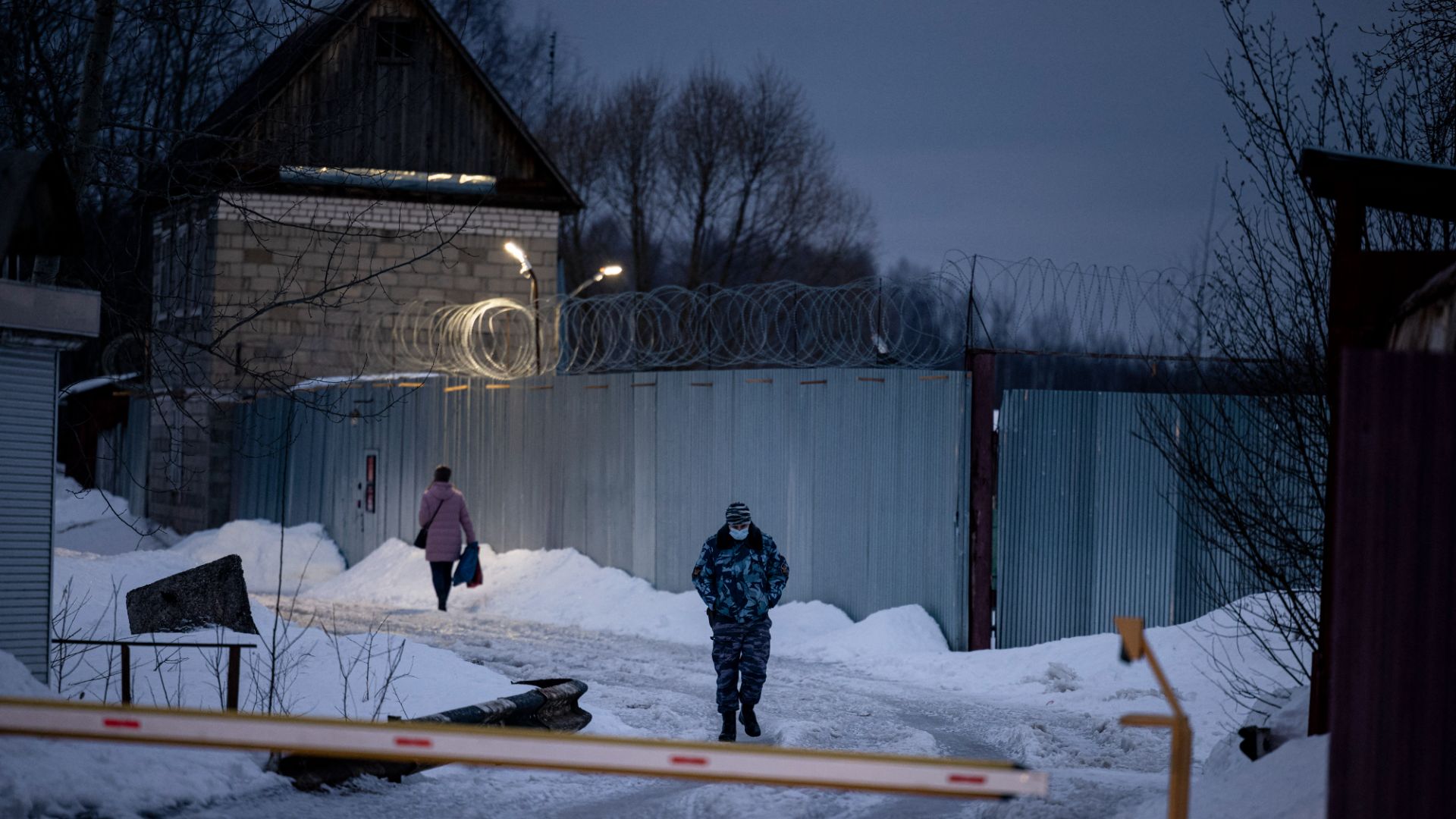
The United Kingdom, France, Germany, Sweden and the Netherlands have issued a joint statement declaring they are confident Russian opposition leader Alexei Navalny was killed by poisoning with a lethal toxin derived from poison dart frogs. The announcement, published on 14 February 2026, represents the strongest coordinated accusation to date by European governments over Navalny’s death in a Russian prison colony in February 2024. The five countries said their conclusion was based on laboratory analyses of samples taken from Navalny, which they said confirmed the presence of epibatidine, a powerful toxin most commonly associated with poison dart frogs in South America. Russia previously claimed Navalny died of natural causes, but European officials said the evidence now points to deliberate poisoning.

Getty Images

In the joint statement, the five governments said the findings were based on toxicology results that left little doubt about what was detected. «This is the conclusion of our Governments based on analyses of samples from Alexei Navalny. These analyses have conclusively confirmed the presence of epibatidine,» the statement said. It described epibatidine as «a toxin found in poison dart frogs in South America» and stressed: «It is not found naturally in Russia.» The governments argued that the official Russian narrative no longer holds up under the scientific evidence. «Russia claimed that Navalny died of natural causes. But given the toxicity of epibatidine and reported symptoms, poisoning was highly likely the cause of his death,» they said, framing the case as a deliberate act committed under state custody.

«He was killed, he was very young — less than 50. He spent his last years in torturous conditions … Putin killed him.»

-Yulia Navalnaya

The statement directly connected the circumstances of Navalny’s imprisonment to the plausibility of the poisoning, pointing to opportunity as well as motive. «Navalny died while held in prison, meaning Russia had the means, motive and opportunity to administer this poison to him,» the five governments said. The document also accused Moscow of continued violations of international law, adding: «Russia’s repeated disregard for international law and the Chemical Weapons Convention is clear.» By naming both the Chemical Weapons Convention and the Biological and Toxin Weapons Convention, European officials signaled they view the alleged poisoning as not only a political killing but also a breach of international arms control agreements. The statement said the findings “underline the need to hold Russia accountable” for repeated violations.
Getty Images

European governments also framed Navalny’s death as part of a longer pattern involving the use of prohibited agents linked to Russia. The statement recalled the international response to Navalny’s poisoning in 2020, when Western governments concluded he had been targeted with Novichok, a nerve agent. «In August 2020 the UK, Sweden, France, Germany, The Netherlands and partners condemned Russia’s use of novichok to poison Alexei Navalny,» the statement said. It also cited the Salisbury poisoning in 2018, adding: «This followed Russia’s use of novichok in Salisbury in 2018, which led to the tragic death of a British woman, Dawn Sturgess.» The governments argued that in both cases, the evidence pointed to Moscow. «In both cases, only the Russian state had the combined means, motive and disregard for international law to carry out the attacks,» the statement said.

«Russia claimed that Navalny died of natural causes. But given the toxicity of epibatidine and reported symptoms, poisoning was highly likely the cause of his death.»

-Joint Statement by the UK, Sweden, France, Germany and The Netherlands

The five countries said they have already escalated the matter through international institutions and warned that the issue could lead to further action. «Our Permanent Representatives to the Organisation for the Prohibition of Chemical Weapons have written today to the Director General to inform him of this Russian breach of the Chemical Weapons Convention,» the statement said. They also raised concerns about whether Russia complied fully with prior disarmament commitments.

«We are further concerned that Russia did not destroy all of its chemical weapons,» they added. The joint statement ended with a clear warning of potential consequences, saying: «We and our partners will make use of all policy levers at our disposal to continue to hold Russia to account.» It was signed off as «Agreed by the Foreign Ministers of France, Germany, The Netherlands, Sweden and the UK.»
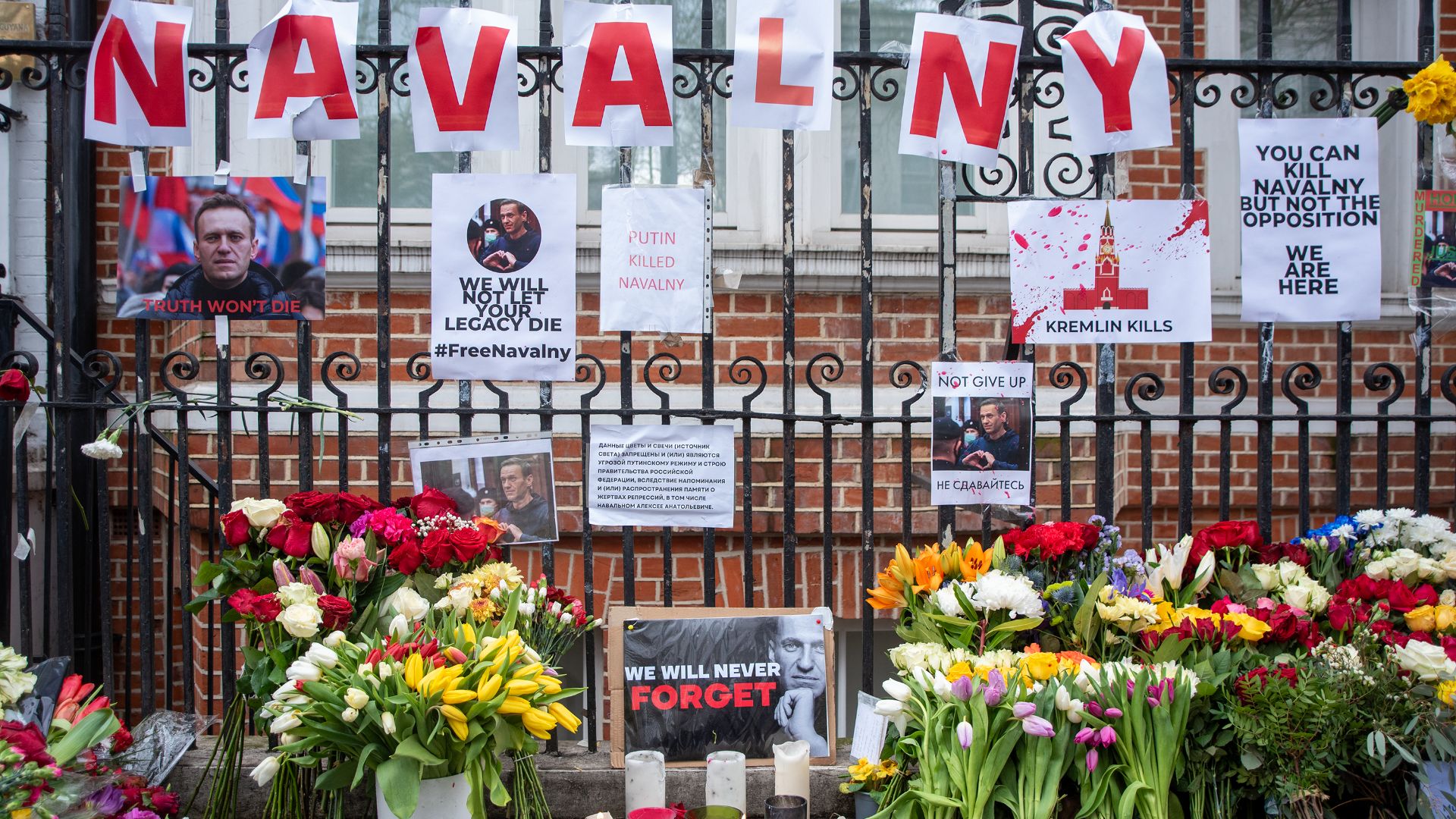
Getty Images

The announcement has renewed international attention on Navalny’s death and intensified diplomatic pressure on Moscow, while also bringing a measure of validation to his family. Yulia Navalnaya publicly welcomed the findings, saying the conclusions provided long-sought certainty about how her husband died. «He was killed, he was very young — less than 50. He spent his last years in torturous conditions … Putin killed him,» she said after the European statement was released. She added that she had previously been told it would be “impossible” to determine definitively how he died, and expressed gratitude to the governments involved for establishing what she described as clarity. «That we know now that my husband was killed,» she said, predicting that «one day there will be justice for Vladimir Putin.»


Getty Images
Catégories
Uncategorized

A practical guide for foodies: 7 must-visit destinations, 8 culinary pitfalls, and tips for eating well

Traveling as a foodie means more than collecting addresses: it means understanding a culture through its ingredients, markets, cooking styles, and ways of sharing. In this practical guide, we review seven cities that are truly worth your appetite and also discuss destinations where you need to be cautious to avoid disappointment. Throughout the guide, you’ll find specialties to try, practical tips, and recommendations for eating smart.

Food scene

The must-sees

  • Tokyo (Japan): The Japanese capital is the perfect example of a culinary scene that excels in both haute cuisine and street food. The chefs there are masters of technique and precision. Try different styles: sushi, ramen, tempura, yakitori. Tip: eat in neighborhood izakaya for a more intimate and often less expensive experience.
  • Paris (France): Between patisseries, cheese shops, and bistros, Paris offers a wide variety. Don’t leave without tasting a good pastry, a traditional dish, and strolling through a local market. Reservations are recommended for renowned restaurants.
  • Bangkok (Thailand): A paradise of intense flavors and spicy dishes, Bangkok shines with its markets and night stalls. Choose roasted foods and drink bottled water.
  • Istanbul (Turkey): A crossroads of influences, its mezze, grilled meats, and pastries are rich and varied. Share dishes to sample more.
  • Barcelona (Spain): Tapas, markets such as La Boqueria, and creative restaurants make up a versatile scene. Start with a craft coffee, then let yourself be guided by the market stalls.
  • New Orleans (United States): Creole and Cajun cuisine offers comforting, historic dishes, perfect for those seeking deep, convivial flavors.
  • Mexico City (Mexico): For authentic tacos, homemade sauces, and lively markets, Mexico City remains a benchmark. Follow the local queues to find the best places to eat.

Tokyo sushi

Destinations that are often disappointing (or to be approached with caution)

  • Venice: Beautiful setting but uneven quality; avoid crowded and overly touristy restaurants.
  • Dubai: The offerings are spectacular but often standardized for an international audience; seek out local neighborhoods.
  • Reykjavik: Interesting but very specific cuisine (fermented foods, preserves) — you have to be willing to experiment.
  • Other cities mentioned in some travel reviews include Moscow, Cairo, and certain tourist areas of London and Venice Beach, which do not always meet gastronomic expectations.

Paris pastries

Practical tips for traveling and eating well

  • Ask locals for advice: nothing beats a local’s recommendation for finding a good place to eat.
  • Choose markets and small cafes: this is often where you’ll find the most authentic and tasty dishes.
  • Think about hygiene: avoid non-bottled water and raw foods if you have any doubts about how they were prepared.
  • Share your dishes: tapas, mezze, or sharing plates allow you to try more without getting tired of the same thing.
  • Make reservations for the must-see places and arrive early to avoid the crowds at very popular spots.

Bangkok street food

In short: eating while traveling is a great way to better understand a place. Some destinations shine for the diversity and quality of their offerings (Tokyo, Paris, Bangkok, Istanbul, Barcelona, New Orleans, Mexico City), while others require caution and curiosity to uncover their best restaurants. Keep an open mind, ask the locals, and let yourself be surprised—that’s how the best food memories are made.

Bon appétit and happy discoveries!

Catégories
Uncategorized

Understanding the brief closure of El Paso airspace: timeline, possible causes, and local impacts

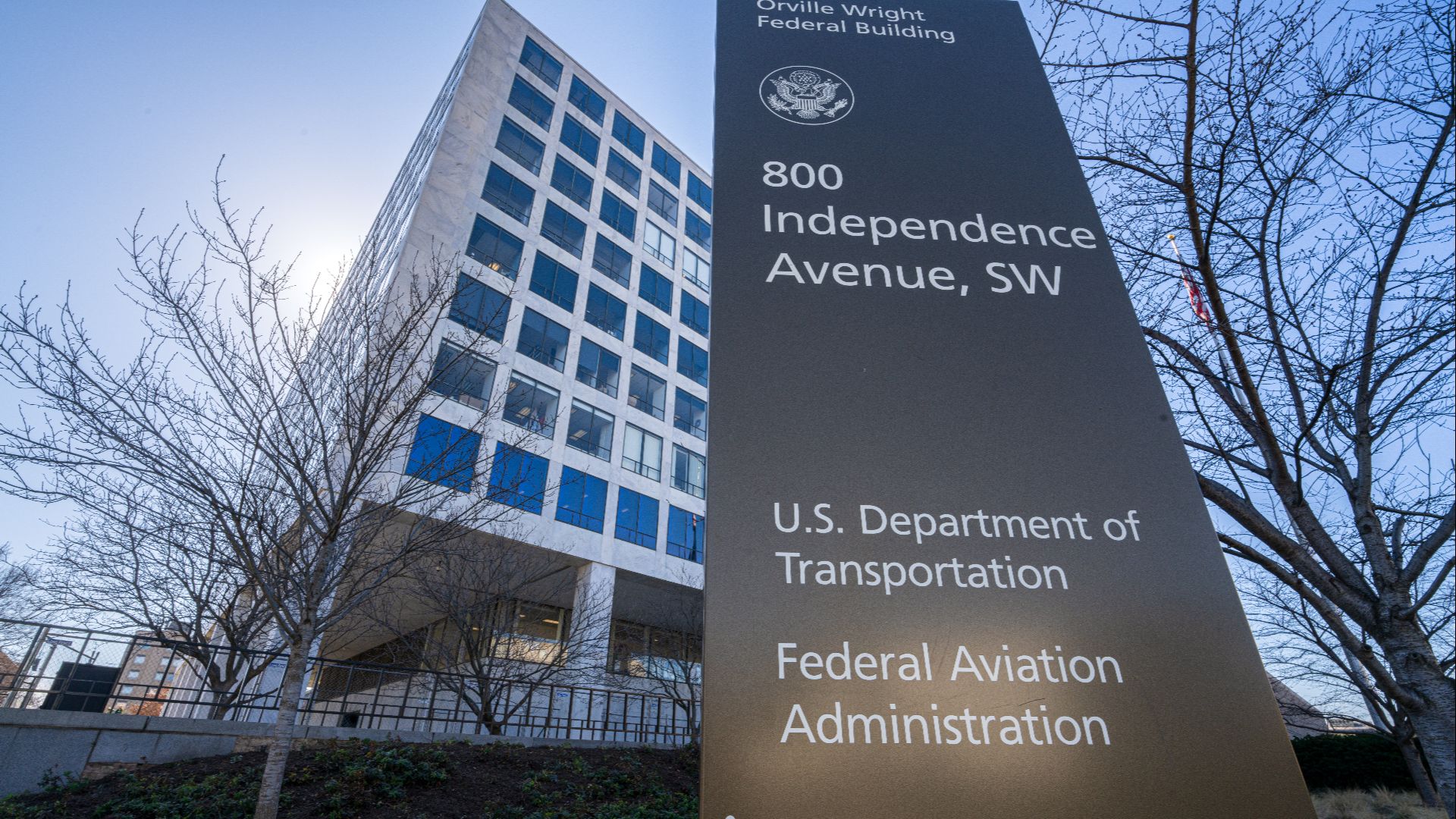
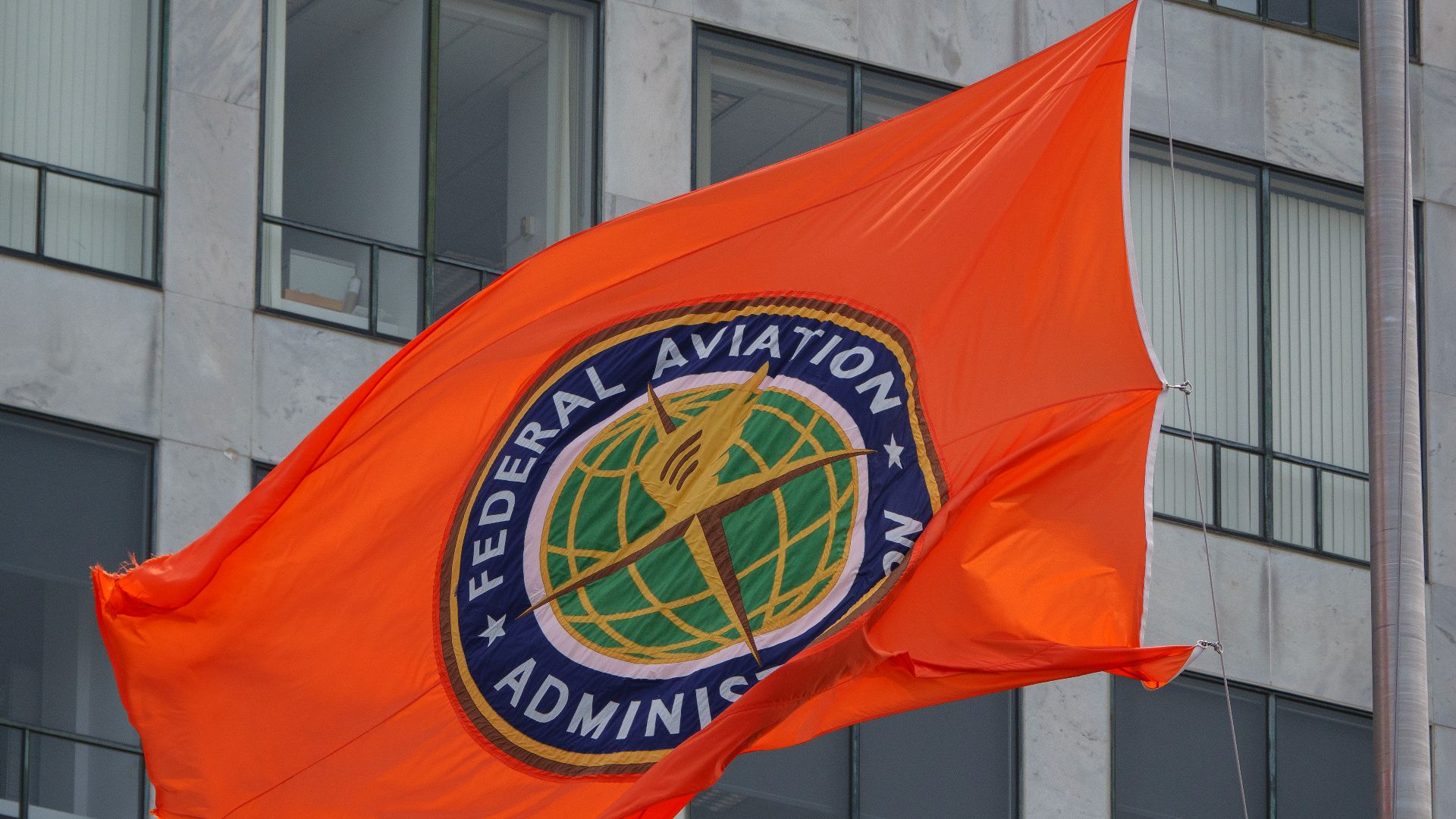
The sudden closure of the airspace above El Paso took travelers, airlines, and local authorities by surprise. During the night, the Federal Aviation Administration (FAA) announced a temporary restriction—initially planned to last ten days—before lifting it a few hours later, stating that « there is no threat to commercial aviation. » But what really happened, and what lessons can be learned from this exceptional interruption?

What happened, in summary: The FAA issued an airspace restriction described as « for special safety reasons, » prohibiting flights above 18,000 feet and indicating that the area was classified as « (national) defense airspace. » Controllers informed aircraft that they were « grounded » for a period of ten days. A few hours later, the restriction was lifted and flights resumed as normal.

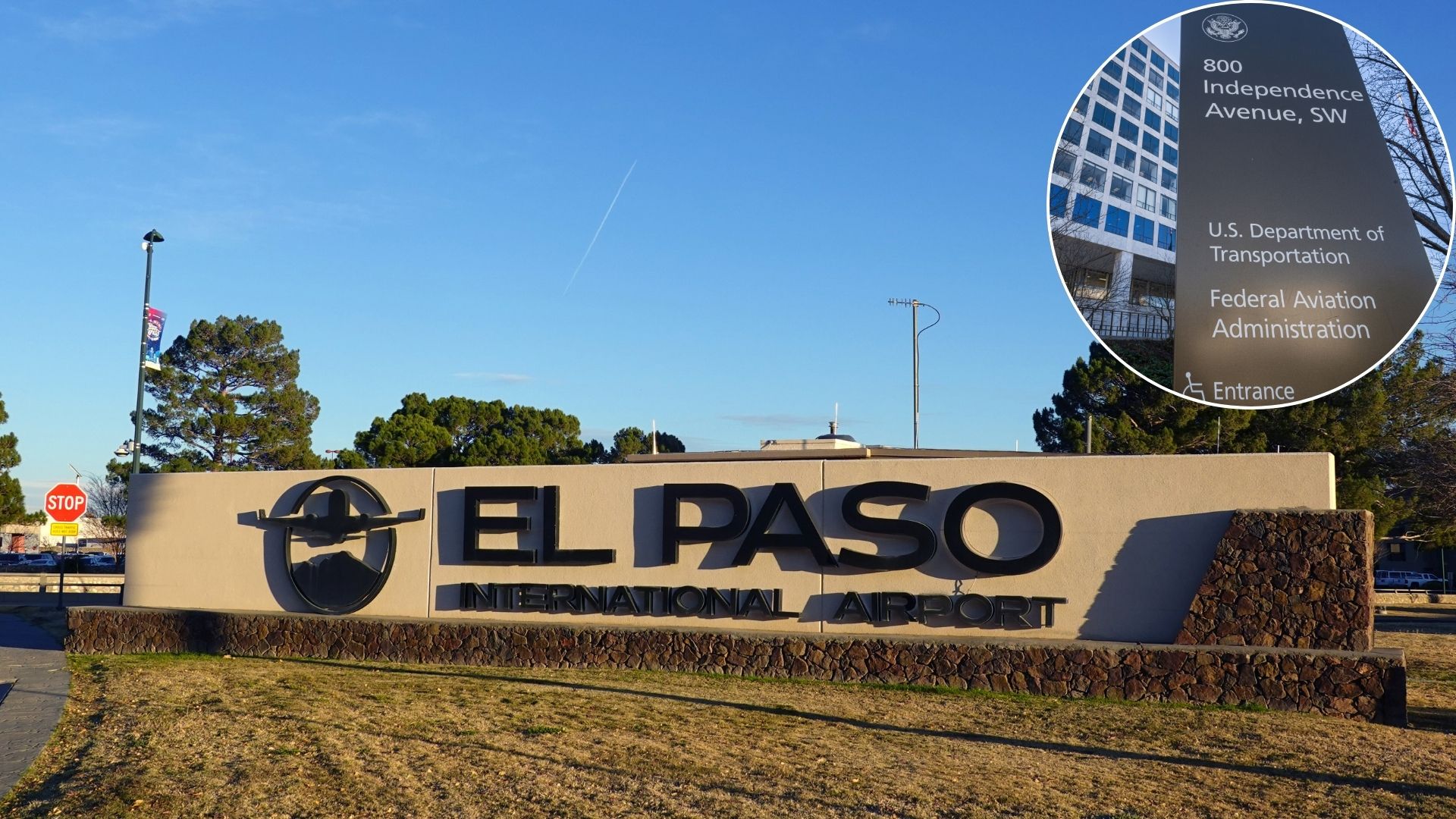
El Paso Airport

Why was this decision made? Initial public explanations were very limited. According to several sources, the maneuver was linked to an uncoordinated deployment of a high-energy anti-drone system planned by the Pentagon near the airport. The stated goal was to neutralize potential drone incursions, particularly those linked to illicit drug trafficking or cartel activities in the border region.

The reported evidence suggests that military officials wanted to move forward with the use of an anti-drone laser, which triggered an immediate precautionary response from the FAA—hence the decision to temporarily ban traffic to avoid any risk of conflict between military use and civil aviation.

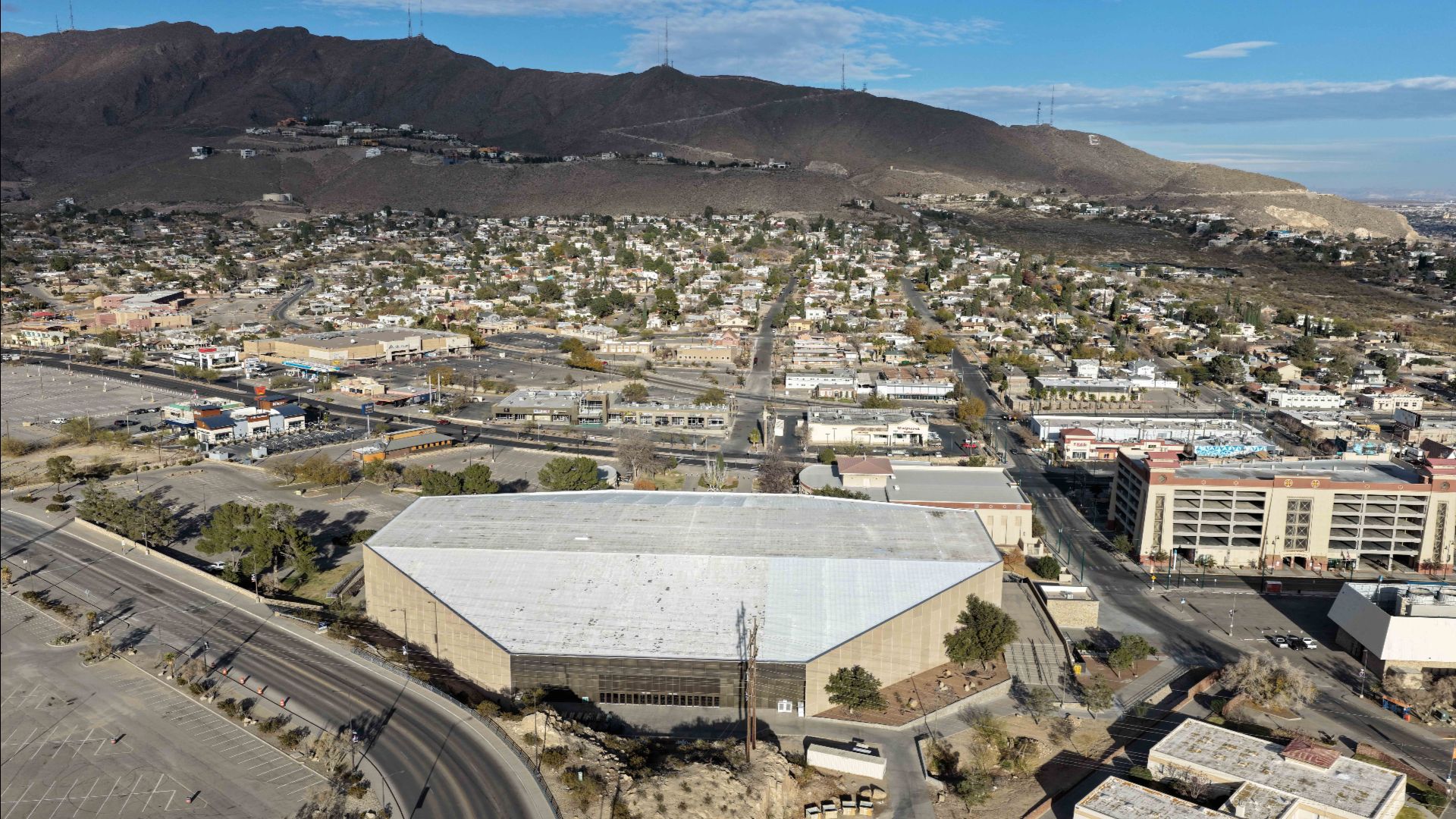
Special security reasons

Key events and timeline:

  • Nighttime announcement of a 10-day airspace restriction.
  • Immediate reactions from pilots and controllers recorded by LiveATC.net: surprise and incomprehension.
  • Communications limited to local authorities and elected officials—some, such as Congresswoman Veronica Escobar, said they received no prior notice.
  • Restriction lifted a few hours later with assurance that there was no threat to commercial aviation.

No public explanation

The concrete impacts were immediate: diverted or canceled flights, disruption of cross-border traffic, and stress for passengers and airport staff. El Paso International Airport is a major gateway to West Texas and Northern Mexico; so its closure, even for a short time, has significant economic and social consequences. From an operational standpoint, a restriction of this magnitude—with threats of interception or penalties for noncompliance—is reminiscent of measures taken after major crises and illustrates the potential tension between military priorities and civilian needs.

Air traffic controller and pilots

What do we know about anti-drone devices? High-energy systems, such as anti-drone lasers, are designed to neutralize or destroy small, uncooperative aircraft. However, they pose challenges: possible interference with civilian flight paths, risks of unintended damage, and regulatory issues regarding their use near civilian infrastructure. Close coordination with the FAA is essential, and this incident shows what can happen when such coordination is lacking.

Practical advice for travelers and local stakeholders:

  • If you have a flight scheduled, check communications from your airline or airport before traveling.
  • Local elected officials and infrastructure managers should demand clear coordination procedures between civil and military agencies.
  • Regular travelers should activate flight alerts and allow extra time in sensitive border areas.

Anti-drone intervention

In conclusion, this sudden closure of El Paso’s airspace highlights the importance of transparent communication and operational coordination between civil and military authorities. Although the FAA assured the public that there was no threat to commercial aviation, the incident raises legitimate questions about the management of anti-drone technologies near civilian airports and how to balance national security with the continuity of public services. Stay informed and cautious when traveling: the best defense against disruptions is up-to-date information.

Catégories
Uncategorized

NATO announces Arctic defence plan, US excluded

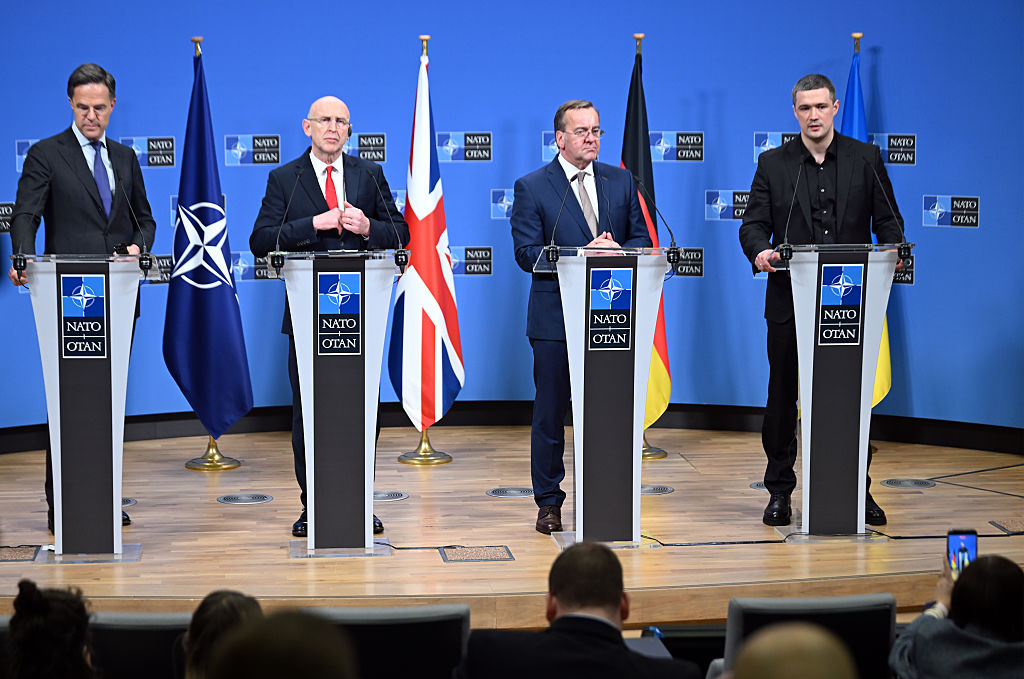
NATO has finally done something tangible in response to Donald Trump’s continued threats to invade Greenland – a military operation called ‘Arctic Sentry’. According to a statement released on February 11, 2026, ‘Arctic Sentry’ aims to enhance NATO’s ability to defend the Arctic region, including Greenland. ‘Arctic Sentry’ will include troops from multiple NATO nations. The troops will undergo special training to prepare for the Arctic conditions and the specific geopolitics that have resulted in the soldiers being there. Donald Trump has not directly commented on the new project.  

NATO cites China, Russia as threats

NATO Secretary General Mark Rutte didn’t cite Donald Trump’s constant threats as the reason for Arctic Sentry. Instead, he pointed the blame at China and Russia, two countries that have also expressed a desire to own land in the Arctic. Russia has been trying to extend its control over the High North since 2001, and China has been looking to expand into the Arctic for years. Beijing is still pushing for a ‘Polar Silk Road’ under Chinese government control. NATO’s Supreme Allied Commander Europe, U.S. Air Force Gen. Alexus Grynkewich, called the High North one of the world’s most significant areas, as well as one of the most environmentally unique.

Emergency meeting in Greenland

On January 22, the heads of all 27 European Union member states gathered in Brussels to hold an emergency meeting regarding Greenland. The meeting was held to ensure unity around the principles of international law and national sovereignty and to secure unity in full support and solidarity with Denmark and Greenland. The meeting was reportedly focused on finding a way to appease Donald Trump’s wishes while securing Greenland’s self-governance and Denmark’s control over the nation. It’s unknown whether Arctic Sentry was a topic of conversation that day, but Donald Trump was not at the meeting, and he was seemingly in the dark about the Arctic Sentry mission.  

Trump wants Greenland

While Trump has claimed he won’t take Greenland by force, he’s also made a slew of veiled threats against Greenland and NATO over the last three months. Trump has claimed that if NATO cedes control of Greenland to the U.S., then America would be very appreciative, but if NATO denies Trump’s wishes, America will remember. He’s also said that if he chooses to use force, the U.S. would be unstoppable, but he doesn’t want to use his ‘unstoppable’ force. Trump has been obsessed with Greenland since March 2025, and even though he has taken his foot off the gas re. Greenland post-Davos, he’s far from forgotten about the country.

Trump’s desire to own Greenland is slightly confusing. He has frequently devalued the nation, calling it ‘a block of ice’ among other slights. At the same time, Trump has made his intentions to acquire Greenland clear during his second term, and his speech at Davos in January confirmed that he is not willing to let the issue go. Trump announced after the WEF that he had successfully argued for a framework for a Greenland deal, but the deal does not appear to give the U.S. control over Greenland. The deal involves multiple countries working together to ensure the Arctic is protected from external threats and reportedly gives Trump control over some Greenlandic minerals. As of February 11, there is no official written deal. All public information on the deal has been released by NATO representatives to the media.

European countries leading the way

During NATO’s meeting on February 12, US Secretary of State Pete Hegseth was glaringly absent. Donald Trump has been fairly transparent about his reluctance to participate in NATO, and he’s been anything but quiet in his criticism of NATO allies. With Trump not even making a statement about Arctic Sentry, Trump has either fallen asleep in the Oval Office again, or he’s giving NATO the silent treatment like a jealous teenager. Even if Arctic Sentry isn’t exactly world-changing, the US once took pride in leading NATO’s military programs and projects.

Multiple European countries have already outlined how they will support Project Arctic Sentry. The UK announced it would commit to doubling the number of British troops in Norway over the next three years, from 1,000 to 2,000. Sweden has said it will send fighter jets to monitor the High North, specifically to patrol Iceland and Greenland. France, Germany and Denmark have said they will also take part but have not said how many troops would be involved. Canada announced it would be taking part in Operation Arctic Sentry, but Prime Minister Mark Carney did not outline how.

Catégories
Uncategorized

Trump warnt: Die USA sind bereit, im Iran zu intervenieren, wenn Teheran die Proteste nicht beruhigt

Die Debatte über eine amerikanische Intervention im Iran hat nach den jüngsten Äußerungen von Präsident Trump wieder an Fahrt gewonnen. Obwohl er erklärte, eine Militäroffensive lieber vermeiden zu wollen, deutete er an, dass die Vereinigten Staaten diese Option offen halten, sollte es Teheran nicht gelingen, die Protestwellen, die das Land erschüttern, friedlich zu bewältigen. Diese sowohl entschlossene als auch vorsichtige Haltung wirft Fragen zu den Risiken, Zielen und Folgen einer solchen Entscheidung auf.

Trump erklärt, er hoffe, dass eine Intervention im Iran nicht notwendig sein werde Bildnachweis: Getty Images
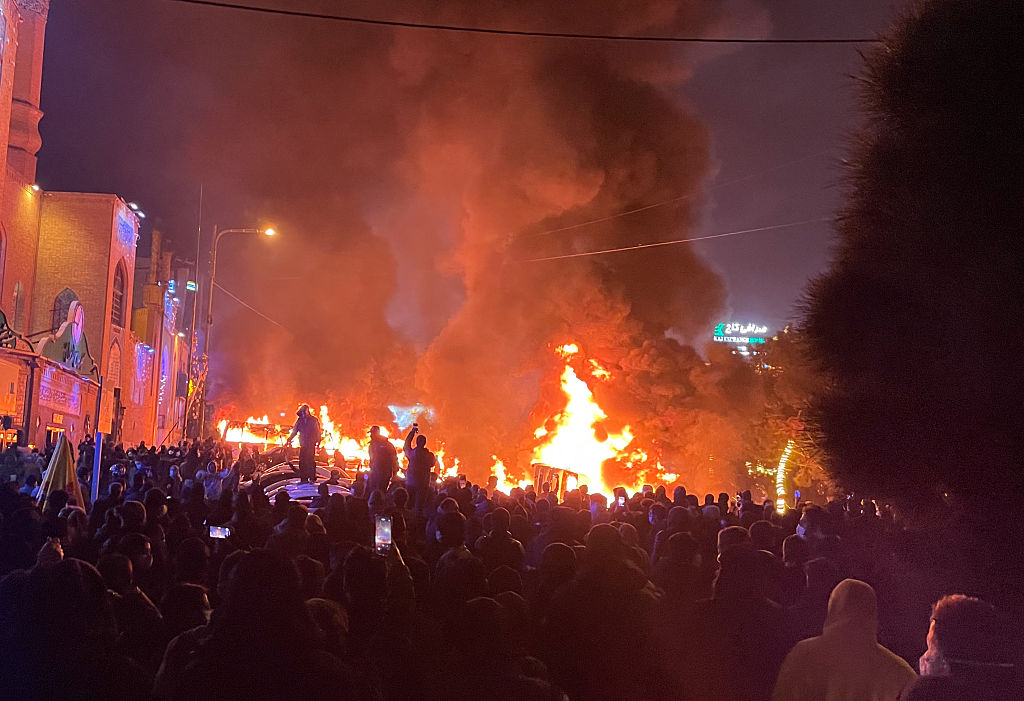
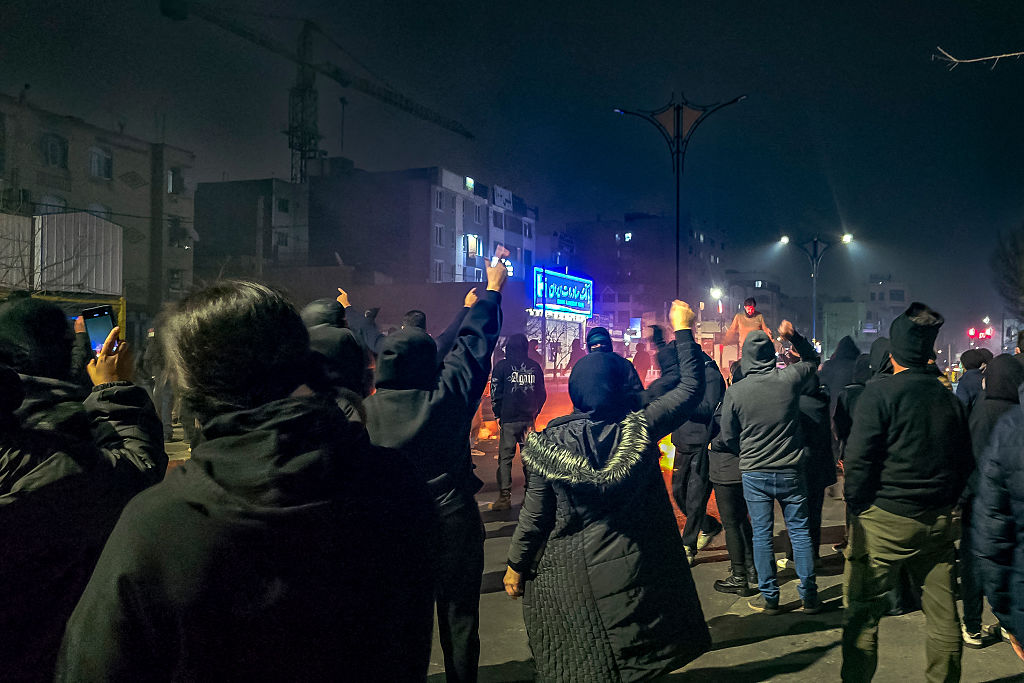
Seit Ende Dezember ist der Iran Schauplatz von Massenbewegungen, die durch eine gravierende wirtschaftliche Verschlechterung und tiefgreifende politische Unruhen ausgelöst wurden. Die Behörden, die zunächst zögerlich reagierten, griffen schnell zu repressiven Maßnahmen, was zu hohen menschlichen Verlusten und einer bereits angespannten Lage in der Region führte. Trump erinnerte daran, dass die Zeit für Teheran knapp werde und Washington die Lage genau verfolge, und betonte, wie wichtig es für den Iran sei, einen friedlichen Weg zu finden, um den Forderungen nachzukommen.

Demonstrationen im Iran Bildnachweis: Getty Images

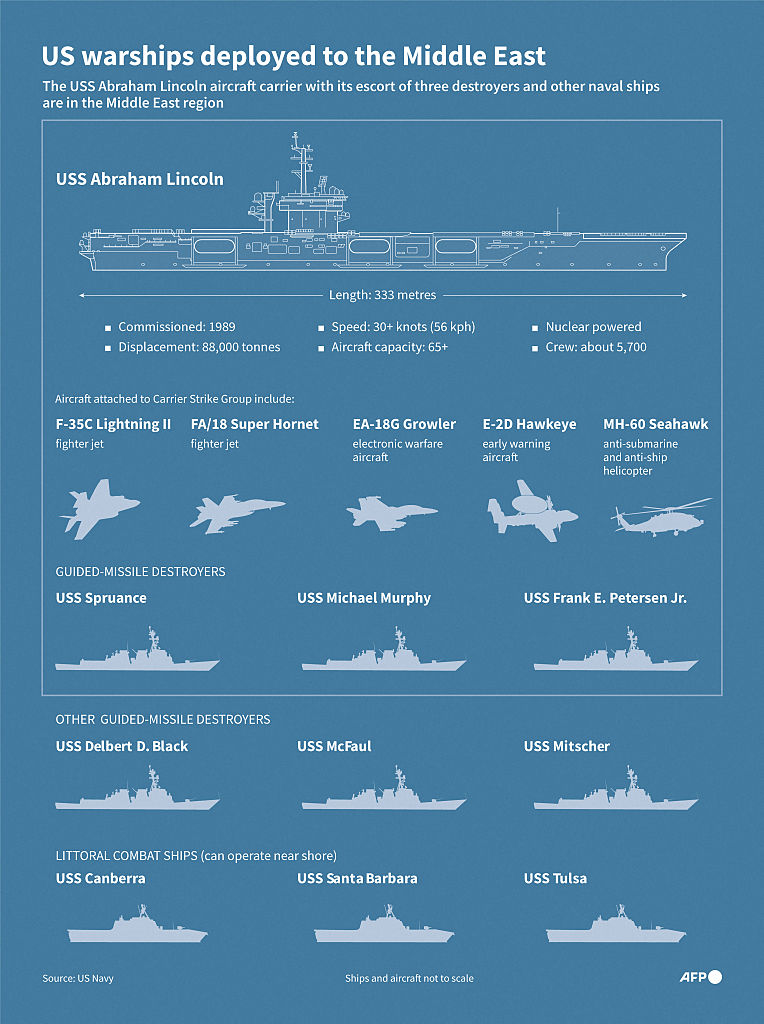
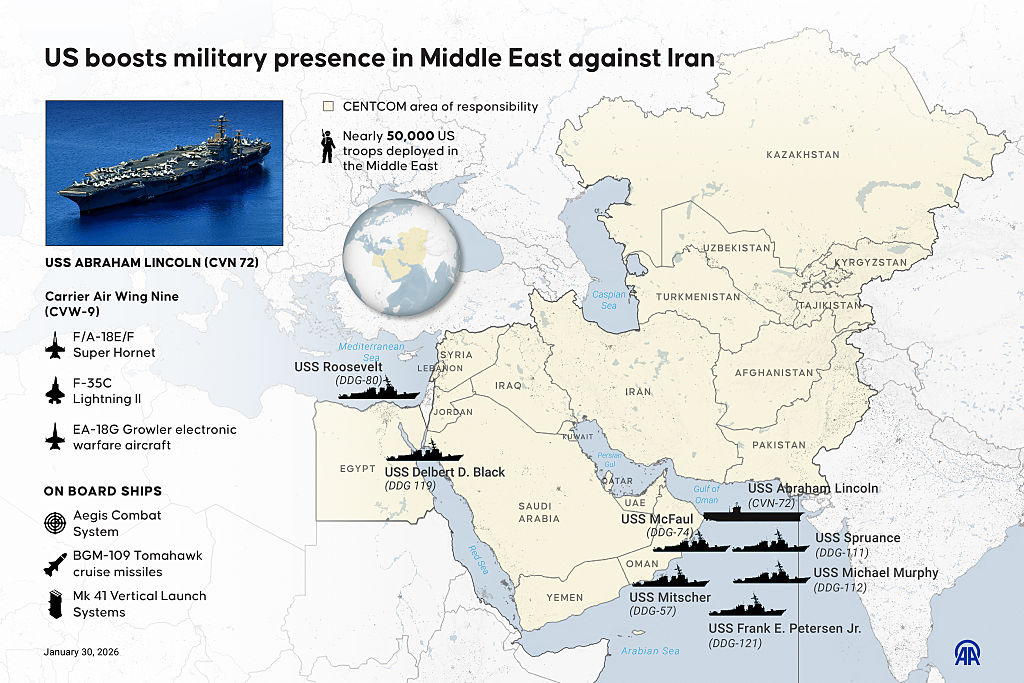
Konkret hat die US-Regierung ihre Entschlossenheit durch die Entsendung einer großen Flotte in die Region unter Beweis gestellt. Laut Trump hat die Präsenz dieser Schiffe eine doppelte Funktion: Sie soll Angriffe auf amerikanische Interessen verhindern und Teheran die Ernsthaftigkeit der Lage vor Augen führen. Auf iranischer Seite reagierten die Verantwortlichen mit der Androhung von Angriffen auf amerikanische Stützpunkte in Reichweite, wodurch sich das Risiko einer direkten Konfrontation erhöht.

Die tödlichsten Demonstrationen des Jahres 2026 Quelle: Getty Images

Hier eine Zusammenfassung dessen, was dies bedeutet und worauf zu achten ist:

  • Risiko einer militärischen Eskalation: Ein lokaler Zwischenfall könnte schnell eskalieren, wenn eine der Parteien einen „Fehler in der Kalkulation” begeht. Die Kräfte vor Ort und die Kommunikation zwischen den Stäben werden entscheidend sein.
  • Humanitäre Auswirkungen: Die iranische Bevölkerung leidet bereits unter den Folgen einer Wirtschaftskrise und einer gewaltsamen Unterdrückung. Jeder Krieg würde eine ohnehin schon dramatische Situation noch verschlimmern. Globale wirtschaftliche Folgen: Eine größere Konfrontation im Nahen Osten würde zu einem Anstieg der Öl- und Gaspreise führen, was sich unmittelbar auf die Lebenshaltungskosten weltweit auswirken würde.
  • Diplomatischer Druck: Die EU hat die Unterdrückung bereits verurteilt und bestimmte iranische Einheiten als für die Gewalt verantwortlich bezeichnet. Die diplomatischen Verhandlungskanäle bleiben aktiv, insbesondere über regionale Akteure wie Katar.

Trump schickt eine Flotte Bildnachweis: Getty Images

Auf innenpolitischer Ebene hat Trump seine Unterstützung für die Demonstranten zum Ausdruck gebracht und sie ermutigt, „die Kontrolle über ihre Institutionen zu übernehmen“. Diese Botschaft, die auf seinen Plattformen veröffentlicht wurde, wird von einigen als moralische Unterstützung für die pro-demokratischen Forderungen angesehen, von anderen jedoch als zusätzliche Provokation in einer Zeit sehr hoher Spannungen. Der Präsident erklärte außerdem, dass er geplante bilaterale Treffen mit iranischen Vertretern abgesagt habe.

Folgen einer Intervention Bildnachweis: Getty Images

Kurzfristig sind mehrere Szenarien denkbar. Zu den nichtmilitärischen Maßnahmen zählen gezielte Sanktionen, diplomatische Unterstützung für Menschenrechtsorganisationen und eine verstärkte Zusammenarbeit mit regionalen Verbündeten, um die für die Unterdrückung Verantwortlichen zu isolieren. Im Gegensatz dazu würde eine militärische Option je nach Entwicklung der Ereignisse auf begrenzte Einrichtungen oder eine größere Operation abzielen.

Anruf zwischen Katar und Iran, Antwort der EU Bildnachweis: Getty Images

Aus humanitärer und strategischer Sicht bleibt eine ausgehandelte Deeskalation der beste Ausweg: sofortige Einstellung der Gewalt gegen Zivilisten, Öffnung humanitärer Kanäle und ein intensiver Dialog zwischen Teheran und seinen regionalen und internationalen Gesprächspartnern. Die Rolle von Vermittlern wie Katar oder regionalen Organisationen kann entscheidend sein, um eine offene Konfrontation zu vermeiden.

Trump ermutigt die Demonstranten Bildnachweis: Getty Images

Zusammenfassung: Trump bekräftigt, dass er eine militärische Intervention vermeiden möchte, hält aber den Druck aufrecht, indem er sich alle Optionen offen hält. Die Welt beobachtet die Lage aufmerksam: Eine ungünstige Abfolge von Ereignissen könnte eine innenpolitische Krise im Iran in einen regionalen Konflikt mit erheblichen wirtschaftlichen und menschlichen Folgen verwandeln. Bleiben Sie auf dem Laufenden und verfolgen Sie die diplomatischen Entwicklungen und Erklärungen der beteiligten Akteure aufmerksam, denn sie werden den Verlauf der nächsten Tage bestimmen.

Wenn Sie möchten, kann ich eine detaillierte Chronologie der jüngsten Ereignisse oder einen Fokus auf die globalen wirtschaftlichen Folgen eines Konflikts zwischen dem Iran und den Vereinigten Staaten erstellen.

Catégories
Uncategorized

Trump warns: US is ready to intervene in Iran if Tehran does not quell the protests

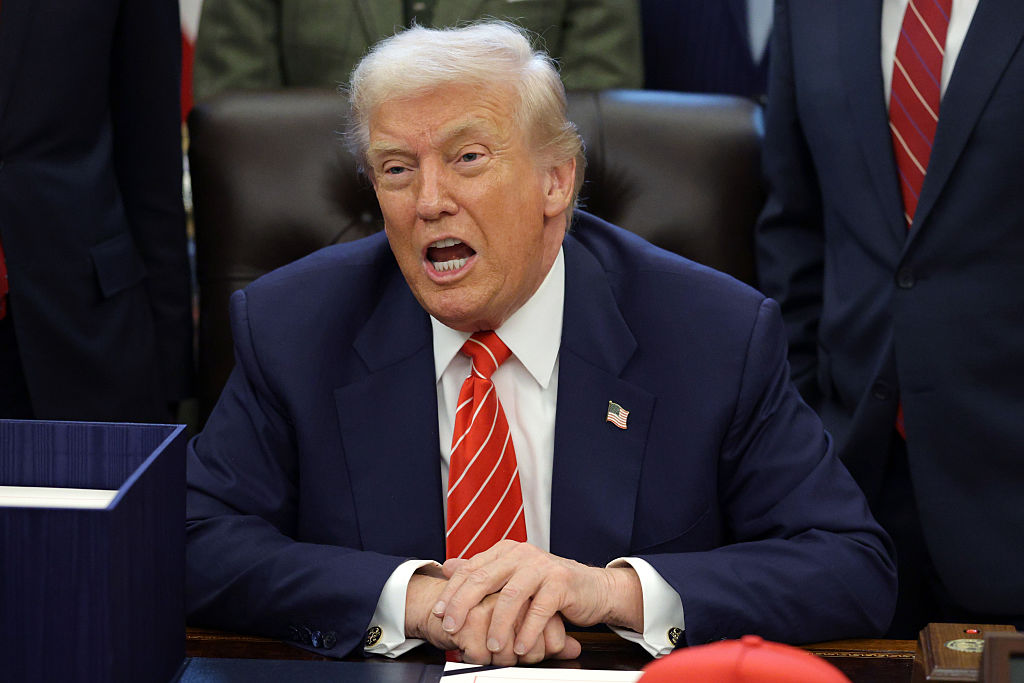
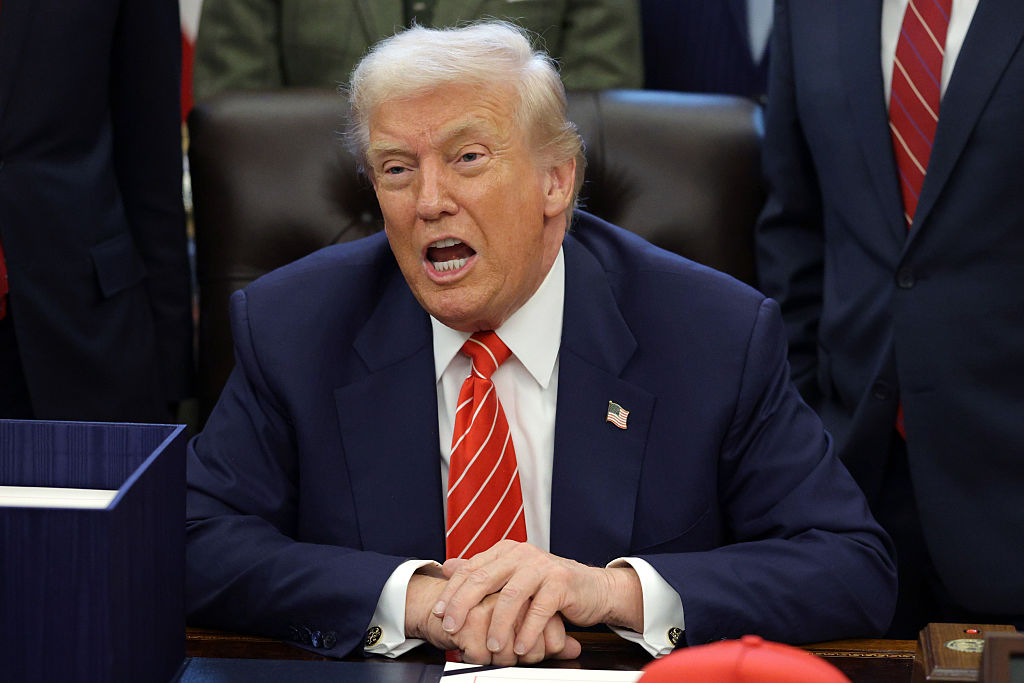
The debate over U.S. intervention in Iran has gained momentum following recent statements by President Trump. While stating that he would prefer to avoid military action, he suggested that the US would keep this option open if Tehran failed to peacefully manage the waves of protests rocking the country. This firm yet cautious stance raises questions about the risks, objectives, and consequences of such a decision.

Trump déclare espérer qu'une intervention en Iran ne sera pas nécessaire

Credit: Getty Images
Since late December, Iran has been the scene of protests involving a lot of people triggered by a serious economic downturn and deep political unrest. The authorities, initially reluctant, quickly resorted to repression, resulting in heavy human casualties and further tension in an already tense regional context. Trump reiterated that Tehran’s time was running out and that Washington was monitoring the situation closely, insisting on the importance for Iran to find a peaceful way to respond to the demands.

Manifestations en Iran

Credit: Getty Images
In concrete terms, the US administration has shown its determination by deploying a large naval fleet to the region. According to Trump, the presence of these ships has a dual function: to deter any attack on US interests and to send a signal to Tehran about the seriousness of the situation. On the Iranian side, officials have responded by raising the possibility of striking US bases within range, increasing the risk of a direct confrontation.

Les manifestations les plus meurtrières de 2026

Credit: Getty Images

Here is a summary of what this means and what to watch out for:

  • Risk of military escalation: a localized incident could quickly escalate if one of the parties makes a « miscalculation. » Forces on the ground and communication between military leaders will be decisive.
  • Humanitarian impact: The Iranian population is already suffering the consequences of an economic crisis and violent repression. Any war would exacerbate an already dire situation.
  • Global economic consequences: a major confrontation in the Middle East would drive up oil and gas prices, directly affecting the cost of living internationally.
  • Diplomatic pressure: The EU has already condemned the repression and designated certain Iranian units as entities responsible for violence. Diplomatic channels of negotiation remain active, particularly through regional actors such as Qatar.

Trump envoie une flotte navale

Credit: Getty Images

On the domestic political front, Trump has expressed his support for the protesters, encouraging them to « take control of their institutions. » This message, posted on his platforms, is seen by some as moral support for pro-democracy demands, but by others as further provocation at a time of high tension. The president also said he had canceled planned bilateral meetings with Iranian officials.

Conséquences d'une intervention

Credit: Getty Images
Several scenarios are plausible in the short term. Non-military measures include targeted sanctions, diplomatic support for human rights organizations, and increased cooperation with regional allies to isolate those responsible for the repression. Conversely, a military option would target limited facilities or a larger operation depending on how events unfold.

Appel entre le Qatar et l'Iran, réponse de l'UE

Credit: Getty Images

The best outcome, from a humanitarian and strategic perspective, remains a negotiated de-escalation: an immediate cessation of violence against civilians, the opening of humanitarian channels, and sustained dialogue between Tehran and its regional and international interlocutors. The role of intermediaries such as Qatar or regional organizations may be decisive in avoiding open confrontation.

Trump encourage les manifestants

Credit: Getty Images

In summary: Trump says he hopes to avoid military intervention, but he is keeping up the pressure by keeping all options open. The world is watching closely: a bad sequence of events could turn an internal Iranian crisis into a regional conflict with considerable economic and human repercussions. Stay informed and attentive to diplomatic developments and statements by the actors involved, as they will determine the trajectory of the coming days.
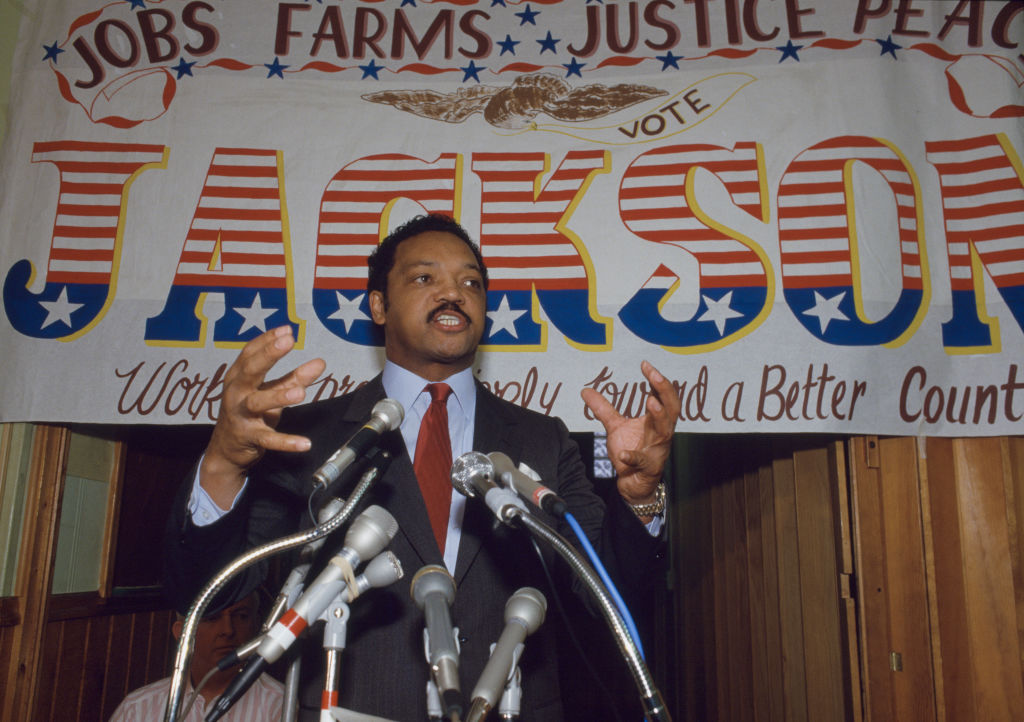
Jesse Jackson dead at 84

The year 2026 was marked by the passing of many personalities who left a lasting mark on our society. Artists, creators, public figures, thinkers, and athletes—each and every one contributed in their own way to shaping our era and our collective imagination. This In Memoriam project pays tribute to those who left us during the year. Through these memories, we take a moment to remember their influence, celebrate their contributions, and honor lives that will continue to resonate long after their passing.

Oscar winner Robert Duvall dead at 95

The year 2026 was marked by the passing of many personalities who left a lasting mark on our society. Artists, creators, public figures, thinkers, and athletes—each and every one contributed in their own way to shaping our era and our collective imagination. This In Memoriam project pays tribute to those who left us during the year. Through these memories, we take a moment to remember their influence, celebrate their contributions, and honor lives that will continue to resonate long after their passing.

15 Reasons Some Cars Are So Expensive to Insure

Car insurance companies use several factors when calculating your auto insurance premiums. They include your car, its value, associated risks, your credit scores, and your age. The car you drive is a major factor in their decision-making. The agents assess the risks related to the automobiles, including the safety ratings, what equipment it has, and how powerful the engine is.

They also consider how much it will cost to replace it if it’s a total loss after an accident. From high-performance capabilities to the rarity of the car, auto insurance carriers evaluate all probabilities. Let’s review the 15 things that make some cars more expensive to insure. 

Trump warns again: China will eliminate the Stanley Cup

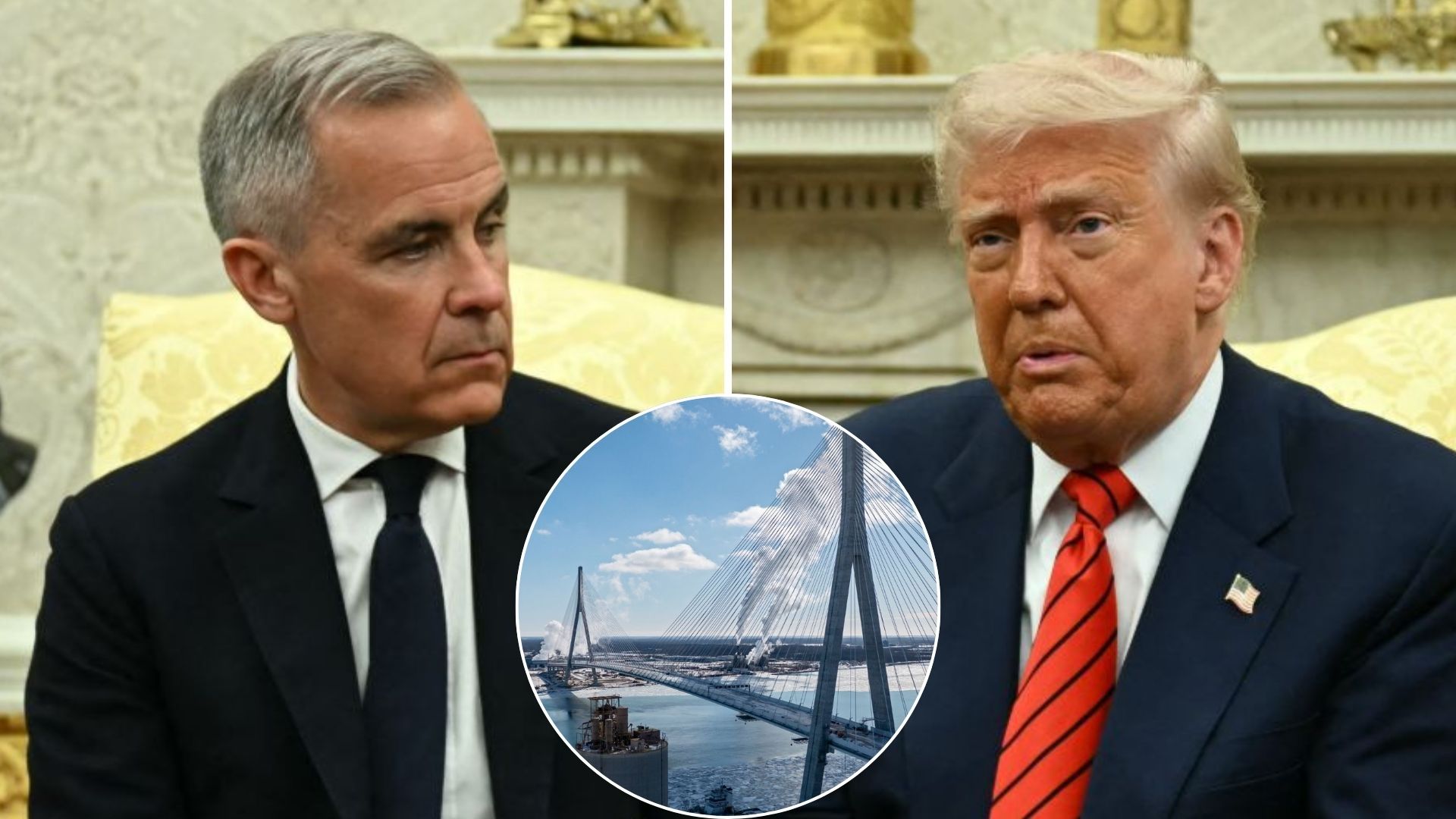
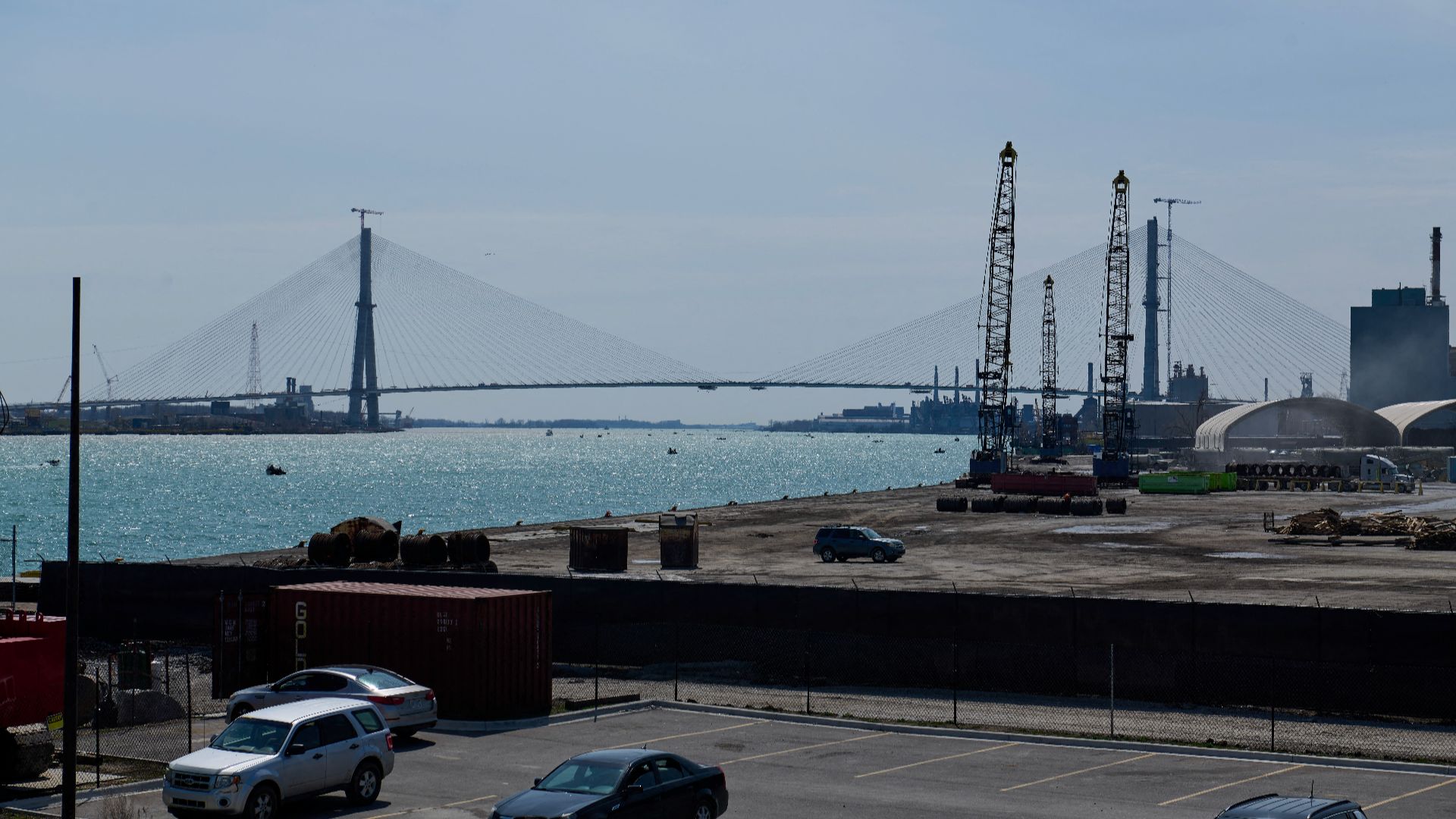
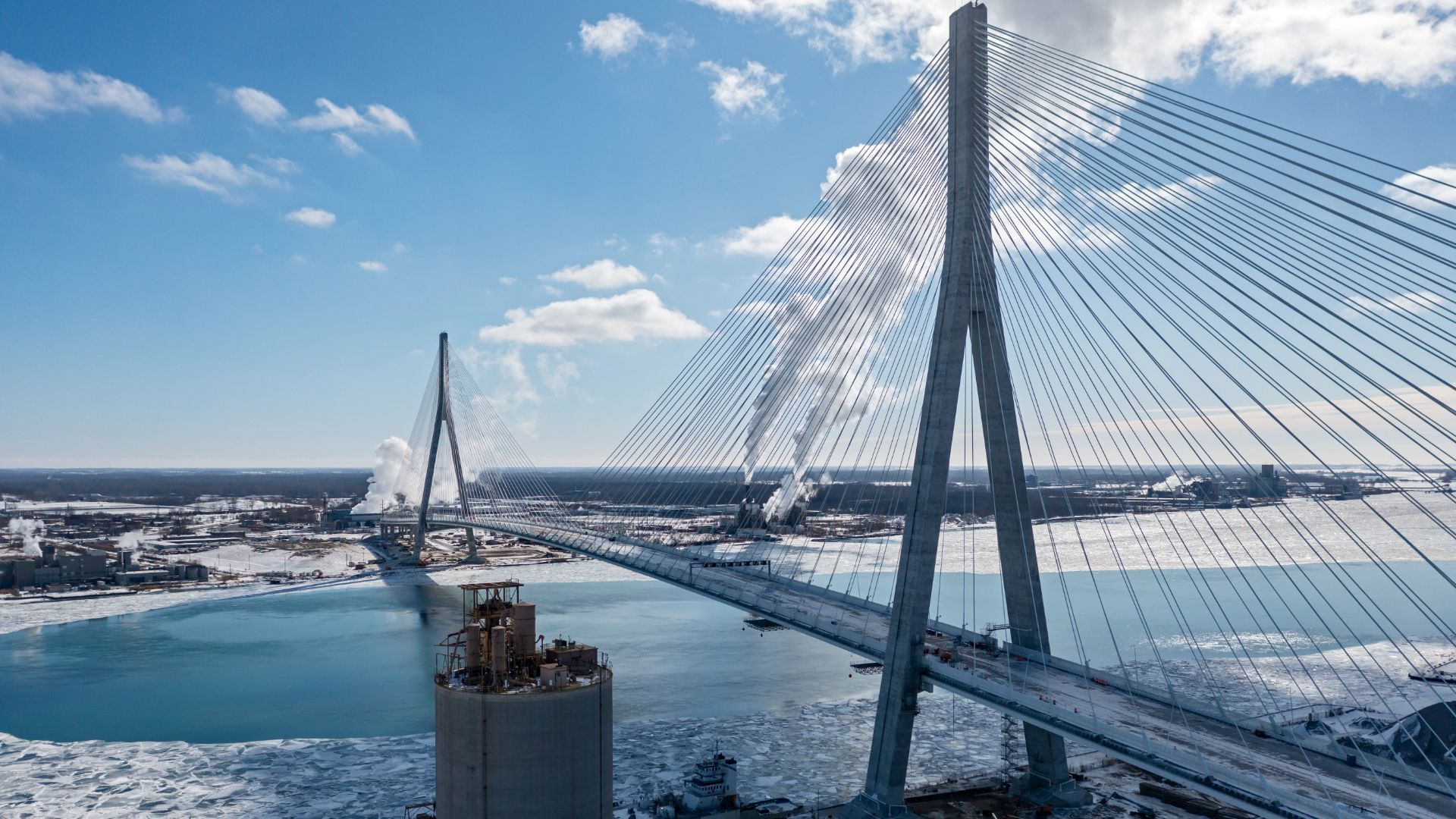
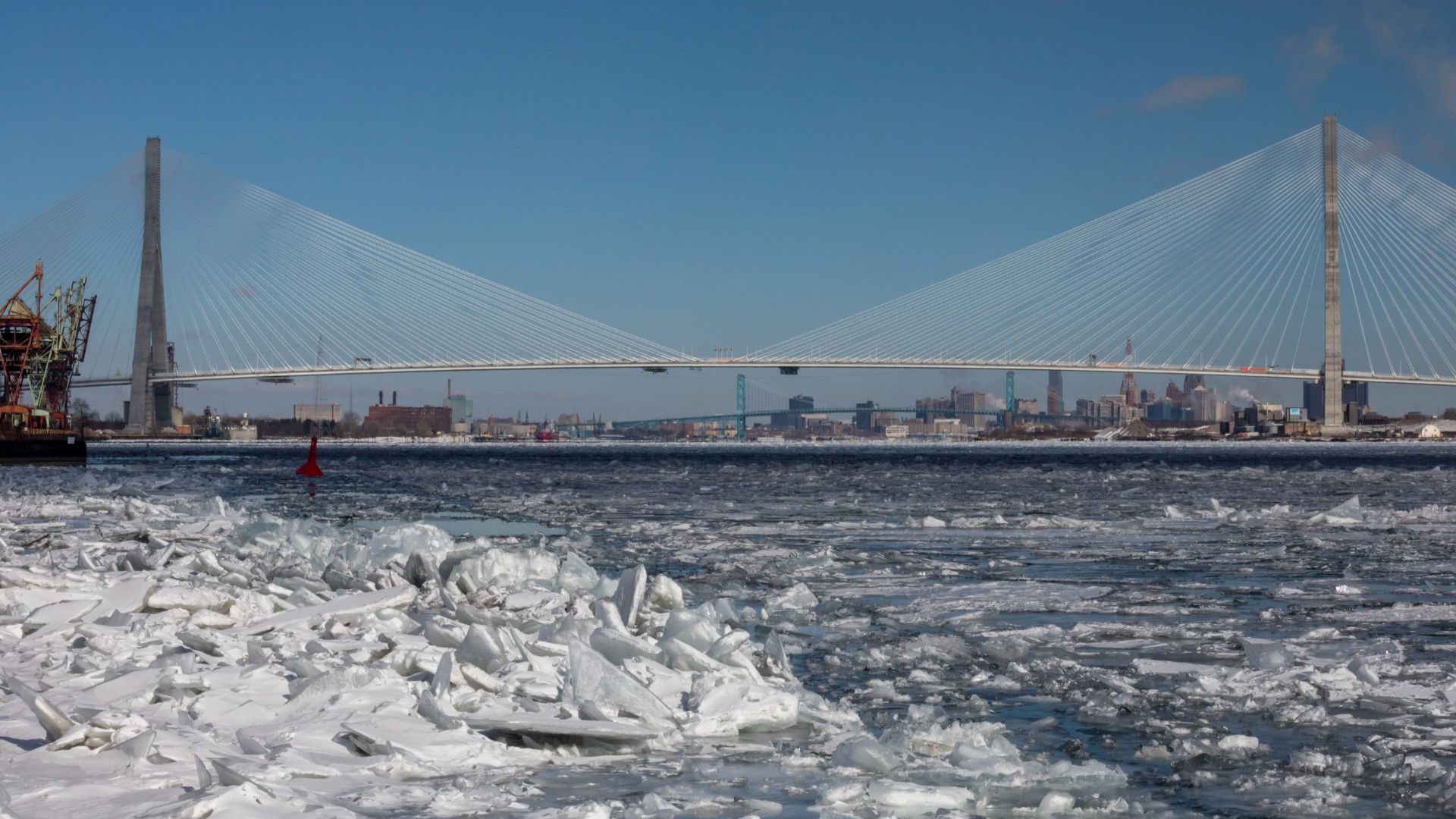
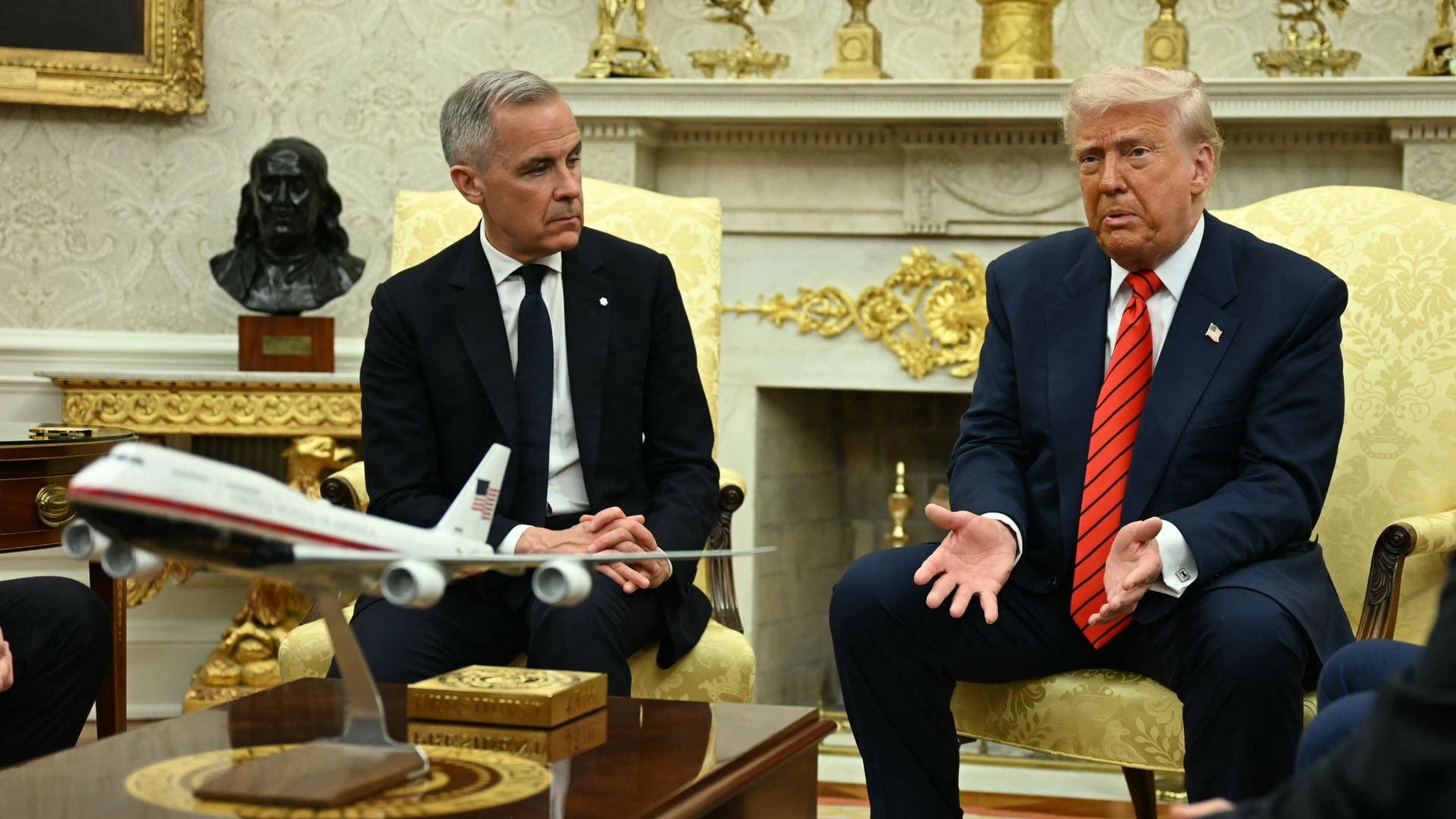
President Donald Trump escalated his latest clash with Canada on Monday by threatening to block the opening of the Gordie Howe International Bridge, a major cross-border project linking Detroit and Windsor, Ontario. In a lengthy Truth Social post, Trump accused Canada of unfair trade practices, criticized the bridge’s financing and construction, and demanded compensation before allowing it to open. The threat comes as tensions between Washington and Ottawa continue to deepen, particularly amid reports of closer economic ties between Canada and China. Canadian officials pushed back against Trump’s claims, insisting the project will open as planned and stressing that American workers and materials were involved.

But Trump also warned Canadians to be aware of China’s intention… to kill the Stanley Cup.