The 80s brought some rather expressive, fun and daring pieces that continue to inspire fashion today. While some trends have remained in the past, others really deserve to be rehabilitated. Discover our top 15 eighties trends we want to see again!
















 BIG Admin
The 80s brought some rather expressive, fun and daring pieces that continue to inspire fashion today. While some trends have remained in the past, others really deserve to be rehabilitated. Discover our top 15 eighties trends we want to see again!

For many people, becoming a travel photographer seems like a dream job. You get to take hiking trips, visit different countries and learn about various cultures, all while taking pictures that earn thousands of likes on Instagram. Once you’ve earned a large following, companies will start reaching out for sponsorship opportunities.However, tens of thousands of people are also trying to make it as travel photographers–and with an oversaturated market, it’s difficult to stand out and find your audience. Generic pictures of trees and mountains won’t cut it anymore. You need to tell a story, discover fresh angles and develop a unique style that makes your photos go viral.
















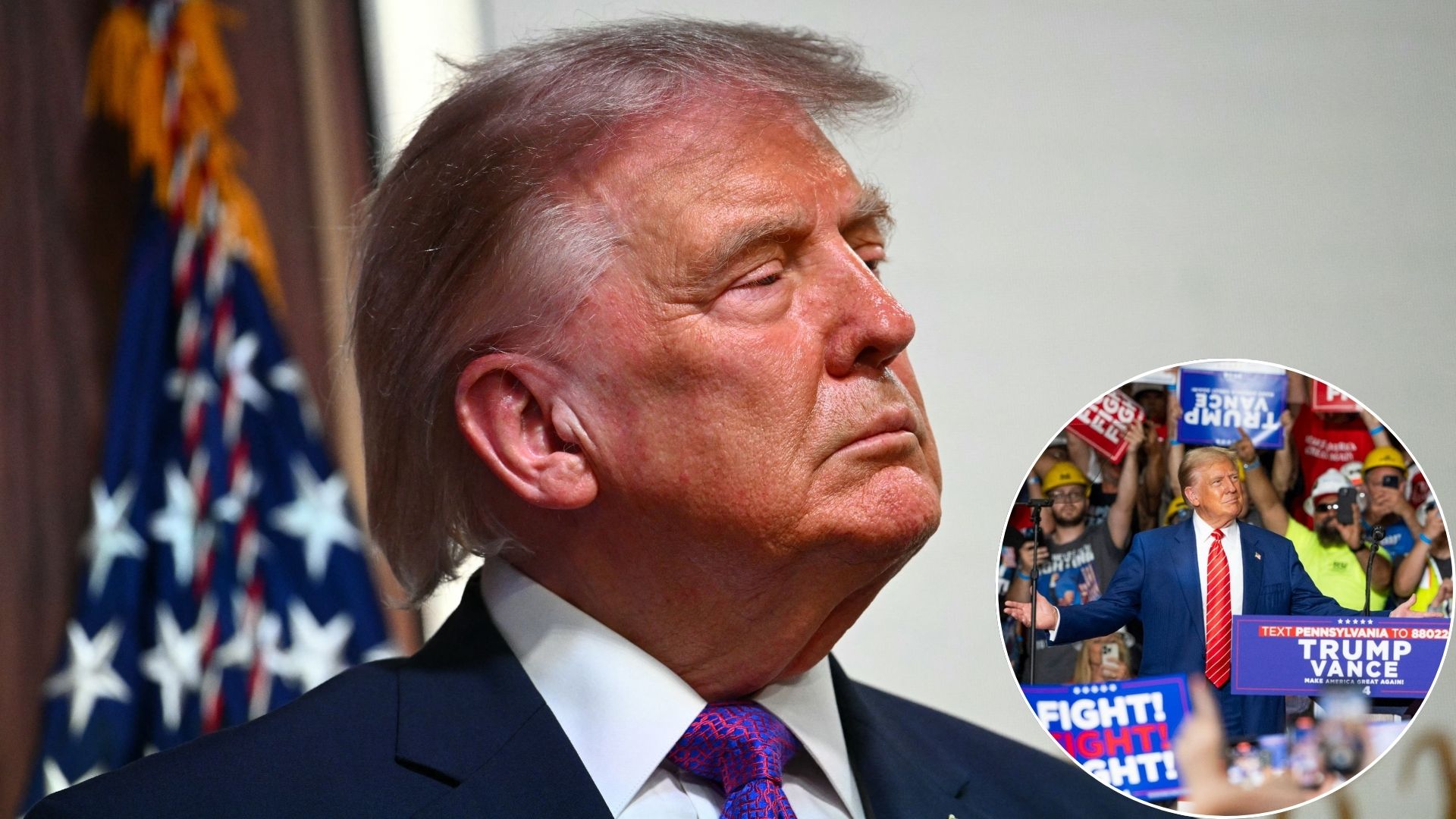
«Trump Fatigue» is now sharply dividing the Republican Party by age as younger conservatives disengage from Donald Trump in growing numbers while older voters slowly begin pulling back from their once unwavering loyalty. A new New York Times/Siena College poll conducted from May 11 to 15 among 1,507 registered voters nationwide reveals a Republican coalition increasingly fractured between generations ahead of the 2026 midterm elections. Among Republican voters aged 18 to 44, only 33% now want the next Republican presidential candidate to «follow Trump’s lead», while an overwhelming 60% say the party should «move in a new direction.» By contrast, Republicans aged 45 and older still largely remain behind Trump by a margin of 65% to 28%, underscoring how the former president’s political survival increasingly depends on an aging base. The numbers mark a dramatic reversal from the post-2024 political landscape, when Trump entered his second term fueled by unprecedented support from younger voters.
Donald Trump’s grip on the Republican Party has shifted from a historic high to a period of deep generational fracturing over the course of his second presidency. Following the 2024 election, Trump entered office with a mandate strengthened by major gains among younger voters, particularly younger men frustrated by inflation, housing costs and distrust toward political institutions. Many Republican strategists at the time viewed the shift as evidence that Trump had successfully expanded the party beyond its traditional older conservative base. Throughout early 2025, Trump’s support among Republicans appeared nearly untouchable as the party united around his aggressive immigration agenda, tariff policies and expansive executive actions. Political rallies regularly attracted large younger crowds, while conservative media figures celebrated what they described as the emergence of a new generation of nationalist Republican voters aligned with Trump’s political movement.
The political climate began changing dramatically by late 2025 as economic instability and international tensions increasingly dominated public attention. Persistent inflation, rising consumer prices and fuel costs linked to escalating geopolitical conflicts — particularly the administration’s military confrontation involving Iran earlier this year — gradually weakened enthusiasm among younger conservatives who had initially embraced Trump as an economic disruptor. Unlike older Republicans, who historically remained loyal through years of controversy, younger voters appeared more willing to disengage once economic frustrations directly affected daily life. Analysts also note that younger conservatives increasingly expressed exhaustion with the administration’s constant political turmoil and confrontational governing style. The result has been a rapid collapse in enthusiasm among Republican voters under 45, creating one of the sharpest age divides the party has experienced since Trump first emerged as its dominant political figure nearly a decade ago.
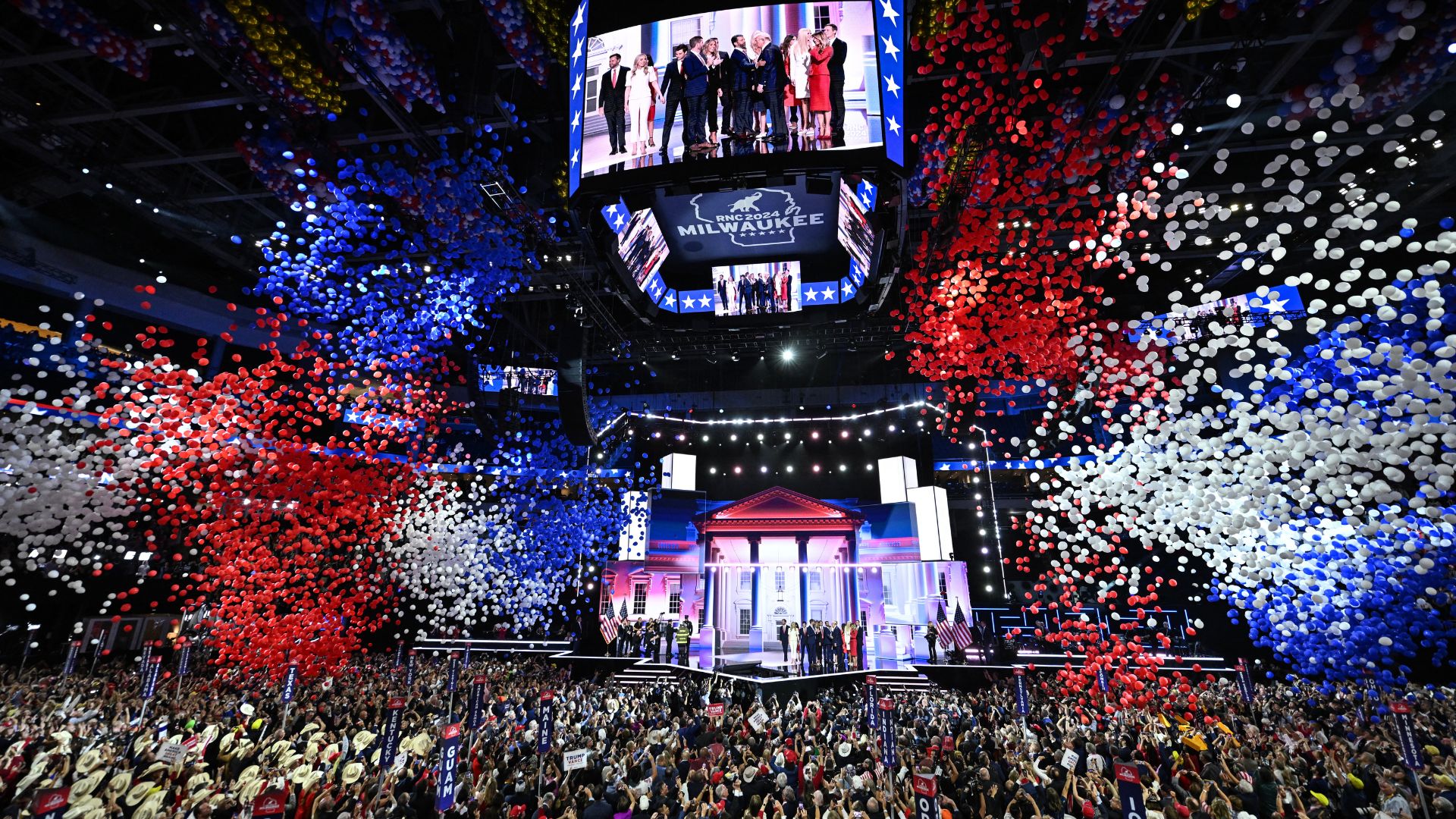
While younger Republicans are turning away at accelerating speed, the New York Times/Siena polling suggests older conservatives still remain Trump’s strongest political firewall despite growing signs of erosion. Among Republicans aged 45 and older, 65% continue supporting candidates who would «follow Trump’s lead», compared to only 28% who prefer «a new direction.» Yet even inside that demographic, support appears weaker than during the opening months of Trump’s second term. Political observers increasingly point to fatigue among suburban conservatives and moderate older Republicans unsettled by ongoing economic uncertainty and repeated foreign policy crises. Columbia University political scientist Robert Y. Shapiro recently told Newsweek that Trump’s declining numbers reflect «economic disappointment» as well as «the disruption and even chaos in his and his administration’s words and deeds.» Those concerns are becoming increasingly visible among older Republican voters who once formed the most reliable pillar of the MAGA coalition.
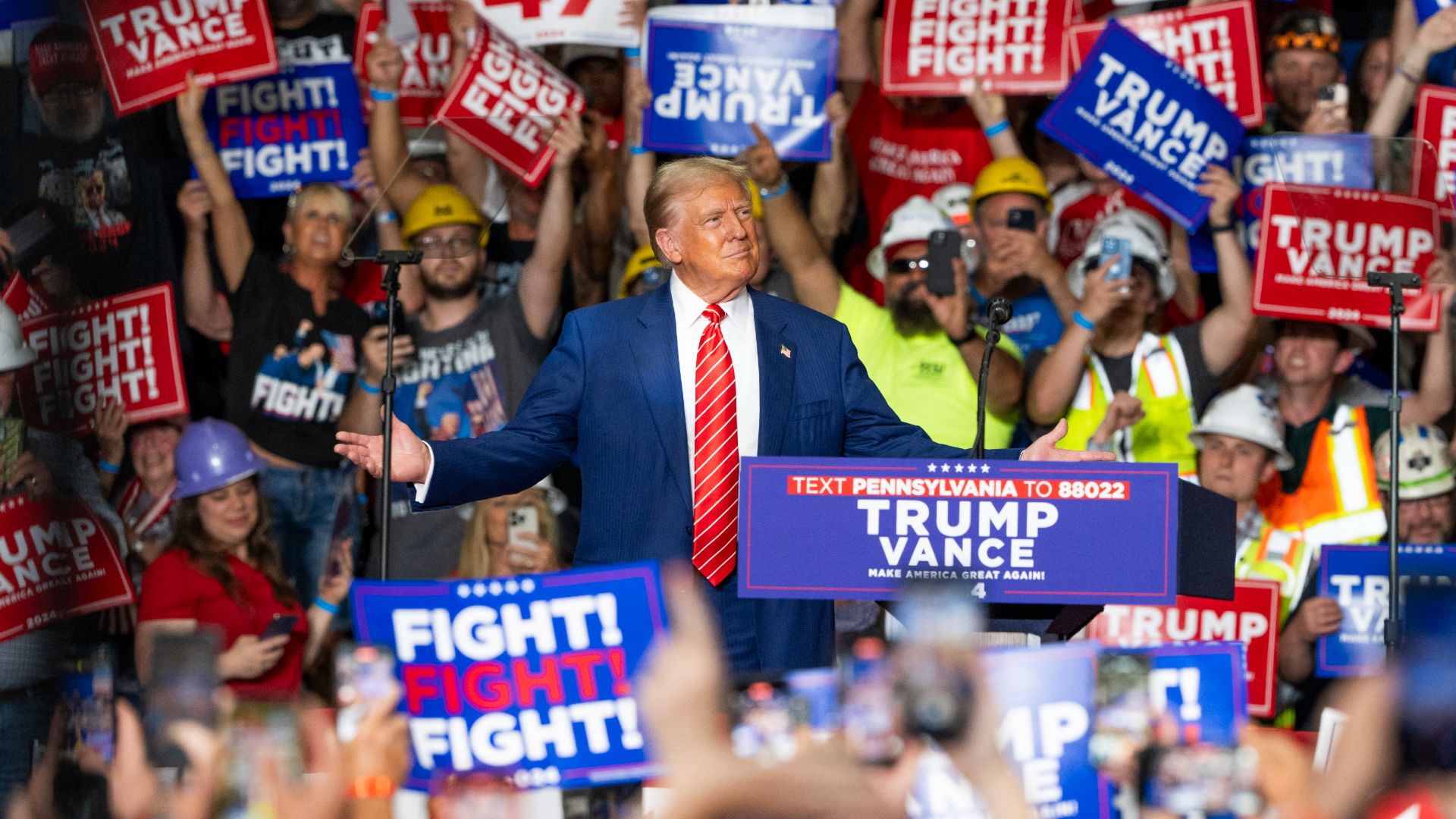
The poll also reveals that Republican voters remain strongly aligned with Trump’s positions on several major policy issues even as personal enthusiasm surrounding his leadership weakens. On immigration, 77% of potential Republican supporters said they want the next Republican candidate to «follow Trump’s lead», making it by far the strongest issue sustaining his influence within the party. Support remains solid on tariffs at 62%, Iran policy at 59%, Russia at 58% and Israel at 56%, suggesting Trump’s ideological impact on the Republican Party remains deeply entrenched. However, strategists increasingly warn that agreement on policy no longer guarantees enthusiasm for Trump himself, particularly among younger conservatives seeking a less chaotic political figure capable of advancing similar priorities without the constant controversies that have defined Trump’s presidency. This disconnect between ideological loyalty and leadership fatigue is becoming one of the central tensions shaping Republican politics heading into the 2026 midterms.
The growing generational fracture now threatens to reshape the future identity of the Republican Party itself. Trump still commands enormous influence over the party’s platform, voter base and political messaging, but the latest polling suggests his leadership is no longer serving as a unifying force across generations. Instead, the Republican coalition increasingly appears divided between older loyalists determined to preserve the MAGA movement and younger conservatives searching for an alternative future beyond Trump. The New York Times/Siena poll found that Republican-leaning independents already favor «a new direction» over following Trump’s lead by a margin of 55% to 40%, highlighting additional vulnerabilities outside the party’s core base. As Republicans move closer toward the 2026 midterms, the data increasingly suggests that «Trump Fatigue» is no longer limited to political opponents or independents. It is becoming an internal Republican crisis that could define the party’s direction long after Trump leaves the political stage.


The rise of artificial intelligence will undoubtedly be the great technological revolution of the early 21st century. The dizzying progress being made, particularly in conversational engines, is generating a great deal of enthusiasm among specialists and individuals alike. Indeed, numerous applications are now possible in everyone’s daily life. Whether it’s to help you work, complete your daily tasks, study or play, AI is already everywhere. However, it can also have controversial uses, particularly when it comes to image rights and privacy. Here are 7 excellent uses for AI and 7 more controversial ones.















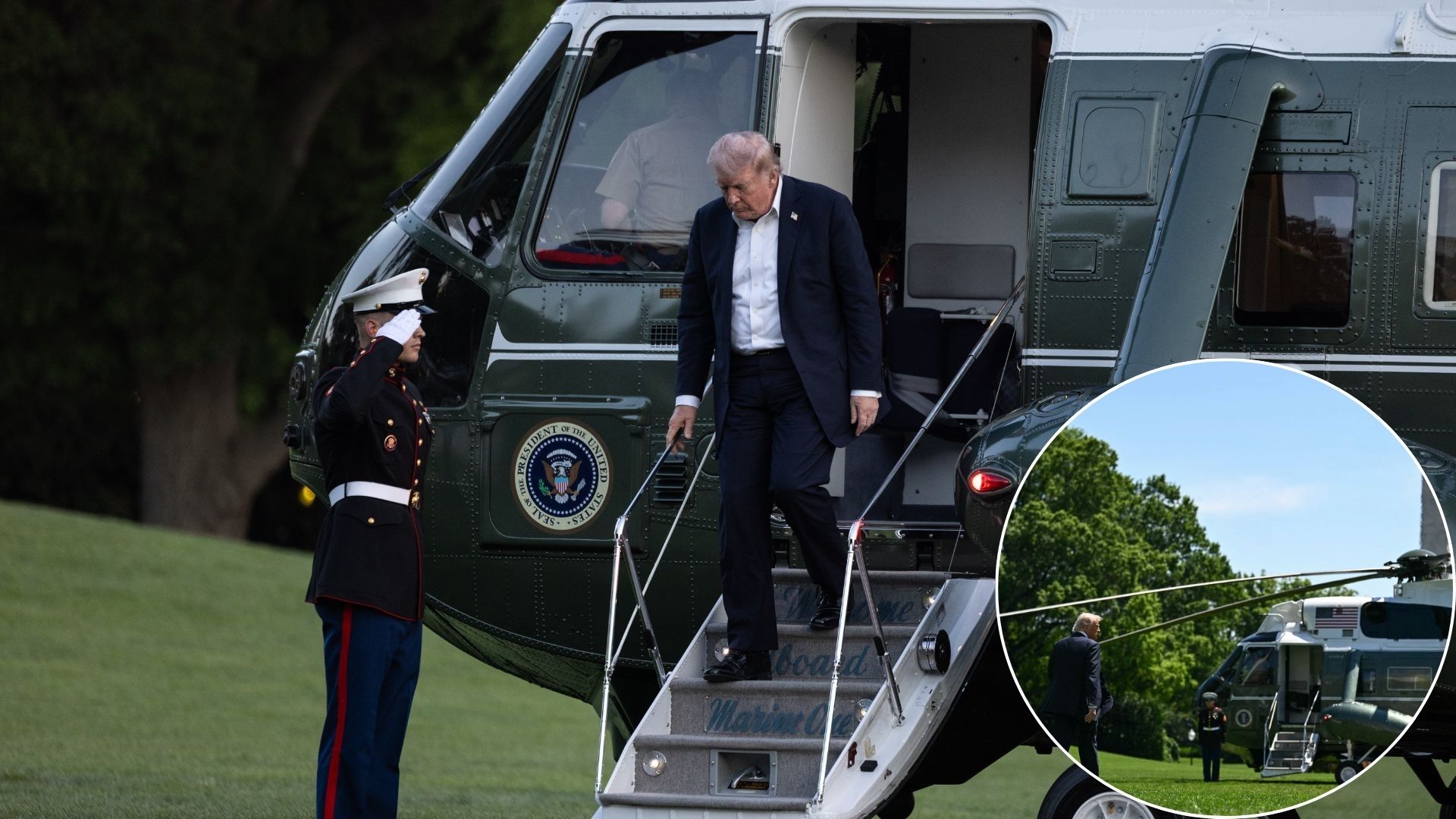
Donald Trump’s White House renovation obsession and costly redesign ambitions are reaching new heights with yet another controversial transformation project tied to the presidential residence. After drawing criticism for paving over portions of the historic Rose Garden, redesigning interiors with heavy gold ornamentation, renovating bathrooms and pursuing an expansive ballroom project near the East Wing, Trump is now reportedly considering the installation of a permanent helipad on the South Lawn. According to reports published by The New York Times and other American outlets, discussions inside the administration have focused on creating a reinforced landing area for Marine One directly on White House grounds. While no official proposal, construction timeline or public budget has been released by the White House or Trump on Truth Social, the reported discussions have already reignited debate surrounding the president’s costly efforts to reshape Washington’s most symbolic residence.
The potential helipad project would represent another major alteration to one of the most historically protected areas of the White House complex. For decades, Marine One has landed on the South Lawn using temporary landing protections designed to preserve the grass and maintain the iconic appearance of the presidential grounds. Trump, whose background in luxury real estate and golf resort development has heavily influenced his design preferences, has repeatedly favored more permanent and highly polished architectural modifications. The Rose Garden itself became a flashpoint during his presidency after changes to its landscaping triggered backlash from historians, preservationists and critics who argued that the redesign erased historical character tied to earlier administrations. The South Lawn now appears to be the latest focus of those ambitions as operational concerns surrounding newer presidential helicopters increasingly intersect with Trump’s preference for grand visual redesigns.
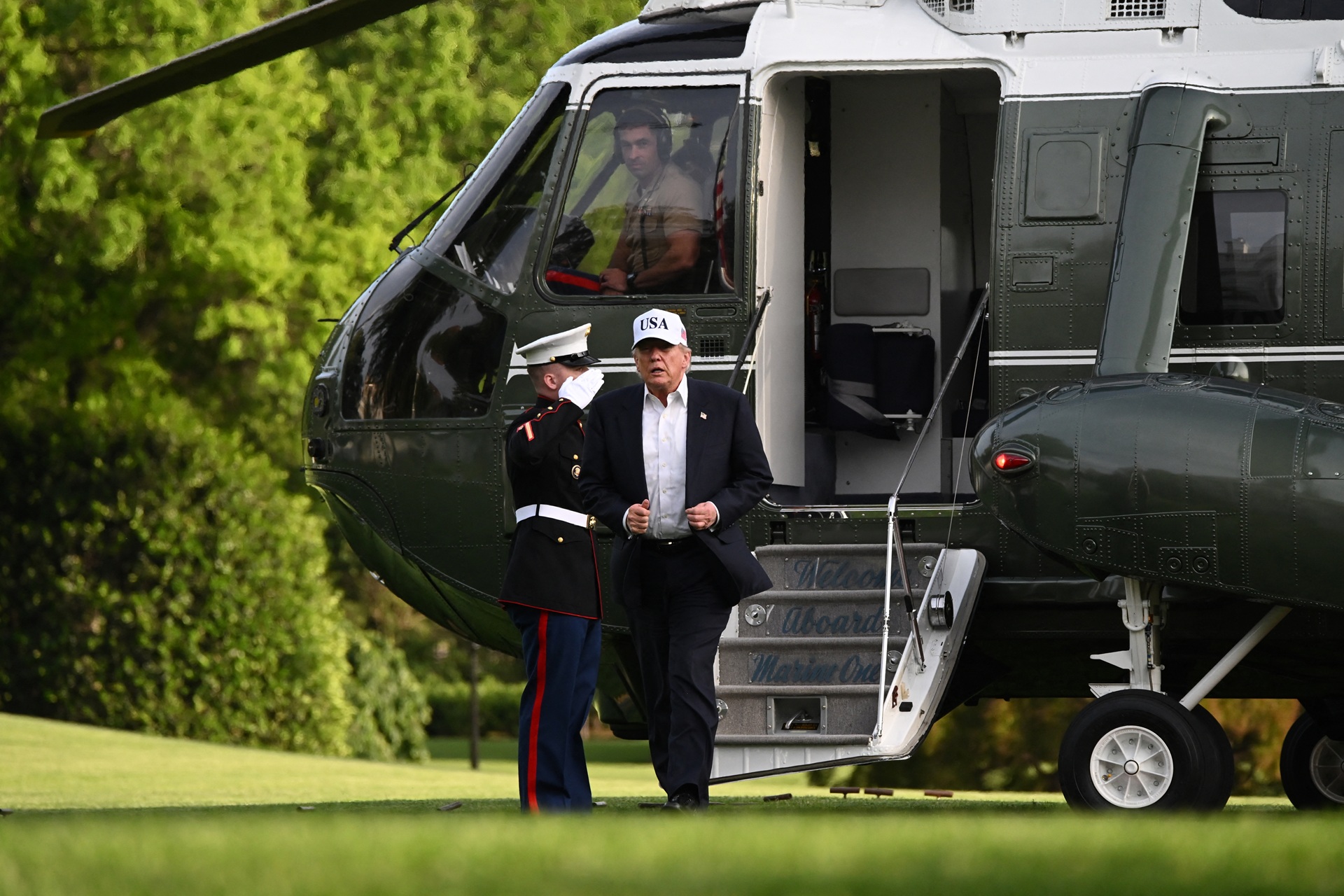
The discussions surrounding the South Lawn are also linked to technical concerns involving the next generation of presidential helicopters, but the reported proposal has become increasingly controversial because critics see it as part of Trump’s broader pattern of aggressively reshaping historic White House spaces. The newer VH-92A Patriot helicopters developed by Sikorsky are larger and more powerful than many aircraft previously used for presidential transport, prompting aviation and military officials to warn for years that repeated landings could damage the lawn because of stronger exhaust systems and increased weight. Although operational adjustments have already been implemented to limit potential impact on the historic grounds, Trump’s reported interest in replacing part of the South Lawn with a permanent landing structure has intensified backlash from preservation advocates and historians. Trump himself has long emphasized the symbolism surrounding Marine One and presidential helicopter travel. During remarks in 2017, he stated: «There are few sights more awe-inspiring than Marine One flying up the Potomac … past the Washington Monument and landing on the South Lawn of the White House. It’s an incredible privilege to take that flight.» While supporters argue the proposal reflects modernization and practicality, opponents view it as another controversial example of Trump prioritizing spectacle and personal aesthetic ambitions over the preservation of historically protected national landmarks.
«President Trump has continued to make improvements at the White House and all around DC to benefit future presidents and Americans.»
-White House spokesperson, Davis Ingle
Criticism surrounding the proposed helipad has intensified because many preservation experts believe the South Lawn carries historical and symbolic significance that should remain largely untouched. Retired Marine One mission overseer Ray L’Heureux publicly criticized the idea in comments reported by The Washington Post, explaining that conversations about a permanent landing structure have surfaced repeatedly over the years. L’Heureux stated: «I understand the conversation coming up again. It always comes up.» He later added that building a permanent structure on the lawn would be «stupid from an aesthetic standpoint» because the area remains «historic» and serves as the «back yard of the White House.» Critics argue that Trump’s broader renovation agenda increasingly resembles the architectural style associated with his private resorts and luxury clubs rather than the restrained preservation standards traditionally applied to the White House complex. Preservation organizations have also warned that repeated structural alterations risk permanently changing the historical identity of the executive residence.
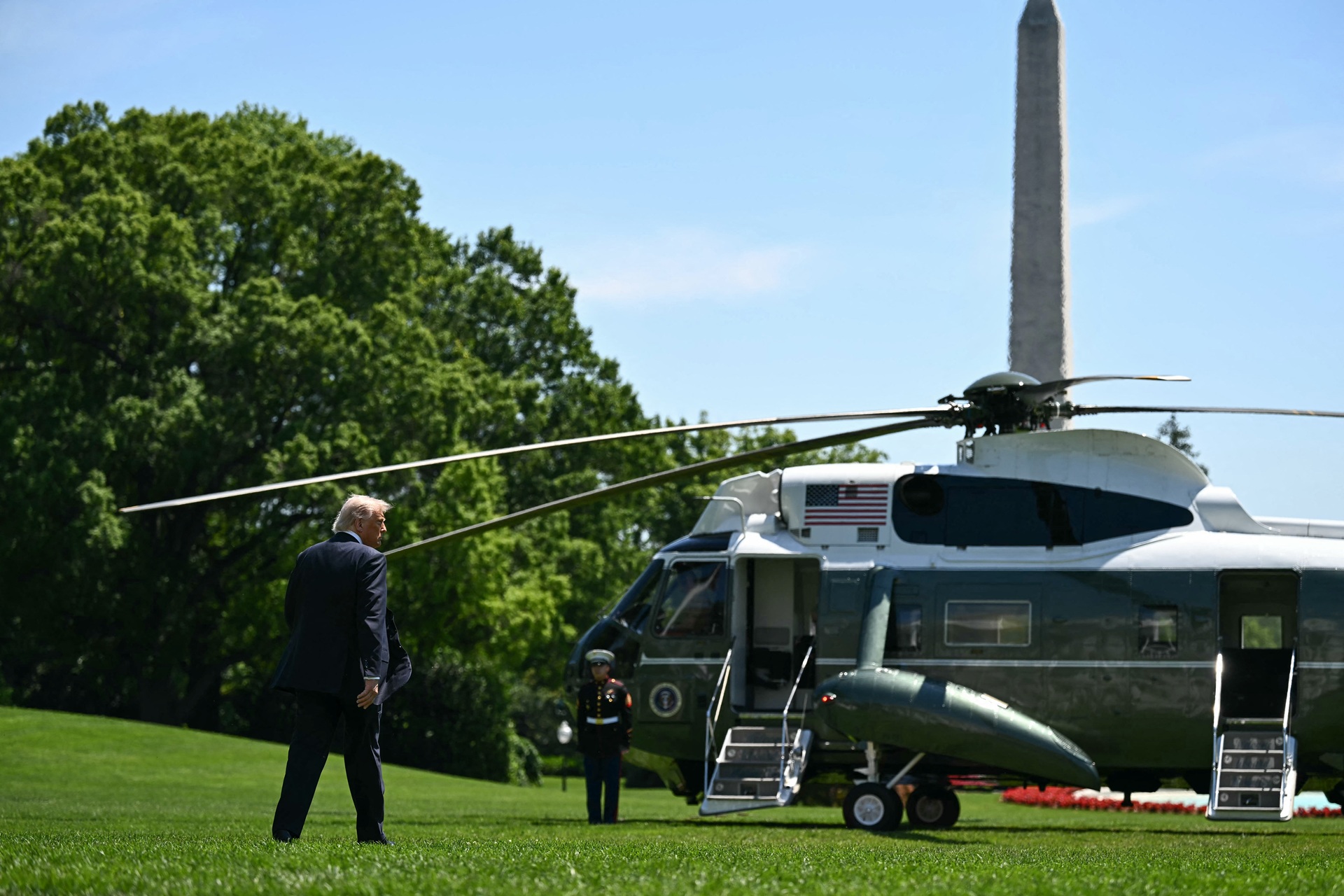
The controversy has also revived scrutiny surrounding Trump’s broader renovation agenda during his second presidency. The administration has already pursued several ambitious construction and redesign initiatives across the White House grounds and surrounding federal properties. Among the most debated proposals is Trump’s push for a large ballroom addition near the East Wing, a project he has publicly supported for years. Trump defended the concept during campaign appearances and public interviews by arguing that the White House lacks sufficient ceremonial space for large state functions and receptions. However, questions regarding funding, historical preservation and executive authority have repeatedly complicated the project’s future. Critics inside Washington have increasingly questioned whether the president’s renovation priorities align with broader governmental concerns, especially as discussions continue over federal spending, budget deficits and infrastructure demands elsewhere across the country.
While the White House has framed many of the renovation efforts as practical improvements intended to modernize aging infrastructure and enhance operational efficiency, opposition to the projects continues to grow. White House spokesperson Davis Ingle defended the administration’s work by stating: «President Trump has continued to make improvements at the White House and all around DC to benefit future presidents and Americans.» Nevertheless, historians and architectural experts remain concerned about the long-term consequences of dramatically reshaping the appearance of one of the most recognized government buildings in the world. The South Lawn has historically served not only as a ceremonial arrival space for presidents but also as a carefully preserved visual symbol tied to American political tradition. Even without finalized plans or confirmed construction approval, the reported helipad discussions have become emblematic of Trump’s broader desire to leave a lasting personal imprint on the White House and the image of Washington itself.

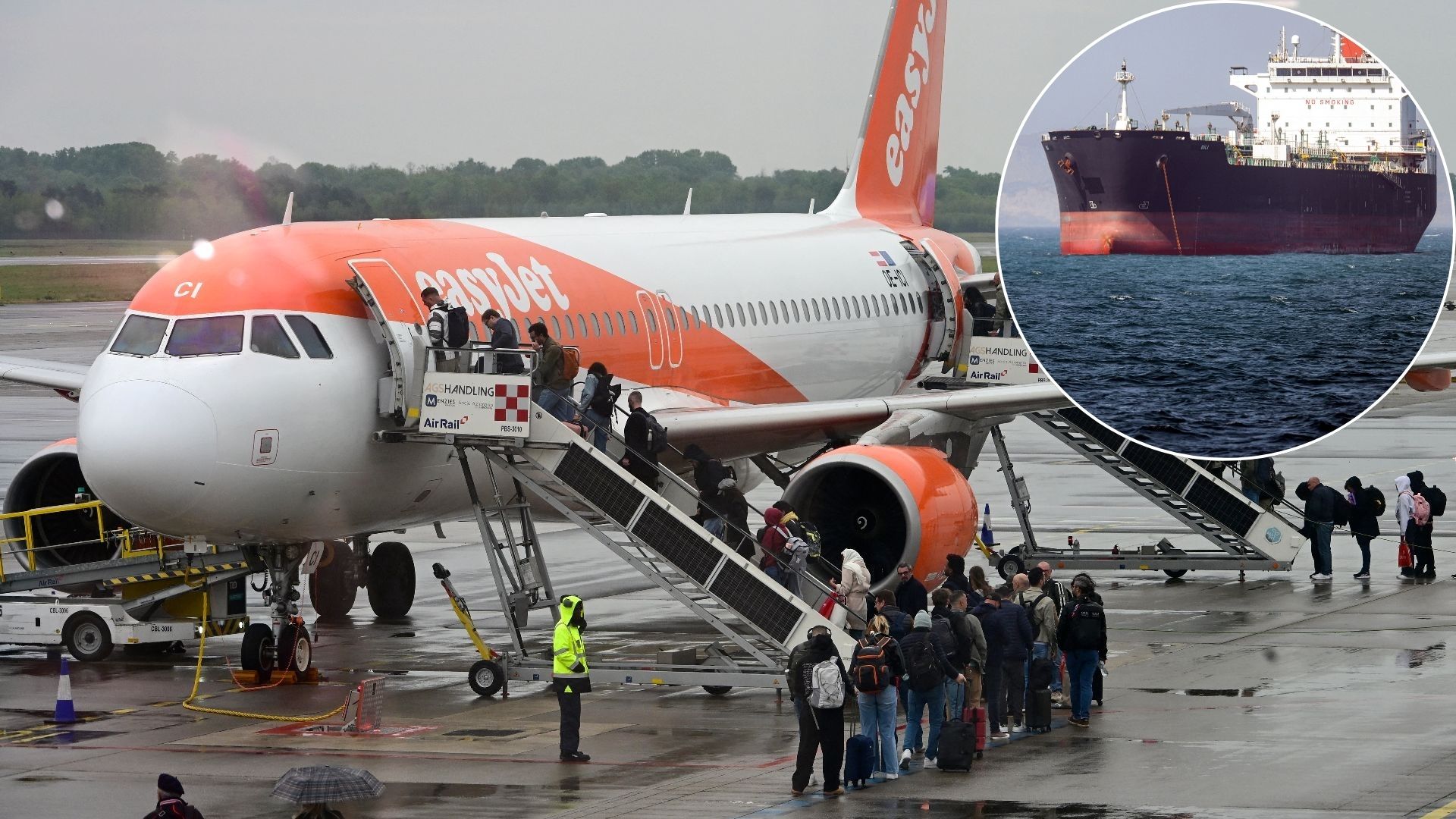
The European aviation industry has entered one of its most volatile periods in decades as the conflict involving Iran, Israel and the Trump administration continues to destabilize global energy markets. Airlines across the continent are facing mounting pressure from soaring jet fuel prices, disrupted supply chains and growing uncertainty surrounding access to Middle Eastern energy exports. The Strait of Hormuz, a critical maritime route responsible for nearly a fifth of global oil shipments, has become the focal point of international concern after repeated military escalations in the region. European carriers are now scrambling to protect operations during the crucial summer travel season while passengers face rising fares and a wave of flight reductions. Industry executives increasingly warn that the sector could be heading toward a prolonged crisis if geopolitical tensions continue to intensify through the second half of the year.
The scale of the disruption became clearer after Ryanair chief financial officer Neil Sorahan publicly described the risks facing airlines during an interview with CNBC. Speaking about contingency planning within the aviation sector, Sorahan said: «Do we have plans for some kind of Armageddon situation? Of course, we do, but I don’t see that coming to pass.» He added: «As things stand, we’re operating a full schedule this summer, and plan to operate a full schedule into the winter period.» Despite that reassurance, airlines across Europe have already started implementing emergency measures to shield themselves from the shock. Several carriers have reduced less profitable routes, delayed fleet expansions and introduced temporary fuel surcharges that now add significant costs to passenger tickets. Aviation analysts note that fuel expenses have rapidly climbed toward nearly half of total airline operating costs, creating severe financial stress for operators with weaker hedging protections.

The aviation sector’s difficulties are being amplified by broader warnings from international energy officials who fear that Europe may not have sufficient reserves to absorb a prolonged disruption in Middle Eastern exports. Fatih Birol, Executive Director of the International Energy Agency, warned earlier this year that Europe’s energy security was entering dangerous territory as inventories tightened and replacement supply routes became increasingly expensive. Birol stated: «In Europe, we have maybe six weeks or so of jet fuel left.» He also warned that even under a rapid diplomatic resolution, «it could take up to two years to come back to where we were before the war» because of damage affecting supply infrastructure and refining capacity. Those concerns have forced governments and airlines to intensify negotiations with alternative fuel suppliers in Norway, the United States and parts of Latin America, even though transportation costs for these emergency imports remain substantially higher than traditional Gulf shipments.
«There is just no way airlines can absorb the additional costs.»
-Director General of the International Air Transport Association, Willie Walsh
Major European airlines are now openly pressuring regulators to intervene before the crisis deepens further. Lufthansa chief executive officer Carsten Spohr has reportedly urged European authorities to accelerate emergency authorizations allowing greater imports of American Jet A fuel in order to prevent widespread operational disruptions. According to industry estimates, the price gap between European Jet A1 and imported alternatives has continued to widen as supply shortages intensify. Air France-KLM chief executive Ben Smith also acknowledged the enormous financial impact now facing the sector, revealing that his airline group expects a «$2.4 billion» increase in annual fuel costs. Smith explained that the full consequences of the energy surge had not yet appeared in quarterly earnings but were «expected to weigh on the coming quarters». Across Europe, airlines are increasingly passing those costs directly onto consumers through higher fares, baggage surcharges and reductions in promotional ticket availability during one of the busiest travel periods of the year.
«Do we have plans for some kind of Armageddon situation? Of course, we do, but I don’t see that coming to pass.»
-Ryanair chief financial officer, Neil Sorahan
The consequences are already becoming visible across European airports, where thousands of flights scheduled for the summer season have either been cancelled or consolidated due to operational uncertainty. Aviation data firms report that more than 20,000 flights have been removed from schedules since the escalation intensified, particularly among regional carriers operating on thinner margins. Smaller airlines are considered especially vulnerable because many entered the year without strong fuel hedging strategies that protected larger competitors from the sharp rise in oil prices. Industry executives increasingly fear a wave of insolvencies if the crisis extends into 2027, especially as borrowing costs remain elevated throughout Europe. Willie Walsh, Director General of the International Air Transport Association, warned that higher ticket prices are now unavoidable. Walsh stated: «There is just no way airlines can absorb the additional costs.» That reality is beginning to reshape consumer travel patterns as passengers reconsider discretionary trips amid growing economic uncertainty.
«In Europe, we have maybe six weeks or so of jet fuel left.»
-Executive Director of the International Energy Agency, Fatih Birol
Beyond aviation itself, the crisis has reignited broader debates throughout Europe over energy dependence, geopolitical exposure and the fragility of international transportation networks during wartime instability. The Trump administration’s aggressive posture toward Iran, combined with Israel’s ongoing military operations in the region, has introduced a level of unpredictability that many airline executives compare to the economic shockwaves triggered during previous oil crises. Financial markets remain highly sensitive to every development involving the Strait of Hormuz, with traders fearing that any direct interruption to tanker traffic could push oil prices even higher in the coming months. For European travelers, the impact is becoming immediate and personal through increasingly expensive tickets, reduced route availability and uncertainty surrounding future holiday plans. While airlines continue insisting that operations remain stable for now, executives privately acknowledge that the industry is preparing for a prolonged emergency scenario unlike anything seen in recent decades.

Drinking coffee in a hurry, choosing clothes in a hurry, getting ready at the last minute… Before leaving for work, taking time for yourself doesn’t always come naturally. Yet a few simple habits, integrated into a morning routine, can radically transform the course of the day. As entrepreneur and best-selling author Tim Ferriss suggests, it’s essential to create a routine aligned with your desires and needs. These rituals, chosen with intention, boost self-confidence, energize the body and soothe the mind. So, to improve your well-being, what morning routines should you adopt? Here’s a list of 15 actions and rituals perfect for starting the day with panache!

















The living room is the ultimate place to relax. We always enjoy lying back on our comfy sofa after a long day at work, scrolling through our phone, watching a Netflix series or a movie we like. Sometimes, though, the same living room in which we love to spend time isn’t warm enough for our taste, it feels cold, but, for reasons of budget or time, we put off furnishing it to transform it into a cozy cocoon. Let’s take a look at 15 easy ways to make any living room warmer.
















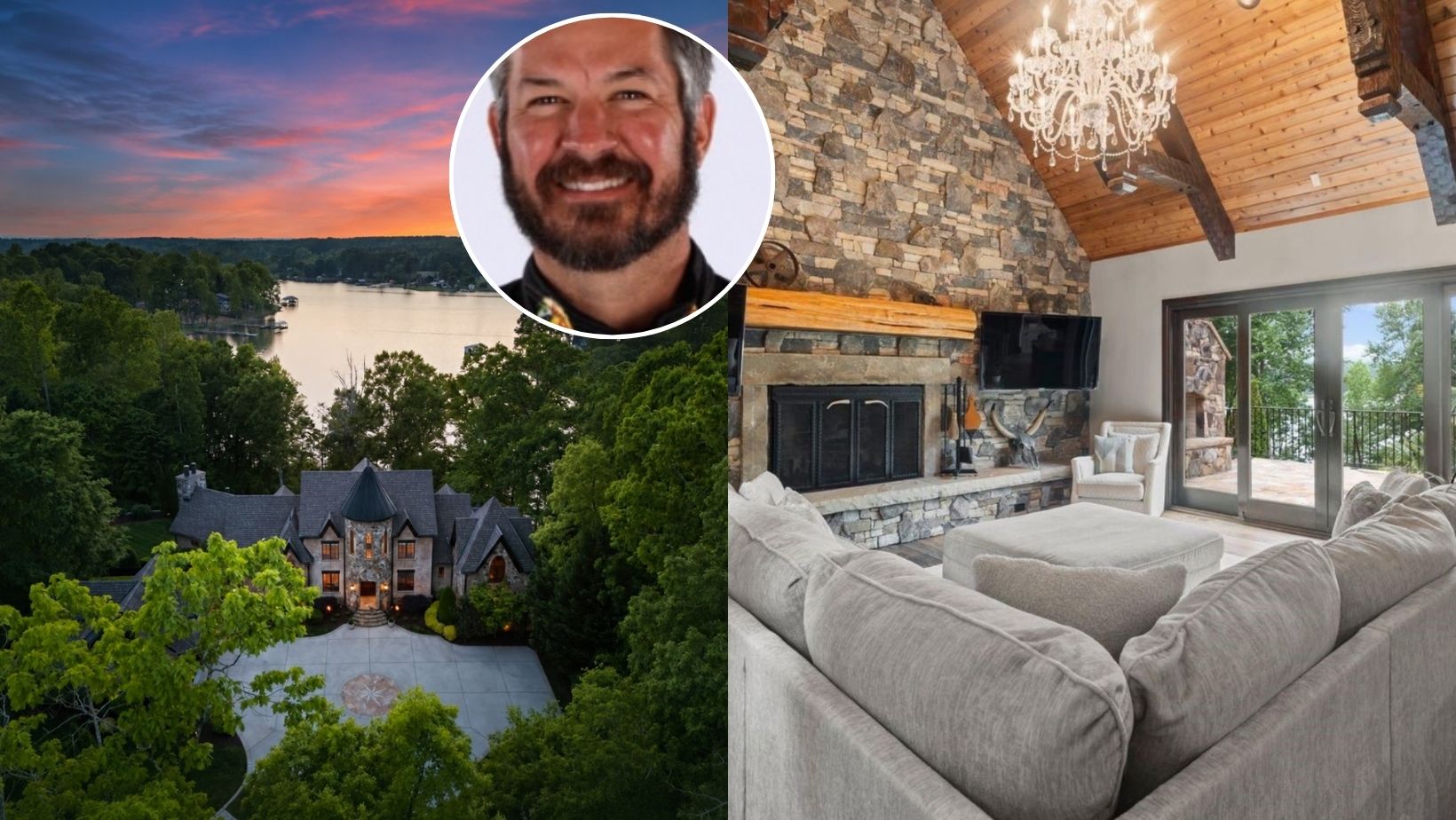
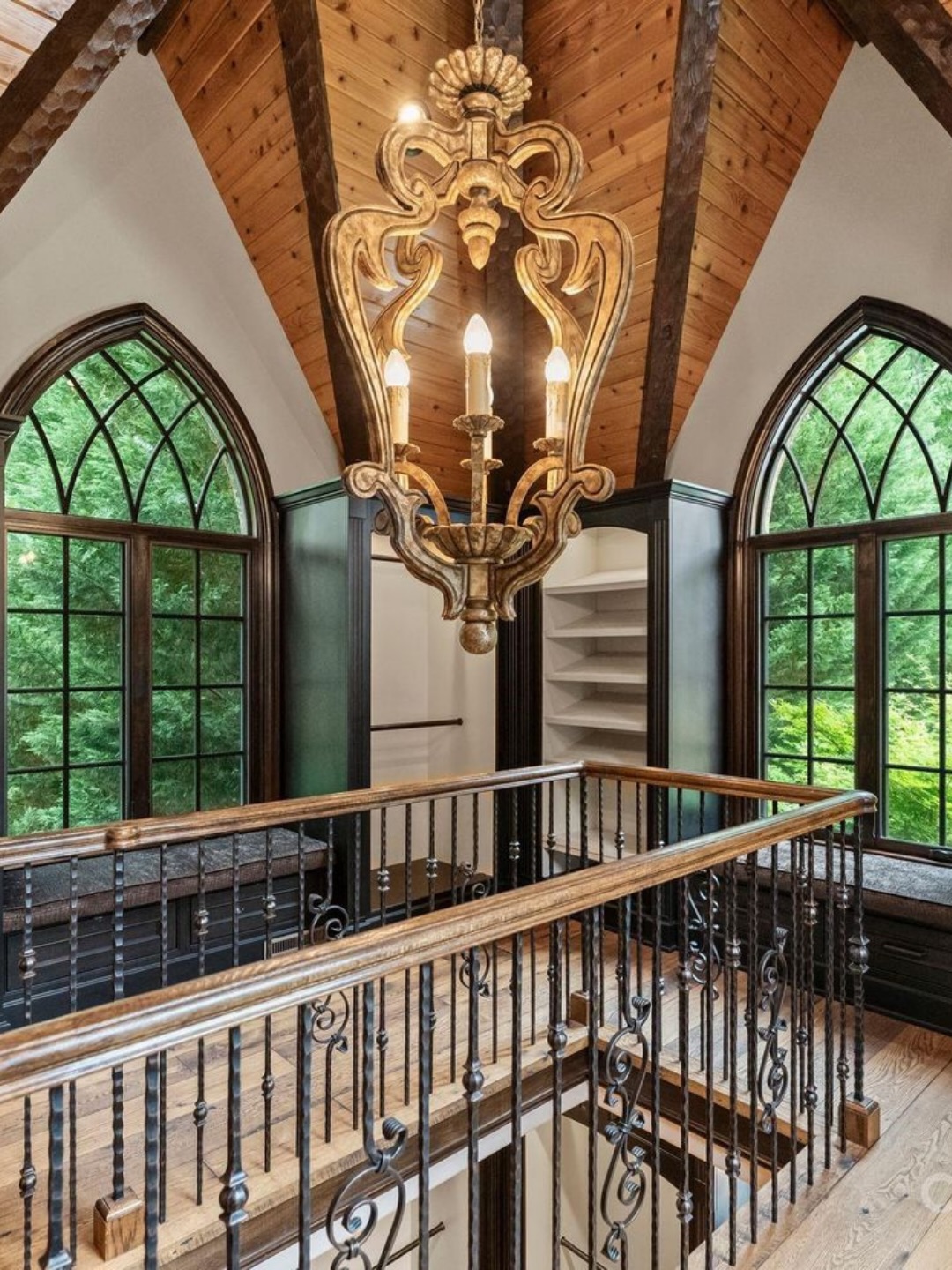
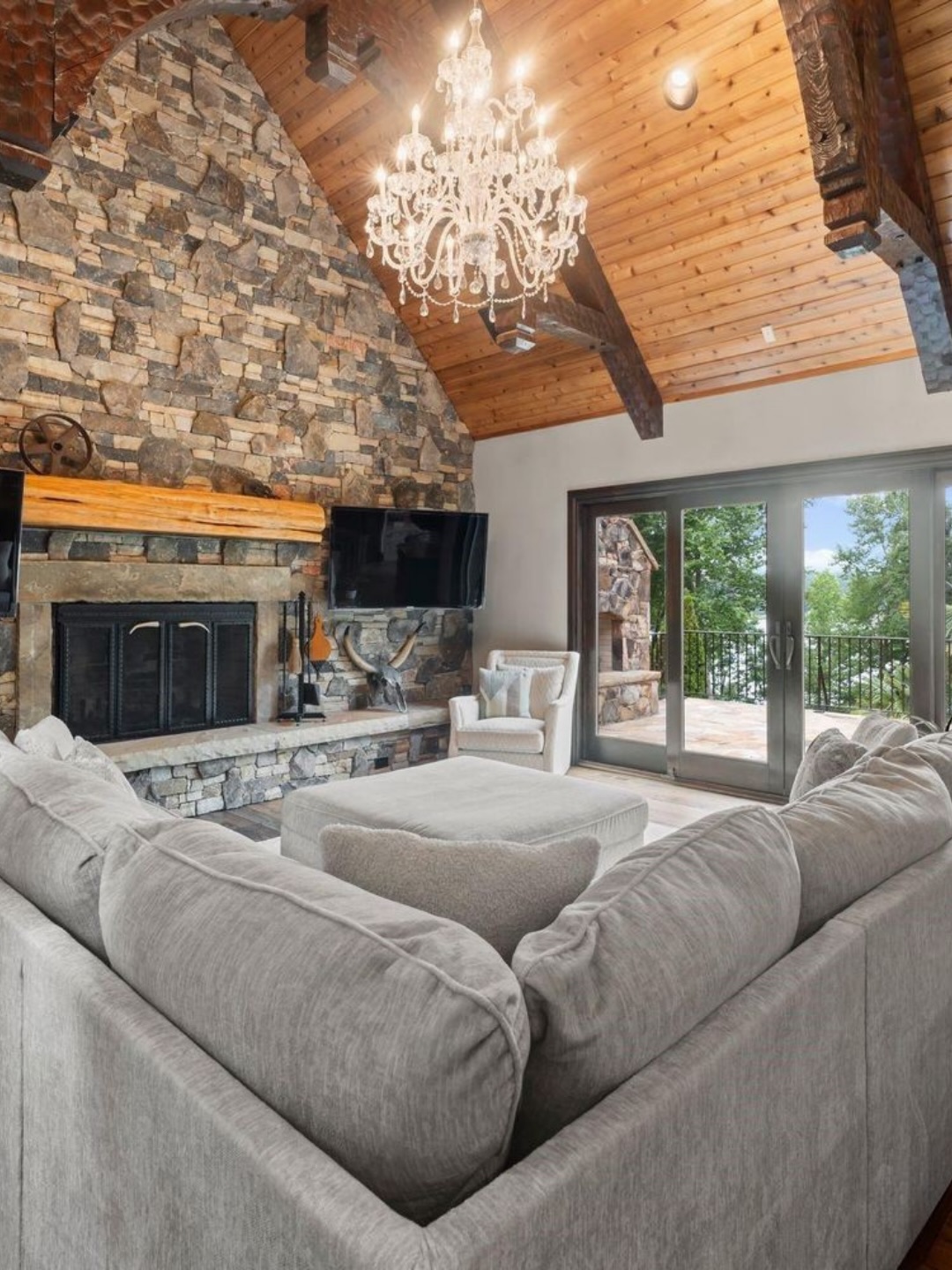
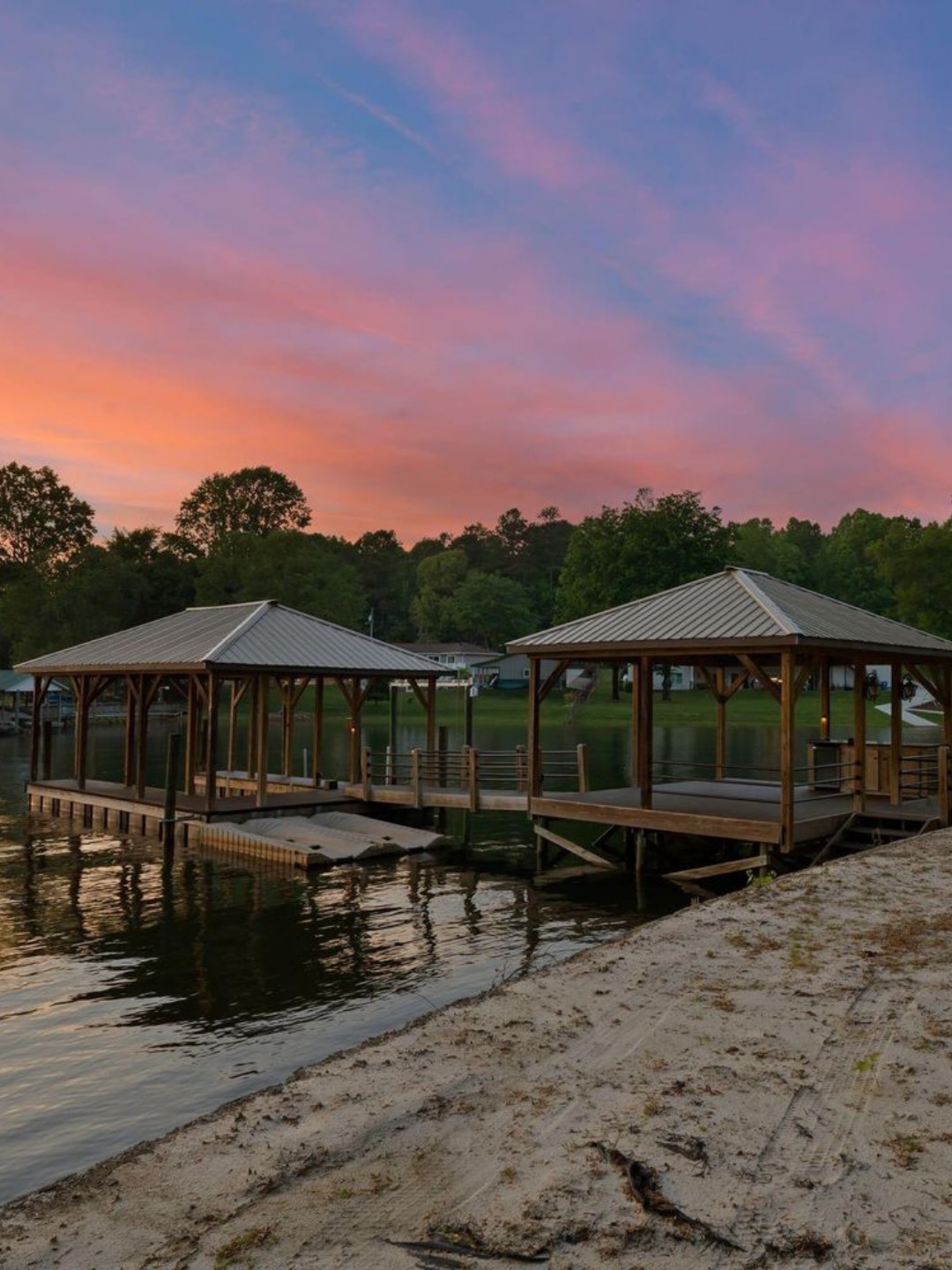
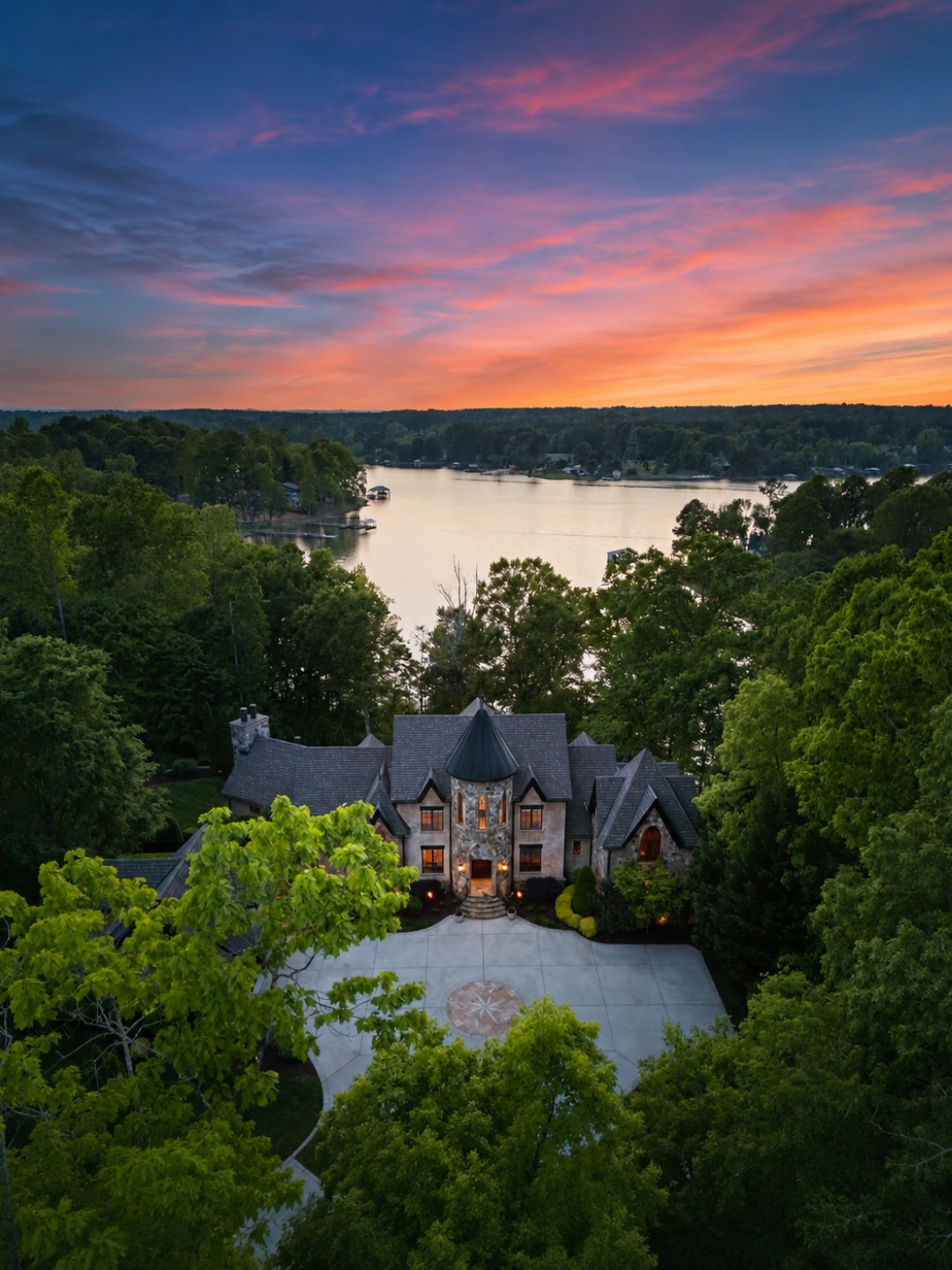
Racing driver Martin Truex Jr. is putting his long-time North Carolina estate up for sale for $7.5 million. Located in Mooresville, known as “Race City USA,” the property spans approximately five acres on the shore of a lake. Custom-built after the land was purchased in 2006, the estate offers nearly 14,300 square feet of living space.



On Wednesday, Quebec announced that it would prioritize applications to the Skilled Worker Selection Program (PSTQ) from immigrants whose open work permits have expired or are about to expire.
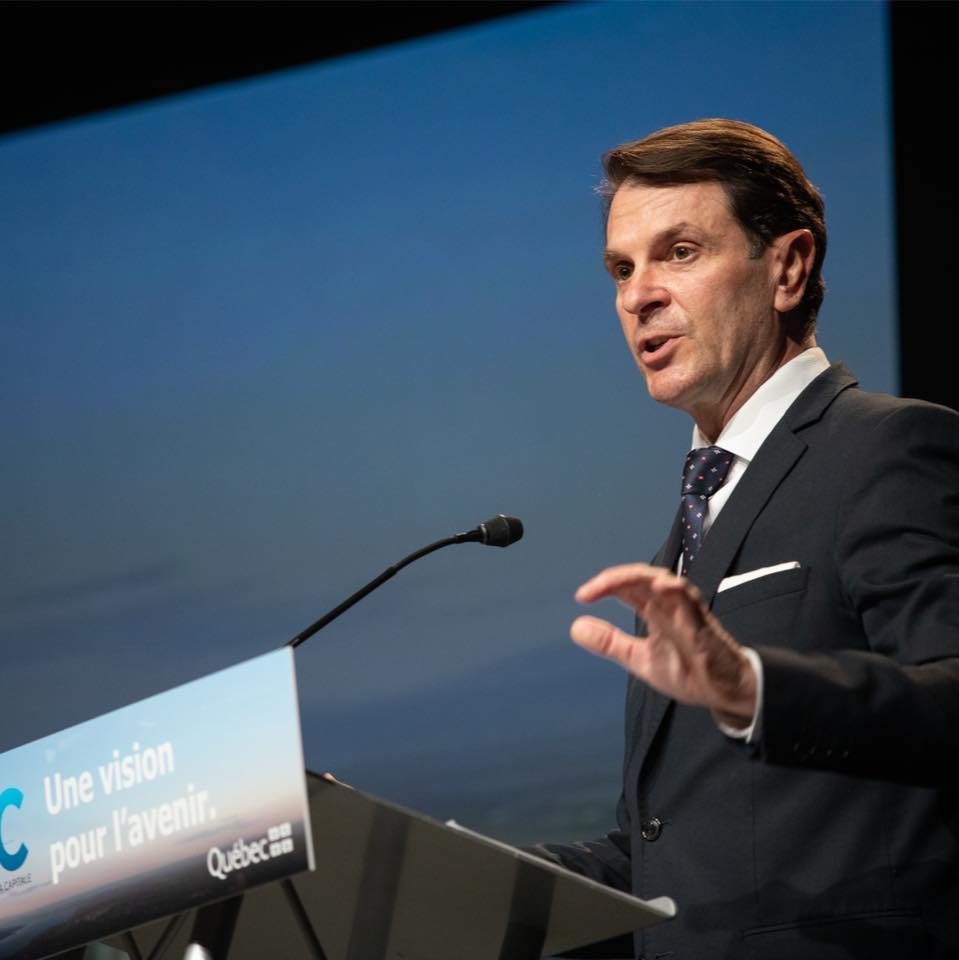
“Once these applications have been processed, those from holders of closed work permits will then be reviewed,” said Immigration Minister François Bonnardel.
The measure applies to applications submitted since July 17, 2025, and will remain in effect until May 13, 2027.
“The solution presented today will thus provide greater predictability for businesses and reduce the risk that workers will be forced to leave the province while they are actively participating in the Quebec labor market,” stated the Ministry of Immigration, Francization, and Integration (MIFI) in a press release.
“We just want to speed up the process for these people who may be in a situation of significant anxiety. That’s all,” said Mr. Bonnardel. Upon taking office in April, the Granby representative had committed to implementing “more humane” immigration policies.
Since March 13, holders of closed work permits who have already submitted an application to the PSTQ can renew their work authorization for a period of one year. This exception, negotiated with the federal government, will remain in effect until December 31, 2026.
This policy excludes holders of open work permits, such as international students with post-graduation work permits. That is why priority processing in the PSTQ will be granted “first” to open work permit holders.
Meanwhile, the Quebec government is urging Ottawa to include open permit holders, as well as their spouses and dependents, in its policies.
In his press release, Mr. Bonnardel issues a warning to foreign workers: “If they are able to do so, permit holders whose permits are about to expire should proceed with renewal without delay. […] Although the measure allows for faster processing of their applications, there is no guarantee that a decision will be made before their work permit expires.”
Christine Fréchette’s new government has promised the return of the Quebec Experience Program (PEQ) this year. When questioned by Le Devoir, Mr. Bonnardel’s office indicated that an announcement on the subject would be made before the end of the parliamentary session on June 12, but that the program’s reopening would come later.
The PSTQ is therefore intended to replace the Quebec Experience Program (PEQ), which was abolished six months ago. This new program is thus virtually the only way for foreign workers or international students to obtain permanent residency.
The PSTQ operates on a points-based system. Individuals who have worked in Quebec for a longer period, reside in the regions, and are proficient in French are more likely to be selected.