Catégories
Uncategorized

Applications from foreign workers whose PSTQ permits are about to expire will be given priority

On Wednesday, Quebec announced that it would prioritize applications to the Skilled Worker Selection Program (PSTQ) from immigrants whose open work permits have expired or are about to expire.

“Once these applications have been processed, those from holders of closed work permits will then be reviewed,” said Immigration Minister François Bonnardel.

The measure applies to applications submitted since July 17, 2025, and will remain in effect until May 13, 2027.

“The solution presented today will thus provide greater predictability for businesses and reduce the risk that workers will be forced to leave the province while they are actively participating in the Quebec labor market,” stated the Ministry of Immigration, Francization, and Integration (MIFI) in a press release.

“We just want to speed up the process for these people who may be in a situation of significant anxiety. That’s all,” said Mr. Bonnardel. Upon taking office in April, the Granby representative had committed to implementing “more humane” immigration policies.

Facebook/François Bonnardel

A Call to Ottawa

Since March 13, holders of closed work permits who have already submitted an application to the PSTQ can renew their work authorization for a period of one year. This exception, negotiated with the federal government, will remain in effect until December 31, 2026.

This policy excludes holders of open work permits, such as international students with post-graduation work permits. That is why priority processing in the PSTQ will be granted “first” to open work permit holders.

Meanwhile, the Quebec government is urging Ottawa to include open permit holders, as well as their spouses and dependents, in its policies.

In his press release, Mr. Bonnardel issues a warning to foreign workers: “If they are able to do so, permit holders whose permits are about to expire should proceed with renewal without delay. […] Although the measure allows for faster processing of their applications, there is no guarantee that a decision will be made before their work permit expires.”

What about the PEQ?

Christine Fréchette’s new government has promised the return of the Quebec Experience Program (PEQ) this year. When questioned by Le Devoir, Mr. Bonnardel’s office indicated that an announcement on the subject would be made before the end of the parliamentary session on June 12, but that the program’s reopening would come later.

The PSTQ is therefore intended to replace the Quebec Experience Program (PEQ), which was abolished six months ago. This new program is thus virtually the only way for foreign workers or international students to obtain permanent residency.

The PSTQ operates on a points-based system. Individuals who have worked in Quebec for a longer period, reside in the regions, and are proficient in French are more likely to be selected.

Catégories
Uncategorized

Cuba has run out of oil: energy report

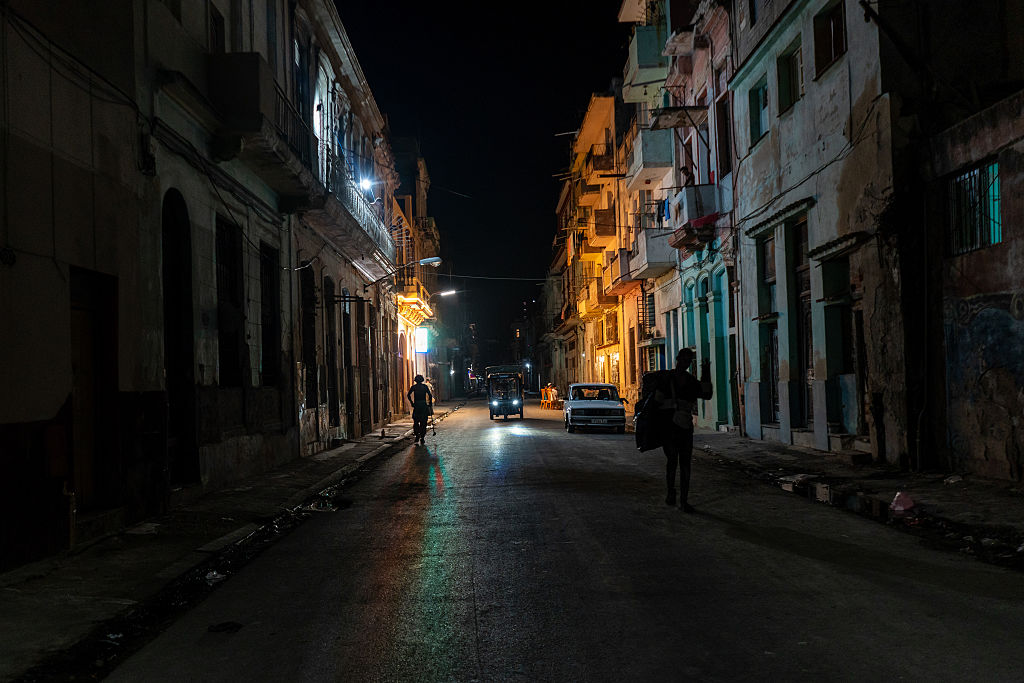
Cuba is facing one of the worst energy crises in its modern history as widespread blackouts and fuel shortages continue to devastate daily life across the island. On May 14, Cuban officials admitted that the country has effectively run out of both its diesel and fuel oil reserves, leaving Cuba’s national electrical grid on the brink of collapse. Residents in Havana and several provincial cities have experienced outages lasting more than 20 hours per day. The crisis has caused significant disruption to transportation, healthcare and food distribution systems. Cuban officials have blamed the crisis on American sanctions and reduced foreign oil shipments, specifically from Venezuela and Mexico.

“We have absolutely no fuel oil, absolutely no diesel, In Havana, the blackouts today exceed 20 or 22 hours.”

Vicente de la O Levy, minister of energy

Triggering protests

The continuous blackouts have triggered protests across the country, with many Cubans expressing anger over their deteriorating living conditions. Videos posted online showed residents banging pots and pans from balconies while chanting anti-government slogans during nighttime outages. Demonstrations were reported in Havana, Holguín, Santiago de Cuba, and other cities. The protests have resulted in increased police presence across major cities. The government has attempted to calm public frustration by promising emergency repairs and fuel conservation measures. However, many residents remain skeptical after years of economic decline and repeated infrastructure failures that have already pushed Cuba into a prolonged humanitarian and financial crisis.

American sanctions at fault according to Cuba

The Cuban government maintains that American sanctions are the primary cause of the collapse, accusing the United States of waging what officials called an “economic war” against the island. Earlier this year, Donald Trump imposed new restrictions targeting countries and companies supplying fuel to Cuba. Those measures reportedly discouraged major exporters such as Venezuela and Mexico from continuing shipments. Cuban President Miguel Díaz-Canel argued that Washington’s policies are deliberately designed to destabilize the country and increase political unrest. Government officials stressed that Cuba’s power plants cannot operate without imported fuel, especially because domestic oil production only covers a fraction of national demand. Donald Trump enacted similar measures before his coup in Venezuela in January.

Aging energy infrastructure is playing a factor

Cuba’s aging energy infrastructure has also played a major role in the current crisis, with its decades-old power plants struggling to remain operational, even with fuel. Much of the country’s electrical system was constructed during the Soviet era and has suffered from chronic underinvestment and poor maintenance. Engineers have repeatedly warned about the risk of catastrophic failures within the grid. Several thermal power plants have broken down in recent months, causing rolling blackouts across the country even before fuel reserves were depleted. Experts say the country lacks the financial resources necessary to modernize the system. Cuba’s weak economy and limited foreign investment opportunities have made major infrastructure projects extremely difficult to complete.

Economic impacts

The economic consequences of the crisis are becoming increasingly severe, with small businesses and the tourism sector taking the biggest hits. Hotels and restaurants have been forced to rely on generators and solar panels in order to continue operating during lengthy outages, and some privately owned businesses have reduced their hours or been forced to temporarily close because of electricity shortages. Food security has also become a major issue, especially for families without refrigeration. The lack of refrigeration is also putting people’s health at risk, as many medications require refrigeration. Public transportation systems have also been heavily disrupted by fuel shortages, leading to long delays and overcrowding. The government has urged citizens to conserve electricity wherever possible, though many Cubans argue they already consume very little energy.

Alongside public transportation, other national services have begun struggling. Dozens of schools and universities across Cuba have been forced to suspend classes, and the healthcare industry is almost completely reliant on generators. Water distribution systems have also been affected because many apartment buildings depend on electric pumps to provide running water. The Cuban government has also warned that energy demand in those sectors is expected to increase over the summer.

Despite the growing unrest, Cuban officials insist that the country will eventually stabilize its energy system through new international partnerships and renewable energy investments. The government has explored agreements with Russia and China in hopes of securing emergency fuel shipments and expanding solar infrastructure projects. However, analysts warn that these initiatives could take years to produce meaningful results. For many ordinary Cubans, the immediate concern is simply surviving the daily blackouts and shortages affecting nearly every aspect of life. The current crisis has become one of the clearest signs of Cuba’s worsening economic decline, with many residents fearing that conditions may continue deteriorating throughout the remainder of 2026.

Catégories
Uncategorized

Cuba has run out of oil: energy report

Cuba is facing one of the worst energy crises in its modern history as widespread blackouts and fuel shortages continue to devastate daily life across the island. On May 14, Cuban officials admitted that the country has effectively run out of both its diesel and fuel oil reserves, leaving Cuba’s national electrical grid on the brink of collapse. Residents in Havana and several provincial cities have experienced outages lasting more than 20 hours per day. The crisis has caused significant disruption to transportation, healthcare and food distribution systems. Cuban officials have blamed the crisis on American sanctions and reduced foreign oil shipments, specifically from Venezuela and Mexico.

“We have absolutely no fuel oil, absolutely no diesel, In Havana, the blackouts today exceed 20 or 22 hours.”

Vicente de la O Levy, minister of energy

Triggering protests

The continuous blackouts have triggered protests across the country, with many Cubans expressing anger over their deteriorating living conditions. Videos posted online showed residents banging pots and pans from balconies while chanting anti-government slogans during nighttime outages. Demonstrations were reported in Havana, Holguín, Santiago de Cuba, and other cities. The protests have resulted in increased police presence across major cities. The government has attempted to calm public frustration by promising emergency repairs and fuel conservation measures. However, many residents remain skeptical after years of economic decline and repeated infrastructure failures that have already pushed Cuba into a prolonged humanitarian and financial crisis.

American sanctions at fault according to Cuba

The Cuban government maintains that American sanctions are the primary cause of the collapse, accusing the United States of waging what officials called an “economic war” against the island. Earlier this year, Donald Trump imposed new restrictions targeting countries and companies supplying fuel to Cuba. Those measures reportedly discouraged major exporters such as Venezuela and Mexico from continuing shipments. Cuban President Miguel Díaz-Canel argued that Washington’s policies are deliberately designed to destabilize the country and increase political unrest. Government officials stressed that Cuba’s power plants cannot operate without imported fuel, especially because domestic oil production only covers a fraction of national demand. Donald Trump enacted similar measures before his coup in Venezuela in January.

Aging energy infrastructure is playing a factor

Cuba’s aging energy infrastructure has also played a major role in the current crisis, with its decades-old power plants struggling to remain operational, even with fuel. Much of the country’s electrical system was constructed during the Soviet era and has suffered from chronic underinvestment and poor maintenance. Engineers have repeatedly warned about the risk of catastrophic failures within the grid. Several thermal power plants have broken down in recent months, causing rolling blackouts across the country even before fuel reserves were depleted. Experts say the country lacks the financial resources necessary to modernize the system. Cuba’s weak economy and limited foreign investment opportunities have made major infrastructure projects extremely difficult to complete.



Economic impacts

The economic consequences of the crisis are becoming increasingly severe, with small businesses and the tourism sector taking the biggest hits. Hotels and restaurants have been forced to rely on generators and solar panels in order to continue operating during lengthy outages, and some privately owned businesses have reduced their hours or been forced to temporarily close because of electricity shortages. Food security has also become a major issue, especially for families without refrigeration. The lack of refrigeration is also putting people’s health at risk, as many medications require refrigeration. Public transportation systems have also been heavily disrupted by fuel shortages, leading to long delays and overcrowding. The government has urged citizens to conserve electricity wherever possible, though many Cubans argue they already consume very little energy.

Alongside public transportation, other national services have begun struggling. Dozens of schools and universities across Cuba have been forced to suspend classes, and the healthcare industry is almost completely reliant on generators. Water distribution systems have also been affected because many apartment buildings depend on electric pumps to provide running water. The Cuban government has also warned that energy demand in those sectors is expected to increase over the summer.

Despite the growing unrest, Cuban officials insist that the country will eventually stabilize its energy system through new international partnerships and renewable energy investments. The government has explored agreements with Russia and China in hopes of securing emergency fuel shipments and expanding solar infrastructure projects. However, analysts warn that these initiatives could take years to produce meaningful results. For many ordinary Cubans, the immediate concern is simply surviving the daily blackouts and shortages affecting nearly every aspect of life. The current crisis has become one of the clearest signs of Cuba’s worsening economic decline, with many residents fearing that conditions may continue deteriorating throughout the remainder of 2026.

10 Food Habits That Waste Money & 10 That Quietly Save You Hundreds

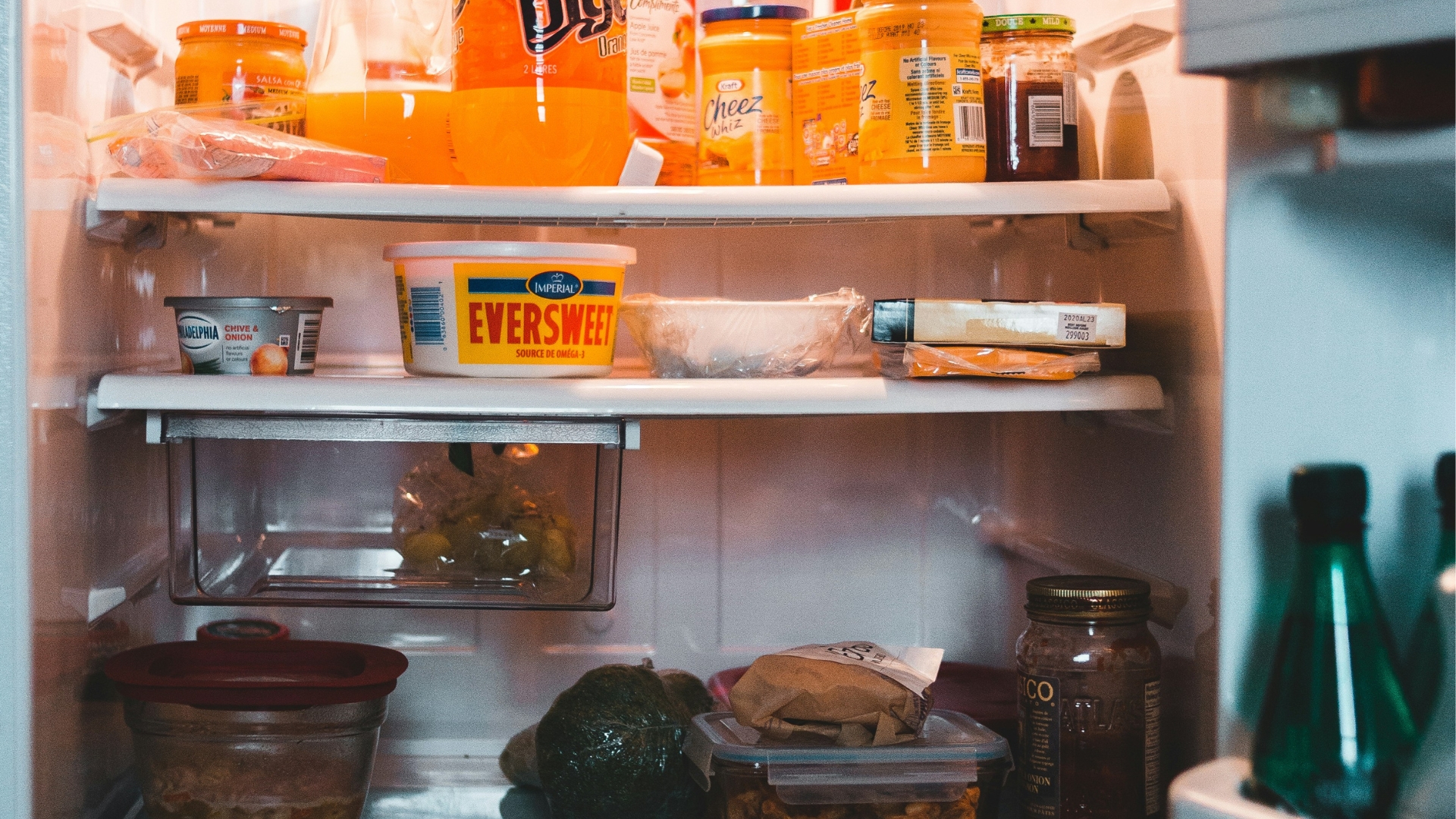
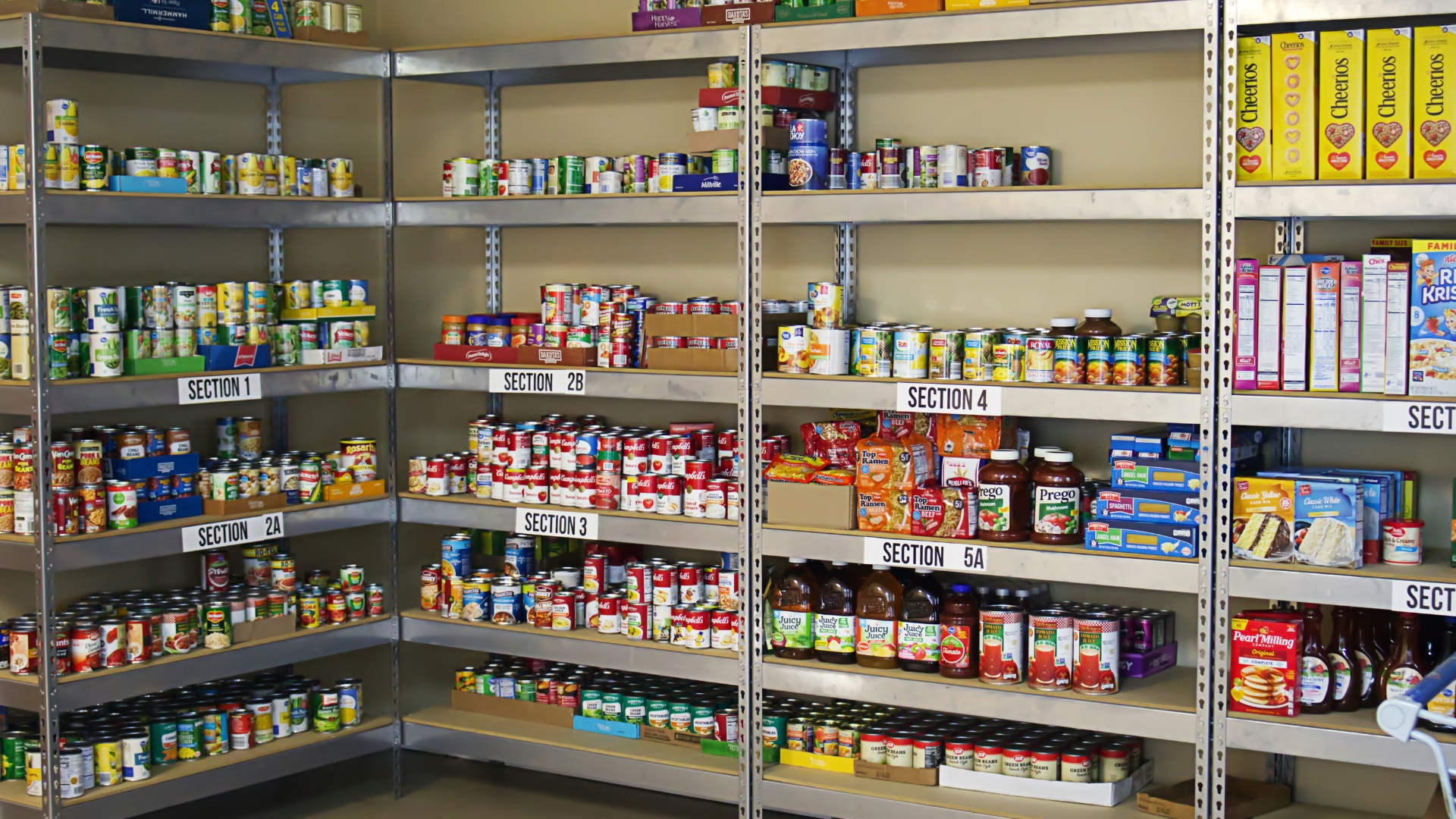
Somehow, a trip to the grocery store always starts with noble intent and ends with emotional damage. You go in with a list—or at least a mental sketch of one—and still wind up wandering the aisles like a contestant in a game show, tossing things into the cart that feel like good life choices at the moment. Ten minutes in, you’ve bought enough produce to nourish a small village.

The 15 Fastest Cars in the World

Car manufacturers have always sought to push the boundaries of speed and technology. Today’s hypercars represent the pinnacle of mechanical engineering, combining extreme power, advanced aerodynamics, and ultra-lightweight materials. Some cars now exceed 400 km/h, a speed once reserved for race cars.

Prestigious brands like Bugatti, Koenigsegg, SSC, and Hennessey are engaged in a spectacular battle to create the world’s fastest car. These exclusive models are produced in very small quantities and often cost several million dollars. Beyond their incredible performance, they also embody luxury, innovation, and the ultimate automotive dream. Here is a selection of the 15 fastest cars in the world, true masterpieces of speed and modern technology.

What Your Favorite Outfit Says About Who You Really Are

Your closet is basically a personality quiz you never signed up for. That favorite jacket you reach for on autopilot? It says more about you than the small talk at a dinner party. 

Les 7 inventions qui ont vraiment changé le monde (et 7 qui n’étaient que du vent)

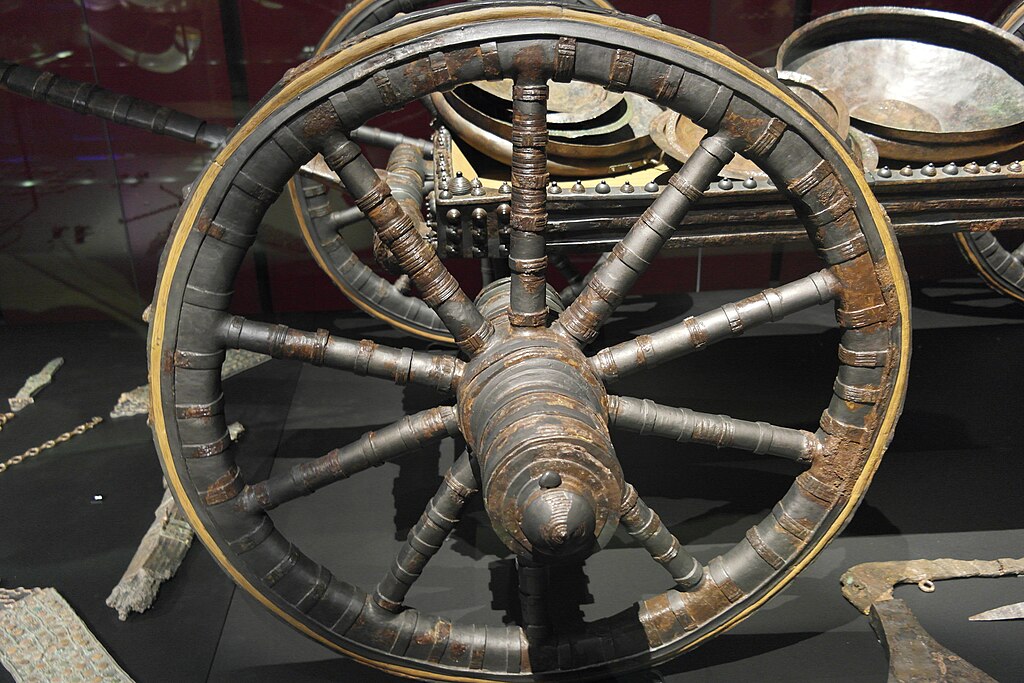
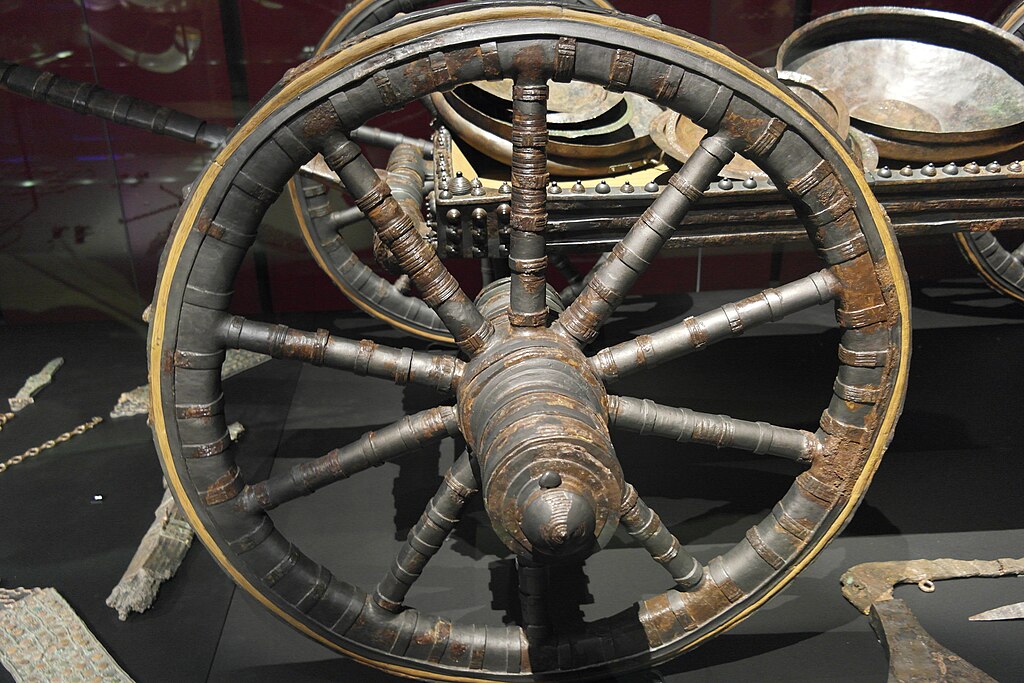
La roue, inventée vers 3500 avant notre ère en Mésopotamie, a d’abord été utilisée pour la poterie plutôt que pour le transport. Ce n’est que bien plus tard qu’elle a révolutionné les chariots et les machines complexes. La plus ancienne roue connue, trouvée en Slovénie, témoigne de l’impact que peuvent avoir des outils aux origines modestes.

How Sharing Tasks Shapes How Children See Responsibility

Would you rather do everything yourself and later wonder why the grown-ups in your house don’t lift a finger, or involve them from the start? If raising responsible adults is the goal, teaching them at a young age wins every time. Why?  Because habits form early, and so does the mindset that chores are shared responsibilities. Children observe, mimic, and begin to internalize what it means to make a meaningful contribution. Sharing everyday tasks is one way they learn. While it may not always happen side by side, when they’re invited to help, something begins to shift. They start to feel a sense of belonging—not because they were told what to do, but because they were included in the doing.

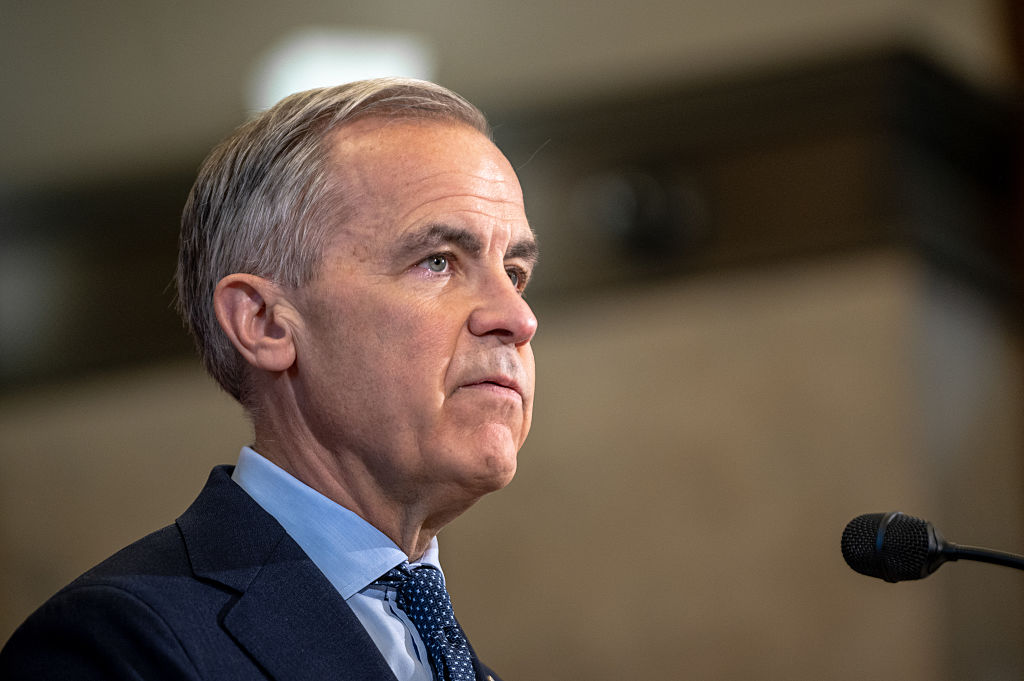
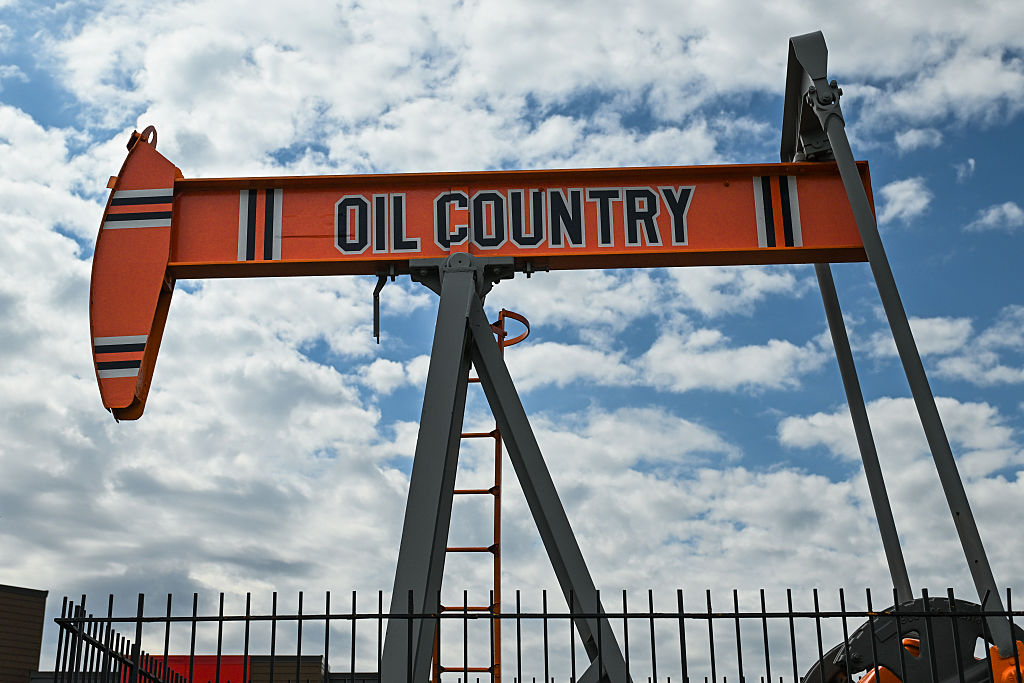
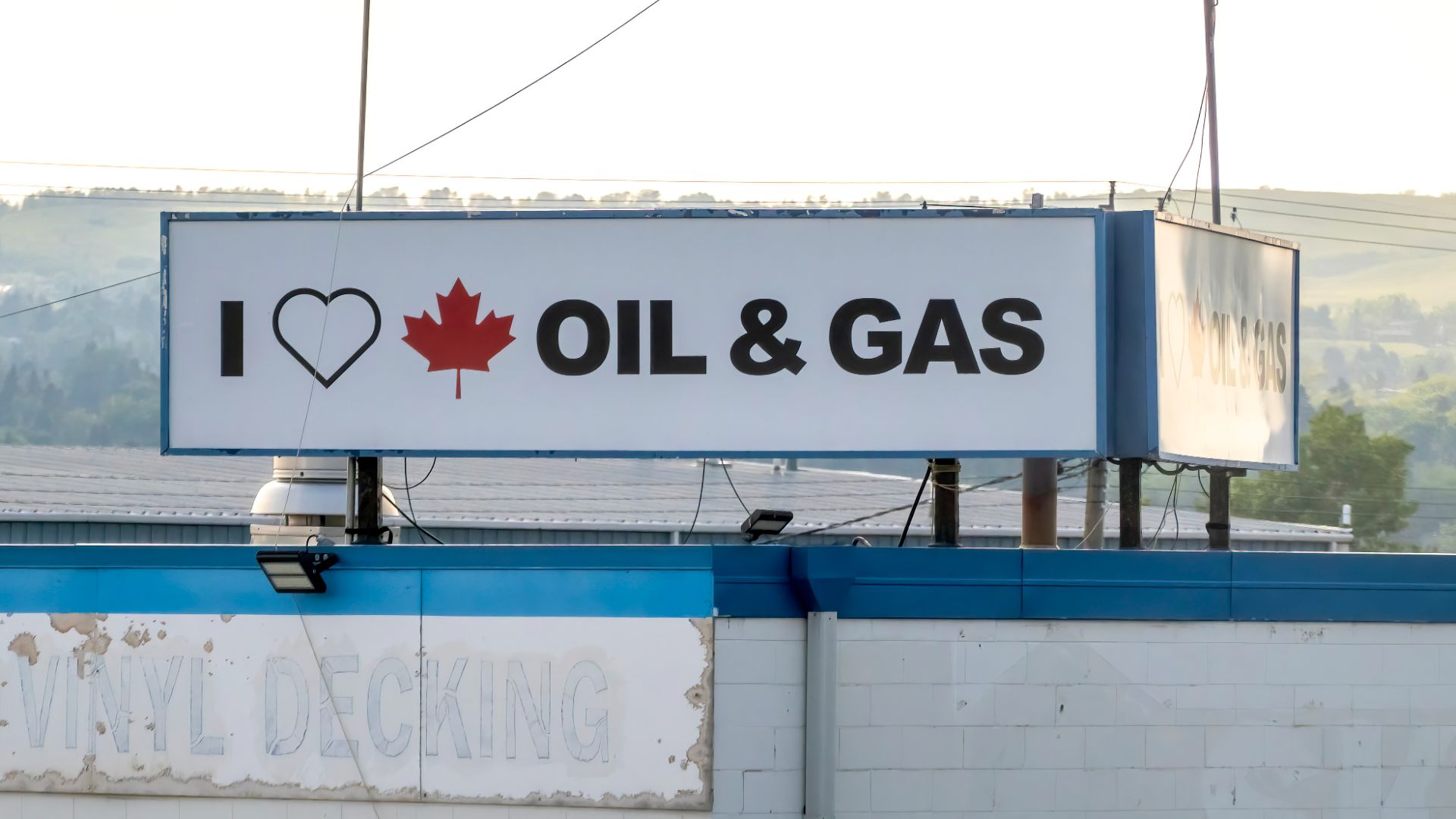
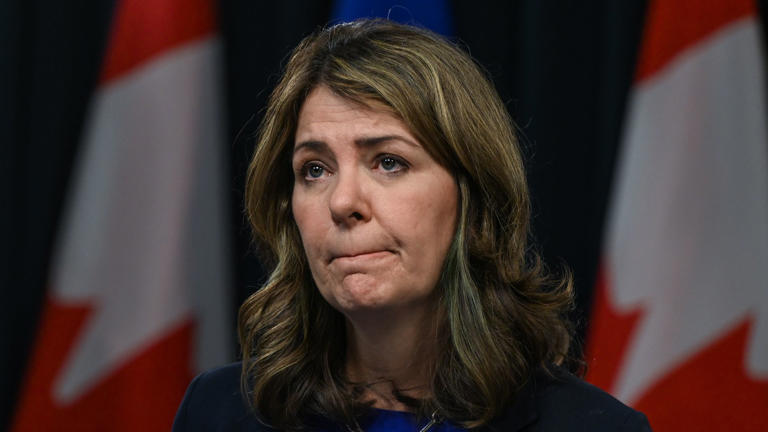
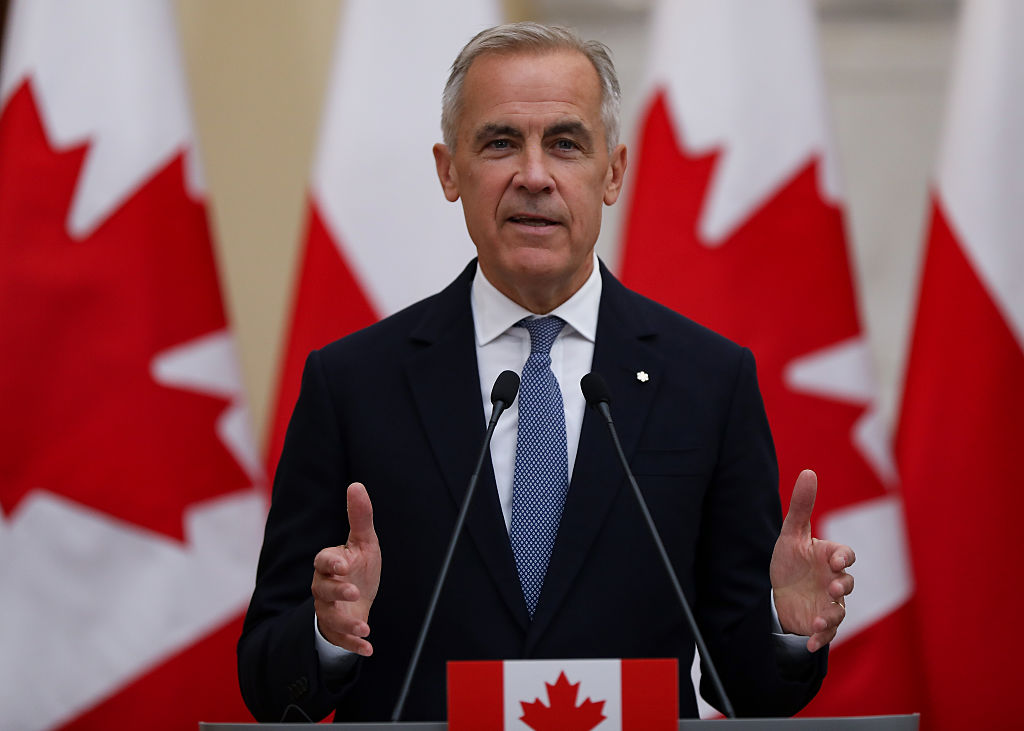
Mark Carney collabore avec l’Alberta sur des projets liés aux pipelines et autres

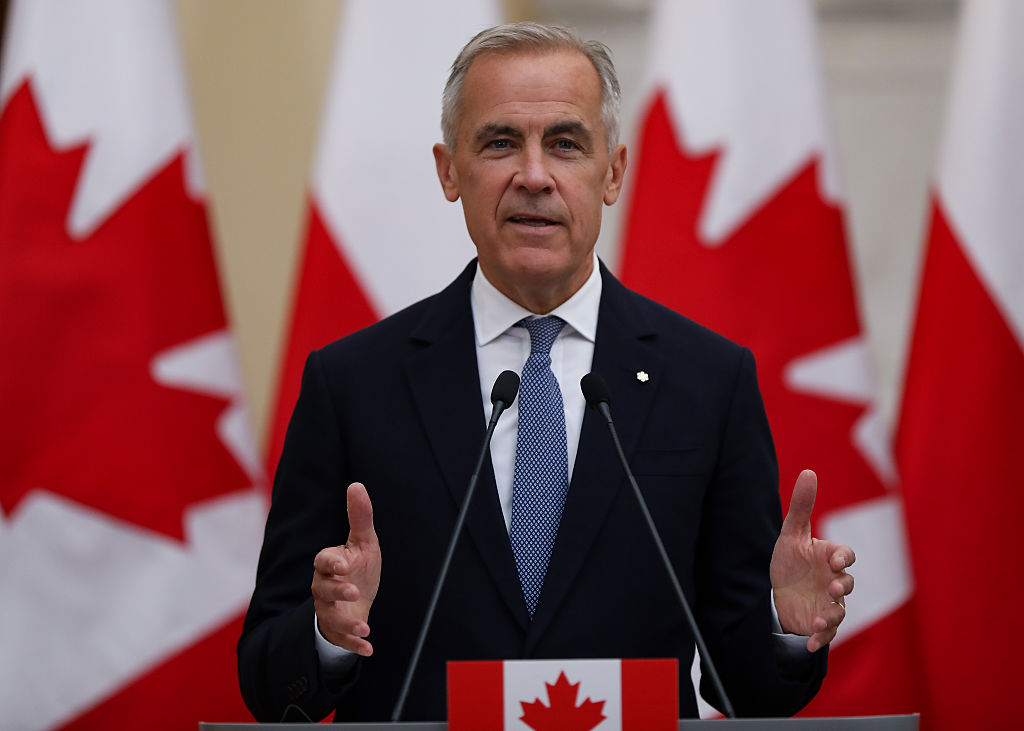
Le gouvernement libéral de Mark Carney a enfin annoncé un plan visant à réduire les obstacles administratifs pesant sur les projets susceptibles de contribuer au « développement national », notamment les pipelines et autres projets liés aux ressources naturelles. Dans un reportage exclusif publié le 6 mai, la chaîne CBC a révélé avoir interrogé deux responsables du gouvernement fédéral au sujet de l’objectif de Carney de réduire les formalités administratives, mais ces deux sources ont dû garder l’anonymat. 

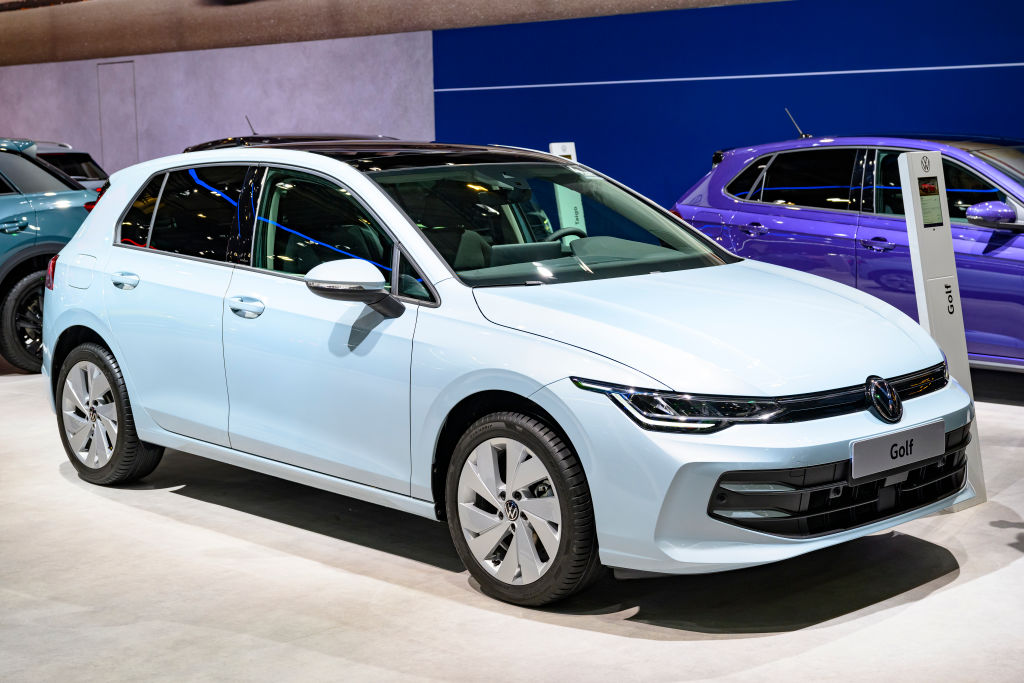
15 Cars Perfect for Students

Choosing a car as a student can be difficult, especially with a limited budget and the many expenses associated with school. The ideal car should be affordable to buy, fuel-efficient, reliable, and inexpensive to maintain. Students also often look for a practical vehicle for daily commutes, long trips to campus, or outings with friends.