American actor Bud Cort, wearing a black suit with a white shirt, and American actress Patti D'Arbanville, who wears a black off-shoulder outfit, attend the 2nd Annual American Cinematheque Award Salute, held at the Hollywood Palladium in the Hollywood neighbourhood of Los Angeles, California, 21st February 1987. The ceremony honoured American actress and singer Bette Midler. (Photo by Vinnie Zuffante/Getty Images)
The year 2026 was marked by the passing of many personalities who left a lasting mark on our society. Artists, creators, public figures, thinkers, and athletes—each and every one contributed in their own way to shaping our era and our collective imagination. This In Memoriam project pays tribute to those who left us during the year. Through these memories, we take a moment to remember their influence, celebrate their contributions, and honor lives that will continue to resonate long after their passing.
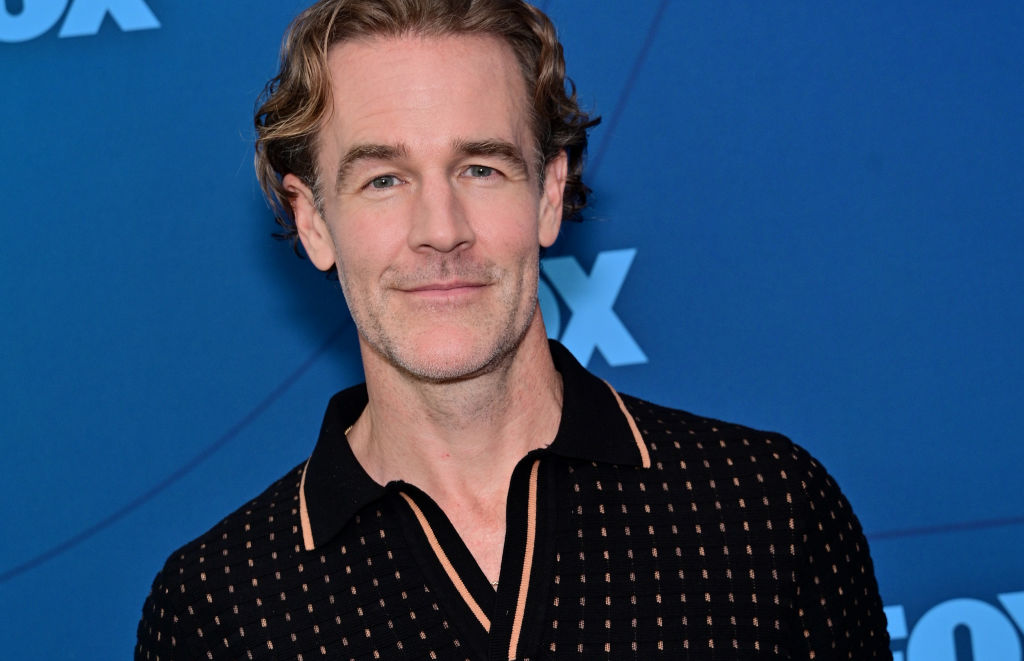
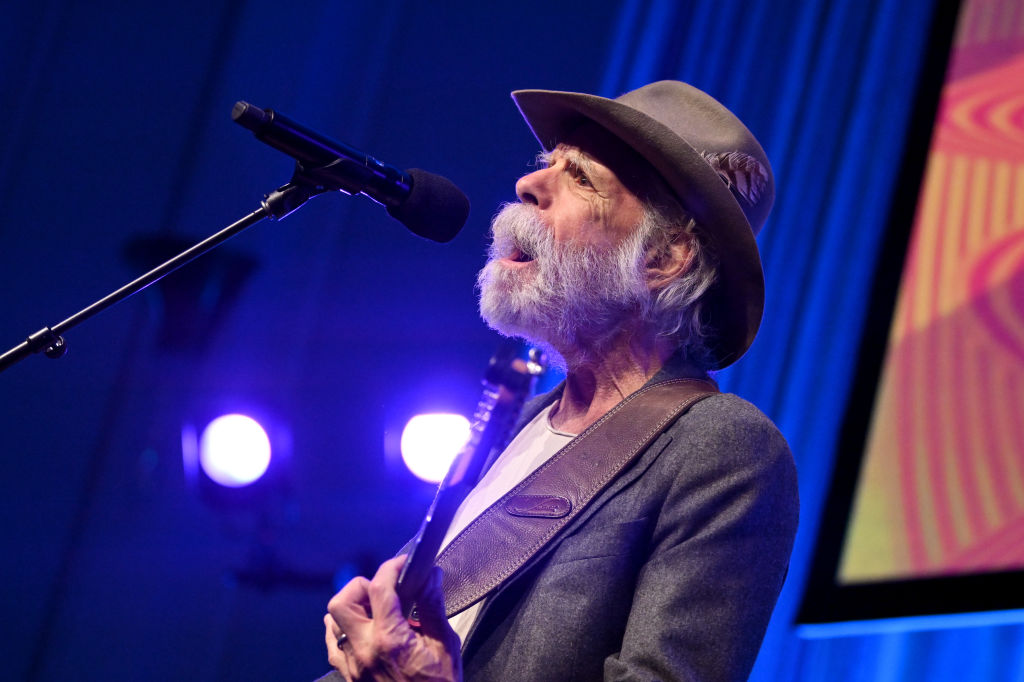
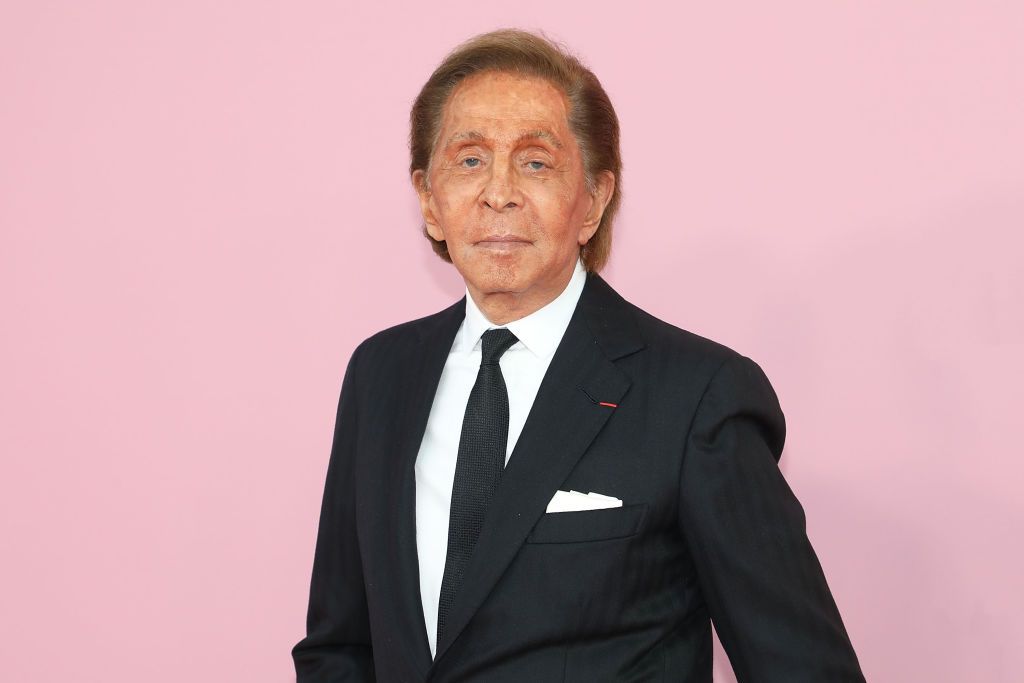
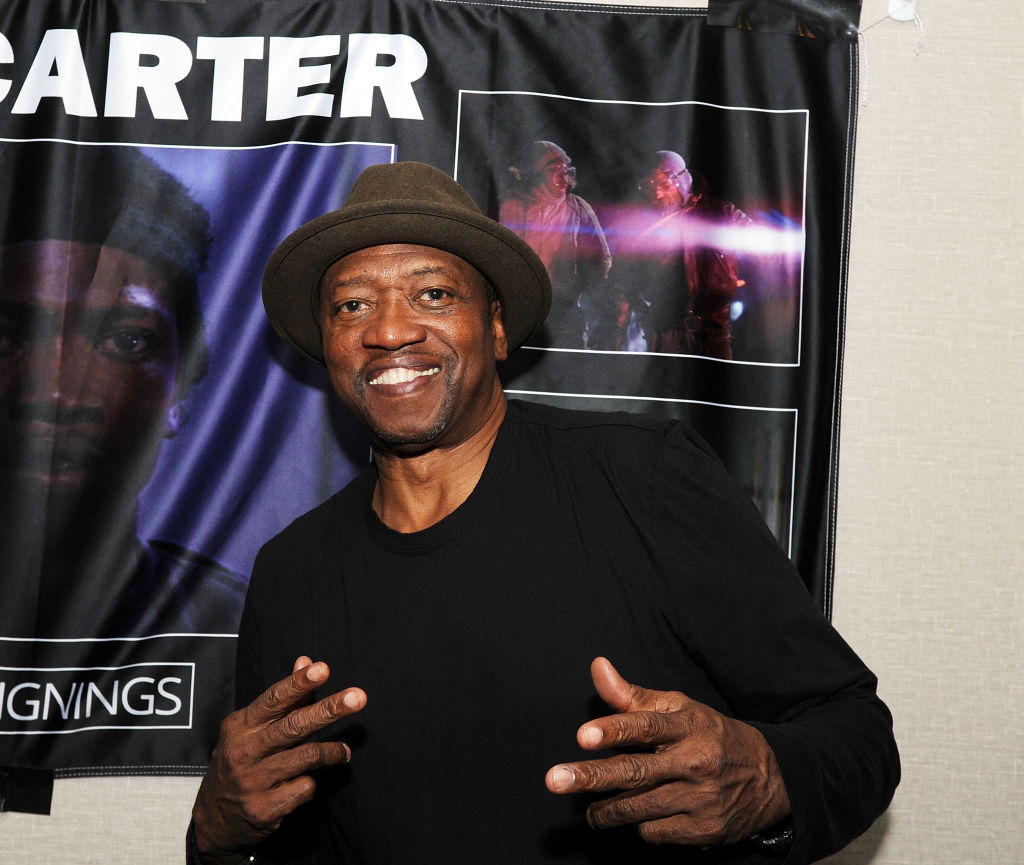
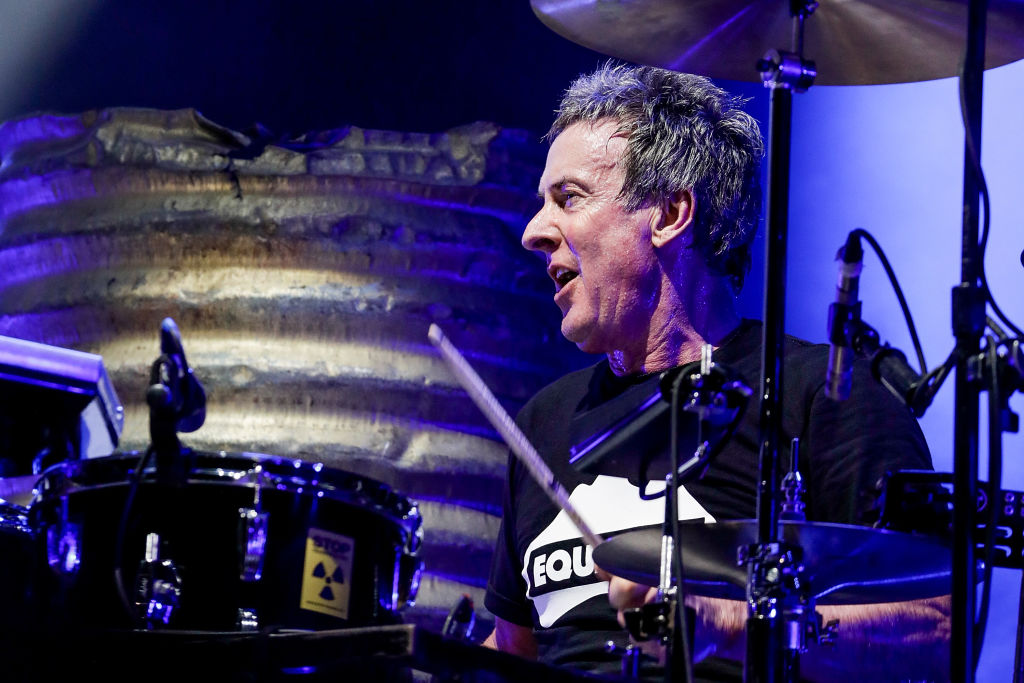
American actor Bud Cort, wearing a black suit with a white shirt, and American actress Patti D’Arbanville, who wears a black off-shoulder outfit, attend the 2nd Annual American Cinematheque Award Salute, held at the Hollywood Palladium in the Hollywood neighbourhood of Los Angeles, California, 21st February 1987. The ceremony honoured American actress and singer Bette Midler. (Photo by Vinnie Zuffante/Getty Images)LOS ANGELES, CALIFORNIA – NOVEMBER 18: James Van Der Beek attends 2024 FOX Winter Press Day at Fox Studio Lot on November 18, 2024 in Los Angeles, California. (Photo by Andrew Toth/Getty Images)NEW YORK, NEW YORK – MAY 26: Singer Brad Arnold of 3 Doors Down performs at 2023 FOX & Friends’ Summer Concert Series on May 26, 2023 in New York City. (Photo by Slaven Vlasic/Getty Images)BEVERLY HILLS, CA – JULY 14: Musician Chuck Negron, former singer of the classic rock band Three Dog Night, performs onstage during the Happy Together tour at Saban Theatre on July 14, 2018 in Beverly Hills, California. (Photo by Scott Dudelson/Getty Images)Catherine O’Hara of « The Wild Robot » at the Deadline Studio held at the Bisha Hotel during the Toronto International Film Festival 2024 on September 9, 2024 in Toronto, Canada. (Photo by KC Armstrong/Deadline via Getty Images)
The consumerism that characterizes Western societies today means that many homes are cluttered with useless objects. These collect dust not only in attics and closets, but also in visible spaces such as bedrooms and living rooms. These objects complicate daily life by making cleaning more complex, as well as giving the impression of permanent clutter. If this is the case at home, you may be thinking of decluttering your home by getting rid of the least useful items. It’s not easy to do, but it’s far from impossible. To make it easier for you, here are our tips and tricks for decluttering your home without feeling guilty.
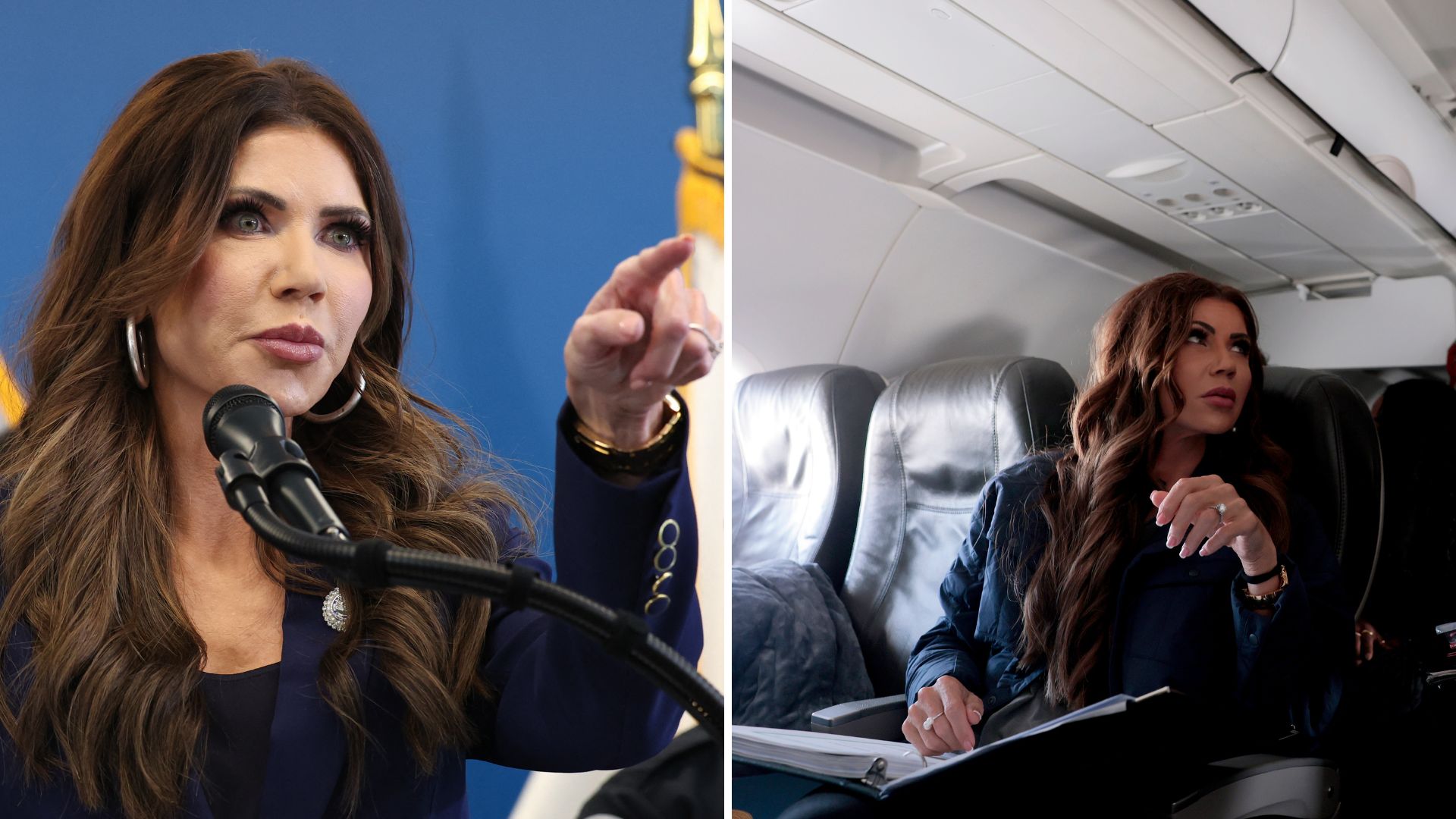
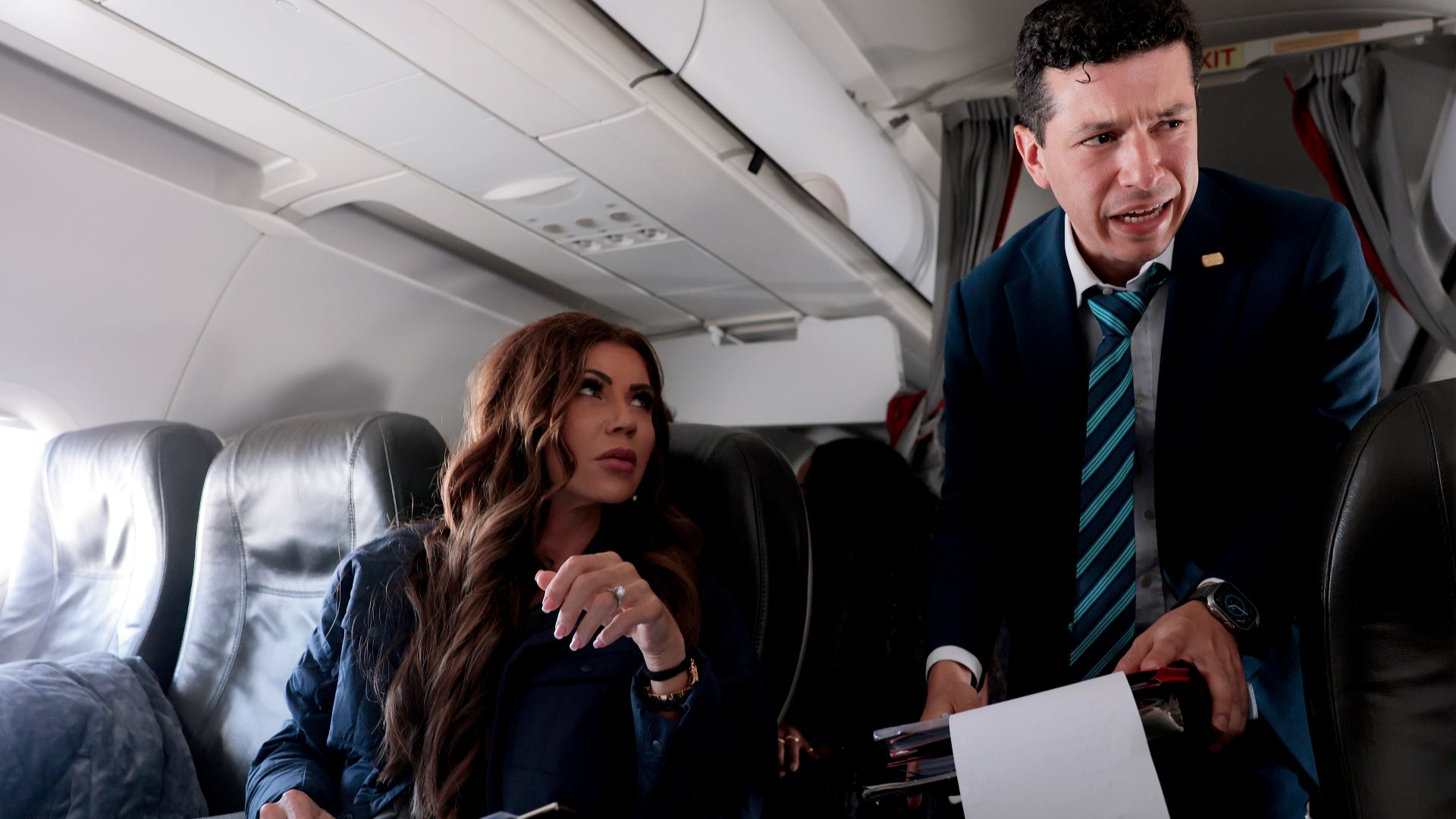
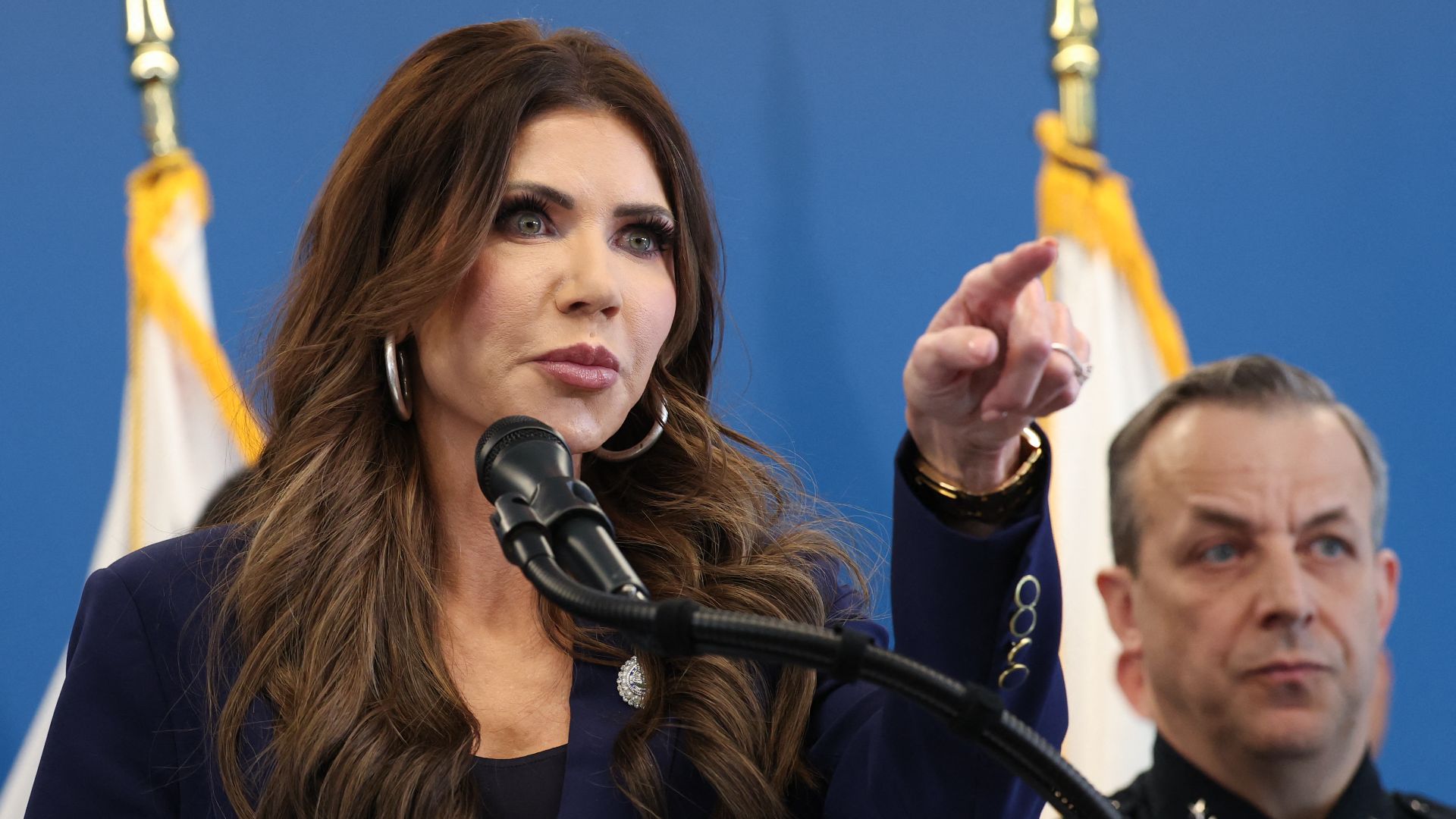
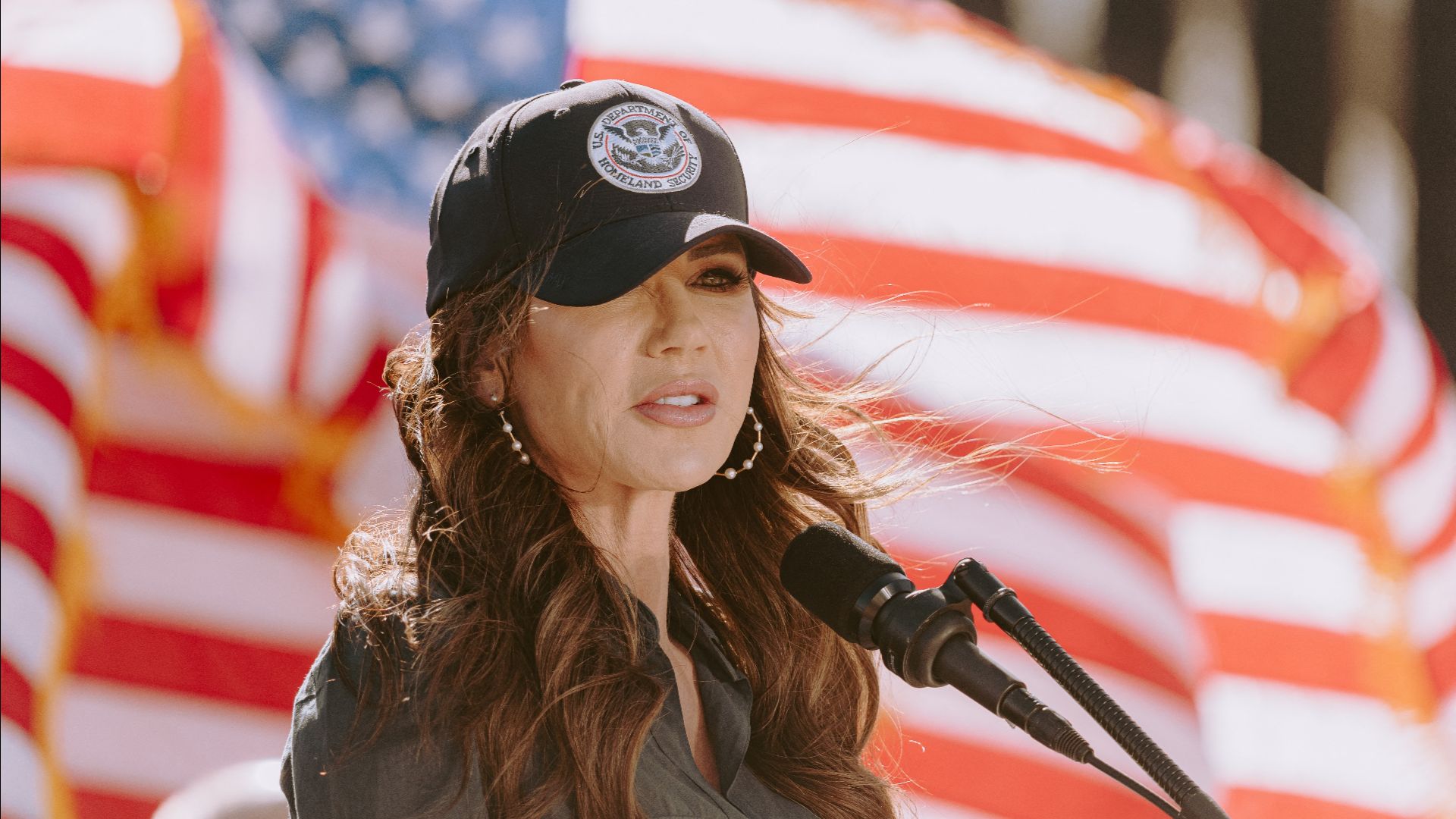
Homeland Security Secretary Kristi Noem briefly had a U.S. Coast Guard pilot removed from duty during an official trip after a blanket she expected on board was missing when her team switched aircraft because of a maintenance problem. Accounts of the episode say the blanket was left on the original plane, and the pilot was told he had been fired and would need to return home on a commercial flight after landing. The decision unraveled quickly. Staffers realized there was no replacement pilot available to fly the government aircraft back, and the same pilot was reinstated so the delegation could complete the trip. The pilot has not been publicly identified, and the reporting did not indicate any formal disciplinary process beyond the on-the-spot order and reversal.
Getty Images
The incident drew attention because it involved operational personnel in a uniformed service answering, ultimately, to a civilian cabinet secretary. The U.S. Coast Guard falls under the Department of Homeland Security during peacetime, which means Coast Guard aviation crews can be tasked with transporting senior DHS officials on government missions. In this case, the dispute did not center on flight safety or mission requirements, but on a personal item that had not been transferred between aircraft during a last-minute change. That detail has fueled criticism that the authority of a cabinet office was used impulsively against a service member, even as the immediate need to get the aircraft home forced a reversal. The rapid reinstatement became a key part of the story, highlighting how thin operational redundancy can be on specialized flights.
«This Department doesn’t waste time with salacious, baseless gossip.»
-Department of Homeland Security spokesperson
Corey Lewandowski, a close adviser to Noem and a longtime Trump political operative, was described as the person who communicated the firing instruction in the accounts that circulated after the story broke. Lewandowski has been characterized in that coverage as holding special government employee status while still exercising day-to-day influence inside DHS. That status matters because it is typically used for limited advisory work, yet the reporting portrays him as directing internal decisions and acting as a gatekeeper around the secretary. The episode has been folded into broader questions about who has real authority inside the department and how decisions are documented. While Noem and her team have defended the department’s focus and priorities, the blanket incident put Lewandowski’s practical power under a brighter spotlight because it placed a political adviser at the center of a sudden personnel action involving the military chain.
Getty Images
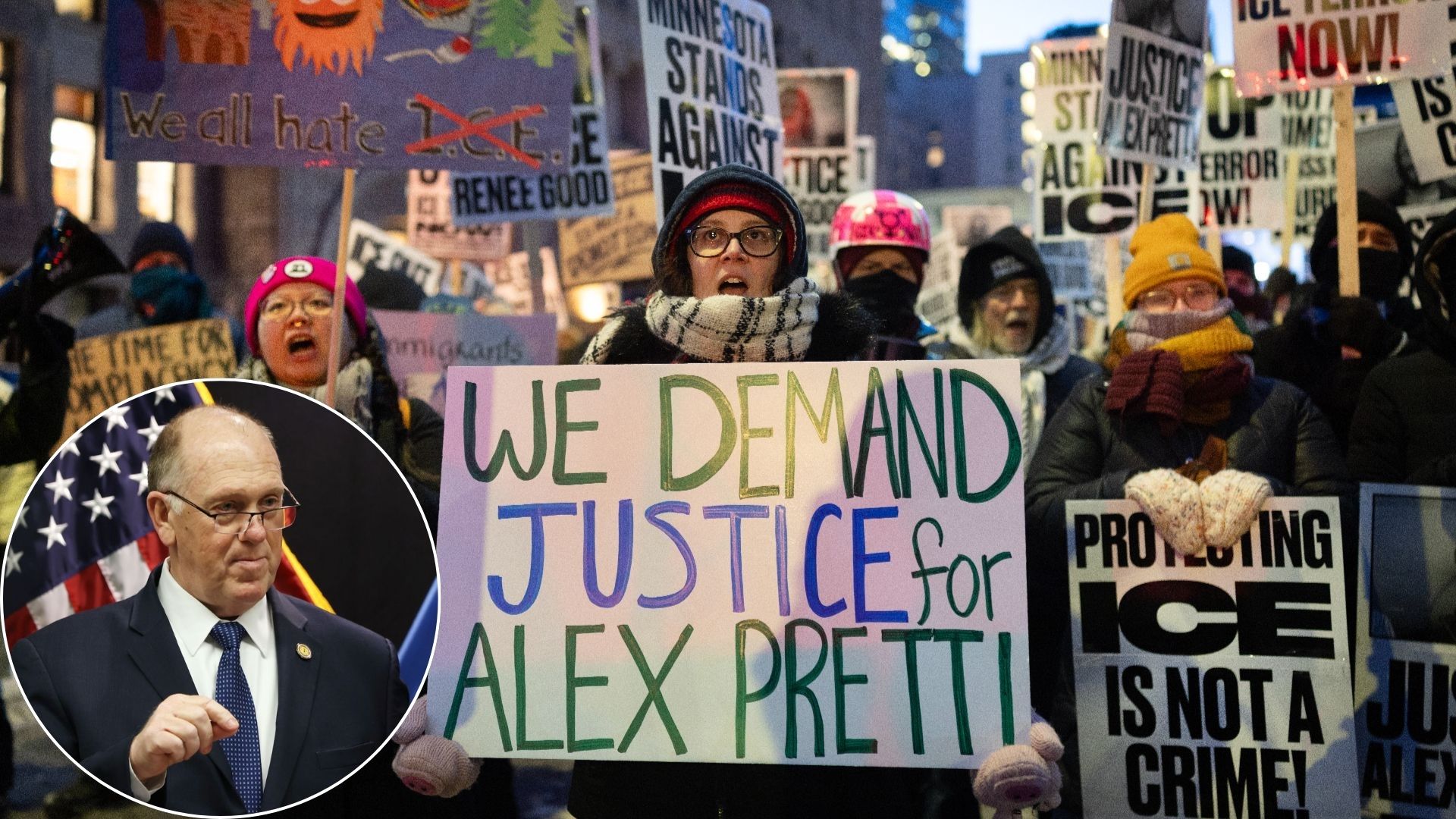
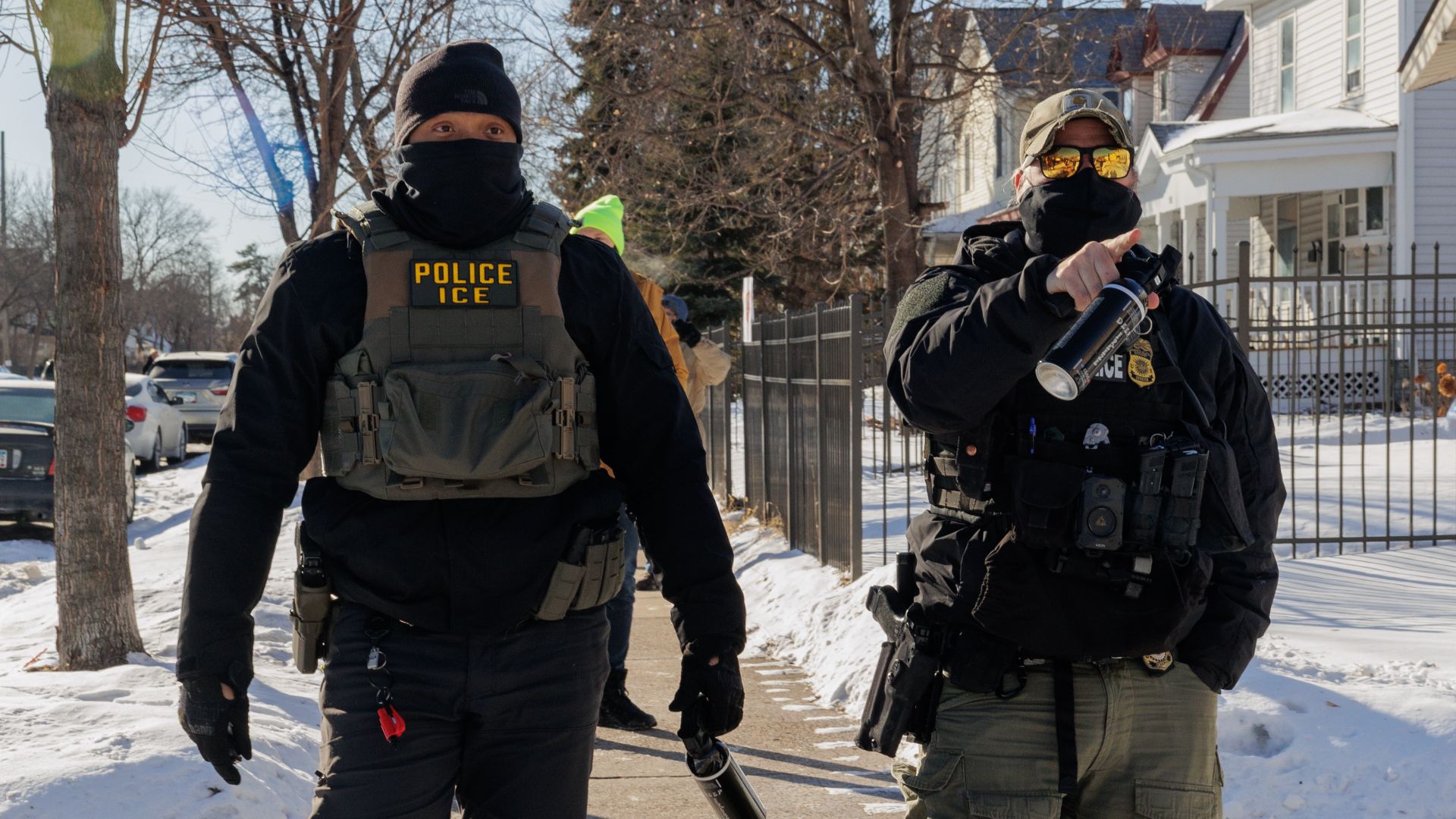
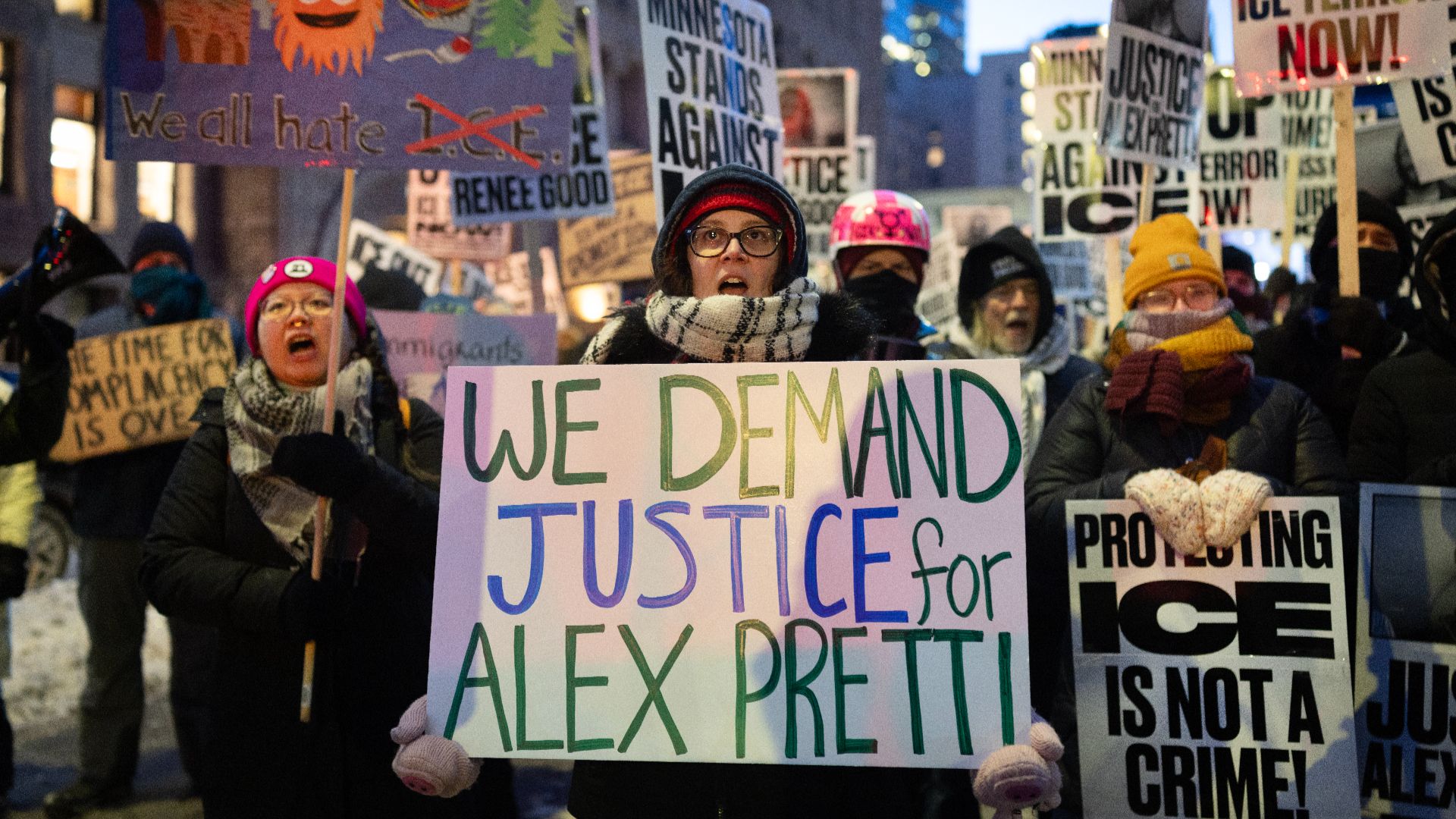
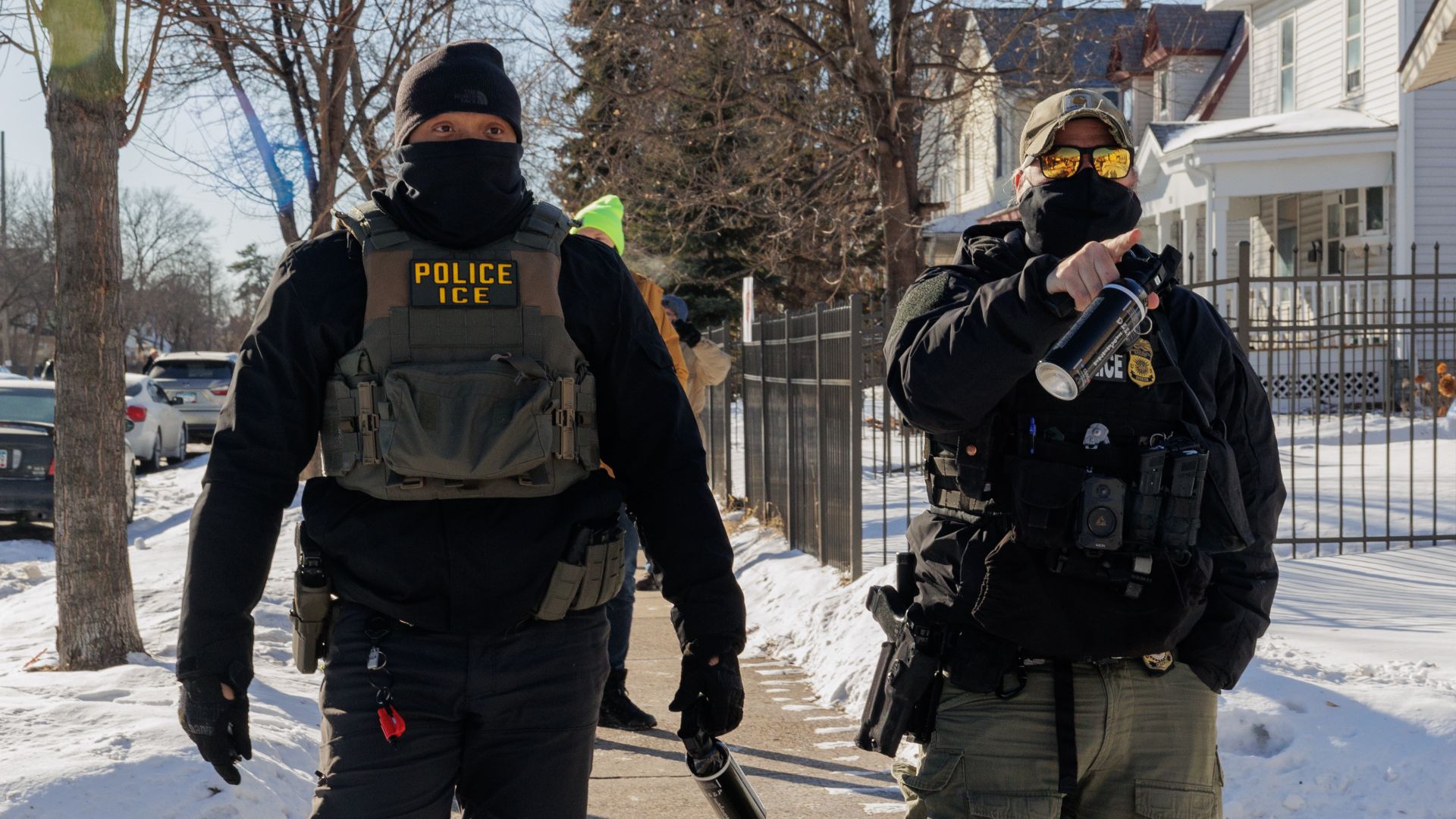
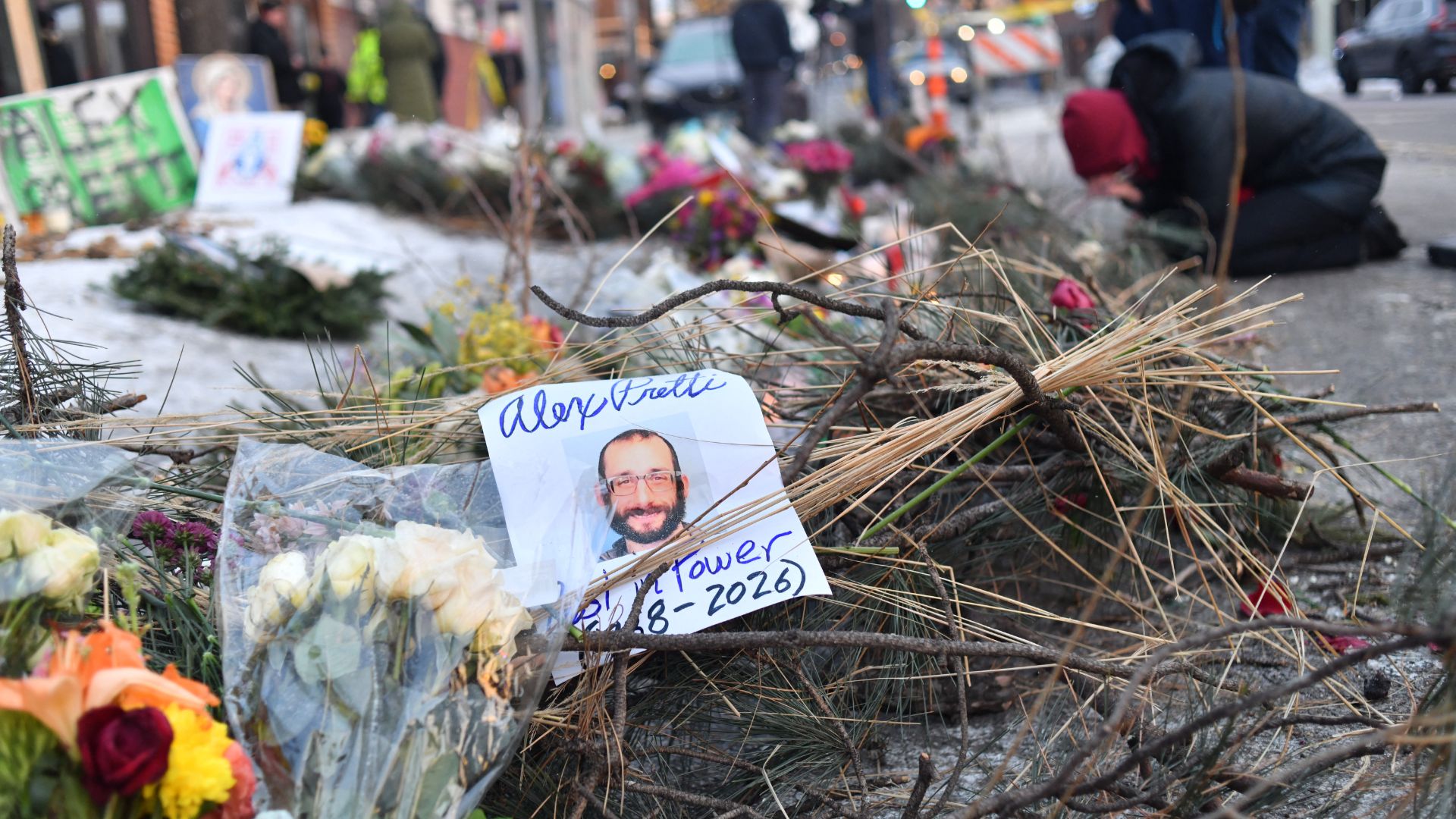
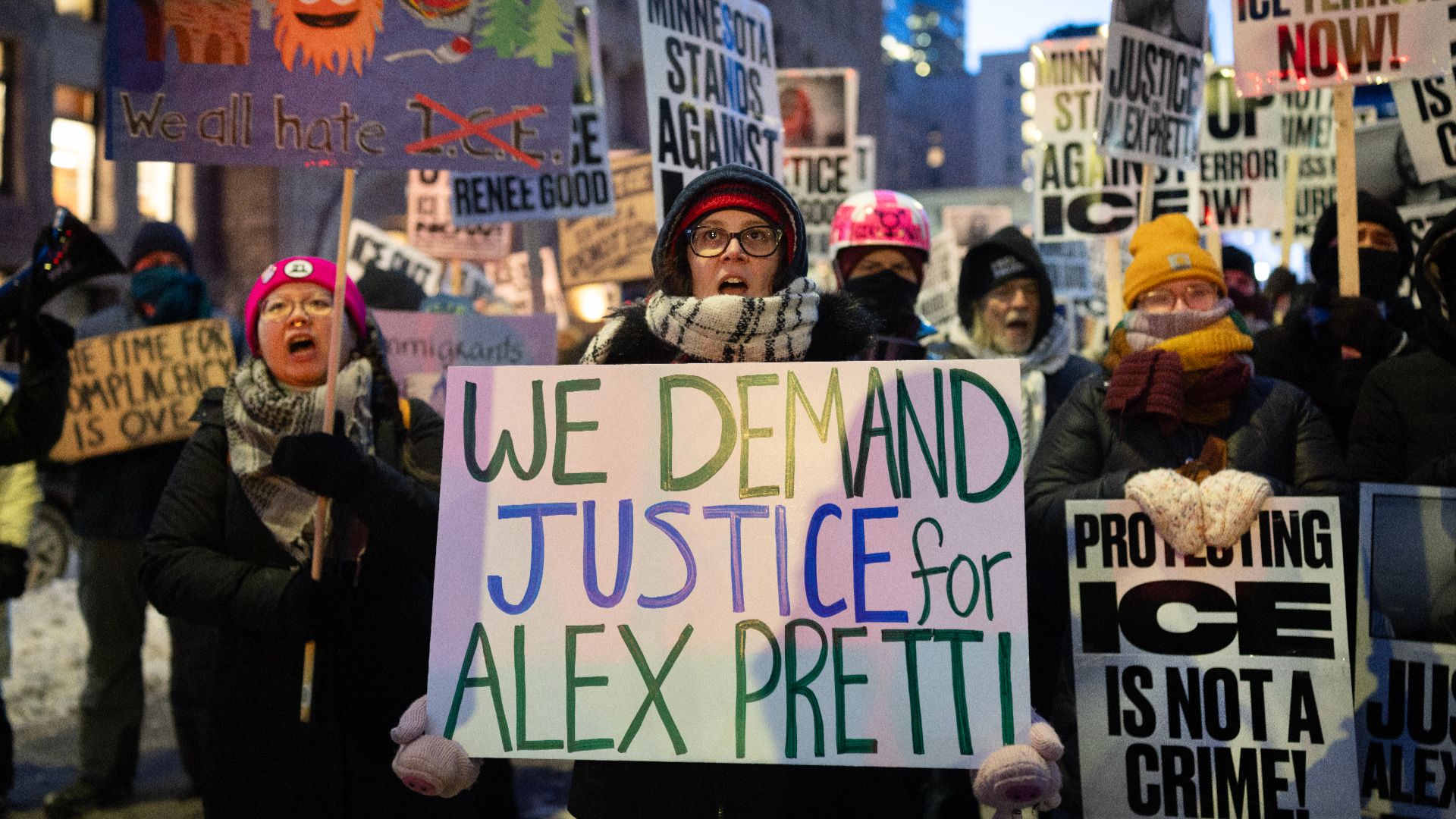
The blanket episode landed amid wider turbulence inside DHS, where Noem’s leadership and management approach have been under heavy scrutiny. The same wave of reporting that surfaced the in-flight firing described internal friction, confrontations with senior staff, and an atmosphere that some officials say has become combative. It also connected the department’s tensions to political pressure following a fatal Immigration and Customs Enforcement operation in Minneapolis in which two civilians, Renee Good and Alex Pretti, were shot dead, intensifying questions about oversight, command discipline, and decision-making during enforcement actions. In that context, the pilot incident was treated less as an isolated tantrum than as another example of snap judgment carrying consequences for personnel who are not political appointees. Critics have argued the department’s daily work is too consequential to tolerate impulsive management, especially while facing public fallout from lethal operations.
«President Trump and Secretary Noem have ensured the most secure border in our Nation’s history and our homeland is undoubtedly safer today than it was when the President took office last year».
-White House Press Secretary, Karoline Leavitt
The administration has publicly defended Noem, and a key line frequently cited in coverage came from White House Press Secretary Karoline Leavitt:
«President Trump and Secretary Noem have ensured the most secure border in our Nation’s history and our homeland is undoubtedly safer today than it was when the President took office last year». Noem’s team has also pushed back on narratives about internal drama, with a DHS spokesperson saying, according to the WSJ, that: «This Department doesn’t waste time with salacious, baseless gossip.»
Those statements frame the controversy as distraction from policy outcomes, but they have not answered the narrow question raised by the blanket episode: why an operational pilot was removed mid-trip over a missing personal item and then restored only because no one else could fly the aircraft home. The contrast between sweeping claims of success and the granular story of the firing has become part of the political debate around her tenure.
Getty Images
By the end of the trip, the missing blanket itself had become secondary to the questions raised by the decision to remove and then reinstate the pilot. The episode has focused attention on how authority is exercised within a department responsible for national security operations and uniformed personnel. The reinstatement, prompted by the lack of an available replacement, underscored the operational realities surrounding specialized government flights. While no formal disciplinary action has been publicly detailed and the pilot has not been identified, the incident has added to ongoing scrutiny of leadership practices at DHS and the role senior advisers play in personnel decisions.
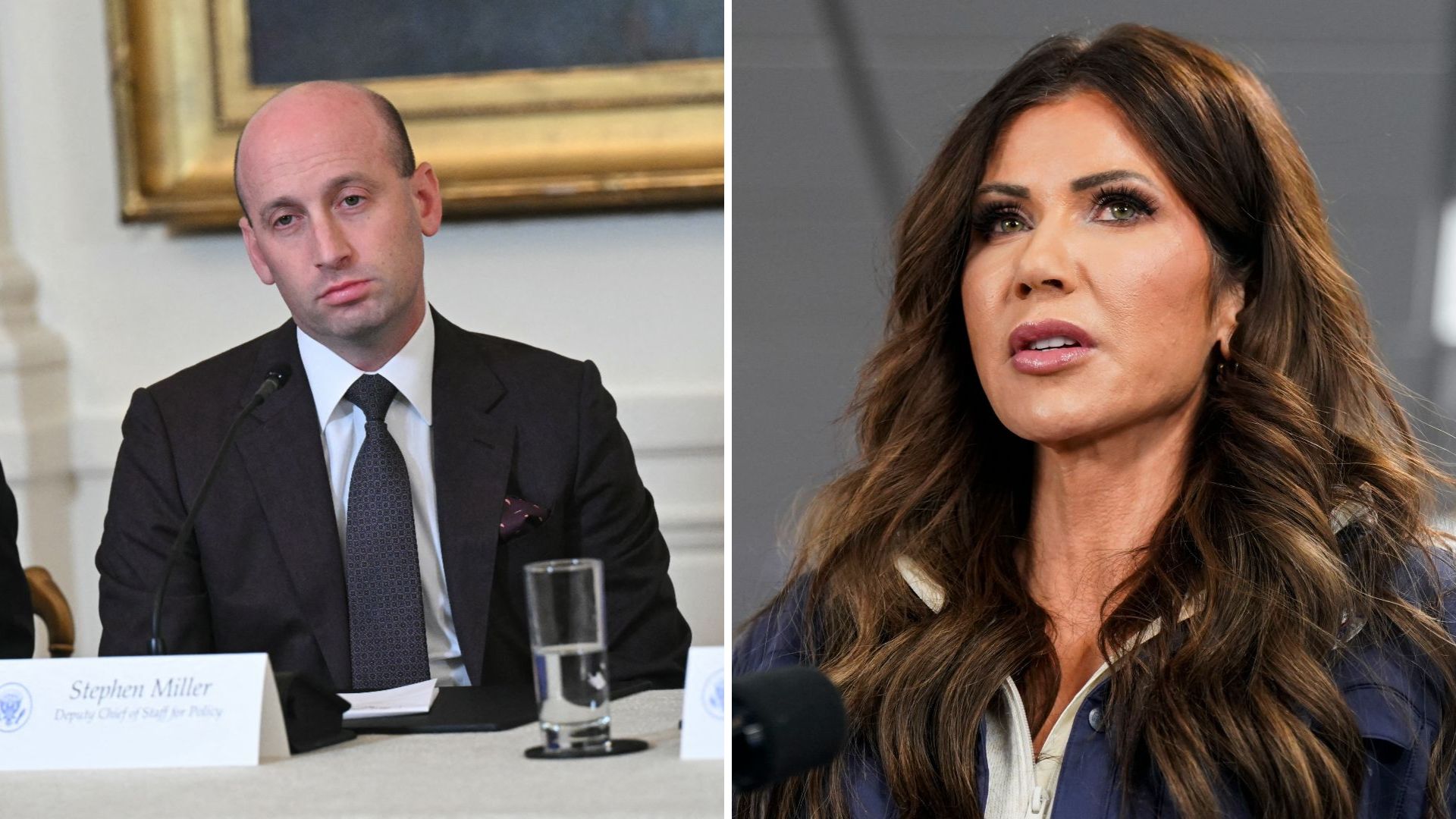
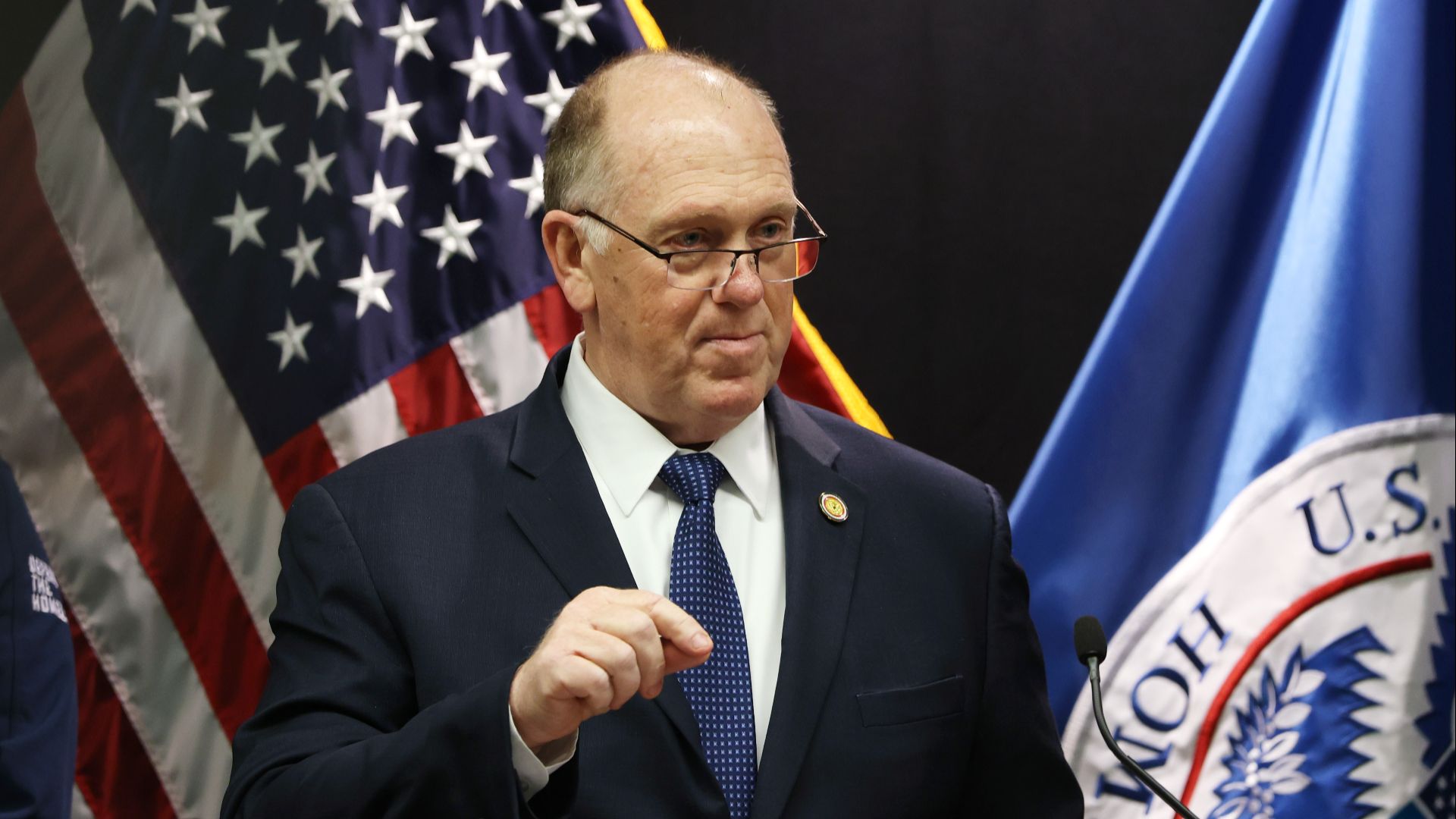
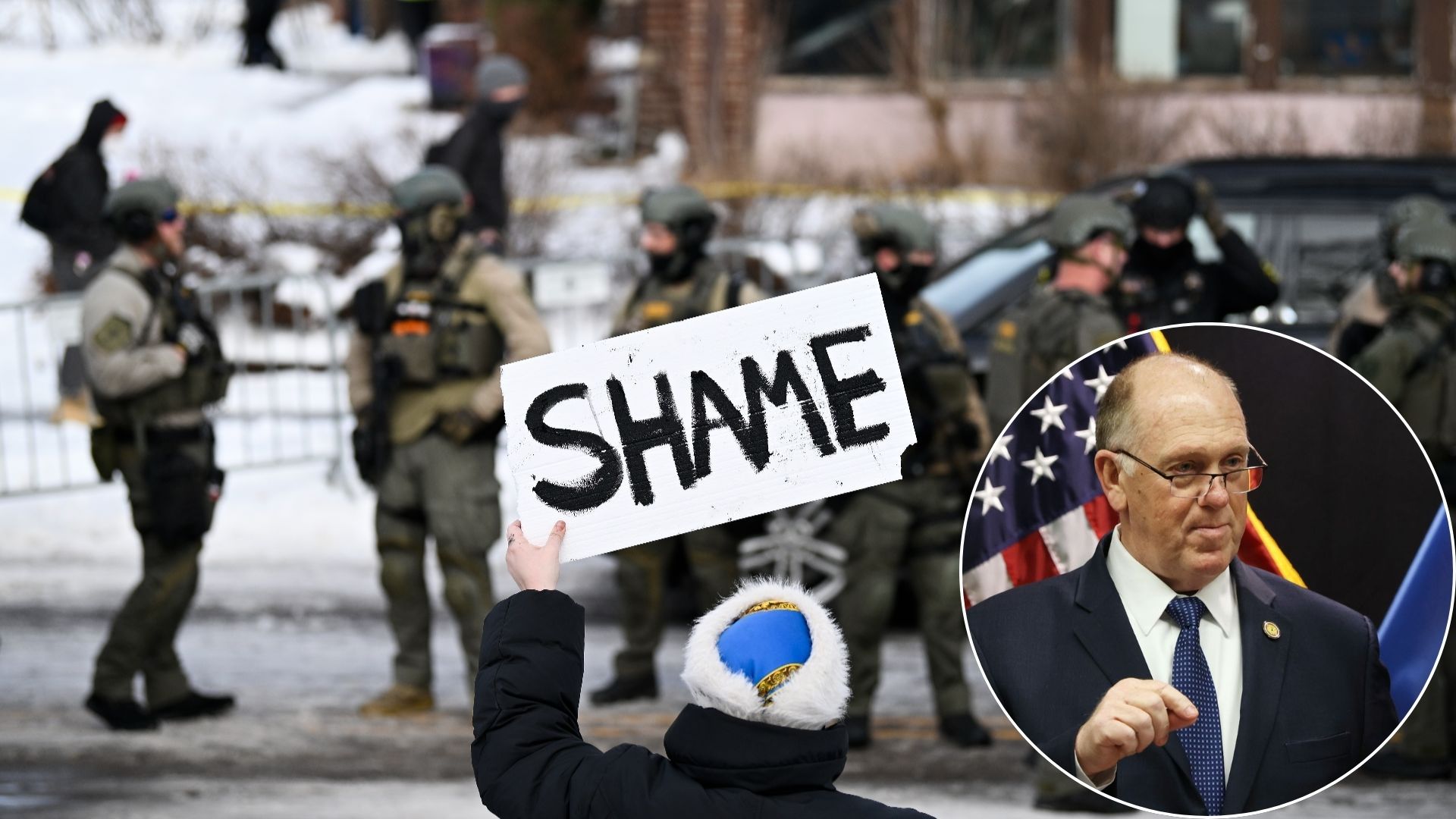
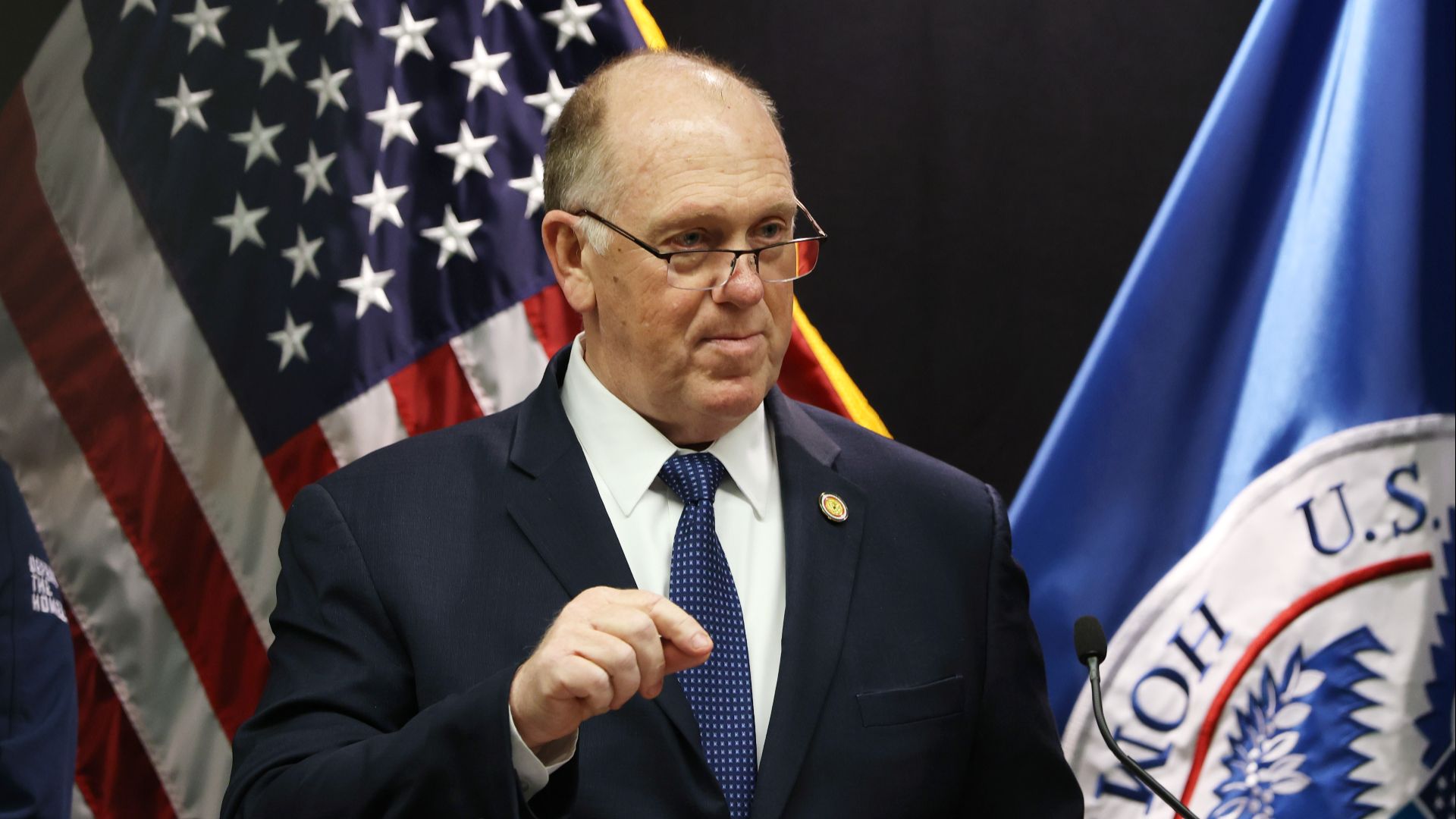
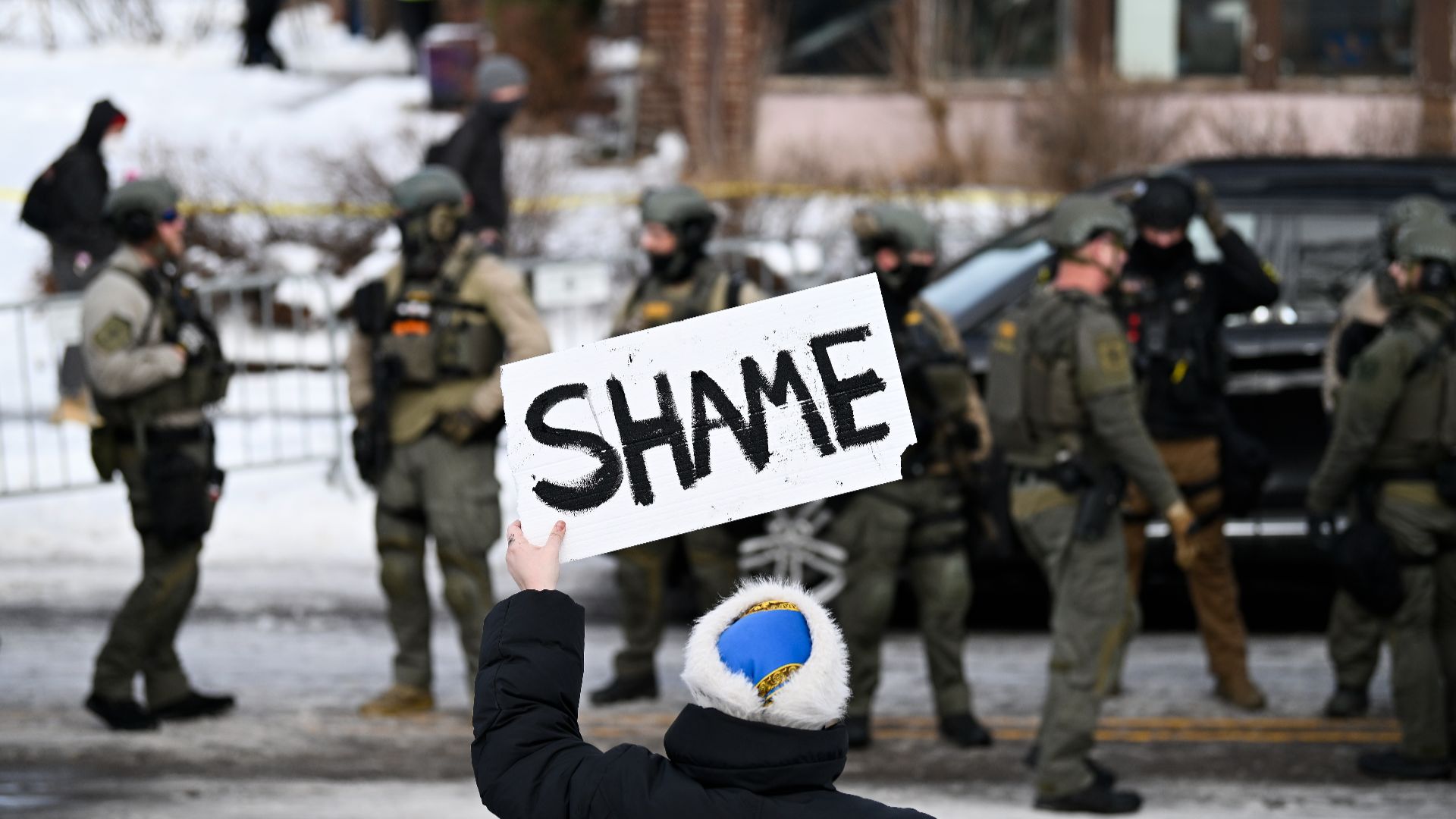
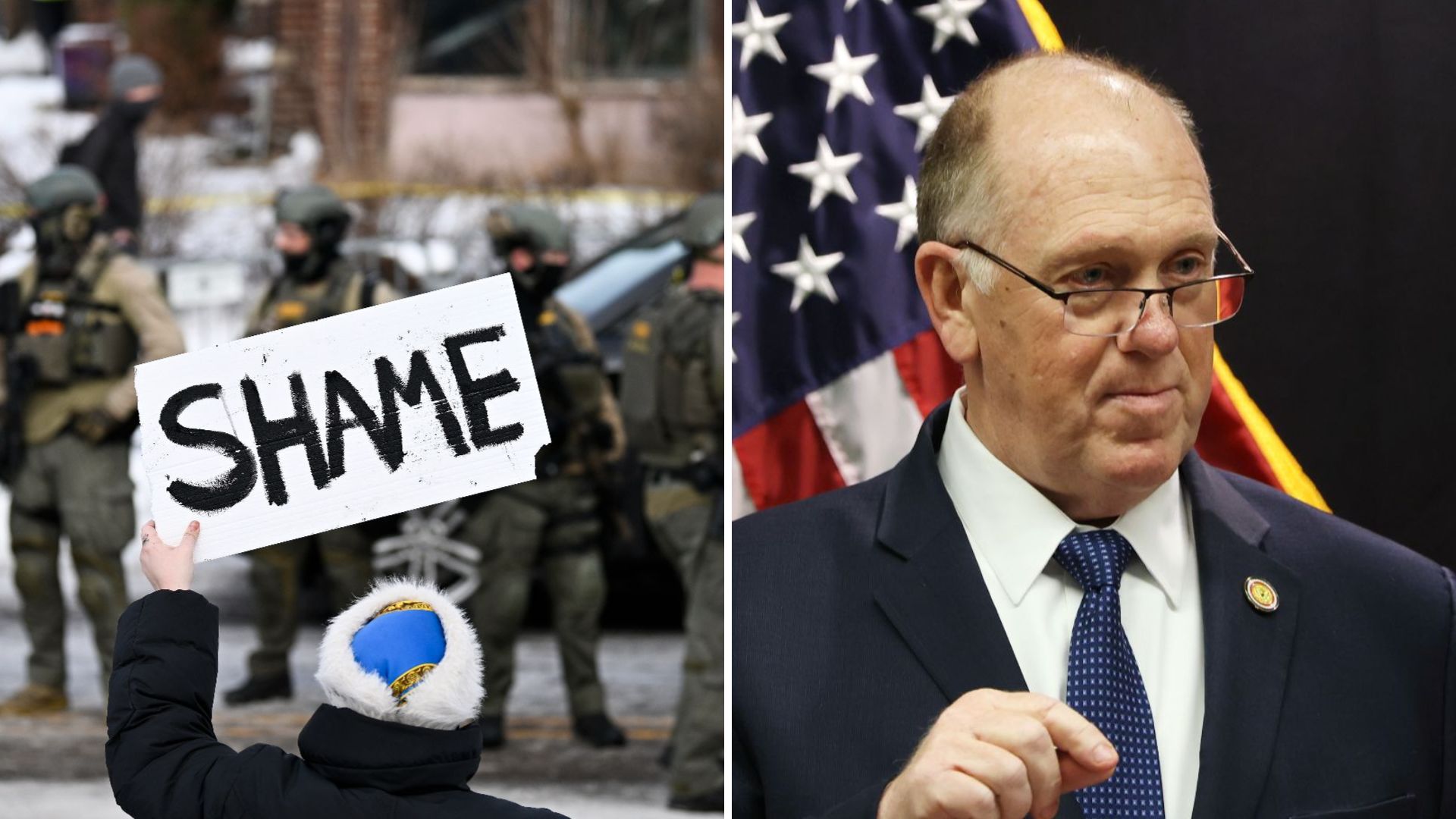
The fatal shooting of ICU nurse Alex Pretti by federal immigration agents has triggered a cascading crisis for the Trump administration, transforming Operation Metro Surge into a national political flashpoint. Protests, lawsuits, and demands for federal withdrawal quickly followed, while an internal blame game exposed deep fractures over intelligence, messaging, and accountability. White House officials pointed fingers at Customs and Border Protection, Stephen Miller, and Homeland Security Secretary Kristi Noem over the spread of an unsupported «massacre» claim. As pressure mounted, President Trump sidelined Border Patrol leadership and sent Tom Homan to take control. Homan vowed «I’m staying ’til the problem is gone», promising tighter oversight amid intensifying scrutiny.
After weeks of mounting controversy, protests and political fallout, the Trump administration is officially ending its high-profile ICE surge in Minnesota. White House border czar Tom Homan announced a «significant drawdown» of thousands of federal agents following a 10-week crackdown that led to more than 4,000 arrests but also sparked outrage after two U.S. citizens were fatally shot during separate confrontations with federal agents. The operation, initially framed as a response to alleged fraud and criminal activity, became politically toxic as videos, resignations and civil rights complaints intensified scrutiny. While immigration enforcement will continue, officials say the extraordinary surge is now winding down.
After a month of sitting back, the United States has conducted another air strike on an alleged cartel vessel in the Pacific Ocean. After killing more than 120 people in 2025, Donald Trump has been sitting on his hands for the better part of 2026. The US had only conducted two air strikes on naval vessels before the strike on February 9, 2026. Two people were killed in the strike, and another survivor escaped with injuries. Shockingly, it appears as though the US’s kidnapping of Venezuelan President Nicolas Maduro did not halt the Latin-American drug trade. Meanwhile, Donald Trump has moved on, refusing to speak on nearly anything other than his ‘impressive’ economy.
Details of the strike
US Southern Command, which oversees all US military action in Latin America and the Caribbean, made a statement on February 9 announcing the successful attack. Southern Command called it a ‘kinetic attack’ ordered by Commander Gen. Francis L. Donovan. Southern Command claimed the vessel was operated by a Designated Terrorist Organization, and that the vessel was travelling along known narco-routes used by gangs. The announcement called both victims ‘Narcoterrorists, ’ the label the US government has given all victims of its air strikes. The statement said that one victim survived the attack and that US Coast Guard agents were deployed to rescue the survivor.
The US also released footage of the strike, showing the black-and-white destruction of what appears to be a small, open-air vessel.
Months of naval air strikes
The US began initiating airstrikes on Venezuelan ships in the Caribbean Sea in September, under the guise of fighting narco-terrorism. Donald Trump, backed by Hegseth, outlined his mission to battle ‘maritime drug trafficking’ in Latin America after the first strike. That first strike came on September 2, when an American military vessel sank a 39-foot speedboat filled with “a considerable amount of cargo.” This initial strike was one of the more legitimate, with the vessel hailing from a known trafficking centre, and multiple sources supporting the US’s accusations of it being a criminal vessel. 11 people were killed in the first strike, according to Trump, all of them members of the gang Tren de Aragua.
Over the next six weeks, Trump carried out another four strikes, killing 16. There were drugs recovered in only one of the strikes. Venezuela has claimed that at least one of the boats attacked was a fishing vessel. Additionally, at least two of the victims have been confirmed as Colombian citizens without any attachment to the country of Venezuela, nor its organized crime groups. Since the initial attacks, Trump committed to his war on drugs, kidnapping Venezuelan President Nicolas Maduro and taking control over Venezuela’s economy.
Trump losing support
A poll released by AP-NORC in January shows more than 50% of American adults think Trump has gone ‘too far’ with his use of the U.S. military for foreign interference. It appears as though filming and bragging about the deaths of people, even if they aren’t Americans, is enough to turn away the majority of the population. AP-NORC, a centre run by the Associated Press, conducted the poll from January 8-11, shortly after the U.S. captured Venezuelan President Nicolas Maduro. The poll found that 56% of American adults disapproved of Trump’s actions in Venezuela and thought he had overstepped on military interventions abroad, as well as how the Republican Party has handled foreign policy as a whole.
What’s next?
Since Trump’s successful operation in Venezuela, and the subsequent successful operation to take control of its oil, imports and exports, Trump has claimed the U.S. will have a larger role in the Western Hemisphere. Since the operation in Venezuela, Trump has threatened military action in Colombia, predicted the collapse of Cuba and pushed for the U.S. acquisition of Greenland (again). Whether this is an example of Trump becoming power hungry or whether he realized the UN is powerless, Trump has been unleashed on Central America.
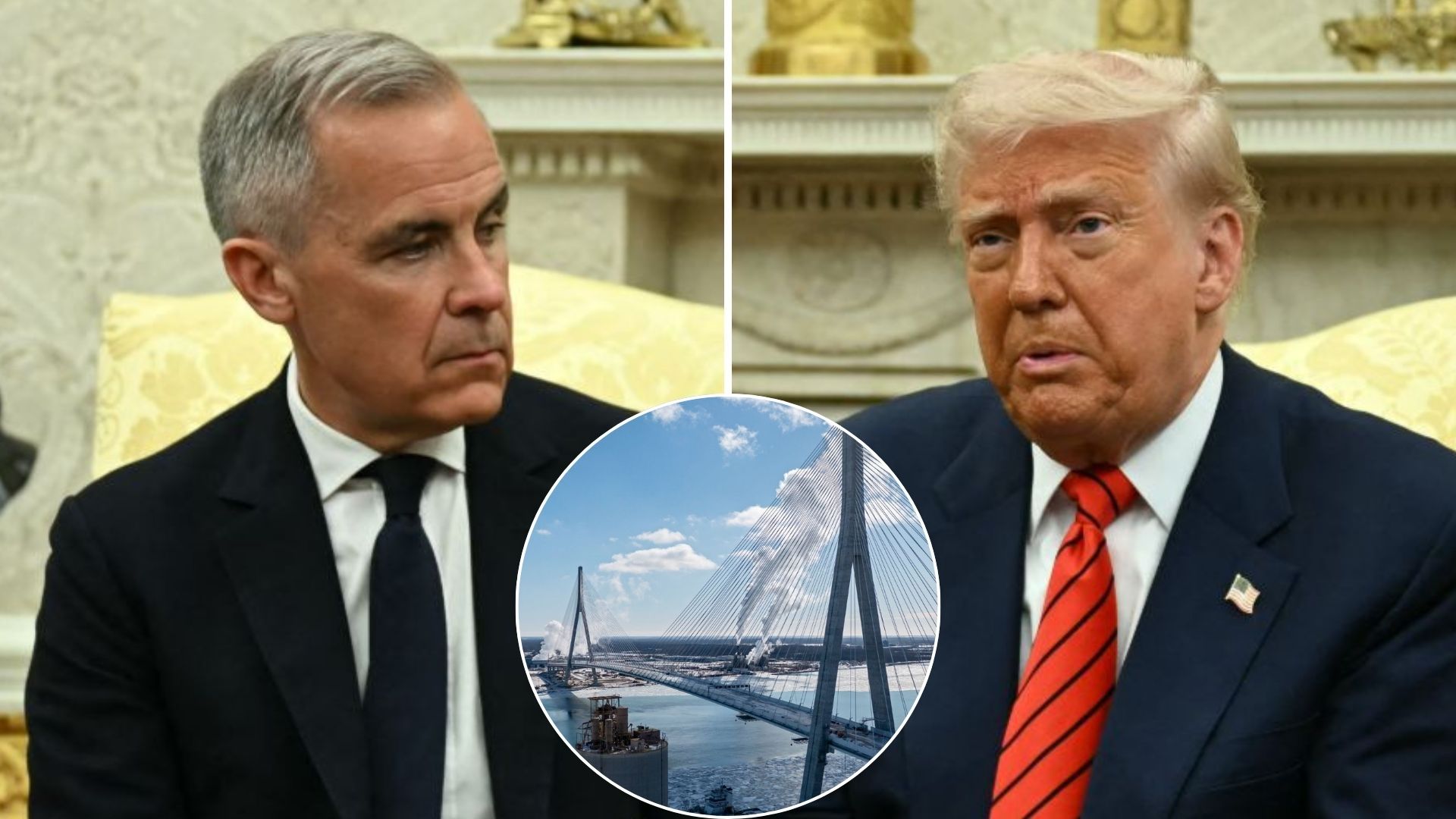
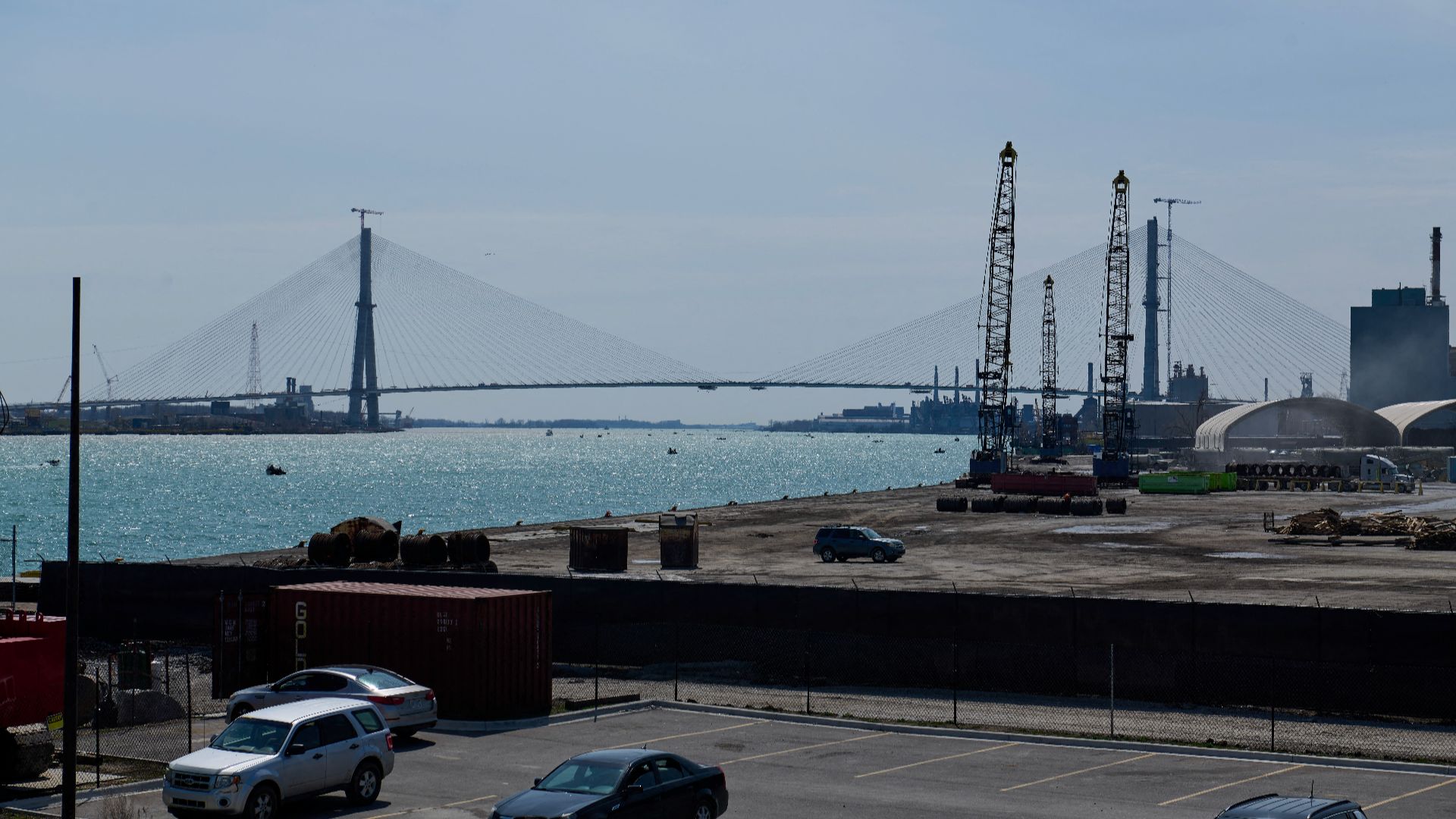
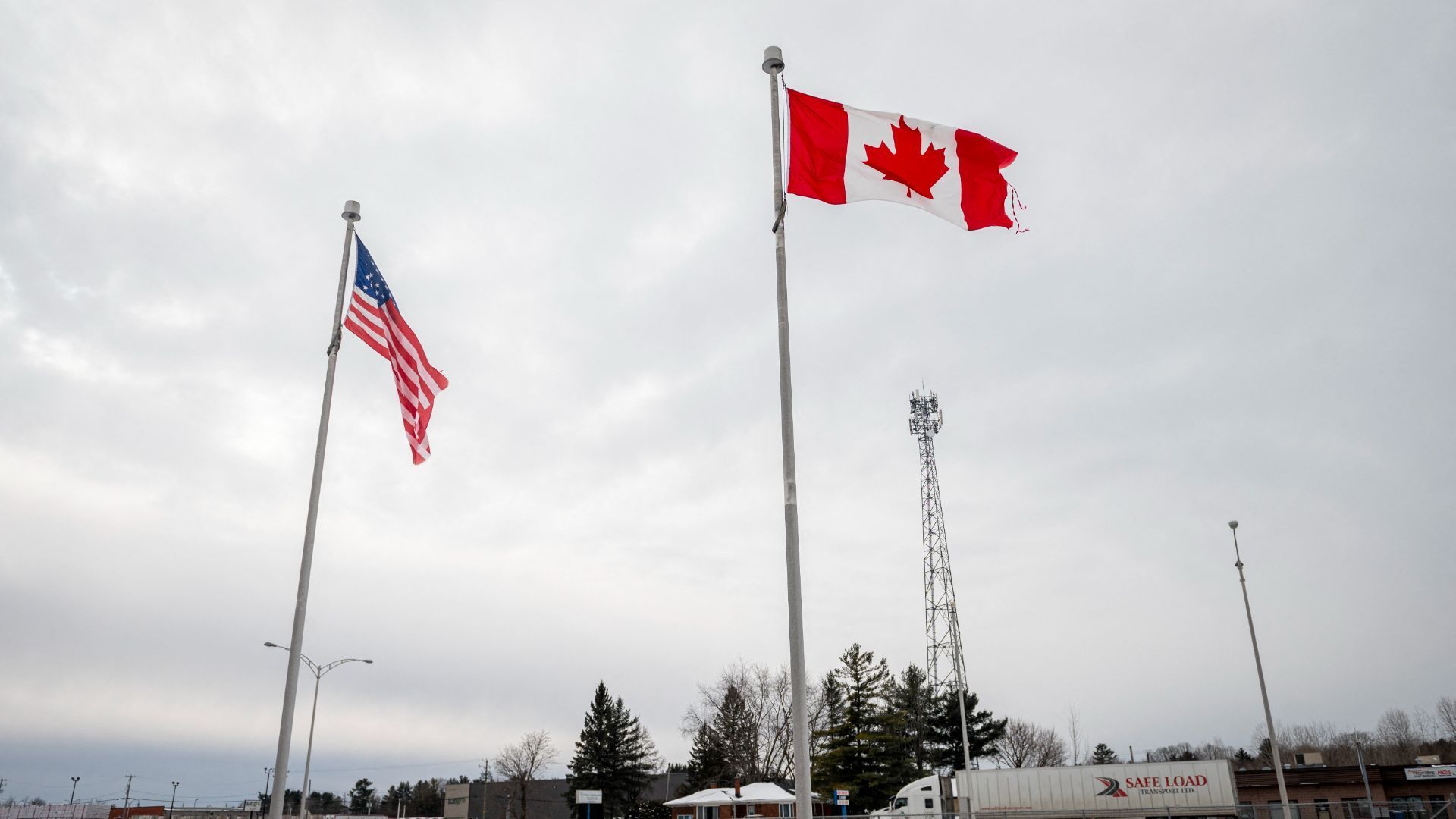
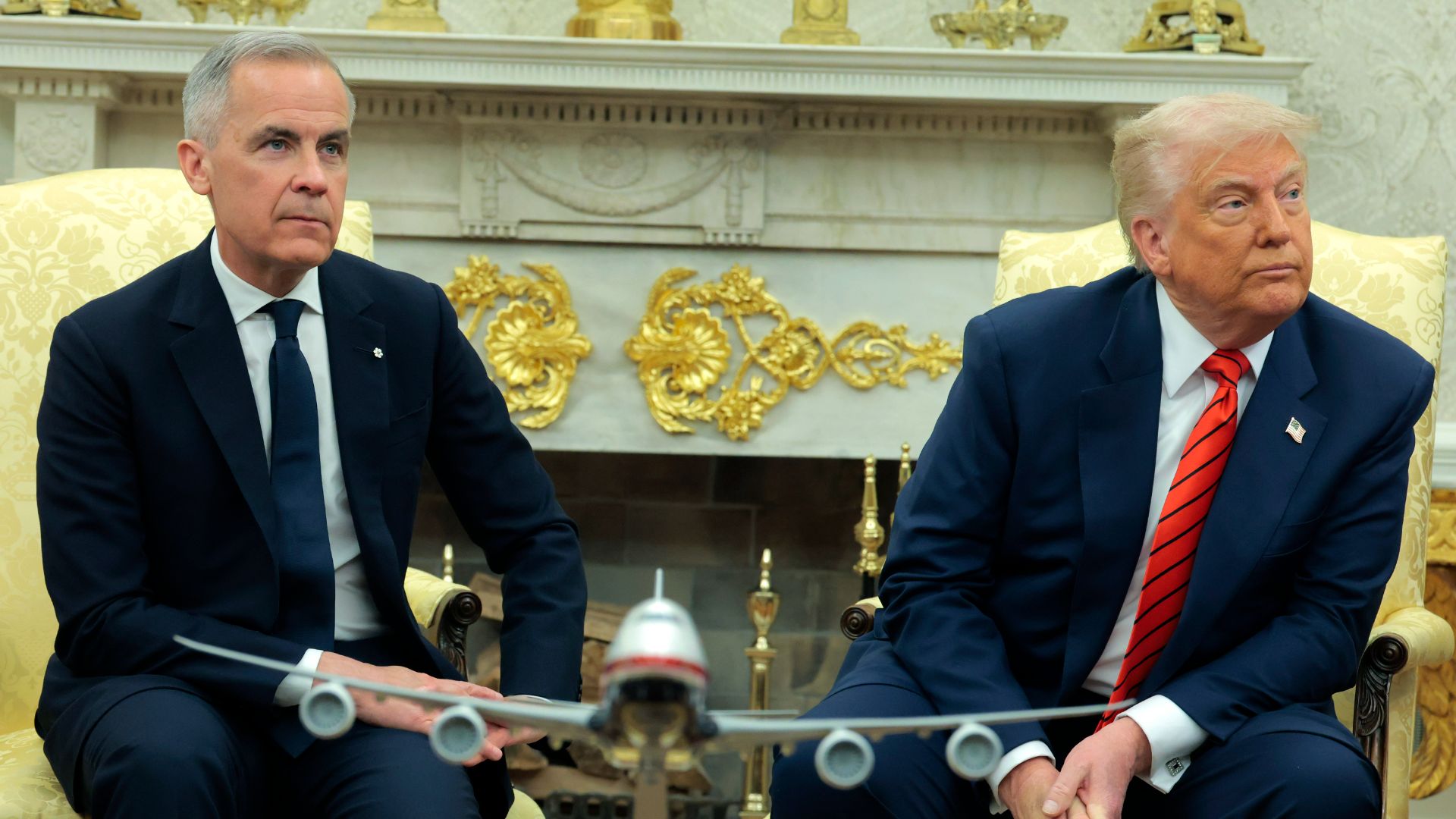
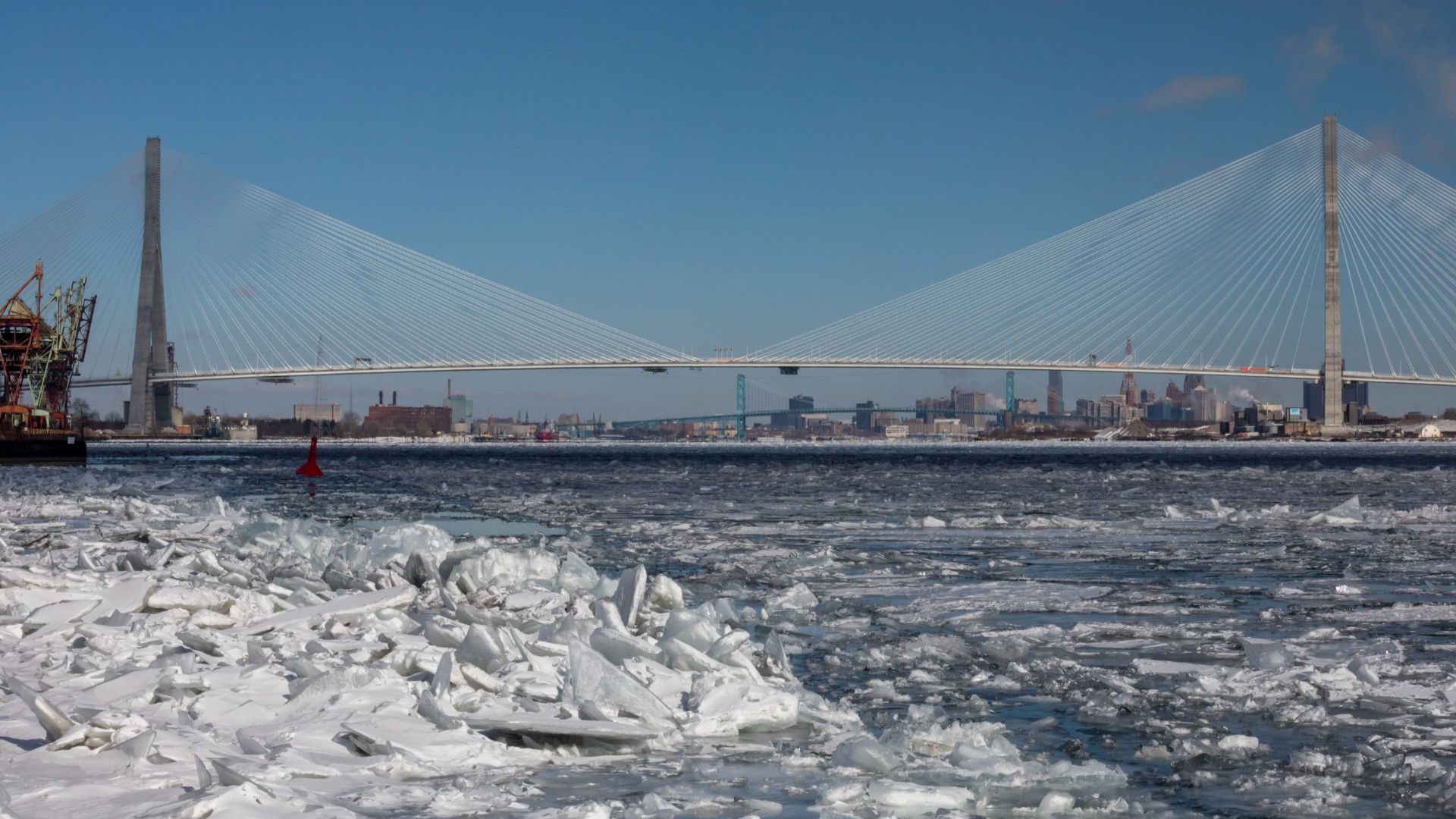
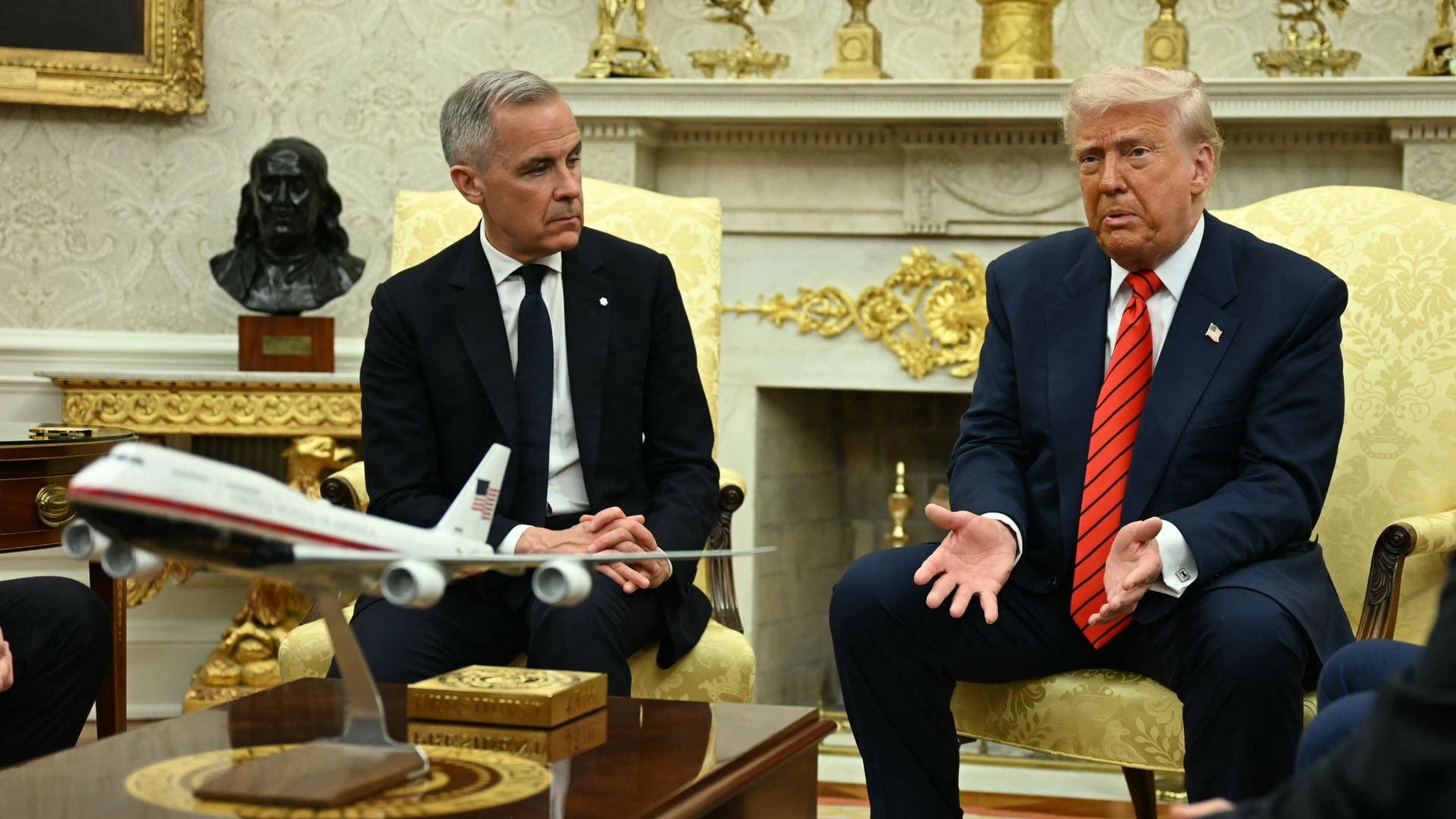
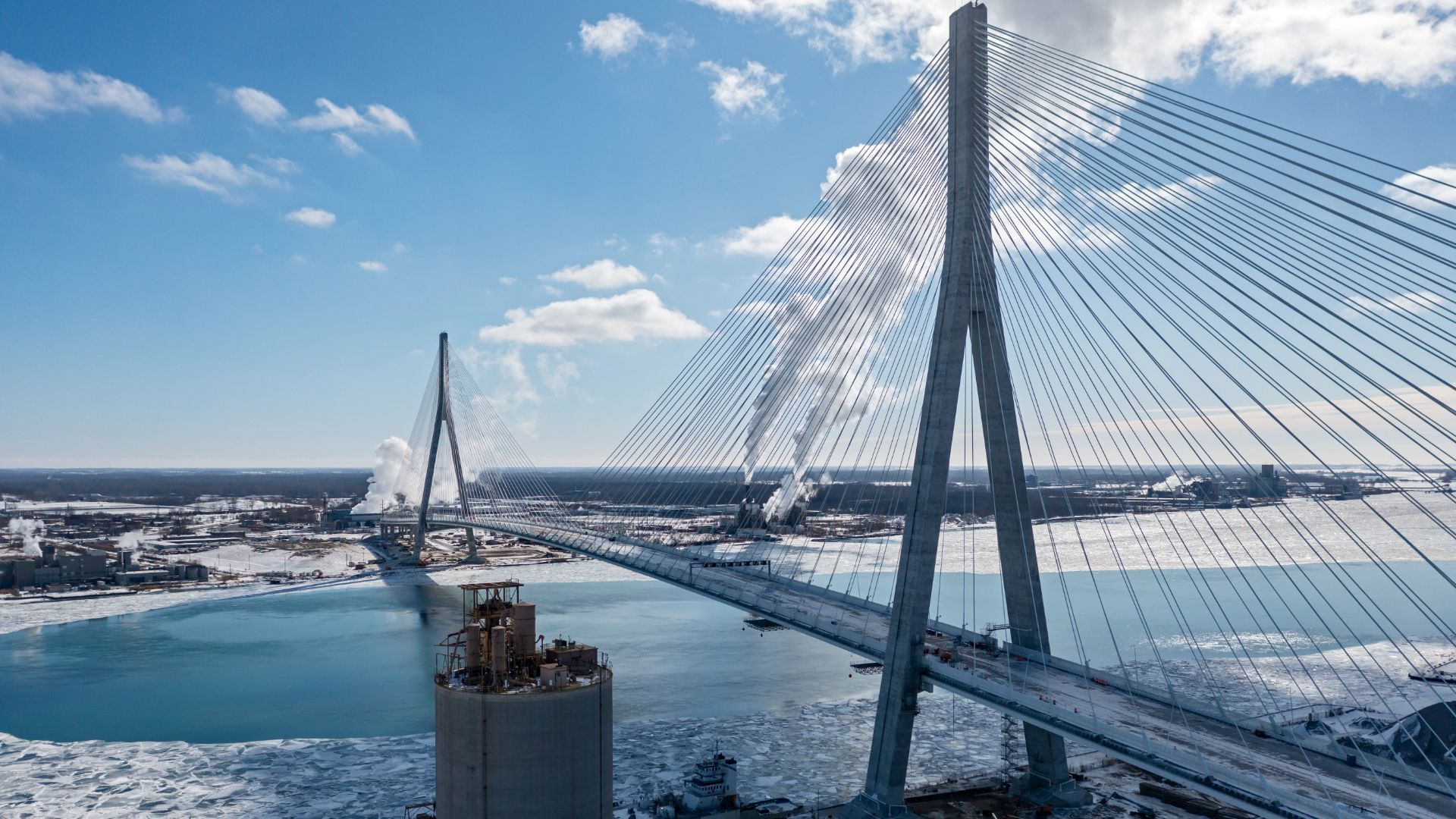
President Donald Trump escalated his latest clash with Canada on Monday by threatening to block the opening of the Gordie Howe International Bridge, a major cross-border project linking Detroit and Windsor, Ontario. In a lengthy Truth Social post, Trump accused Canada of unfair trade practices, criticized the bridge’s financing and construction, and demanded compensation before allowing it to open. The threat comes as tensions between Washington and Ottawa continue to deepen, particularly amid reports of closer economic ties between Canada and China. Canadian officials pushed back against Trump’s claims, insisting the project will open as planned and stressing that American workers and materials were involved.
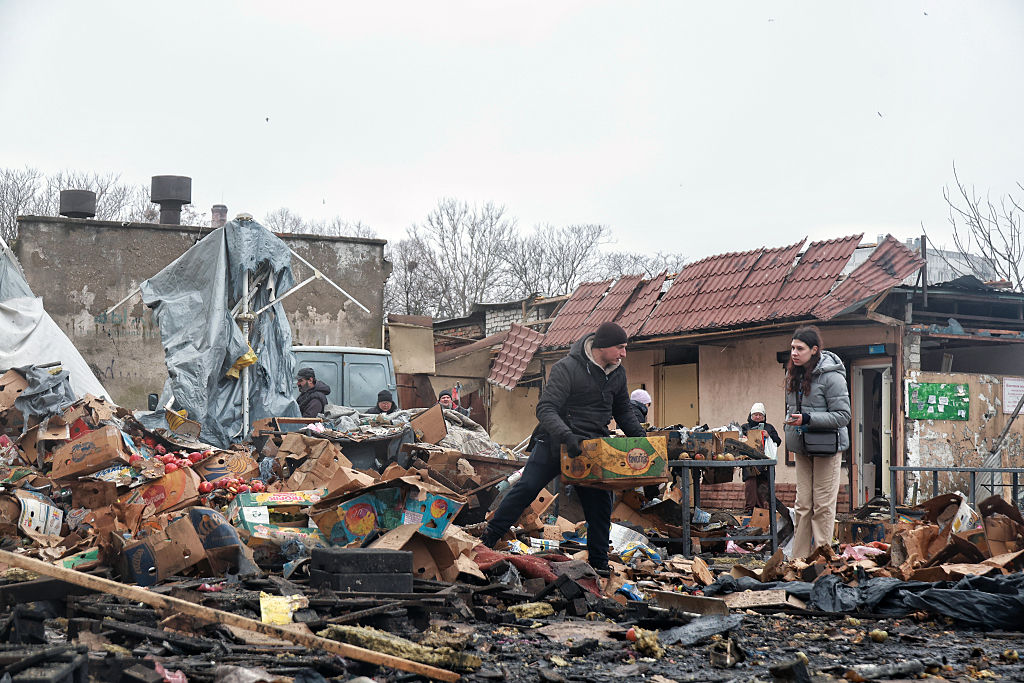
A man works among wasted produce at a market destroyed by a Russian drone strike in Odesa, Ukraine, on February 12, 2026. As a result of the UAV attack, a nine-storey residential building is affected, and a fire breaks out, which rescuers extinguish on the upper floors. Energy infrastructure is also damaged, while fires erupt in shopping pavilions at a market and in a supermarket. Windows in nearby buildings are shattered, cars are damaged, and preliminary reports indicate one person is injured. (Photo by Nina Liashonok/Ukrinform/NurPhoto via Getty Images)
On February 11, Russia launched a barrage of ballistic missiles and drones at multiple Ukrainian cities in overnight attacks. Ukrainian President Volodymyr Zelenskyy said Moscow was “hesitating” about another round of U.S.-brokered talks on stopping the fighting, after both he and Putin voiced their displeasure with Donald Trump’s conflict mediation skills. Trump has managed to tick off both world leaders by spurning Ukraine’s independence, while patronizing Russia’s bloodlust and military prowess. Now, both countries seem willing to play Trump’s game.
Upcoming meeting
After the series of Russian airstrikes, Donald Trump announced he’d be hosting a meeting between the two countries either in Miami or Abu Dhabi. Ukrainian President Volodymyr Zelenskyy immediately confirmed his presence at the meeting, but Russian leader Vladimir Putin has not commented on the proposed meeting yet. According to Zelenskyy, Russia is hesitating. Zelenskyy said the United States has set a June deadline for Ukraine and Russia to reach a deal. Russia invaded Ukraine nearly four years ago and is refusing to relinquish the limited territory it has taken control of.
Russian strikes
In January and February, Russia has doubled down on striking Ukrainian civilian infrastructure. Russia is targeting power grids and residential areas. United Nations commissioners pleaded for Russia to stop what they call ‘an energy war’ on Ukraine. On February 11, Russia fired 219 long-range strike drones, 24 ballistic missiles and a guided aircraft missile at Ukraine, according to the Ukrainian air force. Less than ten people were killed in the strikes, but they’ve left nearly half a million people without electricity. The majority of the strikes were in the Ukrainian capital Kyiv and the city of Odesa.
Ukraine has been targeting Russian oil infrastructure for the last three months, succeeding in destroying a significant portion of the Kremlin’s oil refineries. In response to the hundreds of drone strikes on February 11, Ukraine conducted its longest drone strike of the war. Ukraine deployed its long-range ‘Flamingo’ missiles, hitting a Russian oil refinery. Ukraine also confirmed a ‘Flamingo’ missile struck one of the Russian military’s biggest storage sites for missiles, ammunition and explosives in the Volgograd region. Ukrainian forces also hit and started a fire at the Michurinsk Progress Plant in Russia’s Tambov region, a defence enterprise producing high-technology equipment for aviation and missile systems.
Level of destruction
Overnight from Wednesday to Thursday, February 12, Russia fired 219 long-range strike drones, 24 ballistic missiles and a guided aircraft missile at Ukraine, according to the Ukrainian air force. The cities of Kyiv, Odesa, Kharkiv, and Dnipro were all struck. All four cities have experienced constant bombardment from oppressive Russian forces. In Dnipro, Russian strikes injured four people, including a 4-year-old girl and a newborn boy. Two people were injured in Kyiv, but dozens of buildings were seriously damaged, and fires raged for 12 hours. In Odesa, just one person was injured as a residential high-rise was partially destroyed and a supermarket caught fire.
Oleksii Kuleba, deputy prime minister for the restoration of Ukraine, said 2,600 buildings were left without heating after the Kyiv attack, in addition to 1,100 buildings in the capital that already were without heating due to previous attacks. In Odesa alone, nearly 300,000 residents were left without running water, Kuleba said, while in Dnipro the central heating system stopped working for some 10,000 people. In total, nearly 500,000 Ukrainians have been left without a home or power.
Russia’s war on Ukraine
Since Russia’s invasion of Ukraine in February 2022, at least 2 million people have been killed – mostly military personnel – and another million displaced from both sides, making it the most deadly conflict of the 21st century. The US government is pressuring Ukraine to surrender control over the Donbas region of eastern Ukraine – an area that is mostly occupied by Russian forces. Ukraine and its European allies have firmly resisted the idea of handing over land. According to Trump, conceding land is the moral thing for Ukraine to do, as “a lot of people are dying,” and that apparently multiple Ukrainian “lieutenants” and Zelenskyy’s “top people” agree with the U.S. administration. Volodymyr Zelenskyy has made his position clear, Ukraine is, and will always be unwilling to concede its sovereign territory.
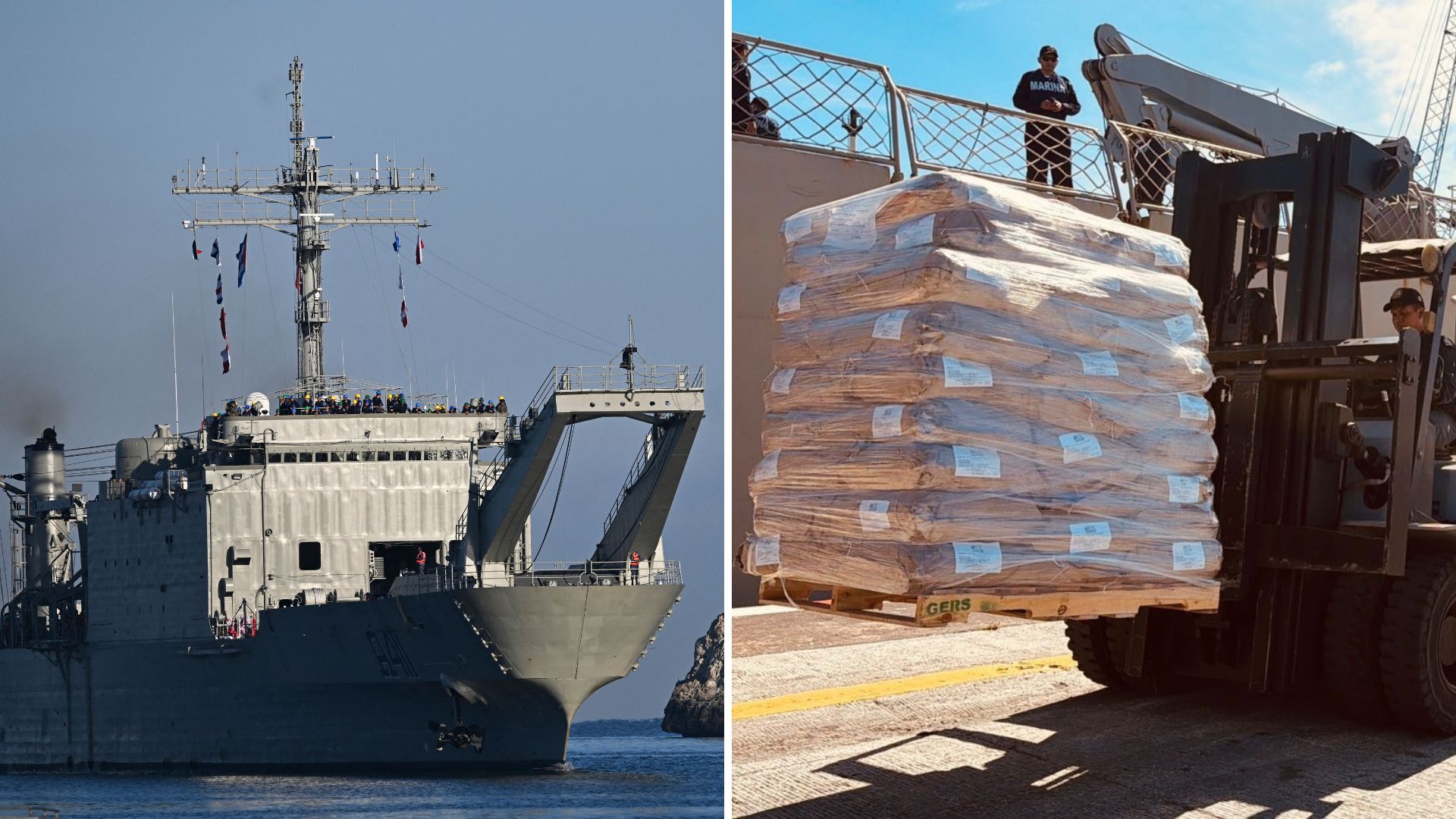
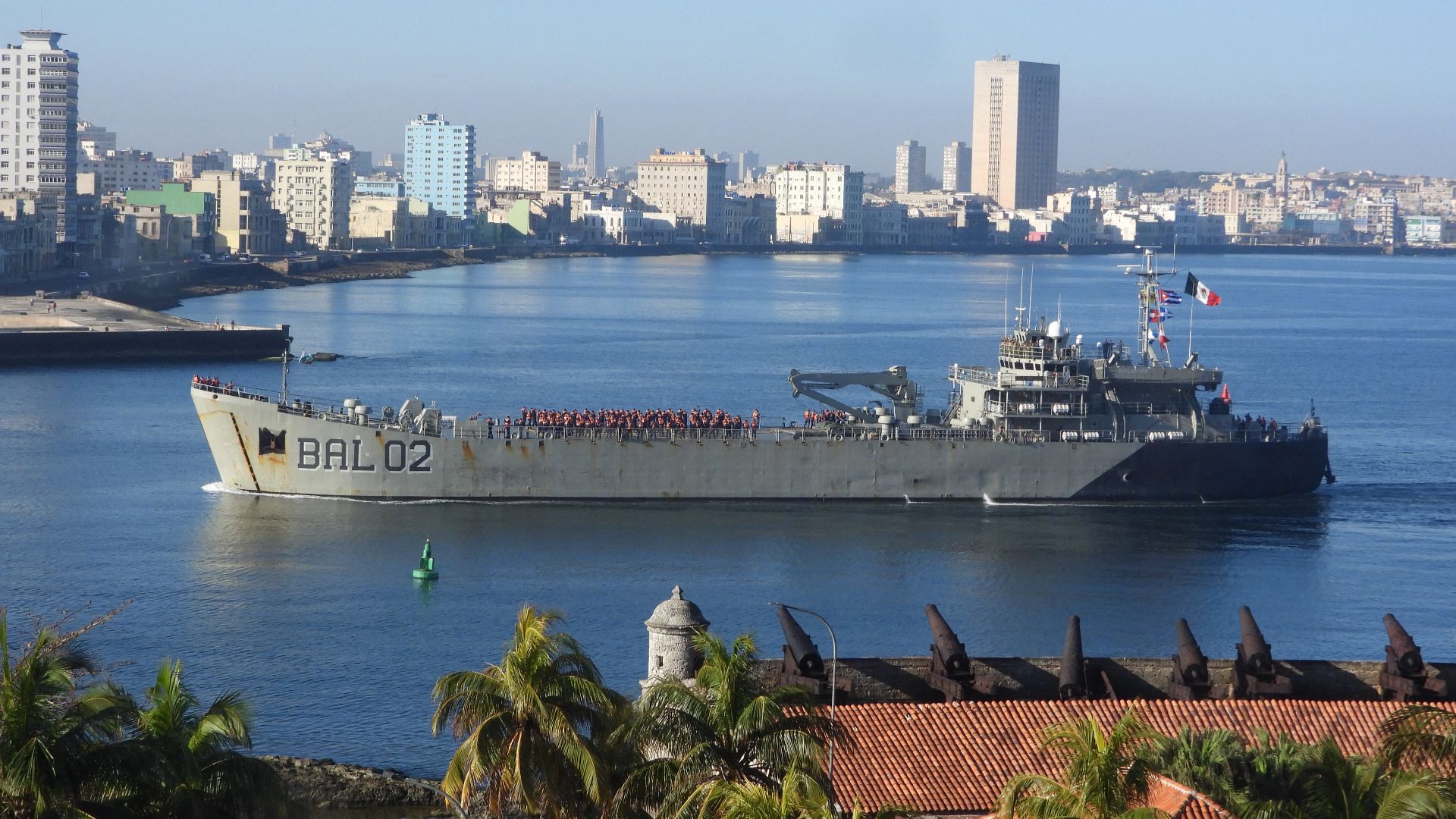
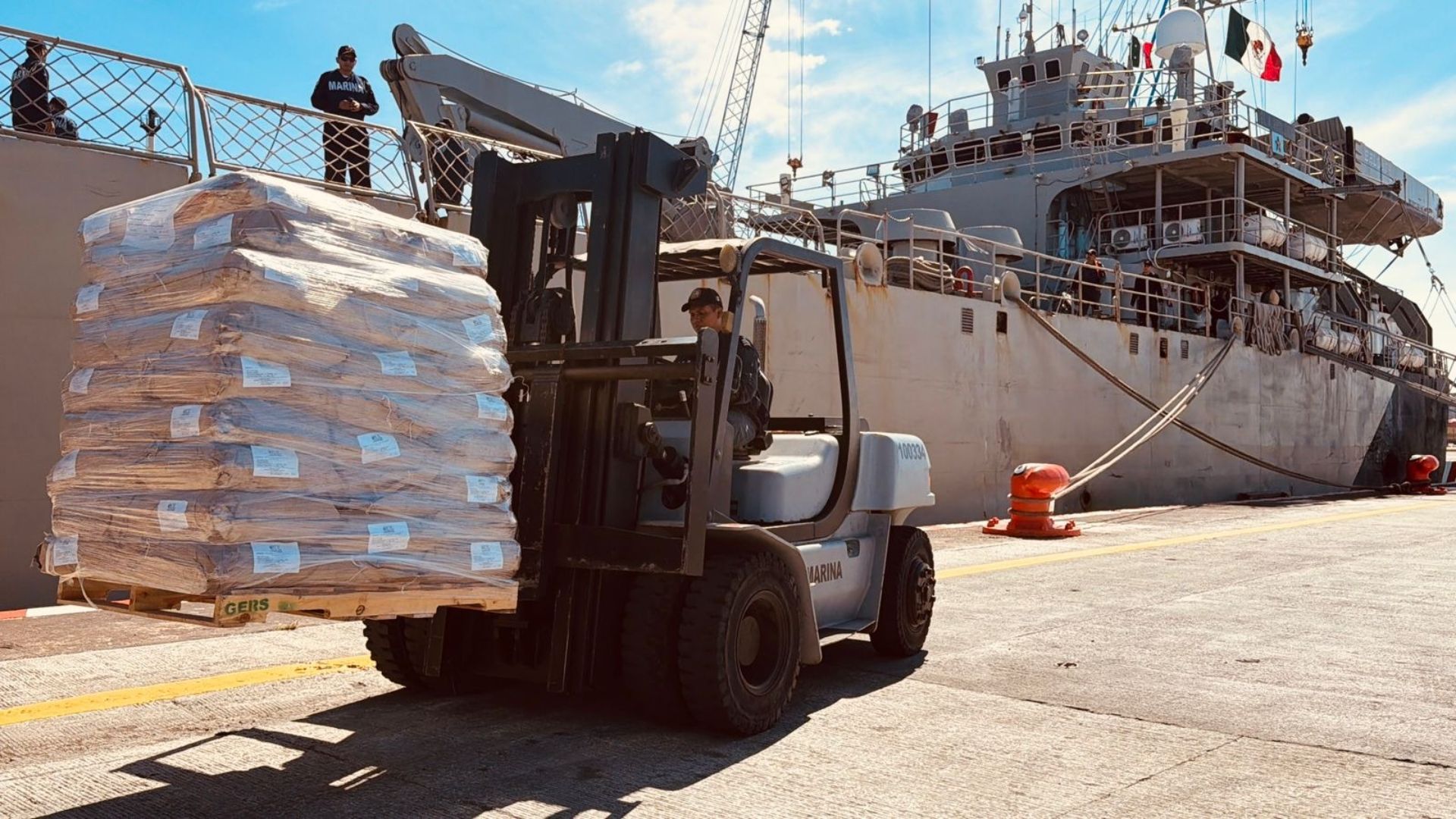
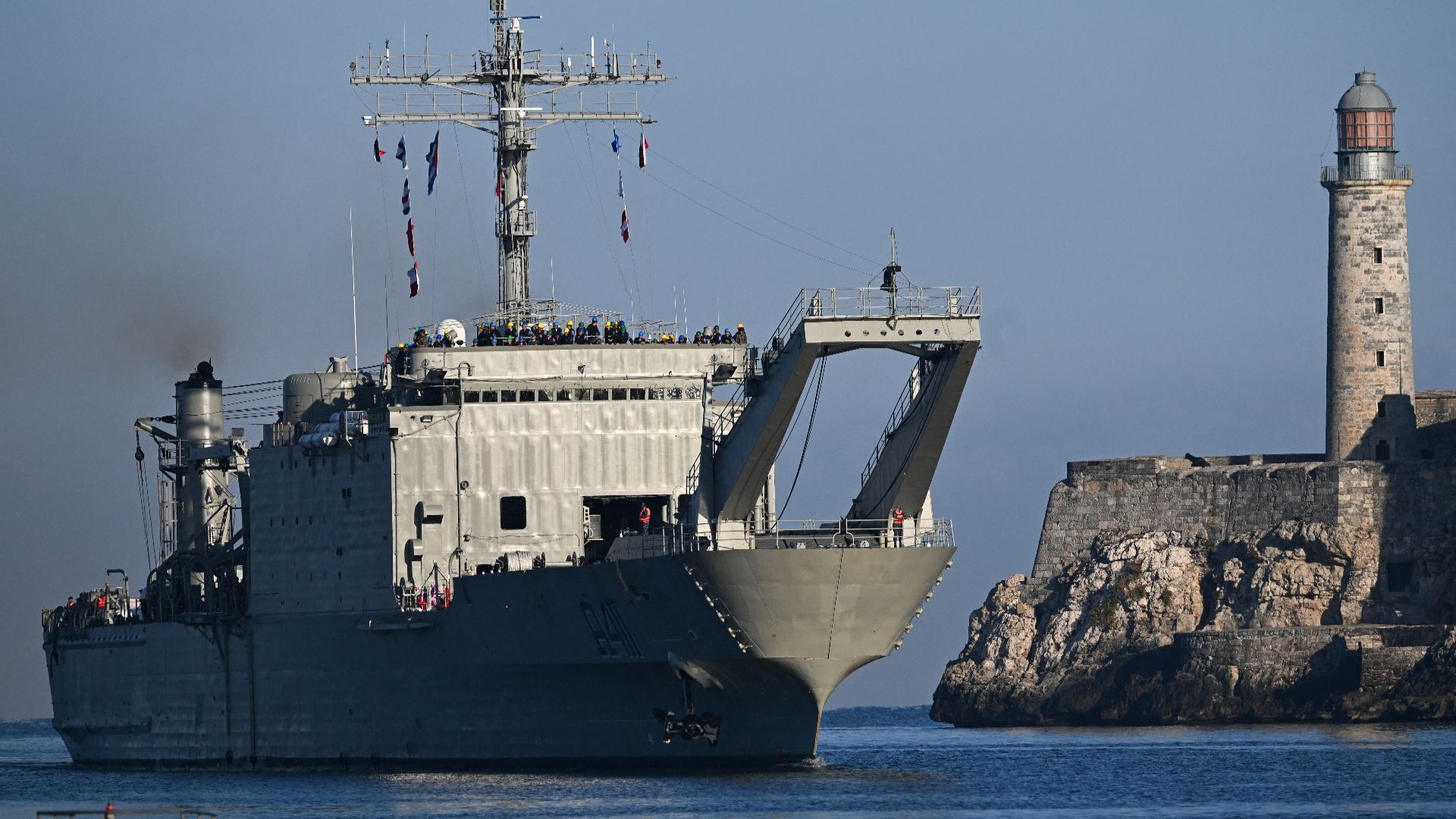
Mexico delivered a critical lifeline to Cuba on Thursday as two Mexican Navy ships docked in Havana carrying more than 800 tons of humanitarian supplies. According to Mexican authorities, one vessel transported 536 tons of food, including milk, rice, beans, sardines, meat products, cookies, canned tuna and vegetable oil, along with hygiene items, while the second ship carried more than 277 tons of powdered milk. Mexican President Claudia Sheinbaum signaled the aid would not be a one-time effort, stating: «we will send more support of different kinds.»
The shipment arrives as Cuba faces mounting economic strain, with shortages spreading across sectors and fuel scarcity disrupting essential services. For Havana, the Mexican delivery represents both emergency relief and a political signal of regional support amid intensifying external pressure.
Getty Images
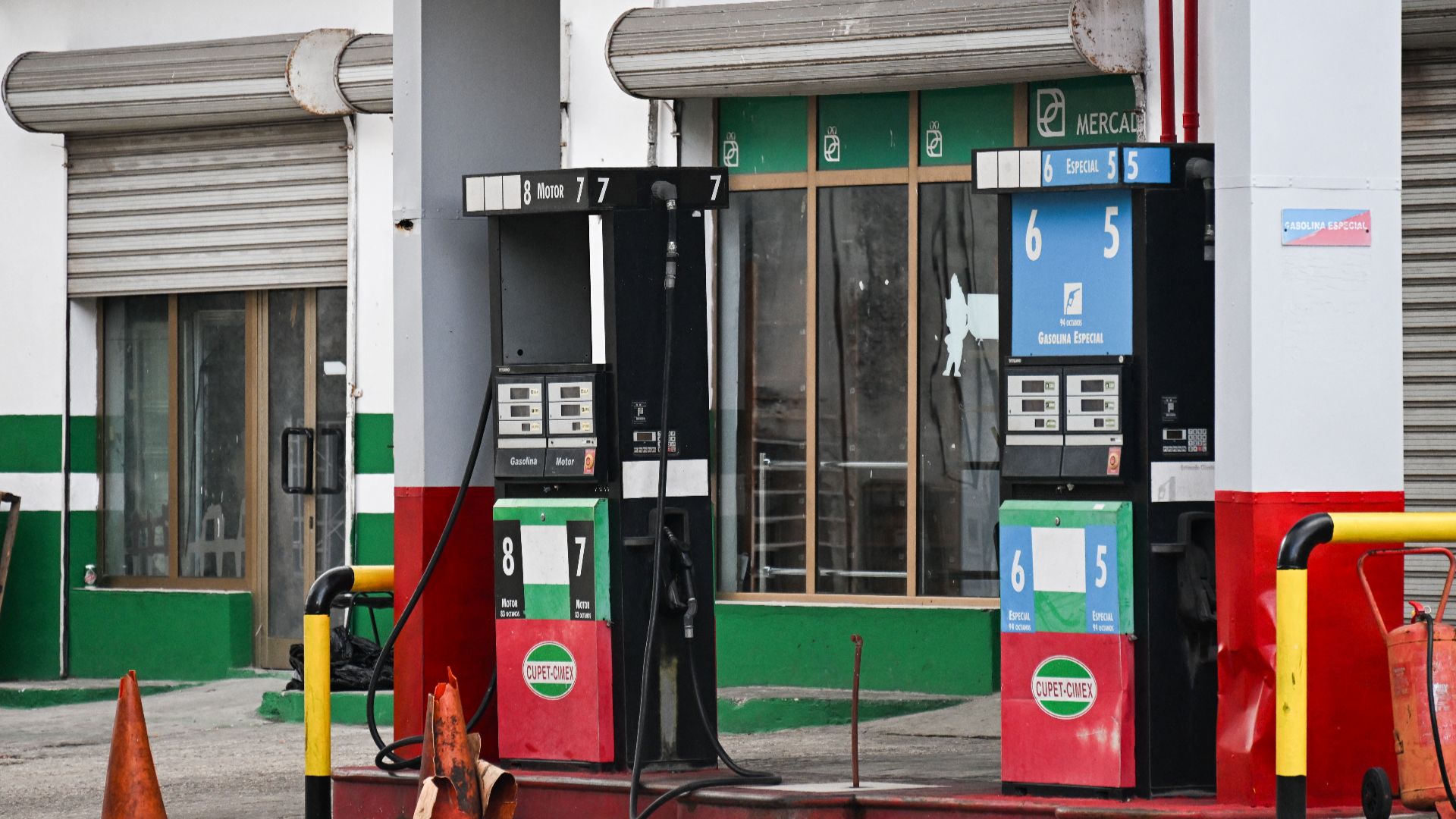
Cuba’s energy crisis has escalated in recent weeks, leading to widespread blackouts, fuel rationing and transportation disruptions across the island. Cuban aviation officials warned airlines that there is insufficient fuel available for aircraft to refuel locally, prompting Air Canada to suspend flights and other carriers to introduce technical stops outside the country before continuing to Havana. Authorities have reduced bank hours, suspended cultural events and limited gasoline sales to 20 liters per customer, payable only in U.S. dollars. Cuban President Miguel Díaz-Canel has described the situation as an «energy blockade,» warning that it affects «transportation, hospitals, schools, tourism and the production of food.» Tourism, once a vital revenue source, has suffered further setbacks as the fuel shortage compounds ongoing economic difficulties.
Getty Images
The crisis intensified after President Donald Trump threatened tariffs on countries that continue supplying oil to Cuba, a move that dramatically increased uncertainty for Havana’s remaining energy partners. The White House formalized that approach through an executive order signed January 29. A fact sheet accompanying the order states:
«The Order imposes a new tariff system that allows the United States to impose additional tariffs on imports from any country that directly or indirectly provides oil to Cuba.» The order declared a national emergency and authorized the imposition of additional tariffs targeting imports from countries maintaining oil supply routes to the island, broadening U.S. pressure beyond direct bilateral sanctions.
«We will send more support of different kinds.»
-Mexican President, Claudia Sheinbaum
The tariff mechanism represents a significant escalation because it targets third-party trade rather than limiting penalties to Cuban entities alone. By threatening additional duties on imports from countries that export oil to Cuba, Washington has effectively introduced a form of secondary economic pressure. The policy raises risks for energy exporters, refiners and transport companies that may consider continuing shipments. U.S. officials argue the measure is intended to counter what the administration describes as destabilizing alliances and governance practices in Havana. Cuban authorities, however, maintain that the consequences fall primarily on civilians already struggling with inflation, shortages and reduced access to essential goods.
Getty Images
Regional energy dynamics have further complicated Cuba’s position. The island has historically relied on oil shipments from Venezuela, but those flows were disrupted earlier this year after U.S. action targeting Venezuela’s leadership. Mexico’s state-owned oil company, Pemex, had already suspended crude shipments to Cuba in January, before Trump’s tariff announcement, though officials have not publicly detailed the reasons for the halt. Mexico has framed its humanitarian deliveries as separate from oil exports while pursuing diplomatic dialogue. Sheinbaum has said Mexico seeks to ensure Cuba «can receive oil and its derivatives for its daily operations,» even as it navigates growing tension with Washington.
«The Order imposes a new tariff system that allows the United States to impose additional tariffs on imports from any country that directly or indirectly provides oil to Cuba.»
-White House executive order
Cuban officials estimate that sanctions intensified during Trump’s second term cost the country more than $7.5 billion between March 2024 and February 2025, worsening shortages already fueled by structural economic weakness and declining tourism revenue. While Mexico’s emergency shipment provides immediate relief, the delivery does not resolve the island’s underlying fuel crisis, which continues to disrupt transportation, aviation and daily commerce. The U.S. tariff threat remains a major pressure point, as it discourages foreign suppliers from maintaining oil shipments to Havana. Cuban authorities argue the policy amounts to collective punishment, while Washington presents it as a tool to force political and economic change. With energy rationing expanding and airlines scaling back operations, Cuba faces prolonged uncertainty over how it will stabilize fuel supplies in the coming weeks.
Vladyslav Heraskevych, a Ukrainian skeleton racer, was disqualified from the Winter Olympics in Italy after Olympic officials ruled that his helmet honoring athletes killed in the war with Russia violated the Games’ rules on political expression. The decision, announced just before competition in Cortina d’Ampezzo, immediately became one of the most controversial moments of the Games. Heraskevych had planned to compete wearing a helmet featuring portraits of 21 Ukrainian athletes who died during the conflict. Olympic authorities said the tribute breached «a prohibition on political speech» during competition, triggering a ruling that barred him from racing despite his qualification for the event.
Getty Images
Moments before the start of the race, Heraskevych held discussions trackside with International Olympic Committee President Kirsty Coventry. The meeting ended without compromise. Coventry later told reporters, «I felt that it was really important to come and talk to him face to face,» underscoring the gravity of the situation during her first Olympics as IOC president. According to reporting, both Coventry and Heraskevych’s father were visibly emotional following the failed talks. The IOC confirmed that the athlete would be disqualified from the event but allowed to remain at the Games in a non-competing capacity.
«His helmet, bearing the portraits of fallen Ukrainian athletes, is about honor and remembrance. It is a reminder to the whole world of what Russian aggression is and the cost of fighting for independence.»
-Ukrainian President, Volodymyr Zelensky
Heraskevych defended his actions and rejected the notion that his helmet was political advocacy. «There are things more important than medals,» he said after the ruling. «I stood up for what I believe in.» He maintained that he had not broken Olympic rules and described the helmet as a tribute rather than a political statement. During practice runs earlier in the week, he wore what he called his “remembrance helmet,” anticipating a possible clash with officials if he attempted to use it during official competition. The confrontation had been building for days as Olympic authorities weighed enforcement of expression guidelines.
Getty Images
The IOC insisted it had no alternative under its regulations. Chief spokesman Mark Adams said the organization acted to protect «the sanctity of the field of play.» He explained that while athletes may express views on social media or in media zones, visible political messaging during competition is prohibited. «If everyone wanted to express themselves in that way beyond a black armband, it would create a field of play which becomes a field of expression,» Adams said, warning that relaxing enforcement could lead to «chaos.» The IOC said it had offered Heraskevych alternatives, including allowing a black armband tribute and permission to display the helmet in post-race media areas, but the athlete declined.
Getty Images
The decision reverberated beyond Italy. Ukrainian President Volodymyr Zelensky publicly praised Heraskevych and criticized Olympic authorities. In a social media post, Zelensky wrote: «His helmet, bearing the portraits of fallen Ukrainian athletes, is about honor and remembrance.» He added: «It is a reminder to the whole world of what Russian aggression is and the cost of fighting for independence.» Zelensky also accused officials of playing «into the hands of aggressors.» The controversy unfolded as the IOC continues to navigate Russia’s partial exclusion from Olympic competition following its 2022 suspension after absorbing sporting bodies from occupied Ukrainian territories.
«There are things more important than medals.»
-Ukrainian skeleton racer, Vladyslav Heraskevych
The episode also drew support from fellow athletes and coaches. Latvian skeleton coach Ivo Steinbergs said of the disqualification: «He was going for this for 12 years, and they just stole it from him.» Danish coach Tom Johansen questioned expectations that Ukrainian athletes should «just act like a robot,» while fans in Cortina voiced frustration.
One local spectator said: «It’s not political. It’s a tribute to his friends.» The incident has reignited debate over where the IOC draws the line between memorial tribute and political expression, placing the organization’s neutrality doctrine under renewed scrutiny amid an ongoing war that continues to shape global sport.