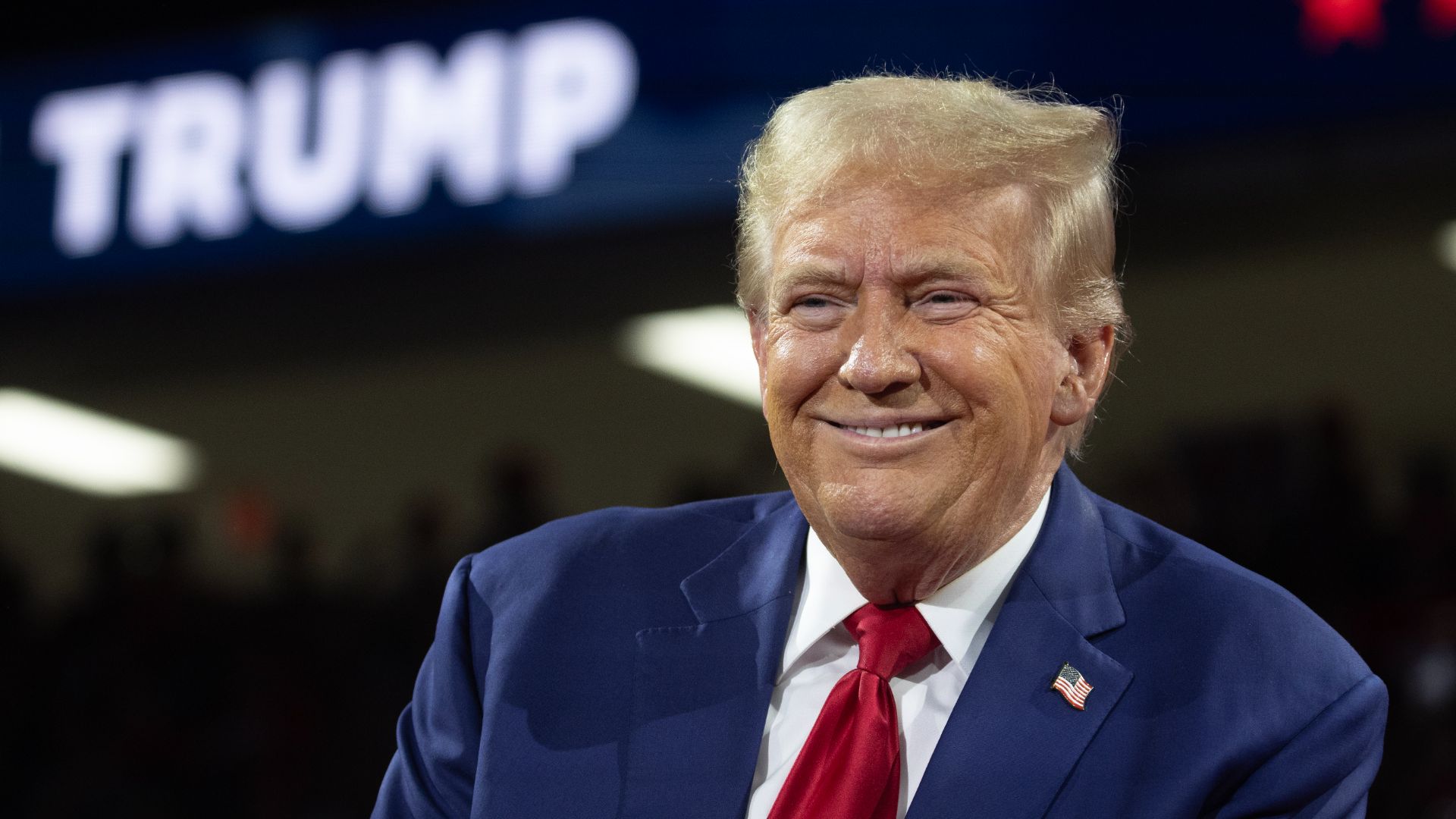
 BIG Admin
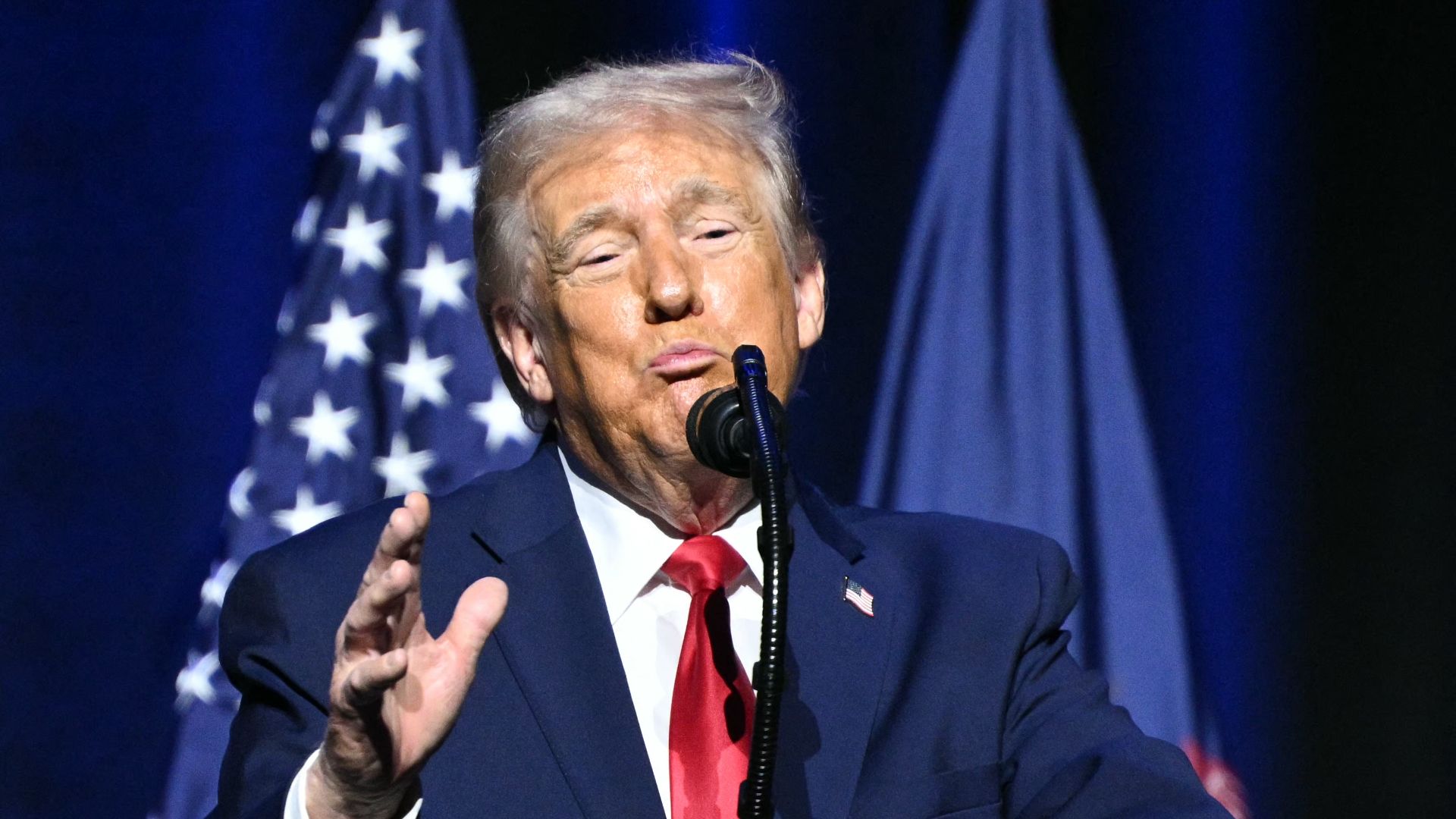
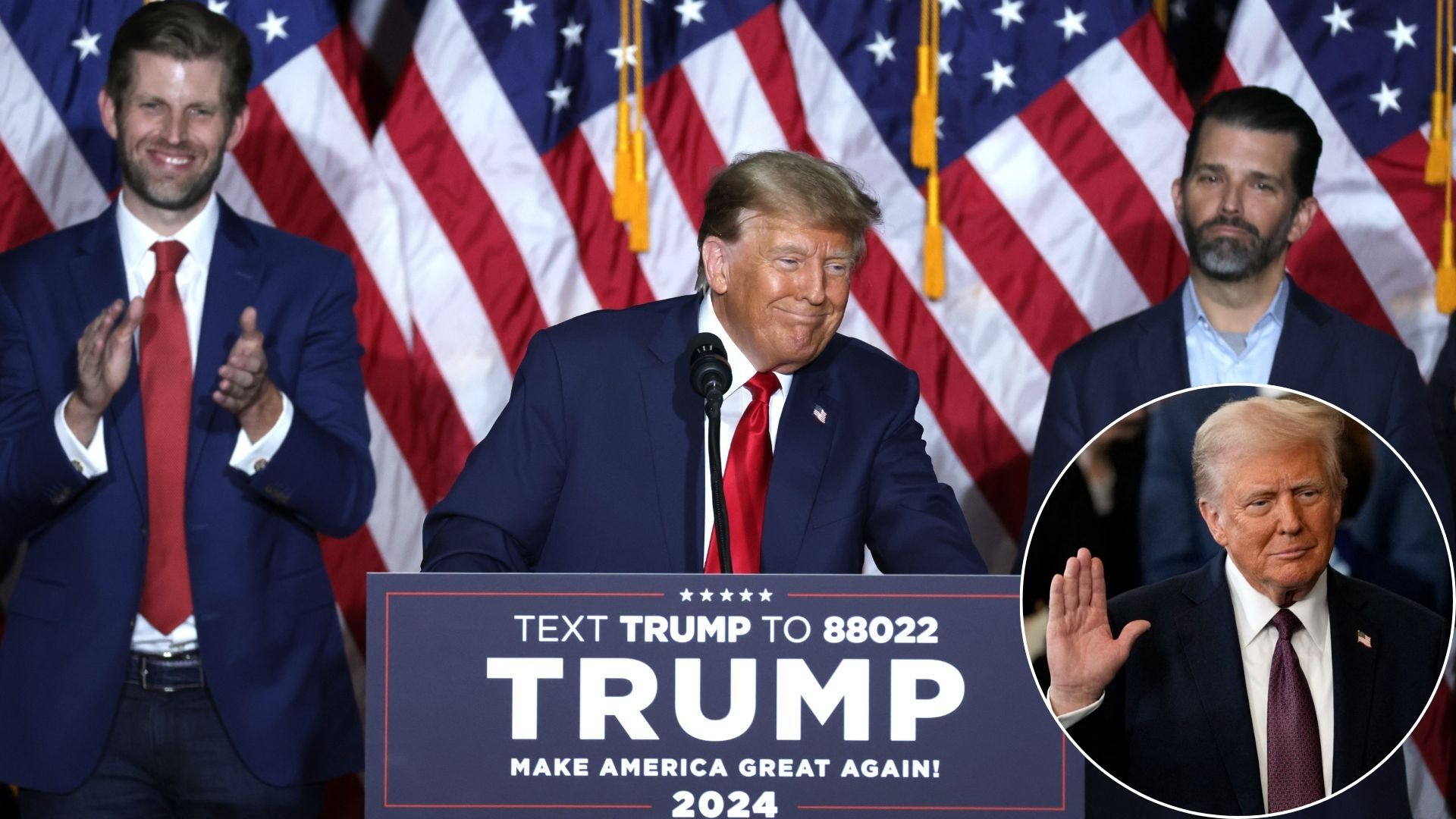
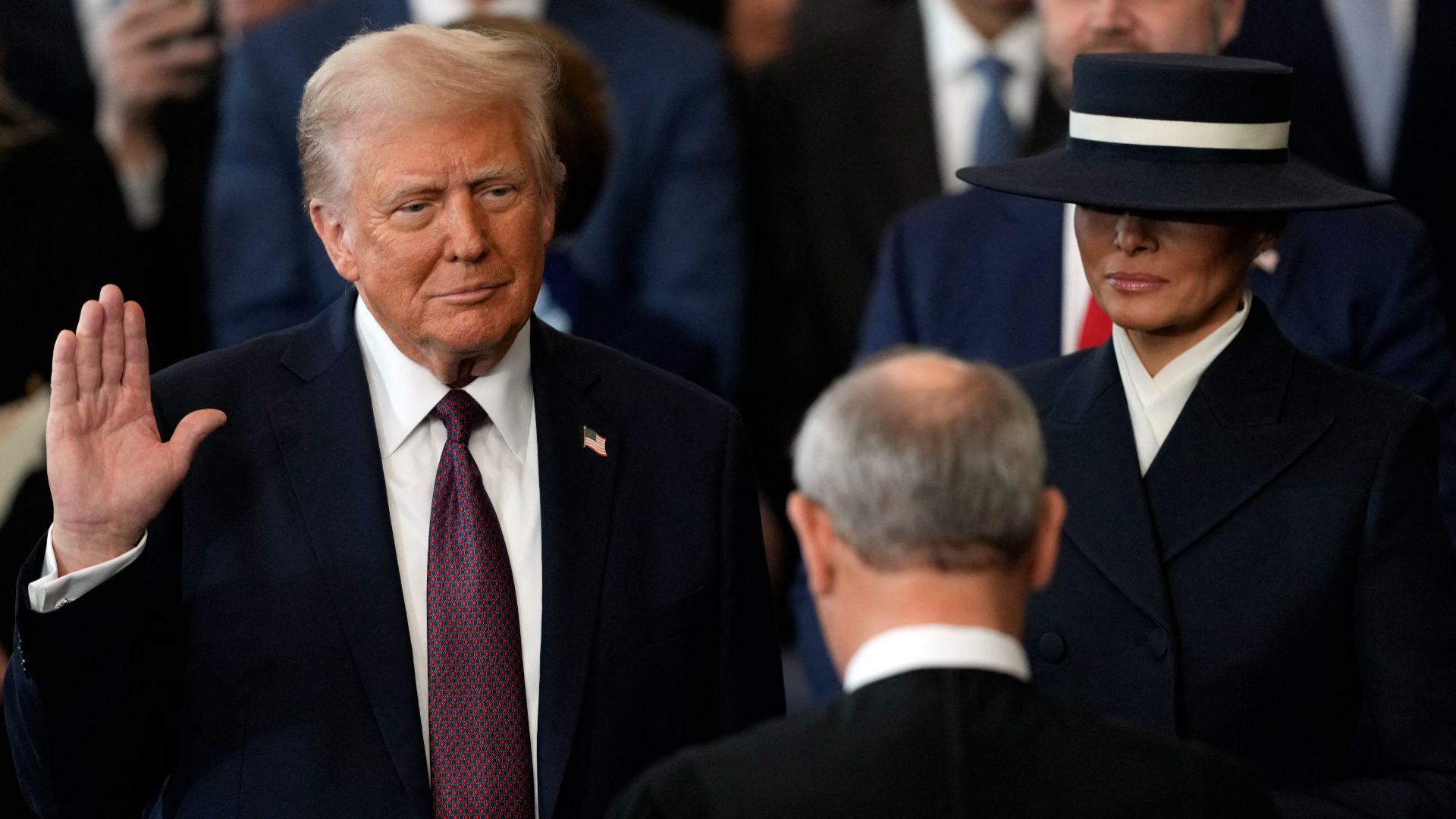
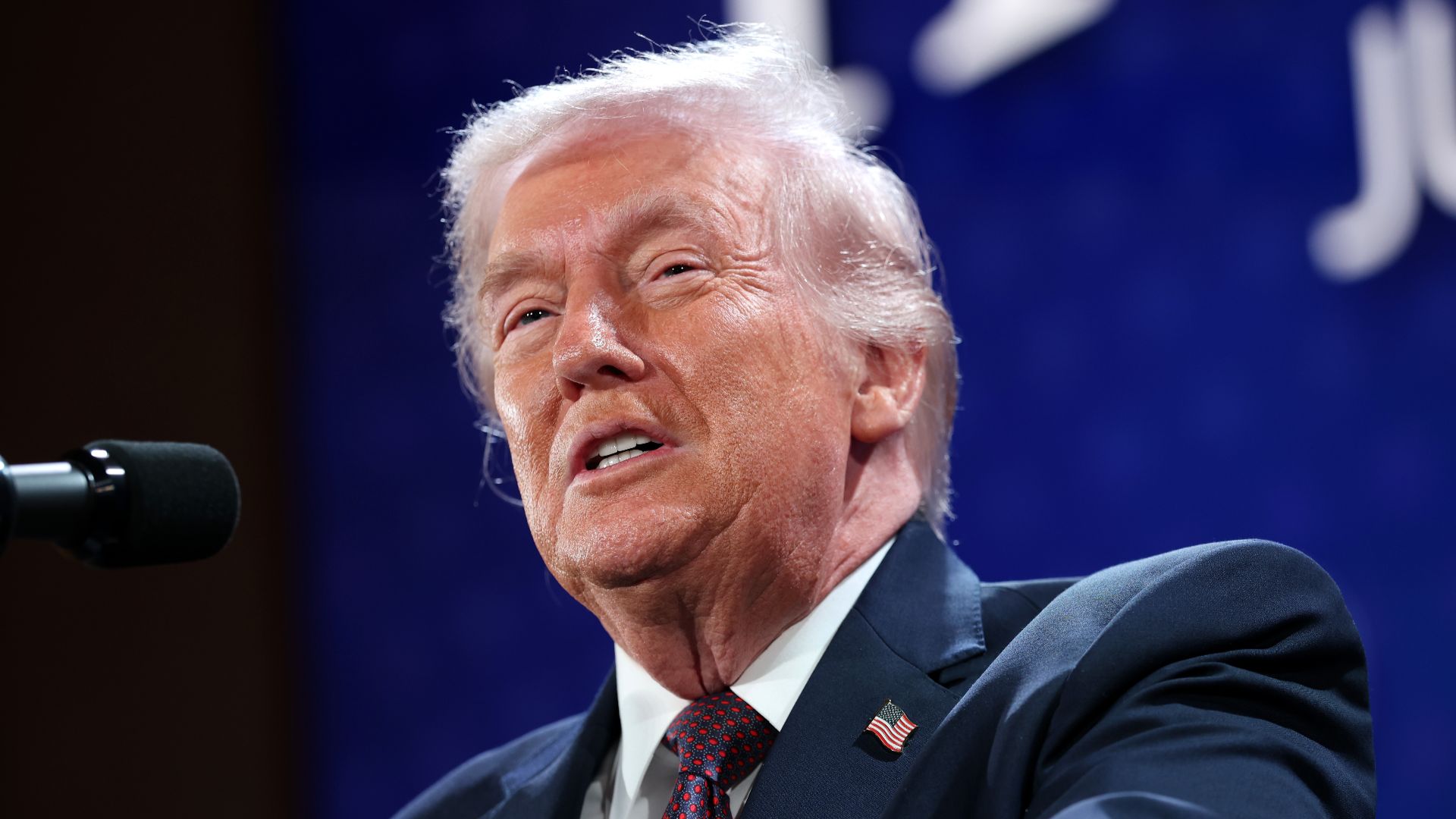
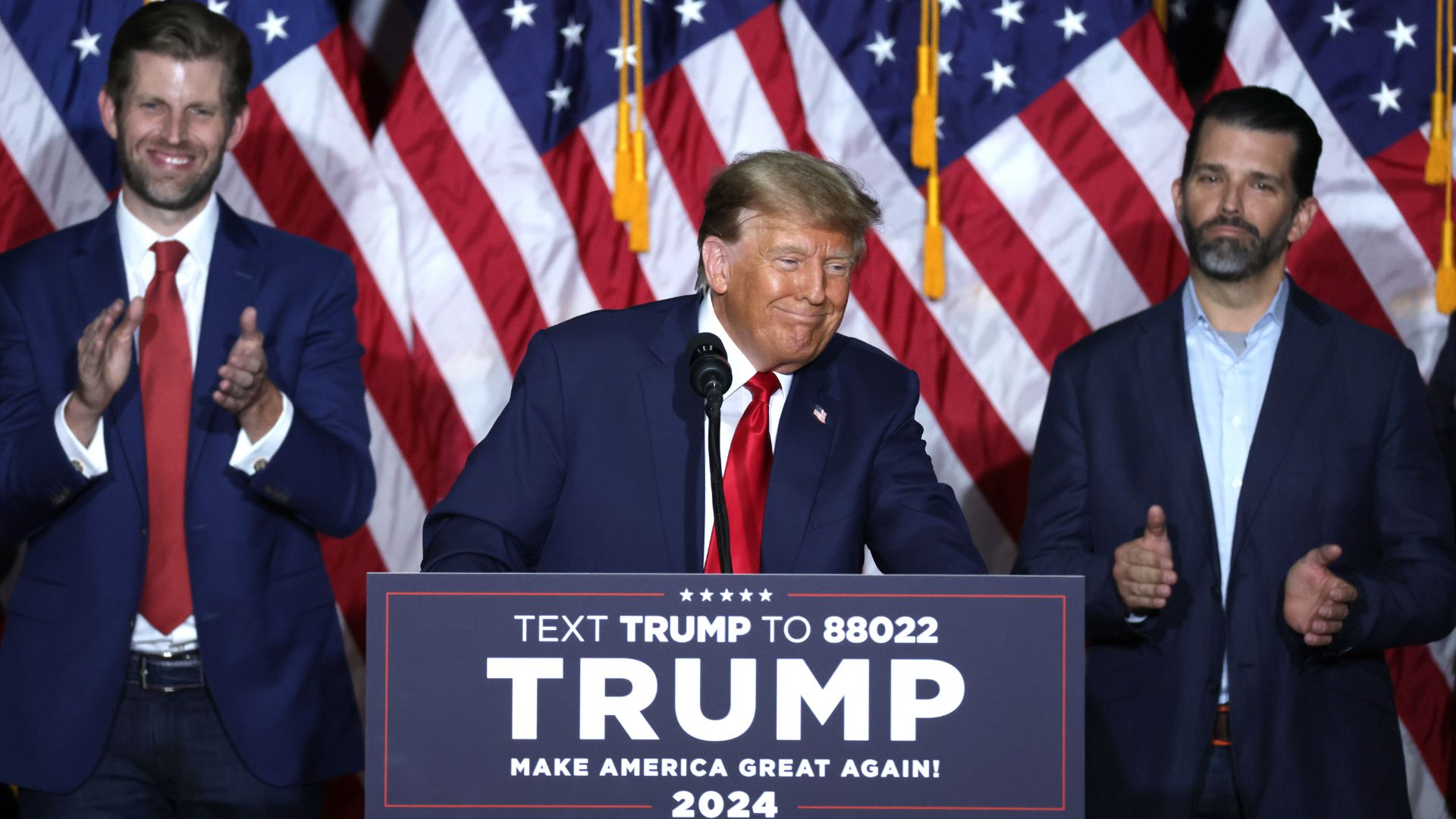
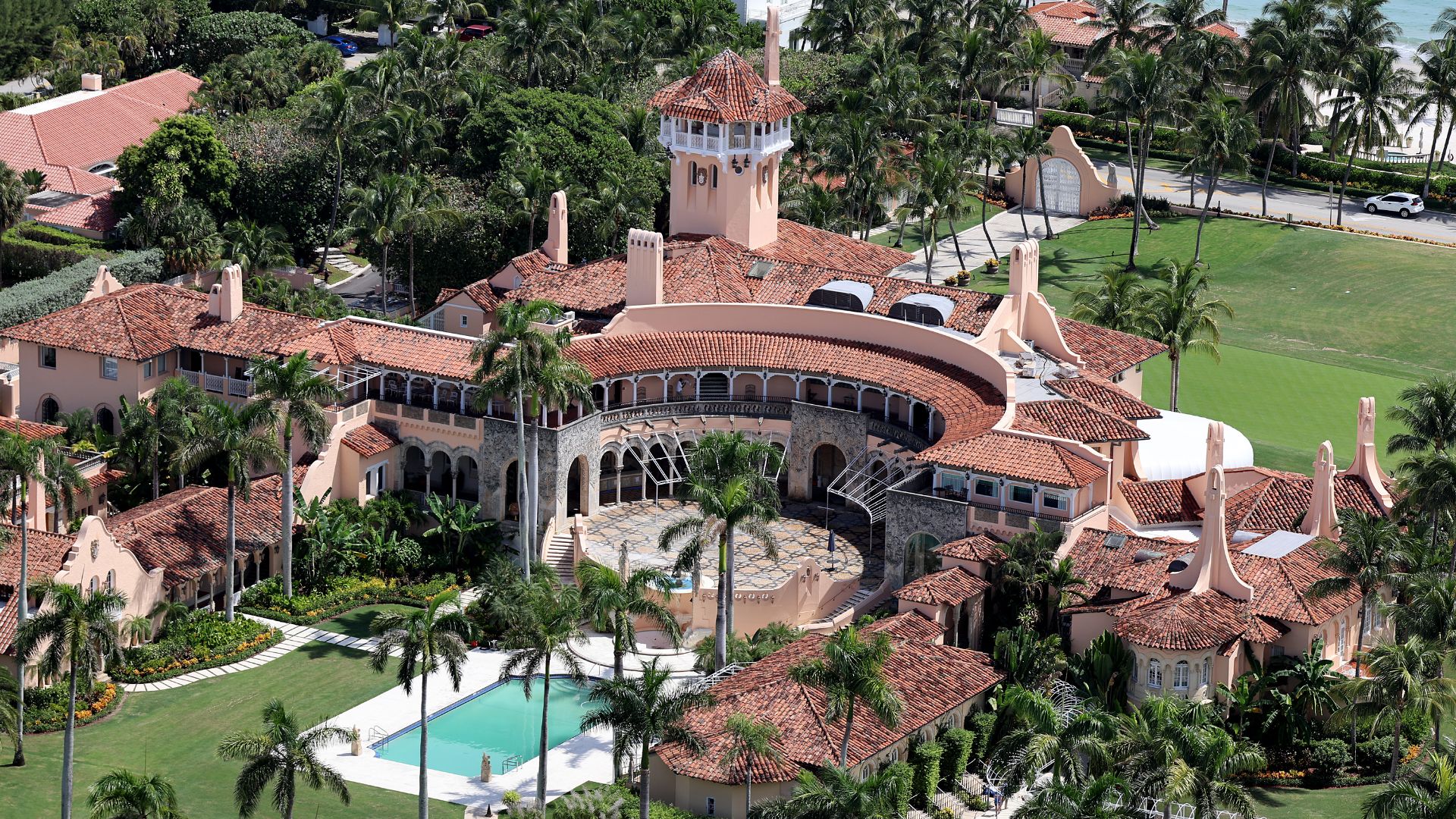
Donald Trump has launched a sweeping legal offensive, headlined by a $10 billion lawsuit against the Treasury Department and the Internal Revenue Service over the leak of his tax returns, an episode tied to the conviction of former IRS contractor Charles Littlejohn. The case revives scrutiny of Trump’s finances, including revelations that he paid just $750 in federal income taxes in 2016 and 2017 and none in 2020. Since returning to the White House, Trump has also sought massive damages from media and tech companies, securing multimillion-dollar settlements, while pressing claims against the US government over the Mar-a-Lago search and earlier investigations, arguing that federal institutions and news organizations systematically wronged him.
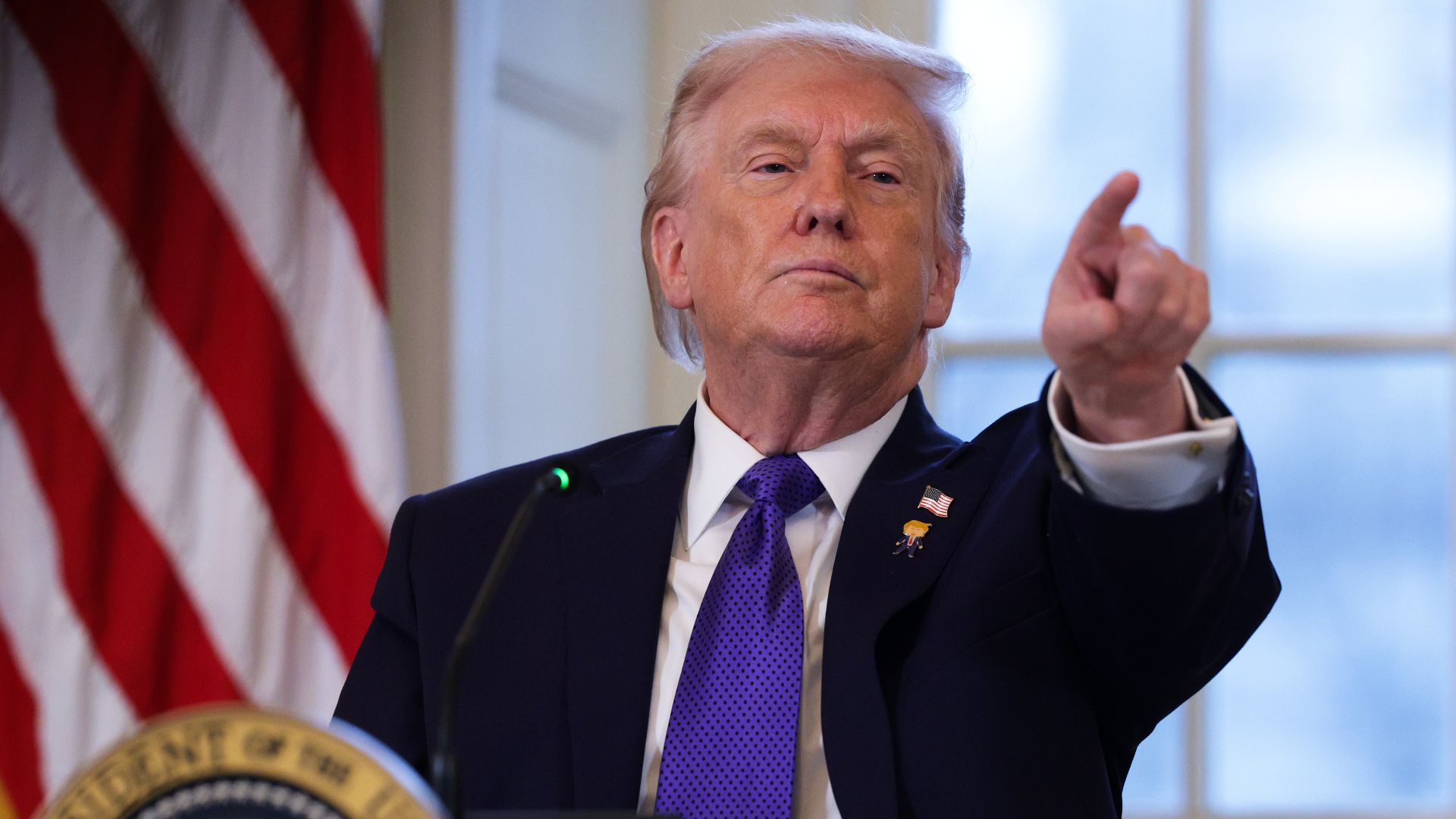
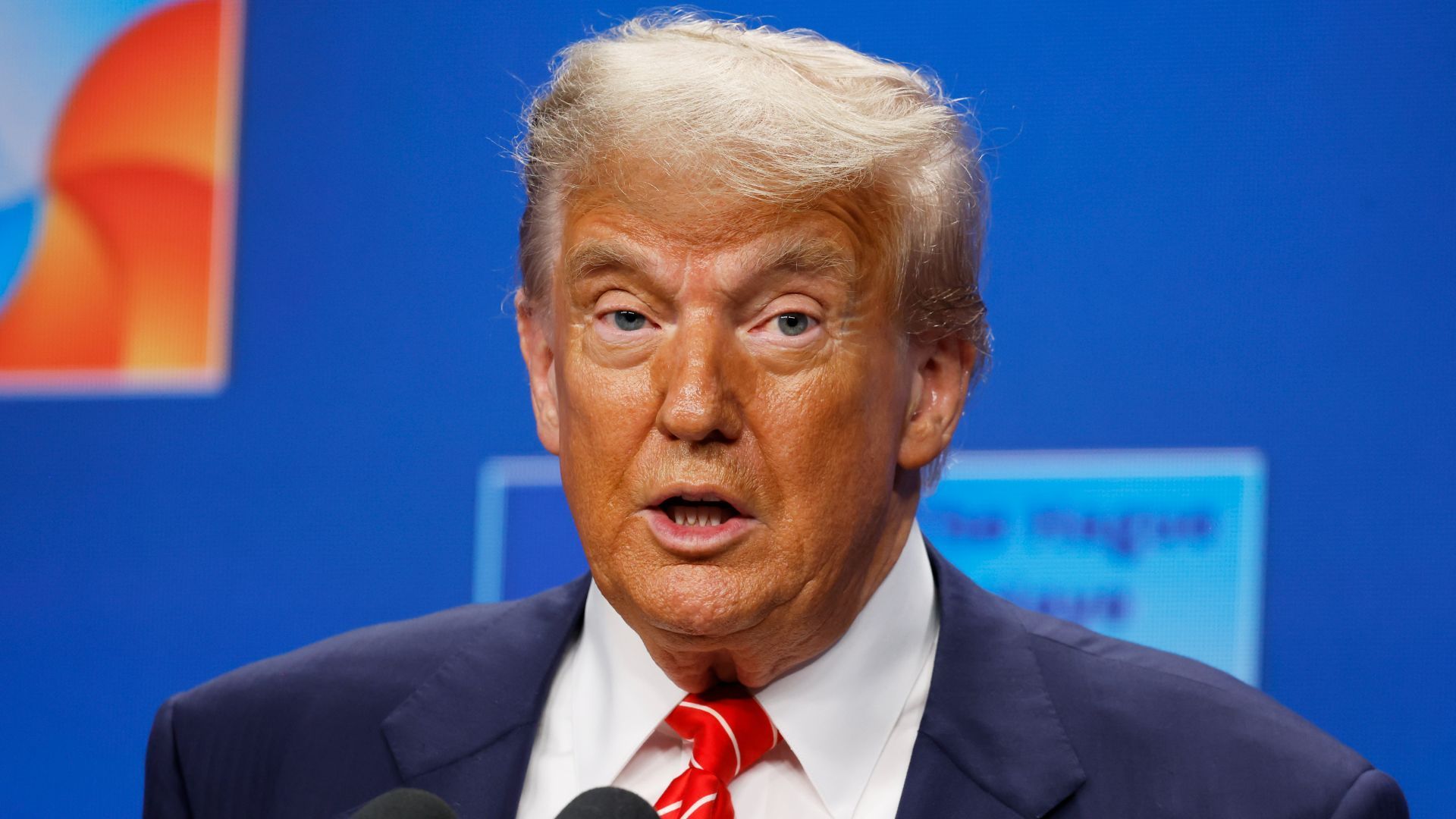
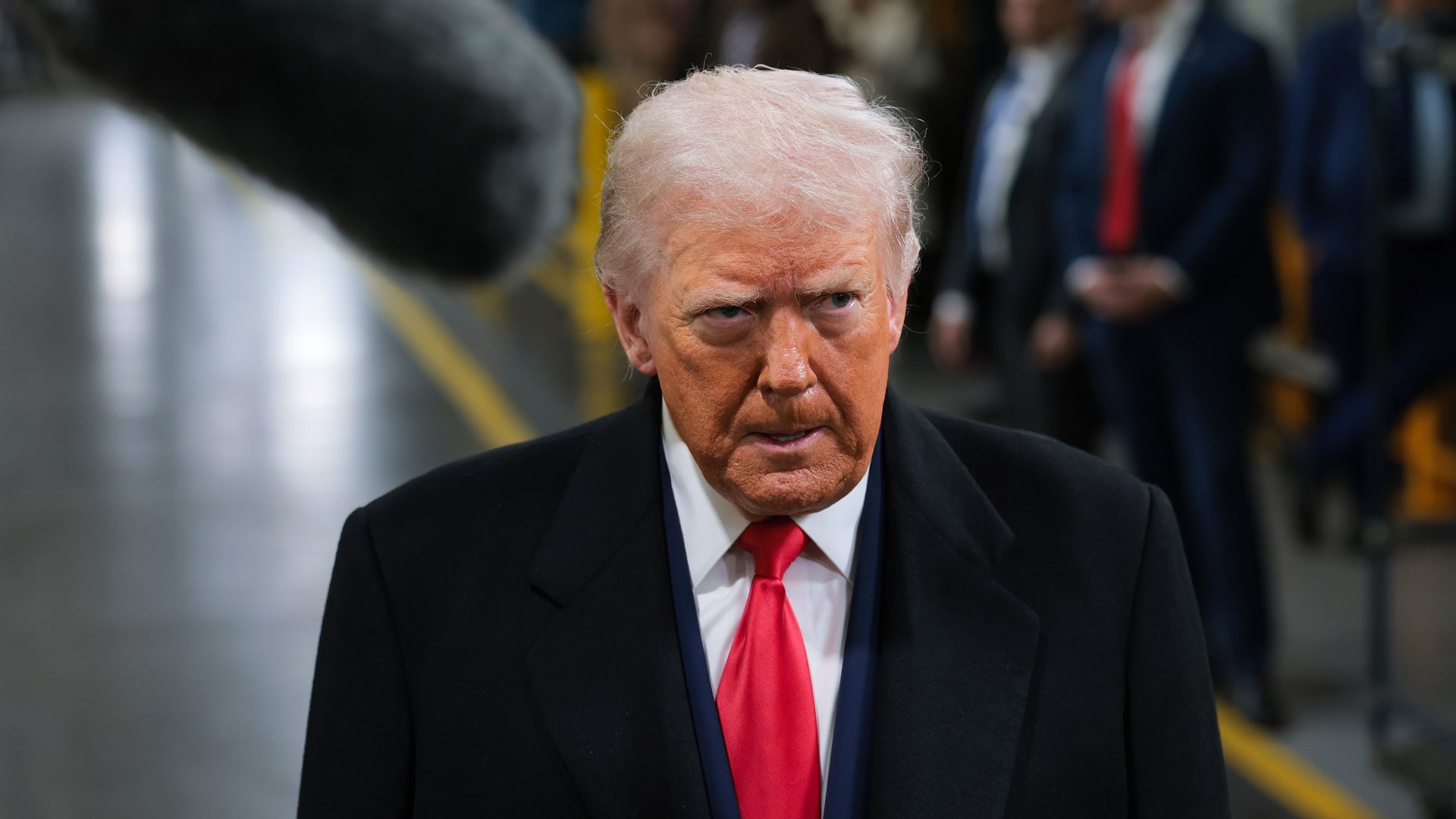
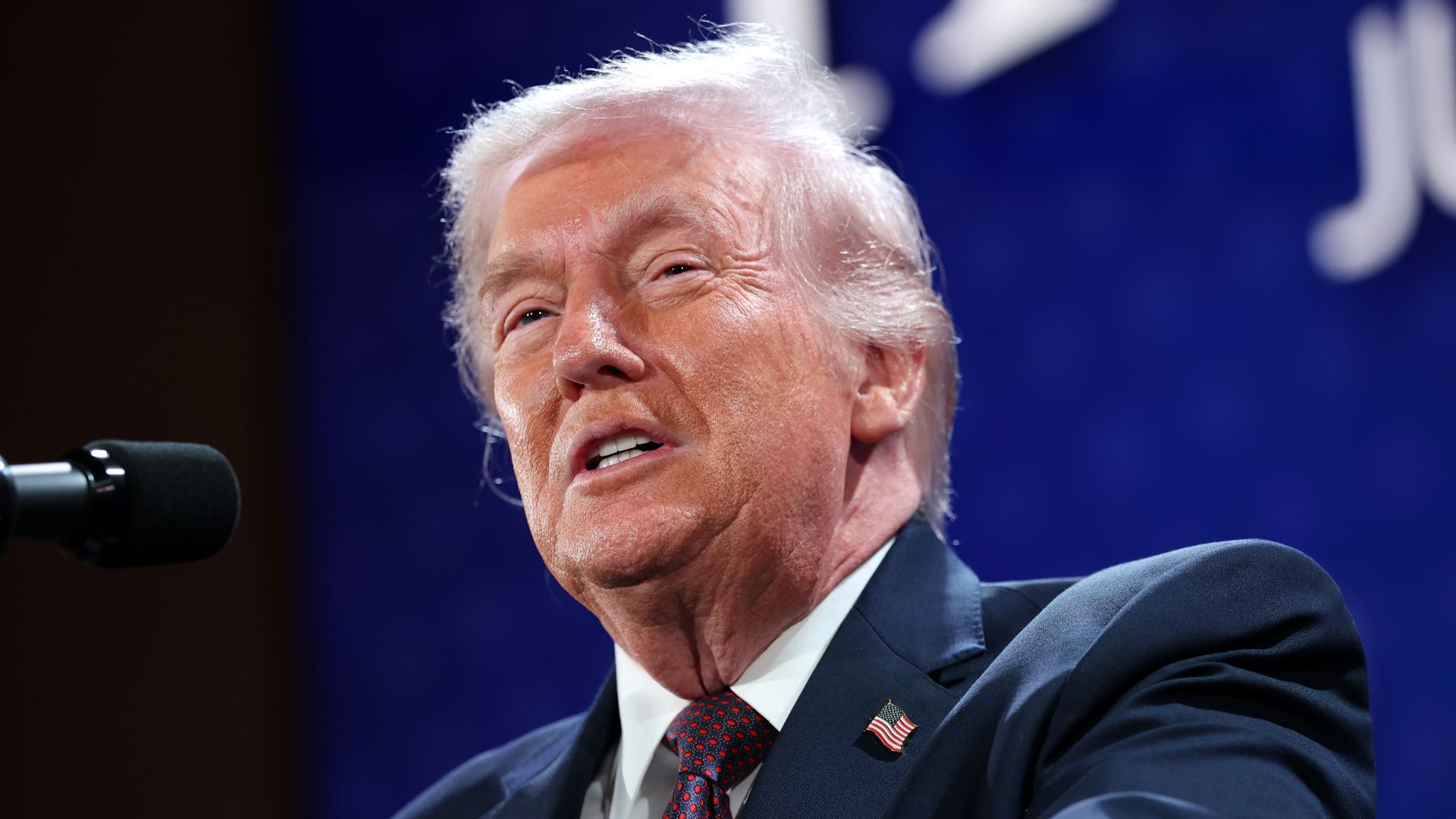
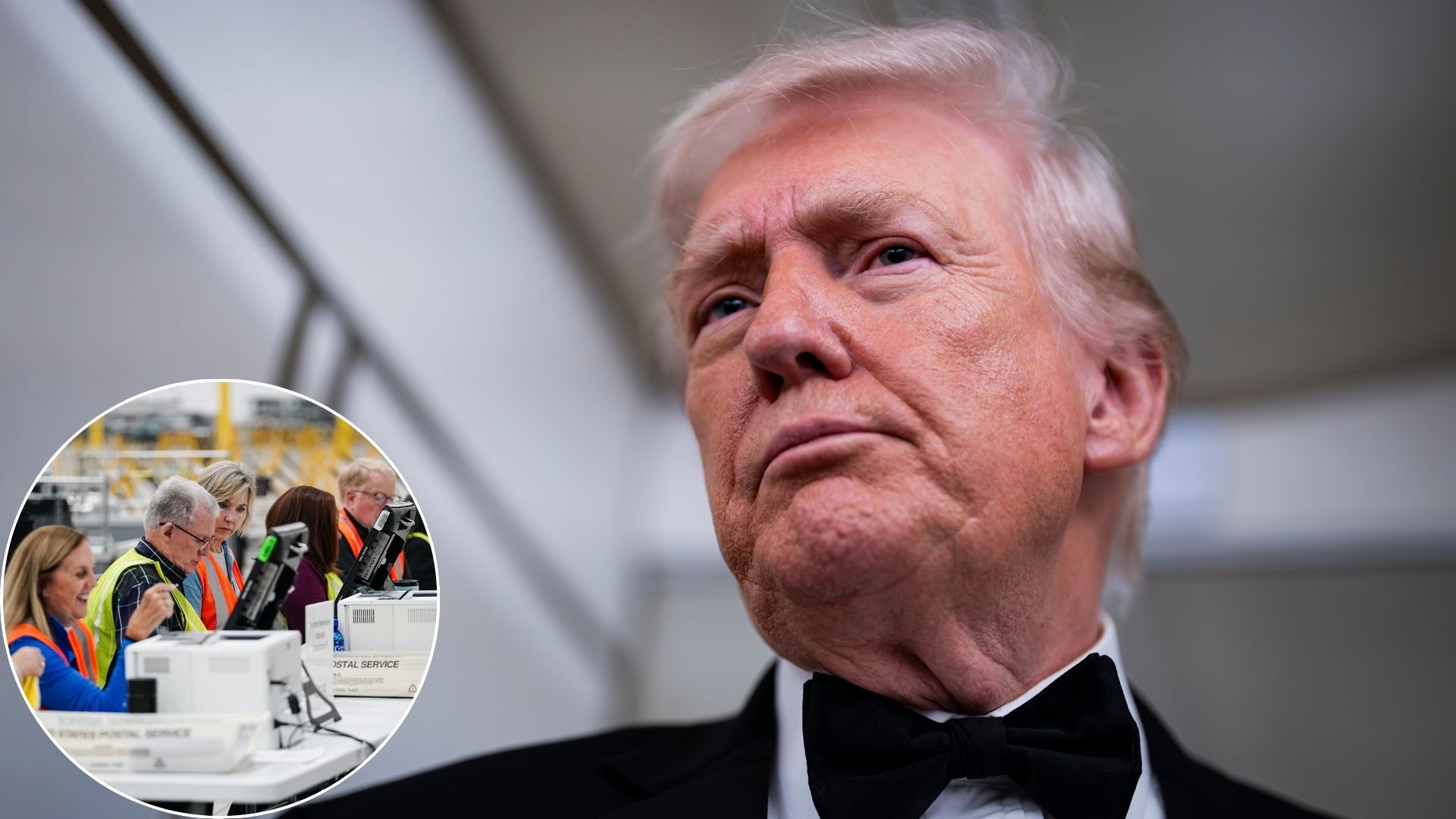
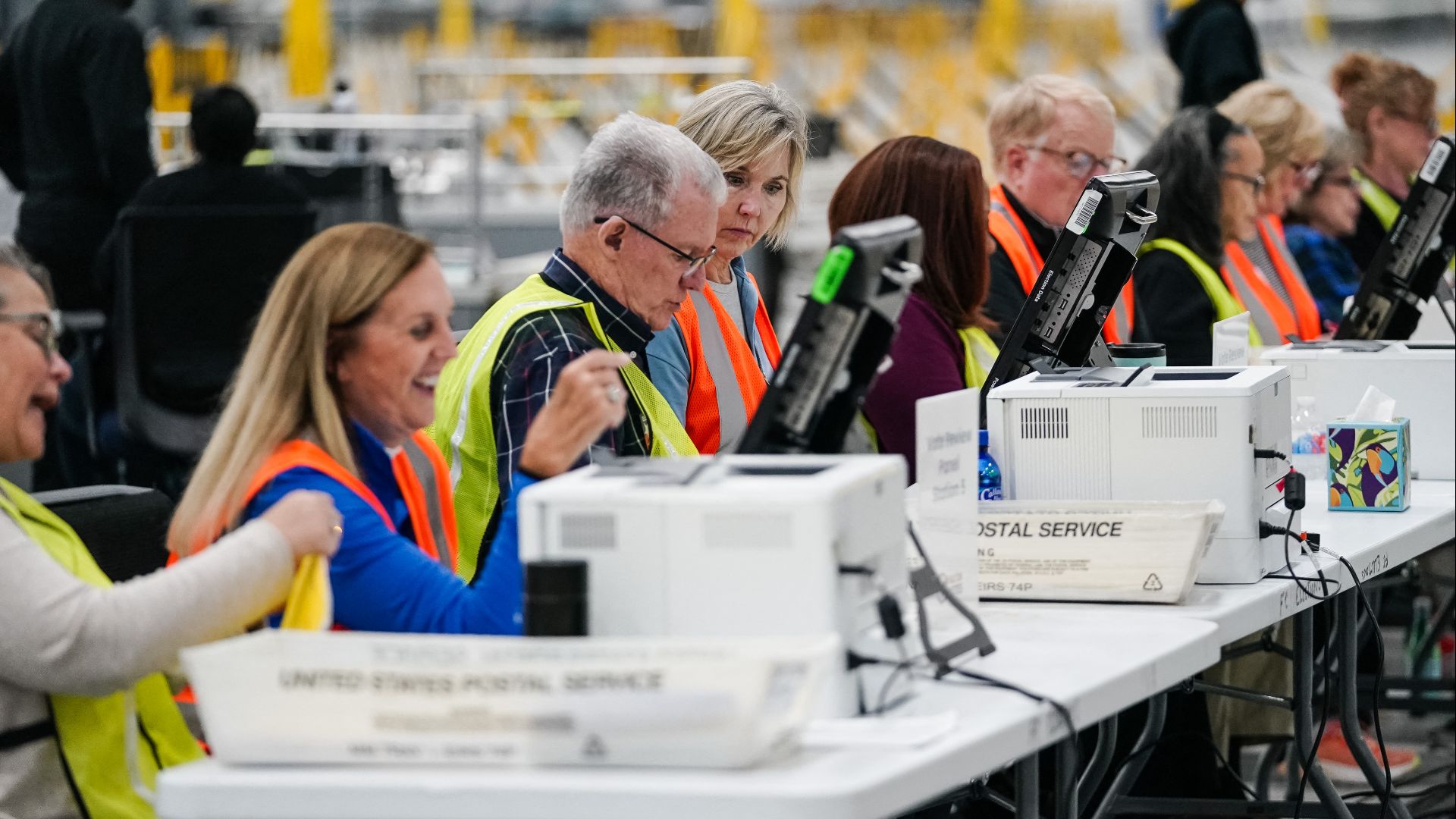
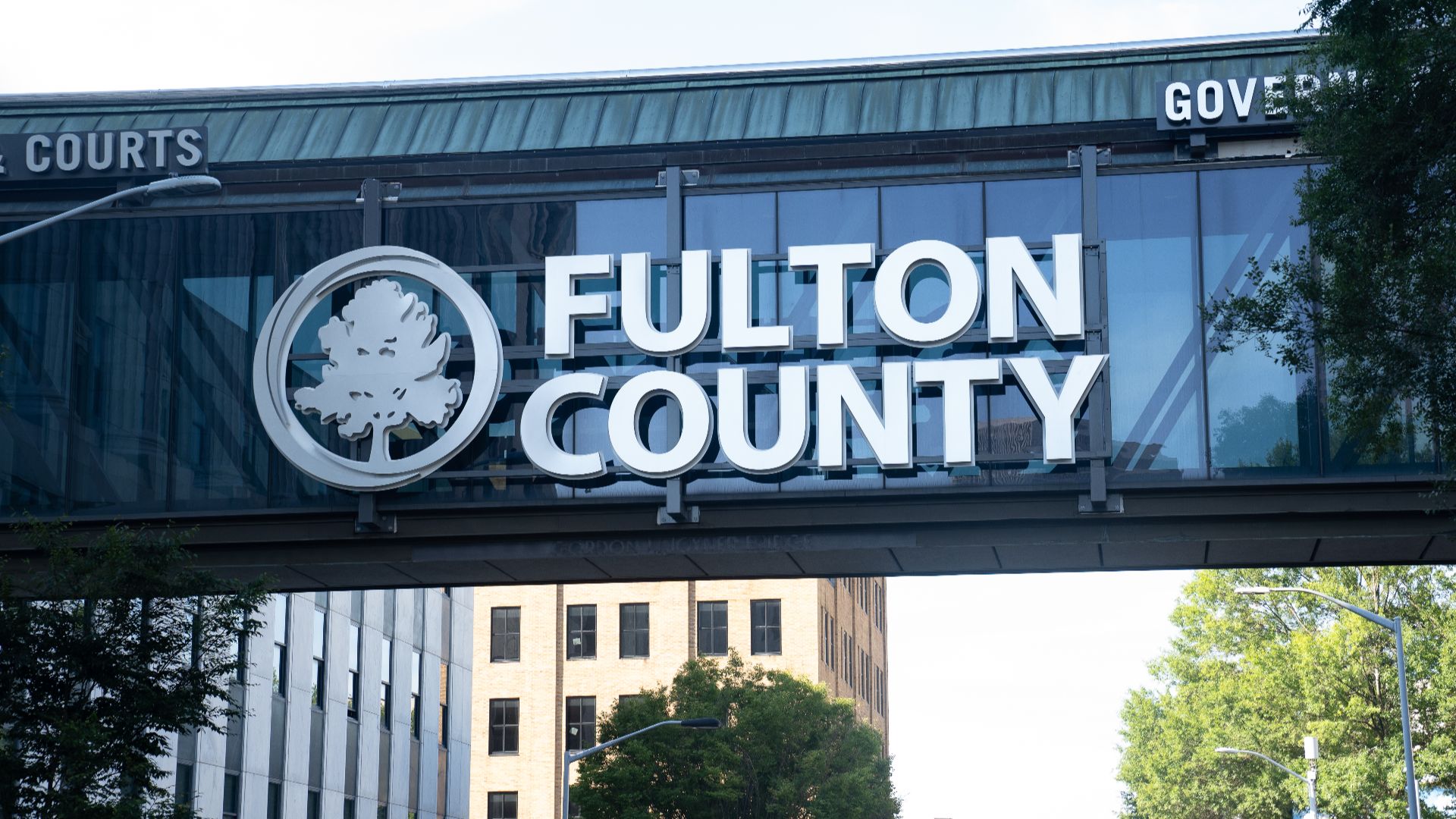
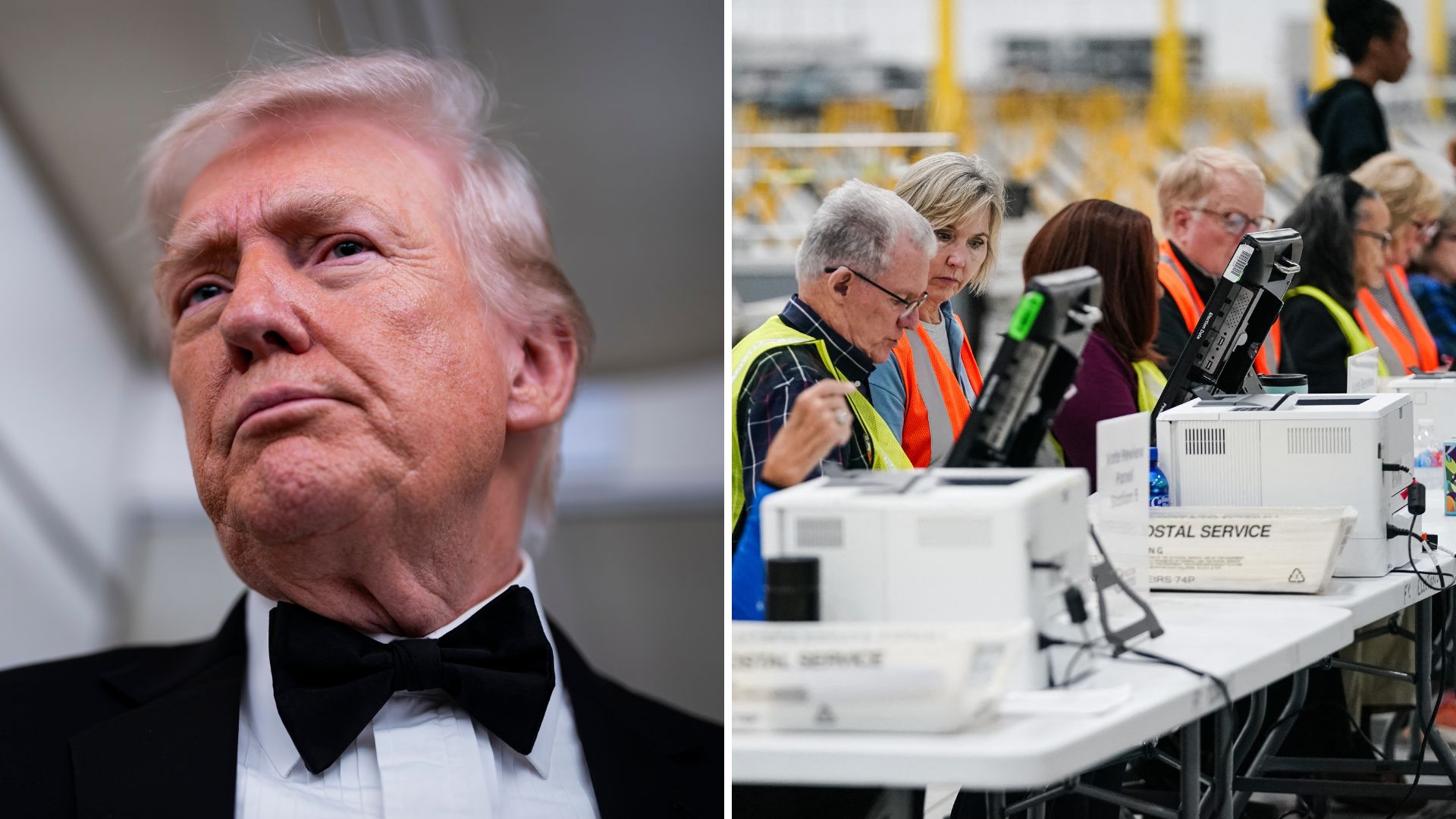
President Donald Trump has urged Republicans to «take over» and «nationalize» US elections, escalating his rhetoric as the 2026 midterms approach and repeating unfounded claims about electoral corruption. Speaking on a podcast, Trump accused states of being «crooked» and called for Republican control of voting, without explaining how such a move would comply with the Constitution. His remarks coincided with a court-ordered FBI seizure of 2020 voting records in Georgia, which Trump cited as vindication despite no evidence of fraud. Democrats denounced his comments as illegal, while Trump again asserted, without proof, that the 2020 election was rigged or that he had won.
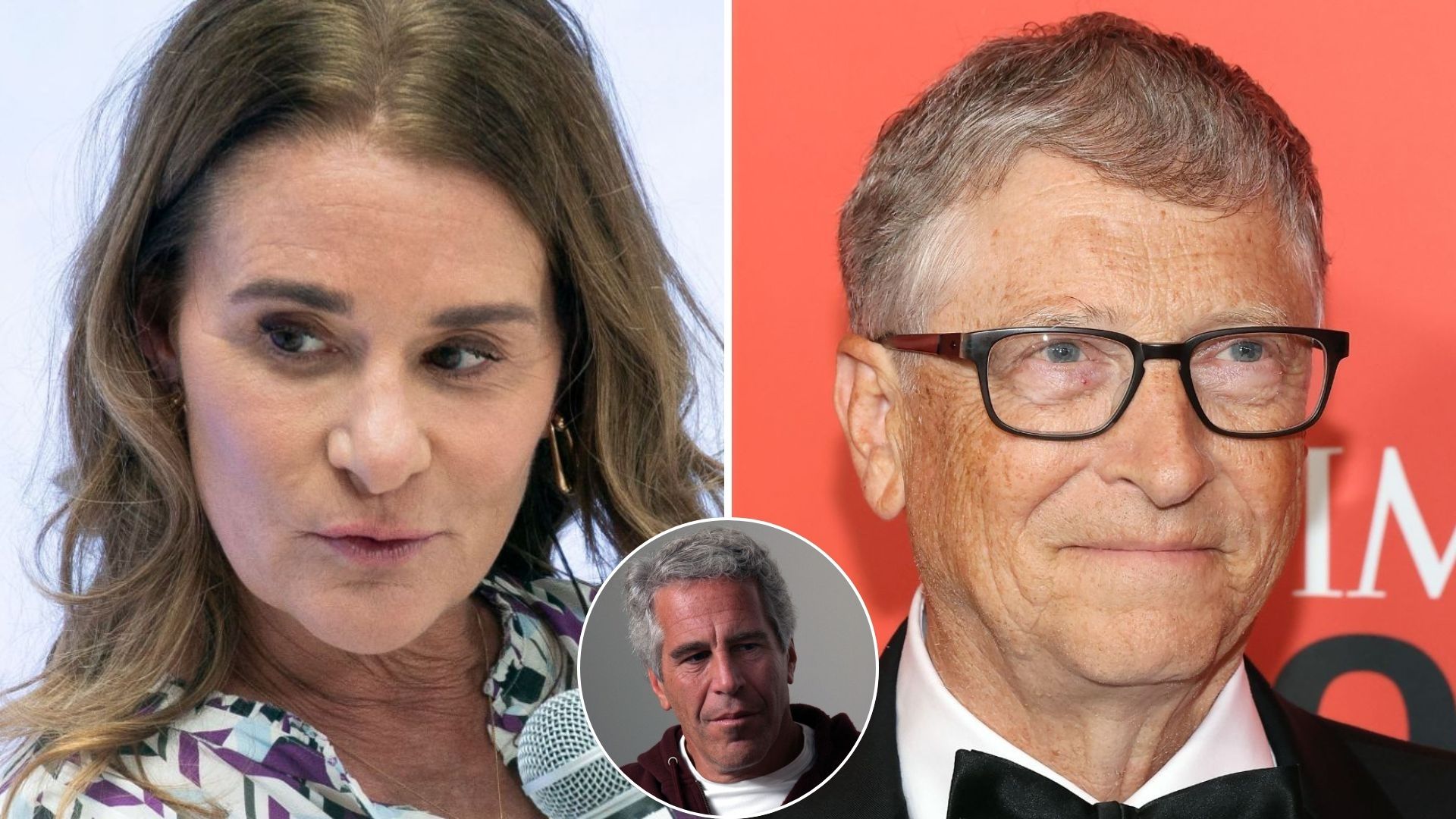
Melinda French Gates has publicly addressed the renewed attention surrounding her ex-husband after Bill Gates’ name appeared in the latest release of the Epstein files, describing the moment as reviving «very, very painful times in my marriage». Speaking on NPR’s Wild Card podcast, she reacted to newly released Justice Department documents containing unverified claims written by Jeffrey Epstein. While Bill Gates’ spokesperson dismissed the allegations as «absolutely absurd and completely false», Melinda said the questions raised by the files must be answered by those involved, not her. Framing the issue within Epstein’s abuse of women and girls, she added: «I think we’re having a reckoning as a society, right?»

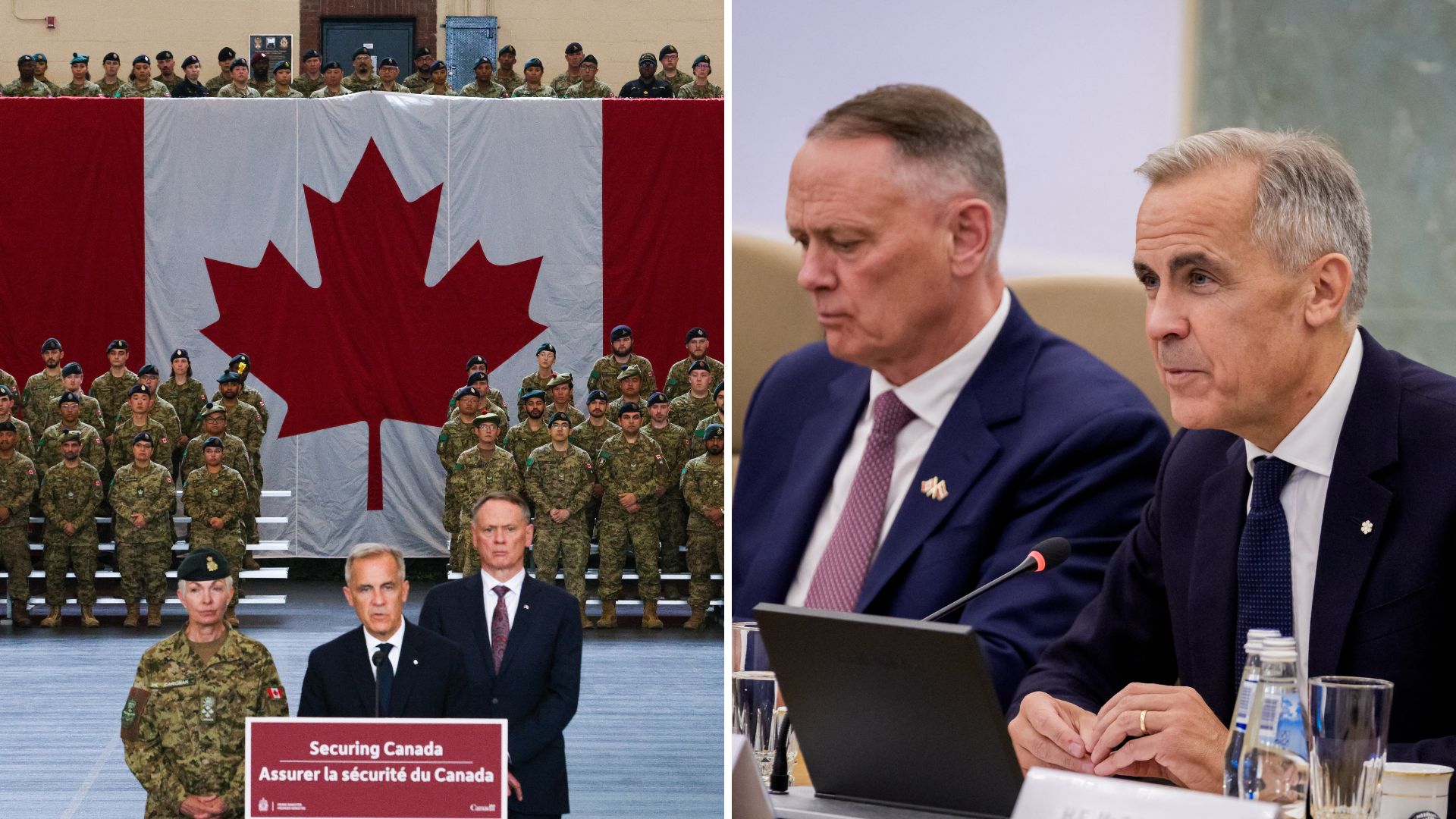
Canada has moved quickly to shut down renewed speculation about whether the country should consider acquiring nuclear weapons, after comments by retired general Wayne Eyre reignited debate over Ottawa’s long-standing non-nuclear posture.
The discussion emerged against a backdrop of rising global instability, renewed nuclear threats from Russia, and mounting uncertainty within NATO following U.S. President Donald Trump’s rhetoric toward allies and Greenland. While Eyre suggested Canada should not entirely rule out the option in the long term, the federal government responded by firmly reaffirming its commitment to non-proliferation and to strengthening the country’s conventional military capabilities instead.
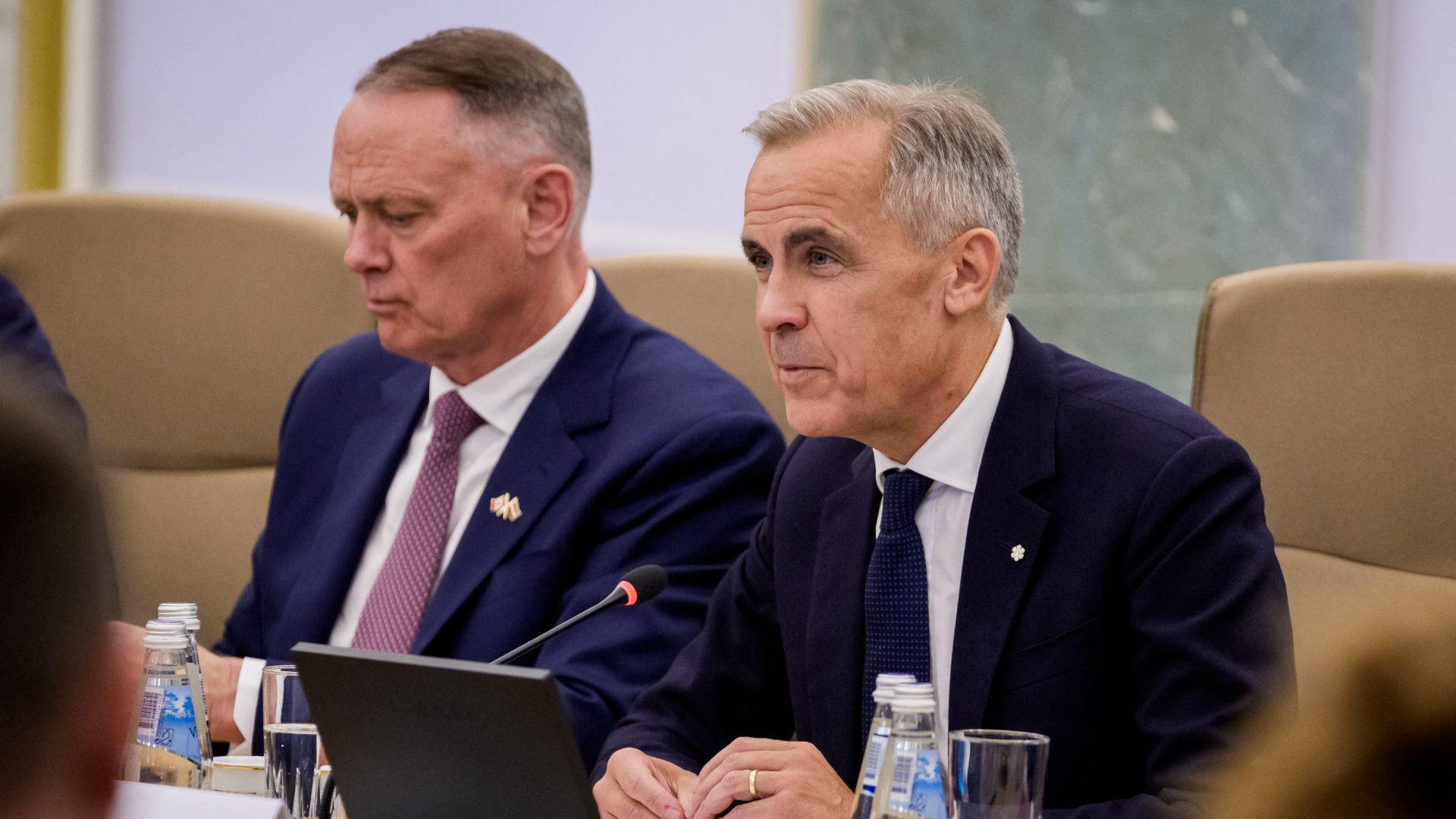
Defence Minister David McGuinty rejected the idea outright, stressing that Canada has no intention of pursuing nuclear weapons and remains bound by international treaties. Speaking to reporters ahead of a cabinet meeting, McGuinty said:
«Canada is a signatory to international treaties which preclude us, number one, and Canada has been a non-nuclear-proliferation state for a long time.»
He added that Ottawa’s focus lies elsewhere:
«We are going to continue to build conventional weapons. We’re going to continue to re-arm. We’re going to continue to reinvest. We’re going to continue to rebuild our Canadian Armed Forces and we’re doing that.»
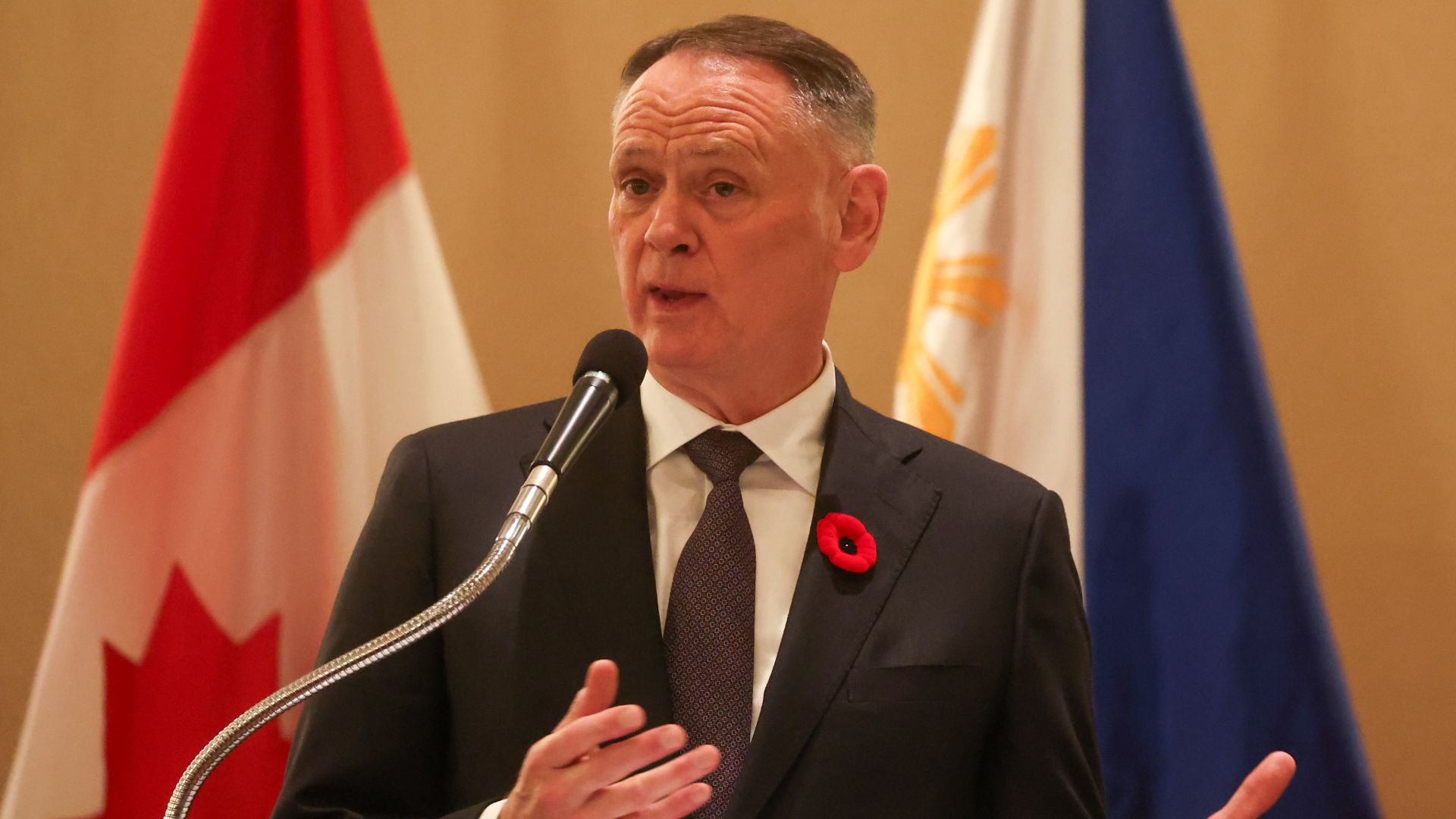
Eyre’s remarks, delivered during a closed-door discussion in Ottawa on Canadian sovereignty and military autonomy, reflected growing unease among defence experts about reliance on U.S. security guarantees.
According to reports, the former chief of the defence staff argued that Canada may never achieve full strategic independence without a nuclear deterrent, while also acknowledging such a step should not be pursued now. Political leaders were quick to distance themselves from that view. Bloc Québécois Leader Yves-François Blanchet publicly supported the government’s swift rejection of the idea, signalling broad political consensus against any nuclear path.
«Canada is a signatory to international treaties which preclude us, number one, and Canada has been a non-nuclear-proliferation state for a long time.»
-Defence Minister David McGuinty
Experts on nuclear policy and international security have also cautioned strongly against reopening the question. John Erath, senior policy director at the Center for Arms Control and Non-Proliferation, warned that nuclear weapons would only exacerbate global risk.
«Nuclear weapons are not the way to deal with growing uncertainty and danger around the world,» he said. Alexander Lanoszka of the University of Waterloo argued the issue is not technical feasibility, but strategic logic and cost, noting that Canada has «very, very little reason» to pursue such an expensive and diplomatically damaging course.
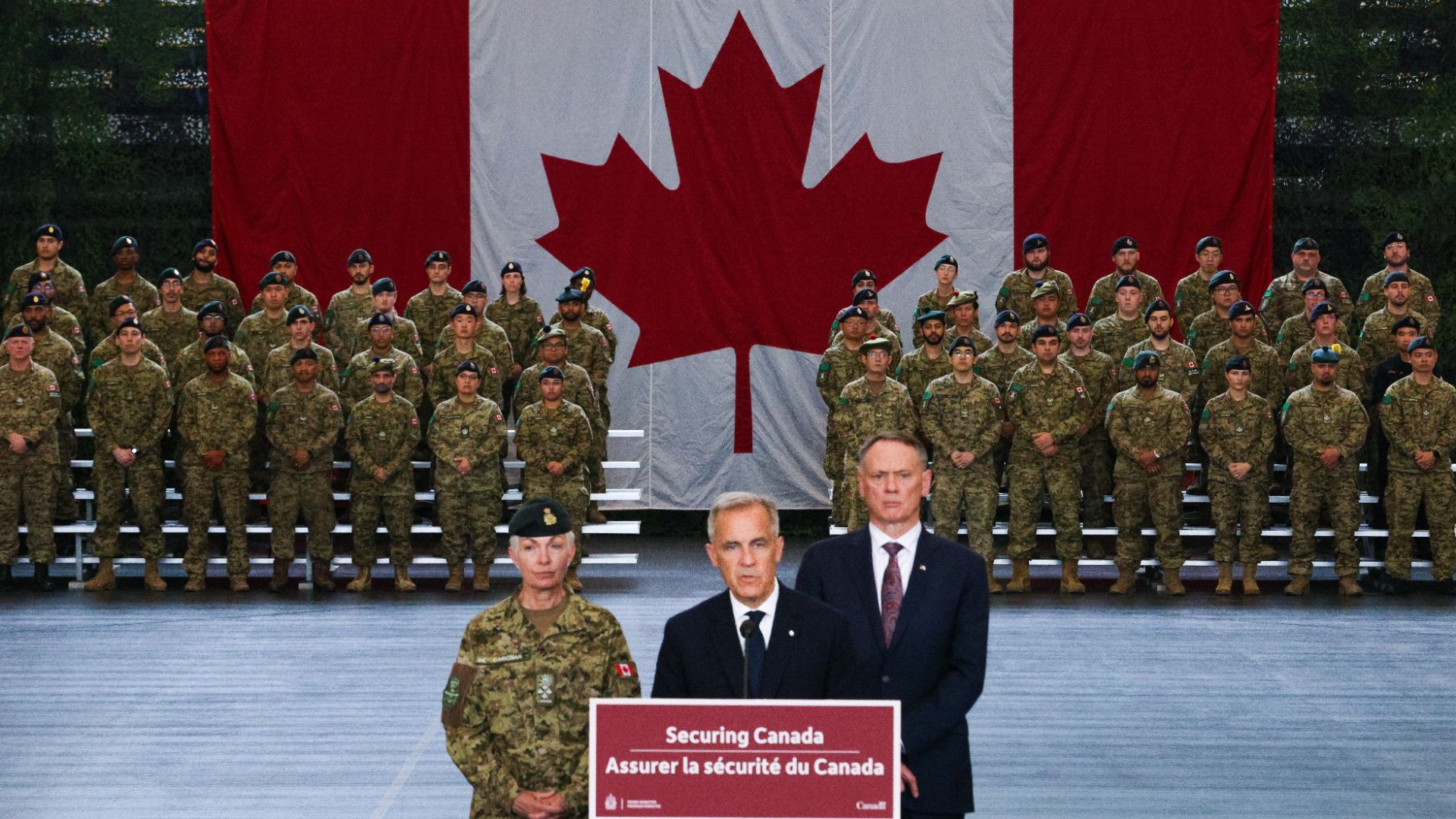
Canada’s position is closely tied to its role as a signatory to the Nuclear Non-Proliferation Treaty, which bars non-nuclear states from acquiring such weapons. Ottawa has supported the treaty since it entered into force in 1970 and continues to frame it as a cornerstone of global stability, even as major powers modernize their arsenals and key arms control agreements like New START near expiration. While nuclear fears are rising globally, Canadian officials argue abandoning non-proliferation would undermine alliances and isolate the country diplomatically.
«We are going to continue to build conventional weapons. We’re going to continue to re-arm. We’re going to continue to reinvest. We’re going to continue to rebuild our Canadian Armed Forces and we’re doing that.»
-Defence Minister David McGuinty
Instead, the government is placing renewed emphasis on rebuilding the Canadian Armed Forces through conventional means, with particular attention to Arctic security, sovereignty patrols, and independent operational capacity. McGuinty has argued that these investments will ensure Canada can act independently when necessary without a nuclear deterrent. As geopolitical tensions intensify and alliances evolve, Ottawa appears determined to respond by strengthening traditional military capabilities, reinforcing treaty commitments, and avoiding a shift that could fundamentally alter Canada’s defence identity on the world stage.
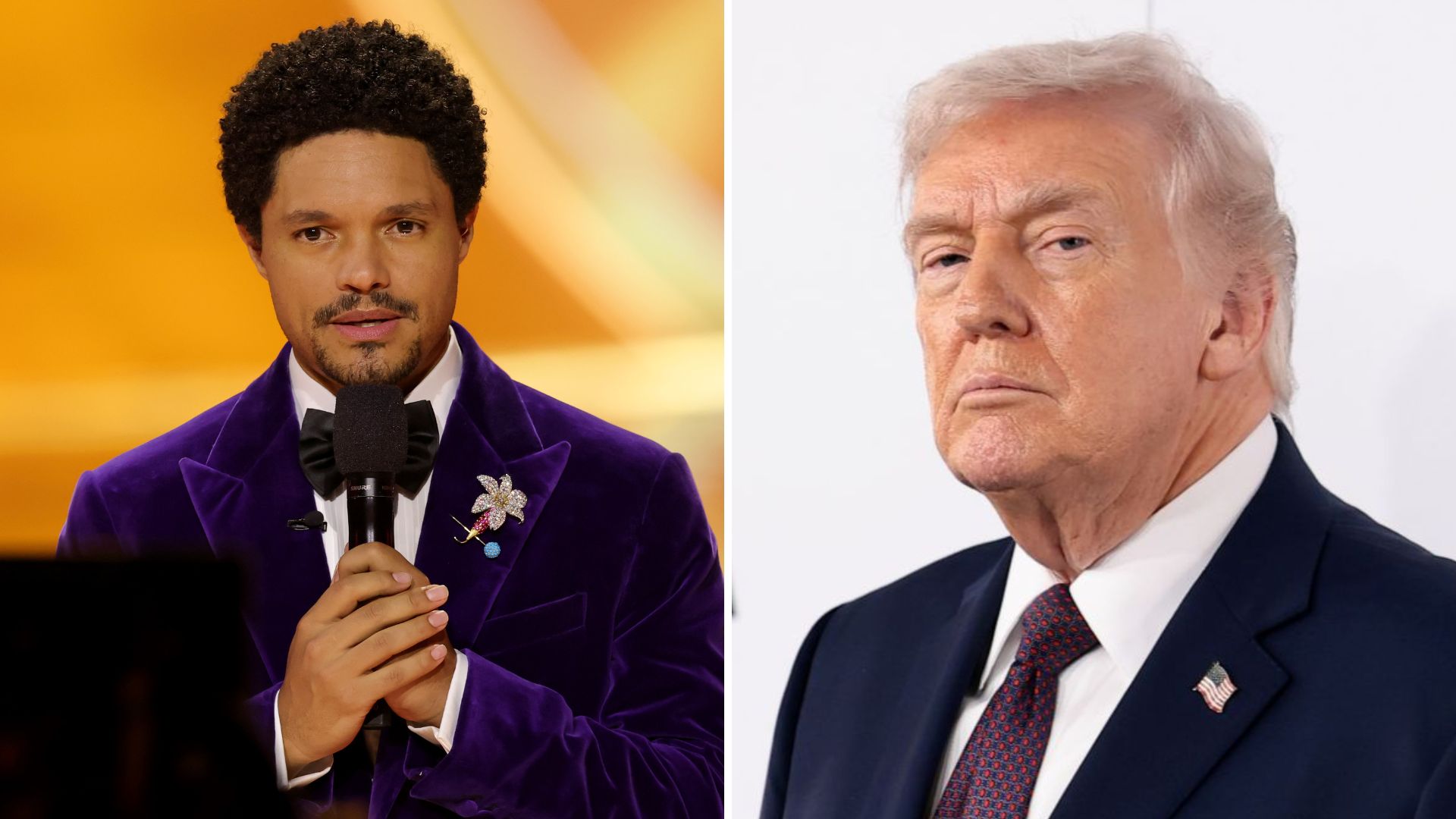
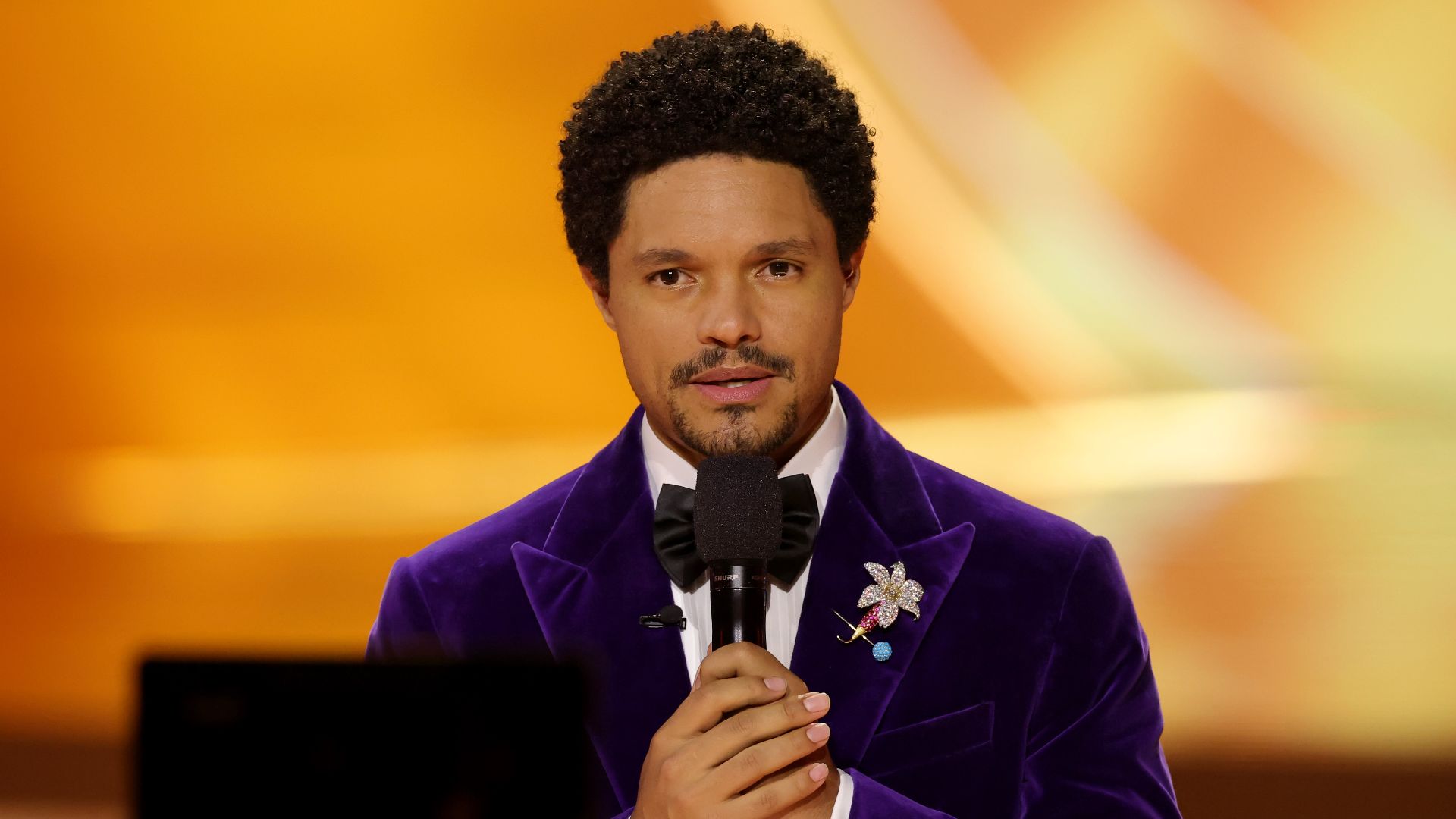
Trevor Noah’s joke during his opening monologue at the Grammy Awards provoked a disproportionate and very public reaction from President Donald Trump, who threatened to sue the comedian and the network broadcasting the ceremony. Beyond the anecdote, this trade illustrates the tensions between satire, media responsibility, and political strategy.
During the broadcast, Noah mixed political satire and dark humor by referring to Jeffrey Epstein and the alleged visitors to the island linked to his crimes. The line, intended as a comedic jab, was immediately picked up by Trump, who called it « false and defamatory » in a post on his platform, Truth Social. He categorically denied ever being on Epstein’s island and announced that he planned to send his lawyers after Noah.
 The scene raises a simple question: when does a joke become a legal target?
Political satire has a long tradition of provocation. Late-night comedians, cartoonists, and columnists use hyperbole to point out inconsistencies, scandals, or public behavior. However, there is a line between joking and factual allegation: satire is protected in many jurisdictions, but defamation remains actionable if a statement presented as fact causes harm and is false.
 In this particular case, Noah’s joke functions as a comedic juxtaposition—it does not claim to provide documentary evidence but relies on the public association between Epstein and well-known figures. Yet Trump’s reaction shows that public figures can choose to take such jokes very seriously and turn them into a political tool.
Several dynamics are worth highlighting:
 The public response has been mixed: some have viewed Trump’s reaction as an attempt to stifle satire and draw attention to himself, while others have felt that a line must be drawn if a remark is perceived as an unfounded accusation.
It is also important to place the incident in a broader cultural context. The Grammys provided an opportunity for several artists to express political views on immigration and human rights—statements that were applauded by some and criticized by others. For example, artists such as Bad Bunny and Billie Eilish used their platform to criticize immigration policies perceived as harsh, thereby emphasizing the political nature of the ceremony.
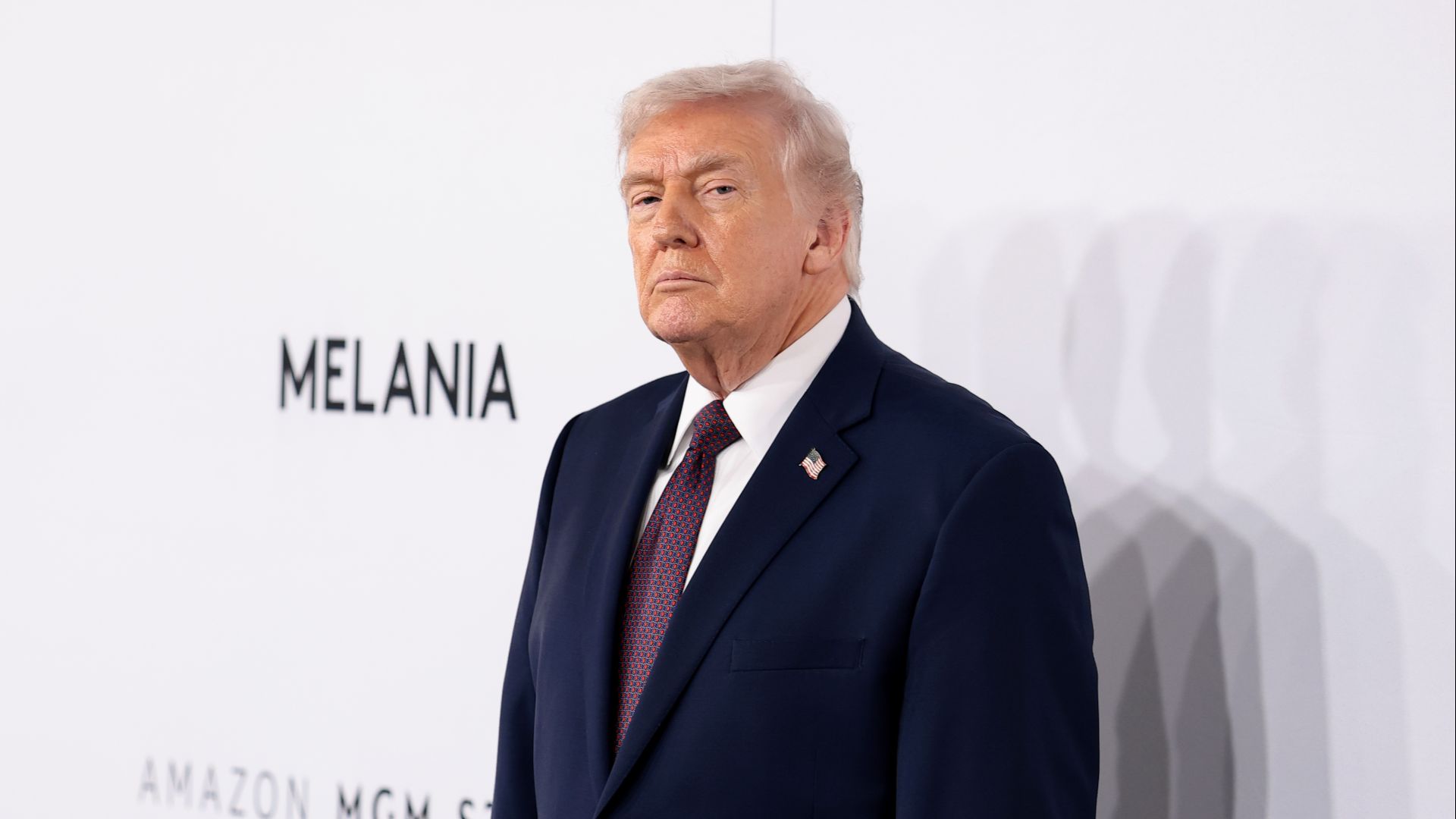 Ultimately, what can we expect? If Trump takes legal action, the courts will have to assess whether Noah’s remark was a factual assertion or protected satire. Precedents involving defamation of public figures show that the bar is often high for proving harm and bad faith.
For the public and creators, this episode serves as a reminder of a few lessons: satire retains its democratic value as a form of criticism, but it exists in an environment where media representations can have legal and political repercussions. It remains to be seen whether this threat will come to fruition or whether it will remain just another episode in the era of viral controversies.
In summary: a joke at the Grammys highlighted the tension between humor and public responsibility, showing that in today’s media ecosystem, a funny line can quickly become an institutional confrontation.
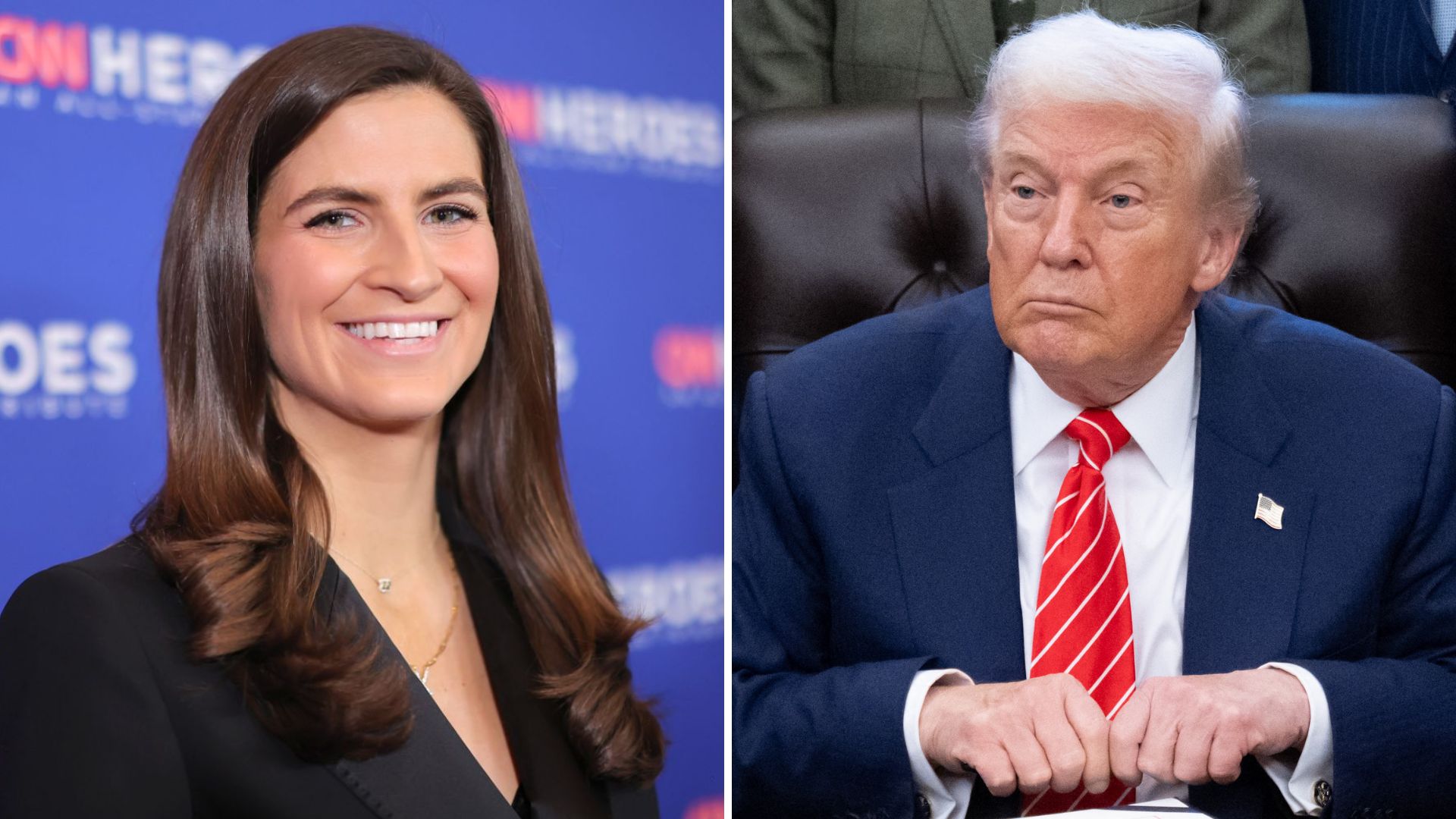
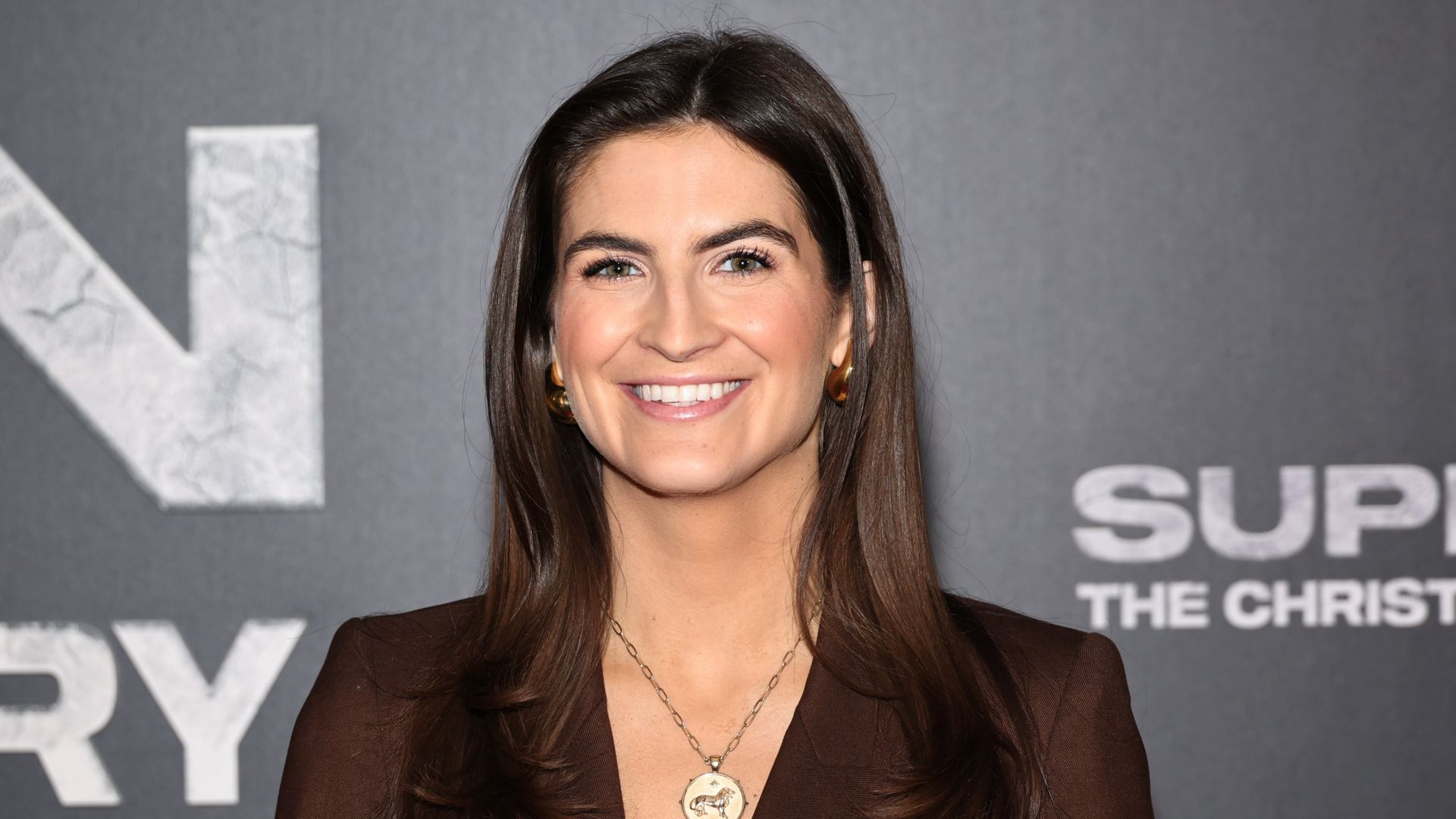
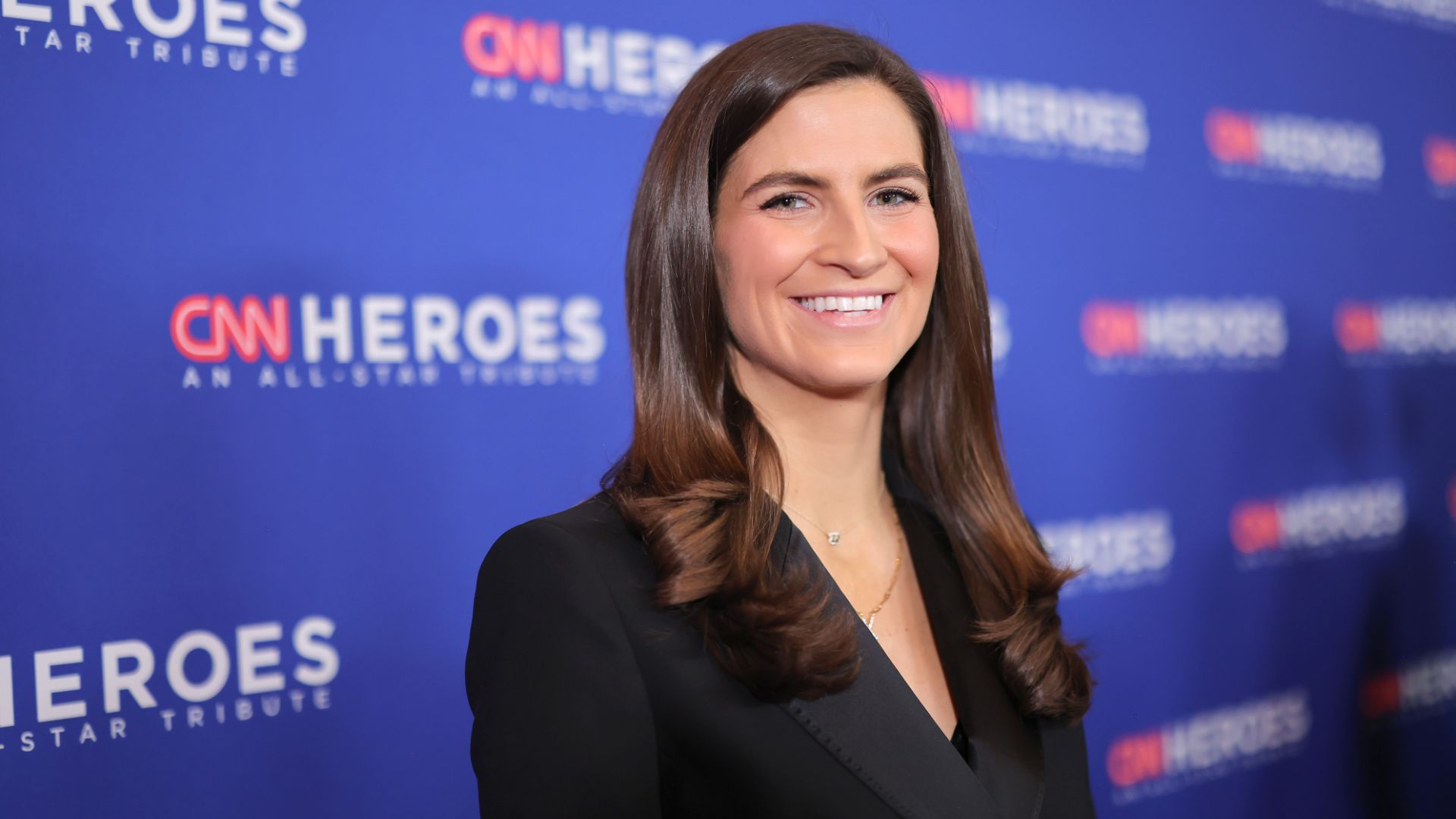
President Donald Trump erupted at CNN reporter Kaitlan Collins during an Oval Office appearance after she attempted to ask a question about survivors of convicted sex offender Jeffrey Epstein. Collins, 33, began asking, «What would you say to survivors–» before Trump abruptly cut her off and launched into a personal attack.
«You are so bad. You know, you are the worst reporter. No wonder,» Trump said, adding:
«CNN has no ratings because of people like you.»
The exchange unfolded in front of Republican lawmakers and other reporters, as Trump prevented Collins from completing her question and immediately shifted his attention elsewhere.
«She’s a young woman. I don’t think I’ve ever seen you smile. I’ve known you for 10 years. I don’t think I’ve ever seen a smile on your face.»
-Donald Trump
As Collins attempted to continue, Trump escalated his remarks, targeting her demeanor rather than the substance of her question.
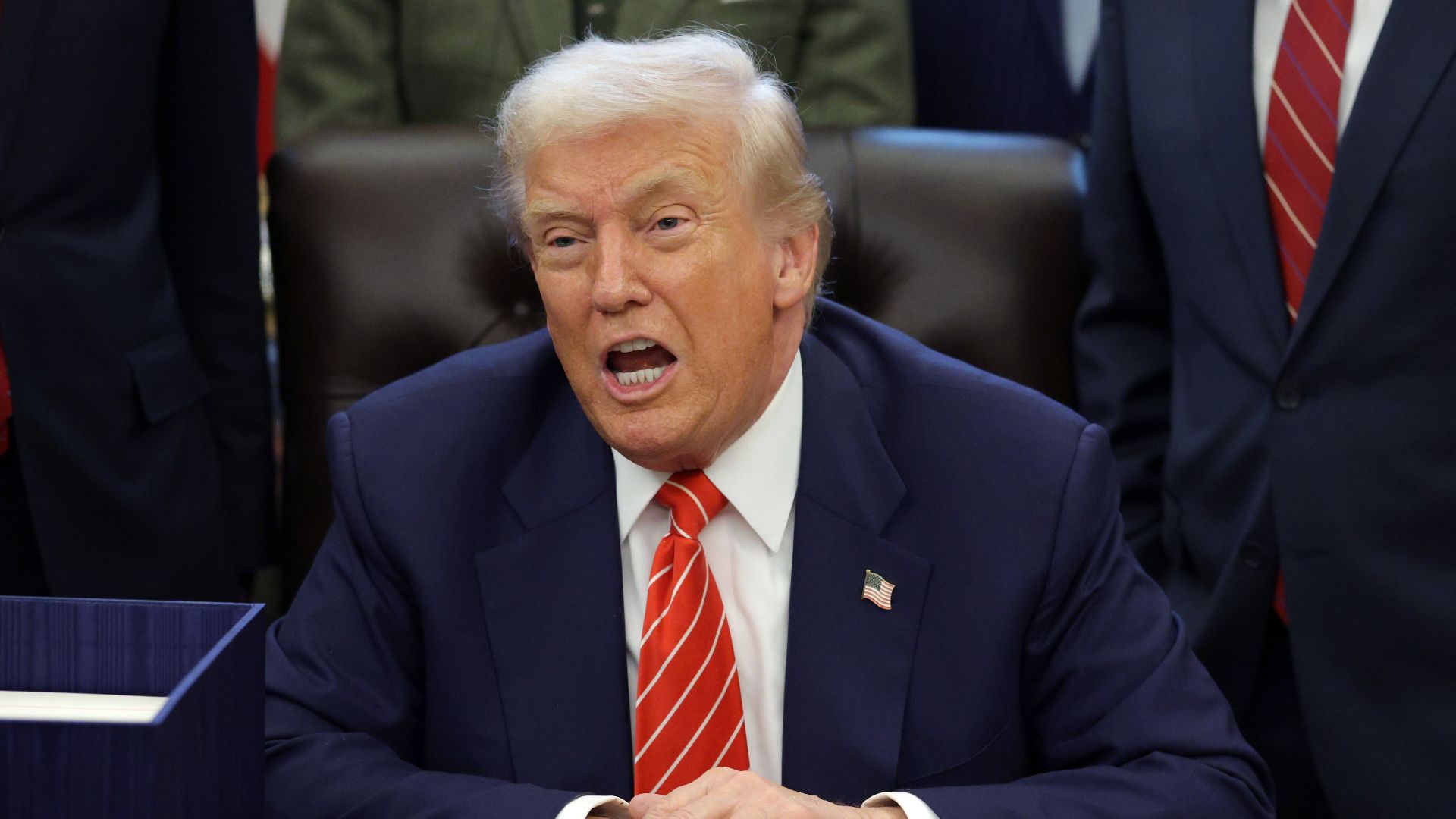
«You know why you’re not smiling? Because you know you’re not telling the truth, and you’re a very dishonest organization, and they should be ashamed of you,»
-Donald Trump
«She’s a young woman. I don’t think I’ve ever seen you smile. I’ve known you for 10 years. I don’t think I’ve ever seen a smile on your face,» he said.
Collins responded that she was asking about Epstein’s survivors, but Trump continued the attack.
«You know why you’re not smiling? Because you know you’re not telling the truth, and you’re a very dishonest organization, and they should be ashamed of you,» he said, before calling on another reporter and moving on.
Collins’s question followed Trump’s suggestion that the country should move past the Epstein files. She raised concerns voiced by survivors regarding redactions in the latest Justice Department release.
«A lot of women who were, are survivors of Epstein, they’re unhappy with those redactions that came out,» Collins said.
«Some of them, entire witness interviews are blacked out. Do you think they should be more transparent?» Before she could finish, Trump interjected with his own assertion.
«Well, they’re also unhappy with the fact that they thought they released too much. You know I heard that, and you’re telling something else,» he said.
Rather than address the substance of the concerns raised by Epstein’s victims, Trump redirected the discussion to himself. «I think it’s really time for the country to get on to something else really,» he said, later repeating that sentiment and suggesting the focus should shift to issues «like health care.»
Trump also claimed that the only references to him in the latest document release involved what he described as a conspiracy against him.
«Now that nothing came out about me other than it was a conspiracy against me, literally, by Epstein and other people,» he said, dismissing the broader contents of the files.
The confrontation came amid renewed scrutiny of Trump’s presence in Epstein-related records. The latest tranche of documents includes allegations, which Trump has denied, including a claim involving a 13-year-old girl.
The White House has called the accusations false.
A classified 2017 memo included in the release alleged Trump visited Epstein’s home shortly before announcing his presidential run, describing Epstein as «very close to current President Donald Trump». Another document stated that an Epstein assistant told the FBI the financier introduced Trump to Melania. Trump has also threatened to sue journalist Michael Wolff, accusing him of conspiring with Epstein.
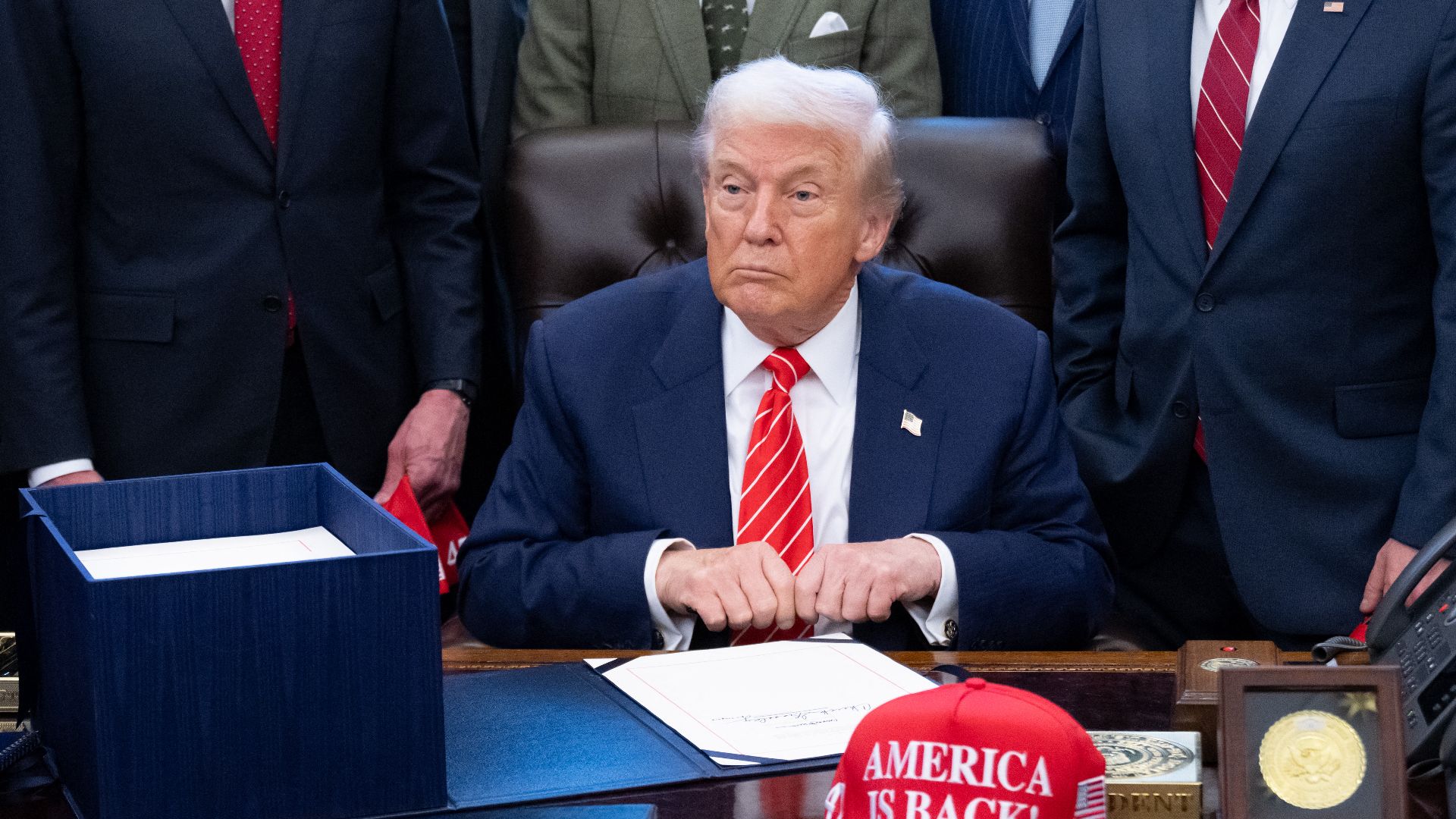
The incident with Collins fits a broader pattern of Trump unleashing personal attacks against women journalists who challenge him publicly. Over the years, he has targeted reporters’ appearance, tone, and credibility rather than their questions, often in highly visible settings. In this case, even as the media was ushered out of the Oval Office, Trump could be heard continuing to complain about Collins not smiling.
The exchange underscored how questions about Epstein, survivors, and accountability continue to provoke aggressive responses from Trump, particularly when posed by women reporters, reinforcing criticism that he uses intimidation and insult to deflect scrutiny rather than engage with the substance of the reporting.
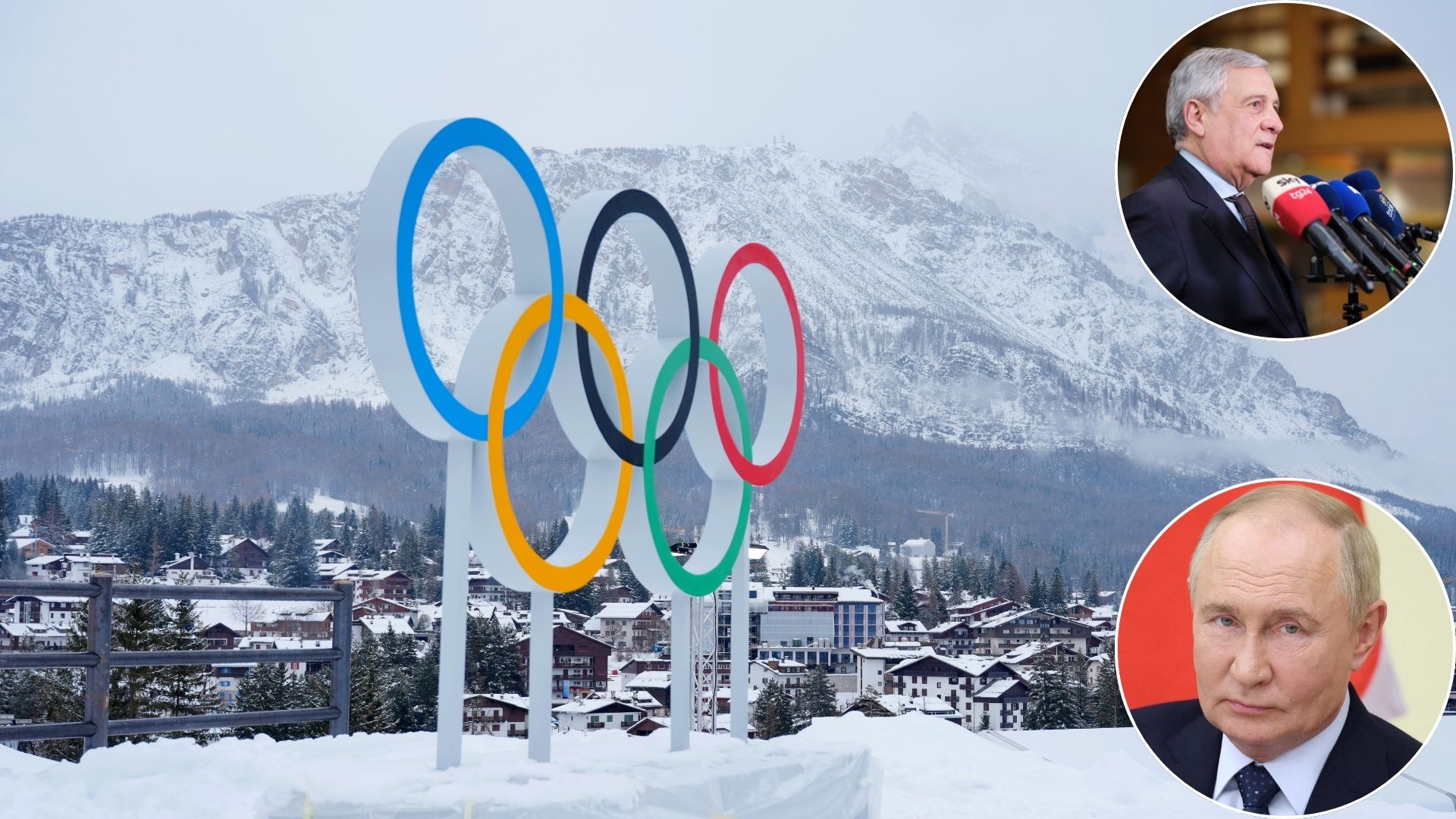
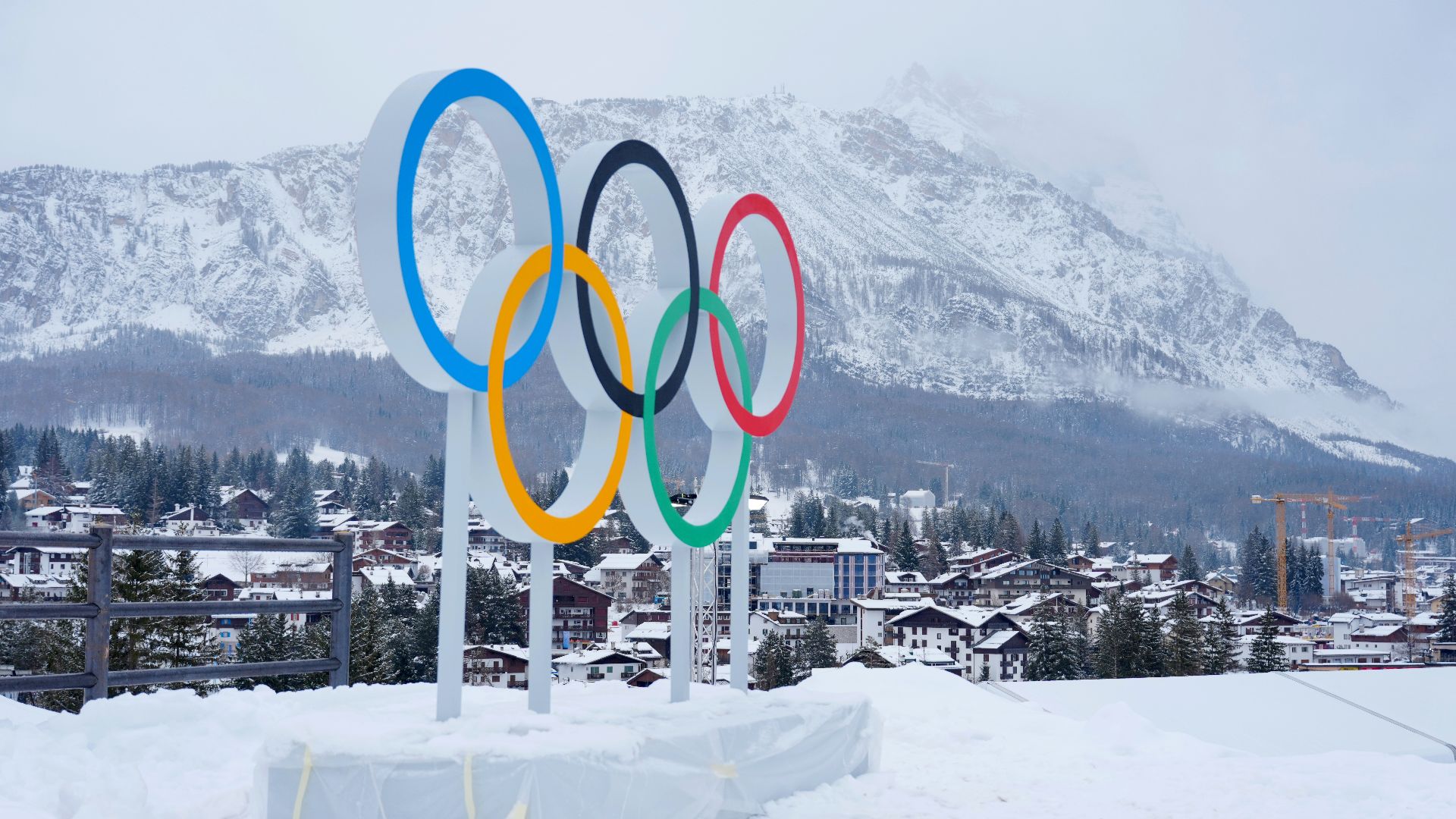
Italian authorities say they have thwarted a series of cyberattacks of «Russian origin» targeting government infrastructure and Olympic-related systems as the Winter Games opening ceremony approaches. Speaking publicly about the incidents, Foreign Minister Antonio Tajani said:
«These are actions of Russian origin.» He said the attacks were directed at Italy’s foreign ministry, including an embassy in Washington, as well as websites linked to the Olympics and hotels in Cortina d’Ampezzo. According to Tajani, Italian cybersecurity services detected and neutralised the digital assaults before any disruption occurred. «We prevented a series of cyberattacks against foreign ministry sites,» he said.
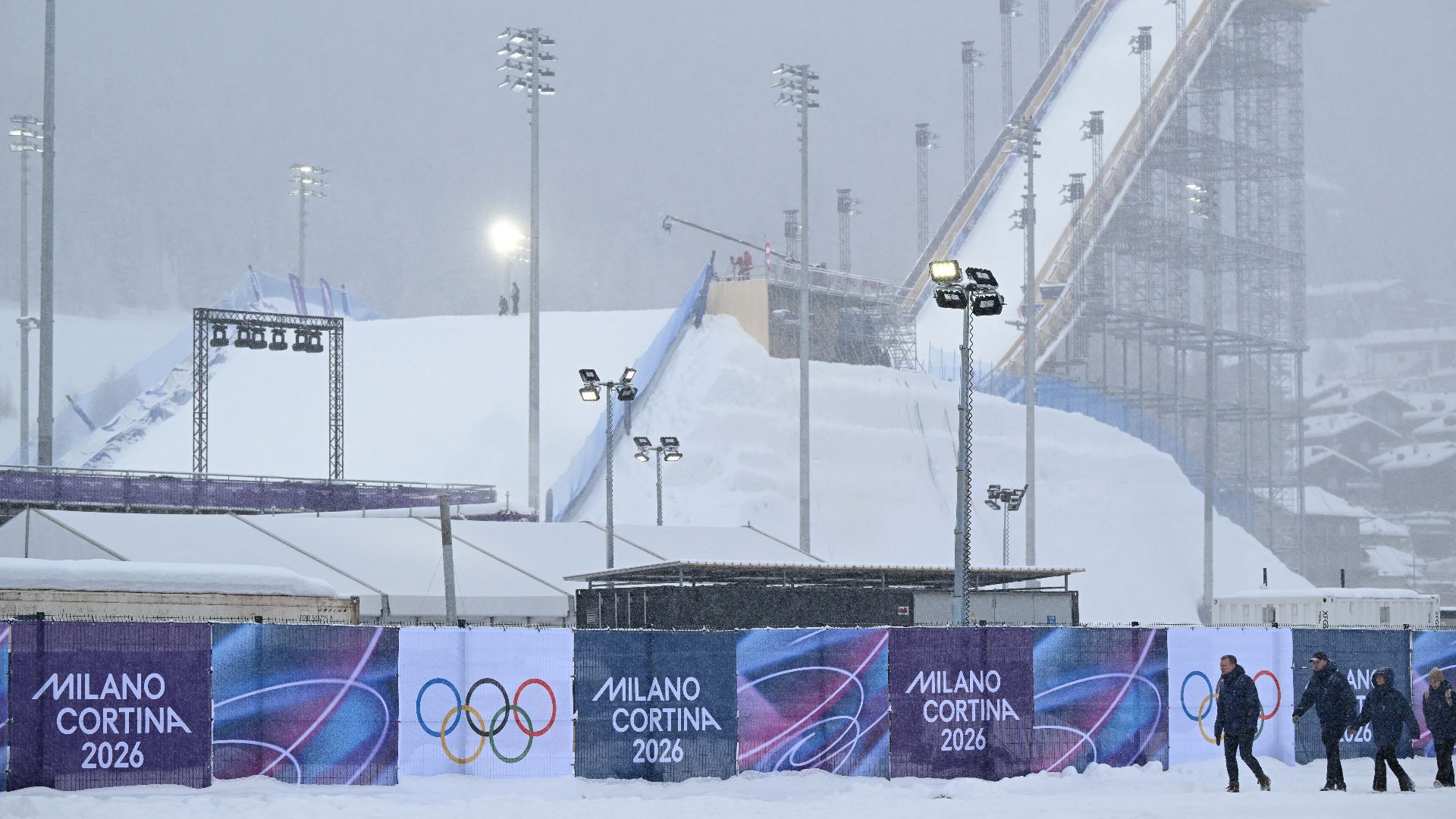
The announcement came days before the opening ceremony, as Italy intensified security measures across both physical and digital infrastructure.
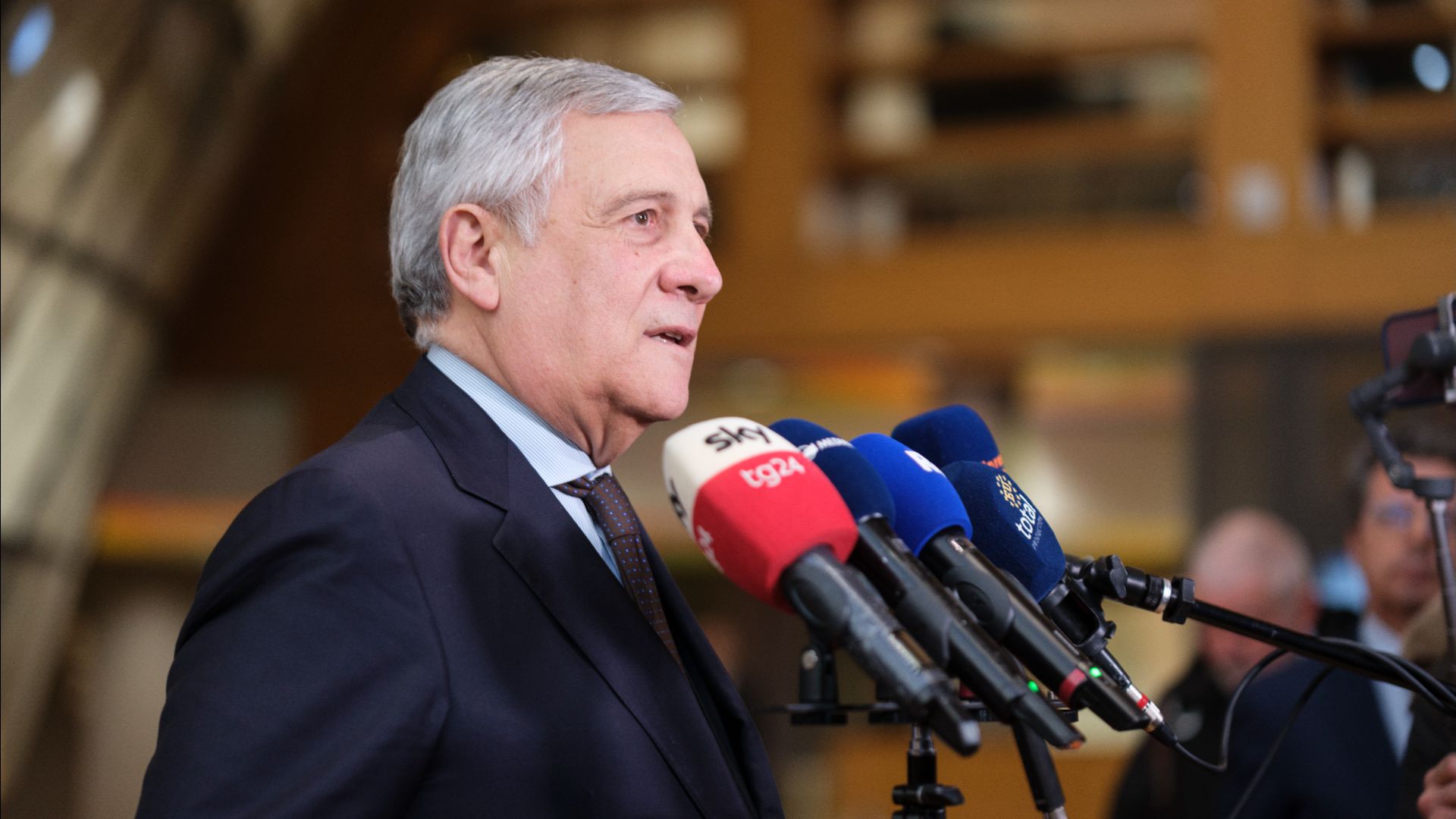
The Italian government did not release technical details about the attacks but said the incidents fit a broader pattern of hostile cyber activity attributed by officials to Russian-linked actors. Tajani described the operations as coordinated attempts involving multiple targets rather than isolated incidents, reinforcing concerns about deliberate interference. Italian authorities said cybersecurity measures around the Olympics had been reinforced for months, including coordination between intelligence agencies, national cybersecurity units, and Olympic organisers.
While preparations were not disrupted, officials acknowledged that the attempted intrusions highlighted the vulnerability of large-scale international events to digital threats. The attacks reinforced fears that cyber operations are increasingly deployed alongside diplomatic and political pressure during periods of international confrontation.
The incidents unfolded against a backdrop of sustained tension between Russia and Europe following Moscow’s invasion of Ukraine, which reshaped diplomatic, military, and cyber relations across the continent. European governments have repeatedly reported cyber incidents attributed by authorities to Russia or Russia-linked groups targeting ministries, transportation networks, and critical infrastructure.
In recent months, airports, government agencies, and defense contractors across several European countries have disclosed breaches linked by officials to Russian actors. Italy’s announcement added the Olympic Games to the list of high-profile targets, underscoring what security experts describe as a persistent hybrid conflict combining cyber operations, political messaging, and strategic disruption.
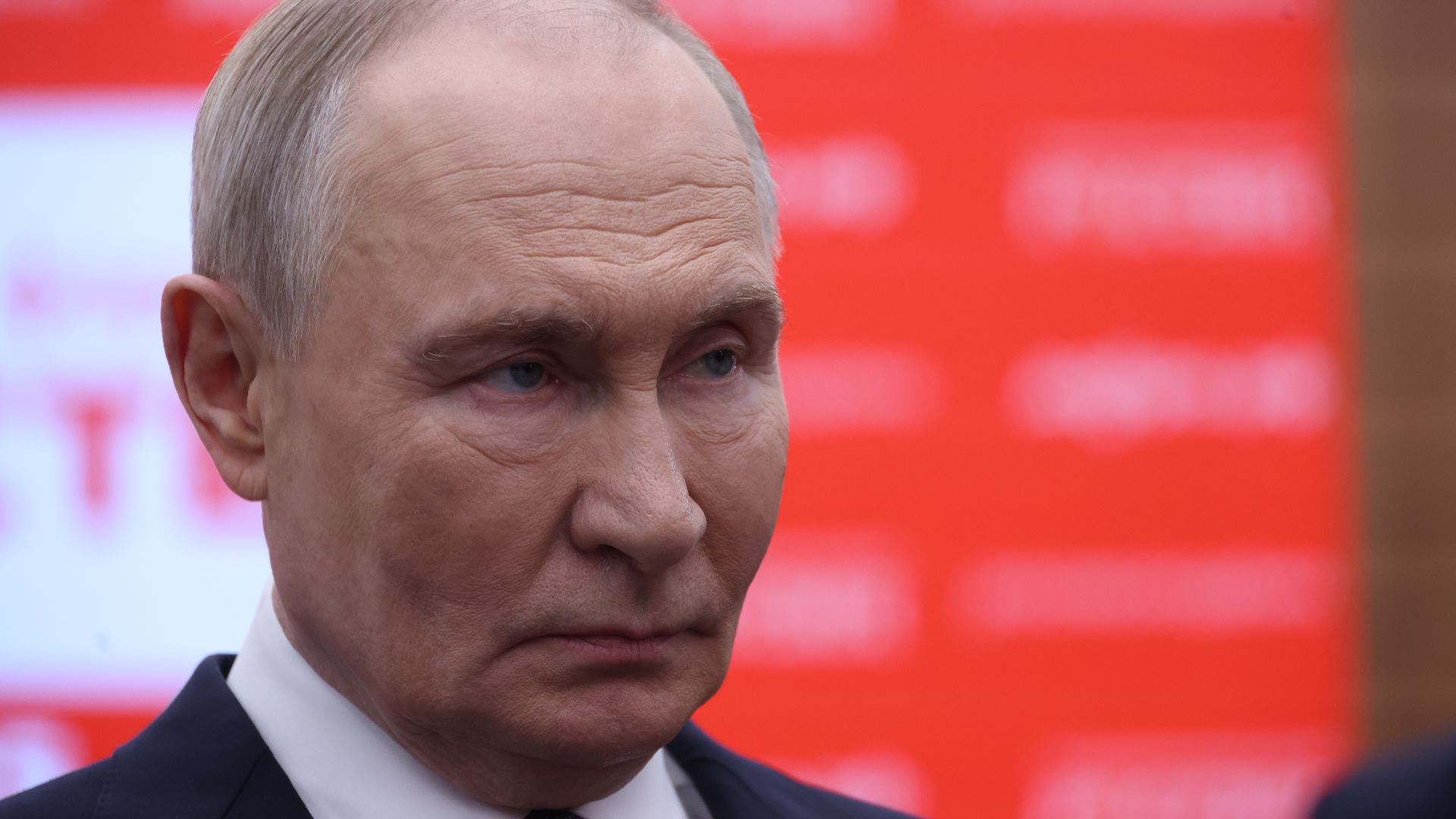
Russia’s strained relationship with international sport has also loomed over the Games, reinforcing the broader climate of confrontation surrounding the Olympics. Russian athletes are competing without a national flag or anthem due to sanctions linked to the war in Ukraine and long-standing doping violations. Moscow has repeatedly accused international sports bodies of politicising competition. Those tensions were shaped in part by the 2022 Winter Olympics in Beijing, where Russian figure skater Kamila Valieva tested positive for the banned substance trimetazidine and was later handed a four-year suspension by the Court of Arbitration for Sport. The case led to Russia losing its Olympic team figure skating title and intensified scrutiny of Russian sport.
«These are actions of Russian origin.»
-Italian Minister of Foreign Affairs Antonio Tajani
Cyber interference at the Olympics has historical precedent. The 2018 Winter Games in PyeongChang were disrupted by a major cyberattack later attributed by Western intelligence agencies to Russian military hackers, following Russia’s ban from competing under its flag. The attack temporarily disabled key systems during the opening ceremony and was later cited as an example of retaliation through cyber means. More recently, the Beijing Winter Olympics in 2022 concluded just days before Russia launched its full-scale invasion of Ukraine, marking a sharp escalation in global security tensions. Since then, cyber operations linked by officials to Russia have increased across Europe, often coinciding with symbolic or politically sensitive events.
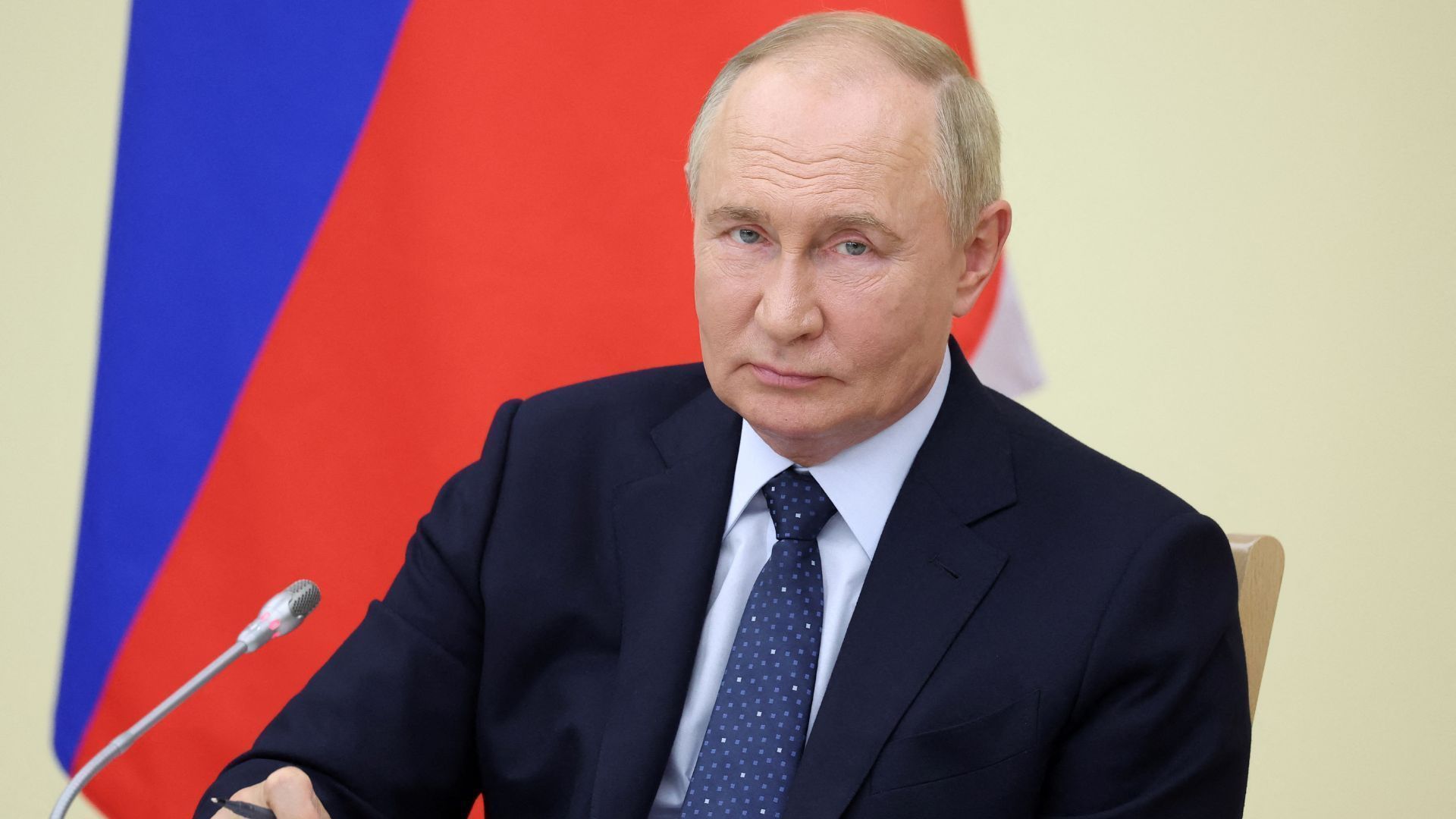
Italian officials said the country remains on high alert as the Games begin, with cybersecurity teams continuously monitoring networks tied to transportation, hospitality, communications, and government services. Authorities warned that further attempts could occur during the Olympics, even after earlier attacks were blocked. The incidents illustrate how international sporting events now sit at the intersection of sport, geopolitics, and security, with cyber defence becoming as critical as physical protection. For Italy, the priority is ensuring the Games proceed without disruption while navigating a volatile international environment shaped by Russia’s confrontation with Europe and the broader West.
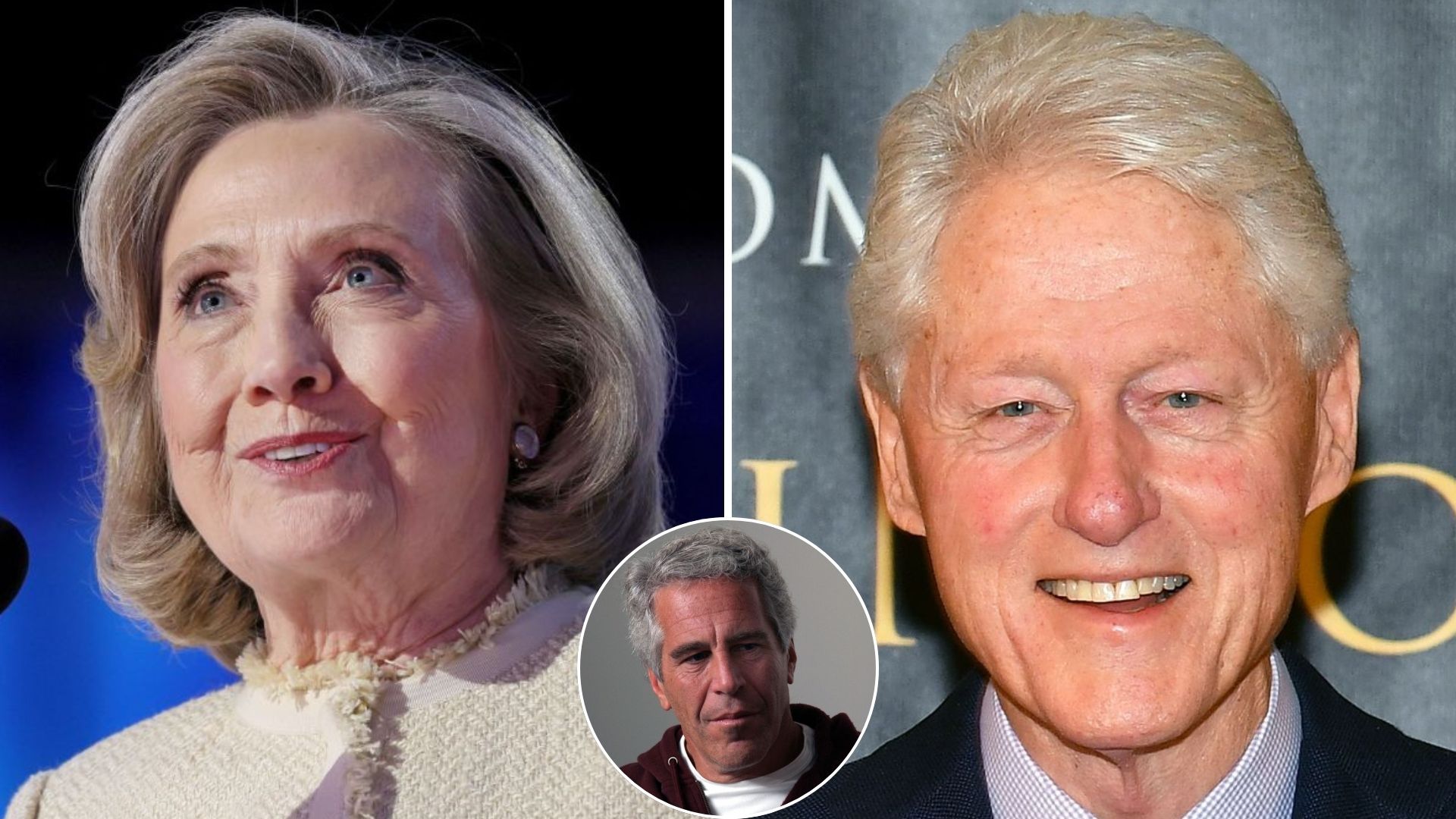
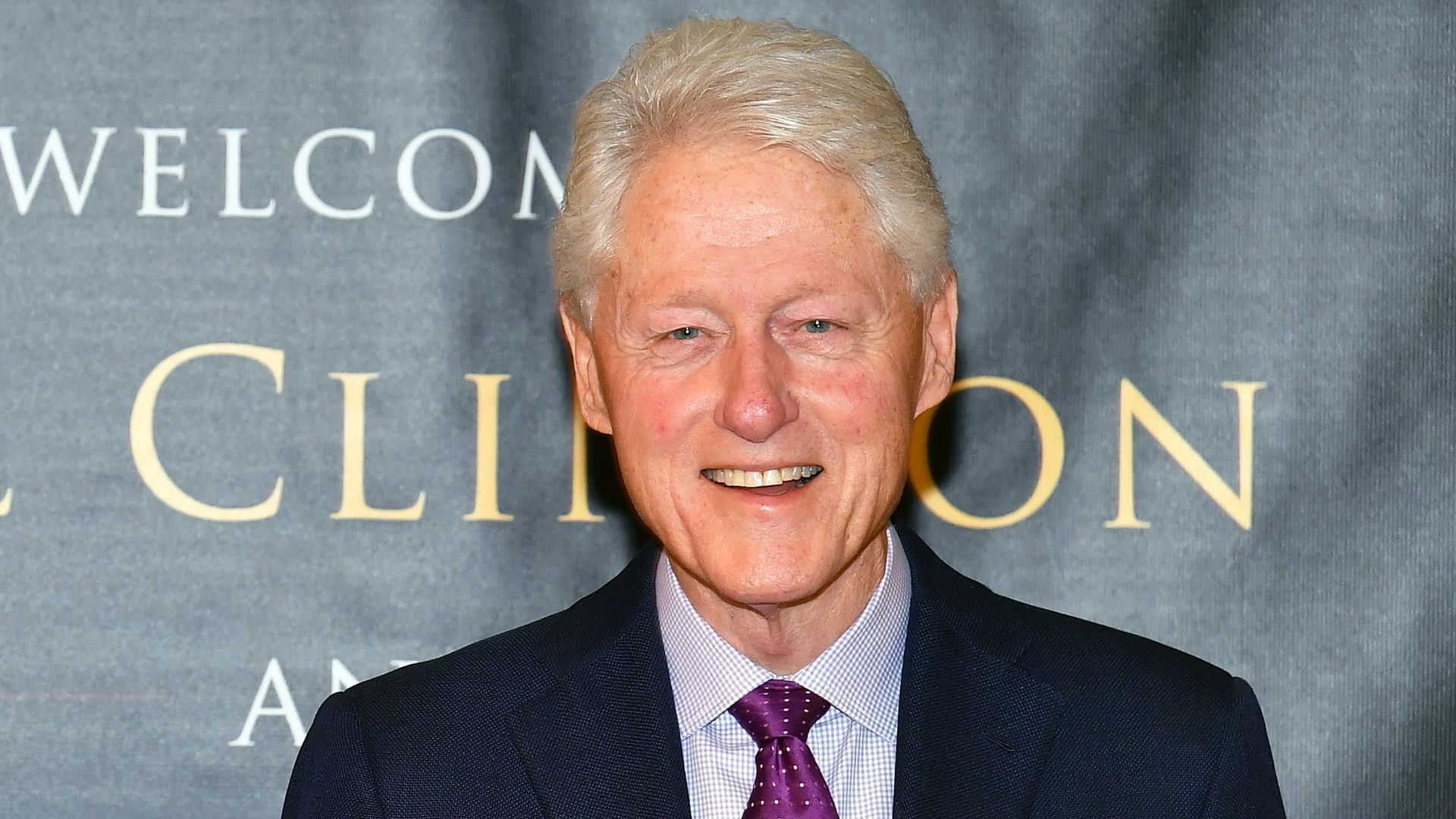
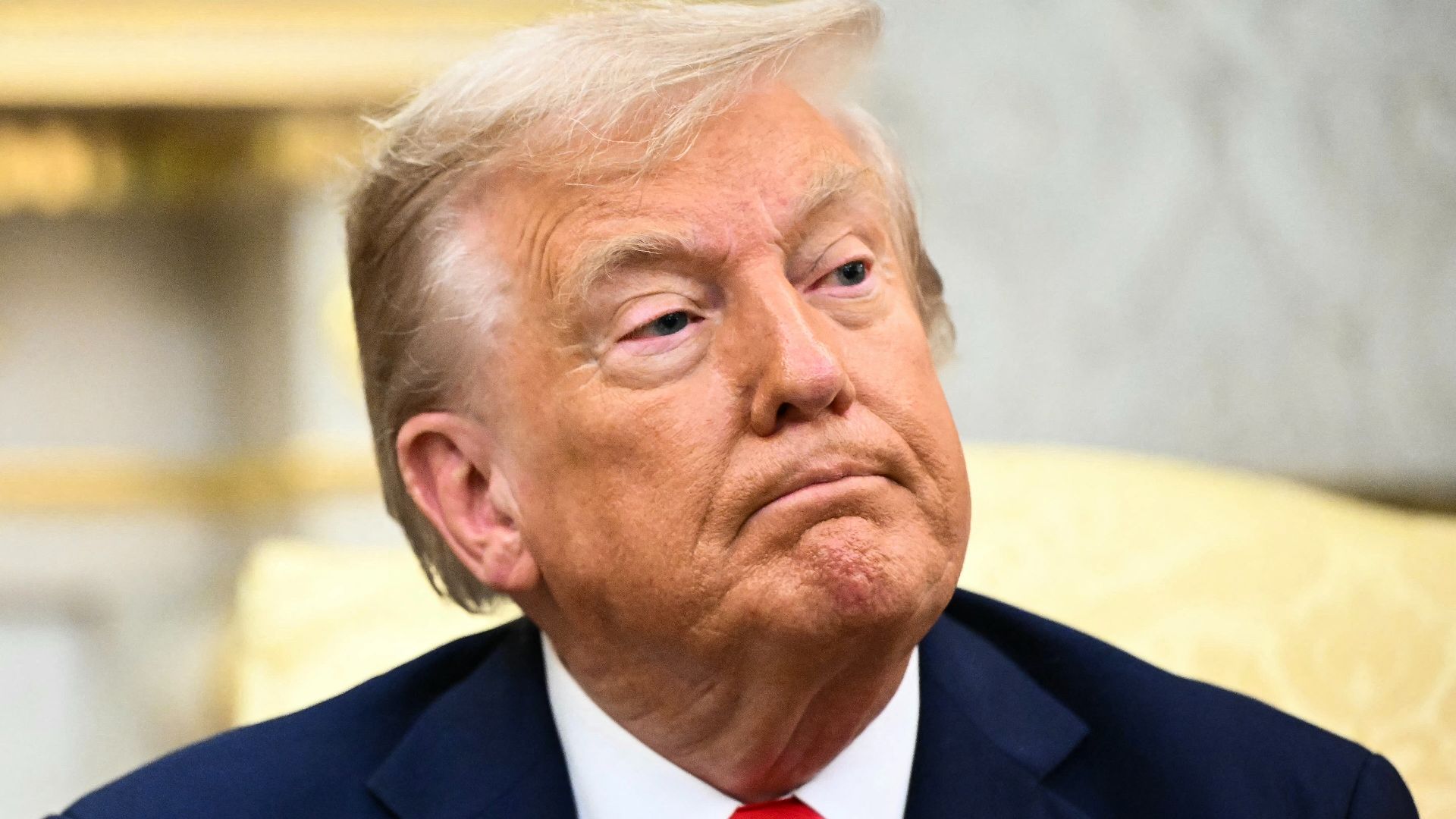
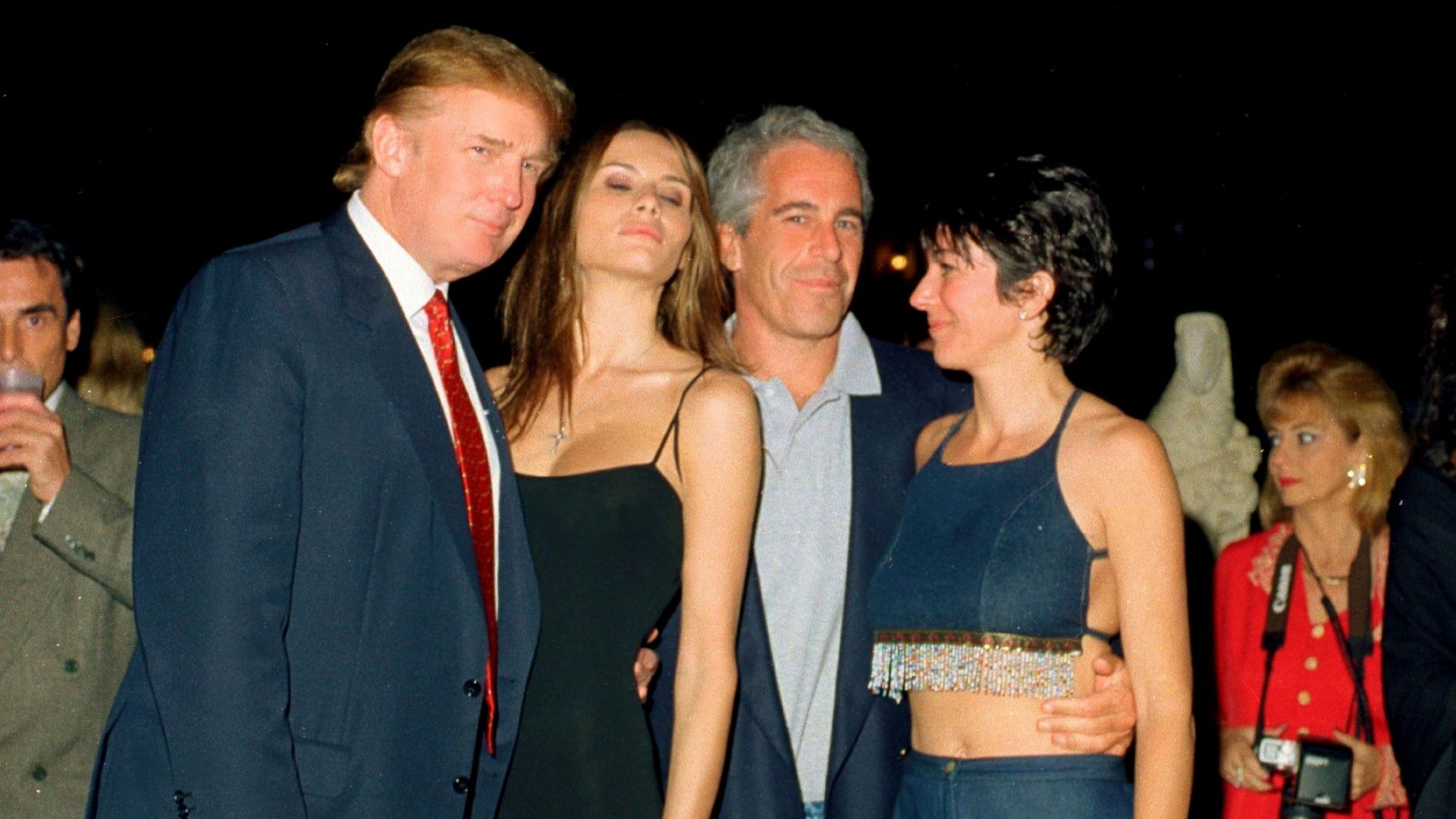
Bill and Hillary Clinton have agreed to testify before the House Oversight Committee in its Jeffrey Epstein inquiry, reversing course after weeks of refusing to appear and facing a potential House vote to hold them in criminal contempt of Congress. Their decision comes amid mounting pressure from committee Republicans and a wave of new Epstein-related document releases that have revived scrutiny of prominent figures linked to the disgraced financier. As the probe expands and additional names surface in recently released files, President Donald Trump has sought to focus attention on Democrats such as the Clintons and Bill Gates, even as Trump’s own name and images continue to appear throughout Epstein-related records, complicating partisan efforts to control the narrative.
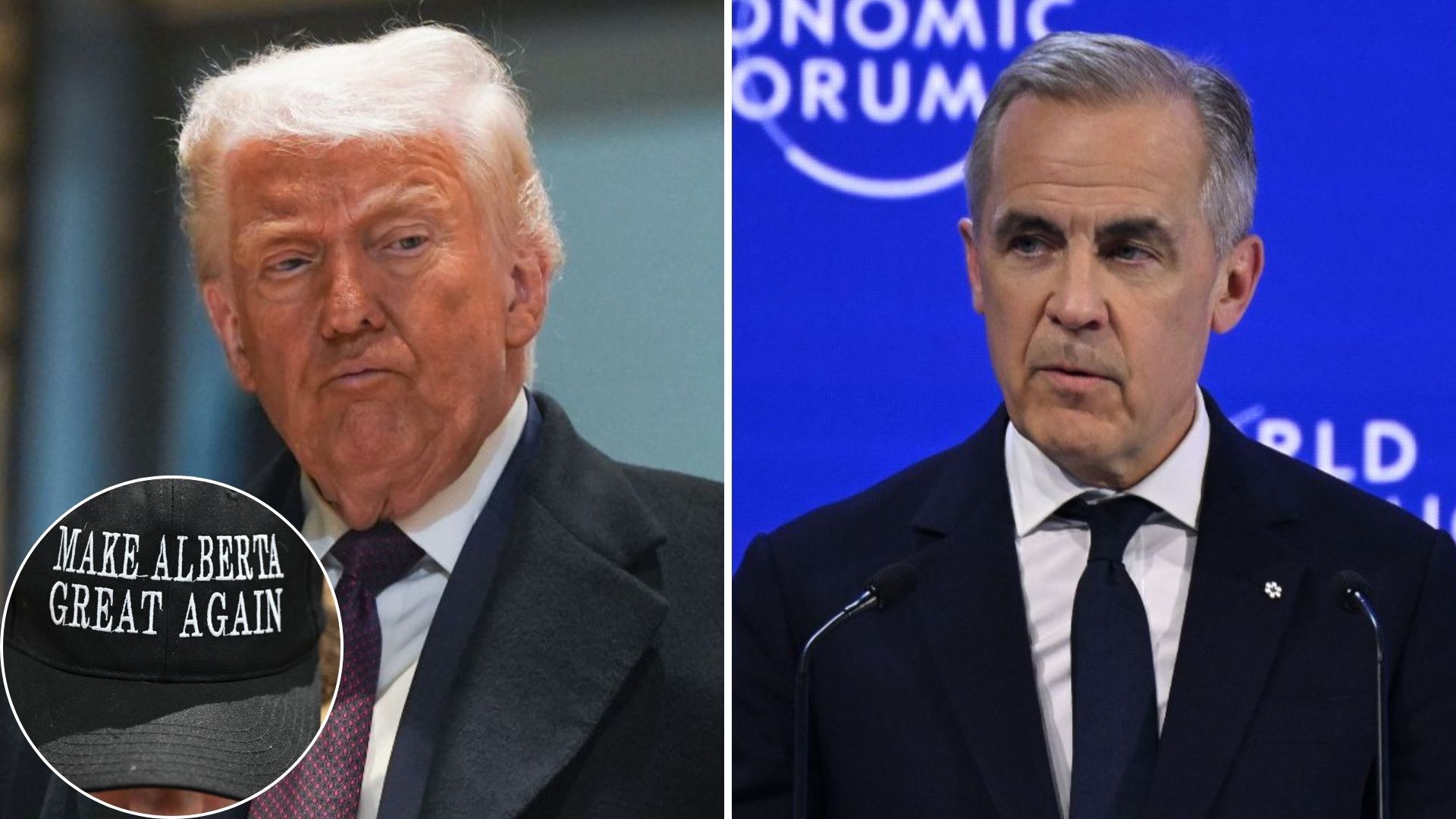
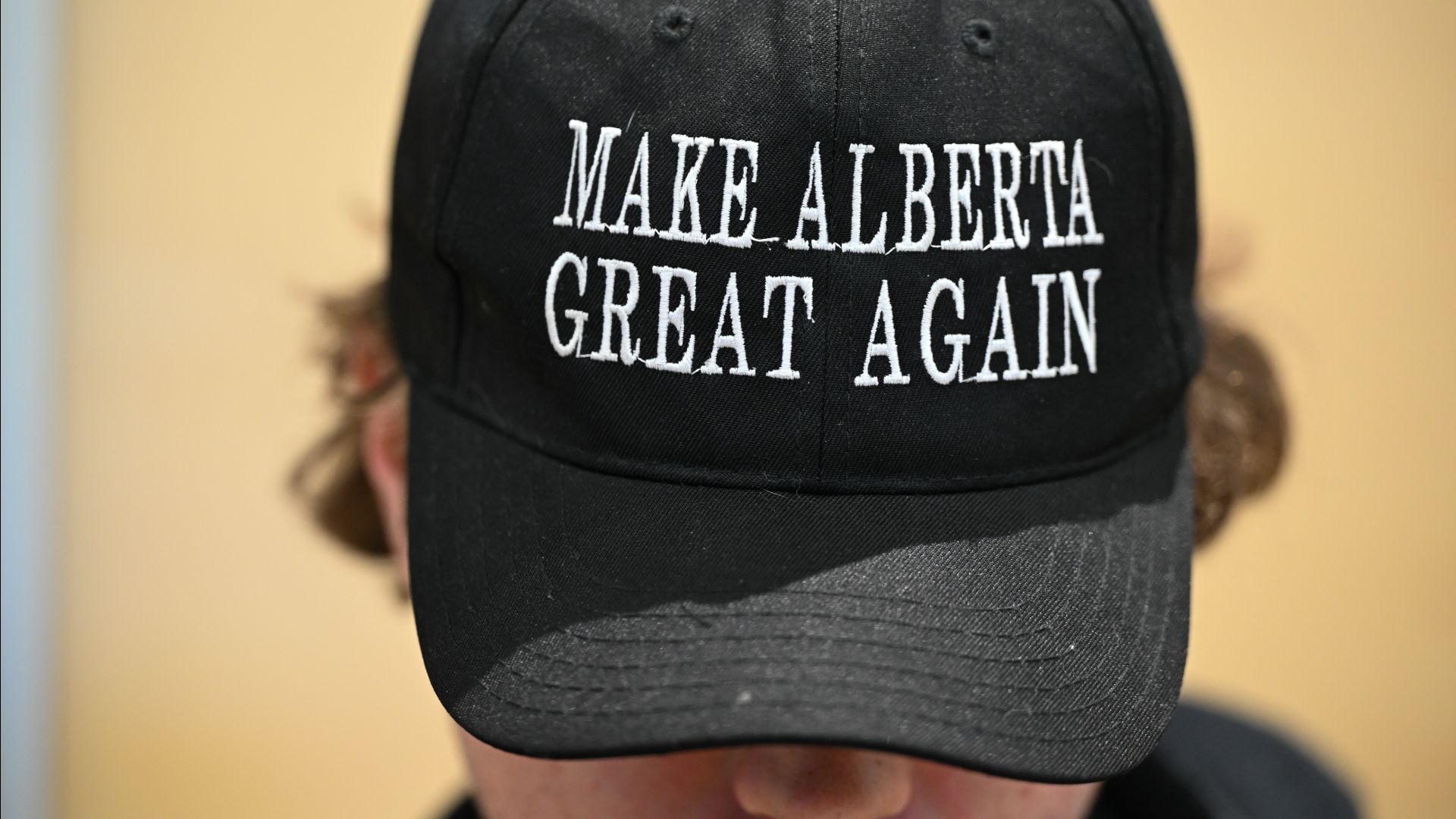
Reports that Trump-linked figures met repeatedly with a far-right Canadian separatist group have fueled concerns in Ottawa over U.S. interference in Canada’s sovereignty. In 2025, members of the Trump organization held meetings in Washington with leaders of the Alberta Prosperity Project, which is seeking Alberta’s independence and, according to the Financial Times, asked for a $500 billion U.S. credit facility. The revelations surfaced as Donald Trump revived annexation rhetoric and U.S. officials praised Alberta as a «natural partner». Tensions deepened after Alberta separatists claimed strong U.S. backing, even as the proposed referendum remains at an early procedural stage.