Motherhood comes with love, chaos, sleepless nights, and a never-ending to-do list. Somewhere in the middle of all that, the pressure to be a flawless parent sneaks in.









 BIG Admin
Motherhood comes with love, chaos, sleepless nights, and a never-ending to-do list. Somewhere in the middle of all that, the pressure to be a flawless parent sneaks in.
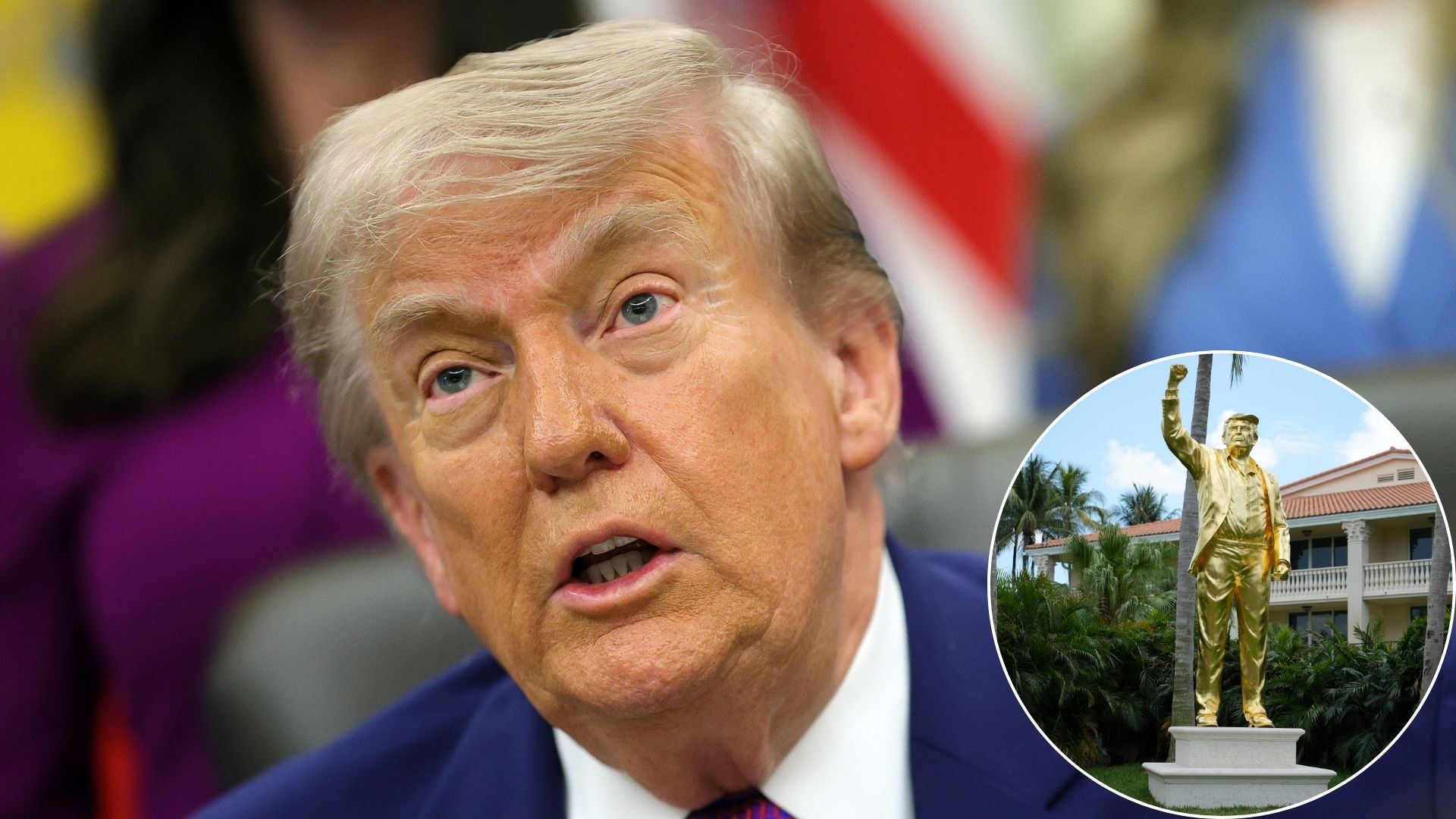
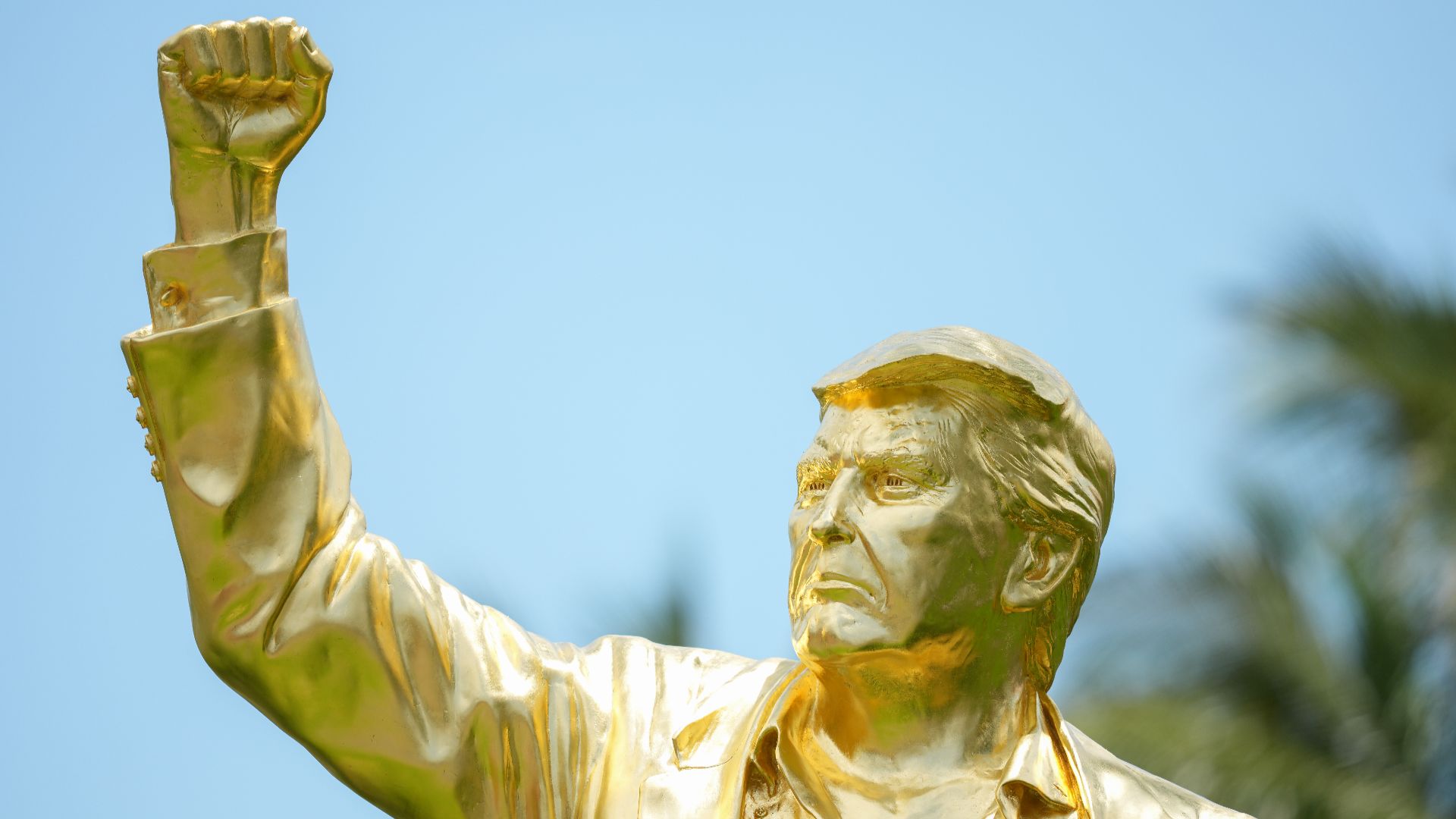
A massive golden statue of President Donald Trump unveiled at his Trump National Doral golf resort in Miami has ignited widespread mockery online, with critics comparing the display to the personality cult imagery often associated with authoritarian leaders and dictators. The 22-foot monument, nicknamed the “Don Colossus,” was revealed in recent days after Trump himself amplified images of the sculpture on Truth Social, drawing immediate backlash across social media and television news programs. The gold-colored statue, reportedly valued at roughly $300,000, depicts Trump standing with his fist raised and quickly became one of the most discussed political images online as users compared it to monuments erected by regimes led by Kim Jong Un, Saddam Hussein and Joseph Stalin.
Trump fueled the controversy personally by sharing photographs of the monument on Truth Social while celebrating its installation at his Florida golf course. Alongside the images, Trump wrote: «The Real Deal. GOLD. At Doral in Miami. Put there by great American Patriots!!!» referring to the cryptocurrency investors who funded the massive statue. The post rapidly spread across social media platforms, where critics accused the president of encouraging a cult of personality as the gold-plated monument became the focus of comparisons to statues erected by authoritarian leaders throughout history.
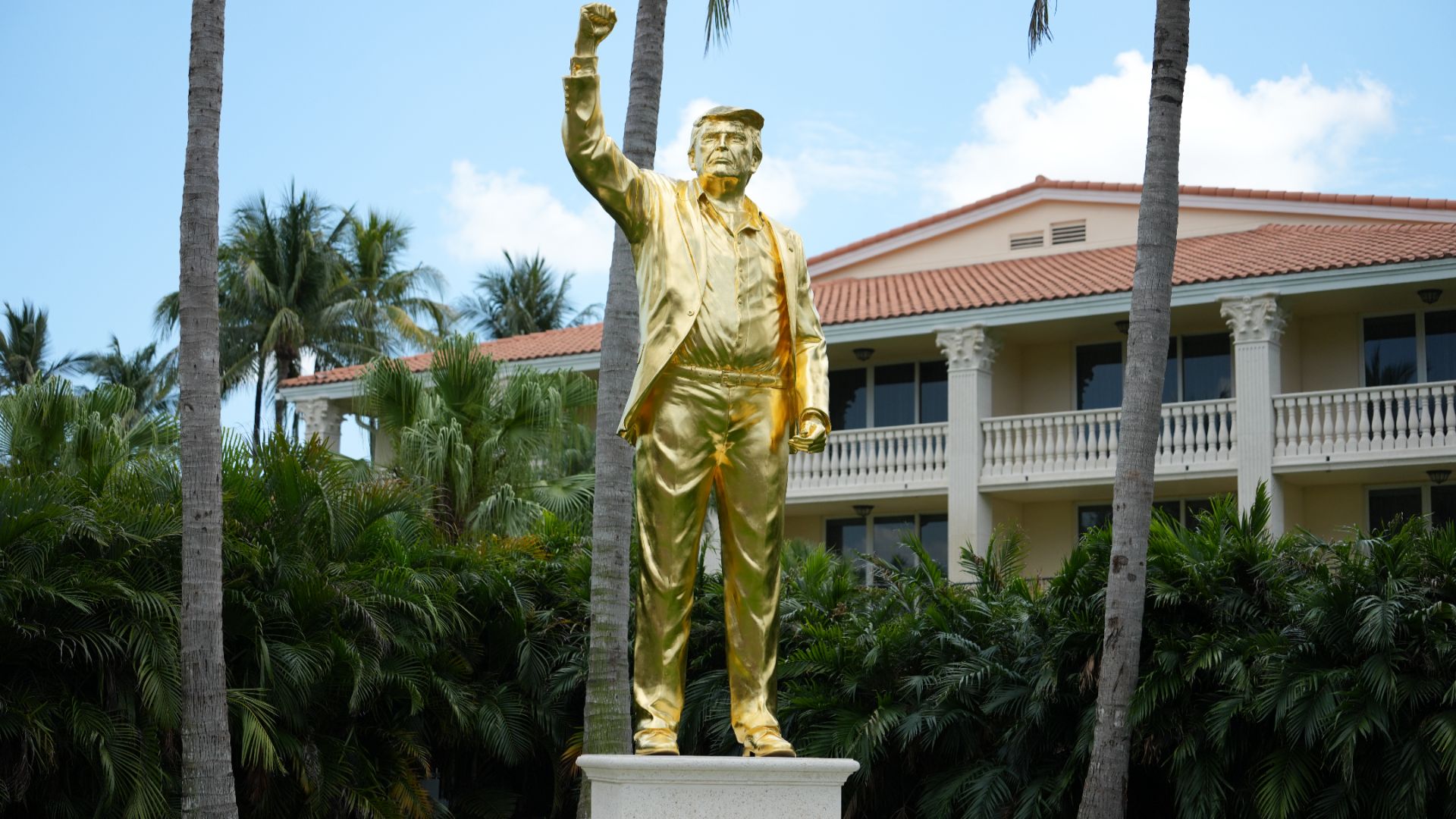
Criticism intensified after television personalities and political commentators began comparing the statue to imagery historically associated with authoritarian rulers. “The View” co-host Ana Navarro sharply criticized the monument during a segment discussing the backlash, saying: «It gives, like, wannabe dictator, small dictator energy.» Navarro directly compared the display to the self-glorifying monuments often associated with authoritarian governments led by figures including Kim Jong Un, Joseph Stalin and Saddam Hussein. Former Trump White House communications director Alyssa Farah Griffin, who also co-hosts “The View,” referenced the biblical comparisons that quickly emerged online after images of the statue circulated. Griffin remarked: «If you have to say it’s not a golden calf, you’re probably going a little too close to idolatry.»
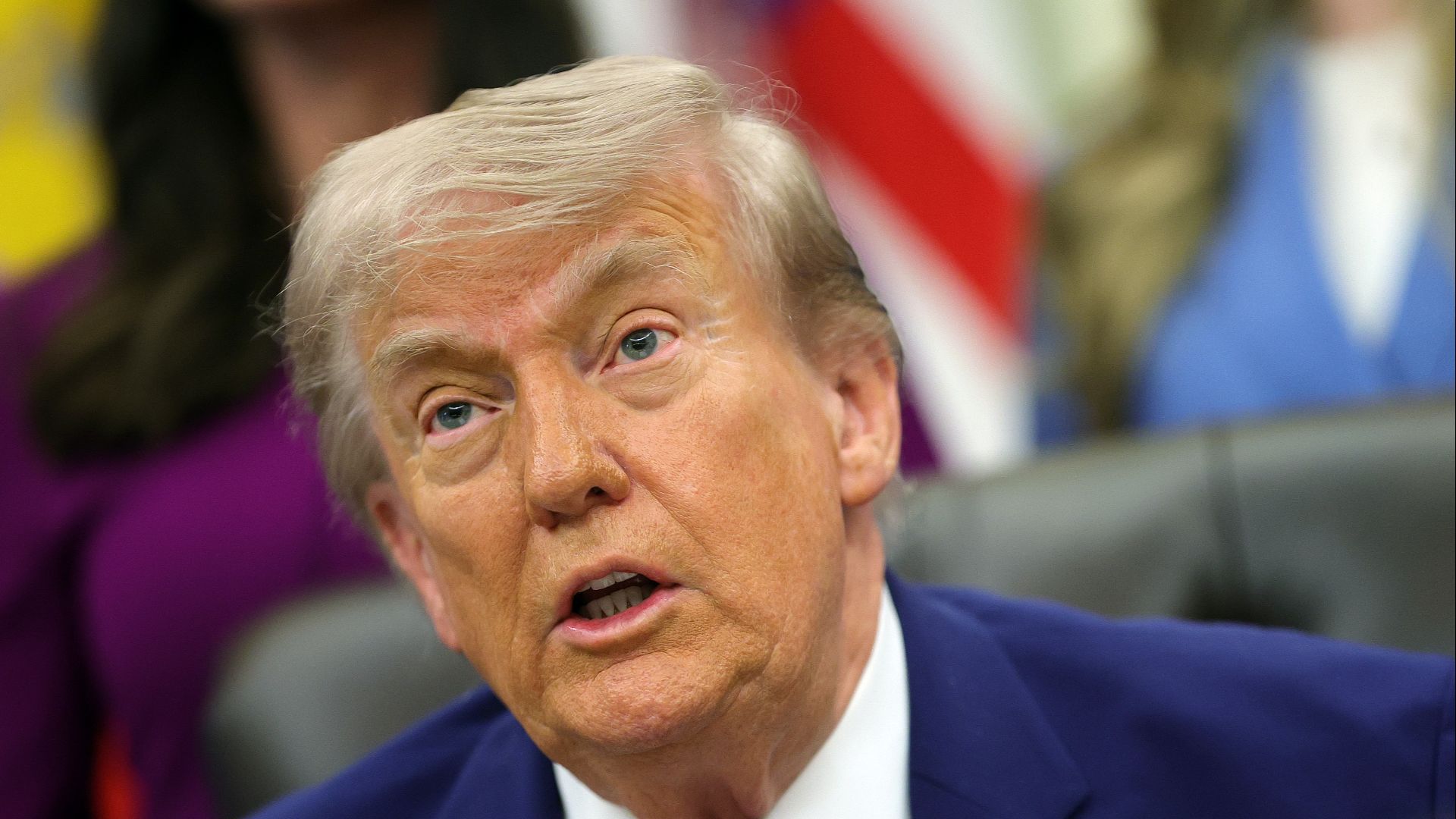
The comparisons expanded beyond political commentary and into pop culture after “The Boys” creator Eric Kripke reacted publicly to the unveiling. Kripke shared a side-by-side image showing the “Don Colossus” beside a golden statue of Homelander, the fascist antagonist featured in the Prime Video series. The television producer wrote: «Seriously, what the f***?» referring to similarities between the real-world monument and imagery featured in the show’s recent season. Online criticism accelerated throughout the day, with thousands of users mocking the statue across X and other platforms. One widely shared post declared: «We’ve officially reached the ‘Supreme Leader’ stage of the cult of personality.» Another viral comment stated: «Americans are struggling to buy eggs, and the President is on a gold-plated phone bragging about his giant gold-leafed self.»
«It gives, like, wannabe dictator, small dictator energy.»
“The View” co-host, Ana Navarro
Supporters of the project rejected accusations that the monument symbolized authoritarianism or religious idolatry. Pastor Mark Burns, who spoke during the unveiling ceremony at Doral, defended the statue while addressing criticism surrounding the monument’s golden appearance. Burns insisted: «This is not a golden calf.» He continued by describing the structure as «a symbol of the strength and the resilience of the American spirit.» Organizers behind the statue also framed the project as a patriotic tribute rather than a political statement. The monument was funded privately by cryptocurrency investors associated with the $PATRIOT meme coin rather than by taxpayers or the Trump Organization itself. The investment group Patriot Party Holdings claimed more than 6,000 individual supporters contributed financially to the construction effort following the attempted assassination of Trump during the 2024 campaign.
«The Real Deal. GOLD. At Doral in Miami. Put there by great American Patriots!!!»
-U.S. President, Donald Trump on Truth Social
The project itself has also become entangled in legal controversy involving sculptor Alan Cottrill, the artist hired to create the statue. Cottrill reportedly sued organizers connected to the cryptocurrency campaign after alleging they used promotional images of his work without authorization while raising money tied to the $PATRIOT token. According to legal filings, the sculptor claimed marketing material featuring the monument appeared online before payment disputes had been resolved between the artist and project organizers. Despite the growing backlash and legal scrutiny surrounding the statue, the “Don Colossus” remains installed at Trump National Doral, where supporters continue visiting the monument and posting images online. The controversy has once again highlighted the deep political polarization surrounding Trump as visual symbolism increasingly becomes part of the national political debate.

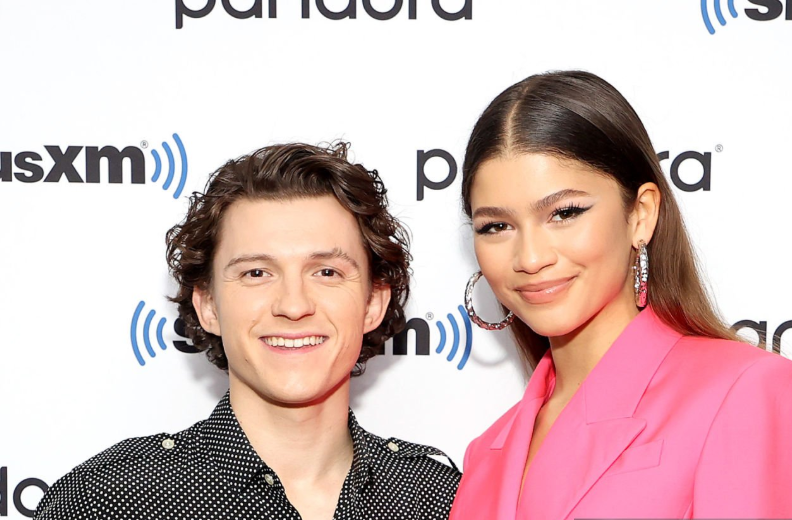
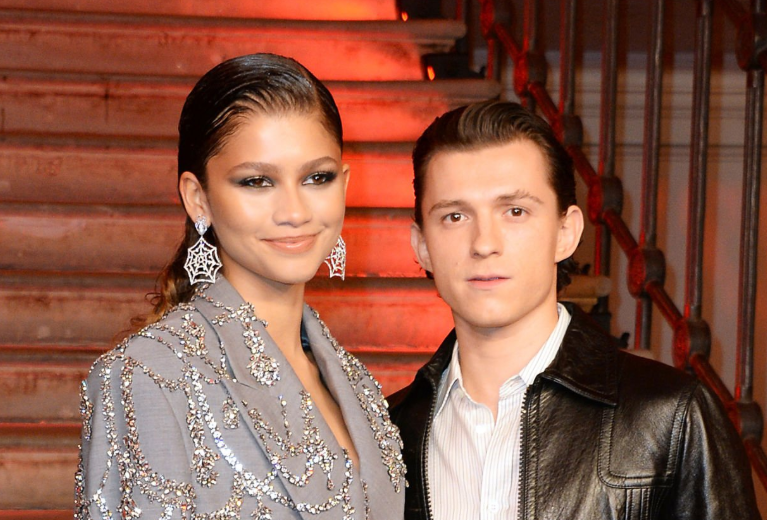
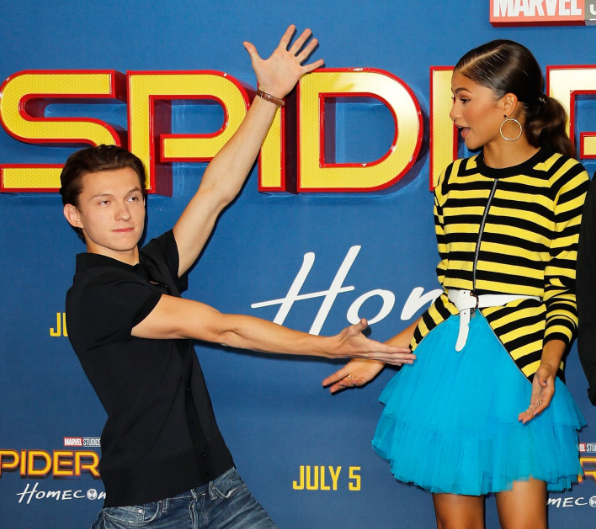
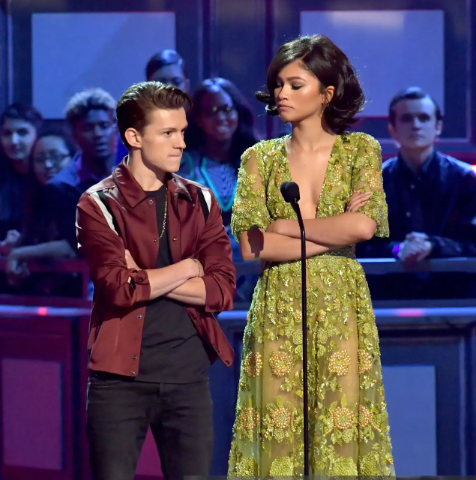
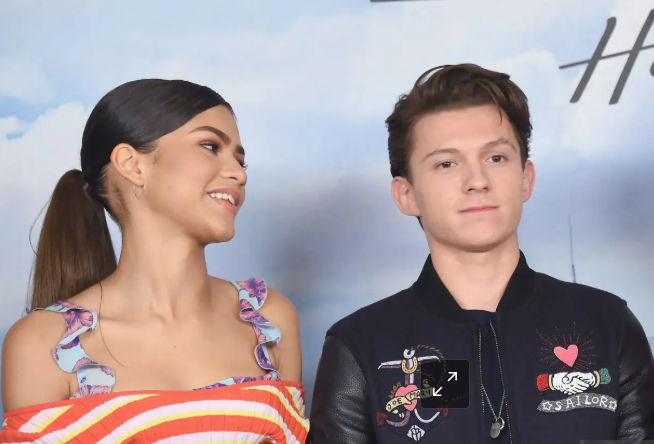
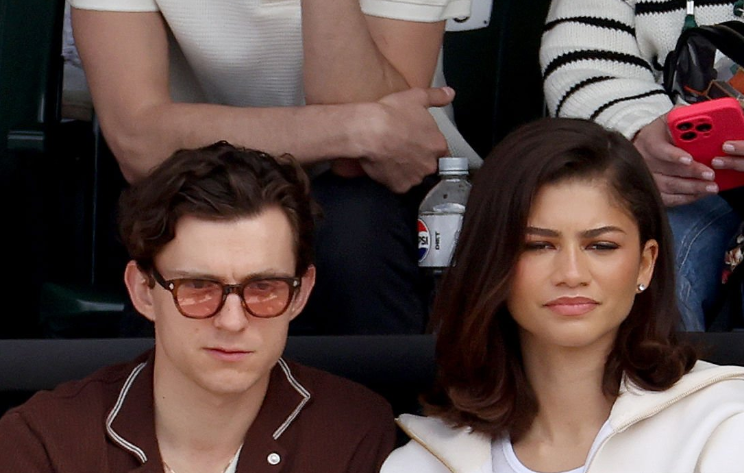
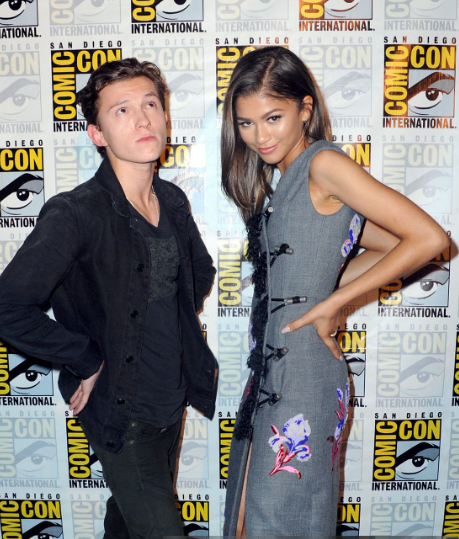
Here’s a slideshow of glamorous and romantic photos of Zendaya and Tom Holland.
These images, captured in the spotlight, reveal the radiant chemistry of this beloved couple.
Each shot highlights their natural elegance and genuine connection in front of the cameras.
The carousel offers a glimpse into their public moments filled with romance and tenderness.
Their presence under the event lights creates a magical and captivating atmosphere for fans.
This carousel highlights their discreet yet radiant love in the heart of Hollywood.
A selection of images that bears witness to their unique bond and their growing popularity among an international audience that admires their love story under the spotlight, full of visual charm.






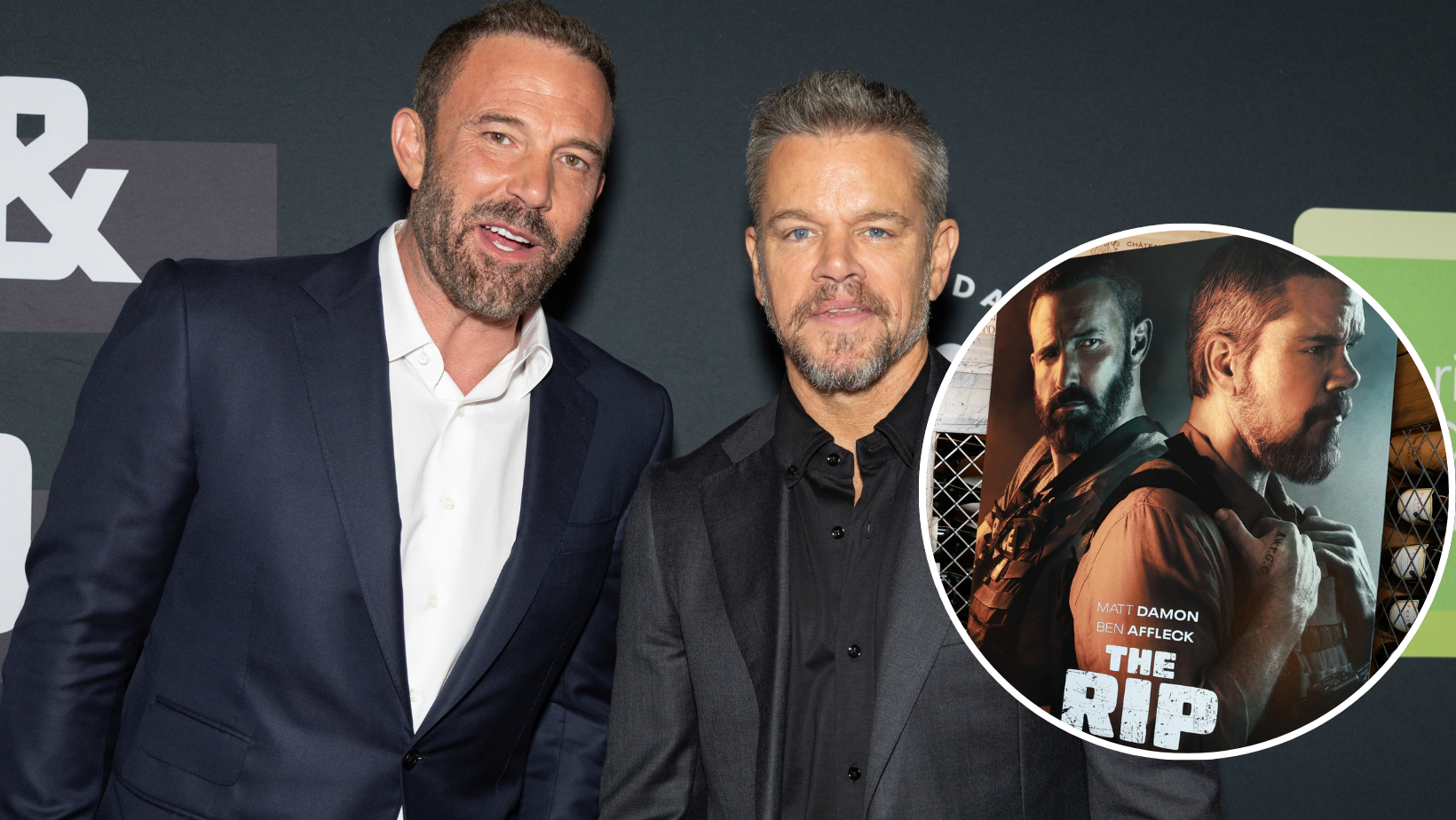
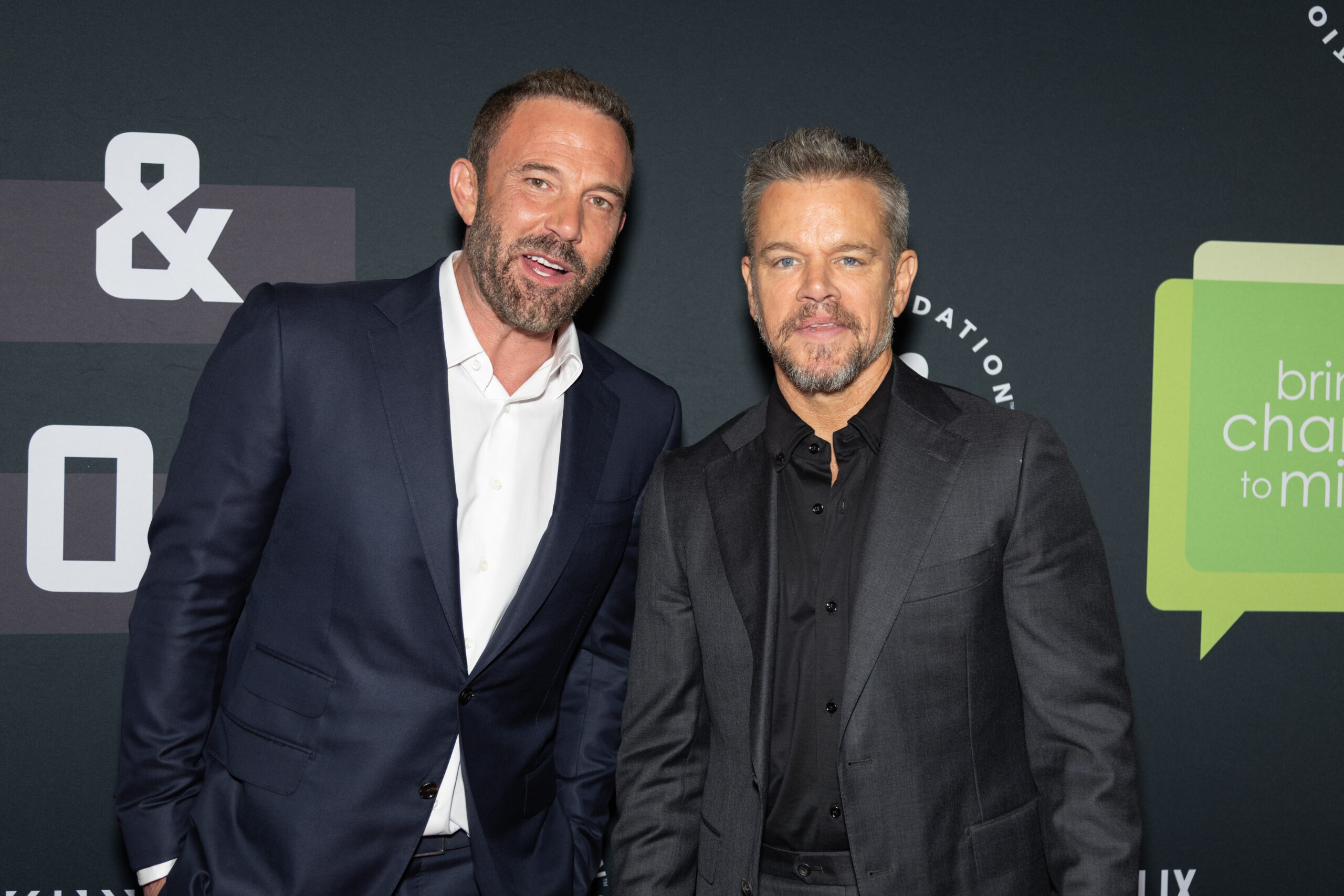
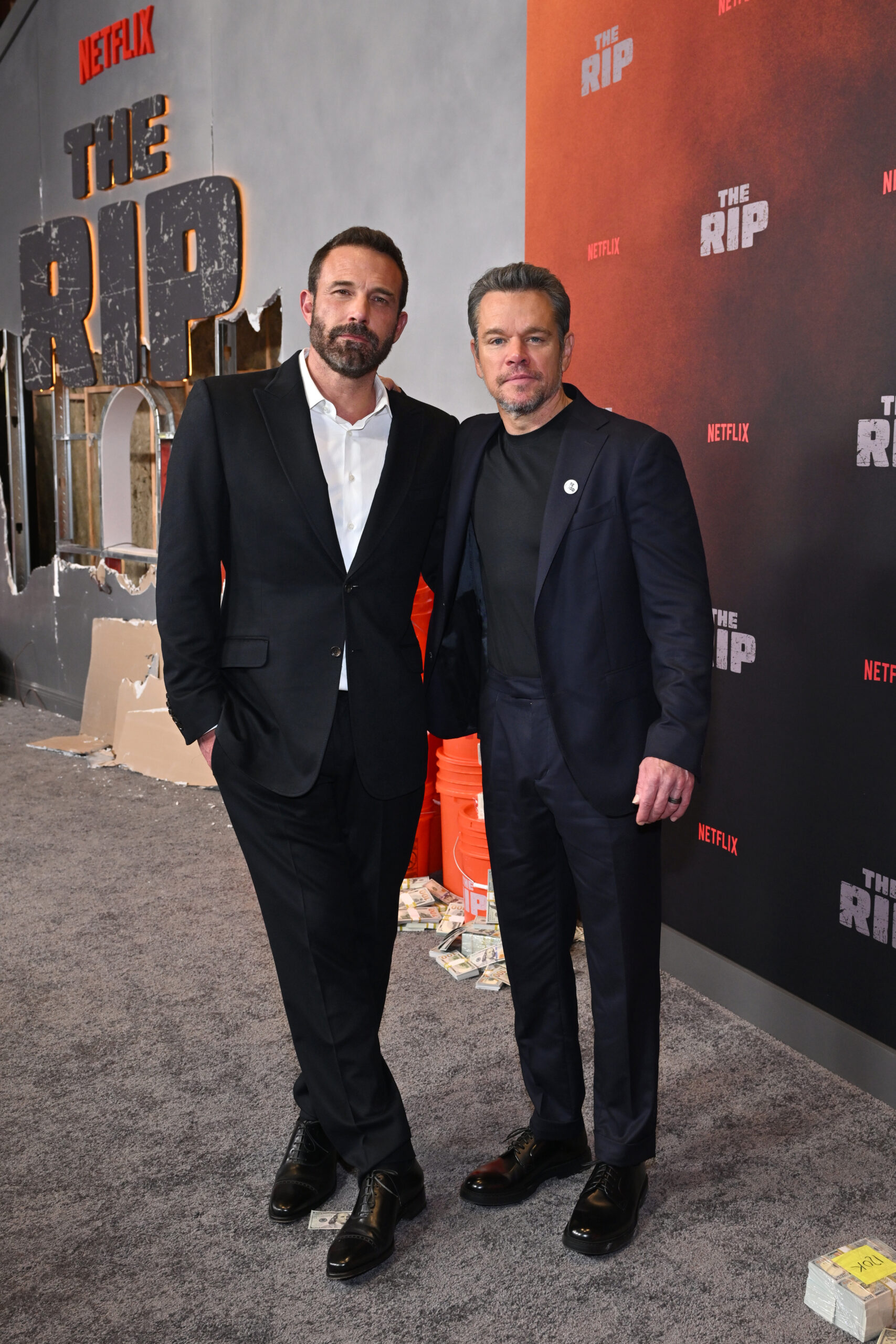
Actors Ben Affleck and Matt Damon star in the film The Rip, which was released earlier this year.
This film stars the two actors as Miami-Dade police officers who uncover a corruption ring within their department linked to $20 million from a cartel.
Recently, actors Ben Affleck and Matt Damon have been sued for defamation. Two officers from the Miami-Dade Sheriff’s Office, Jason Smith and Jonathan Santana, have filed a lawsuit against the production company Artists Equity—founded by Ben Affleck and Matt Damon—in connection with this Netflix film.
According to Entertainment Weekly, the two officers claim that the characters portrayed by Affleck and Damon in the film damage their personal and professional reputations. They argue that the film, as well as its promotion, suggests inappropriate conduct, poor judgment, and unethical behavior in the context of a real police operation.
In the film, the characters played by Affleck and Damon, who portray police officers, break the rules, notably in a scene where Affleck’s character shoots and kills a DEA agent.
According to Entertainment Weekly, the plaintiffs’ attorneys argue that when they sought clarification after the film’s release in January 2026, the defendants responded that their concerns were unfounded, since the film does not explicitly mention Sergeant Smith and at no point implies that the plaintiffs committed any wrongdoing.
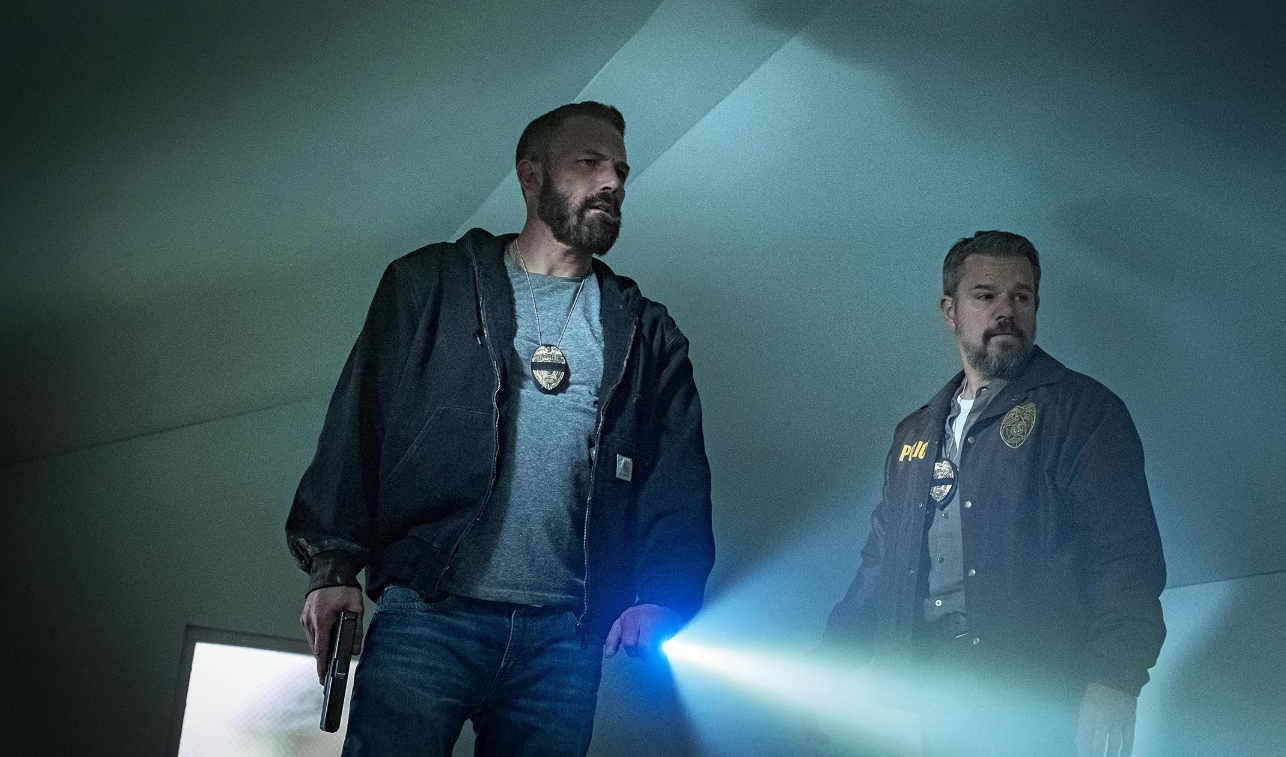
In their complaint, Smith and Santana argue that a real-life operation conducted in June 2016, during which more than $21 million was seized, served as inspiration for the film, which begins with the disclaimer “inspired by true events.” Although their names do not appear in the film, they believe they are indirectly portrayed.
The court document states that the use of specific details related to the June 29, 2016, investigation, combined with the Miami-Dade setting and the depiction of a narcotics unit, would reasonably lead one to conclude that the police officers portrayed correspond to the plaintiffs.
Smith and Santana’s attorneys are seeking not only a formal retraction but also a public correction from the defendants to rectify what they consider to be defamatory allegations. They also want the film to include a clear and prominent disclaimer in the credits, stating that the events and characters do not reflect identifiable real persons.
In addition to these demands, the two police officers are seeking compensatory and punitive damages for the harm suffered, as well as full reimbursement of their legal fees. According to Entertainment Weekly, these measures aim to repair the damage they believe has been caused to their personal and professional reputations following the film’s release.

If you’ve watched the series Jane the Virgin, this house will look instantly familiar to you. It embodies the warmth and charm of Jane Villanueva’s home, which is now on the market in Los Angeles for $2.89 million. This 1920s Spanish-style property has been completely renovated while preserving its authenticity and original character.








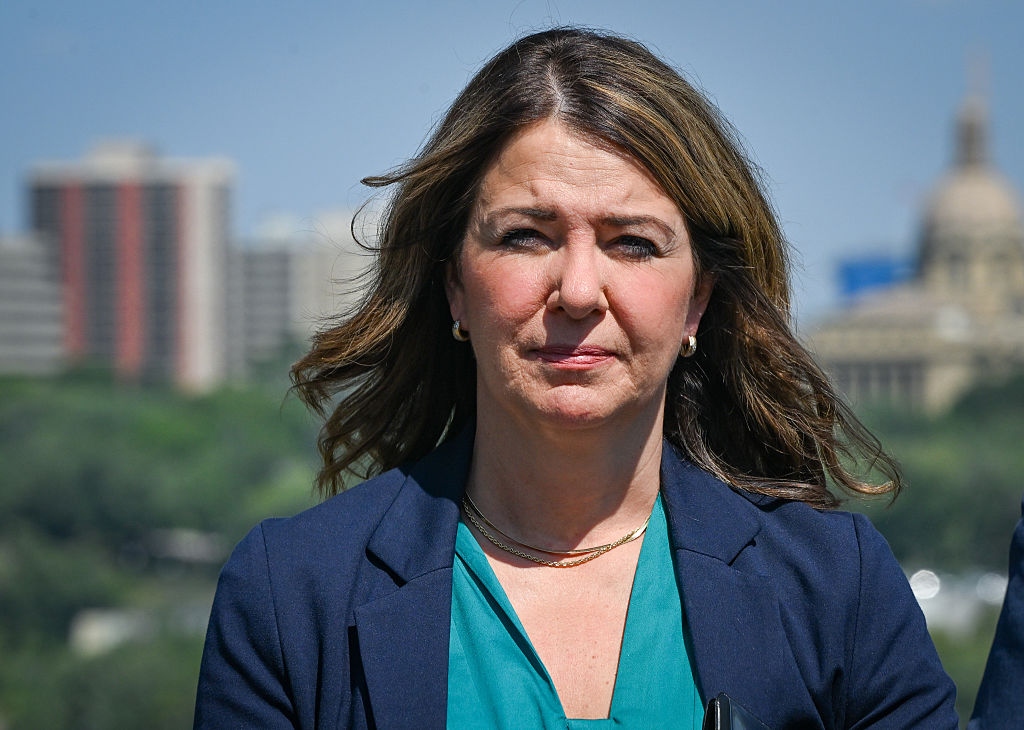
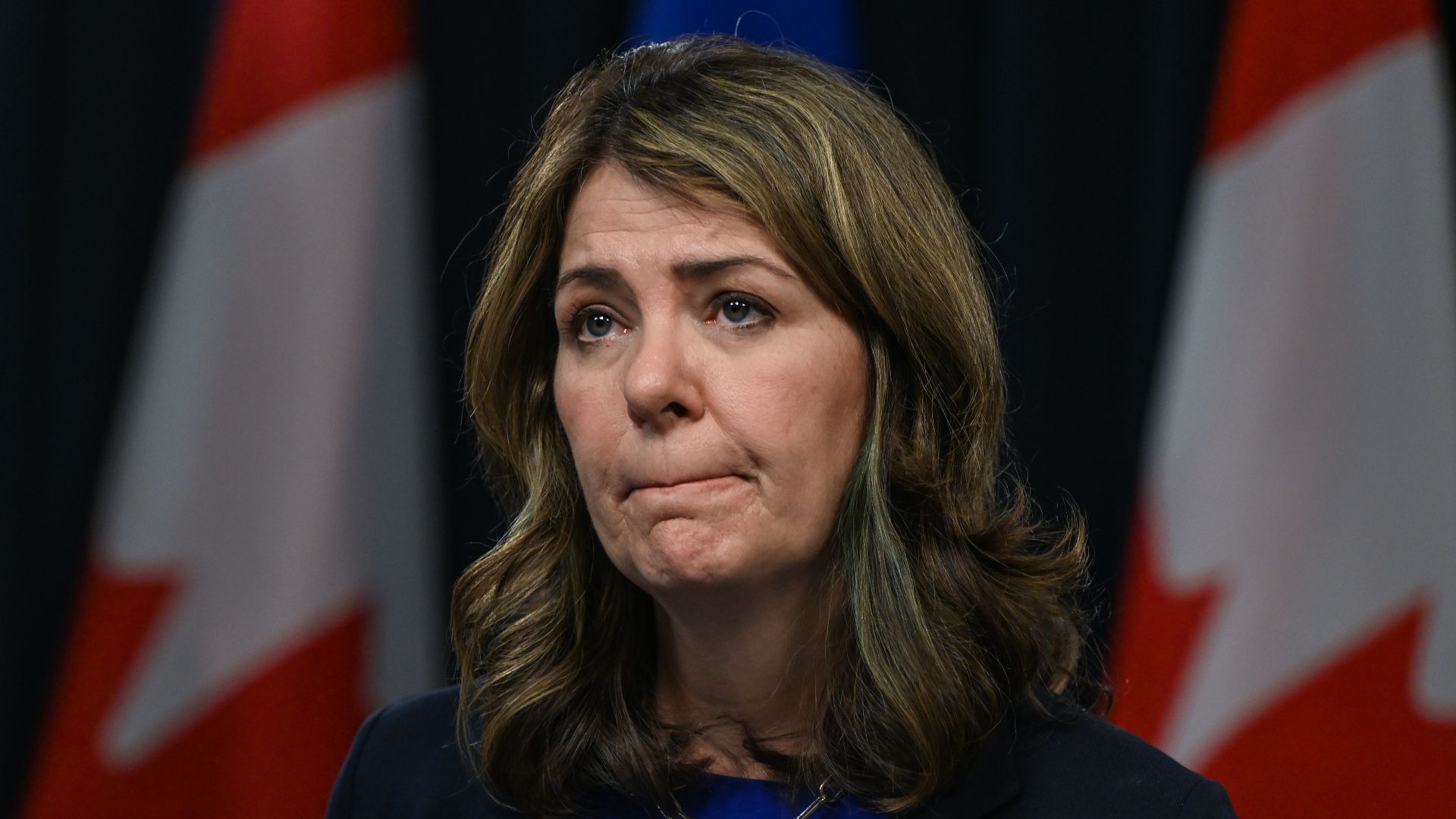
The Alberta separatist movement is alive, well, and also apparently criminally unorganized. On May 4, a group called ‘Stay Free Alberta’ announced it had received more than 300,000 signatures from Albertans supporting separatism. According to Alberta Premier Danielle Smith, this number is high enough to put the question to a referendum. While 300,000 Albertans voting for separatism is no small share, the signatures aren’t the story here. The real story here is about how Alberta’s separatist movements betrayed Albertans by purposefully sharing nearly 3 million voters’ identities with their members. On April 30, The Centurion Project, an unofficial party supporting Alberta’s separatist movements, released a database that included the personal information of nearly 3 million Albertans, or more than half of all eligible Albertan voters.
As it is not an official party, The Centurion Project does not have access to voter records, and clearly for good reason. The organization did not acquire these records itself; instead, it used another party to get the data. Elections Alberta provides these data sets for official parties. One of said official parties is the Republican Party of Alberta, a separatist movement created in 2022, then renamed in 2025. As an official party, the Republican Party of Alberta can request these voter records in order to conduct canvassing and door-to-door advertising. If you’ve ever wondered how a political party knows to knock on your door, this is how. Legal requests submitted to the voting organization.
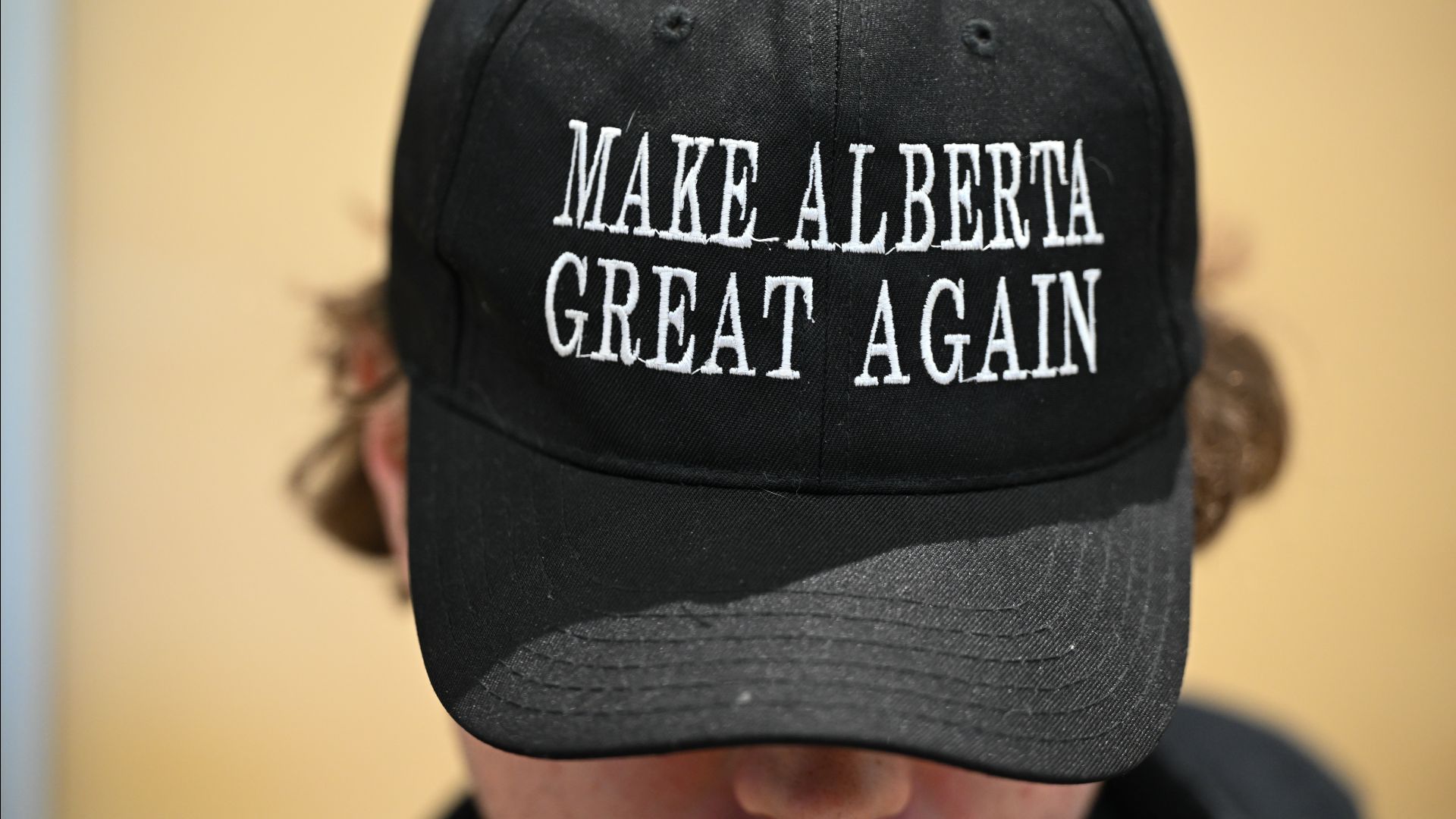
What is not legal is a political party sharing these data sets with any other organization, especially another political organization. As Elections Alberta has not yet finished its investigation, we don’t know how or who transferred the data set from the Republican Party of Alberta to the Centurion Project, but it happened. The Centurian Project was given this data set in full, and it chose to release it publicly to all of its members. On April 30, Alberta Police and agents from Elections Alberta interrupted a Centurion Project meeting, demanding that the database be taken down. Elections Alberta subsequently announced an investigation and informed both the Centurion Project and the Republican Party of Alberta that they had four days to reveal how the information was communicated between organizations.
According to Alberta Premier Danielle Smith and Elections Alberta, the database was released sometime around April 10, meaning it was online for at least two weeks before being shut down. What’s more, this database was not just a list of names; it was everything. Centurion Project members were given a library of information that was organized and easily searchable. Members could search specific names, addresses, or political ridings. The Centurion Project has unsurprisingly not clarified what the data set was meant to accomplish, but it seems as though members were being encouraged to search databases in order to spread the word of Alberta separatism. By giving members the ability to search through their own ridings to see who is already a supporter, it allows individuals to undertake private, illegal canvassing of neighbourhoods.
The organization that collected the 300,000 signatures for Alberta separatism, Stay Free Alberta, claims it is not a part of the data breach. The signatures were collected separately from the Centurion Project and the Republican Party of Alberta, and will reportedly be held to scrutiny. Elections Alberta confirmed that it will be investigating the signatures to ensure that there are no repetitions, but Jeff Rath, the lawyer for the Stay Free Alberta petitioners, claims that their process was “pristine from start to finish.”
“Our process … was pristine from start to finish. Every one of our canvassers was badged and numbered. Every person signing the petition had ID.”
-Jeff Rath
Last year, Danielle Smith reduced the number of signatures required for citizens to bring a constitutional referendum, dropping it from 588,000 to roughly 178,000. The provincial government also changed how citizen-initiated referendums worked, removing powers from Alberta’s chief electoral officer. The separatists are hoping the question “Do you agree that the Province of Alberta should cease to be part of Canada and become an independent state?” will be added to a planned referendum in October, which will also include questions on immigration, healthcare and the country’s constitution.
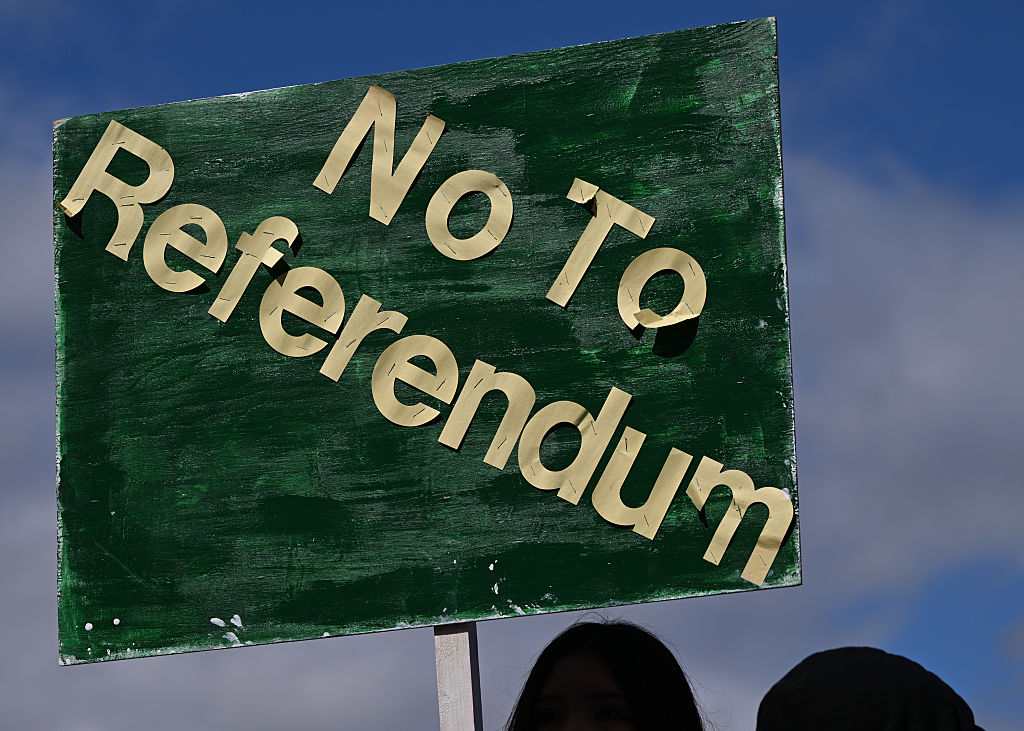
Alberta’s separatist movement is not new, and can be traced all the way back to the 1970s. During Prime Minister Pierre Trudeau’s tenure, he introduced the National Energy Program, a policy meant to secure energy independence by increasing Canadian ownership of the oil industry to 50 per cent. This meant that oil revenues would be redistributed across Canada, instead of staying in Alberta. The program was widely seen in Alberta as federal overreach into the province’s economy. The separatist movement would ebb and flow over the next 30 years, normally flaring up when new pipelines were being planned. The movement took a massive leap in 2015 when Justin Trudeau introduced the infamous carbon tax and tried to shift the focus away from oil and gas and towards renewable energy. Despite receiving consistent support over the last ten years, the Alberta separatist dream has never come close to being realized.
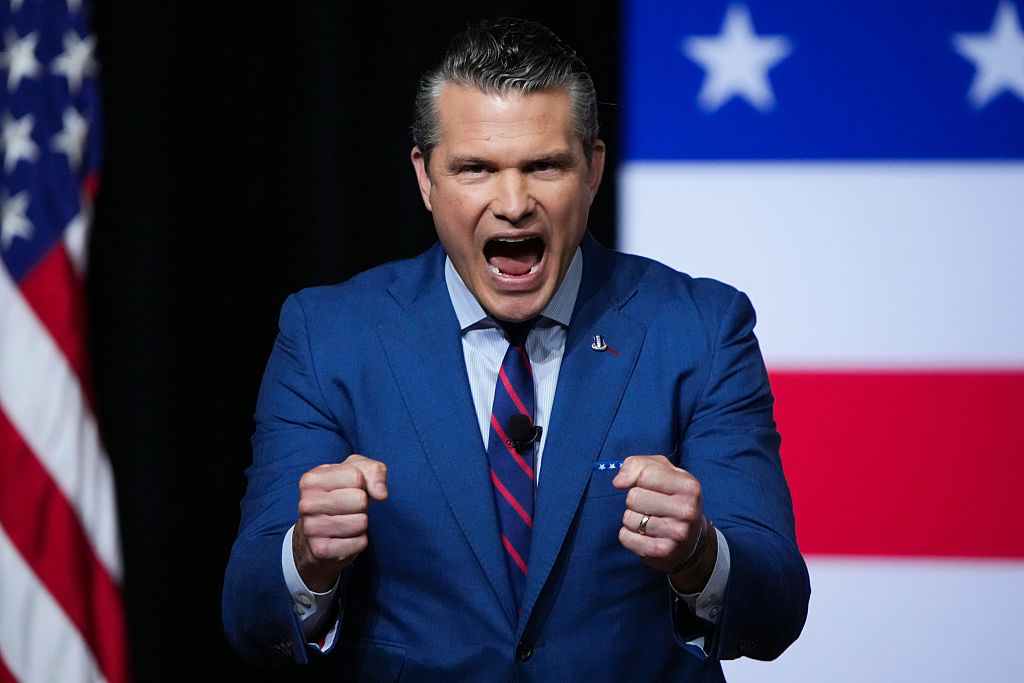
Since the US’s initial attacks on February 28, more than 6,000 people have been killed by the conflict, with more than 95 per cent of the fatalities in Iran and Lebanon. The deadly conflict started without congressional approval, with Donald Trump claiming the attacks are ‘military operations’ and that the US is not currently at war with Iran, and has now cost US taxpayers more than $25 billion.

On May 6, the Government of Canada announced that its investigation into OpenAI and its product ChatGPT found that the company was not compliant with Canadian privacy laws. ChatGPT has violated privacy laws through its machine-learning program and its consistent training using public prompts. The AI model violated Canada’s requirement for implied consent by not revealing the extent to which it uses users’ data to train itself. According to the Privacy Commissioner of Canada, Philippe Dufresne, ChatGPT is now compliant with Federal standards, but he stressed in a news conference that companies need to be compliant before releasing their products, not two years after.
The investigation into ChatGPT’s privacy breaches began in April 2023, through the Office of the Privacy Commissioner of Canada and its counterparts in Quebec, British Columbia and Alberta. The investigation began after Canadian privacy watchdogs learned that ChatGPT may be scraping information from Canadians without warning them. While the application did have in-depth disclosures, none were forward-facing, and none were
Phillippe Dufresne was joined by BC’s Information and Privacy Commissioner, Michael Harvey. According to Dufresne, OpenAI has now ‘conditionally resolved’ the issue by taking steps to limit the scope of the information it gathers from users. He stressed that the problem is that ChatGPT has been non-compliant for more than two years.
“We found that there was a lack of accountability.”
According to Defresne, OpenAI leaders made statements claiming that they ‘rushed’ ChatGPT into Canadian markets after threats of other AI models became clear. Dufresne claimed that the AI leaders told him that ChatGPT was released to Canadian markets with ‘limited testing,’ meaning the model had to be trained on the fly using prompts and conversations from Canadian users.
“We found that there were things they should have done, and now have done that should have taken place before this was launched. This is the message to organizations, that you have to do this beforehand.”
While the investigation began in April 2023, ChatGPT was launched in Canada in November 2022, meaning the application was active and scraping Canadians’ data for at least four months before the Canadian government opened its probe. The government did not undertake a formal, joint probe until May 2023.
According to the report from Canadian privacy watchdogs, ChatGPT was scraping a wide array of data from Canadians. At a base level, ChatGPT collected information from conversations with Canadians. That data could include health conditions, political views, personal opinions, and specifically, information about the user’s children. ChatGPT uses your conversations to build a ‘profile’ in order to customize the user experience. This means ChatGPT wants to know who you are in order to best respond to users’ individual requests. The probe also found that OpenAI was collecting personal information from ‘publicly accessible sources’ like social media, chat rooms, and other similar sites. ChatGPT could research the user in order to best create a profile for each individual user. ChatGPT was not scraping data from computer hard drives or from illegal sources, where it violated Canada’s privacy laws, which was due to its lack of disclosure.
In a world where individuals’ data is mined like gold, the Canadian government aims to mitigate the level of data collection that companies can use. The government does so with the Personal Information Protection and Electronic Documents Act (PIPEDA). In section three of the PIPEDA, the government outlines in plain English the responsibilities of tech companies, how to fulfill said responsibilities, and tips for reaching the standard.
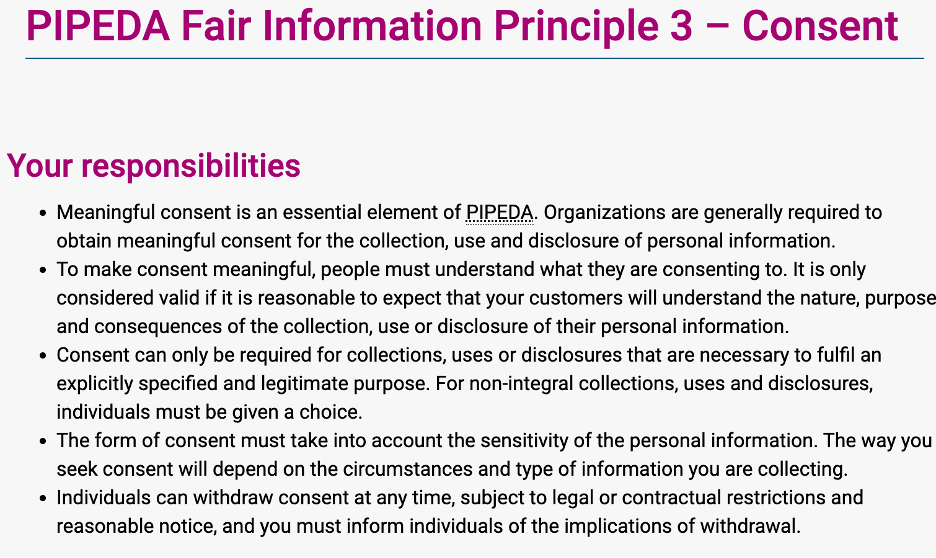
The PIPEDA makes it clear when companies must obtain express consent instead of implied consent. According to the Act, organizations must receive express consent when collecting ‘sensitive’ (personal) information, when the information collected falls outside the ‘reasonable expectations of the individual’, or when the information collected could pose a risk to the individual. It’s not difficult to see how ChatGPT violated these agreements. Information about health conditions and children is certainly ‘sensitive’, and while many Canadians assumed ChatGPT was ‘learning’ from their conversations, the extent to which ChatGPT scraped data is unreasonable according to the Canadian government.
Express consent is clearly stated through an agreement that must be signed before a user partakes in a service. Express consent is often achieved through pop-ups that block a user from accessing a service until consent is given. Implied consent is trickier, with the government relying on the idea that Canadians should have a general knowledge of how data collection works. For example, when you sign up for an email newsletter, you are giving implied consent to that organization to use your email address for communications and data-sharing. With privacy regarding social media and AI dominating tech conversations around the world, and multiple countries implementing age restrictions or social media bans, the probe from the OPCC is most likely just the beginning of Canada’s battle for privacy.

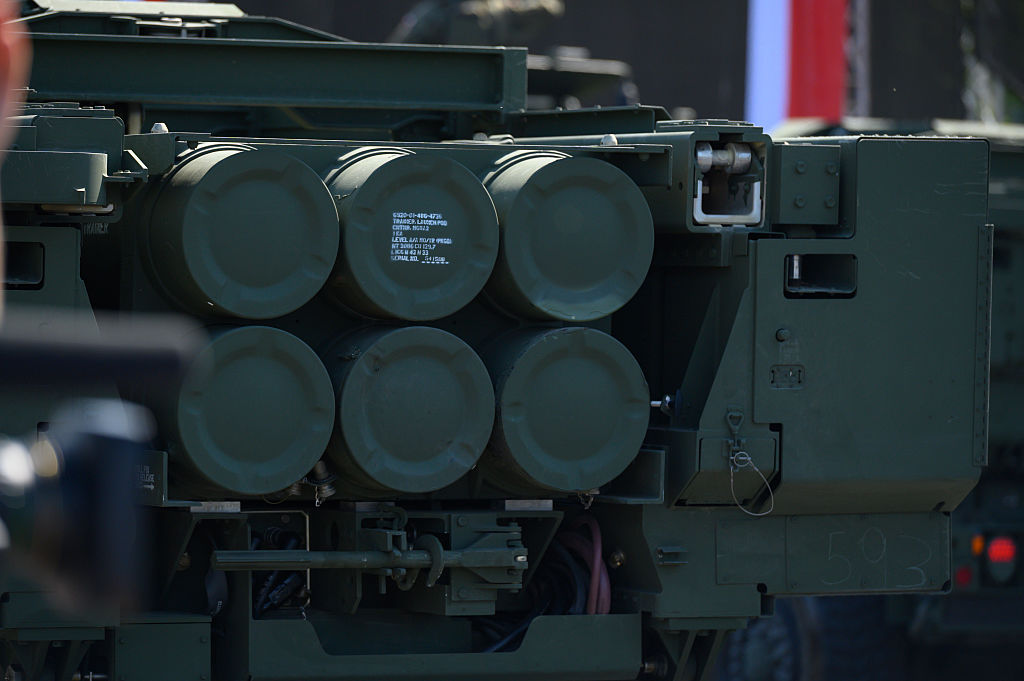
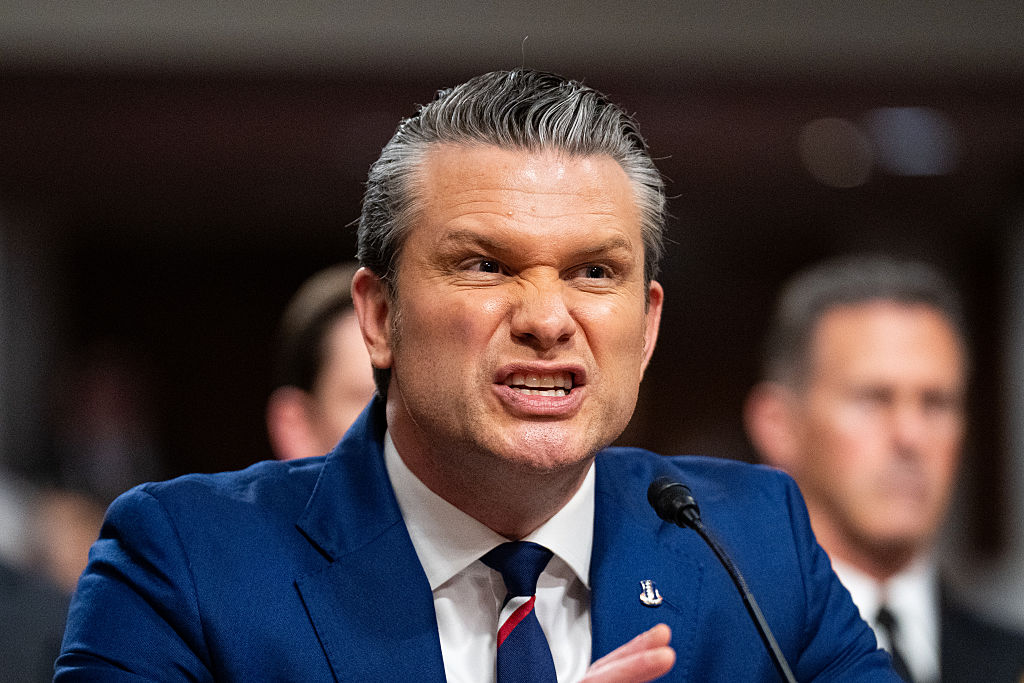
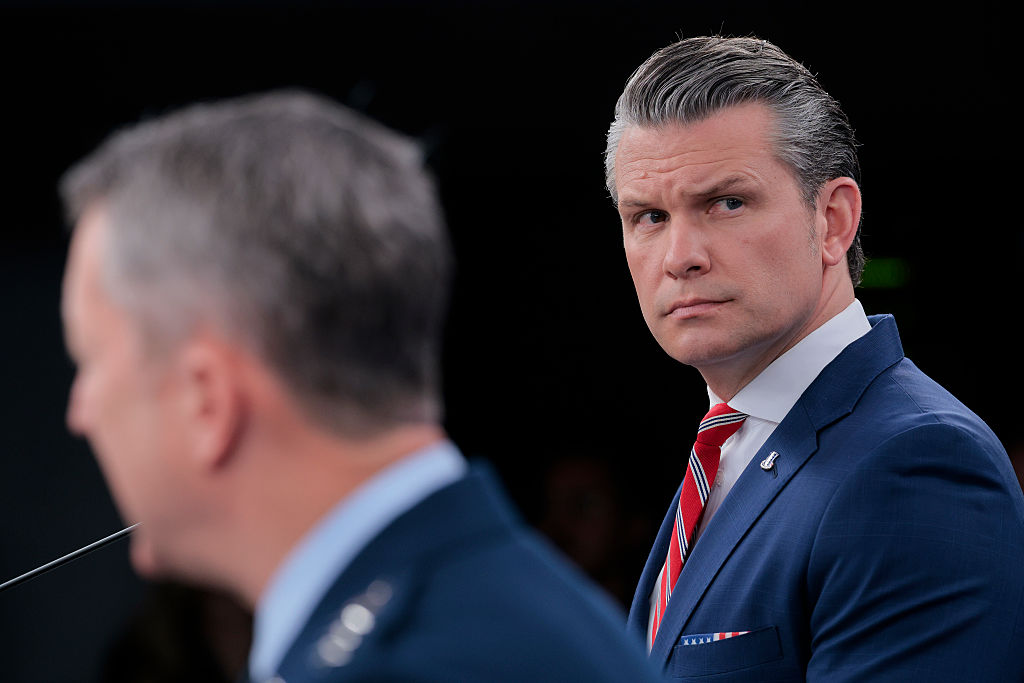
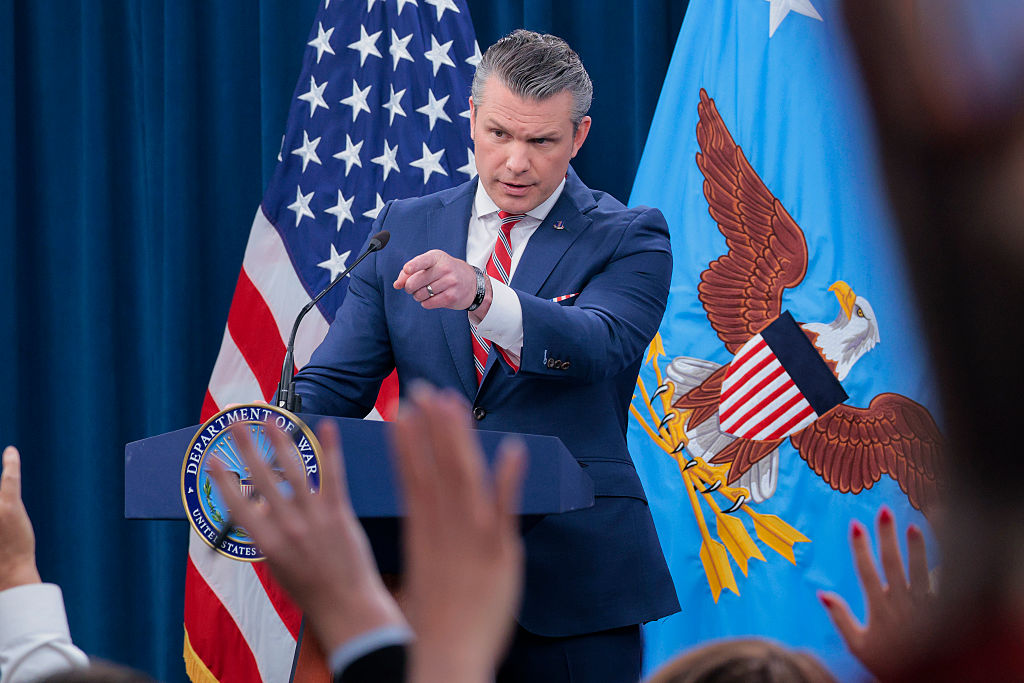
The Pentagon has announced that it has secured a $1 billion contract with weapons manufacturer Lockheed Martin to manufacture M142 High Mobility Artillery Rocket Systems (HIMARS). HIMARS are light multiple rocket launchers developed in the late 1990s for the United States Army. In October 2024, the US State Department of Defence (now re-named Department of War) approved the potential sale of the rocket systems and related equipment to Canada, among other countries. The statement from the Pentagon’s contracting website claimed the agreement covers the « urgent needs for the Army, Marine Corps and Foreign Military Sales customers in Australia, Canada, Estonia, Sweden and Taiwan. » A total of 17 HIMARS will be manufactured under the new deal, and the systems will be completed by the end of April 2028, the notice said.
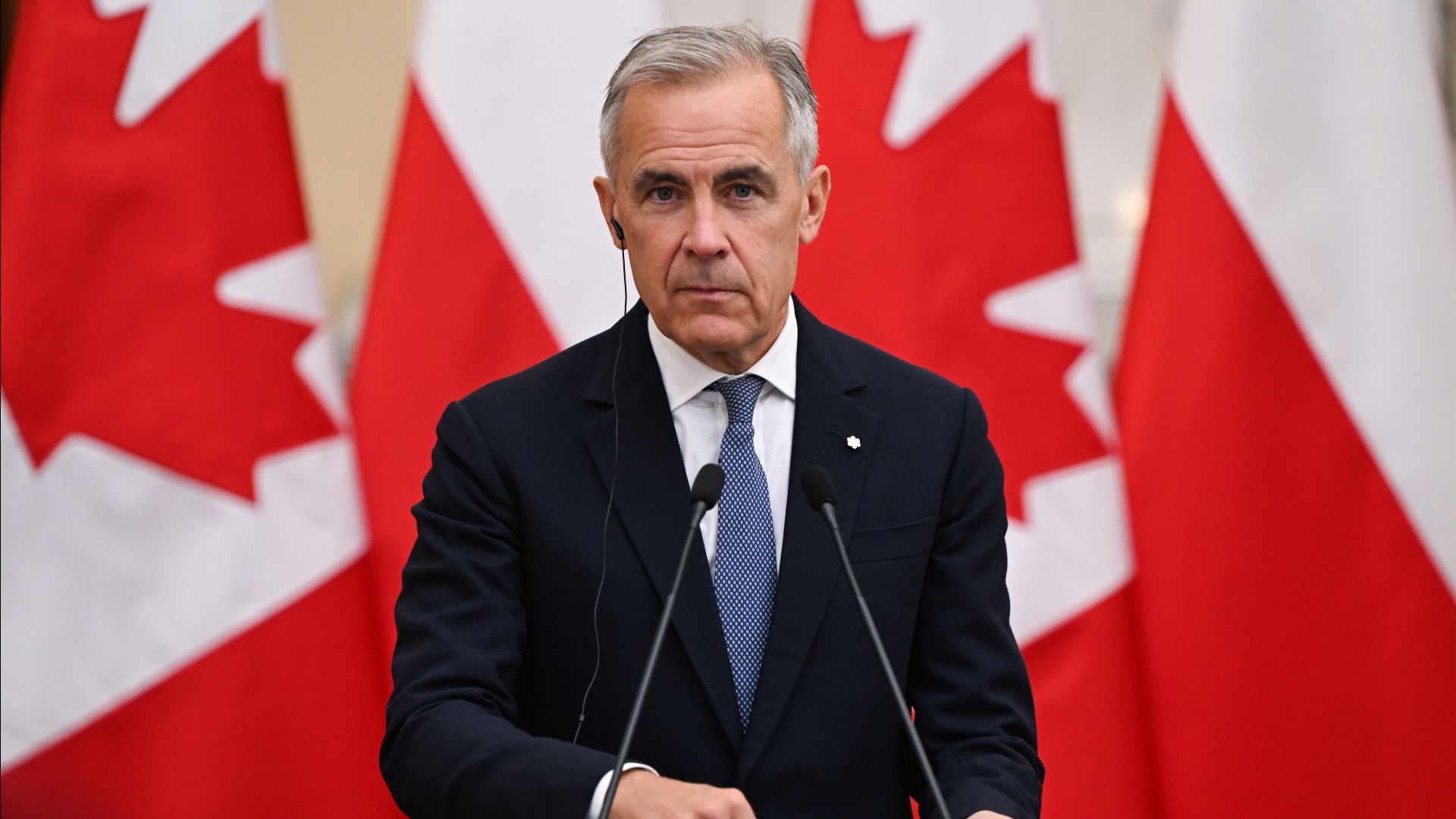
It’s unclear how many of those systems will actually end up in Canada. The Canadian government originally requested 26 systems to be delivered to Canada, but there has been no confirmation from the US or Lockheed Martin. Strangely, unlike the standard with most military purchases, the Canadian government has not issued a formal statement about its intention to purchase the U.S.-made HIMARS, even though it appears the formal deal was signed in January. According to defence expert Dave Perry, the silence from Carney’s Liberals is likely purposeful. Canadian PM Mark Carney promised Canadians he would purchase fewer weapons from the US during his campaign trail.
CBC News reported on May 6 that multiple anonymous sources confirmed that a public statement was prepared last winter around the time the deal was finalized, but it was pulled back, coming as it did a few weeks before the Liberal government released its defence industrial strategy, which emphasized buying Canadian military kit. The US permitted Canada to purchase the weapon systems in October 2024. The Canadian government reportedly signed a letter of purchase in the following weeks.
In an interview with CBC in December 2025, the commander of the Canadian Army, Lt.-Gen. Mike Wright claimed the systems were absolutely necessary, though the agreement was still pending. Wright claimed that the weapons were proven on the battlefield in Ukraine, and that Canada was in need of a ‘long-range precision strike system’ for ‘land operations’. He did not give any further details. In addition to the HIMARS, the Pentagon said Canada is looking to buy rocket launch pods for both operations and training.
“The reason why we made the recommendation for the procurement of HIMARS is that… It’s a capability that’s been proven on the battlefield in Ukraine. More importantly, the systems are available right now. »
While Mark Carney assured Canadians that he would be moving away from reliance on US-built weapons, there are multiple agreements pending. The F-35 stealth fighter, also built by Lockheed Martin, is the most recognizable example. Carney ordered a review of Canada’s plan to buy the warplanes from Lockheed Martin, setting off a high-stakes betting war by Swedish competitor Saab to sell Canada its Gripen-E fighters. Defence Minister David McGuinty reconfirmed in early May that the plan is still being reviewed and that no purchase has been confirmed. According to the statement made by the DoW, the purchase of HIMARS systems will be finalized by 2028, with Canada to receive the weapons systems by 2029.
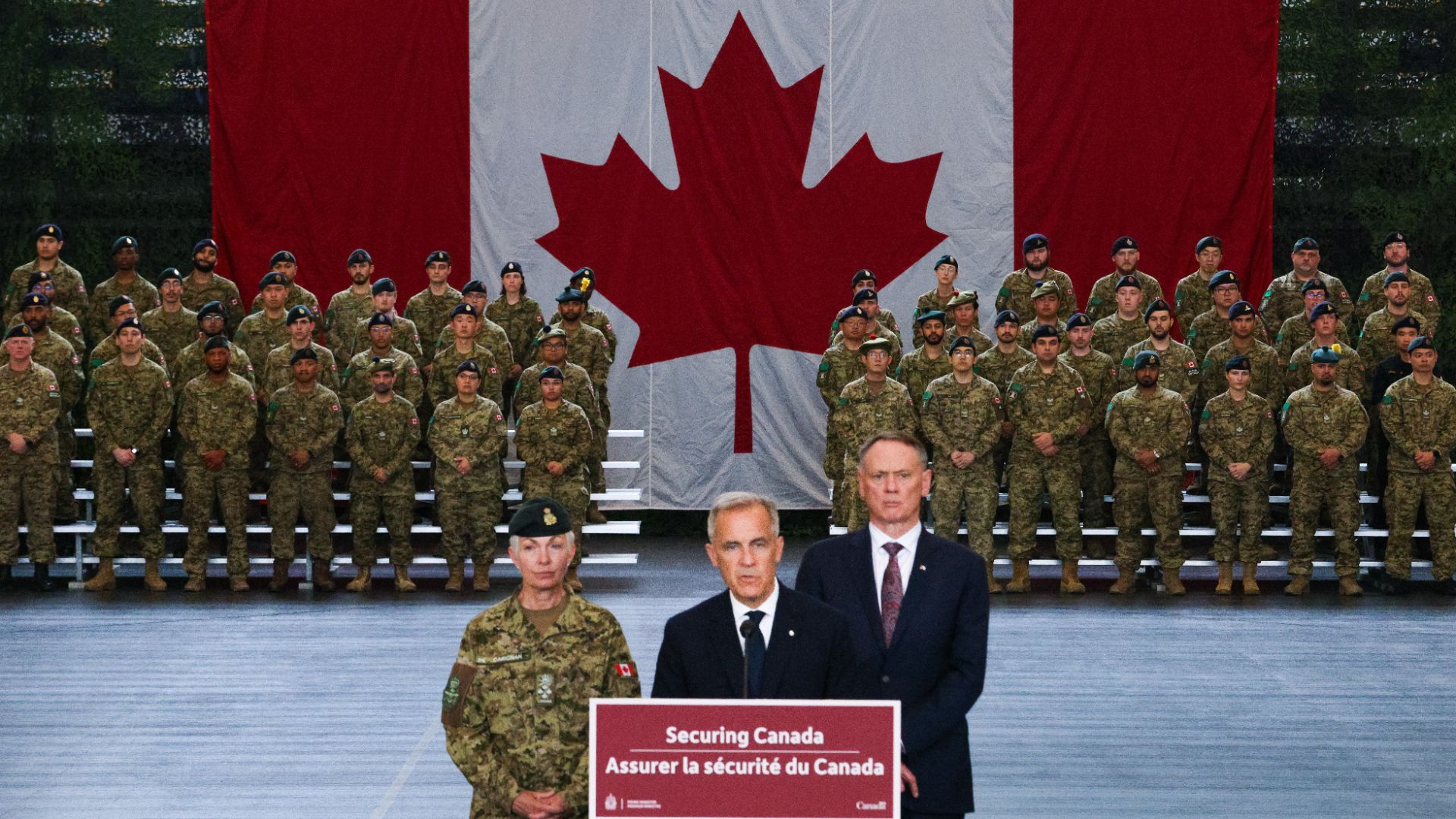
Prime Minister Mark Carney has promised to raise Canada’s defence spending by two per cent of the country’s GDP in order to meet new targets set by NATO. Carney plans to hit that target through the acquisition of new aircraft, armed vehicles, ammunition, and weapons systems. Canada has been looking to boost its Arctic defence for years, and Carney’s government aims to successfully address the perceived issue. If Canada were to raise its defence spending by two per cent of its GDP, it would have to spend more than $50 billion a year.
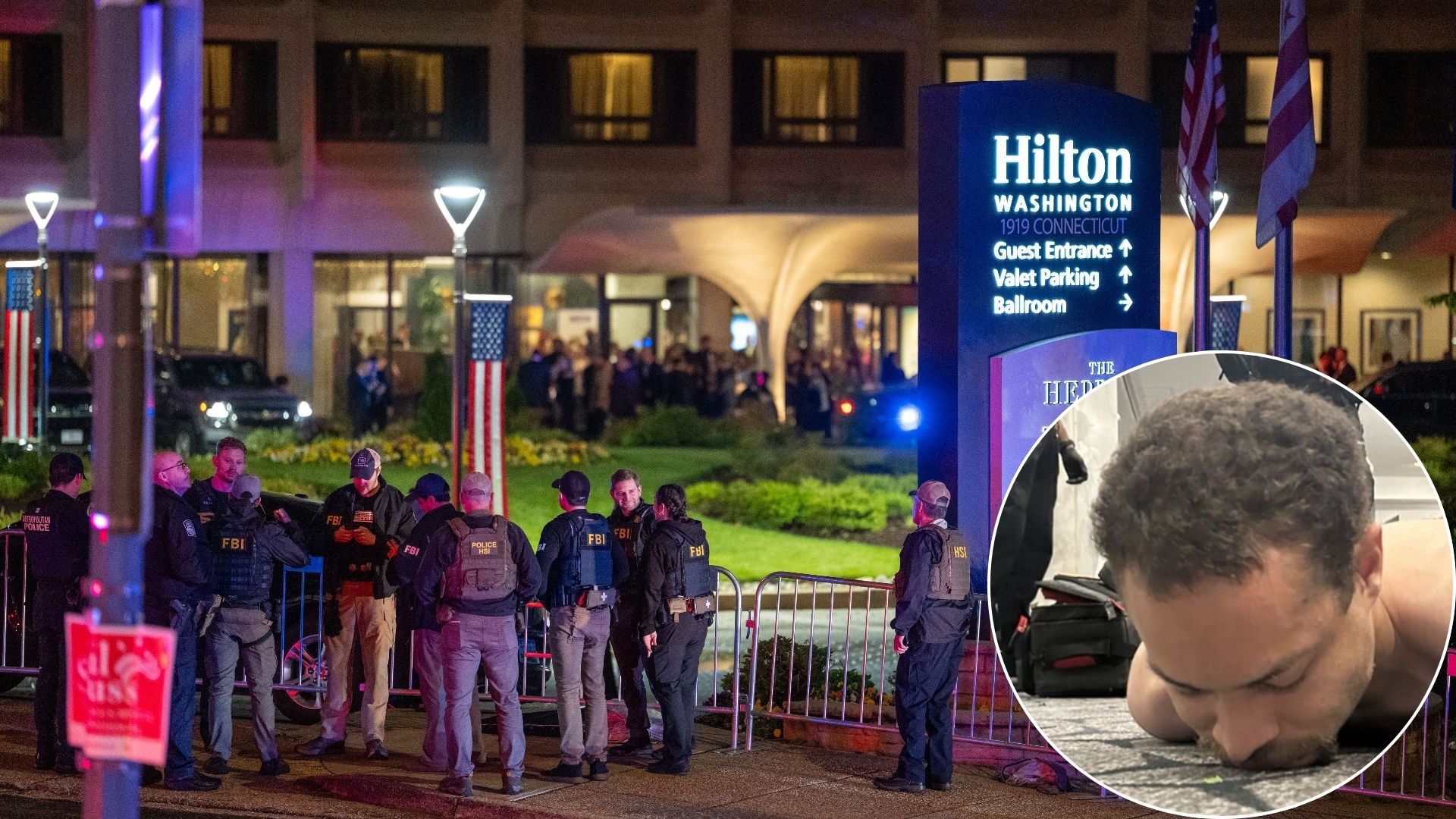
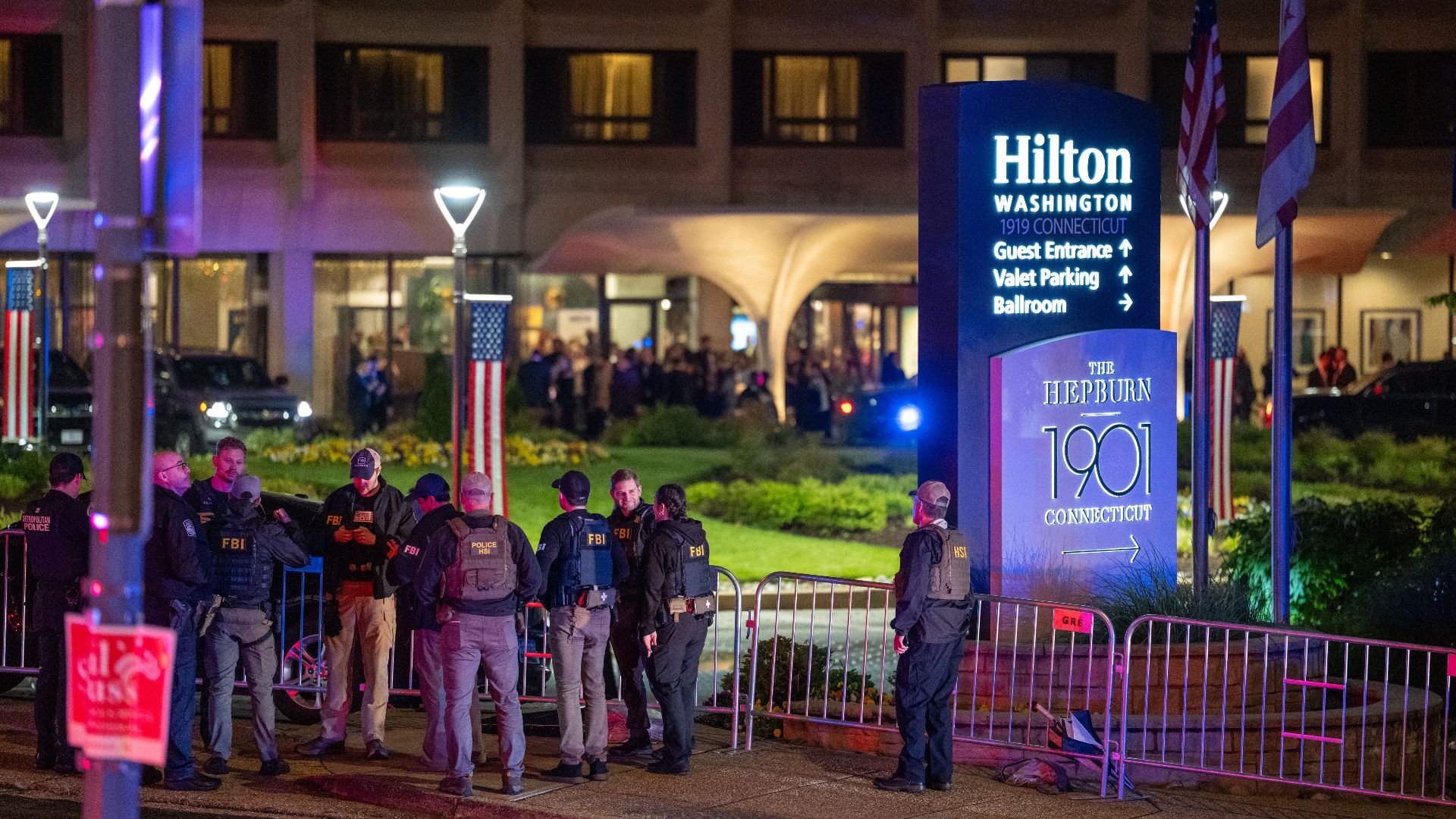
Cole Tomas Allen, the California man accused of attempting to assassinate President Donald Trump during the White House Correspondents’ Dinner, pleaded not guilty Monday in federal court in Washington, D.C., as prosecutors continue building a sweeping political violence case tied to the April attack at the Washington Hilton. Investigators allege the 31-year-old stormed through a security checkpoint at the hotel while heavily armed during the annual gala attended by Trump, senior administration officials, journalists and political figures. Allen now faces charges including attempting to assassinate the president of the United States, transportation of a firearm and ammunition through interstate commerce with intent to commit a felony, and discharge of a firearm during a crime of violence.
Federal prosecutors allege Allen arrived at the Washington Hilton carrying a 12-gauge shotgun, a pistol and multiple knives before charging toward the secured ballroom area on April 25. Authorities said he pushed past Secret Service personnel and opened fire during the confrontation, striking one Secret Service agent in a bulletproof vest before being subdued near the checkpoint. President Trump and members of his administration were evacuated immediately as agents flooded the corridor and secured the hotel. A federal grand jury later added a new charge accusing Allen of assaulting a federal officer with a deadly weapon. According to prosecutors, Allen had traveled from California after planning the attack weeks in advance and booking a room inside the hotel where the event was being held.
«Violence has no place in civic life. It cannot and will not be used to disrupt democratic institutions or intimidate those who serve them, and it certainly cannot continue to be used against the President of the United States.»
-Acting U.S. Attorney General, Todd Blanche
Investigators say Allen sent a manifesto titled “Apology and Explanation” to relatives shortly before the shooting, identifying himself as the “Friendly Federal Assassin” and describing administration officials as «targets, prioritized from highest-ranking to lowest.» Prosecutors allege the writings outlined his intention to carry out a politically motivated attack against Trump administration officials attending the dinner. Court filings and surveillance footage released by federal authorities showed Allen allegedly scouting hotel corridors the night before the event before later sprinting through the security screening area while armed. U.S. Attorney Jeanine Pirro said investigators had «no doubt» Allen fired the shot that hit the Secret Service agent. She added: «The grand jury agreed that there was probable cause to believe that it was Cole Allen’s weapon that hit the Secret Service agent.»
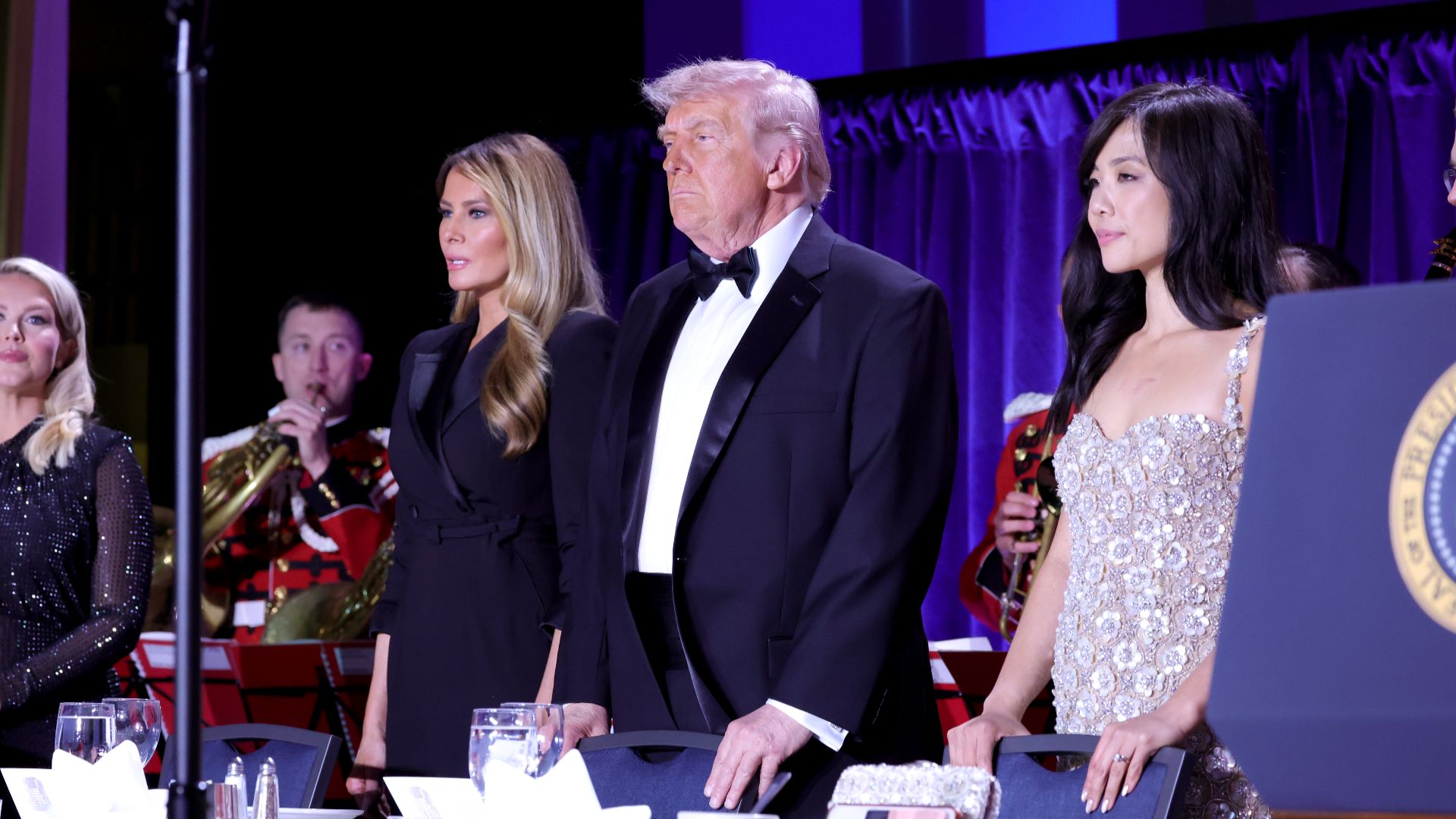
The defense team has simultaneously launched an aggressive effort to remove several Trump administration-linked officials from the prosecution. Attorneys for Allen filed motions seeking the recusal of Acting Attorney General Todd Blanche, U.S. Attorney Jeanine Pirro and other officials connected to the administration, arguing they may themselves have been potential targets during the attack or are too personally tied to Trump to oversee the prosecution impartially. Lawyers specifically pointed to Pirro’s longstanding friendship with Trump and her public commentary following the shooting. Prosecutors have not yet formally responded to the motion, but the issue is expected to dominate upcoming hearings. U.S. District Judge Trevor McFadden has scheduled the next major hearing in the case for June 29 while the court weighs the defense request.
«The grand jury agreed that there was probable cause to believe that it was Cole Allen’s weapon that hit the Secret Service agent.»
-U.S. Attorney for the District of Columbia, Jeanine Pirro
Federal officials have described the incident as one of the most serious security breaches involving a sitting president in years, particularly because it unfolded inside the same hotel long associated with presidential security history. The Washington Hilton was also the site of the 1981 assassination attempt against President Ronald Reagan. Authorities say Allen traveled across the country carrying weapons and ammunition before checking into the hotel weeks ahead of the White House Correspondents’ Dinner. Surveillance footage released by prosecutors allegedly showed Allen “casing” hallways around the ballroom before the attack. Acting Attorney General Todd Blanche condemned the shooting after Allen’s arrest, saying: «Violence has no place in civic life. It cannot and will not be used to disrupt democratic institutions or intimidate those who serve them, and it certainly cannot continue to be used against the President of the United States.»
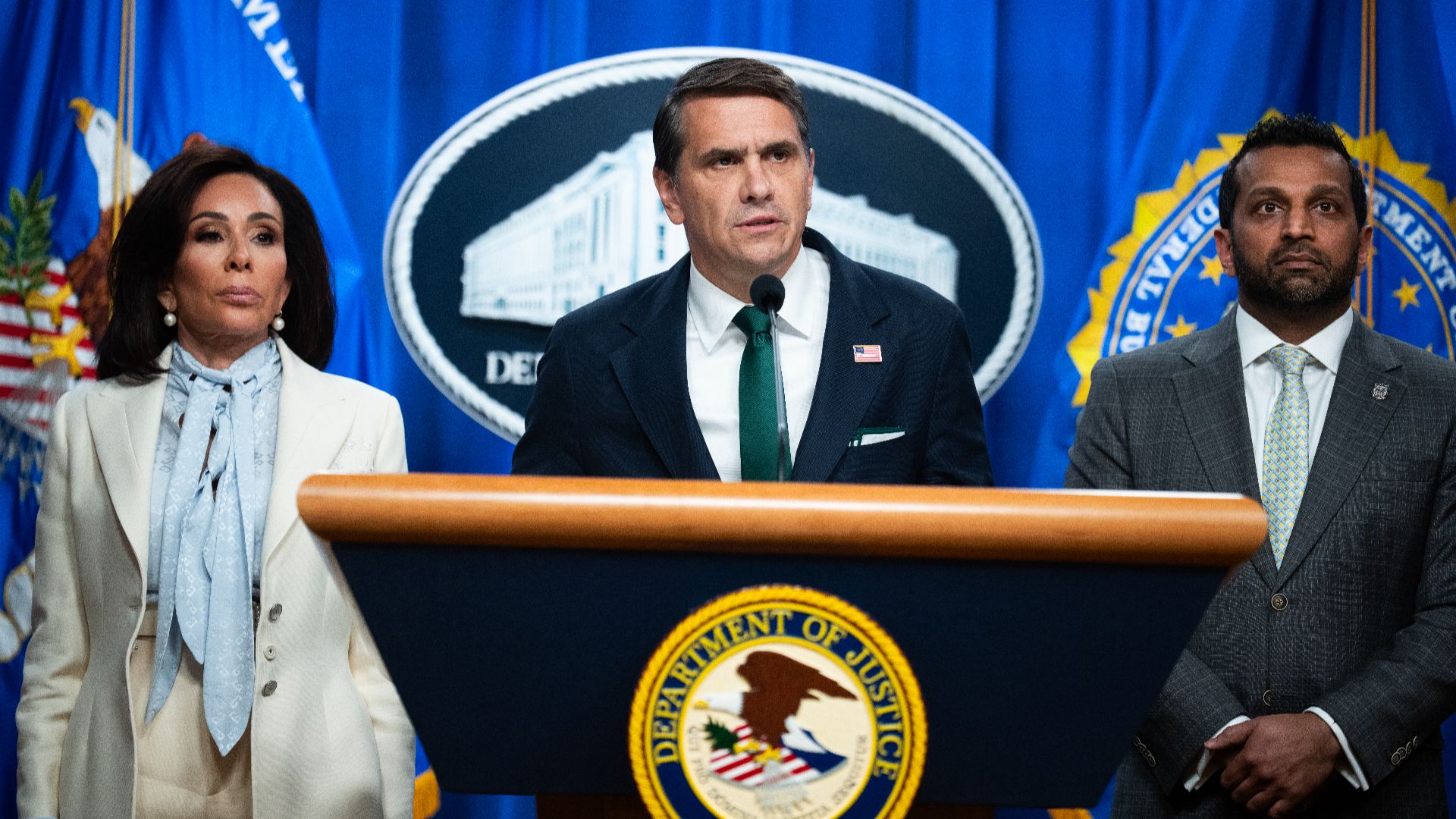
Allen, originally from Torrance, California, previously worked as a tutor and earned degrees in engineering and computer science before investigators say he became increasingly radicalized. Former classmates and people who knew him expressed shock after his arrest, describing him publicly as intelligent, quiet and academically gifted. During earlier court appearances, Allen’s attorneys also raised concerns about his treatment in federal custody, alleging he was placed under severe suicide-watch restrictions following the shooting. Judge Zia Faruqui questioned aspects of those detention conditions during a prior hearing. If convicted on all counts, Allen could face life in federal prison. Prosecutors continue reviewing forensic evidence, surveillance footage and ballistic analysis while the high-profile case moves toward its next court hearing later this summer.