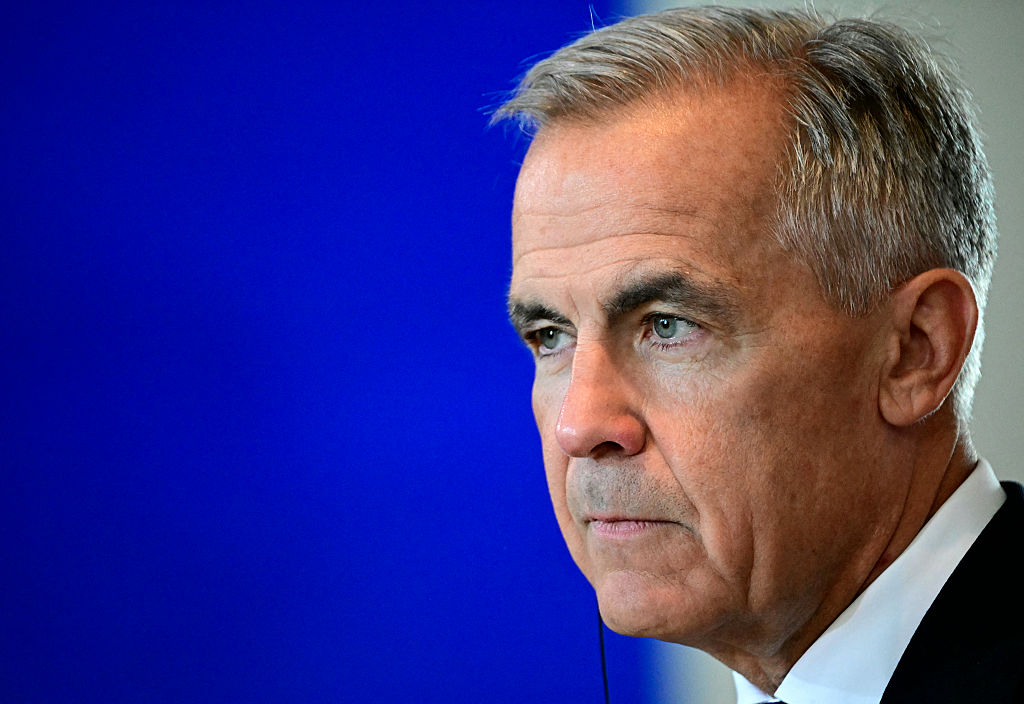
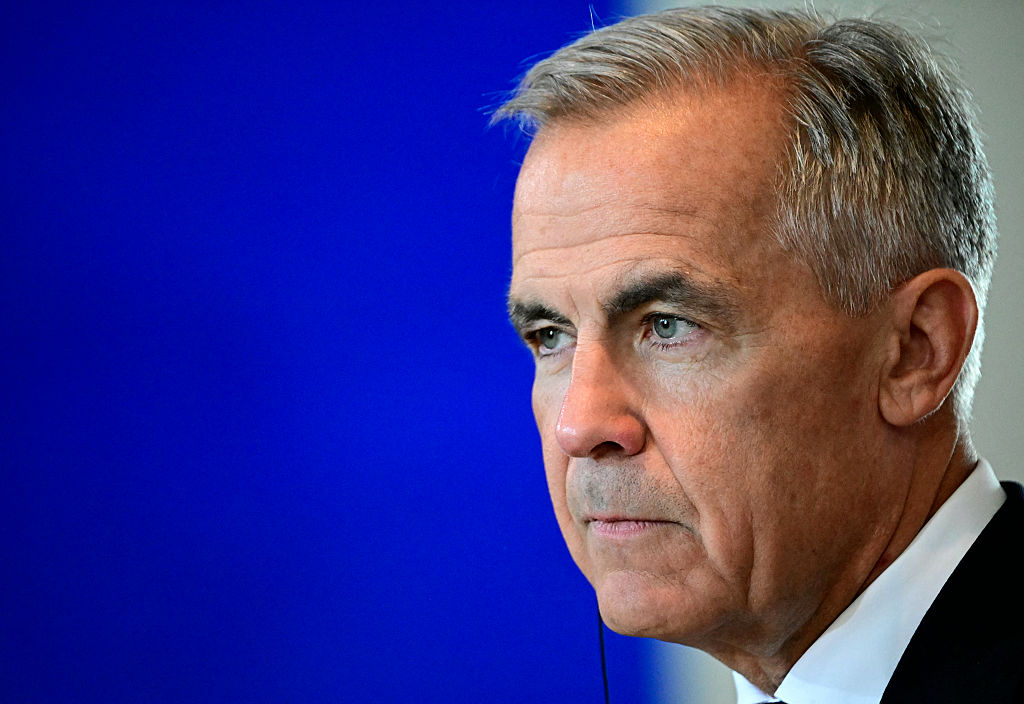
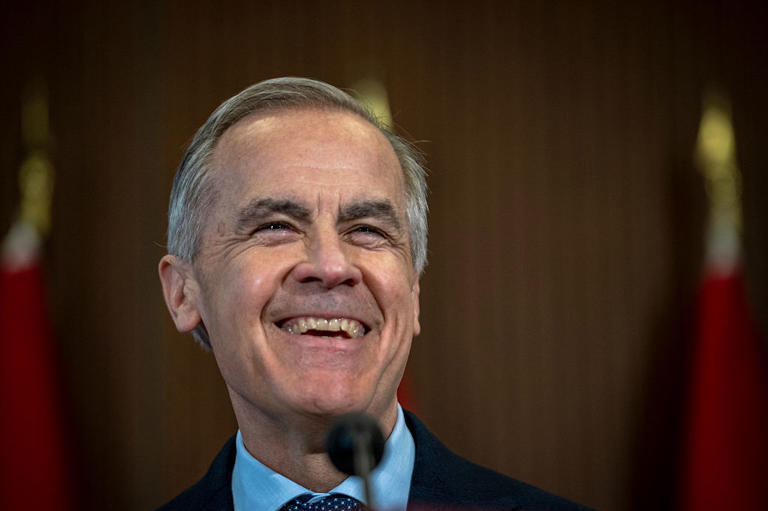
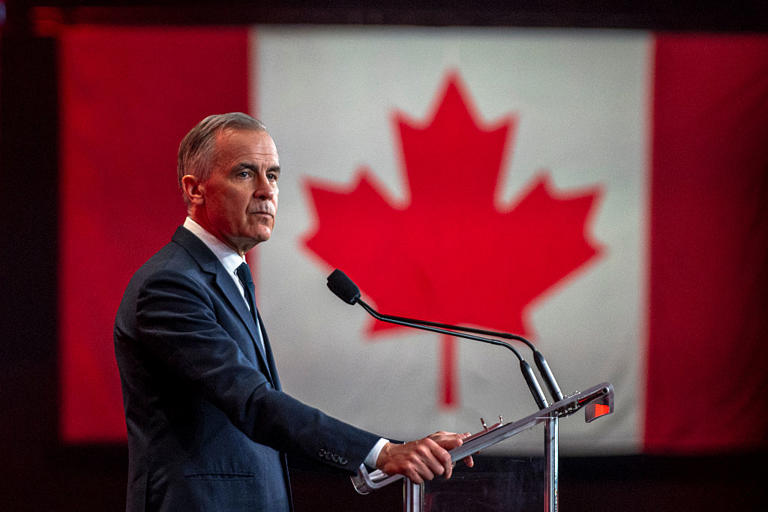
Canada's Prime Minister Mark Carney attends a joint press conference with the German Chancellor (unseen) after bilateral talks at the Chancellery on August 26, 2025 in Berlin. (Photo by Tobias SCHWARZ / AFP) (Photo by TOBIAS SCHWARZ/AFP via Getty Images)
A poll released by the Angus Reid Institute has revealed that Canadians are torn about Prime Minister Mark Carney’s first year in office. The poll covered a range of topics from Carney’s first year in power, including Canada’s international reputation, trade policy, Canada’s relationship with Donald Trump, ‘nation-building’ initiatives, election promises, affordability, and cost of living.
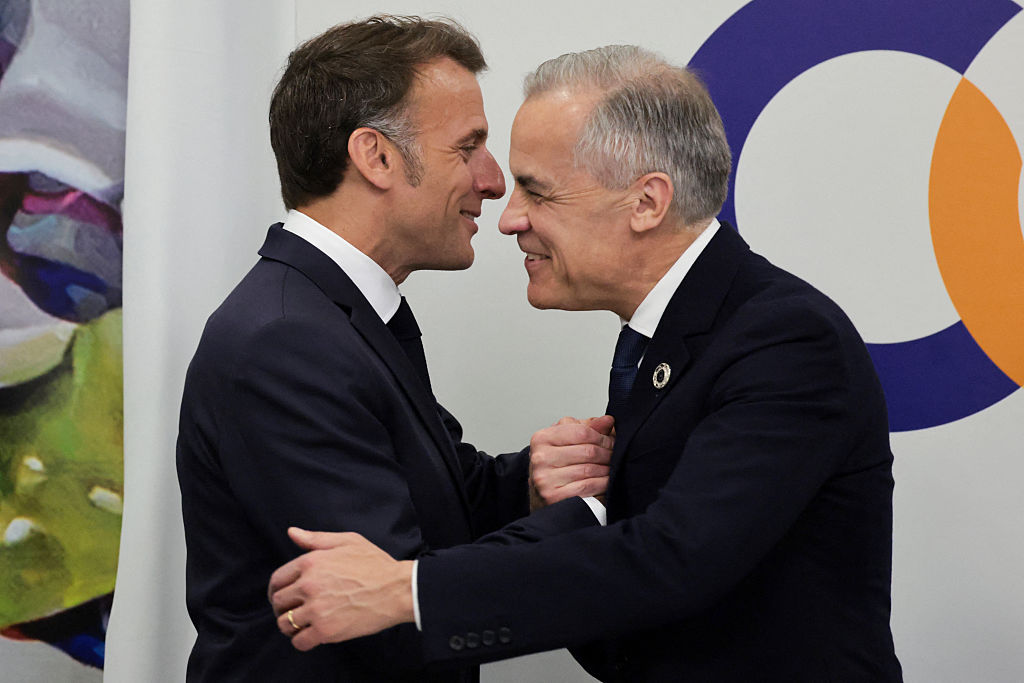
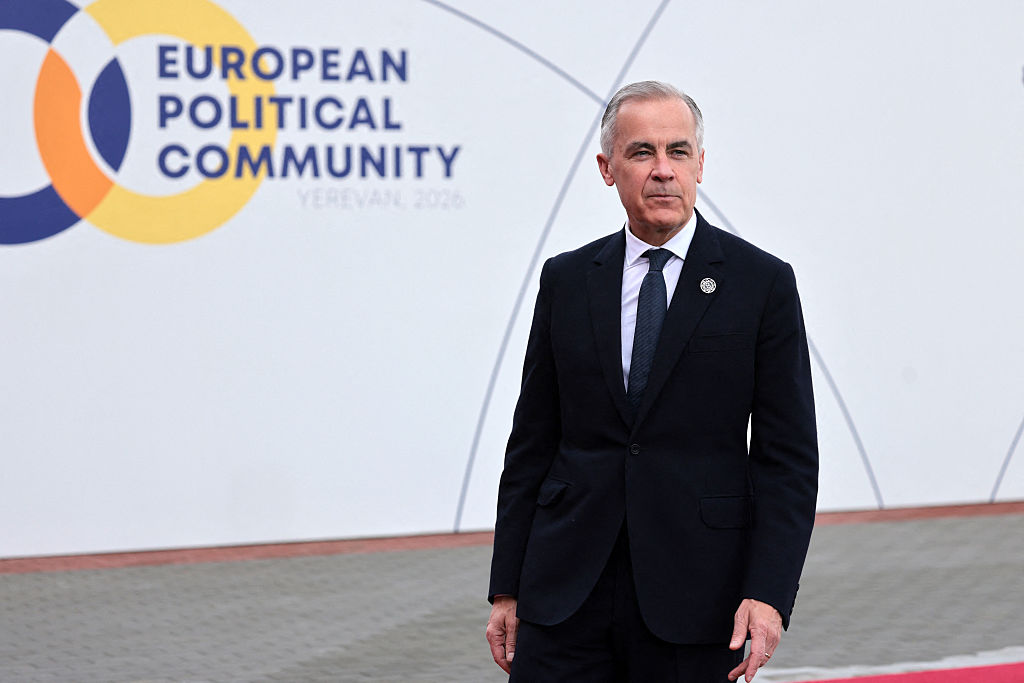
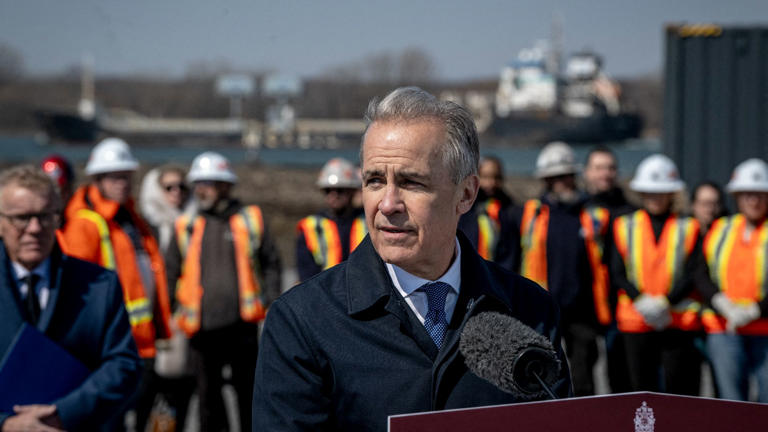
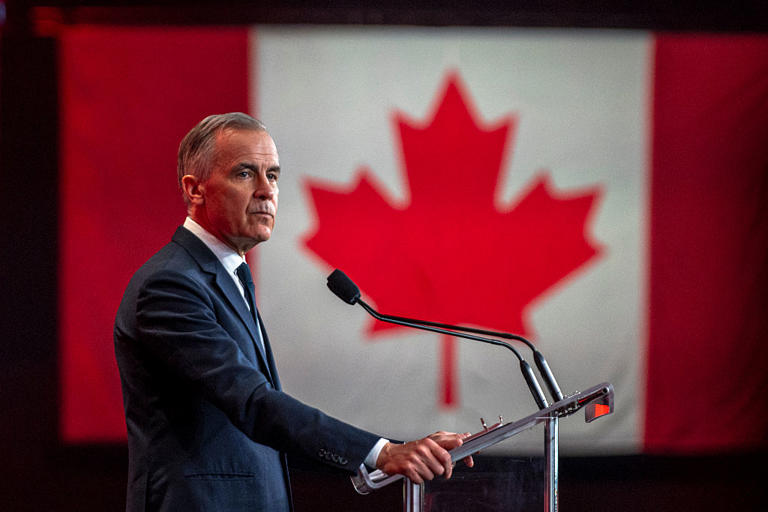
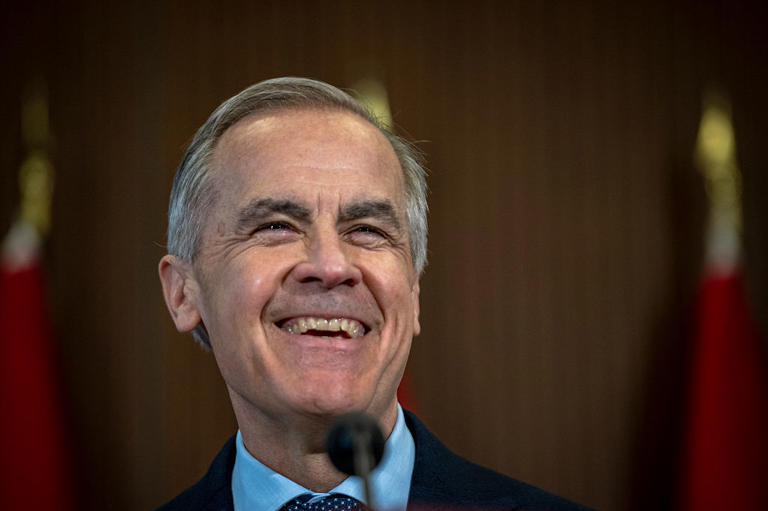
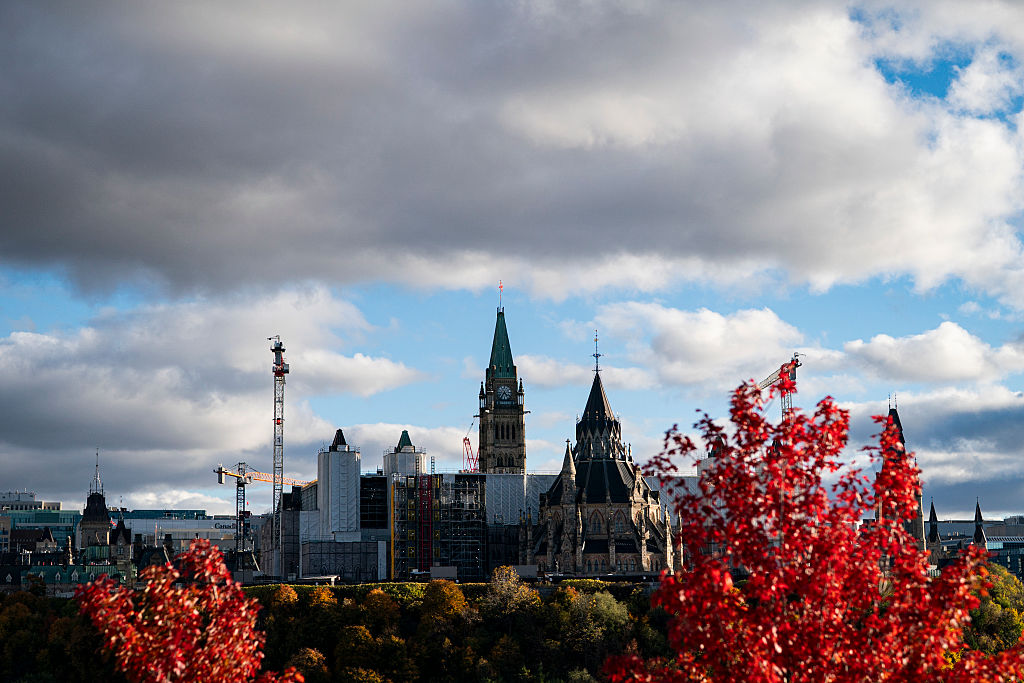
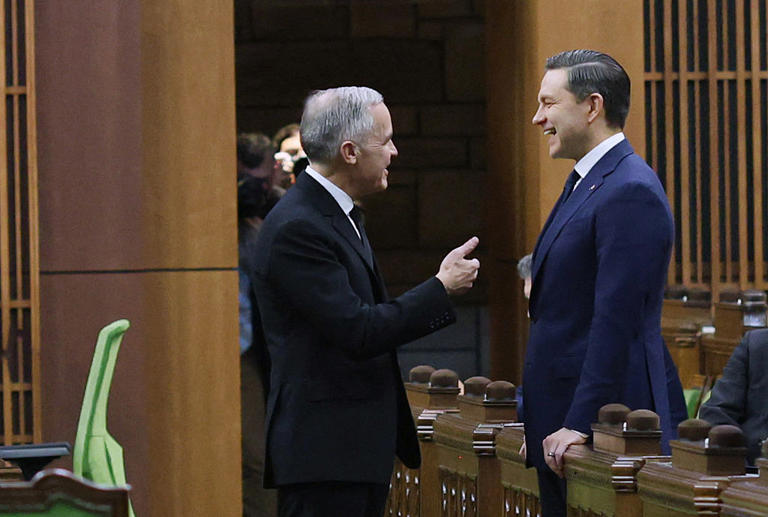
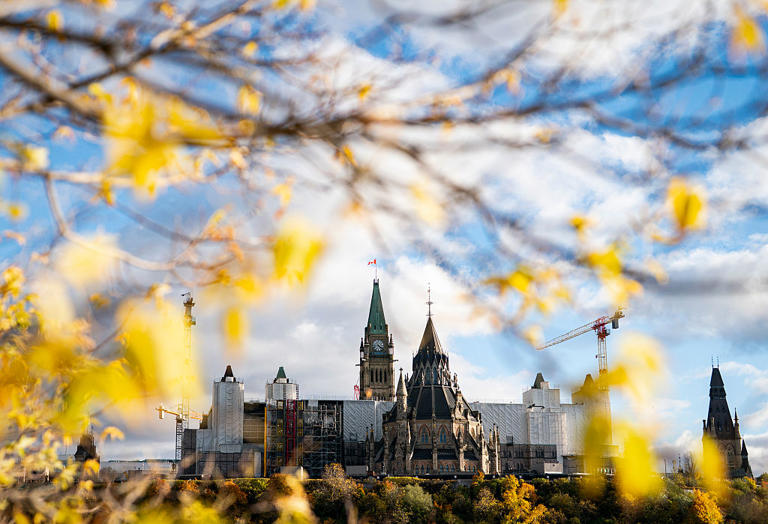
Canada’s Prime Minister Mark Carney attends a joint press conference with the German Chancellor (unseen) after bilateral talks at the Chancellery on August 26, 2025 in Berlin. (Photo by Tobias SCHWARZ / AFP) (Photo by TOBIAS SCHWARZ/AFP via Getty Images)France’s President Emmanuel Macron and Canada’s Prime Minister Mark Carney greet each other during the 8th European Political Community (EPC) summit in Yerevan on May 4, 2026. (Photo by Ludovic MARIN / AFP via Getty Images)Canada’s Prime Minister Mark Carney arrives to attend the 8th European Political Community (EPC) summit in Yerevan on May 4, 2026. (Photo by Ludovic MARIN / AFP via Getty Images)Road construction in Toronto, Ontario, Canada, on May 1, 2026. (Photo by Creative Touch Imaging Ltd./NurPhoto via Getty Images)OTTAWA, CANADA – OCTOBER 26: Fall leaves surround the Peace Tower on Parliament Hill on October 26, 2025 in Ottawa, Ontario, Canada. The U.S. Senate passed a resolution this week aimed at ending U.S. President Donald Trump’s tariffs on Canada following the president raising tariffs on the country to 35%, though a large share of goods remain exempt under the United States-Mexico-Canada Agreement. Mark Carney, Canada’s prime minister, said he has apologized to President Trump for an anti-tariff television ad from the Ontario province that led to abruptly cutting off talks about U.S. tariffs on steel, aluminum and other products from Canada. (Photo by Al Drago/Getty Images)
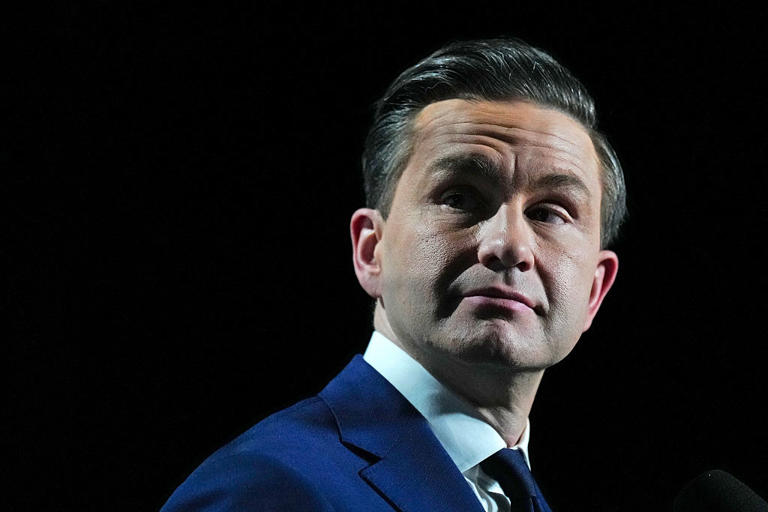
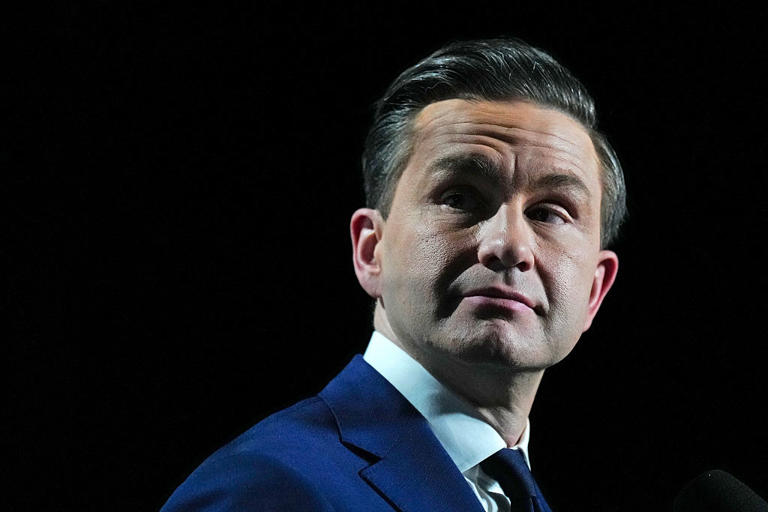
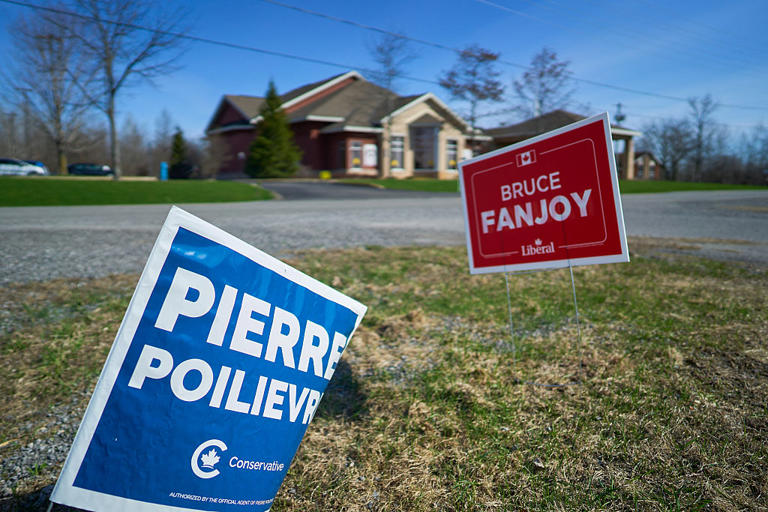
Pierre Poilievre has had a rough year. It’s not an opinion, it’s a fact.
In April 2025, Pierre Poilievre’s Federal Conservatives held a massive 20-point lead over the helmless Liberals after Justin Trudeau stepped aside amid a tenure marred by political infighting. It seemed as though the April 2025 election would be a slam-dunk for the Conservatives. Pierre Poilievre was at the height of his popularity to start 2025, and with Trudeau’s popularity numbers in the toilet, it was Poilievre’s race to lose.
There comes a point when your house stops being just “lived-in” and starts feeling like a constant to-do list. A window sticks, a faucet drips, the layout feels off, and suddenly, you’re not just fixing things—you’re thinking about bigger decisions. It’s not dramatic. It’s just practical. You might be sitting on the same couch you’ve had for years, in the same room with the same paint, wondering why everything feels slightly off. Maybe it’s the cramped kitchen. Maybe it’s the weird guest bathroom you’ve never liked. Or maybe it’s the realization that you’ve been ignoring those cracks because addressing them sounds expensive. So, if you’ve been weighing the pros and cons and wondering how to make the right call, it’s time to walk through the key signals that can guide your next move.
You’ve been there: you sign up for a free trial of a new service, fully intending to cancel before the trial period ends. But somehow, you forget, and the next thing you know, you’re staring at an unexpected charge on your credit card statement. It’s not mere forgetfulness; it’s the result of carefully engineered strategies by companies to prevent you from canceling.
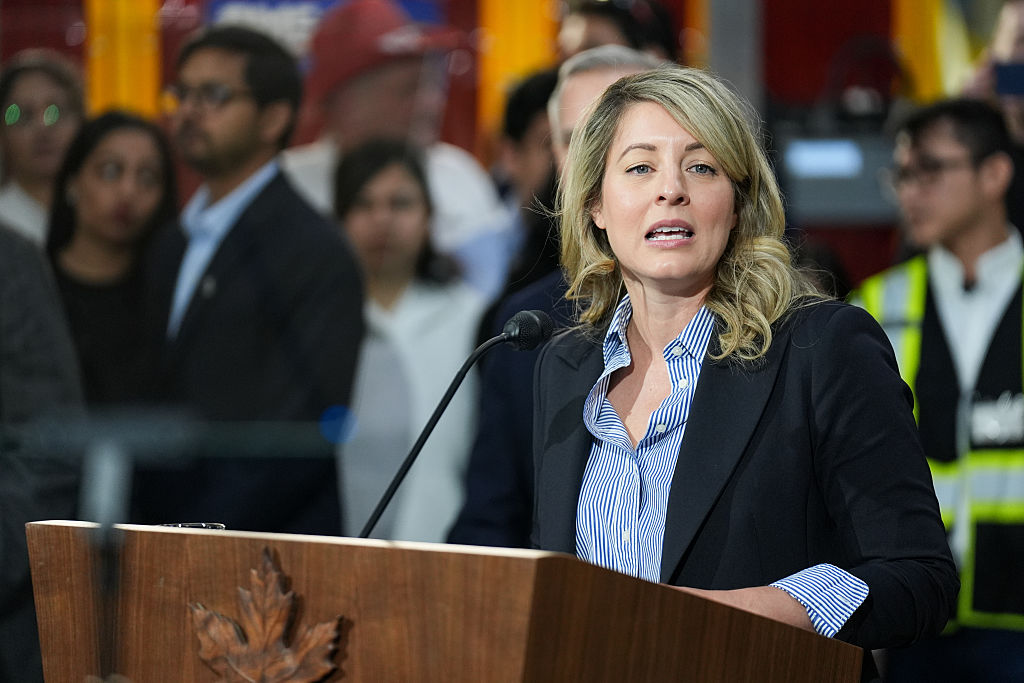
VAUGHAN, CANADA - FEBRUARY 5 : Canada's Minister of Industry Melanie Joly speaks during a press conference on Canadaâs auto manufacturing sector at Martinrea auto parts manufacturing facility in Vaughan, Ontario, Canada on February 5, 2026. (Photo by Mert Alper Dervis/Anadolu via Getty Images)
The Canadian Federal government announced a $1 billion loan program on May 4 as a lifeline for steel, aluminum, and copper sectors affected by US President Donald Trump’s latest wave of tariffs. Industry Minister Mélanie Joly and Minister responsible for the Federal Economic Development Agency for Southern Ontario Evan Solomon made the announcement at a manufacturing plant in Vars, Ontario. Joly said that the Canadian government will be establishing a $1-billion loan program through the Business Development Bank of Canada (BDC) so that companies most affected by the Trump scheme can get the money they need to stay in business. According to Joly, the loans will be available on ‘favourable terms’ for at least the next three years.
There will also be a separate $500 million fund that rewards companies for what Joly called ‘strategic pivots’ to move away from US market reliance. Donald Trump’s tariffs have created an increasingly unsupportable marketplace in what was once Canada’s most reliable trade partner. With the extra $500 million fund, the government has dedicated a total of $1.5 billion to the steel, aluminum, and copper sectors. This newest lifeline represents the newest fund to combat Trump’s tariffs, announced on February 1. There is currently a 50 per cent tariff on Canadian steel imports to the USA and Canada has responded with tariffs of its own, impacting at least $30 billion in US goods. Canada has also levied tariffs on Chinese steel to counteract Trump’s tariffs.
« When markets turn unfair, Canada needs institutions that can step up and deliver fast. BDC is ready to get this money into the operations of steel and aluminum companies quickly, keeping their doors open and them producing, »
-Isabelle Hudon, the president and CEO of Business Development Bank of Canada (BDC)
Tariffs to stay?
Minister Melanie Joly was asked whether or not Donald Trump’s tariffs would stay indefinitely, to which Joly admitted she didn’t know. The government claims the new funding package is required after Donald Trump extended his tariffs on steel, aluminum and copper levies last month to apply to more products, including previously exempt derivatives like steel coils and aluminum sheets. The change has impacted Canadian tool and mould manufacturers, who are now seeing massive customs bills at the Canada-US border. One Canadian company, Laval Tool & Mould Ltd, has announced that Trump’s tariffs will cost the business at least $5 million in 2026. Nicole Vlanich, the executive director of the Canadian Association of Mould Makers (CAMM), broke down the cost of Trump’s tariffs, claiming “A mould that was paying $1,500 in tariffs a couple of weeks ago is now paying over $30,000.”
« You don’t know. I don’t know. This is not up to us to answer. These decisions will be taken south of the border. But we don’t just sit idle waiting for things to happen — we act, »
Melanie Joly in response to whether US tariffs would continue
According to US Trade Representative Jamieson Greer, the tariffs are here to stay. Greer has been Trump’s point man on trade negotiations with Canada. Greer stated on May 4 that Trump is wedded to his tariffs, and they won’t be going anywhere as long as he is in office.
« The president’s not gonna go back to the old situation where we had no tariffs and we just let foreign goods made by foreign workers come in without any fee, »
Jamieson Greer
According to data from StatsCan, the official national statistical agency of the Government of Canada, Trump’s tariffs have essentially collapsed exports of steel products to the United States. As of 2025, the value of Canadian steel exports to the US was just a third of what it was before Trump took power in his second term. Trump’s ‘protectionist agenda’ has created layoffs across Canada, most notably in Sault Ste Marie, where Algoma Steel laid off more than a thousand workers. The layoffs represent more than a third of the plant’s personnel, with almost all of those layoffs impacting base-level employees.
Tariffs causing suffering on both sides of the border
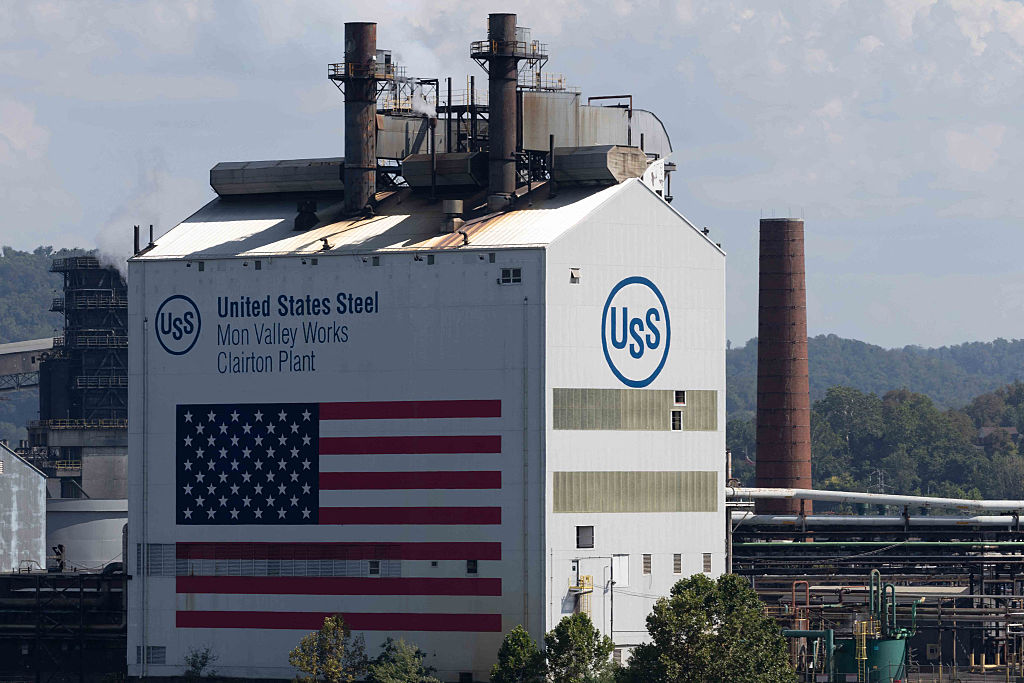
The US Steel logo is seen on their Clairton Coke Works plant following an explosion at the plant in Clairton, Pennsylvania, on August 11, 2025. At least one person died and dozens were wounded on August 11 after blasts at the US Steel plant in the state of Pennsylvania, officials said. « Multiple explosions occurred today at U.S. Steel Clairton Coke Works, » the state’s Governor Josh Shapiro said in a post on X, naming a plant some 15 miles (25 kilometers) outside the city of Pittsburgh. (Photo by Rebecca DROKE / AFP) (Photo by REBECCA DROKE/AFP via Getty Images)
While Trump’s aggressive tariffs are meant to directly inject cash and jobs into the US steel sector, statistics show the impacts have been anything but positive. According to research from the US Tax Foundation, a nonpartisan research think tank in Washington, Section 232 tariffs have led to the equivalent of more than 150,000 jobs lost, not gained. Data from the World Steel Association, the international industry body, also shows that Trump’s tariffs are not having the intended effect, with US production only increasing by a marginal three per cent. According to Trump, his tariffs were going to create “millions and millions” of jobs, and regional production would increase “like you’ve never seen before.” Neither of these statements has rung remotely true.
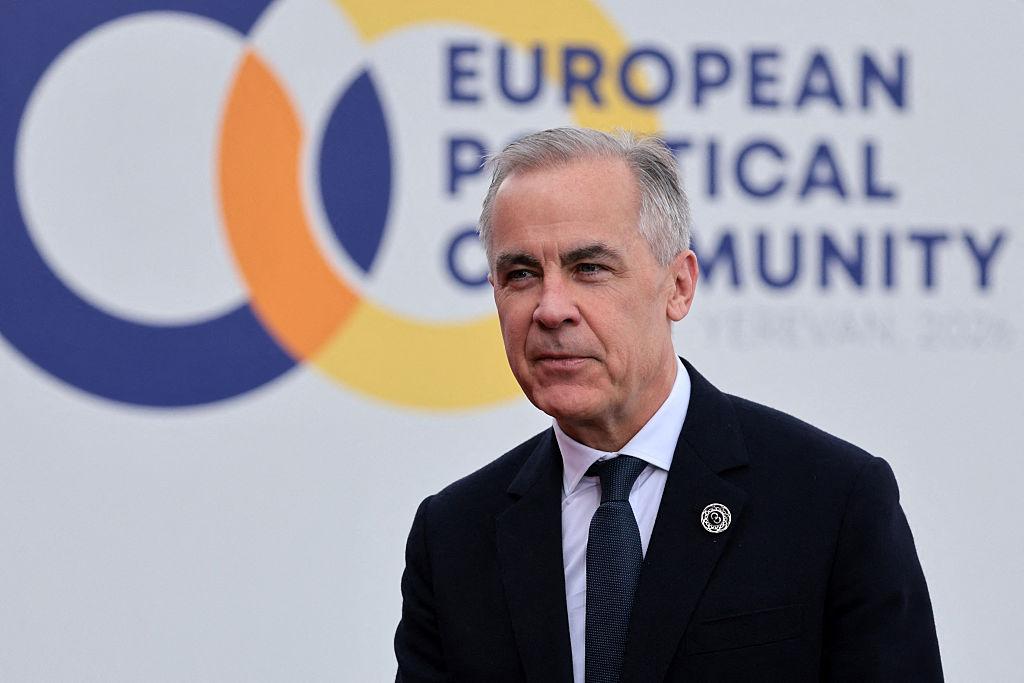
Canada's Prime Minister Mark Carney arrives to attend the 8th European Political Community (EPC) summit in Yerevan on May 4, 2026. (Photo by Ludovic MARIN / AFP via Getty Images)
On May 4, Mark Carney became the first non-European representative to address the biannual EPC summit, which this year was held in Armenia. In his five-minute address to the conference, he maintained that Canada is ‘the most European of the non-European countries’, citing a strong European immigrant population and Canada’s bilingualism as reasons why. Canada is the first non-European country to be invited to the EPC summit, showcasing that Carney’s goal of strengthening ties with Europe has been a success up to now. Carney boasted how Canada has supported EU initiatives, and that Canada is the only EU country to invest in certain initiatives, like EU SAFE. Carney also stressed that Canada is an energy superpower as one of the global leaders in oil production. He did not mention Canada’s Uranium-rich deposits.
Carney pledges $270M to Ukraine
During his historical address, Carney also stressed that Canada has been one of Ukraine’s strongest financial allies, committing more than $25 billion to the country since 2022. Carney clarified that the money would be used to buy weapons and munitions from the US, drawing some criticism. Canada’s consistent aid to Ukraine has created a rift amongst Canadian voters, with many believing the hefty $25 billion price tag is too steep. Carney stressed that the reason Canada was at the summit was because of the « immense potential » for partnerships with Europe. Carney also stressed that the world cannot look at the economy through nostalgic glasses, and that the world needs to be realistic regarding Donald Trump’s threats, and the unrest caused by Russia, the US, and Israel’s wars.
« We have to actively take on the world as it is, not as we wish it to be. We know nostalgia is not a strategy, but we don’t think that we’re destined to submit to a more transactional, insular and brutal world.
-Mark Carney
Carney said it was his strong personal view that international order can and will be rebuilt through Europe. This is consistent with Carney’s messages emboldening what he calls ‘middle-powers’. Middle powers are countries with strong sovereign power and significant exports, but whose GDP does not classify them as a ‘global superpower’. Examples of these nations include Canada, Australia, Japan, Mexico, Brazil, and the Scandinavian countries. Of the 193 countries in the world, about two dozen are classified as ‘middle powers’. Carney spent a significant amount of time meeting with ‘middle powers’ on May 3 and 4. Before his address on May 4, Carney met with European Commission President Ursula von der Leyen and Antonio Costa, president of the European Council. According to the Prime Minister’s Office, the leaders discussed deepening collaboration in areas such as supply chains, critical minerals, energy and technologies. Carney also had meetings with Italian Prime Minister Giorgia Meloni and Spanish Prime Minister Pedro Sanchez on May 4.
What happened at the meetings?
On May 3, Mark Carney met with a plethora of world leaders and important figures. It began with a meeting with the president of the European Parliament, Roberta Metsola. Metsola revealed that she had sent the invitation to Carney multiple weeks before the summit, and was ‘very pleased’ that the Canadian PM could attend. Carney also met with more of his much-loved middle powers on May 3. Carney met with Armenian Prime Minister Nikol Pashinyan, whose country is hosting the event. Carney also met with Polish Prime Minister Donald Tusk, among others. According to reports from CBC and CTV News, US President Donald Trump loomed largely over those discussions. It’s highly unlikely that Mark Carney would have been invited to the EPC summit without Donald Trump’s sweeping tariffs endangering global supply chains. Trump recently accused the EU of breaking the terms of its trade agreement with the United States. As a result, he said, he promised to increase his tariffs on auto imports from EU countries.
Pierre Poilievre criticizes Carney
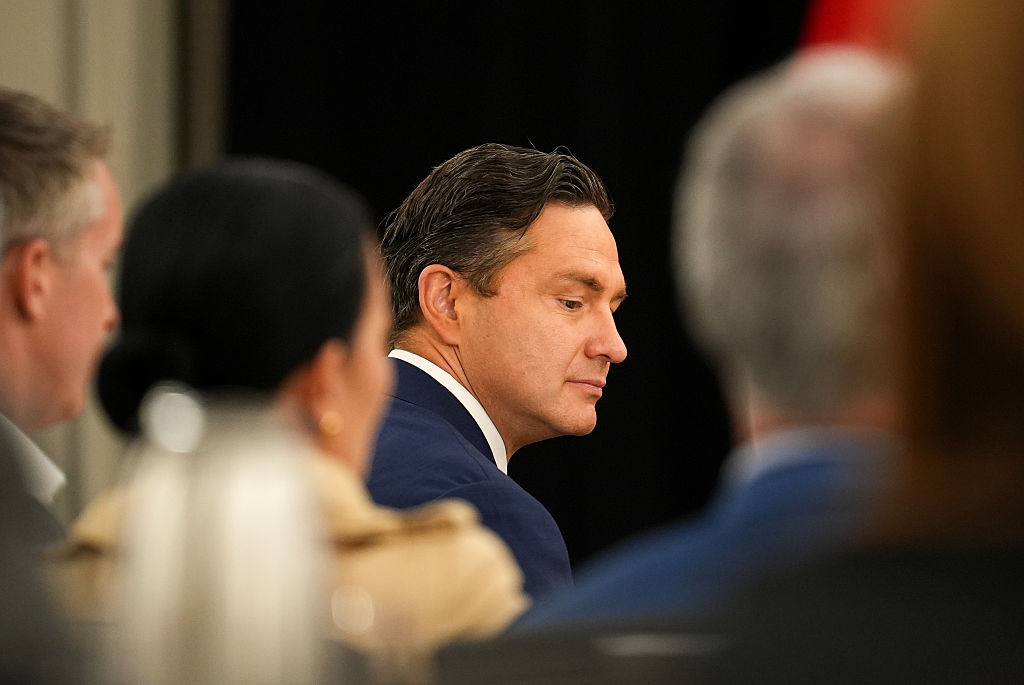
TORONTO, CANADA – APRIL 16 : Leader of Conservative Party of Canada Pierre Poilievre attends an event organized by Canadian Club Toronto on April 16, 2026 in Toronto, Ontario, Canada. (Photo by Mert Alper Dervis/Anadolu via Getty Images)
Conservative Party leader Pierre Poilievre, who is fresh from blowing one of the largest leads in Canadian political history, spoke with the media in Toronto on May 3. According to CPC leader Poilievre, who lost his own seat in Parliament during the 2025 election, the trip was a waste of resources that will only serve to cost taxpayers more money.
“[The EPC summit] is another trip, signing fake MOUs and giving dazzling speeches all while delivering no real results here at home.”
-Pierre Poilievre
An MOU is a Memorandum of Understanding, a formal, but non-legal document between two parties outlining an agreement to cooperate on a mutual goal. Carney has signed multiple MoUs, including some within Canada, like his agreement with Alberta Premier Danielle Smith regarding the new bitumen pipeline. While Poilievre is absolutely correct in pointing out that these documents are not legally binding, there is no proof showing that the documents are ‘fake’. In fact, Carney has received glowing reviews from the international market for his dedication to relationship-building.
Poilievre also criticized Carney’s constant travel. Armenia is the 21st country Carney has visited since his election as the PM, focusing on creating new trade agreements and new partnerships amidst the collapsed relationship between the US and Canada. During his first year in office, Mark Carney has made European partnerships the main focus of his administration. While campaign promises like ‘Build Canada Homes’ and ‘Nation-building projects’ have taken a backseat, Carney has secured 20 partnerships with European countries over his first year in office.
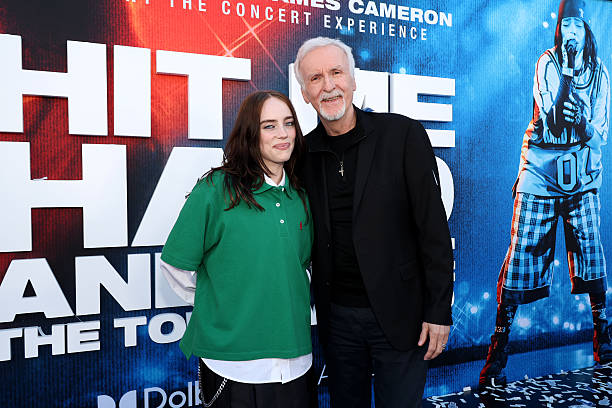
Billie Eilish was recently a guest on the podcast Good Hang with Amy Poehler.
She spoke candidly about various personal and professional aspects of her life.
In particular, she discussed cosmetic surgery.
The audience praised her authenticity and her positive outlook on aging and self-image.
Billie Eilish, a true phenomenon of recent years, recently appeared on the podcast Good Hang with Amy Poehler.
With her film just released—offering a unique behind-the-scenes look at her career—the artist spoke candidly and unfiltered during her conversation with the host, much to the delight of her fans. Over the course of an hour-long conversation, she addressed several personal and professional topics.
She also spoke about cosmetic surgery, a practice increasingly common among public figures, sharing an honest and direct perspective on the subject. For her, aging is a privilege and something beautiful.
“I’m so excited to get older, and I’m excited for my face and body to change without me touching them (…) I want my kids to look at me and see my face resemble theirs. I don’t want to be a slapdash version of everything that’s going on right now,” Billie Eilish confided.
Her perspective has been widely appreciated by the public, with many viewing her as a positive role model for today’s youth, who are often exposed to beauty standards that can influence them to want to alter their bodies due to the normalization of such procedures.
YouTube screenshot – Good Hang with Amy Poehler
An immersive film
This collaboration comes at a pivotal moment in Billie Eilish’s career. Her film, released in theaters on May 8, continues the string of successes that have marked her journey. At just 24 years old, the artist unveils never-before-seen footage that offers her fans a special glimpse into her world.
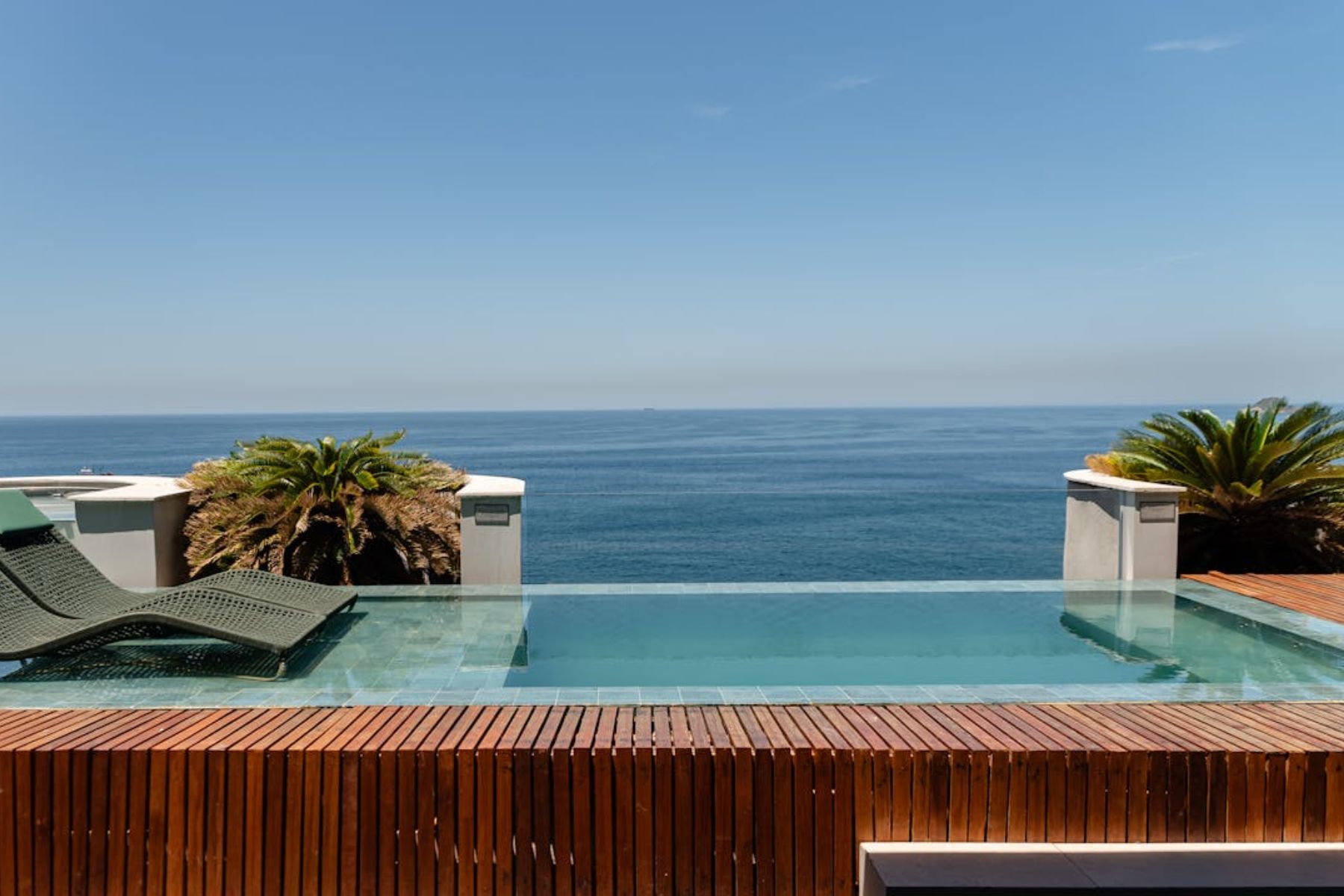
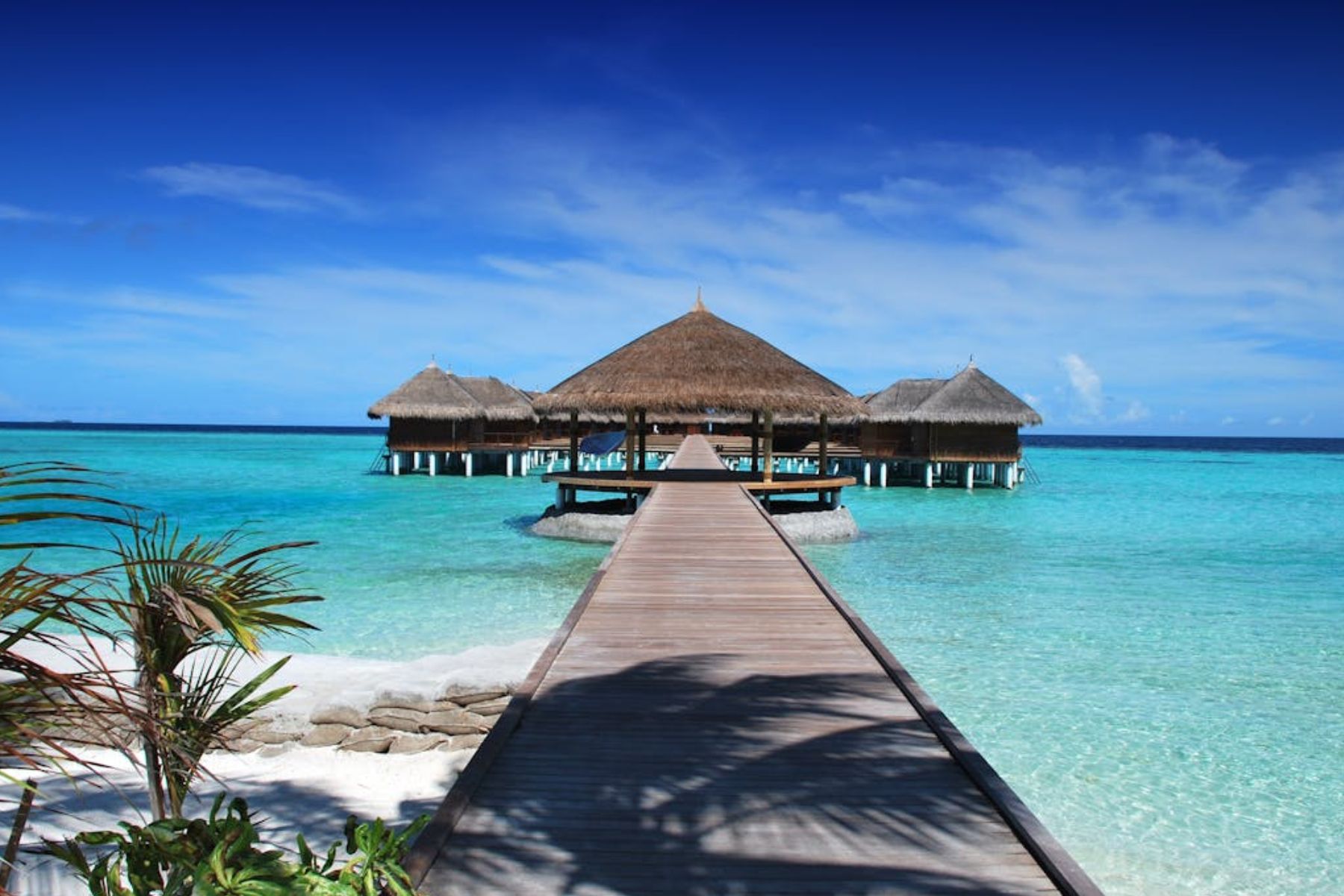
Travel photography used to be about documenting memories for personal albums. Now it’s become a whole different beast, where a right-click can inspire thousands of strangers to add destinations to their bucket lists. Some snapshots just have the power to make viewers feel like they’re missing out on something incredible. Well, the psychology behind buzz-worthy travel content is fascinating because it reveals what universally appeals to our sense of adventure and aesthetics. Specific compositions and locations consistently outperform others, giving rise to this predictable pattern of engagement. Once you recognize these elements, your pictures start hitting differently, too. So, here are 14 photo types that have cracked the viral travel code.
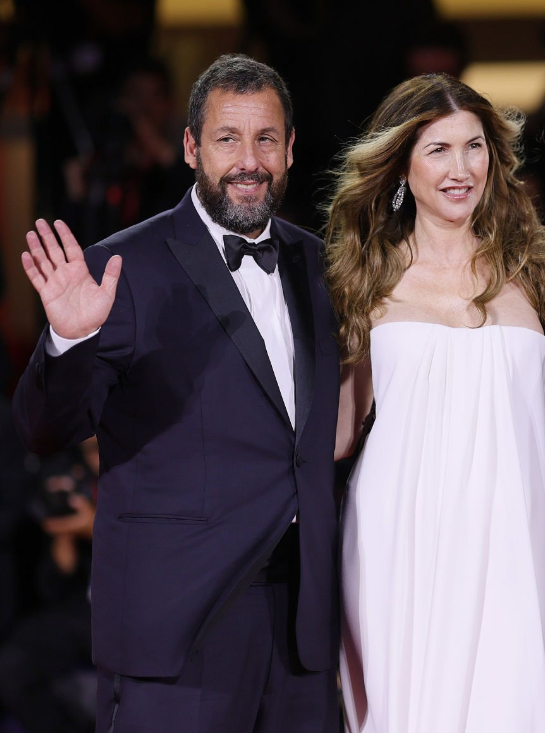
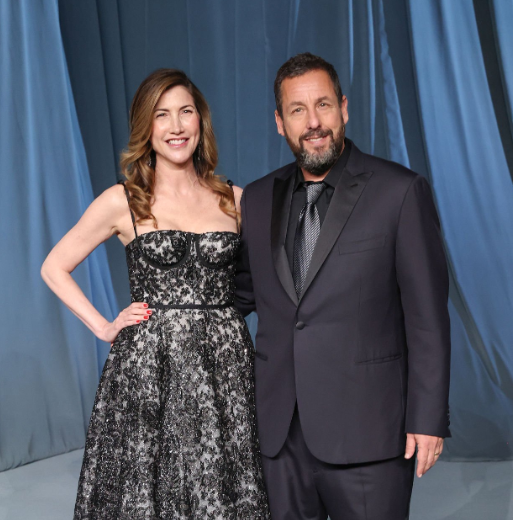
This series showcases the most glamorous moments of the couple formed by Adam Sandler and Jackie Titone, now Jackie Sandler. Through these images, we see a rare chemistry and a natural elegance that has stood the test of time. Jackie Titone, who became Jackie Sandler after their marriage, radiates a luminous presence alongside the actor.
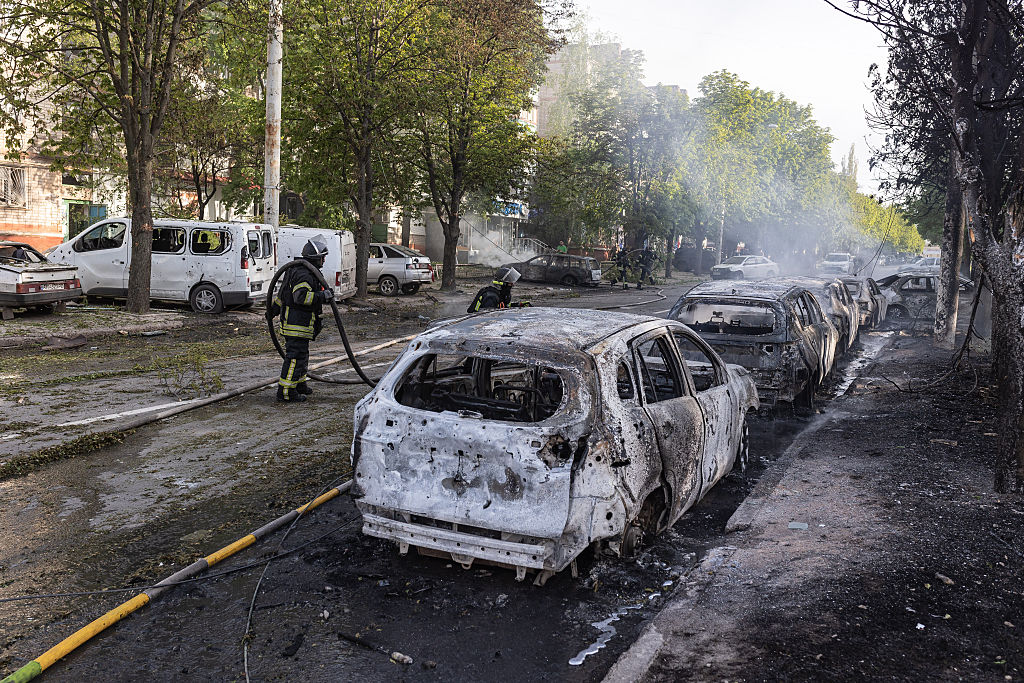
KRAMATORSK, UKRAINE - MAY 05: Emergency workers operate at the site where a Russian airstrike with KAB bombs struck in the center of Kramatorsk, killing at least five people and injuring eight in Kramatorsk, Ukraine, on May 5, 2026. (Photo by Diego Herrera Carcedo/Anadolu via Getty Images)
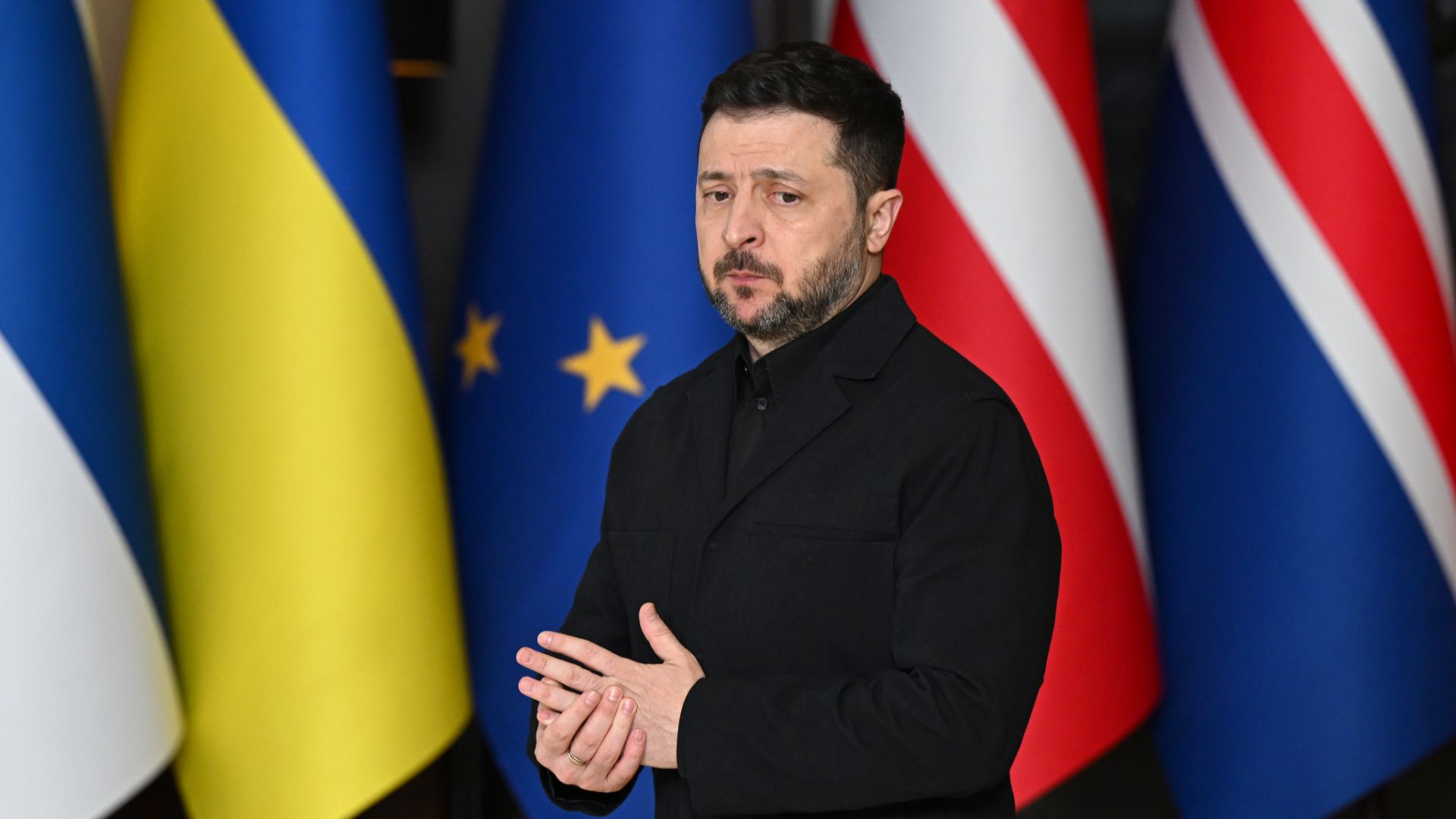
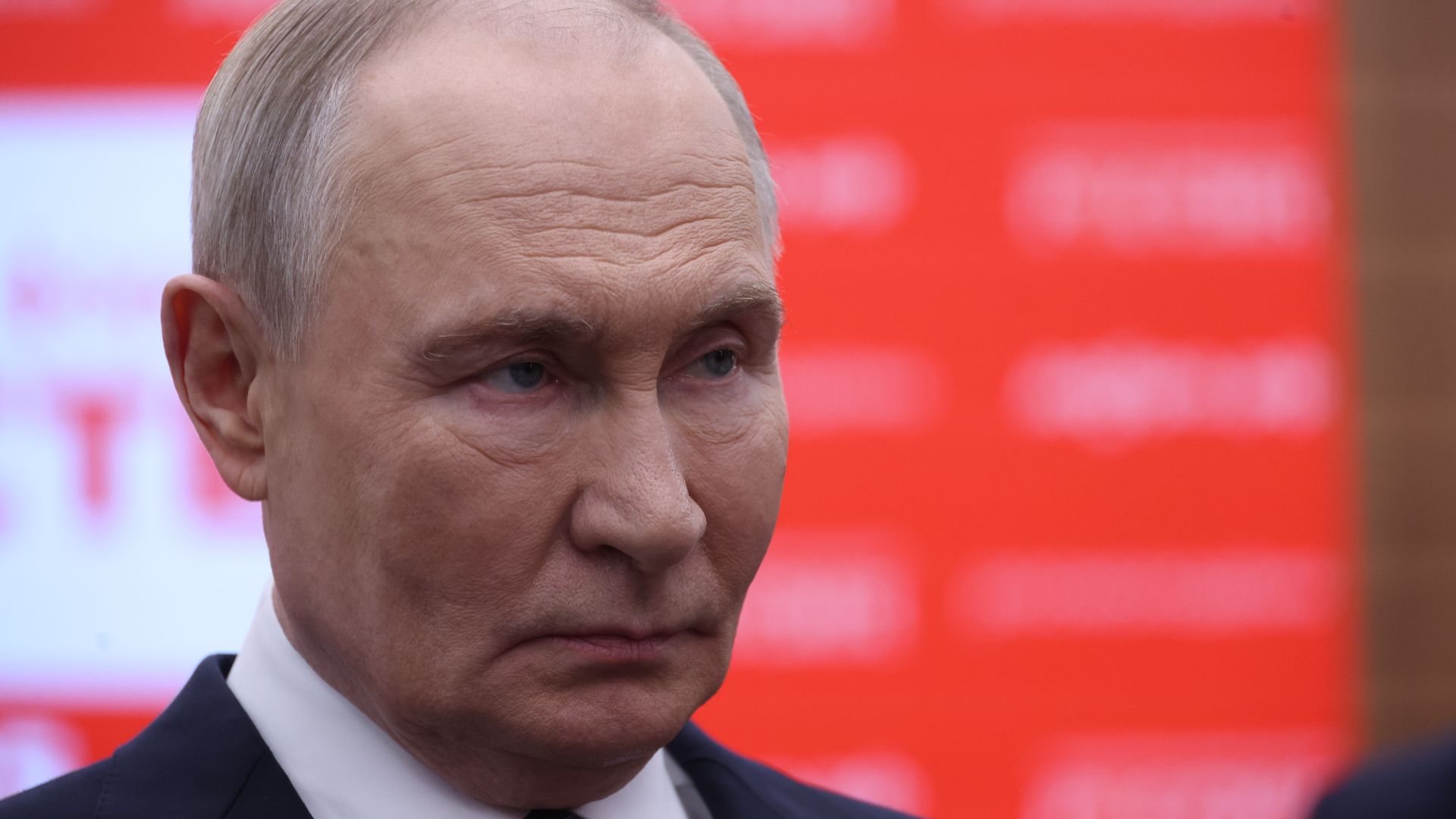
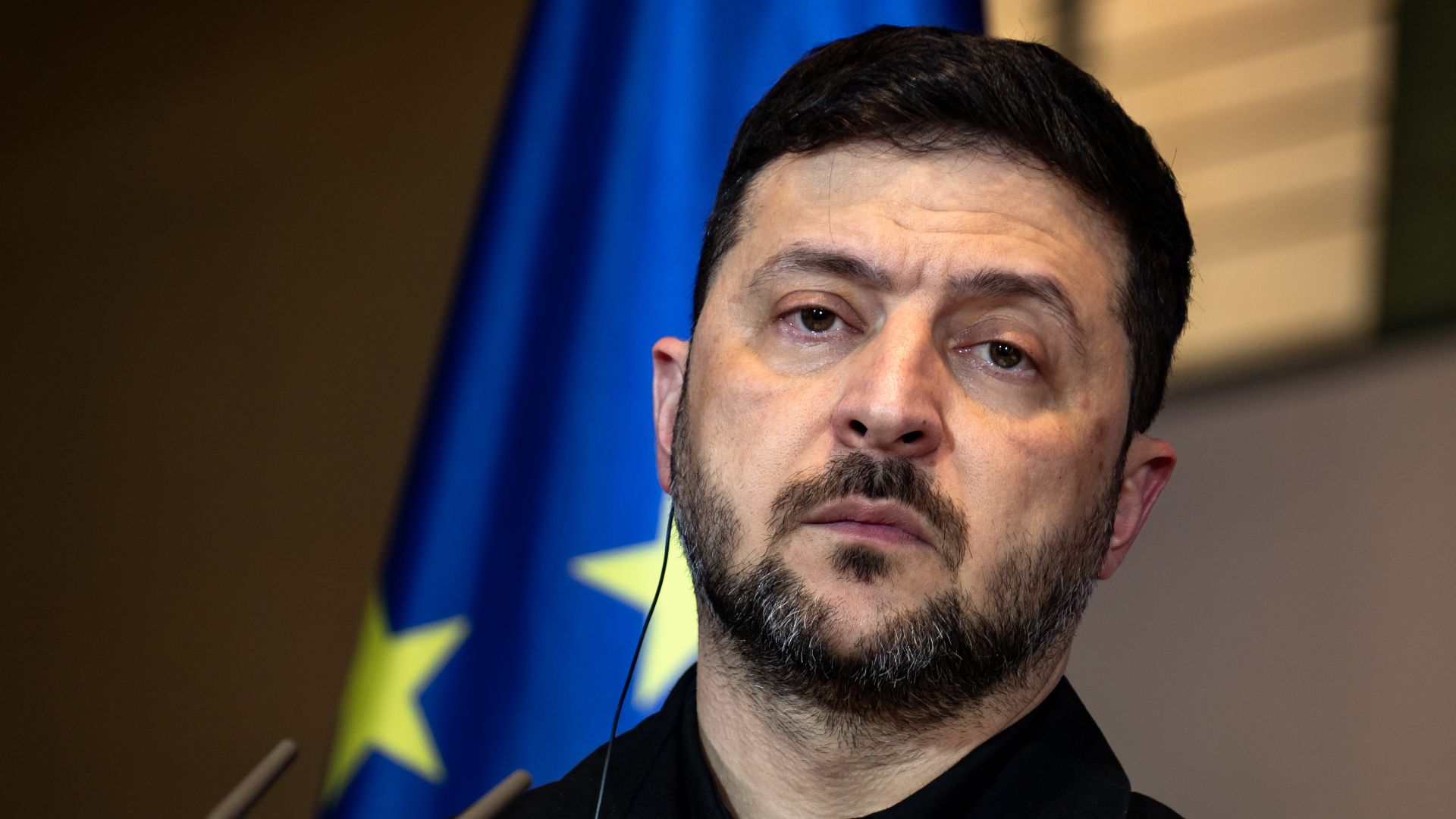
Russia’s War on Ukraine saw dramatic updates on May 4 and 5, with both countries announcing unilateral ceasefires while continuing strikes on civilian areas. On May 4, Russian President Vladimir Putin announced a ceasefire through a statement available in Russia. BUM Interactif has received exclusive translations courtesy of a major Russian watchdog on Telegram. According to the original statement, the ceasefire was declared ‘in honour of the celebration of the Soviet people’s victory in the Great Patriotic War’. According to the official statement from the Kremlin, the only reason for the ceasefire is celebration, making the agreement most likely purely ceremonial and certainly geared towards ensuring the safety of Russia’s planned celebrations on May 9. In a public statement available to all news outlets, Russia’s Defence Minister alleged that while at the European Political Community Summit (EPC) on May 4, Ukrainian President Volodymyr Zelenskyy said that ‘drones would buzz over Red Square.’ What the President actually said was ‘It is also possible that Ukrainian drones may appear during the event. »
“Russia has announced a parade on May 9, but there will be no military equipment. If this is confirmed, it will be the first time in many years that the country will be unable to provide weapons for the parade. It is also possible that Ukrainian drones may appear during the event, »
Volodymyr Zelenskyy
In the Kremlin’s official release, Putin urged Ukrainian President Volodymyr Zelenskyy to ‘follow suit’ and commit to his own ceasefire. The Ukrainian leader obliged and announced a ‘regime of silence’ beginning at 00:00 on May 6. The Ukrainian leader made sure to clarify that Ukraine was not agreeing to the ceasefire for Russia’s celebrations, but instead for the benefit of human life.
“We believe that human life is of incomparably greater value than the ‘celebration’ of any anniversary.”
Getty Images
While Zelenskyy agreed to a ceasefire, he made it clear just how unstable the agreement was, clarifying that Ukraine would be operating in a ‘mirror manner.’ The statement confirms that the ceasefire is certainly unilateral and has not been cosigned by each country. It is an unofficial ceasefire. Any action that Russia takes in breach of the agreement, Ukraine will mirror, meaning neither country has agreed to any form of accountability.
“We are declaring a regime of silence, starting from 00:00 on the night of May 5-6. In the time available until then, it is realistic to ensure the onset of silence. We will act in a mirror manner, starting from the indicated moment. It is time for Russian leaders to take real steps to end their war, if the Russian Ministry of Defense believes that it will not hold a parade in Moscow without the goodwill of Ukraine”.
Volodymyr Zelenskyy
A timeline of events
Since Russia’s initial announcement on May 4, both countries have continued striking the other, with fatalities coming from both sides. This is a timeline from May 4 to 5 showing each of the breaches.
May 4 – Putin announces ceasefire
At approximately 1:00 PM ET, Vladimir Putin announced a ceasefire with Ukraine in hopes of protecting the May 9 parade in Moscow. Putin clarified that his 90-minute phone call with Trump encouraged him to make a public announcement. May 9th’s Victory Day parade was already planned to be scaled down, due to a ‘terrorist threat’.
May 4 – Kremlin attacks Zaporizhzhia
Reported at 1:50 PM ET, Russia attacked Zaporizhzhia, the seventh-biggest city in Ukraine. The attack targeted solely civilian infrastructure. Photos were quickly released of burned-out cars and a semi-demolished residential building. According to regional governor Ivan Fedorov, multiple residential buildings, a car repair service, and a car wash were damaged in the attack. Ukrainian defence forces confirmed that as of May 5, 12 people were killed and an additional 16 were injured, making it one of the deadliest individual strikes of the four-year war. The attack came less than an hour after Moscow released its ceasefire statement.
May 4 – Zelenskyy announces ‘Regime of peace’
At approximately 2:45 PM ET, Ukrainian President Volodymyr Zeleskyy announced that Ukraine would commit to a regime of peace beginning at 00:00 on May 5. Again, Zelenskyy clarified that Ukraine would be operating in a ‘mirror manner’, mimicking the actions of the Kremlin. Neither country ceased its attacks overnight on May 5.
May 4 – Russia shoots down drones over Moscow
Unsurprisingly, Ukraine also continued attacks after Putin’s statement. The Kremlin reported two drones shot down over the capital, Moscow, and reported at least 13 drones had been shot down over the prior 24 hours. By 3:30 PM ET on May 4, the Russian government had set up outposts manned by armed security forces at all the entrances to the capital. An armoured vehicle was seen at the Kremlin Embankment, and snipers were spotted across the city. Access to the Red Square, where the Victory Day parade will be held, was blocked off and continues to be so.
May 4 (overnight)– Kremlin attacks continue
There were multiple attacks reported overnight on May 4, with several people killed. Two people were injured in a Russian-led attack in Brovary, Kyiv Oblast, overnight, according to local authorities.
Getty Images
May 4 (overnight) – Ukraine attacks Russia
In Russia, missile alerts were declared across three separate regions: Tatarstan, Samara, and Penza Oblasts. Later in the night, missile threats were confirmed in Sverdlovsk and Izhevsk.
An explosion was heard in the Russian city of Kazan, but no damage was reported. Another strike was confirmed in Cheboksary, with the attack sparking a fire in a residential building. Residents of Cheboksary also confirmed explosions and a fire. In Cheboksary, the MTV entertainment centre caught fire, as confirmed by multiple videos from the city. In the same attack, the VNIIR-Progress defence plant in Cheboksary, which is located across the street from the MTV centre, was directly hit by a Ukrainian missile. The plant produces vital Kometa antennas for the Russian army, which protect Russian drones from Ukrainian electronic warfare systems. It also produces satellite GNSS receivers and antennas for Glonass, GPS, and Galileo systems, including Kometa modules, which are used in Shahed-class kamikaze drones, as well as in Iskander-M and Kalibr missiles and UMPK modules for aerial bombs.
According to local authorities, there were no casualties in the overnight attacks.
May 5 (morning)– deadly Russian attack
In the Poltava region, five people were killed, and an additional 37 were injured in drone strikes. Among the dead were two rescuers who were hit when they arrived to extinguish the fire. According to the head of the Poltava Regional Administration, « The attack damaged an industrial facility. 3,480 customers were left without gas. Railroad infrastructure was also damaged. »
According to Mykola Kalashnik, head of the Kyiv Regional Anti-Doping Agency (OVA), one more person was killed in a strike in Brovary, and another in Vyshhorod. An apartment building, four private homes, a gas station, and 11 cars were damaged.
May 5 (morning)– Russia blacks out all telecommunications,
Early on May 5, all mobile communications were shut down in Moscow, affecting ATMs, social media, and other services. The Kremlin did not officially announce the blackout, but multiple sources confirmed it on Telegram. The Kremlin released a statement stating its plans to shut down mobile communications on May 7 from 5 a.m. to 12 p.m. and on May 9 from 5 a.m. to 1 p.m. There will be a practice run of Russia’s Victory Day parade on the 7th, and the parade will take place on the 9th. The announcement confirms a statement from Volodymyr Zelenskyy:
“If the Russian Ministry of Defence believes that it will not hold a parade in Moscow without Ukraine’s goodwill, the time has come for Russian leaders to take real steps to end their war.”
Constant attacks on May 5, a pointless ceasefire
On May 5, neither country has ceased military action. Hundreds of drones have been shot down over Russia as of 3 PM ET, and Ukraine has reported at least five attacks. Multiple Ukrainian drones have penetrated Russian defences, striking residential buildings and an oil refinery. The latter attack caused a fire that has yet to be extinguished. Russia’s strike in Zaporizhzhia is now one of the deadliest of the conflict, with the death toll breaching 35 people. May 6 has been declared a day of mourning in the region. Five more were killed in a strike in Kramatorsk, Donbas.
With neither country signing a ceasefire agreement and Russia implementing its ceasefire solely in hopes of protecting its victory day parade, the last 48 hours have been nothing more than posturing from either side. The Ukraine war is not approaching its end.