Catégories
Uncategorized

Canadian military taking drone warfare seriously: report

The Canadian military has begun quietly developing and deploying counter-drone systems in and around Canadian ports in hopes of getting ahead of the new trend in warfare: uncrewed aerial vehicles (UAV’s). The idea is to reportedly prevent the dangerous drone-led warfare that has crippled Northern Europe and has defined Russia’s war on Ukraine. According to CBC, the project has been mostly under wraps, with the Canadian military striving for secrecy. According to the Canadian military, the systems are still a work in progress as drone-strike technology rapidly advances. The military reportedly plans on deploying these systems around all of its major ports and air bases.

Drone warfare in Ukraine

Russia’s war on Ukraine has been fought like no other. Instead of being fought on the ground by soldiers, it’s been largely fought from the sky using UAV’s. In four years of war on Ukraine, Russia has used a litany of different UAV’s. Ukrainian defence minister Mykhailo Fedorov confirmed in April that more than 80 per cent of the conflict’s fatalities have come from unmanned drones, making it the first conflict in global history to not be defined by battlefield warfare. Russia and Ukraine use a series of different drones to undertake these military missions, with some being developed in Russia and Ukraine, and some being developed in Iran.

The two most impactful UAV types have been one-way Iranian-made Shahed drones (named Geran-type drones in Russia). These one-way ‘Kamikaze’ drones have a range of up to 2,500 km and can carry a maximum weight of 90kg, meaning they can carry a 90kg warhead in their nose. While less dangerous, unmanned first-person view (FPV) drones have wreaked havoc on the Ukrainian environment. Connected to the operator by a long fibre-optic cable, these drones can travel up to 25km while still hardwired to the operator. The fibre-optic connection prevents these drones from being stopped by radio waves. The problem? When those drones go down or are sent on ‘kamikaze’ missions, the fibre-optic cable is left behind. There are currently hundreds of thousands of fibre optic cables littering the Ukrainian countryside and creating health risks for people and animals. These fibre optic FPV drones are currently being developed by Russia, Ukraine, China, Iran, Israel, and, reportedly, the group Hezbollah in Lebanon.

Getty Images

Canada worried about drones

With reports of Ukraine successfully sinking multiple major Russian ships, including the ballistic missile carrier Tsyklon, as well as multiple submarines and airfields, Canada is taking drone warfare seriously. With drones able to sink major naval vessels, and incapacitating airfields, major Western militaries, including Canada, are taking note. Royal Canadian Air Force, Lt.-Gen. Jamie Speiser-Blanchet recently spoke in front of a committee, claiming that Canadian airbases are receiving new protection systems.

« We have developed and are already working with some counter-[UAV] systems that are in place, and continuing to be developed in certain locations across Canada, »

Interview requests from CBC and other outlets were denied by both Speiser-Blanchet and the Canadian Department of Defence.

Falcon shield system is already in place

While Canada aims to create new systems to defend from UAV’s, there are already some systems in place. The Falcon Shield System, created by Italy and the UK, has reportedly been purchased by Canada, with the Royal Canadian Air Force announcing that it had begun training Canadian military personnel with the system in January 2025. The Falcon Shield uses radar, high-performance cameras and jamming to bring down drones. The system was originally deployed for Canadian troops in Latvia in 2024, but the military is reportedly working to bring the technology into Canada.

How can Canada police drones?

The Canadian government is working to uncover how drone defences can be deployed without affecting Canadian citizens. Cmdr. Philip Durand, director of naval requirements for sensors and warfare, said that the government needs to be conscious of both sides of the issue, and stressed that not all drones pose a threat to Canada.

“It is very hard to distinguish between a threatening drone coming off Point Pleasant Park, or someone who’s just curious about the very cool warship that’s coming into harbour,”

Durand stressed that legislation needs to be updated to protect both drone hobbyists and Canadian infrastructure. Durand said there’s a series of nightmare scenarios and security threats to both military and civilian infrastructure that we’re only just beginning to grasp. With drone technology now easily acquired by organized crime, hate groups, and just about anyone else who has $5,000 to spend on an FPV drone.

Getty Images
Catégories
Uncategorized

Carney working with Alberta to speed up approval for pipelines, other natural resource projects

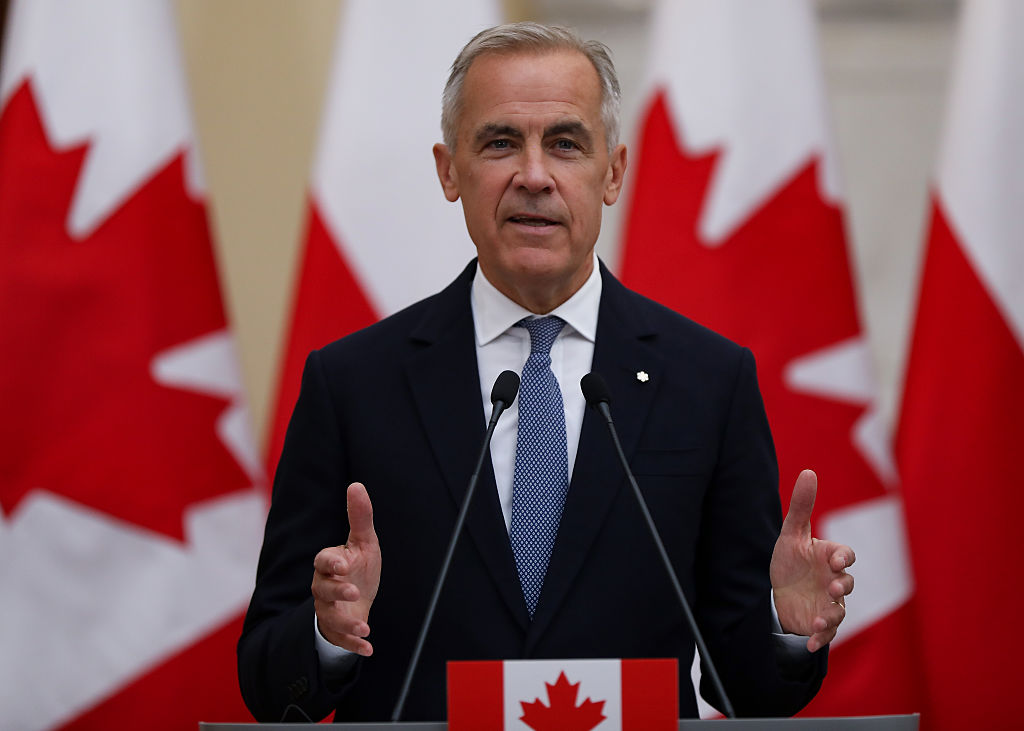
Mark Carney’s Liberal government has finally announced a plan to remove red surrounding potential ‘nation-building’ projects, including pipelines, and other natural resource projects. In an exclusive report from CBC released on May 6, the news outlet revealed it had spoken to two officers in the Federal government about Carney’s goal to remove red tape, but both sources were required to stay anonymous. The sources also could not share full details of the plan with CBC and warned that certain elements are almost certainly subject to change. The sources described the plans as being in line with the Carney government’s promise to have just one review per project, and to have a two-year decision timeline to approve major projects. Carney announced those plans in an official statement released on April 9.

According to CBC’s federal sources, the plans are expected to include « comprehensive » changes to processes, and the government will announce consultations ahead of passing required legislation. The sources confirmed that while the program will make pipelines easier to build, it will not eliminate mandatory consultation with Indigenous people. While the respective industries may be pleased with the program, the federal sources warned that environmentalists and Indigenous groups may be less than pleased.

Alberta pipeline stalled

One of the major factors pushing the Canadian government to enact comprehensive changes is the delay in building Alberta’s new West Coast pipeline. On November 27, 2025, PM Mark Carney signed a memorandum of understanding (MoU) alongside Alberta Premier Danielle Smith to facilitate a new oil pipeline. The proposed pipeline would stretch from inland Alberta all the way to the coast of British Columbia. The MoU also included language to establish a major carbon-capture hub in Alberta.

Getty Images

According to some federal and provincial sources reporting to CBC, there is optimism that a deal will finally be struck, even given the main sticking point: the rate at which industrial carbon pricing may or may not rise. It’s unclear whether an agreement will be made soon, but Mark Carney will be meeting with Danielle Smith on May 8, 2026. Right now, carbon credits in Alberta are trading at about $40, well below the current headline price of $95 per tonne. Carney and Smith’s MoU called for a minimum effective credit price of $130 per tonne, but Alberta wants $130 per tonne to be the carbon credits ceiling until 2050; the Carney government wants it to be the floor.

According to Smith, the two groups are ‘making progress,’ but stressed that the sticking point is the $130 per tonne minimum. According to Smith, the other sticking point for the agreement lies around the idea of « contracts for differences, » which was not explicitly referenced in the MOU. Contracts for difference are measures that make it extremely difficult or expensive for future governments to eliminate carbon pricing. Doing so would leave them on the hook to repay companies millions of dollars for investments in low-carbon projects.

“The prime minister clearly felt that’s one way to get to effective pricing. We have to make sure those contracts for differences don’t end up costing the industry or Alberta taxpayers or ratepayers a significant amount of money, »

Clean energy regulations subject to change

In the details of the MoU, the future of the Clean Energy Regulations is up in the air. The MoU states that upon the competition of the new carbon pricing agreement, Canada will temporarily suspend the CER in Alberta. This would let the province of Alberta skirt Canada’s requirement for provinces to achieve a net-zero power grid by 2050. If the federal electricity regulations were to go into place, Alberta would experience the greatest change of the provinces. Alberta would need to displace nearly 214 million tonnes of pollution to become compliant. The MOU suggests a strengthened Alberta TIER system and « other measures » would help the province achieve the same emissions reductions as the electricity regulations.

Getty Images

It’s unclear whether Carney’s federal Liberals and Danielle Smith’s provincial Conservatives will reach an agreement on carbon pricing that will actually change Alberta’s emissions for the better. Officials at Environment and Climate Change Canada have studied whether a strong enough price on emissions alone would be enough to put the country on track to achieve its climate targets. The answer has overwhelmingly been ‘no’. Currently, Alberta leads all Canadian provinces and territories in greenhouse gas emissions, with the province’s oil sector contributing to nearly 60 per cent of its GHG emissions. Mark Carney will meet with Danielle Smith in Ottawa on Friday, May 8.

Getty Images
Catégories
Uncategorized

McDonald’s Struggles to Grow in U.S. as Grocery and Fuel Prices Rise Under Trump

After several years of aggressive menu price increases across the fast-food industry, major restaurant chains have increasingly relied on value-focused promotions in an attempt to revive customer demand as Americans reduce discretionary spending under growing financial pressure. That strategy, however, was not enough for McDonald’s during the latest quarter as the company missed Wall Street expectations for U.S. comparable sales growth. McDonald’s reported same-store sales growth of 3.9 percent in the United States during the first quarter, below analyst expectations of a 4.2 percent increase. The weaker-than-expected performance arrived as consumers continue struggling with rising grocery bills and elevated gasoline prices tied partly to ongoing geopolitical instability surrounding Iran and tensions affecting global oil markets and shipping routes near the Strait of Hormuz. During the company’s earnings call, McDonald’s CEO Chris Kempczinski acknowledged the increasingly difficult economic conditions facing consumers, stating: «I think probably it’s fair to say that (the macro-economic environment) it’s certainly not improving, and it may be getting a little bit worse.»

The disappointing growth figures highlighted the growing challenge facing fast-food chains that built their modern reputation around affordability but are now confronting widespread consumer frustration over rising menu prices. Over the past several years, inflation, labor costs, supply chain disruptions and commodity increases pushed many restaurant operators to steadily raise prices across their menus. McDonald’s became one of the most visible examples of that trend as customers increasingly posted complaints online accusing the company of “never-ending price increases.” Many consumers specifically pointed to products such as the McDouble, which is now promoted at a “value” price of $2.50 in some markets despite costing roughly 99 cents a decade ago. Social media users also criticized the disappearance of promotions that once attracted budget-conscious customers, including discounted combo offers, buy-one-get-one deals and low-cost meal bundles. For many Americans facing mounting housing, food and fuel expenses, fast food no longer represents the inexpensive option it once did during periods of economic uncertainty.

«We’ve listened closely to our customers and adjusted along the way.»

-McDonald’s CEO, Chris Kempczinski

Kempczinski attempted to reassure investors by emphasizing that McDonald’s strategy remains focused on maintaining relevance among financially strained consumers. During the earnings call, he explained: «We’re measuring success in two ways: our ability to grow share with low-income consumers» before adding «and our ability to improve value and affordability scores.» The CEO repeatedly stressed that the company must reinforce its image as an affordable dining option during periods of economic stress. Kempczinski also highlighted what he described as McDonald’s «a relentless focus on strengthening our value leadership,» pointing to the expansion of the company’s McValue platform. The initiative now includes everyday menu items priced under $3, such as a $2.50 McDouble and a $1.50 Sausage McMuffin, alongside a $4 breakfast meal deal. Kempczinski added: «We’ve listened closely to our customers and adjusted along the way.» The company hopes the expanded discounts and value bundles will help stabilize customer traffic as household budgets remain under pressure nationwide.

Getty Images

McDonald’s challenges reflect a broader slowdown spreading across parts of the American restaurant industry as consumers become increasingly cautious about spending. Analysts noted that low-income consumers have been among the most financially impacted groups by inflation and rising borrowing costs during the past two years. At the same time, middle-income households have also begun reducing discretionary purchases as the cost of essentials continues climbing. Grocery prices remain elevated across multiple categories despite some easing inflation rates earlier this year, while gasoline prices surged again following renewed instability in the Middle East and fears surrounding shipping disruptions through the Strait of Hormuz, one of the world’s most important oil transit chokepoints. Economic uncertainty has forced many households to prioritize necessities over dining out, even at traditionally lower-cost chains such as McDonald’s. Several analysts warned that if fuel and grocery costs continue rising through the second half of 2026, the fast-food sector could face even greater pressure as consumers pull back spending further.

Getty Images

Despite the softer growth results, McDonald’s continues to outperform several competitors facing even steeper declines in customer traffic. The company has increasingly leaned on digital promotions, loyalty programs and app-exclusive discounts to encourage repeat visits and maintain customer engagement. Industry analysts believe those programs have helped cushion some of the pressure caused by inflation and consumer fatigue. At the same time, McDonald’s executives acknowledged that maintaining profitability while expanding low-cost promotions remains a delicate balance. Offering deeper discounts can help attract customers but may also reduce profit margins for both the corporation and franchise owners already dealing with higher labor and operating expenses. Several franchisees have privately expressed concern that the company’s push toward value meals may not fully offset declining customer volume if economic conditions worsen further. The company nevertheless continues positioning itself as one of the few national restaurant chains capable of weathering prolonged economic pressure through scale, marketing reach and operational flexibility.

«I think probably it’s fair to say that (the macro-economic environment) it’s certainly not improving, and it may be getting a little bit worse.»

-McDonald’s CEO, Chris Kempczinski

The situation facing McDonald’s also underscores how dramatically consumer expectations around fast food have changed over the past decade. For years, chains such as McDonald’s relied heavily on the perception that they offered quick and inexpensive meals during difficult economic periods. However, inflation and repeated menu price increases have significantly altered that relationship for many consumers. Online criticism aimed at McDonald’s increasingly focuses not only on higher prices but also on the feeling that the company abandoned the aggressive promotional culture that once defined the brand. Many customers argue the value gap between fast food and casual dining has narrowed substantially, making restaurant choices harder to justify for price-conscious families. With tensions in the Middle East continuing to fuel uncertainty around fuel prices and grocery inflation remaining persistent, McDonald’s and the broader fast-food industry may continue facing difficult conditions for the foreseeable future as companies attempt to convince consumers that affordability still exists inside the modern fast-food market.

Getty Images
Catégories
Uncategorized

Pentagon Shares 17 Newly Declassified UAP Images From the 1972 Moon Landing to 2026

The Department of Defense sparked immediate global attention after announcing what it described as a historic transparency effort involving newly declassified files tied to Unidentified Anomalous Phenomena, commonly known as UAPs. In a statement posted on X by the Department of War account, officials confirmed the public release of 17 previously unseen images and documents spanning more than five decades, from the Apollo 17 moon mission in 1972 to military encounters reported in 2026. The statement declared: «Today, the Department of War announced the initial release of new, never-before-seen files on Unidentified Anomalous Phenomena (UAP) as part of the Presidential Unsealing and Reporting System for UAP Encounters (PURSUE).» The department explained that the initiative involved cooperation between the White House, the Office of the Director of National Intelligence, NASA, the FBI, the Department of Energy and the Pentagon’s All-domain Anomaly Resolution Office, also known as AARO. According to officials, the files will now be hosted publicly on WAR.GOV/UFO and additional material will continue to be released over time.

The Pentagon described the initiative as part of a broader transparency directive ordered by President Donald Trump following years of public pressure surrounding UFO and extraterrestrial-related investigations. The Department of War stated that «This release follows the direction of President Donald J. Trump to begin the process of identifying and declassifying government files related to UAP in the interest of total transparency.» The announcement also claimed: «No other President or administration in history has followed through on this level of UAP transparency.» Trump himself had previously addressed the issue directly on Truth Social, writing: «Based on the tremendous interest shown, I will be directing the Secretary of War, and other relevant Departments and Agencies, to begin the process of identifying and releasing Government files related to alien and extraterrestrial life, unidentified aerial phenomena (UAP), and unidentified flying objects (UFOs), and any and all other information connected to these highly complex, but extremely interesting and important, matters. GOD BLESS AMERICA!» The administration framed the release as an effort to restore public trust after decades of accusations that federal agencies withheld or minimized information tied to unexplained aerial encounters.

«A U.S. military operator reported observing UAP flying just above the surface of the ocean, taking multiple 90-degree turn at high speed.»

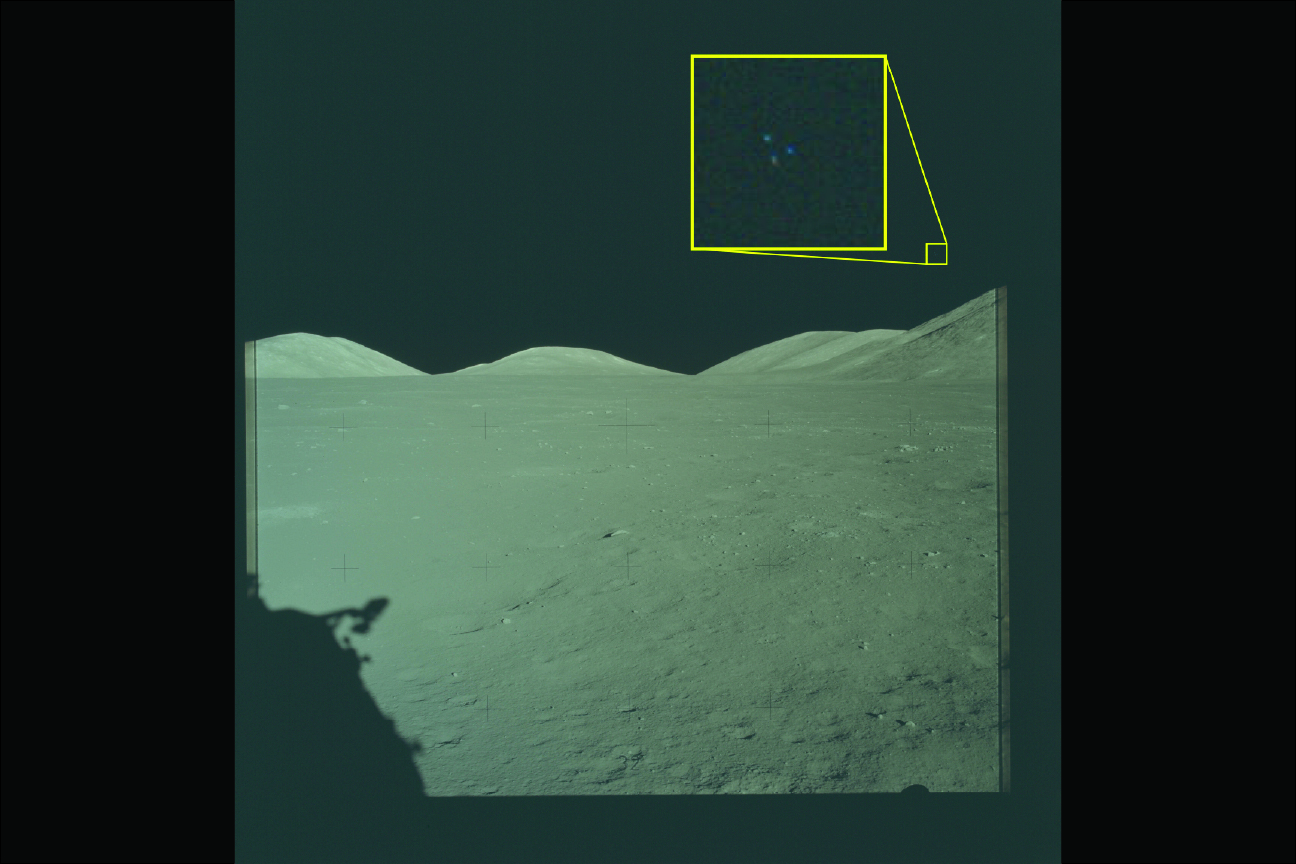
Among the most discussed materials included in the release is a photograph connected to the Apollo 17 moon mission in 1972. According to the Pentagon’s description, the image features a yellow-highlighted enlarged section showing «three lights visible above the lunar terrain» captured during the final crewed mission to the moon. The Pentagon did not provide a definitive explanation for the lights and noted that several of the files remain unresolved pending further analysis. Other newly public images include multiple infrared stills captured over the western United States between September and December 2025. One of the photographs reportedly shows a helicopter with a mysterious black object visible directly beneath the aircraft. Additional files include imagery from the Middle East, the United Arab Emirates and Greece involving military operators who reported observing unusual aerial objects performing unexplained maneuvers. Officials emphasized that many of the cases remain categorized as unresolved anomalies rather than confirmed extraterrestrial encounters.

U.S. Department of Defense

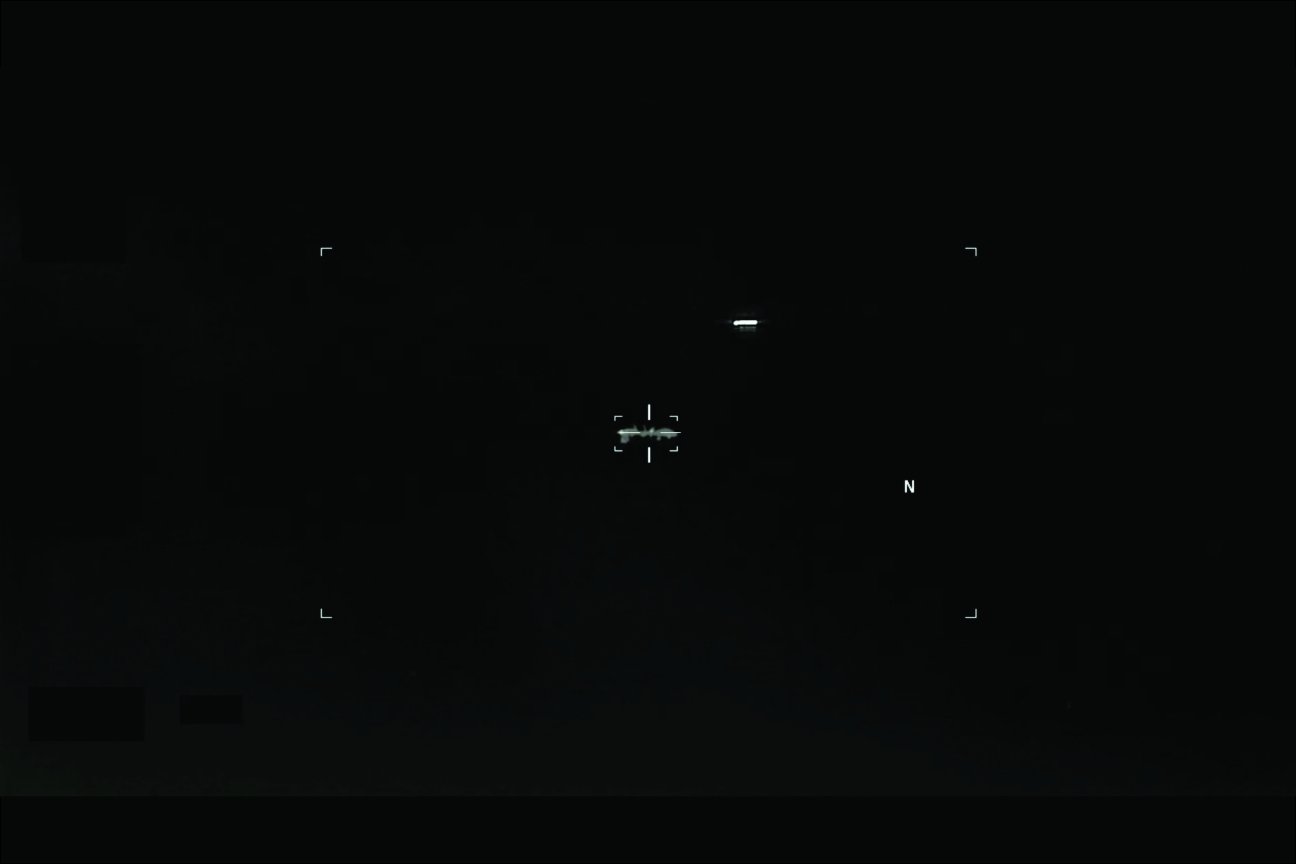
Several of the released images involve incidents that military personnel reportedly witnessed directly during operational missions. One file from Greece in 2023 described a UAP event in which «A U.S. military operator reported observing UAP flying just above the surface of the ocean, taking multiple 90-degree turn at high speed.» Another unresolved case from the Middle East in 2013 was described by investigators as «An eight-pointed area of contrast captured via infrared sensor.» A separate image taken in African airspace during 2025 reportedly involved a U.S. military operator observing unusual aerial activity while conducting routine operations. Another notable case from 2024 involved the U.S. Indo-Pacific Command near Japan, where officials documented what they described as «UAP that resembles a football-shaped body near Japan.» While defense officials stressed that the files do not prove extraterrestrial activity, the release has intensified public fascination because many of the encounters remain unexplained despite military analysis and sensor review.

U.S. Department of Defense

One of the most unusual documents included in the release is a composite sketch created from eyewitness reports connected to an alleged 2023 sighting. According to the Pentagon’s description, the file contains an «Actual site photo with FBI lab rendered graphic overlay depicting corroborating eyewitness reports from september 2023 of an apparent ellipsoid bronze metallic object materializing out of a bright light in the sky, 130-195 feet in lenght, and disappearing instantaneously.» The inclusion of FBI-generated visual material immediately fueled intense discussion online, particularly among UFO researchers who have long argued that federal agencies possess more detailed information regarding unexplained aerial phenomena than previously acknowledged publicly. Skeptics, however, cautioned against drawing premature conclusions from unresolved military observations, noting that unusual sensor readings, atmospheric effects, classified aerospace technology and optical distortions have historically contributed to many misunderstood aerial sightings. Even so, the unprecedented scale and scope of the release marked one of the largest public disclosures of UAP-related imagery in modern Pentagon history.

U.S. Department of Defense

«Based on the tremendous interest shown, I will be directing the Secretary of War, and other relevant Departments and Agencies, to begin the process of identifying and releasing Government files related to alien and extraterrestrial life, unidentified aerial phenomena (UAP), and unidentified flying objects (UFOs), and any and all other information connected to these highly complex, but extremely interesting and important, matters. GOD BLESS AMERICA!»

-U.S. President, Donald Trump on Truth Social

The release arrives amid rapidly growing political and public interest surrounding government transparency on UFO and UAP investigations. In recent years, congressional hearings, whistleblower testimony and Pentagon briefings have pushed the subject further into mainstream political debate after decades in which federal officials often dismissed or minimized public discussion surrounding unexplained aerial encounters. Alongside the 17 newly declassified images, the new WAR.GOV/UFO portal also contains at least 17 separate webpages featuring detailed case files tied to multiple unexplained incidents dating back decades. Some of the archived reports reference investigations and military observations from 1948, 1963, 1985, 1994 and 2008, among many others. The Department of War stated that «The American people have asked for more transparency on these topics, and President Trump is delivering.» Officials also noted that «While all of the files have been reviewed for security purposes, many of the materials have not yet been analyzed for resolution of any anomalies.» The expanding archive is expected to fuel even greater public scrutiny and debate as additional files continue to be released in what officials describe as an ongoing transparency initiative.

U.S. Department of Defense

The iconic house from "Dawson’s Creek" sold for $2.73 million

Among the series that defined an entire generation, Dawson’s Creek undoubtedly holds a special place. Premiering in 1998, the series followed the daily lives of a close-knit group of friends living in the fictional town of Capeside, Massachusetts, as they navigated their way through high school and into early adulthood. Thanks to its touching stories and endearing characters, the show continues to evoke a strong sense of nostalgia among viewers today.

The series starred James Van Der Beek alongside Katie Holmes, Joshua Jackson, and Michelle Williams.

Among the series’ iconic locations, Dawson Leery’s famous house remains one of the most recognizable settings in American television.

Located at 6424 Head Road in Wilmington, this waterfront property was recently sold for $2.73 million—about $520,000 less than the asking price when it went on the market last October.

Catégories
Uncategorized

Dozens given permission to leave cruise ship amid Hantavirus outbreak, contact tracing in effect

On April 1, the MV Hondius, a Dutch cruise ship operated by Oceanwide Expeditions, departed a port in Ushuaia, Argentina. The ship planned on stopping in Antarctica, South Georgia, Tristan da Cunha, Saint Helena, Ascension Island, Cabo Verde, and the Canary Islands. The ship departed port with 88 passengers and 59 crew members. The expedition was planned to last until at least May 12. Instead, the ship became the biggest story in the world, with a deadly Hantavirus detected on board. On April 6, a man began displaying symptoms, including a headache, nausea, and mild diarrhea. The World Health Organization would later confirm that this was the first positive case of Hantavirus on the ship. The WHO announced that the passenger was likely infected before boarding the ship.

On April 2, the ship stopped in Antarctica for three days, with passengers undergoing an Antarctic expedition segment with zodiac landings and wildlife excursions. While crossing the South Atlantic, Case 1 begins displaying symptoms. While the infected individual was ill, the ship stopped in South Georgia for three days, leaving port on April 10. On April 11, Case 1 turned for the worse. Case 1 died on April 11 between South Georgia and Tristan da Cunha. On April 13, the ship stopped in Tristan da Cunha, with passengers visiting the city. On approximately April 20, the wife of Case 1 began showing symptoms of Hantavirus, beginning with nausea and quickly experiencing respiratory decline.

The next stop came on April 24, with the ship stopping in Saint Helena. In Saint Helena, the body of Case 1 was removed from the ship, and Case 2 was transported to a medical centre. More than 25 passengers permanently disembarked out of fear of illness. The WHO has cited this mass disembarkment as a potential global exposure event. Shortly after the ship left port in Saint Helens, Case 3 was discovered as a British man began experiencing Hantavirus symptoms. Outside of the ship, Case 2 deteriorates on a flight from Saint Helena to Johannesburg. Case 2 later dies in South Africa. Testing in South Africa confirms Hantavirus as the source of the illness and subsequent death. This is the first lab-confirmed case.

« WHO will continue to work with all relevant governments and partners to provide care for those who are affected, protect the safety and dignity of passengers, and prevent onward spread of the virus.”

WHO Director General, Dr. Tedros Ghebreyesus

On April 27, the first medical evacuation happens, with Case 3 airlifted from the ship to Johannesburg. Medical staff quickly confirm that Case 3 is suffering from Hantavirus, most likely the Andes strain. In the following days, the ship announces that multiple serious illnesses were on board, with two crew members and multiple passengers showing symptoms. On May 2, Case 4, a German woman dies aboard the MV Hondius. This is when international investigations began. On May 5, the cruise ship stops in Cape Verde, with multiple evacuations occurring. It is announced that the ship’s doctor is showing symptoms, raising concerns about the risk to doctors treating patients. The ship departed Cape Verde, given permission to dock in Tenerife, Canary Islands, for a full evacuation. The ship is expected to arrive on May 9.

What countries did the passengers come from?

Authorities have begun monitoring passengers from around the world. On the ship, there were passengers from Canada, Singapore, Switzerland, the United States, the Netherlands, the UK, Germany, and Denmark. The WHO has been in contact with each of those countries’ governments. One Swiss passenger tested positive for Hantavirus, and Singapore confirmed that its two former passengers were both isolating, with one displaying mild symptoms. There has been no report on whether either passenger has tested positive, but both were tested upon their return to Singapore.

Canadians Isolating

There were four Canadians on board the MV Hondius, with three of them being evacuated on May 5. All three of the evacuated Canadians are currently isolating in Canada, with two in Ontario and one in Quebec. According to Ontario Health Minister Sylvia Jones, they are not considered a transmission risk, but the situation is ‘fluid,’ and the province is preparing to see if any other Canadians will need to isolate. Jones claimed the monitoring process would last 30 days. No further information about the Canadians on board has been released, but at least one Canadian remains on board the MV Hondius.

What is Hantavirus?  

Hantaviruses are zoonotic viruses that naturally infect rodents and are occasionally transmitted to humans. Infection in people can result in severe illness and often death, although the diseases vary by type of virus and geographical location. To date, human-to-human transmission has been documented only for the Andes virus in the Americas and remains uncommon. Symptoms begin between one and eight weeks after exposure, depending on the type of virus, and typically include fever, headache, muscle aches and gastrointestinal symptoms (pain, nausea, vomiting).

There is no licensed specific antiviral treatment or vaccine for hantavirus infection.

Catégories
Uncategorized

Que doit faire le CH au match #2 pour battre les Sabres?

  • Le CH a perdu son premier match 4 à 2.
  • Le style de jeu des Sabres.
  • Le réveil de Slafkovsky, Caufield et Demidov.
  • Les punitions font mal au CH.

Le Canadien de Montréal a reçu une dure leçon dès le premier affrontement de sa série de deuxième tour face aux Sabres de Buffalo, s’inclinant par la marque de 4 à 2 dans un match beaucoup plus intense et chaotique que ce à quoi l’équipe avait été confrontée au premier tour contre le Lightning de Tampa Bay.

Dès les premières minutes de la rencontre, on a senti que les Sabres allaient imposer un style complètement différent. Là où Tampa privilégiait une structure défensive serrée et un jeu plus méthique, Buffalo a misé sur l’agressivité, l’échec avant soutenu et une transition rapide vers l’attaque. Les hommes de Martin St-Louis ont semblé surpris par le rythme imposé, particulièrement en première période, où plusieurs revirements coûteux ont permis aux Sabres de générer de dangereuses occasions.

Malgré tout, le Canadien n’a jamais semblé totalement dépassé. Après un début de match plus difficile, Montréal a tranquillement retrouvé son rythme et a commencé à contrôler davantage la rondelle. L’équipe a notamment connu de très bonnes séquences offensives en deuxième moitié de rencontre, multipliant les tirs vers le filet adverse et forçant le gardien des Sabres à effectuer plusieurs arrêts importants.

Le principal problème du CH aura toutefois été son incapacité à capitaliser sur ses chances de marquer. Les occasions n’ont pas manqué: des surnombres, des lancers provenant de l’enclave et même quelques rebonds dangereux devant le filet. Cependant, le manque d’exécution dans les moments clés a coûté cher à Montréal, qui aurait facilement pu revenir dans le match avec un peu plus d’opportunisme.

Le réveil des canons

Depuis quelques rencontres, un problème commence sérieusement à inquiéter les partisans du Canadien de Montréal: l’attaque du club repose de plus en plus sur un trop petit nombre de joueurs, alors que plusieurs pièces importantes du noyau offensif traversent une période beaucoup plus discrète. Dans une série aussi intense et exigeante que celle opposant le CH aux Sabres de Buffalo, cette réalité risque rapidement de devenir un facteur déterminant.

Les regards se tournent particulièrement vers Juraj Slafkovský, Cole Caufield et Ivan Demidov, trois joueurs appelés à jouer un rôle majeur dans le présent, et surtout dans l’avenir de l’organisation montréalaise. Or, depuis quelques matchs, leur production offensive s’est pratiquement éteinte, ce qui enlève énormément de dynamisme à l’attaque du Canadien.

(Photo by Ben Ludeman/NHLI via Getty Images)

Contre Buffalo lors du premier match de la série, Montréal a réussi à générer un bon volume de tirs et plusieurs séquences offensives intéressantes, mais il manquait cette étincelle capable de transformer une bonne présence en but important. C’est exactement le genre de contribution qu’on attend normalement de joueurs comme Caufield, Slafkovský et Demidov.

On aime voir les Texier, Bolduc et Dach se lever dans les moments opportuns, mais les autres soldats de MSL devront prendre le relais, à un moment à un autre.

Dobes doit se ressaisir

Après avoir été l’un des grands artisans du succès du Canadien de Montréal au premier tour contre le Lightning de Tampa Bay, Jakub Dobes a vécu une soirée beaucoup plus compliquée lors du premier match de la série face aux Sabres de Buffalo. Le jeune gardien, qui avait impressionné par son calme, sa confiance et sa capacité à réaliser les arrêts clés au moment opportun, a cette fois semblé beaucoup moins en contrôle devant une attaque agressive et constamment en mouvement.

Contre Tampa Bay, Dobes avait offert exactement ce dont le Canadien avait besoin: de la stabilité. Match après match, il avait frustré les meilleurs marqueurs du Lightning grâce à son positionnement efficace, ses déplacements fluides et sa capacité à demeurer concentré même sous pression. Plusieurs observateurs avaient d’ailleurs souligné sa maturité impressionnante pour un gardien aussi jeune plongé dans l’intensité des séries éliminatoires.

Mais les Sabres représentent un défi complètement différent.

(Photo by Bill Wippert/NHLI via Getty Images)

Dès le début du match, Buffalo a attaqué avec vitesse et agressivité, multipliant les entrées de zone rapides et les présences prolongées en territoire montréalais. Même si tous les buts accordés ne peuvent lui être attribués directement, Dobes sait probablement lui-même qu’il devra offrir davantage pour permettre au Canadien de rivaliser dans cette série.

Ce genre de soirée fait toutefois partie de l’apprentissage pour un jeune gardien. Les séries éliminatoires sont souvent impitoyables, surtout lorsqu’un joueur commence à attirer autant d’attention et que les équipes adverses prennent le temps d’étudier ses tendances.
Après son excellente performance contre Tampa Bay, les Sabres sont clairement arrivés préparés avec un plan précis pour le déstabiliser: trafic lourd devant le filet, tirs rapides en transition et circulation constante de la rondelle pour forcer ses déplacements.

Éviter le banc des punitions

Encore une fois, l’indiscipline du Canadien de Montréal a coûté extrêmement cher. Dans une rencontre où chaque détail pouvait faire la différence, les hommes de Martin St-Louis ont offert beaucoup trop d’occasions aux Sabres de Buffalo de s’installer avec l’avantage d’un homme, et ces derniers n’ont pas hésité à en profiter.

Résultat: deux buts en avantage numérique pour Buffalo.

(Photo by Bill Wippert/NHLI via Getty Images)

Depuis le début des séries éliminatoires, la discipline demeure l’un des aspects les plus inquiétants du jeu montréalais. Contre le Lightning de Tampa Bay, certaines pénalités avaient déjà compliqué la tâche du Canadien, mais la formation floridienne n’avait pas toujours réussi à capitaliser. Les Sabres, eux, ont démontré dès le premier match qu’ils possèdent un avantage numérique beaucoup plus rapide, imprévisible et agressif.

Même si le Canadien a montré de belles choses à cinq contre cinq, notamment avec un volume élevé de tirs et plusieurs bonnes séquences offensives, le travail accompli est pratiquement annulé lorsqu’on donne autant d’occasions à l’adversaire avec un homme en plus. À ce stade-ci de la saison, les unités spéciales deviennent souvent le facteur qui fait basculer une série.

Si Montréal veut relancer cette série, la discipline devra devenir une priorité absolue.

Catégories
Uncategorized

Jeffrey Epstein ‘No Fun’ Suicide Note Made Public After Years Under Seal

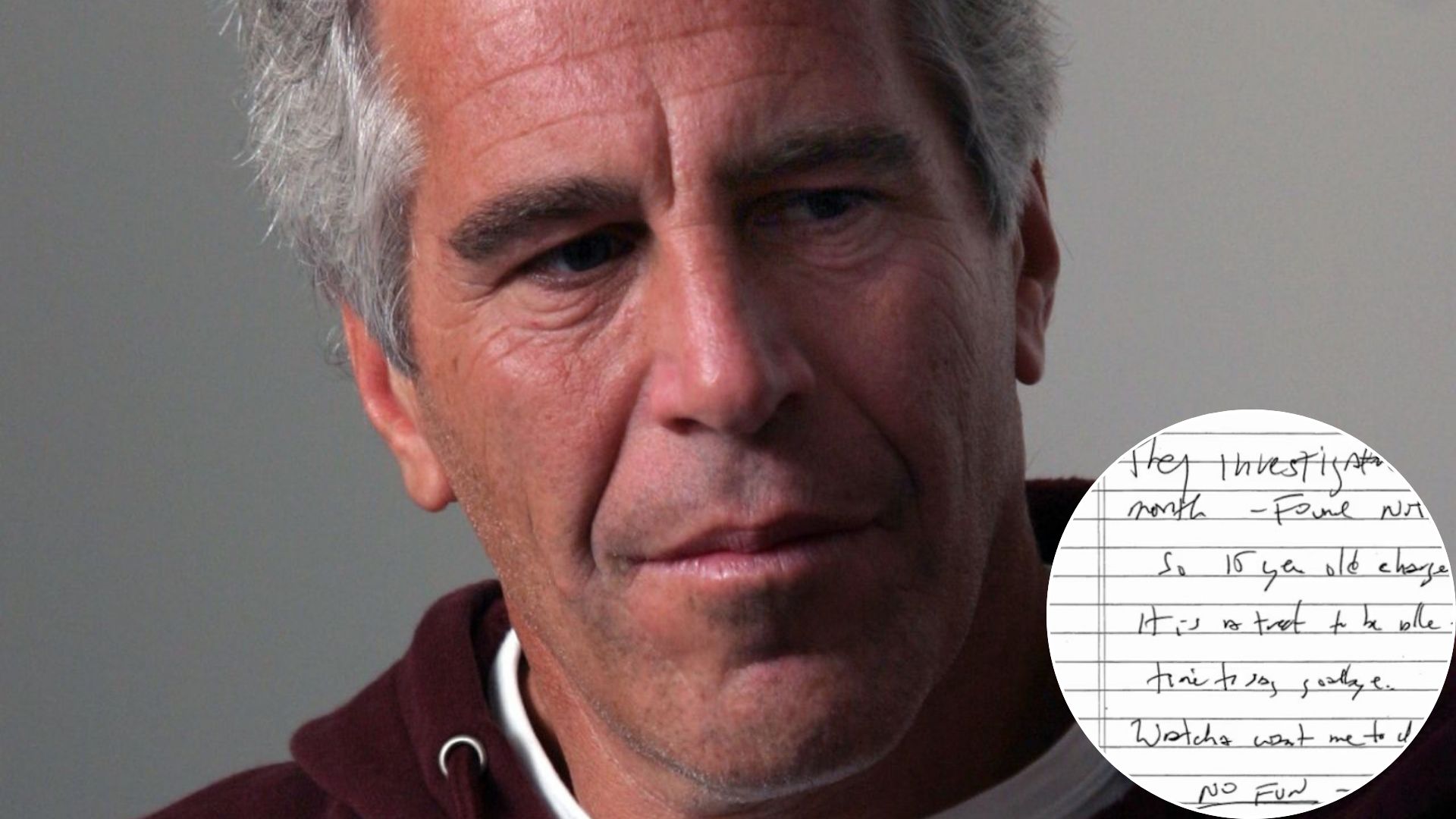
A recently unsealed note allegedly written by Jeffrey Epstein has been made public for the first time after remaining hidden for years inside sealed federal court records connected to his former cellmate, Nicholas Tartaglione. According to Tartaglione, the document was discovered inside a graphic novel in July 2019 shortly after Epstein was found unresponsive in his jail cell with a strip of cloth wrapped around his neck during what authorities described as a first apparent suicide attempt. Tartaglione later said he discovered «a piece of yellow paper ripped from a legal pad» tucked inside the book after Epstein had been removed from the cell. Epstein survived that incident but died weeks later on August 10, 2019, inside the Metropolitan Correctional Center in Manhattan while awaiting trial on federal sex trafficking charges. The note remained sealed for years under court order as part of Tartaglione’s criminal case before finally being unsealed by a federal judge following a request from The New York Times.

The handwritten note, which remains unsigned and has not been independently authenticated by federal authorities, appeared to express frustration, resignation and defiance regarding the criminal investigation against Epstein. In the document, Epstein complained that investigators had allegedly found nothing incriminating during earlier inquiries into his conduct. The note stated: «They investigated me for month. FOUND NOTHING!!!» before continuing with the line «So, 16 year old charges results.» The message then shifted into a darker and more philosophical tone. «It is a treat to be able to choose one’s time to say goodbye,» the note continued. It later added: «Watcha want me to do — Bust out cryin!!» before ending with the underlined phrase «NO FUN. NOT WORTH IT!!» The language and phrasing in the document closely resembled expressions Epstein had reportedly used in previous emails and personal notes. Even so, authorities have not formally confirmed the authenticity of the document, and the Justice Department did not include it in previously released investigative files tied to Epstein’s death.

U.S. District Court Southern District of New York

Epstein’s death on August 10, 2019 quickly became one of the most controversial and heavily scrutinized jail deaths in modern American history. The disgraced financier was found hanging inside his cell at the Metropolitan Correctional Center while awaiting trial on federal charges accusing him of operating a large-scale sex trafficking network involving underage girls. New York City’s chief medical examiner officially ruled the death a suicide by hanging. However, the circumstances surrounding the incident immediately generated widespread skepticism and conspiracy theories due to a series of procedural failures inside the jail. Security cameras near Epstein’s cell reportedly malfunctioned or lacked usable footage, guards failed to perform mandatory inmate checks and Epstein had recently been removed from suicide watch despite the earlier July incident involving neck injuries. The combination of those failures fueled years of speculation online and helped popularize the viral phrase “Epstein didn’t kill himself,” which became one of the most persistent conspiracy theories circulating across social media and political discourse.
Getty Images

Nicholas Tartaglione, the former police officer who said he found the note, became a major figure in the controversy surrounding Epstein’s final weeks in prison. Tartaglione, who was later convicted and sentenced to life in prison for the murders of four men, shared a cell with Epstein for approximately two weeks in 2019. After Epstein’s first apparent suicide attempt, Tartaglione denied harming him and maintained that Epstein attempted to take his own life. Epstein initially claimed that Tartaglione may have assaulted him, though later accounts became less clear. According to Tartaglione, he later discovered the note inside a graphic novel left behind in the cell after Epstein was removed. Tartaglione eventually turned the document over to his attorneys, and it became sealed as part of legal disputes connected to his own criminal proceedings. The note’s existence remained largely unknown to the public until Tartaglione discussed it during a podcast interview in 2025, prompting renewed legal efforts to unseal the document.
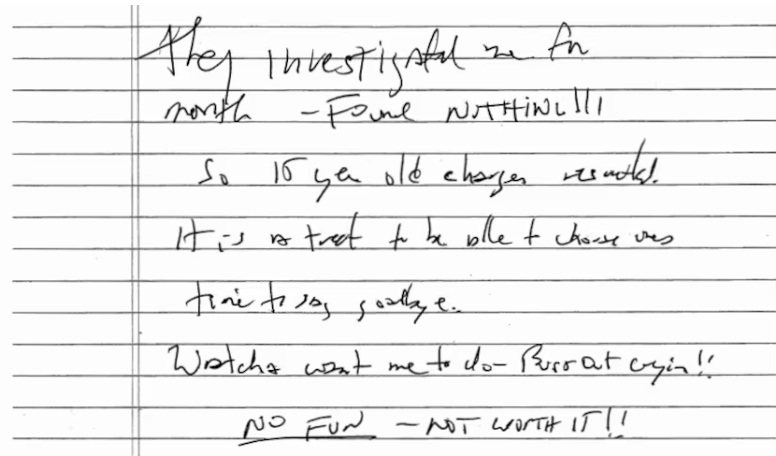
«Watcha want me to do — Bust out cryin!!»

-Jeffrey Epstein alleged Suicide Note

Despite years of speculation suggesting Epstein may have been murdered to protect powerful associates allegedly connected to his social network, subsequent federal investigations concluded that severe negligence and misconduct by prison staff played a central role in enabling his suicide rather than evidence of an organized murder conspiracy. Investigators found that correctional officers failed to complete required checks on Epstein during the night of his death and later falsified records claiming they had monitored him properly. The Justice Department’s inspector general also documented chronic understaffing, exhaustion and major operational failures inside the Metropolitan Correctional Center at the time. Even so, public suspicion surrounding Epstein’s death never fully disappeared because of his connections to influential political leaders, billionaires, celebrities and royalty. The existence of the newly unsealed note is unlikely to end those theories, particularly because the document itself had remained hidden for years even from some official Epstein-related file releases conducted by federal authorities.

Getty Images

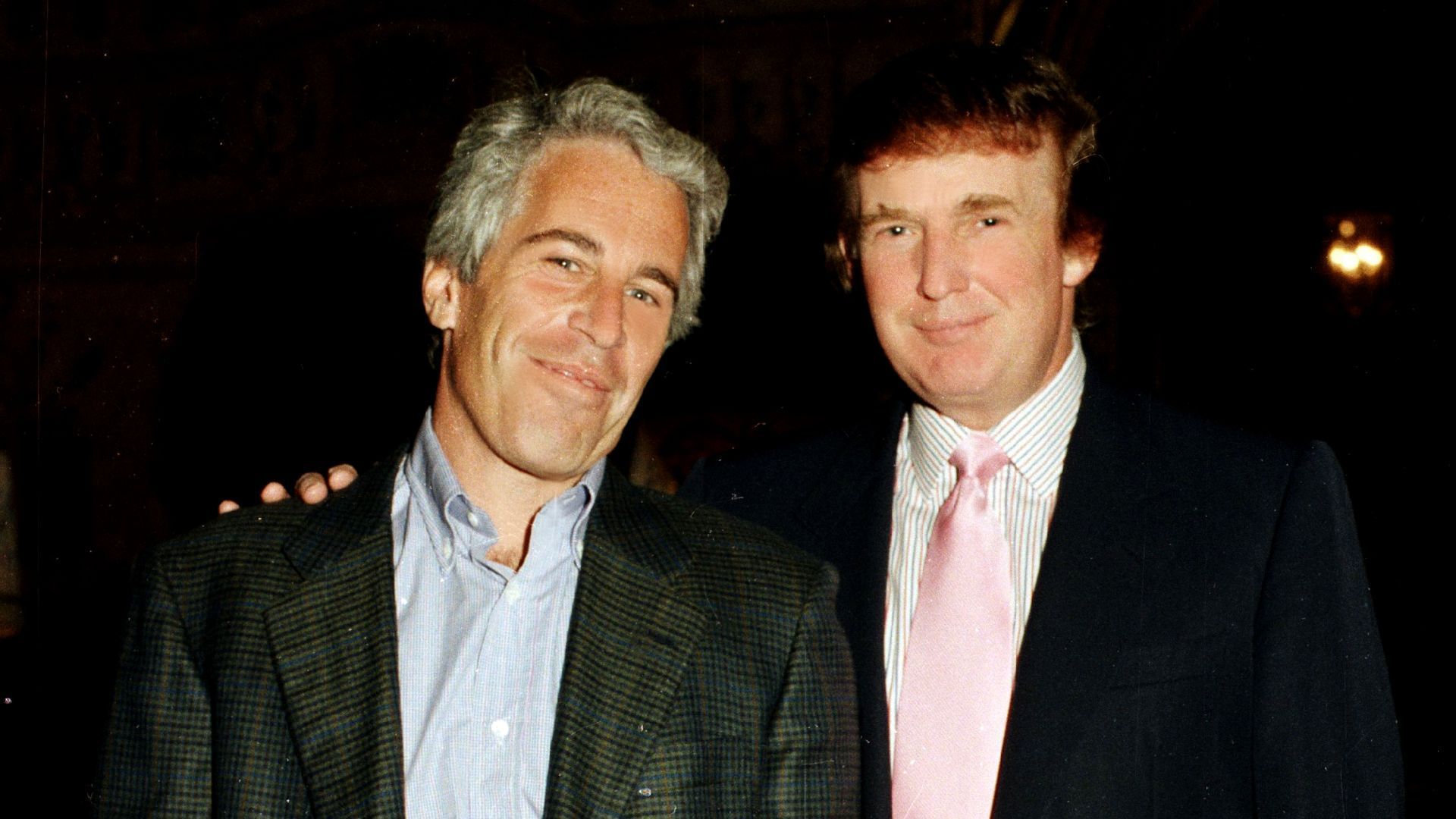
The renewed attention surrounding Epstein’s death also arrives during ongoing political battles over the public release of additional Epstein-related files and investigative records. Donald Trump and several allies inside his administration have recently faced criticism from transparency advocates and political opponents who accuse federal officials of slowing or limiting the release of certain Epstein documents tied to powerful individuals allegedly connected to Epstein’s social circle. Calls for broader disclosure intensified after millions of pages of federal investigative files were partially released earlier this year, though critics argued key materials remained withheld or heavily redacted. Trump himself has repeatedly attempted to distance himself from Epstein despite their well-documented past social relationship during the 1990s and early 2000s. The continued secrecy surrounding portions of the Epstein files has fueled ongoing distrust among many Americans who believe the full scope of Epstein’s network and activities has never been completely revealed. The newly public “NO FUN” note now adds another disturbing layer to one of the most infamous criminal cases and conspiracy-filled deaths in recent American history.

Getty Images
Catégories
Uncategorized

NYC Real Estate Billionaire Compares Mamdani’s ‘Tax the Rich’ Push to Racial Slurs, Says the Rich Should Be «Praised and Thanked»

New York City Mayor Zohran Mamdani’s aggressive new tax policies have triggered fierce backlash from billionaire real estate developer Steven Roth, one of the most influential figures in Manhattan’s property industry and a longtime ally of Donald Trump. Since taking office in January 2026, Mamdani has pushed an ambitious “Tax the Rich” agenda aimed at raising billions of dollars through higher taxes on wealthy residents and luxury property owners to fund major social programs across the city. Roth emerged as one of the loudest opponents of the plan and sparked immediate controversy after comparing the slogan “Tax the Rich” to racial slurs and inflammatory political rhetoric. During remarks criticizing the mayor’s platform, Roth declared: «I consider the phrase ‘tax the rich’ when spit out with anger and contempt by politicians both here and across the country, to be just as hateful as some disgusting racial slurs and even the phrase, ‘from the river to the sea.’» His comments immediately ignited backlash across political and social media circles as critics accused the billionaire developer of trivializing racism and exploiting tensions surrounding the Israel-Palestine conflict for political purposes.

Roth intensified the controversy by arguing that wealthy Americans deserve appreciation rather than hostility because of their economic contributions to society. Defending high-income earners and major investors, the Vornado Realty Trust chairman insisted that successful business leaders are unfairly demonized in modern political discourse. He stated: «They are at the top of the great American economic pyramid for a reason. They should be praised and thanked.» The remarks quickly drew criticism from progressive activists, labor advocates and Democratic lawmakers who accused Roth of defending economic inequality while ignoring the affordability crisis facing millions of New Yorkers. Housing costs, inflation and concerns about displacement have become central issues in city politics as rents continue rising across multiple boroughs. Mamdani’s supporters argue that the city’s wealthiest residents and corporations benefited enormously from New York’s economy while middle-class and lower-income residents increasingly struggle to afford housing, transportation and childcare. Roth’s comments nevertheless reflected growing concern within the financial and real estate sectors over the direction of New York’s fiscal policy under the new administration.

«I consider the phrase ‘tax the rich’ when spit out with anger and contempt by politicians both here and across the country, to be just as hateful as some disgusting racial slurs and even the phrase, ‘from the river to the sea.’»

-Real estate developer, Steven Roth

At the center of the political battle is Mamdani’s sweeping proposal to reshape the city’s tax structure in response to a looming multibillion-dollar budget deficit. The mayor’s administration has proposed a two-percentage-point income tax surcharge on households earning more than $1 million annually, alongside a new “Pied-à-Terre” tax targeting luxury secondary residences valued above $5 million. Mamdani has framed the measures as necessary “revenue justice” intended to fund expansive public programs including universal childcare, fare-free public transit initiatives and affordable housing investments. Supporters of the plan argue the city’s growing inequality requires bold intervention and insist the wealthiest New Yorkers should contribute more to sustaining public infrastructure and social services. Critics, however, warn the proposals risk driving wealthy individuals, investors and corporations toward lower-tax states such as Florida and Texas. Business organizations and several Wall Street figures have argued that New York’s economic competitiveness could suffer significantly if wealthy residents choose to relocate or reduce investment activity in response to higher taxes.

«They are at the top of the great American economic pyramid for a reason. They should be praised and thanked.»

-Real estate developer, Steven Roth

The conflict surrounding Mamdani’s policies has also drawn national political attention, particularly from Donald Trump, who initially maintained a cordial relationship with the mayor before openly turning against the proposed tax increases. Trump sharply criticized the “Tax the Rich” agenda after Mamdani advanced plans for the luxury second-home tax, warning the policies could severely damage New York’s economy. During a roundtable event in Las Vegas, Trump described Mamdani as a «nice guy» who «calls me all the time,» but rejected the mayor’s fiscal strategy as economically dangerous. Trump later escalated his criticism on Truth Social, writing: «Sadly, Mayor Mamdani is DESTROYING New York! It has no chance! The United States of America should not contribute to its failure. It will only get WORSE. The TAX, TAX, TAX Policies are SO WRONG. People are fleeing. They must change their ways, AND FAST. History has proven, THIS ‘STUFF’ JUST DOESN’T WORK.» Trump’s intervention further intensified the political polarization surrounding Mamdani’s agenda as Republicans increasingly portray New York as a national battleground over progressive economic policy.

Getty Images

Mamdani’s rise to power has transformed New York City into one of the country’s most closely watched testing grounds for progressive fiscal policy. A democratic socialist and longtime advocate for wealth redistribution, Mamdani campaigned heavily on promises to reduce inequality and expand public services funded through higher taxation of the city’s wealthiest residents. His administration argues the city cannot maintain basic services or address widening economic disparities without generating new revenue streams from high earners and luxury asset owners. Supporters point to growing homelessness, strained transit infrastructure and rising childcare costs as evidence that existing economic policies have failed large portions of the population. Opponents counter that New York already faces one of the highest tax burdens in the United States and warn that additional increases could accelerate capital flight and reduce job creation. The debate has created a major divide between progressive activists demanding structural economic reforms and business leaders who argue New York’s prosperity depends on maintaining a competitive financial environment attractive to investors and corporations.

«Sadly, Mayor Mamdani is DESTROYING New York! It has no chance! The United States of America should not contribute to its failure. It will only get WORSE. The TAX, TAX, TAX Policies are SO WRONG. People are fleeing. They must change their ways, AND FAST. History has proven, THIS ‘STUFF’ JUST DOESN’T WORK.»

-U.S. President, Donald Trump on Truth Social

The controversy surrounding Steven Roth’s remarks ultimately highlighted the increasingly emotional and ideological nature of the debate over taxation, inequality and wealth in America’s largest city. Critics condemned Roth for equating political criticism of wealthy individuals with racial hatred and antisemitic rhetoric, arguing the comparison crossed a line at a time of heightened social tensions across the country. Supporters of Roth, however, claimed his comments reflected legitimate frustration over rhetoric that they believe unfairly demonizes economic success and entrepreneurship. As Mamdani’s tax proposals advance toward what is expected to be a contentious legislative battle in Albany, both sides appear prepared for a prolonged political fight over the future direction of New York’s economy. The outcome could ultimately shape not only the city’s fiscal policies but also the broader national conversation surrounding wealth, taxation and progressive governance during a period of deep economic and political division in the United States.

Getty Images
Catégories
Uncategorized

FDA Blocks Millions-Patient Studies Showing Covid and Shingles Vaccines Are Safe

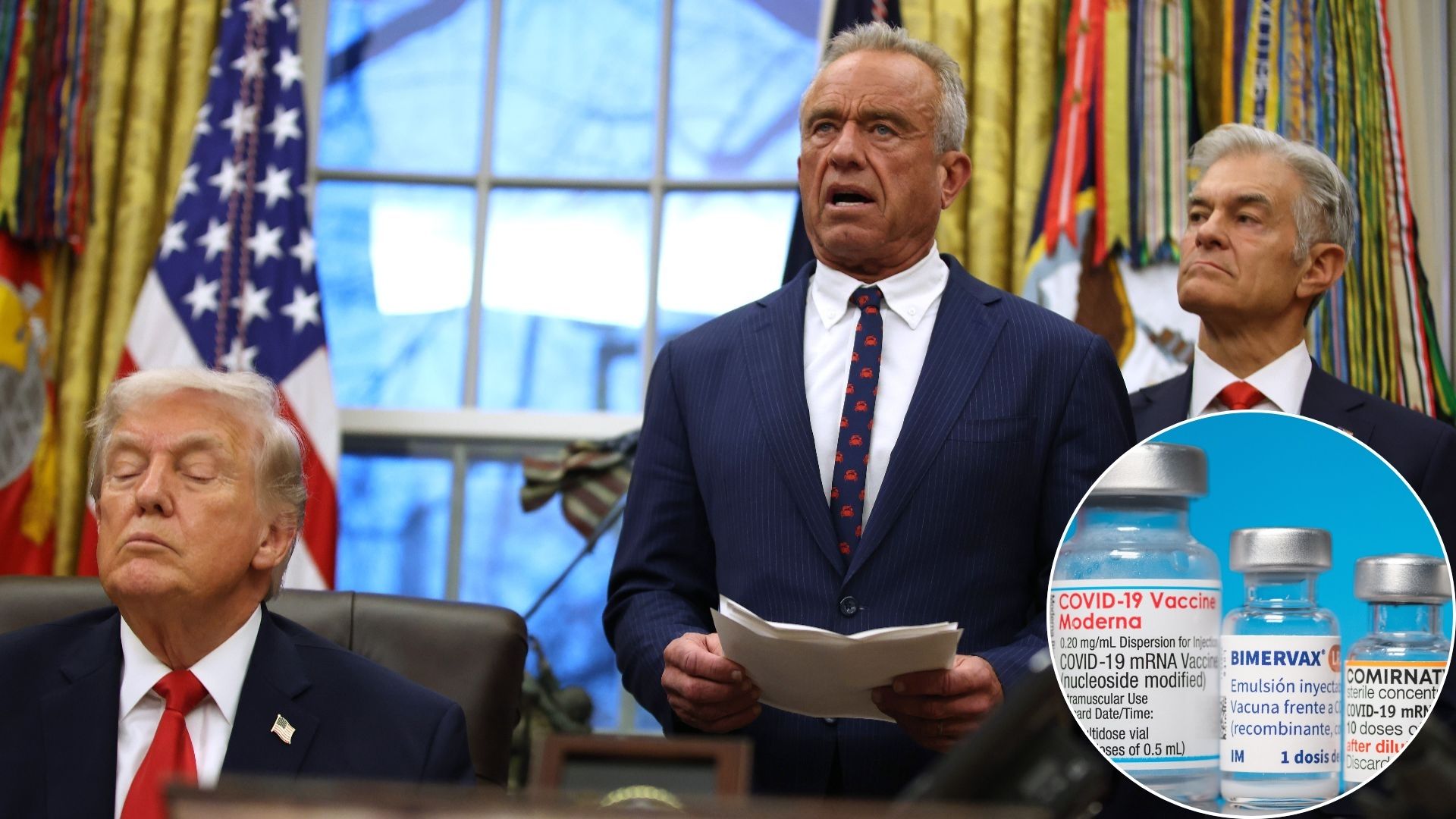
The U.S. Food and Drug Administration has recently blocked the publication of several major studies examining the safety of vaccines against COVID-19 and shingles, despite research involving medical data from millions of vaccinated patients. According to information confirmed by a spokesman for the Department of Health and Human Services, multiple studies were halted before publication during the past several months. In October, scientists were reportedly directed to withdraw two COVID-19 vaccine studies that had already been accepted by medical journals. In February, senior FDA officials also declined to authorize the submission of abstracts tied to studies involving Shingrix, the widely used shingles vaccine, for presentation at a major international drug safety conference. The developments have intensified concerns among public health experts who argue the federal government is increasingly restricting scientific findings that reinforce vaccine safety at a time when vaccine skepticism continues to reshape U.S. health policy under the second Trump administration.

Federal officials defended the decisions by arguing the studies did not meet the agency’s scientific standards. A spokesman for the Department of Health and Human Services explained that «The studies were withdrawn because the authors drew broad conclusions that were not supported by the underlying data.» The spokesman added that «The F.D.A. acted to protect the integrity of its scientific process and ensure that any work associated with the agency meets its high standards.» Regarding the blocked Shingrix safety study, the spokesman also stated that «The design of that study fell outside the agency’s purview.» The agency’s response has nevertheless fueled criticism from scientists and former FDA officials who believe the suppressed research could have provided additional reassurance regarding the safety profile of vaccines that have already been administered to millions of Americans. The controversy has also emerged as public confidence in federal health institutions remains fragile following years of political conflict surrounding vaccines and pandemic policy.

«There is a pattern here for not letting information out that might support the general safety of vaccines.»

-Former FDA principal deputy commissioner, Janet Woodcock

One of the studies reportedly blocked by the FDA examined the medical records of approximately 7.5 million Medicare recipients over the age of 65 to evaluate the safety of COVID-19 vaccines among older adults. According to reporting about the unpublished findings, researchers concluded that the vaccines were broadly safe for elderly Americans and identified only one major concerning outcome: anaphylaxis, a rare but severe allergic reaction. The study reportedly estimated that anaphylaxis occurred in roughly one out of every one million Pfizer vaccine recipients. The findings would have added to years of existing scientific evidence showing that severe adverse reactions tied directly to COVID-19 vaccines remain uncommon compared with the risks associated with serious coronavirus infections, particularly among older populations. Public health experts have repeatedly emphasized that elderly individuals remain among the most vulnerable groups for hospitalization and death from COVID-19 complications, making vaccine access and confidence especially important for that demographic.

Getty Images

The decision to halt publication of the studies triggered concern among former FDA leaders and outside scientists who argued the situation reflects a broader shift inside federal health agencies. Janet Woodcock, the former FDA principal deputy commissioner, criticized the move while discussing the controversy publicly. According to Woodcock, «there is a pattern here» involving efforts «for not letting information out that might support the general safety of vaccines.» She also questioned the explanations being offered for the blocked publications, arguing the decisions appeared to be justified «with methodological rationales given by non-scientist spokespersons.» Her comments reflected growing unease among some current and former health officials who fear scientific communication is becoming increasingly politicized under the current administration. Several researchers have also privately expressed concern that scientists working within federal agencies may become reluctant to pursue vaccine-related studies if they believe publication could later be blocked for political or ideological reasons rather than scientific shortcomings.

Getty Images

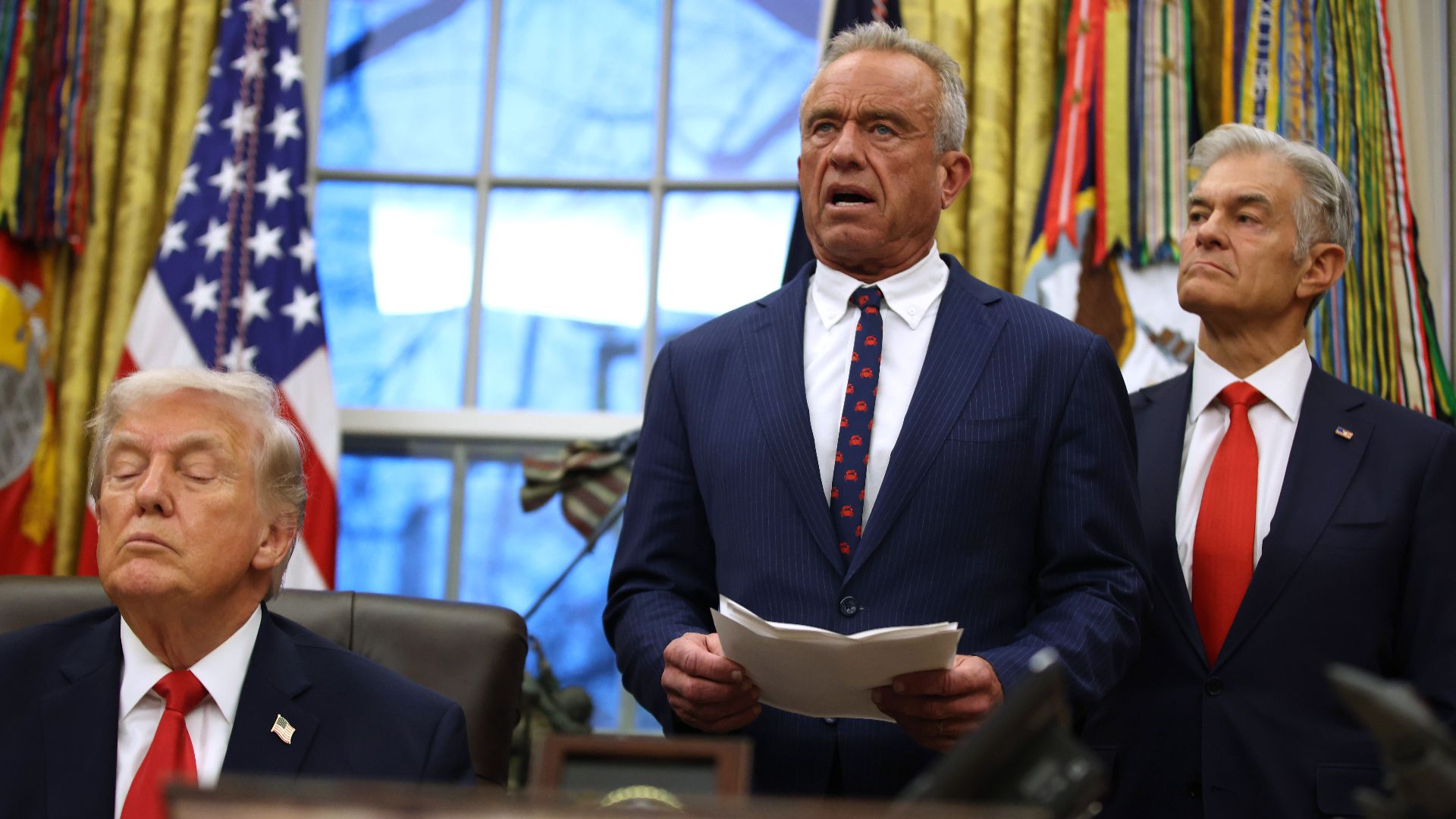
The controversy has unfolded during a major transformation of U.S. health policy under Health and Human Services Secretary Robert F. Kennedy Jr., whose leadership has been defined by skepticism toward portions of the nation’s vaccination framework. Since the beginning of the second Trump administration, Kennedy has removed the entire federal vaccine advisory committee and replaced multiple members with figures known for criticizing current immunization policies. Earlier this year, the Centers for Disease Control and Prevention revised the childhood vaccination schedule by shifting recommendations for influenza, COVID-19 and Hepatitis B vaccines toward a “shared clinical decision-making” model instead of maintaining broad universal recommendations. FDA Commissioner Marty Makary also moved to restrict updated COVID-19 booster approvals primarily to high-risk groups. Critics of the administration argue those decisions collectively represent one of the largest federal pullbacks in vaccine policy and oversight in decades, while supporters insist the changes are designed to restore public trust by increasing scrutiny around pharmaceutical regulation and vaccine recommendations.

«The studies were withdrawn because the authors drew broad conclusions that were not supported by the underlying data.»

-A spokesman for the Department of Health and Human Services

The blocked studies have now become part of a wider national debate surrounding science, public health and political influence inside federal agencies. Although courts have temporarily slowed some policy changes introduced under the Trump administration, public health researchers warn that limiting access to scientific findings could further damage confidence in both vaccines and regulatory institutions. Medical experts note that vaccine hesitancy has already contributed to declining immunization rates for several preventable diseases across parts of the United States in recent years. The suppression of studies that reportedly reinforced vaccine safety may deepen concerns among scientists who believe transparency remains essential for maintaining public trust. At the same time, administration officials continue defending their approach as necessary oversight intended to strengthen scientific standards and prevent misleading conclusions from influencing public policy. The dispute surrounding the blocked COVID-19 and shingles vaccine studies is now likely to remain a central flashpoint in the broader political and scientific battle over the future of American vaccination policy.

Getty Images