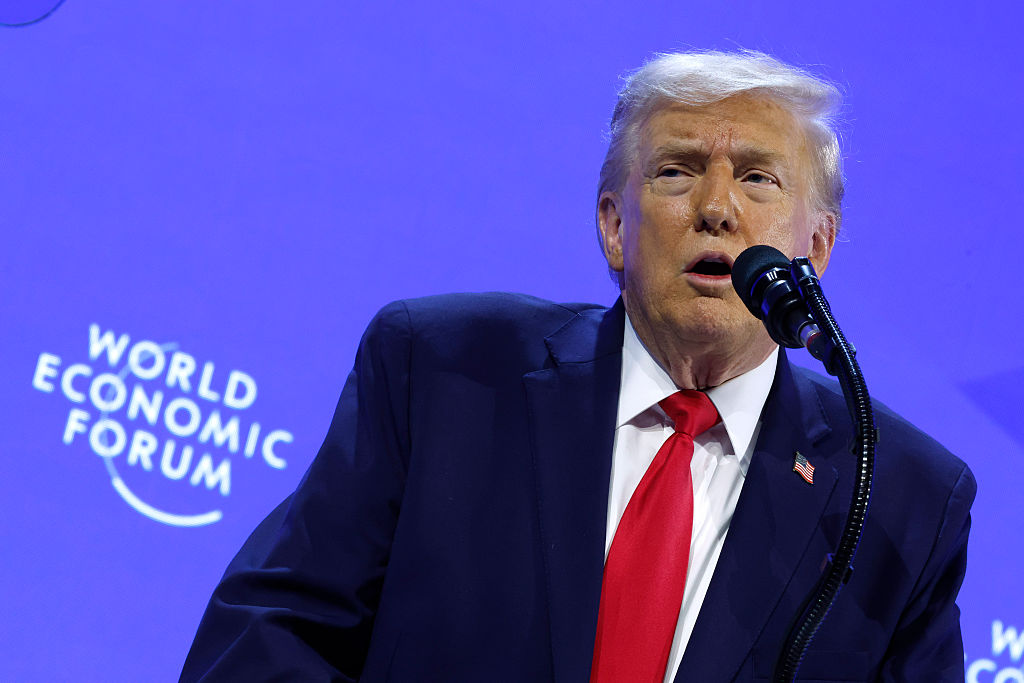
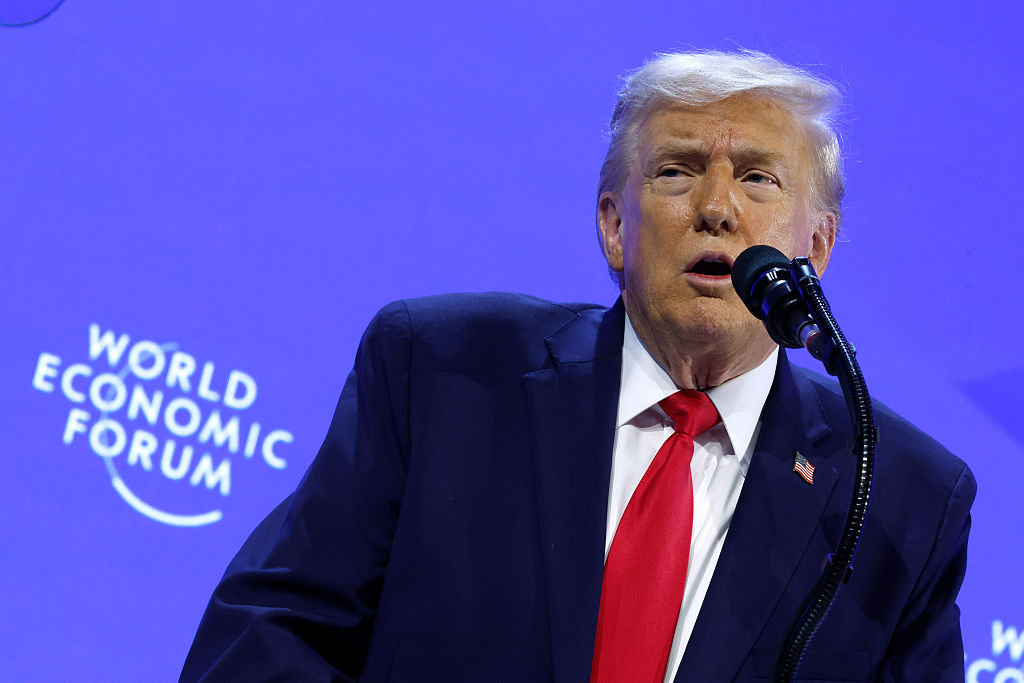
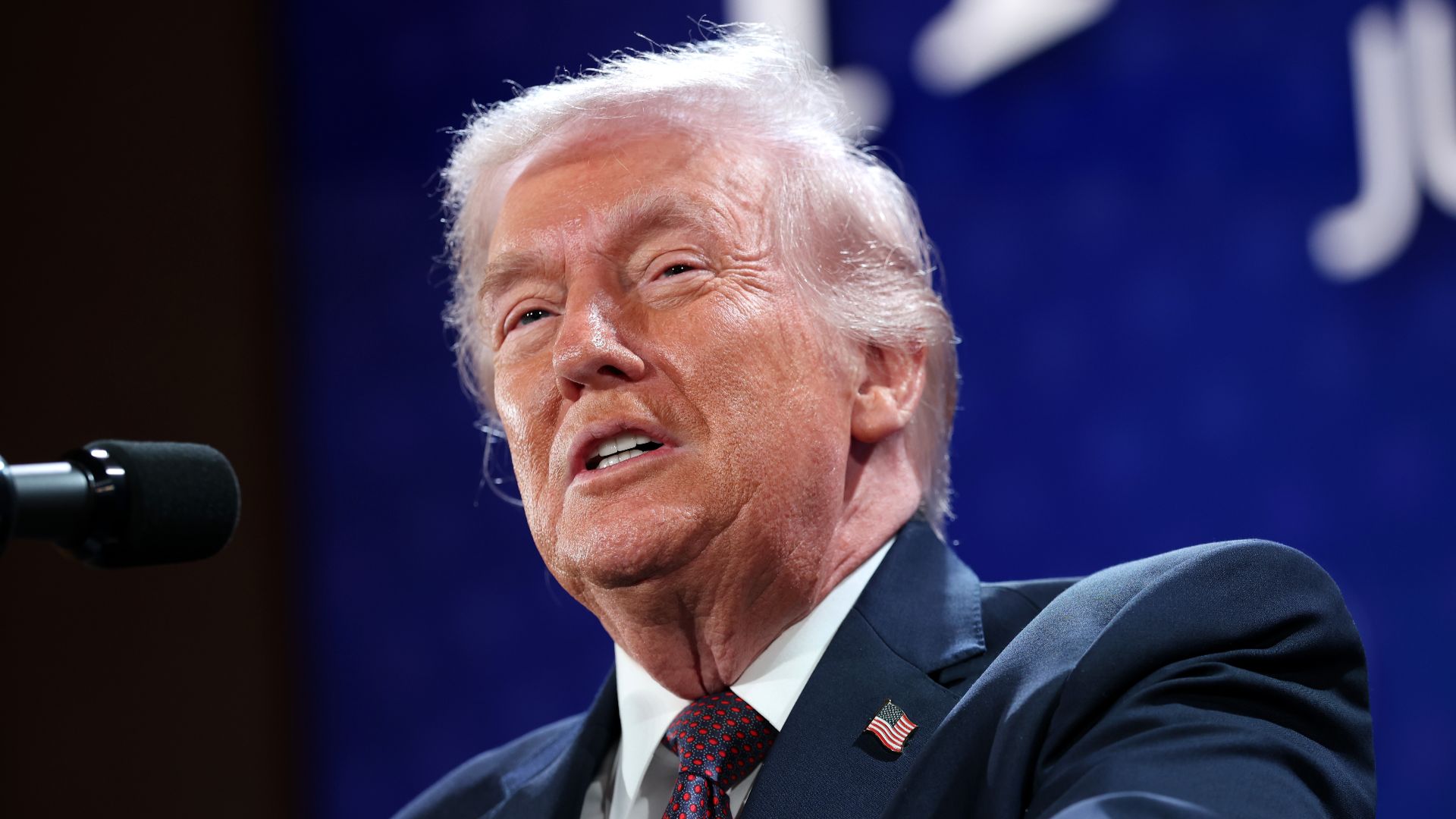
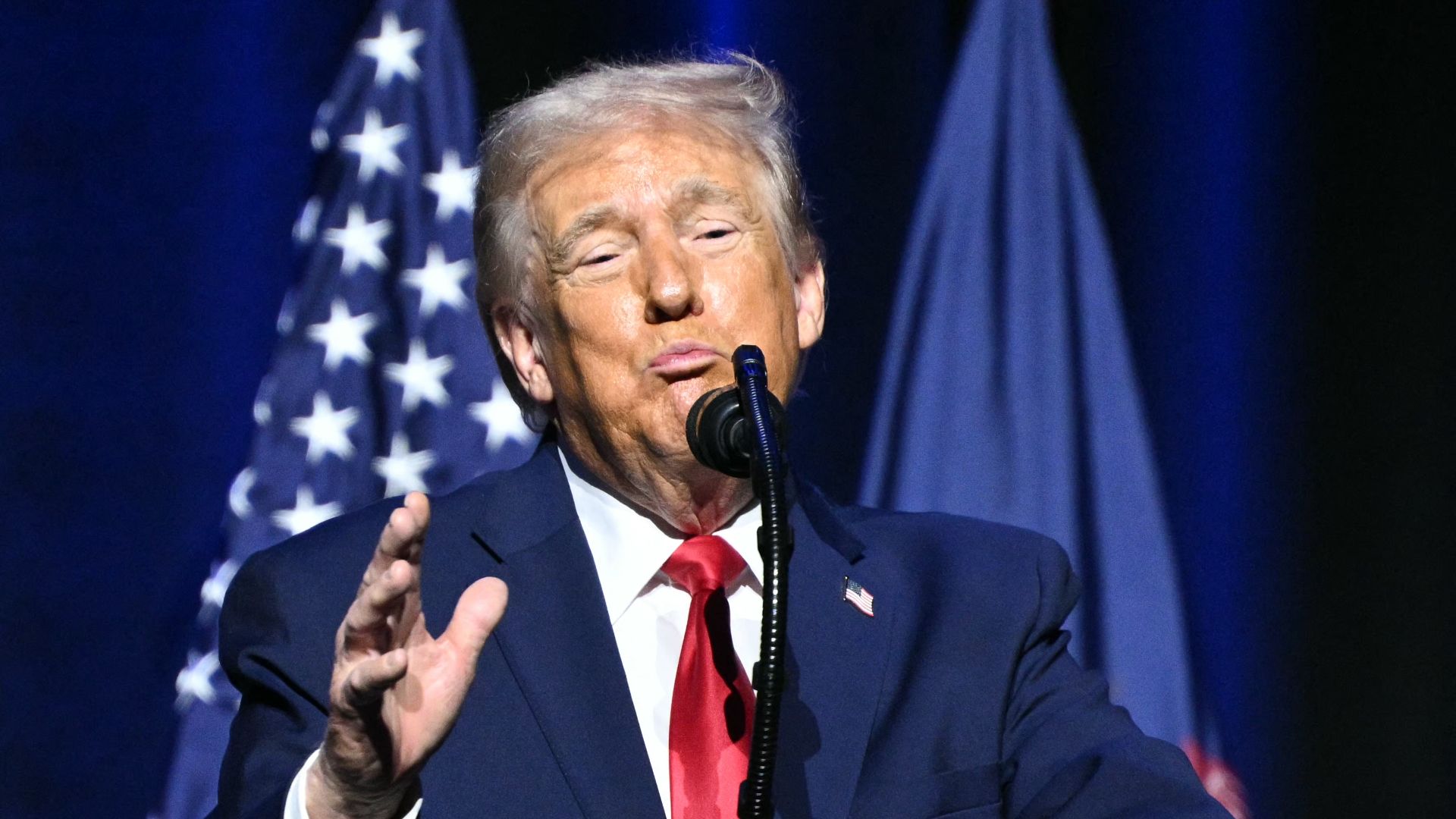
DAVOS, SWITZERLAND - JANUARY 21: U.S. President Donald Trump gives a speech at the World Economic Forum (WEF) on January 21, 2026 in Davos, Switzerland. The annual meeting of political and business leaders comes amid rising tensions between the United States and Europe over a range of issues, including Trump's vow to acquire Greenland, a semi-autonomous Danish territory. (Photo by Chip Somodevilla/Getty Images)
Donald Trump has announced that he has set up the framework for a future deal to secure U.S. ownership of Greenland, after days of incoherent ramblings at the World Economic Forum. In a post on Truth Social, Donald Trump announced that, along with the Secretary General of NATO, he has created a framework for a future deal with respect to Greenland and the entire Arctic region. In the announcement, Trump claimed he would halt the tariffs slated to go into effect on February 1. Apparently, Trump had very productive conversations with NATO, leading to Trump cancelling his threats of military action in Greenland and sweeping tariffs targeting countries advocating for Greenland.
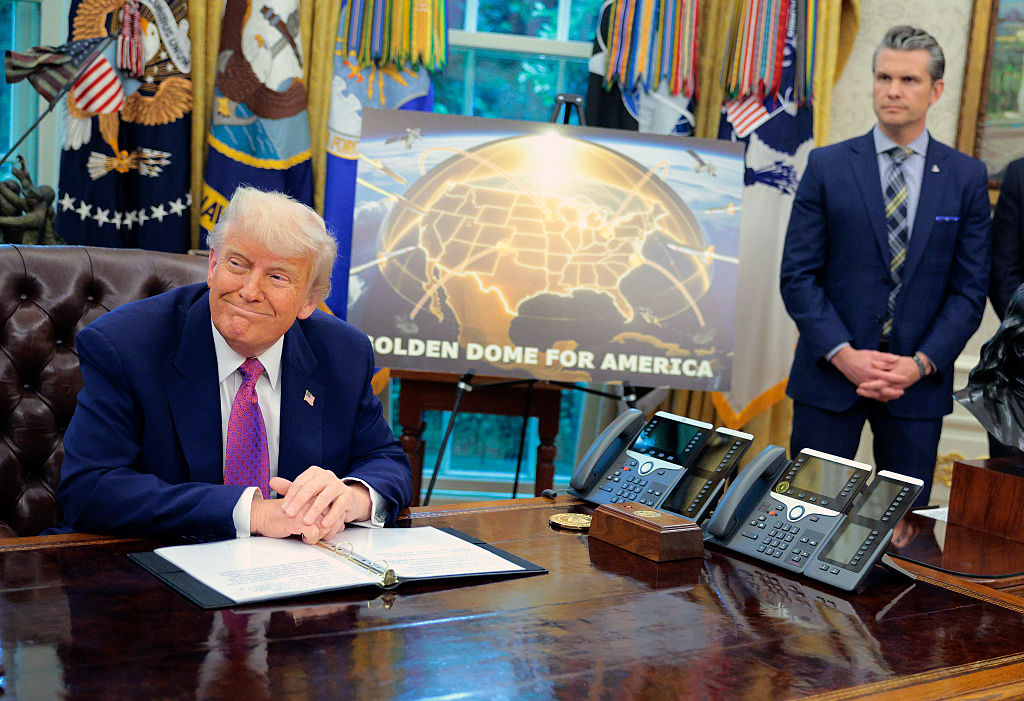
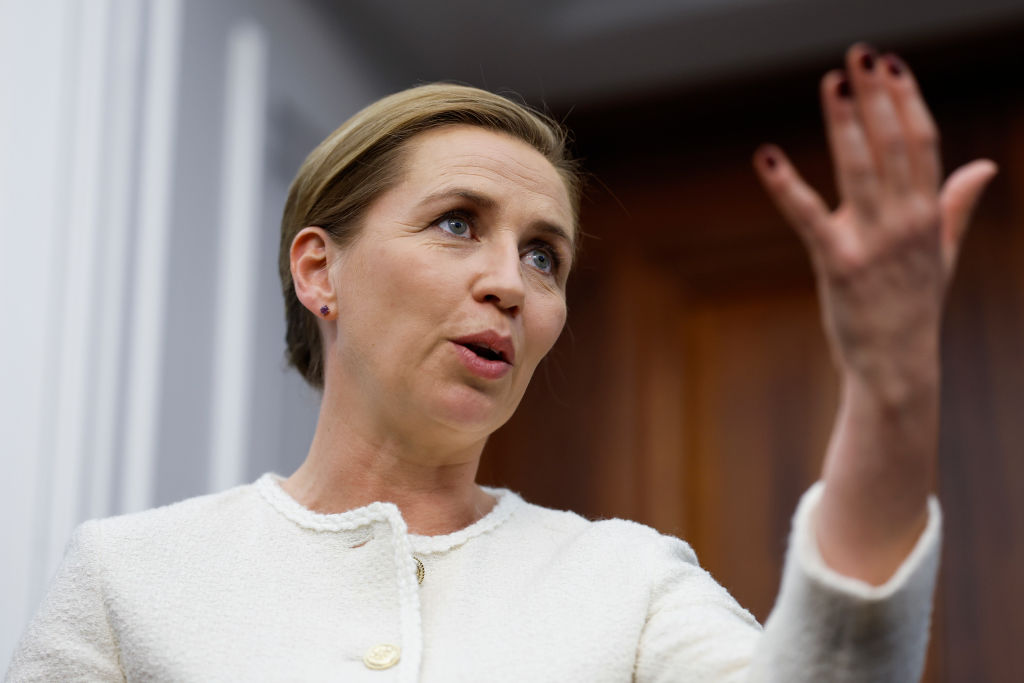
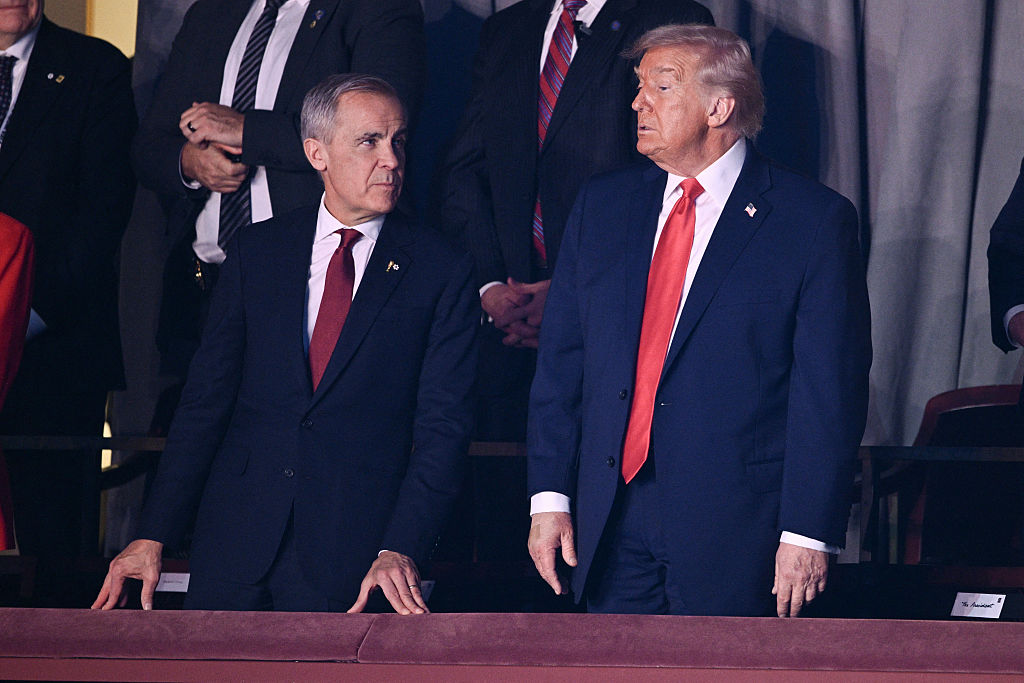
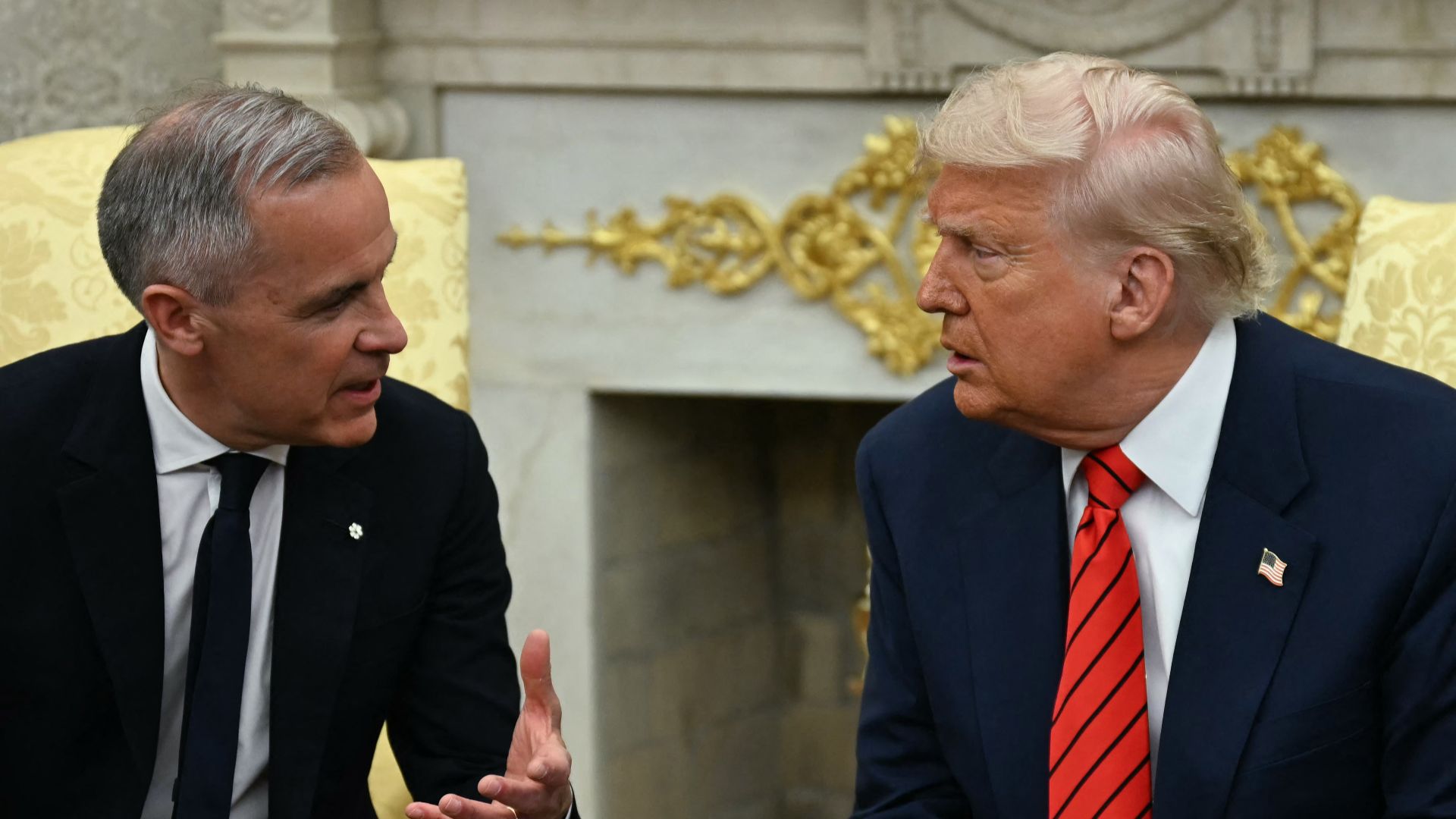
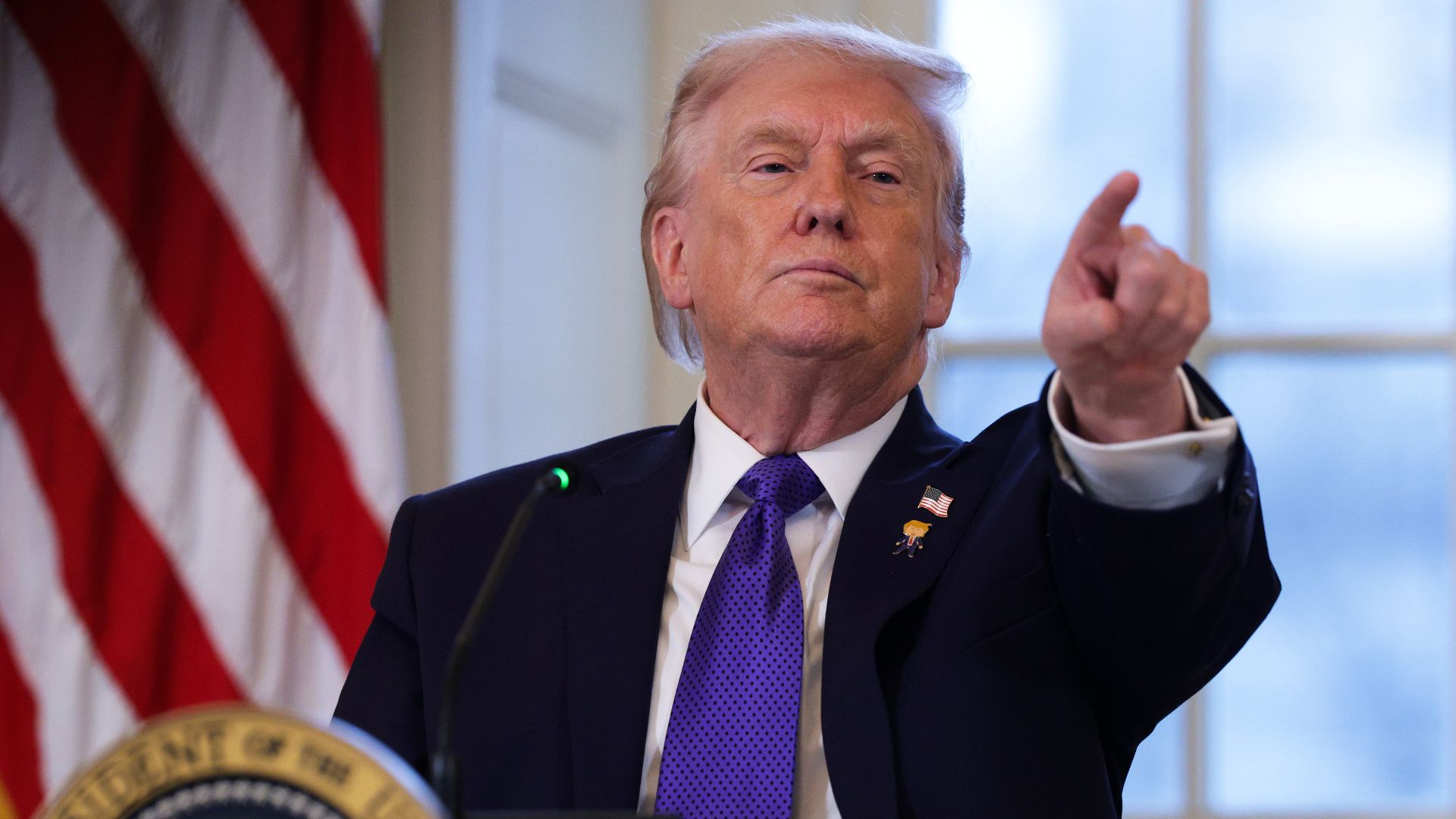
DAVOS, SWITZERLAND – JANUARY 21: U.S. President Donald Trump gives a speech at the World Economic Forum (WEF) on January 21, 2026 in Davos, Switzerland. The annual meeting of political and business leaders comes amid rising tensions between the United States and Europe over a range of issues, including Trump’s vow to acquire Greenland, a semi-autonomous Danish territory. (Photo by Chip Somodevilla/Getty Images)WASHINGTON, DC – MAY 20: U.S. President Donald Trump speaks alongside Secretary of Defense Pete Hegseth in the Oval Office at the White House on May 20, 2025 in Washington, DC. President Trump announced his plans for the « Golden Dome, » a national ballistic and cruise missile defense system. (Photo by Chip Somodevilla/Getty Images)WASHINGTON, DC – JUNE 05: Prime Minister Mette Frederiksen of Denmark speaks during an event for the relaunch of the Congressional Friends of Denmark Caucus at the U.S. Capitol Building on June 05, 2023 in Washington, DC. Frederiksen attended the event with congressional lawmakers after visiting with U.S. President Joe Biden at the White House. (Photo by Anna Moneymaker/Getty Images)This photo shows a snowy residential area in the city of Nuuk, western Greenland, on January 27, 2026. (Photo by Ina FASSBENDER / AFP via Getty Images)(L-R) Canada’s Prime Minister Mark Carney and US President Donald Trump attend the draw for the 2026 FIFA Football World Cup taking place in the US, Canada and Mexico, at the Kennedy Center, in Washington, DC, on December 5, 2025. (Photo by Brendan SMIALOWSKI / AFP via Getty Images)
Donald Trump a fortement intensifié la pression sur le Canada, imposant des mesures économiques plus lourdes que celles appliquées à la plupart des autres partenaires commerciaux des États-Unis et élargissant le conflit au-delà des droits de douane. S’adressant aux journalistes lors d’une apparition publique, Trump a critiqué le rapprochement du Canada avec la Chine, le présentant comme un signe de faiblesse et avertissant Ottawa de ne pas considérer Pékin comme un partenaire alternatif.
Il a affirmé entretenir des liens étroits avec les dirigeants chinois tout en mettant en doute les choix du Canada, suggérant même que des relations plus étroites avec Pékin pourraient menacer l’identité canadienne, y compris le hockey.
Ces remarques font suite à la colère suscitée par les commentaires du premier ministre Mark Carney et les informations faisant état d’un éventuel accord commercial entre le Canada et la Chine, soulignant à quel point la campagne de Trump contre un allié de longue date est devenue de plus en plus provocatrice.
Donald Trump has sharply escalated pressure on Canada, imposing heavier economic measures than on most other US trading partners and widening the dispute beyond tariffs. Speaking to reporters during a public appearance, Trump criticized Canada’s outreach to China, portraying it as a sign of weakness and warning that Ottawa should not see Beijing as an alternative partner. He claimed close ties with China’s leadership while casting doubt on Canada’s choices, even suggesting closer relations with Beijing could threaten Canadian identity, including hockey. The remarks followed anger over comments by Prime Minister Mark Carney and reports of a possible Canada–China trade deal, underscoring how Trump’s campaign against a longtime ally has grown increasingly provocative.
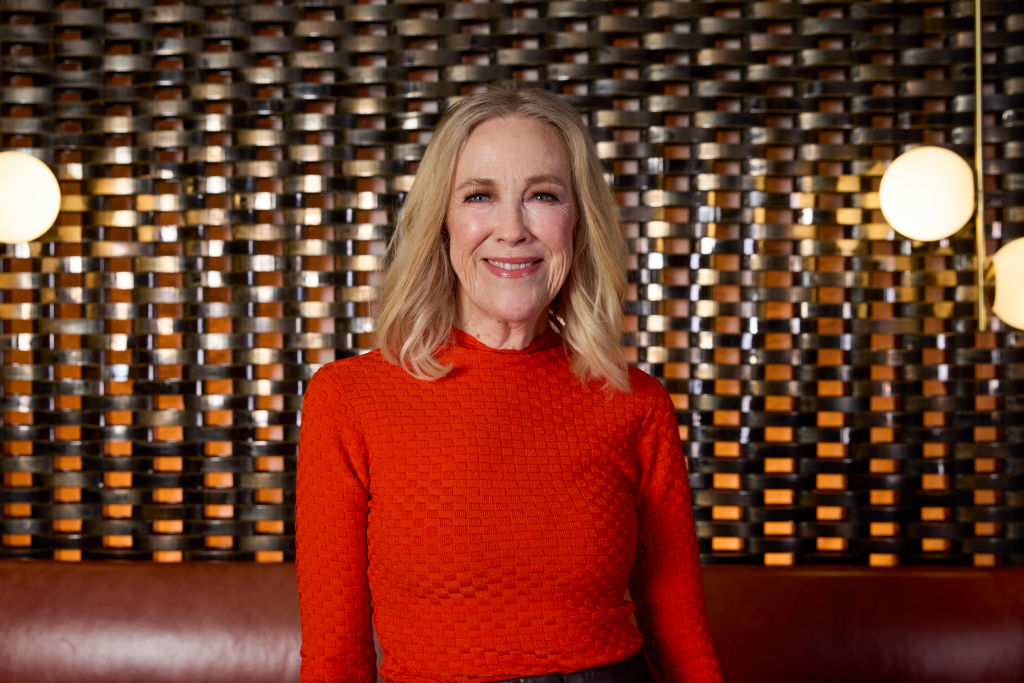
Catherine O'Hara of "The Wild Robot" at the Deadline Studio held at the Bisha Hotel during the Toronto International Film Festival 2024 on September 9, 2024 in Toronto, Canada. (Photo by KC Armstrong/Deadline via Getty Images)
A number of personalities passed away during the year. A look back and a tribute to the departed of 2026.
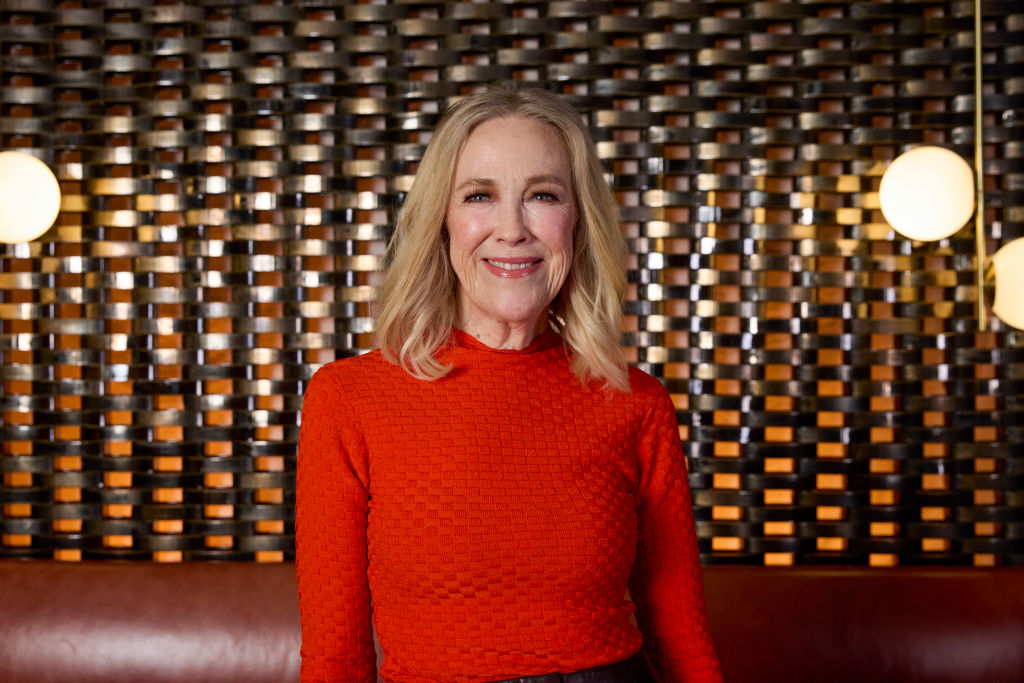
Catherine O’Hara of « The Wild Robot » at the Deadline Studio held at the Bisha Hotel during the Toronto International Film Festival 2024 on September 9, 2024 in Toronto, Canada. (Photo by KC Armstrong/Deadline via Getty Images)
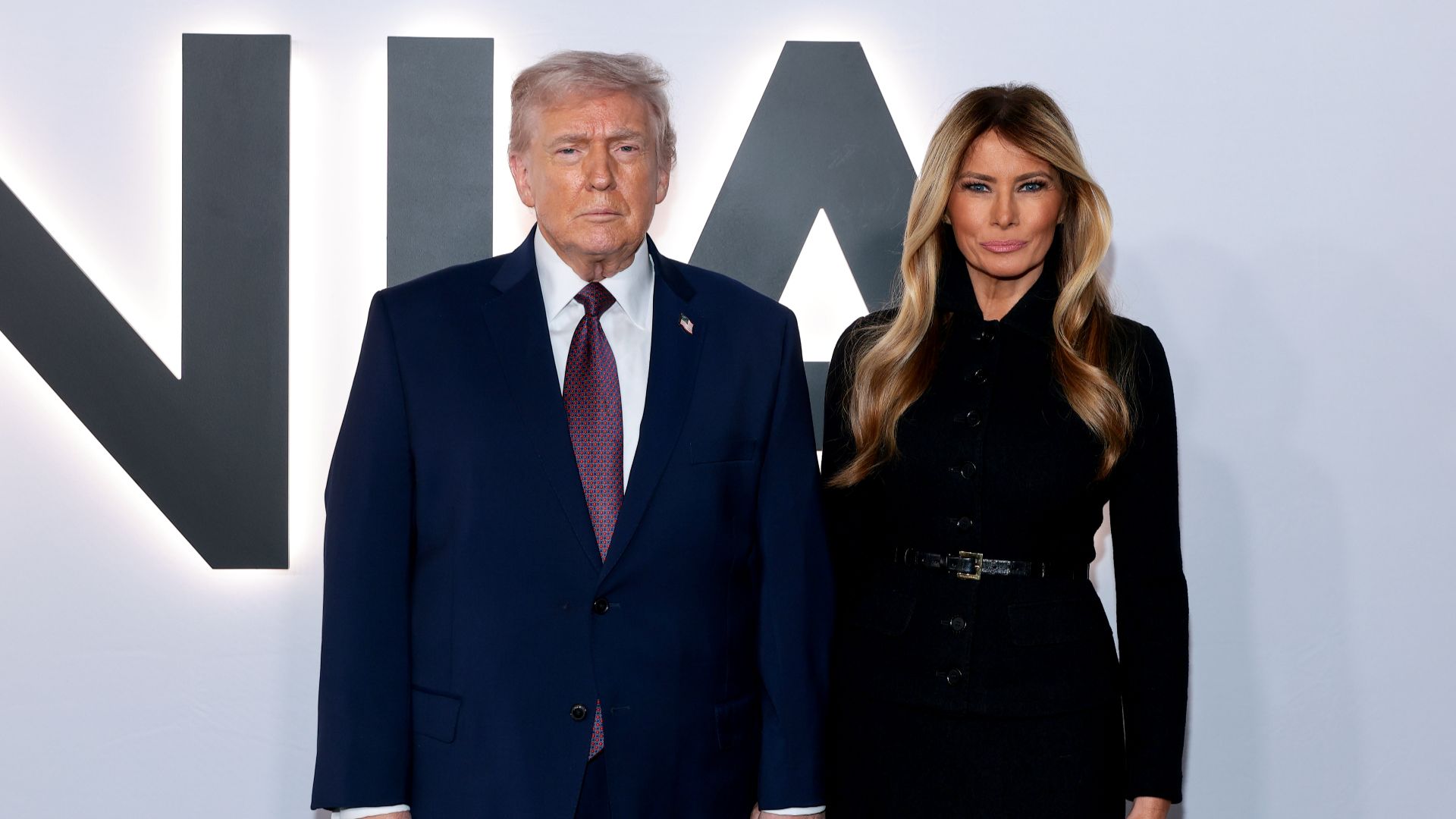
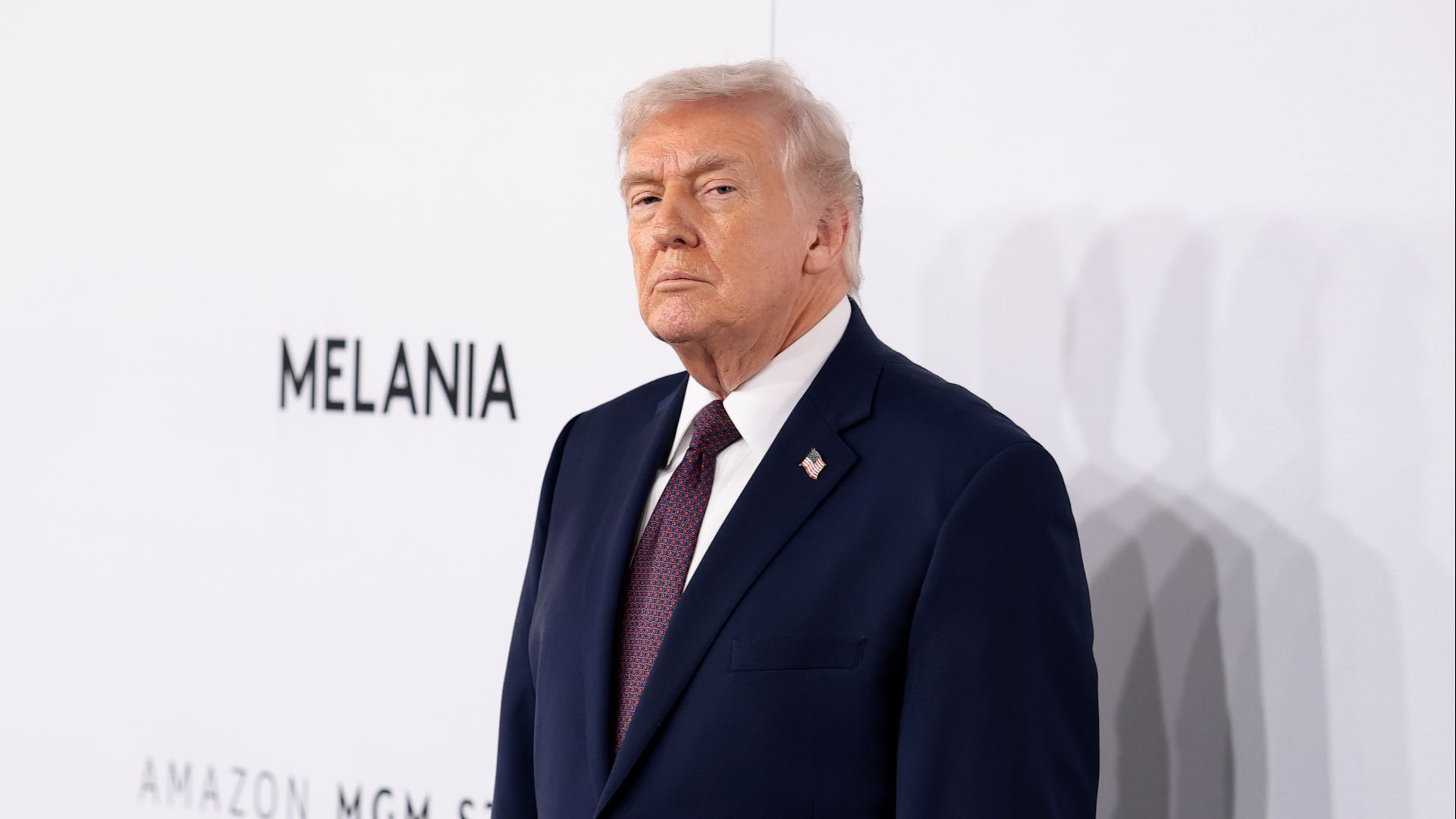
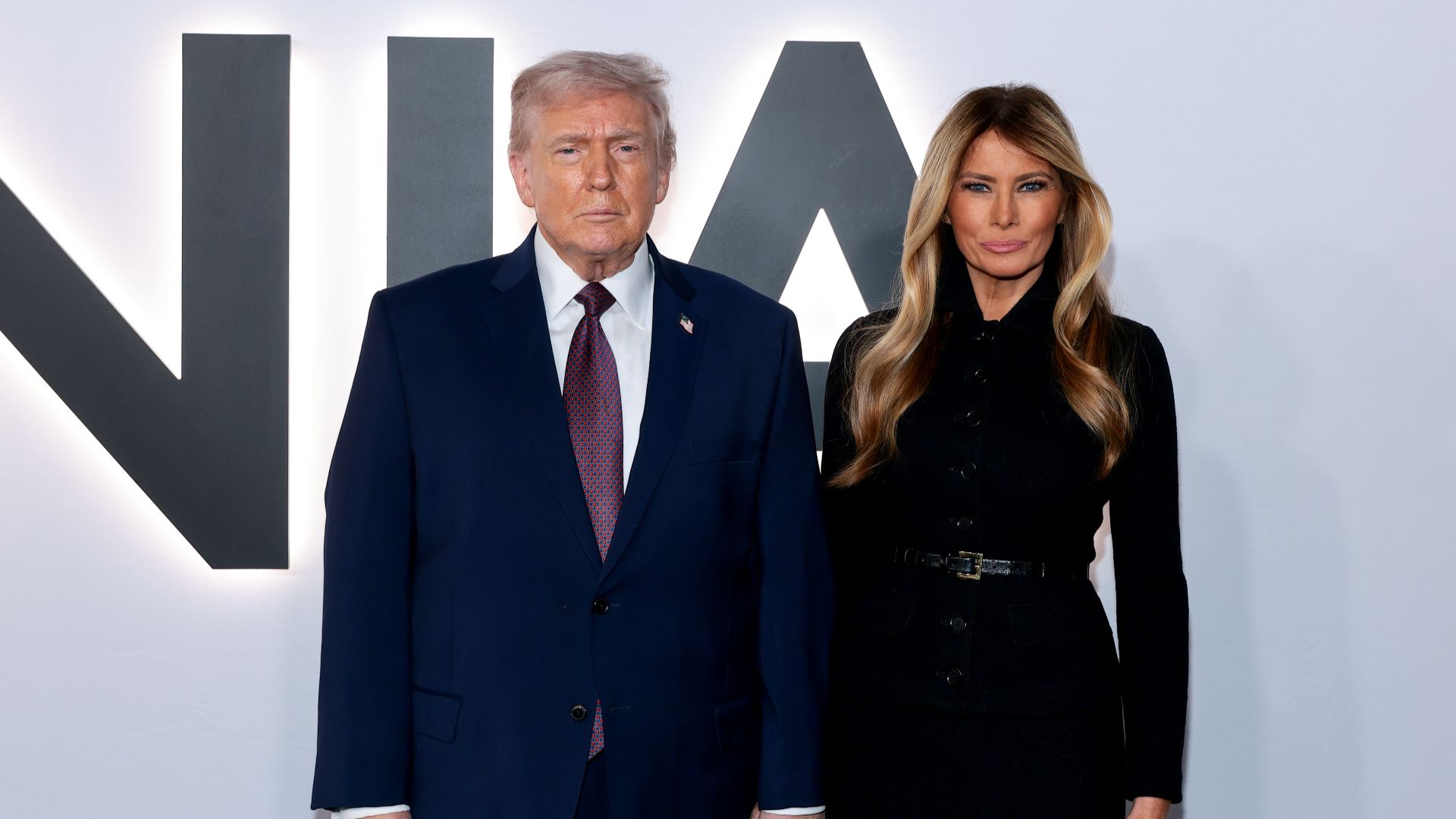
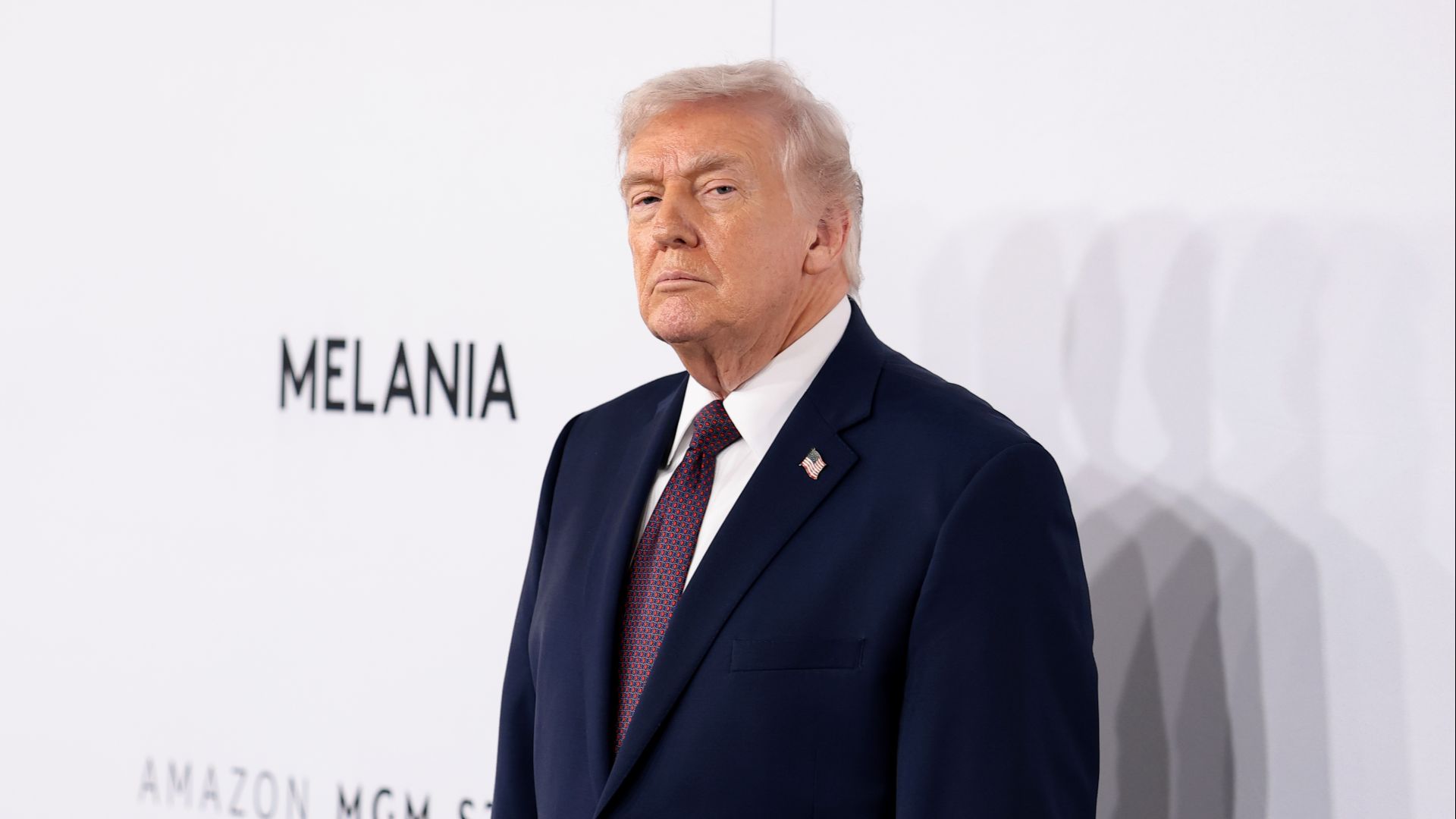
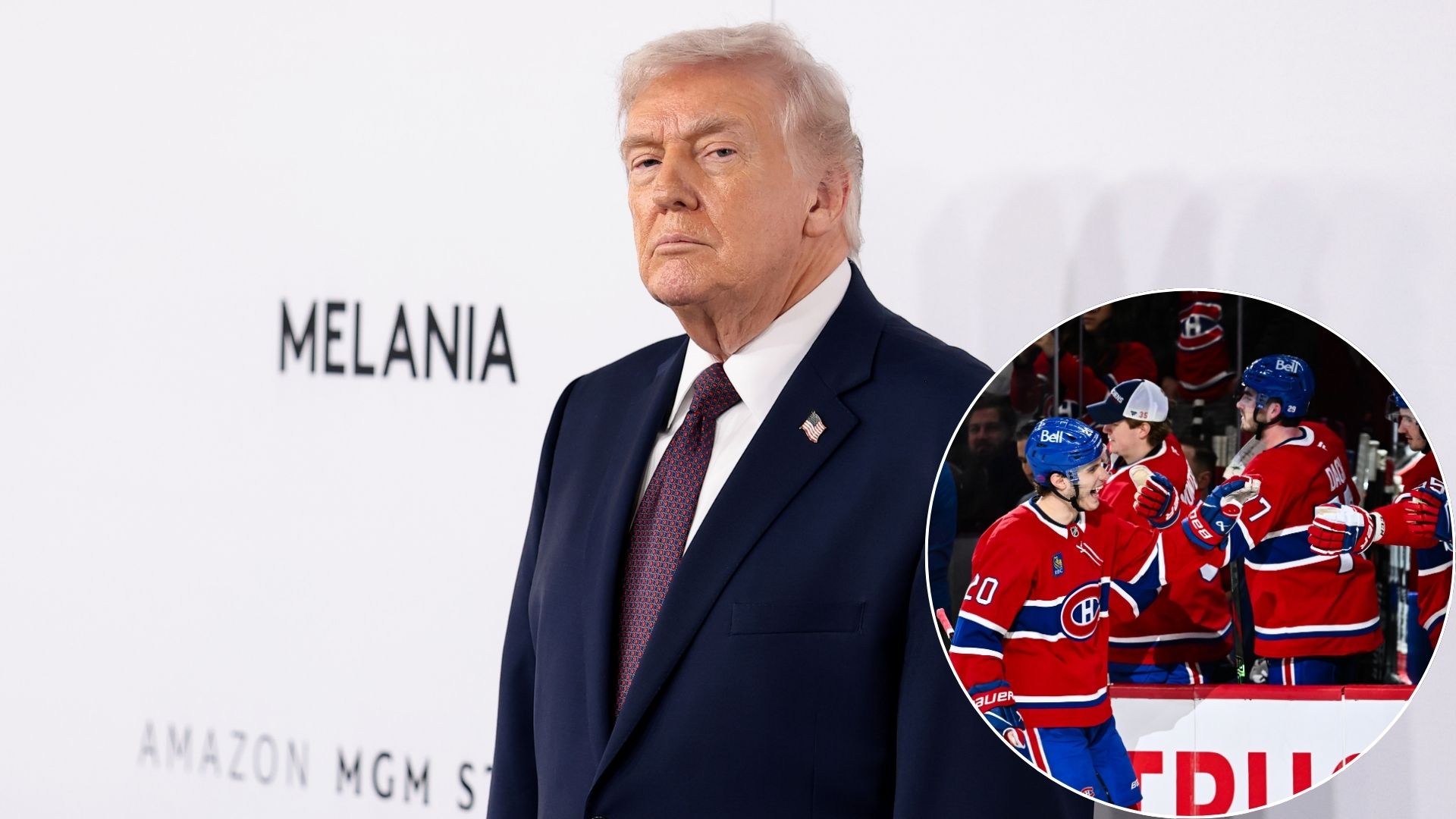
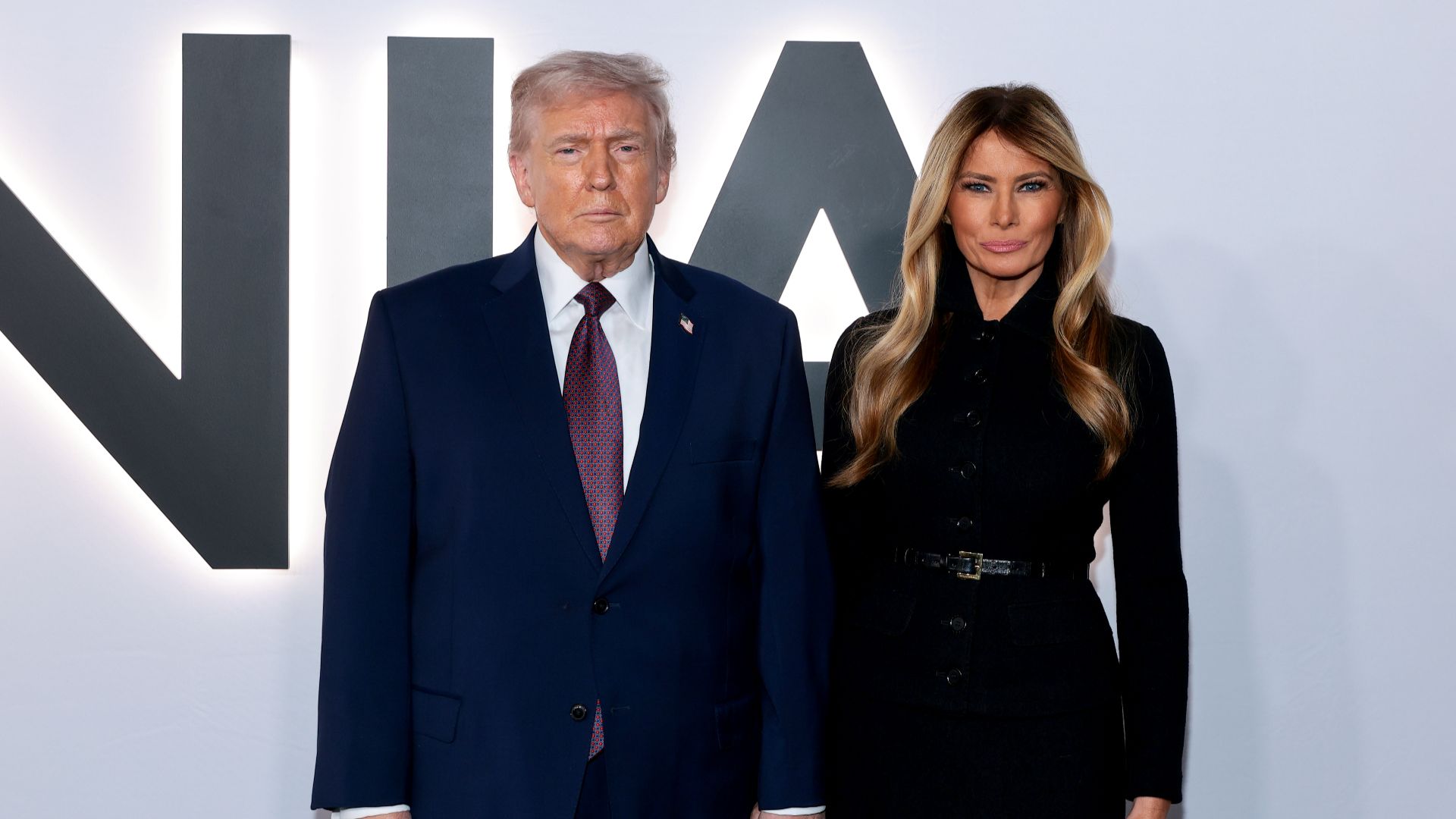
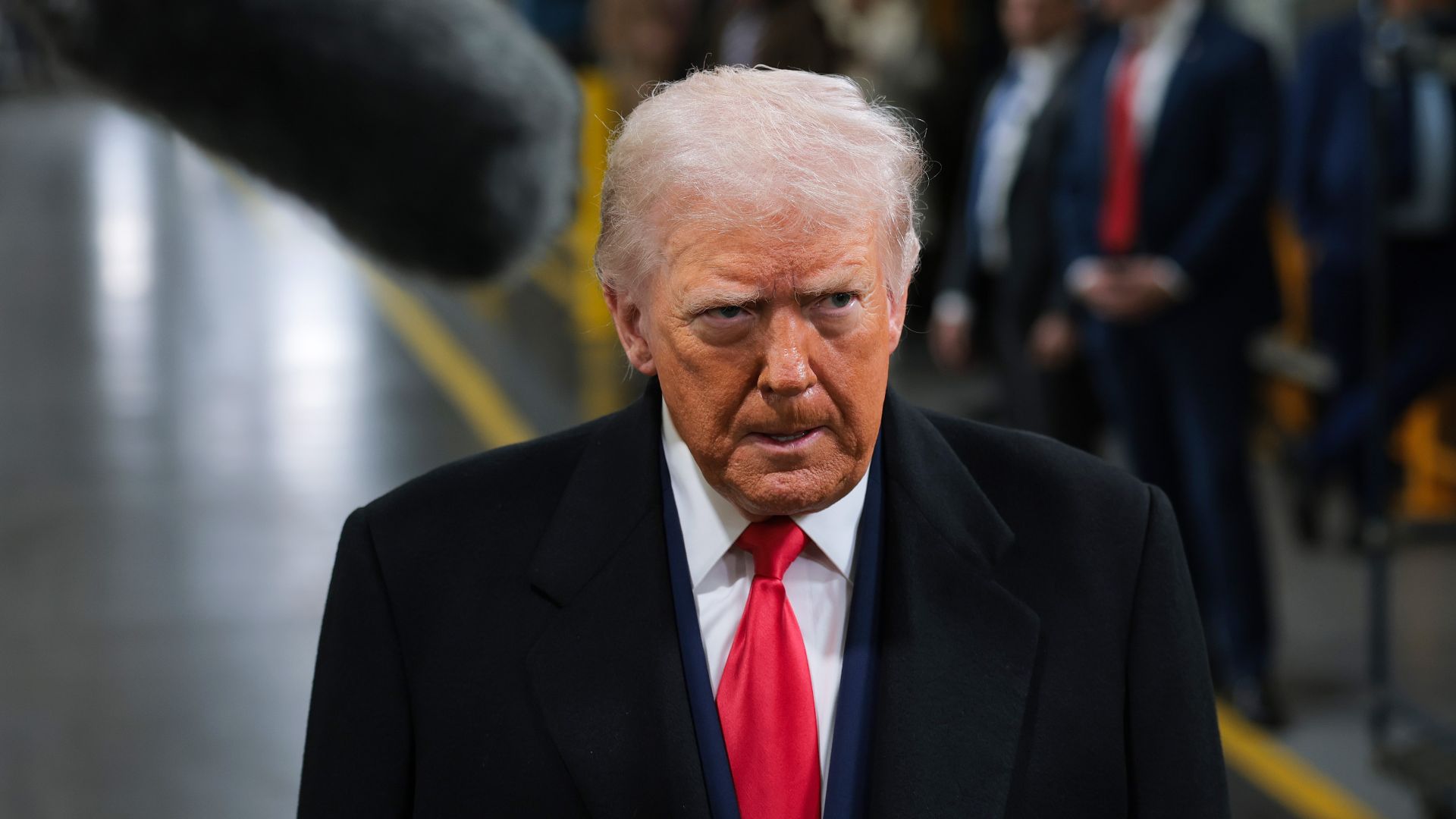
Trump has sharply escalated pressure on Canada over the past week, applying heavier economic measures against Ottawa than against most other countries targeted by his trade policies. The escalation took an unusual turn as Trump addressed reporters while arriving at a special screening of the documentary Melania, centered on his wife, Melania Trump. Already angered by a speech delivered by Canadian Prime Minister Mark Carney at the World Economic Forum in Davos, Trump appeared further provoked by reports of a possible trade deal between Canada and China. His comments reflected an effort to exert maximum economic leverage on what had long been one of the United States’ most reliable allies, as the dispute broadened from tariffs into a direct challenge to Canada’s economic autonomy and national sovereignty.
Getty Images
The first thing they’re going to do is say ‘you’re not allowed to play ice hockey anymore.
In a weird stance, Trump commented on the recent rapprochement between Canada and China, framing it as a sign of weakness rather than strategic diversification. Speaking to reporters, he criticized Ottawa for looking toward Beijing at a moment when his own administration has sought to apply intense economic pressure on Canada, while also escalating rhetoric that has touched on sovereignty and internal politics.
Trump said bluntly, «Canada is not doing well. They’re doing very poorly and you can’t look at China as the answer.» He then shifted to a more personal tone, invoking his relationship with Beijing by adding, «I know China very well. I know President Xi, is a friend of mine, I know him very well.» Trump followed with a warning directed squarely at Canada’s leadership, stating, «But that’s a big hurdle to go over when you get Canada.» The remarks came as questions swirl over reports suggesting Trump’s administration has held meetings with far-right separatist figures linked to Alberta, adding to concerns in Ottawa about political interference alongside economic pressure.
Getty Images
Trump then pushed his argument into even stranger territory, warning that closer ties with China could threaten Canada’s national identity, including its most iconic sport.
In comments that quickly drew attention for their tone and substance, he suggested Beijing would impose cultural demands on Ottawa, claiming, «The first thing they’re going to do is say: you’re not allowed to play ice hockey anymore.»
He immediately added, «That’s not good.» The remarks capped a pattern of rhetoric that has repeatedly questioned Canada’s sovereignty, with Trump having previously floated the idea of the country becoming the 51st US state and recently referring to the Canadian prime minister as a governor. Ending his comments with another pointed warning, Trump said, «Canada’s not going to like that.» The episode underscored how Trump’s pressure campaign against one of Washington’s closest allies has expanded beyond tariffs into symbolic and provocative territory.
In the automotive industry, the line between mechanical nightmare and practical car is sometimes thinner than it seems. The Internet regularly publishes annual rankings of models to avoid. Indeed, while the purchase of a vehicle can be considered a real bargain, it’s often a journey strewn with pitfalls. Between depreciation, exorbitant maintenance costs and recurring technical problems, buying a quality vehicle can be a real headache. can be a real headache, usually leading to excessively high bills. Discover in this article the 20 cars no longer worth their new price in 2025.
A recent report by CSIS (the Center for Strategic and International Studies), reported by CNN, says that a stunning 1.2 million Russian troops have been killed in Ukraine since Russia invaded the country four years ago, a scale of losses that the researchers describe as unprecedented for a major military power since World War II. According to the analysis, the casualty rate reflects the intensity and duration of the conflict, with repeated large-scale offensives, entrenched front lines, and tactics that have resulted in sustained and exceptionally high human costs. CSIS notes that such losses are virtually without modern precedent for a state with Russia’s military size and resources, underscoring the depth of the war’s impact on Moscow’s armed forces and raising questions about the long-term sustainability of its campaign in Ukraine.
Getty Images
Data from the CSIS report highlight another striking imbalance in the war’s human cost, showing that Ukraine is estimated to have lost between 500,000 and 600,000 troops, while Russia’s death toll surpasses Ukraine’s by a ratio of roughly 2-to-1. The assessment underscores the scale of Russian losses relative to its battlefield gains and manpower strategy. According to comments cited from Britain’s deputy ambassador to the Organization for Security and Cooperation in Europe, James Ford, Russian military casualties, including those killed and wounded, now exceed the country’s sustainable recruitment and replacement rates. Analysts warn that this imbalance is not only straining Russia’s armed forces but is also beginning to weigh on the broader economy, as prolonged mobilization, labor shortages, and rising military expenditures place increasing pressure on domestic growth and long-term stability.
Getty Images
Over the past year, the conflict has entered a new phase shaped in part by Donald Trump’s return to the White House and his public framing of the war. Trump has repeatedly presented Russia as holding the upper hand, stressing Ukraine’s dependence on Western aid and casting doubt on Kyiv’s ability to sustain the fight. This narrative contrasts with assessments from Western analysts, including CSIS, which note that despite the scale of the war and massive losses, Russia has increased the amount of Ukrainian territory under its control by only about 12% since 2022. The limited territorial gains, measured against the human and economic cost of the conflict, have fueled debate among allies over how the war is being portrayed politically, particularly as evidence continues to point to heavy Russian casualties and growing strain on Moscow’s military and economy.
Donald Trump’s latest retribution attempt targets the Treasury Department and the US Internal Revenue Service, as he filed a lawsuit in Florida alongside two of his sons, Donald Trump Jr. and Eric Trump, seeking at least $10 billion in damages. The complaint accuses the agencies of allowing an unauthorized leak of his tax returns during his first administration, an episode that has continued to fuel Trump’s claims of institutional misconduct. The legal action follows the sentencing of former IRS contractor Charles Littlejohn, who was sentenced to five years in prison in 2024 after admitting to disclosing thousands of tax returns without authorization, according to CNN.
Getty Images
Trump’s legal team accused the IRS in a statement of having « allowed a rogue, politically-motivated employee » to leak private and confidential information about Trump, the Trump Organization and members of his family. According to the statement, the disclosures were deliberately funneled to several left-wing media outlets, including the New York Time and ProPublica, which the lawsuit claims amplified the breach by publishing the material. The legal filing further alleges that these organizations « illegally released » Trump’s tax returns to « millions of people, » framing the episode as a coordinated violation of federal law and taxpayer privacy protections. The accusations are presented as central to Trump’s broader claim that federal institutions failed to prevent, and in effect enabled, the unlawful dissemination of sensitive financial records.
The IRS wrongly allowed a rogue, politically-motivated employee to leak private and confidential information about President Trump, his family, and the Trump Organization to the New York Times, ProPublica and other left-wing news outlets, which was then illegally released to millions of people. President Trump continues to hold those who wrong America and Americans accountable.
Trump was the first president in decades not to voluntarily release his full tax returns, breaking a long-standing tradition in US politics in which presidential candidates and sitting presidents routinely made their tax filings public as a basic transparency measure. The controversy intensified after a separate criminal case revealed how some of that information reached the media. According to US prosecutors, former IRS contractor Charles Littlejohn illegally accessed and disclosed Trump’s tax data while working for the agency, with the unauthorized transfers occurring in 2019 and 2020. Reporting based on the leaked material and later confirmed by the tax returns released by Congress shows that Trump paid just $750 in federal income taxes in 2016 and again in 2017, and no federal income tax at all in 2020. These figures became central to public scrutiny of Trump’s finances and tax practices, reinforcing claims that he used losses and deductions to dramatically reduce his tax liability in several years.
Getty Images
Since returning to the White House, Donald Trump has pursued a series of high-value legal actions seeking financial damages, largely against media and technology companies. In early 2025, he reached a settlement with Meta over social-media account suspensions, resulting in about $25 million, largely directed to his presidential library. In mid-2025, Trump filed a defamation lawsuit against ABC/Disney over televised comments, a case later settled for roughly $15 million, plus legal fees. In July 2025, he sued the Wall Street Journal and Dow Jones over alleged defamatory reporting linked to Jeffrey Epstein, seeking $10 billion, with the case still pending. In September 2025, Trump brought a defamation suit against The New York Times and Penguin Random House, tied to investigative reporting and a related book, demanding $15 billion; the case was later dismissed with the option to refile. Later in 2025, Trump sued CBS and its parent company Paramount Global over edited footage aired on 60 Minutes, initially seeking $20 billion, before the dispute was settled for $16 million. He has also threatened legal action against the BBC, accusing the broadcaster of misleading editing in a documentary and warning of a potential lawsuit seeking $1 billion in damages, though no formal case has been filed to date.
Getty Images
Since returning to the White House, Donald Trump has continued to press financial claims against the US government tied to past federal investigations. In 2024, his lawyers filed administrative damage claims under the Federal Tort Claims Act seeking more than $100 million from the Department of Justice over the August 2022 FBI search of Mar-a-Lago, alleging misconduct and reputational harm. Those filings also included a broader compensation request totaling about $230 million, covering both the Mar-a-Lago search and the earlier Russia investigation. In 2025, Trump publicly confirmed those figures, saying the federal government «owes him a lot of money,» while acknowledging that any settlement would require approval from his own administration. The claims were formally submitted and reviewed by the Justice Department, but had not yet resulted in a court lawsuit at the time of his comments.
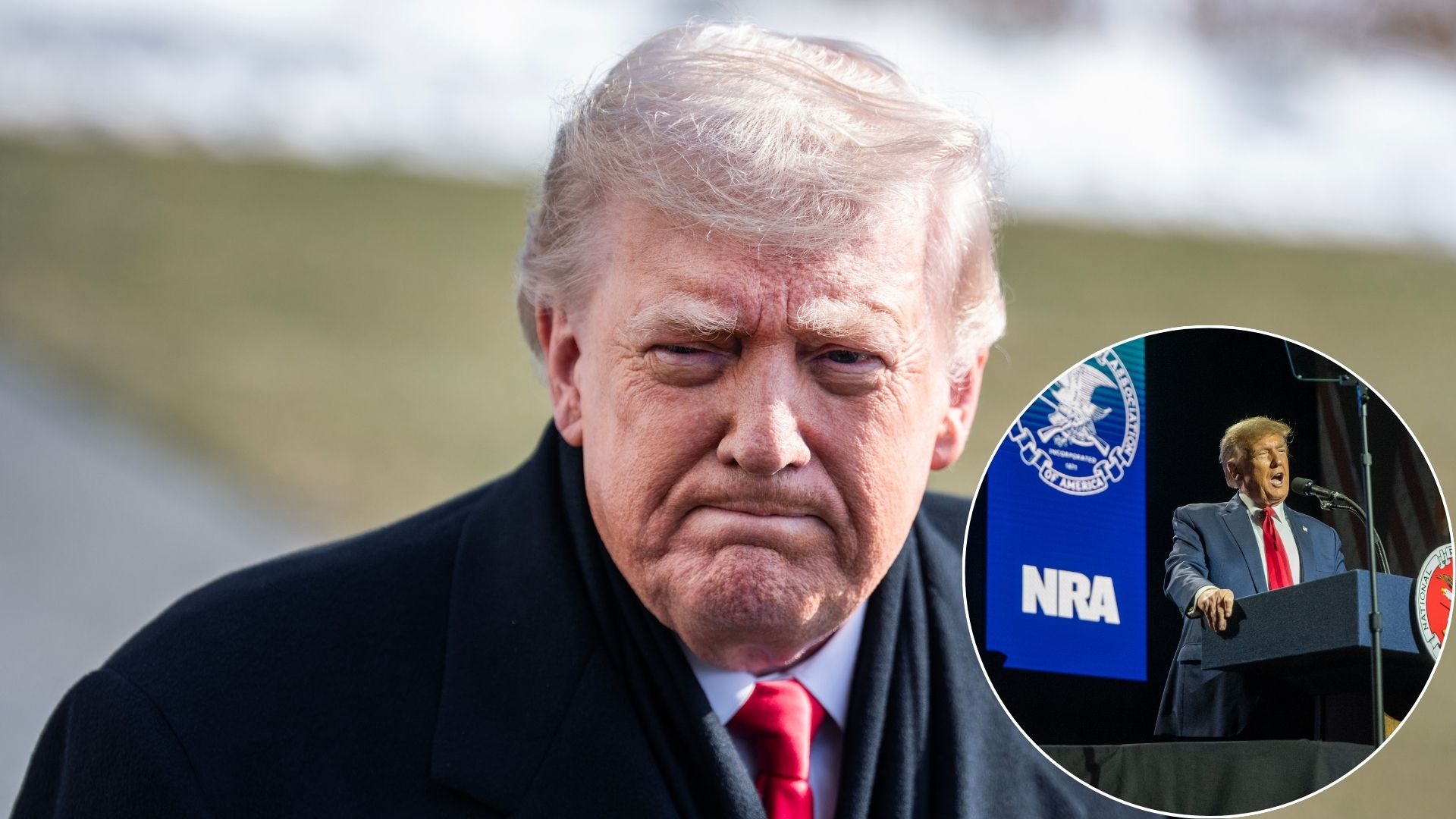
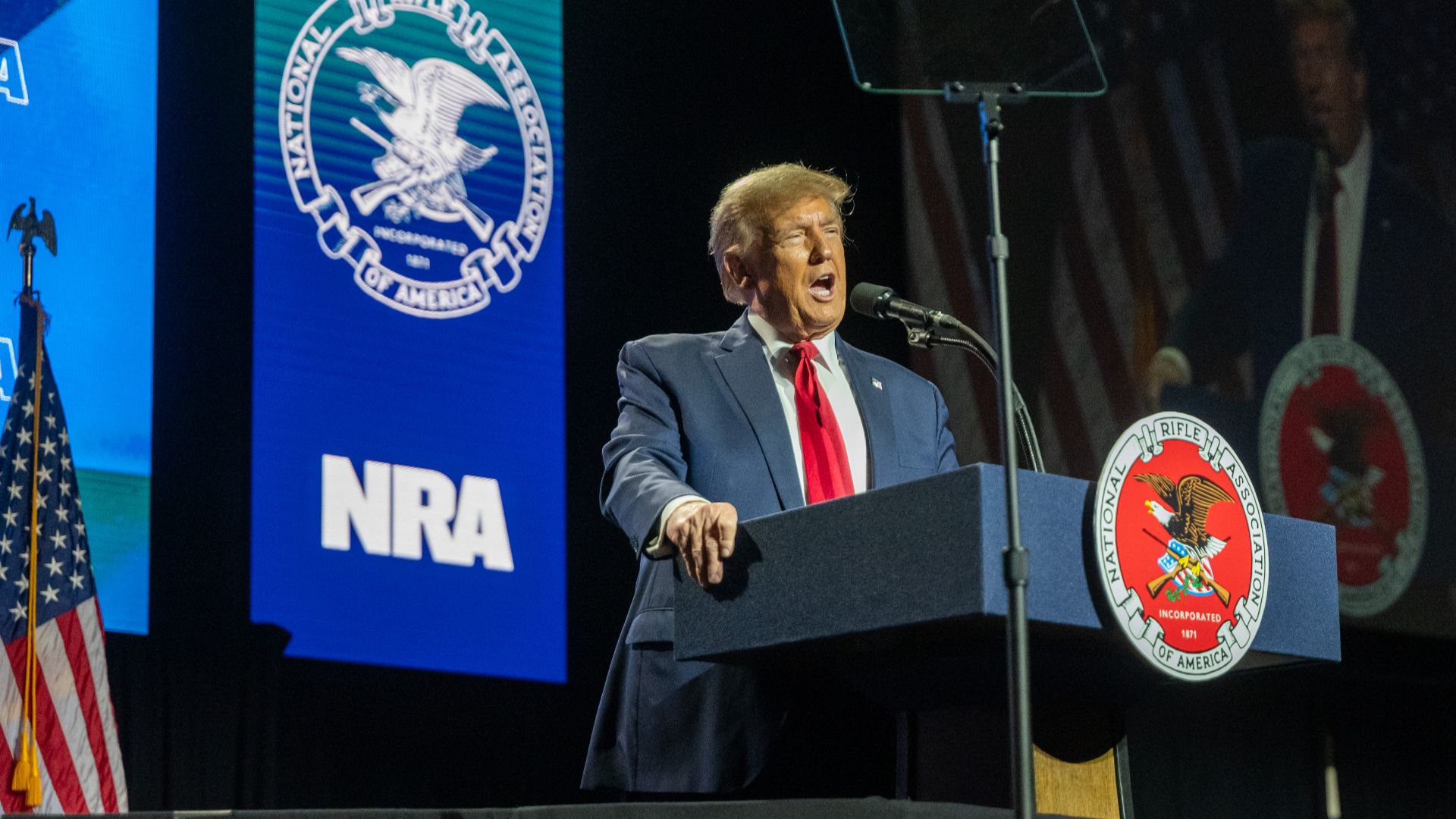
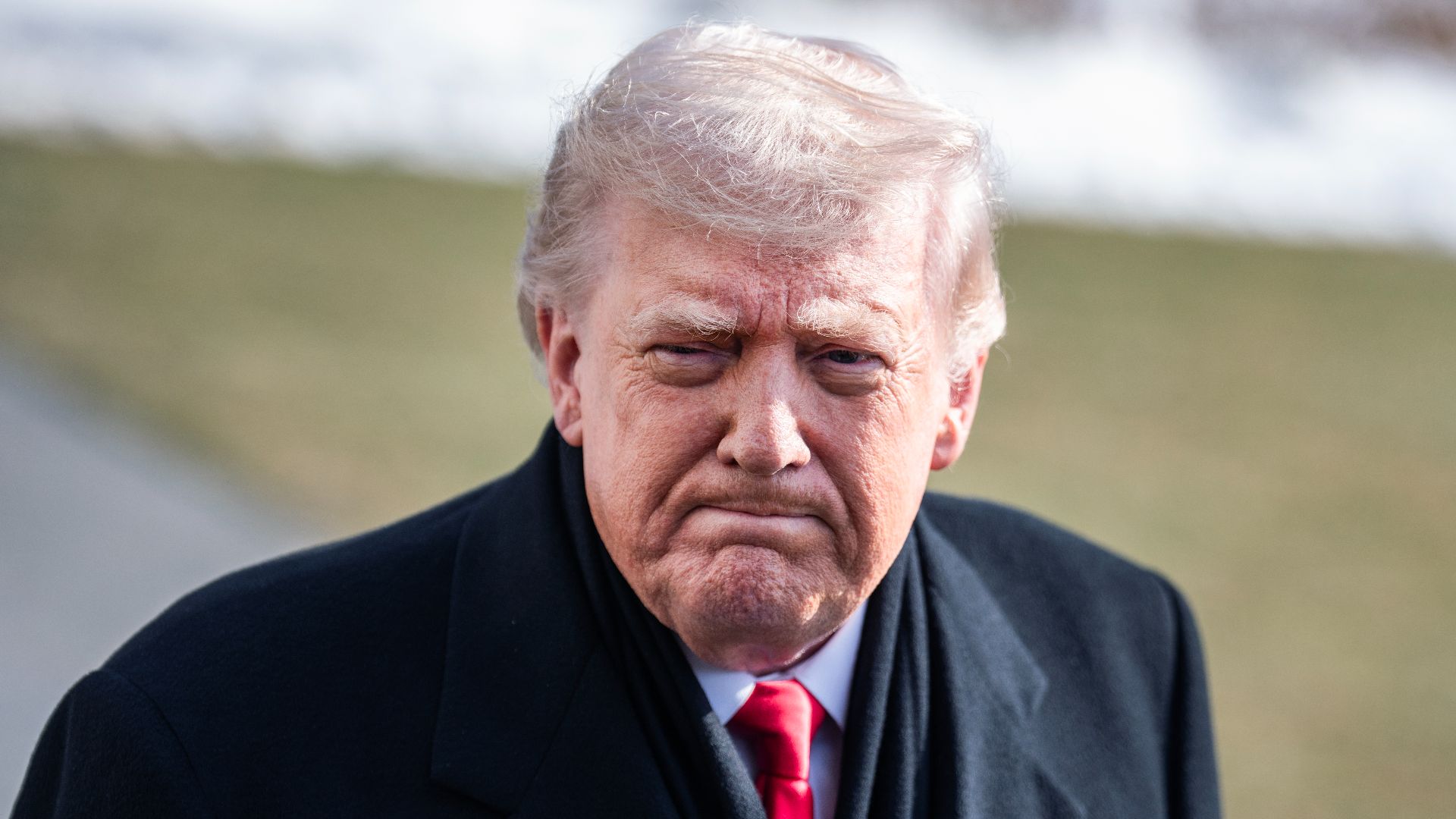
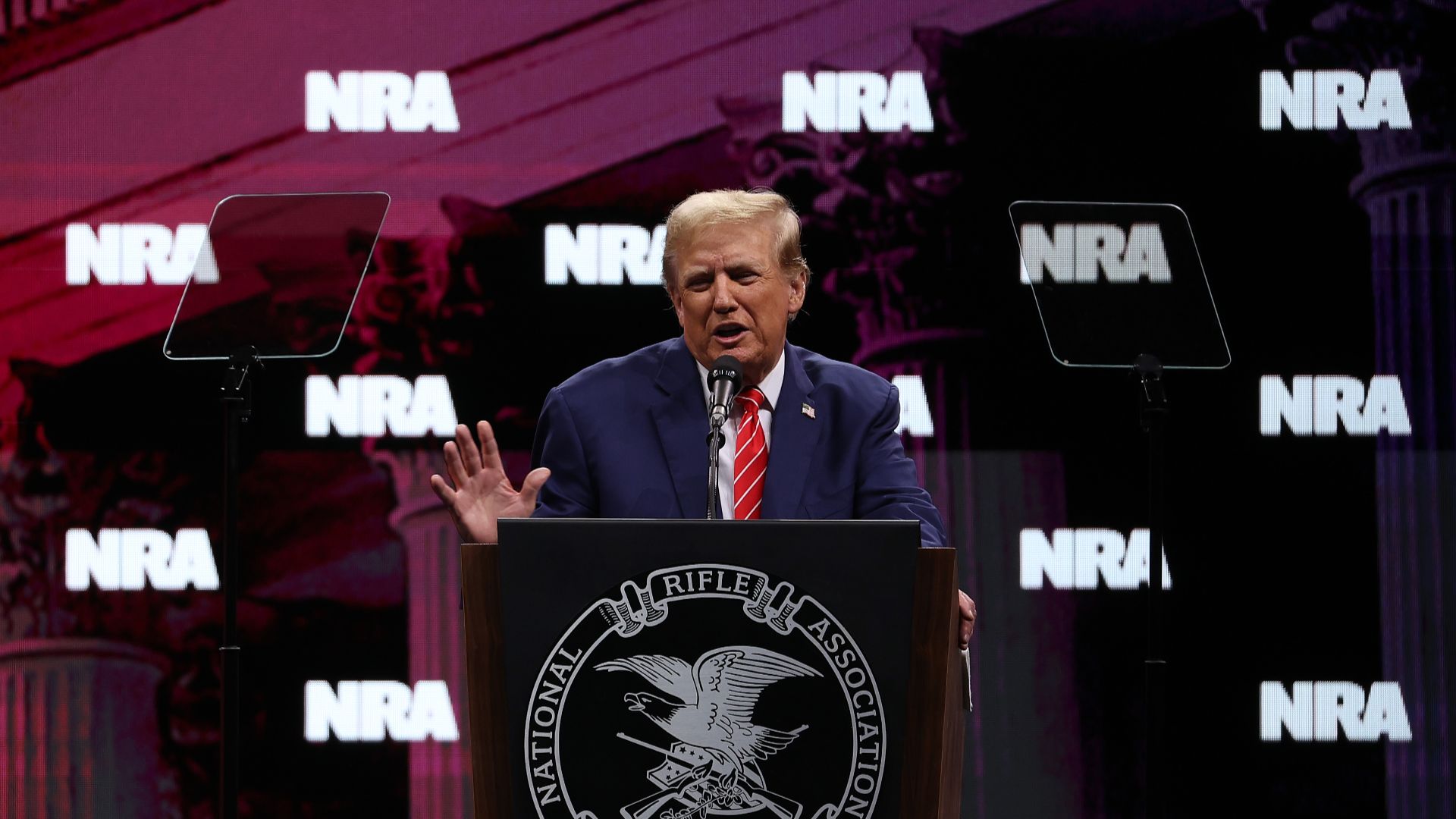
President Donald Trump is facing rare backlash from the National Rifle Association after his administration’s response to the fatal shooting of Alex Pretti, a 37-year-old ICU nurse killed by federal agents in Minneapolis.
Trump said Pretti «shouldn’t have been carrying a gun» and repeated that «you can’t have guns», despite video evidence showing Pretti never drew his legally owned firearm.
The NRA publicly rejected the administration’s narrative, defending the rights of lawful gun owners as officials escalated rhetoric portraying Pretti as a violent extremist. Trump’s comments, including «I don’t like that he had a gun», have deepened divisions within the gun-rights movement and intensified scrutiny of federal use of force.
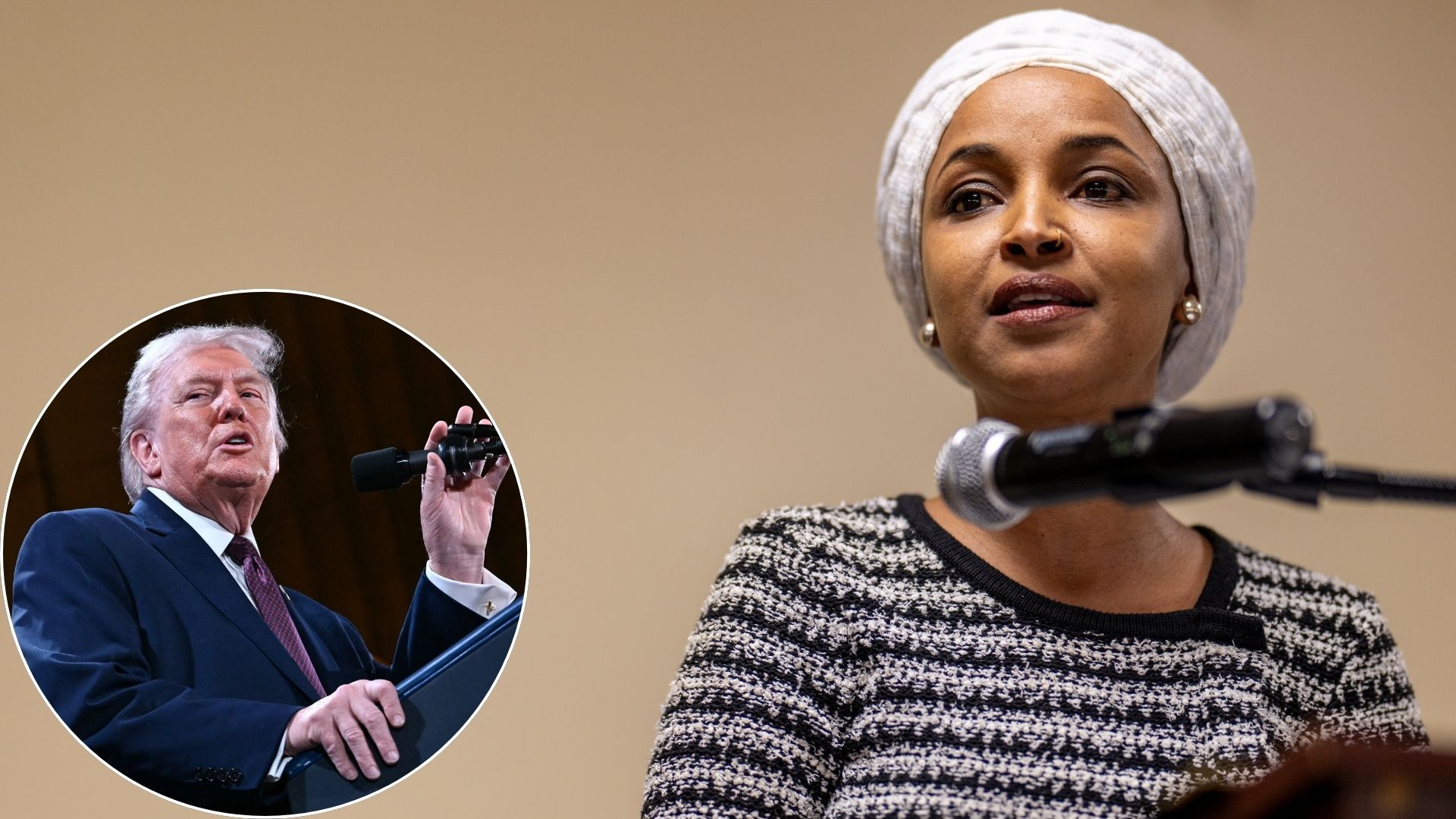
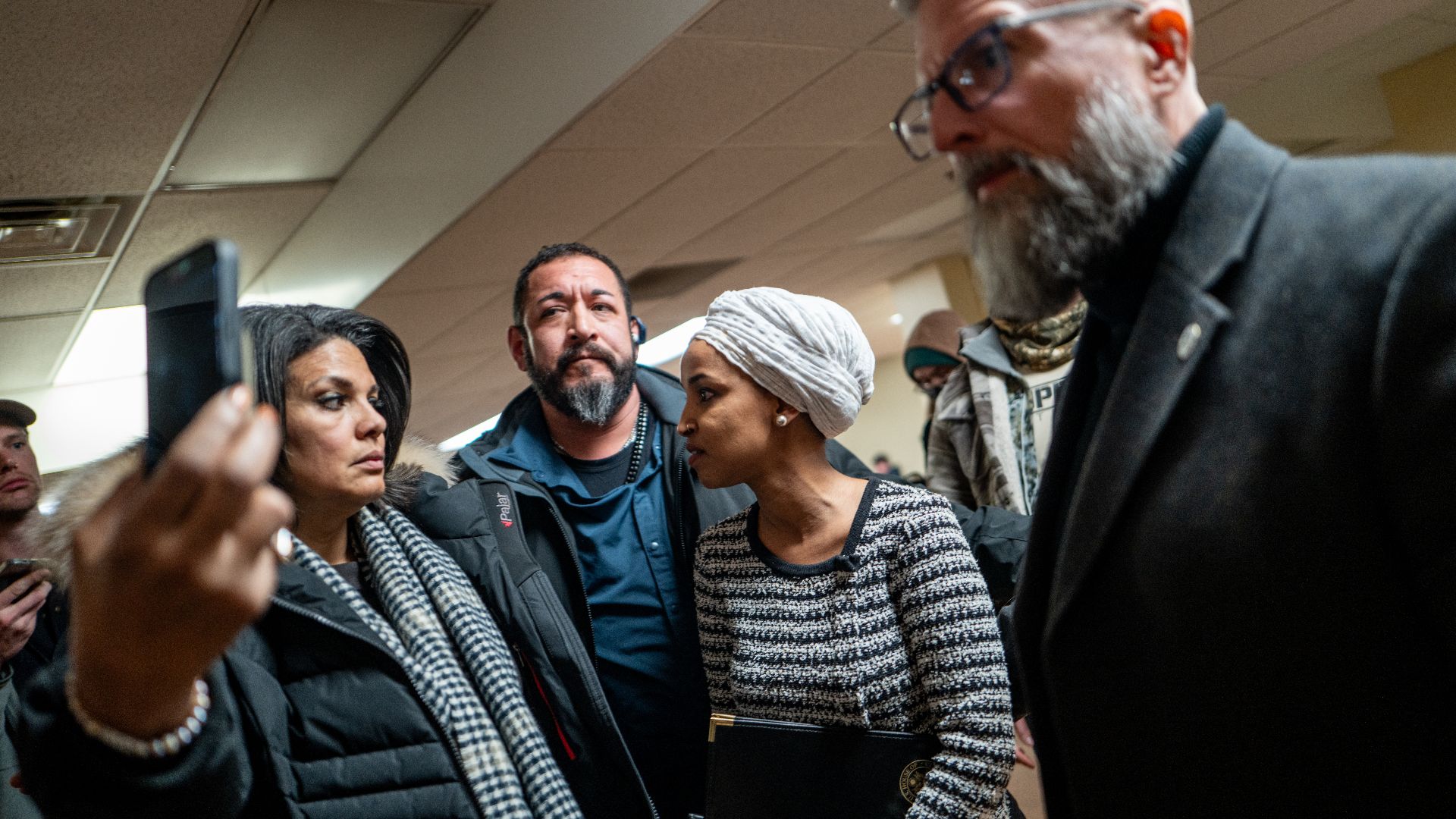
Donald Trump drew fresh criticism after dismissing a frightening syringe attack on Minnesota congresswoman Ilhan Omar during a Minneapolis town hall. As Omar was speaking, a man rushed forward and sprayed her with what was initially described as an unknown liquid before being restrained by security. Despite video footage and witness accounts, Trump said he «haven’t seen it» and claimed that «she probably had herself sprayed», minimizing the incident. The suspect, later identified as 55-year-old Anthony James Kazmierczak, was arrested and charged with third-degree assault. Omar later said «I’m ok», vowing not to be intimidated as investigators consider federal charges.