Catégories
Uncategorized

Israel and Hamas to broker ‘second-phase’ of ceasefire

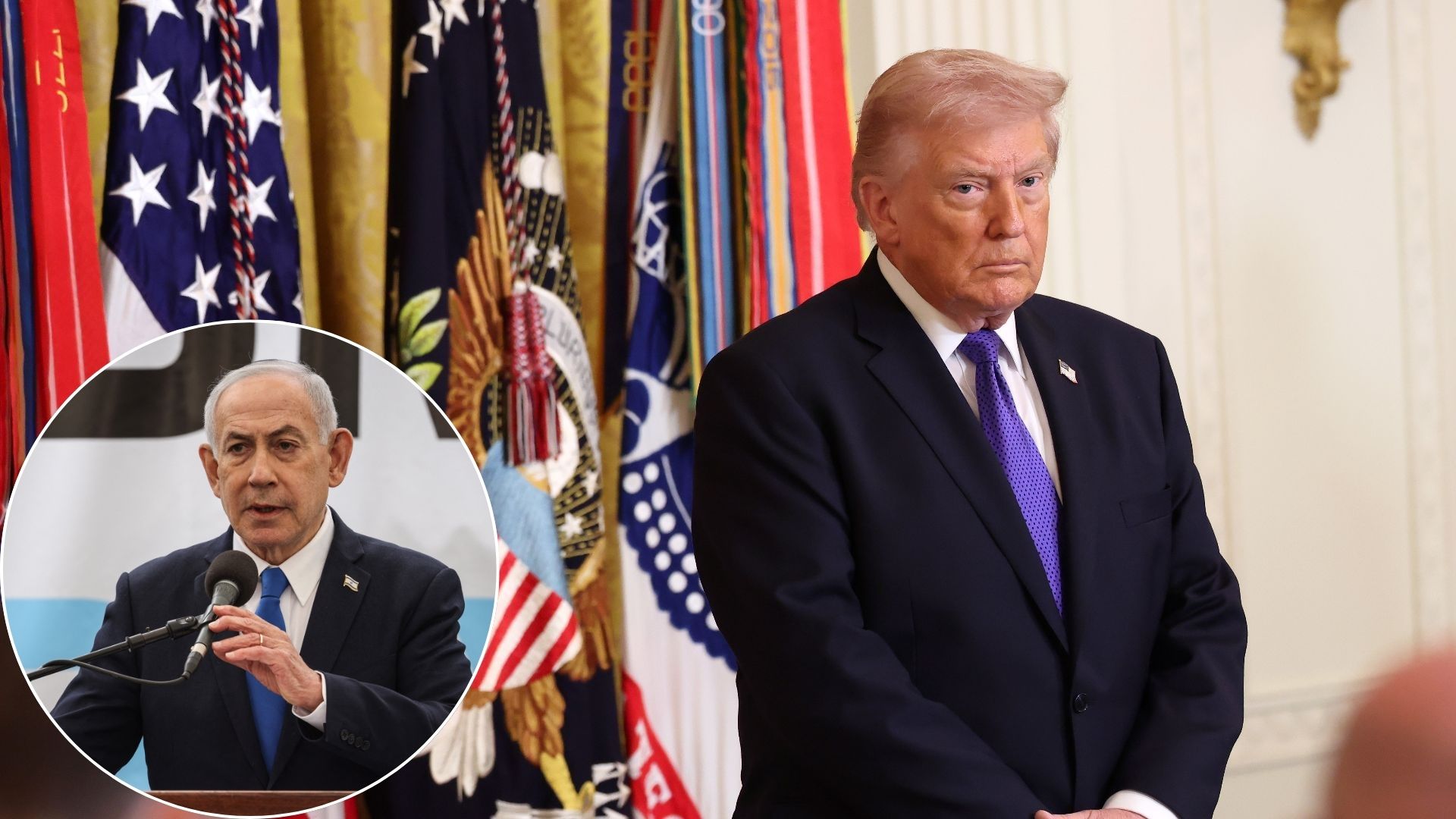
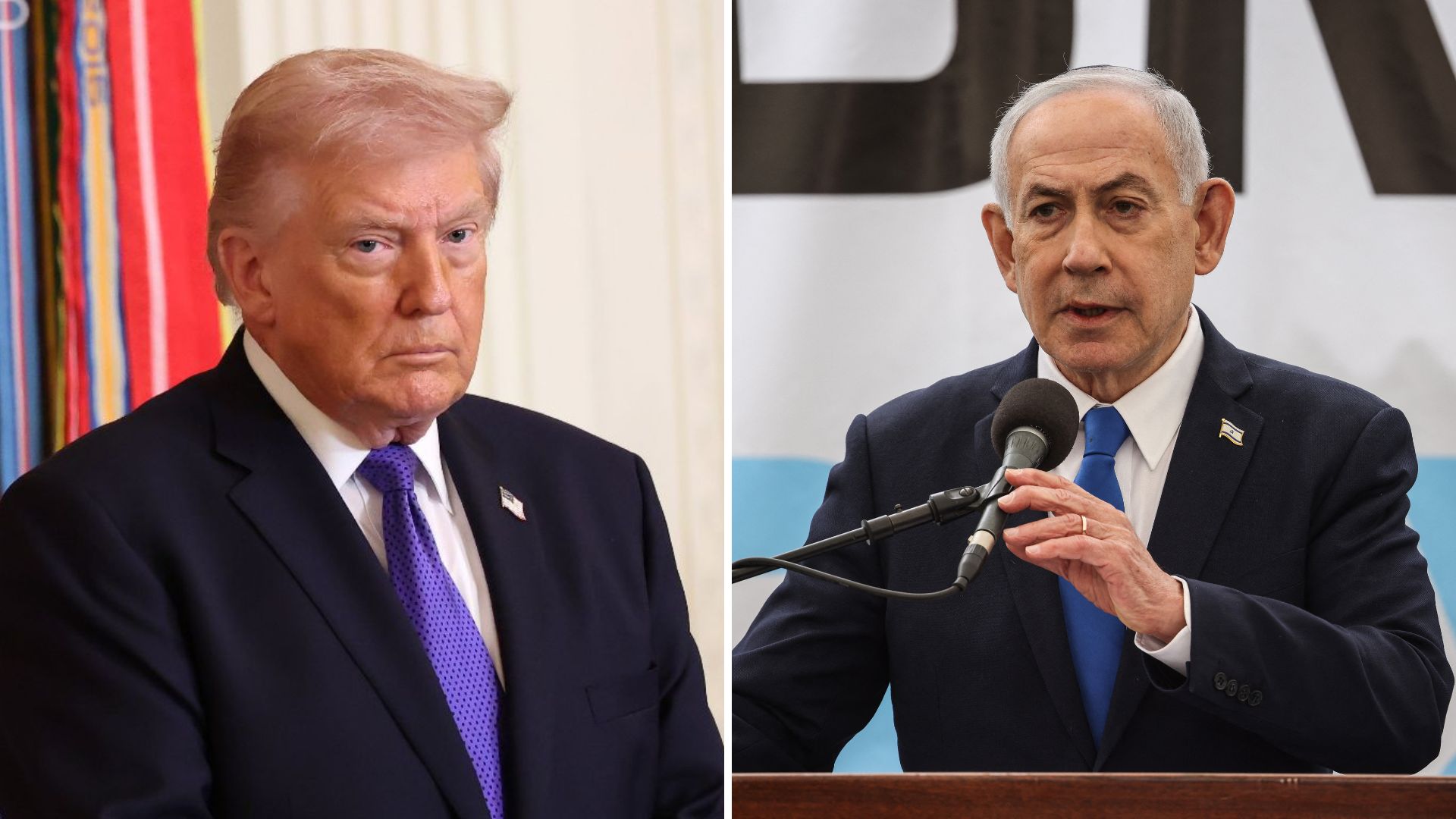
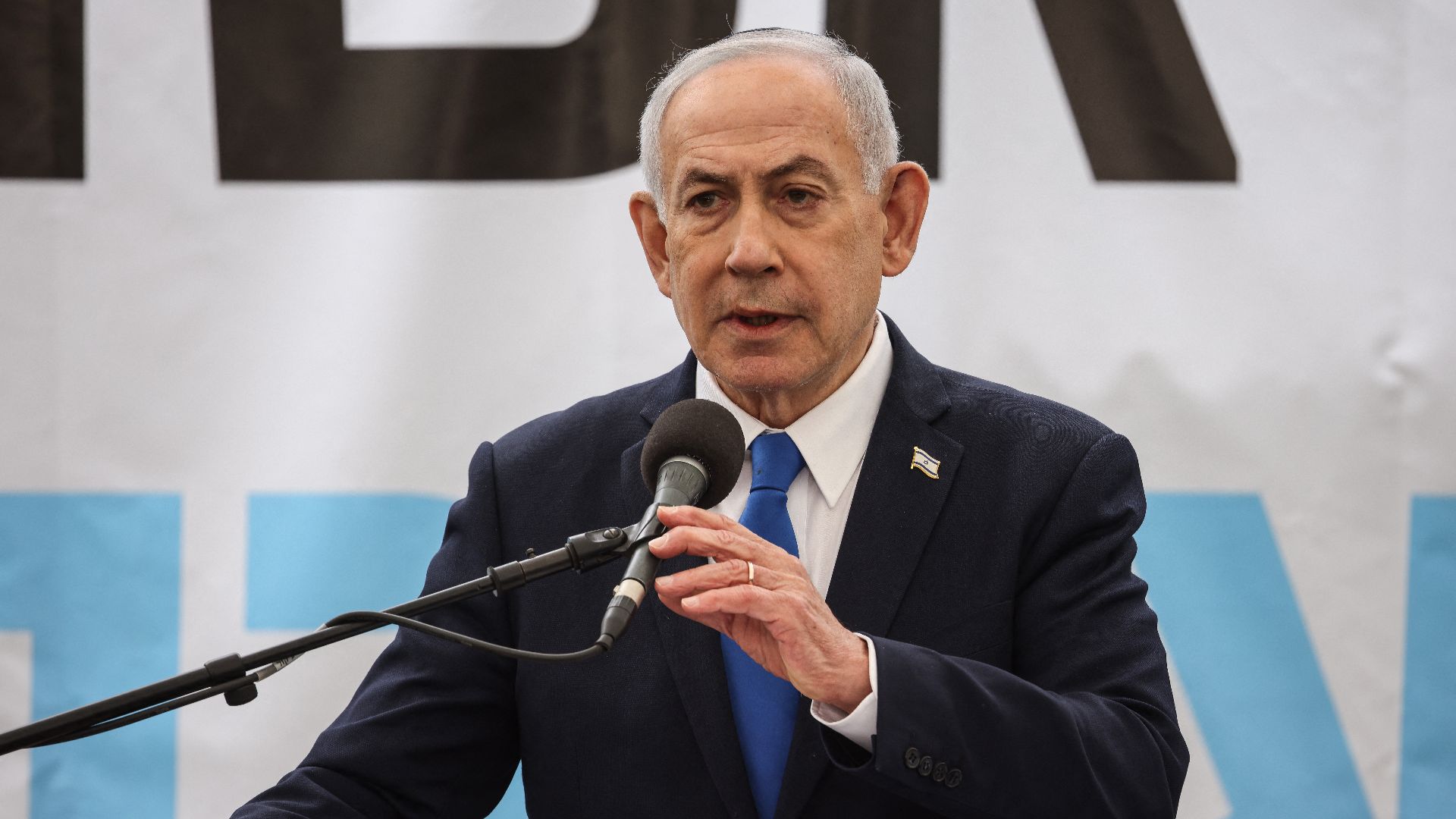
Israeli Prime Minister Benjamin Netanyahu said Sunday that Israel and Hamas are “very shortly expected to move into the second phase of the ceasefire,” contingent on Hamas releasing the remains of ‘the last’ hostage. Netanyahu spoke during a news conference with German Chancellor Friedrich Merz, claiming the second phase of the ceasefire, which addresses the disarmament of Hamas and the withdrawal of Israeli troops from Gaza, could begin as soon as the end of the month, but human rights experts remain skeptical of Israel’s dedication to a withdrawal of troops in Palestine.
A futile first phase

GAZA CITY, GAZA NOVEMBER 23: Palestinians who returned to the Al-Zerka area of the Al-Tuffah neighborhood after the ceasefire continue to live amid destroyed buildings and makeshift shelters on November 23, 2025. Lacking basic necessities such as adequate shelter, food, and clean water, families struggle to survive under extremely difficult conditions in the blockaded Gaza Strip. (Photo by Khames Alrefi/Anadolu via Getty Images)

While news of a potential withdrawal of Israel’s occupying forces from Palestine is a positive move for the civilians in Gaza and the West Bank, an important question remains: Has Israel observed the first phase? The answer is no. Since the ‘ceasefire’ was implemented on October 10, 2025, Israel has broken it more than 590 times, killing at least 360 Palestinians, and increasing the total death toll in Gaza to more than 70,000 – the vast majority of which are women and children. Under the first phase, signed by US President Donald Trump, Israel was supposed to halt its war on Gaza, a war that has been deemed a genocide by the UN, Amnesty International, and more than 70 independent countries across the globe.

“Israel has committed genocide against Palestinians in the Gaza Strip, the UN Independent International Commission of Inquiry on the Occupied Palestinian Territory, including East Jerusalem, and Israel”

-United Nations

In addition to the halting of violence, Israel was also required to begin allowing aid into Gaza, something the country has spent millions of dollars on blocking. According to the United Nations in November, “Israeli authorities have rejected more than 100 requests to bring relief materials into Gaza since the ceasefire began nearly a month ago.” It’s important to note that a significant portion of the blocked aid since October 10 has not been blocked by the Israeli government, but by Israeli citizens attempting to ensure the starvation of Palestinians in Gaza. While the Israeli government is not blocking aid as it was before the ceasefire was signed, it is still refusing to enforce rules protecting aid trucks going to Palestine.

“Israel’s war on Gaza has not ended… [Hamas] will be disarmed”

-Benjamin Netanyahu

Israel is still limiting the amount of aid allowed into Gaza, even if it has stopped explicitly blocking it. According to Dr Munir al-Bursh, the director general of Gaza’s Ministry of Health, “We are facing a situation in which 54 percent of essential medicines are unavailable, and 40 percent of the drugs for surgeries and emergency care – the very medications we rely on to treat the wounded – are missing,” and according to journalist in Gaza, Hind Khoudary, “at least 600 trucks should be entering the Gaza Strip every single day, but what is entering is very little.”

‘Israel has committed genocide.’

GAZA CITY, GAZA – SEPTEMBER 26: Smoke rises after Israeli airstrikes hit the Sabra neighborhood in southern Gaza City, leaving widespread destruction, on September 26, 2025. (Photo by Hamza Z. H. Qraiqea/Anadolu via Getty Images)

Israel’s ‘war’ on Gaza has been deemed a genocide by the United Nations, Amnesty International, Médecins du Monde, Doctors without Borders and more than 70 independent countries across the globe. According to South African apartheid experts, Israel has subjected the country of Palestine to a vicious apartheid system since the 1940s. South Africa filed a case with the International Court of Justice (ICJ) in 2023.

“We South Africans know what apartheid looks like — we have lived through it, suffered and died under it. We cannot remain silent and watch as apartheid is perpetrated against others.”

-UN representative of South Africa

Reports estimate 70 per cent of the 70,000 dead in Gaza were civilians, 60 per cent were women, children, or the elderly. There have been 200,000 people injured since October 7, 2021, and 60 percent of Palestinians have now lost at least one family member. Gaza has the most amputated children per capita in the world. More than 250 journalists and at least 250 health care workers have been killed by Israel in the last three years, making it the most deadly conflict for journalists in human history. The number of journalists killed in this conflict surpasses the death tolls in both World Wars, the Vietnam War, and the wars in Iraq and Afghanistan combined, according to the United Nations.

Catégories
Uncategorized

Thailand launches airstrikes at Cambodia after deadly border skirmish

Thailand launched air strikes on neighboring country Cambodia on Monday, according to the Thai army. The strike came just hours after a border skirmish in Ubon Ratchathani province became deadly early Monday morning, with both sides blaming each other for its happening. One Thai soldier was killed in the scuffle. Thai army spokesman Winthai Suvaree said in a statement, “the Army received reports that Thai soldiers were attacked with supporting fire weapons, resulting in one soldier killed and four wounded.”,

Suvaree claimed that Cambodian forces fired on the Thai first, but the Cambodian defence ministry spokeswoman Maly Socheata said that the Thai forces had launched an attack on the Cambodian troops in the border provinces of Preah Vihear and Oddar Meanchey even before the incident in Ubon Ratchathani. According to Socheata, Thai forces “[fired] multiple shots with tanks at Tamone Thom temple” and other areas near Preah Vihear temple. Tamone Thom and Preah Vihear are ancient temples, built in the 11th century; they’re both estimated to be 1000 years old, and Preah Vihear was declared a world heritage site in 2008. The International Criminal Court (ICC) prosecutes destruction of cultural heritage as a war crime.

Clashes on the border

Early Monday morning, thousands of people on the Thailand-Cambodia border were displaced by fresh fighting that marked historic tensions between the neighboring nations. Four Cambodian civilians and one Thai soldier were killed in the firefight. This is the most deadly skirmish between Thailand and Cambodia since July, where more than 40 people were killed over five days of military violence. Thailand and Cambodia signed a peace deal after the battles in July. Monday’s scuffle was the first time the countries have tested the deal.

In response to the clash at the border, Thailand dispatched air strikes to multiple Cambodian military targets, and according to Thai army spokesman Winthai Suvaree, Thailand has begun “using aircraft to strike military targets in several areas” in attempts to suppress Cambodian forces. Cambodia has not retaliated to any of Thailand’s additional attacks, and according to Socheata, the country does not plan on responding with military action.

Thailand’s Army said in a statement that more than 35,000 people in Thailand have been evacuated from areas along the border with Cambodia since the renewed fighting. Thai Prime Minister Anutin Charnvirakul said the country “never wished to see violence,” but will “not allow the violation of its sovereignty.” Thailand’s Foreign Minister Sihasak Phuangketkeow told the media that Thailand will continue military action “until we feel that sovereignty and territorial integrity are not challenged.” Cambodia remains publicly committed to supporting the ceasefire in effect. According to Thailand’s military, they began evacuating Thai citizens from border towns on Sunday. Reportedly, nearly 400,000 people have been evacuated to temporary shelters.

Cambodia and Thai military power

Thailand’s military is significantly larger than Cambodia’s, with Thailand boasting an annual budget of almost $7bn USD and more than 360,000 military personnel. Cambodia’s military operates with an annual budget of $1bn USD, and carries just under 125,000 total personnel. The stark difference in these nations’ military capabilities comes from the sky. Thailand owns more than 120 operational fighter aircraft, while Cambodia doesn’t have any. It’s no surprise that Cambodia remains dedicated to upholding the ceasefire, while Thailand appears to be willing to continue offensive aggression.

The governments of Japan and Malaysia have commented on the attacks, with Japan’s Foreign Ministry expressing “deep concern over the situation between the kingdom of Thailand and the kingdom of Cambodia.” The statement continued to urge “both countries to observe the ceasefire agreement, exercise maximum restraint, and seek a peaceful resolution through dialogue.” Malaysia’s Ministry of Foreign Affairs also commented on the incident, stating that ” both sides must promptly consult existing mechanisms” in order to “prevent the situation from escalating along the border.”

Catégories
Uncategorized

Official complaint filed with FIFA Ethics Committee over Trump peace prize

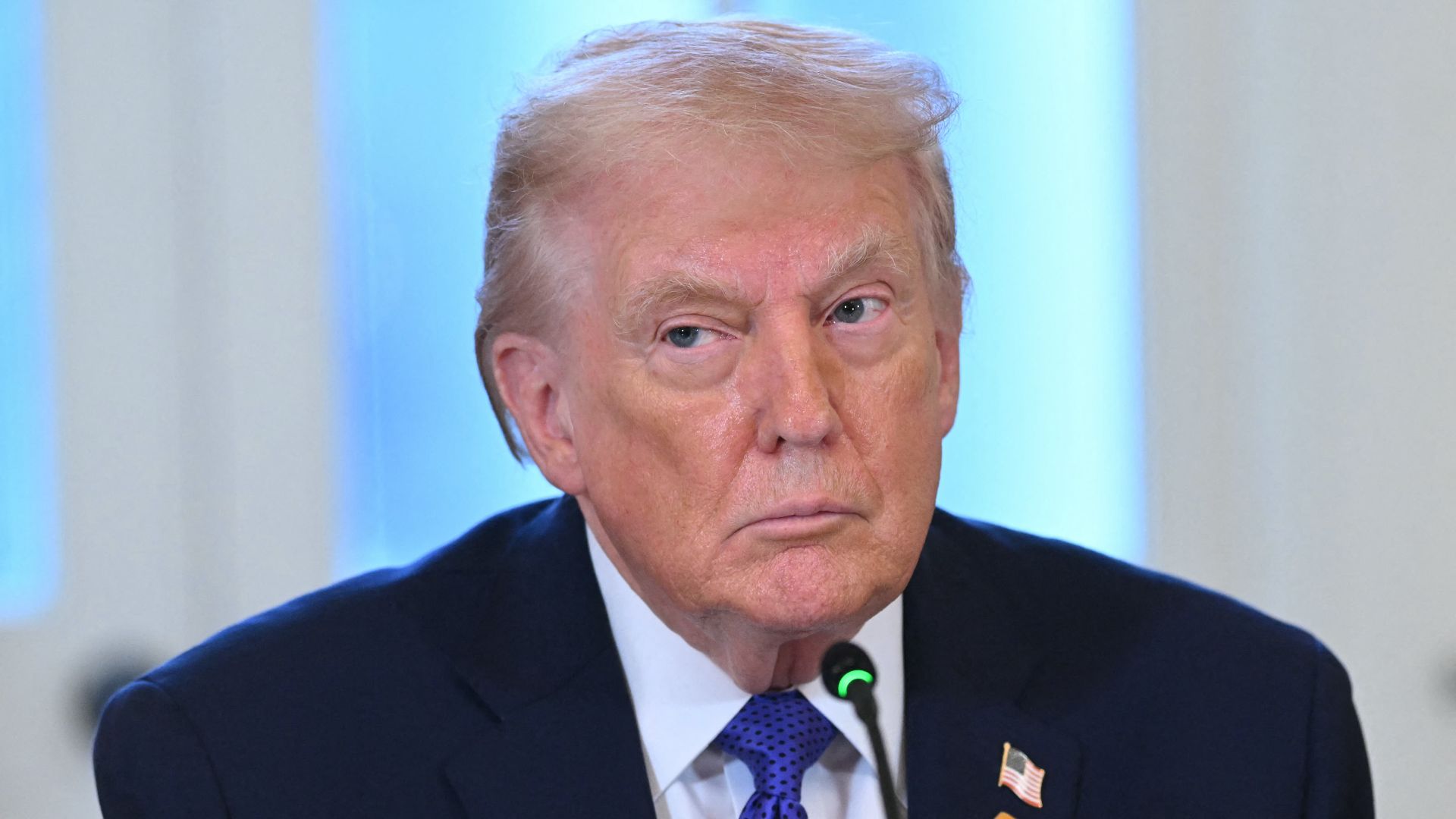
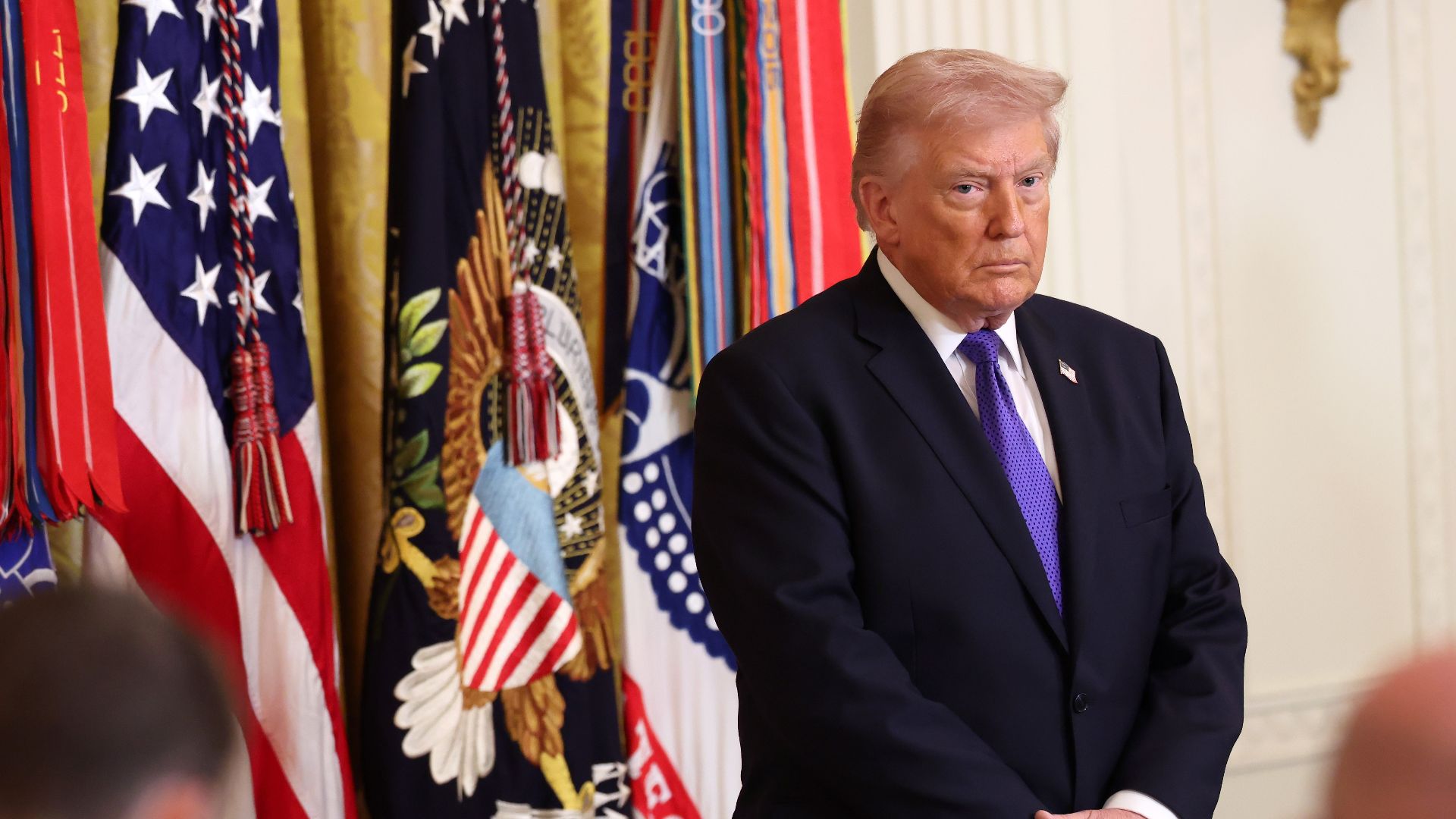
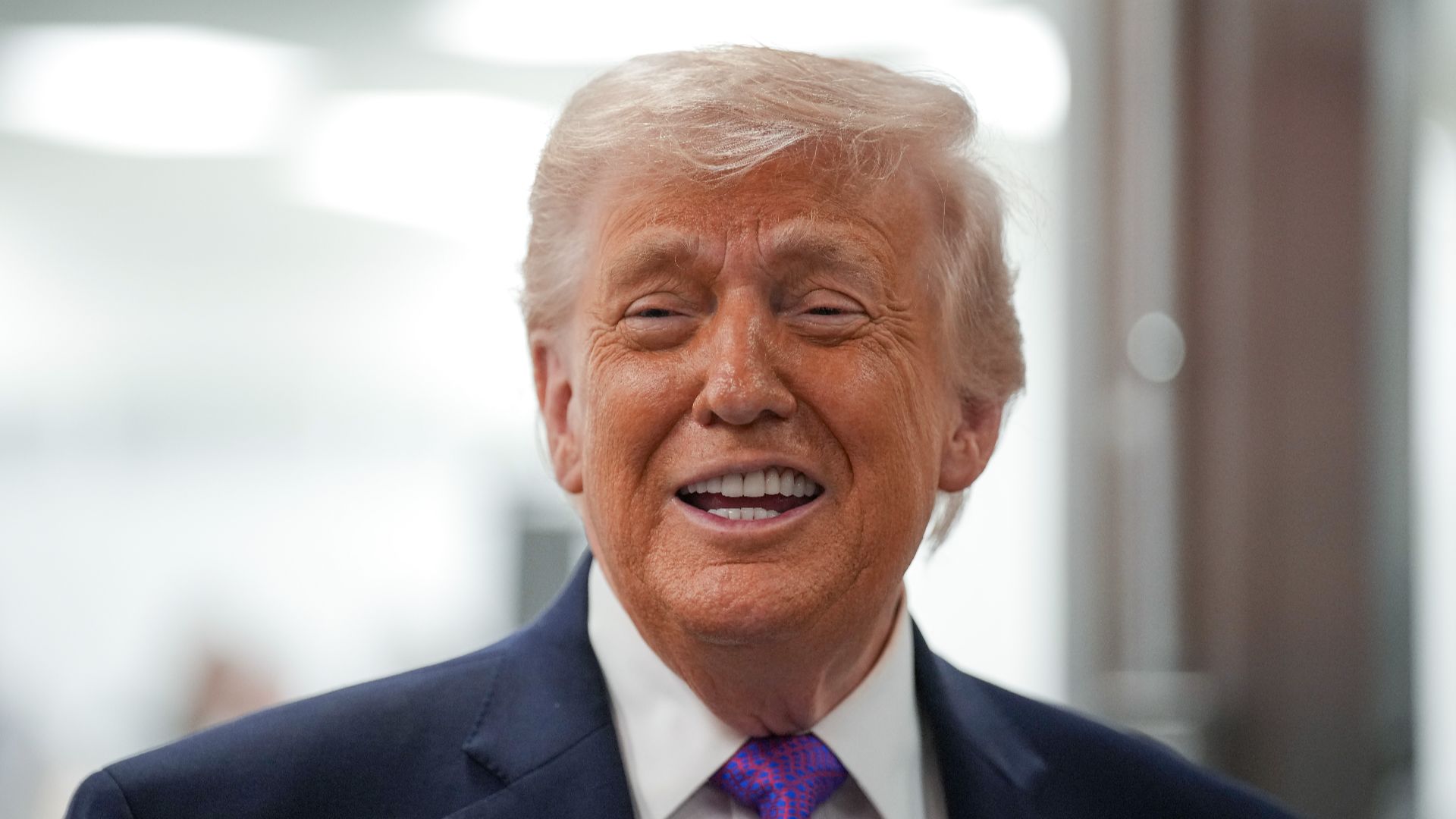
According to The Athletic, an official complaint was submitted to FIFA’s Ethics Committee alleging «repeated breaches» of FIFA’s duty of political neutrality by president Gianni Infantino. The complaint, filed by the advocacy group FairSquare, focuses on Infantino’s public championing of President Trump, including his appearance onstage to award Trump the inaugural FIFA Peace Prize during the World Cup draw in Washington. FairSquare also asks the Ethics Committee to investigate the circumstances behind the creation of the prize and the internal process that led to Trump being selected as its first recipient, noting that neither the FIFA Council nor the vice-presidents were consulted before the prize was announced.

Getty Images

The FairSquare complaint details four alleged breaches by Infantino of FIFA’s duty of neutrality, as set out in article 15 of the FIFA Code of Ethics, all tied to the FIFA president’s public championing of President Trump. It also asks the Ethics Committee to «investigate the circumstances surrounding the decision to introduce and award a FIFA Peace Prize and their conformity with FIFA’s procedural rules.» Trump received the Peace Prize in the middle of the FIFA World Cup draw in Washington, D.C., where Infantino presented the U.S. president with a large trophy, a medal that Trump proudly put on, and a certificate.

Four specific examples

The FairSquare complaint identifies four specific examples that, in its view, amount to breaches of FIFA’s duty of political neutrality by Gianni Infantino. First, it points to Infantino’s public lobbying for Trump to receive the Nobel Peace Prize, including a message posted on Instagram in which he wrote that «President Donald J. Trump definitely deserves the Nobel Peace Prize for his decisive actions». Second, it cites remarks made on 5 November at the America Business Forum in Miami, where Infantino described Trump as «a really close friend» and said that people should support what Trump was doing because «it’s looking pretty good». Third, the complaint refers to a FIFA video shown during the World Cup draw in Washington that presented Trump as having ended multiple conflicts around the world before Infantino awarded him the FIFA Peace Prize on stage. Finally, it highlights a short video published on 20 January 2025, in which Infantino thanks Trump for inviting him to a pre-inauguration rally and concludes by saying: «Together we will make not only America great again but also the entire world».

Getty Images

The complaint also raises questions about how the FIFA Peace Prize itself was created and approved inside the organisation. FairSquare cites previous reporting by The Athletic that neither the FIFA Council nor the FIFA vice-presidents were consulted on the prize, or on any selection criteria, before it was announced on 5 December and awarded to Trump at the World Cup draw in Washington. The submission points to FIFA’s own statutes, which state in article 34 that it is the Council that defines FIFA’s mission, strategic direction, policies and values, including «all related matters» at global level, and argues that a peace prize of this nature should therefore have been decided at Council level. Human Rights Watch had already written to Infantino asking for information on the process and criteria used, describing the award as having «no nominees, no criteria, no judges and no process», and saying it had received no response from FIFA by the deadline it set.

Four or five times

Trump’s fixation on the Nobel Peace Prize is well documented and stretches over several years, with repeated public complaints that he has not received it and frequent claims that he deserves it. At rallies and in interviews, he has argued that his role in mediating conflicts around the world should already have earned him the award, saying he should have won it «four or five times» for various deals, including those he claims to have helped broker in central Africa and South Asia. He has also complained that others received credit instead of him, notably grumbling that Ethiopian prime minister Abiy Ahmed was awarded the Nobel Peace Prize after a peace deal that Trump insisted he had effectively «saved», telling supporters he asked himself whether he had «something to do with it». In more recent comments, Trump has said that the Nobel Committee will «never» give him the prize despite his view that he deserves it, while sympathetic politicians and officials have publicly called for him to be honoured, and media coverage routinely notes that he has «craved» the award and presents himself as a global peacemaker across conflicts from Israel and Iran to Rwanda and the Democratic Republic of Congo.

Getty Images
Catégories
Uncategorized

Australia bans social media for users under 16

On Wednesday, Australia implemented a historic piece of legislation banning social media for all citizens under the age of 16. The move has drawn global attention, as the negative effects of social media on teens have been widely reported over the past three years. Starting on Wednesday, December 10, all social media companies covered by the directive will be required to remove any user who cannot verify their age is 16 or older.

What is banned, and what isn’t?

INDONESIA – 2025/12/08: In this photo illustration, the social media networking apps are displayed on a phone with the eSafety Commissioner website displayed in the background. The Online Safety Amendment (Social Media Minimum Age) Act 2024 requires social media platforms, including TikTok, Instagram, Facebook, YouTube, Snapchat, X, Reddit, Threads, Twitch, and Kick to implement age-verification systems and take reasonable steps to prevent account creation by users under 16, with non-compliant platforms facing penalties of up to A$50 million. (Photo Illustration by Algi Febri Sugita/SOPA Images/LightRocket via Getty Images)

The legislation will block the vast majority of popular sites. The list consists of Facebook, Instagram, TikTok, Snapchat, X (Twitter), YouTube, Reddit, Twitch, Kick, and Threads. The sites exempt are Pinterest, YouTube Kids, Discord, WhatsApp, Lemon8, GitHub, LEGO Play, Steam and Steam Chat, Google Classroom, Messenger, LinkedIn, and the video game Roblox. The exclusion of YouTube Kids and Roblox has some experts raising eyebrows, as the lack of content restrictions on YouTube Kids has been heavily criticized. That being said, the Australian government has not confirmed whether the list of banned and unbanned platforms is set or whether more social media platforms will be banned.

How will age-verification work?

Age verification will be the responsibility of each individual platform, with the only requirement from the government being that requesting ID cannot be the only form of age check. Meta has not disclosed how they will enforce the ban, Snapchat has said it will use account behavioural signals and the birth date people list, and TikTok will implement a “multi-layered approach” that “combines technology and human moderation” to detect and remove the accounts of teens who gave an incorrect date of birth when originally signed up to the app. YouTube said it would determine the age “based on the age associated with their Google account and other signals, and will continue to explore how we implement and apply appropriate age assurance.”

Other platforms have yet to release how they will ensure age verification on their sites.

What will happen to users under 16

TOPSHOT – A 13-year-old boy displays a message on his mobile phone from social media platform Snapchat after his account was locked for age verification in Sydney on December 9, 2025. Australia will ban young teenagers from social media on December 10, 2025, launching a world-first crackdown designed to unglue children from addictive scrolling on the likes of Facebook, Instagram and TikTok. (Photo by AFP via Getty Images)

For users under 16, they will be faced with different choices depending on which platform they frequent. For Meta platforms, underage users will have the choice of downloading all of their content and placing their accounts on hold for when they do turn 16 instead of directly deleting the account. TikTok has implemented something similar, allowing user to archive their content and deactivate their account until they turn 16. Snapchat will also allow users to download their photos and conversations, and will disable and lock underage accounts until the user can prove they are over 16. The company said it would create a “frozen state” for children’s accounts, allowing them to reactivate when they turn 16.

Users who are over 16 but are mistakenly marked as being underage will have to submit a formal appeal to become reinstated on their respective platforms. Once again, that process will look different depending on the platform, with Meta implementing a facial scan, and Snapchat having users go through a bank card check, provide government ID, or take a selfie for facial age estimation. TikTok has announced that it will follow in Snapchat and Meta’s footsteps, and YouTube has not revealed how its appeal process will work.

John Ruddick, an MP from New South Wales, has launched a high court challenge on the grounds of freedom of political communication, but the case has yet to be heard. An Australian parliamentary committee recommended a delay in the legislation by six months to June 2026, but Australian senators disagreed, and Prime Minister Anthony Albanese has shown no signs of delaying the ban.

Catégories
Uncategorized

Baby I’m a… Diplomat? Katy Perry poses with former prime minister in Japan as Trudeau ‘hard launches’ relationship

In a hilarious clash of pop culture and politics, Katy Perry and the former Prime Minister of Canada have made their relationship official in the funniest way: a Christmas photo with former Japanese Prime Minister Fumio Kishida and his wife, Yuko. Trudeau wrote on X, « Great to see you [Fumio Kishida]. Katy and I were so glad to have the chance to sit down with you and Yuko.” Kishida referred to Perry as Trudeau’s partner in his own post, stating, “Former Canadian Prime Minister JustinTrudeau visited Japan with his partner and joined my wife and me for lunch.”

« During his time as prime minister, we met multiple times as fellow leaders, and when I visited Canada, we worked together to strengthen bilateral relations, including formulating the ‘Japan-Canada Action Plan,’ sweating it out side by side. I am delighted that we continue to maintain this friendship in this way. »

Summer lovin’

Perry and Trudeau first sparked romance rumors over the summer, when they were spotted on a date in Montreal, Canada. Since then, the pair have been seen in Paris for Perry’s birthday, and now it looks like they’re official. According to a source reporting to People, Trudeau had « been pursuing » the Grammy nominee since their date in Montreal and reportedly flew to California to see the singer before their date in Paris. When an audience member proposed to Perry at a show on October 31, Perry replied, “No, I’m dating someone else.”

Justin Trudeau served as prime minister of Canada from 2015 to 2025 and was previously married to Sophie Grégoire before the couple split up in the summer of 2023. They share three children and were married for 18 years. Perry was previously in a long-term relationship with actor Orlando Bloom. The pair, who were together for a decade, share a daughter born in 2020.

Catégories
Uncategorized

Netanyahu asks Israeli President for pardon amid corruption trial

Benjamin Netanyahu is asking his President for mercy, something Bibi has held in very little regard over the last three years.  

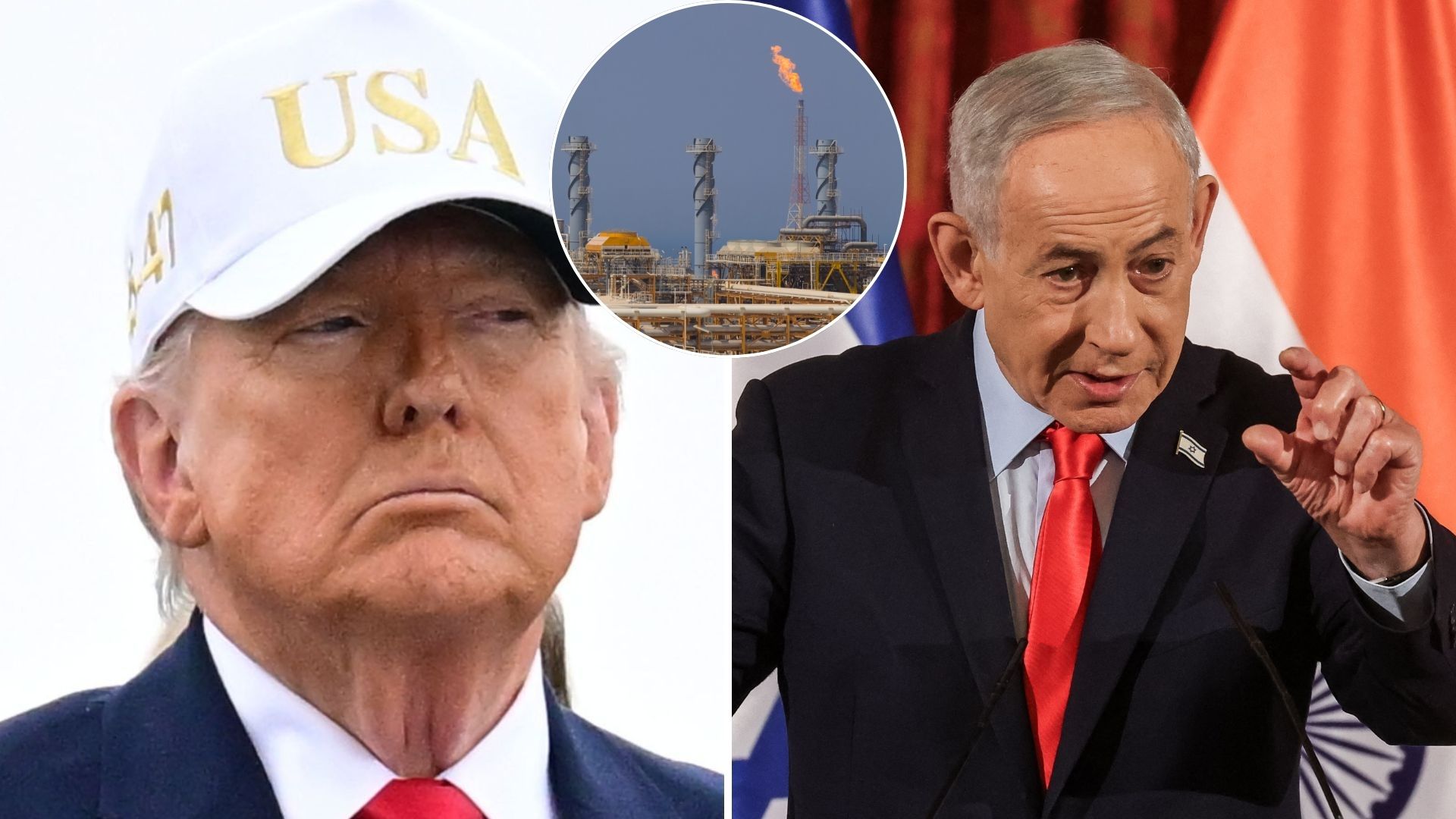
Netanyahu is asking to be pardoned for his bribery and fraud charges, and unsurprisingly, Donald Trump is loyally backing him. The Israeli PM has been under investigation for almost five years but argues that ending the trial is in “national interest”. Netanyahu has continually played the victim, even though there is mounting evidence supporting the Israeli prosecution’s case.  

Corruption investigation

Israeli Prime Minister Benjamin Netanyahu gestures as he speaks during a visit to the national police headquarters in Jerusalem on November 22, 2012. As the ceasefire took hold on November 21, in and around Gaza after a week of cross-border violence between Israel and Palestinian militants, twelve rockets fired from the Gaza Strip hit Israel in the hours that followed the agreement, a police spokesman told AFP. AFP PHOTO/GALI TIBBON/POOL (Photo by GALI TIBBON / AFP) (Photo by GALI TIBBON/AFP via Getty Images)

Benjamin Netanyahu has been investigated for corruption, bribery, and fraud five separate times since 2016, and was charged for three of these investigations in 2020.

Netanyahu was charged in three of the cases. Case 1000 claims Netanyahu had a conflict of interest while he was the Minister of Communications, accepting $200,000 USD over the span of five years from businessman Arnon Milchan and his associates.

Case 2000 is a criminal investigation that concerns the relationship between Netanyahu and the publisher and controlling owner of Yedioth Ahronoth, a prominent English-language Israeli paper. Mozes reportedly offered Netanyahu kinder coverage in Yedioth Ahronoth for him and his family, and harsher coverage for his political opponents. In exchange, Netanyahu was charged with using his influence to promote legislation that would impose restrictions on Israel Hayom, a competing publication, to benefit Mozes and his business associates financially.

Case 4000 accuses Netanyahu of promising regulatory changes that would be favourable to the business interests of Shaul Elovitch, the owner of Bezeq, an Israeli telecommunications company. Netanyahu was charged with fraud, breach of trust, and bribery in this case, as was Elovitch.

Trump and Netanyahu beg

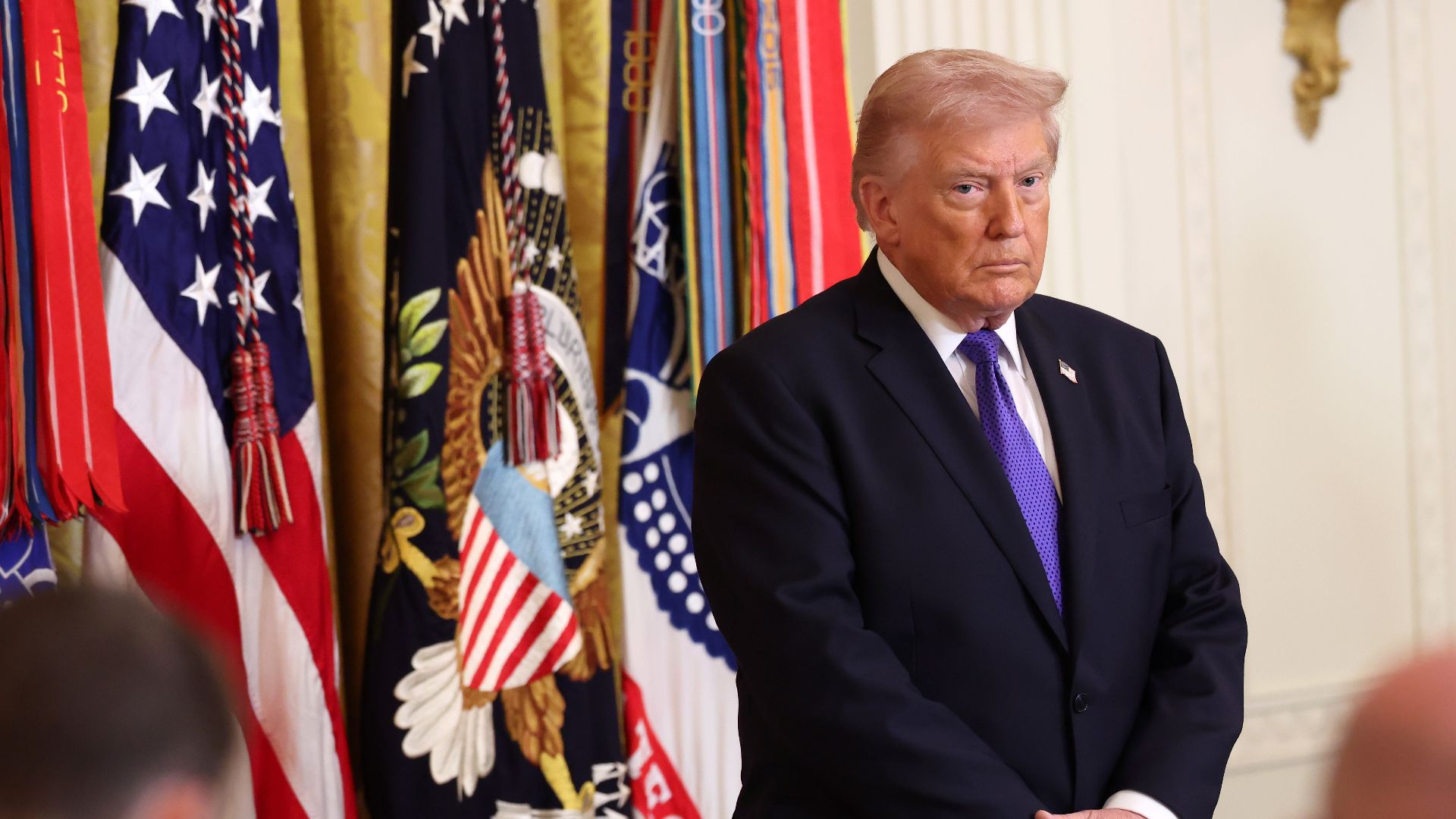
Earlier this month, on November 17, Donald Trump wrote to Israeli President Isaac Herzog, asking him to pardon Netanyahu for his crimes.

« As the Great State of Israel and the amazing Jewish People move past the terribly difficult times of the last three years, I hereby call on you to fully pardon Benjamin Netanyahu, who has been a formidable and decisive War Time Prime Minister, and is now leading Israel into a time of peace. »

In the letter, Trump claimed that Netanyahu was experiencing « a political, unjustified prosecution ».

« While I absolutely respect the independence of the Israeli Justice System, and its requirements, I believe that this ‘case’ against Bibi [Netanyahu], who has fought alongside me for a long time, including against the very tough adversary of Israel, Iran, is a political, unjustified prosecution. »

Herzog thanked Trump for the letter but said that anyone seeking a pardon had to submit a formal request.

« [Israel] holds President Trump in the highest regard and continues to express his deep appreciation for President Trump’s unwavering support for Israel ».

Benjamin Netanyahu also thanked Trump in a post on Twitter.

According to Israeli law, the President « has the power to pardon criminals and reduce or transmute their sentence, » but Presidential pardons before conviction are extremely uncommon in Israel, with one notable exception from 1986.

Netanyahu is the first sitting President to be only a sitting prime minister in Israeli history to stand trial for crimes of this nature.

The details of Netanyahu’s request have not been released, but he has consistently portrayed himself as the victim of a “deep state” conspiracy trying to upend his political career.

Herzog’s response

The President’s office didn’t publicly shut down the request, but acknowledged its historical nature.

“The Office of the President is aware that this is an extraordinary request which carries with it significant implications. After receiving all of the relevant opinions, the president will responsibly and sincerely consider the request.”

Netanyahu’s critics have been vocal, encouraging the President not to cede the request, not without an admission of guilt, a lifetime ban from politics, or a trial beforehand.

Catégories
Uncategorized

Toronto city councillors travel to Israel

Toronto city councillors James Pasternak (York Centre) and Mike Colle (Eglinton-Lawrence) travelled to Israel this week to receive a briefing from Deputy Minister of Foreign Affairs, Sharren Haskel.

Haskel posted a photo to her Twitter on Tuesday, November 25, posing with a delegation of Canadian politicians and media members.

Alongside Pasternak and Colle, former Toronto MPs Kevin Vuong and Don Stewart, former Toronto-area MPP David Zimmer, as well as former Green Party leader Annamie Paul and former Montreal mayor Denis Coderre. Journalist Steve Paikin and radio personality Ben Mulroney were also recognizable figures in the photo.

The moral position

The photo has sparked confusion amongst Torontonians, with many wondering what purpose a municipal-level politician could serve by visiting a foreign state.

There is also the added layer of Israel’s war on Gaza, which has killed at least 70,000 civilians. In October, Canadian Prime Minister Mark Carney announced that Israeli Prime Minister Benjamin Netanyahu would be arrested if he set foot on Canadian soil and charged with the war crimes his army is committing in occupied Palestine.

The Canadian Prime Minister also recognized Palestine as an independent state, something Israel is strongly against.

So, how does visiting Israel benefit Torontonians?

The briefing

Haskel’s tweet doesn’t allude to any particulars, but covers a few talking points peddled by the Israeli government.

“Recognizing a Palestinian state while Hamas still holds hostages only strengthens the terrorists. It sends completely the wrong message.”

She also cited rampant antisemitism in Canada, claiming that “Jews [are] afraid to wear a Star of David in public.”

There has been no evidence of Jewish Canadians being attacked for wearing the Star of David.

A report released by York University found that hate crimes against Muslims in the Toronto area grew by as much as 1,800%, with at least 500 instances of Islamophobic behaviour.

Statista calculated a 71% increase in police reports citing antisemitism, and a 94% increase in police reports citing Islamophobia.

Israel’s war in Gaza has created a dangerous atmosphere for both Jews and Muslims in Canada.

Who are Pasternak and Colle

James Pasternak is the councillor for Toronto’s York region. He has served on the city council since 2010 and is the Chair of the North York Community Council.

James Pasternak has been working to get pro-Palestinian protests deemed non-Charter protected activities, calling them “mobs”.

Councillor Mike Colle is the representative of Eglinton-Lawrence and the Deputy Mayor of North York. Colle spearheaded the movement to get the month of May designated as Jewish Heritage Month in Ontario.

Mike Colle is also the vice-chair of the North York Nominating Panel for Corporations, meaning he influences the decision on which corporations are awarded government contracts.  

The city councillors’ role on the Nominating Panel has sparked questions about a potential conflict of interest.

Former politicians

There were four noteworthy former politicians in Israel last week; this is who they are.

Kevin Vuong served as the MP for Spadina—Fort York from 2021 to 2025 as an independent. Vuong was dropped by the Liberal party two days before the 2021 election over his failure to disclose a 2019 charge for sexual assault, but was still elected due to advance polling.

He sponsored only two bills in his four years in Parliament: one to weaken the Criminal Code and Human Rights Act’s reaction to hate crimes, and a bill attempting to increase the speed of student loan collection.  

Don Stewert only served in the House of Commons for ten months before being voted out by his constituents. He did not sponsor a single bill in his time in Parliament.

David Zimmer served the Liberal Party as an MPP from 2003 to 2018. He was the Minister of Indigenous Relations and Reconciliation from 2013 to 2018.

Annamie Paul led the Green Party from 2020 to 2021. She was the first Black Canadian and first Jewish woman to be elected leader of a federal party in Canada.

Her time with the Green Party began to end after her views on Israel and antisemitism differed from those of voting and elected party members.

She has called for a de-escalation of the violence in Israel.

Denis Coderre served as the Mayor of Montreal from 2013 to 2017, while aligned with the Liberal Party in Federal politics. Coderre served as an MP from 1997 to 2013.

Coderre sponsored five bills during his time in Parliament, none of which got past the second reading at the House of Commons.

His most prominent achievement as Mayor of Montreal was his authorization of the dumping of 8 billion litres of untreated sewage into the Saint Lawrence River. The action received more than 50,000 signatures opposing it.

He also imposed a bylaw banning pit bulls in the City of Montreal that was suspended just days later by a judge.

Reports recently released claim Coderre owed more than $130,000 in provincial taxes and more than $266,000 to the Canada Revenue Agency as of February 2025.

Journalist and radio personality

Alongside the Councilmembers and the former politicians, journalist Steve Paikin and radio personality Ben Mulroney were also present.

Steve Paikin is the host of TVOntario’s headline politics show, The Agenda. He has been criticized for his biased coverage of Israel’s War in Gaza.

Ben Mulroney is the host of the nationally syndicated show, The Ben Mulroney Show, on Global News. Mulroney is the son of former Canadian Prime Minister Brian Mulroney, who was an outspoken opponent of the apartheid system in South Africa. Brian Mulroney was a longtime supporter of Israel.

Ten of the most reputable human rights groups in the world have called Israel’s war on Gaza a genocide, and both Doctors Without Borders and the United Nations have said that Israel is targeting civilian aid stations. Sharren Haskel has countered those claims, maintaining that Israel is the most moral army.

“No other army in the world—not the British, not the French, not the Canadians—has reached the standard Israel has in trying to avoid civilian casualties.”

It is estimated that 80% of the victims killed in Palestine were civilians, not members of Hamas. Seventy percent of the victims were women and children.

More than 250 aid workers (UN, DWB,  and at least 248 journalists have been killed in Palestine by Israel since October 7, making it the most deadly conflict for peace workers and journalists in human history.

Catégories
Uncategorized

Hegseth defends illegal boat strikes, claims Trump can use force ‘as he sees fit’

During a speech Saturday at the Ronald Reagan Presidential Library, Secretary of War Pete Hegseth claimed that Donald Trump could use force “as he sees fit” in regards to the deadly airstrikes on ‘cartel’ vessels. The strikes have killed at least 80 people over the last four months, and have faced international scrutiny, with experts calling them ‘illegal’. Ben Saul, the United Nations special rapporteur on counterterrorism and human rights, claimed that he was “utterly shocked that the United States would do this [the strikes],”.

“It shows that the Trump administration has no respect for international law or conventions around the use of force… This has to stop from within the US itself.”

Hegseth comments

US Secretary of War Pete Hegseth, who was narrowly voted into the role after strong support from Donald Trump, made comments on Saturday, claiming, “If you’re working for a designated terrorist organization and you bring drugs to this country in a boat, we will find you and we will sink you. Let there be no doubt about it. President Trump can and will take decisive military action as he sees fit to defend our nation’s interests. Let no country on earth doubt that for a moment.”

The statements, which read like veiled threats directed at every nation on the globe, are attempting to dismiss valid criticism about the deadly air strikes on sea vessels in Latin America. Hegseth compared the ‘cartel vessels’ to Al-Qaeda units, using the deadly terrorist attacks of September 11, 2001, to justify a response to a completely different issue. Hegseth also mentioned China and Russia during the speech, repeating Trump’s vow to ramp up nuclear weapons testing to match that of the two controversial nations. China and Russia have no conducted explosive nuclear tests in decades, but the Kremlin confirmed it would restart said testing if the US goes ahead with its own tests.

Hegseth gave the speech at the Reagan National Defense Forum at the Ronald Reagan Presidential Foundation and Institute in California, an event that brings top national security experts from around the country together. Hegseth argued that Trump is Ronald Reagan’s “true and rightful heir” when it comes to muscular foreign policy. He said all of this while criticizing republicans from the last ten years, claiming their strategy of ‘democracy building’ didn’t work.

“The war department will not be distracted by democracy building, interventionism, undefined wars, regime change, climate change, woke moralizing and feckless nation building,”

Four months of airstraikes

The US began initiating airstrikes on Venezuelan ships in the Caribbean Sea in September, under the guise of fighting narco-terrorism. Donald Trump, backed by Hegseth, outlined his mission to battle ‘maritime drug trafficking’ in Latin America after the first strike. That first strike came on September 2, when an American military vessel sank a 39-foot speedboat filled with “a considerable amount of cargo.” This initial strike was one of the more legitimate, with the vessel hailing from a known trafficking centre, and multiple sources supporting the US’s accusations of it being a criminal vessel. 11 people were killed in the first strike, according to Trump, all of them members of the gang Tren de Aragua.

Over the next six weeks, Trump carried out another four strikes, killing 16. There were drugs recovered in only one of the strikes. Venezuela has claimed that at least one of the boats attacked was a fishing vessel. Additionally, at least two of the victims have been confirmed as Colombian citizens without any attachment to the country of Venezuela, nor its organized crime groups. “These cartels are the Al Qaeda of the Western Hemisphere, using violence, murder and terrorism to impose their will, threaten our national security and poison our people,” Hegseth wrote. Now, at least 87 people have been killed by American airstrikes since the initial attack on September 2.

Are the strikes legal?

Experts are split on whether these attacks are lawful or not. On the one hand, Donald Trump is not technically breaking American law. As president, he is designated “Commander in Chief” of the army, meaning he has the power to order attacks against military targets. Even if Trump isn’t violating National law, he’s certainly breaking international law. Prof Luke Moffett of Queen’s University Belfast, a human rights expert, claims that the attacks must be « reasonable and necessary in self-defence where there is an immediate threat of serious injury or loss of life to enforcement officials, » to count as self-defence. He claims the attacks are « unlawful under the law of the sea, » as the vessels were in international waters and posed no immediate violent threat to the US.

Prof Michael Becker of Trinity College Dublin, another human rights expert, says that the US is “stretching the meaning of the term [self-defense] beyond it’s breaking point,” and that “Labelling everyone a terrorist does not make them a lawful target and enables states to side-step international law. » Whether Trump is directly violating international law is irrelevant (we’ll direct your attention to international crimes committed in Palestine, Sudan, and Congo, all gone unenforced by the UN). What is relevant is the fact that innocent people are being killed. It’s been confirmed that at least three of the vessels sunk were ships being used by drug cartels, but at least three of them were not.

Catégories
Uncategorized

Putins zunehmend unberechenbare Drohungen

Stunden vor einer neuen Runde amerikanisch-russischer Kontakte zur Auslotung eines möglichen Friedensrahmens gab Wladimir Putin eine seiner konfrontativsten Erklärungen seit Monaten ab. Er schwor, dass Russland die gesamte Donbass-Region einnehmen werde, und warnte, dass Europa einen Krieg riskiere, wenn es sich Moskau widersetze. Diese Äußerungen, die kurz vor der Ankunft von US-Vertretern zu Vorgesprächen in Moskau gemacht wurden, verdeutlichten die wachsende Kluft zwischen den diplomatischen Bemühungen und der zunehmend sprunghaften Rhetorik des Kremls. Indem er darauf bestand, dass Donezk und Luhansk « militärisch oder anderweitig » fallen würden, während er gleichzeitig Europa warnte, dass Russland zu einem Konflikt « bereit » sei, gab Putin einen angespannten Ton an, der jeden Verhandlungsversuch in den Schatten zu stellen drohte.

In seinen im Fernsehen übertragenen Äußerungen zur Lage auf dem Schlachtfeld verschärfte Putin Russlands Position zum Donbass, indem er das Schicksal der Region als nicht verhandelbar darstellte und Kiew ein unverblümtes Ultimatum stellte. Er erklärte, dass es das Ziel Russlands sei, die vollständige Kontrolle über Donezk und Luhansk zu erlangen, und bezeichnete dies als eine Frage der Zeit und nicht der Wahl. Entweder wir befreien diese Gebiete mit Waffengewalt, oder die ukrainischen Truppen verlassen diese Gebiete », sagte er Mit dieser harten Formulierung schloss er jeden Kompromiss über den Status des Donbass aus und deutete an, dass Moskau bereit sei, eine lange und kostspielige Kampagne zu unterstützen. Putin ging noch weiter, indem er darauf bestand, dass Russland diese Gebiete « militärisch oder auf andere Weise » sichern würde – eine Formulierung, die die Tür für andere Druckmittel offen lässt, von politischem Zwang bis hin zu wirtschaftlichem Druck, und gleichzeitig den Eindruck verstärkt, dass seiner Ansicht nach der Endzustand feststeht und für den Kreml nur noch die Methode in Frage steht.

Getty ImagesAls ersich

Europa zuwandte, wurde Putins Rhetorik noch konfrontativer und ging von territorialen Ansprüchen in der Ukraine zu einer direkten Warnung an die westlichen Hauptstädte über. Mit Blick auf eine mögliche stärkere Rolle Europas in dem Konflikt verkündete er unverblümt, dass Russland voll und ganz auf eine umfassendere Konfrontation vorbereitet sei. « Wenn Europa plötzlich mit uns kämpfen will und damit anfängt, sind wir sofort bereit », erklärte er und präsentierte Moskau als selbstbewusst in Bezug auf seine militärische Stärke und ohne Angst vor einer Eskalation. Dann fügte er einen abschreckenden Satz über die Folgen einer solchen Konfrontation hinzu: « Es gäbe niemanden mehr, mit dem man in Europa verhandeln könnte » Zusammengenommen laufen diese Äußerungen auf die Drohung hinaus, dass jede Aktion der europäischen Staaten, Russland direkter herauszufordern, ein Ausmaß an Zerstörung auslösen könnte, das genau die Partner vernichten würde, die Washington in einen Friedensrahmen einzubinden versucht, was die diplomatischen Bemühungen untergraben und die Besorgnis darüber verstärken würde, wie unkontrolliert und sprunghaft die Botschaften des Kremls geworden sind.

Die Ukraine will « echten Frieden, keine Beschwichtigung

Die Ukraine reagierte umgehend auf Putins jüngste Äußerungen. Präsident Wolodymyr Zelenski und hochrangige Beamte wiesen jede Andeutung zurück, dass Kiew sich aus dem Donbass zurückziehen oder Moskaus territoriale Forderungen als Preis für den Frieden akzeptieren könnte. Zelensky und sein Team betonten wiederholt, dass die Ukraine weder ihre Truppen aus den von ihr noch immer kontrollierten Gebieten in Donezk und Luhansk abziehen noch Russlands Ansprüche auf gewaltsam erobertes Land legitimieren werde. Sie betrachteten Putins Ultimatum als Fortsetzung derselben Zwangstaktik, die mit der Annexion der Krim im Jahr 2014 begann. Ukrainische Diplomaten betonten, dass die Friedensgespräche nicht zu einer neuen Version der Beschwichtigung werden dürfen. Außenminister Andrii Sybiha betonte, die Ukraine wolle « echten Frieden und keine Beschwichtigungspolitik » und warnte davor, die historischen Fehler der belohnten Aggression zu wiederholen. Kiew wetterte auch gegen die umfassendere Bedrohung Europas und argumentierte, Putins Warnung, dass « es in Europa niemanden gäbe, mit dem man verhandeln könnte », beweise nur, dass die EU und die NATO geschlossen hinter der Ukraine stehen, Sanktionen und militärische Unterstützung aufrechterhalten und jedes Abkommen ablehnen müssten, das die russische Kontrolle über die besetzten Gebiete festigen würde.

Getty ImagesDie europäischen Staats- und Regierungschefshaben

auf Putins jüngste Drohungen mit einer Mischung aus öffentlicher Verurteilung und konkreten Maßnahmen zur Stärkung der Verteidigung des Kontinents reagiert und seine Äußerungen als Beweis dafür gewertet, dass Russland nach wie vor eine direkte, langfristige Gefahr für die europäische Sicherheit darstellt und kein Kompromisspartner ist. In Brüssel und anderen wichtigen Hauptstädten betonten Beamte, dass die Warnung, dass Europa zerstört werden könnte, wenn es sich Moskau entgegenstellt, das Bündnis nicht spalten würde, sondern stattdessen die Dringlichkeit verstärken würde, geschlossen hinter der Ukraine zu stehen und sich jedem Friedensabkommen zu widersetzen, das auf territorialen Zugeständnissen beruht. Die europäischen Institutionen haben Sanktionen und finanzielle Unterstützung aufrechterhalten, während sie die Möglichkeit prüfen, eingefrorene russische Guthaben zur Finanzierung von Kiews Kriegsanstrengungen zu verwenden, und der neue NATO-Generalsekretär hat betont, dass das Bündnis « bereit und willens » sei, sich gegen jeden Angriff von vorne zu verteidigen, und damit ausdrücklich auf Putins kriegerische Rhetorik reagiert. Gleichzeitig treibt die EU ihre Verteidigungsinitiative « Readiness 2030 » voran, die darauf abzielt, die gemeinsamen Ausgaben für Luft- und Raketenabwehr, Artillerie, Drohnen und andere wichtige Fähigkeiten massiv zu erhöhen und damit einen strategischen Wandel hin zu einem militärisch selbstbewussteren Europa zu markieren, der genau darauf abzielt, die Art von Eskalation, mit der Putin heute offen droht, zu verhindern.

Ein Netzwerk aus einflussreichen amerikanischen Geschäftsleuten und russischen Oligarchen

Die derzeitigen Bemühungen der USA, einen Friedensplan für die Ukraine auszuhandeln, konzentrieren sich zunehmend auf direkte, oft diskrete Gespräche zwischen US-Gesandten und dem Kreml. Persönlichkeiten wie Steve Witkoff und Jared Kushner haben mit Wladimir Putin eingehende Gespräche über einen 28-Punkte-Rahmen geführt, der nach Ansicht von Kritikern viele der russischen Forderungen widerspiegelt und gleichzeitig Kiew ausgrenzt.

Berichten zufolge erkundete die US-Delegation Optionen, die eine teilweise Aufhebung der Sanktionen oder wirtschaftliche Anreize für Moskau als Teil eines möglichen Waffenstillstands vorsehen, was in der Ukraine und in Europa die Besorgnis auslöste, dass Washington möglicherweise geopolitischen Erwägungen Vorrang vor der ukrainischen Souveränität einräumt. Um die Kontroverse noch zu verstärken, haben investigative Medien berichtet, dass ein Netzwerk einflussreicher amerikanischer Geschäftsleute und russischer Oligarchen die Verhandlungen als Möglichkeit für künftige Energie-, Infrastruktur- und Investitionsgeschäfte sieht. Dies nährt den Verdacht, dass der vorgeschlagene Friedensplan die Gefahr birgt, diplomatische Zugeständnisse mit lukrativen privaten Interessen zu vermischen, anstatt einen transparenten, auf die Ukraine konzentrierten Prozess zu gewährleisten. https://twitter.com/WSJ/status/1996040691932082398

Catégories
Uncategorized

Israel wants to open Rafah (so that Palestinians can leave)

Israel says it will start allowing Palestinians to leave the Gaza Strip « in the next few days, » but this is far from a full reopening of the Rafah border crossing. According to Israeli officials, only a small group of people—mainly the wounded, urgent medical cases, and others on restricted humanitarian lists—will be allowed out. The announcement caused confusion among residents hoping for broader assistance, while Israel and Egypt made it clear that normal cross-border movements remained excluded for the time being. Instead of a return to pre-war operations, the opening will function more as a tightly controlled humanitarian corridor, leaving the vast majority of Gazans unable to leave despite the title of « reopening »

Israeli officials presented the measure as part of ceasefire agreements around Gaza, claiming that the Rafah crossing will be used to facilitate humanitarian cases in coordination with Egypt and international partners. Cairo, for its part, has indicated that it will cooperate in the evacuation of the wounded and seriously ill, but continues to reject any arrangement that would make Sinai a long-term destination for displaced Gazans. Humanitarian organizations and UN agencies point out that tens of thousands of people in Gaza are in need of urgent medical treatment or evacuation, far beyond the limited number who could be approved under the current mechanism. For them, Israel’s promise to let some Palestinians leave Gaza « in the next few days » underlines the extent to which such exits will remain tightly controlled and exceptional, rather than marking a real restoration of freedom of movement.

Getty ImagesEgypt’s

response undermined Israel’s argument almost immediately. While COGAT publicly stated that Rafah would reopen « in the next few days » to allow Palestinians to exit Gaza into Egypt under the joint supervision of Cairo and the European Union, the Egyptian government categorically denied that any such coordination was underway. In a statement issued on Wednesday, the Egyptian State Information Service said it was not currently working with Israel to reopen the crossing and reminded all parties that, under the terms of the October ceasefire, Rafah is supposed to operate in both directions, not just as a one-way exit point for people leaving Gaza. This public rejection highlighted a significant gap between Israeli announcements and Egyptian policy, and cast further doubt on how, when, and under what conditions the crossing could actually operate again.

No long-term solution

In recent months, the situation between Israel and Gaza has been defined by cycles of intense fighting, shifting ceasefires, and growing humanitarian collapse inside the enclave. Following Israel’s expanded military operations earlier this year, large areas of Gaza were severely damaged and the population faced shortages of food, water, medical supplies, and electricity. Ceasefire negotiations, supported at various times by the US, Egypt, Qatar, and later the Trump administration, produced temporary pauses but no long-term resolution, as disputes over hostages, border control, and post-war governance repeatedly blocked progress. Israeli forces maintained strict restrictions on movement in and out of Gaza, while humanitarian agencies warned that the enclave’s health system was close to collapse and that tens of thousands of civilians needed urgent evacuation or medical attention. In this context, the question of reopening the main crossings—particularly Rafah—has become a central bone of contention, reflecting both the fragile nature of the current ceasefire and the unresolved political struggle over Gaza’s future.

Getty Images