
 BIG Admin
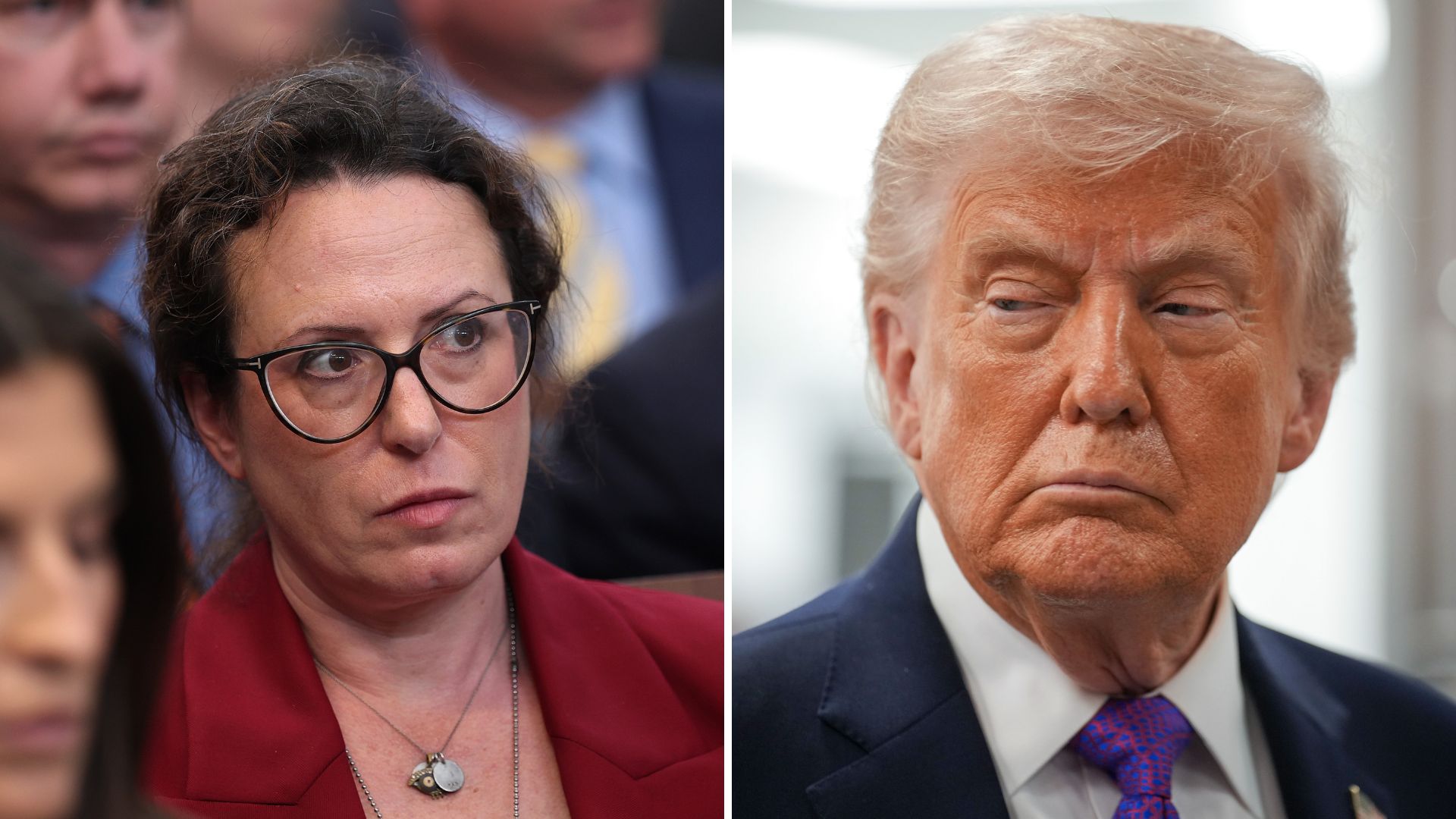
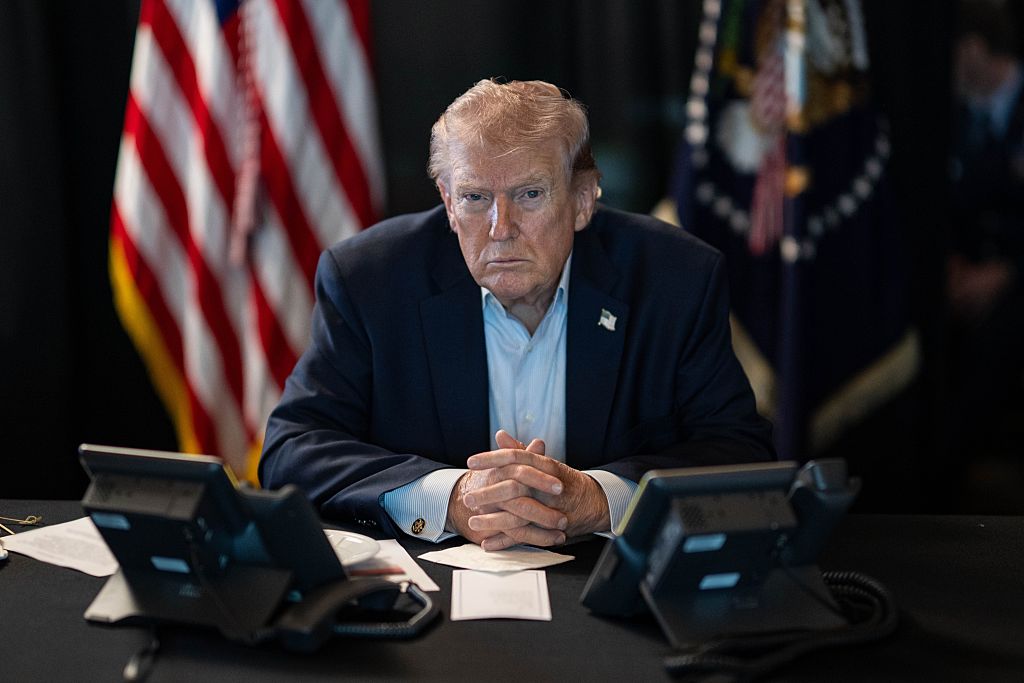
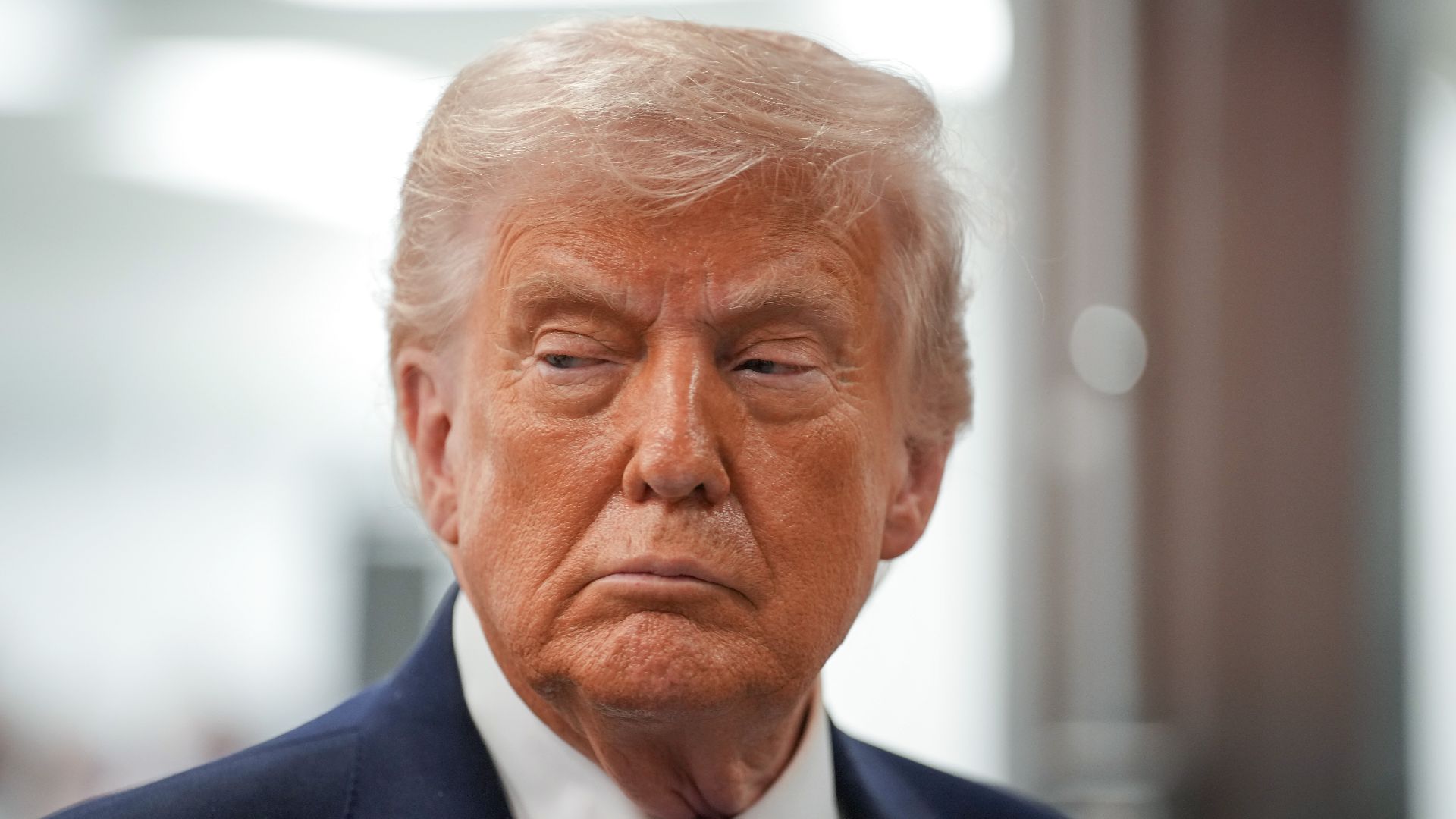
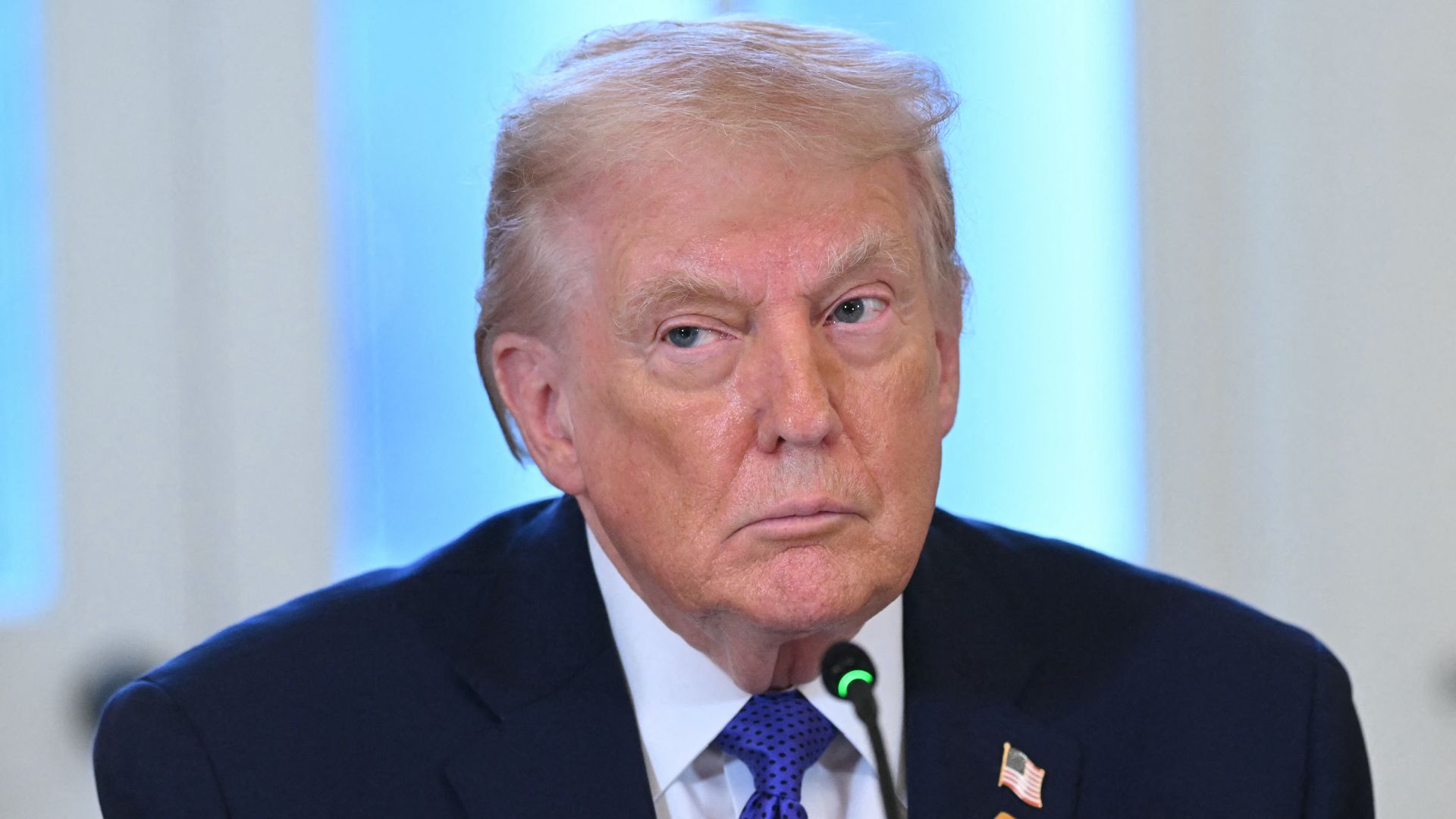
Donald Trump took another step in his pattern of targeting female journalists, publishing a message on Truth Social in which he used degrading language to attack a New York Times reporter. In the post, Trump referred to the journalist as a «sleazebag» and a «Maggot», intensifying his rhetoric against a woman who has covered him for years. The comments quickly drew attention as part of a broader pattern in which Trump has repeatedly singled out female reporters in personal terms, often using language that goes beyond criticism of their reporting and focuses on direct insults.
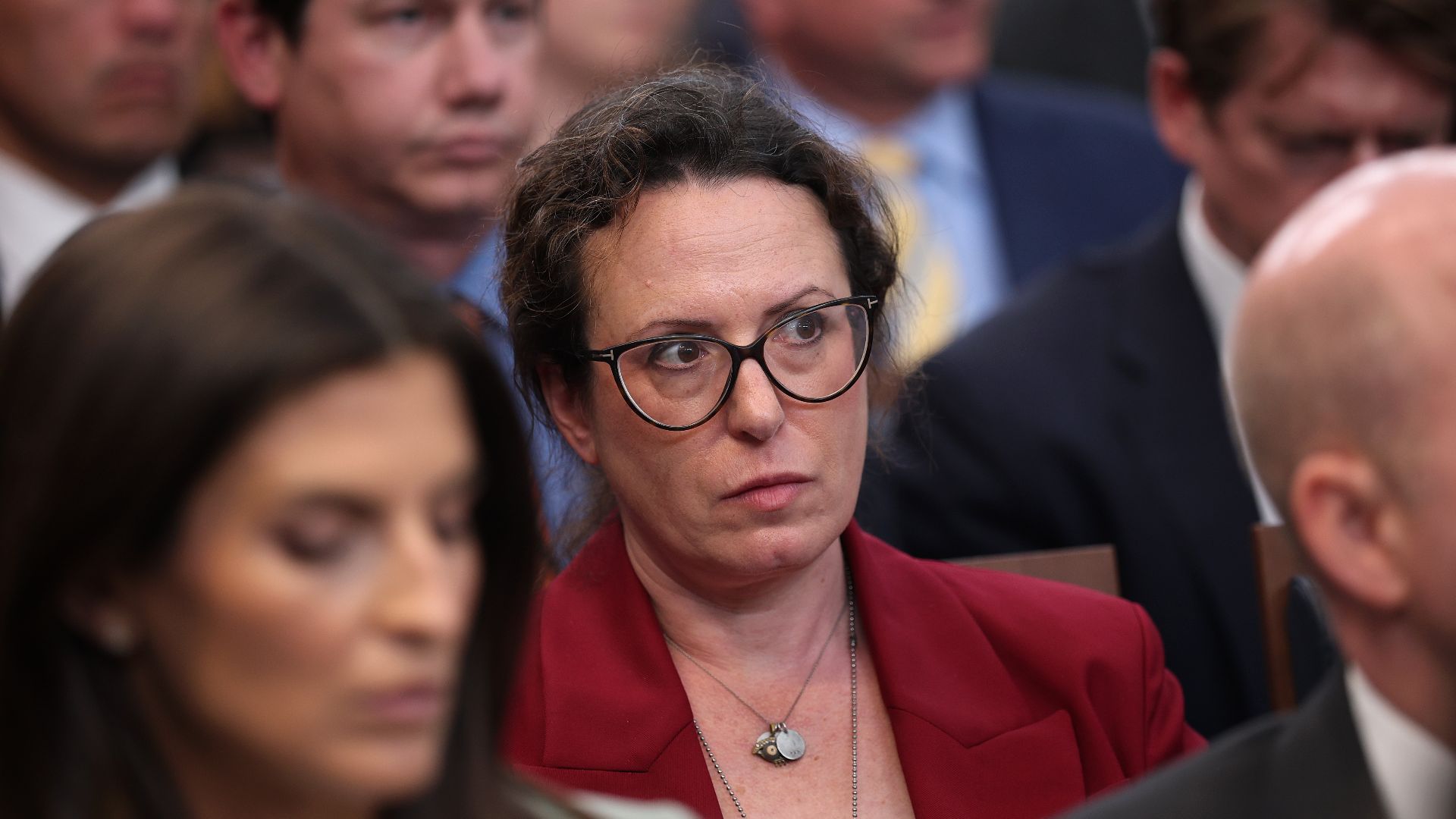
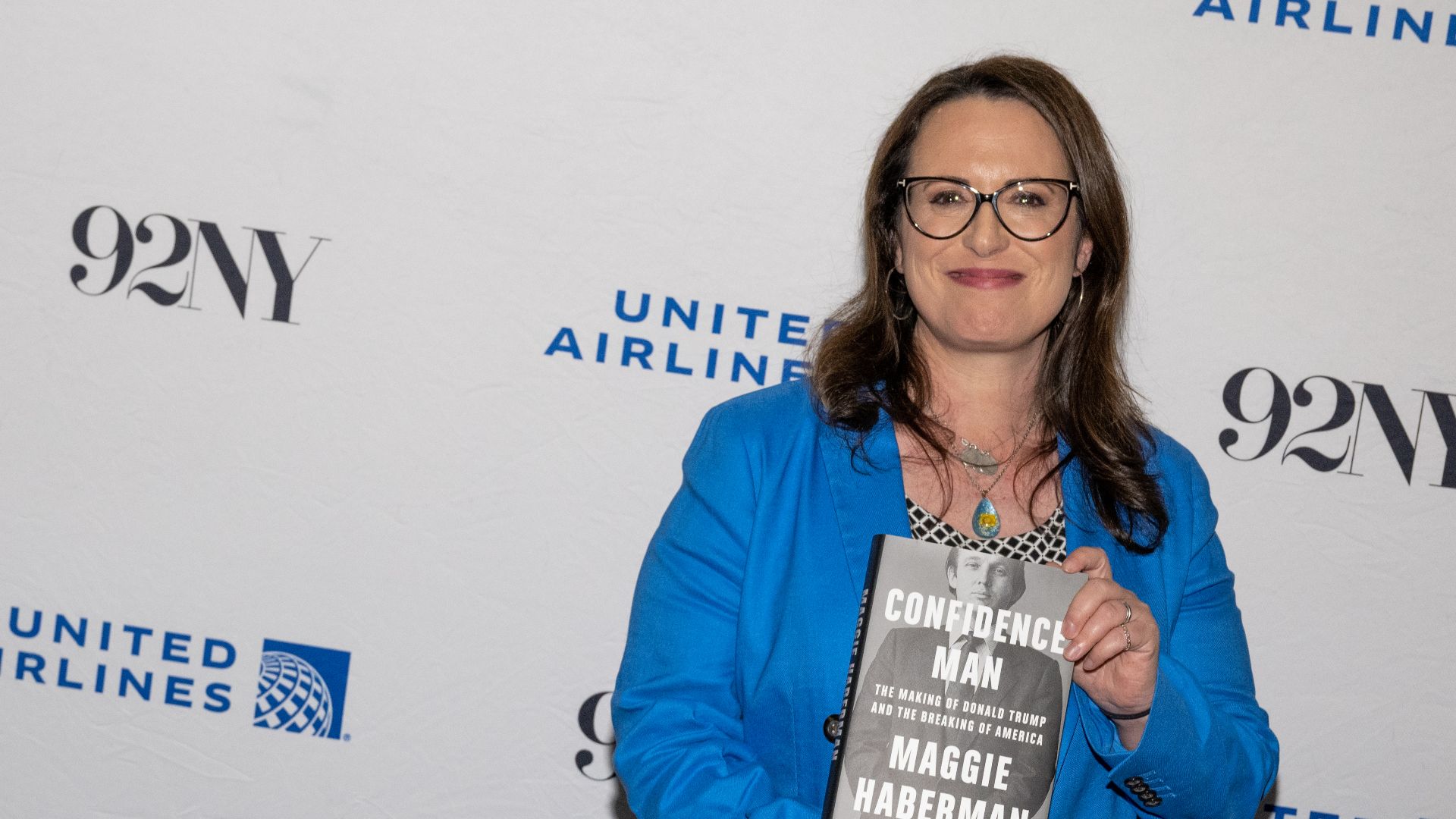
The journalist targeted in the post is Maggie Haberman, a senior political correspondent at The New York Times who has long reported on Trump’s political career and presidency. «Maggot Hagerman, just another SLEAZEBAG writer for The Failing New York Times, insists on writing false stories about me, even though she fully knows and understands that the exact opposite of anything she says is usually the truth,» Trump wrote. Haberman has been one of the most prominent reporters covering Trump, and her work has frequently detailed internal dynamics, legal risks and decision-making processes within his political orbit.
«In any event, I’m thinking of adding Maggot, and some of her “associates,” into my Florida based Lawsuit against The Times which, very happily, seems to be proceeding nicely.»
-U.S. President, Donald Trump
Trump’s message was divided between personal attacks and legal threats, as he suggested he could escalate the situation beyond rhetoric. «In any event, I’m thinking of adding Maggot, and some of her “associates,” into my Florida based Lawsuit against The Times which, very happily, seems to be proceeding nicely,» Trump wrote. The lawsuit referenced is part of his ongoing legal conflict with The New York Times, where he has accused the publication of defamation. Legal analysts have noted that such cases are difficult to win, particularly when they involve public figures and established news organizations.
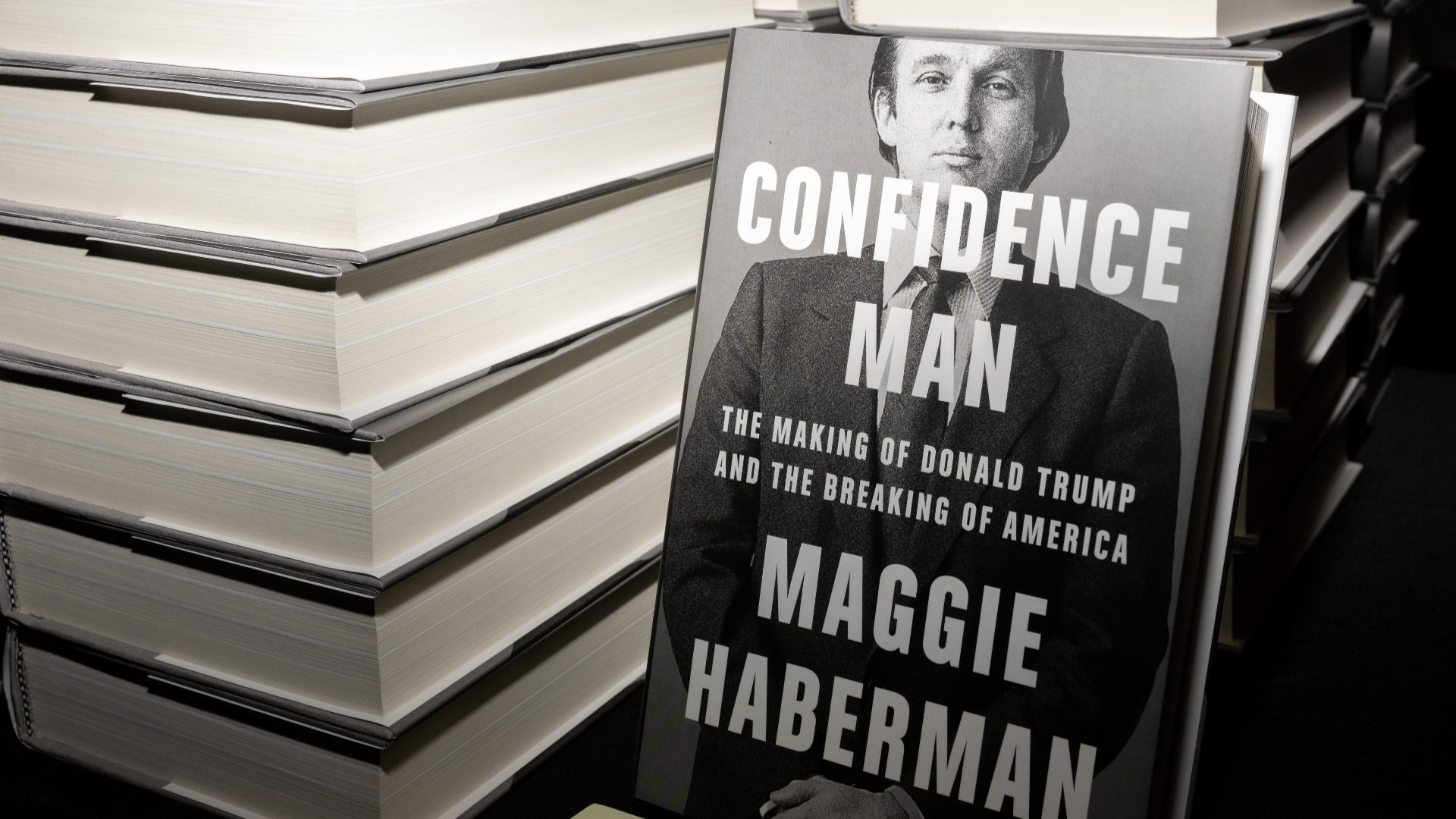
Haberman’s reporting in recent months has focused on Trump’s political strategy, his legal challenges and his handling of major international issues, including conflicts involving the United States. Her coverage has often relied on sources familiar with internal discussions and has described tensions within Trump’s circle as well as his approach to media and messaging. Haberman is also the author of Confidence Man: The Making of Donald Trump and the Breaking of America, a bestselling biography examining his rise and presidency.
The latest post also highlights a recurring pattern in Trump’s public communication, where female journalists are disproportionately targeted with personal insults. Over time, several women in the media have been singled out by Trump in similar terms, including reporters from CNN, ABC News and NBC. Critics argue that the language used in these cases often shifts from attacking reporting to attacking the individual, with female journalists more frequently subjected to gendered or degrading language. This pattern has been widely documented and remains a point of concern among media observers.
«Maggot Hagerman, just another SLEAZEBAG writer for The Failing New York Times, insists on writing false stories about me, even though she fully knows and understands that the exact opposite of anything she says is usually the truth.»
-U.S. President, Donald Trump
Press freedom organizations and journalism groups have warned that repeated attacks on female journalists can contribute to a hostile environment and increase the risk of harassment. They argue that such rhetoric from a sitting president carries broader implications beyond individual disputes with reporters. While Trump and his allies continue to frame these comments as criticism of media bias, the repeated focus on individual female journalists and the tone used in these attacks have fueled ongoing debate about the treatment of women in political journalism and the relationship between the White House and the press.
The year 2026 was marked by the passing of many personalities who left a lasting mark on our society. Artists, creators, public figures, thinkers, and athletes—each and every one contributed in their own way to shaping our era and our collective imagination. This In Memoriam project pays tribute to those who left us during the year. Through these memories, we take a moment to remember their influence, celebrate their contributions, and honor lives that will continue to resonate long after their passing.
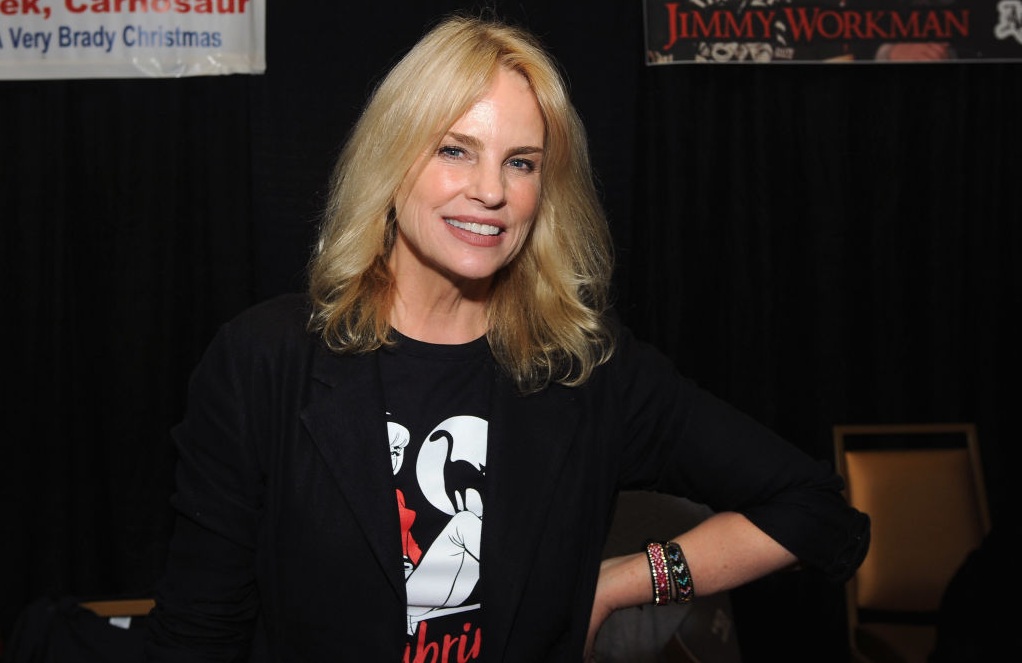
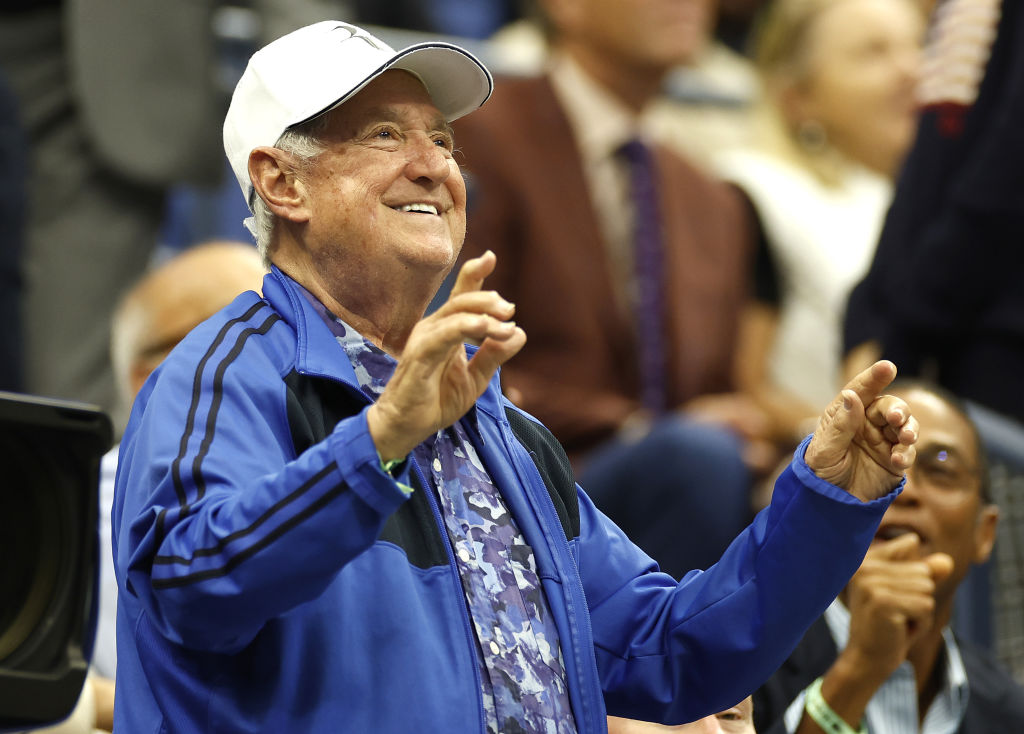



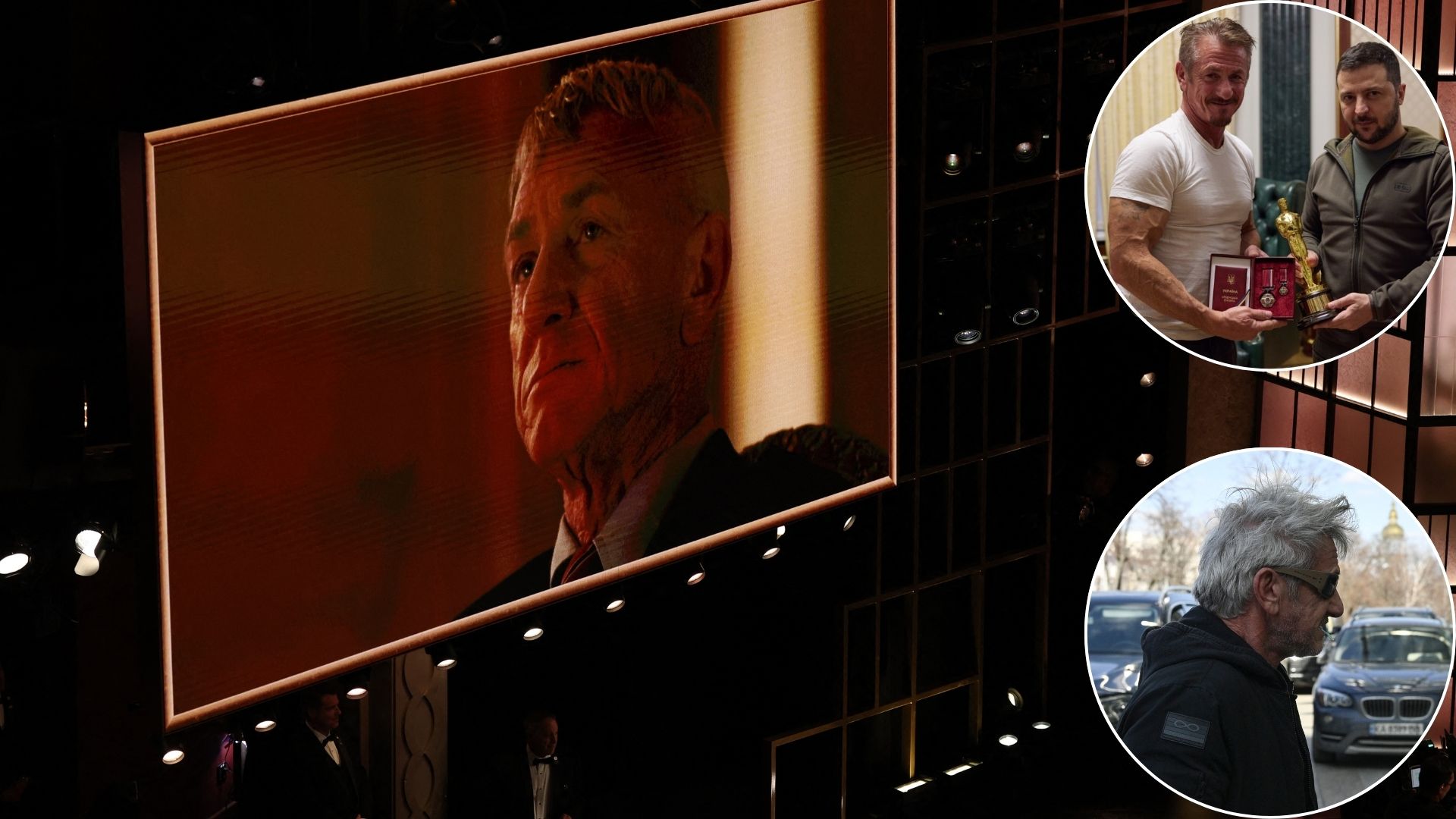
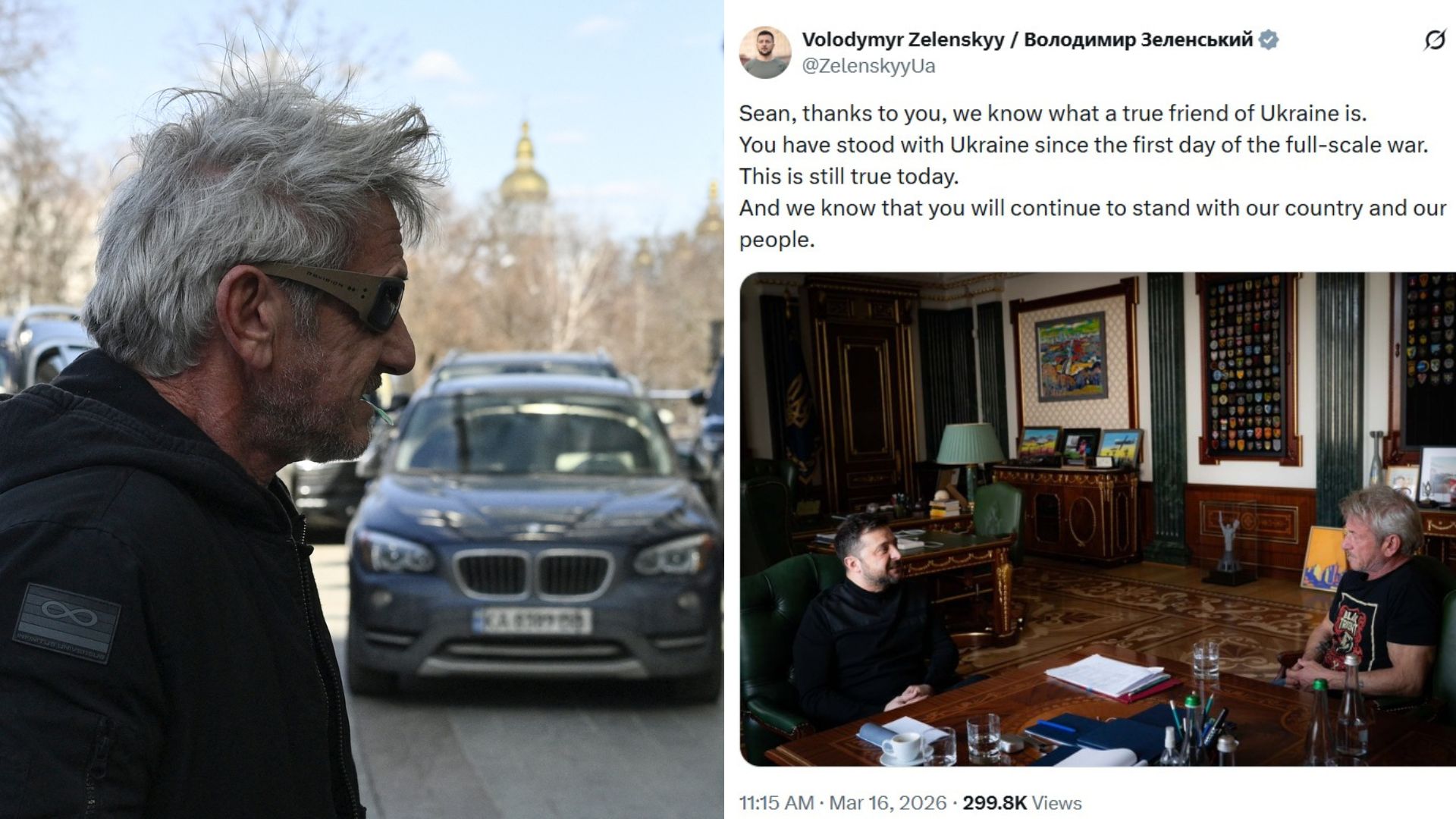
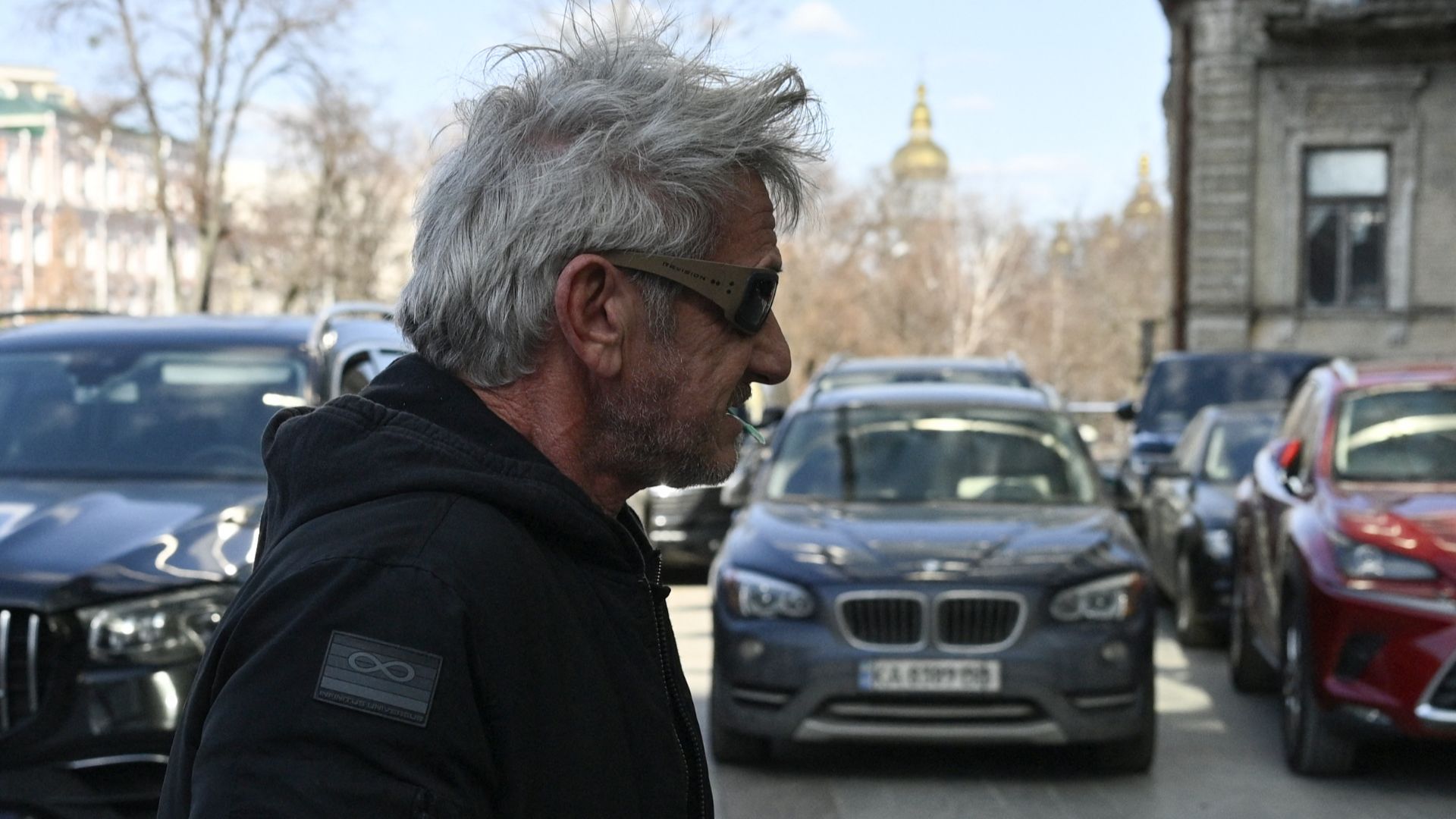
Sean Penn was not in Hollywood to receive his latest Academy Award. The actor won the Oscar for Best Supporting Actor for his performance as Colonel Steven J. Lockjaw in the film One Battle After Another, but he was thousands of miles away in Kyiv at the time of the ceremony.
Instead of attending the event at the Dolby Theatre, Penn chose to meet with Ukrainian president Volodymyr Zelensky, continuing a relationship that has developed since the start of Russia’s full-scale invasion in February 2022. His absence quickly drew attention during the ceremony, highlighting how the actor once again placed his political and humanitarian engagement with Ukraine ahead of a major moment in his film career.
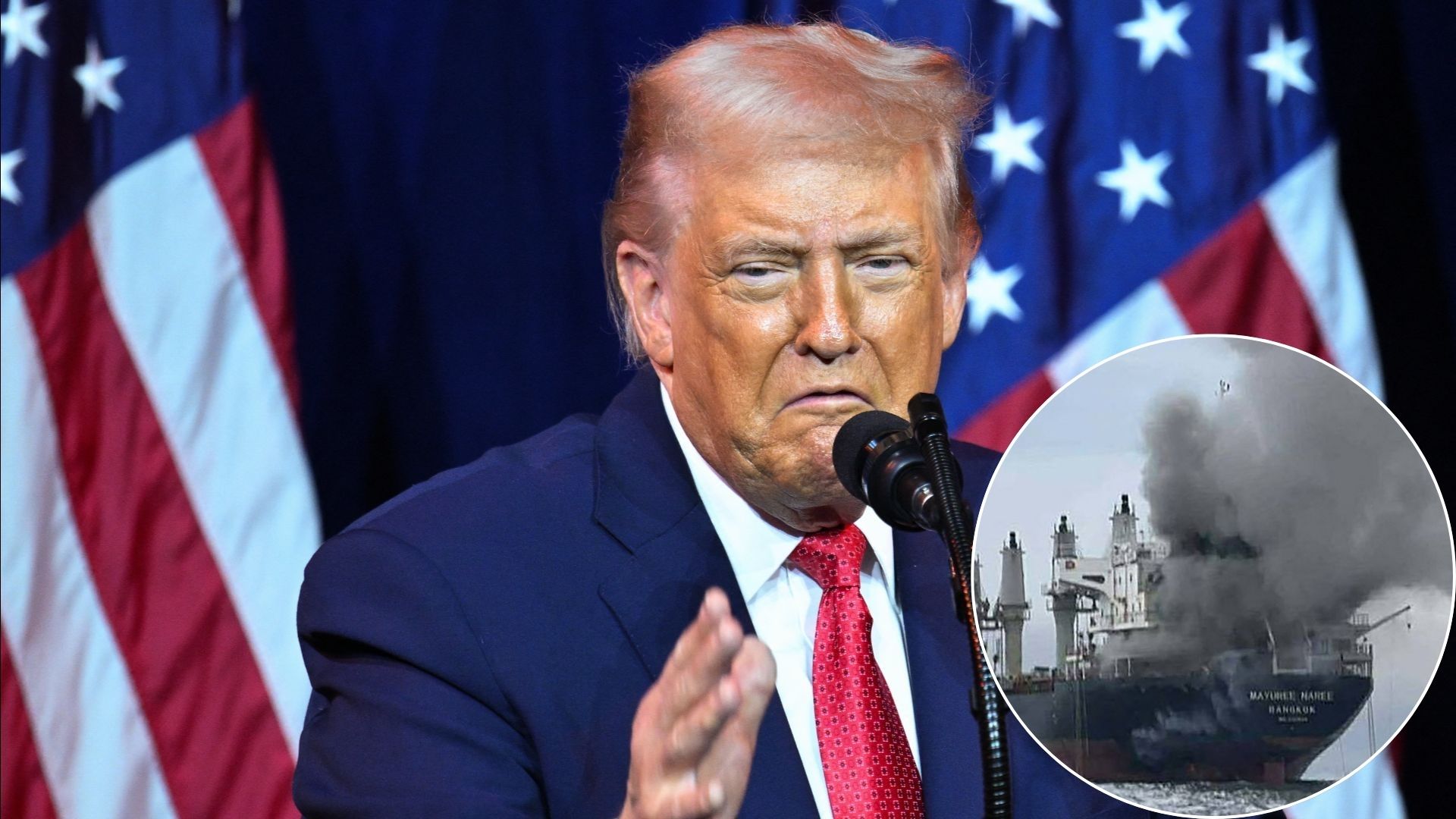
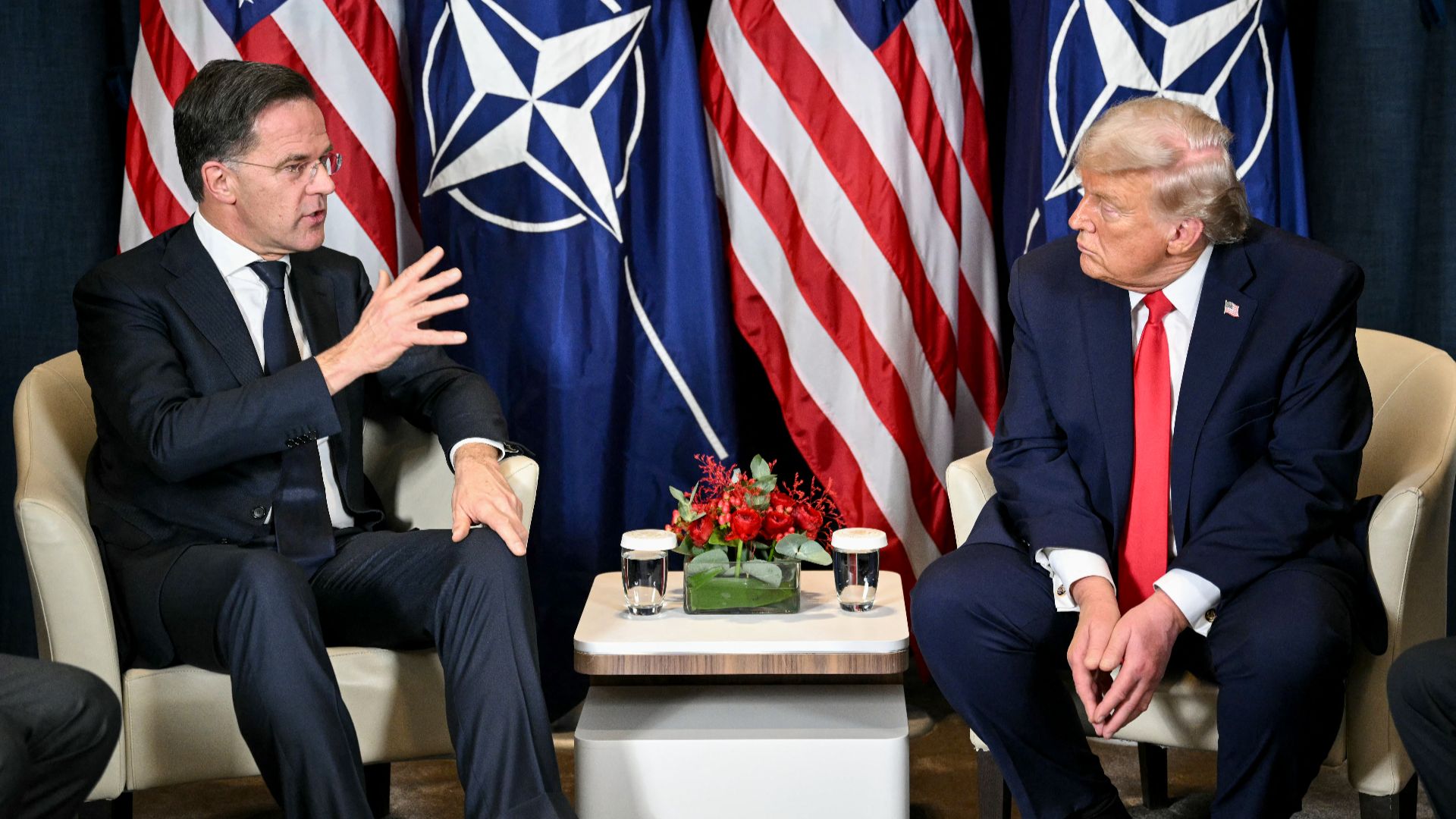
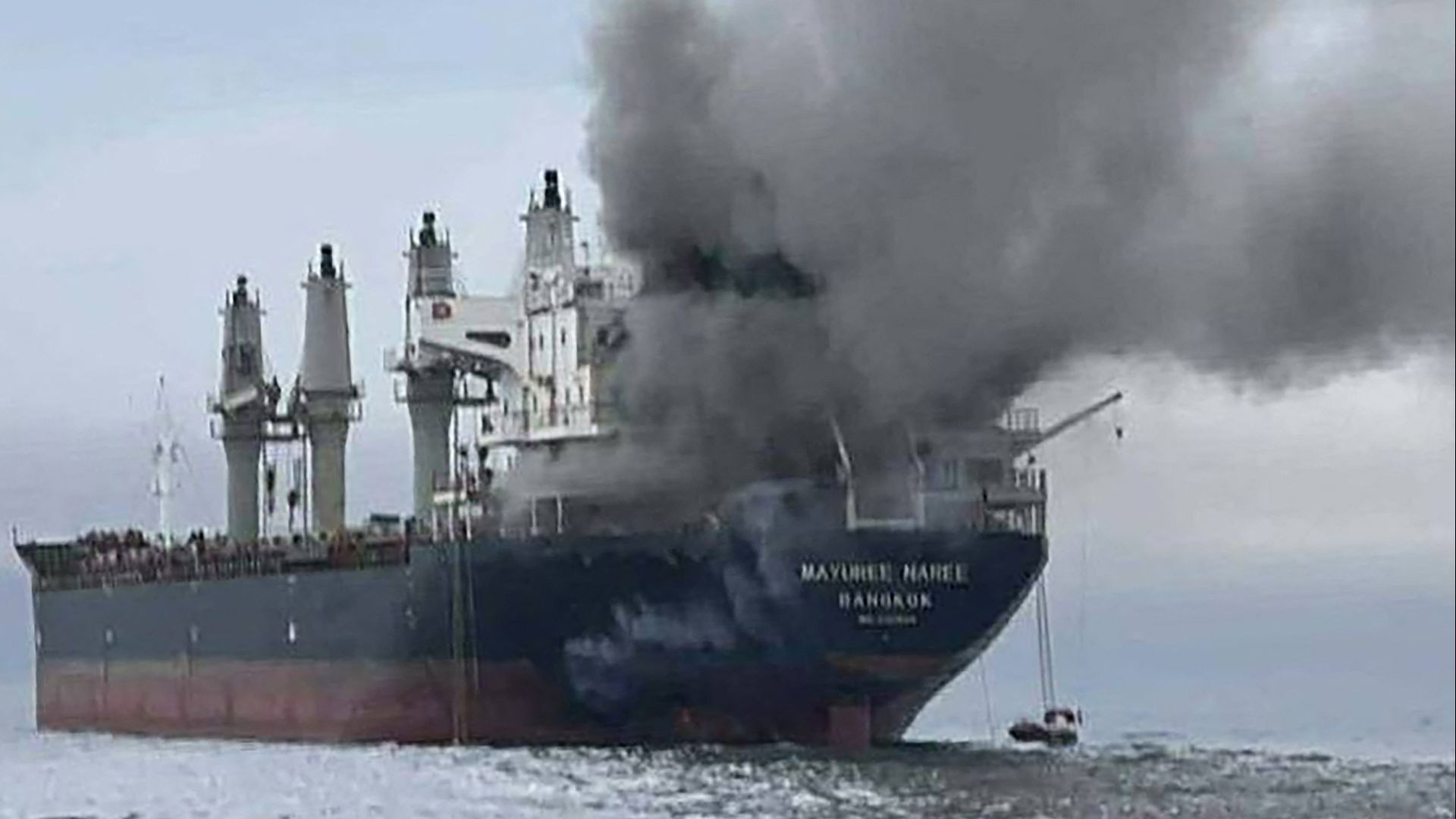
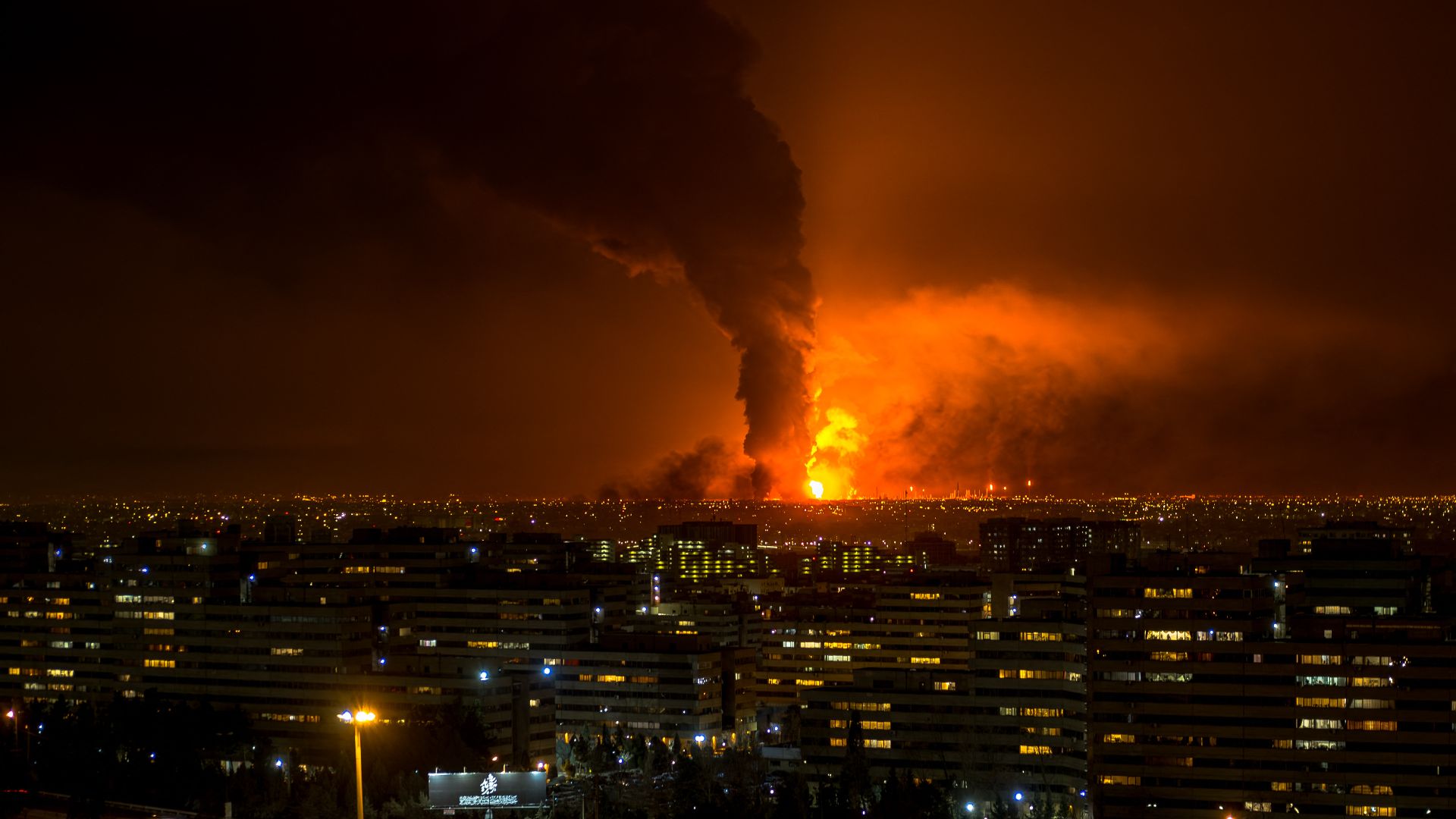
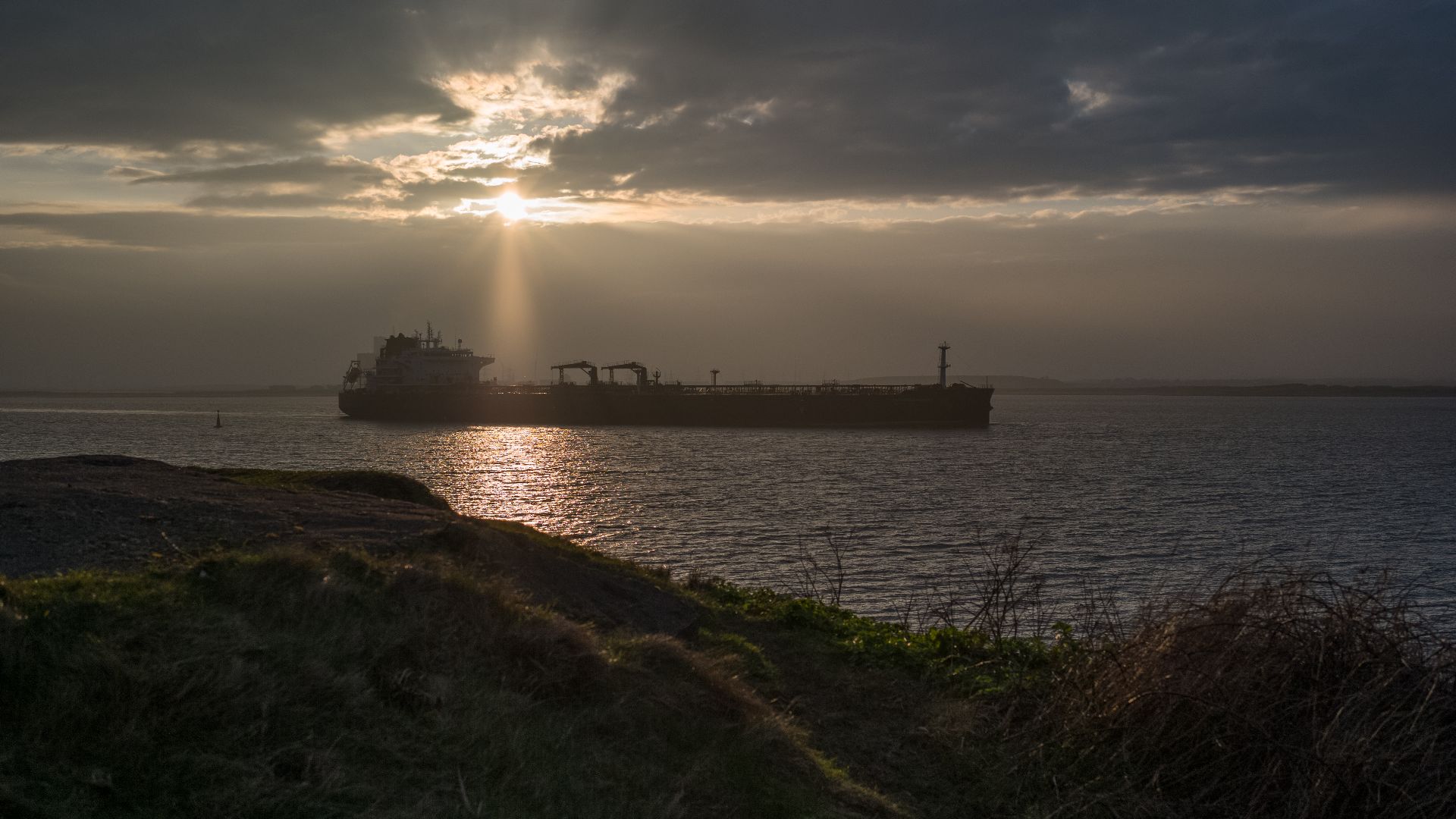
President Donald Trump warned NATO allies they could face a «very bad» future if they refuse to support U.S. efforts to secure the Strait of Hormuz, the strategic oil corridor at the center of the escalating conflict with Iran. The warning came after several countries declined Washington’s request to deploy naval forces to protect shipping in the Gulf following U.S. and Israeli strikes on Iranian targets and Tehran’s threats against tanker traffic. With tensions rising and global energy markets on edge, the dispute is exposing divisions within the NATO alliance as governments debate whether to join American military operations in one of the world’s most volatile regions.

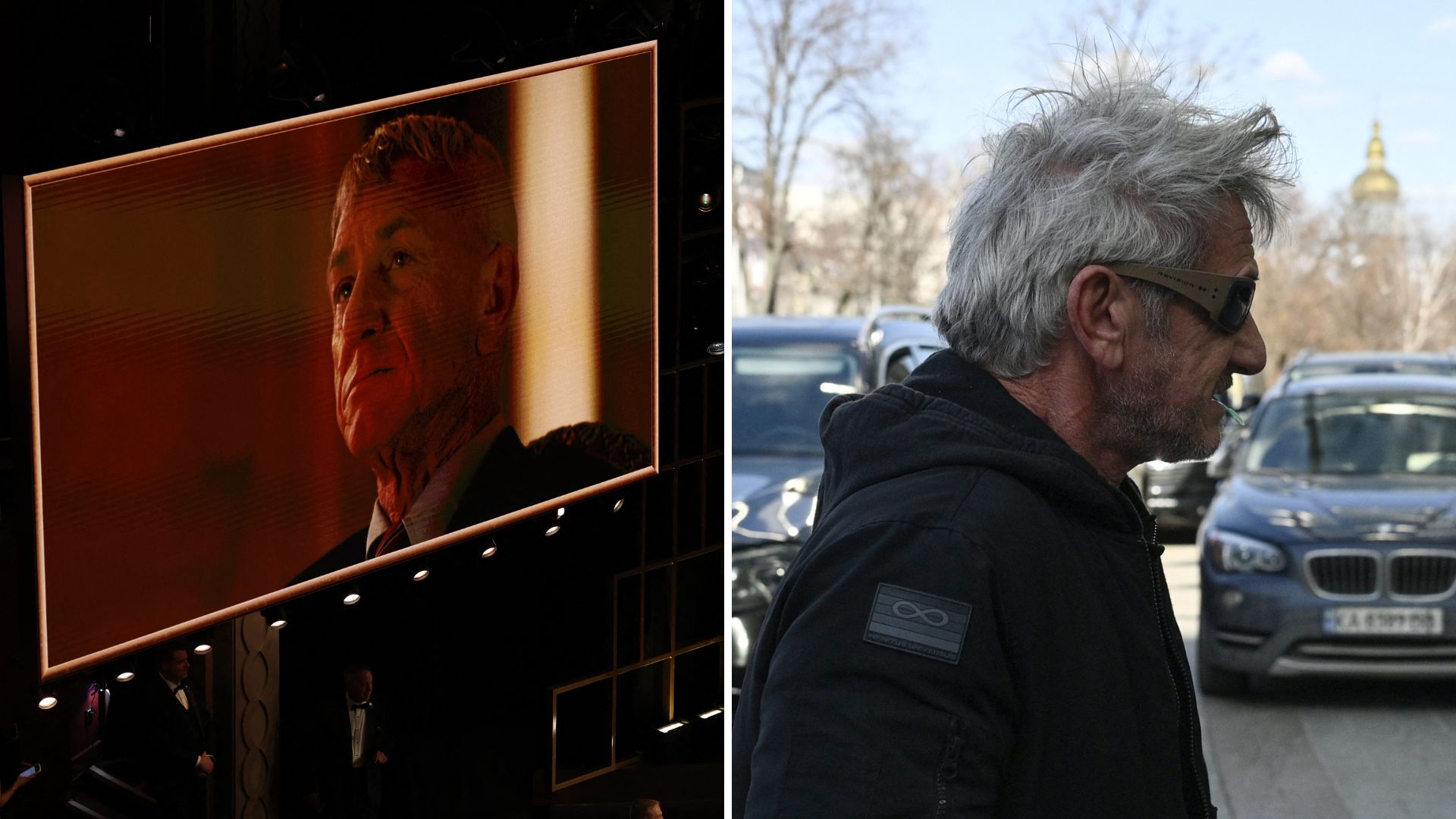
Sean Penn missed one of the biggest moments of his career after winning the Academy Award for Best Supporting Actor for his role as Colonel Steven J. Lockjaw in the political drama One Battle After Another. Instead of attending the ceremony in Los Angeles, the 65-year-old actor traveled to Ukraine to meet with President Volodymyr Zelensky. The victory marked Penn’s third Oscar. He previously won the Academy Award for Best Actor for Mystic River and for Milk.
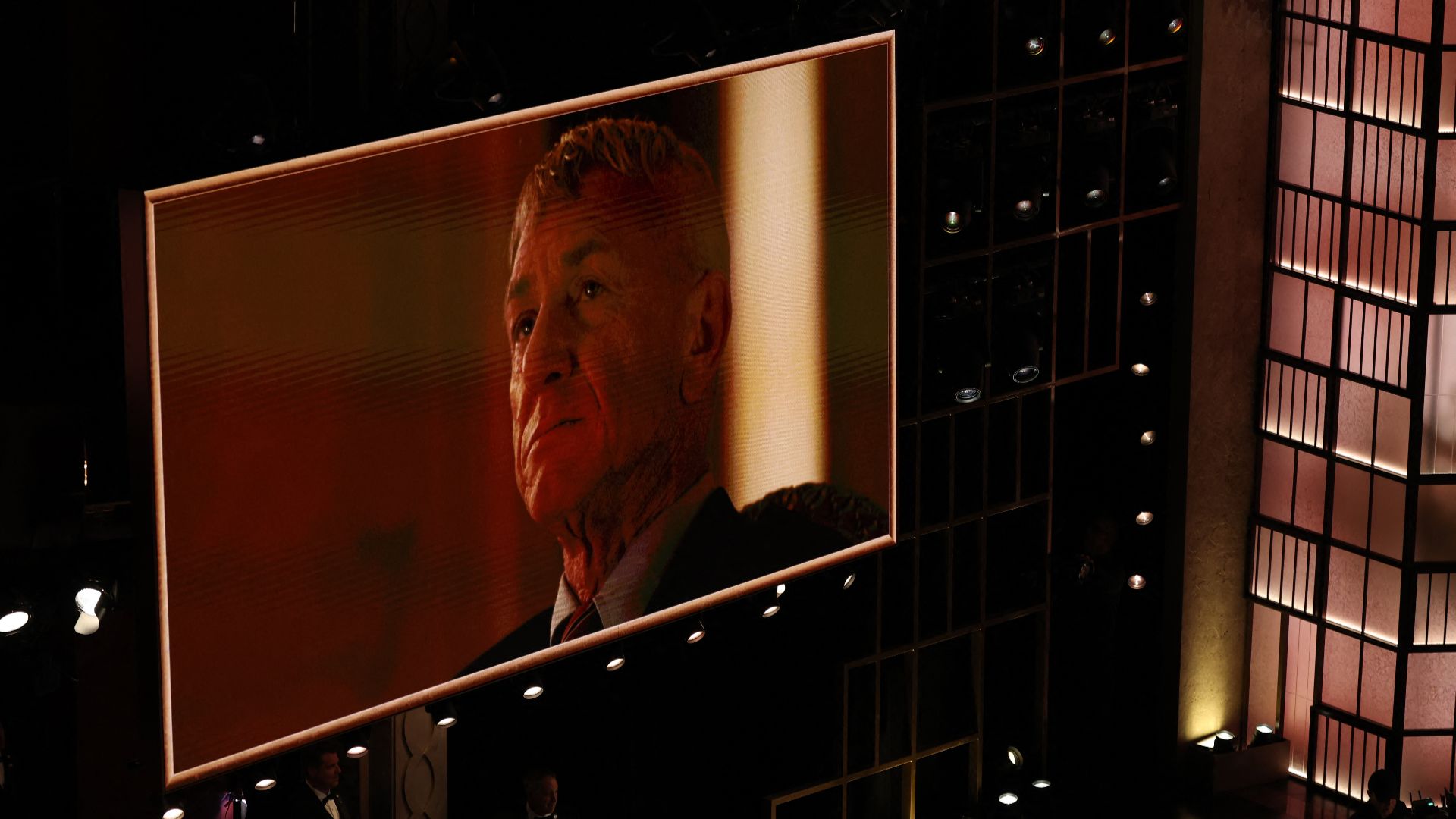
His absence was noticed during the ceremony at the Dolby Theatre, where presenter Kieran Culkin acknowledged that the actor was not present to receive the award in person.
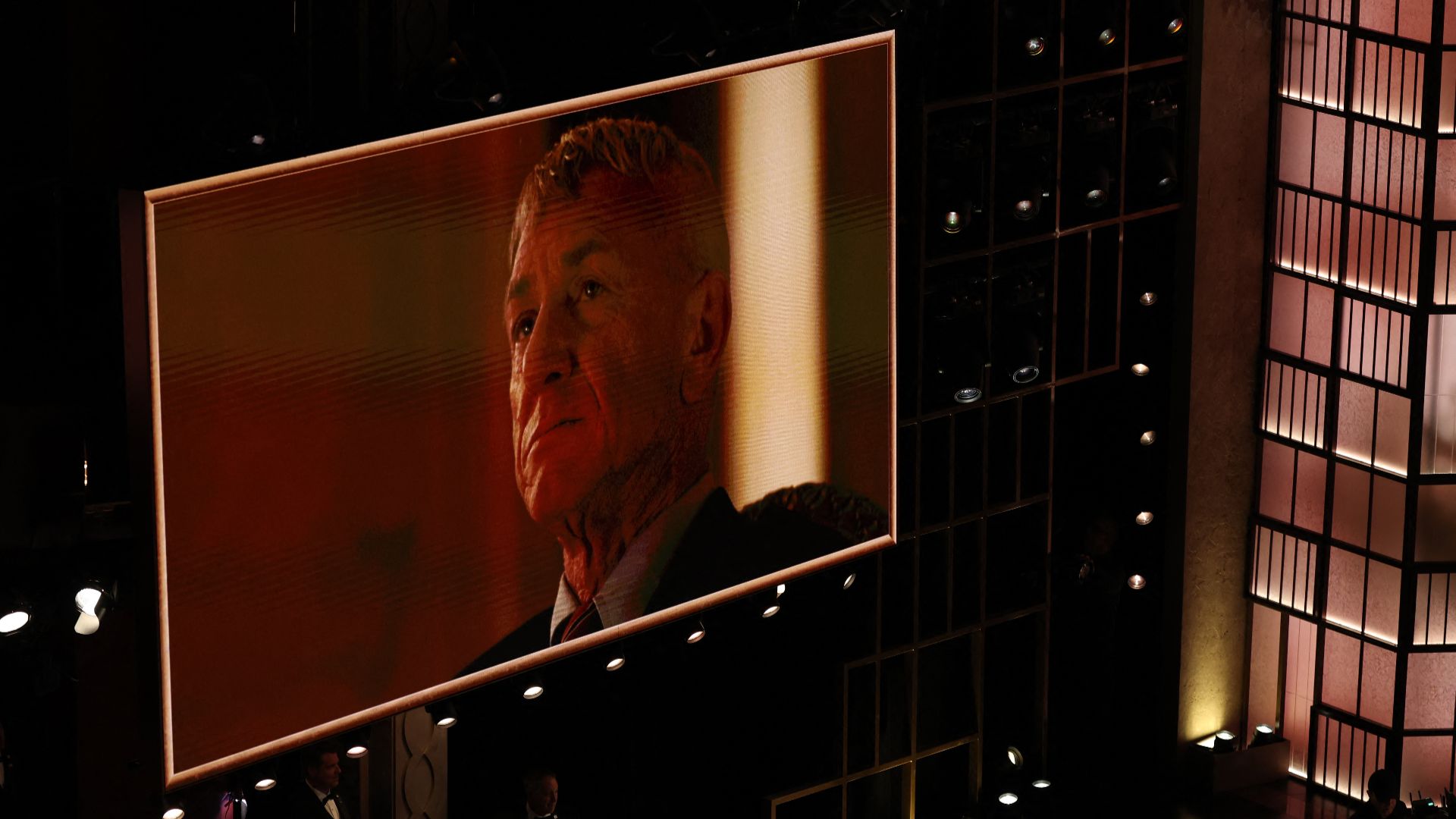
The win capped a strong awards season for Penn, whose performance in One Battle After Another had been widely praised by critics. In the film directed by Paul Thomas Anderson, Penn portrays Colonel Steven J. Lockjaw.
The production, which features an ensemble cast including Leonardo DiCaprio and Benicio Del Toro, became one of the most talked-about films of the year. Penn ultimately prevailed over fellow nominees Delroy Lindo, Jacob Elordi and Stellan Skarsgård. As the envelope was opened during the ceremony, Culkin addressed the actor’s absence, telling the audience:
«Sean Penn couldn’t be here tonight, or he didn’t want to.»

«Sean, thanks to you, we know what a true friend of Ukraine is. You have stood with Ukraine since the first day of the full-scale war. This is still true today. And we know that you will continue to stand with our country and our people.»
-Ukrainian president, Volodymyr Zelensky
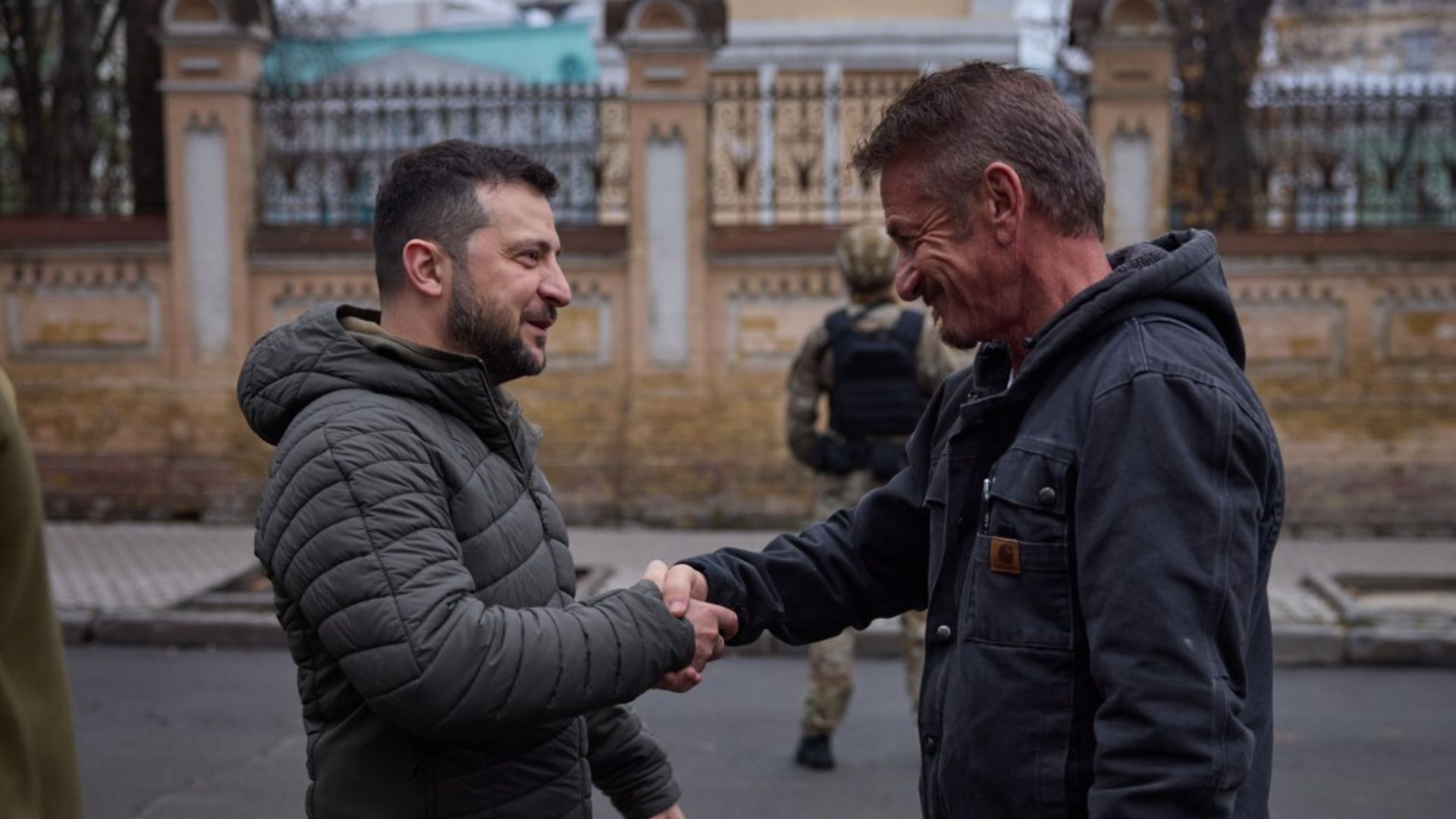
While Hollywood celebrated the victory, Penn was thousands of miles away in Ukraine, continuing his public support for the country during its war with Russia. Ukrainian president Volodymyr Zelensky shared a photograph with the actor on X following their meeting. In the message accompanying the photo, Zelensky highlighted Penn’s commitment to Ukraine since the beginning of the invasion. «Sean, thanks to you, we know what a true friend of Ukraine is.
You have stood with Ukraine since the first day of the full-scale war. This is still true today. And we know that you will continue to stand with our country and our people,» Zelensky wrote.

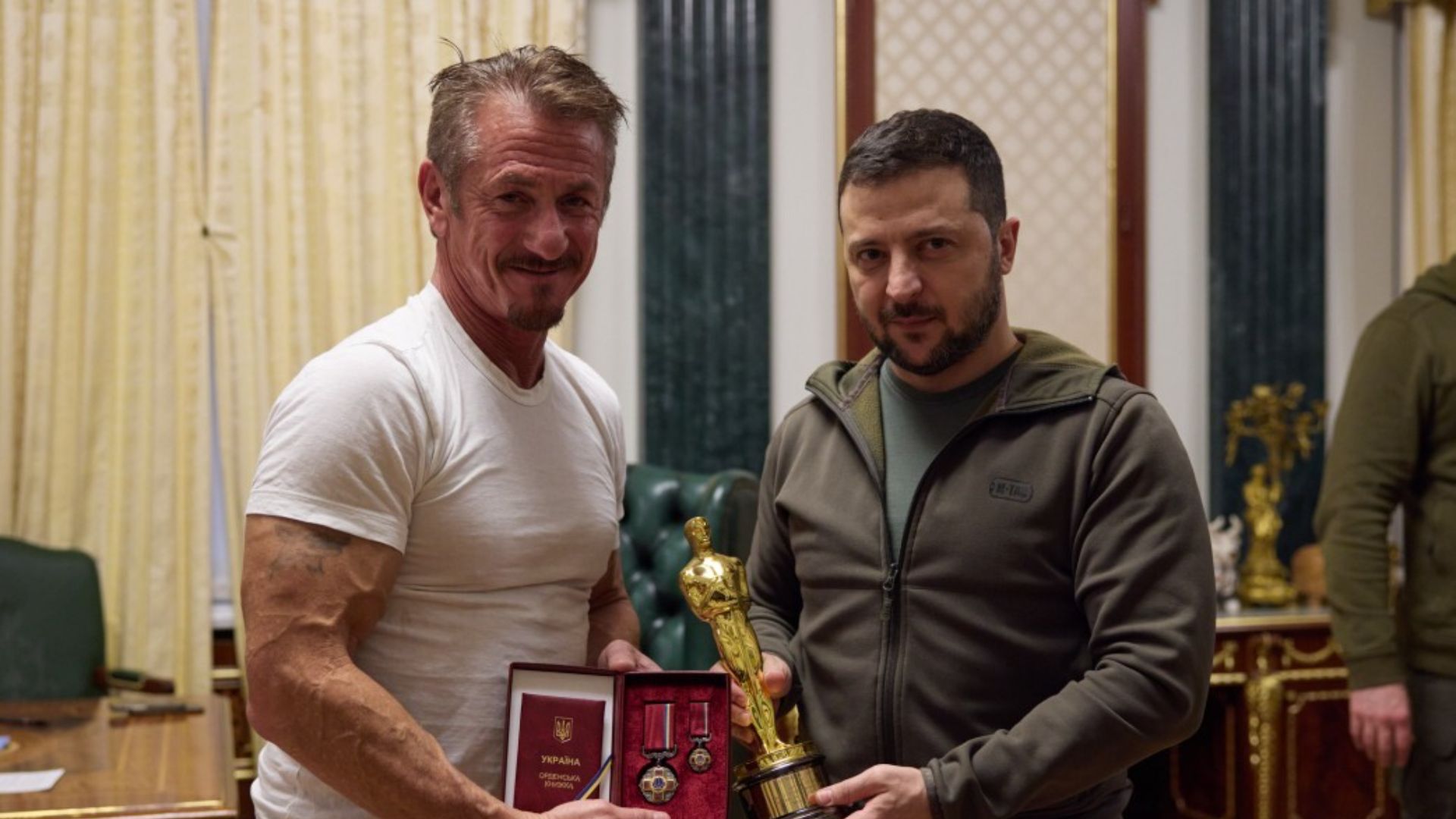
Penn has been one of the most visible Hollywood figures supporting Ukraine since Russia launched its full-scale invasion in February 2022. The actor was in Kyiv when the invasion began while filming a documentary about the conflict and later returned several times to meet Zelensky and Ukrainian officials. During one of those visits, Penn handed one of his Oscar statuettes to the Ukrainian president as a symbolic gesture of solidarity. The award he left in Kyiv was one of the two Best Actor Oscars he received earlier in his career, honoring his performances in Mystic River and Milk.
«Sean Penn couldn’t be here tonight, or he didn’t want to.»
-Actor and Oscars presenter, Kieran Culkin
His continued presence in Ukraine comes as the country faces ongoing military pressure and uncertainty about international support. Ukrainian forces remain engaged in heavy fighting across several regions as the war continues more than three years after Russia’s invasion. At the same time, geopolitical attention in Washington has increasingly shifted toward the escalating conflict between the United States and Iran, drawing diplomatic focus and military resources away from Eastern Europe. Ukrainian officials have repeatedly warned that maintaining global attention and assistance remains critical as the war enters another difficult stage.

For Penn, the decision to travel to Ukraine instead of attending the Oscars reflects a pattern that has defined much of his public life in recent years. The actor has repeatedly used his platform to advocate for political and humanitarian causes around the world. By choosing to be in Kyiv on the night he won his third Academy Award, Penn again prioritized his activism over Hollywood ceremony, reinforcing the message that his support for Ukraine remains ongoing even as international attention shifts to other global crises.

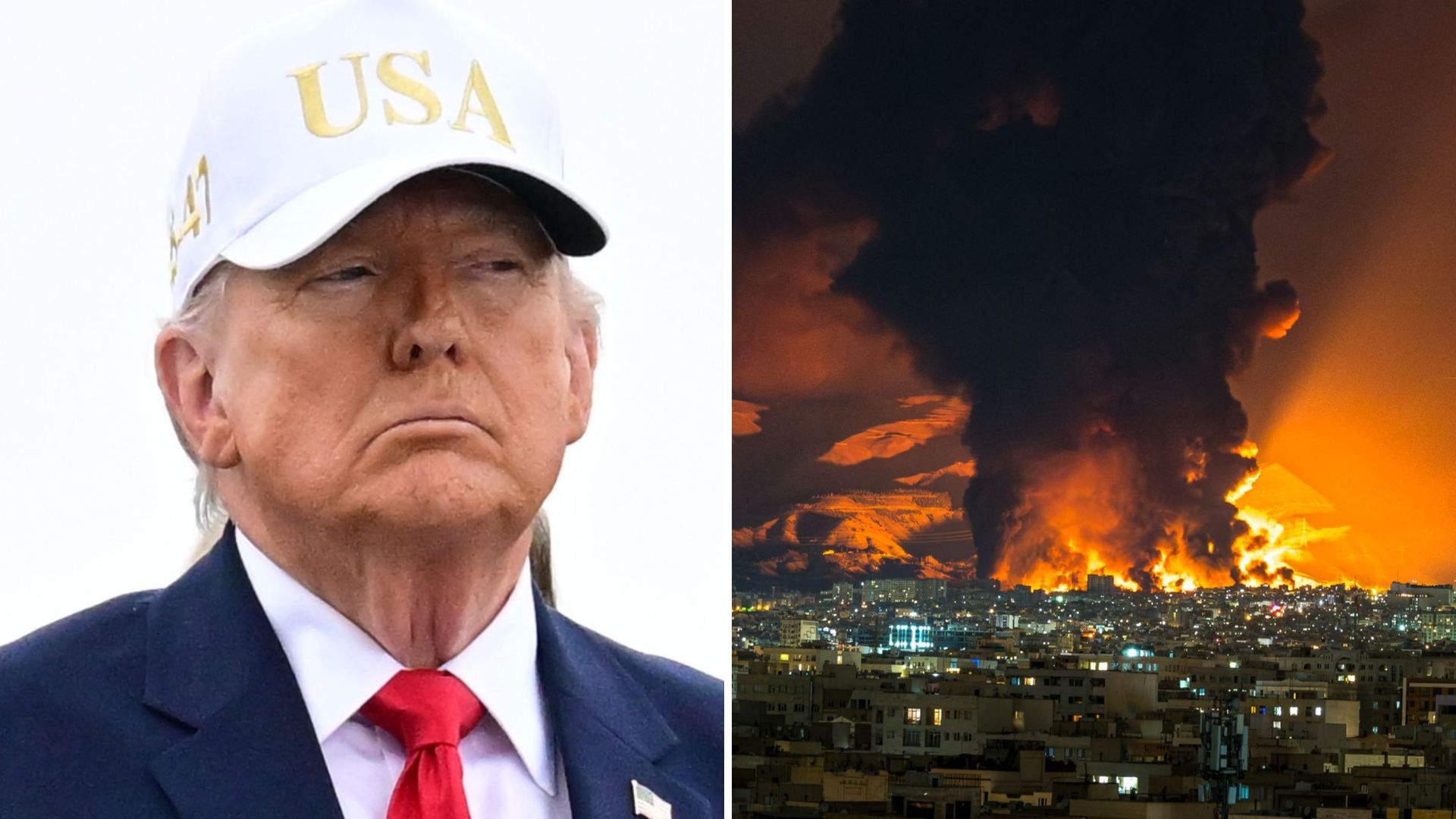
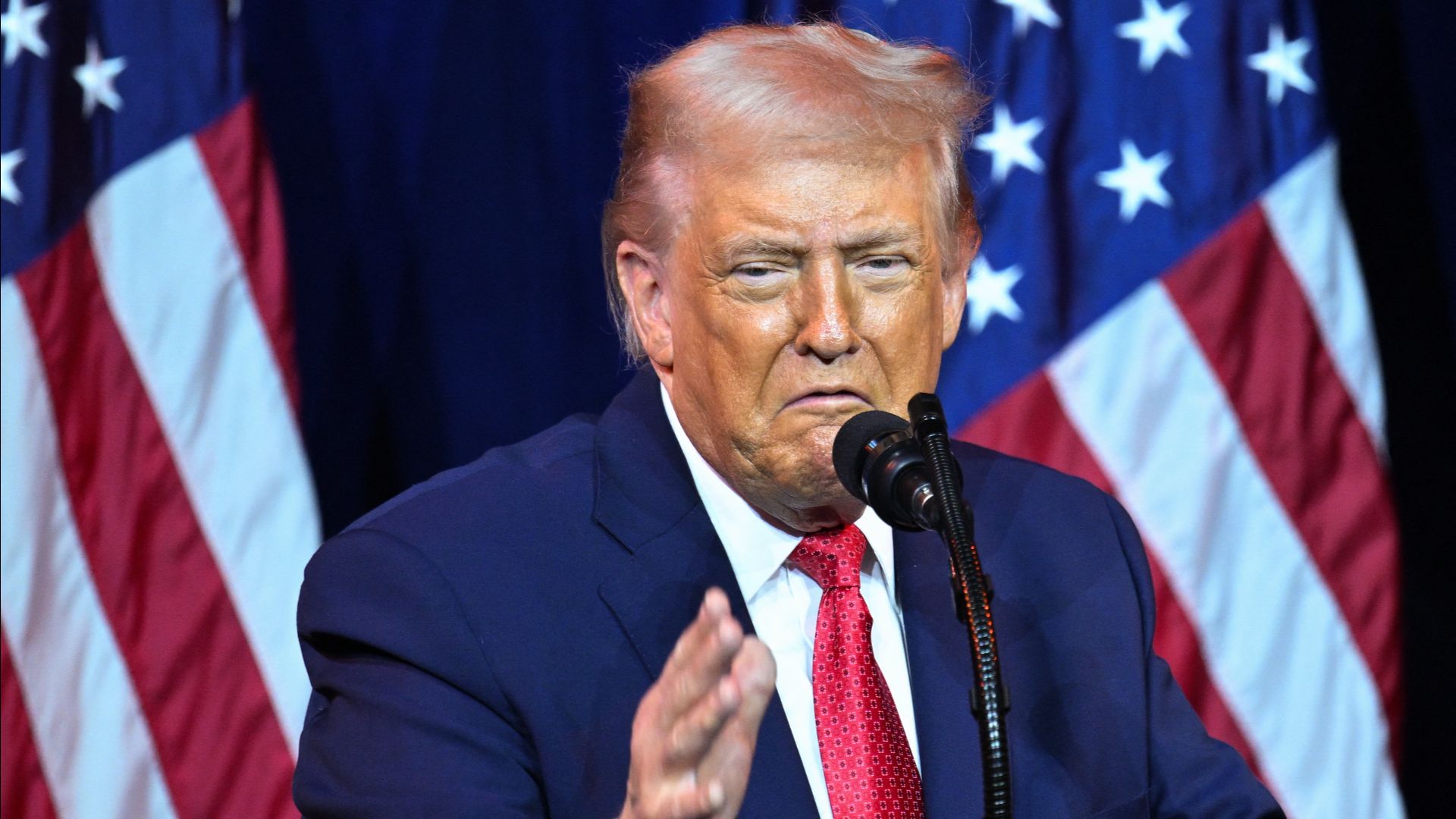
Donald Trump launched a lengthy and angry tirade on Truth Social as he denounced what he described as false reporting about the war with Iran. The president posted a long message criticizing what he called «fake» coverage of the conflict, accusing major American media outlets of spreading misleading narratives about the state of the war and the performance of the U.S. military. Trump singled out The Wall Street Journal and other news organizations, claiming their reporting echoed Iranian propaganda and distorted the reality of the conflict. His comments arrived as the war with Iran continues to dominate headlines and spark debate in Washington over military strategy and the way the conflict is portrayed to the American public.
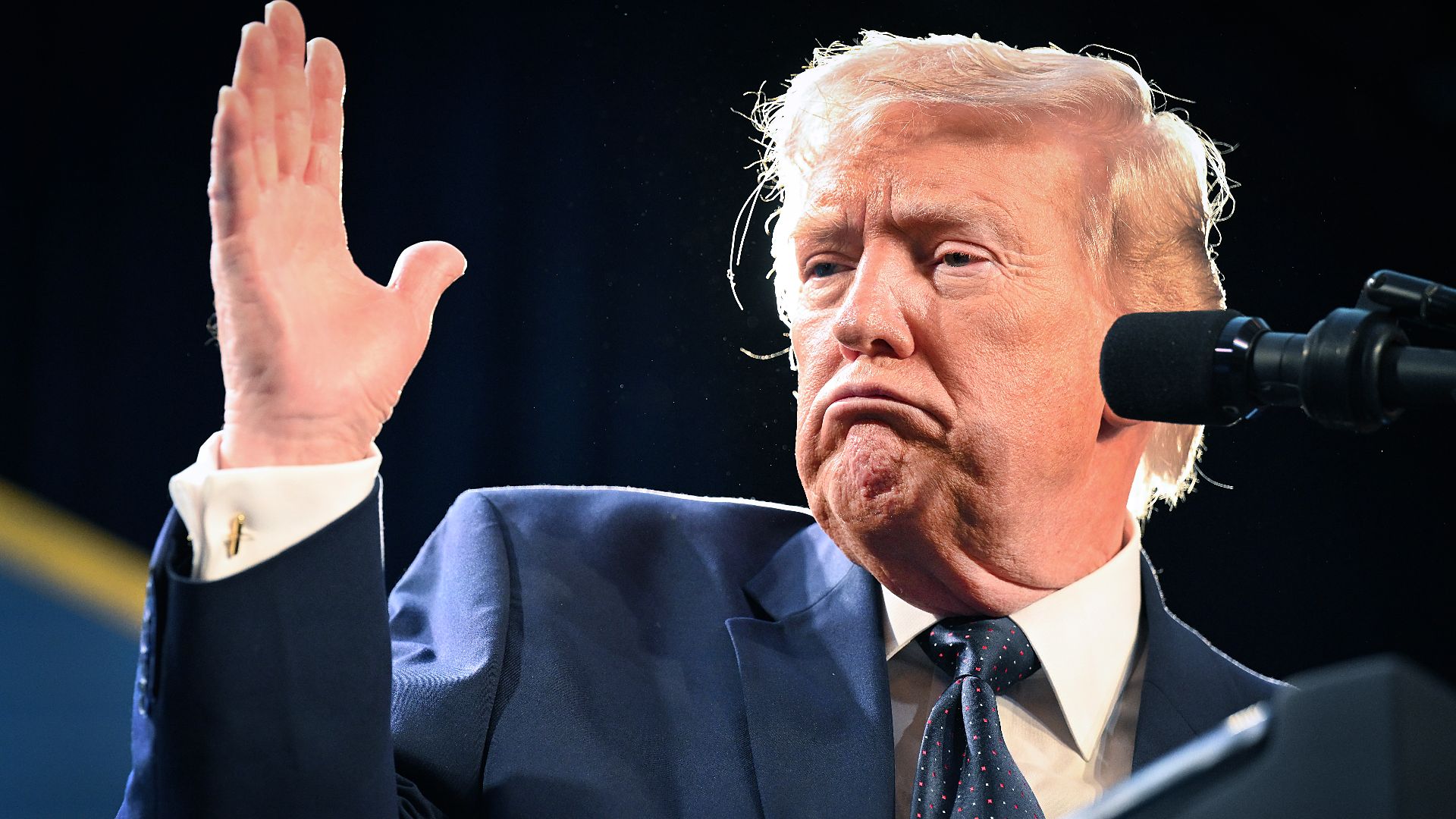
In the message, Trump argued that Iran has long relied on propaganda and information warfare to influence global perception of its military capabilities. «Iran has long been known as a Master of Media Manipulation and Public Relations. They are Militarily ineffective and weak, but are really good at “feeding” the very appreciative Fake News Media false information,» Trump wrote. He claimed Tehran had recently intensified those efforts by using artificial intelligence to create fabricated images and videos designed to appear authentic. According to the president, such material is then amplified by Western media outlets that fail to verify the claims before publishing reports about alleged Iranian successes in the conflict.
«The story was knowingly FAKE and, in a certain way, you can say that those Media Outlets that generated it should be brought up on Charges for TREASON for the dissemination of false information!»
-U.S. President, Donald Trump
Trump also challenged several reports describing damage to American military assets during the war, particularly stories suggesting that U.S. refueling aircraft had been destroyed or severely damaged. «The five U.S. Refueling Planes that were supposedly struck down and badly damaged, according to The Wall Street Journal’s false reporting, and others, are all in service, with the exception of one, which will soon be flying the skies,» Trump wrote. He insisted that images circulating online showing damaged American infrastructure or vessels were fabricated and part of a broader disinformation effort. «Buildings and Ships that are shown to be on fire are not — It’s FAKE NEWS, generated by A.I.,» he added.
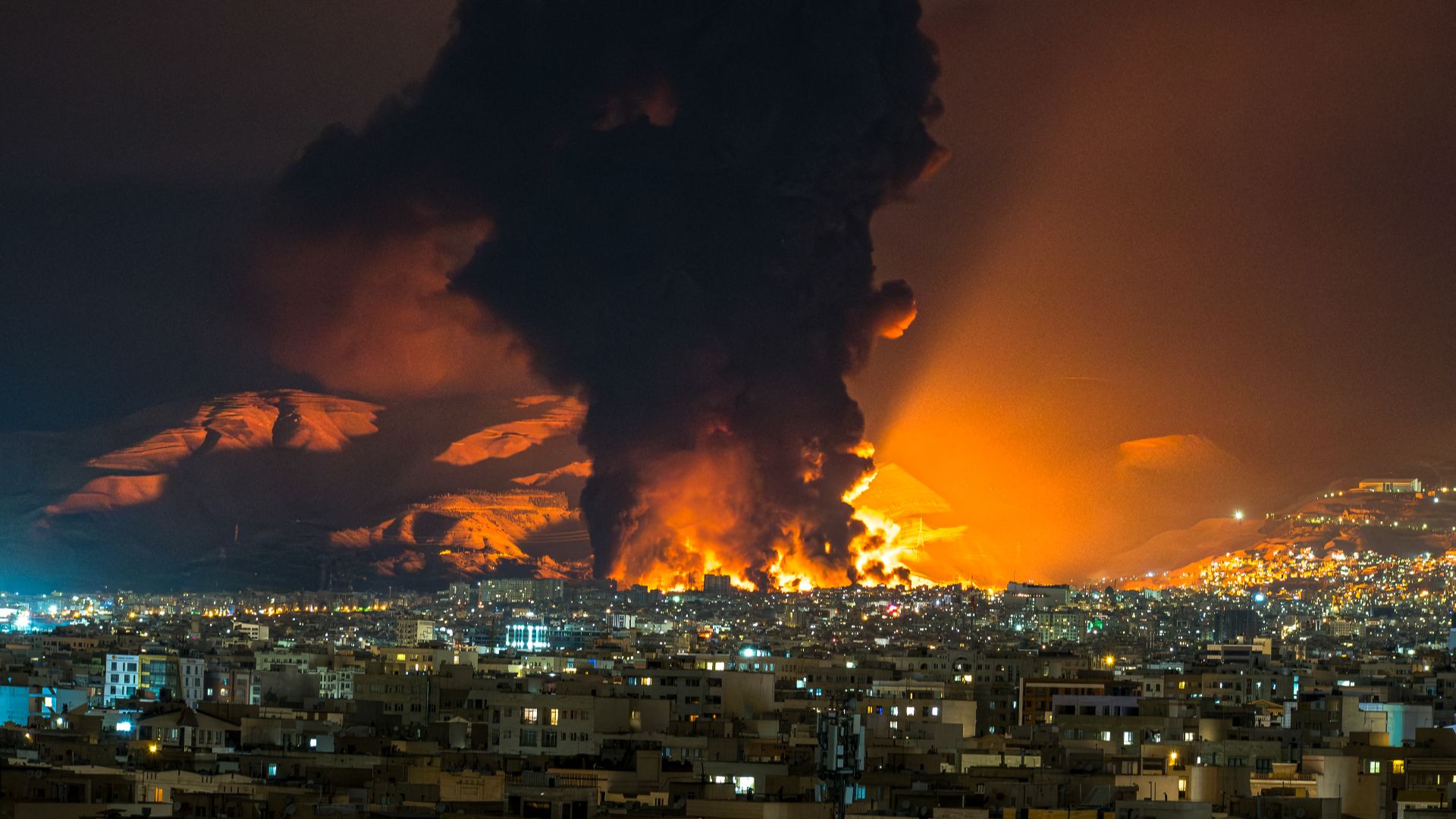
The president also pointed to claims circulating online about a supposed attack on a major U.S. naval vessel operating in the region. «For instance, Iran, working in close coordination with the Fake News Media, shows our great USS Abraham Lincoln Aircraft Carrier, one of the largest and most prestigious Ships in the World, burning uncontrollably in the Ocean,» Trump wrote.
Trump said the scenario never happened and accused Iranian authorities of manufacturing dramatic images to project strength despite what he described as heavy losses on the battlefield. «Not only was it not burning, it was not even shot at — Iran knows better than to do that!» he wrote.
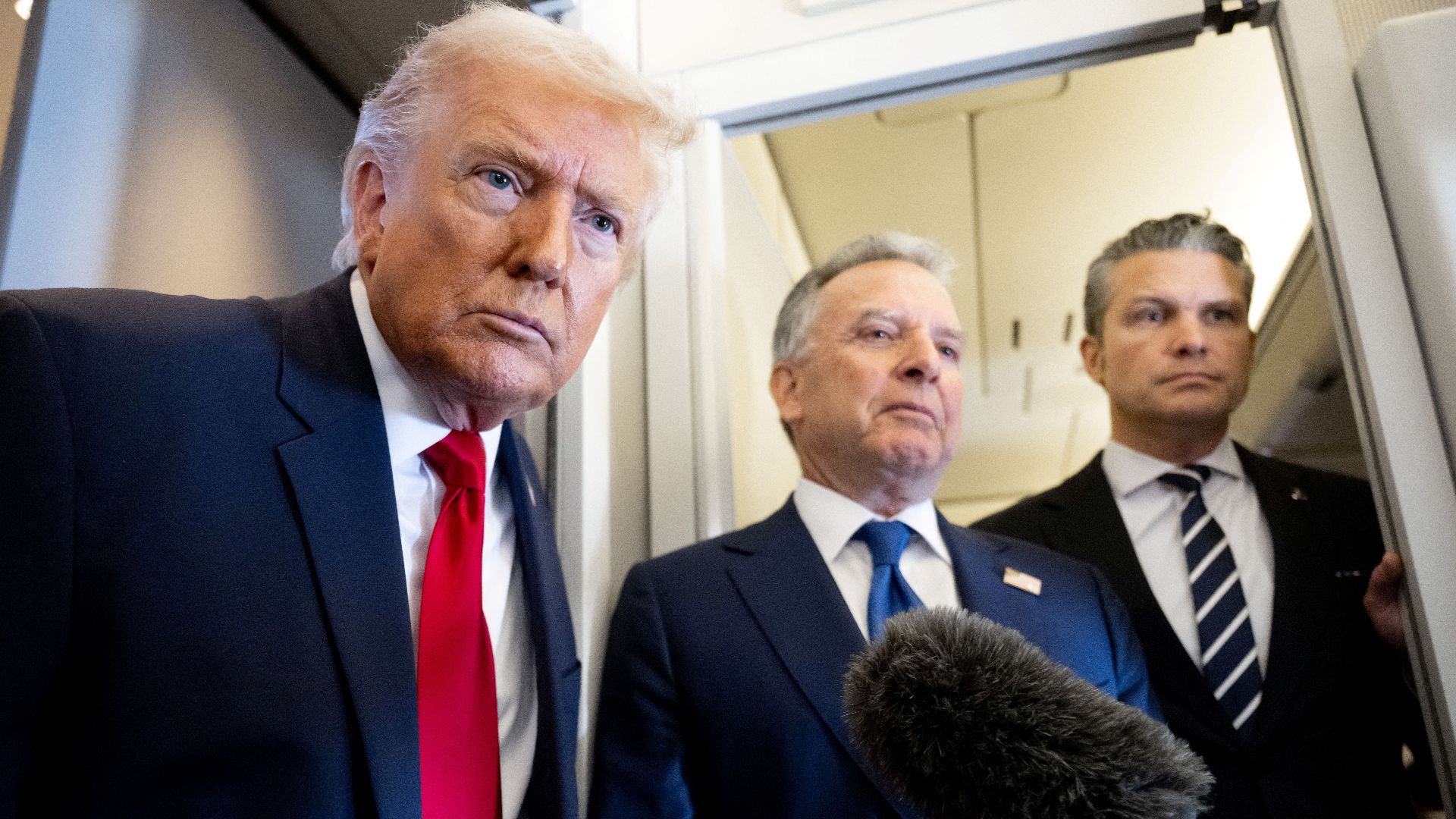
Trump then escalated his criticism of the press by suggesting that outlets publishing such reports should face severe consequences under U.S. law.
«The story was knowingly FAKE and, in a certain way, you can say that those Media Outlets that generated it should be brought up on Charges for TREASON for the dissemination of false information!» Trump wrote. He argued that the conflict itself was unfolding very differently from what he said the media portrayed.
«The fact is, Iran is being decimated, and the only battles they “win” are those that they create through AI, and are distributed by Corrupt Media Outlets.» Trump also accused what he called the «Radical Leftwing Press» of knowingly spreading false stories.
«Buildings and Ships that are shown to be on fire are not — It’s FAKE NEWS, generated by A.I..»
-U.S. President, Donald Trump
Trump concluded the post by praising Brendan Carr, chairman of the Federal Communications Commission, who has warned broadcasters about the potential consequences of spreading false information.
«I am so thrilled to see Brendan Carr, the Chairman of the Federal Communications Commission (FCC), looking at the licenses of some of these Corrupt and Highly Unpatriotic “News” Organizations,» Trump wrote. The president argued that television networks benefit from public airwaves and should therefore face scrutiny if they disseminate inaccurate reporting.
«They get Billions of Dollars of FREE American Airwaves, and use it to perpetuate LIES, both in News and almost all of their Shows,» Trump added, suggesting that federal regulators should consider whether some broadcasters deserve to keep their licenses.
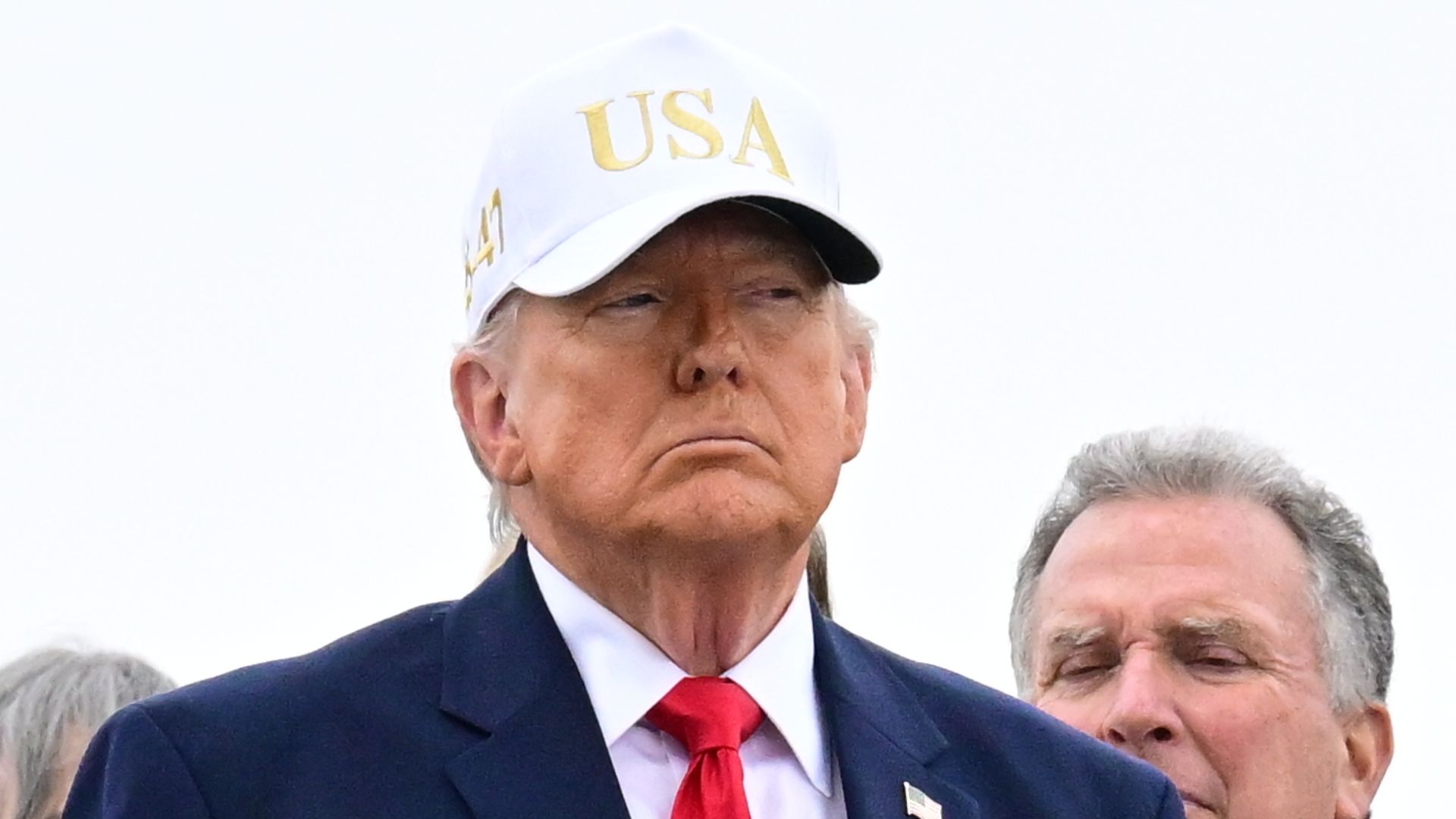
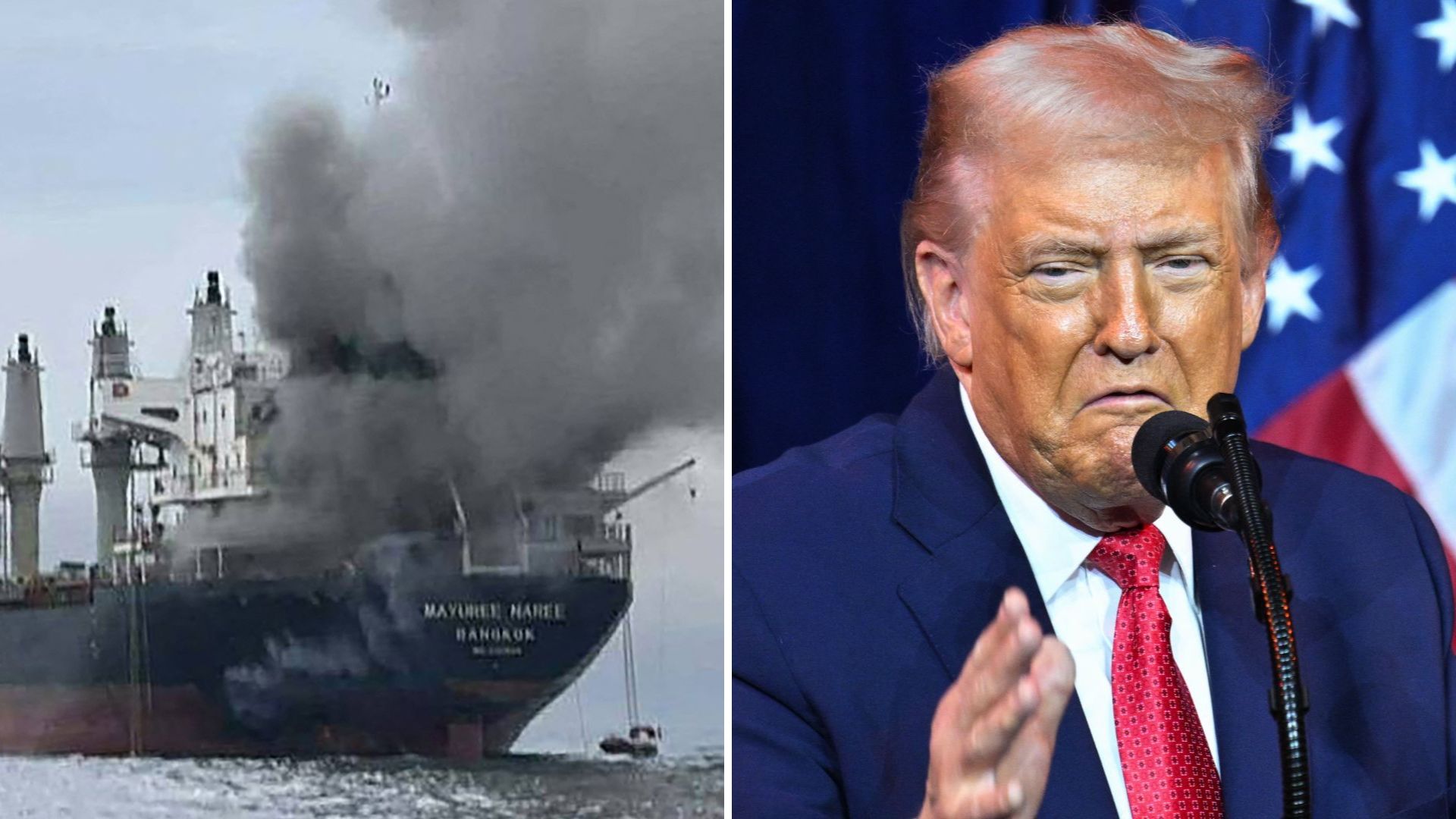
Donald Trump warned that NATO could face a «very bad» future if allies refuse to support U.S. efforts to secure the Strait of Hormuz, one of the world’s most important oil shipping corridors. The comments came after Trump asked several allied governments to contribute naval forces to help protect tanker traffic following escalating tensions in the Gulf during the war involving Iran, Israel and the United States. Speaking to reporters at the White House, Trump criticized NATO members that have hesitated to participate in the mission. «If they don’t help us with the Strait of Hormuz, they’re going to have a very bad future with NATO,» Trump said.
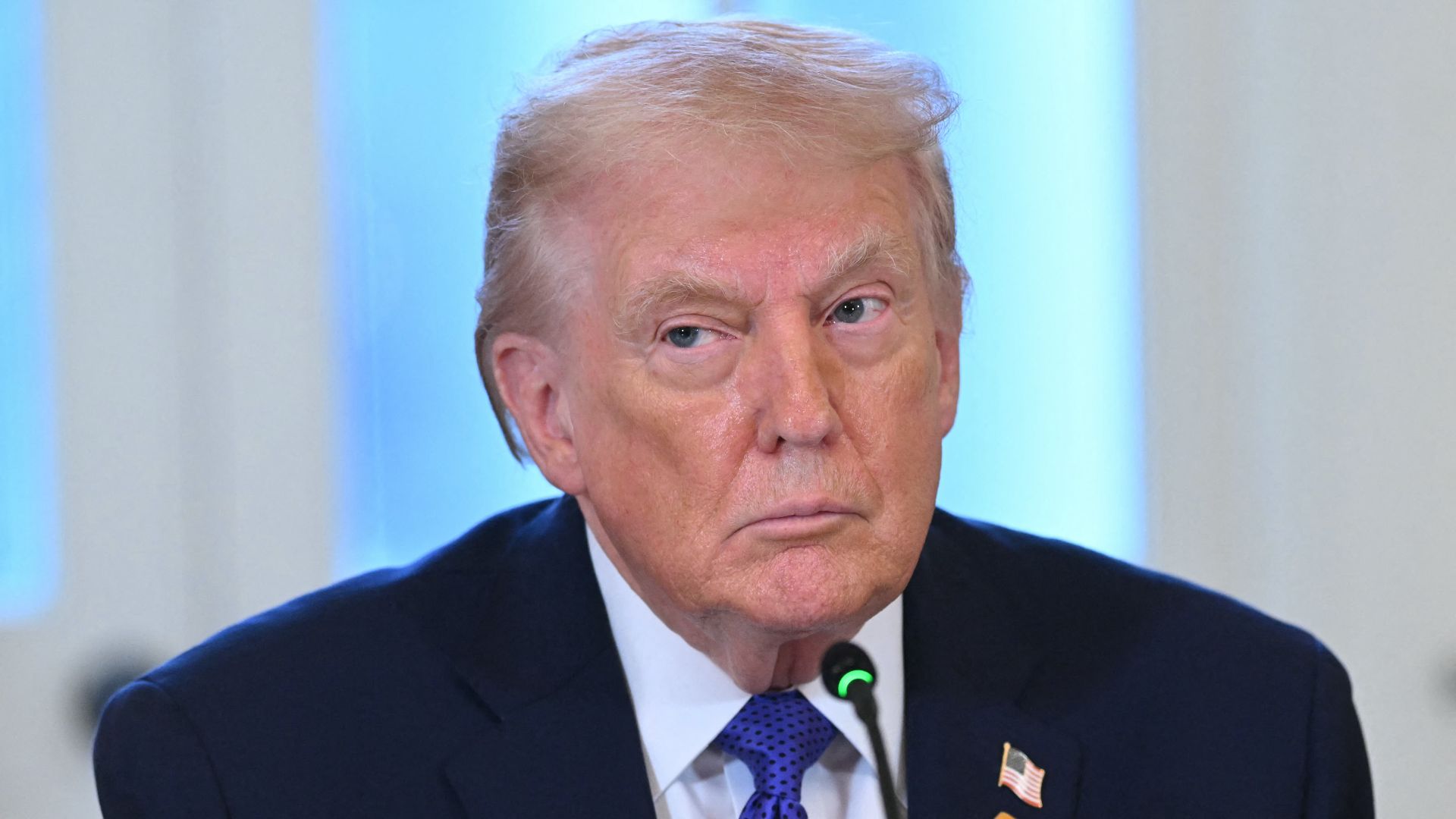
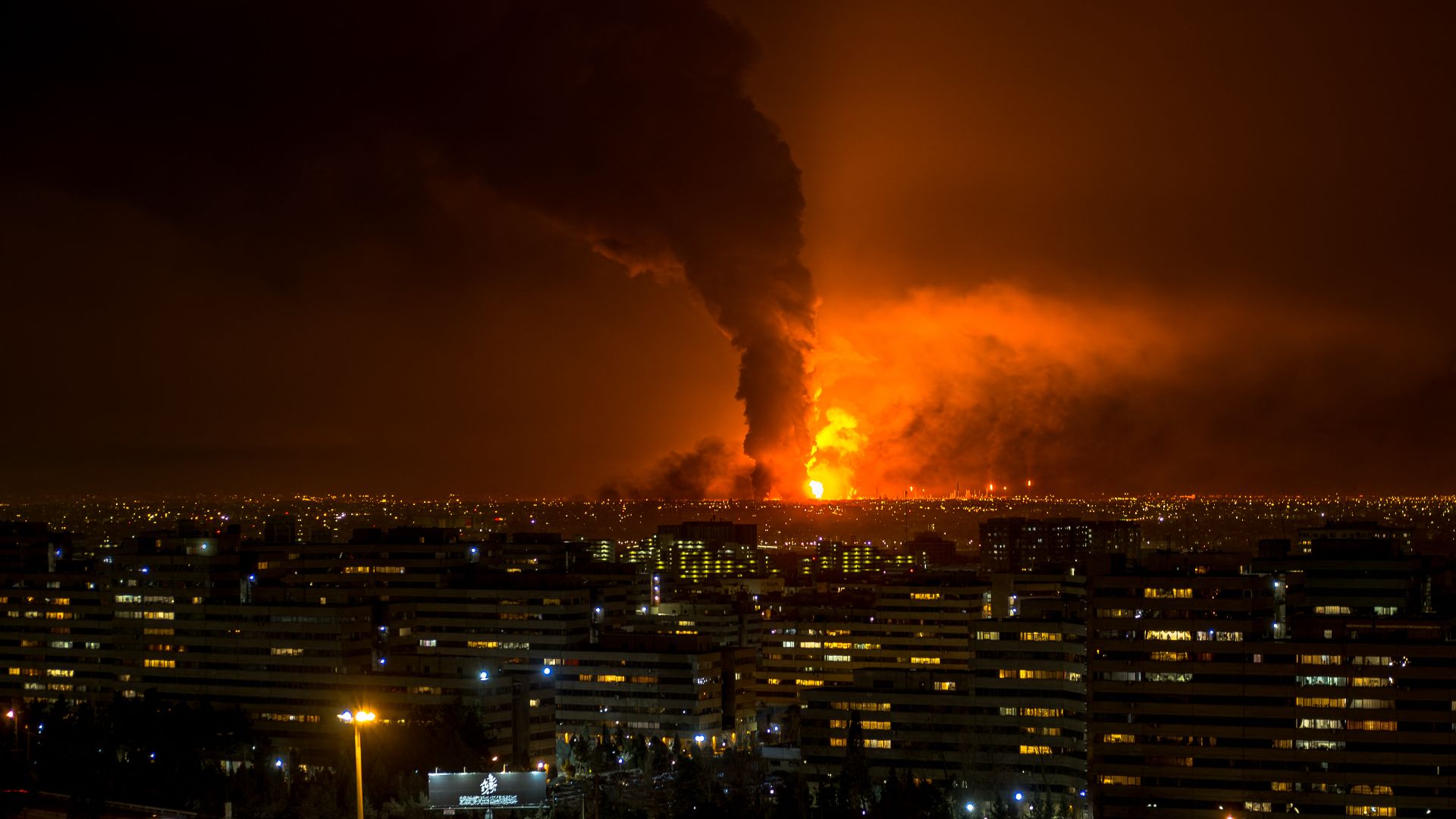
The request for allied support comes as tensions in the region continue to rise after U.S. and Israeli strikes targeted Iranian military infrastructure. Iran has responded with missile and drone attacks across the region and warned that vessels linked to the United States, Israel and their allies could be targeted. Iranian military officials have also threatened to disrupt shipping through the Strait of Hormuz, the narrow passage connecting the Persian Gulf to global energy markets. The waterway carries roughly one fifth of the world’s oil supply, making its security a critical concern for governments and energy markets around the world.
«They all use the oil that goes through that strait.»
-U.S. President, Donald Trump
Despite Washington’s request, several European allies have expressed reluctance to deploy naval forces to the area. German officials said Berlin does not view the operation as a NATO responsibility. A senior German government official said the conflict in the Gulf was «not NATO’s war» and stressed that Germany supports diplomatic efforts to reduce tensions rather than expanding military involvement. The response reflects broader hesitation among some NATO members to become directly involved in a conflict that began after U.S. and Israeli attacks on Iranian targets earlier in the year.
Other allied governments have also signaled caution about sending military forces to the region. Officials in several European capitals have said they remain concerned about the risk of escalation and the possibility that naval deployments could draw additional countries into the conflict. Diplomats from NATO countries have emphasized that protecting international shipping remains important but argued that any response should be coordinated carefully to avoid widening the war. Some governments have instead focused on diplomatic channels and economic measures aimed at stabilizing the situation in the Gulf.
«If they don’t help us with the Strait of Hormuz, they’re going to have a very bad future with NATO.»
-U.S. President, Donald Trump
The United States has already expanded its own naval presence in the region as part of efforts to deter Iranian attacks on shipping. American warships have been deployed to escort commercial vessels through the Strait of Hormuz and monitor potential threats from mines, drones and missile systems. U.S. officials say the mission is intended to ensure that international trade can continue despite the ongoing conflict. Military commanders have warned that the narrow waterway remains vulnerable to disruption because of its geography and the proximity of Iranian forces stationed along the coast.
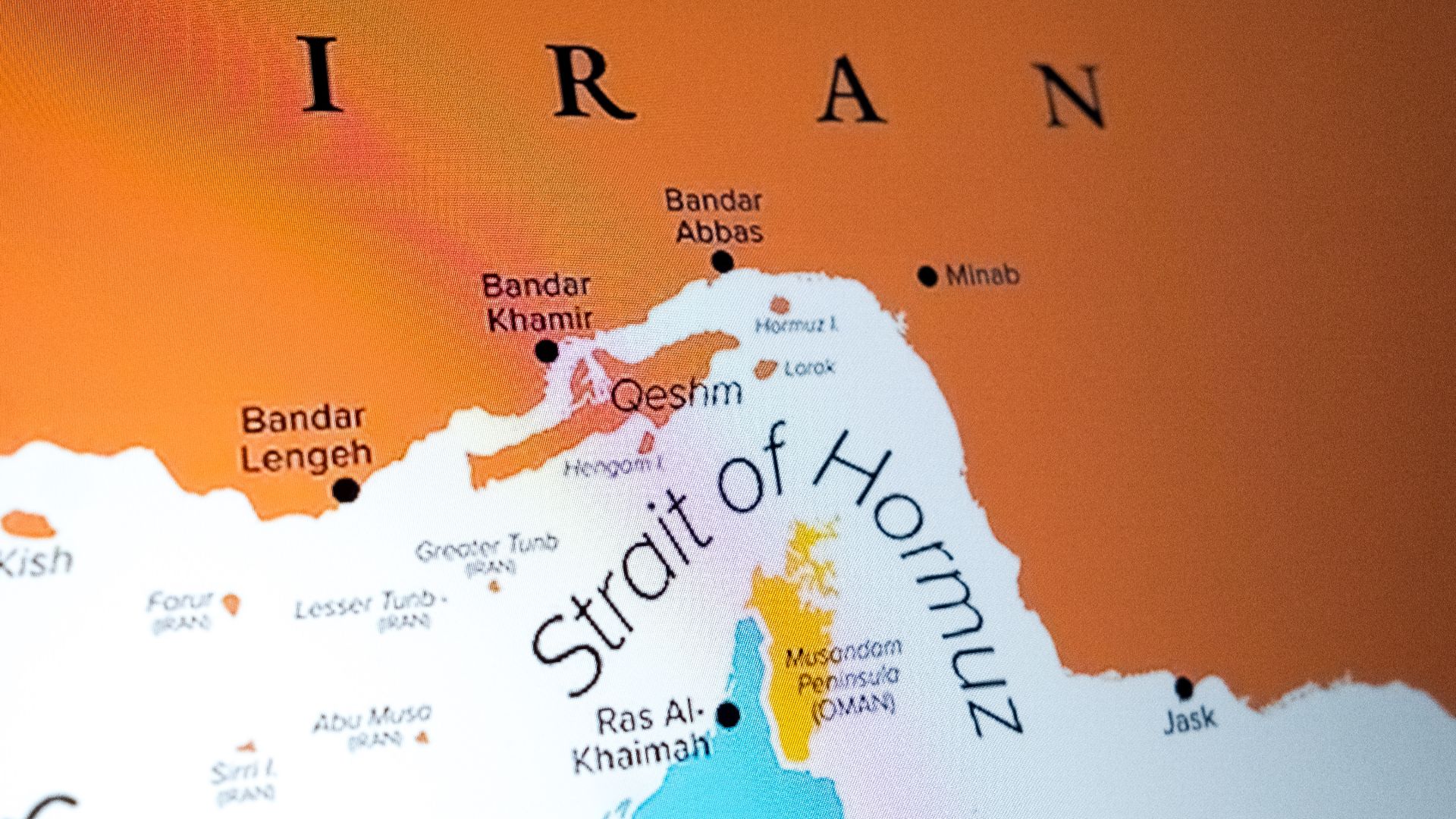
Trump’s warning about NATO’s future underscores growing tension between Washington and some of its allies over the direction of the conflict. The president has argued that countries benefiting from secure global trade routes should contribute more to protecting them. «They all use the oil that goes through that strait,» Trump said, defending his demand for allied support. «If they don’t help us, it’s going to be a very bad situation for NATO.» His remarks highlight the diplomatic strain emerging within the alliance as governments debate how far they are willing to go in supporting U.S. operations in the Gulf.
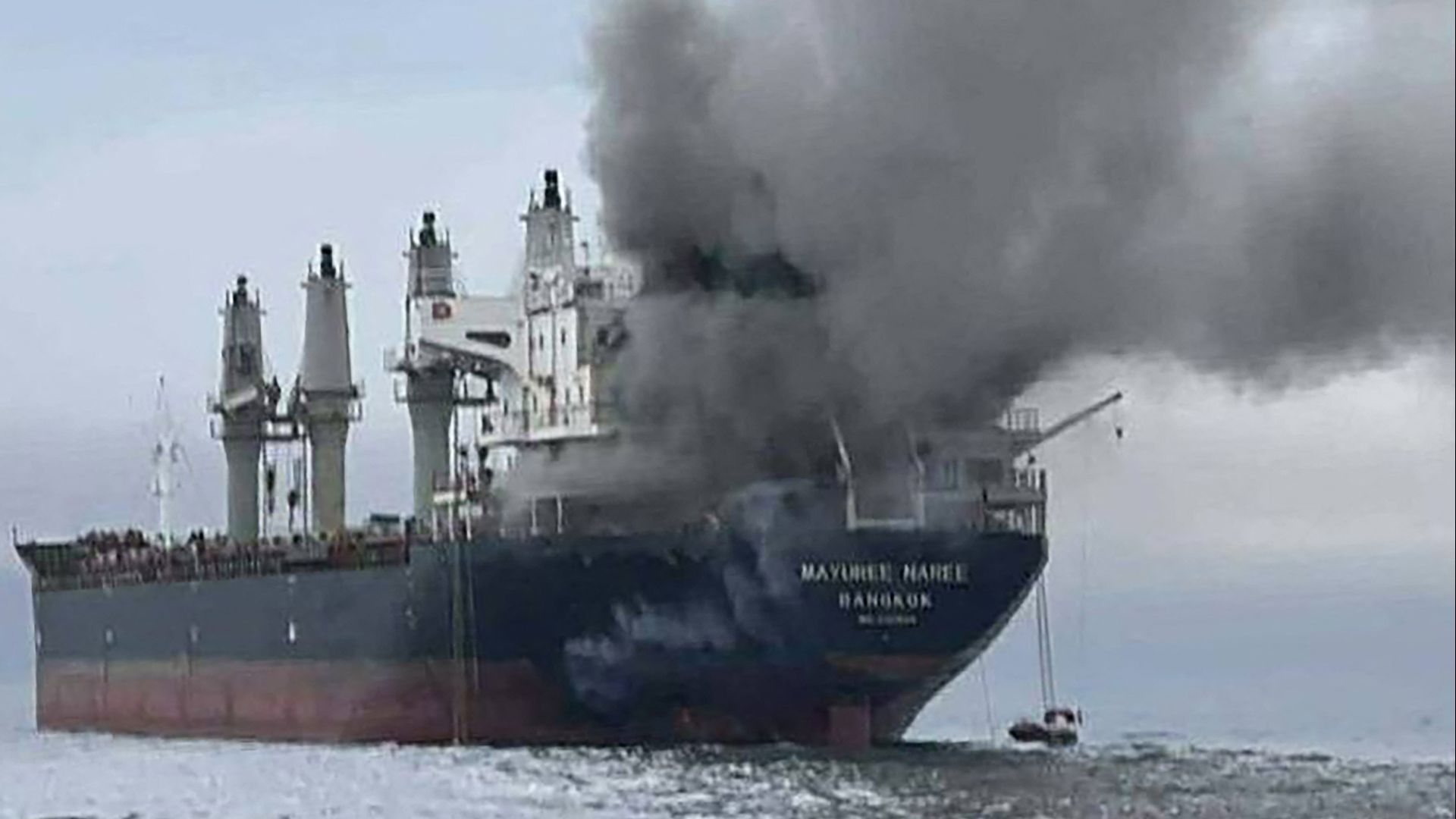
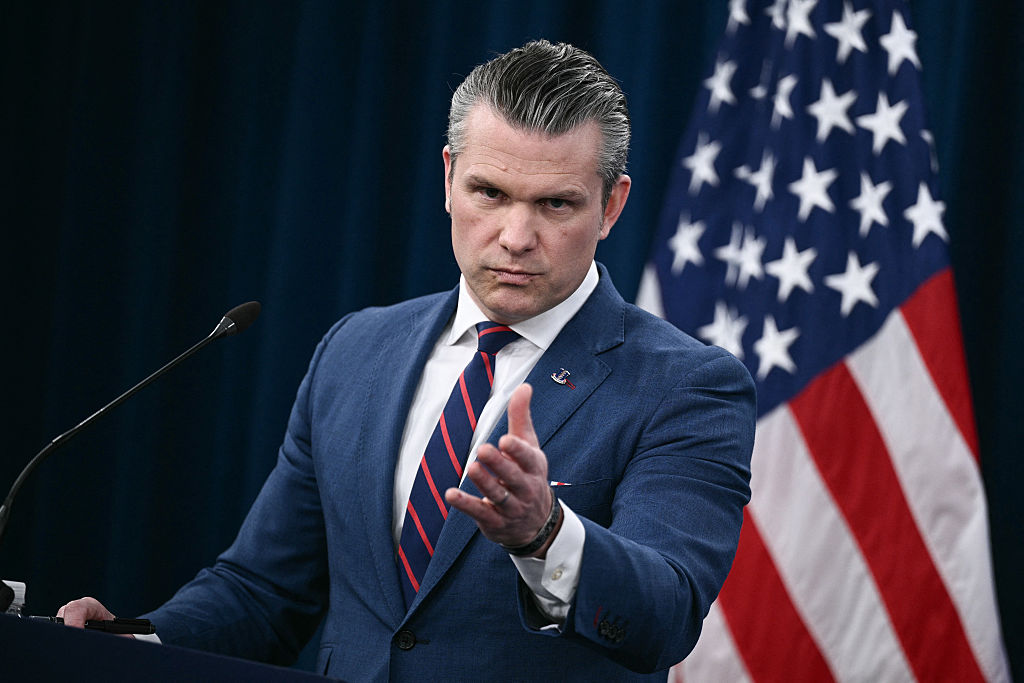
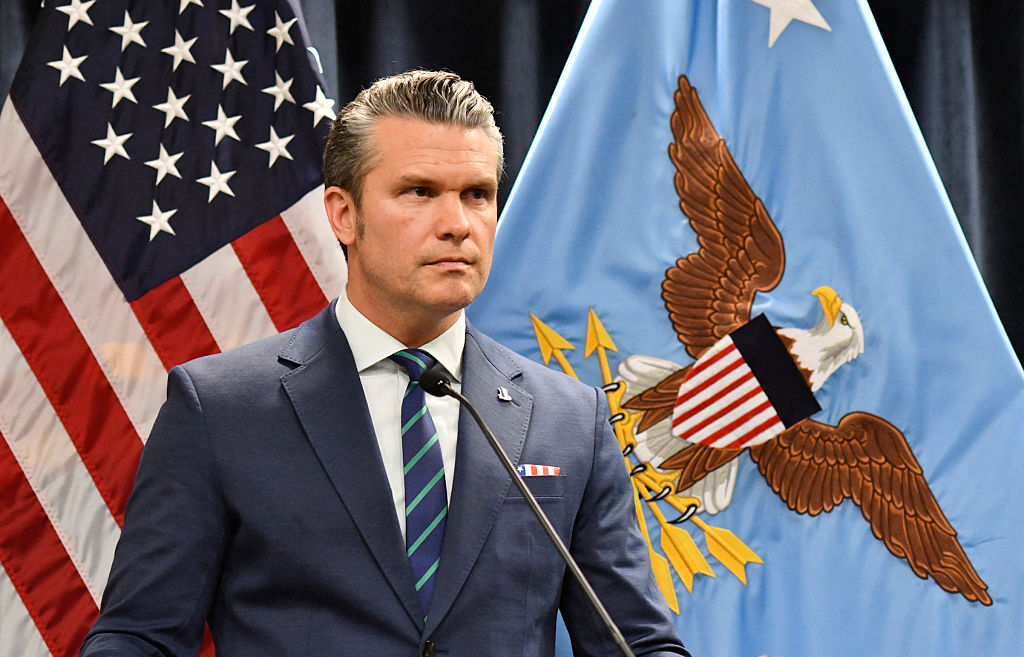
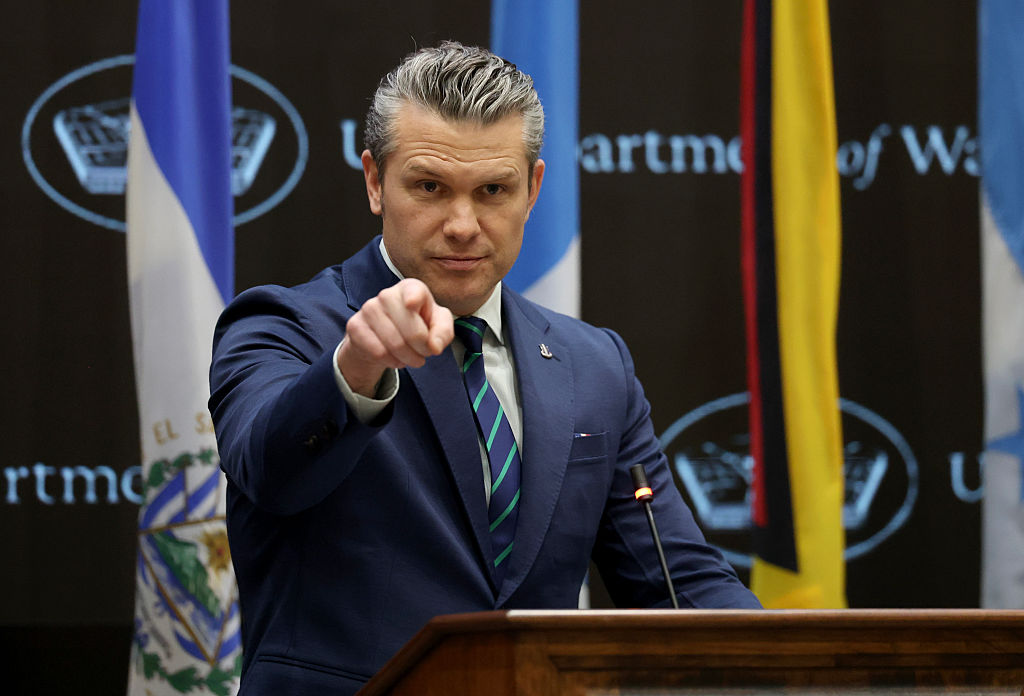
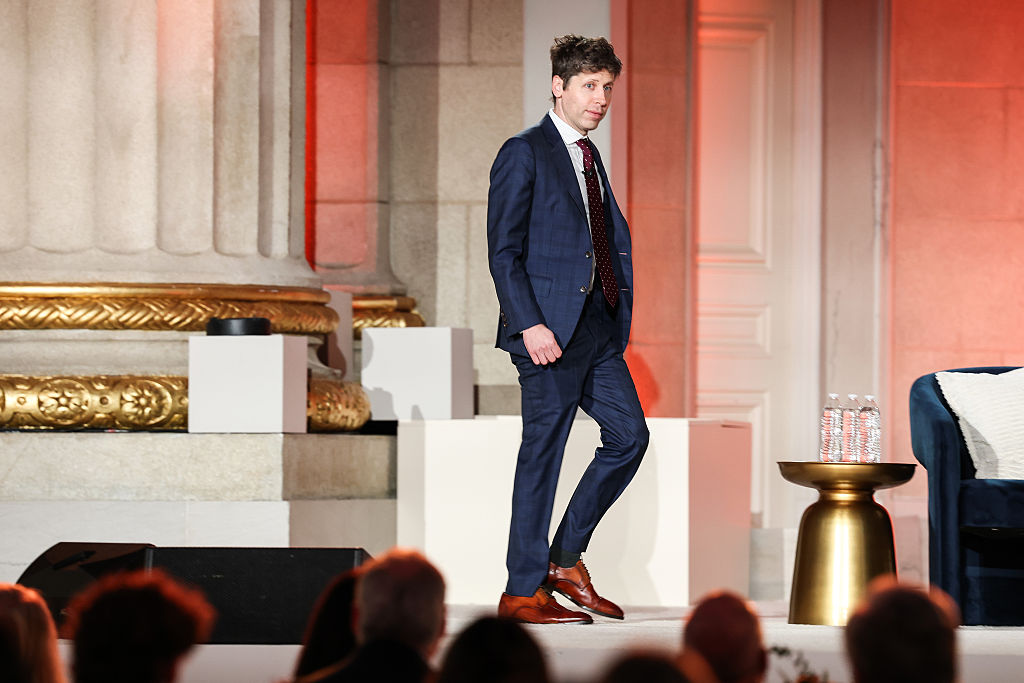
In the biggest story in the AI world right now, Pete Hegseth’s Department of War has been pressuring AI companies to allow the United States government and military to have unfettered access to the programs for security purposes.
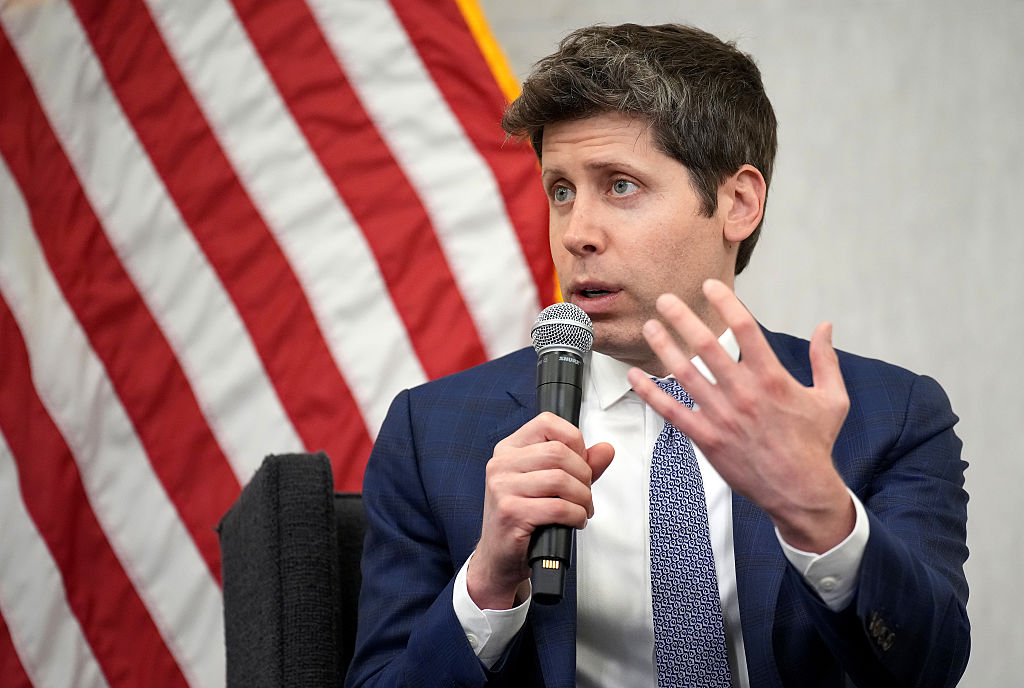
AI superpower Anthropic has resisted Hegseth’s pressure, but Sam Altman’s OpenAI has signed on the dotted line without hesitation. Hegseth is using a variety of strategies to force the hand of these tech companies, and one by one, they’re folding. Now, Donald Trump has ordered the US government to stop using all Anthropic products, and is ‘encouraging’ a shift to OpenAI software.
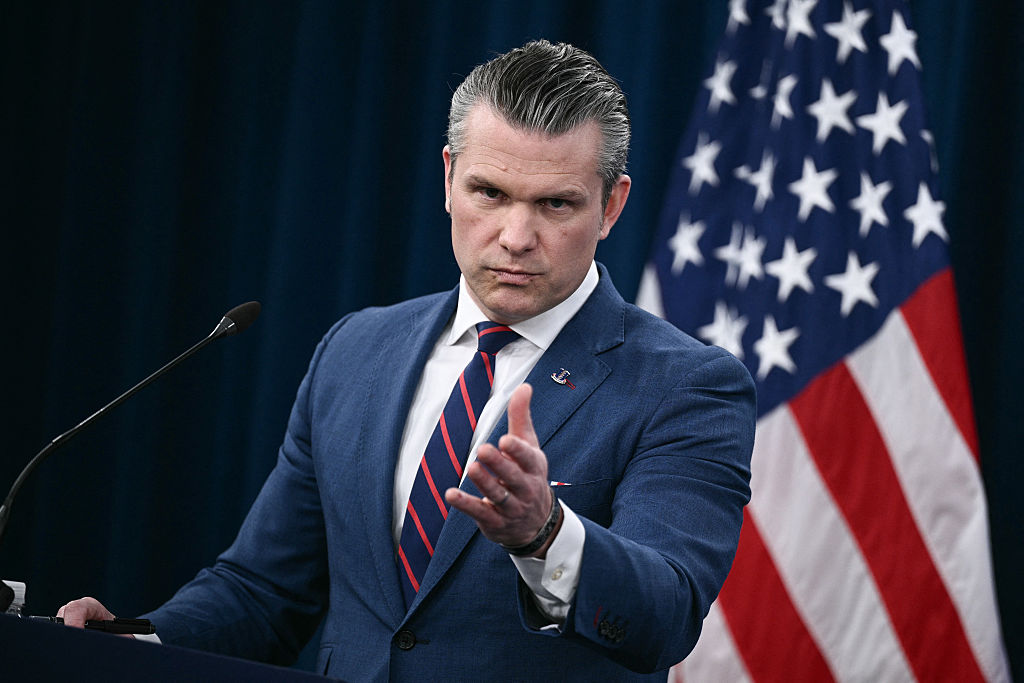
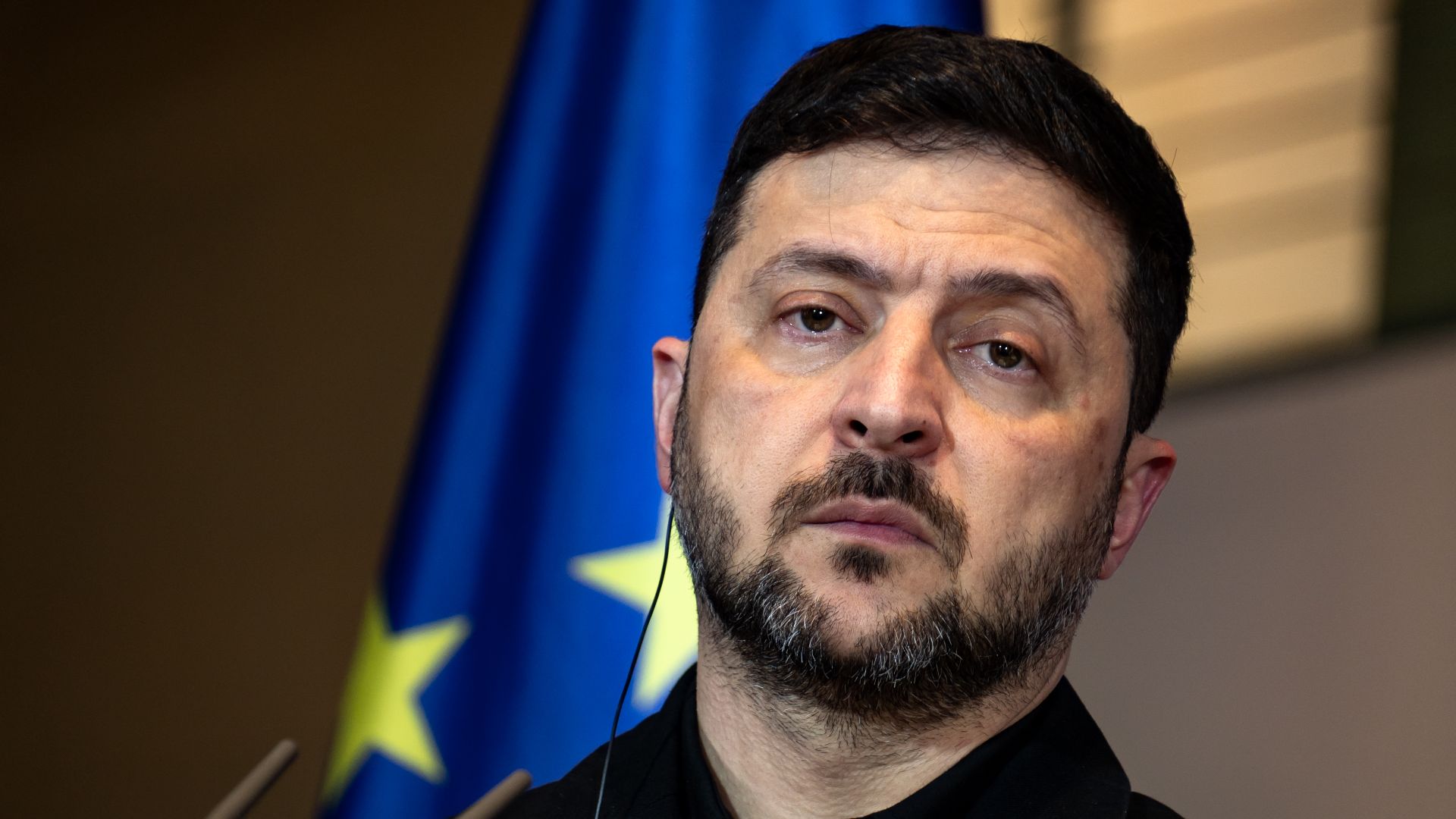
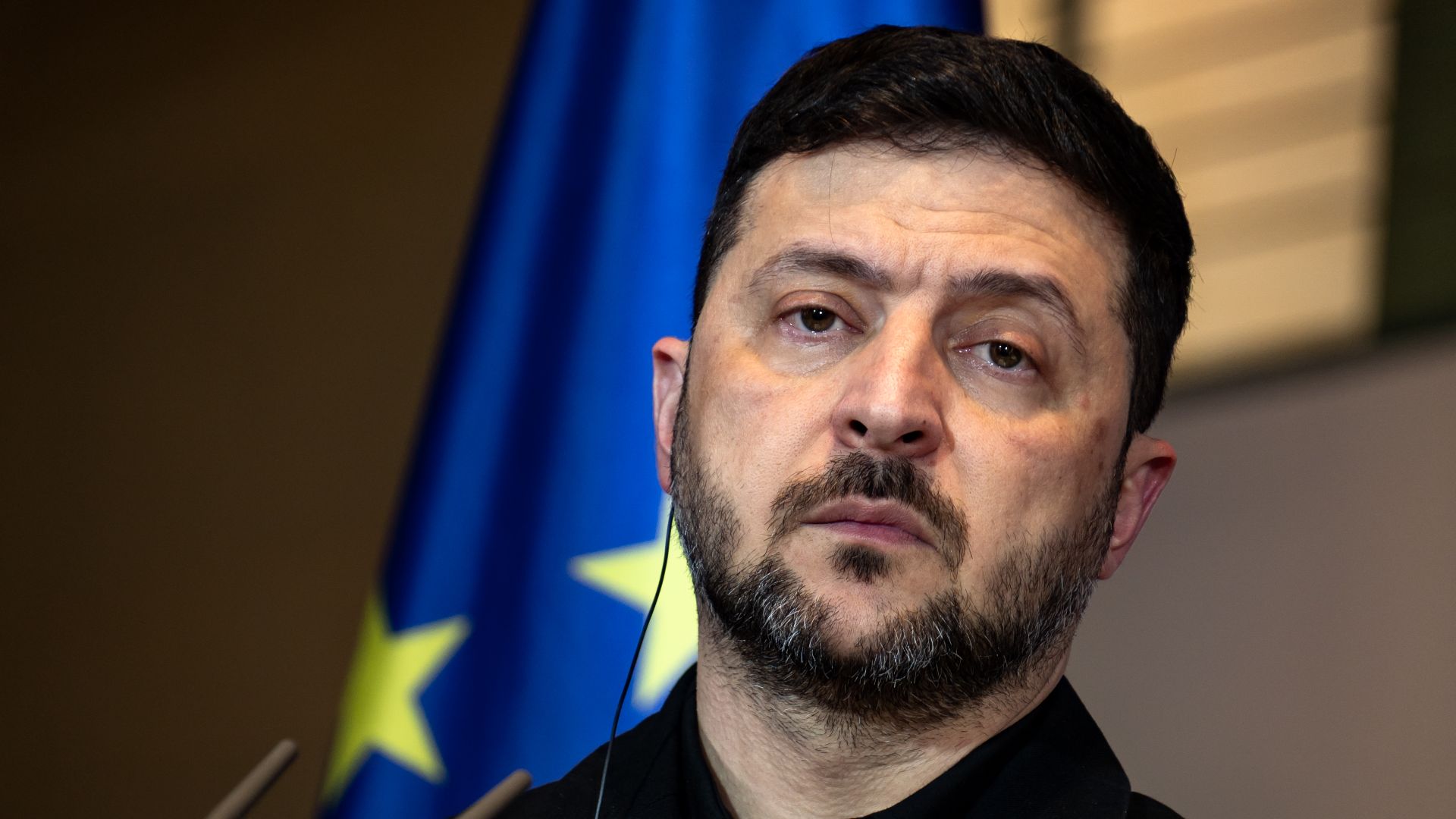
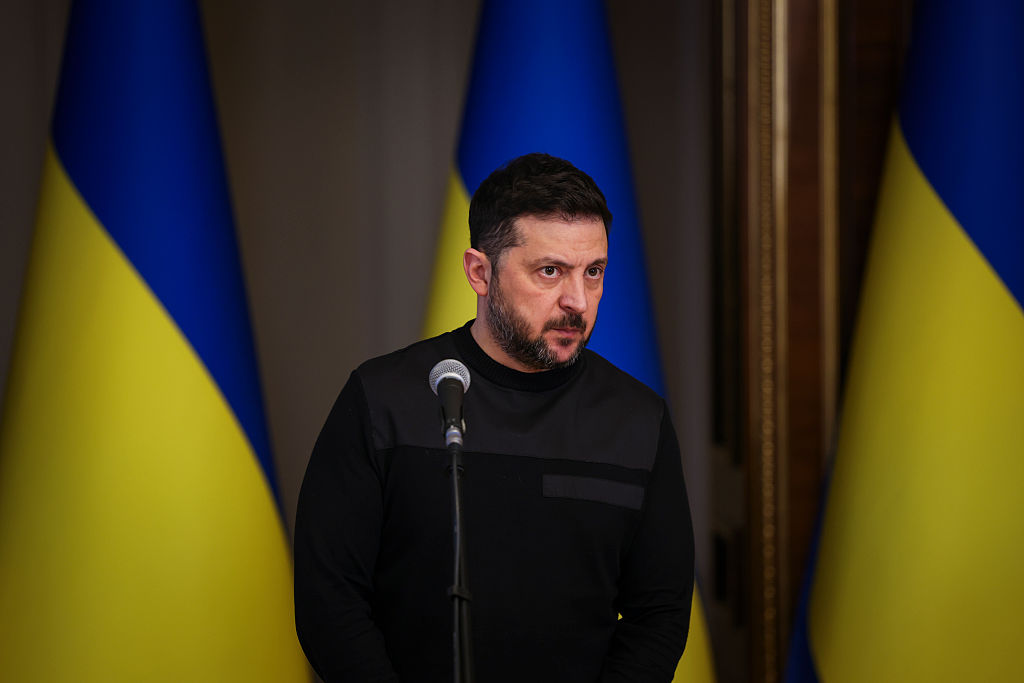
Zelensky claimed in comments that US officials had instructed him to provide Ukrainian specialists who can guarantee the safety of American allies. On Trump’s part, he said he would he’d take ‘any assistance’ he can get from Ukraine.