Catégories
Uncategorized

Trump Dismisses Boos at Knicks Game 3, Claims Crowd Response Was «Mostly Cheers»

Donald Trump’s appearance at Game 3 of the NBA Finals between the New York Knicks and San Antonio Spurs did not go unnoticed. The president’s visit to Madison Square Garden generated widespread attention long before tipoff, with frustrated fans blaming the extensive security measures surrounding his attendance for causing major disruptions across Midtown Manhattan. The presidential security operation forced the cancellation of a planned outdoor watch party for fans and led to airport-style screening procedures that created lengthy delays for ticket holders and local businesses. As the game unfolded, Trump was booed by portions of the crowd during the national anthem, while social media users later blamed him for the Knicks’ 115-111 defeat. Trump addressed the evening shortly before boarding Air Force One for his return to Washington.

Asked by reporters about the game itself, Trump offered a positive assessment of the contest despite the disappointing outcome for New York. «The game was fantastic. Well played by both teams. We all had a lot of fun and it was great to watch. Very talented players.» The matchup attracted a large number of celebrities and public figures as the Knicks attempted to extend what had become one of the most impressive postseason runs in franchise history. Instead, the Spurs handed New York its first playoff loss in weeks and cut into the Knicks’ lead in the NBA Finals. The result immediately shifted attention from the action on the court to the unusual political and cultural spectacle surrounding the president’s attendance.

«Well, it’s a little left wing. I think so. It tends to be a little bit left wing, but it was… it’s great entertainment. Great.»

-U.S. President, Donald Trump

Reporters also questioned Trump about the mixed reaction he received from fans inside Madison Square Garden. Video clips circulating online captured both cheers and loud boos as the president appeared on arena screens, fueling debate about how he was received by the New York crowd. Trump dismissed suggestions that the reception had been negative. «I thought it was very good, it was certainly amazing, It was, I think, mostly cheers. It was loud and it was very enthusiastic.» The president also brushed aside criticism from political opponents who viewed the reaction differently. Asked whether the criticism reflected the arena’s political leanings, Trump responded: «Well, it’s a little left wing. I think so. It tends to be a little bit left wing, but it was… it’s great entertainment. Great.»

Getty Images

Another topic that emerged after the game was the so-called «Trump Curse», a social media theory claiming that teams supported by Trump often lose high-profile sporting events. The theory exploded online almost immediately after the Knicks’ defeat. New York had entered the contest riding a remarkable 13-game playoff winning streak before losing 115-111 to San Antonio. Social media users quickly noted that the streak ended on the same night Trump attended the game from Knicks owner James Dolan’s suite. While the theory has no factual basis, it has become a recurring meme across sports communities whenever Trump appears at major events or publicly endorses a team competing in a championship setting.

Getty Images

Supporters and critics of the theory pointed to several recent examples frequently cited online. During Super Bowl LX in February, Trump publicly backed the New England Patriots and owner Robert Kraft before the Patriots lost 29-13 to the Seattle Seahawks. Months earlier, Trump attended the Ryder Cup at Bethpage Black and watched Team USA suffer a disappointing defeat to Europe on home soil. Baseball fans also pointed to Trump’s support for the New York Yankees shortly before their postseason elimination by the Toronto Blue Jays. The latest Knicks loss quickly joined that list in online discussions, with many users joking that the president’s presence had once again brought bad luck to a favored team.

«I thought it was very good, it was certainly amazing, It was, I think, mostly cheers. It was loud and it was very enthusiastic.»

-U.S. President, Donald Trump

Trump was also asked about comments made by ESPN personality Stephen A. Smith, who has publicly discussed the possibility of running for president and jokingly suggested he would blame Trump if the Knicks lost. The president responded with a personal jab at the longtime sports commentator. «I think he’s a nice guy but you need a certain aptitude to run for president. You need a high IQ, I’m not sure Stephen A Smith has that.» The exchange added another layer to a night already dominated by political headlines. Meanwhile, social media users continued circulating clips showing Trump apparently nodding off during portions of the game, while others criticized the security restrictions that disrupted fan activities around Madison Square Garden. By the end of the evening, Trump’s presence had become nearly as much of a story as the NBA Finals themselves.

Getty Images
Catégories
Uncategorized

Pierre Poilievre Wants Canadian Unity Message in Alberta

Conservative Leader Pierre Poilievre is set to deliver a high-stakes message to Albertans this week. The message will promote Canadian unity, and Poilievre hopes to slow the growth of the Alberta separatist movement. There is an interesting overlap between Albertans who support separatists and Conservative Albertans. More than 80 per cent of Albertans who support separation vote Conservative, so Poilievre, as the leader of the CCP, may have more sway than other Canadian politicians. Speaking in Calgary, Poilievre is expected to argue that the Federal government is to blame, and that, rather than running from Canada, Albertans should instead focus on voting for change.


Alberta separatists have cited taxation, energy development, and provincial autonomy as the strongest reasons for their desire to leave Canada. Poilievre will argue that all of those issues can be solved through voting, instead of a referendum. The speech comes as Alberta readies for a referendum vote in October that will ask residents whether or not the province should remain a part of Canada. If Alberta votes in favour of separation, it will begin a lengthy legal process that would result in a vote for separation.

We do not need a different country, Alberta. We need different government policies in Ottawa.

Pierre Poilievre

Contents of the speech

Pierre Poilievre released excerpts of his upcoming speech, sharing them with the Canadian Press early on June 8. In the excerpts released, Poilievre focuses on the perceived failings of the Canadian government. Poilievre clarifies that Albertans do not have a problem with Canada; they have a problem with Mark Carney. Poilievre will attempt to garner more support for his Federal Conservatives by leaning on Albertans national pride. Poilievre will advertise his focus on building pipelines, funding the oil and gas sector, and reducing taxes in the province. Poilievre will also reportedly advertise more provincial autonomy for Alberta.

Alberta wants autonomy

One of the most significant sticking points for Alberta separatists is Alberta’s provincial autonomy. In Canada, provinces help each other through wealth dispersal. While Alberta has historically been one of the most profitable provinces, a large chunk of its wealth is dispersed among other provinces in order to ensure those provinces can afford social services. The Albertan idea of ‘Us vs Them’ is not new, and it has been the biggest argument for separation during the movement’s history. Alberta does not believe it should have to ‘bail out’ other provinces, but instead believes it should keep all of its profits (specifically from the energy sector) to itself. Similar arguments are made by Conservatives across Canada when it comes to social services and healthcare. Some Canadians do not believe their tax dollars should be used to help others; the separatist mentality is the same, just on a larger scale.

Locking arms with other provinces is the practical, realistic path to a stronger Alberta within a united Canada.

Pierre Poilievre

Voting for a referendum

The referendum became possible after Alberta’s legislature passed Bill 54, the Election Statutes Amendment Act, in May. The legislation significantly lowered the threshold required for citizen-led referendum petitions, reducing the number of signatures needed from 20 per cent of eligible voters to 10 per cent. The legislation also extended the time available to collect those signatures from 90 days to 120 days. The changes were championed by Premier Danielle Smith’s government as a way to strengthen direct democracy, but the changes also made it substantially easier for separatist organizations to force a province-wide vote on independence. Within days of the bill becoming law, separatist groups began organizing campaigns aimed at securing a referendum question on Alberta’s future within Canada.

The separatist movement itself has still faced setbacks despite gaining political visibility. A recent Alberta court ruling temporarily halted one referendum petition after finding that Indigenous consultation requirements had not been adequately addressed. First Nations leaders have argued that Alberta cannot separate from Canada without considering treaty obligations that predate the province itself. Legal experts widely believe any actual path toward independence would face enormous constitutional obstacles, even if Albertans eventually voted in favour of pursuing it.

Poilievre parlaying separation into support

TORONTO, CANADA – APRIL 16 : Leader of Conservative Party of Canada Pierre Poilievre speaks during an event organized by Canadian Club Toronto on April 16, 2026 in Toronto, Ontario, Canada. (Photo by Mert Alper Dervis/Anadolu via Getty Images)

Pierre Poilievre’s speech could be a turning point in Alberta politics. By appealing to the separatists while being anti-separation, Poilievre has a legitimate opportunity to unite the province. The problems arise in the how. Poilievre will have to make Mark Carney and his Liberal party the common enemy, persuading Albertans to vote Poilievre in and Carney out in order to achieve their goals. Poilievre will offer some of the conditions that separatists need, but it will be difficult for him to actually achieve those goals if he gets into office. In order to serve the separatists, Poilievre will have to enact massive sweeping changes to Federal legislation, something every Prime Minister struggles with. Without a majority government, it would be particularly difficult for Poilievre to make good on the promises he’ll make in his speech.

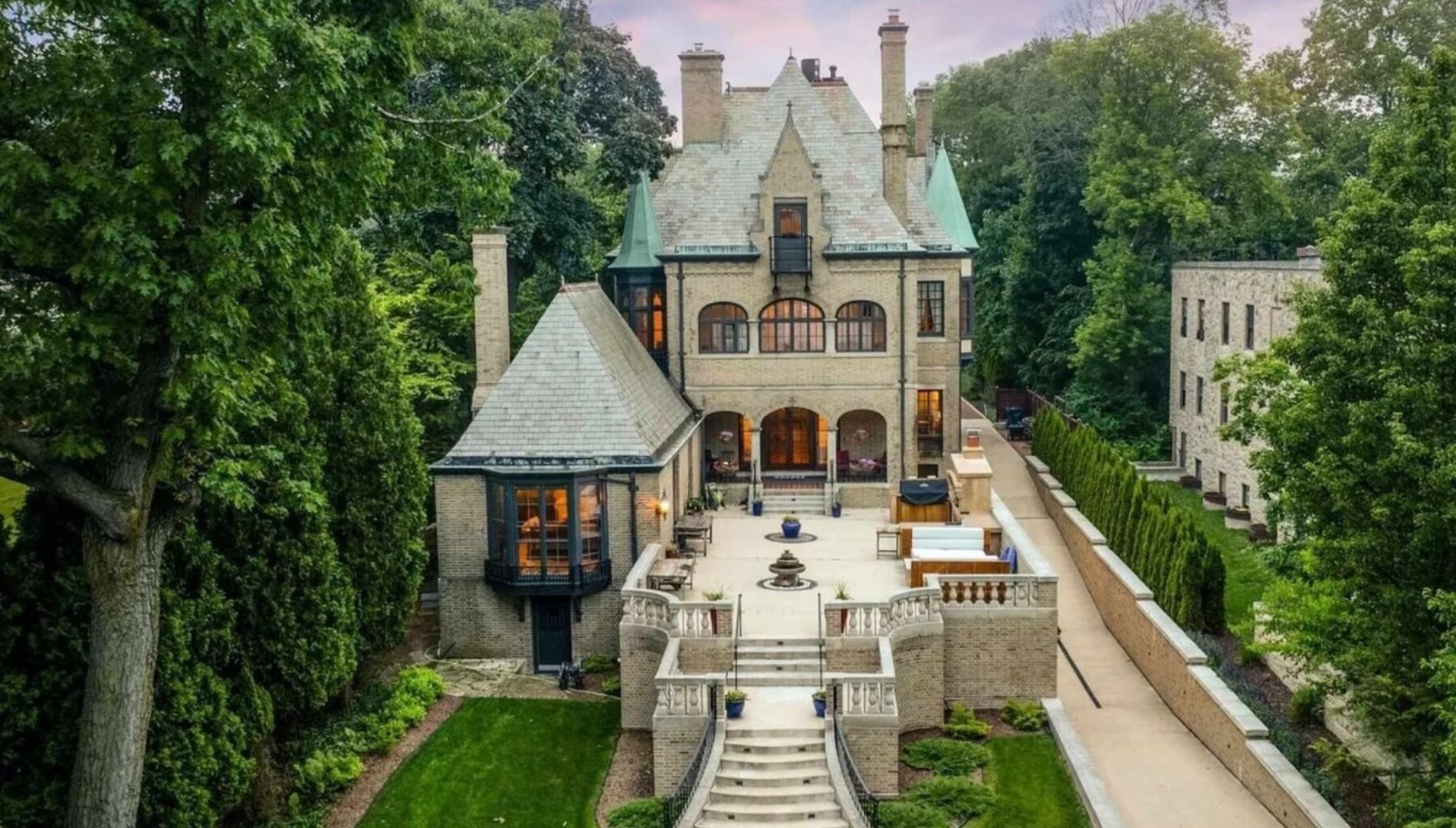
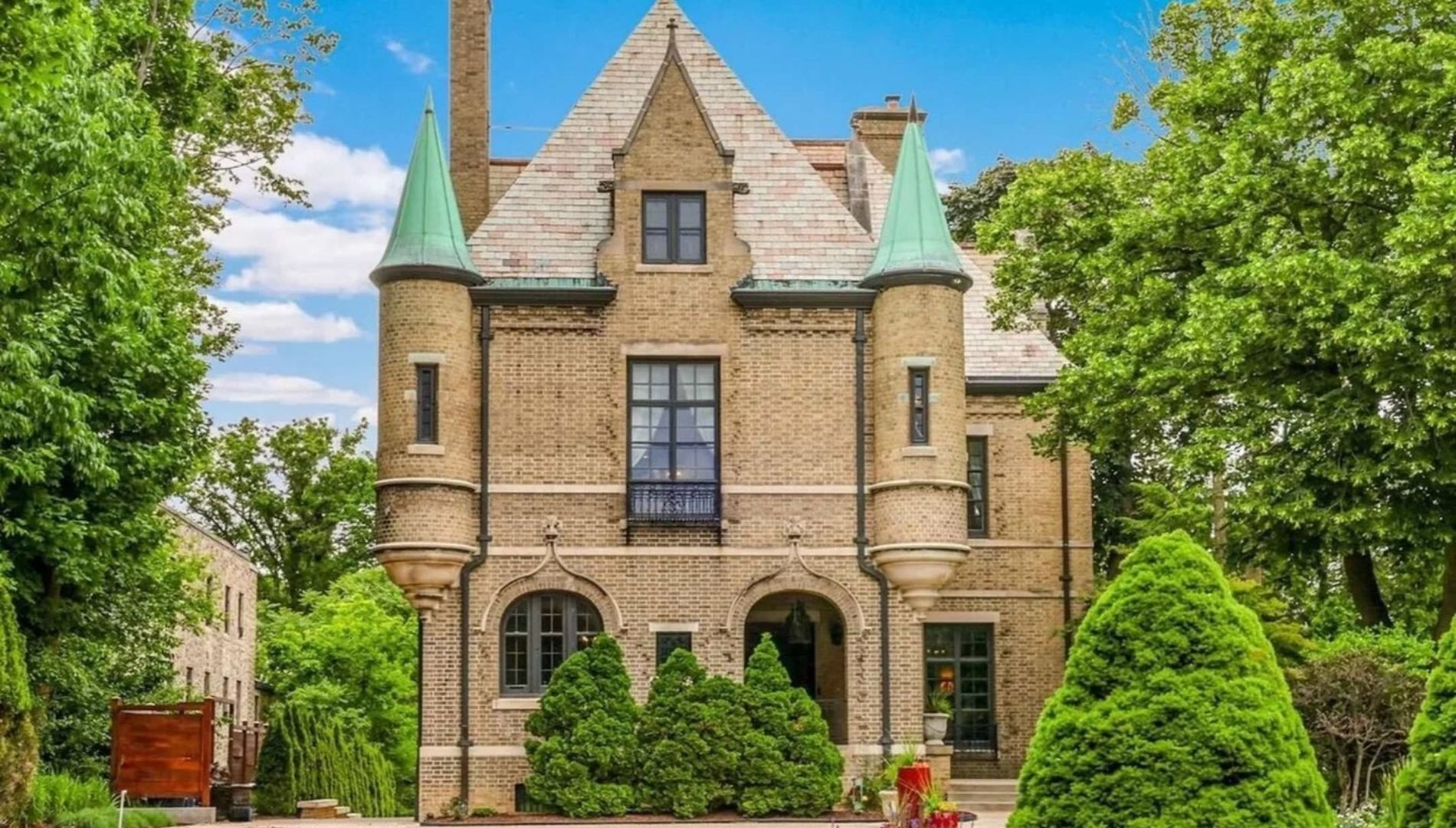
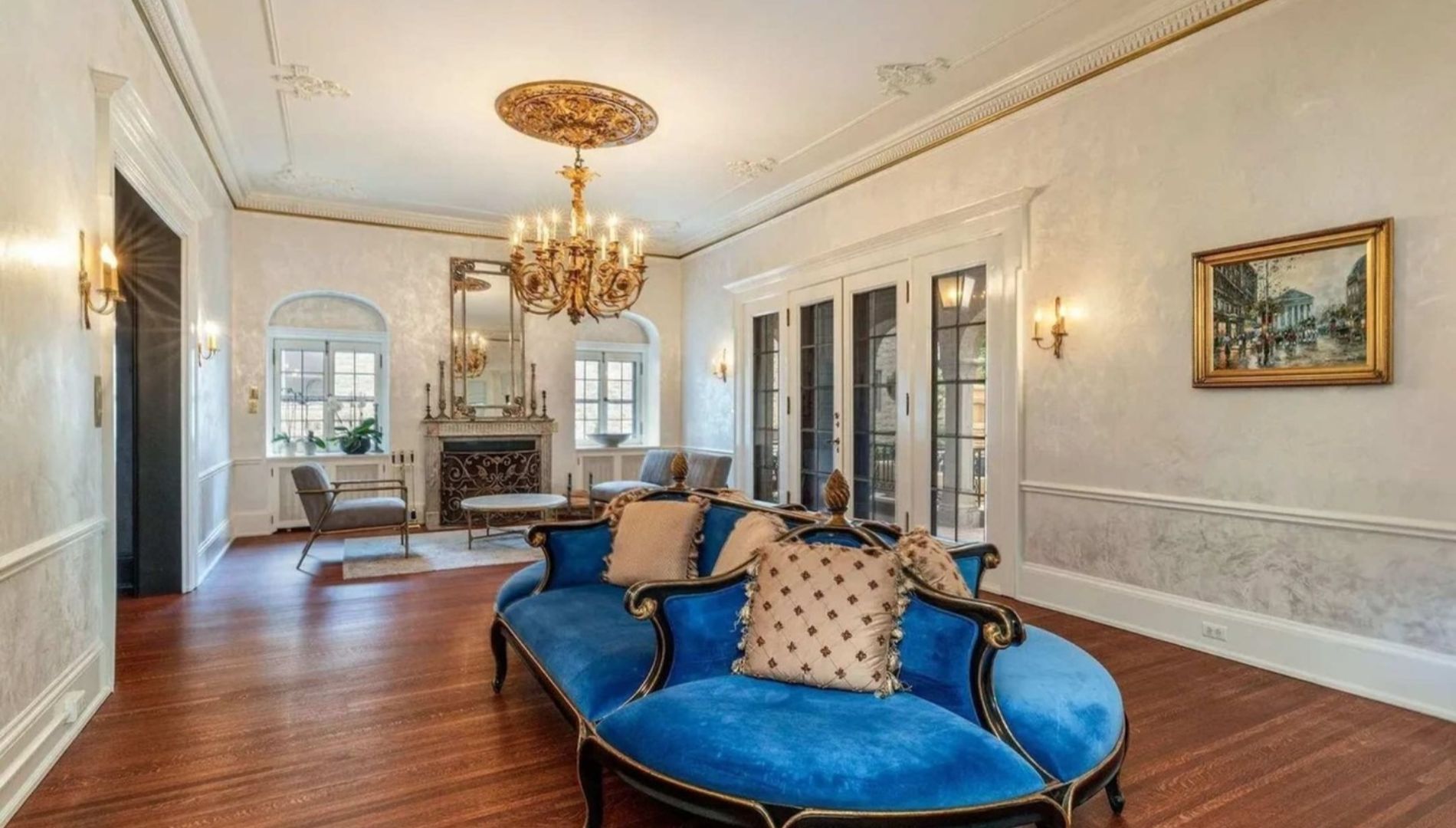
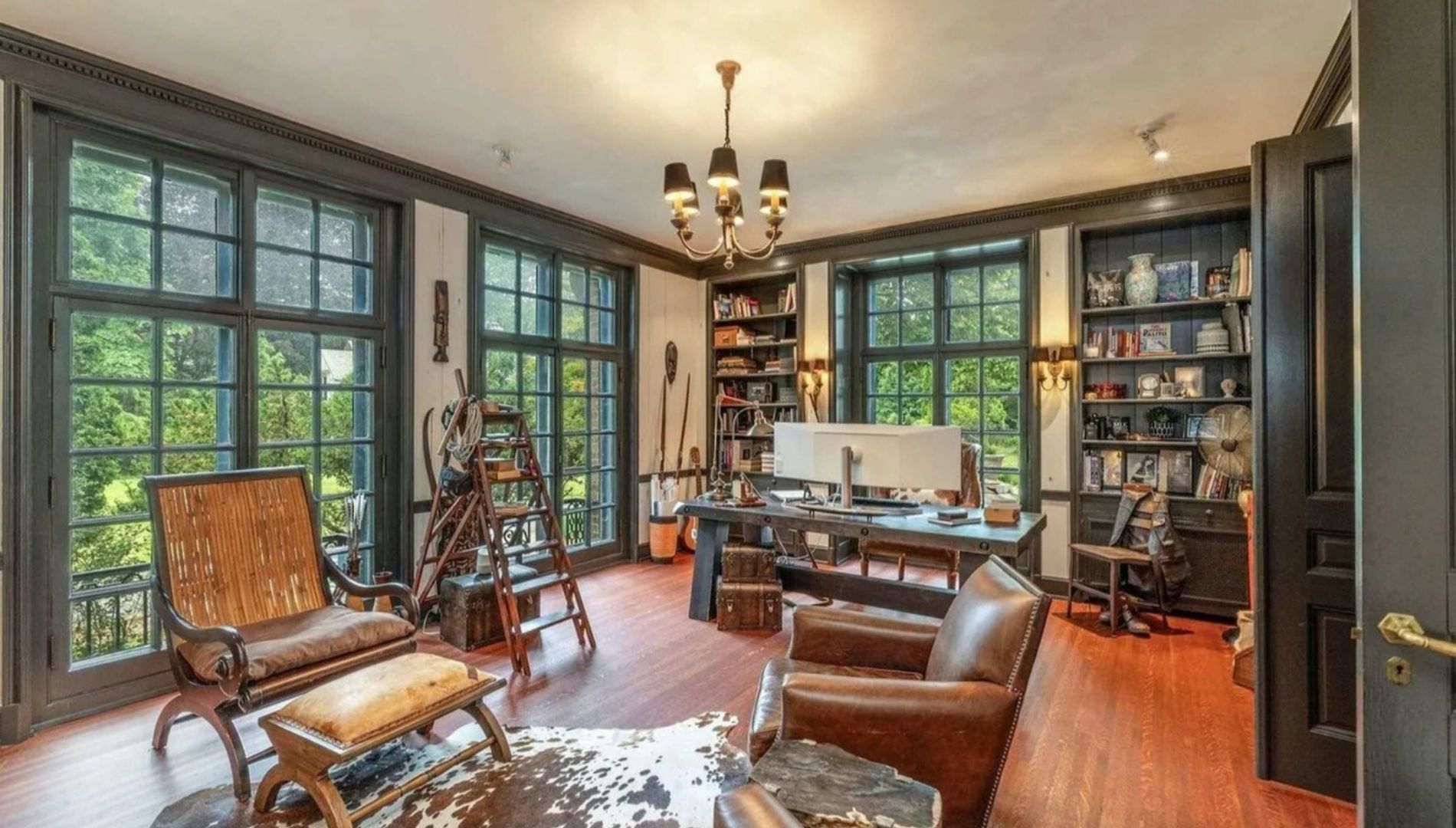
Freddie Prinze and Sarah Michelle Gellar are putting their home on the market for $10.5 million

Freddie Prinze Jr. and Sarah Michelle Gellar are set to turn a new page by putting their Los Angeles home on the market for $10.5 million. The actor couple, married since 2002, purchased the property in 2013 for $6.1 million. Located in the sought-after Mandeville Canyon neighborhood, the home offers over 7,300 square feet of living space spread across two levels.

It features five bedrooms, spacious living areas bathed in natural light, and several amenities designed for family life. Both elegant and discreet, this property reflects the refined style of the famous Hollywood duo while offering a peaceful living environment in the heart of Los Angeles.

Catégories
Uncategorized

Yes, food prices are still climbing in Canada: here’s what and why

Canadian food prices continued climbing in April despite easing inflation elsewhere in the economy, with several everyday grocery items posting double-digit price increases compared with a year earlier. New data from Statistics Canada released on June 4 shows consumers are still paying significantly more for many staple foods, reinforcing concerns that grocery affordability remains a major challenge for Canadian households even as overall inflation moderates. This article serves as a list of food items that saw the greatest rise in April 2026.

What has risen in price?

Among the products recording the largest increases was fresh cauliflower, which surged 20.3 per cent year-over-year in April. Fresh or frozen beef rose 16.2 per cent, while fresh tomatoes increased 14.7 per cent. Coffee prices climbed 13.4 per cent compared with April 2025, due to global supply pressures and poor harvests in major coffee-producing regions. Fresh vegetables overall rose 3.7 per cent, while meat prices increased 5.8 per cent, continuing a trend that has strained household food budgets across the country.

Factors such as product rotation, quality and quantity changes, and shifting consumer preferences can contribute to price differences from one month to another.

Statistique Canada

The rise in beef prices was particularly notable. Analysts are pointing to ongoing supply constraints in North America’s cattle industry, where drought conditions and herd reductions have limited production. Similar pressures have affected several agricultural commodities worldwide, contributing to elevated costs throughout grocery supply chains. Consumers have reported shifted purchasing habits, buying less meat or substituting lower-cost proteins as food costs remain elevated.

Coffee has emerged as another major contributor to grocery inflation. Prices have risen sharply over the past year as adverse weather conditions affected harvests in key producing countries like Brazil and Vietnam. Global demand has remained strong despite supply disruptions, pushing wholesale prices higher and ultimately trickling down to affect consumers. For many households, coffee has become one of the most visible examples of how international agricultural trends are increasingly affecting food prices at home. Canada produces very little coffee, relying on international growers whose climate lends itself to the production of coffee for many Canadians’ daily routines.

Not every food item is increasing

Not every grocery category saw increases. Some products recorded meaningful declines compared with a year earlier. Cooking oil prices fell 8.9 per cent, while fresh peaches dropped 8.8 per cent. Lettuce prices declined 5.1 per cent and onions also dropped in price by 4.1 per cent. Those decreases helped offset some food inflation but were not large enough to counterbalance increases across several major staple categories. Overall, Canadians continue paying substantially more for groceries than they did before the inflation surge that began in 2021.

Food insecurity ramping up amid price increases

The April figures arrived as food affordability remains one of the country’s most persistent economic concerns. Food inflation has slowed considerably from the peaks recorded during 2022 and 2023, but grocery prices remain far above pre-pandemic levels. Economists claim that lower inflation does not mean prices are falling; it simply means they are rising more slowly. As a result, many consumers continue experiencing ‘sticker shock’ even as broader inflation indicators improve.

Statistics Canada reported that food purchased from stores increased 3.8 per cent year-over-year in April, exceeding the overall inflation rate. While that may represent slower growth than in previous years, it remains significant for households already struggling with housing, transportation and other living costs. Food bank usage has reached record levels across Canada, with many organizations reporting growing demand from employed individuals and families who previously would not have required assistance. According to Food Banks Canada, food banks were visited more than 2 million times just in March 2025, the highest monthly total ever recorded. That number is also double the level from 2019. The organization argues that rising housing costs, food prices and economic insecurity all impacted food bank visits.

Food insecurity becoming a priority for PM Carney

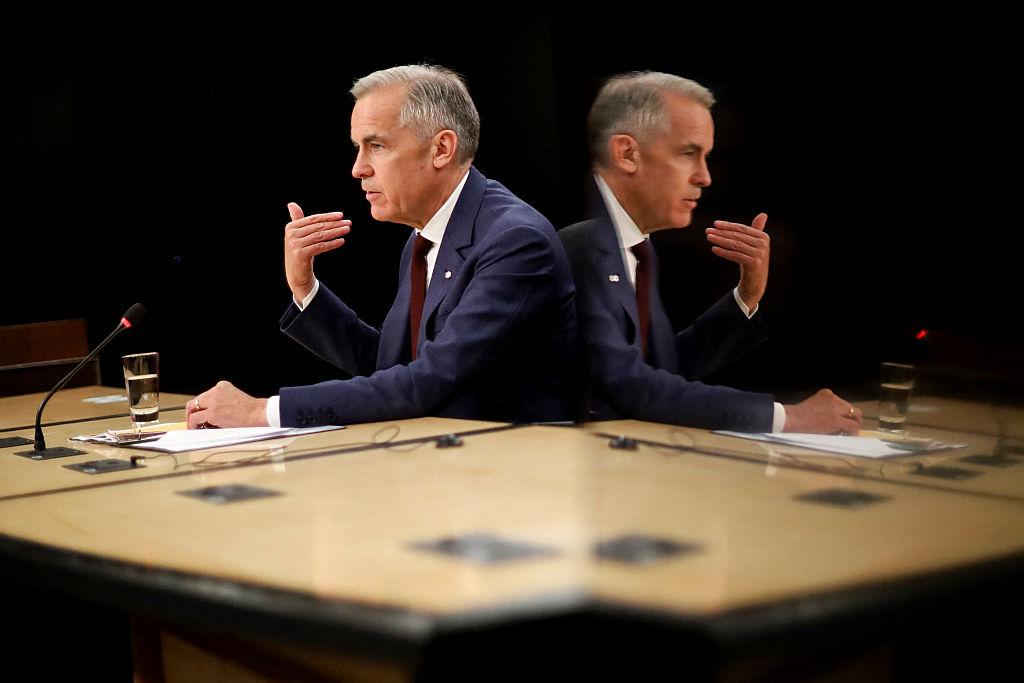
Canadian Prime Minister Mark Carney speaks at the Economic Club in New York on May 28, 2026. (Photo by ANGELA WEISS / AFP via Getty Images)

The persistence of food inflation has become a political issue as governments seek ways to address affordability concerns. Federal and provincial leaders have introduced various affordability measures, while grocery retailers continue facing scrutiny over pricing practices and profit margins. Industry representatives argue that many cost pressures originate earlier in the supply chain, including transportation expenses, labour costs, commodity prices and climate-related disruptions affecting agricultural production. Canadian Prime Minister Mark Carney recently announced a benefit that will provide quarterly deposits for families in need.

There are some uniquely Canadian problems that make the cost of food here so very expensive

Michael Widener, University of Toronto

For shoppers, the recently released April numbers reinforce a reality that has persisted for several years. Even with inflation cooling, grocery affordability remains a significant challenge. Essential staples such as beef, vegetables and coffee continue becoming more expensive, forcing many households to adjust spending habits and search for savings where possible. The latest data suggests that even as Canada’s inflation picture improves overall, Canadians’ weekly trips to the grocery store remain a reminder that the cost-of-living crisis has not fully disappeared.

Truth Social lost nearly $400M in 2025

Trump Media & Technology Group, the parent company of Donald Trump’s Truth Social platform, reported a net loss of nearly US$400 million in 2025. No matter what Donald Trump has claimed, his own company is struggling despite its high-profile position in American politics and media. According to regulatory filings released in the final week of May, Trump Media posted a net loss of approximately US$401 million for the year ending on Dec. 31, 2025. The company generated about US$3.6 million in annual revenue, meaning losses exceeded revenue by more than 100 times. The results highlight the significant gap between the company’s artificially inflated market valuation and its actual business performance.

Trump Begs Israel and Iran to Stop «Shooting», Pope Leo Says It’s A «Painful Defeat»

Donald Trump publicly called on Israel and Iran to stop «shooting» after a dramatic escalation threatened to shatter the fragile ceasefire that had held since April. The president’s comments came as Iran launched its most significant attack in months and Israel responded with new military operations, fueling fears of a broader regional conflict. Hours later, Trump insisted that both sides were seeking an immediate ceasefire and claimed that peace negotiations were nearing a breakthrough despite the renewed violence. His remarks coincided with a warning from Pope Leo XIV, who described the latest developments as a «painful defeat» of negotiations, underscoring growing concerns that diplomacy was losing ground to military confrontation.

Catégories
Uncategorized

Pete Hegseth Marks D-Day Anniversary in France, Urges Europe to «Do Something» About «That Invasion» of Immigrants

Pete Hegseth’s D-Day speech sparked intense controversy and sharp division globally, with critics and historians condemning the remarks as a desecration of the memory of the Allied soldiers who fought and died during World War II. Speaking during D-Day anniversary commemorations in Normandy, the U.S. defense secretary used the historic occasion to warn about immigration and what he described as dangerous ideological threats facing Europe. While supporters argued that Hegseth was highlighting modern security challenges confronting Western nations, opponents accused him of exploiting one of the most significant events of the twentieth century to advance a political message. The remarks quickly spread across social media and triggered fierce reactions from commentators, academics and public figures in Europe and beyond.

During his address, Hegseth drew direct comparisons between the military invasion repelled during World War II and contemporary migration into Europe. «Sadly, today, different European beaches are stormed by different, dangerous ideologies,» he said. He then expanded on the comparison by describing migration routes reaching Southern Europe. «Beaches in Spain, Italy, Greece and Bulgaria, boats and men arrive.» The comments represented one of the strongest immigration-focused speeches delivered by a senior American official on European soil in recent years. Hegseth argued that the challenges currently facing Europe should be viewed as a threat to the freedoms secured by Allied forces during the liberation of the continent.

Getty Images

The defense secretary then questioned whether European governments were doing enough to address migration and border security concerns. «When will European capitals do something about that invasion, or is it too late? I pray not, and I believe not.» The use of the word «invasion» immediately drew criticism from opponents who argued that the language echoed rhetoric frequently used by anti-immigration movements. Hegseth nevertheless continued his argument by linking modern political debates to the sacrifices made during World War II. His comments came at a time when immigration remains one of the most divisive political issues across Europe, influencing elections and public policy debates in multiple countries.

«Sadly, today, different European beaches are stormed by different, dangerous ideologies.»

-U.S. Defense Secretary, Pete Hegseth

Throughout the speech, Hegseth repeatedly returned to the legacy of D-Day and the sacrifices made by Allied forces. «The men who fought and died here restored freedom to Europe,» he said. He then argued that preserving those freedoms requires continued vigilance from current leaders and military personnel. «That freedom must be maintained by this generation of leaders and war fighters, or what they fought for was merely temporary.» Supporters of the speech viewed those comments as a call for Western governments to defend national sovereignty and security. Critics, however, argued that invoking the memory of D-Day veterans in a debate over immigration fundamentally altered the historical meaning of the commemorations.

Getty Images

The backlash was swift after videos of the speech circulated online. Moritz Brake of the Center for Advanced Security, Strategic and Integration Studies was among those who sharply criticized Hegseth’s remarks. Speaking to NBC News, Brake said there was a «dark irony on the day that commemorates efforts made by Americans to liberate Europe from hypernationalism… that Hegseth combines a message on immigration that in turn revives nationalism across Europe». The criticism reflected a broader concern among historians and political analysts who argued that comparing immigration to military invasion risked inflaming tensions and undermining the historical significance of the Normandy landings.

«When will European capitals do something about that invasion, or is it too late? I pray not, and I believe not.»

-U.S. Defense Secretary, Pete Hegseth

Daniel Seidemann, an Israeli human rights lawyer, delivered one of the strongest rebukes of the speech. He described Hegseth’s remarks as «an obscene desecration of the memories of those who stormed the beaches of Normandy, and especially of those who fell». Similar reactions emerged across social media and in opinion pieces published throughout Europe and North America. While supporters praised Hegseth for addressing concerns about border security and migration, critics argued that the D-Day commemorations should remain focused on honoring the Allied soldiers whose sacrifices helped defeat Nazi Germany. The controversy ensured that Hegseth’s speech became one of the most discussed moments of this year’s Normandy anniversary ceremonies.

Getty Images
Catégories
Uncategorized

Trump Abruptly Quits NBC Interview After Calling Female Journalist «Crooked» and «Stupid» and Dodging Election Questions

Donald Trump once again clashed with the media during a television interview after becoming visibly frustrated when pressed on his repeated claims that elections in the United States were rigged. The unusual confrontation unfolded during a pre-taped edition of NBC’s Meet the Press with host Kristen Welker, recorded in Wisconsin. During the exchange, Trump revived his long-standing claims that the 2020 presidential election had been stolen while also introducing new allegations about California’s primary elections. When Welker repeatedly asked him to provide evidence supporting those accusations, the discussion quickly deteriorated. Rather than offering specific proof, Trump insisted that fraud was obvious and widespread, setting the stage for one of the most contentious moments of his presidency.

As Welker challenged the allegations, Trump doubled down on his position and rejected suggestions that there was no evidence to support his claims. «Listen to me: There’s tremendous evidence. There’s nothing but evidence. The election was rigged. It was a dirty election, and it’s happening again right now in California.» The president argued that the American electoral system resembled that of a developing nation and maintained that irregularities were occurring in real time. Welker continued pressing him for proof and repeatedly pointed out that election officials and courts had previously rejected similar allegations. Trump, however, refused to provide specific evidence and instead shifted his criticism toward the journalist and the network itself.

Getty Images

The interview became increasingly personal as Trump lashed out directly at Welker. During the exchange, he told the NBC host: «You are either crooked or you’re stupid.» He then expanded the criticism to the network, adding: «You’re a one-sided, crooked network. Sorry.» Reports of the interview indicated that the president grew visibly irritated as the discussion continued and repeatedly accused mainstream media organizations of deliberately misrepresenting his views. The confrontation reflected Trump’s long-running feud with major news outlets, which he has frequently accused of bias throughout his political career. By that point, the conversation had largely moved away from policy issues and become a direct argument between the president and the interviewer.

«You’re a one-sided, crooked network. Sorry.»

-U.S. President, Donald Trump

The situation worsened when the discussion shifted toward Trump’s proposed anti-weaponization fund. Defending the concept, the president launched into a broader attack on the media and political opponents. «Now I don’t know what’s going to happen with the weaponization fund. I love the idea because people like you — the fake dirty press, the crooked press, people like stupid Biden, he’s not smart enough to know what’s going on — but people that surrounded him, surrounded his beautiful resolute desk in the Oval Office, what they did to the lives of people, they destroyed people. They sent people to jail who did nothing wrong.» Welker pushed back against those assertions and argued that there was no evidence supporting several of the claims being made.

Getty Images

With tensions continuing to rise, Trump eventually decided to end the interview altogether. «Let’s call it quits because I’ve had enough,» he said before removing his microphone and preparing to leave. According to multiple reports, the president then stood up and concluded the exchange by telling Welker, «Thank you, darling. Have a good time.» The abrupt departure cut short what had been intended as a wide-ranging interview covering domestic policy, Iran, the economy and the upcoming midterm elections. NBC later aired the contentious exchange, which quickly attracted attention online and generated criticism from both supporters and opponents of the president.

«Listen to me: There’s tremendous evidence. There’s nothing but evidence. The election was rigged. It was a dirty election, and it’s happening again right now in California.»

-U.S. President, Donald Trump

After ending the interview, Trump also complained about the conditions under which it had been conducted. The discussion took place in a Wisconsin barn with a metal roof during rainy weather, and the president expressed frustration with what he described as recurring audio issues. He reportedly complained that the sound had been «on and off in the rain» throughout the interview and noted that he had spent roughly an hour sitting in the weather before filming began. The confrontation marked another chapter in Trump’s adversarial relationship with the press, a theme that has defined much of his political career. It also highlighted his continued insistence that elections remain vulnerable to fraud, despite years of court rulings, official reviews and election audits finding no evidence of widespread voter fraud sufficient to alter election outcomes.

The Most Beautiful Mercedes Cars from the Fangio to Hamilton Era

For over 70 years, Mercedes-Benz has made its mark on Formula 1 history with some of the most elegant, innovative, and dominant single-seaters ever built. From the legendary Silver Arrows driven by Juan Manuel Fangio in the 1950s to the modern race cars of Lewis Hamilton and Nico Rosberg, the German brand has consistently pushed the boundaries of technology and design.

Some of these cars have become famous for their victories, others for their unique aesthetics or historical significance. This ranking highlights the 15 most remarkable Mercedes Formula 1 cars of all time. Combining timeless beauty, revolutionary performance, and sporting heritage, these single-seaters hold a special place in the history of motorsport.

Catégories
Uncategorized

Trump Orders Israel and Iran to «Immediately Stop Shooting» as Pope Leo Calls Failed Negotiations a «Painful Defeat»

Donald Trump appeared surprised by the sudden collapse of the fragile ceasefire that had held uneasily between Israel and Iran since April, reacting with a short and direct message on Truth Social as reports of fresh attacks spread across the Middle East. The president addressed both countries in a public appeal that reflected the rapidly deteriorating situation on the ground. «Israel and Iran must immediately stop “shooting.”» Trump wrote as Iran launched its most aggressive military action since the beginning of the supposed ceasefire and Israel responded with a new wave of operations. The renewed fighting followed months of tension that had persisted despite diplomatic efforts by Washington and regional partners. The escalation came after days of Israeli military activity in Lebanon and amid growing concerns that the conflict was entering a new and more dangerous phase involving multiple fronts across the region.

The latest crisis unfolded after Israel intensified operations in Lebanon, where Lebanese Prime Minister Nawaf Salam said Israel had launched nearly 3,500 strikes since the April ceasefire. That already tense environment was shattered late Sunday when Iran launched a coordinated assault involving ballistic missiles and explosive drones aimed at multiple targets. The attacks struck northern Israel and effectively ended the April truce that had been promoted by Washington as a pathway toward broader regional stability. Iranian actions also extended beyond Israel, raising concerns about the security of critical maritime routes and energy infrastructure throughout the Gulf. Regional governments monitored the situation closely as military activity spread across several theaters at once, increasing fears that the conflict could evolve into a prolonged confrontation with consequences reaching far beyond the borders of Israel and Iran.

«Final negotiations on “Peace” are proceeding, subject to ignorance or stupidity getting in its way.»

-U.S. President, Donald Trump on Truth Social

A few hours after his initial message, Trump returned to Truth Social with a noticeably different tone, attempting to project confidence that diplomacy remained possible despite the rapidly escalating violence. «Both sides, Israel and Iran, are looking to do an immediate CEASEFIRE!» Trump wrote while insisting that discussions were continuing behind the scenes. He also claimed that negotiations were approaching a decisive stage, adding: «Final negotiations on “Peace” are proceeding, subject to ignorance or stupidity getting in its way.» The president further stated that pressure on Tehran would continue while talks advanced, writing: «The Blockade will remain in place, and in full force and effect, until a “Final Deal” is reached. Things should move quickly.» The comments came as critics questioned Washington’s influence over events after repeated attempts to reduce tensions failed to prevent the latest outbreak of fighting.

Getty Images

Trump’s statements arrived amid growing scrutiny of his relationship with Israeli Prime Minister Benjamin Netanyahu and Washington’s broader role in the conflict. Reports indicated that Trump and Netanyahu spoke on Sunday evening before Israel launched its latest operations against Iranian targets. The sequence of events fueled criticism from analysts and political opponents who argued that the White House appeared increasingly reactive rather than in control of developments. While Trump continued to publicly promote the prospect of an imminent ceasefire, military activity on the ground suggested that both sides remained prepared for further confrontation. The renewed exchanges also triggered concerns among international observers that months of diplomatic efforts could be unraveling in real time, creating new challenges for negotiators who had spent weeks attempting to stabilize one of the world’s most volatile regions.

Getty Images

The worsening conflict also drew a response from Pope Leo XIV, who addressed the situation during remarks delivered before the Spanish parliament. The pontiff described the crisis as evidence of a diplomatic breakdown and lamented what he called a «painful defeat» of negotiations. His comments highlighted concerns that political dialogue had been overwhelmed by military calculations and growing polarization. As governments around the world called for restraint, the pope warned that the international community was facing a deeper crisis fueled by violence and division. His intervention added a moral dimension to a conflict that had already generated military, political and economic repercussions. The remarks resonated across Europe at a time when many leaders were expressing alarm over the prospect of a wider regional war and the apparent failure of efforts aimed at securing a lasting settlement.

«Israel and Iran must immediately stop “shooting.”»

-U.S. President, Donald Trump on Truth Social

Financial markets reacted quickly to the renewed instability, with oil prices rising and stocks retreating as investors weighed the possibility of further disruptions across the Middle East. Concerns intensified after warnings that regional energy facilities could become targets if the fighting continued. Tehran signaled that it was prepared for a prolonged confrontation, rejecting suggestions that pressure from Israel or the United States would limit its response. An Iranian military source cited by Tasnim delivered one of the clearest messages yet from Tehran, stating: «If the Israelis and Americans imagine that through ‘controlled tension’ they can make Iran and the Resistance Front predictable in the face of their crimes, or limit the type of Iran’s response, they are committing a foolish mistake.» The statement underscored the widening gap between diplomatic hopes and military realities as the region entered another period of uncertainty despite continued public calls for peace.

Getty Images