Catégories
Uncategorized

Trump Lifts His Cuba Blockade for Russian Oil Tankers

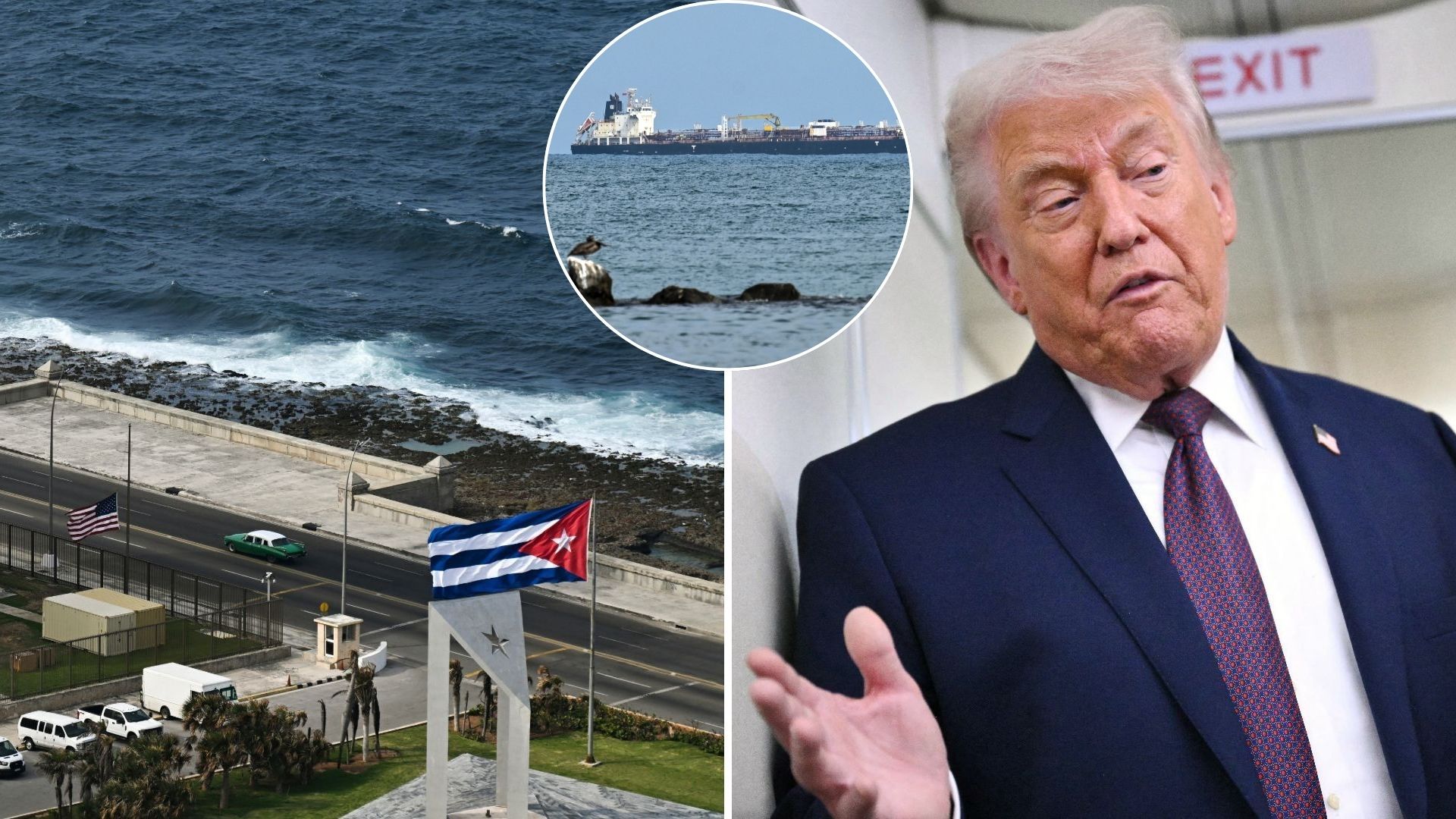
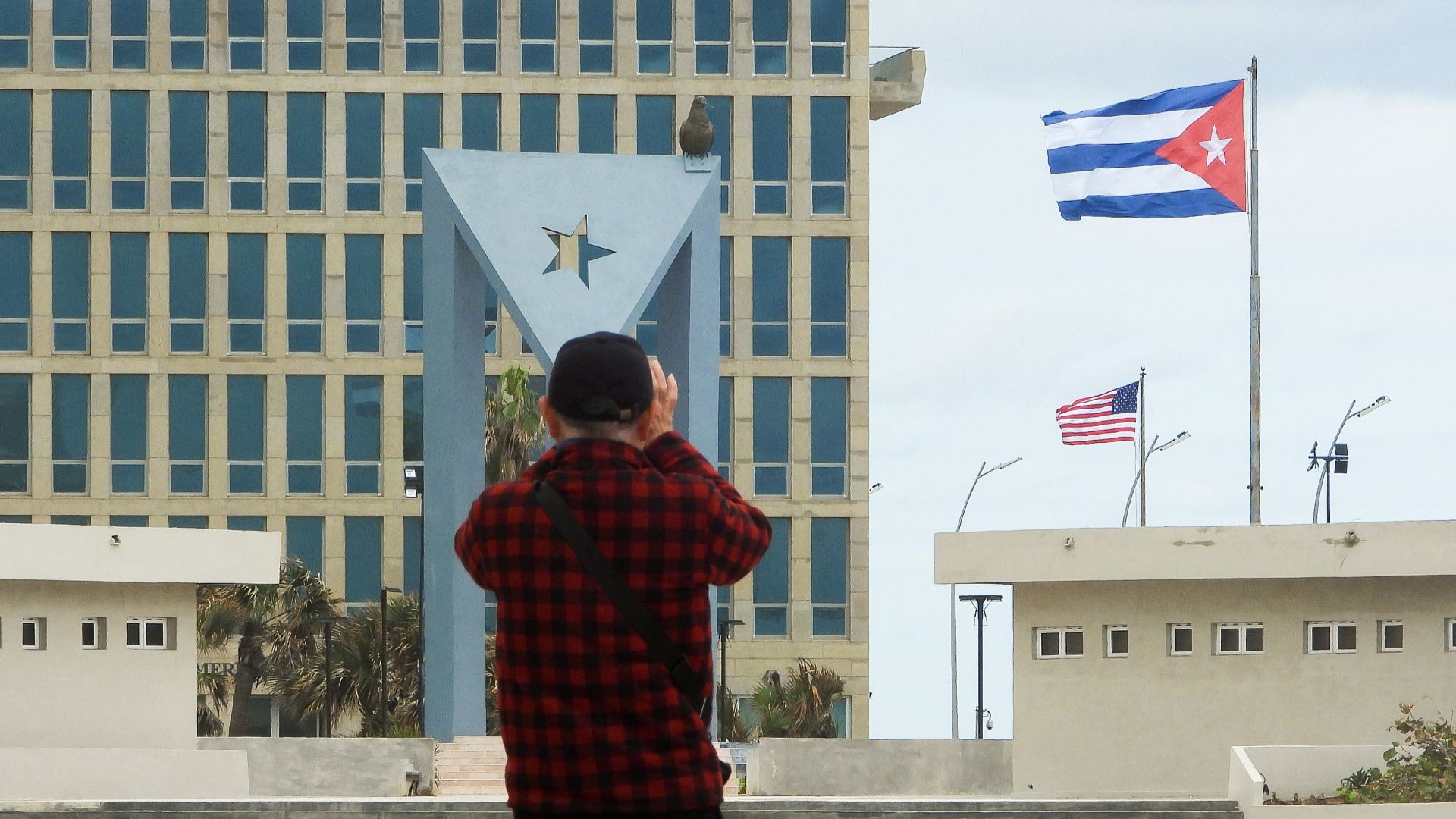
After weeks of attempting to impose maximum pressure on Cuba by effectively blocking all oil shipments to the island under threat of tariffs, Donald Trump has made a sudden and targeted reversal, allowing a Russian tanker to deliver fuel. The decision marks a notable shift in a strategy that had left Cuba largely cut off from its traditional energy suppliers since early January. According to multiple reports, Washington had warned countries against sending oil to Havana, aiming to force political concessions, before ultimately making an exception in what appears to be a limited and highly calculated move.
Getty Images

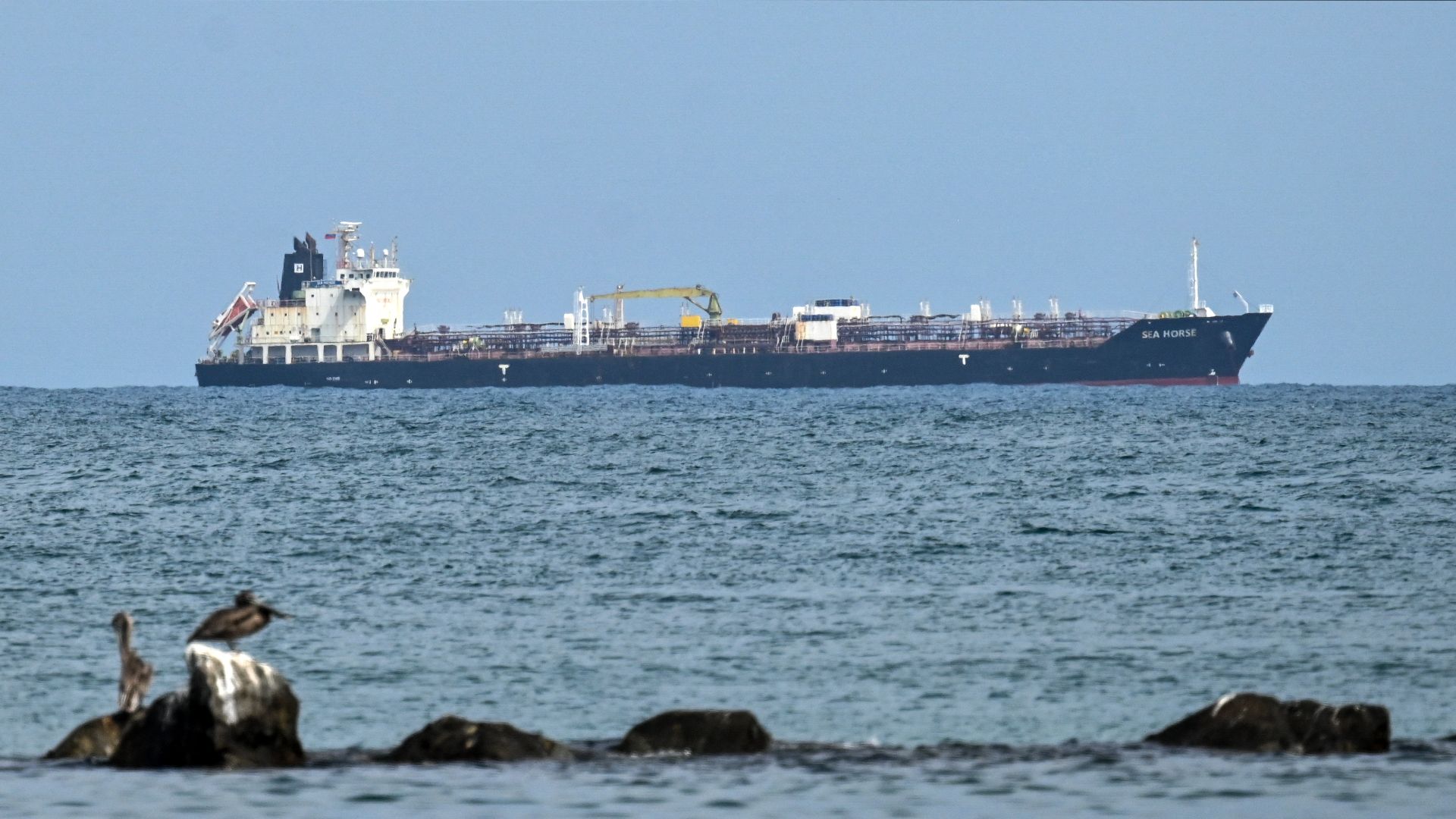
According to CNN and maritime tracking data, a Russian tanker carrying nearly 730,000 barrels of crude oil arrived near Cuban waters and was allowed to proceed, offering a temporary lifeline to the island. Kremlin spokesman Dmitry Peskov confirmed that discussions had taken place with U.S. officials before the shipment, stating: «this issue was indeed raised». The delivery represents one of the first significant oil shipments to reach Cuba in months, highlighting both the severity of the crisis and the geopolitical balancing underway between Washington and Moscow over how far enforcement of the blockade should go.

«Cuba lived, for many years, on large amounts of OIL and MONEY from Venezuela. In return, Cuba provided “Security Services” for the last two Venezuelan dictators, BUT NOT ANYMORE!»

-U.S. President, Donald Trump on Truth Social

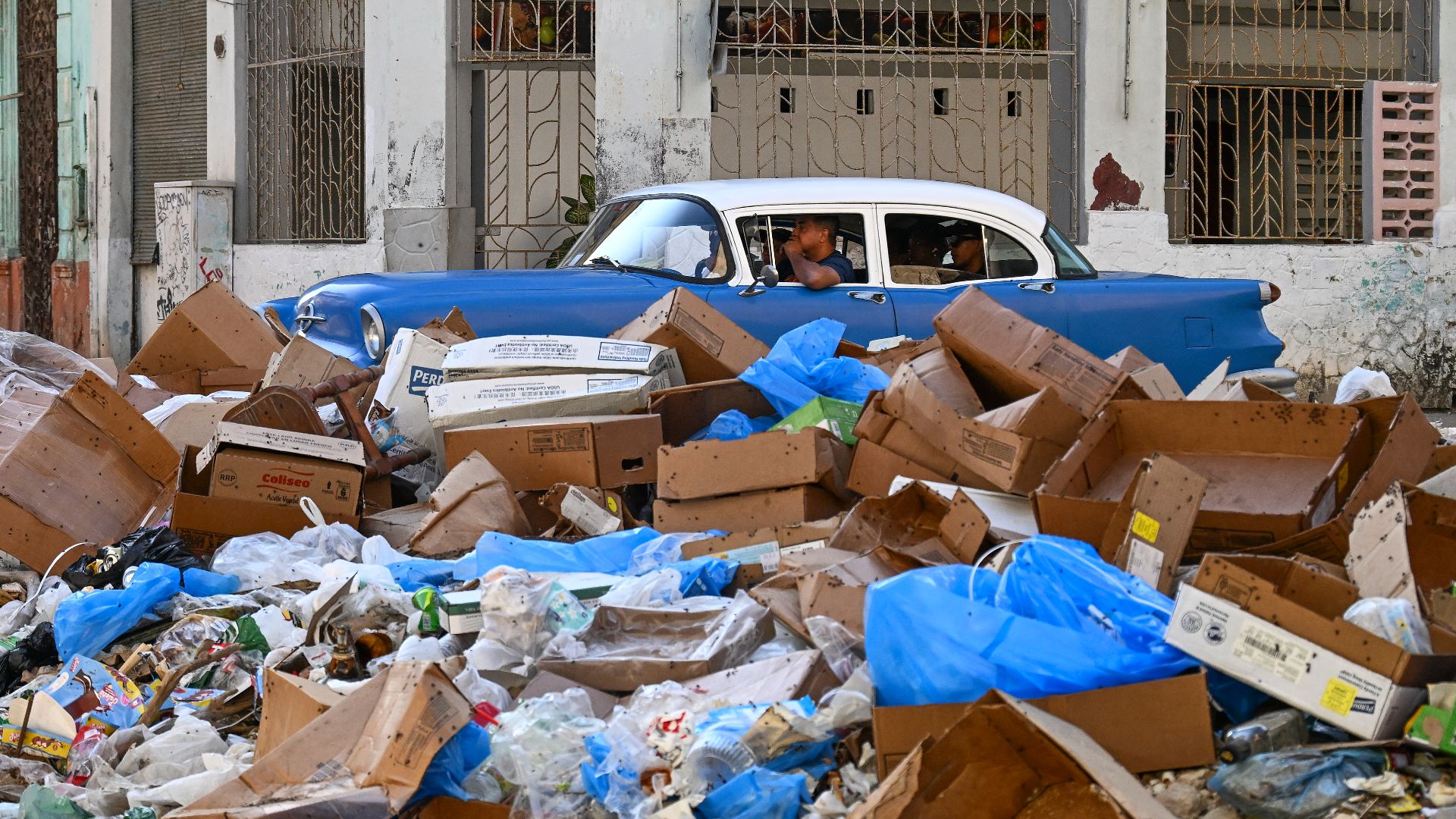
The decision comes amid a deepening humanitarian and economic crisis in Cuba, where widespread blackouts, fuel shortages and collapsing infrastructure have become daily realities. Entire regions of the island have experienced prolonged power outages, while garbage collection has slowed dramatically due to lack of fuel, leading to visible waste accumulation in major cities including Havana. The tourism sector, a critical source of revenue, has also suffered as energy instability disrupts basic services, further compounding the economic strain on a population already facing shortages of food, medicine and essential goods.
Getty Images

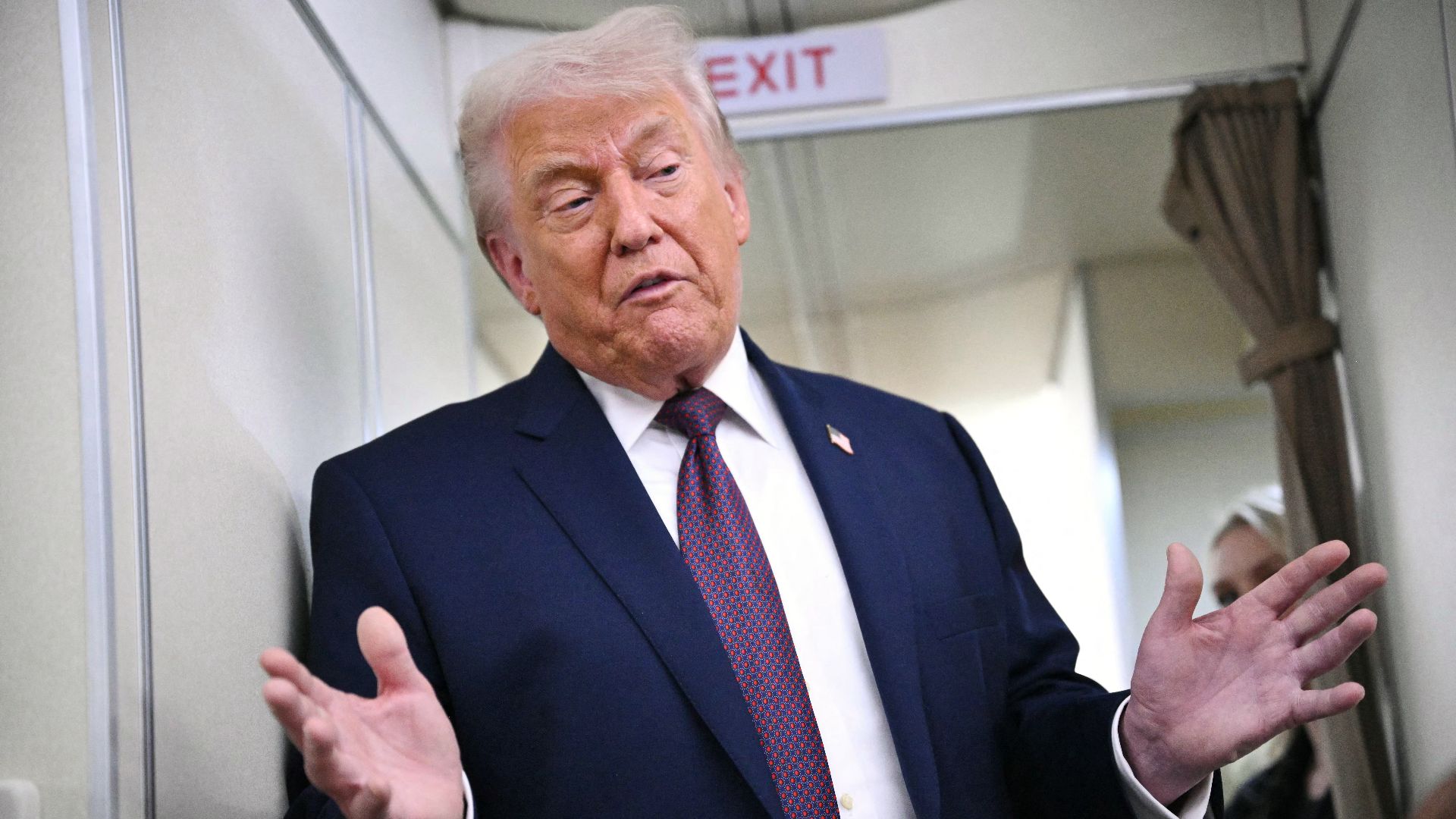
Trump acknowledged the tanker’s arrival while speaking aboard Air Force One, confirming that the United States would not intervene despite its earlier stance. «We have a tanker out there. We don’t mind having somebody get a boatload, because they have to survive,» he said, signaling a temporary softening of enforcement. At the same time, the president maintained that the shipment would not alter the broader outcome of his policy toward Cuba, adding in separate remarks that «it’s not going to have an impact» on the island’s trajectory, reflecting continued confidence in the pressure campaign.

«THERE WILL BE NO MORE OIL OR MONEY GOING TO CUBA – ZERO! I strongly suggest they make a deal, BEFORE IT IS TOO LATE. »

-U.S. President, Donald Trump on Truth Social

The move stands in contrast to Trump’s earlier hardline rhetoric, including a January Truth Social post announcing the blockade in unequivocal terms. At the time, he wrote: «Cuba lived, for many years, on large amounts of OIL and MONEY from Venezuela. In return, Cuba provided “Security Services” for the last two Venezuelan dictators, BUT NOT ANYMORE! Most of those Cubans are DEAD from last weeks U.S.A. attack, and Venezuela doesn’t need protection anymore from the thugs and extortionists who held them hostage for so many years. Venezuela now has the United States of America, the most powerful military in the World (by far!), to protect them, and protect them we will. THERE WILL BE NO MORE OIL OR MONEY GOING TO CUBA – ZERO! I strongly suggest they make a deal, BEFORE IT IS TOO LATE. » The contrast between that position and the current decision underscores the evolving nature of U.S. policy.
Getty Images

Beyond Russia, several countries have attempted to mitigate the humanitarian consequences of the blockade through aid deliveries rather than direct oil shipments. Mexico, after halting its regular exports under U.S. pressure, sent humanitarian assistance to the island, while Canada and other international actors have expressed concern over the impact of the restrictions. Analysts note that the temporary authorization of the Russian tanker may reflect growing recognition within Washington of the humanitarian risks posed by a total energy cutoff, even as the broader strategy of economic pressure and political leverage against the Cuban government remains in place.
Getty Images
Catégories
Uncategorized

Canada could provide vessels, cyber support to clear Strait of Hormuz

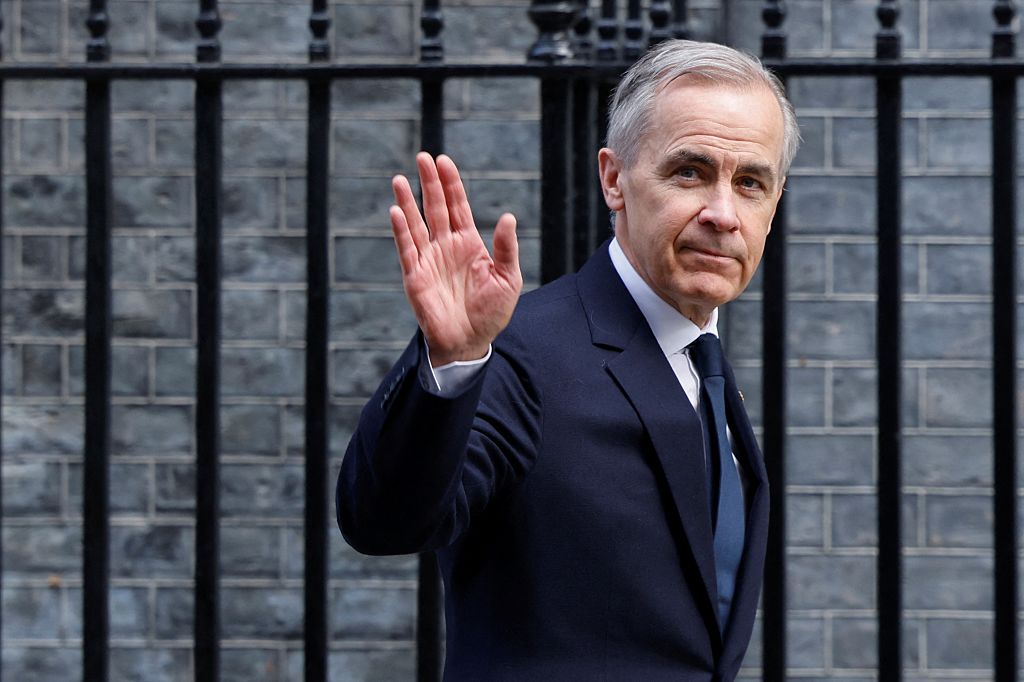
According to Canadian Prime Minister Mark Carney, Canada may join international efforts to clear Iran’s blockade in the Strait of Hormuz. In comments delivered on March 26, Carney claimed that if the US and Israel can confirm a ceasefire in the Persian Gulf, Canada may join efforts to ensure ships can move freely through the Strait of Hormuz. Tehran blockaded the Strait in response to the U.S. and Israel launching a war on Iran a month ago. On March 19, Canada issued a joint statement with allies and partners expressing a willingness to contribute to efforts to reopen the strait.

Oil prices impacted

The Strait of Hormuz, a narrow strait off the coast of Iran, is now constantly at risk with Iran and Israel bombing vessels in the region. Nearly a fifth of all the world’s oil is transported through the Strait. Iran’s selection of its new leader, Mojtaba Khamenei, has also sunk oil prices. Khamenei, the son of slain leader Ali Khamenei, is expected to continue in his father’s footsteps of tyrannical, Islamic reign. His father killed tens of thousands of Iranian civilians across his nearly 40-year reign.

During the first week of March, the price of U.S. crude oil jumped by 36%, and Brent crude rose 28% last week. Oil prices have surged as the war, now more than two weeks old, has sucked in countries and places that are critical to the production and movement of oil and gas from the Persian Gulf. Iran has been attacking American military and diplomatic installations across the Gulf Coast, and the bombings have created a precarious situation through the Strait of Hormuz and in multiple energy hubs. Countries like Kuwait and Qatar have long enjoyed a peaceful existence in the Middle East and are now being threatened daily.

Blockading the Strait of Hormuz

Blocking the Strait of Hormuz has been Iran’s primary strategy to inflict damage on the Western powers attacking it. Nearly a quarter of the world’s oil is transported through the Strait. Since Iran’s blockade began, oil prices have skyrocketed, with Brent crude trading at more than $100 a barrel, the panic line that experts placed earlier in March. The Strait of Hormuz is a narrow waterway with Iran on one side and Oman on the other. Iran began assembling its blockade on February 28, just hours after Donald Trump’s attack. Now, Iran has set up a suffocating blockade, and Americans have begun paying the price for Trump’s war at the pump. As of March 22, traffic through the strait had been cut by 95% compared to before the war.

Global Affairs comments

Alexandre Lévêque, an assistant Deputy Minister at Global Affairs, commented before the Senate on March 26. Lévêque claimed that Canada will have a role to play in the future security of the region. Lévêque said that ‘with a small group of trusted countries’, Canada can impact a period of transition in Iran and in the Gulf Coast. He added that the government would not speculate on how such a transition might occur, or whether that would require another regime change in Iran. Before Donald Trump’s war on Iran, Foreign Affairs Minister Anita Anand said last month that Canada would not restore diplomatic relations with Iran until “regime change” occurs. The Canadian government cut diplomatic ties with Iran in 2012 under Steven Harper.

Defence Minister comments

Defence Minister David McGuinty also confirmed on Thursday that the federal government is considering sending vessels and cyber expertise to help reopen the Strait of Hormuz. According to McGuinty, naval vessels, de-mining expertise, intelligence, and cyber capacities are all examples of how Canada could get involved with the deregulation of the Strait of Hormuz. McGuinty reaffirmed that Canada would only get involved if there is a ceasefire in place in the region. He added that the French government was leading the potential initiative, and that it will also wait for a ceasefire before getting involved.

Carney defends practices

In the same news scrum where Mark Carney commented on Canada’s role in the Strait of Hormuz, he was asked about his government’s reluctance to share information about Iranian actions on Canadian troops. The government has been publicly criticized for not releasing information regarding an Iranian attack on a military base in Kuwait that housed dozens of Canadian soldiers. According to Carney, his government is focused on preserving the safety of Canadian military service members.

« It’s a matter of keeping the men and women of the Canadian Armed Forces safe and sound. There is a time to disclose the details of those events, not necessarily in real time, because there’s a war going on. »

Mark Carney

Cost of war

As of March 27th, preliminary figures show harrowing victim counts across the Middle East. In Iran, more than 1,900 people have been killed by US and Israeli strikes. US forces have struck more than 7,000 locations in Iran, and alongside the 1,937 killed, another 24,800 Iranians have been injured, and more than 3 million people have been displaced. A US strike targeting an all-girls elementary school killed 168 children. In Lebanon, more than 1,000 people have been killed by Israeli strikes, with another 3,100 injured and more than 1 million civilians displaced. Thirteen US servicemembers have been killed, and 19 people have been killed in Israel. Since February 28, 168 people have been killed by Iranian strikes across Gulf Countries.

Catégories
Uncategorized

G7 pushes against US war on Iran, Rubio claims Ukraine ‘Not America’s War’

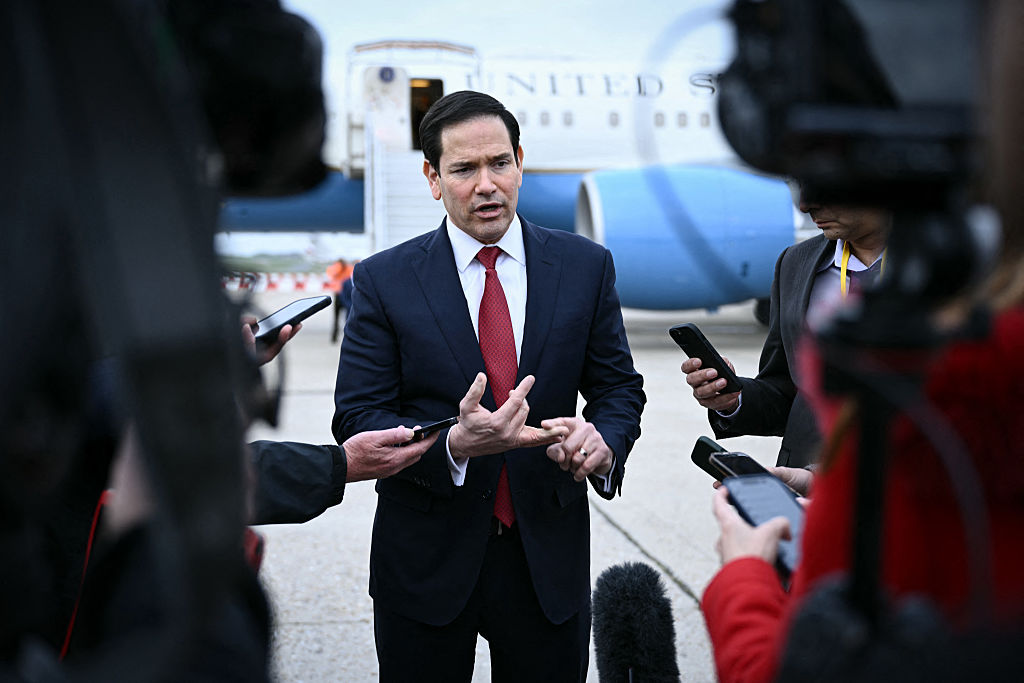
On March 27, Marco Rubio arrived in France for the first in-person gathering of G7 foreign ministers since President Donald Trump publicly pressed allies to take a stronger stance on Iran. The meeting came as Trump and Israel’s war on Iran is threatening global energy supply chains, and Russia’s war on Ukraine continues to impact global trading routes. The meeting was defined by the G7’s growing unease regarding Donald Trump’s authoritarian foreign policy. Rudio used the meeting to reaffirm that the US want’s nothing to do with Ukraine.

Not America’s war

Rubio was clear in his address to the G7 and the public after the meeting. Rubio restated the US’s growing frustration over its aid requirement to Ukraine. The US believes that it shouldn’t be made to share the burden of Vladimir Putin’s war. Rubio stated that Russia’s war on Ukraine is not America’s war, but the US has contributed significantly to aid Ukraine against Putin. European leaders were prepared to question Rubio over reported Russian support for Iran during the conflict.

“I work for the people of the United States. Ukraine is not America’s war, and yet we’ve contributed more to that fight than any other country.”

-Marco Rubio

EU foreign policy chief Kaja Kallas claimed that, despite what Rubio says, the war in Ukraine and the war in Iran are closely tied. Kallas tried convincing Rubio that Russia was helping Iran to ‘kill Americans’, and that if the US wanted to further its action against Iran, it should refocus resources on Moscow. French Foreign Minister Jean-Noel Barrot also claimed that ties between Russia and Iran have existed for years, and will continue to exist without foreign interference.

G7 questioning America’s war on Iran

The timing of this G7 meeting was defined by current foreign affairs. Less than 24 hours prior, Donald Trump spouted a new wave of insults at NATO. Global oil prices have skyrocketed after Donald Trump’s attacks on Iran, and the world is suffering the toll of Trump’s chosen war. Most of America’s allies have been vocally opposed to Trump’s actions in Iran, and those same sentiments were on display during the meeting, as Marco Rubio was clearly looked down on by the rest of the ministers. France’s Minister of the Armed Forces, Catherine Vautrin, made it abundantly clear that this war is ‘not ours’, and that France’s position will be purely defensive. The UK also confirmed it would not join the US on its offensives, pointing out its differences with the United States.

« Frankly, I think countries around the world, even those that are out there complaining about this a little bit, should actually be grateful that the United States has a president that’s willing to confront a threat like this, »

Marco Rubio

War on Iran

On February 28, 2026, the US government and Israel undertook a joint operation in Iran, with the US subsequently declaring it was at war with the country. The attacks triggered retaliatory strikes from Iran, targeting US and Israeli military bases across the Middle East. According to Donald Trump, there is no timeline for this war, and the US will continue its operations in the country until it sees a significant regime change, as well as an end to Iran’s supposed nuclear program.

US and Israeli strikes killed Iran’s Supreme Leader, Ali Khamenei, on Day One of the war, completing Trump’s supposed goal. Khamenei has been using deadly violence against civilian protesters in Tehran, and his killing has been the only positive piece of Donald Trump’s illegal intervention. Donald Trump changed his reasoning for attacking Iran after Khamenei’s death, instead claiming he attacked Iran because he had certain information that Iran was going to attack Israel and the United States. Israel calls the strategy ‘forward defence’.

Cost of war

As of March 27th, preliminary figures show harrowing victim counts across the Middle East. In Iran, more than 1,900 people have been killed by US and Israeli strikes. US forces have struck more than 7,000 locations in Iran, and alongside the 1,937 killed, another 24,800 Iranians have been injured, and more than 3 million people have been displaced. A US strike targeting an all-girls elementary school killed 168 children. In Lebanon, more than 1,000 people have been killed by Israeli strikes, with another 3,100 injured and more than 1 million civilians displaced. Thirteen US servicemembers have been killed, and 19 people have been killed in Israel. Since February 28, 168 people have been killed by Iranian strikes across Gulf Countries.

Russia’s war on Ukraine

Since Russia’s invasion of Ukraine in February 2022, at least 2 million people have been killed – mostly military personnel – and another million displaced from both sides, making it the most deadly conflict of the 21st century. The US government has pressured Ukraine to surrender control of the Donbas region of eastern Ukraine – an area that is mostly occupied by Russian forces. Ukraine and its European allies have firmly resisted the idea of handing over land. According to Trump, conceding land is the moral thing for Ukraine to do. Volodymyr Zelenskyy has made his position clear: Ukraine is, and will always be, unwilling to concede its sovereign territory.

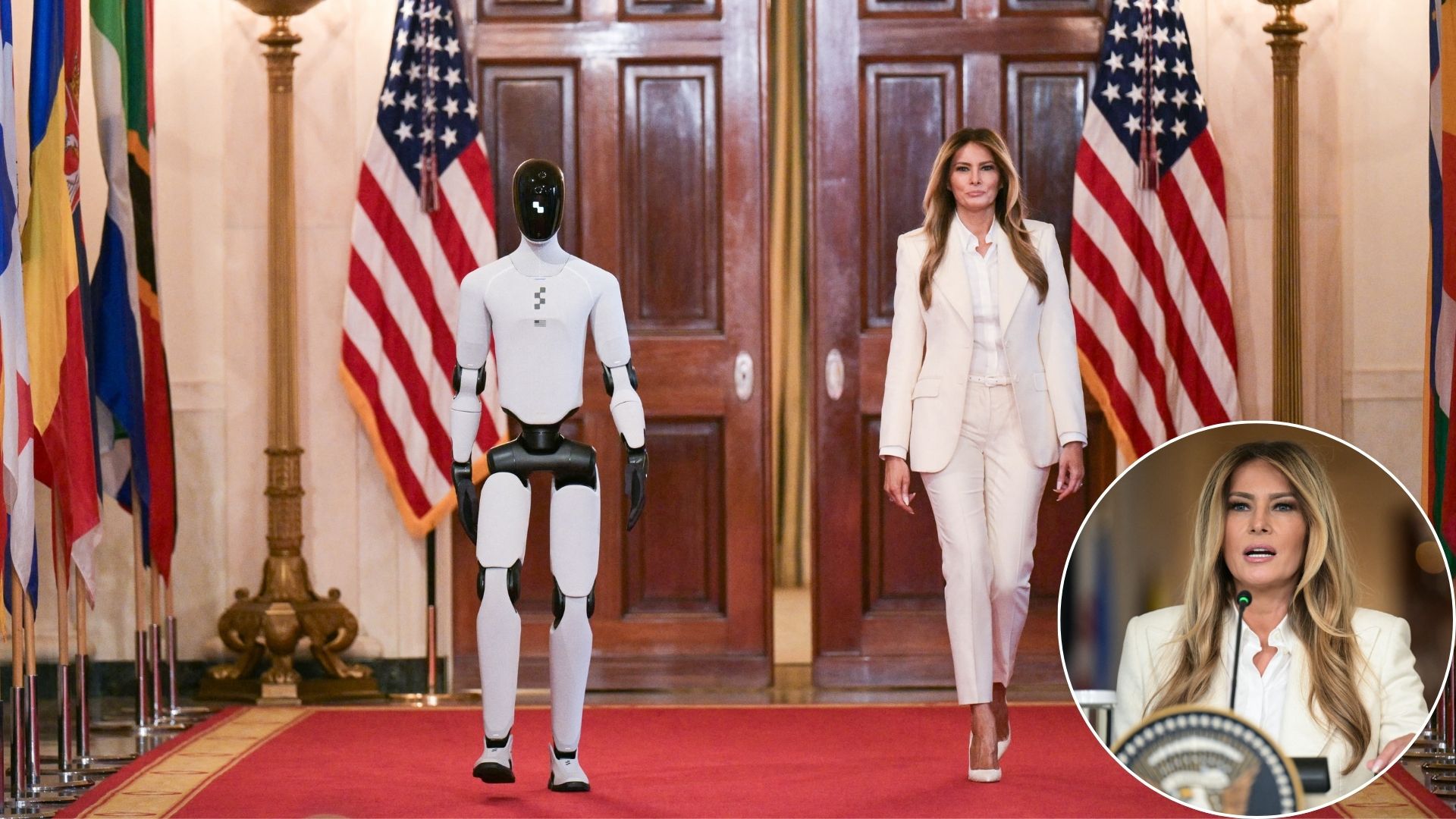
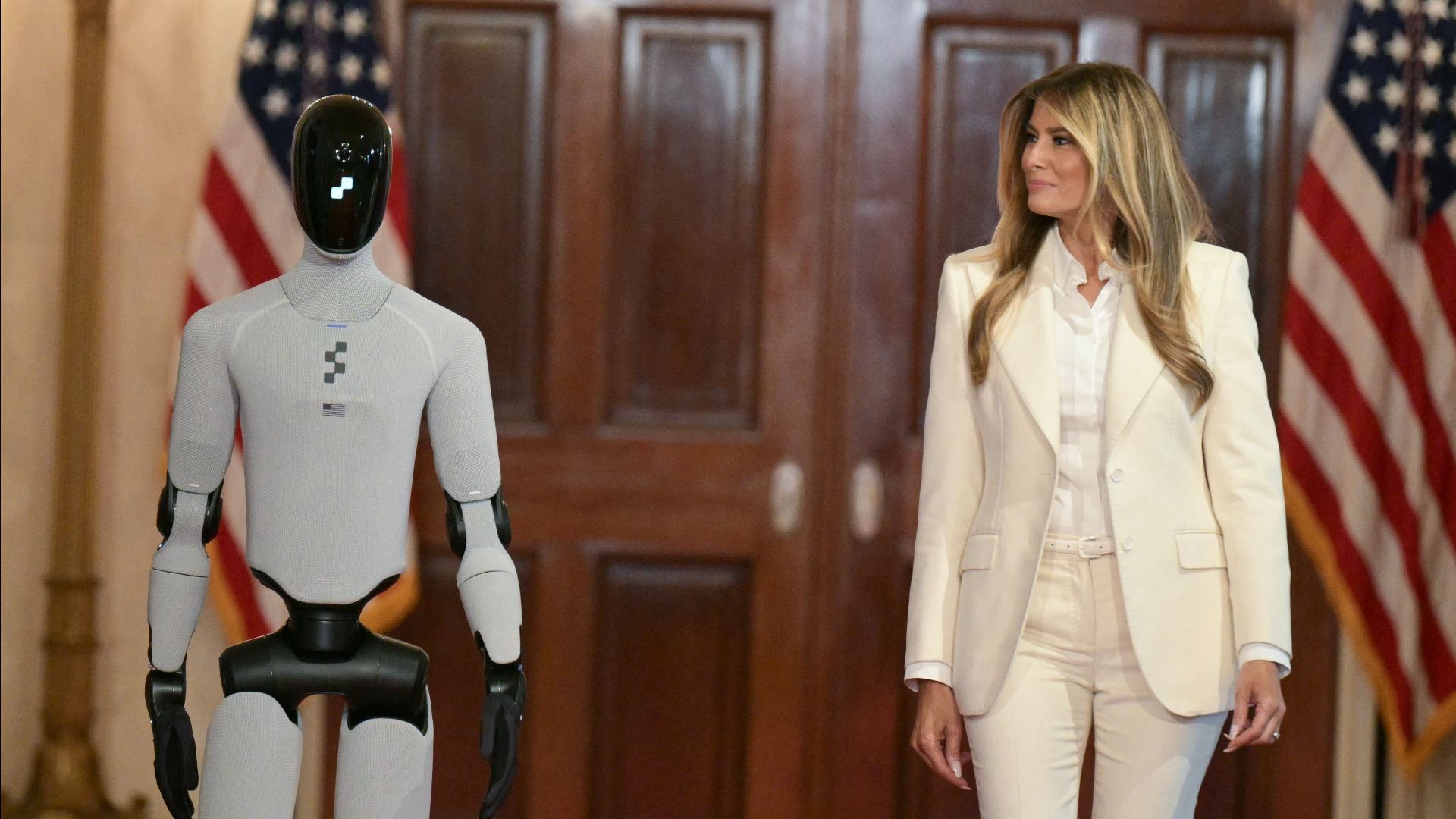
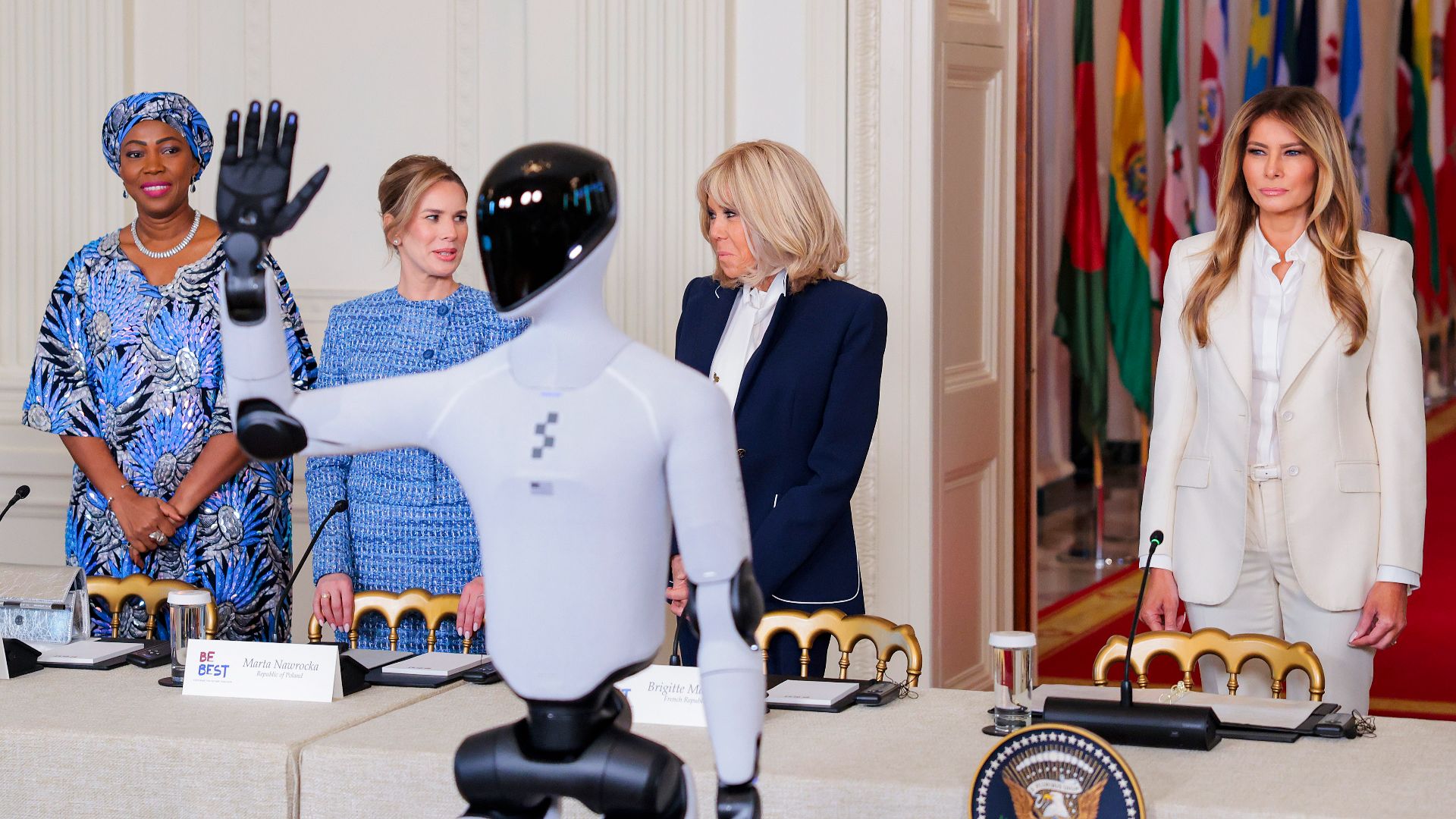
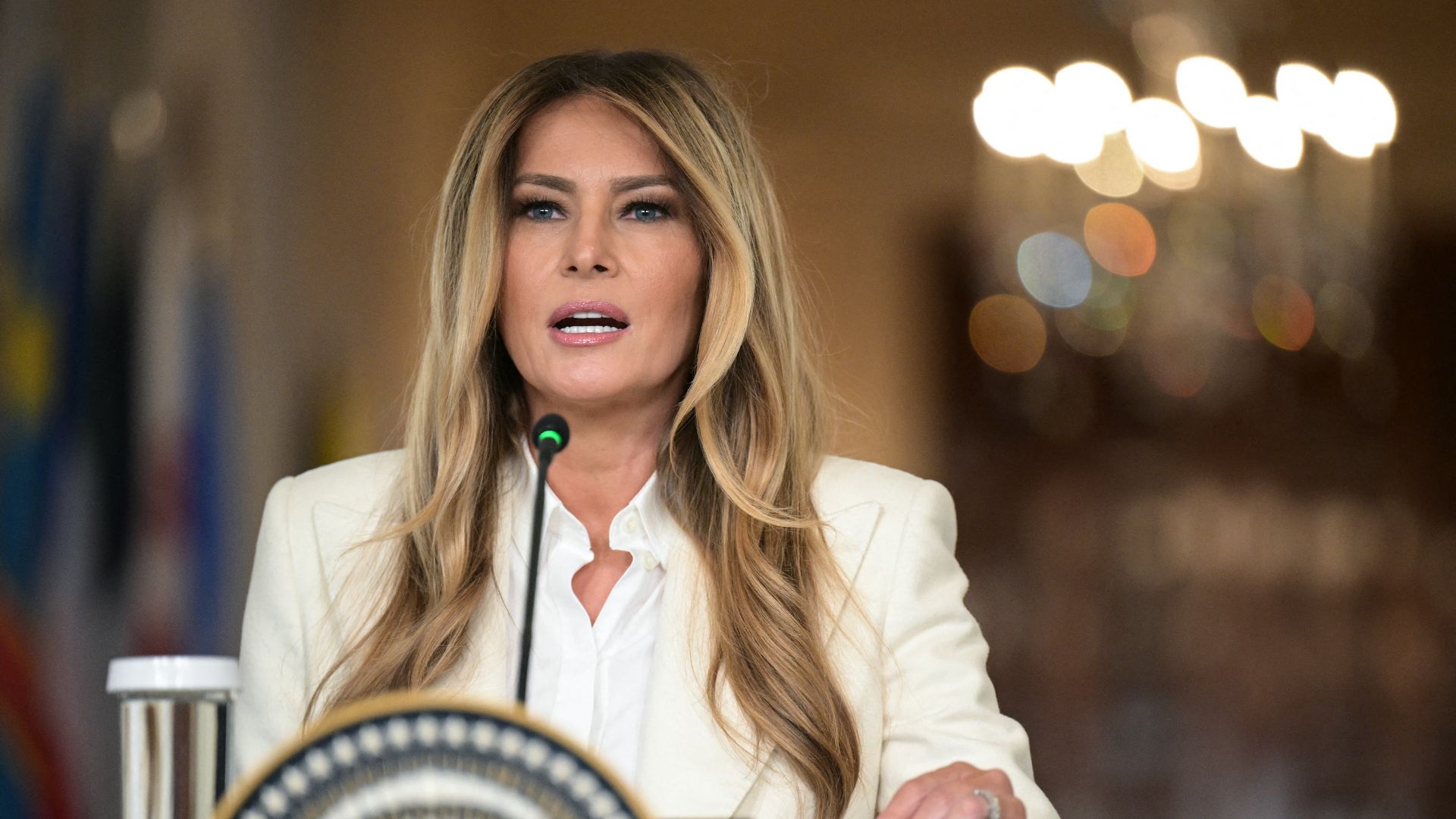
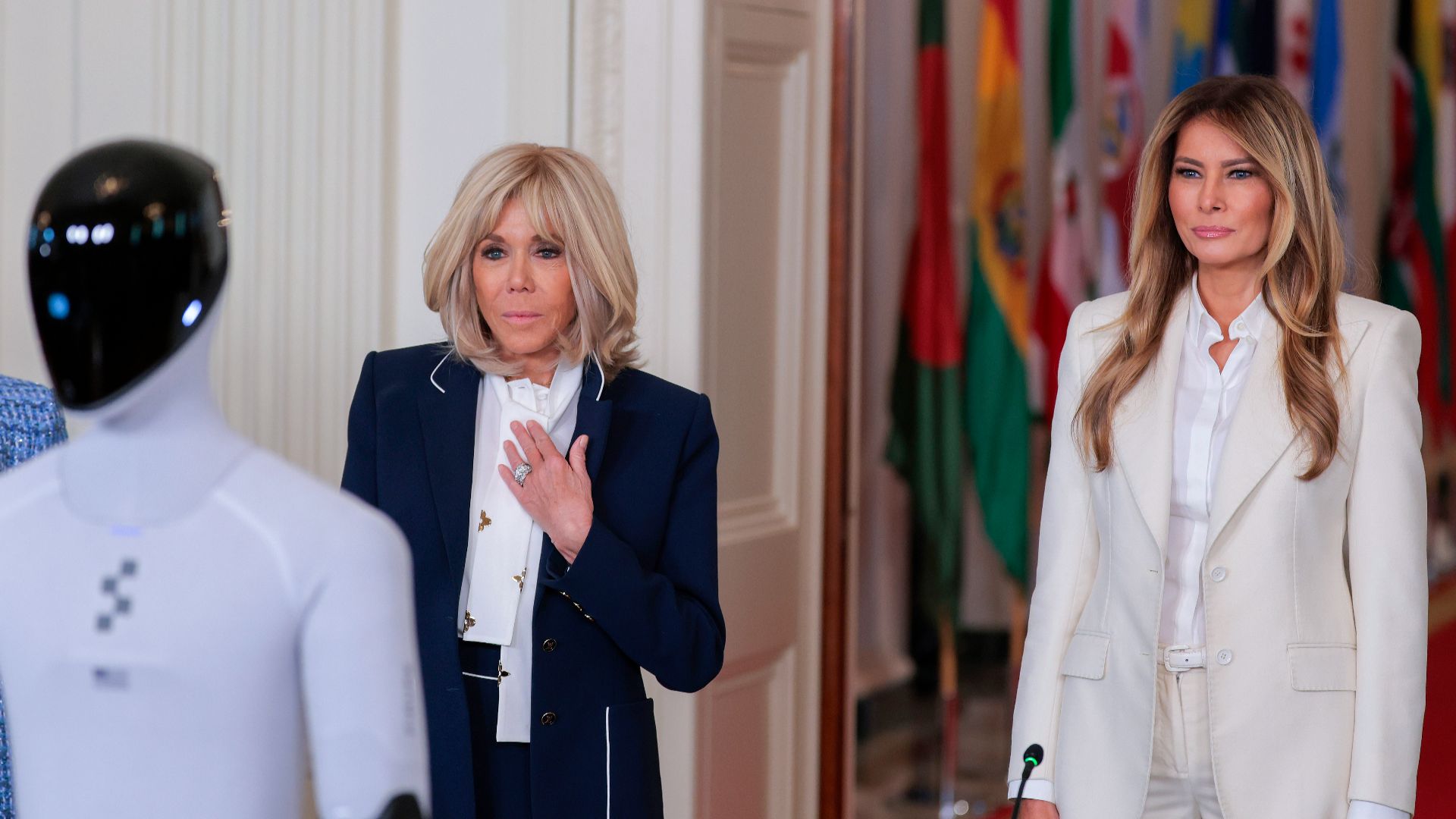
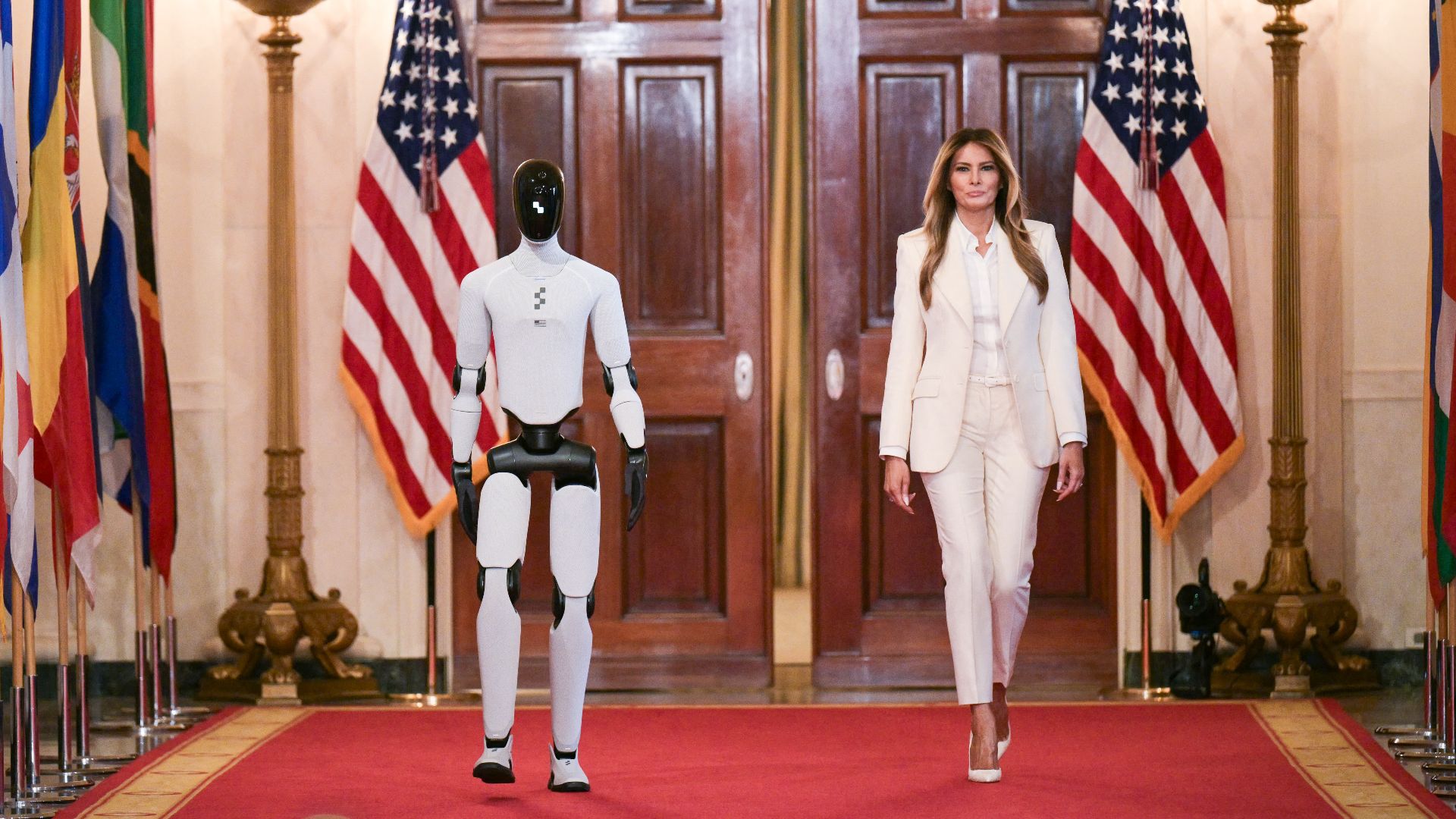
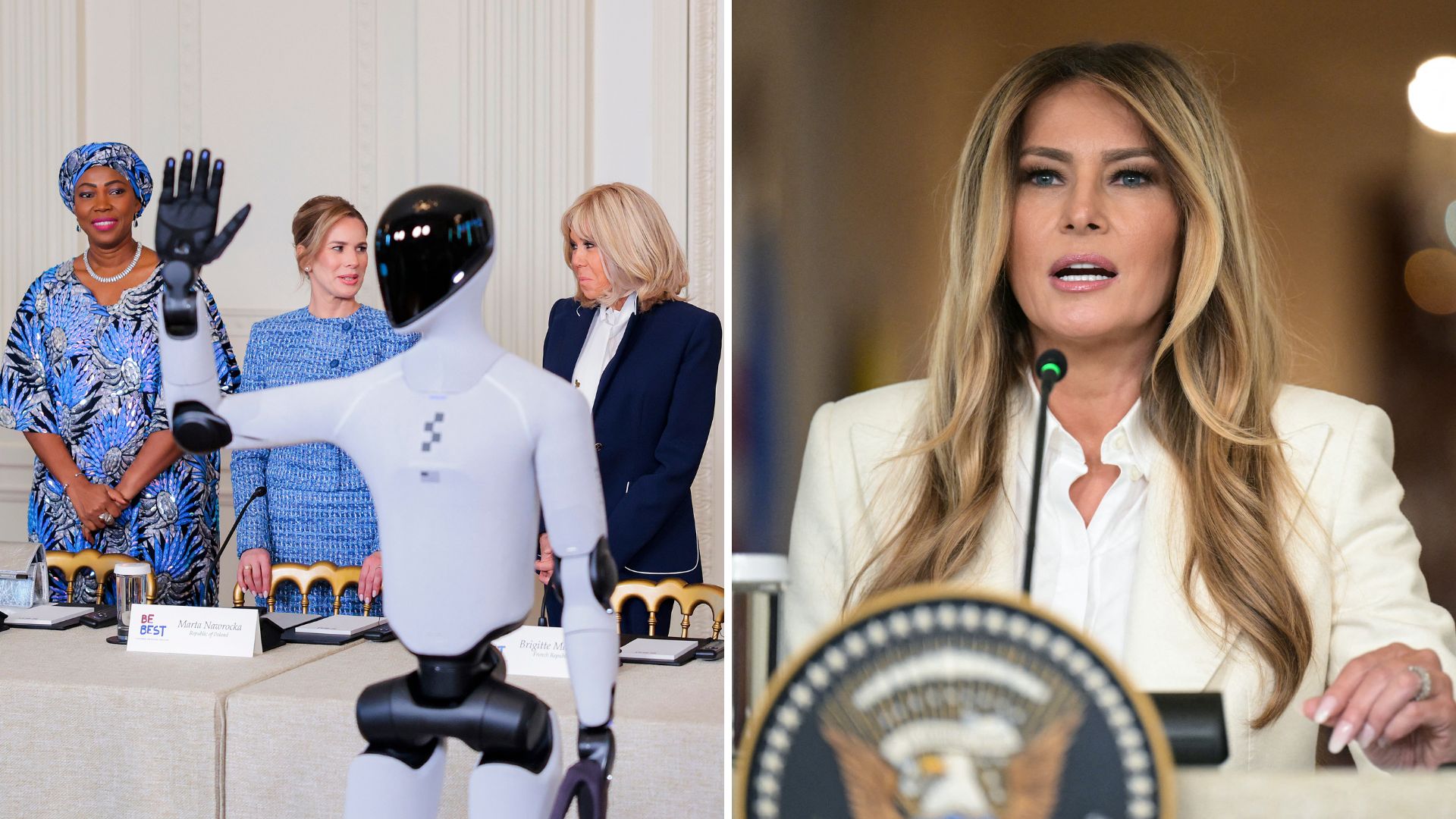
Melania Trump Hosts Weird AI Robot Event

Melania Trump’s latest public appearance has quickly become a viral moment, not only for its unusual staging but for the ambitious vision it introduced. During an international event attended by several spouses of world leaders,including France’s First Lady Brigitte Macron, the First Lady unveiled a concept that could reshape how children are taught in the United States. The combination of a robotic presence on stage and a proposal centered on AI-driven education has sparked widespread reaction online. While some see innovation, others are raising concerns about the implications, turning the event into a broader debate about the future of learning.

Cancelled or renewed? Star Trek: Starfleet Academy, Hacks and more!

Which series are coming to an end or being cancelled in 2026? Is your favorite returning for a new season? Between expected renewals, surprise cancellations, and series bowing out after several years, 2026 promises to be a pivotal year for many productions. From streaming platforms to major American networks, announcements are multiplying and reshaping the television landscape. Some series are continuing their success with new seasons, while others are closing the curtain for good. Discover in our complete recap all the series renewed, canceled, or ending in 2026, with essential information to remember so you don’t miss any of the upcoming releases.

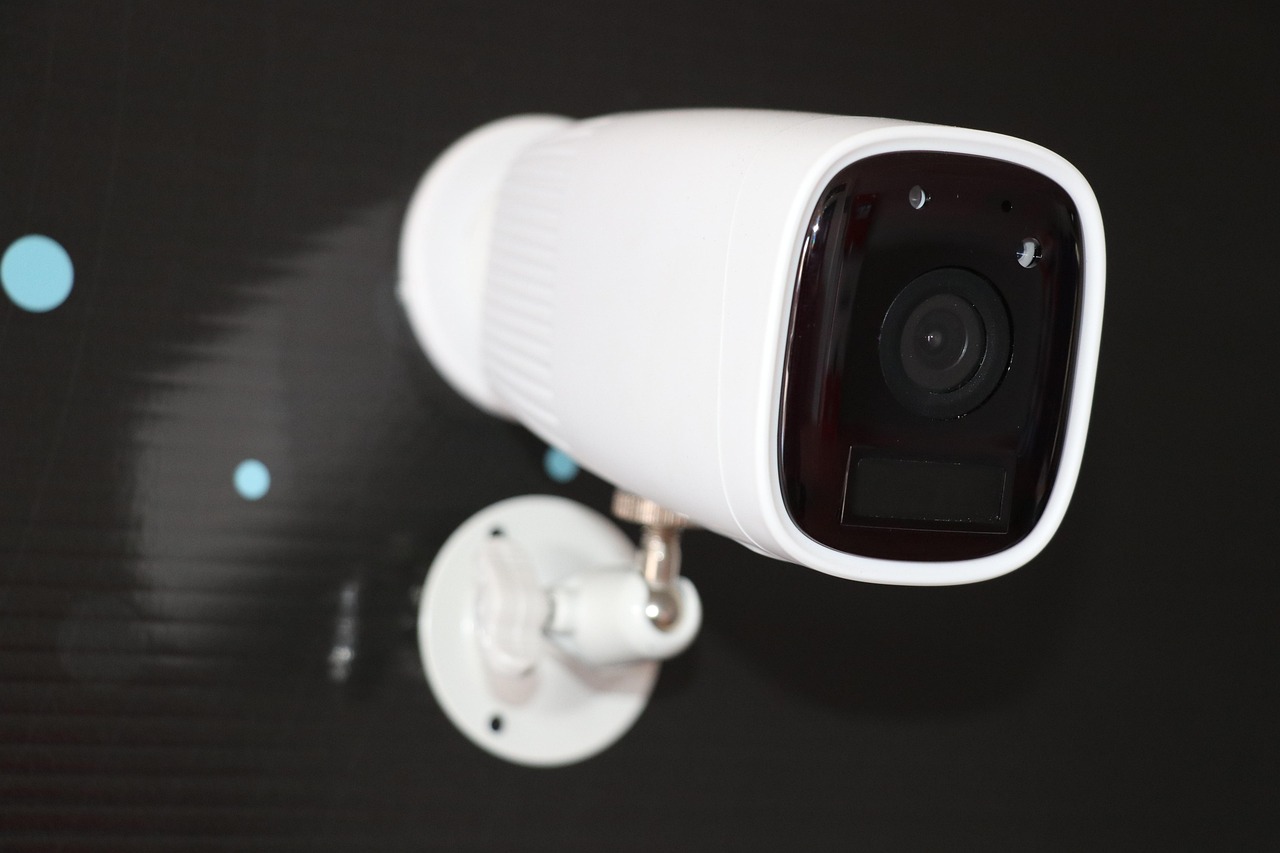
7 useful connected objects (and 7 to avoid)

We still remember twenty years ago when we had to walk dozens of minutes to an Internet café just to connect to the Internet. Then came the 2010s, marked by a radical change in our technological environment with the popularization of the Internet of Things. Today, we don’t even know how to live without these intelligent devices, which have become an integral part of our daily lives. Well, not all of them, given that some of them are not entirely useful for their price, or even inadvisable. We’re going to find out about them in this top 7 list of useful everyday connected objects, as well as 7 others that we wouldn’t recommend.

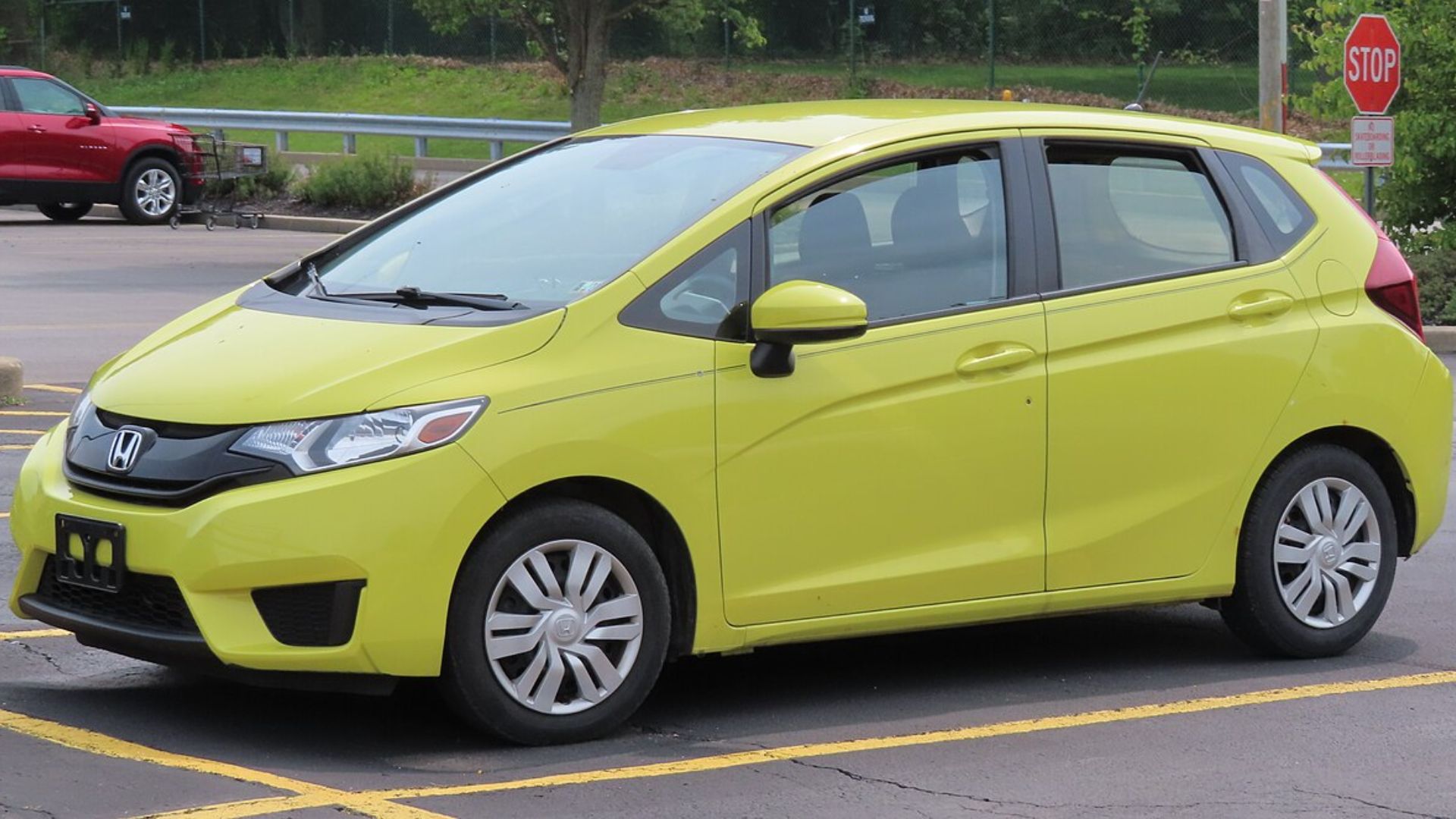
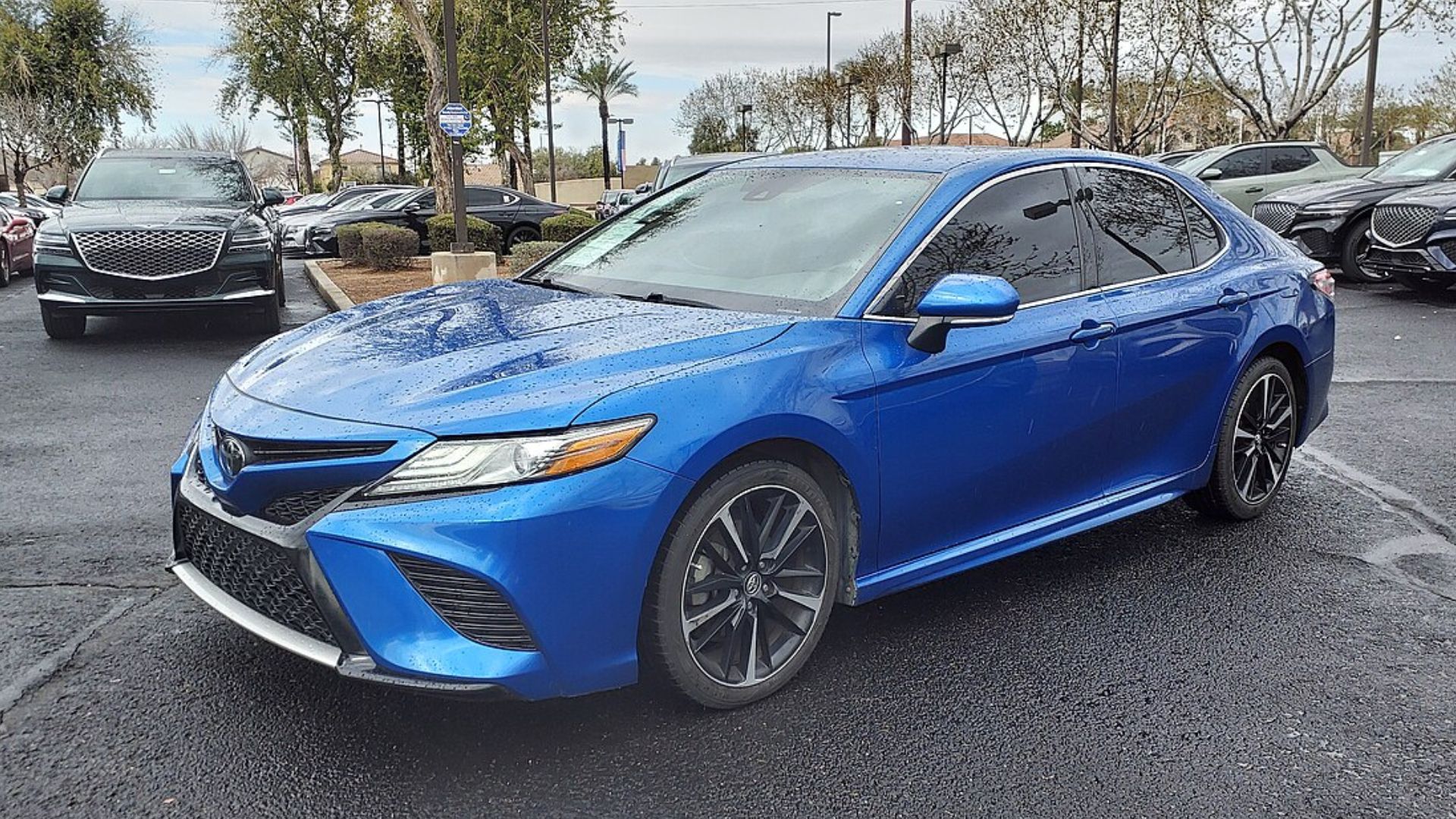
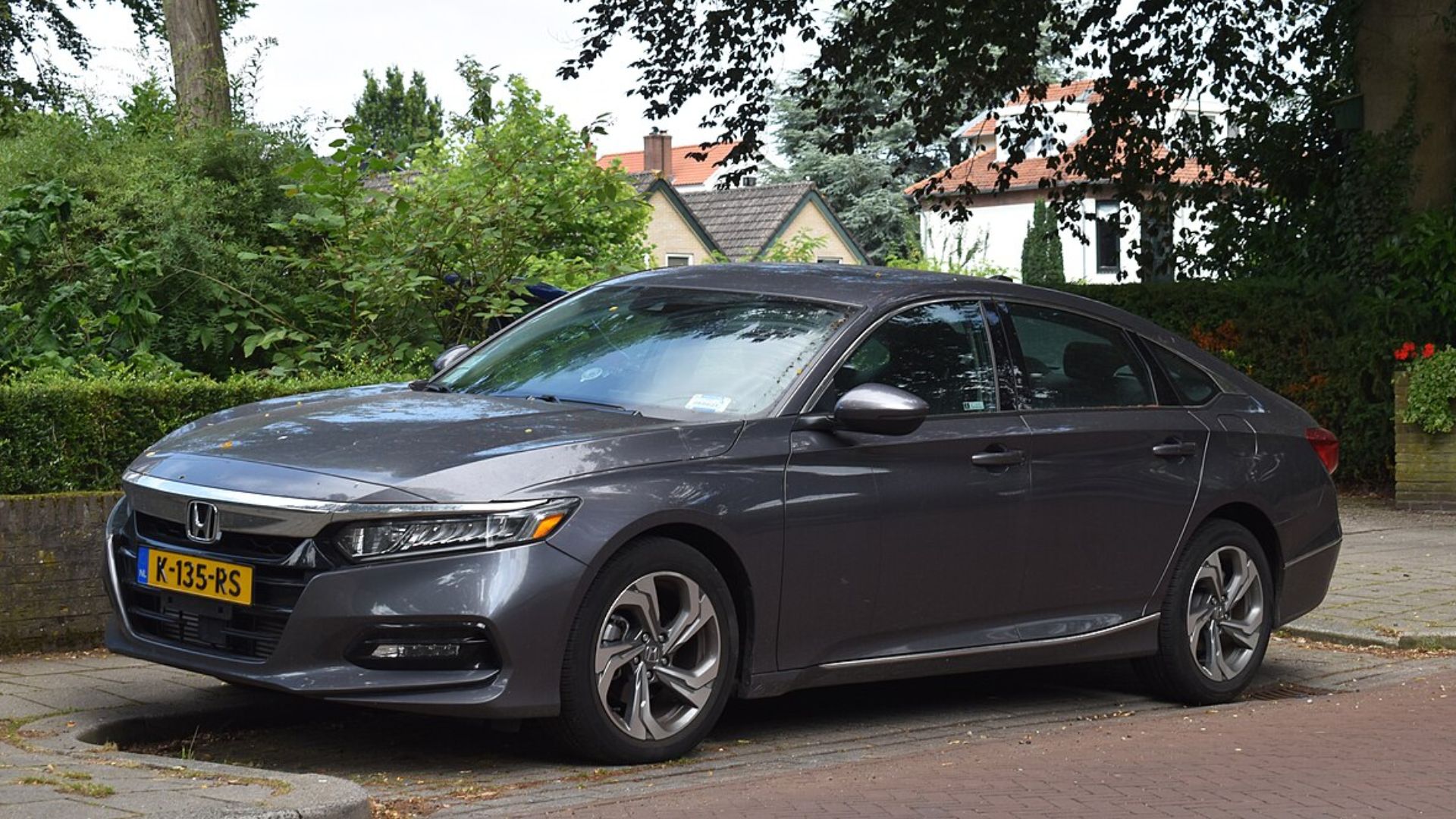
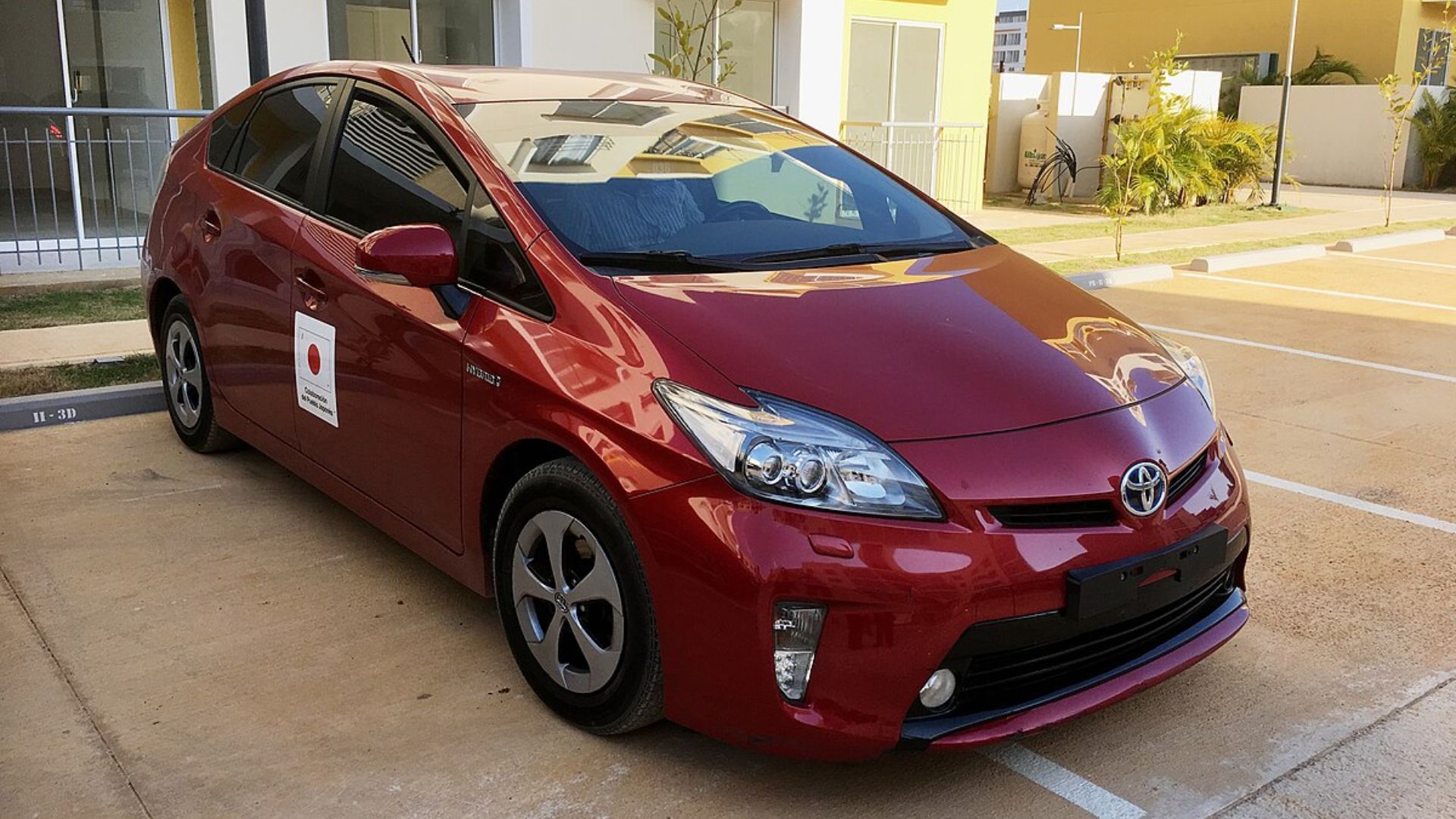
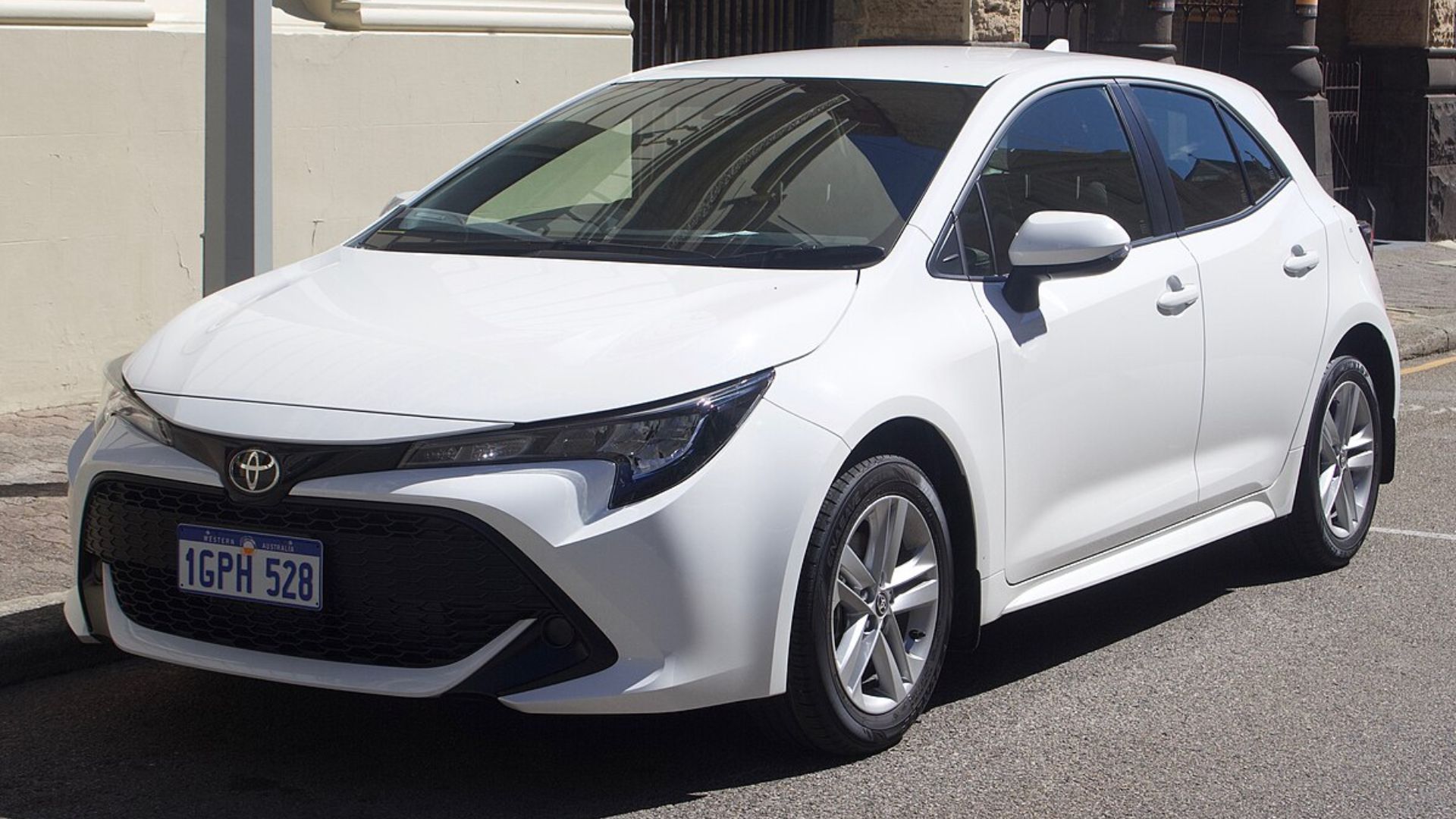
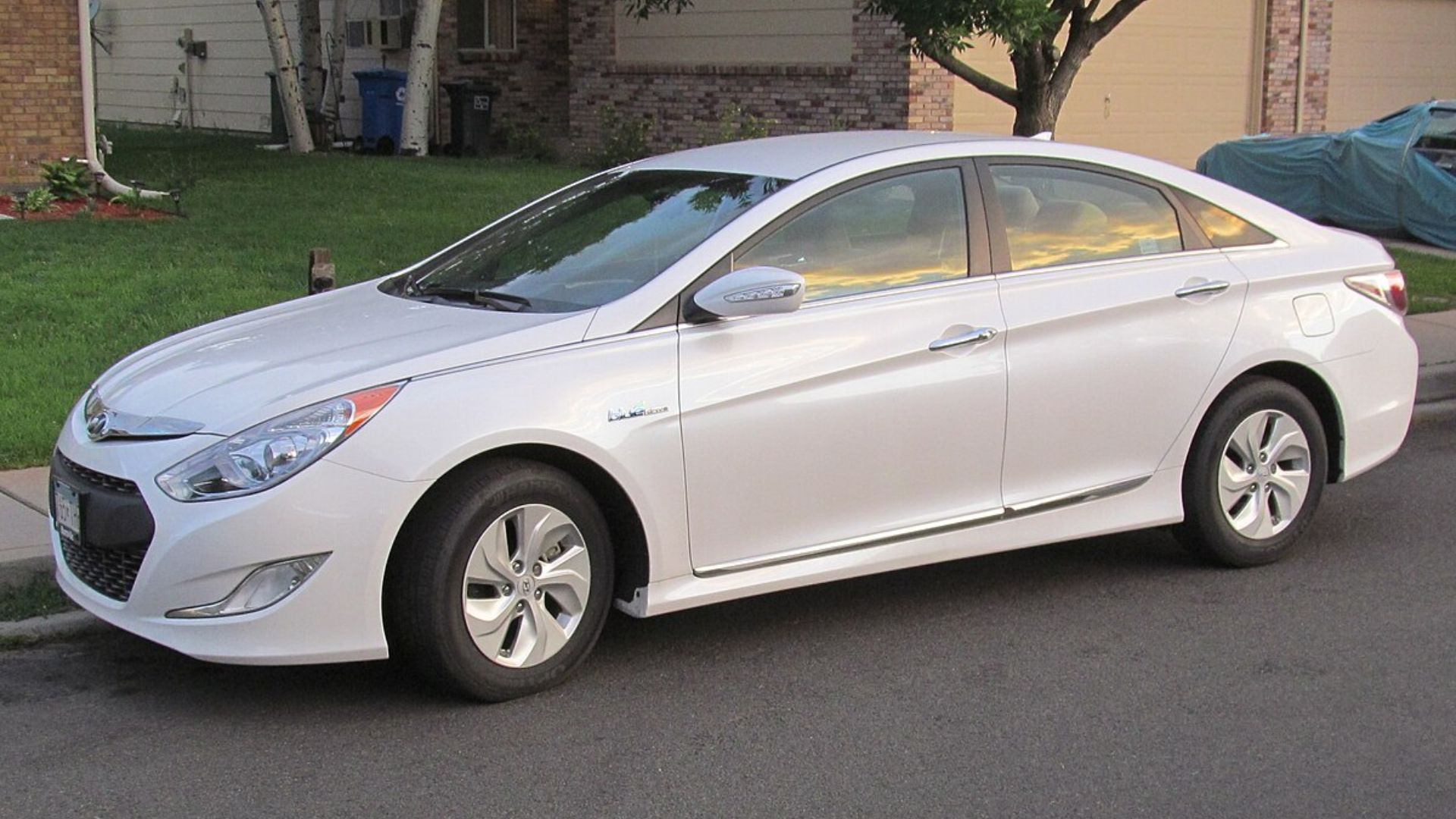
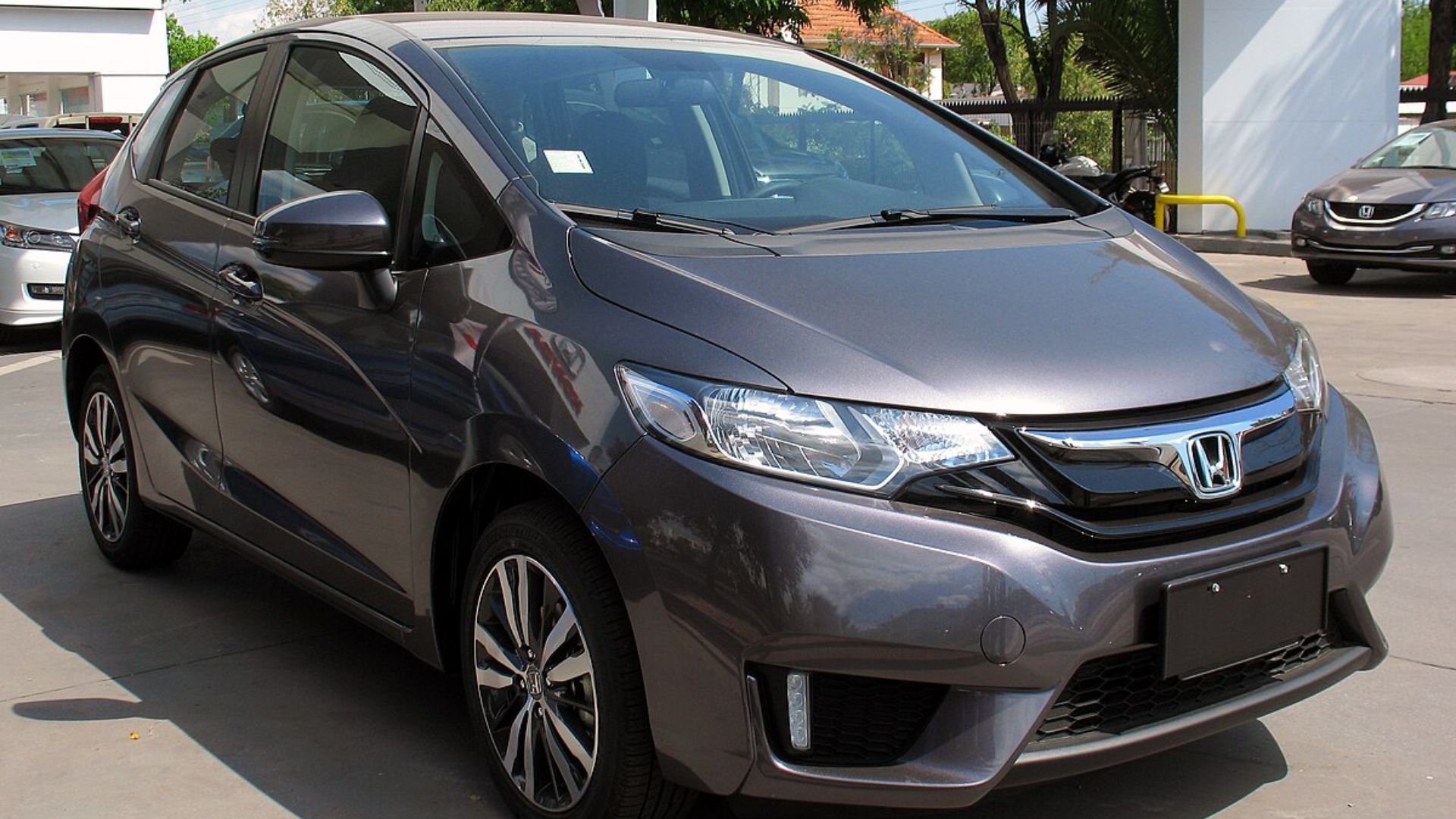
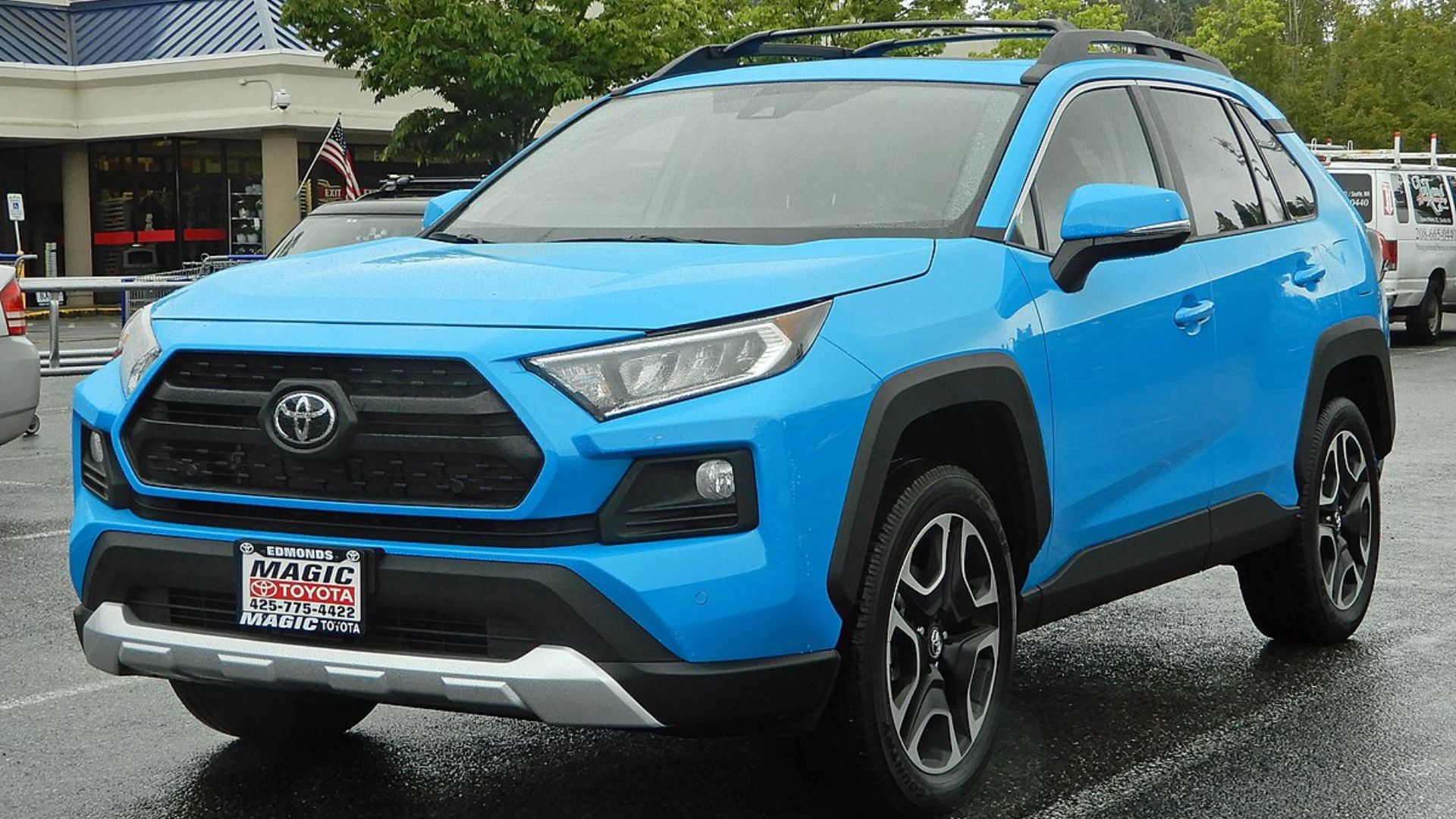
10 Used Cars With Surprisingly Low Long-Term Costs

Who says you need to break the bank to own a reliable used car? Here’s a revelation: owning a dependable vehicle doesn’t necessarily mean grappling with steep long-term costs.

This piece spotlights 10 pre-owned cars that defy expectations with their surprisingly pocket-friendly maintenance, fuel, and resale expenses. Here, we’ll shed light on why these models cost less than you’d expect over the years of ownership, starting with the beloved Camry.

How Wardrobe Choices Reflect Emotional States

Over the years, we’ve heard it all when it comes to how someone chooses to dress. Some suggest it’s linked to your personality, others to your psychology, and the rest? They lean toward preference.  The one thing they all seem to orbit, though, is emotion—how you feel. And that’s the lens we’re zooming in on today to make sense of wardrobe choices. Of course, not every pattern fits every person. Sometimes a clothing choice is simply what feels good in the moment, and that reason is just as valid. Personal context plays a big role, and none of this is meant to box anyone in.   A few of these pointers will sound familiar, and a couple might surprise you. Either way, it’s worth hanging around to see what your closet could be saying, even when you’re not saying much at all.

Why More Men Are Seeking Minimalist Wardrobes (And How They Make It Work)

Nobody really teaches you how to build a wardrobe. You wing it and hope for the best. But after a while, the clutter piles up, and all those “maybe one day” clothes start taking over. Lately, more men are choosing to press pause because the extra stuff no longer sparks anything. Instead, there’s this slow and steady move toward simplicity. Not having ten versions of the same shirt. Knowing what works. And getting dressed without needing a second opinion. Here are some of the shifts, habits, and quiet choices that men are making to build such wardrobes, along with the reasons they’re leaning into minimalist style in the first place.

Top 10 Rituals That Make Simple Meals Feel Meaningful

There’s a quiet kind of joy in those moments when a meal feels like more than just something to eat. It might not involve fine china, and it certainly doesn’t need a special occasion. Still, something in the air shifts—a subtle sense that this time, the act of eating carries a little more weight.  Sometimes it’s the pace that changes. The world doesn’t seem to be hurrying you along, and for once, you’re not rushing to keep up with it. What’s on the plate doesn’t need to be elaborate, as what matters is the presence and the feeling that something simple is being treated as something worthy.   It’s easy to overlook how much these small shifts matter. Meals come and go each day, usually without fanfare or thought, yet one manages to feel different. So, if you’re curious to know what might bring that feeling to the surface a little more often, here are ten rituals worth trying.