Colbert, the FCC, and the blocked interview: understanding the Talarico case and what’s at stake

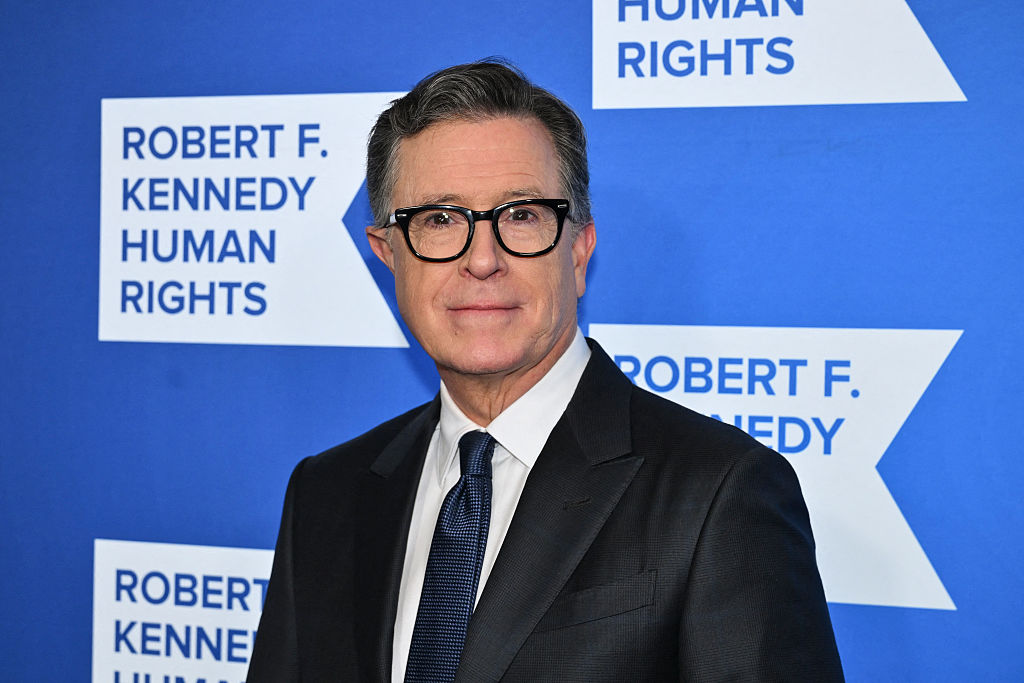
The recent interruption announced by Stephen Colbert during his show has reignited a major debate on media regulation, freedom of expression, and the enforcement of FCC rules. What should have been an interview with Texas Representative James Talarico was not aired, and Colbert explained that this was due to legal advice from Paramount’s lawyers regarding the application of a rule known as « equal time. » Let’s calmly review the facts, the regulatory framework, and the implications for talk shows and American politics.
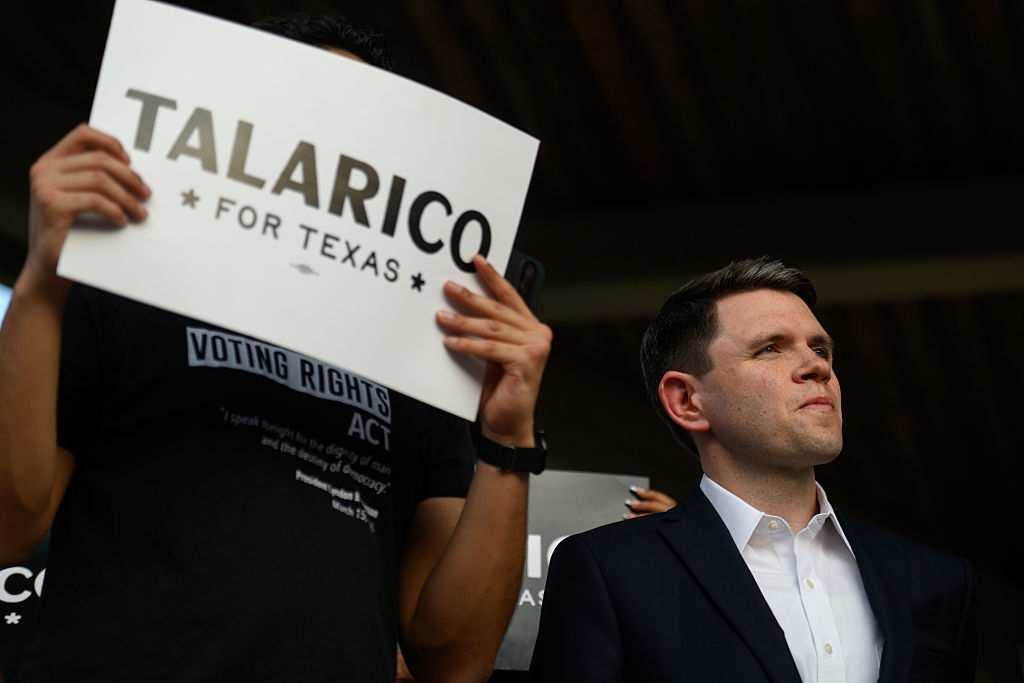
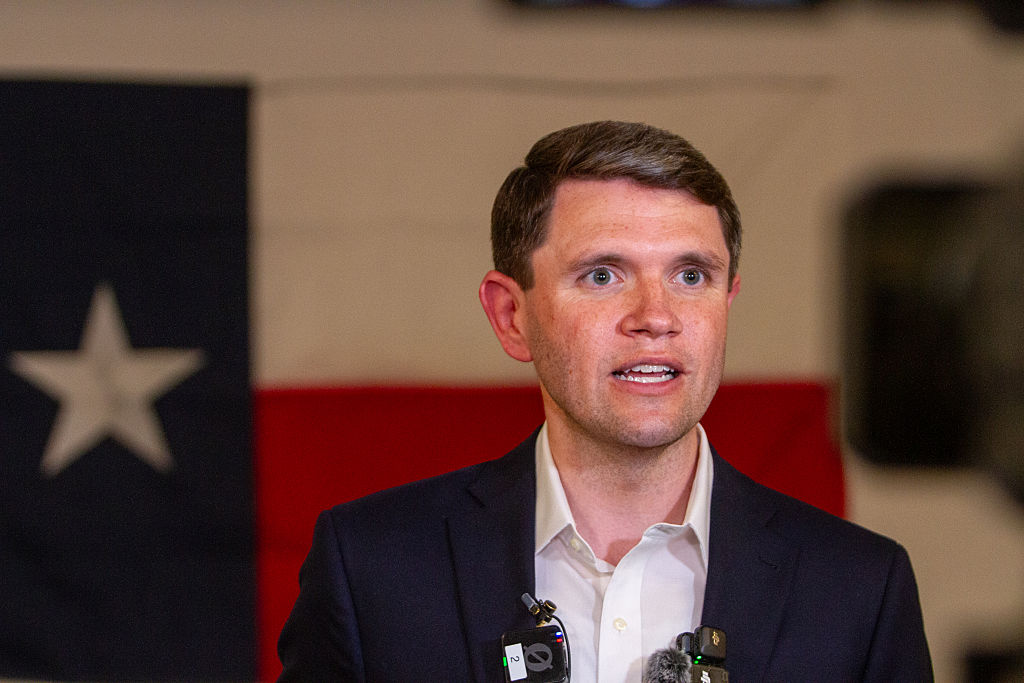
Who is James Talarico? A former teacher, ordained pastor, and young elected representative in the Texas House of Representatives, James Talarico has distinguished himself with a message focused on social and economic issues rather than polarizing political culture. His growing popularity in Texas is worrying some of the establishment, which partly explains the attention given to his media appearances.
The « equal time » rule: origin and adaptation
The « time, place, and manner » rule, often referred to as the « equal time » rule, was designed to prevent broadcasters from favoring a candidate during a campaign. Historically, it mainly concerned local stations and paid political advertisements. Interviews on television news and talk shows were largely exempt from these constraints because they fell under editorial formats considered to be news coverage.
Since 2025, and more explicitly in January 2026, the FCC announced that it would apply certain rules more strictly to television talk shows. According to the FCC chairman, these measures are intended to limit the promotion of « partisan ideas » in highly watched formats. But implementation raises practical and legal questions: how can an informative interview be distinguished from political promotion? Who decides the threshold of fairness?
What happened on the Late Show
Colbert said that Paramount’s lawyers had requested that the interview with Talarico not be broadcast live, citing the risk of the rule being applied. Rather than risk a penalty or formal complaint, the network chose to cut the broadcast. Colbert made the move public live on air, turning a legal act into a topic of public debate. Why this episode matters
- Precedent for editorial freedom: Strict enforcement of rules designed for advertisements could restrict the ability of hosts to question politicians.
- Alleged double standard: Some observers point out that radio talk shows, which are often conservative, seem less targeted by these changes, raising questions about selective enforcement.
- Local electoral impact: Preventing the targeted broadcast of an interview can change the visibility of a candidate or elected official in a given area, especially in the run-up to close elections.

Legal and political consequences
Legally, the issue could be brought before the courts if a broadcaster or host challenges the FCC’s interpretation. Politically, this case fuels a narrative: that of an administration which, according to its critics, is tightening its control over the media to limit the exposure of opponents or critical voices.
What should we take away from this? The Colbert–Talarico incident shows that the line between legitimate news and political promotion is becoming increasingly blurred, and that old rules can have unexpected effects when applied in a highly polarized context. It also highlights the responsibility of broadcasters: faced with regulatory risk, they may choose to err on the side of caution, at the risk of being accused of self-censorship.
Future debates will focus on defining a clear and balanced framework that protects democracy without stifling public debate. In the meantime, broadcasters, producers, and politicians will continue to adapt their media strategies to this evolving landscape.
If you are following this case, keep in mind that live news coverage, public statements by regulators, and decisions by broadcasters all contribute to a complex narrative. The public’s role is to demand transparency and consistency in the application of media regulations.