Deadly attack in Abiemnom County: toll, context, and humanitarian emergency in South Sudan

Summary: In early March, a village in Abiemnom County, northern South Sudan, was hit by an attack that claimed the lives of many people. Local authorities report that at least 169 people have been buried in mass graves and fear that the death toll will rise as more bodies are discovered. This tragedy is part of a long-standing ethnic and political conflict between the Dinka and Nuer tribes, which has severely weakened the young state of South Sudan.
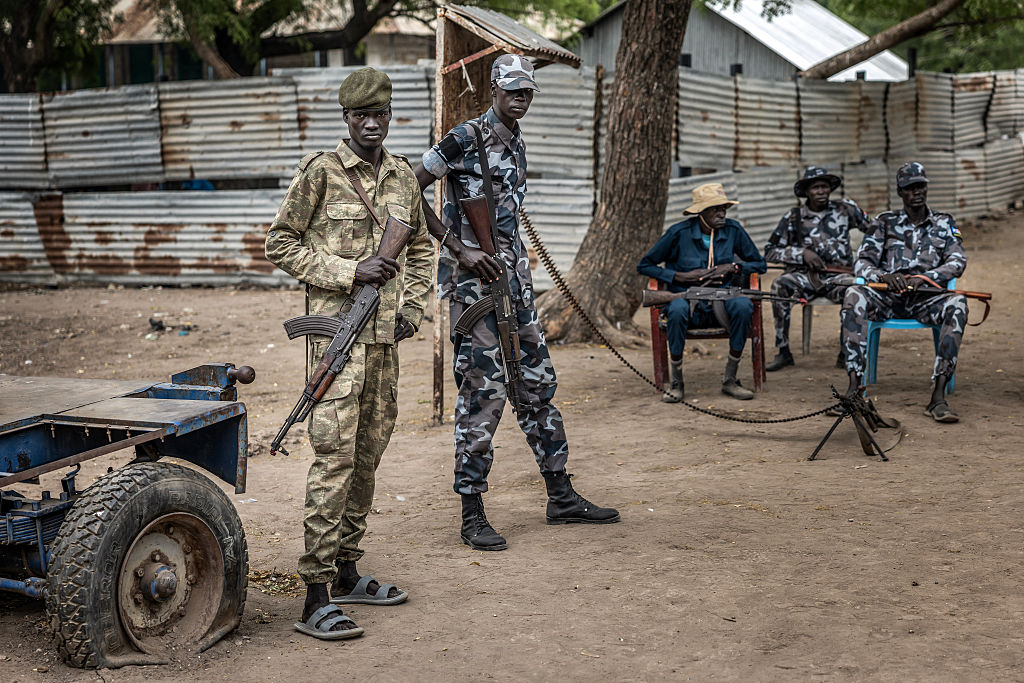
Initial reports indicate that the attack took place early in the morning of March 1 in a village inhabited mainly by Dinka people, near the border with Sudan. Authorities and local witnesses describe burned houses, civilians killed—including women, children, and the elderly—and traumatized survivors. Several bodies were quickly buried in mass graves on March 3, according to health authorities in the Ruweng region.
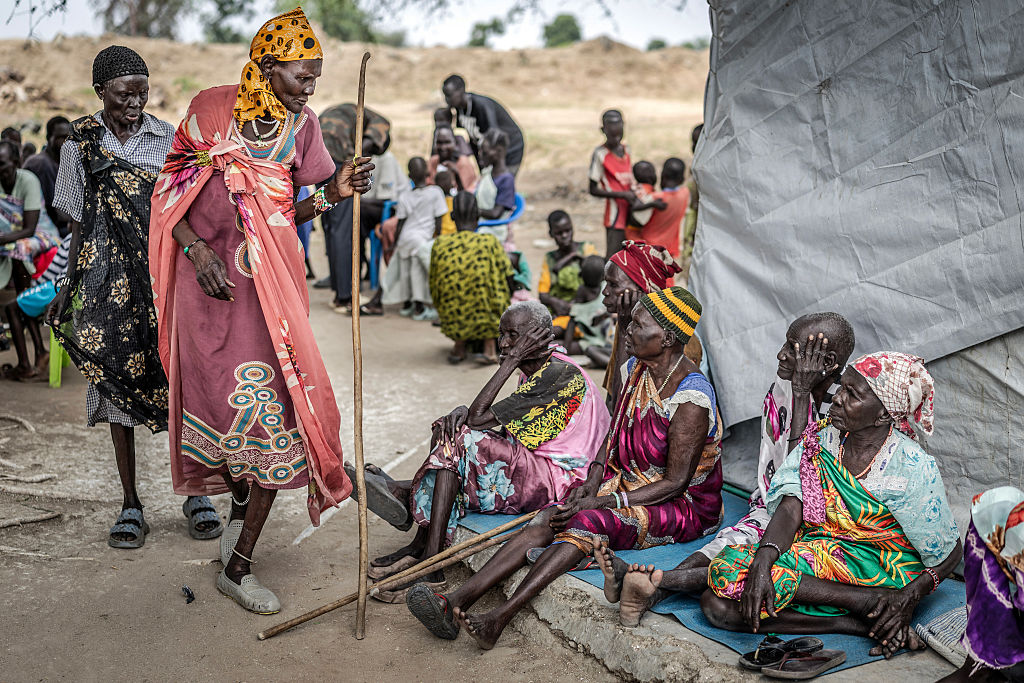
What we know and what remains to be confirmed: the figures released by the authorities indicate that 169 people have been buried, but the official number could change. Officials attribute the attack to fighters linked to the Nuer community, while the area targeted was populated by Dinka. These accusations come amid inter-community tensions and cycles of retaliation that have already caused waves of violence in the country since its independence.
Humanitarian consequences: This attack comes at a time when health services and humanitarian actors are already weakened. Doctors Without Borders (MSF) reported that staff were missing after an airstrike targeted one of its facilities, further limiting the ability to treat the wounded and respond to the needs of displaced populations. Attacks on medical infrastructure compromise access to care and exacerbate an already deep humanitarian crisis. Displacement: Survivors often flee to safer areas, bringing with them trauma and needs for food, water, and shelter.
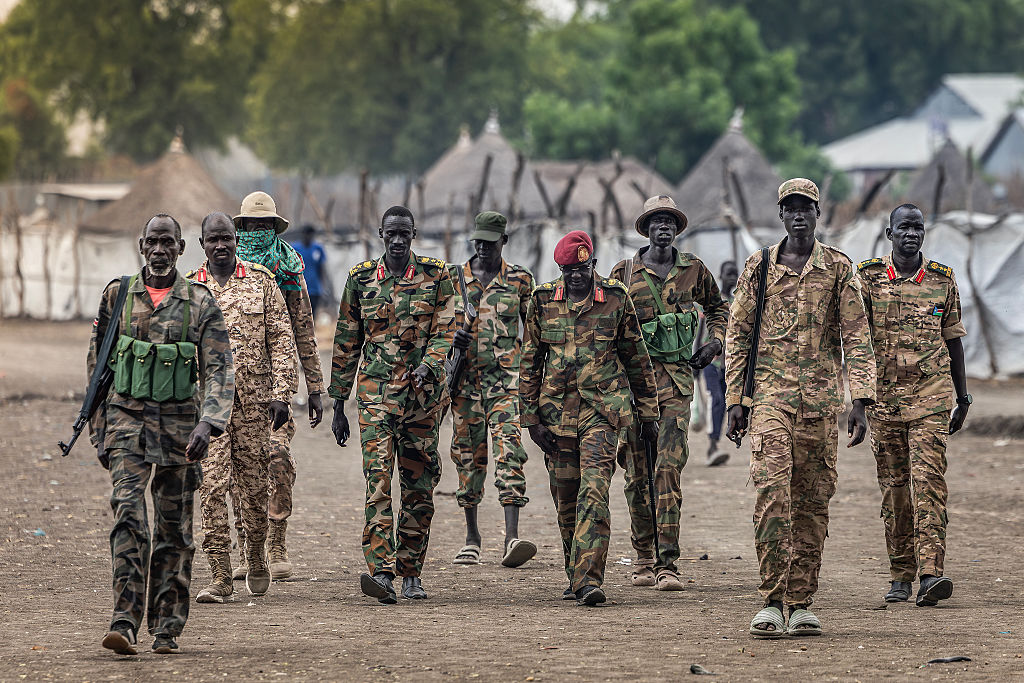
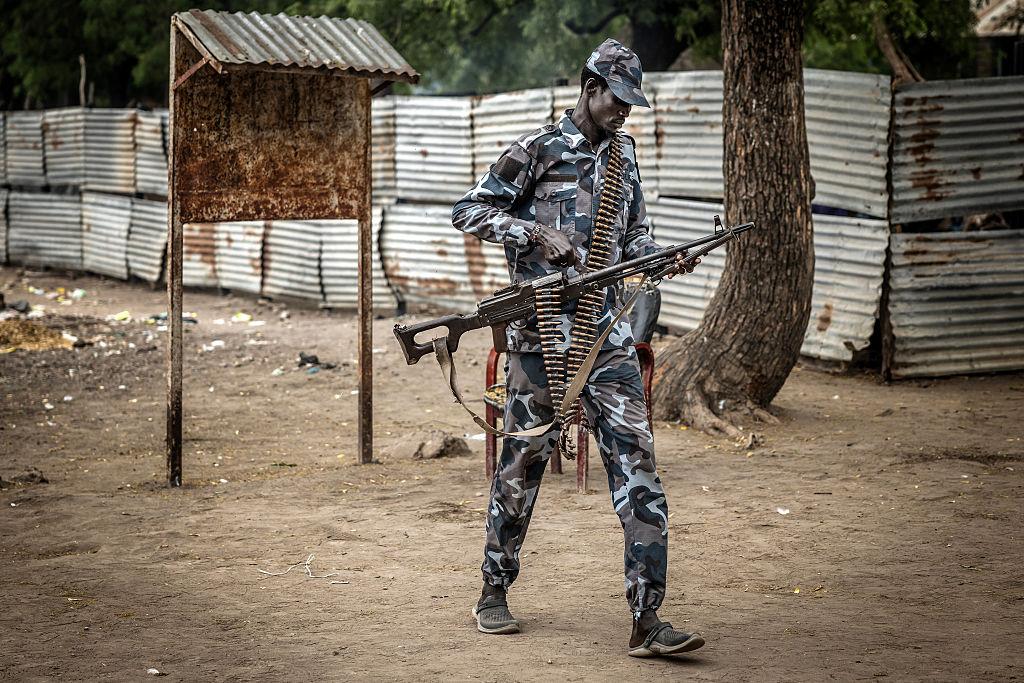
Political and historical context: South Sudan, which became independent in 2011, was quickly plagued by internal power struggles. In 2013, clashes between supporters of President Salva Kiir (mostly Dinka) and those of Vice President Riek Machar (mostly Nuer) escalated into an ethnic civil war. Since then, despite peace agreements and attempts at reconciliation, violence has continued to flare up. Raids to steal cattle, attacks on villages, and cycles of retaliation have left the population exhausted and vulnerable.
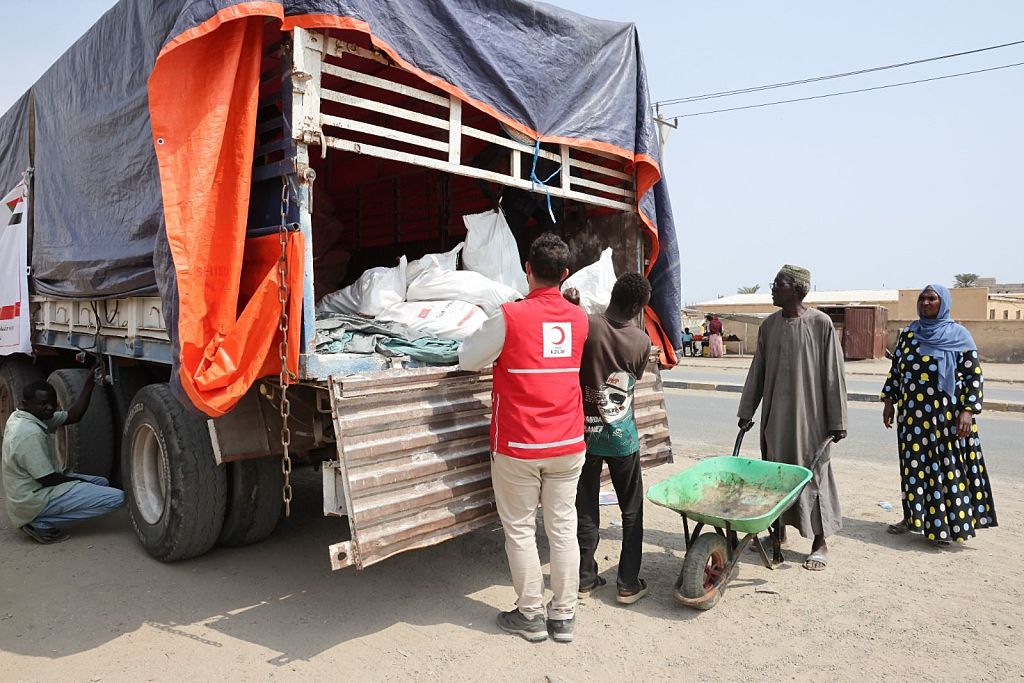
The United Nations has repeatedly warned of the risk of genocide when violence has escalated in the past. Today, the UN and international NGOs continue to monitor the situation and call for increased protection of civilians and independent investigations into attacks attributed to armed groups.
What should we demand and what responses should we expect?: Faced with a tragedy of this magnitude, the response must be twofold: on the one hand, urgent humanitarian action to care for survivors and prevent further losses; on the other hand, political and judicial measures to shed light on responsibilities and strengthen the protection of populations.
- Strengthen humanitarian access and secure corridors for the delivery of food, medicine, and shelter.
- Launch an independent and transparent investigation into the attack and reported human rights violations.
- Protect humanitarian personnel and medical infrastructure to ensure continuity of care.
- Relaunch a national political dialogue, with the mediation of regional and international actors, to reduce inter-community tensions.
We remain attentive to developments in the situation and to further confirmation from the authorities and organizations on the ground. In the meantime, the humanitarian priority is clear: protect civilians, treat the wounded, and support displaced populations who are now bearing the brunt of a new tragedy in South Sudan. Local sources and humanitarian organizations, official statements, and testimonies gathered on the ground.