
A man moves through his day balancing deadlines, paying bills, keeping his body in shape, and troubleshooting every tech glitch in the house. Sounds exhausting? That’s because it is.
Society layers on even more—be the protector, set the moral tone, never show weakness, and age like a stylish silver fox. None of these roles is optional, and most aren’t openly discussed. Modern men carry a backpack full of silent expectations. Some are obvious, but others are sneakier than a bad haircut.
These ever-present expectations run in the background like a program you can’t close. This is the reality for countless men, and it’s time to unpack exactly what’s in that invisible backpack. It’s time to peek behind the curtain and see the invisible load many men lug around every single day, often without saying a word.
Financial Pressure To Provide

Modern men often shoulder the weight of their family’s financial future. Job demands and societal norms push them to work longer hours than women. These expectations create ongoing stress. Many choose silence over sharing money worries, fearing it will appear as weakness or failure.
Expectation To Suppress Emotions

Cultural conditioning tells men to hide their emotions. Being told to “man up” discourages vulnerability. Many avoid therapy entirely, even when struggling. Crying remains stigmatized, seen as weakness rather than release. These pressures contribute to significantly higher suicide rates among men compared to women.
Pressure To Stay Physically Strong

Physical strength is still a yardstick for masculinity. Constant judgment fuels muscle dysmorphia in many men. Online spaces flood with male fitness content, which intensifies pressure to look a certain way. At the same time, testosterone levels have steadily declined, making strength standards harder to maintain.
Unspoken Duty To Protect Others
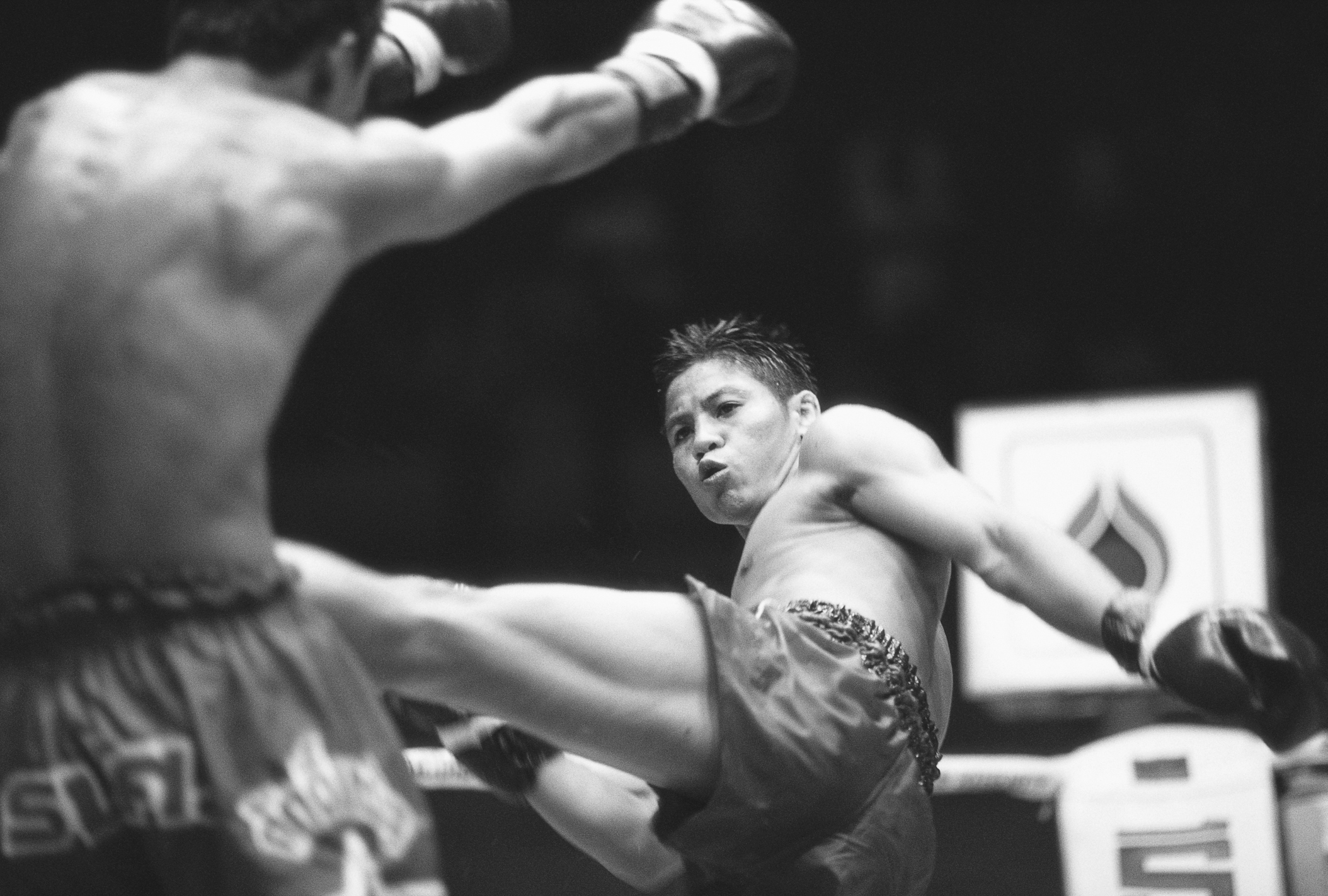
Men frequently carry the belief that they must protect their loved ones. In public conflicts, they are more likely to step in, sometimes at personal risk. This “hero complex” is deeply ingrained. For veterans, the protector role can leave lasting scars, with combat trauma driving higher PTSD rates.
Pressure To Excel Professionally

Holding most leadership positions comes with relentless scrutiny. Men in demanding careers often push through burnout rather than rest. Taking mental health leave is rare and seen as a weakness. For many, self-worth is directly tied to career success, which makes professional failure feel deeply personal.
Expectation To Be Sexually Confident

Sexual confidence is treated as a given for men, yet many face silent struggles. Performance anxiety is common, and erectile dysfunction affects millions. Conversations about insecurities rarely happen among male friends. The adult entertainment industry's exaggerated portrayals distort expectations, leaving men feeling inadequate against unrealistic standards.
Pressure To Age Gracefully Without Complaints

Aging men face the expectation of doing so with stoicism. Health issues are hidden, rarely discussed. Cosmetic procedures are on the rise, chasing the “silver fox” ideal that few naturally meet. Symptoms similar to menopause often go unspoken and dismissed in favor of appearing strong and unbothered.
Pressure To Maintain Independence
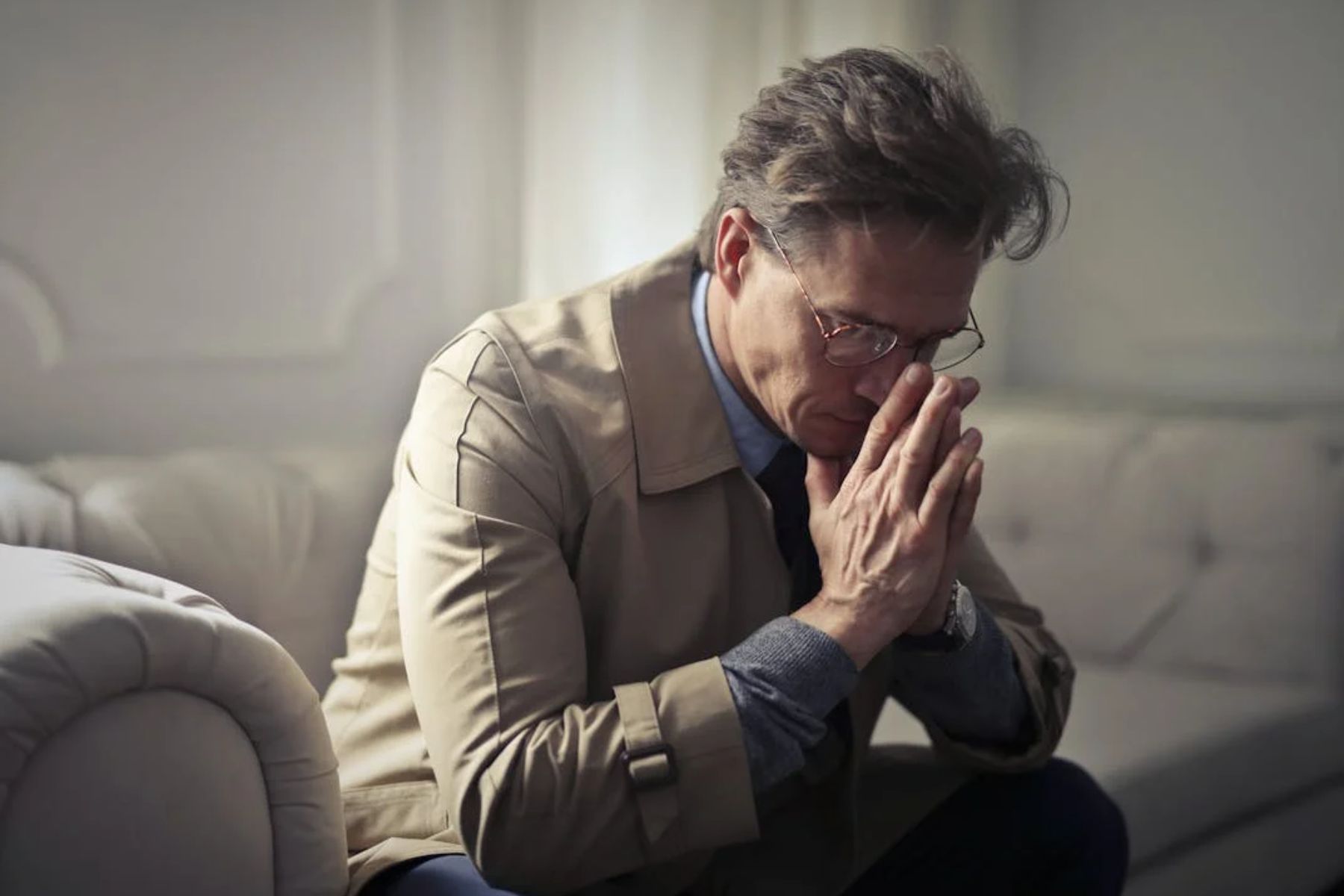
Independence is seen as a cornerstone of manhood. Asking for help often feels like a blow to masculinity. Many avoid leaning on social networks, even in hard times. This isolation fuels loneliness, particularly in middle age, where friendships may lack the emotional openness women often share.
Expectation To Be Technologically Competent
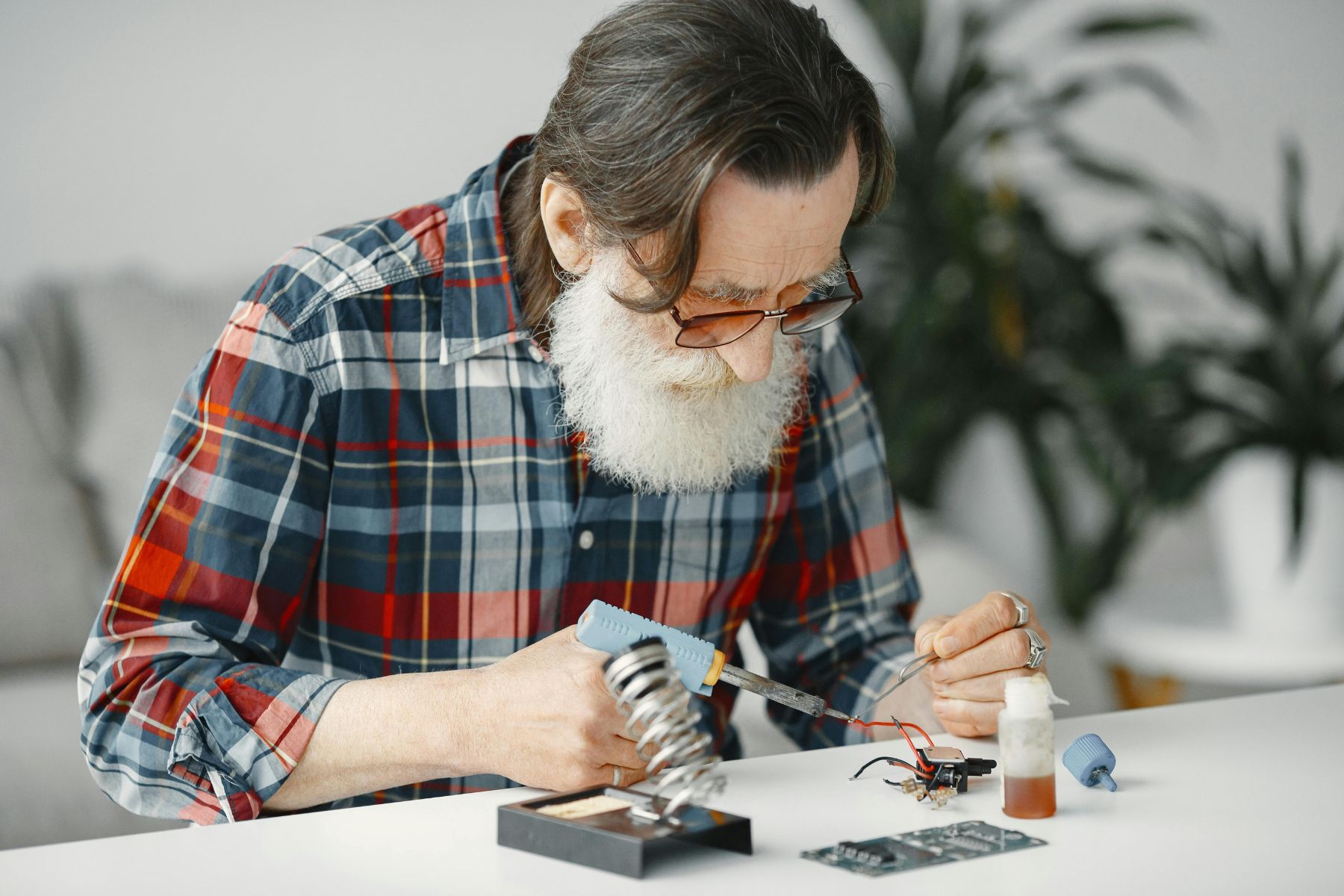
Many men are defaulted as household tech troubleshooters. Their dominance in IT roles strengthens the assumption that they are always tech-savvy. The “dad tech support” stereotype is humorous but rooted in reality. For older men, rapid digital changes can trigger anxiety over losing this expected competence.
Burden Of Being The Moral Compass
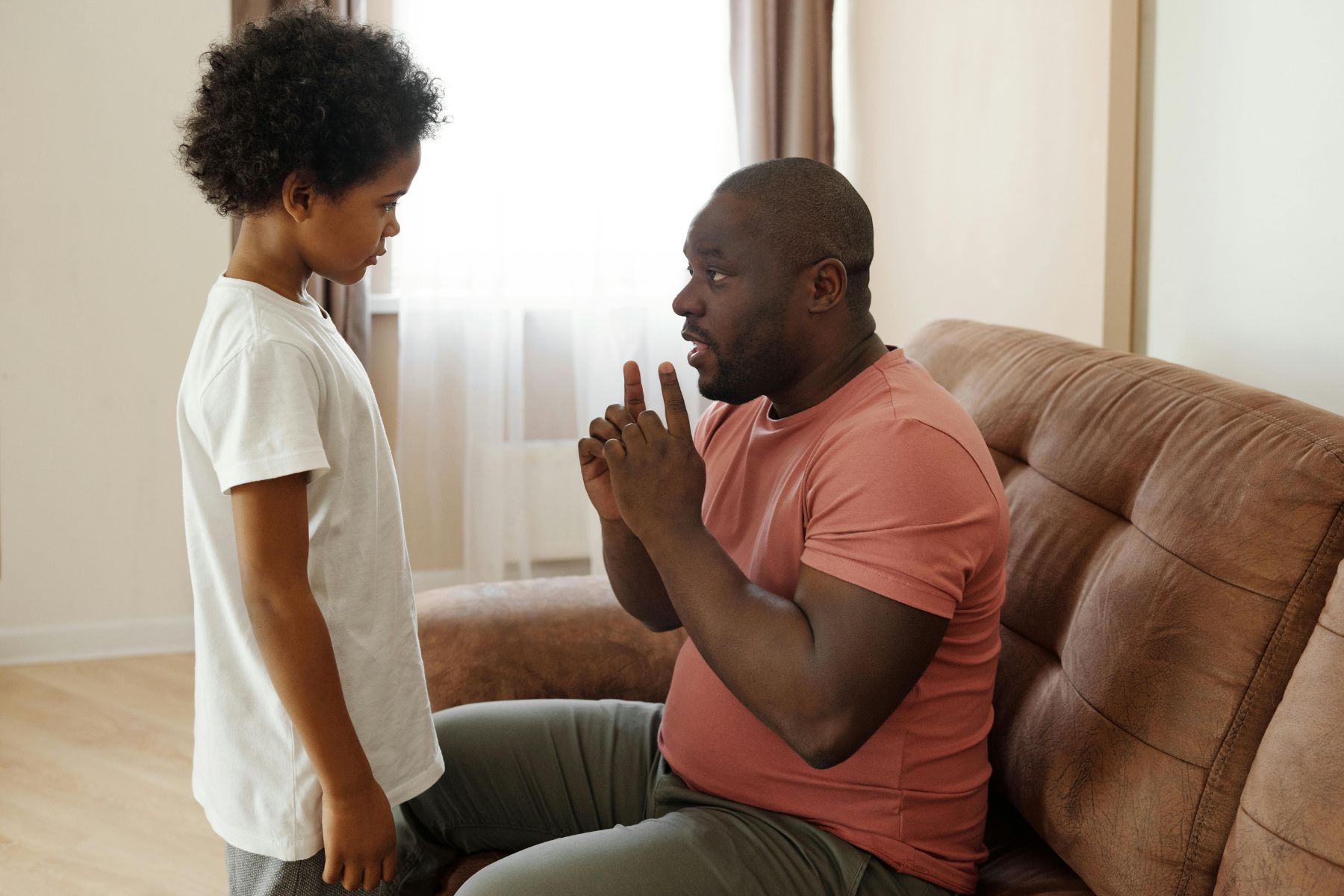
In many families, men are positioned as the moral authority. Fathers are often seen as disciplinarians, shaping values through example. Cultural norms tie this leadership to masculinity. Falling short of these standards leaves many men with deep guilt, where they question their worth as role models.