10 False Savings That Hurt Your Wallet
It’s easy to fall into the trap of false savings—those purchasing practices and behaviors that seem advantageous in the short term but ultimately result in higher costs over the long term. The trap lies in evaluating an expense solely based on its initial cost in order to save money right away.

It’s very easy to fall into the trap of false savings: those shopping habits that seem like a good deal at the time, but end up costing much more in the long run.
The most common reflex is to judge an expense solely by its initial price, looking to save a few dollars right away… while forgetting about durability, quality, or hidden costs. The result: we replace things more often, we repair more, and we accumulate unnecessary purchases.
To avoid these pitfalls, here are 10 false economies you absolutely need to know about so you can buy less—but, more importantly, buy better.
1. Always buy items that are on sale or on promotion
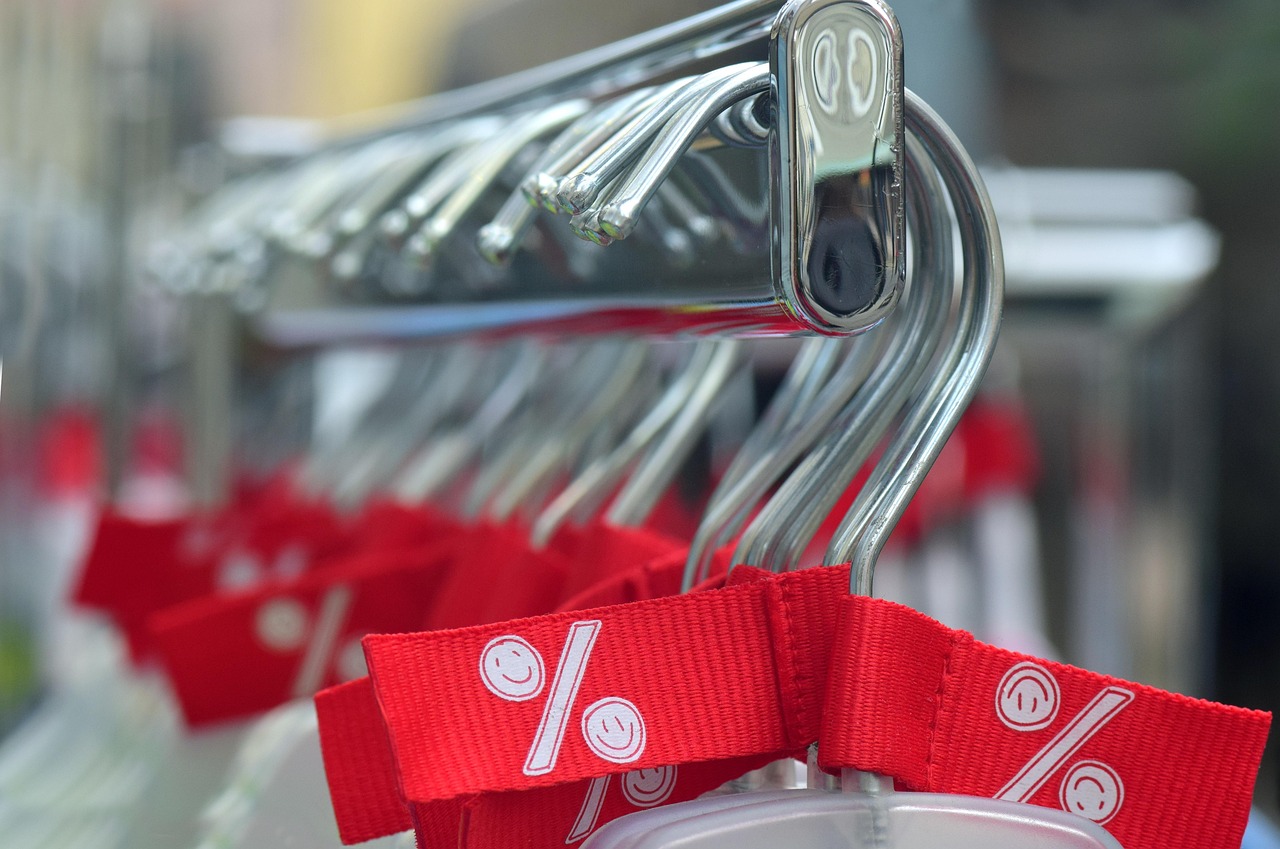
It’s tempting to automatically gravitate toward items on sale or on promotion, convinced you’re getting a good deal. However, this strategy isn’t really about saving money: it mainly encourages you to buy more than you need, simply because “it’s cheap.”
In the long run, these accumulated purchases end up costing far more than a single quality product bought at the right time. Promotions create the illusion of an immediate gain, but they mainly fuel overconsumption.
To truly protect your wallet, it’s better to buy only what you need… even if it’s not on sale.
2. Always buy the cheapest option

Systematically buying the cheapest items may seem like a smart move at the time, but it’s one of the most common false economies. Low-priced products are often less durable, perform worse, or are made with lower-quality materials.
The result: they wear out faster, break more easily, and need to be replaced much more often than a slightly more expensive but durable item. In the long run, this strategy therefore costs more—both in money and in frustration.
It’s better to invest in a reliable product from the start rather than accumulate “cheap” purchases that don’t hold up.
3. Buying too many perishable bulk items

Buying large quantities of perishable items in bulk may seem economical, but it’s often a trap. These foods quickly reach their expiration date, especially when they’re stored improperly or consumed too slowly.
The result: some of it ends up in the trash, and the supposed savings turn into waste—both food and financial. Buying in bulk is still a good idea, but only for products you consume regularly and in reasonable quantities.
It’s better to carefully select what you buy in bulk rather than filling your cupboards “just because it’s cheaper.” Your wallet will truly benefit from it.
4. Always buying lower-quality products

Even though lower-quality products come with a lower price tag, consistently choosing them is never a true savings. These items are often less durable, less reliable, and more prone to wear and tear or rapid obsolescence.
You may think you’re saving a few dollars, but you end up replacing the item sooner than expected… sometimes multiple times. Conversely, a higher-quality product is a smarter investment: it lasts longer, performs better, and avoids repeated expenses.
Prioritizing durability over the immediate price is the best way to protect your wallet in the long run.
5. Use a credit card or a personal loan for small purchases
Consumer credit may seem convenient, almost harmless: it allows you to spread out expenses, give yourself a little breathing room, or treat yourself to something right away. But behind this convenience lie very real financial risks.
When used to cover everyday expenses—groceries, clothing, small daily purchases—the balance climbs quickly, often faster than your ability to pay it off. Interest piles up, monthly payments pile up, and the situation becomes hard to catch up on.
What seemed like a temporary solution then turns into a real financial trap.
6. Neglecting the maintenance of electrical appliances, home appliances, and other devices
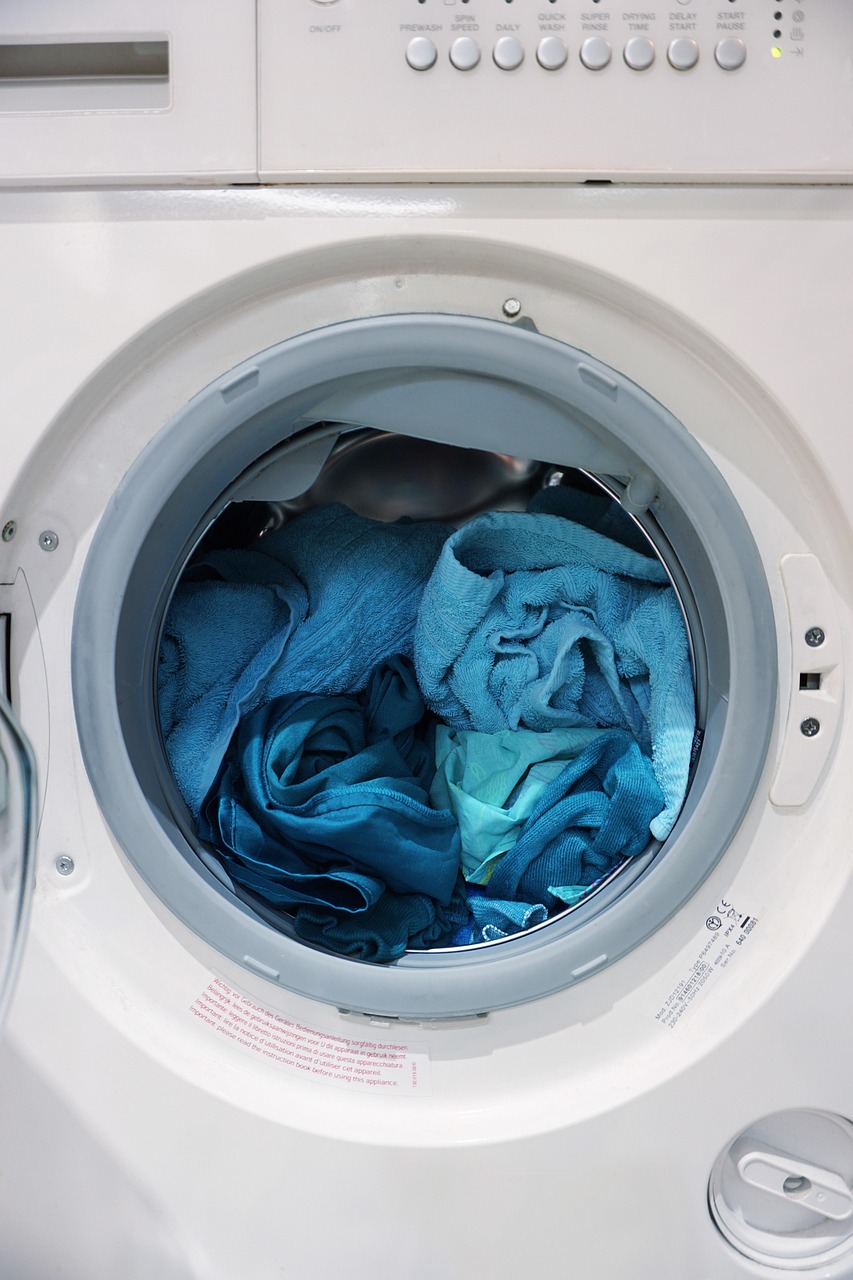
Whether it’s a home appliance, an electronic device, or even a car, regular maintenance is never optional. Skipping it to “save” a few dollars may seem like a smart move at the time, but it’s one of the most costly false economies.
Without servicing, minor issues turn into major breakdowns, parts wear out prematurely, and repairs end up costing far more than a simple preventive maintenance check.
A filter change, a software update, or an oil change performed on time extends the lifespan of your equipment. Investing in maintenance means avoiding heavy expenses down the road.
7. Going without insurance to protect against life’s uncertainties

Skipping insurance to save a few dollars in the short term might seem like a good idea… until the day something unexpected happens. An accident, a breakdown, theft, or a health issue can quickly turn into a hefty bill if you’re not covered.
What seemed like a saving then becomes a massive expense, sometimes impossible to absorb. The real question, therefore, isn’t “how much does it cost now?”, but “how much could it cost me if I’m not protected?”.
Distinguishing between small, immediate savings and major financial risks is essential to truly protecting your wallet.
8. Don’t compare prices for insurance and banking services
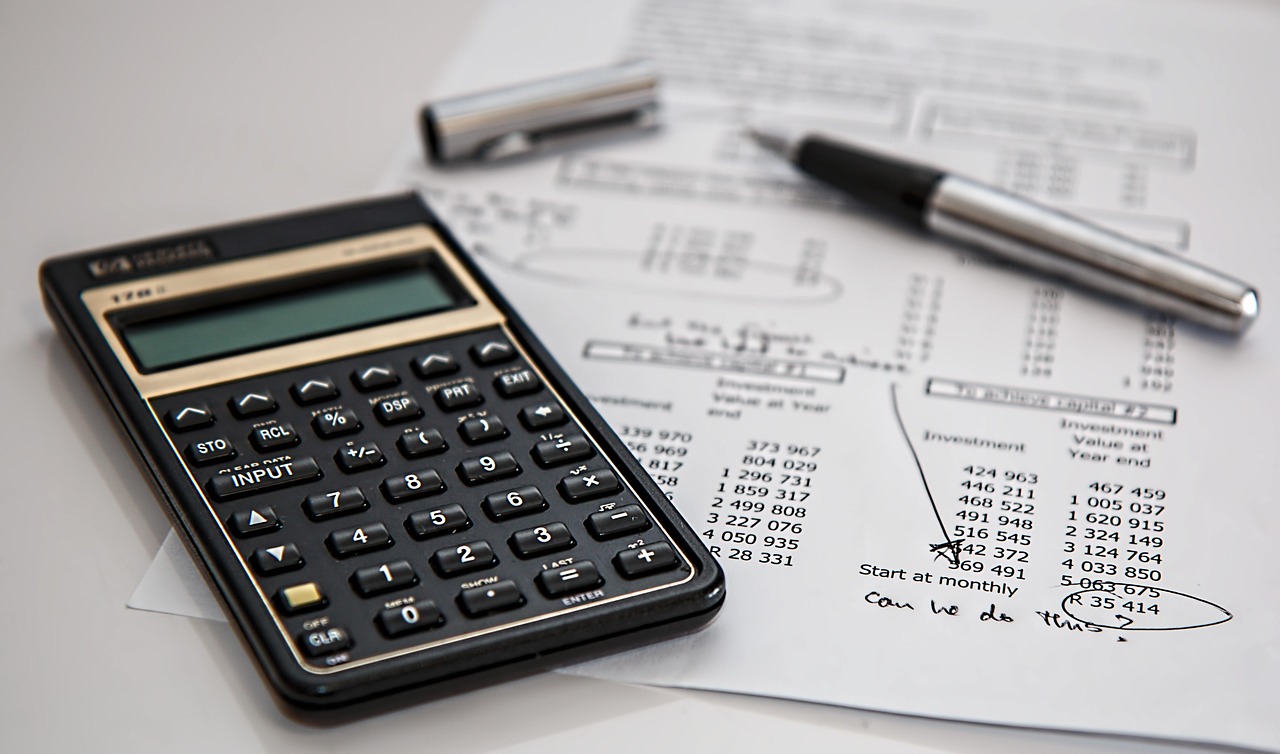
When you’re looking to purchase insurance or take out a loan, settling for the first offer that comes along is rarely a good idea. Comparing multiple providers not only helps you find the most competitive rates, but also allows you to identify the coverage that’s truly useful.
Many companies are actually willing to adjust their prices or offer additional benefits to retain their customers, especially long-time loyal ones.
By negotiating based on competing offers, you can often secure better terms without much effort. Failing to compare means passing up real savings in favor of a false sense of simplicity.
9. Failure to control energy costs
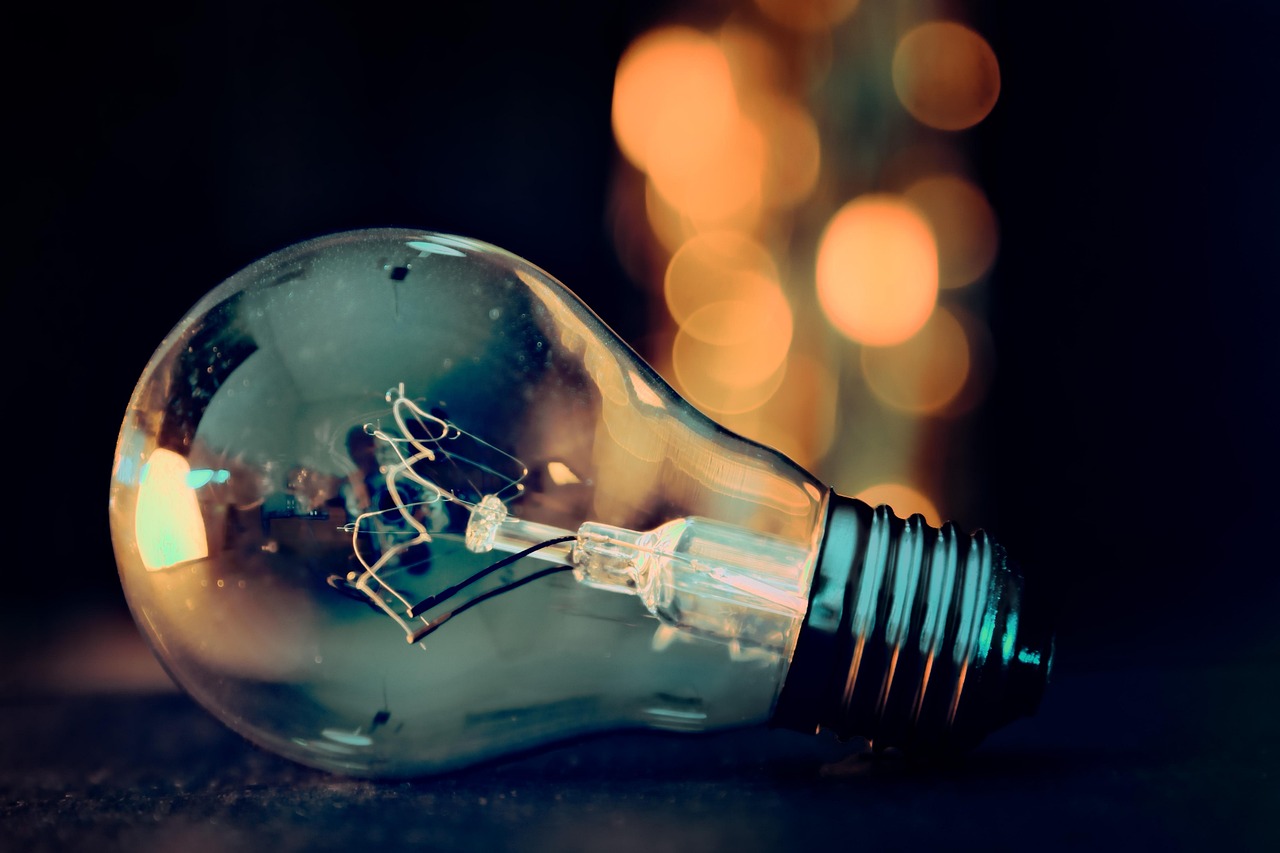
Neglecting to track and manage your energy expenses is a common pitfall that always ends up costing a lot of money. Without monitoring, you won’t be able to identify heat loss, energy-guzzling appliances, or bad habits that drive up your bill month after month.
Home insulation, often seen as a major expense, is actually one of the most profitable long-term investments: less heat loss, less heating, less air conditioning.
By improving your home’s energy efficiency, you can reduce costs over the long term… and avoid false savings that end up costing you dearly.
10. Not investing in your health

Failing to prioritize preventive healthcare is one of the most dangerous misconceptions about saving money.
Putting off a checkup, ignoring a symptom, or neglecting follow-up care may seem harmless and even save a few dollars, but the long-term consequences are often far more serious.
An undetected problem worsens, treatment becomes more complex, and costs skyrocket. The principle “prevention is better than cure” has never been more true: investing a little in your physical and mental well-being helps avoid major expenses… and preserves your quality of life.