10 Household Mistakes That Quietly Raise Your Bills
Do you ever stare at your monthly bills and wonder if the house is playing tricks on you? You’re not imagining it. Sometimes, those numbers climb, even when it feels like you’re doing everything the same. Or at least, that’s what it looks like on the surface.
It's easy to blame rising rates, colder winters, or just plain bad luck. But what if there's a silent saboteur living under the roof? A handful of tiny habits and overlooked details could be the real culprits behind the waste and the cost. Once you start noticing the patterns, it’s hard to ignore them. Things you’ve brushed off for years suddenly stand out. Read on, and you might be surprised by what’s been costing more than you realized.
Leaving Electronics Plugged In
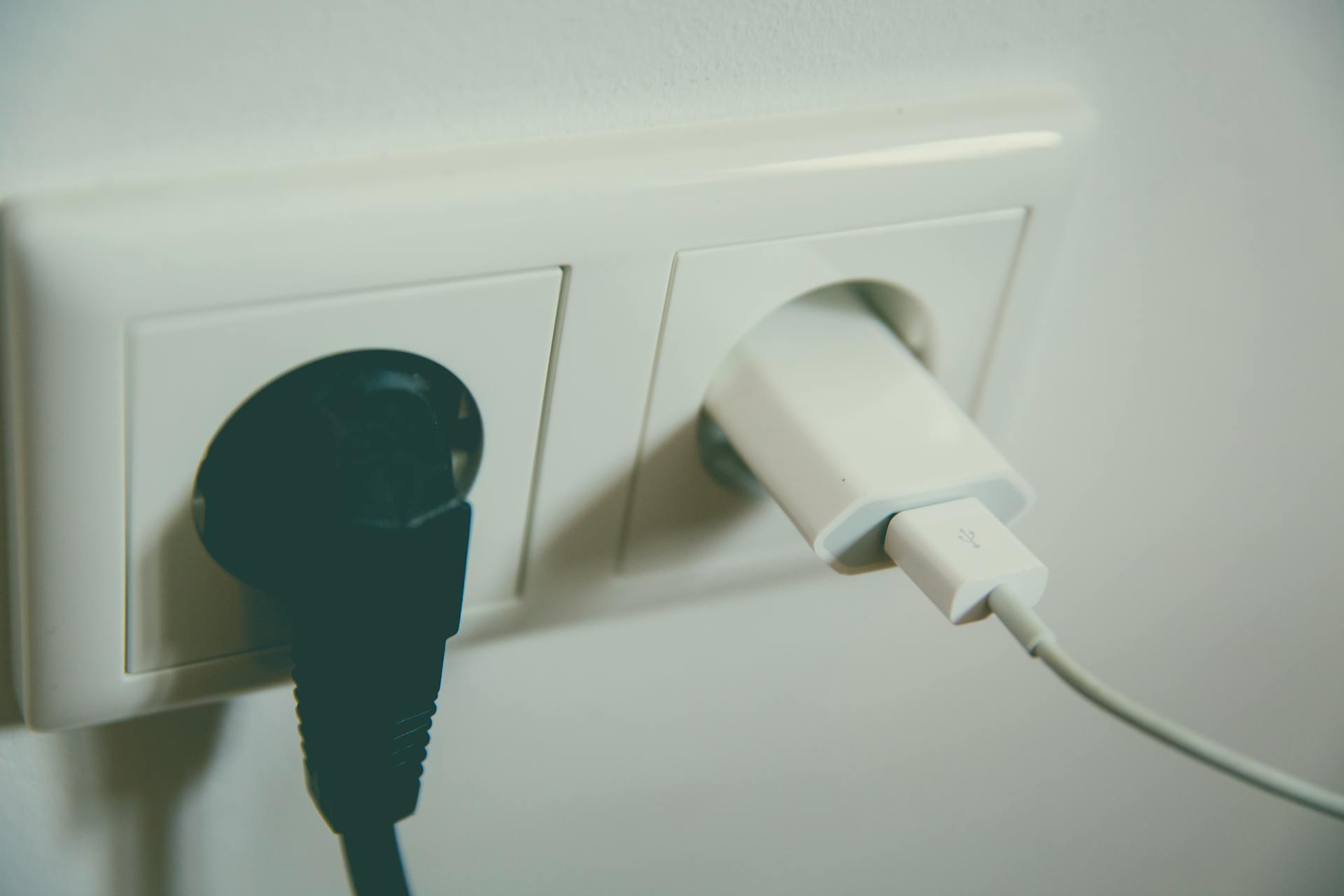
Think turning off the TV means it stops using power? Not quite. Devices like the coffee maker, game console, and even the printer are sneaky power thieves when left plugged in. That's called phantom energy, and it adds up. Japan flagged this issue decades ago. Now, smart plugs are your electric bill's new BFF.
Running Half-Full Dishwashers
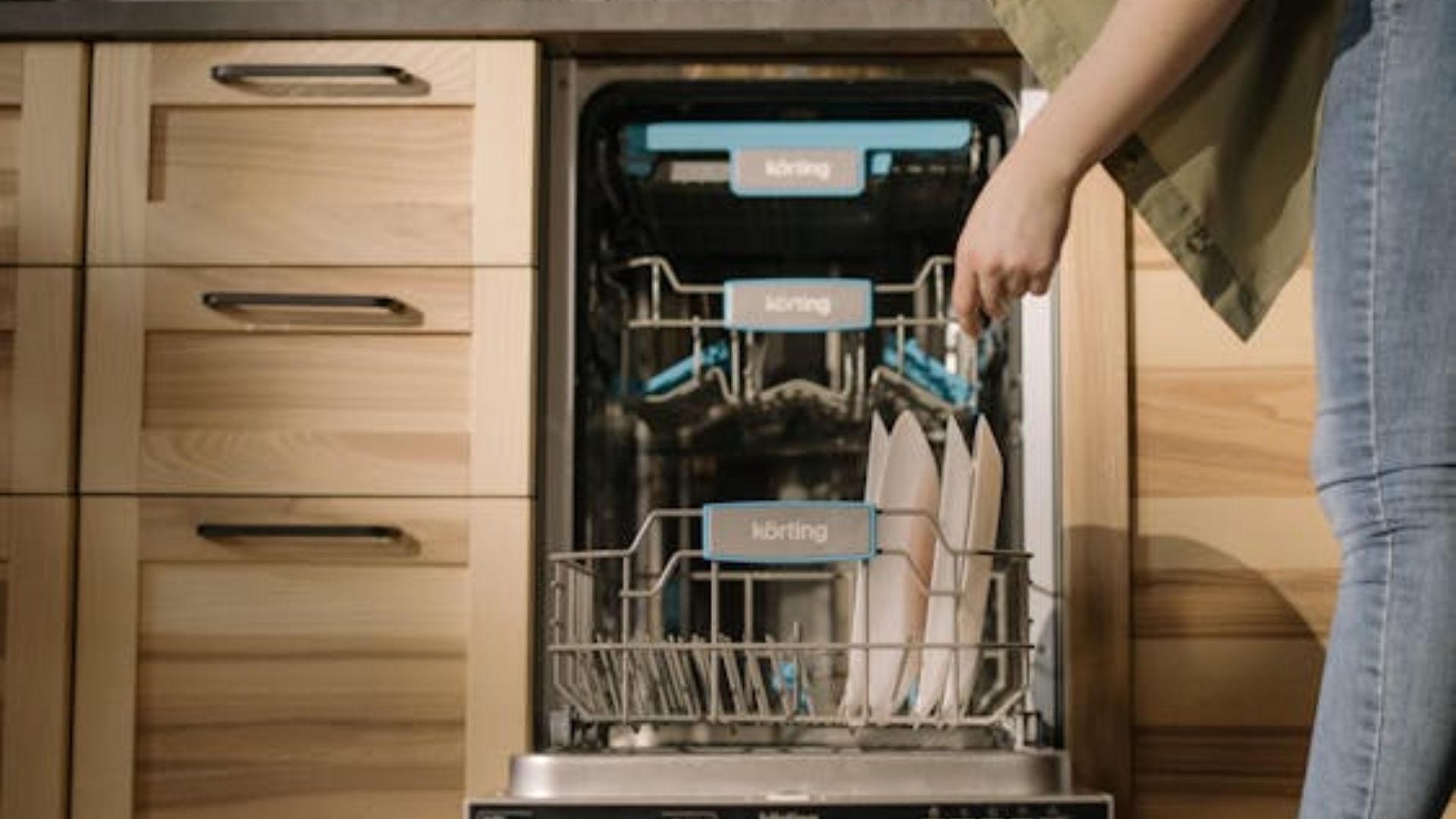
Starting a dishwasher that’s barely loaded is like doing laundry for two socks. Modern machines still use several gallons per cycle, whether it’s full or not. That adds up fast to your water bill. Waiting until it’s packed makes every run count—and your dishes won’t notice the delay.
Using Incandescent Bulbs
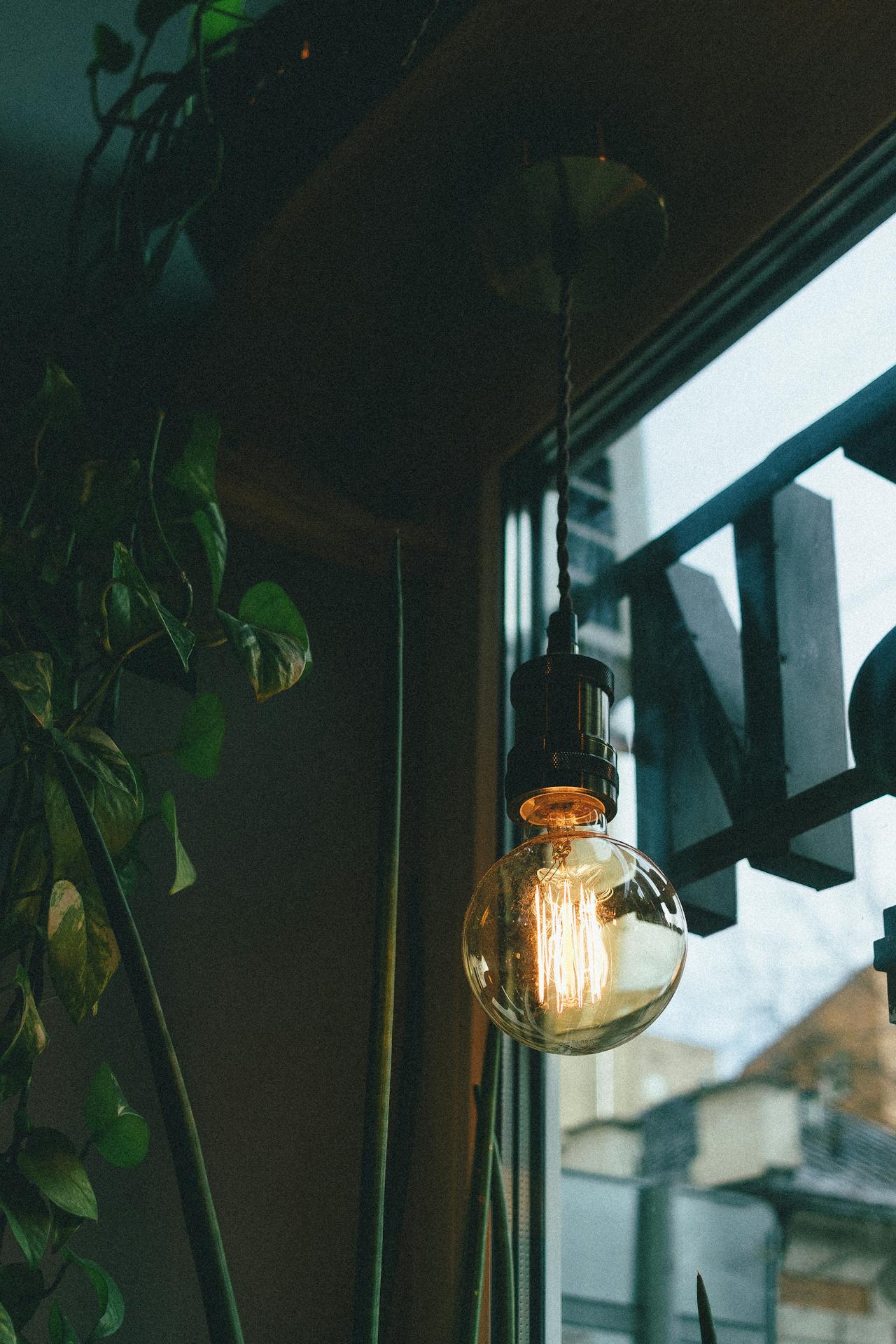
If you're still using old-school incandescent bulbs, you're burning energy for heat more than light. These bulbs waste most of what they consume, unlike LEDs, which use less power and last way longer. Switching even a few can cut down your bill by around $75 a year. That’s a bright idea worth trying.
Ignoring Faucet Leaks
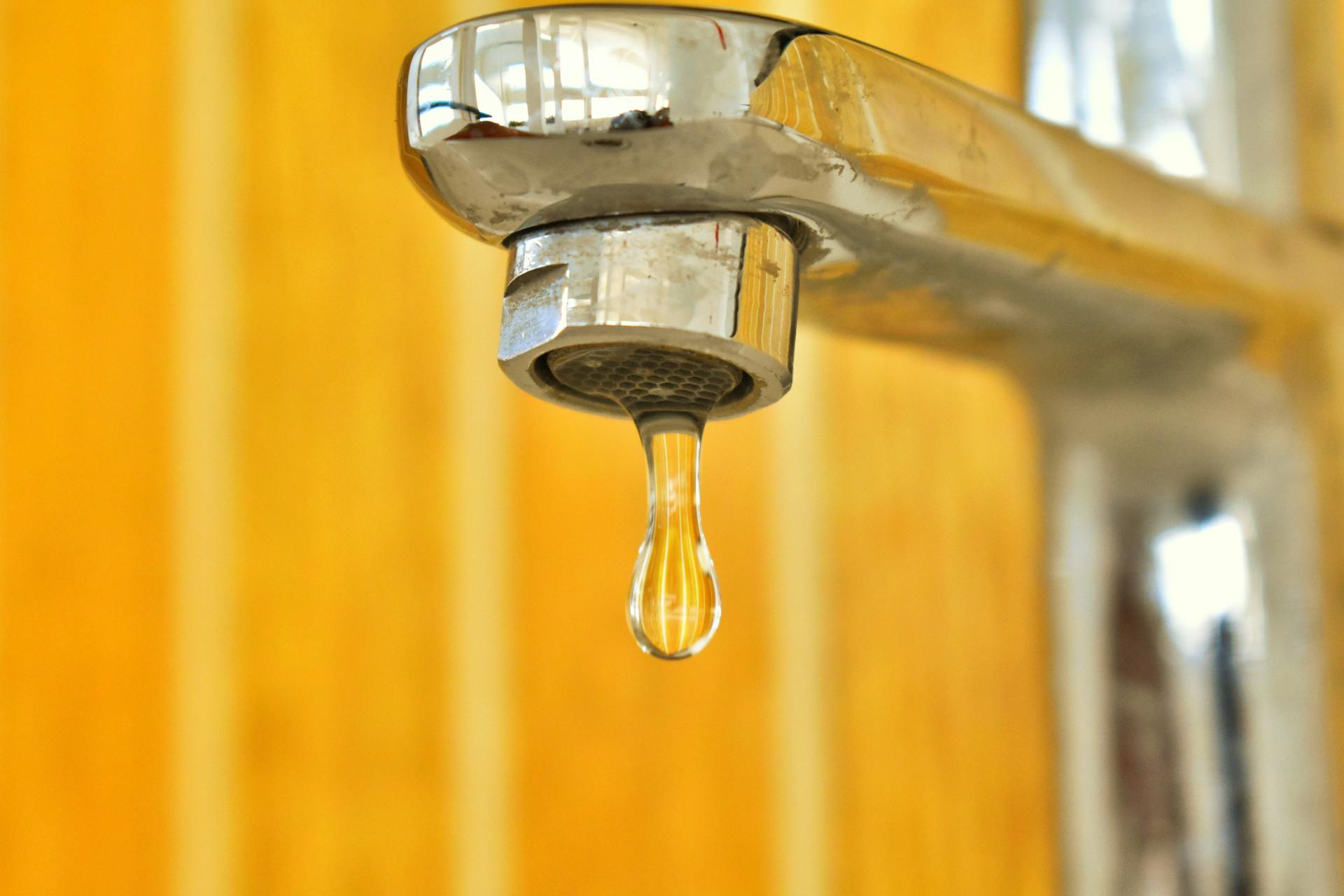
A quiet drip might not seem urgent, but it can waste nearly 3,000 gallons of water every year. That tiny leak slowly hikes up your bill and creates the perfect setup for mold. Most times, a cheap washer and a few minutes of effort are all it takes to fix it.
Heating Empty Rooms
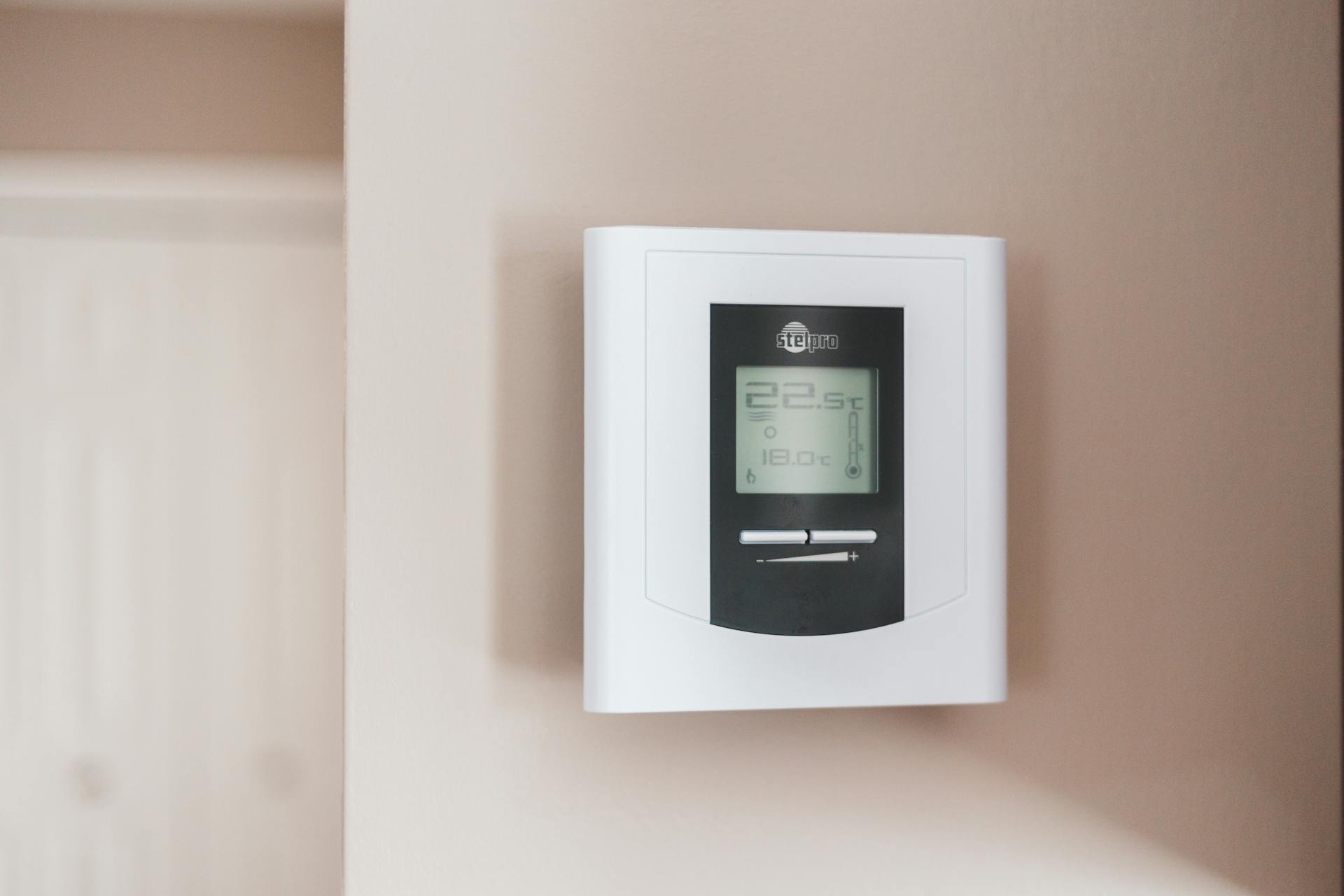
If no one's in the room to feel the warmth, does the heater still burn your money? Absolutely. Space heating eats a chunk of the energy bill, and heating unused rooms is like setting cash on fire. Smart thermostats help, but your dog probably doesn't need spa-level temps 24/7.
Neglecting Fridge Maintenance

The fridge runs nonstop—and if its coils are dusty or its seals are leaky, it becomes the hardest-working and most wasteful roommate you've got. Dirty coils force it to burn more energy, and loose seals leak cold air, which means your food and your money won’t last as long.
Using Excess Laundry Detergent
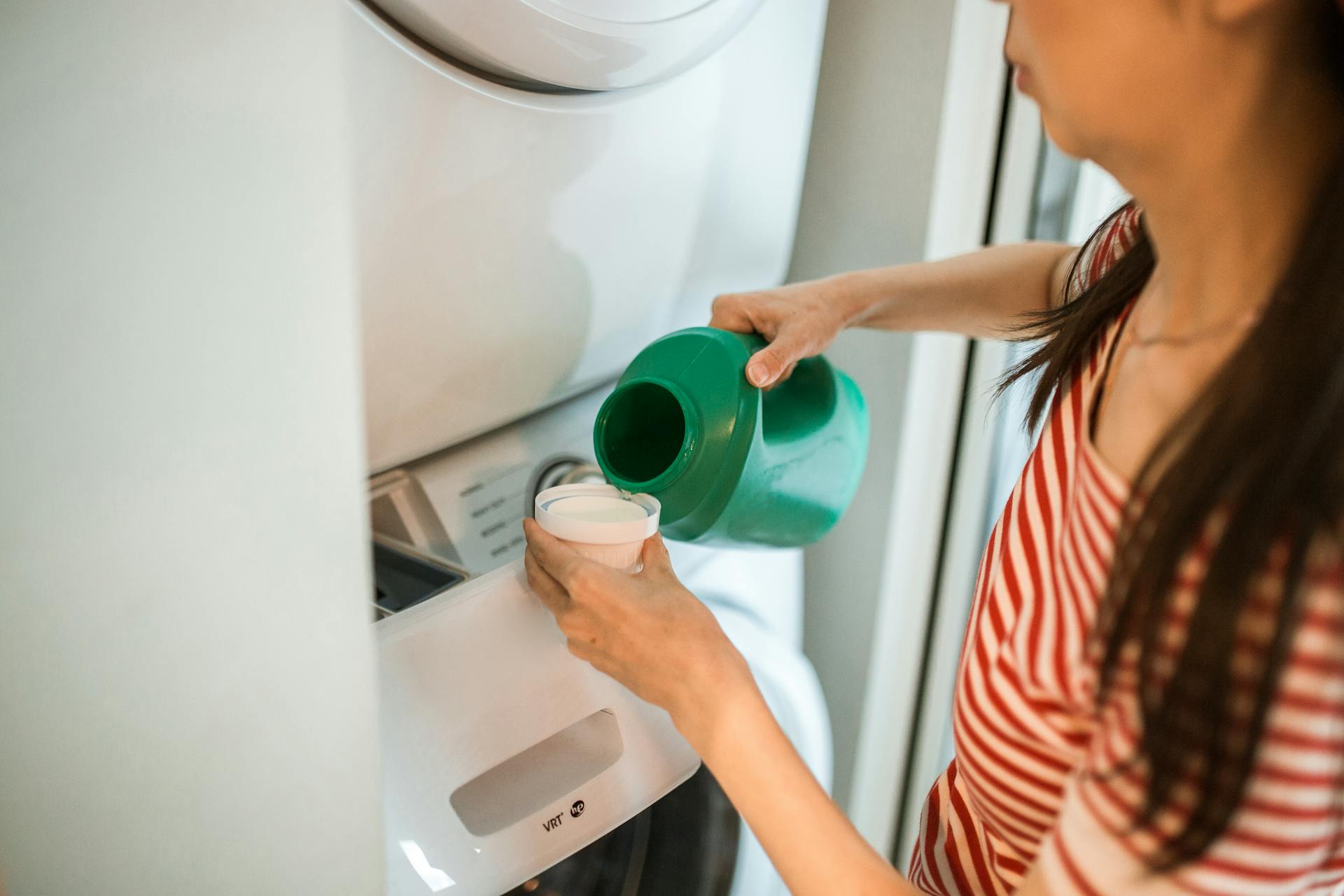
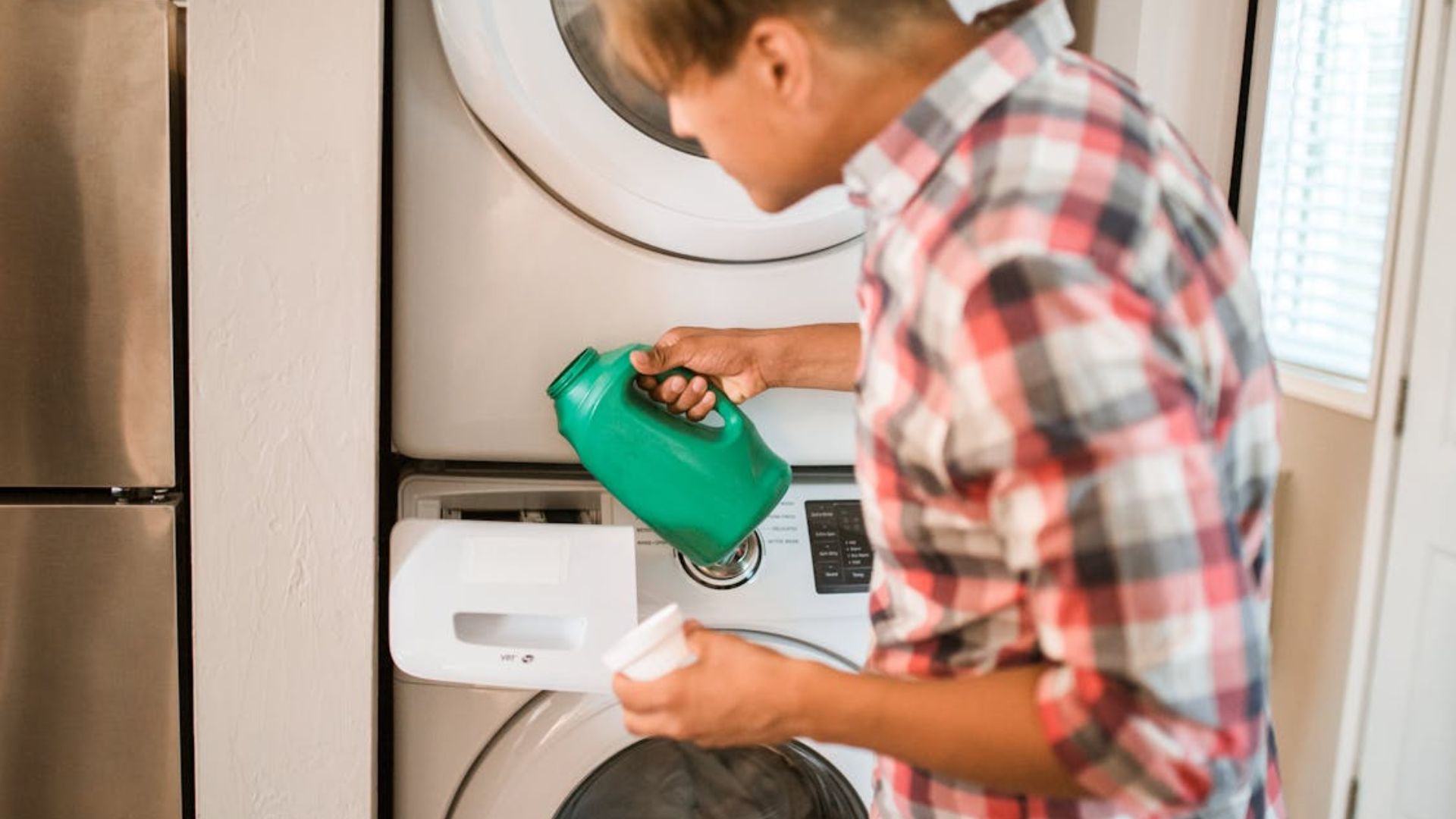
Overloading the washing machine forces it to rinse endlessly by wasting water and shortening your clothes’ lifespan. Those pre-measured pods? Turns out, they're usually overkill too. More soap doesn't mean cleaner; it means clogged machines and money swirling down the drain.
Watering Lawns Midday

Midday watering is a classic rookie move—sure, your grass gets a shower, but half of it evaporates before roots even get a sip. The heat wastes your good intentions fast, and in some places, it could even land you a fine. So, water early or late, and let the lawn deliver that cool and lush vibe.
Overusing Hot Water
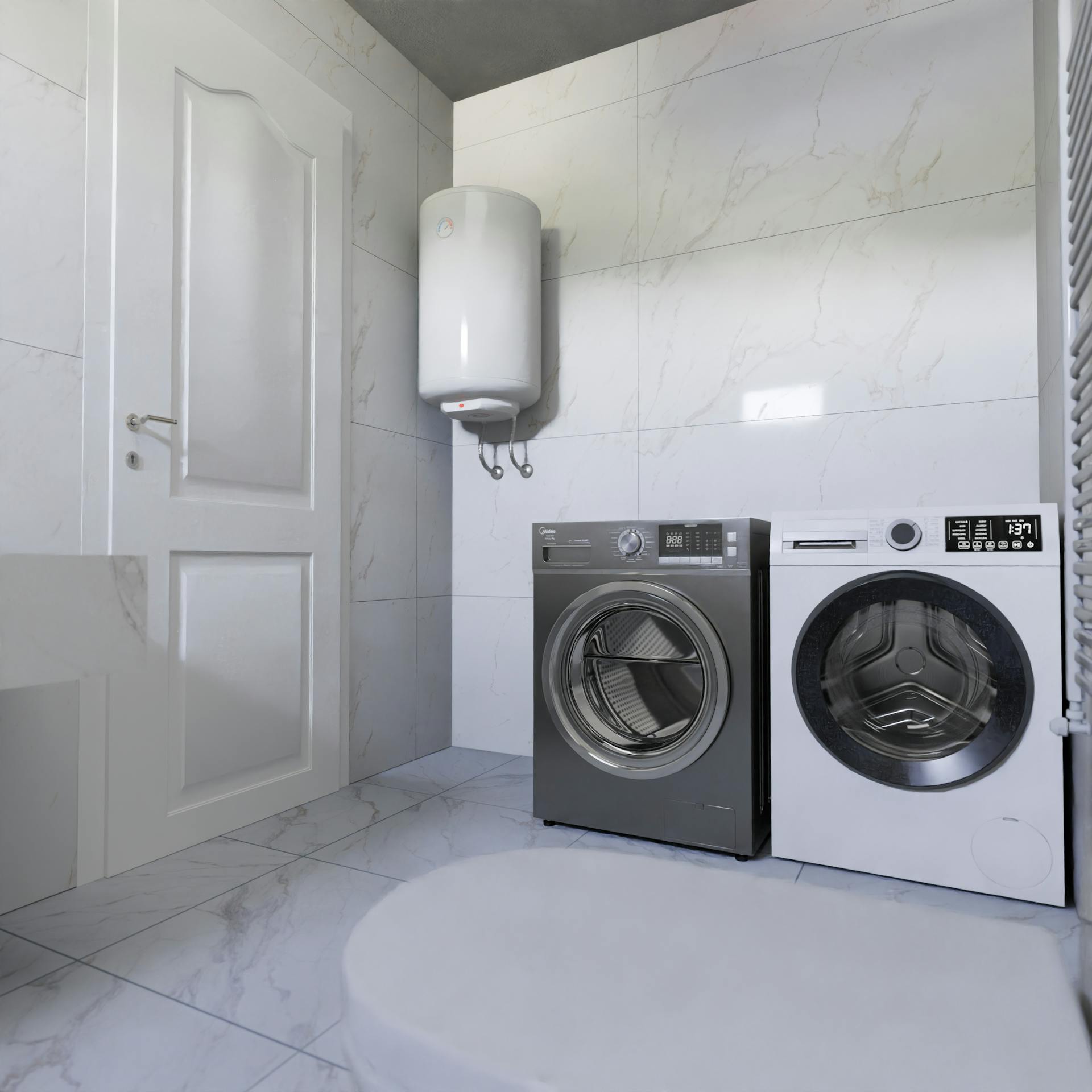
Hot water use—from marathon showers to endless laundry cycles—is a stealthy energy drain. While your water heater works nonstop, it rarely gets credit, only higher bills. By shortening showers, switching to cold washes, and lowering the heater's setting, you can cut energy use without giving up on clean clothes.
Not Sealing Windows Properly
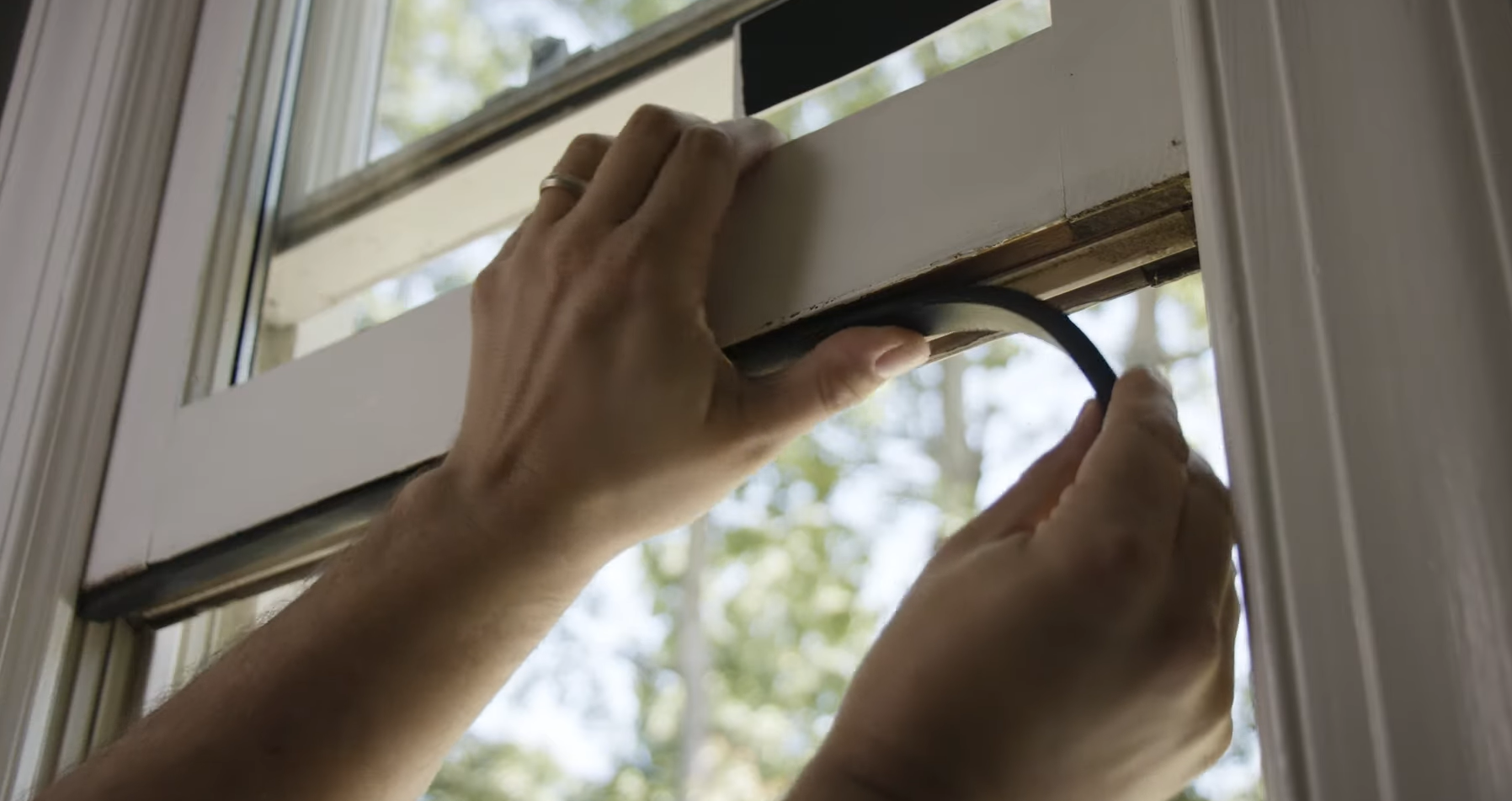
If your windows whistle when the wind blows, that’s heat slipping out and cold sneaking in. Drafts might seem small, but they make your heater work overtime. A few quick fixes—like caulk or thick curtains—can make a big difference in keeping the warmth where it belongs.