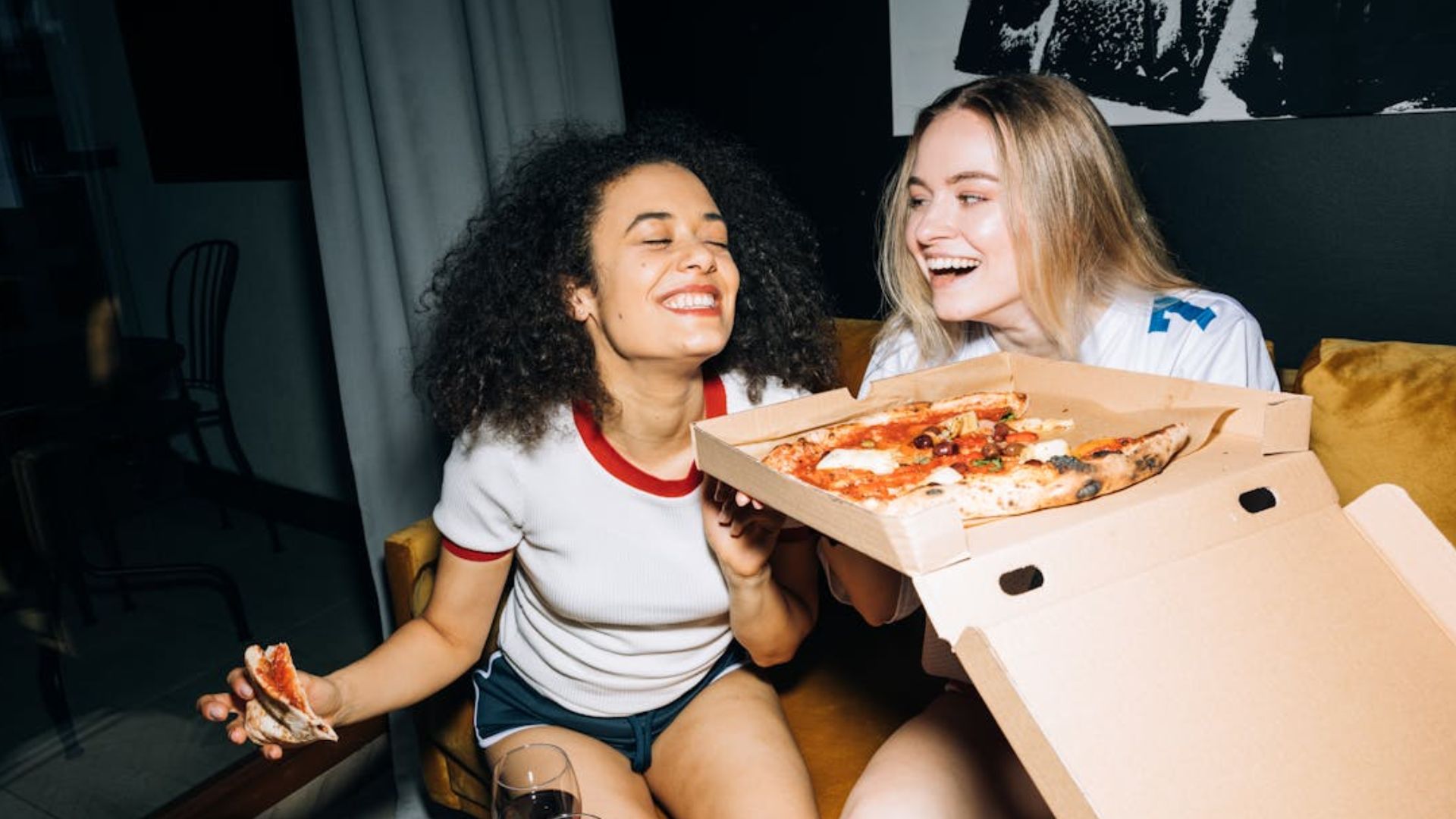
Remember when socializing didn’t require waiting in line or yelling over music? That spirit is sneaking back, only this time it feels less like teenage rebellion and more like a collective sigh of relief.
Low-key house parties are reclaiming their spot as the go-to hangout, and the reasons are piling up fast. People are tired of overpriced nights out, drained by endless schedules, and craving connections that actually feel real. Hosting at home answers all of that.
You pick the playlist, stack the fridge with favorites, and skip the ride-share drama at closing time. For some, it sparks nostalgia for basement parties and living-room dance floors. However, for others, it feels like a fresh act of resistance against social exhaustion. Either way, the house party is officially cool again—cozy and way more fun than standing in a crowded bar.
Escaping The Rising Cost Of Nightlife
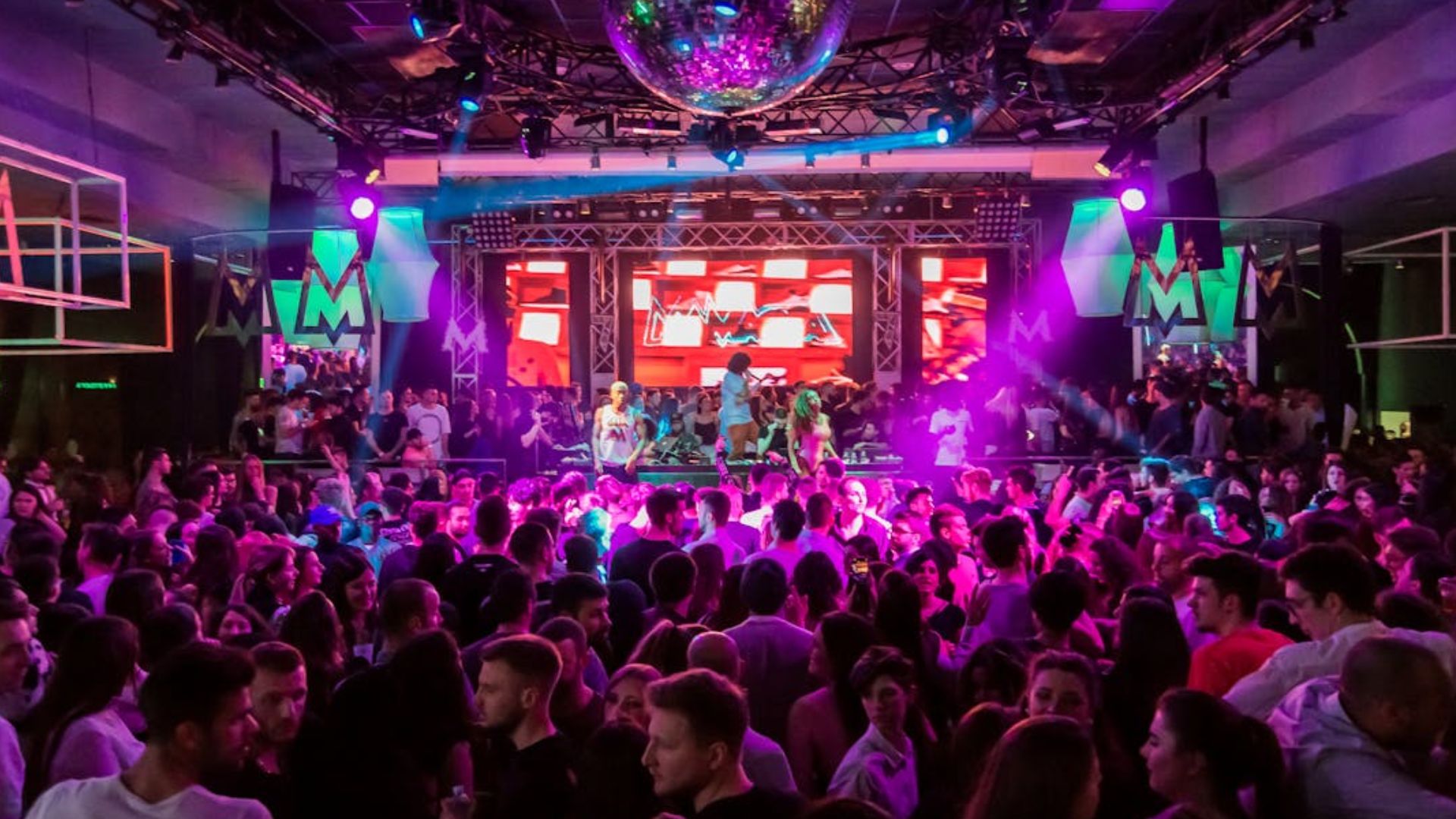
Bar prices have surged by nearly 30% over the past decade, making a night out increasingly costly. Beyond expensive drinks, add-on fees such as entry charges and inflated extras push totals even higher. Hosting at home eliminates those expenses, which positions house parties as an affordable alternative.
Craving Smaller, More Intimate Social Circles
A recent survey found that 61% of adults prefer connecting with a few close friends instead of being stuck at crowded events. House parties encourage smaller groups, where conversations feel genuine and distractions are fewer. This natural intimacy creates stronger connections and makes gatherings at home more appealing than large social venues.
Pandemic Habits That Never Fully Left

Home gatherings became the norm during the pandemic, offering comfort and reduced stress. Those habits remain strong today. Gallup reports 43% of U.S. adults now prefer socializing at home for convenience and affordability. Nearly 39% admit they host more often since 2020, keeping post-COVID traditions alive.
Burnout From Constant Social Performance

Nightlife is increasingly performative, with social media pressuring many to document and impress. This expectation can turn evenings out into stressful showcases rather than relaxation. By contrast, house parties provide relief. Guests feel no need to curate images or compete for attention. The result? More authentic and stress-free interactions.
The Rebellion Against Over-Scheduled Lives

Americans log longer working hours than peers in most developed nations, often leaving them too drained for late-night venues. Instead, casual home gatherings provide a welcome reprieve. House parties represent a subtle form of rebellion—rejecting hustle culture and constant scheduling in favor of relaxed, meaningful downtime with friends.
Safer Spaces In An Unpredictable World
Rising concerns about late-night safety, including crime and drunk driving, have shifted preferences toward home-based gatherings. Parents and women, in particular, value the sense of control and security a private space provides. House parties reduce risks while creating a relaxed, enjoyable atmosphere, and this makes them a preferred alternative to nightlife.
Nostalgia For Youth And Simpler Times

For Gen X and Millennials, house parties symbolize carefree moments from the 1980s, 1990s, and early 2000s. Psychologists emphasize nostalgia as a proven tool for comfort during uncertain times. Reviving home gatherings allows adults to reconnect with formative memories and blends past joy with today’s need for stability and belonging.
Control Over Music, Food, And Atmosphere

House parties allow complete control over details often dictated by venues. Hosts choose the playlist, food, and overall mood. Eventbrite’s 2025 report highlights the rise of micro-events, showing people increasingly seek private settings with customizable environments. This freedom ensures gatherings reflect personal taste rather than commercialized, one-size-fits-all nightlife.
The Rise Of DIY Entertainment Culture

Technology has turned homes into entertainment hubs. Streaming services deliver endless content, and karaoke systems bring live fun indoors while affordable smart lighting sets the mood instantly. Many now invest in creating spaces designed for hosting, which signals a shift where socializing at home rivals the appeal of going out.
Mental Health And Social Energy Awareness
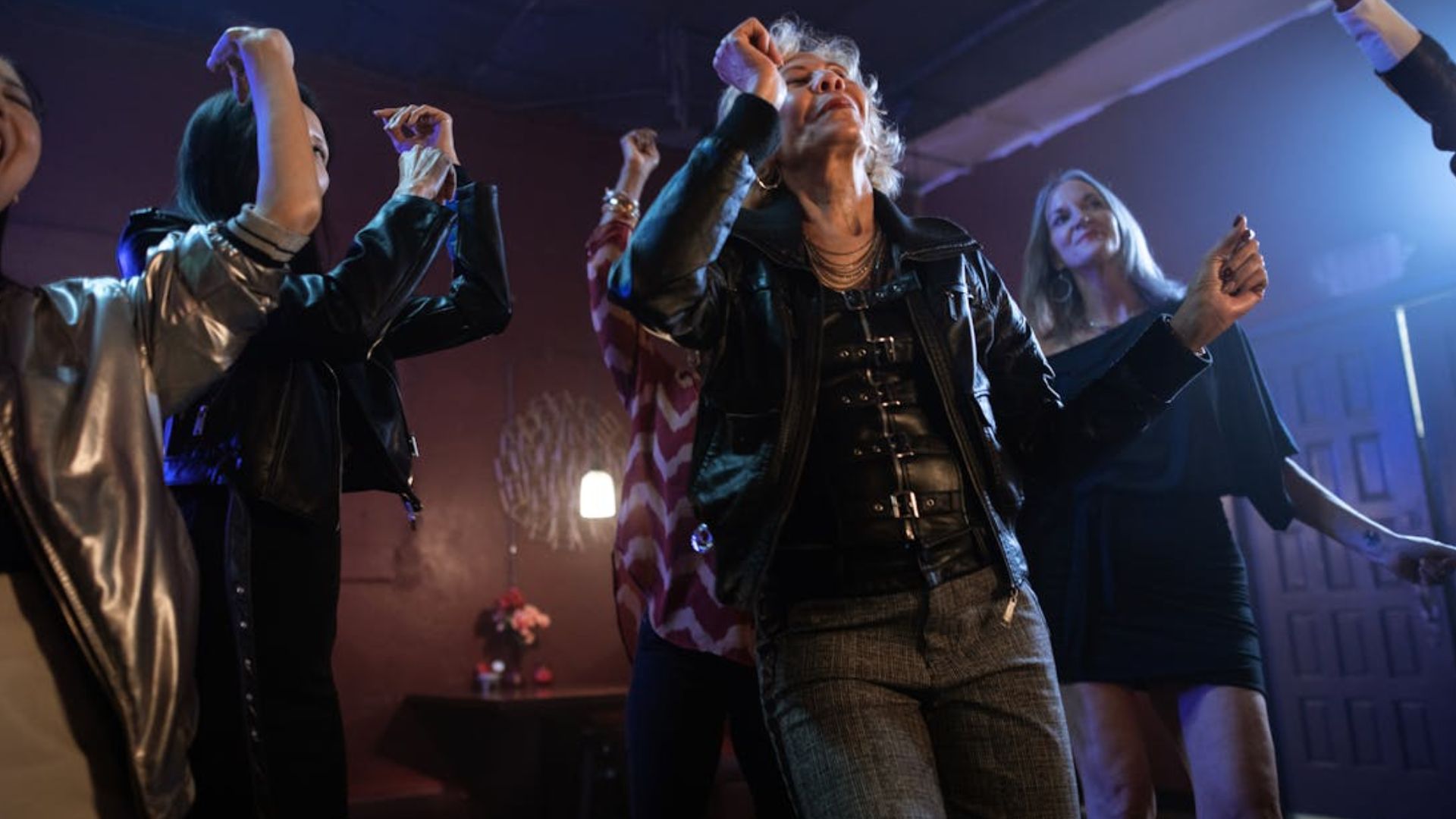
Protecting mental health has become central to modern social choices. Psychologists note a growing tendency to avoid overstimulation, especially in loud, crowded venues. House parties offer freedom to step back, leave early, or recharge without judgment. This flexibility makes home gatherings a practical solution for balancing connection with self-care.