In some places, you can snack while walking. However, in other locations, if you attempt the same, the looks that will befall you will make you doubt your very existence. Sharing food, finishing your plate, even grabbing the last bite—none of it is universal. What feels polite in one corner of the world might come off as totally off-putting somewhere else. And unless you want your dinner invitation revoked mid-meal, it helps to know what’s up. Here’s a little tour of food dos and don’ts across cultures because sometimes, good manners are just a passport stamp away from awkward.
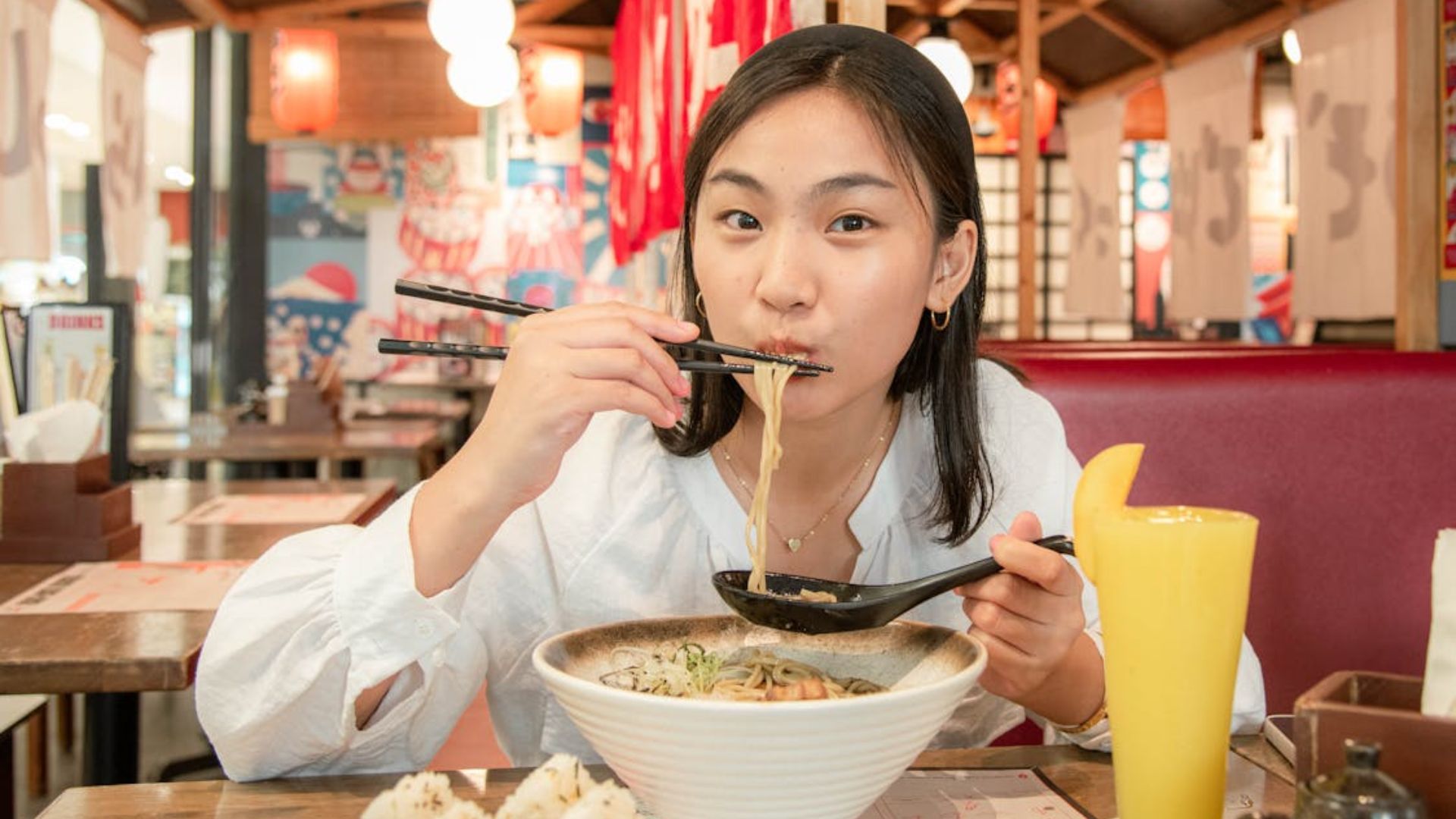
In some places, you can snack while walking. However, in other locations, if you attempt the same, the looks that will befall you will make you doubt your very existence. Sharing food, finishing your plate, even grabbing the last bite—none of it is universal. What feels polite in one corner of the world might come off as totally off-putting somewhere else. And unless you want your dinner invitation revoked mid-meal, it helps to know what’s up. Here’s a little tour of food dos and don’ts across cultures because sometimes, good manners are just a passport stamp away from awkward.
Don’t Use Your Left Hand in India
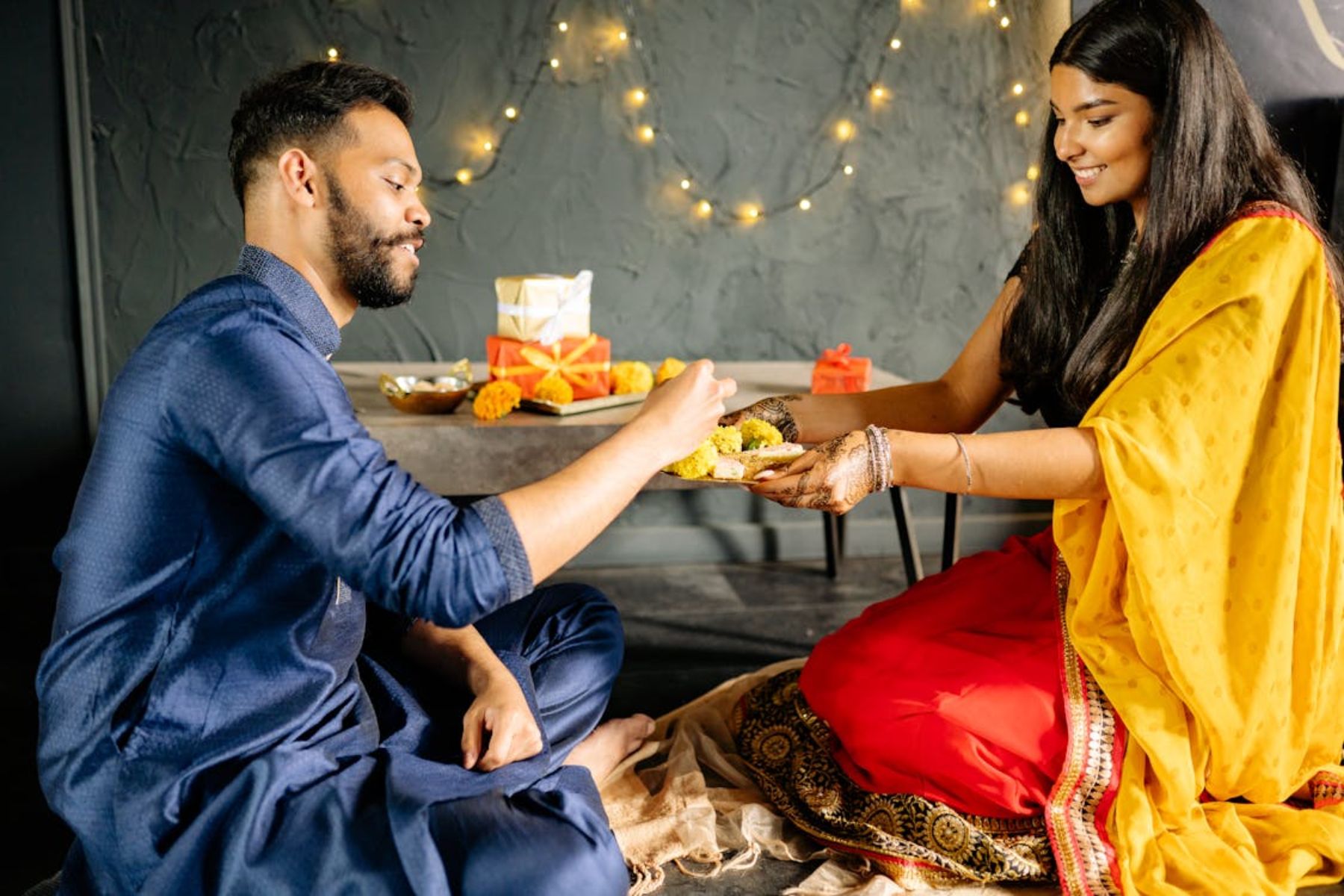
India’s dining rules start with the hands—specifically, just the right one. That’s the go-to for greeting, scooping curry with naan, or sharing a dosa. The left? Associated with hygiene and kept away from food. Even lefties get nudged to switch. Respect the custom and reach for that naan with your right hand.
Only Touch What You Eat In Ethiopia
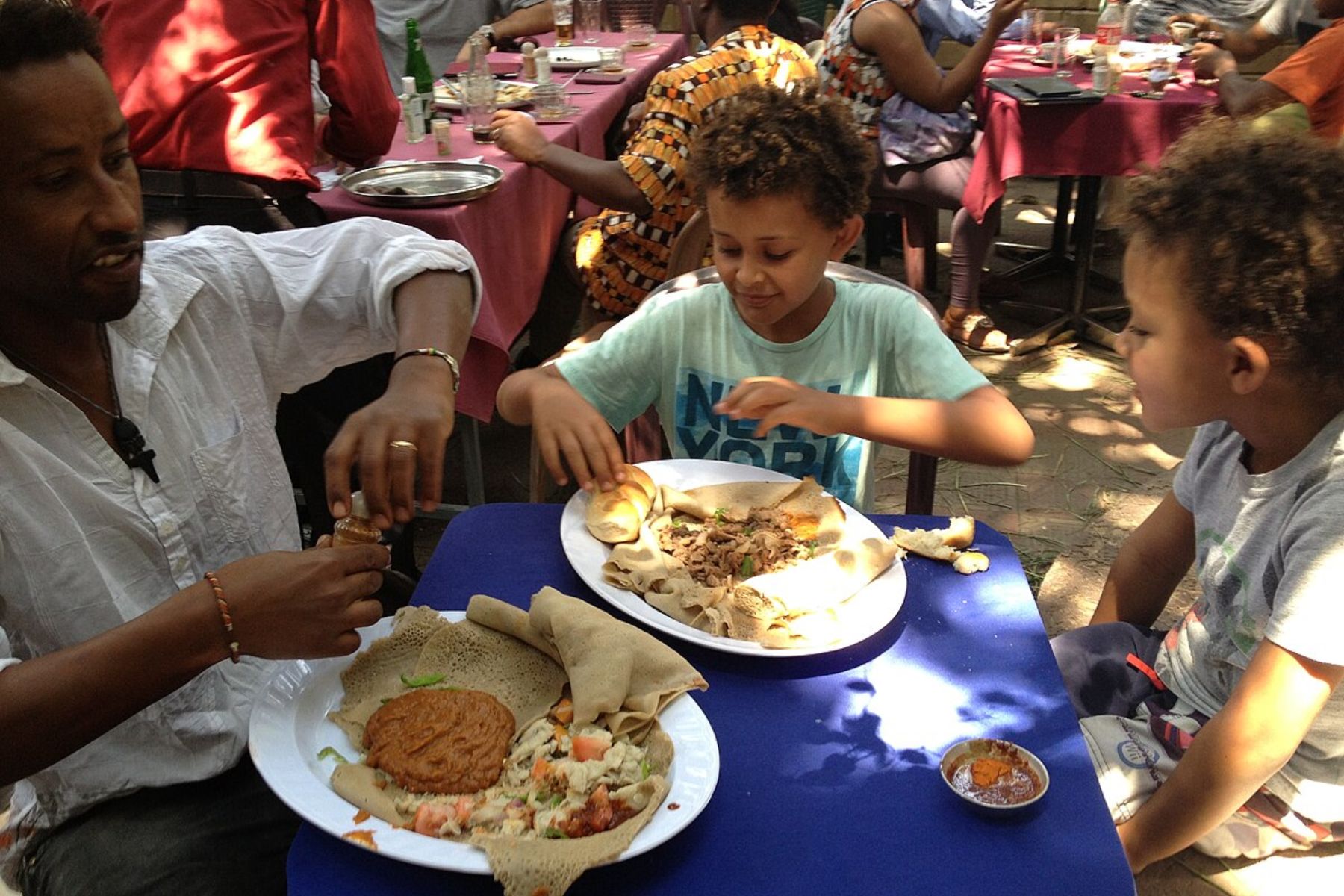
In Ethiopia, meals are a shared experience on one big round platter. Everyone eats from the same round of injera, using fingers to scoop stews. The one rule is not to reach out carelessly and only touch what’s going in your mouth. Touching others’ portions breaks trust. If your kin feeds you, it’s a heartfelt gesture of love.
Slurping Is A Compliment In Japan
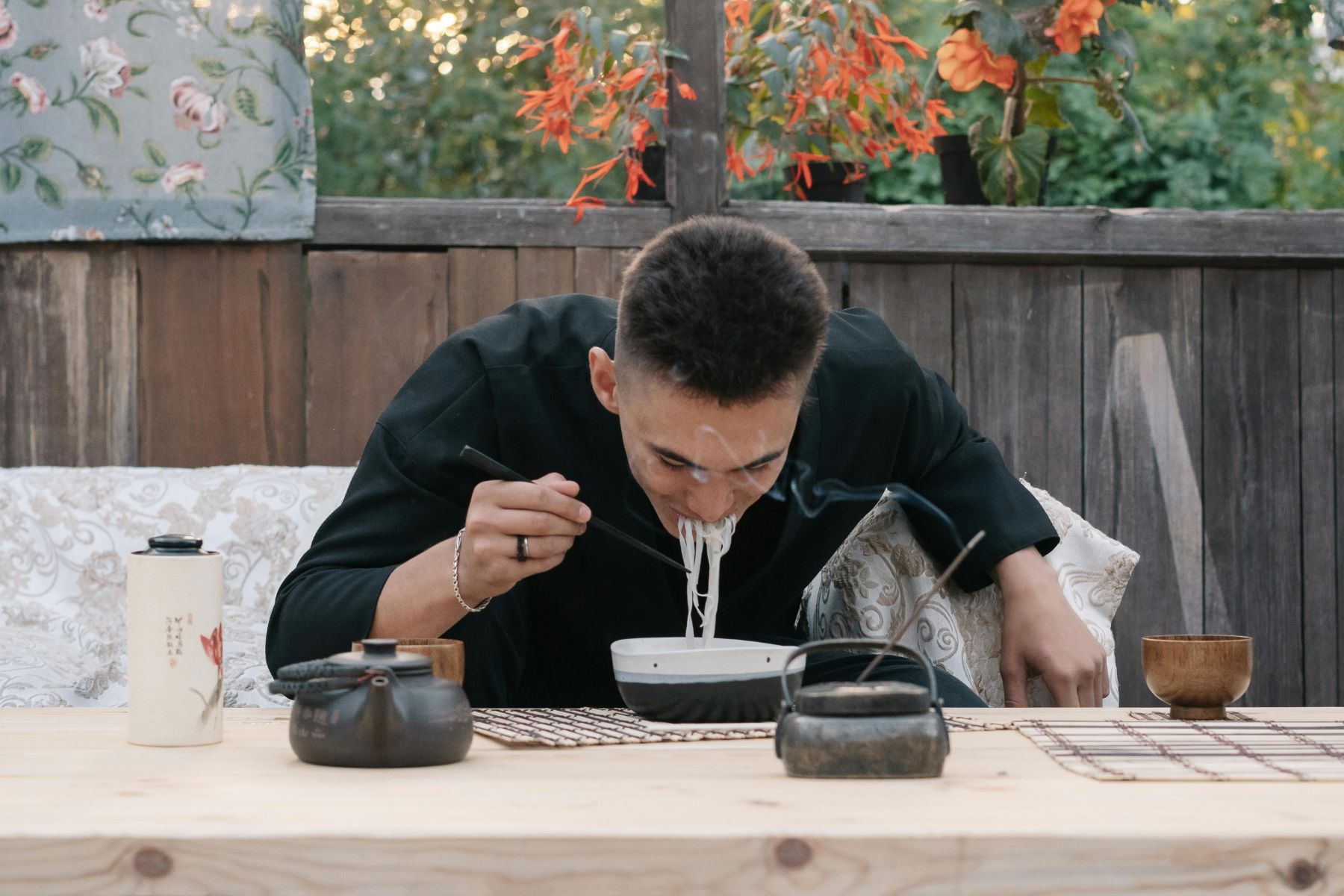
Forget quiet bites, in Japan’s noodle bowls come with a “shhlrrrp” soundtrack. Slurping soba or ramen is normal, actually welcomed. It signals enjoyment and actually boosts flavor by cooling and aerating each bite. When you stay silent, you risk seeming unenthusiastic. Even high-end restaurants welcome the noise, so don’t hold back.
Don’t Refill Your Own Glass In Korea
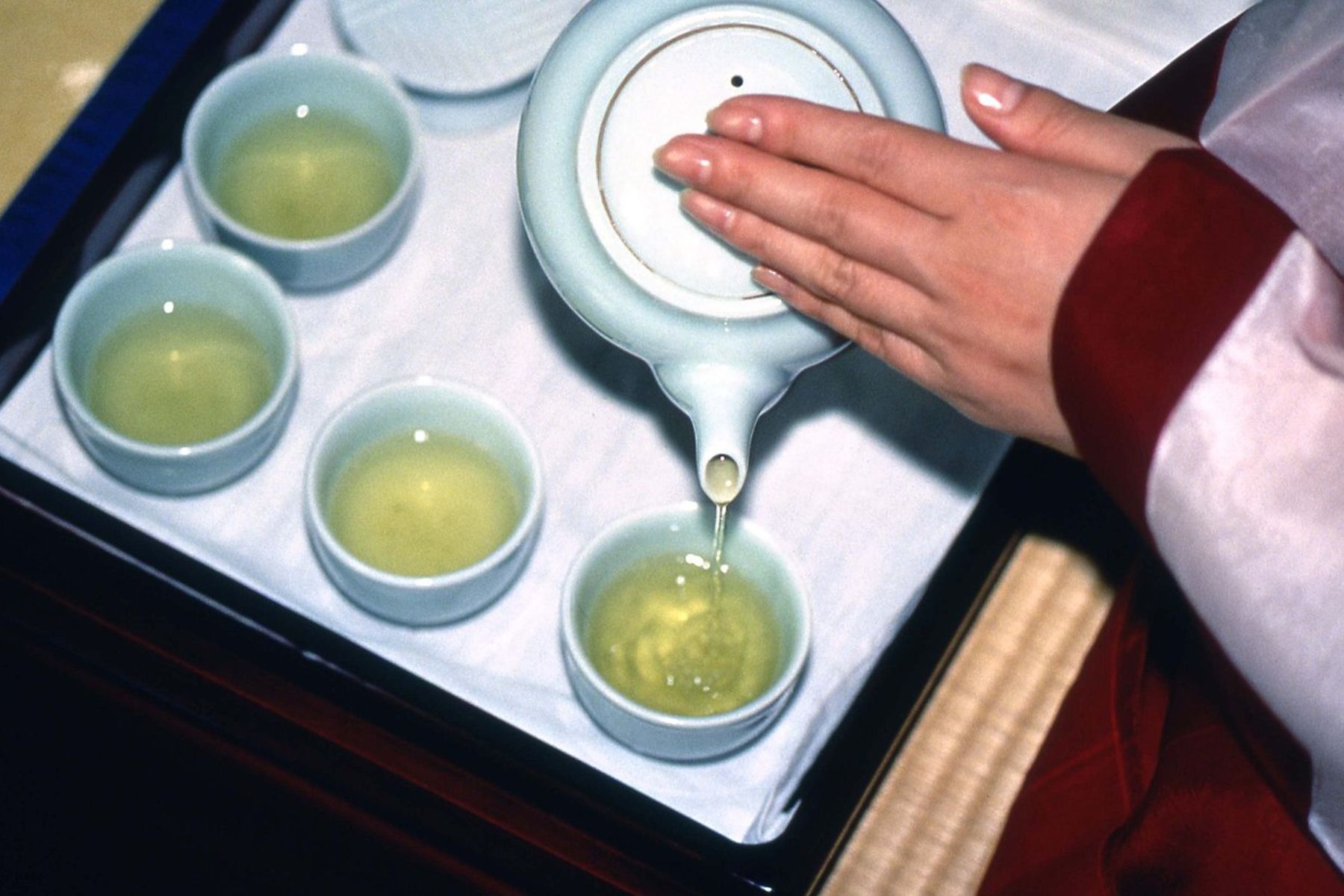
When you get to Korea and your glass runs empty, wait! Why? Answer: Pouring drinks is a shared act of respect. Always wait for someone else to do it, and be ready to return the favor. Always use two hands, especially around elders. Another quirk? Turning slightly away while you sip, a respectful nod to tradition.
Wait For “Buen Provecho” In Mexico
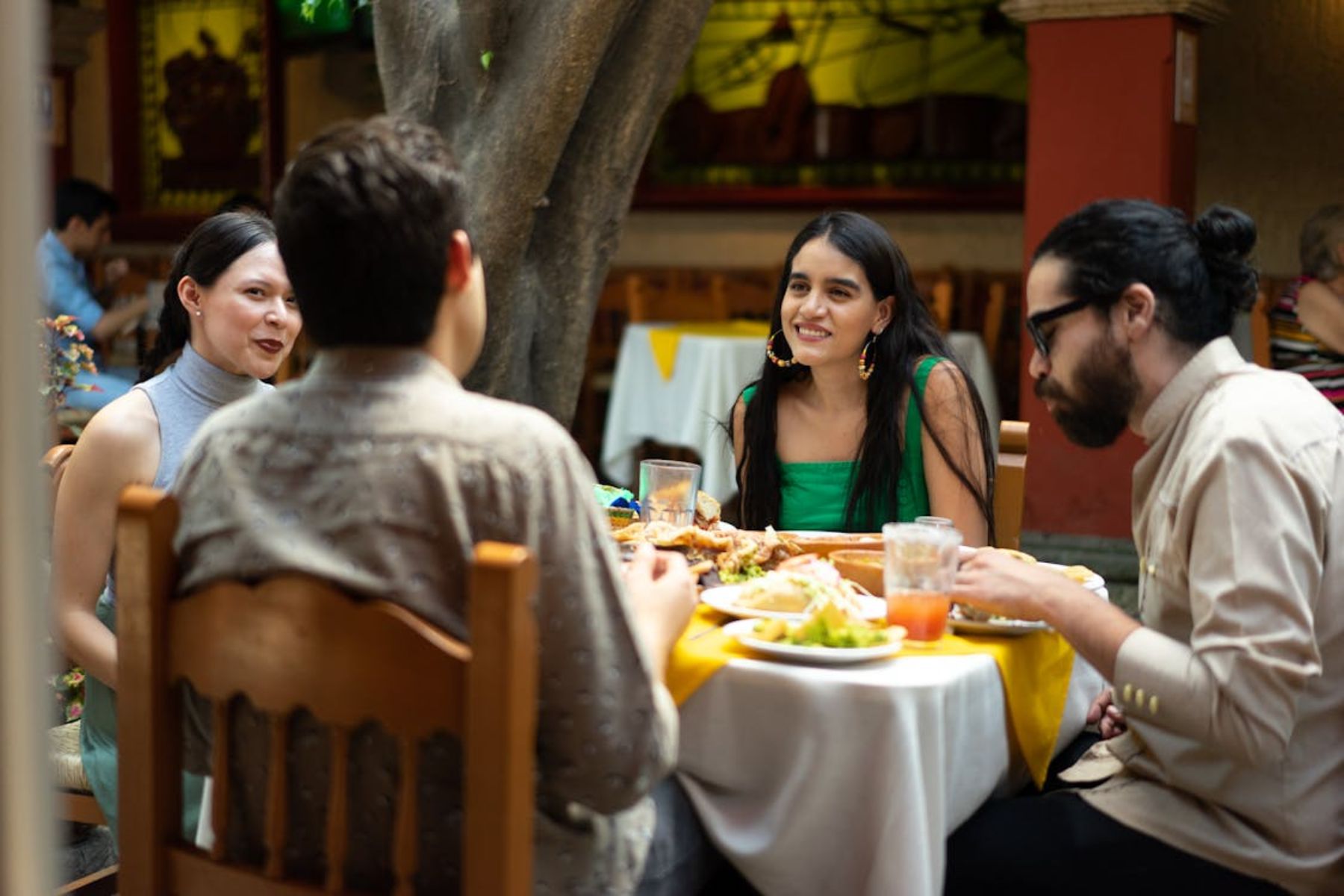
Hold that taco and wait for someone to say “Buen provecho.” Oh yes, that’s like the waving flag to start eating. Now, what if you are alone? If a stranger or waiter is around, they might say it as they pass your table. Street food vendors join in, too, adding charm to the ritual.
Don’t Finish Everything In China (Sometimes)
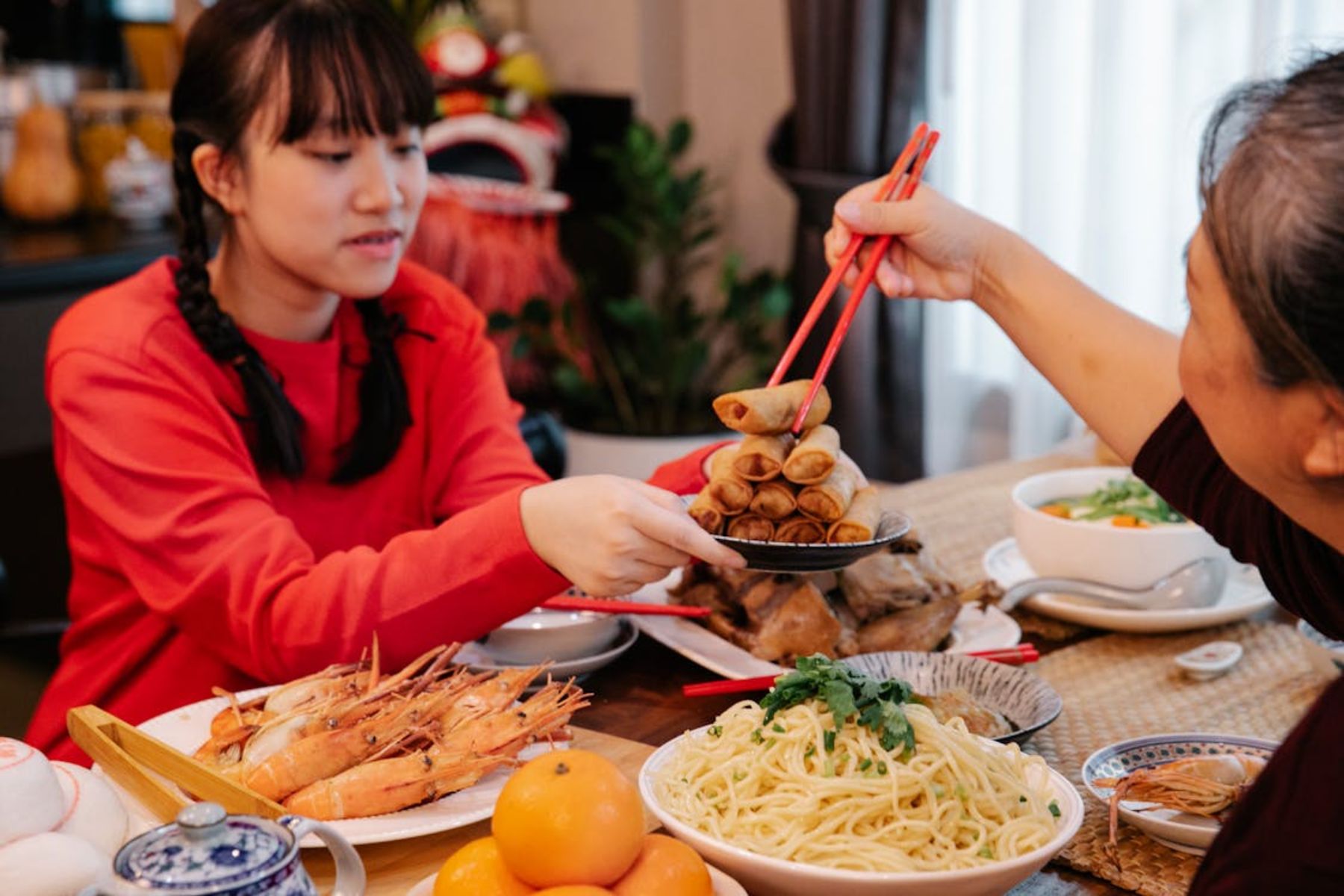
In many parts of China, polishing off your plate may come across as a subtle complaint that you weren’t fed enough. Leaving a small amount signals abundance and thanks. But the rule isn’t uniform. In some regions, when you finish everything, it is the polite move. Other people might disagree, so when in doubt, follow your host’s lead.
Use Bread As A Utensil In Morocco
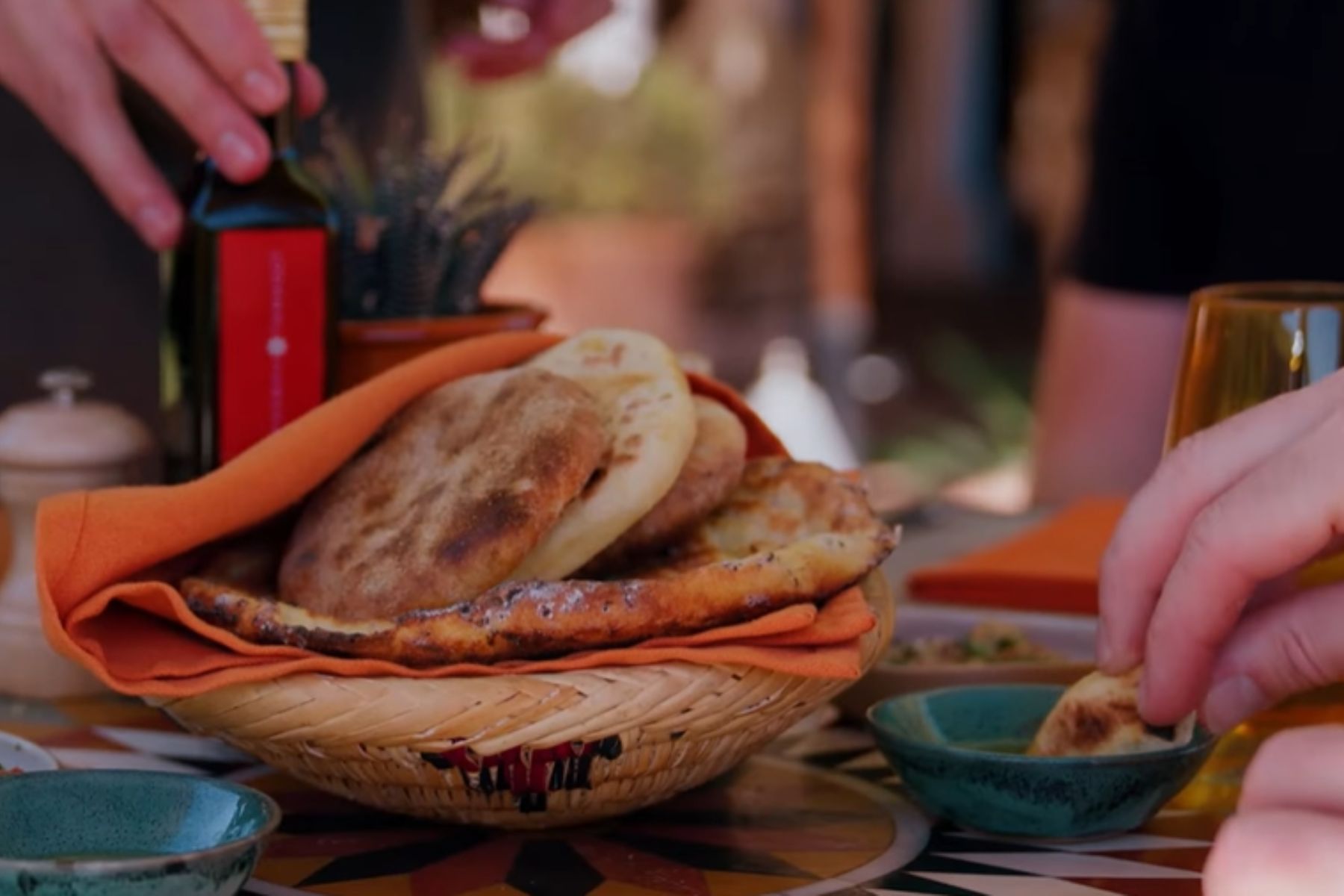
Forks can rest because bread does the heavy lifting in Morocco. Diners scoop up spiced stews using bread, always with the right hand. It’s hands-on and flavorful, and finger-licking is the norm. Wrap it all up with a glass of mint tea as a proper sendoff filled with hospitality.
Don’t Add Salt In Egypt Without Tasting
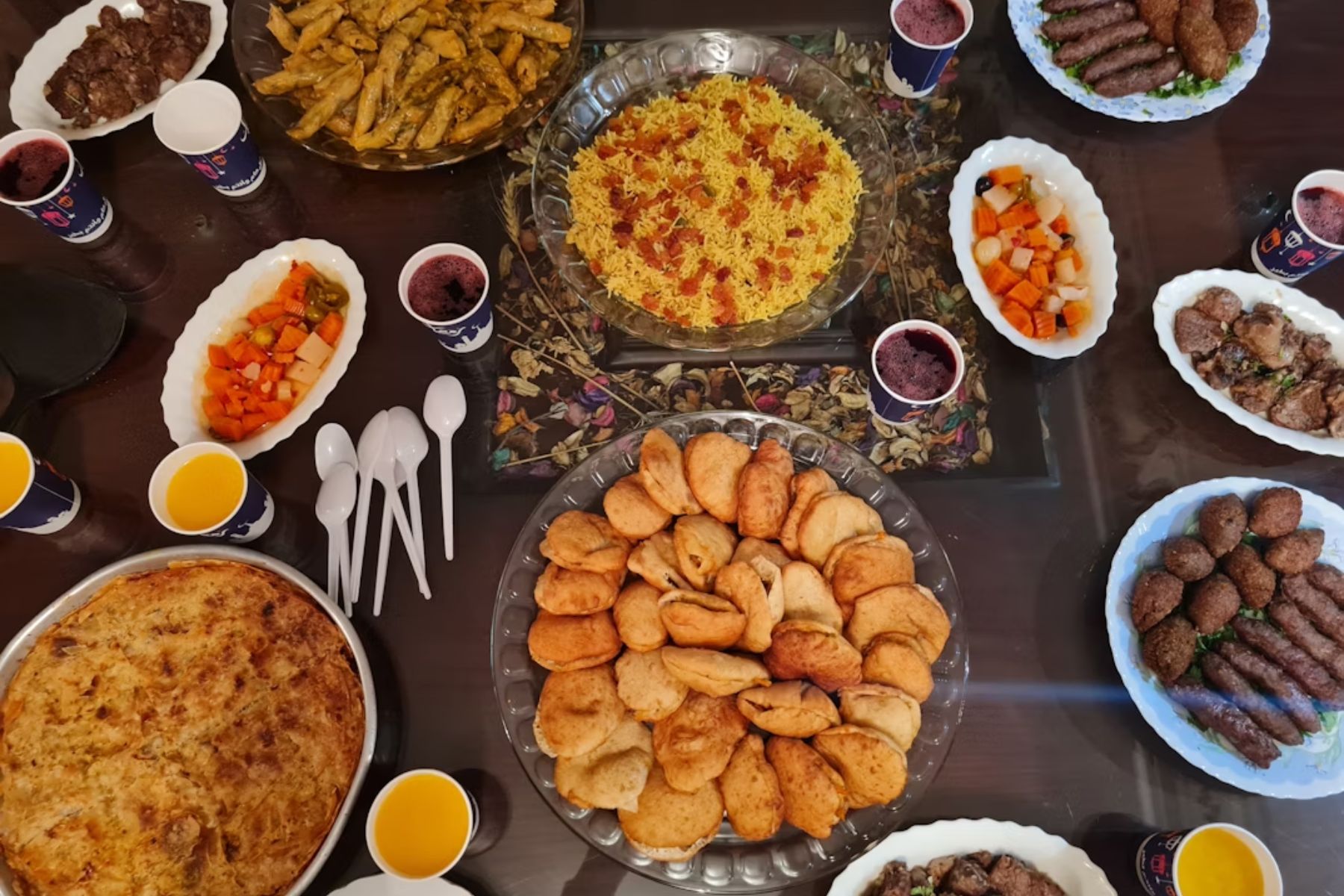
Before you reach for the saltshaker in Egypt, take a bite. For the people who reach out for seasoning first, just know that this sends the wrong message, hinting that the cook missed the mark. Meals here often arrive perfectly spiced. So, trust the flavor balance before you tinker with it.
Never Cross Chopsticks In Japan Or China
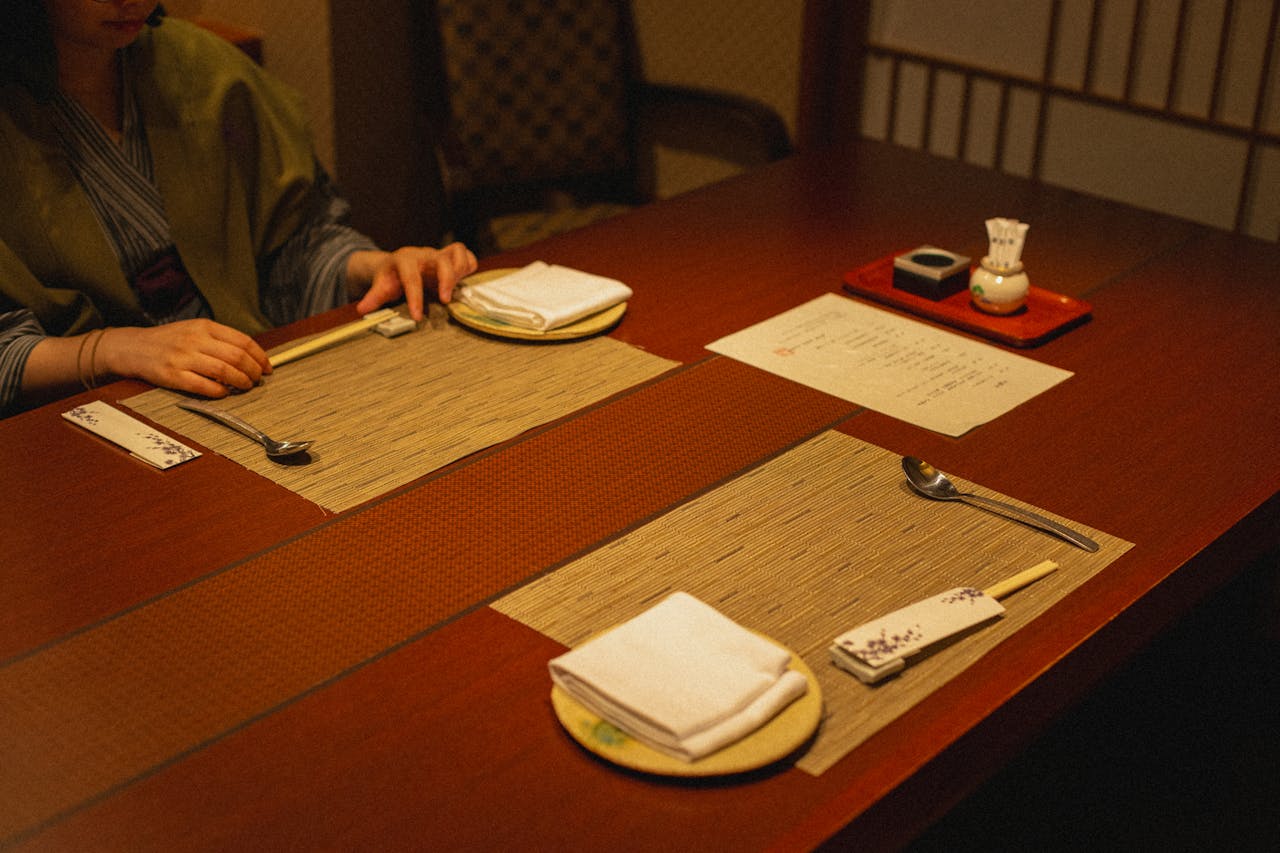
While it may seem like the next best thing to do, in Japan and China, crossed chopsticks are a symbol of death. The same goes for sticking them upright in rice, which mimics funeral rites. The ideal style is to set them neatly on a rest, side by side. As a gift between couples, chopsticks are welcome, as long as they don’t cross.
Flat-Out Refusing Seconds Is Rude In Russia
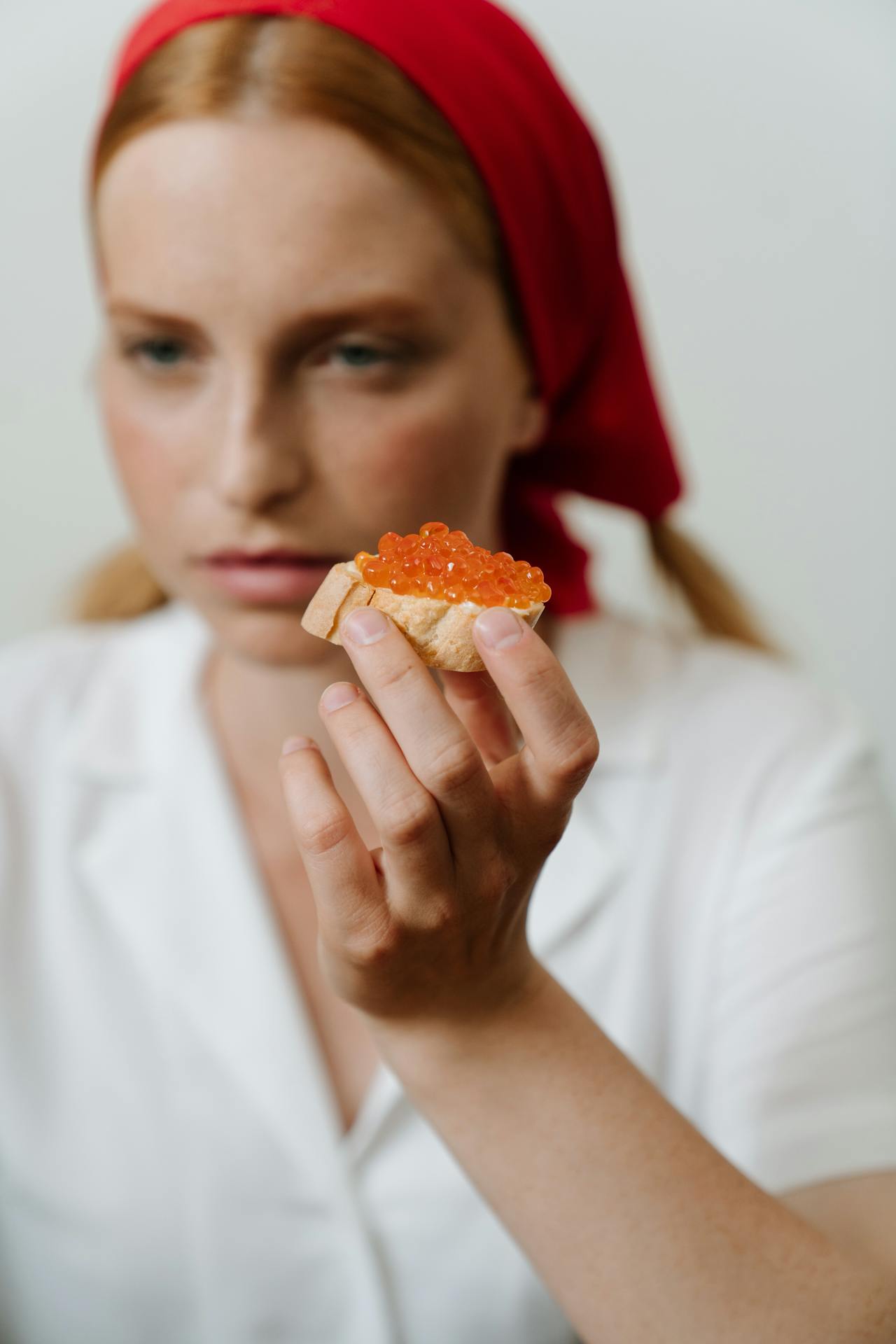
Your Russian host asked you for a refill, and you said no? Big mistake. Here, turning down seconds too soon is risky business. Hosts often take it personally, and grandmothers might double down until you say yes. A hearty appetite shows gratitude, so lean in, smile widely, and make peace with that extra helping.