10 Things That Will Happen When You Keep Upgrading Your Phone
Every new release promises sharper cameras and unique features that seem impossible to live without. The buzz builds, ads flash everywhere, and suddenly that phone in your pocket feels outdated. It’s a cycle designed to keep you chasing the latest upgrade.
But behind the excitement lies a reality few stop to calculate. Each purchase brings hidden costs that go beyond the sticker price—affecting everything, from your wallet to your lifestyle. What feels like progress can quietly turn into a burden that grows with every upgrade. That’s the story this exploration unpacks.
Keep reading to see the surprising ways this upgrade obsession might be costing you more than you realize.

Every new release promises sharper cameras and unique features that seem impossible to live without. The buzz builds, ads flash everywhere, and suddenly that phone in your pocket feels outdated. It’s a cycle designed to keep you chasing the latest upgrade.
But behind the excitement lies a reality few stop to calculate. Each purchase brings hidden costs that go beyond the sticker price—affecting everything, from your wallet to your lifestyle. What feels like progress can quietly turn into a burden that grows with every upgrade. That’s the story this exploration unpacks.
Keep reading to see the surprising ways this upgrade obsession might be costing you more than you realize.
Your Wallet’s Slow Bleed

With flagship phones ranging from $800 to $1,200, that’s thousands spent over just a few years. As per Ars Technica, fewer than 10% of Americans buy $1,000+ phones—but many still upgrade annually. The math doesn’t lie: five years of upgrades could fund a used car, a semester of college, or a very fancy espresso habit.
You’re Ghosting Your Future Wealth

That $1,000 you spent on a phone last year? It could’ve been earning compound interest instead. Plug it into NerdWallet’s calculator and you’ll see how skipping just one upgrade could grow into $2,500+ over a decade. Multiply that by several cycles, and you’re ghosting a whole chunk of future wealth—for a slightly better camera.
E-Waste Avalanche
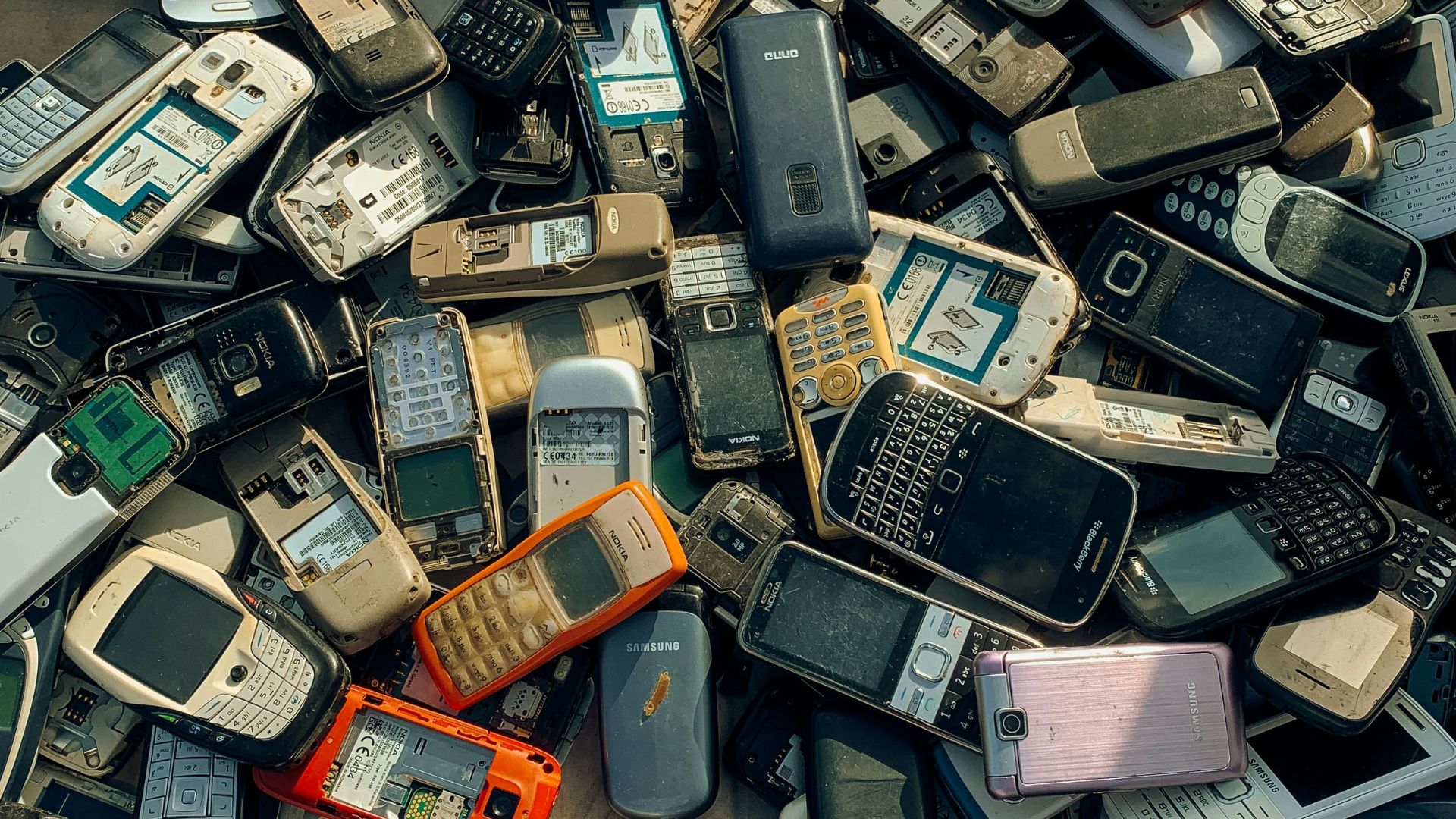
Every upgrade contributes to the global e-waste crisis—62 billion kilograms in 2022 alone, according to the World Economic Forum. Only about 22% of that gets recycled. That drawer of old phones? It’s not just clutter—it’s climate collateral. Holding onto your device longer is one of the easiest ways to cut down your digital footprint.
Set Up Fatigue Is Real

New phone, same headache: transferring data, re-logging into apps, re-pairing Bluetooth devices, and figuring out which settings mysteriously reset. It’s like moving house every year—minus the pizza and the satisfaction. Even tech-savvy users admit it’s a time suck that rarely feels worth it.
Accessories Become Extinct
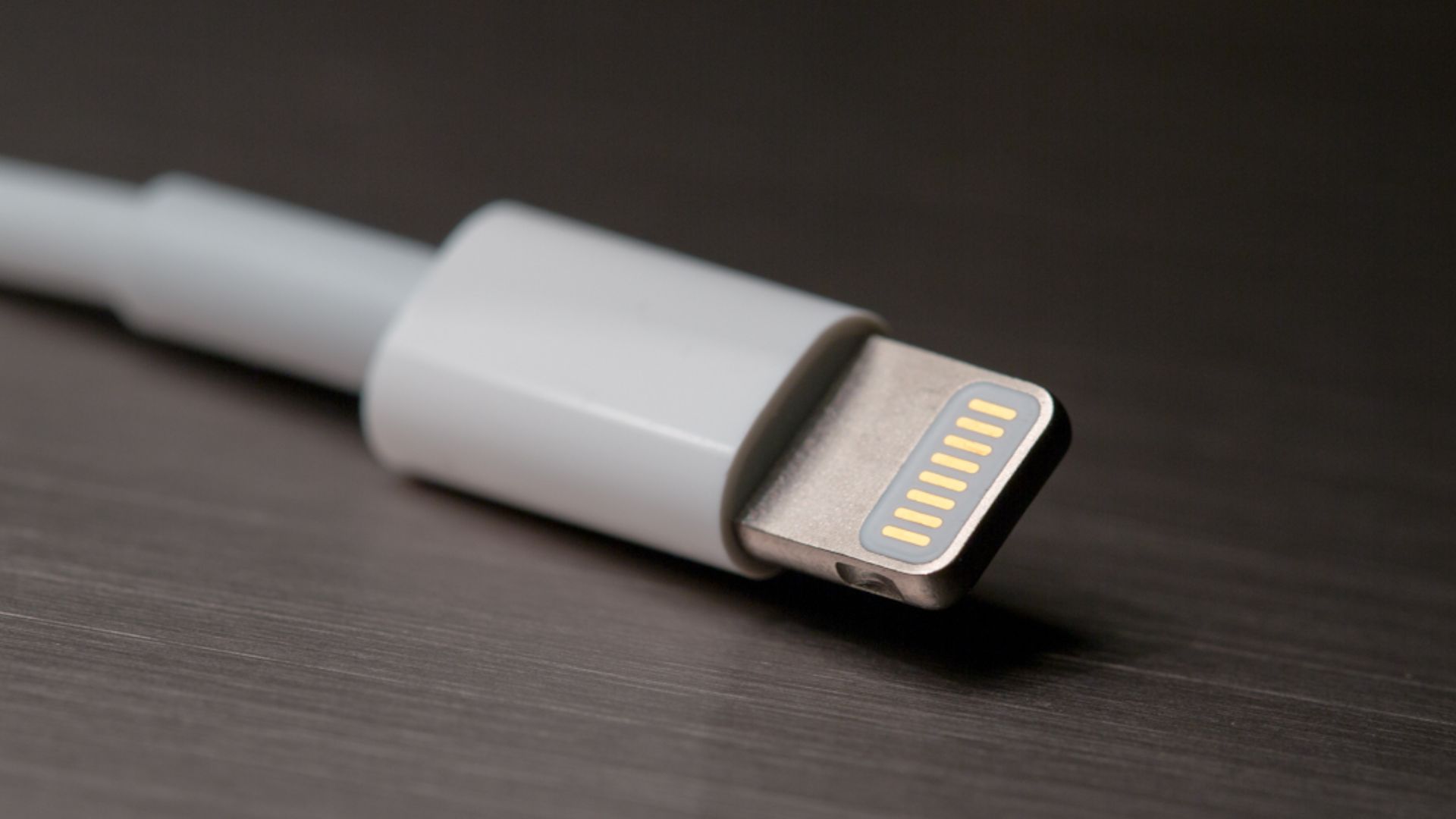
Millions bought those lightning cables as soon as Apple released them. But the brand’s switch to USB-C in the iPhone 15 made them obsolete overnight. Cases, docks, adapters—gone. Even small port changes can render entire accessory ecosystems useless. That’s hidden waste and extra spending you didn’t budget for.
You’re Basically Leasing Your Phone

Monthly payment plans and trade-in deals sound convenient, but they keep you locked in a cycle. You never truly own your device—just rent the illusion of “new.” PCMag reveals that even as the two-year phone upgrade cycle is fading, carriers still push early trade-ins that keep you perpetually subscribed to the next thing.
The Camera’s Better—But Are You?
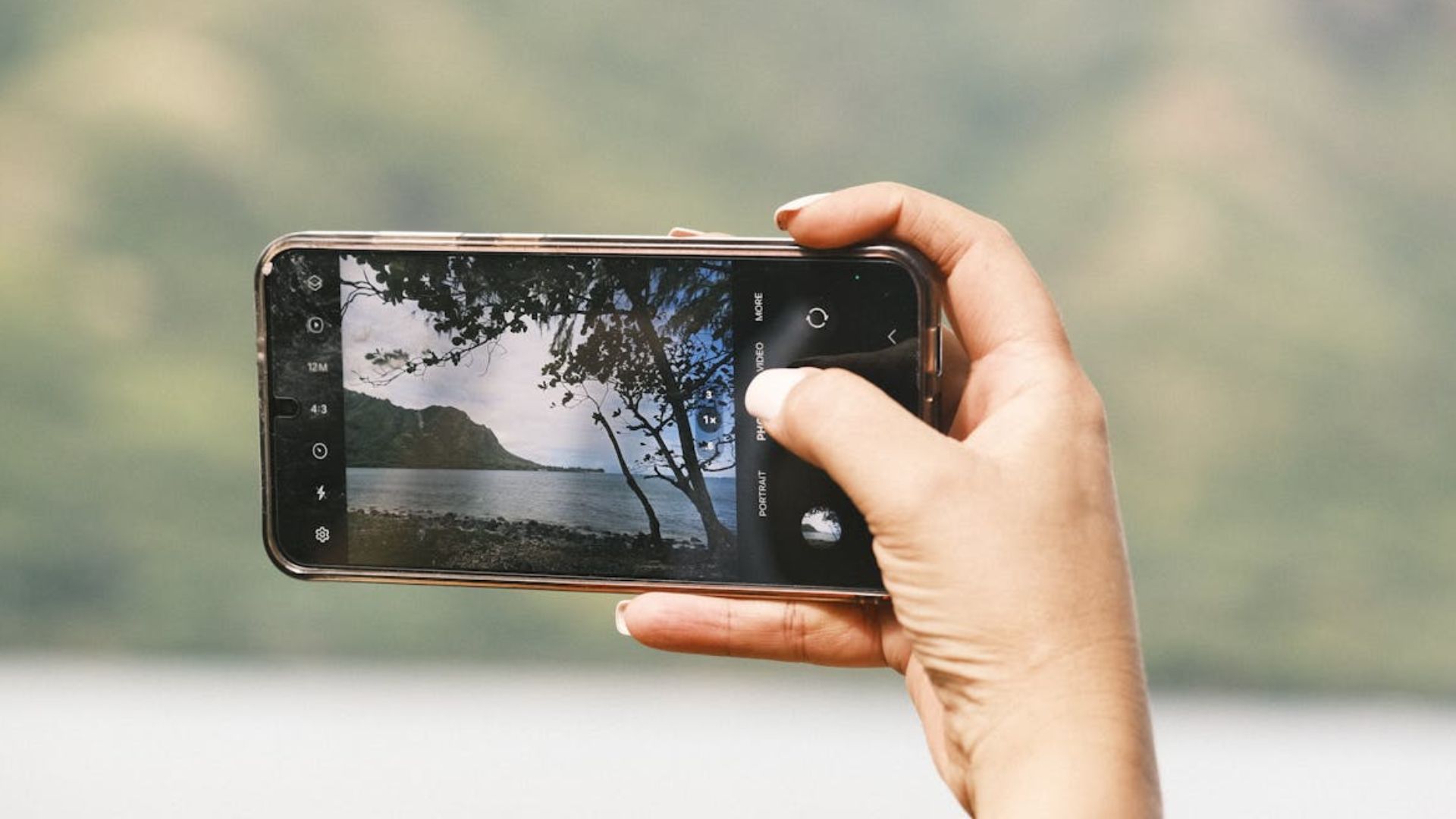
Each upgrade promises sharper selfies and cinematic video. But unless you’re filming a nature documentary or launching a YouTube empire, last year’s lens probably does just fine. Most users never tap into the full potential of their phone’s camera—so why pay for features you won’t use?
Social Pressure Is Expensive
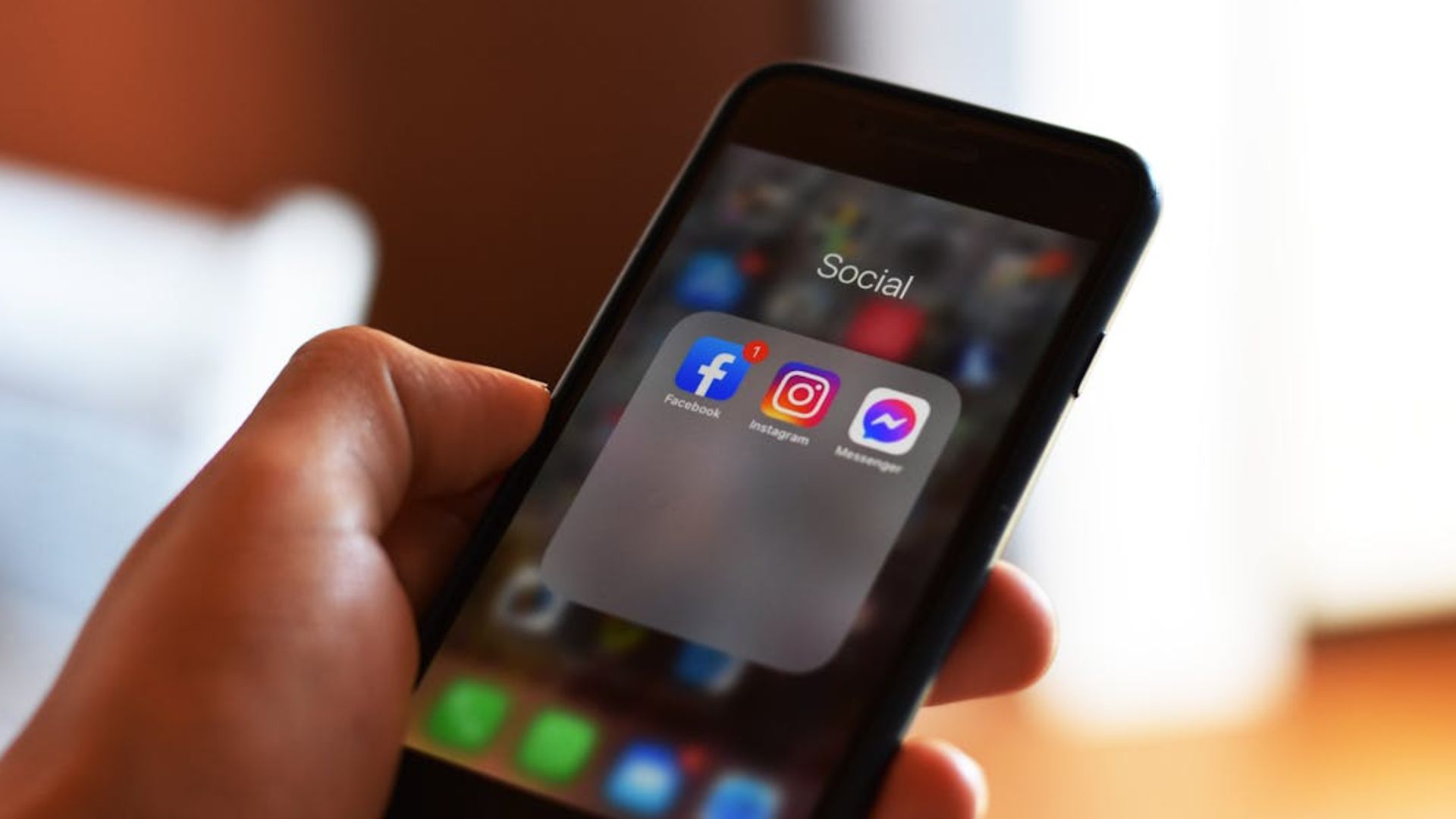
Influencer culture and peer envy push upgrades for status, not substance. The fear of “falling behind” drives purchases that aren't always rational. Many surveys show how social media fuels anxiety and tech FOMO, especially among younger users. Staying grounded—and off the upgrade carousel—is a quiet rebellion.
Progress Becomes An Illusion

Constantly upgrading your phone can also mask deeper habits. It’s retail therapy disguised as tech-savvy. Forbes points out that emotional spending often stems from stress or avoidance, not actual need. In chasing the thrill of ‘new,’ you end up treating short-term relief as long-term progress. That illusion can quietly steer your finances and habits off course.
You Lose Control Over Your Tech

Frequent upgrades mean more reliance on cloud backups, biometric locks, and proprietary ecosystems. You trade autonomy for convenience, which keeps raising your rent. The more often you switch, the less your device feels like yours. To you, it’s not just a phone anymore—it’s a subscription to someone else’s ecosystem.