10 Vehicles With Legendary Longevity & 10 That Break Down Too Soon
People often buy cars hoping for years of trouble-free driving, but the reality can be very different. Some vehicles develop a reputation for lasting decades, becoming dependable fixtures for families and commuters. Others don’t quite make it that far, struggling with mechanical problems much sooner than expected. But what sets these cars apart?
People often buy cars hoping for years of trouble-free driving, but the reality can be very different. Some vehicles develop a reputation for lasting decades, becoming dependable fixtures for families and commuters. Others don’t quite make it that far, struggling with mechanical problems much sooner than expected. But what sets these cars apart?
It’s rarely obvious at first glance. Longevity depends on design choices, quality of materials, and engineering that can withstand wear and tear over time. Here, we have examples from both ends of the spectrum—cars known to endure and those that tend to fall apart early. Understanding these differences can save money and frustration in the long run.
Toyota Land Cruiser (2022–2025)
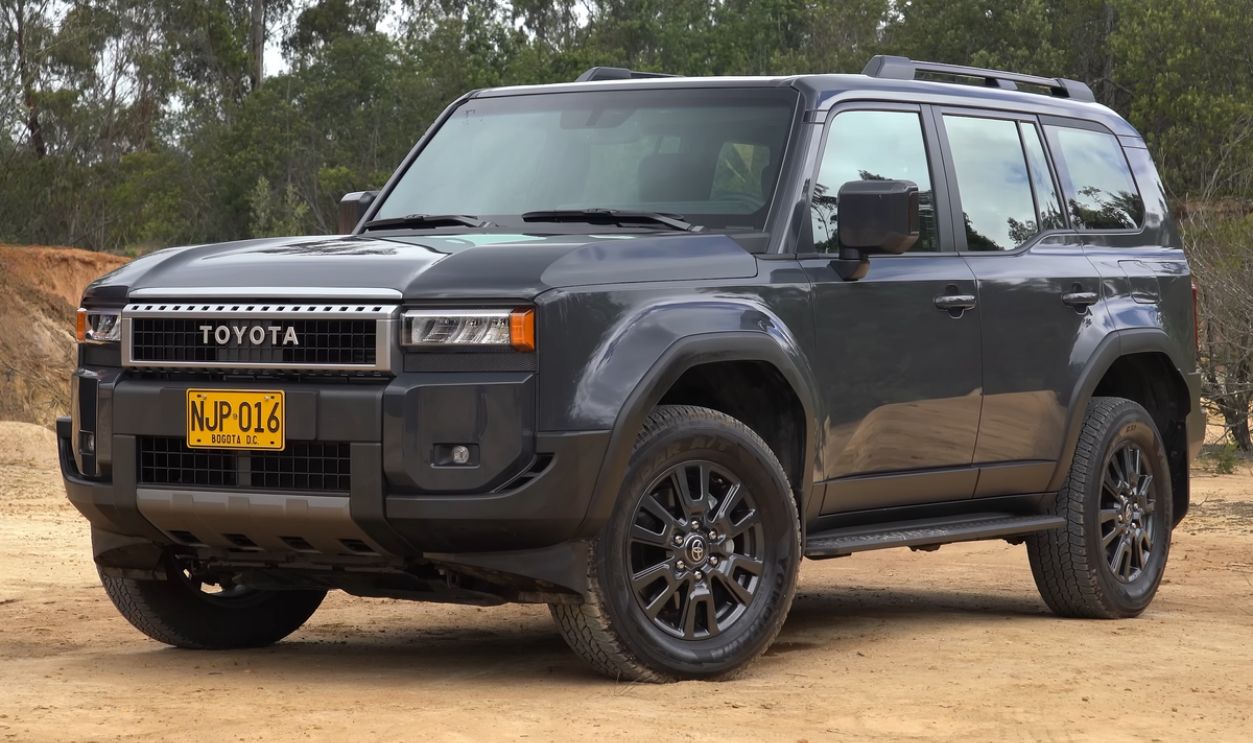
These legendary off-roaders aren't just tough—they're engineered for a quarter-million miles of adventure. Toyota's Global Architecture platform delivers 20% more structural rigidity than before, while the twin-turbo V6 combines port and direct injection to maximize engine longevity. The body-on-frame construction means serious durability, backed by Toyota's brutal testing.
Honda Civic (2022–2025)
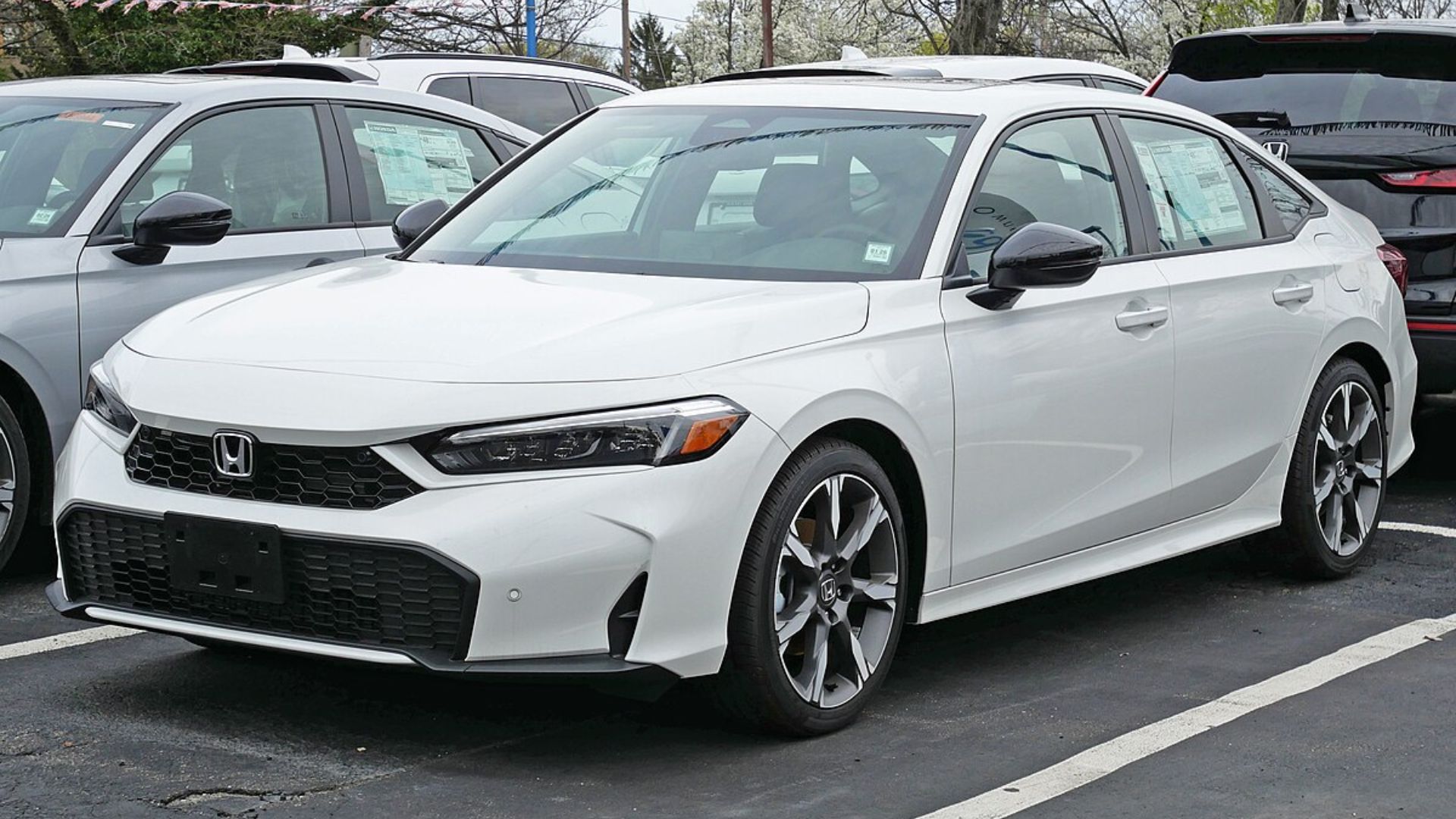
Reliability gets a high-tech makeover in Honda's 11th-generation Civic. Consumer Reports expects these rides to hit 200,000+ miles thanks to major engineering upgrades, including internals borrowed from the performance-focused Type R. Honda has cranked up sound deadening by 50% to reduce wear from vibrations.
Volvo XC90 (2016–2025)
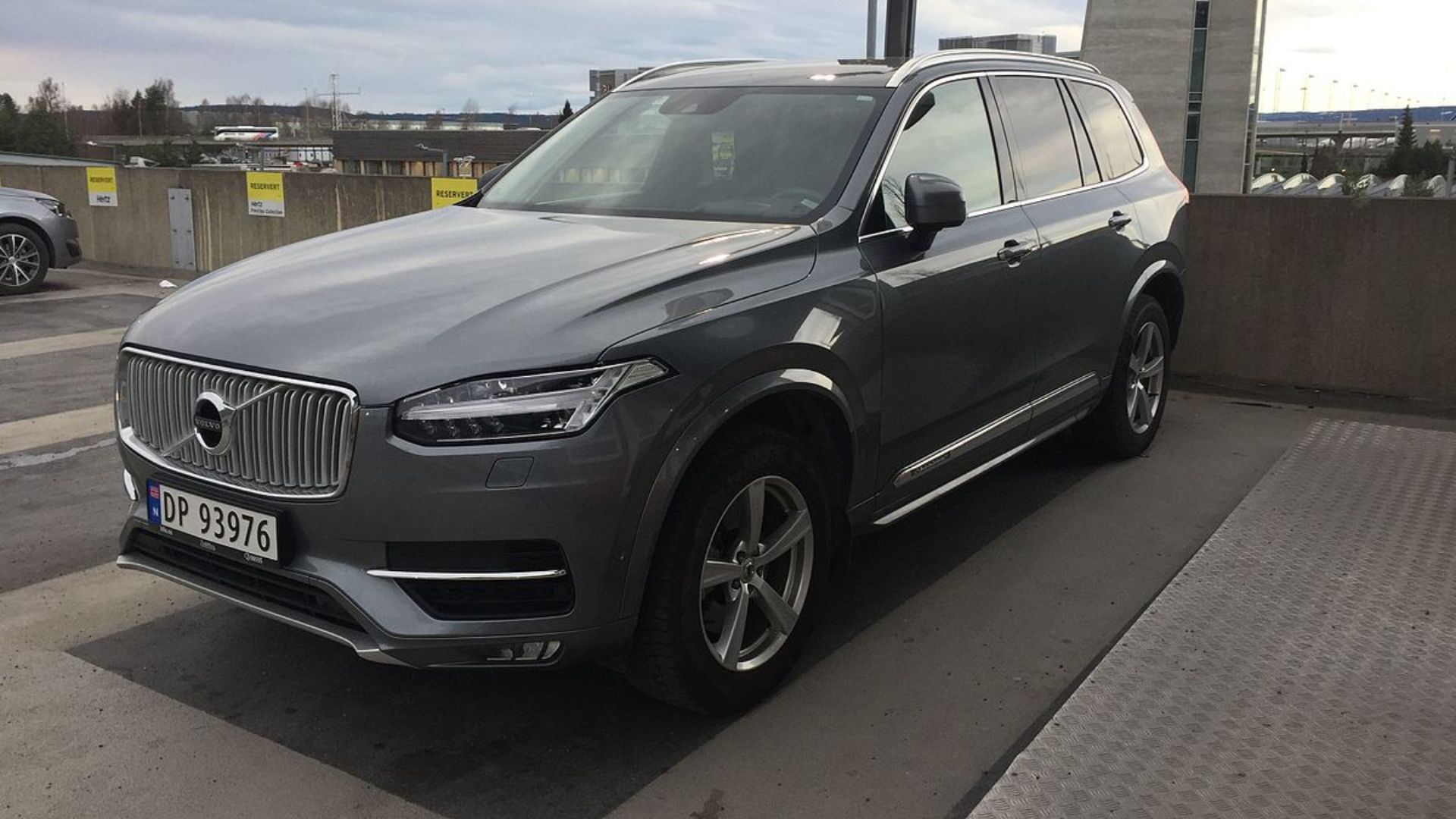
When the road gets rough, advanced air suspension reads conditions ahead and automatically adjusts to prevent punishing impacts that would stress other vehicles' components. Volvo's Sensus infotainment system stays fresh through over-the-air updates by eliminating the tech obsolescence that plagues other luxury SUVs.
Mercedes-Benz E-Class (2021–2025)
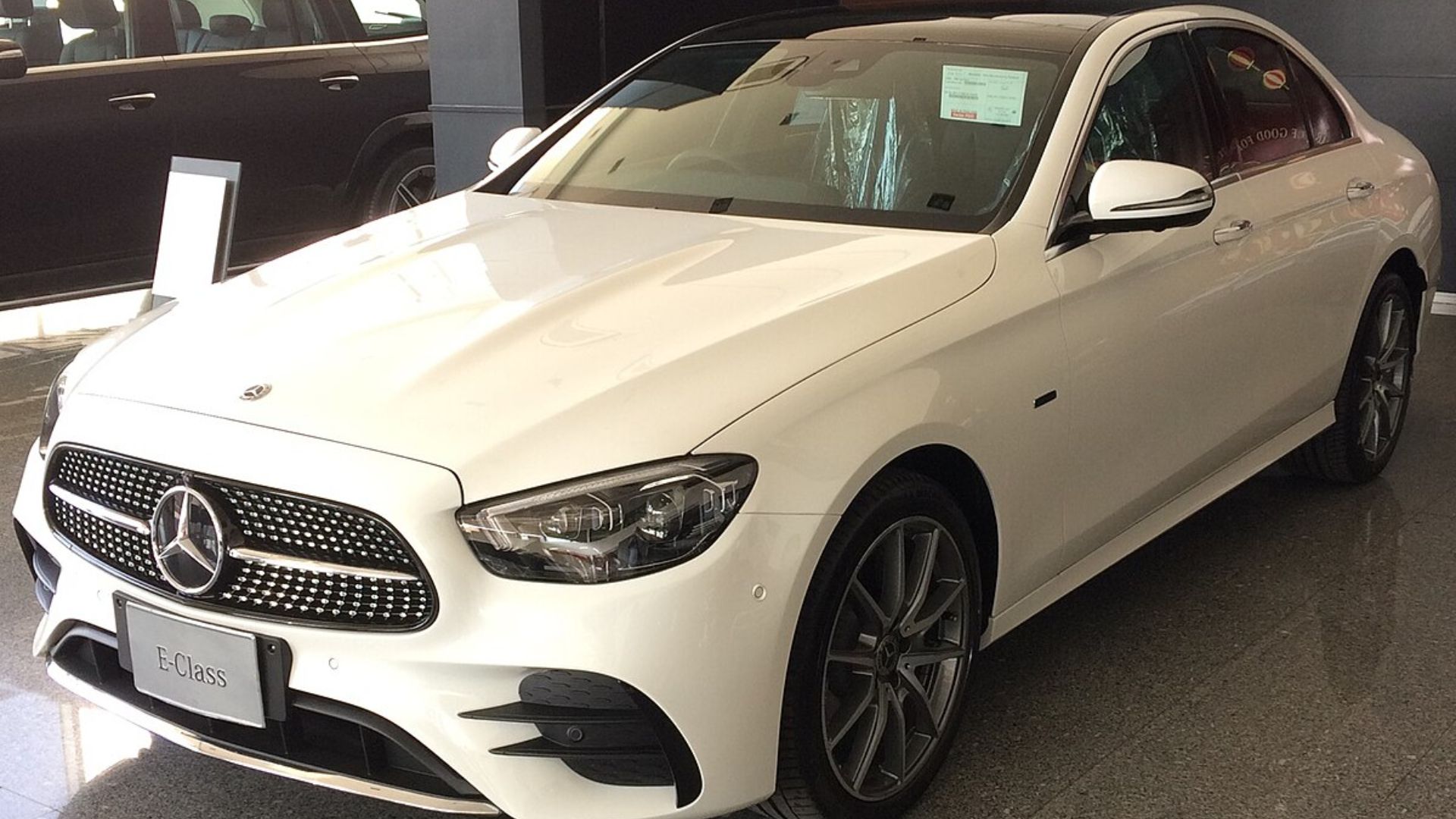
German engineering obsession pays off in an exceptional lifespan for this luxury sedan. The M254 engine packs reinforced internals to handle high mileage, which explains why Mercedes confidently extends powertrain warranties to 100,000 miles. Advanced driver aids prevent the kind of harsh treatment that prematurely kills cars.
Jeep Wrangler (2018–2025)
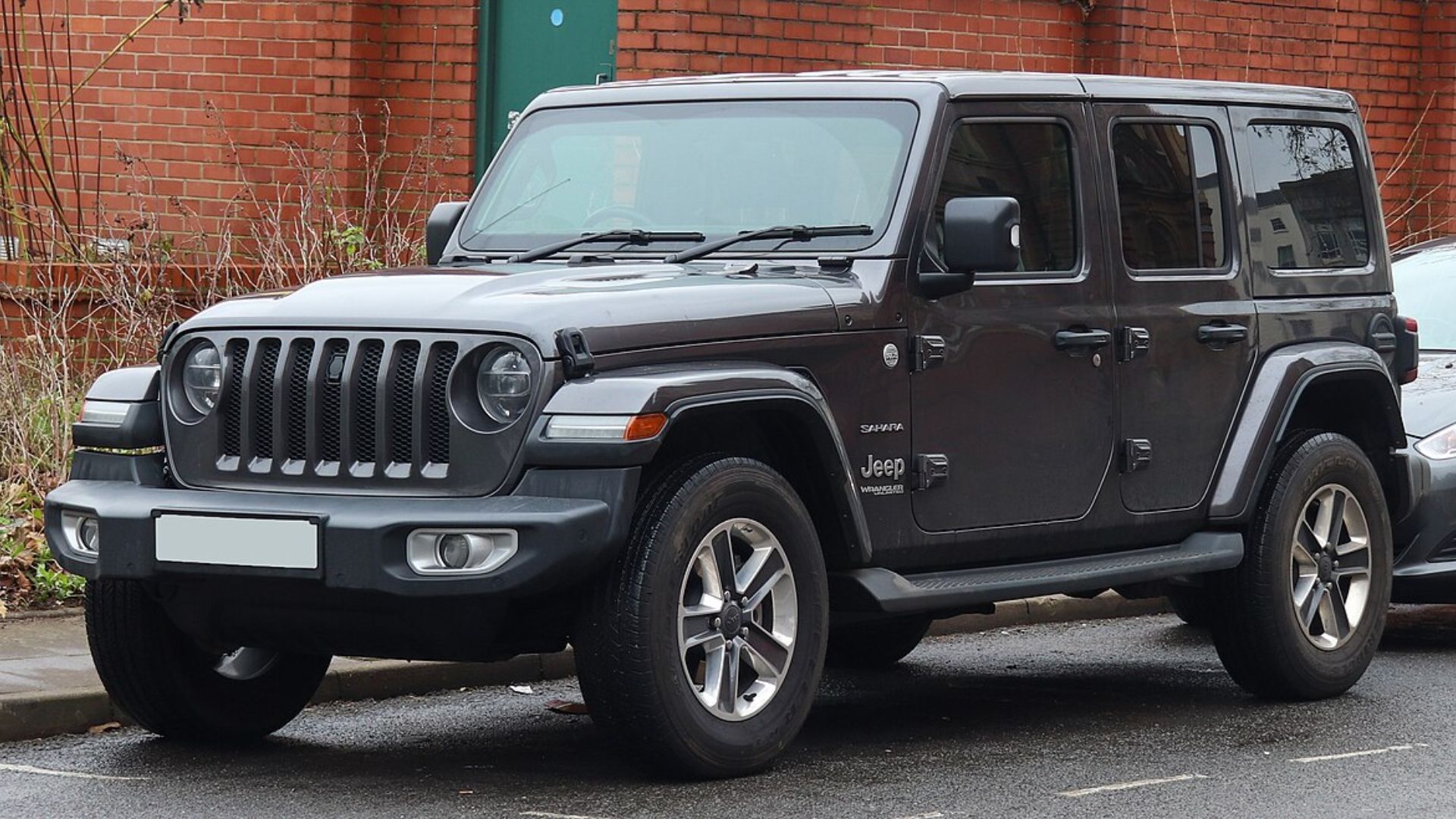
Few cars can match the Wrangler's legendary toughness, starting with that proven 3.6L Pentastar V6 that routinely crosses 200,000 miles in demanding fleet service. The body-on-frame layout means you can replace individual components instead of scrapping the whole automobile when something breaks.
Toyota Prius (2022–2025)
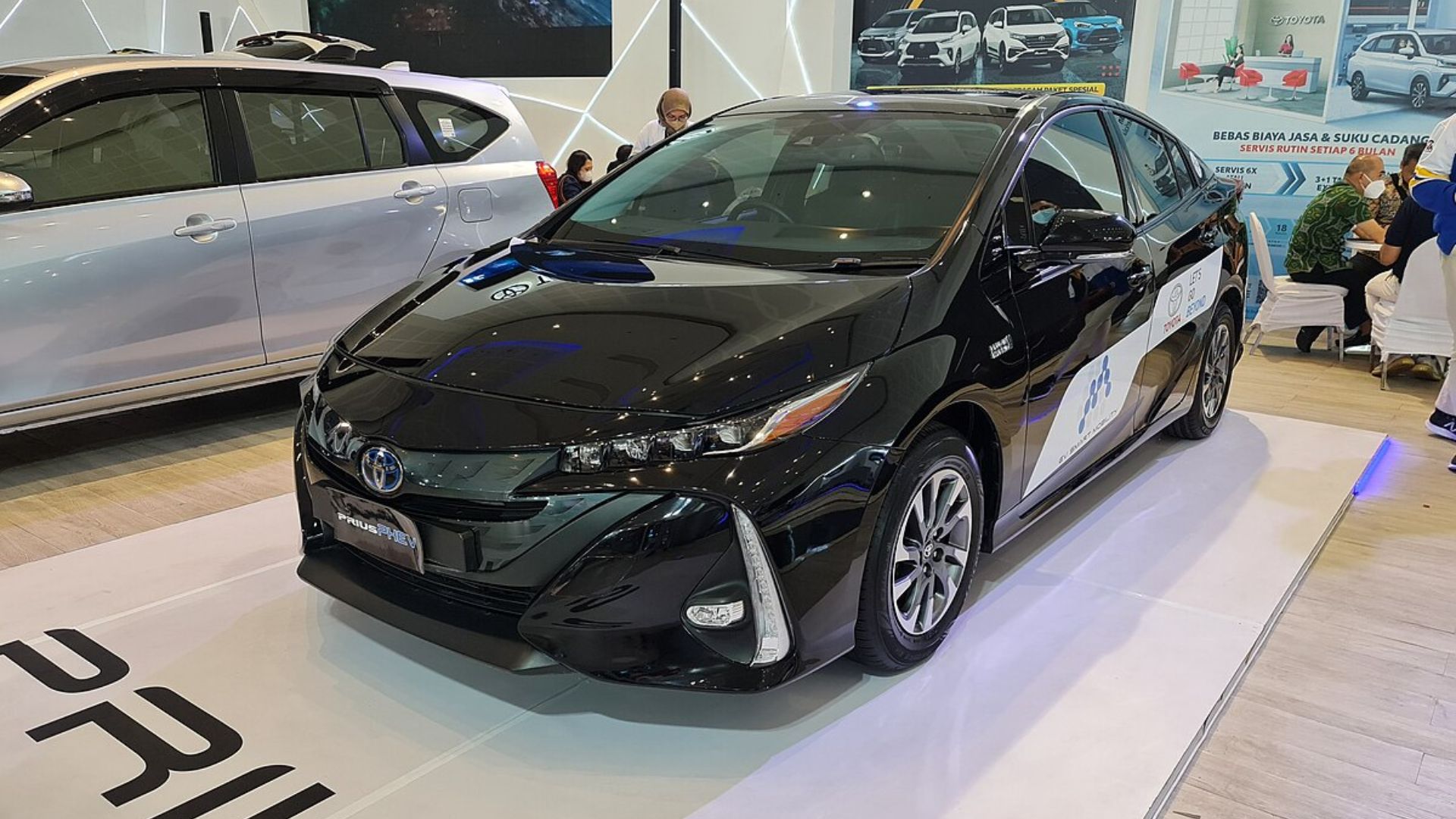
Toyota's advanced hybrid battery system targets extended longevity, backed by an impressive 10-year/150,000-mile warranty that shows absolute confidence. It is also said that the planetary CVT eliminates traditional wear points like belts and clutches. Hybrid technology reaches new reliability heights right here.
Ford F-150 (2021–2025)
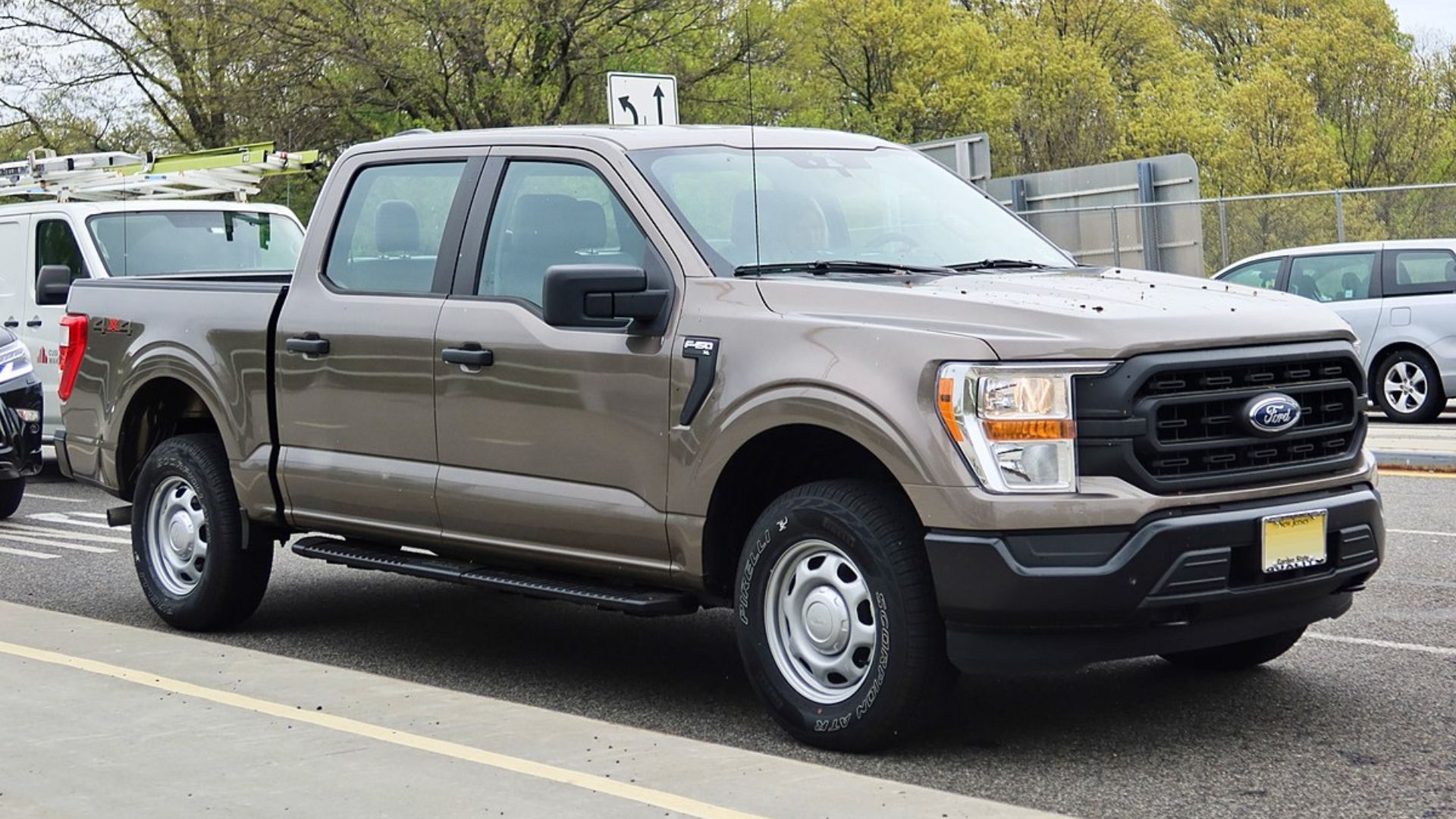
America's bestselling truck earns its reputation through serious engineering upgrades. The 3.5L EcoBoost V6 possesses durable internals, while the high-strength aluminum body is said to fight corrosion better than steel competitors. Military-grade frame construction exceeds what civilians need, paired with Ford's upgraded 10-speed automatic.
Subaru Outback (2020–2025)
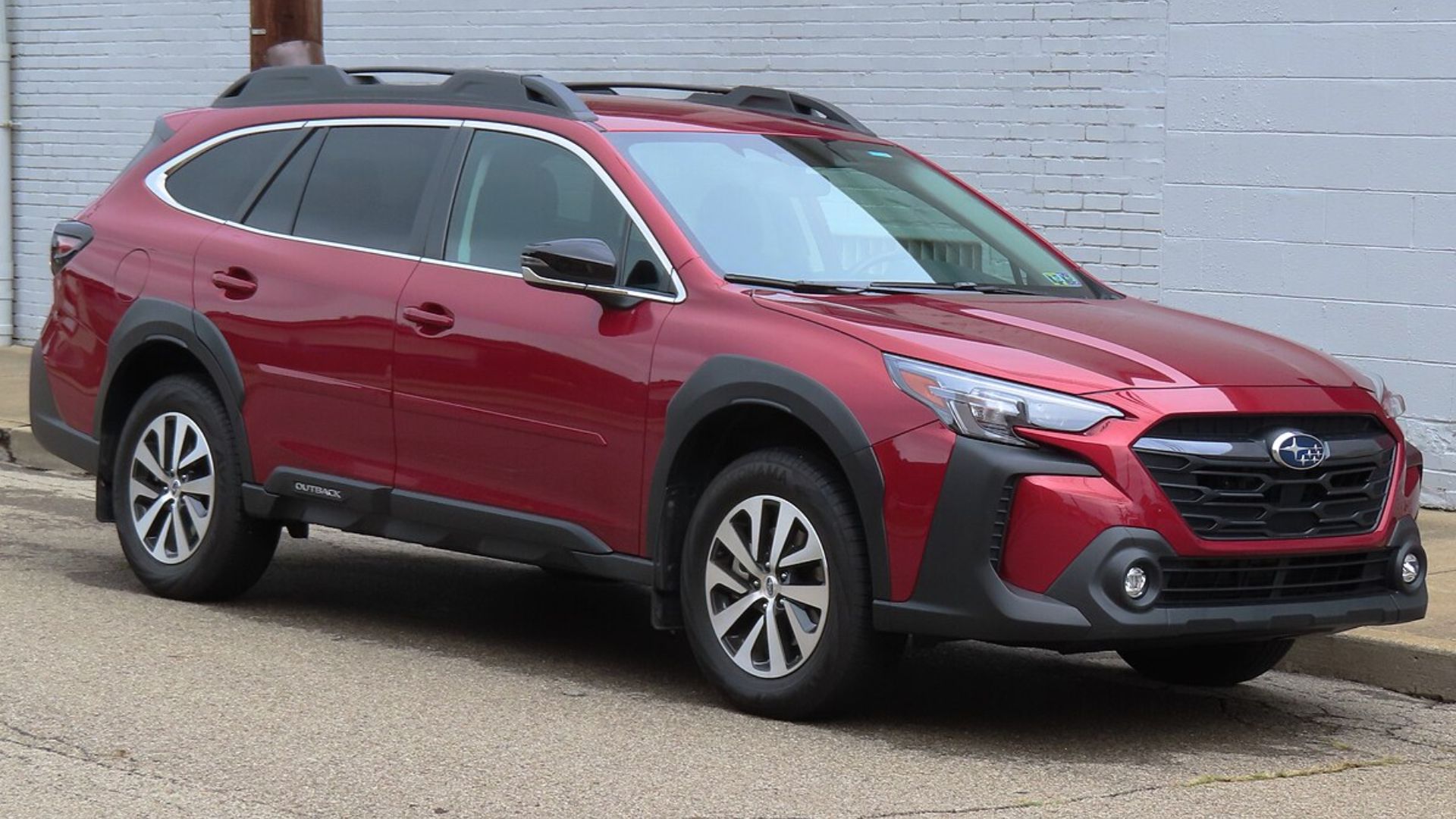
Rust-resistant coating on steel components and a steel-chain CVT instead of rubber belts complete this durability package. Its symmetrical system reduces drivetrain stress compared to part-time competitors. Under the hood, the FB25 boxer engine purrs with direct injection technology and reduced internal friction.
Lexus ES (2019–2025)
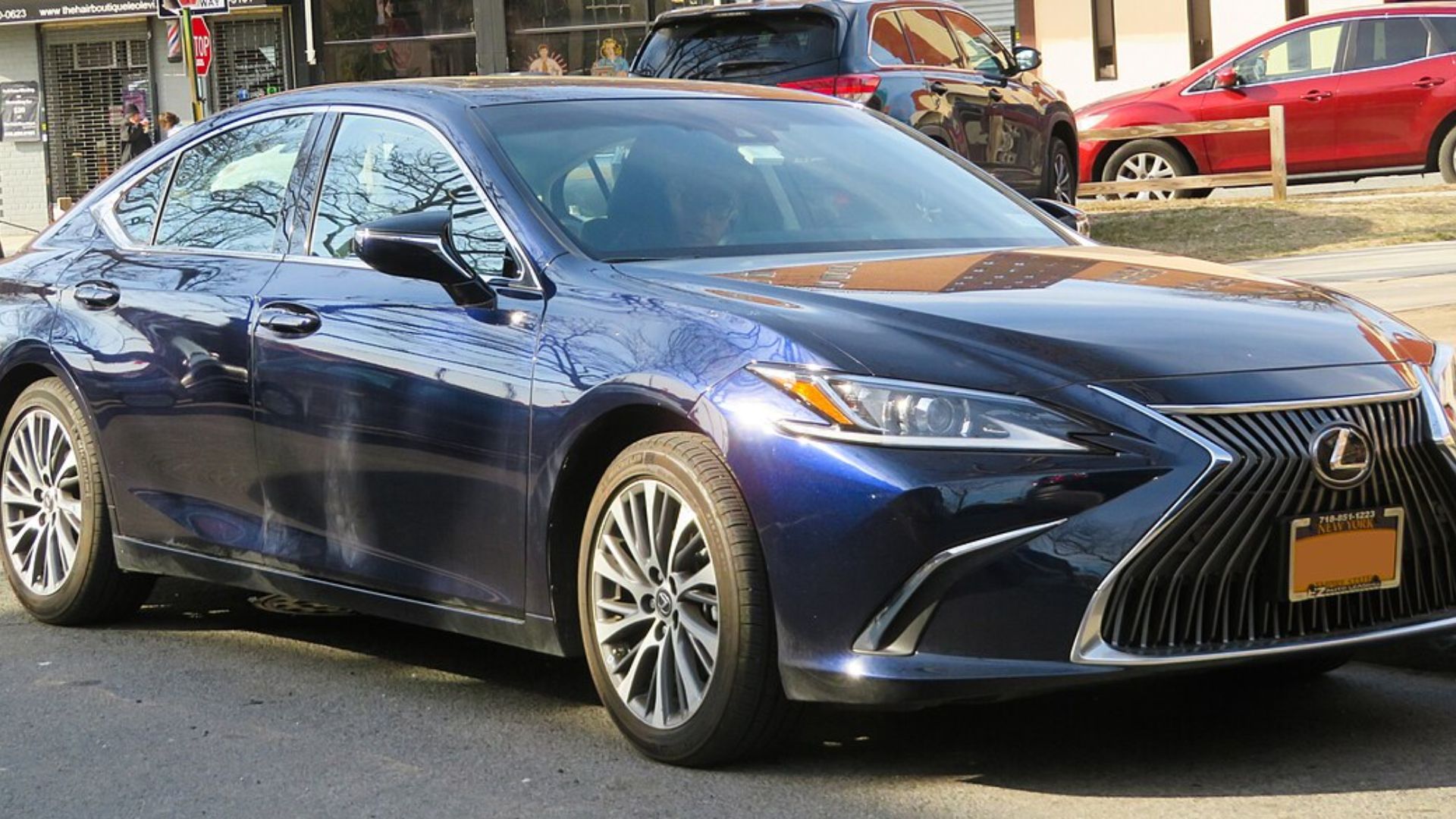
In case you didn't know, Lexus sweetens ownership with complimentary maintenance for the first 10,000 miles. The car’s 8-speed automatic transmission displays an upgraded torque converter, ensuring smooth operation. Also, its 2.5L four-cylinder uses the efficient Atkinson cycle to reduce engine wear during operation.
GMC Sierra (2019–2025)
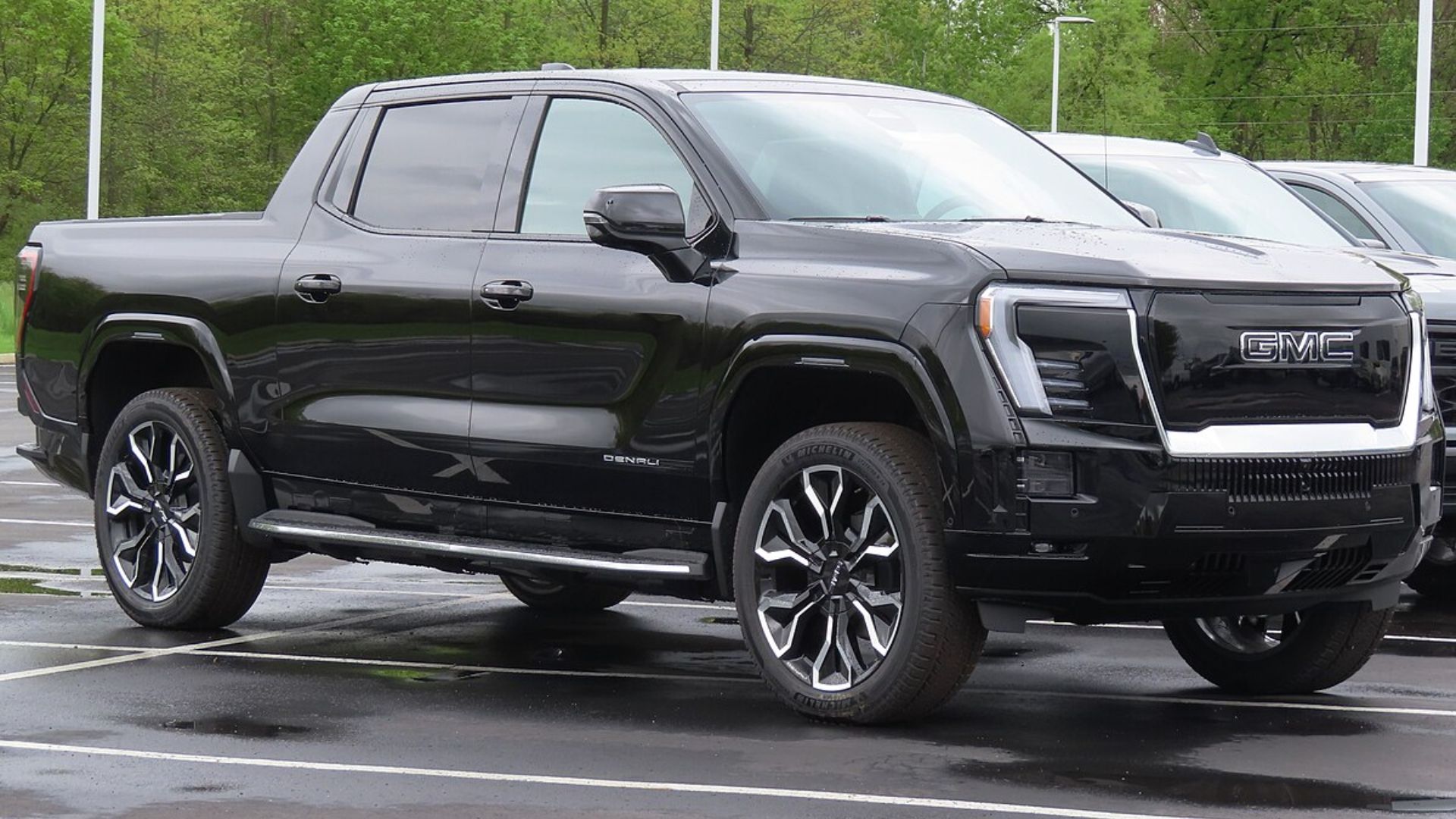
This isn't just another pretty truck—it's engineered like a commercial workhorse that happens to look good in your driveway. The 5.3L V8 makes use of cylinder deactivation to reduce wear during highway cruising. GM's 10-speed automatic targets a 200,000-mile service life.
Now, let's have a look at 10 cars that have faced more than their fair share of issues.
BMW X3 (2022–2025)
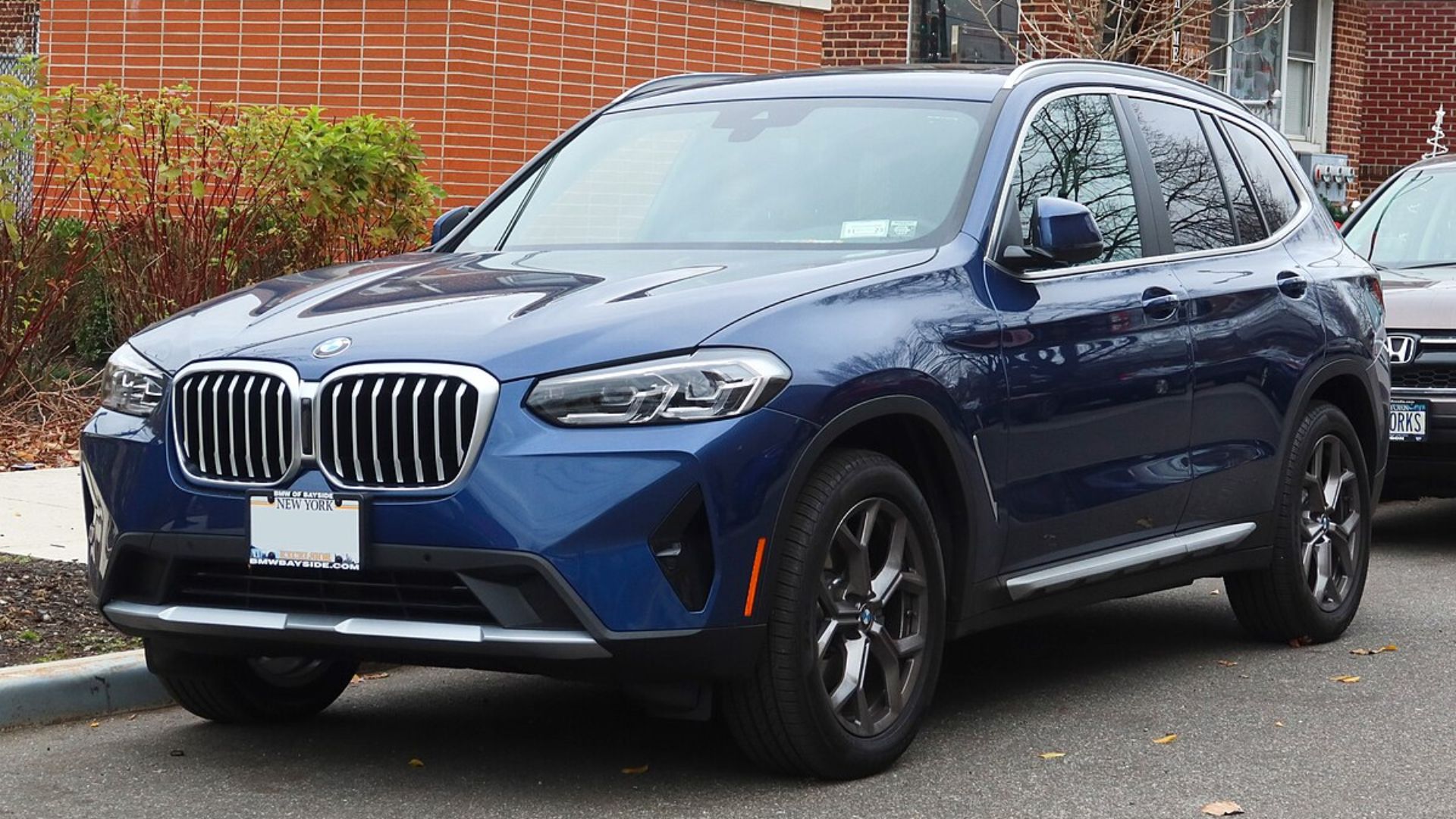
Timing chain stretch starts showing up near 60,000 miles, and fixing the cooling system can run up to $2,500. iDrive glitches have been tied to post-update crashes. Once the warranty ends, repair costs spike beyond $1,800 a year. Even the run-flat tires require early replacements.
Land Rover Range Rover Evoque (2020–2025)
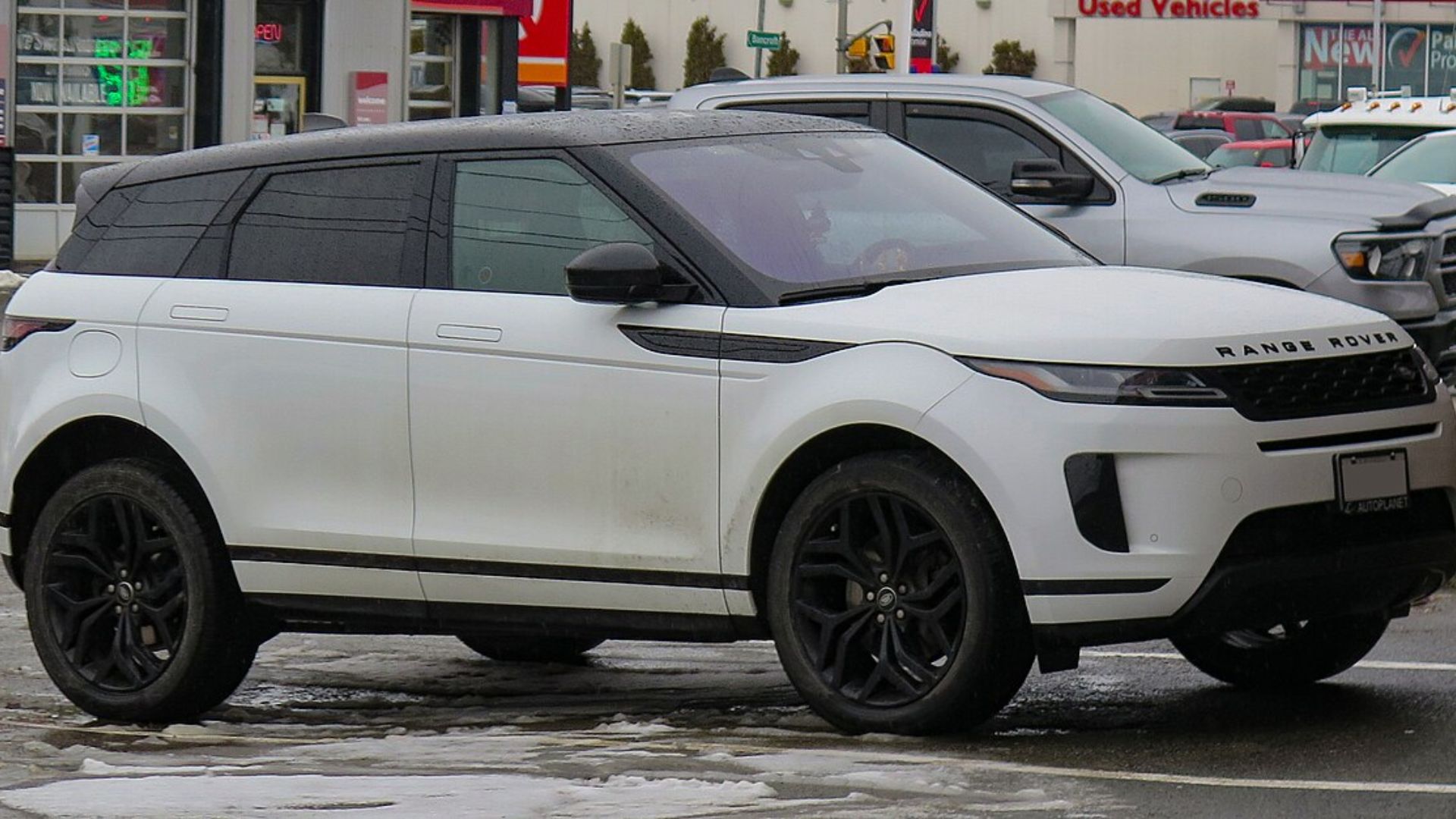
Stylish on the surface, but costly beneath. Transmission failures appear before 80,000 miles, and infotainment bugs affect over half of all owners. Starting problems caused by electrical faults aren’t rare either. It's pretty unfortunate, but consistently, Land Rover finishes last in reliability rankings.
Audi Q5 (2021–2025)
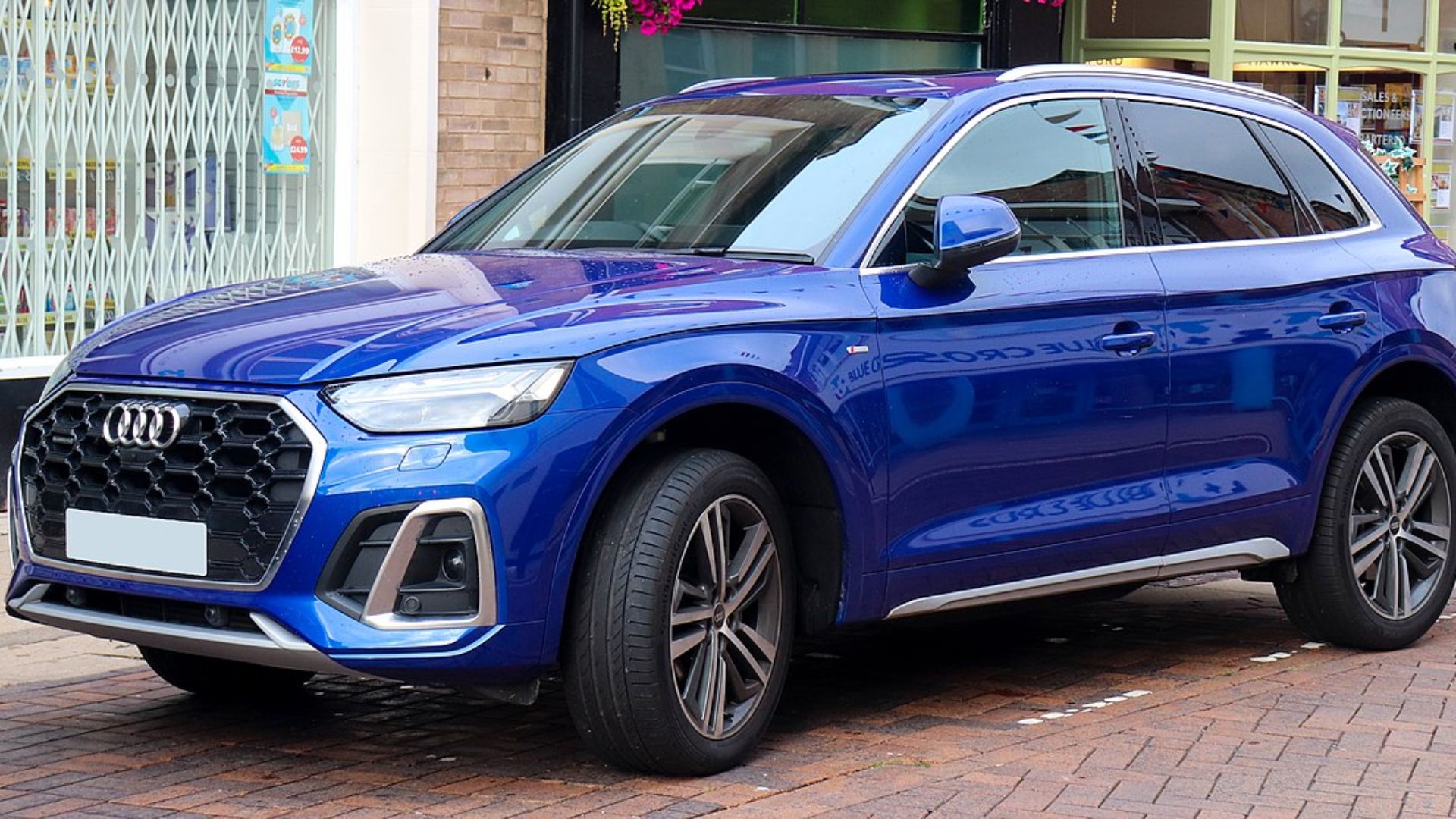
When it comes to the Q5, expect carbon buildup that demands cleanings every 40,000 miles. The dual-clutch gearbox often develops shuddering or fails outright by 80,000. Many drivers report navigation and climate controls going haywire due to MMI faults. Oil consumption is another issue.
Volkswagen Atlas (2018–2025)
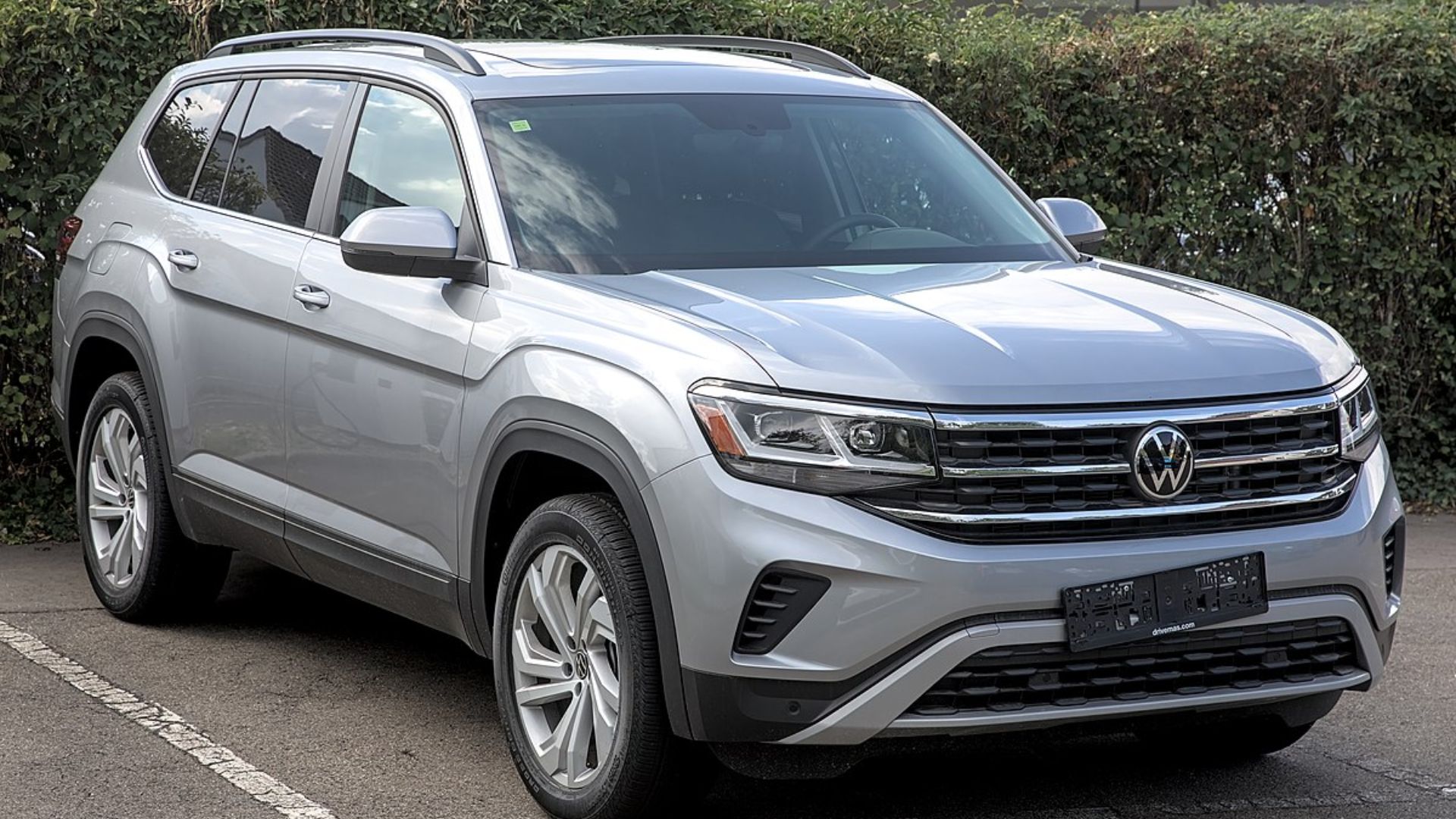
It’s spacious and family-friendly, until the repairs start piling up. Timing chain stretch in the VR6 engine can lead to severe damage. Common electrical faults hit the power liftgate, climate control, and infotainment. By 50,000 miles, ownership costs increase, and reliability ratings plunge.
Mini Cooper (2019–2025)
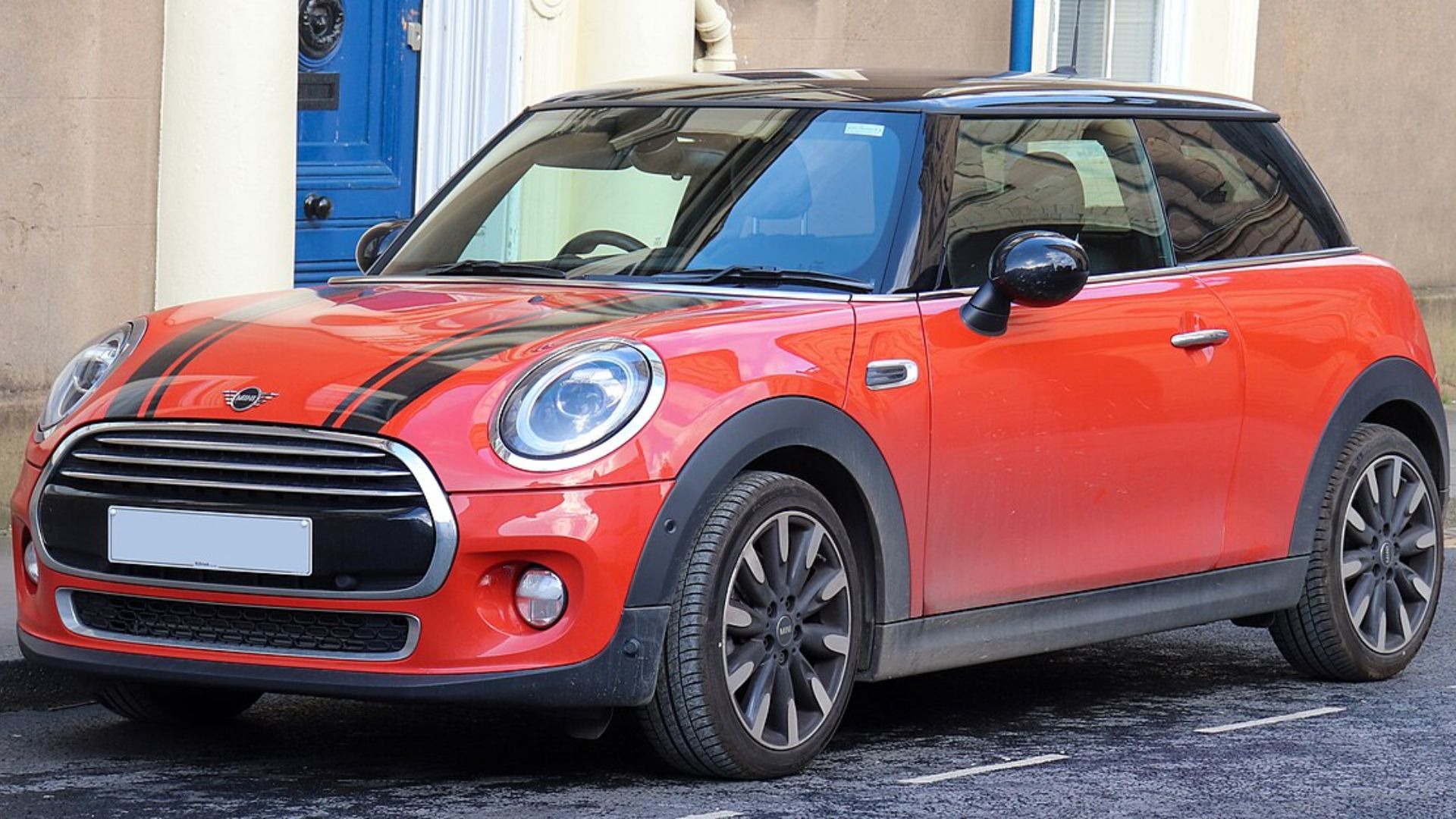
For all its personality, the Mini’s reliability doesn’t hold up. Timing chain failures between 75,000 and 90,000 miles often lead to engine destruction. Carbon buildup demands expensive cleanings every 30,000 miles, and past CVT issues still haunt older models. Even electric steering can give out unexpectedly.
Jeep Grand Cherokee (2022–2025)
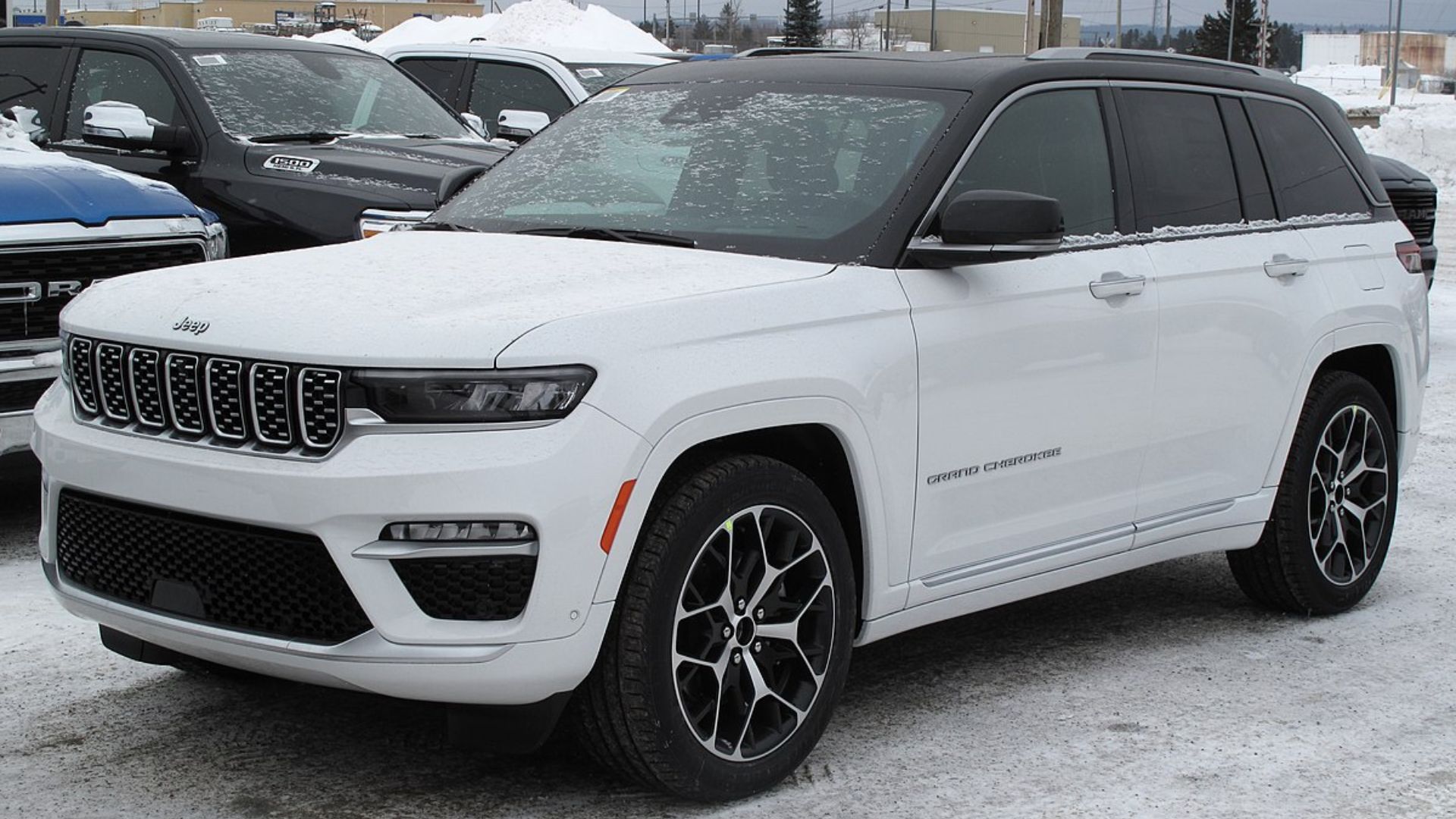
Oil consumption issues with the 3.6L V6 require ongoing attention. Drivers face total Uconnect system failure and transfer case breakdowns, typically around 75,000 miles. Air suspension problems can strand the vehicle, plus several recalls tied to steering and brake systems cast doubt on its dependability.
Cadillac XT5 (2020–2025)
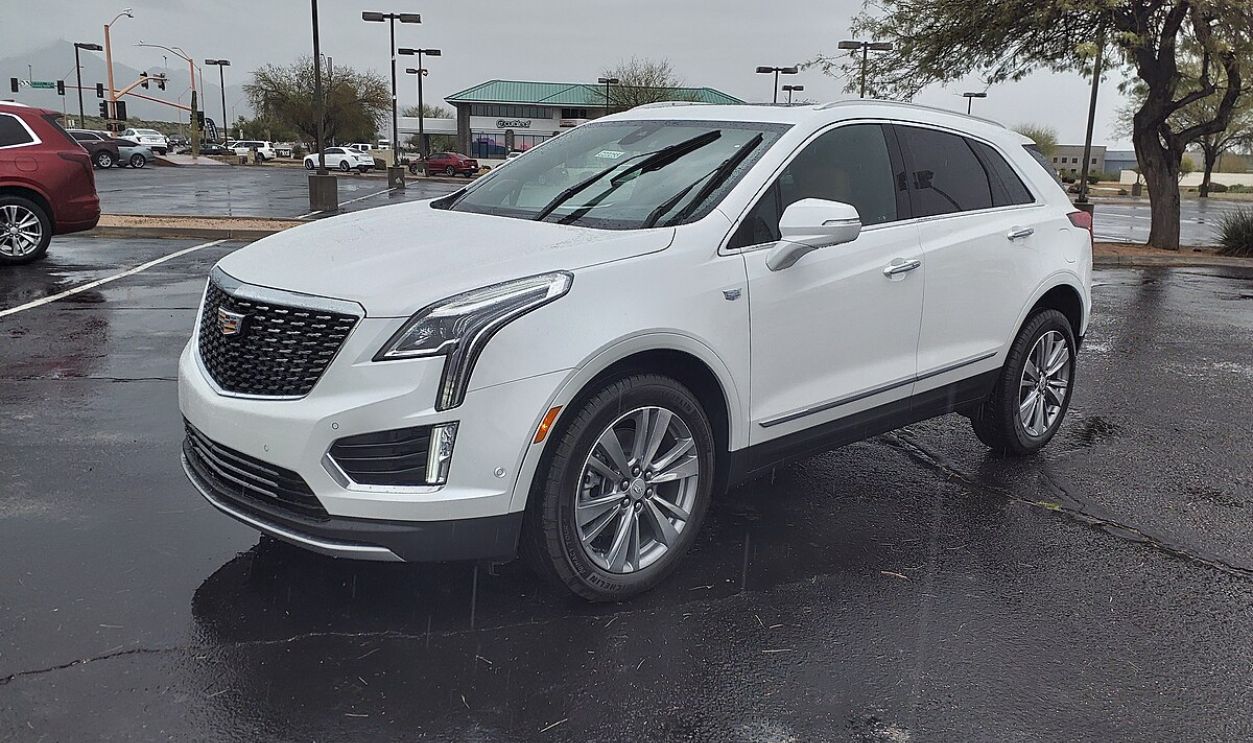
At first glance, the XT5 checks all the boxes. Stylish, quiet, and packed with tech. But dig a little deeper, and long-term ownership gets rough. The 3.6L V6 can suffer a timing chain stretch bad enough to require a complete engine replacement. Then there’s the glitch-prone infotainment system.
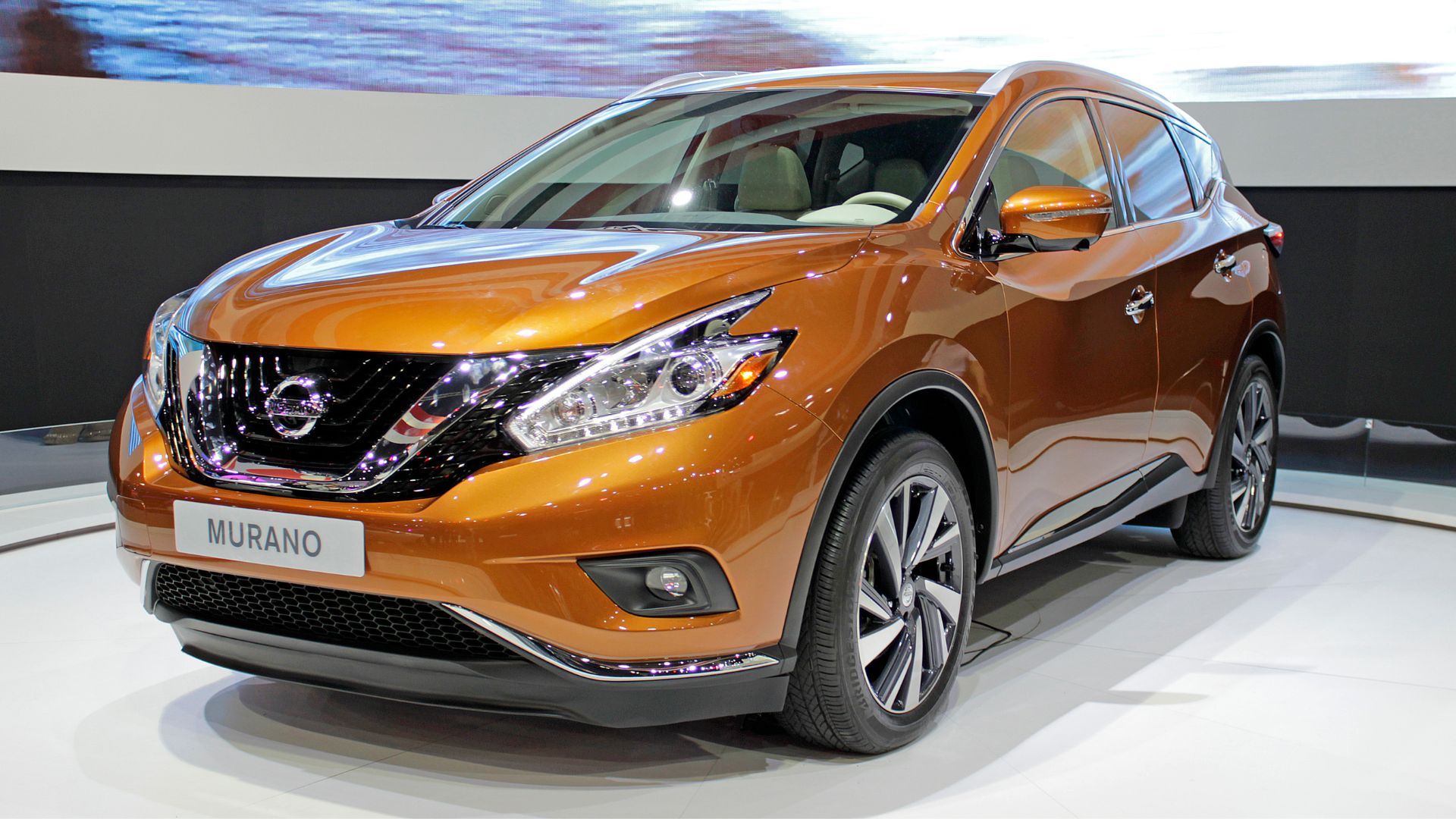
Nissan Murano (2015–2025)
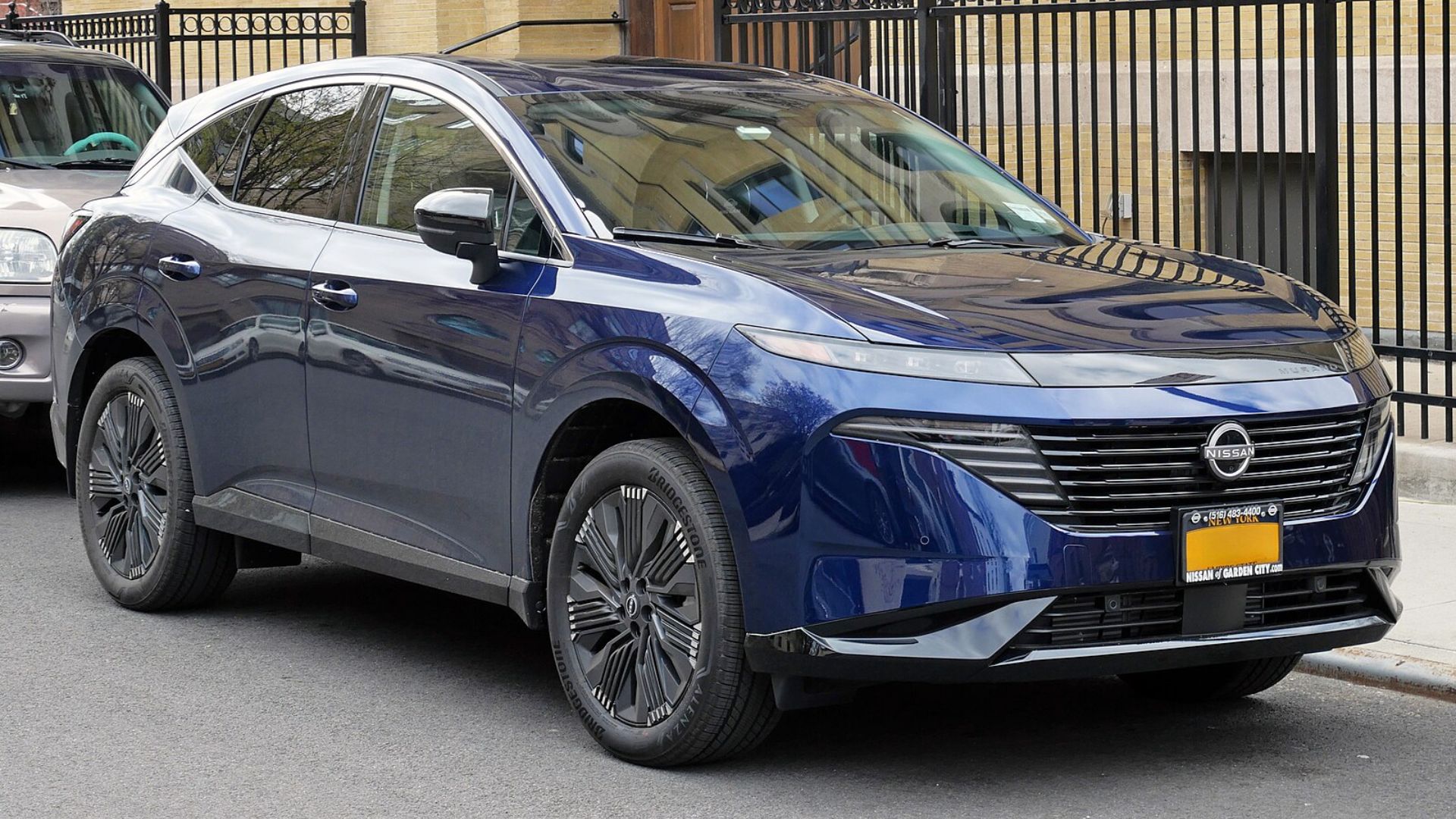
Years of updates haven’t fixed the Murano’s most significant issue of its troublesome CVT. Around 60,000 miles, owners face a total transmission loss, with repair bills soaring above $5,000. This persistent problem has damaged Nissan’s reputation so much that Consumer Reports pulled its recommendation altogether.
Jaguar F-Pace (2021–2025)
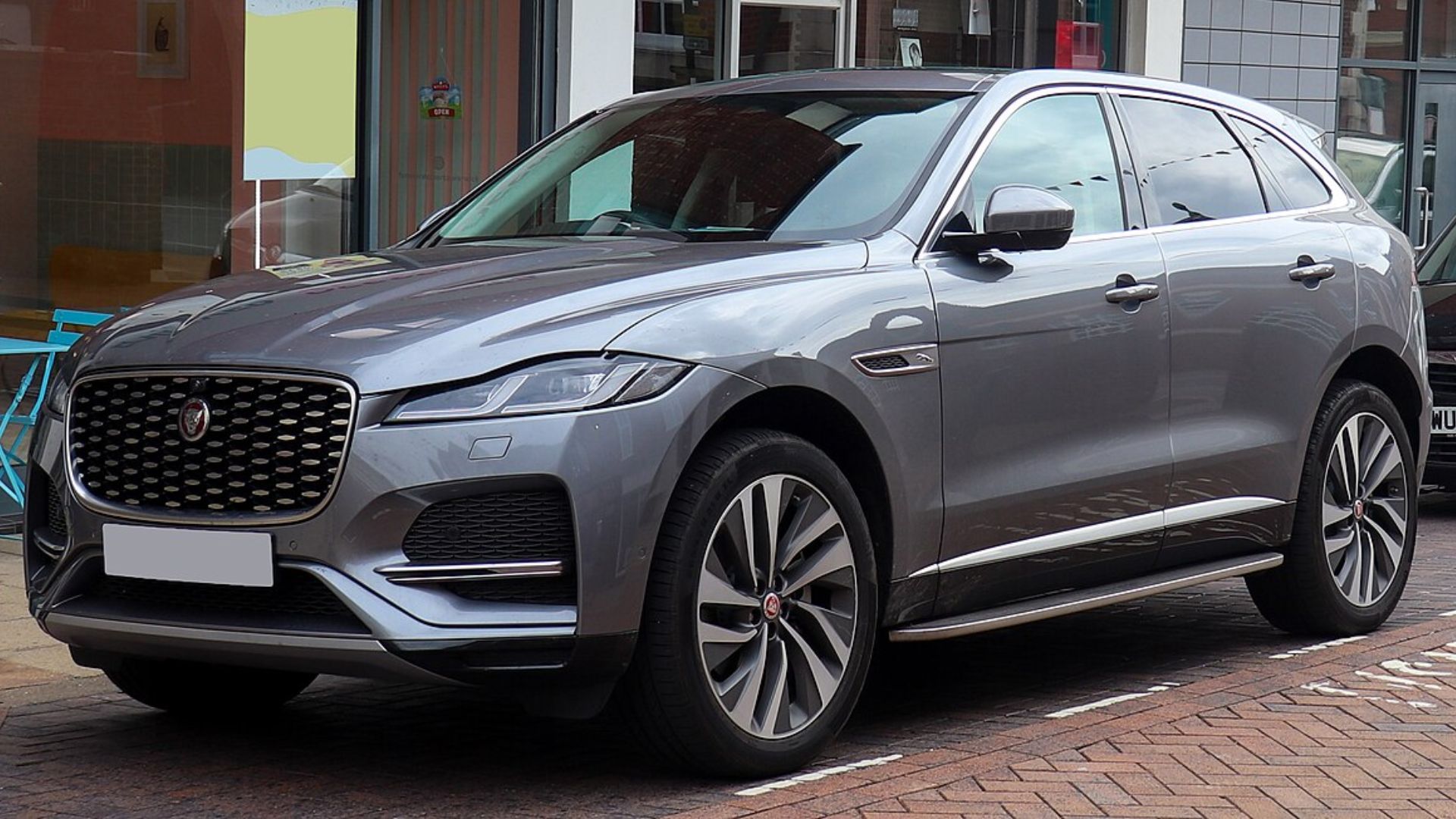
Infotainment difficulties don't just bring inconvenience—they knock out essential functions like climate control and navigation, leaving you sweating or freezing while lost. Around 80,000 miles, the 2.0L turbo develops timing chain issues that cascade into major engine damage. Electrical demons lurk everywhere, causing random starting failures.
Genesis GV70 (2022-2025)
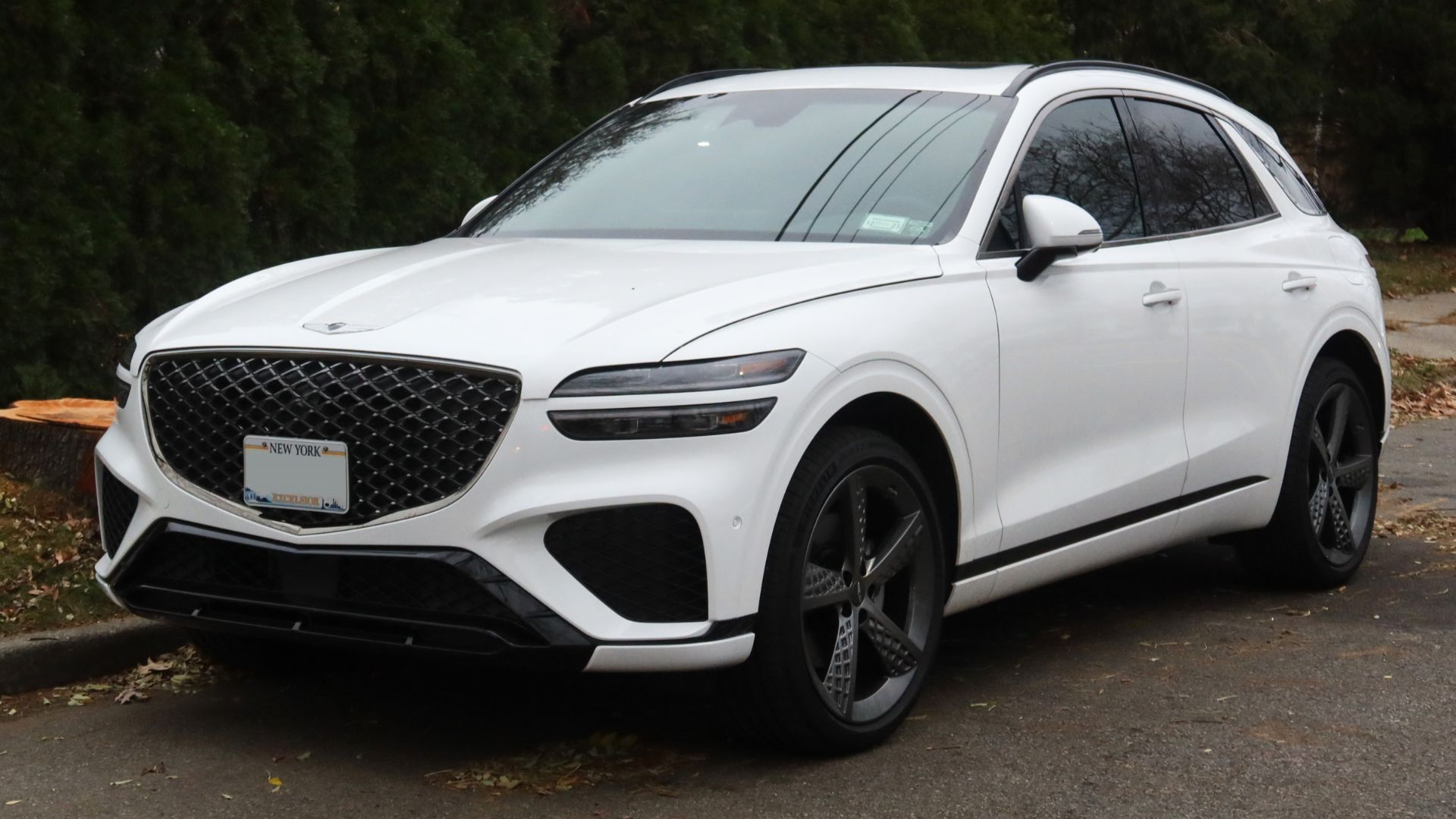
Just as you're getting comfortable with ownership, turbocharger issues can strike around 45,000 miles, turning your smooth ride into an expensive repair nightmare. That refined 8-speed automatic? It develops harsh, jerky shifting before failing entirely. Plus, electrical gremlins attack everything from basic functions to critical safety systems.