14 Concepts That Failed Miserably or Were Simply Never Mass-Produced
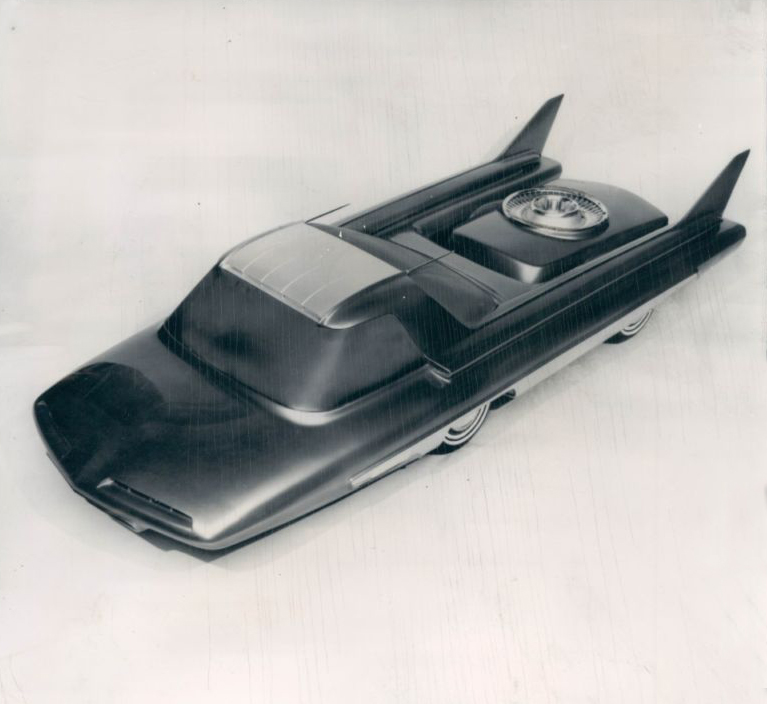
A nuclear-powered car? That’s what Ford promised in 1957. The Nucleon concept was all about long-distance travel, with a tiny reactor promising thousands of miles per charge. But compact nuclear tech never arrived. Then, safety fears and regulatory nightmares sealed its fate before it left the drawing board.
Google Glass
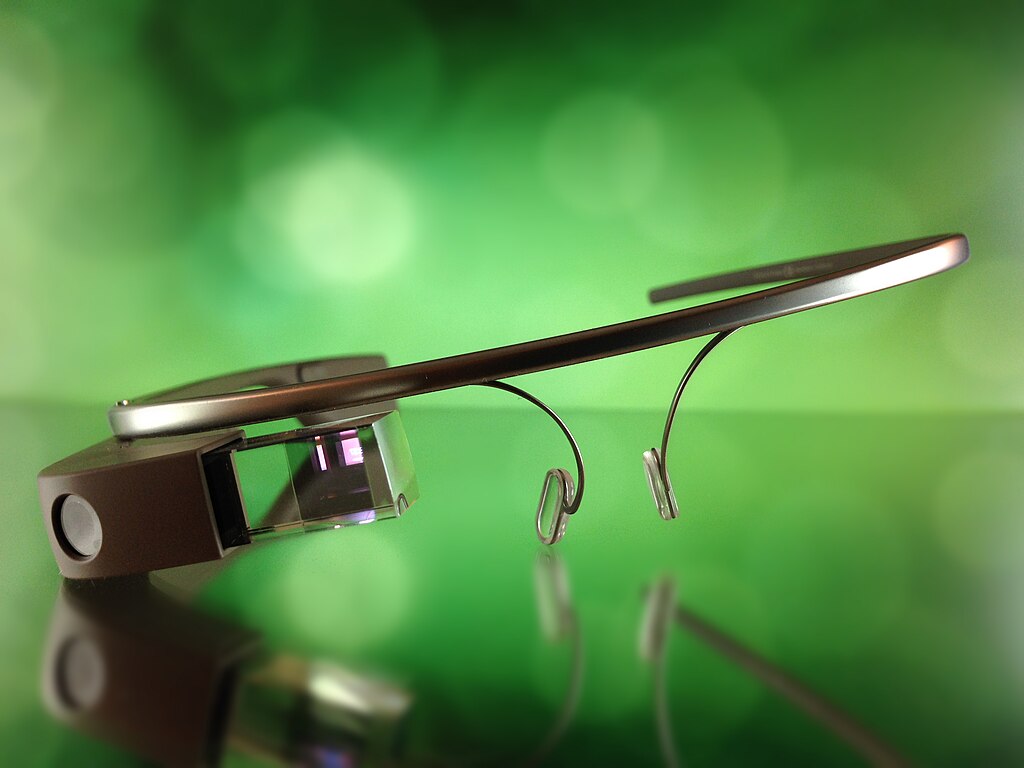
Launched in 2013, Google Glass aimed to give augmented reality a face (literally). However, it quickly fell out of tech circles. First, privacy fears, and second, its jaw-dropping $1,500 price tag. The final sound of the gavel was that the “Glasshole” label left it socially radioactive. The idea was bold, but the execution was socially doomed.
The Apple Newton
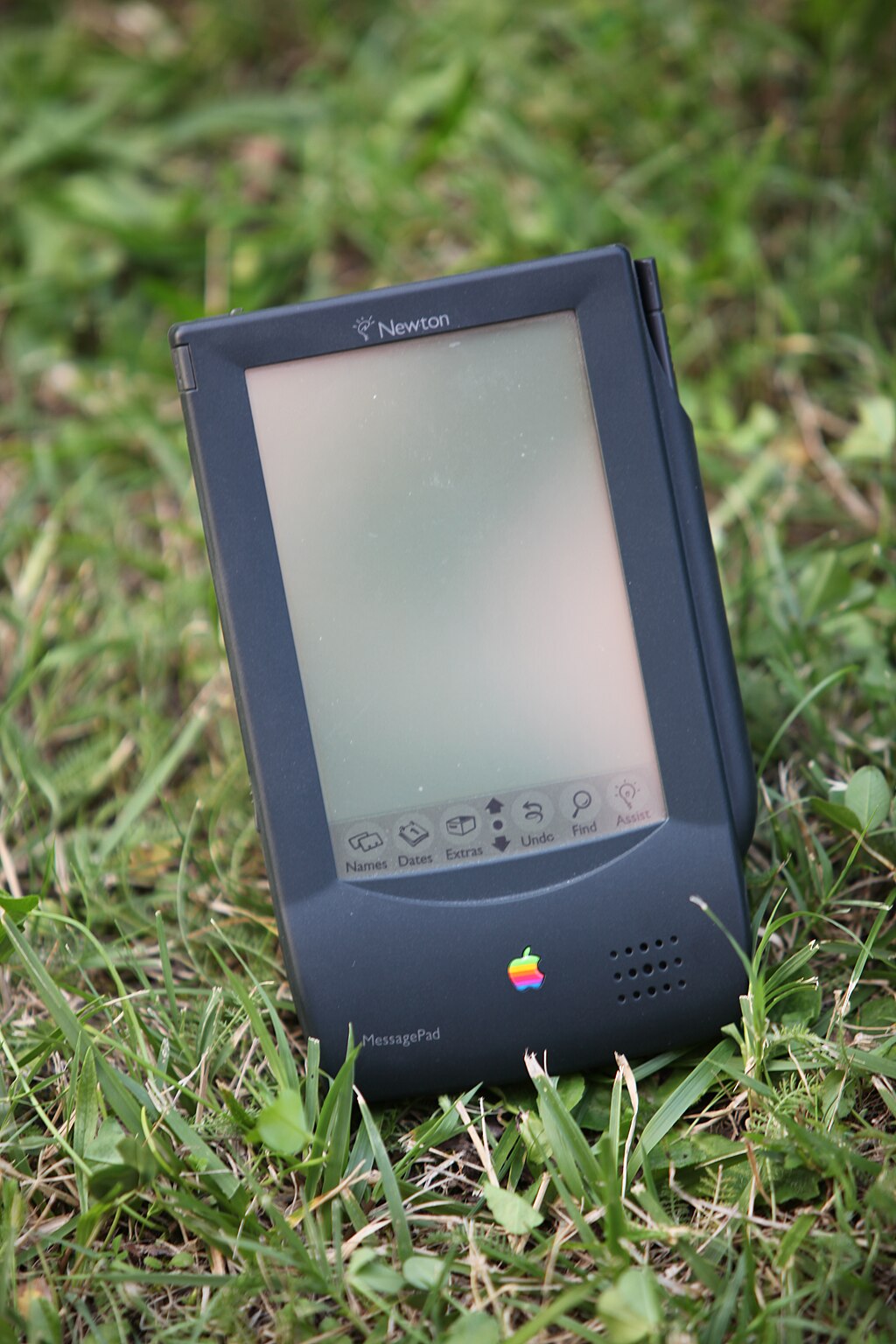
Back in 1993, Apple rolled out the Newton, one of the first personal digital assistants (PDAs). However, the device was too bulky and too expensive, and its handwriting recognition fell short of expectations. The silver lining is that its tech DNA didn’t vanish because it quietly laid the groundwork for the iPhones we use today.
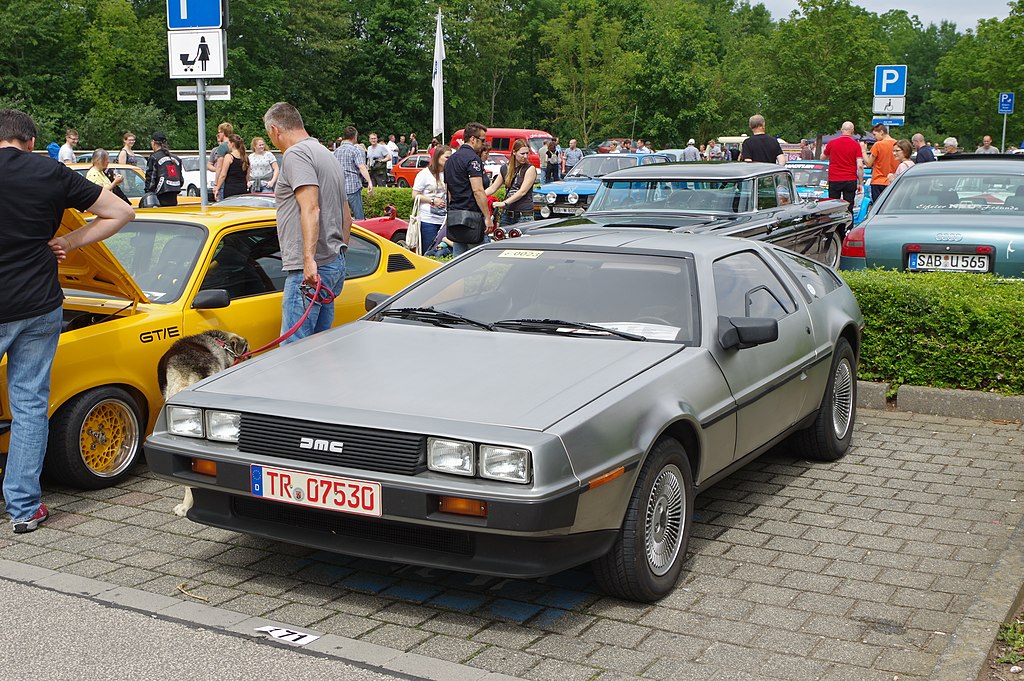
DeLorean DMC-12
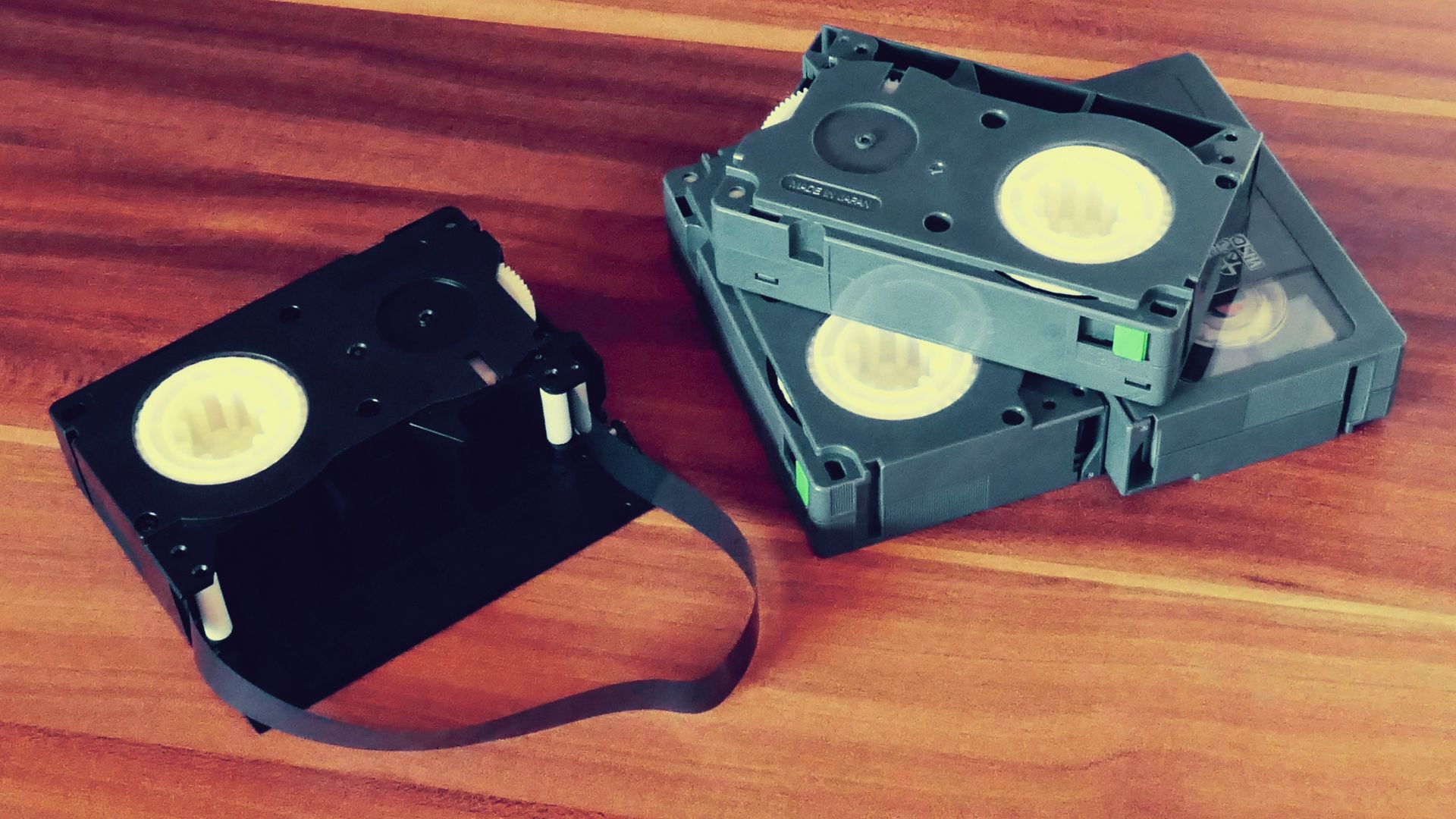
Betamax Tapes
LaserDisc
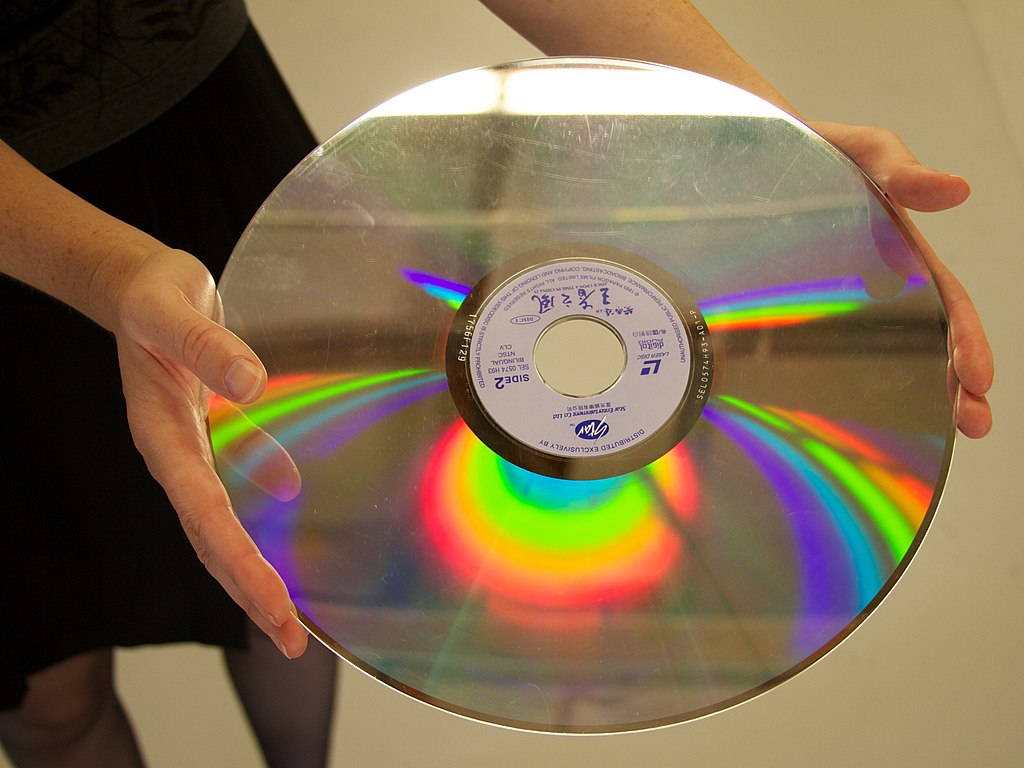
LaserDisc dazzled cinephiles with crisp visuals and rich sound before DVDs. And yet again, it was better than VHS, but the 12-inch discs they came with were pricey and clunky. VHS won because it kept things smaller and cheaper, which is why it lasted longer. Despite the LaserDisc’s strengths, VHS won. Again. VHS=2
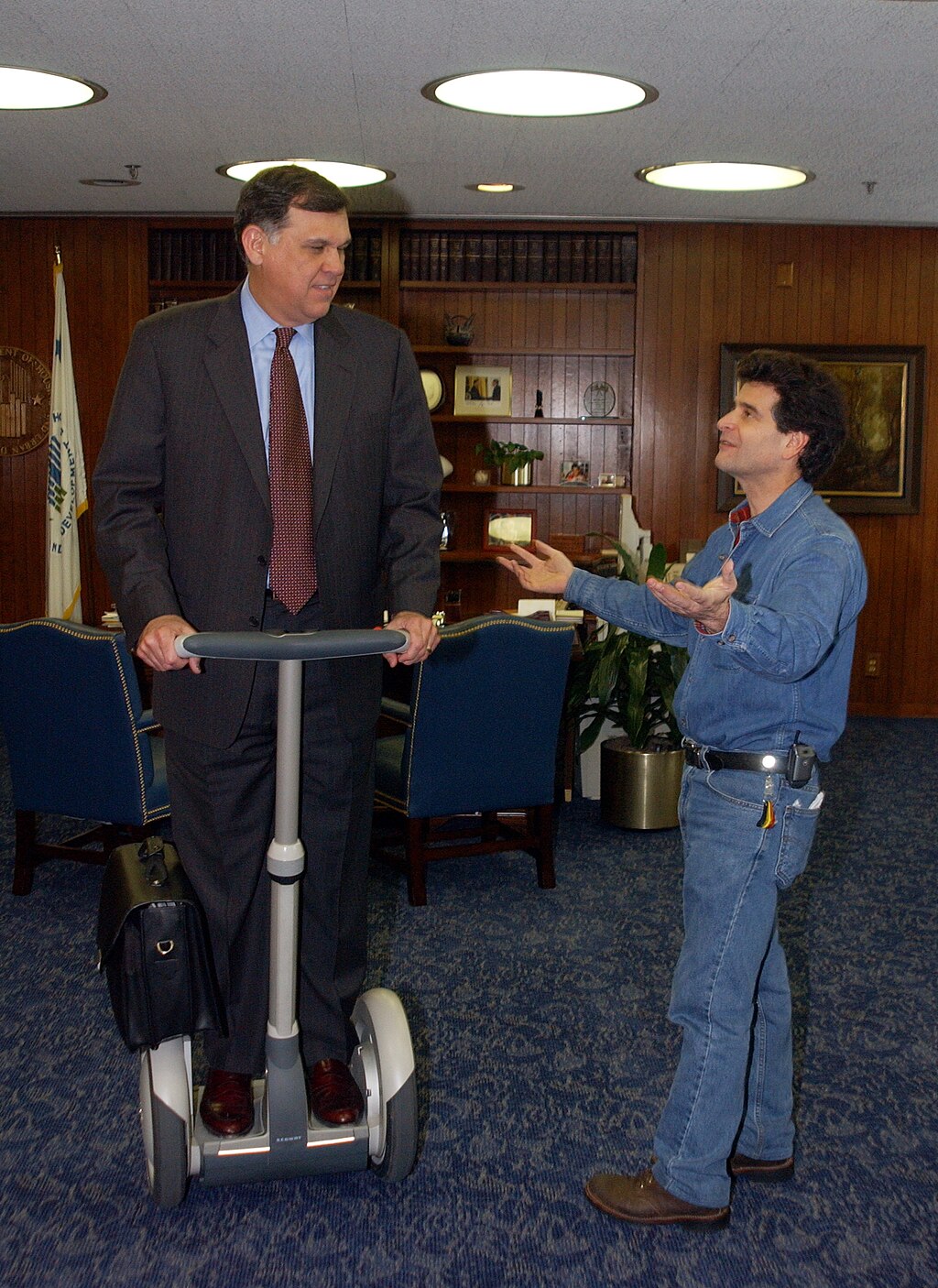
The Segway
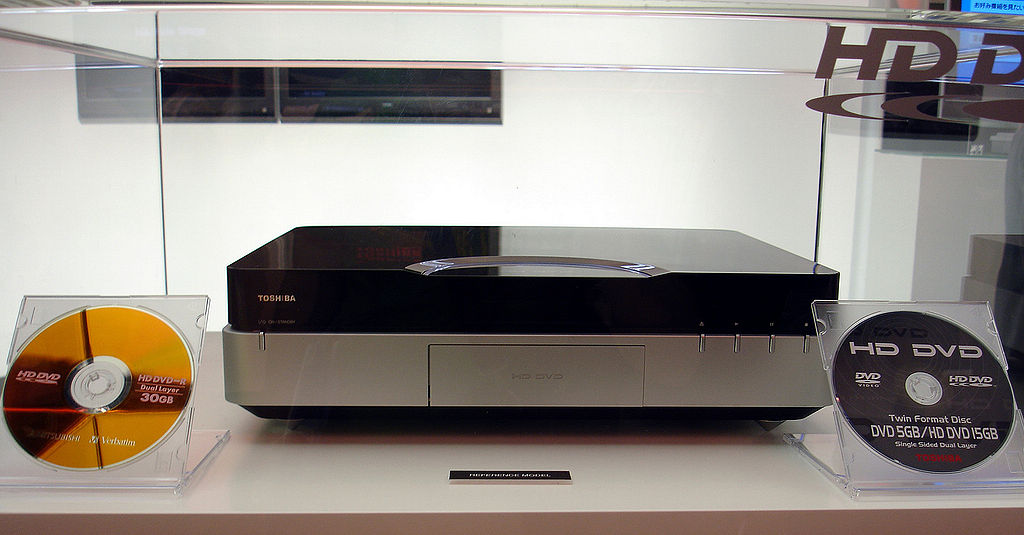
HD DVD
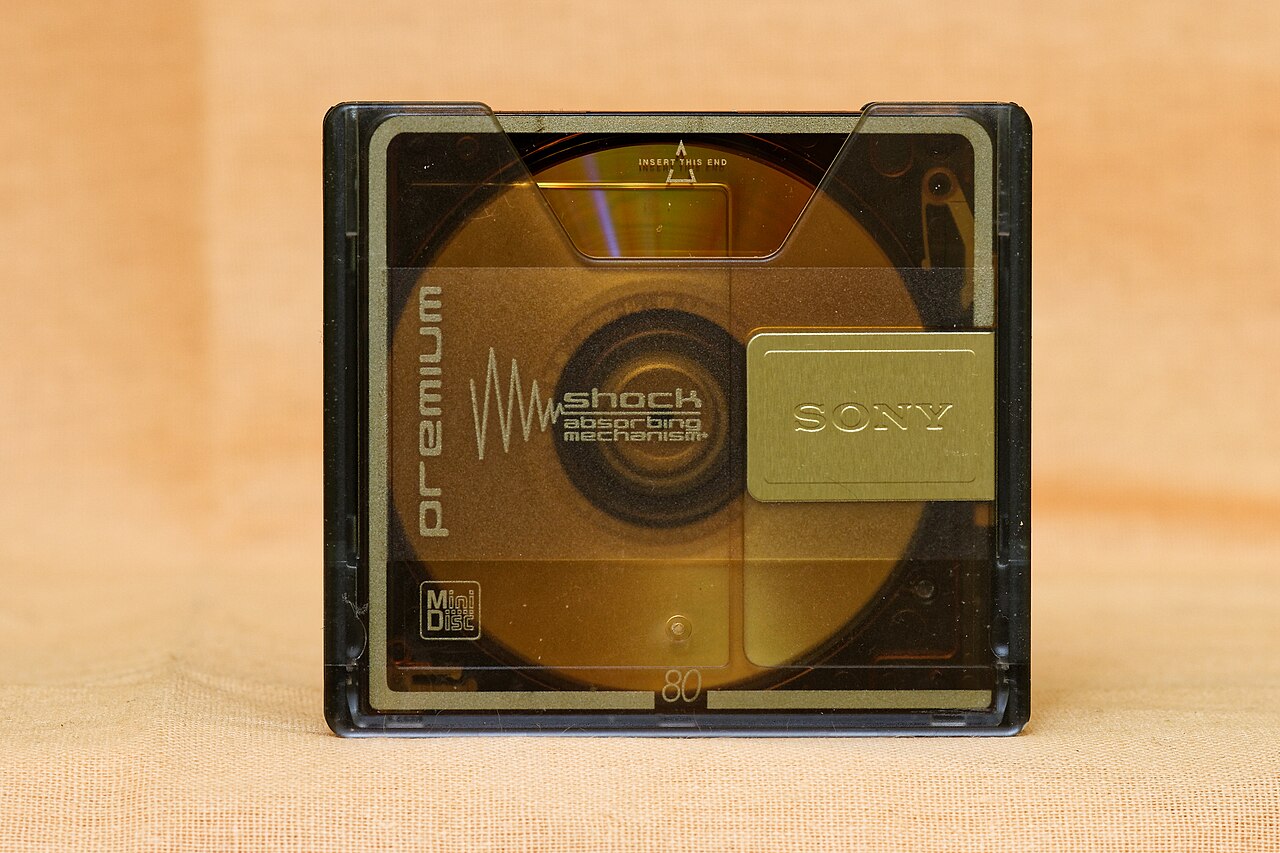
Sony MiniDisc
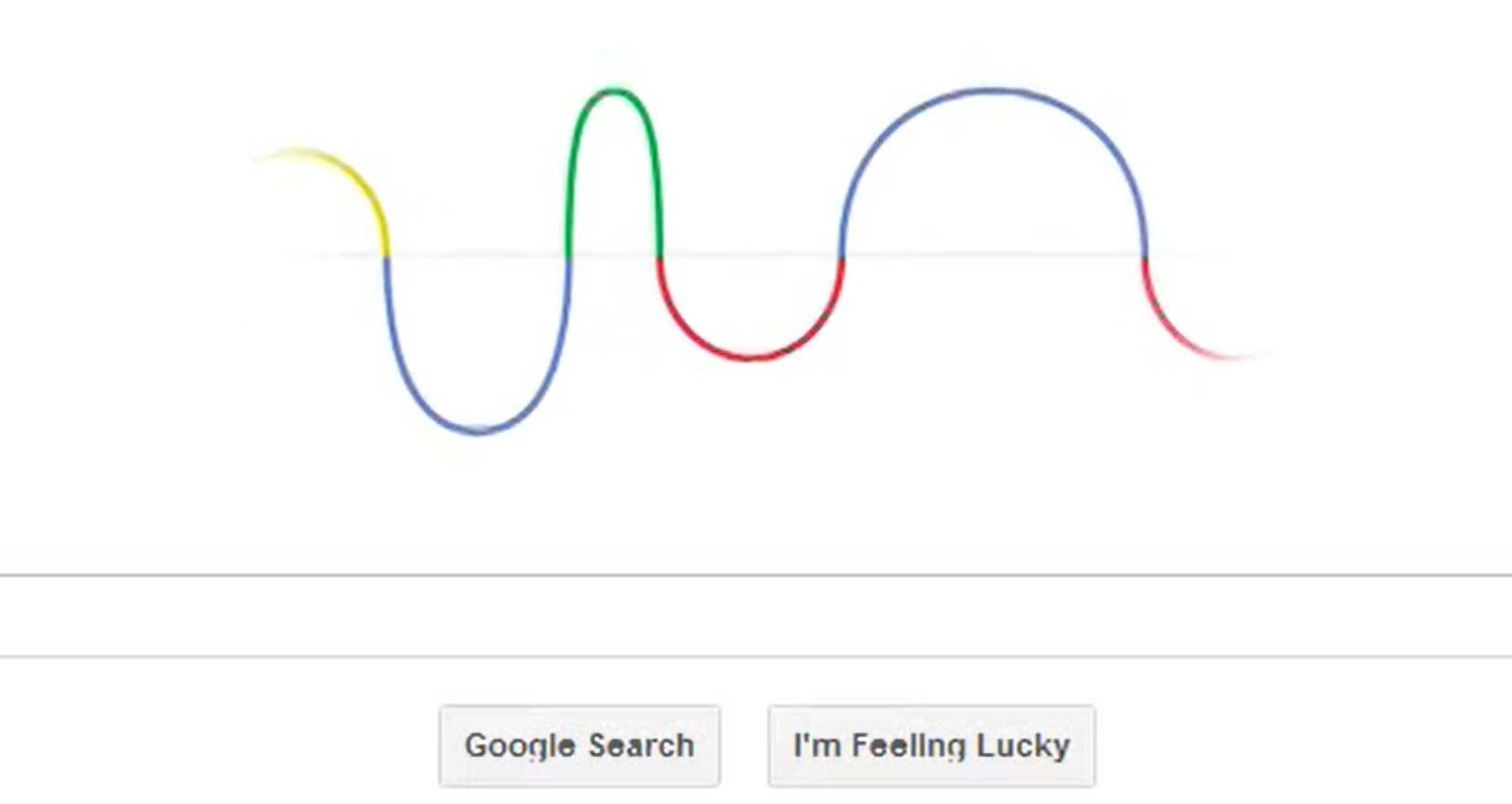
Google Wave
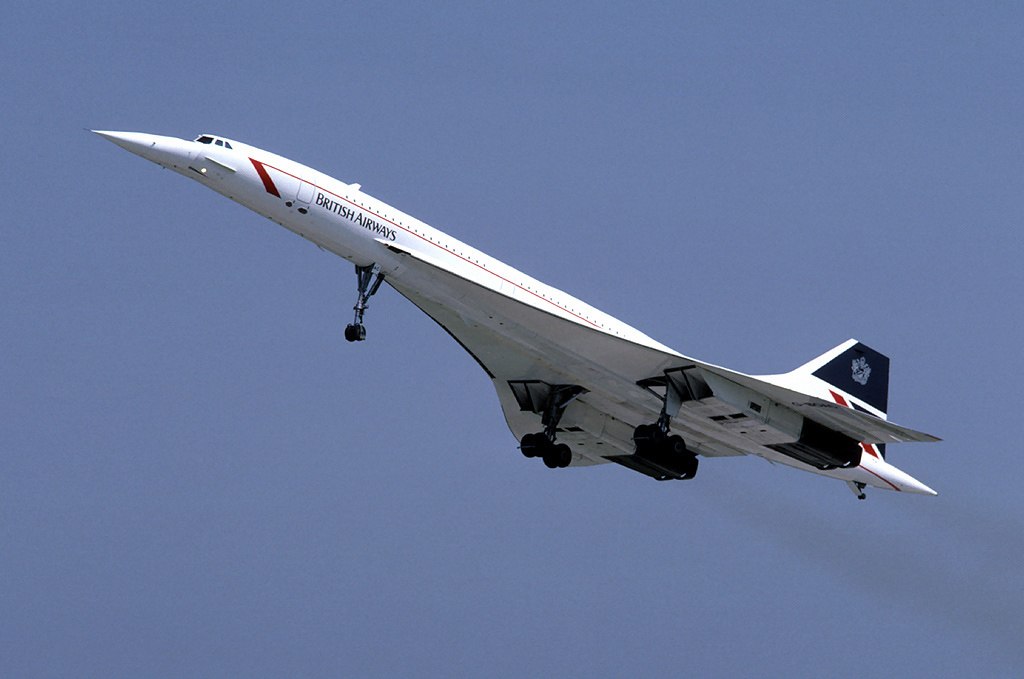
The Concorde
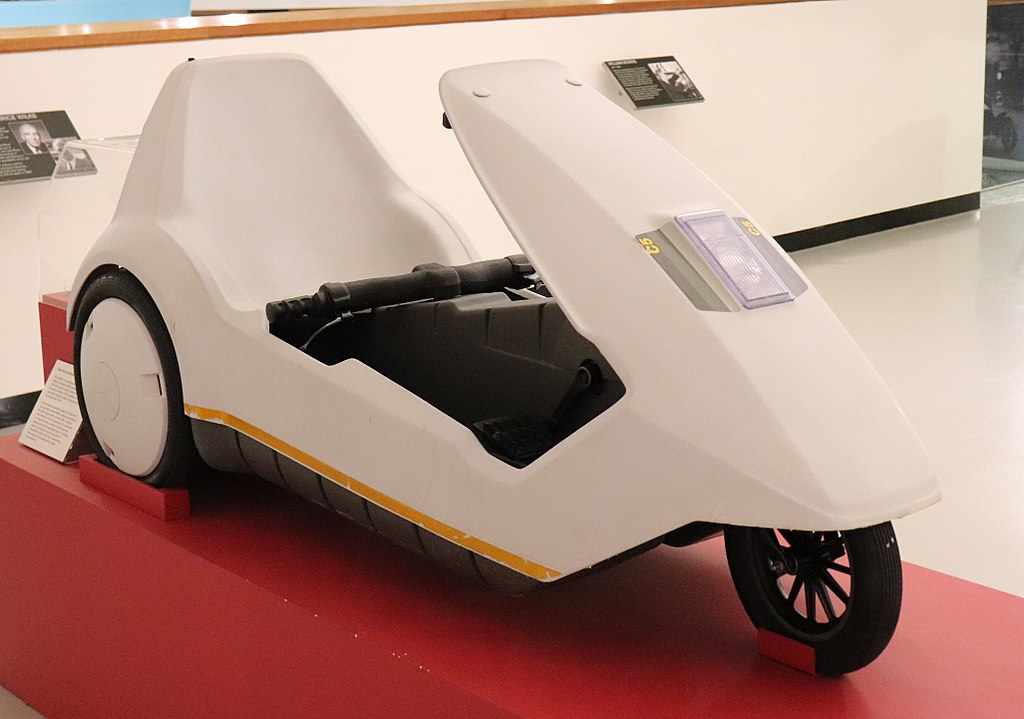
The Sinclair C5
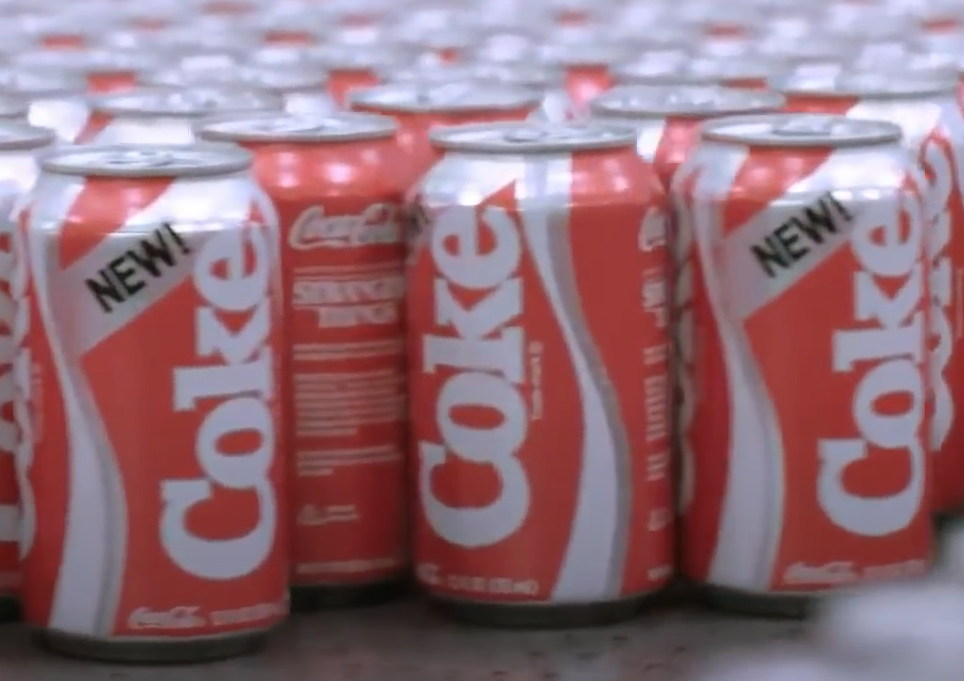
New Coke
Microsoft Zune
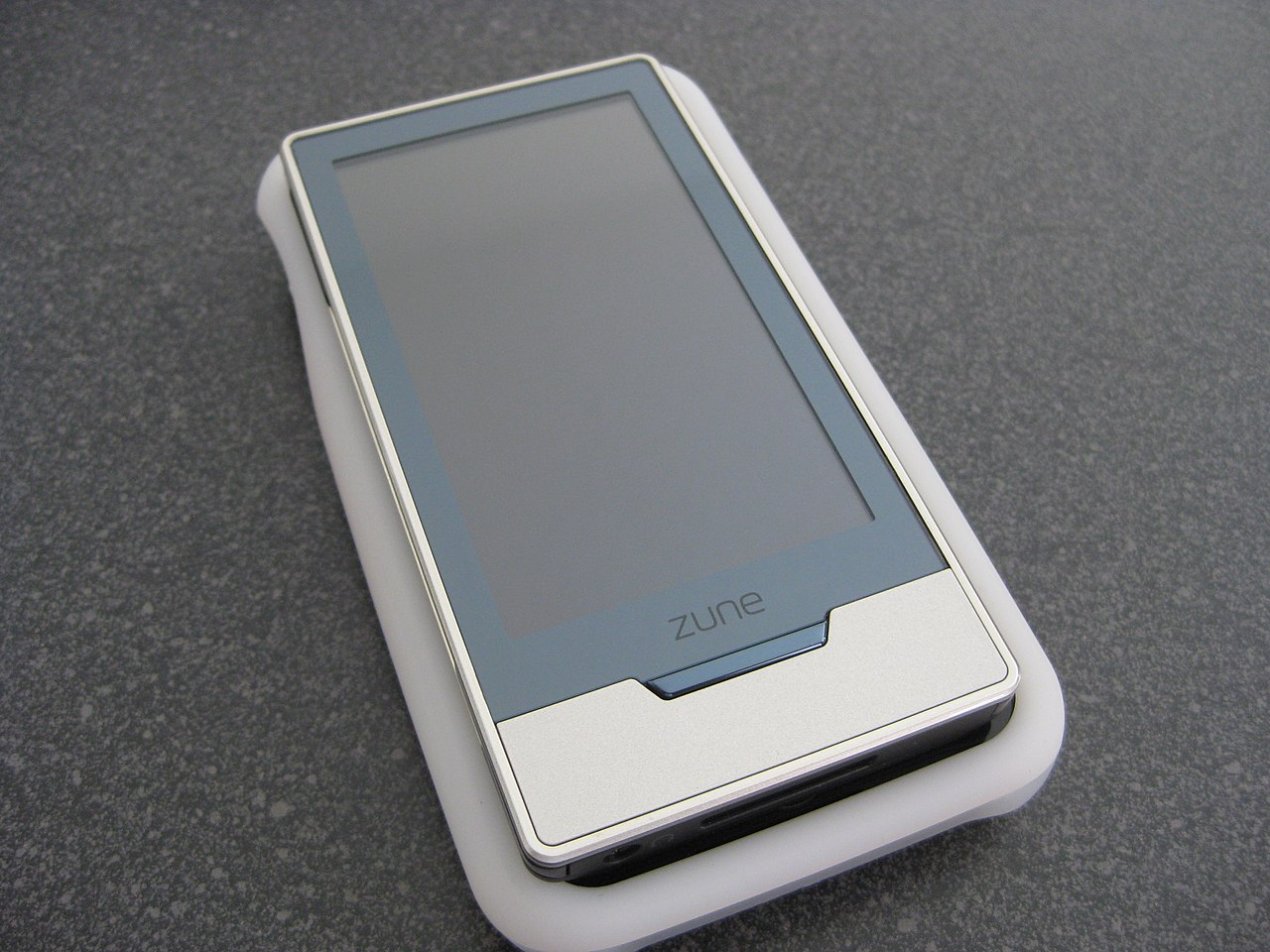
Competition is great, but the results are not always great for the competitor. Take, for instance, when Microsoft attempted to compete with the iPod in 2006 with the Zune. The Zune’s clunky software and vague branding left users unimpressed, and its sharing features fell short. Despite steady updates, the Zune store shuttered in 2012.