14 of the Best and Worst Kitchen Island Concepts
If you have some extra room in your kitchen, an island gives you an extra countertop, more storage space, a convenient seating area and the perfect place to socialize and entertain friends. You could even install a cooktop or range hood to increase your productivity when you’re cooking for the whole family. However, adding a kitchen island requires some careful planning. A blocky, oversized island could make your kitchen hard to navigate, while a small island without any features presents a missed opportunity.
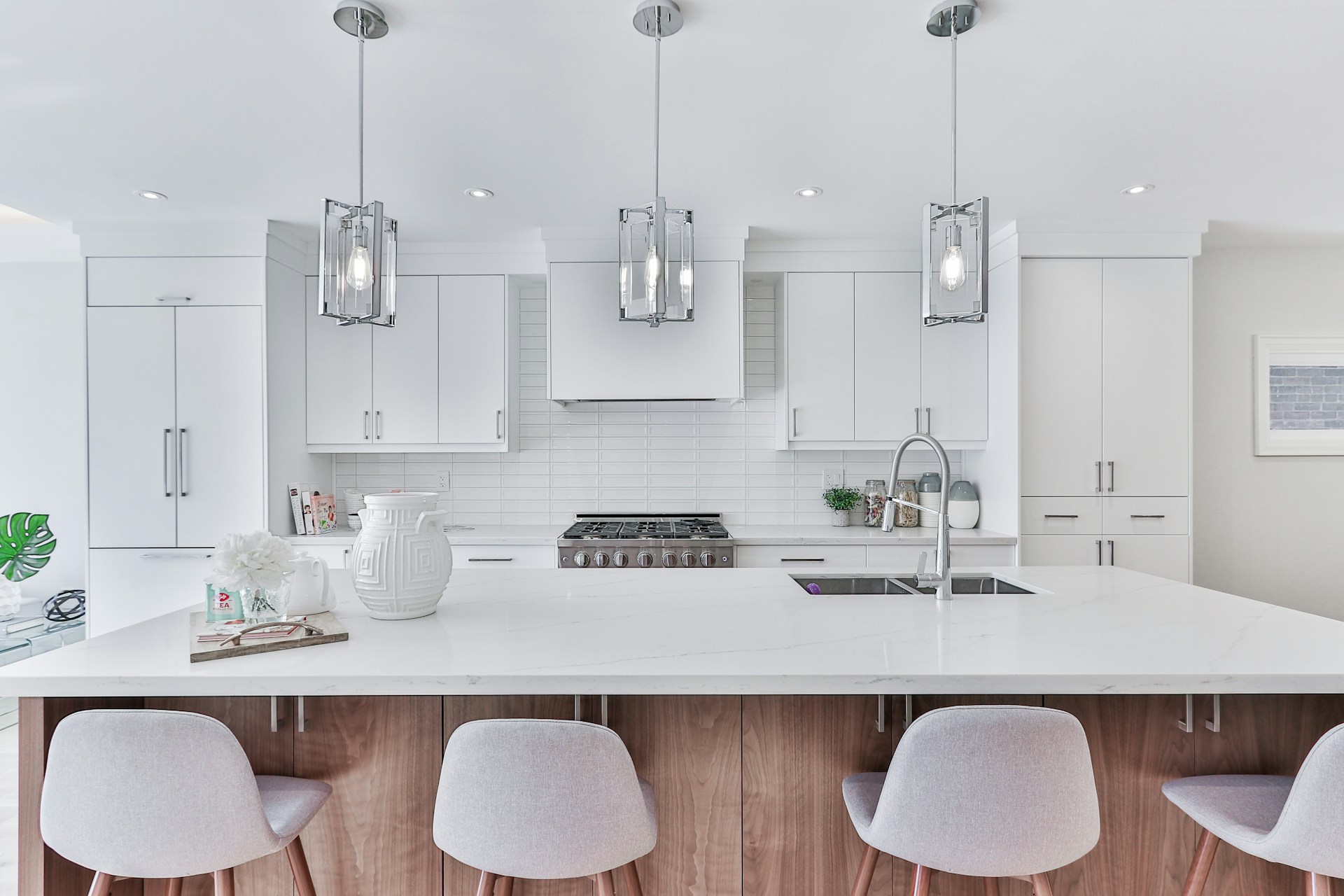
If you have some extra room in your kitchen, an island gives you an extra countertop, more storage space, a convenient seating area and the perfect place to socialize and entertain friends. You could even install a cooktop or range hood to increase your productivity when you're cooking for the whole family. However, adding a kitchen island requires some careful planning. A blocky, oversized island could make your kitchen hard to navigate, while a small island without any features presents a missed opportunity. Here's a look at seven great kitchen island ideas and seven concepts that you should avoid during your remodel.
Waterfall Kitchen Islands Create a Seamless Look
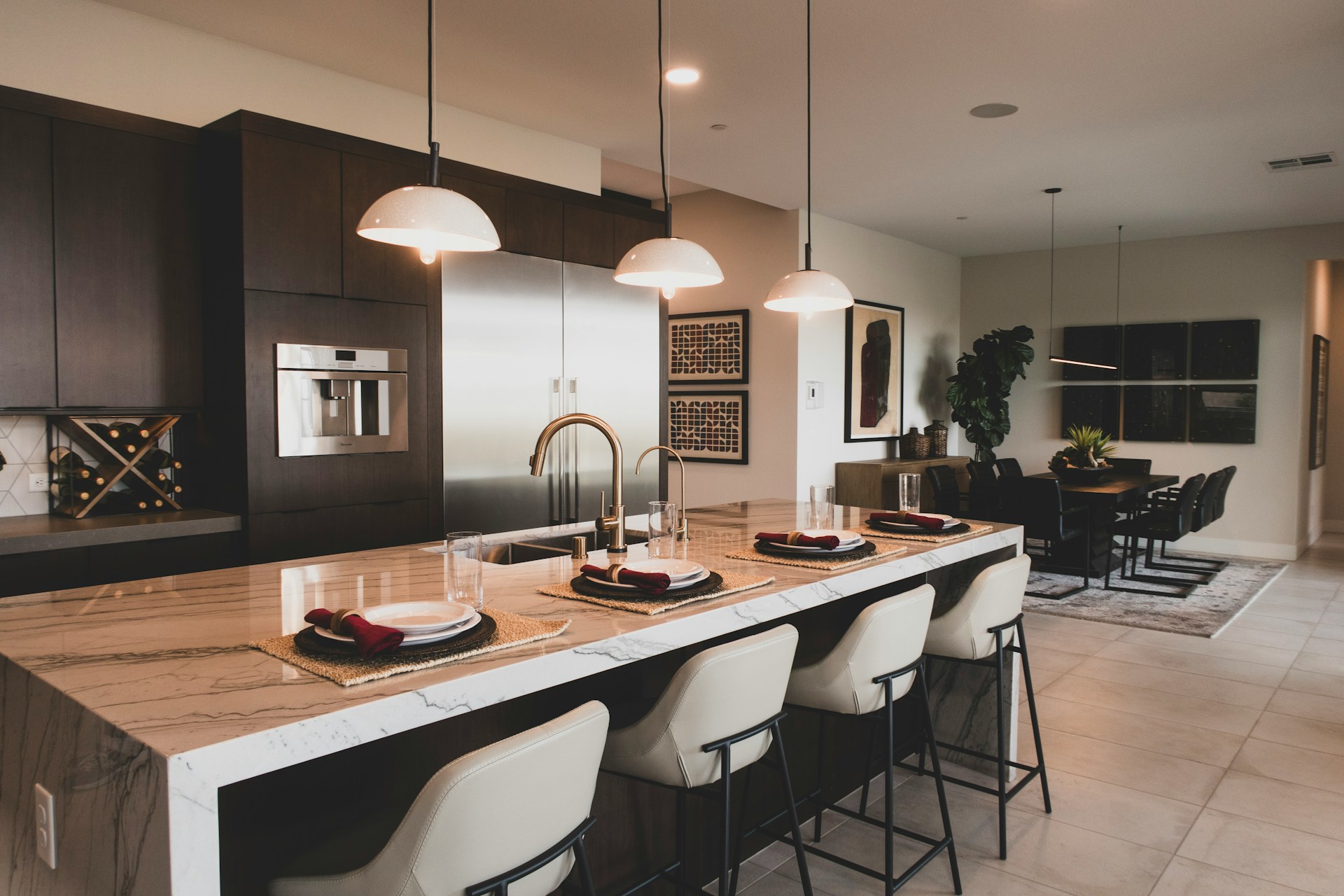
Waterfall kitchen islands break away from the traditional flat‑top design by extending the countertop material down both sides until it meets the floor.
This creates a seamless, sculptural effect that makes the surface appear to “cascade” over the edges, a look that instantly elevates any modern kitchen.
The style works especially well with natural stone, where continuous veining in marble or granite becomes a striking visual statement.
With marble in particular, the flowing streaks feel almost like artwork, turning the island into a centerpiece rather than just a workspace. It’s sleek, cohesive, and undeniably luxurious.
Shelves and Racks Provide Storage Options
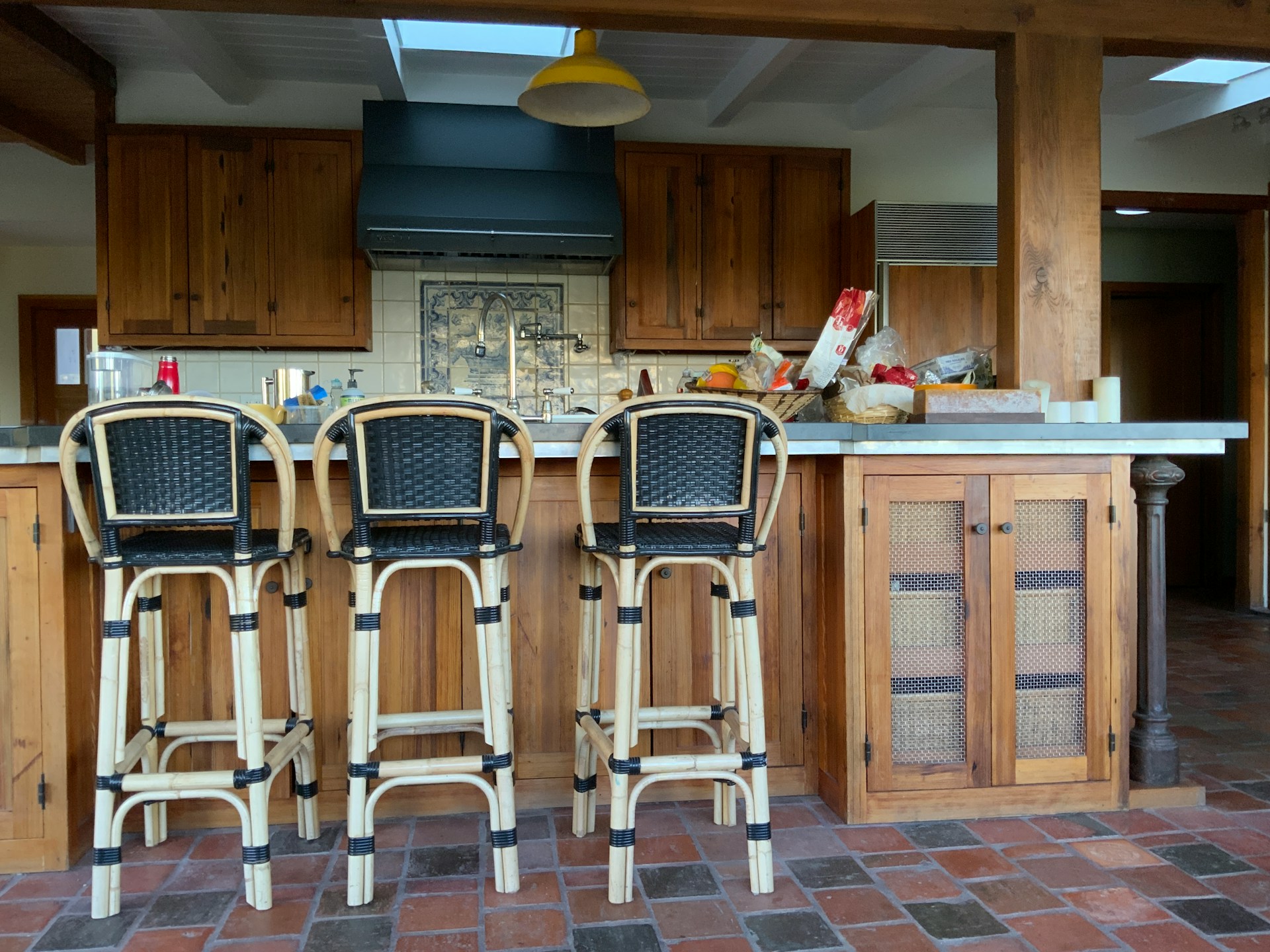
For wine lovers, a kitchen island equipped with a built‑in wine rack, open shelves, or even a compact fridge can turn everyday cooking into a moment of relaxation.
Everything you need is right at your fingertips: chill your glass with ice, reach for your favorite bottle, and pour without ever leaving your seat.
This setup can easily evolve into a full home bar, complete with stemware, mixers, and a curated selection of spirits.
It’s a stylish, functional upgrade that blends convenience with a touch of indulgence, making your island a true centerpiece for entertaining.
Moveable Kitchen Islands Add Flexibility and Convenience
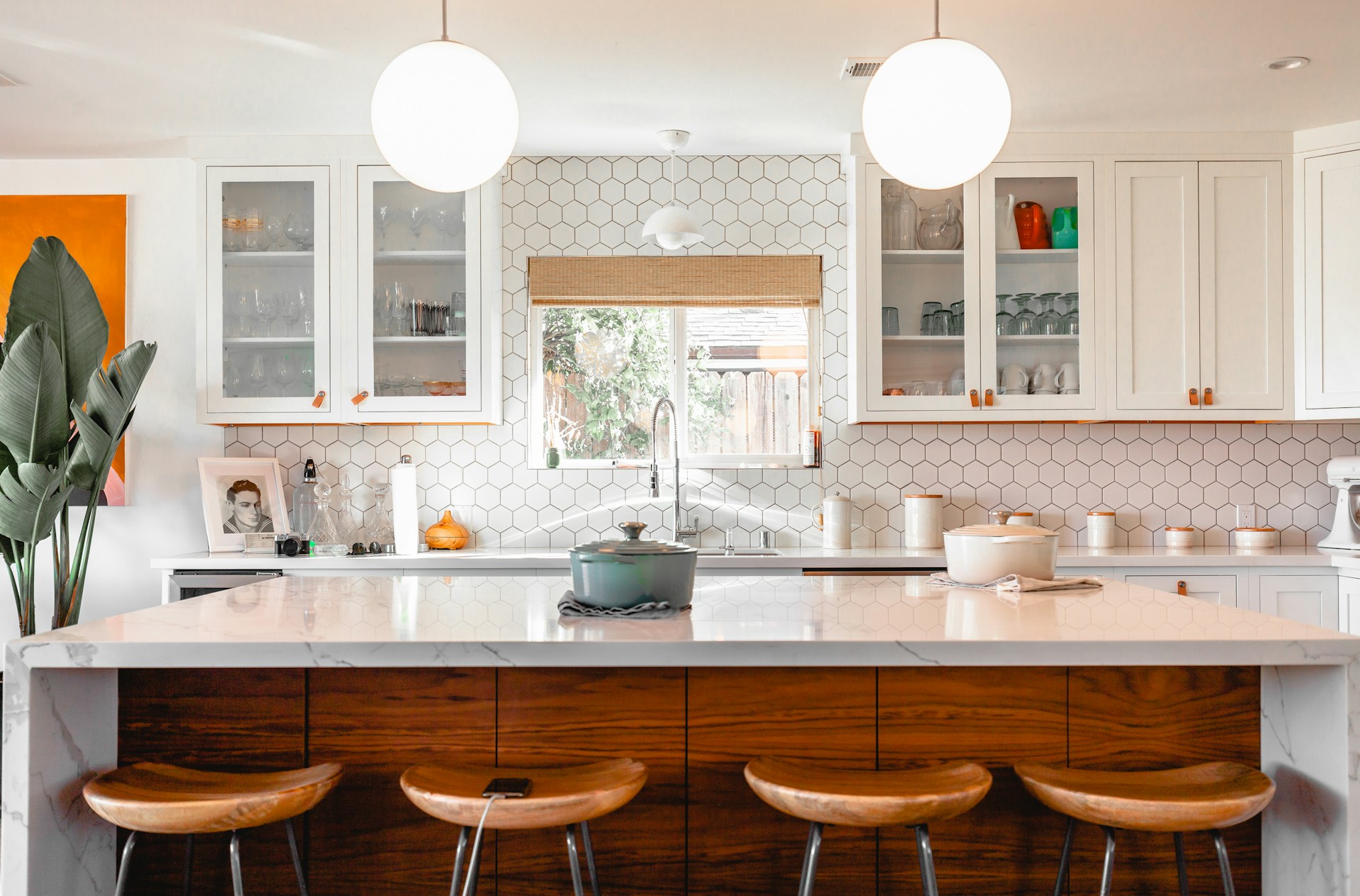
Sometimes a kitchen island becomes more of an obstacle than a convenience, especially in smaller or high‑traffic spaces. A movable island with attached wheels solves this problem instantly.
When you need extra room in front of the sink, dishwasher, or lower cabinets, you can simply roll the island a few feet out of the way.
And when you’re prepping a big meal, chopping, blending, searing, and juggling ingredients, you can pull it closer to create a flexible, functional workstation.
This mobile design keeps your kitchen adaptable, practical, and far easier to navigate.
Seating Allows You to Serve Your Whole Family
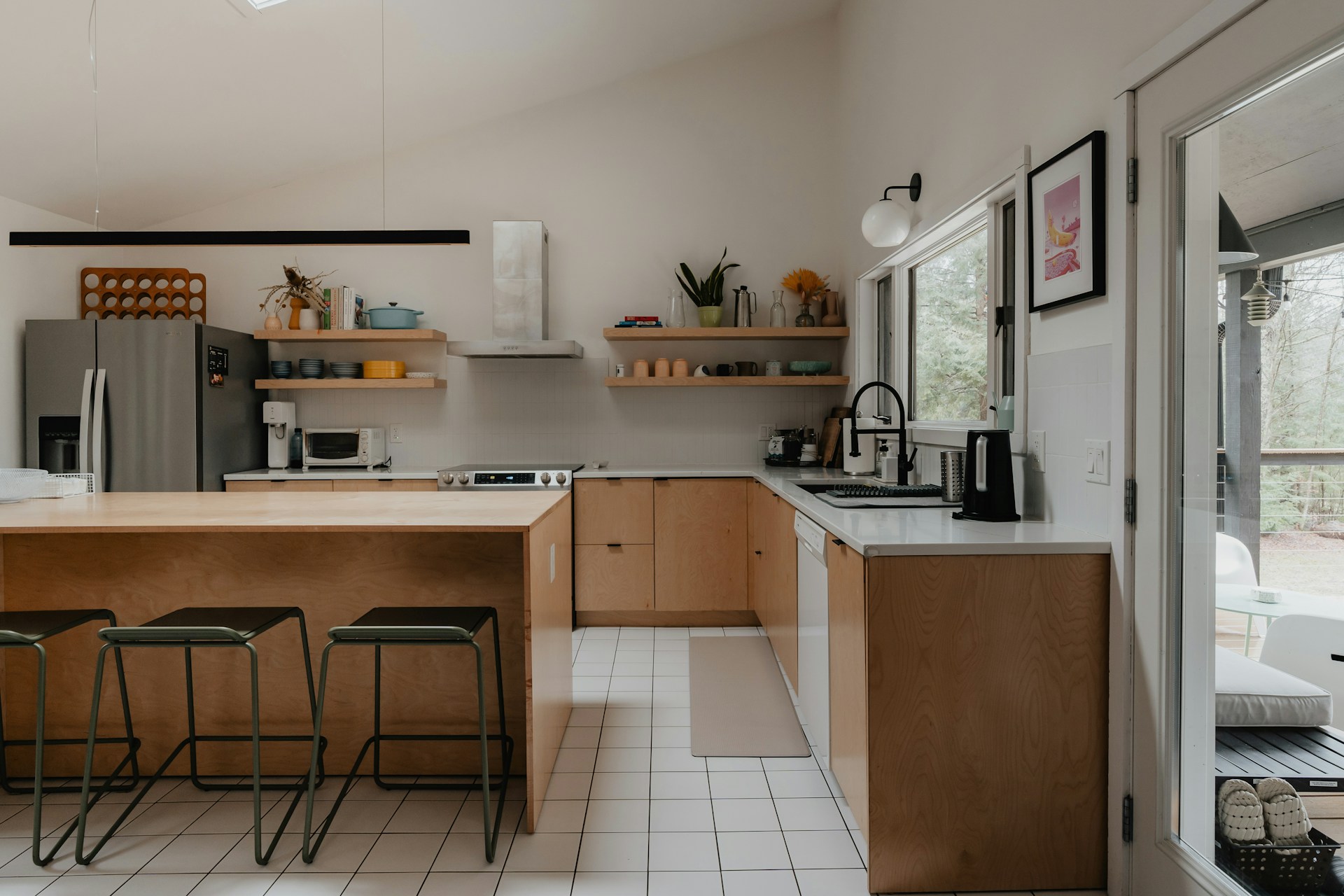
Adding stools or chairs to your kitchen island instantly transforms it into a versatile seating zone that goes far beyond casual meals.
It becomes a spot for quick snacks, morning coffee, homework sessions, remote work, or simply chatting while someone cooks.
When guests come over, the island naturally becomes a gathering point, offering extra room to spread out without crowding the dining table. It’s especially useful during holidays or long weekends when extended family or friends are staying over.
With the right seating, your island becomes both a functional workspace and a welcoming social hub.
Tiered Kitchen Islands Enhance Functionality
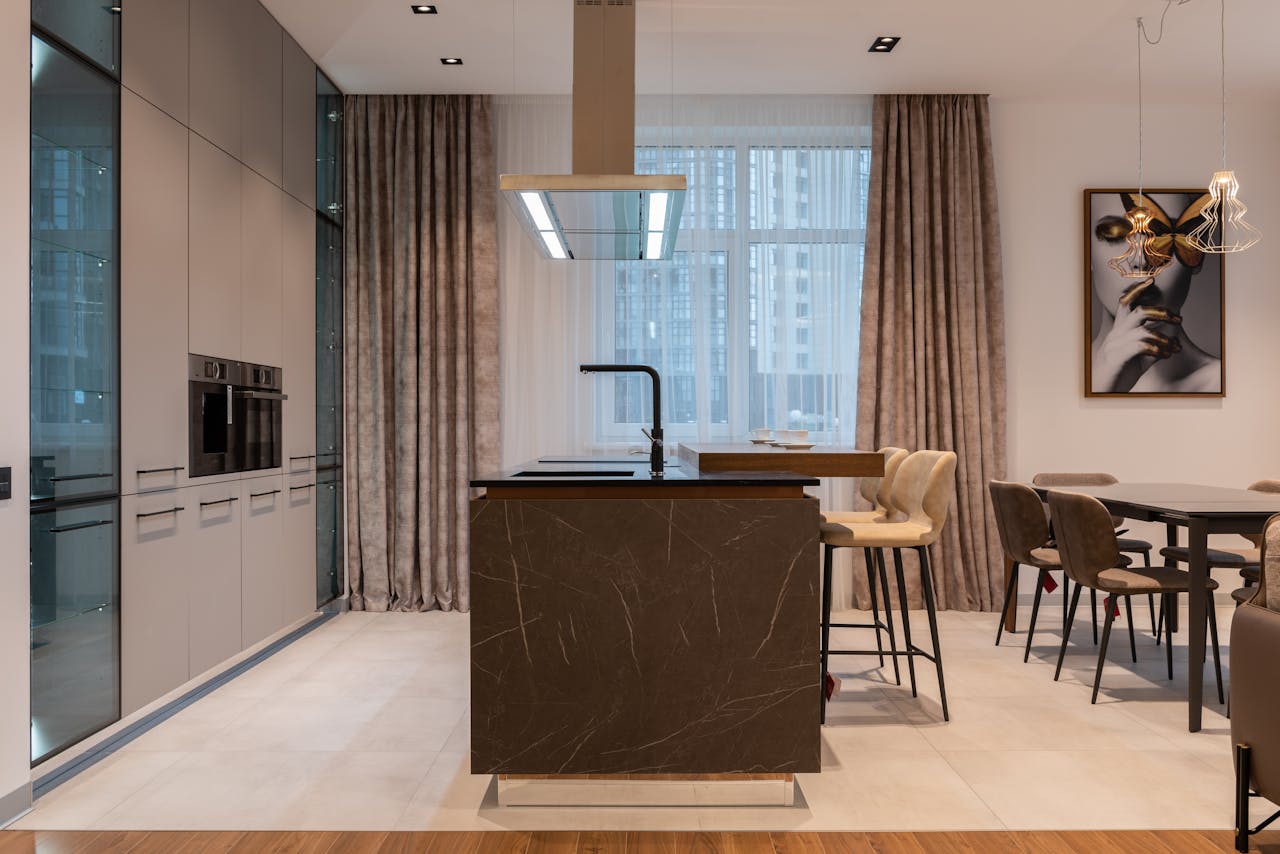
Tiered kitchen islands introduce two distinct levels, each designed with a specific purpose in mind. The raised tier can comfortably accommodate stools, creating a casual spot for working, dining, or chatting with guests while you cook.
Meanwhile, the lower tier functions as a dedicated prep zone, offering extra counter space and potential storage underneath. This split‑level layout not only improves workflow but also adds visual interest, giving the island a more architectural, “lifted” appearance.
It’s a clever way to blend practicality with style, especially in kitchens that need multifunctional zones without expanding their footprint.
Pull-out Trash Cans Improve Sanitation
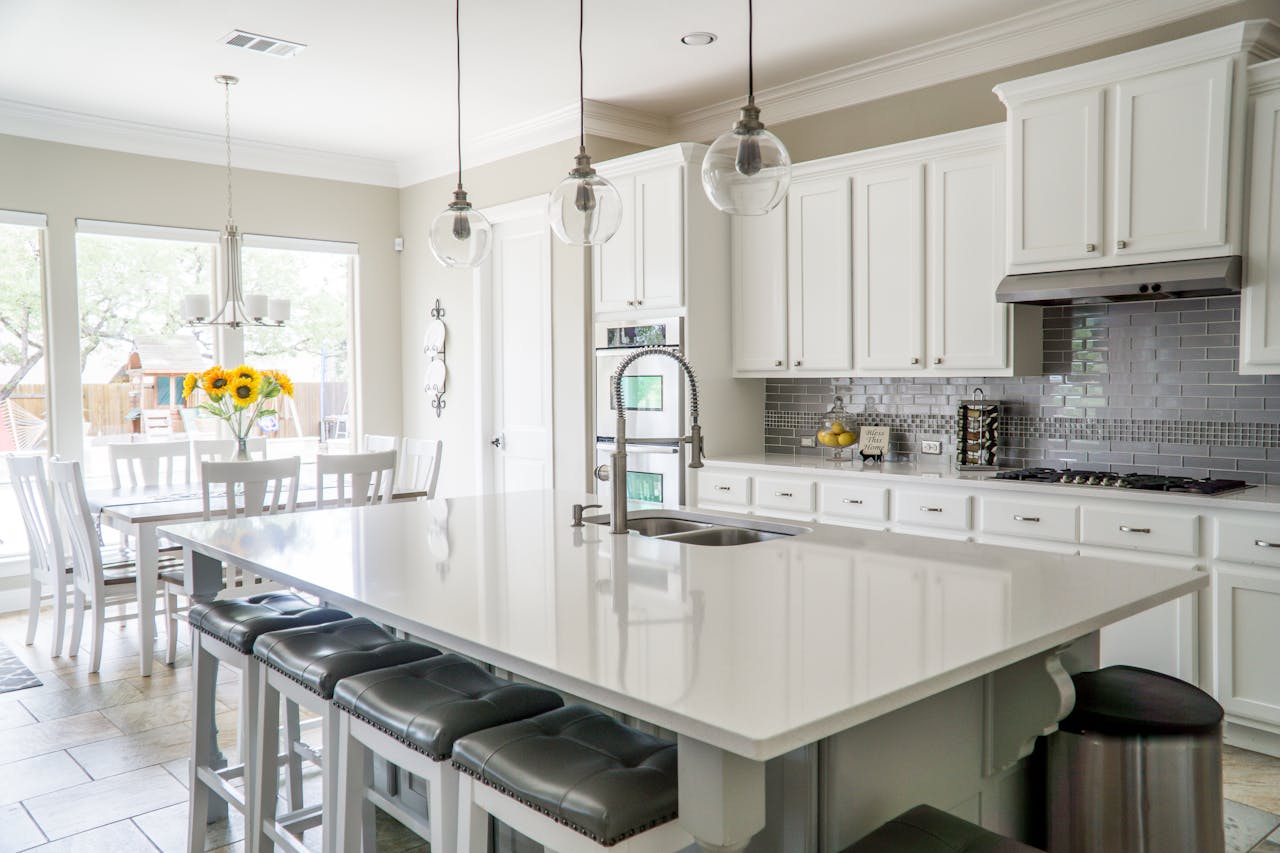
Some kitchen islands include a dedicated gap beneath the counter designed specifically for a trash can, a small detail that makes a surprisingly big difference.
By giving your bin a designated, tucked‑away spot, you keep waste safely out of reach from curious kids and pets while maintaining a cleaner, more organized workspace.
It also prevents trash from crowding the sink area or sitting in plain sight, helping your kitchen feel fresher and more sanitary overall.
This simple built‑in feature streamlines daily cleanup and keeps the island looking tidy, functional, and intentionally designed.
Cooktops Give You More Space for Meal Prep
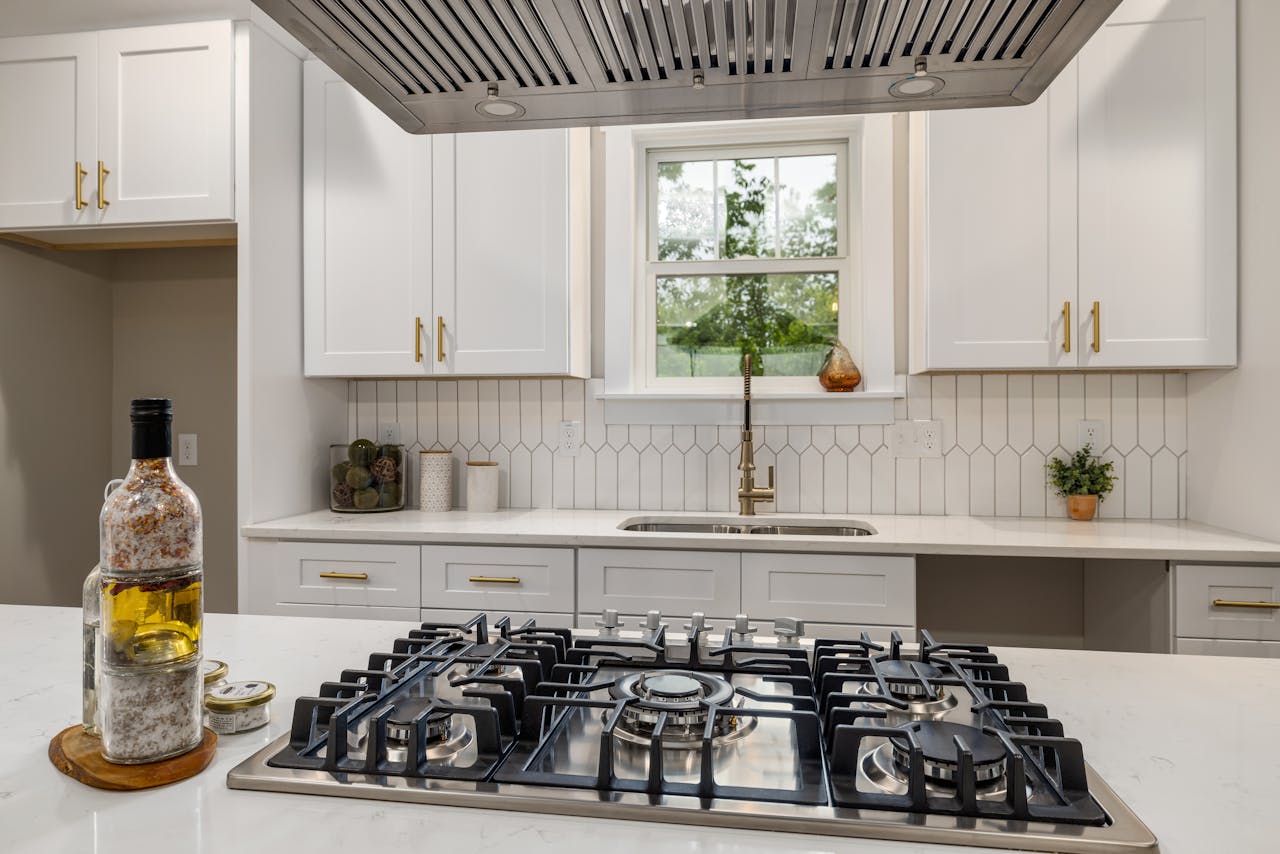
Installing a cooktop or range hood directly into your kitchen island is a game‑changer for anyone who cooks often. It frees up your main stove area, prevents crowding, and lets you sear vegetables or cook meat while finishing sides, sauces, or desserts elsewhere.
This setup also improves workflow during busy meal prep, keeping everything within reach and reducing back‑and‑forth across the kitchen.
Even better, it makes cooking with a partner far easier, you can share tasks without bumping elbows. A cooktop island turns your workspace into a true culinary hub, both practical and social.
Oversized Kitchen Islands Crowd Your Kitchen
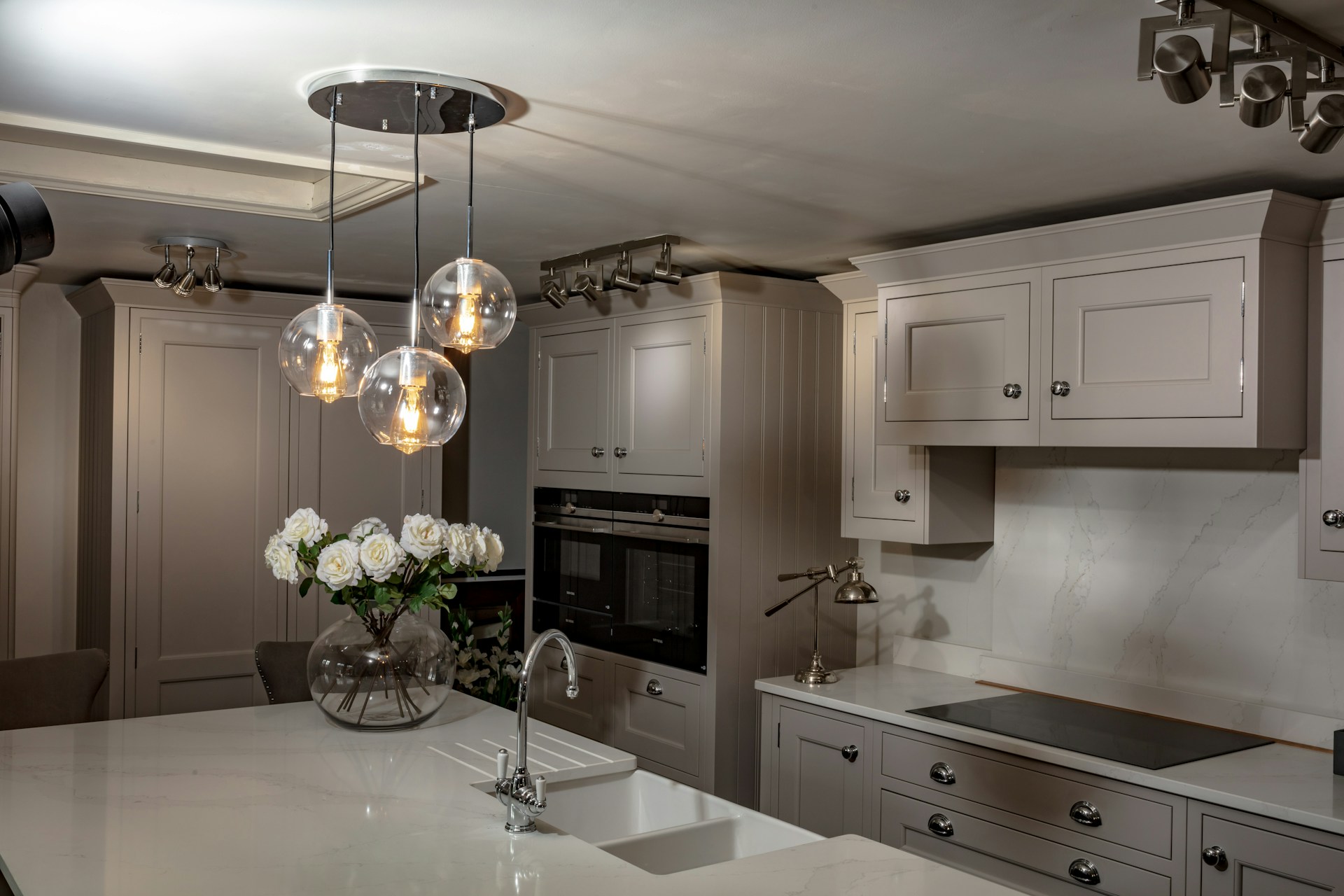
A larger kitchen island may offer an expansive countertop, but it can quickly overwhelm a space that’s already tight.
When the proportions aren’t right, an oversized island becomes more of a barrier than a feature, making it difficult to reach cabinets, appliances, or even move comfortably around the room.
Instead of feeling luxurious, the bulk can dominate the layout and throw off the visual balance of your kitchen.
In many homes, a too‑big island ends up looking awkward and out of place, proving that bigger isn’t always better when it comes to smart, functional design.
No Hookups Reduce Your Island's Functionality
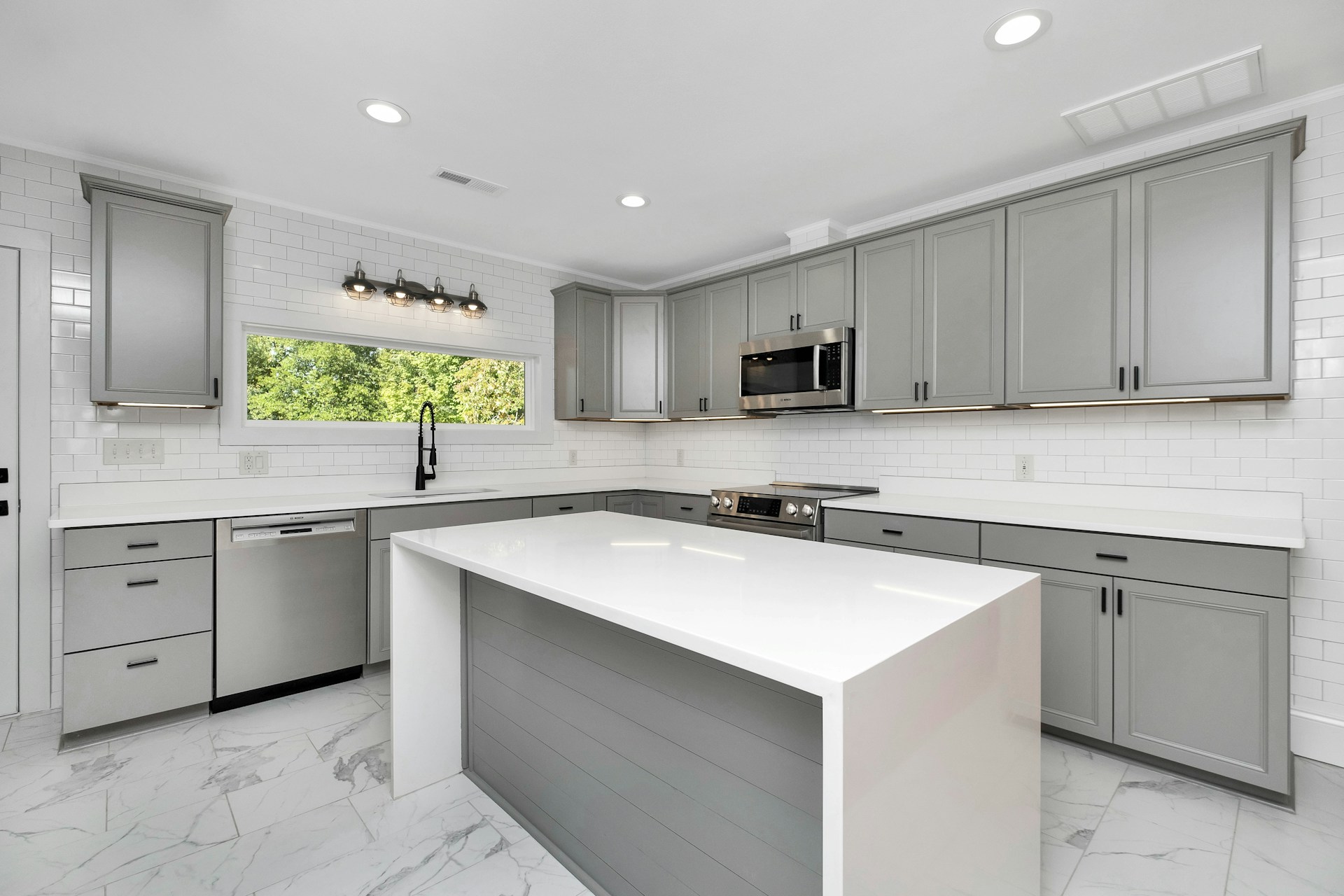
Simple kitchen islands without water or electrical hookups may save money upfront, but they limit what your space can actually do.
Without outlets, you lose the ability to charge your phone, plug in a laptop, or use small appliances like mixers and blenders. And without a water hookup, you miss out on the convenience of washing hands, rinsing produce, or adding a prep sink.
When installing an island, it’s worth planning for built‑in outlets, USB chargers, and plumbing if you want a sink. These features turn your island from a basic surface into a fully functional workstation.
Glossy Surfaces Require More Upkeep
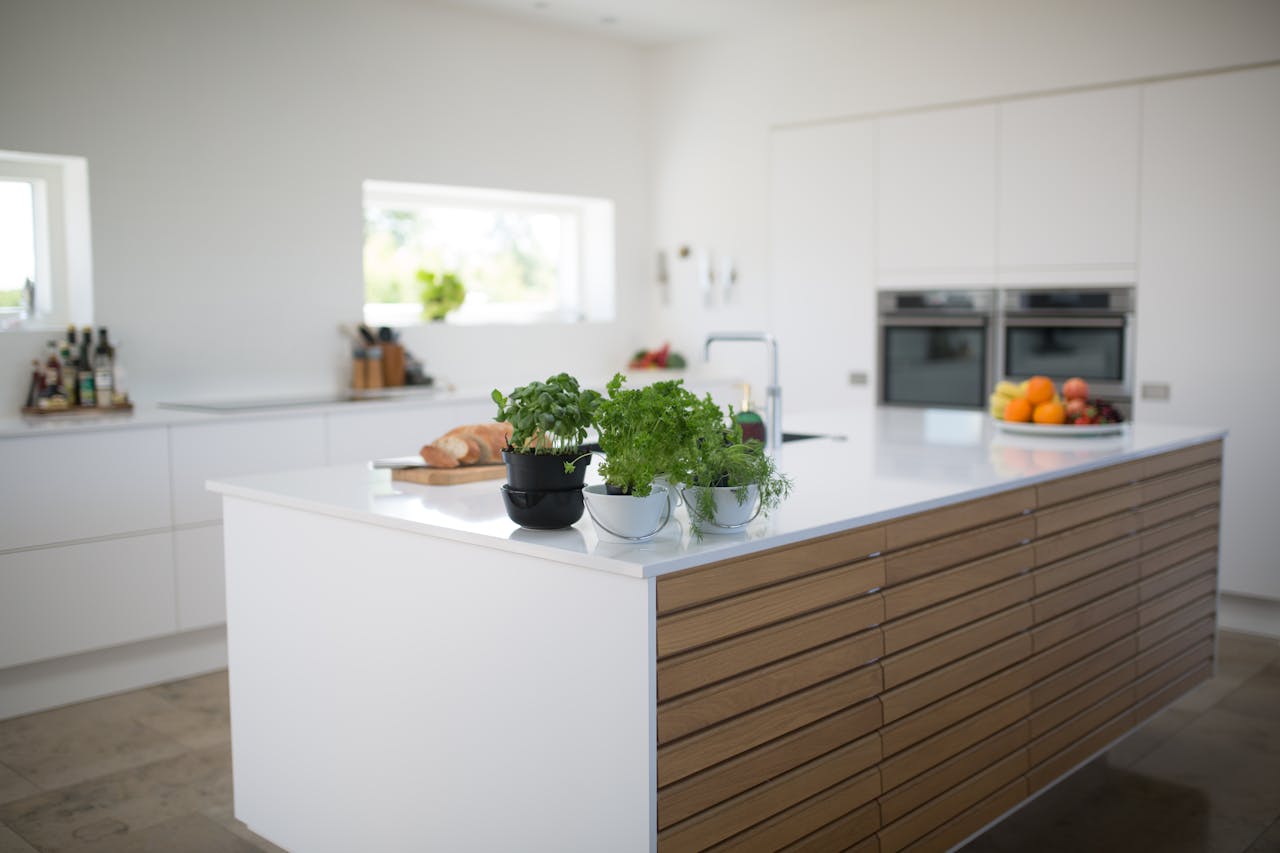
Glossy countertops may look stunning at first glance, but their mirror‑like finish comes with a high‑maintenance downside. The shine highlights every scratch, scuff, and tiny imperfection, meaning even normal wear becomes instantly noticeable.
Over time, this can lead to more frequent repairs or touch‑ups just to keep the surface looking pristine. Matte countertops, on the other hand, offer a softer, more forgiving appearance.
Their flat finish naturally disguises minor flaws, chips, and everyday marks, giving you a bit more grace in a busy kitchen. For many homeowners, the lower upkeep makes matte a far more practical choice.
Poor Placement Restricts Your Walkways
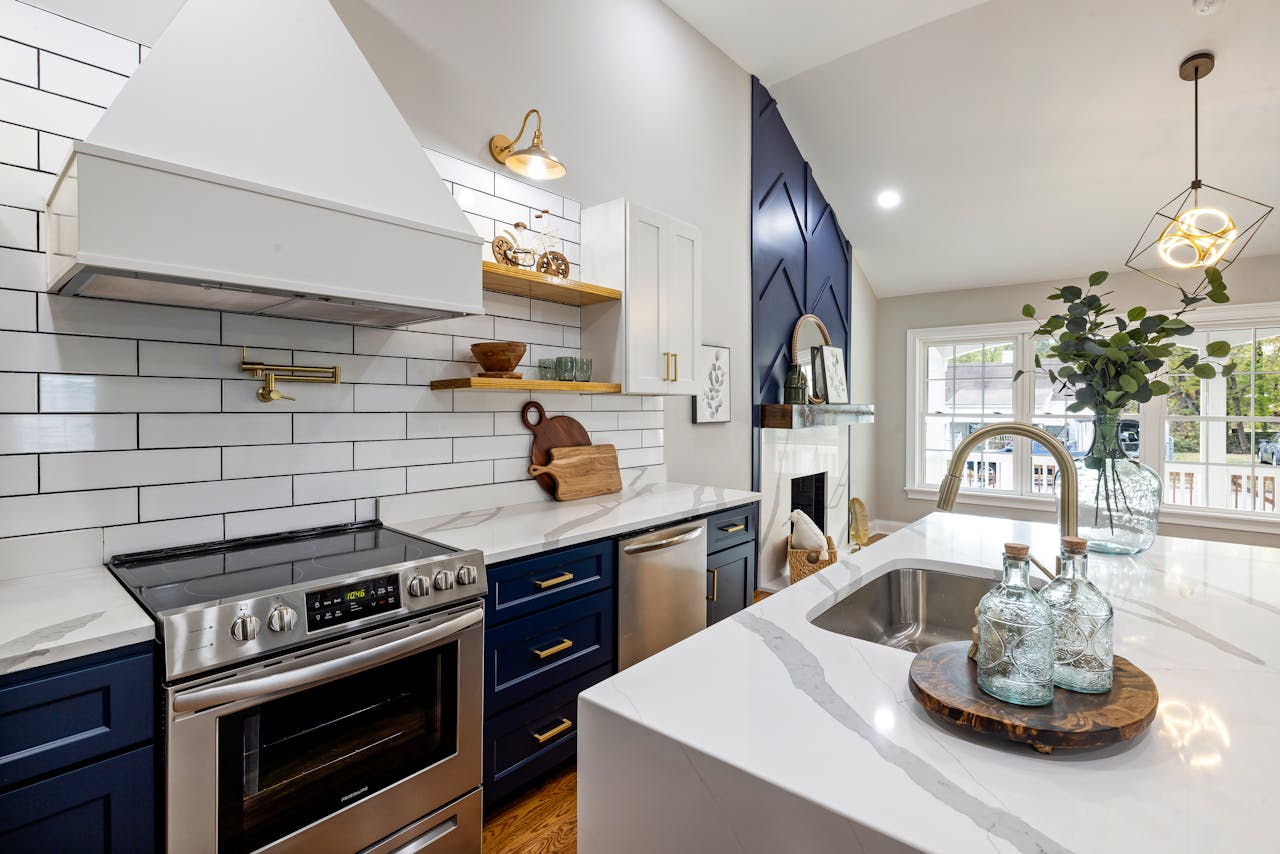
Whether you're remodeling an existing kitchen or designing one from the ground up, thoughtful planning is essential to keep the space open, functional, and safe.
A kitchen island might look perfectly proportioned on a blueprint, but real‑world movement, appliance clearance, and workflow can tell a different story.
Without guidance from a design professional, an island can easily end up too large, too close to cabinets, or awkwardly positioned, creating a cramped and cluttered layout.
Expert input ensures your island enhances the room rather than obstructing it, helping you achieve a kitchen that feels balanced and effortless to navigate.
Sharp Angles Disrupt the Layout
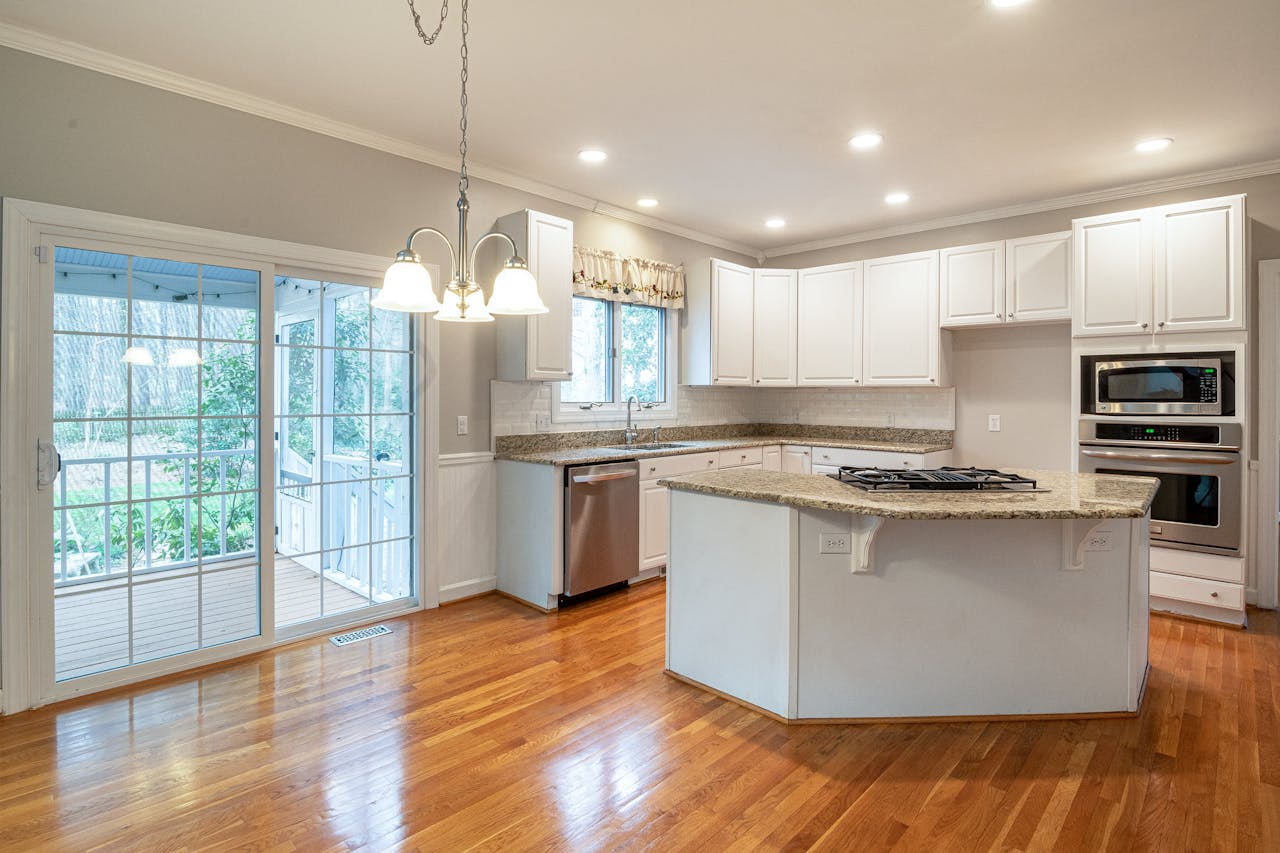
While most kitchen islands stick to a simple rectangular shape, some homeowners experiment with curved edges, angled corners, or unconventional silhouettes to better fit a tricky floor plan.
In kitchens with unusual layouts, these creative shapes can help maintain clear walkways and improve circulation where a standard island would feel obstructive.
But the trade‑off is real: an eccentric island can introduce awkward points that bump hips, snag clothing, or disrupt the visual harmony of the room.
When the shape becomes too unconventional, it risks turning a functional feature into an uncomfortable and unintended focal point.
Neglecting Storage Space Makes Your Island Less Useful
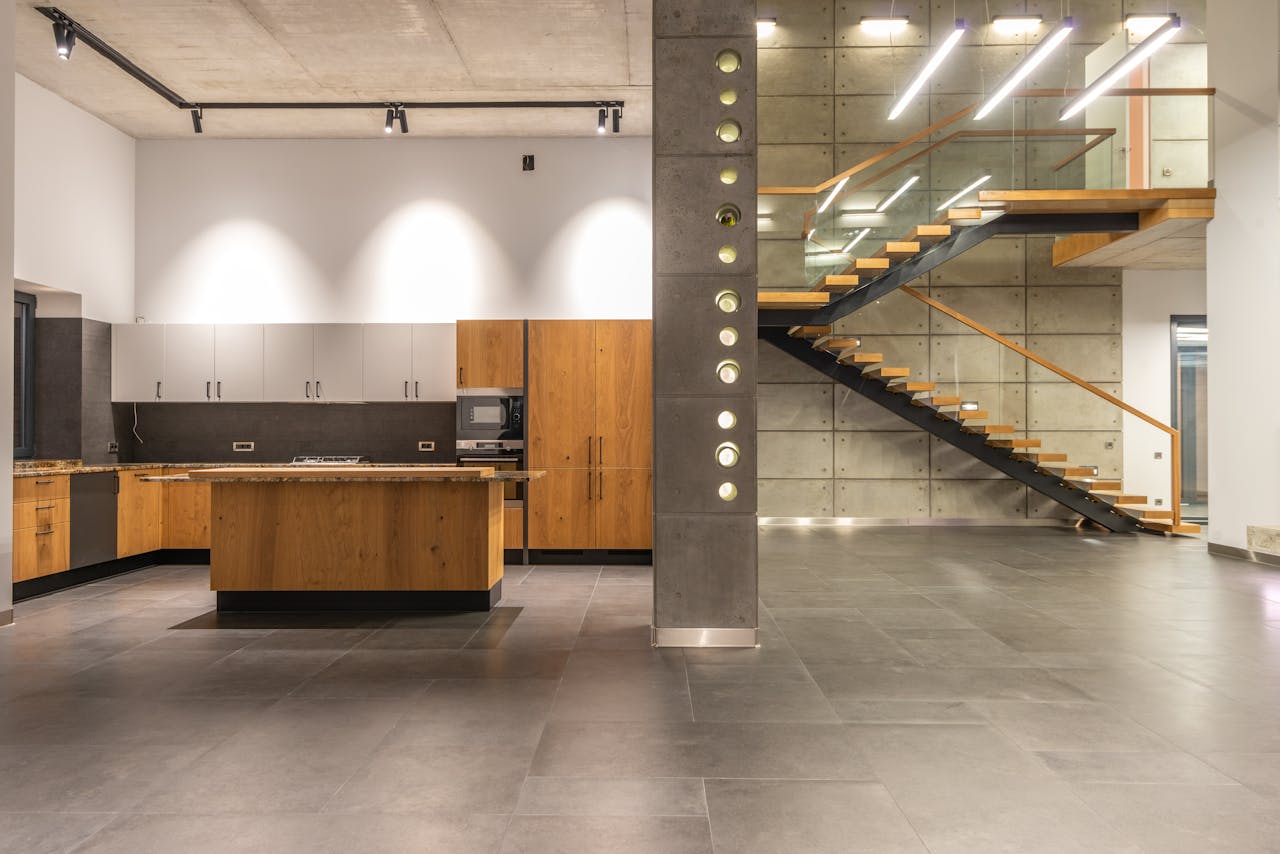
A kitchen island can be so much more than an extra stretch of countertop, it’s valuable real estate for smart storage.
Skipping cabinets, drawers, or shelves means missing the chance to tuck away plates, glasses, cutlery, small appliances, and everyday tools that otherwise clutter your kitchen.
Built‑in storage not only frees up your main cabinets but also helps keep your counters clear and your workflow smoother.
When thoughtfully designed, an island becomes a multifunctional hub that supports cooking, serving, and organization all at once, making your entire kitchen feel more efficient and intentionally arranged.
Small Kitchen Islands Just Take Up Space
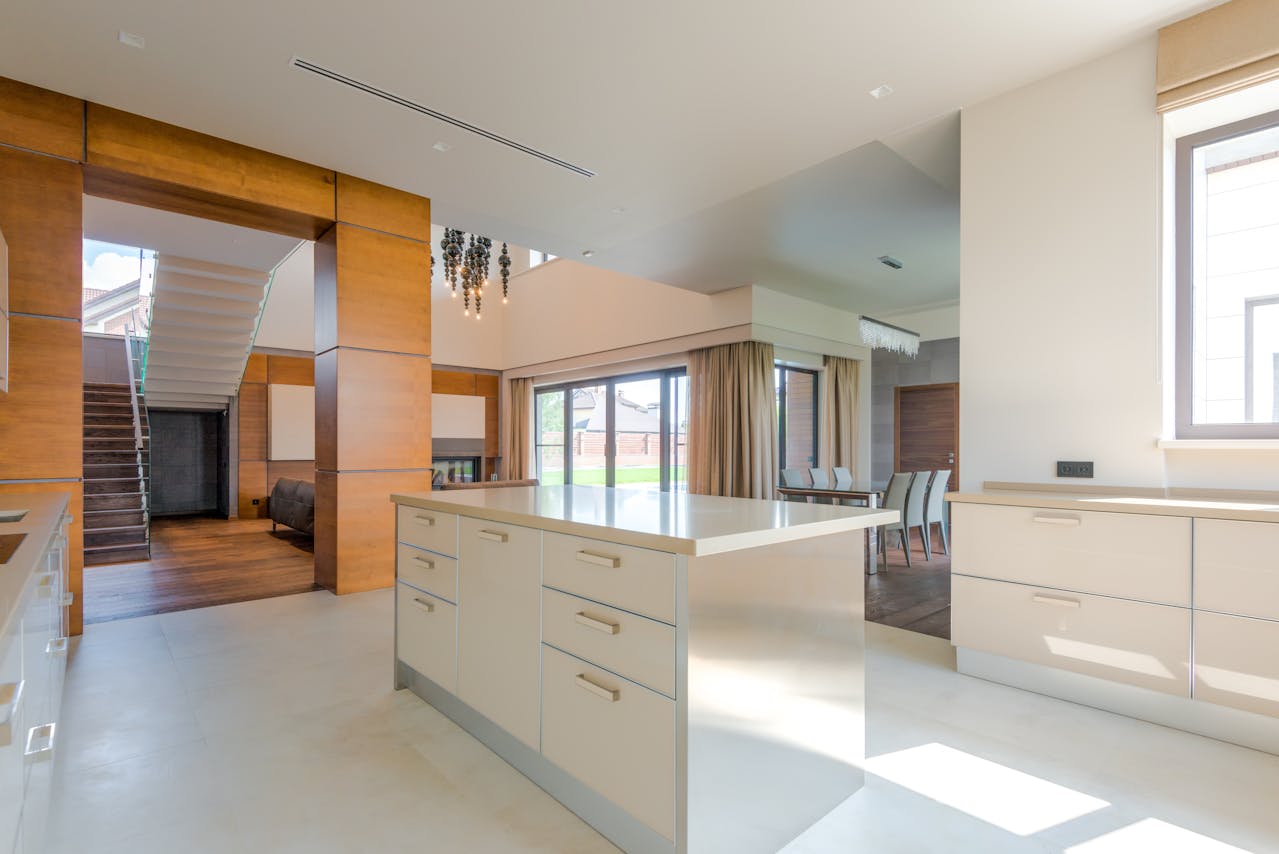
A tiny kitchen island may offer a sliver of extra countertop space, but beyond that, it often becomes more of a hindrance than a help.
In a compact kitchen, even a small island can disrupt the natural flow, block walkways, and make everyday tasks feel cramped.
If you’re already working with limited square footage, squeezing in an island usually isn’t worth the trade‑off. Instead of improving functionality, it risks becoming an expensive obstacle that adds clutter rather than convenience.
In many cases, skipping the island altogether leads to a cleaner, more comfortable, and far more efficient kitchen layout.