“Formidable” is the first word that comes to mind when reflecting on these extraordinary female rulers. Most of them rose to power in eras and societies that insisted, loudly and consistently, that women were inherently inferior to men. Yet they challenged those beliefs at every turn, reshaping kingdoms, commanding armies, negotiating alliances, and leaving legacies that still echo today. Their authority was not always peaceful, nor was it ever easily granted; they seized it, defended it, and proved their critics wrong again and again.
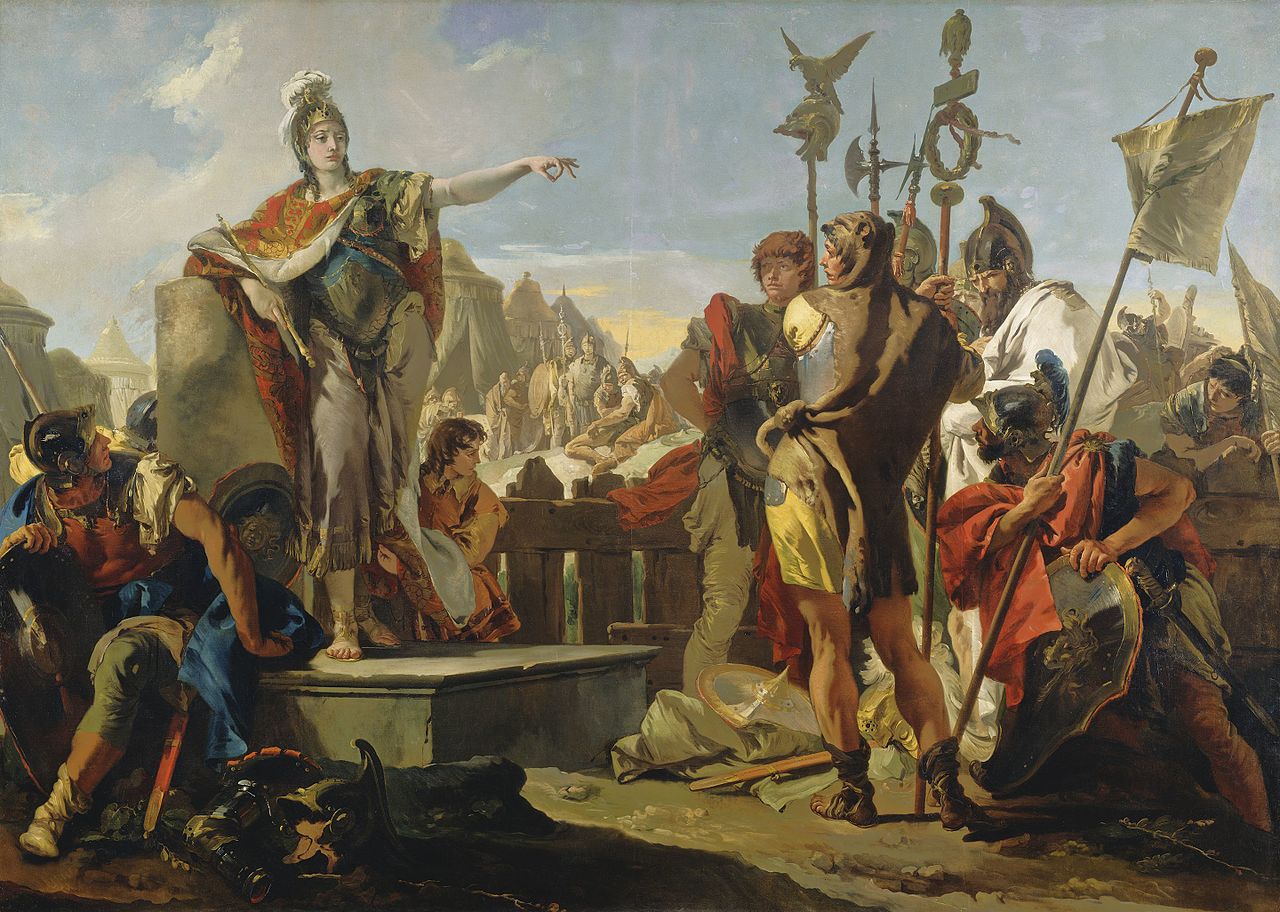
“Formidable” is the first word that comes to mind when reflecting on these extraordinary female rulers. Most of them rose to power in eras and societies that insisted, loudly and consistently, that women were inherently inferior to men. Yet they challenged those beliefs at every turn, reshaping kingdoms, commanding armies, negotiating alliances, and leaving legacies that still echo today. Their authority was not always peaceful, nor was it ever easily granted; they seized it, defended it, and proved their critics wrong again and again. Here are fourteen remarkable women who reshaped history through sheer determination and brilliance.
1. Cleopatra VII (69-30 BCE)
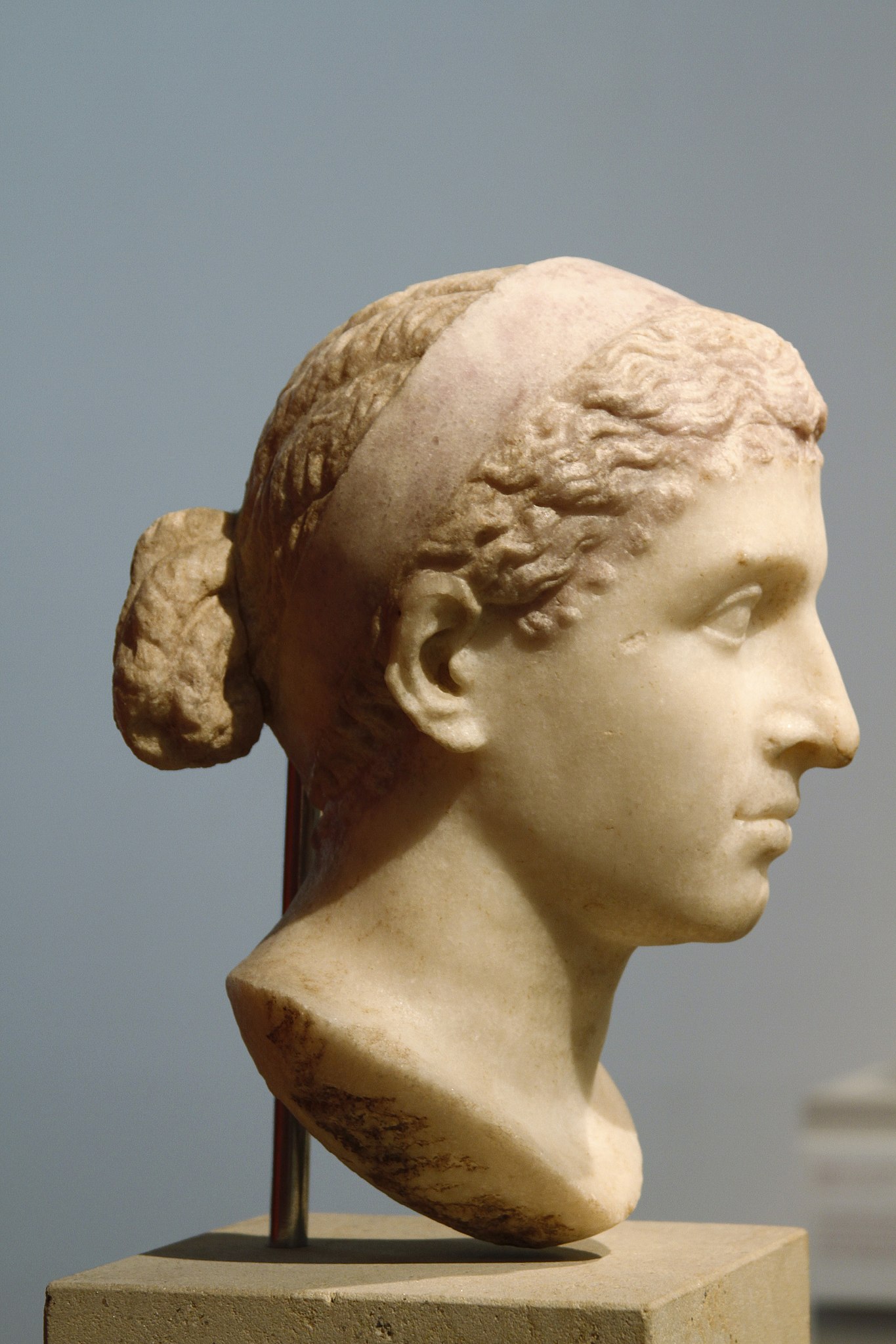
Cleopatra VII, the last Pharaoh of Egypt, didn’t resemble Elizabeth Taylor, though ancient writers did call her striking. Her true power, however, came from her intellect: she was multilingual, politically shrewd, charismatic, and relentlessly ambitious.
Determined to secure her dynasty and expand her influence, she aligned herself with Julius Caesar, then Marc Antony, while outmaneuvering and in some cases eliminating her teenage brothers‑husbands who stood in her way.
Her bid to rule both Egypt and Rome ultimately collapsed, but her legend didn’t. Two thousand years later, we’re still fascinated by her. In the end, who really won?
2. Queen Elizabeth I (1533-1603)
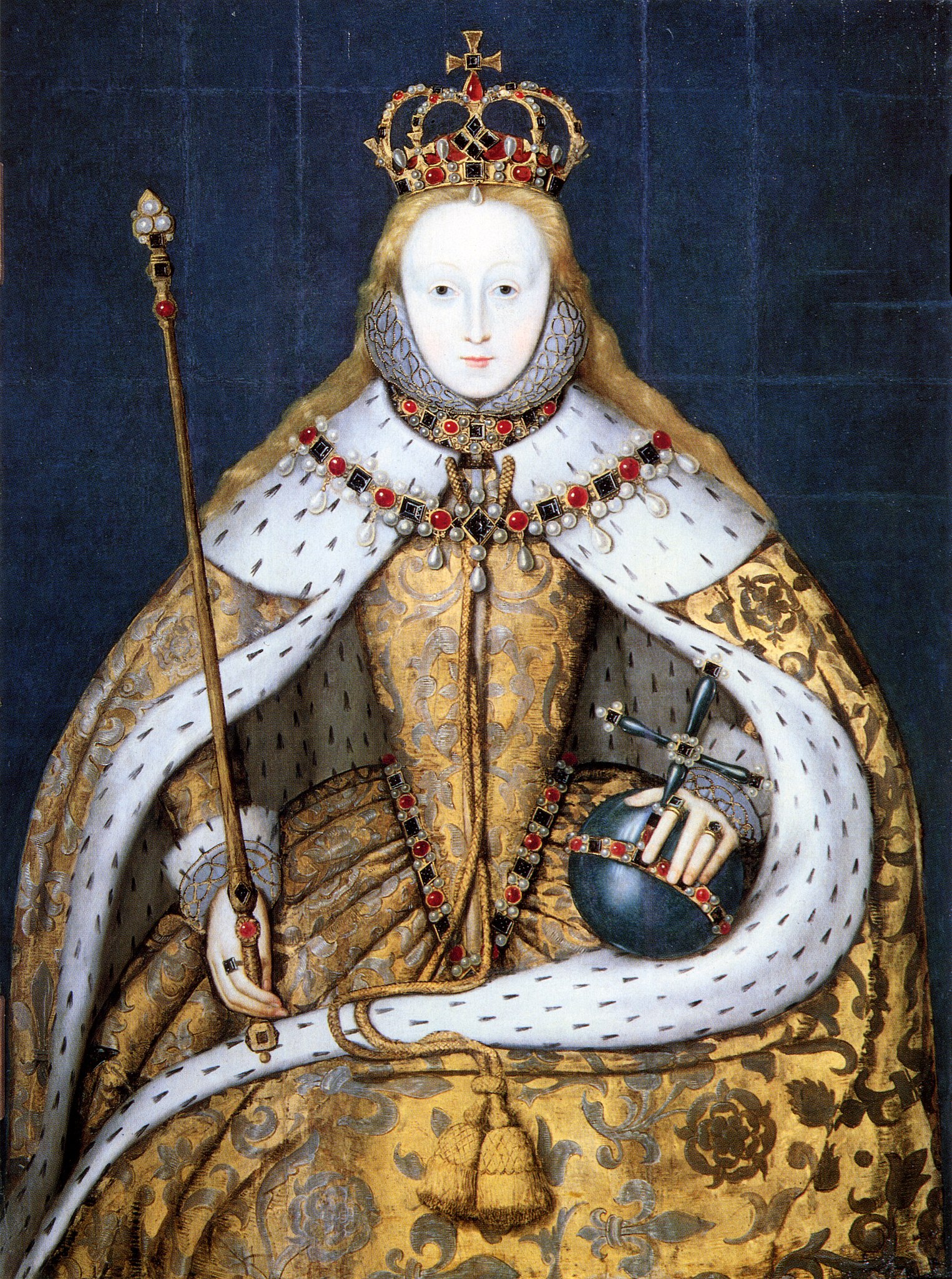
Elizabeth I’s reign would be impressive enough simply for nurturing Shakespeare, Marlowe, and a cultural golden age, but The Virgin Queen accomplished far more.
She stabilized a fractured nation by re‑establishing the Church of England, the very institution her formidable father created to cast aside Catherine of Aragon and wed Anne Boleyn, Elizabeth’s ill‑fated mother.
She also neutralized two major threats: her Catholic cousin Mary, Queen of Scots, and the mighty Spanish Armada.
As for her famous chastity, history remains silent. Whether it was truth or political strategy, Elizabeth kept that secret and her power entirely her own.
3. Empress Wu Zetian (624-705)
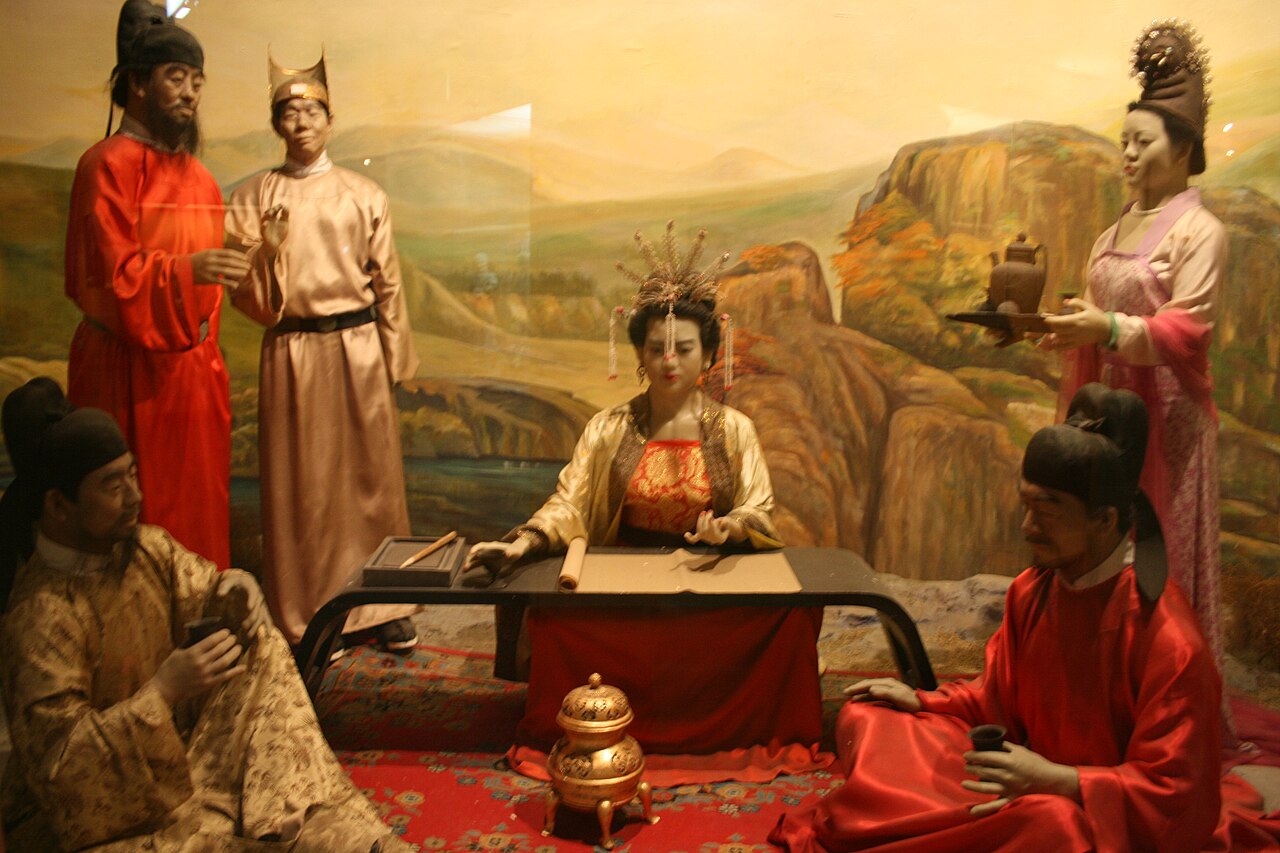
Wu Zetian lived a long, turbulent, and astonishingly influential life, one that reshaped China’s political landscape. She began as a concubine to Emperor Gaozong, then maneuvered her way to power as the mother of future emperors, whom she conveniently prevented from ruling.
Eventually, she crowned herself empress regnant, the only woman in Chinese history to do so. Brilliant, ruthless, and relentlessly strategic, she founded the short‑lived Wu Zhou dynasty, expanded China’s borders, strengthened the civil‑service exam system, and eliminated anyone who dared obstruct her rise.
Turbulent as her reign was, her impact on China’s global stature was undeniable.
4. Catherine the Great (1729-1796)
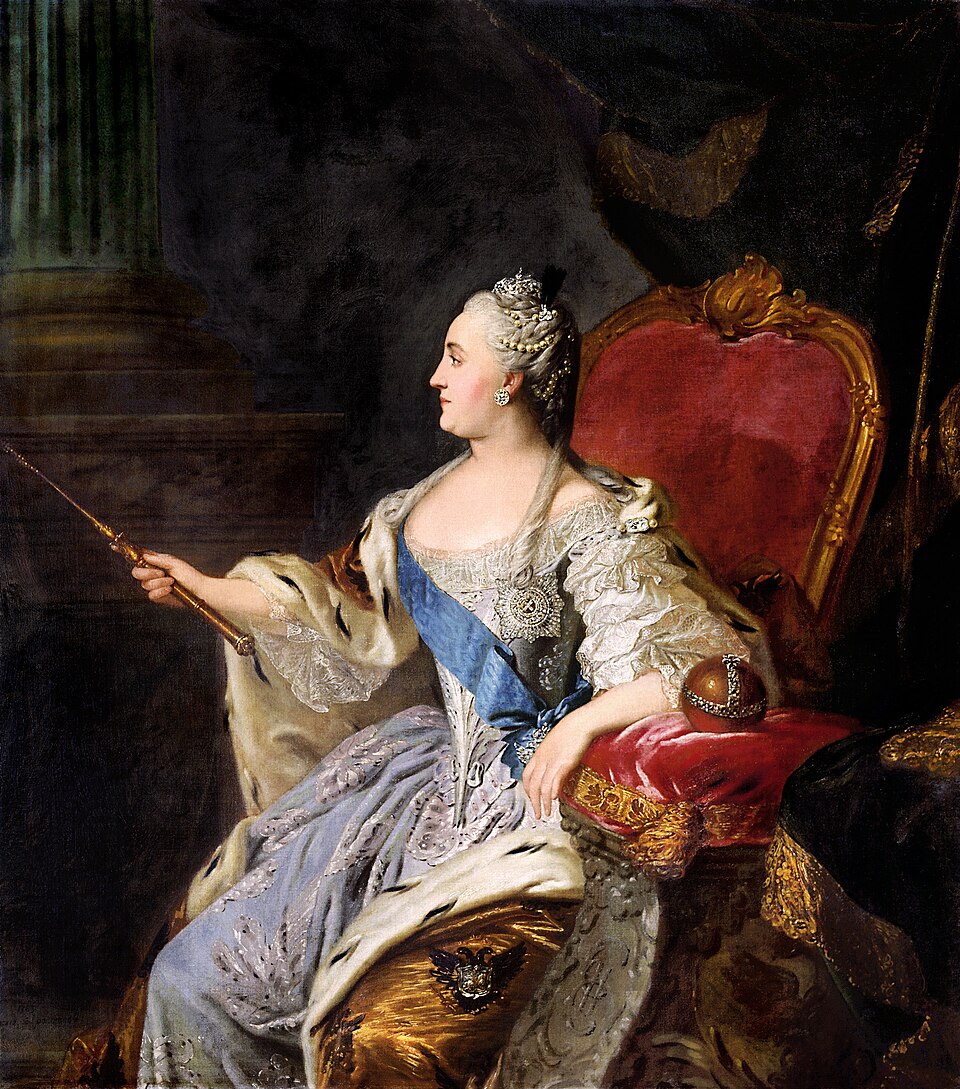
Catherine the Great, one of Russia’s most celebrated rulers, wasn’t Russian at all, she was a Prussian princess who arrived at sixteen to marry the painfully unimpressive Peter III.
When he finally inherited the throne in 1762, his reign lasted mere months before Catherine and her allies removed him from power, with his subsequent assassination clearing her path.
As empress, she presided over a dazzling era of intellectual and artistic flourishing, corresponding with Enlightenment thinkers and modernizing parts of the empire.
Yet her court was notoriously corrupt, and her policies deepened serfdom. Brilliant, ruthless, contradictory, she earned her epithet.
5. Queen Victoria (1819-1901)
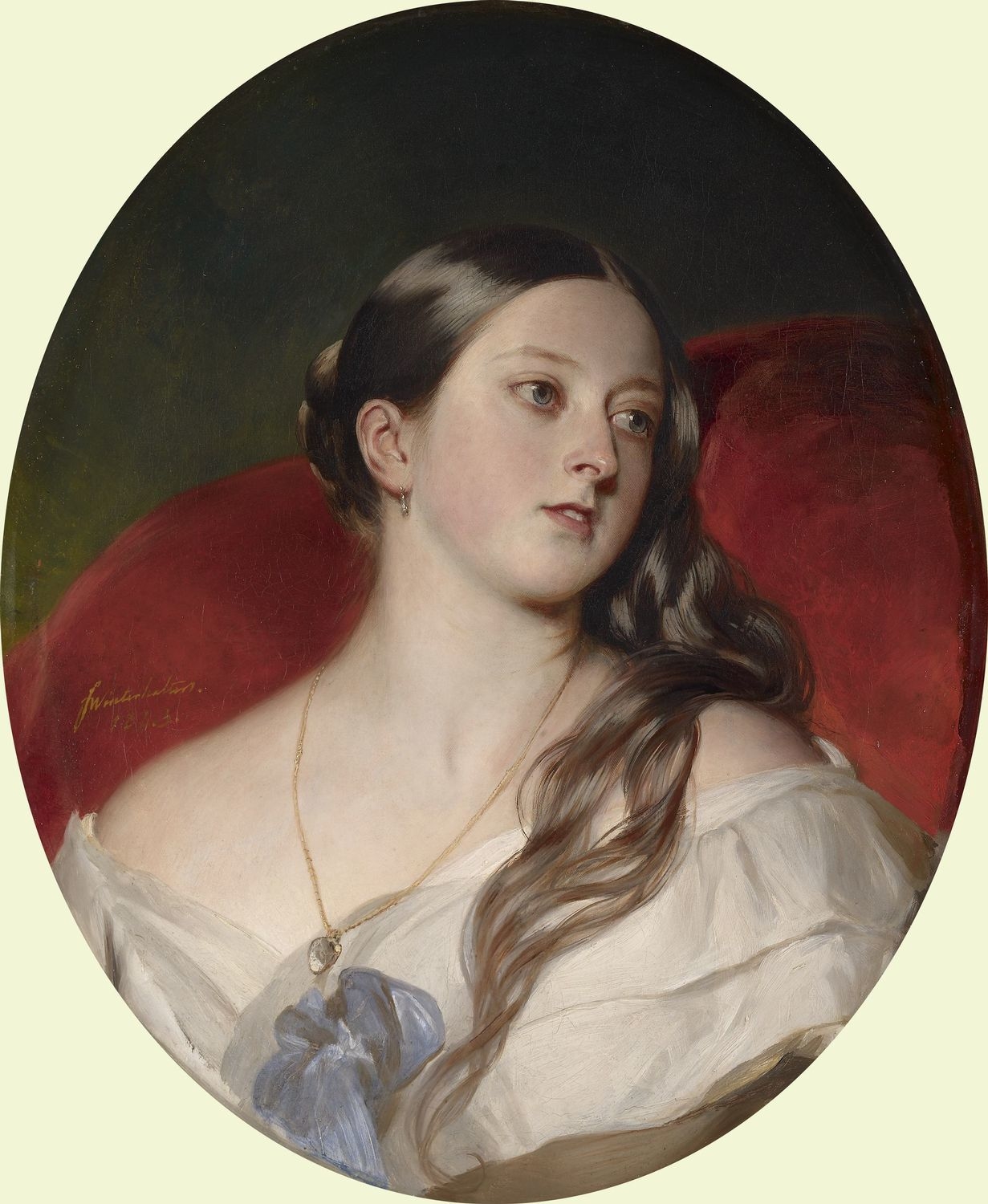
Queen Victoria ascended the British throne at just 18 and ruled until her death at 81, a tiny but indomitable force who produced nine children and an entire imperial dynasty.
Passionate, stubborn, and famously self‑assured, she shaped Britain through decades of industrial upheaval, scientific breakthroughs, and global expansion.
When she learned her daughter would outrank her as Empress of Prussia, Victoria simply elevated herself, becoming Empress of India in 1876.
Her reign blended sentimentality with iron resolve, and its influence was so vast that it lent its name to an entire age: the Victorian era.
6. Queen Hatshepsut (c. 1507–1458 BCE)
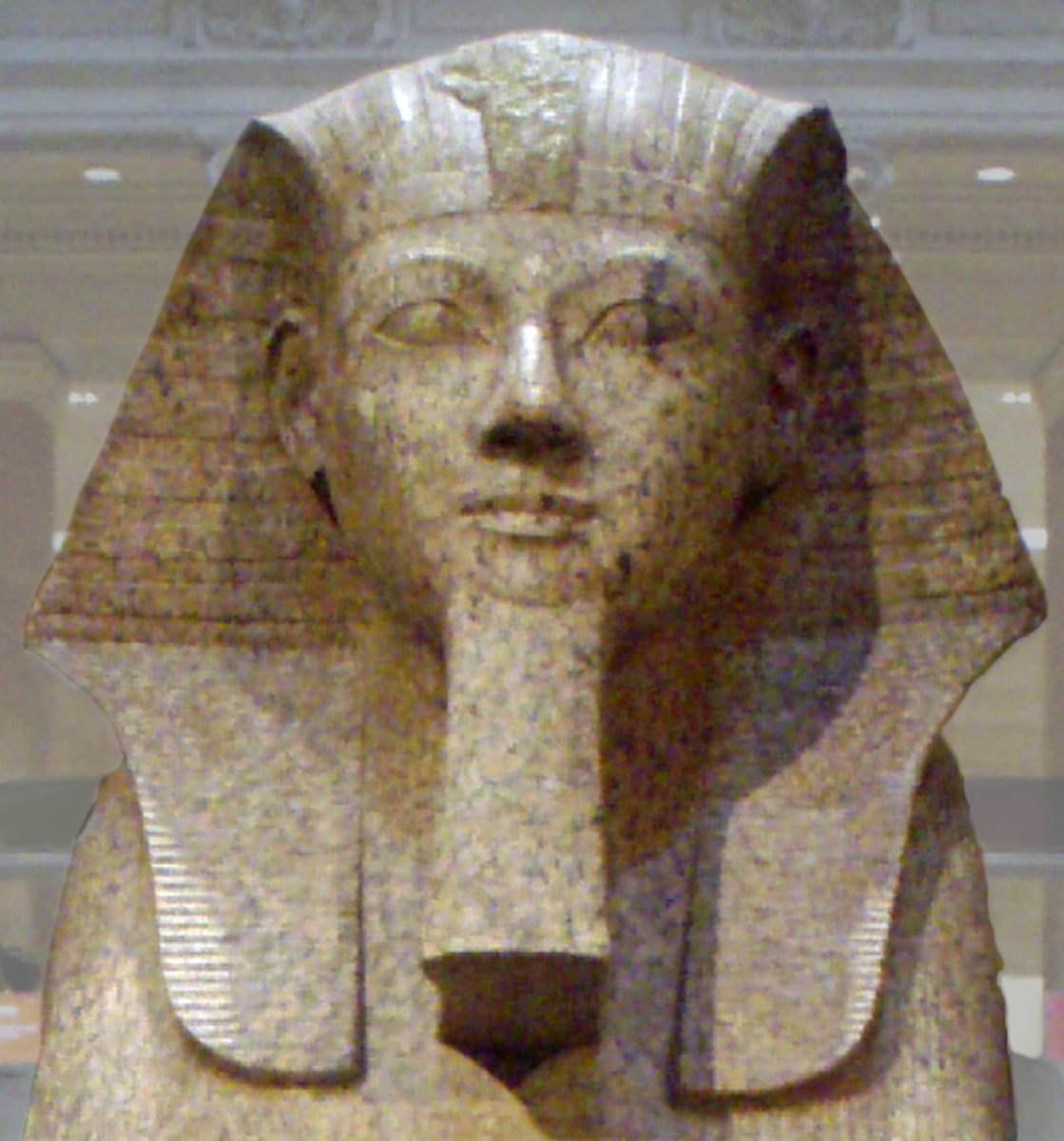
Queen Hatshepsut was considered not so much a queen as a woman king, and there are busts of her not only wearing the pharaonic headdress but the beard.
First she ruled beside her half-brother/husband Thutmose II. When he died, she was regent for her toddler stepson Thutmose III.
Clearly, this wasn’t enough and after a few years of regency she declared that she and Thutmose III were co-rulers. This was a good thing, for Egypt was mostly peaceful and prosperous under her reign.
She set up profitable trade routes and was an enthusiastic builder. Her own mortuary temple still stands in Deir el-Bahari.
7. Isabella I of Castile (1451-1504)
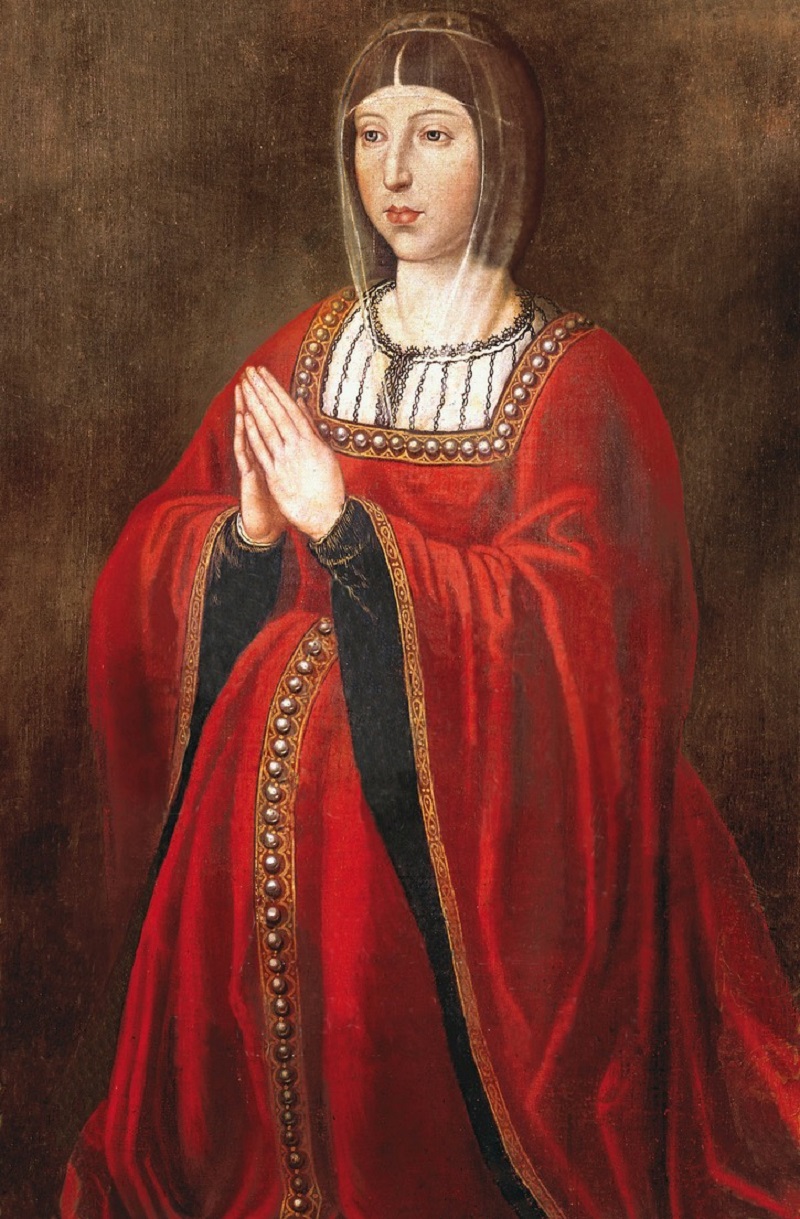
Isabella I of Castile is often remembered as the queen who pawned her jewels so Columbus could “discover” the Americas and funnel new wealth into Spain, but her influence ran far deeper.
As co‑ruler with her husband, Ferdinand of Aragon, she helped unify Spain, standardize its currency, build roads, and complete the Reconquista by reclaiming southern Spain from the Moors.
Together, they forged a powerful, centralized kingdom that would dominate Europe for generations. They also raised a remarkably resilient daughter, Catherine of Aragon, who married Henry VIII and, against all odds, lived to tell the tale.
8. Queen Nzinga (c. 1583–1663)
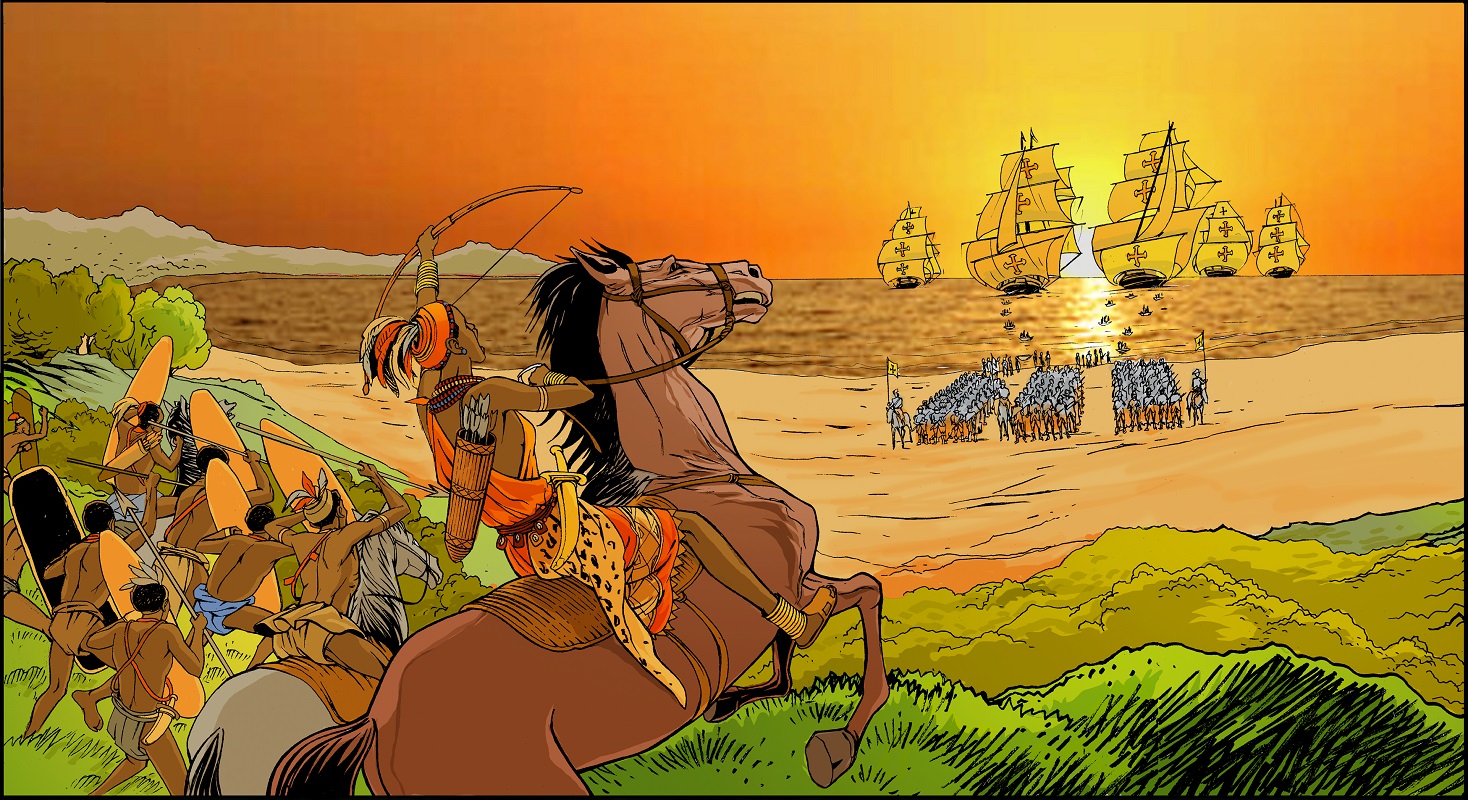
Nzinga Ana de Sousa Mbande ruled the kingdoms of Ndongo and Matamba, in what is now northern Angola, with a mix of diplomatic finesse and battlefield grit.
Trained by her father in both martial and political strategy, she came of age during the height of the transatlantic slave trade and Portugal’s aggressive push into southwestern Africa.
Nzinga refused to be intimidated: she forged alliances, led armies, and outmaneuvered European forces for decades.
Remarkably, she even compelled Portugal to sign a peace treaty with her in 1656. In a brutal era, she proved herself a master of survival and sovereignty.
9. Rani Lakshmibai (1828-1858),
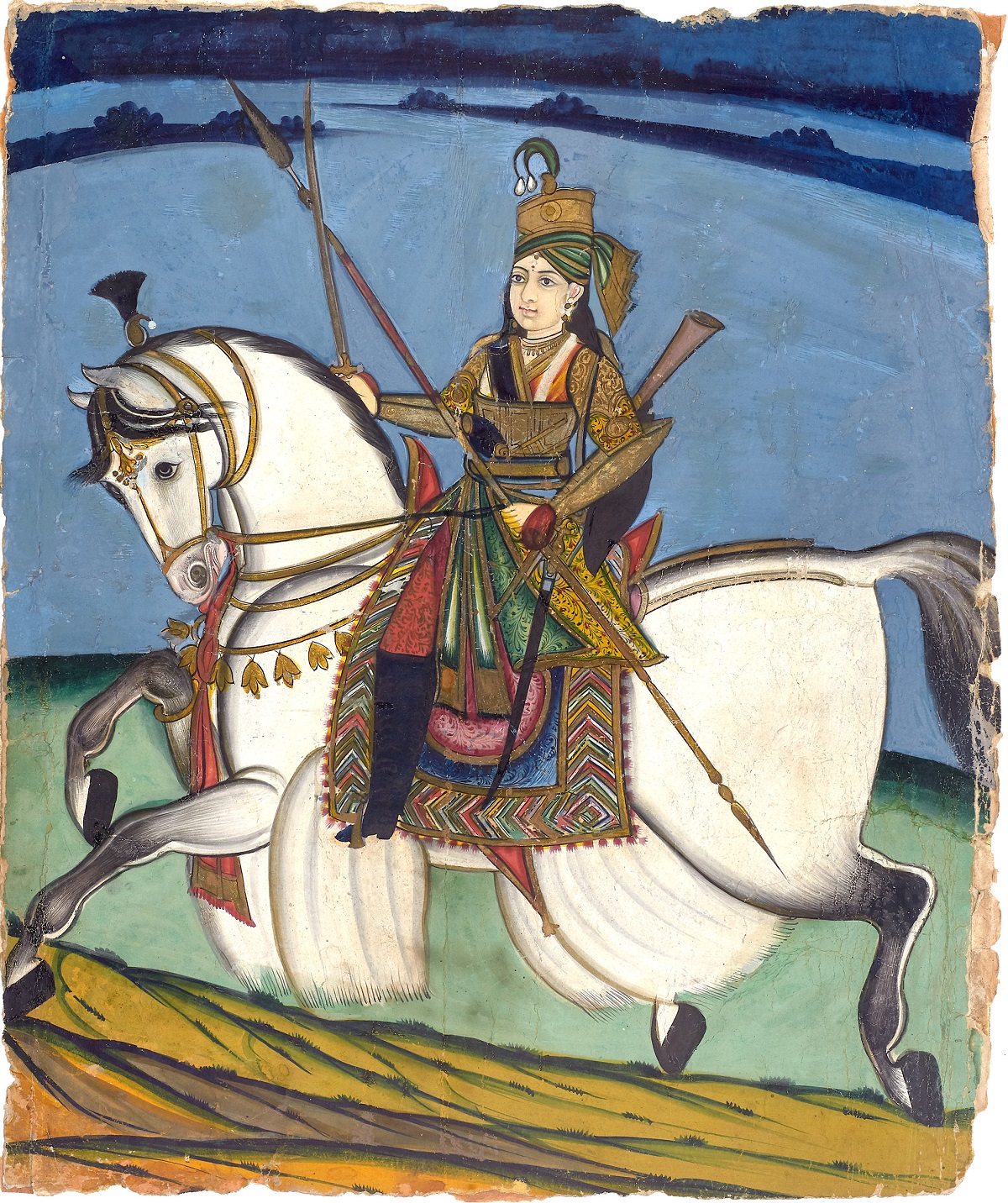
Rani Lakshmibai of Jhansi was one of the fiercest leaders of the 1857 Indian Rebellion against the British East India Company, which effectively ruled India in Queen Victoria’s name.
The uprising ignited when the British refused to recognize the adopted heir of her late husband and moved to annex her kingdom, a move the Rani met with defiance, not diplomacy.
She armed her forces, rode into battle, and became a symbol of uncompromising resistance. Though she died fighting, her legacy endured.
In India today, she remains a national icon of courage, independence, and refusal to bow to tyranny.
10. Empress Dowager Cixi (1835-1908)
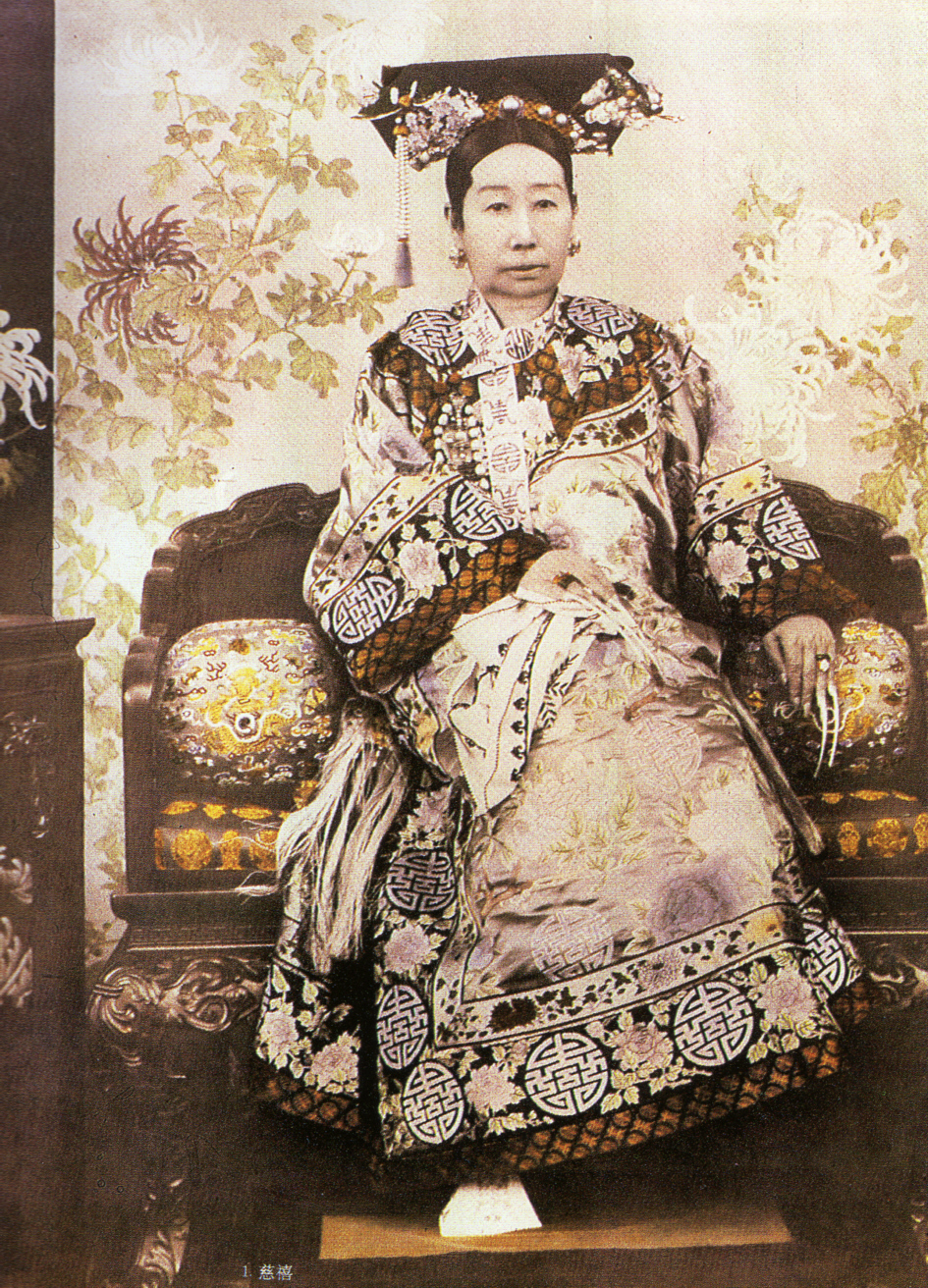
Empress Dowager Cixi spent decades steering — and sometimes derailing, the Qing Dynasty, ruling on and off through a mix of sharp instinct, political manipulation, and sheer force of will.
She placed her young nephew on the throne, only to confine him when his reformist ideas threatened her authority. She ordered the execution of several would‑be modernizers, hesitated disastrously during the Boxer Rebellion, and ultimately watched a two‑year‑old become emperor as the dynasty crumbled.
Yet for all the chaos, she kept an empire staggering forward far longer than anyone expected. Nothing ventured, nothing gained indeed.
11. Queen Zenobia (c. 240–274)
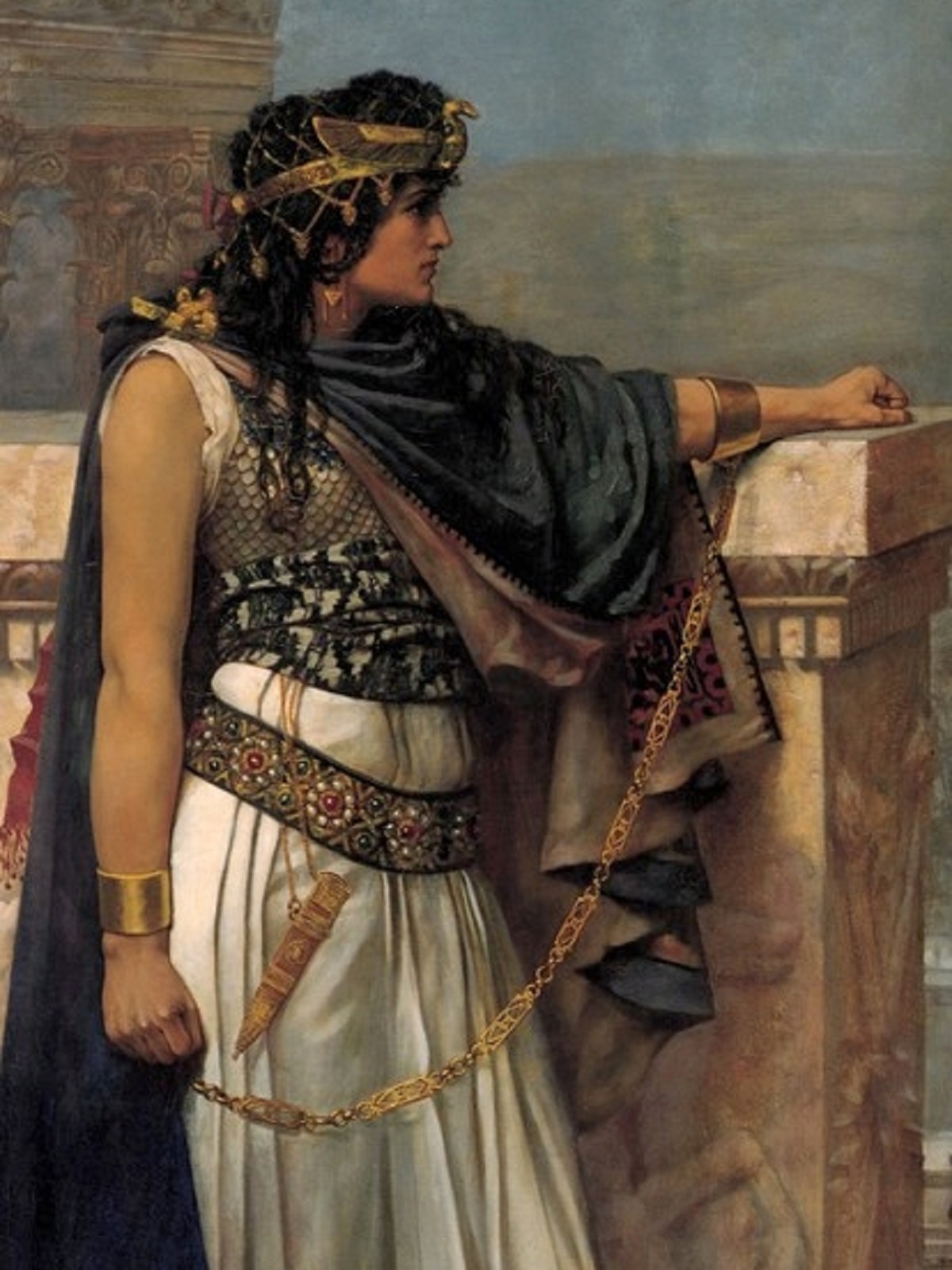
Zenobia, the formidable queen of Palmyra, stepped into power after the death of her husband, King Odenathus and she wasted no time redefining her kingdom’s destiny.
Unlike her Rome‑friendly spouse, Zenobia had zero interest in playing imperial puppet. She launched bold military campaigns, seizing Roman territories across the Levant and Egypt, prompting Emperor Aurelian to march east and put a stop to her ambitions.
Captured and paraded through Rome, she still managed a twist ending: Aurelian was so impressed by her intelligence and composure that he granted her a villa in Tivoli. Not bad for a conquered queen.
12. Margaret I of Denmark (1353-1412)
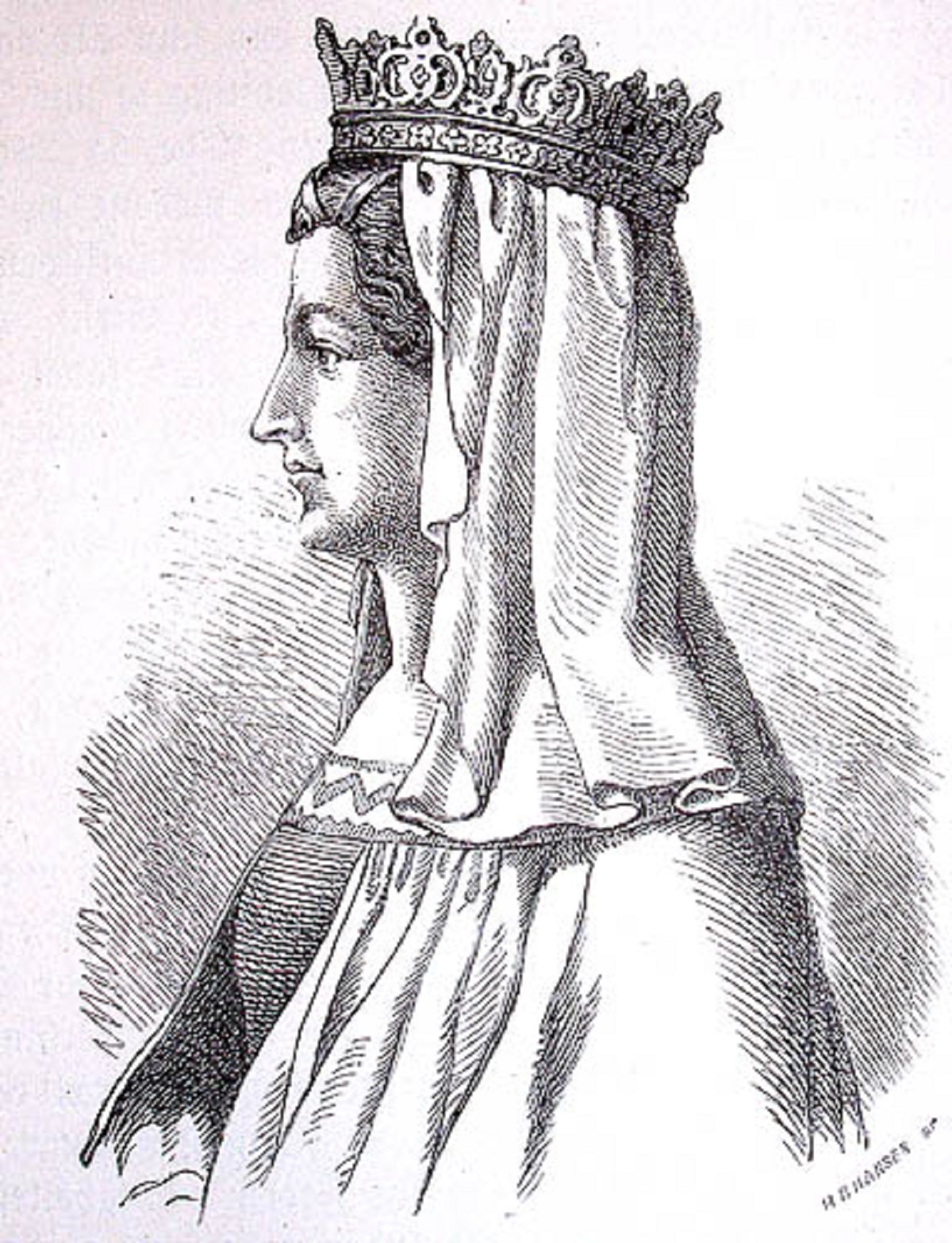
Margaret I was the formidable architect behind one of medieval Europe’s most ambitious political unions. Ruling Denmark, then Norway, and eventually Sweden, she didn’t just inherit crowns, she united them.
Through shrewd diplomacy and iron resolve, she created the Kalmar Union in 1397, bringing together Denmark, Sweden, Norway, Iceland, Greenland, and the Faroe, Shetland, and Orkney Islands under a single monarch. As Queen regnant, she maintained remarkable stability across this sprawling northern realm.
Though the union dissolved in 1523, its century‑long existence stands as a testament to Margaret’s vision, authority, and rare political genius.
13. Queen Liliʻuokalani (1838–1917)
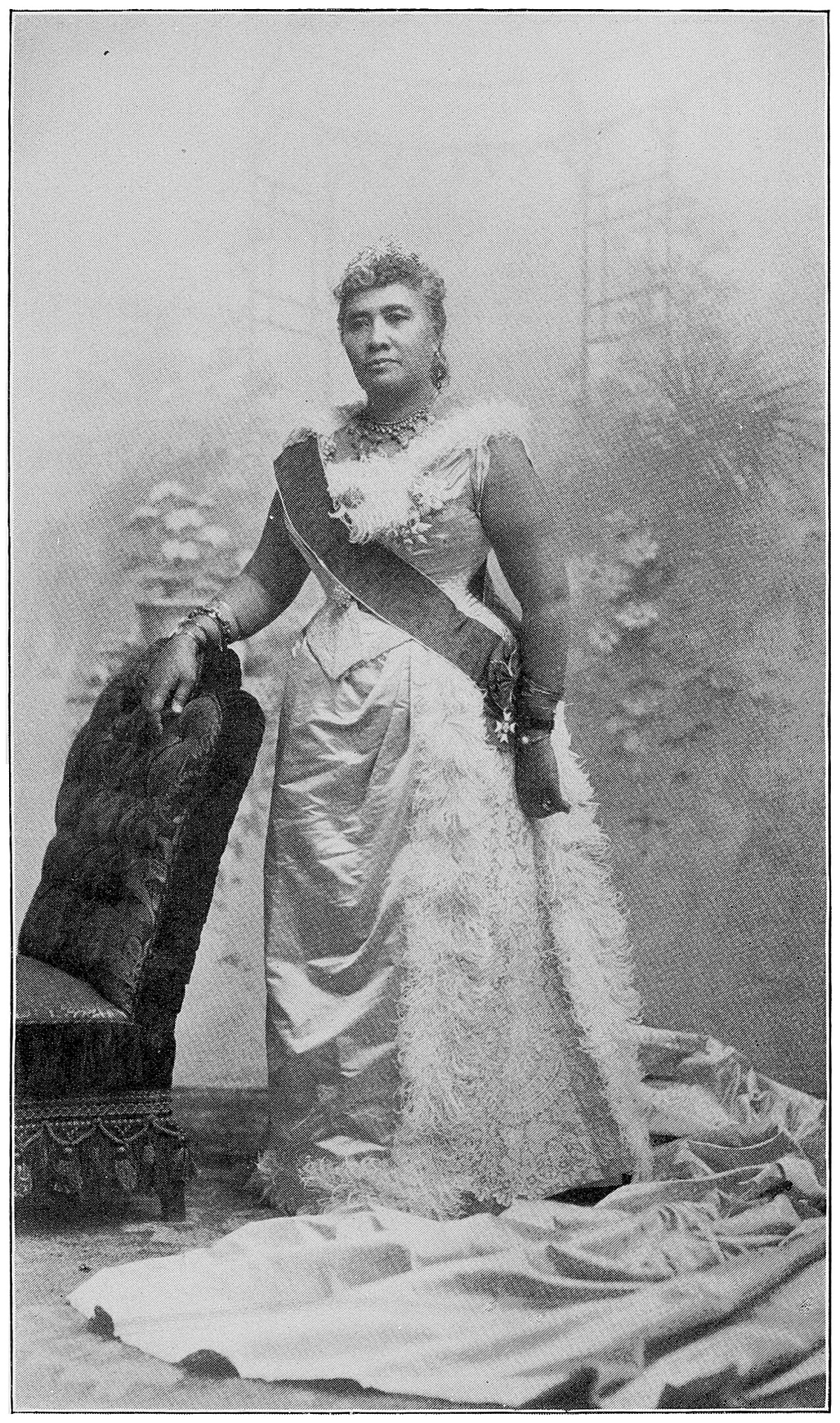
Liliʻuokalani had the misfortune of ruling Hawaii just as the United States decided it wanted the islands for itself.
The pretext for toppling her monarchy was her plan to rewrite Hawaii’s constitution, a perfectly reasonable effort to restore royal authority stripped away by the so‑called Bayonet Constitution, a document imposed under open coercion.
American businessmen cried foul, U.S. Marines landed, and the Queen was forced to surrender to avoid bloodshed.
She couldn’t outgun Uncle Sam, but she kept her dignity. In the end, she received a pension, a meager consolation for the loss of a kingdom.
14. Sultan Razia (1205–1240),
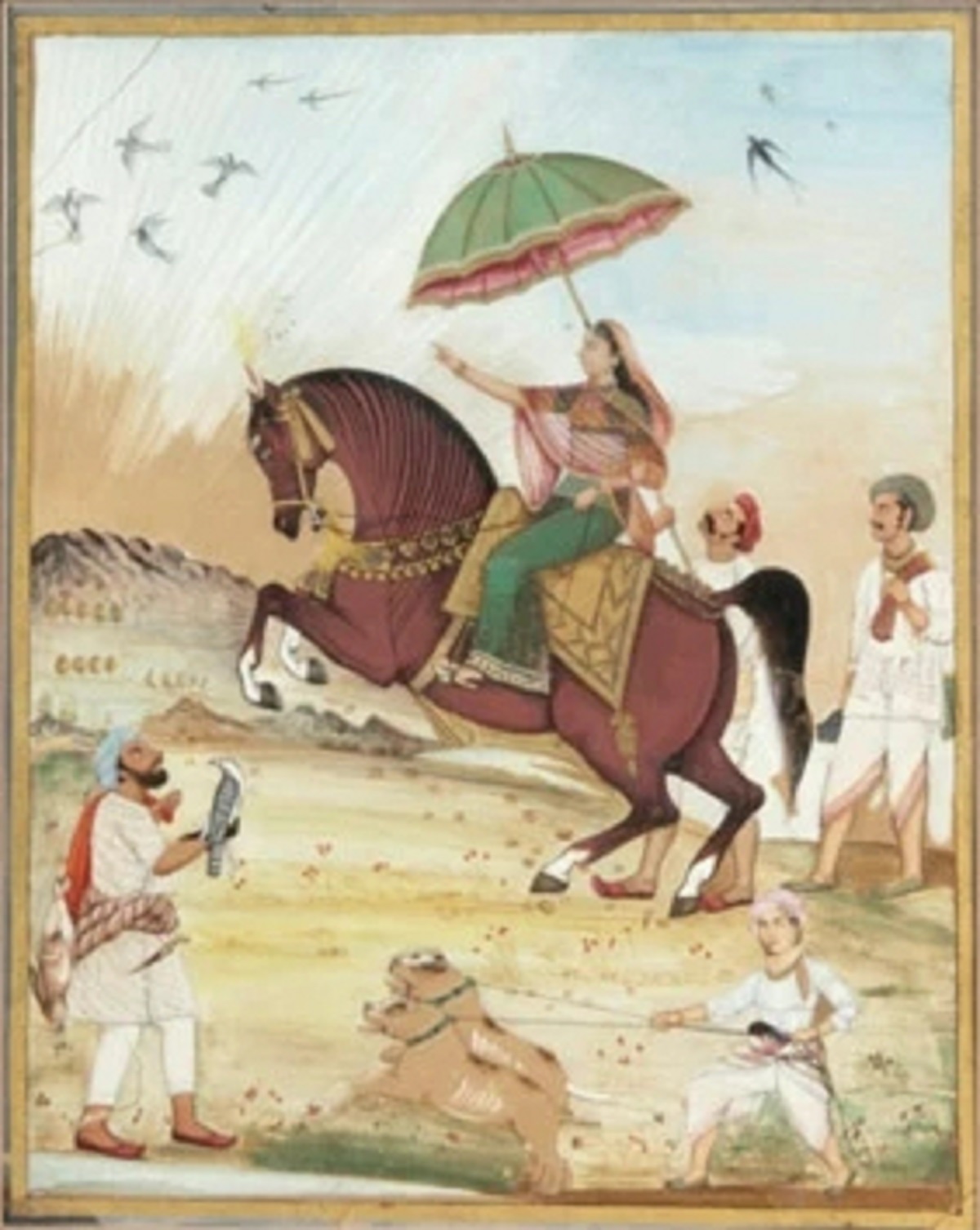
Sultan Razia ruled the Delhi Sultanate for less than four years, but her brief reign remains extraordinary. She was the first and still the only, Muslim woman to sit on Delhi’s throne, governing a vast region of what is now northern India.
Her path to power was treacherous: after her father’s death, her scheming sort‑of‑stepmother tried to eliminate her, and conservative nobles bristled at the idea of a woman ruling.
Yet Razia pushed through, asserting her authority, leading armies, and attempting real reforms. Her reign was riddled with rebellions and palace intrigue, but she proved that courage can outpace convention.