15 Cars That Lose The Most Value The Moment They Leave The Dealership
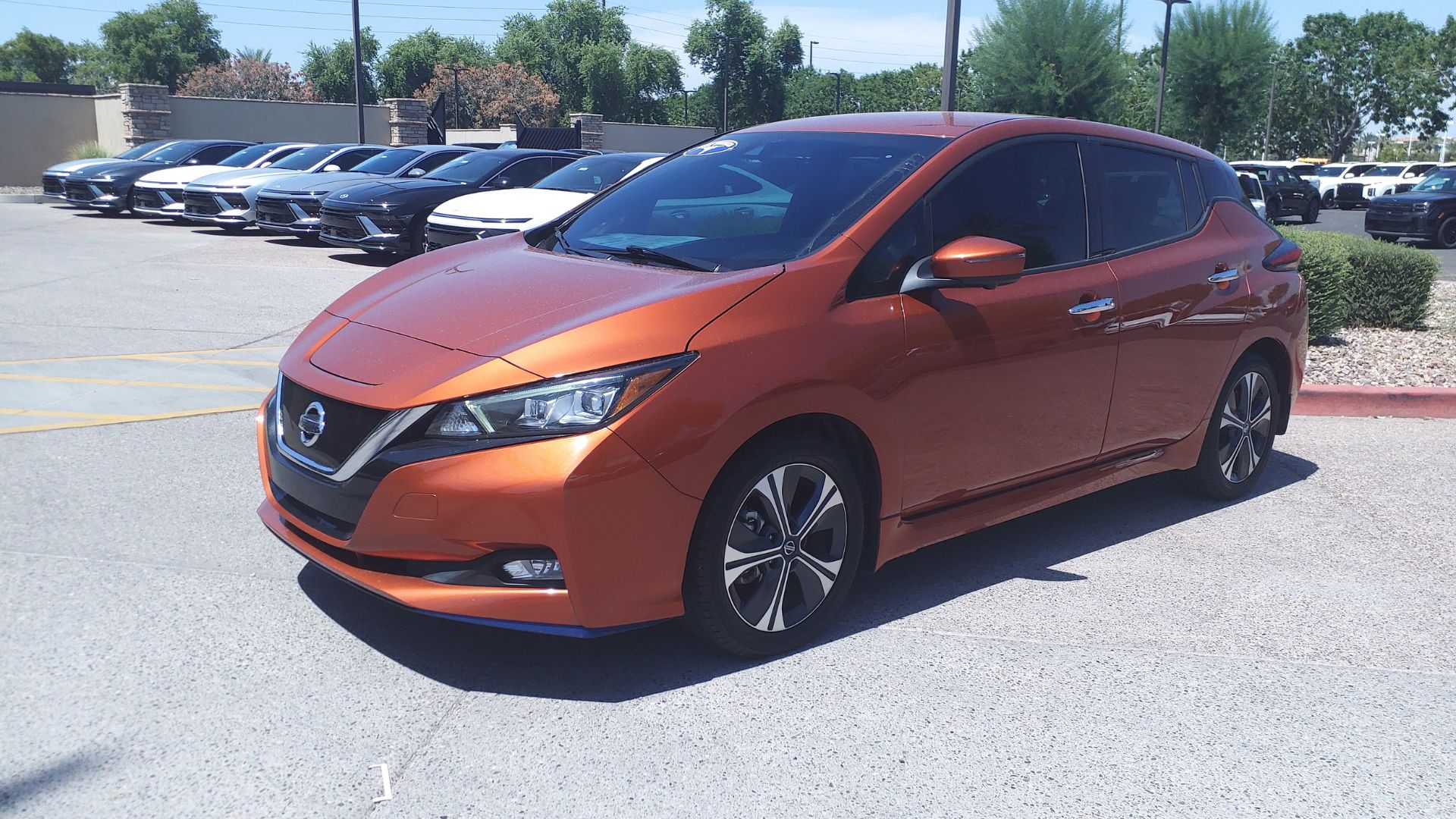
There’s nothing quite like the rush of driving a brand-new car off the lot. But while you’re driving out the dealership’s gates, something’s already happening behind the scenes: The value of that fresh new ride is quietly heading south. This isn’t about shaming expensive tastes or telling you to avoid new cars altogether. It’s more about knowing what to expect before you sign that dotted line. We’ve sourced the information in this list from trusted automotive sites like iSeeCars, Car and Driver, Kelley Blue Book, CarEdge, and several others that track real-world resale trends and depreciation data. Here, you’ll find opinions and facts that help you make smarter buying decisions.
BMW 7 Series
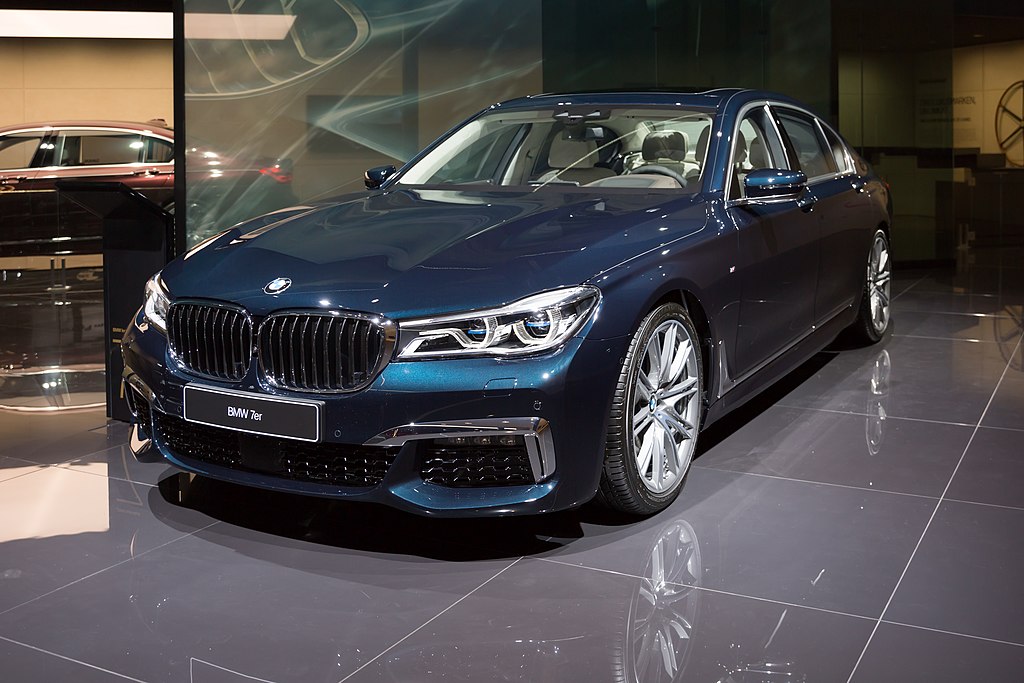
Slide into a 7 Series, and you’re in a high-tech vault of luxury. But drive it home, and bam! You’ve just kissed away a chunk of its value, which could spiral about 72.6% in just five years. Too many hit the lease market, and tech upgrades outpace resale demand. Consider leasing it or buying an older model year.
Maserati Ghibli

The Ghibli drops fast, primarily due to its high service costs, limited parts availability, and reliability due to electrical and mechanical issues. To that, add thin dealership coverage, and resale takes a hit. The car turns heads, but used shoppers won’t bite at high prices. In five years, the depreciation is about 66% of its value.
Jaguar XF
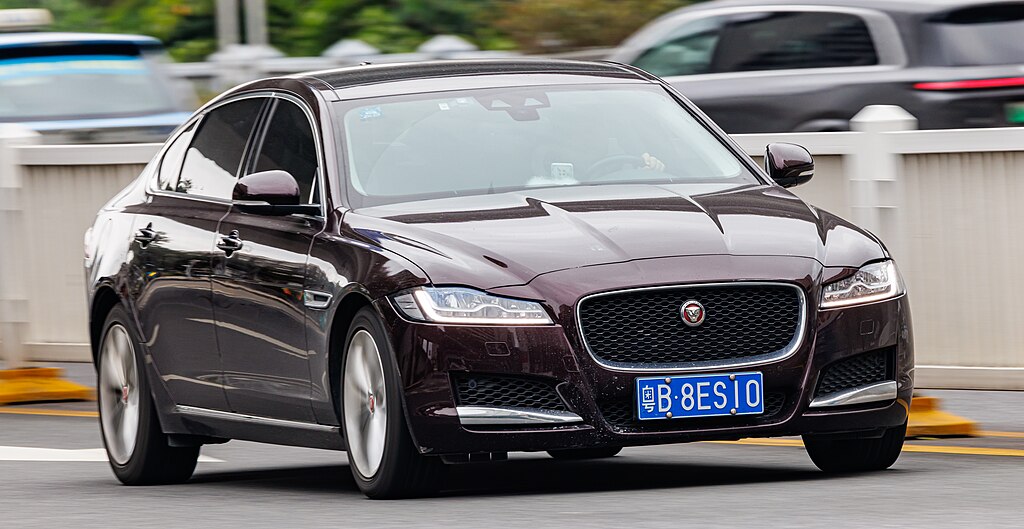
Jaguar XF owners face steep depreciation, with resale values tumbling at a rate of about 52%. A limited service network and costly repairs make ownership less appealing. Savvy shoppers skip showroom prices and let depreciation favor them. For instance, a 2020 model’s cost starts at $24,155 compared to the 2024 version at $47,624.
Nissan Leaf
Audi A8
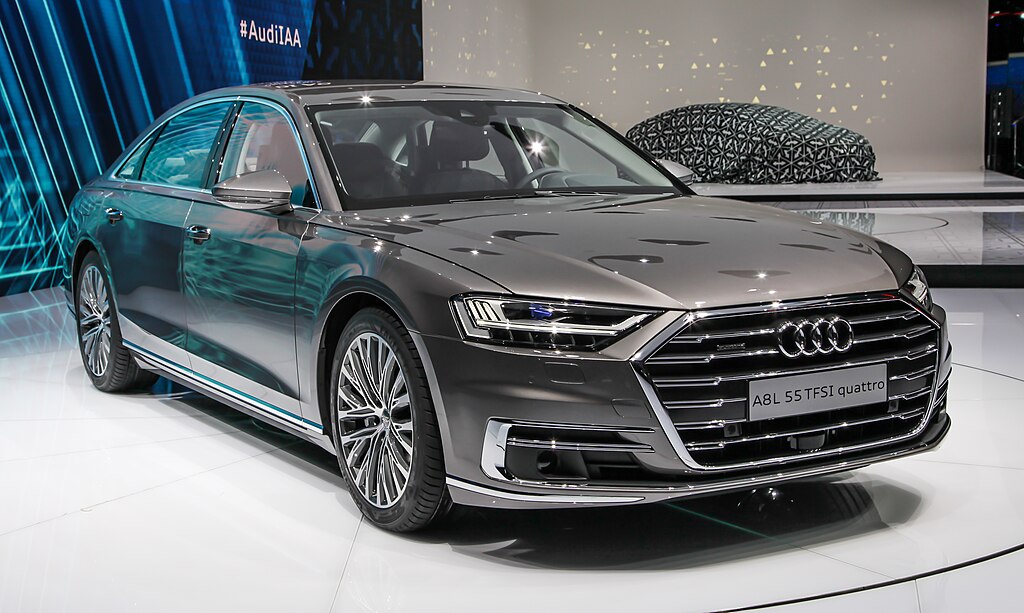
A 2025 A8 lists at $93,295, yet a 2023 version already averages $49,528. That’s nearly half gone in two years. High initial cost, rapid tech cycles, and expensive maintenance deter buyers. Depreciation hits early—47% over five years on average. Waiting it out or leasing will get you the status without the sting.
Chrysler 300
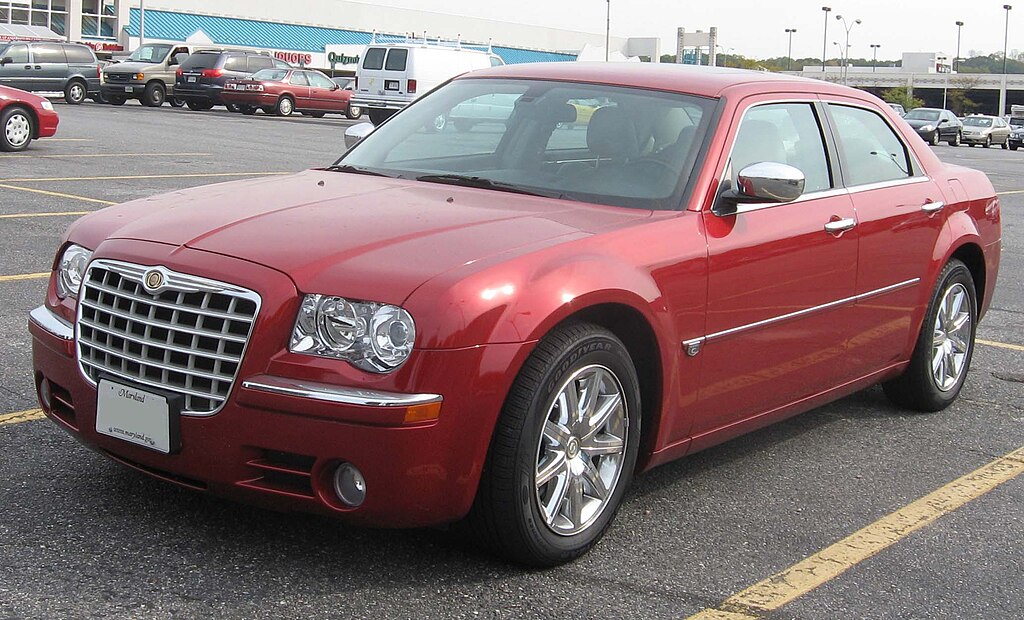
The 300 loses over 52% of its value within five years. This is because so many are sold to rental fleets, the used market is packed with high-mileage models, and this makes them much harder to resell at a good price. Another factor is that its platform hasn’t changed much in over a decade, and buyers notice.
Cadillac CT5
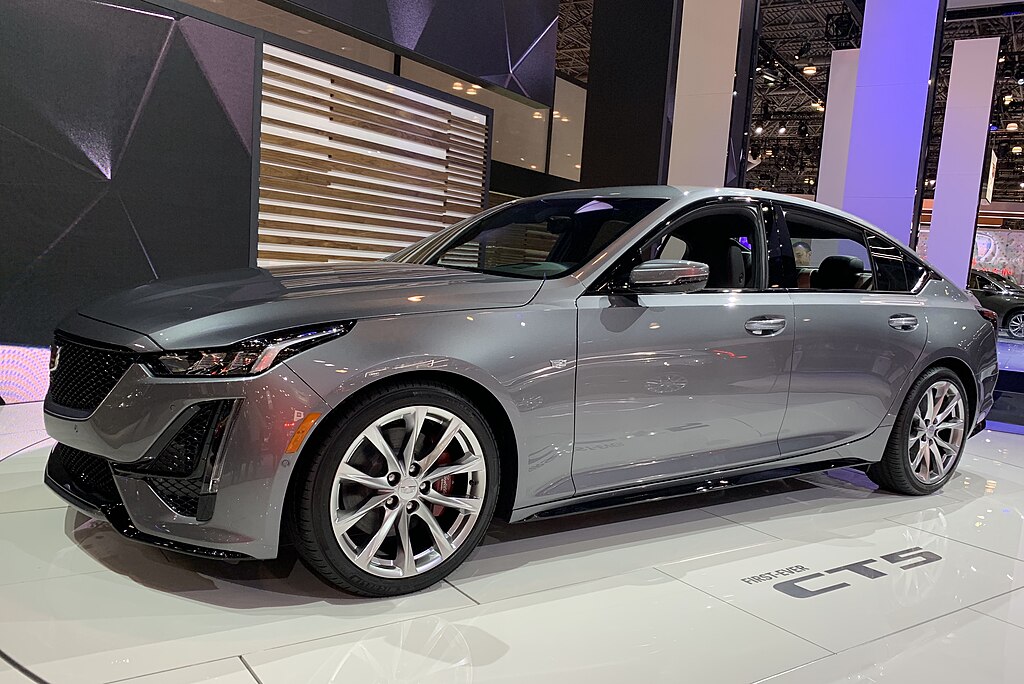
Buyers want flash, but unfortunately, this one fizzles fast. The CT5 often returns to the used lot quickly due to short lease cycles and Cadillac’s still-uncertain position in the luxury market. This model loses around 41% of its value in five years, underperforming compared to BMW and Audi in terms of retention.
Infiniti QX80

Luxury buyers expect innovation, and the QX80 offers a design that has barely changed in years. While newer models have modest tech upgrades, the platform feels dated fast. Over five years, it might shed up to 69% of its value. However, if you shop after a few years, you can get a $84,000 SUV for $40,000.
Lincoln Navigator
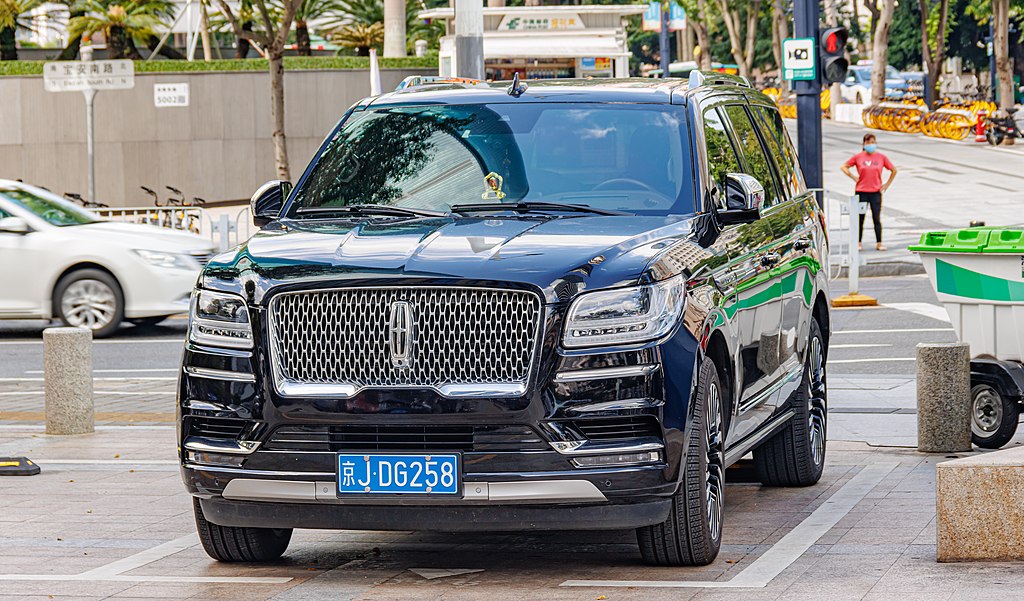
When you see the Navigator, you’ll understand why they say it commands attention. Nonetheless, its main depreciating factor is that leasing dominates the luxury SUV segment. Then add high maintenance costs, which result in a 57% loss of its value over the five-year period. A 2025 starts at $101,990, but a 2021 version fetches less than half.
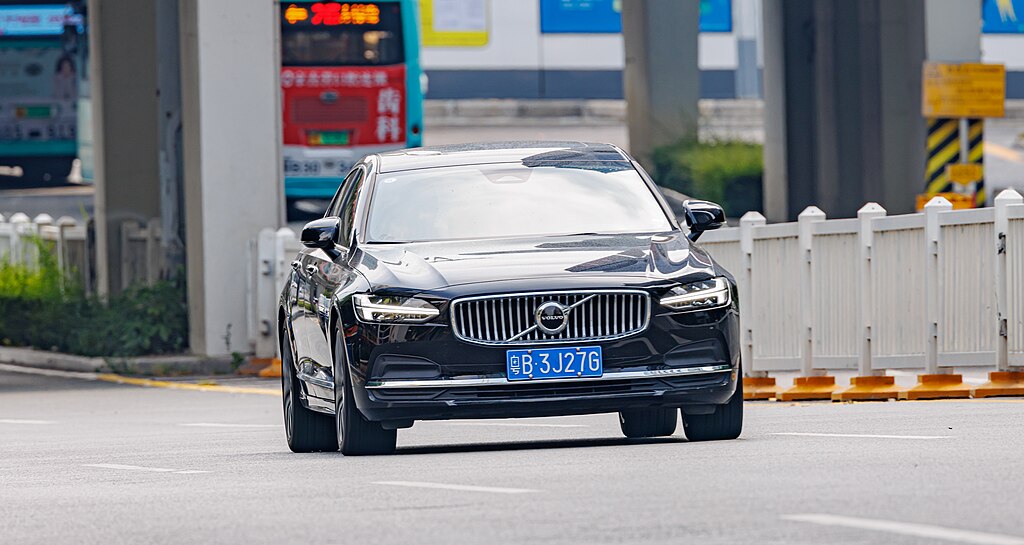
Volvo S90
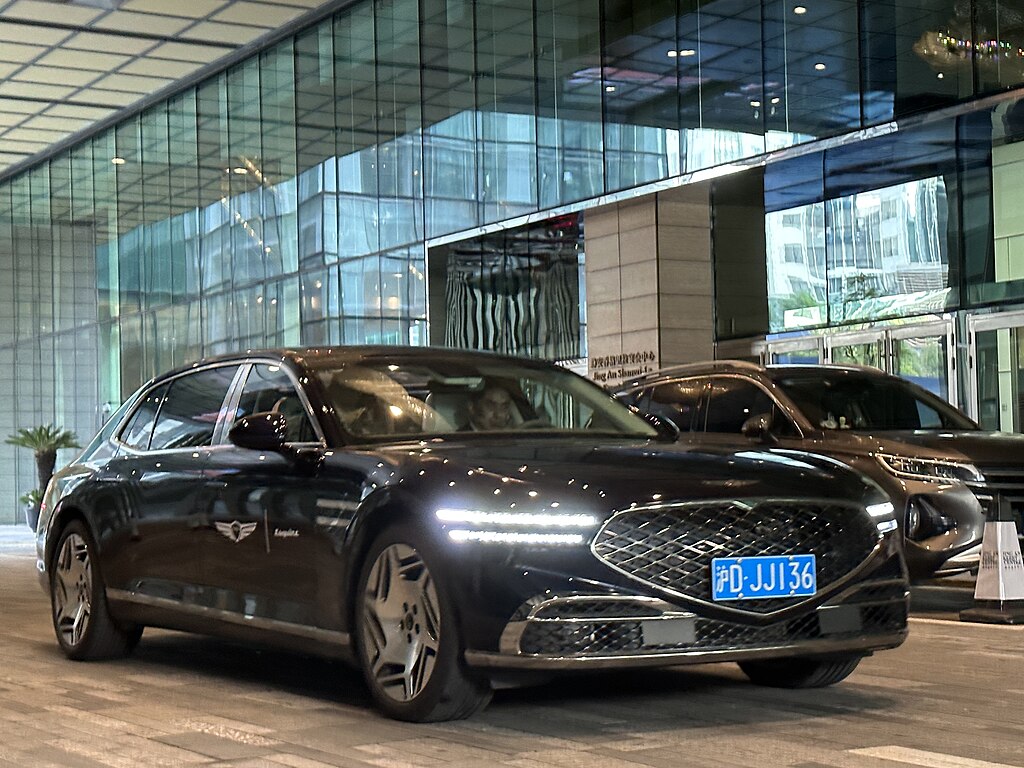
Genesis G90
Mercedes-Benz E-Class Coupe

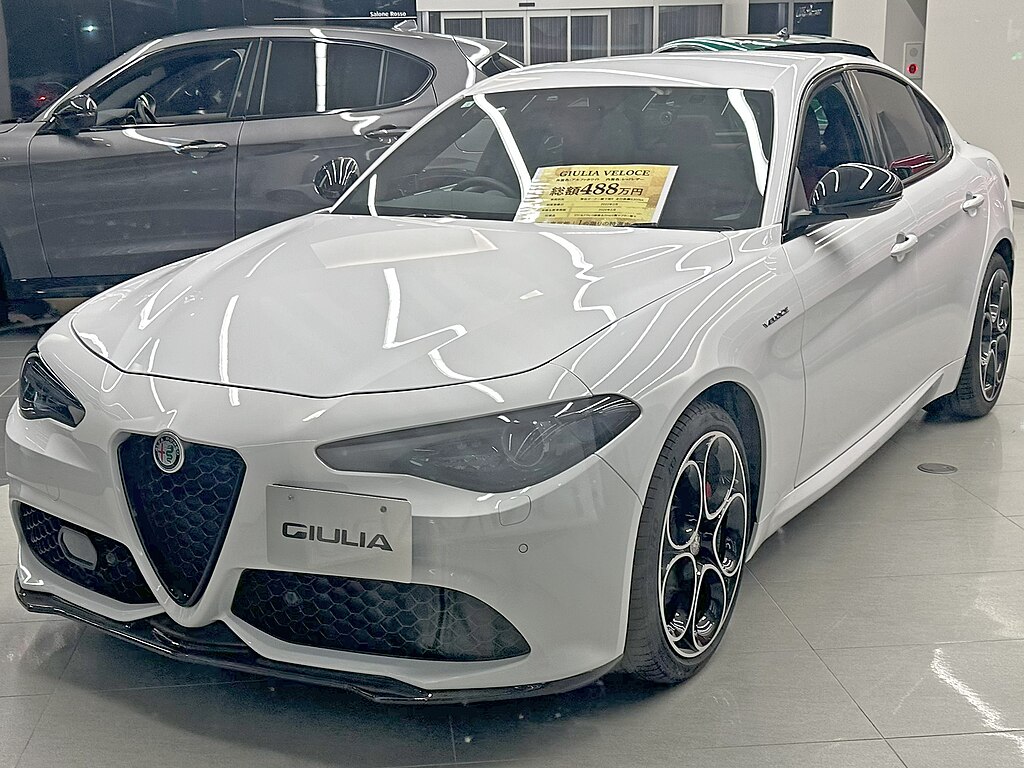
Alfa Romeo Giulia
Land Rover Discovery

This luxury SUV promises adventure but often delivers ownership headaches. Used Discoverys have a high cost of repairs and persistent reliability issues, particularly electronic. Leasing trends don’t help. The result? A 2025 model may start at over $61K, and a 2020 version may sell for around $22K. The depreciation rate is 62% of its value in five years.
Hyundai Ioniq 5
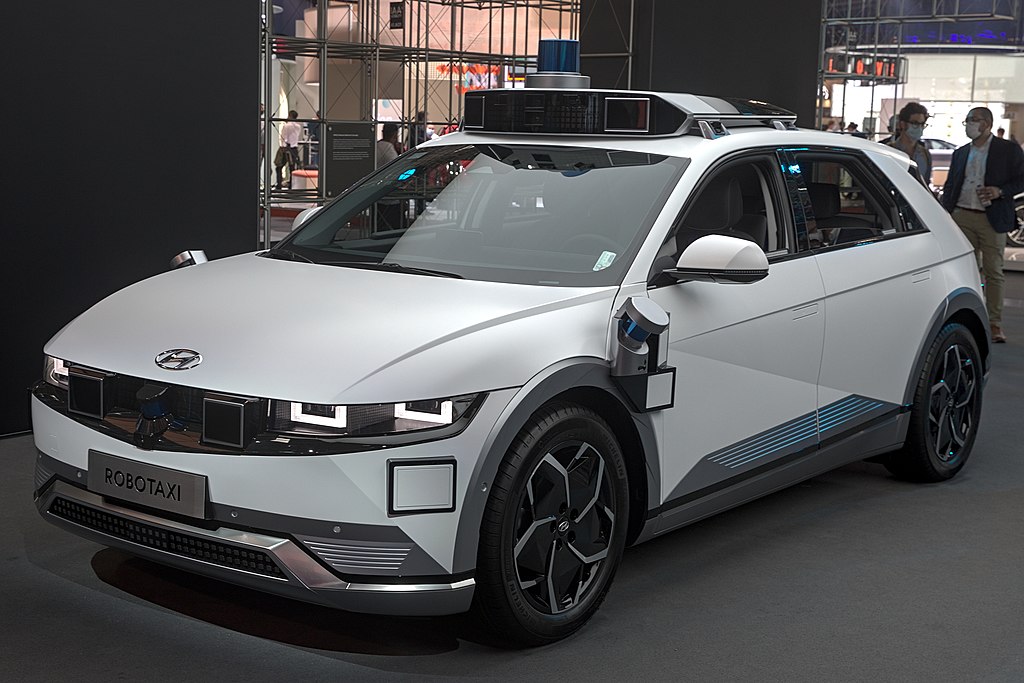
Today’s EV technology moves fast, and the Ioniq 5 loses up to 57% of its value in half a decade. A 2023 Ioniq 5 sells for around $25K, far below the $43K+ price tag just two years later. With newer models offering a longer range, used versions lose appeal fast. Tax incentives on new EVs also affect resale values.