15 energy-efficient appliances that don’t save anything
Today, we can’t do without our household appliances, so essential have they become to our daily lives. However, the more electrical appliances you have at home, the more energy you consume. And you know how high the electricity bill can be.
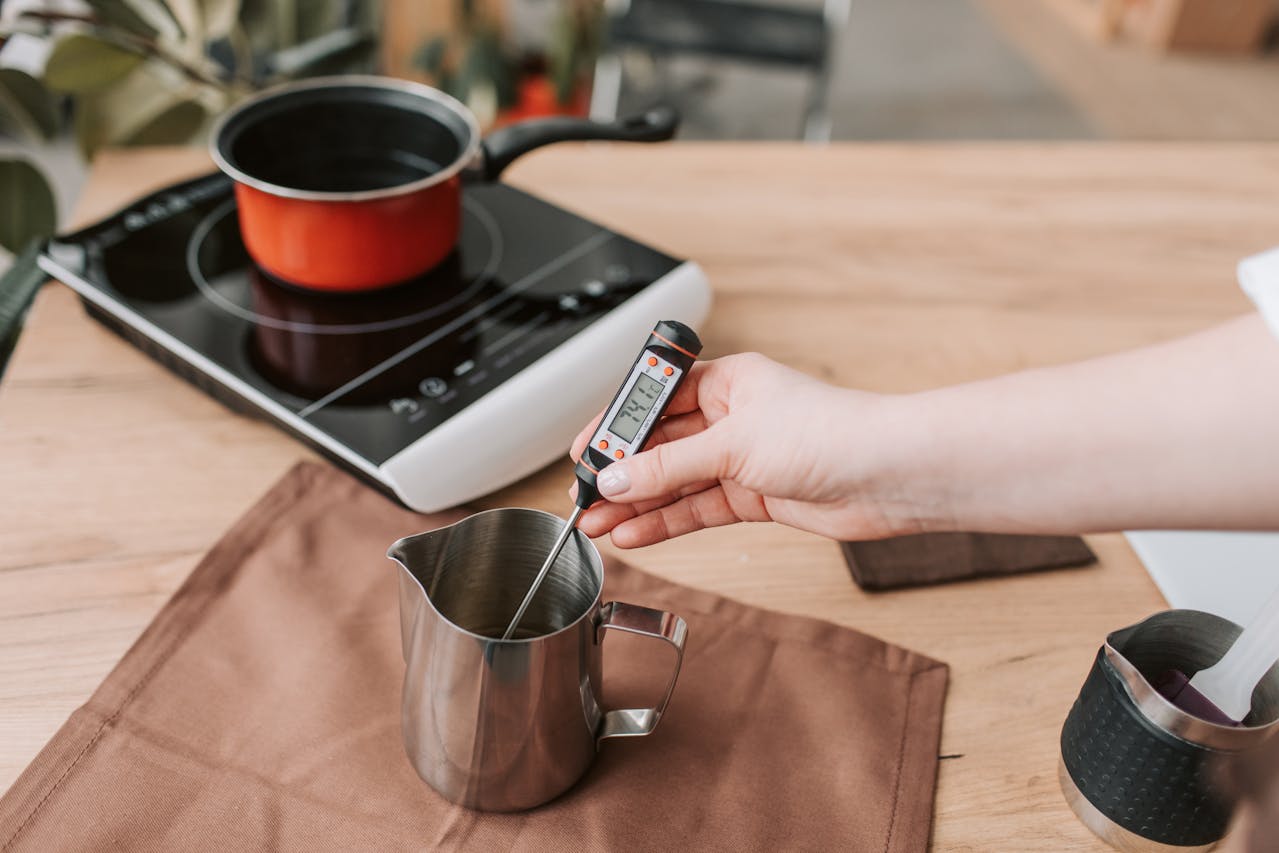
Today, we can't do without our household appliances, so essential have they become to our daily lives. However, the more electrical appliances you have at home, the more energy you consume. And you know how high the electricity bill can be. Manufacturers have therefore come up with a solution: launching energy-efficient appliances thanks to increasingly sophisticated new technologies. But is this really enough to reduce our monthly expenses? Nothing could be less certain! Some of these appliances may even consume as much energy as the older models accused of being energy-intensive. Check if you have any of these 15 electrical appliances in your home that don't save as much energy as they claim to.
The dishwasher with an eco cycle
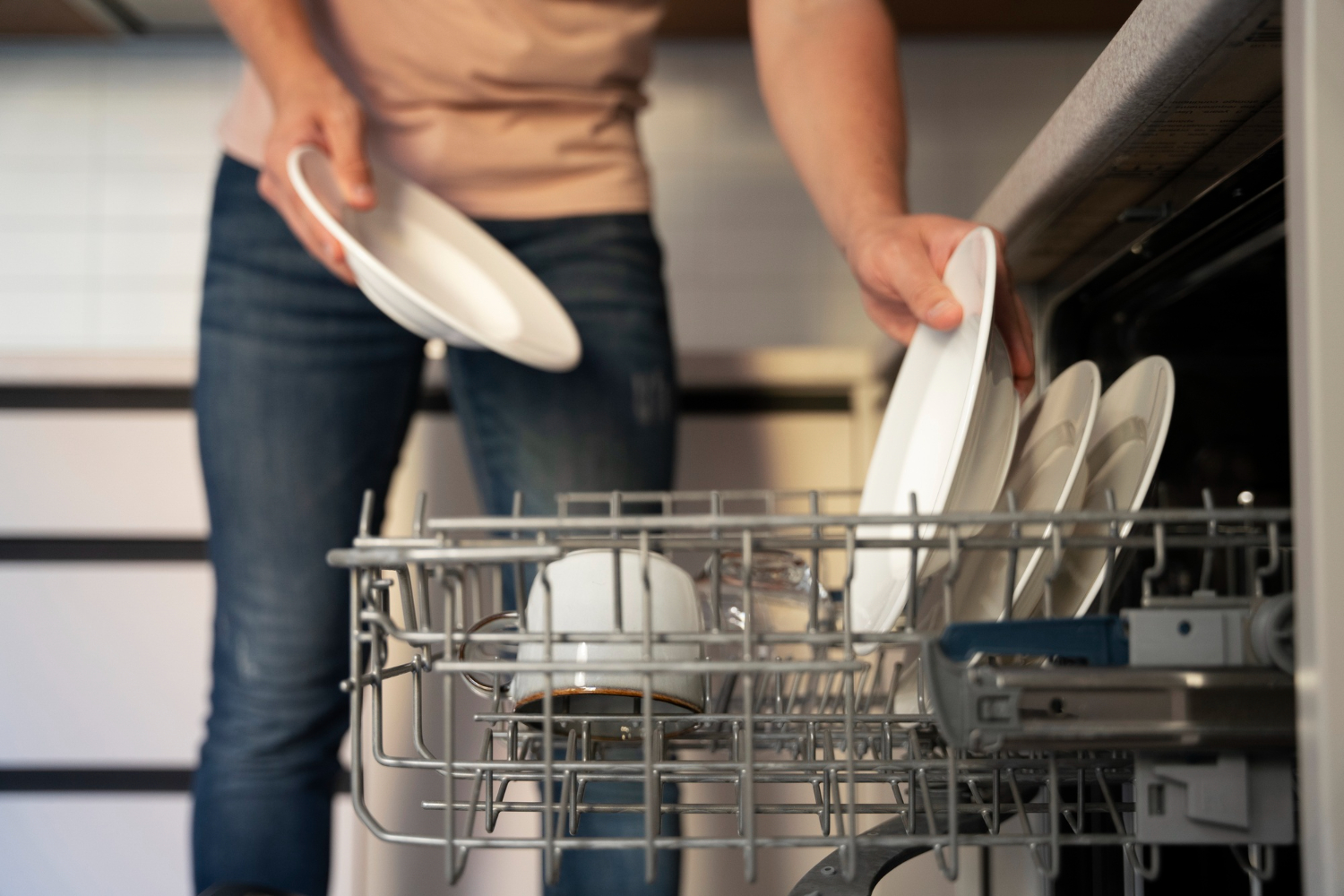
The dishwasher's eco cycle consists of washing at a low temperature. Although this reduces energy consumption, it also reduces washing efficiency. As a result, you still need to wash the dirtiest utensils at a high temperature. So why not wash the others at the same time, while you're at it?
The energy-efficient washing machine
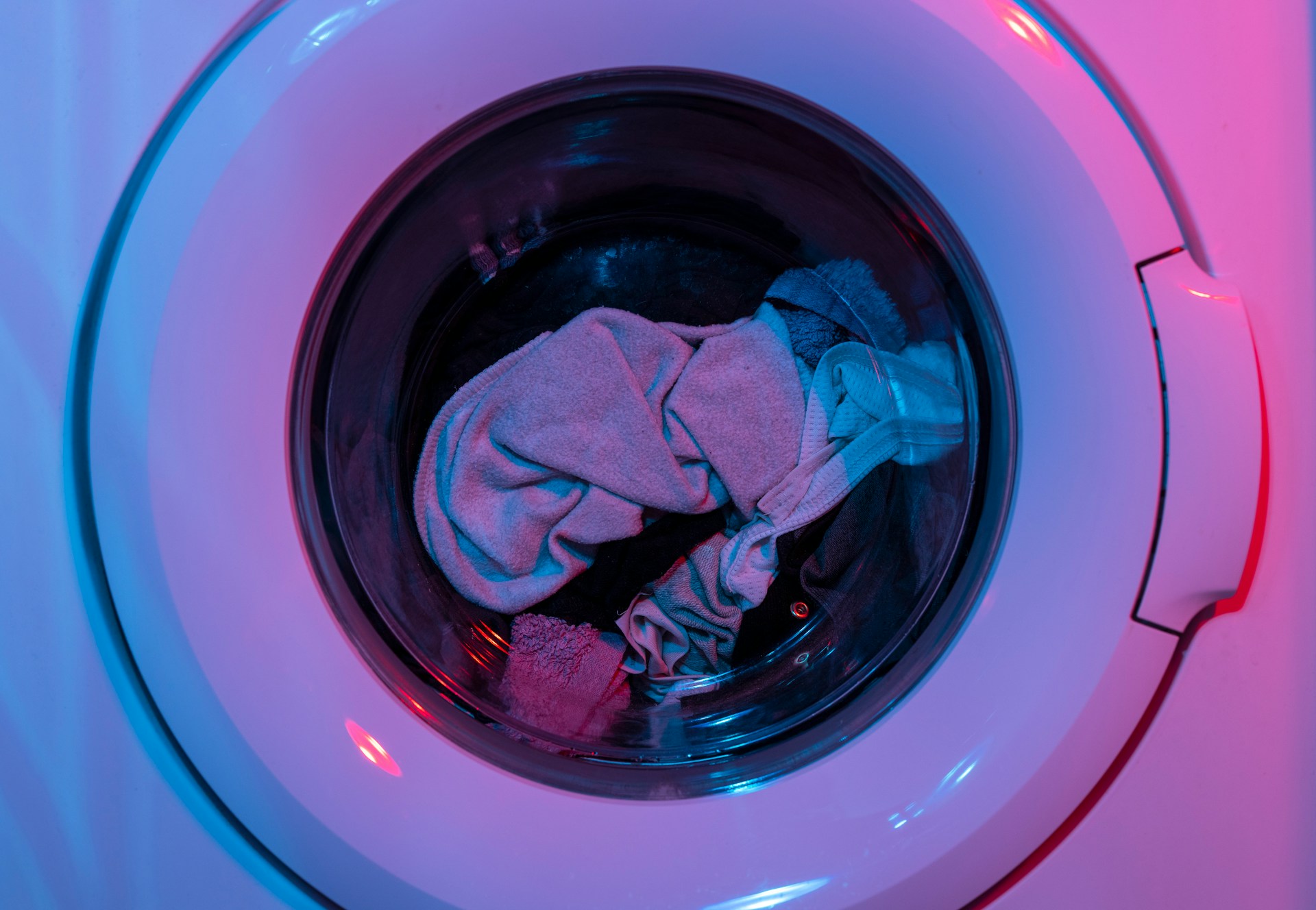
The principle here is the same as for dishwashers: you will always need a more energy-intensive wash for the most stubborn dirt. In some cases, you may have to repeat the cleaning process, which would no longer be economical at all. What's more, the motor and the entire electronic system run for longer, so they consume more energy.
The heat pump dryer
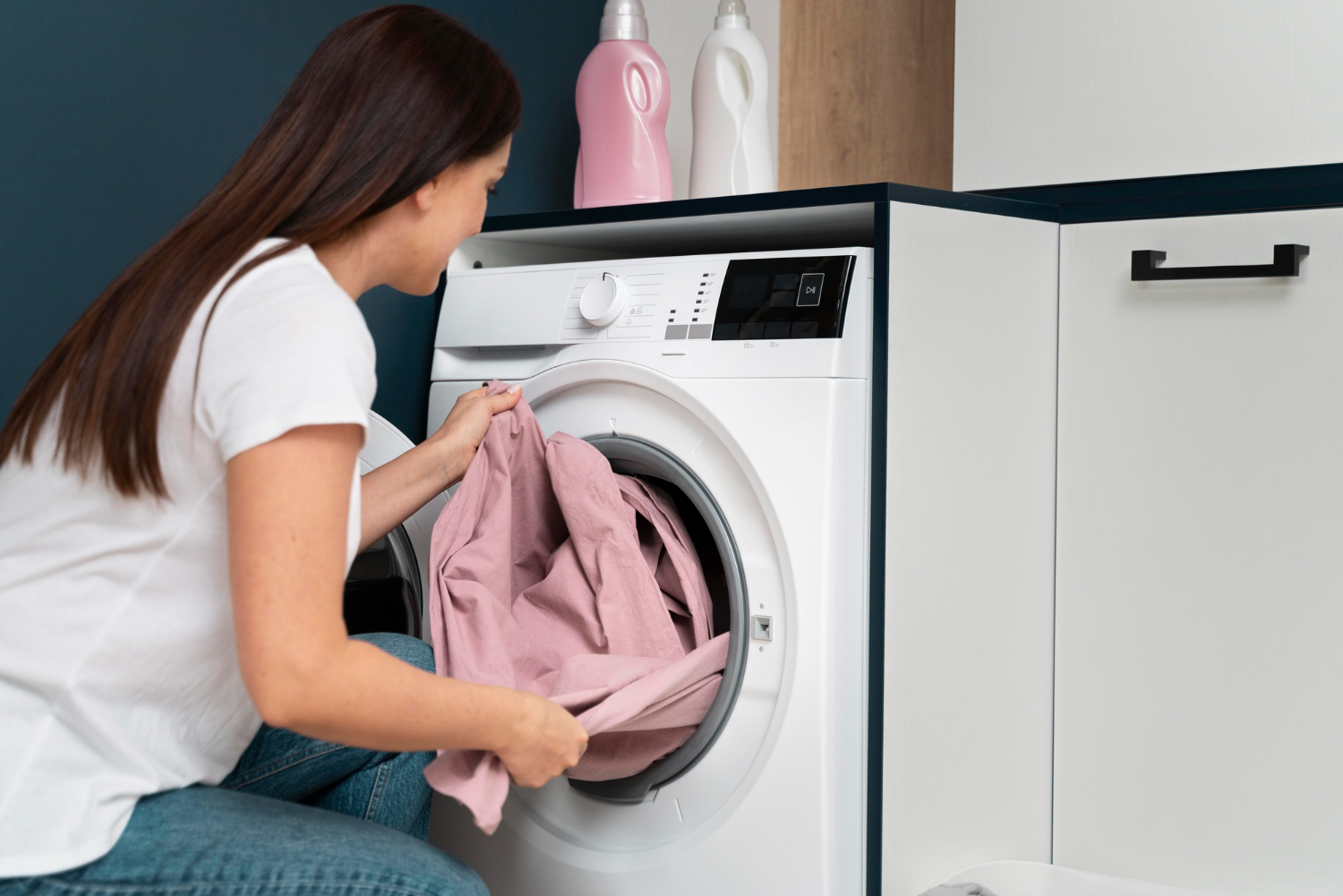
In principle, this type of dryer is not as energy-intensive as a more traditional model. However, its efficiency depends greatly on the ambient temperature: the lower the temperature, the less efficient the appliance is. And since we need it most when it's cold or rainy, the savings won't be that significant, especially considering the price of the machine.
Connected refrigerators
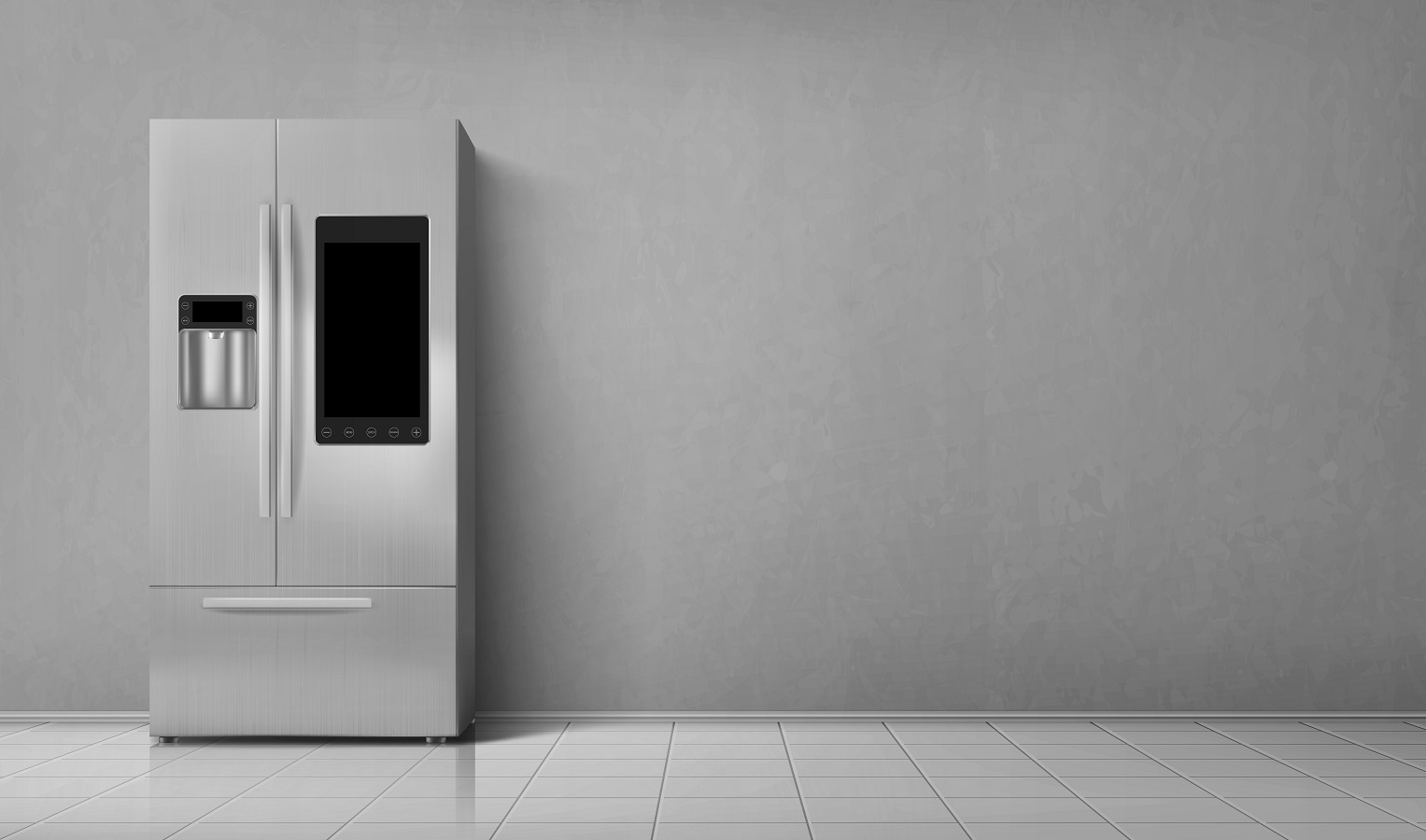
A smart refrigerator promises to save you money by managing the temperature to optimize motor performance. However, it is equipped with a screen, Wi-Fi connectivity, and other sensors that operate continuously. Since a traditional refrigerator also allows manual temperature adjustment without these numerous devices, the advantages cancel each other out.
Giant LED TVs
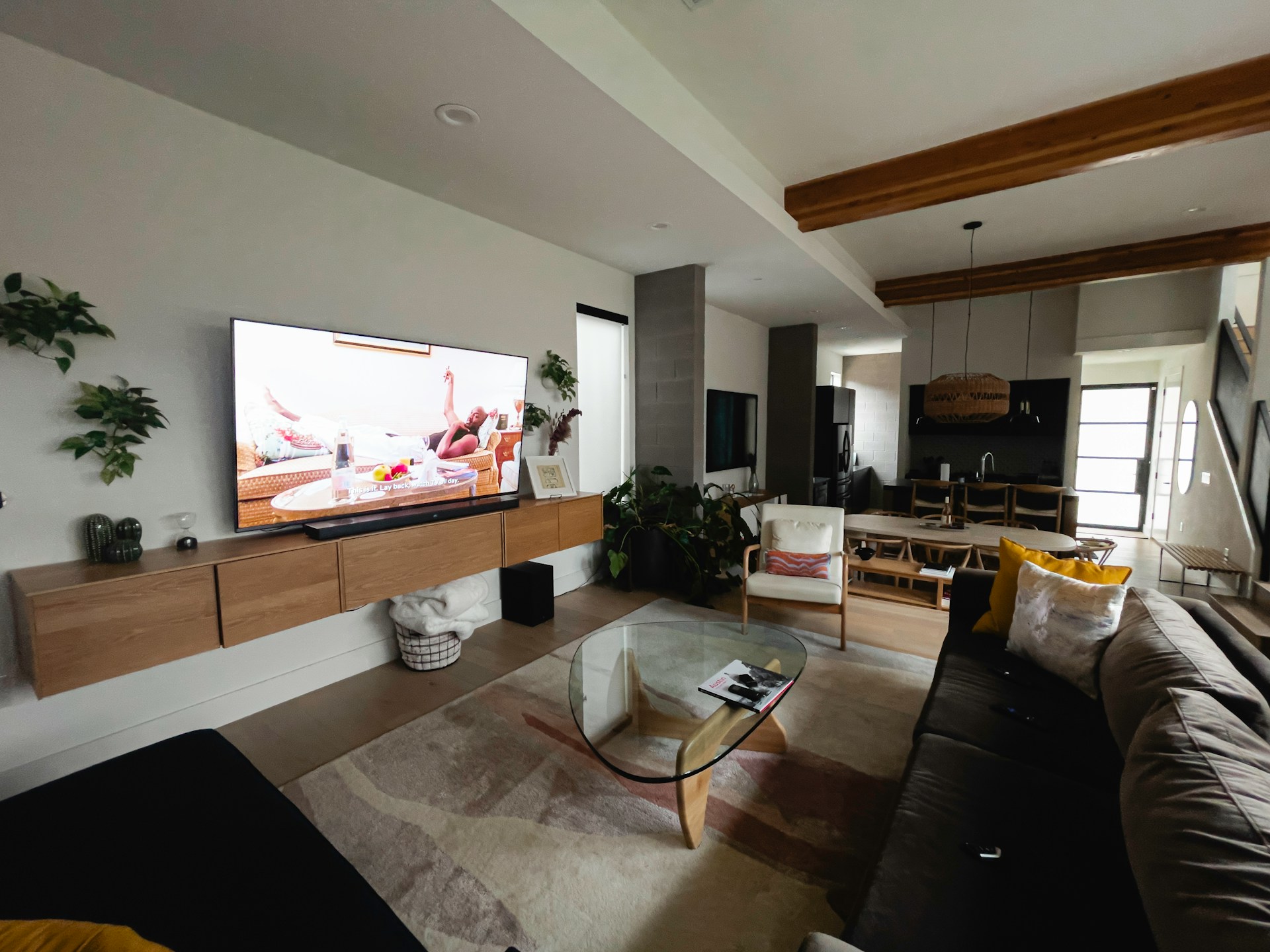
Unlike a plasma screen or a conventional LCD screen, LED displays use LEDs that consume less electricity. A TV equipped with this type of technology therefore has serious advantages, at least when comparing screens of the same size. But since we used to be satisfied with a 40-inch screen, today's 60-inch and larger screens completely negate this saving.
The microwave
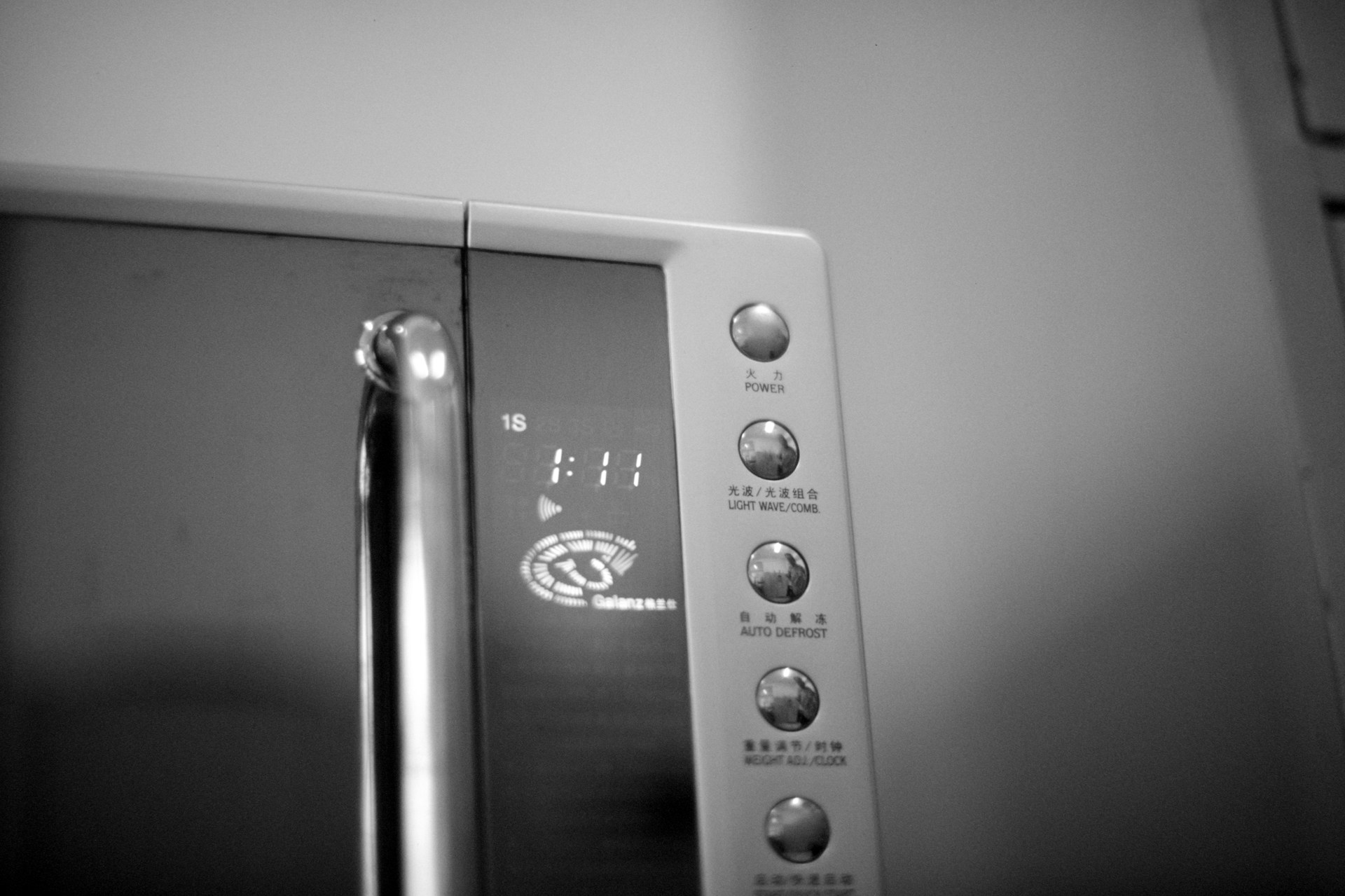
Modern microwaves are optimized to reduce consumption during normal use. However, they often include various additional functions such as automatic cooking, rapid defrosting, and grill mode. To manage all this, a fairly complex system is required, which generally requires more energy to operate.
Connected LED bulbs

It's pretty cool that your light bulb can be turned off remotely, or even in some cases turn off automatically when no one is in the room. The only problem is that the Wi-Fi has to be on all the time, even when the light is off. In the end, LED technology loses its advantages over a neon lamp, for example.
The induction cooktop
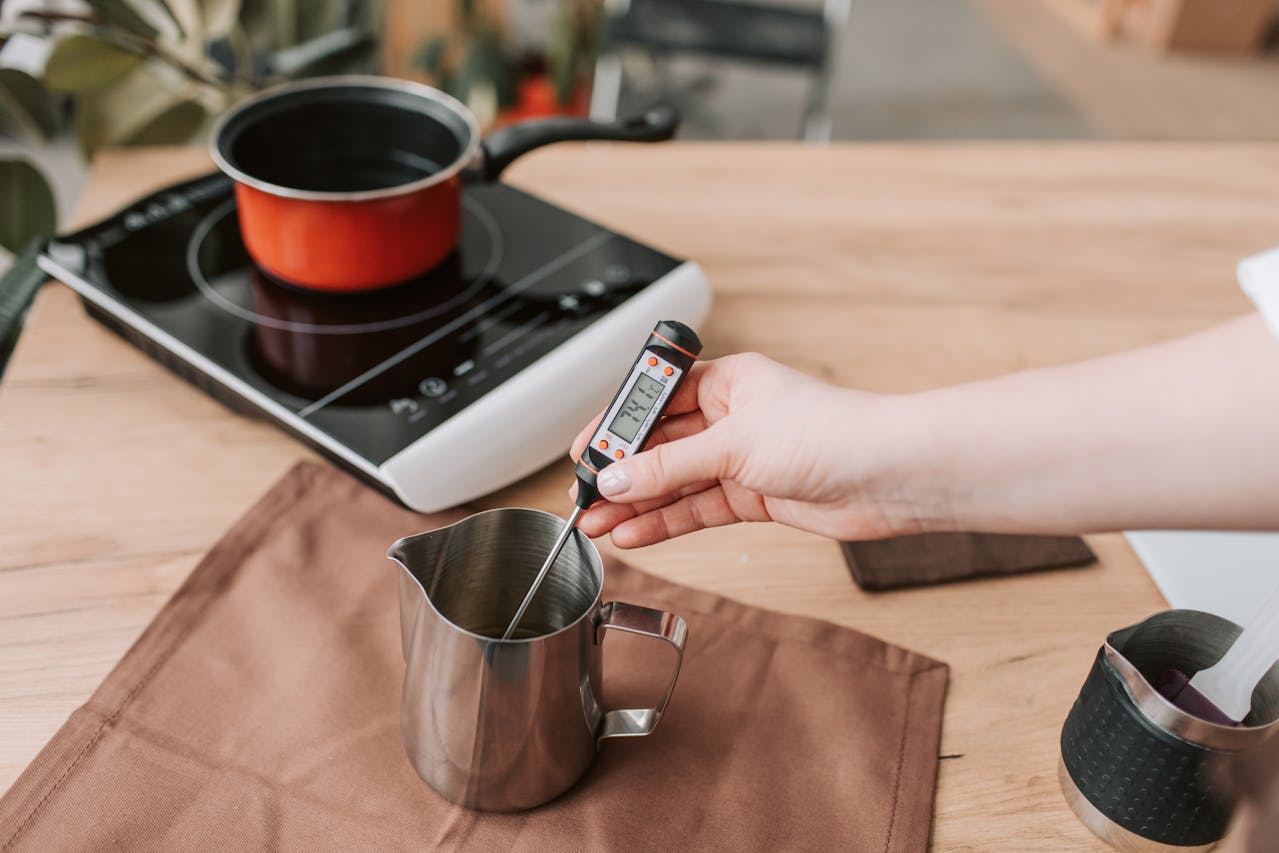
Induction hobs minimize heat loss by injecting energy directly into the pan, without using a heating element that can be exposed to the ambient air. While this is an undeniable advantage, it also means that you need to invest in suitable cookware. And as you can imagine, this doesn't come cheap.
Smart electric radiators
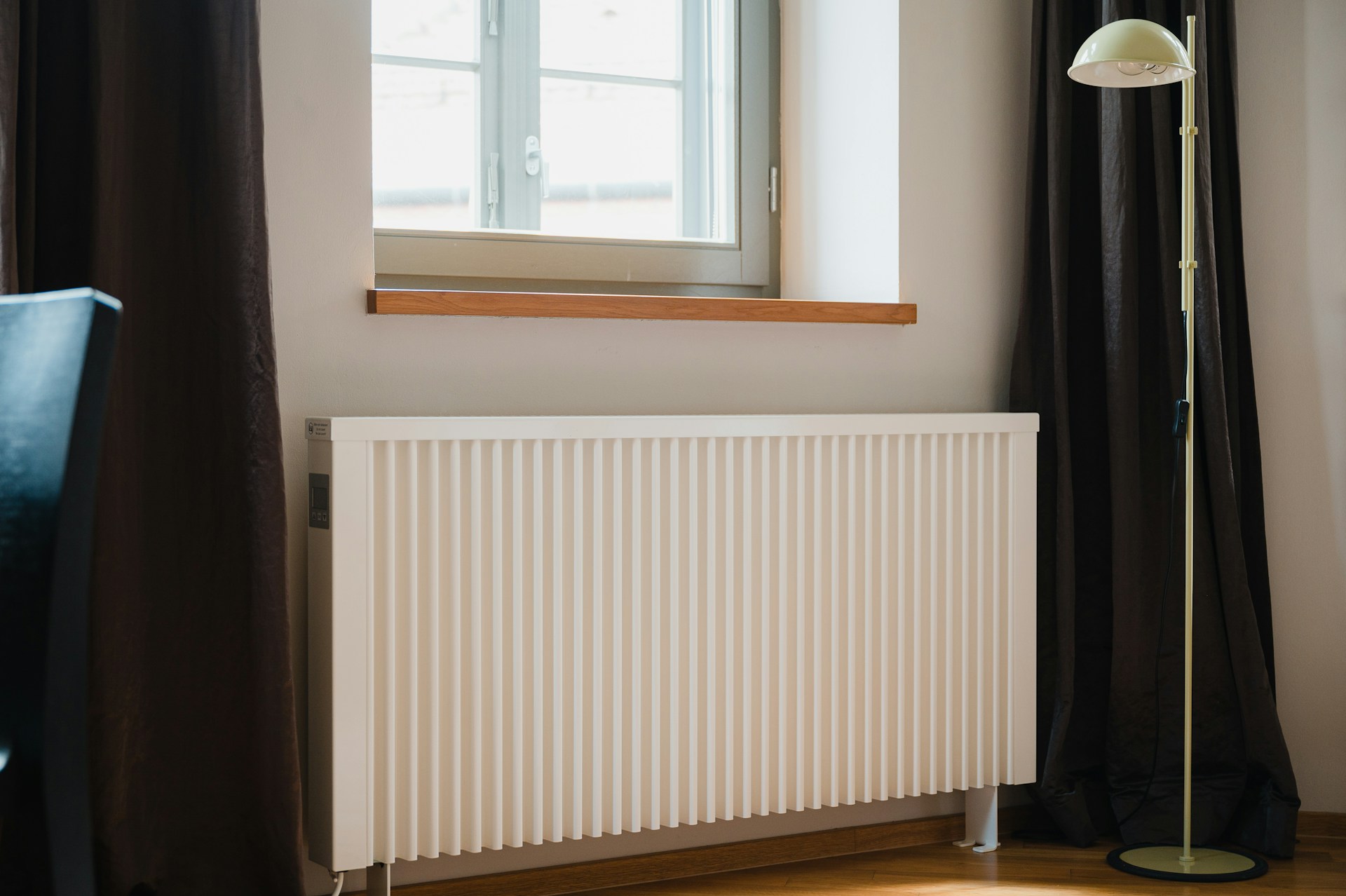
Here, savings should be achieved through automatic optimization of the appliance's operation. Features such as open window detection are practical, but how often do you open your windows in the middle of winter? Ultimately, the appliance will function in the long term like a traditional heater, and therefore consume just as much energy.
Portable inverter air conditioners
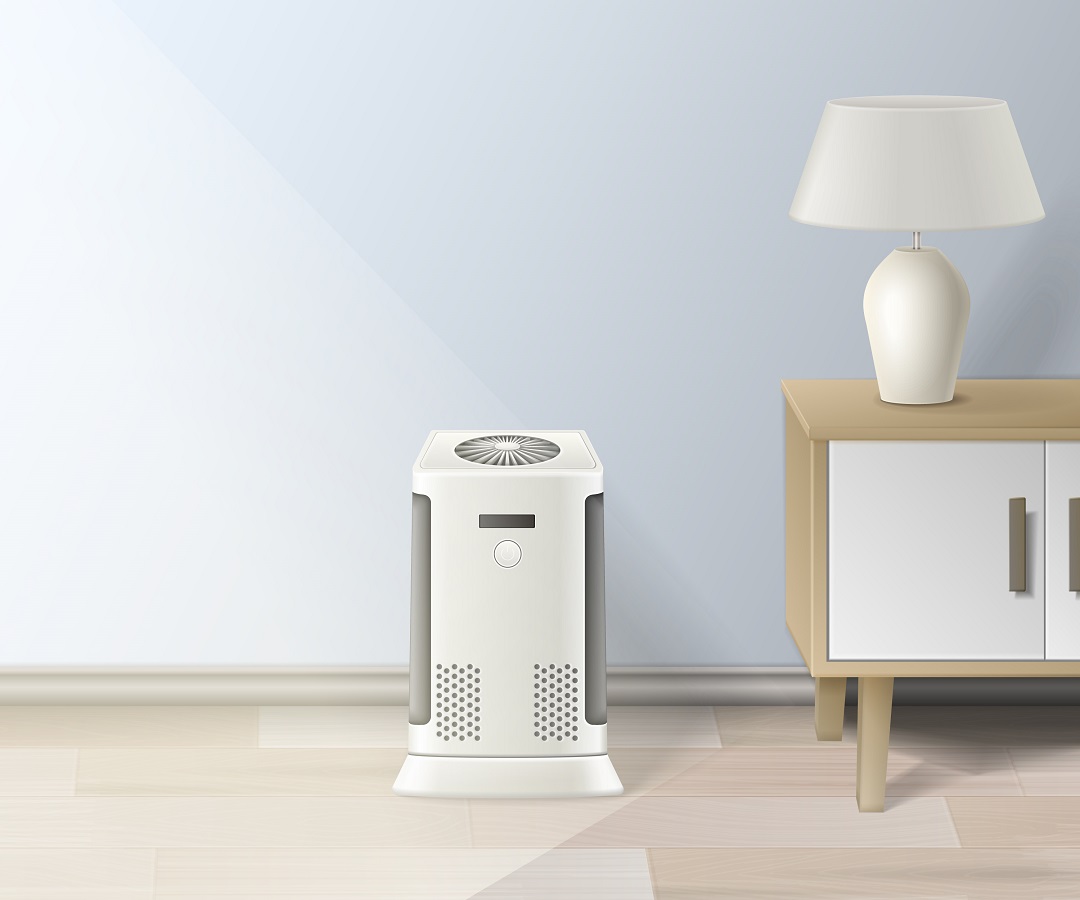
Your salesperson finally convinced you to buy this air conditioner because of the savings offered by inverter technology. The only concern is that its portable format makes it less efficient than a wall-mounted air conditioner. The unit will therefore run longer to reach the desired temperature. I don't think I need to tell you the rest.
Cordless vacuum cleaners

These vacuum cleaners are less powerful than corded models. They therefore require less power to operate, unless you constantly use the turbo mode, which will increase consumption. In addition, frequent recharging consumes a lot of energy, especially if you leave it plugged in after the battery is full.
Electric ovens with an A rating
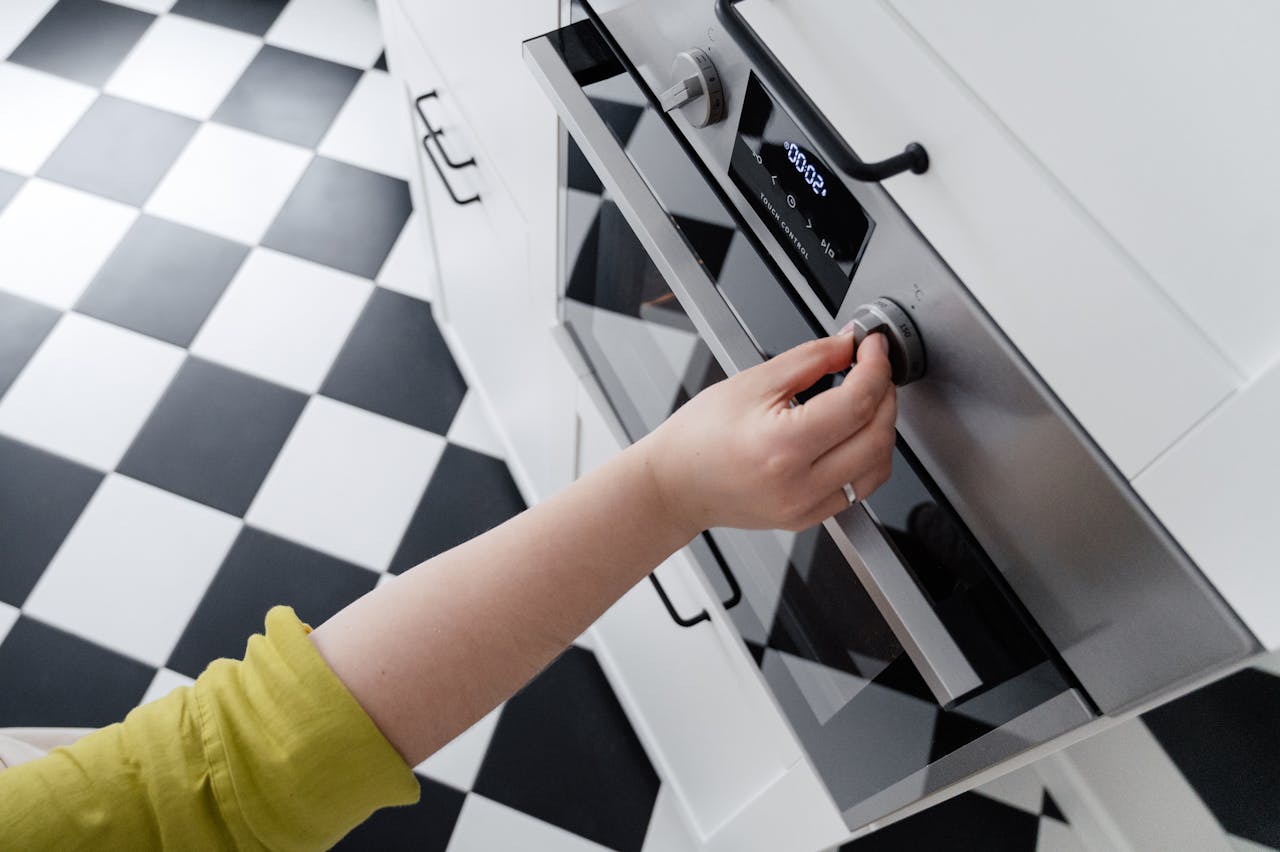
Does your oven have an energy rating of A? That means it's the most energy-efficient on the market. However, it's important to bear in mind that most of these savings are achieved in standard cooking mode. Other uses such as static heat, high-temperature cleaning, or simple preheating are not as energy-efficient.
Chargers plugged in when not in use
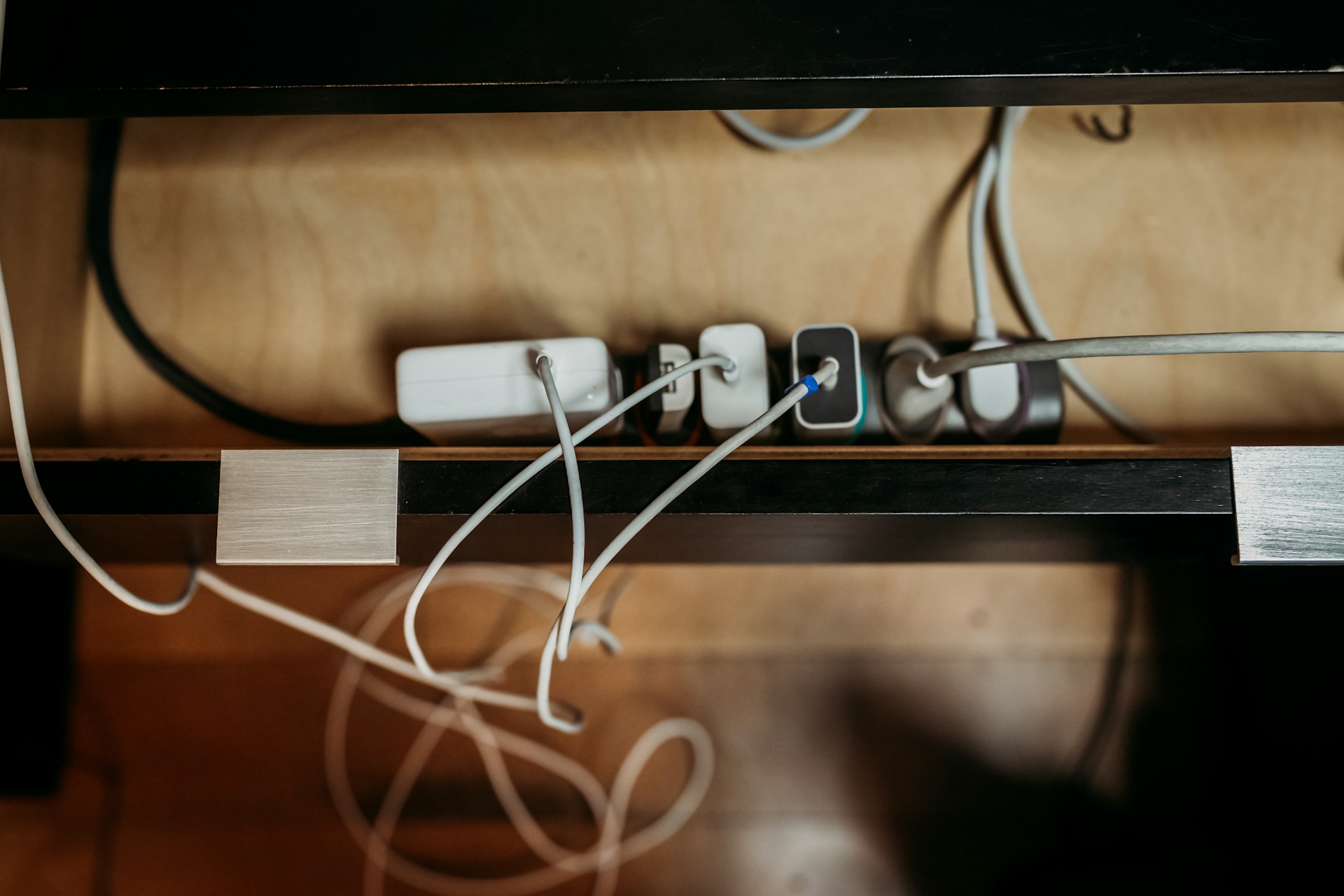
With new fast-charging technologies for smartphones and laptops, we tend to plug in the device for a few minutes before unplugging it, which already allows for a few hours of use in economy mode. But when you forget to unplug your powerful charger from the outlet, it will continue to consume a significant amount of power.
Smart air purifiers
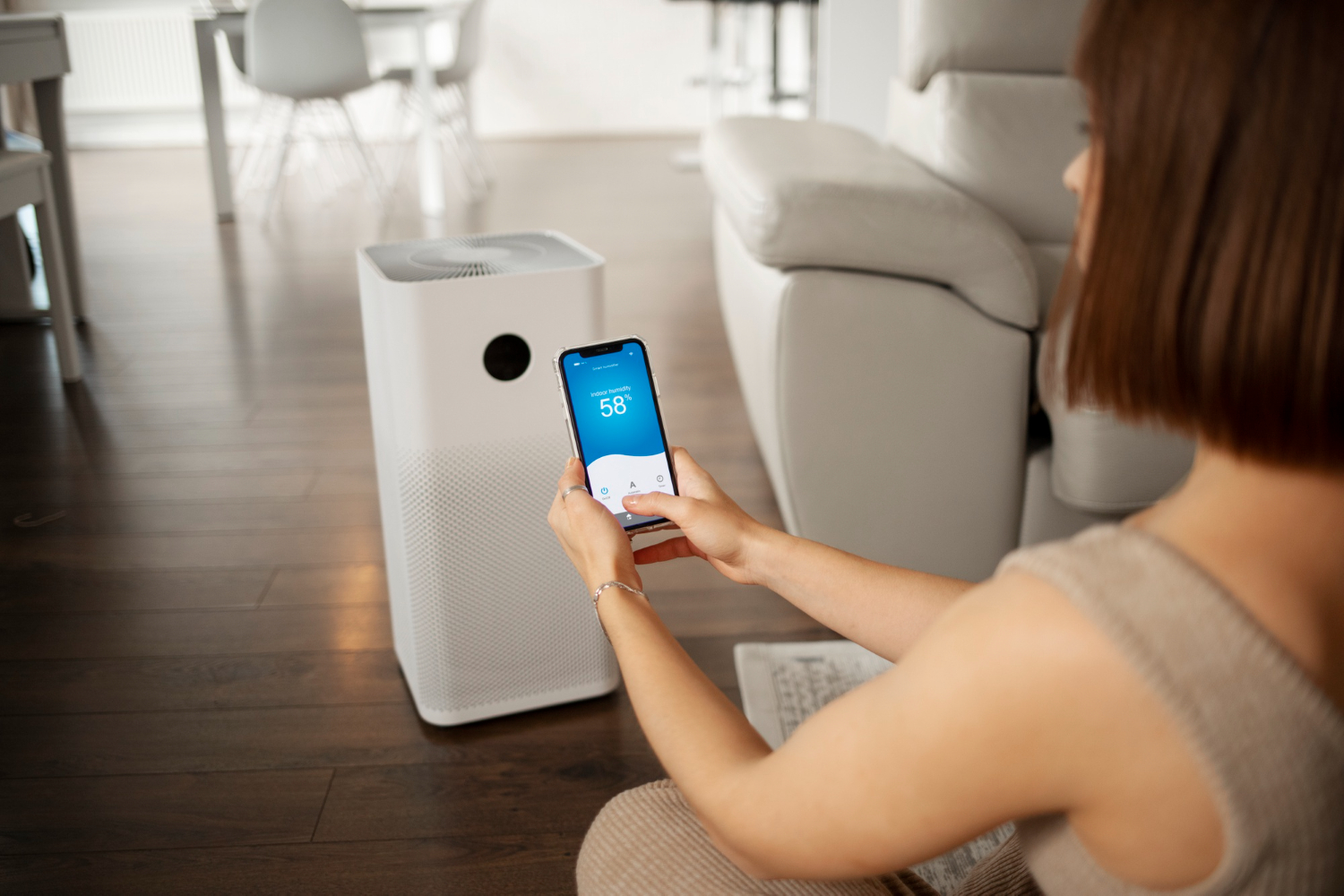
Once again, being "smart" is a theoretical argument for avoiding unnecessary energy waste. In reality, the machine will start or stop automatically when it judges the air to be dirty or clean, just like you do with the remote control. Otherwise, the operation and therefore the consumption remain unchanged.
New generation TV decoders
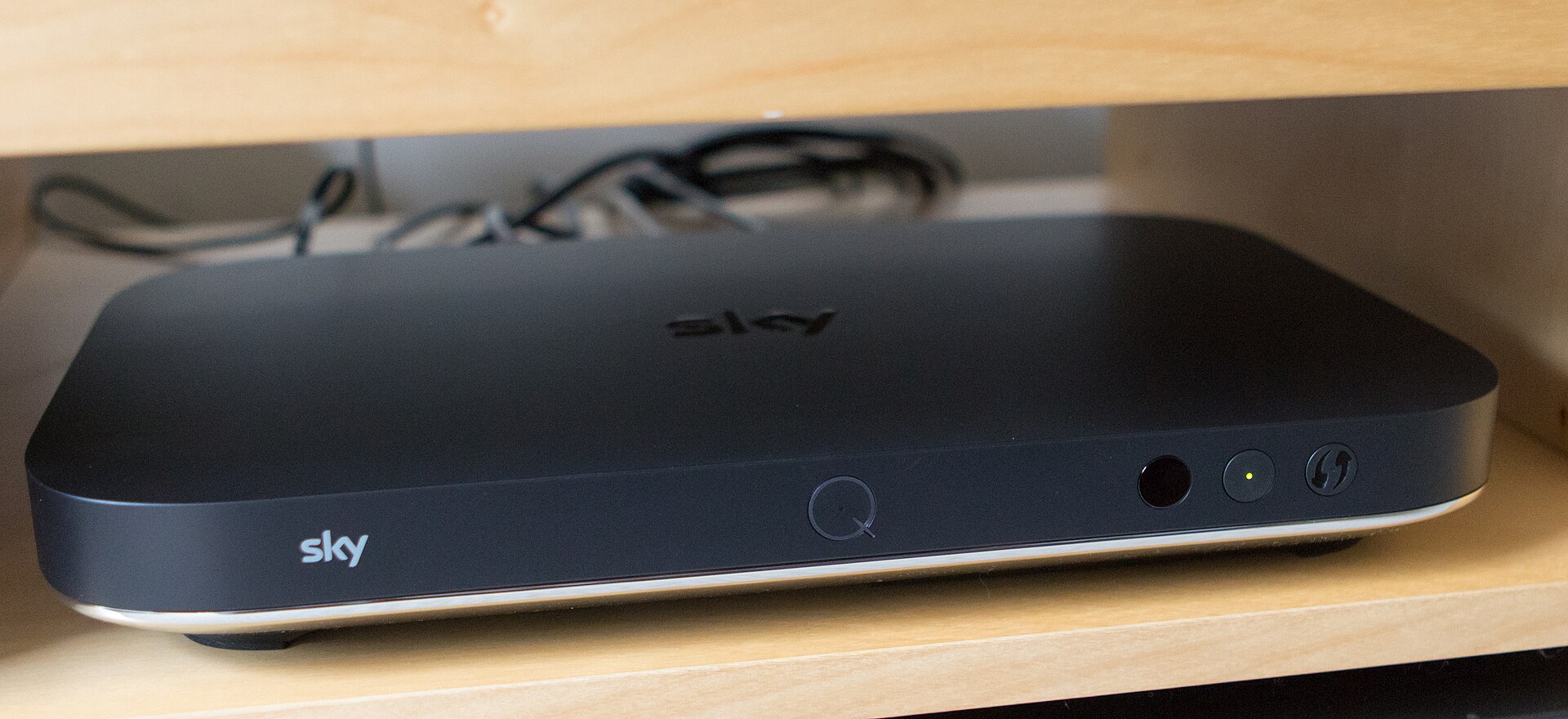
Today, TV decoders are advertised as being more economical than older models. However, there is a huge difference, especially in standby mode. Because of its many features, the device never really goes into "sleep" mode, but continues to operate in the background. After all, you have to pay to enjoy your recordings, right?