History is written with great deeds, but sometimes also with small, everyday objects. The latter, once involved in the accomplishment of historic deeds, become historic themselves and are erected as museum pieces. Whether it's the fatal bullet warhead that ended the life of a king or president, a pen used to sign an armistice or an armchair on which an august head of state satthese objects fascinate and arouse the curiosity of enthusiasts, many of whom collect them, exhibit them and sometimes offer them at auction. Here are 14 ordinary, everyday objects that have become part of history.
1 . The chair on which Lincoln was assassinated
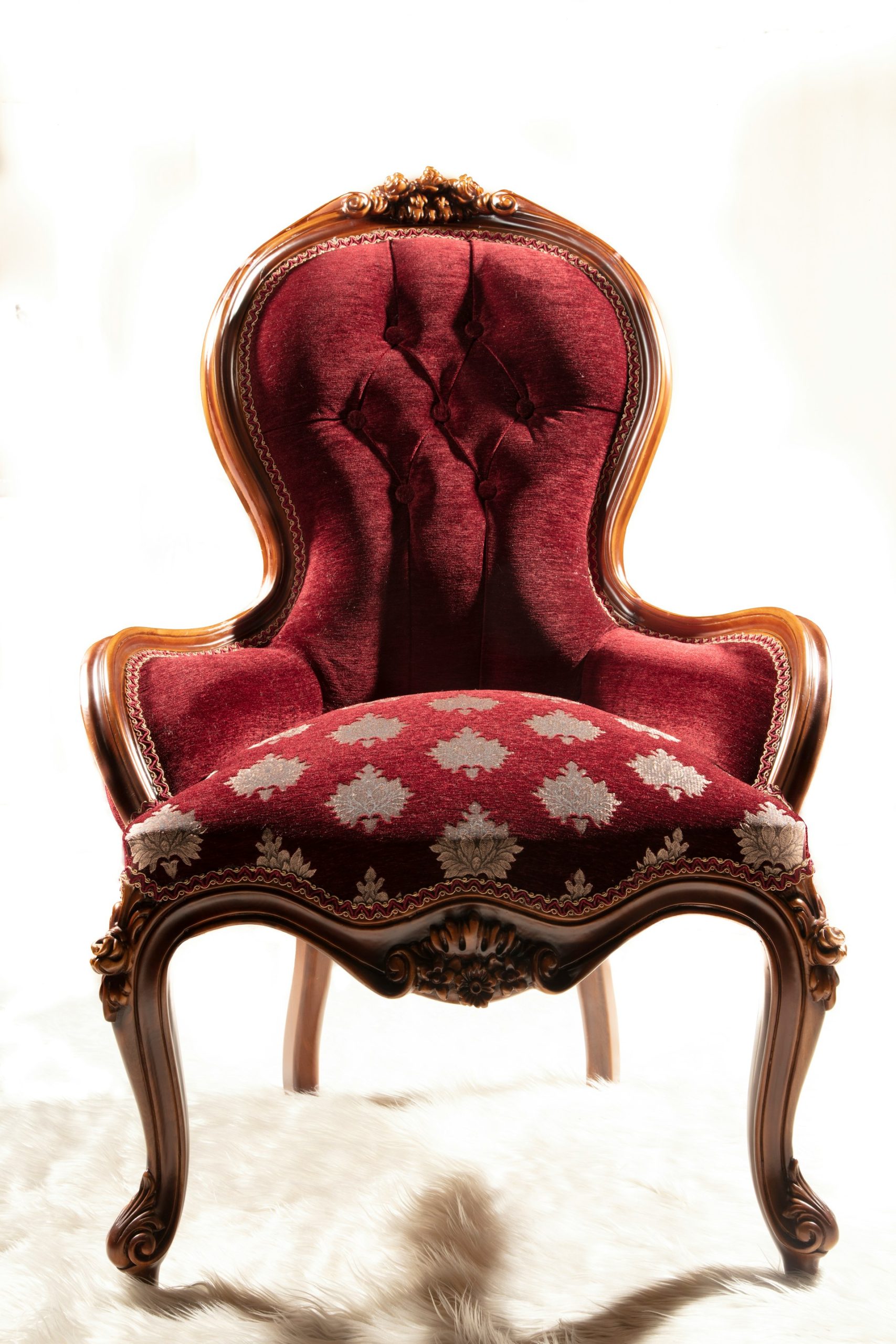
Abraham Lincoln, the sixteenth President of the United States of America, was assassinated on April 14, 1865 while attending a play at Ford's Theatre in Washington. The seat on which he was sitting when he received the fatal bullet is today an important historical object, as is the box where the president died.
2 . The 1945 armistice pen
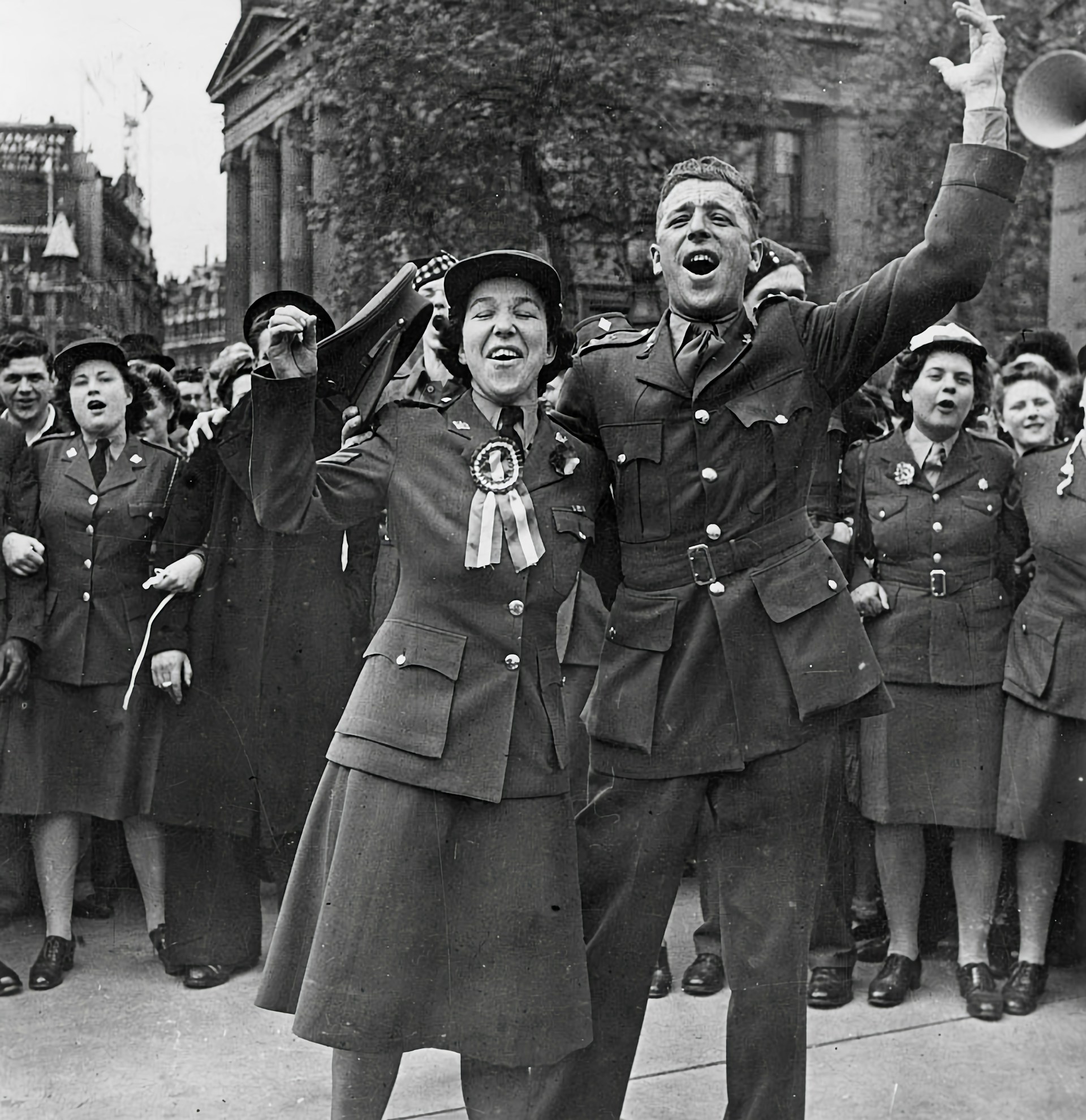
On May 8, 1945, in Berlin, the leaders of the Nazi regime signed the armistice in front of their enemies. As witness, French General de Lattre de Tassigny signed the deed with an American Parker Pen Company fountain pen. The object has now gone down in history and is kept by the Musée de l'Armée in Paris.
3 . Anne Frank's diary manuscript
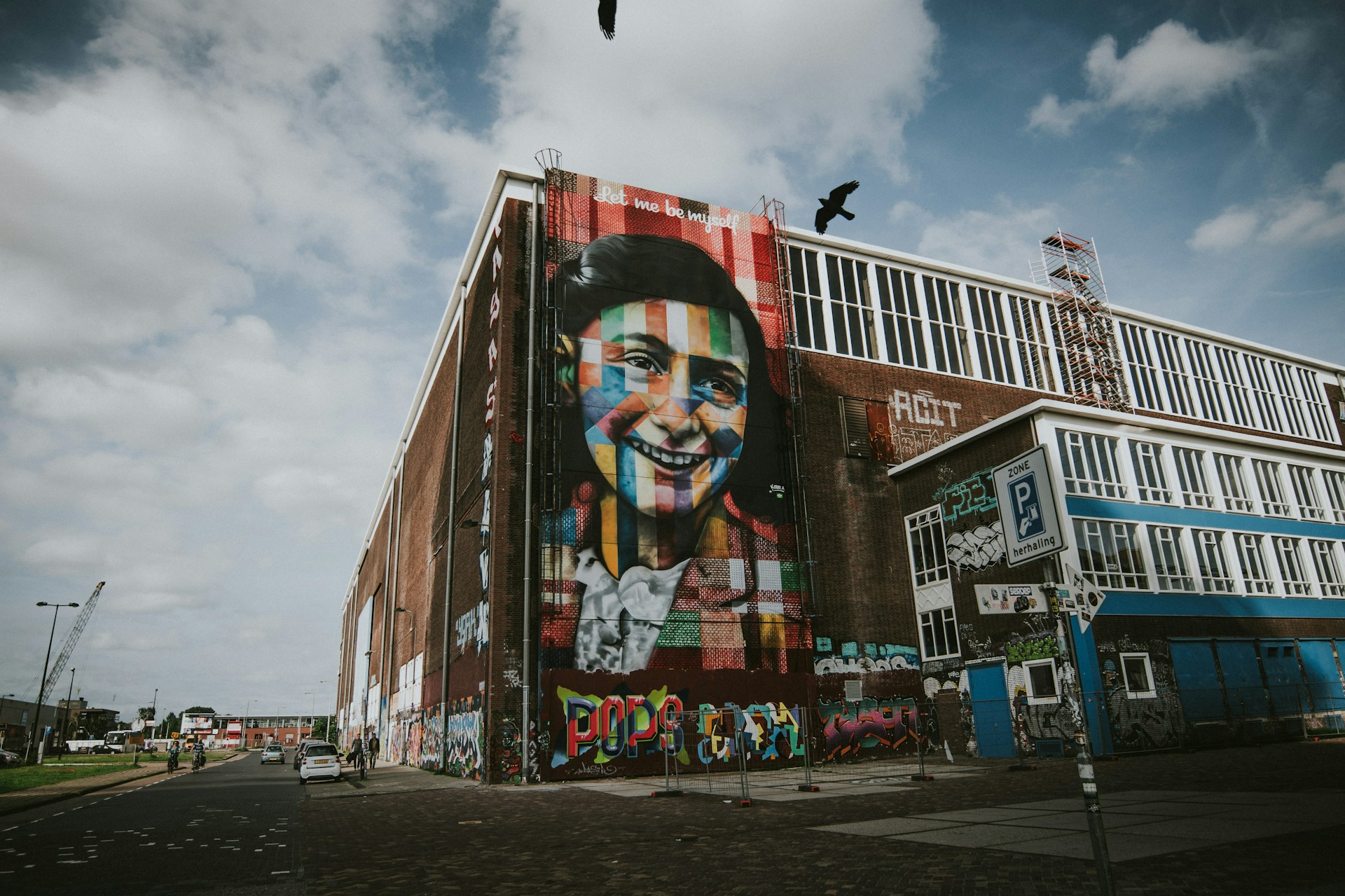
Anne Frank was a Jewish child victim of the Nazis. Before dying in deportation, she diligently kept a diary, which was later published as a testimony to what Jews experienced under the Nazis. The manuscript of the diary is preserved in a Berlin museum as a precious testimony to this dark period in history.
4 . Neil Armstrong's camera on the moon
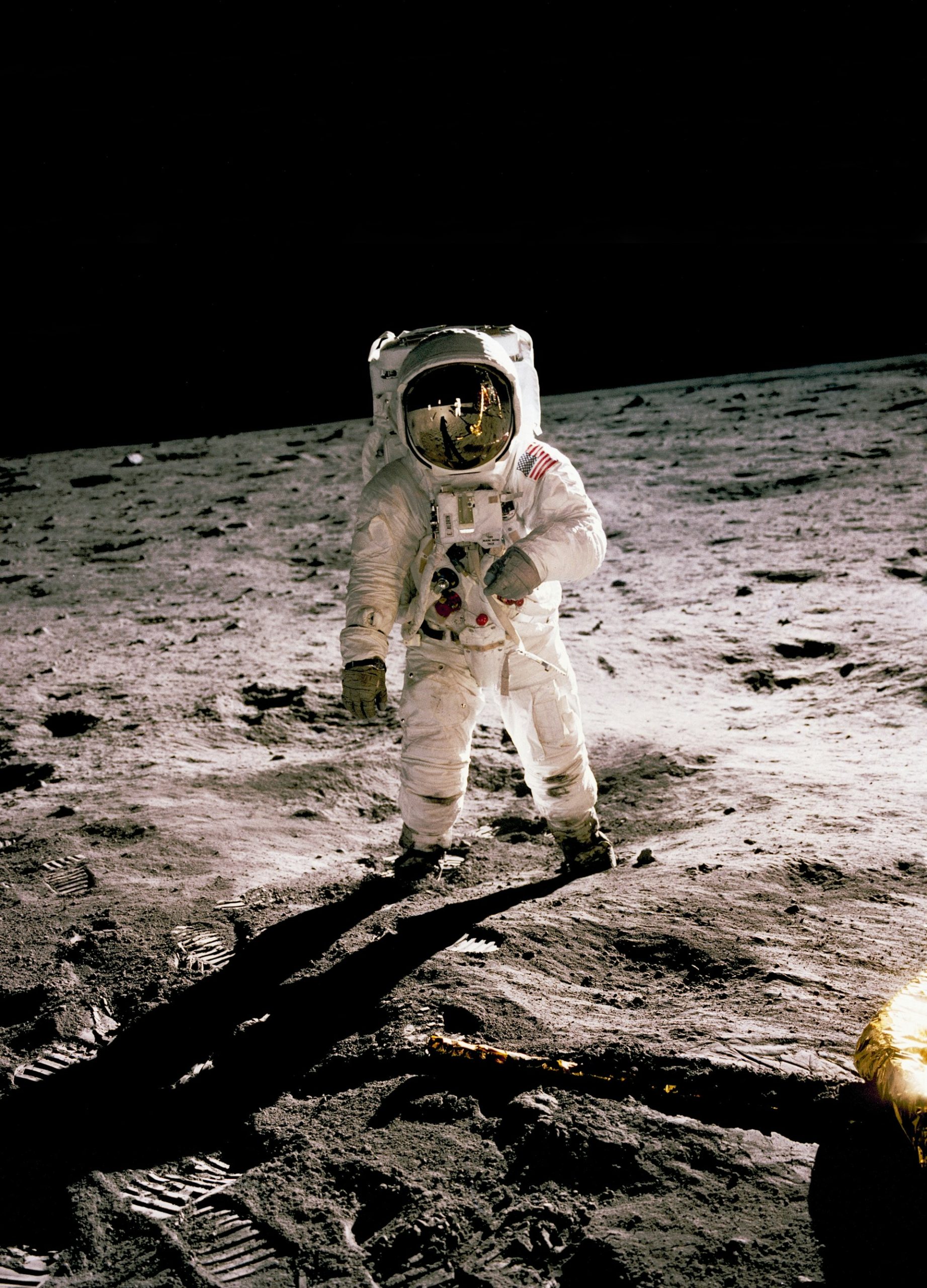
On July 20, 1969, Neil Armstrong and Buzz Aldrin became the first humans to set foot on the moon. To immortalize the event, they were equipped with a Hasselblad camera, which enabled them to take razor-sharp photos that would go down in history along with the camera itself. The latter is now preserved in the Neil Armstrong Museum in Ohio.
5 . The car in which Kennedy was assassinated
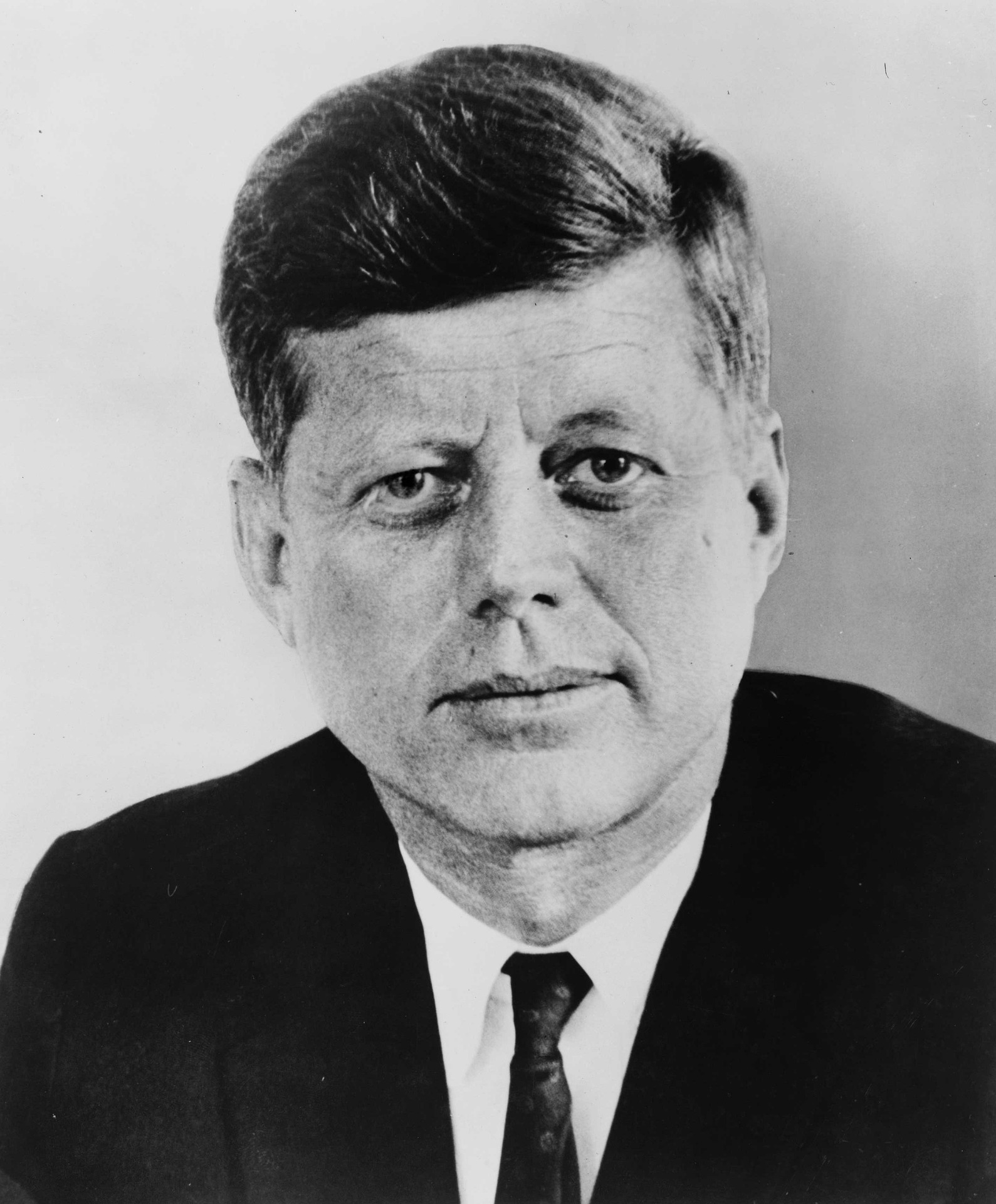
The thirty-fifth President of the United States, John F. Kennedy, was assassinated on November 22, 1963 while on a working visit to Dallas. The car in which he received the fatal bullets that were aimed at him is today a mythical object in the history of the USA. It is preserved at the Henry Ford Museum in Michigan.
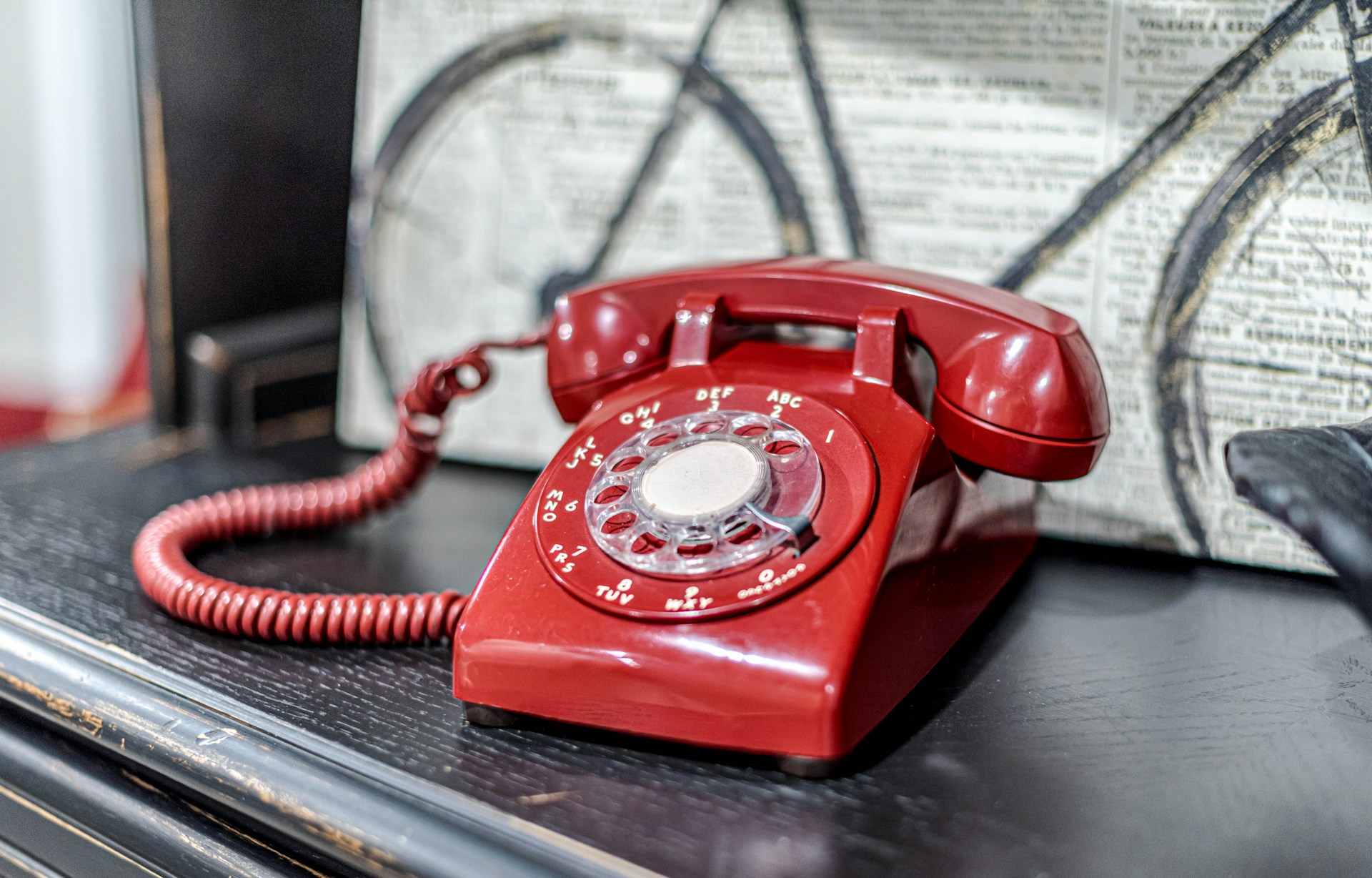
6 . The red telephone of the Cold War
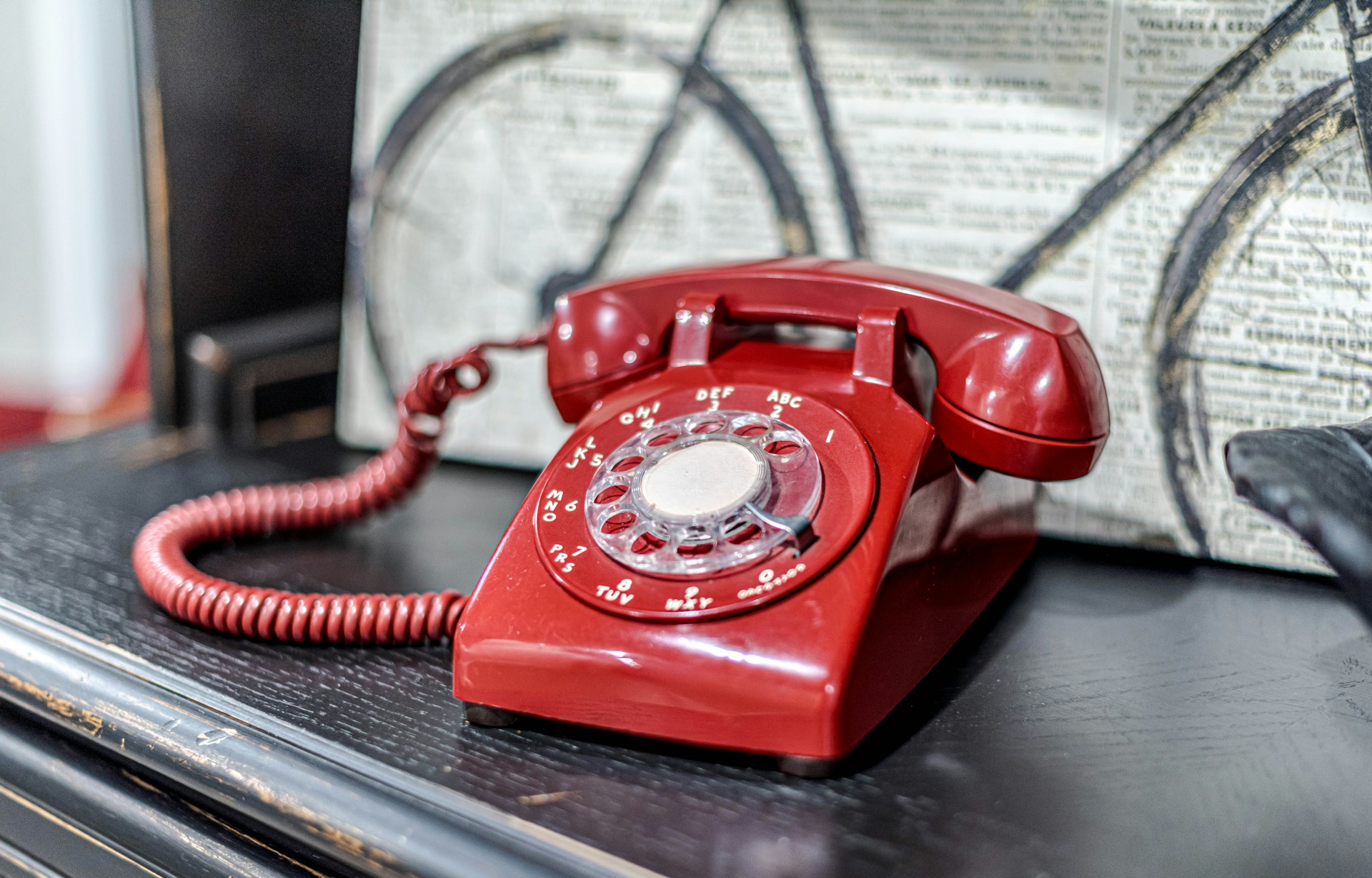
The red telephone on display at the Jimmy Carter Library and Museum in Georgia was never used for communications between the leader of the USSR and the President of the USA during the Cold War. From a symbolic object, this telephone has become, through misunderstandings, a historical object in its own right.
7 . Marie-Antoinette's shoe
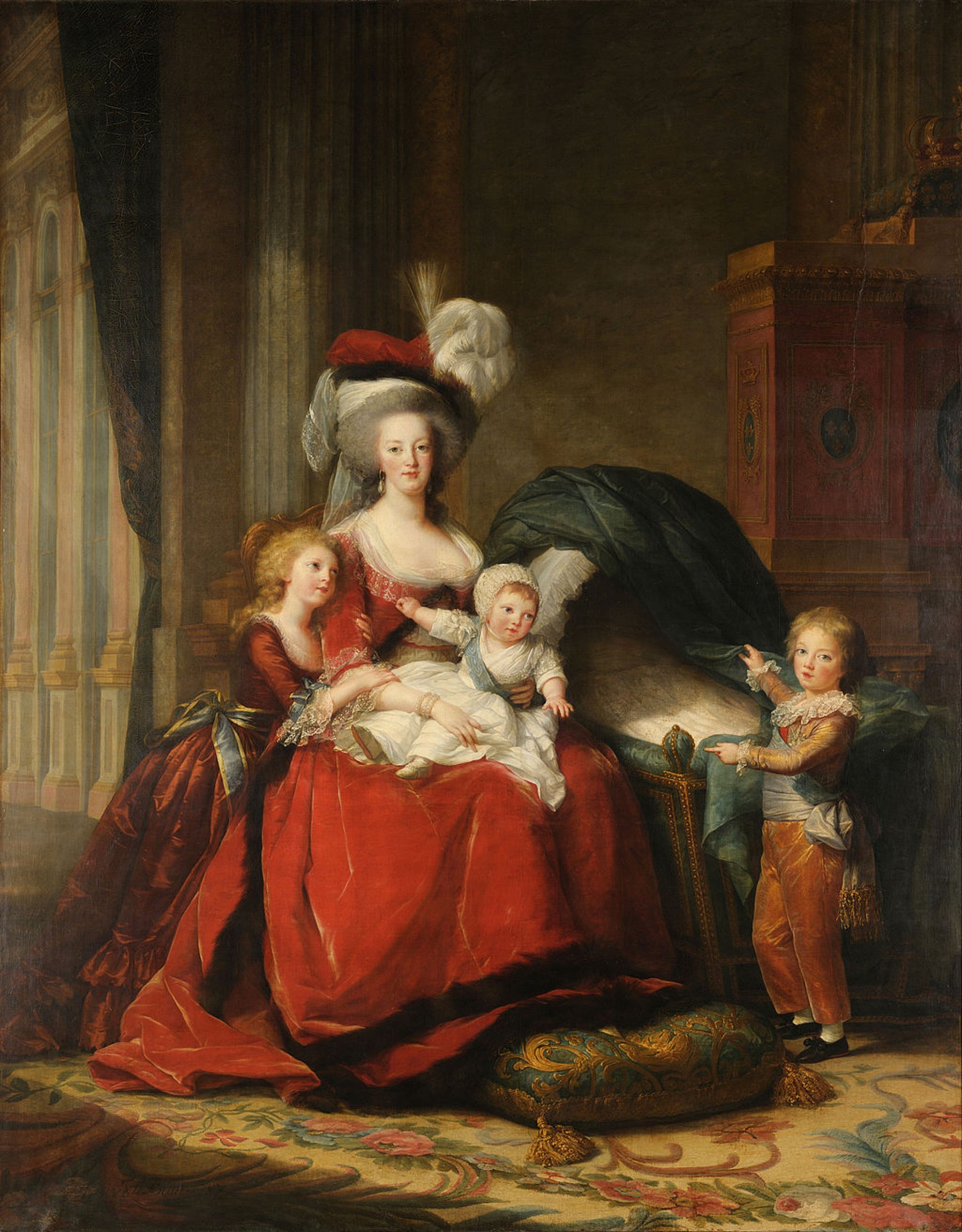
Marie-Antoinette, Queen of France and wife of Louis XVI, was beheaded by revolutionaries on October 16, 1793. Before her death, she tried to escape when the Tuileries castle was taken. It was then that she lost a silk shoe, which a revolutionary picked up and kept. It is now on display at the Musée Carnavalet.
8 . The resistance bike
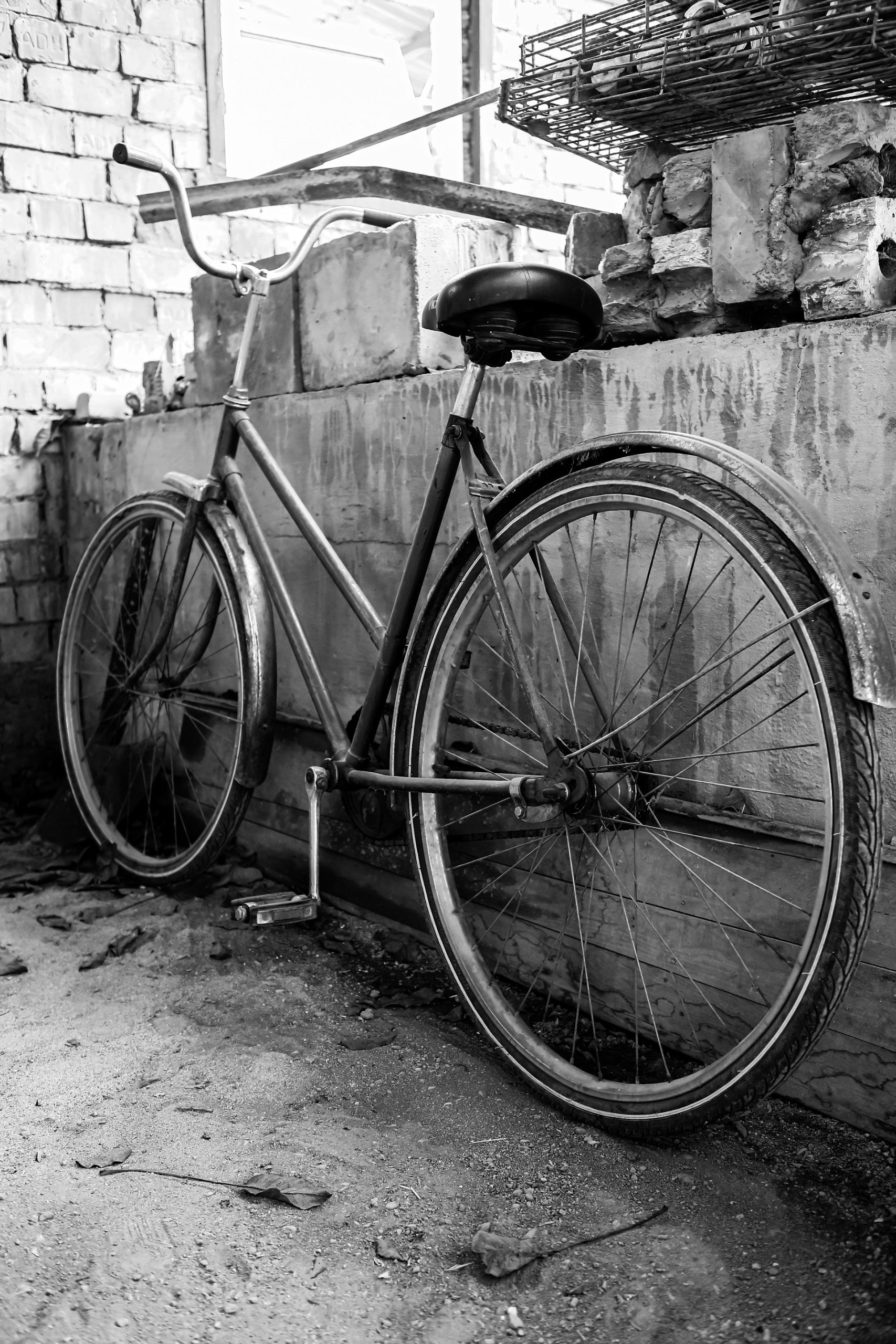
During the German occupation, French resistance fighters used every possible means to stand up to the enemy, especially when it came to getting around. Such was the case of Lucie Lesage, who used a bicycle preserved to this day to get around and help the Resistance fighters. The vehicle is now on display at the Musée de la Résistance et de la Déportation du Cher.
9 . The rag from the end of the Civil War
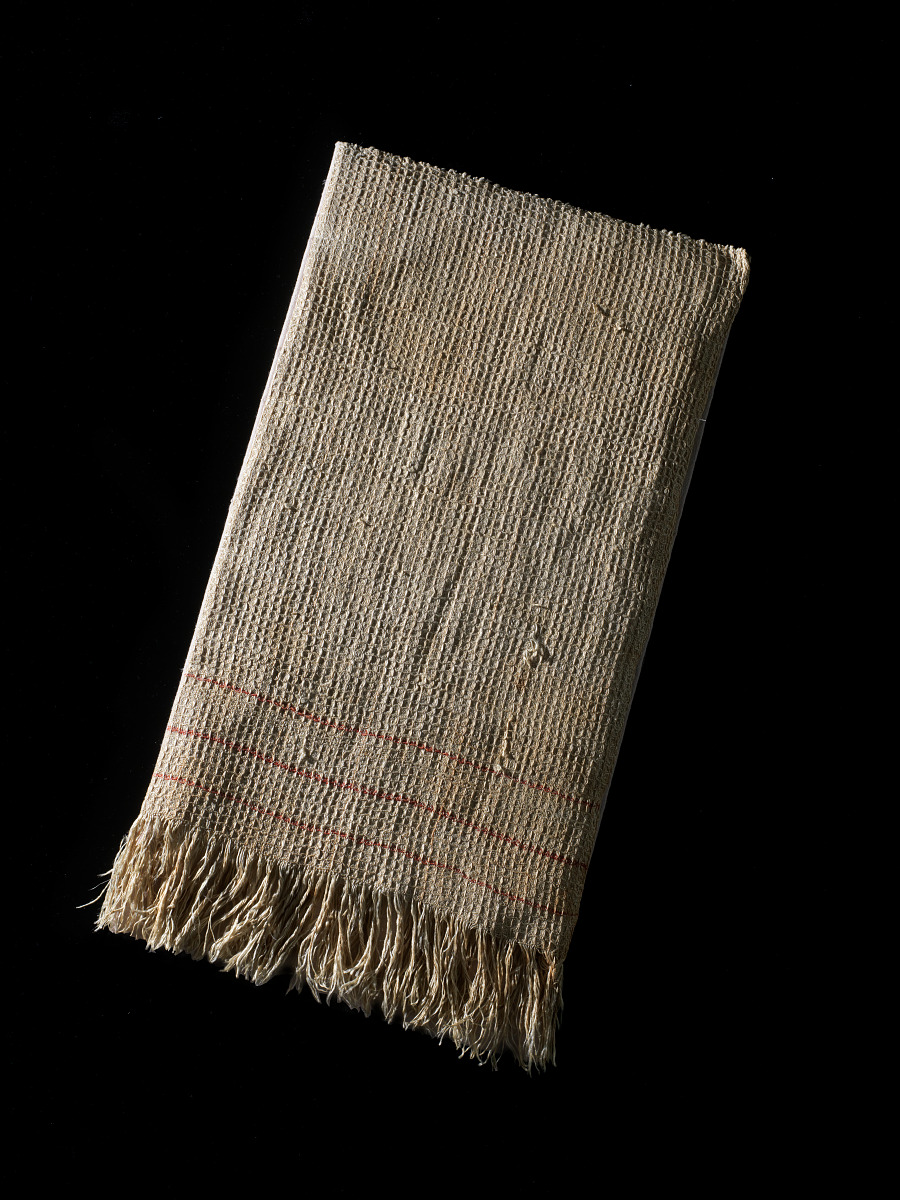
On April 9, 1865, the Confederate army was surrounded by the Union army at Appomattox Court House in Virginia. Confederate General Lee had no choice but to surrender. Lacking a white flag, one of his officers came out waving a simple white household cloth. Today, this object is preserved at the National Museum of American History.
10 . Balzac's coffee pot
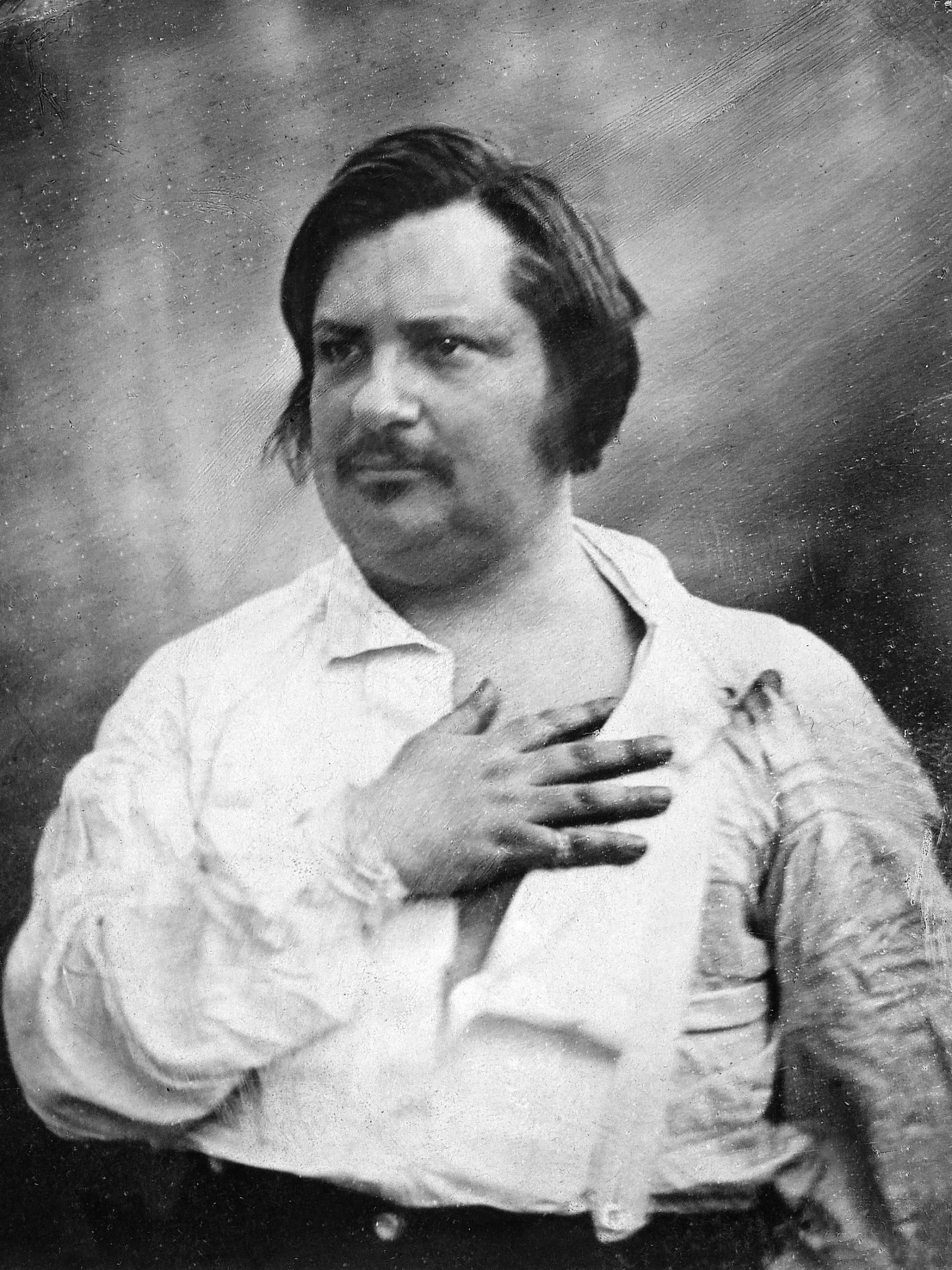
Balzac is undoubtedly one of the greatest writers of French literature. He was known to work very hard, even excessively. To keep up with this pace, he drank large quantities of coffee, which he prepared with a ceramic pot. This is preserved in the Musée Maison de Balzac in the 16th arrondissement of Paris.
11 . Gandhi's glasses
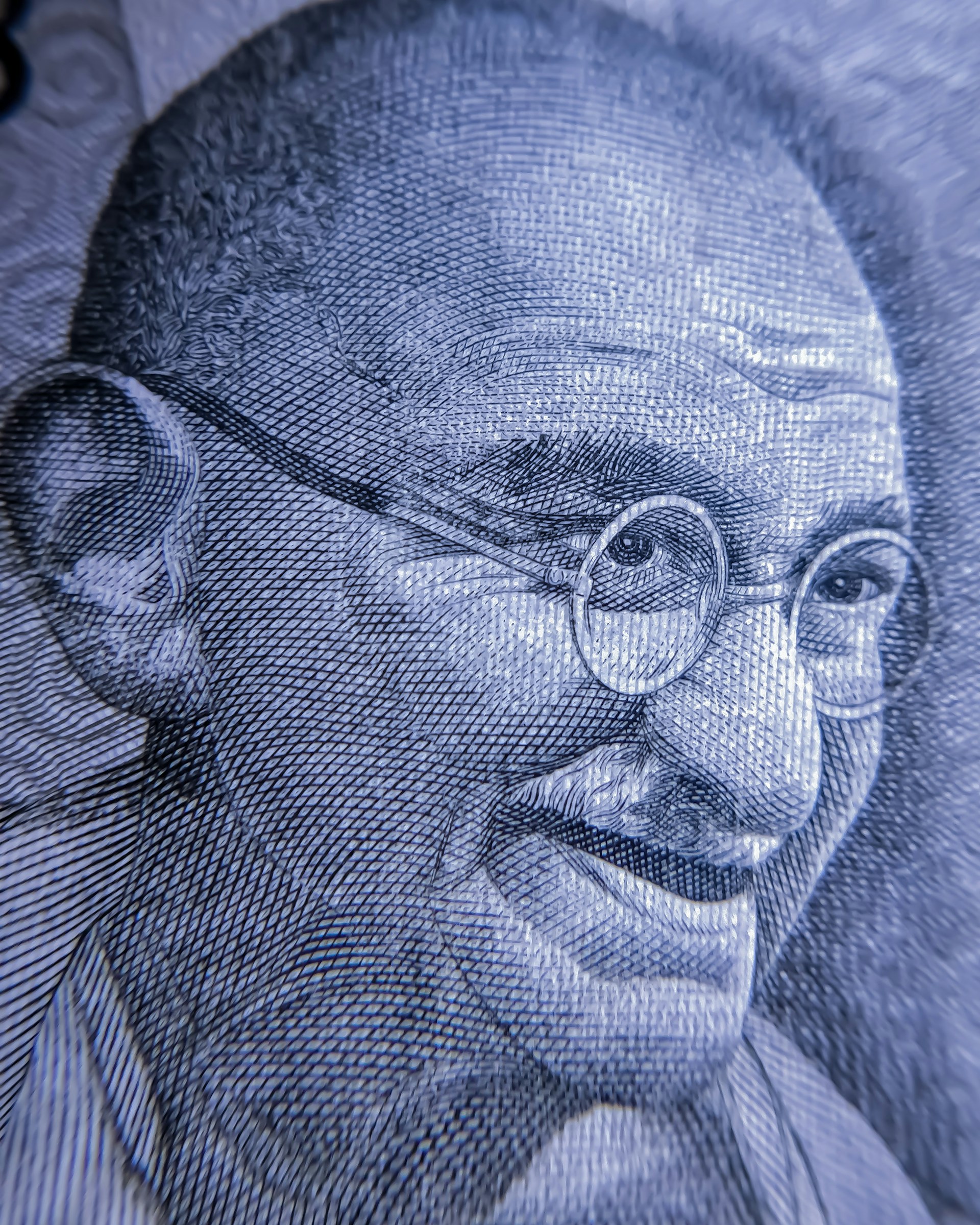
Gandhi was a great pacifist activist who fought all his life for the independence of his country, India, which he eventually won, thus entering into legend. Throughout his life, his image has been associated with gold-plated round spectacles. These are regularly displayed as relics in museums across India.
12 . Keys to the Bastille
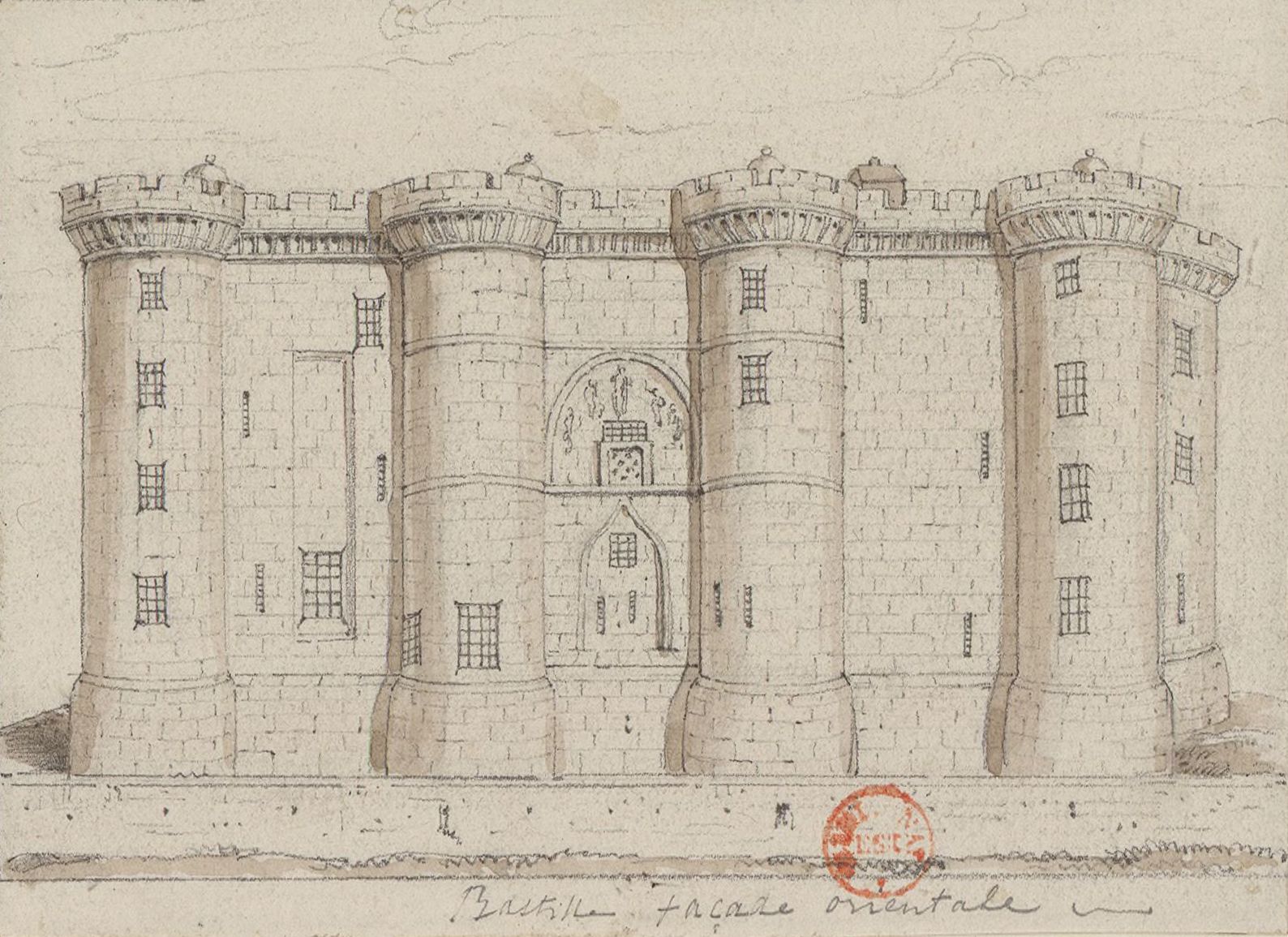
The Bastille was a prison in the heart of Paris, where opponents of the French king were confined. It was taken by revolutionaries on July 14, 1789. Several of its keys are preserved. One is in the Carnavalet museum and another is in the United States, taken by George Washington, to whom it was given by La Fayette.
13 . The Rosa Parks bus
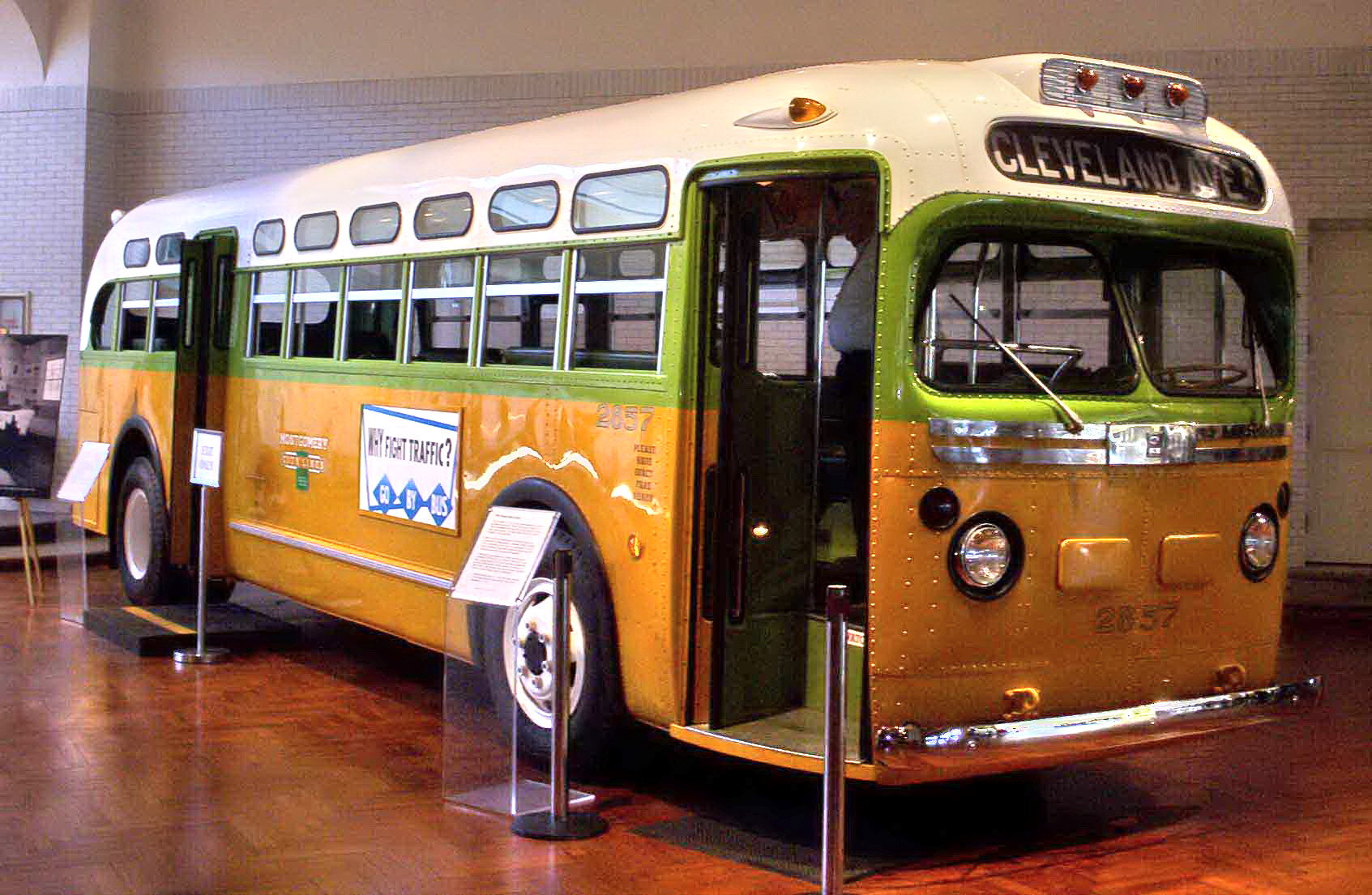
Rosa Parks was an African-American woman who refused to give up her seat on a bus to a white man on December 1, 1955. This act of resistance against racism sparked a wave of protest that led to the end of segregation. The bus is preserved in the Henry Ford Museum.
14 . Albert Einstein's watch
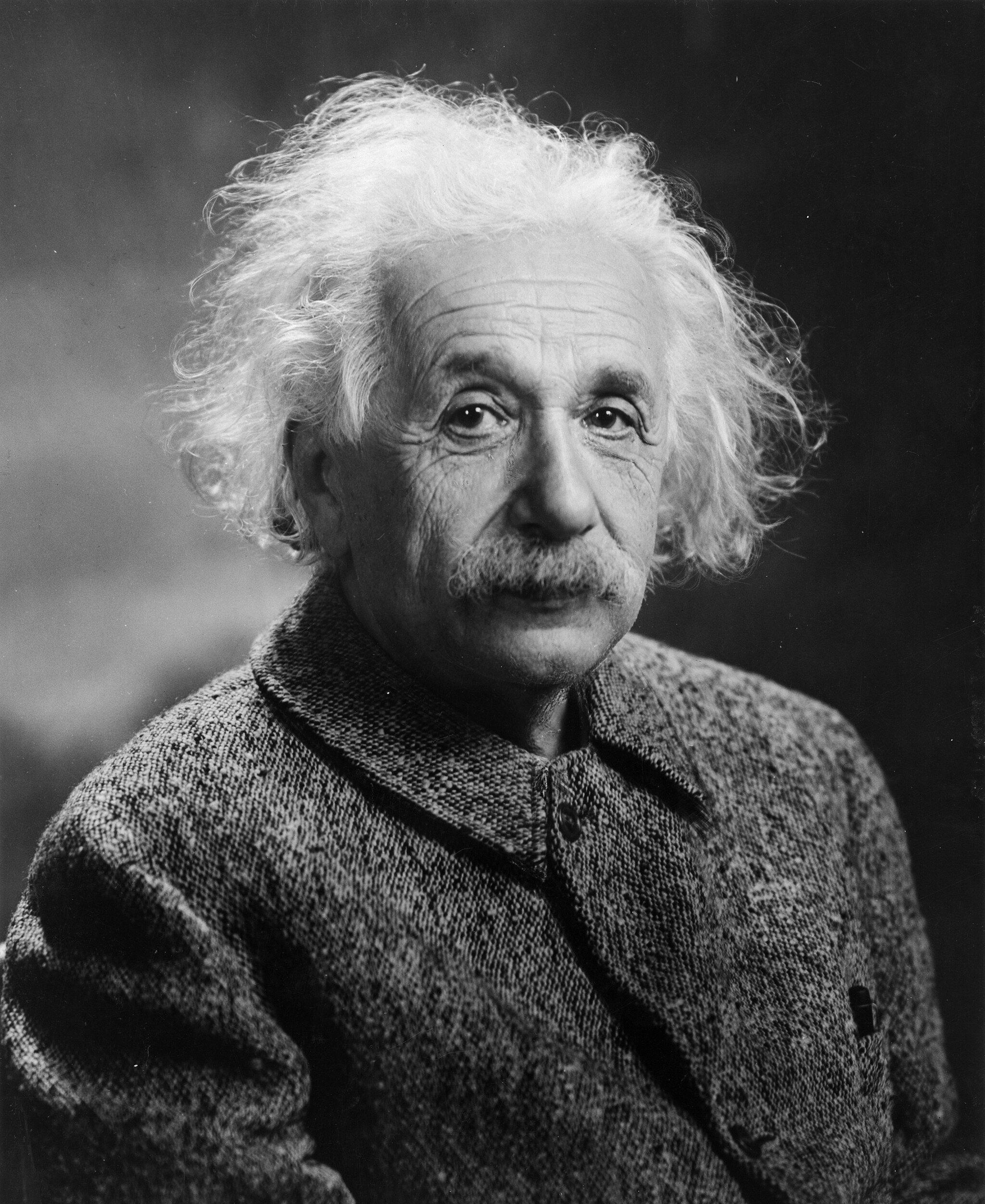
Albert Einstein's revolutionary work on physics was intimately linked to the notion of time and speed. It's no doubt this aspect of his life that gives such importance to one of his watches, a Longines pocket watch from 1943, now housed in the Berne Historical Museum.
15 . Stalin's pipe
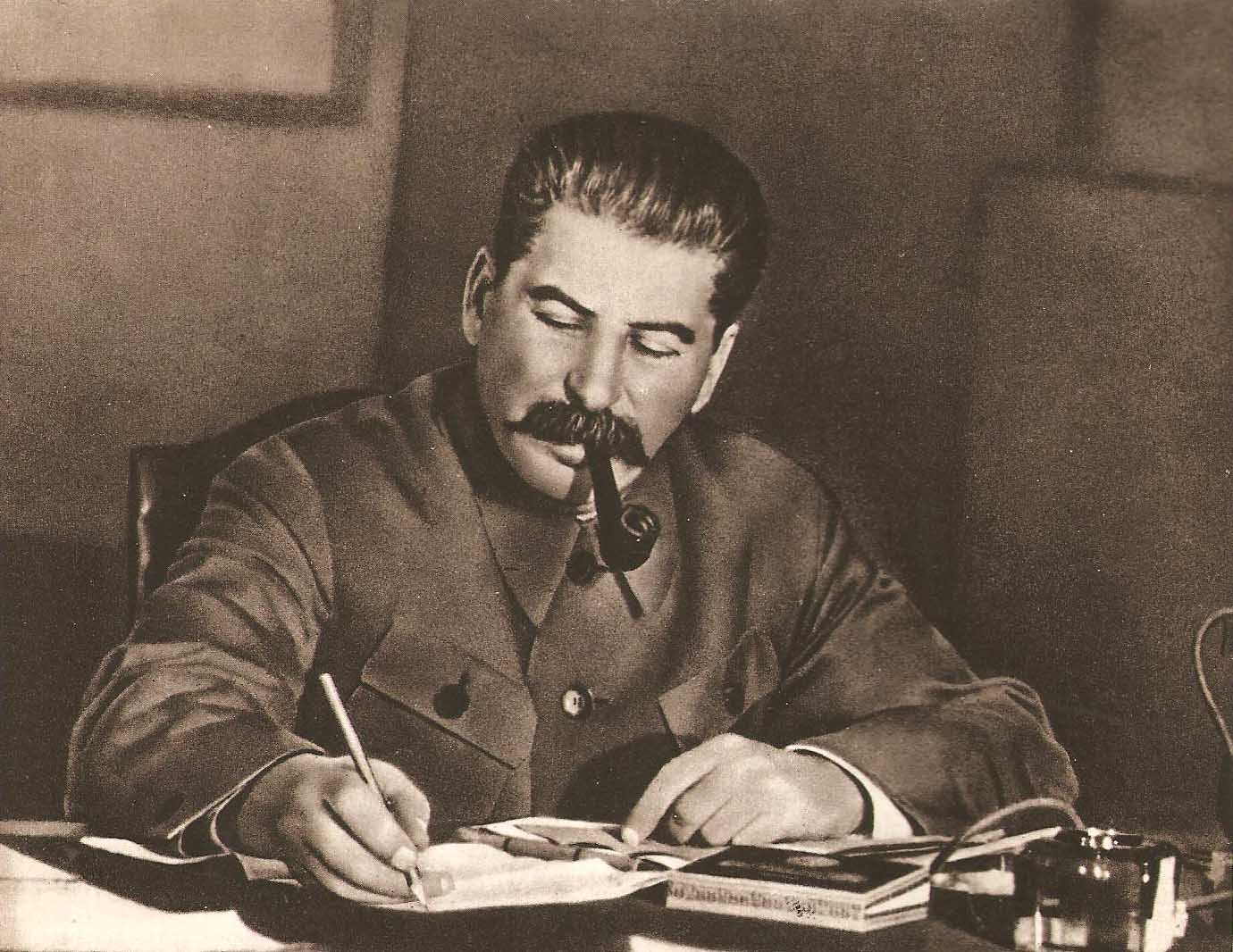
Joseph Stalin was a Soviet leader who ruled the USSR for many years. He was known for standing up to the Nazis, but also for his great severity, even cruelty. He was also known as a pipe enthusiast. One of his pipes can be seen today in the Gori State Museum.