
Your kitchen probably looks like a showroom of good intentions. A slow cooker for cozy Sundays, a juicer you swore would turn you into a green-smoothie person, maybe even a waffle maker that only sees daylight twice a year. They promise joy, convenience, and a splash of culinary ambition.
But here’s the twist—appliances don’t just cost what’s on the price tag. They carry little stowaway expenses that tag along for the ride. Then there’s the silent cost of space. That crowded counter isn’t just messy; it’s prime real estate. A gadget that sits untouched for months is basically charging rent without lifting a finger. Add it all up, and suddenly your “time-saving” gadget is costing you both time and sanity.
This is why we’re breaking down the surprising, often-overlooked costs tied to small kitchen appliances. It’s not to scare you off your next gadget obsession—it’s to give you a peek behind the curtain so you can spend smarter and maybe save yourself a little cash and counter space along the way.
High Electricity Costs
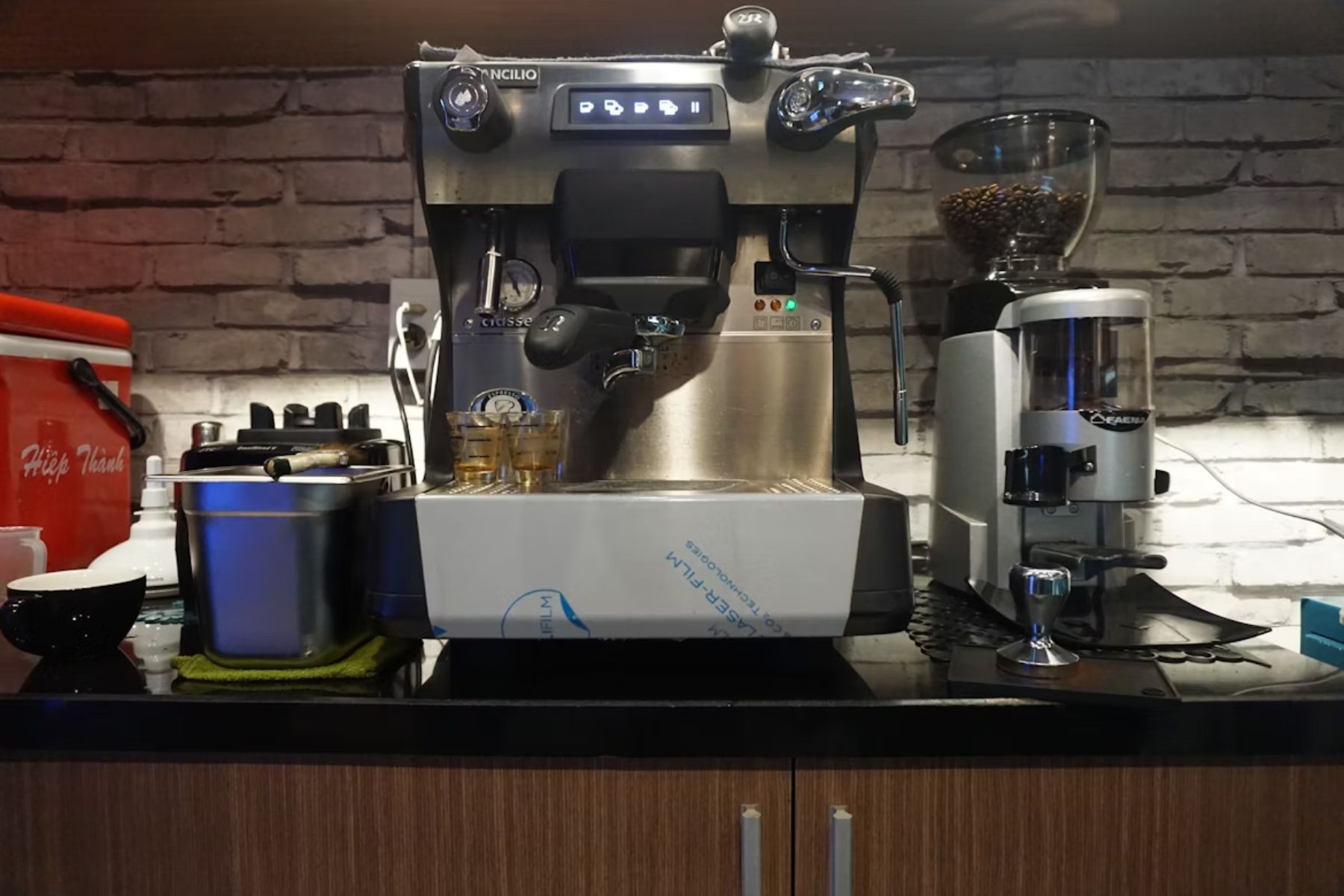
Small kitchen appliances like air fryers, coffee makers, and blenders all consume electricity every time they are used, adding to your monthly utility bill. Smart meters track this usage in real time, while the actual cost depends on wattage and local rates.
Expensive Replacement Parts
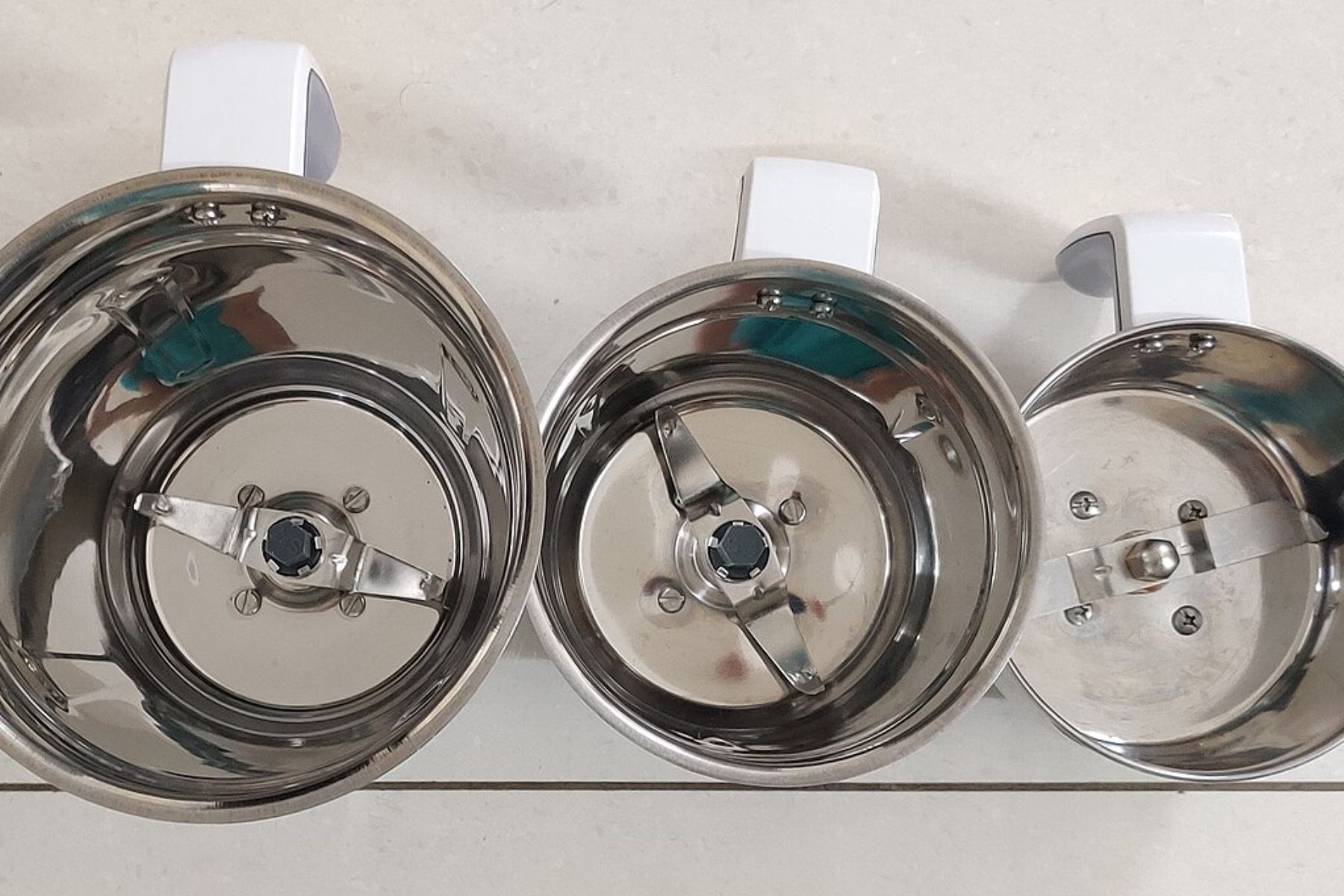
Model-specific parts for small kitchen appliances strain budgets unexpectedly. Blender blades and coffee carafes must come from select dealers, yet these components cost nearly as much as new units. Subsequently, many consumers face repair bills that rival replacement appliance prices.
Specialized Cleaning Supplies

Small kitchen appliances promise convenience, but they also demand upkeep that goes beyond soap and water. Unlike multipurpose sprays, these cleaners are formulated to prevent corrosion, mineral buildup, and staining. Over time, the repeated purchases of descalers, wipes, and protective sprays add up.
Recurring Costs Of Disposable Accessories
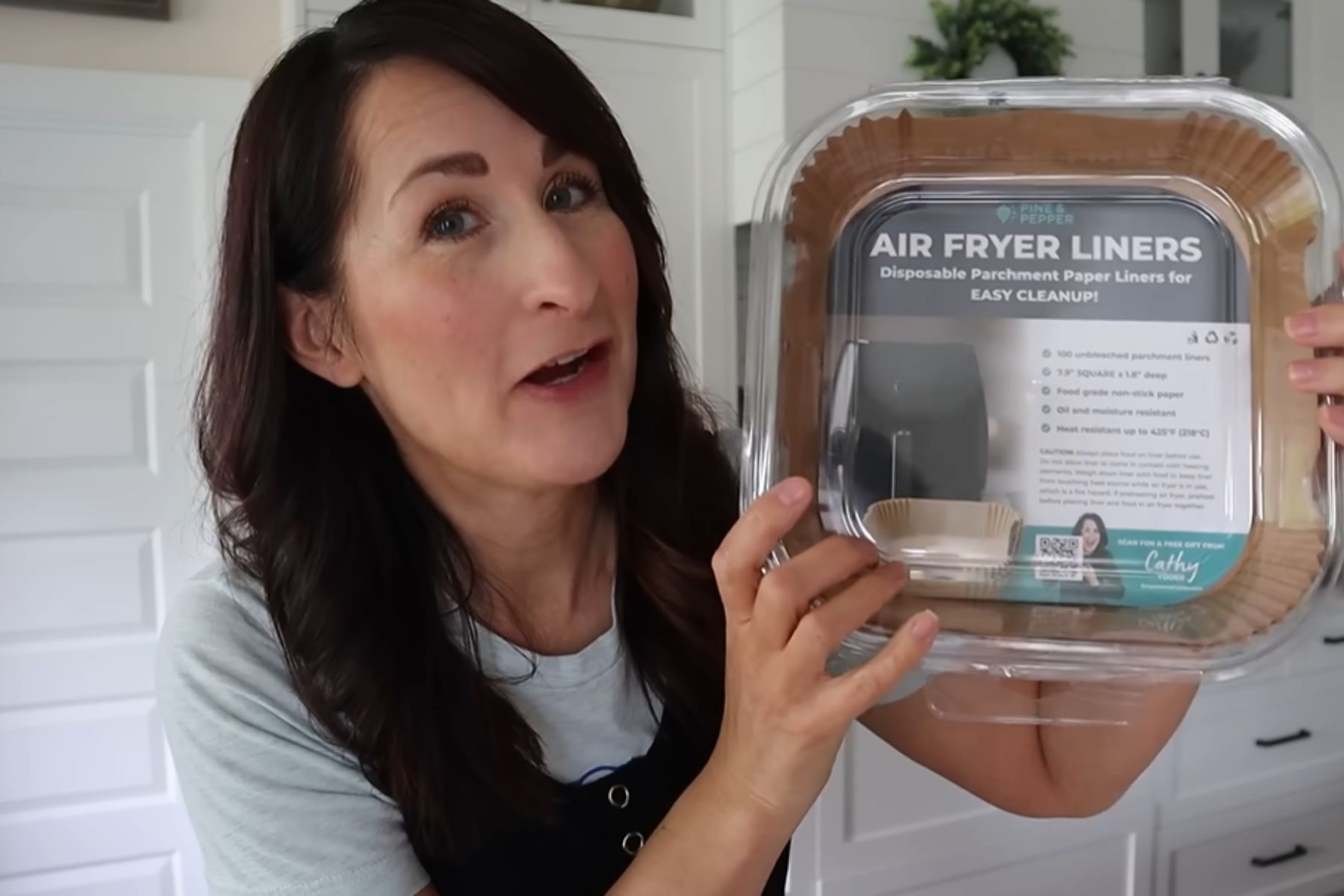
Disposable accessories are often essential for safe use or proper functionality, meaning you can’t simply skip them without risking damage or poor performance. Because they must be purchased regularly, their costs accumulate steadily over months and years.
Expensive Storage Needs

Counter space vanishes faster than expected when small appliances take over your kitchen. The resulting clutter makes cooking tasks more difficult while limiting access to other tools. Additionally, many people find themselves spending money on storage solutions just to manage the overflow.
Short Lifespan
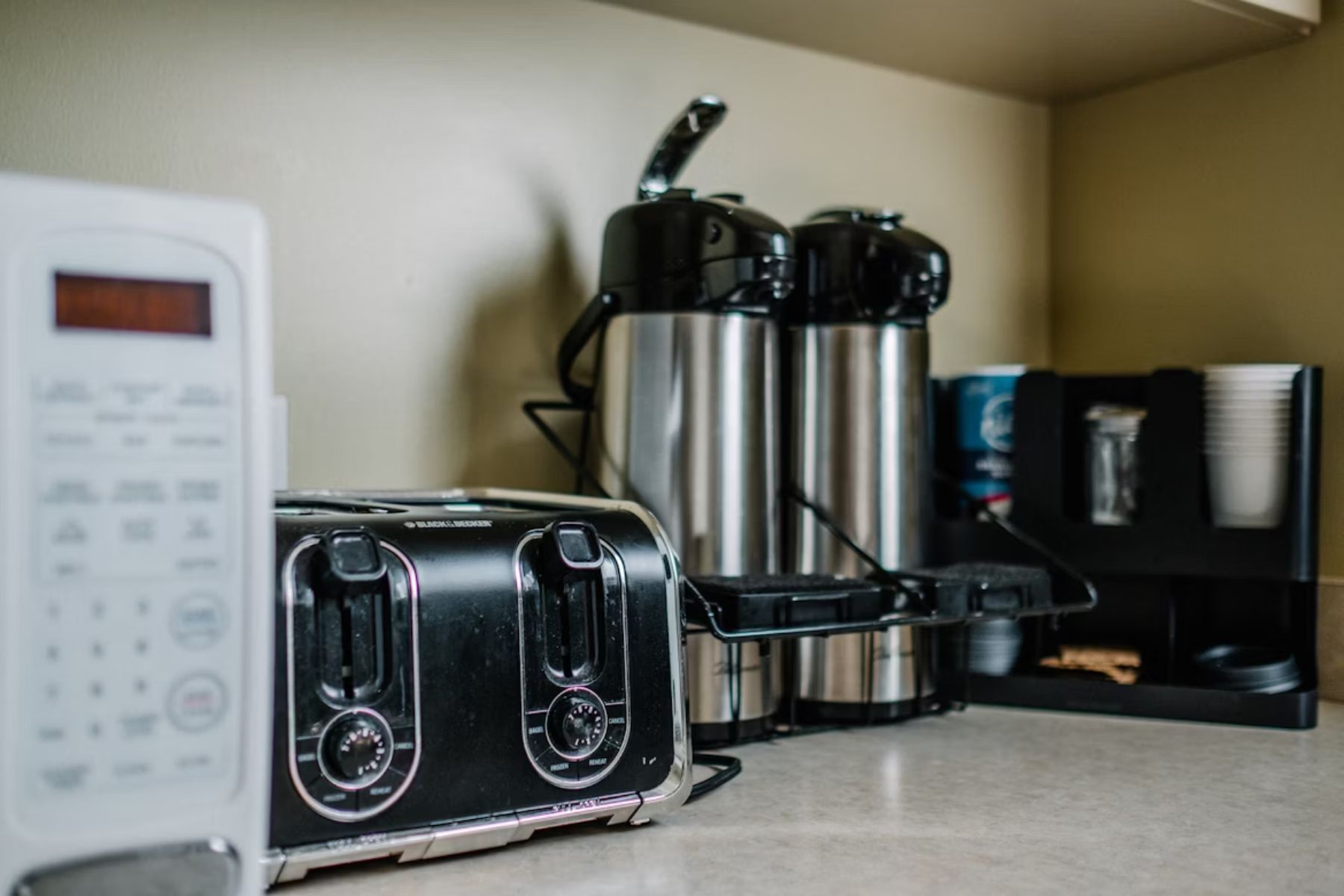
Many small kitchen appliances aren’t built to last as long as their larger counterparts. Internal components, coatings, and wiring are often made with lighter materials that wear down quickly under frequent use. The hidden cost lies not just in buying again, but in the wasted money spent on a product that simply wasn’t designed for long-term durability.
Expensive Repairing Costs
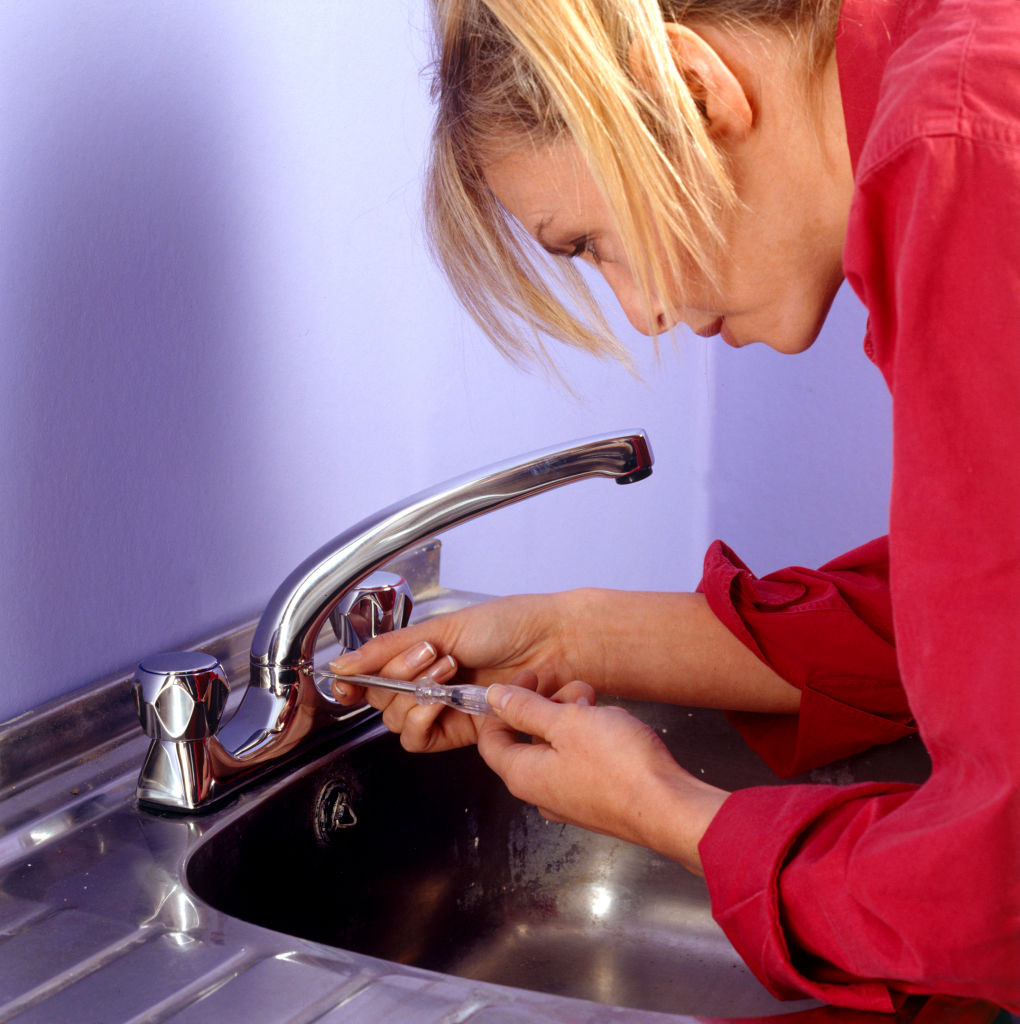
When small kitchen appliances stop working, professional services can be surprisingly costly. Many repairs require specialized technicians who charge high hourly rates, plus additional fees just for inspection or diagnosis. If the appliance must be sent away for servicing, shipping and handling costs further inflate the bill.
Extended Warranties That Add Up Quickly

Retailers and manufacturers encourage buyers to add coverage at checkout, framing it as a safeguard against accidents or breakdowns. While these plans sound practical, they usually come with strict limitations and exclusions that reduce their usefulness.
Separate Safety Accessories
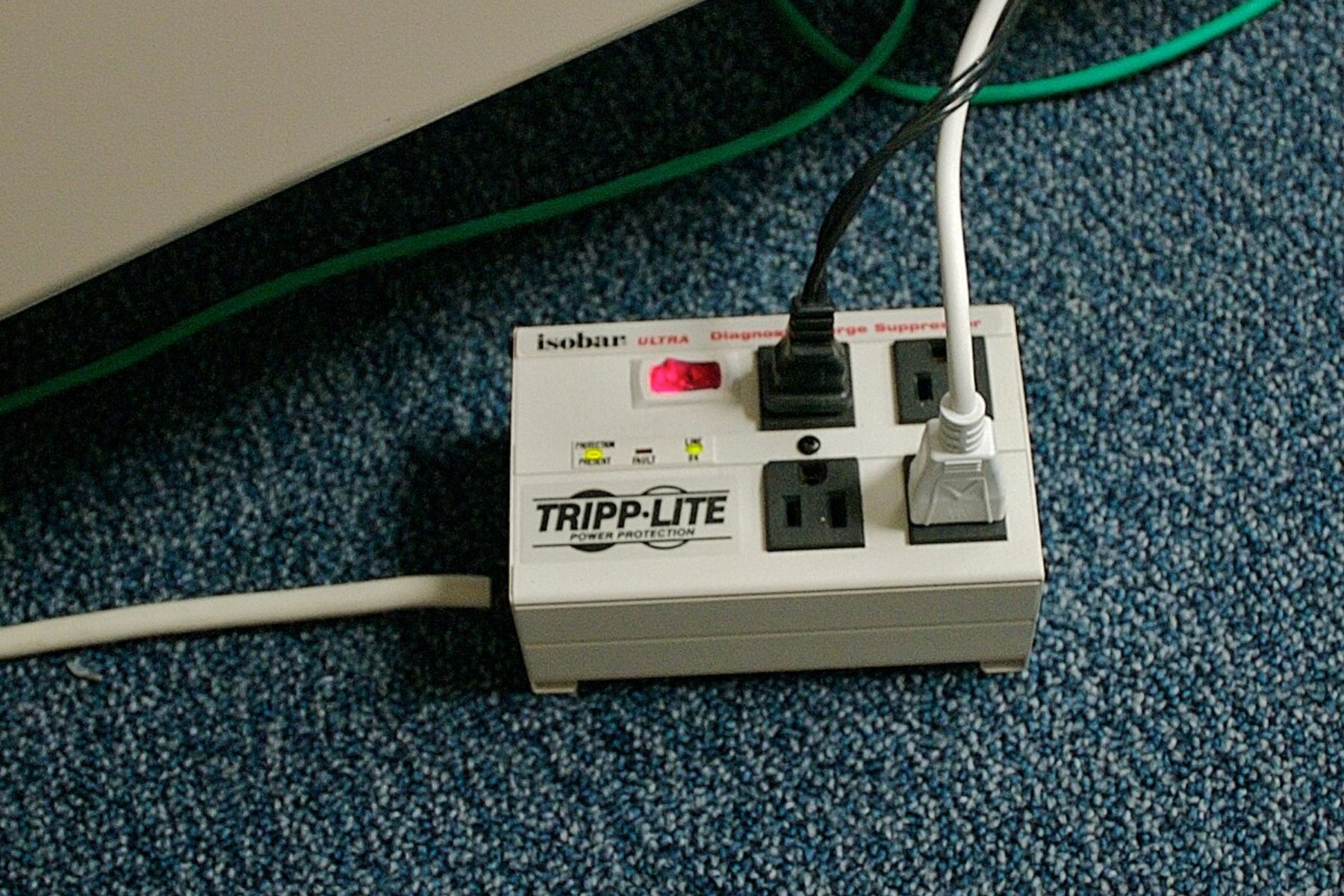
Many small kitchen appliances require additional safety items that are not included in the original purchase. Heat-resistant mats, surge protectors, protective covers, or child-safety add-ons often become necessary to ensure safe use in everyday settings.
Extra Spending On Noise Problems
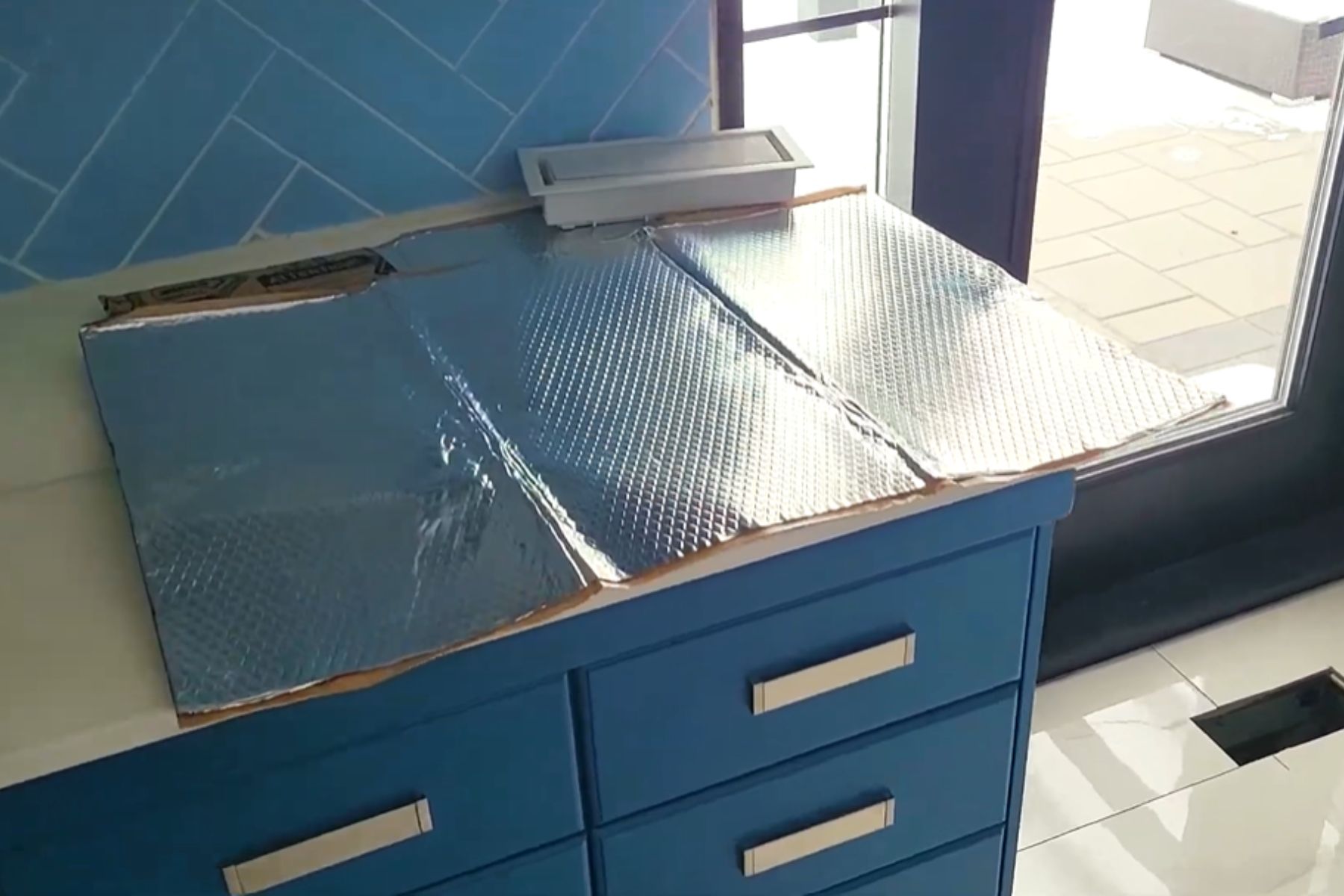
Noisy blenders and food processors drive homeowners to unexpected solutions. Sound-dampening mats and enclosures add significant costs to kitchen setups. Meanwhile, some people resort to moving appliances to isolated spots, whereas others simply replace them with quieter versions.
Require Specialty Ingredients

Specialty ingredients for small appliances can double your grocery expenses. Premium coffee beans command high prices, plus bread makers need specific flours and yeast. Additionally, ice cream machines require stabilizers for the right texture, while smoothie makers depend on costly powder supplements.
Expensive Utensils Required For Daily Use
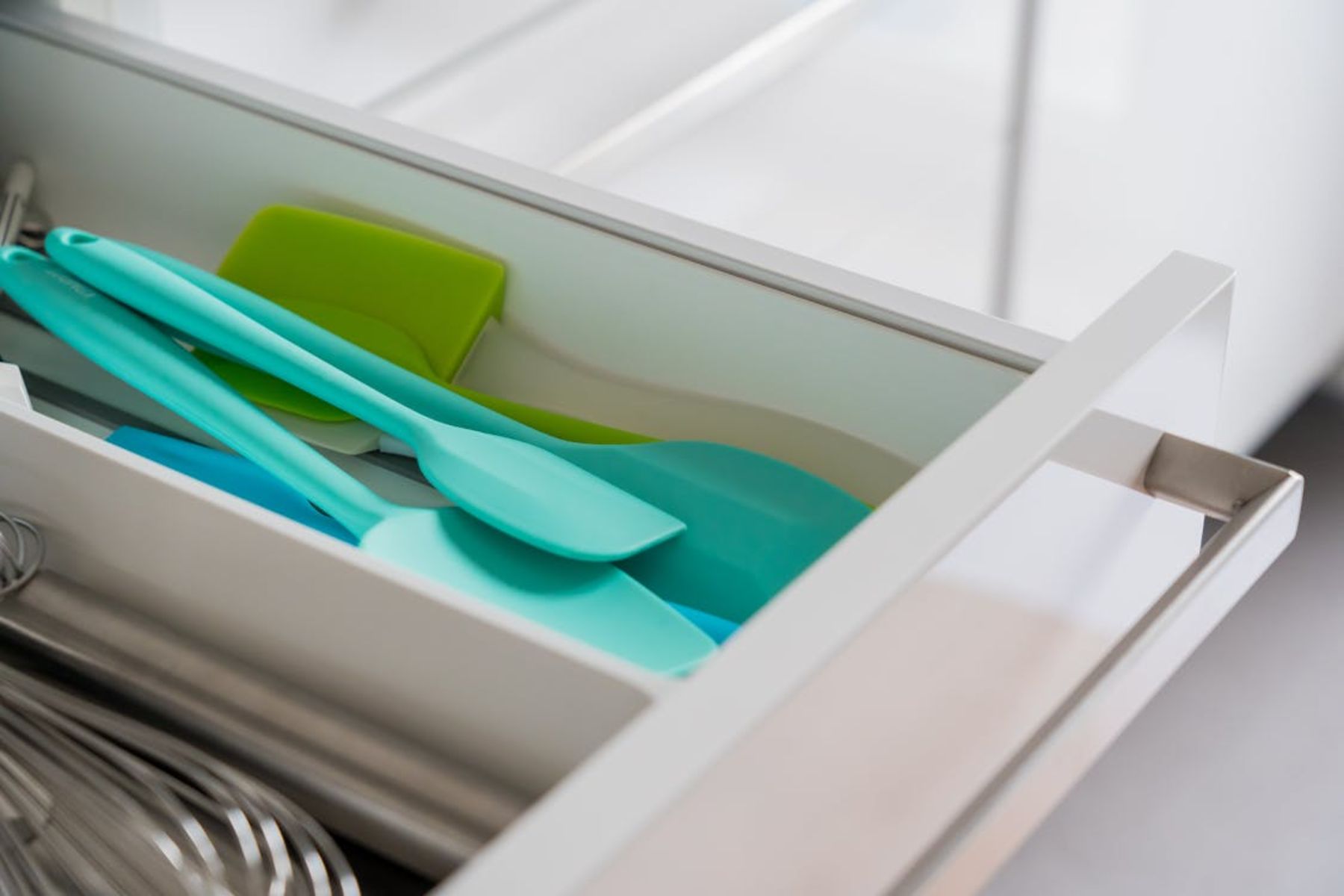
Your new appliance arrives, but the real costs are just beginning. Not only do you need silicone spatulas to protect surfaces, but specific measuring cups and tamper sticks are sold separately. Many brands even require their own proprietary attachments for proper operation.
Extra Water Usage
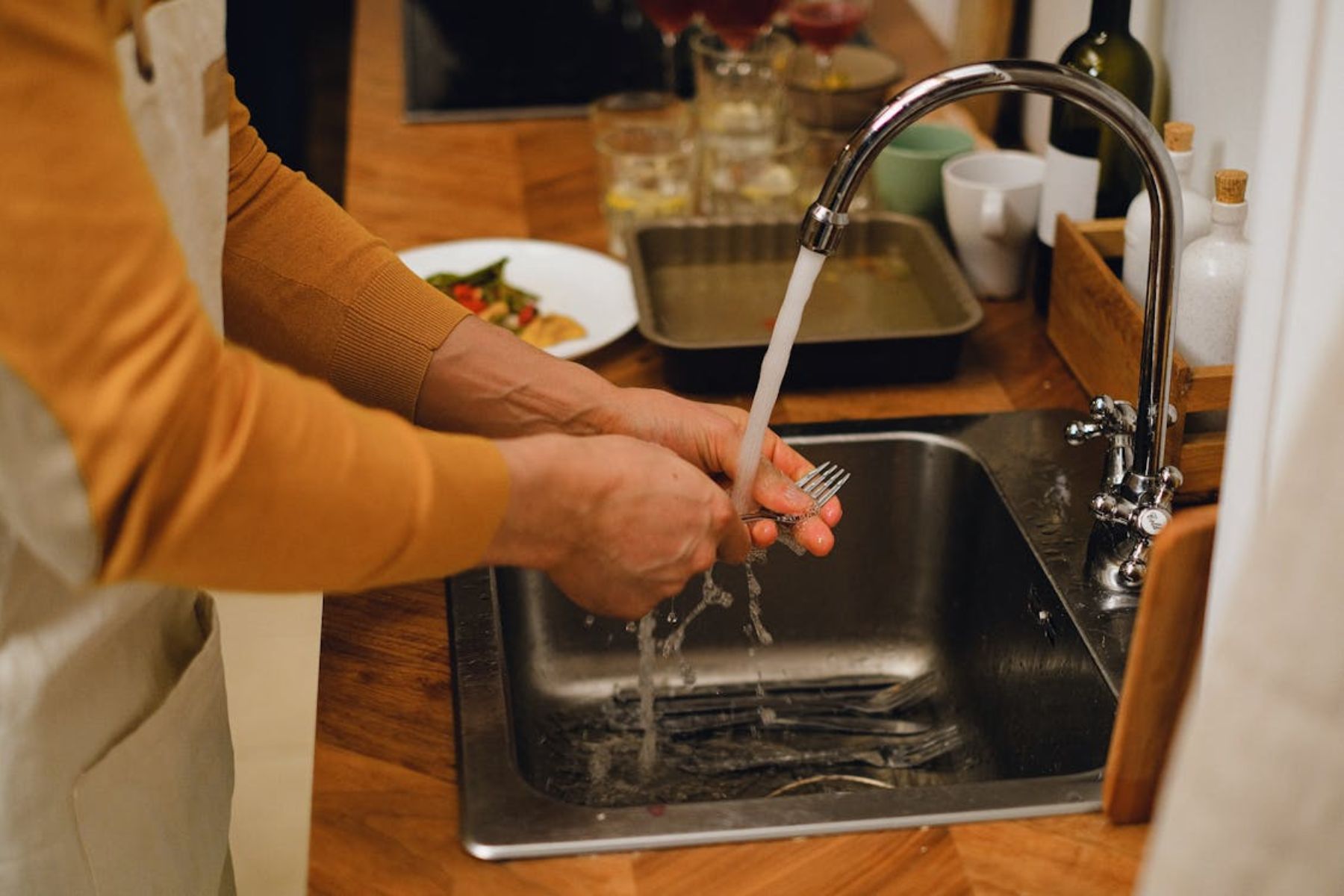
Coffee makers and blenders require constant water-based maintenance to function properly. Not only does frequent washing increase household water bills, but many people also use filtered water to prevent mineral buildup. Even regular cleaning requires extra water, subsequently raising utility costs.
Heat Output That Increases Cooling Bills

Your kitchen's small appliances create more than just meals: they generate substantial heat. Air fryers and toasters raise room temperatures noticeably, making air conditioners strain to maintain comfort. Smart homeowners often take their cooking outside during the summer months to reduce this unexpected cost burden.
Paid Apps For Smart Features

The convenience of controlling appliances from your phone comes with hidden costs. Smart kitchen devices need paid apps to unlock their advanced capabilities. Meanwhile, software subscriptions become a recurring expense, yet these ongoing fees aren't mentioned prominently during purchase.